Tags
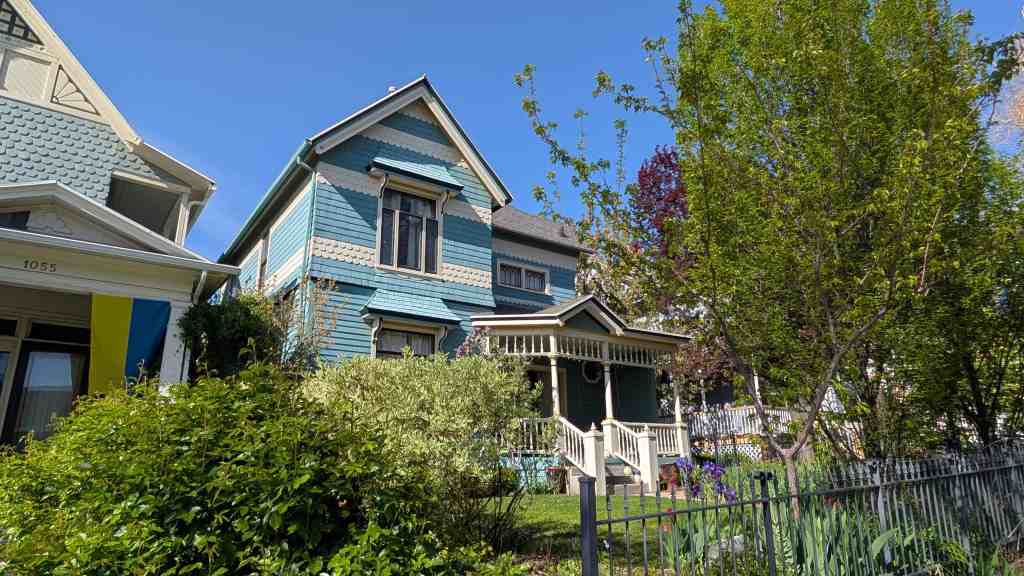
1059 1st Avenue
01 Saturday Nov 2025
Posted in Uncategorized

01 Saturday Nov 2025
Posted in Uncategorized
Tags
23 Tuesday Sep 2025
Posted in Uncategorized

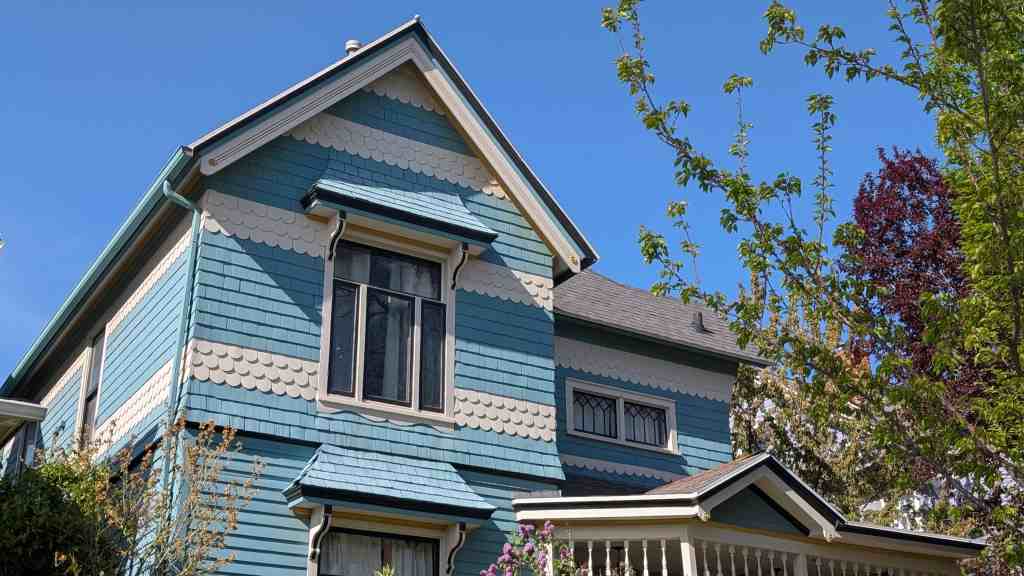
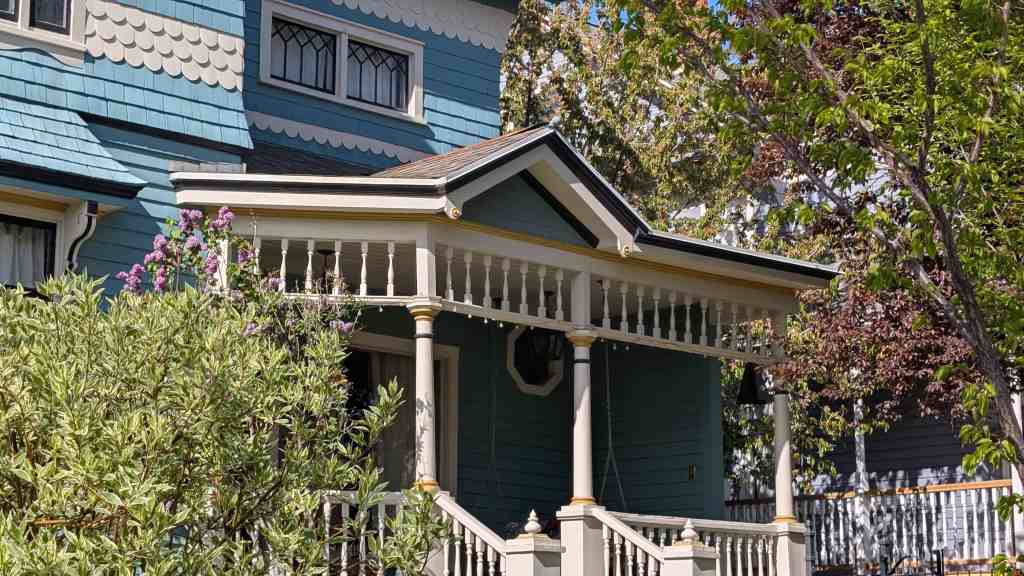
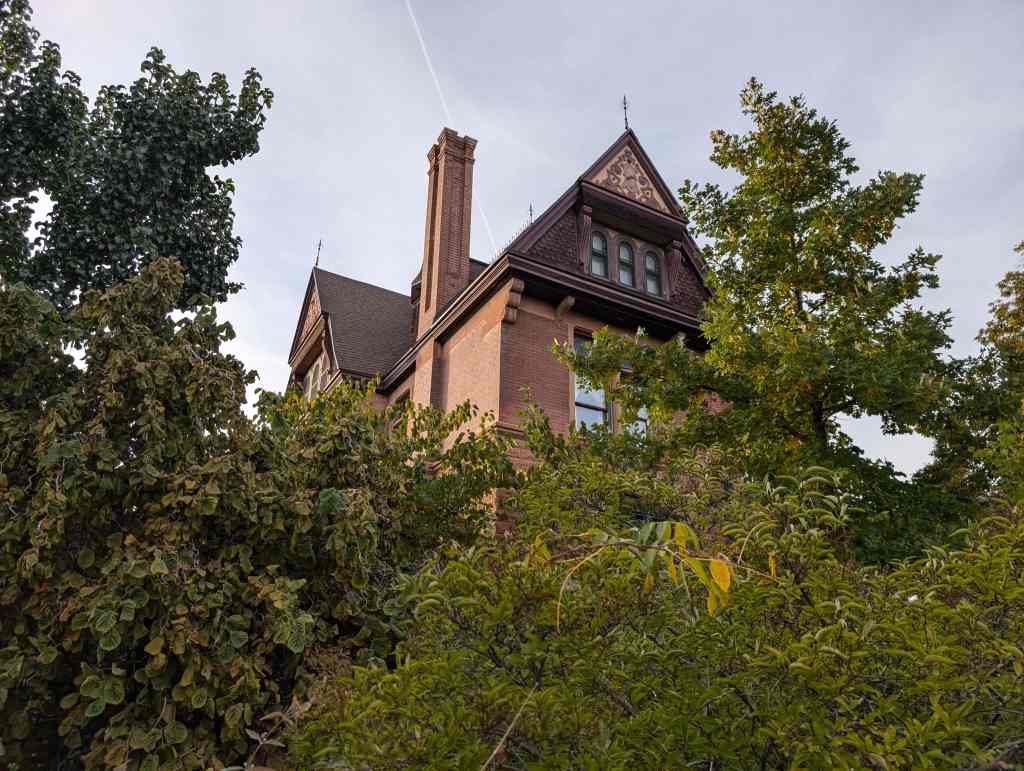
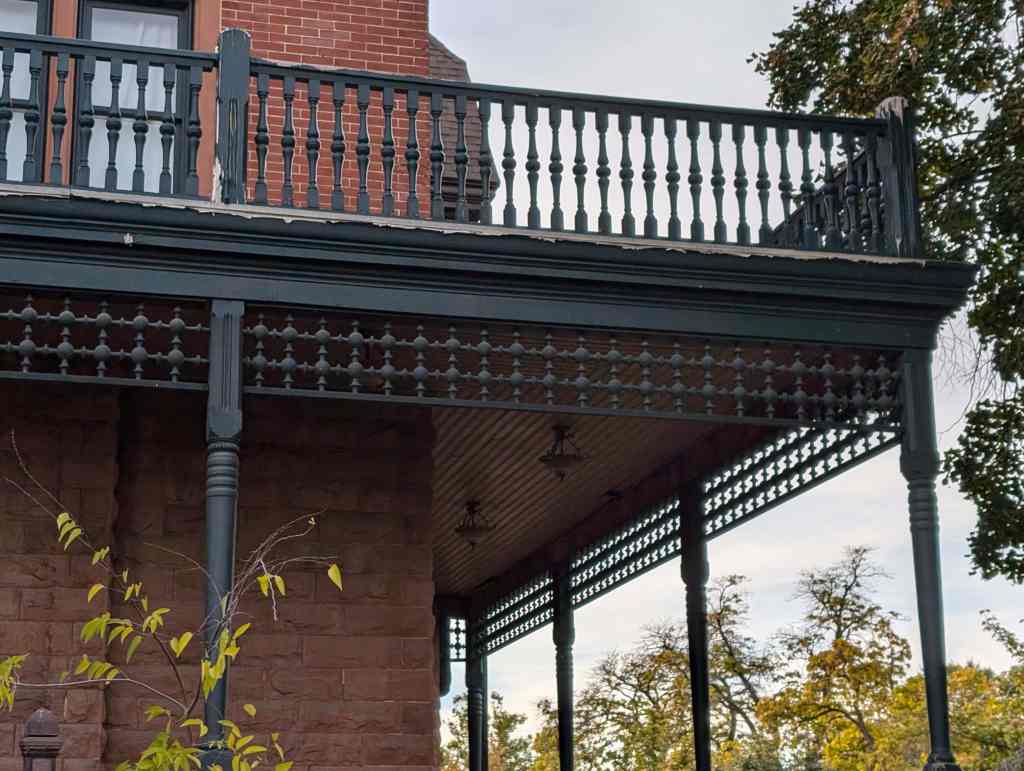
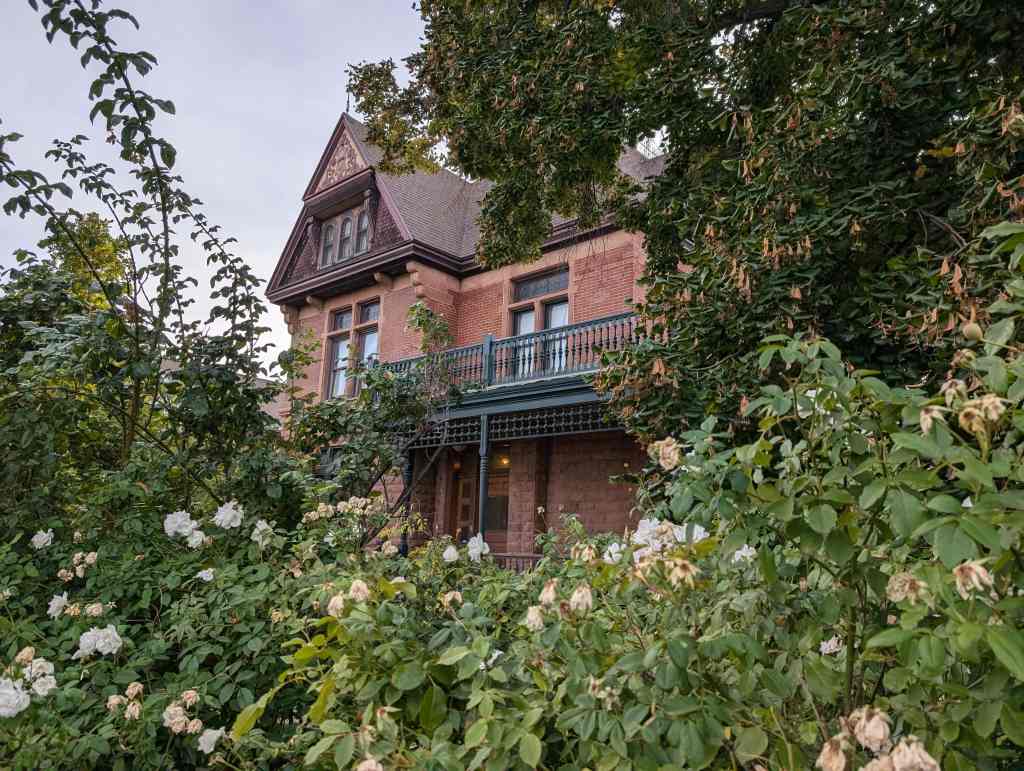
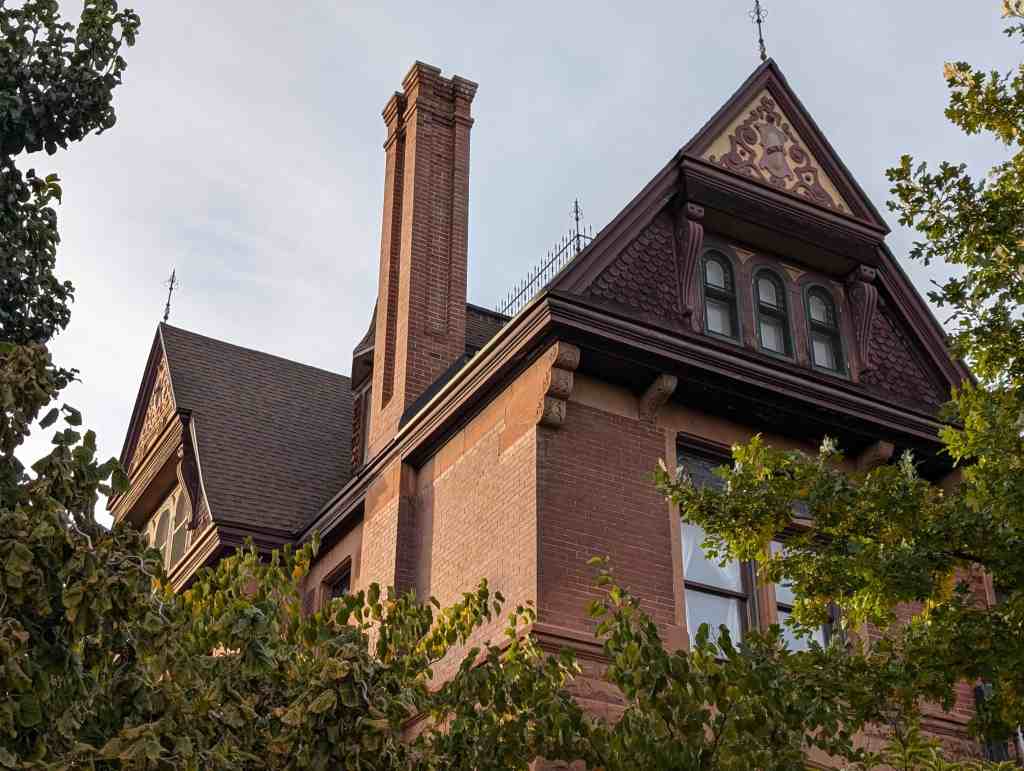
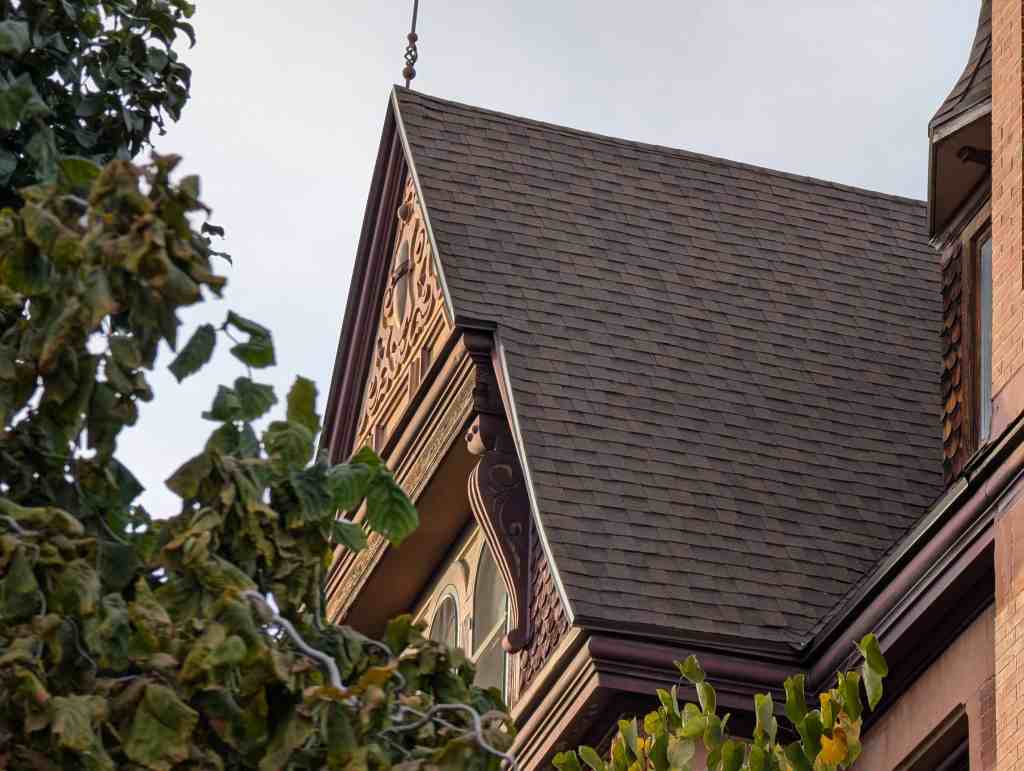
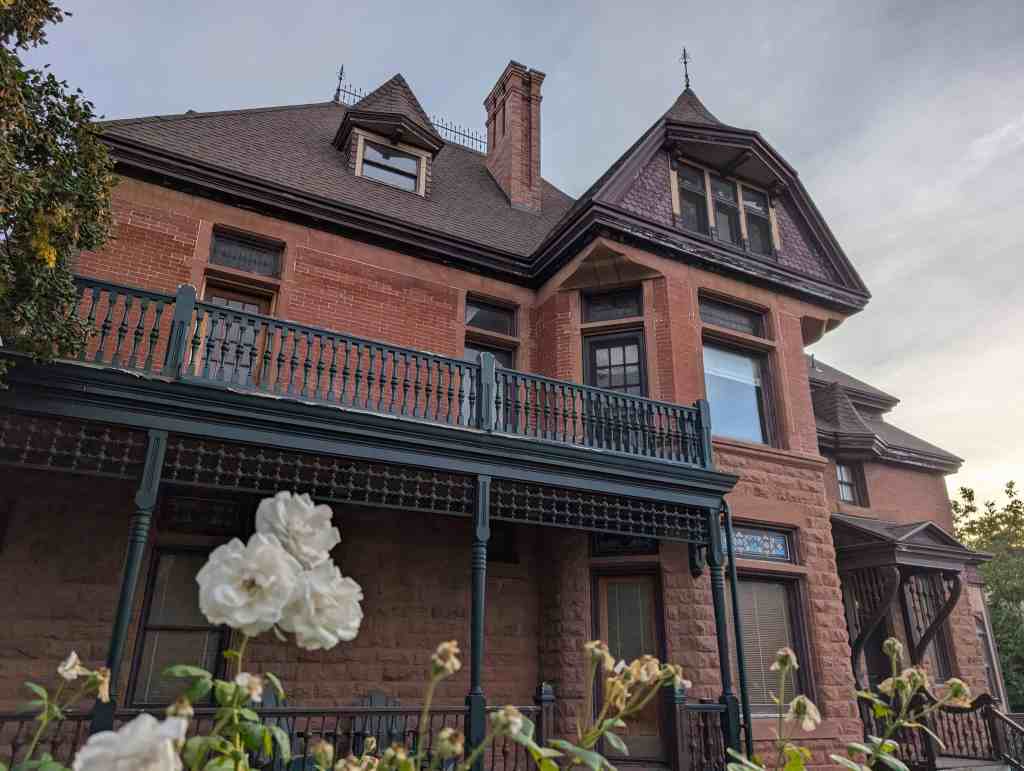
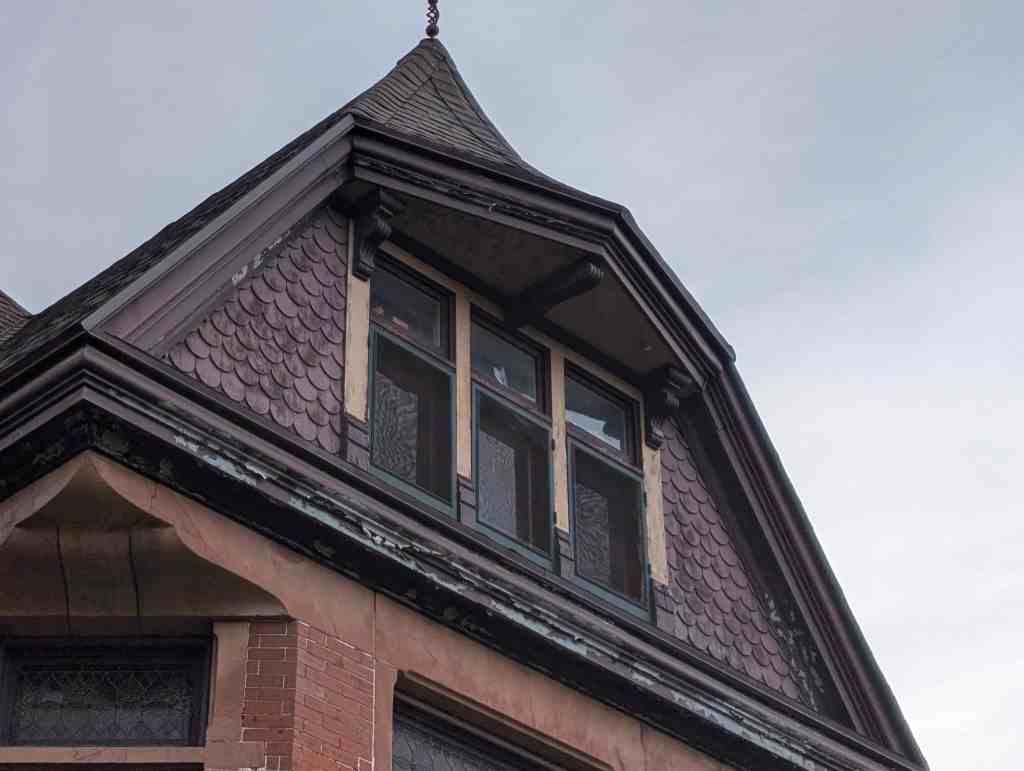
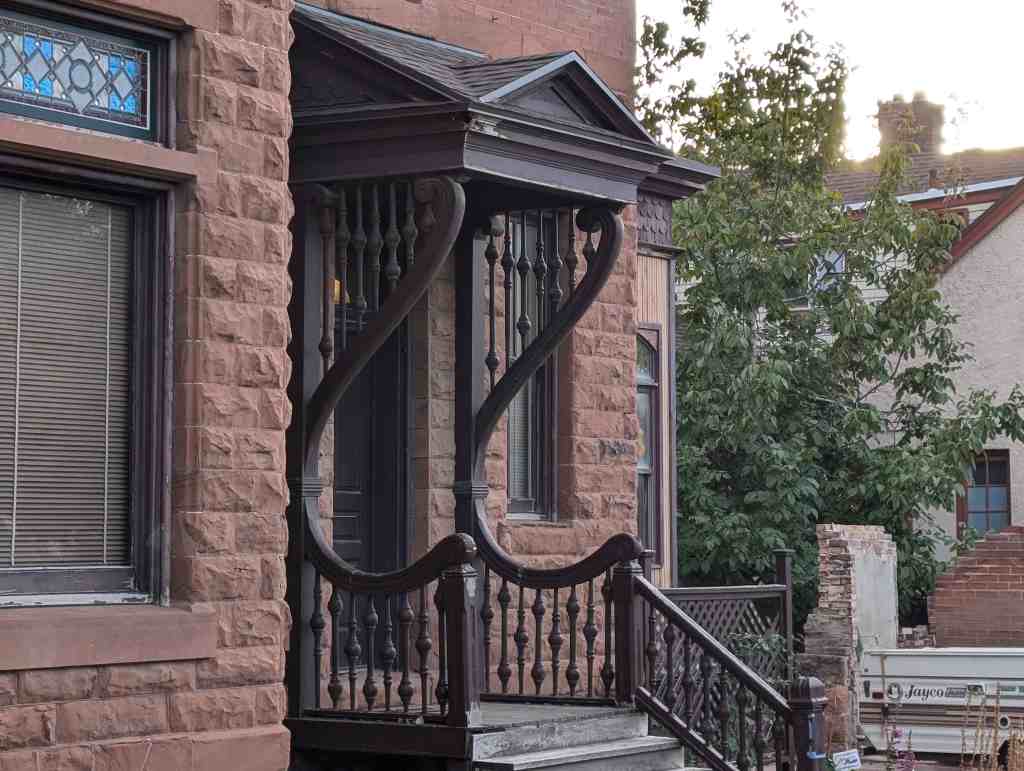
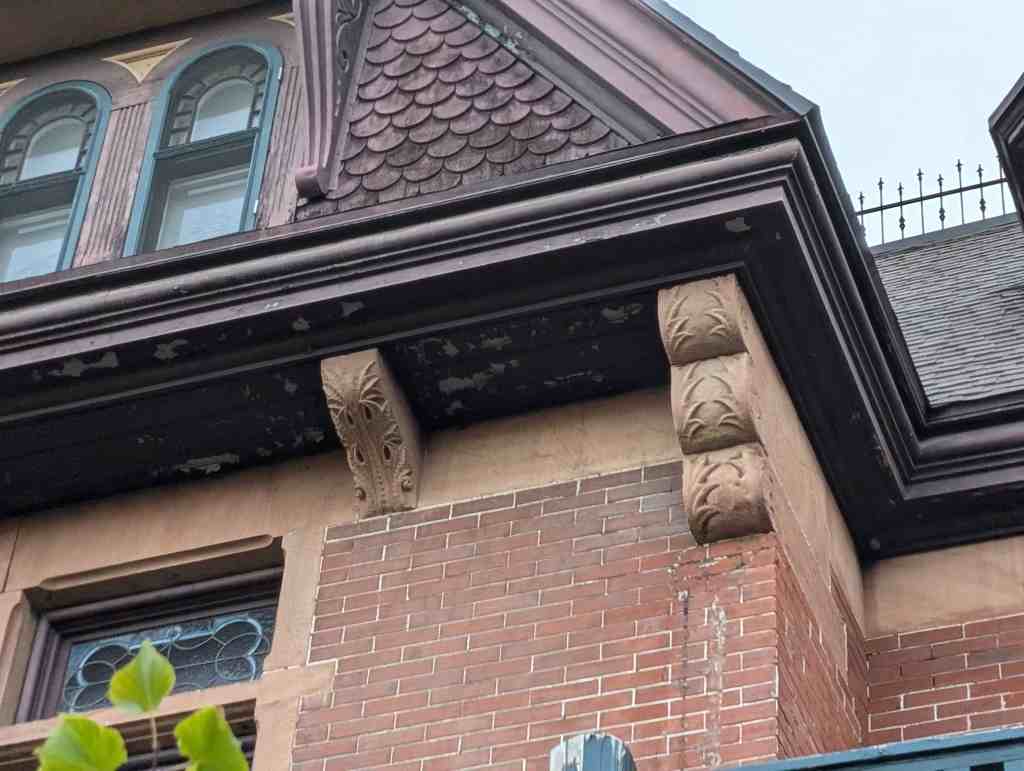
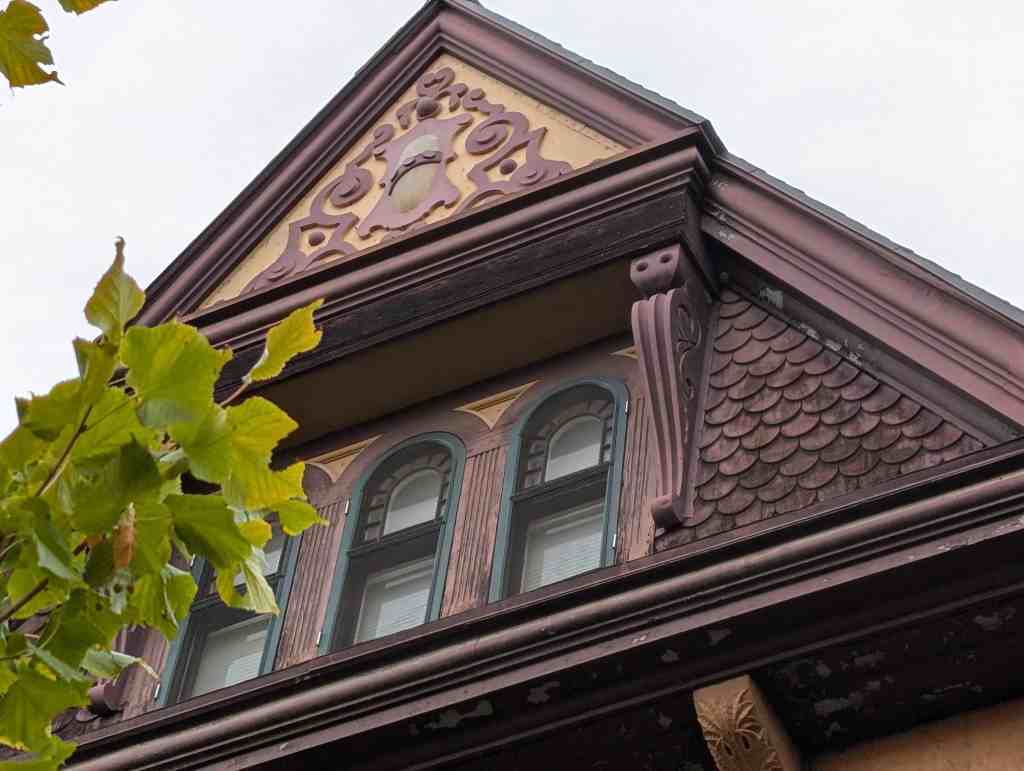
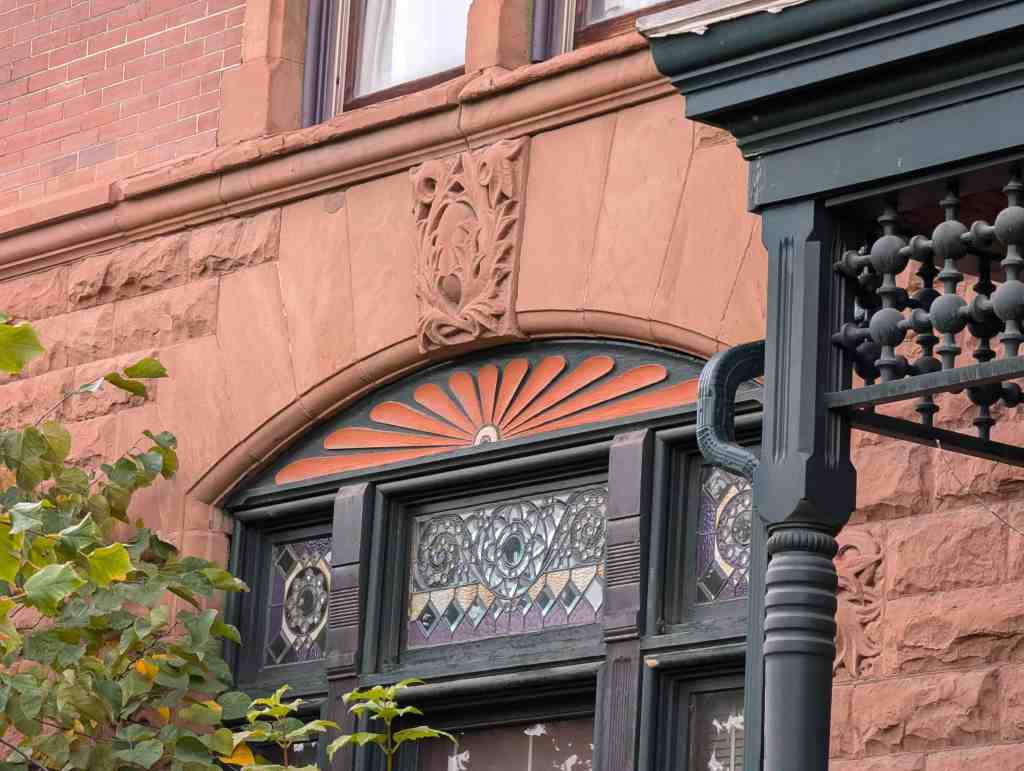
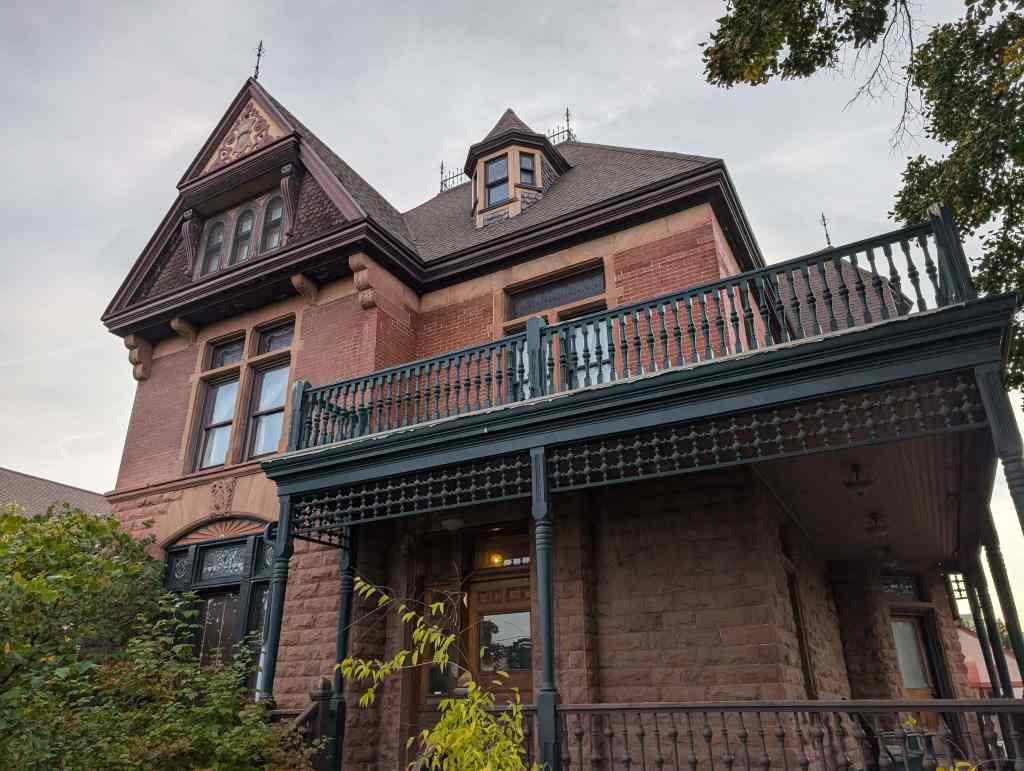
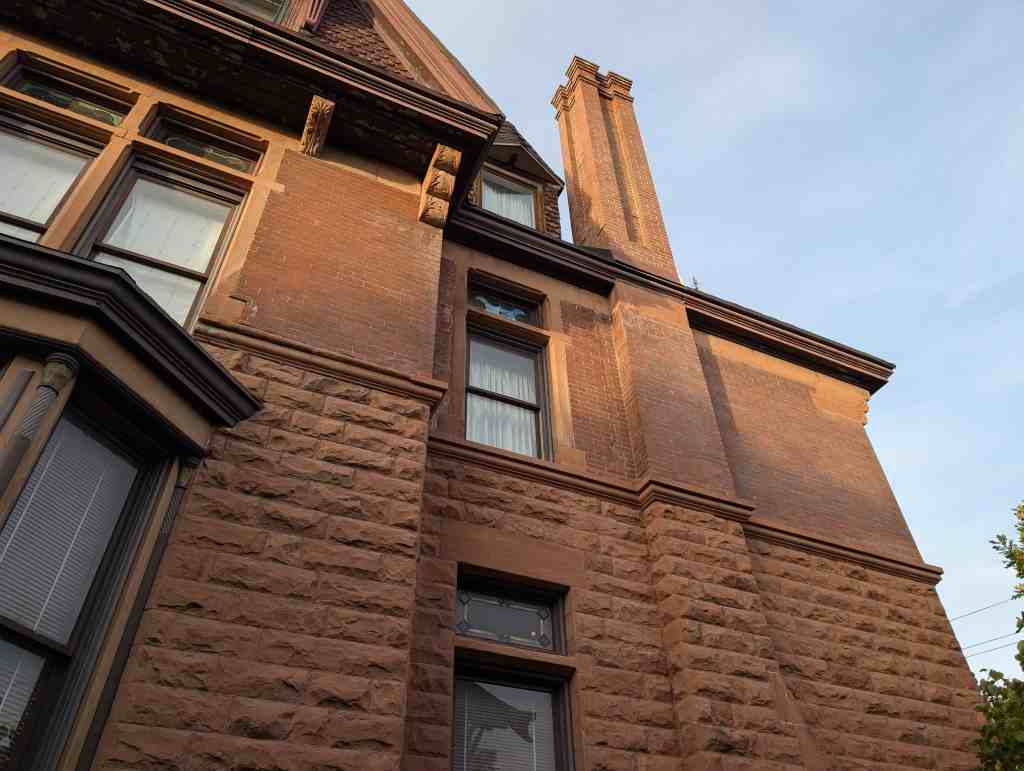
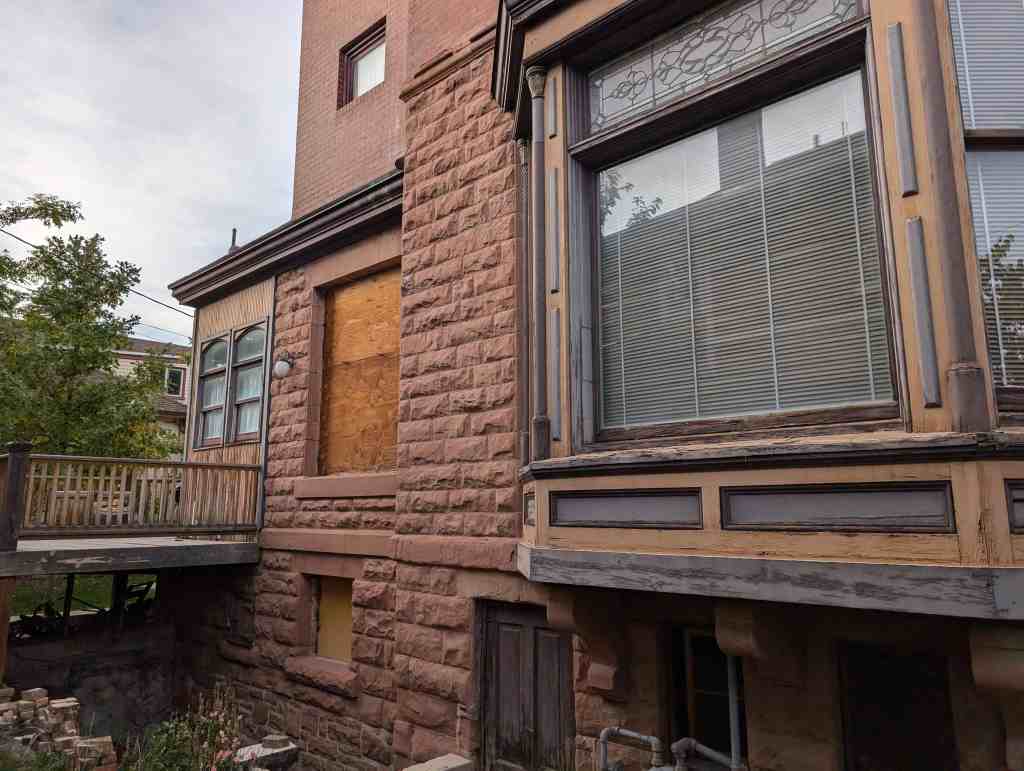
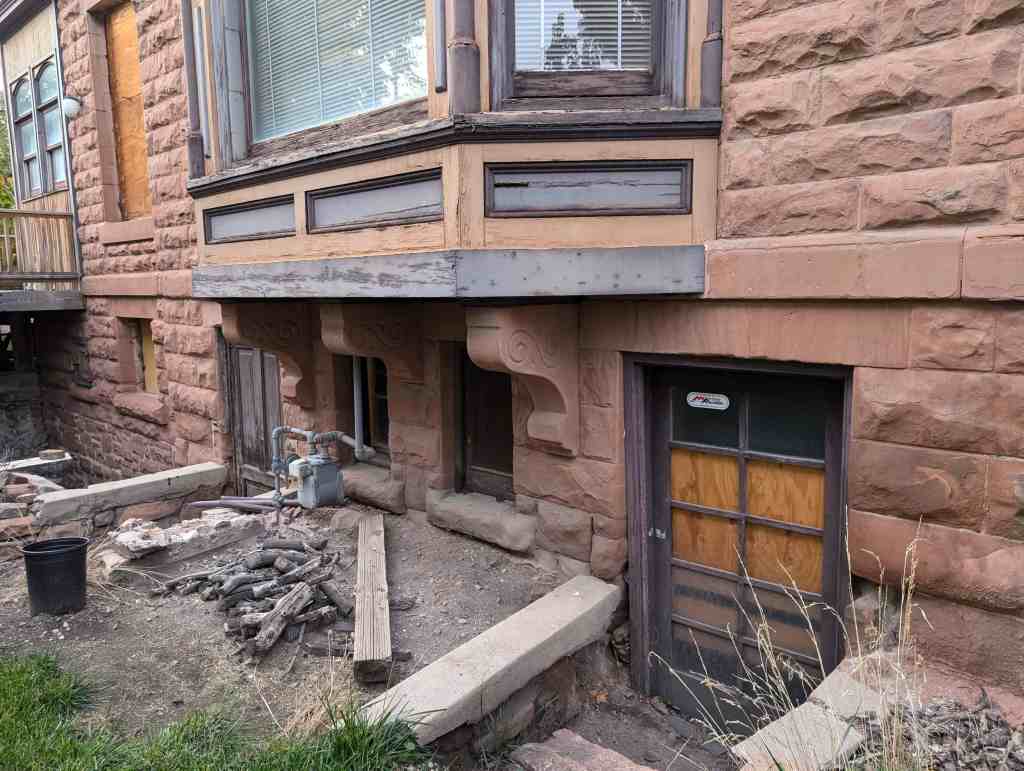
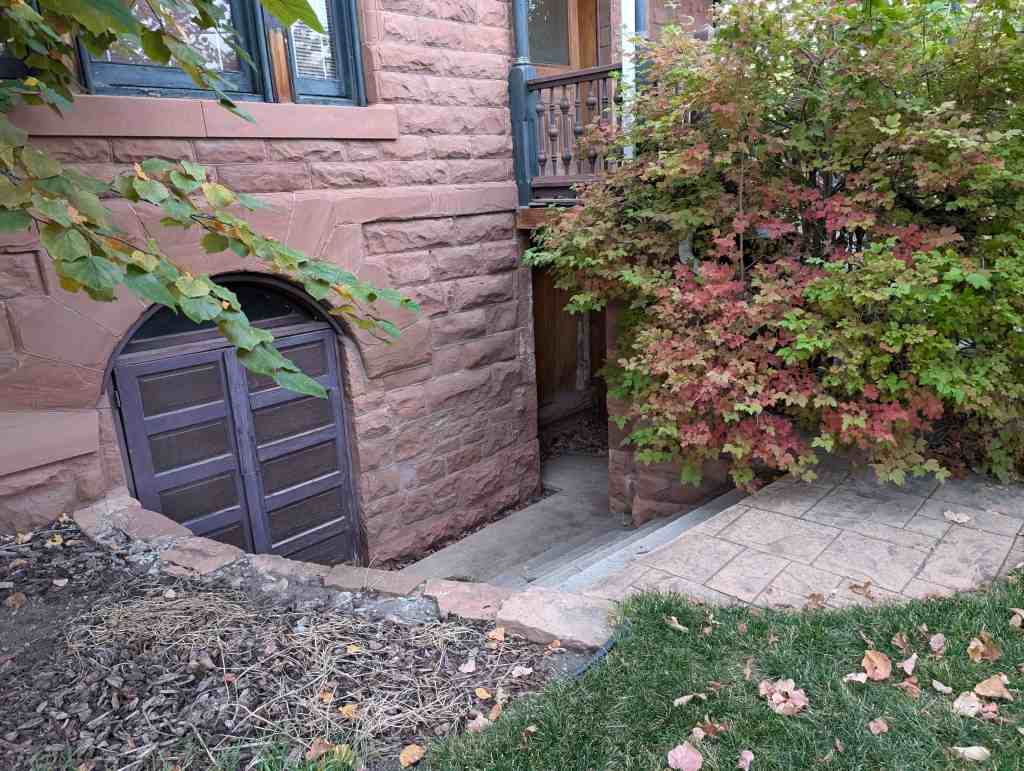
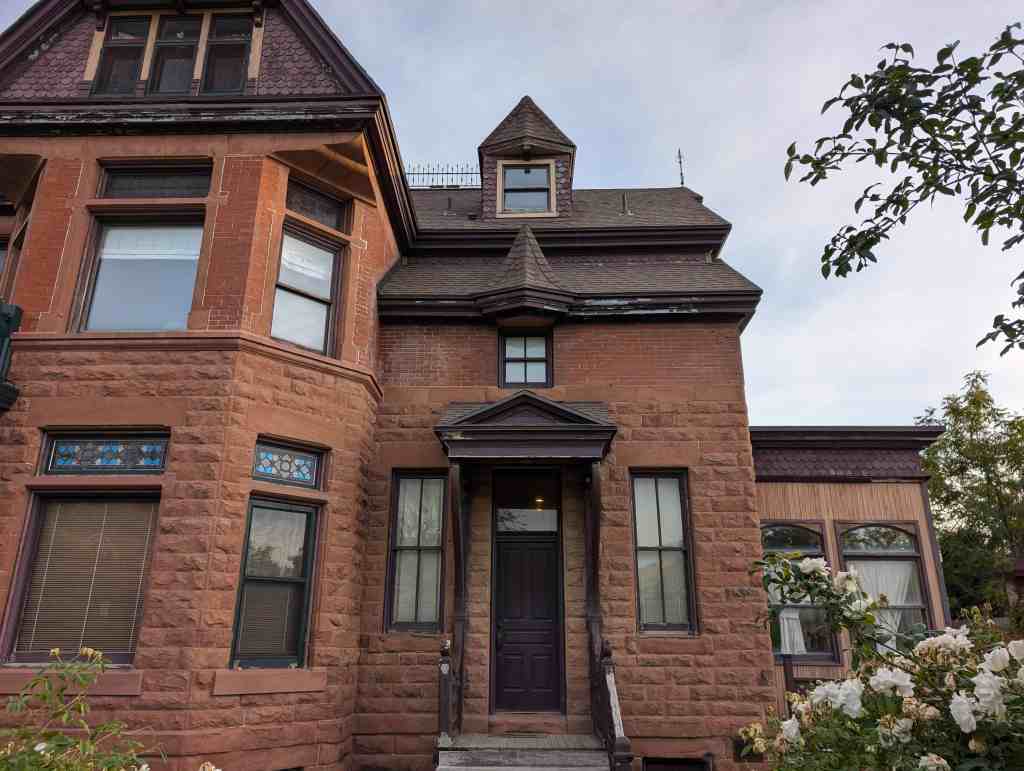
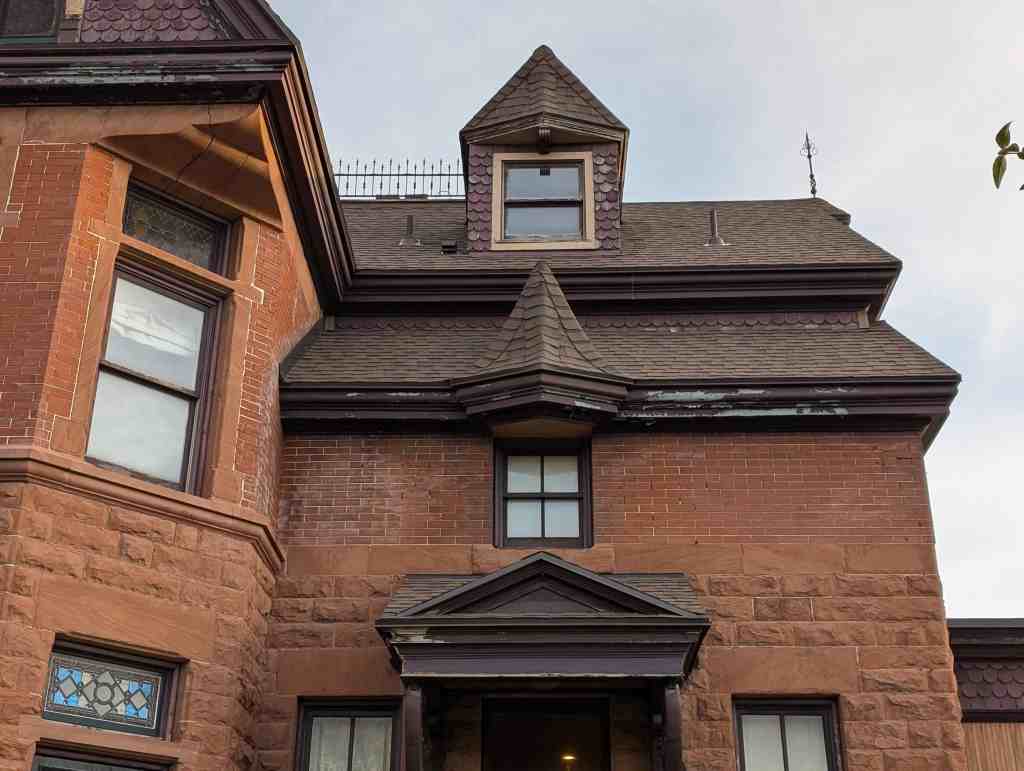
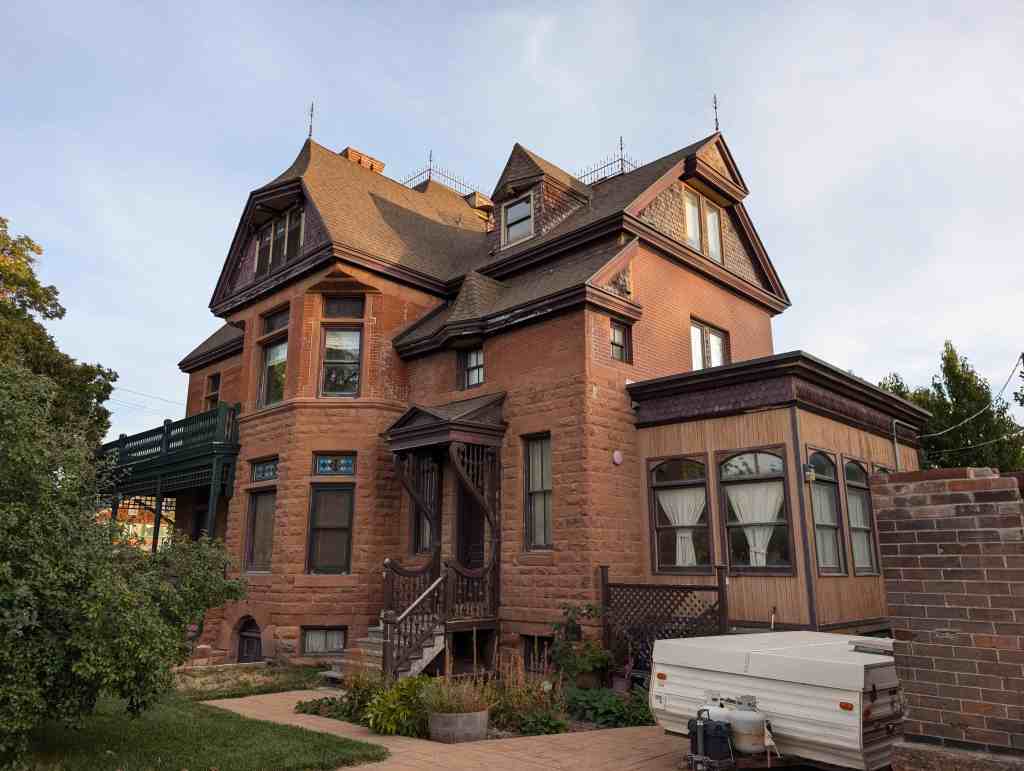
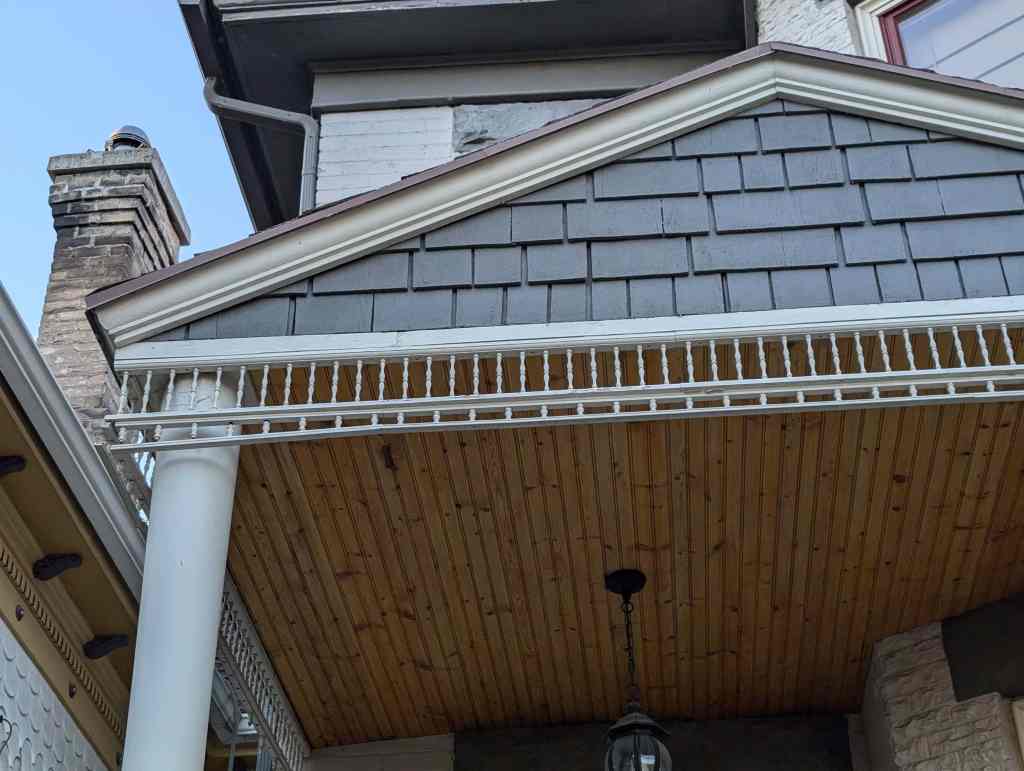
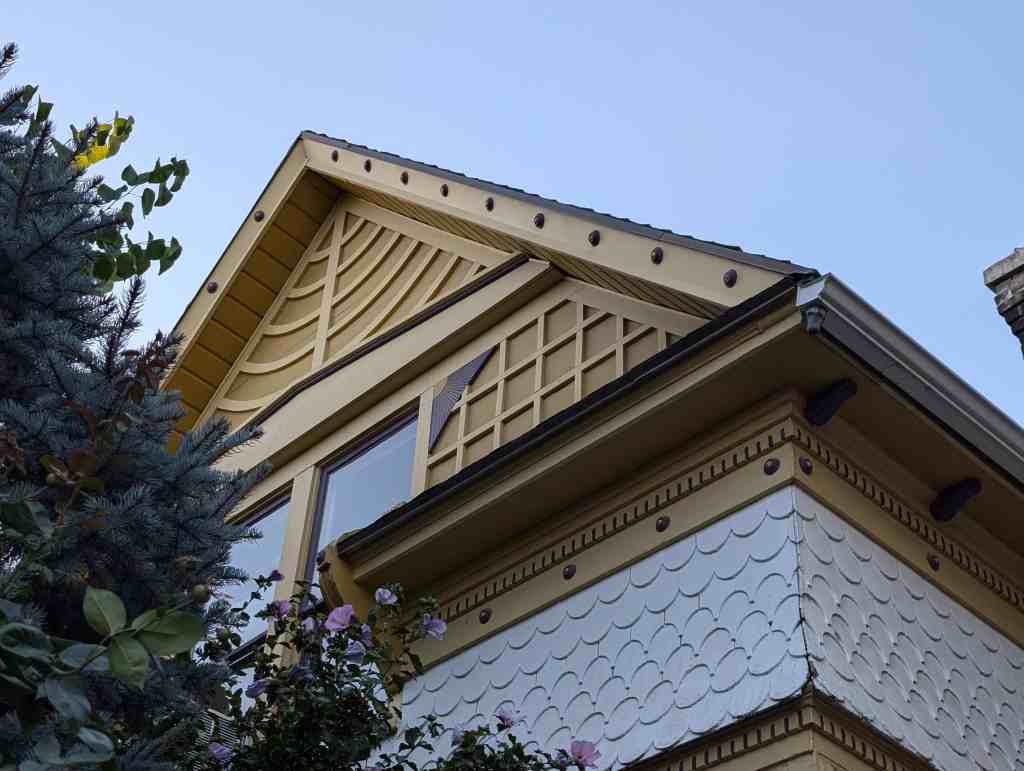
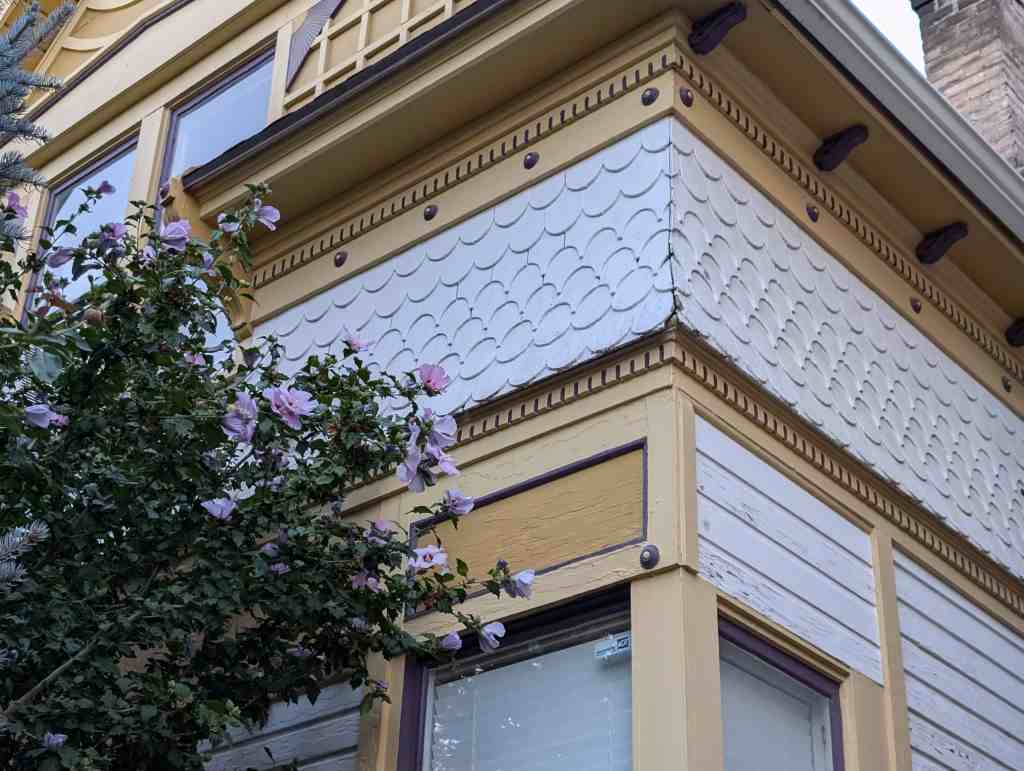
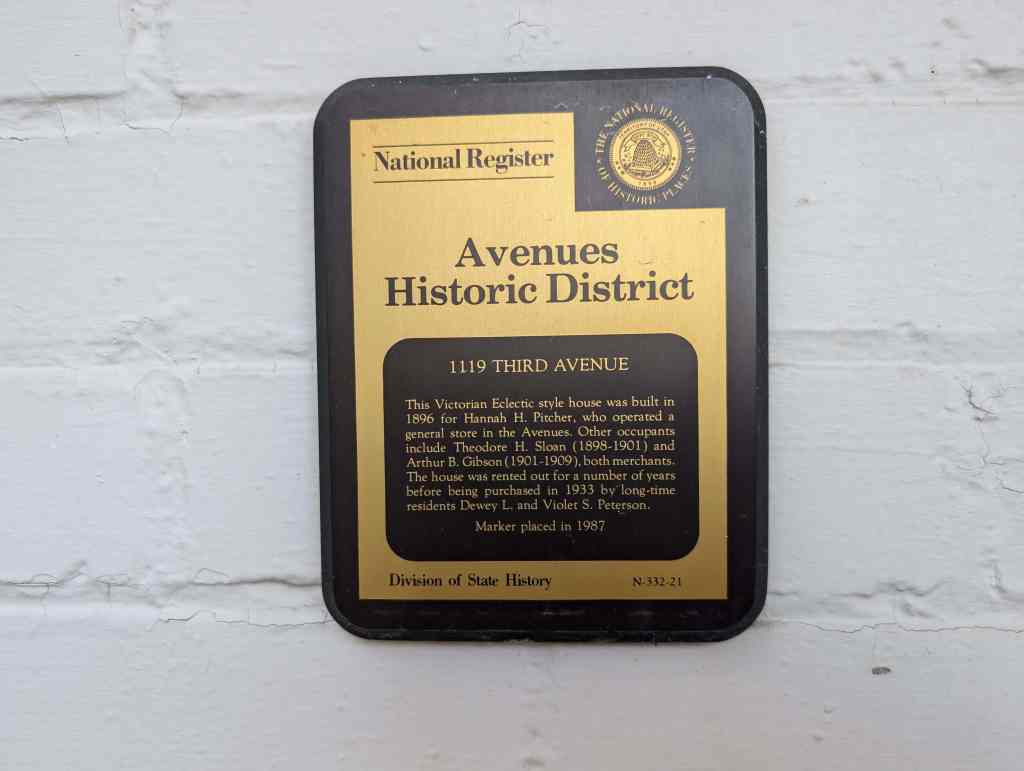
This Victorian Eclectic style house was built in 1896 for Hannah H. Pitcher, who operated a general store in the Avenues. Other occupants include Theodore H. Sloan (1898-1901) and Arthur B. Gibson (1901-1909), both merchants. The house was rented out for a number of years before being purchased in 1933 by long-time residents Dewey L. and Violet S. Peterson.
1119 East Third Avenue in The Avenues in Salt Lake City, Utah
09 Saturday Aug 2025
Posted in Uncategorized
16 Wednesday Apr 2025
Posted in Uncategorized
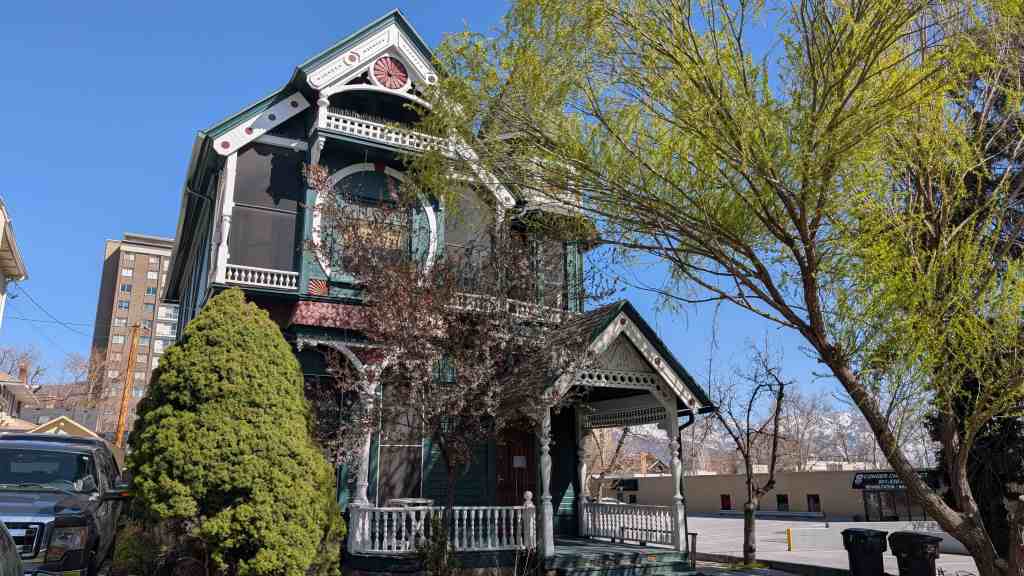
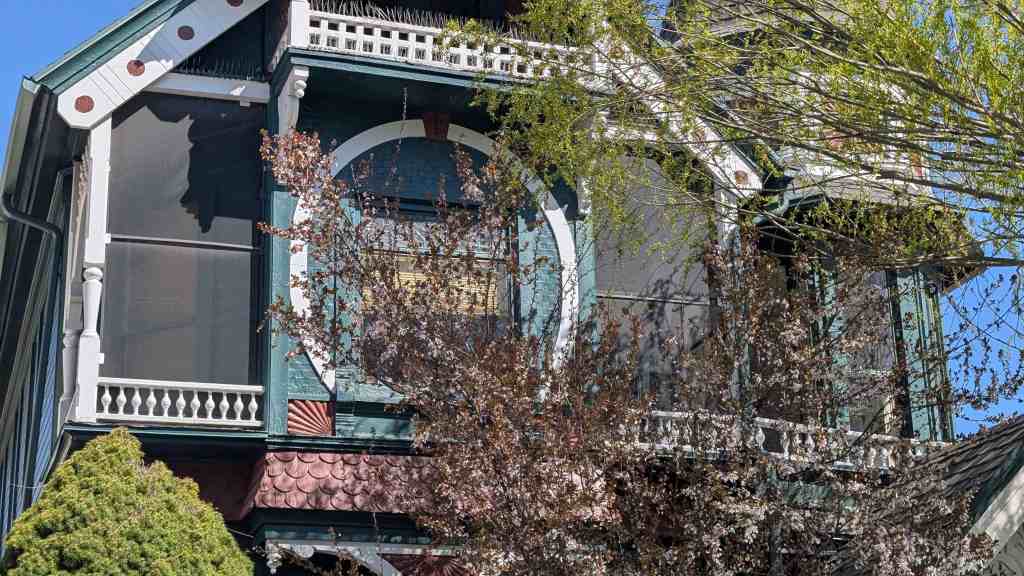
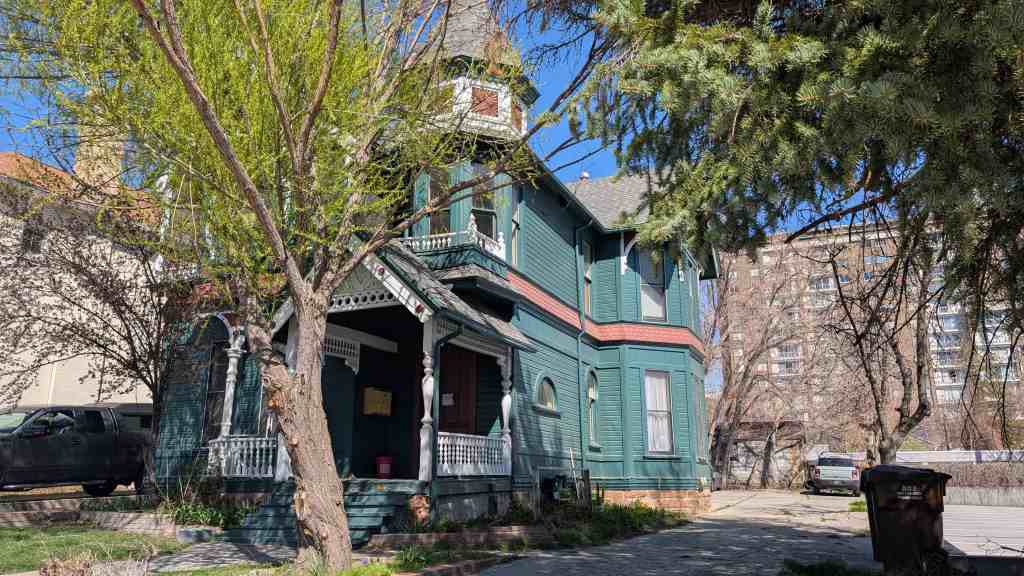
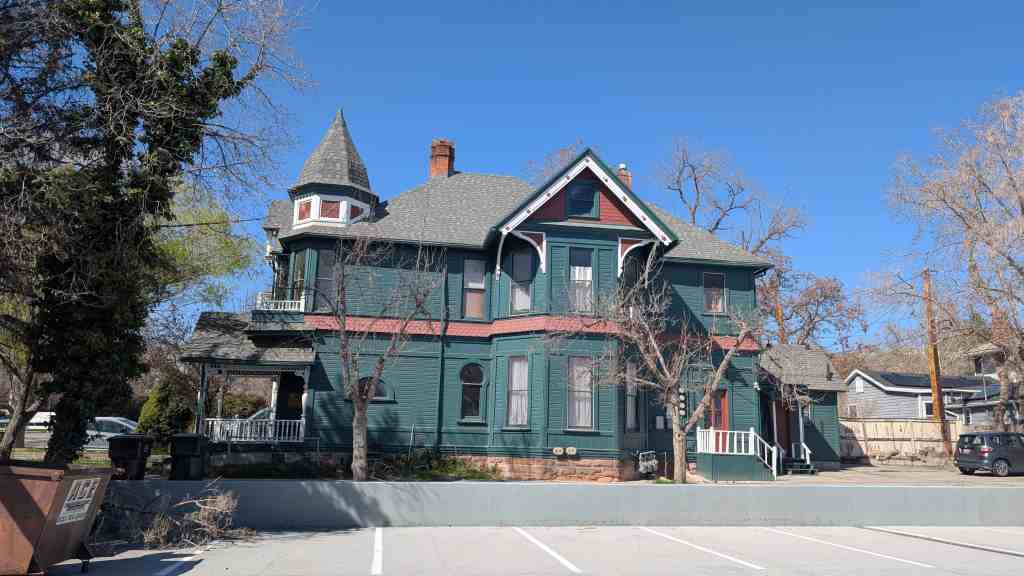
30 North J Street in The Avenues of Salt Lake City, Utah
Mentioned in the nomination form for the national historic register:
While they account for less than one percent of all residences, the very large, often architect-designed homes in the Eastlake, Queen Anne and Shingle styles, and later the Prairie and Craftsman styles greatly influence the visual character of the Avenues. Some of the state’s best examples of residential architectural styles were built there, including the William Barton house, 231 B Street, (vernacular/Gothic); the Jeremiah Beattie house, 30 J Street, (Eastlake); the David Murdock house, 73 G Street, (Queen Anne); the E.G. Coffin house, 1037 First Avenue, (Queen Anne); the N.H. Beeman house, 1007 First Avenue, (Shingle style); the Vto. Mclntyre house, 257 Seventh Avenue, (Classical Revival); the James Sharp house, 157 D Street, (Craftsman); and the W.E. Ware house, 1184 First Avenue, (Colonial Revival).



18 Saturday May 2024
Posted in Uncategorized
Tags
18 Monday Mar 2024
Posted in Uncategorized
Tags
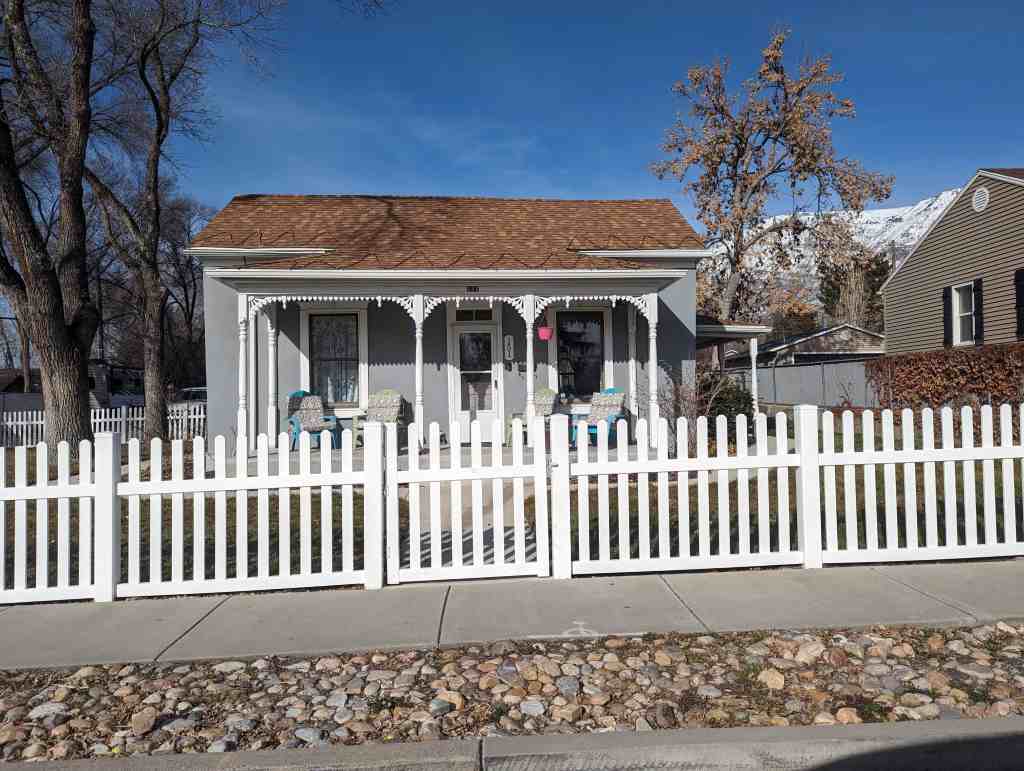
William Black/Reuben Weeks House
151 East Center Street in Pleasant Grove, Utah
Approximately ten percent of the houses constructed in town and on outlying farms of Pleasant Grove (and throughout Utah) is the hall-parlor plan, represented by the Black/Weeks House at 151 East Center. Originally built c.1870, log and rock additions were built c.1890, and the front porch with Victorian eclectic detailing was added c.1900.*
10 Saturday Feb 2024
Posted in Uncategorized
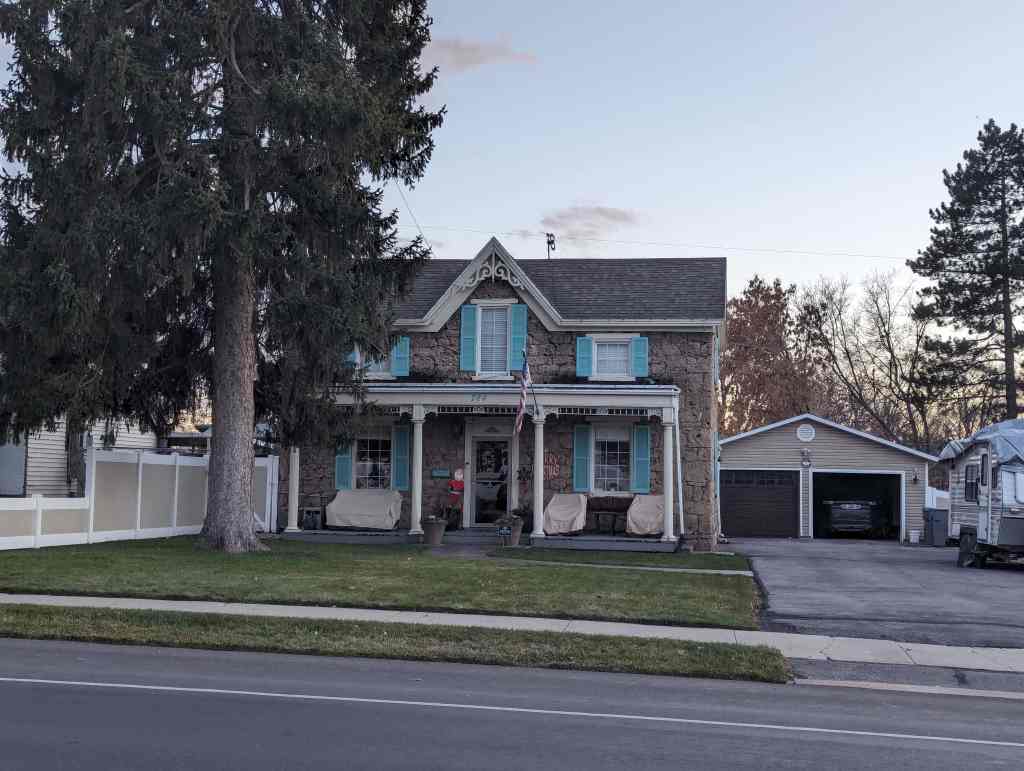
Samuel Green House
Built in 1870 and originally owned by Samuel Green, an immigrant from England.
264 East 200 South in Pleasant Grove, Utah
08 Thursday Feb 2024
Posted in Uncategorized
Tags

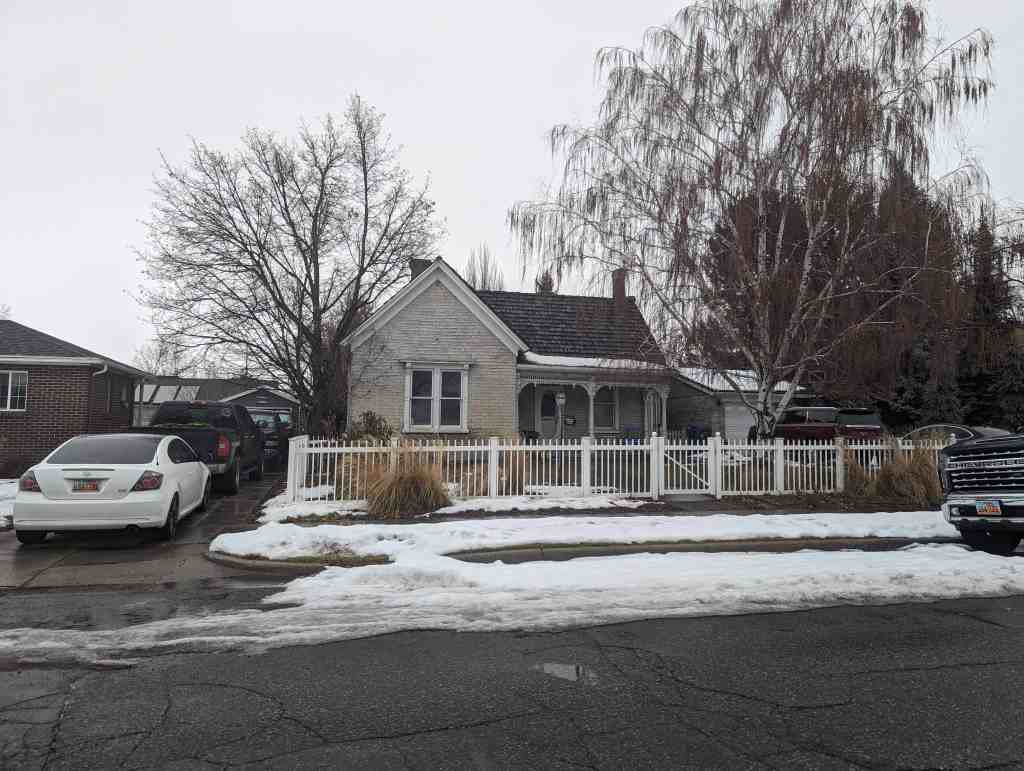
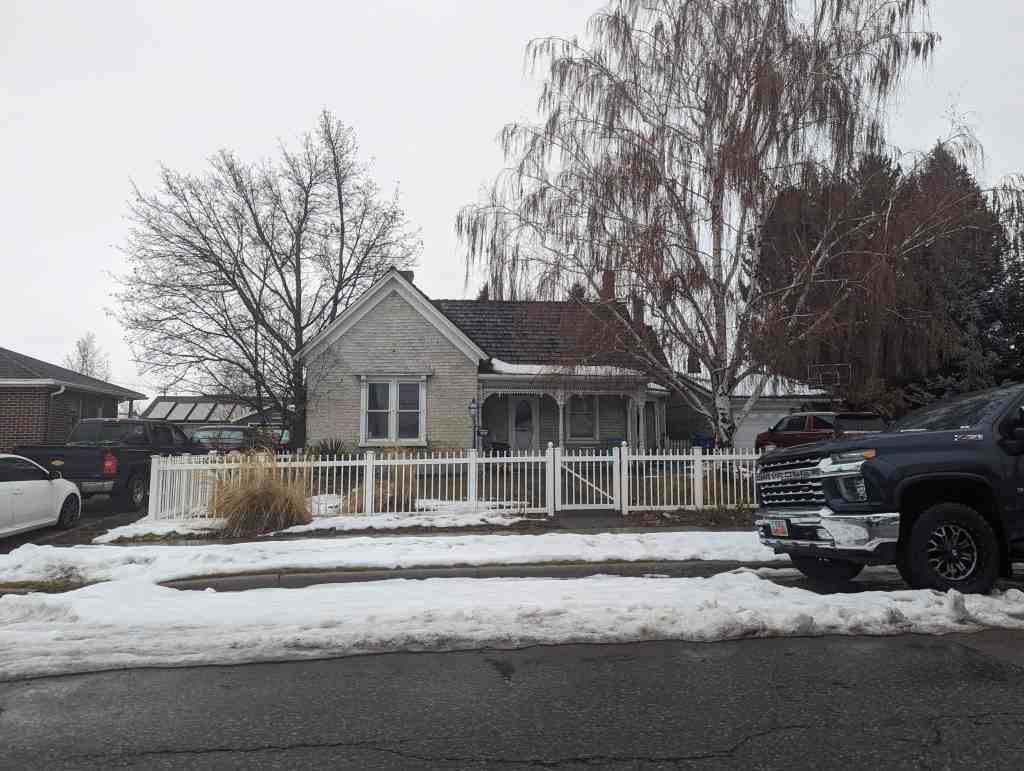
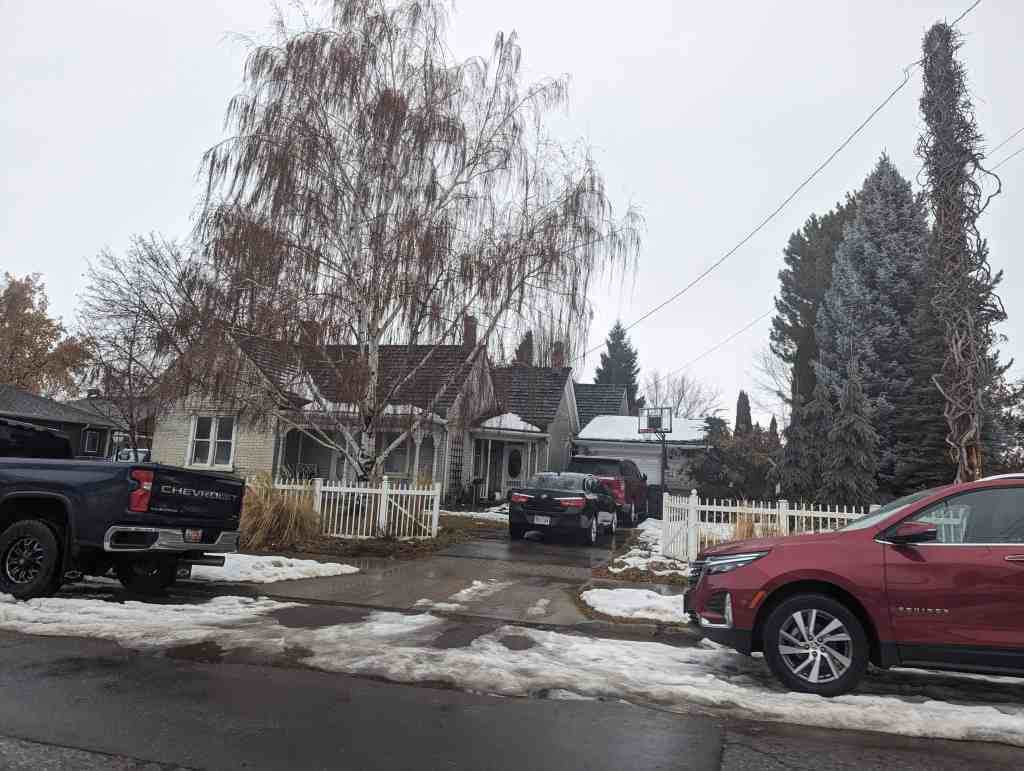
George & Mary Spratley House
Built of adobe in Greek Revival style in 1875.
29 East 100 South in American Fork, Utah
30 Saturday Dec 2023
Posted in Uncategorized
Tags
16 Saturday Dec 2023
Posted in Uncategorized
Tags
Clark Lane National Historic District, Davis County, Farmington, Historic Homes, NRHP, Porch Spandrels, utah
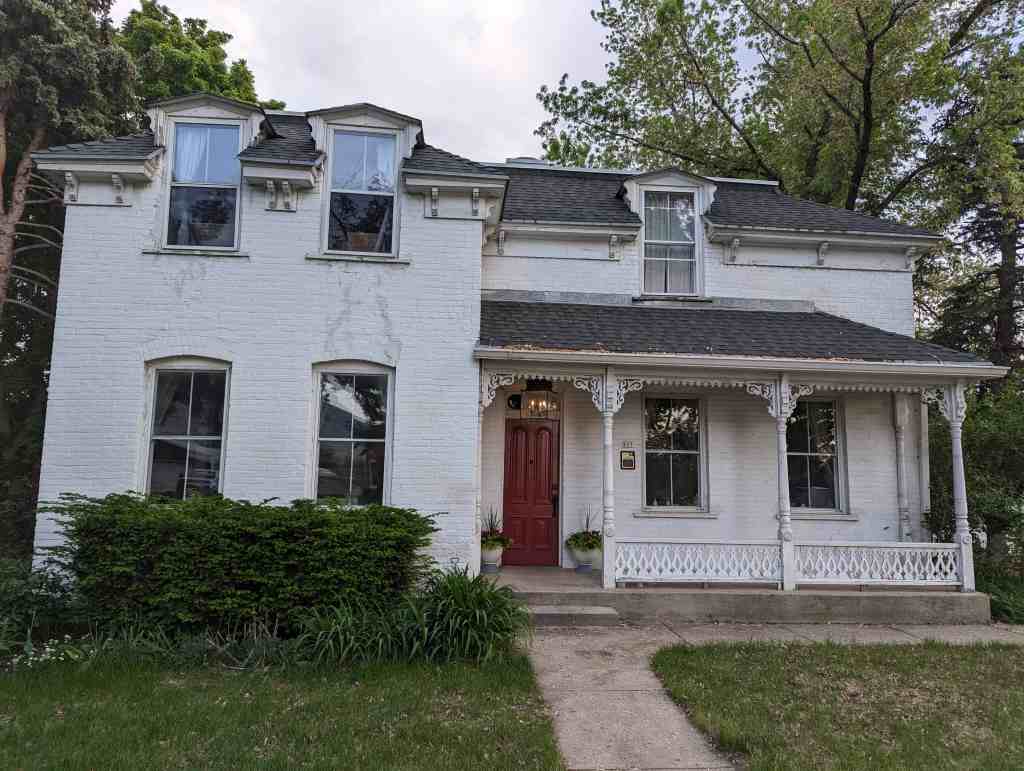
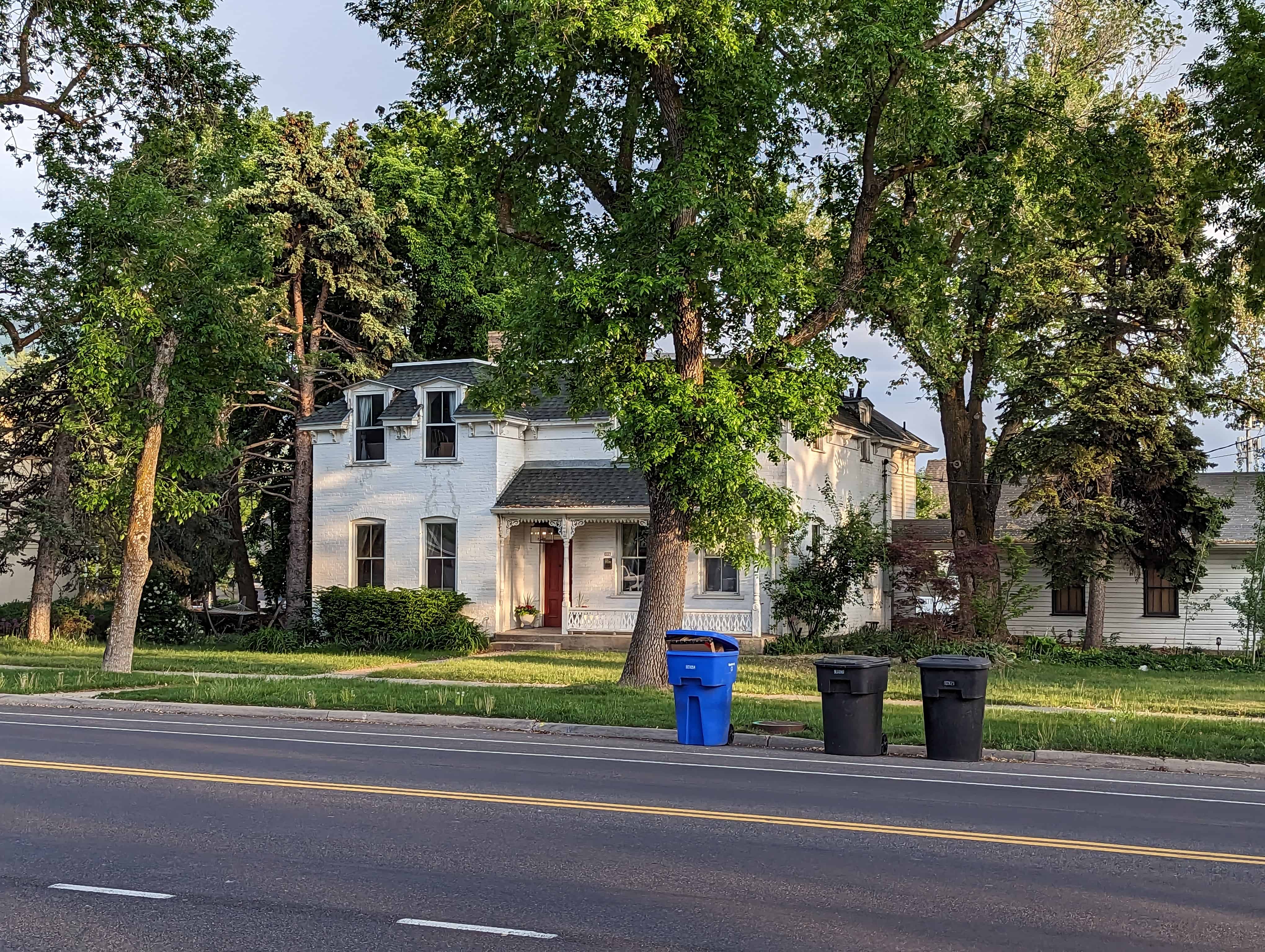
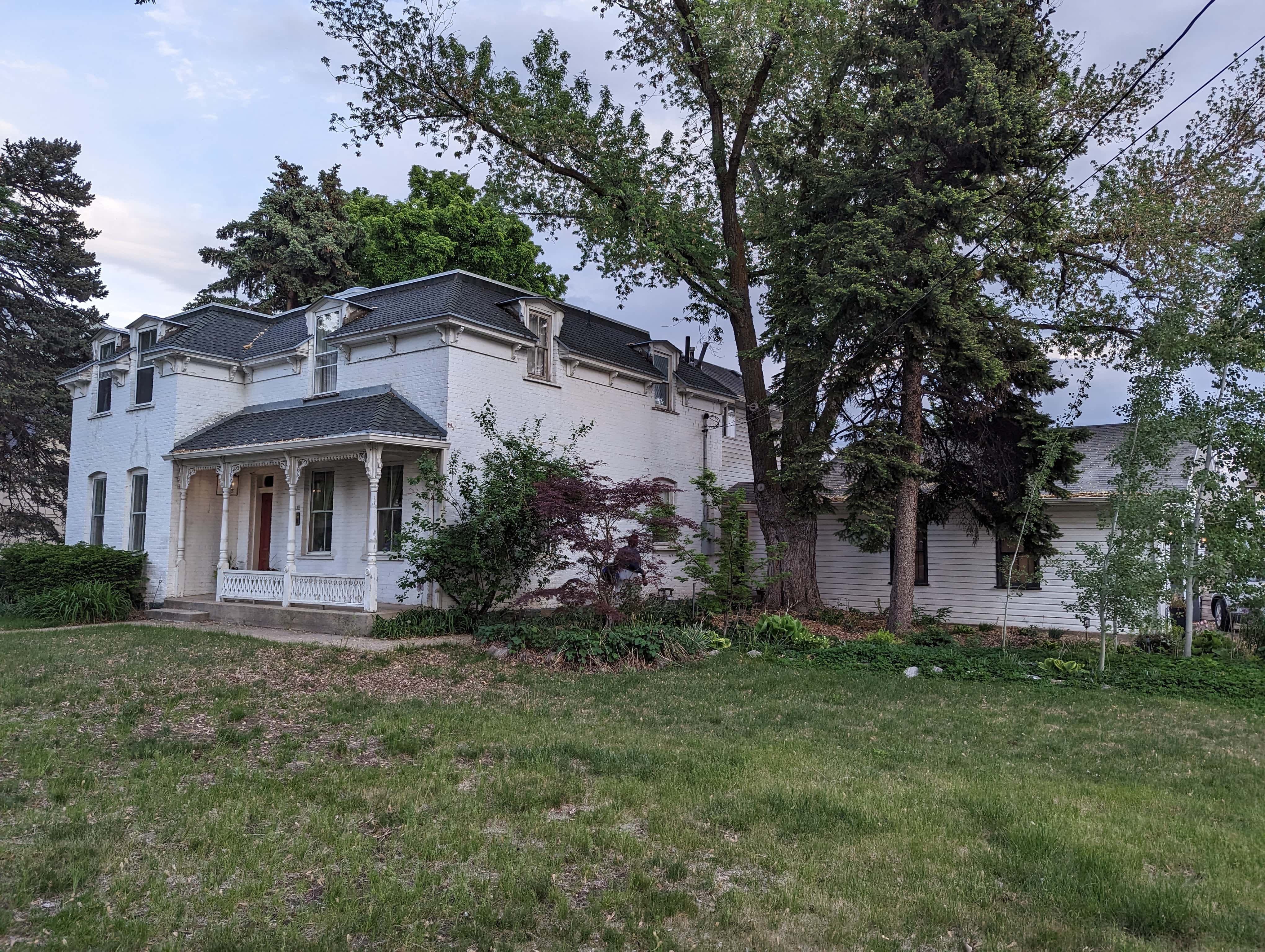
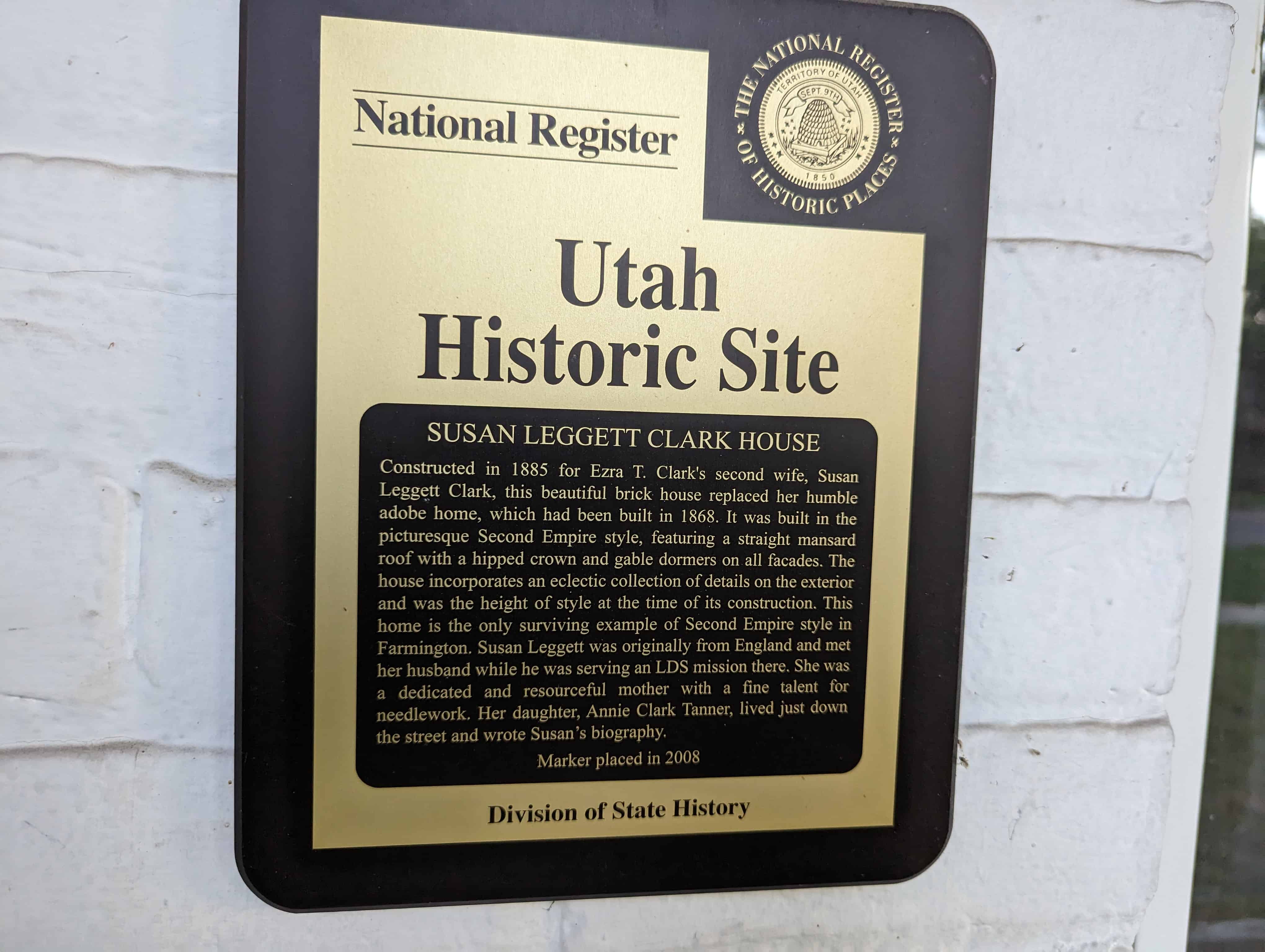
Susan Leggett Clark House
Constructed in 1885 for Ezra T. Clark’s second wife, Susan Leggett Clark, this beautiful brick house replaced her humble adobe home, which had been built in 1868. It was built in the picturesque Second Empire style, featuring a straight mansard roof with a hipped crown and gable dormers on all facades. The house incorporates an eclectic collection of details on the exterior and was the height of style at the time of its construction. This home is the only surviving example of Second Empire style in Farmington. Susan Leggett was originally from England and met her husband while he was serving an LDS mission there. She was a dedicated and resourceful mother with a fine talent for needlework. Her daughter, Annie Clark Tanner, lived just down the street and wrote Susan’s biography.
335 West State Street in Farmington, Utah in the Clark Lane National Historic District.