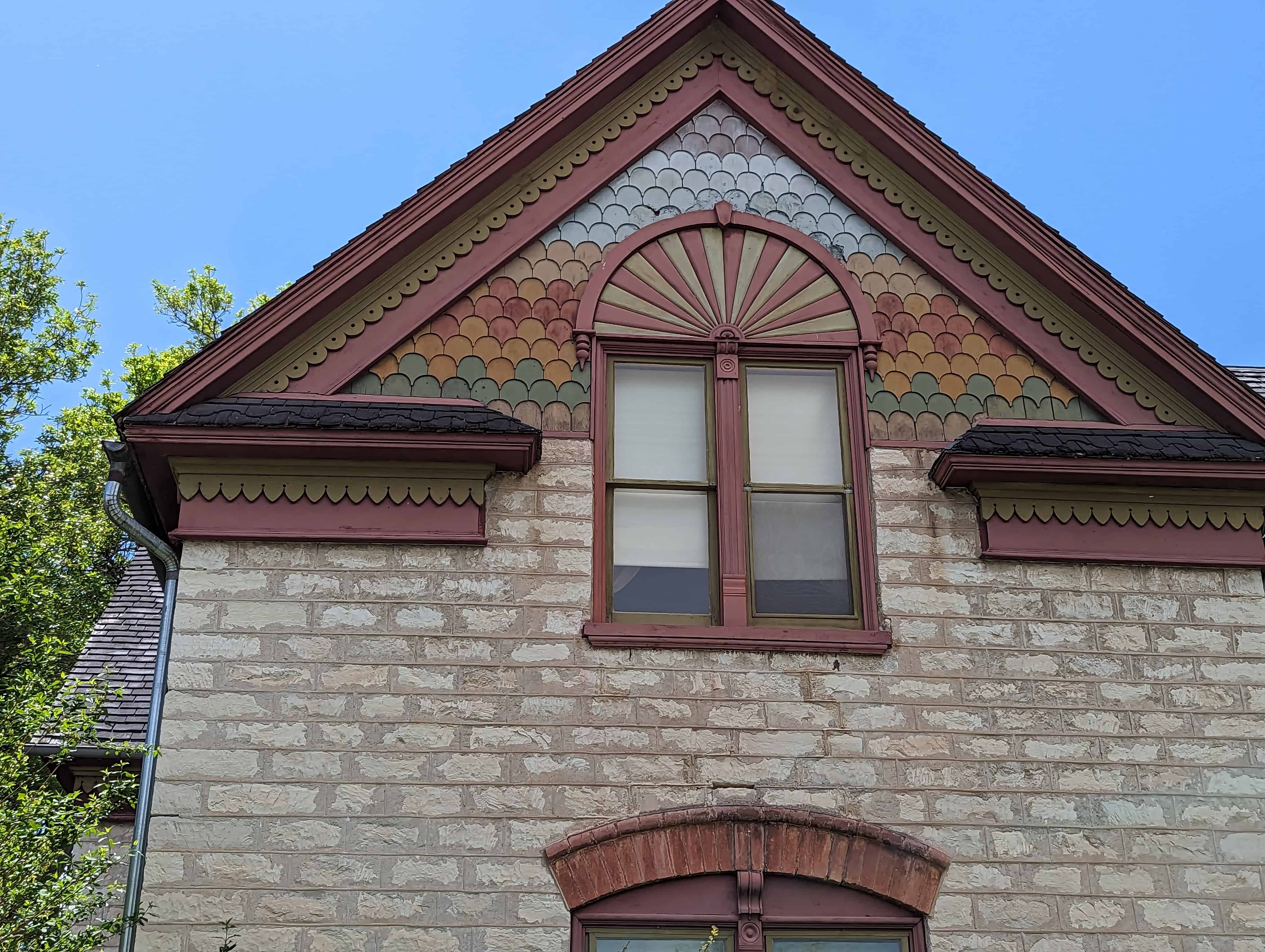
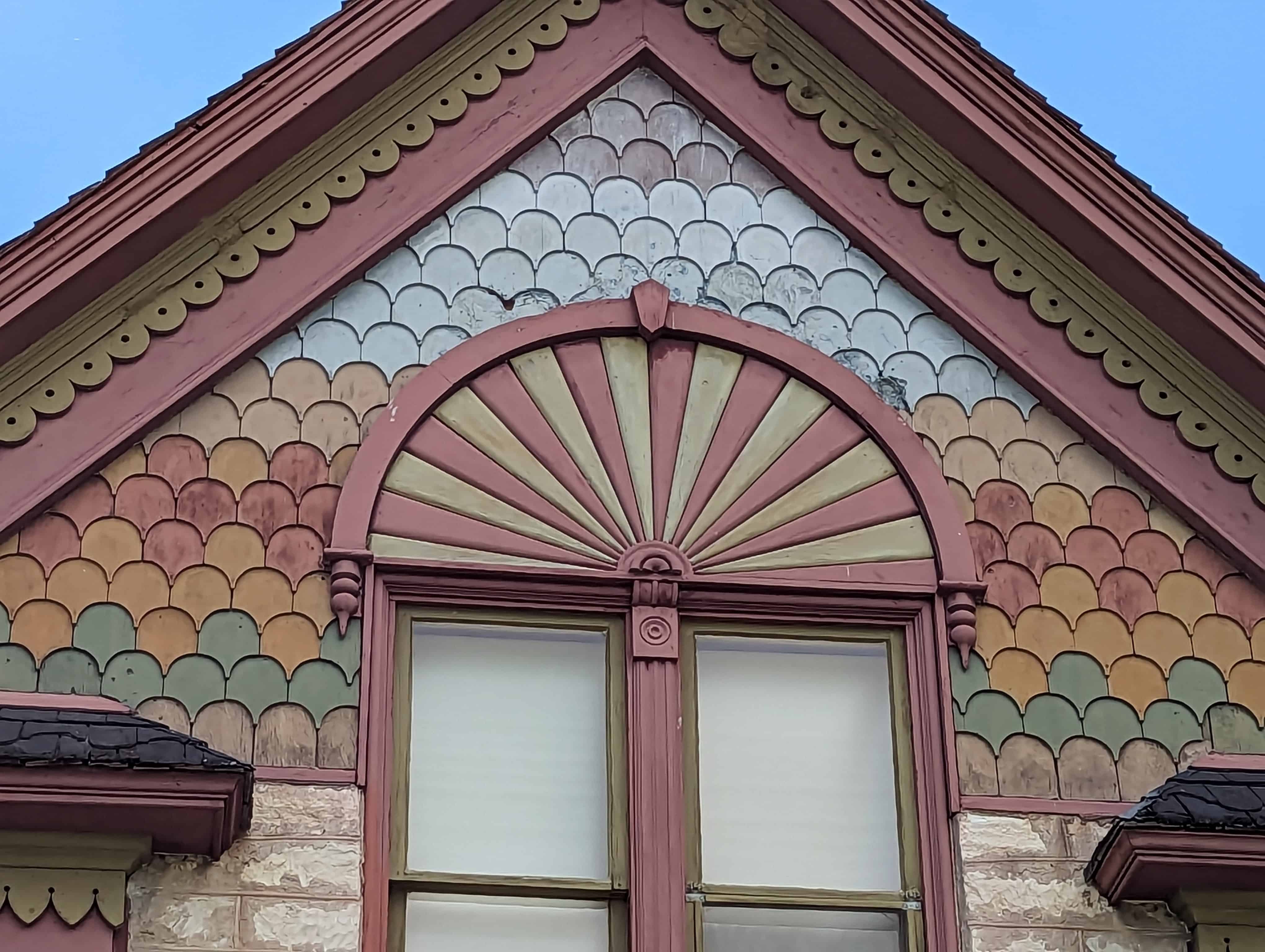
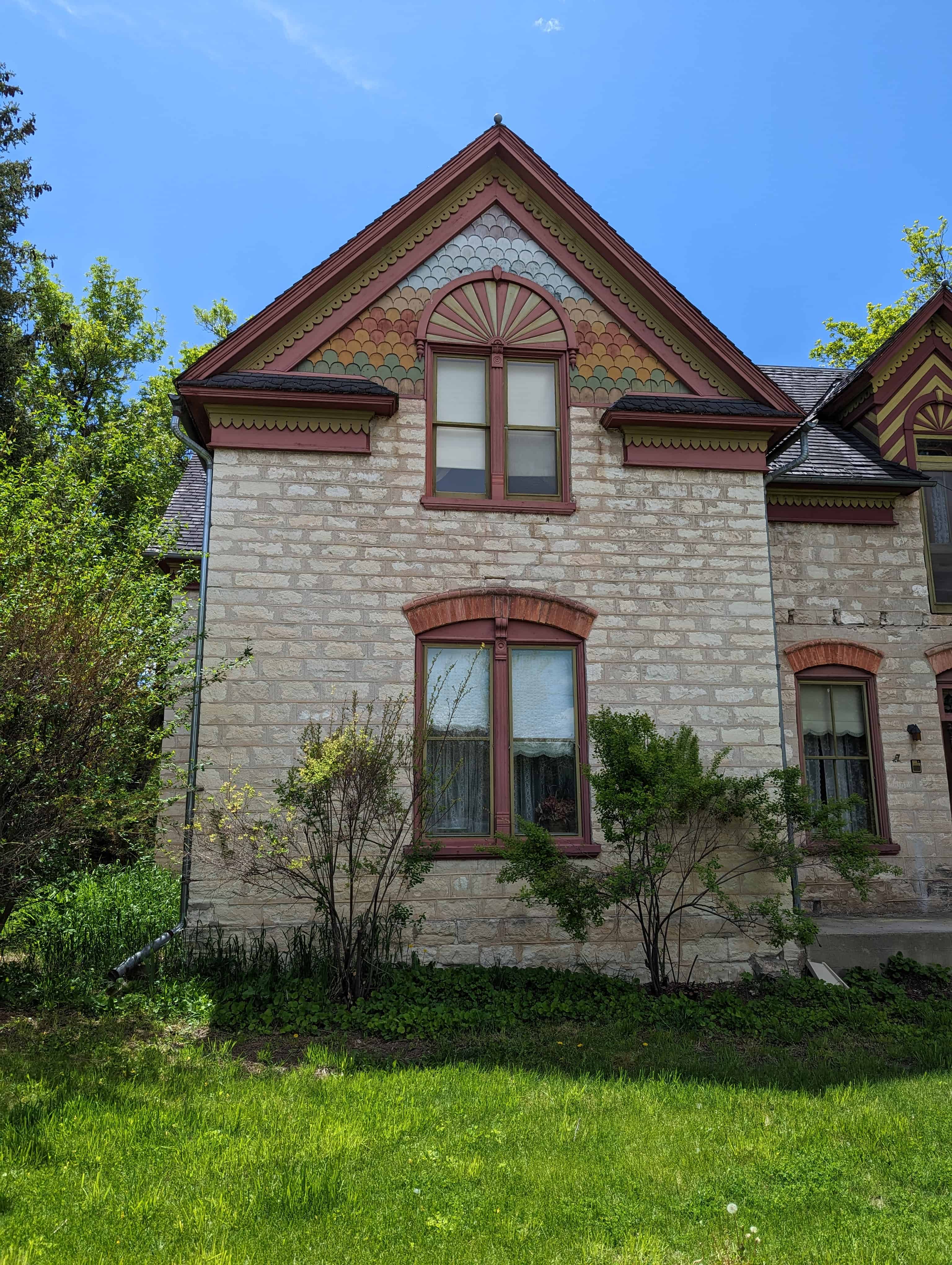
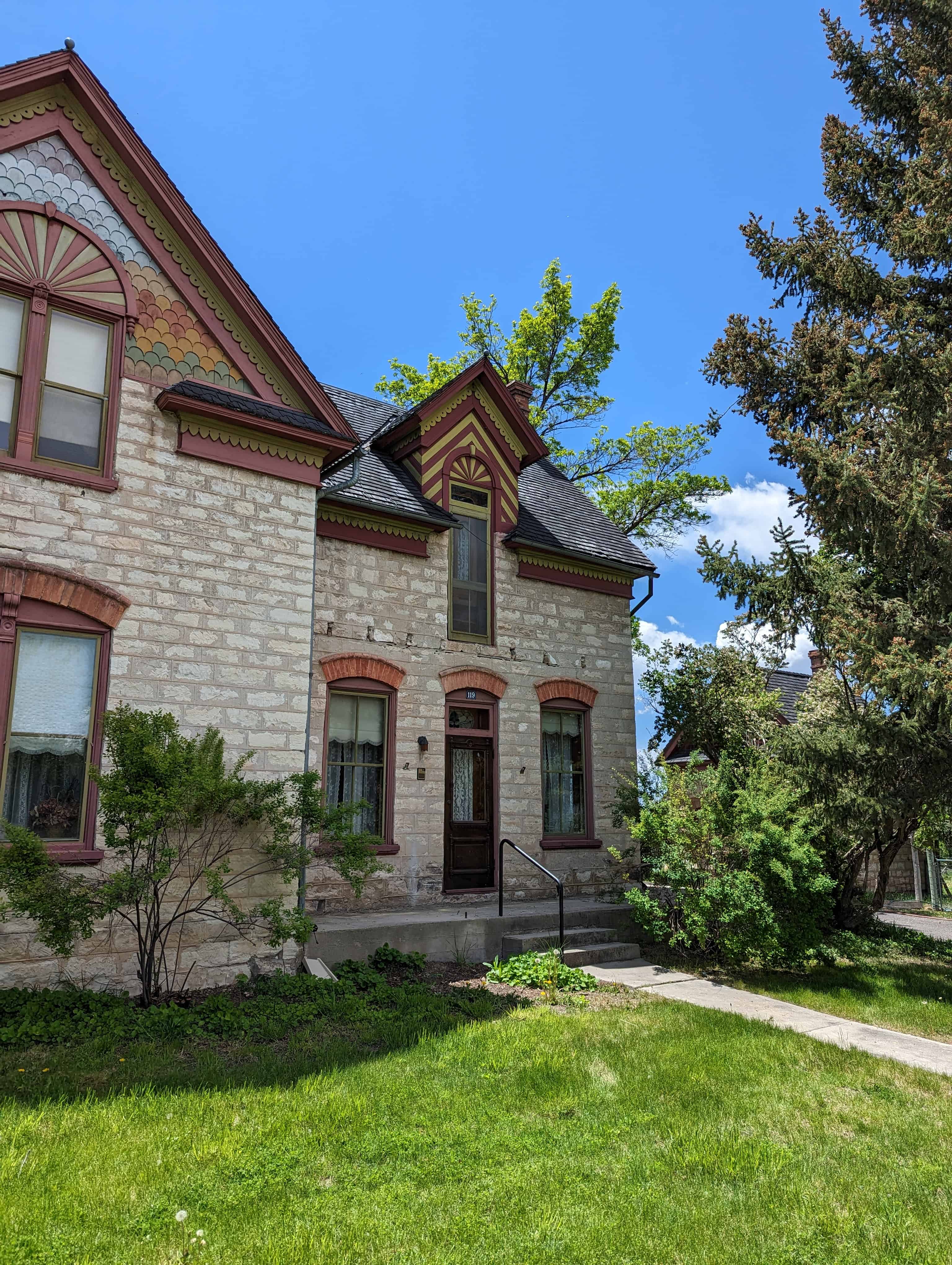
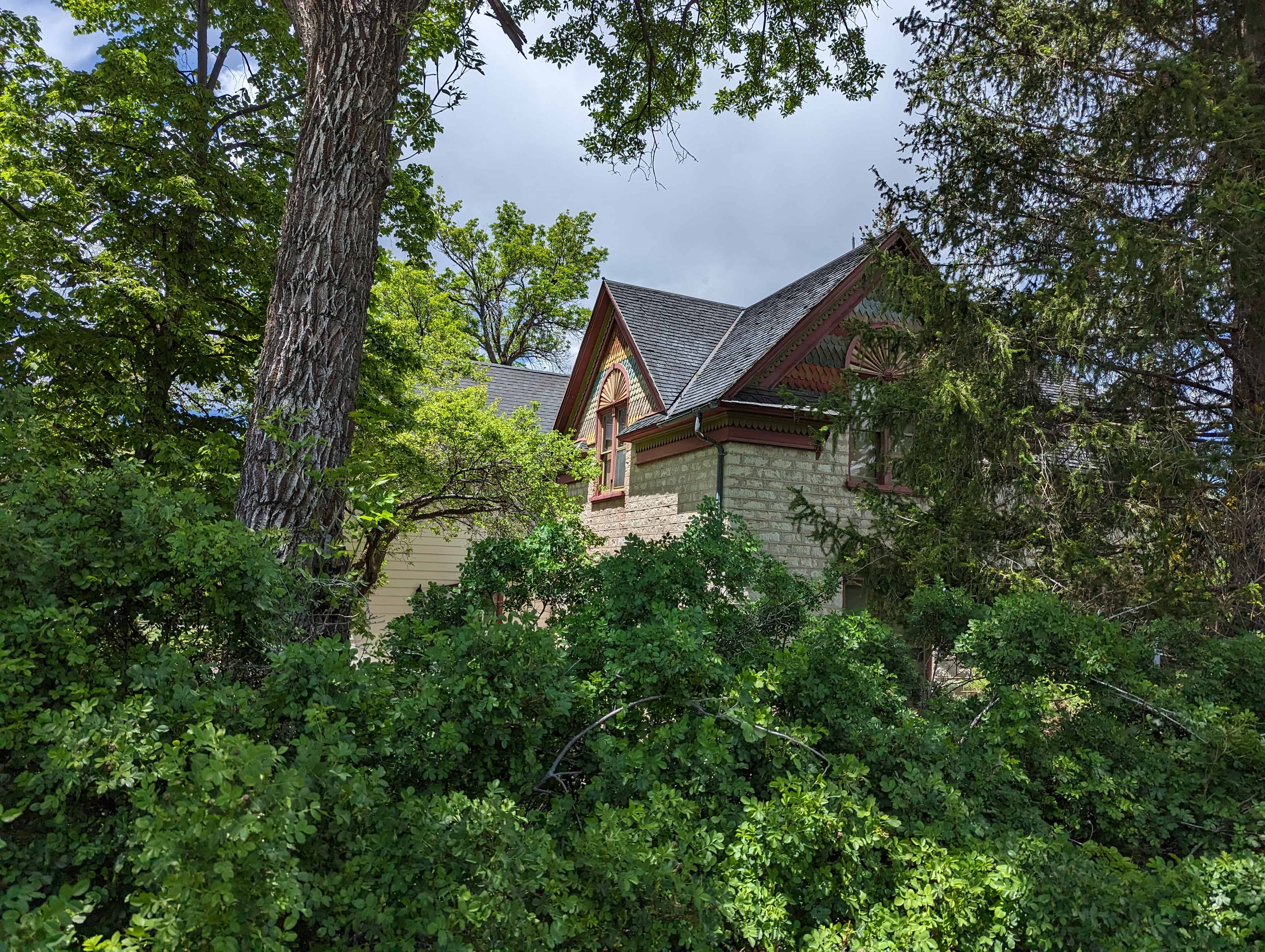
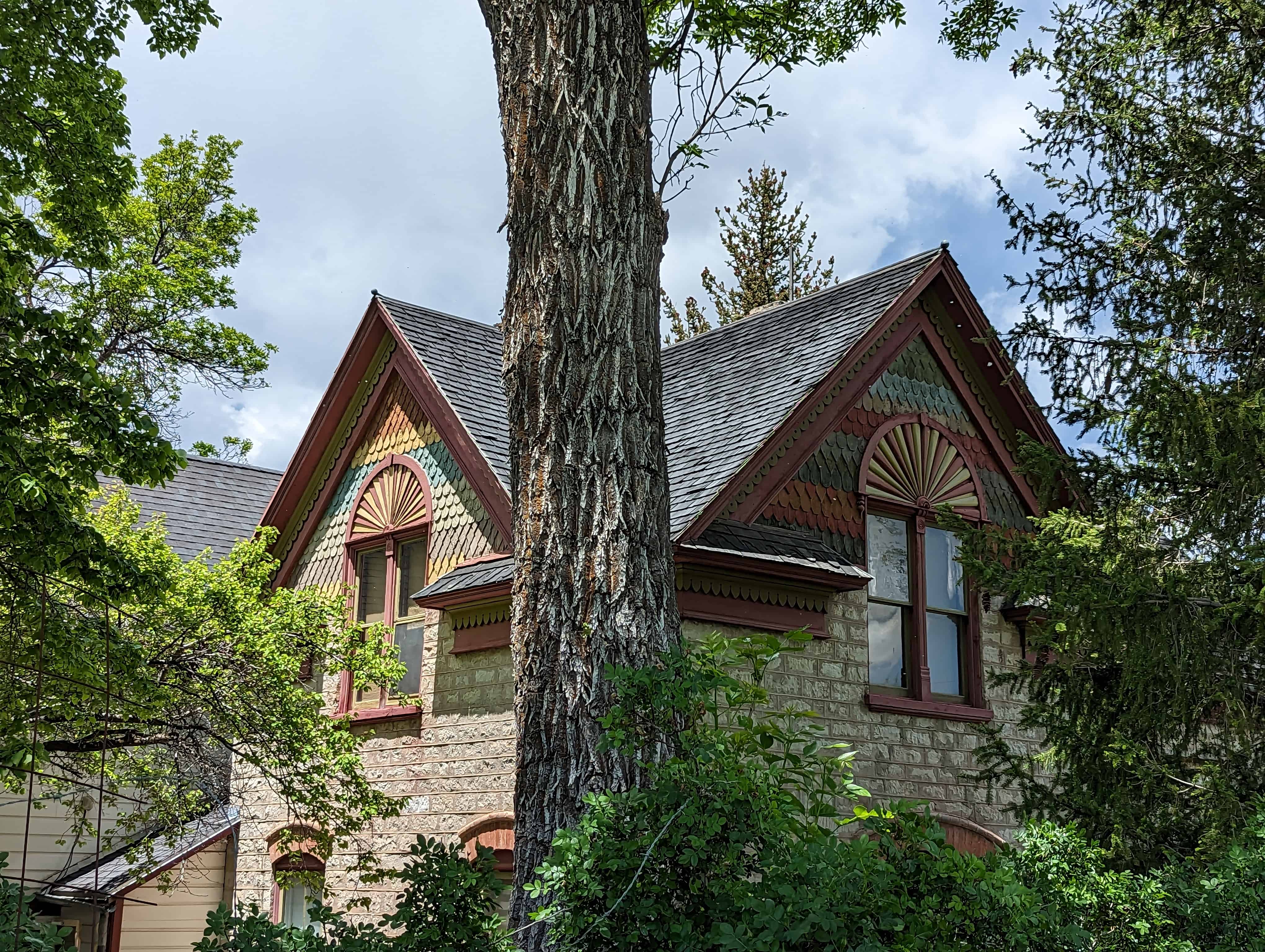
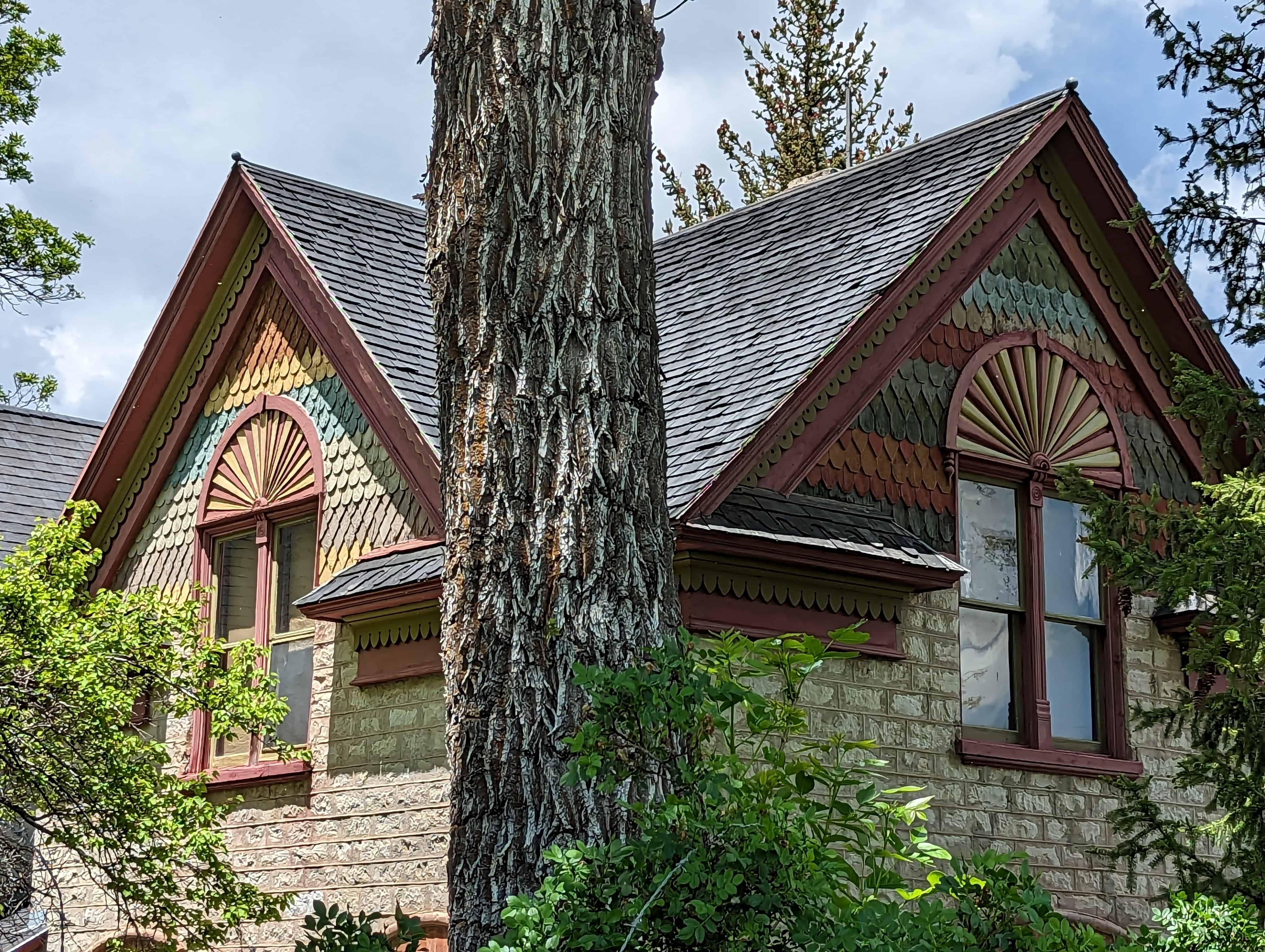
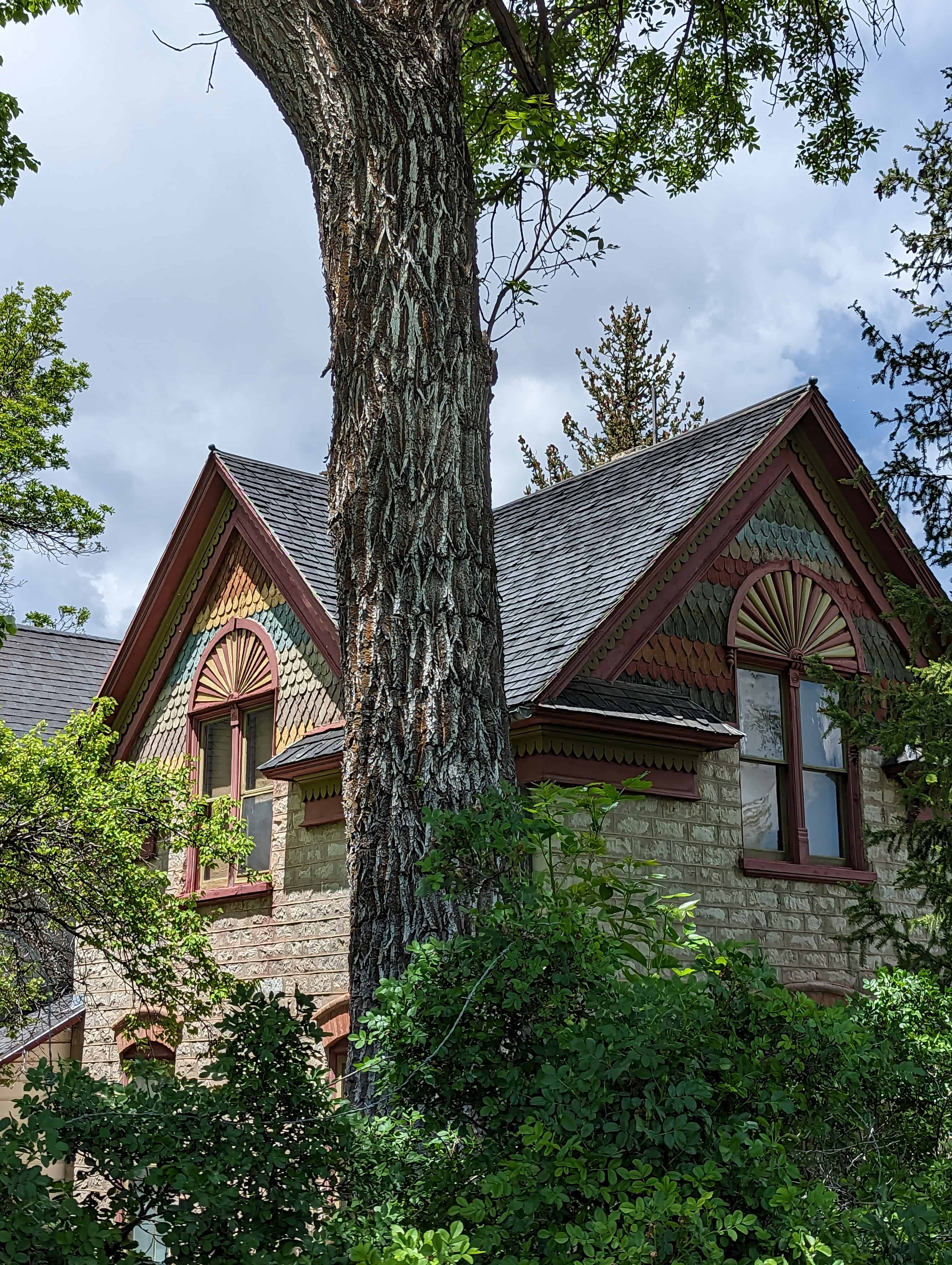
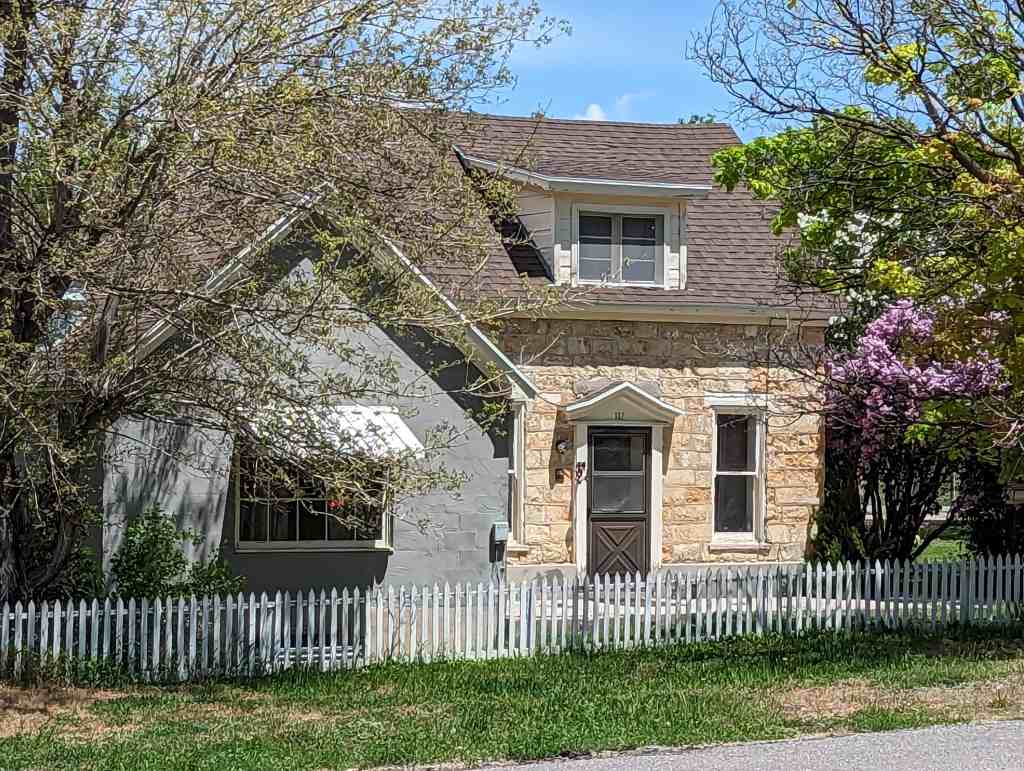
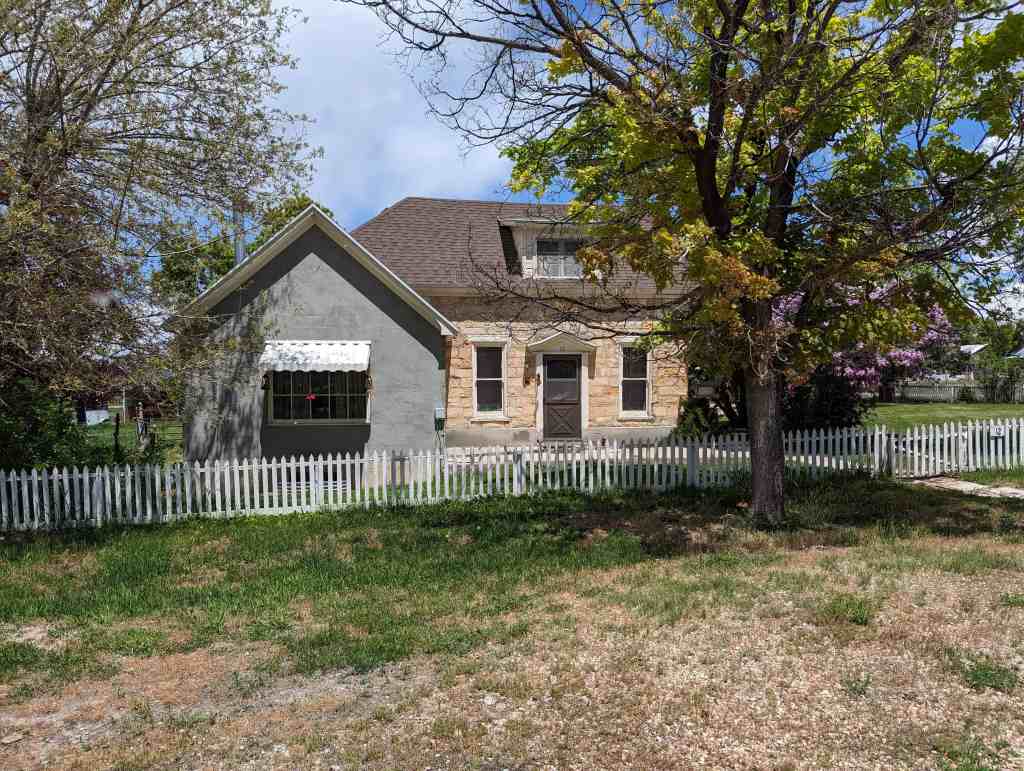
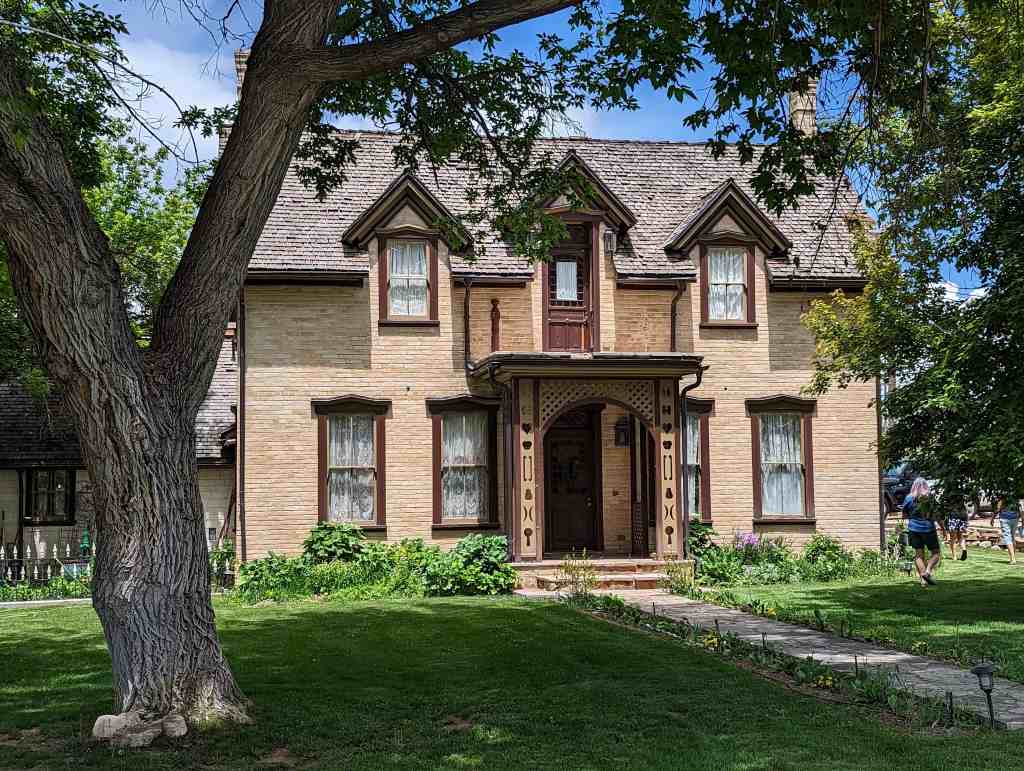
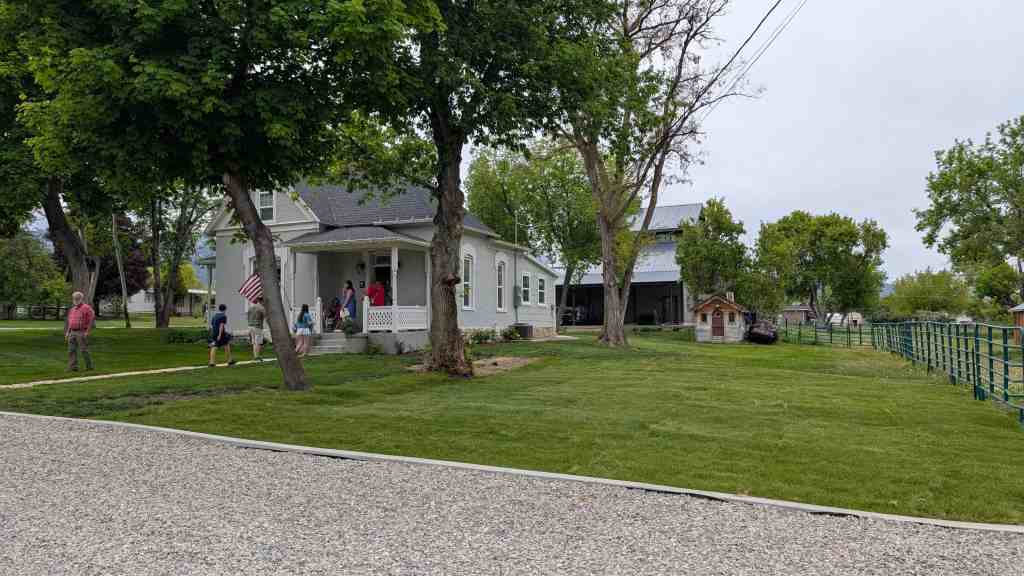
This house was built c.1880 by Andrew “Fishman” Thompson, a Danish convert to the LDS Church and an active member until controversy between the English and Danish communities in Spring City resulted in his becoming a devout Seventh Day Adventist. He and his wife, Jenssine Amalia, reared ten children in this home: James, Andrew, Christina, Frederick, Thomas, Anne, Agnes, Cephus, Nena, and Tenus. The children attended the Methodist school. Andrew was known as “Fishman” because he would bring in fish from Utah Lake and elsewhere, hauling them around town on ice to sell to local residents.
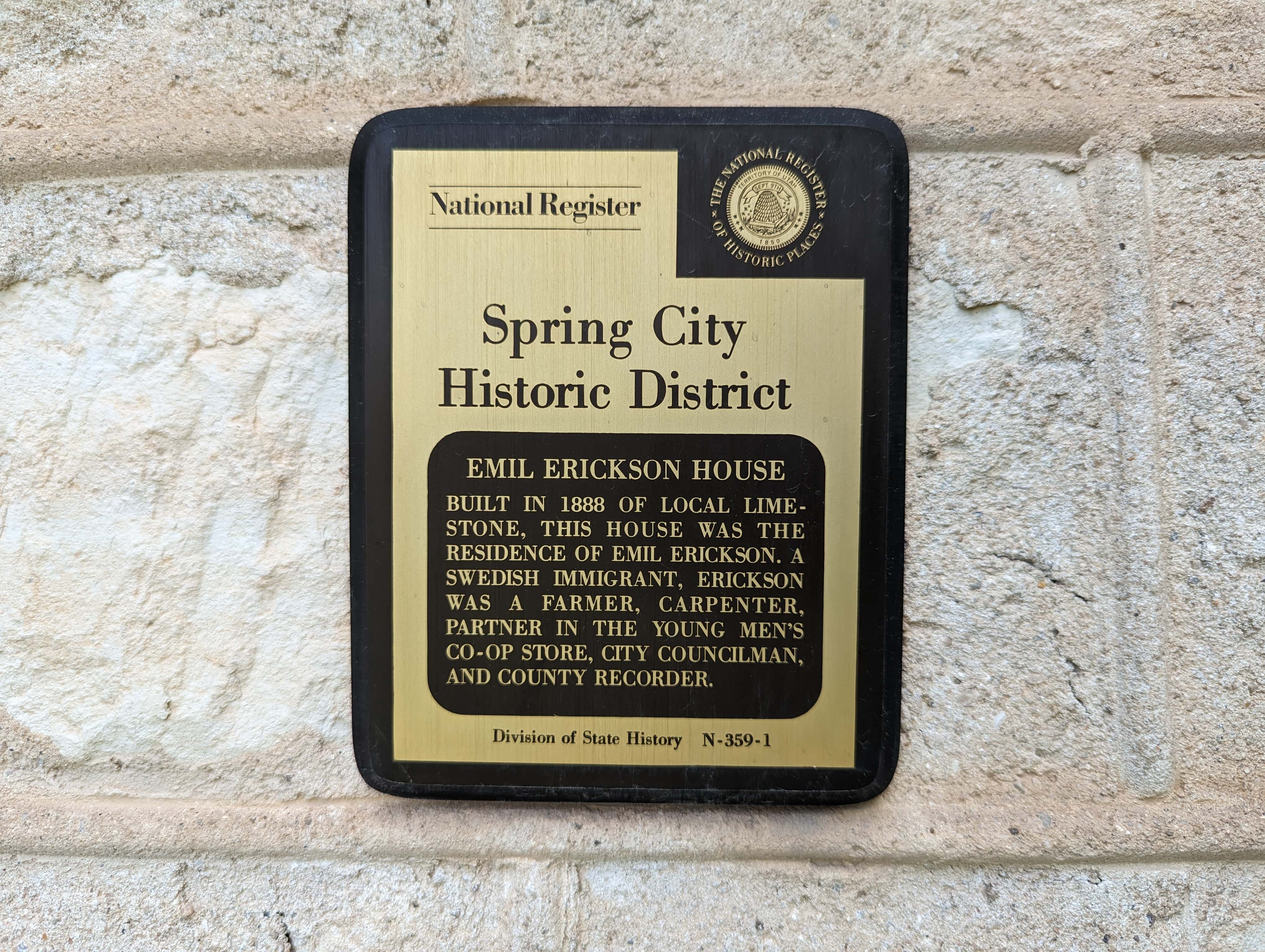
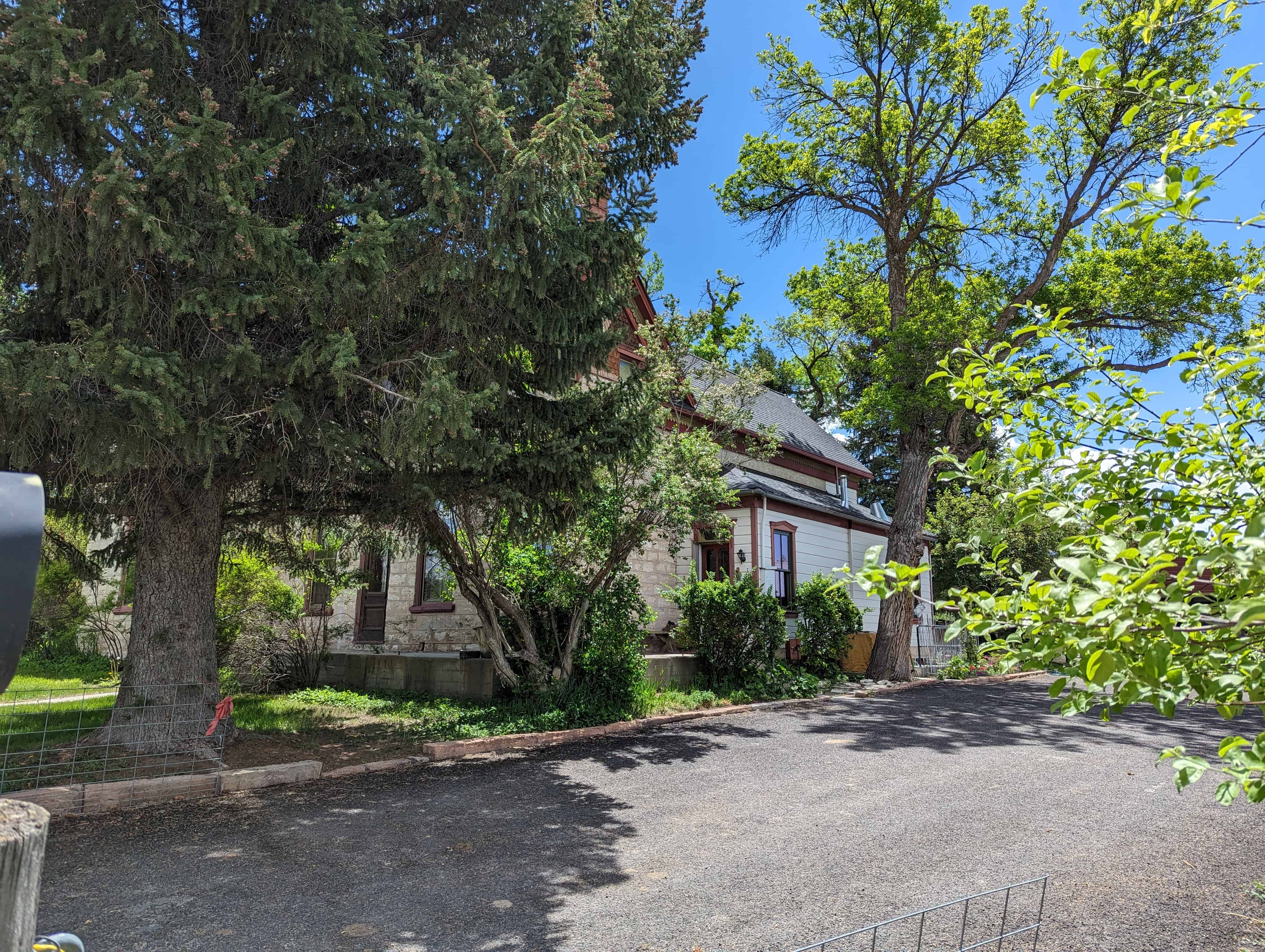
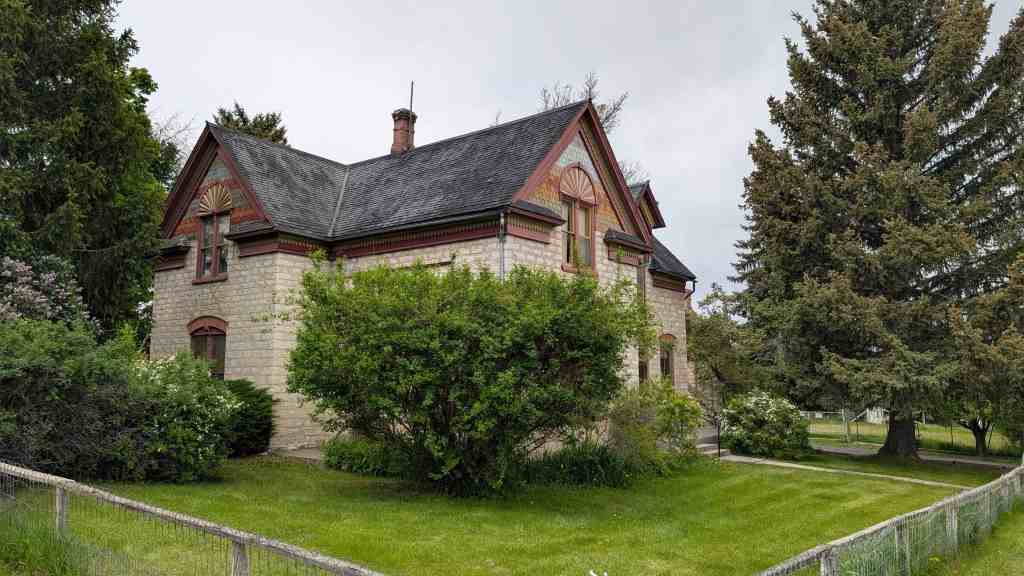
Built in 1888 of local limestone, this house was the residence of Emil Erickson. A Swedish immigrant, Erickson was a farmer, carpenter, partner in the Young Men’s Co-Op Store, City Councilman, and County Recorder.
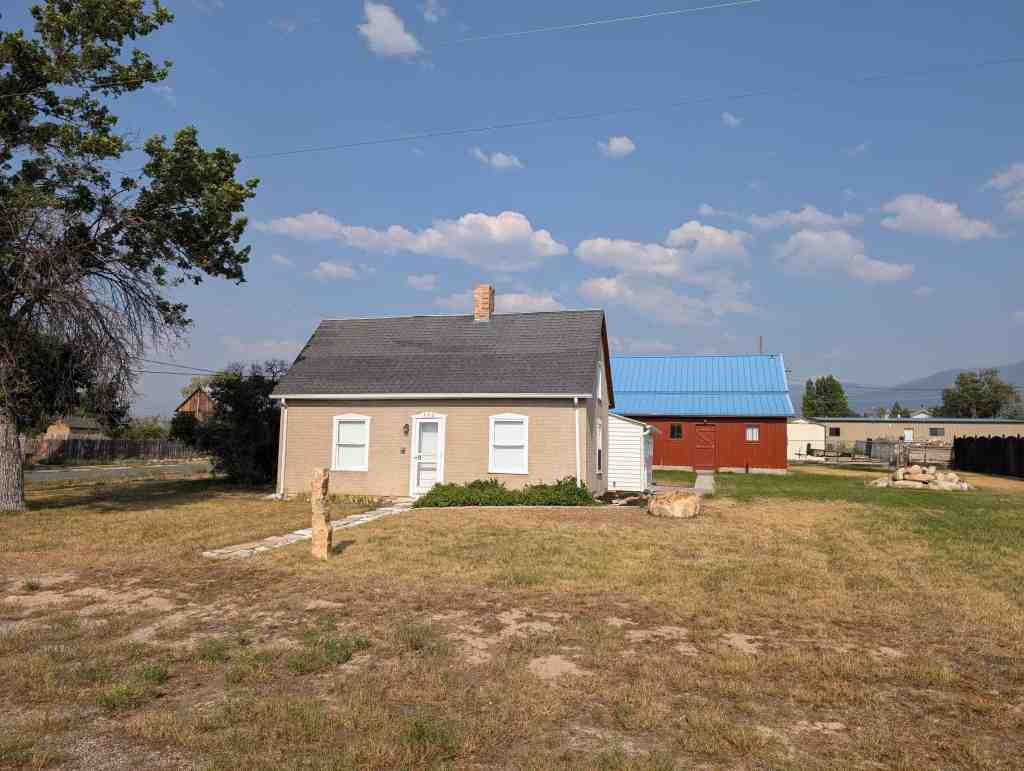
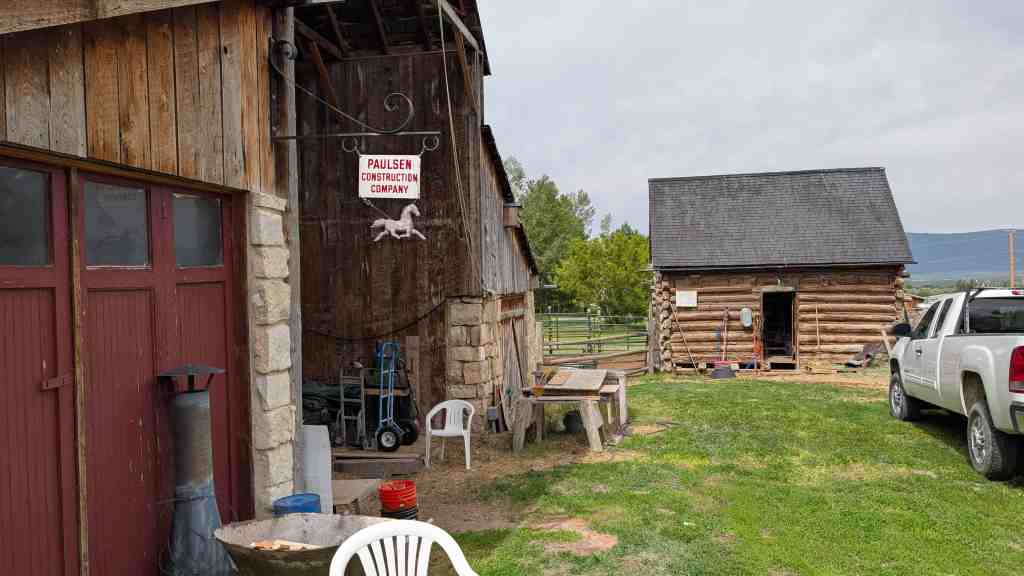
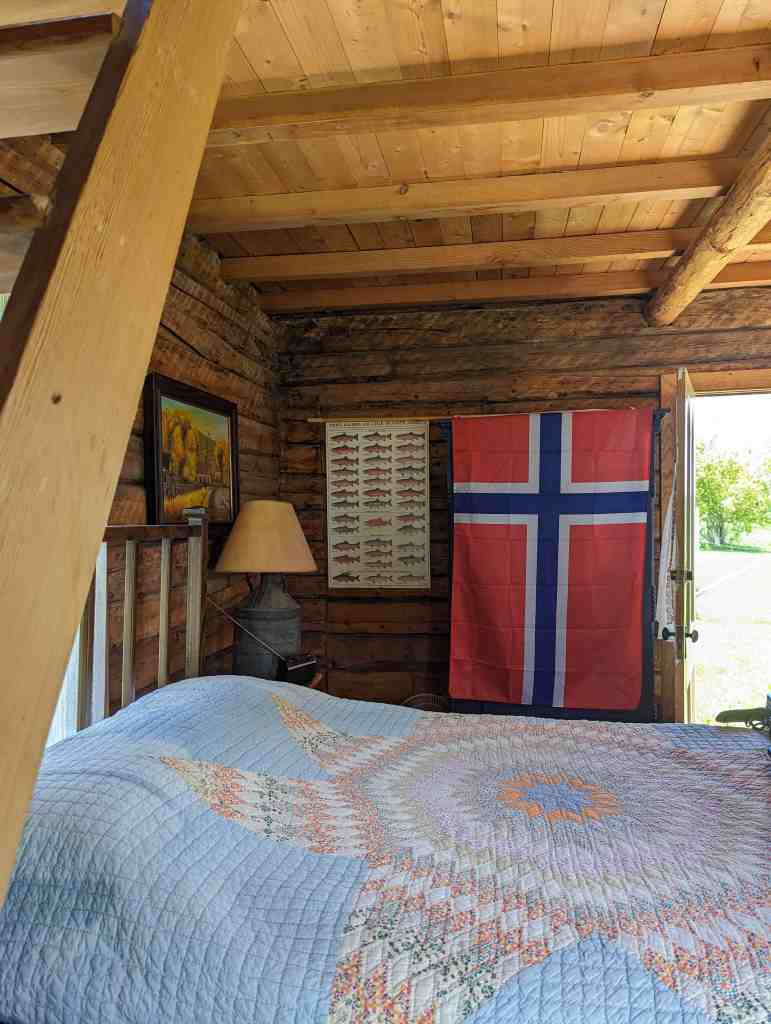
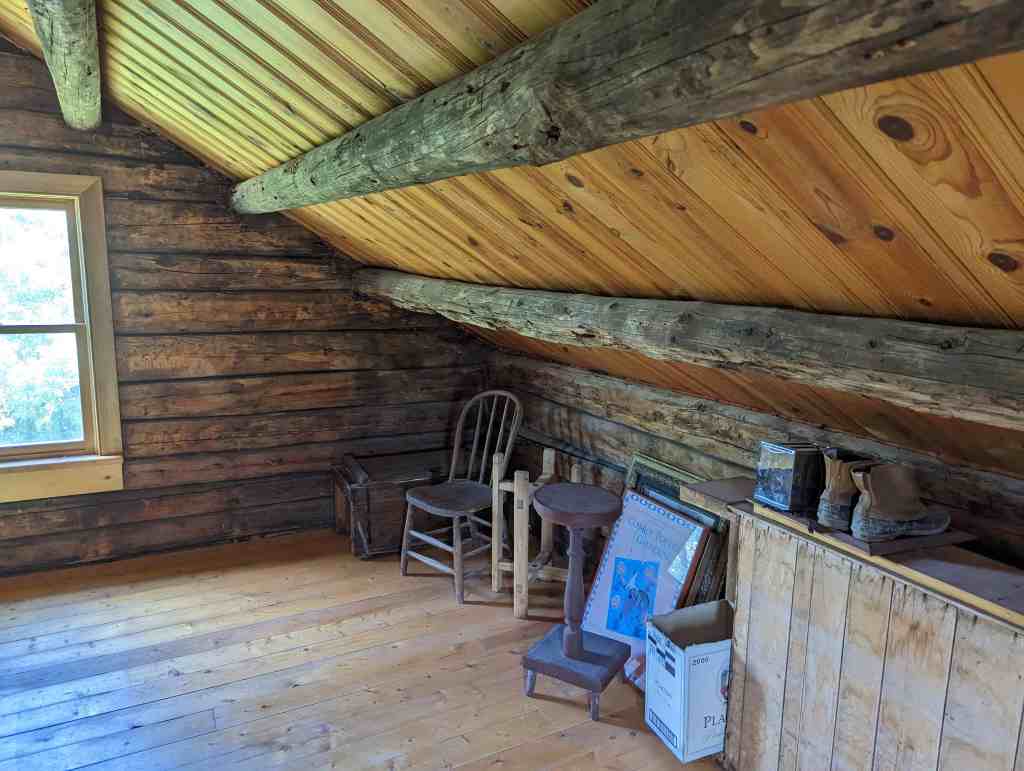
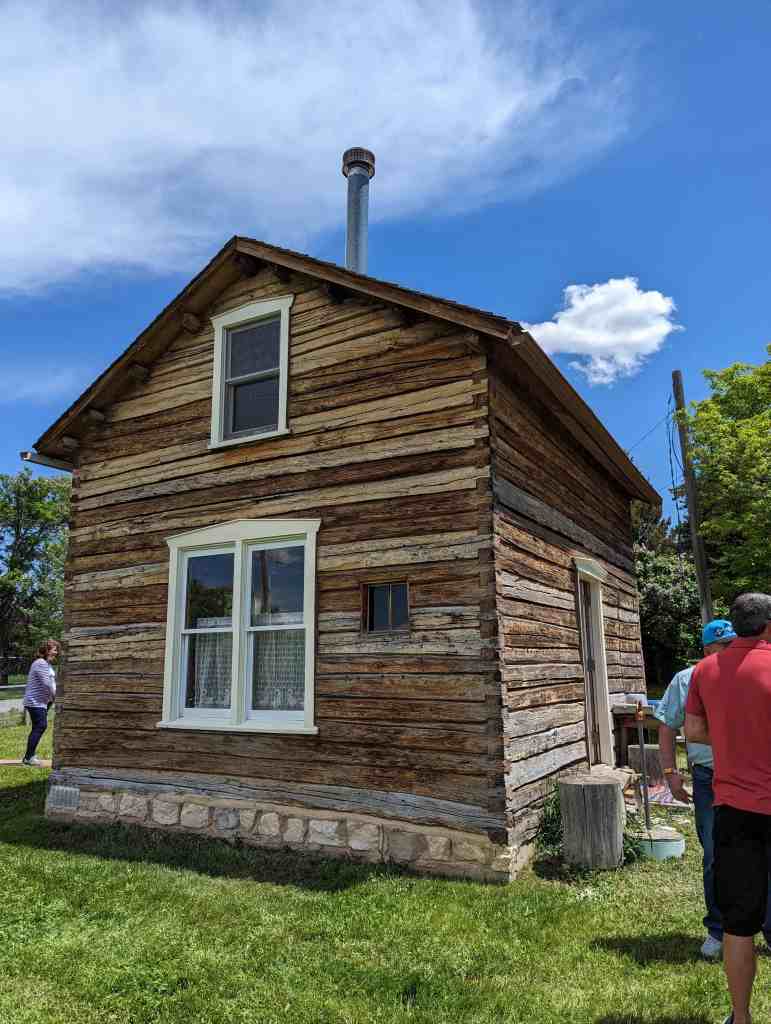
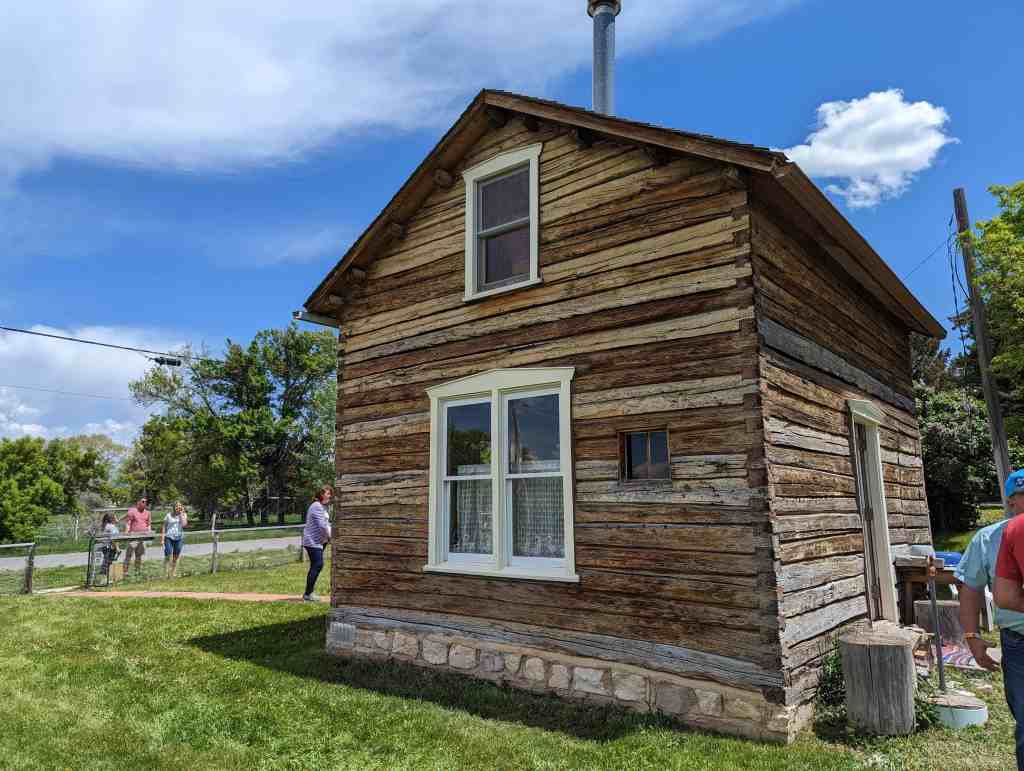
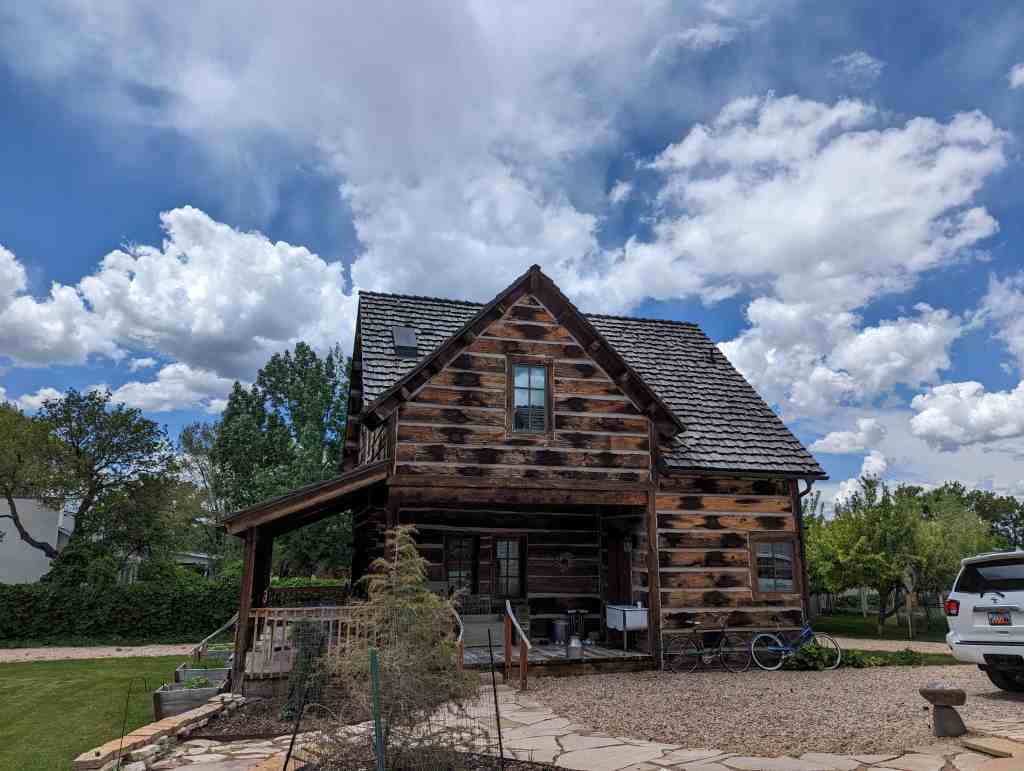
One and one-half story cabin moved to Spring City from the town of Central in Sevier County. One of few remaining Norwegian log houses in Utah and is noteworthy for key north joints at the corners. SO well made that chinking is not required between the logs.*
This house was built around a log granary which Ephraim Larsen and Everett Griffiths hauled to the west part of the lot. They punched holes for a door and windows and added siding.
It was purchased by Allan and Christie Beck after 1926. Their daughter, Carma Beck, retired and lived here until her death in June 2011. The current owners (Jim & Eileen Brown) restored the home, built an addition, and added gardens.
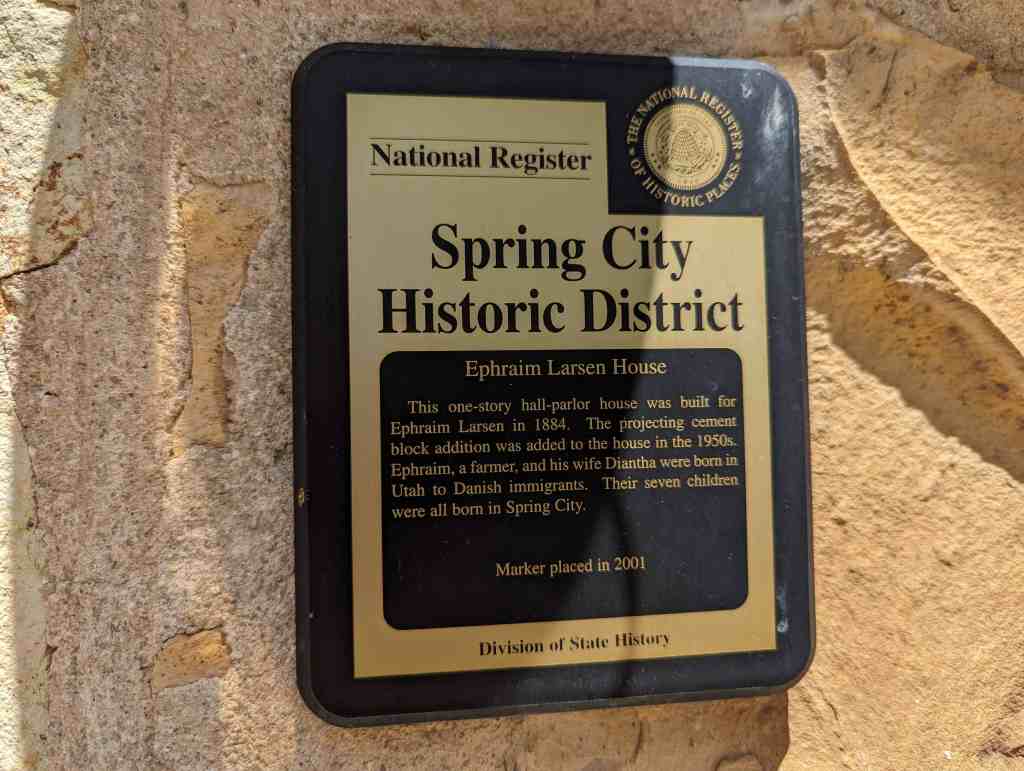
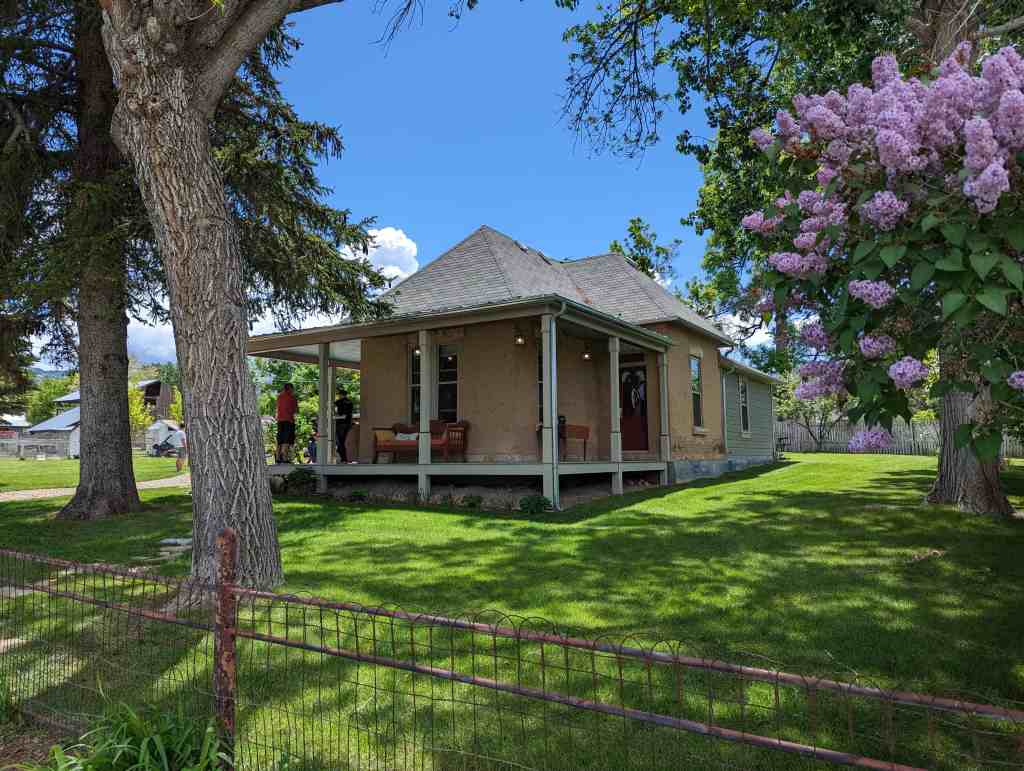
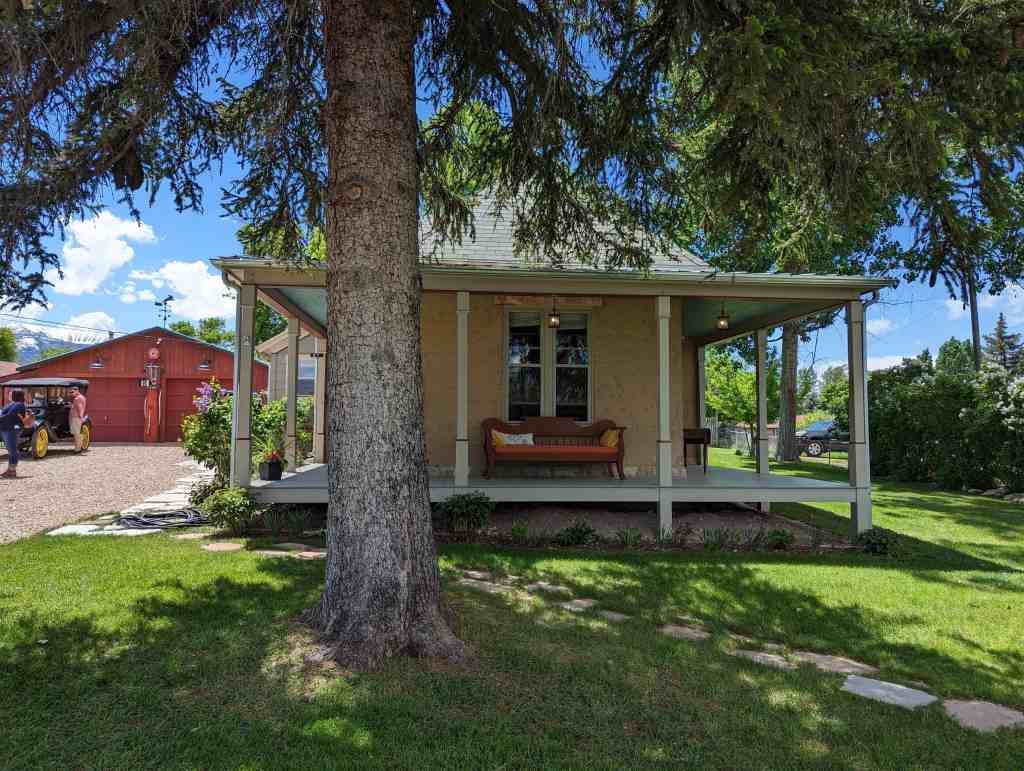
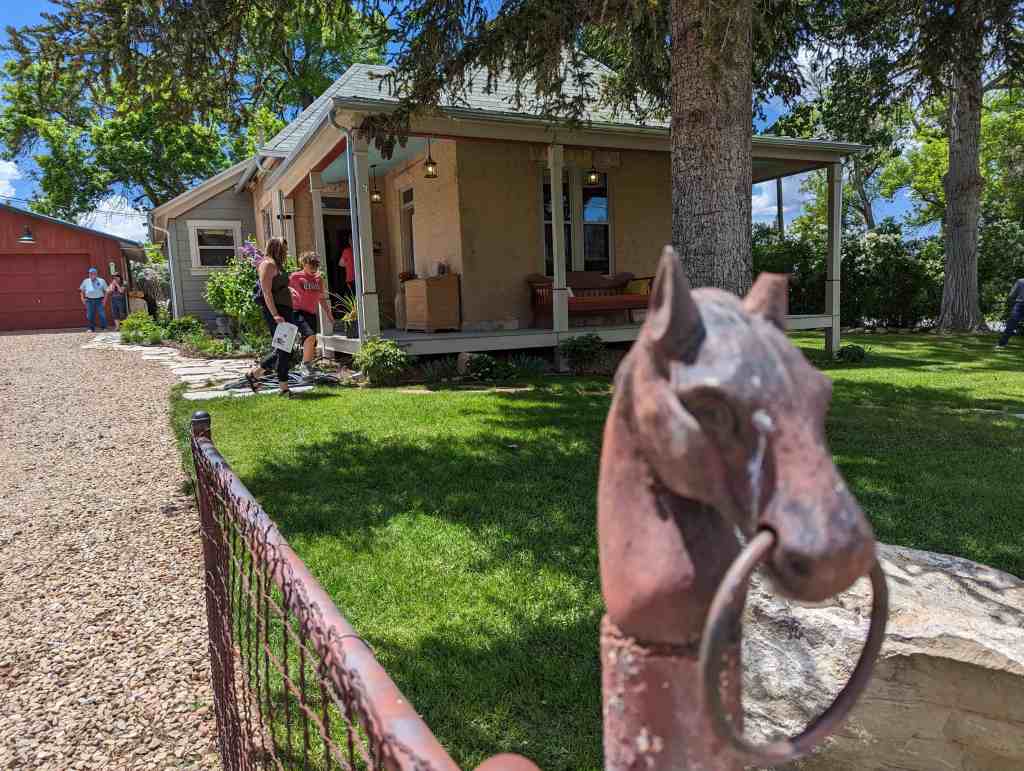
This one-story hall-parlor house was built for Ephraim Larsen in 1884. The projecting cement block addition was added to the house in the 1950s. Ephraim, a farmer, and his wife Diantha were born in Utah to Danish immigrants. Their seven children were all born in Spring City.
This historic house was built in 1906 by Albert Puzey. Albert’s wife, Martha, was given a wedding gift of $500 by her father, Simon Beck, and the Puzey’s were able to save another $100 during the next 5 years for the lot and construction funds. The house was originally an adobe ‘T’-shaped cross-wing type home and in 1913 a rear addition was built. The rear addition was an adobe-filled frame with Dutch Cove siding, which has recently been restored. Albert worked as a farmer, a sheepherder, a clerk at the local mercantile, and also served as Spring City Marshal for several years. The Puzey’s raised 10 children in the small adobe home without having indoor plumbing or a kitchen. Straw tick bedding was put down and picked up each day for the 10 children. To wash the clothes, water was heated outside in a large, black caldron over a fire. The kitchen and bathroom, with running water, were installed after 1948, when Albert sold the home to his son Willard and daughter-in-law Bessey Christiansen Puzey. The house passed through many hands for the next several decades. The current owners, the Millers, have been restoring it over the past four years. The house is a contributing feature within the Spring City Historic District.
This brick house was originally a “T” shape and had a small front porch on the east side. A wrap-around front porch and rear addition have been added while exterior aluminum siding has been removed.*
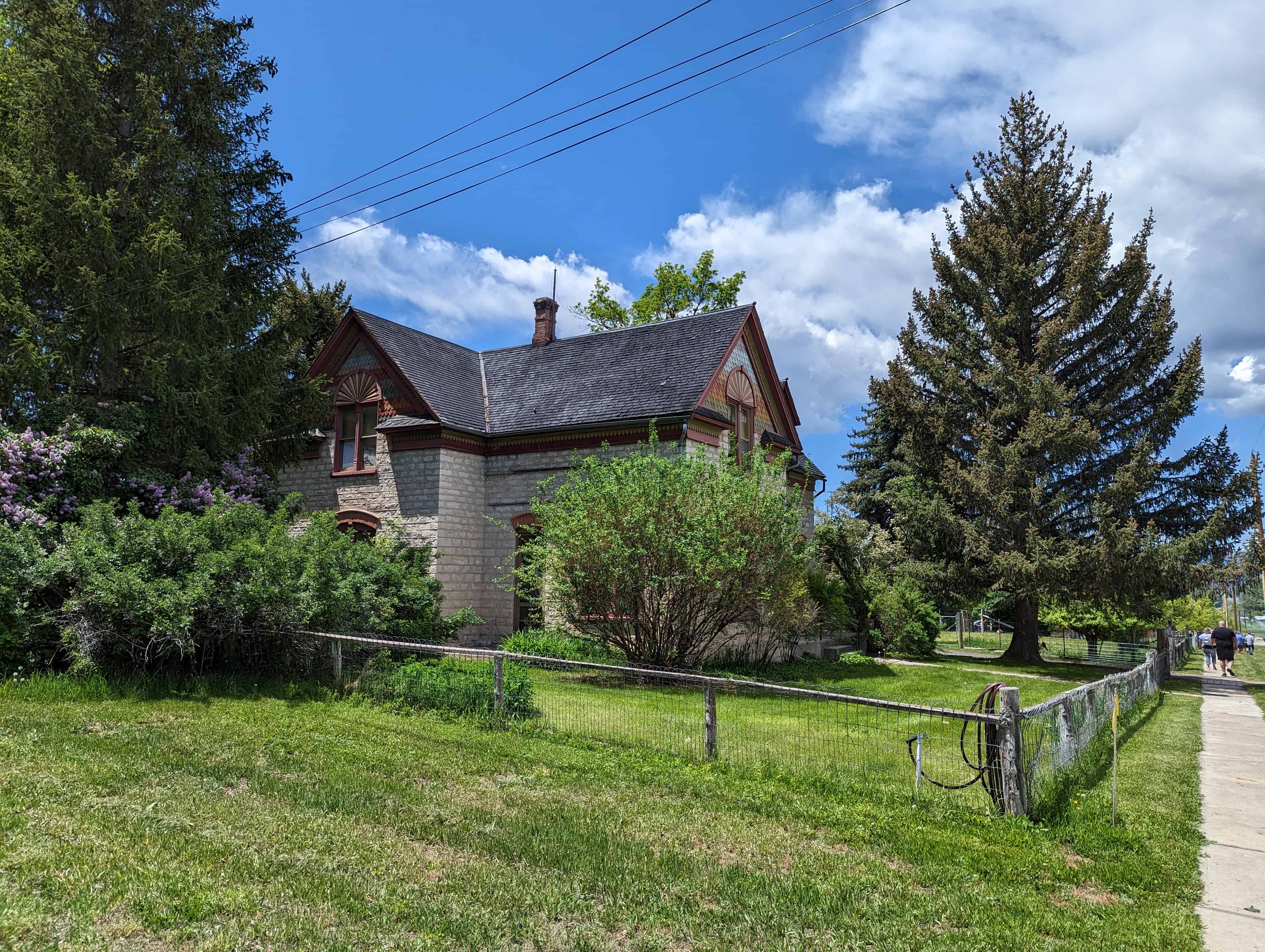
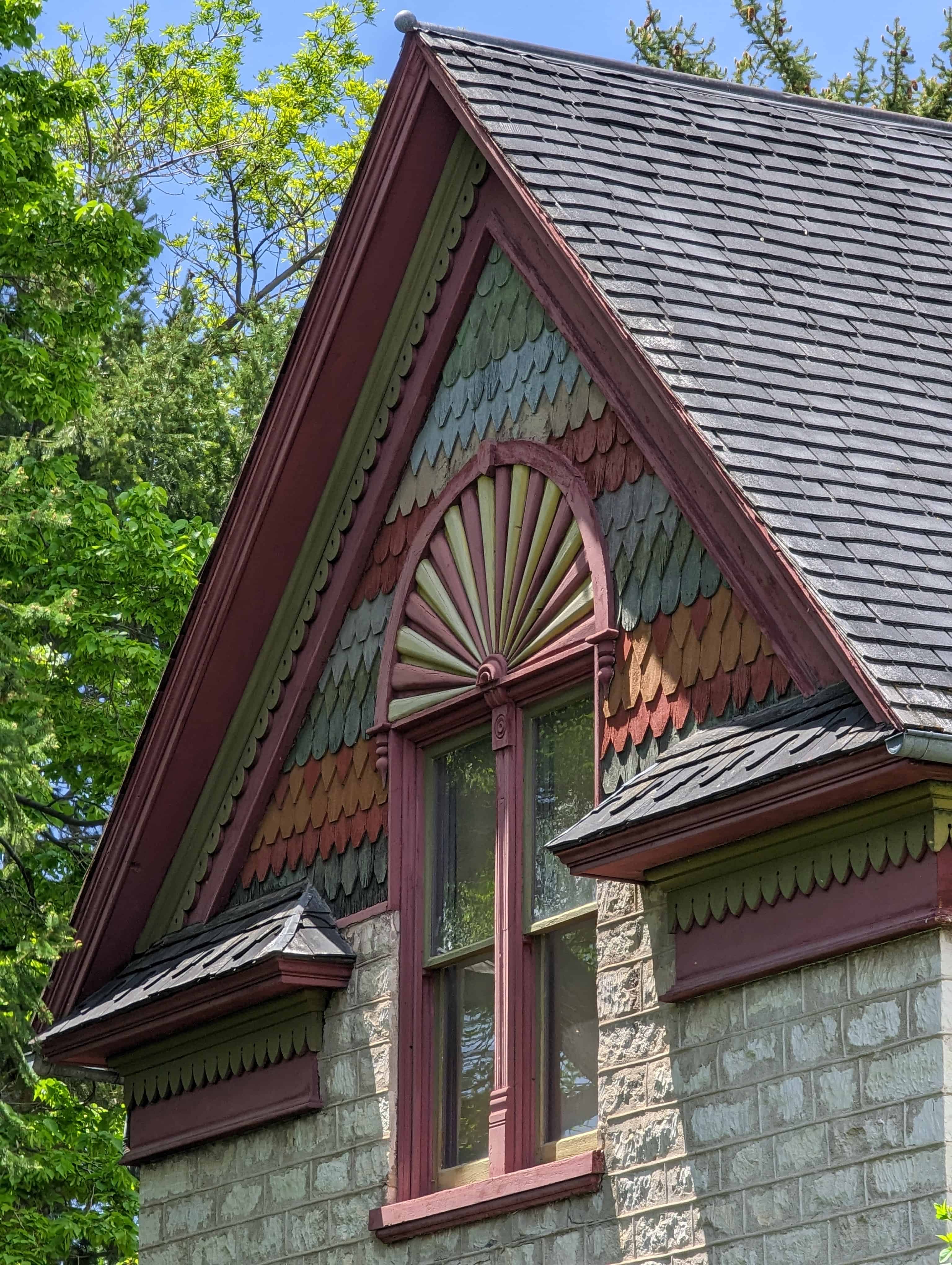
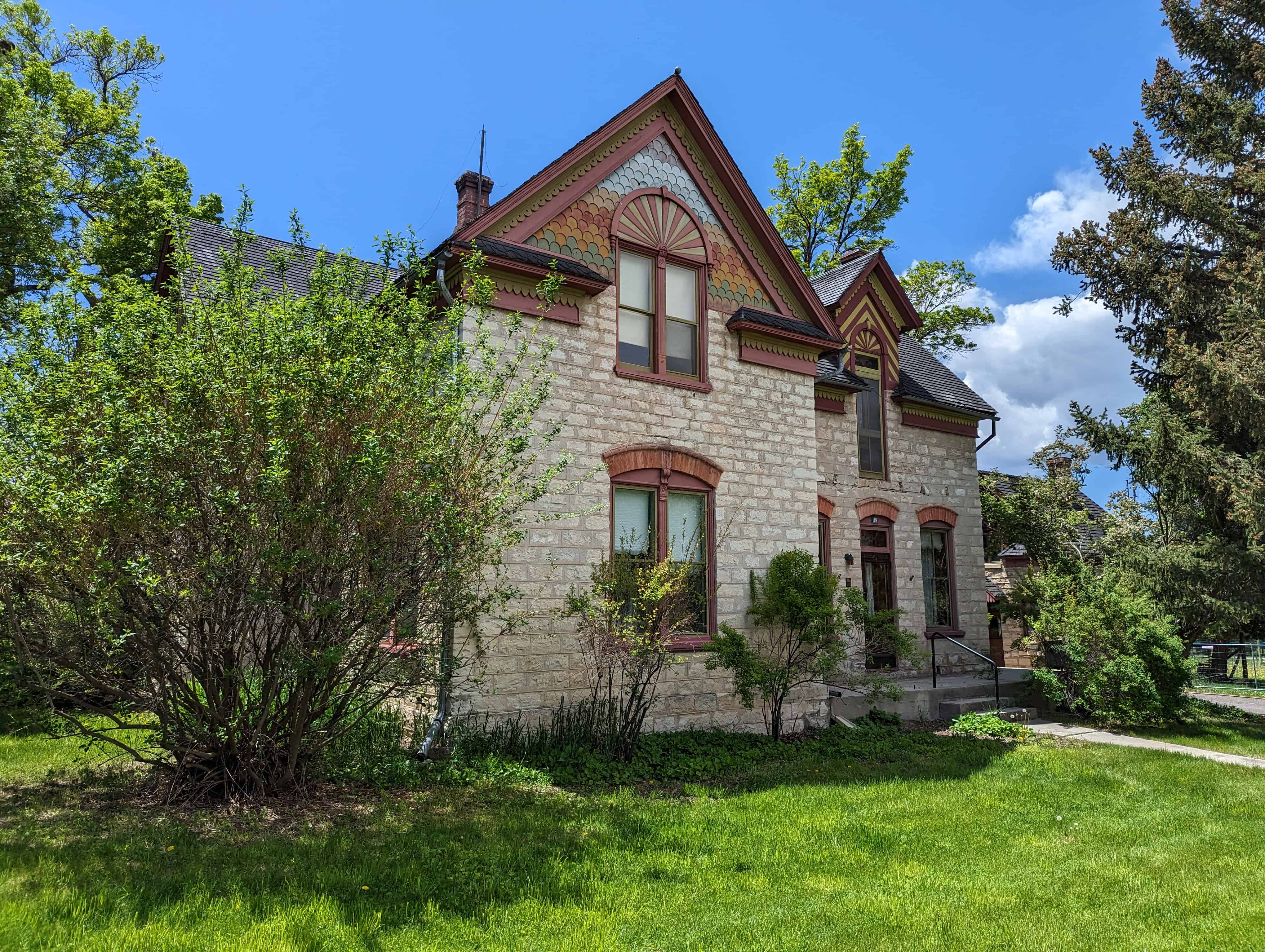
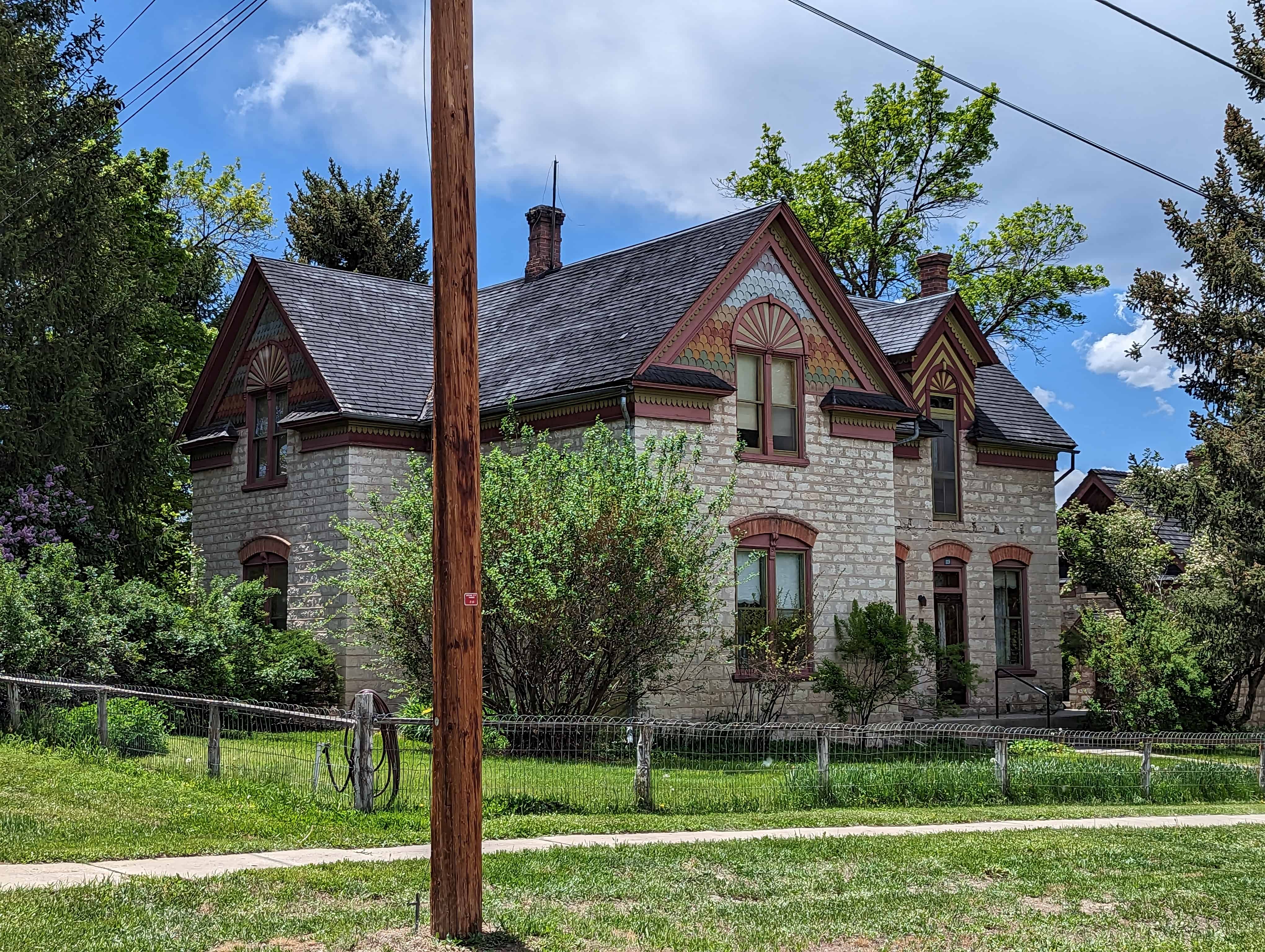
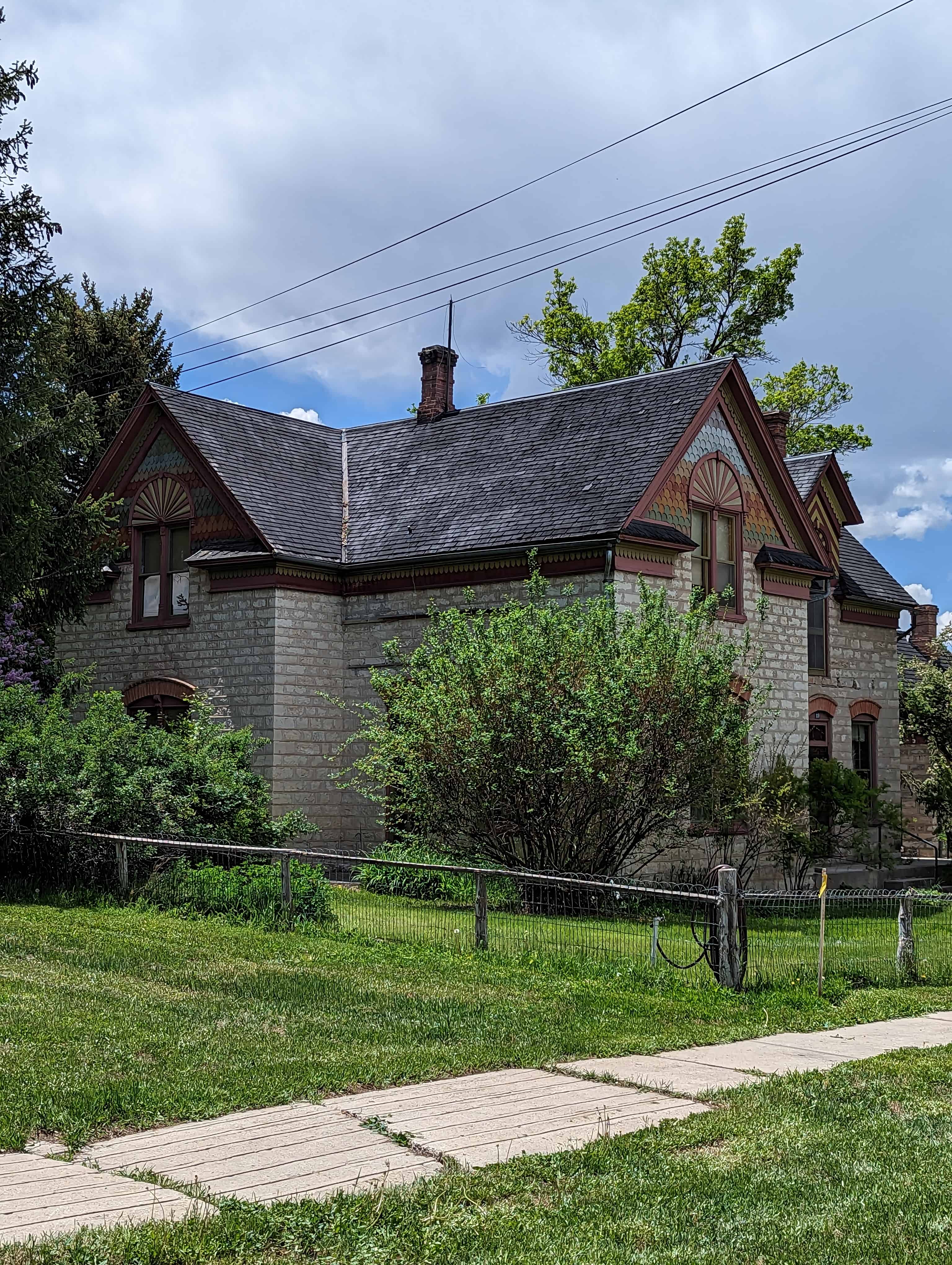
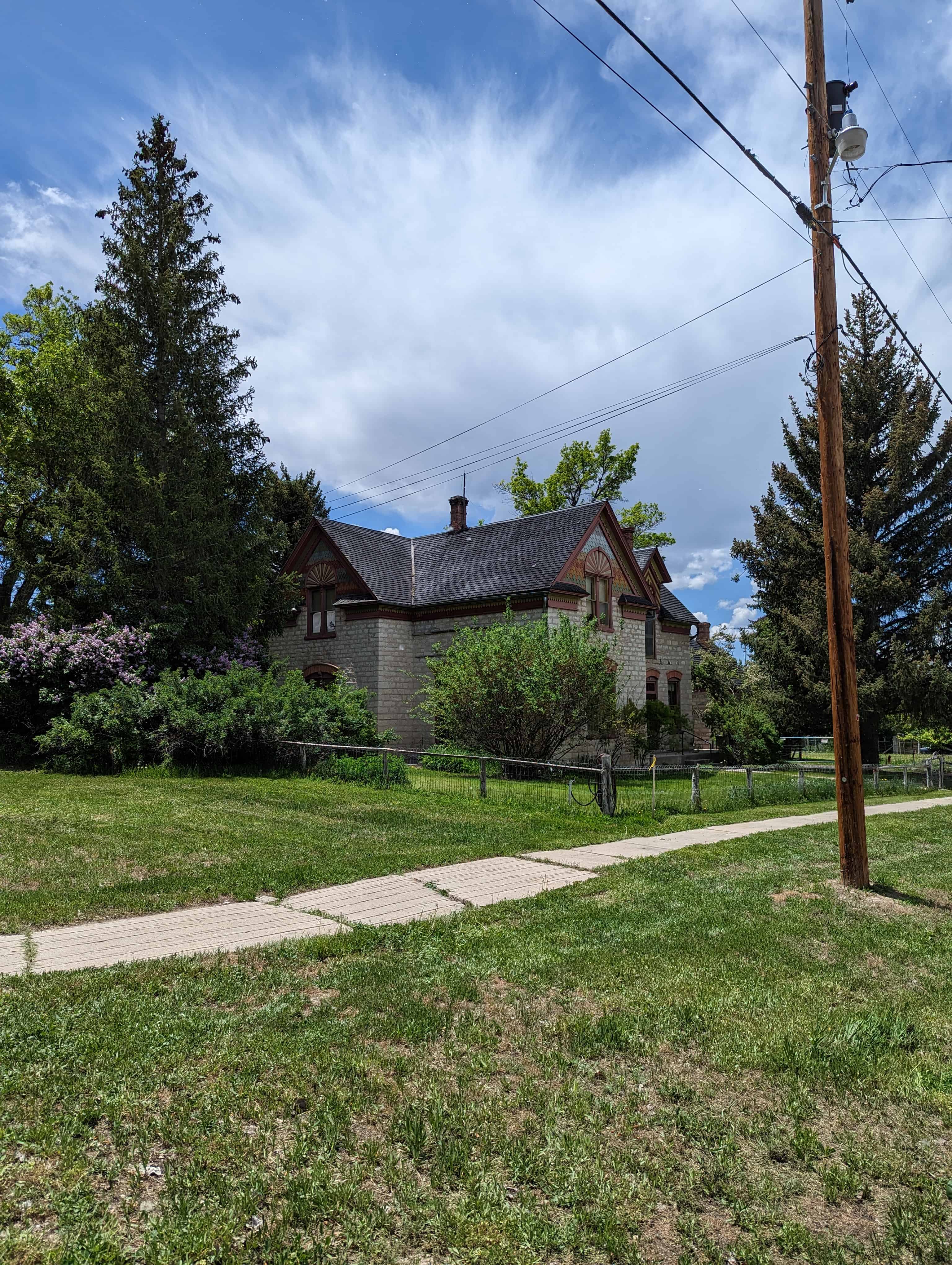
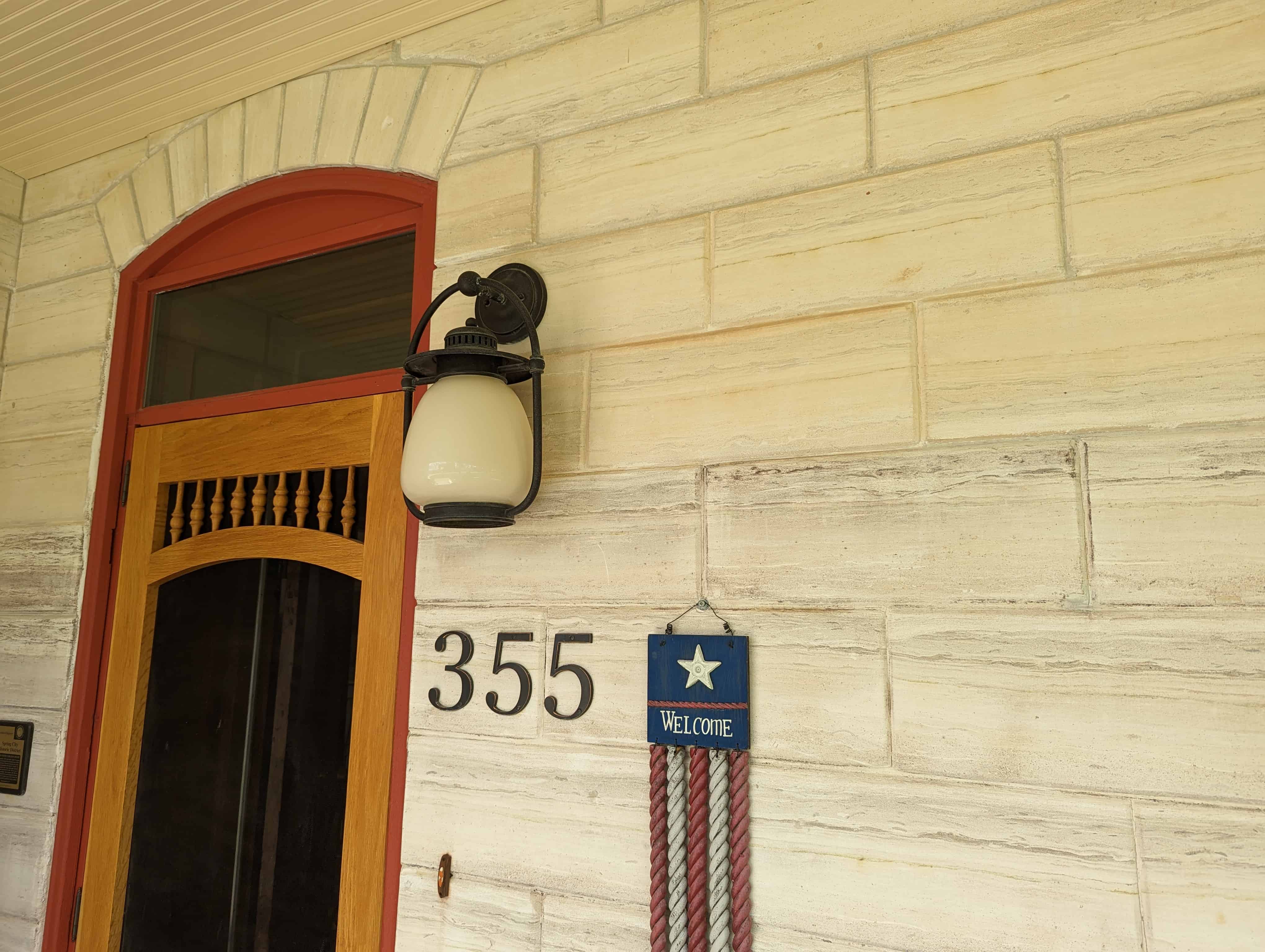
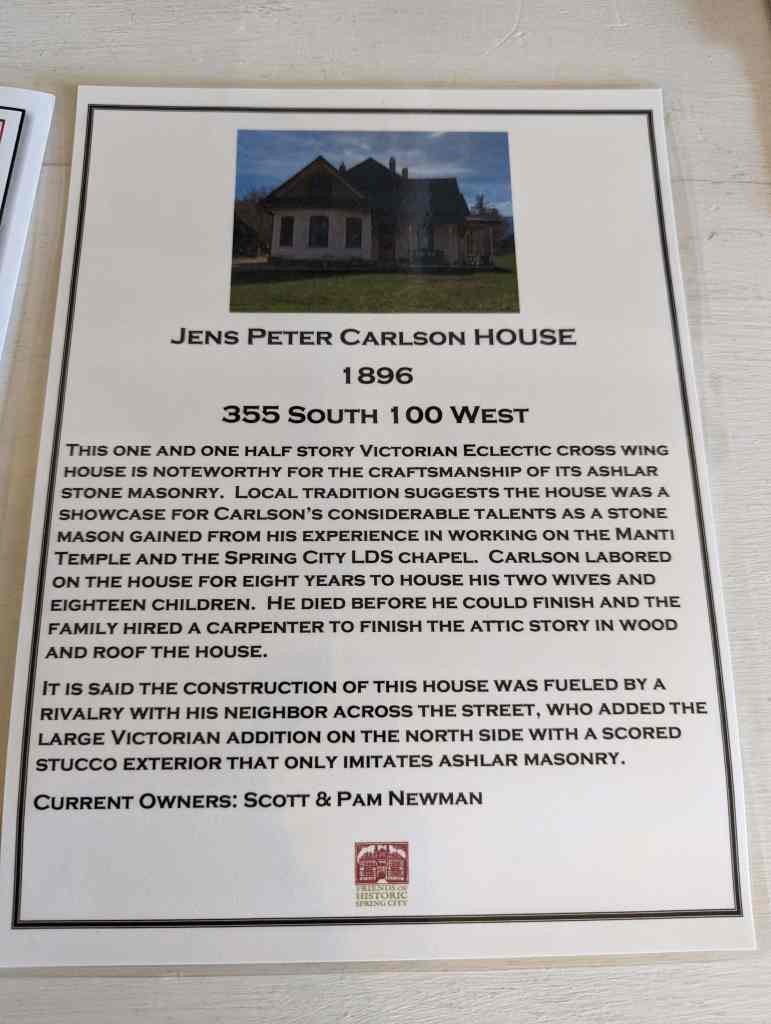
Constructed c. 1896, this finely crafted Victorian cottage is noteworthy for its polished, hand-rubbed oolite limestone. The home showcases the talents of Danish immigrant John (Jens) P. Carlson, the original builder and owner, who alone quarried, dressed, and smoothed the stone. He was one of the three principle stone masons who built the Manti Temple and the historic Spring City chapel. Carlson toiled for eight years on this house, but died before completing the full two-story residence.
John Bohleen built the original one-room adobe section of this house in 1859. He was a prominent local stone mason, responsible for work on the meetinghouse and on many homes in Spring City. He sold the property in 1874 to Peter Olsen. The brick and adobe addition on the south side dates. from the 1860’s or ’70’s. This house is one of the earliest remaining in the town, and illustrates the additive quality of Spring City vernacular architecture.
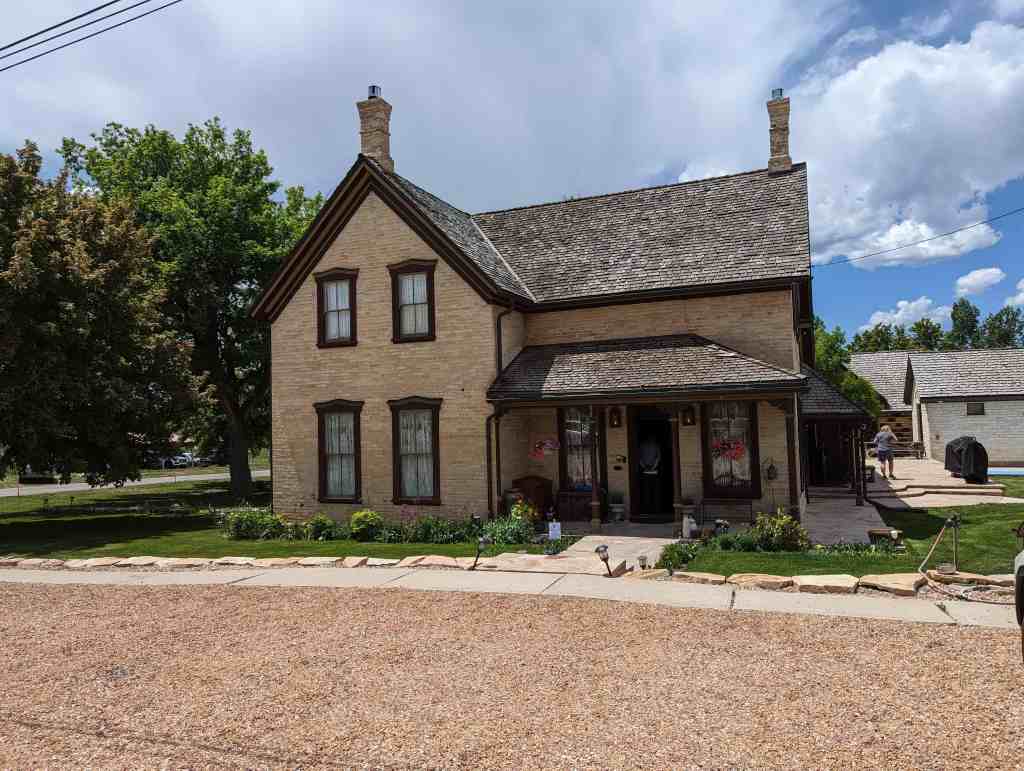
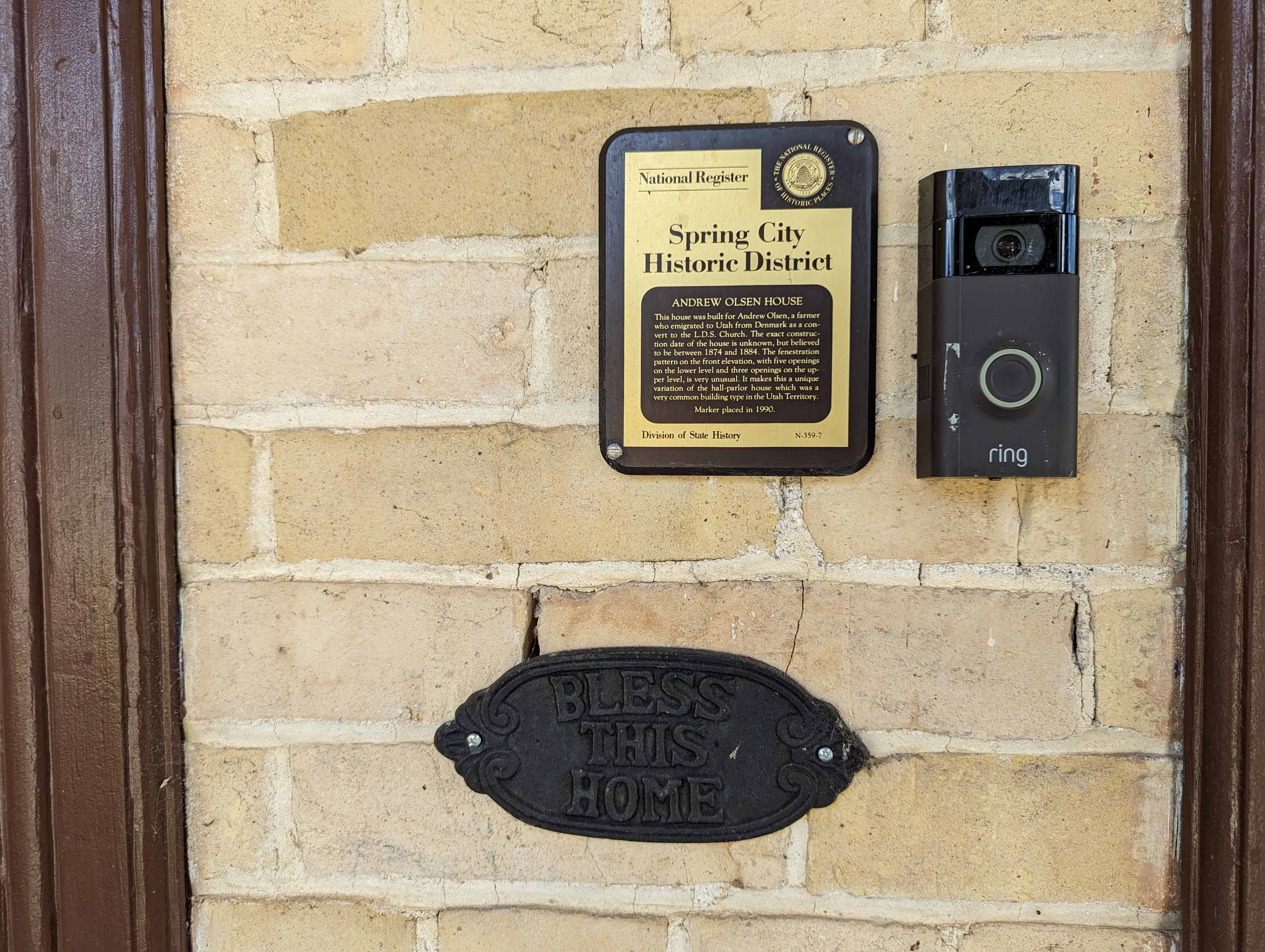
This house was built for Andrew Olsen, a farmer who emigrated to Utah from Denmark as a con- vert to the L.D.S. Church. The exact construction date of the house is unknown, but believed to be between 1874 and 1884. The fenestration pattern on the front elevation, with five openings on the lower level and three openings on the up- per level, is very unusual. It makes this a unique variation of the hall-parlor house which was a very common building type in the Utah Territory. Marker placed in 1990.
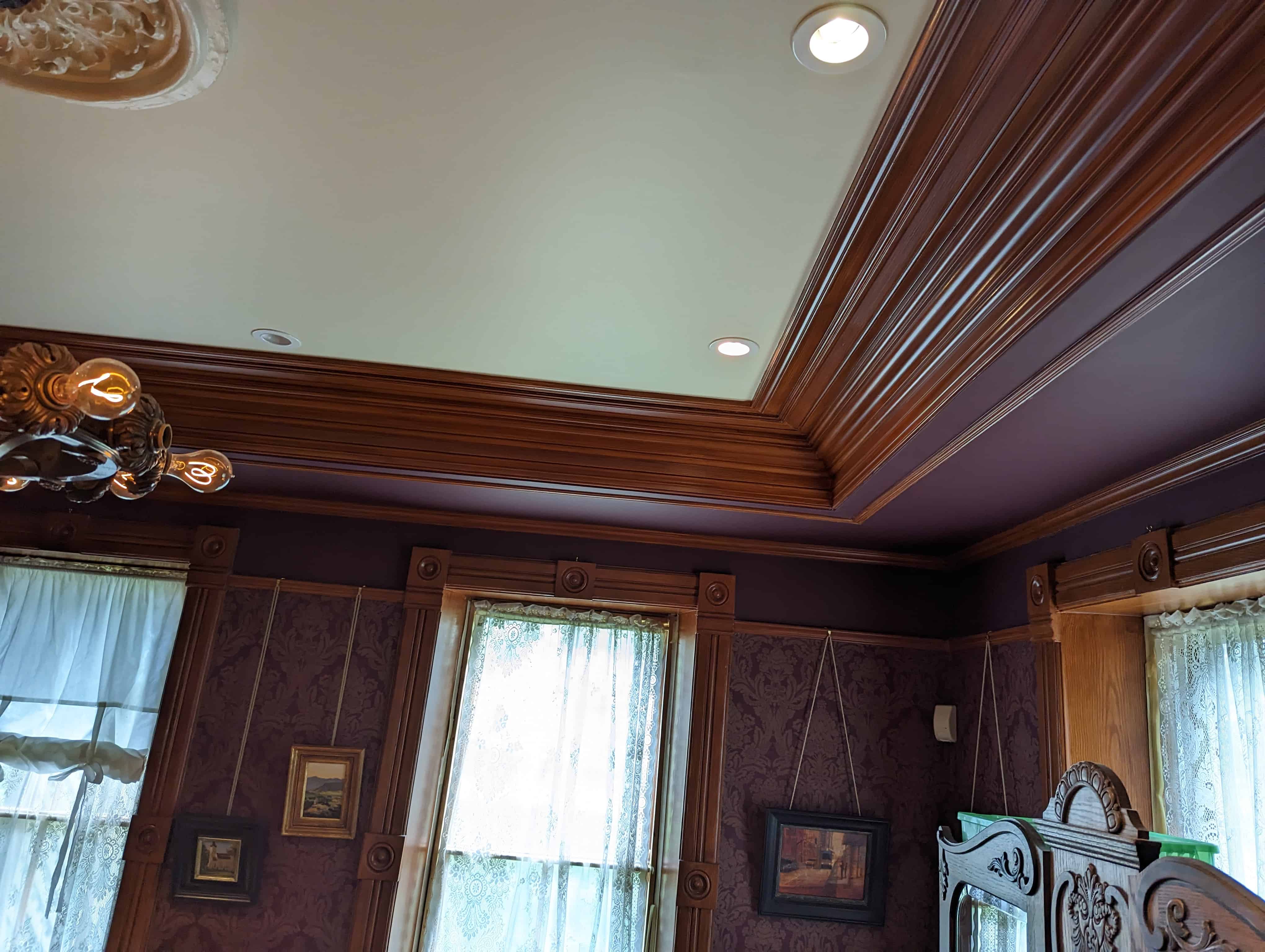
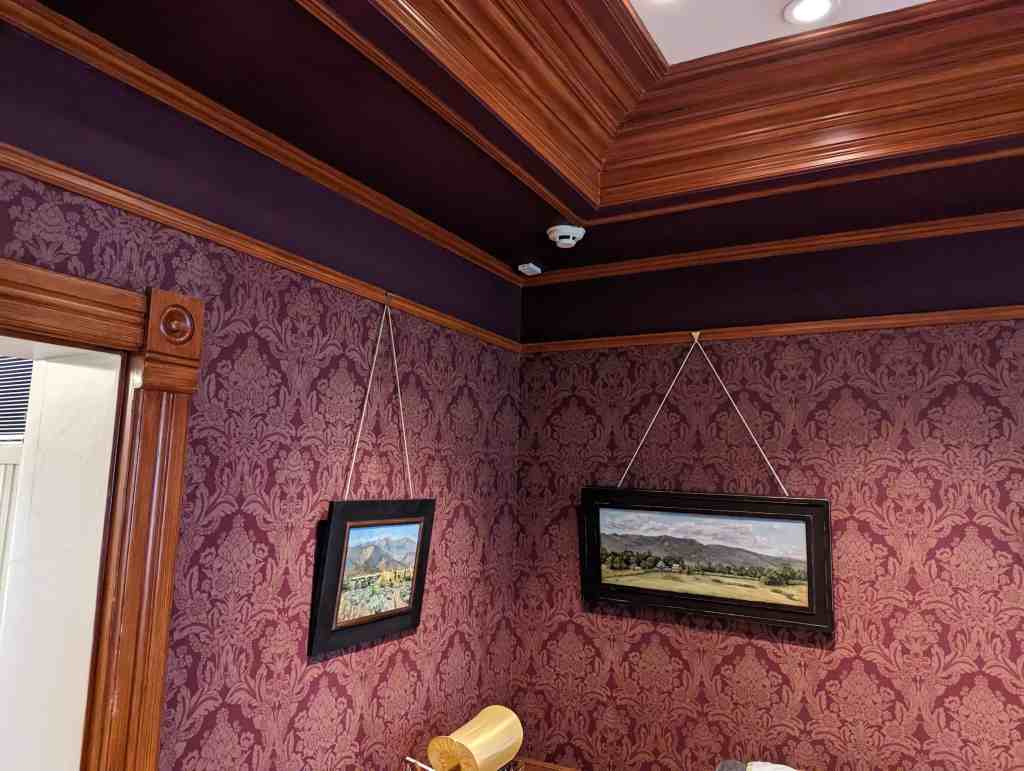
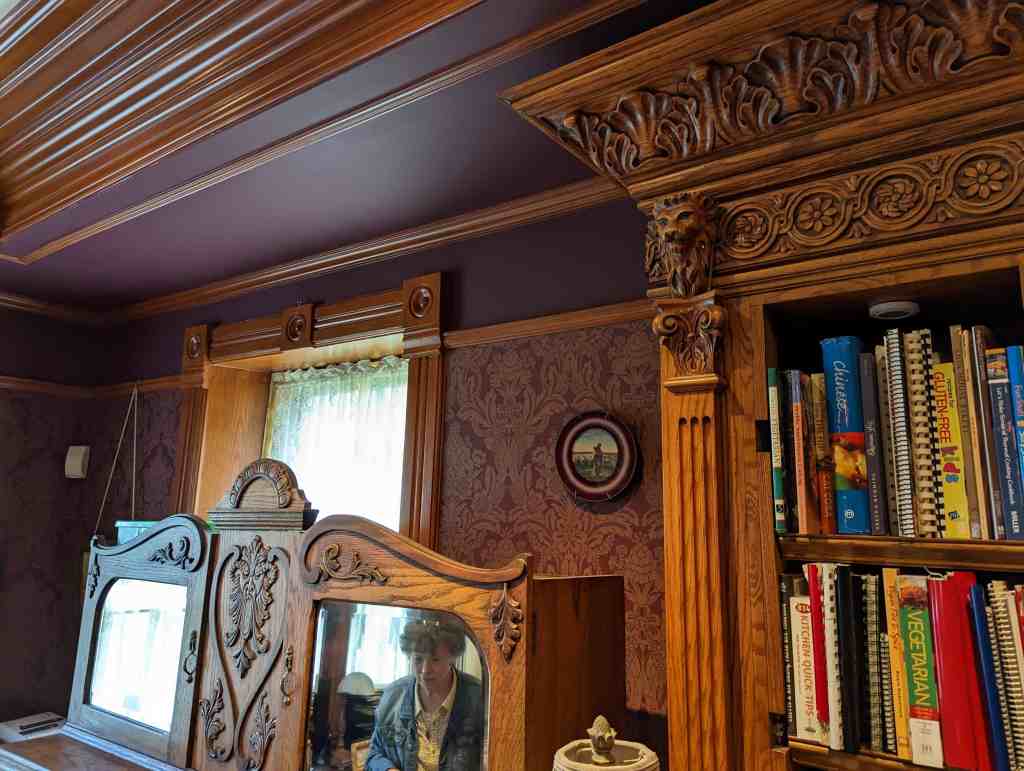
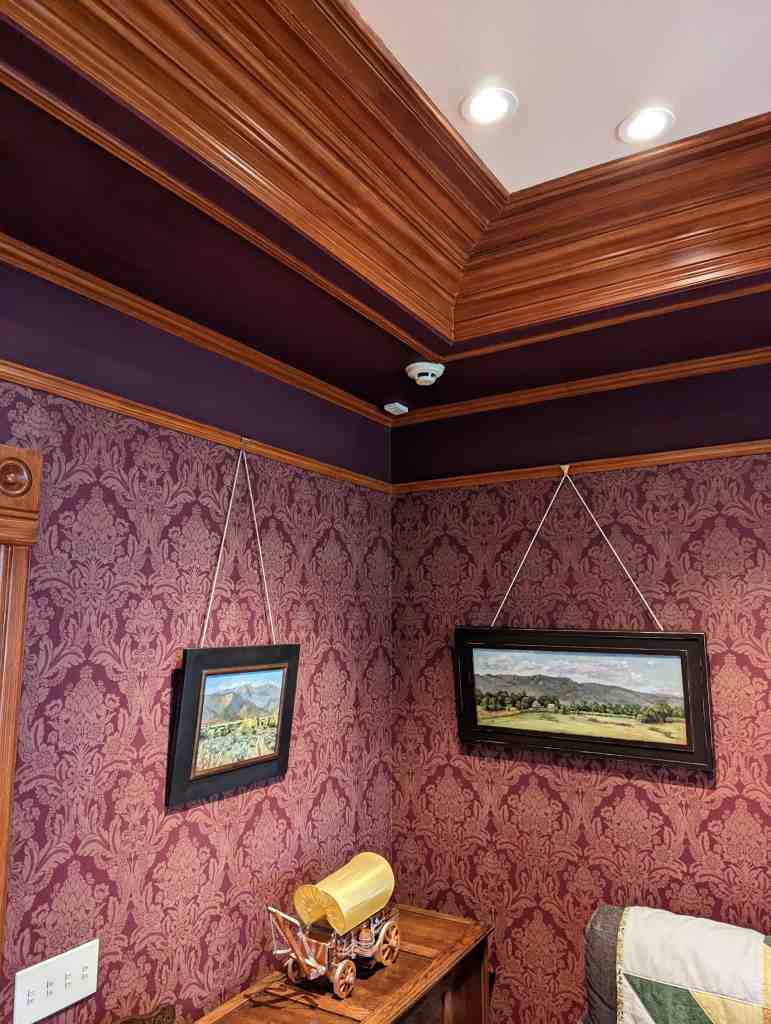
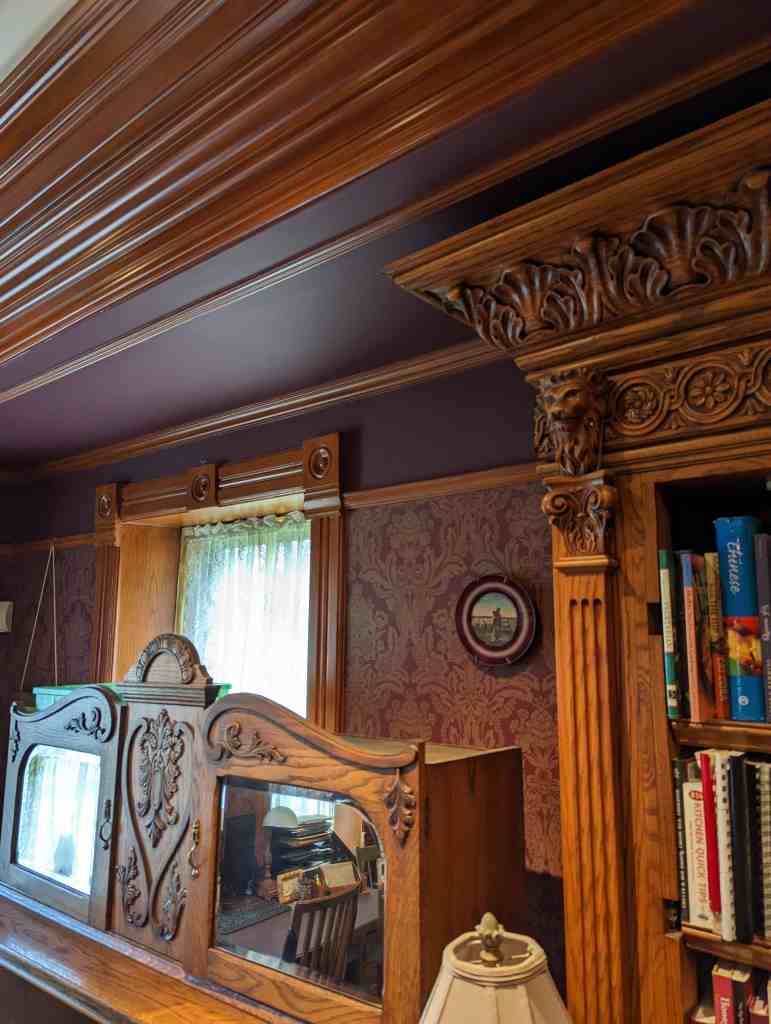
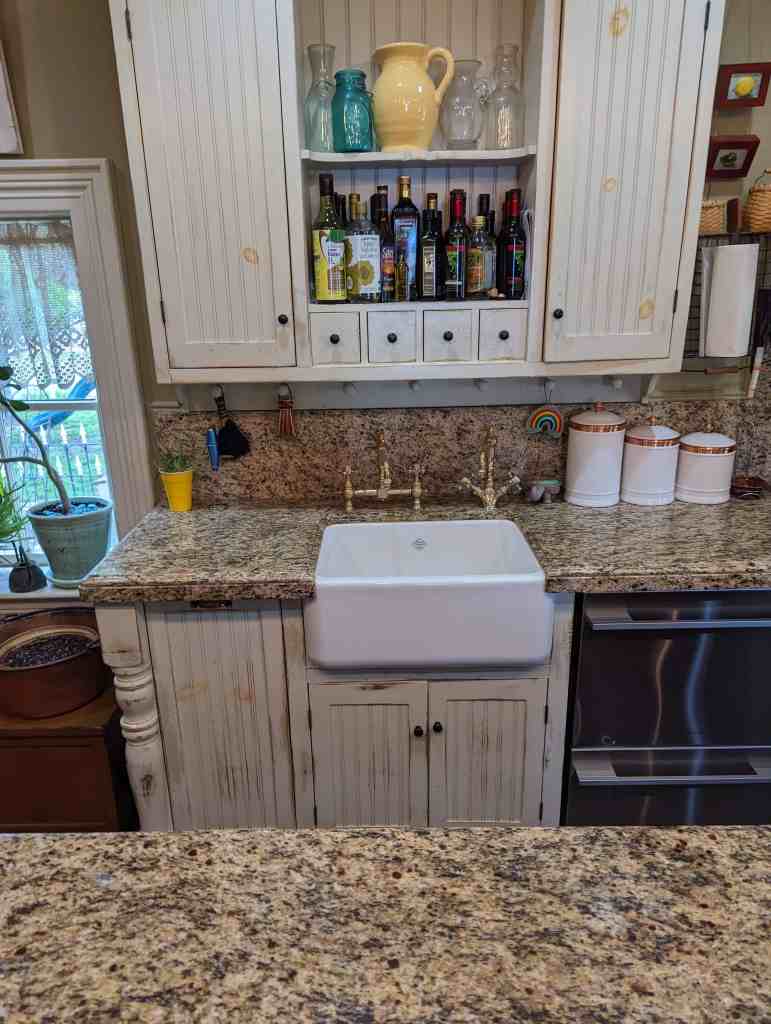
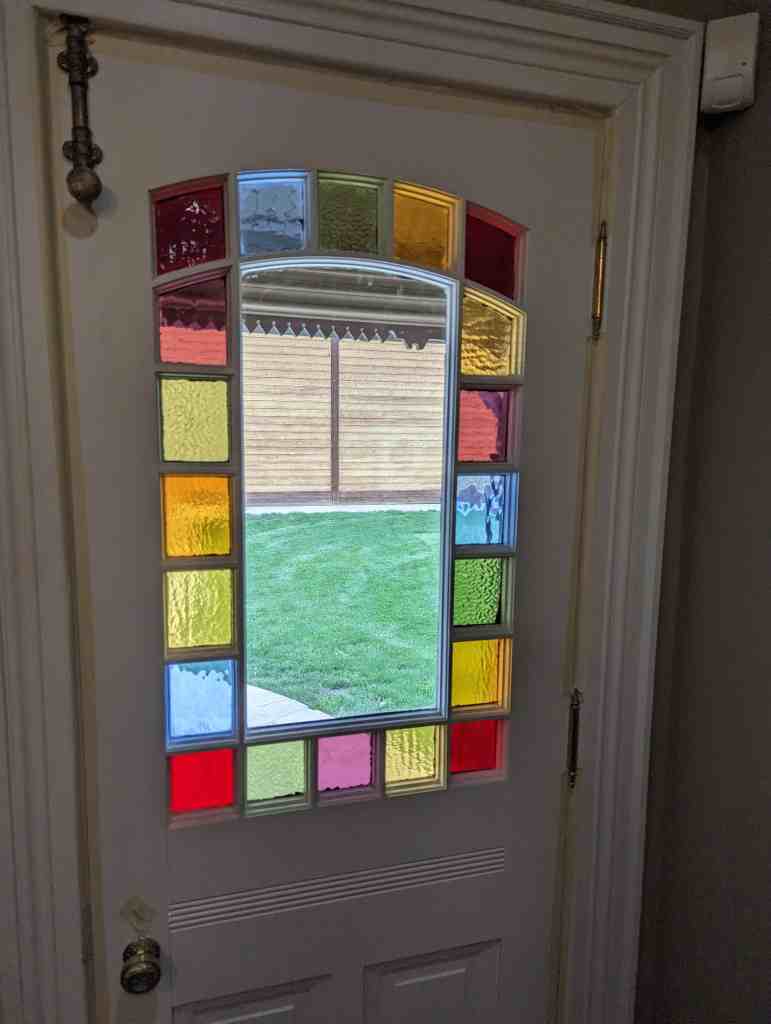
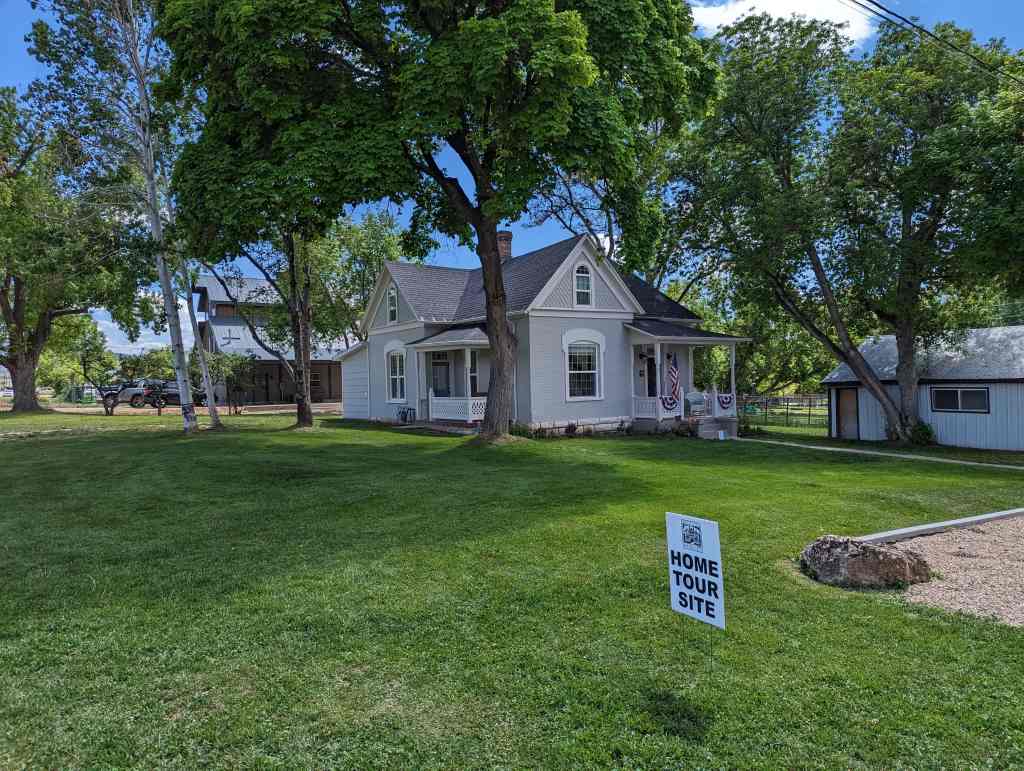
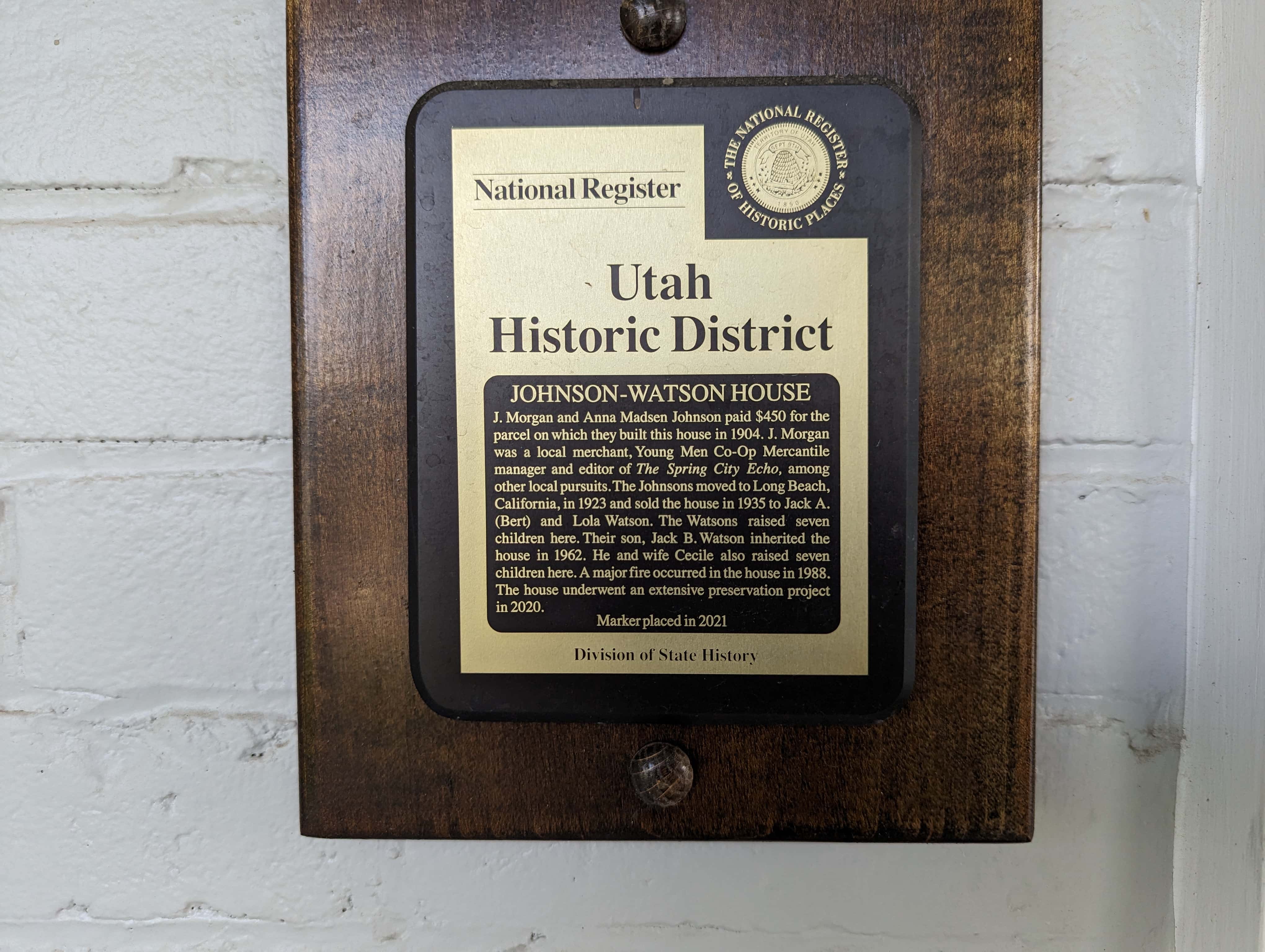
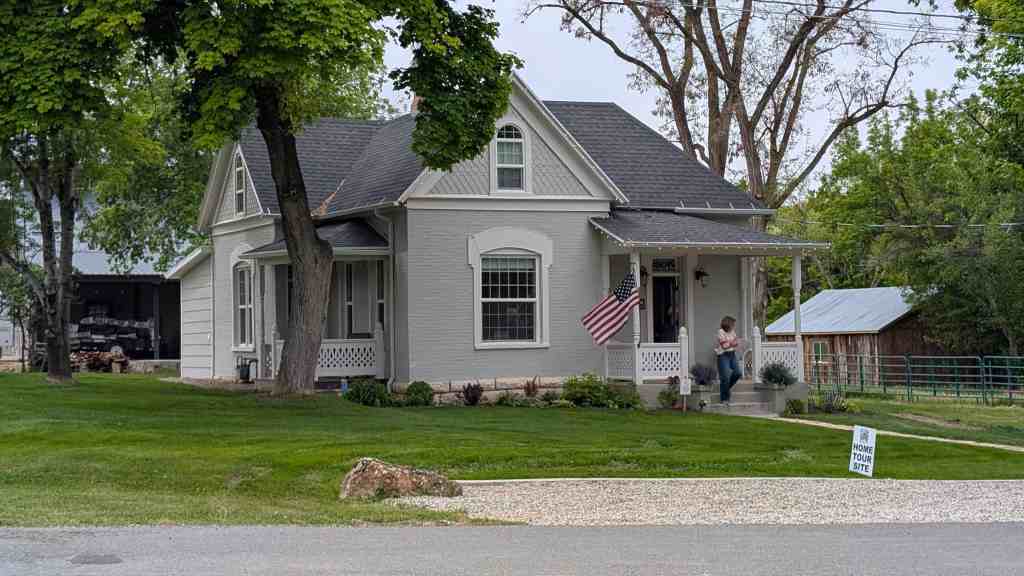
J. Morgan and Anna Madsen Johnson paid $450 for the parcel on which they built this house in 1904. J. Morgan was a local merchant, Young Men Co-Op Mercantile manager and editor of The Spring City Echo, among other local pursuits. The Johnsons moved to Long Beach, California, in 1923 and sold the house in 1935 to Jack A. (Bert) and Lola Watson. The Watsons raised seven children here. Their son, Jack B. Watson inherited the house in 1962. He and wife Cecile also raised seven children here. A major fire occurred in the house in 1988. The house underwent an extensive preservation project in 2020.
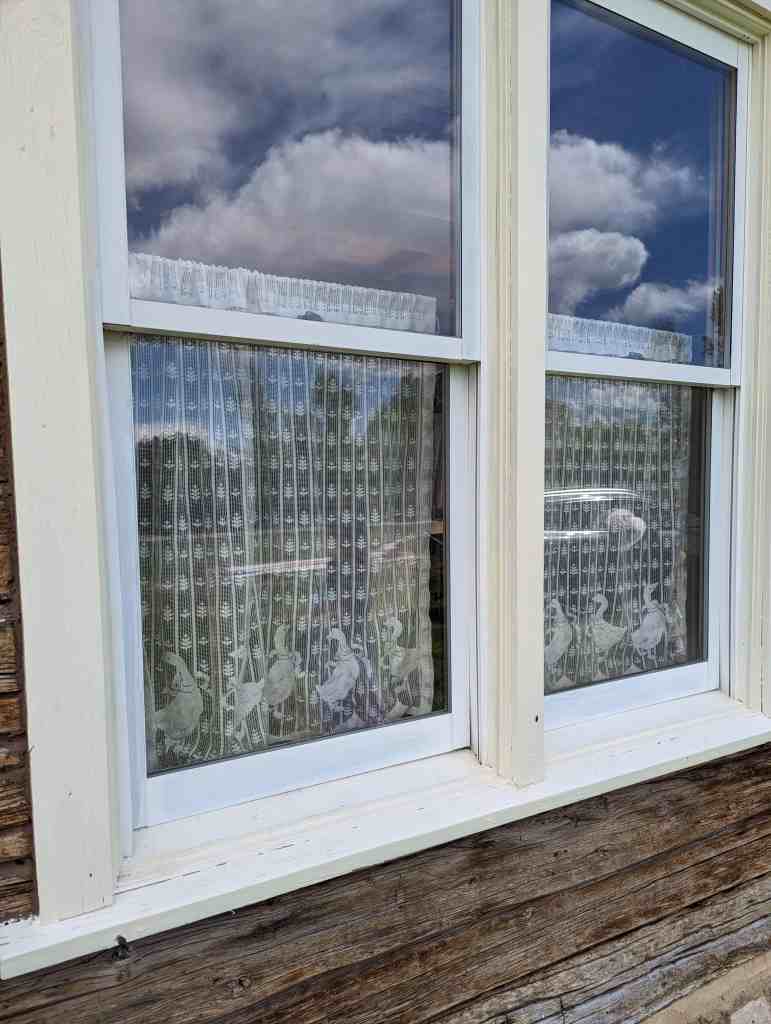
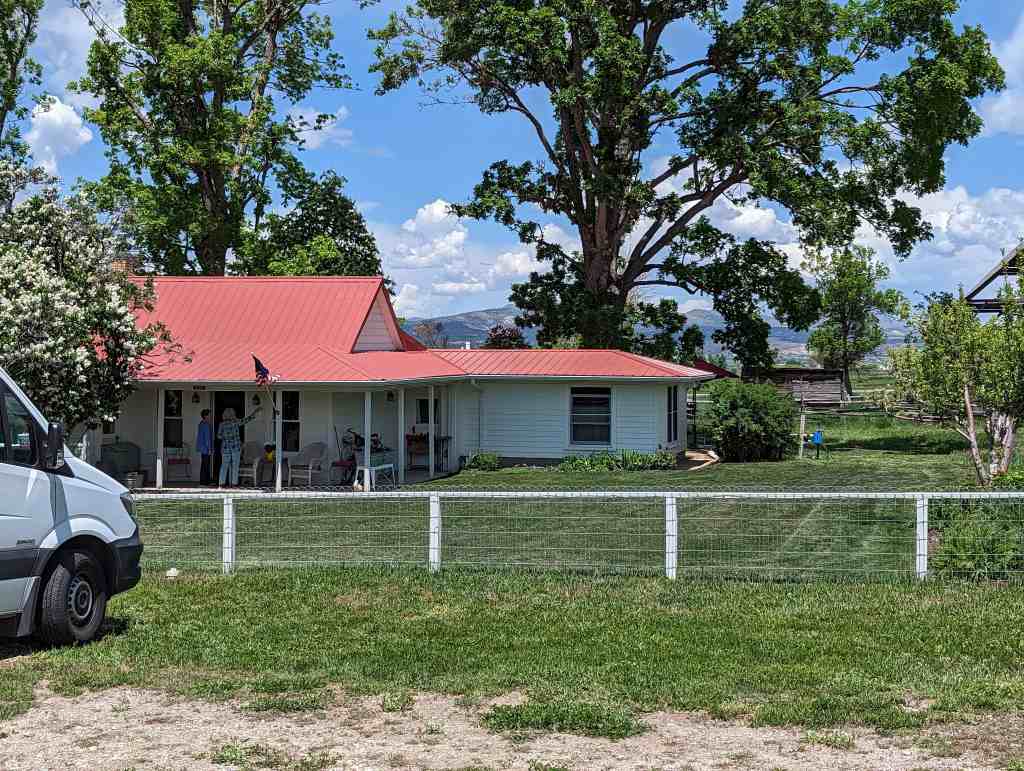
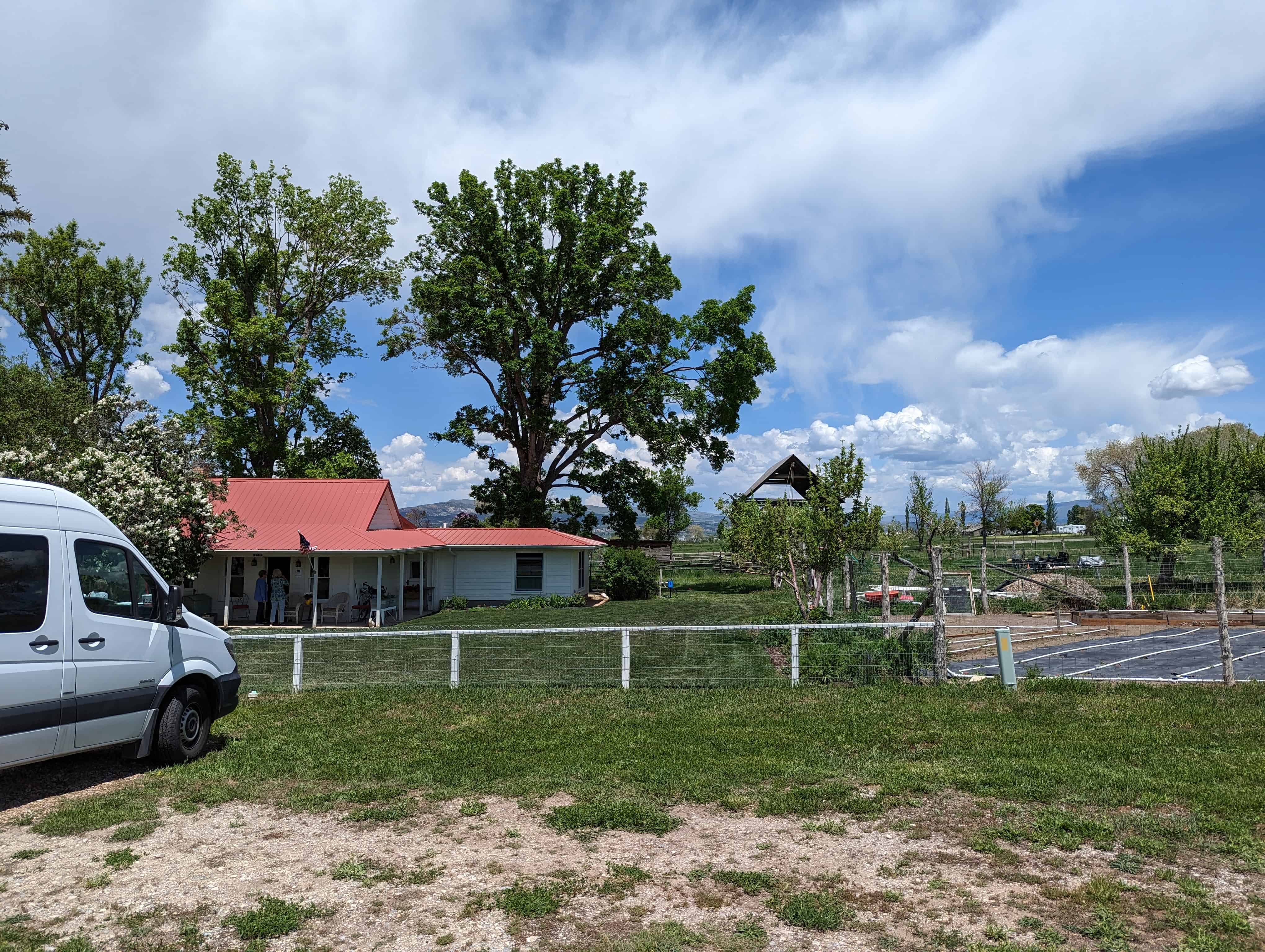
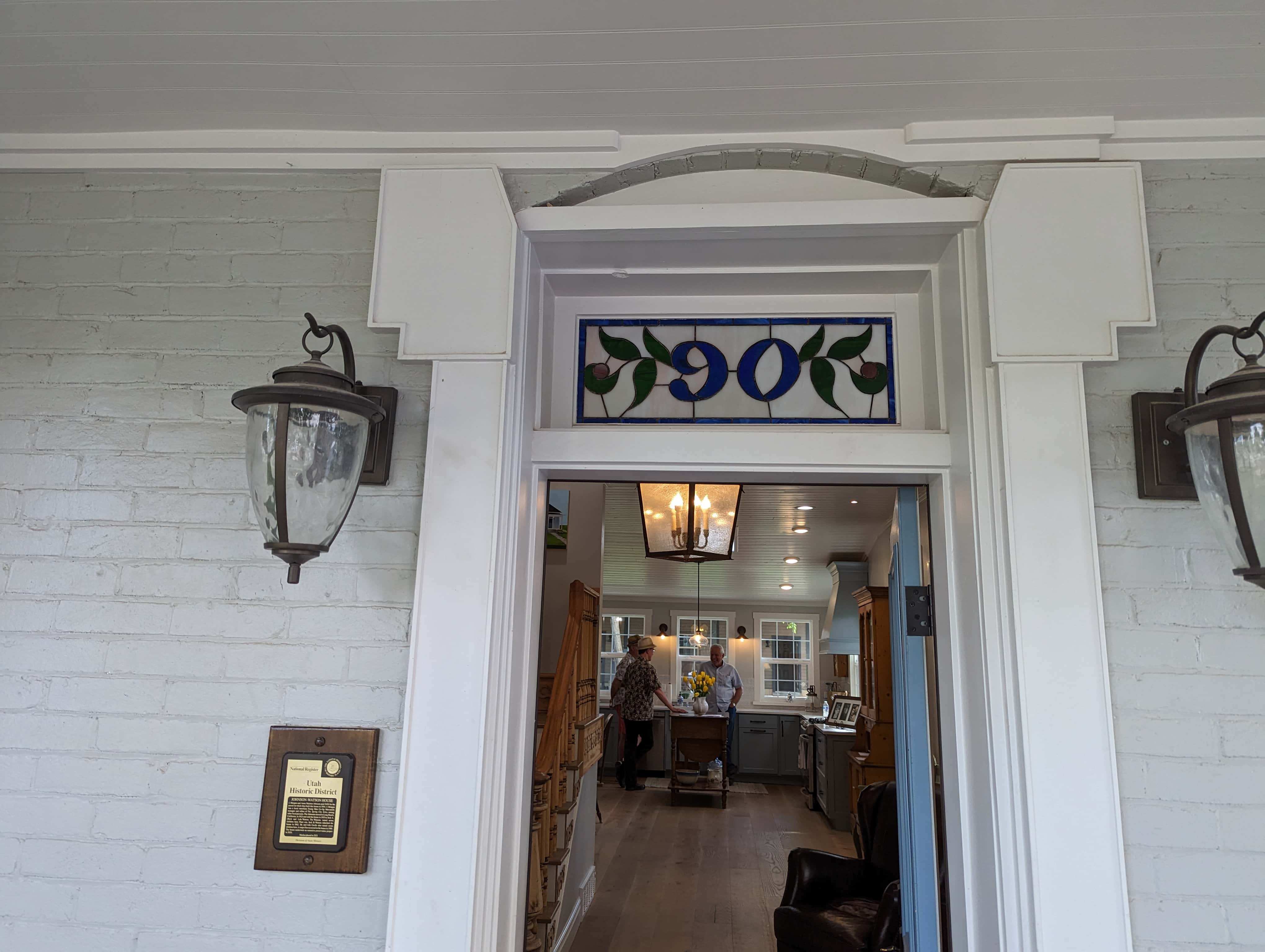
The above text is from the plaque on the home located at 90 East 100 South in Spring City, Utah. The below text is from the historic home tour (2023).
MORGAN JOHNSON/JACK WATSON HOME, 90 E. 100 S. 1904: A pattern book “L” plan house. Built by J. Morgan Johnson who was the son of Judge Jacob Johnson. He published The Spring City Echo in 1897, a town newspaper which survived six months. The kitchen and living room suffered a fire in 1988. Purchased in 2020 and restored by its current owners. Owned by Tony and Liz Rudman.
This house was built for J Morgan Johnson, who started a town newspaper called “The Spring City Echo” in 1897. The paper survived for six months.*