
Tags
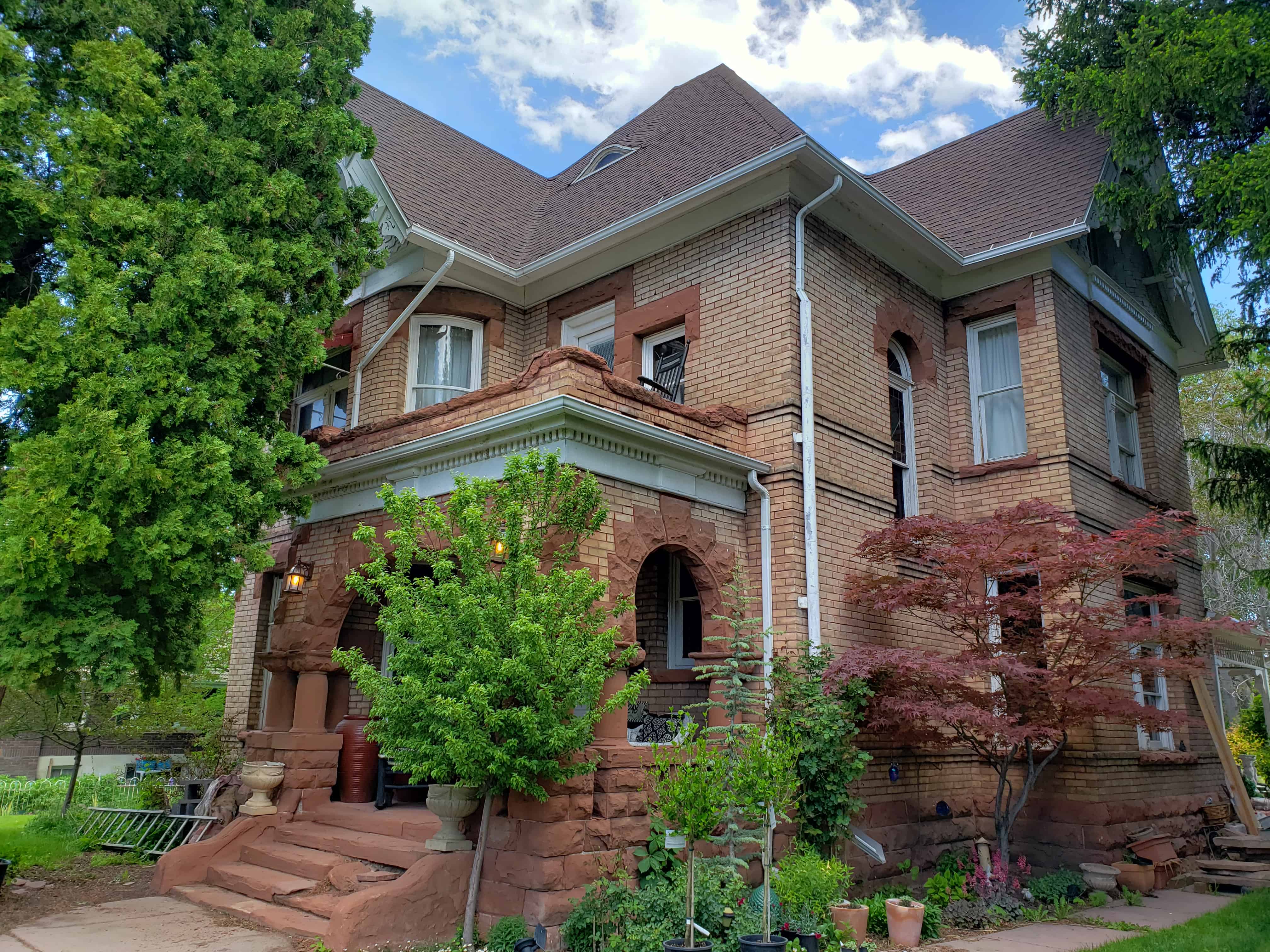
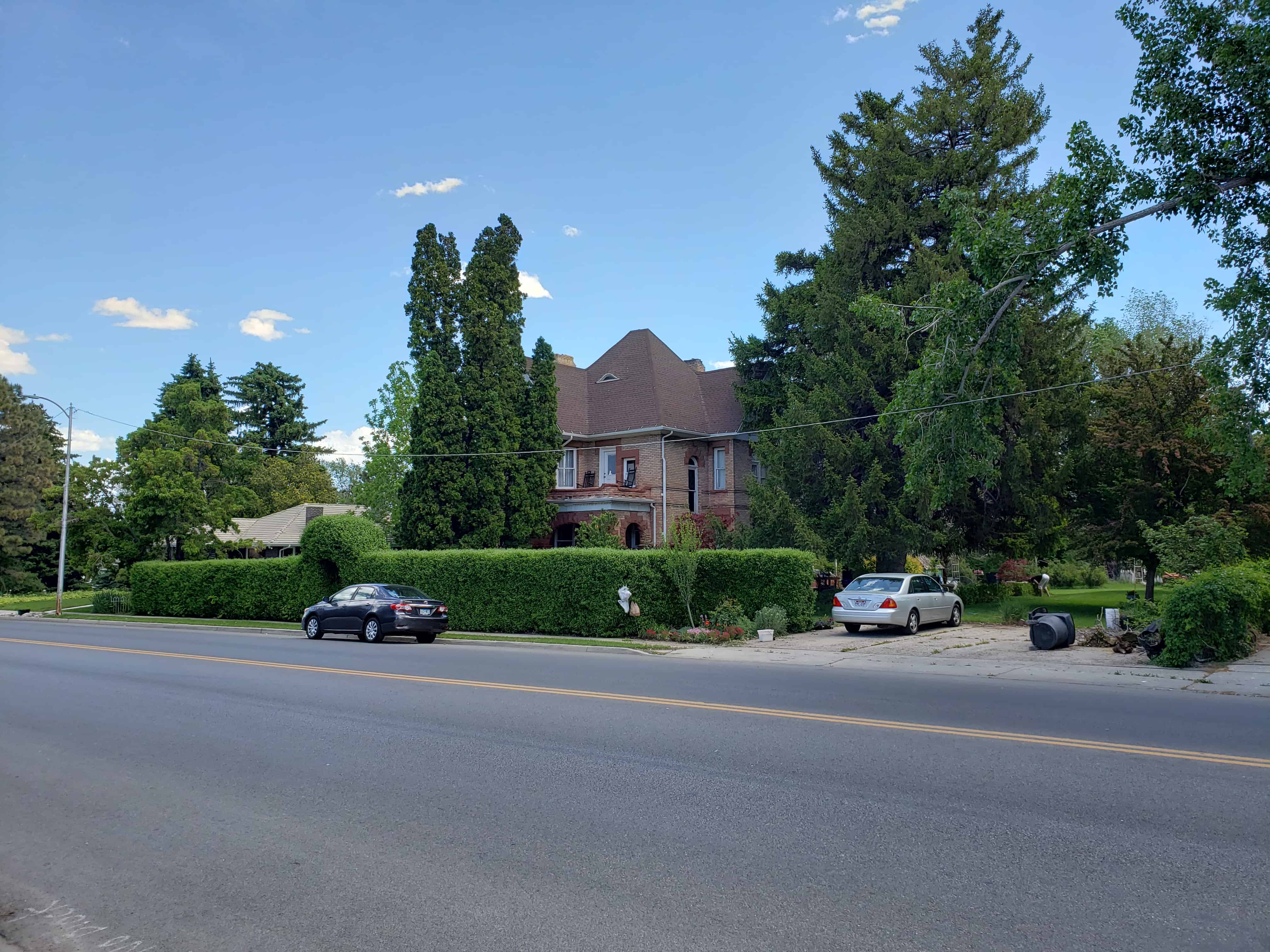
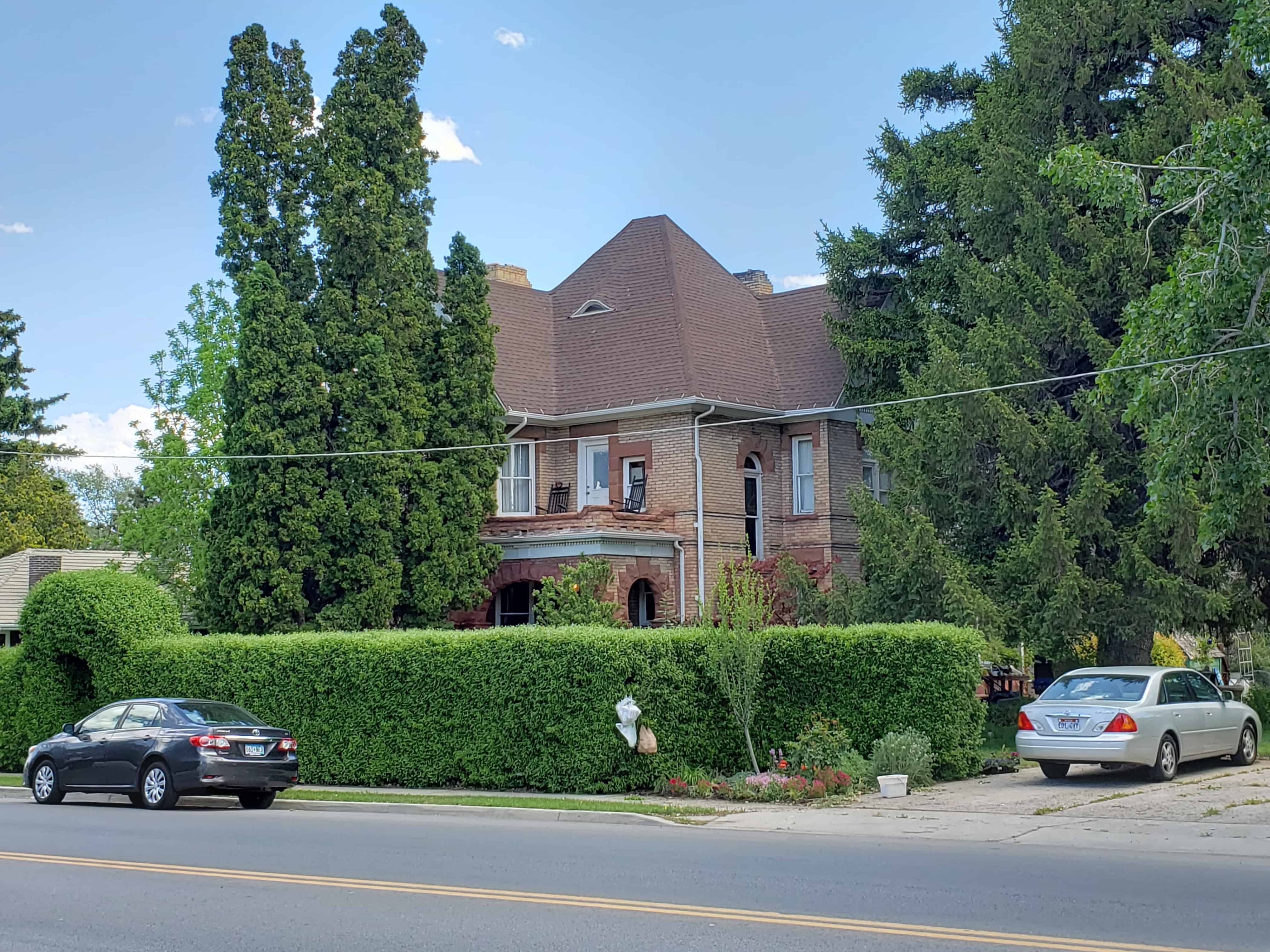
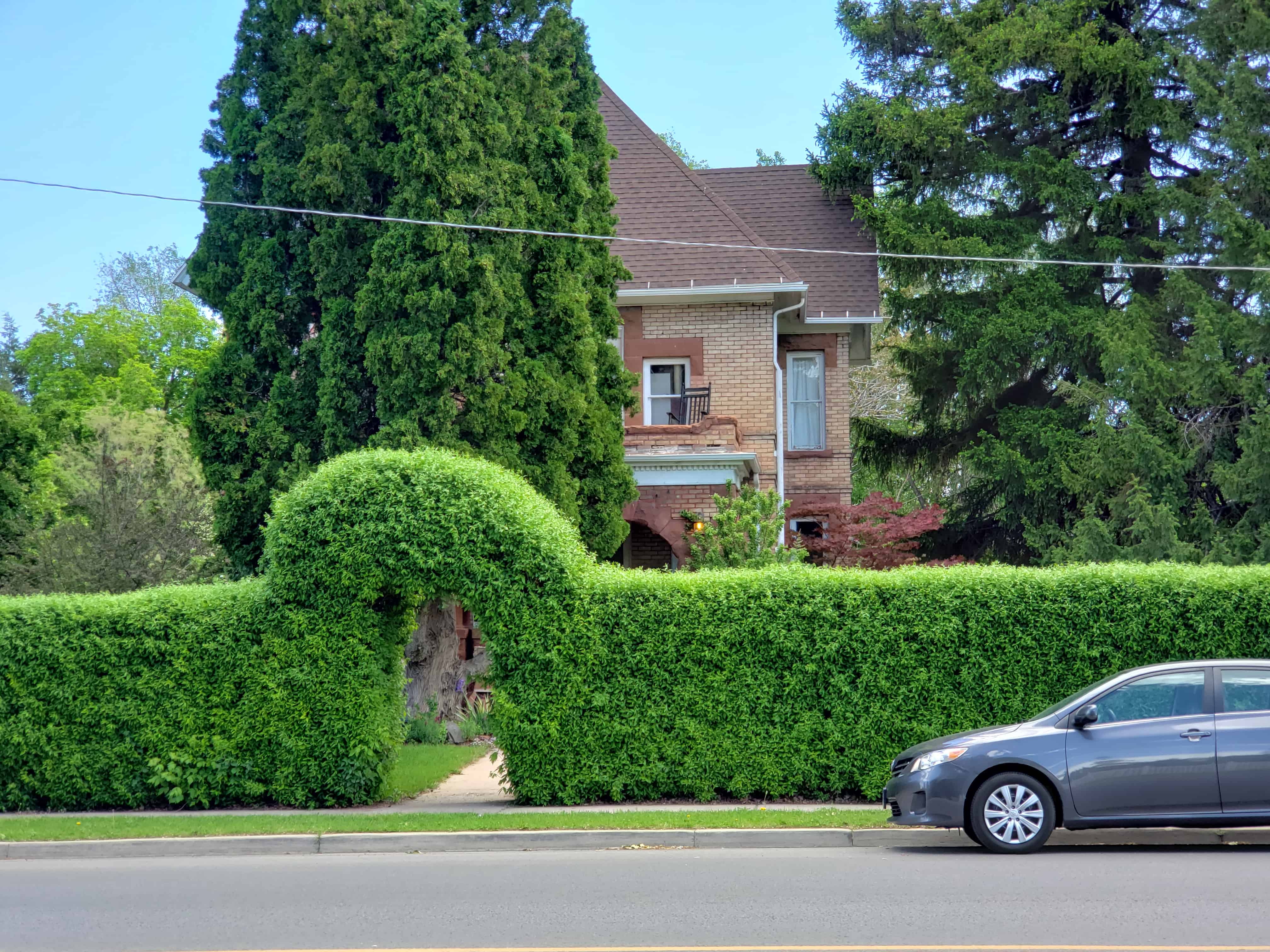
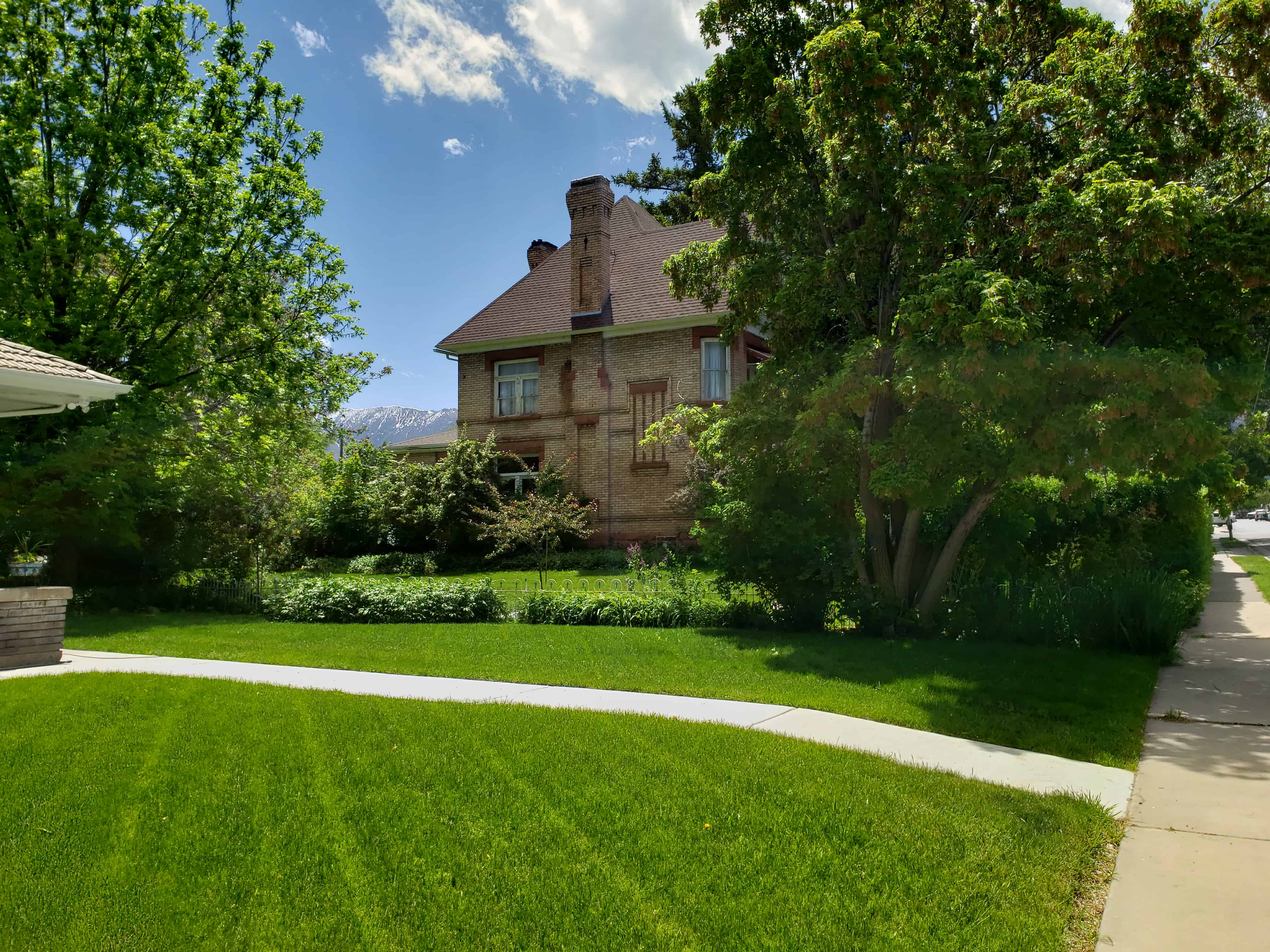
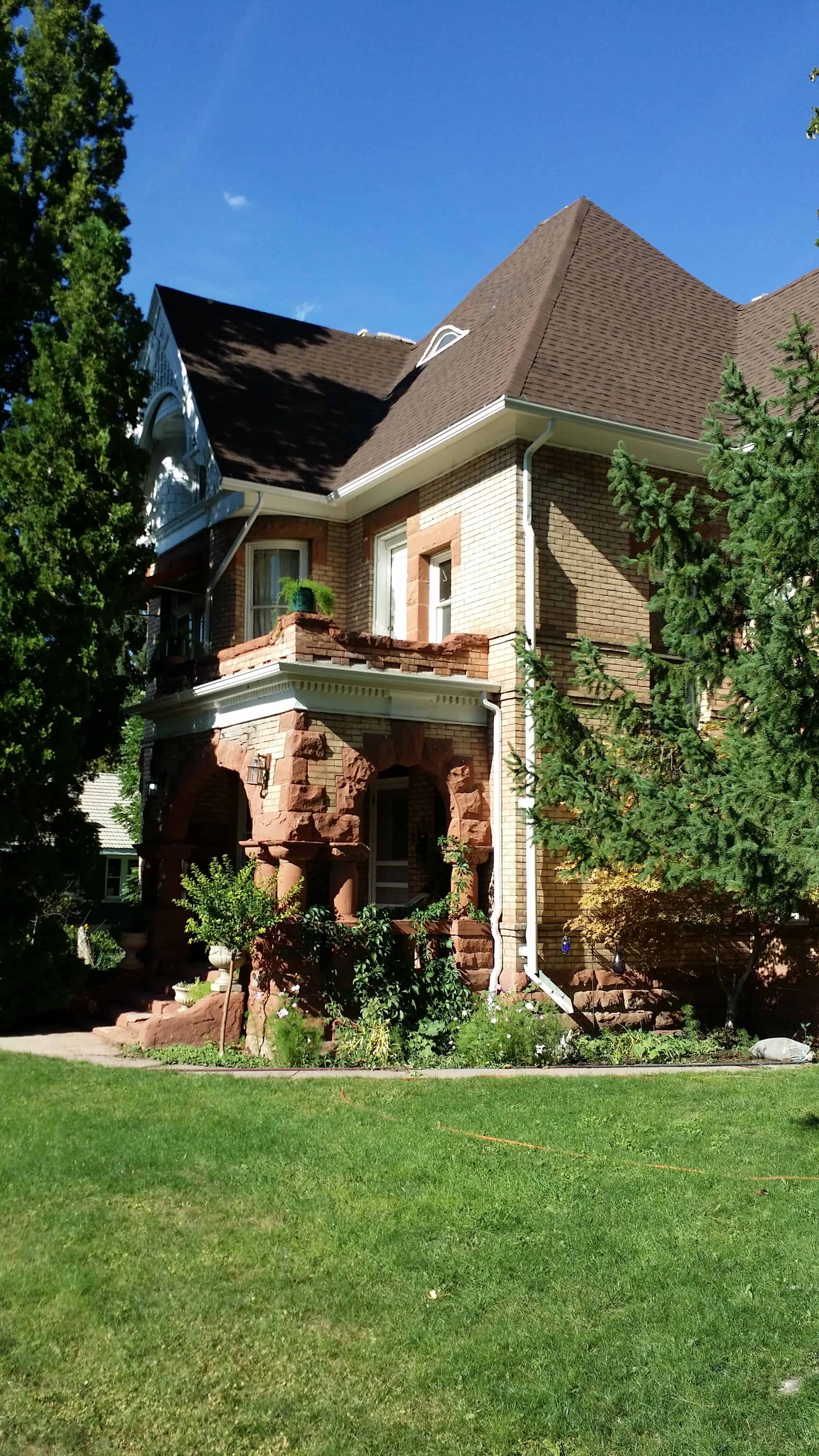
The Christopher F. Dixon, Jr., House, built in 1899 is located at at 248 North Main Street in Payson, Utah and was added to the National Register of Historic Places(#77001319) on November 7, 1977.
It was constructed as a home for Christopher Flintoff Dlxon, Jr. (b. 1861 in Ohio) whose family arrived in Payson in 1862 as pioneer Mormon settlers. He did well in cattle and wheat and eventually arranged to have this eclectic Victorian home built. It is a local landmark.
Click here for other historic homes in Payson.
Christopher Flintoff Dlxon, Jr., was the youngest son of C. F. Dixon, Sr., and Jane Elizabeth Wightman Dixon. He was born October 20, 1861, in Kirtland, Ohio, and was one year old the day the family arrived in Payson, Utah, after crossing the plains as part of the Mormon pioneer immigration. Upon arriving in Utah, the Dixon family acquired a sixty-acre farm adjoining the city of Payson on the north. Here they built an adobe home, planted a ten-acre apple orchard, and irrigated the land with water from Peteetneet Creek. C. F. Dixon, Sr., also operated a freighting business, hauling farm products from Utah to Iowa and Missouri. He would return with fruit trees, shade trees and building materials which he traded or used to build up his own farm. C. F. Sr. also homesteaded and farmed the Salem Field and helped build the Salem Canal which brought water from the Spanish Fork River for irrigation purposes.
Like most boys of pioneer times, Jack assisted his father with his various projects. In his youth, Jack helped to clear land and prepare it for planting, herded cows and worked in the family’s cheese-making dairy. Jack Dixon married Jane Orton Richmond, a Payson native, in 1883 and by their union ten children were born, eight of which survived childhood.
After leaving the dairy business, Jack Dixon began a livestock business in Payson Canyon with his uncles, Ammon Nebeker and John Dixon. In 1890 the group purchased 1000 head of Merino sheep at Dixon, California (settled by C. F. Dixon, Sr.’s two brothers) and shipped them to Utah. The Dixons and Mr. Nebeker purchased the Jesse Knight ranch in Thistle Valley and also leased the Knight ranch on West Mountain. The partners also purchased 600 acres of winter pasturage west of Goshen Bay on Utah Lake. During these growth years in the partnership, each partner had his own brand on his livestock but all ran the animals together with Jack Dixon supervising the farms and cattle operation.
During the Panic of 1897, Jack Dixon made large profits on cattle sales in Chicago, Illinois. Dixon also was successful in raising wheat. He was instrumental in starting out many family members and neighbors in the cattle business, his influence extending as far north as Calgary, Canada, where he developed a ranch for two of his nephews. A generous man, Jack Dixon paid tithing (10 percent of his income) to the Mormon Church although he was never a member.
Dixon was educated in Payson schools and encouraged his children to seek all educational opportunities available. As a result, several of his children obtained college degrees. With his wealth, Dixon purchased one of Payson’s first automobiles, a Studebaker sedan, and also visited the Chicago World’s Fair with members of his family, By 1899 Dixon had the affluence to have built the impressive residence which is the object of this nomination.
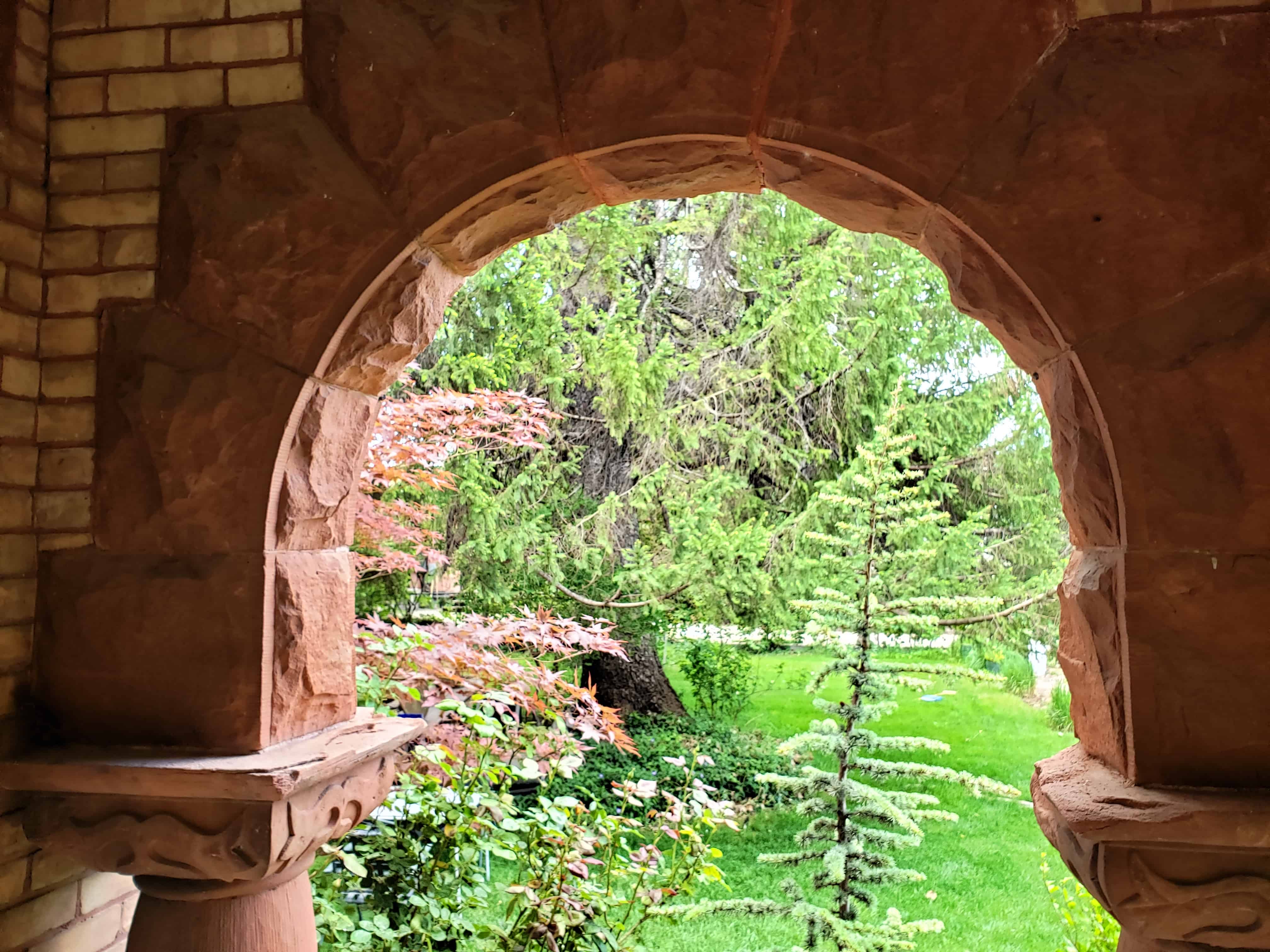
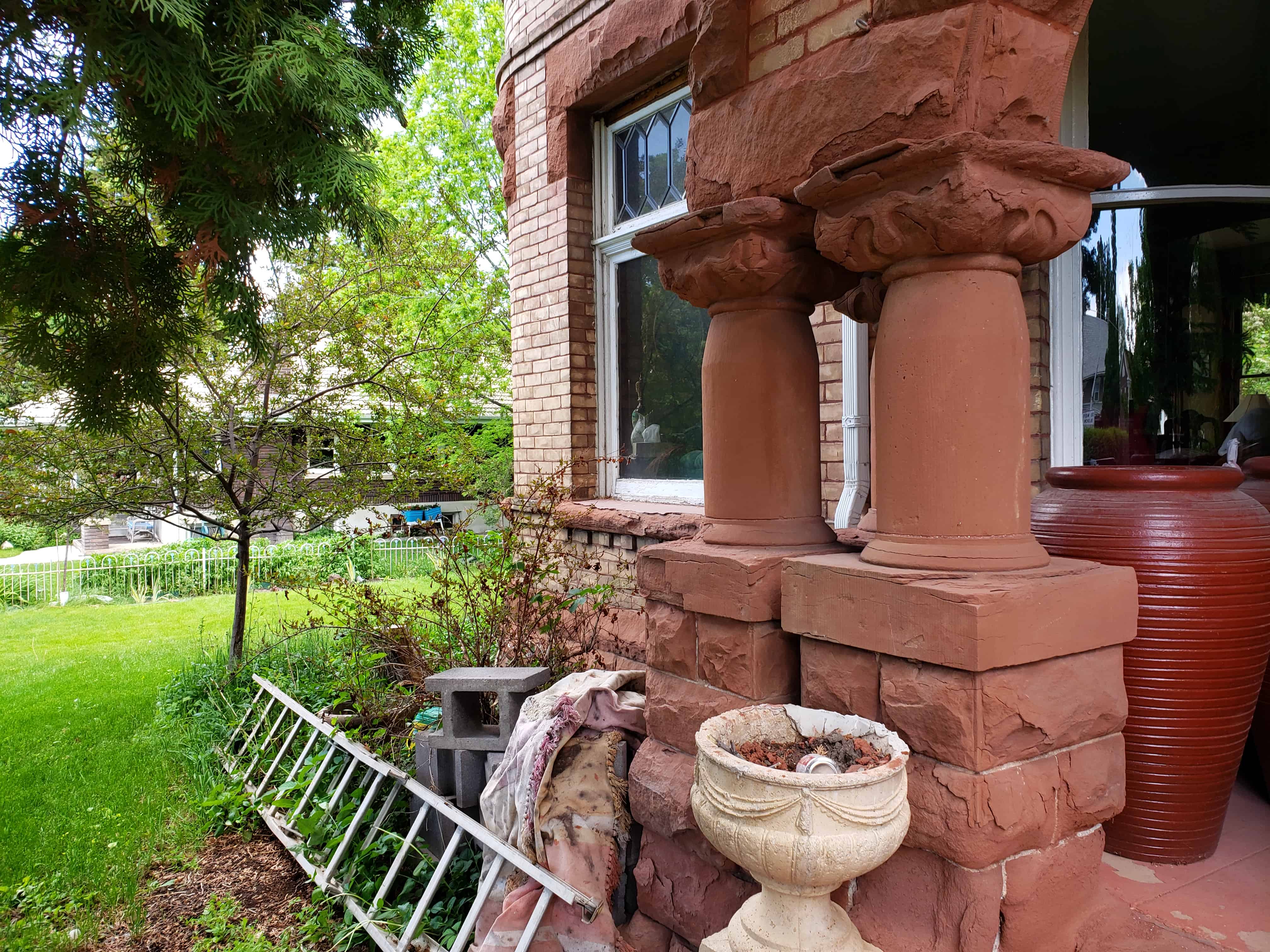
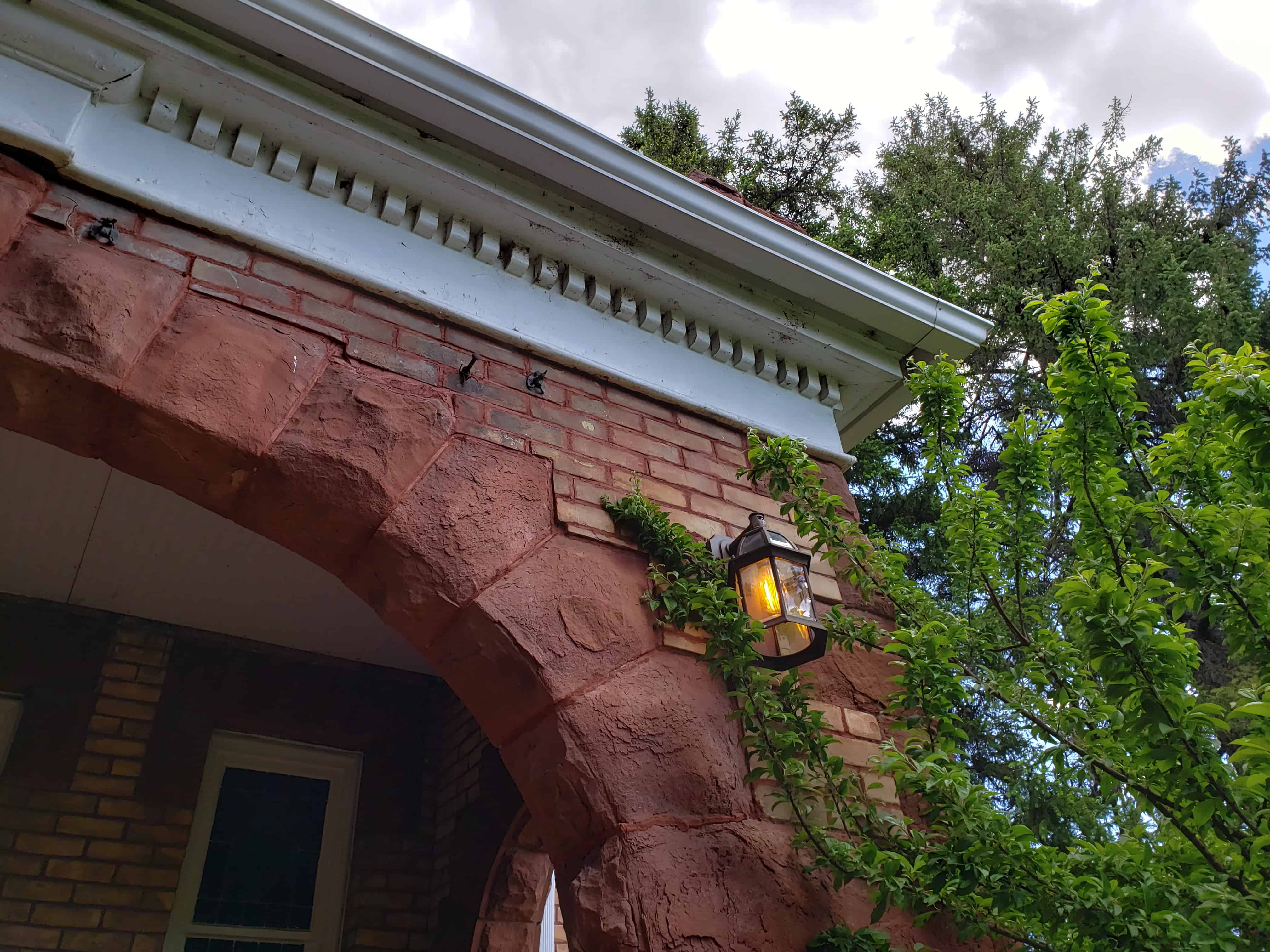
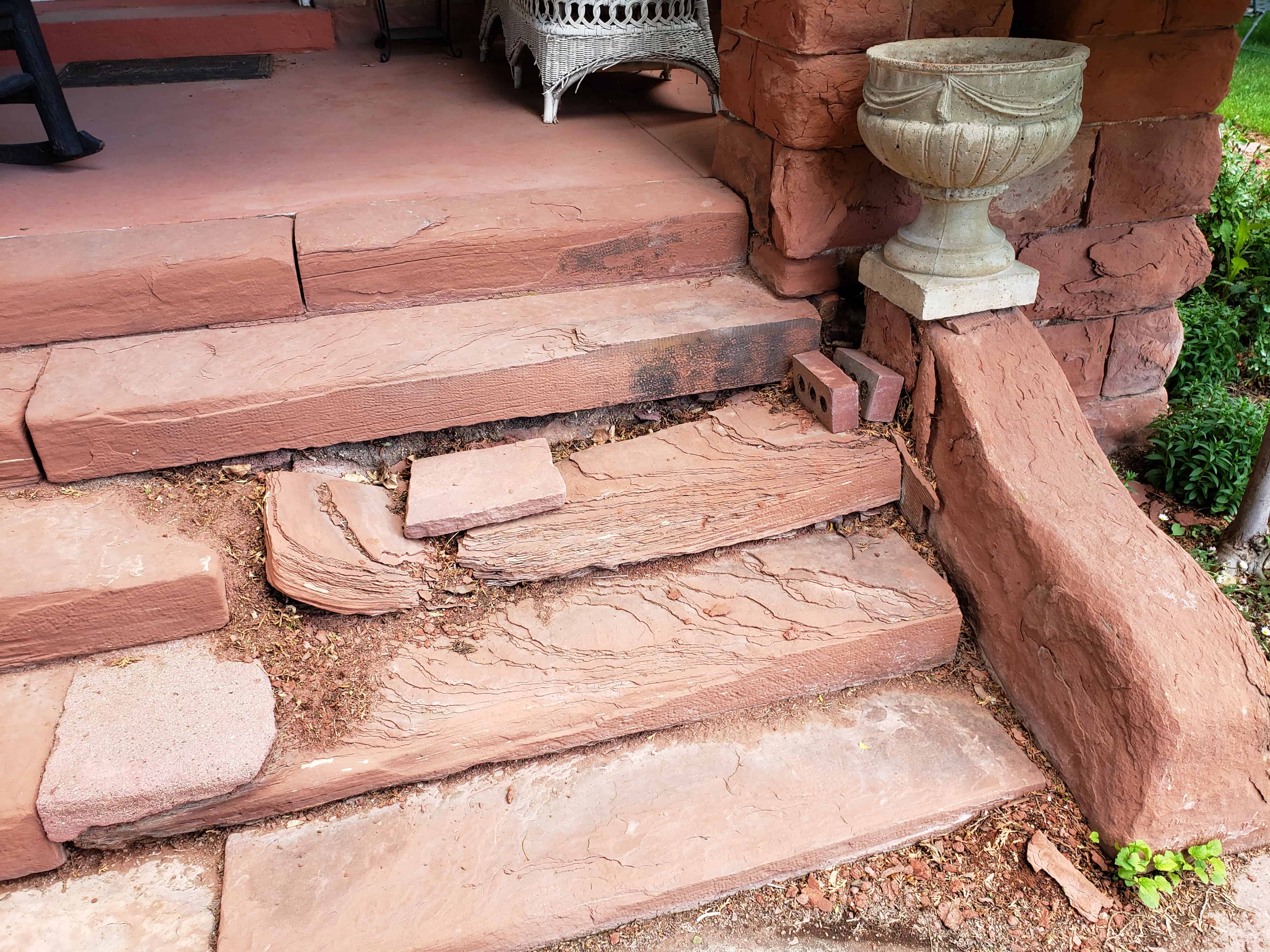
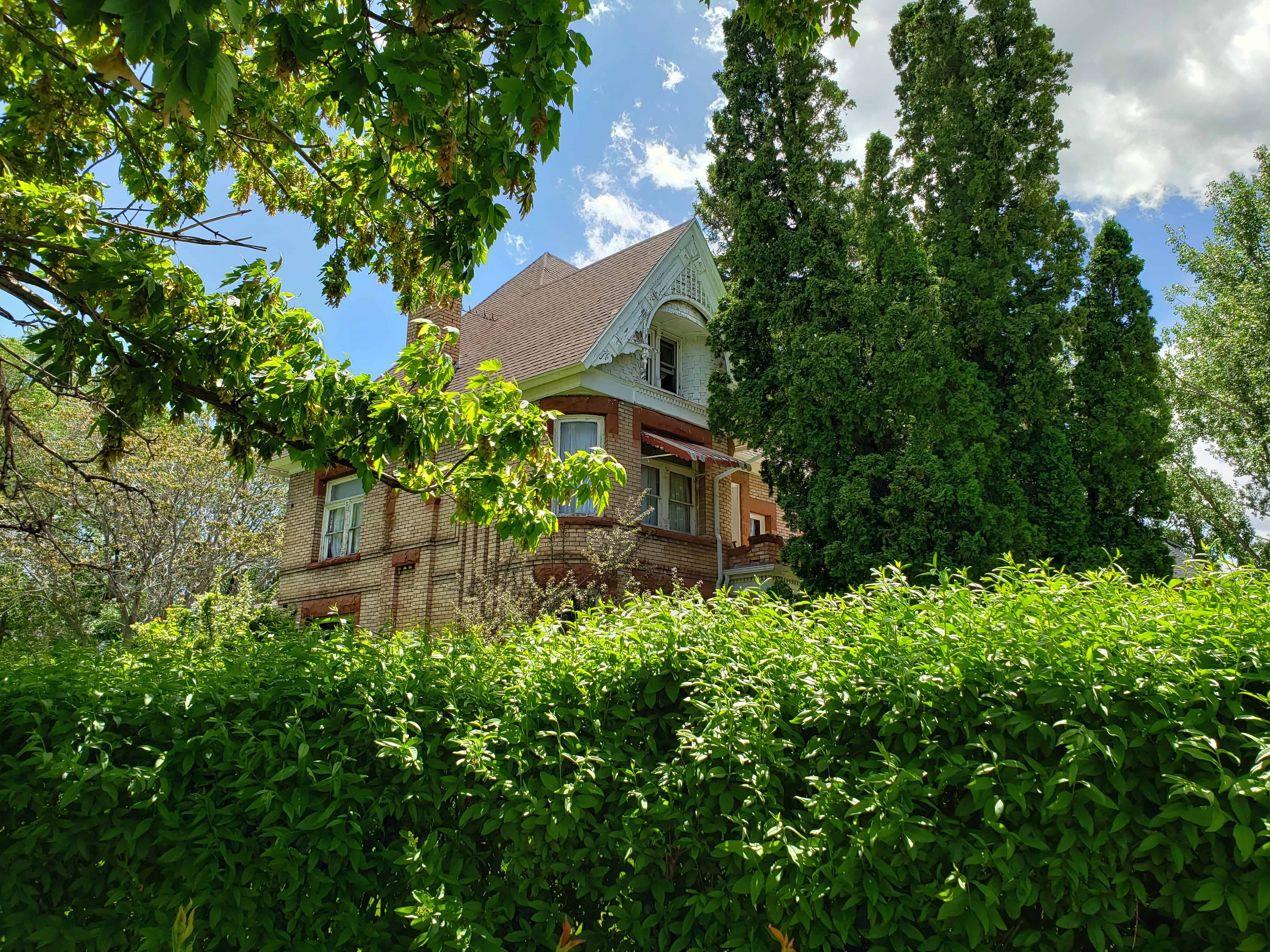
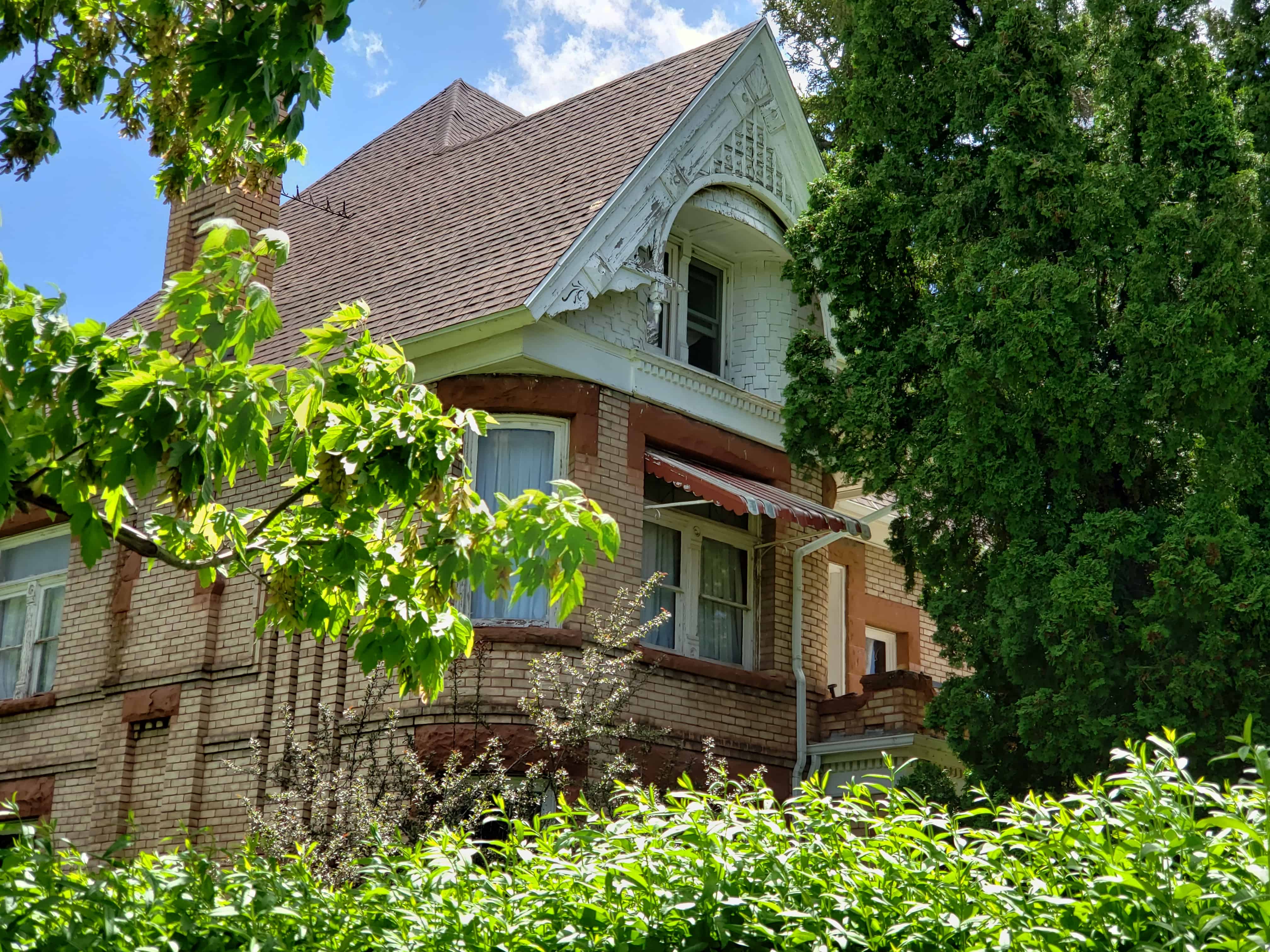
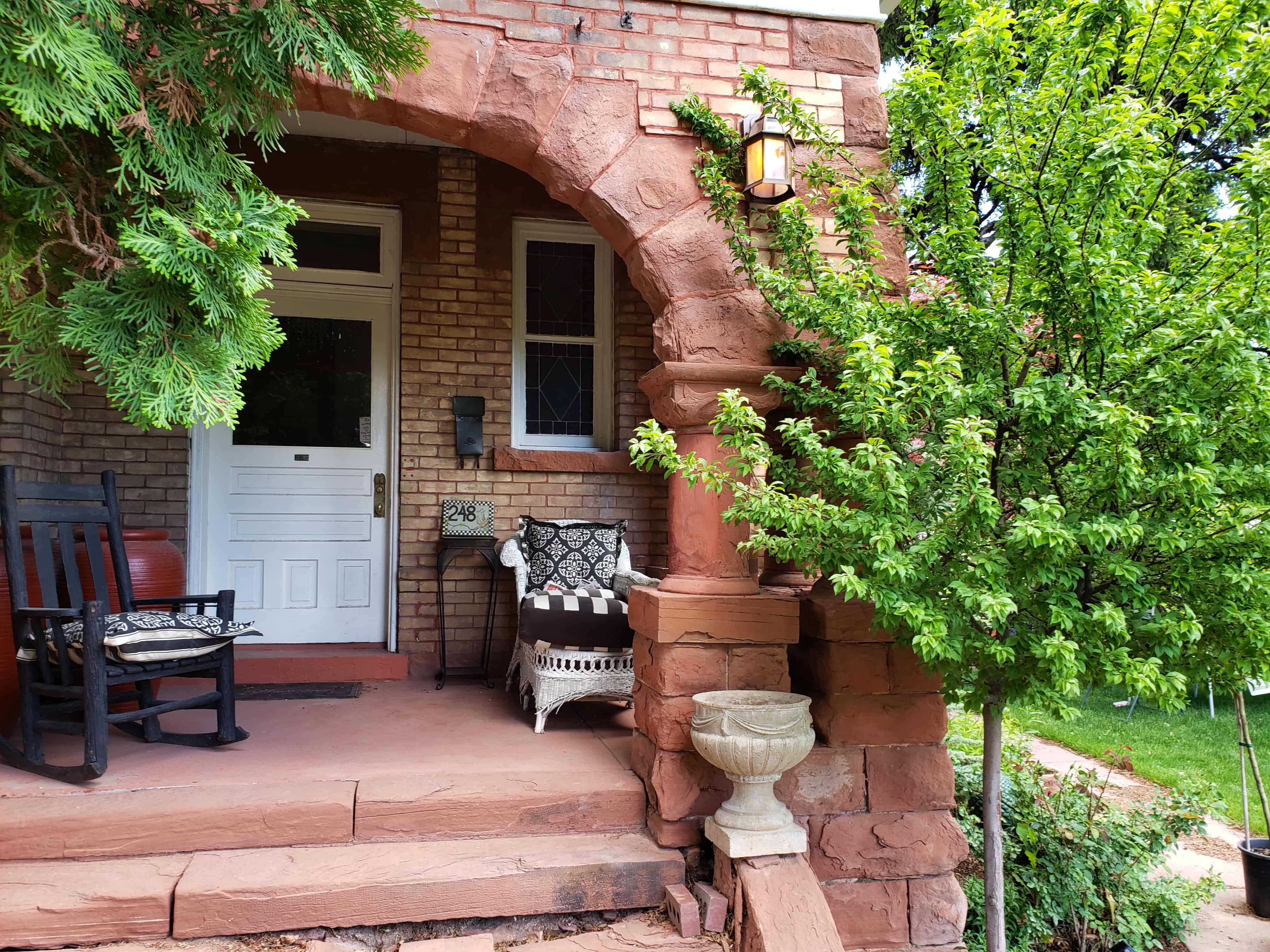
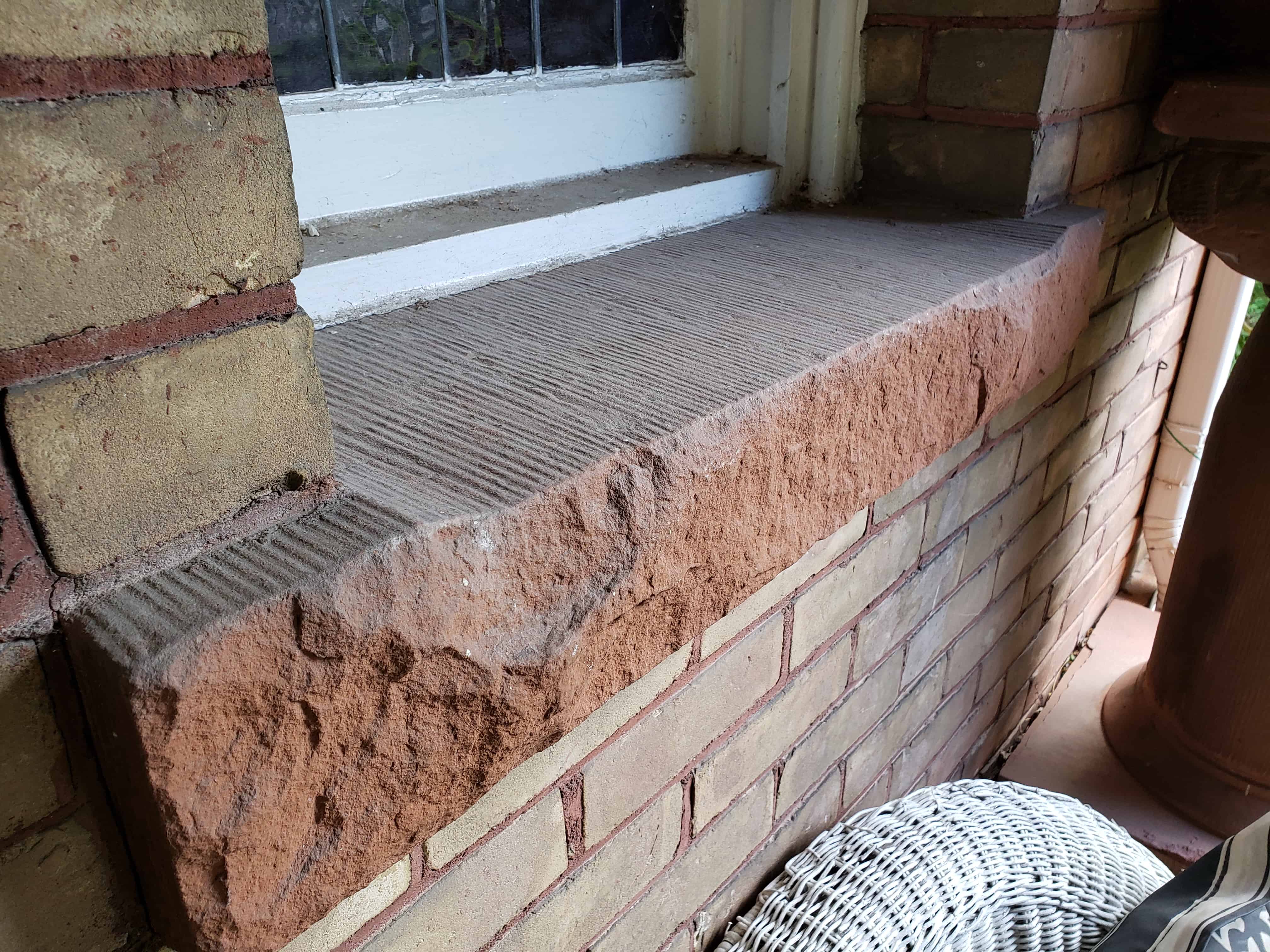
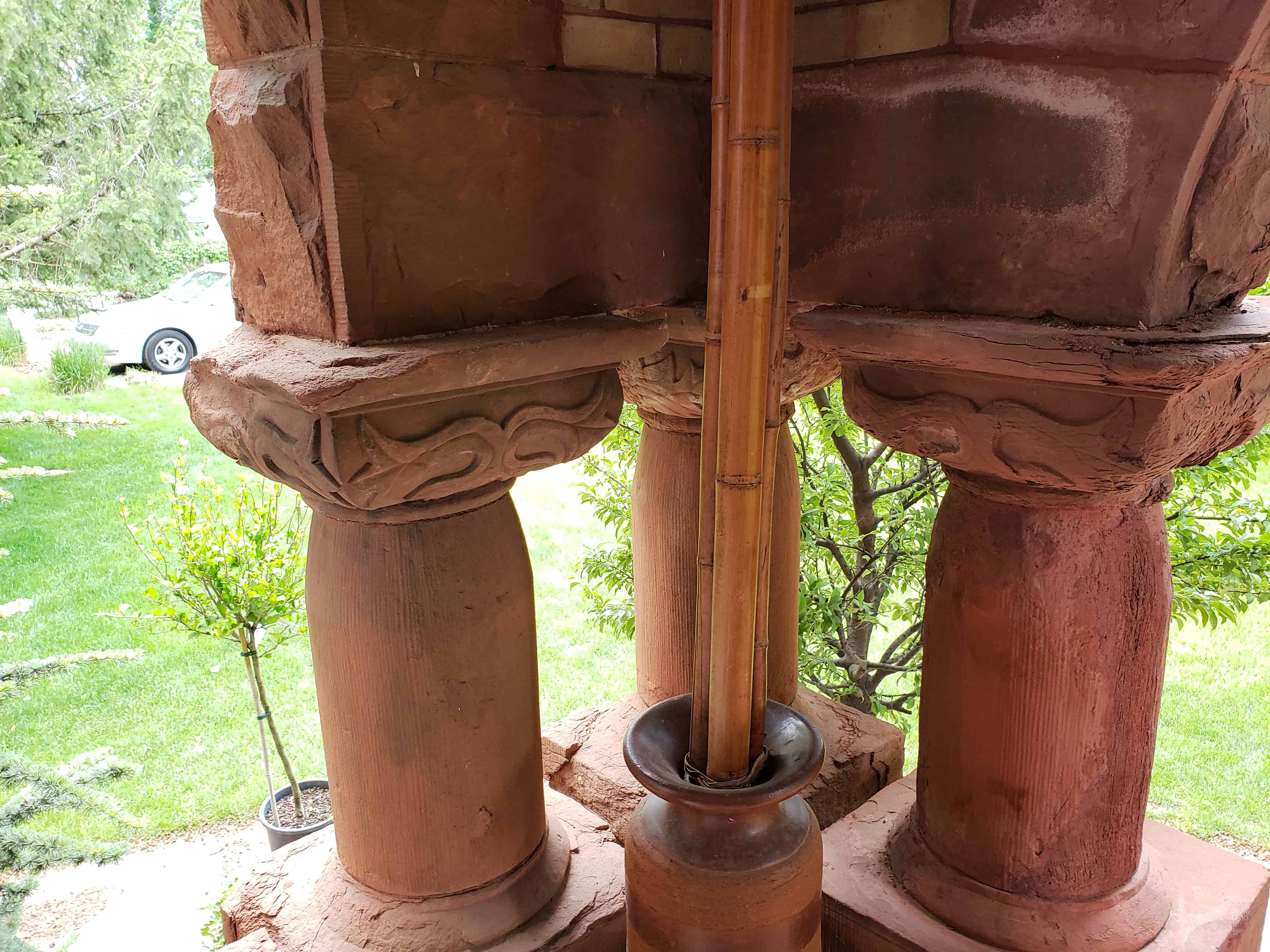
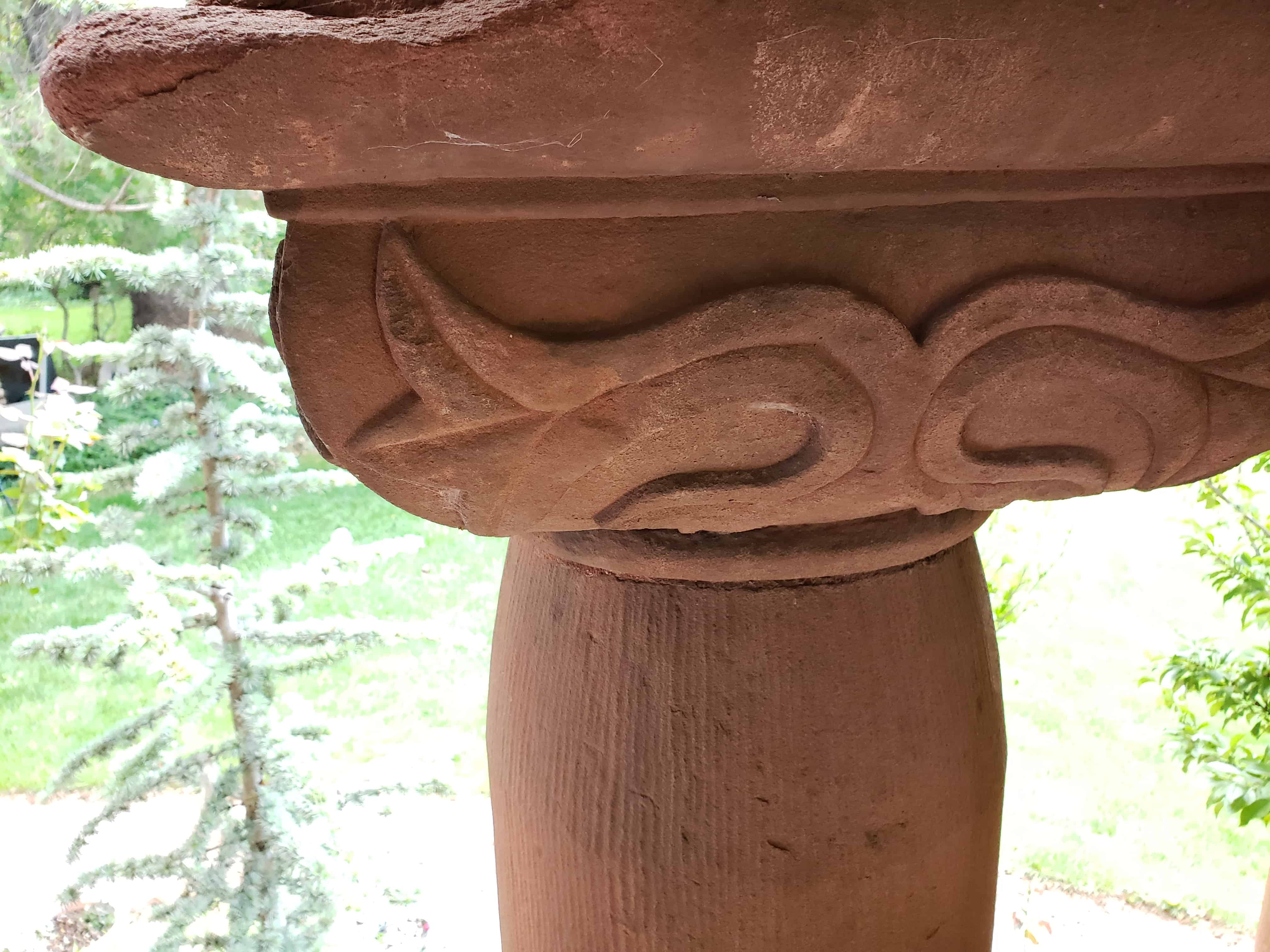
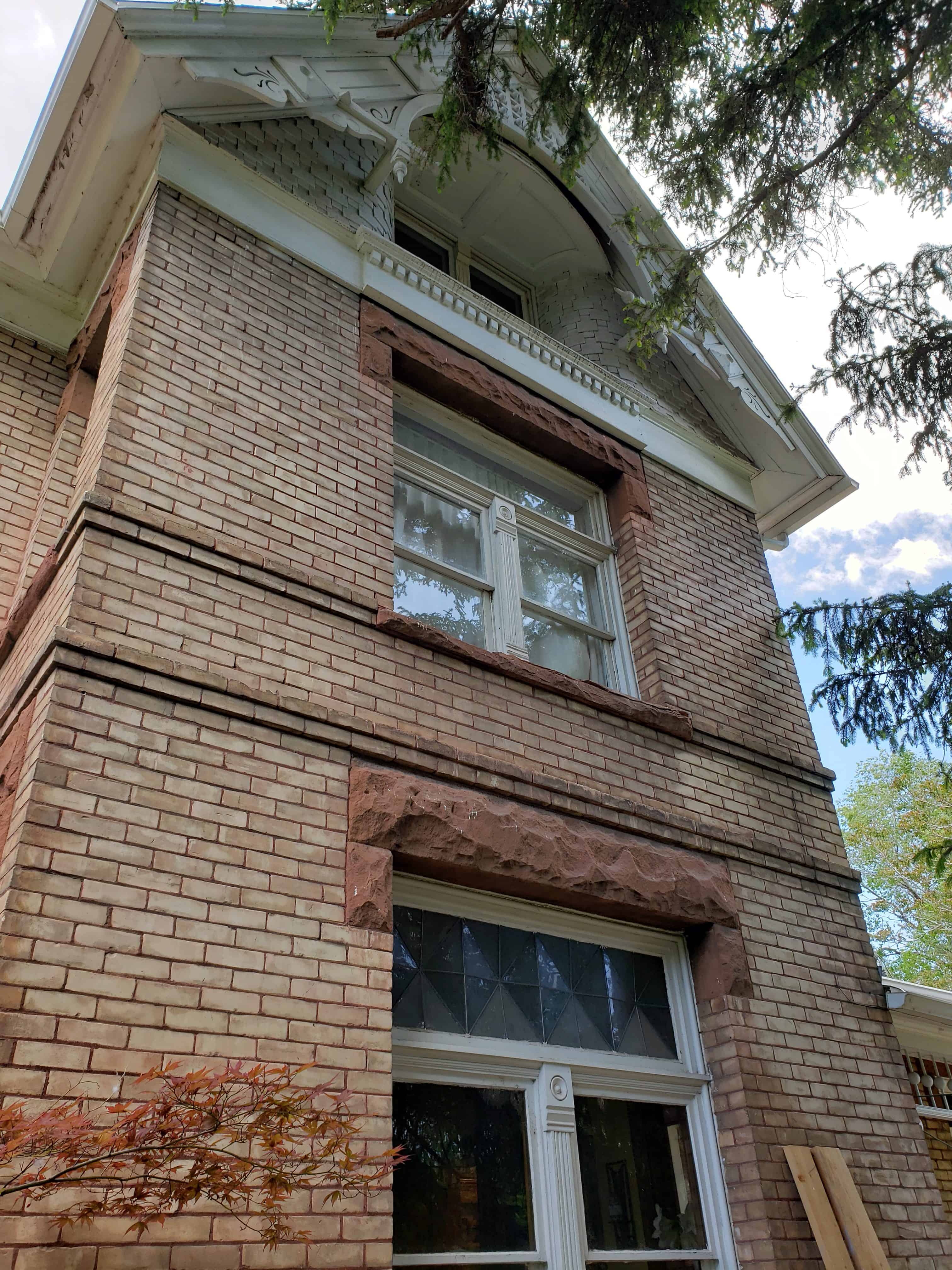
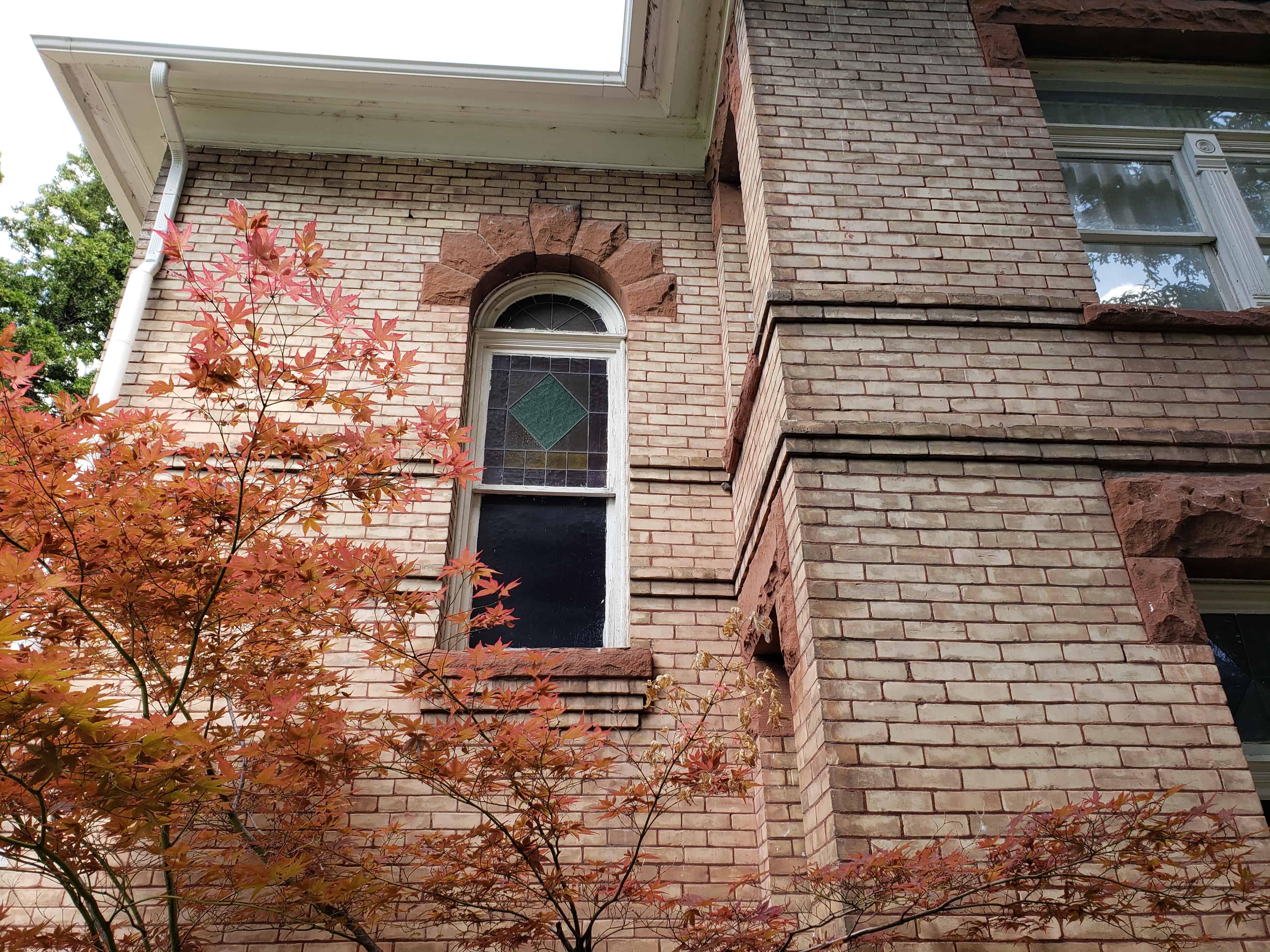
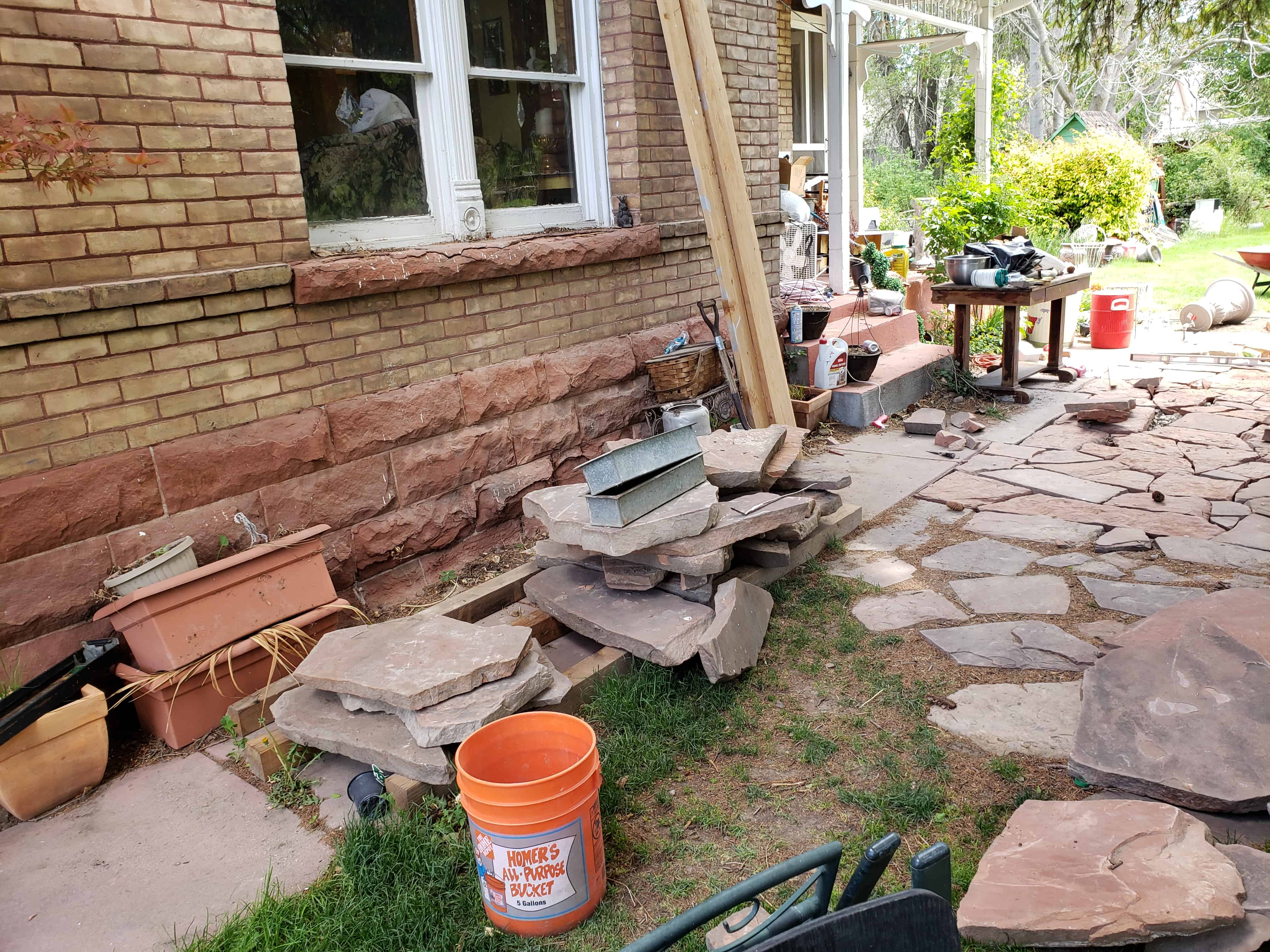
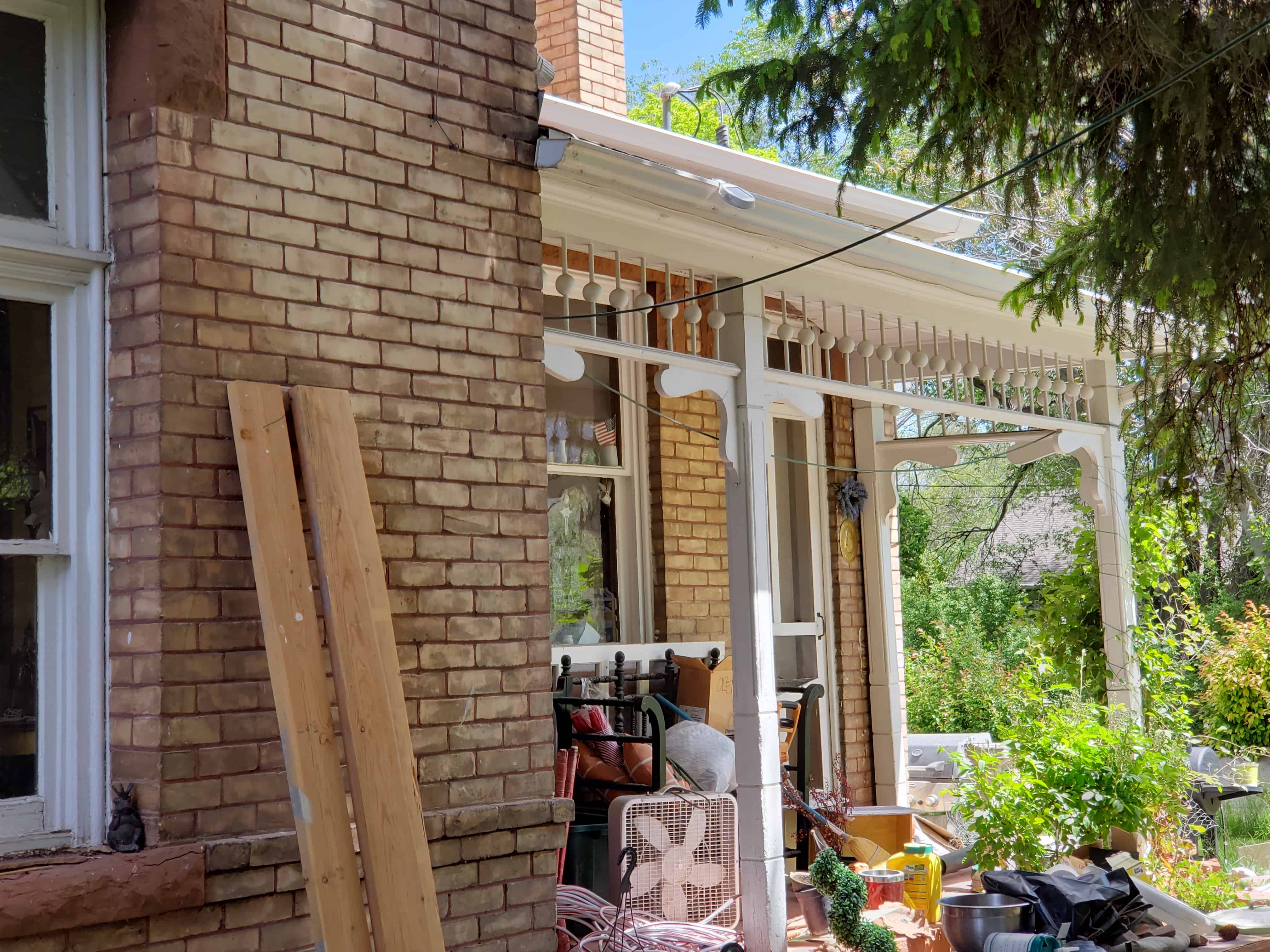
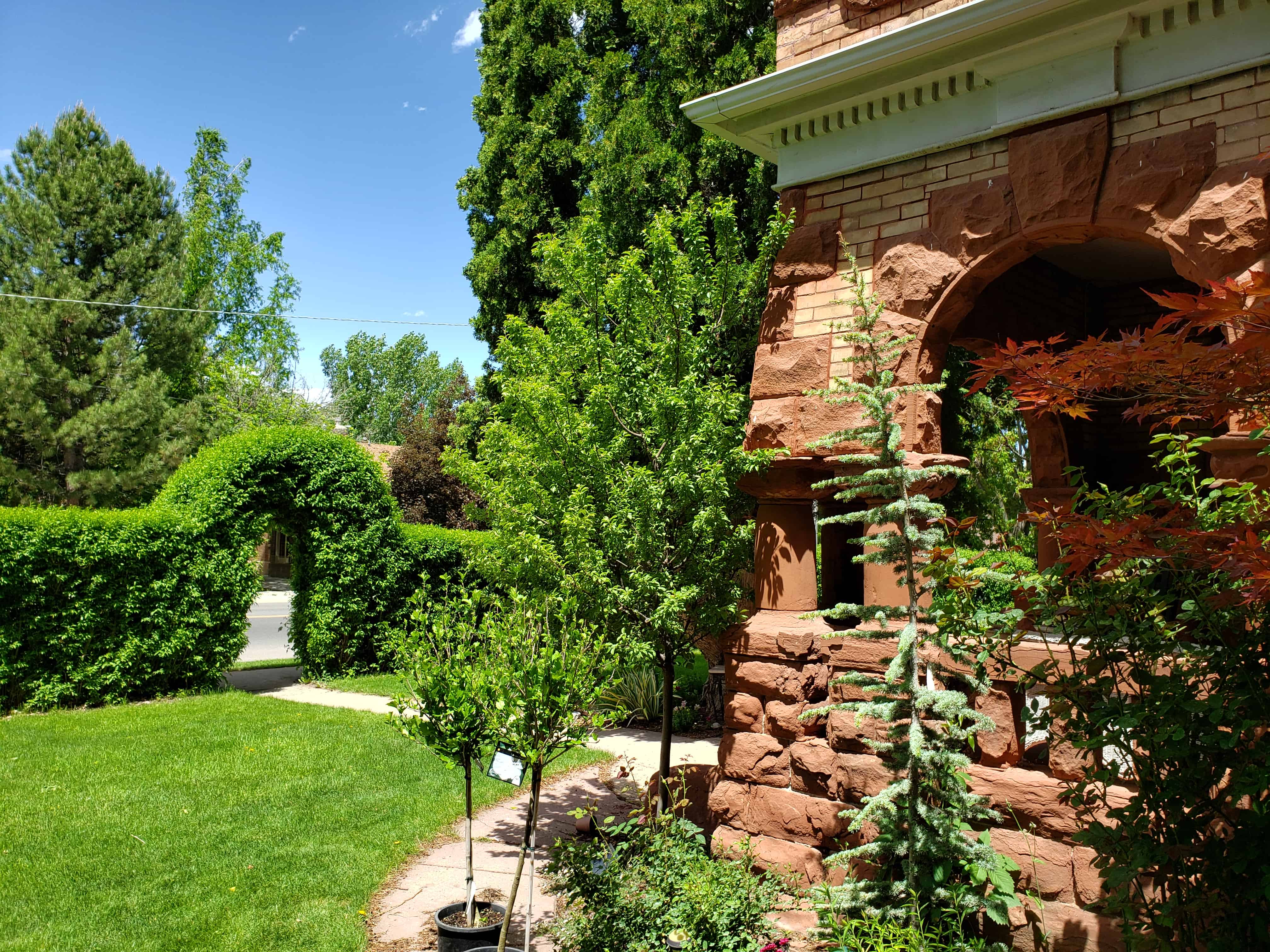
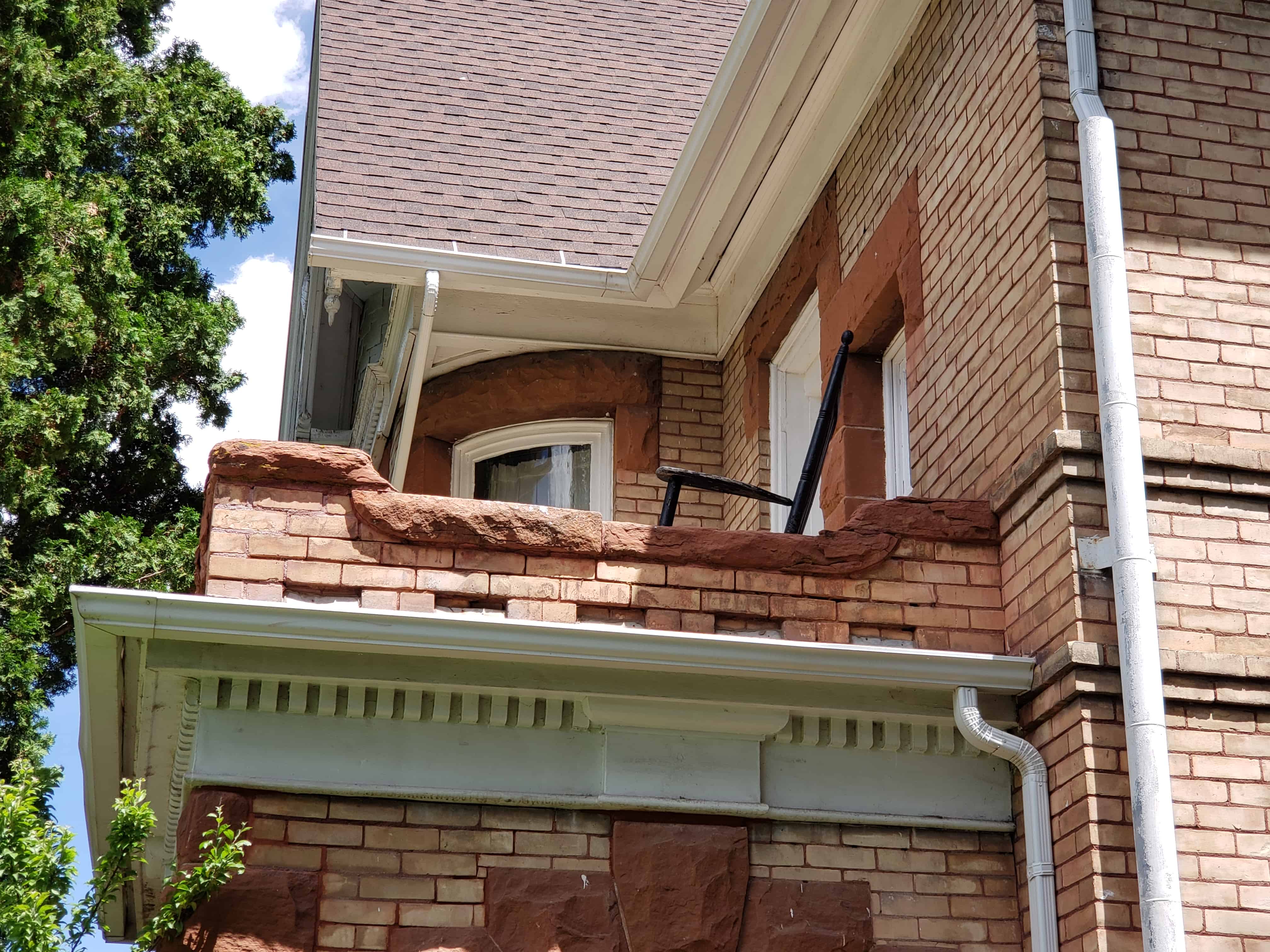
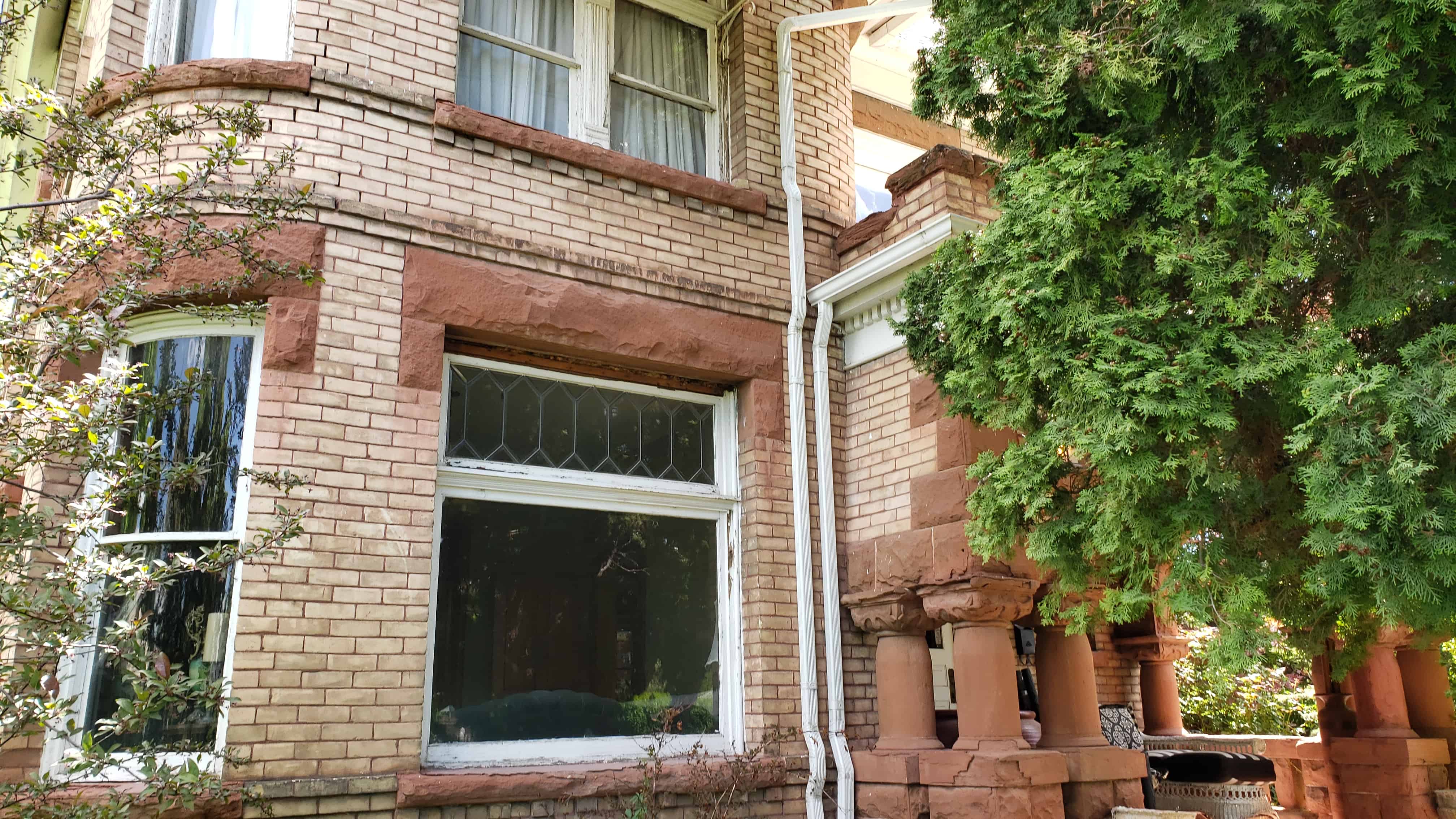
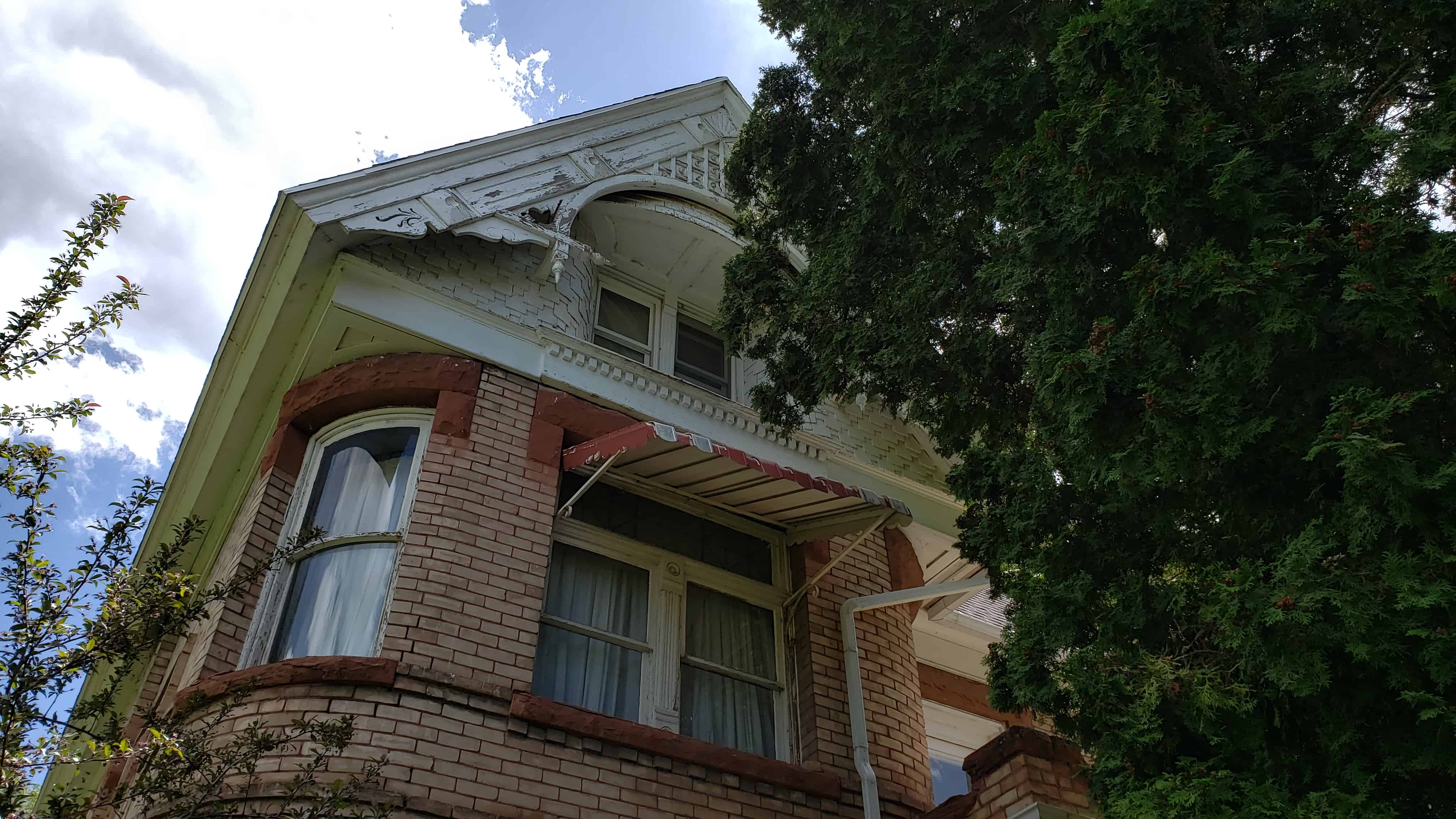
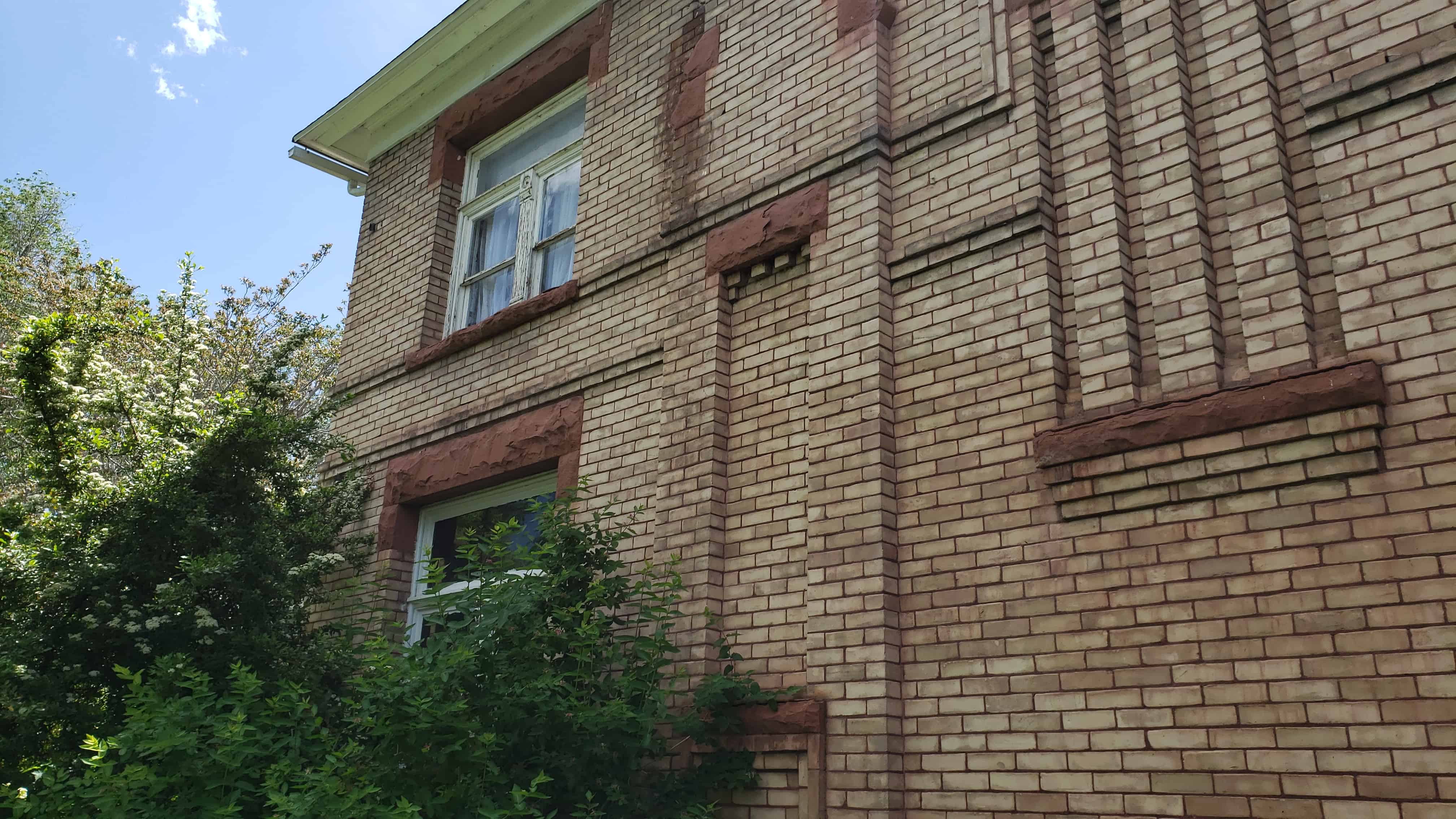
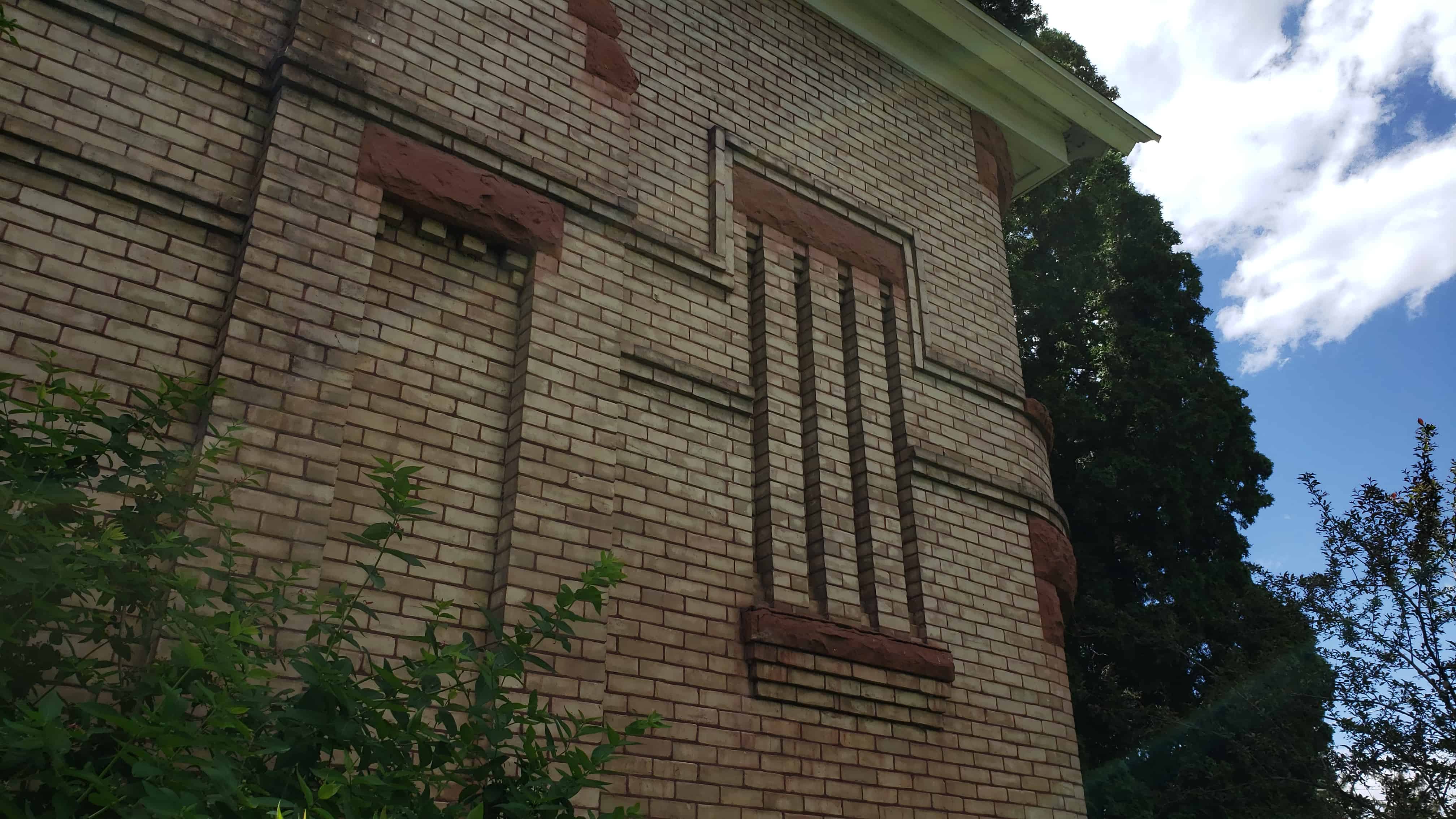
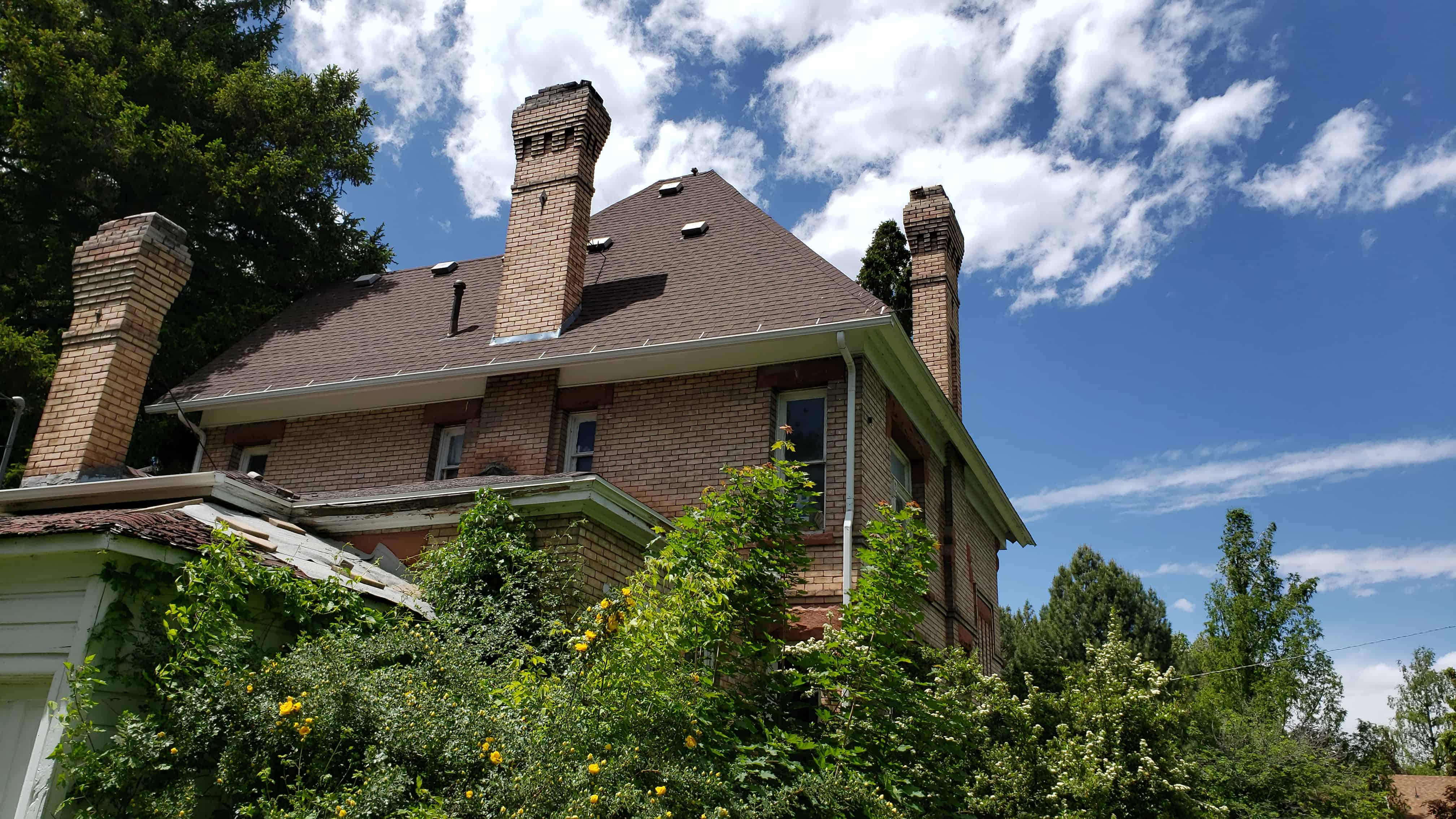
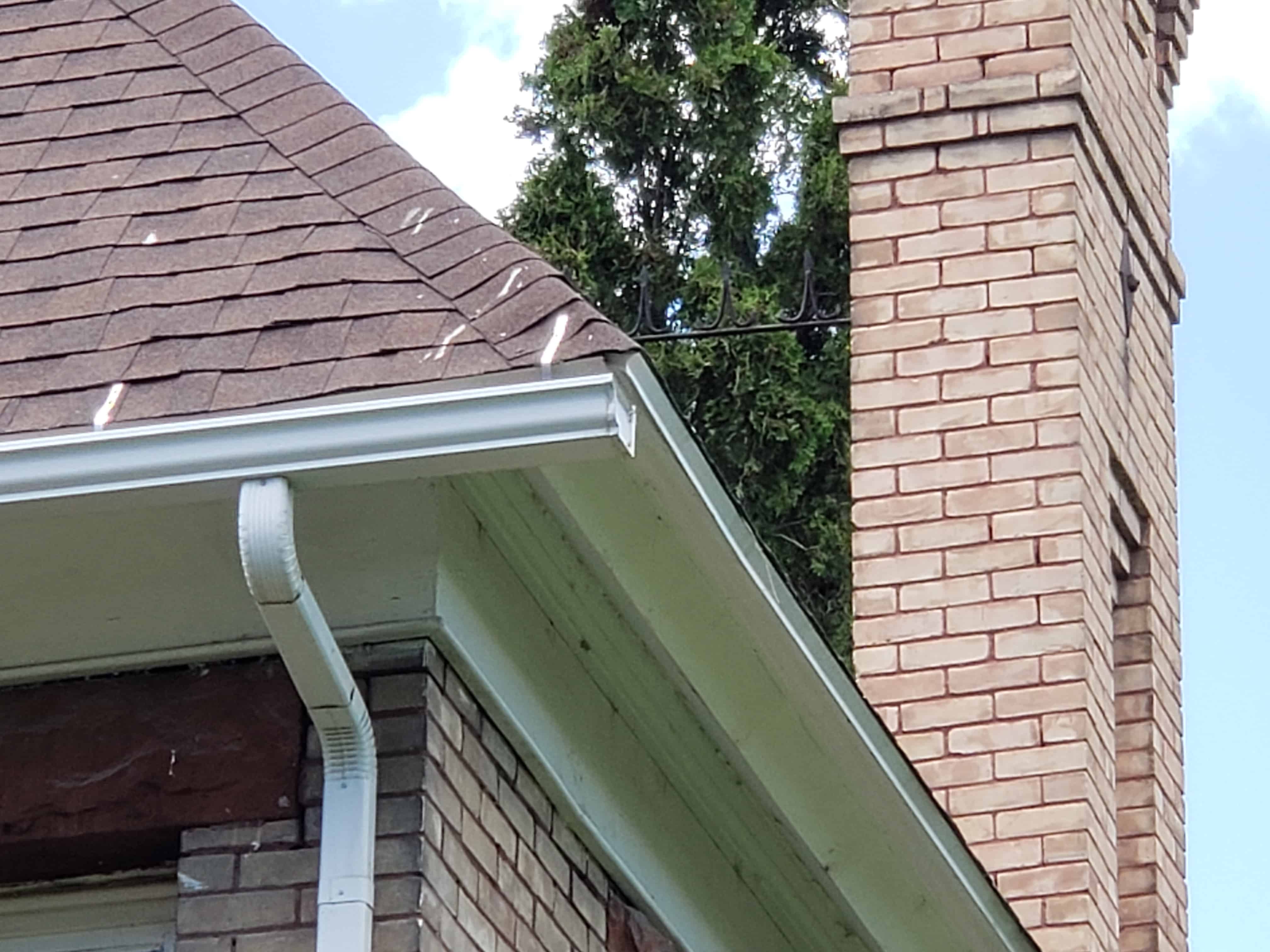
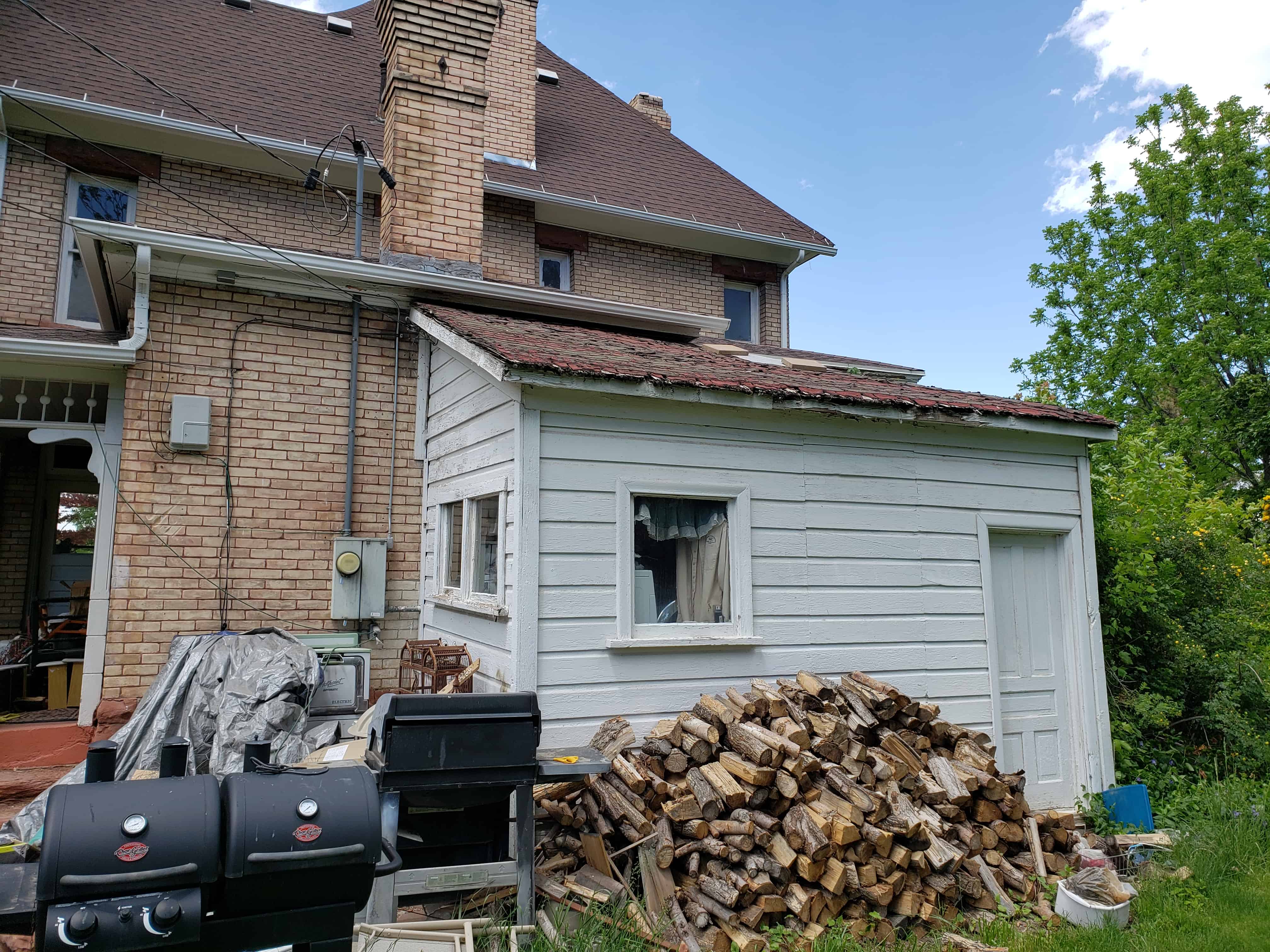
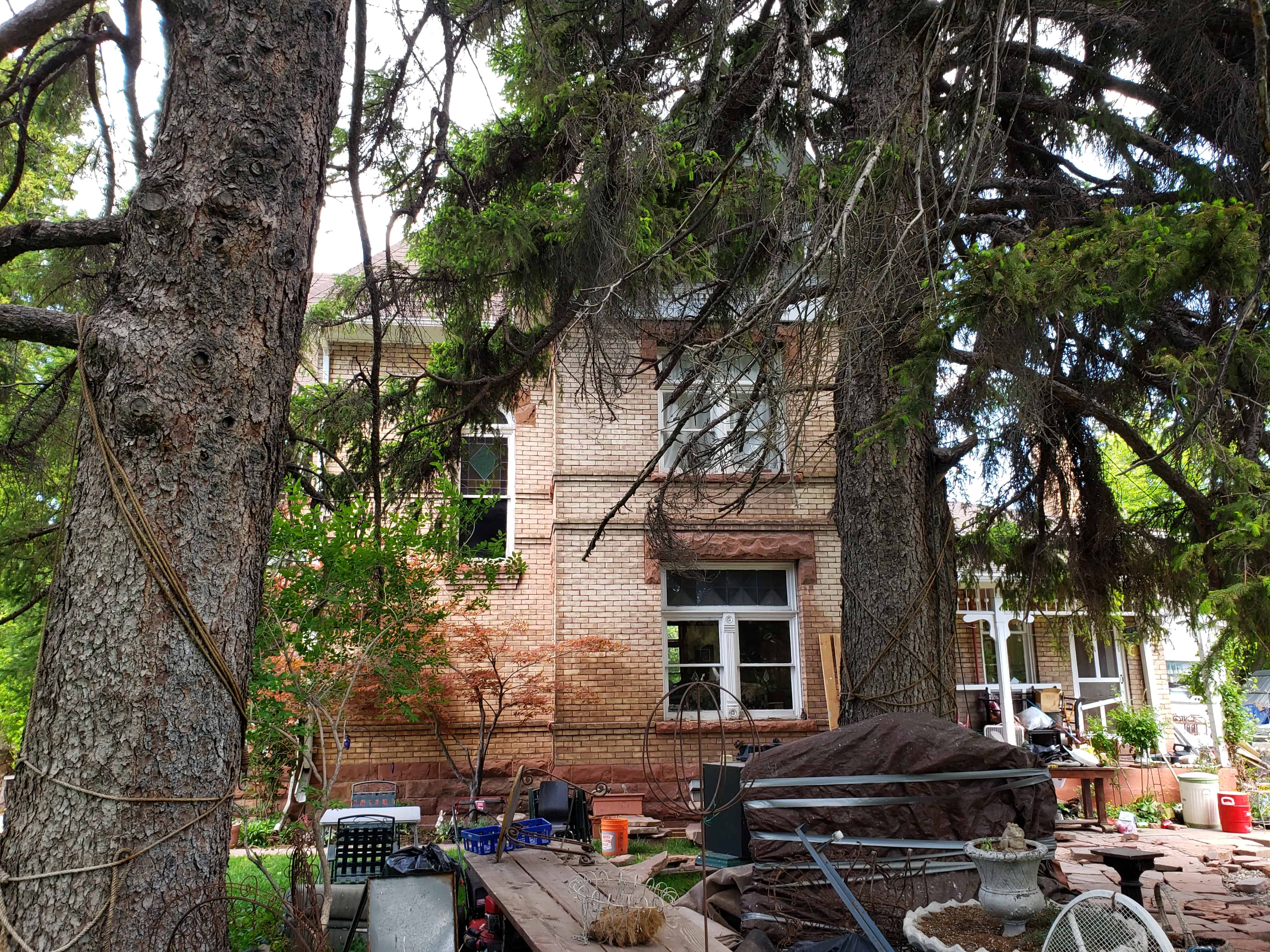
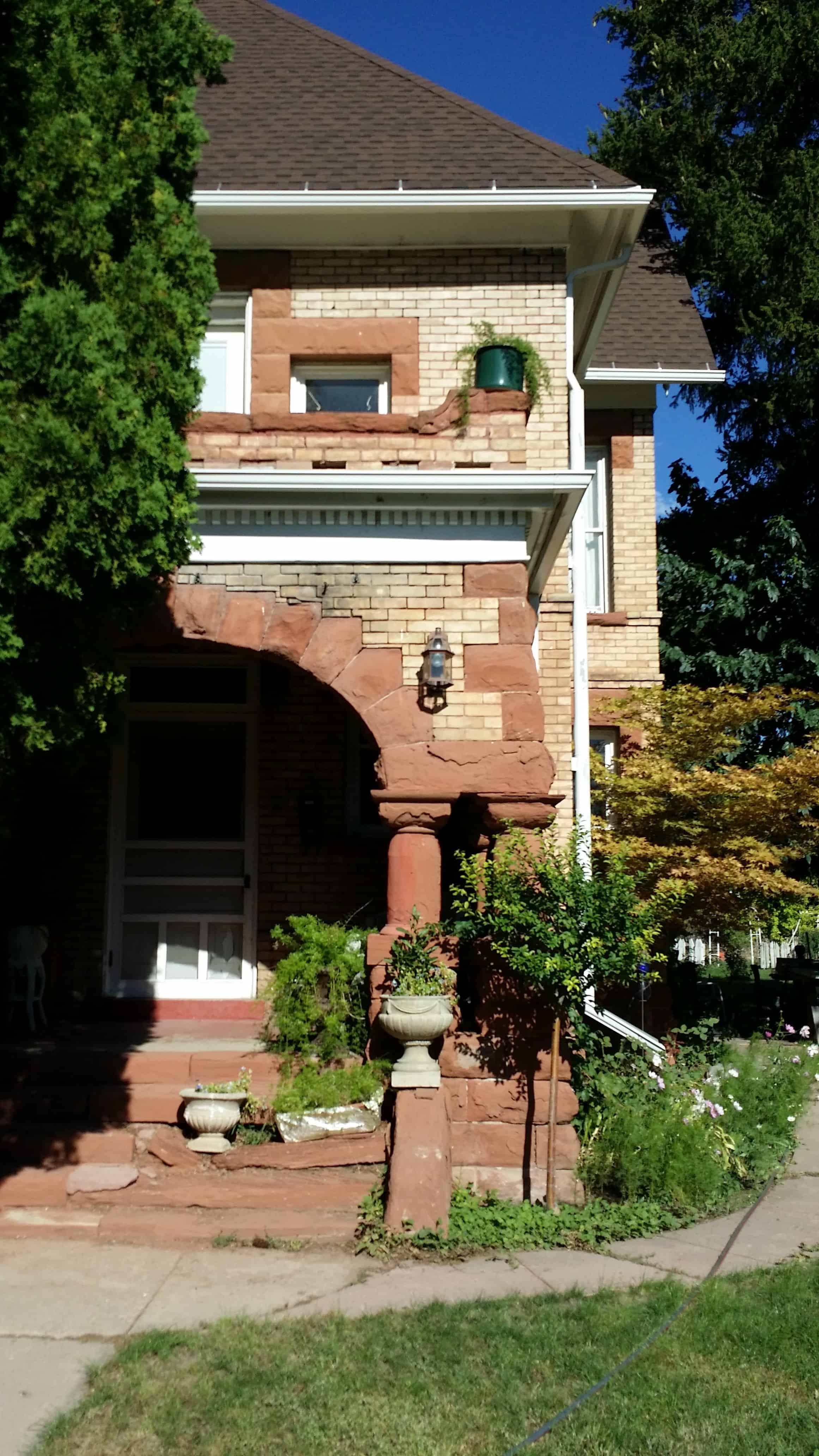
The C. F. Dixon Home is a two-story residence constructed of brick, stone and native wood. The main structure is roughly square with major gabled wings extending west and south and a massive balconied portico located along the south side of the western or front facade. At the east or back of the home is a one-story brick kitchen wing with wood-framed porches along the east and south side. A full basement exists under the entire building. The brick superstructure of the Dixon home rests upon a dark red rusticated sandstone foundation. The same rusticated stone is used for the lintels, sills, chimney trim and for the pedestals, columns, archways and quoins of the portico. Providing a lighter colored and less textured contrast to the rustic stone are the tan-cream brick. walls. Brick detailing is restrained, consisting only of three belt courses, corbeled chimneys, recessed panels on the north wall, and dentils under the stone sills of the front picture windows. The front gabled extension has rounded corners and the windows in these cornices have curved glass. All window and door bays are square, excepting the round-arched stairway window bay in the south facade.
Woodworking on the C. F. Dixon Home is often decorative, as evidenced by the Eastlake window mullions, bargeboards and interior trim. The gables are particularly ornamental, featuring shingled walls which curve inward toward the recessed windows and lathe-turned finials mimicking a collar brace and hammer brace motif. Although the boxed cornice has a simple frieze, the portico cornice has a dentil band, as the special cornice pieces over the second story lintels of the windows in the gabled wings. The roof of the Dixon Home is both hipped and gabled and has a steep pitch.
The interior of the home has experienced little alteration and is owned by the daughter of the original owner. The bottom floor contains an entry, stairwell, parlor, living and dining room and a kitchen with porches, upstairs are several bedrooms. Fireplaces, mouldings, doors and other original architectural elements are intact throughout the home. The landscaping has been carefully maintained as well.
Built in 1899 on a prominent site along Payson’s Main Street, the C. F. (Jack) Dixon, Jr. Home is an eclectic Victorian creation having the appearance of an oversized house–pattern book design embellished by a Richardsonian Romanesque treatment of the front portico, sills and lintels, and a Queen Anne or perhaps Eastlake treatment of the gables. The picturesque home has experienced no significant alterations since its initial construction and is considered a city landmark locally.



Pingback: Payson, Utah | JacobBarlow.com
Pingback: Historic Homes in Payson | JacobBarlow.com