Diamond Lil’s was a long time steak house in Salt Lake City, from 1969 when it sat 30 people to 2016-2018?? (not sure when it closed exactly) as a 20,000 foot attraction.
It was quite an experience, basically a western museum with all the items decorating the walls.
Garth and Lil Campbell founded the restaurant with Jim Funaro.
I stopped by to document Mountain Courtyard Suites, an apartment building in Salt Lake City that is in poor shape. I’m not sure if they’re going to fix it or knock it down but just in case I like to get photos to be able to look back on.
Raging Waters, a large water park in Salt Lake City, Utah later became Seven Peaks Waterpark and then closed down. I stopped by to get some photos and video clips and document it before it fades away.
While I was there I noticed the grass had just been burned, I didn’t realize it was only two days prior until I got back and looked the park up online and saw this article. It turns out just a couple of weeks later there was a fire in the office (see this article) so I’m glad I went when I did.
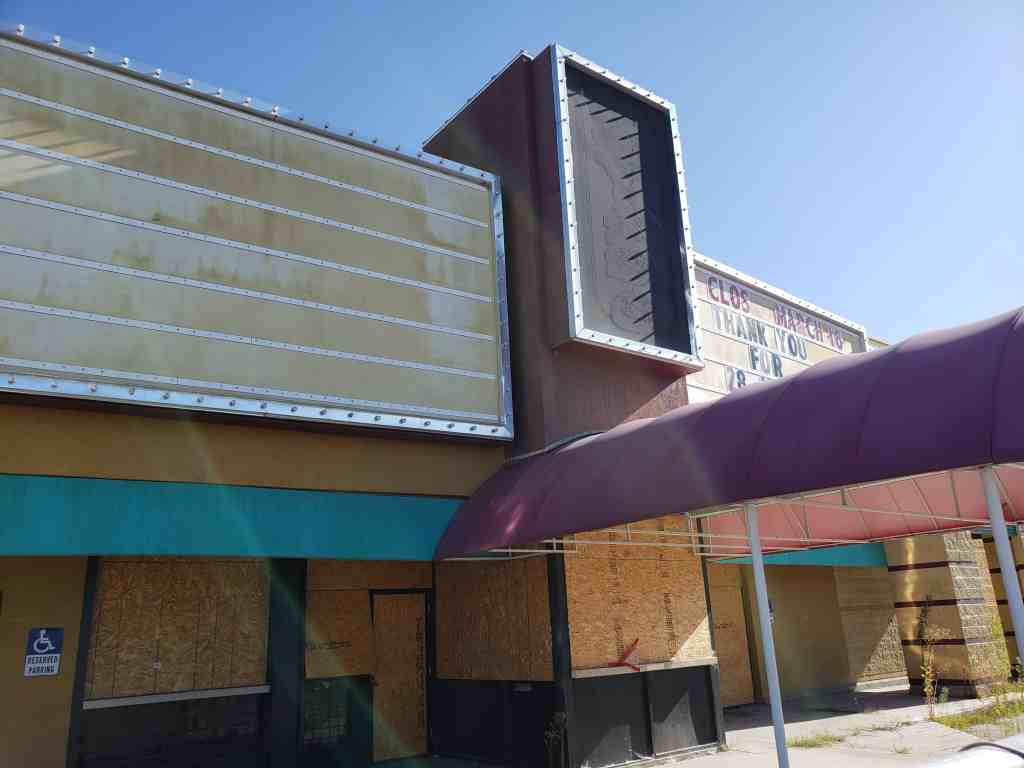
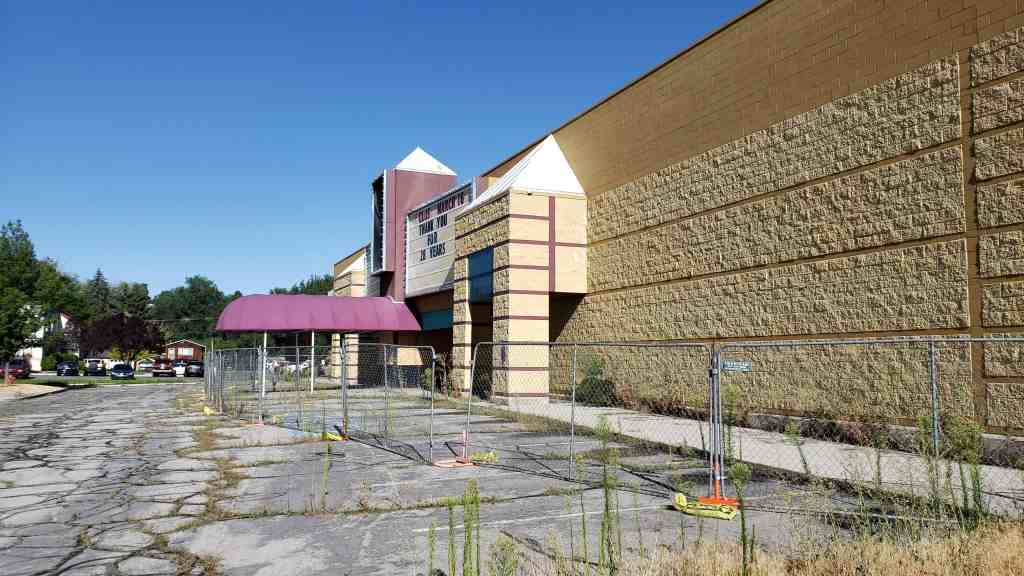
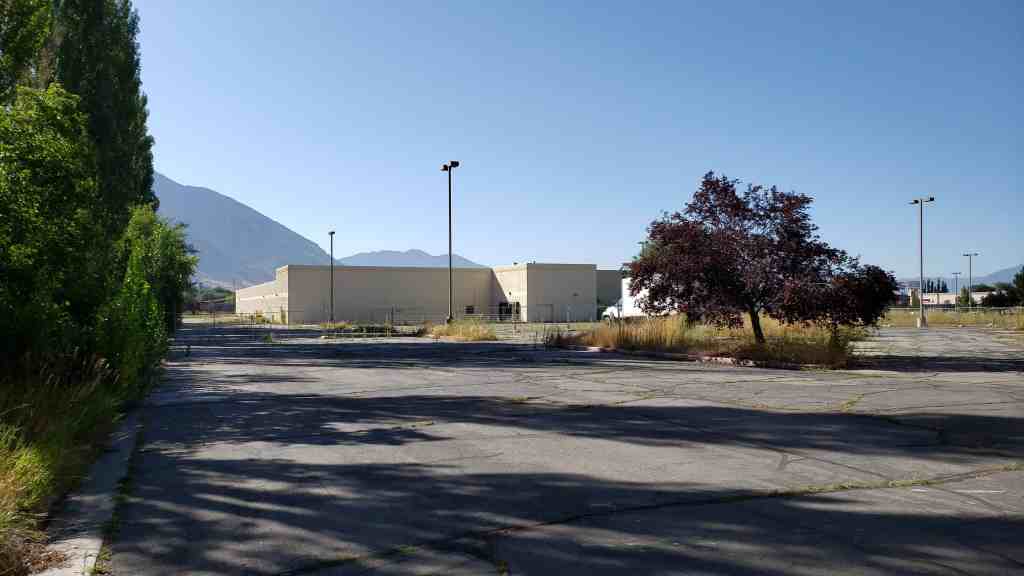
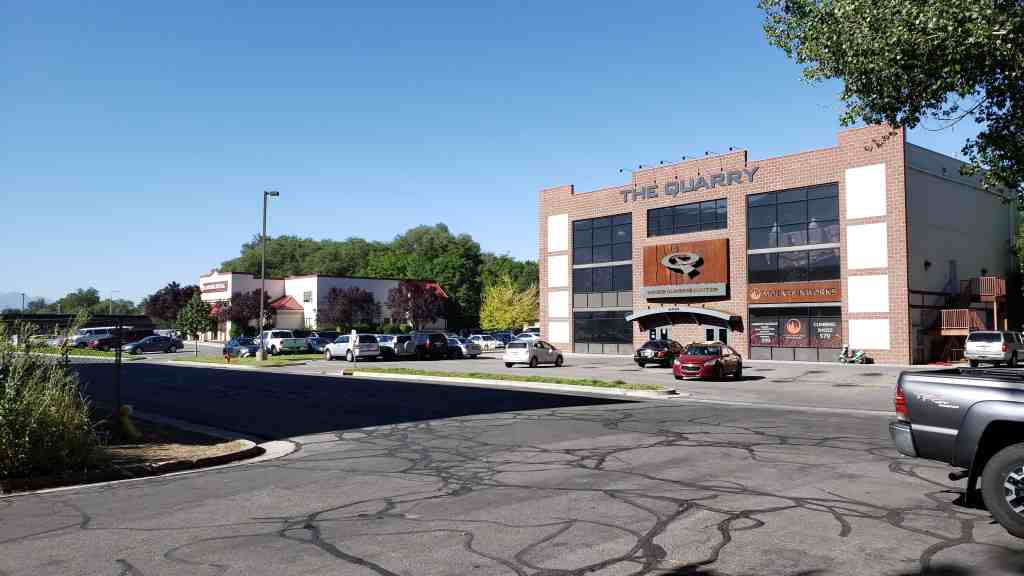
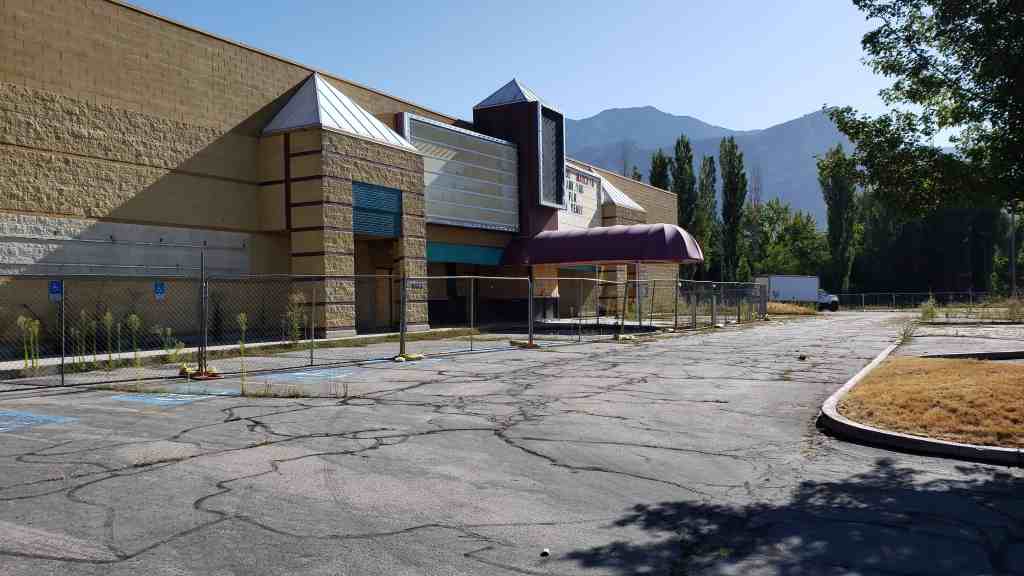
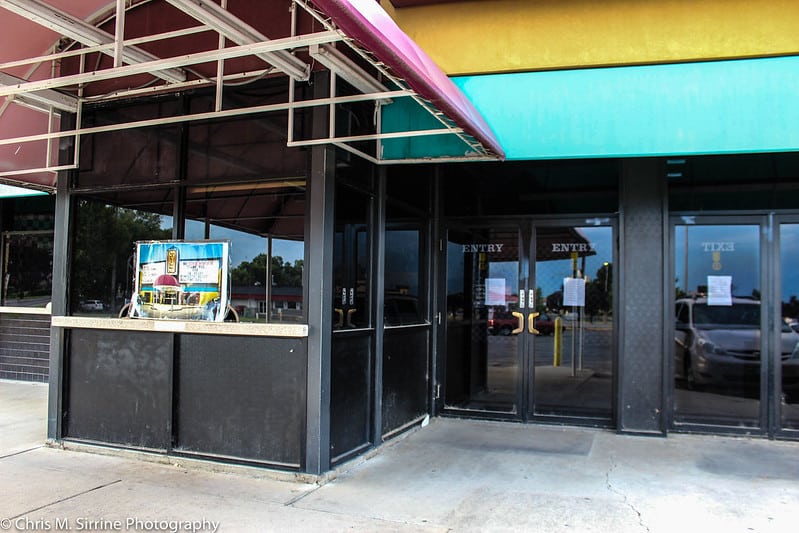
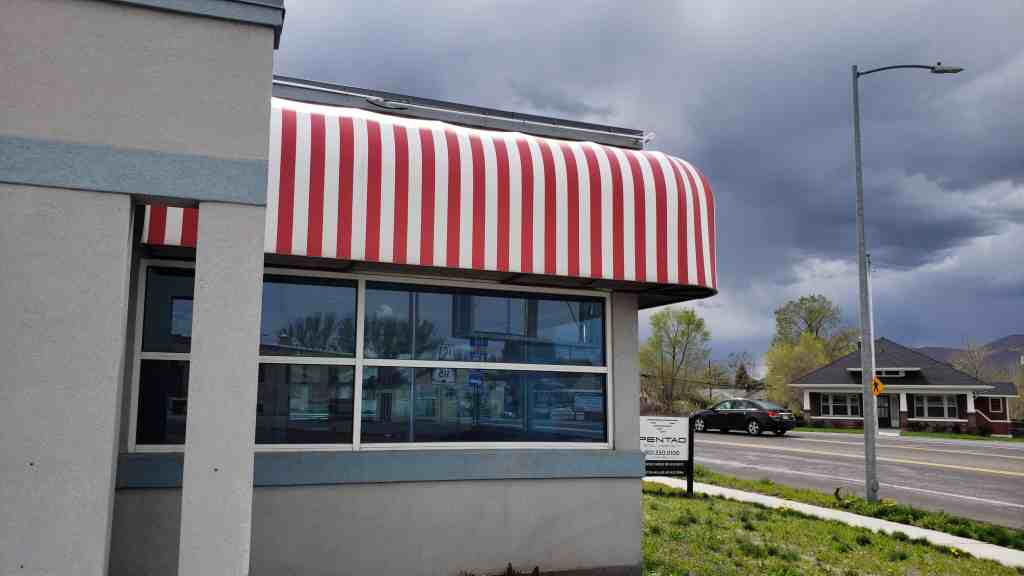
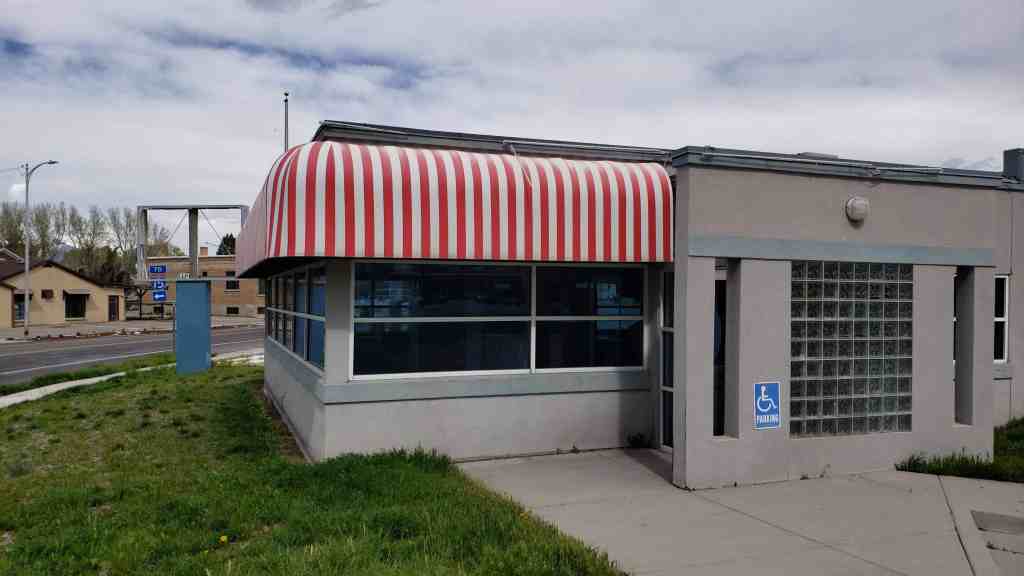
Movies 8, located at 2424 North University Parkway, Provo, Utah opened in October 1988 and was a very popular spot for local families and students for over two decades and after slowing down for a few years finally closed after 29 years in March of 2017.
It was Cinemark’s test location for “dollar theaters” and at one point in 1992 was bringing in more revenue than any of the other 150+ Cinemark locations in the US.
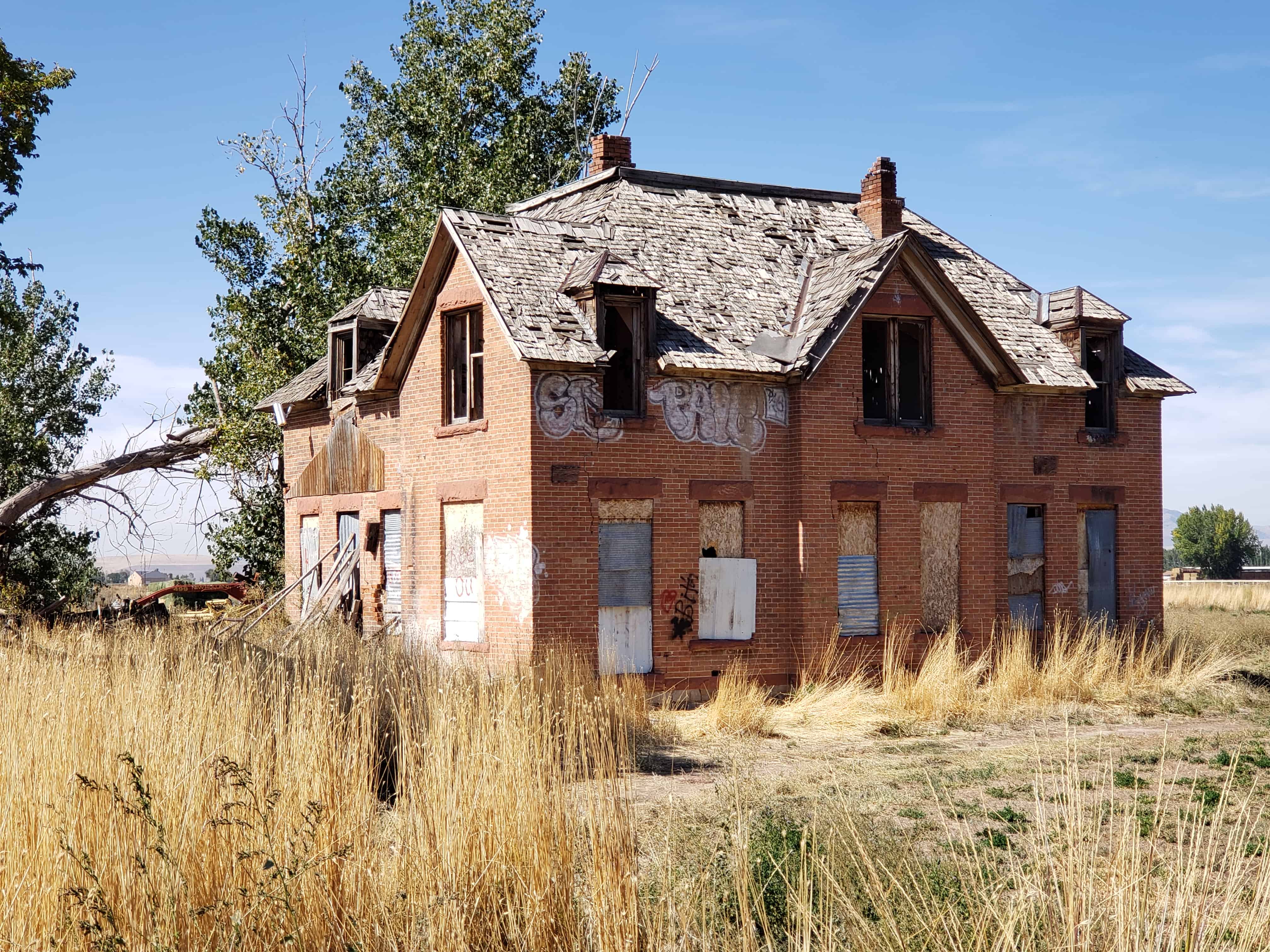
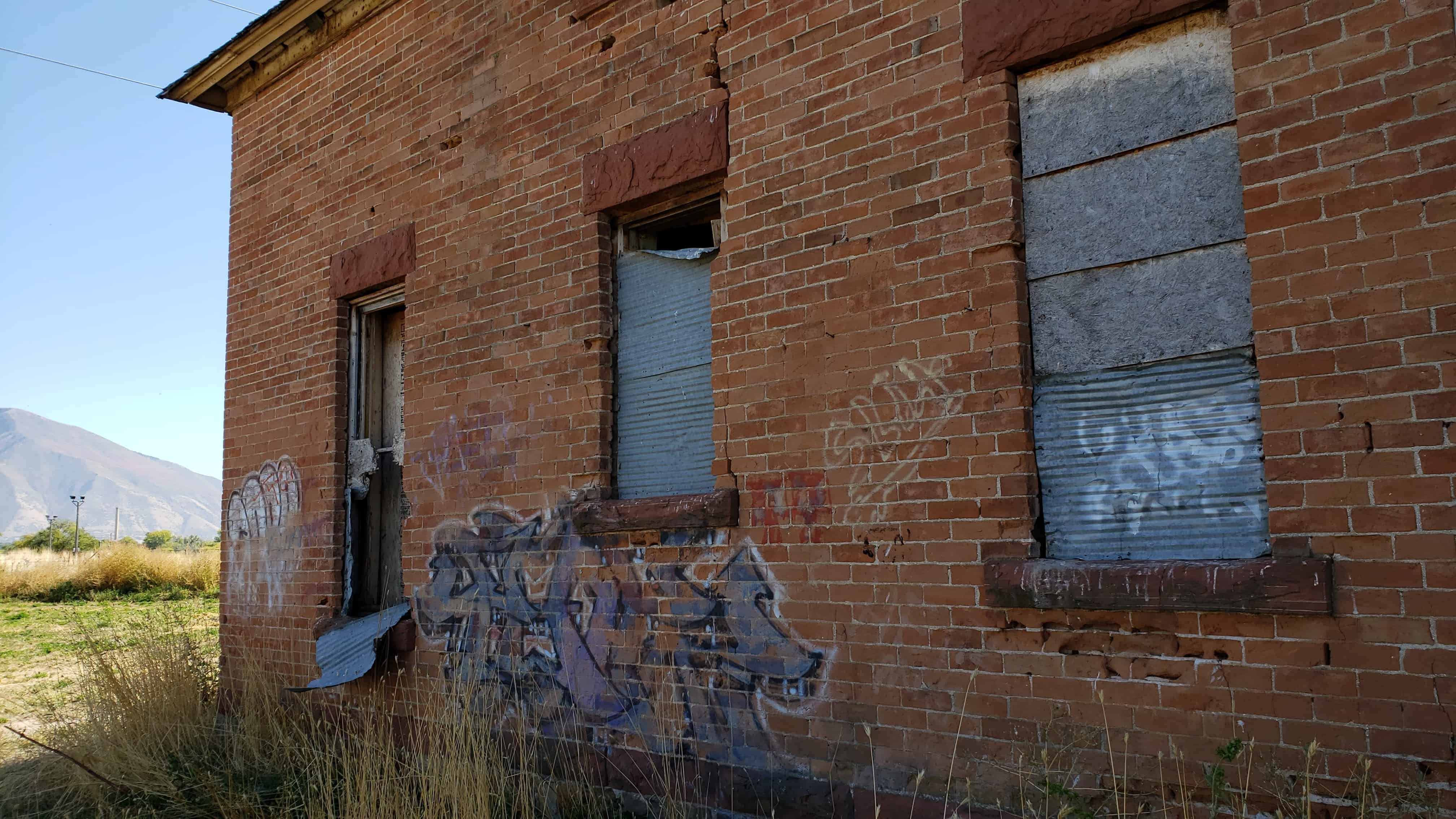
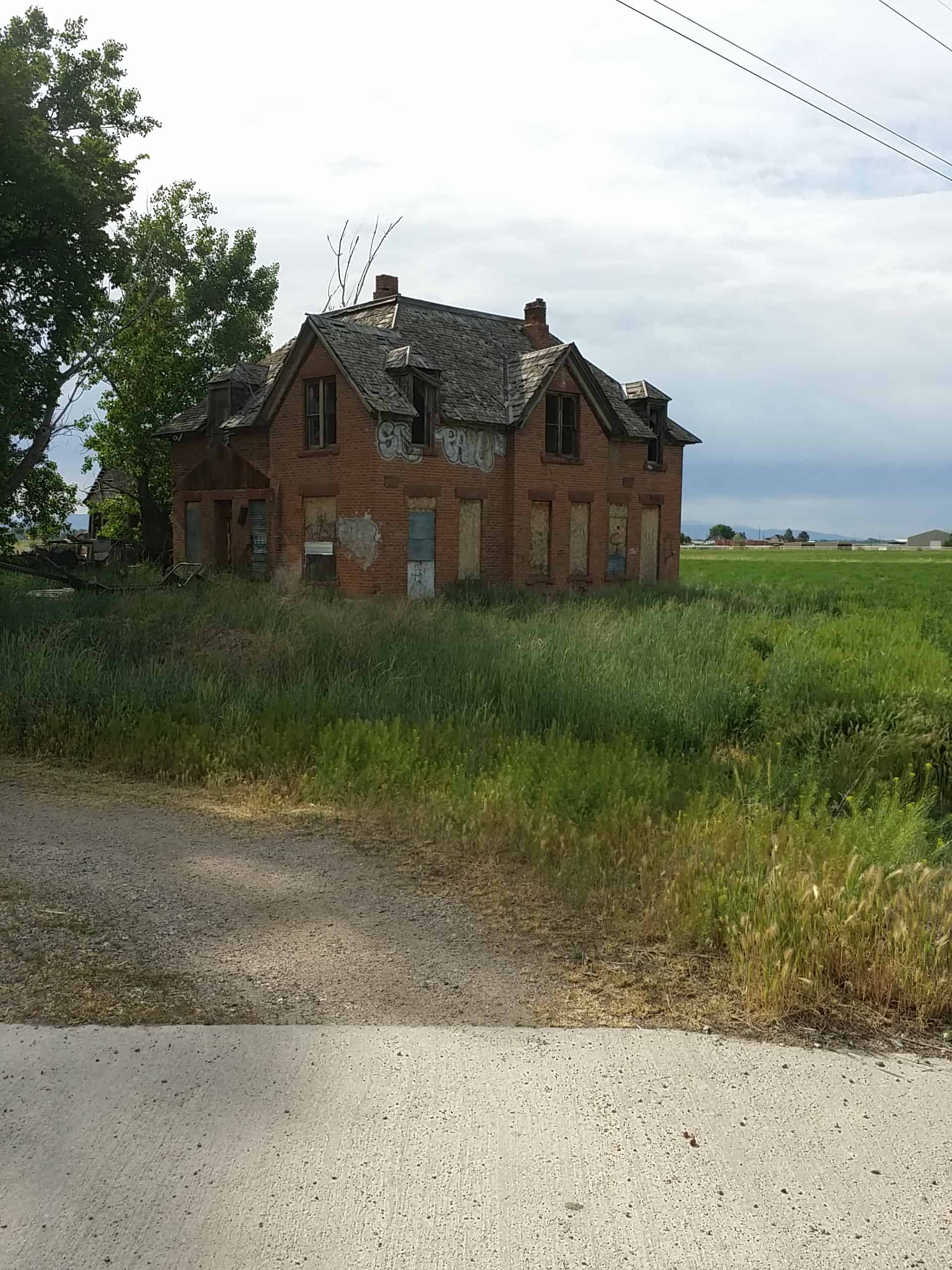
This cool looking home in Leland, Utah was part of the movie “Made Men” and is also mentioned on several websites that list haunted sites, there are some stories of murders that may have happened in there, most of those call it “The Benjamin House” and the information and name are inaccurate.
William Parry Bowen and Ruth Jones were children when their parents came to Utah in 1856 with the John Hunt Wagon Train. They married and lived in this home. Their eldest daughter, Mary Eleanor Bowen married Lars Peter Larsen and their family lived in the home.
The county records show ownership being back and forth with Larsen’s and Moran’s since 1980. I’ve been seeing if I can dig up any good history about the place, it looks like it would have a lot.
“The home was built by William Perry Bowen and his wife Ruth Jones Bowen. They later traded homes with their daughter Mary Eleanor and her husband Lars Peter Larsen because they had a very large family and the Bowen’s children were grown.” – Rex Larsen
I saw Eric Meyer share this photo on facebook saying that his Great Great Grand Father William Perry Bowen built this house in the 1850’s or so. It had been known as The Big House.
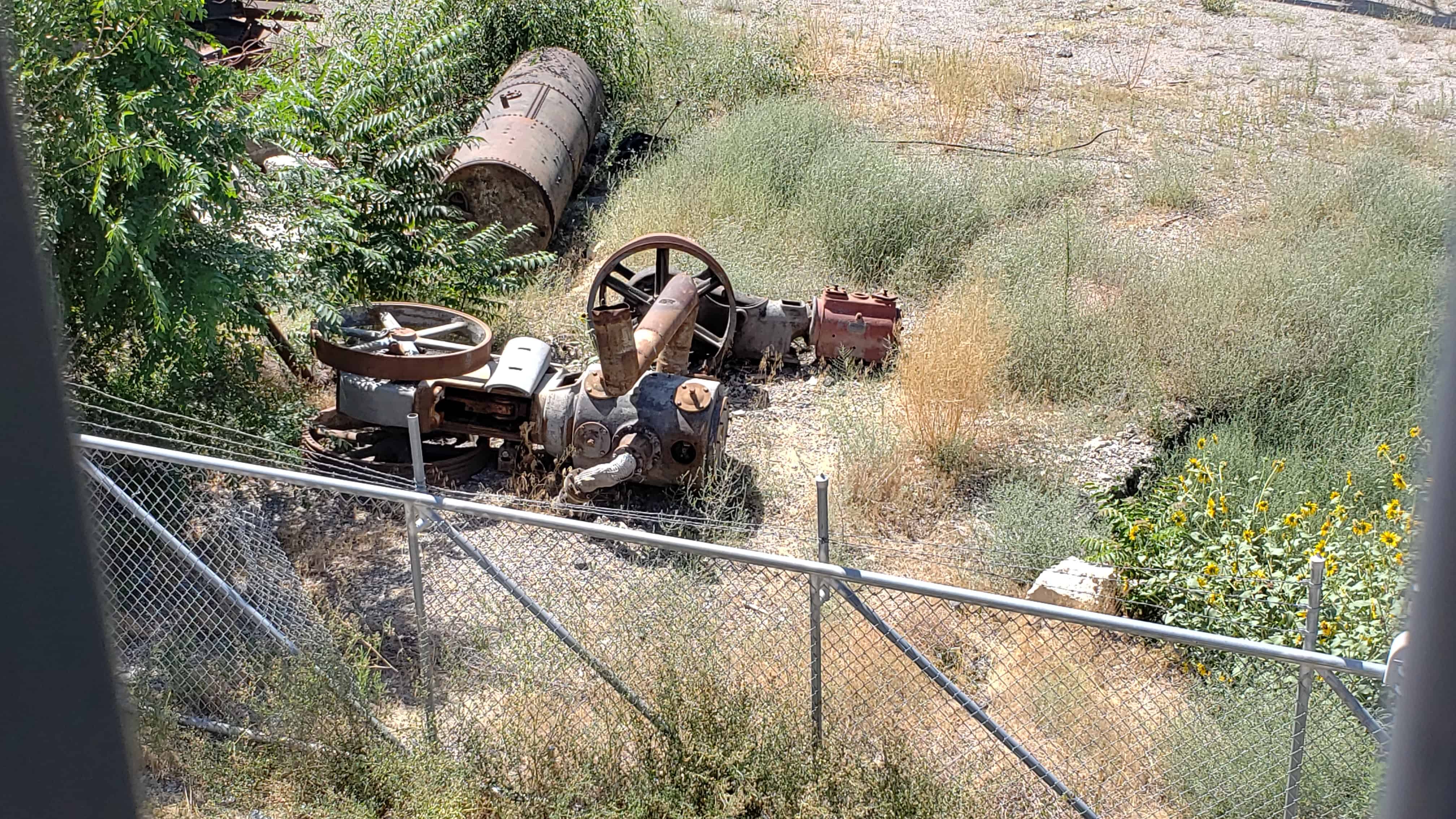
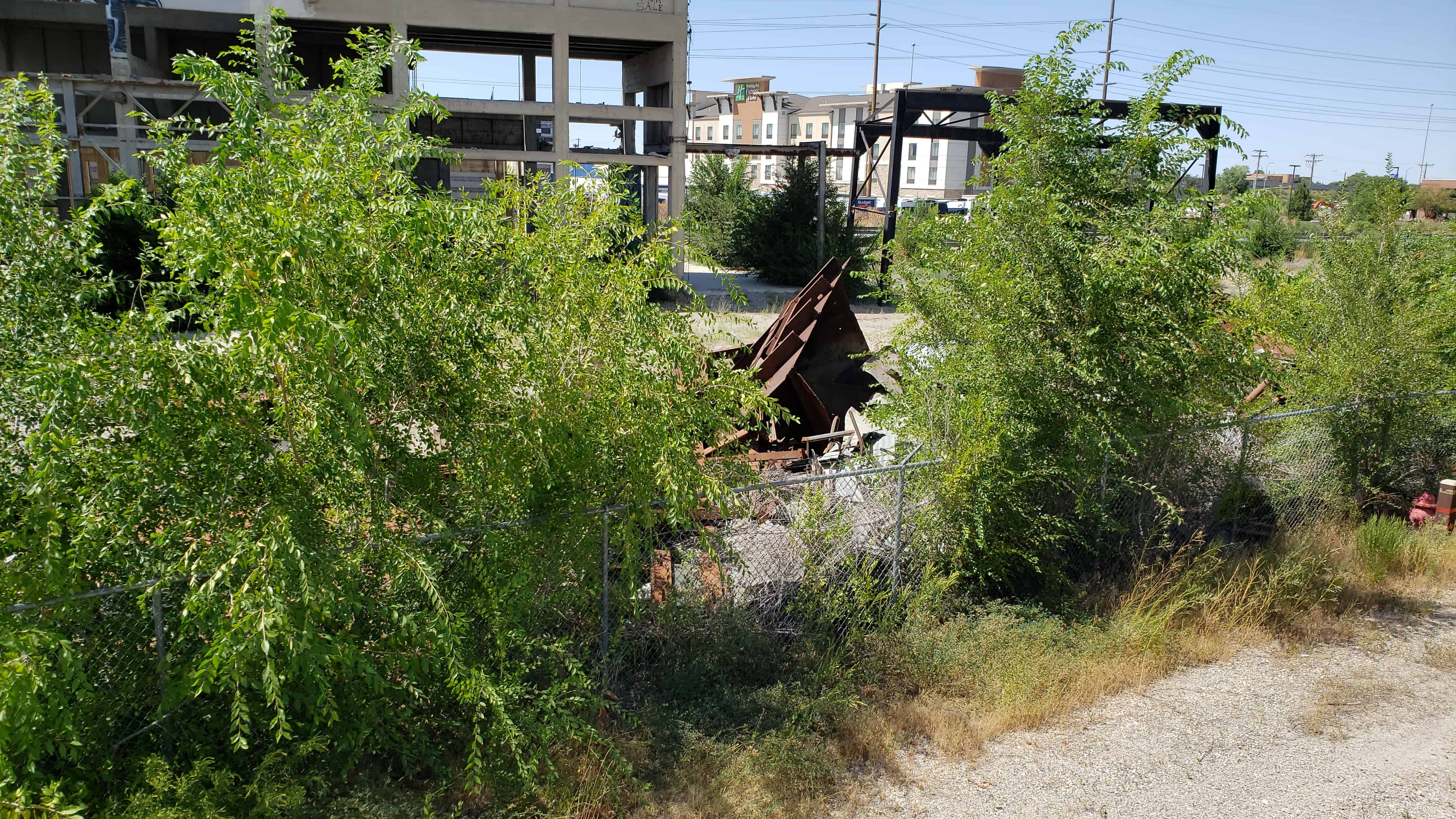
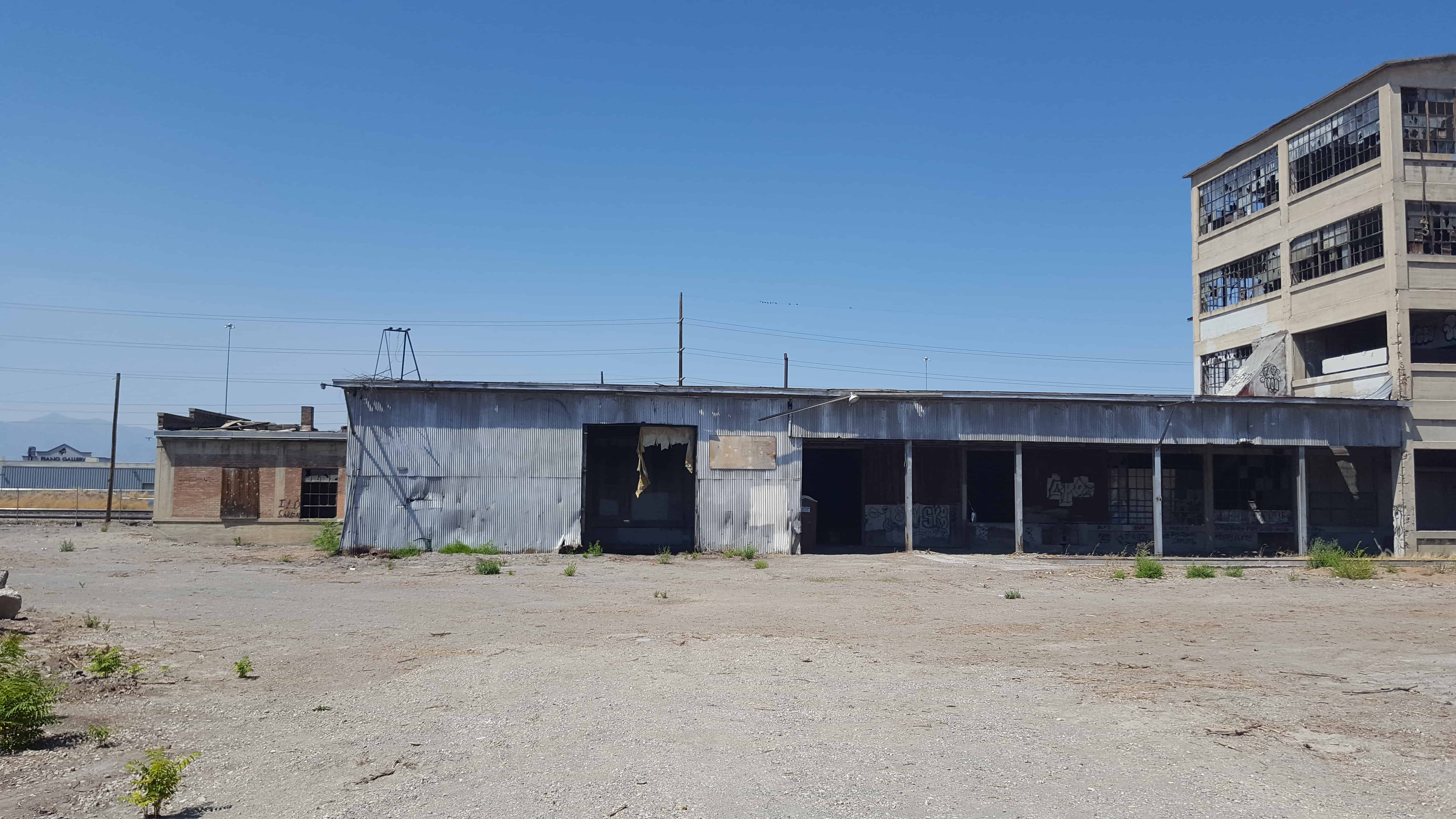
This is the old Utah Ore Sampling Company at the Pallas Yard.
Utah Ore Sampling Company built this sampler in 1909. Consolidated mining companies did their own sampling. This was the largest independent sampler between Missouri and California. After the ore was crushed and analyzed for content and quality, smelters decided on the basis of the samples, whether to buy larger quantities of the ore. Ore came here from all over the west. Most of the ores sampled here went to the ASARCO smelter for processing. The close proximity of the two plants allowed the railroads to treat them as a single destination for billing purposes. The large “Thawed House,” where loads of frozen ore were completely thawed before they were run through the sample plant, still remains. This mill was unique because it contained the only railroad spur that connected to both the Denver and Rio Grande and the Union Pacific Railroads. The company operated until the 1950’s, when the smelting industry in Murray ceased. (Salt Lake Valley Historical Tour, Ron Andersen, 1997)
News item about the Utah Ore Sampling Company closing its plant in Park City due to the larger plant in Murray going into operation. (Salt Lake Mining Review, Volume 19, number 1, April 15, 1917, p.33)
Article about the Utah Ore Sampling plant at Murray. (Salt Lake Mining Review, Volume 27, number 9, August 15, 1925, p.9)
Utah Ore Sampling Company was constructed between the Union Pacific Provo Subdivision and the Rio Grande mainlines at 53rd South and 3rd West. UP had quite a sizable yard at Pallas (between 53rd South and 59th South) used to store and classify cars for the Sampler and the large Murray and Midvale smelter complexes. The Rio Grande always referred to this location as Sampler long after the facility was closed. (James Belmont, February 5, 2008)
Utah Ore Sampling Company was an independent third party that assayed the mineral content, and amount of ores shipped from mines to smelters. They got their start in Park City, at a joint trackage location between UP and D&RGW inside UP’s wye. That location closed in 1917 when the Murray plant was built, and the existing structure was built in 1925 to expand on the original operation. There is a nice article in the August 15, 1925 issue of Salt Lake Mining Review.
The ore we are talking about is known as galena, a mix of lead and silver ore, with lots of other bits like zinc, cadmium, antimony, arsenic and bismuth, thrown in just to make the lives of smelter men interesting. Galena is the principle silver ore in the western U.S. Every load of ore, usually in classic GS gondolas, was different and the smelters needed to get the proper mix of ores and flux-ores to make each smelter run as economical as possible.
As the rail cars from the various mines from all over the west, but mostly from Utah and Idaho, arrived at the Murray/Midvale smelting complex, the loaded cars had to be “sampled” to determine the mix of ores in each load. The trackage at the Utah Ore Sampling Company was jointly owned and operated between UP and D&RGW, as well as portions of the trackage at Pallas itself.
As loads of ore arrived, they were switched to the sampler where samples were taken. The cars were then switched to Pallas to be held and used as each car’s particular mix of ore could best be used. UP kept a full time switcher and crew at Pallas, as did D&RGW at Midvale. If I recall, the two roads cooperated heavily in the movement of in and around Murray and Midvale. I would guess that at any one time, there would not be more than 50-60 cars in the Pallas yard. But like everything else with Utah railroads, there is much yet to be researched.
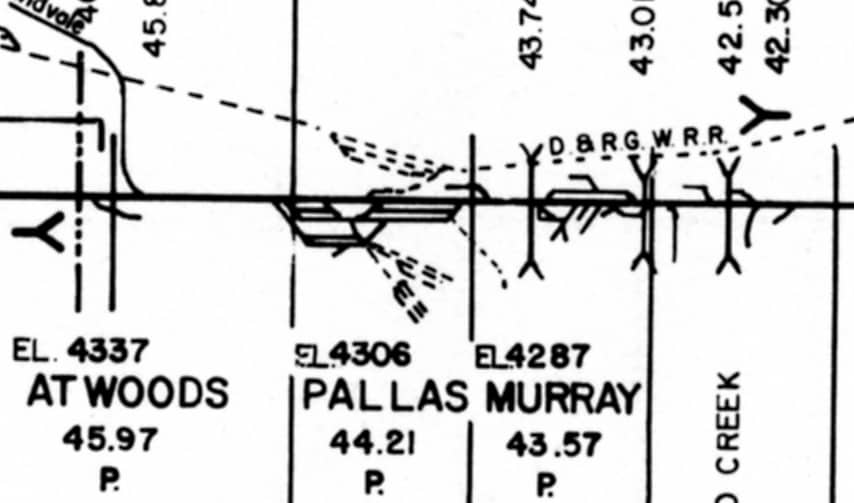
As can be seen, the trackage was still extensive even in this 1985 version. I’ve seen earlier track maps, and there was a lot of tracks in the area. There were lots of spurs to the 10 or so big and small smelters in the middle of Salt Lake Valley, which from 1900 to about 1920, was the smelting center of the western U.S. It would be an interesting subject to model, especially if you throw in the inbound coal in Utah Coal Route GS gons, and the outbound loads of lead and silver.
A side note from today is that UTA’s TRAX lightrail uses the old UP spur from Atwoods just south of Pallas, to get to its shops at Midvale, by way of an undercrossing under the D&RGW mainline. UTA will also use the old UP line to Midvale to get from its shops to the old D&RGW Bingham Branch to extend light rail all the way west to Daybreak.(*)