• About JacobBarlow.com
  • Cemeteries in Utah
  • D.U.P. Markers
  • Doors
  • Exploring Utah Email List
  • Geocaching
  • Historic Marker Map
  • Links
  • Movie/TV Show Filming Locations
  • Oldest in Utah
  • Other Travels
  • Photos Then and Now
  • S.U.P. Markers
  • U.P.T.L.A. Markers
  • Utah Cities and Places.
  • Utah Homes for Sale
  • Utah Treasure Hunt

JacobBarlow.com

~ Exploring with Jacob Barlow

JacobBarlow.com

Tag Archives: Kane County

Rainbow Point Comfort Station and Overlook Shelter

31 Sunday May 2026

Posted by Jacob Barlow in Uncategorized

≈ Leave a comment

Tags

Bryce Canyon National Park, Kane County, NRHP, utah

Rainbow Point Comfort Station and Overlook Shelter

The Rainbow Point comfort station and overlook shelter have local significance under National Register criteria A for their association with NPS administrative development, and under criterion C as examples of NPS rustic building design. National Register areas of significance include government, recreation, and architecture. The period of significance for these buildings extends from 1939 until 1944, the end of the historical period as defined by the National Register. Since the time of their construction, the NPS has continuously used these buildings to provide lavatory services and to present interpretive material to park visitors. Historic contexts with which the Rainbow Point buildings are associated include: 1) the development of recreation and administrative facilities within BRCA; and 2) the development of NPS rustic architecture. They are included in the property type that contains resources associated with NPS administrative development, and are part of the Bryce Canyon National Park Multiple Property Submission.

The NPS constructed the buildings at Rainbow Point towards the end of the New Deal era. Rainbow Point, located at the southern end of the rim road, was the last area of the park to be developed for public use prior to the end of the historical period. Its isolation from other BRCA facilities, necessitated the construction of sanitary and interpretive facilities. CCC crews participated in the construction of the buildings, the plans for which originated from the Branch of Plans and Design. The rustic style of the buildings is similar to that of other, earlier public facilities, built by the NPS in BRCA and other western parks. Both are good examples of the “exaggerated” rustic architecture reserved for public buildings.

Located in Bryce Canyon National Park in Kane County, Utah and added to the National Register of Historic Places (#95000427) on April 25, 1995.

Rainbow Point is located at the highest elevational point within Bryce Canyon National Park (BRCA), at the southern terminus of the Rim Road. Here, Douglas fir forest and native shrubbery forms a relatively dense vegetative cover. The Overlook Shelter (HS-59) is located directly adjacent to the plateau rim, and overlooks Black Birch Canyon. The Comfort Station (HS-58) is set back from the rim, within the timber. Pathways (both paved and unpaved) lead from a parking area to both buildings, however the Comfort Station is not readily visible from the parking area.

Comfort Station (HS-58):
This one-story, rectangular, wood frame building rests on footings of native stone. The exterior walls are finished with horizontally placed “V-joint” shiplap siding, with vertical half logs used to cover the joints in the shiplap. The hip roof is covered with unpainted wood shingles and has a metal vent extending from the interior storage area. The log rafters have exposed ends. Windows throughout the building are wooden, six-light hopper, which open inward in order to accommodate the fixed exterior screens.

The north elevation contains an entry (with a tongue and groove plank door), flanked on the east side by two windows. The east elevation contains a central entry flanked on either side by two windows. This entry has a tongue and groove plank door with one small light. It provides access to a storage area that runs the width of the building. The south elevation has another entry (with a solid tongue and groove door) that is flanked on the west side by three windows.

The building is divided into two major components which correspond to the mens and women’s lavatories. A small storage area divides these two spaces. The interiors of the lavatories have been remodeled with new finishing materials. Originally, the walls were finished with lath and plaster. However, the current interior is finished with ceramic tile and new linoleum.

In 1987, National Part Service (NPS) personnel replaced the roof. As originally constructed, both the men’s and women’s entries to the buildings had two-sided privacy screens that obscured the entries from view. The screens had log frameworks and were filled with horizontally placed 1X4″ louvered boards. These have been removed. The interior was remodeled in 1980, when new tile and metal stalls were added.

This building possesses integrity of setting and location. With the exception of the removal of the entry screens, the exterior possesses integrity of materials, workmanship and design. Although this detracts from the historical appearance of the building, the major structural components and distinctive architectural features of the building remain in place. However, the interiors of the two lavatories lack historical integrity and do not contribute to the significance of the building.

Overlook Shelter (HS-59):
This rectangular, one-story building is constructed on a concrete and stone foundation. The open structure has a hip roof covered with wooden shakes. The structural system for the roof, including the truss work, rafters, and vertical columns, are formed with peeled logs. Rafter ends are exposed. A board and batten ceiling currently obscures the underside of the roof system. The northwest, northeast, and southeast elevations are enclosed only with a horizontal log railing. Built-in seats, made from a large (21 “-diameter) log line these sides of the building, with the exception of a centrally placed opening in the northeast elevation, which provides direct access to the plateau rim.

The southwest elevation contains two display bulkheads, one on each side of a central opening into the shelter. The bulkhead walls are constructed with 8″ vertical boards and 1X4″ battens. The interiors of the bulkheads are accessed via separate entries located on the interior of the building. Both entries have tongue and groove plank doors. There are two recessed display areas in each bulkhead, which are meant to be viewed from the exterior of the building. The north display area is enclosed behind plate glass set in a 1X2″ wood frame. The interior of the storage areas are unfinished.

The overlook shelter possesses integrity of materials, workmanship and design, setting and location.
“Hole-In-The-Rock” Crossing

28 Thursday May 2026

Posted by Jacob Barlow in Uncategorized

≈ Leave a comment

Tags

Historic Markers, Kane County, SUP, UPTLA, utah

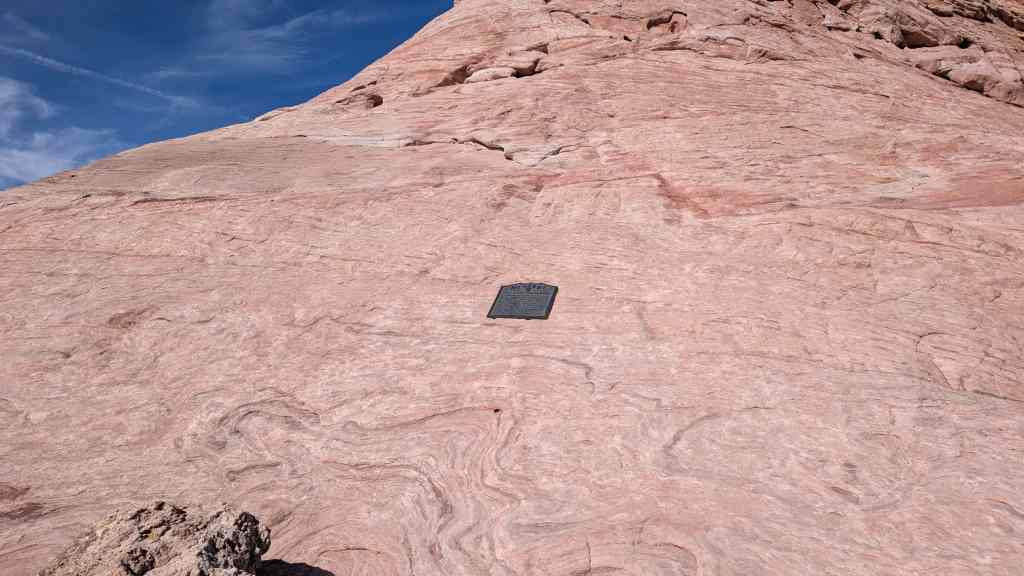
“Hole-In-The-Rock” Crossing

Mormon Pioneers of San Juan Valley crossed the Colorado River at “Hole-In-The-Rock” January 26, 1880. Twenty-six wagons were lowered over the cliff that day. A total of 250 persons were in the party. All made the perilous descent and ferried the river here.

This is Utah Pioneer Trails and Landmarks Association Historic Marker #81 (UPTLA Markers were later adopted by the Sons of Utah Pioneers) located at Hole-In-The-Rock, Utah.

  • S.U.P. Markers
  • U.P.T.L.A. Markers

Sand Caves

03 Monday Feb 2025

Posted by Jacob Barlow in Uncategorized

≈ Leave a comment

Tags

Caves, Kane County, utah

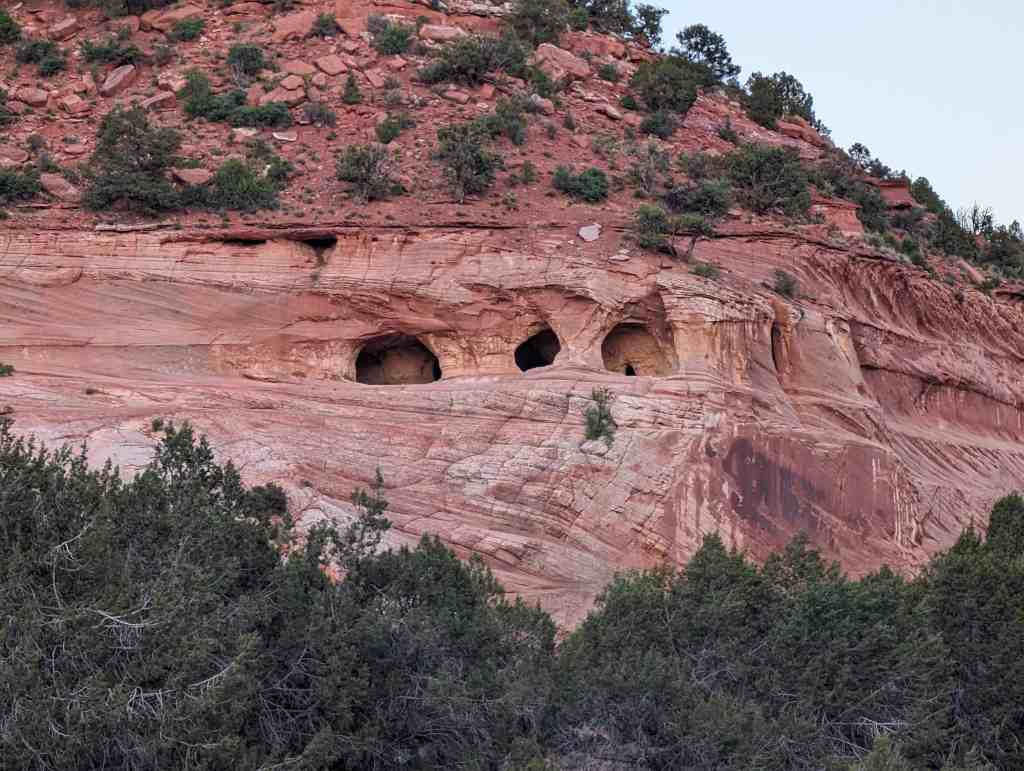
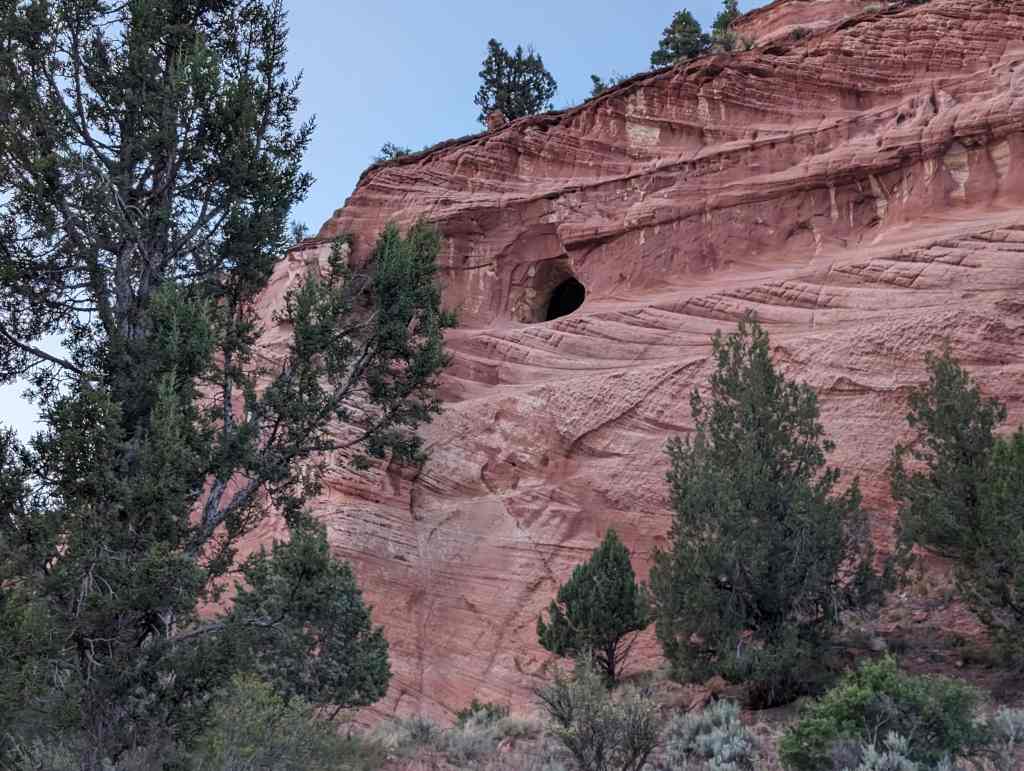
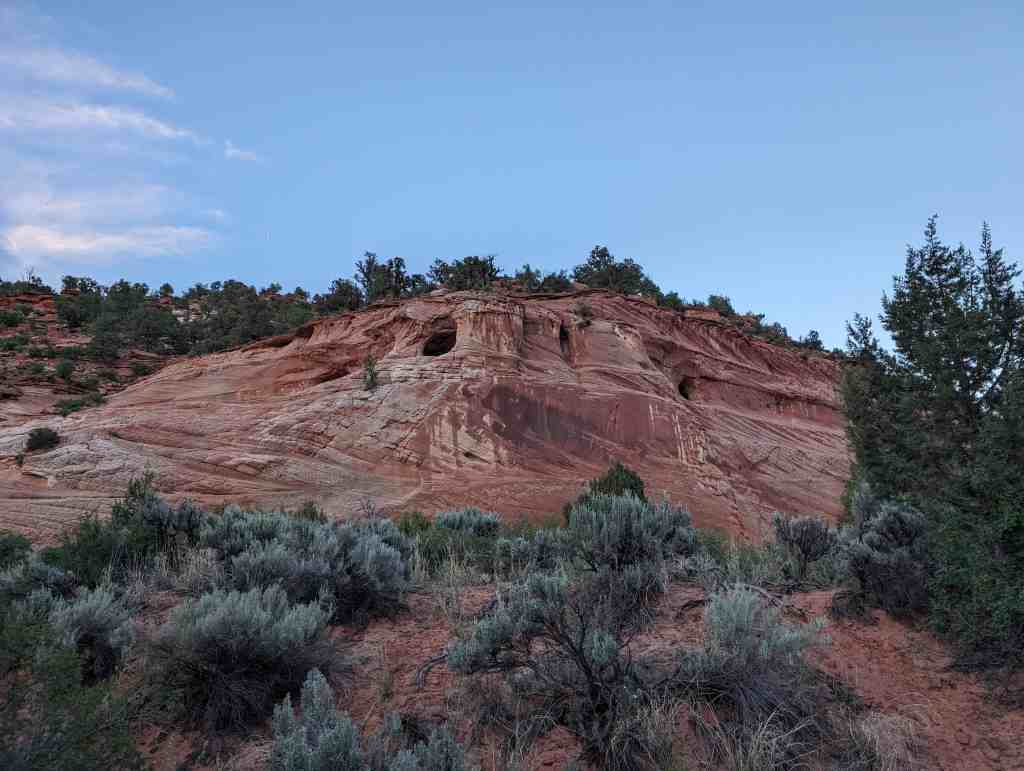
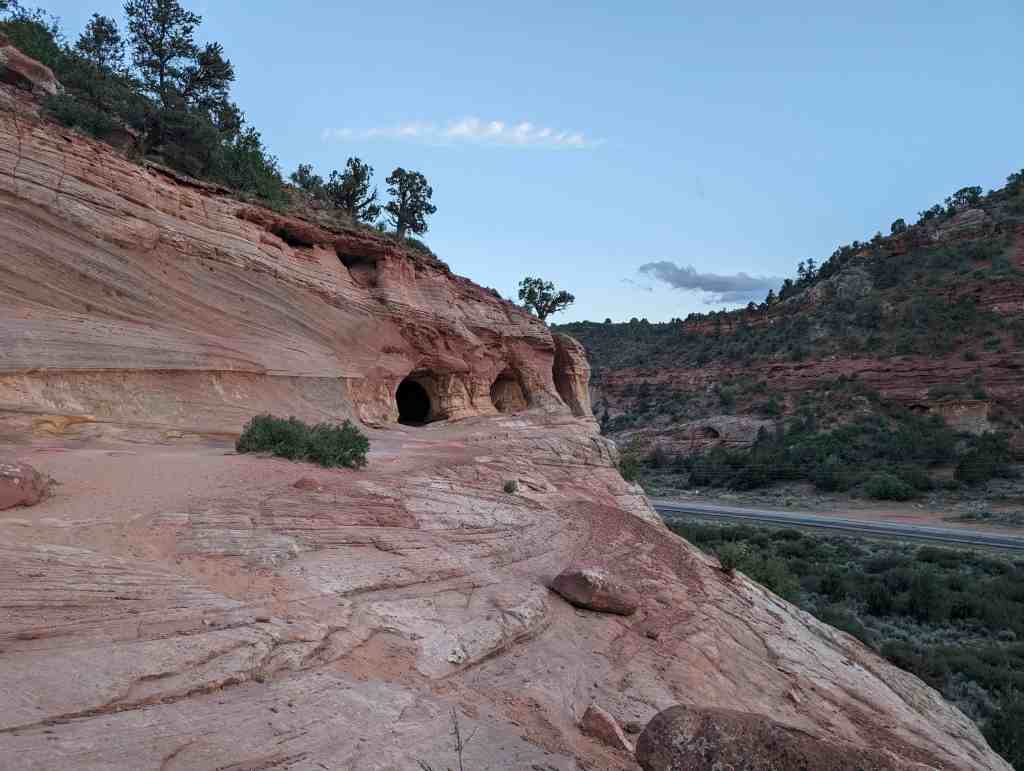
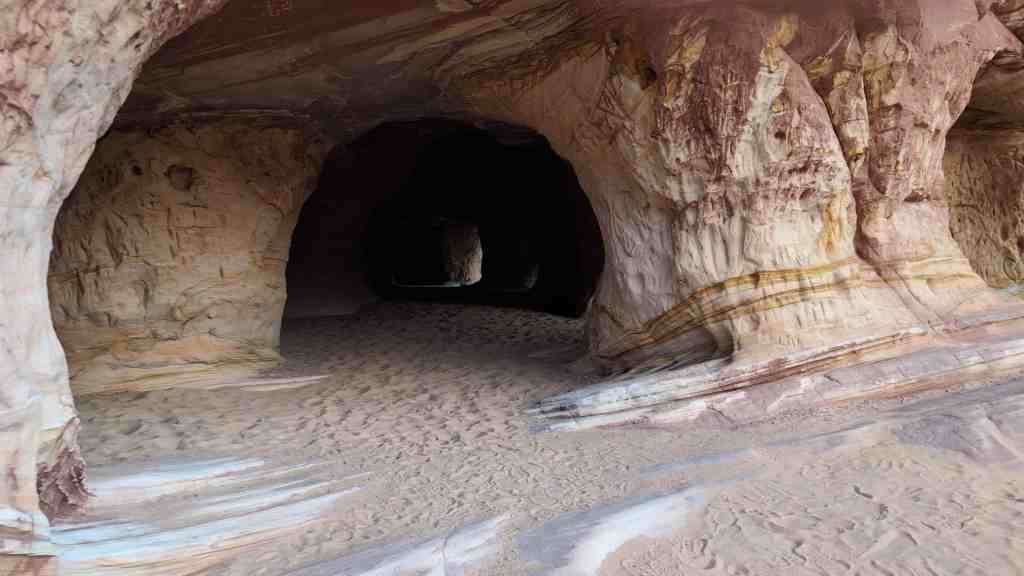
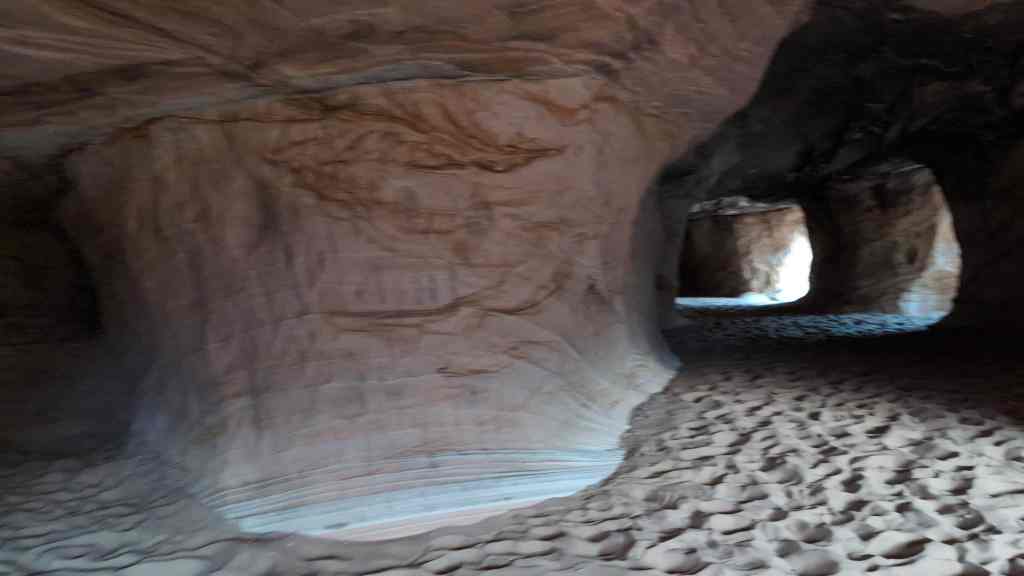
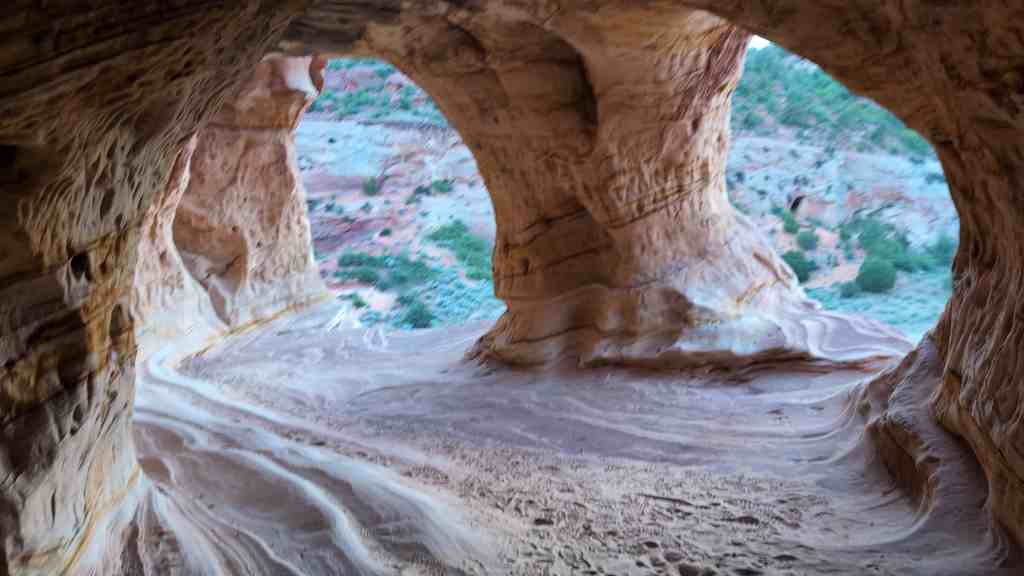
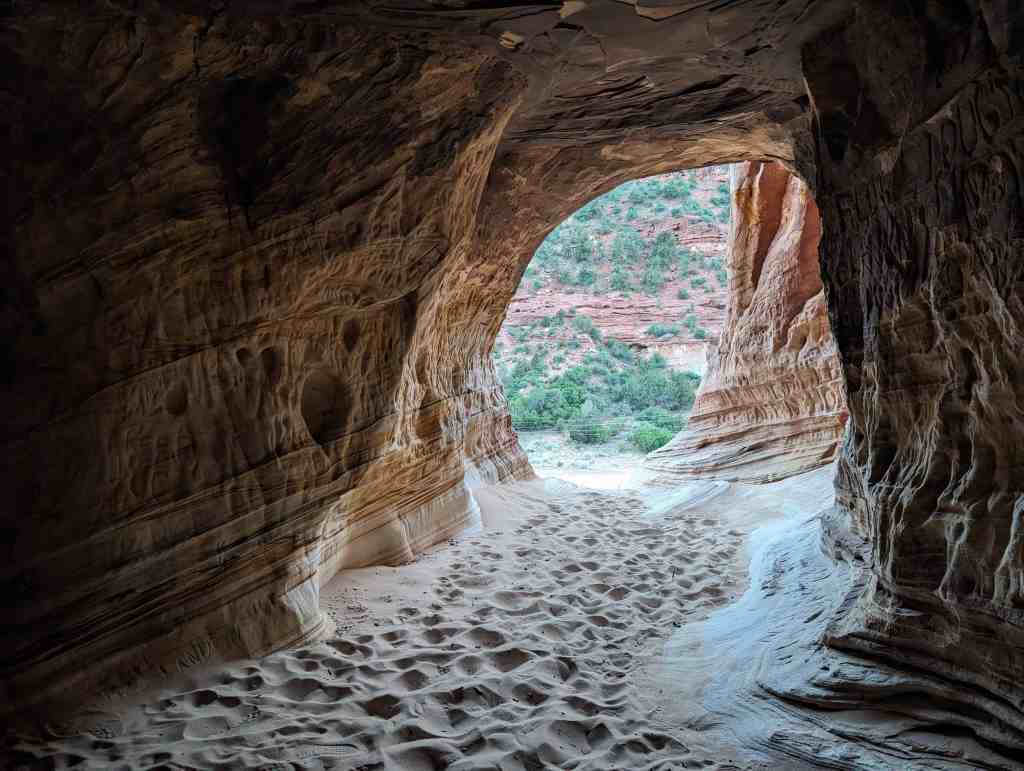
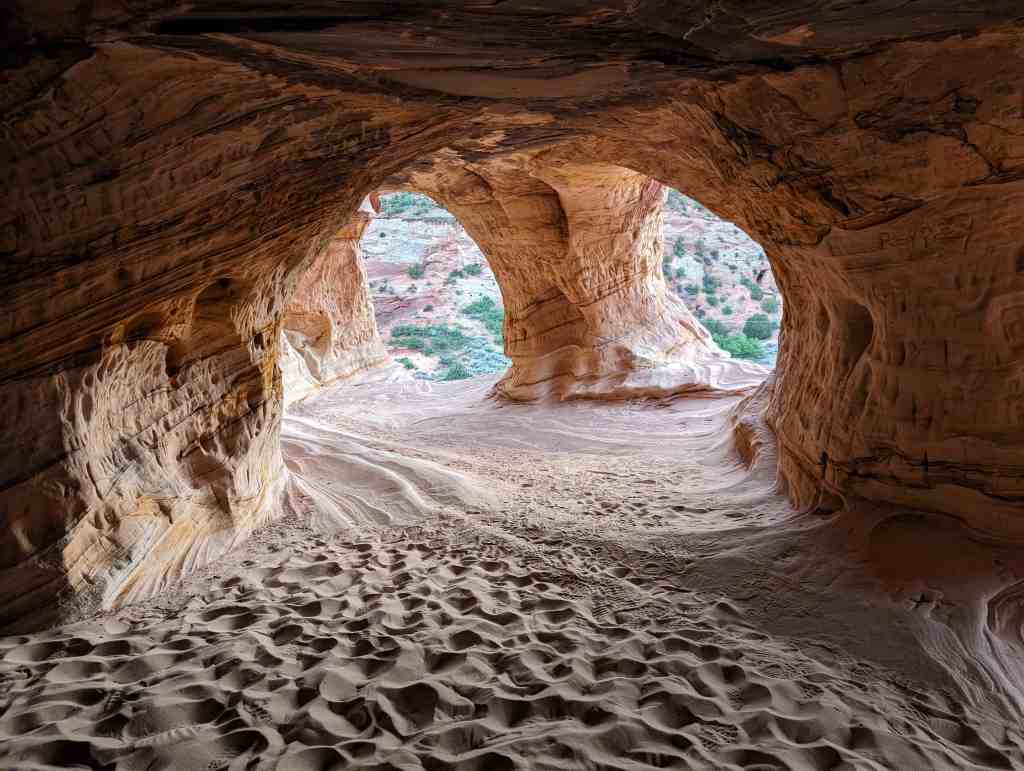
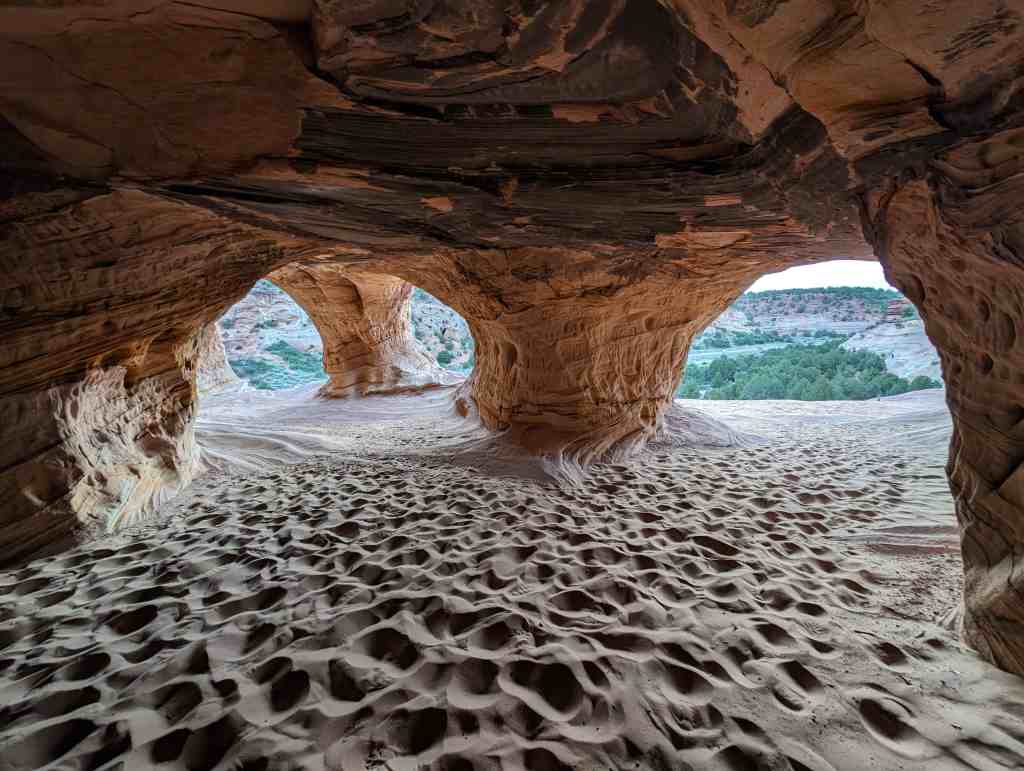
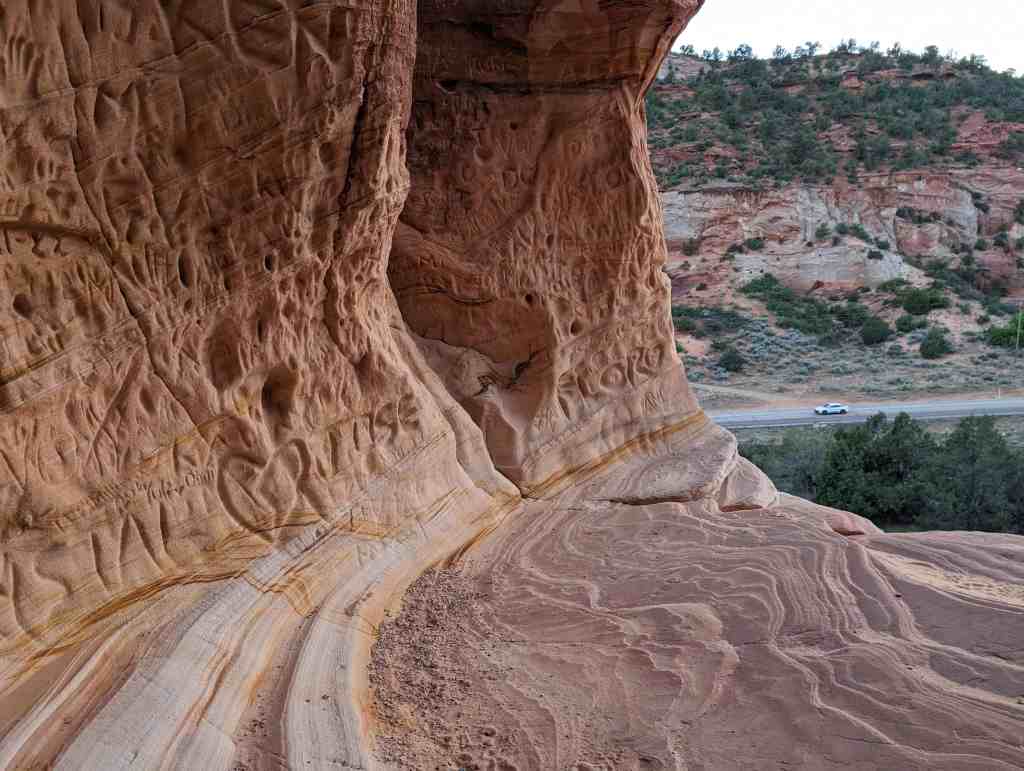
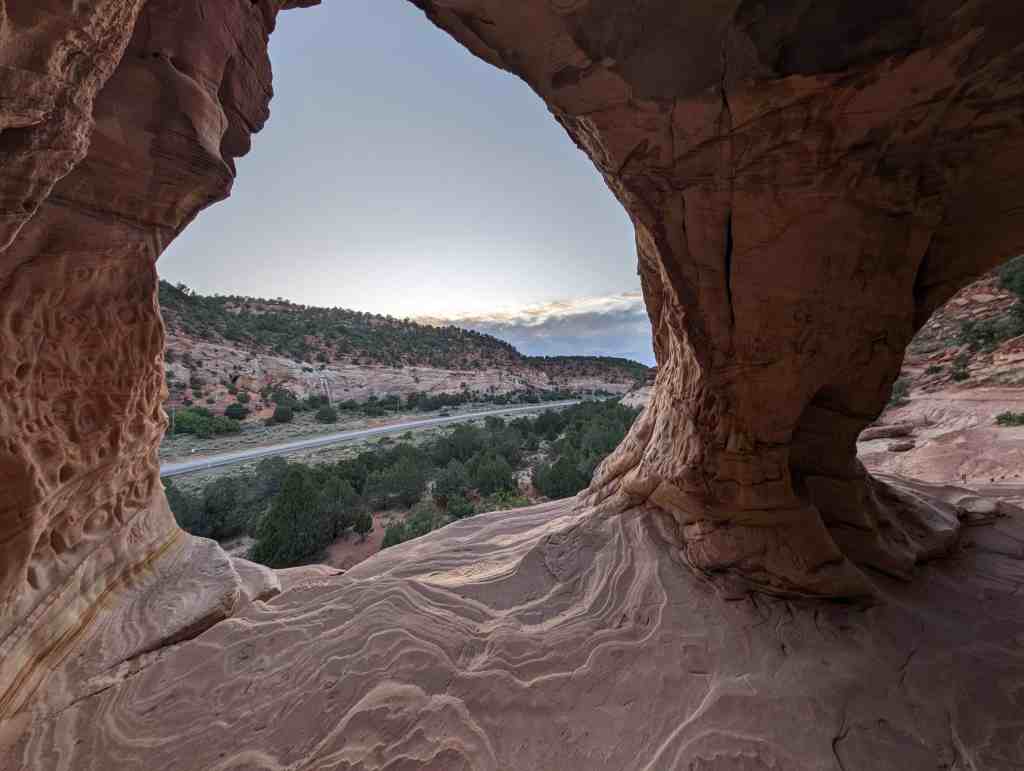
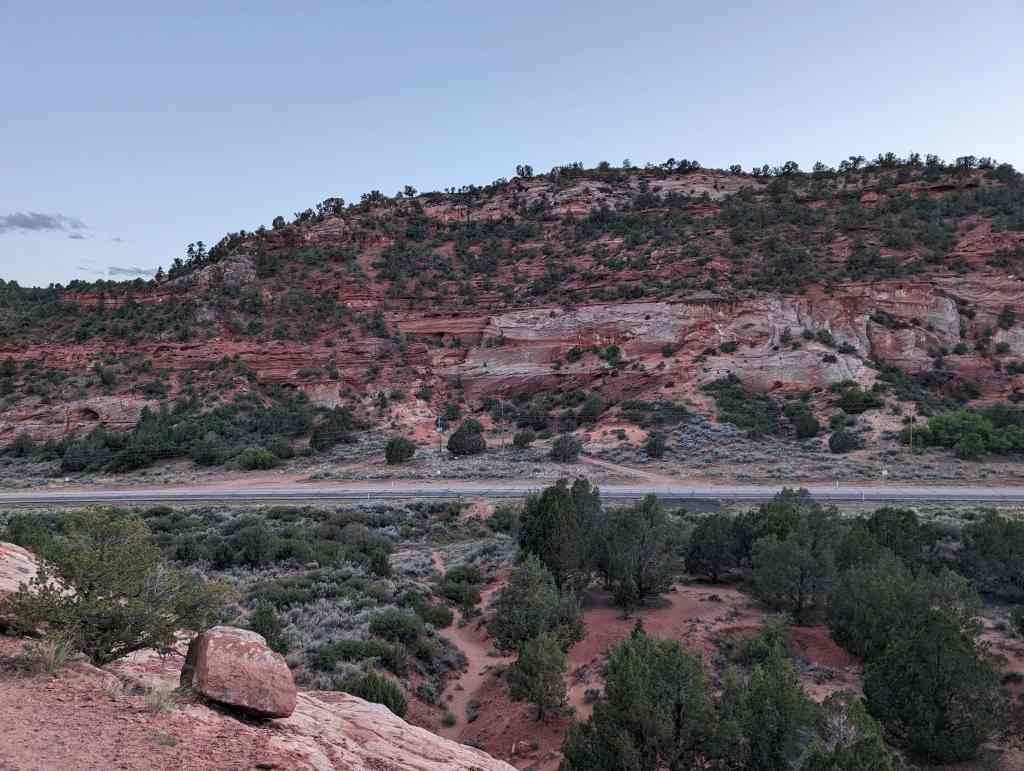
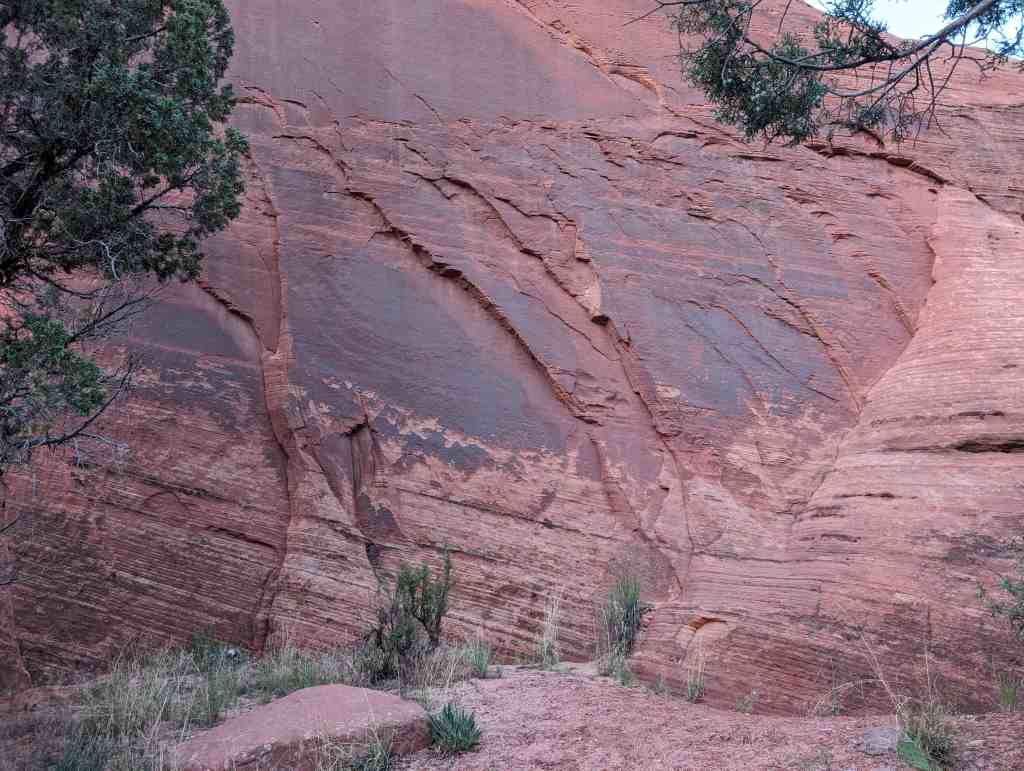
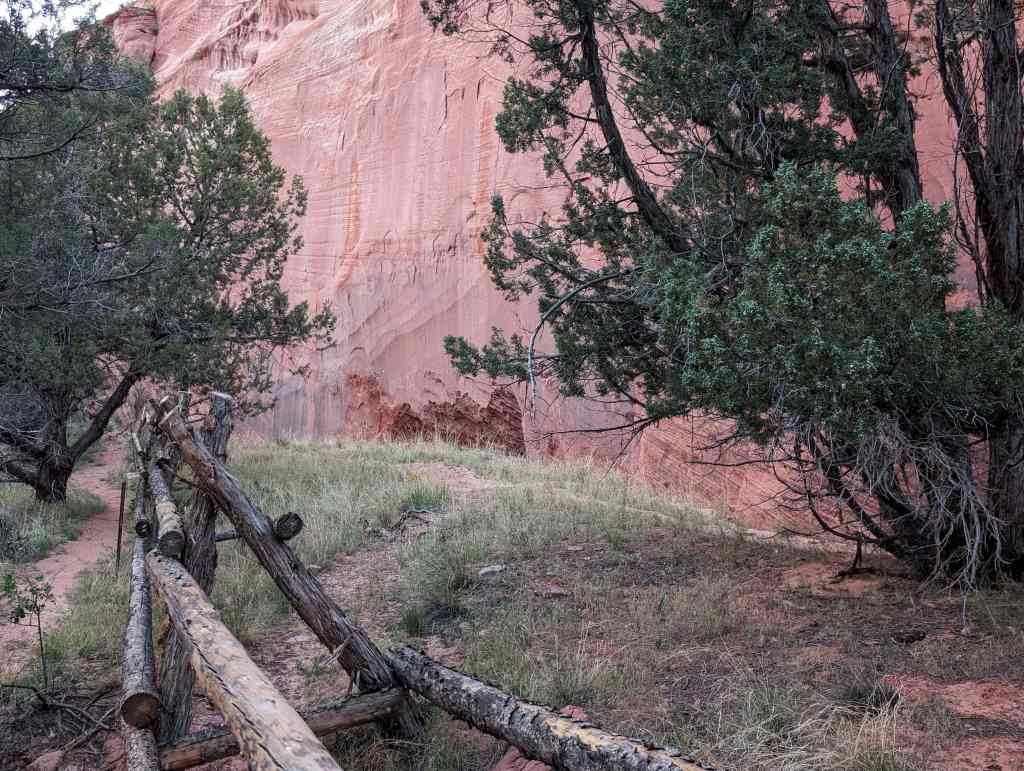
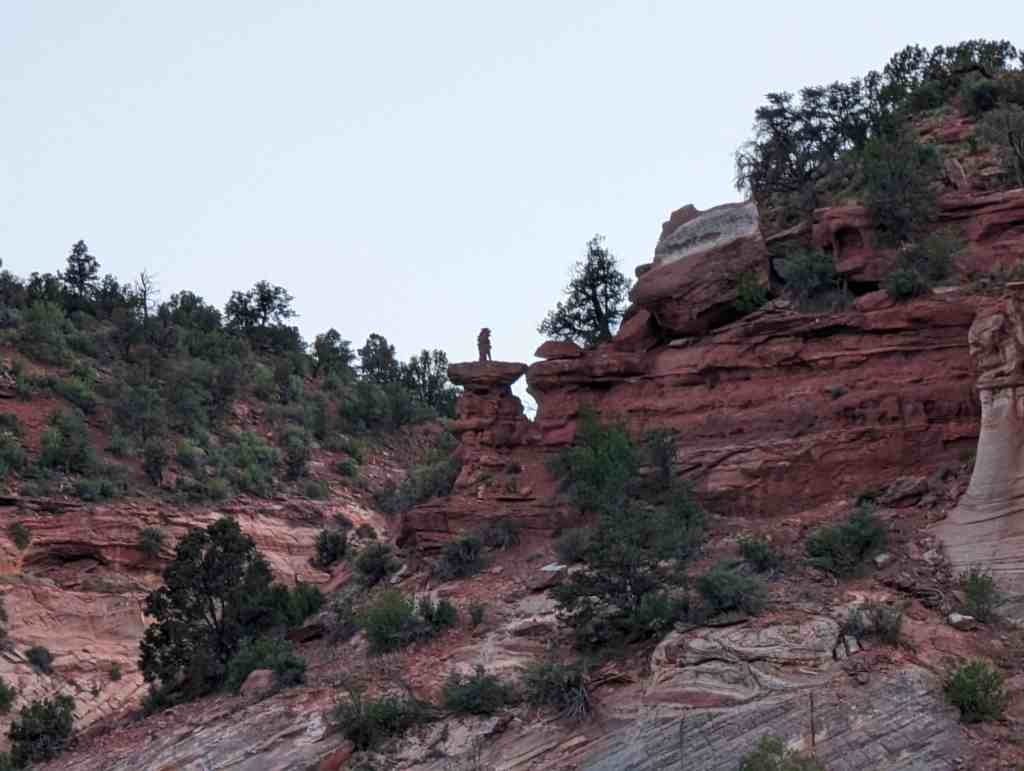
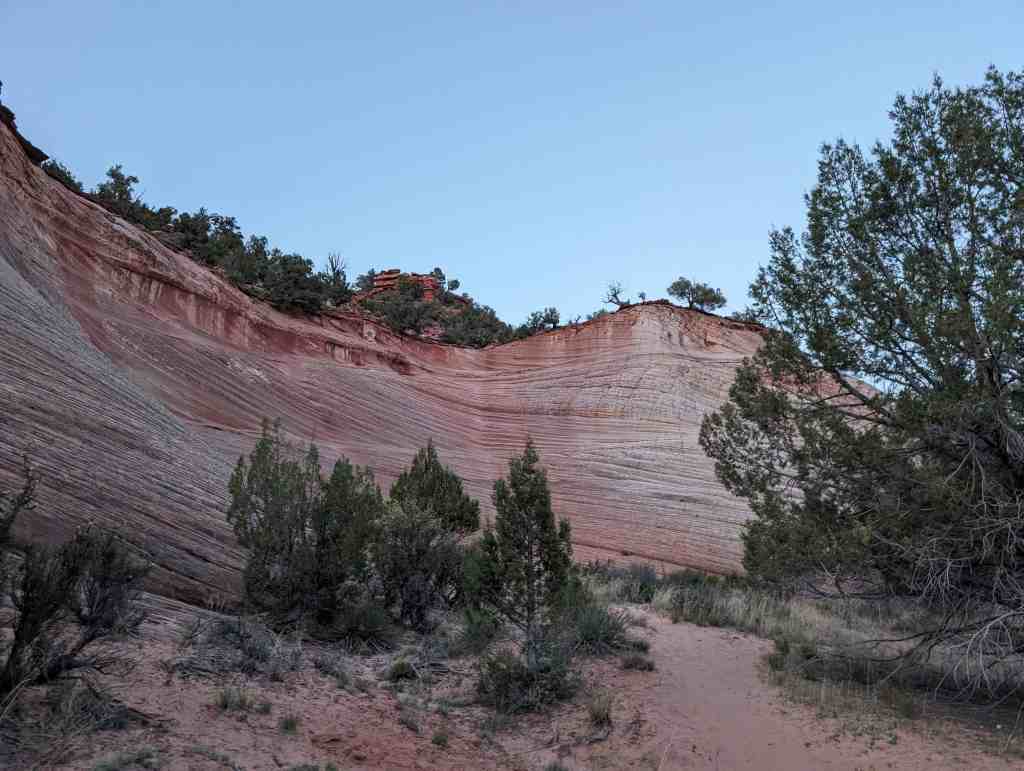
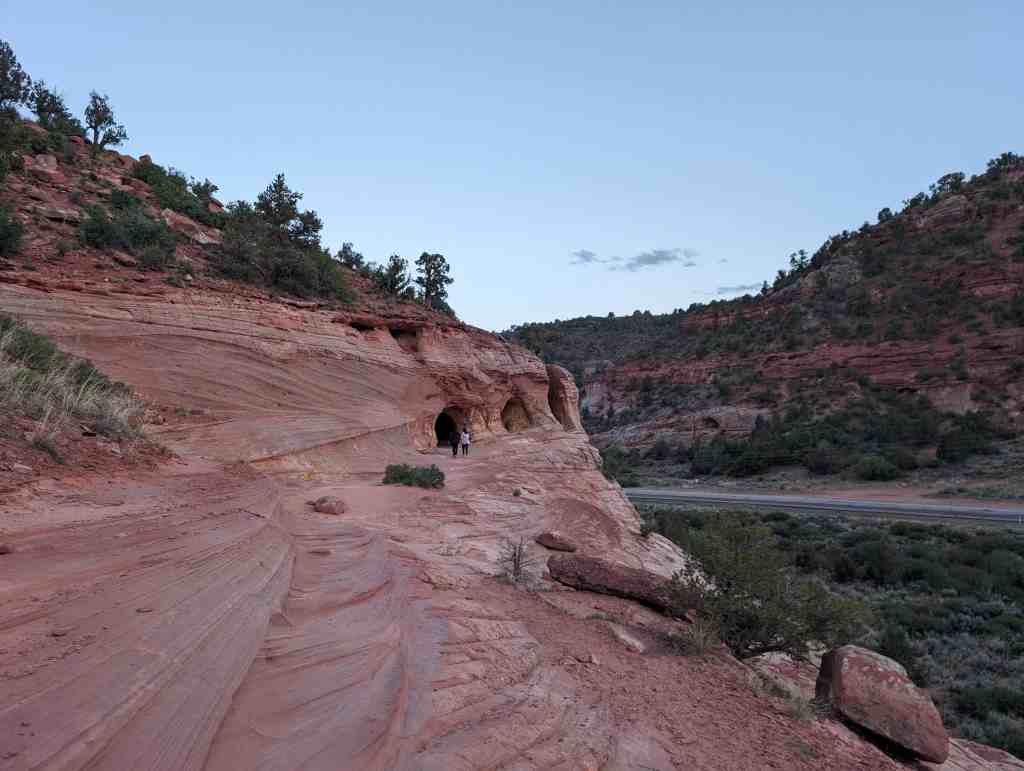
The Sand Caves, also often called the Kanab Sand Caves or the Moqui Sand Caves are located just off Highway 89 North of Kanab, Utah.

Related:

  • Sand Caves Rock Art


Parking:

Sand Caves Rock Art

03 Monday Feb 2025

Posted by Jacob Barlow in Uncategorized

≈ Leave a comment

Tags

Kane County, Rock Art, utah

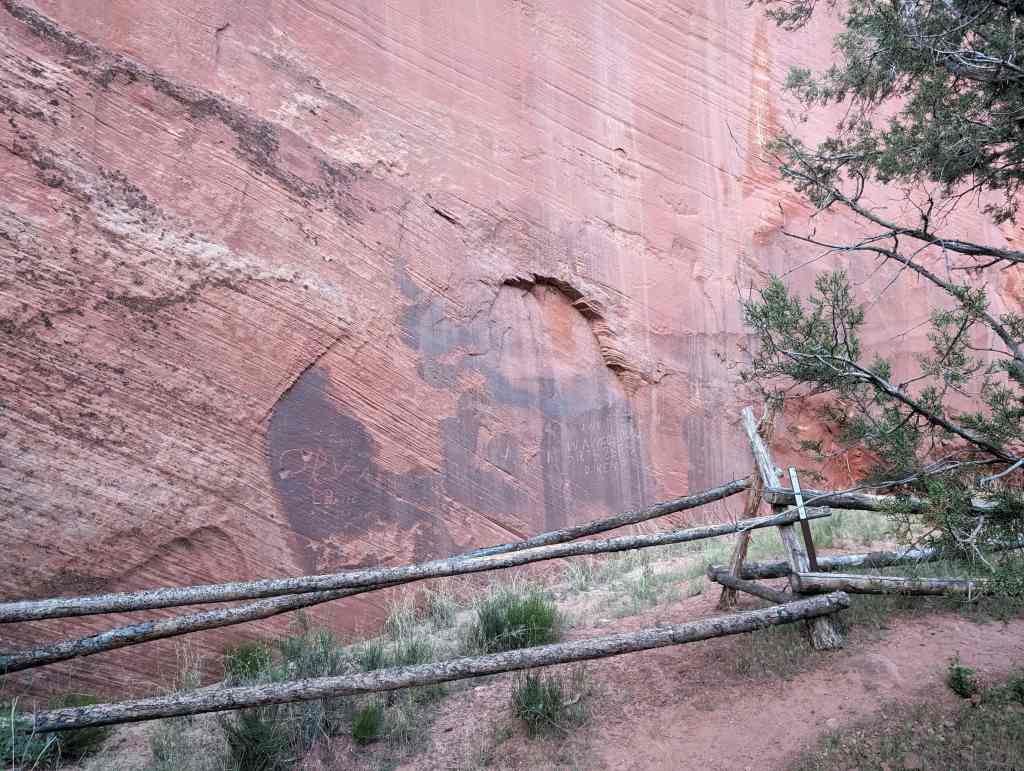
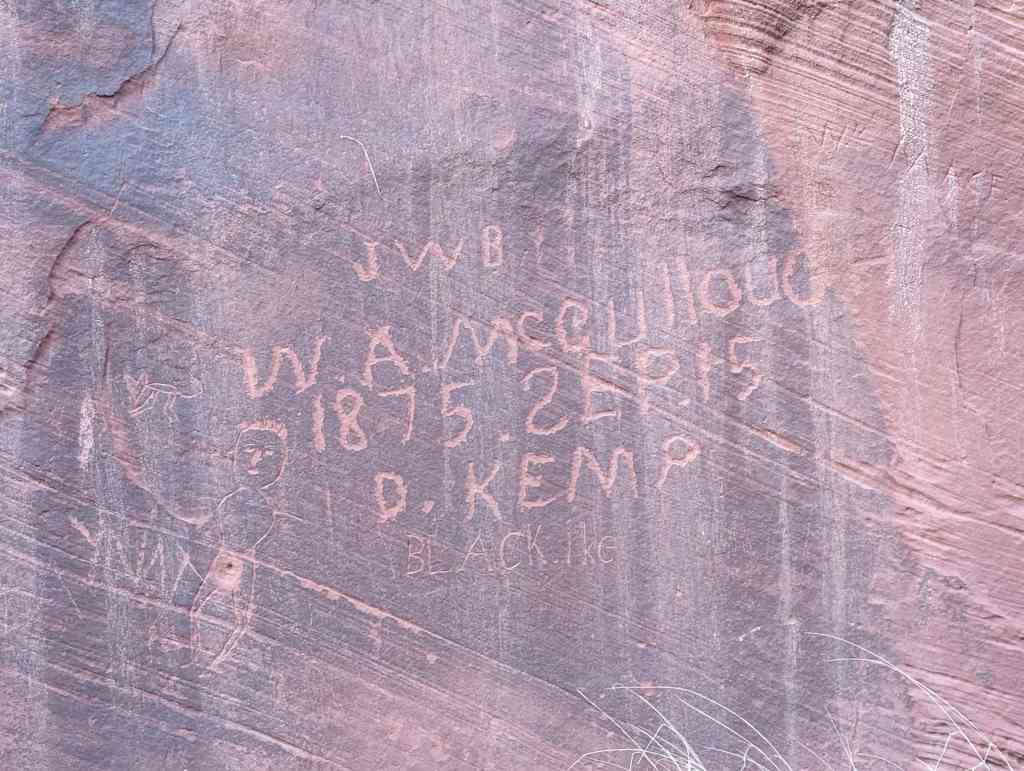
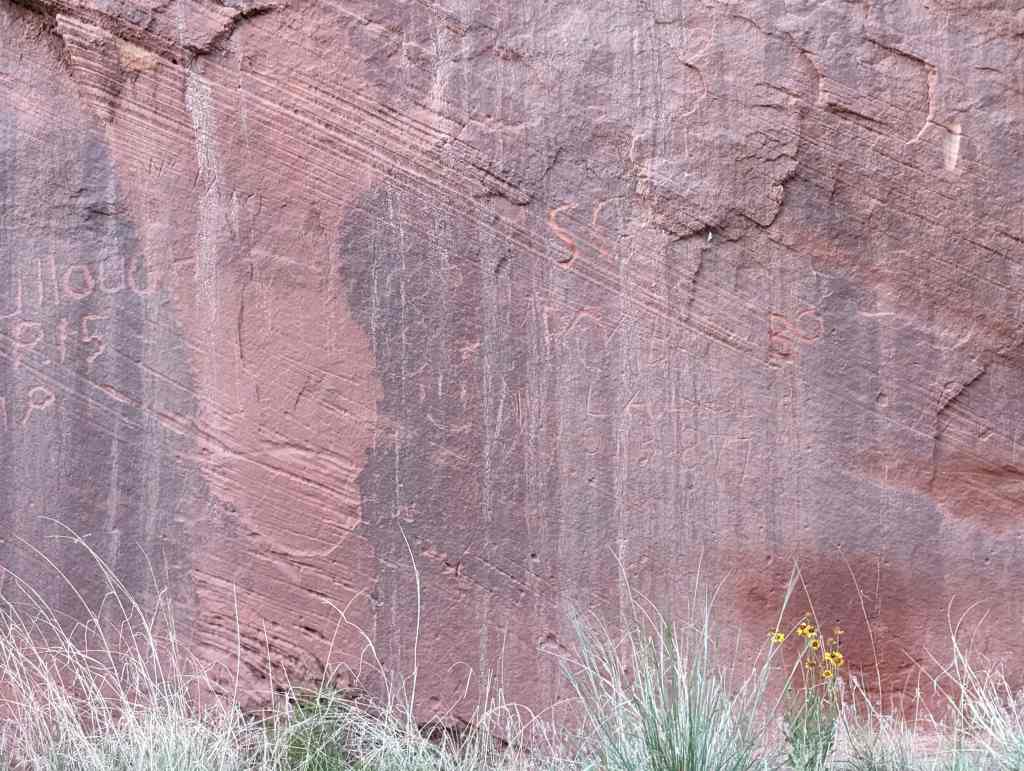
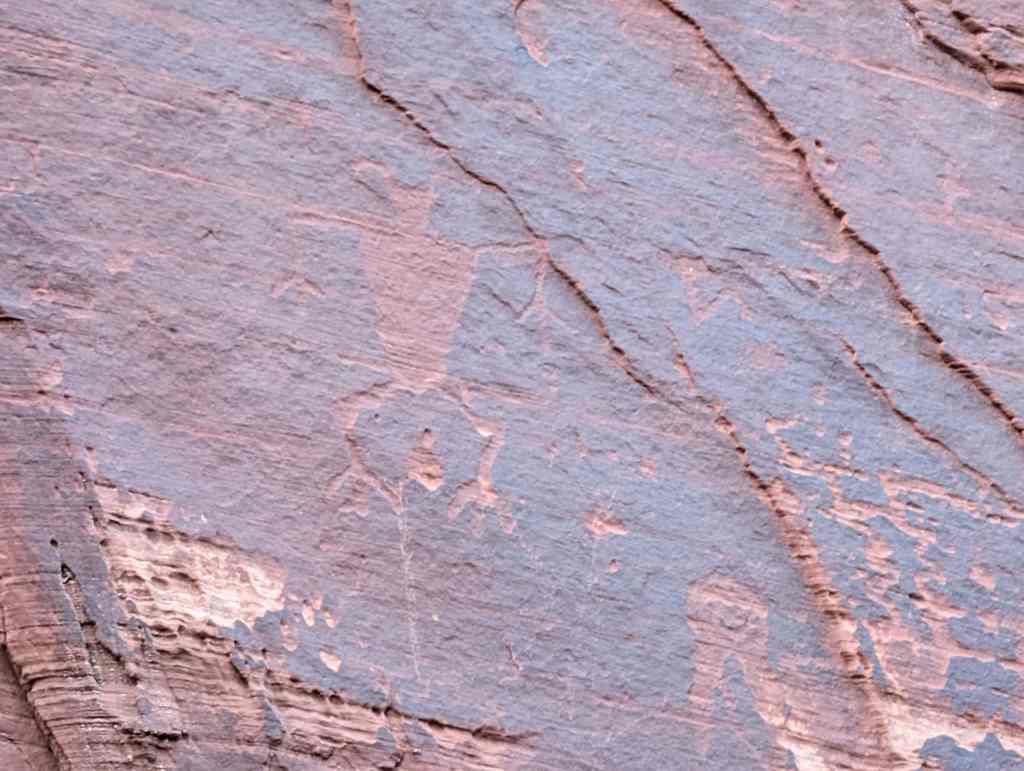
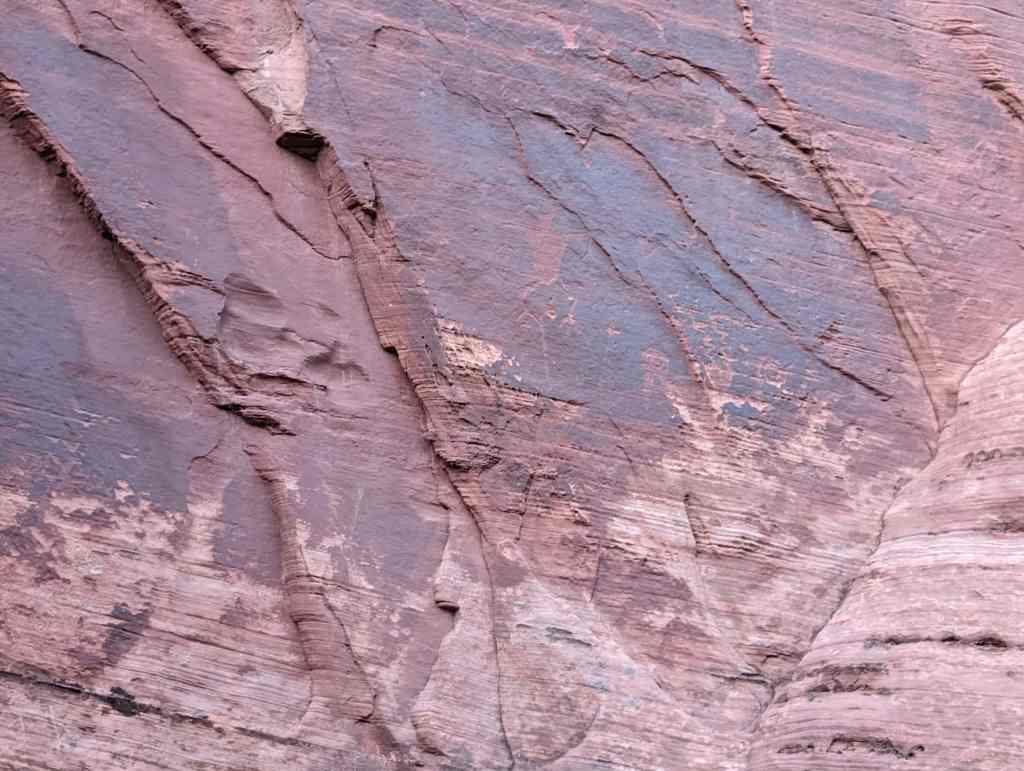
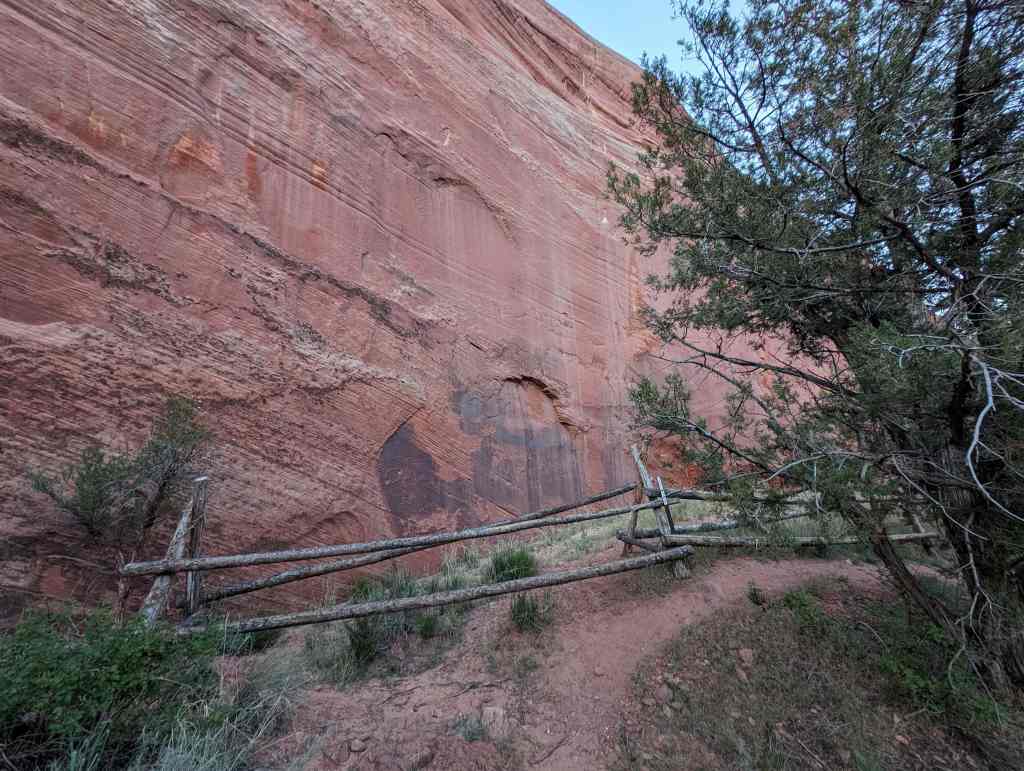
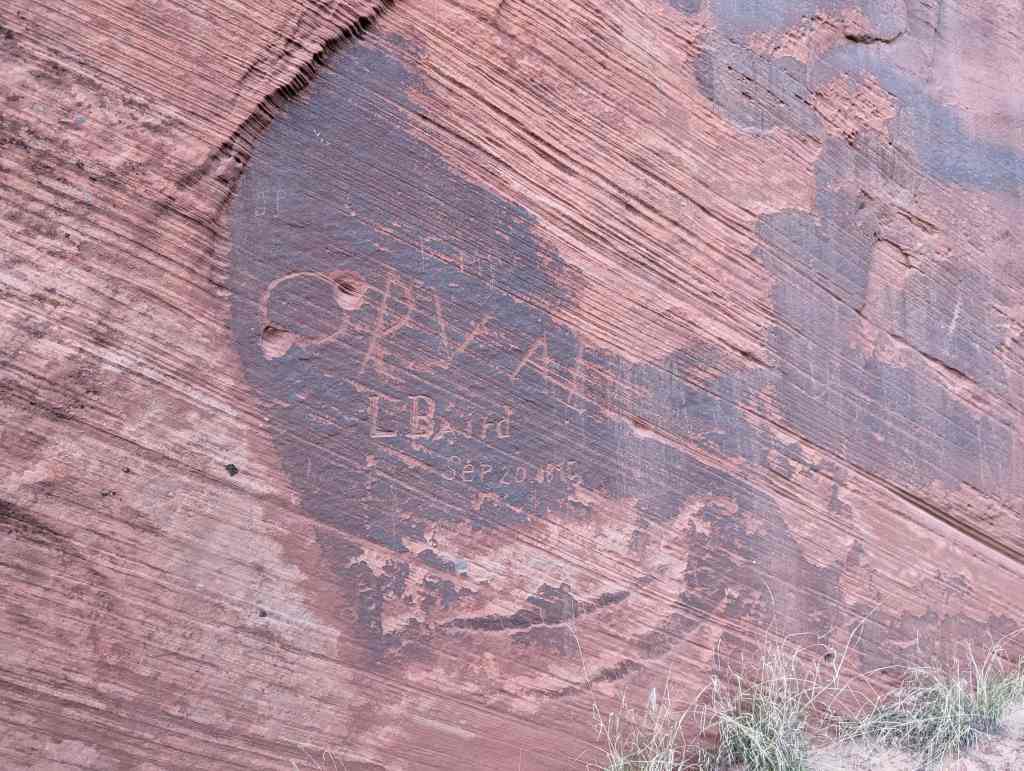
Some rock art near the Sand Caves off Highway 89.

Cottonwood Canyon Cliff Dwelling

22 Friday Mar 2024

Posted by Jacob Barlow in Uncategorized

≈ Leave a comment

Tags

Cliff Dwellings, Kane County, NRHP, utah

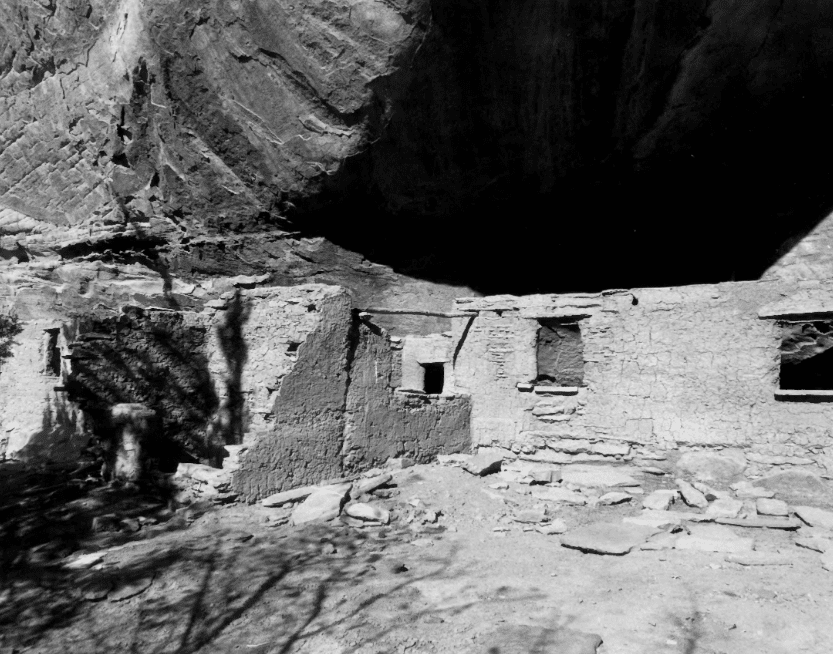
Cottonwood Canyon Cliff Dwelling (42Ka1504) was first recorded by Neil M. Judd in 1919 (see Judd 1926}. Judd did not excavate any of the site, although he did note some deterioration due to weather and cattle but the impact was- apparently small. Judd labelled this cliff dwelling “Cave 6,” one of more than twenty which he noted in Cottonwood, Indian and Farm Canyons. In October 1973, Michael Bunker of the Bureau of Land Management-Kanab recorded the site for the Kanab District Archeological site inventory, There have been no subsequent archeological activities at this site. However, during July 1966 Utah State University contracted with the BLM to stabilize portions of the site. Presently additional stabilization is being considered.

The BLM survey analyzed the cliff dwellings as being affiliated with the Virgin branch of the Anasazi culture area. The site is a Pueblo II-type and has been dated to A.D. 1100-1200. It is unknown at this time whether earlier components exist at the site, but excavations at another cliff dwelling in Cottonwood Canyon (42Ka1170; Judd 1926) did indicate Basketmaker occupation.

Ten to twelve structures were identified as probable living and storage structures by the BLM survey. (Judd had recorded nearly twenty structures.) This makes Cottonwood Canyon Cliff Dwelling the largest site in the drainage, and one of the largest in the Kanab vicinity. Cultural material observed by the BLM include: gray and corrugated ceramics; ashes, fire-cracked rocks and smoke-stained ceilings indicating hearths; and structure walls standing to a height of five feet. Other sites in Cottonwood Canyon have yielded cedar bark, corn stalks, a mountain goat-hair bag, stone slabs, sandals, digging sticks, basketry fragments, rabbit skin, corn kernals, beans and black-on-white ceramics. (Judd 1926)

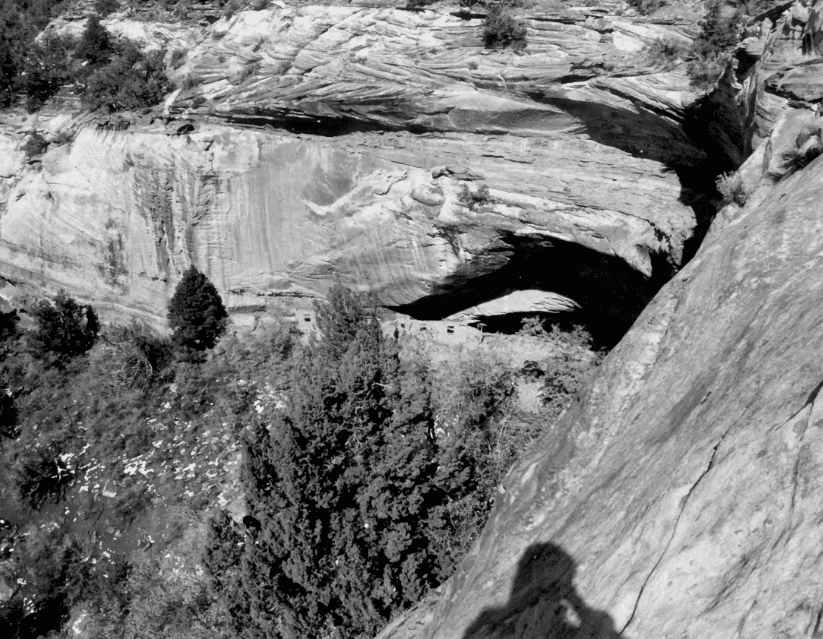
The cliff dwelling, is located under a semicircular overhang, 53 m long and 12 m deep, in the low enclosed sandstone cliff at the head of an unnamed eastern tributary of Cottonwood Canyon. The midden area which spills down the slope in front of the rock shelter is 530 m square. A spring flowed at the north end of the overhang at one point. Vegetation outside, the shelter currently consists of oak, cedar and pinion pine.

Intrusions at the site consist of pot holes adjacent to several structures. However, it is the opinion of the BLM survey that the majority of the site is undisturbed.

Although smaller cliff dwellings and other sites exist in the Cottonwood Canyons, the large size of 42Ka1504 makes it unique and significant in its own right. A “district” nomination of the entire Cottonwood drainage does not seem warranted at this time as no systematic survey of the area has been made. That should not detract from the integrity and importance of this site, alone. Unfortunately, although the Cottonwood Canyon Cliff Dwelling did not function in isolation and should not be considered so, insufficient data exists to nominate the canyon as a whole.

Taken by D.McFadden, June 1978

The following are elements of the site’s significance:

Integrity – Where twenty or more rock shelters were noted by Judd in 1919, only 9 are officially recorded today. Some of these are not duplicates. Cottonwood Canyon Cliff Dwelling (42Ka1504) is one of the few listed in “good” condition. A comparison of photo- graphs from 1919 and 1978 indicates that little deterioration has occurred. The site’s condition, its proximity to Kanab and its accessibility would provide an excellent opportunity for public education. However, these same factors make it a prime candidate for looting.
Site – Most all other archeological structures in the Kanab vicinity are small storage units or rock art panels. This site combines both dwelling and storage units. According to present knowledge, there are. only two other sites similar to this one in the area. One is in a tributary to Johnson Canyon, which is approximately ten miles east of Kanab. The other is located on private ground a few miles farther up Cottonwood Canyon. This site, 42Kall40, completely excavated in 1919, contained only a few structures. Clearly, 42Ka1504 is unusually large. Even Judd (1926:114), a man well-acquainted with many Southwestern archeological sites, called it the “largest Cliff-dweller settlement visited by the writer during his archeological observations north of the Rio Colorado.”
Research Potential – Research questions would revolve around this problem of size. Because of its unique size, we would expect that Cottonwood Canyon Cliff Dwelling should exhibit unique intrasite spatial patterning indicative of a special political and social development. Additionally, there is the question of the specific culture history of the site itself. Should earlier component exist at this cliff dwelling as existed at other Cottonwood Canyon sites, then information concerning culture change could be recovered.

Cottonwood Canyon Cliff Dwelling would be a focal point in regional studies as it must have been a focal point in prehistoric regional activity. Its large size indicates that the site may have been an economic or political center for the Cottonwood canyons. What was the settlement pattern within the drainage? What was the relationship between this unusual site and other, more typical sites in the canyons? Answers to these questions could answer questions on settlement and organizational patterns in the Virgin Anasazi subarea as a whole.

Bowman-Chamberlain House

15 Friday Mar 2024

Posted by Jacob Barlow in Uncategorized

≈ Leave a comment

Tags

Historic Homes, Kanab, Kane County, NRHP, utah

Bowman-Chamberlain House / McAllister Home

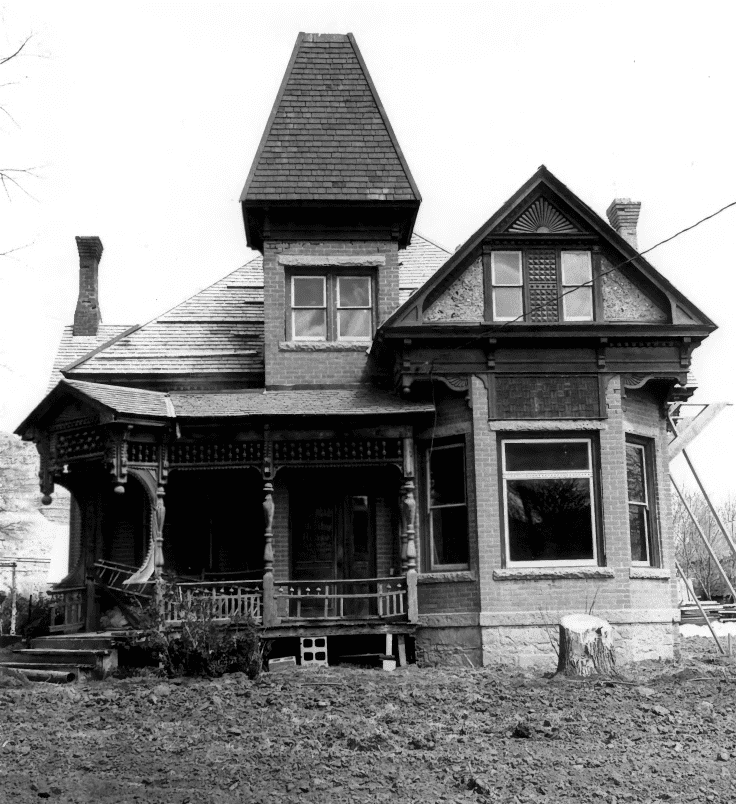
The significance of this home lies both in its architecture and its occupants. The architectural significance has already been noted in section 7 B. The site passed through a number of hands before it was purchased by Henry E. Bowman .April 30, 1892, It was he who had the present dwelling constructed. Bowman arrived in Kanab in 1885 where he taught school. In 1887 Henry E, Bowman bought an–adobe house faced with brick at 2nd North and Main in Kanab, It was in this home that Bowman began his mercantile business in the 19 x 21 ft. living room. In 1892 H, E, Bowman and four other residents formed a corporation called the Bowman Company, At this time they built a brick building on the corner of Center and Main, It wasn’t until 1894 that Bowman sold the adobe home mentioned above, at which time his new home was probably completed. It is not known who designed the home or if an architect was used, Bowman operated the mercantile business until 1896 when he sold both his home and the business to Thomas Chamberlain in order to raise the funds to go on a mission for the Mormon Church to Switzerland, He was president of the Swiss Mission from 1898 to 1900, Upon his return, he went to Mexico, returning to Kanab in 1916 and acquiring the Bowman Company once again. Bowman was responsible for the construction of the road connecting Kanab and Orderville to the north which required hauling clay and gravel by team to cover the sand which stretched between Kanab and Orderville, This highway was later to become part of Highway 89,
Located at 14 East 100 South inĀ Kanab, Utah and added to the National Historic Register (#75001811) on July 8, 1975.
On November 28, 1896, Thomas Chamberlain acquired the Bowman house for $5,000. Chamberlain was among the first settlers of Orderville arriving in Long Valley in 1871, He was among the first to join in the United Order, a Mormon cooperative effort which was particularly successful in Orderville, He was designated bishop of the Qrderville Ward in 1877 and was one of the original High Councilors in the Kanab Stake, He was on the Board of Directors of the United Order serving for nine years as its president, Chamberlain had six wives and fifty-five children. He served six months (1888-9) in the Utah penitentiary for polygamy, His first wife, Elinor Hoyt Chamberlain, resided in the home until 1935, when it was acquired by her daughter, Lillian C, McAllister, Her husband, June McAllister, continued to live in the home from 1956 until his death, at which time it was sold by his estate to the city of Kanab, Kanab citizens are now engaged in a restoration project which has received funds from the State Bicentennial Commission, Plans for the building include museum space as well as a meeting place for the local historical society and other groups.

Davis Gulch Pictograph Panel

03 Sunday Mar 2024

Posted by Jacob Barlow in Uncategorized

≈ 1 Comment

Tags

Kane County, NRHP, Pictographs, utah

Davis Gulch Pictograph Panel

This 60 linear foot panel consists of about 35 painted one to two foot high designs, including a dozen anthropomorphs, placed about four to seven feet above the sandy floor of a protective sandstone cliff alcove. Protected by the deep overhang of the sandstone alcove, alteration and patination of the bedrock back wall is minor. Some flaking and spalling of the pictographs dull white and gray-white pigment has occurred. The preservation of the panel is excellent and due largely to isolation, lack of moisture and, perhaps, continuous shading from most direct sunlight. What damage has occurred is probably attributable mainly to abrasive sand-laden winds that must blow in the alcove at various times of the
year. Modern graffiti has begun to appear among the designs as access to the public has become easier.

Funded studies in the preservation or pictographs are under way and this site is expected to receive treatment to protect it from wet environments. Completed preservation treatment is expected to cost $20,000.

Pictographs are rare in the Glen Canyon region and in a 1963 review of rock art literature in western North America fewer than 20 panels of comparable size could be found. On the basis of number alone, the Davis Gulch pictographs have considerable cultural value.

The dating of the Davis Gulch pictographs by weathering, style and ceramics make it most likely that the panel was produced between 1050-1250 A.D.

The pictograph panel has been designated Style 4, associated with the Pueblo II-III occupation, Anasazi ethnic group.

Added to the National Historic Register (#75000166) on June 5, 1975.

East Entrance Checking Station

19 Tuesday Dec 2023

Posted by Jacob Barlow in Uncategorized

≈ Leave a comment

Tags

CCC, Kane County, NRHP, utah, Zion National Park

East Entrance Checking Station

The East Entrance Checking Station was constructed in 1935 at a cost of $1,000. It was built by enrollees from CCC Camp NP-2, stationed at Zion, of rock quarried at the Zion Stone Quarry. It has served as the entrance station singe the Park Service first developed the East Entrance, four years after the completion of the Zion-Mt. Carmel Highway.

Located in Kane County, Utah and in Zion National Park and added to the National Historic Register (#86003711) on February 14, 1987.

East Entrance Residence

19 Tuesday Dec 2023

Posted by Jacob Barlow in Uncategorized

≈ Leave a comment

Tags

Kane County, NRHP, utah, Zion National Park

East Entrance Residence

This residence was built by the Park Service in 1934 to serve as a ranger’s residence at the East Entrance. The four-room dwelling cost $6,874 to construct. The residence was a Public Works Project, designed by the Western Division Branch of Plans and Desig.

Located in Kane County, Utah and in Zion National Park and added to the National Historic Register (#86003712) on February 14, 1987.

East Entrance Sign

19 Tuesday Dec 2023

Posted by Jacob Barlow in Uncategorized

≈ Leave a comment

Tags

CCC, Kane County, NRHP, utah, Zion National Park

East Entrance Sign

The East Entrance sign was built by enrollees of Camp NP-2, stationed at Zion, in 1935. A year earlier, the East Checking Station had been constructed. These two structures marked the east entrance to Zion National Park, which had been accessible from the east since the completion of the Zion-Mt. Carmel Highway in 1930.

Located in Kane County, Utah and in Zion National Park and added to the National Historic Register (#86003710) on July 7, 1987.

← Older posts

Follow Jacob

Follow Jacob

Come wander with me on Youtube.

Blog Stats

  • 2,089,137 hits

Social and Other Links

BarlowLinks.com

Recent Posts

  • Provo High School Seminary Building
  • 821 E 100 S
  • 820 E 100 S
  • 817-819 E 100 S
  • 814 E 100 S

Archives

Loading Comments...