Tags
Amasa Merriam Home
21 Monday Dec 2020
Posted in Uncategorized

21 Monday Dec 2020
Posted in Uncategorized
Tags
20 Sunday Dec 2020
Posted in Uncategorized
Tags

The Hans Ottesen house, built c. 1865-1875, is one of 61 examples of the
Scandinavian pair house type that have been recorded in Utah. Graphically
documenting the migration of thousands of Scandinavian converts to Mormon Utah during the second half of the nineteenth century, the pair house type makes a significant contribution to the architectural history of the state. The Ottesen house is to be included in the thematic nomination, “Scandinavian-American Pair Houses,” listed in the National Register in 1983.
Located at 202 S 200 W in Manti, Utah
Related:

Hans Ottesen was born in Aalborg, Denmark, in 1834. The Ottesens were early converts to the Church of Jesus Christ of Latter-day Saints, the Mormons, and emigrated to Utah during the 1850s. Hans Ottesen was living in Manti as early as 1860, where he was a farmer and stonemason. Ottesen never married, and probably built this house sometime in the 1865-75 period. On November 2, 1884, Ottesen was brutally murdered by two men during a robbery attempt on the house. In 1886 the house passed to Otto Ottesen, the son of his brother, Jens Ottesen. Otto Ottesen was the sheriff in Manti for many years.


The Hans Ottesen house in Manti is a 1 1/2 story example of the pair house
type. It has three rooms arranged axially under its gable roof. The center
room was the kitchen, and the upstairs rooms were never finished. The house is constructed of the native oolite limestone in the Greek Revival style. The walls were coursed rubble, and the principal facade was originally plastered. Fine limestone sills and pedimented lintels embellish the windows. A bungalow-style porch was added to the front of the house during the 1920s, and the entire house was plastered in 1952. The chimney at the south end has also been removed. These additions do not significantly affect the historic integrity of the home, which remains a good example of the pair house type in Utah.
09 Monday Nov 2020
Posted in Uncategorized
Tags

The Anthony W. Bessey Home
415 North 300 West in Manti, Utah
Anthony Bessey probably had this small stone house built shortly after his arrival in Manti in 1858. The home has a long association with the Bessey family and certainly construction features indicate an early building date. The house is historically important because as one of the first group of homes built outside the Manti forts, it represents the initial stage of local community development. Architecturally the Bessey House is significant as one of a number of typical house types utilized by the early Utah settlers and becomes an important example of Sanpete vernacular building.
The town of Manti, settled in 1849 by members of the Church of Jesus Christ of Latter-Day Saints, was the first town in the Sanpete Valley Colony. Colonists arrived in the fall of 1849 and after wintering in dugouts and wagon boxes, laid out a city in the spring and summer of 1850.1 By the winter some 20 log homes had been erected and work was beginning on a meetinghouse. One year later travelers to Manti reported seeing “several handsome two-story adobe houses, many one story dwellings, a good grist mill and a sawmill.” Threat of Indian attack caused a general pattern of fort building in the 1852-1854 period. Mormon forts were erected to enclose rows of small dwellings and the Walker War (1853-1855) made the security of protected habitation attractive to Manti residents. Peace in the later years of the decade allowed Manti residents to move out to their city lots and begin again the process of city building It was about this time, in 1858, that Anthony Bessey arrived in Manti.
Anthony Wayne Bessey was born in 1835 in Bethel, Maine. In his early years Bessey followed both the cabinetmaking and shoemaking trades. By the 1850’s Bessey had joined the Mormon church and in 1857 he migrated westward to “Zion” in Utah. At first he made shoes in Salt Lake City but in 1858 he moved his family south to the Sanpete Valley and settled in Manti. Here Bessey farmed and pursued his shoe making trade and by 1870 had a personal value of about $700 in property. For 18 years Bessey occupied a position on the high council of the Sanpete Stake of the Mormon church. In 1873-1875 he served as City Mayor and was elected to the city council in the years 1883-1890. Bessey probably had this small stone house built shortly after his arrival in Manti, c.1860. The house is an excellent example of the sturdy homes the Mormon pioneers built during the early stages of great basin settlement. In selecting a house design, Bessey followed a well-known traditional plan.
Related:


The Anthony Bessey House, built c.1860, is a 1-1/2 story square cabin folk/vernacular house type (see plan drawing). Measuring 22’x 17′ on the exterior, the house is one of the larger single unit square homes to be found in Utah. The second story is quite spacious and is reached by a boxed staircase which runs along the south wall. The stairs to the cellar run underneath those leading to the upper floor. On the north wall is the fireplace which is extremely large, more than 6′ in width. The interior has been remodeled to contemporary standards.
Externally the Bessey House is in excellent condition and virtually unaltered. The wall material is oolite limestone most certainly extracted from the “Temple Hill Quarry” several blocks to the east. The façade is
coursed ashlar; the mortar is flush with incised lines emphasizing the geometrical coursing. Other walls are less handsomely treated and while they are cut-stone they lack the even coursing present on the façade.
The house has a simple gable roof with stone fireplace at the north located internally in the wall. The stone end walls extend up to the ridge of the roof in the gables. Decoration is minimal with the heavy stone lintels over the façade openings the only suggestion of ornamentation. The façade itself is unusually asymmetrical. The front door is placed centrally, but windows occur only to the right or north side. The upstairs window is a “half” window, typical of 1-1/2 story structures. To the left of the door the wall is blank. This fenestration pattern is distinctive in its unabashed asymmetry but can possibly be partially explained by internal factors. On the south wall, beginning right at the southeast corner, the staircase extends about 3′ into the room. Windows on this end of the façade would be partially blocked by the staircase so were deleted from the overall design.
Alterations which detract from the home’s historic appearance are few. There is a one story plastered adobe room added to the rear. This west room is gabled with a brick stone flue chimney and is undoubtedly a 19th century addition to the original square house. A modern gabled front door canopy is the only serious alteration of the original house.
The square bay (roughly square) evolved as a folk building unit in England during middle ages and was employed extensively in cottage construction. The house appeared as a one-room type (with or without upper loft) as was utilized extensively throughout the English American Colonies.” Advancing westward, the “square-cabin” type house is ubiquitous on the American frontier. Mormon examples have been recorded at Nauvoo, Illinois and the square cabin house was extensively dispersed throughout the IDS western communities. Anthony Bessey most certainly would have been familiar with such a square house plan in his native Maine and opted for this rather modest design in his new western home.
The Bessey House is one of a number of folk building types employed by Manti residents in the first stages of settlement. The house is typical of smaller, more inexpensive homes built by the pioneers. Despite its rather distinctive façade, this house gains its architectural and historical significance through its unexceptional nature, i.e., its ability to define the capabilities of the average. There are both larger and smaller homes in Manti, built by people who had both more and less than Anthony Bessey. Bessey’s home, taken in the larger context of vernacular building tradition of the area, helps expand the historical record to include the total population, not just a small percentage of exceptional individuals.
19 Tuesday May 2020
Posted in Uncategorized
Tags
24 Friday Apr 2020
Posted in Uncategorized
Tags

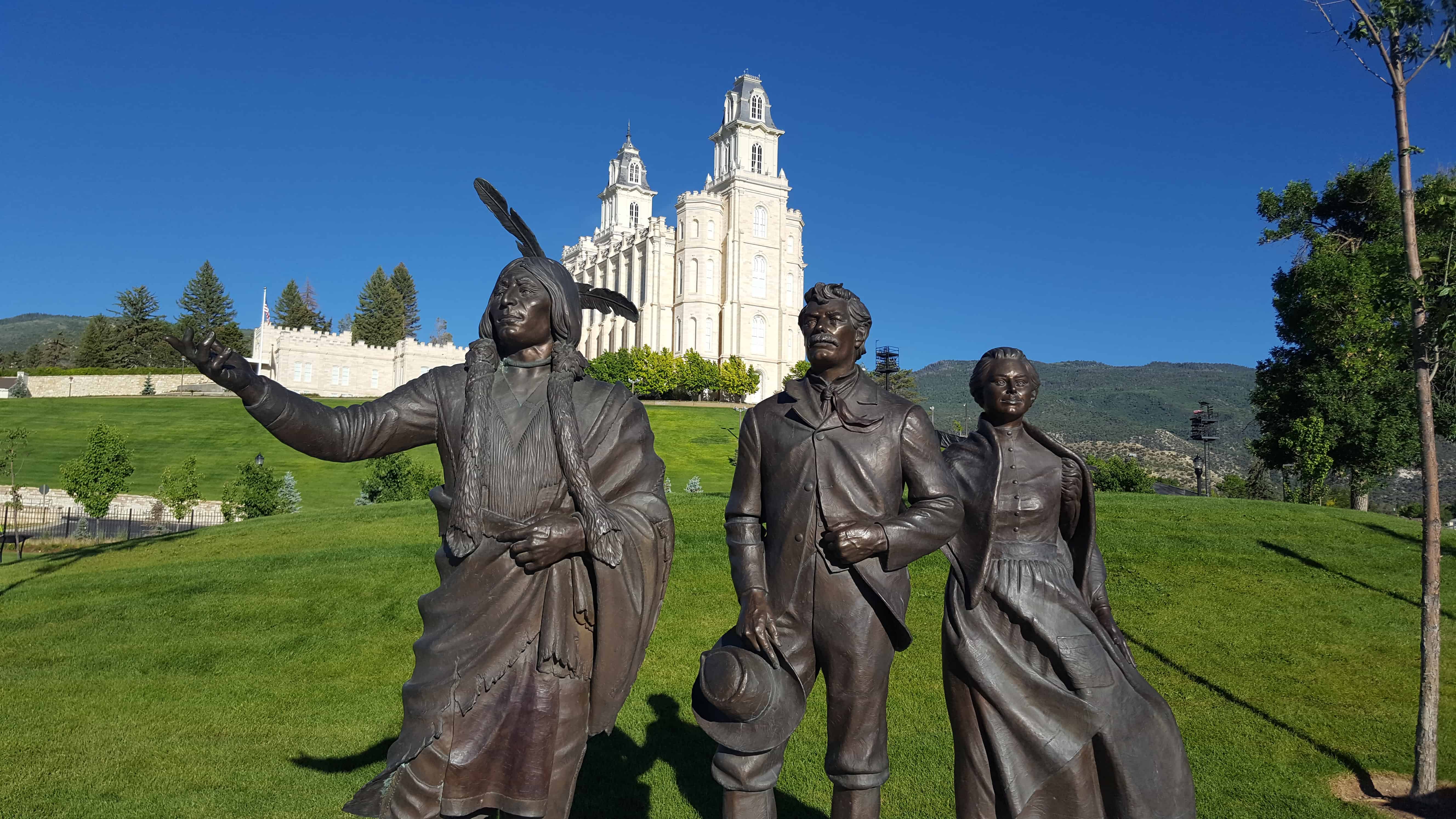
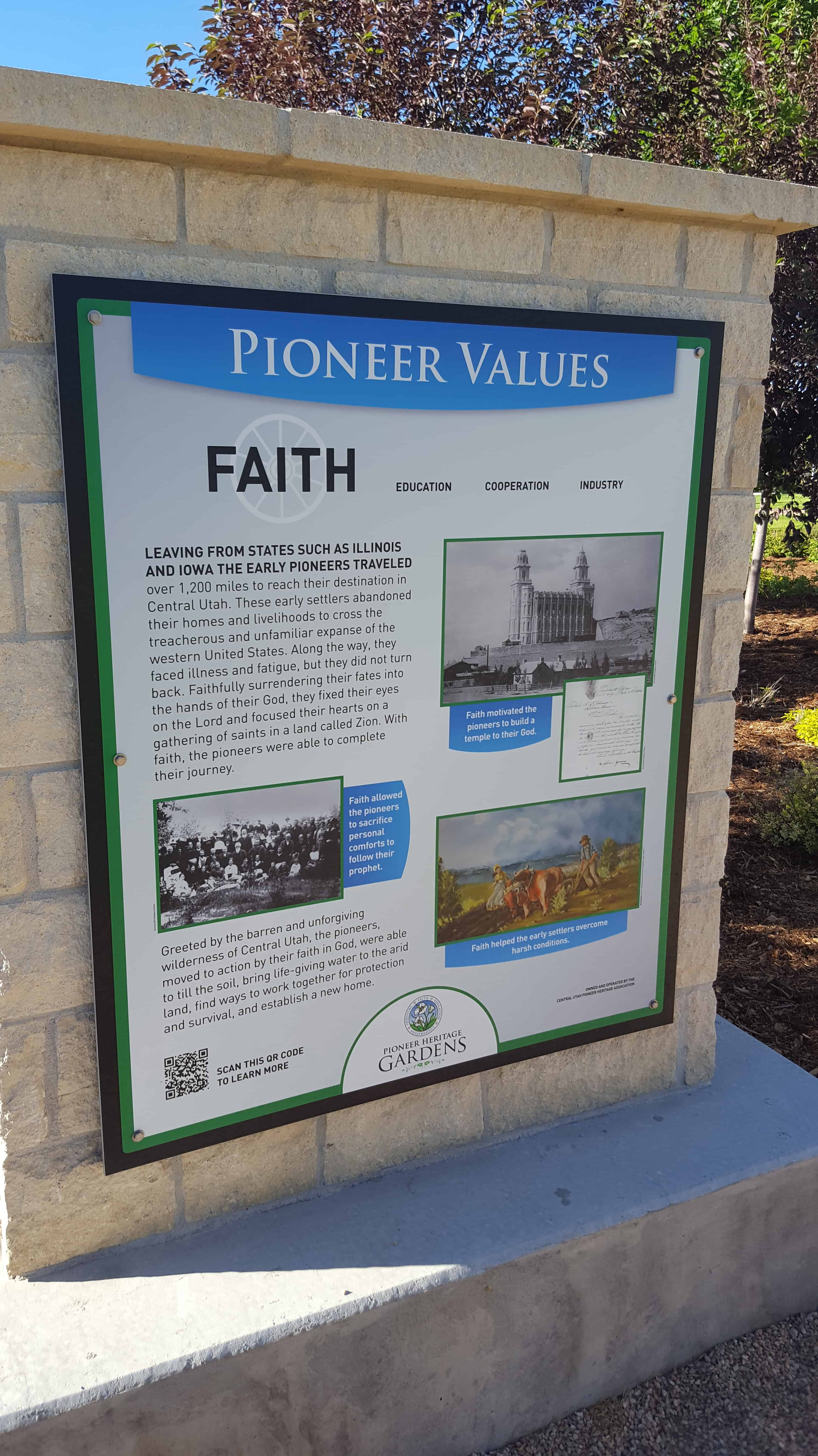
The Pioneer Heritage Gardens in Manti, Utah.
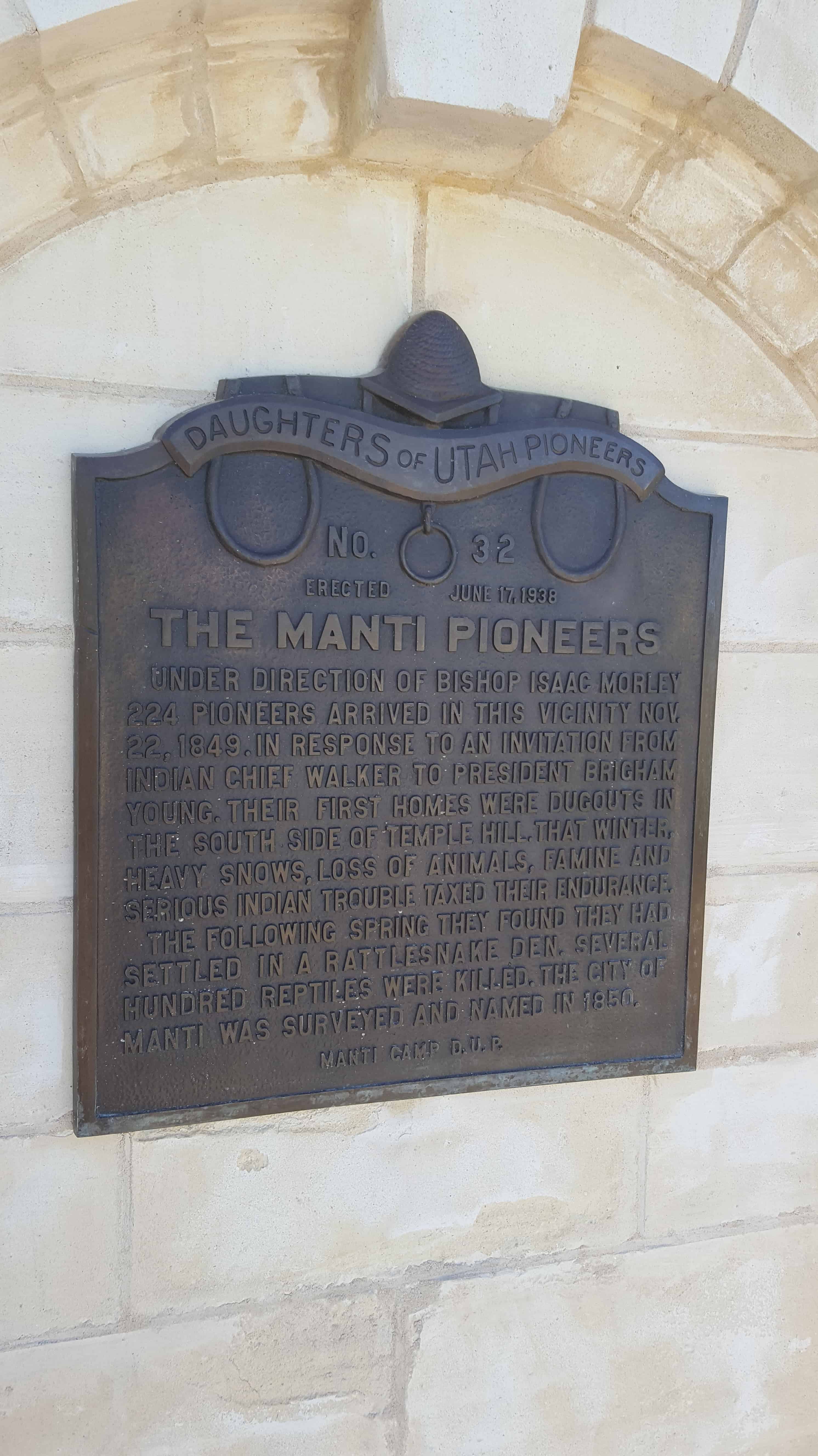
There are some walkway loops with signs and plaques to read including D.U.P. Marker #32. The cemetery is also right there on the north side and you have some great views of the temple.








23 Thursday Apr 2020
Posted in Uncategorized
Tags
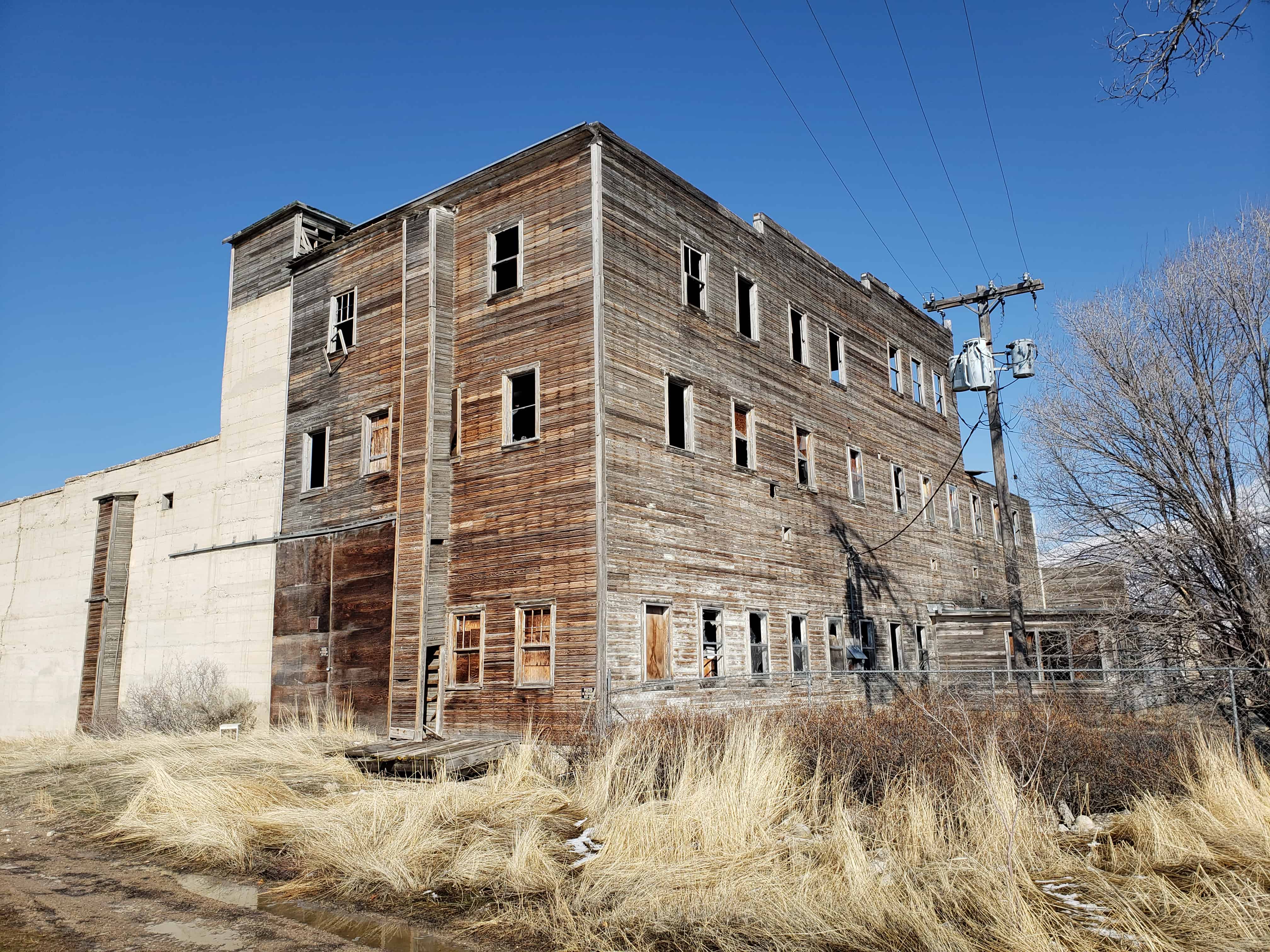
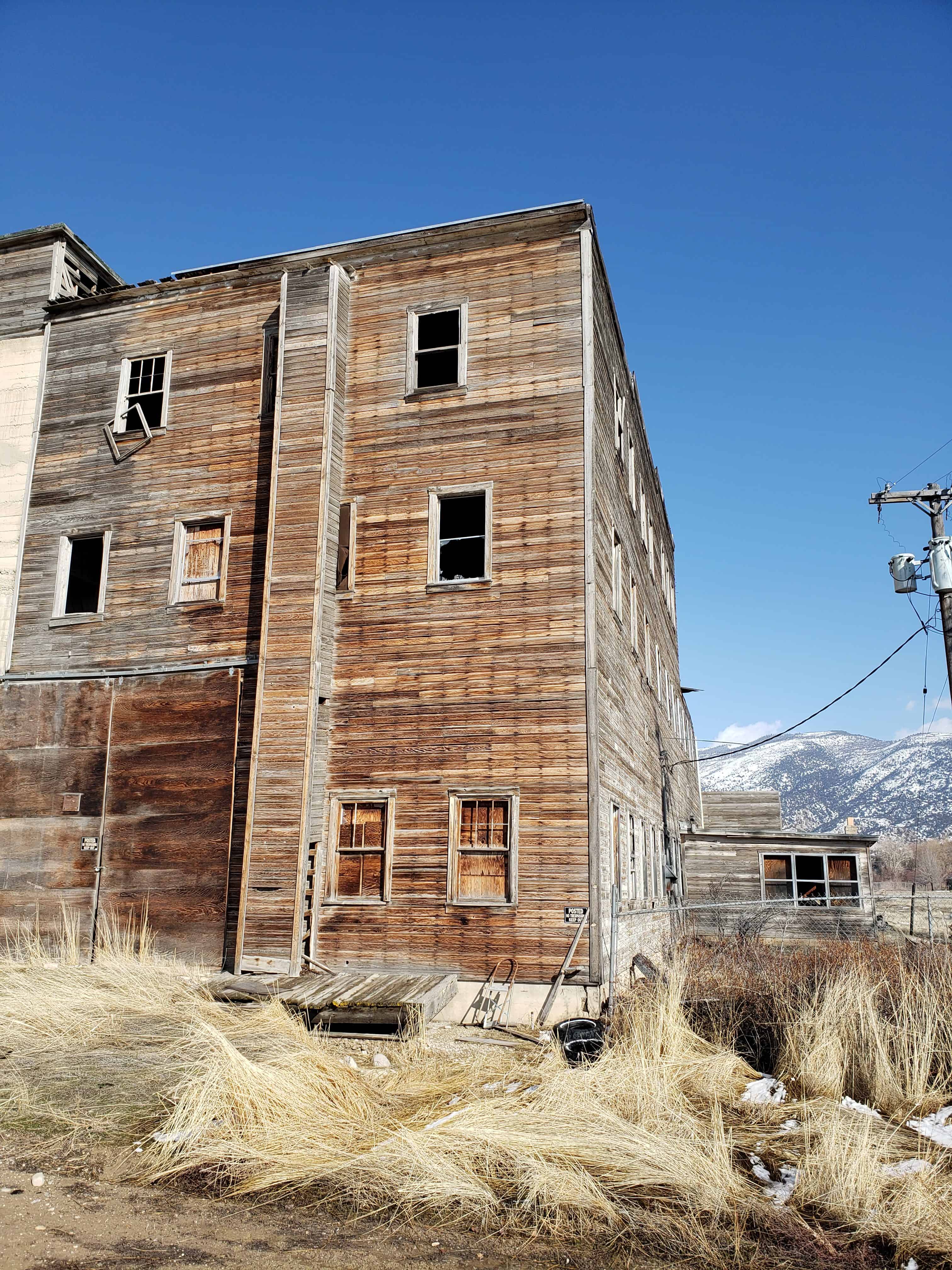
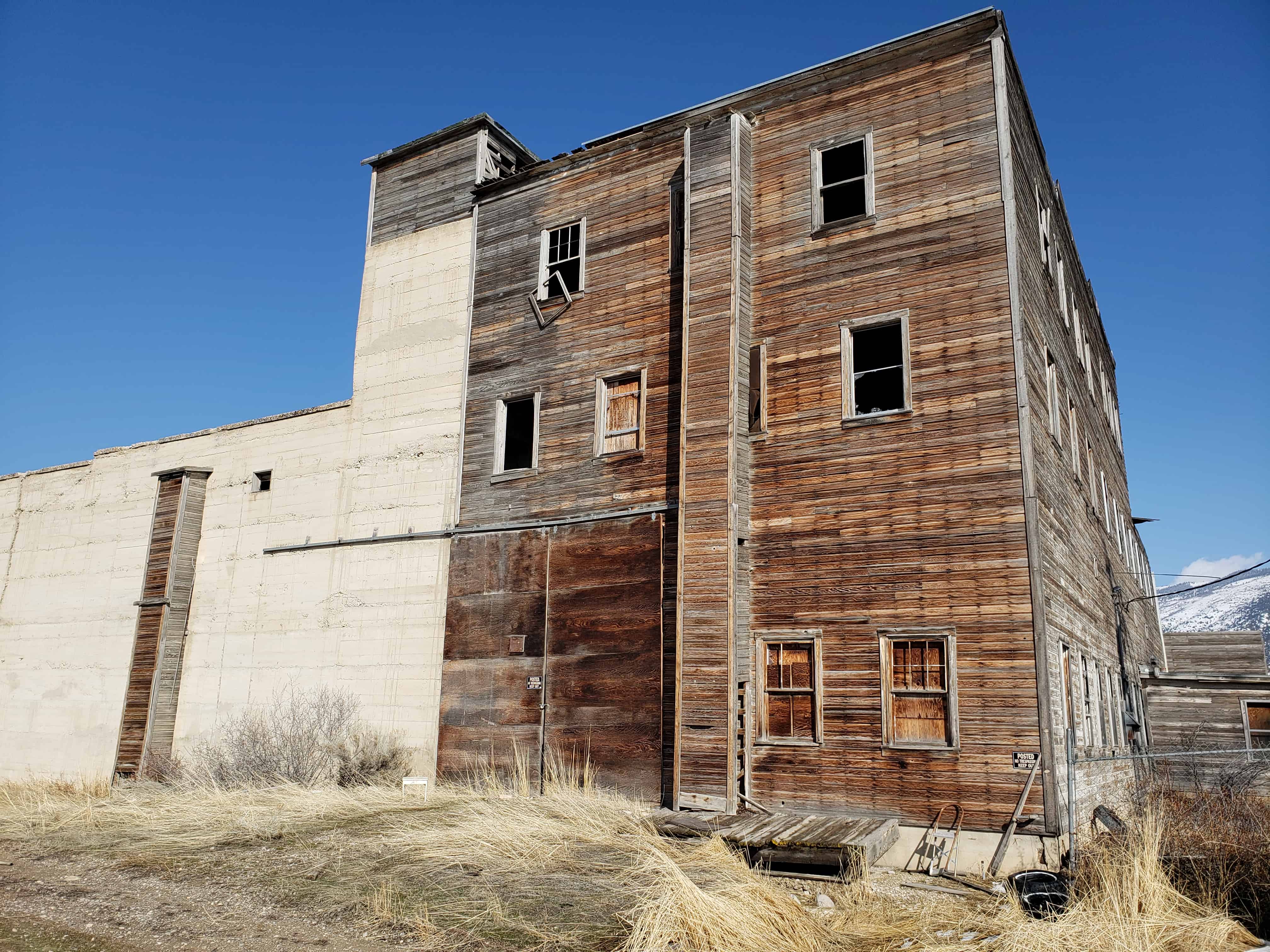
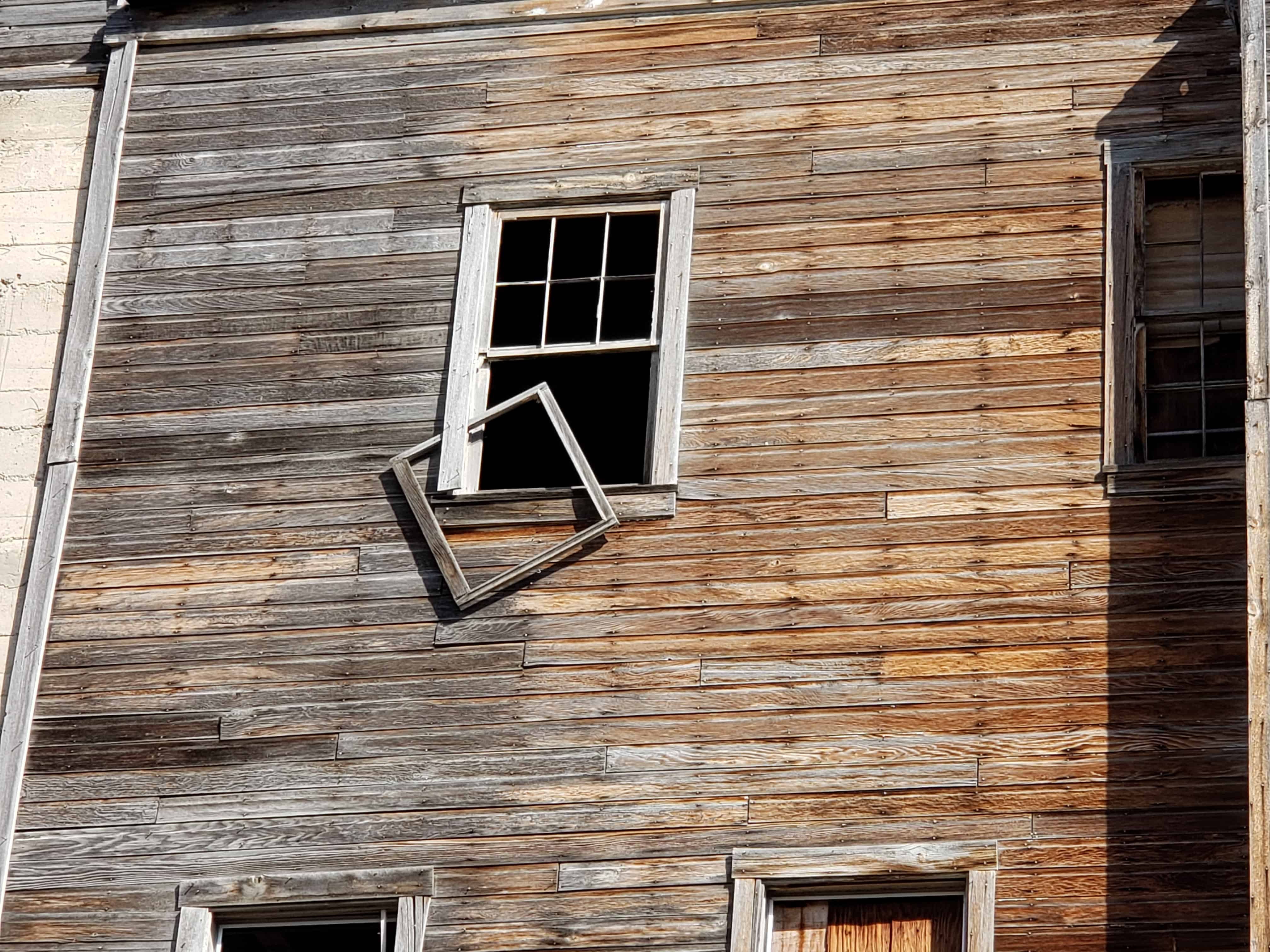
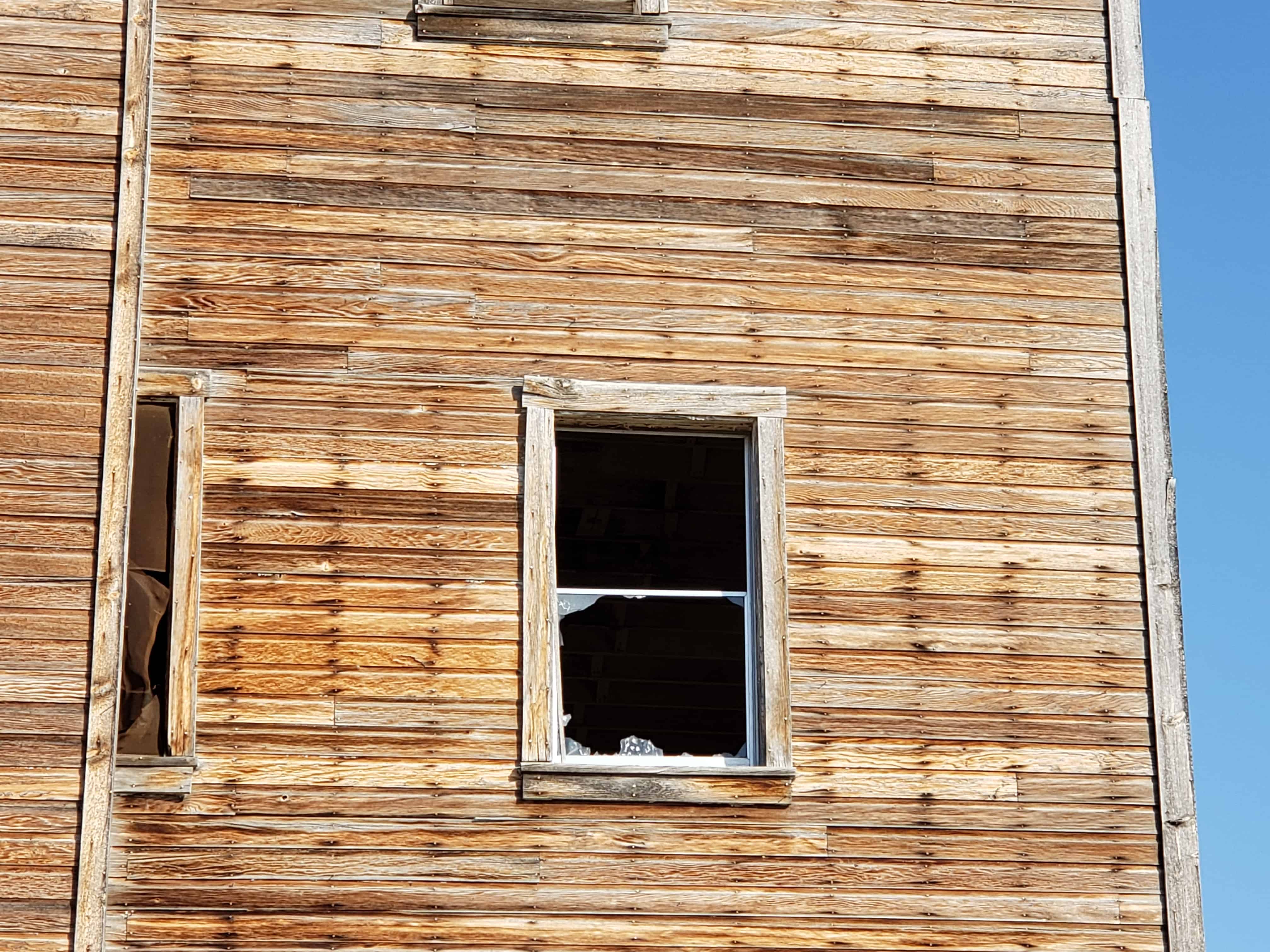
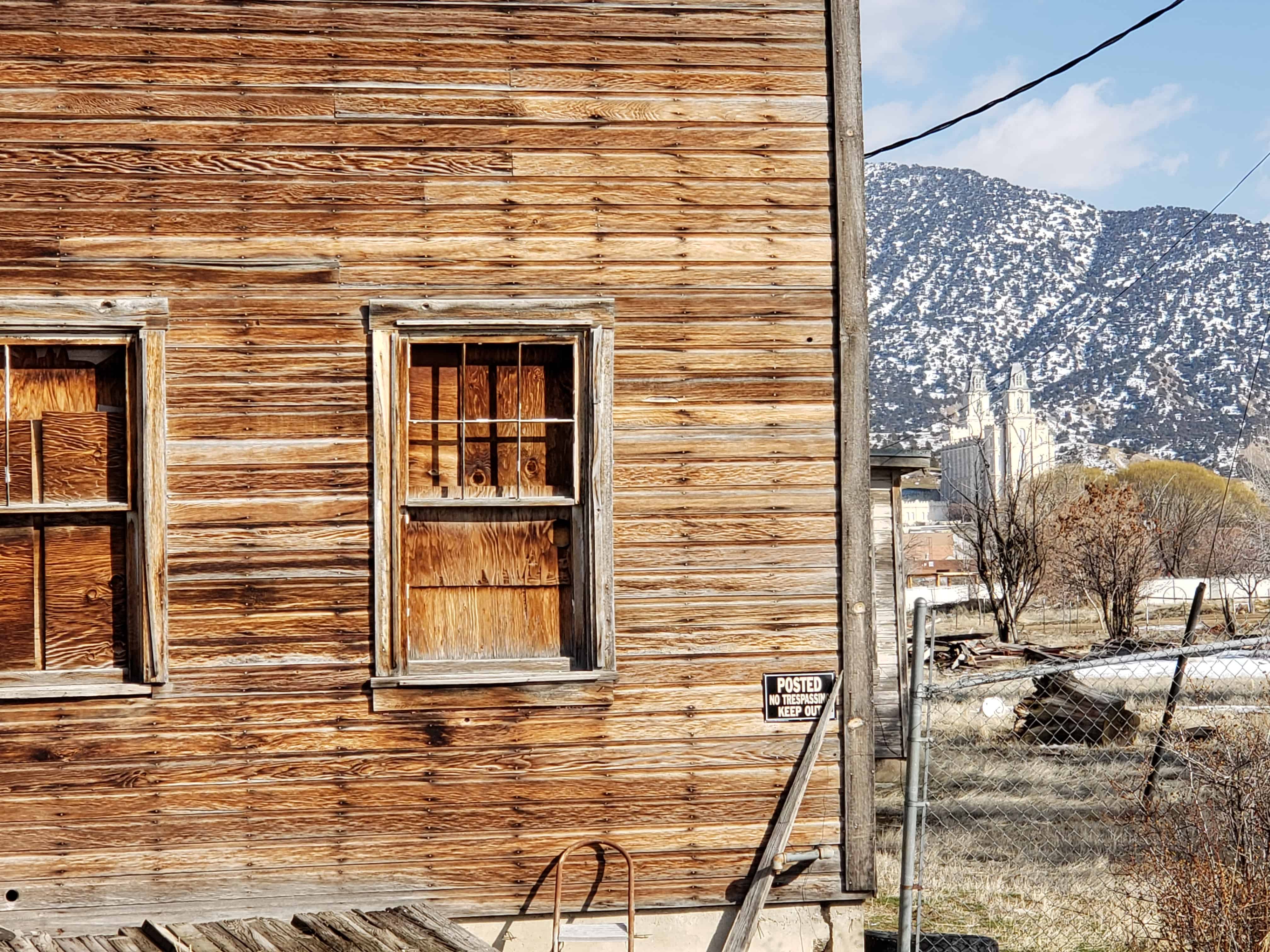
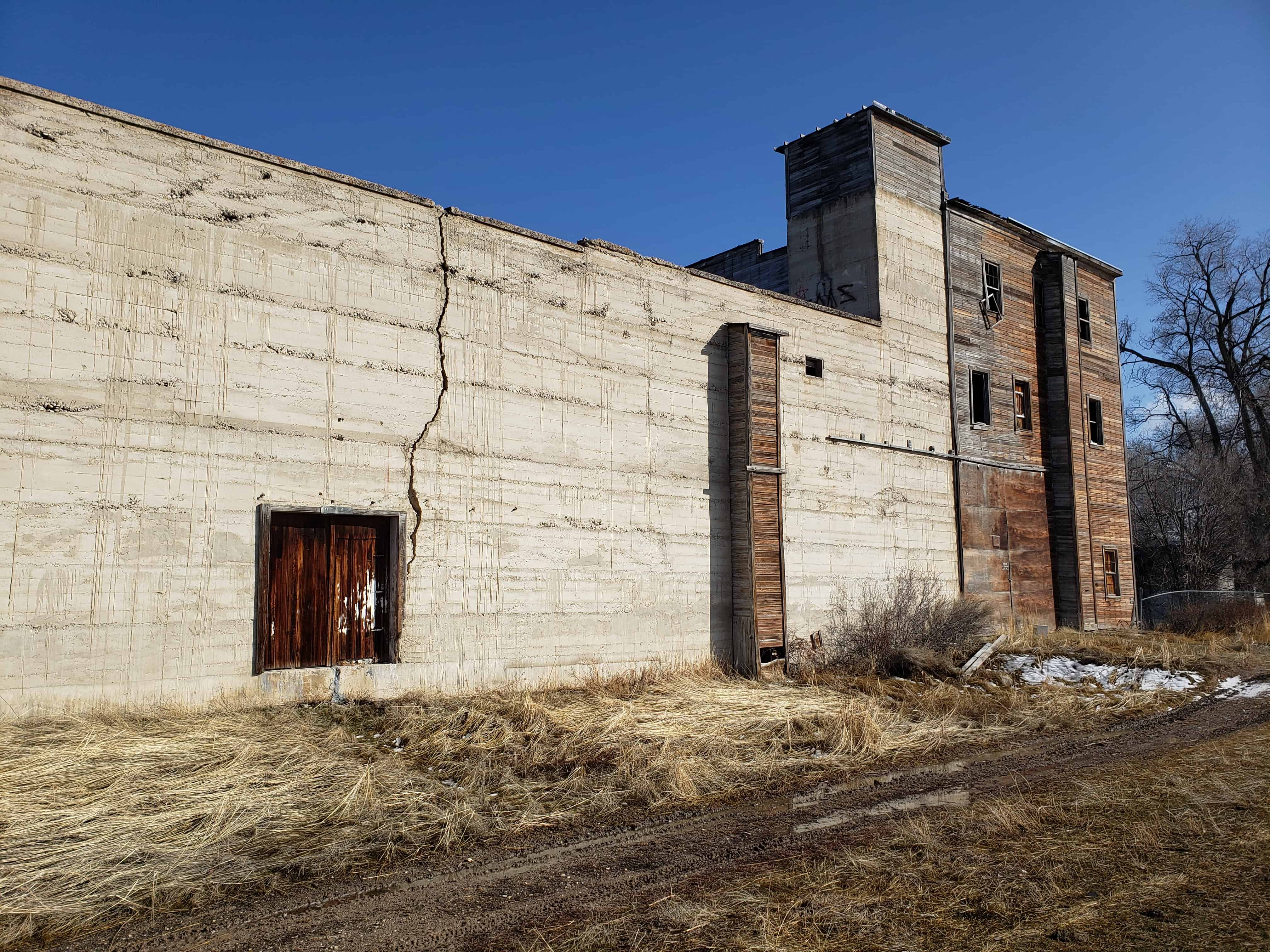
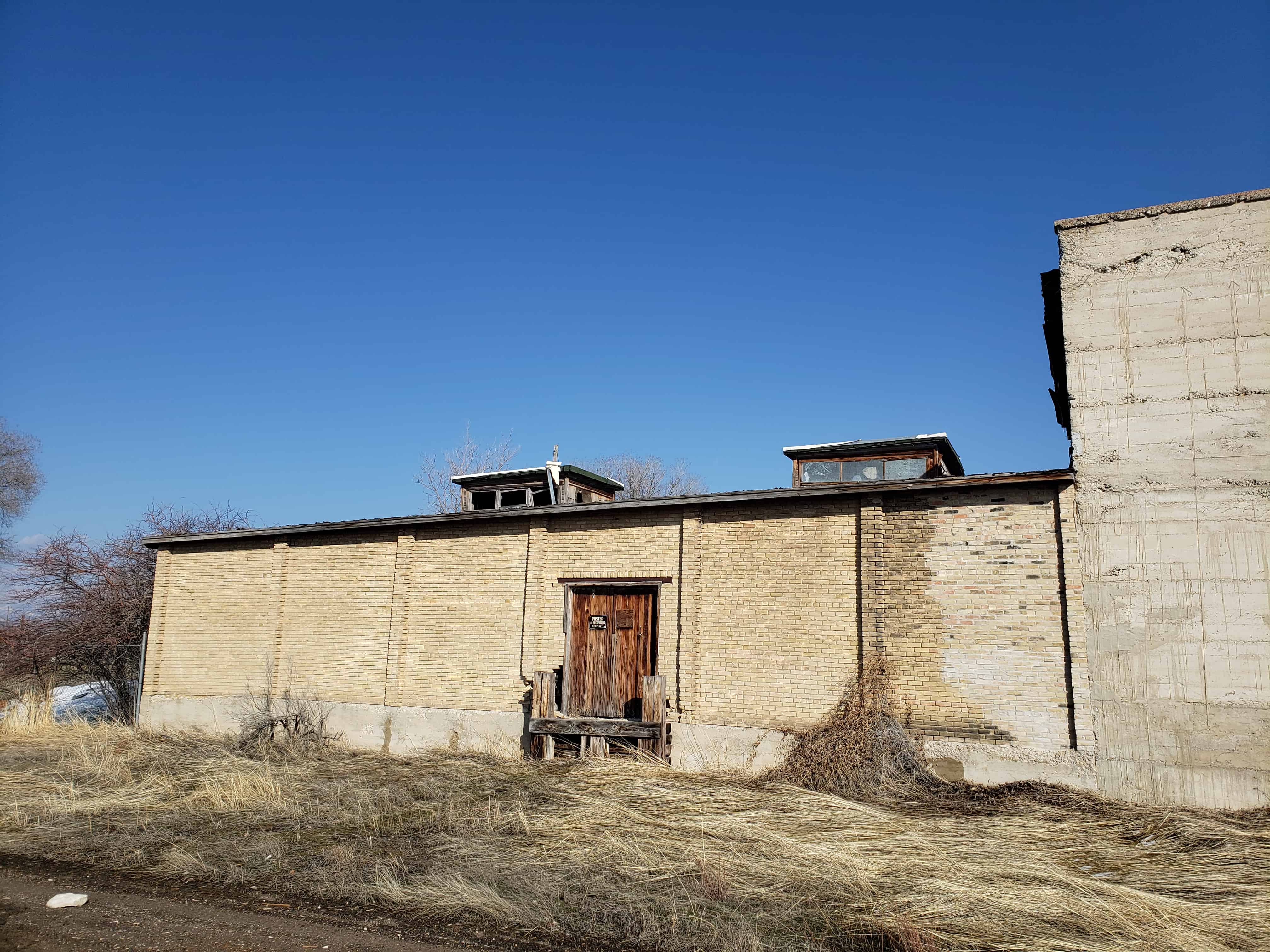
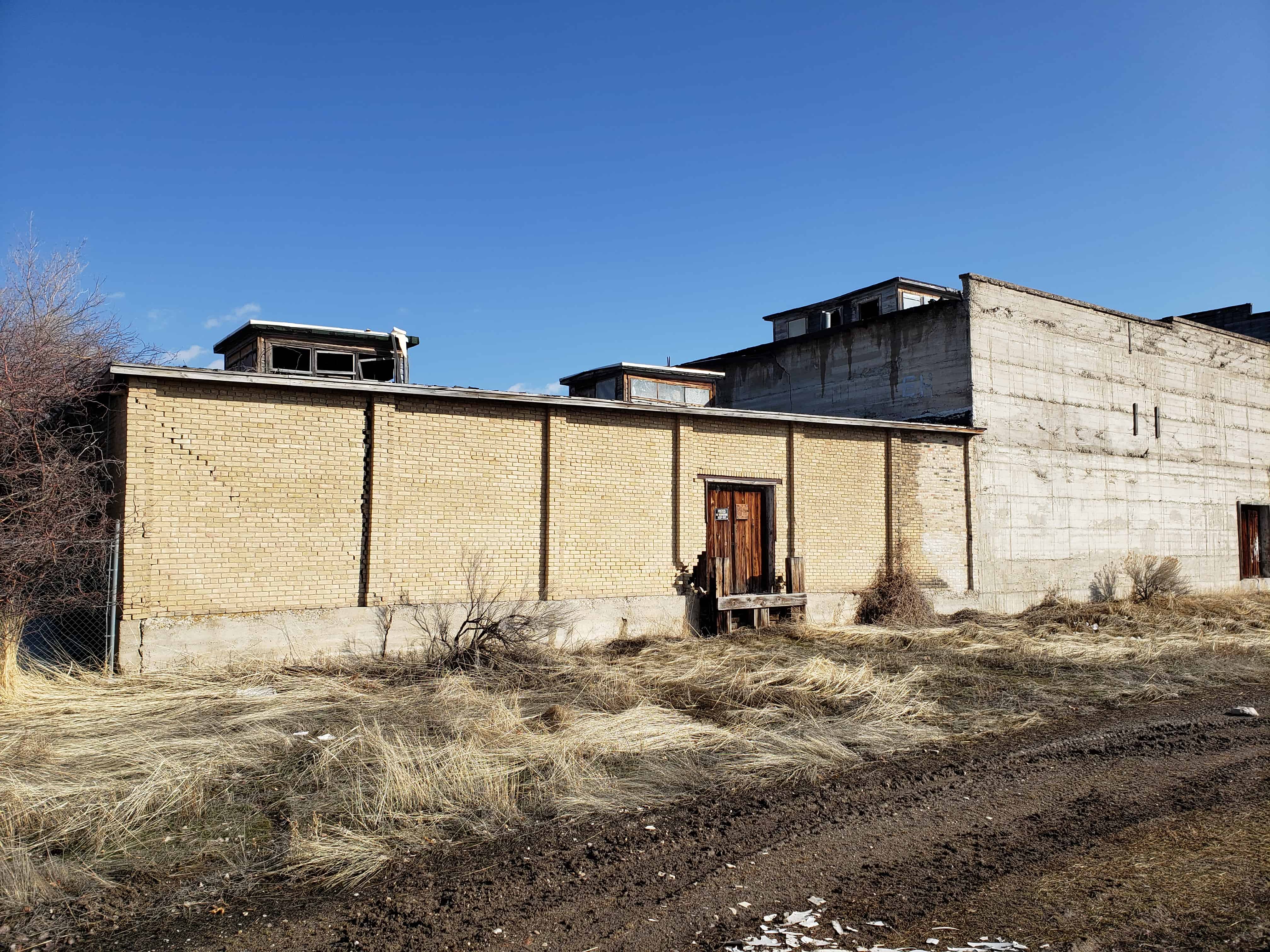
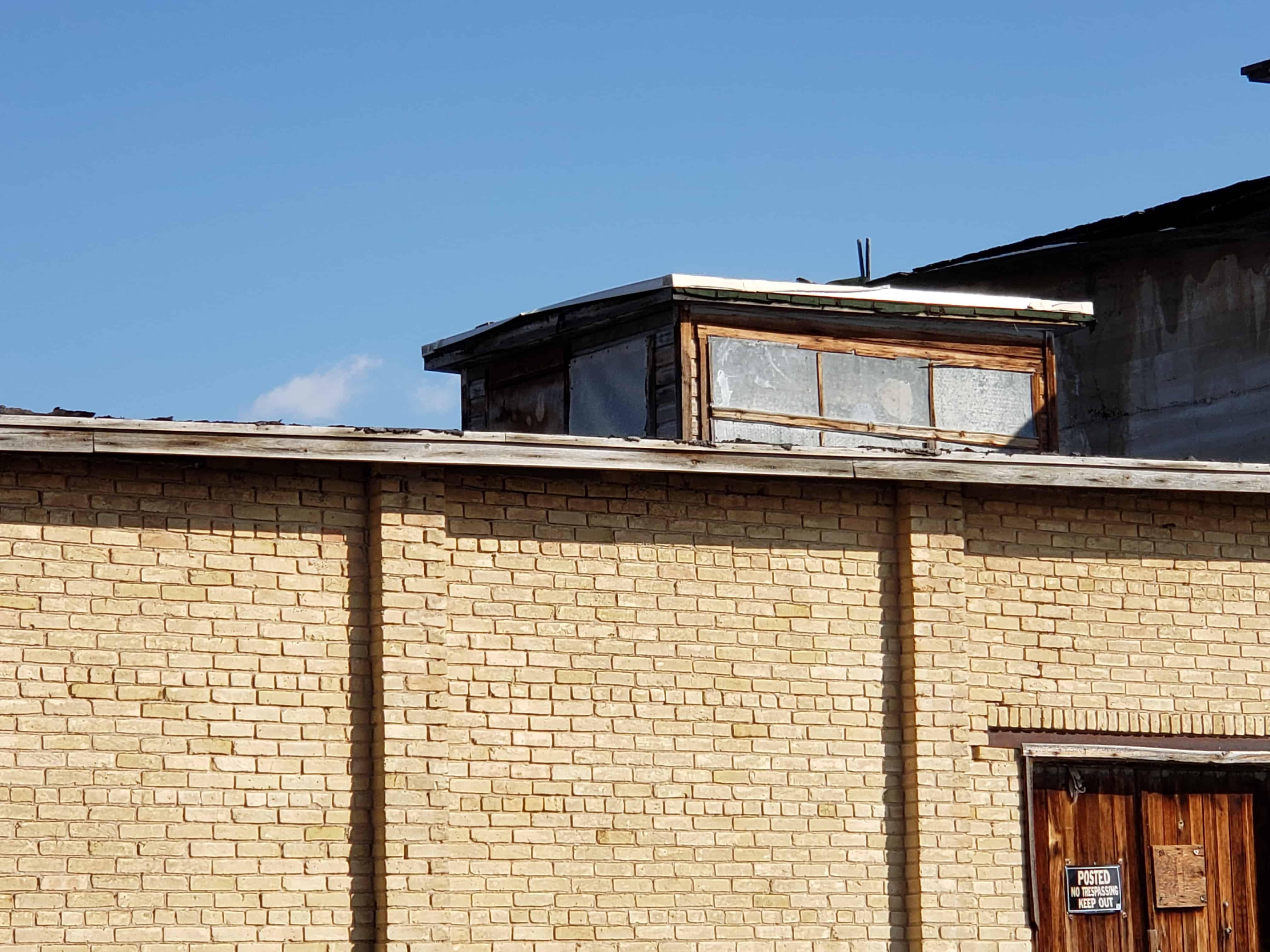
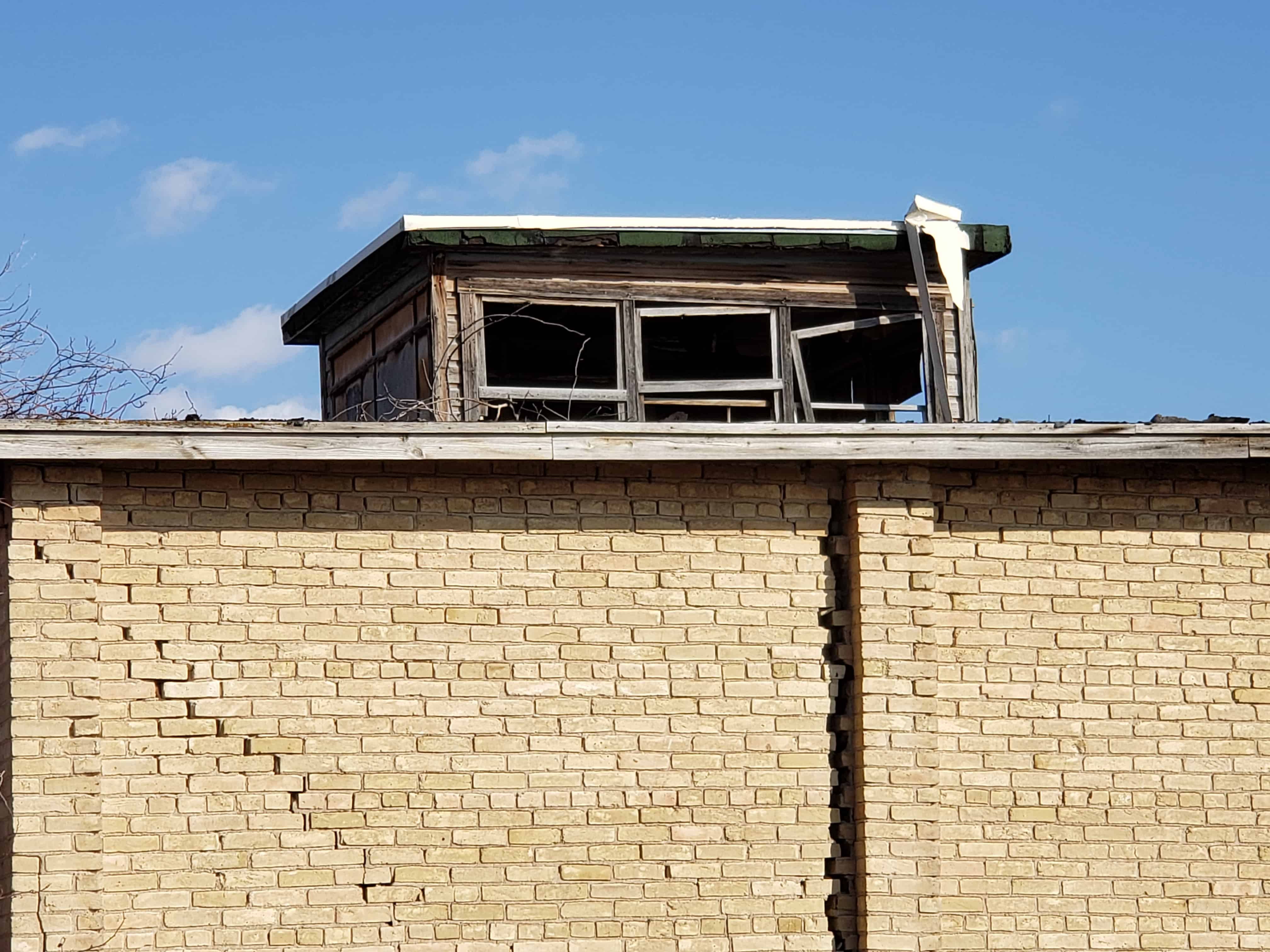
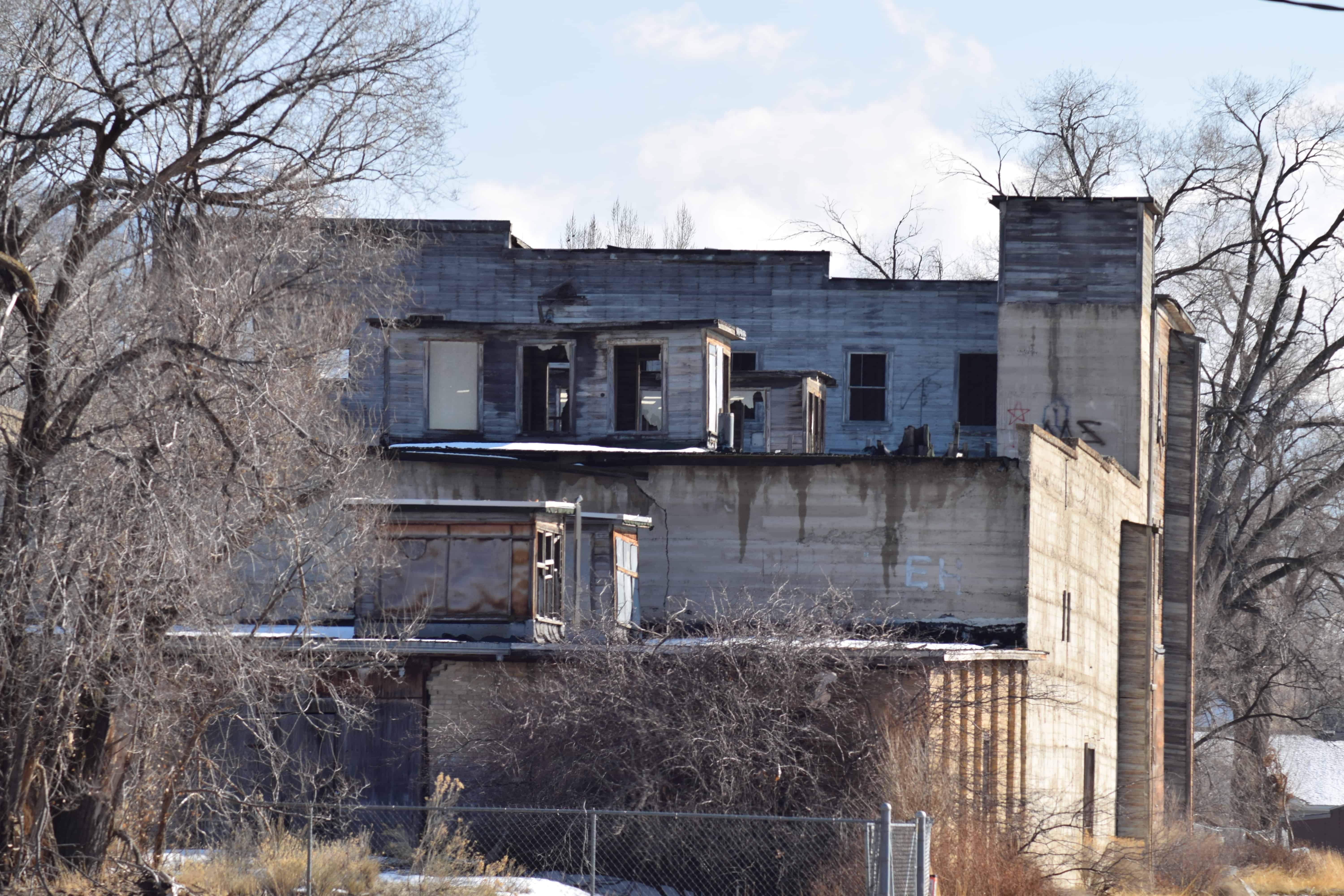
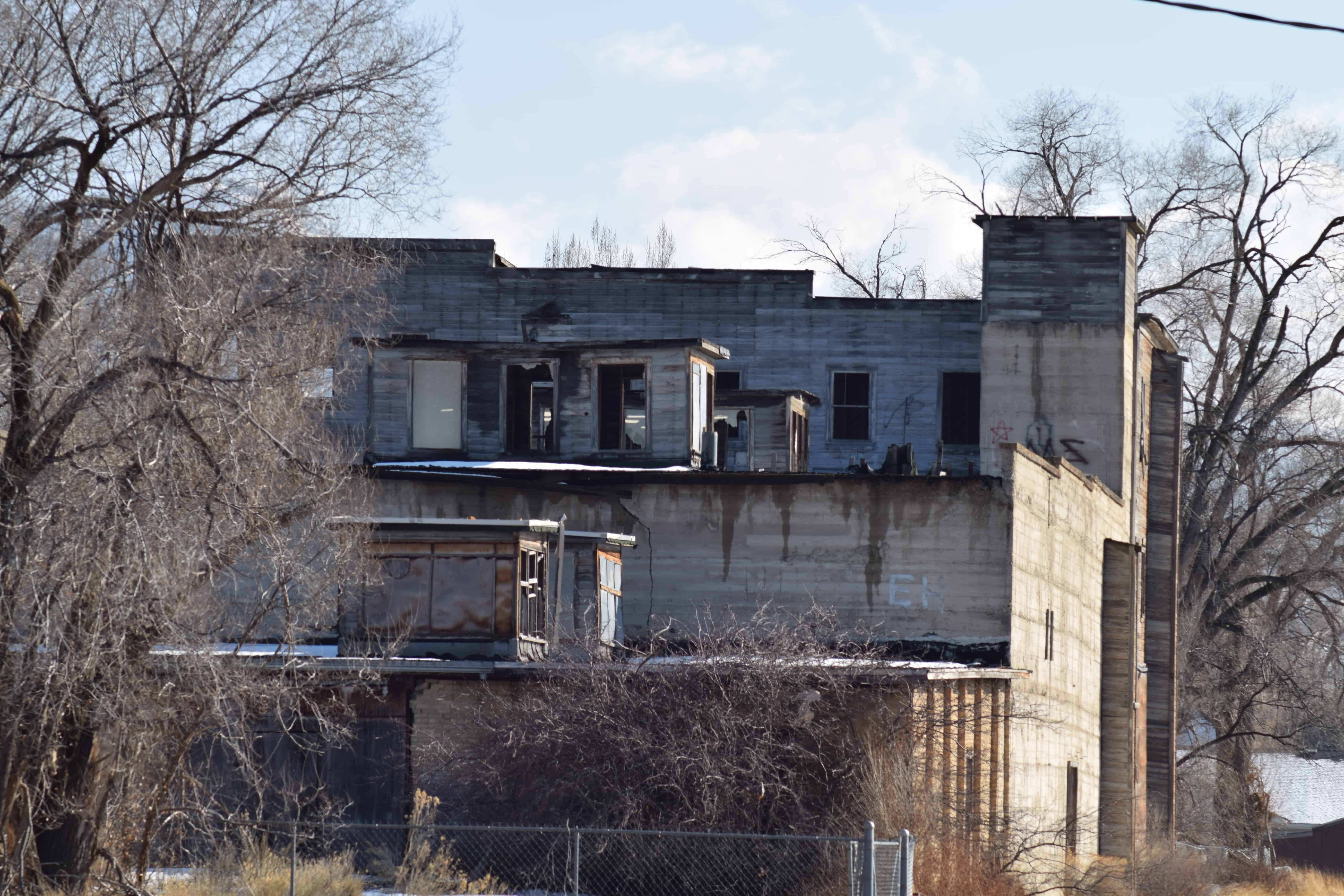
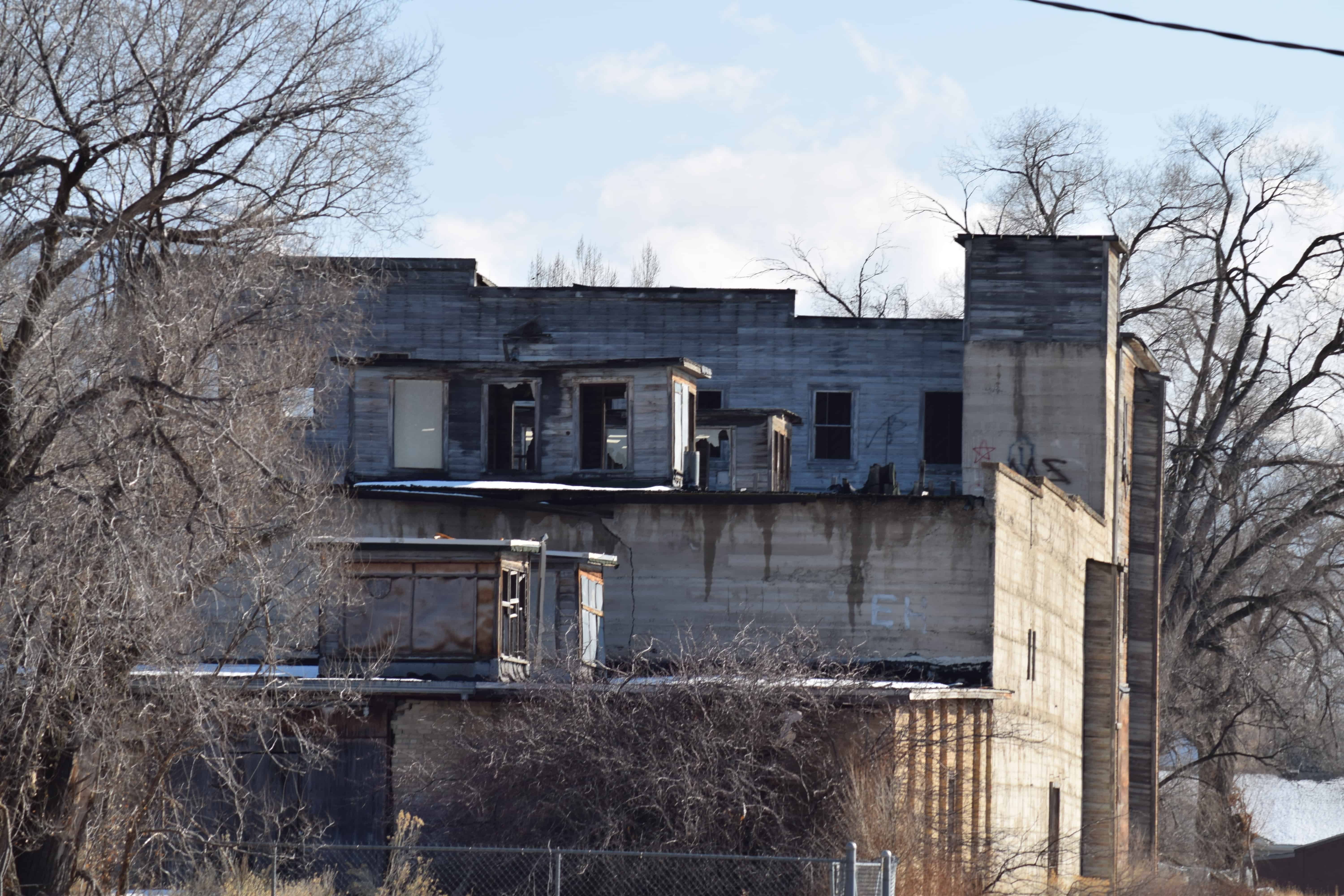
Manti Pea Canning Factory
This factory was built in 1924 for canning peas and during World War II it was used to sew parachutes for the military. It closed down in 1960 and had a fire in 2016 but still stands for now.
710 North 500 West in Manti, Utah
20 Monday Apr 2020
Posted in Uncategorized
Tags

I wanted to get over here to document this building and I was just a little too late, it had just been demolished. During World War II parachutes for the military were sewn here and also at the old canning factory a few blocks away.
A few interesting webpages I’ve seen:


A saw these old photos of the interior being shared on facebook, I’m not sure of the source:


10 Friday Apr 2020
Posted in Uncategorized
Tags

This is the grave of Edward Lloyd Parry, known for helping to build the LDS Temples in St George, Manti and Salt Lake.
Related:


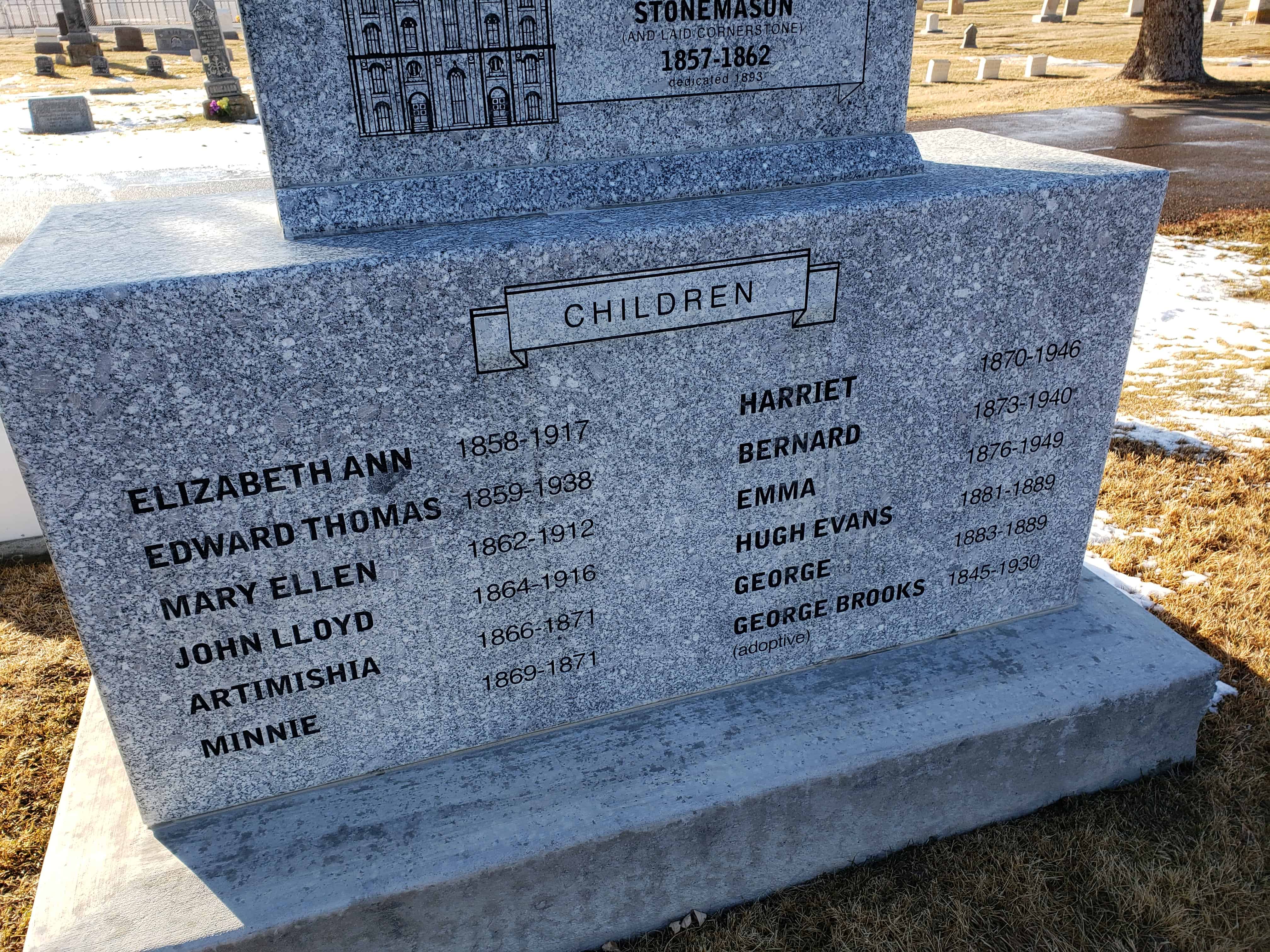
His story below is copied from findagrave.
“I, EDWARD LLOYD PARRY, was born August 25, 1818, at or near the village of St. George, Denbighshire, North Wales. My parents’ names were Edward and Mary Lloyd Parry. My early childhood was passed in the village of St. George. My mother died when I was but four and one-half years old, leaving three children, two girls, Margaret and Mary, and myself. My sisters were taken care of by a nurse to whom my father paid three shillings for each child each week. He and I went to live with his parents.
My father was a well-to-do stonemason and bricklayer, as were my grandfather, and great grandfather. I attended school until I was twelve years of age when I went to work with my father at the mason trade. I received one term of school again at the age of fourteen and also attended night school at the age of twenty-four and twenty-five.
Being naturally inclined to religion, I frequently attended the Church of England, and also went to hear Ministers of other dominations preach but could not be converted to join any one of them as their teachings did not appear to me to be consistent, in harmony with the gospel as taught by the Savior and His Apostles. But instantly on hearing an Elder of the Church of Jesus Christ of Latter-day Saints preach, I was converted to the truth and wondered why I had not understood the Gospel in that light before. I was baptized on the 9th of March 1848 by Elder Abel Evans and confirmed at the riverside.
I left Liverpool with my wife and eleven converts from the same branch on the 5th of February 1853 on the sailing ship Jersey, commanded by Captain Day and with Elder George Halliday in charge of the Saints. We were six weeks to the day coming from Liverpool to New York to New Orleans. We took a steamboat from New Orleans to Keokuk, Iowa where we arrived on the 1st of April 1853 and remained there eight weeks.
We arrived in Salt Lake City, 10th of October 1853 and settled in the 16th Ward. We moved to the 15th Ward in 1854. I paid my debt to the Perpetual Emigration Fund in less than one year after arriving in Utah. We moved to Ogden in the fall of 1855. In February 1857, I was called by Brother Heber C. Kimball to move to Salt Lake City to work on the Temple. He placed his hand upon my shoulder in his good old-fashioned way and said, “Brother Edward, I want you to pull up your stakes and come to the city to live and go to work on the Temple, will you do it?”
I said, “I will if you say so.” “Well,” said he, “Don’t I say so?”
In three weeks after, I had moved down and reported myself for work, and continued work there and on the public works while in Salt Lake City. I was present when the Treasure Box was laid in the foundation of the Temple and spread the mortar for it.
In April 1862 I was called to go to St. George in Southern Utah to settle. I had charge of the mason work of the St. George Hall, the Tabernacle, Brother Erastus Snow’s Big House, the County Court House, raised the Washington Factory one story higher, built a great many residences for private parties, among them one for President Brigham Young, and was Master Mason of the St. George Temple, the four corners of which I laid without the usual ceremonies, the Authorities not being able to be there at the time and President Young was very desirous of having the work hurried along. I also assisted President Young and others in setting the Treasure Box in the walls of the St. George Temple.
In April 1877 I was called to go to Manti to take charge of the mason and stonework of the Manti Temple, where I arrived with a part of my family in company of President Young, 24 April 1877. The rest of my family came on to Manti in October of the same year.
We were about two years leveling the hill, building the terrace walls, and getting ready to lay the cornerstones of the Temple, which were laid 14th of April 1879. The southeast corner stone contained the Treasure Box that I assisted in setting in the Temple.
In connection with my sons with whom I am present (1895) in business in the stone mason and building vocation, I took up a stone quarry near Ephraim, known as the Sanpete White Oolit Company, from which the large stone from which the Annex building of the Salt Lake Temple is built, which we provided by contract.”
Edward Lloyd Parry married Elizabeth Evans, 16 August 1848, in North Wales and Ann Parry, 19th February 1857, in Salt Lake City, Utah.
When two daughters, Hattie and Emma visited the St. George Temple in September 1911, Brother Pickett who was then the door keeper at the Temple, showed them through the temple, taking them up to the roof where he told them an incident connected with their father.
One time when the Temple was being built about the roof, he (Brother Parry) saw a bad stone being placed in the wall and said to the builder, “Take out that stone, my boy, and put in a good one.” The man said to him, “What will it matter. There will be no weight on it and it will be plastered over and no one will know it.” Where upon Brother Parry said, “My boy, three persons will know it. You will know it, I will know it, and God will know it. That is three. My boy, take it out.” This shows how particular and conscientious he was to have the work done right. He died 26th August 1906 at the age of 88 years, and was buried in Manti, Utah.
23 Monday Mar 2020
Posted in Uncategorized
Tags
Courthouses, Historic Buildings, Manti, NRHP, PWA Projects, Sanpete County, utah, WPA

The gorgeous Sanpete County Court House is located at 160 N Main in Manti, Utah.
It is on the National Register of Historic Places and was build in 1935 as a PWA project.
Related:


These are some of the cool paintings I saw inside:


15 Wednesday Jan 2020
Posted in Uncategorized

Christ the Fountainhead is a bas-relief mural created by Torleif Knaphus.
The original was created for the exterior of the Cardston Alberta Temple.
This replica is found in the Manti Tabernacle, see others on this page.


