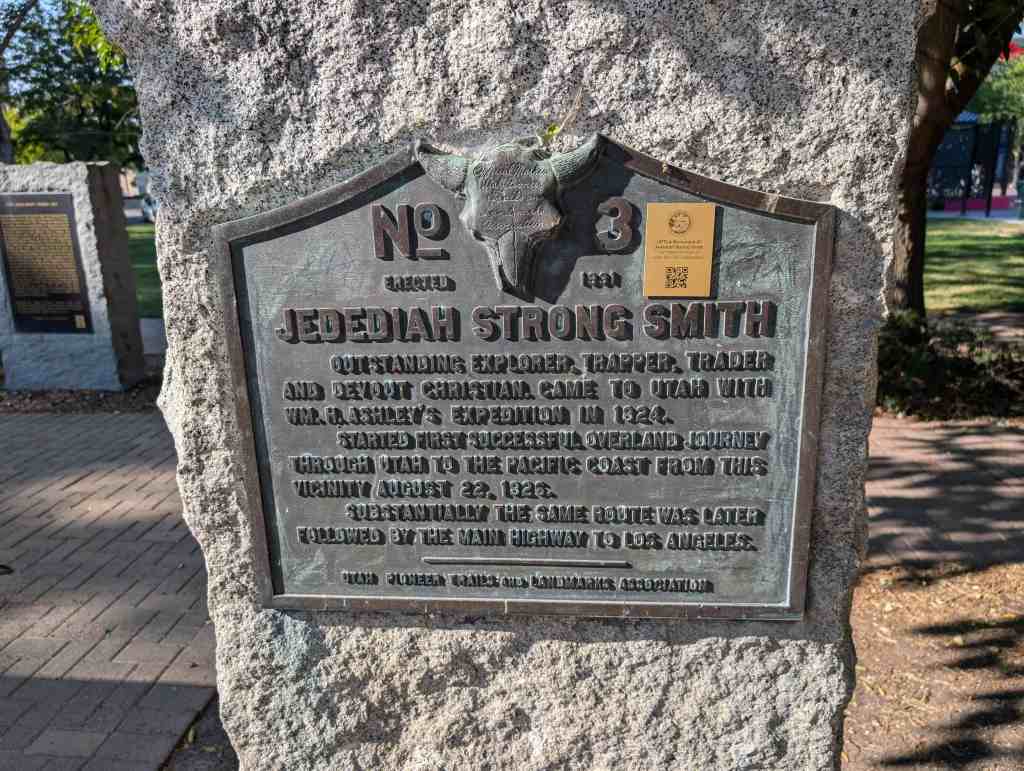
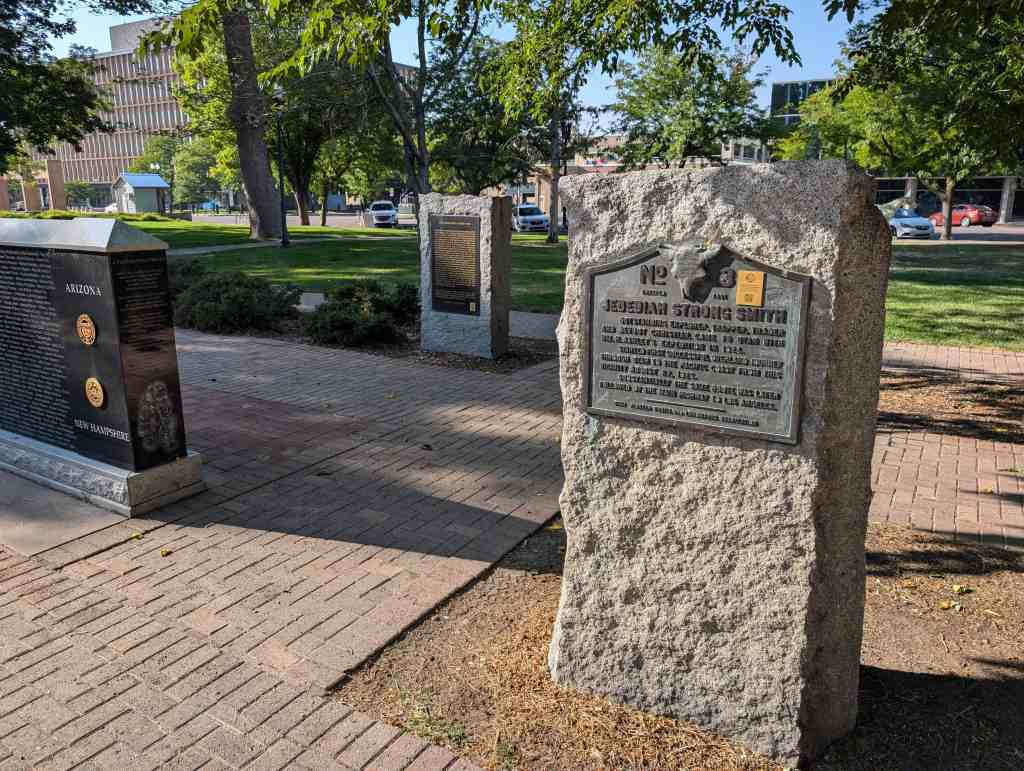
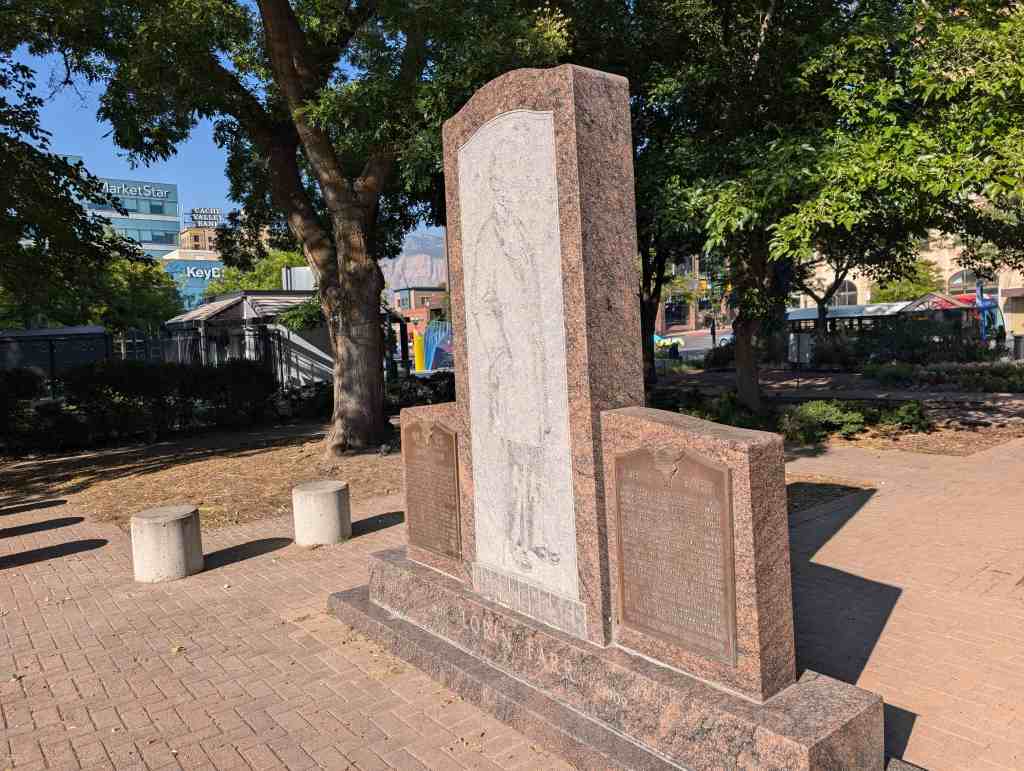
Outstanding explorer, trapper, trader and devout Christian. Came to Utah with Wm. H Ashley’s expedition in 1824.
Started first successful overland journey through Utah to the Pacific Coast from this vicinity August 22, 1826. Substantially the same route was later followed by the main Highway to Los Angeles.
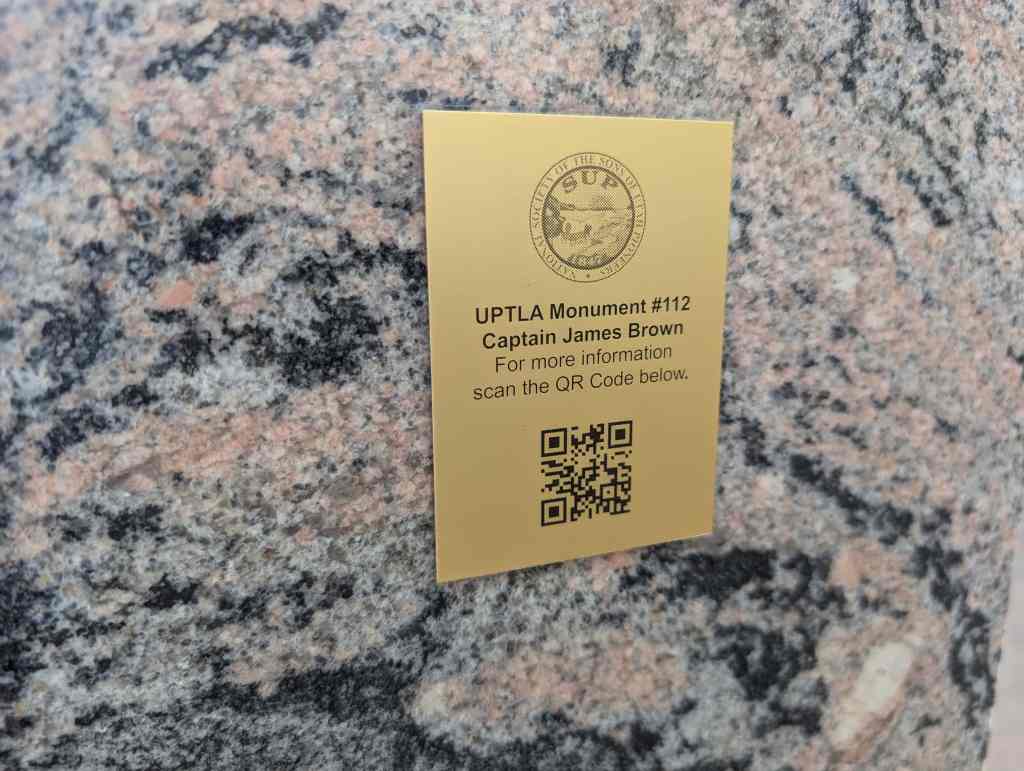
#112 – Captain James Brown Captain James Brown, pioneer, soldier and one of the founders of Ogden, enlisted in the Mormon Battalion of the U.S. Army in the Mexican War, July 18, 1846, at Council Bluffs, Iowa, and was made Captain of Company C. Longest march of Infantry ever recorded, at Santa Fe, Captain Brown was placed in charge of the sick detachment and ordered to Pueblo where they spent the winter of 1846-47 with a group of converts to the Church of Jesus Christ of Latter-Day Saints enroute from Mississippi to the Salt Lake Valley.
In the spring he marched his men by way of Fort Laramie and the South Pas arriving in the Valley July 23, 1847, closely following Brigham Young and the Mormon Pioneers.
Early in August he left by way of Fort Hall for California to collect the Army pay due members of the Battalion. Returning late in 1847, he stopped at the Fort of Miles Goodyear, a trapper, located near the junction of the Ogden and Weber Rivers. From Goodyear he purchased for $3,000 all of the land now comprising Weber County together with some livestock and the Fort.
the land was conveyed to Captain Brown in a Mexican Land Grant, this entire area being at that time a part of Mexico. In January 1848, he settled here with his family and began the colonization of Brownsville, late Ogden. He was born September 30, 1801, and died September 30, 1863.
This monument erected by descendants of Captain James Brown, Citizens of Weber County and the Utah Pioneer Trails and Landmarks Association.
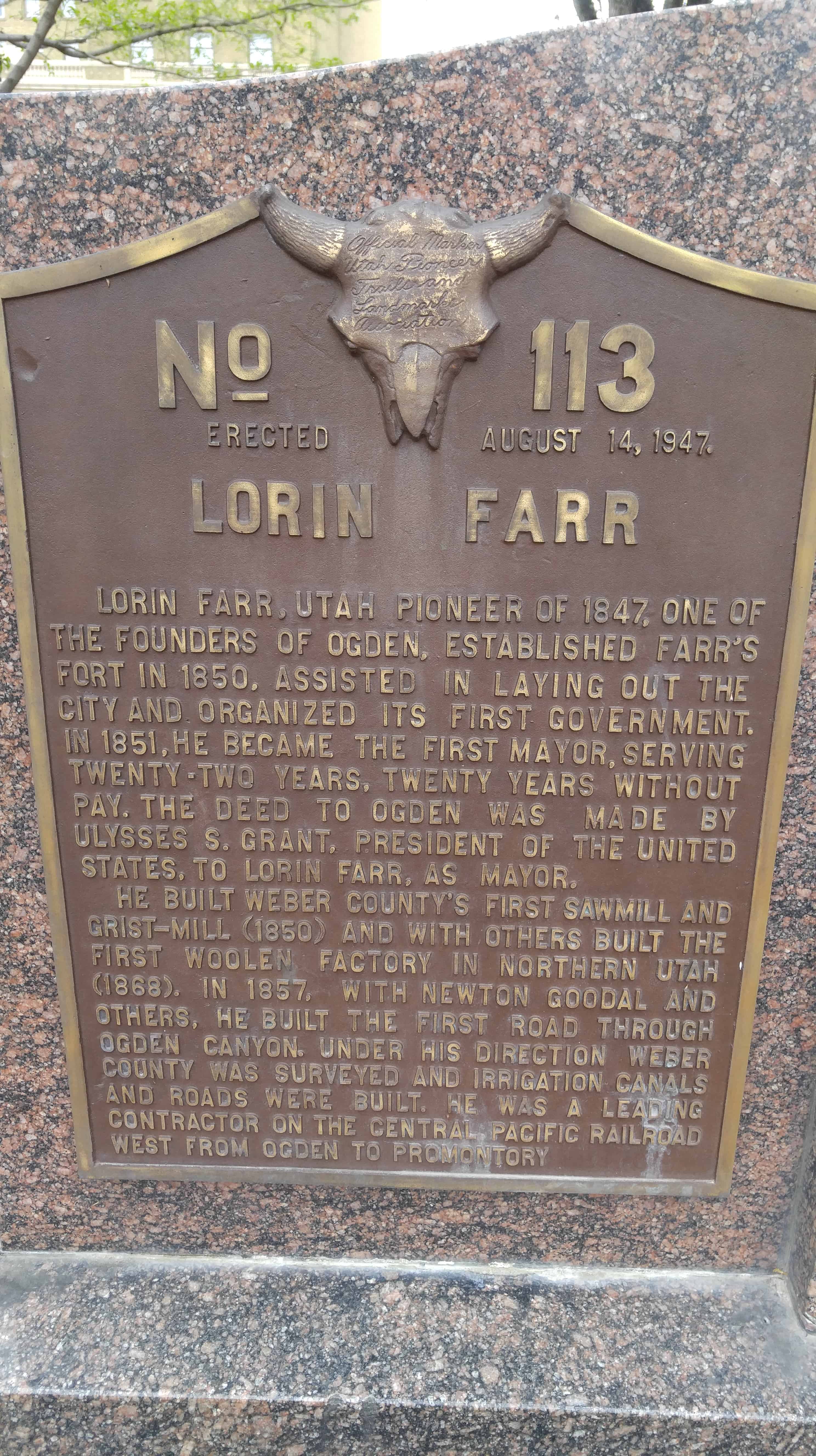
Lorin Farr, Utah pioneer of 1847, one of the founders of Ogden. Established Farr’s Fort in 1850. Assisted in laying out the city and organized its first Government. In 1851, he became the first Mayor, serving twenty-two years. Twenty years without pay. The deed to Ogden was made by Ulysses S. Grant, President of the United State, to Lorin Farr, as Mayor.
He built Weber County’s first sawmill and grist-mill (1850) and with others built the first woolen factory in Northern Utah (1868). In 1857, with Newton Goodall and others, he built the first road through Ogden Canyon. Under his direction Weber County was surveyed and irrigation canals and roads were built. He as a leading contractor on the Central Pacific Railroad west from Ogden to Promontory.
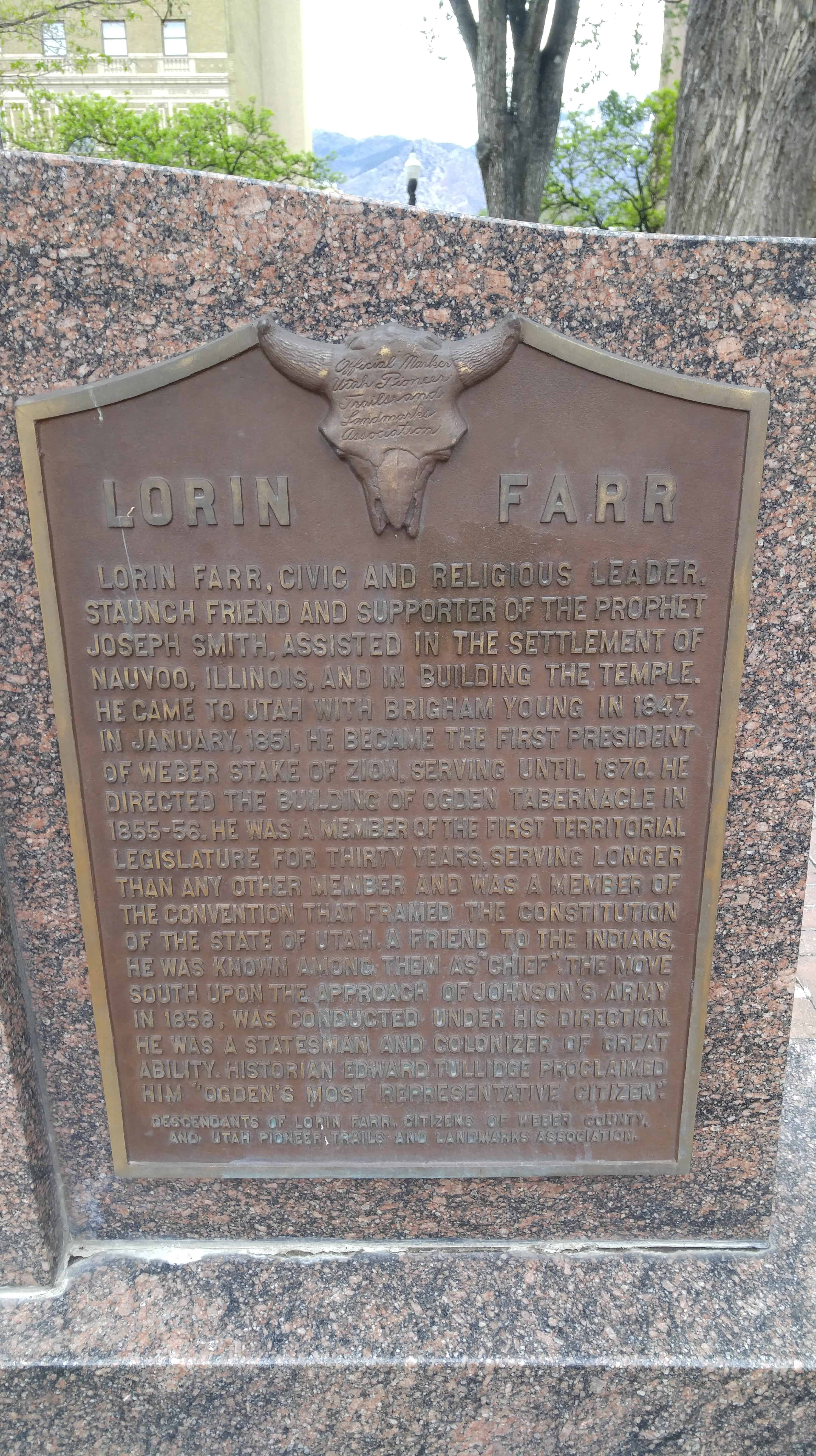
Lorin Farr, Civic and religious leader, staunch friend and supporter of the Prophet Joseph Smith, assisted in the settlement of Nauvoo, Illinois and in building the temple. He came to Utah wit Brigham Young in 1847 in January 1851 he became the first President of Weber Stake by Zion, serving until 1860. He directed the building of Ogden Tabernacle in 1855-56. He was a member of the first Territorial Legislature for thirty years serving longer than any other member and was a member of the convention that framed the Constitution of the State of Utah.”
Considered part of North Ogden for its first 30 years, Pleasant View was known during its early days by several names, including West District, Hot Springs District, Stringtown, or simply Out West. The city was officially named Pleasant View in 1882 by Wilford Cragun, one of the first white children born in the area. Mary Lake, daughter of William Bailey Lake and Sarah Jane Marler was born in North Ogden, 15 December 1851. Other early settlers were Thomas Dunn, John Mower, and Simeon Cragun families.
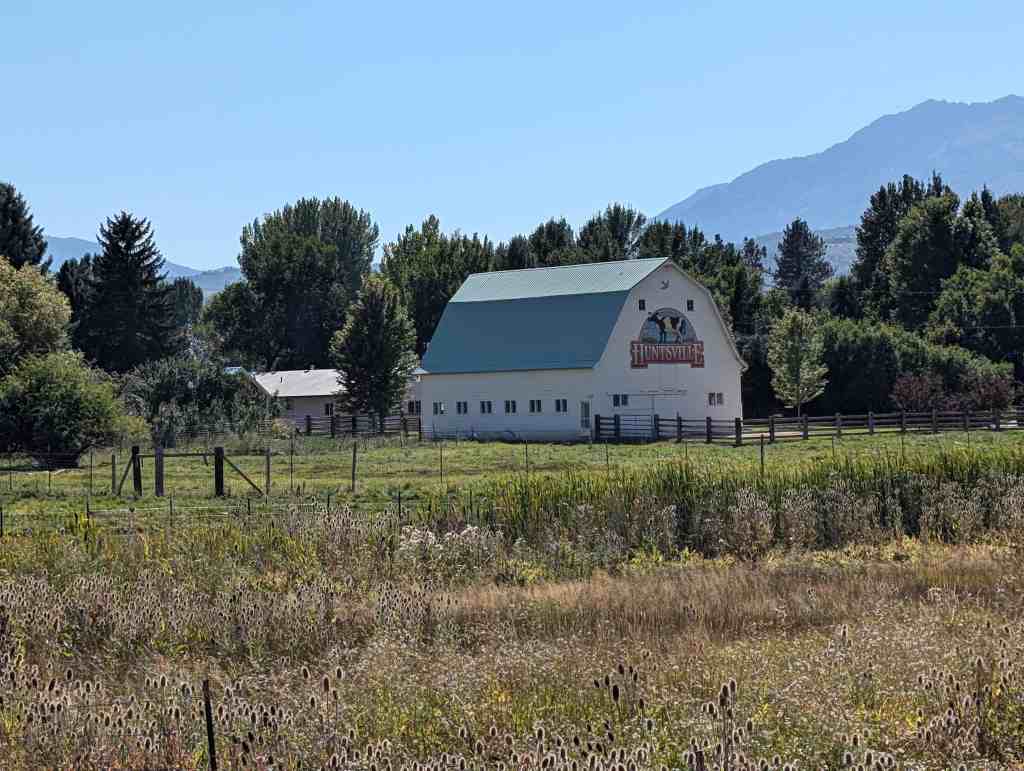
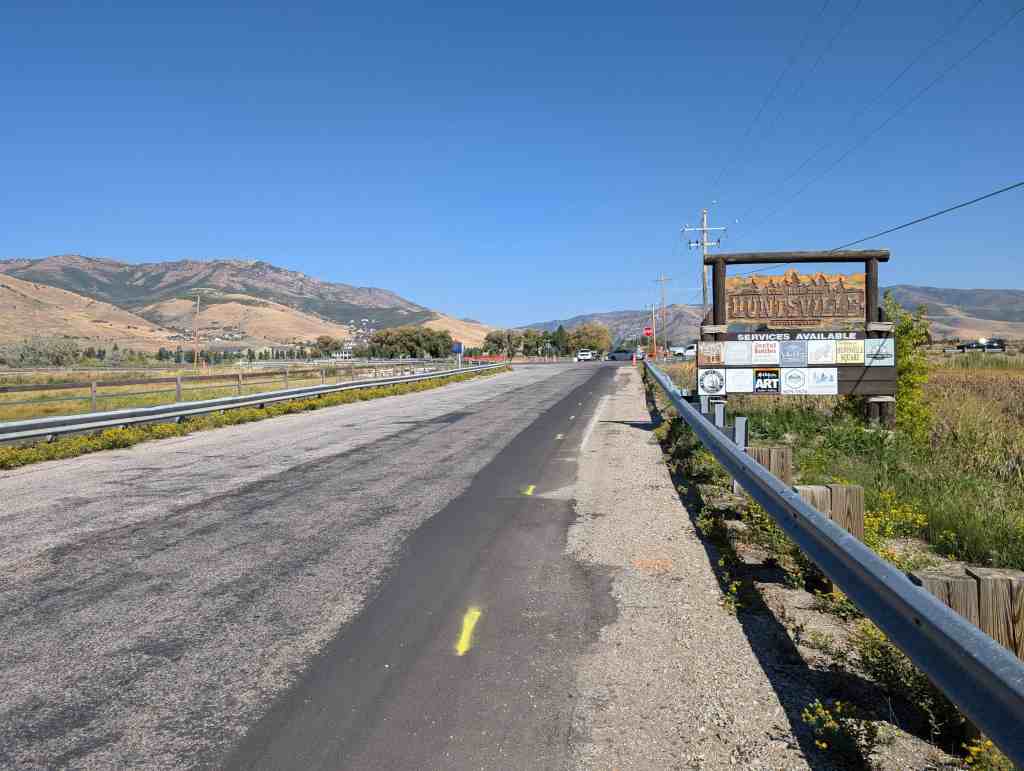
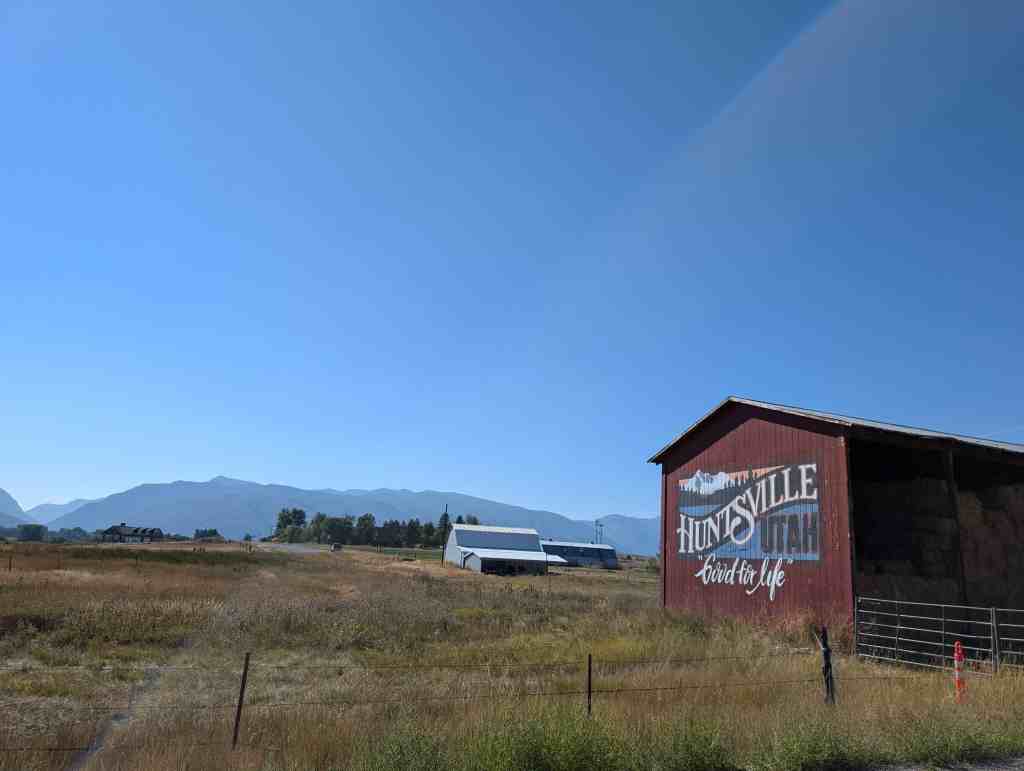
Huntsville’s first known settlers arrived the fall of 1860. They were Jefferson Hunt, for whom the town was named his sons Joseph and Hyrum and their families; Charles and Alice Wood; Joseph Wood and his mother, Sarah; Nathan Coffin and his mother, Abigail; the Edward Rushton family; and the James Earl family, Owned by Ute Indians, the land was purchased for two ponies with additional payments made during the succeeding seven years. Arriving in 1864, Scandinavian settlers helped build the community through their thrift and industry. By 1880 Huntsville had grown to a population of over 800.
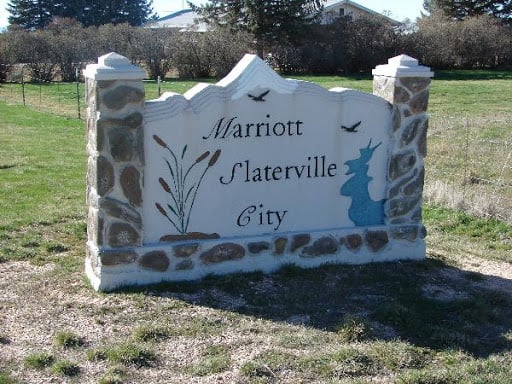
Marriott-Slaterville City was originally settled by several Mormon pioneer families, in 1852, including the Richard Slater family, and the Perry, Smout, Marriott and Field families. Many living descendants of these families, including relatives of J. Willard Marriott, pioneer hotelier of the 20th century and founder of Marriott International, still reside within Marriott-Slaterville.
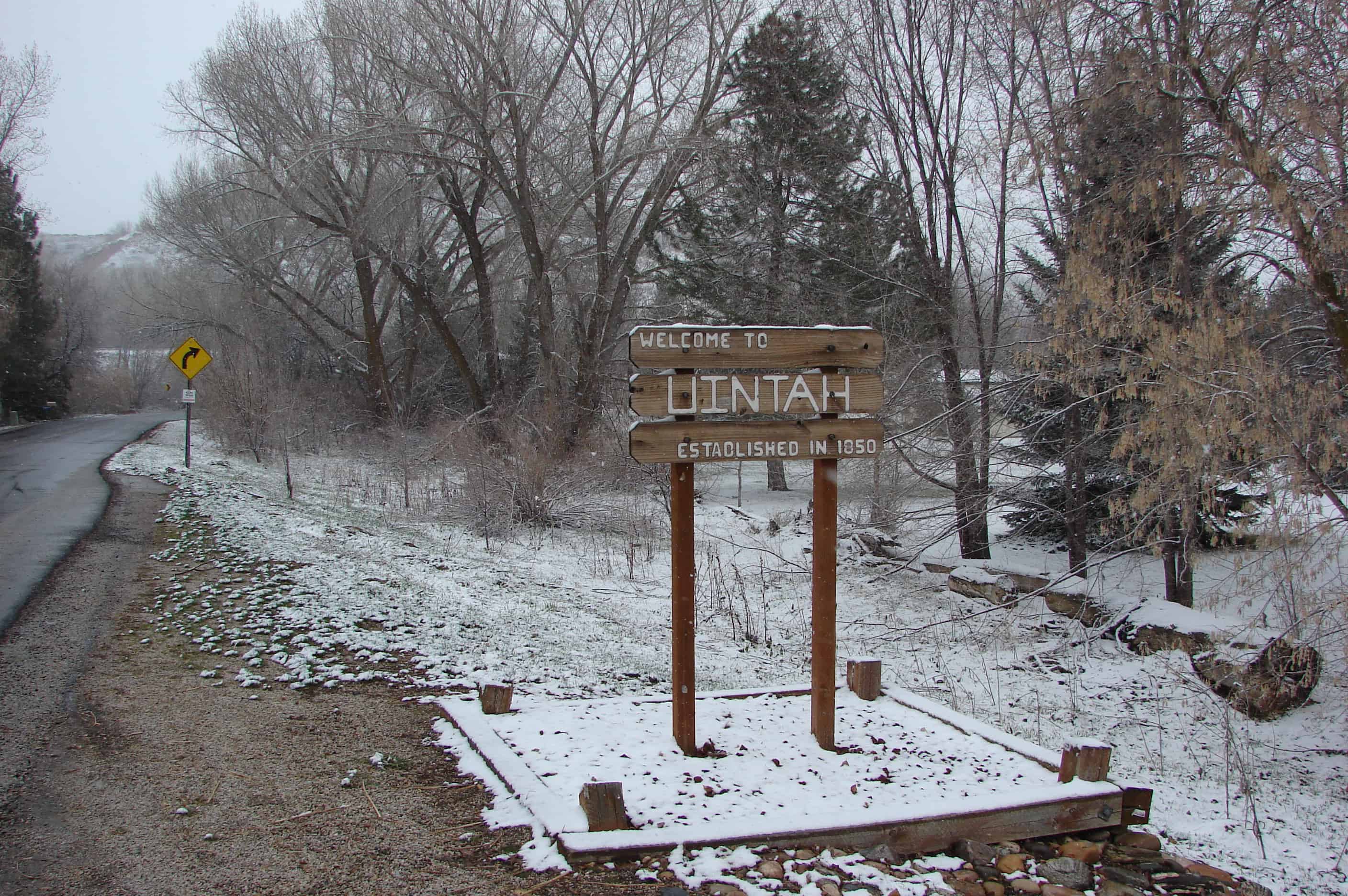
Long before the first Anglo-Europeans came to Utah, the Uintah area was a favorite camping and hunting ground for Native Americans as they traveled through Weber Canyon. Archeological work has revealed Native American presence dating back at least 5,000 years. In fact, Uintah is named after the Weber Ute Band of Shoshone Indians which occupied the area at the time of white settlement.