
Tags

R. Spencer and Kitty Hines Mansion
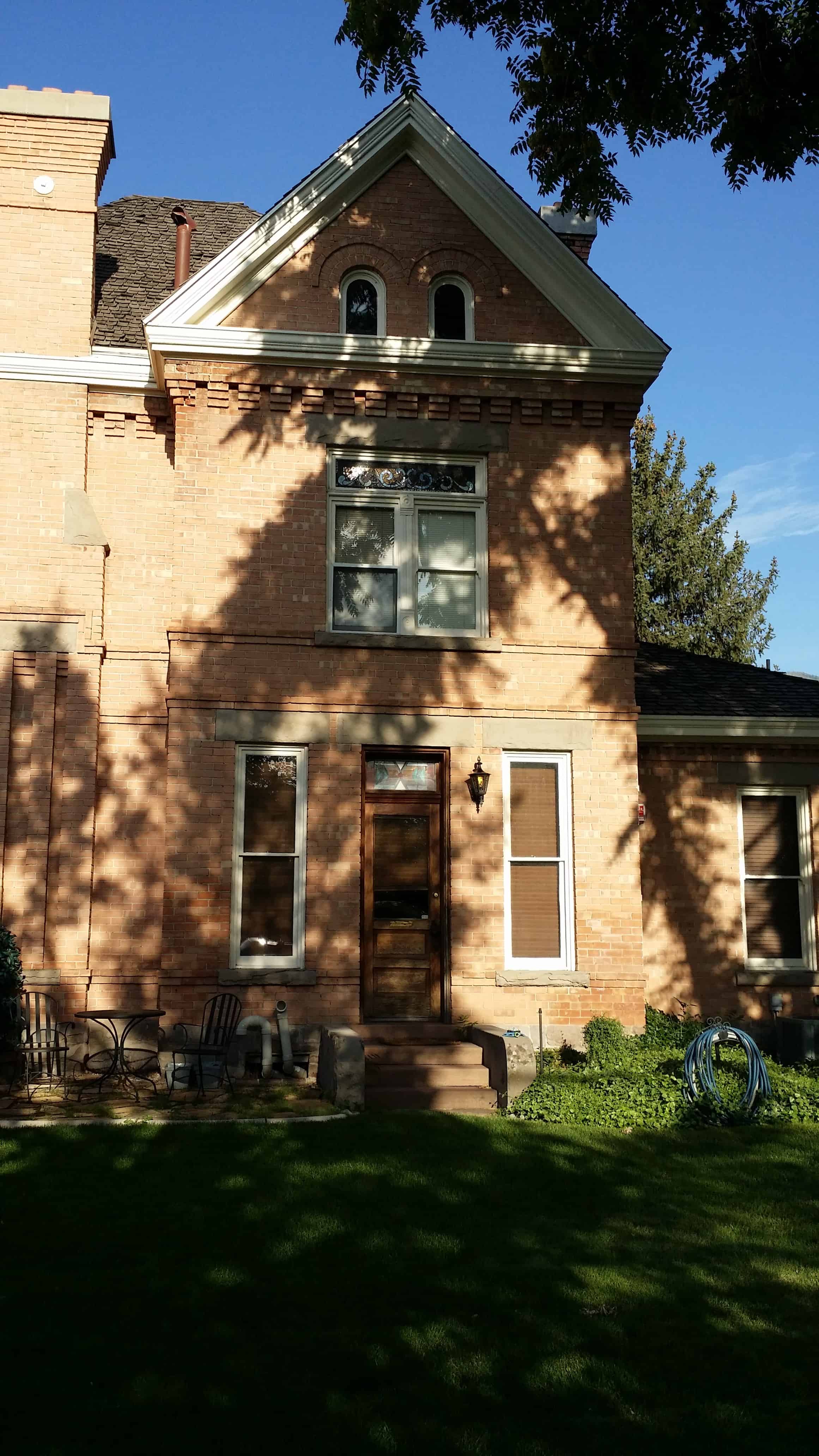
This Victorian Eclectic Style house was constructed in 1895 for Russell Spencer and Kitty Leetham Hines. R. Spencer Hines was involved in mining, real-estate, and other business ventures including the operation of a drug store/saloon. After his death in 1898, Kitty Hines continued to live in the house until 1903 when it was rented to several individuals including Bert and Sarah Bowen who purchased the house in 1922. Their daughter, Maude, inherited the house and lived in it with her husband, Benjamin Frank Roper, for 34 years.

The Hines Mansion is located at 383 West 100 South in Provo, Utah and was added to the National Register of Historic Places (#78002702) on July 12, 1978.

The R. Spencer and Kitty Hines Mansion is one of the homes built for Prove’s first generation gentry. It was built in 1895 for R. Spencer Hines (1848-1898) and his wife Kitty (1858-1937) with money acquired from mining, business and real-estate ventures. It was built as a showplace during the recovery from a major boom and bust period in Provo’s economic history. It expressed Hine’s economic security and served as the base from which Kitty sallied forth as business woman and society grand dame.
Kitty Ann Leetham Hines was the daughter of Ann and John Leetham who had settled in Provo in 1852. Pioneering involved farming, building and fighting Indians Leetham is listed as a “Provo Indian War Veteran.” In 1872, Leetham became involved in the mining ventures in Utah Valley, opening a smelter near Goshen, which proved unsuccessful. He formed a business relationship with Russell Spencer Hines who married Leetham’s daughter, (1875), moved to Provo and established himself as a businessman.
One of the businesses which Hines operated was a drug store – saloon. Under Provo ordinances, liquor could be sold for medicinal purposes only at drugstores. Twice during the 1880’s Hine’s was brought before city court for selling more liquor than drugs. Hole’s Palace Drug Store at 104 West Center was managed by Charles A. Hedquist who later married Hine’s daughter, Ann, and took over the business – establishing with his brother, Alex, a drugstore chain.
After Hine’s death in 18,98, Kitty was left to manage an -estate valued at $28,000. She became involved in several ventures – the Hines-Kiinber Grocery and Heat Company, the Lead-Bullion Mining and Milling Company, the Lost Josephene Gold Mining Company, the State Bank of Provo and the Provo Mining Company (Kitty was vice-president of this company organized by her brothers in 1901. It controlled the old Leetham mines in Tintic. The company was sold for $20,000 to the U.S. Smelting and Refining Co. in 1914.)

Some have said that Kitty went through the estate with indecent haste. The plat records do indicate financial difficulties involving Sheriff’s deeds, mortgages and tax sales. In 1906 Kitty moved out of her home and eventually to California. She rented her home to several persons. Bert and Sarah Bowen were among them. In 1922 they bought the home after it had been fired by an arsonist.
Bert Bowen was a saloon keeper and miner. His daughter Maude, an elementary school teacher, married Benjamin Frank Roper, a miner turned deputy sheriff. The Ropers inherited the home and lived in it for 34 years, so that it became called the “Roper Place”.
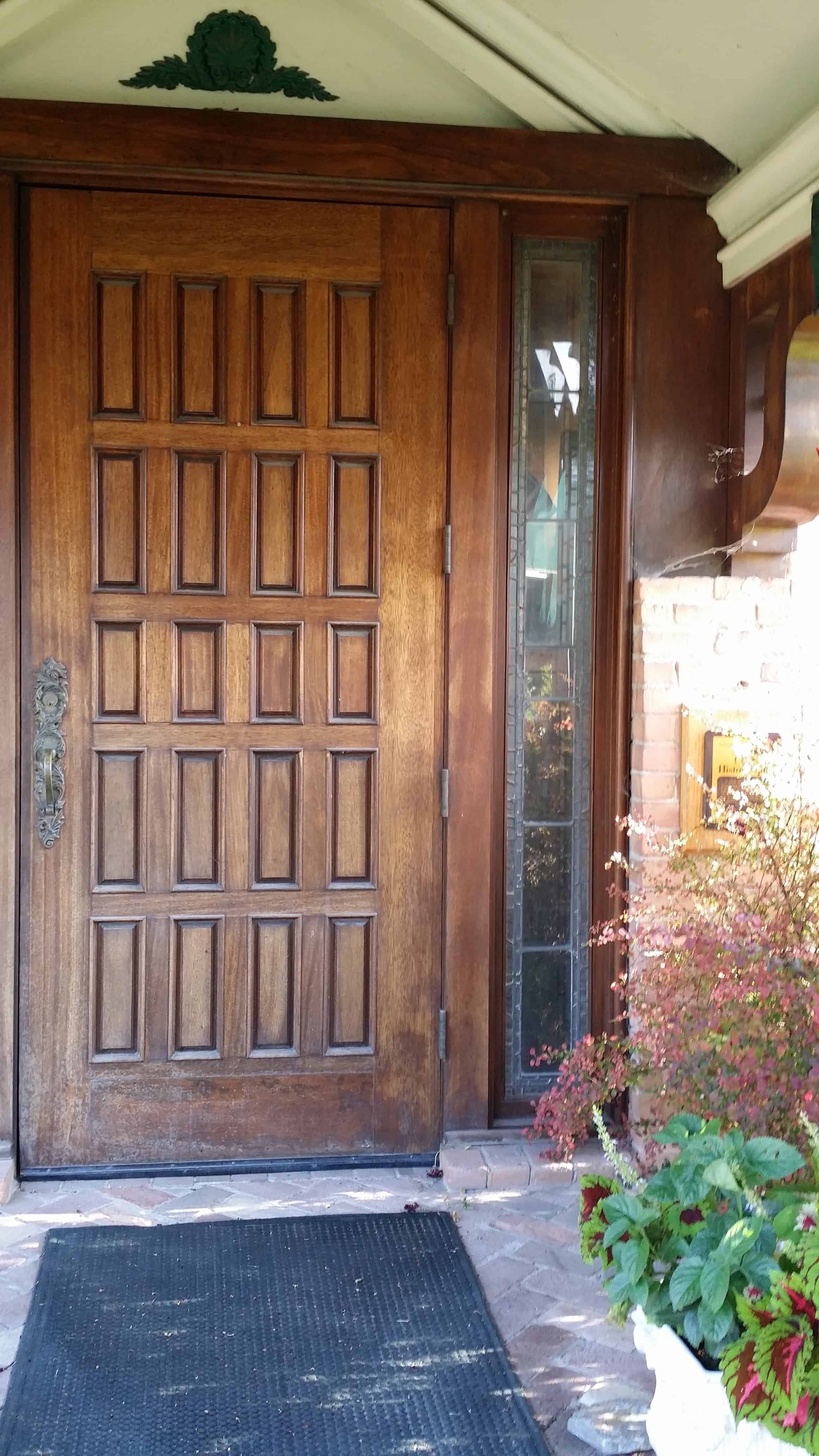
The Hines home is an expression of local pride and prestige – built by a mysterious, some would say scandalous “gentile” (a Masonic symbol marks Hine’s gravestone) for the daughter of one of Provo’s finest families.
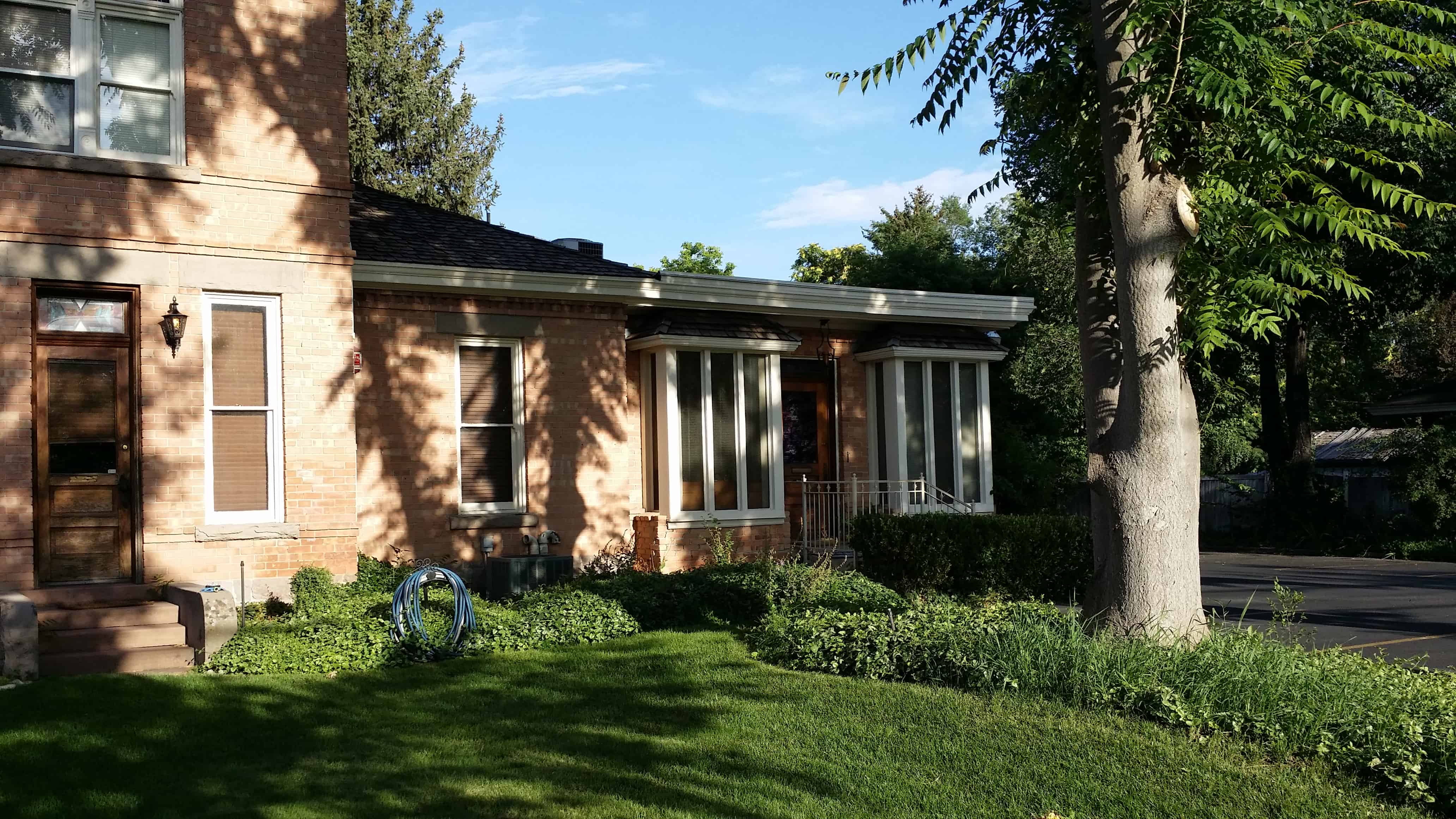
Built with funds gardered from that era’s money-making schemes – mining, real estate, saloon keeping – built by local craftsmen using local materials, the home was recognized in its day by the community and in publications as one of Provo’s finest.



Pingback: Richard C. Watkins | JacobBarlow.com