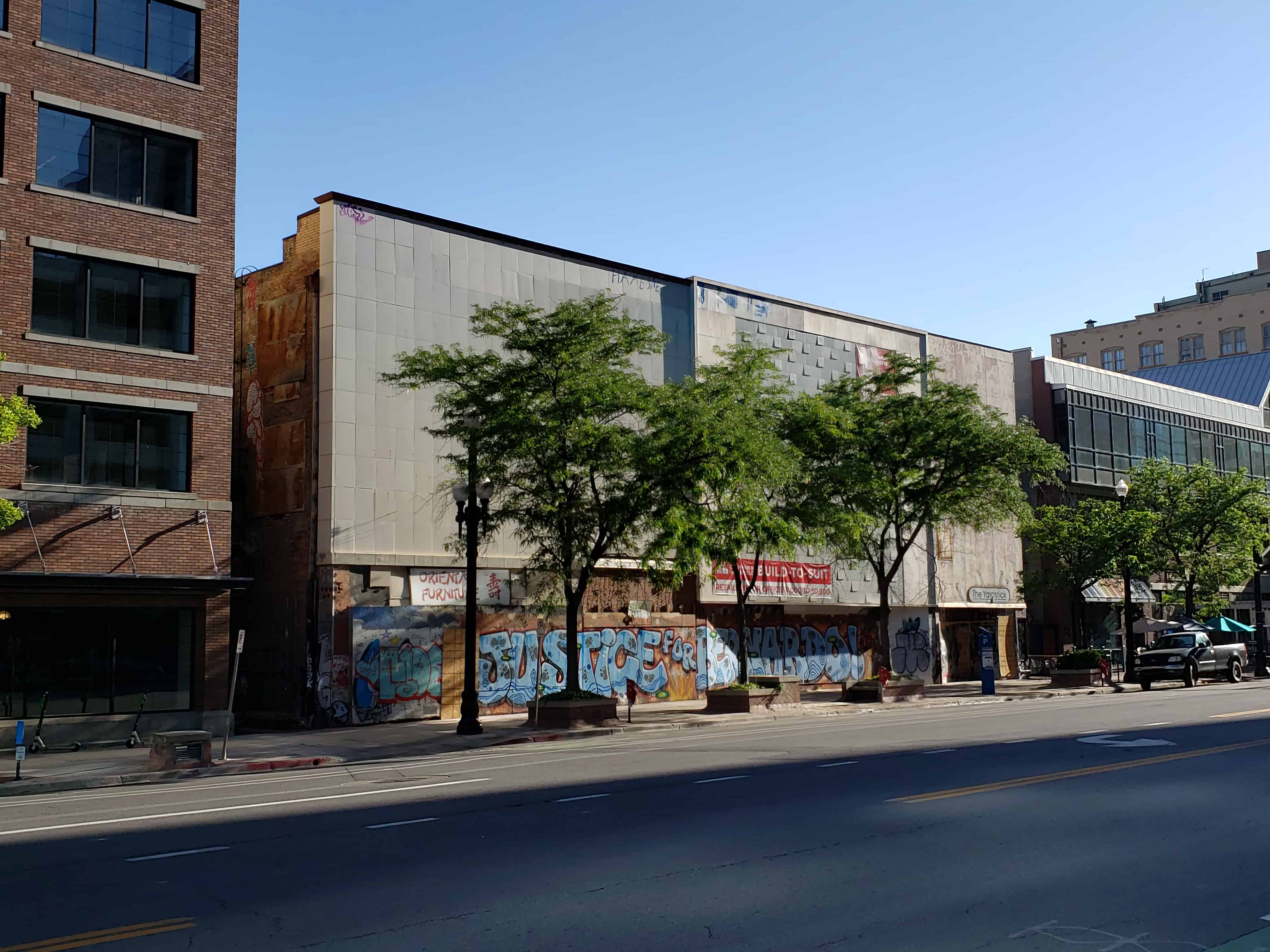
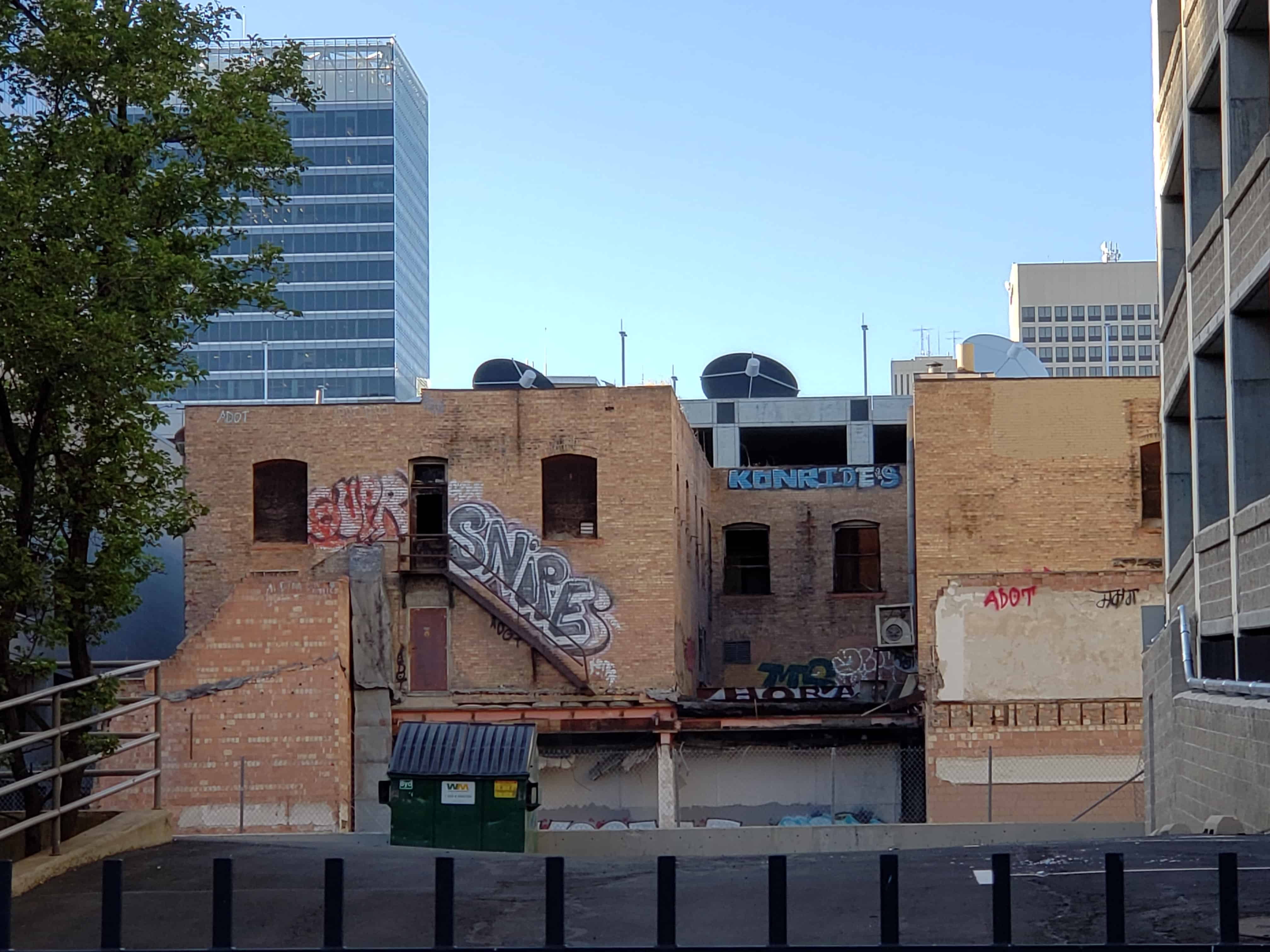
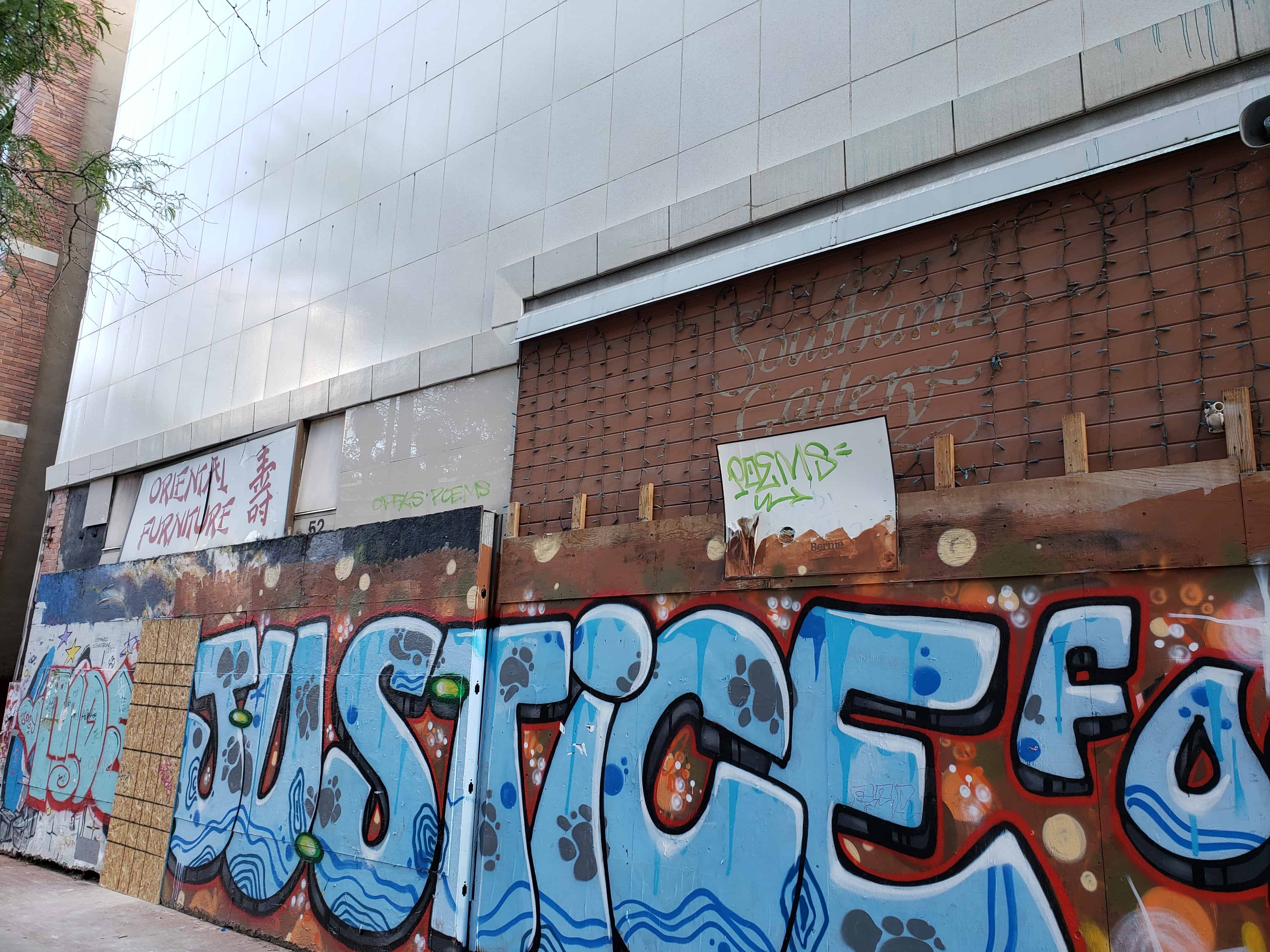
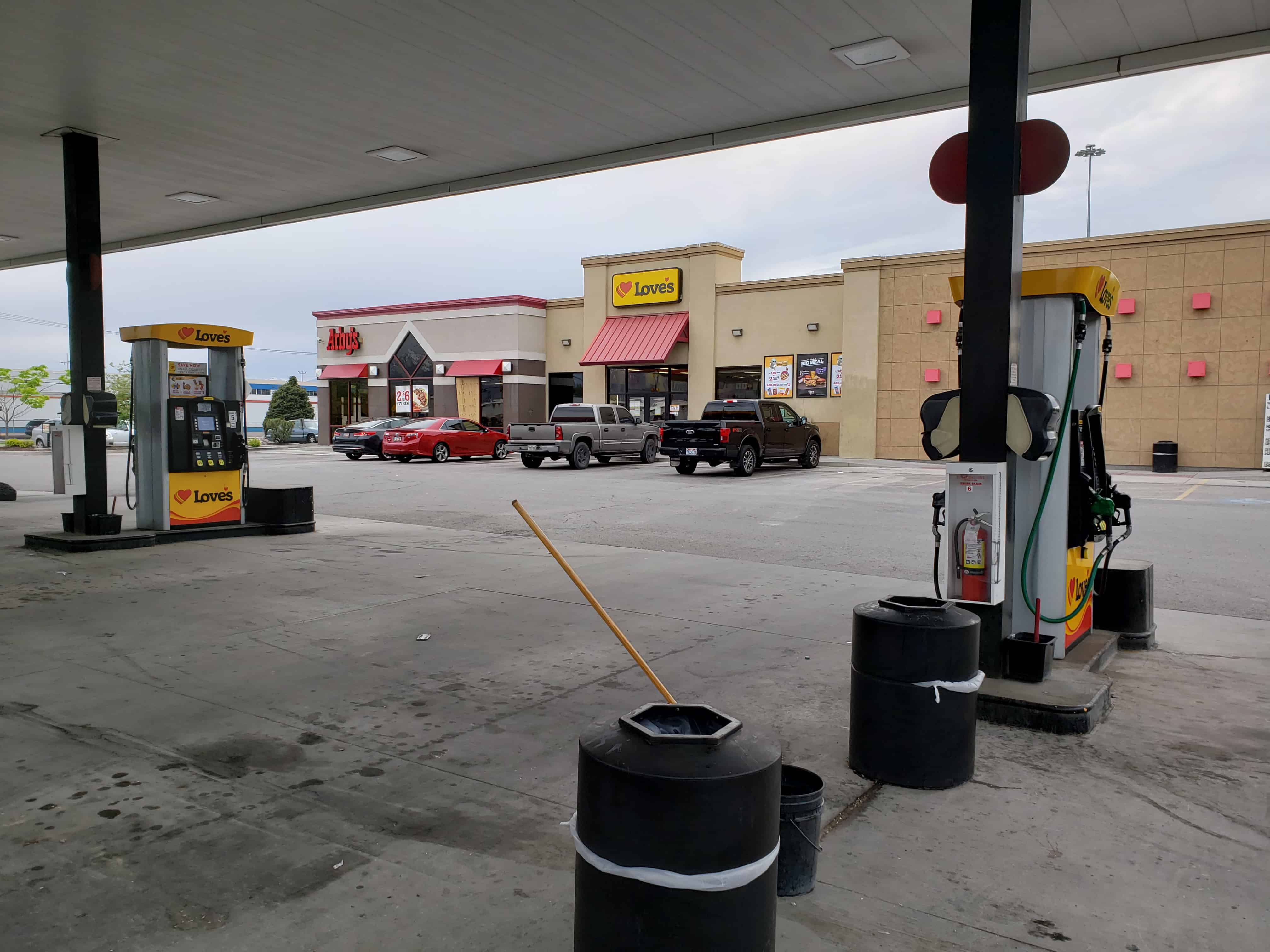
The Victory Theater was first known as the Colonial Theater in 1908 and then the Pantages, not to be confused with this one on Main Street, after that is was the Casino Theater and finally the Victory Theater. It later burned in May of 1943 and in 2020 it is sitting in poor shape wit talks of it being demolished.
The parcel is at 40 East 300 South in Salt Lake City and it is now one large boarded up building, the theater was the east half and the address was 48 East 300 South or 48 E Broadway. The west half was the Paris Millinery at 40 E Broadway.
A legacy project of the Wasatch County Statehood Centennial Committee.
“Journey’s End,” honors the courage and sacrifice of the first colonizers to make their homes in these mountain valleys. This statue is dedicated to the memory of William Madison Wall and other pioneers and the hardships that they endured while creating a legacy for each of us. – James Smedley – County Chair
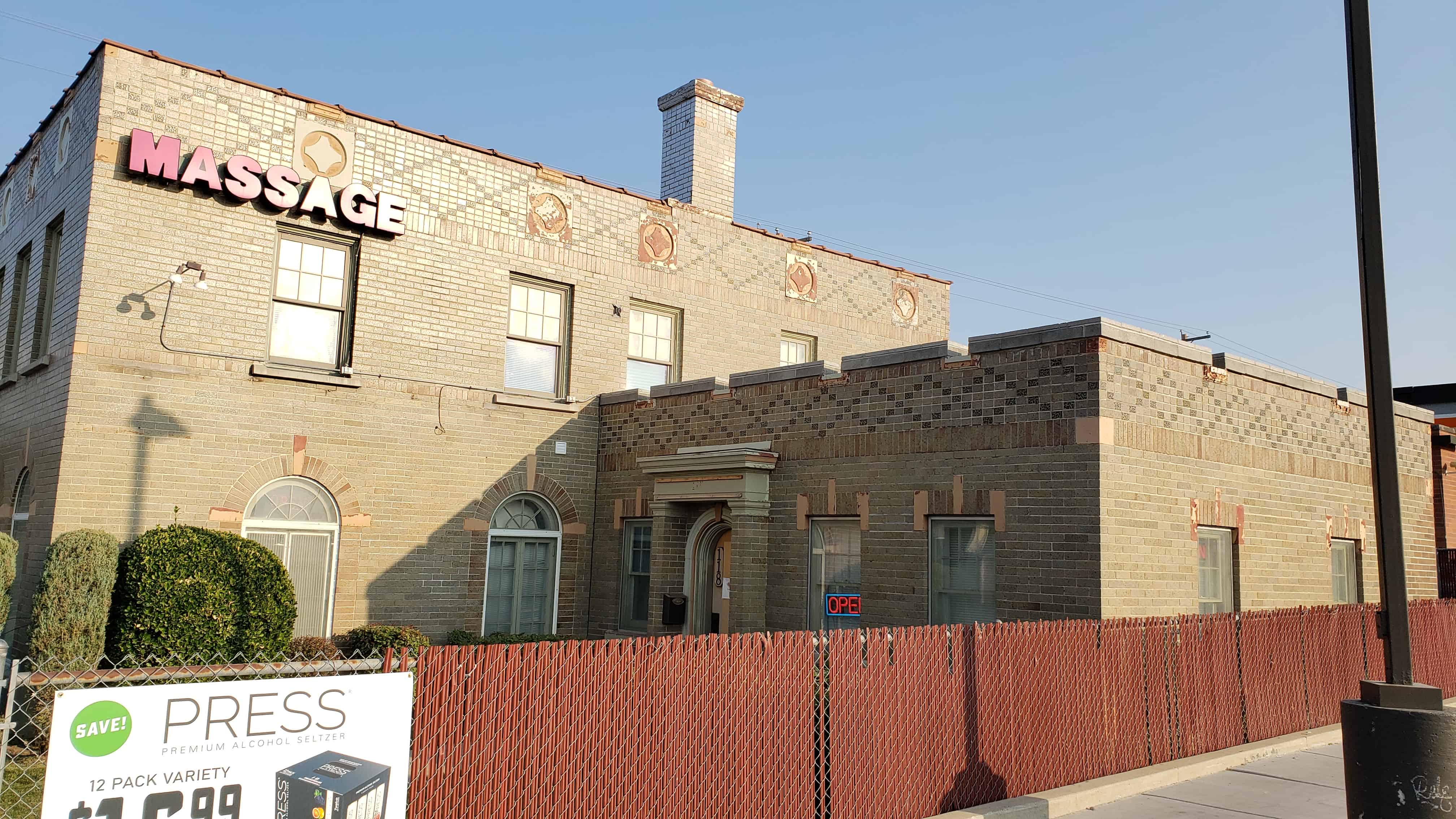
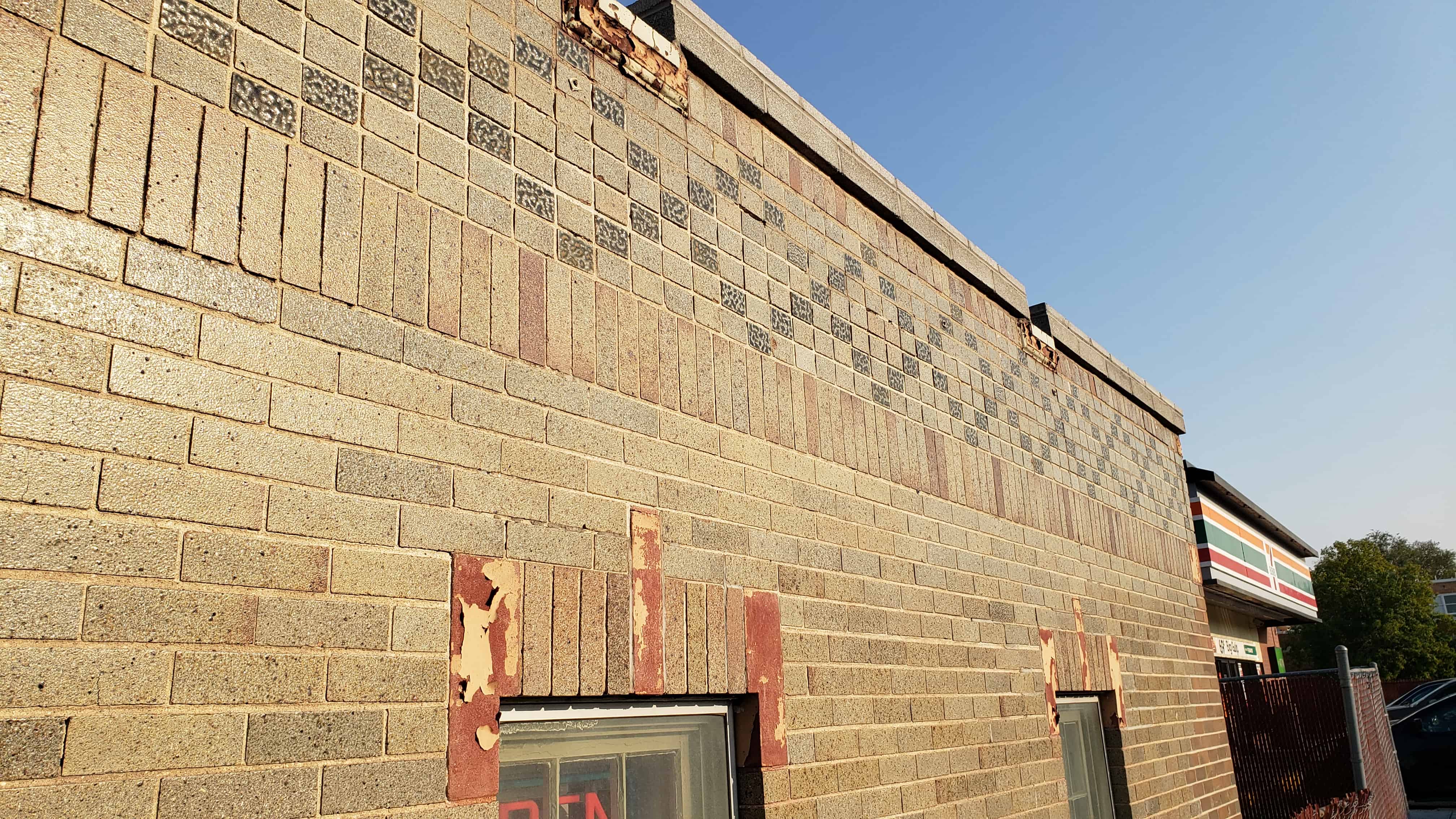
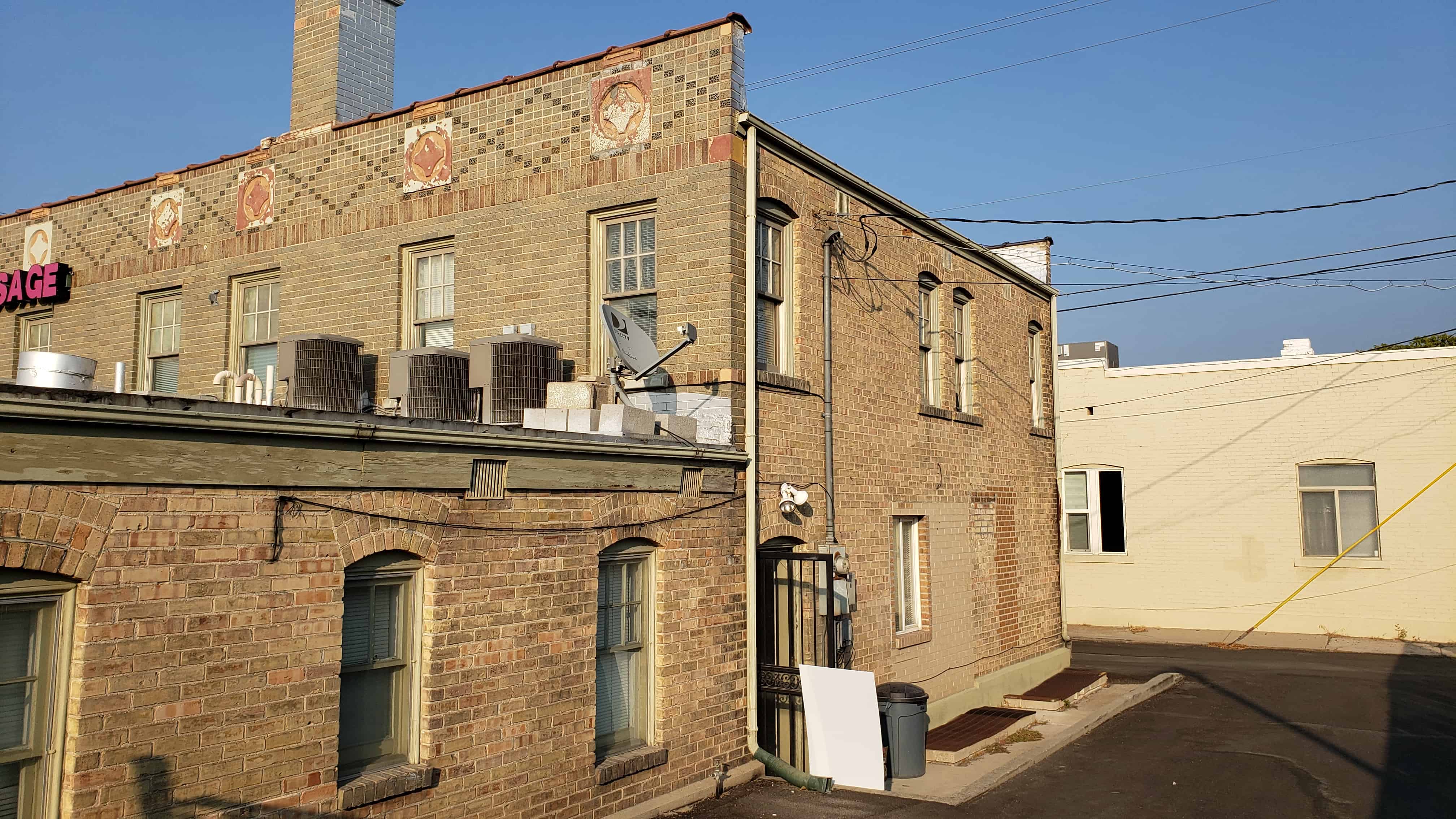
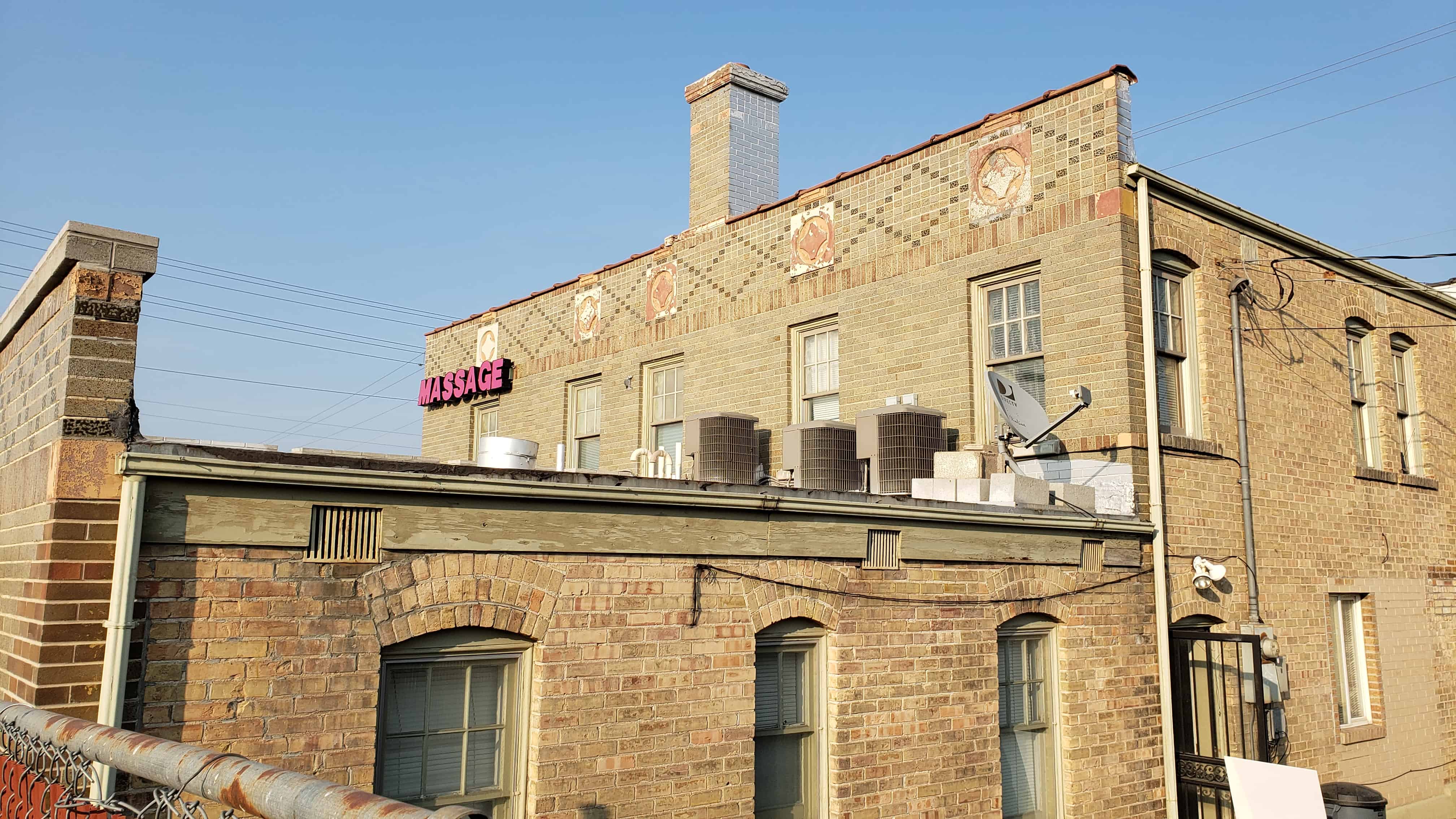
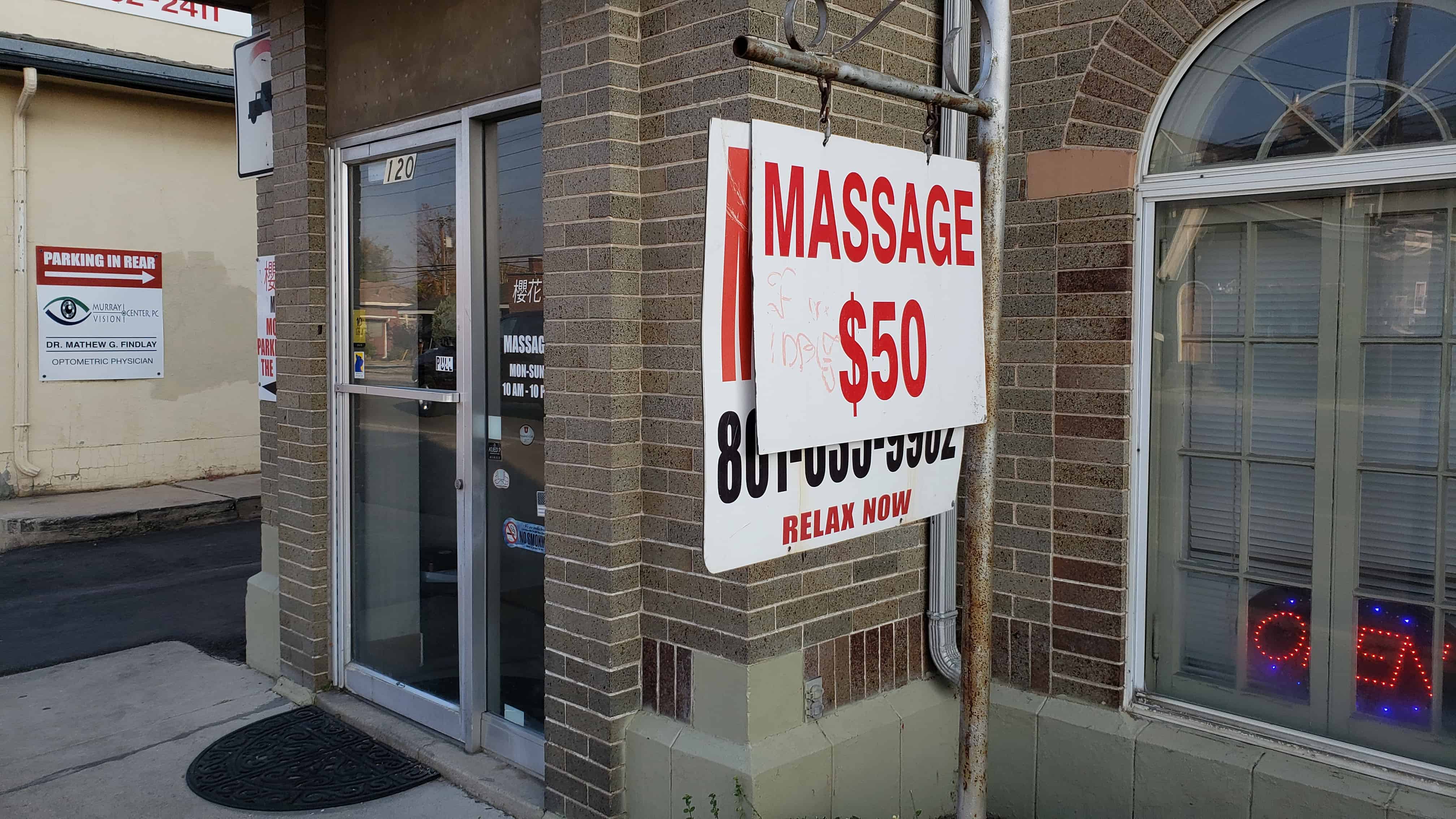
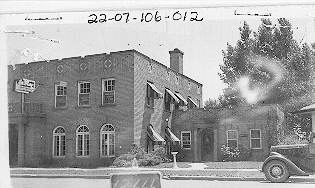
The Murray Clinic Hospital was constructed in 1927 for Herond Nishan Sheranian, M.D. on property purchased from William J. Warenski and was designed by Architect Leonard C. Nielson. It had ten beds for treating patients, and included a modern operating room and x-ray facility. The two-story brick building features the extensive use of polychrome glazed brick and a unique blend of architectural styles.
In 1942, Francis E. Boucher, M.D. bought the facility and continued his medical practice there until the building was purchased by Optometrist, Dr. Bruce J. Parsons, in 1954. The building served as Murray Vision Center for 50 years, dedicated to serving the vision needs of Murray and Salt Lake County residents. The property is currently owned by Bruce James Parsons Intervivos Trust.
120 East 4800 South in Historic Downtown Murray, Utah
This Burger King was part of a shopping center with Hollywood Video and Allen’s Grocery store. As of 2020 they have all been closed down for a few years and there are many meetings with the city on what to do with the place going on.
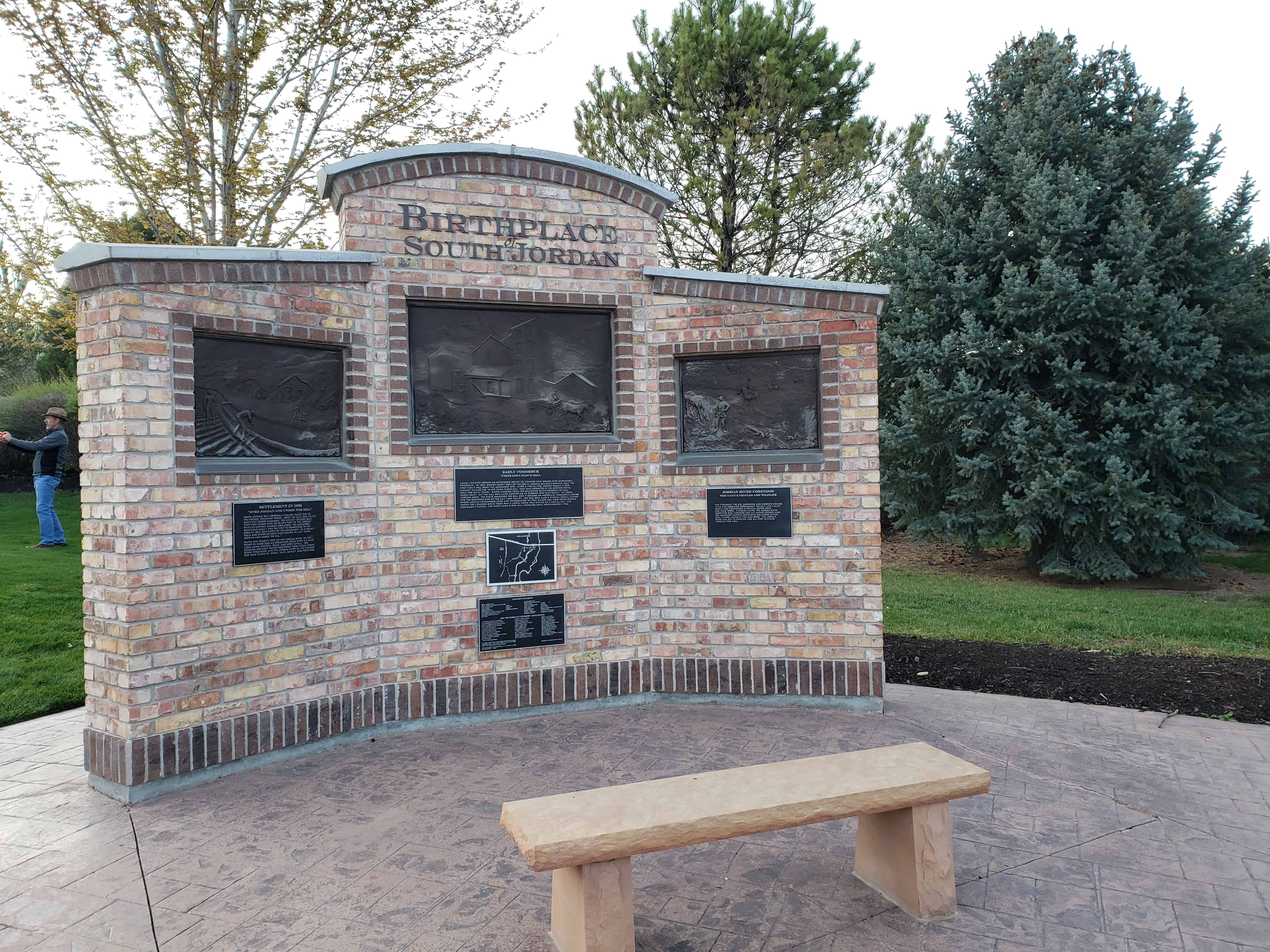
South Jordan was originally called “Gale” due to the strong, persistent winds. Since the Salt Lake Valley had little timber available, the earliest settlers built their first homes into the bluffs west of the Jordan River as earthen dugout dwellings. The Alexander Beckstead family was the first to homestead in this area in 1859, southwest of this monument. As a result, these and other settlers were known to live “over Jordan and under the hill.”
Water was scarce west of the Jordan River, so the pioneers hand dug an irrigation ditch over 2.5 miles long using shovels, picks, and spirit levels. This channel brought water northwest from Midas Creek, other tributaries and the Jordan River to the farmers for their crops of wheat, barley, and potatoes.
Early Commerce
White Fawn Flour Mill
Local farmers needed an accessible outlet to convert raw grain into marketable products. In 1895, Robert Mabey Holt of the South Jordan Milling Company built the first flour mill near this monument site. After a fire in 1902, Robert Rebuilt a new facility called the ‘White Fawn Flour Mill’ that was operated by his brother Royal Holt for many years. Water flowing from the Beckstead ditch powered the mill wheel shaft, but the mill was later converted to operate with electricity. As South Jordan grew, the Holts enlarged the mill and it became an important commerce center for the southern end of the Salt Lake Valley. The mill was also a pivotal social center where locals exchanged news and information as they waited for their grain orders. Above the loading dock there was a large room that served as a social hall for community events. The White Fawn Flour Mill operated until approximately 1955.
Jordan River Corridor
The Native Peoples and Wildlife
For centuries, the Ute, Shoshone and Goshute Indians lived and migrated throughout the Salt Lake Valley which was considered a neutral buffer zone for these tribes. Passage along the Jordan River corridor was common and all native groups used the abundant natural resources including water, salt, plants, animals, fish and birds. The Jordan River was key to survival for all who traveled through this area.