Tags

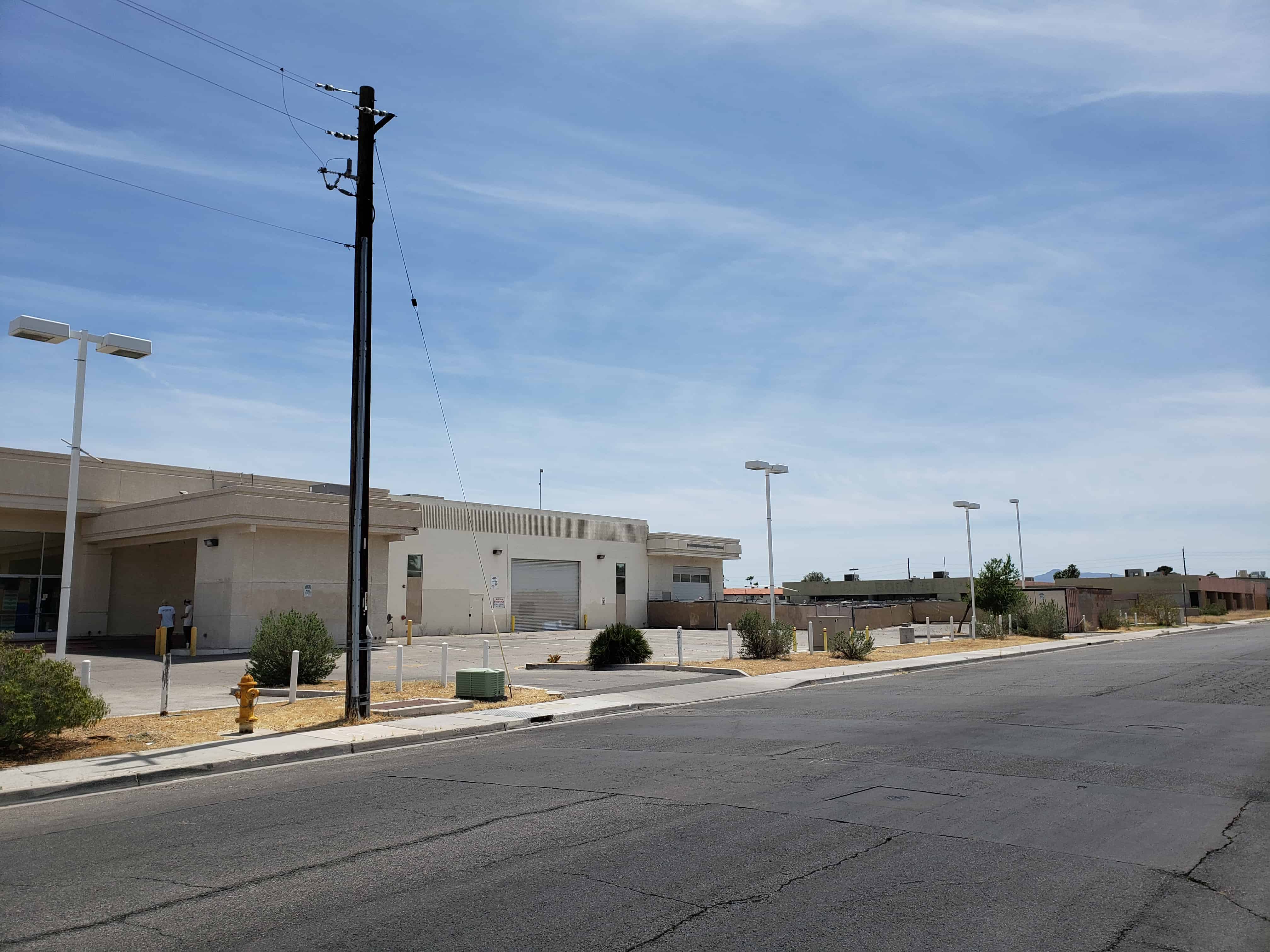
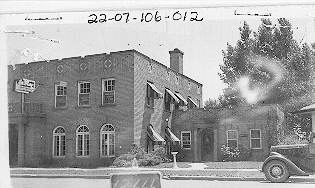
Formerly Hughes Memorial Hospital, now apartments. It has been joined with the John Babcock Home and shares a land parcel with the Morgan Hughes Home.
195 West 200 North in Spanish Fork, Utah



30 Saturday Mar 2024
Posted in Uncategorized
Tags
Formerly Hughes Memorial Hospital, now apartments. It has been joined with the John Babcock Home and shares a land parcel with the Morgan Hughes Home.
195 West 200 North in Spanish Fork, Utah
26 Friday Jan 2024
Posted in Uncategorized
Tags

Old Pioche Hospital
696 Meadow Valley Street in Pioche, Nevada
21 Sunday May 2023
Posted in Uncategorized
Tags
18 Thursday May 2023
Posted in Uncategorized
Park City Miner’s Hospital
The Park city Mining District, Utah, from its beginnings in the 1860s, quickly rose to a place of prominence among the nation’s silver producers. Large corporate interests and entrepreneurs aided in developing the area into such a position. Of equal importance, however, was the labor force which provided the miners and various skilled positions necessary to operate the industry.
The Park City Miner’s Hospital is located at 1354 Park Avenue in Park City, Utah and was added to the National Historic Register (#78002697) on December 8, 1978.
With miners came organized labor. Western metal miners banded together to form the Western Federation of Miners in 1893. In October 1901 Local No. 144 in Park City was formed. As all labor organizations, the Park City Union was formed by workers who sought, as a collective body, better wages, safe working conditions, and various benefits deemed necessary in the performance of their occupations. The early history of labor is marked by “reform;” that is, the attempt to redress grievances against mining companies and their modes of operating.
Health concerns ranked of paramount interest both to the miners and the community. Isolated from urban areas, Parkites had to be treated at Salt Lake City hospitals. Such a journey of approximately thirty miles induced many hardships, especially in winter months. Miners also objected to the automatic withdrawal of money from their pay which was sent to Salt Lake hospitals, where they felt treatment was not satisfactory.
Spurred by the union, a project was launched in December 1903 to fund a local hospital for the Park. The effort represented a significant form of mutual cooperation, in a social humanitarian field, between miners’ union and local residents. The union meeting in December resulted in a resolution being passed that called for the formation of a company by a committee appointed by the union. This company was to have a capital stock of $20,000 divided into 2,000 shares at the par value of $10.00 per share, with both union and non-union members able to subscribe. However, upon any future sale of the stocks, they were to be transferred only to the Park City Miners Union No. 144. The union acted only as a shareholder, the hospital to be run by the company.
The subscription proved a success as newspaper reports attested to the cooperation of individuals and business houses of the city. Mrs. Edza Nelson donated an acre of ground known as Nelson Hill, upon which to erect the building. This site, located just north of the city, was selected because of its distance both from city noises and dangers of fire, as well as the most suitable spot to insure the maximum of sunshine and fresh air.
Plans and specifications were prepared by Harry Campbell, contractor, and ground was broken in April 1904. Work progressed and by October 1, 1904, the hospital reached completion. Furniture and furnishings were received by various fraternal and social organizations and individuals, adding to the cooperative character of the venture. Dedication services were largely attended, with representatives of several religious denominations offering preservations, and highlighted by an address by Colonel William M. Ferry.
The Park City Miners Hospital now stands as a commercial property, but its significance lies in its place as a social humanitarian cooperative venture between a local of the Western Federation of Miners, a union characterized as radical in nature, and the Park City community. During the 1903-1904 period the W.F.M. embroiled itself in a turbulent strike in Colorado, suffering the stigma of radicalism, while at the same time initiation the building of a community hospital in Park City. Thus, the hospital aids in understanding the union’s complete efforts in the field of labor reform, as well as the cooperative effort necessary to attain its completion.
09 Friday Dec 2022
Posted in Uncategorized
Tags

Site of the Tintic Hospital
(1902-1933)
Built as a boarding house in 1893 and converted to a hospital in 1902. The Tintic Hospital served the people of the Tintic mining district until 1933.
Originally operated by Drs. Mott, Townsend and Stephens, it was purchased by Dr. Steele Bailey Sr. and Dr. Charles Harvielle in 1904. Dr. Steele Bailey Jr., who at that time was attending medical school, later joined his father and brother-in-law in the practice of medicine in 1904. He continued to operate the hospital until 1933 when he moved to Eureka, Utah.
The services rendered to the people of the district during the influenza epidemic of 1918 will long be remembered, as also the numerous emergency treatments given the miners and their families of the district.
The original building was destroyed about 1935.
Marker placed September 1974 in Mammoth, Utah by the Tintic Historicical Society.


15 Monday Aug 2022
Posted in Uncategorized
Tags
Clark County, Historic Buildings, Hospitals, Nevada, NRHP, Overton

LDS Moapa Stake Office Building / Old Hospital
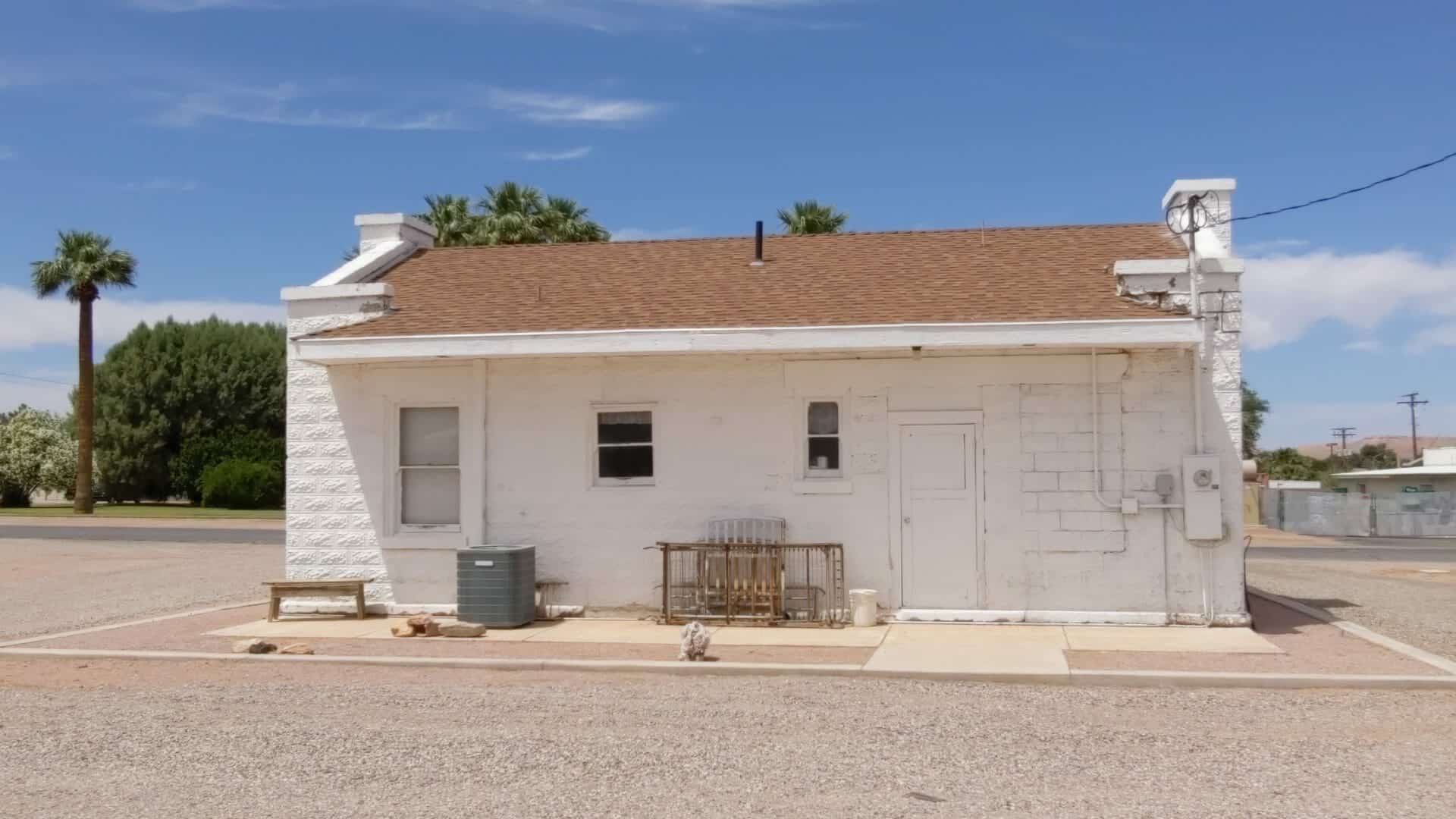
The LDS Moapa Stake Office Building began as the Virmoa Maternity Hospital in 1941, it is located at 159 W Virginia in Overton, Nevada and was added to the National Register of Historic Places (#02000819) on July 25, 2002.
Also located here is D.U.P. historic marker #385 and behind this building is the bishops storehouse.

From the national register’s nomination form:
The LDS Moapa Stake Office Building/Virmoa Hospital is eligible for the National Register of Historic Places as representative of population growth in the Moapa Valley based on a flourishing agricultural community, and of the continuous influence of the LDS Church in southern Nevada and the western Great Basin. The Church of Jesus Christ of Latter-day Saints (LDS or Mormons) built the LDS Moapa Stake Office Building to serve as an administrative center for church leaders. The term “stake” refers to a stake in the tent of Zion, a biblical connotation of the promised land. As an administrative unit, a stake oversees several wards or geographical groupings of church members with their own meeting centers. From 1919 until 1939, the LDS Moapa Stake Office Building served as a meeting place for church officials, a place to organize welfare work within the community, and for genealogy classes. In 1941, the building was converted into the Virmoa Maternity Hospital to serve the residents of Overton, Logandale, Moapa, and smaller outlying communities.
The LDS Moapa Stake Office Building must be evaluated under Criteria Consideration A: Religious Properties. Although the building served the Mormon Church as an administrative center, its association with the Mormon community in the Moapa Valley transcends mere religious significance. The role of Mormon settlement in southern Nevada cannot go unacknowledged simply because the Mormons came to be there as a result of their religious beliefs. The Mormon presence in southern Nevada is important to the broader history of exploration, settlement, and agricultural practices in the arid Southwest. The Moapa Stake Office Building also represents a rare example of an early Mormon administrative building. A single stake might cover a number of wards, with families spread over vast stretches of agricultural lands. The LDS Moapa Stake Office Building exemplifies the Mormon presence in the Moapa Valley.
Moapa Valley
Moapa Valley is in the southeastern part of Clark County in Southern Nevada. Rising out of springs in the Pahranagat Valley, the 30-mile long Muddy River flows through Moapa Valley to the Virgin River to the north. The Muddy River is virtually the only source of water from the Beaver Dam Mountains in Utah to Vegas Springs in today’s Las Vegas. Summers in the region are unbearably hot, with little relief over night. As inhospitable as the region seems, with irrigation the valley is extraordinarily fertile. American Indians practiced irrigated agriculture in the valley, raising corn, squash, beans, and cotton, from perhaps 1000 BC to 800 A.D. (Elliott and Rowley 1987). Pueblo Grande de Nevada contained a population from 10,000 to 20,000 thousand people. During the third phase of activity known as the Lost City, dating from 700 A.D. to 1100 A.D., agriculture, likely with irrigation, thrived (Elliott and Rowley 1987). These prehistoric activities became known when Moapa Valley received national acclaim with the archeological excavations conducted from 1924 through 1938 in anticipation of the flooding of Lake Mead. As result of this work the Lost City Museum was built in Overton.
Mormon Settlement in Moapa Valley
The Mormons began their westward trek in 1847, choosing to settle in Utah’s Great Salt Lake Valley. The region fit their needs because of its distance from other population centers and because it fit the biblical description of the “Zion of the last days.” Conditions in Great Salt Lake Valley were difficult, but the Mormons persevered through a program of building, planting, and purchasing supplies from Gentiles (non-Mormons) at nearby Fort Bridger. Although some Mormons moved on to the California gold fields or to more populated areas, most remained in Great Salt Lake Valley under the direction of their leader, Brigham Young (Kimball 1987:292).
The Mormons clearly possessed characteristics that allowed them to succeed under extreme conditions, and that would serve them when they arrived in the Muddy River Valley some 20 years hence. Historian Leonard Arrington noted seven principles that guided early Mormon settlements. (1) Gathering the coming together of faithful at selected gathering places (Zions) to prepare for the Second Coming. (2) The Mormon Village the settlement of the gathered people in villages built according to the Plat of Zion, which divided the land into three sections: Village lots, farming lots, and pasturage. (3) Property as Stewardship all property was consecrated to the church for the benefit of the Kingdom. (4) Redeeming the Earth through the development of local resources. (5) Frugality and Economic Independence by achieving total self-sufficiency. (6) Unity and Cooperation, and (7) Equality (Kimball 1987:292-293).
These principles guided the development of the original Mormon settlement in the Great Salt Lake Valley and as they spread into other valleys. A group of Mormon settlers established a mission at Vegas Springs in 1855, but abandoned it in 1857, when Brigham Young called them back to Salt Lake in fear of military reprisals by the U.S. Army. The military action never came to pass and a second Mormon expansion phase began in the 1860s. It was during this second phase that Mormons brought their established ideals to the Muddy River Valley. At the direction of Brigham Young, the first group of Mormon missionaries, led by Thomas Smith, arrived on January 1, 1865, at the confluence of the Muddy and Virgin Rivers. The group established a community they called St. Thomas, after their leader and guide. In June of that year, a second missionary group arrived in the region and set up a second community nine miles north of St. Thomas, which they named St. Joseph. There soon came to be numerous southern Nevada colonies. In addition to St. Thomas and St. Joseph, there were Callville, West Point, Kaolin, Overton, Bunkerville, and Mesquite, all part of a line of settled valleys that stretched from Rexburg, Idaho to southern Nevada (Kimball 1987).
The purpose of the Muddy Mission, following the seven principles mentioned above, was to grow cotton and other semi-tropical products, to convert the Indians to Christianity, and as a stopover for travel and trade on the Colorado River and for California-bound travelers on the Old Spanish Trail, also known as the Mormon Road. The other purpose was to “secure land from the invasion of Gentile miners and cattlemen . . .” (Kimball 1987:293). Ultimately, more than 100 settlers occupied the lands of the Muddy River Valley, growing cotton, wheat, corn, melons, sunflowers, peach trees, grapes, pumpkins, and general garden vegetables. They also raised livestock, including cattle, mules, goats, chickens, ducks, geese, and sheep. Their success is a testament to their devotion to the tenets of their church and to Arrington’s seven principles (Kimball 1987:295).
Conditions were difficult along southern Nevada’s Muddy River. Isolation from markets and needed supplies, along with malaria and high temperatures, drove some settlers away. According to the 1870 U.S. census, 750 people lived in the region. That same year, however, the boundaries of Nevada and Utah were surveyed and it was discovered that the lands of the Muddy Mission were in Nevada, not Utah as originally thought. Nevada demanded payment of back taxes in gold coin, a debt the Mormons were unable to pay. Brigham Young gave the Mormons at Muddy Mission permission to leave Nevada. All but one family relocated in 1871. As was the case with other abandoned Mormon settlements, Gentiles quickly moved in and took over the farmlands and homes left behind. Ten years later, Mormons come back to the Muddy River Valley. They bought property and re-established the communities of Overton, St. Thomas, 1 and St. Joseph, which was re-named Logandale (Corbett 1975).
Heretofore, farming and ranching flourished in Nevada because it served the mining booms. But when the Comstock mines had played out in 1880s, half the state’s population moved to better job opportunities elsewhere. Nevada had fitful starts with Progressive legislation in developing irrigation projects as a means to stimulate the state’s economy from economic depression. In 1889, the Nevada legislature recognized public ownership of unappropriated water of natural springs and allowed it to be used by builders of irrigation projects (Elliott and Rowley 1987). The National Reclamation Act was passed in 1902, but the foremost national project in Nevada was the Newlands Irrigation Project in northern Nevada’s Lahontan Valley.
The Muddy Valley Irrigation Company, formed in 1895, managed water rights along the Muddy River. Levi Syphus, Overton resident and Nevada state senator, wrote the bylaws and operating system for the irrigation company. Water users dug ditches and canals and quit-claimed their water rights to the company in exchange for a water certificate. By 1914, a modern irrigation system was installed and in the mid-1930s a Civilian Conservation Corps project built a dam on Muddy River to control flooding. Syphus helped write Nevada State Water Law, and he later was appointed by the Bureau of Reclamation to a three-man commission to appraise deeded lands excepting mining property lying under the 1150 contour. These lands were subject to condemnation because of the rising the waters of Lake Mead resulting from the construction of Hoover Dam. Syphus was well-liked in Moapa Valley and had influential friends around the state. He had been encouraged to run for governor by State Democratic Party leaders but declined because his religious association with the LDS Church and the fact that he was unmarried. Syphus knew these factors would hurt him in election (Hafner 1967).
The onset of World War I further spurred agriculture in Nevada. Congressional appropriations allowed farmers and ranchers to increase their herds and flocks and promoted the use of irrigated lands as well as much submarginal land. Moapa Valley farms and ranches flourished, producing a wide assortment of fruits and vegetables including sugar beets and nationally-renown variety of cantaloupe. For ten years, beginning in 1920, Norman Shurtliff produced the famous Shurtliff Dollar Box of vegetables. Each package contained lettuce, radishes, green onions, spinach or beet greens, asparagus, carrots, parsley, and a flower, either a rose or sweet peas. Other farmers raised turkeys, hogs and chicken for the Utah, California, and Las Vegas markets (Hafner 1967).
The importance of Mormon agricultural history, which stretched from upstate New York to Navou, Illinois and across to the Great Basin, cannot be overstated. “While Mormonism is not synonymous with agrarianism . . . there has been a historical, if not doctrinal association between Latter-day Saints and agriculture. Mormons continue to maintain a reverence for the biblical image of sower going forth to sow”(Arrington and Bitton 1979). Historian James Hulse (1991) observes, “The history of Nevada is closely intertwined with the story of the Mormons’ westward trek and their settlement in Utah, and Nevada’s social and political life has been much influenced by Mormonism in recent years.”
The LDS Moapa Stake Office Building
When the Moapa Valley was resettled by Mormons in 1880, Overton became the main settlement due to its central location. In 1881, Overton became a branch ward and soon thereafter a ward, under Bishop Isiah Cox, Sr. Following the completion of the railroad between Salt Lake City and Los Angeles in 1905, and a branch line from the town of Moapa to St. Thomas in 1912, the St. George Stake was divided and a new stake was established to include two Nevada counties, Lincoln and Clark. Stake presidency was awarded to Overton resident, Willard L. Jones. As the southern Nevada Mormon center, Overton grew.
By 1917, church leaders recognized the need for a building where Stake officers and the High Council could meet and the activities of the community could be conducted (Anonymous n.d.).
Construction of the building began in 1917, under the direction of Stake president, Willard Jones. Completion took two years and was marked by the dedication ceremony on November 8, 1919. The Moapa Stake Office Building was the first LDS building within the boundaries of the Moapa Stake. Church services were held in school buildings until the Overton Chapel was built in 1950 (Anonymous n.d.). The Moapa Stake High Council and President used the building as an administrative center and for training sessions in spiritual and secular management. The stake as an umbrella organization oversaw the administration of several wards and was equivalent to a diocese overseeing the operations of several parishes or congregations. Welfare work conducted at the office building included gathering provisions for the needy within the church community and for non-members. A welfare system established by the church grew out of the Great Depression and included the distribution of locally grown food. Franklin Roosevelt commended church officials hoping their work would inspire other groups to establish similar programs (Arrington and Bitton 1979).
In 1939, after 27 years of service, Stake president Jones asked to be released from his duties. By this time, most of the Stake officers lived in Las Vegas. Good roads and new cars allowed for easy travel between Overton and Las Vegas, and it was decided to move Stake administration to the bigger town, thus leaving the little office building without a purpose.
The Virmoa Maternity Hospital
The little office building would not stand vacant long. Southern Nevada Memorial Hospital leased the LDS Moapa Stake Office Building in 1940 to house the first hospital in the Moapa Valley. Willard Jones LDS stake president in Overton and assemblyman in the Nevada legislature, assisted in bringing the branch hospital to Overton. The Virmoa Maternity Hospital opened for business on January 9, 1941. The name is a combination of the words Virgin and Moapa representing the two valleys in the region. Combining two names to form one is a Mormon folk practice. The first baby born at Virmoa Maternity Hospital was Mary Louise Fox, at 10:05 A.M. on January 29, 1941. Over the course of the next 25 years, more than 200 babies were born at the small hospital, including six pairs of twins (Anonymous n.d.).
After World War II, the church had developed a plan to bring hospitals to areas with majority populations of church members. The Latter-day Saints Church Hospital System established seventeen hospitals in Utah, Idaho, and Wyoming2 (Arrington and Bitton 1980). The Virmoa Maternity Hospital was a forerunner of this hospital plan. Before the establishment of the hospital some women traveled either 65 miles to Las Vegas or 75 miles to Saint George, Utah to have their babies. Others gave birth at home or visited the local doctor’s office, which was usually in his home, with the doctor’s wife serving as a nurse assistant (Anonymous n.d.).
When a hospital unit was built in Mesquite, the name of the Moapa building was changed to Emergency Unit of the Southern Nevada Memorial Hospital. An additional room was added to the building for x-ray work. This room has since been removed. The Emergency Unit operated in Overton until 1966, when it was downsized to a once-a-month well-baby clinic. In 1970, after the clinic was moved to another location in town, the Daughters of the Utah Pioneers (DUP) requested permission to use two rooms in the building, and they began a remodel project: “A wall was removed to make a larger room, a cupboard was moved to a smaller room, and repairs were made where needed” (Lyman 1972). LDS Church headquarters in Salt Lake City requested either payment for the building, which had been appraised at $2,000, or a lease agreement. To raise the needed purchase money, the DUP used $1,000 from the sale of their book, One Hundred Years on the Muddy, and $600 that had been donated by the LDS Moapa Stake. Additional book sales, food and rummage sales, and the sale of a “quilt or two” allowed the DUP to purchase the property. Today, the DUP plans to use the building for monthly meetings, and as a museum to house artifacts depicting the days of the pioneers.
Summary
The Moapa Stake Office Building/Virmoa Maternity Hospital stands as a testament to the tenacity, hardwork, and religious principles of the Mormons who settled the Muddy River Valley in the 1860s and to those who returned in 1880 to fully realize the possibilities of the region. The area’s significance was recognized by the church through the presidency of Overton resident Willard Jones, which resulted in the need for the office building. Later, when Stake business moved to Las Vegas, the building fulfilled another mission as the first hospital in the area.
20 Thursday Jan 2022
Posted in Uncategorized
Tags
Chapels, City Hall Buildings, Dance Halls, Historic Buildings, Hospitals, Juab County, Lynndyl, NRHP, Schools, Theaters

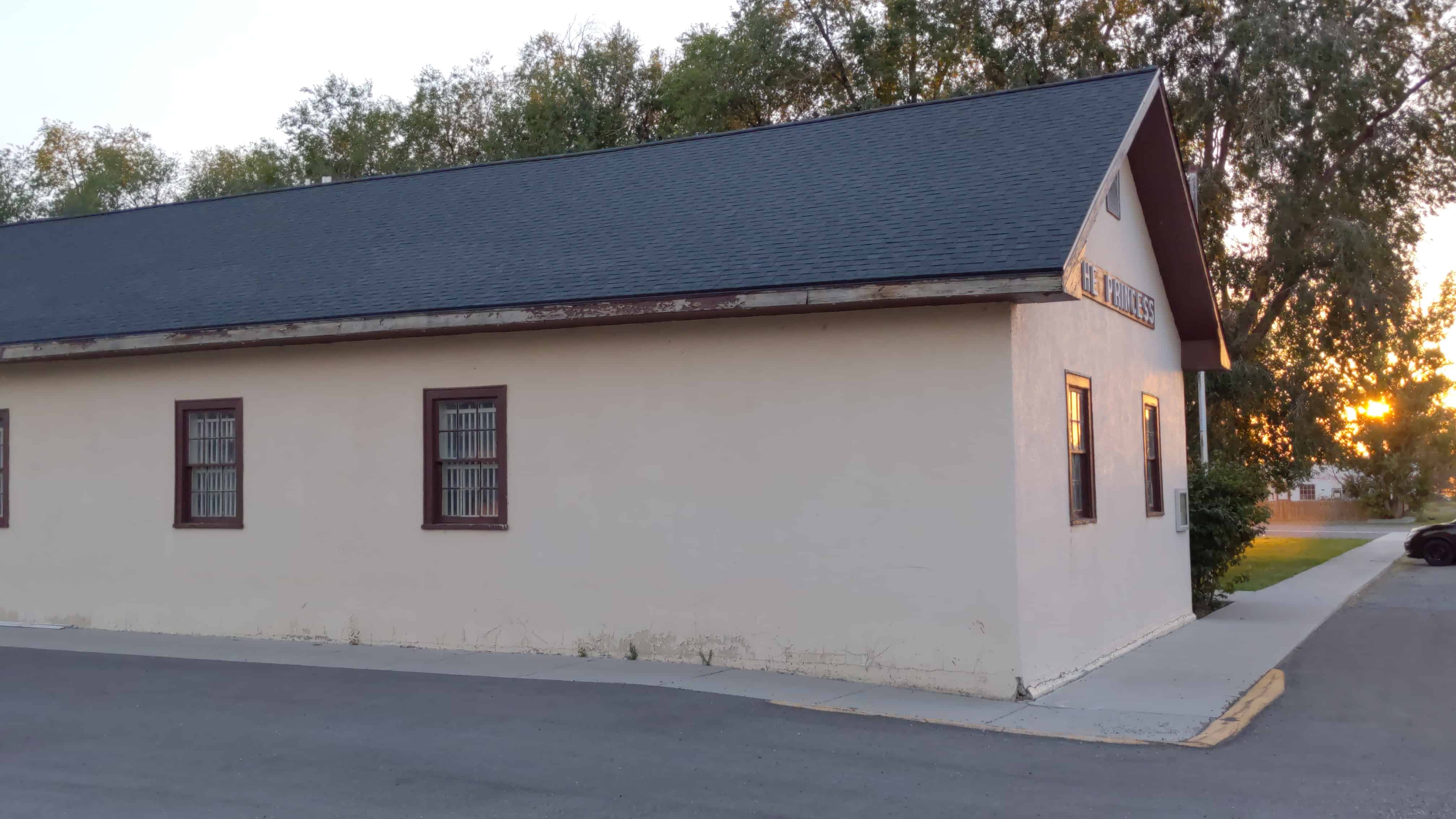
The Princess Recreation Hall/Lynndyl LDS Meetinghouse is locally significant in the areas of entertainment/recreation and religion. Lynndyl Town was established during the railroad expansion era and the Princess Recreation Hall was built to meet the needs of the citizens for a social gathering center. Originally constructed in 1914 as a social and recreation place for the community, is was used for sporting events, dances, public meetings, a school house, a movie theater, and even a hospital during the influenza epidemic of 1917-1918. During its time as a recreation hall, the building also concurrently served as the meetinghouse for the LDS Lynndyl Ward from 1915-1985. It its 100 year history the Princess has never been empty and has remained a community center for social gathering from the beginning. It has been used as the Lynndyl Town Hall since 1982.
Located at 98 East Center Street in Lynndyl, Utah

From the National Register nomination form:
Located within the town of Lynndyl, the Princess Recreation Hall/Lynndyl LDS Meetinghouse is a one-story wood frame and stucco building with minimal detail, located at 98 East Center Street. It is situated in the north-east corner of the community park, with a sports court to the west and a grass sports field to the south and west. The original 1914 building was a recreation hall constructed of wood frame and wood siding, with a basketball court and stage. In 1936-38, an addition was constructed to the west of the building for classrooms and other meeting space to accommodate the needs of The Church of Jesus Christ of Latter- day Saints’ membership in the town. The structure now took on an “L” shape, with projecting entryways. The original building and the new addition were finished with a more modern stucco appearance, although it maintained a vernacular classical appearance. In 1983, a fire station was added to the south of the building, creating a “T” shape. And, although the outside was finished to match the 1936 stucco exterior, the inside of the new section was modern. However, the interior of the 1914/1936 church remodel was not altered. As of 2014, the interior still retains this layout and architectural detail, such as stained wood molding and interior wood doors. The structure has very simplistic features such as the wood decorative eaves and the original wood frame six over six double hung windows, which helps the structure to retain its historic integrity.

Located within Millard County, in the small town of Lynndyl, Utah, The Princess Recreation Hall/Lynndyl LDS Meetinghouse is currently being used for the town hall. In spite of a 1983 addition, the structure has kept its historic integrity by retaining much of the original work from 1914 and the 1936-38 addition. The building was constructed on the corner of Center Street and 100 East, in the north east corner of the public community park. Ball fields can be found south of the building and a sports court is found to the west, divided by a row of several large deciduous trees separating the building from the sports court. Other vegetation around the building includes shrubs and grass. A concrete sidewalk is found along the road on the north and east sides of the building, with unmarked gravel parking adjacent to the concrete sidewalk.
The building was originally constructed in 1914 as a rectangular plan recreation hall with gymnasium and auditorium. The original structure was built on a concrete slab with wood framing and covered with wood siding. The vernacular building was constructed with simplistic detail that was functional rather than decorative. In 1936, the Church of Jesus Christ of Latter-day Saints responded to the demand for a larger place of worship by constructing an addition to the west portion of the building. The new structure used a concrete block foundation which raised the main level of the addition up one-half story and allowed for a full basement. This basement had a coal furnace and coal storage room along with classrooms. The new addition was built using wood framing. It did not keep to the original exposed wood siding of the original, but was finished with stucco. The exterior of the original recreation hall was also finished with stucco to match the new exterior. Other simple details were added to the wide eaves to give the building a slightly more formal appearance, with an understated Classical feeling. When completed in 1938, the new Lynndyl LDS church building had an L-shape plan and increased space for meetings and classes, yet the social hall remained open as a community gathering area with wood floors and plaster covered walls. When completed the finished space was approximately 3,620 square feet.
From the primary entrance on the north side of the 1936-38 wing, one enters a vestibule then proceeds to the interior of this section. The interior of the addition was designed in a split level format with a full set of stairs to the basement and a half flight to the upper level. The basement below this section has rooms for storage, classrooms a coal furnace and a coal room.
The upper level of the addition has a large room on the west side that was originally used as chapel for church services. Another room to the east of this is divided off by an accordion wall and served as a classroom. There is a small window on the south elevation that provided light to this room. However, this was covered on the exterior when the fire station was added. To the east of this room, and separated by another accordion wall is the back stage area from the gymnasium. The east wall of this area has large built-in cupboards and a single window. A doorway at the northeast corner, next to the stage curtains, provides access to a small stairway leading down north to the gymnasium floor. The gymnasium is to the north of this area and is a large open hall with maple flooring. A basketball hoop is on the north end. The ceiling is coved and has fairly old acoustic tile. The gym has a separate exterior entrance through the projecting vestibule on the west side described above. Another doorway at the southwest corner of the gymnasium provides access to an interior stairway leading up to the hall/landing area and a small kitchen. All of the original plaster walls, doors, wood trim and finishes are retained in the 1914-1938 part of the building and very little has been changed or updated except for carpeting on the floors, accordion doors, and light fixtures.
The building remained in this plan until 1983 when Lynndyl Town moved into the building creating a new use as the town hall. Although no structural changes took place within the existing building, a fire station was constructed at the south end as an extension of the gymnasium/auditorium section and was built using wood frame construction and covered with stucco to match the rest of the structure.
The 1983 fire station addition is accessed from the interior by a doorway from the classroom section of the 1936-38 addition. The door leads to a landing with stairs (behind a door) that go up to the second story of the addition, and a half-flight of stairs that leads to the ground-level hall and rooms of the addition. Two restrooms at the north end of the addition are separated from the garage/vehicle storage area of the fire station by an east/west running hallway. At either end of the hall are exterior exits. At the west end of the hall are located the stairs to the second floor and a second stairwell to the basement rooms. The fire station garage area is a single large, open area with room for two vehicles and equipment.
The building has undergone two building campaigns since the original construction that have seen two major sections added to the building. The first one, 1936-38, made major alterations to the original structure in both form and use. The second, in 1983, added a new use and major addition while making little alteration to the overall appearance. In spite of the non-historic addition, the building still retains historical integrity of the 1930s appearance and is a contributing historic building in the small town of Lynndyl.

The Princess Recreation Hall/Lynndyl LDS Meetinghouse is locally significant under Criterion A in the areas of Entertainment/Recreation and Religion, as well as Criteria Consideration A for its historical use as a religious meeting place. Lynndyl Town was established during the railroad expansion era and the Princess Recreation Hall was built to meet the needs of the citizens for a social gathering center. Originally constructed in 1914 as a social and recreation place for the community, it was used for sporting events, dances, public meetings, a school house, a movie theater, and even a hospital during the influenza of 1917-18. During its time as a recreation hall it also concurrently served as the meetinghouse for The Church of Jesus Christ of Latter-day Saints’ Lynndyl Ward from 1915-1982. Therefore, it is significant in relation to its contribution to the social and religious aspects of Lynndyl. Within the 1914-1964 period of significance, the building had two distinct construction periods: 1914, when the original wood framed building housing the gymnasium and stage was built, and 1936-38, when the meetinghouse expansion was completed. In its one hundred-year history the Princess has never been empty and has remained a community center for social gathering from the beginning. It is currently being used as the Lynndyl Town Hall, and has been since 1982 when the Lynndyl LDS Ward was disbanded. In 1983 a section was added to the rear of the building to house the town fire station. In spite of the new construction, the historic portion of the building retains its historical integrity and remains a contributing historic building in the small town of Lynndyl.

The Princess Recreation Hall is significant in the area of Entertainment/Recreation as it was the center of all social life for the community. In 1914 the town’s people desired a social hall to be constructed for their gatherings and events. F.L. Copenham, Walter Johnson and other community members helped construct the hall. Prior to completion, the first ball was held and was recorded as being a “grand affair”. The hall was used for a variety of social and sporting purposes and events. These included a movie theater, a dance hall, and a sporting events center which included a basketball court and collapsible boxing and wrestling ring. According to the Polk and Co.’s Utah Gazetteer, the Princess had several recorded managers, Elmer A. Jacob (1918-1919), GW Sudbury (1924-1925) and Elmer Banks (1927-1928).
The Princess truly served as multi-functional building in this small town. During the day it was used as the school house and at night a dance hall with music provided by a piano, fiddle and banjo, and later, the Lynndyl Town Band. The building was mostly used as a gymnasium where a collapsible platform could be set up for boxing and wrestling. According to a poem written by Lynndyl resident, Roberta Dutson, boxer Jack Dempsey and wrestler Ira Dern, visited the Princess for an exhibition.
Along with the role as a dance hall and gymnasium, the building also served as the local movie theater. According to local historian, Mary Greathouse:
“The first picture show was run by Elmer Jacobs. Sometimes the film would break and the audience sat in the dark until Elmer climbed down [to] find a woman who would loan him a hairpin to make repairs. At other times, the film would catch fire and Mr. Jacobs would toss it down from the projecting booth for someone to stamp out. The film would be sliced and the show would go on.”
The building was heated by two large stoves, located in opposite corners of the gym. Prior to 1928, when electric power infrastructure was brought to Lynndyl, the power for lights and the projector was provided by a generator powered by an “old Ford motor”
During the influenza pandemic of 1918, the population of Lynndyl was devastated. Because of the population size and isolation of the town, there was no hospital to serve the health needs of the community. In order to deal with the many sick who required increased observation the Princess was put into use as a makeshift hospital. The building’s use as a hospital was short-lived, as was its former use as a place of education. When the flu threat was over a new school was constructed adjacent to the hall and opened for students in 1919.

The Princess Recreation Hall/Lynndyl LDS Ward Building is significant in the area of Religion under Criteria Consideration A because of the dual role of the building as the primary social and religious-use space in the community. Although there were some informal Sunday schools being held in different homes, there were no other formally established religious organizations in Lynndyl other than the Church of Jesus Christ of Latter-day Saints (which was typical of most communities in Utah). The Lynndyl LDS Ward, which met in The Princess, was the only ward (parish) found in the area.
In 1915, not long after the recreation hall was completed and put into use, the LDS Church purchased the building to use as a meetinghouse. This did not end its use as a recreation hall, however. Even though the ward used the space as a meetinghouse, the structure remained significant in regard to the social aspect of the community as a whole. From its inception, the LDS Church championed recreational activity in all the communities it settled in Utah and the surrounding region. Particularly after the turn of the twentieth century, when the Church’s building program became more formalized, it was common to construct “cultural halls” near its meetinghouses which had functions similar to the Princess Recreation Hall, with a basketball court and stage area. Perhaps because of the small population of Lynndyl, the LDS Church deemed it more feasible to purchase the existing hall and make it a multiple-use building.
For many years the simple gymnasium and stage was used as the chapel and classrooms, with curtains hung on wires to divide up the space. As the population of the community increased, more space was needed for the expanding Lynndyl Ward. In 1936, approval was granted by the school board for the ward to meet in the school building while Princess Hall was enlarged to include a formal chapel and classrooms. In 1938, construction was completed and on Saturday, September 10, a celebration was held that included sporting events followed by a banquet and program. Some 700 people were in attendance for the events which ended with a dance in the hall. On Sunday, the building was dedicated by LDS Church President Heber J. Grant. At this time the membership for the Lynndyl Ward was 248 people.
The town continued with stable population for a few years longer, but as steam locomotives switched to diesel, the railroad no longer found it necessary to stop in Lynndyl. As a result jobs decreased and with it, the population. Although population declined over the decades, the building continued in shared public and religious use for several decades.
On Sunday, November 22, 1981, the LDS Stake President announced the Lynndyl Ward would most likely be abandoned at the beginning of 1982. This was a shock to many of the members and devastating to think of their community without a place to worship and meet with friends and neighbors. The ward continued on for another eleven months and on October 20, 1982, the last meetings were held in the Lynndyl Ward Meetinghouse. Alpha Nielson, who wrote the history of the Relief Society2 in Lyndyll, stated the following: “No more Lynndyl. No more meeting place. No more cultural hall or public building. A little town with no identity. No heart or soul”.
Although the Lynndyl Ward no longer met in the building, it did not remain empty for long. Soon after the ward moved out, Lynndyl Town set up offices in the building. Along with the new use, the town established a local fire department and constructed permanent quarters for their emergency vehicles in 1983. Along with Town functions, the building continues to be used as a public meeting space for the community, with the gymnasium and stage put in use at various times of the year.
When the nearby IPP power plant finally opened, the population saw a small increase; however it has always remained below 150 residents. In 1990 C.B. Tolbert became mayor and pushed for a beautification of the community. He had the town hall repainted and placed letters on the outside that stated once again “The Princess” (Greathouse 207). Being the town hall, it has remained a community gather place. Public meetings continue to be held at the building along with recreational activities, dances, pancake breakfasts, holiday turkey dinners, bingo games, basketball and other recreational activities. The Princess Hall has remained throughout Lynndyl’s history the most significant and prominent structure within the community, and remains a contributing historic resource.

08 Monday Nov 2021
Posted in Uncategorized
Tags
Fire Houses, Historic Markers, Hospitals, Libraries, museums, Nevada, NRHP

Museum and Fire House
Library – Circa 1941
The museum building started as a library and was one of only two National Youth Administration (NYA) projects in Nevada. Volunteers finished the building when NYA funds were diverted to the war effort. Clark County operated a branch library at this site for about a year.
Hospital – Circa 1943
Due to rationing and the difficulty of travel during World War II, the building was converted to a hospital and later a medical clinic. It operated under the direction of nurse Bertha Howe until 1977.
Virgin Valley Heritage Museum – 1985
After the City incorporated in 1984, the building became City property and was converted to a museum. Mementos and artifacts from the area were generously donated by Virgin Valley residents. In 1991 the building was listed on the National Register of Historic Places.
Fire House – Circa mid-1950’s
The building northwest of the museum served as the first fire station in Mesquite and was staffed by volunteer firemen. The first fire engine was a four-wheel drive army truck donated by Nellis Air Force Base.
This is Mesquite Historic Marker #1 (see others on this page) located at 35 West Mesquite Blvd in Mesquite, Nevada.
Related:


10 Saturday Oct 2020
Posted in Uncategorized

Murray Clinic Hospital
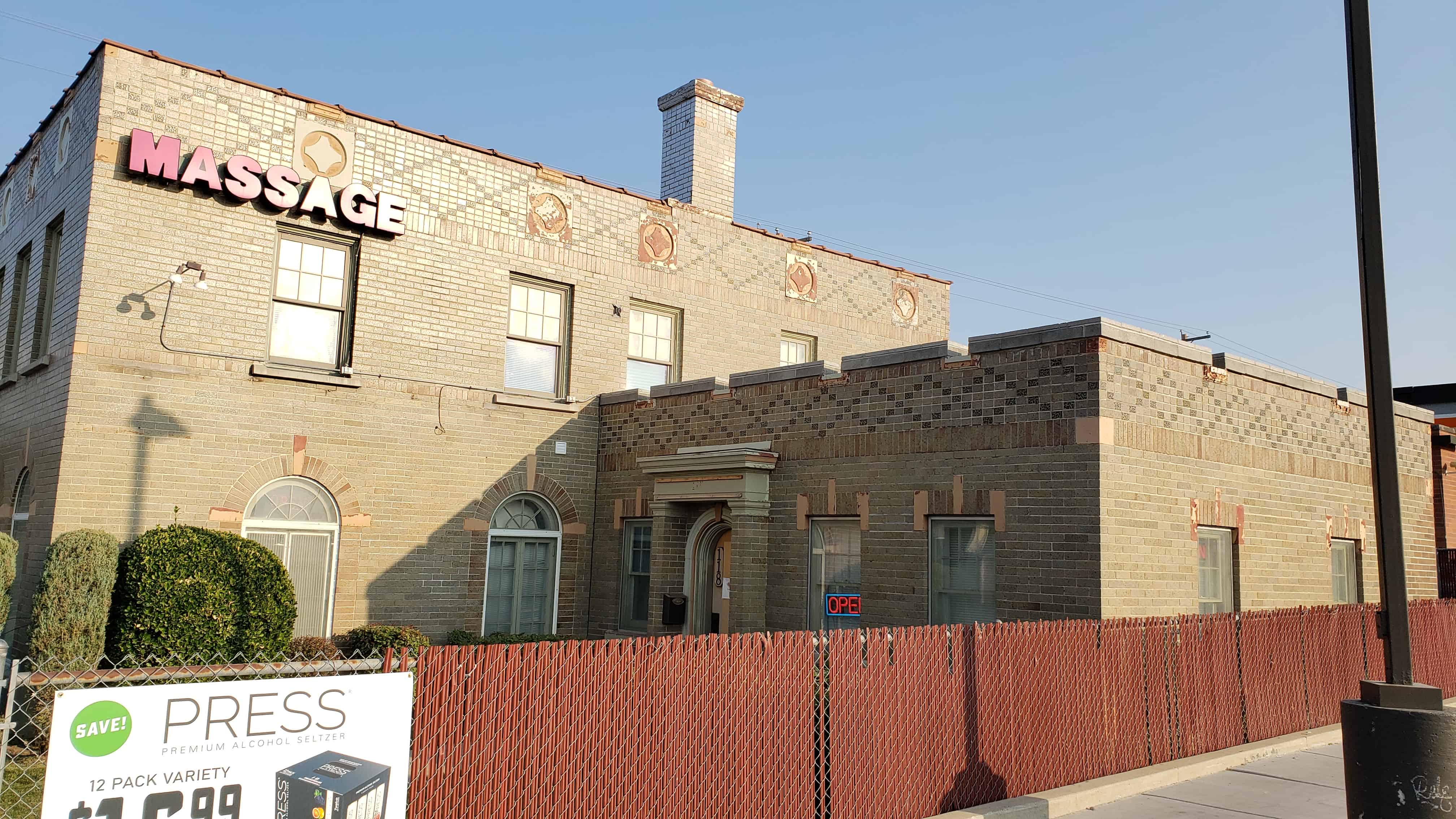
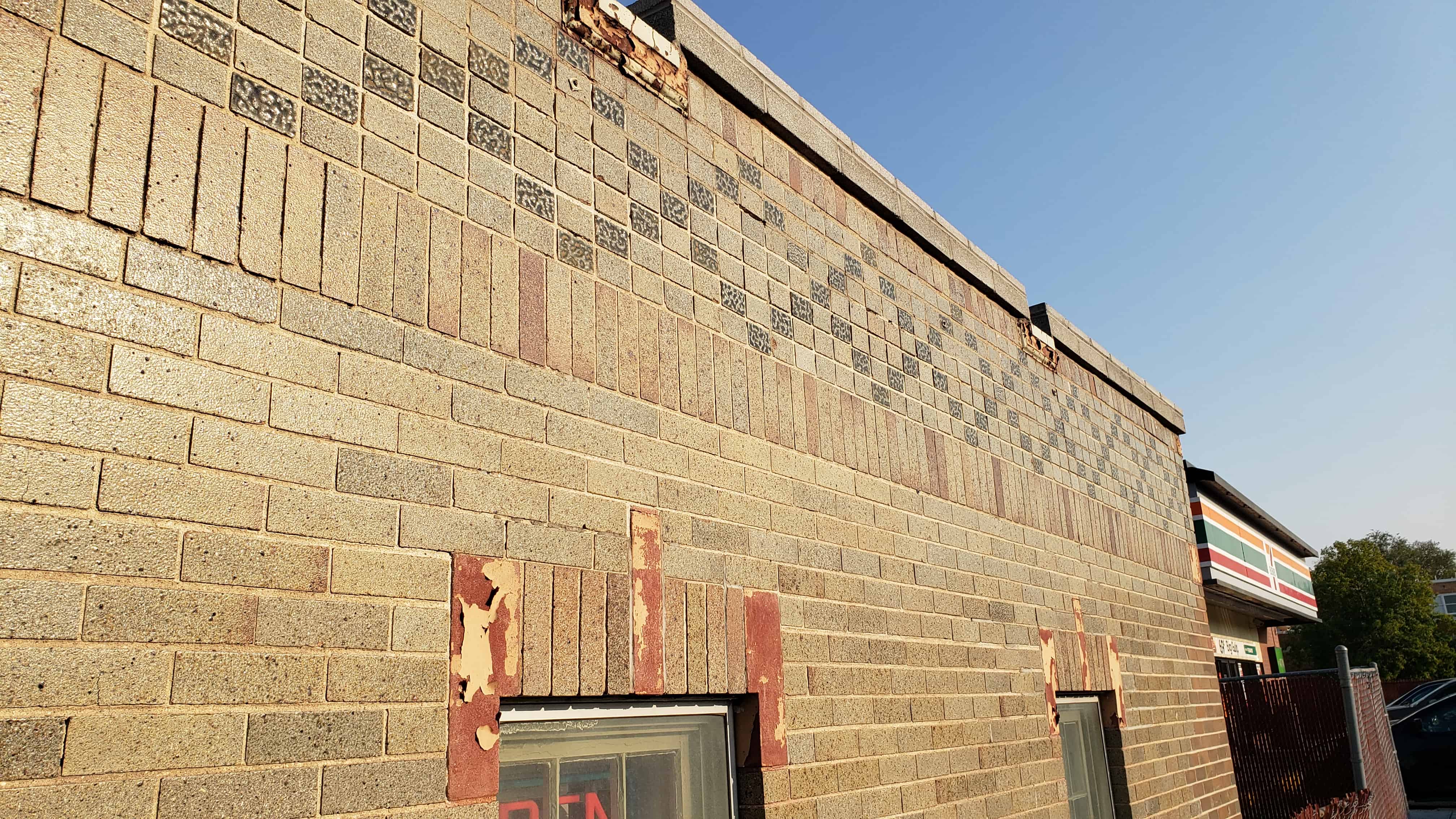
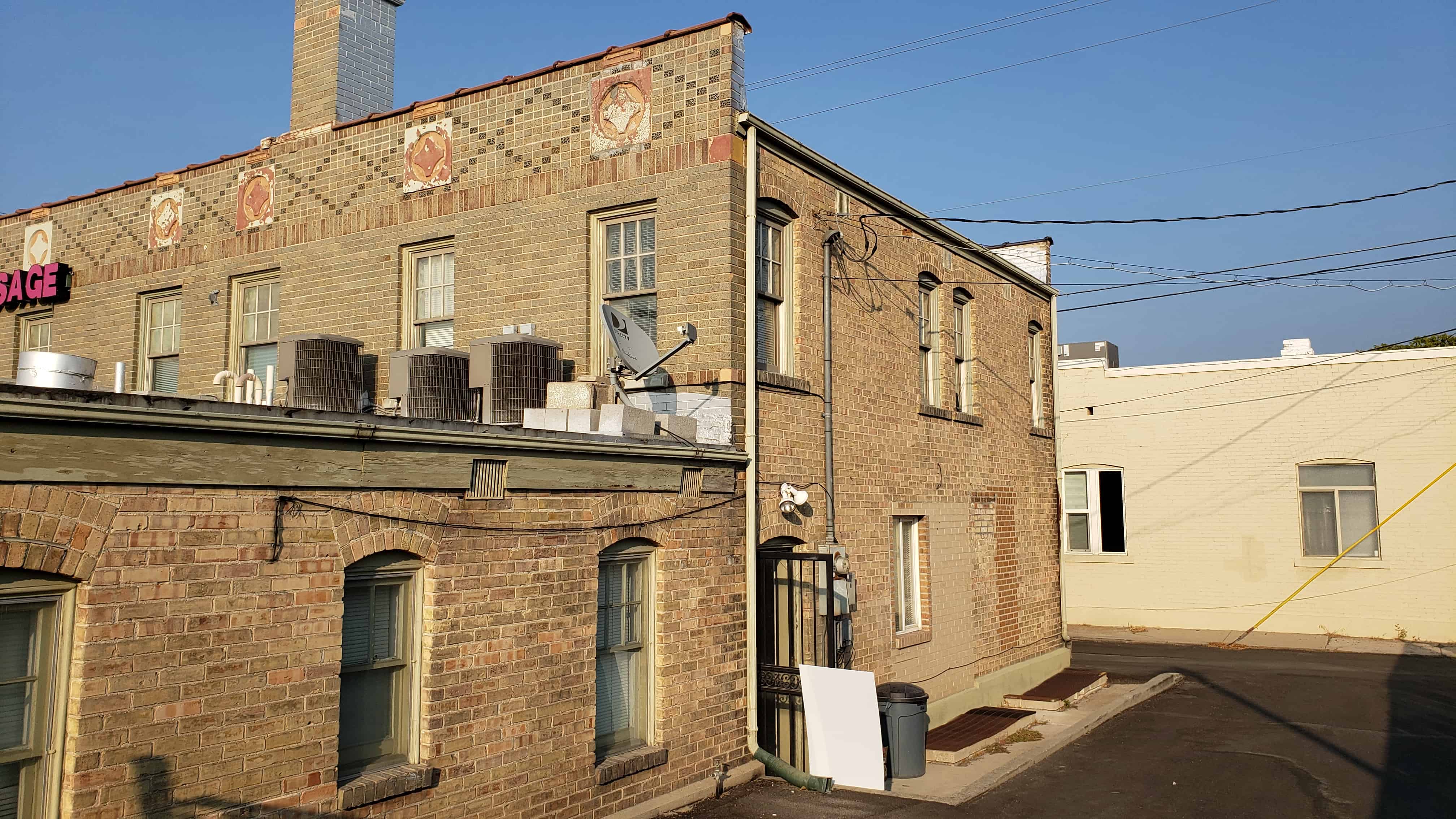
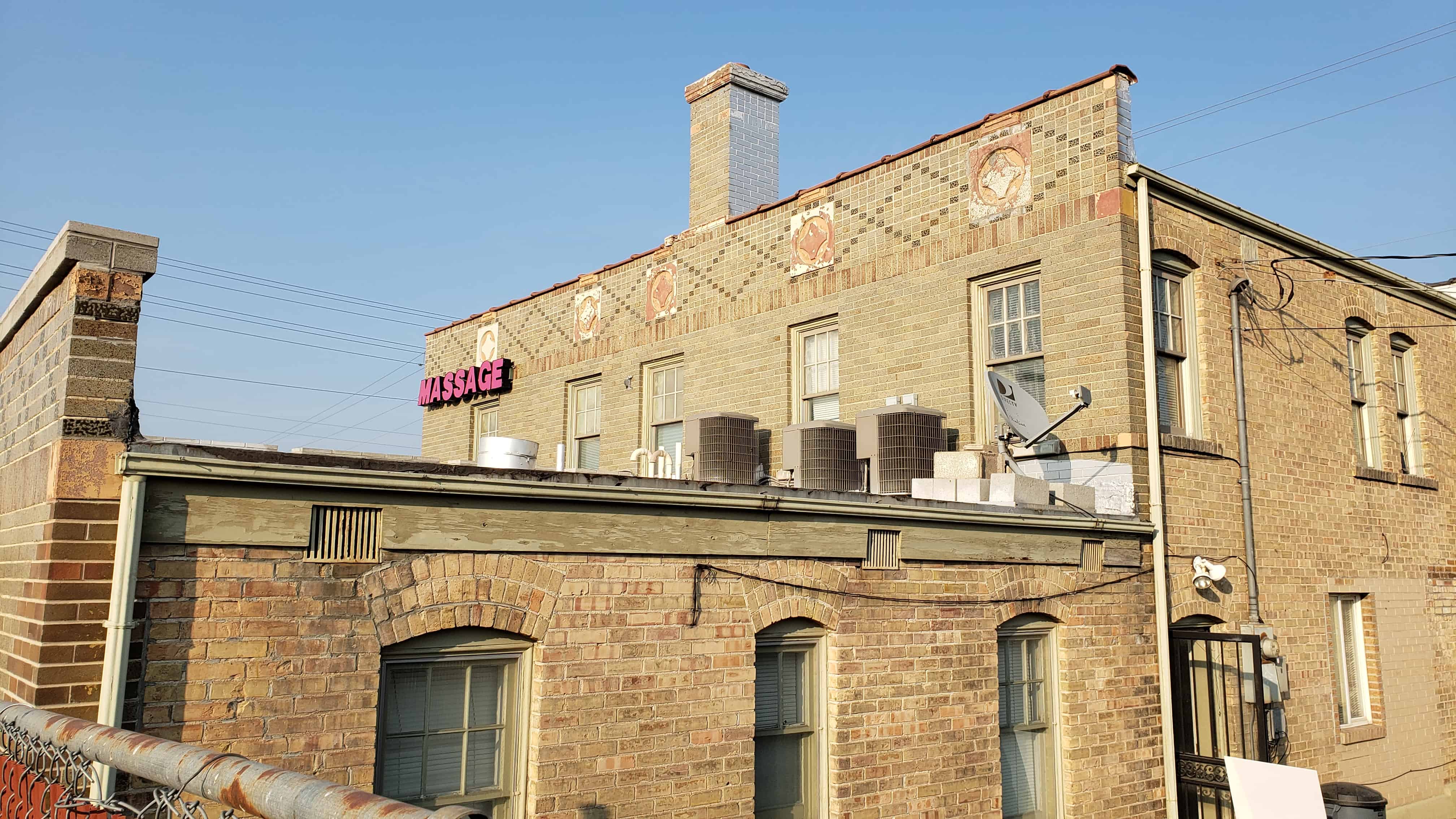
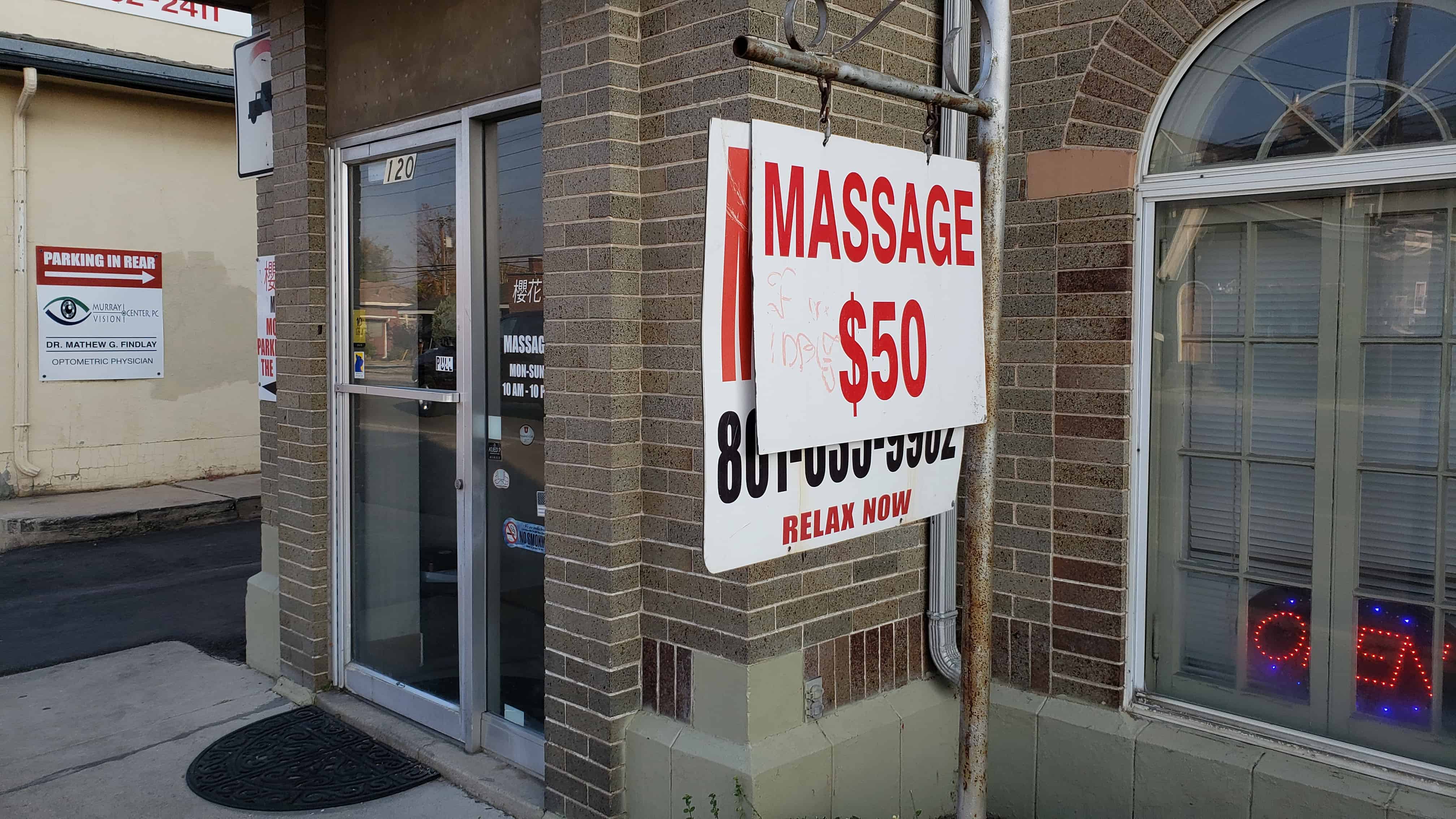
The Murray Clinic Hospital was constructed in 1927 for Herond Nishan Sheranian, M.D. on property purchased from William J. Warenski and was designed by Architect Leonard C. Nielson. It had ten beds for treating patients, and included a modern operating room and x-ray facility. The two-story brick building features the extensive use of polychrome glazed brick and a unique blend of architectural styles.
In 1942, Francis E. Boucher, M.D. bought the facility and continued his medical practice there until the building was purchased by Optometrist, Dr. Bruce J. Parsons, in 1954. The building served as Murray Vision Center for 50 years, dedicated to serving the vision needs of Murray and Salt Lake County residents. The property is currently owned by Bruce James Parsons Intervivos Trust.
120 East 4800 South in Historic Downtown Murray, Utah







14 Friday Aug 2020
Posted in Uncategorized