Tags
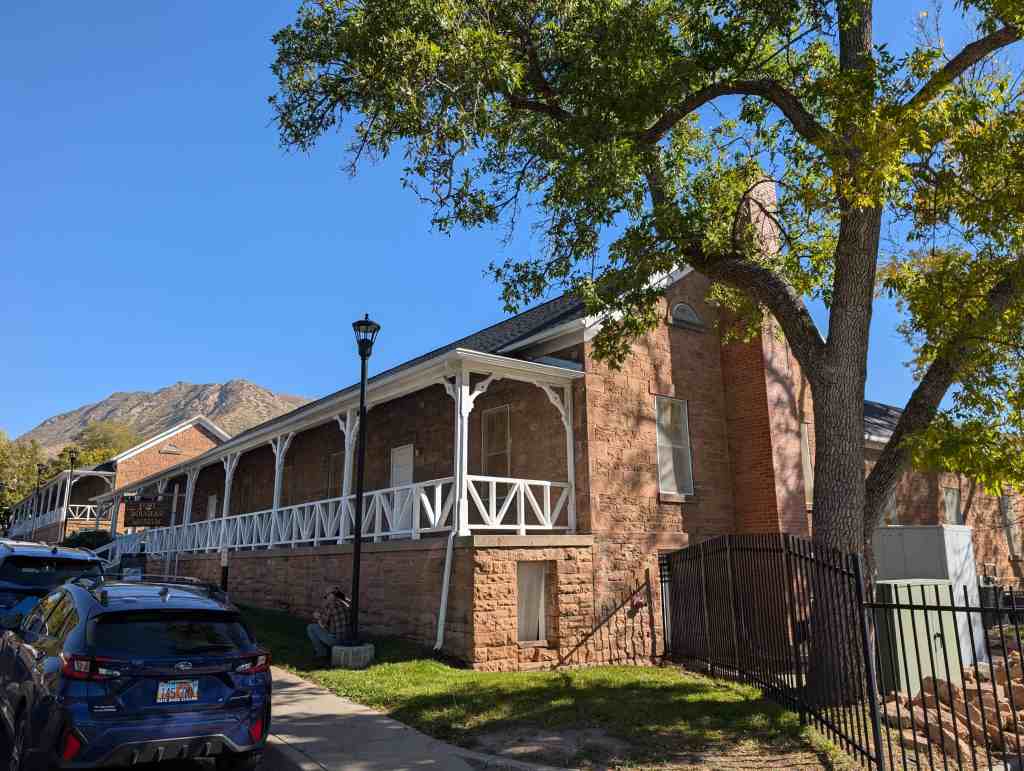
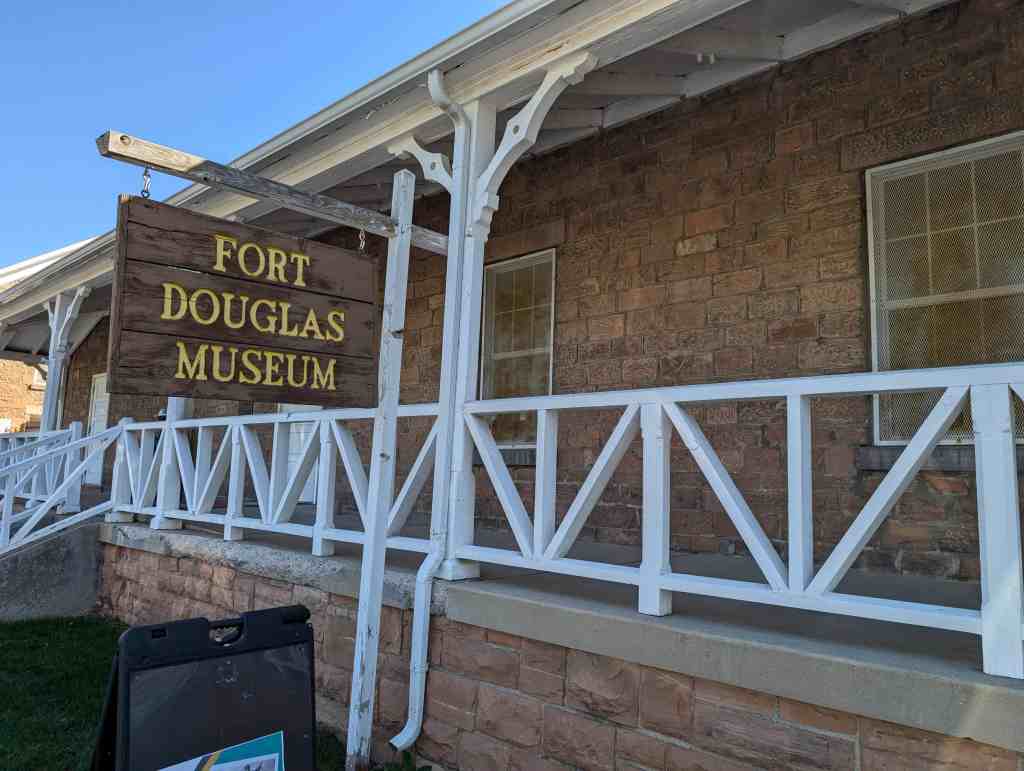
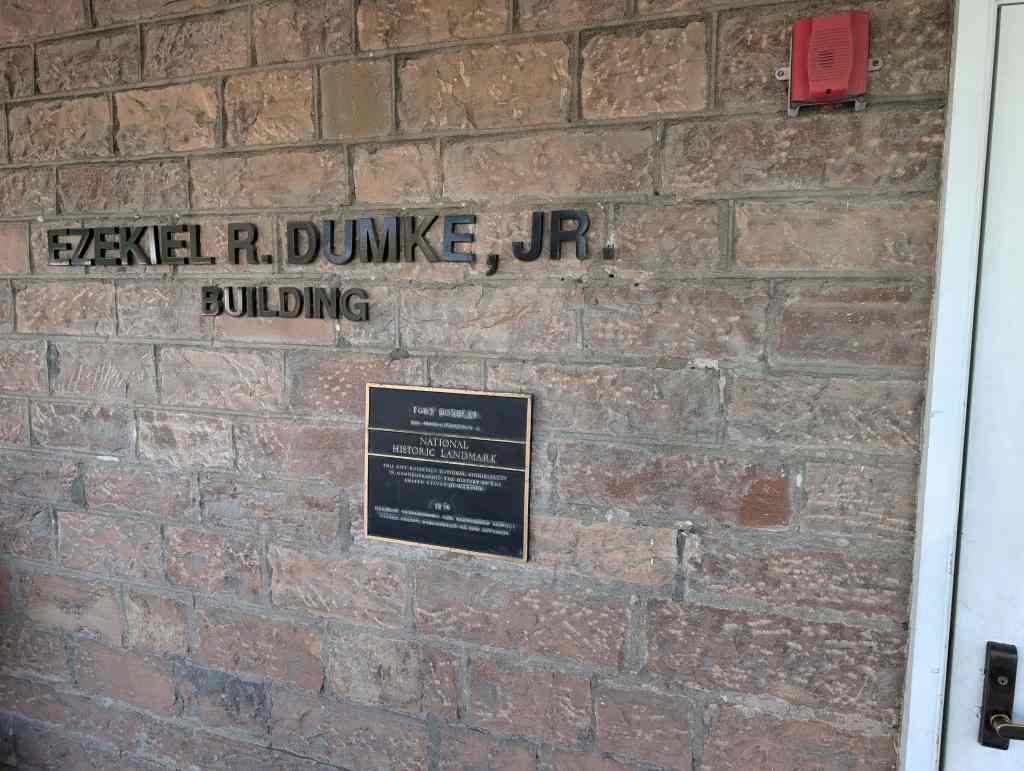
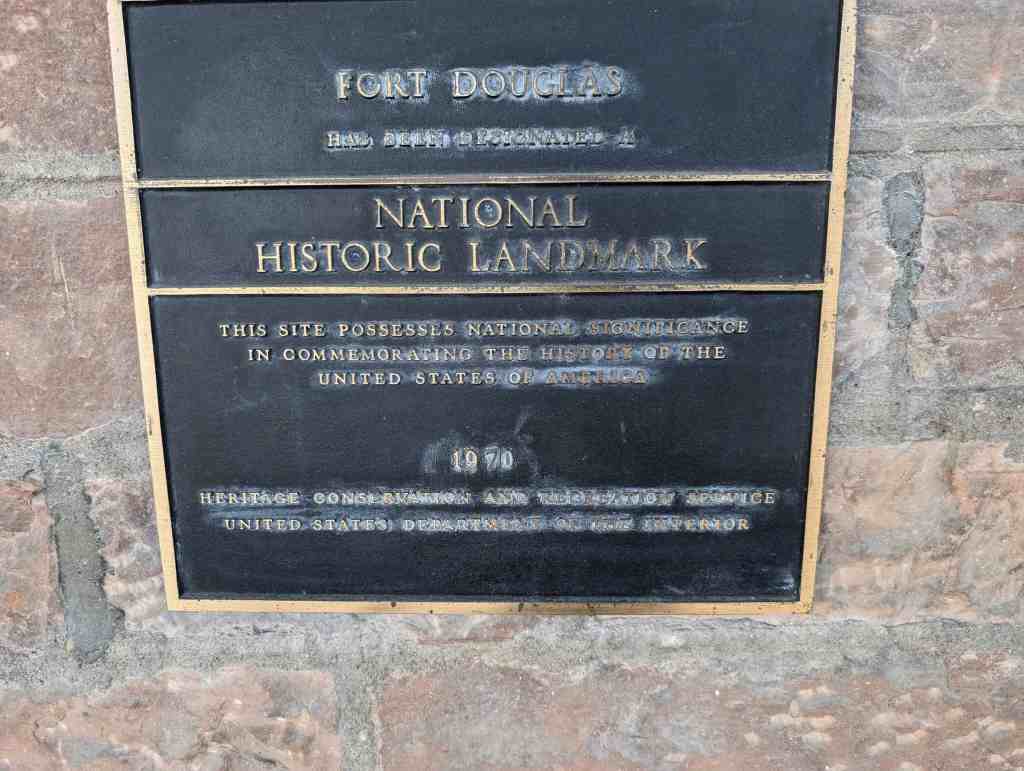
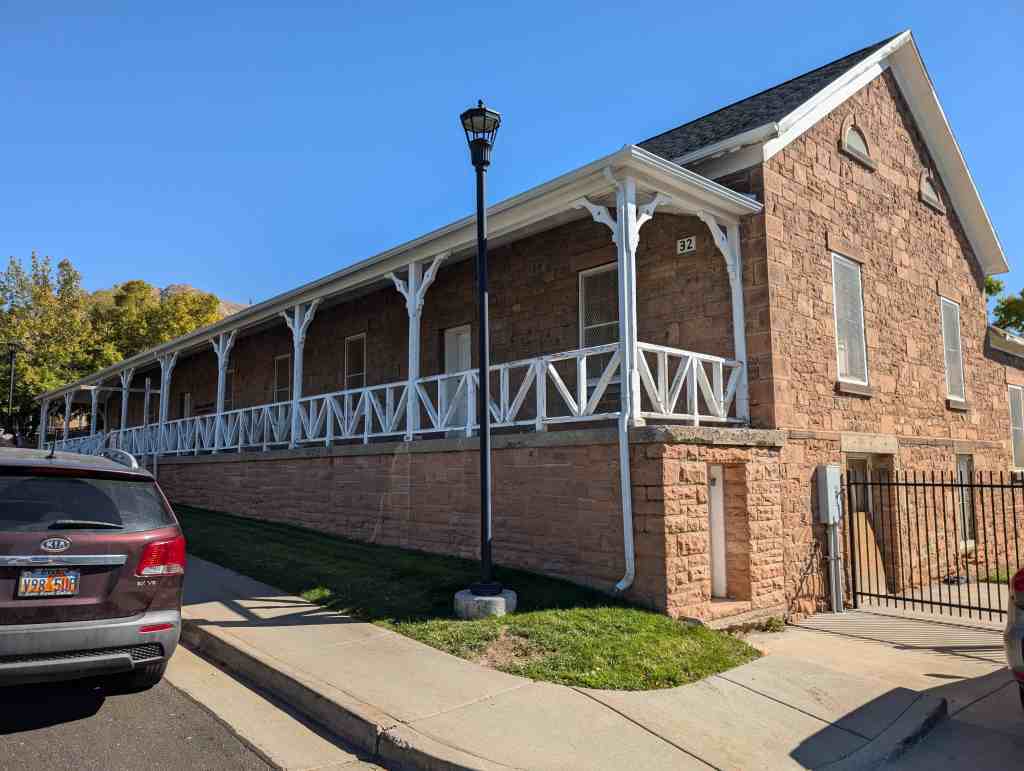
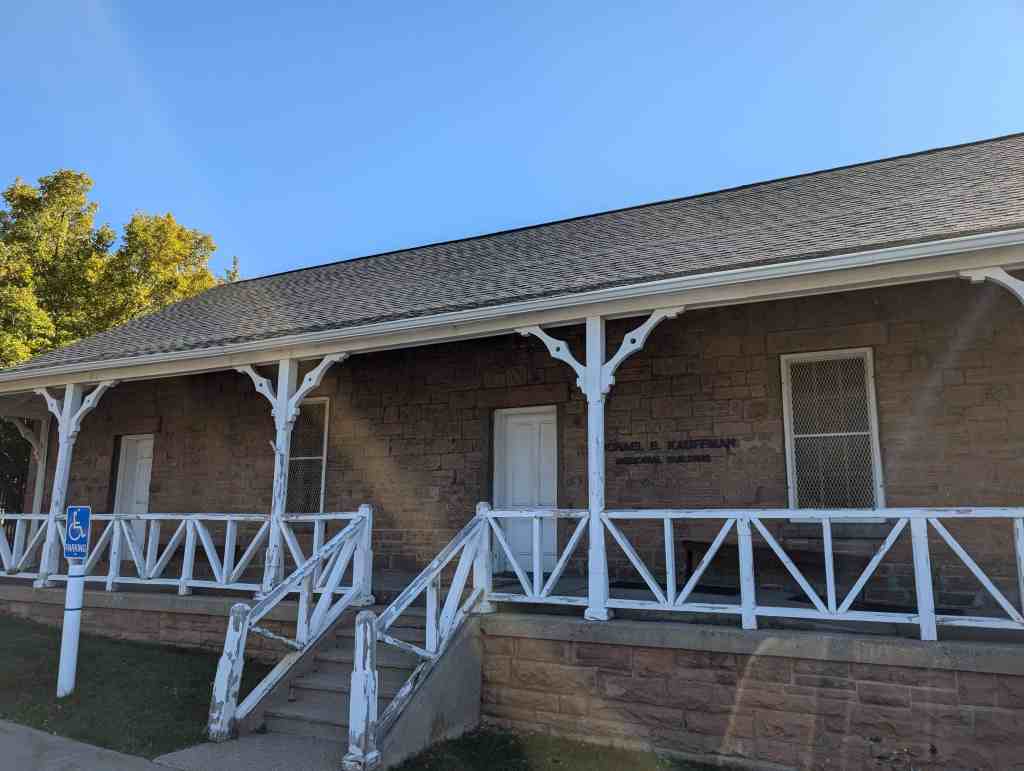
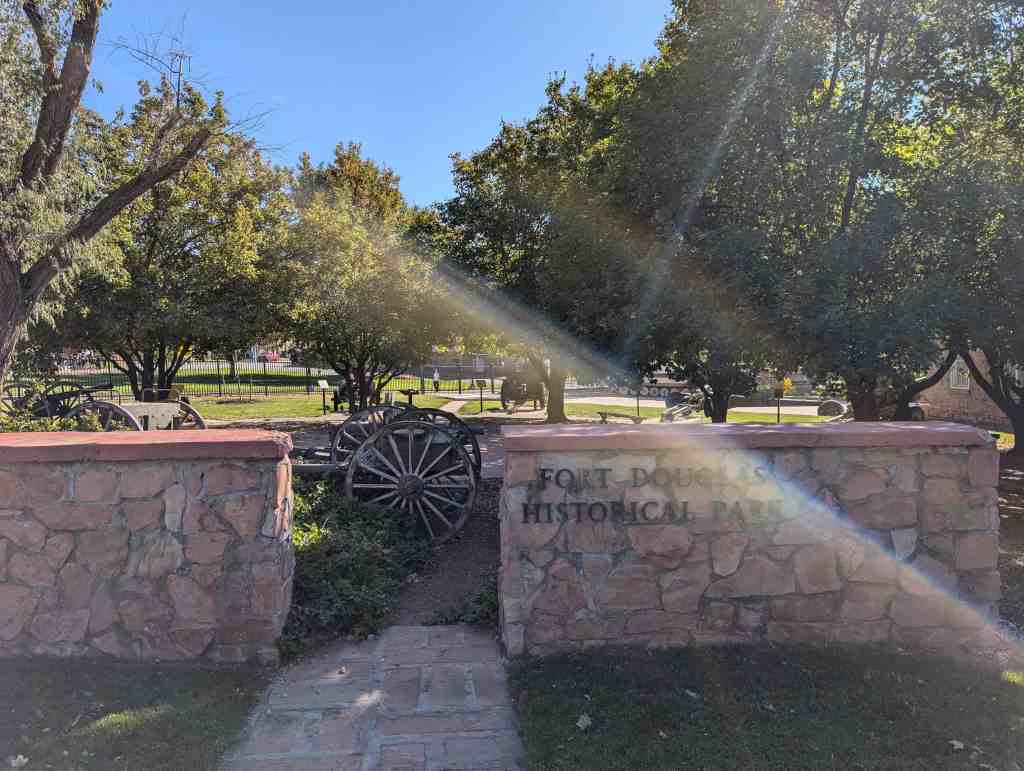
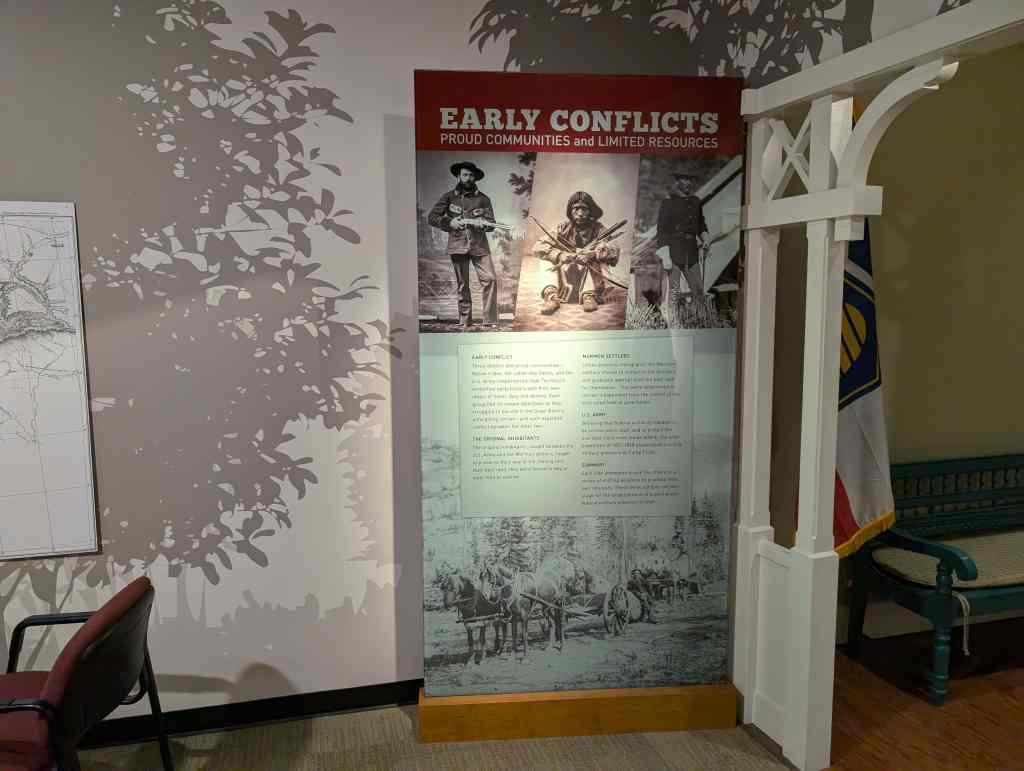
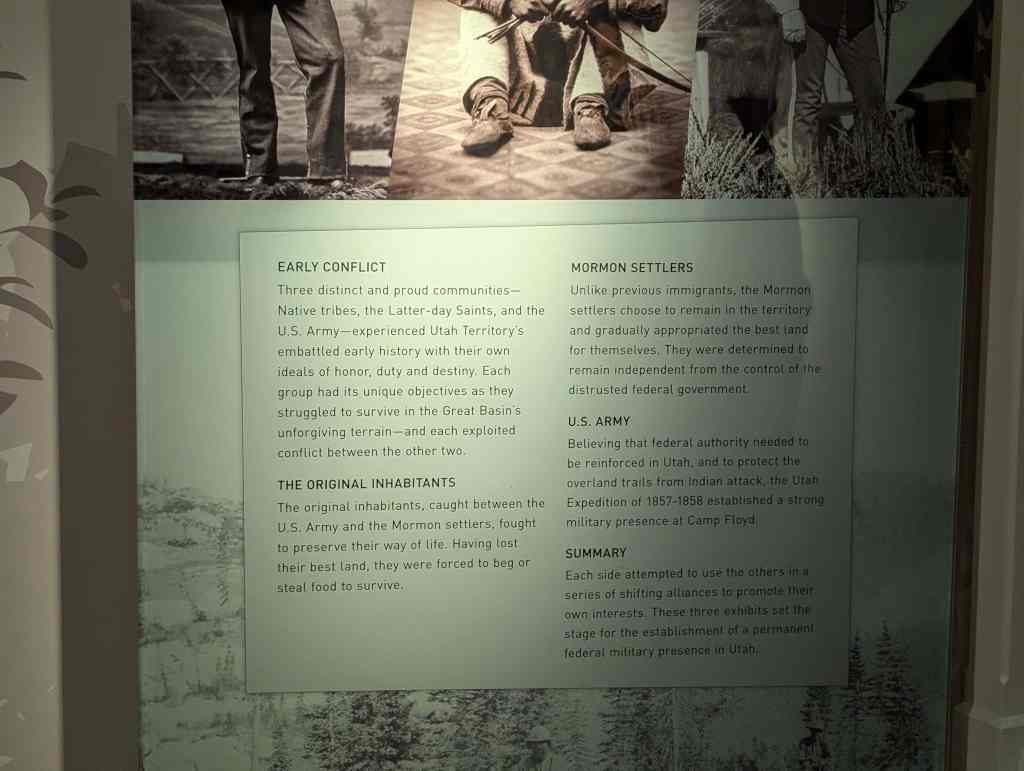
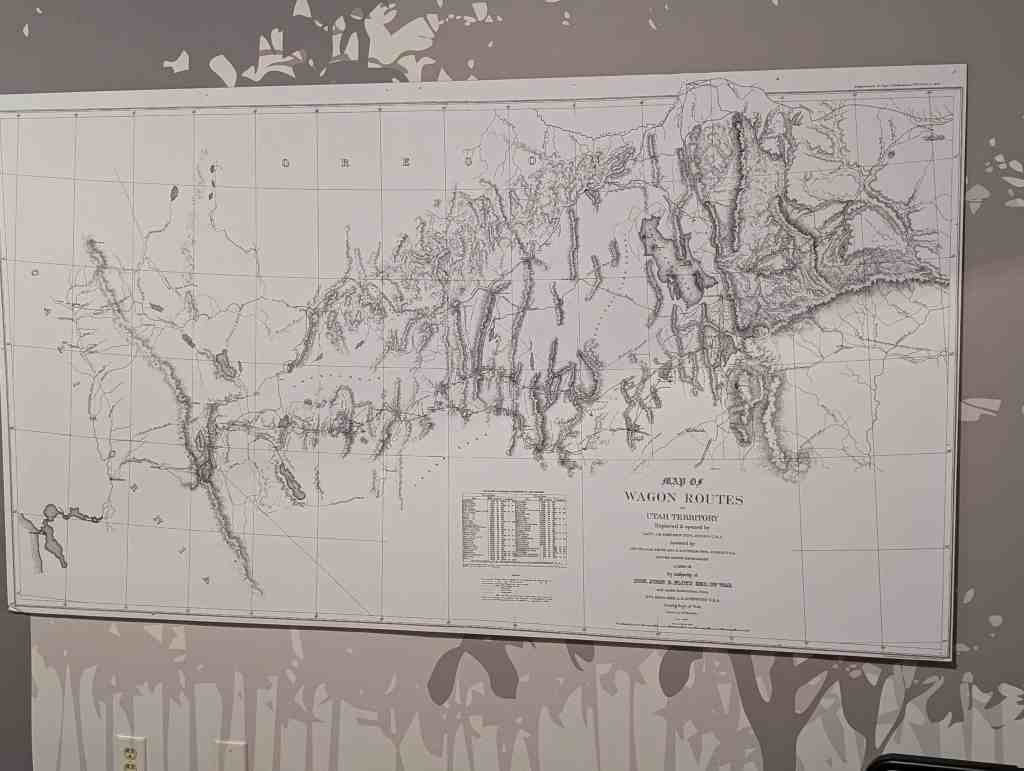
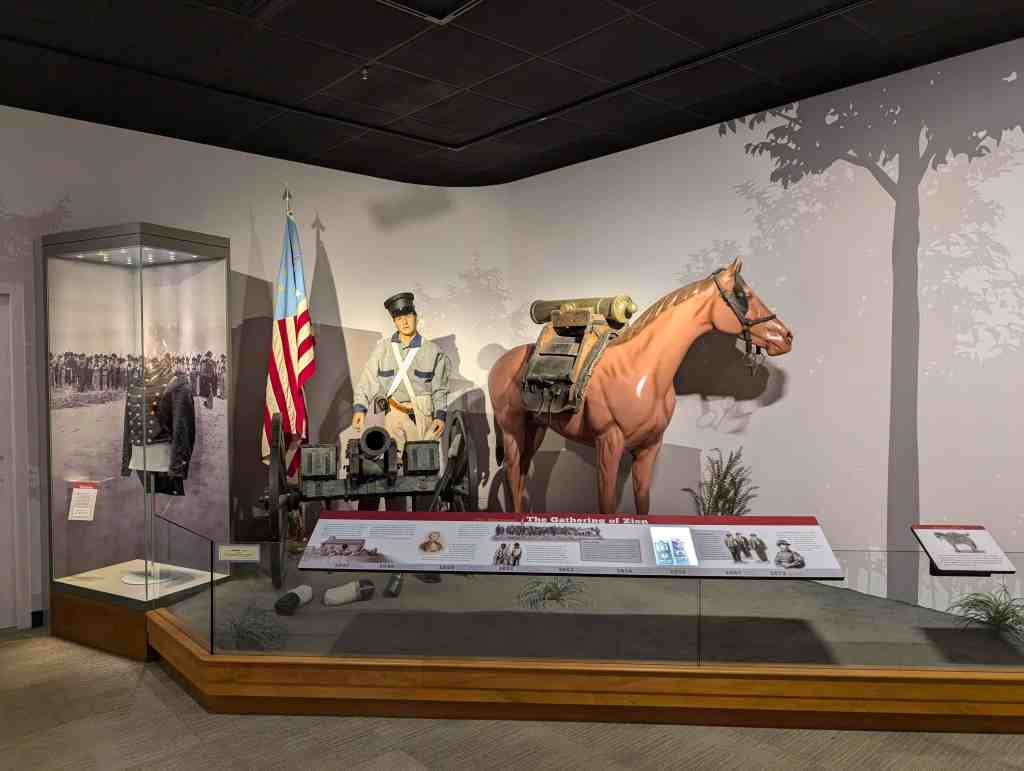
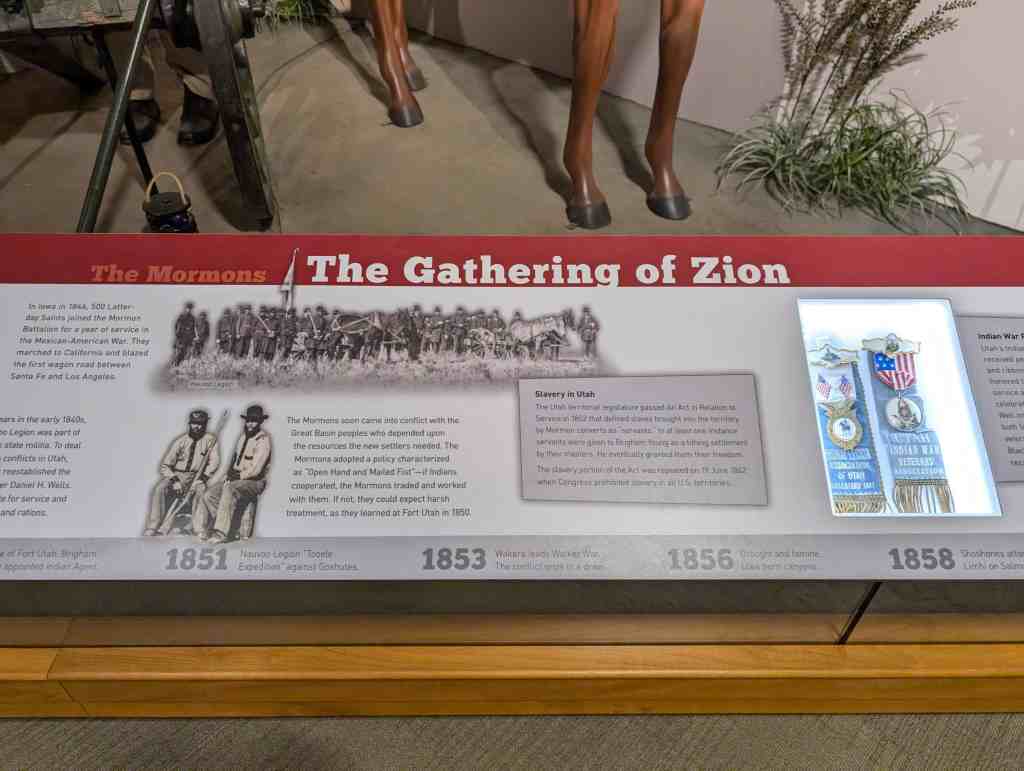
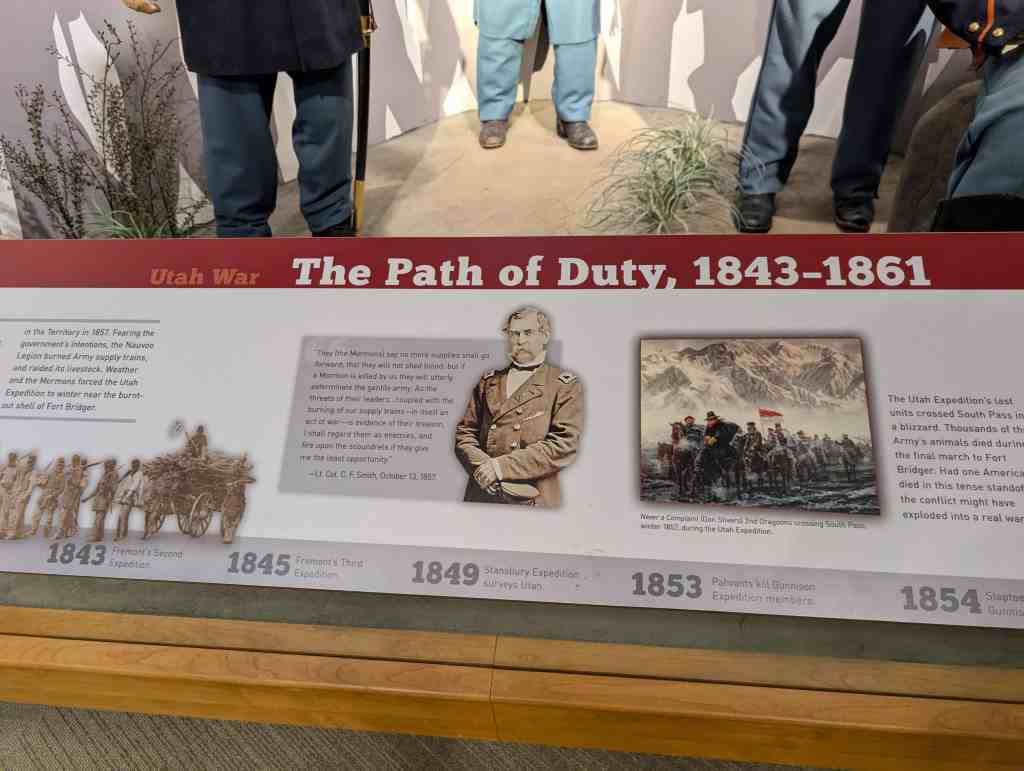
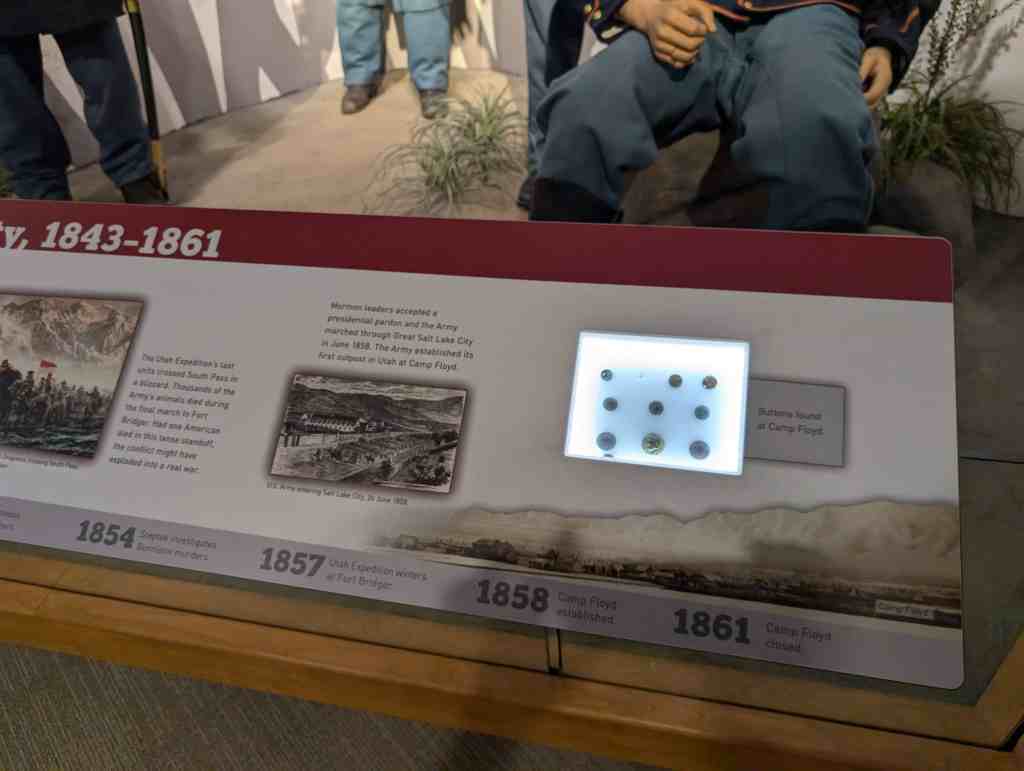
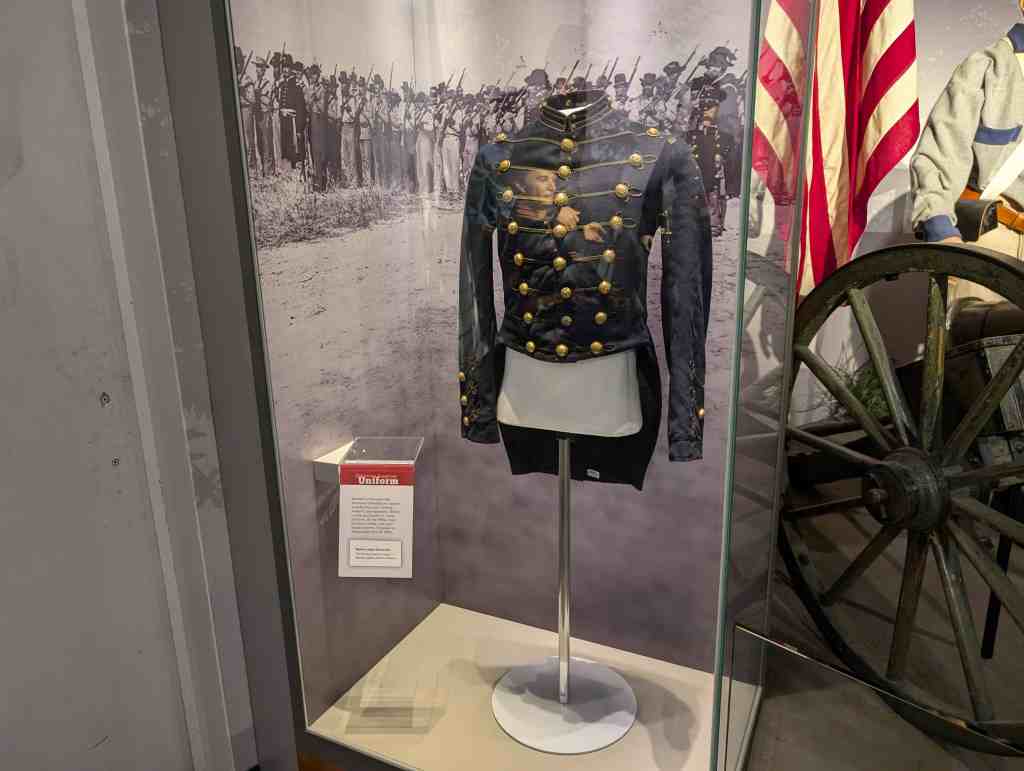
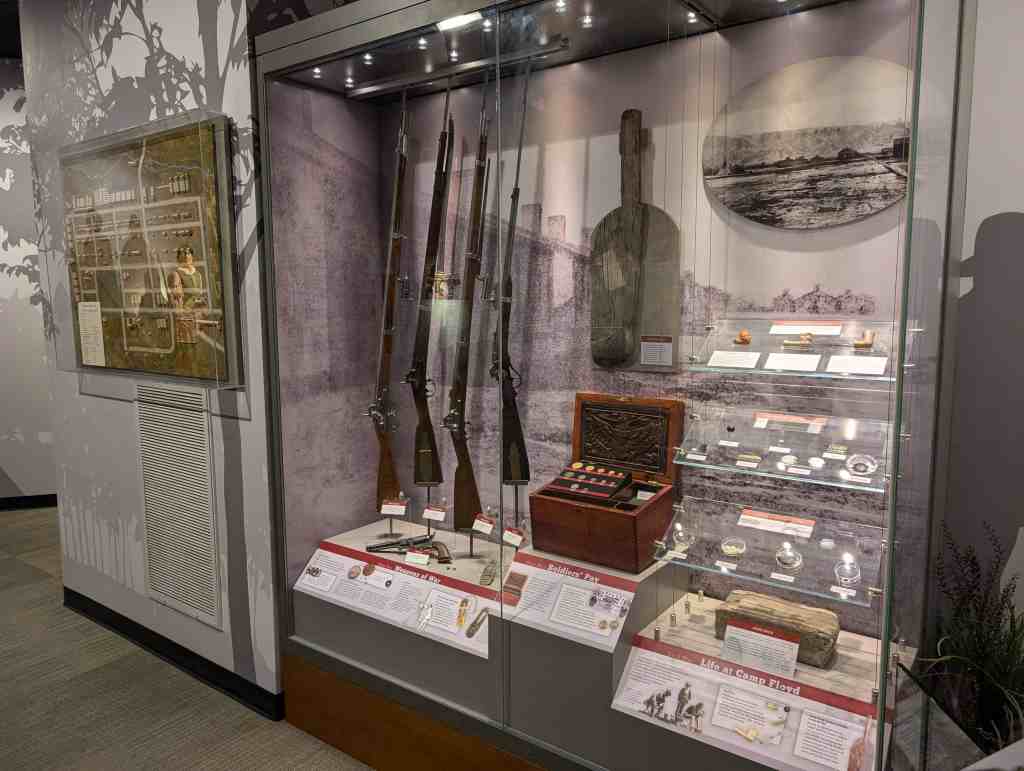
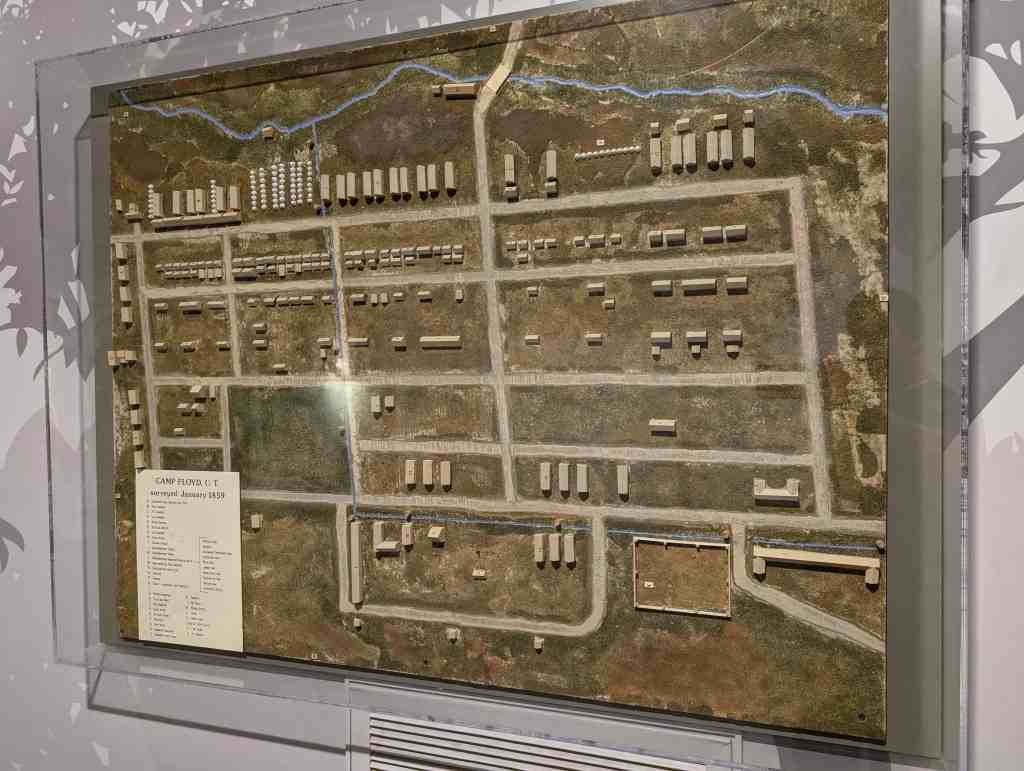
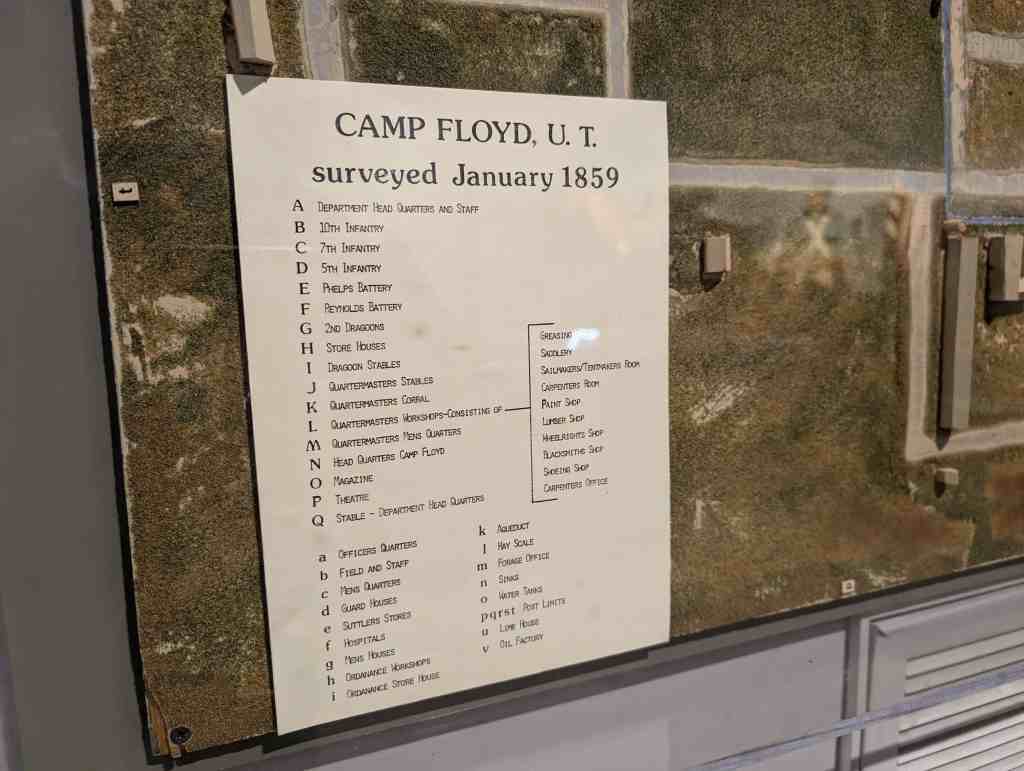
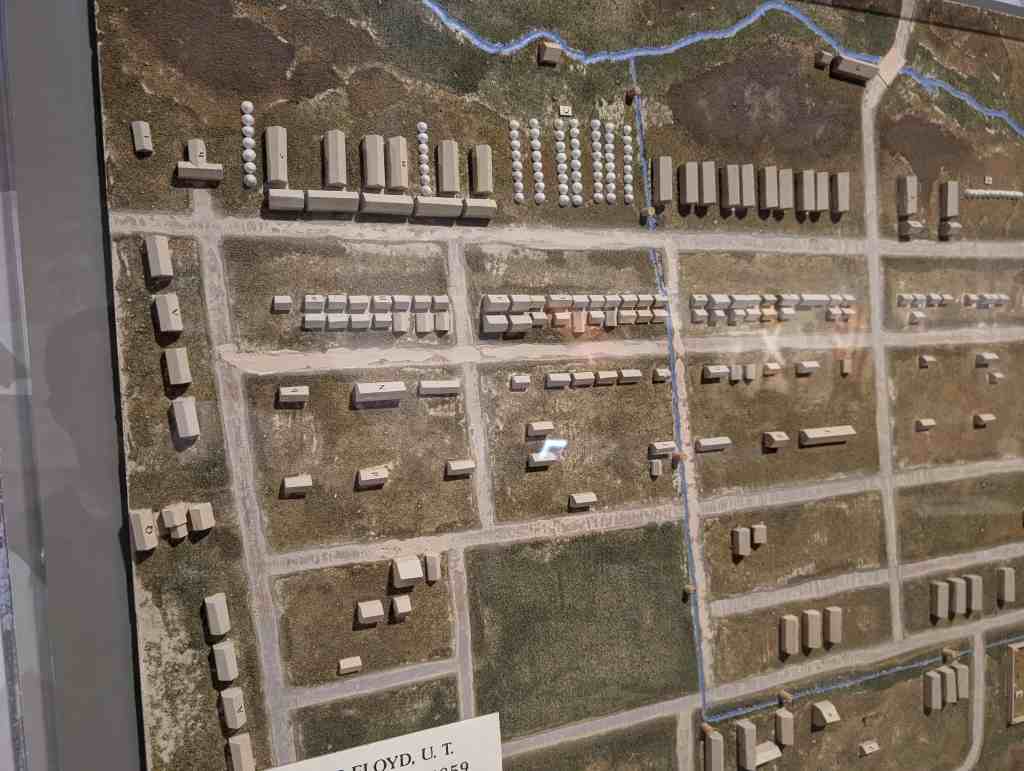
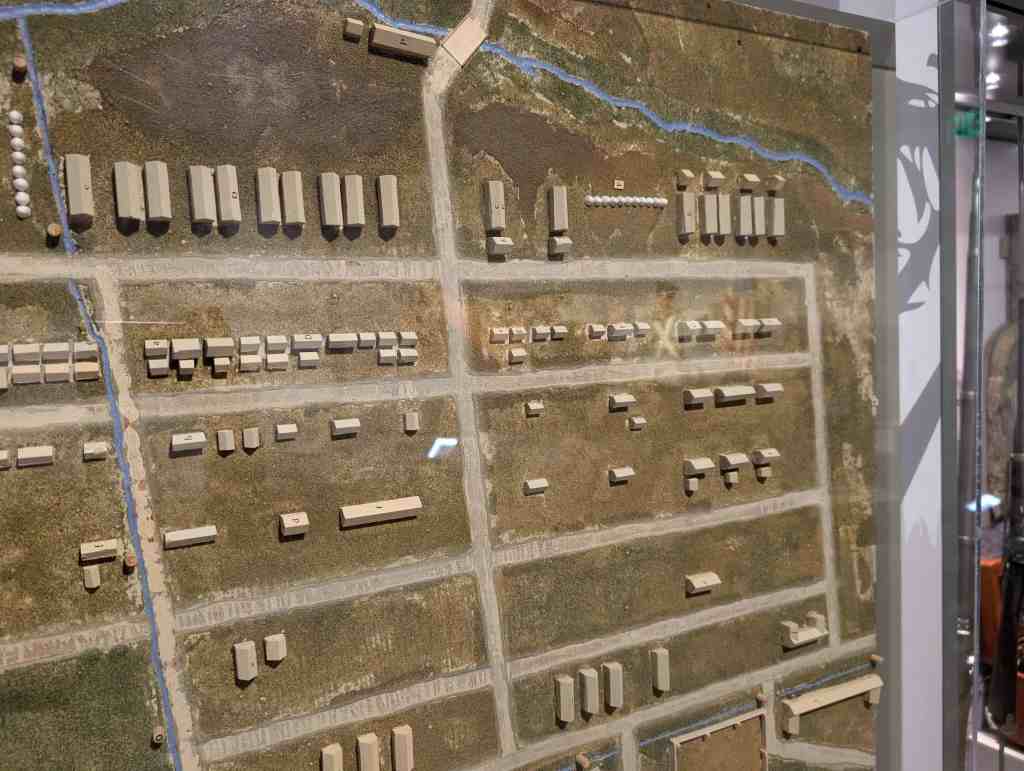
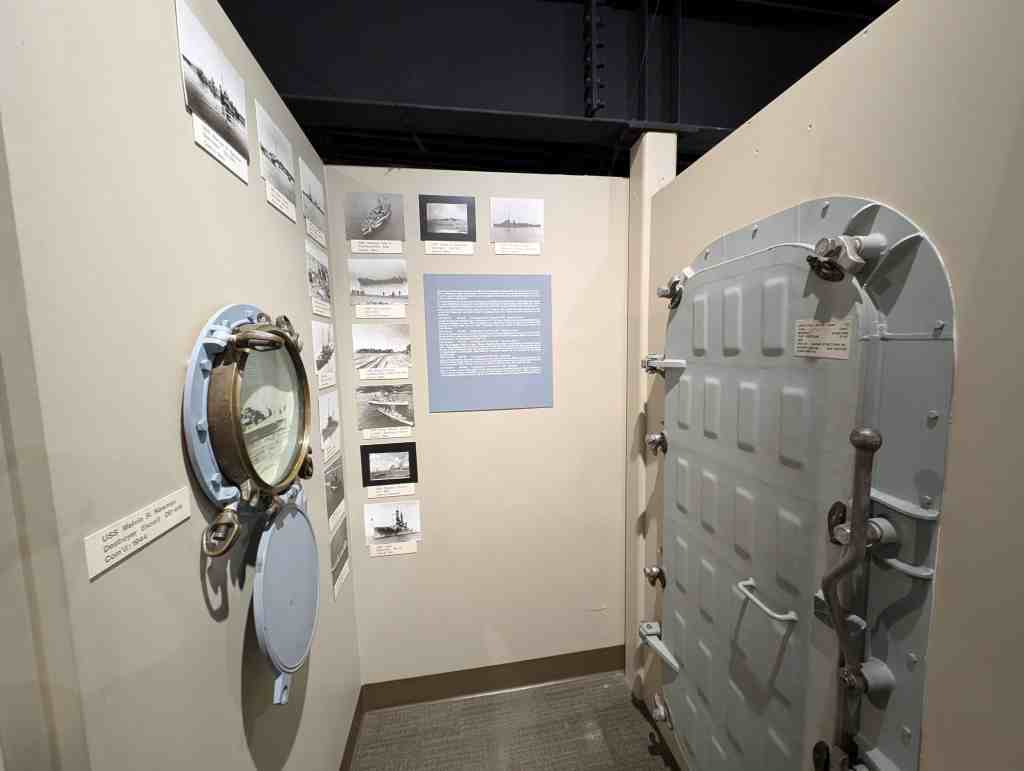
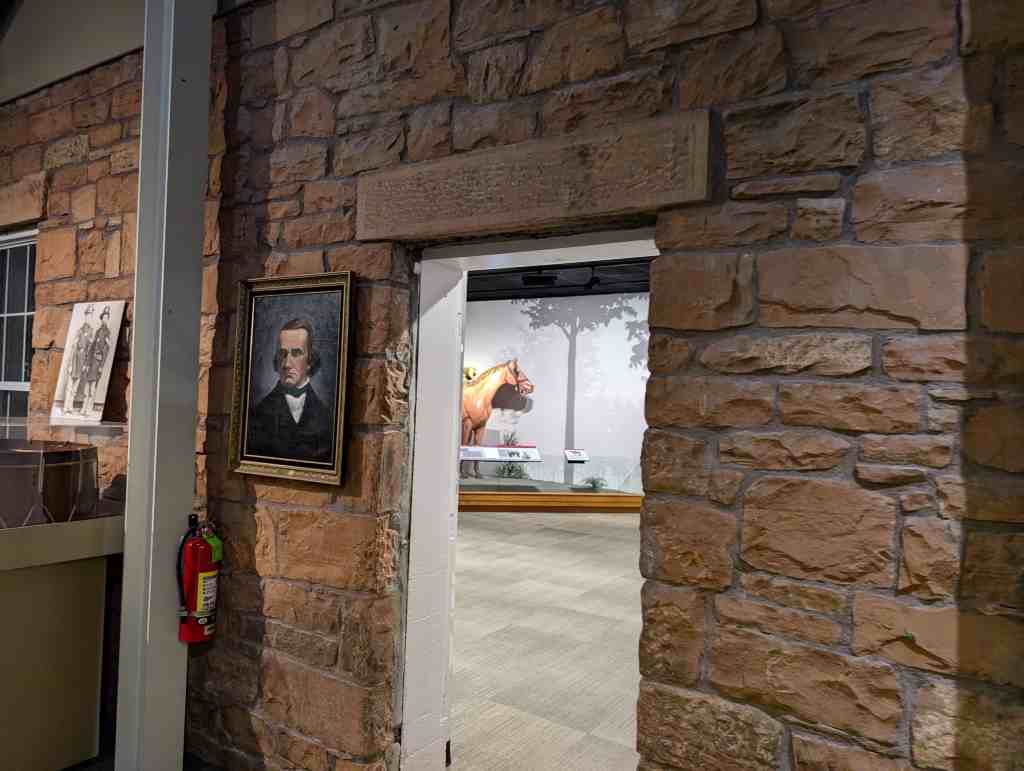
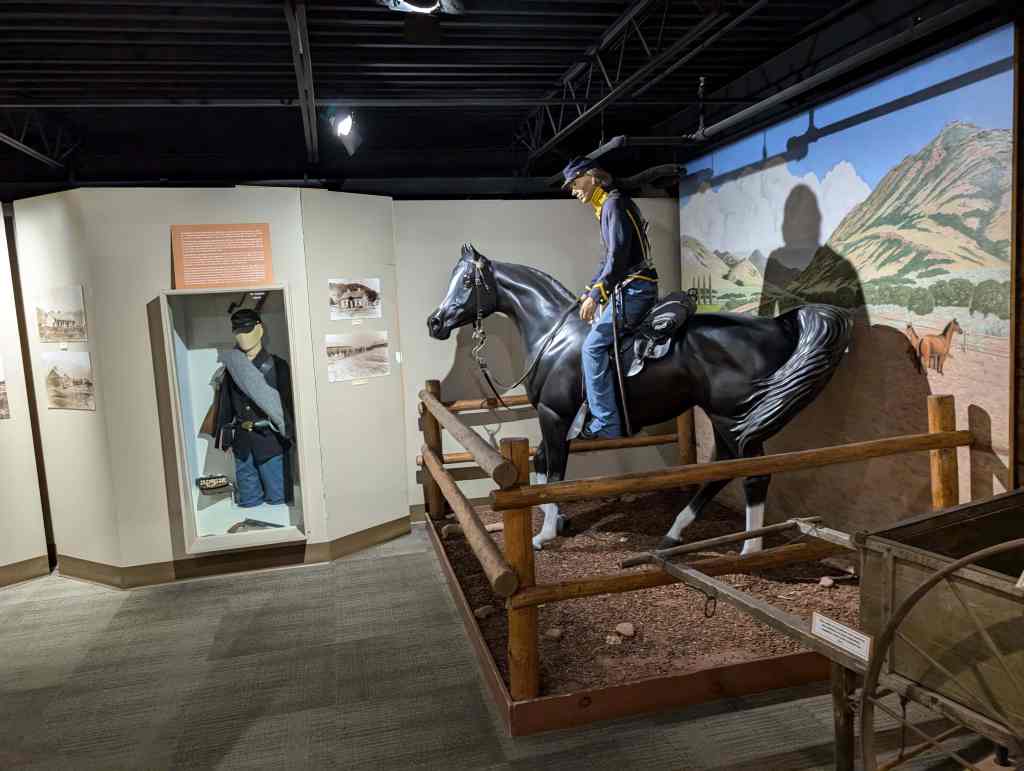
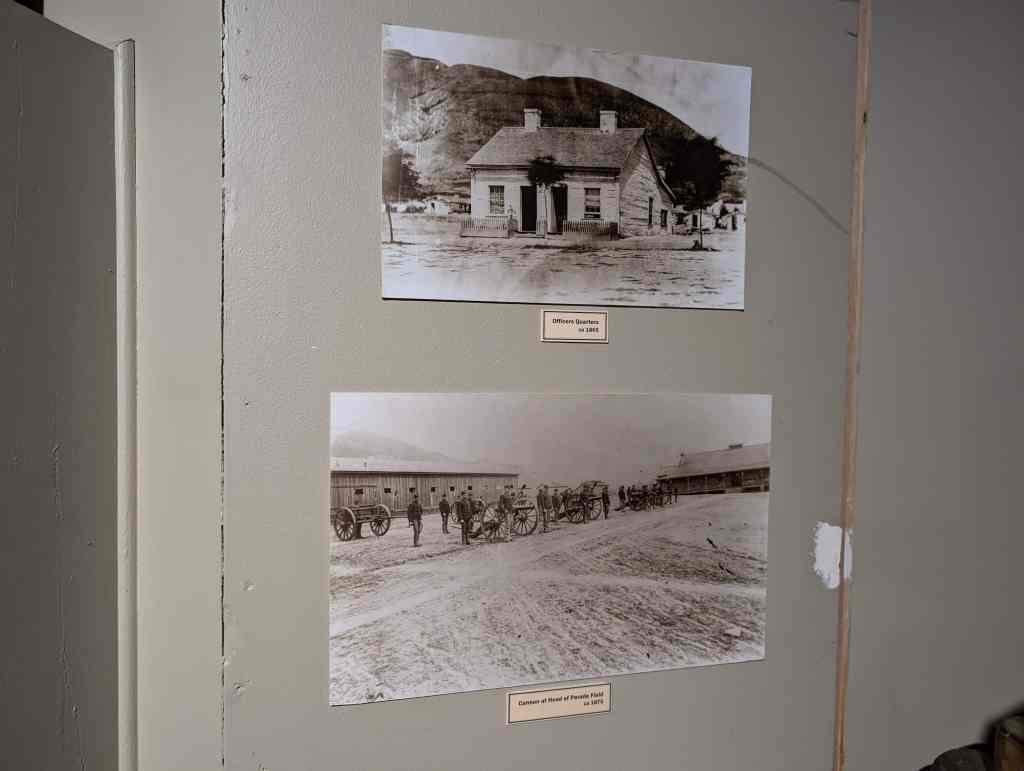
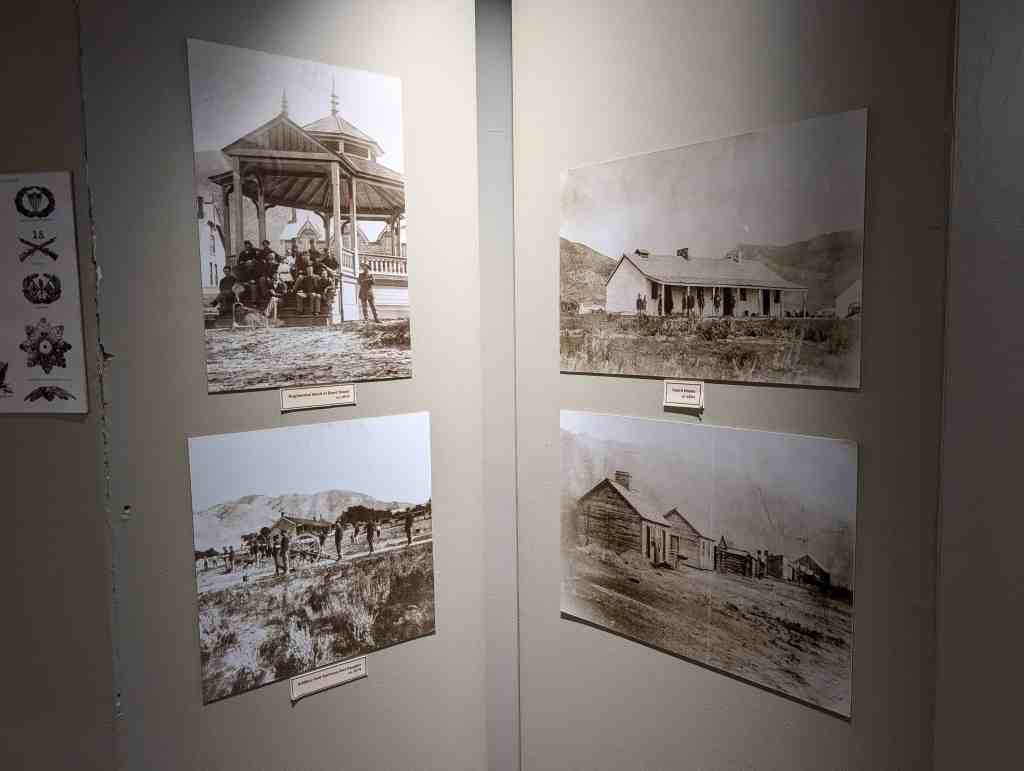
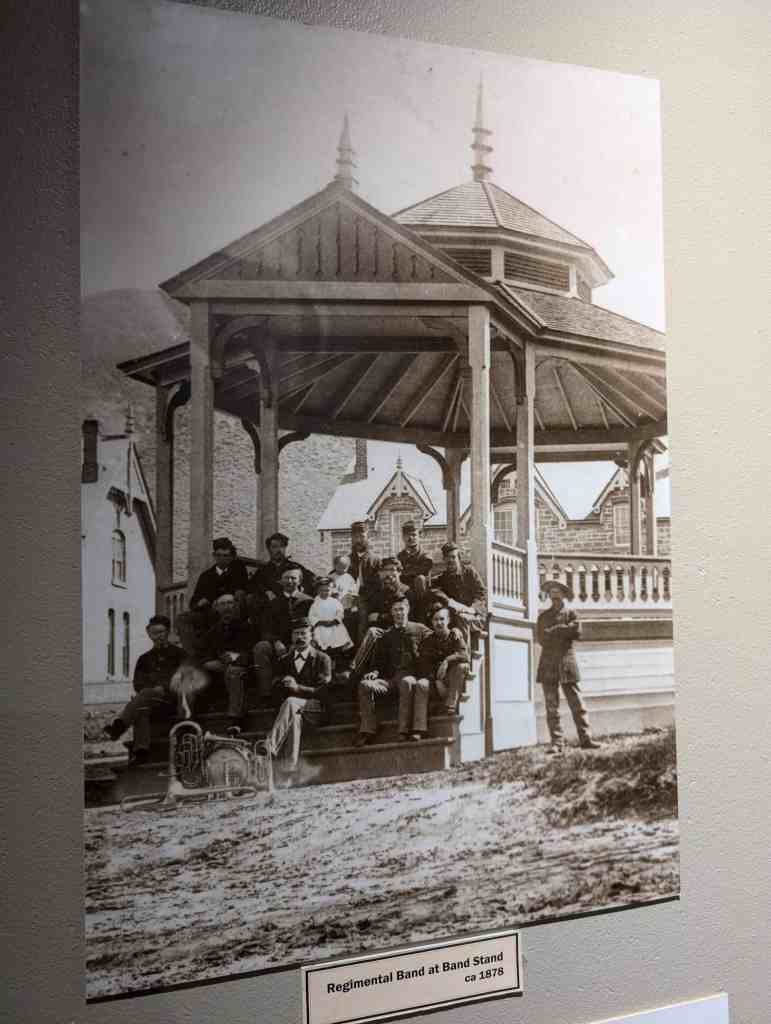
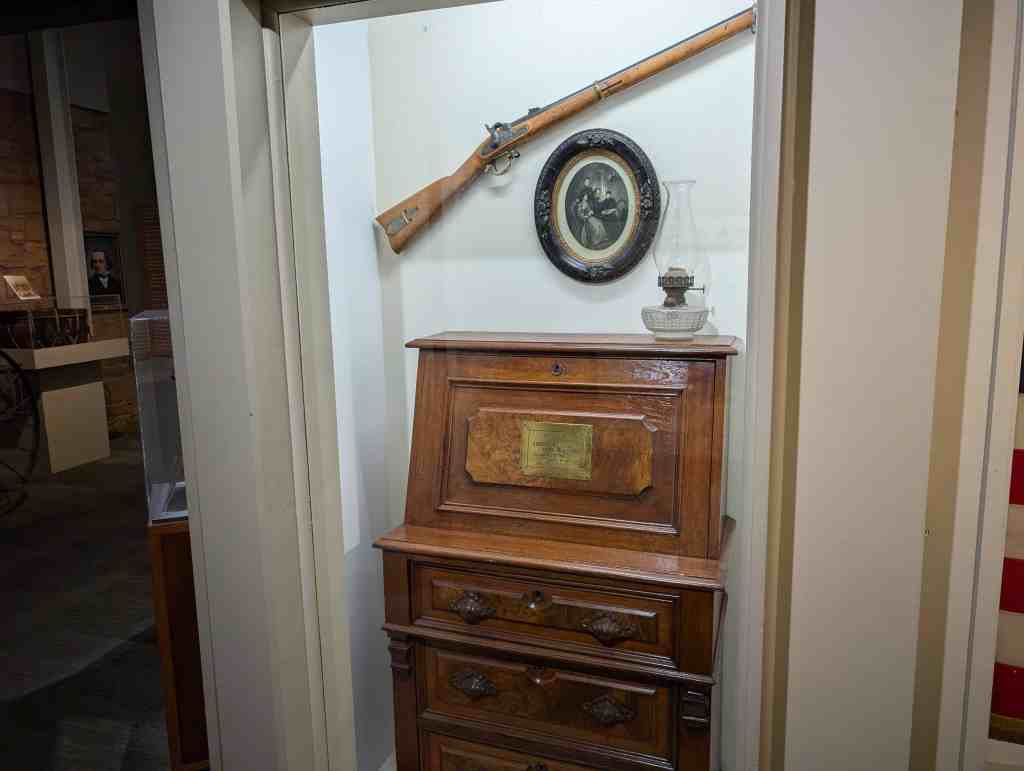
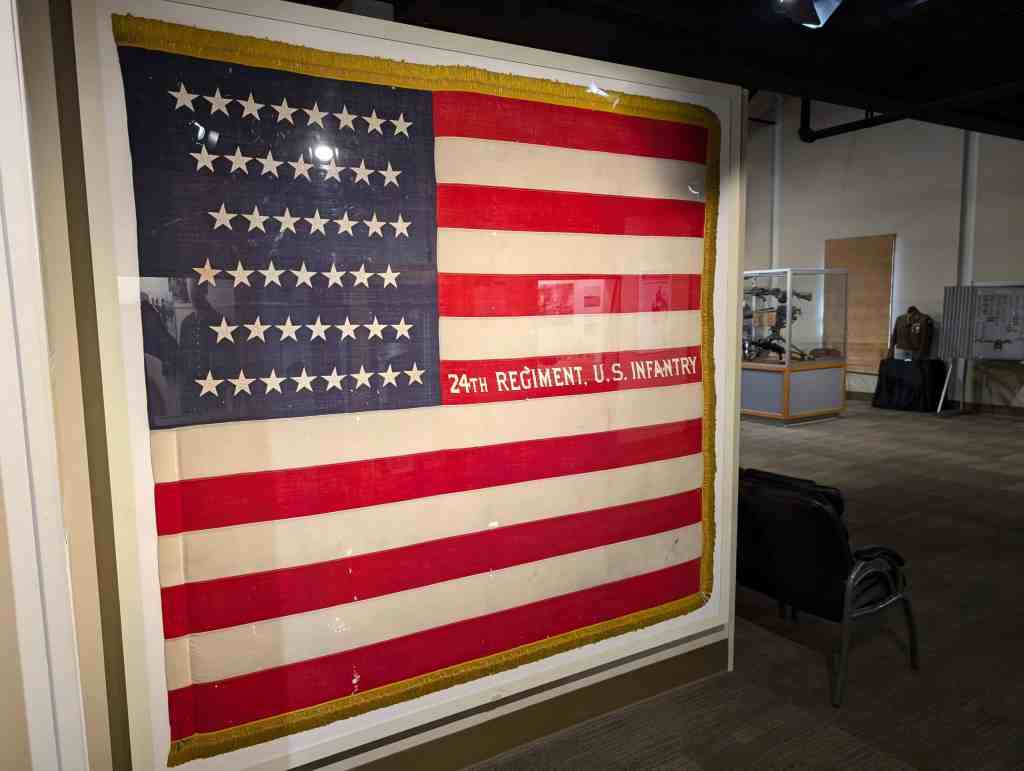
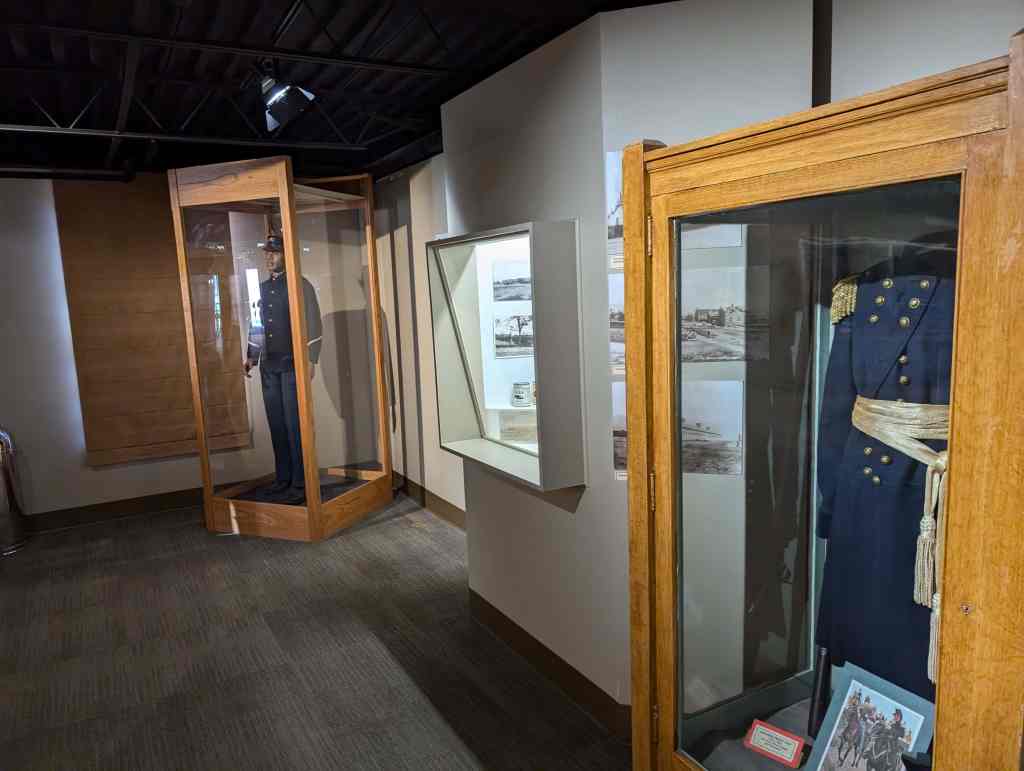
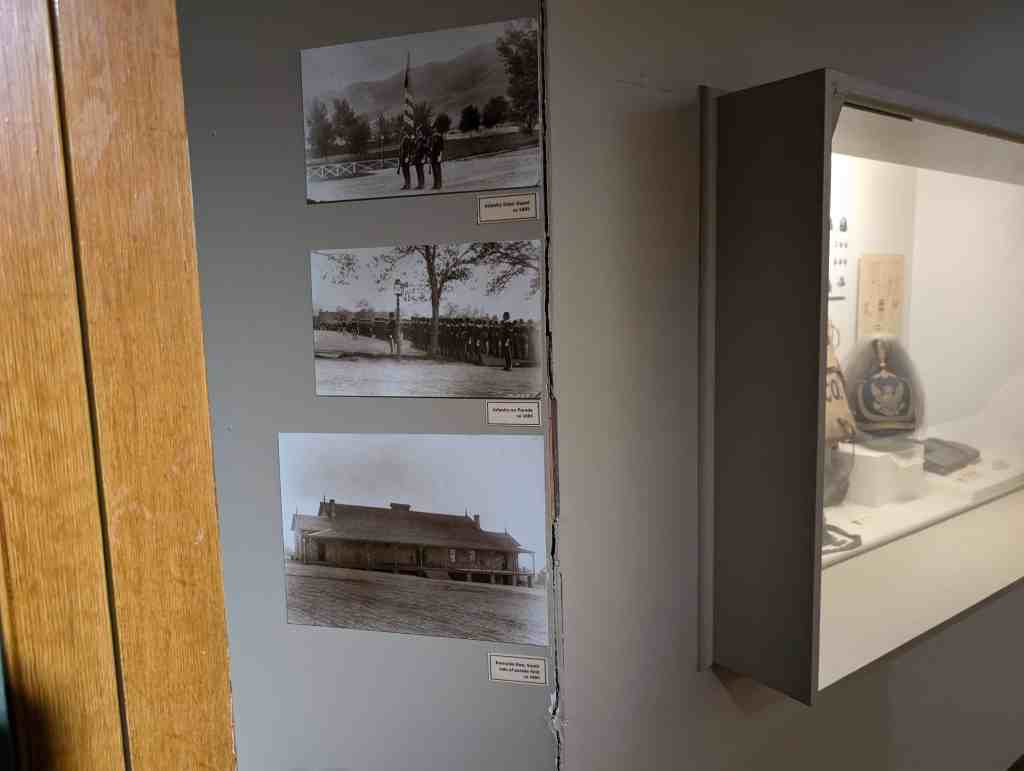
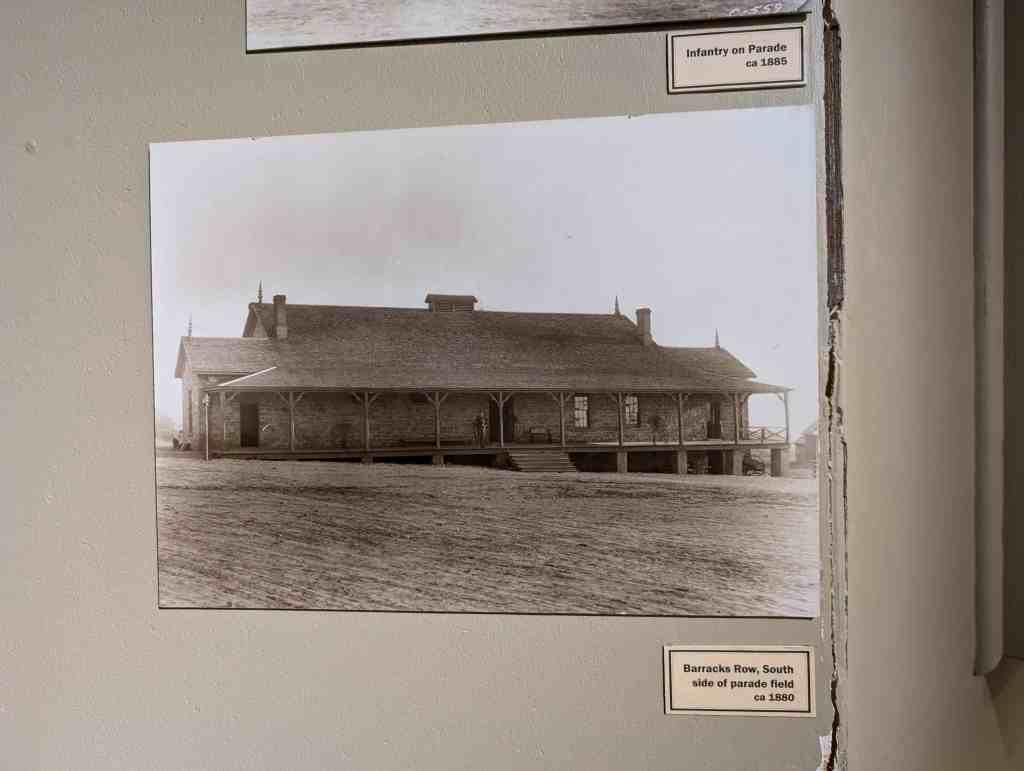
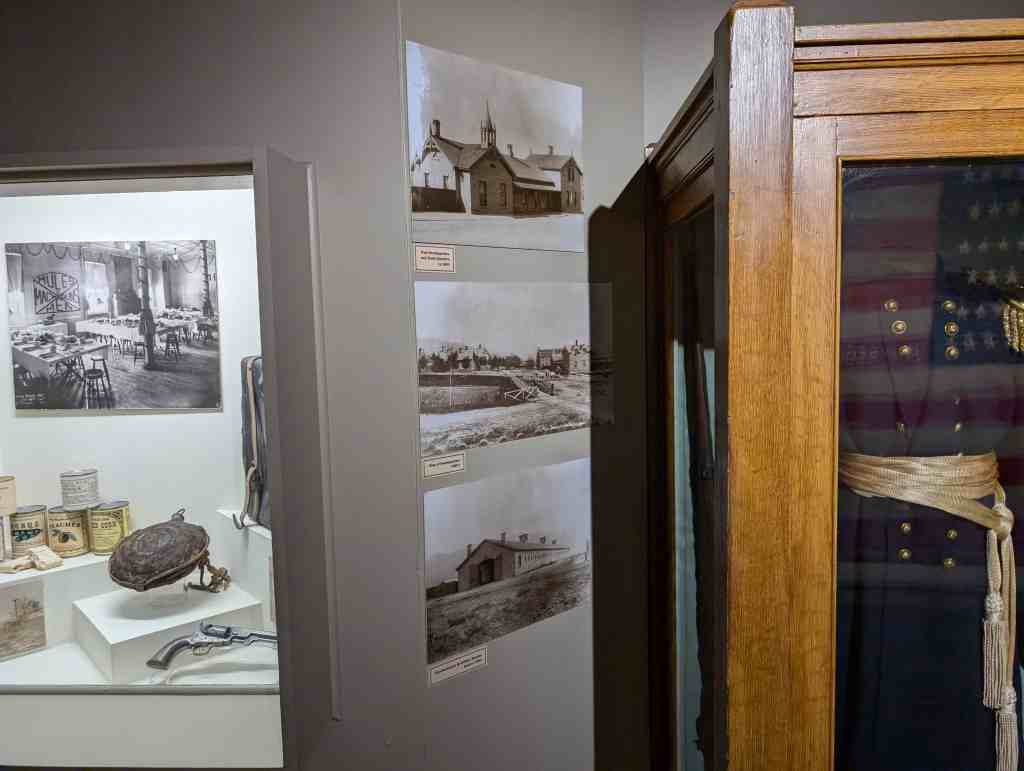
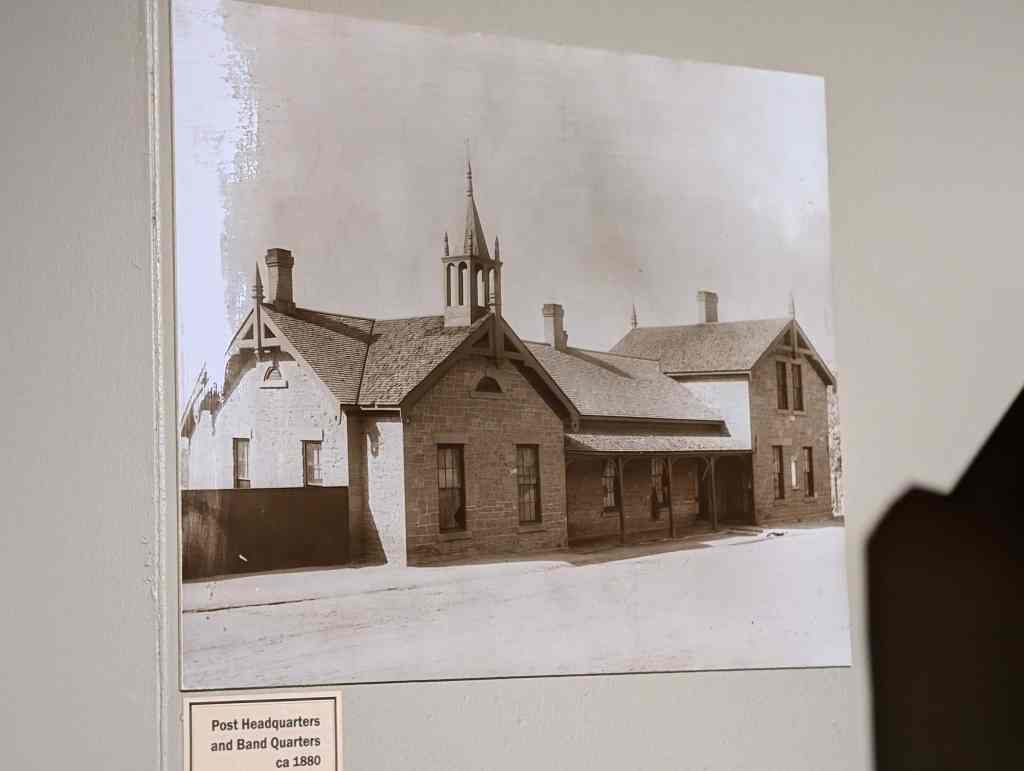
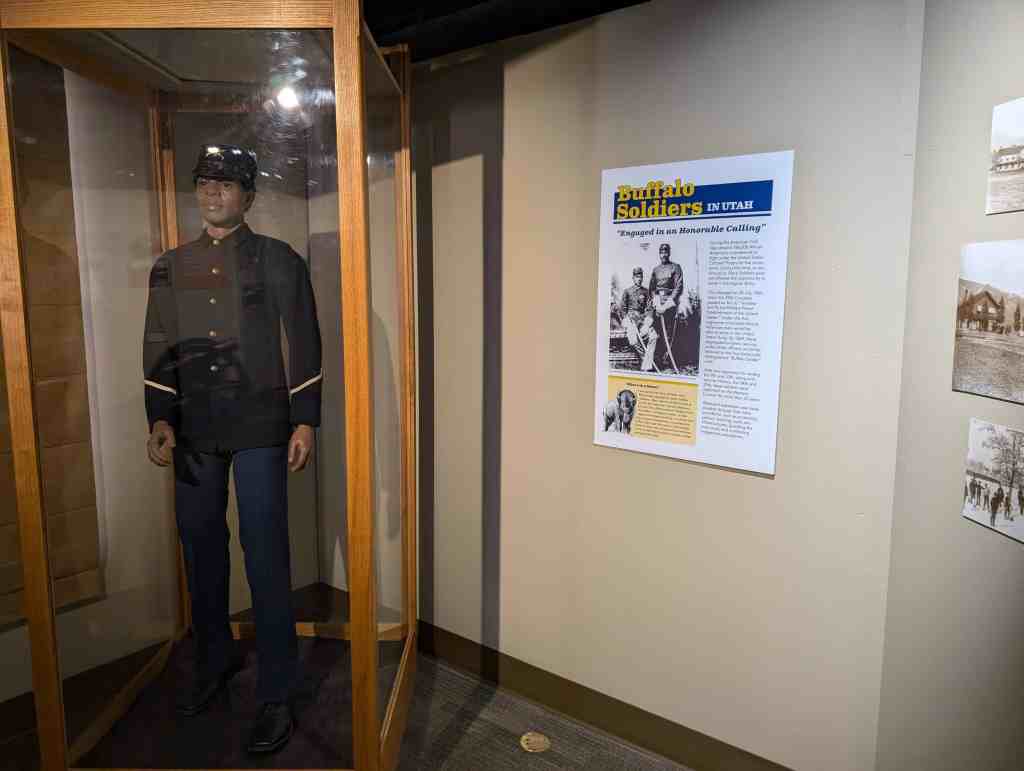
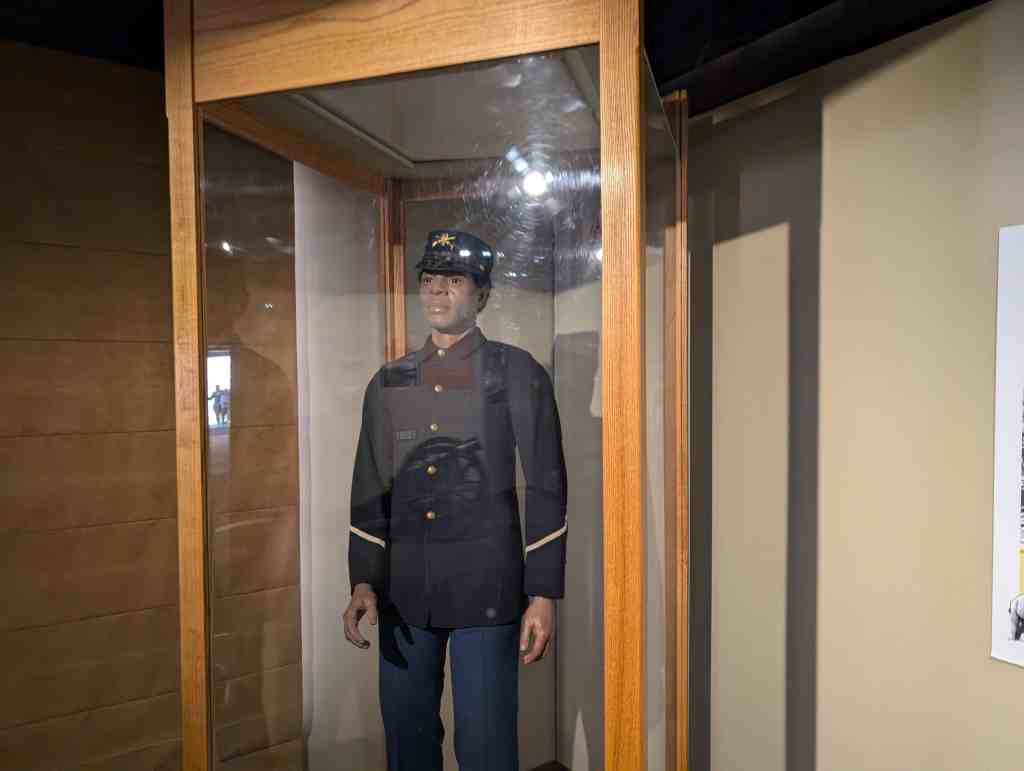
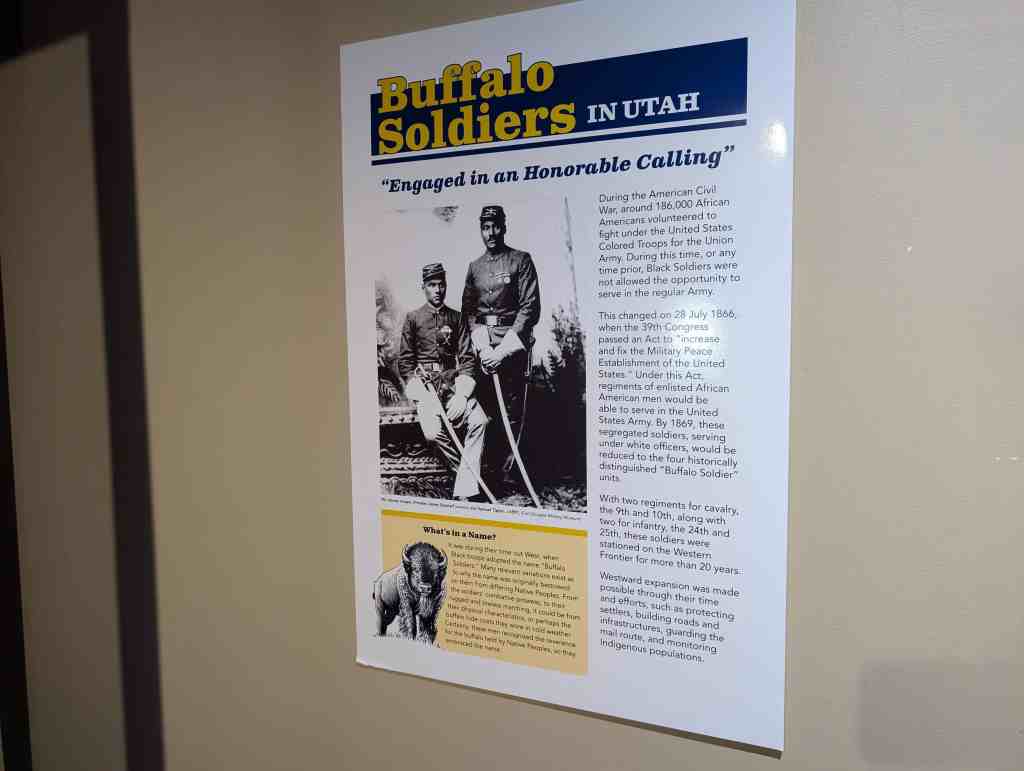
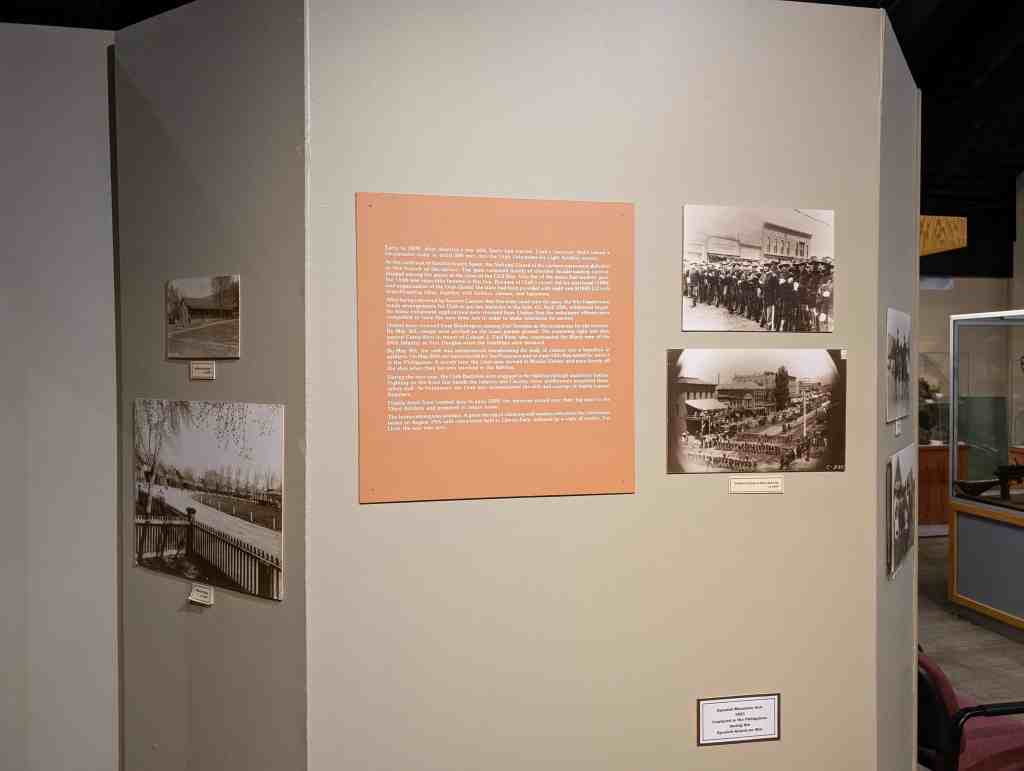
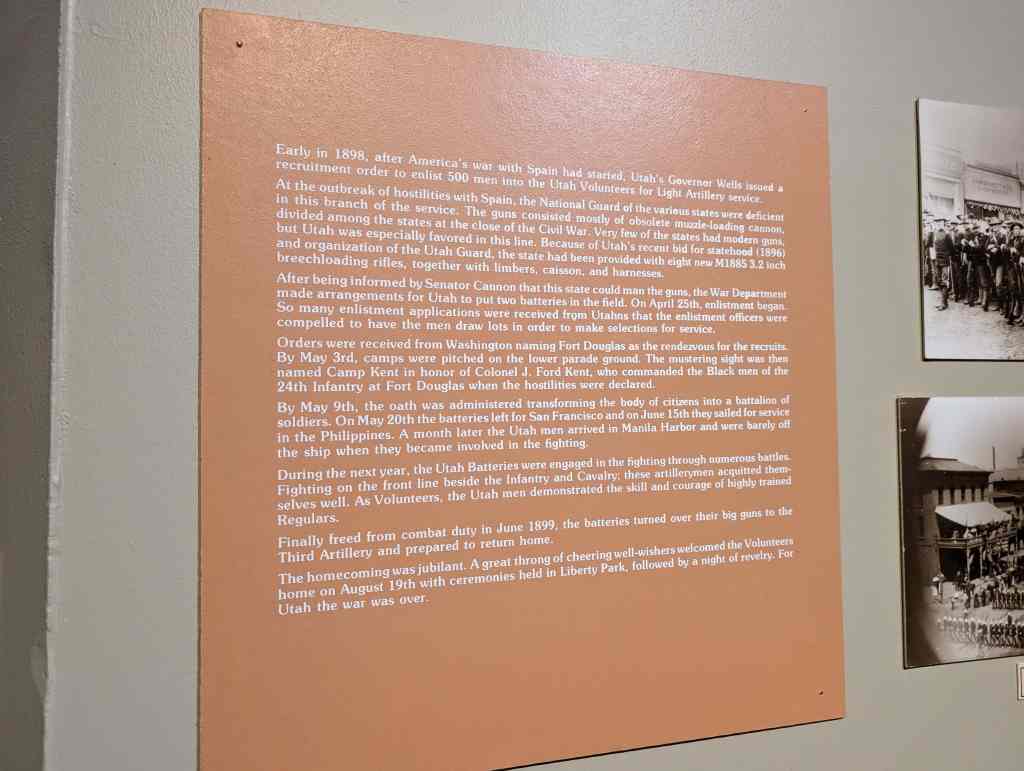
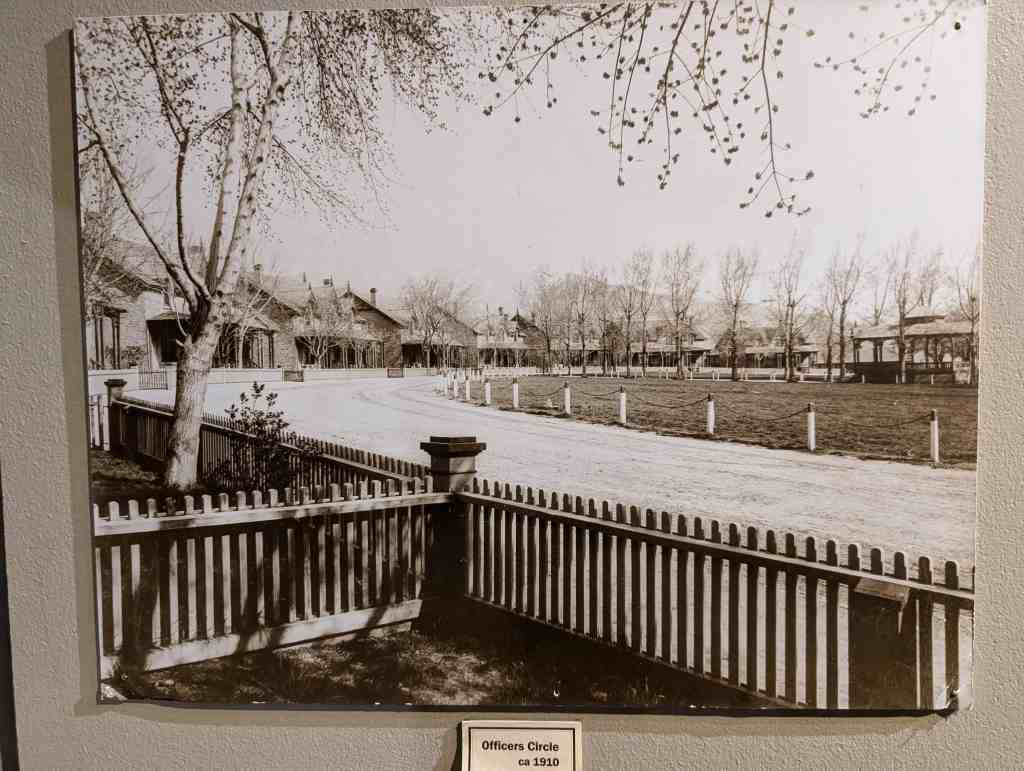
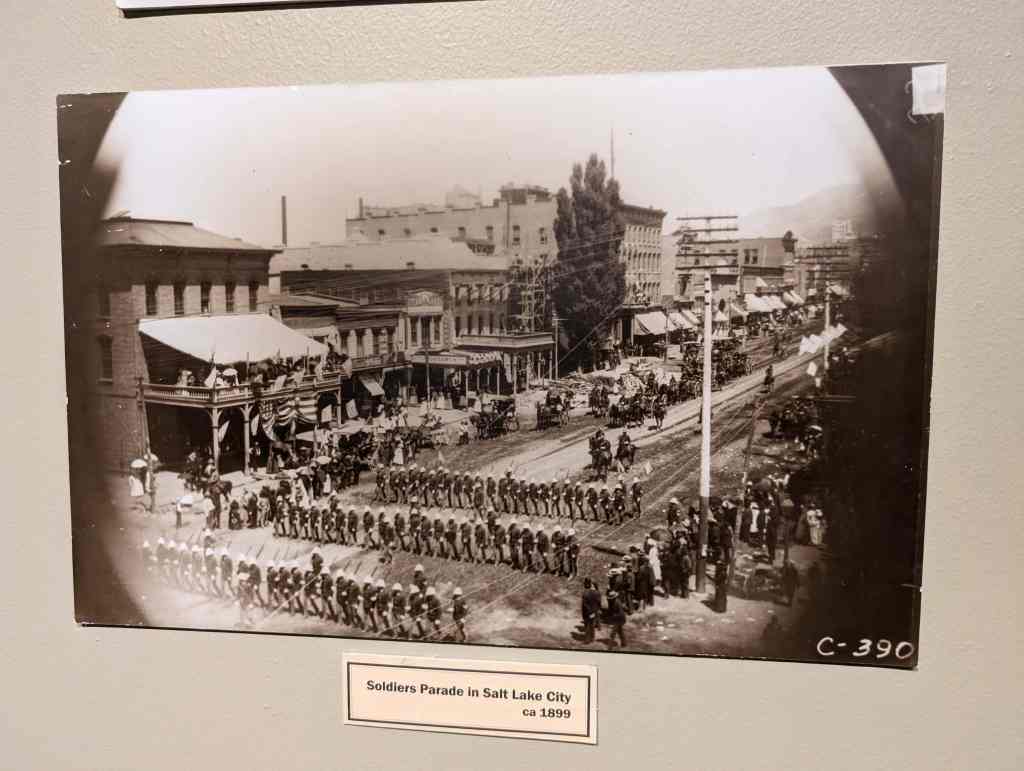
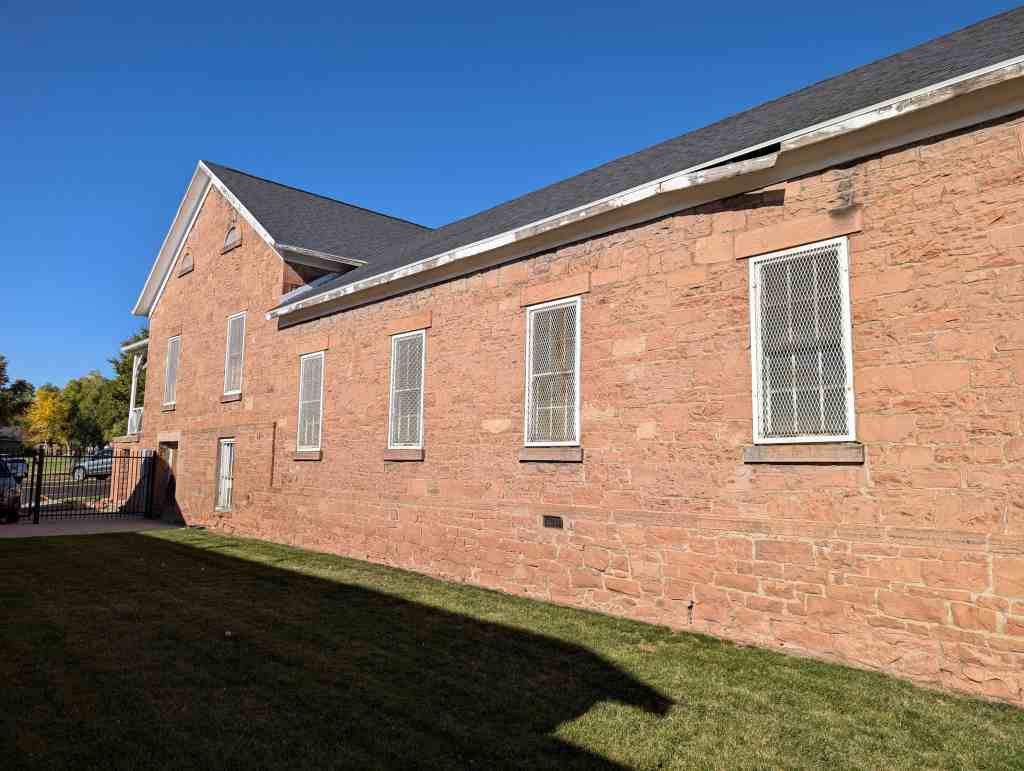
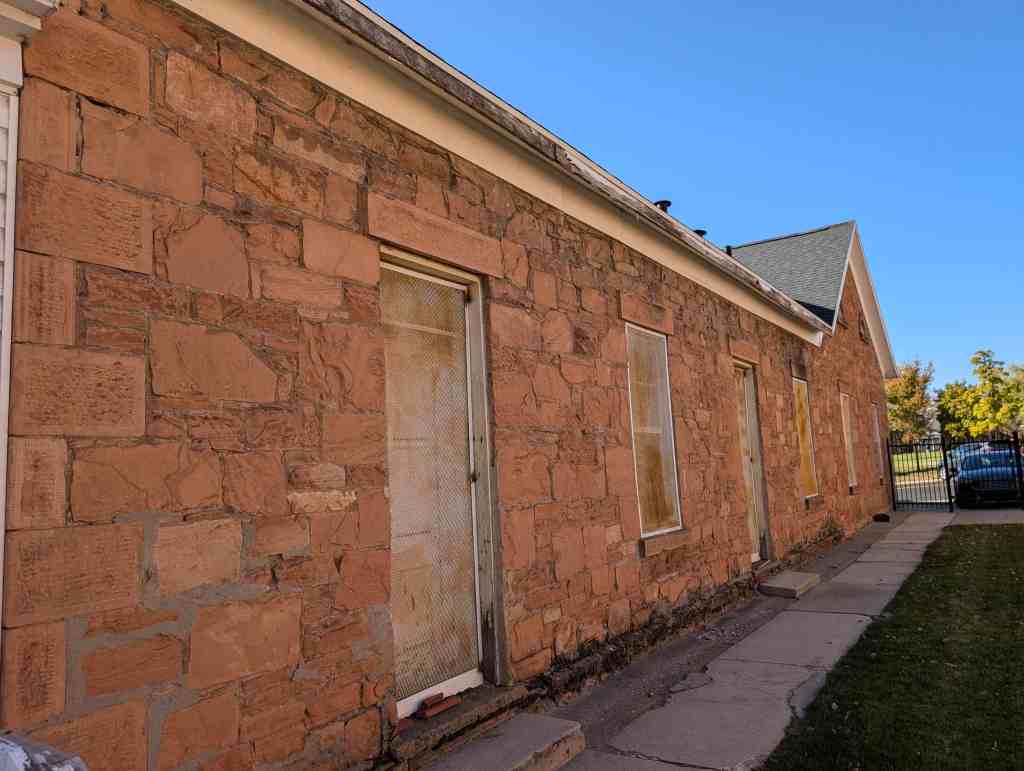
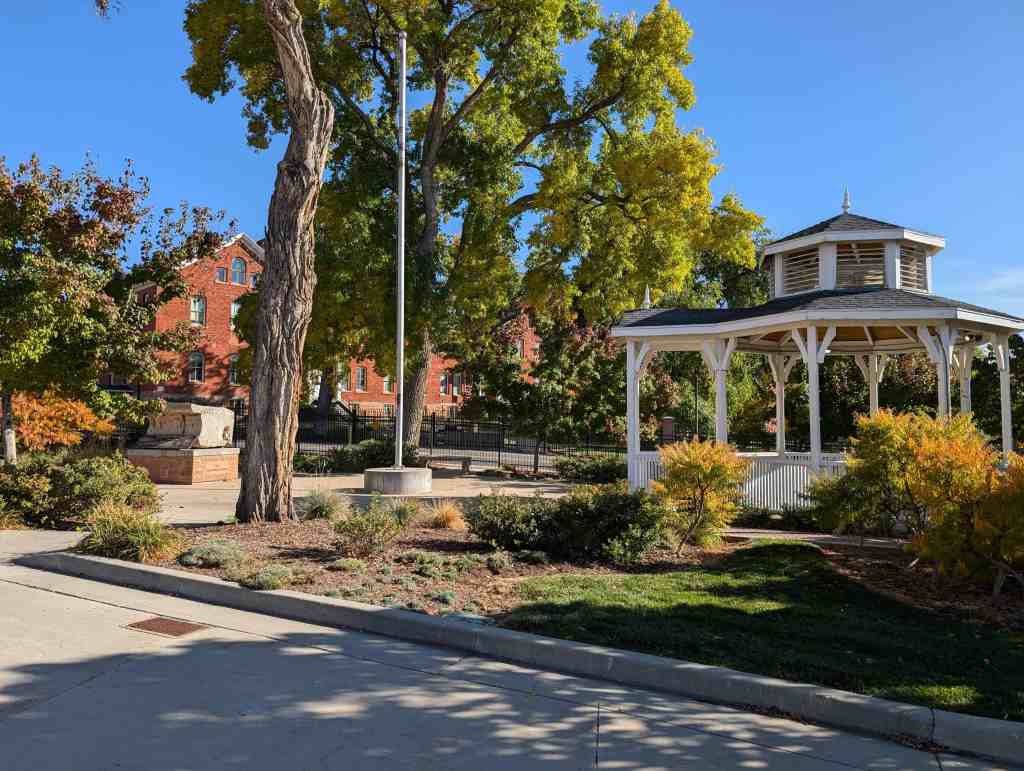
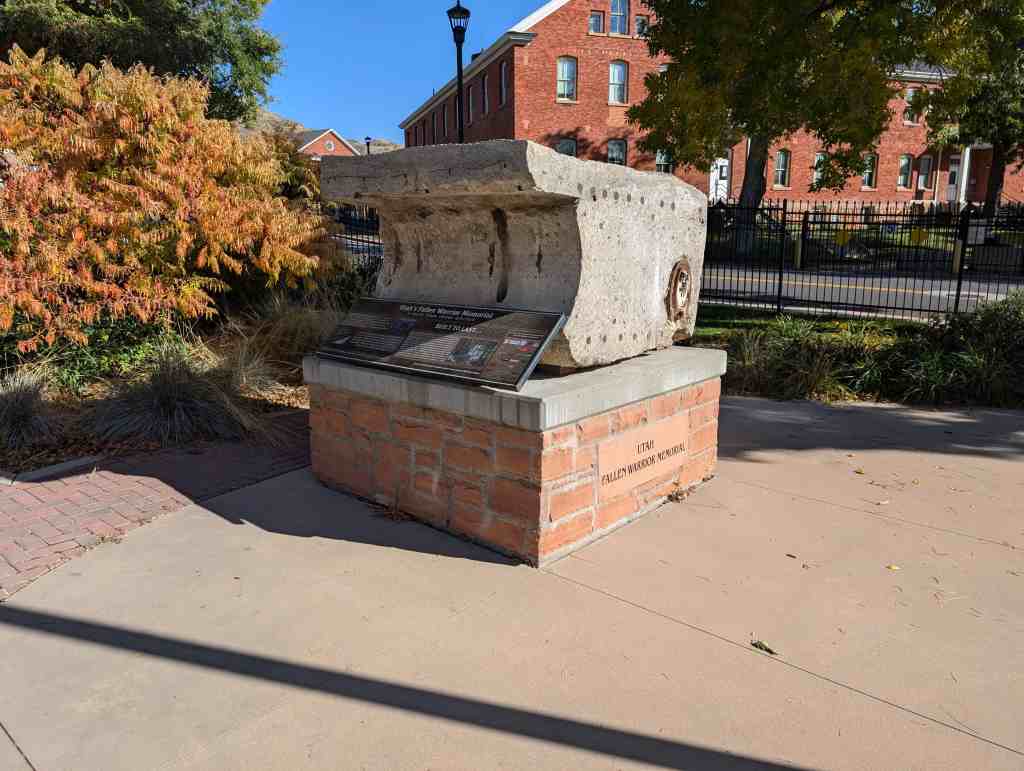
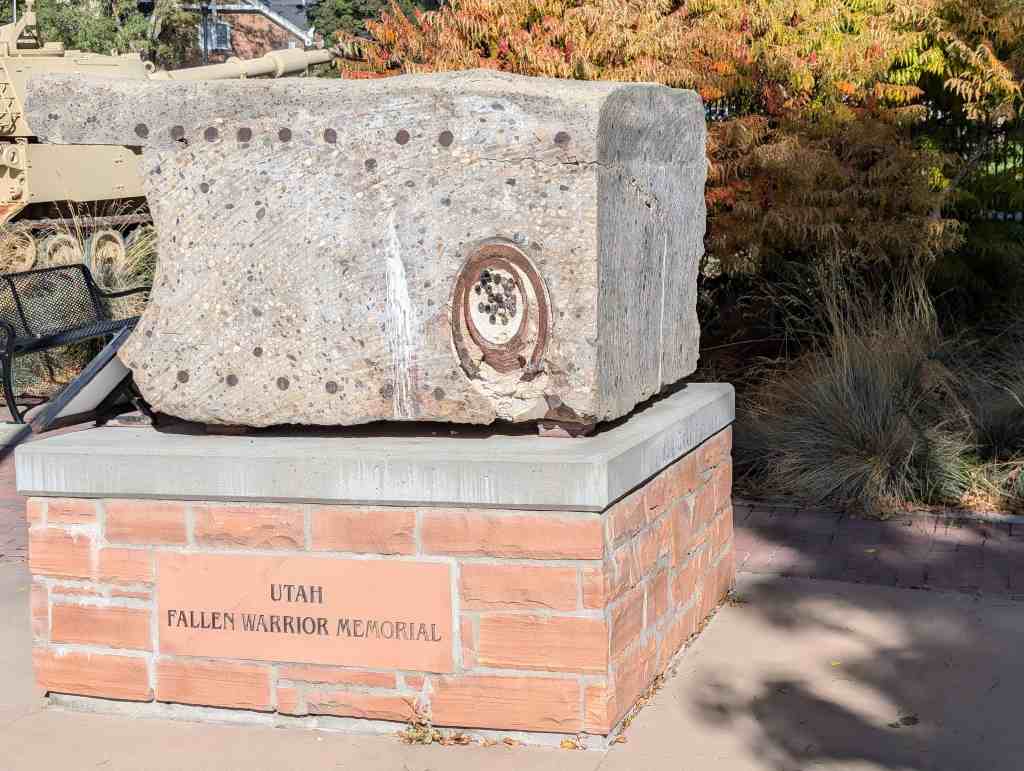
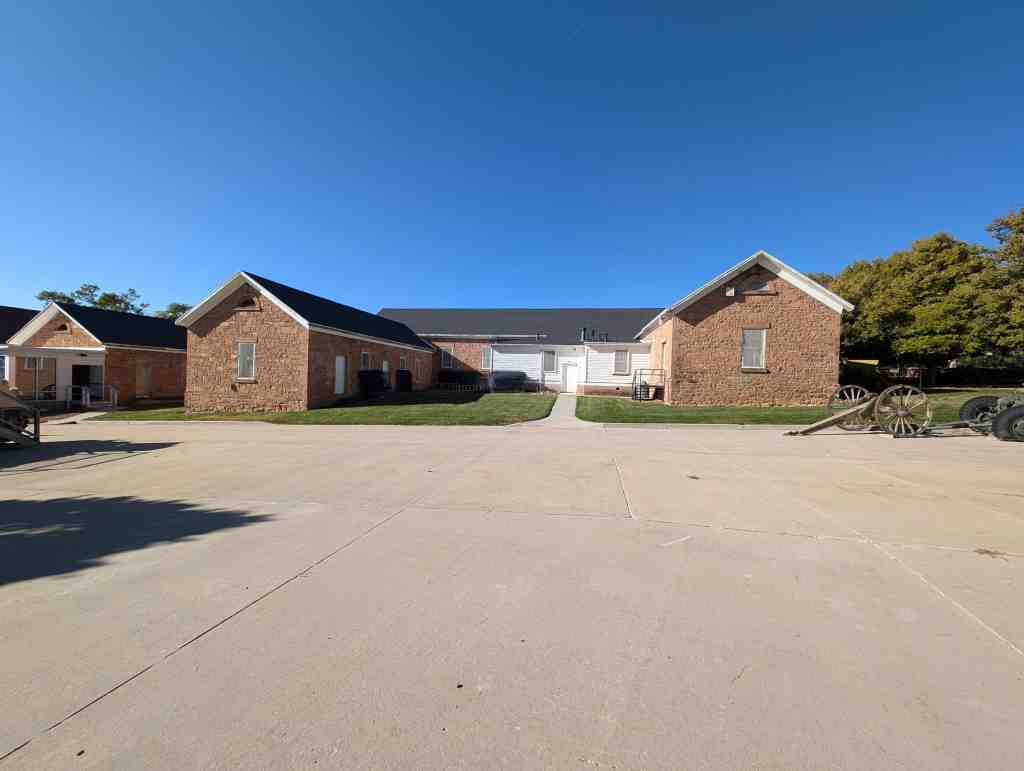
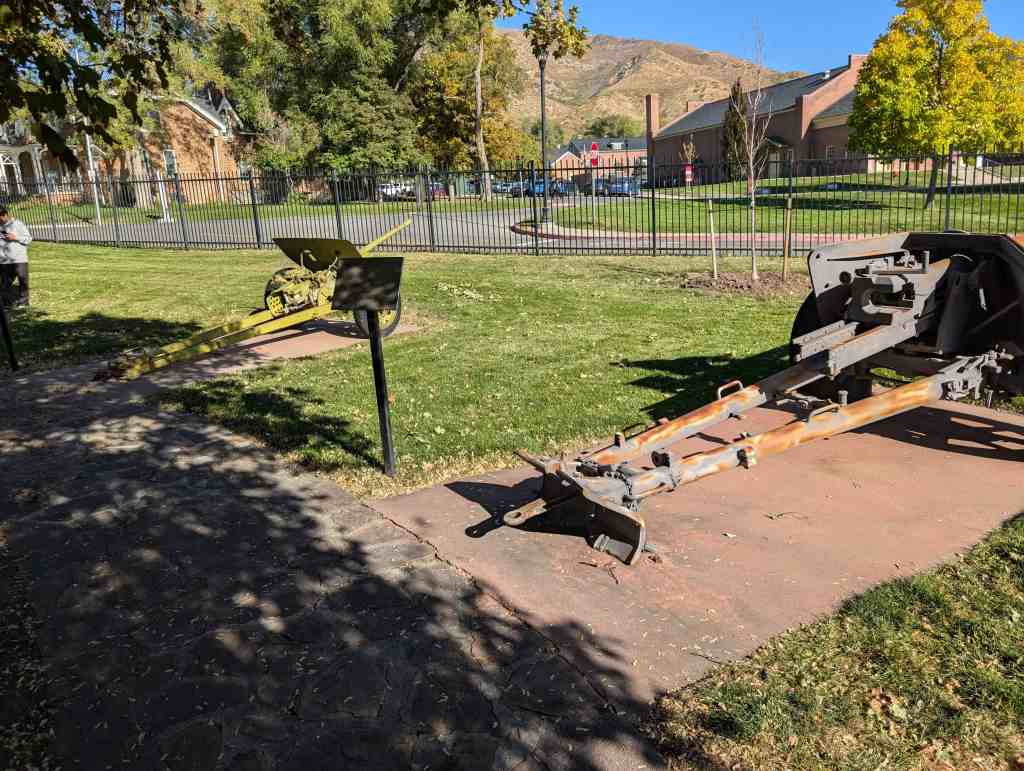
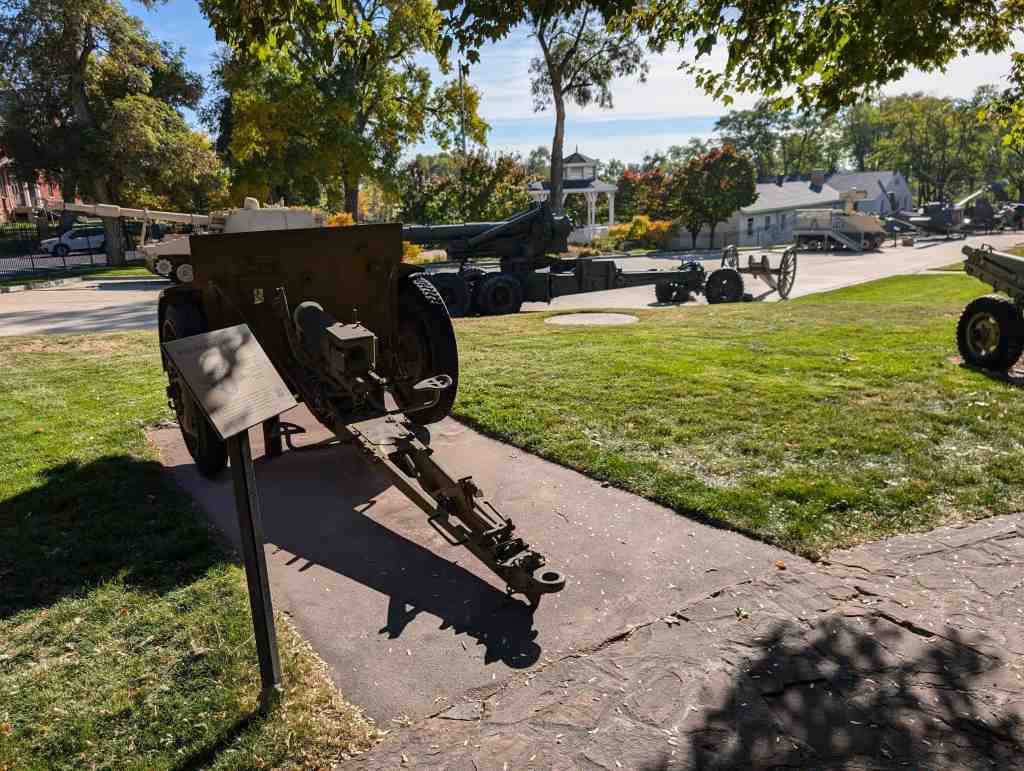
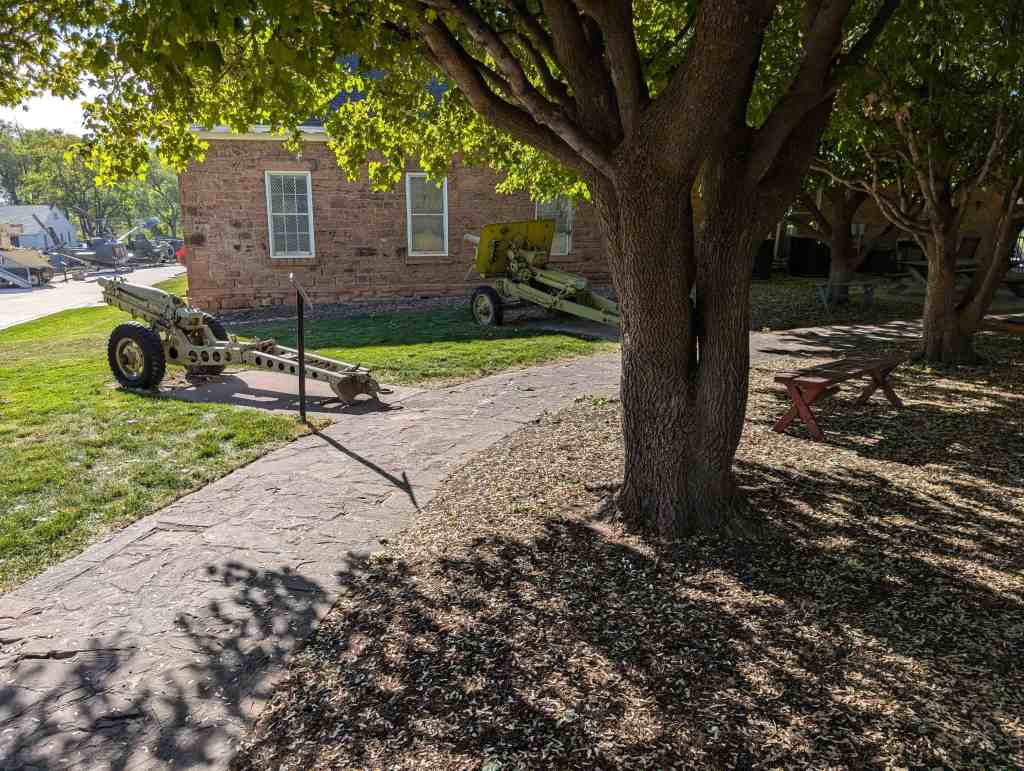
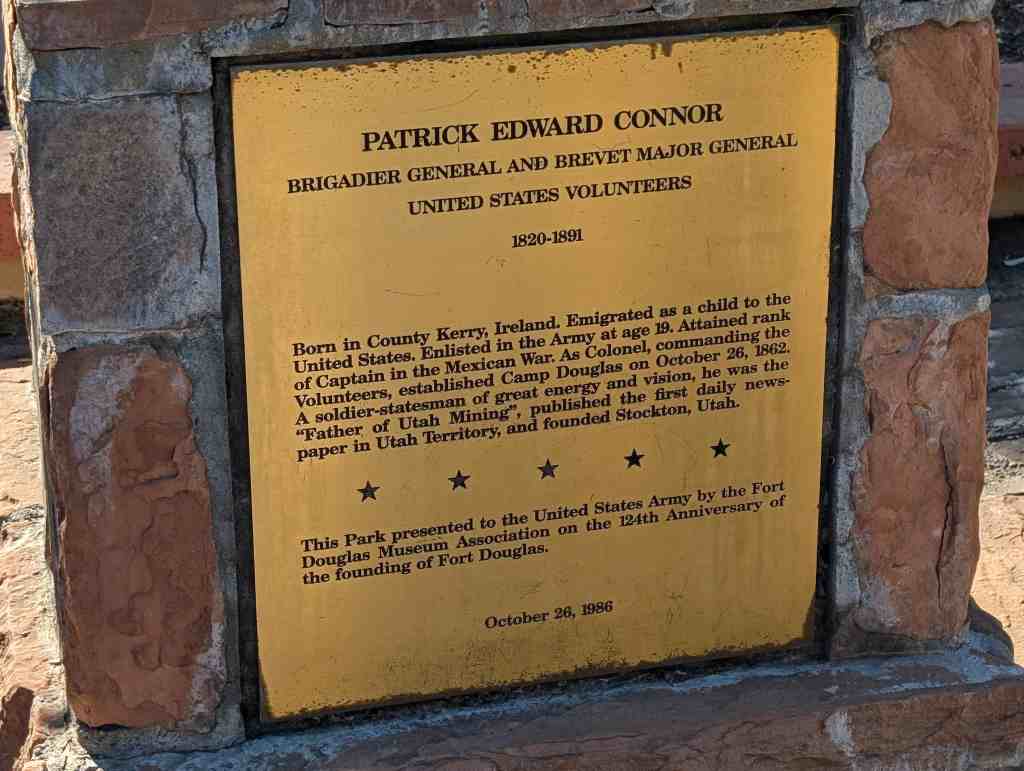
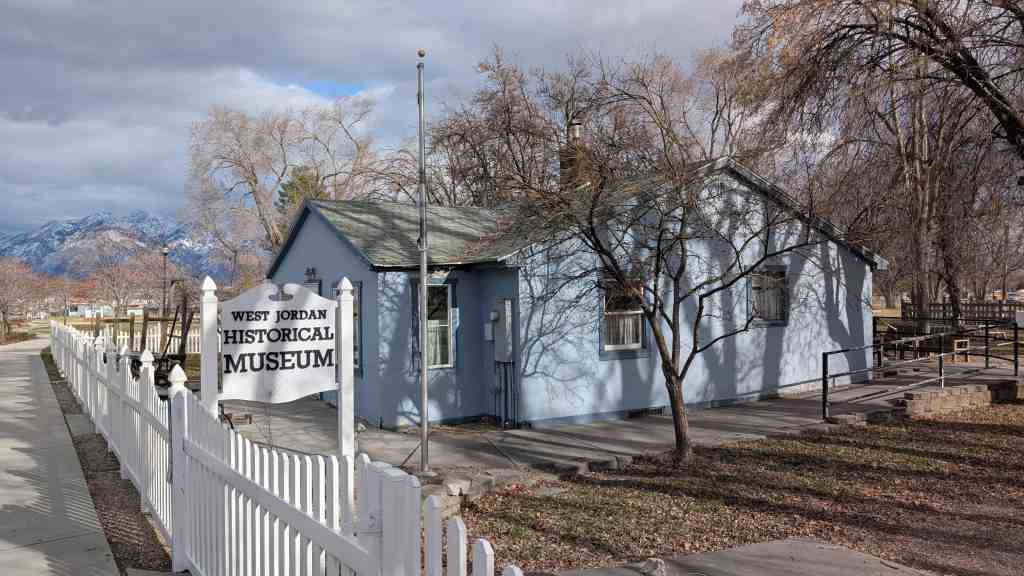
Fort Douglas Military Museum
04 Monday May 2026
Posted in Uncategorized

04 Monday May 2026
Posted in Uncategorized
Tags
31 Tuesday Mar 2026
Posted in Uncategorized
Tags
15 Friday Mar 2024
Posted in Uncategorized
10 Sunday Mar 2024
Posted in Uncategorized
Tags
05 Tuesday Mar 2024
Posted in Uncategorized
Tags
Cache County, DUP, museums, NRHP, Relic Halls, Richmond, Tithing Offices, utah
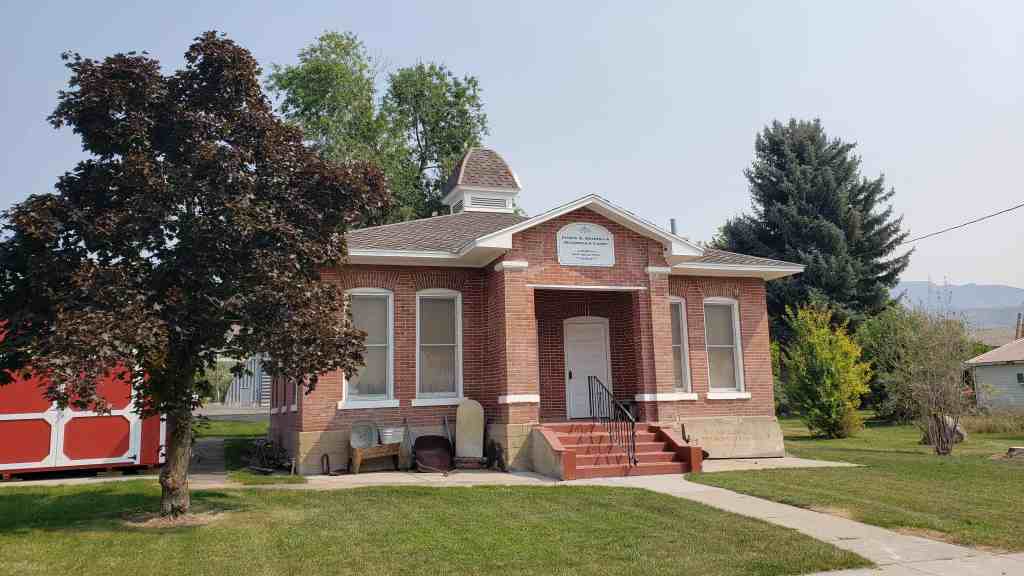
Built in 1907, the Richmond Tithing Office is significant as one of 28 well preserved tithing buildings in Utah that were part of the successful “in kind” tithing system of The Church of Jesus Christ of Latter-day Saints (LDS or Mormon church) between the 1850s and about 1910. Tithing lots, which usually included an office and several auxiliary structures, were facilities for collecting, storing, and distributing the farm products that were donated as tithing by church members in the cash-poor agricultural communities throughout the state. Tithing offices were a vital part of almost every Mormon community, serving as local centers of trade, welfare assistance, and economic activity. They were also important as the basic units of the church-wide tithing network that was centered in Salt Lake City, This building is also significant as one of about ten tithing offices which, having been built according to standard plans issued from church headquarters, represent the first known instances of centralized building administration in the LDS church.
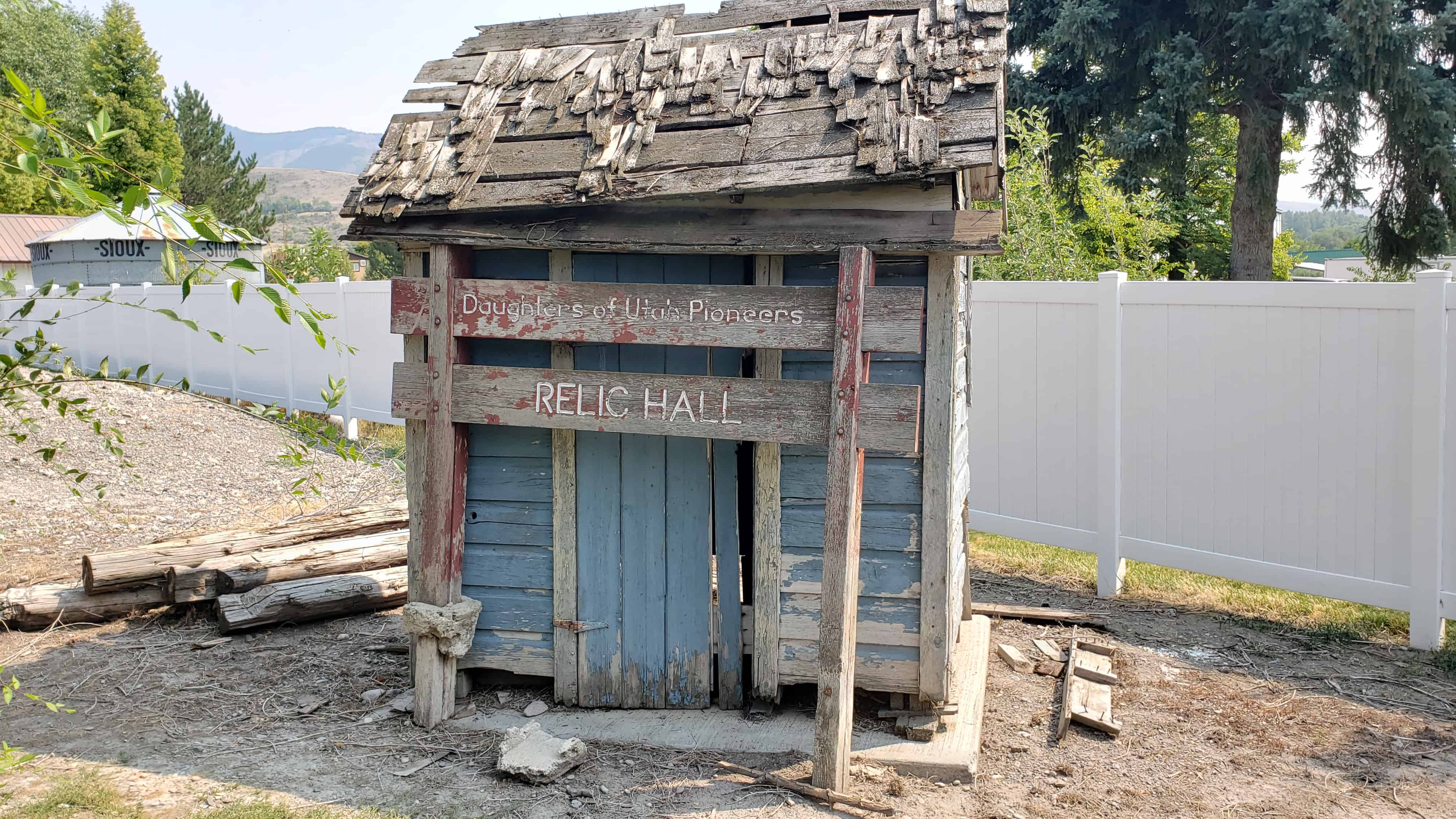
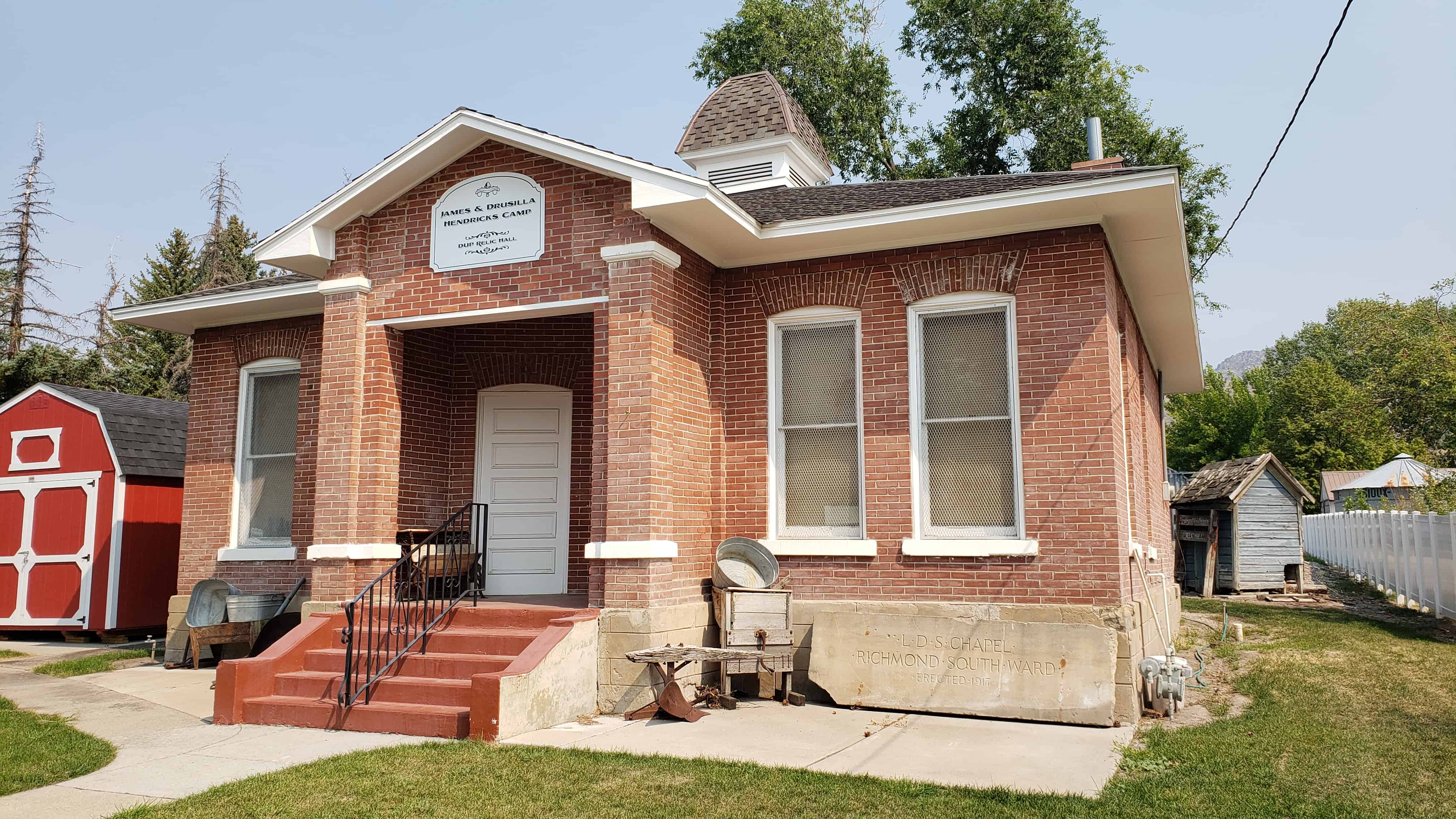
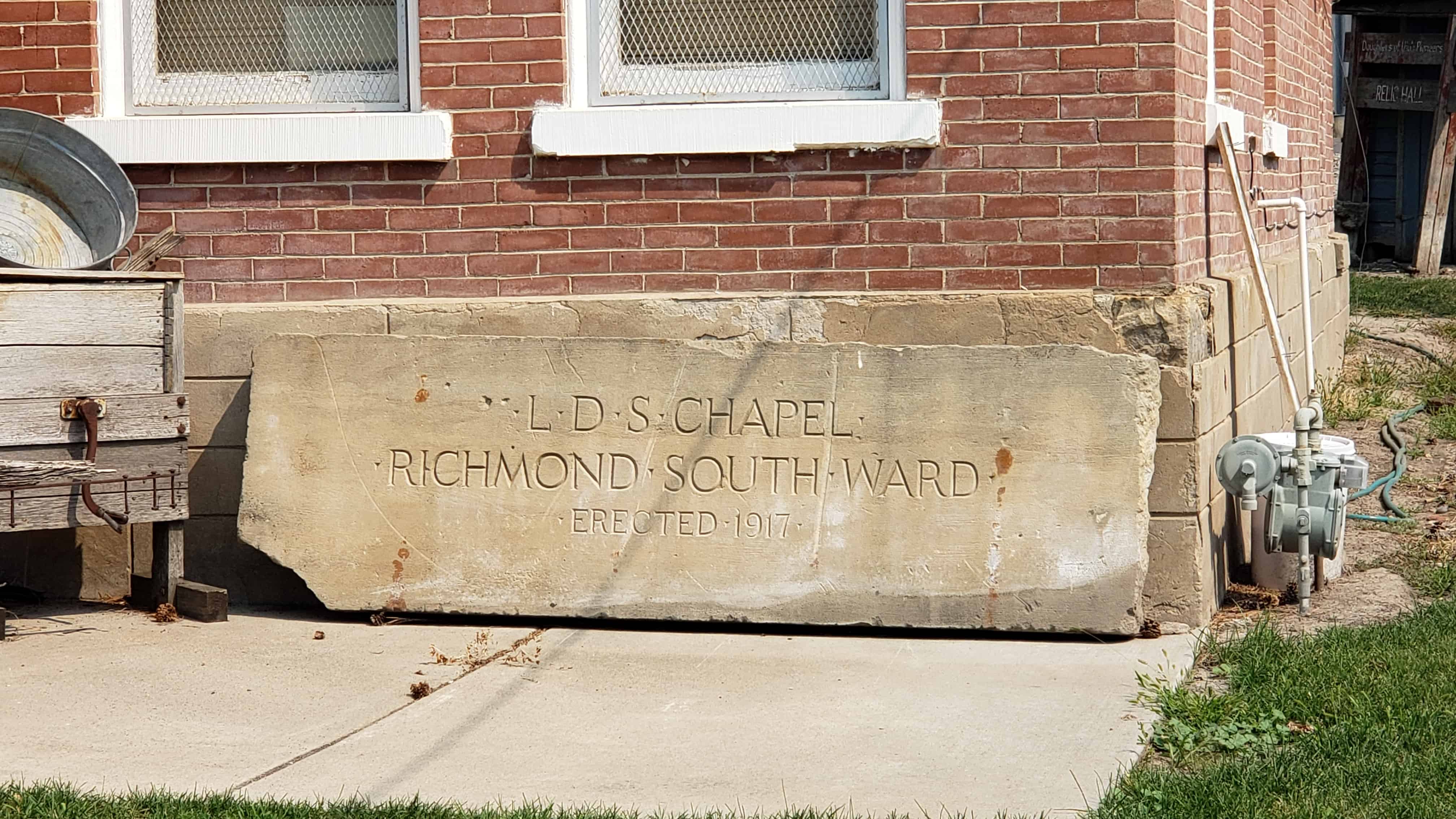
The Richmond Tithing Office is now the Richmond D.U.P. Relic Hall, James & Drusilla Hendricks Camp, located at 25 South State Street in Richmond, Utah. It was added to the National Historic Register (#85000256) on January 25, 1985.
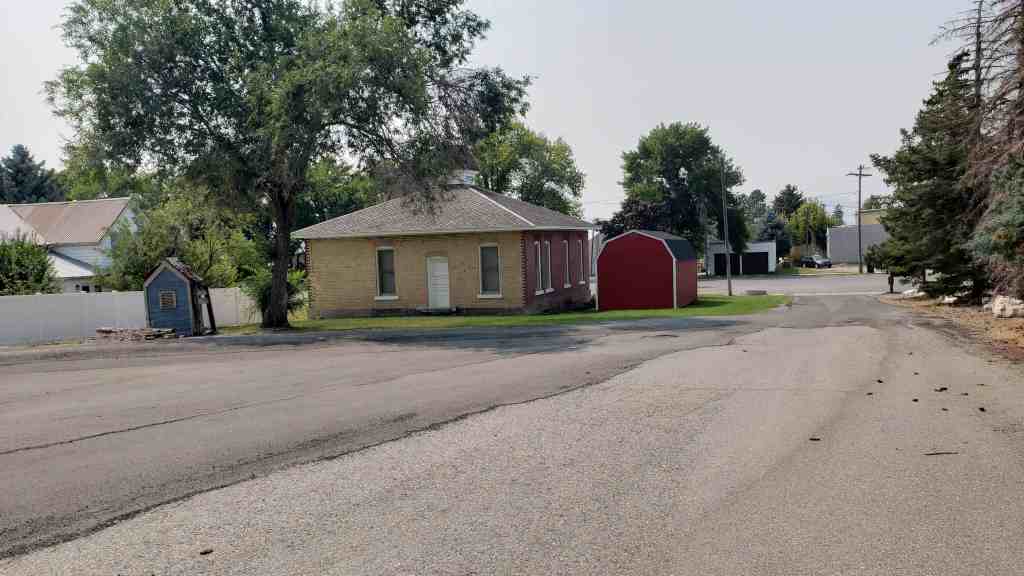
In January 1907, Stake President Alma Merrill and Bishop Thomas H. Merrill of the Richmond Ward, submitted a request to the Presiding Bishopric of the LDS church for approval to construct a new tithing office which would also serve as offices for the stake presidency and a meeting place for the stake high council. Land for the new building was provided on the tithing lot in the center of town. Although plans for the building were provided by church headquarters in Salt Lake City, detailed instructions for constructing the building were not given. The Presiding Bishopric offered the following explanation for those omissions: “…regarding specifications for tithing office no. 3, will say, that no specifications were provided other than the bill of material listed on the plans, owing to the fact that the different stakes erect the office of the material at their disposal. ” A local builder, James Lewis Burnham, was reportedly hired to construct the tithing off ice, 3 which was completed by December 1907 or January 1908. In February 1908, Bishop Merrill applied to the Presiding Bishopric for help in furnishing the office. Construction of a fence around the new building and planting grass on the property were finishing touches to the new tithing office that were recommended by the stake clerk in June 1908, but it is unknown whether or not they were ever accomplished.
The design of the Richmond Tithing Office was one of at least three standard tithing office plans that were developed at church headquarters around 1905 and sent out to a number of wards in the state that requested to have a new tithing office built. Those plans were perhaps the first examples of what eventually became a policy with the church – developing standard building plans at church headquarters rather than having each ward generate its own. In addition to the Richmond Tithing Office, other tithing offices in the state that were built according to the plans of “tithing office no. 3” are those in Manti, Sandy, Panguitch, and Hyrum, all of which were built between about 1905 and 1910.
The Richmond Tithing Office was owned by the Richmond Ward of the LDS church until 1968, when it was sold to Richmond City. The city has allowed the local chapter of the Daughters of the Utah Pioneers to use the building as their relic hall.

The Richmond Tithing Office is a one story square red brick building with a pyramid roof, a coursed ashlar foundation, and a projecting gabled pavilion on the façade. It was designed from one of at least three standard plans which were created for tithing offices about 1905, two of which have been identified. The design of the Richmond Tithing Office has been identified as type No. 3, and is almost identical to the design of the Sandy, Manti and Panguitch Tithing Offices. It is also very similar to the Hyrum Tithing
Office. The façade is symmetrically arranged with a gabled pavilion centered between pairs of one over one double hung sash windows. The pavilion has a flat arch opening. Above the opening is an inset rectangular panel above which is an enclosed semi -circular vent. Pilasters are attached to the corners of the pavilion. Two doors open off the pavilion, each set at an angle into the wall under the pavilion. The arrangement of openings on the other three sides of the building is irregular, but is very similar to that of
other tithing offices of this type. Decorative elements include a wide frieze which wraps around the building below the cornice line. It consists of string courses of brick which project at different levels. Rock-faced brick highlights the relieving arches of the windows. A small domed cupola structure tops the building. The Richmond Tithing Office is unaltered, is in good condition, and therefore maintains its original integrity.


22 Friday Dec 2023
Posted in Uncategorized
Tags
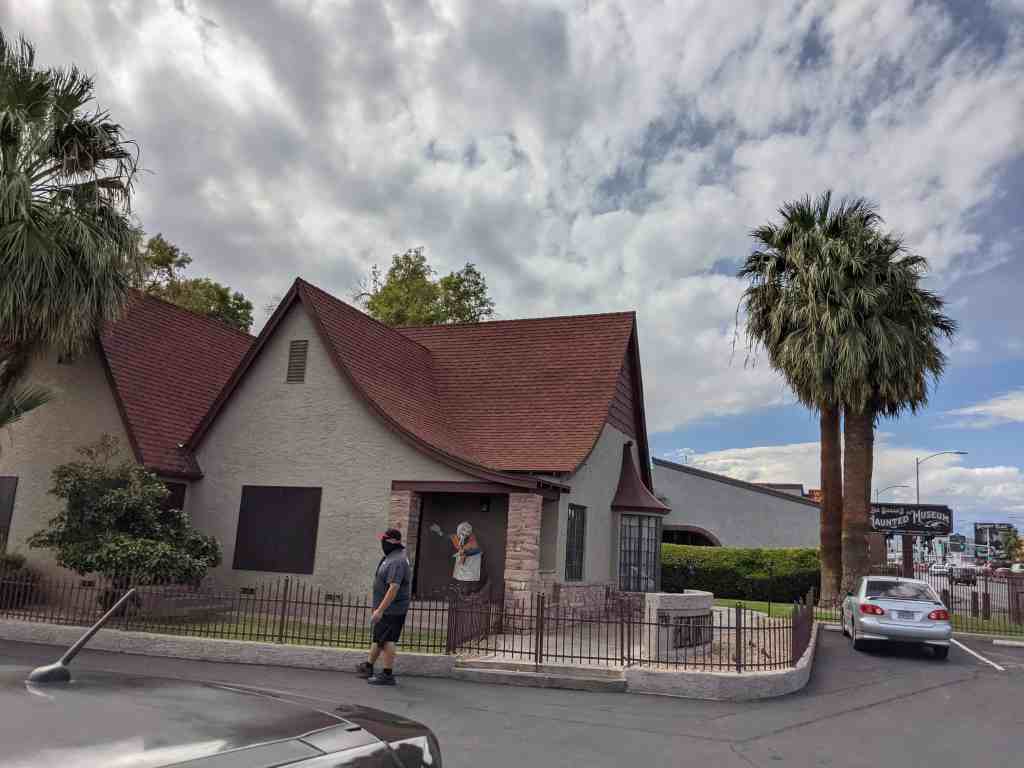
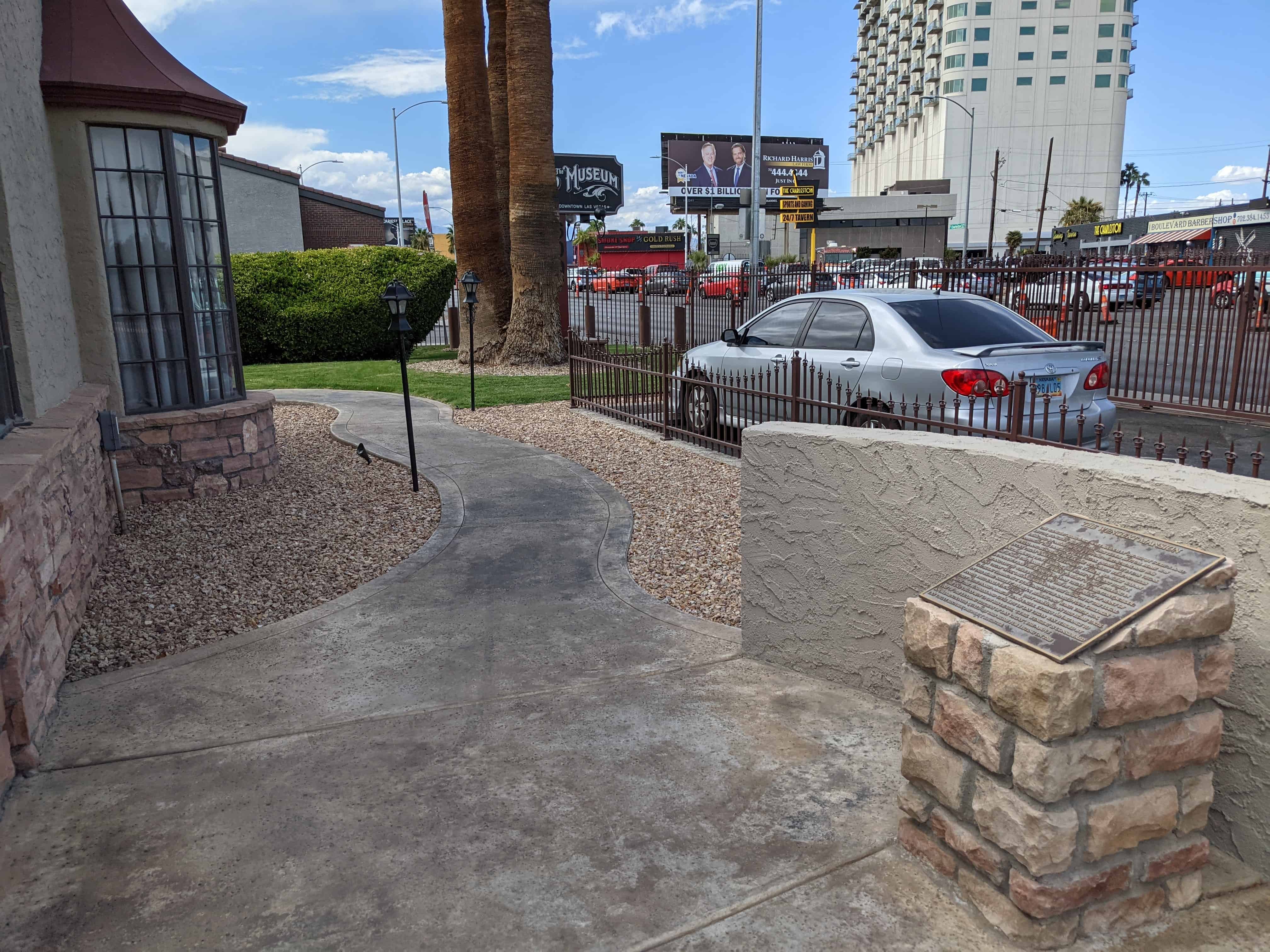
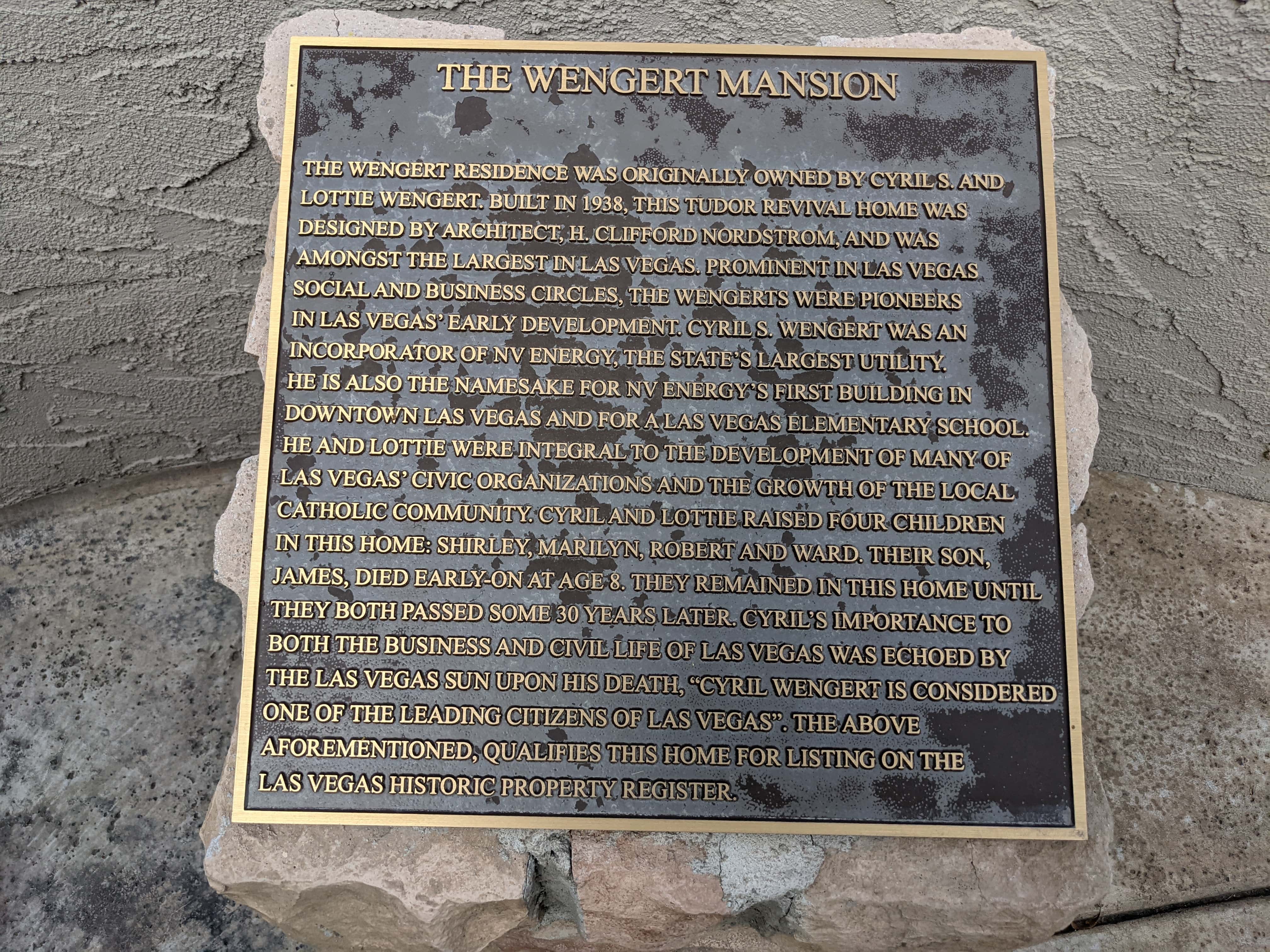
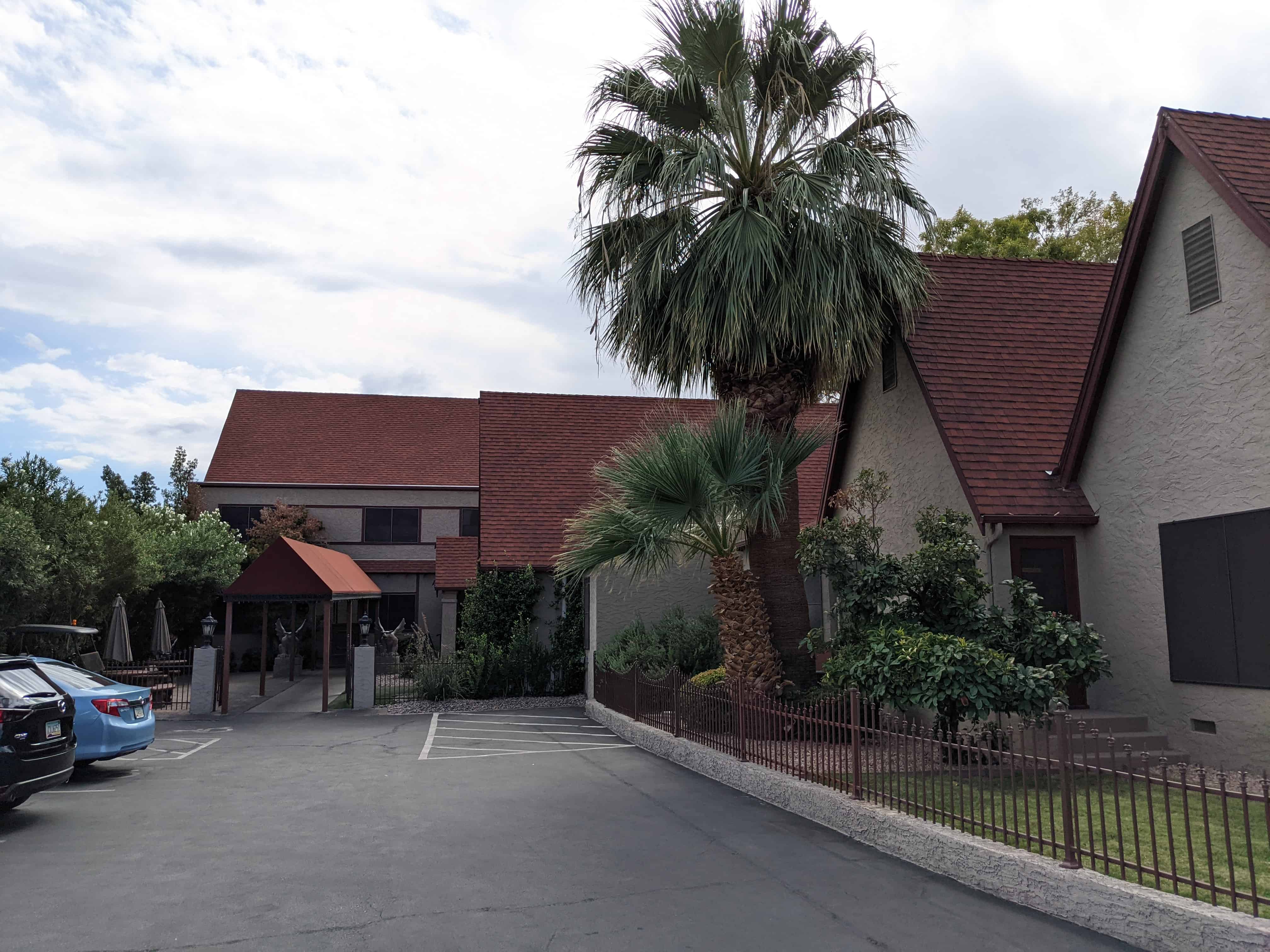
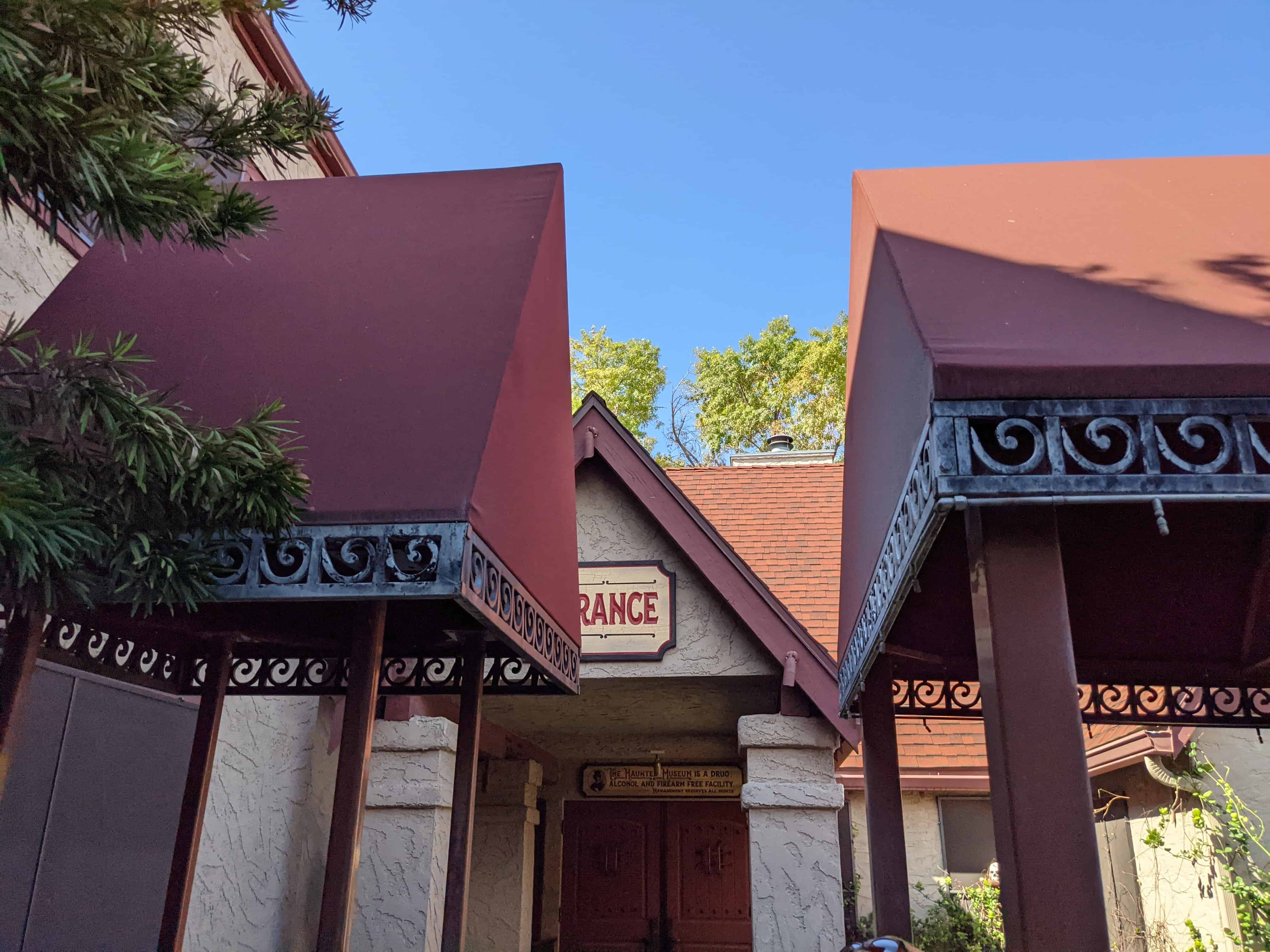
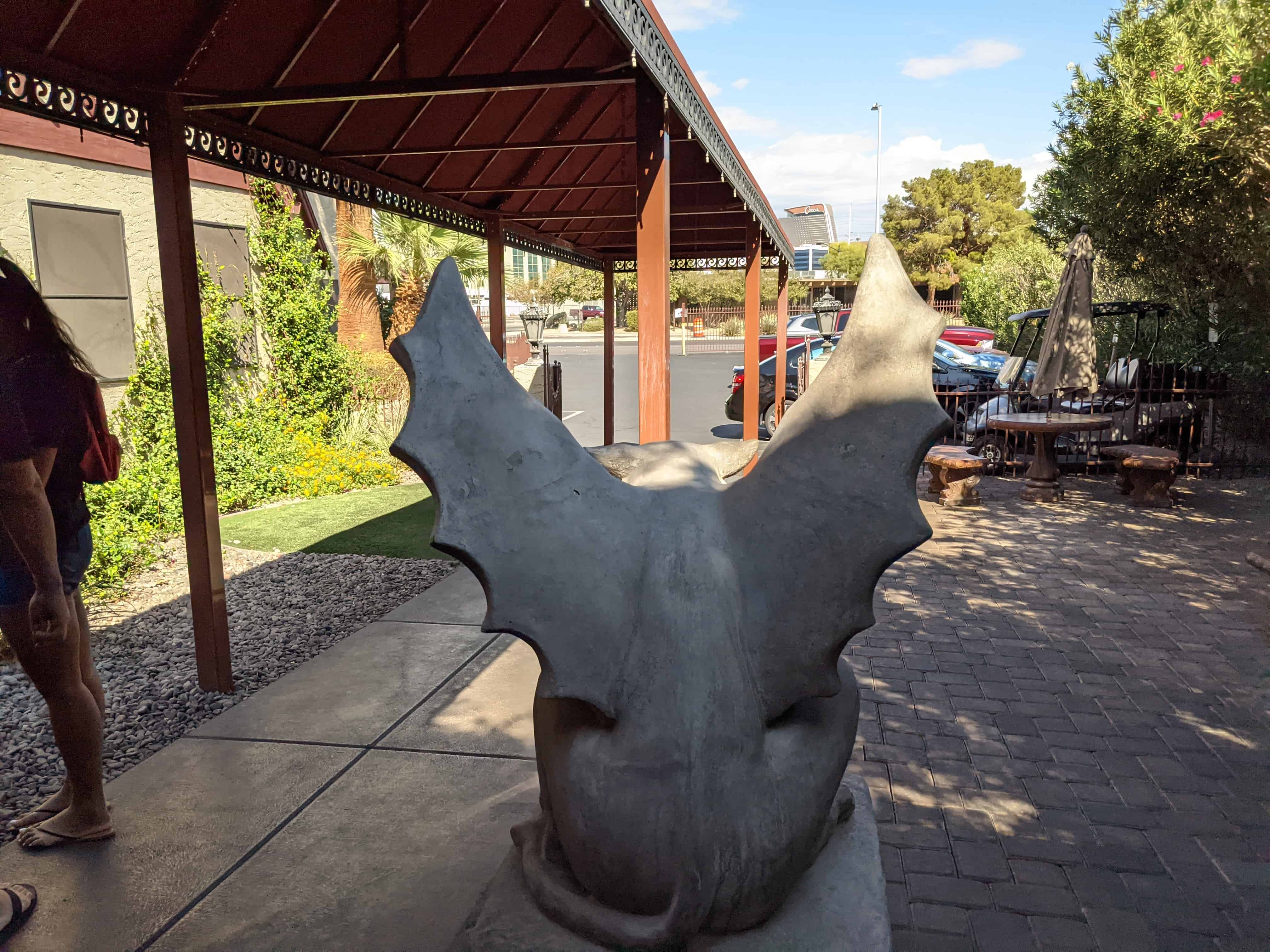
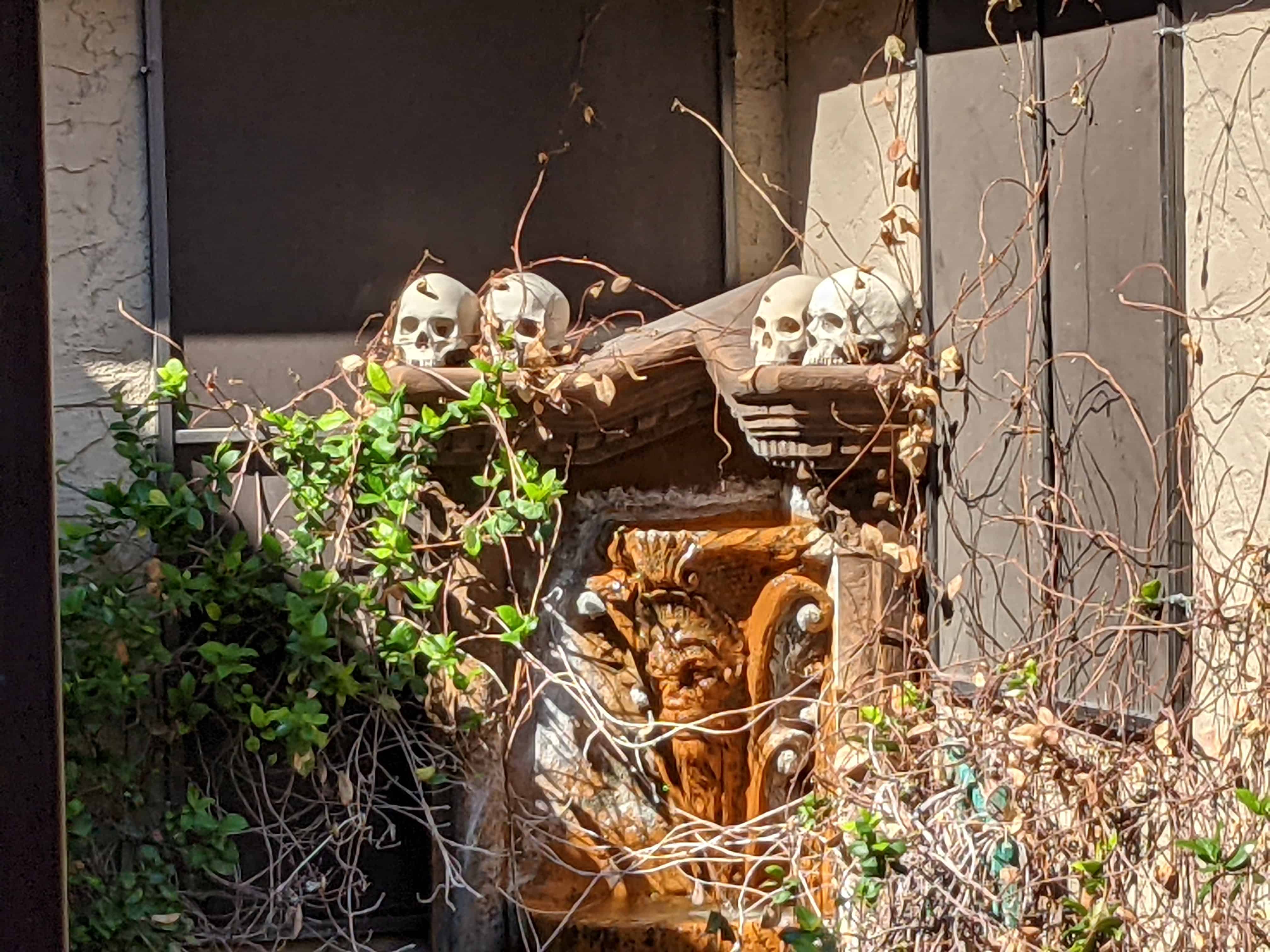
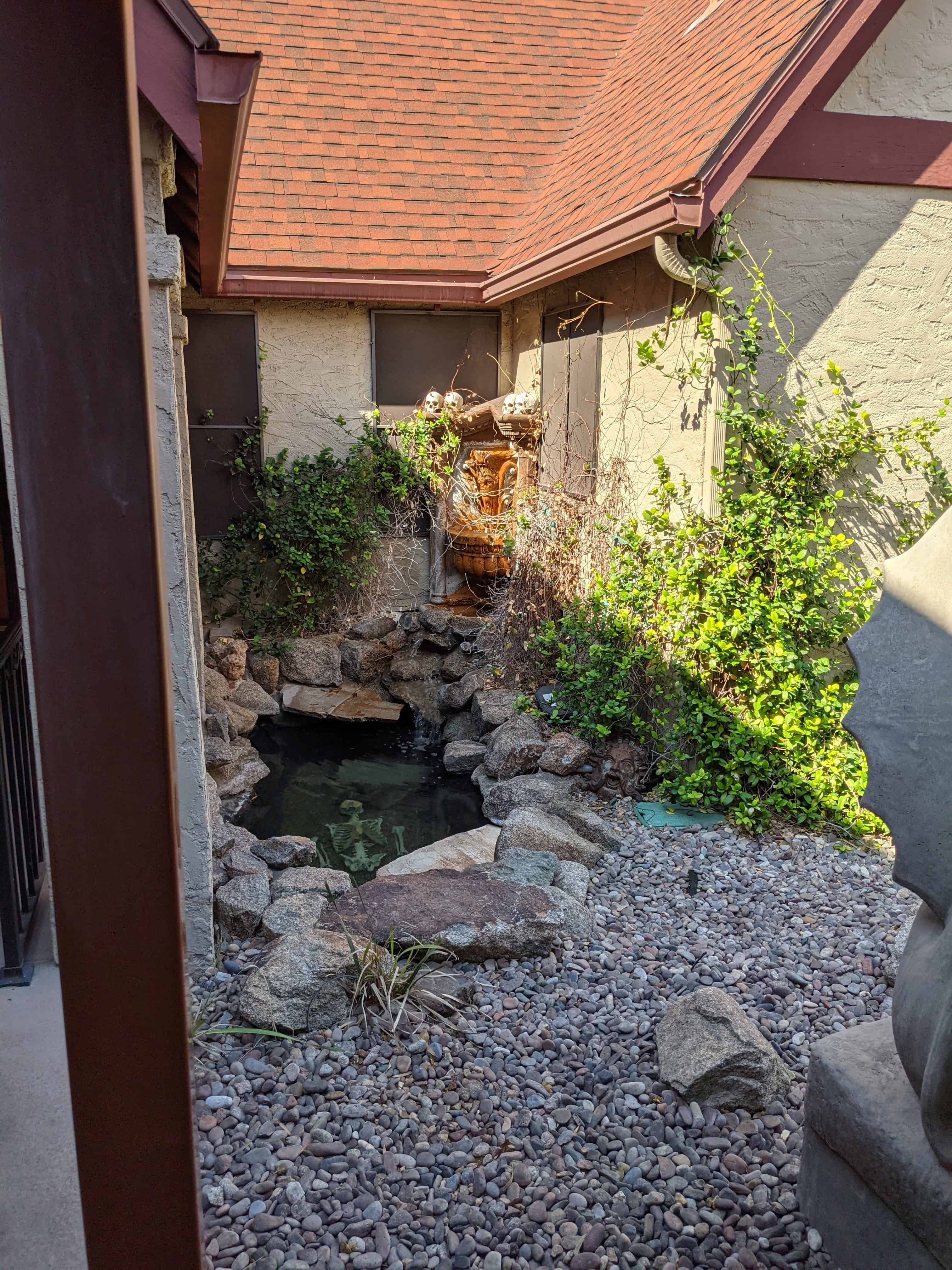
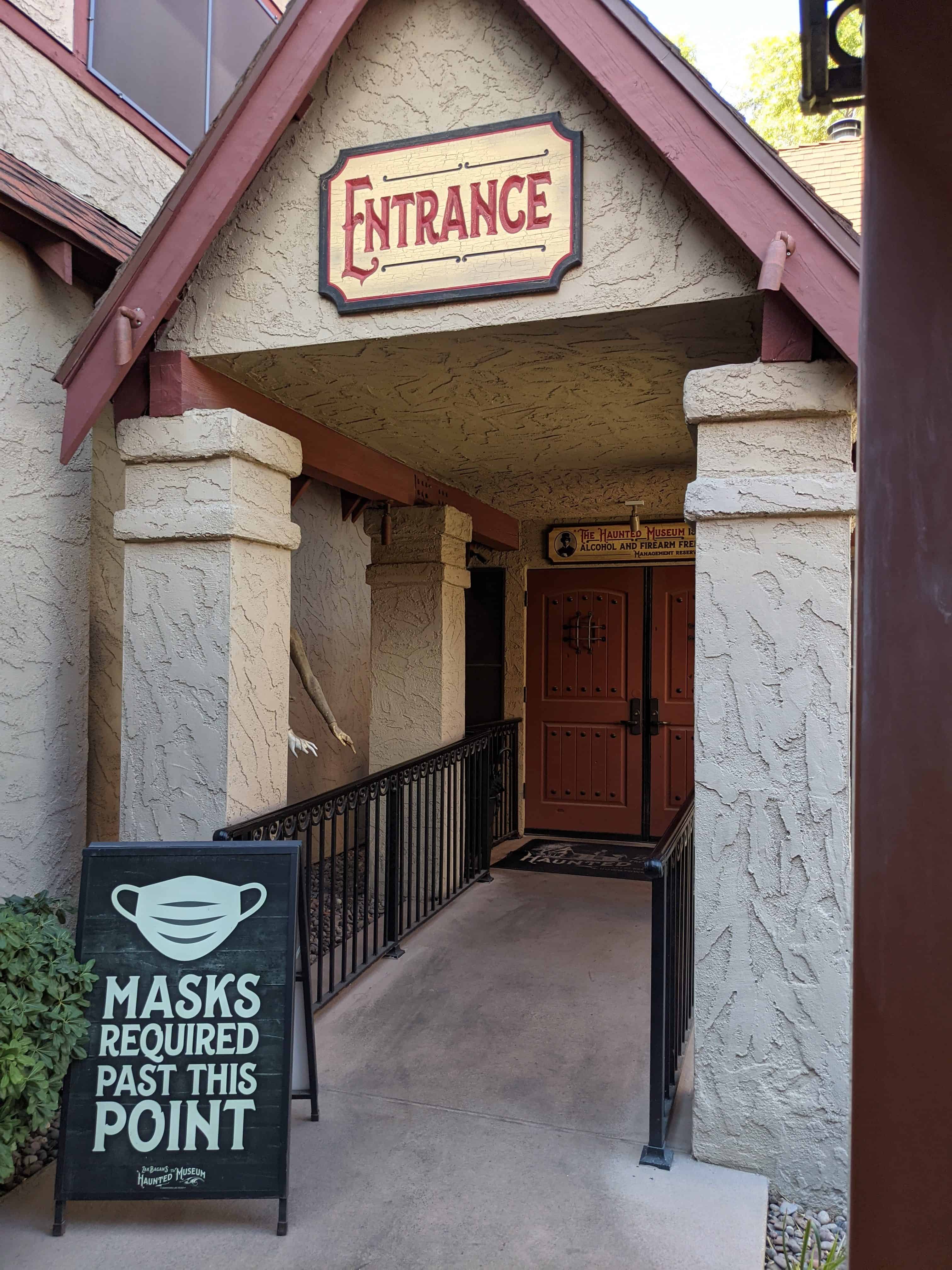
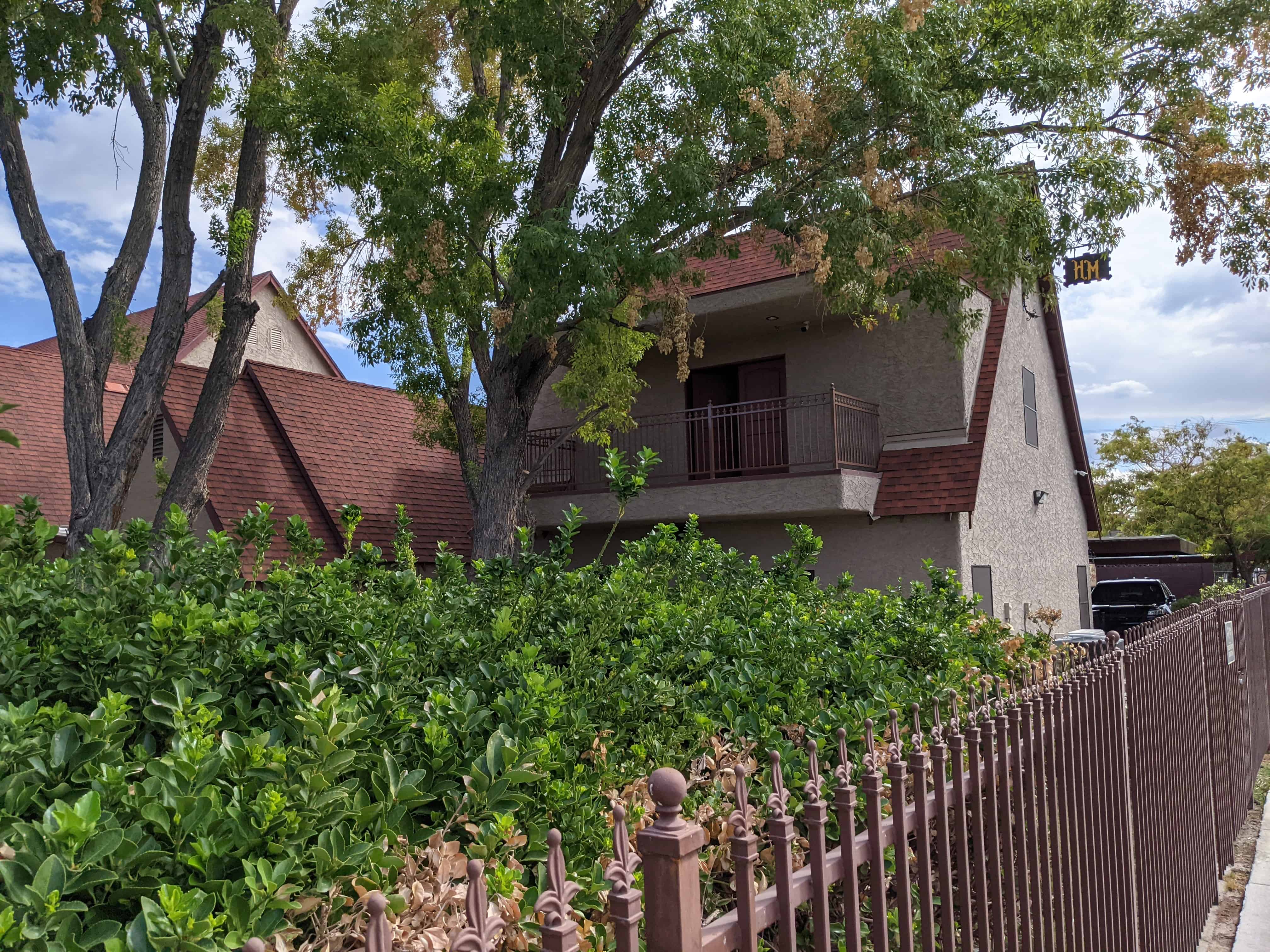
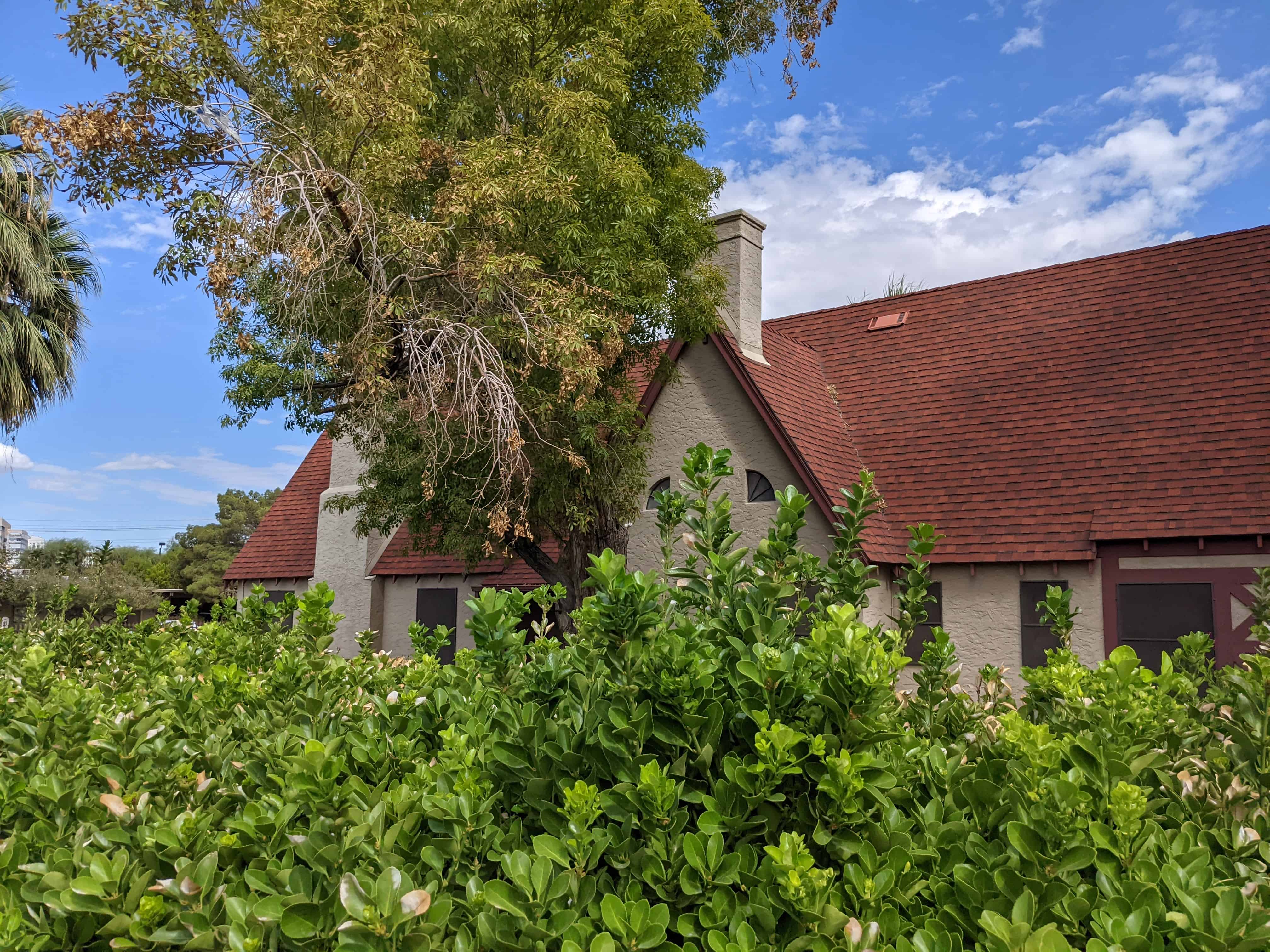
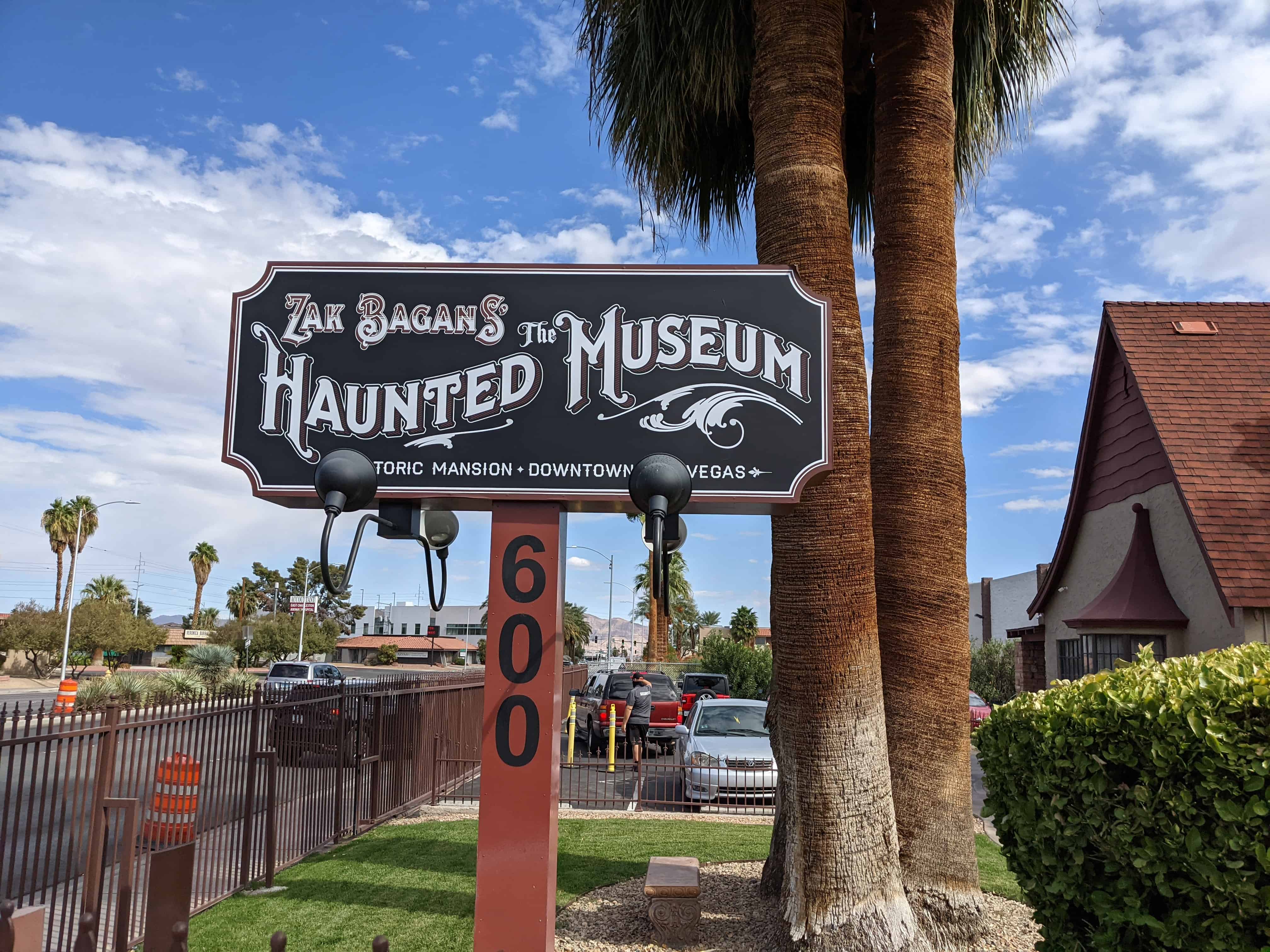
The Wengert Mansion
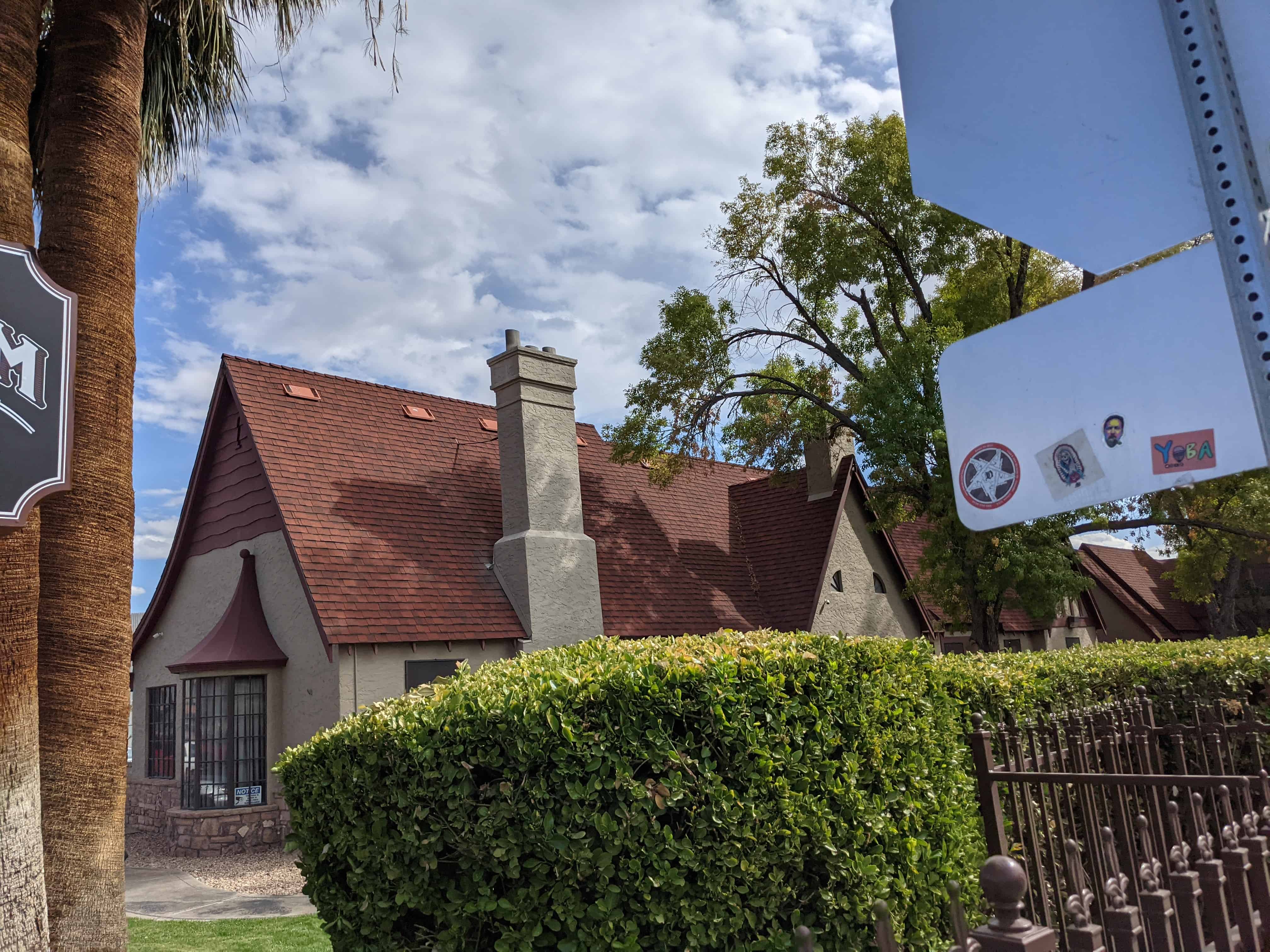
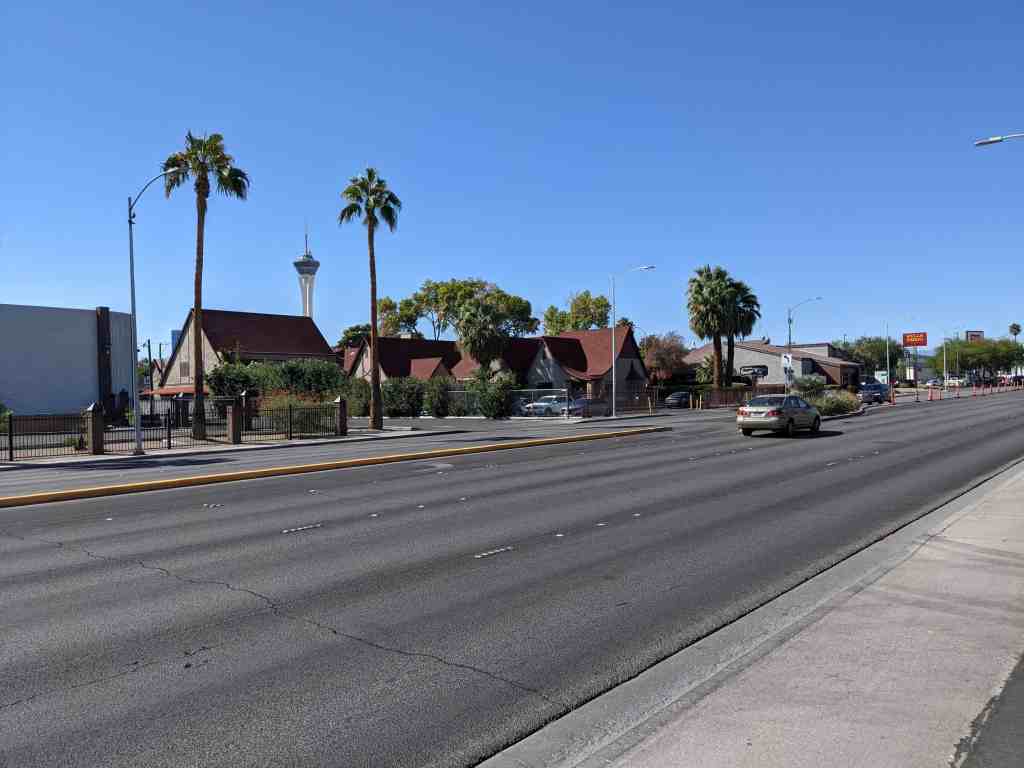
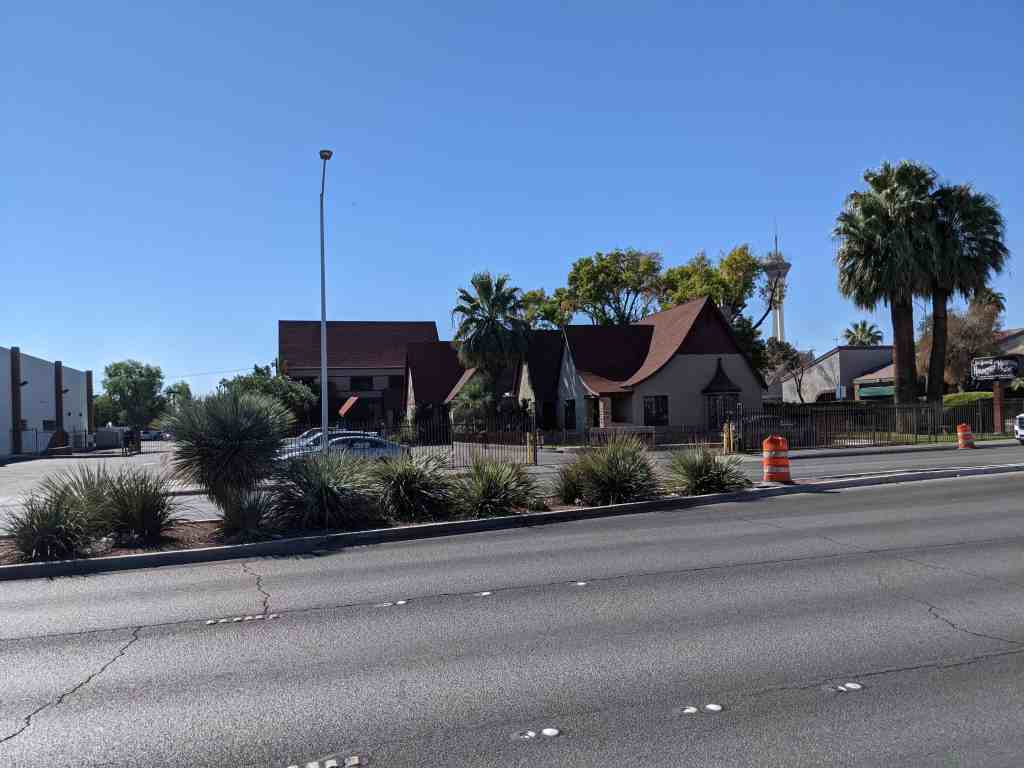
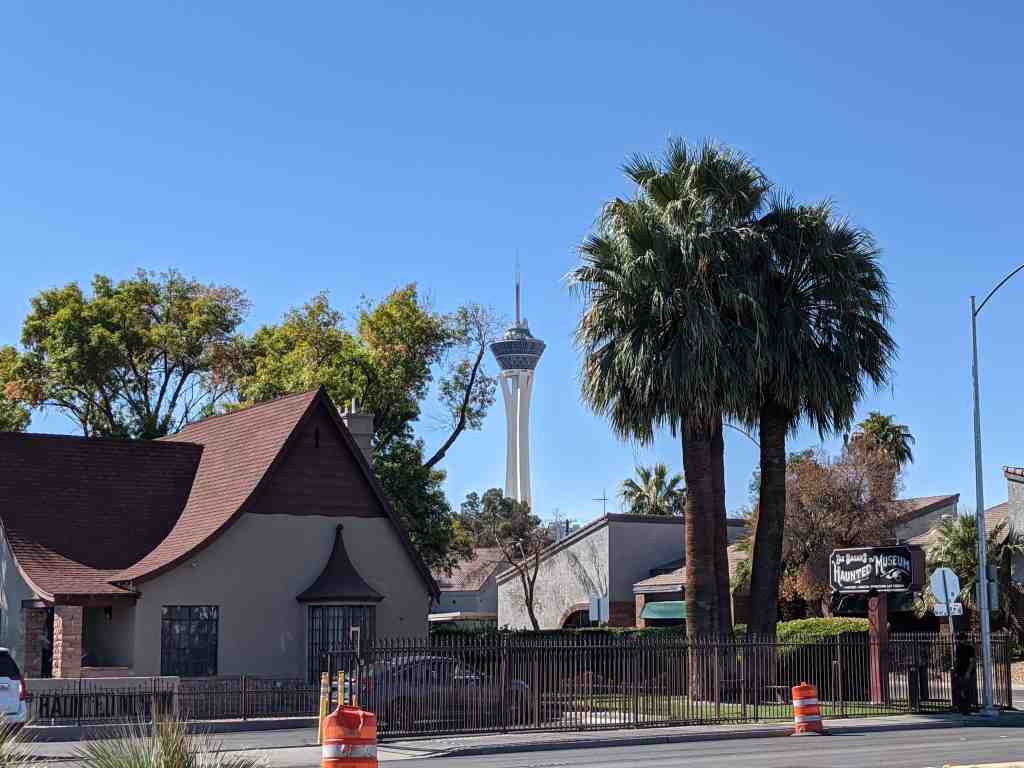
The Wengert Residence was originally owned by Cyril S. and Lottie Wengert. Built in 1938, this Tudor Revival home was designed by Architect, H. Clifford Nordstrom, and was amongst the largest in Las Vegas. Prominent in Las Vegas social and business circles, the Wengerts were pioneers in Las Vegas’ early development. Cyril S. Wengert was an incorporator of NV Energy, the state’s largest utility. He is also the namesake for NV Energy’s first building in downtown Las Vegas and for a Las Vegas elemental school. He and Lottie were integral to the development of many of Las Vegas’ civic organizations and the growth of the local Catholic community. Cyril and Lottie raised four children in this home: Shirley, Marilyn, Robert and Ward. Their son, James, died early-on at age 8. They remained in this home until they both passed some 30 years later. Cyril’s importance to both the business and civil life of Las Vegas was echoed by the Las Vegas Sun upon his death, “Cyril Wengert is considered one of the leading citizens of Las Vegas”.
Currently the building is used for: Zak Bagans’ The Haunted Museum
600 East Charleston Boulevard in Las Vegas, Nevada


16 Saturday Dec 2023
Posted in Uncategorized
Tags

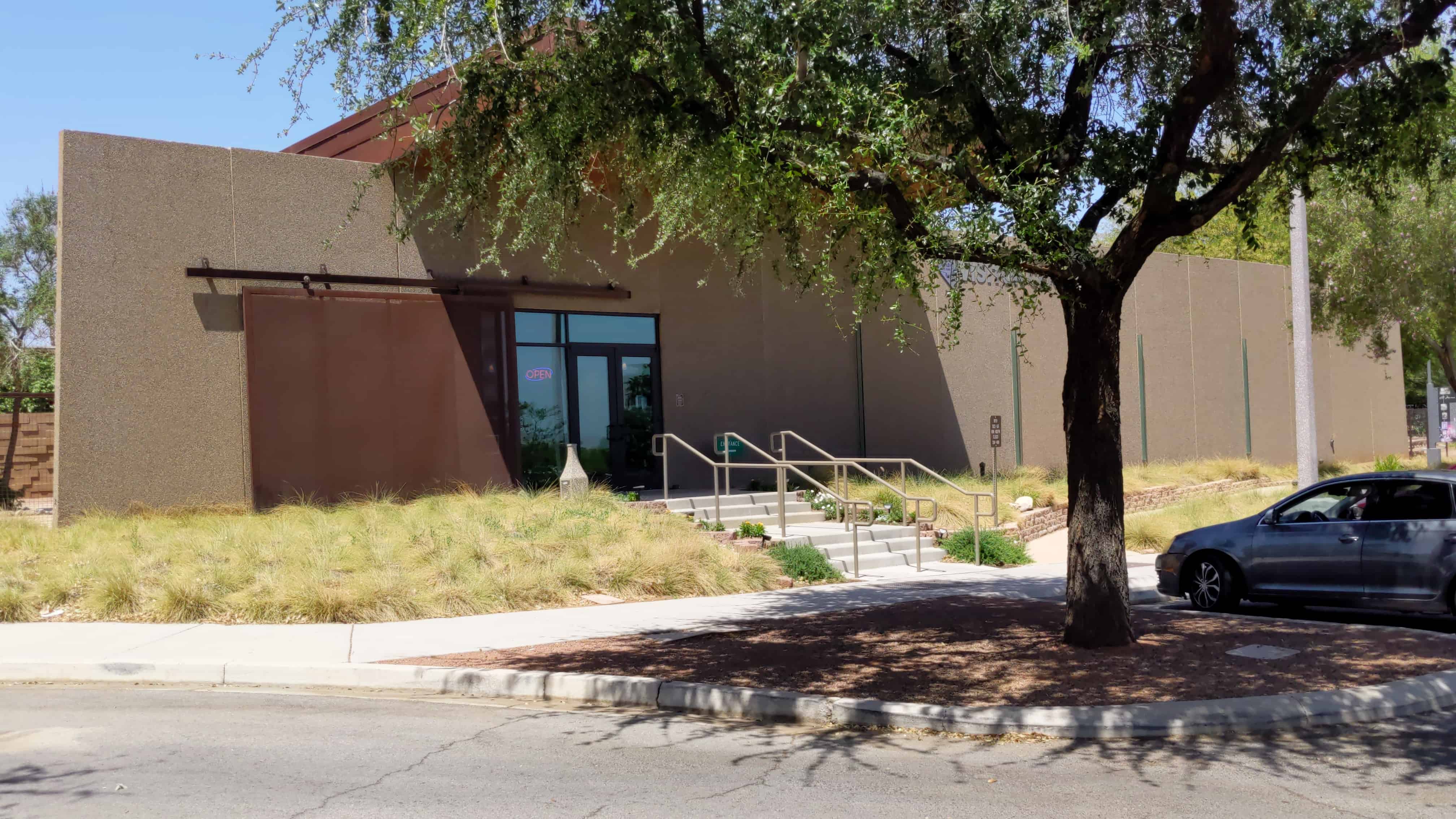
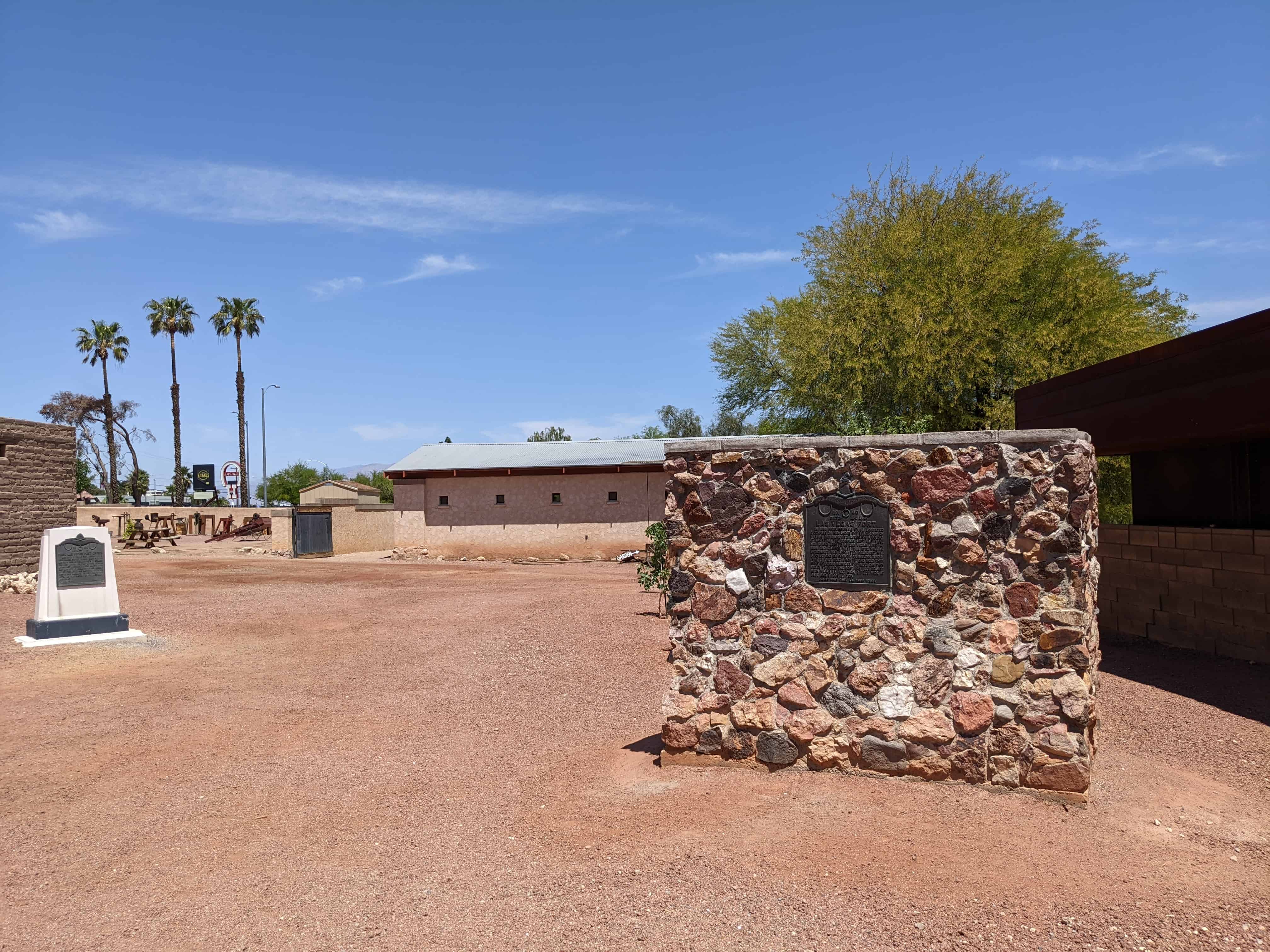
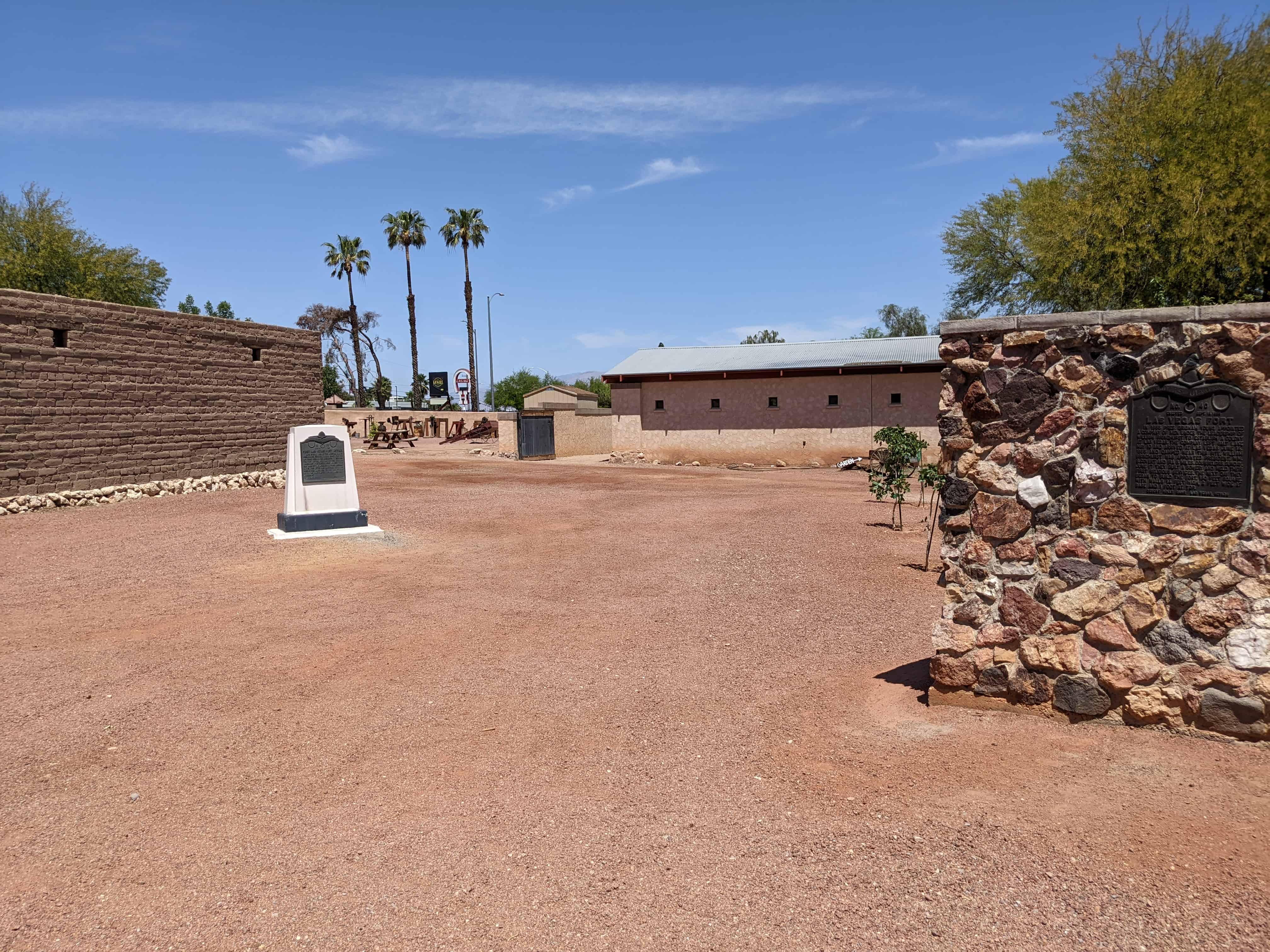
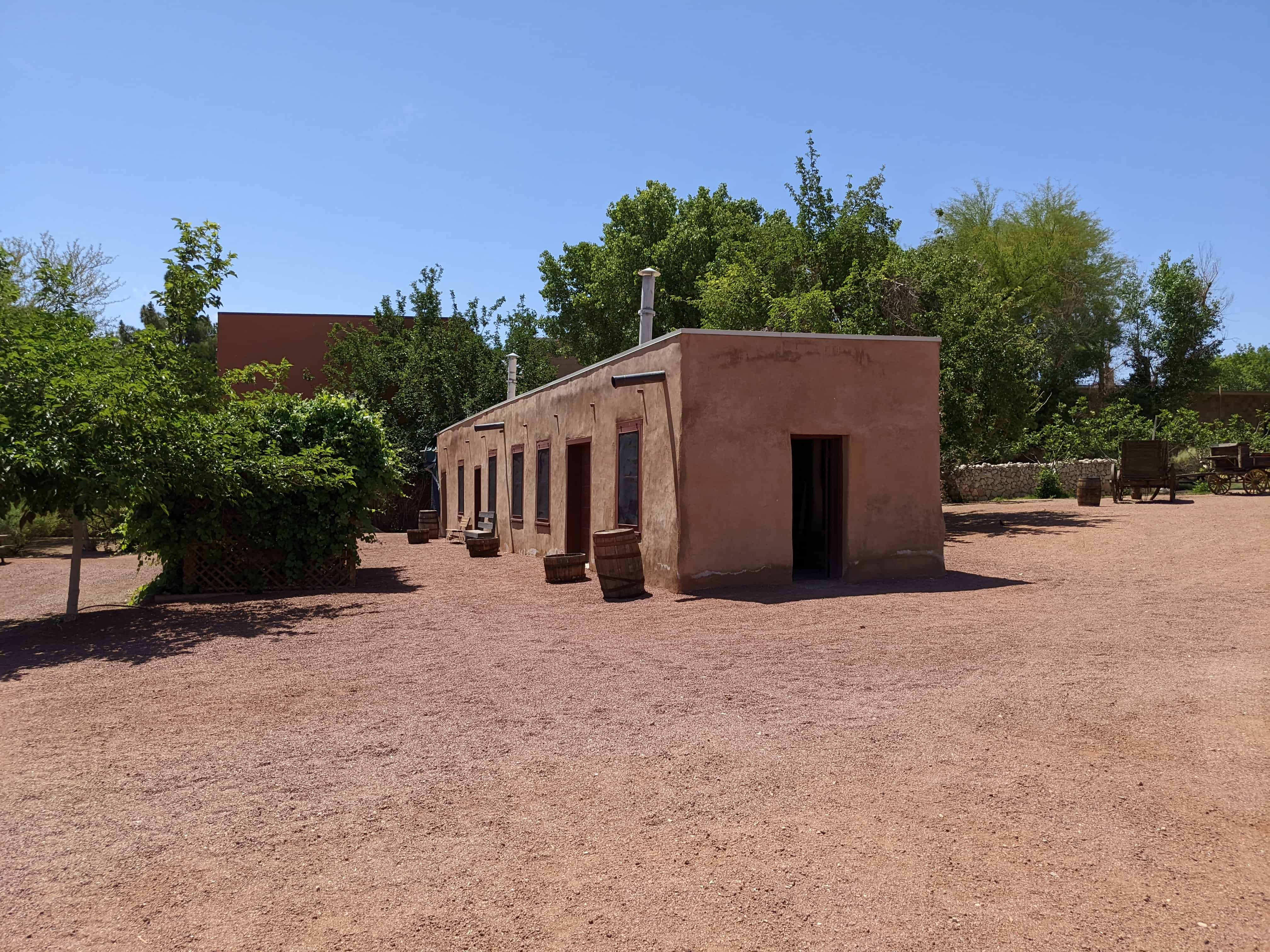
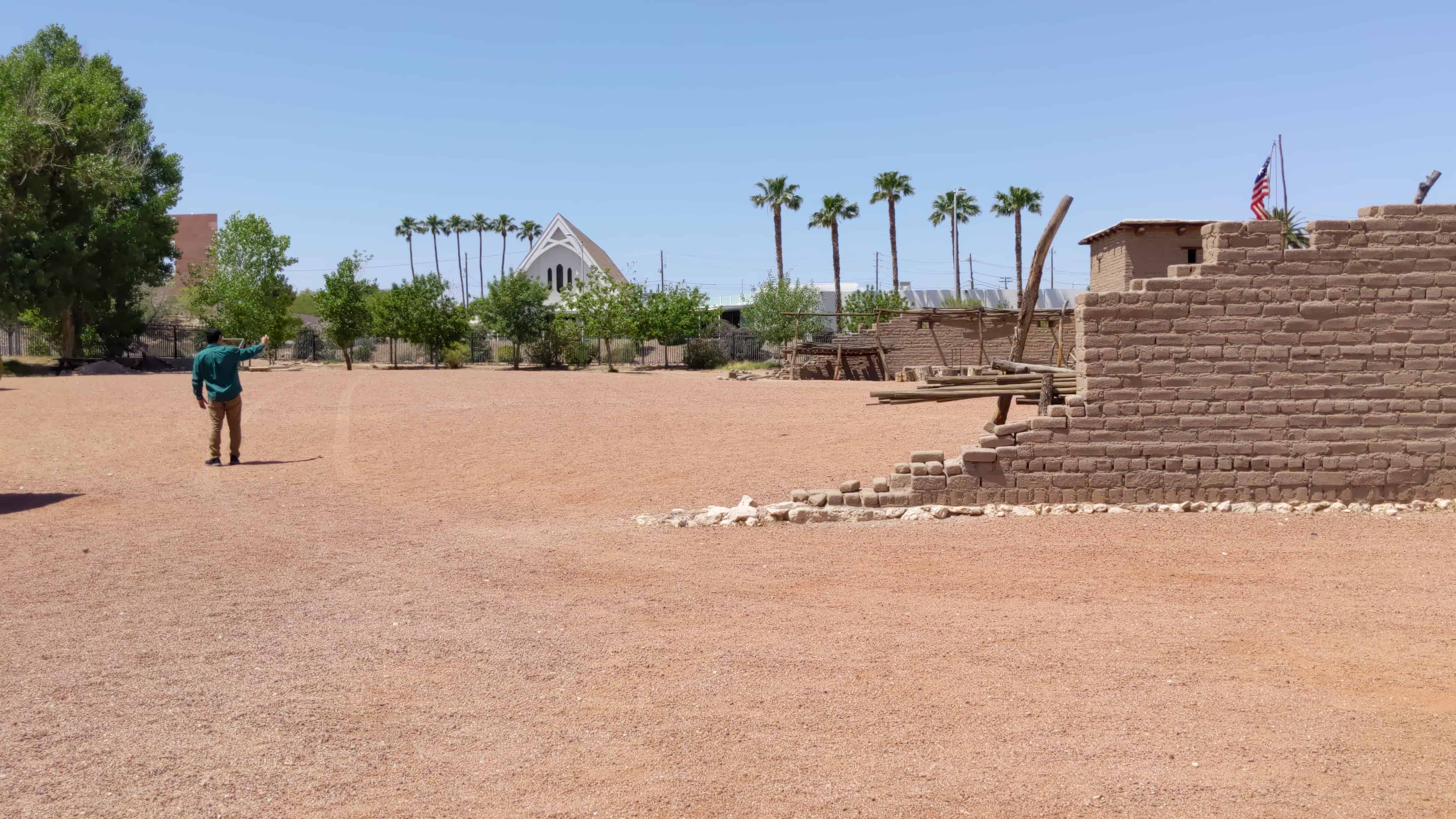
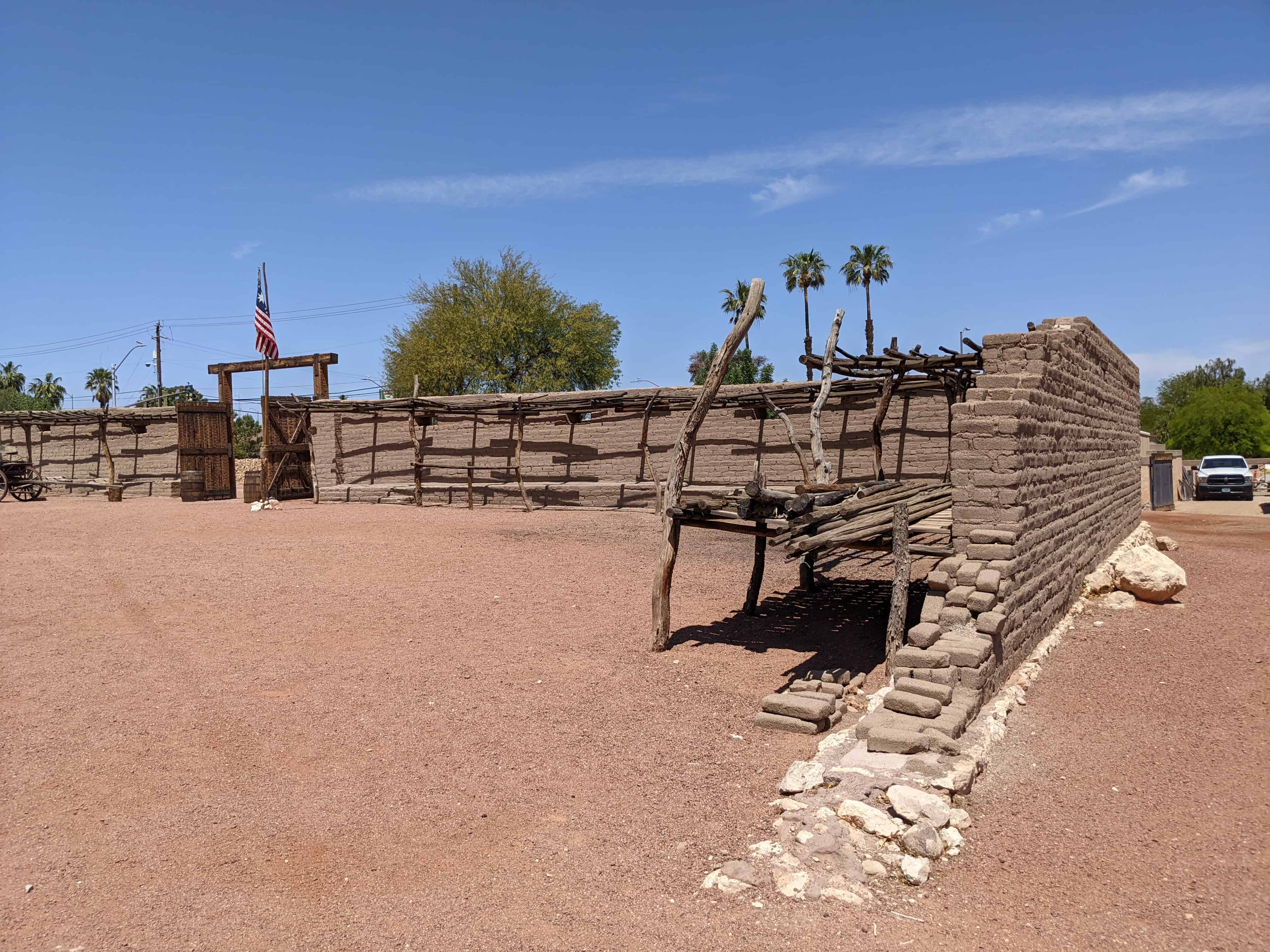
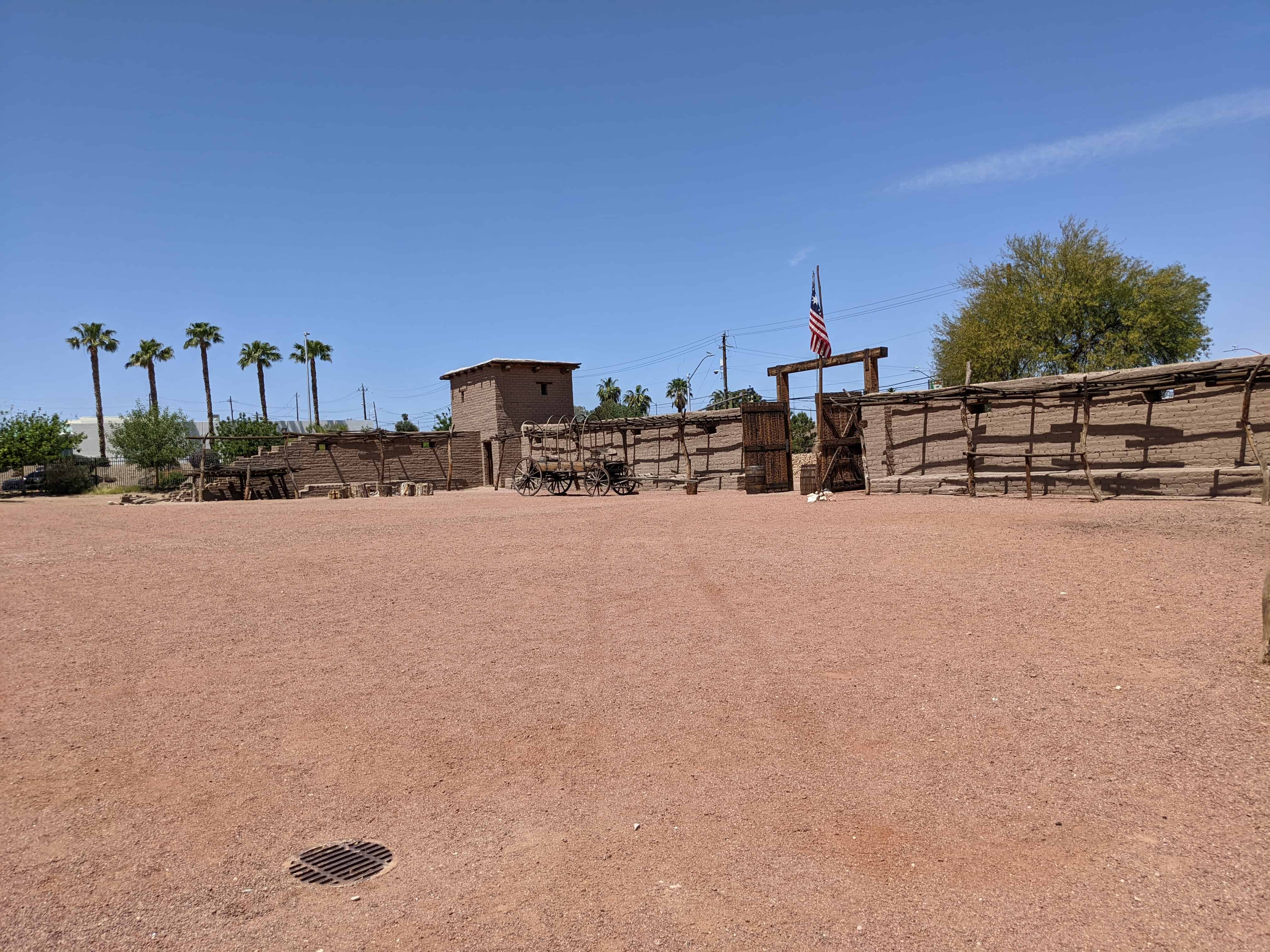
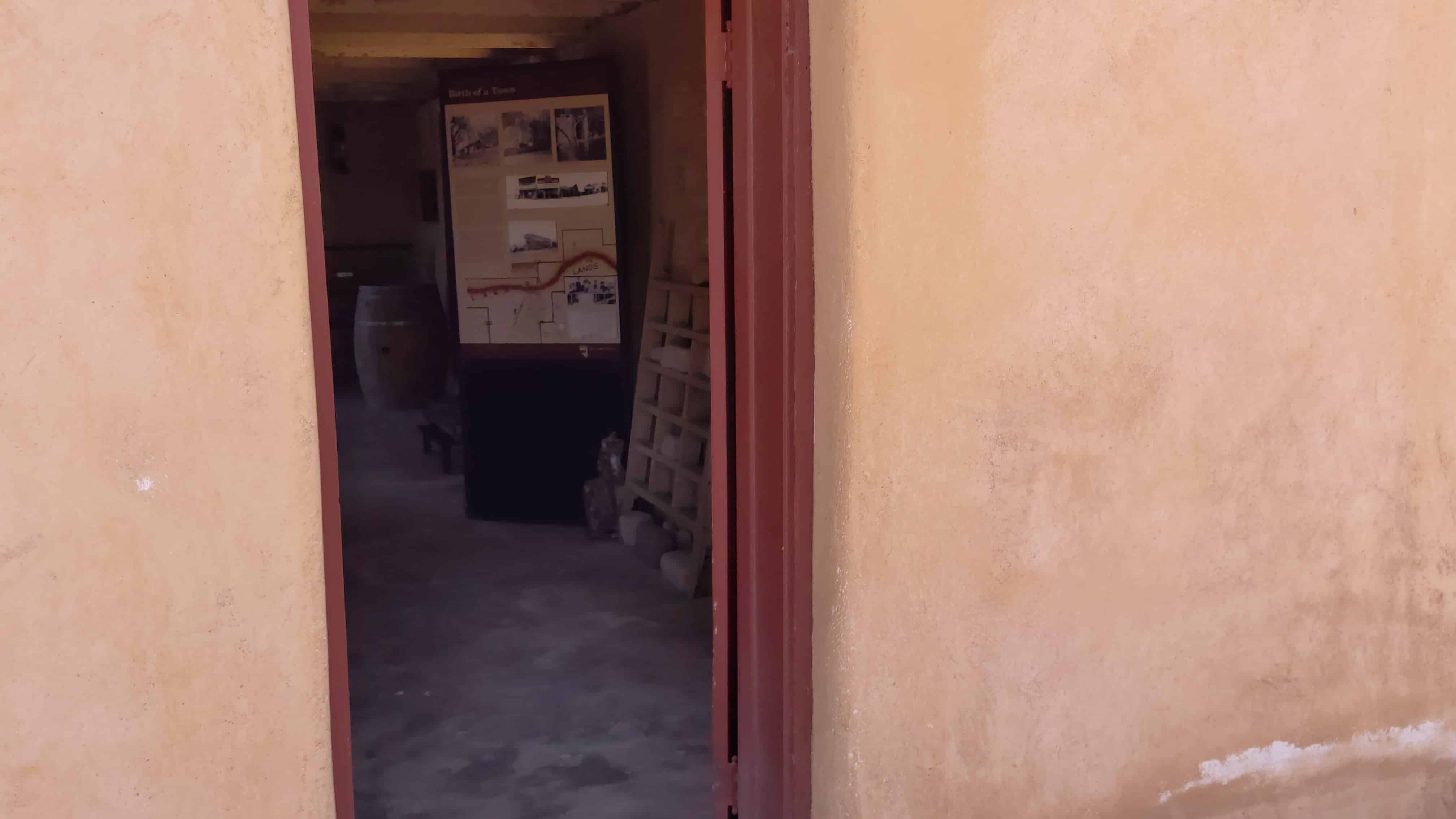
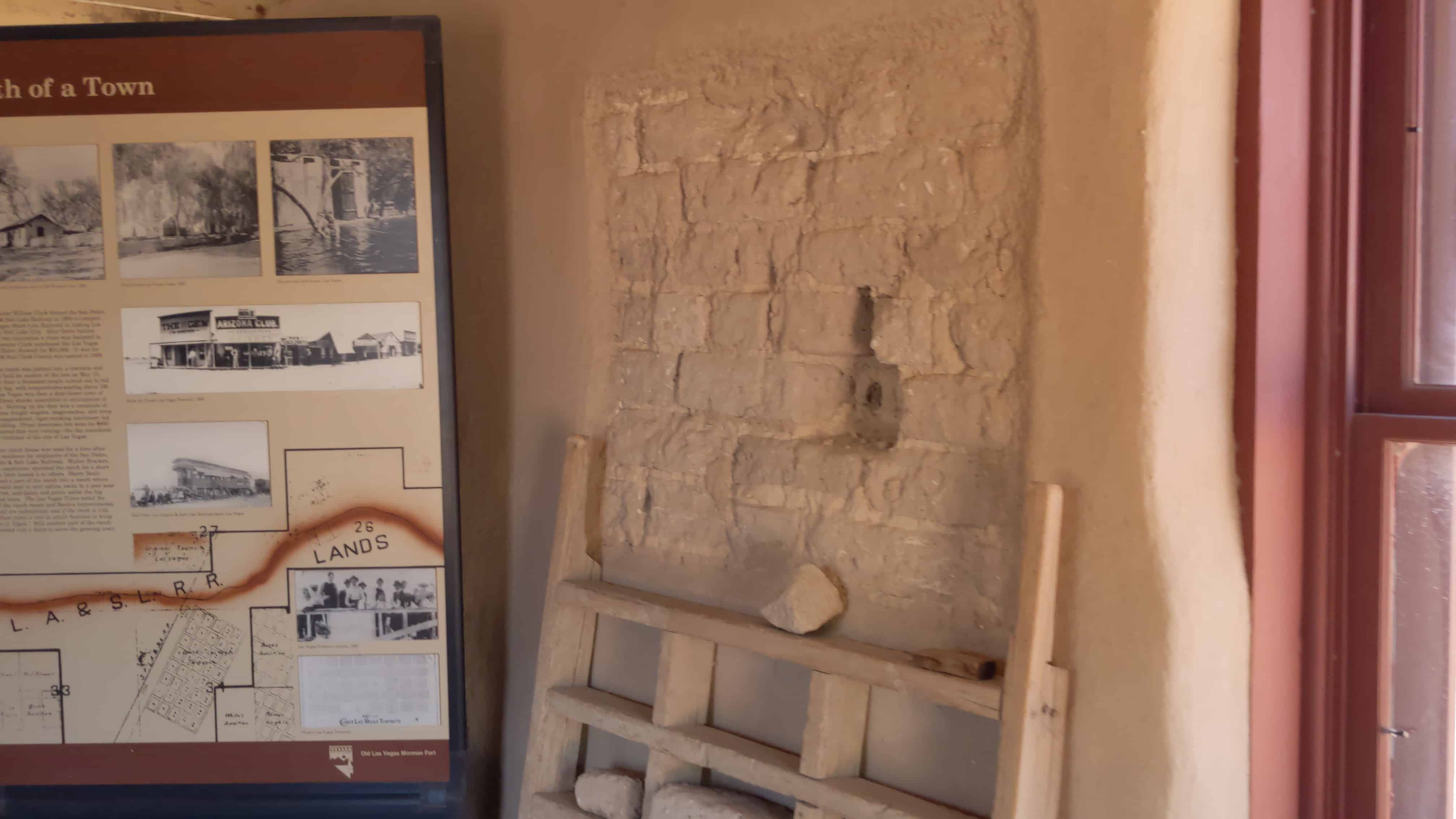
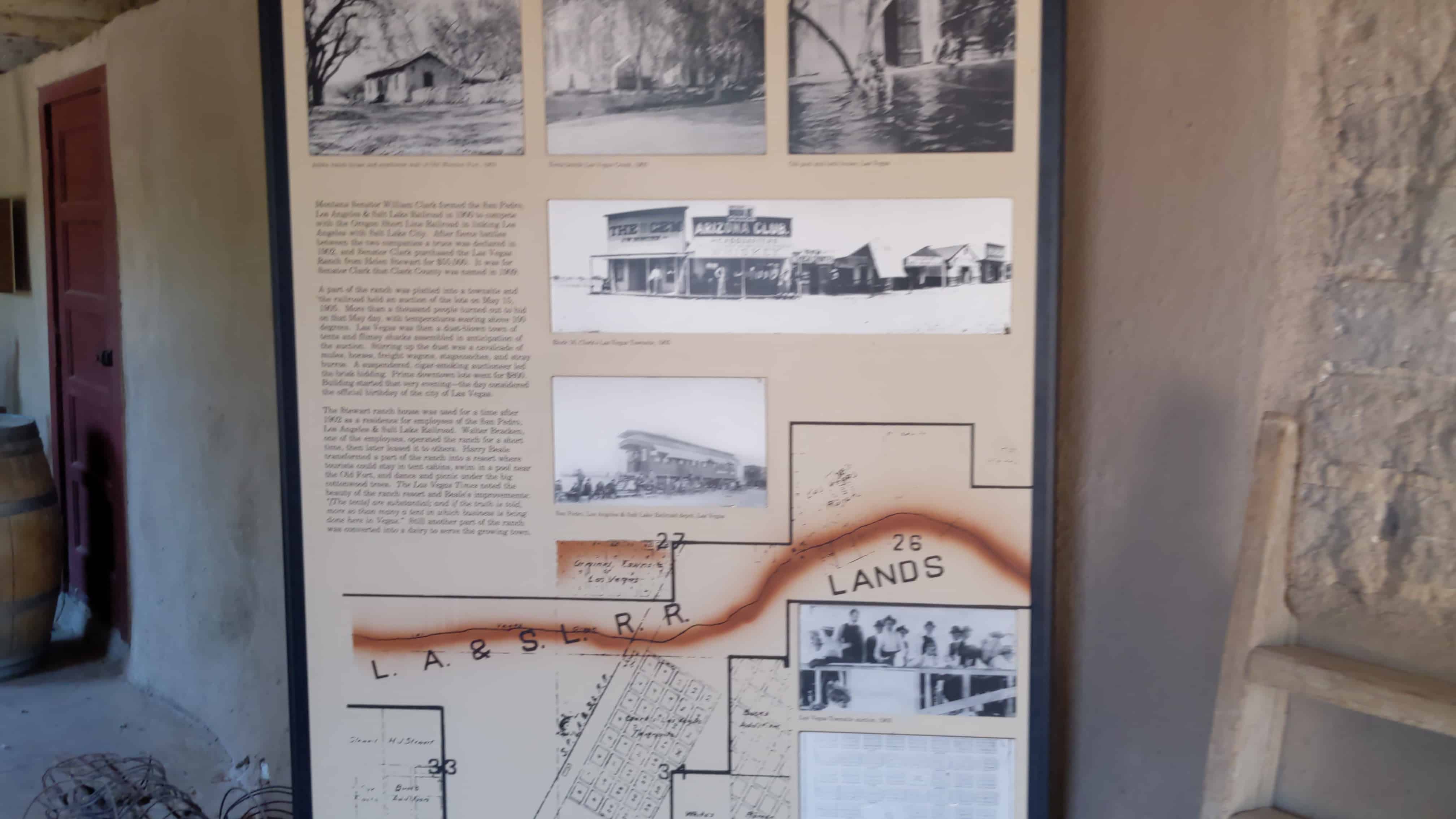
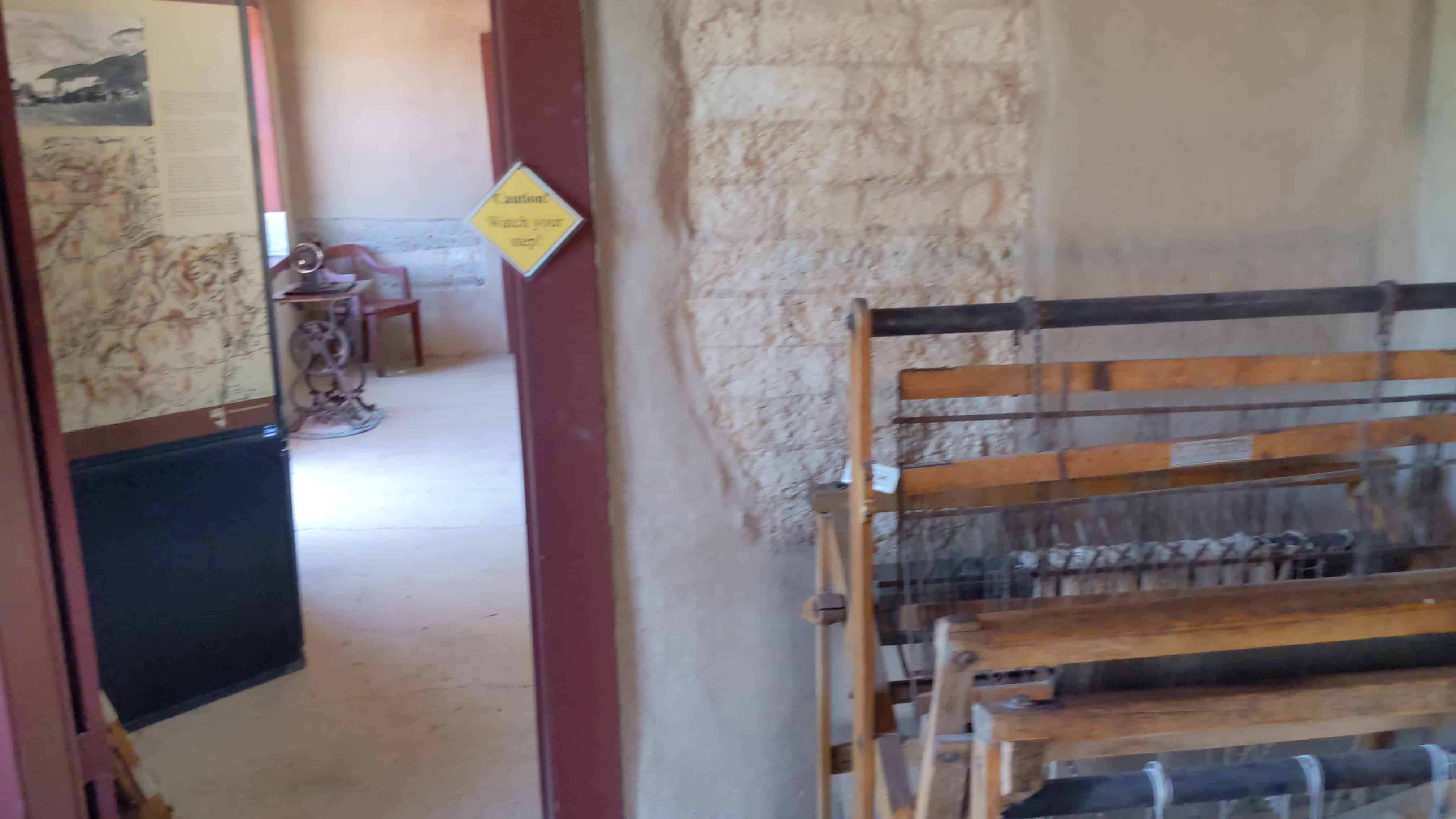
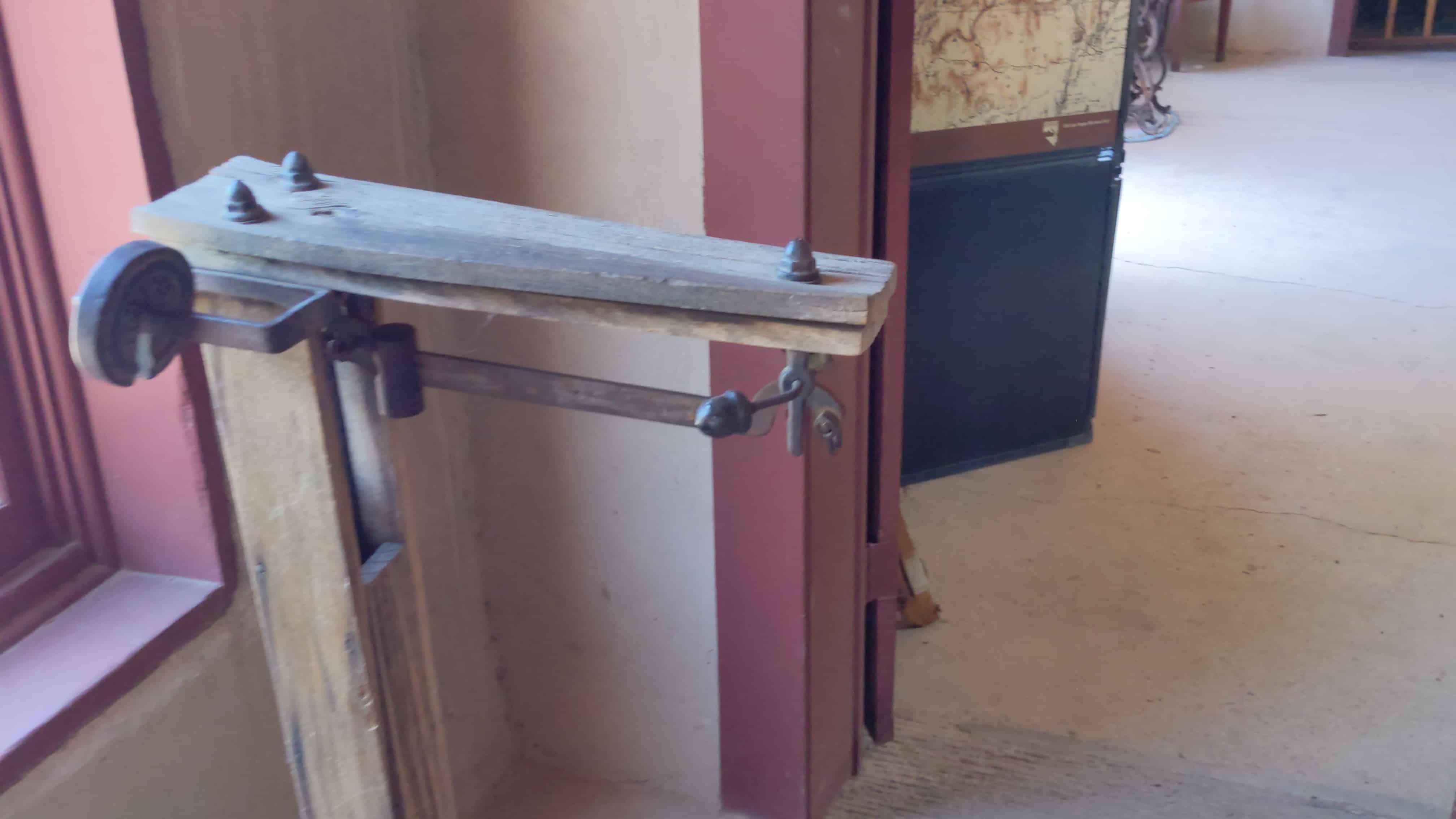
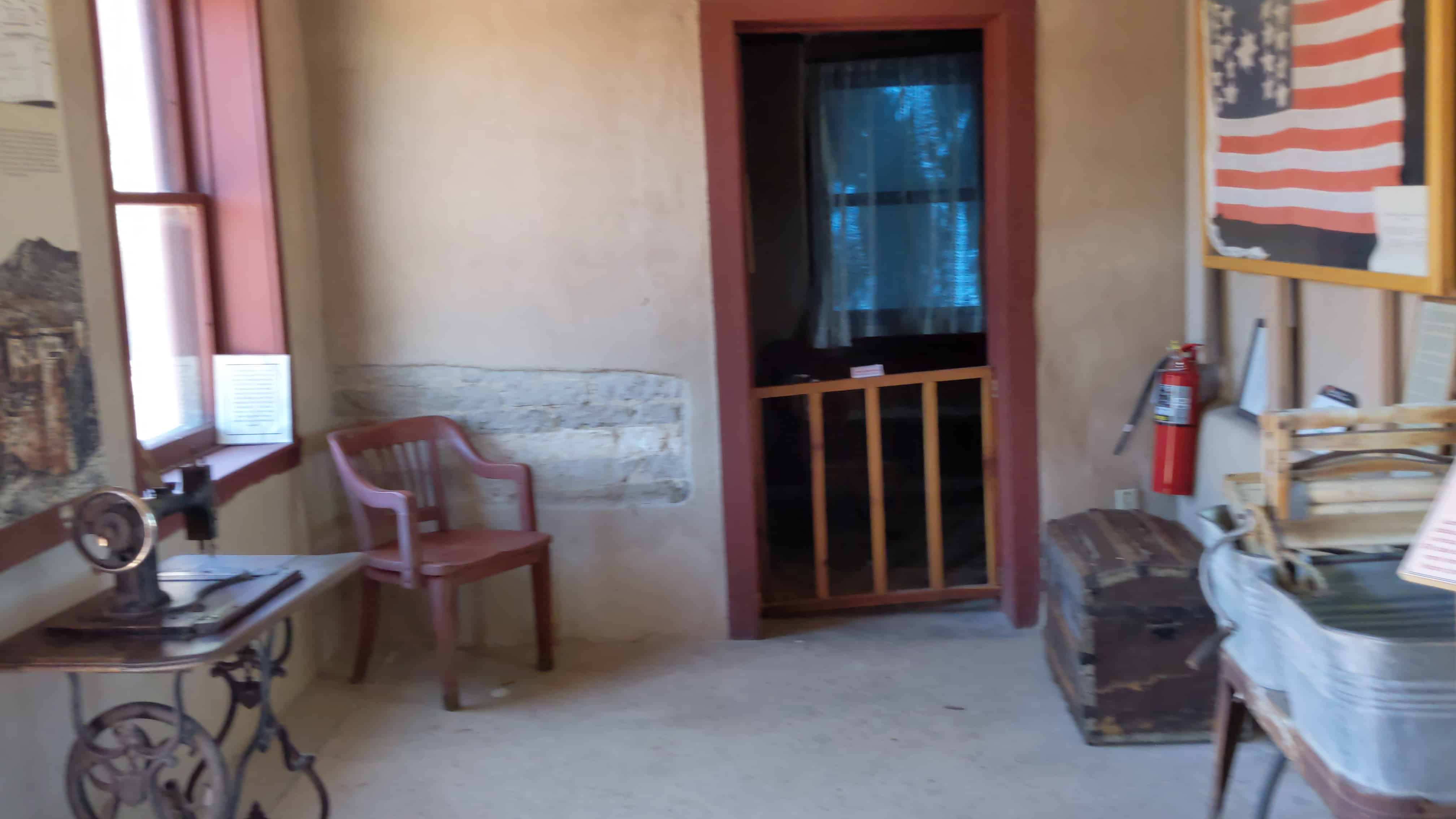
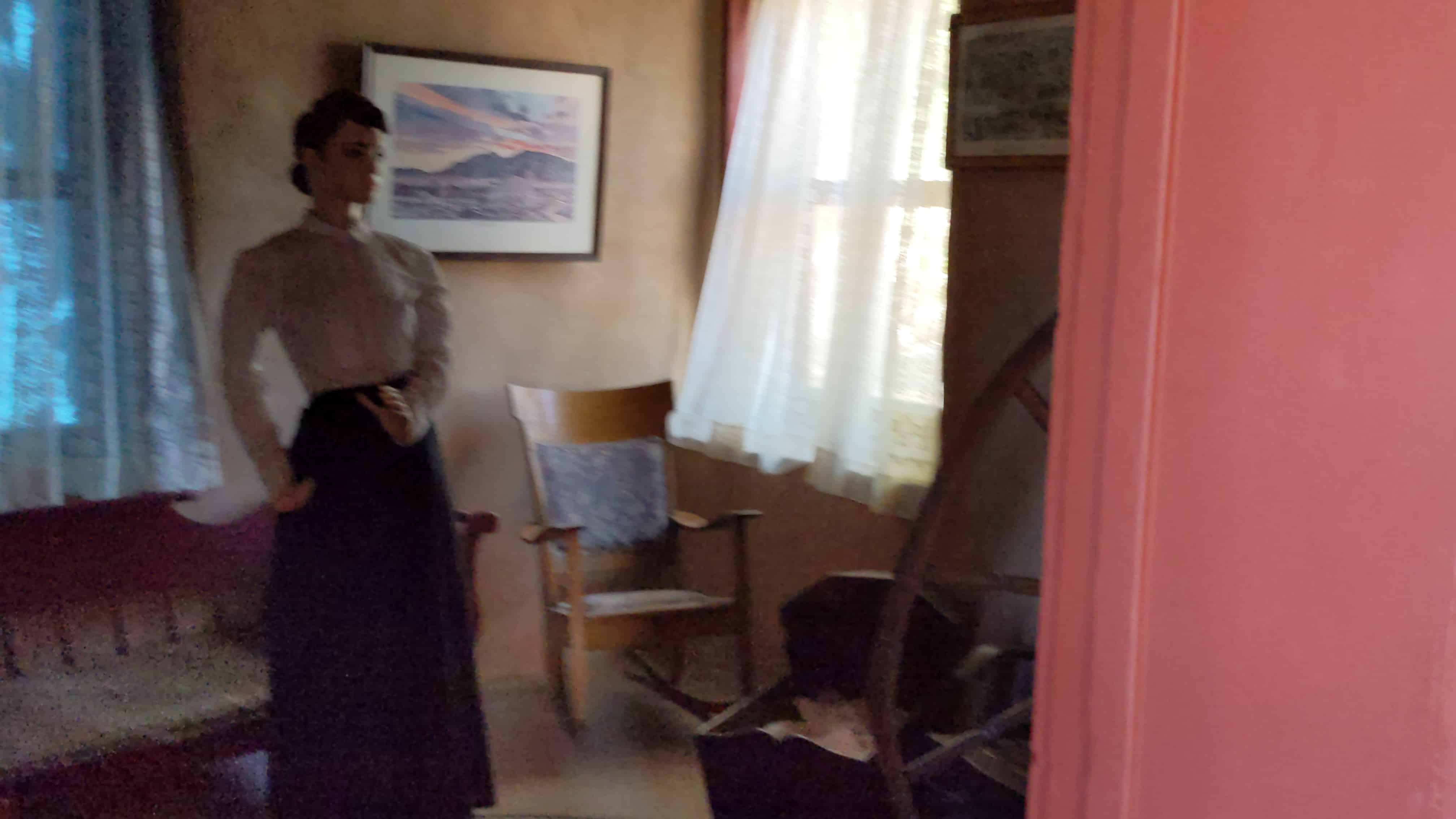
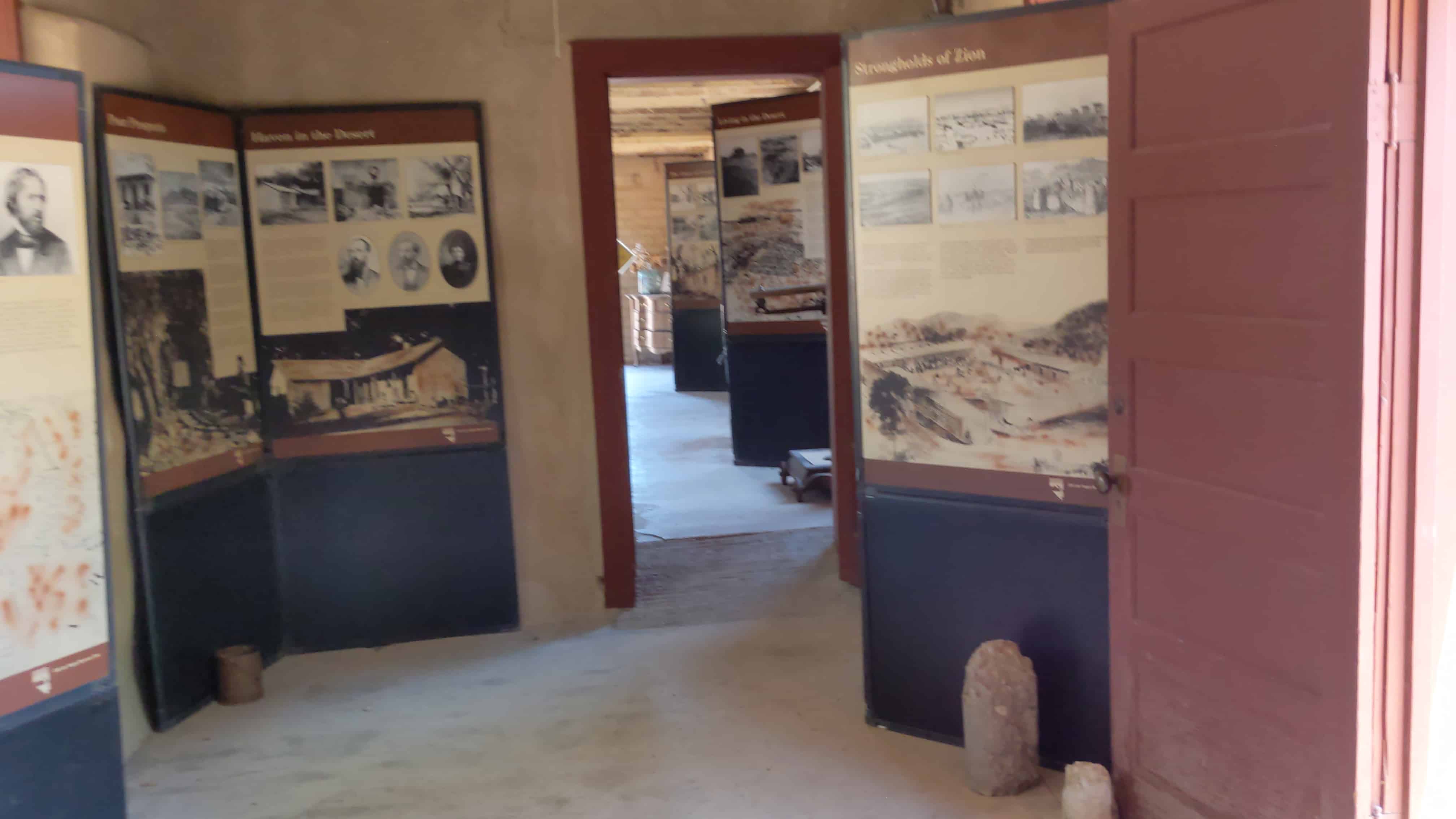
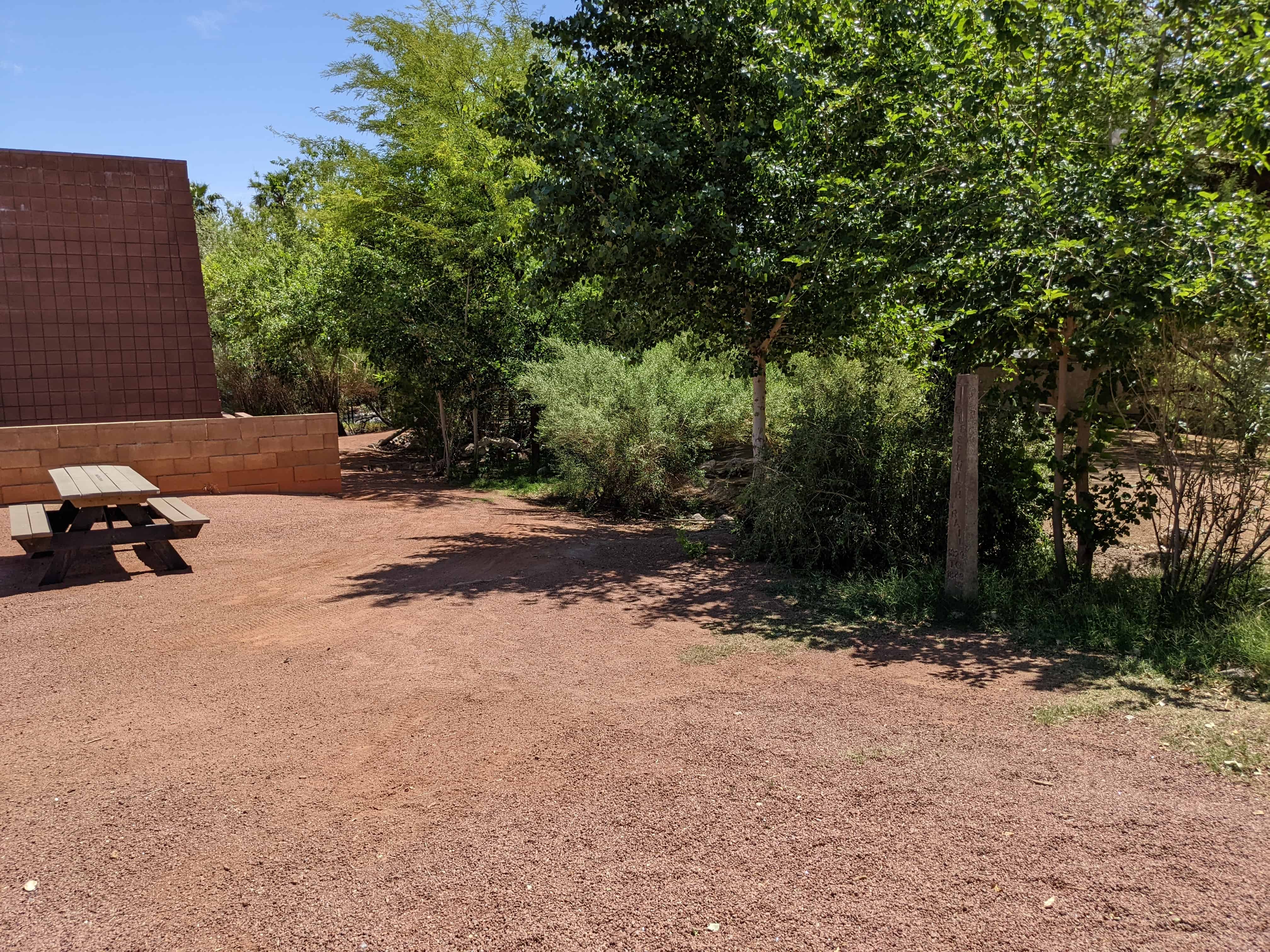
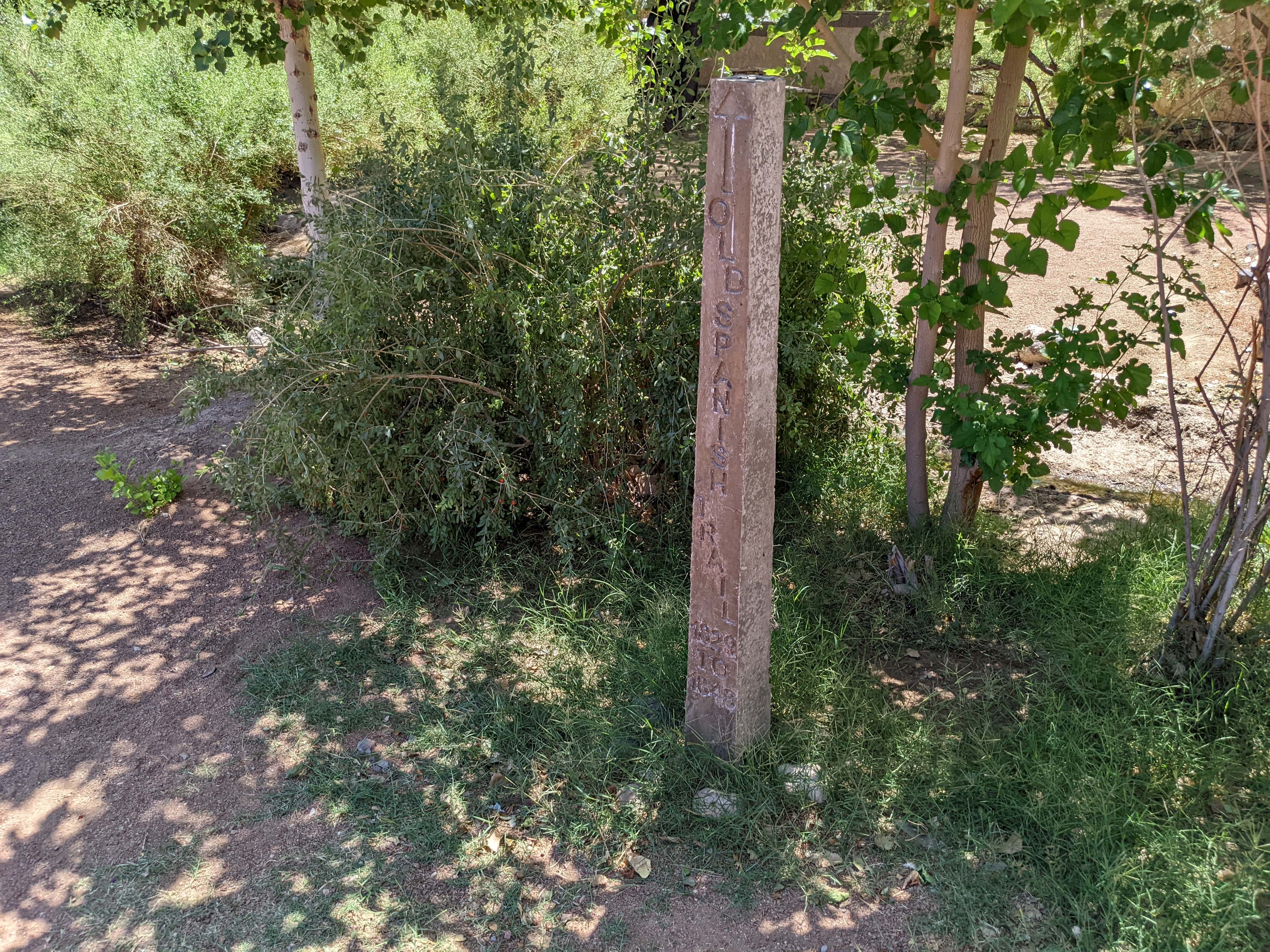
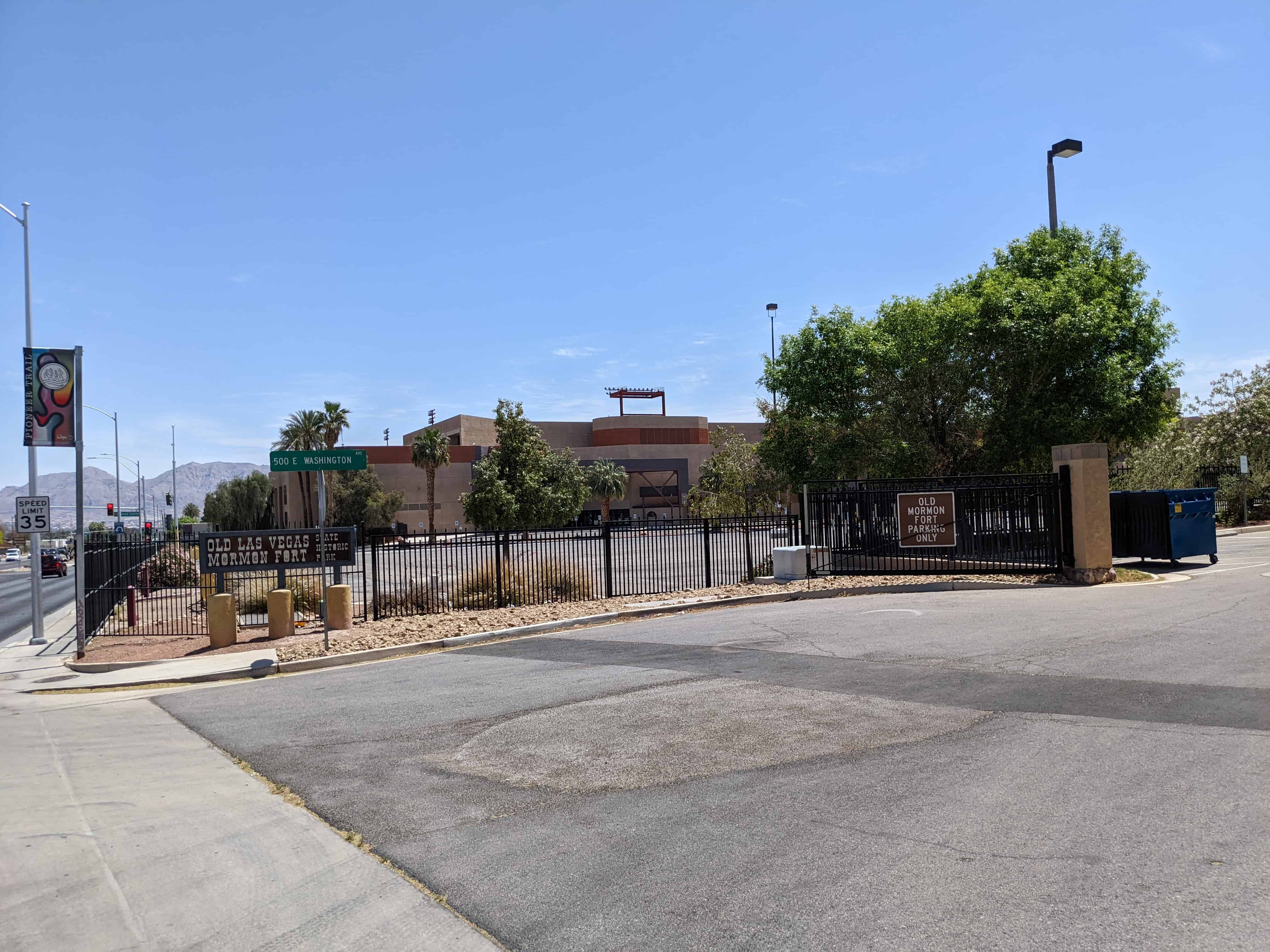
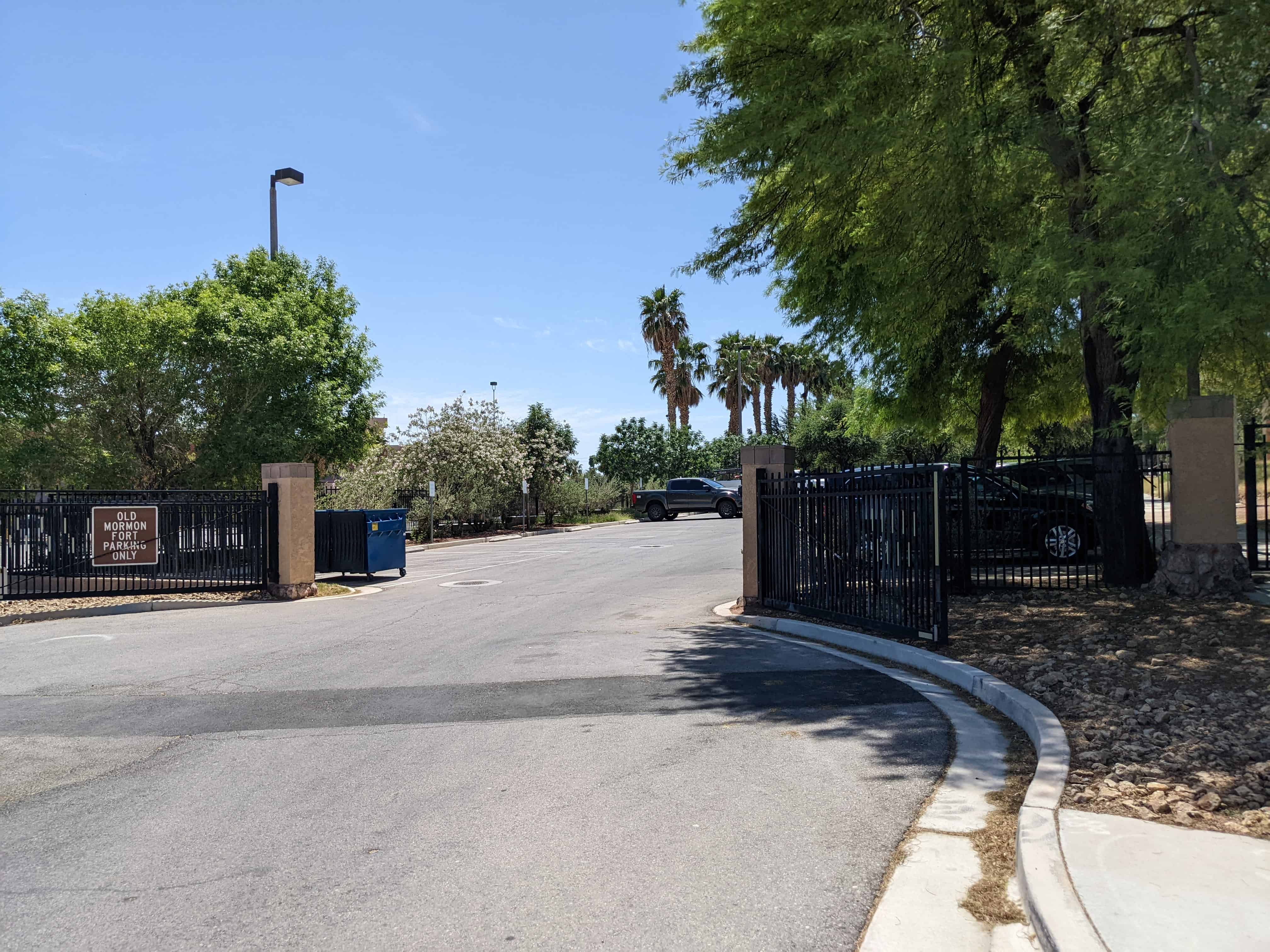
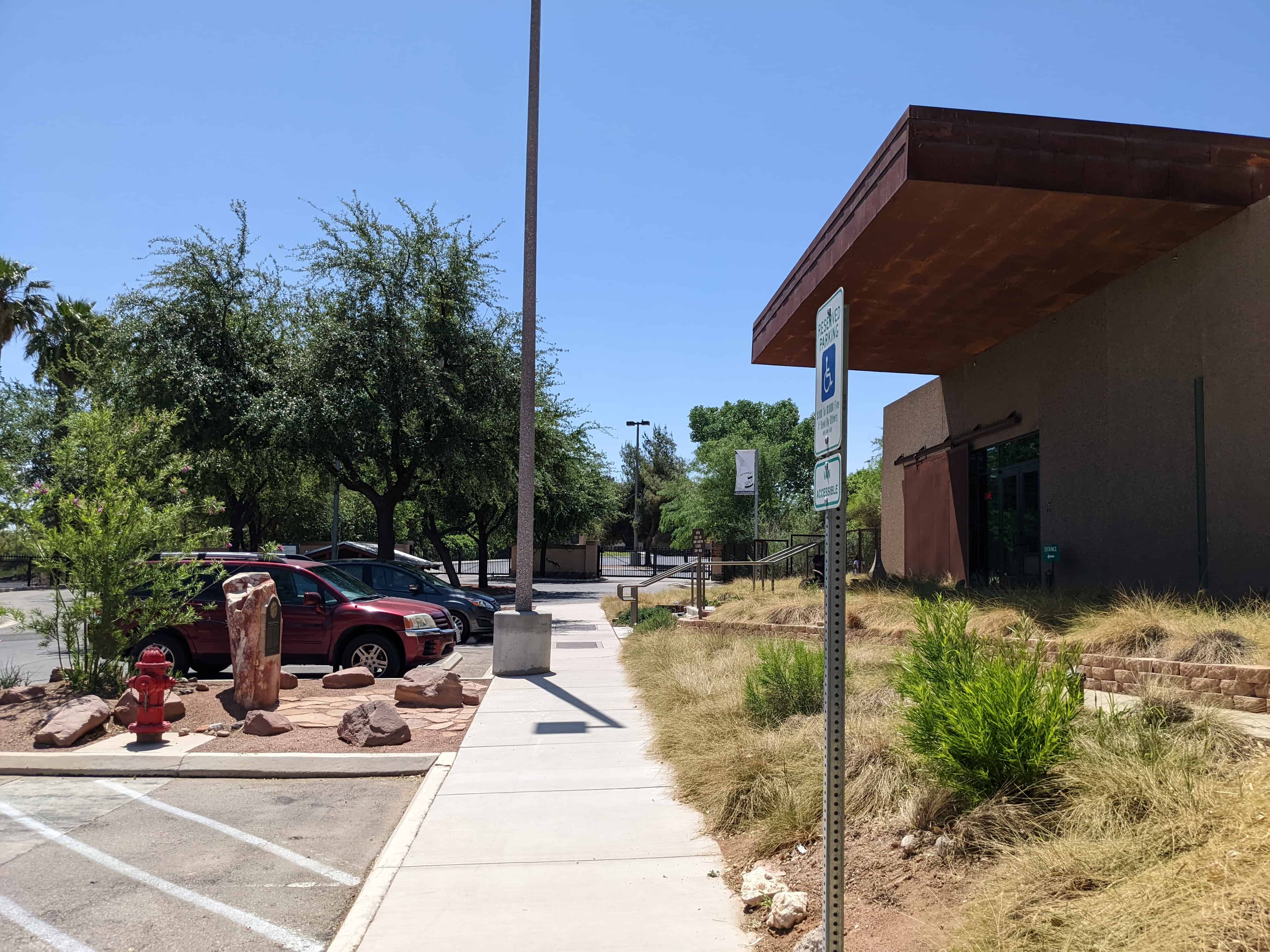
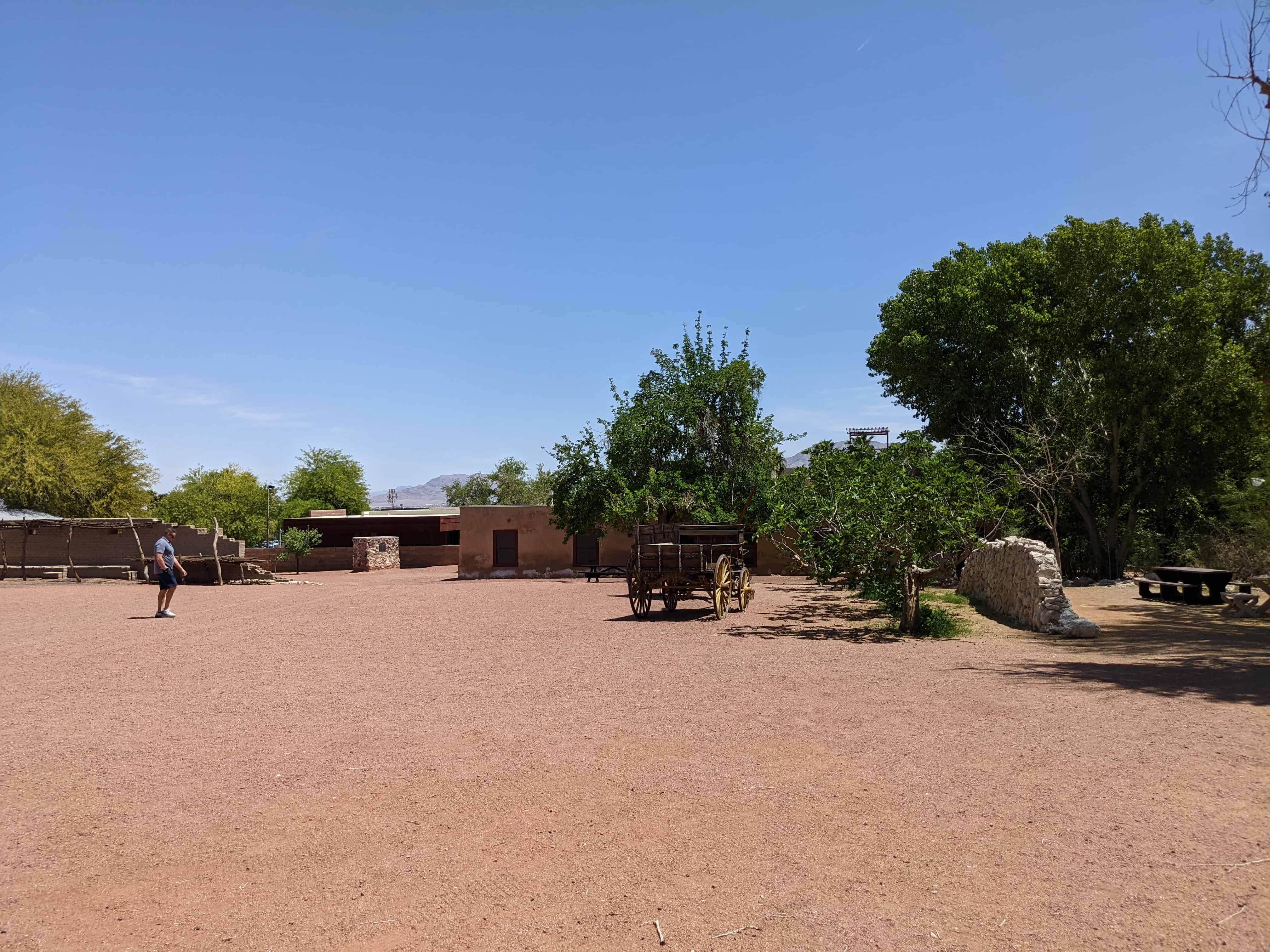
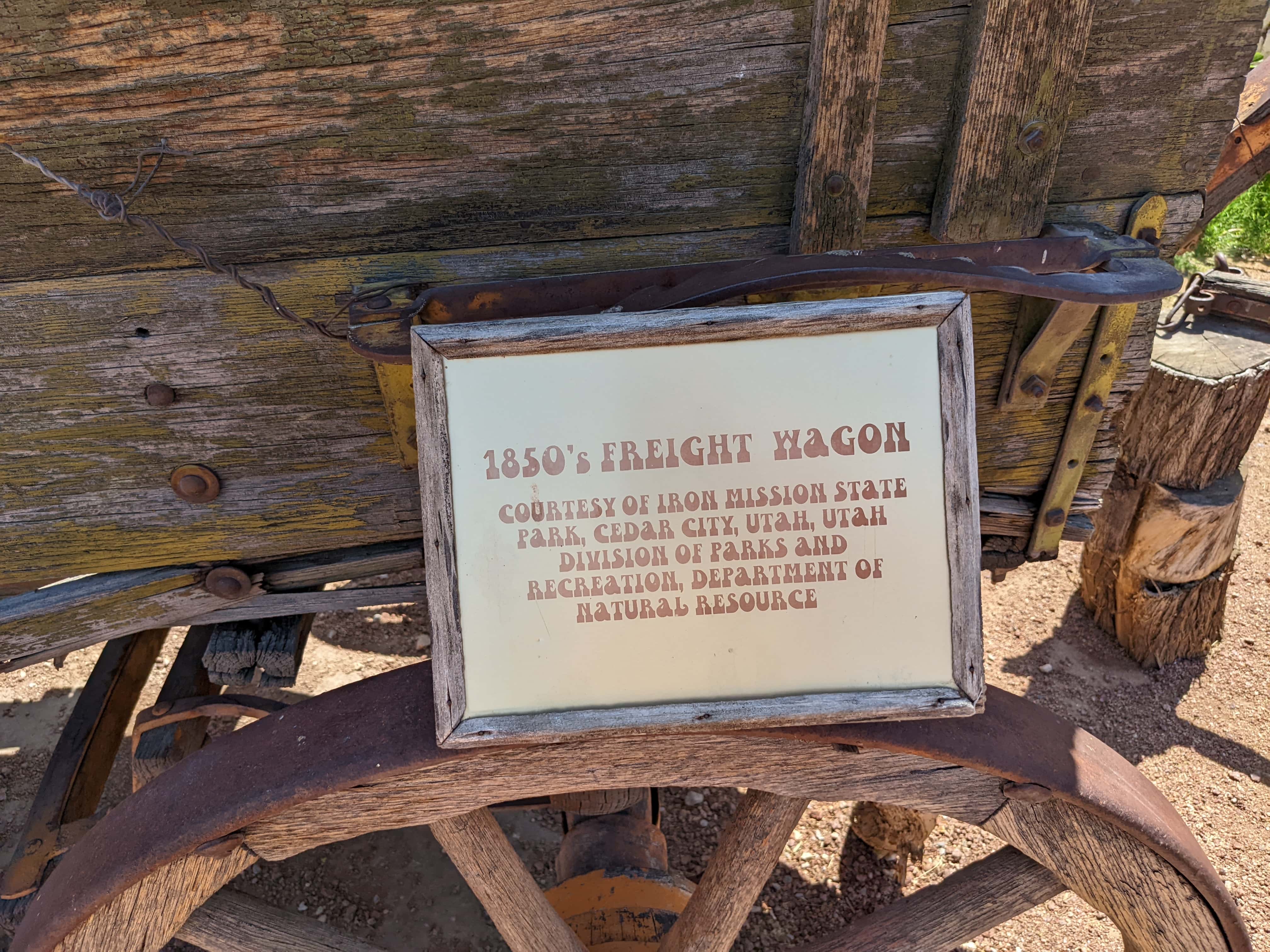
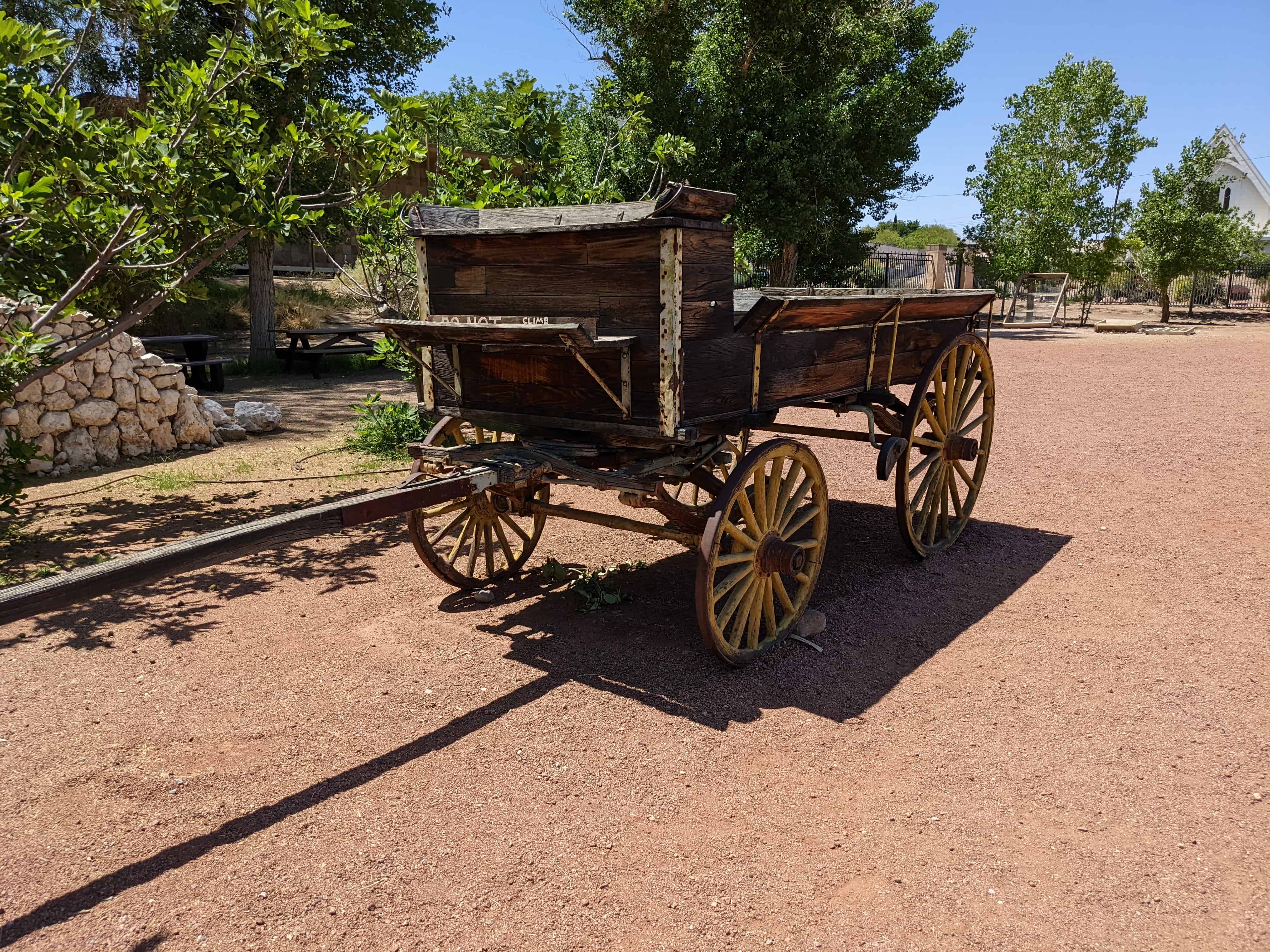
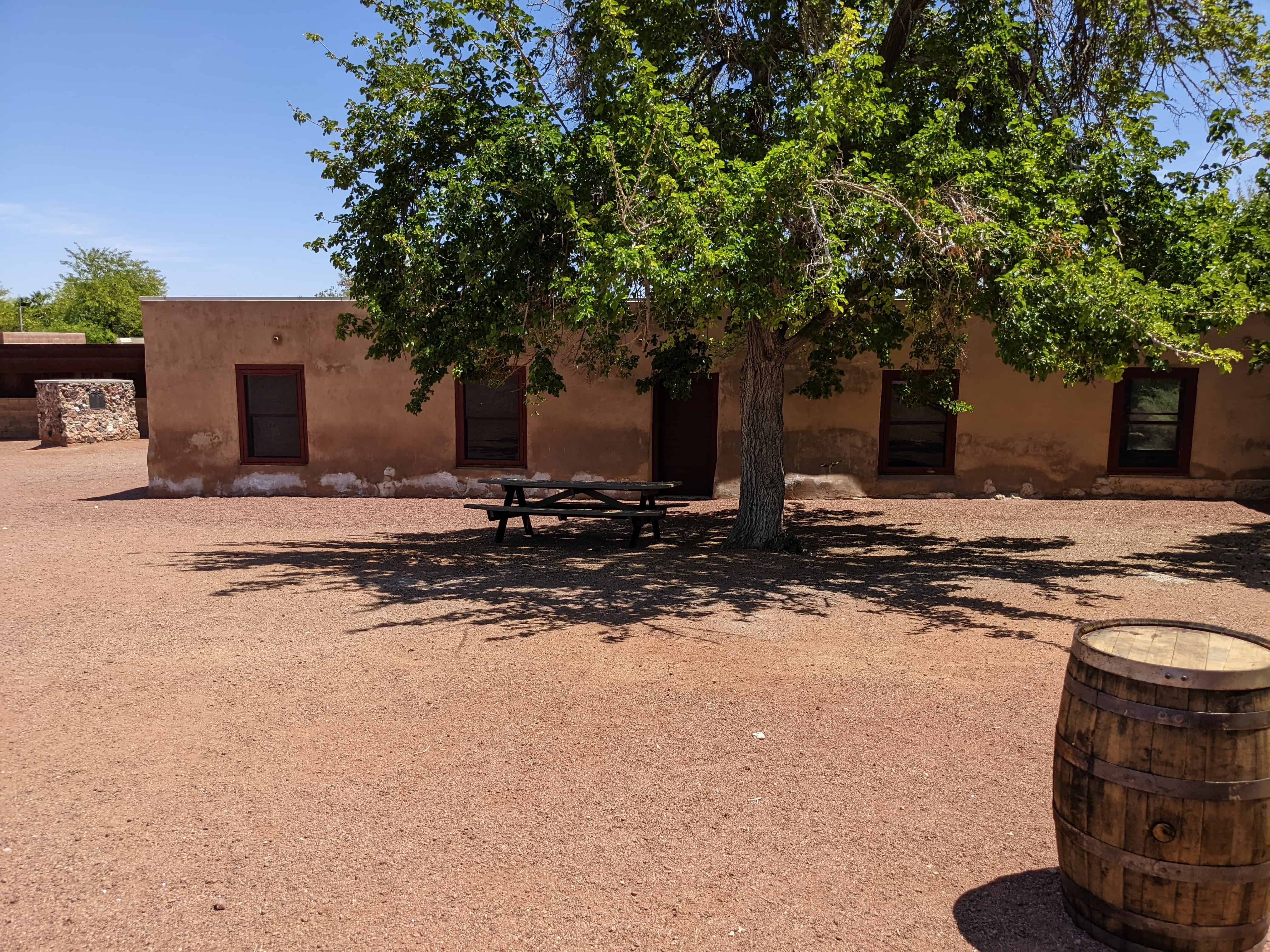
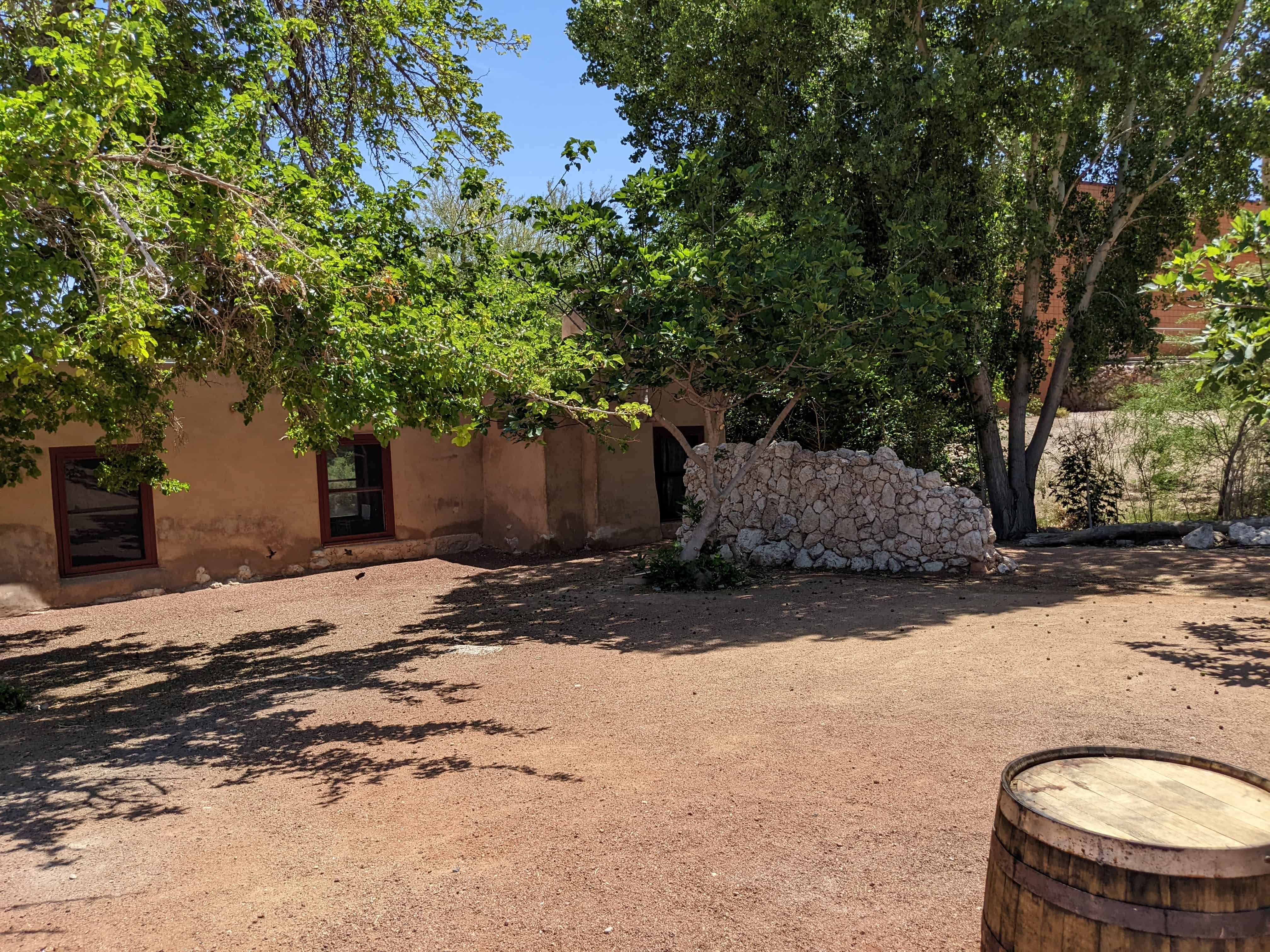
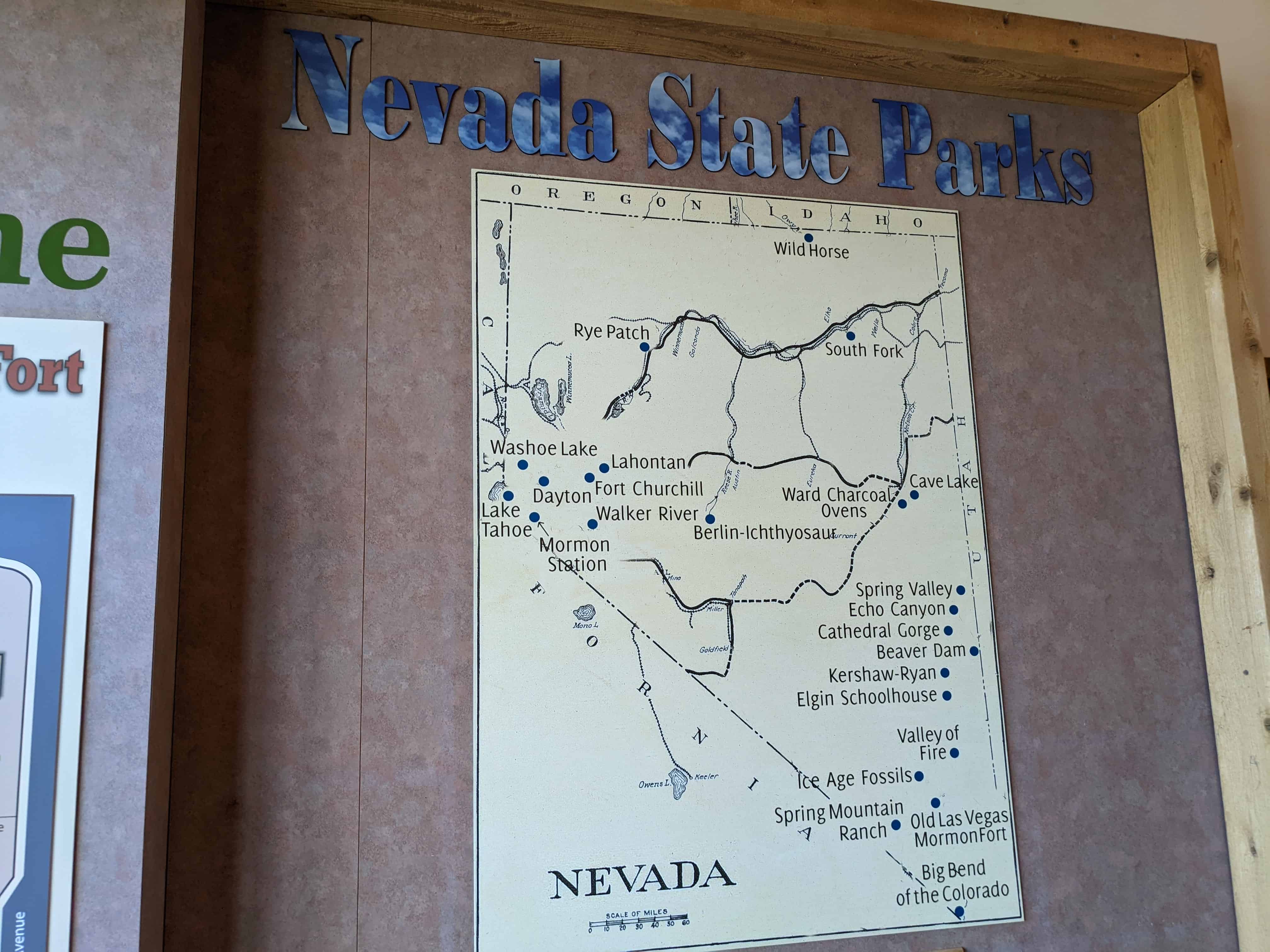
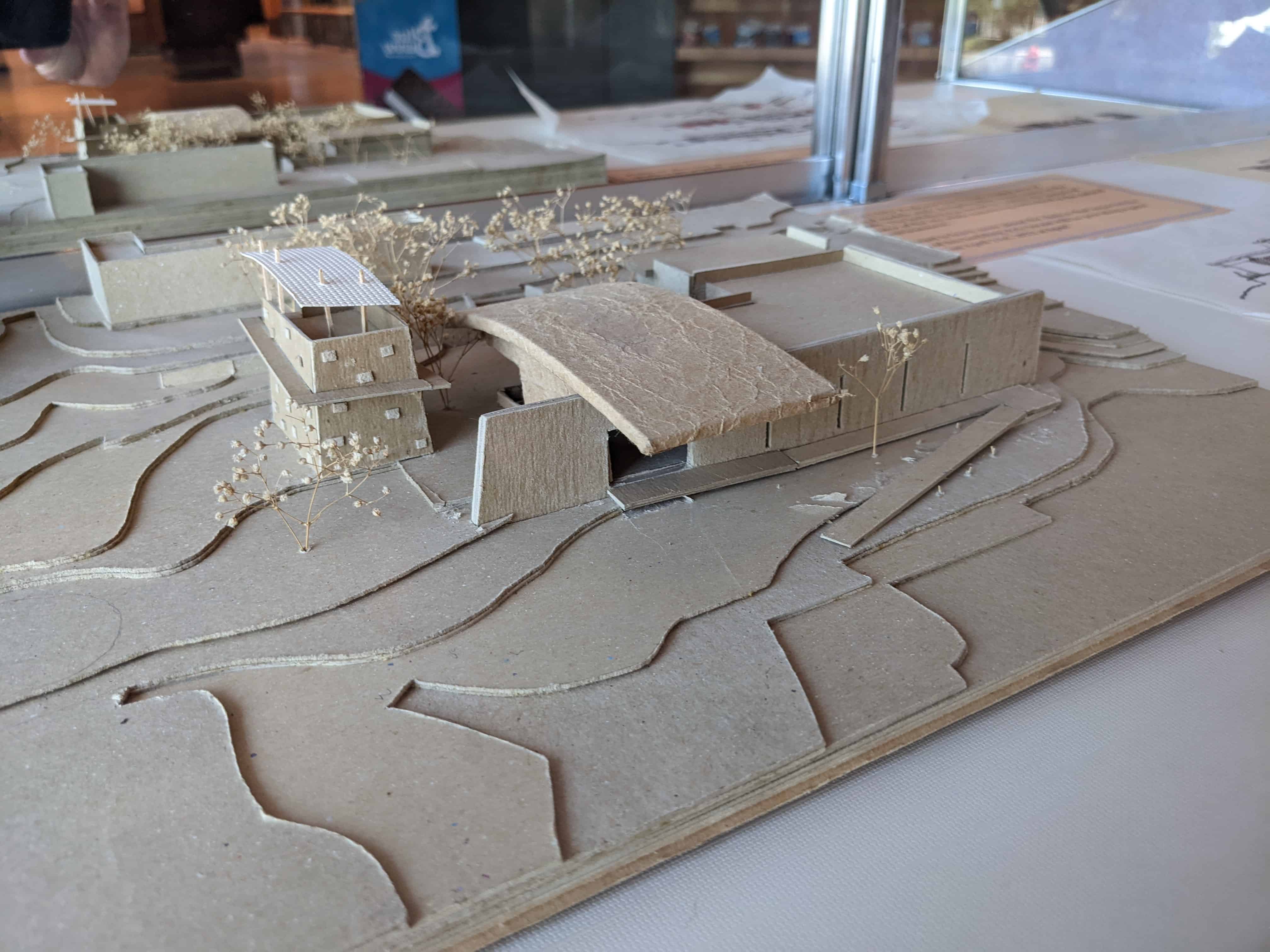
Old Las Vegas Mormon Fort State Historic Park
This state park is a museum with a lot to see.
A few of the things here include:
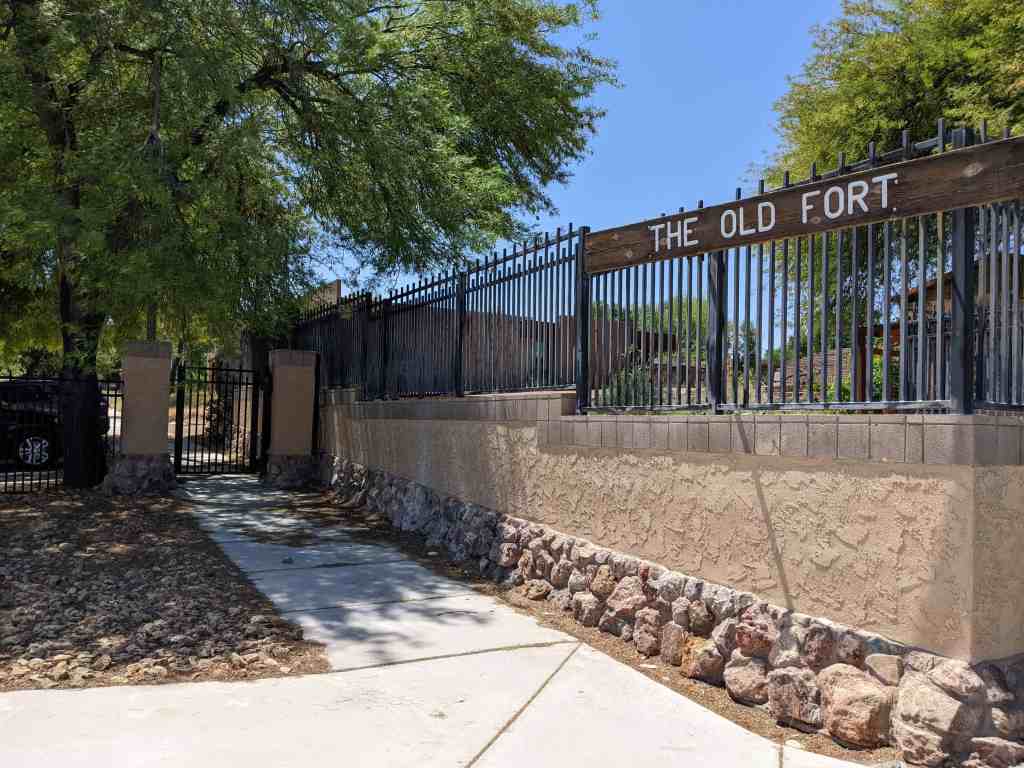
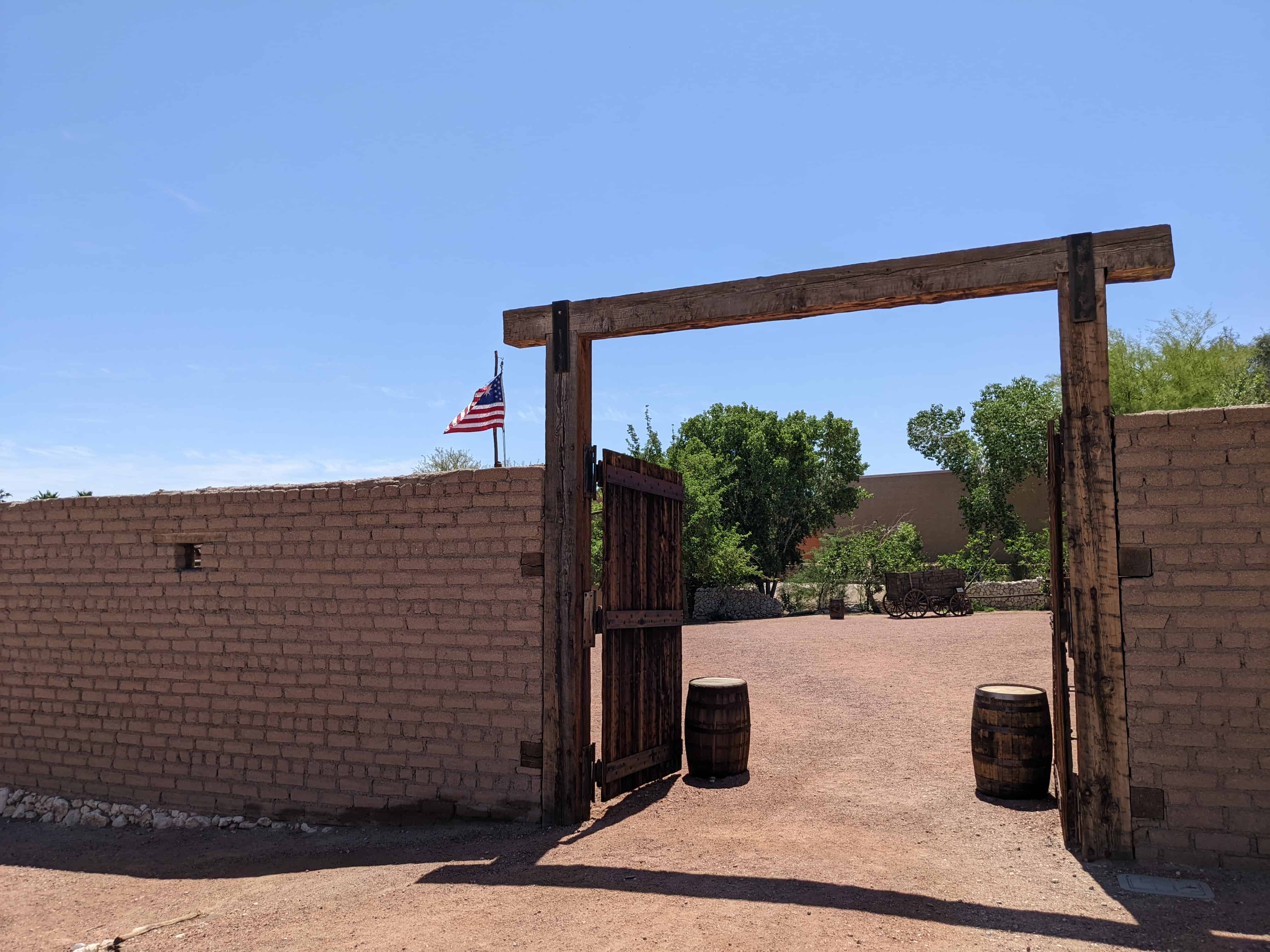
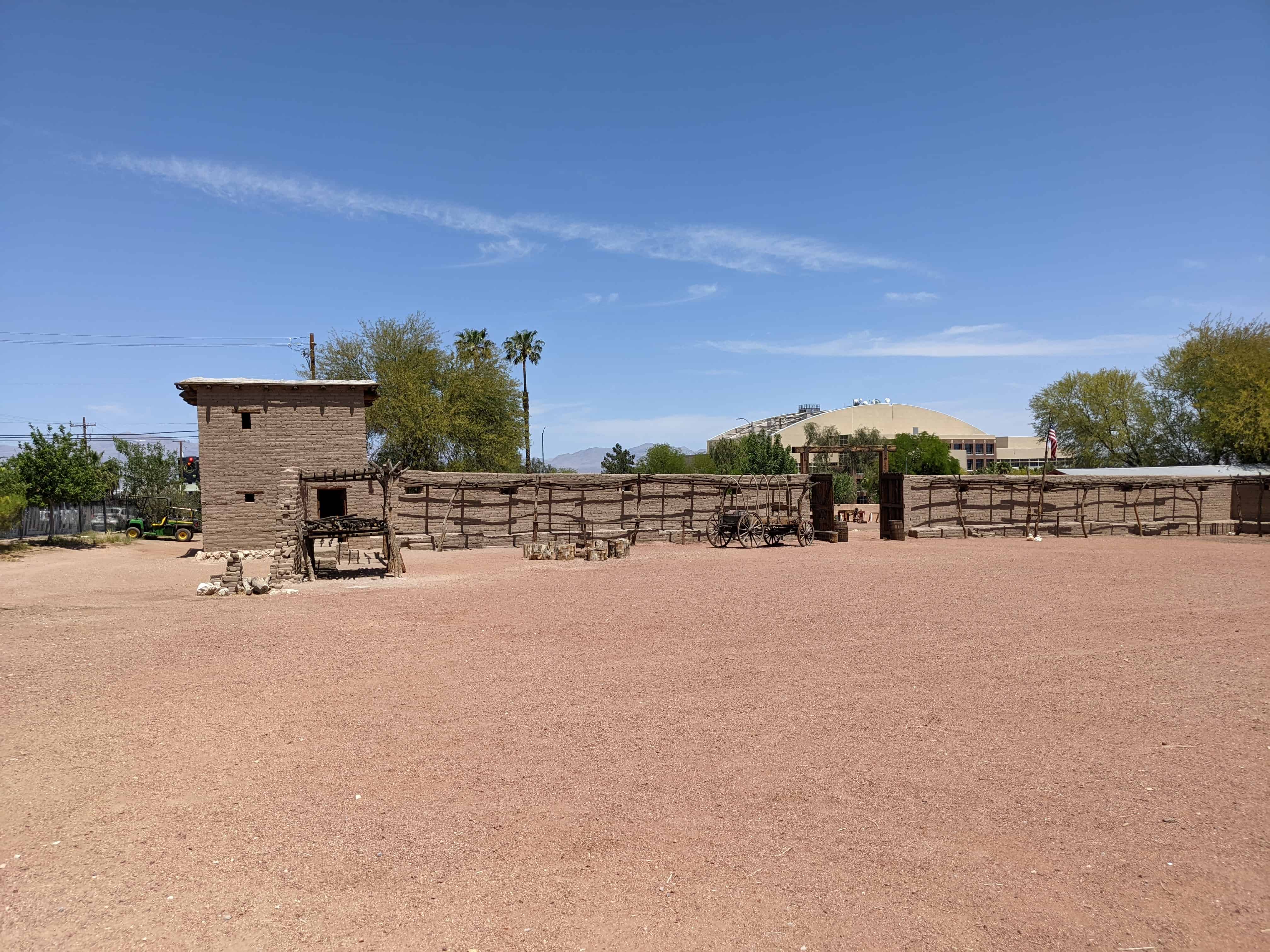
Located at 500 E Washington Avenue in Las Vegas, Nevada



05 Friday May 2023
Posted in Uncategorized
Tags

McQuarrie Memorial Museum / D.U.P. Museum
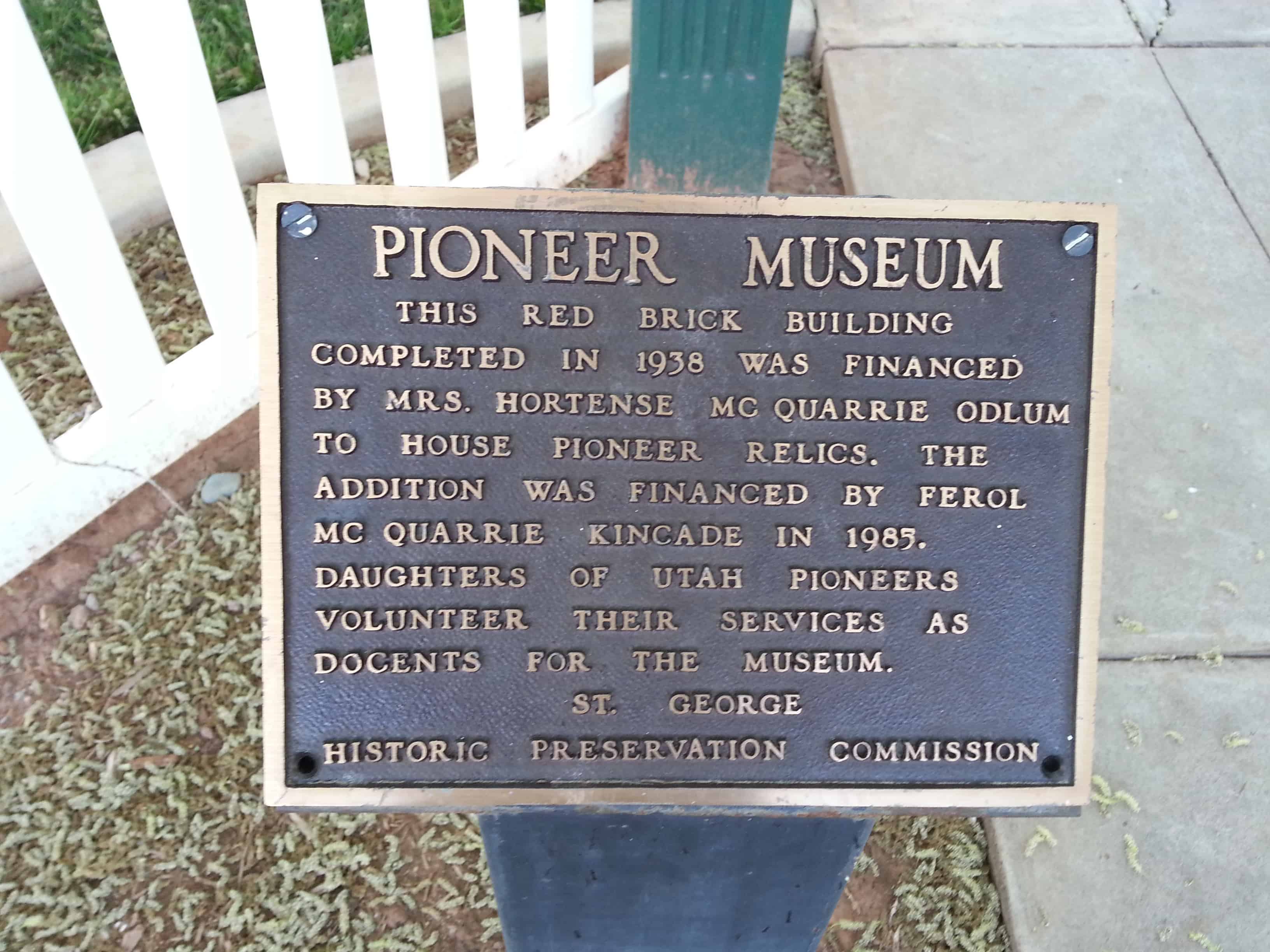
Pioneer Museum
This red brick building completed in 1938 was financed by Mrs. Hortense McQuarrie Odlum to house pioneer relics. The addition was financed by Ferol McQuarrie Kincade in 1985. Daughters of Utah pioneers volunteer their serves as docents for the museum.
145 North 100 East in St. George, Utah.

03 Wednesday May 2023
Posted in Uncategorized
Tags
01 Saturday Apr 2023
Posted in Uncategorized