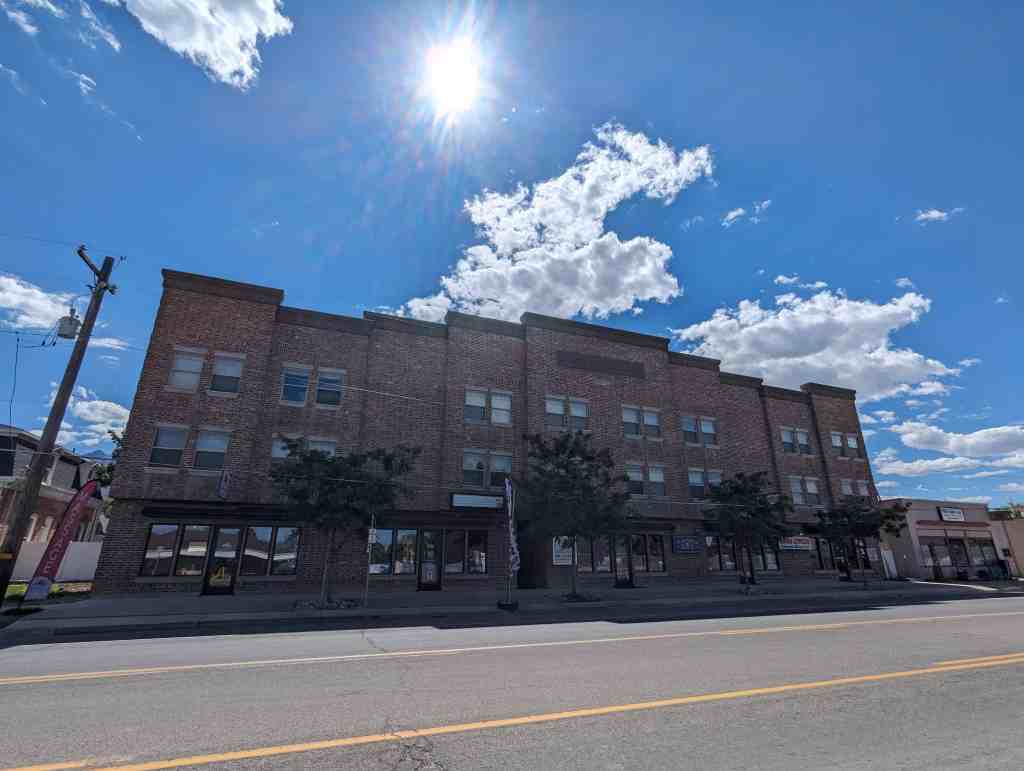
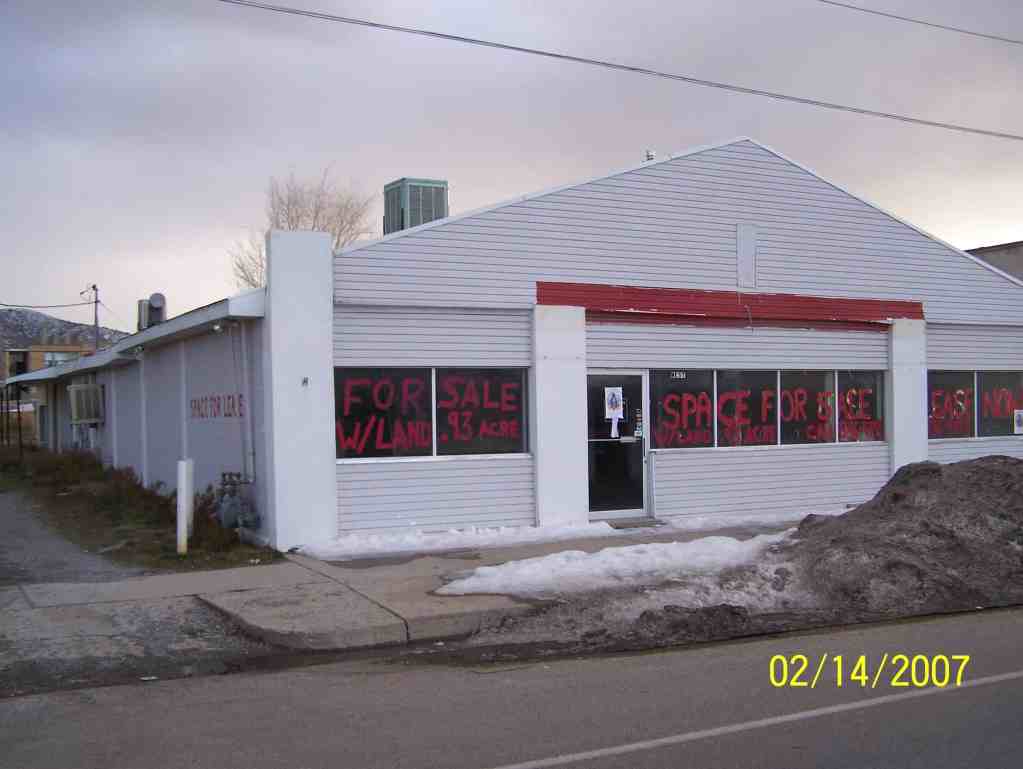
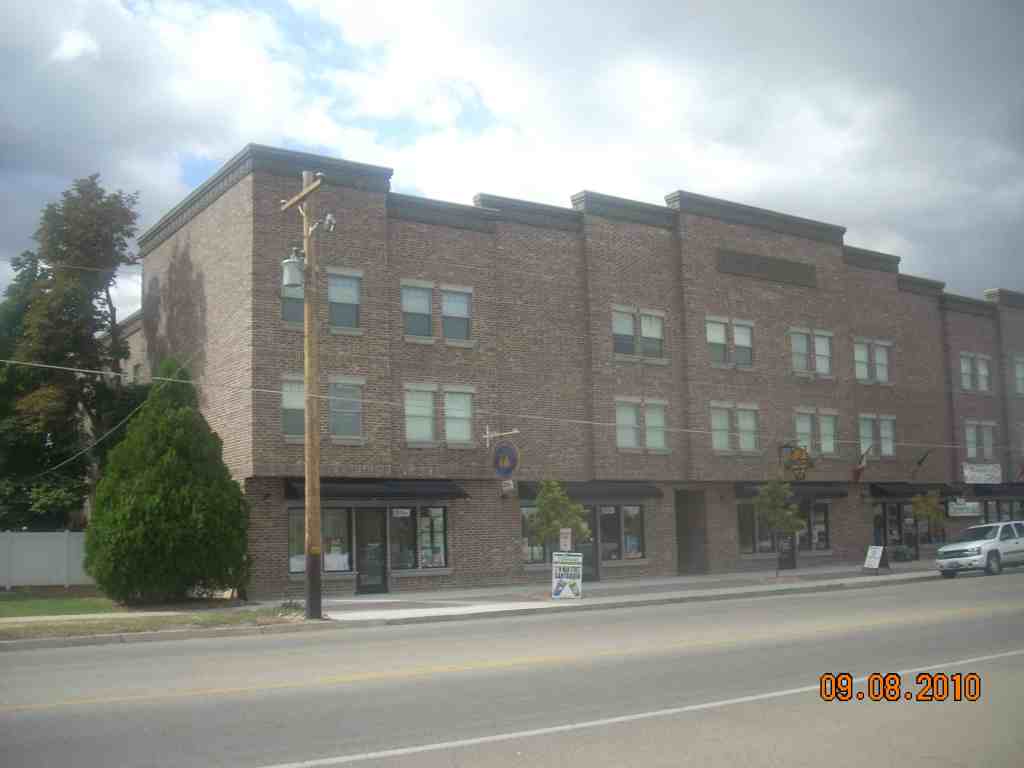
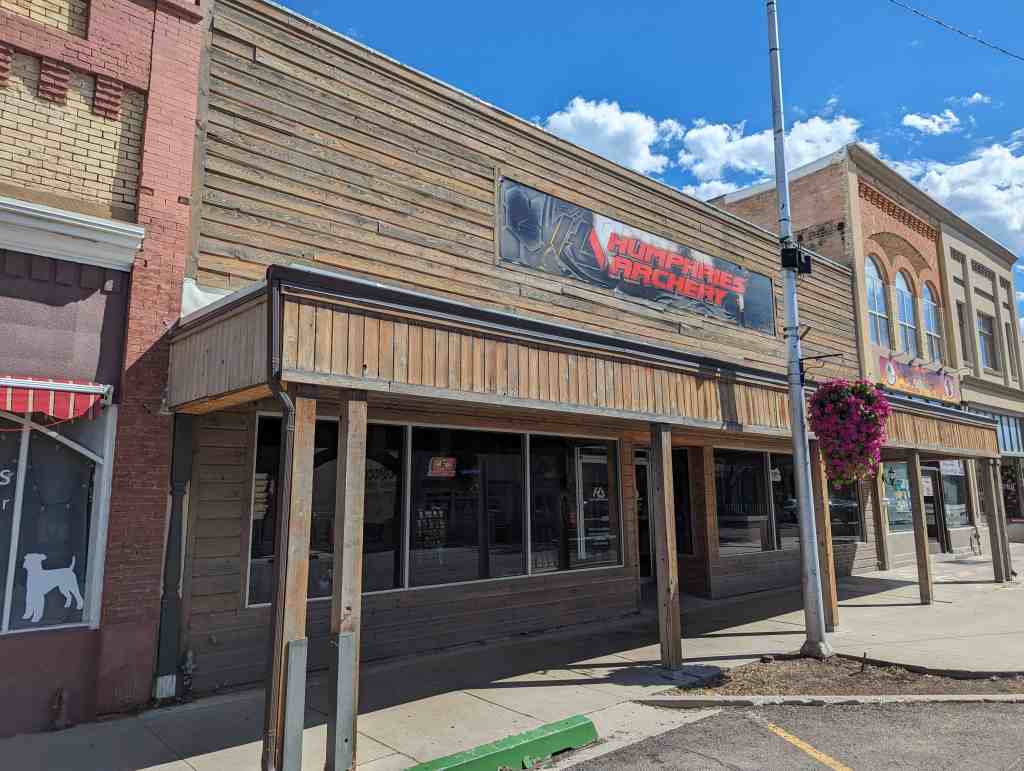
25 W Main St
25 Wednesday Sep 2024
Posted in Uncategorized

25 Wednesday Sep 2024
Posted in Uncategorized
25 Wednesday Sep 2024
Posted in Uncategorized
24 Tuesday Sep 2024
Posted in Uncategorized
Tags
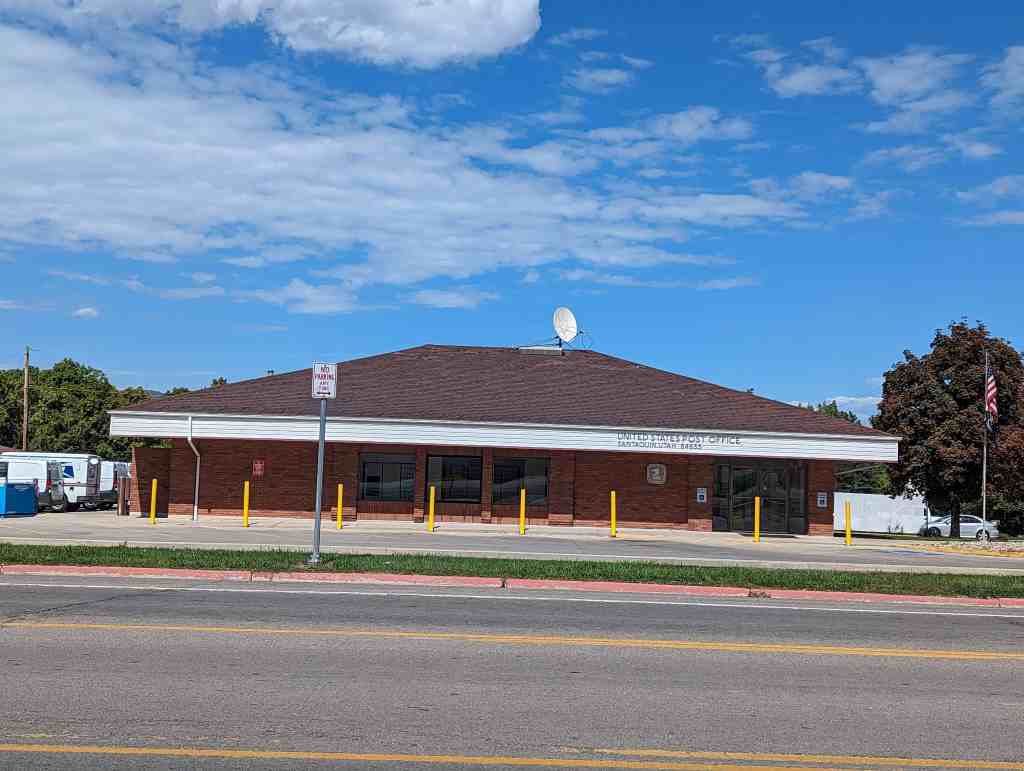
20 West Main Street in Santaquin, Utah
24 Tuesday Sep 2024
Posted in Uncategorized
24 Tuesday Sep 2024
Posted in Uncategorized

342 West Royal Land Drive in Santaquin, Utah
24 Tuesday Sep 2024
Posted in Uncategorized
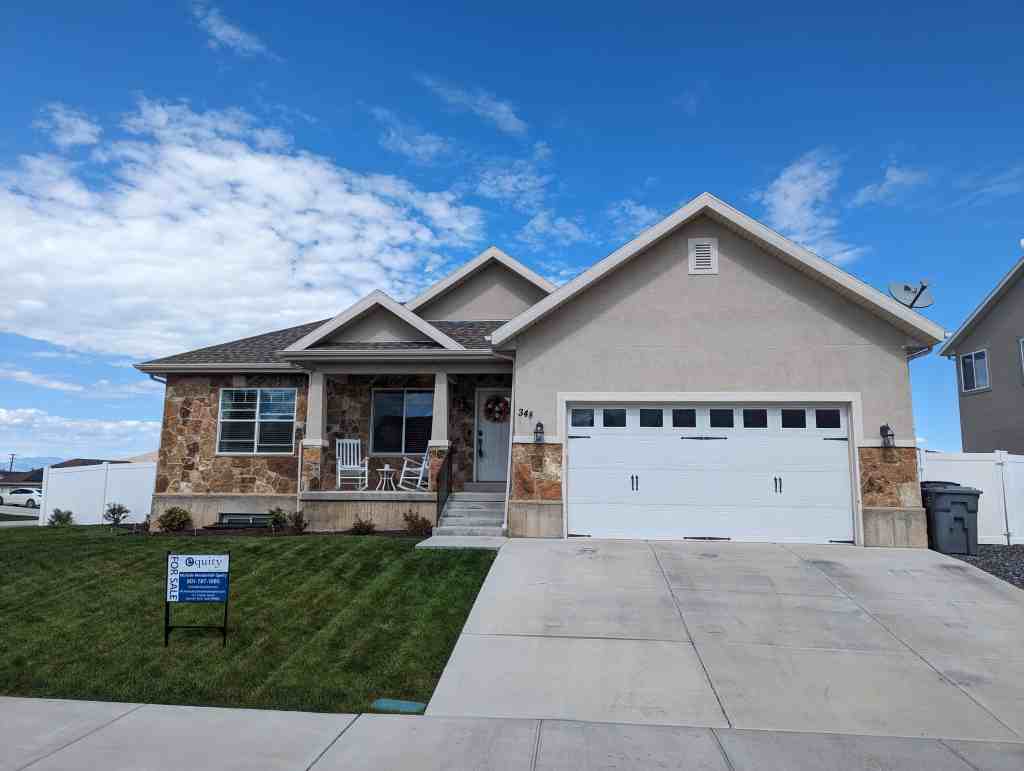
348 West Royal Land Drive in Santaquin, Utah
24 Tuesday Sep 2024
Posted in Uncategorized
Tags
Camp Floyd Site is the National Register of Historic Places listed site which is now part of Camp Floyd / Stagecoach Inn State Park. It was added to the register (#74001939) November 11, 1974 and is located in Fairfield, Utah.
Related posts:
Text from the nomination form:
When reports of Mormon disloyalty were received by President James Buchanan, his solution was to send an army of 2,500 men along with approximately 1,000 civilian employees to Utah to put down the “Mormon Rebellion.”
A lack of efficient organization, Mormon guerilla tactics, winter, and finally arbitration between Mormon and Federal authorities delayed the army’s arrival in the Salt Lake Valley until June 26, 1858. The army, commanded by Colonel Albert Sidney Johnston, marched through an abandoned Salt Lake City to Cedar Valley about forty miles southwest of the city. The site was chosen because it supposedly offered an ample supply of water, wood and pasture. Perhaps of prime importance was that it was close enough to the two major Mormon settlements, Salt Lake City and Provo, that troops could be dispatched in either direction with little problem. The camp was named in honor of John B. Floyd, Secretary of War, under Buchanan.
Economically the camp was important to the Mormon economy. Mormons furnished building materials and food stuffs to the large force. Mormon employed in the construction of the camp received from $3.00 to $7.00 a day plus board.
Despite the economic advantages of the camp to Mormons, the problems which the soldiers and camp followers created were of great concern to church authorities. It seems a constant state of hostility existed between the two groups.
With the outbreak of the Civil War in 1860, the number of soldiers dropped from 2,500 to 400. When Secretary of War John B. Floyd left his cabinet post to join the Southern cause, Colonel Phillip St. George Cooke changed the name of the establishment to Camp Crittenden. The camp did not live long under its new name and was abandoned in July 1861.
Although the only visible remains of the camp is the cemetery, the site is significant as a reminder of the confrontation between Mormons and the Federal Army.
For Mormons the establishment of Camp Floyd signaled the end of their cherished isolation in Utah.
23 Monday Sep 2024
Posted in Uncategorized
23 Monday Sep 2024
Posted in Uncategorized
23 Monday Sep 2024
Posted in Uncategorized