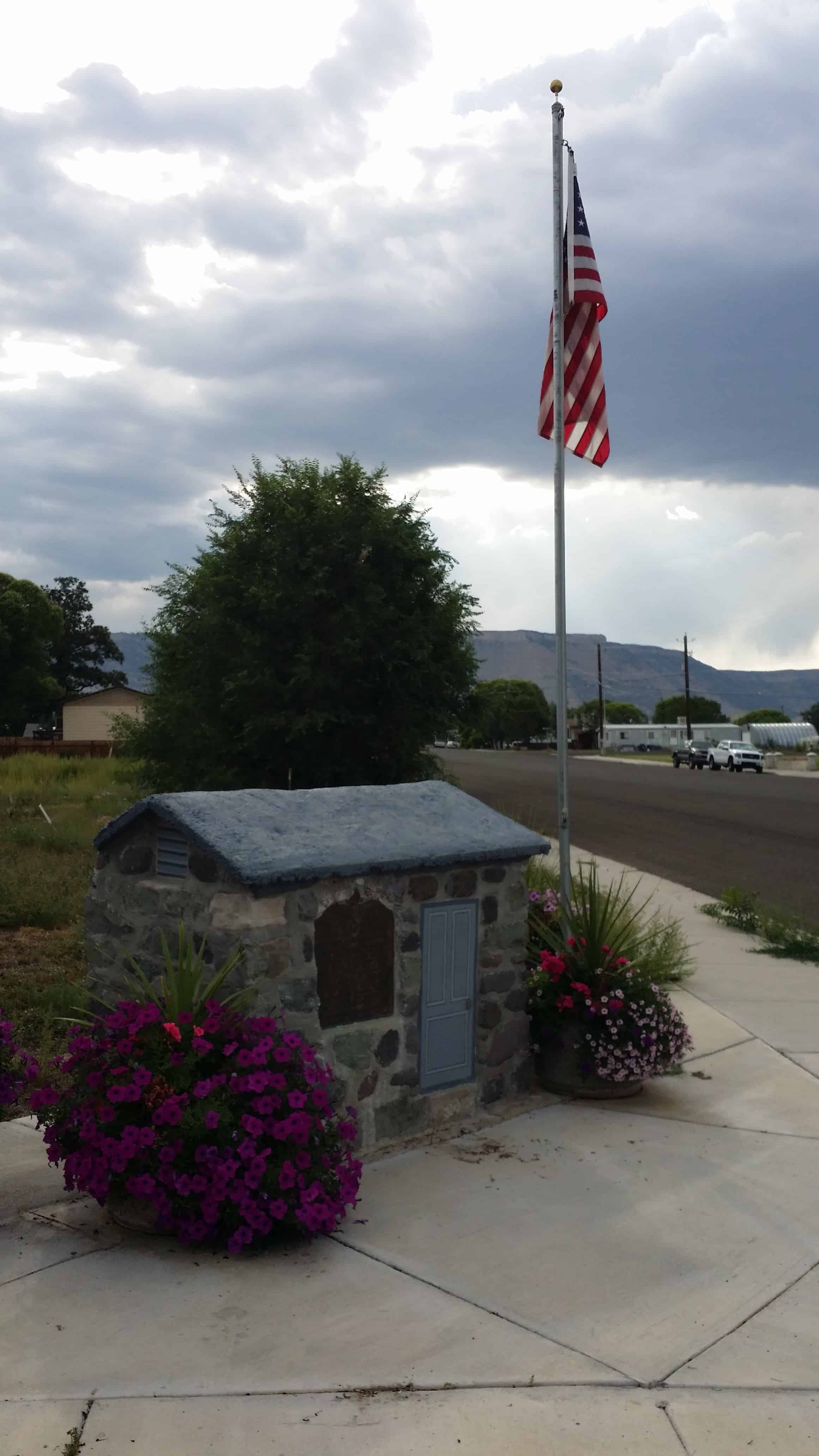
In 1888 the men and boys of this community brought material from the mountains and built a hall on this spot of ground. They formed a company and rented the hall. The L.D.S. Church purchased the building when Jasper N. Robertson was first bishop. It was used for church, school, and recreation sixty-three years. The hall was razed in 1952. The bell was procured by Charles Oliphant in 1889 and hung in the belfry where it tolled for fires, time, funerals, and all special occasions.
On this site in December, 1880, a primitive meeting house was built, a log building which served the community for church, school, dramatic and recreational purposes. Orangeville had been a part of Castle Dale, but in 1882, it was organized as a Ward and named Orangeville for Orange Seeley, a prominent colonizer of Castle Valley. The first bishop was Jasper Robertson; first school teacher and musical director, Samuel R. Jewkes; first dramatic and social leader John. H. Reid.
The 1880 census found 237 people residing on homesteads strung along more than six miles (10 km) of Cottonwood Creek. In that year two townsites were surveyed, one known as Upper Castle Dale and the other as Lower Castle Dale. In 1882 Upper Castle Dale took the name Orangeville in honor of Orange Seely, even though he resided in the lower town. The two communities, only three miles apart, have had closely related histories, but Castle Dale has been home to the main public institutions.
A couple of DUP Markers in Orangeville I have posted about are:
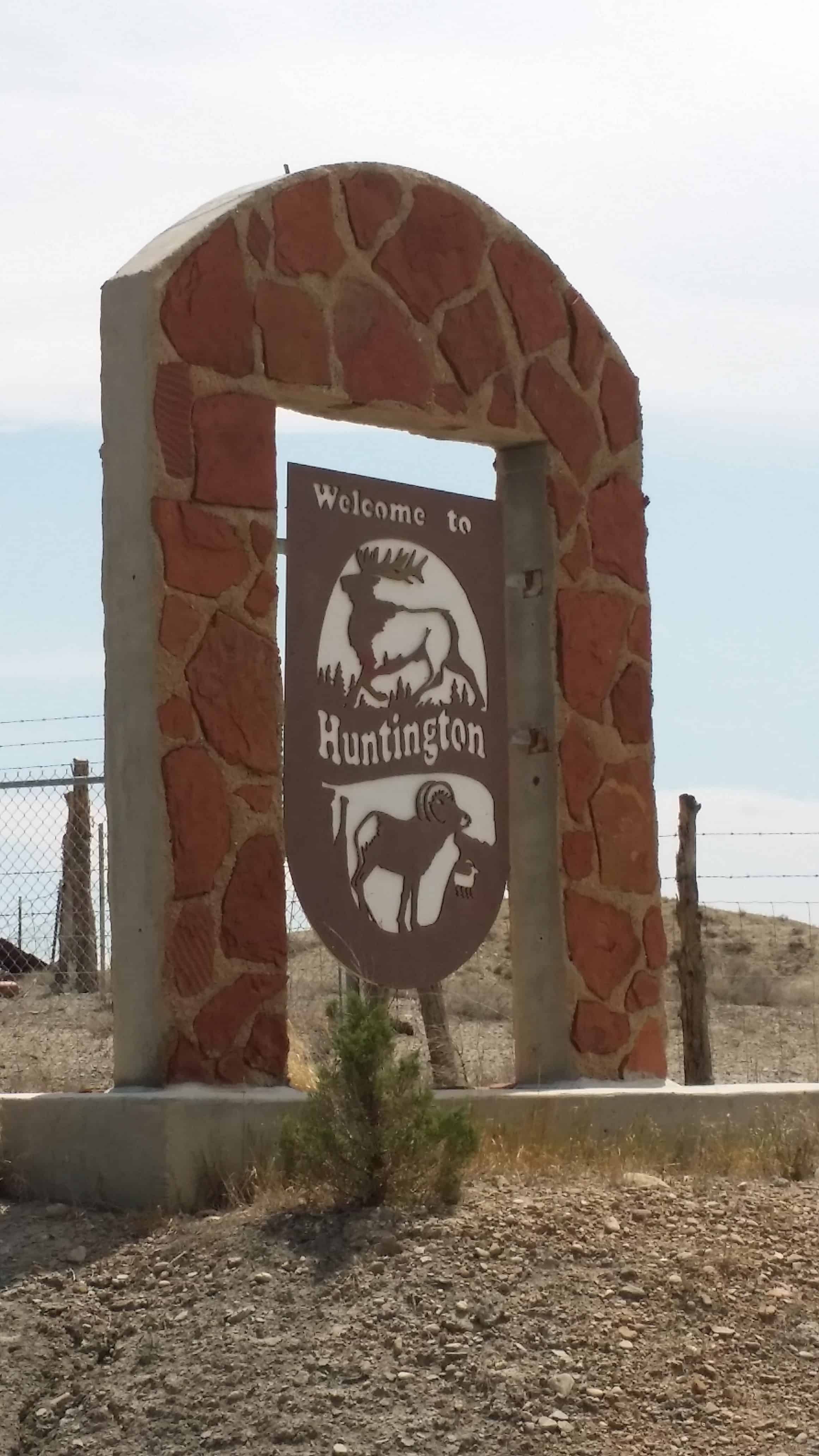
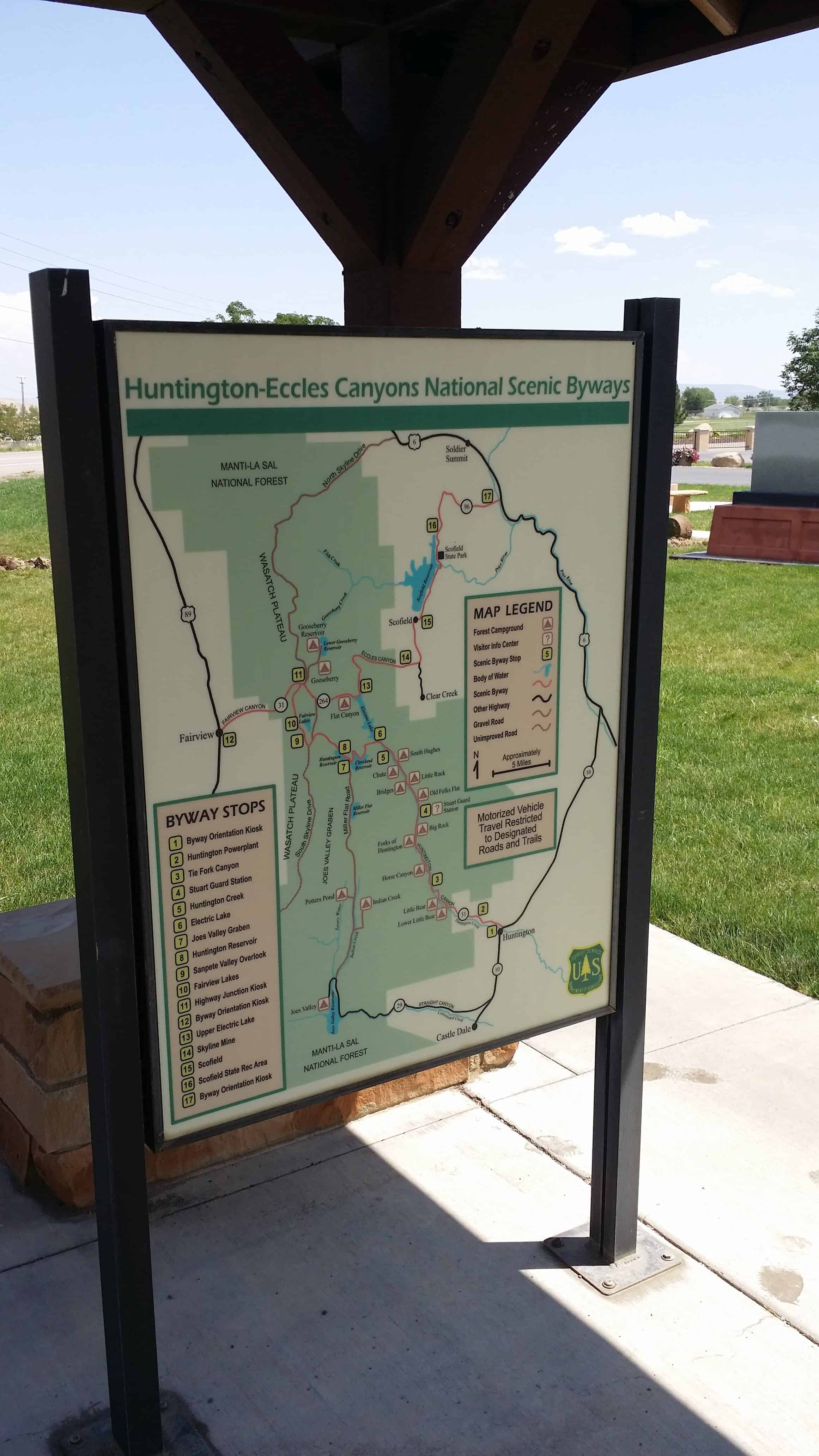
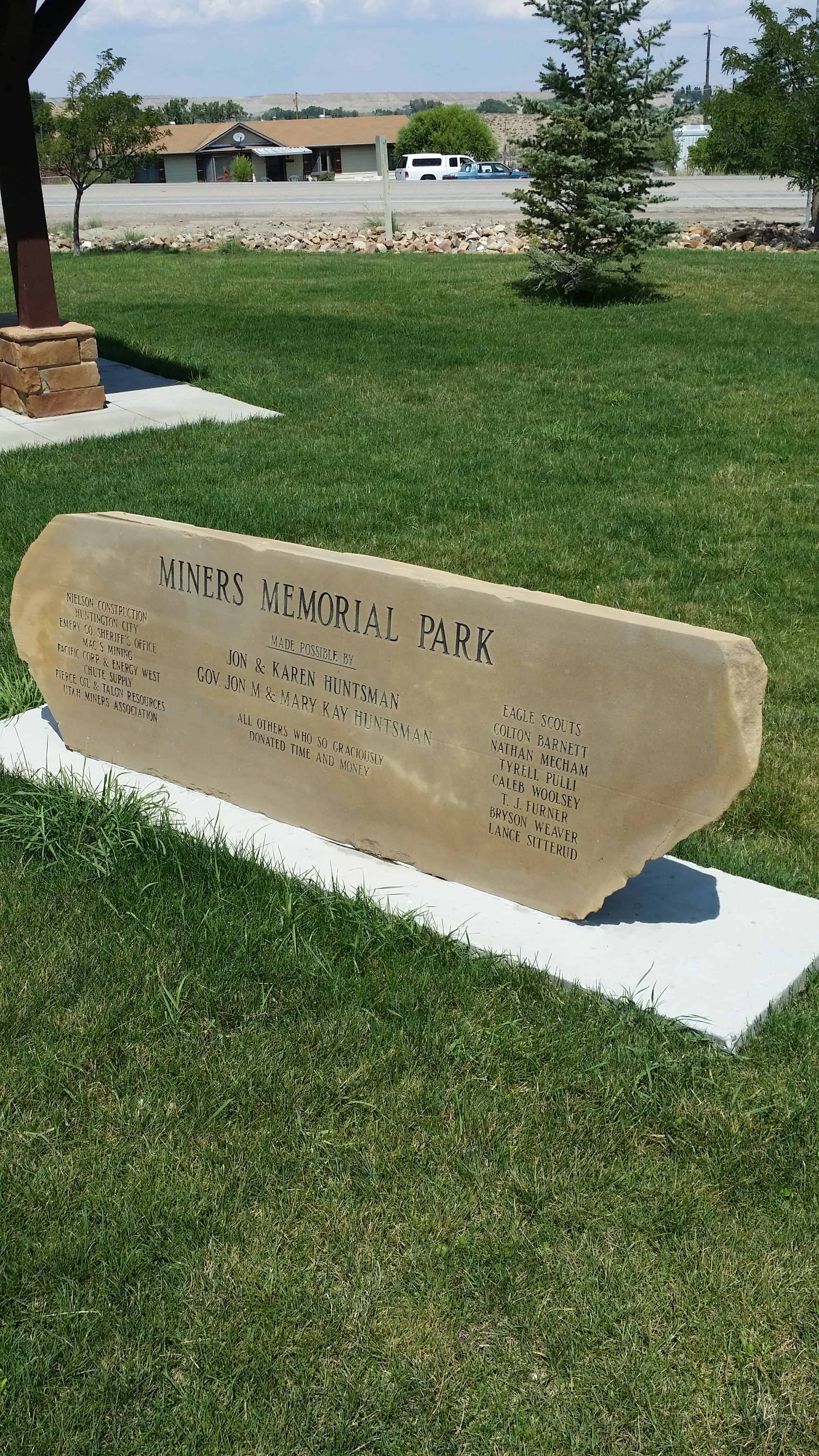
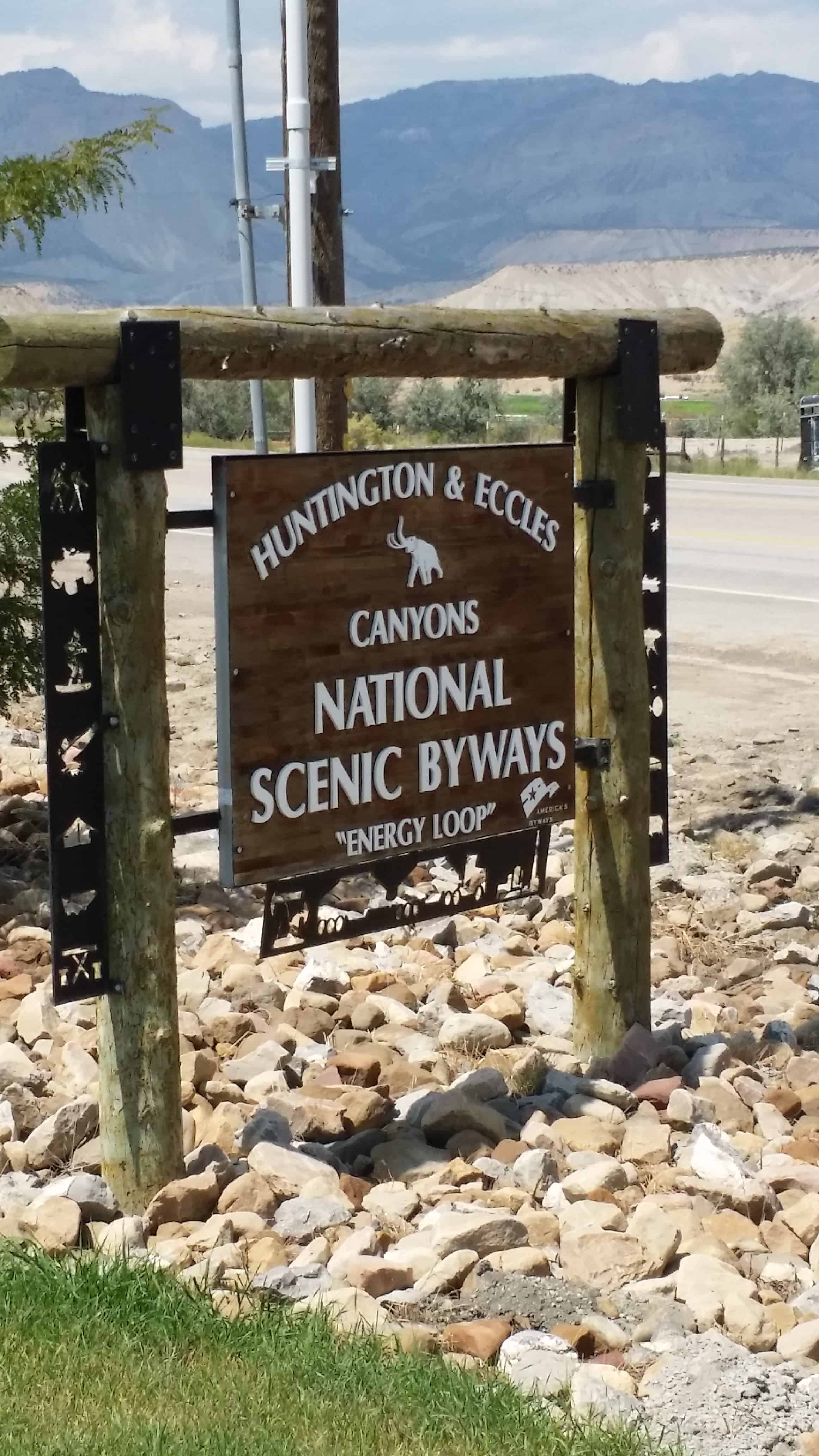
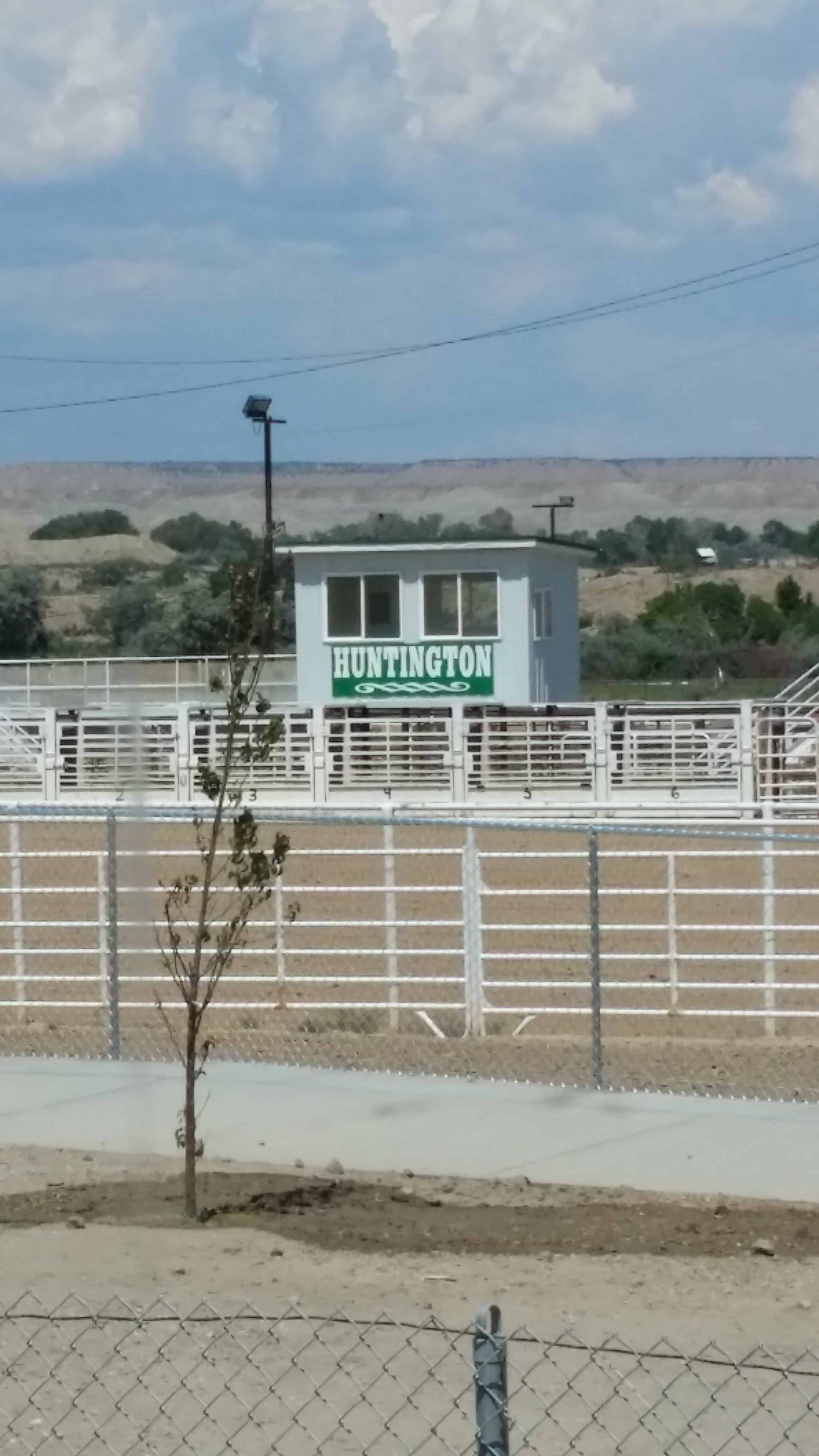
Huntington is named after Huntington Creek, and Huntington Creek was probably named for William, Oliver, and Dimick Huntington, brothers who led exploring parties into the region during the 1850s. The first settlers of European extraction in the area were four stockmen, Leander Lemmon, James McHadden, Bill Gentry, and Alfred Starr, who brought their herds to Huntington Creek in 1875.
In the fall of 1877, in response to the same call from The Church of Jesus Christ of Latter-day Saints that brought settlers to the other creeks in Castle Valley, a small group from Fairview, Utah, under the leadership of Elias Cox, established a dugout colony on the banks of Huntington Creek and began digging irrigation canals. The colony grew from 126 in 1880 to 738 in 1890 and 1,293 in 1910. A majority of the early settlers came from Sanpete Valley, which by the late 1870s had outgrown its irrigable land, and many belonged to three or four interrelated kinship groups, making for an abundance of cousins in the community.
In 1880 a mile-square townsite was surveyed on the Prickly Pear Flat, a bench south and west of the creek. The first structure erected on the new townsite was a 40-foot (12 m) by 60-foot (18 m) log meetinghouse, which was completed in time for an all-night New Year’s Eve party on 31 December 1880. Most of the townsite was without water until the completion of the Huntington Canal in 1882. Settlers drew town lots and built homes in town as they proved up on their homesteads. The first homes, some of which were still occupied until recent years, were typically of sawed log or plank construction or of adobe sheathed with lumber. The erection of a new LDS meetinghouse in 1896 inaugurated a twenty-year building boom that saw the completion of many brick homes, schools, and commercial buildings.
January, 1879, Orange Seeley, presiding valley bishop, appointed Elias Cox to preside over the Latter-day Saints who had settled on Huntington Creek. In October a ward was organized. Logs were hauled from the canyon and a meeting house erected by Benjamin Jones, Sr., John F. Wakefield, W. Albert Guymon, Sr., Walsh Caldwell, William Avery, Milas E. and Joseph R. Johnson, Albey W. Sherman, Jr., David Cheney, John Wimmer and others. The building was 40 x 60 feet, split shingle roof, lumber floor and benches of split logs. It was dedicated December 1880, and served the community for church, school, and recreation. The building was destroyed by fire in 1918.
In 1875, Leander Lemmon and James McHadden, seeking a good range for their horses found feed plentiful at the mouth of Huntington Canyon and vicinity. Mr. Lemmon brought sheep and cattle from Cottonwood, Salt Lake County. In the autumn of 1876, he built the first log cabin on Huntington Creek near this marker. An irrigation ditch was dug, taking water from the nearby creek. The town is situated on Huntington Creek, from which it receives its name.