• About JacobBarlow.com
  • Cemeteries in Utah
  • D.U.P. Markers
  • Doors
  • Exploring Utah Email List
  • Geocaching
  • Historic Marker Map
  • Links
  • Movie/TV Show Filming Locations
  • Oldest in Utah
  • Other Travels
  • Photos Then and Now
  • S.U.P. Markers
  • U.P.T.L.A. Markers
  • Utah Cities and Places.
  • Utah Homes for Sale
  • Utah Treasure Hunt

JacobBarlow.com

~ Exploring with Jacob Barlow

JacobBarlow.com

Tag Archives: Farms

Charles Crawforth Farmstead

04 Monday Sep 2023

Posted by Jacob Barlow in Uncategorized

≈ Leave a comment

Tags

Farms, NRHP, Sanpete County, Spring City, utah

Charles Crawforth Farmstead

The Charles Crawforth farmstead is significant as an isolated farmstead in the midst of a farm village settlement region. Deviating from the predominate pattern, the Crawforth farmstead historically demonstrates that Mormon culture in the nineteenth century was not as homogeneous as has often been thought. The opening of a U.S. Land Office in Salt Lake City in 1869 signaled the beginning of a great change in the Mormon Church’s influence on settlement. In the areas already settled, like the Sanpete Valley, little agricultural land remained available. Farmsteads outside the established villages in Sanpete were very rare, and help document the shift there from subsistence agriculture to cash farming–cattle, sheep and cash crops including fruit and sorghum. The outstanding vernacular architecture of the farmstead is an important element of its significance. The large stone I house is a sign of agricultural prosperity and attests to Crawforth’s prominence in the local community.

The text on this page is from the nomination form (#80003956) for the National Register of Historic Places (the farm was added to the register February 19, 1980 and is located at approximately 6700 Crawford Road in Spring City, Utah.

The Sanpete Valley was settled after 1849 by members of the Church of Jesus Christ of Latter-day Saints (Mormons) and land occupance here followed a farm village plan advocated by the church leadership. Mormon town planning in the West was based loosely on the “Plat for the City of Zion” developed in 1833 by the Mormon prophet, Joseph Smith. Smith’s plan was built around a nucleated agricultural community where all dwellings and farm buildings would be contained on town lots. Farm acreage would then be located outside the town limits. This town unit, when it reached sufficient size could then be repeated over and over again in other locations. The village settlement pattern was particularly strong in the Sanpete Valley where the persistent threat of Indian attack through the 1870’s made group living attractive. The Crawforth farmstead is located about two miles south of Spring City, a town which has been nominated to the National Register as an excellent and typical example of the Mormon village.

Charles Crawforth was born in Sutton-on-Hall, Yorkshire, England, on May 24, 1824. Following his conversion to the IDS Church in 1854, Crawforth emigrated to Utah and the Mormon Zion. The William Glover Company carried young Crawforth to Utah where he arrived in Provo in 1855. During the next seventeen years he engaged in farming in the Provo area and participated actively in church and civic affairs. In 1873, at the age of 48, Crawforth moved his large family (10 children) to Spring City in Sanpete County. In this new location, farming continued to be his main occupation. The Crawforth family lived within the town limits of Spring City until the big rock house was completed on the outskirts of town in 1884.

Crawforth’s decision to locate outside of town is a departure from the norm. The record shows that he remained active in the LDS Church; religious disaffection seems not to have been an issue in his choice of a building site. The spot where the house stands is extremely attractive and the view northward toward Mt. Nebo particularly inspiring. A sense of individualism and an eye for beauty could well lie beneath Crawforth’s behavior.

Two other changes in the region likely were factors in his move outside the village of Spring City. The opening of a U.S. Land Office in Salt Lake City in 1869 marked the end of a land settlement pattern controlled by the Mormons. Church leaders emphasized throughout the nineteenth century the importance of living together in towns, and the village still dominated the Utah landscape. With the establishment of federal land surveys after 1869, a homesteading pattern of isolated farmsteads filled in the open spaces between established Mormon villages in those counties were land was still available. In the Sanpete Valley, because of its early date of settlement, scarcity of agricultural land had become an issue by the 1870 f s. Two consequences of this scarcity were outmigration (to Emery and Sevier counties) and the attempts to develop cash agriculture cattle, sheep and crops like sorghum and fruit. Crawforth’s development of orchards may have been one reason for his move, which showed that Church control over settlement was declining. The Crawforth farmstead is a reminder that the Mormon landscape was not a strictly uniform landscape.

Charles Crawforth lived in the house from 1884 until his death in 1910. The farmstead was locally a showcase for Crawforth’s talents in landscaping as one observer noted, “he took pride in beautifying his home surroundings and had one of the best kept gardens and orchards in that part of the state.” Later generations of Spring City residents recall stories of peacocks which used to strut proudly around the old house. The cut-stone walk which rings the house seems consistent with this portrait of Crawforth as horticulturalist and landscape architect. Crawforth continued to be a successful farmer and his prestige in the community is evident in the large turnout at his funeral. Bishop Lauritz O. Larsen and Patriarch Rasmus Justesen delivered eulogies at the ceremony.

Following Crawforth’s death the house was passed on to his son, Charles L. Crawforth. The boy’s untimely death in 1918 brought the property into the hands of several family members who sold sections of land to Jacob Johnson, Simon Beck, and Moroni Brough. The house was sold in the 1950’s to James and Dolores Blain and in the 1960’s to Charles Beck. The present owners bought the property several years ago and though the house has been vacant since 1928 they have plans for its restoration.

The Charles Crawforth Farmstead

The Charles Crawforth farmstead is located about two miles south of Spring City, Sanpete County, Utah. The farmstead is composed of a large stone house, a granary/root cellar, a stone carriage house, and a log barn. Found on a small lane which runs off the Pigeon Hollow road, the Crawforth Farm is oriented northward with the view from the farmhouse sweeping up the valley to the snow covered peaks of Mt. Nebo. The farmstead is architecturally important because of its outstanding vernacular buildings and historically intriguing due to its location outside the town limits of Spring City. The area was settled in the 1850’s and 1860’s by member of the Church of Jesus Christ of Latter-day Saints (Mormons) and land occupation here during the 19th century normally followed an agriculture village pattern which found dwellings and agricultural structures combined within the village boundaries. As an isolated farmstead, the Crawforth farm deviates from the established village pattern and suggests that the Mormon landscape was not as strictly homogeneous as has often been thought.

The Charles Crawforth House

The crawforth house was built in 1884 of locally quarried oolite limestone. The house is gabled and generally conforms to a “two stories high, two rooms wide, one room deep” I house vernacular type. The most prominent stylistic features of the house features which attest to the lingering appeal of the Greek Revival in the area are the front door transom and the pedimented window heads. The brick gable end chimneys are small and appropriate to their function as stove flues father than fireplaces. The stone is evenly coursed ashlar with pronounced raised jointing.

The house has a basic “hall and parlor” floorplan j with an unusual façade fenestration. Normally folk symmetrical design dictates that upstairs openings be located directly over lower openings. The Crawforth house breaks rules with an unusual “four over three” piecing arrangement. The resultant façade, while slightly off balance, becomes an intriguingly complex rendering of the bilaterally symmetrical principle.

The house has a rear “T” wing, also of stone. This section was either original to the house or built shortly thereafter. The stone on this wing is limestone but of a different sort than that found on the two story front section. The stone on the “T” is a softer variety and because it breaks into square blocks quite easily it can be laid up in even courses without the heavy application of mortar. Though worked easily, this stone has the disadvantage of discoloration and the back has yellowed considerably while the front stone remains a rich cream color.

The house is surrounded by a stone path, about six feet wide of cut blocks. This border is a unique landscaping feature and not encountered on other buildings in the Sanpete valley.

Outbuildings

A log granary stands just south of the rear of the house. The granary was essential to the Utah farmer and such buildings are found on all farms. The Crawforth granary is a typical example with a gabled roof covering a one story rectangular plan. Grain bins are reached through a side door. The logs here are left round, chinked, and joined at the corners with a variant (due to the round logs) of the half-dovetail notch. The granary shows some deterioration and one side has been damaged. A stone cellar is found beneath the granary and is reached by stairs running from the outside on the north gable.

South and east of the granary is a stone carriage house. This building is large enough to accommodate both a wagon and stable area. There is a large door in the side and the stone here is the same yellowish soft stone that is found on the rear of the house. The roof of this building is now missing.

Directly east of the house and across the yard is the barn. The barn is log and of the “double-crib” type. The logs are left round and joined with a “V” corner notch. The roof is missing from the structure.
William McLachlan Farmhouse

22 Wednesday Dec 2021

Posted by Jacob Barlow in Uncategorized

≈ Leave a comment

Tags

Farms, Historic Homes, NRHP, utah, West Valley, West Valley City

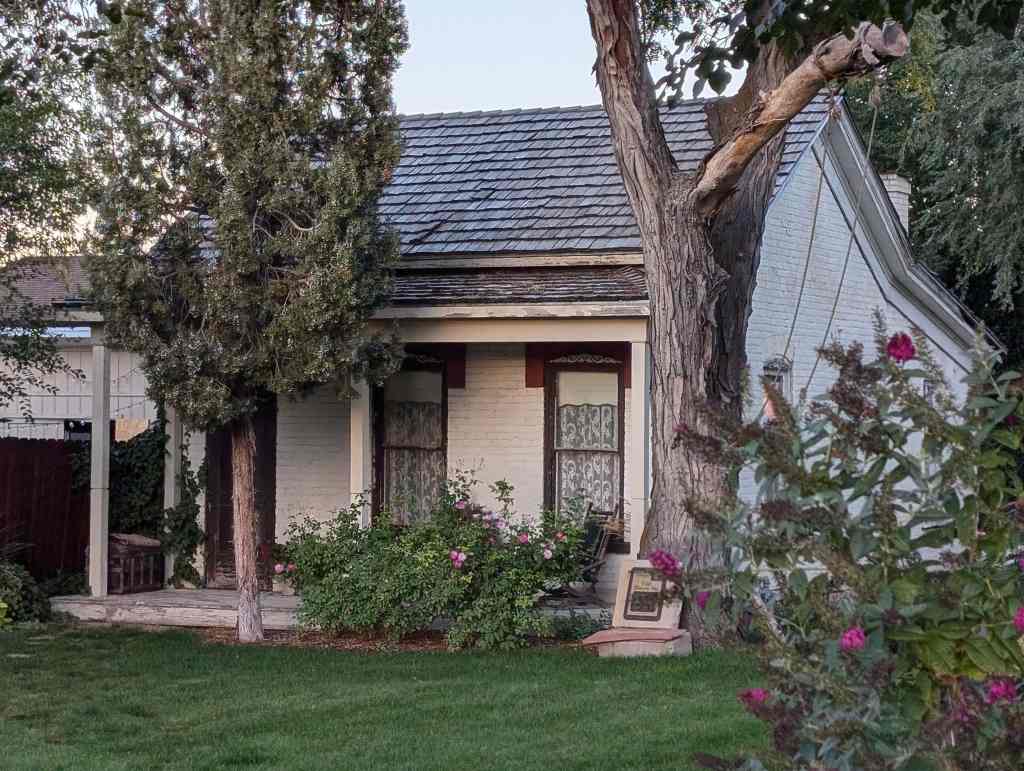
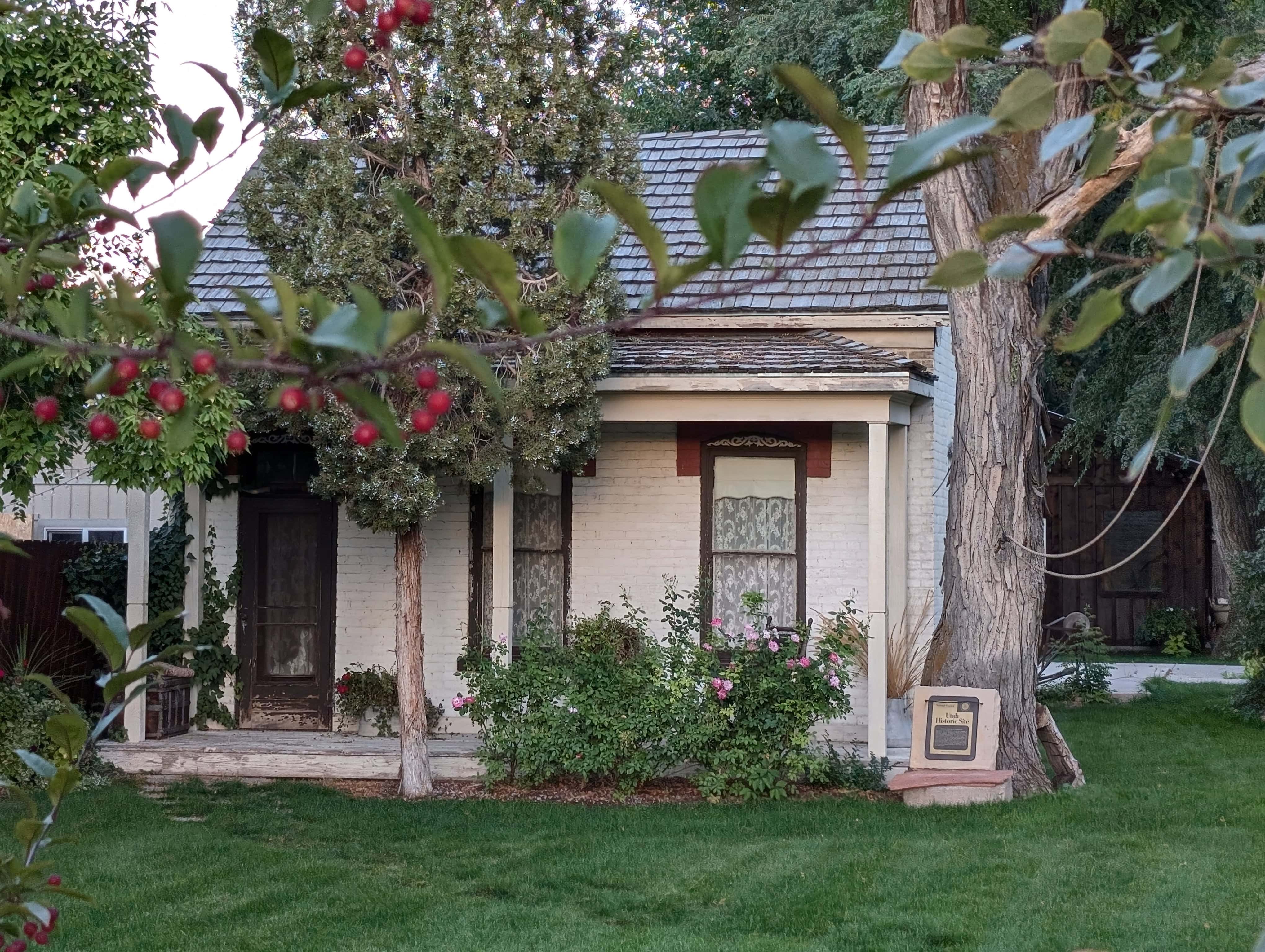
The William McLachlan Farmhouse is located at 4499 South 3200 West in West Valley City, Utah and was added to the National Register of Historic Places (#80003928) on February 14, 1980.

The William McLachlan farmhouse is significant because it is a particularly good example of the small “homestead” farmhouse which was atypical in Mormon settlement areas, where the “farm-village” system of in-town residence coupled with daily commuting to surrounding agricultural areas was generally favored. However, isolated farmsteads did begin to occur in Utah in the 1870’s following the arrival of the general land office. The practice received further impetus in the 1880 ‘s when many polygamists reputedly built homes in out-of-the-way places to shelter plural wives from the raids of the federal “polygamy .hunters”. While there are written and folklore references to this practice, the McLachlan farmhouse is exceptional in the completeness of the documentation of actual construction and of the events that brought it about. The house type is unusual, and the only one known in the Salt Lake Valley region of “over Jordan”.

William McLachlan was born in Thornhill, Dumfrieshire , Scotland, in 1840. Trained as a carpenter and contractor, McLachlan converted to the Mormon Church and immigrated to America in 1863. He was clerk of the Church emigrant company aboard the ship Amazon, assigned to keep a historical record o£ the group. This interest in record keeping persisted throughout his life, as did his high level of activity in the Mormon Church … serving as President of the mission in New Zealand (1875-77) and later as President of the Pioneer Stake.

McLachlan was a polygamist, and like many of the less wealthy polygamists of the period, extremely distressed by the consequences of anti-polygamy raids. In order that his wives not be left penniless should he be arrested and imprisoned, McLachlan purchased land and built this home in a then-remote area “over Jordan”. When it was completed in March 1885 it became home for Maggie Naismith, his second wife, and her five children. McLachlan himself vanished into the underground” for nearly eight years. Part of the time he was employed as a carpenter on the Manti temple and used his earnings there to support his families. His wives were visited as often as it was safe, and Margaret received title to her house in 1886 to protect her and her husband from loss of property should he be caught and prosecuted. Fortunately, McLachlan was never brought to trial.

Historic Hacking Farm

26 Monday Jul 2021

Posted by Jacob Barlow in Uncategorized

≈ 1 Comment

Tags

Cedar Fort, Farms, utah, utah county

The old historic Hacking farm in Cedar Fort, Utah.

Related Posts:

  • Thomas Hacking

Crandall’s Fruit Farm

05 Sunday Jan 2020

Posted by Jacob Barlow in Uncategorized

≈ Leave a comment

Tags

Century Farms, Farms, historic, Orem, utah, utah county

Crandall’s Fruit Farm is is located on Center Street in Orem at 800 East, it is a Utah Century Farm – meaning it has been in operation for over 100 years.

Charles Crandall started the farm in the 1880’s after he and others found Alta Spring nearby and brought the water to the area.

Related Posts:

  • Early Orem Canals
  • Orem, Utah

Joseph William Parker Farm

10 Monday Apr 2017

Posted by Jacob Barlow in Uncategorized

≈ 1 Comment

Tags

Farms, historic, Historic Farms, Historic Homes, Joseph, NRHP, Sevier County, utah

2017-03-05 15.06.49

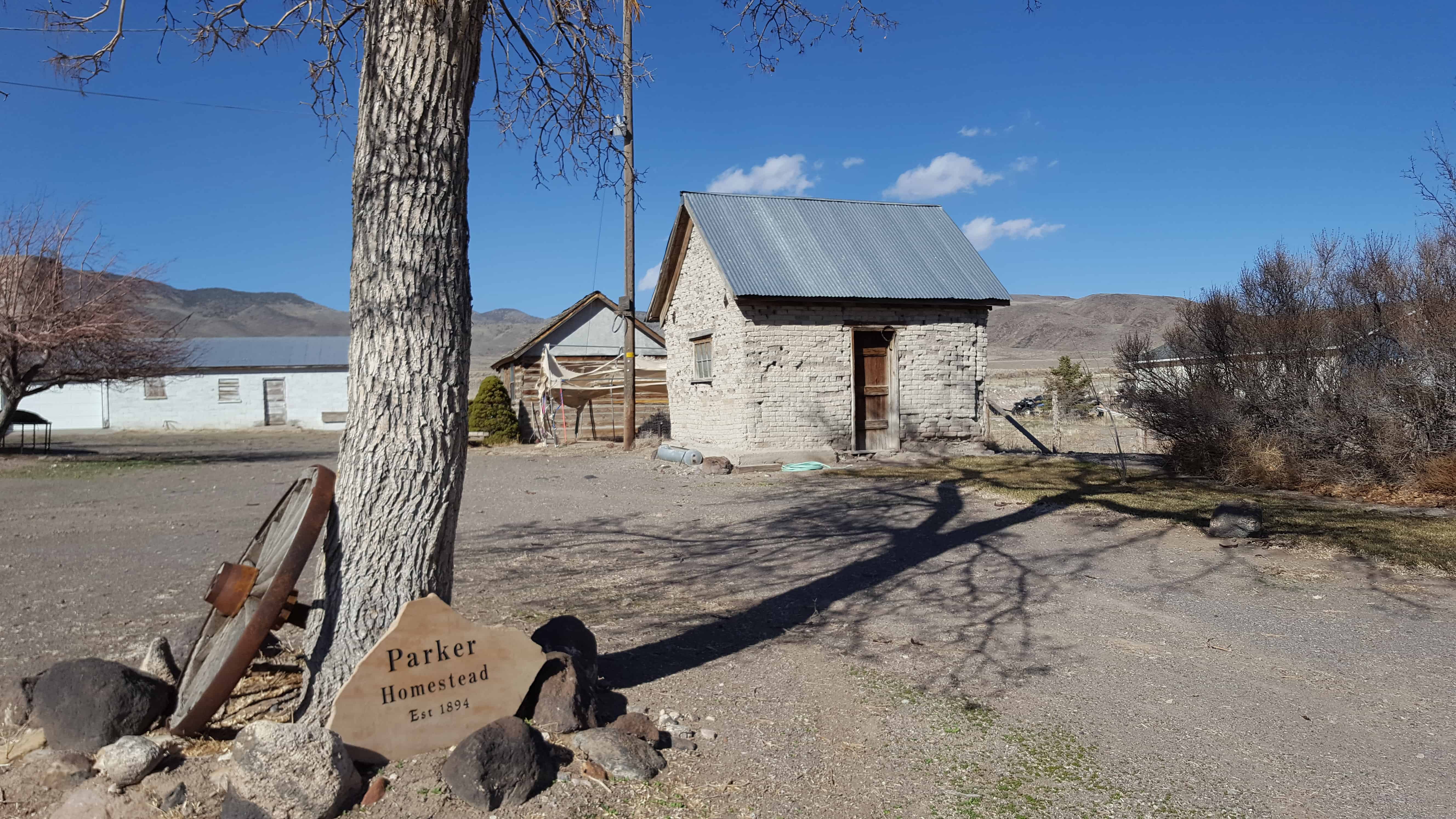
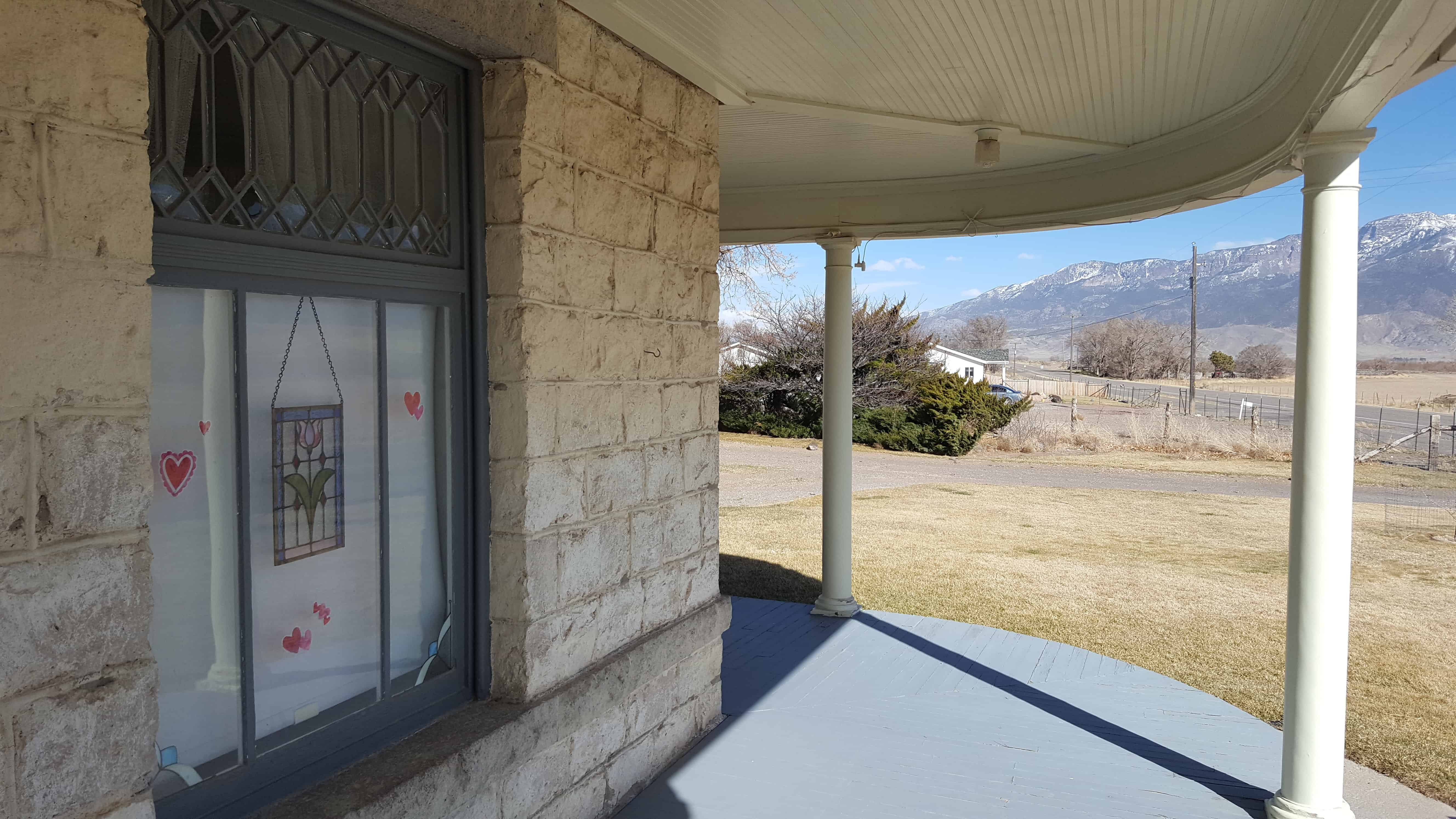
Around 1892, Joseph William Parker traded his house and land in Joseph for 74 acres of undeveloped land outside town. He built a one-room sawed log house where the large family was reared until this Victorian Eclectic style home was finished in 1911. The home was designed by architect/builder A.G. Young of Richfield and was constructed of local oolite limestone. This farm included an outstanding Jersey dairy herd and became a “show place of agricultural activity.” Mr. Parker helped organize the Joseph Cooperative and served as bishop of the Joseph Ward of the LDS Church.

Located at 1705 Sevier Highway, just outside of Joseph, Utah and added to the National Historic Register (#77001318) on March 25, 1977.

The Joseph William Parker Home is an excellent example of one of Utah’s more prosperous agricultural undertakings. Moving on to the undeveloped land in 1892 and despite a two and one half year absence while serving a mission for the Mormon Church, Mr. Parker was able to develop his property into one of the best known agricultural enterprises in South-Central Utah. The small one-room log house juxtaposed with the stately eclectic Victorian style house is a vivid statement of one man’s ability to successfully meet the challenge of Pioneer Utah.

The later Parker Home, built 1907-1911, is also significant as an example of outstanding local craftsmanship and design. Essentially a Victorianized house pattern book type plan, the well built home was designed and constructed under the direction of Archibald G. Young, an architect/builder from nearby Richfield.

Joseph William Parker was born November 19, 1864, at Heber City, Utah. In 1872 his father, Joseph Faulconer Parker, moved the family to Joseph City in Sevier County. The community of Joseph, named for Joseph A. Young, a son of Brigham Young and President of Sevier Stake of the Mormon Church, was settled in the fall of 1872. Joseph William Parker received his early education at Kanosh and Joseph, then attended Brigham Young Academy in Provo for two years. He married Margaret Jane Neel, a schoolteacher, on November 4, 1885, and they built a two-room house near the public square in Joseph City. Against the advice of his family and friends, Joseph W. Parker traded the 2-room house and twelve acres of improved farm land on the outskirts of Joseph for sixty acres of unimproved land and fourteen acres of pasture land two and one-half miles northeast of town. A one-room log house 15% feet by 18% feet was built in 1892-1893 and housed the Parker Family and their seven children, until the present home was completed in 1911. Two years after Joseph Parker began working his newly acquired property, he was called on a proselyting mission to the Southern States for the Mormon Church. Returning to his home in 1897, he spent several winters working at the Otter Creek Reservoir in Piute County to obtain money to purchase lumber to repair his neglected sheds, corrals, and fences, pay debts which had accumulated during his two and one-half year mission, and provide for his family. He also freighted garden produce to the mines at Frisco, Newhouse and Kimberly. By 1906 his efforts had brought sufficient financial success that Archibald G. Young, a Richfield architect/builder was commissioned to draw plans for a new rock home.

A. G. Young was best known as a building contractor, having constructed the Sevier and Piute County courthouses, schools in Richfield and Fillmore, the Young Block and Federal Building in Richfield and other locally significant structures which were designed by other architects. On smaller projects, Young may have drawn his own plans or may have obtained them from house pattern books. The Parker home is very similar to homes portrayed in period house pattern books (for example, “Radford’s Bungalows” printed in 1907) which were circulating locally at the time the house was built.

The architectural significance of the Parker home lies in its design and craftsmanship. The design is pretentious for its rural setting and partakes of the last strains of the Victorian movement. The execution of the design is particularly excellent. The various aspects of construction, masonry, carpentry, metalwork, etc., are masterfully handled. The home is in very good condition today. Lehi Ence and Parley Outzen of Richfield were carpenters, John Johnson and sons of Elsinore did the masonry work and Anthony Lund of Richfield did the painting and interior plastering. Stone for the house was quarried from the mountains at Vacca, near Clear Creek Canyon south of Joseph. J. Elbert and Ervin Parker, sons of Joseph Parker, assisted with the quarrying and masonry work. Improvising when necessary, the builders used pullies from the hay derrick to lift the heavy stones to the top as the walls reached higher.

The home was completed in 1911. Joseph William Parker and his sons installed a water system for the house which consisted of a settling pond, cement cistern with pipes running to the house and yards. In 1917 this system was replaced when the home was connected with the Joseph Water Works. In 1913 the Parker house was electrified when the Telluride Power Company brought electrical service to the community of Joseph.

The home and farm became a show place of local agricultural activity. The Utah Farmer described the house as “One of Sevier County’s Modern Farm Homes,” and Sevier County farm agents often brought guests from the Utah Agricultural College at Logan, and from counties throughout the State to observe the home, farm, and livestock.

Under the initiative of Mr. Parker, he and his sons built up one of the most important Jersey dairy herds in the area. Local historian Irwin L. Warnock observed, “The name Parker is almost synonymous with pure bred Jersey cattle in Sevier County.” In addition to his agricultural pursuits Joseph William Parker was active in other business activities including the organization and financing of the Joseph Co-op. An active member of the Church of Jesus Christ of Latter-day Saints, he served as Bishop of the Joseph Ward and Second Counselor in the South Sevier Stake Presidency. The home still remains in the Parker family and they have expressed a commitment to continue its preservation.

2017-03-05 15.07.21

Follow Jacob

Follow Jacob

Blog Stats

  • 2,037,561 hits

Social and Other Links

BarlowLinks.com

Recent Posts

  • Shetlar Wagon
  • Pioneer Hay Barn, Manger, and Corral
  • Grain Reaper
  • Early Pioneer Granary and Home
  • Dixie Sorghum (Molasses) Mill

Archives


Loading Comments...