• About JacobBarlow.com
  • Cemeteries in Utah
  • D.U.P. Markers
  • Doors
  • Exploring Utah Email List
  • Geocaching
  • Historic Marker Map
  • Links
  • Movie/TV Show Filming Locations
  • Oldest in Utah
  • Other Travels
  • Photos Then and Now
  • S.U.P. Markers
  • U.P.T.L.A. Markers
  • Utah Cities and Places.
  • Utah Homes for Sale
  • Utah Treasure Hunt

JacobBarlow.com

~ Exploring with Jacob Barlow

JacobBarlow.com

Tag Archives: Flour Mills

Old Pleasant Grove Flour Mill

02 Tuesday Jan 2024

Posted by Jacob Barlow in Uncategorized

≈ Leave a comment

Tags

Flour Mills, Mills

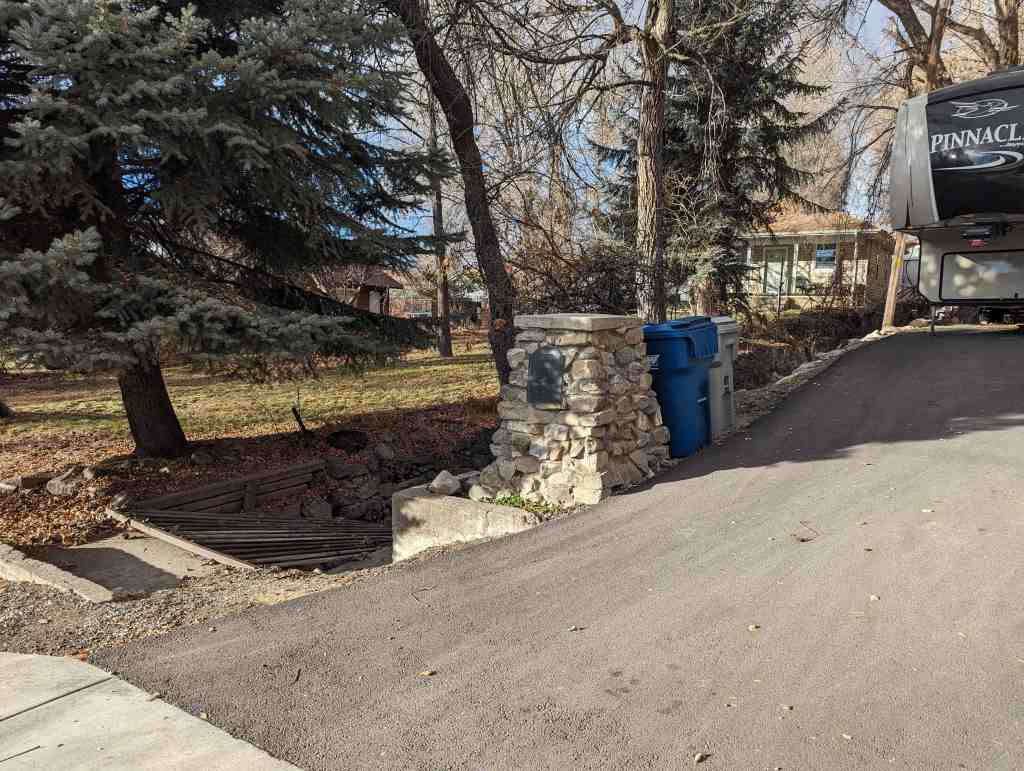
Old Pleasant Grove Flour Mill

Built in 1871 by Archibald Gardner.

Owned and operated in succession by:

  • Christian Nielson (1872-1875)
  • David Adamson & Sons (1875-1902)
  • Albert Edward Cooper (1902-1919)
  • A. F. Parduhn & Sons (1919-1931)

The cement foundation beside this marker is all that is left of the Pleasant Grove Flour Mill. It became one of the largest industries in this area. The mill served settlers from all over Utah Valley who transported their grain by horse-drawn wagons to be ground into flour.

The stream that runs along side of the foundation provided power to run the mill. It fed a reservoir just above the mill where water was stored. The reservoir was also used for swimming, ice skating, and baptisms. A steam engine was added later and eventually the mill was run with electricity from the Battle Creek Power Plant.

There is no trace of the mill, the flume or the reservoir today. But this marker stands as a reminder of the great industry that stood here.
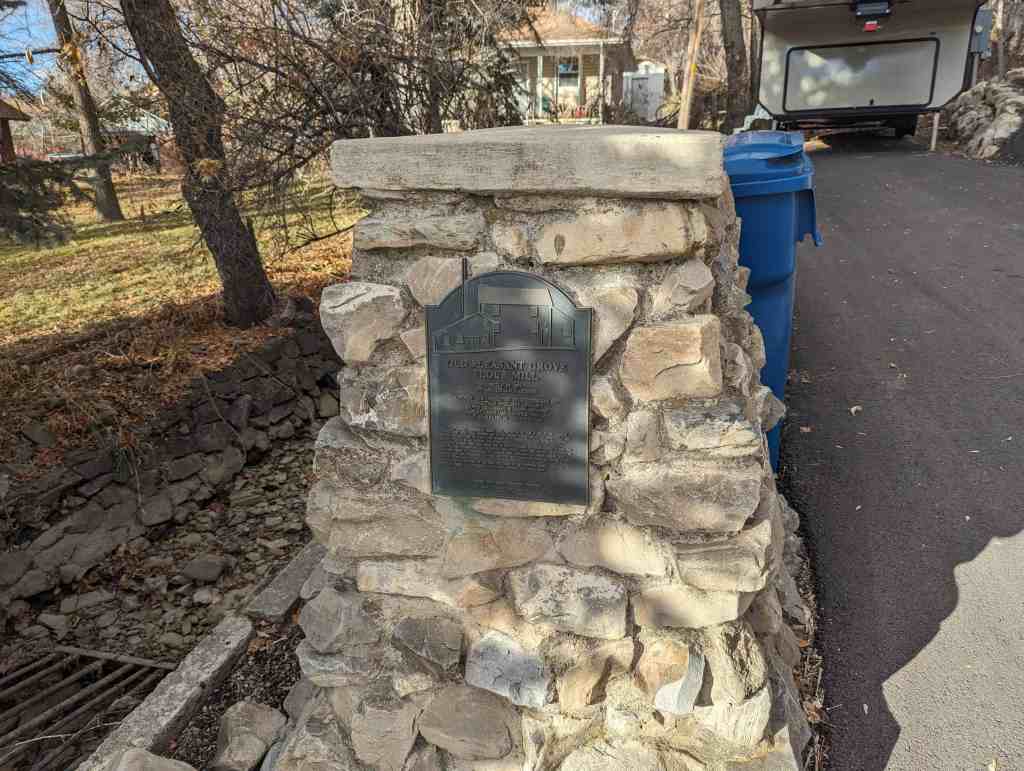
Located at 485 East 200 North in Pleasant Grove, Utah
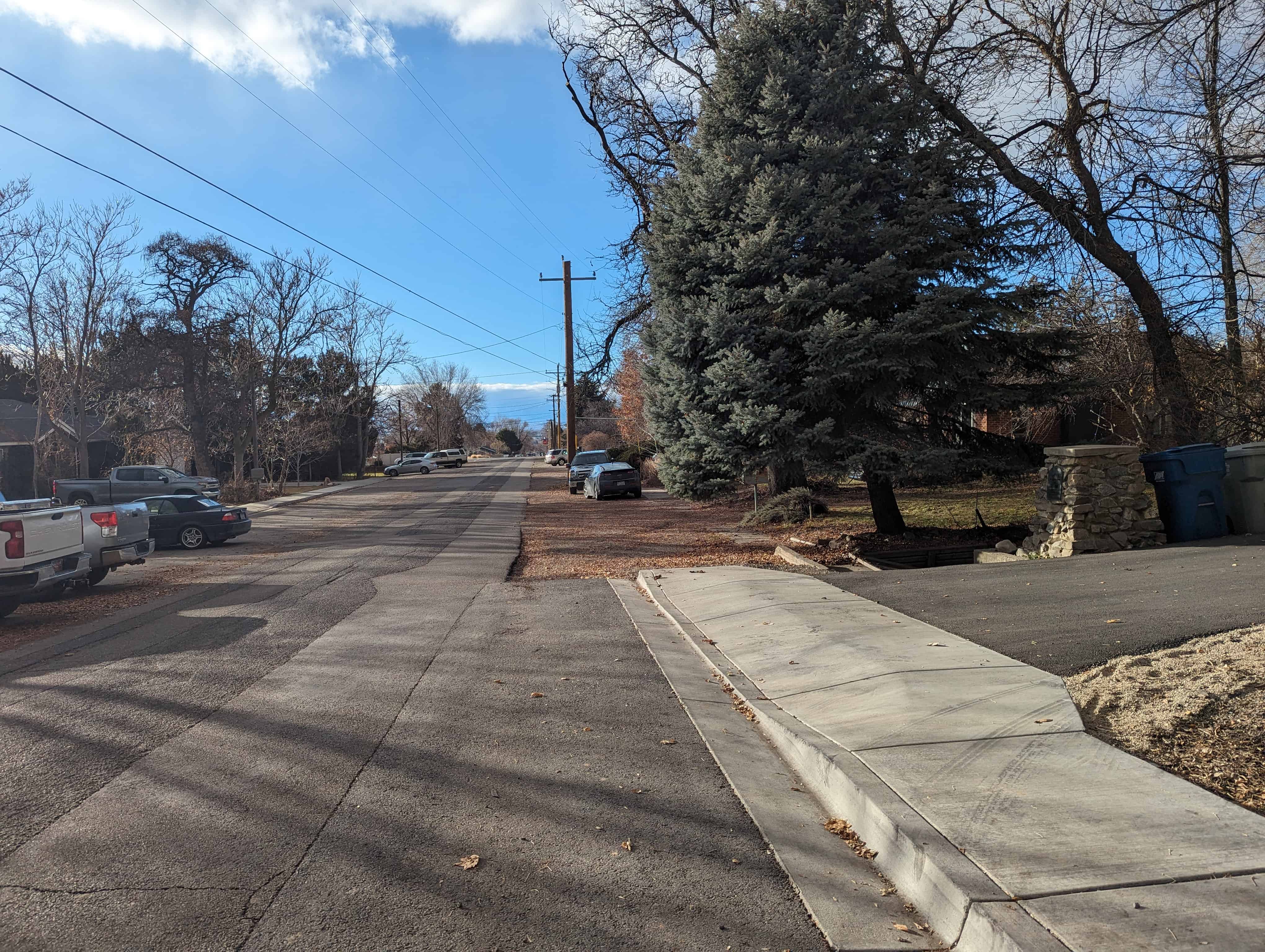
The D.U.P. historic marker in town says:
In 1872 Archibald Gardner built the first flour mill in Pleasant Grove which he sold, in 1876, to David Adamson who installed these grinding stones. They were run by waterwheel also a steam engine when water was low. Grain was ground into fine flour or course cattle feed by John Christian Nelson, miller, then sold and hauled to neighboring counties by ox teams. In 1902 Albert Cooper bought and improved the mill.

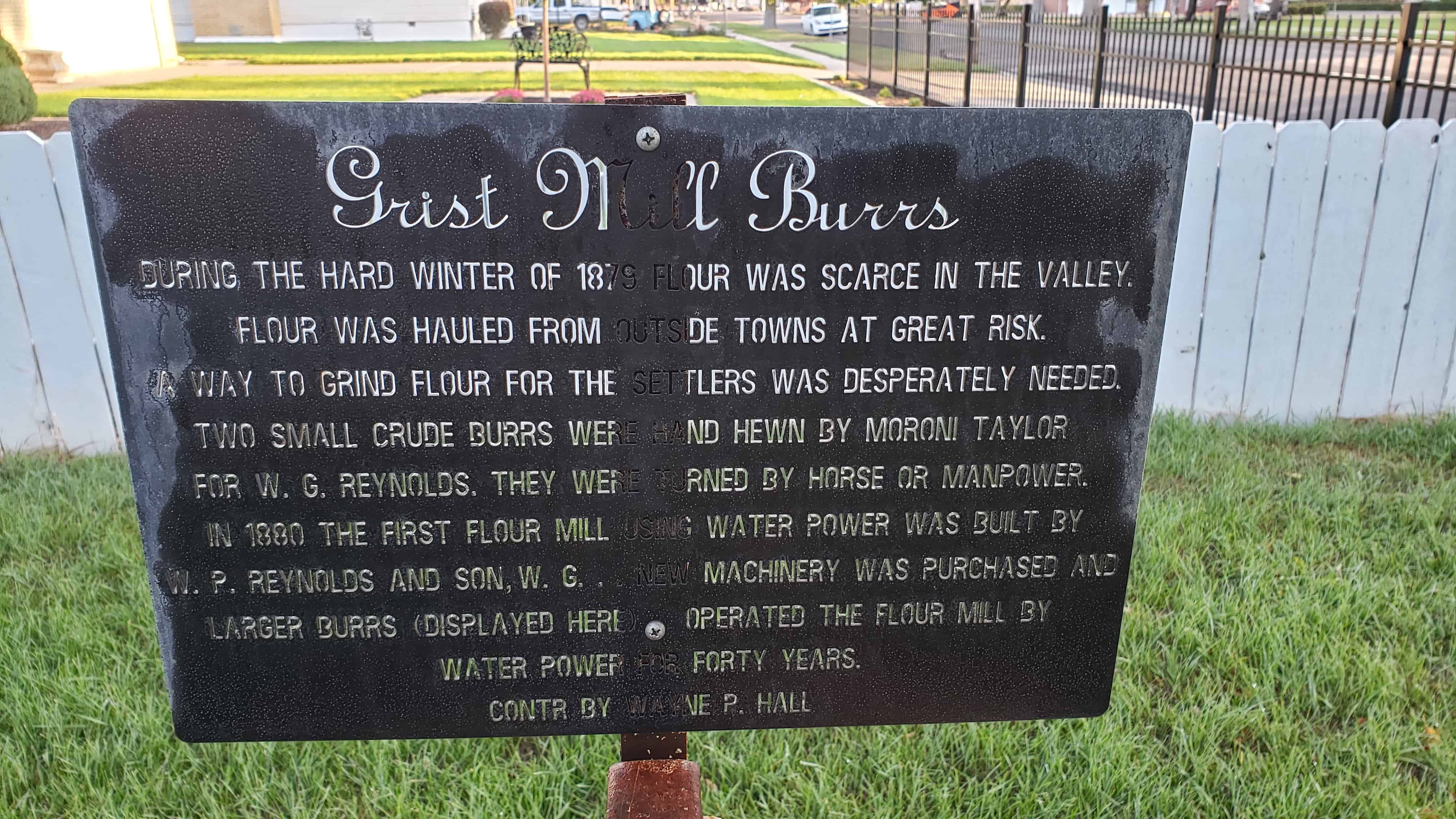
Grist Mill Burrs

07 Friday Jan 2022

Posted by Jacob Barlow in Uncategorized

≈ Leave a comment

Tags

Flour Mills, Grist Mills, Mills

Located outside the Vernal DUP Museum at the old Tithing Office.

During the hard winder of 1879 flour was scarce in the valley. Flour was hauled from outside towns at great risk. A way to grind flour for the settlers was desperately needed. Two small crude burrs were hand hewn by Moroni Taylor for W.G. Reynolds, they were turned by horse or manpower.

In 1880 the first flour mill using water power was built by W.P. Reynolds and son, W.G. New machinery was purchased and larger burrs (displayed here) operated the flour mill by water power for forty years.

First Flour Mill

16 Thursday Nov 2017

Posted by Jacob Barlow in Uncategorized

≈ 1 Comment

Tags

American Fork, Flour Mills, Historic Buildings, Historic Markers, Mills, utah, utah county

2017-11-11 12.45.04

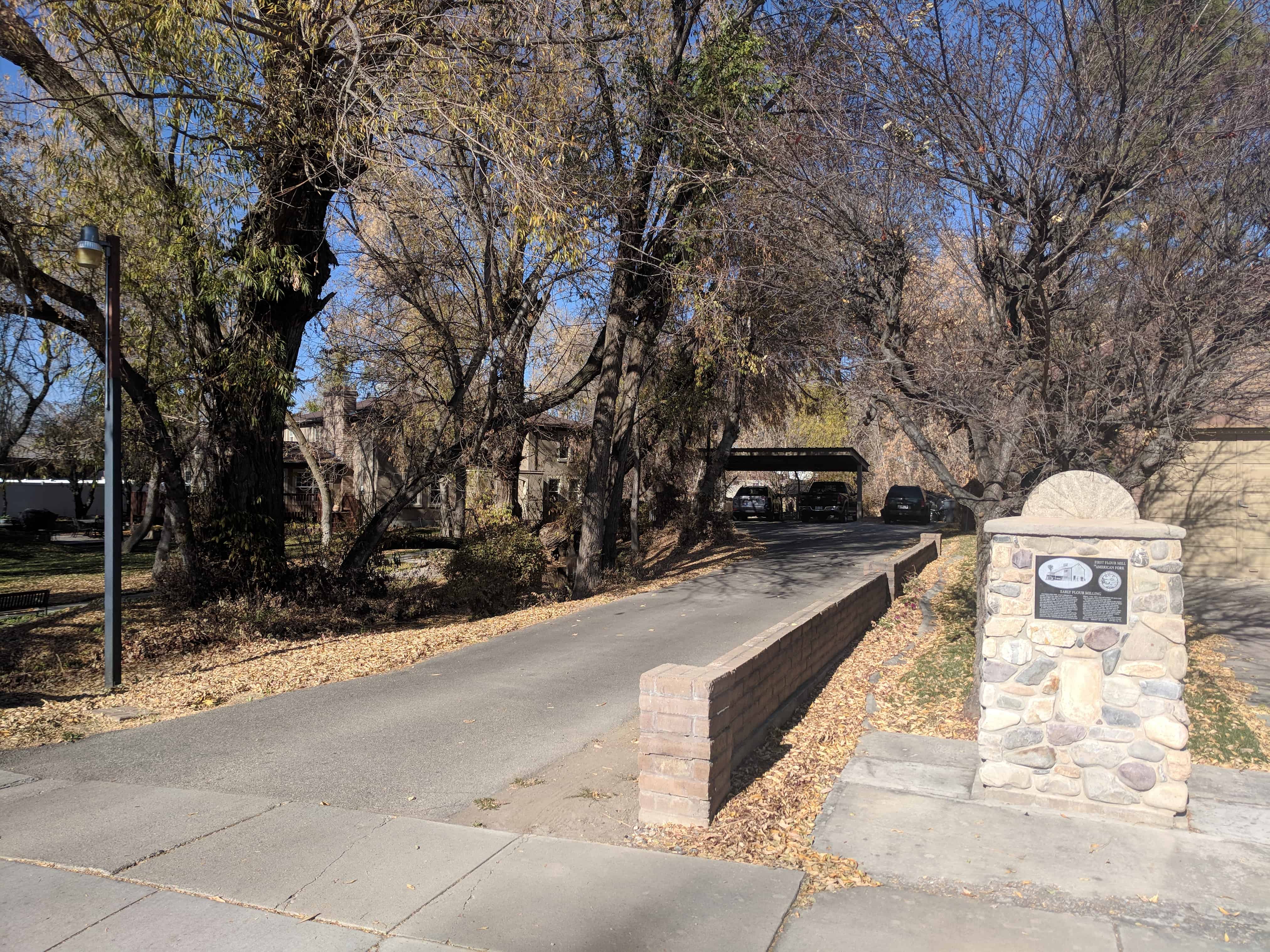
First Flour Mill, American Fork

Location: 49 East 200 North, American Fork, UT, on the same block where the second Arza Adams mill was located next to the millstream.

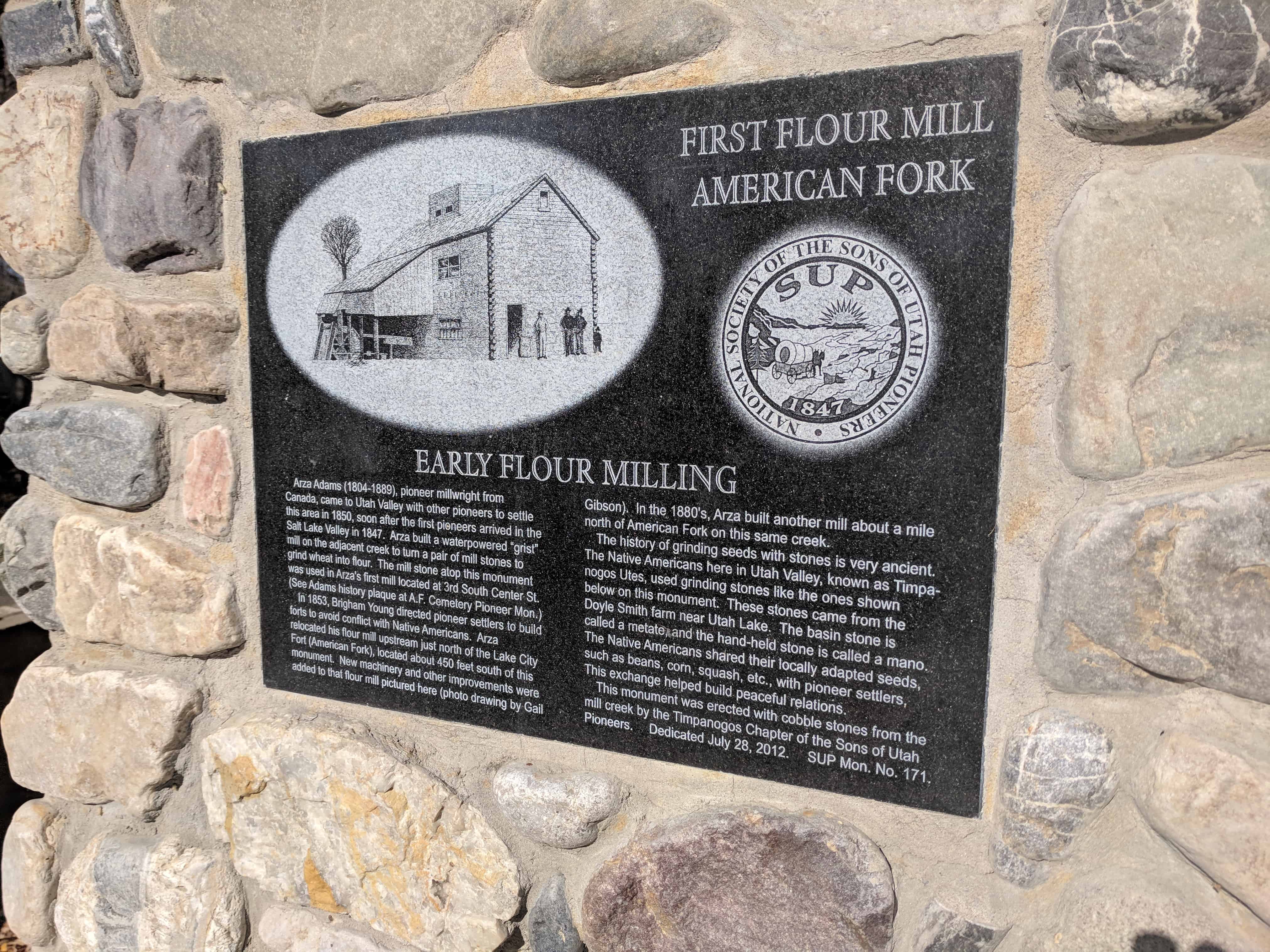
EARLY FLOUR MILLING

Arza Adams (1804-1889), pioneer millwright from Canada, came to Utah Valley with other pioneers to settle this area in 1850, soon after the first pioneers arrived in the Salt Lake Valley in 1847. Arza built a waterpowered “grist” mill on the adjacent creek to turn a pair of mill stones to grind wheat into flour. The mill stone atop this monument was used in Arza’s first mill located at 3rd South Center St. (See Adams history plaque at A.F. Cemetery Pioneer Mon.)

In 1853, Brigham Young directed pioneer settlers to build forts to avoid conflict with Native Americans. Arza relocated his flour mill upstream just north of the Lake City Fort (American Fork), located about 450 feet south of this monument. New machinery and other improvements were added to that flour mill pictured here (photo drawing by Gail Gibson). In the 1880’s Arza built another mill about a mile north of American Fork on this same creek.

The history of grinding seeds with stones is very ancient. The Native Americans here in Utah Valley, known as Timpanogos Utes, used grinding stones like the ones shown below this monument. These stones came from the Doyle Smith farm near Utah Lake. The basin stone is called a metate, and the hand-held stone is called a mano. The Native Americans shared their locally adapted seeds, such as beans, corn, squash, etc., with pioneer settlers. This exchange helped build peaceful relations.

This monument was erected with cobble stones from the mill creek by the Timpanogos Chapter of the Sons of Utah Pioneers. Dedicated July 28, 2012. SUP Mon. No. 171.

See other historic markers in the series on this page for SUP Markers.

2017-11-11 12.45.18

2017-11-11 12.45.12

Follow Jacob

Follow Jacob

Blog Stats

  • 2,031,310 hits

Social and Other Links

BarlowLinks.com

Recent Posts

  • This is the Place State Park
  • Eyes Westward
  • Wellsville Relief Society Meetinghouse
  • Angels Are Near Us
  • Hiram Clawson Silver

Archives


Loading Comments...