

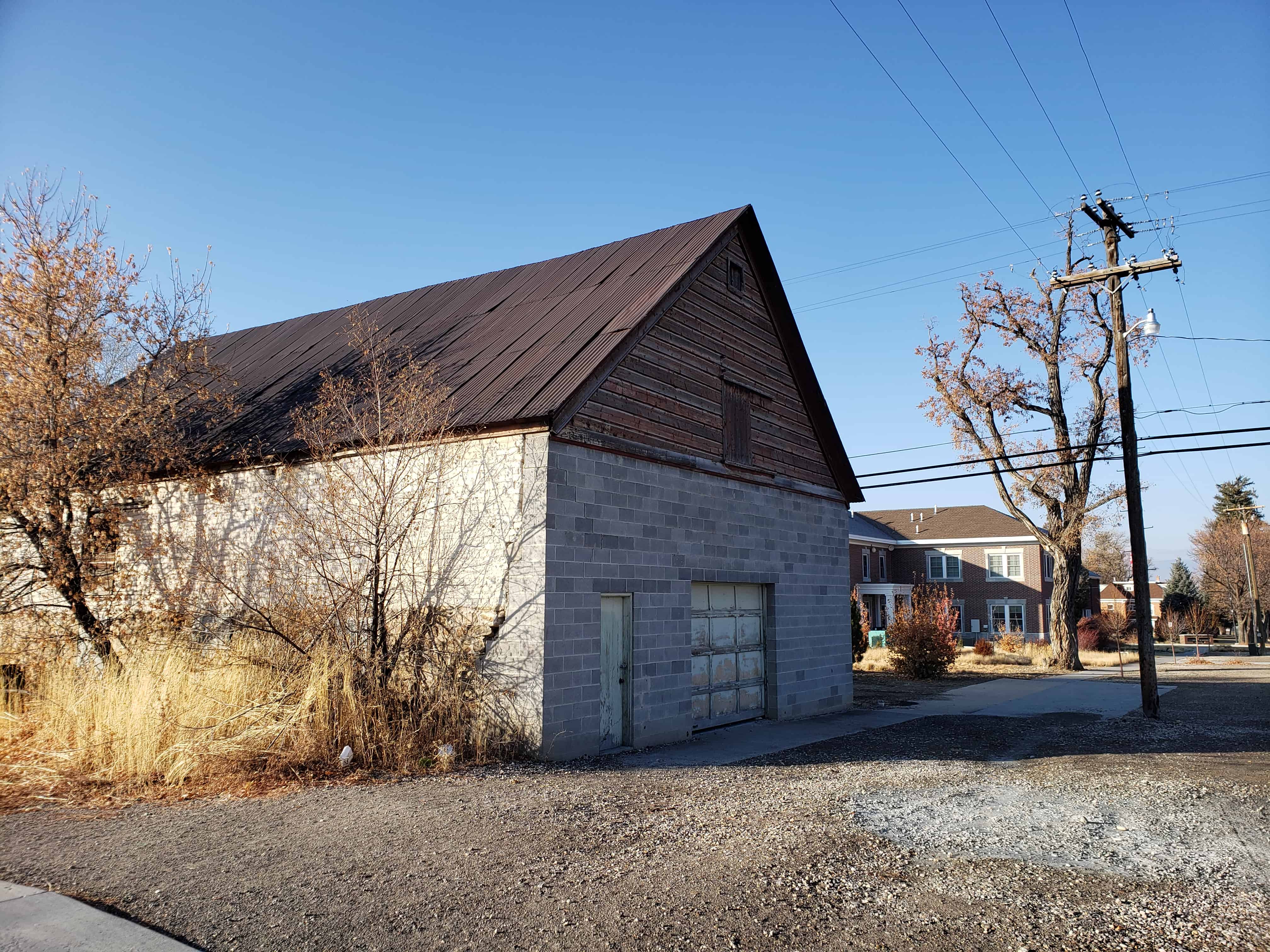
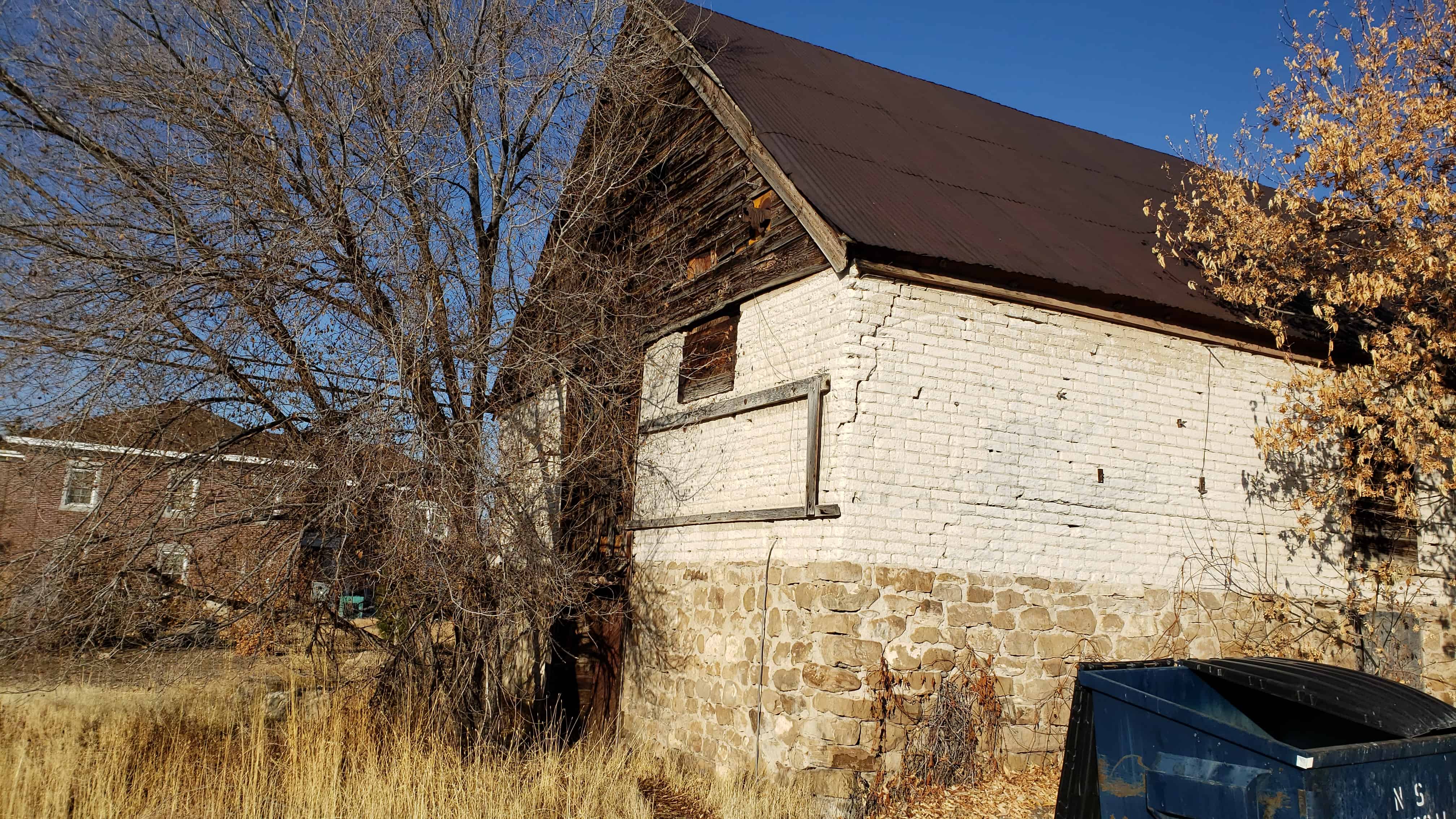
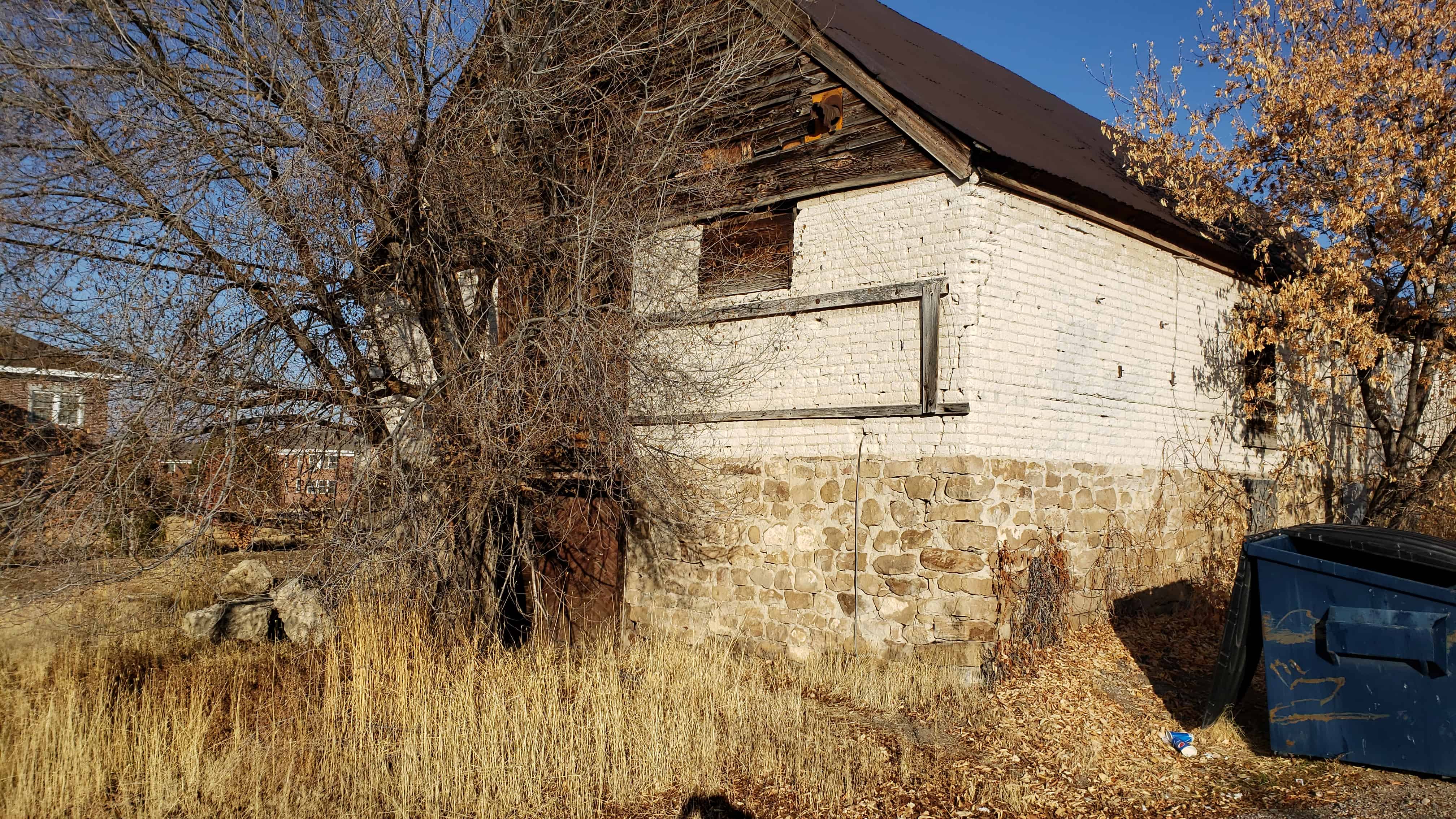
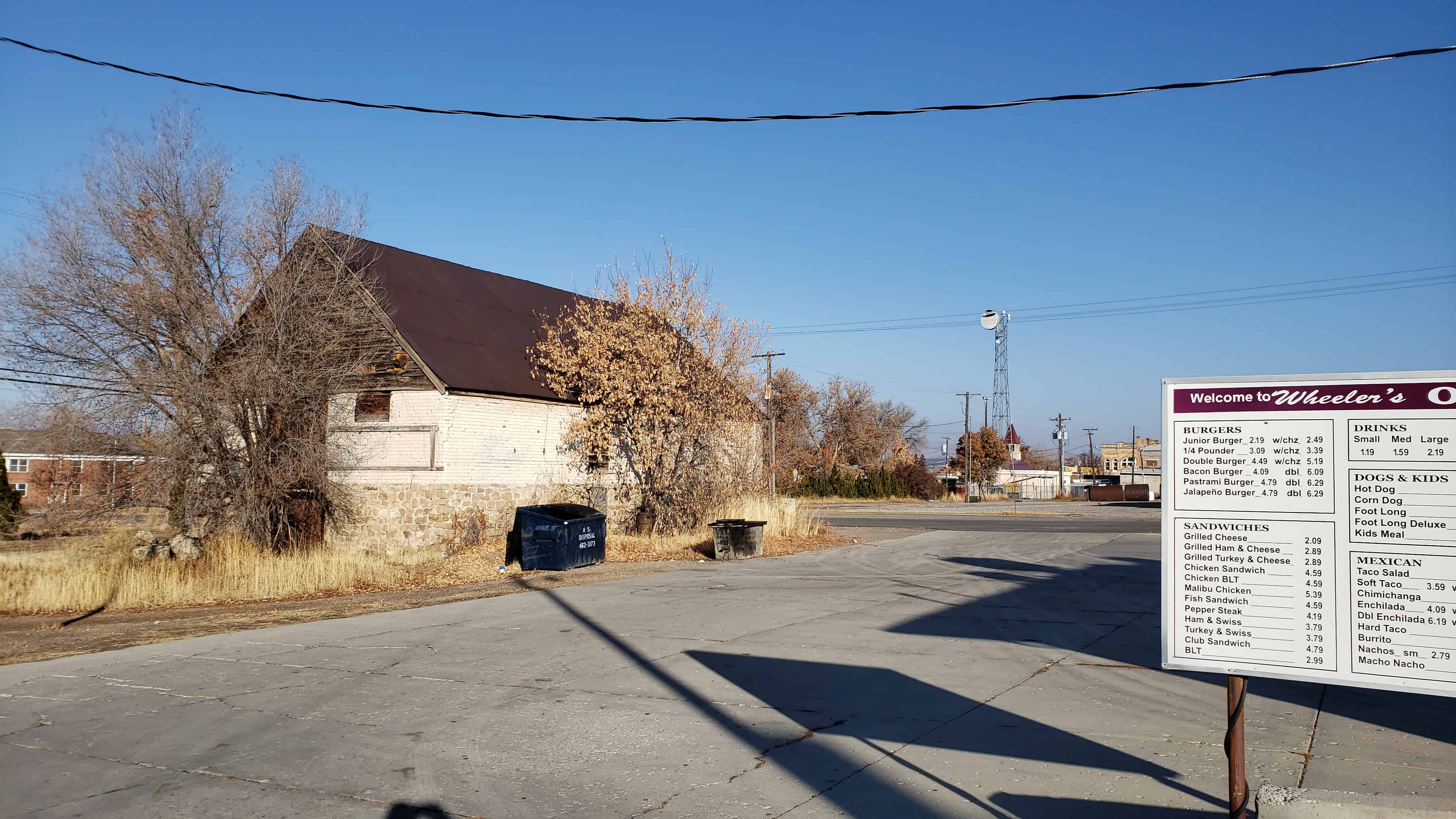
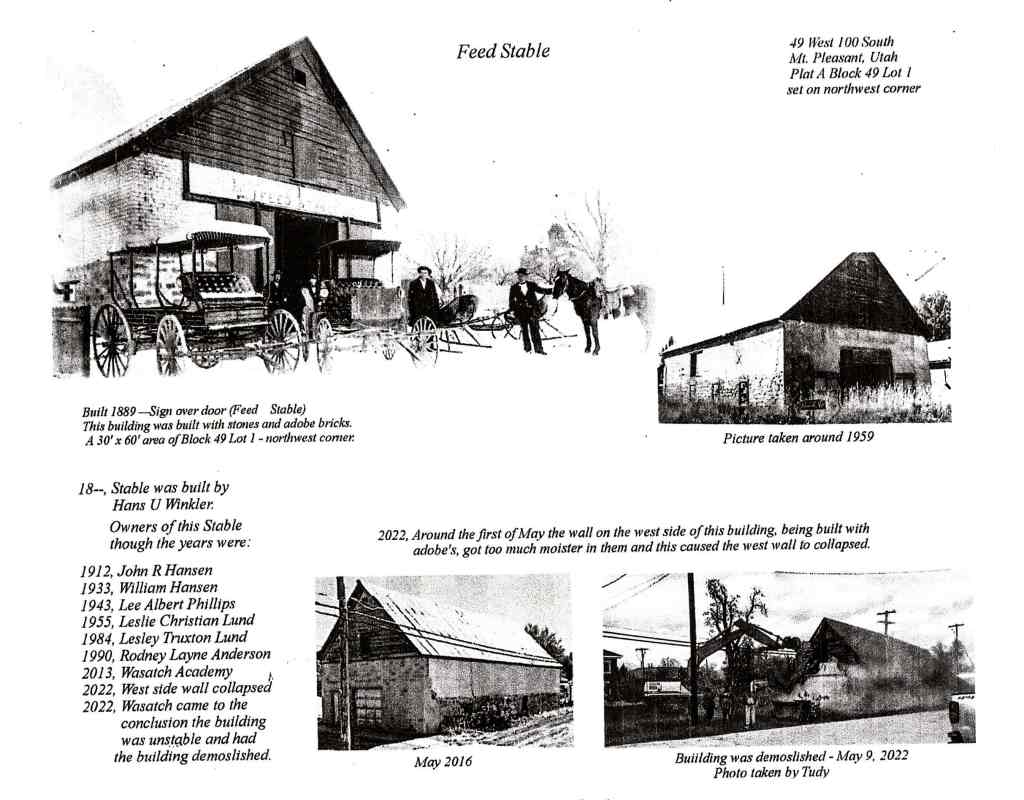
Located on 100 South, just west of State St in Mt Pleasant, Utah is this feed stable that was previously used by the National Guard Calvary.
Related Posts:
- Mount Pleasant, Utah

This infographic was borrowed from this page:

22 Saturday Feb 2020
Posted in Uncategorized
Located on 100 South, just west of State St in Mt Pleasant, Utah is this feed stable that was previously used by the National Guard Calvary.
Related Posts:
This infographic was borrowed from this page:
17 Monday Feb 2020
Posted in Uncategorized
Tags

The Merz Fountain in Mt Pleasant
Adolph and Hyrum Merz learned how to carve stone monuments Switzerland and made the cemetery fountain for Mt Pleasant, Utah.
It was made to look like a tree stump and was very detailed. They did it free of charge for their community and it was admired by many. It was later moved from the cemetery to the front yard of the Relic Home.
The plaque on the fountain says:
This water fountain carved in stone from the hills north of Moroni, Utah was made by Hyrum and Adolph Merz and presented by them to the City of Mt. Pleasant, Utah in 1901.


11 Tuesday Feb 2020
Posted in Uncategorized
Tags
Mt Pleasant, Sanpete County, Signs, utah, Vintage, Vintage Signs

Another vintage neon sign I noticed and liked, check out this page for others.
This is located at the historic Dental Office Building in downtown Mt Pleasant, Utah.


30 Thursday Jan 2020
Posted in Uncategorized
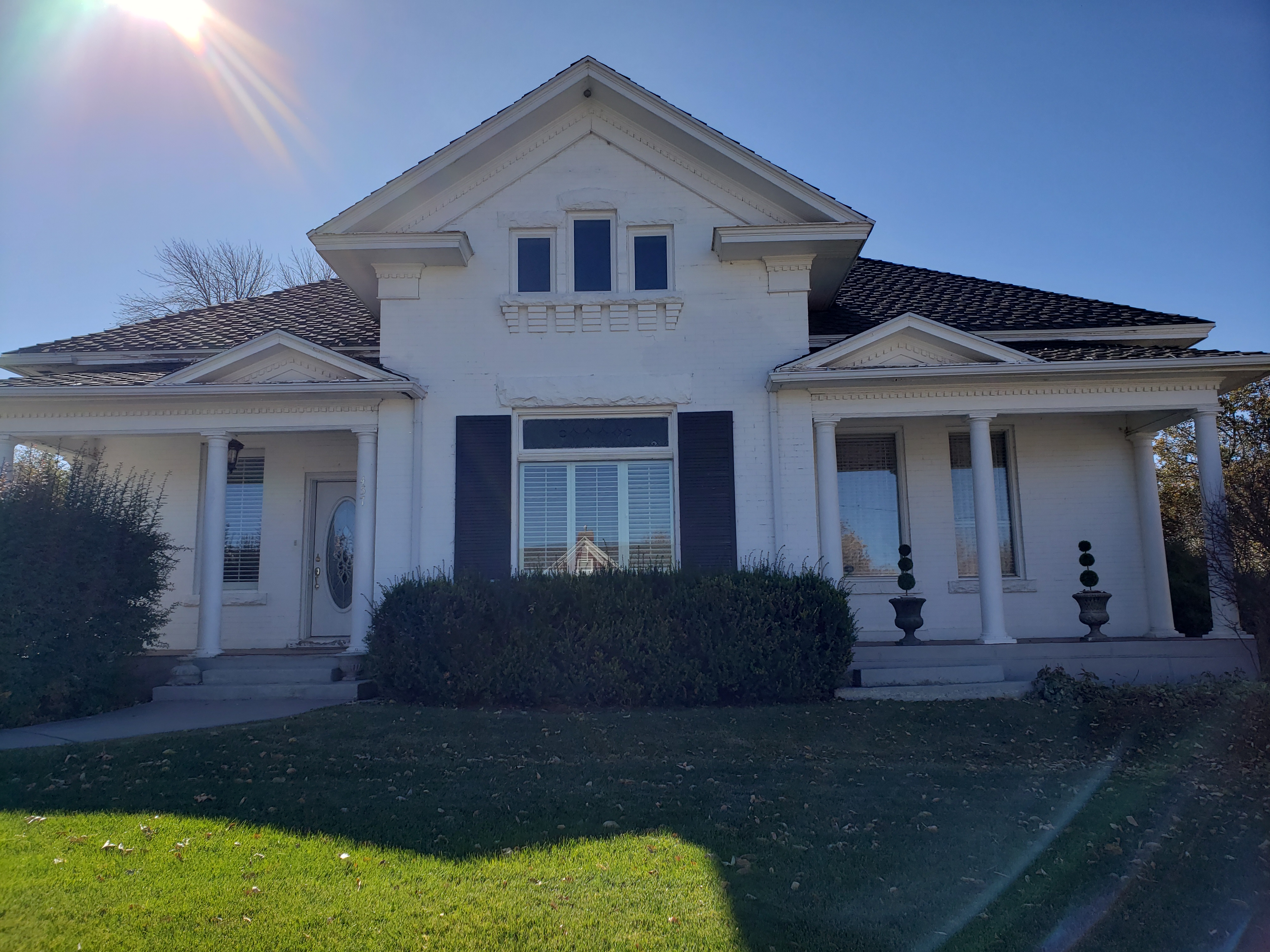
James Simpson House
457 West Main
Mt. Pleasant, UT 84647
Constructed c. 1910 for James Simpson, the walls of this double-cross-wing, symmetrical home are three bricks thick. Its facade eclectically combines classical formalism and details, though it is neither fully Neo-classical nor entirely Victorian.
Builders Brandt and Jacobsen used a cement foundation filled with rock, the first in Mt. Pleasant. Locals stood around watching and speculating that it would never last, but today no cracks can be found. The second story is unfinished; the front is unchanged, except for replacing doors on the front porch with windows.
Mr. Simpson died in 1918 during the flu epidemic. Local residents, fearing the ravages of the flu, wanted nothing to do with anything that had come in contact with the disease. Simpson’s body was passed from the back bedroom through the window and laid out on the front lawn, then placed in a coffin and the lid nailed shut. Just at this time, James Monsen was passing by. Unafraid, he went into the house, took Simpson’s nine-year-old daughter Dorothy on his lap and comforted her by explaining what was happening.
In 1932 Willis N. and Louise F. Madsen Purchased the house from Simpson’s daughter Eva and added a screen porch to the back. After Willis’ death in 1932, Louise married Justus O. Seely, then the mayor of Mt. Pleasant.(*)
Related Posts:


20 Monday Jan 2020
Posted in Uncategorized

Built in 1908, the Lars Christian Rasmussen and Ceceila Johansen home is at 469 West Main Street in Mount Pleasant, Utah
Related Posts:


This great timeline and these photos of Lars and Cecelia are from MtPleasantPioneer.

07 Thursday Nov 2019
Posted in Uncategorized
Tags
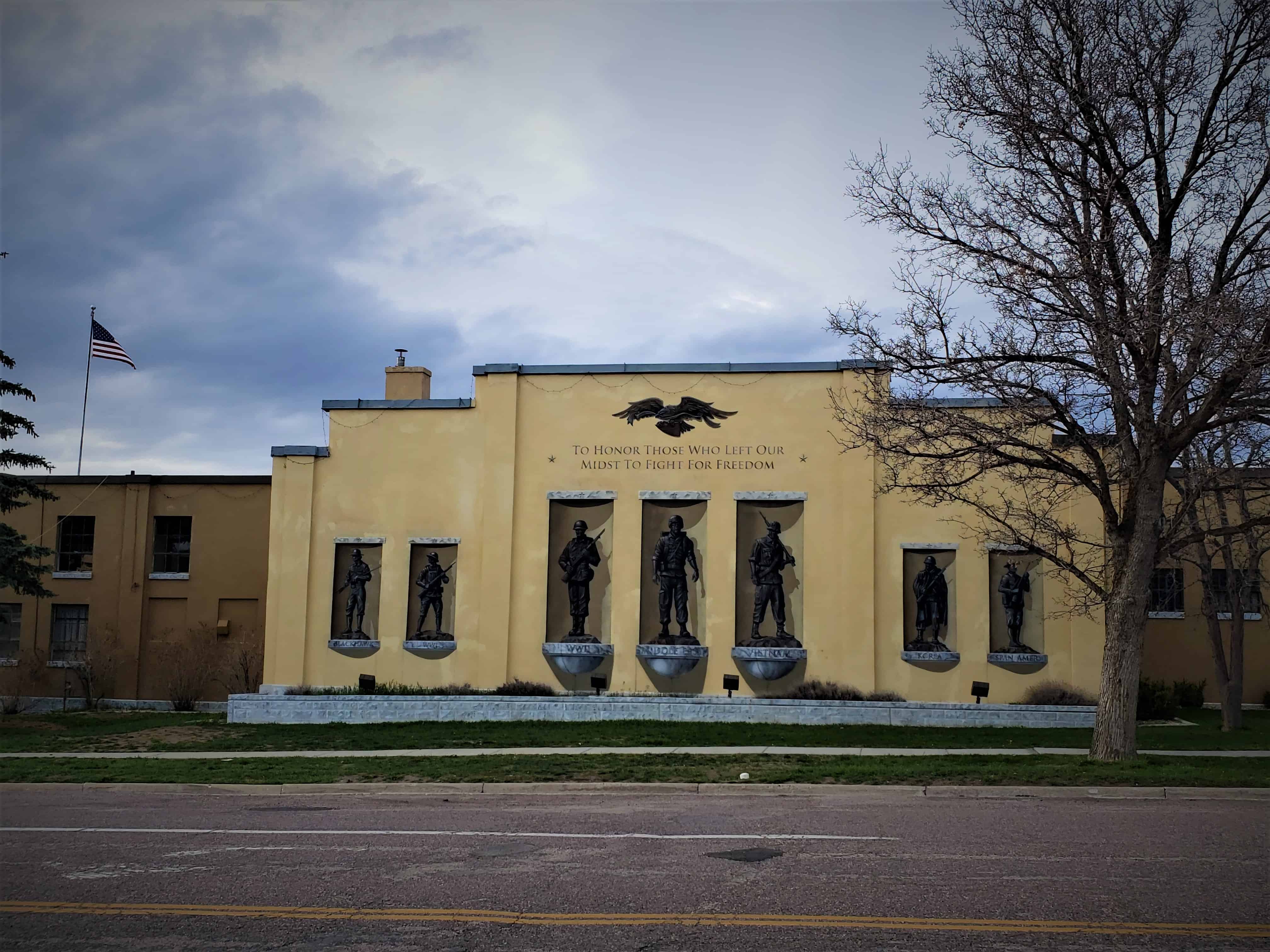
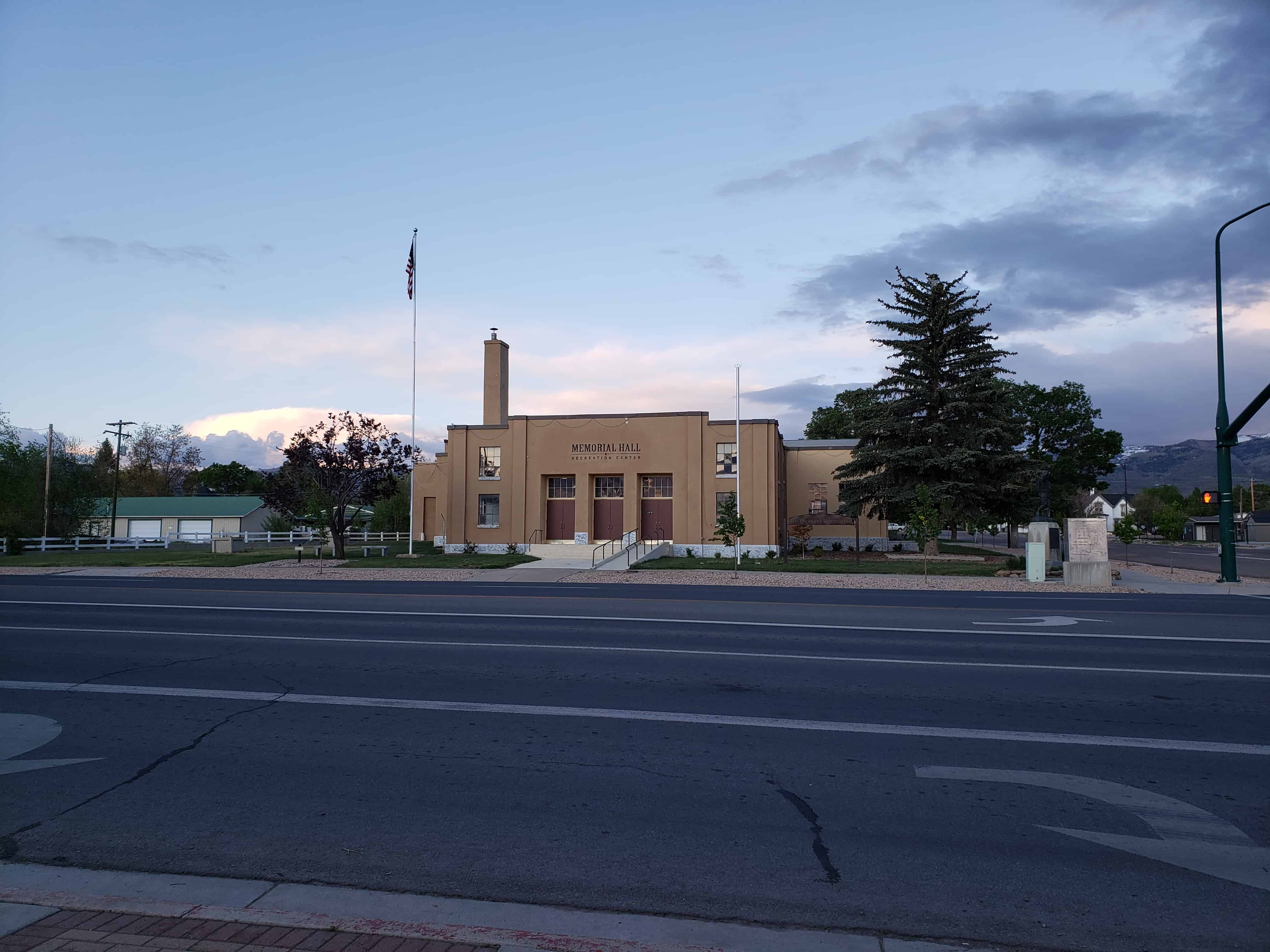
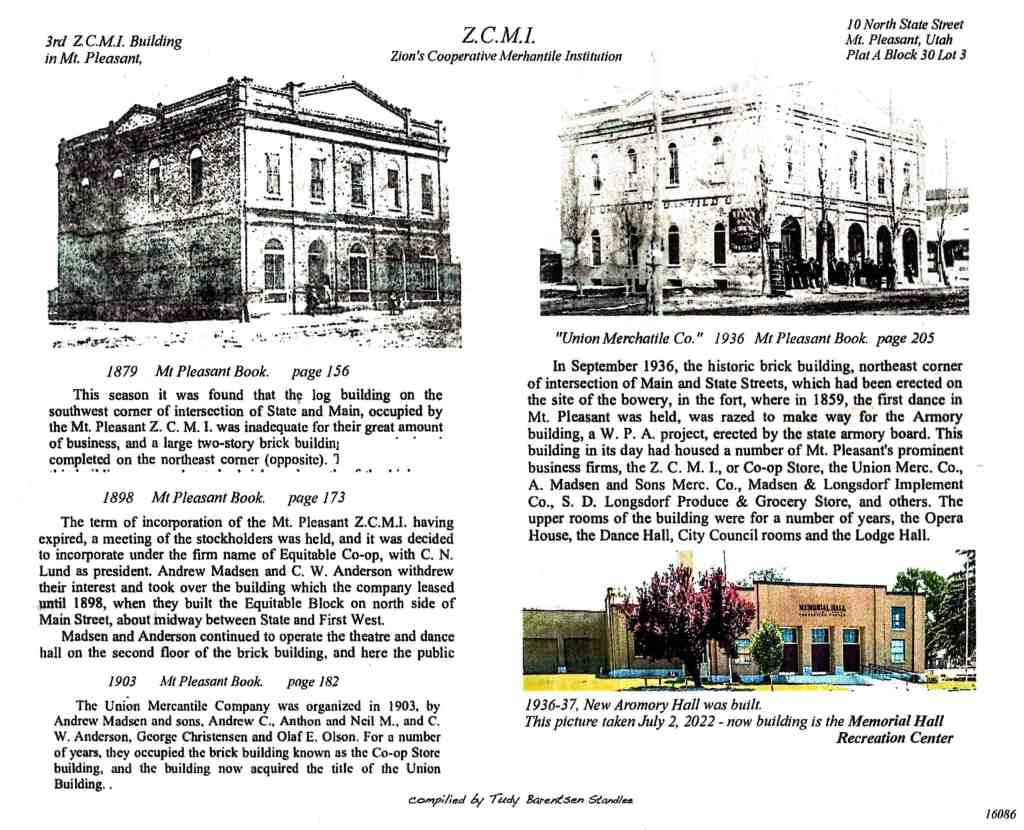
Mt. Pleasant National Guard Armory
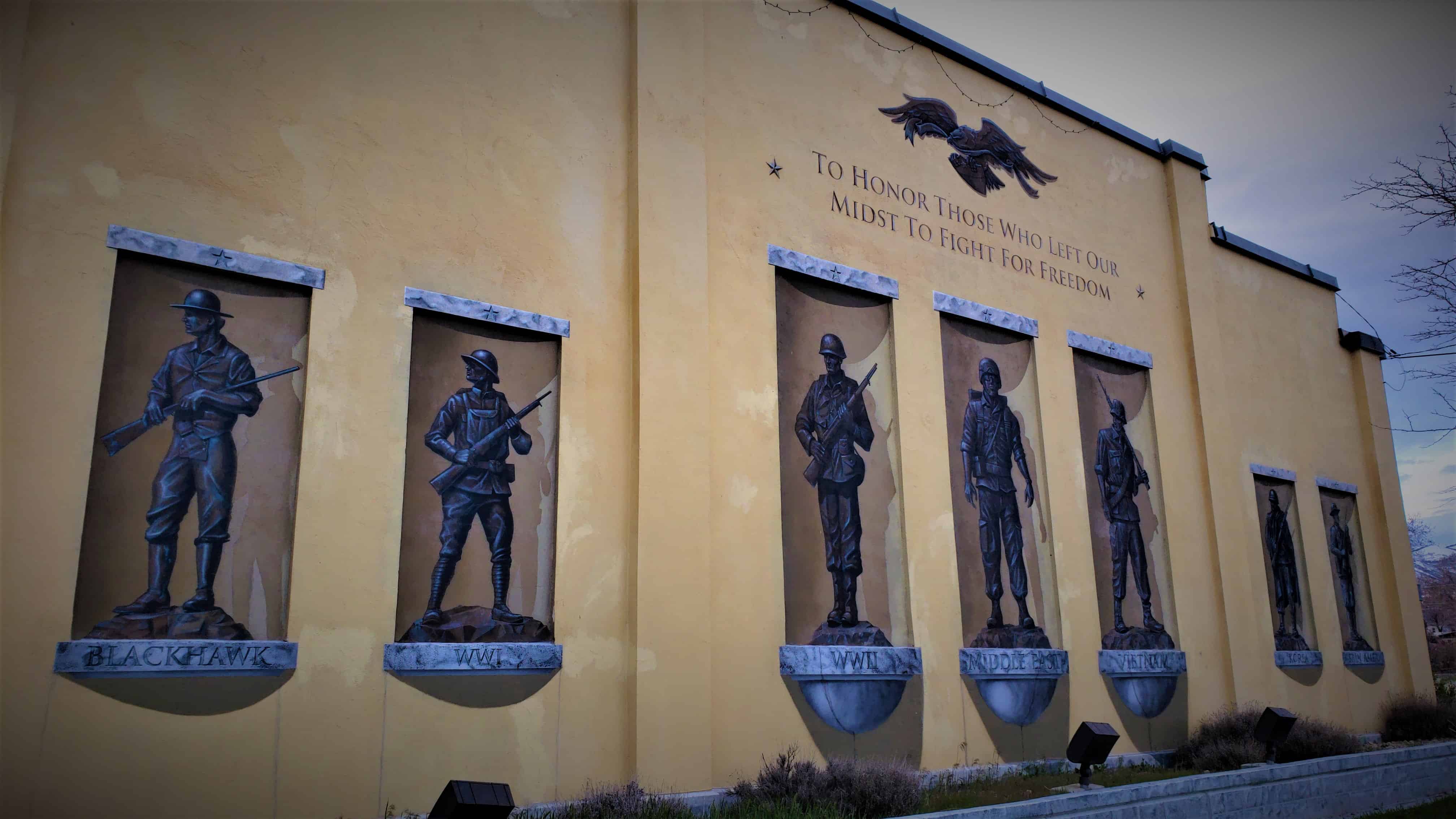
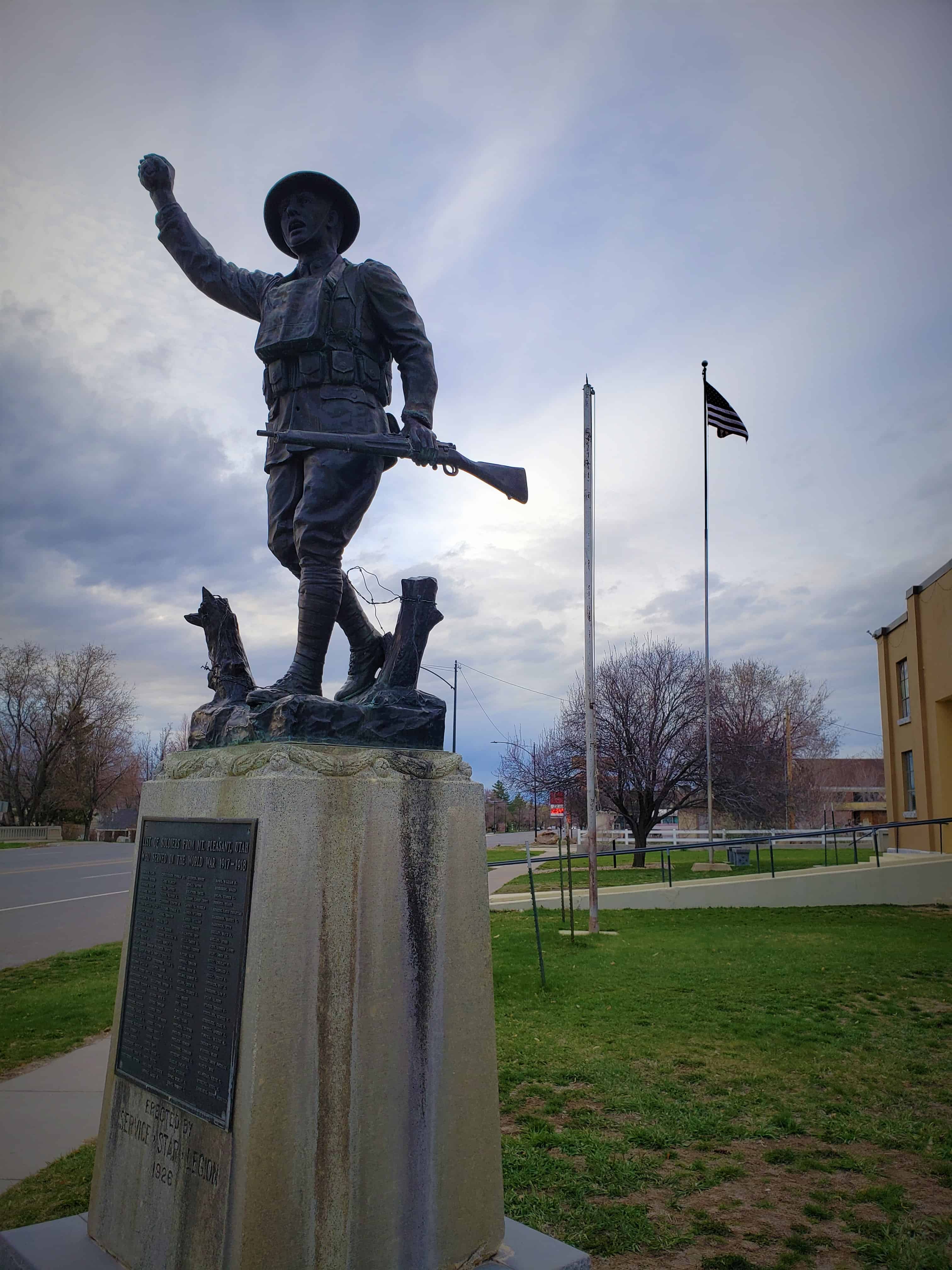
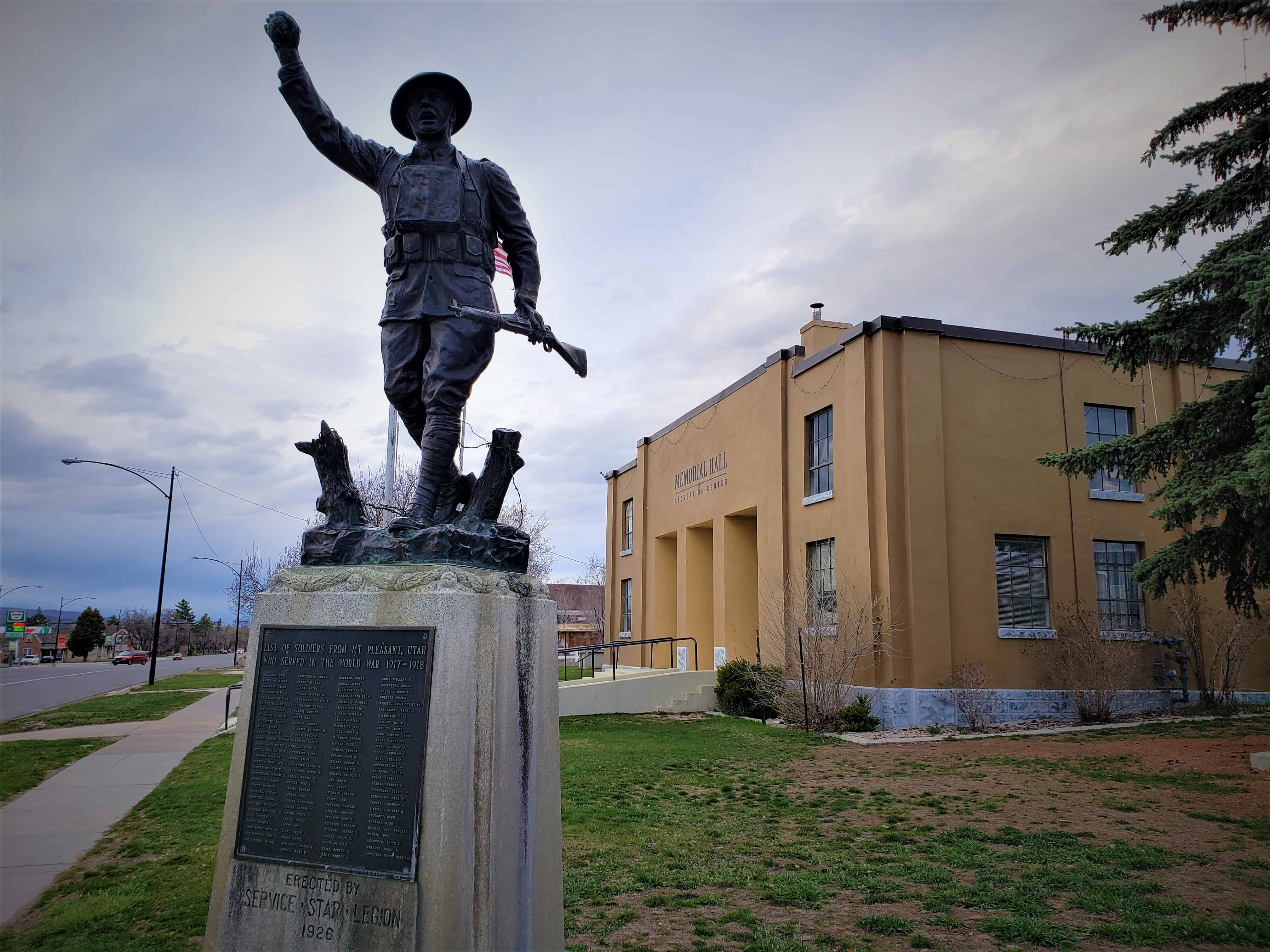
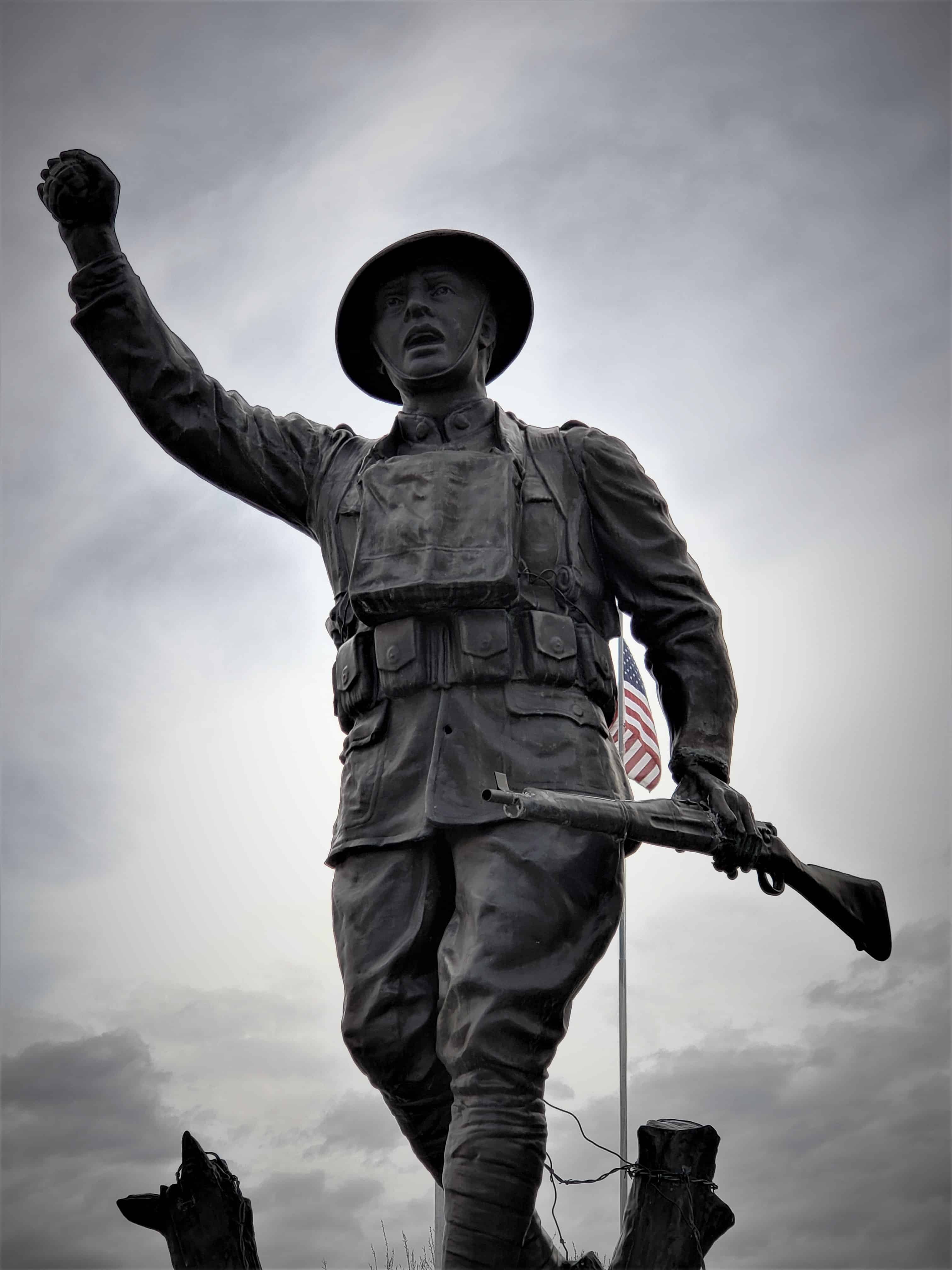
Built by Architects Niels P. Larsen and G.W. Brand. This building was in bad need of repair and has now had a significant face lift and is a Military memorial. The building was being used as a community recreation center, but the property was in terrible shape.
With the help of a federal grant and professional artists Bryan Spencer, Dean Kleven, and Jason Quinn, the armory now displays a larger-than-life mural of seven U.S. soldiers.(*)
Related Posts:
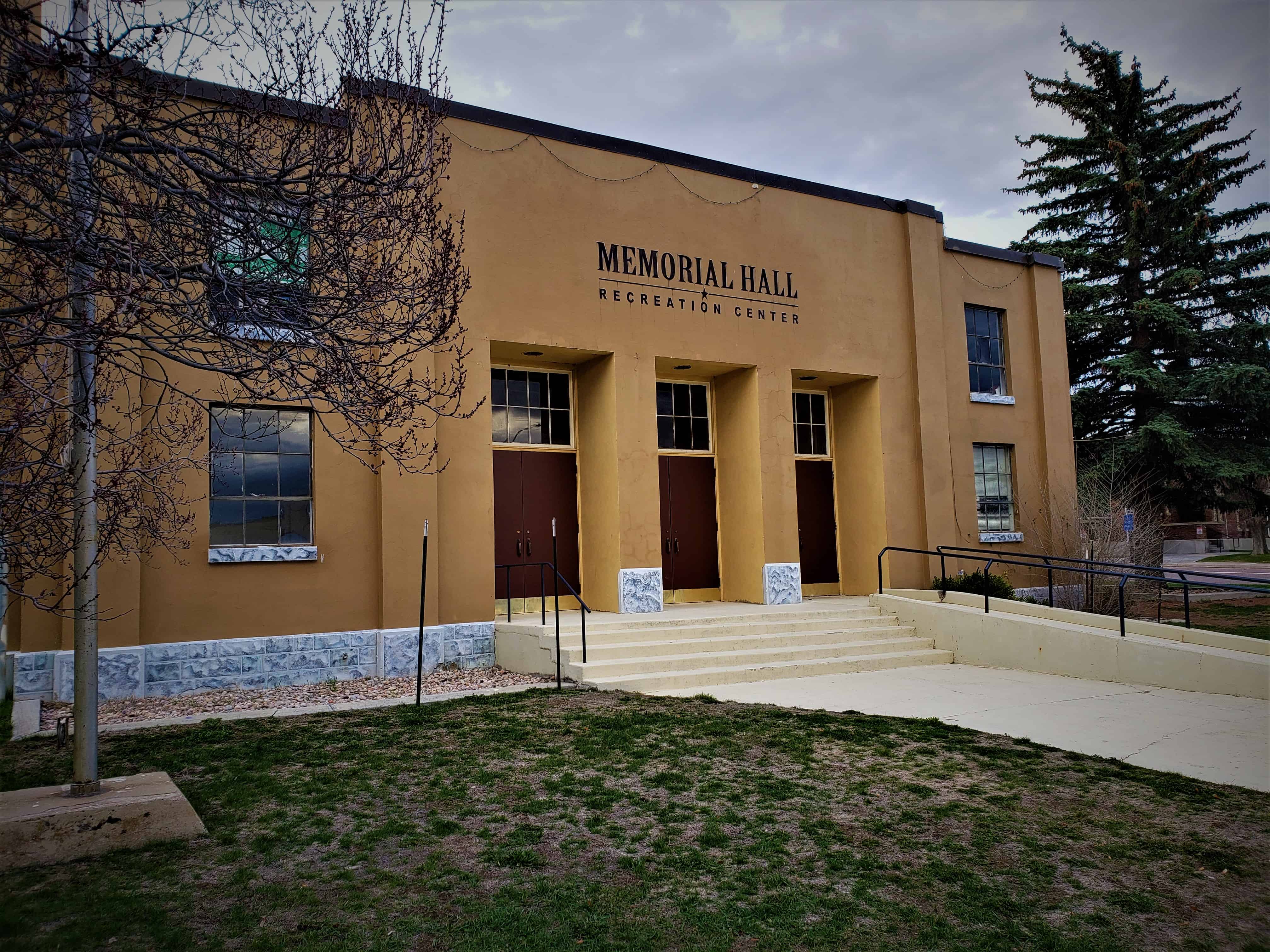

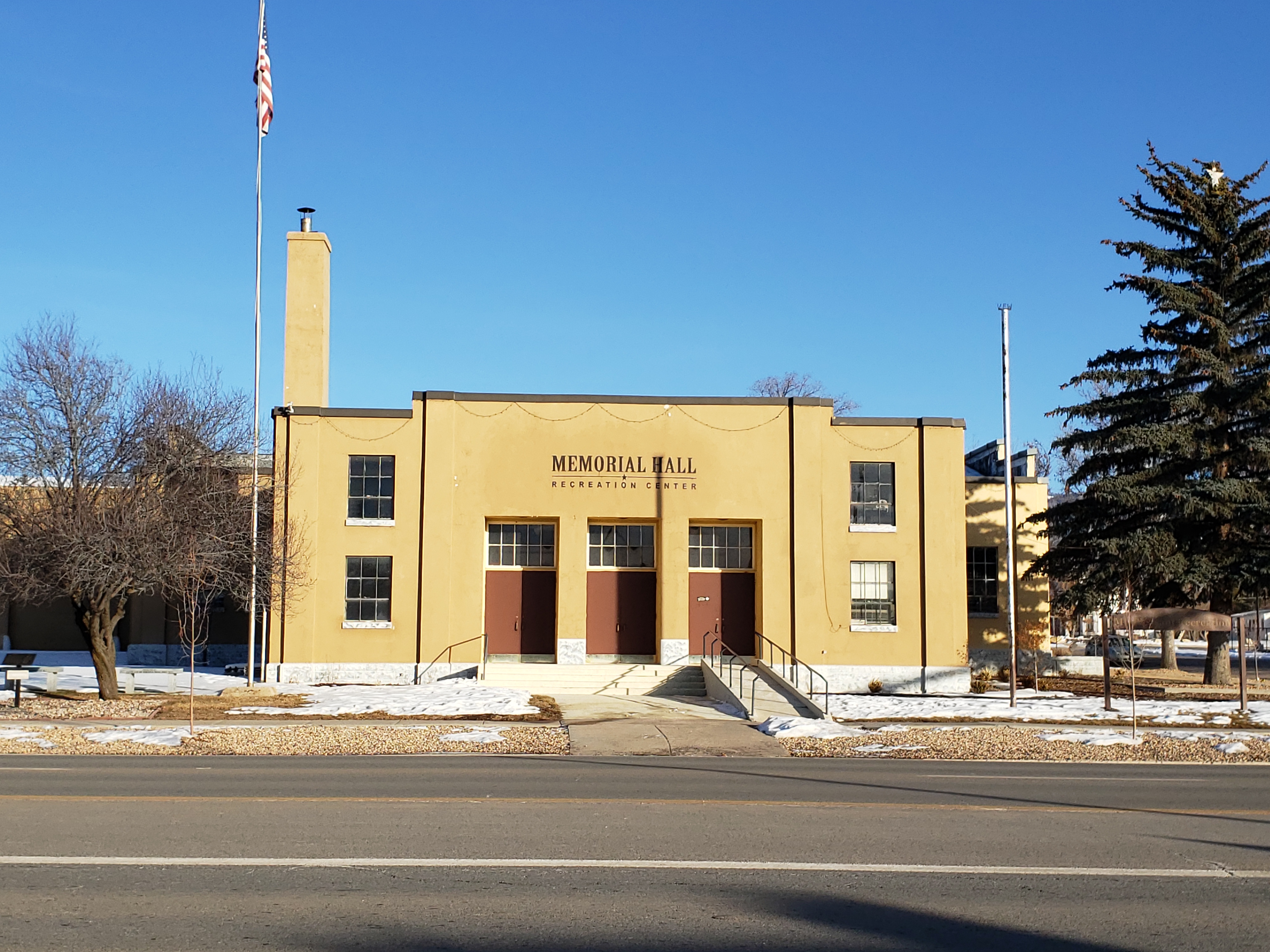

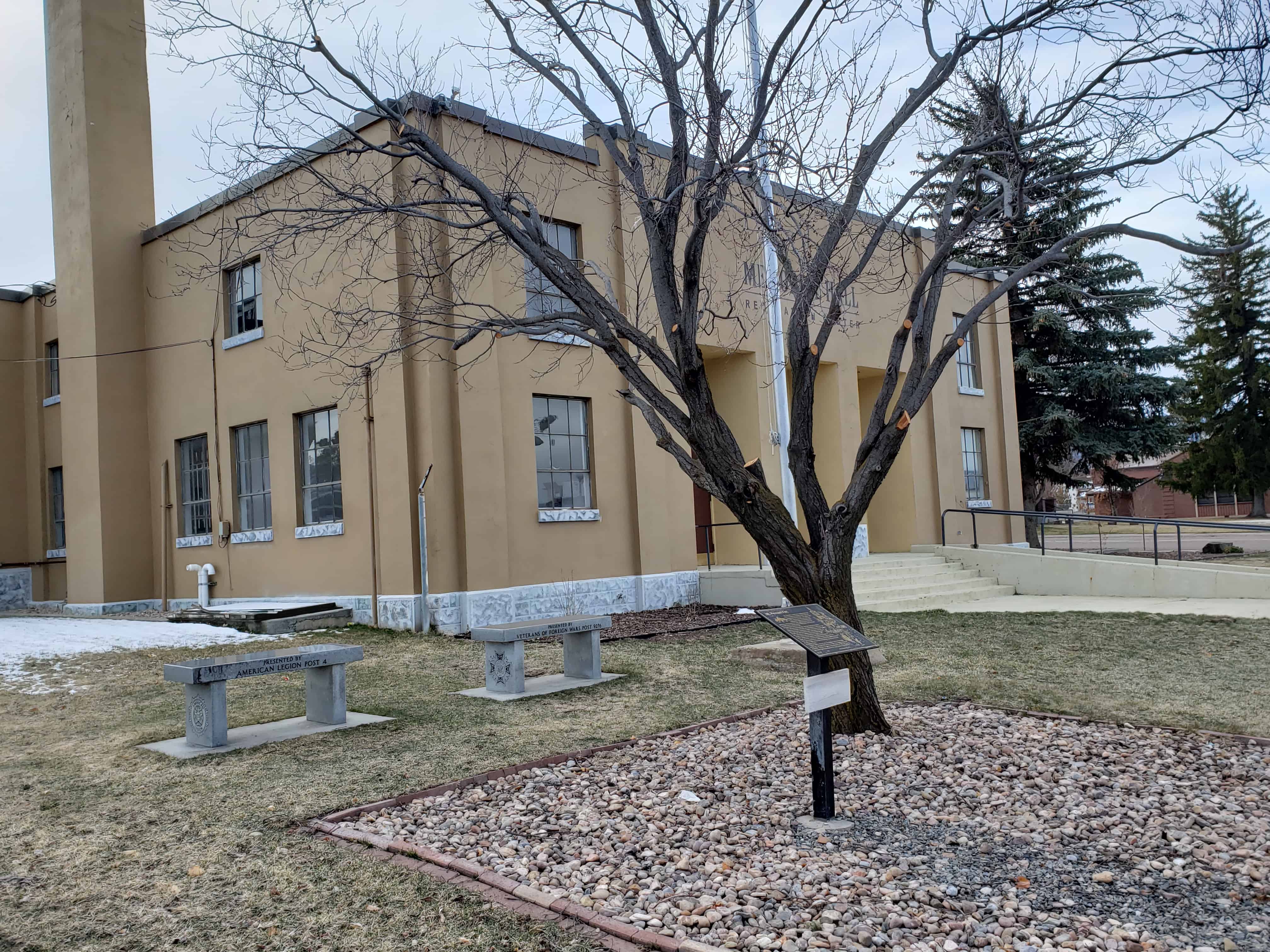
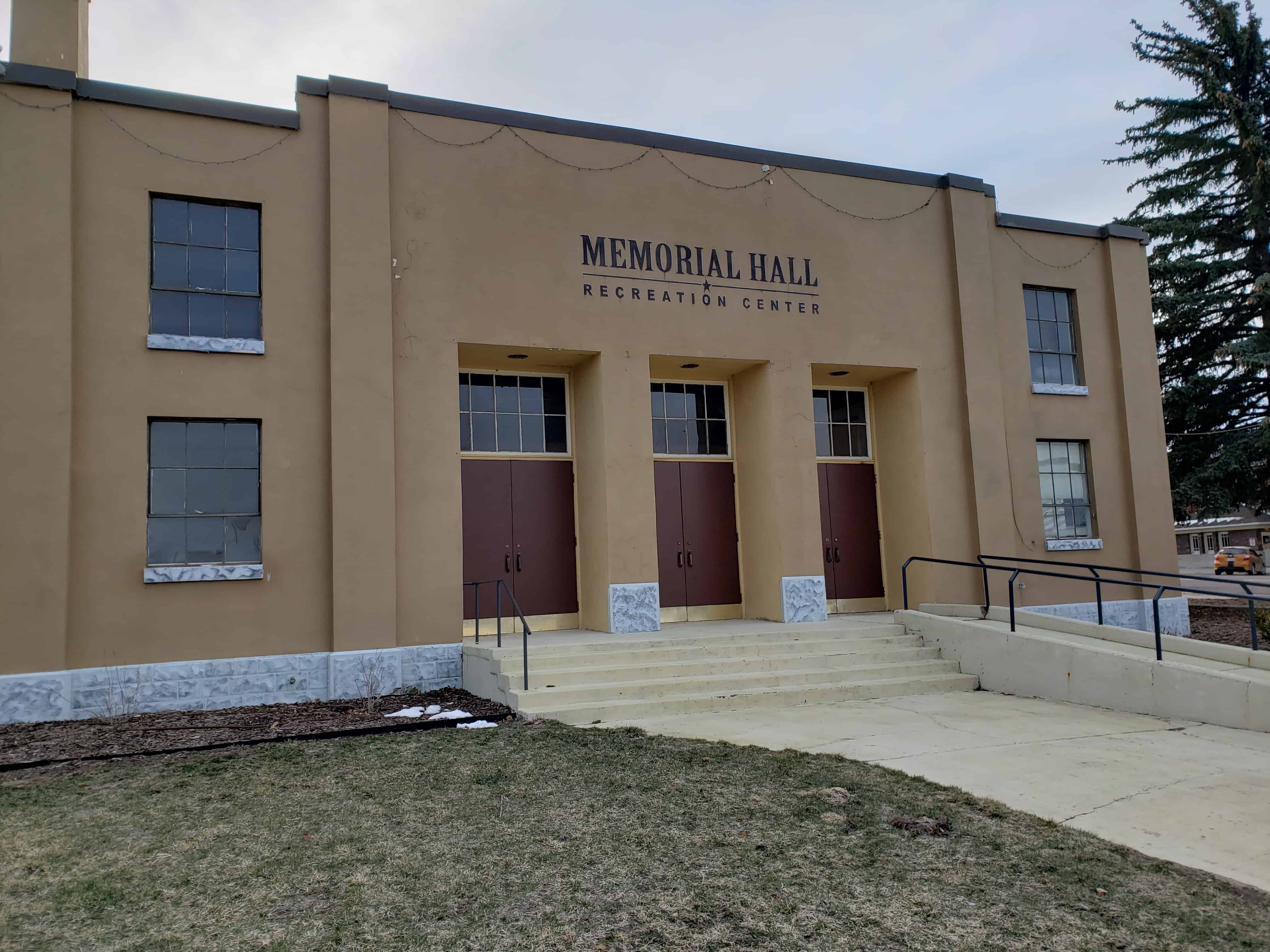


This infographic was borrowed from this page:
02 Wednesday Oct 2019
Posted in Uncategorized
Tags
Historic Buildings, Historic Churches, Mt Pleasant, NRHP, Presbyterian, Presbyterian Churches, Sanpete County, utah

First Presbyterian Church of Mt. Pleasant
This late Gothic Revival style building, which features a Norman tower and Tudor window and door bays, was listed in the National Register of historic Places in 1978 as part of the Wasatch Academy Historic District. Duncan J. McMillan, educator and minister of the Presbyterian Church, founded the Wasatch Academy the following month.
The Church and the Academy made important contributions in helping develop a “free school” system, the precursor of Utah’s present public school system. This one-story brick building with cast-stone trim was built in 1922 and dedicated in 1925.
Related Posts:


The nomination form for listing Wasatch Academy on the National Historic Register includes this as one of the 21 contributing sites and says:
First Presbyterian Church, 1922. One-story brick and cast-stone trim building of the Late Gothic Revival Style. L-shaped plan; building features a Norman tower and Tudor window and door bays.