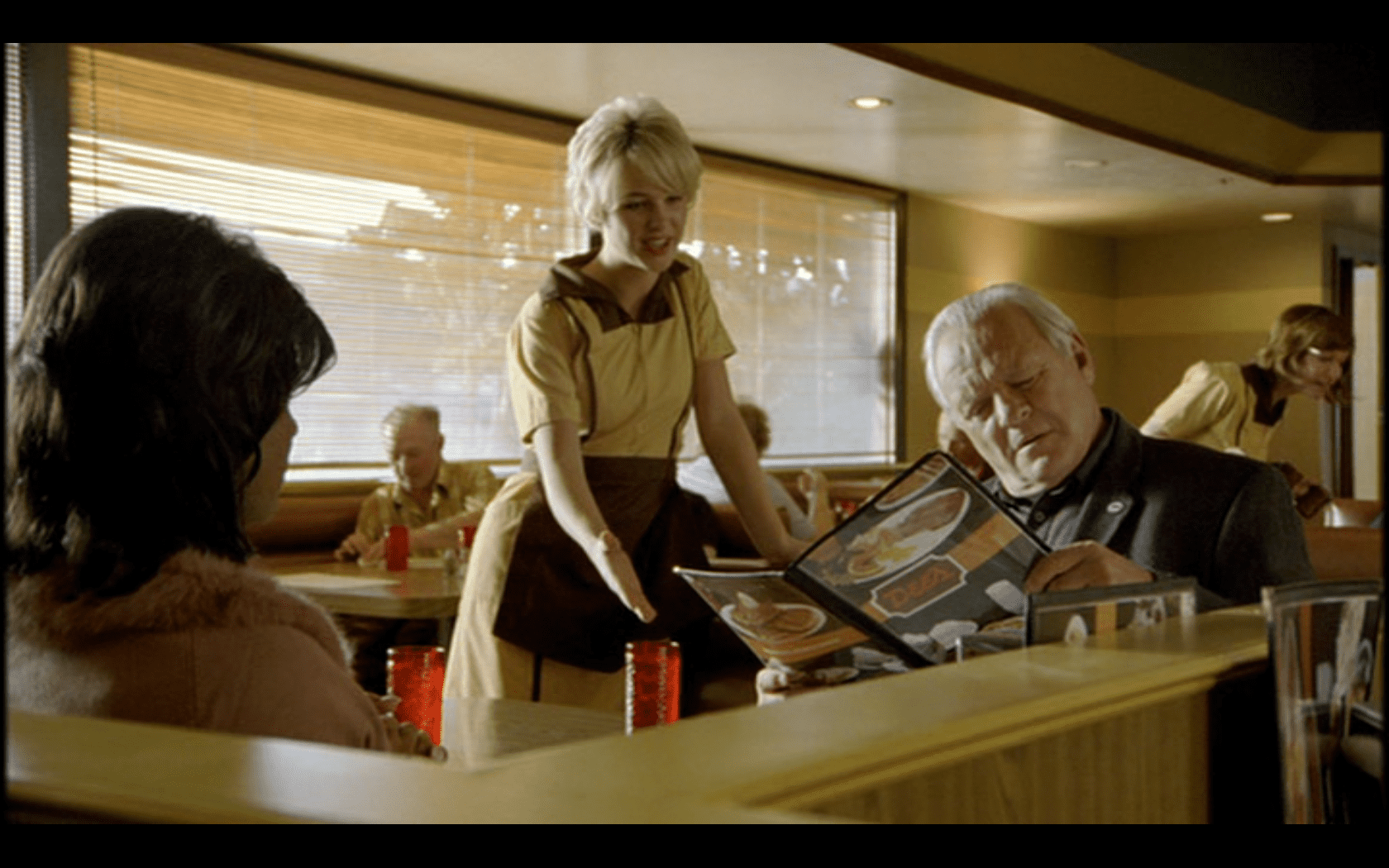
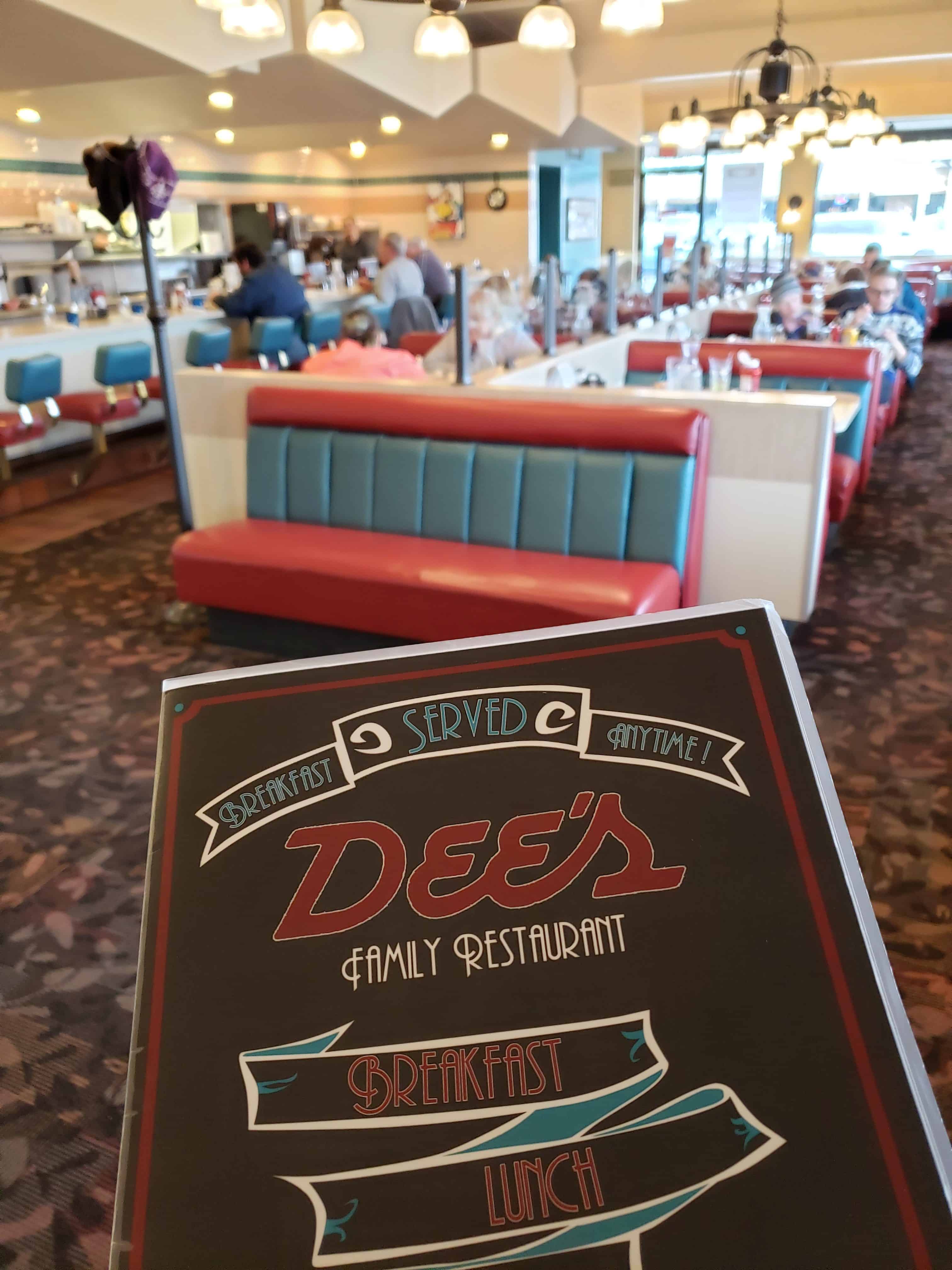
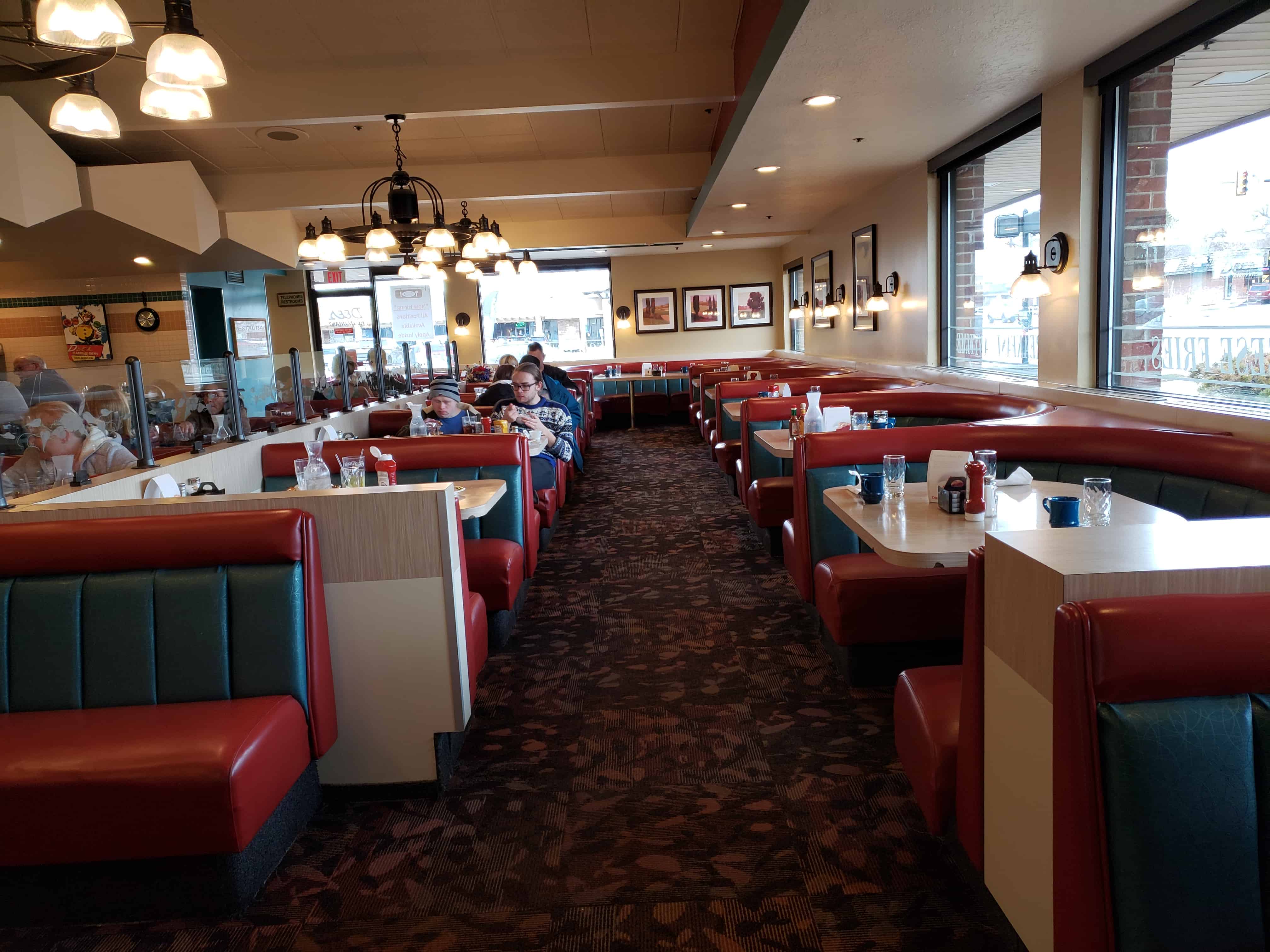
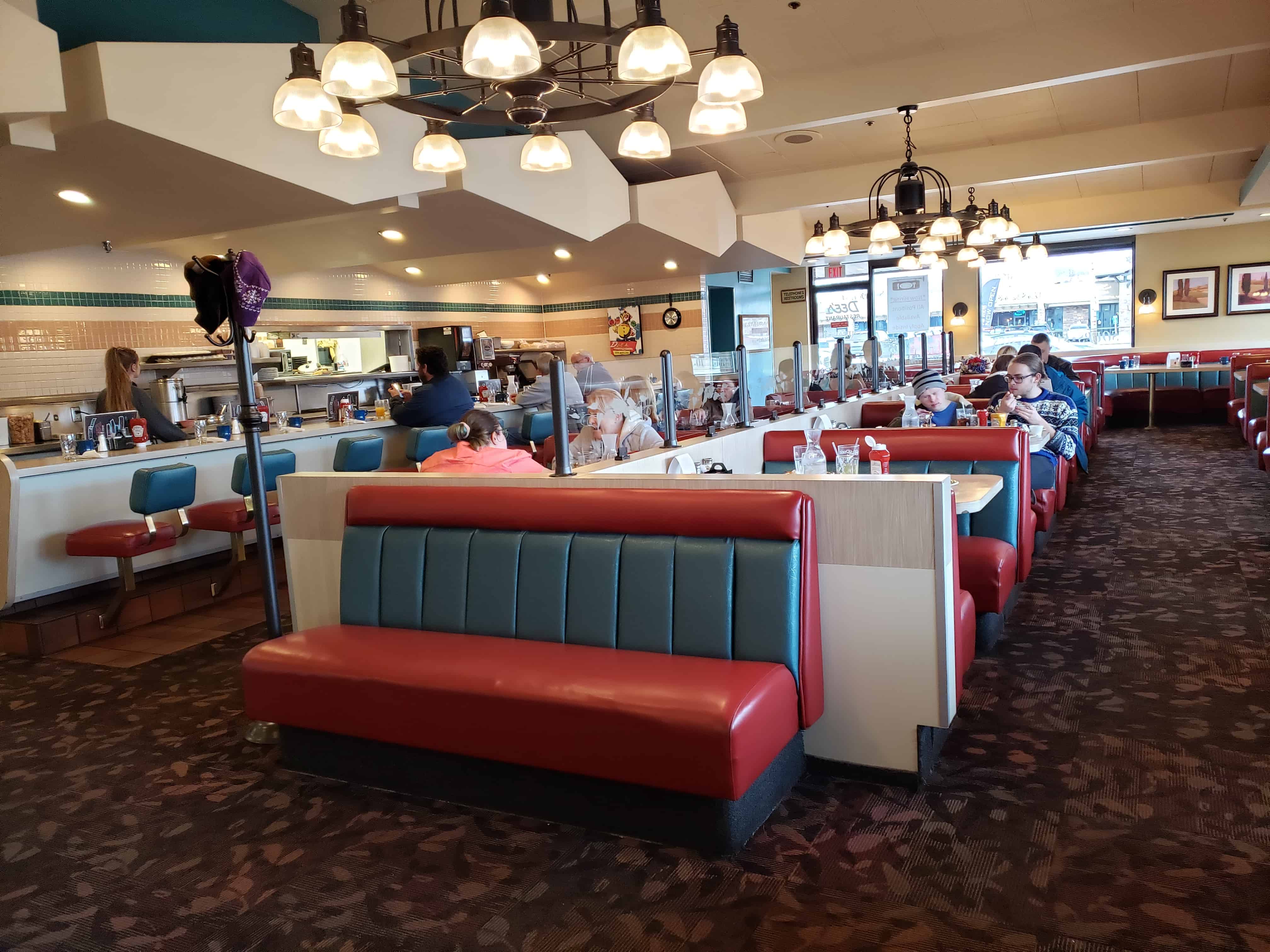
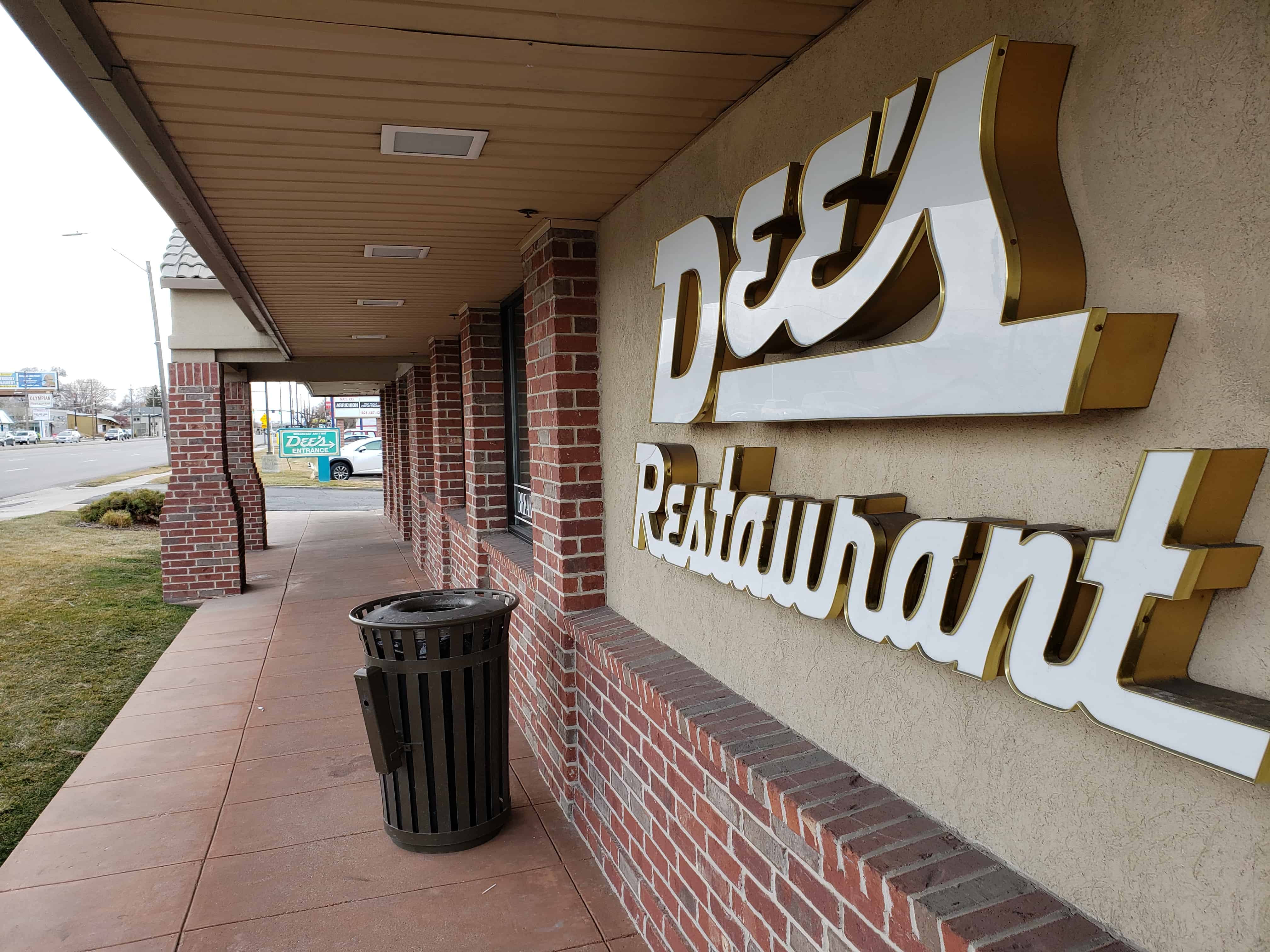
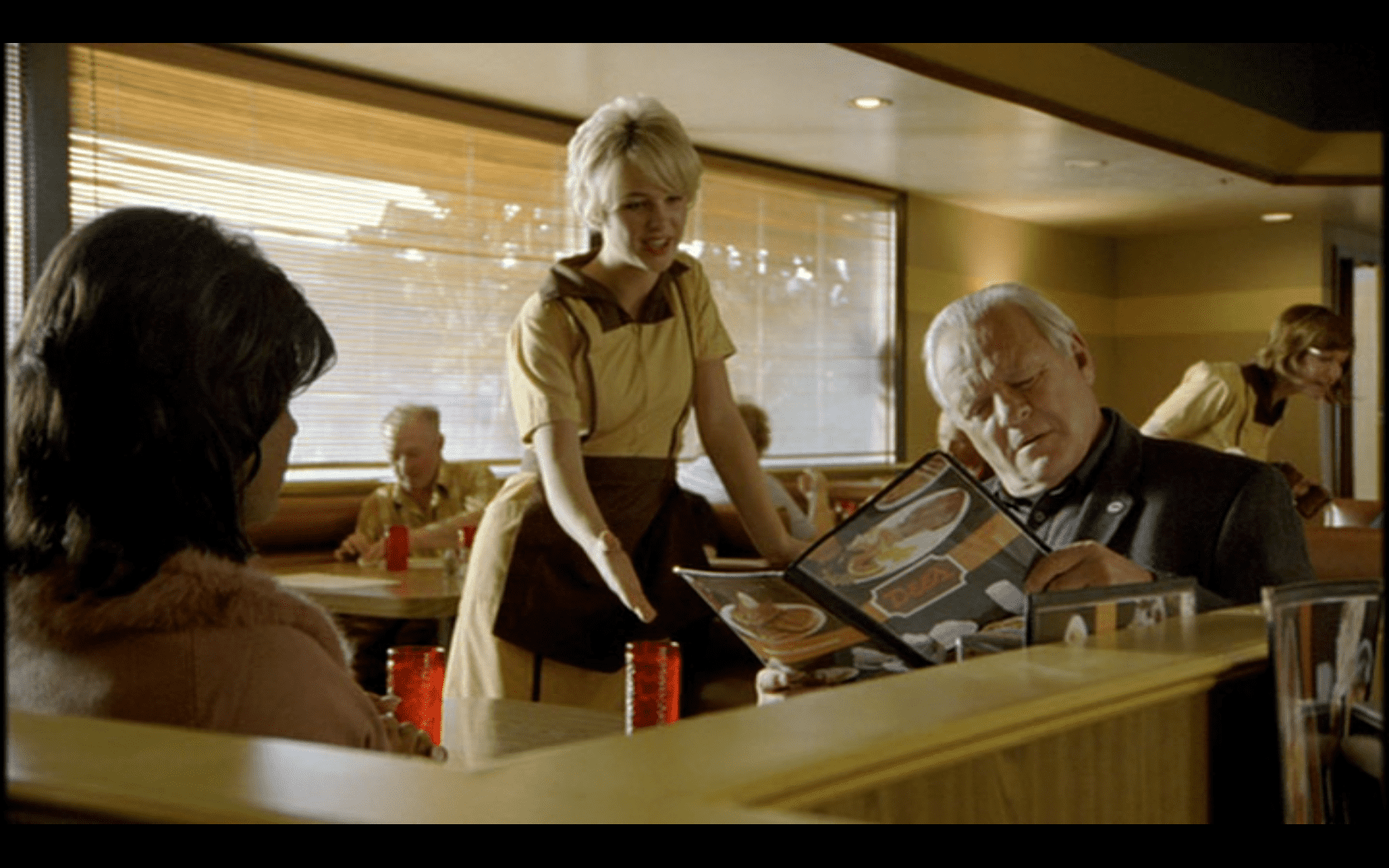
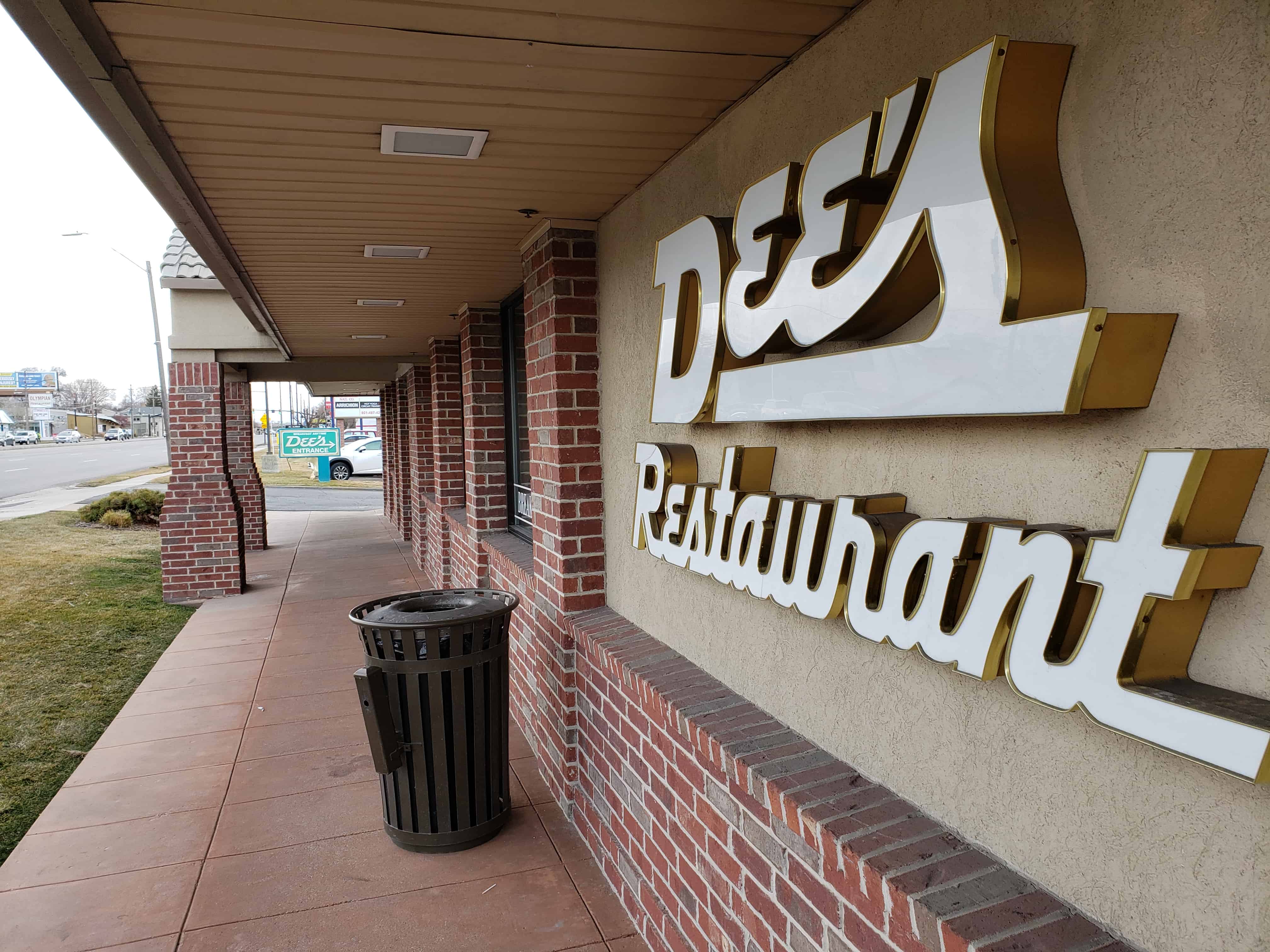
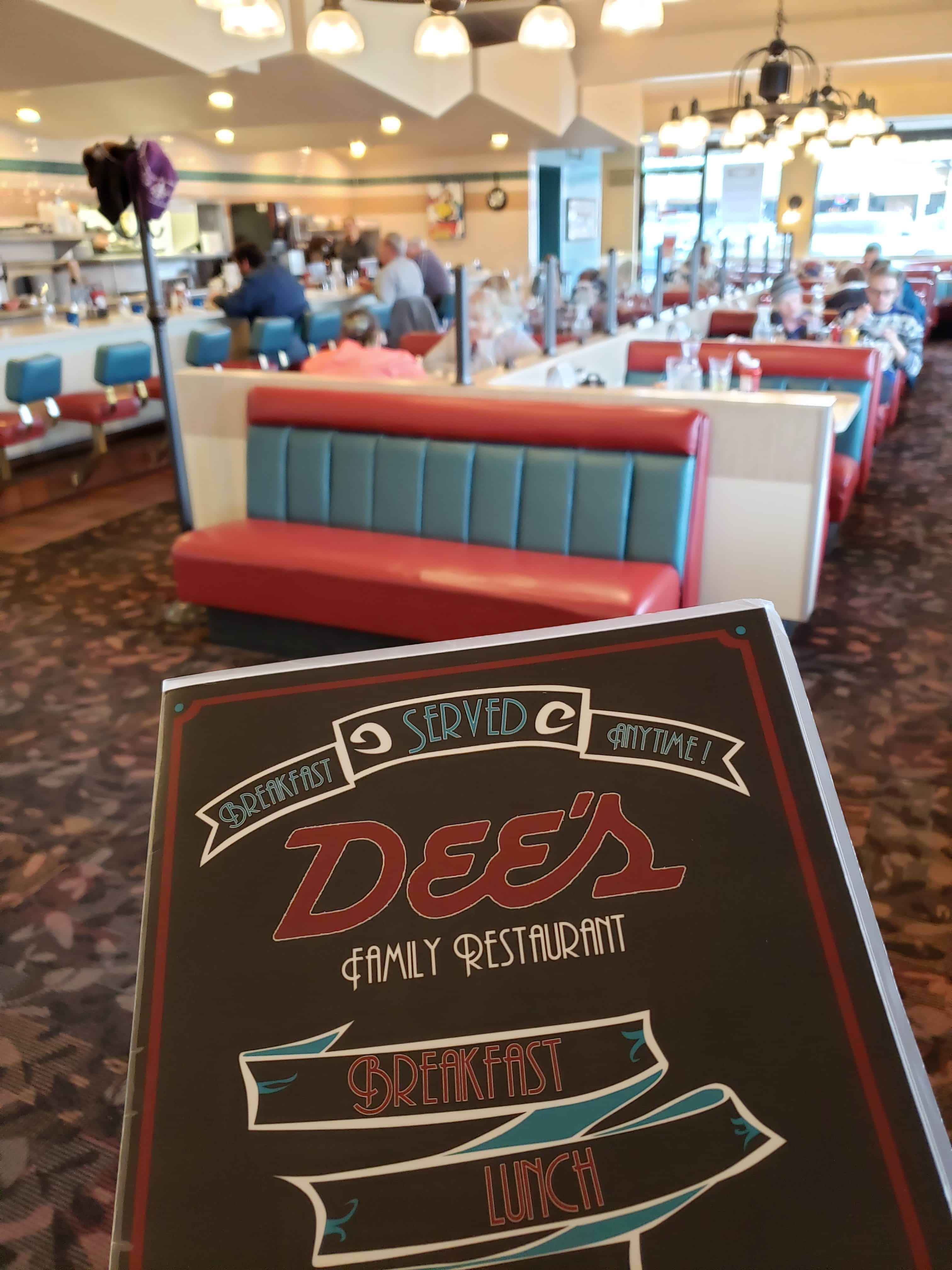
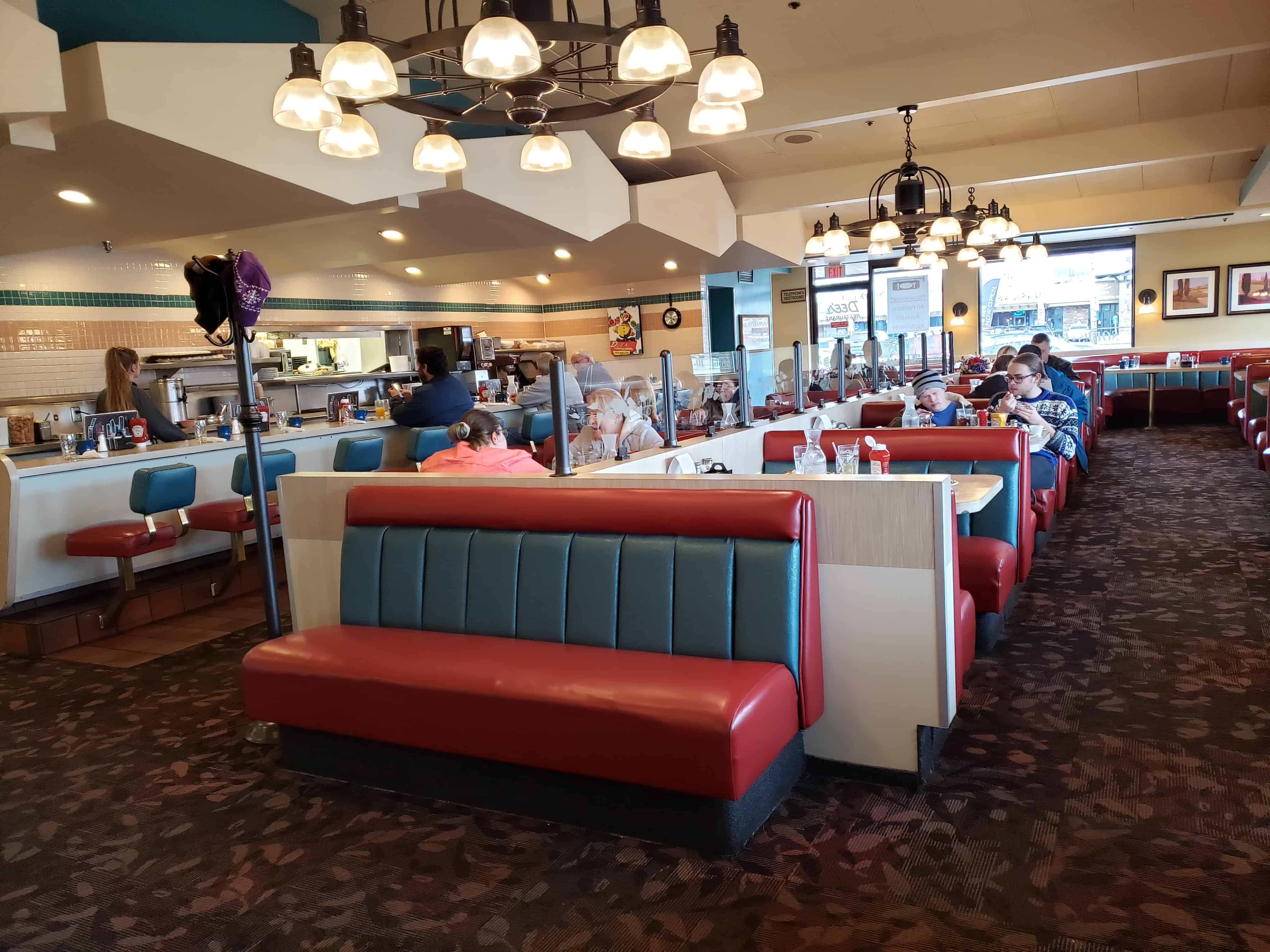
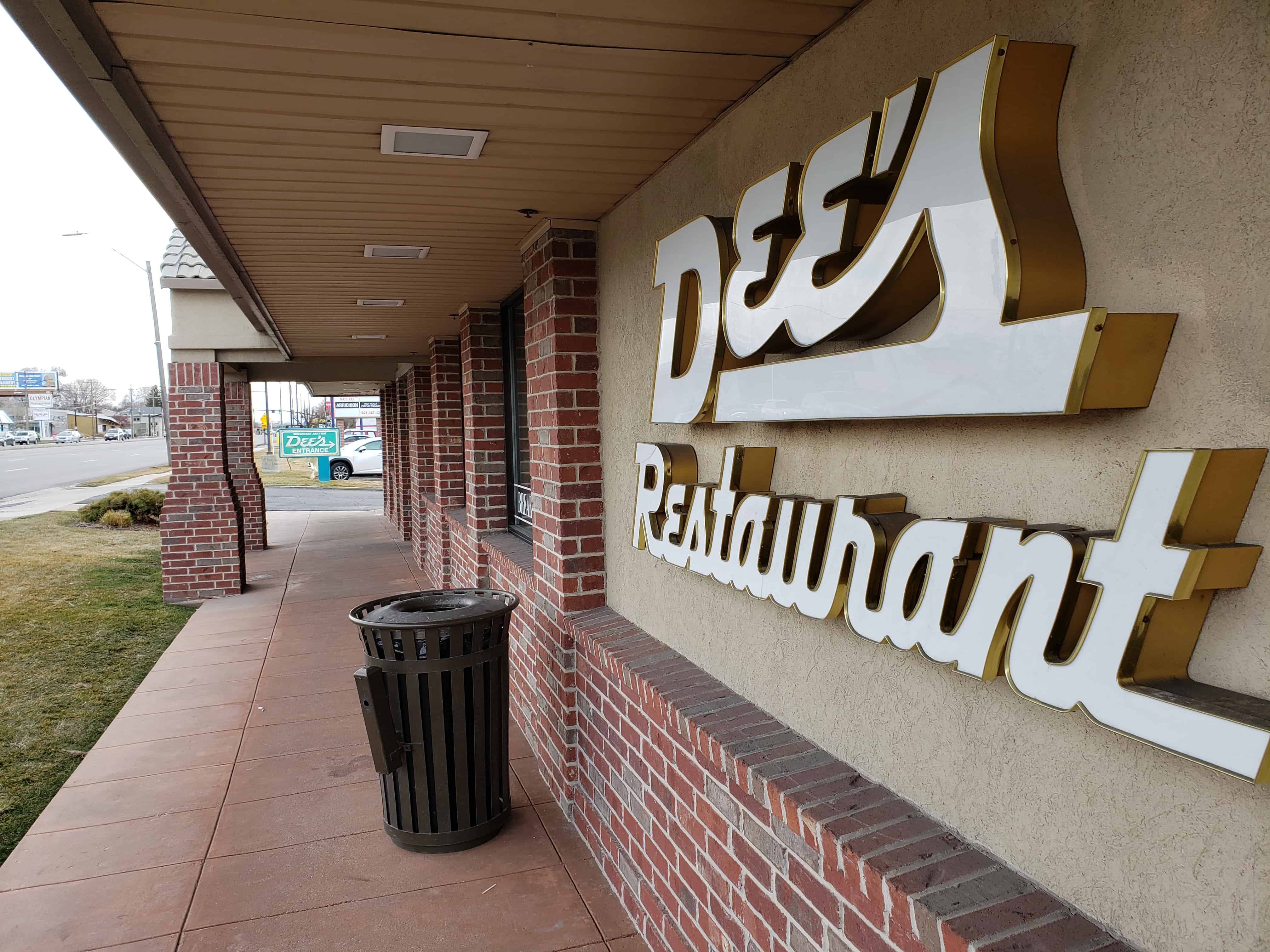
This is where they filmed the scene at the Dee’s Family Restaurant in the movie The World’s Fastest Indian (2005).
It was filmed at this Dee’s restaurant at 2104 South 700 east in Salt Lake City, Utah.
I didn’t want to be inside taking too many pictures so I just snapped a few really quick, but you can see the menu he’s holding so it’s a pretty easy one.
The Yalecrest Historic District is a residential neighborhood in east Salt Lake City, Utah.
There are 1,487 residences (at least at the time it was submitted to the National Register of historic places) that are all visually cohesive and in my opinion gorgeous. It also contains 3 historic churches and 3 commercial buildings, one being considered historic, and 2 parks.
The boundaries are 1300 East to 1500 East and Sunnyside Avenue (800 South) to 1300 South.
Streets and alleys vary a little from the typical grid pattern of Salt Lake.
For nearly 90 years eating at Dee’s has been a family tradition. Dee Anderson, a farm boy from Ephraim, came to Salt Lake City in 1924 with little more than the desire and determination to be in the restaurant business. In 1931, Dee borrowed $35, bought meat, pickles, and buns and began offering Utah citizens their first five-cent hamburger. Dee’s nine-stool hamburger stands sprang up around the city and were recognized as centers of hospitality.
During the golden era known as “the Fifties”, Dee introduced Utah to the high volume drive-in. All during this time, Dee expanded and refined the family restaurant concept to provide comfortable and clean surroundings accompanied with the finest quality food at an affordable price. Mr. Dee Anderson (1905-1997) passed away after celebrating 70 years of marriage and a lifetime of service in the restaurant community. Dee’s Family Restaurants are still locally owned and operated by JML Restaurants and are committed to maintain the same standard of excellence you have come to expect.
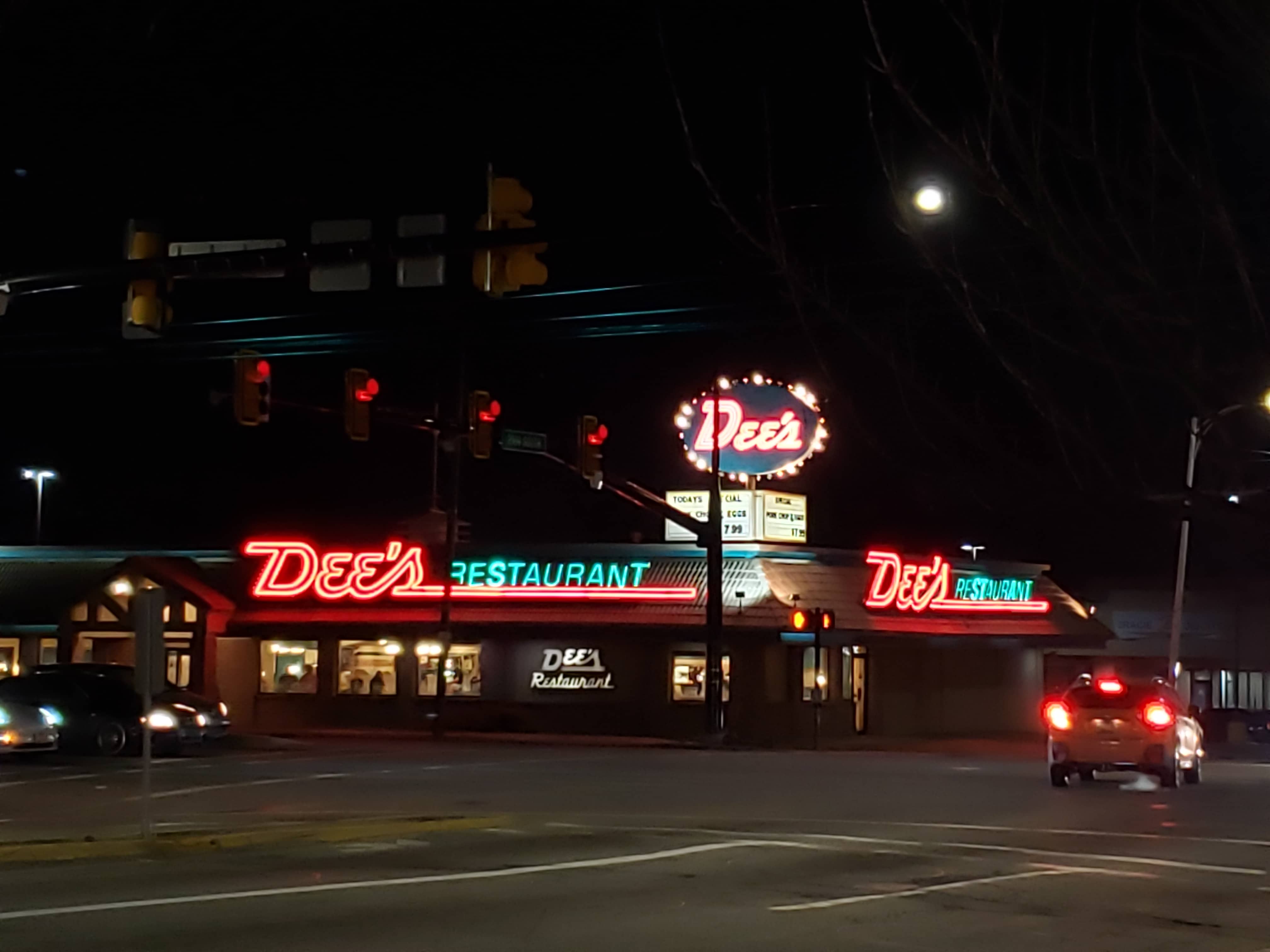
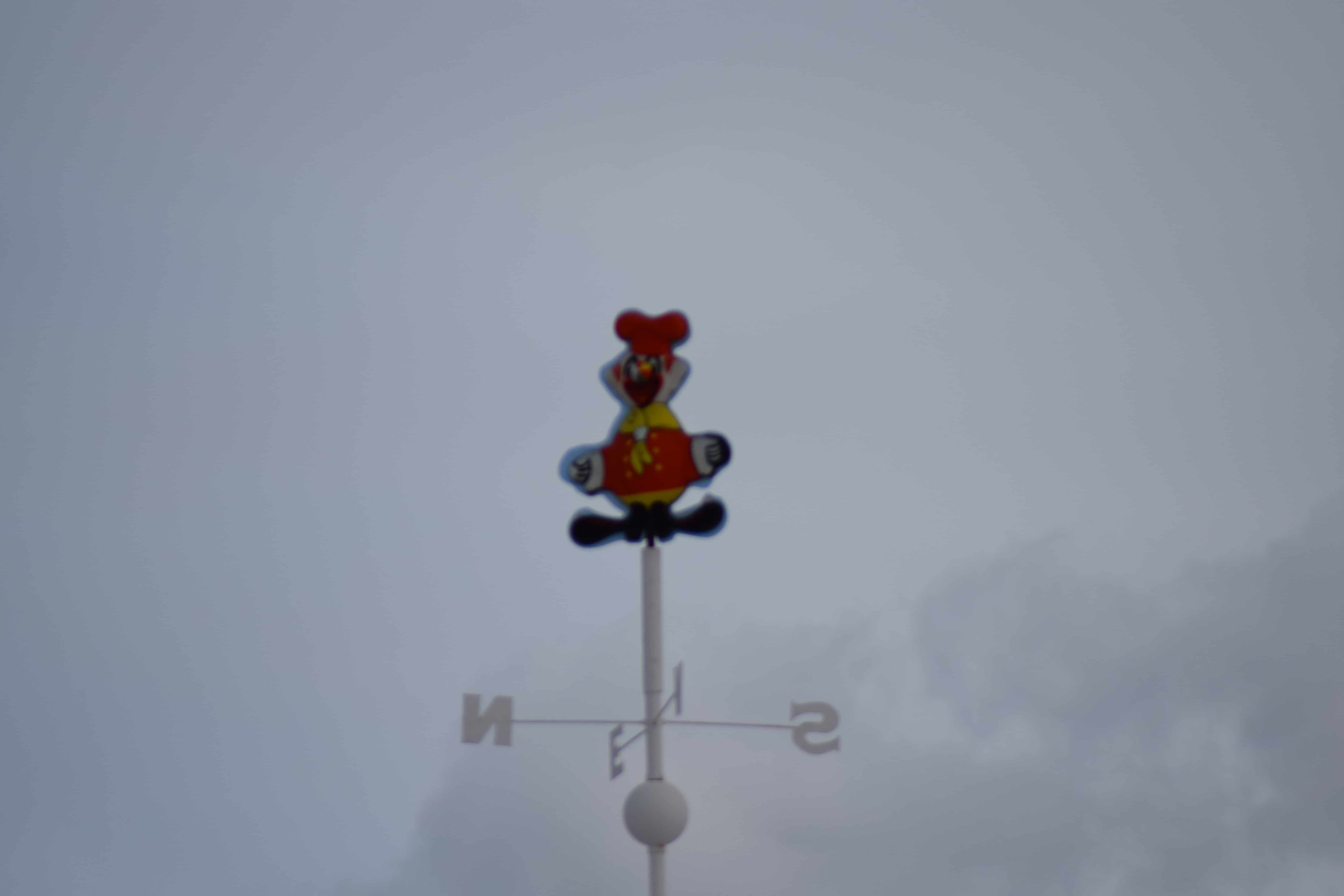
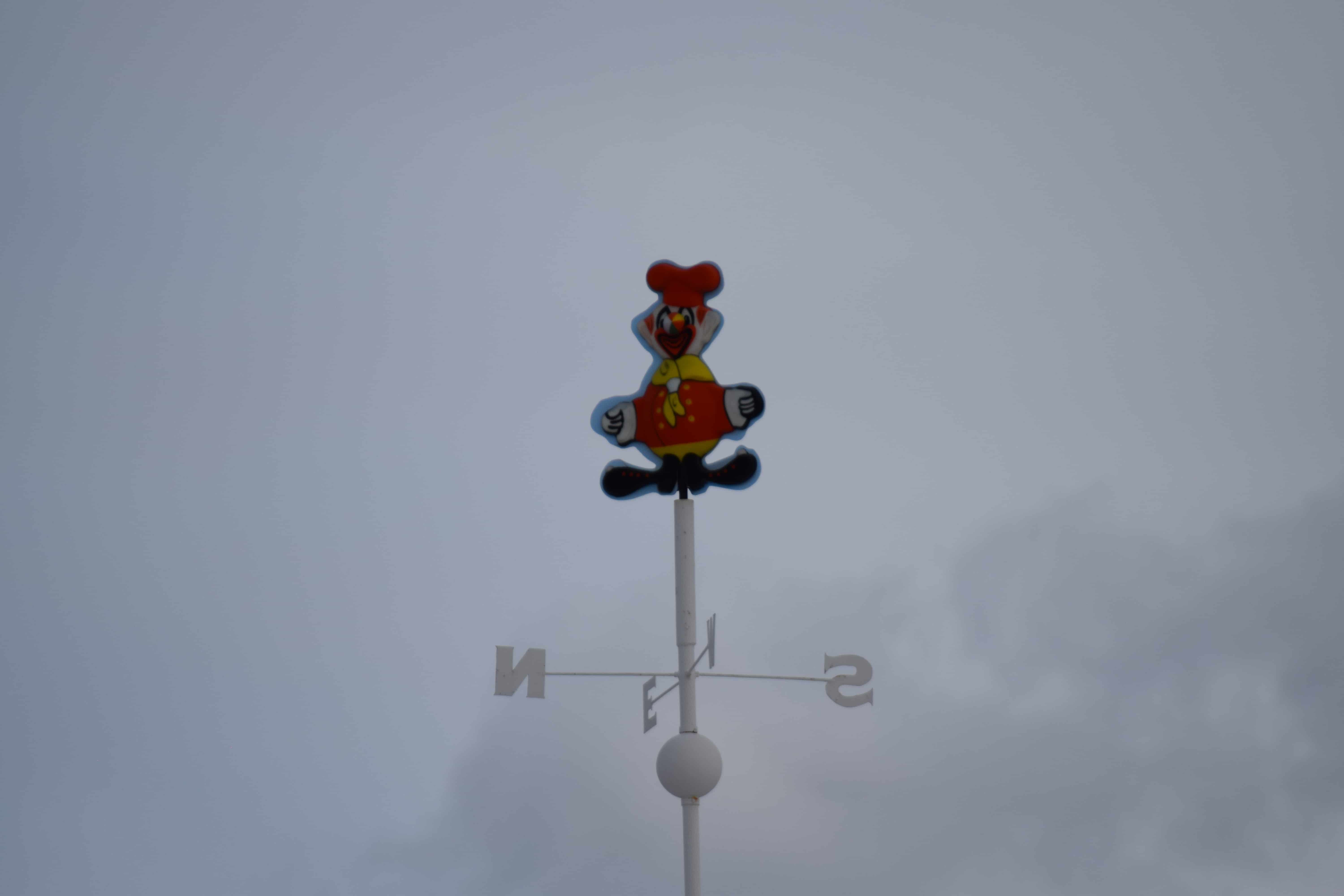
Dee’s was known for the iconic clown on the buildings, I found these two photos (below) online here and here.
There are few Dee’s locations left, and the only one that still has a clown (the weather vane on the roof) and a vintage neon rotating sign is the location at 700 E 2100 S in Salt Lake.
Another in my documenting all of the Lincoln Highway markers I come across. See the others here.
These markers are located next to the Sugar House Monument in Sugar House, Salt Lake City, Utah. One at the east end of the block and one at the west end, both right along the roadway of 2100 South and on the south side of 2100 South.
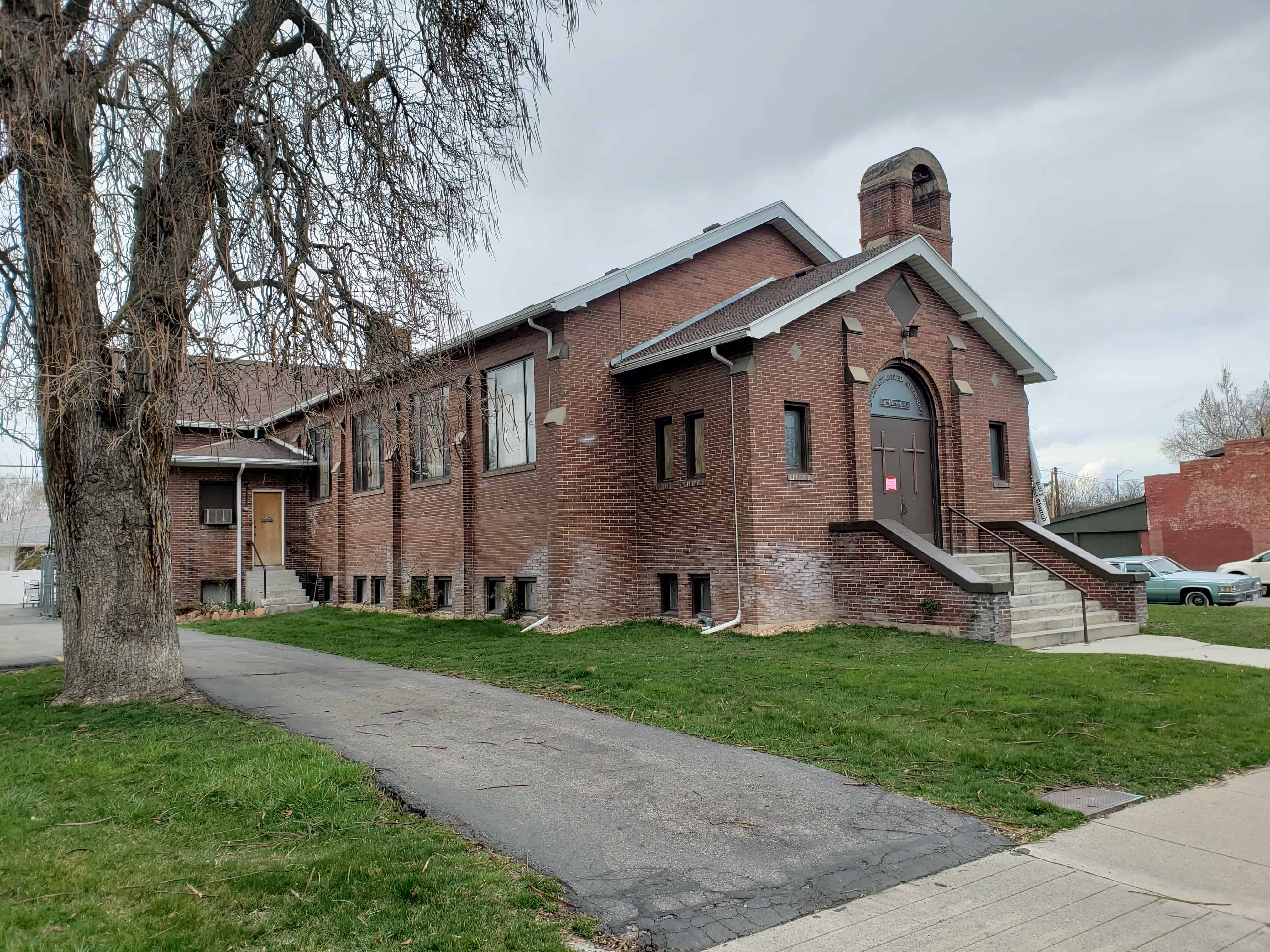
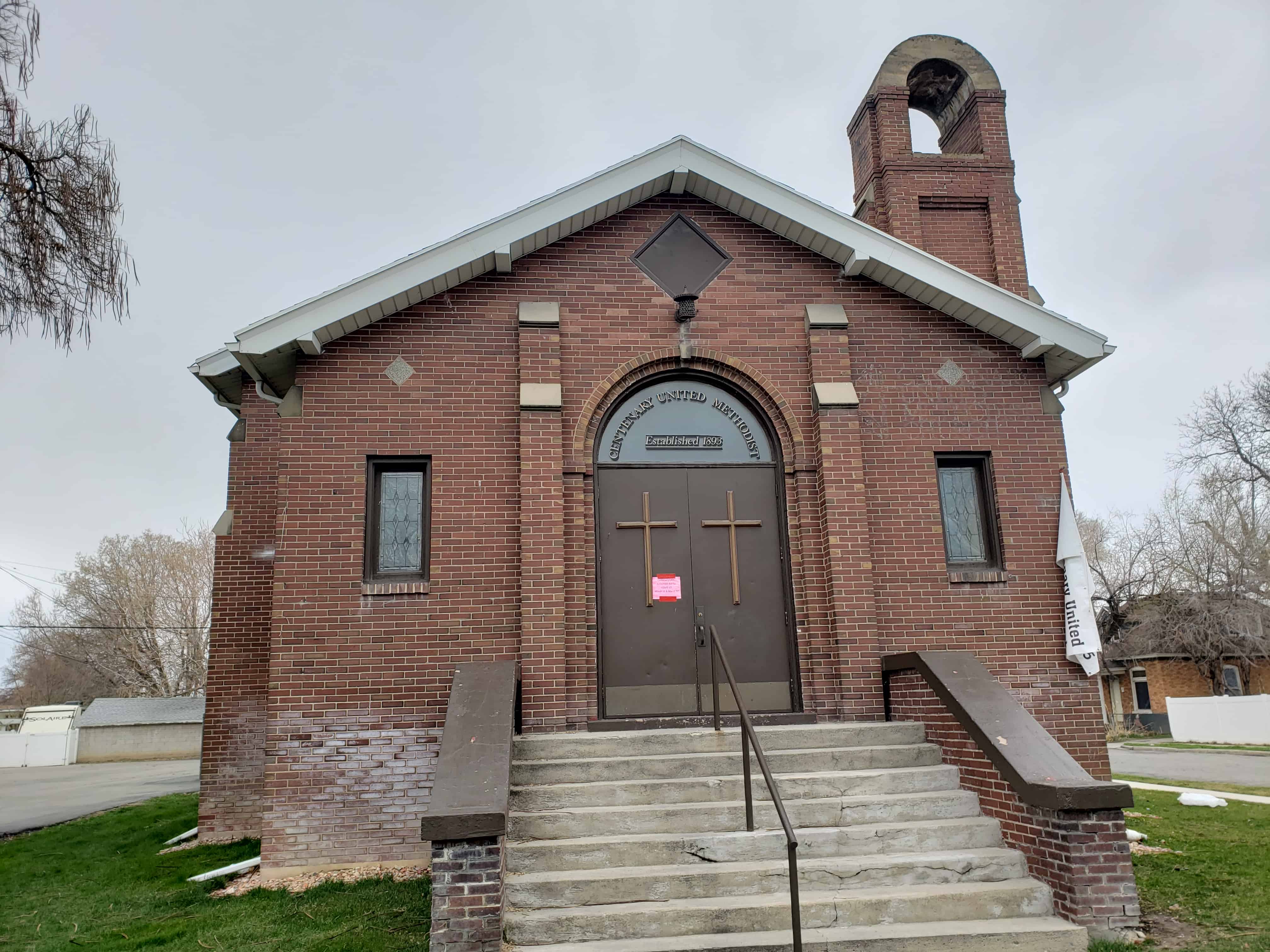
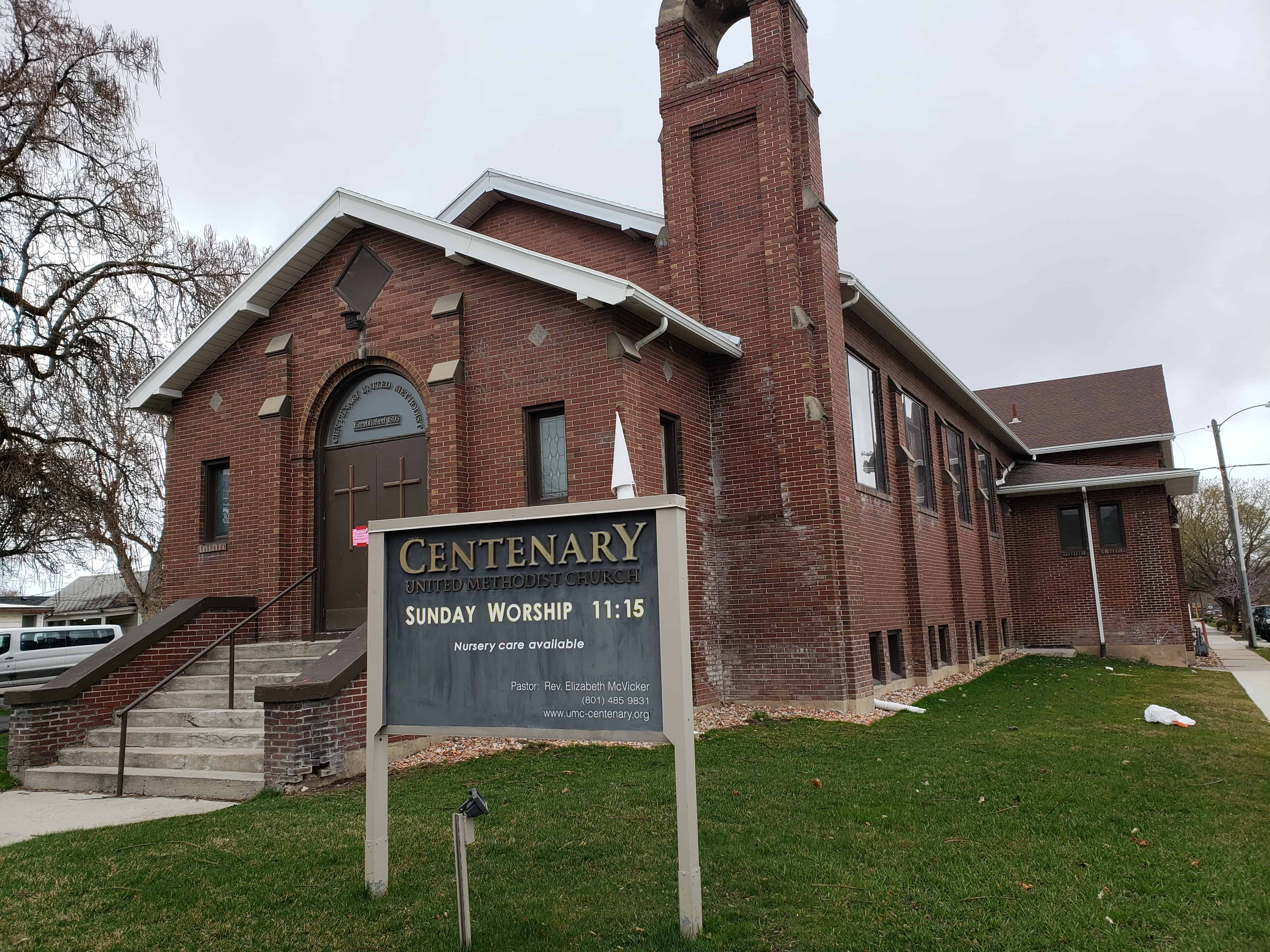
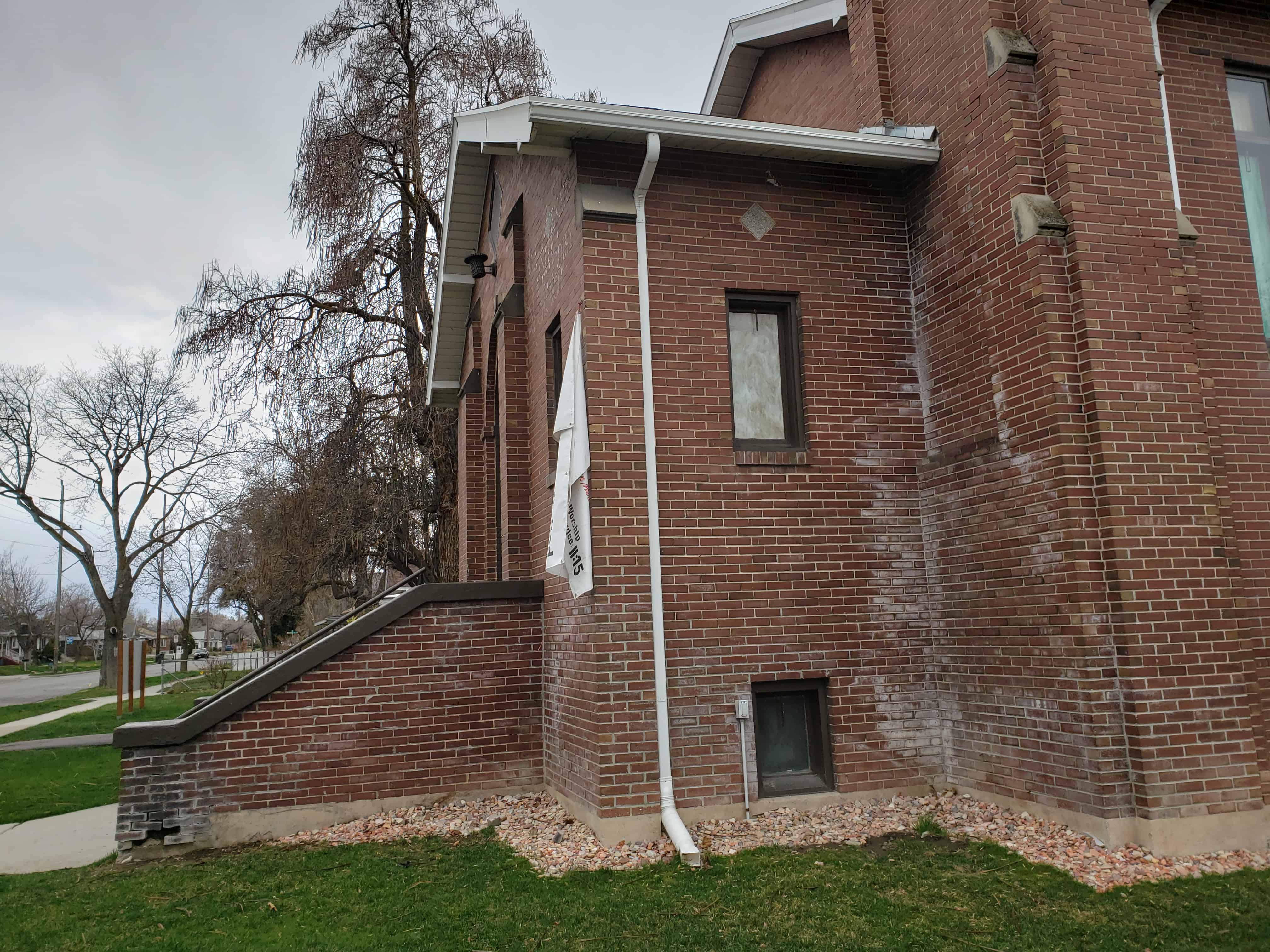
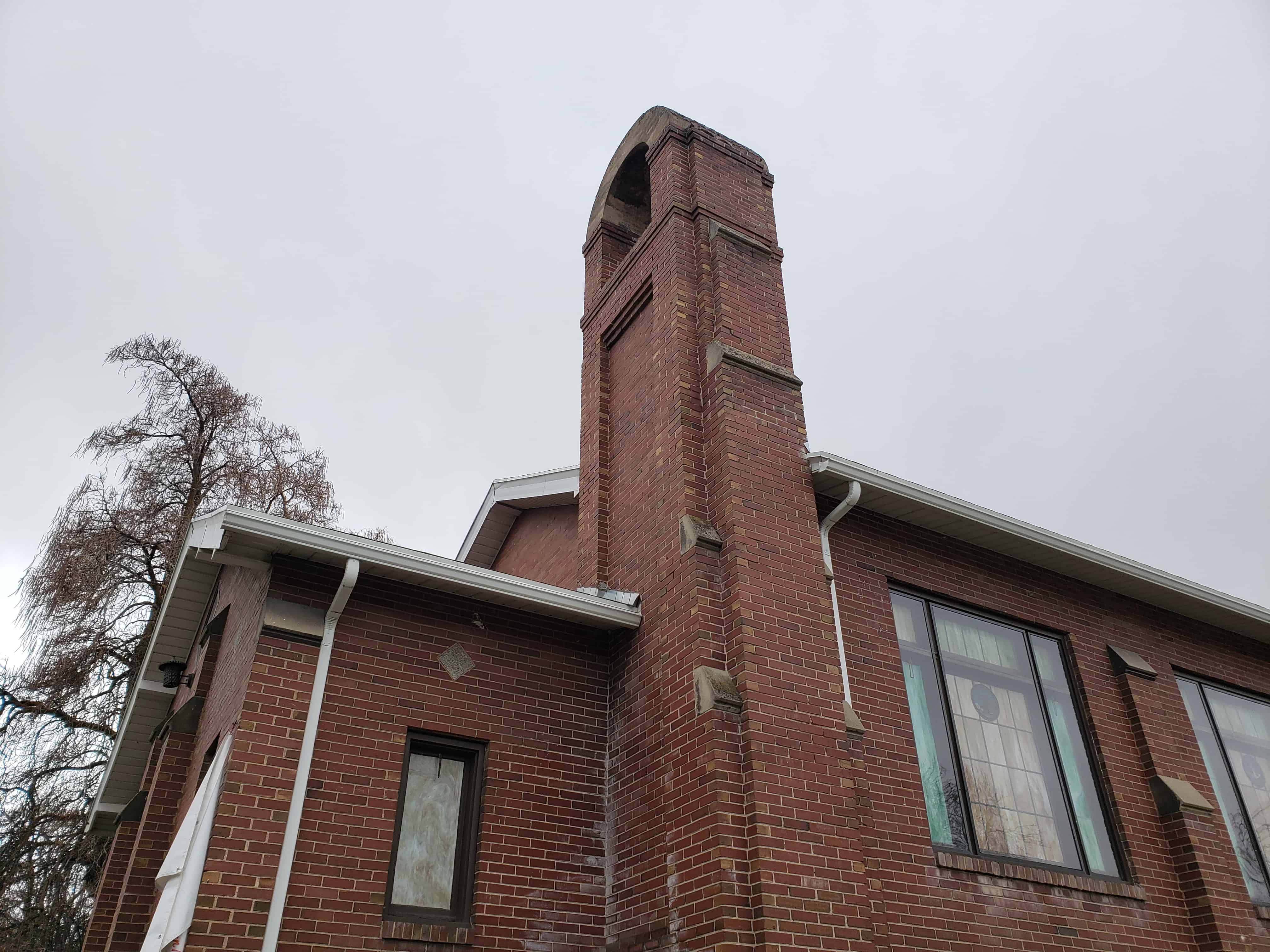
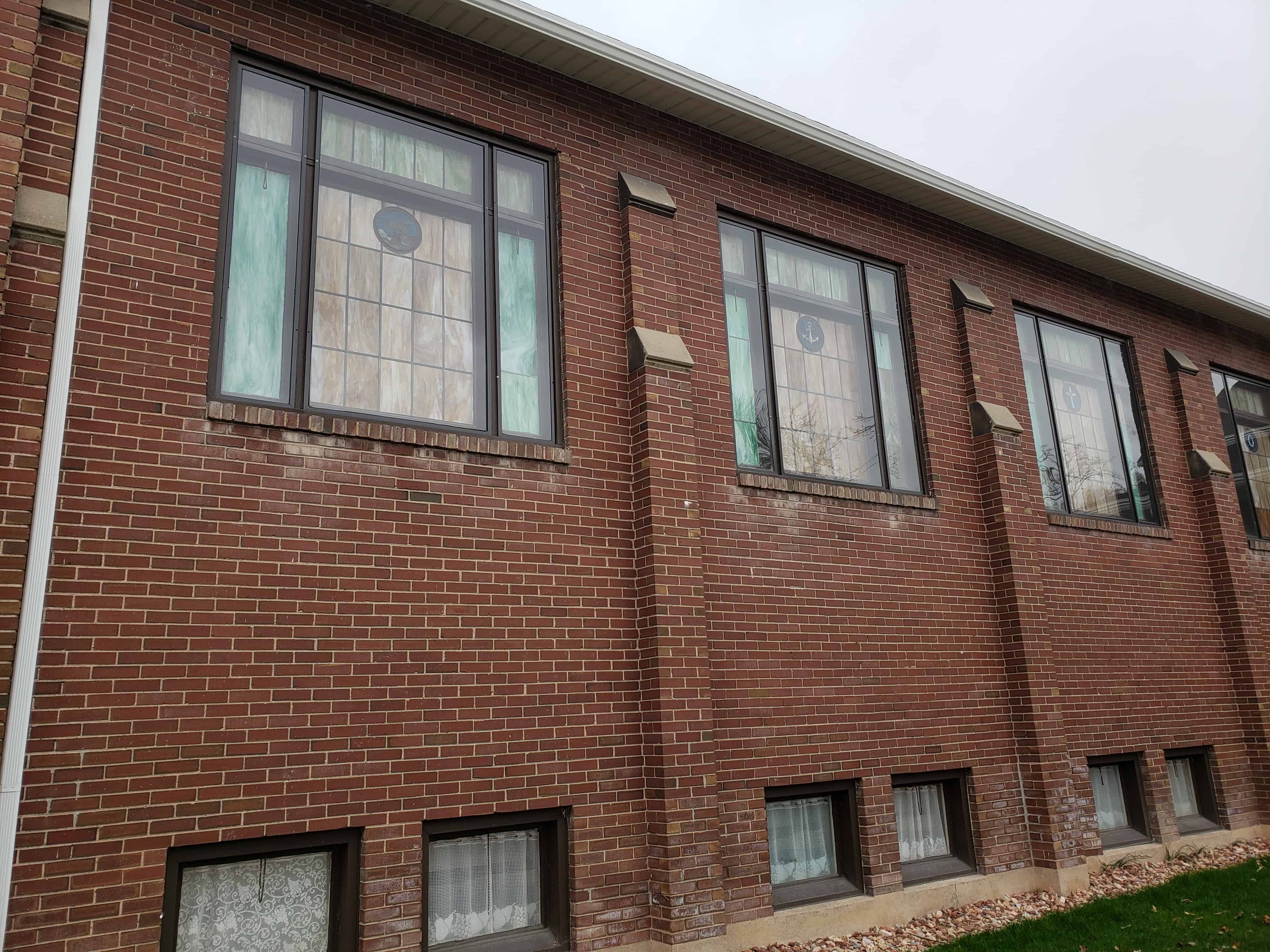
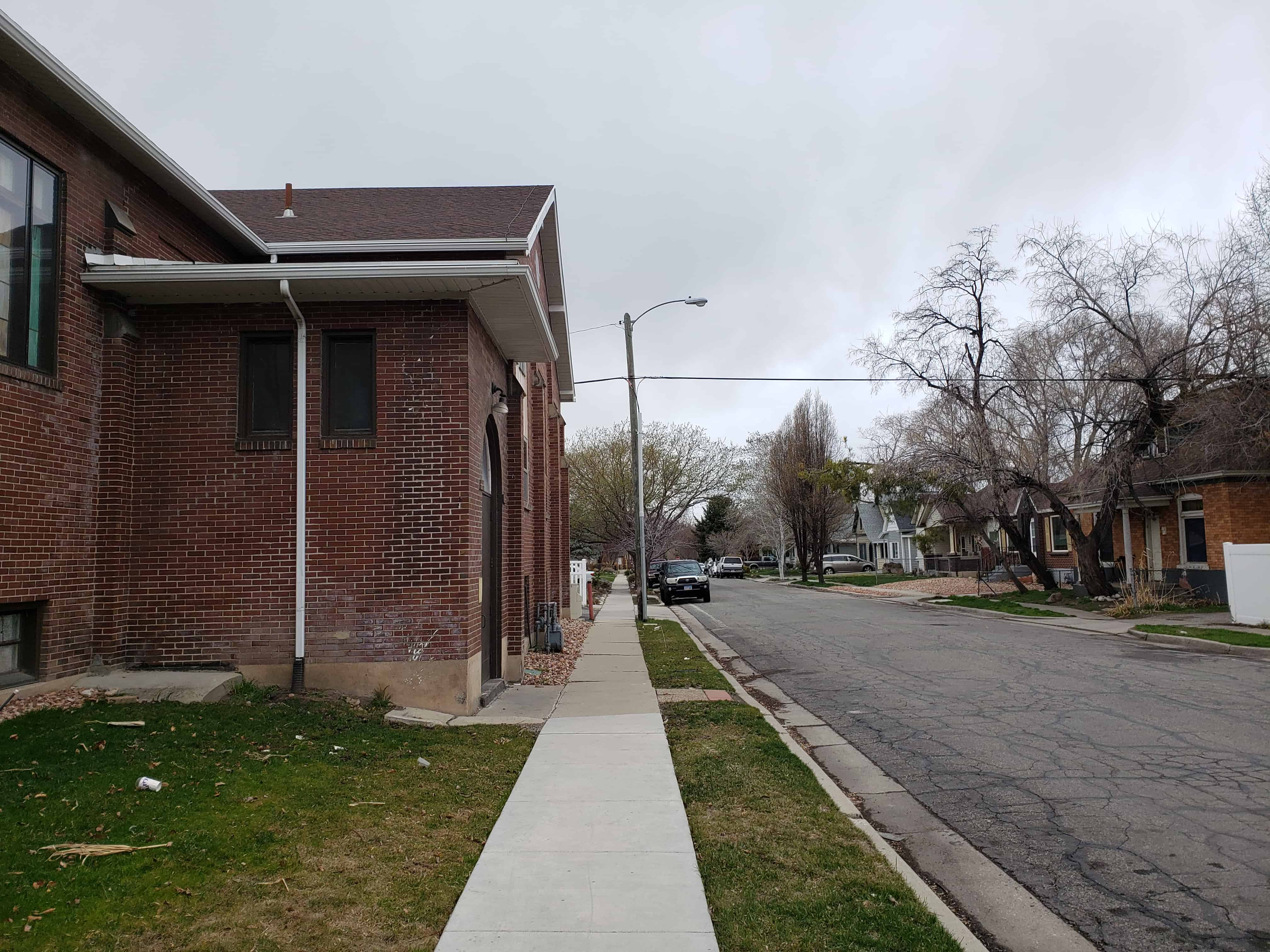
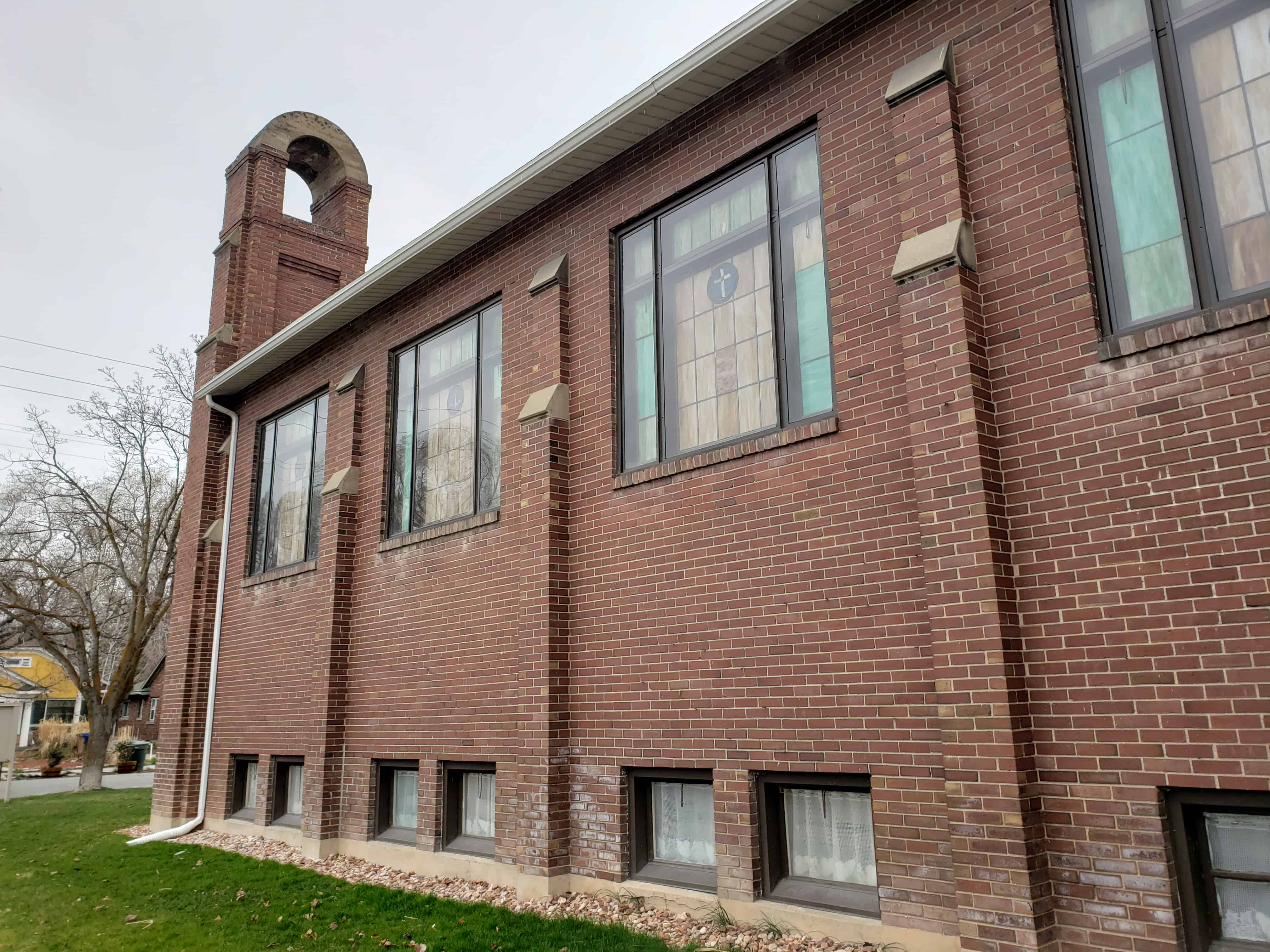
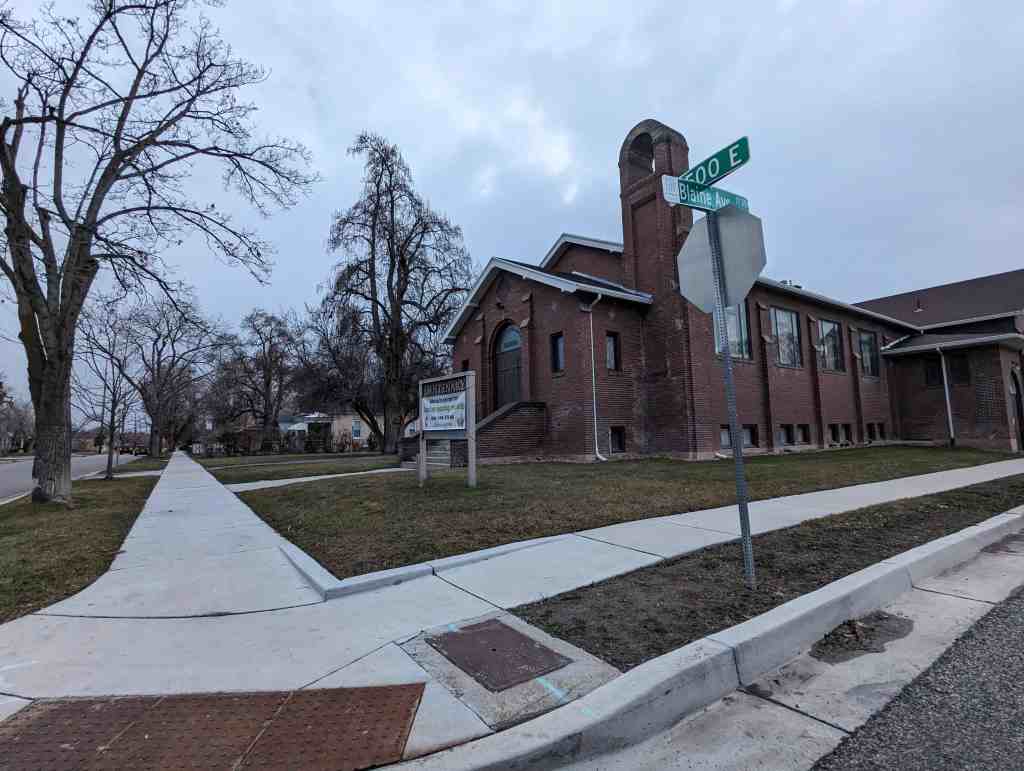
Centenary United Methodist Church, established 1893. Built in 1920.
1740 500 E, Salt Lake City, UT
History from this page: In 1892, The Rev. George E. Jayne was appointed to the “Salt Lake City Mission.” Apparently, his task was to start congregations in the new additions of the rapidly growing city. He met with success in Waterloo Addition, where a lot and building were purchased from the Congregational Church near the southeast corner of what was then Fourth East and Eleventh South (now Seventeenth South). The minutes of the June 1893 annual conference report, “The property there now is worth $1,600, and was purchased and furnished at a cost of $1,000 without help from the Church Extension Society. The Chapel was dedicated, free of debt, May 21st. The membership is 36 and they have been “very helpful in the benevolences.”
The first nine members of the church are recorded as having joined on November 20, 1892, and so we mark our beginning with that date. The church was named Second Methodist Episcopal (M.E.) Church; in a few years it became Waterloo M.E. Church; and in 1921, the name was changed to Centenary M.E. Church. The Methodist Episcopal Church, after going through two mergers, is now known as the United Methodist Church, and so our congregation is Centenary United Methodist Church.
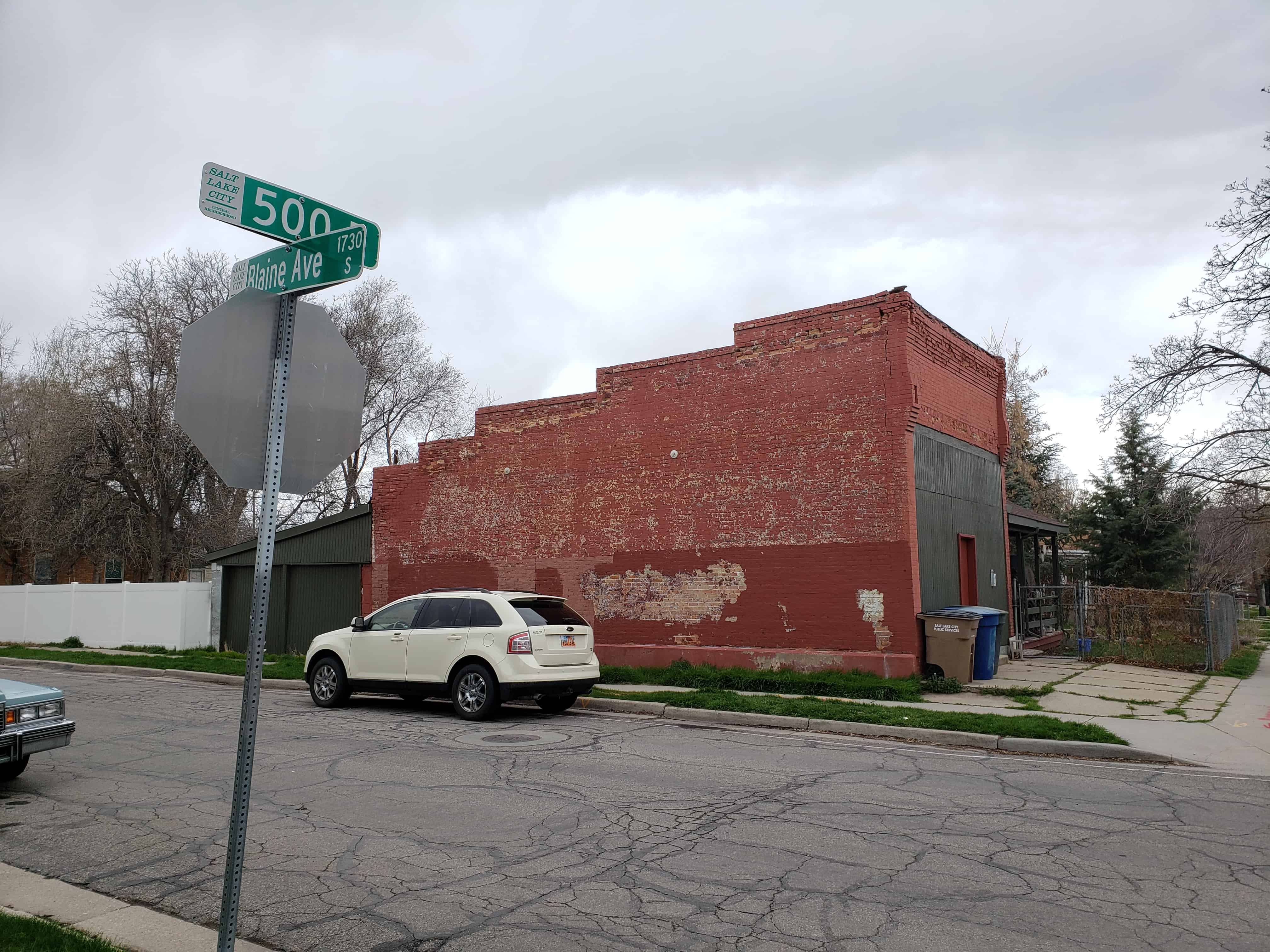
The first building was quickly outgrown and a new building was erected adjacent to it, or nearly so, on the northeast corner of Fourth East and Galena, now Blaine Avenue. In 1920-21, we moved east one block and to the south side of Blaine where the current building was built, funded in part by the Methodist “Centenary” campaign- thus the name, Centenary. Our roots are deep in this neighborhood, having spent the entire one hundred years here.
A few months after Second M.E. church began, Rev. G.C. Waynick was appointed to begin a new work on the west side of the city. After a five week tent revival, nineteen members had joined what was to become Heath M.E. Church, later Grace M.E. Church. In 1975, Grace United Methodist Church was disbanded. Most of its members transferred to Centenary; and we have been blessed by their presence.
We have grown and declined throughout the years in numbers and activity. In 1956, Mrs. C.W. Wrathall remembered that soon after the present building was dedicated, the pastor, Frederick J. Cox, thought it was too large and ought to be sold to the L.D.S. Church, who had offered to buy it. She noted, “There were only 15 people in the congregation, but others felt that the new building should be kept, and that we should try to grow into it.” That growth happened, and throughout its life the church has bustled with energy. Now, with about one hundred members, we are engaged in discovering new life and ministries here.
The church has a solid history of faithful commitment. Two of the original members, Samuel Allison and Charles Campbell, became ordained ministers. In 1916, the church was ahead of 99.8% of all Methodist churches in the country in benevolent collections per member; the standard was a penny per day per member. In recent years, the church has been recognized for its support of various ministries locally and around the world, and individual members have been cited for their discipleship.
We celebrate the soul of this congregation! It is a soul that made Centenary “the church that refused to die.” It can’t be described in a few words or a single concept. It is found in the litany of the stories out of our past and in the confidence with which we face our future. The sign of it can be seen in the faces of our members whenever we meet together; it is alive in the service we do for Christ. We thank God for our church!
This memorial for Chief Andrew H. Burt, stands at the place where he was killed in the line of duty, at 200 South Main Street in Salt Lake City, Utah.
This memorial is attached to the outside of the Walker Center building in downtown Salt Lake City. The marker reads:
Salt Lake City Police Department Honoring Our Fallen
Chief Andrew H. Burt Killed in the Line of Duty August 25, 1883
Chief Andrew H. Burt was murdered by a deranged man in downtown Salt Lake City. Accompanied by the city water master, the 54-year-old victim was searching for a suspect who had earlier threatened the life of a local merchant.
When they found the suspect here, at 200 S. Main, he shot Chief Burt with a .45-70 caliber rifle. The city water master was also wounded but managed to disarm the suspect, who was immediately captured. Chief Burt was married and the father of a large number of children. He is buried in the Salt Lake City Cemetery. Learn more about Chief Burt and all of Salt Lake City Police Department’s fallen officers at http://www.slcpd.com.
Proudly Sponsored by Walker Center Erected by the Police History Project, August 2011