• About JacobBarlow.com
  • Cemeteries in Utah
  • D.U.P. Markers
  • Doors
  • Exploring Utah Email List
  • Geocaching
  • Historic Marker Map
  • Links
  • Movie/TV Show Filming Locations
  • Oldest in Utah
  • Other Travels
  • Photos Then and Now
  • S.U.P. Markers
  • U.P.T.L.A. Markers
  • Utah Cities and Places.
  • Utah Homes for Sale
  • Utah Treasure Hunt

JacobBarlow.com

~ Exploring with Jacob Barlow

JacobBarlow.com

Tag Archives: Soft-rock constructed

Ashton/Driggs House

27 Saturday Jan 2018

Posted by Jacob Barlow in Uncategorized

≈ 4 Comments

Tags

Historic Homes, NRHP, Pleasant Grove, Soft-rock constructed, utah, utah county

2017-11-25 15.00.29

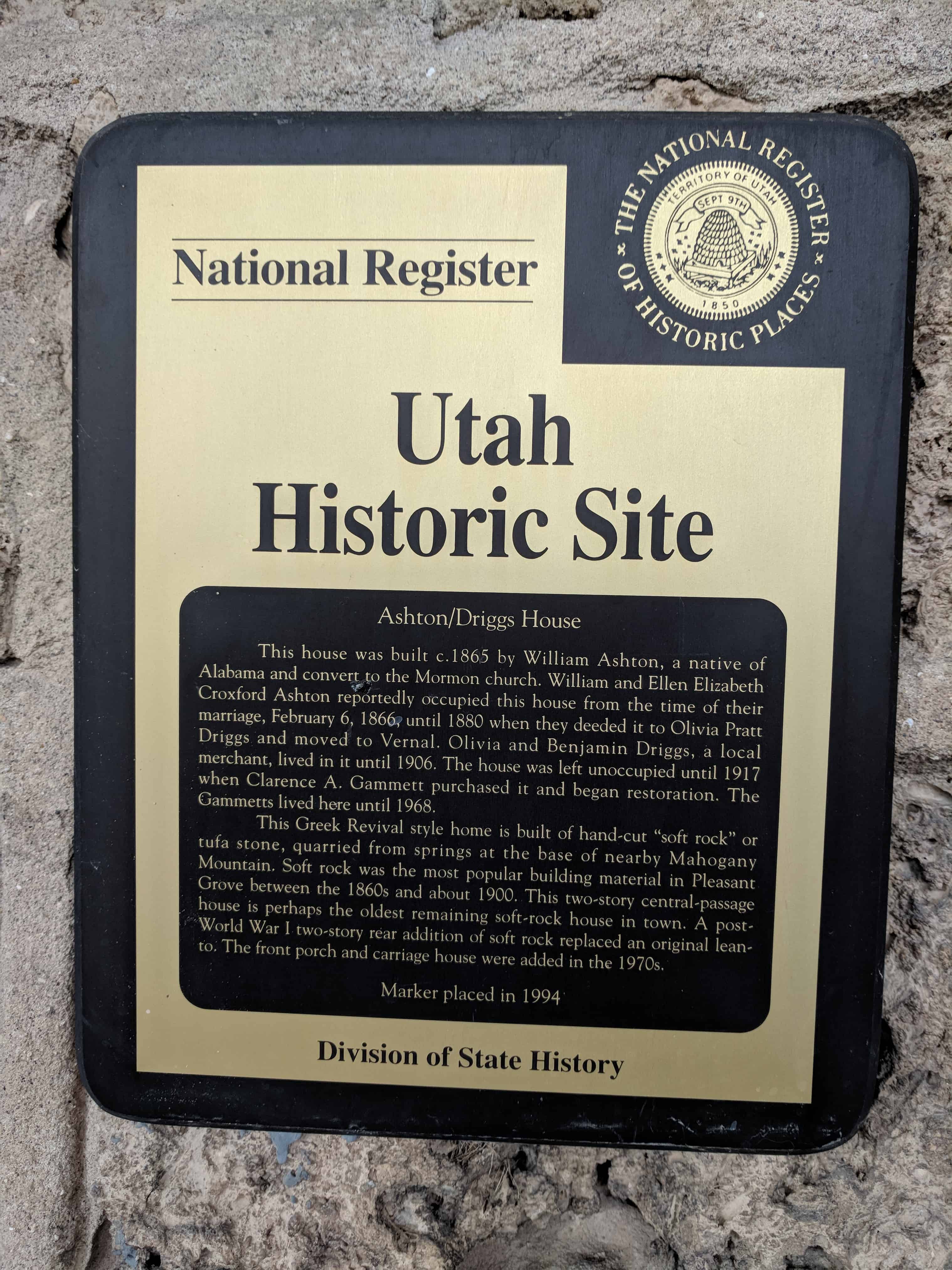
Ashton/Driggs House

This house was built c.1865 by William Ashton, a native of Alabama and convert to the Mormon church.  William and Ellen Elizabeth Croxford Ashton reportedly occupied this house from the time of their marriage, February 6, 1866, until 1880 when they deeded it to Olivia Pratt Driggs and moved to Vernal.  Olivia and Benjamin Driggs, a local merchant, loved in it until 1906.  The house was left unoccupied until 1917 when Clarence A Gammett purchased it and began restoration.  The Gammetts lived here until 1968.

The Greek Revival style home is built of hand-cut “soft rock” or tufa stone, quarried from springs at the base of nearby Mahogany Mountain.  Soft rock was the most popular building material in Pleasant Grove between the 1860s and about 1900.  This two-story central-passage house is perhaps the oldest remaining soft-rock house in town.  A post-World War I two story rear addition of soft rock replaced an original lean-to.  The front porch and carriage house were added in the 1970s.

2017-11-25 15.00.47

The Ashton-Driggs House is located at 119 East 200 South (Battle Creek Drive) in Pleasant Grove, Utah and was added to the National Historic Register (#72001261) on April 14, 1972.

2017-11-25 15.01.58

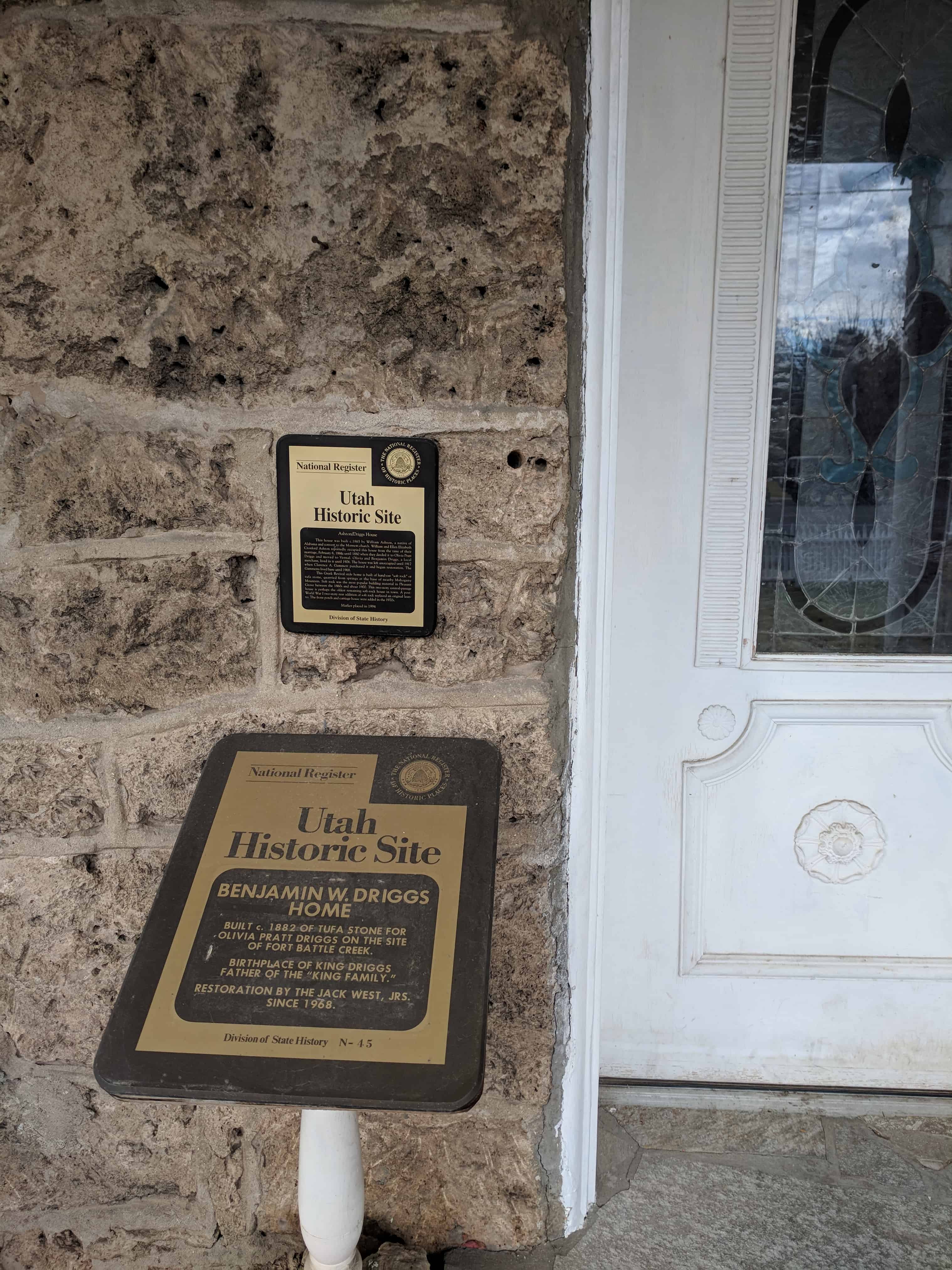
Benjamin W. Driggs Home
Built c.1882 of tufa stone for Olivia Pratt Driggs on the site of Fort Battle Creek.
Birthplace of King Driggs, father of the “King Family.”
Restoration by the Jack West, Jrs.  Since 1968.

2017-11-25 15.00.21
2017-11-25 14.59.31
2017-11-25 14.59.34

The home was built c. 1882 by Benjamin Woodbury Driggs for his first wife Olivia Pratt Driggs. It Is significant because of the people that have lived there, because it is a unique stone home, and because it has been restored with loving care.

The site is within the area of the original stone fort of Battle Creek, The Driggs purchased the property In 1882. Benjamin Driggs was a pioneer, colonizer, railroad builder and owner of the Battle Creek Co-op, a successful general mercantile establishment. Olivia was the eldest daughter of the noted Mormon, Parley P. Pratt. She bore 12 children. William King Driggs, who was the 12th and the only one to be born in the rock house, is the forefather of the television personalities, The King Family.

The home is unique with its 2′ thick walls, built of rich colored and textured “soft rock” or tufa stone, quarried from the lower slopes of Mt. Timpanogas in a quarry just four miles to the north. It is one of the best examples of the stone homes in Utah and certainly one of the most important *n terms of the recent attention and care it has received.

The restoration of the home began in 1917 when Clarence A. Gammett purchased the abandoned home. Then ensued a careful restoration of the home and gardens. After the death of the Gammetts, the home was purchased by lack West, Jr. In 1968. He and his family continued the restoration with quality effort and have carefully gathered furnishings authentic to the original era of the home. The Wests, upon completion of their restoration project, held an open house and gala affair hosting more than 2,500 persons.

2017-11-25 14.59.36

The Robison Home

08 Thursday Jan 2015

Posted by Jacob Barlow in Uncategorized

≈ 2 Comments

Tags

historic, Historic Homes, Lindon, Soft-rock constructed, utah, utah county

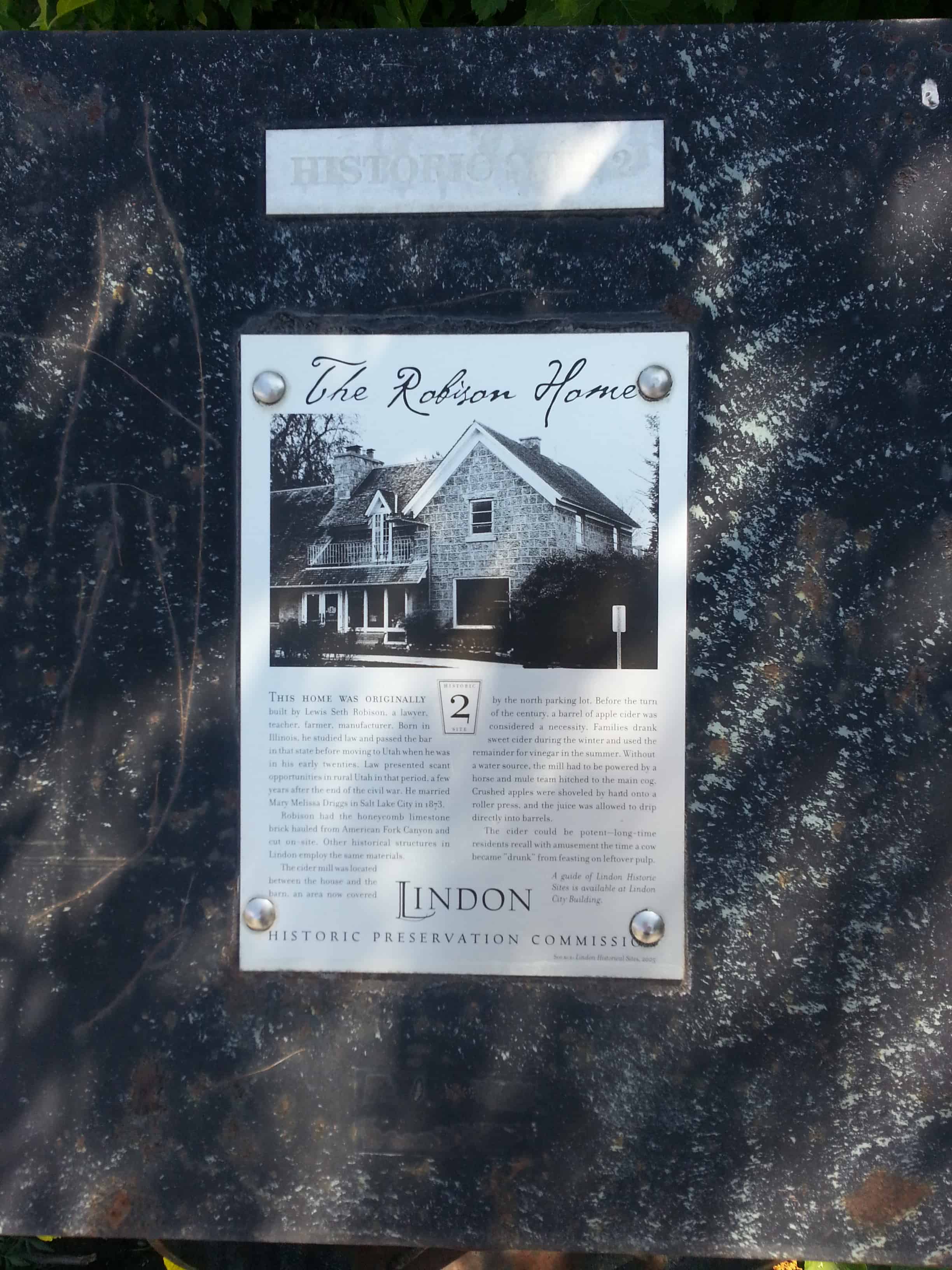
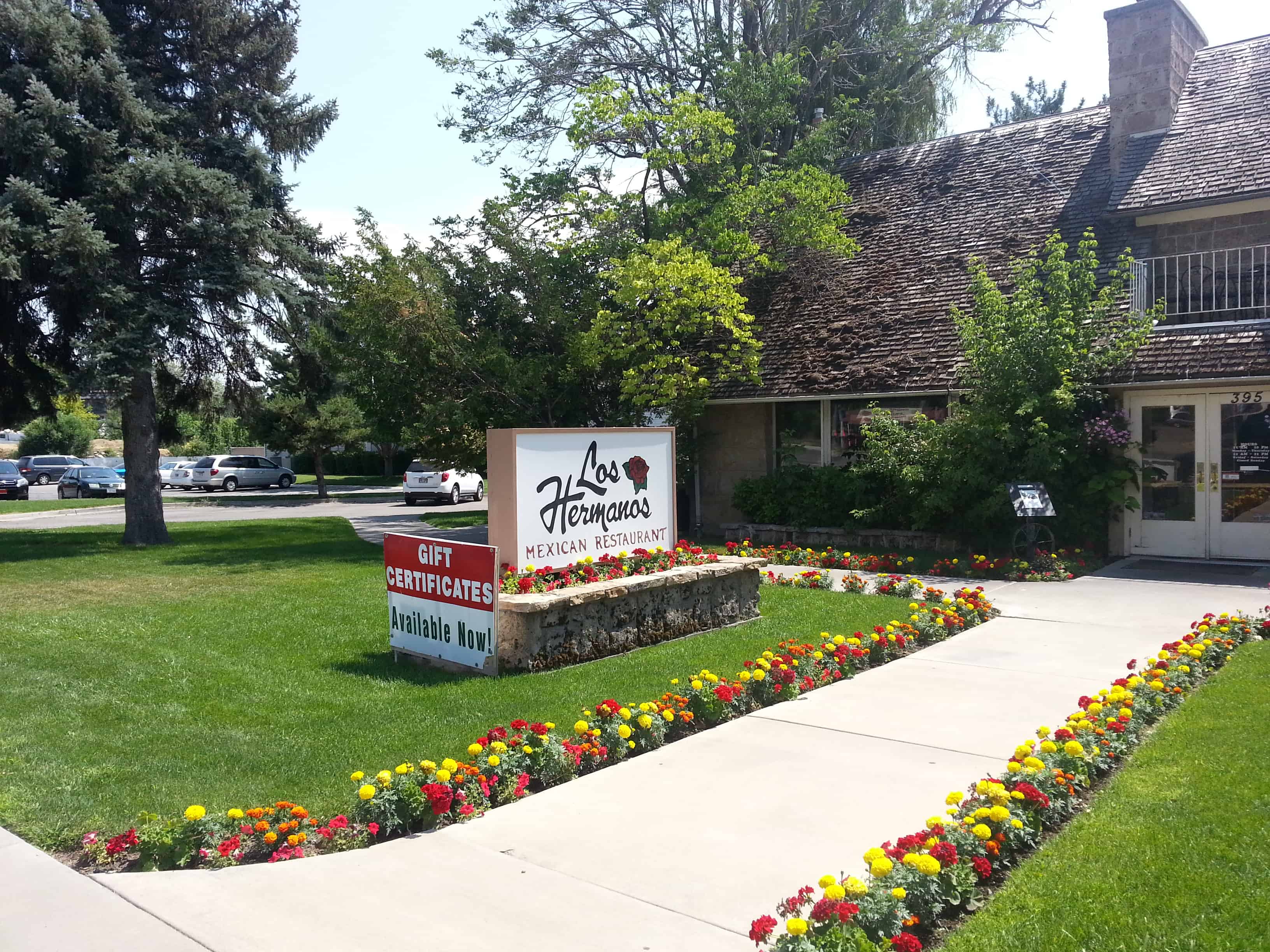
The Robison Home
395 North State Street in Lindon

2013-07-04 15.27.27
2013-07-04 15.27.33
2013-07-04 15.27.54
2013-07-04 15.27.56

This home was originally built by Lewis Seth Robison, a lawyer, teacher, farmer, manufacturer. Born in Illinois, he studied law and passed the bar in that state before moving to Utah when he was in his early twenties. Law presented scant opportunities in rural Utah in that period, a few years after the end of the civil war. He married Mary Melissa Driggs in Salt Lake City in 1873.

Robison had the honeycomb limestone brick hauled from American Fork Canyon and cut on-site. Other historical structures in Lindon employ the same materials.

The cider mill was located between the house and the barn, an area now covered by the north parking lot.

Before the turn of the century, a barrel of apple cider was considered a necessity. Families drank sweet cider during the winter and used the remainder for vinegar in the summer. Withou t a water source, the mill had to be powered by a horse and mule team hitched to the main cog. Crushed apples were shoveled by hand onto a roller press, and the juice was allowed to drip directly into barrels.

The cider could be potent—long-time residents recall with amusement the time a cow became “drunk” from feasting on leftover pulp.

Alfred Harper House

28 Sunday Dec 2014

Posted by Jacob Barlow in Uncategorized

≈ 1 Comment

Tags

historic, Historic Homes, Lindon, NRHP, Orem, Soft-rock constructed, utah, utah county

Alfred Harper House
125 West 400 North in Lindon.

2013-07-04 15.03.40
2013-07-04 15.03.44
2013-07-04 15.04.13
2013-07-04 15.04.16
2013-07-04 15.04.22

Alfred Harper built this house in 1876 of honeycombed limestone quarried from nearby American Fork Canyon. It is said that he traded his homegrown vegetables and flowers for the rock. Before the building was completed, Harper had to leave his family and home to serve a three-year mission in New Zealand for the LDS church. On his return he finished the house and planted vines he’d brought from New Zealand. The vines eventually grew to surround the building.

Locals called it “The Big House,” and it became a gathering place for community and church activities.

One of the most notable features of the property was a well, complete with bucket and dipper, that passers-by were welcome to use to quench their thirst. Church-goers, children, and even the occasional tramp made good use of the clear, cold water.

In 1987, the Harper House was listed on the National Register of Historic Places, the nation’s official list of cultural resources worthy of preservation. The register recognizes the accomplishments of all peoples who have contributed to the history and heritage of the United States.

Joseph Olpin House

17 Friday Oct 2014

Posted by Jacob Barlow in Uncategorized

≈ Leave a comment

Tags

historic, Historic Homes, NRHP, Pleasant Grove, Soft-rock constructed, utah, utah county

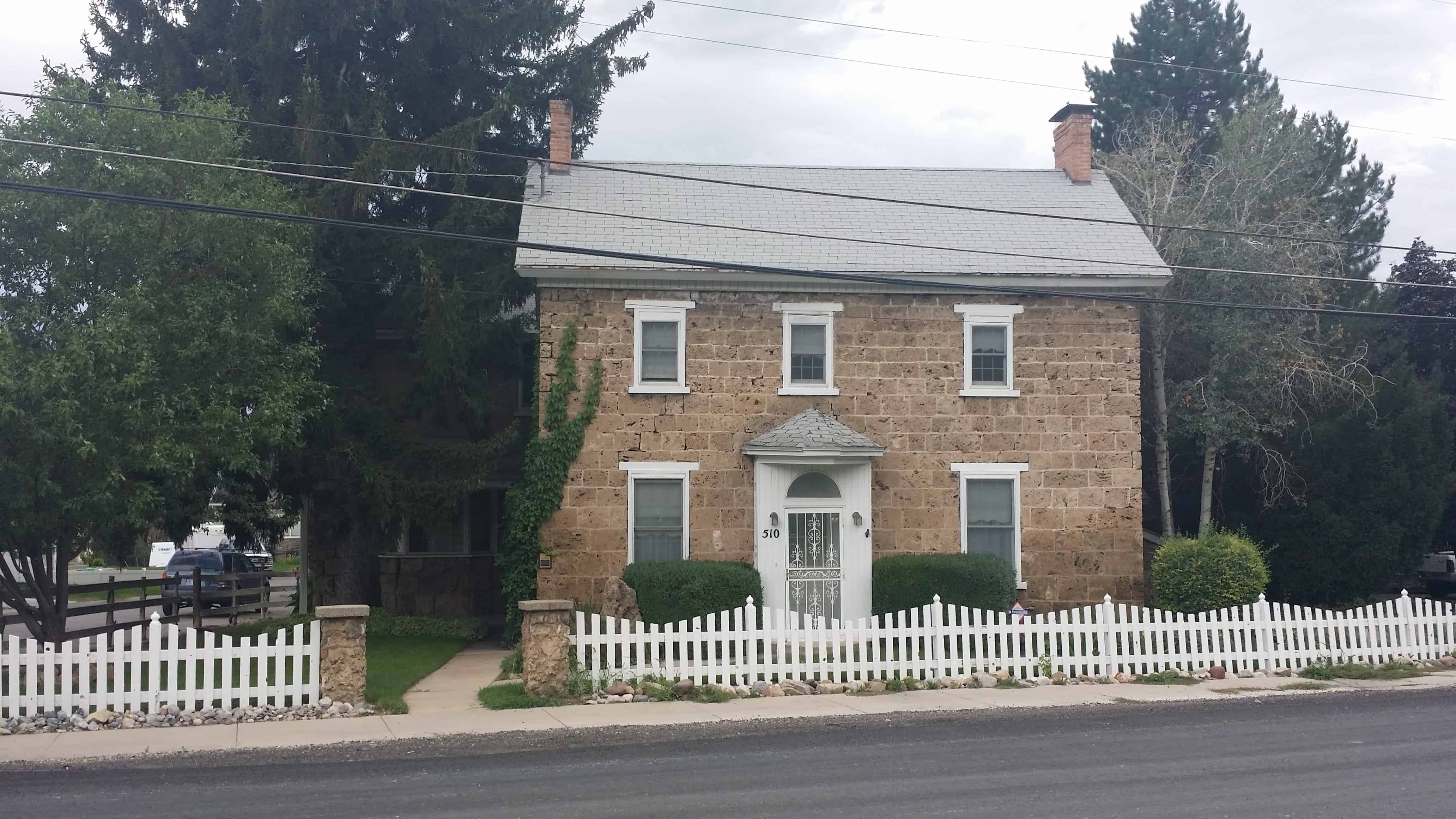
2014-08-22 18.27.40

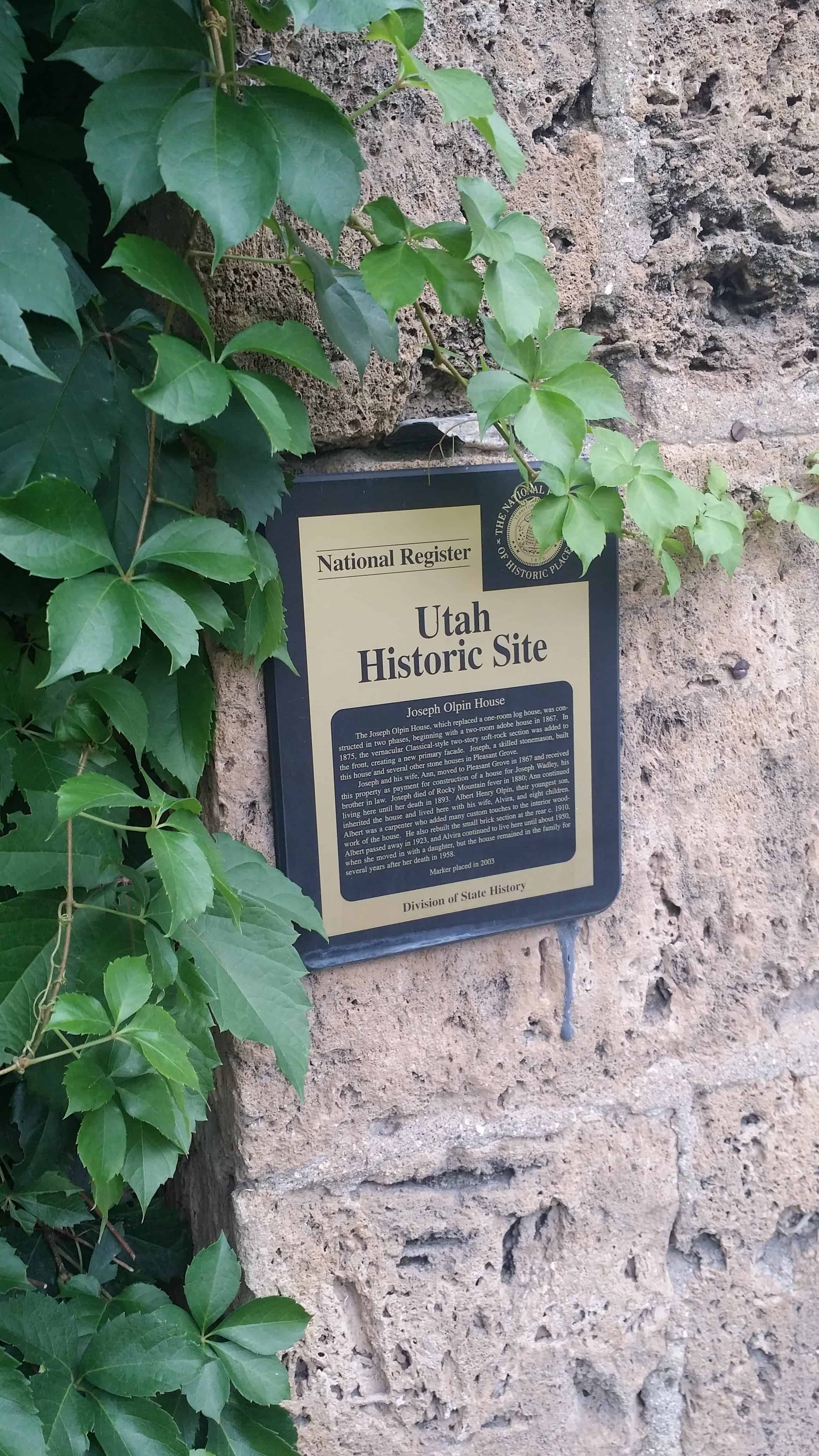
The Joseph Olpin House, which replaced a one-room log house, was constructed in two phases, beginning with a two-room adobe house in 1867. In 1875, the vernacular Classical-style two-story soft-rock section was added to the front, creating a new primary façade.  Joseph, a skilled stonemason, built this house and several other stone houses in Pleasant Grove.

Joseph and his wife, Ann, moved to Pleasant Grove in 1867 and received this property as payment for construction of a house for Joseph Wadley, his brother in law.   Joseph died of Rocky Mountain fever in 1880; Ann continued living here until her death in 1893.  Albert Henry Olpin, their youngest son, inherited the house and lived here with his wife, Alvira, and eight children.  Albert was a carpenter who added many custom touches to the interior wood-work of the house.  He also rebuilt the small brick section at the rear c. 1910.  Albert passed away in 1923, and Alvira continued to live here until 1950, when she moved in with a daughter, but the house remained in the family for several years after her death in 1958.

Located at 510 Locust Avenue in Pleasant Grove, Utah and added to the National Register of Historic Places (#77001320) on November 7, 1977.

Related:

  • Utah’s oldest homes
2014-08-22 18.28.09

The Joseph Olpin House, built ca. 1875 by the owner, a stone mason, is one of the early pioneer homes of Pleasant Grove. It is a fine example of Utah vernacular architecture and has historic associations with the Mormon religion and the development of education in the State.

Joseph Olpin was born in Gloucester, England, in 1839. His father joined the Mormon Church in that country, and Joseph was baptized by him in 1845. Joseph Olpin came to Utah in 1856 at the age of 17.

Olpin lived in Salt Lake City, until 1863, when he moved to Rockport. He remained there until moving to Pleasant Grove in 1867 at the suggestion of Joseph Wadley, his brother-in-law. Olpin received the land on which the house stands from Wadley as payment for construction of a house for him. Olpin originally built a one-room log house on the site, later replaced by a two-room adobe. Olpin’s skill as a stone mason was widely sought by residents of Pleasant Grove, and he built many of the stone houses still standing in the area.

Olpin built the two-story soft stone house in 1874 or 1875. He died January 17, 1880, in Pleasant Grove. The house passed to Albert Henry Olpin, the youngest of his four sons. Albert Olpin was a carpenter by trade and was responsible for much of the woodwork in the house, including the curving wooden staircase in the central hall. He also built the brick addition at the rear ca. 1908-1910.

While on a church mission to South Carolina in 1901-1903, Albert Olpin was severely beaten by a mob. This incident is symbolic of the anti-Mormon tensions which continued into the 20th Century.

Dr. A. Ray Olpin, past president of the University of Utah, is the oldest son of Albert and Alvira Olpin. He was born in the house in 1898. Dr. Olpin headed the University from 1946 to 1964. During these years the institution experienced tremendous growth, enrollment increasing from c. 7,000 to c. 18,000 over the period.

The house remained in the Olpin family until 1943, when the President’s mother sold it. The home is currently the private residence of Mr. and Mrs. Edward Platt who wish to complete its restoration.

The Joseph Olpin Home is a two-story rectangular building of stone with a one-and-a-half story rear addition of brick. The front and sides are coursed ashlar, while the foundation and back are of nibble construction. The front is symmetrical, three bays wide, with wooden lintels above six-over-six windows. Two single stack, banded brick chimneys, recessed slightly from each gable end, straddle the ridge.

At the rear of the original stone building is a one-and-a-half story brick broken salt-box addition, with a hipped roof porch. The addition is of stretcher bond. The rear door and window bays of the ground floor of the addition have segmented arches. The rear bays have corbeled voussoirs. The two smaller windows of the upper story of the addition have plain wooden lintels which break into the frieze. Both the addition and original building have a plain boxed cornice with simple mouldings and a plain frieze. The addition has two single stack brick chimneys, one at the peak of the ridge, recessed from the gable end, and the other on the shallow slope of the roof.

Both the original structure and the addition are of vernacular styling. The condition of the building is good and the integrity is excellent. The plan consists of two rooms flanking a central hall on the first floor of the main building. The addition houses a kitchen and pantry area. The original curving wooden staircase still stands in the hall. The upper floor served as bedroom space.

Alfred Harper House

05 Sunday Oct 2014

Posted by Jacob Barlow in Uncategorized

≈ Leave a comment

Tags

historic, Historic Homes, Lindon, Soft-rock constructed, utah, utah county

Alfred Harper built this house in 1876 of honeycombed limestone quarried from  nearby American Fork Canyon. It is said that he traded his homegrown vegetables and flowers for the rock. Before the building was completed, Harper had to leave his family and home to serve a three-year mission in New Zealand for the LDS church. On his return he finished the house and planted vines he’d brought from New Zealand. The vines eventually grew to surround the building.
Locals called it “The Big House,” and it became a gathering place for community and church activities.

One of the most notable features of the property was a well, complete with bucket  and dipper, that passers-by were welcome to use to quench their thirst. Church-goers, children, and even the occasional tramp made good use of the clear, cold water.

In 1987, the Harper House was listed on the National Register of Historic Places, the nation’s official list of cultural resources worthy of preservation. The register recognizes the accomplishments of all peoples who have contributed to the history and heritage of the United States.

2014-08-22 18.10.02 2014-08-22 18.10.04 2014-08-22 18.10.09 2014-08-22 18.10.13

Newer posts →

Follow Jacob

Follow Jacob

Blog Stats

  • 2,063,736 hits

Social and Other Links

BarlowLinks.com

Recent Posts

  • The Heinrich Gubler Home
  • The Temple Quarry
  • The Old Settler’s “Swallow’s Nest”
  • Arthur Miles Home
  • Navajo Shadehouse Museum

Archives

Loading Comments...