Tags
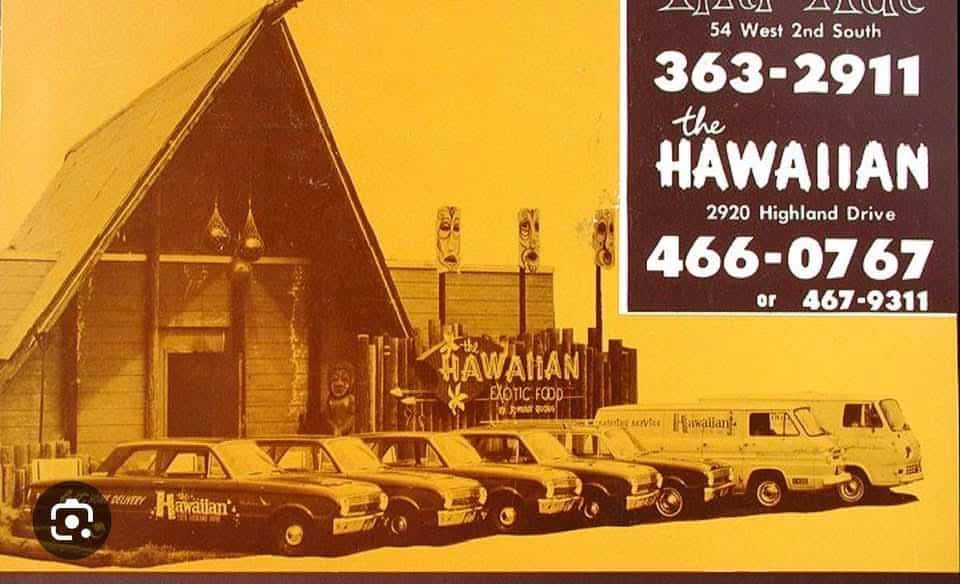
2920 S Highland Dr
29 Friday Dec 2023
Posted in Uncategorized

29 Friday Dec 2023
Posted in Uncategorized
Tags
19 Tuesday Dec 2023
Posted in Uncategorized
17 Monday Oct 2022
Posted in Uncategorized
Tags
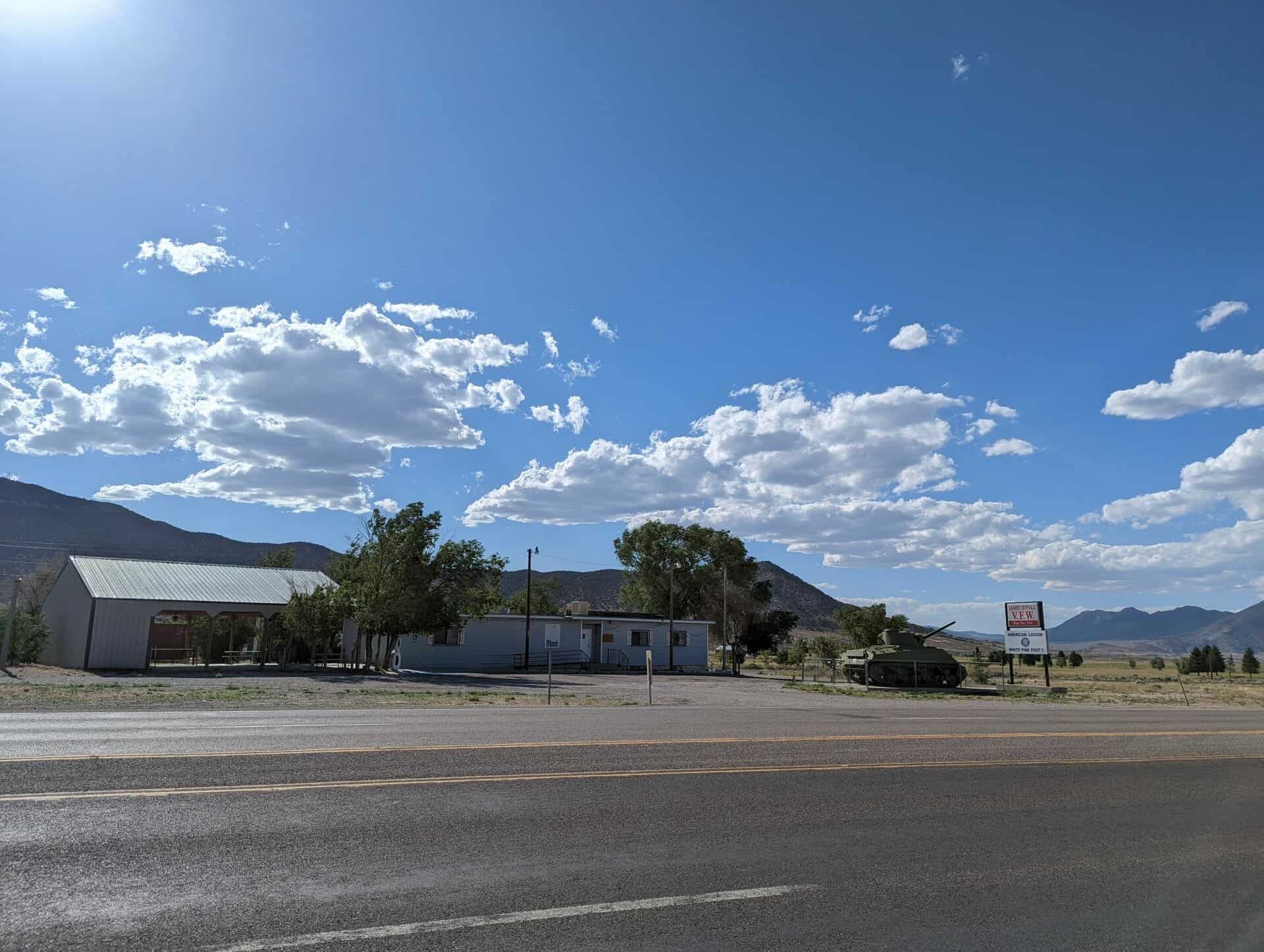
James Jewell V.F.W. Post No. 3547 / American Legion White Pine Post 3
50 North McGill Highway in Ely, Nevada.
Related:

28 Monday Mar 2022
Posted in Uncategorized
Tags
American Fork, American Legion Posts, Historic Buildings, NRHP, PWA Moderne, utah, utah county, VFW Posts
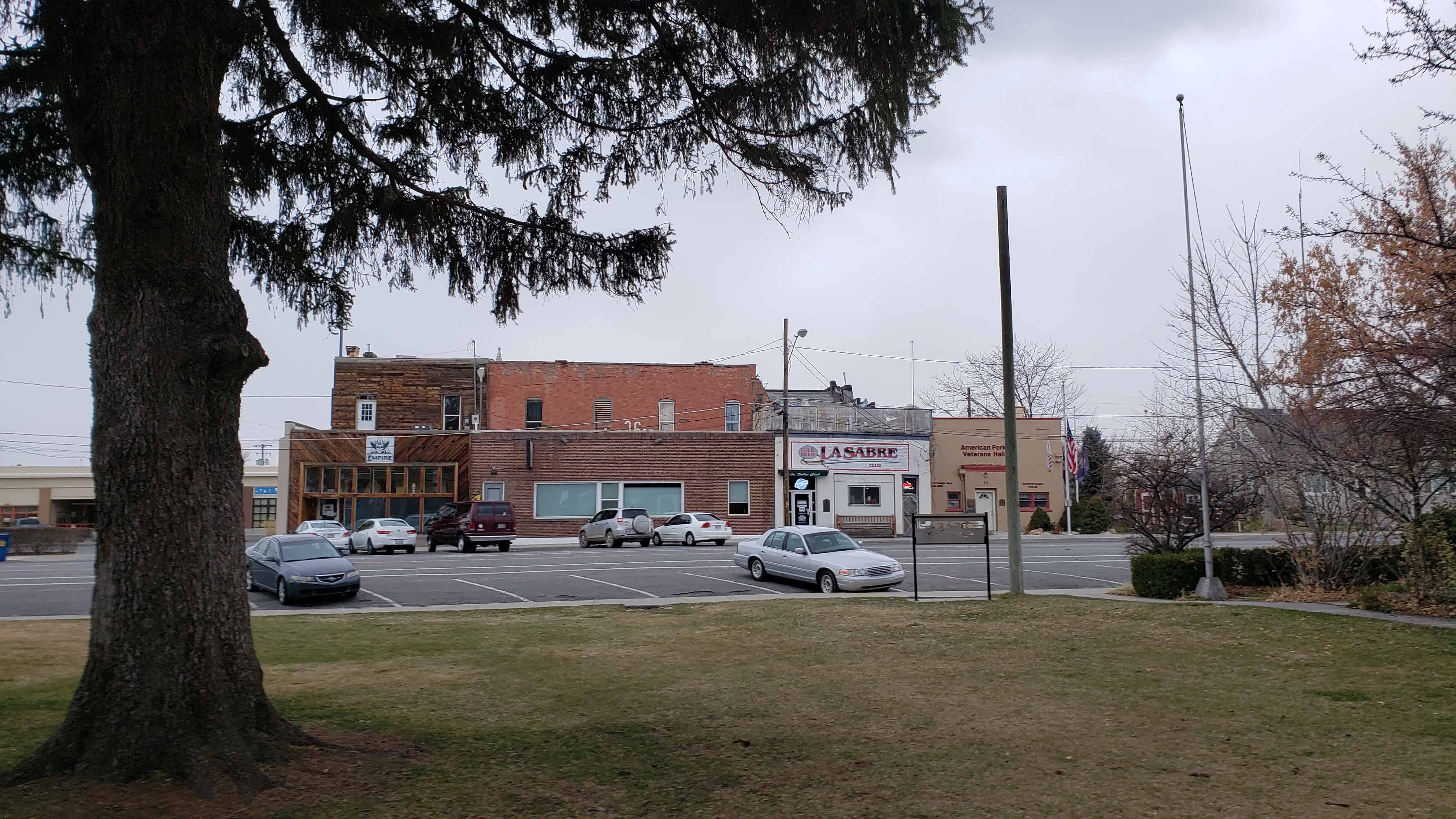
Veterans Memorial Building
The Veterans Memorial Building, also known as the Legion Hall, was originally constructed as a commercial building sometime before 1932. In 1934 it was extensively remodeled as an early Public Works Project funded by three sources: A Civil Works Administration Grant (part of the New Deal Era Legislation), American Fork City, and the American Legion Post 49. American Fork Veterans, wanting to bolster public remembrance of their comrades who served and died in WW1, organized a small group of men and women who worked for years to establish a suitable memorial. Their efforts resulted in the remodeling of this structure to honor WW1 servicemen. As a result of their support and its use as a Legion Post it was commonly known as the Legion Hall.
The Building is a well-preserved local example of the “PWA” Moderne Style of architecture, which was used extensively during the 1930’s on government-funded buildings. It features smooth wall surfaces, flat roof, plain, narrow cornice, framed entrance, and metal sash windows. The interior maintains much of its original fabric such as wainscoting, staircases, crown molding, wall sconces, and 1930’s kitchen with elaborate cabinets, glass cupboard doors, and chrome plated hardware.
Located at 53 North Center Street in American Fork, Utah
Related:


25 Thursday Nov 2021
Posted in Uncategorized
Tags
Emery County, Ferron, Historic Churches, NRHP, Presbyterian, Presbyterian Churches, Schools, utah, VFW Posts

Ferron Academy
The Presbyterian Church entered Utah Territory and expanded rapidly between 1869 and 1883. Around 1911, they erected this building as the Ferron Wasatch Academy, one of forty such institutions in Utah. These private educational systems led to the establishment of higher education in Utah. It remained a church and school until 1942 when it was sold to the Ferron American Legion Post No. 42. It is in use today as a center for community activities.
Dedicated July 12, 1986 by Utah Outpost, Mount Charlie Chapter No. 1850, E Clampus Vitus.
Located at 165 North 300 West in Ferron, Utah
Related:


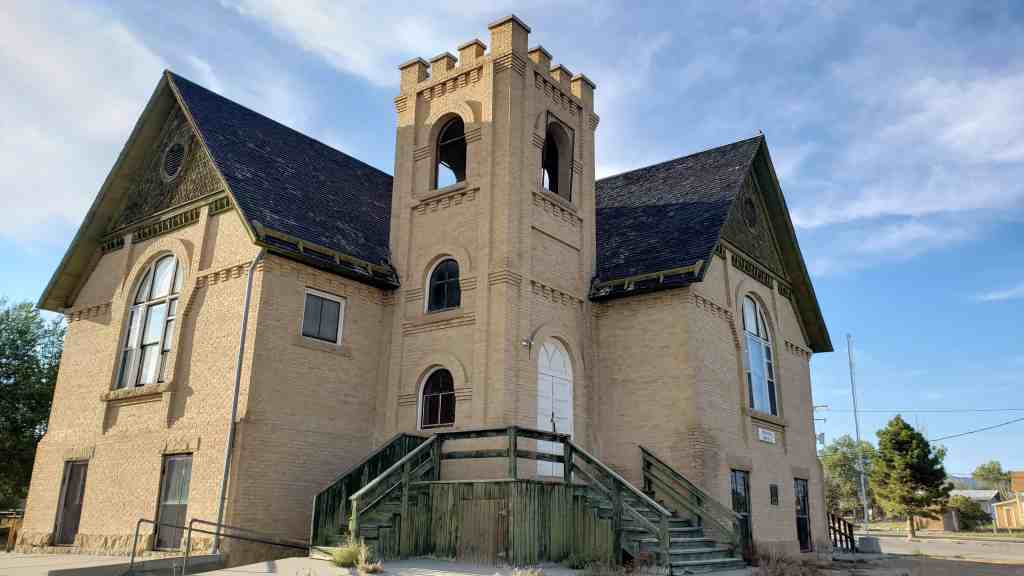


The Ferron Church and associated manse are representative of the missionary activity of the Presbyterians in predominantly Mormon regions of Utah. Since the primary emphasis of the Presbyterian missionary effort was their educational programs, the buildings are also representative of the important influence the non-Mormon church programs had upon the development of public education in the state. Although the architect of these buildings is unknown, the church is one of the best examples of Late Gothic Revival architecture in this portion of the state.
The Presbyterian denomination has traditionally placed heavy emphasis upon missionary activity. Presbyterian missionary work in Utah dates back to June 13, 1869, when Reverend Melanchton Hughs preached his first service in Corinne, Utah. The period from 1869 to 1883 is seen as a time of remarkable expansion for the Presbyterians in Utah.
On March 27, 1883, the Utah Presbytery reported “…33 stations with 41 buildings valued at $65,000. Sixty-six teachers were conducting schools with 1,789 enrolled There were about 350 members in the churches, with 13 ministers.”1 In 1905 Sherman H. Doyle wrote:
“Utah appeals with peculiar pathos to all interested in Christian missions. It is an ideal mission field. The people are there by the thousands. They are in ignorance, in superstition, and in irreligion. They are easily accessible in great numbers. No new tongue must be learned to preach the gospel to them. Their own best interests as well as those of our homes, of society, of our land, and of our church, demand their reclaim from the degrading superstitions of Mormonism. Can we resist such an appeal? Let us not even try; but rather in the spirit of the master let us be willing
to spend and be spent in winning the souls of these deluded thousands to his cross and his crown.”
The most effective and extensively utilized Presbyterian proselyting method was the establishment of church schools, especially for elementary age children. When the Presbyterians began their missionary work in Utah, public education was very limited. The schools established by the Presbyterians and other Protestant churches as well as by the Catholics were the only alternatives to LDS operated or oriented schools. By 1887, 50,000 children had been educated in Presbyterian schools.- Presbyterian elementary schools were eventually established in thirty-three Utah towns. Although Mount Pleasant Academy and Westminster College are all that remain in operation today of the once extensive Presbyterian educational system, it has been judged a success by the church primarily because it helped force the establishment of public schools in Utah.
The Perron mission is notable because it was one of the few church and school complexes built in Utah after the 1869-1883 expansion period and because it was built in an area where a public educational system was already established.
Local informants indicate that Presbyterian missionaries came to the Ferron area about the turn of the century and that church services and elementary school classes were held in a two story frame building which is no longer extant. On February 15, 1908, the First Presbyterian Church of Ferron purchased two lots of land for the construction of a church building and a manse (clergyman’s residence). On March 28, 1908, the Emery County Progress announced:
The excavation for the new (Presbyterian) building has been completed almost sufficient rock for a 12-foot wall is on the ground. The building will be 51 ft. x 60 ft., with two stories and will accommodate church, school and academy, as well as provide for reading room, gymnasium and other school features. It is hoped that the building will be ready for occupancy early in September.
But hopes that the church would be completed later that year were soon dashed. Shortage of funding dictated that the construction proceed at a slower pace than was originally planned. The primary builders were Tom Jones and Mac McKenzie, both Presbyterian missionaries sent to the Ferron area around the turn of the century. These men worked on a volunteer basis, constructing the building as funds permitted. In 1910, the land the church was being built upon was mortgaged to the Board of the Church Erection Fund for $1,000 to help finance the completion of the building.
By March of 1911, at least part of the building was ready for occupation. The church and school remained in operation until 1942, at which time the building was deeded over to the Ferron American Legion Post. During its 30 year life as a mission, the Presbyterian Church building provided not only religious services, but also elementary schooling for grades 1 through 8. If students wished to continue in the Presbyterian educational system, they could attend high school at Wasatch Academy at Mount Pleasant and college at Westminster College in Salt Lake City. Local informants recall that the church school had a good educational reputation and that during the early period, it provided the only free lending library in town.
The nearby manse (parson’s residence) or “Cottage” as it was locally known, was probably built in or shortly after 1908. The first floor served as a residence for the minister and his family, while the second floor housed the unmarried female missionary school teachers. At one time the cottage and the church were connected by a covered walkway. The cottage is presently a private residence owned by Joel Swapp.
26 Sunday Jan 2020
Posted in Uncategorized
Tags