Tags
111 E 200 N
20 Saturday Dec 2025
Posted in Uncategorized

20 Saturday Dec 2025
Posted in Uncategorized
Tags
19 Friday Dec 2025
Posted in Uncategorized
Tags
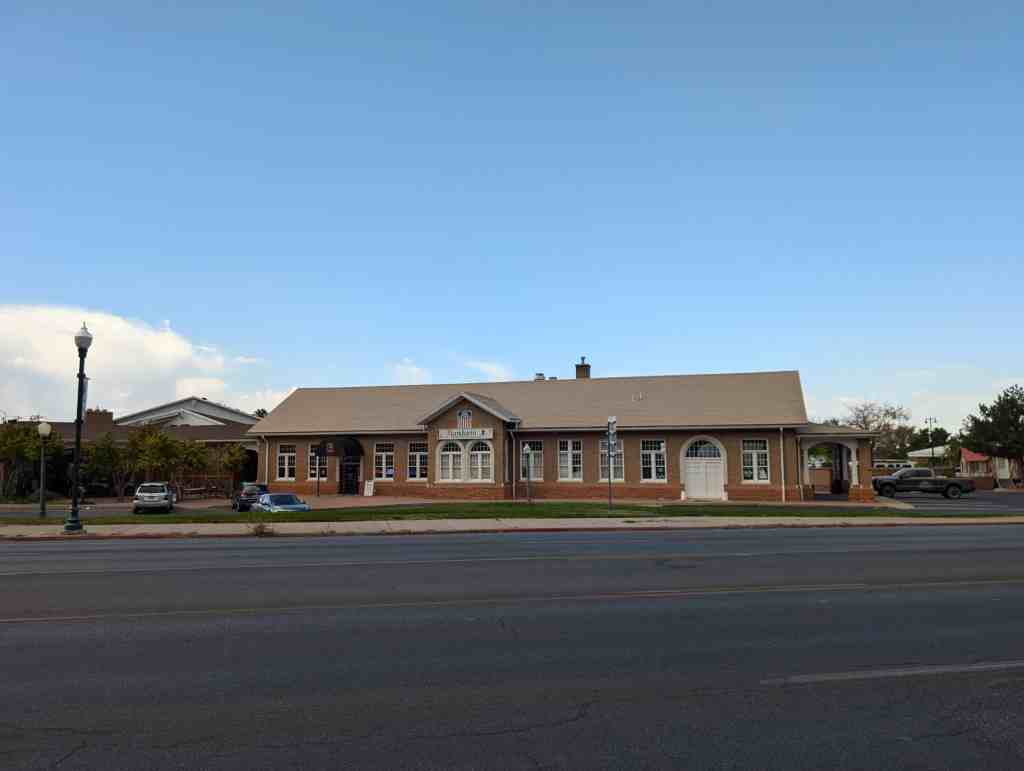
Cedar City Railroad Depot
The Cedar City Railroad Depot, built in 1923, is historically significant as the only extant building associated with Cedar City’s railroad connection which, in addition to stimulating the iron ore and livestock industries in the area, contributed greatly to the expansion of the tourism industry in southern Utah and the establishment of Cedar City as the focal point for that industry. As roads to scenic areas in southern Utah were promoted and developed, Cedar City became a strategic center for travel to the national. parks and monuments. After many years of hoping for a railroad connection to boost the iron ore industry in the area the promise of tourist traffic finally drew the railroad to Cedar City in 1923. In addition to constructing the depot, the Union Pacific Railroad became fully involved in the tourist business by purchasing hotels, busses, and building lodges. Automobile traffic gradually superseded railroad traffic and bus tours to the point that the railroad eventually closed its line to Cedar City in 1959. The Cedar City Railroad Depot is the only building that remains in Cedar City to document the important influence that tourism and the railroad had on Cedar City’s development.
Located at 241 North Main Street in Cedar City, Utah and added to the National Register of Historic Places (#84002184) on August 9, 1984.
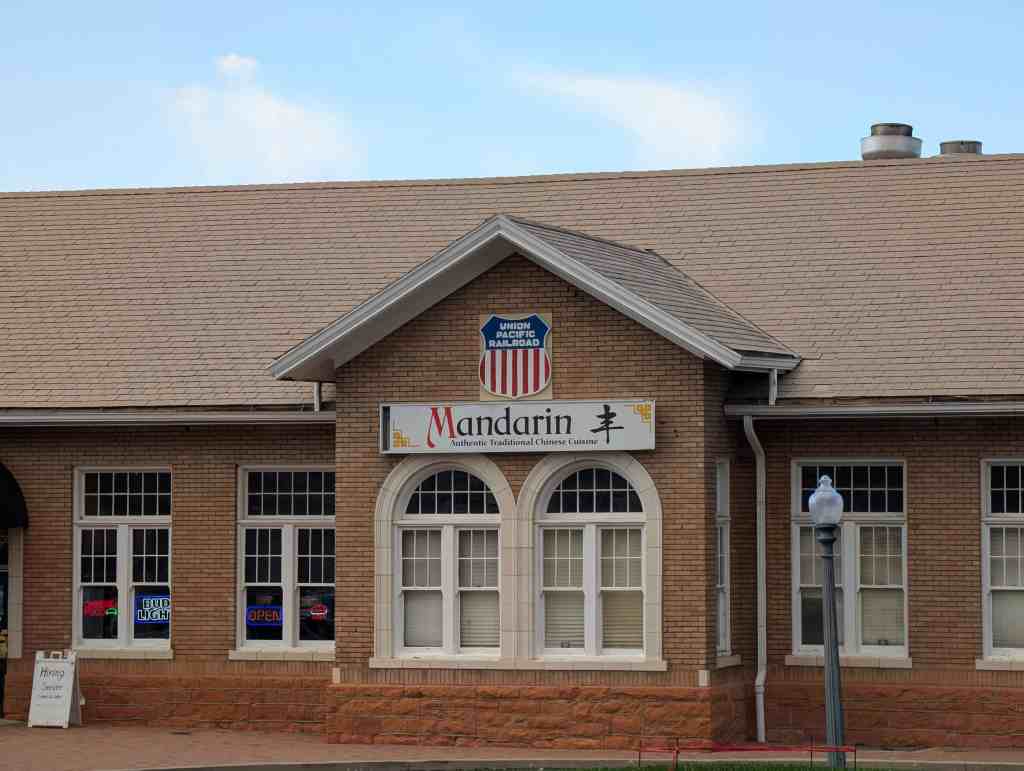
Cedar City was founded in the fall of 1851 by members of The Church of Jesus Christ of Latter-day Saints (Mormons or L.D.S.) who were sent to establish an iron manufacturing center in the area. The group experienced many, setbacks: floods, collapse of the iron works, technical problems, and the Utah War. To add to these problems, in 1857 members of the community were involved in the Mountain Meadows Massacre. The year following this tragedy, Cedar City’s population went from 928 to 376. Those who remained turned to agriculture as a means of support. Agriculture instead of iron production became the economic base for the area. Various efforts during the 1870s and 1880s were successful in producing iron, however, as the Deseret News commented in 1874, “The successful manufacture of iron in Utah is now demonstrated beyond the shadow of a doubt and it but needs railroad connections between the works (at Iron Town [about 15 miles southwest of Cedar City]) and this city [Salt Lake City]….”‘ Despite such encouragement, it was not until 1905 that the railway reached Iron County, and even then its nearest connection to Cedar City was 30 miles northwest of the city at Lund. For nearly 20 years after the arrival of the railroad to the area wagons were used to haul freight and passengers between Lund and Cedar City.
With the growing popularity of the automobile in the early decades of the twentieth century, the demand for more and better roads developed. Concurrently, the scenic beauty of southern Utah Mukuntuweap National Monument (Zion National Park after 1919), the North Rim of the Grand Canyon, Bryce Canyon, the Kaibab Plateau, and Wayne Wonderland (the Capitol Reef area) was receiving more and more attention, and much of it was national. The assistant director of the National Park Service, Horace Albright, visited the Zion area and realized that it was of national park caliber. When Albright reported his visit to Director Mather, Mather did not reply immediately and “later wrote that he thought Albright must have fallen into the hands of some chamber of commerce directors or had been given some very potent drink, for he had never heard of such country and found it difficult to believe it existed.” Three years later when Zion was made into a national park, Mather visited the area and became an enthusiastic promoter himself. As the reports, pictures, and travel shows spread the word about southern Utah’s scenic beauty, public demand for roads to these areas increased. As roads were developed to the parks and monuments it became obvious that Cedar City, because of its central location, was the strategic center for tourists wishing to see southern Utah’s scenic beauty.
As early as August of 1916 representatives of the Union Pacific and the Oregon Short Line railroads, along with representatives from other travel agencies, made an expedition through the area by bus to scout “the possibilities for railroad traffic in the region.” On March 5, 1920, it was announced that a spur line from Lund to Cedar City would be built. In 1921 the President of the Union Pacific Railroad Company, Carl R. Gray, visited the area to investigate the potential of southern Utah to support a railway line. Gray was impressed with the stability of the communities he visited and the quality of the people he met, “and the next year a spur of the railroad was run from Lund to Cedar City, justified on the anticipated traffic from livestock, agriculture, iron ore, and tourist travel.”
The promise of tourist traffic was obviously Cedar City’s biggest drawing card for the railroad because the Union Pacific soon formed the Utah Parks Company and became heavily involved in the tourist trade. The Union Pacific bought the El Escalante Hotel (which was built 1918-23 by a group of Cedar City citizens who saw the need for larger and more commodious hotel accommodations than Cedar City then offered), set up a large bus station at Cedar City, and in 1927 purchased the Wylie Tourist Camp interests in Zion Canyon and the Parry Transportation Route from Cedar City to Zion. The Parry Brothers had previously provided transportation for park visitors and had set up a 10-day trip from Cedar City to Zion, Kaibab, North Rim, Bryce, Panguitch, and back to Cedar City.
Cedar City’s enthusiasm for the anticipated spur line was great. Citizens set up a committee responsible for raising and purchasing the property and homes over which the railroad would pass. “The City Council voted $5,000 to assist in purchasing this property; but so successful was the committee that, after all the bills were paid (a total of $115,000 was expended), the $5,000 was still intact with $2,500 to add to it. The $7,500 nest egg was put in trust and subsequently used to purchase land for a federal building.” Thirty-eight families donated property and/or money to purchase the railroad right of way and the depot site.
In less than three months and at a cost of $1,049,000 the railroad tracks were brought to Cedar City. The depot building was built by the Union Pacific during 1923. Plans for the building were prepared by the Union Pacific System’s Office of Chief Engineer, Los Angeles and Salt Lake Railroad Company. W.T. Wellman, architect was in charge of the project. George A. Wood of Cedar City was the general contractor. The portico area extending to the south was constructed in 1929 to serve as a passenger waiting area and bus shelter.
The first train over the track was a trial run made on Sunday, June 10, 1923. The event was a cause for celebration, although the laying of the tracks was not yet completed and the train could only reach within 4 miles of the town. In a symbolic act, David Bulloch, who was the first boy to ride a wagon into Cedar City in 1851, rode the cow catcher of the test run engine and photographs were taken. The first official train that crossed the tracks and stopped at the depot was on June 27, 1923. The passengers on this first train included President and Mrs. Warren G. Harding and the presidential party. After a warm greeting at the depot by southern Utah citizens, the entourage loaded into 24 automobiles and traveled south to Zion Park. Upon their return to Cedar City to board the train for their departure, President Harding was honored at a special program.
The depot was officially opened on September 12, 1923, with the ceremonial laying of a golden rail, named the Warren G, Harding Memorial Rail. President Harding had died in Alaska shortly after his visit to southern Utah, and a memorial service was held at the railway opening ceremonies for the president on the spot where his train had stood just weeks before. Among the dignitaries in attendance at the combined ceremonies were Senator Reed Smoot, Utah Governor Mabey, L.D.S. church President Heber J. Grant, Union Pacific Vice-President H.M. Adams, the mayor of Salt Lake City, and the president of the Los Angeles Chamber of Commerce. Speakers at the services talked of the great center Cedar City would become and one speaker even suggested that because of the area’s vast ore deposits and other natural resources Cedar City would soon rival Pittsburgh.
Tourist travel dramatically increased after the railroad was built; visitors to Zion National Park increased from 3,692 in 1920 to 55,297 in 1930. The number of visitors to the national parks and monuments in the area has continued to increase, but as roads were developed private automobiles handled most of the traffic. Rail passenger service into Cedar City was discontinued in 1959 and in the mid 1970s the Utah Parks Company sold out to TWA (Trans World Airways).
In addition to the increased tourism, Cedar City benefitted in other ways from the railroad connection. Iron ore production increased dramatically from annual production of 15,000-45,000 tons to 164,154 tons mined the year after the railroad came. During World War II, Iron County ore production rose to 1 million tons and increased to nearly 2 million tons during the last year of the war. Ore was shipped by rail from Iron County mines to the Ironton plant in Springville, Utah, the Geneva plant in Provo, Utah, the Minnequa plant in Pueblo, Colorado, and the Kaiser plant in Montana.
Growth of Iron County’s livestock industry was also encouraged by the railroad. The railroad was important in transporting wool and lambs from Iron County’s important sheep industry. Iron County purebred Rambouilett sheep became famous in the late 1920s, and buyers from the Russian government came to the area to purchase sheep to improve their native breeds.
However, the most immediate effect of the railroad on Iron County’s economy was seen in the increase of visitors in the area. The Cedar City Railroad Depot is the only building that remains in Cedar City to document early tourism in the area before the nation’s highway system was fully developed. The El Escalante Hotel, Bus Driver’s Dorm, and railroad warehouses have all been torn down.
17 Wednesday May 2023
Posted in Uncategorized
Tags
Erected by direction of Brigham Young and associates in 1851-2 one block north of this monument, produced the first iron manufactured west of the Mississippi River. Thirty-five men, the founders of Cedar City, constructed and operated the blast furnace. They established the first mining camp in Utah a few miles west of here, from which they procured the iron ore. The foundry was operated for 8 years at a cost of $1,000,000. Ore used in this monument was hauled here from the mines by pioneer workers and the pig iron bars in this structure were made by them.
This monument was located in the Cedar City Park at 250 North Main Street in Cedar City, Utah and is now missing after the monument holding the plaque crumbled when it was being moved.
18 Saturday Mar 2023
Posted in Uncategorized
Tags

Frontier Homestead State Park Museum (formerly called Iron Mission State Park)
Located at 635 North Main Street in Cedar City, Utah


The Caboose
The caboose provided the train crew with shelter and working space while they threw switches and inspected for problems such as shifting loads, overheated axle bearings, and dragging equipment. The conductor used the caboose for filling out various forms and reports. On longer trips, the caboose provided living quarters.
Caboose 4618 was manufactured by Pacific Car and Foundry in 1978 and delivered to Southern Pacific. In its heyday, Southern Pacific operated nearly 14,000 miles of track covering various routes stretching from Tennessee to California.
The body of Caboose 4618 was painted in mineral red with the bay window ends and the end walls in daylight orange, both traditional Southern Pacific colors. Cabooses in the SP system were designated C-XX-X. The “C” stood for caboose, the “XX” denoted the axle load in tons, and the final “X” represented the class, type, or design. Caboose 4618 is a C-50-7. Power for the caboose was provided by a small electrical generator mounted on the lead truck.
This caboose was purchased from a California rail yard in 2005 by George Lutterman. In April 2013 it was donated to Frontier Homestead State Park and moved in partnership with Iron County, Union Pacific, Construction Steel, Inc., and Gilbert Development, Inc.


The Ore Shovel
In the 1930s, iron mining expanded in Iron County and massive shovels were needed to excavate the needed ore. According to company delivery records, two Bucyrus-Erie 120-B shovels were delivered to the Utah Construction Company in Cedar City in September of 1936 for use in the iron mines. At the time, the hourly wage for a shovel operator was $0.48 per hour.
The electric 120-B shovel had a six cubic yard dipper capacity, big enough to scoop up six tons of dirt and rock, enough to fill a hole the size of a large pick-up truck with extended cab and bed. AC power was supplied to the shovel via a trailing 23,000 volt electric cable which drove a 275-horsepower motor-generator set. When moving the shovel from pit to pit, bulldozers were employed to prevent the huge tracks from slipping down the hill.
About 330 of the 120-Bs were sold around the world over a period lasting almost three decades. SHE (shovel excavator) 22 was used continuously until the 1970’s. SHE-22 had previously been located west of town where it sat for many years. In 2012, in partnership with Utah State Parks, Cedar City, Iron County, Gilbert Development, Inc., and Construction Steel, Inc., the shovel was relocated to Frontier Homestead State Park.
Dan Webster
Dan Webster was born on February 9, 1949 in Cedar City, Utah. He graduated from Cedar High School in 1967 and after a tour in Vietnam where he received a Purple Heart, he returned to Cedar City and married Brenda Baldwin in 1971. Dan worked for the Utah Department of Transportation for 31 years. Dan and Brenda also successfully owned and managed the local Dairy Queen for 19 years. In 2010 Dan was elected to the Iron County Commission where he served the people of Iron County until his death on September 27, 2012.
Commissioner Webster loved this area and felt strongly that the County’s history should be preserved. He spearheaded the moving of the ore shovel by organizing men, machines, and money in preparation for its relocation. Unfortunately, Commissioner Webster passed away a month before the shovel arrived at the museum.


The Hay Derrick
Hay for livestock in a horse-driven society was as important as gasoline or electricity is today. The oldest technology for stacking hay in Iron County was the hay derrick that allowed farmers to build haystacks in their fields.
Hay derricks, usually homemade devices, consisted of a central pole rigged so that it could rotate on its base. By means of pulleys, rope, and a one-horse hookup, the loading fork could be raised and rotated over the haystack. When tripped, the hay would drop onto the stack. Men on top of the stack would arrange the hay so that it would shed water, thus the hay would cure rather than rot. Occasionally rattlesnakes might be hiding in the hay and provide a surprise for those on top of the hay pile. Stacks were built one section at a time. When one section was finished, the derrick was hitched to a horse and dragged to the next section.
This derrick was donated to Frontier Homestead State Park by local rancher Bud Bauer and relocated from his farm to the museum as an Eagle Scout project in May 2013.


Legacies of Iron County
Iron County exists because those who lived here developed the resources necessary for survival in this desert climate. The three legacies passed down by early settlers and their descendants agriculture, mining, and railroads represented here.
are Agriculture, symbolized by the hay derrick, became the foundation of the local community. When early mining operations ceased, Iron County residents turned to sheep and cattle to provide needed trade goods. Today, the region still has a vibrant and expanding agricultural lifestyle.
Mining, represented by the ore shovel, is the industry that began it all, proving to be the initial motive for settlement. In 1923, the mines began producing ore by the tons and elevated Iron Count, to one of the richest counties in the Utah for nearly 50 years. Recently, the mines have reopened and the tradition continues. Railroads, signified by the caboose, proved pivotal for this community. Freight trains were able to haul more raw materials than ever before, increasing profits for the mining companies. Rail traffic also brought thousands of tourists to the area each year to explore our scenic wonders. Hollywood came to Utah, travelling by train, into Cedar City. The railroad literally brought the world into our backyard.
Frontier Homestead State Park invites you to explore, discover, and remember the legacies that transformed our community. They are a testament to our past and guideposts to our future.


Pioneer Cabin
This is the oldest log cabin in Southern Utah. It was built in 1851 in Parowan by George Wood, one of the founders of Iron County, who later moved it to the Old Fort in Cedar City and then to his lot on North Main Street. Through the years it was the home of many pioneers and the birthplace of 24 children. It was presented to the Daughters of Utah Pioneers by the children of George and Mary Davies Wood, then moved to the Cedar City Park May 11, 1927, where the cabin was placed on a cement base and preserved by a canopy supported with four cobblestone pillars. April 29, 1983, it was moved to the Iron Mission State Park for protection and restoration.


Jail
This building occupied an area adjacent to the Lund Railroad Depot (formerly located west of Cedar City and north of U.S. Highway 56). The jail held unruly passengers and other lawbreakers until the local sheriff arrived to deal with them. Surprisingly, the last known occupant of the holding house was a large bear.


Line Shack
To provide communication services for visitors, a telephone line ran between Bryce Canyon and Cedar City. This line shack, one of only two built by the Utah Parks Company, sheltered those who maintained the Cedar Mountain telephone line. The cabin, sparsely furnished with a stove, bed, garbage can, and a few canned food supplies, was constructed in 1945. The building was purchased by Blaine Betenson in 1974 and donated to Iron Mission State Park.


Noble Blast Furnace
Built in 1854, the second pioneer blast furnace produced the best quality iron seen during the entire length of the Iron Mission. Even before beginning construction the residents named this structure the Noble Furnace because of their expectations that it would be a “noble building.” The Noble Furnace proved much larger than its predecessor and also used a mechanical loading assembly. Designed from the Desert Iron Company blueprints, this reproduction matches the exact dimensions of the original Noble Furnace.
This reproduction was made possible by the generous support of:
Iron County Commission, Iron County Restaurant Tax Board, Cedar City Corporation, Rocky Mountain Power, Frontier Homestead State Park, DNR


The Hunter House
Joseph Sneddon Hunter was born November 20, 1844 in Scotland to Joseph Hunter and Elizabeth Davidson. The family had joined the Church of Jesus Christ of Latter-day Saints in 1840 and in 1849 all seven immigrated to the United States. After pausing in Missouri where Elizabeth and two children died, Joseph Hunter and his sons set out for Utah, arriving in Salt Lake in the early fall of 1852. The Hunters were then called to help colonize Cedar City and arrived there in October.
Joseph Sneddon Hunter subsequently made his living in farming and livestock. In 1865 he married Elizabeth Catherine Pinnock, by whom he had ten children. Their house was built in three stages, between 1866 and 1891 with an addition in 1924. Hunter was active in church and civic affairs. He filled missions in the Southern States and in Washington County, held Church offices and gave the Church generous financial support. He believed strongly in the value of education which he supported financially and as a trustee. Joseph died in this house July 26, 1904.
The first section of the Hunter house, built in 1866, is a 1 – 1 1⁄2 story brick example of the Central Hall vernacular type. Vernacular architecture is based on localized needs, uses local construction materials, and often reflects local traditions. The east façade displays the distinctive wall dormers which characterize much of Utah’s mid-19th century architecture. The 1866 section has gable-end chimneys and exhibits common brick bonding and relieving arched windows. Decorative features include a plain entablature, gable-end cornice returns, gable and dormer finials, and elliptical fan lights in the dormers. The mixing of Greek and Gothic Revival stylistic elements is commonly encountered on vernacular houses of this type.
In 1891 the house received several additions in the “Victorian” stylistic tradition. A rear “T” extension was placed on the west side of the house. Unfortunately, this section proved too unstable to move. An elaborate porch was placed on the east façade of the main house at this time. This porch exhibits Eastlake design qualities in its intricately turned posts, scroll brackets, and spindled frieze. The richly articulated cutout designs between the posts are a particularly distinctive Eastlake feature.
In 2005 the Hunter House was relocated from its original address at 1st East and Center Street to Frontier Homestead State Park Museum. The move and subsequent restoration of the historic 1866 portion is a testament to the local community’s desire to preserve and protect their heritage for all to experience and enjoy.


Rass Jones Sheep Shearing Shed
In 1924 Erastus Jones built a large shearing shed and corral west of Cedar City. Using nine shearing stations powered by an engine, each worker could shear approximately 150 sheep in an eight-hour period. The Jones shearing operation continued for 20 years, until portable shearing became cost effective and more convenient. In 2005, this shed was donated to Iron Mission State Park Museum by the Larry Jones and Ann Jones Cherrington families and relocated to the museum grounds for preservation.
Shearing in the early days was a big community event. William R. Palmer notes: “Some women sent lots of pies, cakes, and pastries, but the man who received them almost had to stand guard with a shotgun to get a taste. On one pretext or another he would be enticed away from his camp and return to find all his dainties consumed.”


06 Friday Jan 2023
Posted in Uncategorized
Tags
Cedar City, Historic Markers, Iron County, Statues, SUP, utah

Ellen (Nellie) Purcell Unthank
Ellen (Nellie) Purcell was born November 6, 1846 in Tintwhistle, England. At 9 she, with her parents and sister Margaret (Maggie), 14, began the trek from Iowa to Salt Lake Valley in 1856 with the Edward Martin Handcart Company.
Early snows overtook the company, both Nellie’s parents died on the trail. Nellie’s feet were frozen.
On arrival in Salt Lake Valley, she was strapped to a board. No anesthetics were available. Both her legs were amputated just below the knee with a butcher’s knife and carpenter’s saw.
For the rest of her life she moved about on the painful stubs of her legs.
At 24 in Cedar City she became the plural wife of William Unthank. His income was small.
Beginning as a wife in a one-room log house with a dirt floor, she kept her home spotless. Nellie took in washing, she knitted stockings to sell. She gave birth to 6 children. Her Bishop and Relief Society occasionally brought food to her family. To even the score, once a year she and her children cleaned the meeting house throughout.
Nellie died at 68 in Cedar City — A noble representative of the rank and file of Mormon Pioneers.
This marker #38 of the historic markers by the Sons of Utah Pioneers, located on SUU Campus at 400 West 200 South in Cedar City, Utah.


13 Thursday Oct 2022
Posted in Uncategorized
Tags
Art, Cedar City, Historic Markers, Iron County, Statues, SUP, utah

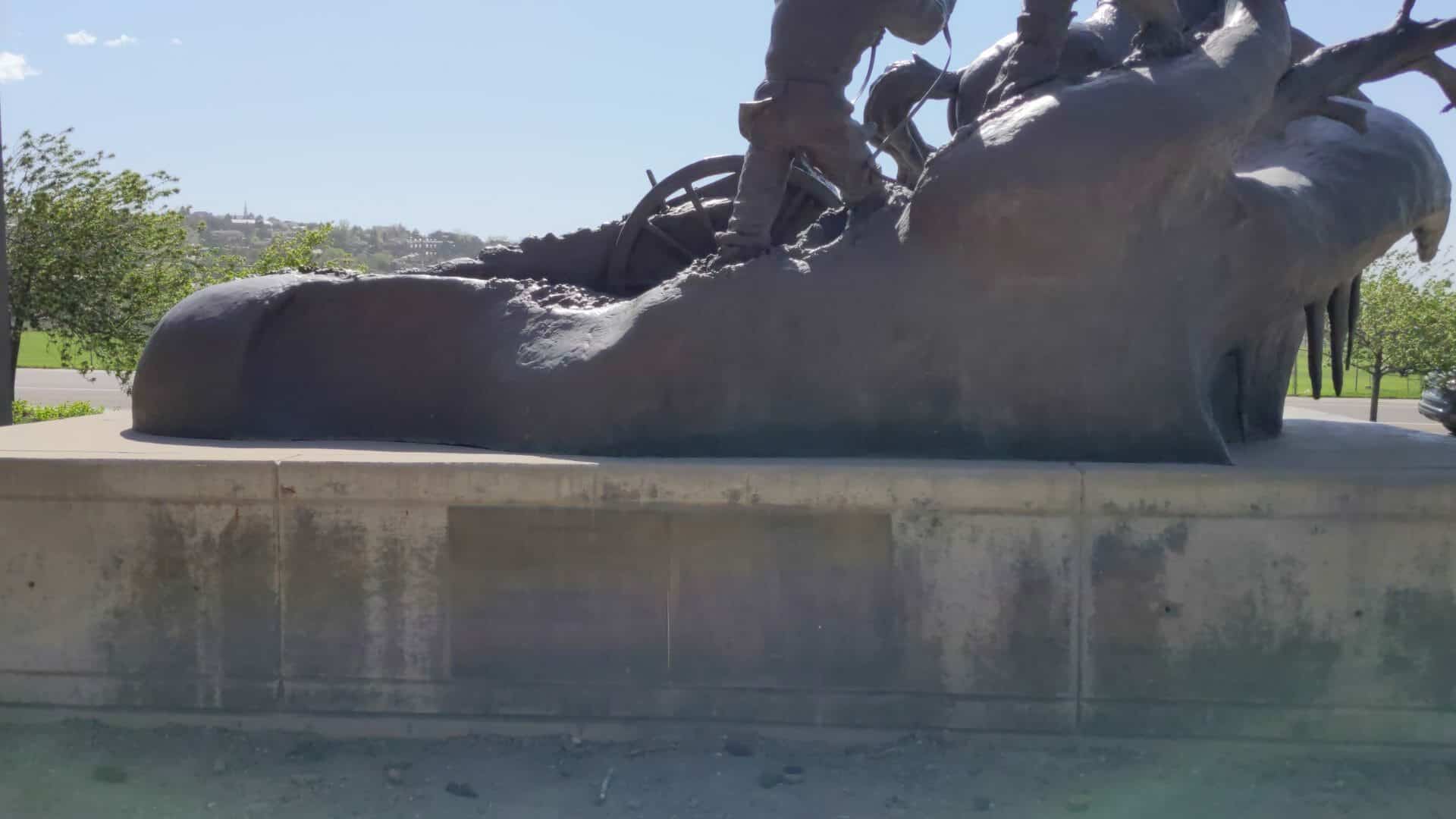
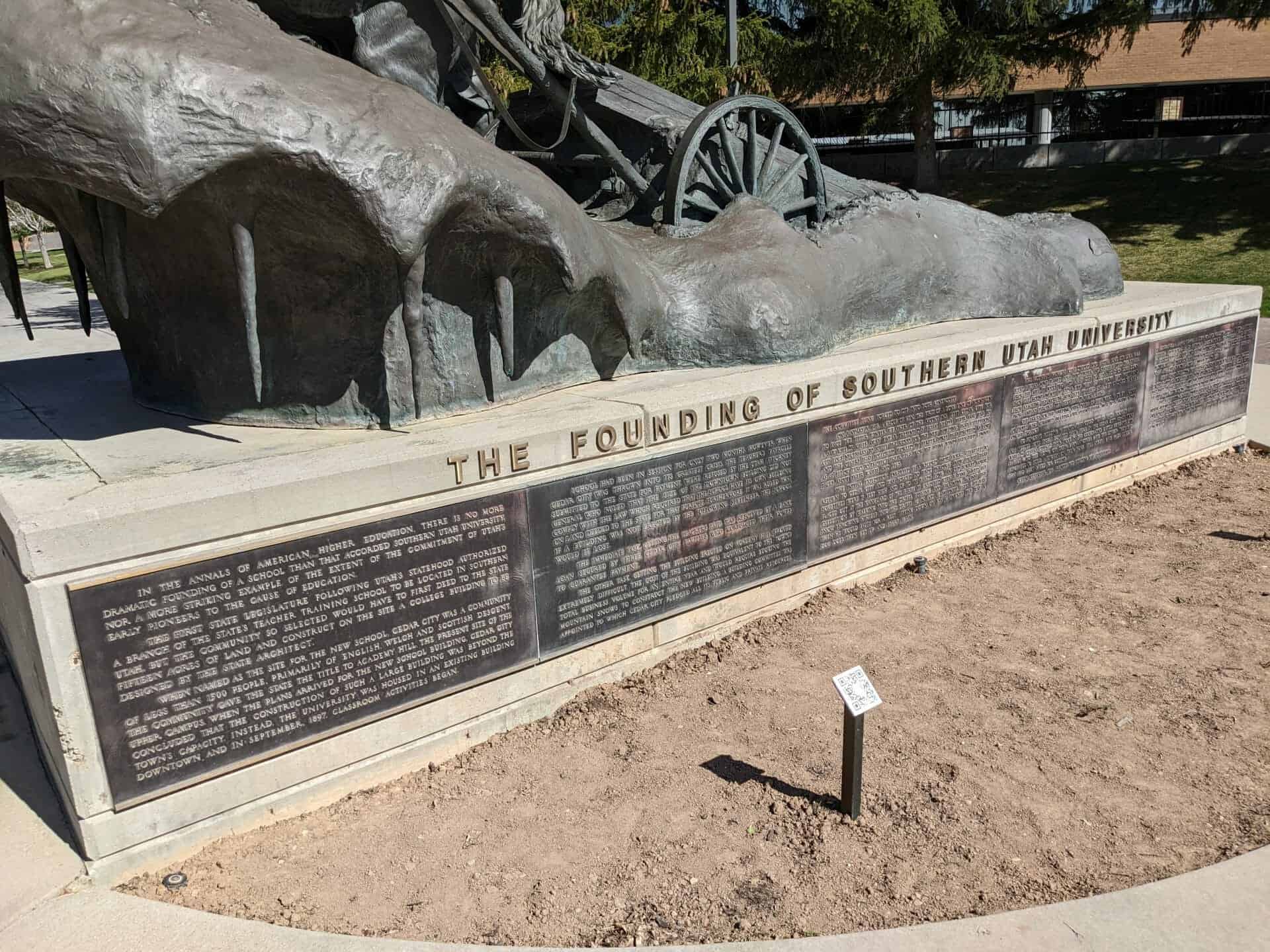
The Founding of Southern Utah University
In the annals of American higher education, there is no more dramatic founding of a school than that accorded Southern Utah University, nor a more striking example of the extent of the commitment of Utah’s early pioneers to the cause of education.
The first State Legislature following Utah’s statehood authorized a branch of the state’s teacher training school to be located in Southern Utah, but the community so selected would have to first deed to the state 15 acres of land and construct on the site a college building to be designed by the state architect.
When named as the site of the new school, Cedar City was a community of less than 1500 people, primarily of English, Welch and the Scottish descent. The community gave the state the title to Academy Hill, plans arrived for the new school building, Cedar City concluded that the construction of such a large building was beyond the town’s capacity. Instead, the University was housed in an existing building downtown and in September 1897 classroom activities began.

School had been in session for only two months, however, when Cedar City was thrown into its greatest crisis. The teacher’s payrolls submitted to the state for payment were refused by the Utah Attorney General who ruled that size of the downtown building did not comply with the law which required that the school have its own building on land deeded to the state for that purpose. Furthermore, it was ruled that if a building was not erected by the following September, the school would be lost.
The immediate task, getting the teachers paid, was resolved by a bank loan secured by three Cedar City families who mortgaged their homes to guarantee payment.
The other task, getting the building erected on Academy Hill, proved extremely difficult. The cost of the building was equivalent to the town’s total business volume for an entire year and would require beating the mountain snows to construct the new building. A building committee was appointed to which Cedar City pledged all its public and private resources, the committee being forced to dip into both generously.

On January 5, 1898, a group of men, the first of a long line of townsmen to face the bitter winter weather of the mountains left Cedar City for a saw mill 35 miles away (near present day Brian Head). Their task was to cut logs necessary to supply the wood for the new building. That expedition, and the others that followed, worked in temperatures that dropped as low as 40 degrees below zero. To protect their legs from the biting winds they tied gunny sacks about their waists and legs.
The initial expedition, engulfed by a record snow storm, attempted to return to Cedar City and was forced to wade through snow drifts that sometimes were 15 feet high and 100 yards long. An old Sorrel horse, placed out at the vanguard of the party, is credited with having saved the expedition by walking into the drifts, pushing and straining against the snow, throwing himself into the drifts again and again until they gave way. Then he would pause for a rest, sitting down on his haunches the way a dog does, then get up and start again.

The mountain workers were divided into groups. Some cut logs, some were sawers, some planed logs into lumber, and others hauled the lumber from the mill. It took two and a half days to get a load of logs down from the mountain tops to Cedar City. When heavy snows kept provisions from reaching the working men, they subsisted on a diet of dried peaches. From January through July they kept up their labors.
The bricks for the building, over 250,000 of them, were made by a corps of people who remained in Cedar City, often putting in 12 to 14 hours a day on the project.
To purchase building materials that could not be made locally, cash was needed. Some people donated their stock in the Cedar City Co-op store while others offered their stock in the cooperative cattle company. One family gave the siding off their barn, another gave the lumber they had purchased to build a kitchen on their home. Still others gave prize lumber that had been saved for coffins.
When September 1890 arrived, the building was completed.

It contained a large chapel, a library, and reading room, a natural history museum, biological and physical laboratories, classrooms, and offices. It stands today at the end of the founders’ walkway, directly east of this monument. Its interior has been remodeled several times but the exterior walls are the original ones constructed in 1898.
That first building was literally torn from icy crags and molded by the hands of more than 100 men and women. The community of Cedar City had met its greatest test, and the University was given a heritage unmatched by any other educational institution in the United States.
The preserving of the University was achieved by people who would never attend it, indeed some of them never had the opportunity of attending any school. They were hardy, rough-spoken, courageous men and women, people of the type without whom the frontiers of the west could never have been conquered.

This monument is Sons of Utah Pioneers historic marker #214 located at Southern Utah University in Cedar City, Utah
Related:





28 Tuesday Jun 2022
Posted in Uncategorized
Tags

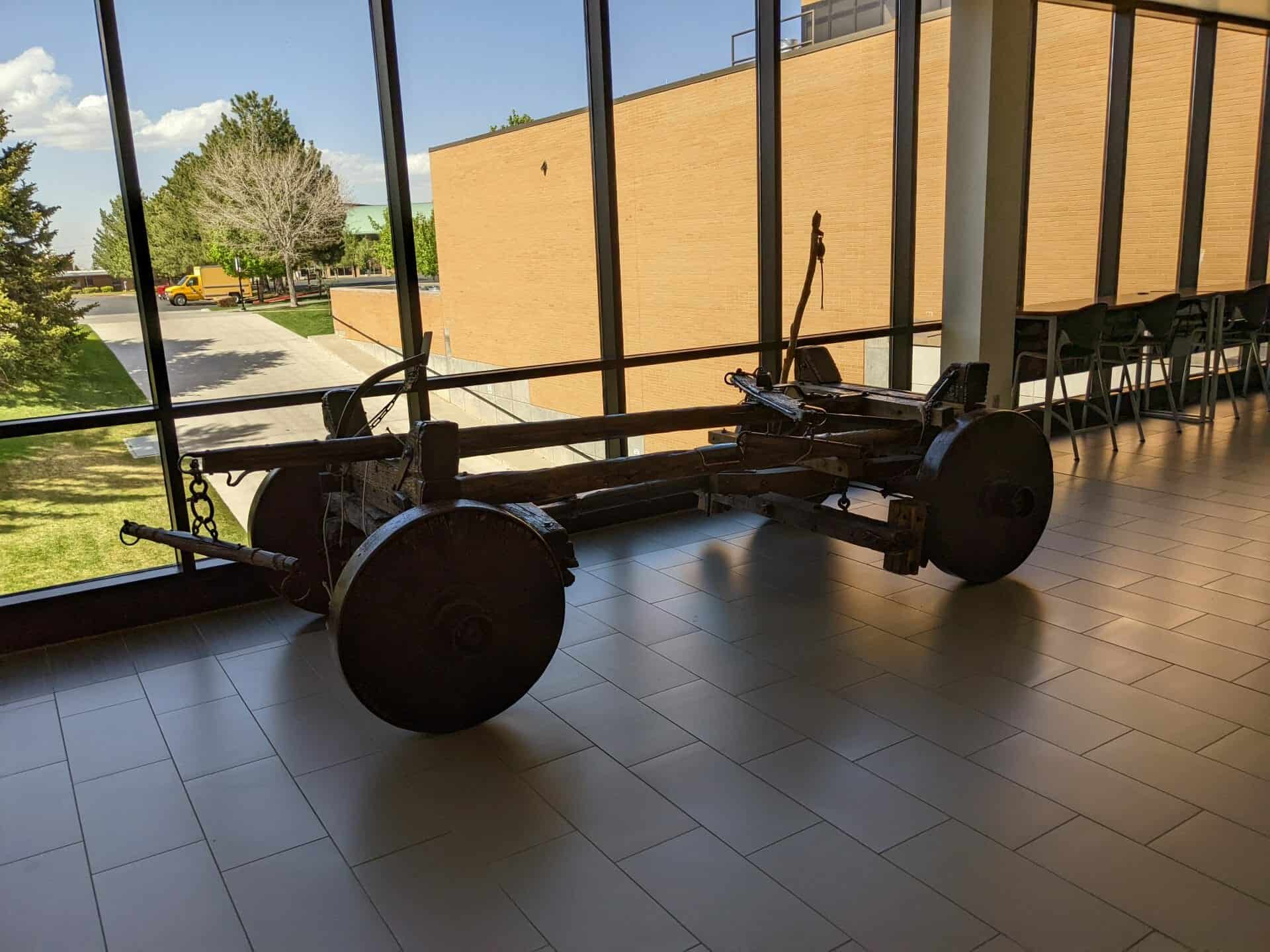
The Founders’ Rescue Wagon
Faced with the Herculean challenge of deep, early winter snows and a legal deadline to complete the first building for the Branch Normal School within eight months, the founders of Southern Utah University pursued this seemingly impossible goal with inspired determination.
On the morning of January 5, 1898, a party left Cedar City for the Heber Jenson Saw Mill, located at Mammoth Creek on Cedar Mountain, some 30 miles from the campus. The group intended to haul out 15,000 board feet of lumber that had been cut and left at the mill the previous fall – lumber which would be used to construct the framework of Old Main. After three grueling days on the trail, the men managed to reach the mill and load their wagons; but heavy snows forced them to abandon the precious lumber.
In danger of surrendering for good the right to host the school, five men remained on the mountain to dig out the wagons while the others returned to town to stock up on provisions and enlist additional help. Digging foot by foot through the drifts, the men worked their steady way home – and on January 11, the wagons arrived in Cedar City with the first load of lumber. The Branch Normal School had been rescued.
This original wagon, recently restored, was used to haul logs from the forest to the saw mill, and was among several that saved the school for the people of Cedar City. Its design points to its use in handling heavy logs in winter conditions, with its protected hubs and spokes, its heavier running gear, and its braking system, which allowed the driver to perch on the logs and operate the brake by foot pedal while leaving his hands free to manage the teams.
This vivid reminder of the Founders’ courage and sacrifice was donated to the Cedar City Chapter of the Sons of Utah Pioneers by the Jack Jenson family, and then by SUP to Southern Utah University. Preservation and restoration work was completed by Blaine Allan of SUP.

This is Sons of Utah Pioneers historic marker #215, located in the Sharwan Smith Student Center at Southern Utah University in Cedar City, Utah




28 Tuesday Jun 2022
Posted in Uncategorized
Tags

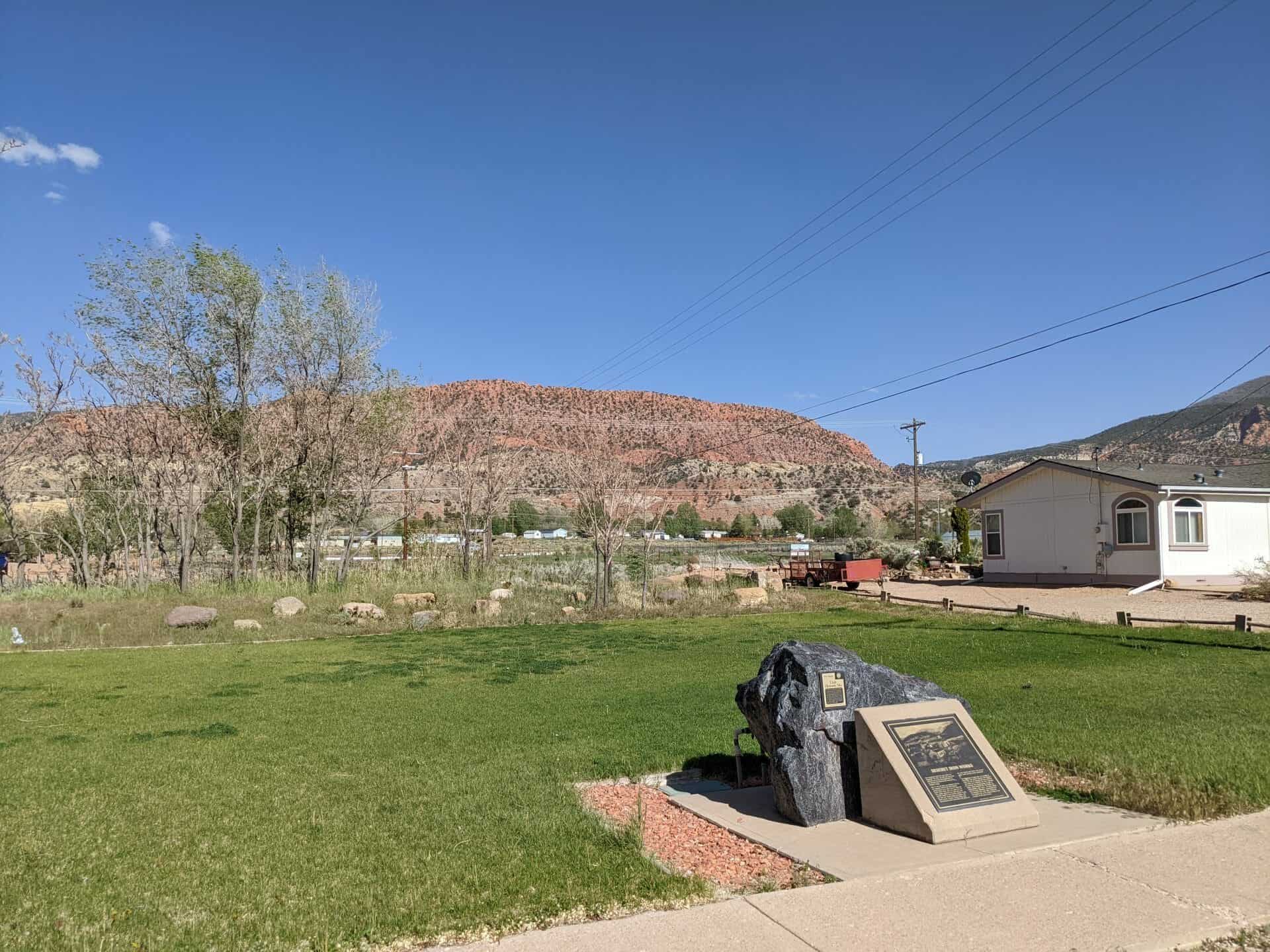
Deseret Iron Works
This monument marks the spot where on Sept. 30, 1852 the first iron was manufactured west of the Mississippi River by the Mormon Iron Missionaries sent by Brigham Young.
This 5½ ton ore body was obtained from the iron deposits used by iron workers located about seven miles west of Cedar City in the Three Peaks area; it is about 16% Fe. The smaller specimens are some that were actually hauled by horse-drawn vehicles to this site and were found during excavation. The blast furnace, foundry, pattern shop, coke and charcoal ovens, water wheel and office of the early Pioneer Iron Works were located north, south, and east of this monument.
The technology of using coke was brought by these early iron workers directly from England where the use of charcoal had been outlawed and which was a relatively new idea, especially in American iron manufacturing. In spite of floods which inundated the iron works, the undependable water source and other natural and man made difficulties, considerable iron was produced here until 1858 making the Iron Industry one of the leading factors in the economy of the Utah Territory.
This monument was dedicated November 11, 1978 (Cedar City’s 127th Birthday) and is located at 400 North 100 East in Cedar City, Utah.


Pioneer Iron Works Blast Furnace
To satisfy an urgent need for manufactured iron products, a small group of English, Welch, Scotch, Irish and American pioneers answered a call from Brigham Young to become “Iron Missionaries” to settle Iron County and to make iron. They arrived in Parowan on January 13, 1851 and produced the first iron west of the Mississippi on September 30, 1852 on this site. Due to economic, social, environmental and technical problems the Iron Works was closed down in October 1858.

09 Thursday Jun 2022
Posted in Uncategorized
Tags

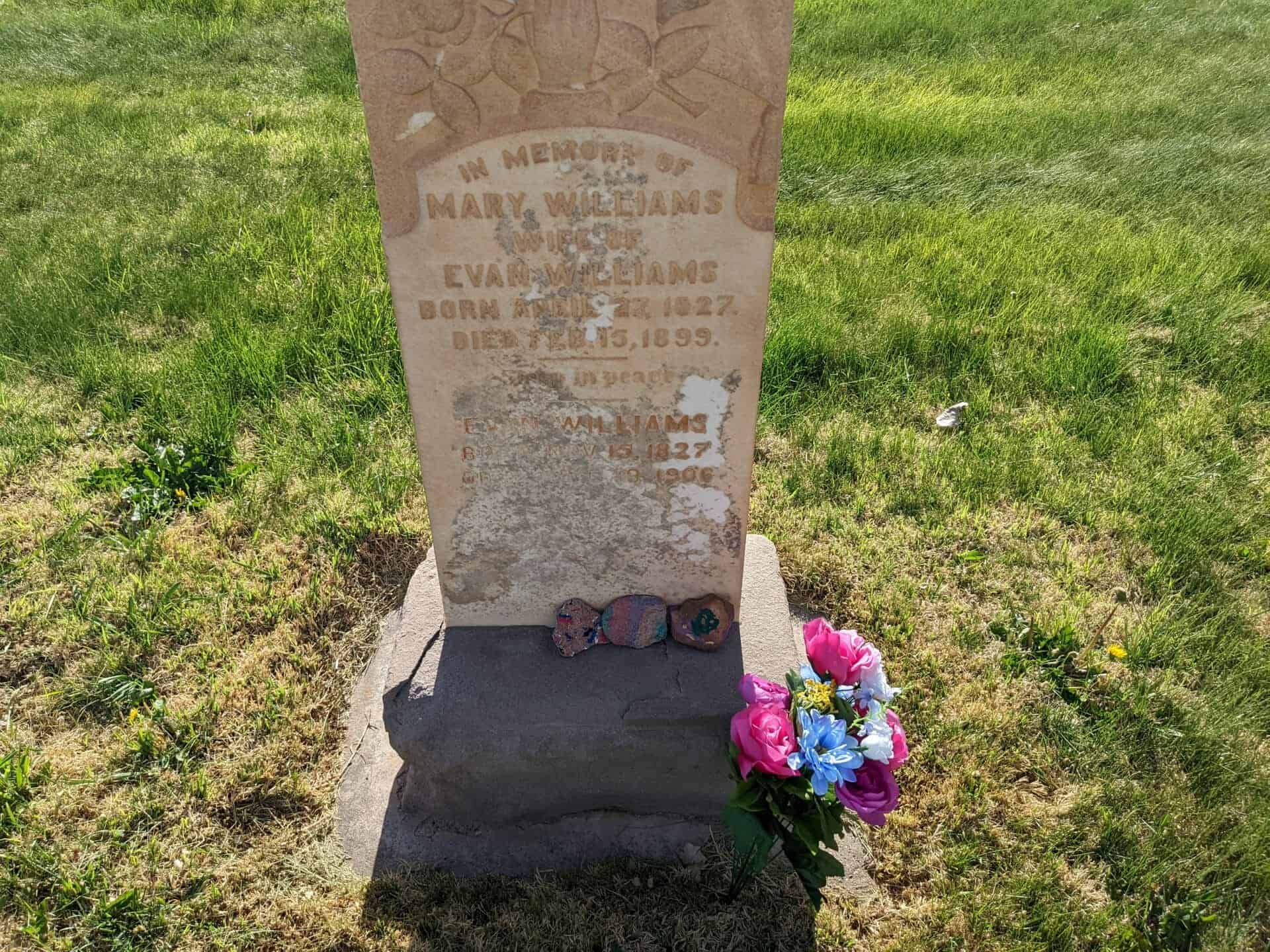
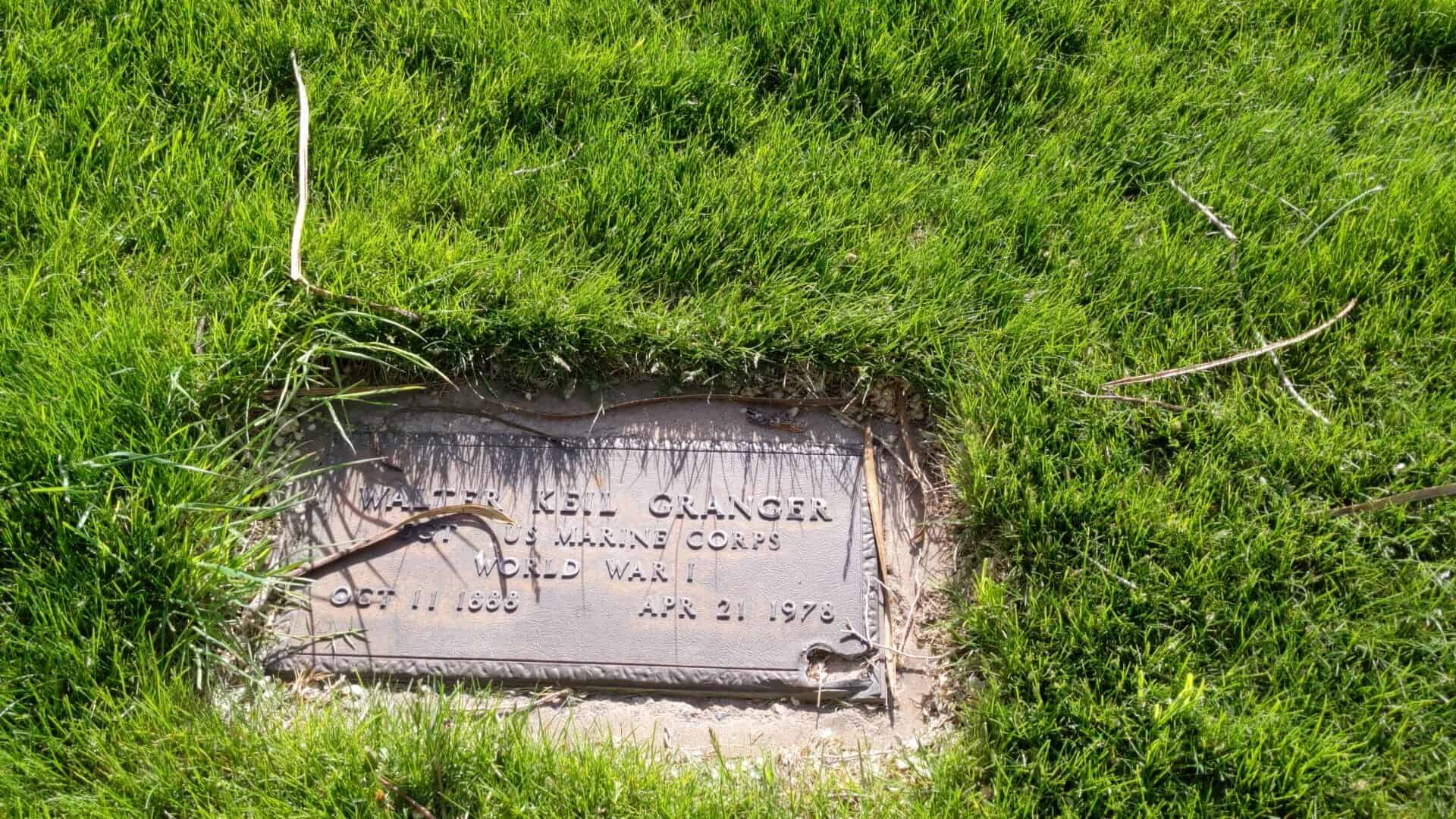
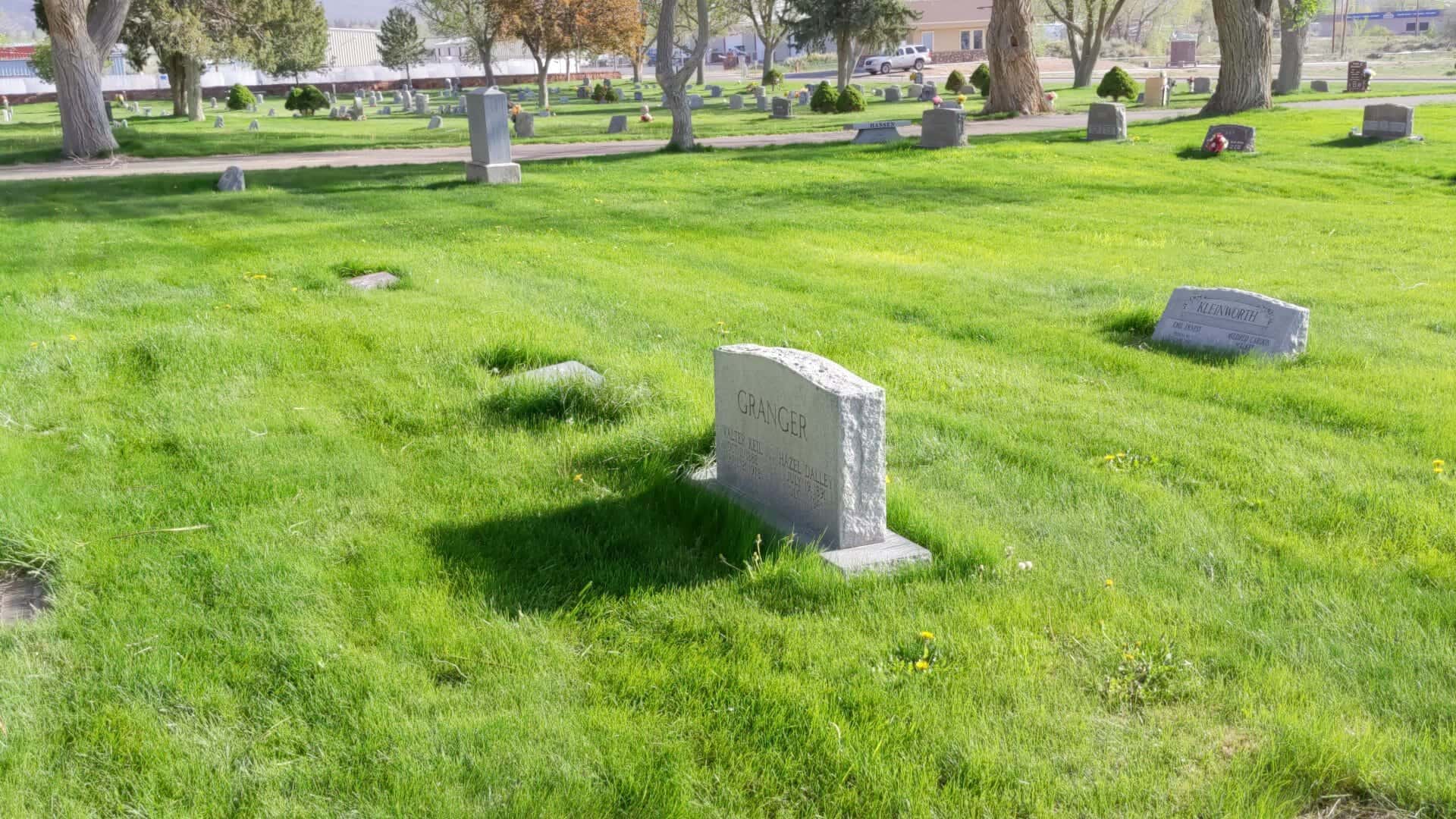
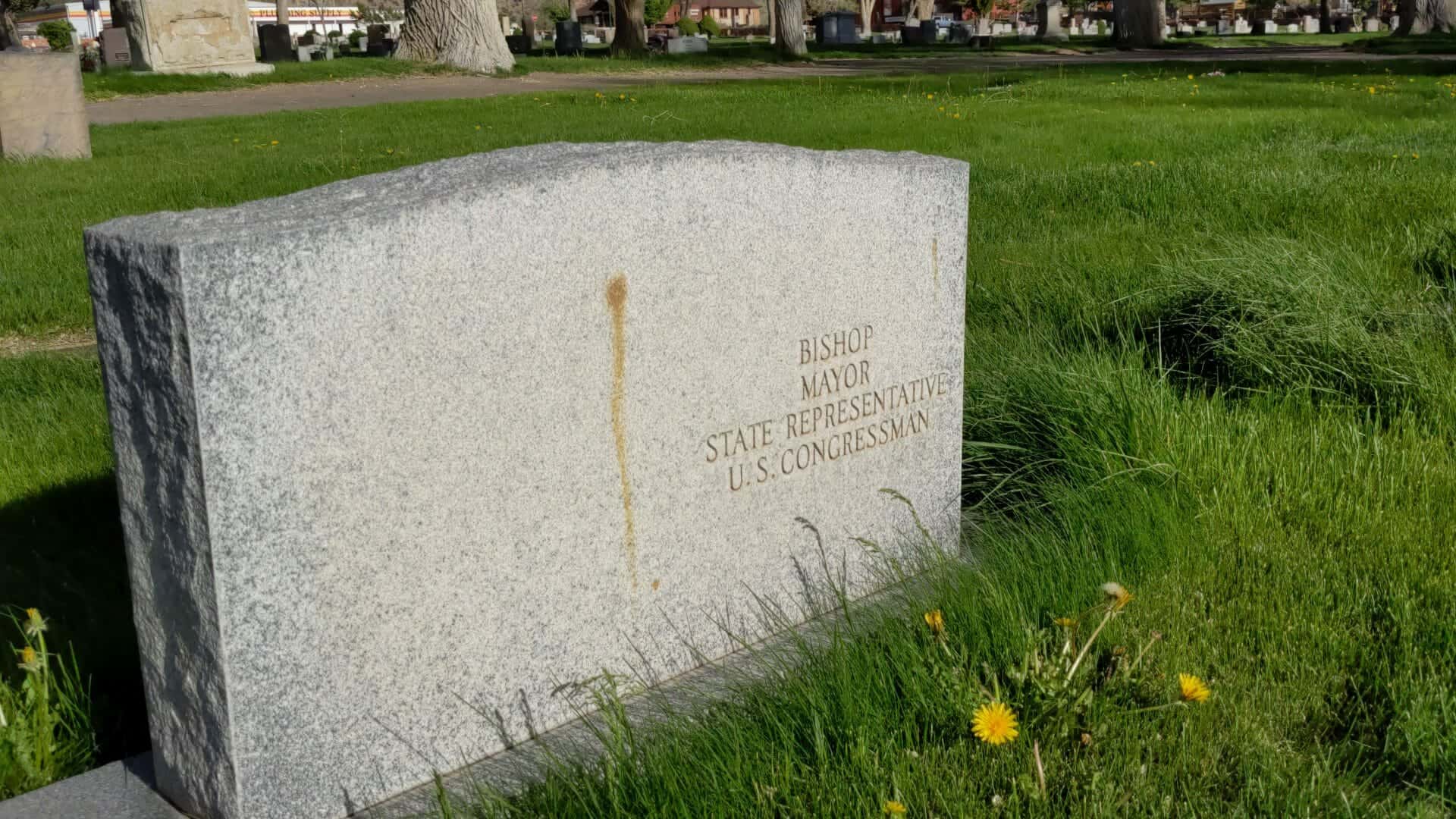
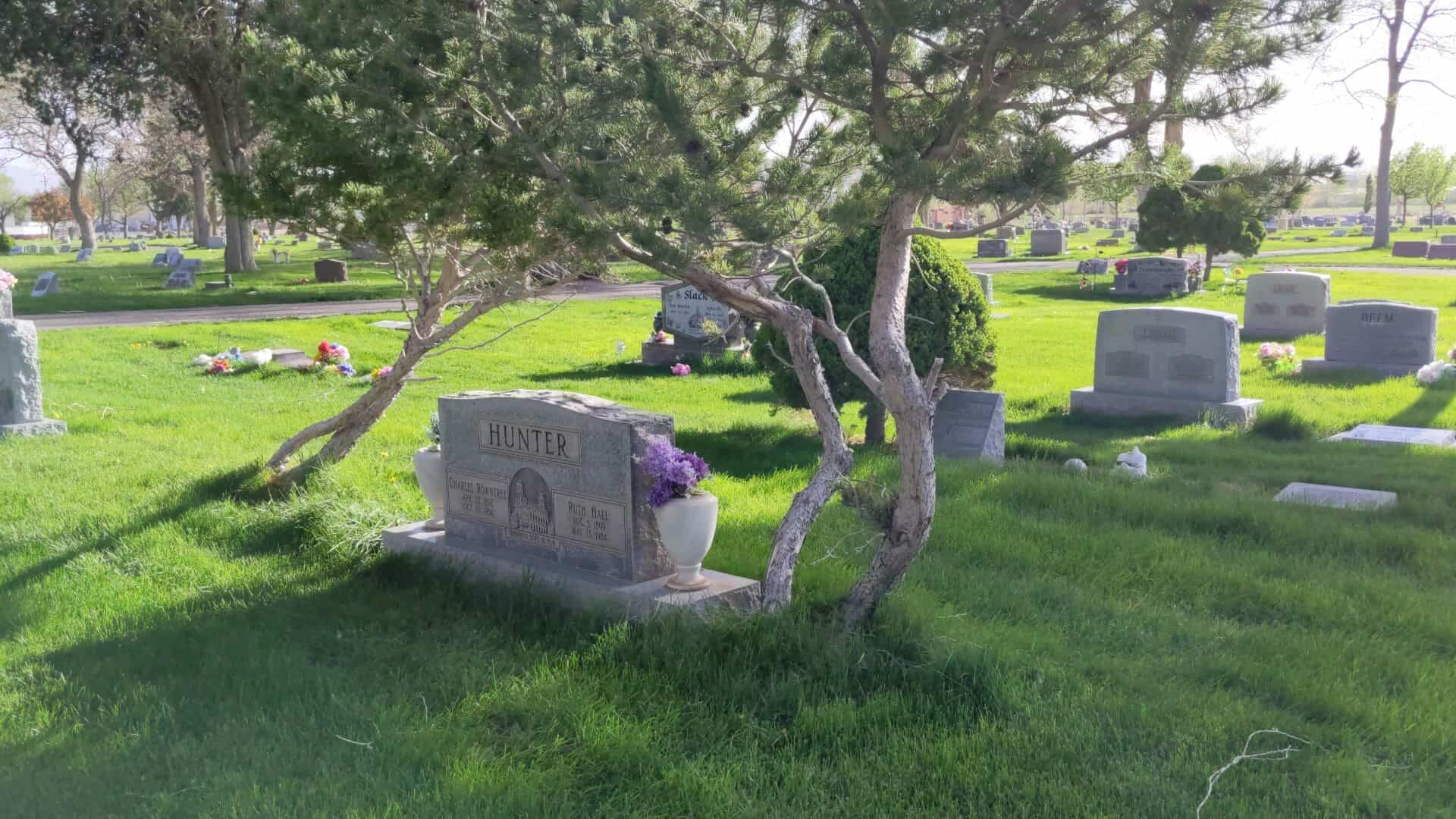
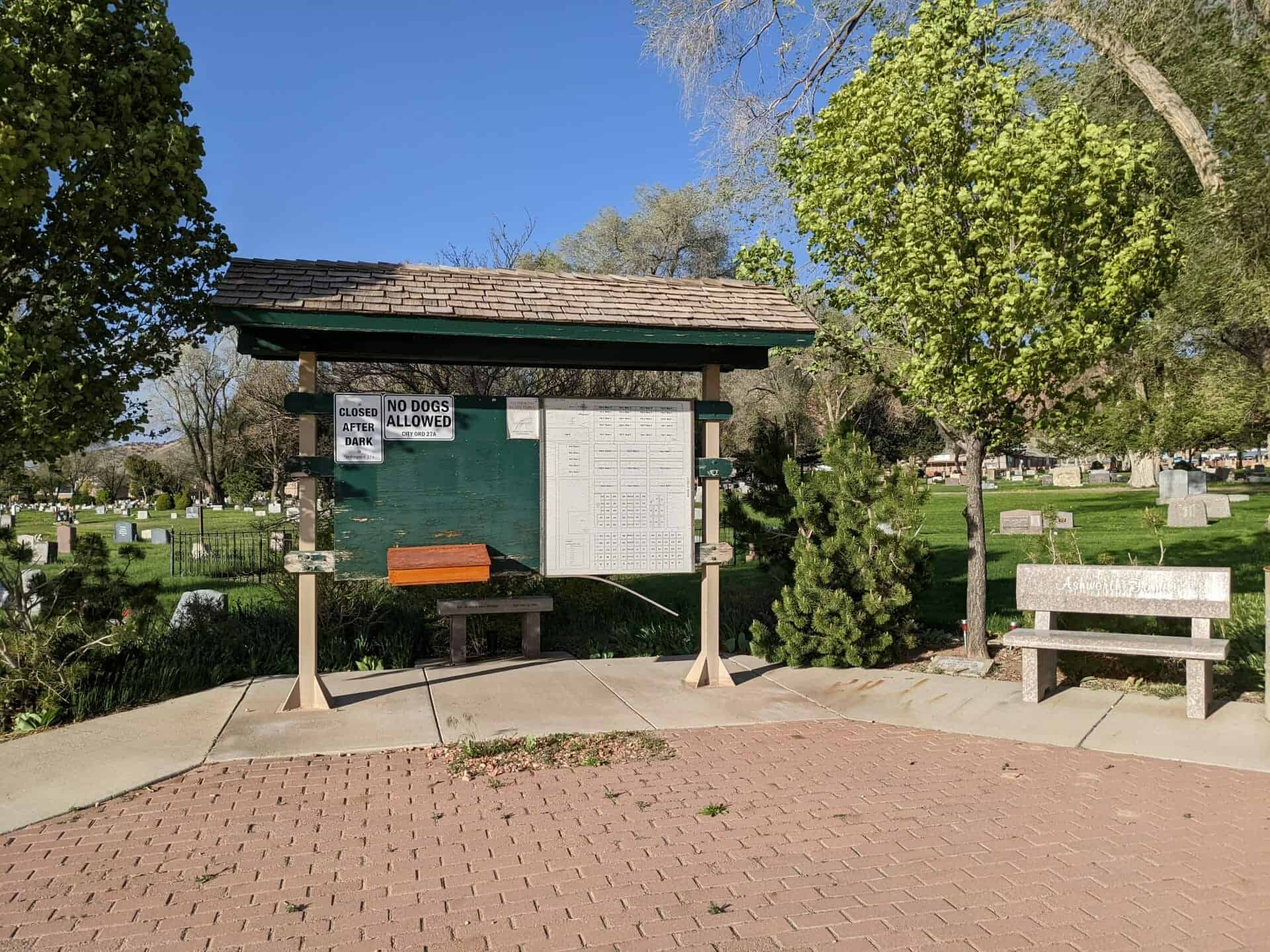
The Cemetery in Cedar City, Utah
Located at 685 North Main Street.
Related:











29 Sunday May 2022
Posted in Uncategorized
Tags

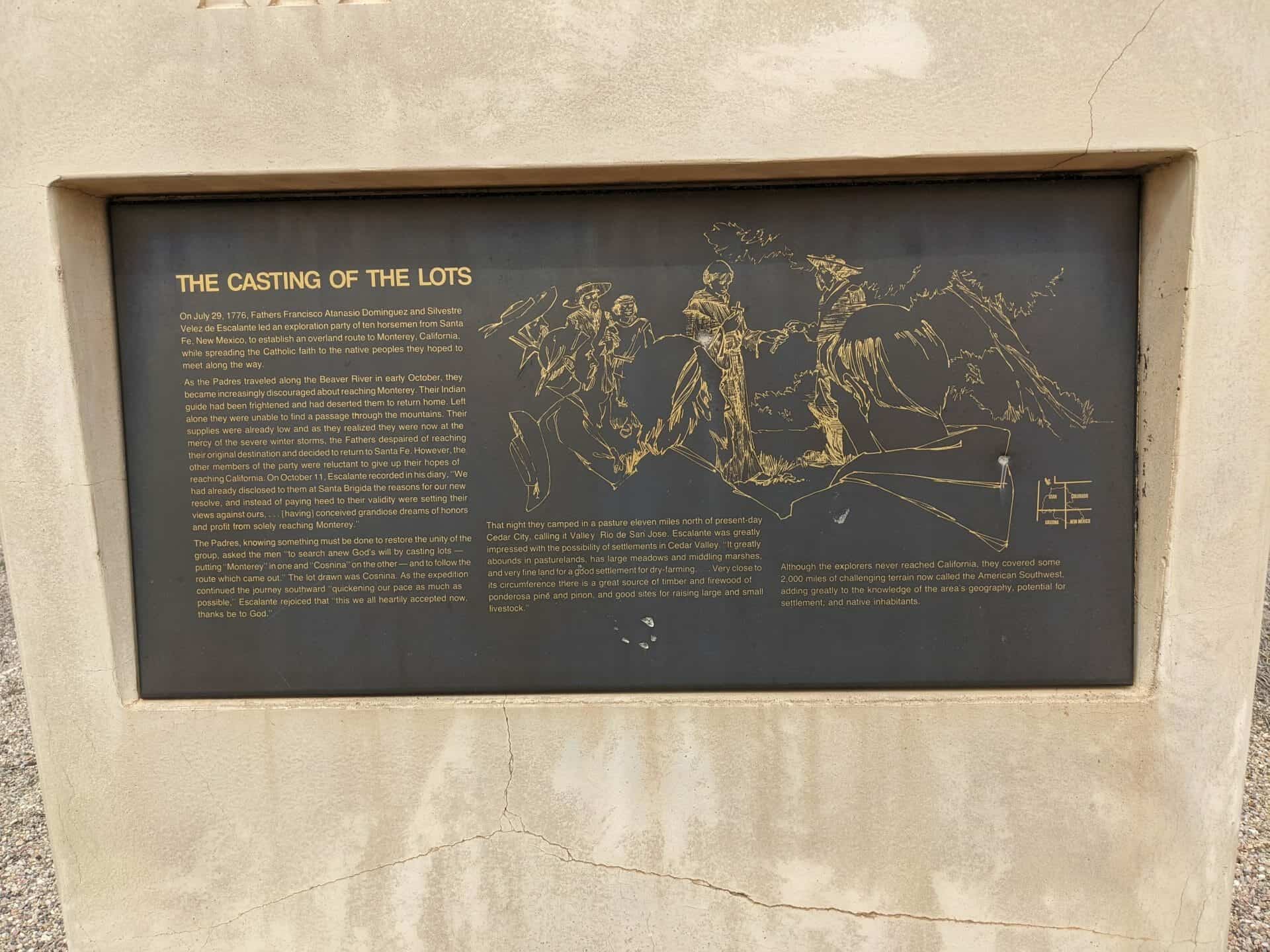
The Casting of the Lots
On July 29, 1776, Fathers Francisco Atanasio Dominguez and Silvestre Velez de Escalante led an exploration party of ten horsemen from Santa Fe, New Mexico, to establish an overland route to Monterey, California, while spreading the Catholic faith to the native peoples they hoped to meet along the way.
As the Padres traveled along the Beaver River in early October, they became increasingly discouraged about reaching Monterey. Their Indian guide had been frightened and had deserted them to return home. Left alone they were unable to find a passage through the mountains. Their supplies were already low and as they realized they were now at the mercy of the severe winter storms, the Fathers despaired of reaching their original destination and decided to return to Santa Fe. However, the other members of the party were reluctant to give up their hopes of reaching California. On October 11, Escalante recorded in his diary, “We had already disclosed to them at Santa Brigida the reasons for our new resolve, and instead of paying heed to their validity were setting their views against ours,…[having] conceived grandiose dreams of honors and profit solely reaching Monterey.”
The Padres, knowing something must be done to restore the unity of the group, asked the men “to search anew God’s will by casting lots – putting “Monterey” on one and “Cosnina” on the other – and to follow the route which came out.” The lot drawn was Cosnina. As the expedition continued the journey southward “quickening our pace as much as possible,” Escalante rejoiced that “this we all heartily accepted now, thanks be to God.”
That night they camped in a pasture eleven miles north of present-day Cedar City, calling it Valley Rio de San Jose. Escalante was greatly impressed with the possibility of settlements in Cedar Valley. “It greatly abounds in pasturelands, has large meadows and middling marshes, and very fine land for a good settlement for dry-farming….Very close to its circumference there is a great source of timber and firewood of ponderosa pine and pinon, and good sites for raising large and small livestock.”
Although the explorers never reached California, they covered some 2,000 miles of challenging terrain now called the American Southwest, adding greatly to the knowledge of the area’s geography, potential for settlement, and native inhabitants.

This is #19 of the historic markers by the Sons of Utah Pioneers, see others in the series on this page: