• About JacobBarlow.com
  • Cemeteries in Utah
  • D.U.P. Markers
  • Doors
  • Exploring Utah Email List
  • Geocaching
  • Historic Marker Map
  • Links
  • Movie/TV Show Filming Locations
  • Oldest in Utah
  • Other Travels
  • Photos Then and Now
  • S.U.P. Markers
  • U.P.T.L.A. Markers
  • Utah Cities and Places.
  • Utah Homes for Sale
  • Utah Treasure Hunt

JacobBarlow.com

~ Exploring with Jacob Barlow

JacobBarlow.com

Tag Archives: Grand County

Sego, Utah

18 Monday Apr 2016

Posted by Jacob Barlow in Uncategorized

≈ Leave a comment

Tags

Ghost Towns, Grand County, Green River, historic, Sego, Thompson, Thompson Springs, utah

Sego boasted a population of nearly 500 people more than 80 years ago. Located in Sego Canyon five miles north of Thompson Springs, Sego began its existence as a coal mining camp for American Fuel Company workers who had begun working Henry Ballard’s coal mine in the Book Cliffs area around 1912. The coal from the mine was loaded onto railroad cars and transported down a five-and-a-half mile railroad spur to Thompson. The town was originally known as Neslen at first, and was notable for its racially segregated housing. In 1918, the town’s name was changed to Sego (in honor of Utah’s state flower) when Chesterfield Coal Company bought out AFC. The mine, which struggled financially throughout much of its existence, closed for good in 1947. Today, a few ramshackle buildings remain, including the old store, a two-story wooden boarding house, along with a few dugout cabins, an explosives bunker, and several old foundations.(*)

0310Sego
0310Sego2
USGS_Sego_fdj00068

Castleton, Utah

08 Friday Apr 2016

Posted by Jacob Barlow in Uncategorized

≈ 2 Comments

Tags

Castle Valley, Castleton, Ghost Towns, Grand County, historic, Miners Basin, Moab, utah

Castleton was a bustling mining supply center located not far from the present day town of Castle Valley. It was reportedly first settled by Doby Brown, a prospector, in the early 1880s. A post office was established in Castleton in 1882, and numerous other buildings soon followed. Castleton not only boomed along with Miner’s Basin, it also died along with it when the mines closed in 1907. Today, the remains of Castleton can be seen some 10 miles southeast of the Castle Valley turnoff of state highway 128.(*)

At its peak in 1895, the population exceeded that of Moab. In fact, when Grand County was organized in 1890, Castleton vied with Moab for the chance to be county seat.

Miners Basin

07 Thursday Apr 2016

Posted by Jacob Barlow in Uncategorized

≈ 1 Comment

Tags

Ghost Towns, Grand County, historic, Mining, Moab, utah

Miners Basin, also known as simply Basin, was a mining town at over 10,000 feet elevation on Mt. Waas in the La Sal Mountains. With a peak population of about 75 or 80, the town flourished for about 20 years after gold was discovered there in the late 1880s. The first claims were staked in the area around 1888, and a formal mining district was organized 10 years later. Silver and copper were also mined in limited quantities, in addition to gold. At its heyday, the town boasted a hotel, a store, two restaurants, a blacksmith shop, a post office, and two saloons. However, the mines were closed in 1907 as a result of a nationwide financial panic, and the town died shortly thereafter. Even so, a few diehard miners remained on the mountain for decades afterward. A few log cabins and other structures still remain in the area.(*)

Moab, Utah

05 Tuesday Jan 2016

Posted by Jacob Barlow in Uncategorized

≈ 8 Comments

Tags

Grand County, Moab, utah

picture24jul07-042

Moab Posts:

  • Amasa Back Trailhead
  • The Apache Motel
  • Arthur Taylor House / Moab Springs Ranch
  • Base Jumping in Moab
  • Birthing Panel
  • Castleton
  • Crescent Junction
  • Elk Mountain Mission
  • Fisher Towers
  • John Henry Shafer House
  • Kane Springs Canyon
  • Ken’s Lake
  • Lion’s Park
  • Miners Basin
  • Moab Cabin
  • Moab Giants
  • Moab L.D.S. Church – Early L.D.S. Church
  • Moab’s Sand Hill
  • Monitor and Merrimac
  • Moonflower Panel at the mouth of Moonflower Canyon
  • The Old City Park
  • Pinhook
  • Plainsfield
  • Richardson
  • The Spanish Trail
  • Star Hall
  • Valley City
  • Moab posts sorted by address

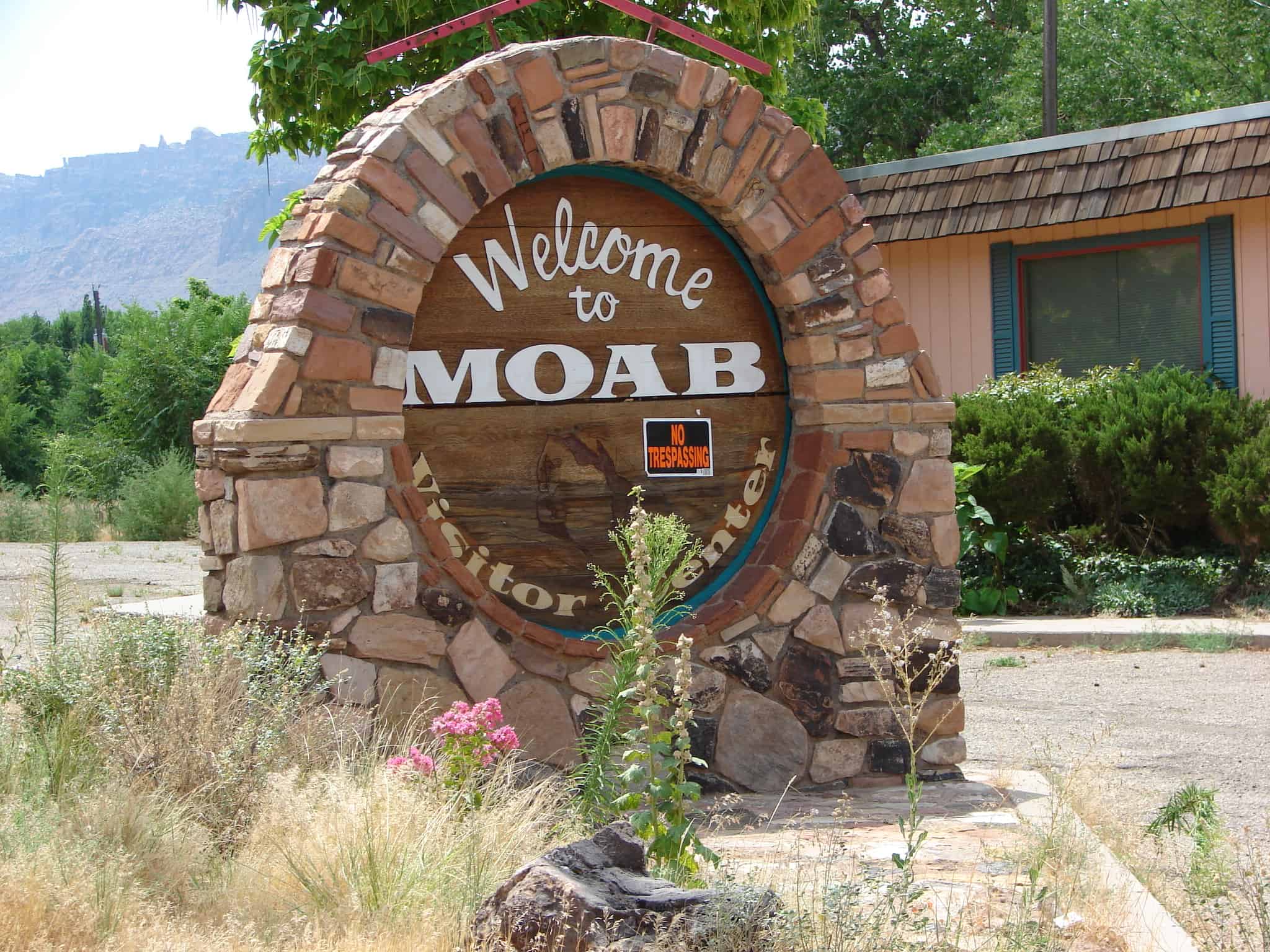
During the period between 1829 and the early 1850s, the area around what is now Moab served as the Colorado River crossing along the Old Spanish Trail. Latter-day Saint settlers attempted to establish a trading fort at the river crossing called “Elk Mountain Mission” in April 1855 to trade with travelers attempting to cross the river. Forty men were called on this mission. There were repeated Indian attacks, including one on September 23, 1855 in which James Hunt, companion to Peter Stubbs, was shot and killed by a Native American. After this last attack, the fort was abandoned. A new round of settlers established a permanent settlement in 1878. Moab was incorporated as a town on December 20, 1902.

picture24jul07-043
IMG_20140717_095725

Arches National Park

06 Thursday Aug 2015

Posted by Jacob Barlow in Uncategorized

≈ 2 Comments

Tags

Arches National Park, Grand County, Moab, National Parks, utah

IMG_20140717_090819

Photos from a hiking trip to Arches National Park with Olga Zubova de Rubio and Chris Mosbacker, we drove down from Salt Lake, hiked all the trails and drove back all in one day.

picture12oct08-030
picture12oct08-031
picture12oct08-032
picture12oct08-033
picture12oct08-034
picture12oct08-035
picture12oct08-036
picture12oct08-037
picture12oct08-038
picture12oct08-039
picture12oct08-040
picture12oct08-041
picture12oct08-042
picture12oct08-043
picture12oct08-044
picture12oct08-045
picture12oct08-046
picture12oct08-047
picture12oct08-048
picture12oct08-049
picture12oct08-050
picture12oct08-051
picture12oct08-052
picture12oct08-053
picture12oct08-054
picture12oct08-055
picture12oct08-056
picture12oct08-057
picture12oct08-058
picture12oct08-059
picture12oct08-060
picture12oct08-062
picture12oct08-063
picture12oct08-064
picture12oct08-065
picture12oct08-066
picture12oct08-067
picture12oct08-068
picture12oct08-069
picture12oct08-070
picture12oct08-071
picture12oct08-072
picture12oct08-073
picture12oct08-074
picture12oct08-075
picture12oct08-076
picture12oct08-077
picture12oct08-078

Monitor and Merrimac

18 Saturday Apr 2015

Posted by Jacob Barlow in Uncategorized

≈ 1 Comment

Tags

Geological, Grand County, Moab, utah

  • The Monitor and Merrimac Buttes
    The Monitor and Merrimac Buttes

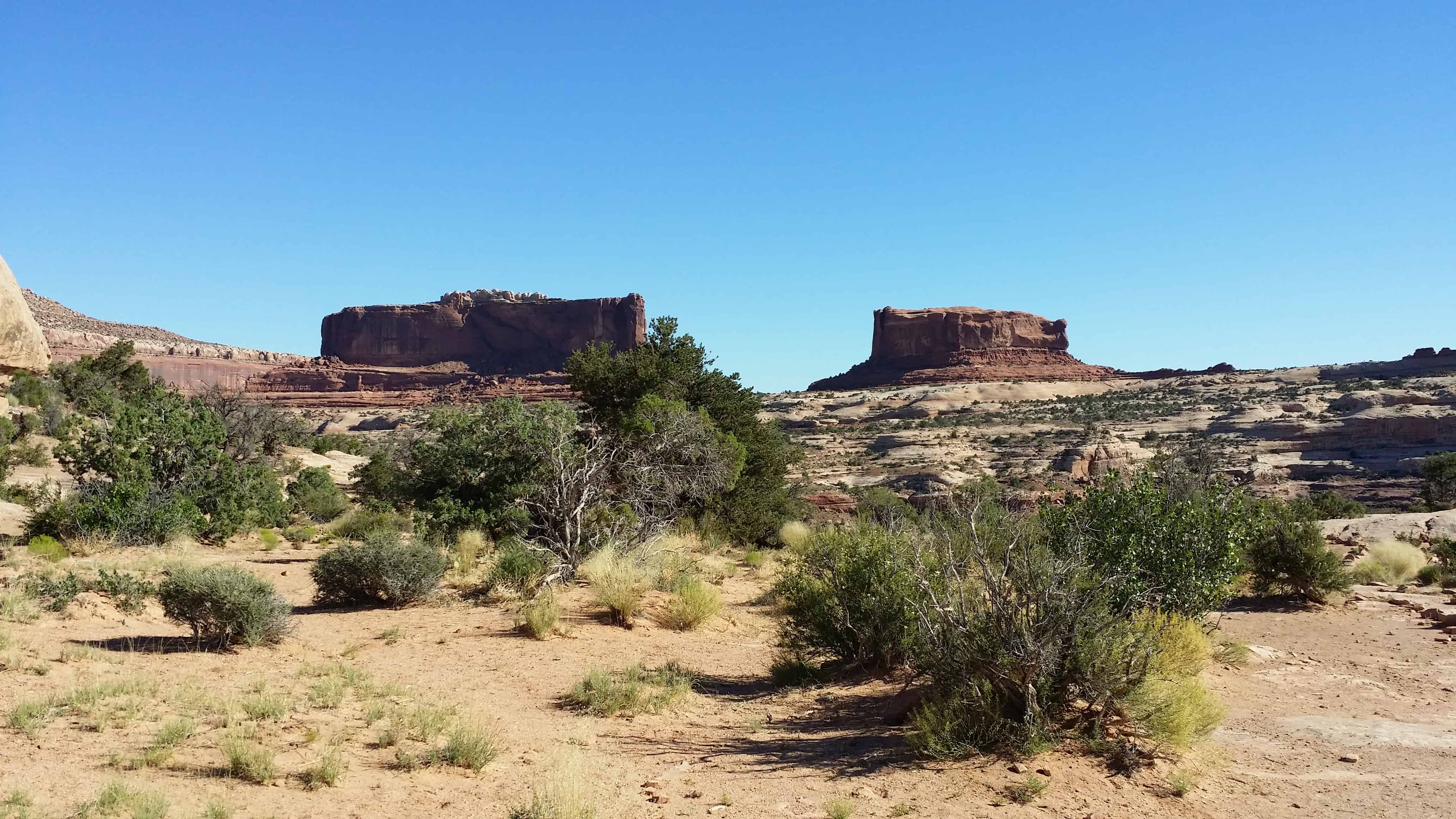
From here you have an excellent view of the Monitor and Merrimac Buttes to the northeast. These prominent land forms tower 600 feet above their Navajo sandstone base. They can be seen from many points as you travel along the highway.

The Monitor and Merrimac Buttes were named after the Civil War ironclad ships of the same names. If you look at a likeness of the old ships, their shapes bear a striking resemblance to these two buttes. The Merrimac (the large rock on your left) was the Confederate ship, called the “Virginia” by the southern forces. The Monitor (on the right) was the Union ship sent to destroy the Merrimac. The resulting sea battle changed maritime warfare forever. Long after both ships lie on the sea bottom, their rock counterparts remain locked in perpetual battle.

The Monitor and Merrimac Buttes are composed of Entrada sandstone. (This is the same rock layer that forms many of the arches in Arches National Park.) This Entrada sandstone is composed of three “members,” or components — Dewey Bridge, Slickrock and Moab Tongue. The different “members” of the Entrada layer erode at varying rates. Specifically, the softer Dewey Bridge member erodes more quickly, causing the Slickrock cliffs to collapse. This process has created the Monitor and Merrimac Buttes, as well as other towering monoliths in the area.

Geological forces have created the stunning landforms that we enjoy today.

  • 2014-06-28 09.02.35
  • 2014-06-28 09.02.43

Crystal Geyser

17 Friday Apr 2015

Posted by Jacob Barlow in Uncategorized

≈ 1 Comment

Tags

Geology, Geysers, Grand County, Green River, utah

  • picture12aug08-090

From Wikipedia:
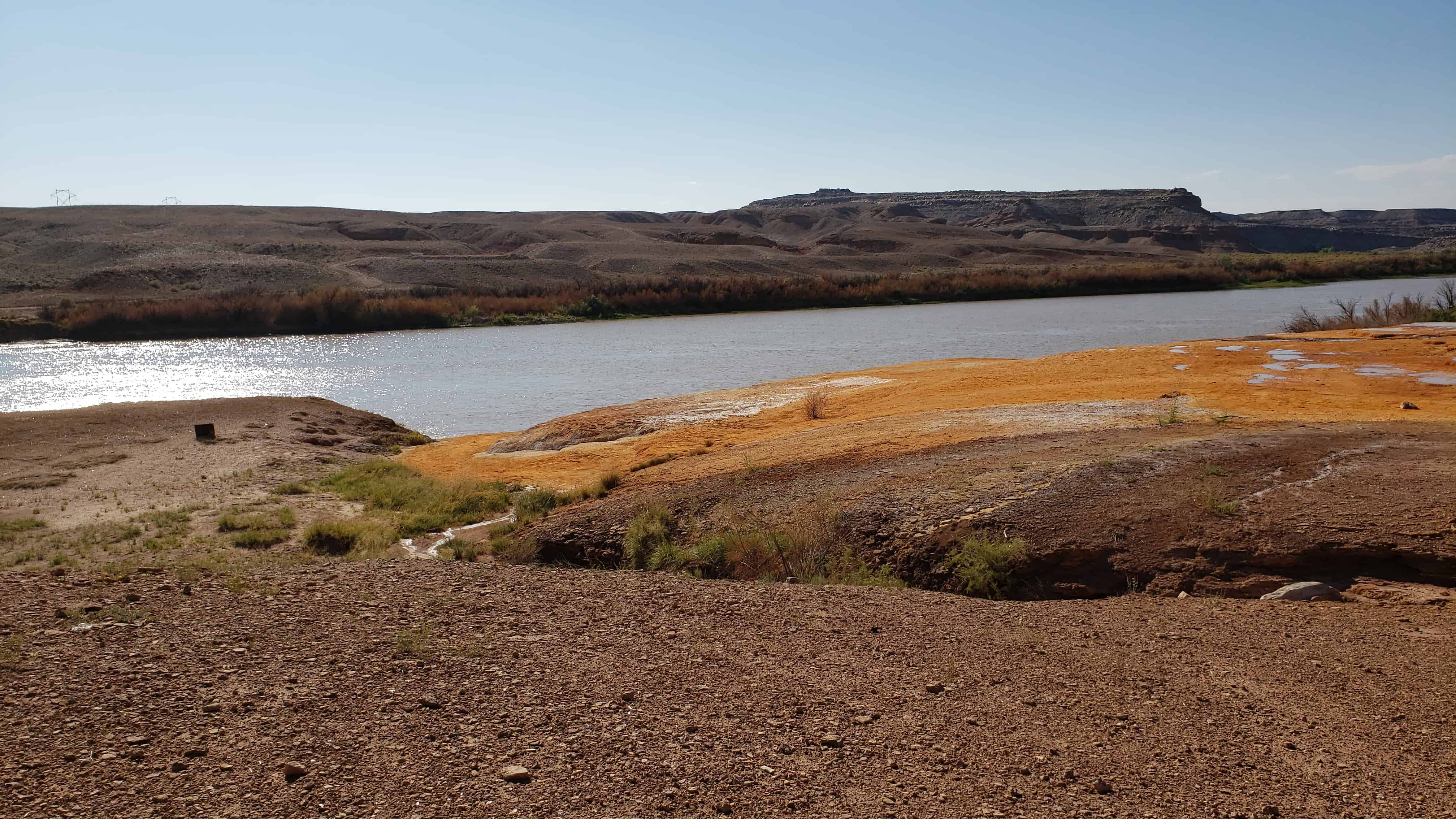
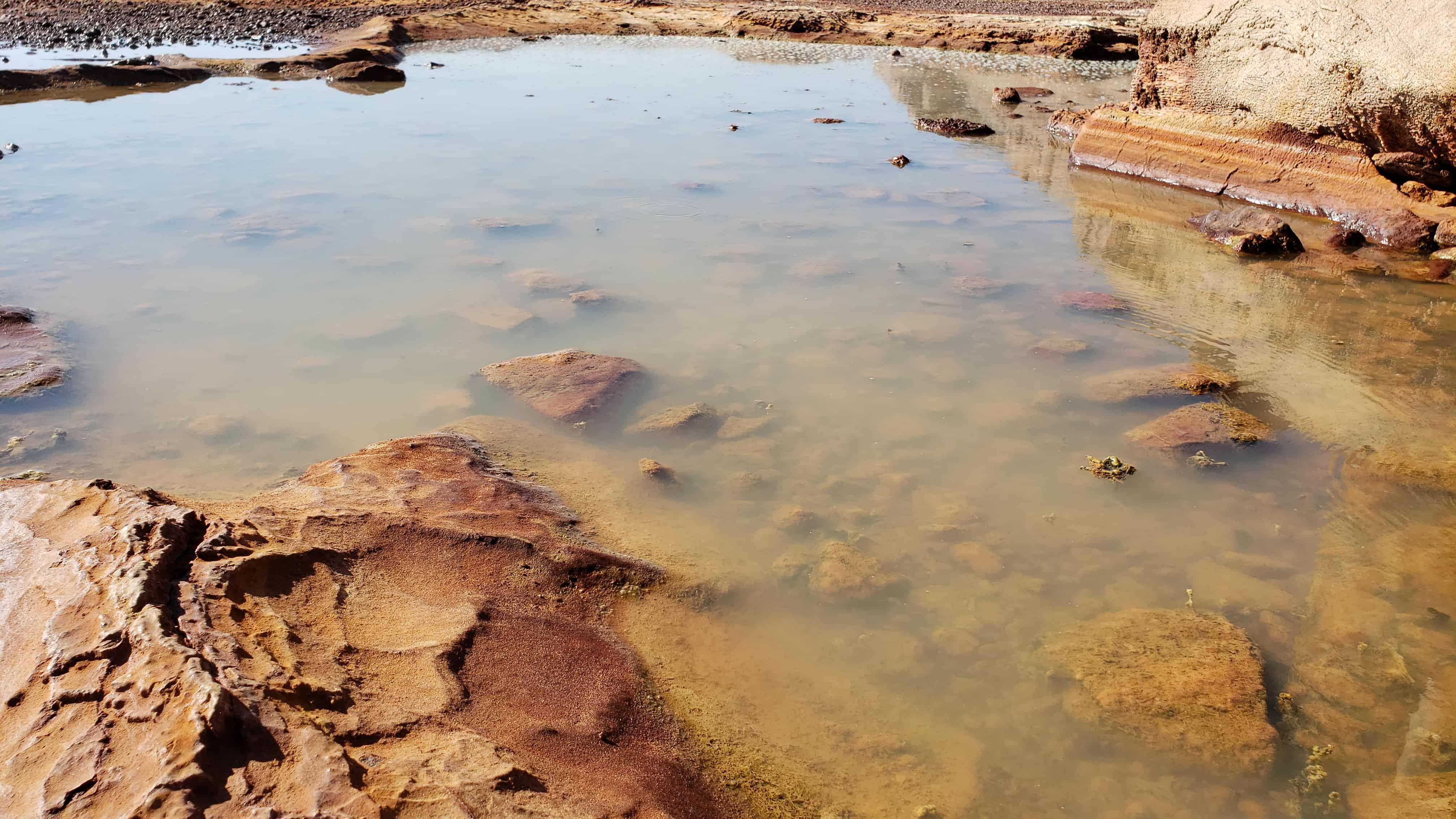
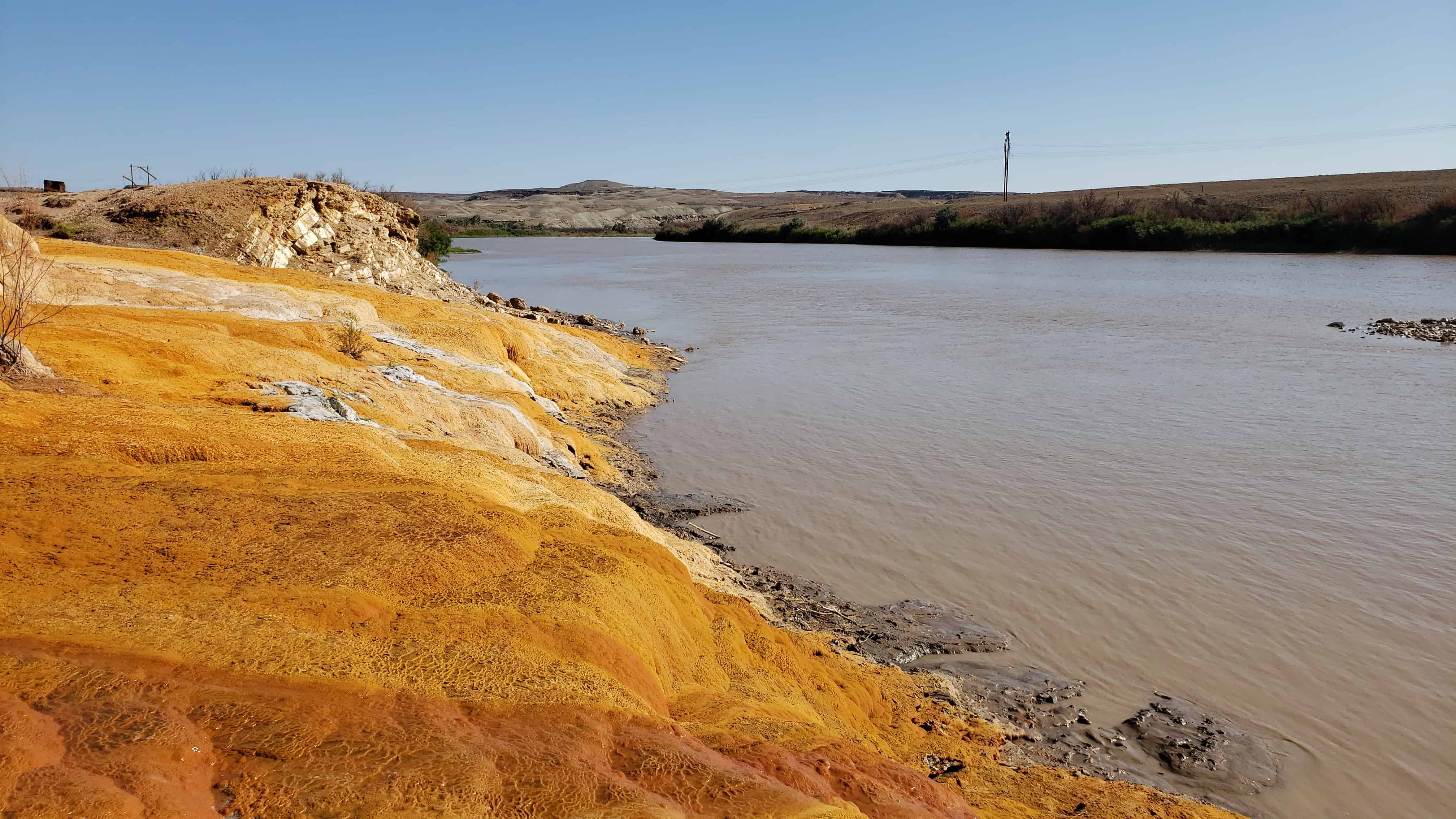
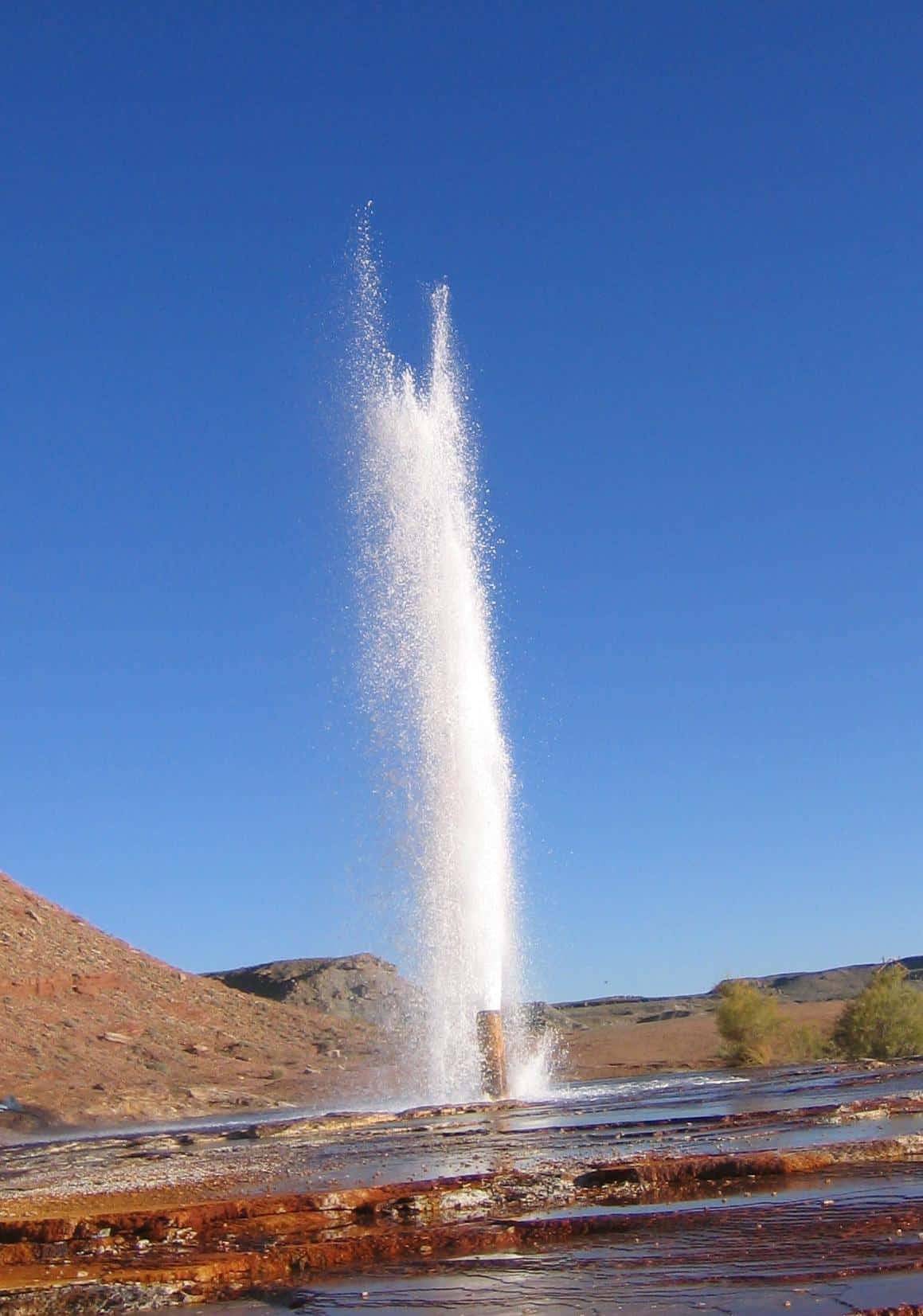
Crystal Geyser is located on the east bank of the Green River approximately 4.5 miles downstream from Green River, Utah. It is a rare example of a cold water carbon dioxide driven geyser; geothermal activity does not play a role in the activity of the geyser. The ground water near the geyser has significant quantities of dissolved carbon dioxide, along with substantial underground gas accumulations in the surrounding area. Saturation of the aquifer with CO2 creates enough pressure to force groundwater through the geyser and out on to the surface.

The geyser erupts sometimes to a height of 40 meters or more. During 2005, a study of the timing of the eruptions found them to be bimodal. About 66% of eruptions in the study occurred about 8 hours after the previous eruption, and the rest about 22 hours after. The geyser erupts for an average of one hundred minutes a day, with eruptions either lasting 7–32 minutes, or 98–113 minutes. The bimodal distribution of eruptions is not a well-understood pattern, but is found in other geysers, both cold-water and otherwise.

Between eruption events, the water level is approximately seventeen feet below the surface of the geyser—at the level of the water table. In the preface to an eruption, water surfaces, fills the pond around the geyser, and begins to bubble. Bubbling events occur with increasing frequency in the time leading up to an eruption, but are not constant; bubbling events last for a few minutes, with a few minutes of calm in between. Bubbling events at the main geyser also frequently alternate with bubbling events at natural side-pools.

The current form of the geyser was created by an exploration well drilled in 1935 in attempt to locate oil. The well was originally 800 metres deep, but an earlier owner of the land partially filled it in, meaning that the well is now only a couple hundred metres deep.

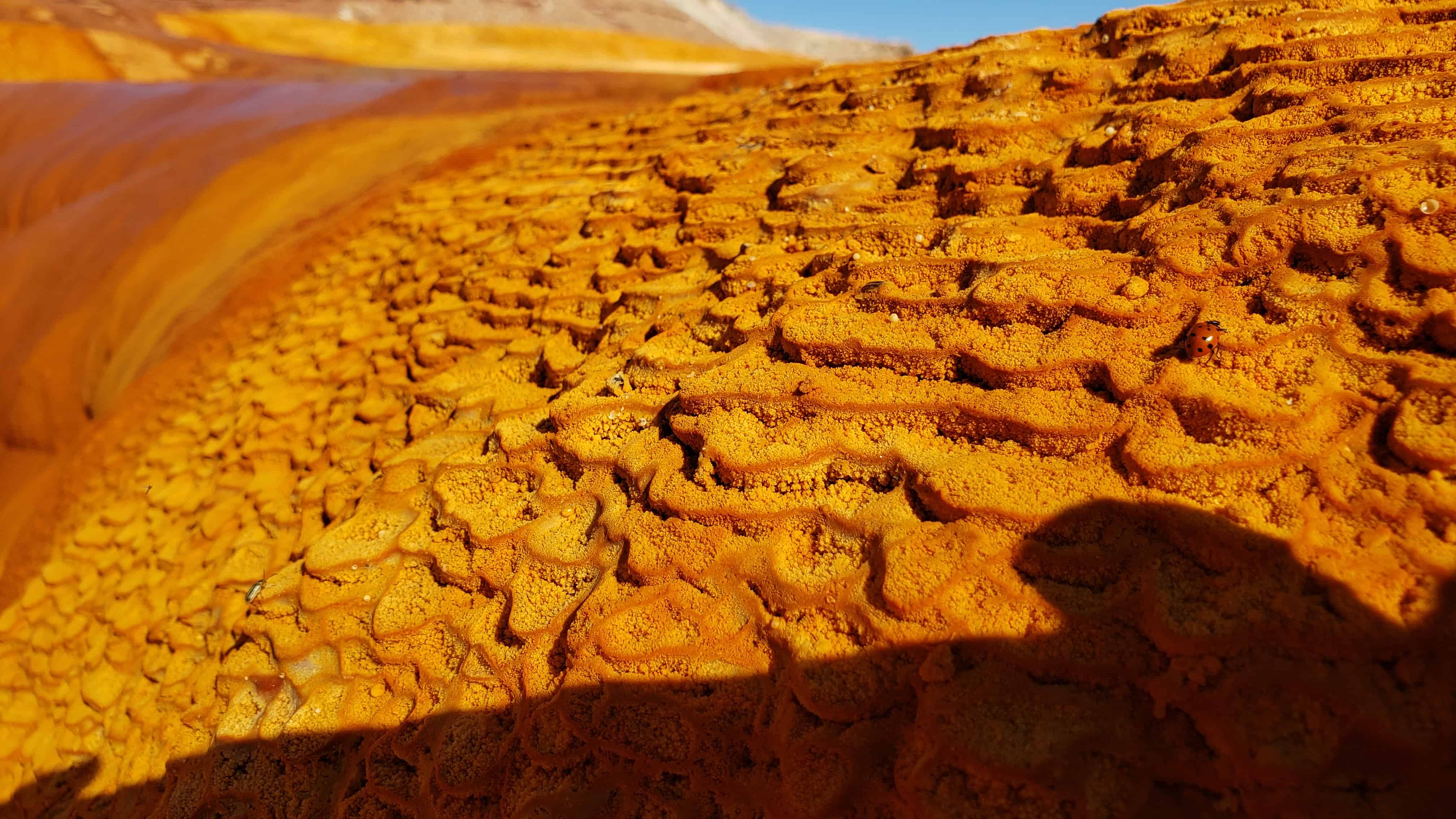
The area surrounding the modern geyser is covered in a thick layer of orange travertine. Near the river, adjacent to the modern orange travertine, are substantial deposits of white travertine, perhaps reflecting the original depositional environment of the geyser (before the exploratory well was drilled.)

The first written record of Crystal Geyser comes from the report of the Powell Geographic Expedition of 1869, July 13, 1869.

  • This photo is not mine, I got it from http://en.wikipedia.org/wiki/Crystal_Geyser
    This photo is not mine, I got it from http://en.wikipedia.org/wiki/Crystal_Geyser

Elba, Utah

07 Saturday Feb 2015

Posted by Jacob Barlow in Uncategorized

≈ Leave a comment

Tags

Cisco, Elba, Grand County, Thompson Springs, utah

Elba, Utah

Elba, Utah

Still gathering info on Elba, an old railroad siding between Thompson Springs and Cisco out in the desert off I-70.

Cisco, Utah

02 Friday Jan 2015

Posted by Jacob Barlow in Uncategorized

≈ 1 Comment

Tags

Cisco, Grand County, utah

  • picture24jul07-028

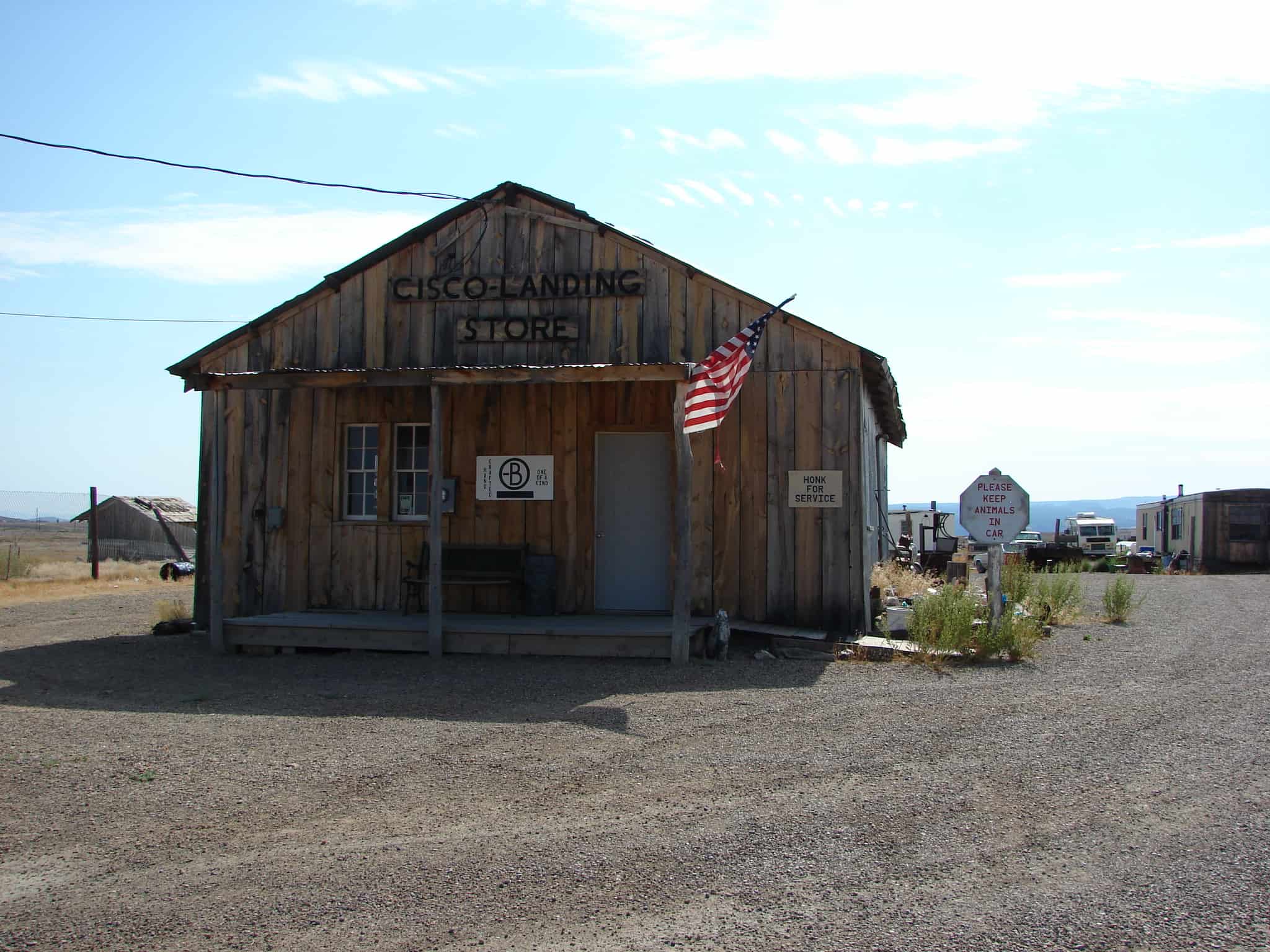
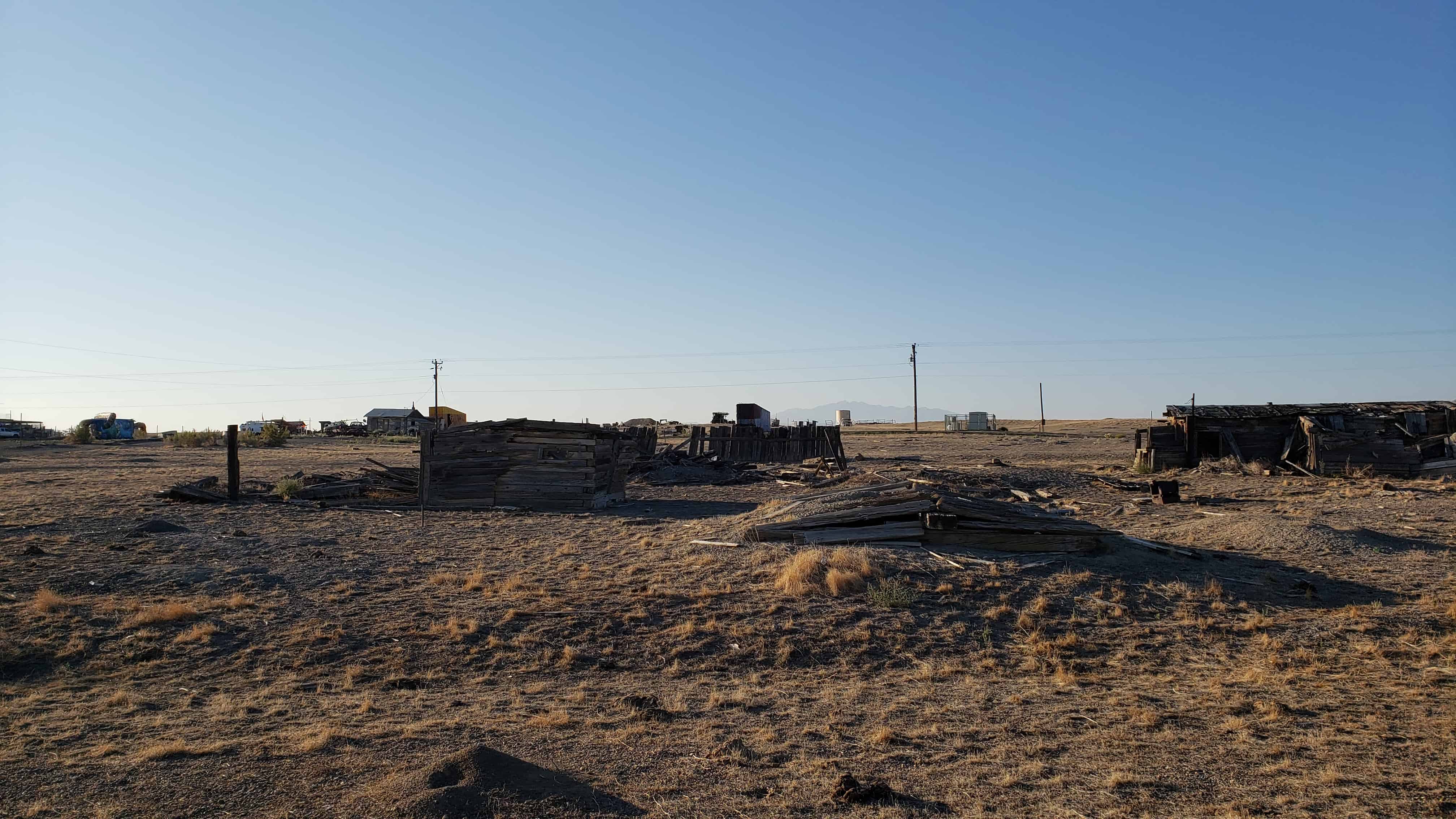
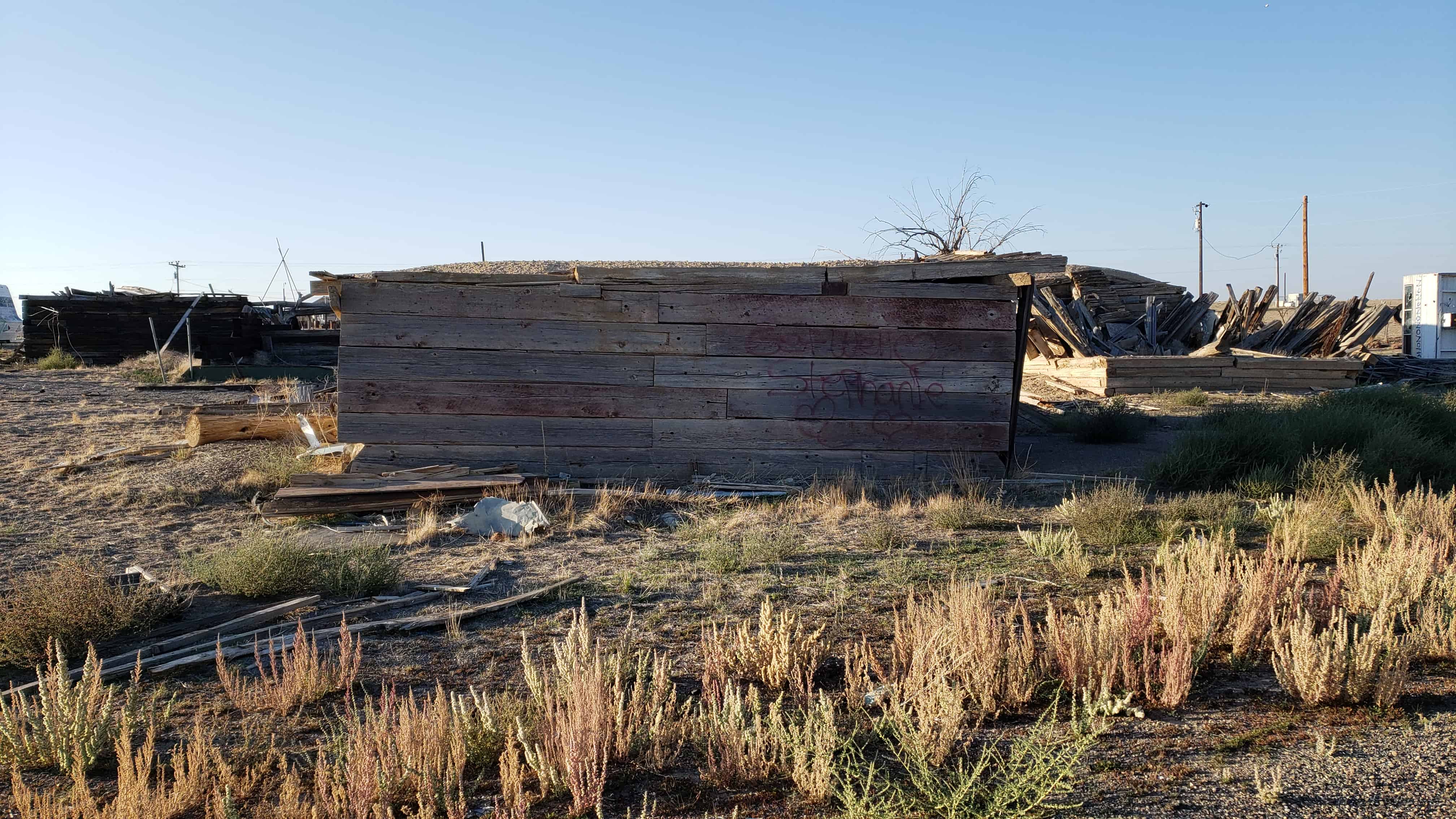
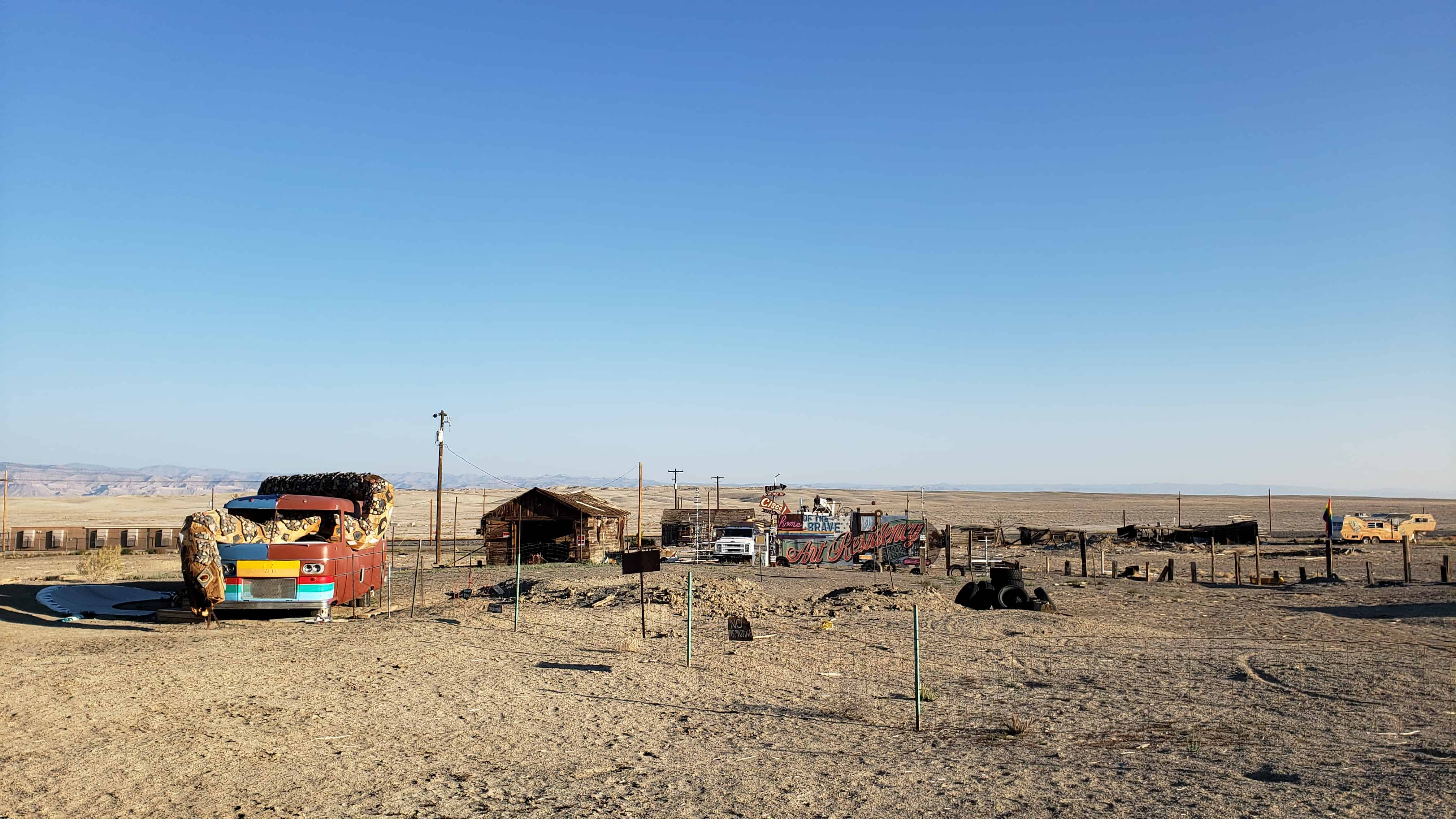
Cisco is a ghost town in Grand County near the junction of State Route 128 and Interstate 70. At one time the town served as a saloon and water-refilling station for the Denver and Rio Grande Western Railroad. The town’s decline coincided with the demise of the steam locomotive. The town site contains many relics of a typical old west railroad town. Cisco survived long enough into the 20th century to be assigned a ZIP Code, 84515.Unfortunately for history and railroad buffs, the ghost town’s easy access and proximity to the freeway have lured vandals; the relics are heavily damaged and the town is littered with abandoned vehicles.

Thompson Springs, Utah

02 Tuesday Dec 2014

Posted by Jacob Barlow in Uncategorized

≈ Leave a comment

Tags

Floy, Grand County, Green River, Moab, Thompson, Thompson Springs, utah

Related:

  • Thompson Wash Rock Art / Sego Canyon Rock Art

75171bfd-6834-4bbc-8920-5f766ec9648e
← Older posts
Newer posts →

Follow Jacob

Follow Jacob

Blog Stats

  • 2,064,993 hits

Social and Other Links

BarlowLinks.com

Recent Posts

  • The Heinrich Gubler Home
  • The Temple Quarry
  • The Old Settler’s “Swallow’s Nest”
  • Arthur Miles Home
  • Navajo Shadehouse Museum

Archives

Loading Comments...