Tags

Helper Posts:
- Helper Commercial District
- Balance Rock
- Barboglio Building
- Big John
- Carbon Fuel Company #2 Mine
- Carbon Hotel
- Castle Gate Historic Marker Highway Pull-Off
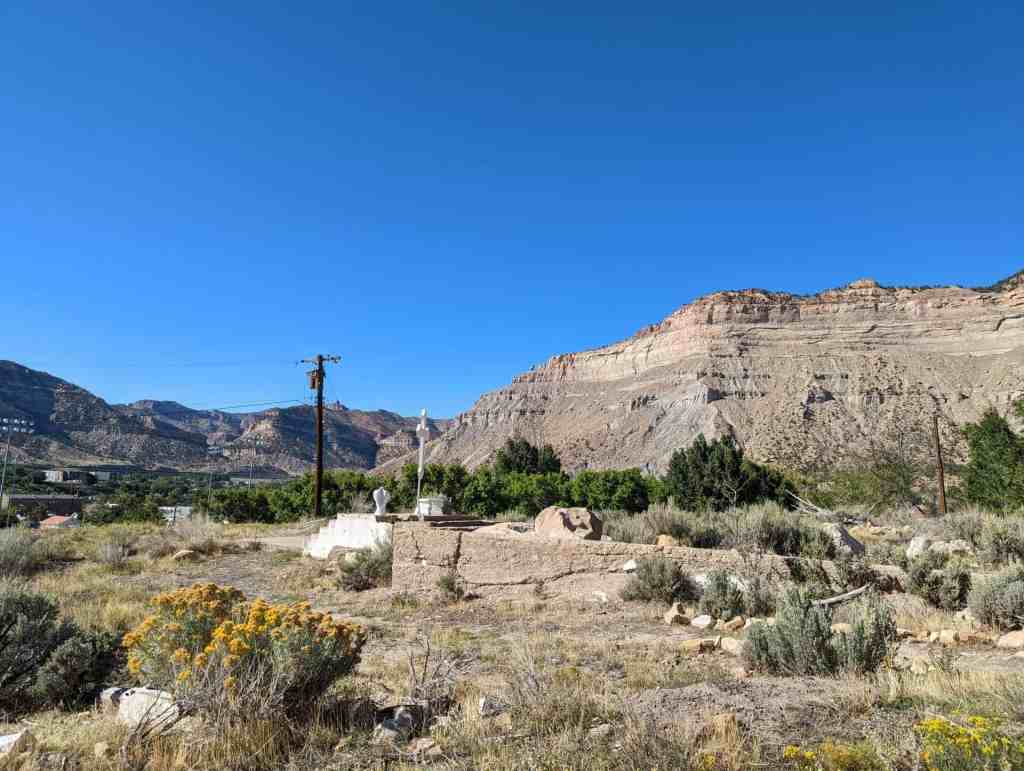
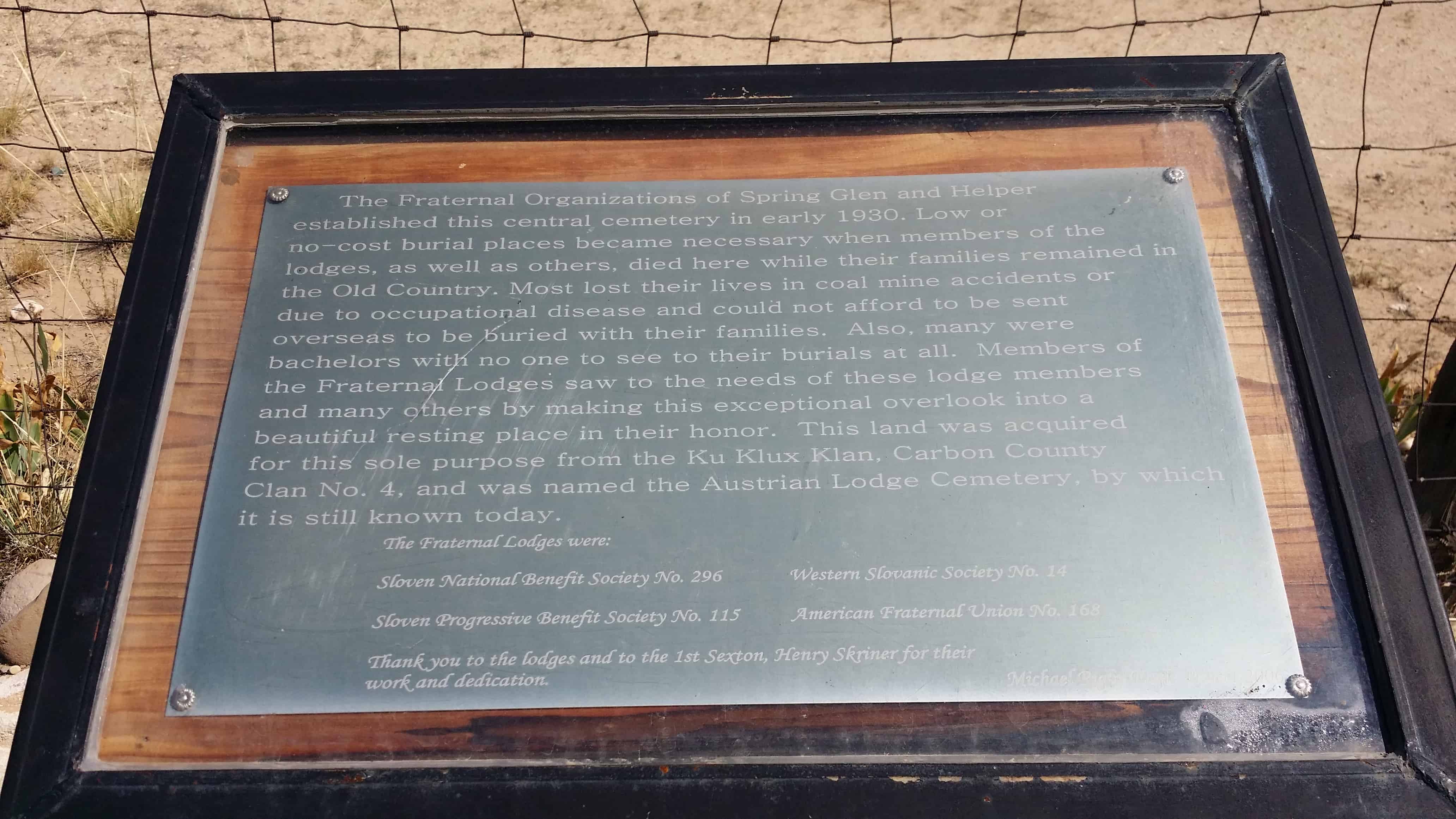
- Central Cemetery – Austrian Lodge Cemetery
- Francis Marion Ewell
- Geneva/Horse Canyon Mine Monument
- Hardscrabble Canyon
- Helper Civic Auditorium
- Helper Cross
- Helper Furniture and Hardware
- Helper Labyrinth
- La Salle Hotel
- Matt Warner
- Martin, Utah
- Mining Equipment Display
- Post Office
- Rolapp / Royal
- Saint Anthony Church
- Smart Shop
- Solar System Trail
- Traveling Roundhouse
- Movies filmed here:
- Adventures of Power (2008)
- Helper by Address


Helper was first settled in 1881 by Teamcum Pratt and his plural wives. He then settled into what he described as “a lonely wilderness” where he sought to escape the “hunters, trappers and bachelors and raveheads” in the area of his previous farm along Gordon Creek. The railroad was coming and less than six months after he files for his homestead, he sold parts of his family’s property to the DR&G railroad, soon, a railyard was born.
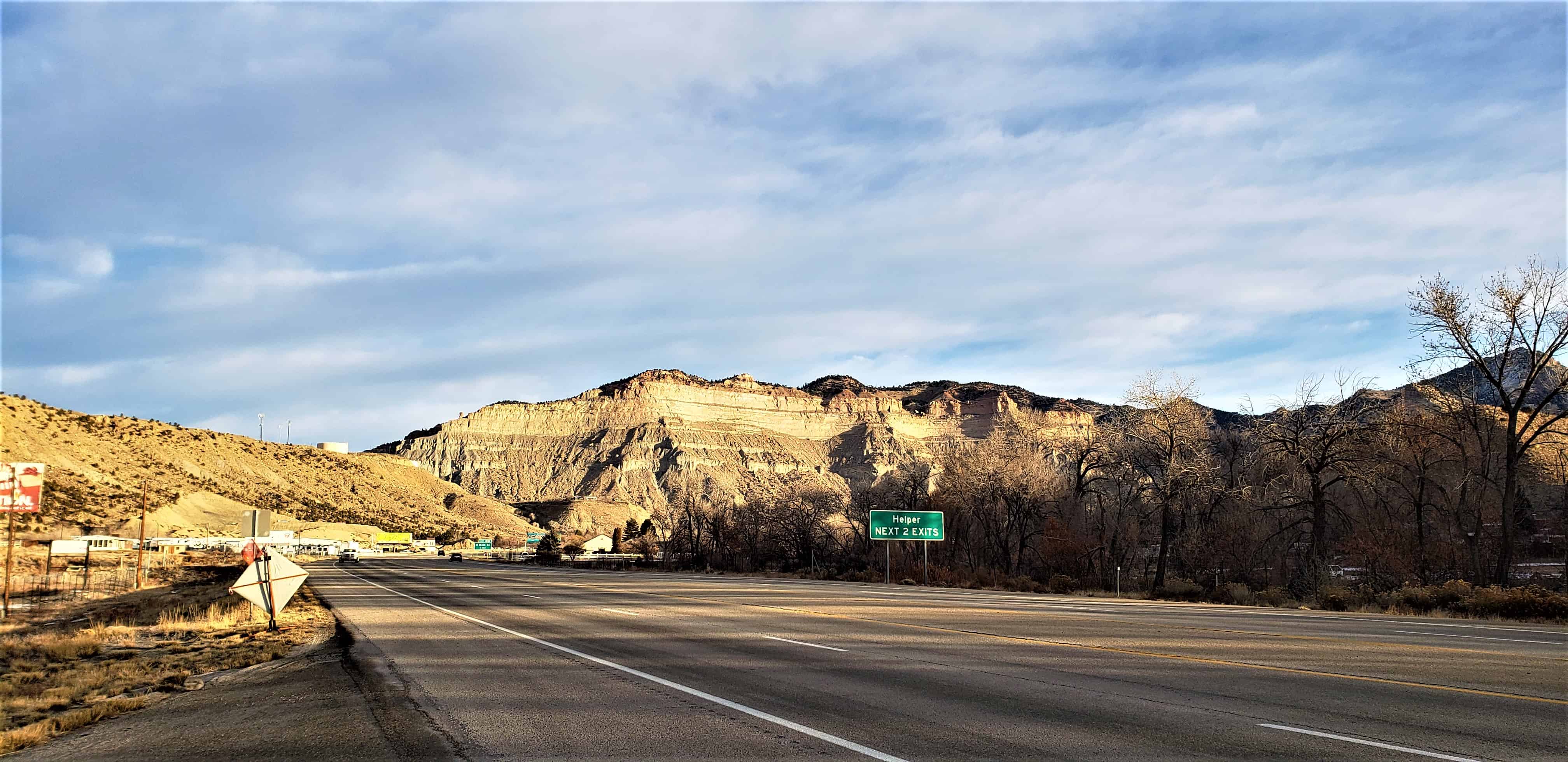
Helper’s name arrived with the railyard and its necessity of “helper” steam engines. These engines were attached to the trains traveling to Northern Utah, “helping” the trains with the steep grades found in Price Canyon. At that time trains needed steam. Steam required coal, and mining coal required men. Soon immigrants arrived in Helper by the hundreds, searching for the “American dream.” Italians, Greeks, Yugoslavians, Japanese, Slovenians and Chinese flooded the area. Many labored in the mines through Helper and the surrounding areas but some soon left mining to create businesses. Photos of Helper from the early 1900s show Greek coffeehouses, Italian bakeries, Japanese restaurants, Jewish and Italian mercantile stores together with saloons, billiard parlors, and hotels of all ethnic origins. By 1920, 27 different languages were spoken in Helper.
A must see in Helper is the Western Mining and Railroad Museum. The stories of the mines and railroads and the immigrants who worked them is shown in the many exhibits. Explore the basement mine, stand where Butch Cassidy stood when he robbed the Castlegate payroll, shop the company store and be awed at life in the coal camps. Housed in the old Helper Hotel, the Museum provides a trip back in time to the beginnings of Helper and the hard working people who formed its character.
Also, make sure to stop by the mining equipment and museum yard to see the amazing machines used in the coal mines today. You will also see train cars and the Helper Train Mosaic.
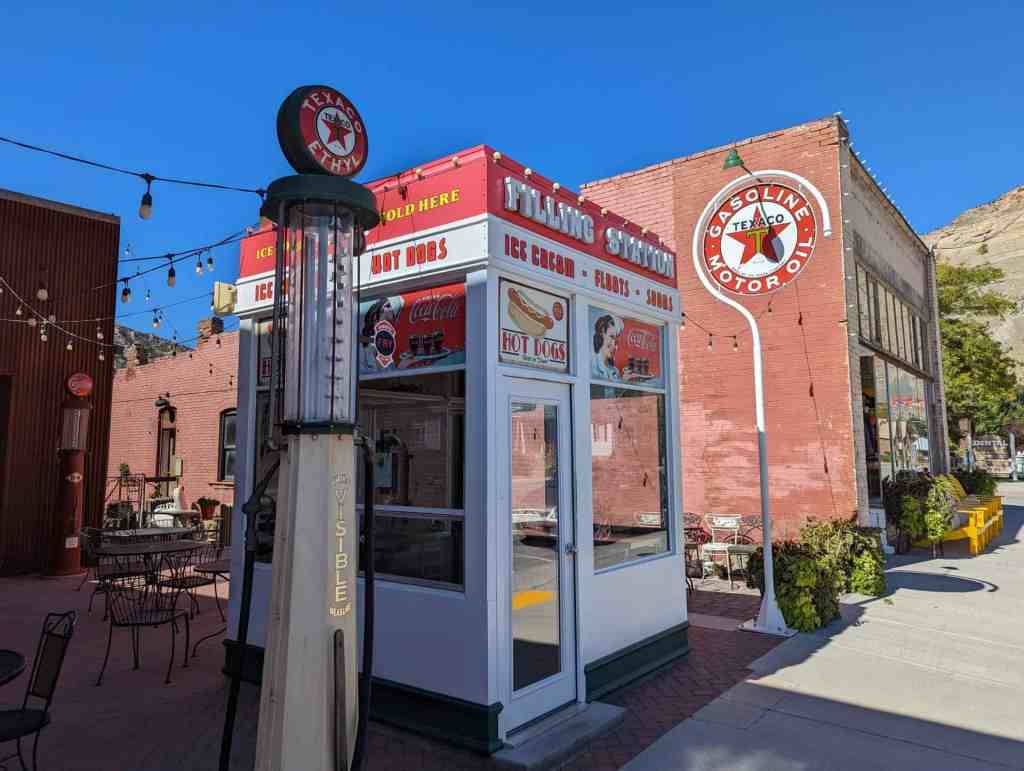
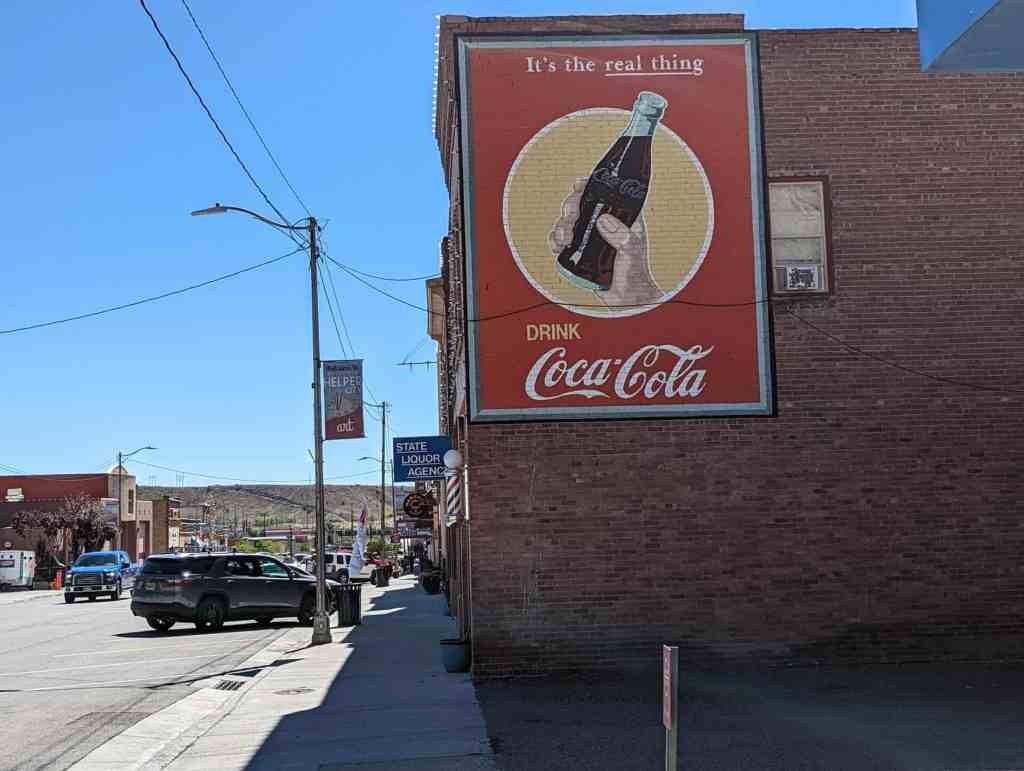
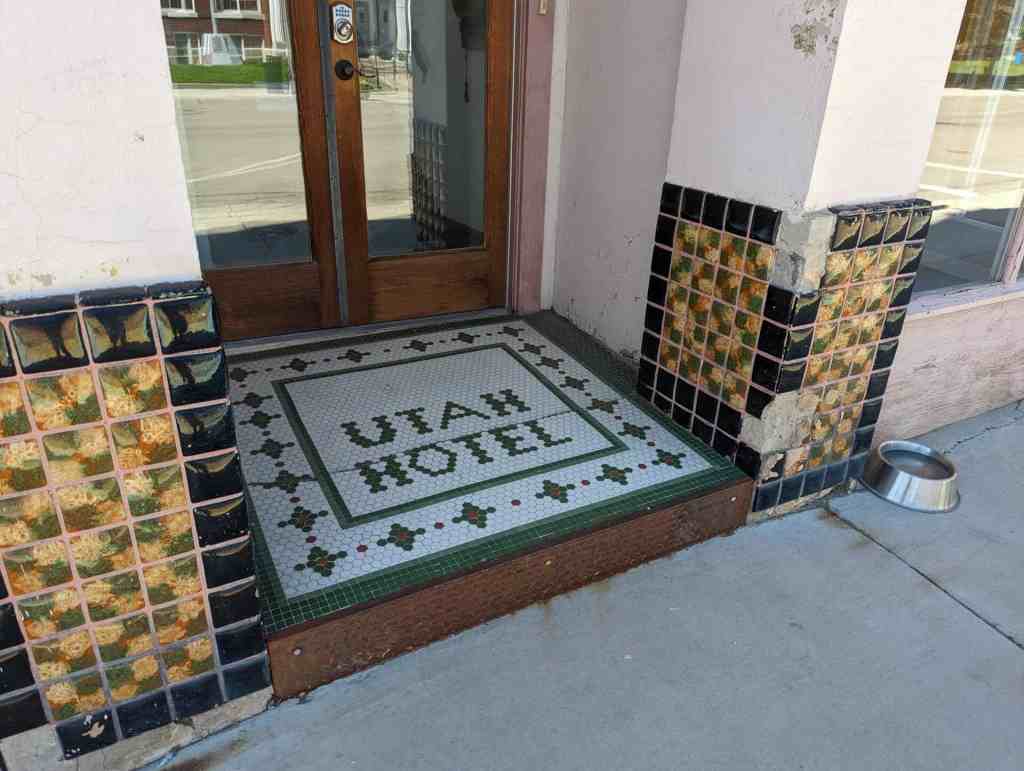
No visit to Helper would be complete without a stop by the Historical District, which includes Main Street. Here, local restaurants, coffee shops, antique stores, art galleries, and unique buildings all contribute to its charm and character.
One block off Main Street, you can stroll the Helper Parkway and take the family for a picnic at the pavilion and a volleyball game.
If you want to explore the surrounding mountain areas, the Spring Canyon Trail is ideal. Located in the west part of town, the trail follows the abandoned railroad line that served the old coal camps. The Kenilworth-Helper Railroad Trail is on the opposite side of town. Following the abandoned railroad line between Helper and the small mining town of Kenilworth, it is suitable for walking, biking or ATVing. The trail begins at the foot of the mountains in North Helper.
In June, experience the Helper Outlaw Car Show & Cruise and see a wide variety of custom cars. This event is held annually at the city park which is conveniently located next to a pool and ballpark. See Firebirds, Mustangs, Corvettes, Chevelles and more, all on display in one place highlighting America’s passion for the automobile.
On the third weekend in August, the Helper Arts and Music Festival arrives on Main Street with over 65 booths in the arts and crafts marketplace. Some of the best art in the Intermountain West is on display. Attend plays, musical theatre and dance revues and hear live music from a variety of bands. Sample mouthwatering food and icy beverages in the spacious food court. A 5K run and a car show coincide with the festival.
Every December , Helper transforms into a dazzling holiday extravaganza. Beginning before Thanksgiving, the town is lit up with Christmas lights and during this time many events are offered. There is a craft fair, chili dinners, silent auctions and visits with Santa, to name a few. In years past, the Helper Electric Light Parade has spanned two nights in a row followed by a fireworks show.