• About JacobBarlow.com
  • Cemeteries in Utah
  • D.U.P. Markers
  • Doors
  • Exploring Utah Email List
  • Geocaching
  • Historic Marker Map
  • Links
  • Movie/TV Show Filming Locations
  • Oldest in Utah
  • Other Travels
  • Photos Then and Now
  • S.U.P. Markers
  • U.P.T.L.A. Markers
  • Utah Cities and Places.
  • Utah Homes for Sale
  • Utah Treasure Hunt

JacobBarlow.com

~ Exploring with Jacob Barlow

JacobBarlow.com

Tag Archives: Nevada Historic Markers

Ely – Forging the Link

16 Saturday Jul 2022

Posted by Jacob Barlow in Uncategorized

≈ Leave a comment

Tags

Ely, Historic Markers, Lincoln Highway, Nevada, Nevada Historic Markers, White Pine County

Ely – Forging the Link

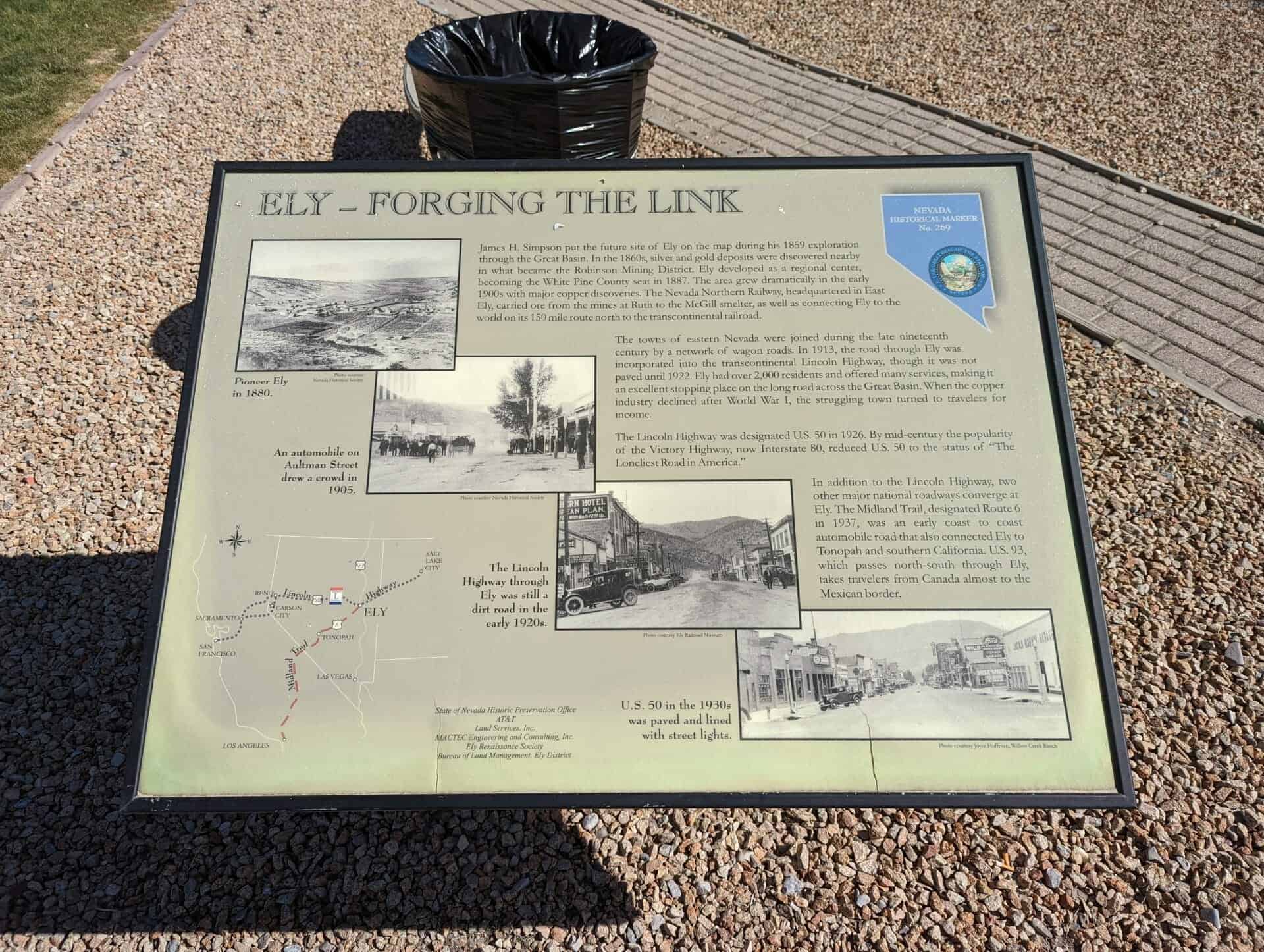
James H. Simpson put the future site of Ely on the map during his 1859 exploration through the Great Basin. In the 1860s, silver and gold deposits were discovered nearby in what became the Robinson Mining District. Ely developed as a regional center, becoming the White Pine County seat in 1887. The area grew dramatically in the early 1890s with major copper discoveries. The Nevada Northern Railway, headquartered in East Ely, carried ore from the mines in Ruth to the McGill smelter, as well as connecting Ely to the world on its 150 mile route north to the transcontinental railroad.

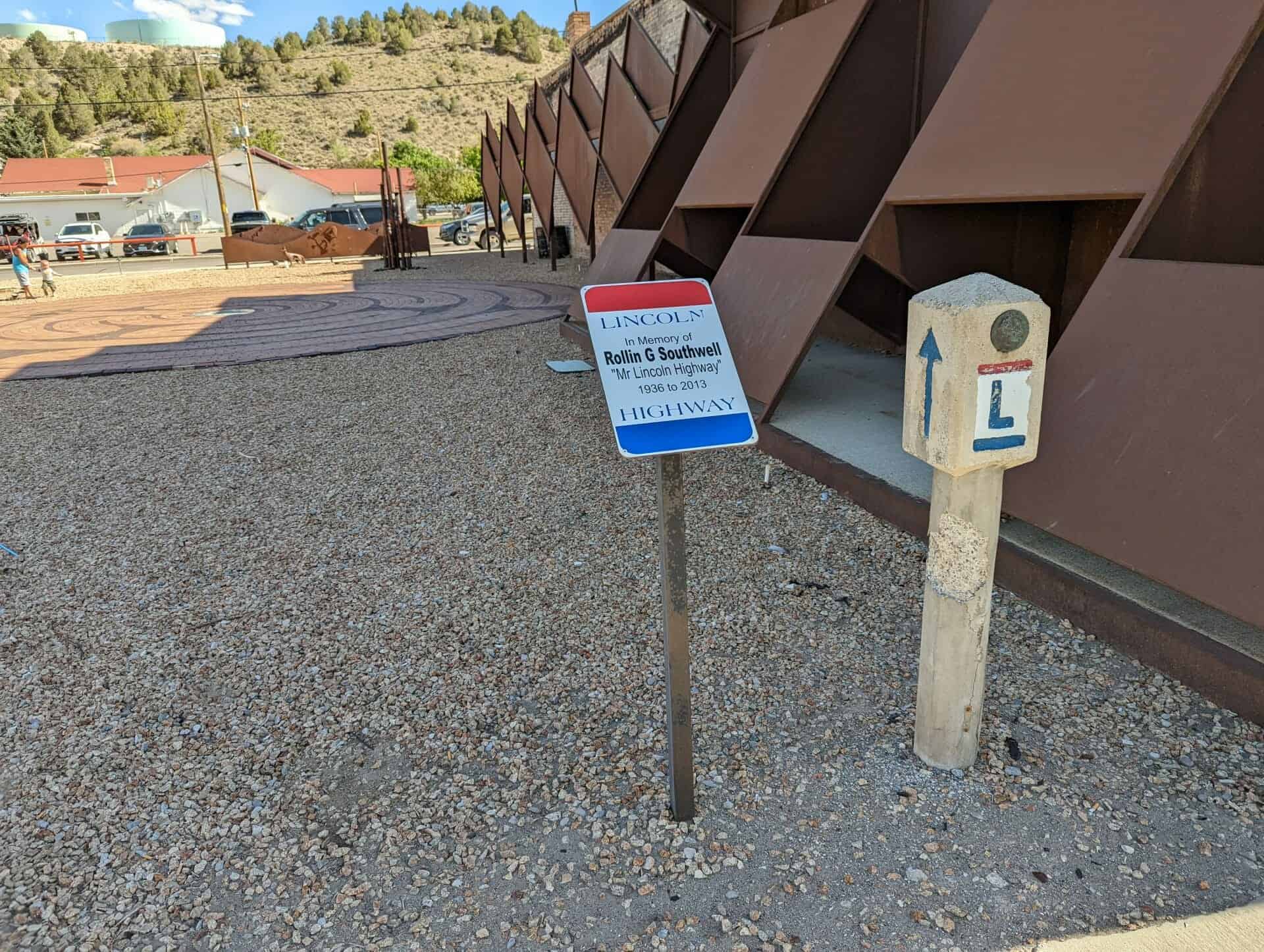
The towns of eastern Nevada were joined during the late nineteenth century by a network of wagon roads. In 1913, the road through Ely was incorporated into the transcontinental Lincoln Highway, though it was not paved until 1922. Ely had over 2,000 residents and offered many services, making it an excellent stopping place on the long road across the Great Basin. When the copper industry declined after World War I, the struggling town turned to travelers for income.

The Lincoln Highway was designated U.S. 50 in 1926. By mid-century the popularity of the Victory Highway, now Interstate 80, reduced U.S. 50 to the status of “The Loneliest Road in America.”

In addition to the Lincoln Highway, two other major national roadways converge at Ely. The Midland trail, designated Route 6 in 1937, was an early coast to coast automobile road that also connected Ely to Tonopah and southern California. U.S 93, which passes north-south through Ely takes travelers from Canada almost to the Mexican border.

This is Nevada State Historical Marker #269, located at 681 East Aultman Street in Ely, Nevada.
See others on this page:

  • Nevada Historic Markers

Related:

  • Lincoln Highway Markers

Copper Country

16 Saturday Jul 2022

Posted by Jacob Barlow in Uncategorized

≈ Leave a comment

Tags

Copper, Ely, Historic Markers, Lincoln Highway, Nevada, Nevada Historic Markers, White Pine County

Copper Country

The famed open-pit copper mines of eastern Nevada, including the Liberty Pit, largest in the state, are located two miles south of this point. Through the first half of the twentieth century, this area produced nearly a billion dollars in copper, gold, and silver. The huge mounds visible from here are waste rock, which was removed to uncover the ore.

Two miles east of here, near Lane City, was the Elijah, the first mine discovered in the Robinson Mining District. Lane City, originally called Mineral City, was settled in 1869 and had a population of 400. At Mineral City was the Ragsdale Station, one hotel, and a stage station.

This is Nevada State Historical Marker #9, located outside Ely, Nevada.
See others on this page:

  • Nevada Historic Markers

Related:

  • Lincoln Highway Markers

Taylor

12 Tuesday Jul 2022

Posted by Jacob Barlow in Uncategorized

≈ Leave a comment

Tags

Nevada, Nevada Historic Markers

Taylor

Silver and gold were discovered by Taylor and John Platt in 1873 in what was to become Taylor, a typical mining community supported chiefly by the Argus and Monitor Mines. In seven years, the town boasted a population of 15,000 people, seven saloons, three general stores, an opera house, a Wells Fargo office, and other businesses. By 1886, Taylor was the center of county activity, a social highlight being the annual 4th of July celebration.

Mining continued intermittently until 1919. At that time, a 100 ton cyanide plant at the Argus Mine gave the area new life, but production declined when the price of silver plummeted. World War II renewed mining activity temporarily. Local mines yielded more than $3 million in silver, gold, copper, and lead.

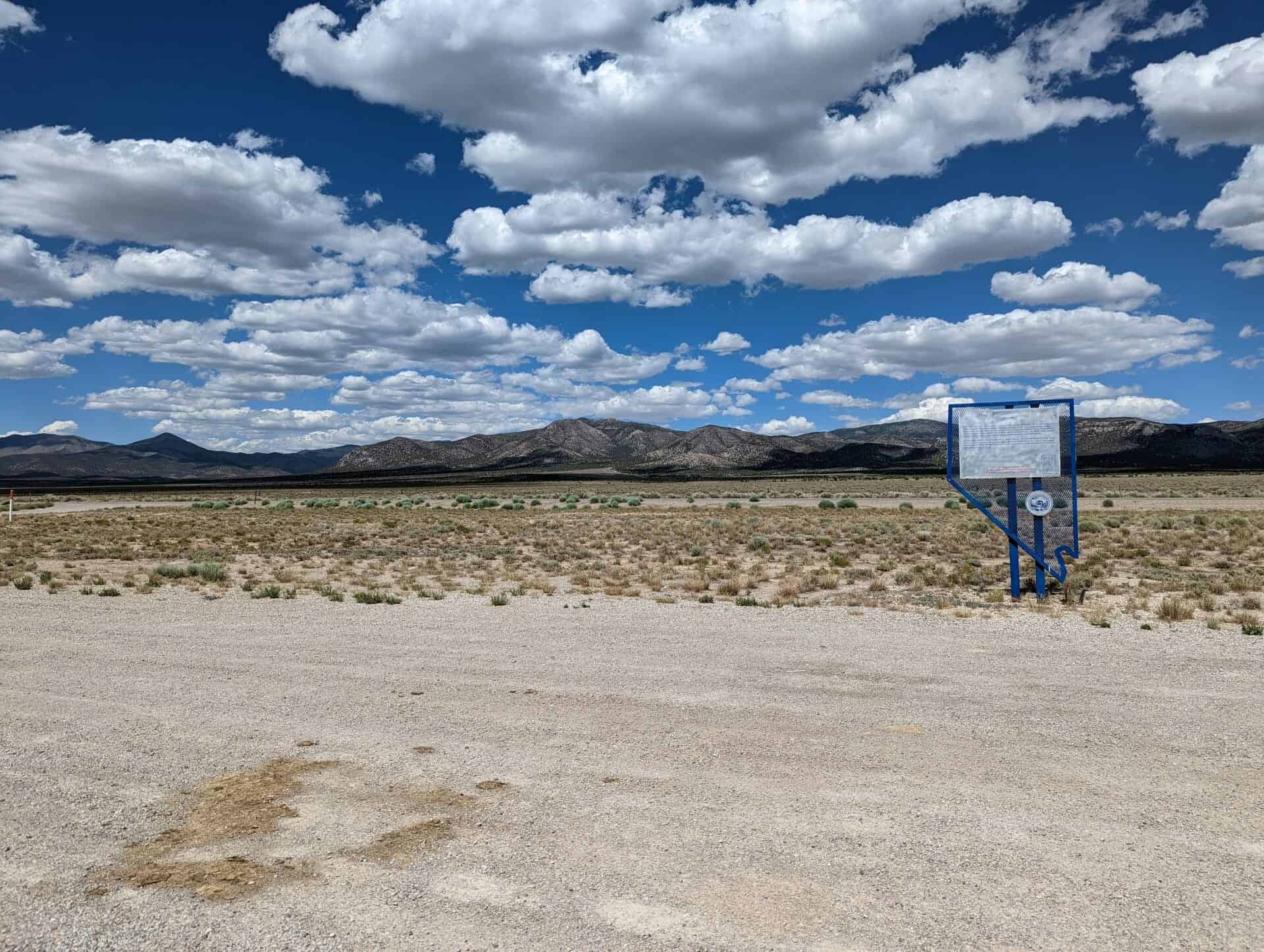
This is Nevada State Historical Marker #99, located along Highway 50 outside of Ely, Nevada. See others on this page:

  • Nevada Historic Markers
  • Also located here is #54, Ward Mining District

Ward Mining District

12 Tuesday Jul 2022

Posted by Jacob Barlow in Uncategorized

≈ Leave a comment

Tags

Nevada, Nevada Historic Markers

Ward Mining District
Silver Ore

The ghost town of Ward, in the foothills of the Egan Range, lies some eight miles west of here. Booming from 1876 until 1882, with a peak population of 1,500, Ward was somewhat of a lawless mining camp. Early killings did occur, but justice was meted out by the vigilante committee and the hanging rope.

A million dollars worth of silver was taken from a single chamber of the Ward mine, yet an abandoned house was used for the first school and no movement was ever started to build a church.

The town was abandoned by the late 1880s, but new discoveries and better mining methods prompted a resurgence of activity in 1906 and again in the 1960s.

This is Nevada State Historical Marker #54, located along Highway 50 outside of Ely, Nevada. See others on this page:

  • Nevada Historic Markers
  • Also located here is #99, Taylor

Beatty

11 Monday Jul 2022

Posted by Jacob Barlow in Uncategorized

≈ Leave a comment

Tags

Beatty, Historic Markers, Nevada, Nevada Historic Markers, Nye County

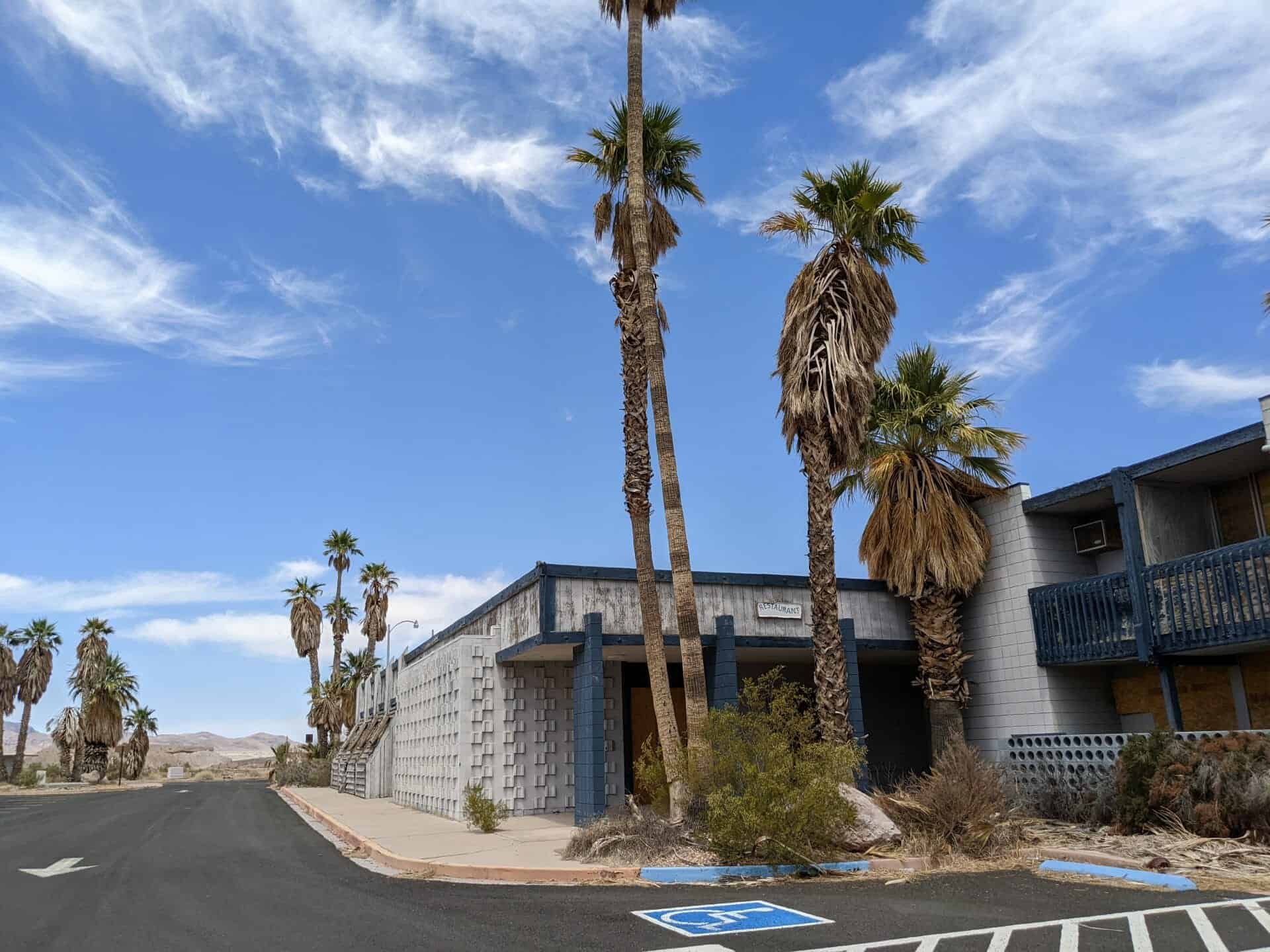
Beatty was the center of three short-lived, so-called “gold” railroads that were spawned by early 1900s strikes in Tonopah, Goldfield and Rhyolite. The town was referred to as the “Chicago of the West”.

Between 1906 and 1907, railroad companies constructed the Las Vegas and Tonopah from Las Vegas through Beatty and Rhyolite to Goldfield, the Bullfrog Goldfield Railroad from Goldfield to Beatty and Rhyolite, and the Tonopah and Tidewater from Ludlow, California to Tonopah. The last of these used the Bullfrog Goldfield tracks to Beatty and Rhyolite until 1914. The rails were torn up at Beatty beginning on July18, 1942.

This is Nevada State Historical Marker #173, see others on this page:

  • Nevada Historic Markers

This is located in Beatty, Nevada.

Beatty, Nevada

11 Monday Jul 2022

Posted by Jacob Barlow in Uncategorized

≈ 1 Comment

Tags

Beatty, Nevada, Nevada Historic Markers, Nye County

Beatty, Nevada in Nye County.

Related:

  • Atomic Inn
  • Hillside Letter A
  • Hillside Letter B
  • Nevada Historical Marker #173 – Beatty
  • Post Office

Powell of the Colorado

01 Friday Jul 2022

Posted by Jacob Barlow in Uncategorized

≈ Leave a comment

Tags

Historic Markers, Nevada, Nevada Historic Markers

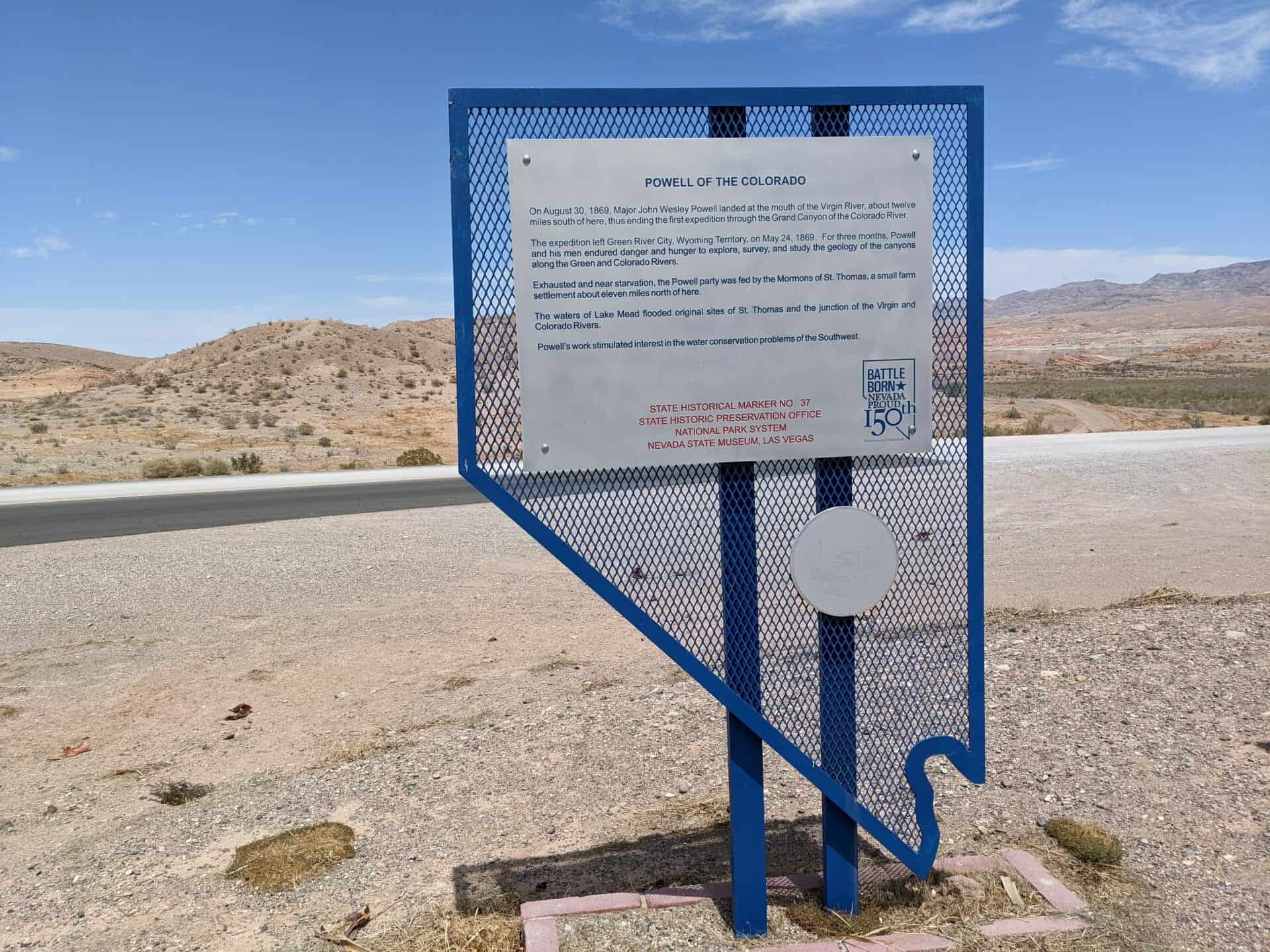
On August 30, 1869, Major John Wesley Powell landed at the mouth of the Virgin River, about twelve miles south of here, thus ending the first expedition through the Grand Canyon of the Colorado River.

The expedition left Green River City, Wyoming Territory, on May 24, 1869. For three months Powell and his men endured danger and hunger to explore, survey, and study the geology of the canyons along the Green and Colorado Rivers.

Exhausted and near starvation, the Powell party was fed by the Mormons of St. Thomas, a small farm settlement about eleven miles north of here.

The waters of Lake Mead flooded original sites of St. Thomas and the junction of the Virgin and Colorado Rivers.

Powell’s work stimulated interest in the water conservation problems of the Southwest.

This is Nevada State Historical Marker #37, see others on this page:

  • Nevada Historic Markers

Nevada Test Site

28 Tuesday Jun 2022

Posted by Jacob Barlow in Uncategorized

≈ Leave a comment

Tags

Clark County, Historic Markers, Nevada, Nevada Historic Markers

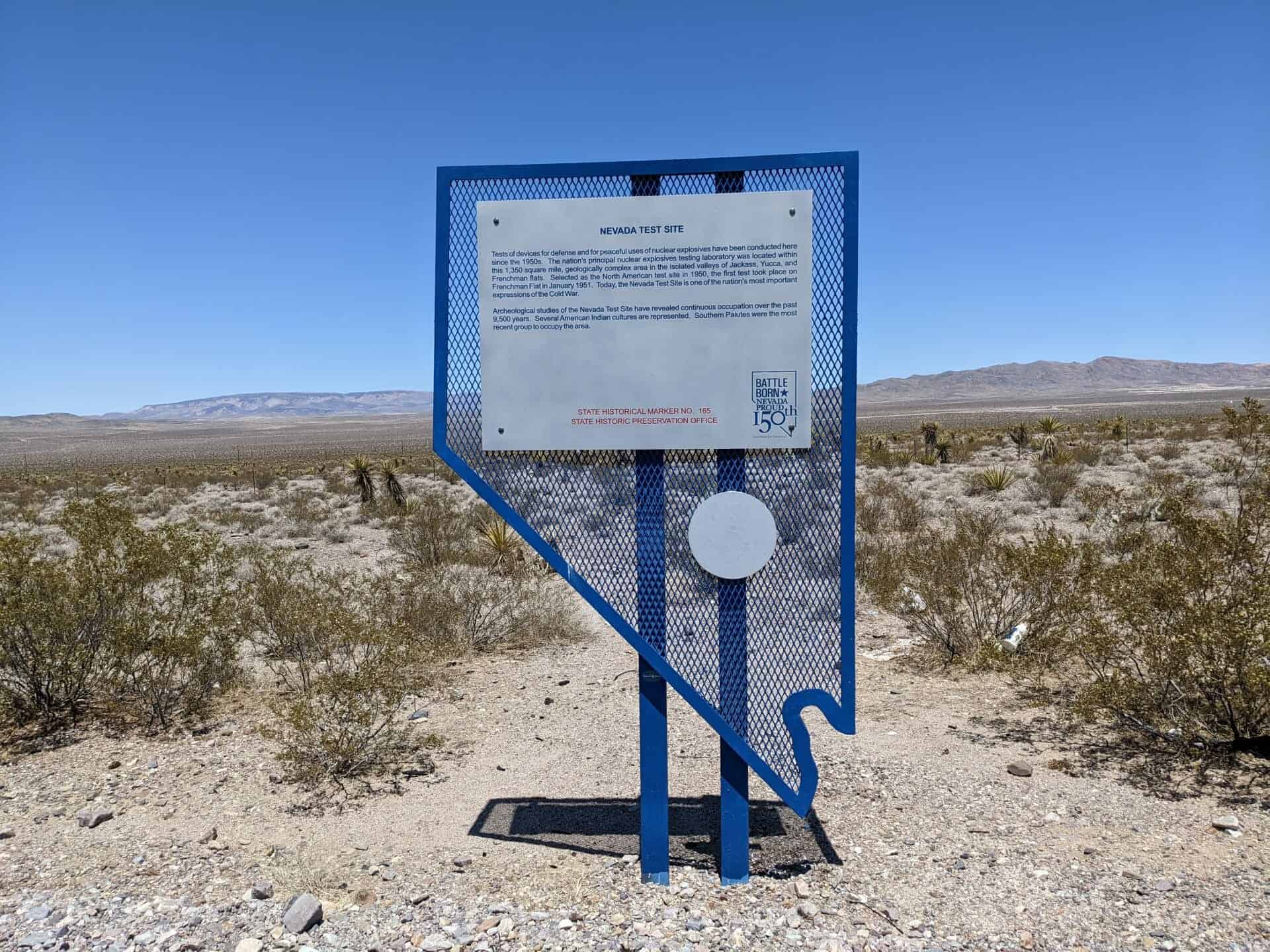
Nevada Test Site

Tests of devices for defense and for peaceful uses of nuclear explosives have been conducted here since the 1950s. The nation’s principal nuclear explosives testing laboratory was located within this 1,350 square mile, geologically complex area in the isolated valleys of Jackass, Yucca, and Frenchman flats. Selected as the North American test site in 1950, the first test took place on Frenchman Flat in January 1951. Today, the Nevada Test Site is one of the nation’s most important expressions of the Cold War.

Archeological studies of the Nevada Test Site have revealed continuous occupation over the past 9,500 years. Several American Indian cultures are represented. Southern Paiutes were the most recent group to occupy the area.

Related:

  • Nevada Historic Markers

This is Nevada State Historical Marker #165 located on Highway 95 just west of Cactus Springs and Indian Springs.

Chief Tecopa

21 Tuesday Jun 2022

Posted by Jacob Barlow in Uncategorized

≈ Leave a comment

Tags

Historic Markers, Nevada, Nevada Historic Markers, Pahrump

Chief Tecopa
Peace Maker of the Paiutes

Chief Tecopa was a young man when the first European Americans came to Southern Nevada. As a leader among the Southern Paiutes, he fought with vigor to save their land and maintain a traditional way of life. He soon realized if his people were to survive and prosper, he would have to establish peace and live in harmony with the foreigners.

During his life, which spanned almost the entire nineteenth century, his time and energy were devoted to the betterment of his people until his death here in Pahrump Valley.

Chief Tecopa is honored for the peaceful relations he maintained between the Southern Paiutes and the settlers who came to live among them.

This is Nevada State Historical Marker #171, see others on this page:

  • Nevada Historic Markers

This is located in the Chief Tecopa Cemetery in Pahrump, Nevada.

The Old Spanish Trail – Armijo’s Route

11 Saturday Jun 2022

Posted by Jacob Barlow in Uncategorized

≈ Leave a comment

Tags

Clark County, Nevada, Nevada Historic Markers, Old Spanish Trail, The Old Spanish Trail

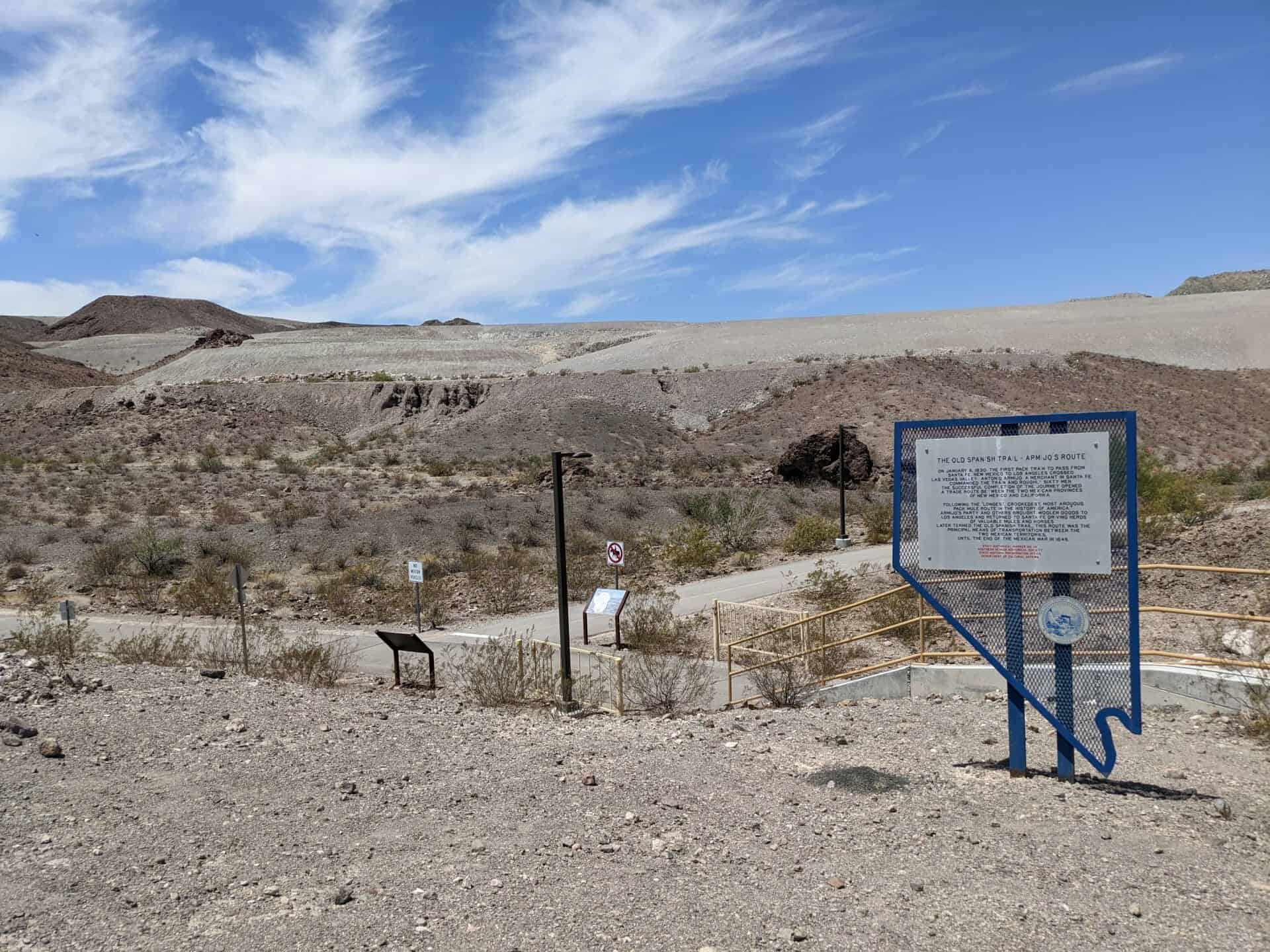
The Old Spanish Trail – Armijo’s Route

On January 8, 1830, the first pack train to pass from Santa Fe, New Mexico to Los Angeles crossed Las Vegas Valley. Antonio Armijo, a merchant in Santa Fe, commanded the train and roughly sixty men. The successful completion of the journey opened a trade route between the two Mexican provinces of New Mexico and California.

Following the “longest, crookedest, most arduous pack mule route in the history of America,” Armijo’s party and others brought woolen goods to Los Angeles and returned to Santa Fe driving herds of valuable mules and horses. Later termed the Old Spanish Trail, this route was the principal means of transportation between the two Mexican territories, until the end of the Mexican War in 1848.

This is Nevada State Historical Marker #141, see others on this page:

  • Nevada Historic Markers

← Older posts
Newer posts →

Follow Jacob

Follow Jacob

Come wander with me on Youtube.

Blog Stats

  • 2,099,178 hits

Social and Other Links

BarlowLinks.com

Recent Posts

  • Scout Monument
  • Provo High School Seminary Building
  • 821 E 100 S
  • 820 E 100 S
  • 817-819 E 100 S

Archives

Loading Comments...