Tags
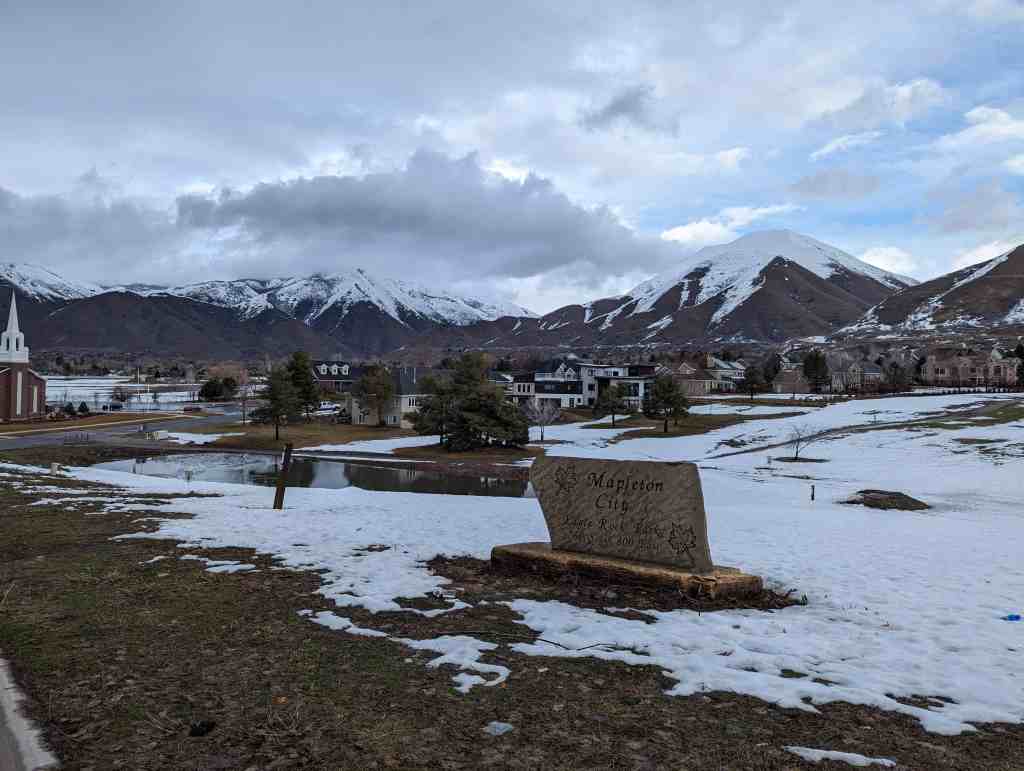
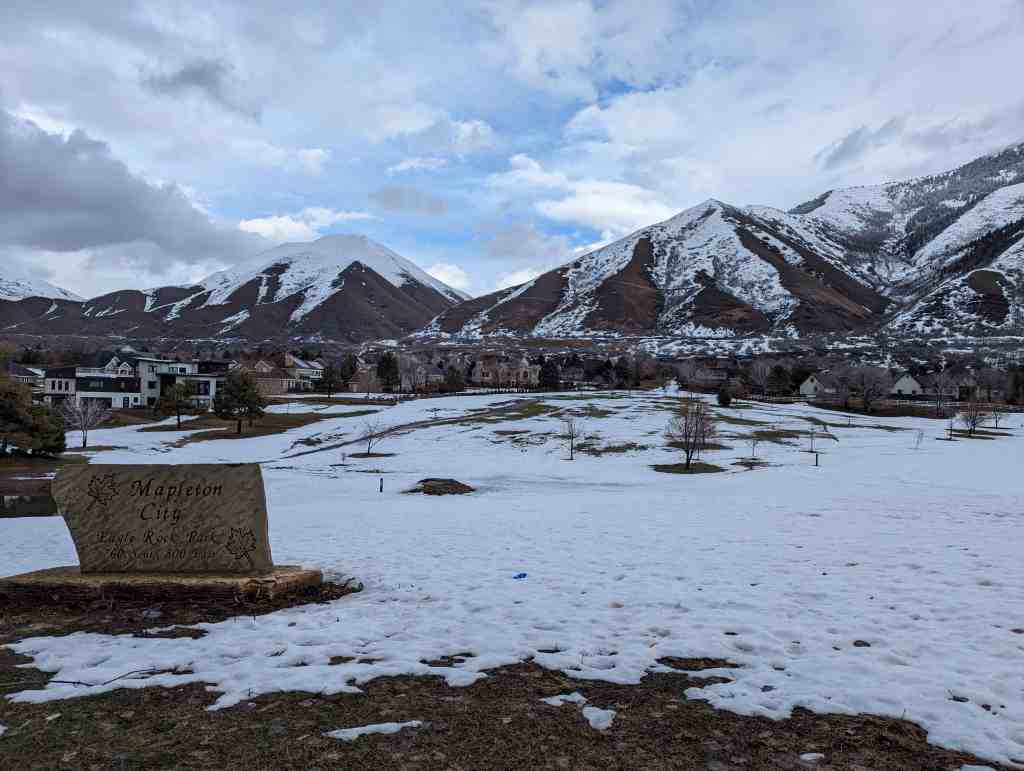
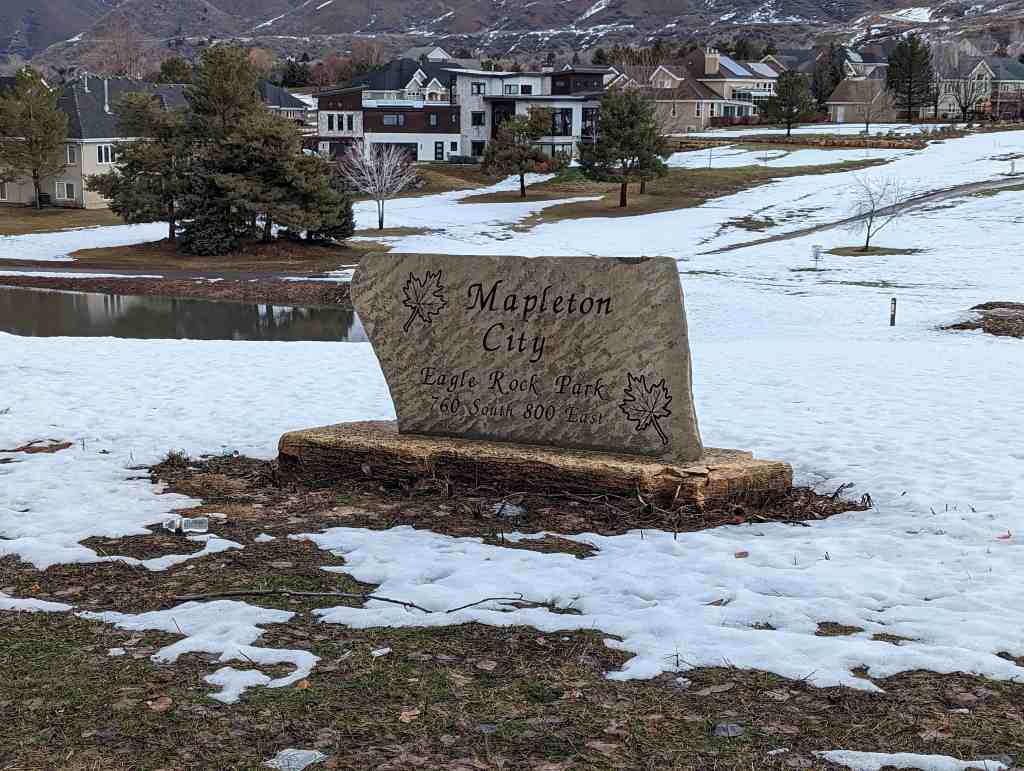
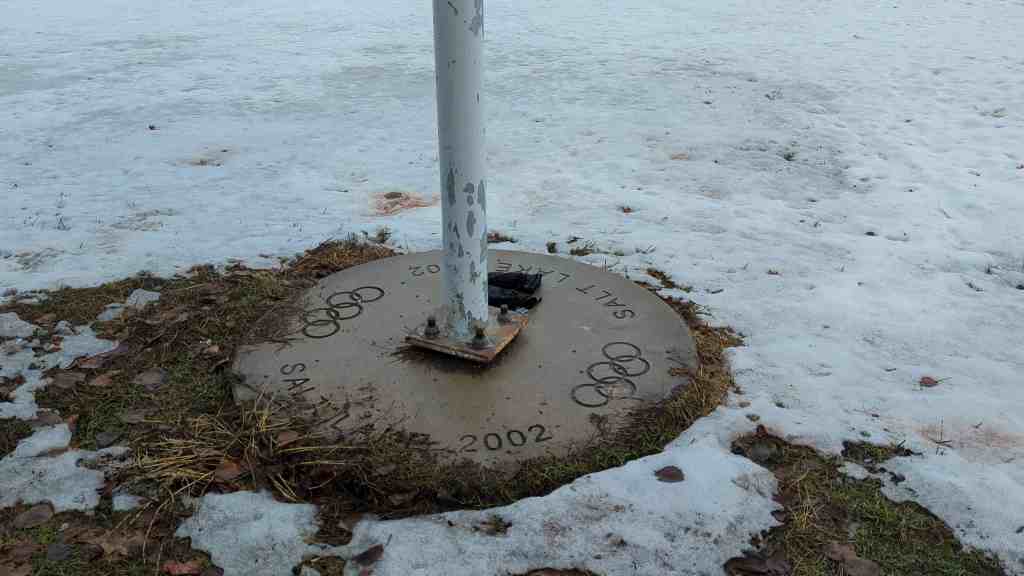
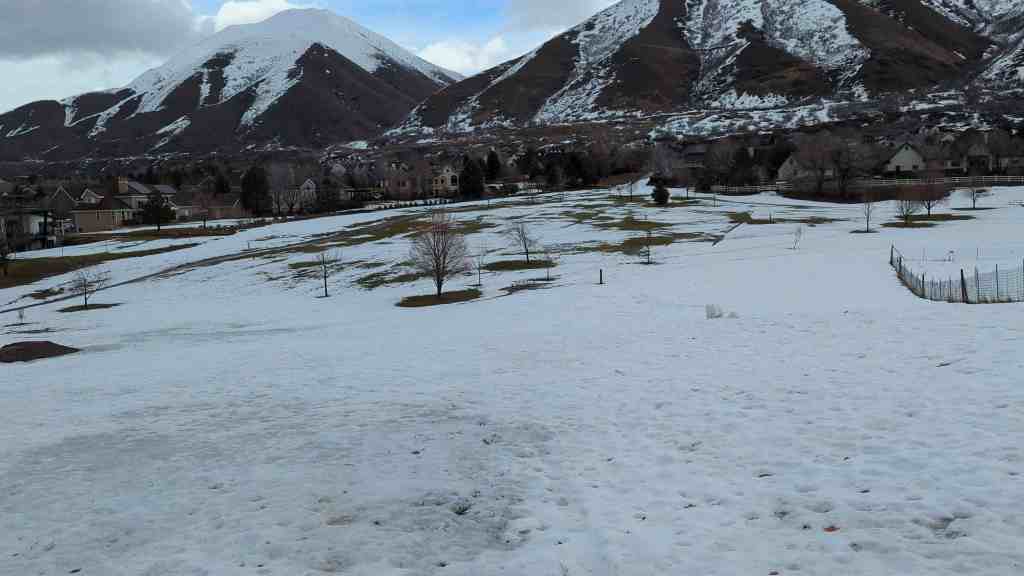
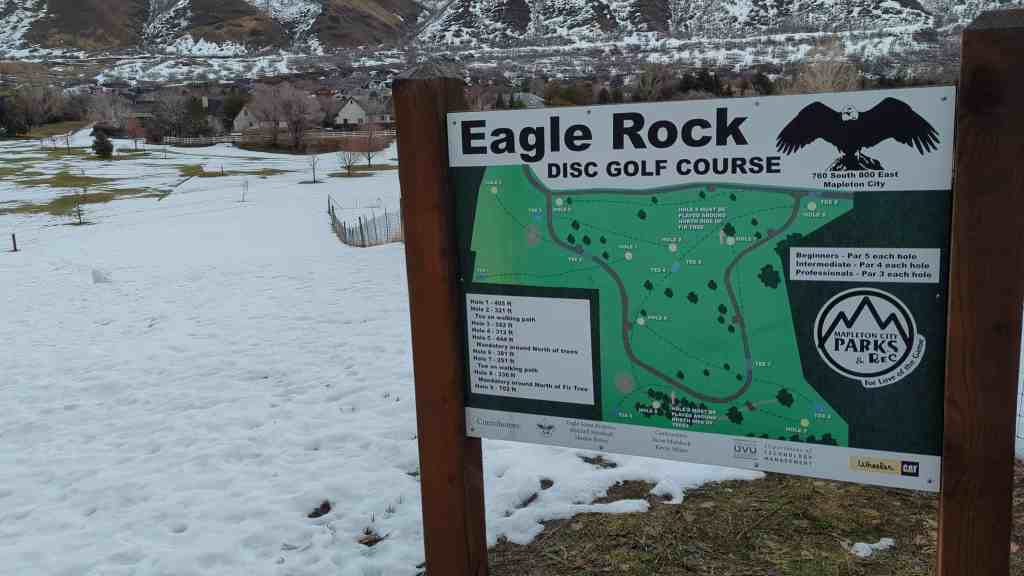
Eagle Rock Park
15 Friday Mar 2024
Posted in Uncategorized

15 Friday Mar 2024
Posted in Uncategorized
10 Sunday Mar 2024
Posted in Uncategorized
Tags
08 Friday Mar 2024
Posted in Uncategorized
Tags
07 Thursday Mar 2024
Posted in Uncategorized

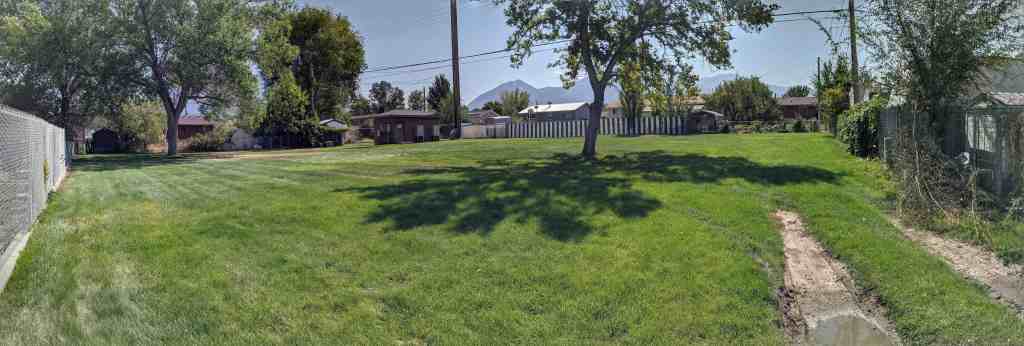
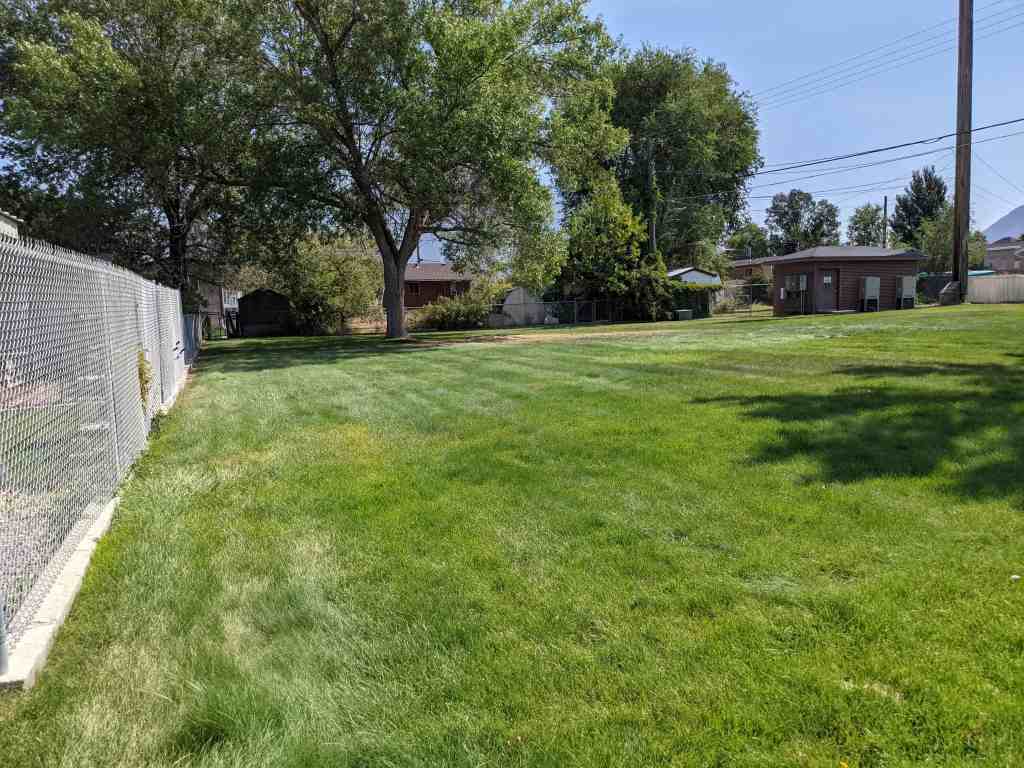
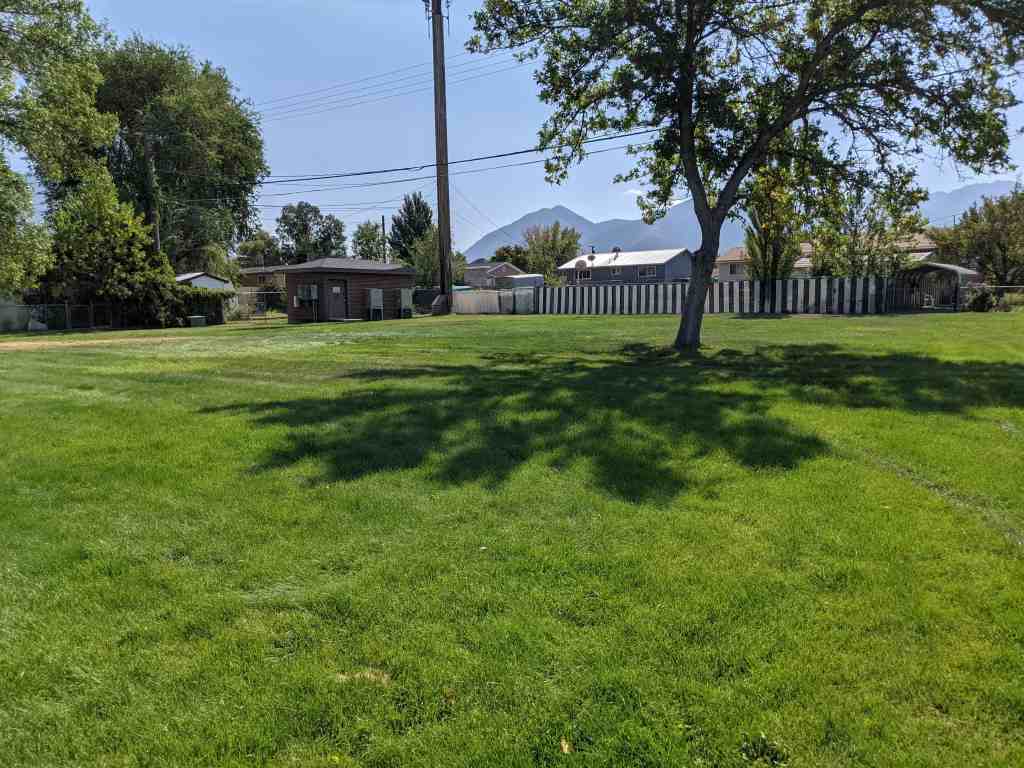
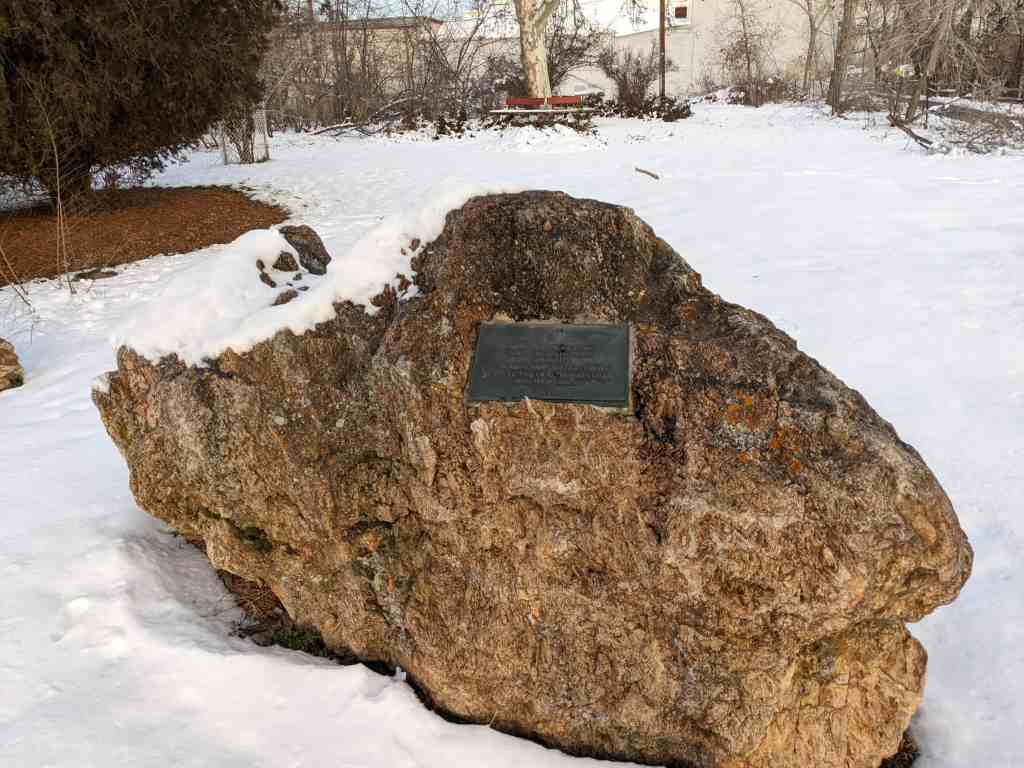
Alzheimers Park
265 South 1200 West in the Poplar Grove neighborhood in Salt Lake City, Utah
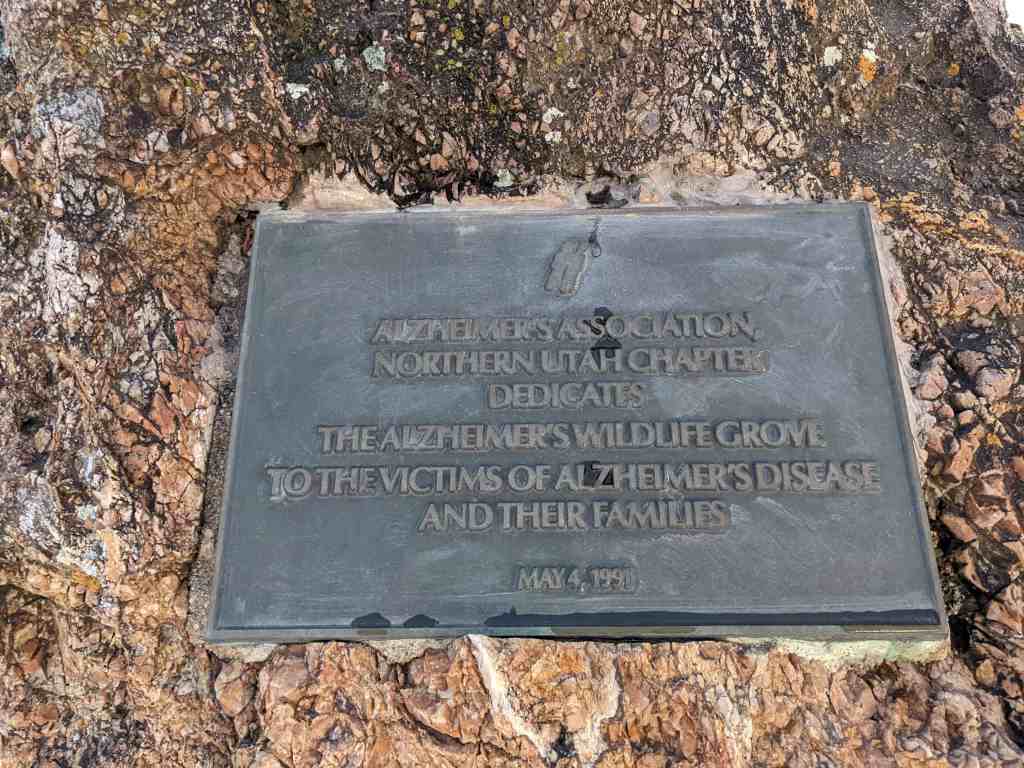
Alzheimer’s Association
Northern Utah Chapter
Dedicates
The Alzheimer’s Wildlife Grove
To the victims of Alzheimer’s disease
and their families
May 4, 1991
05 Tuesday Mar 2024
Posted in Uncategorized
Tags
05 Tuesday Mar 2024
Posted in Uncategorized
Tags
03 Sunday Mar 2024
Posted in Uncategorized
17 Saturday Feb 2024
Posted in Uncategorized
Tags
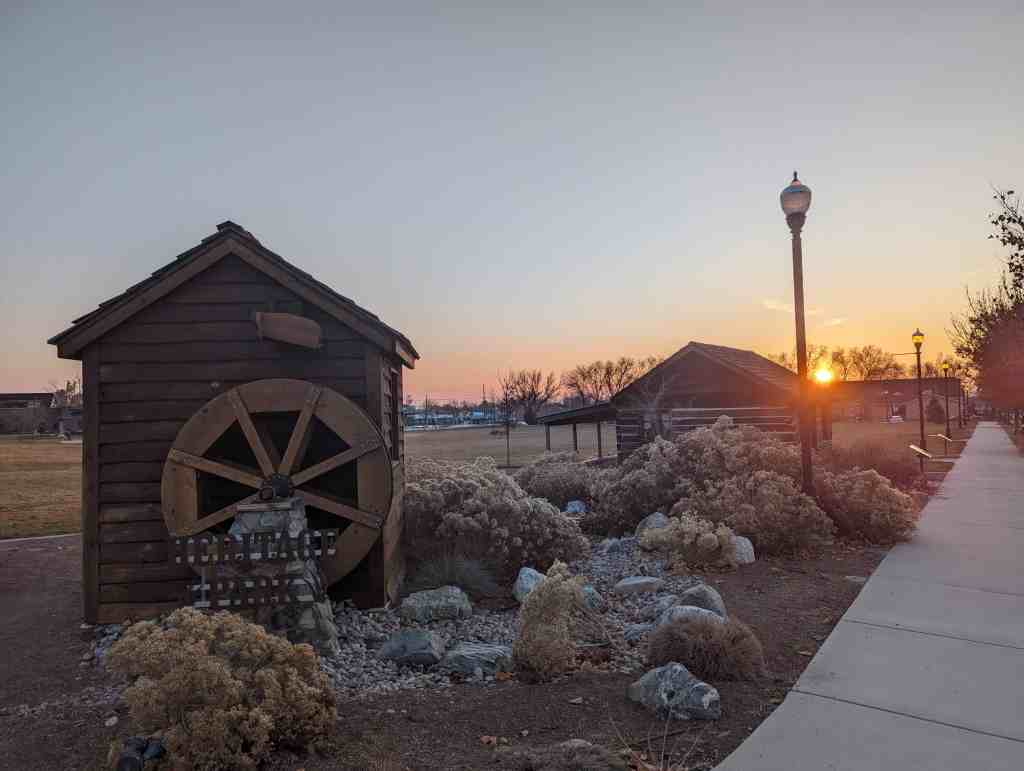
Heritage Park at 250 North Fairfield Road in Kaysville, Utah
Related:
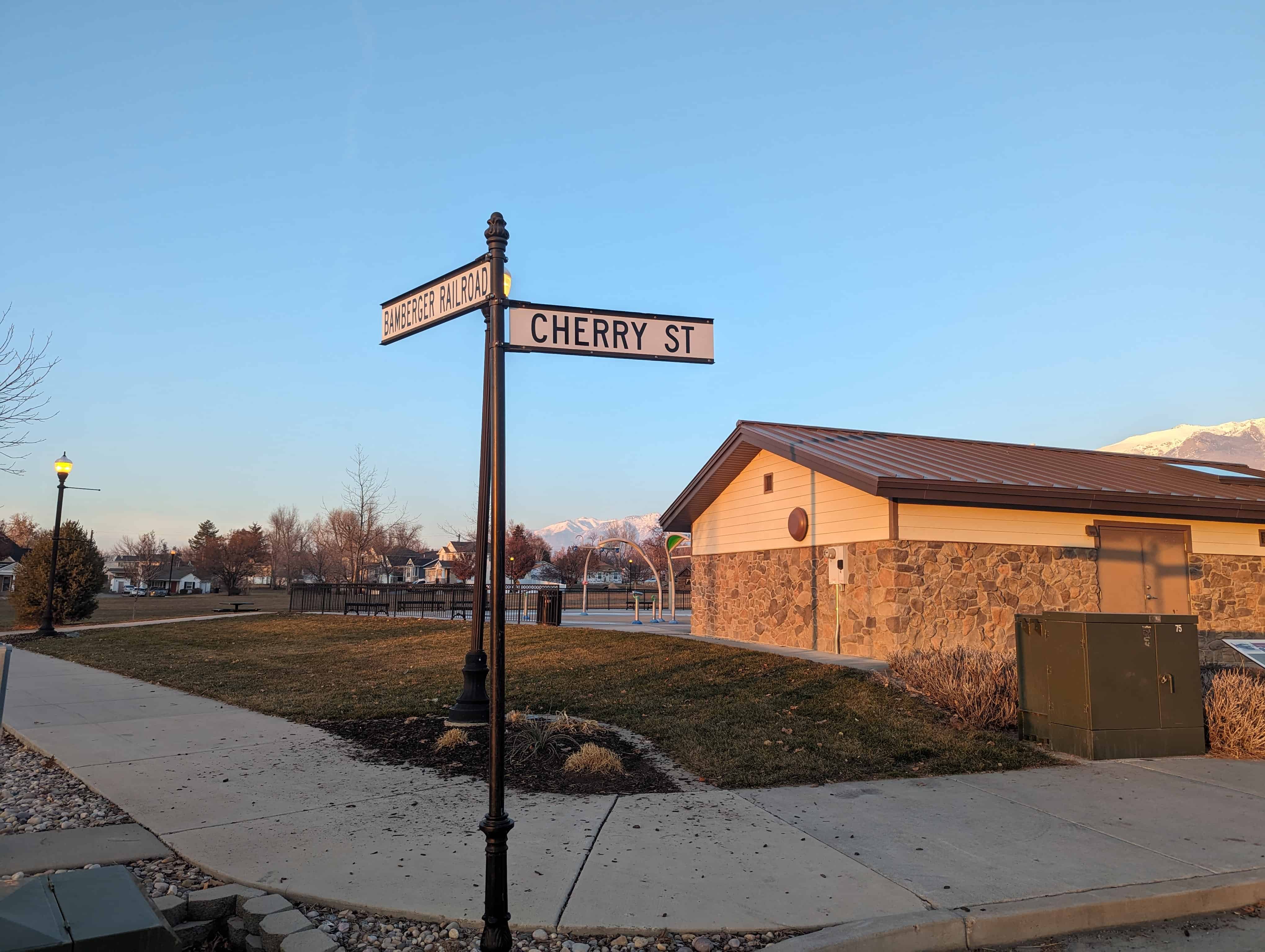
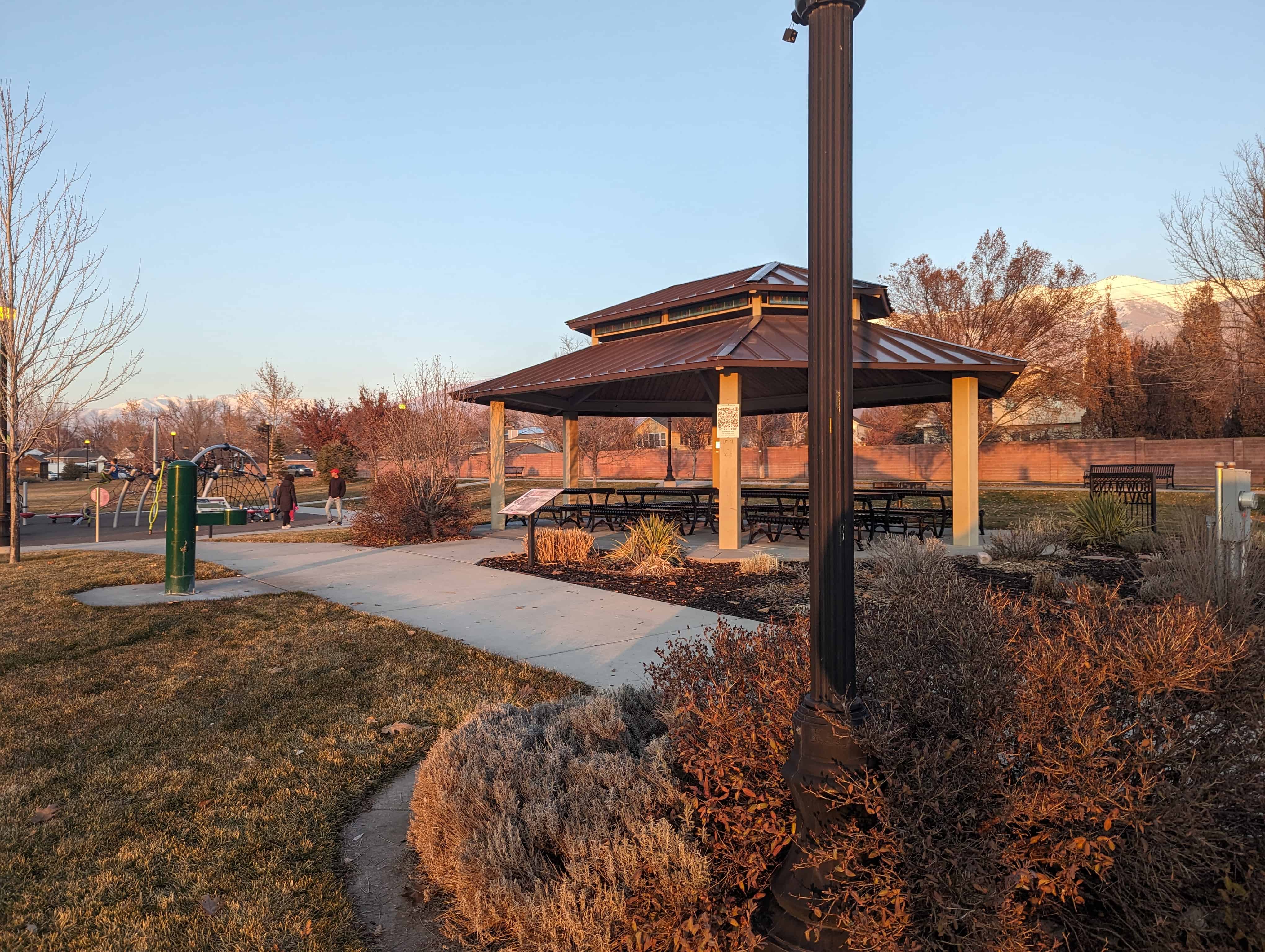
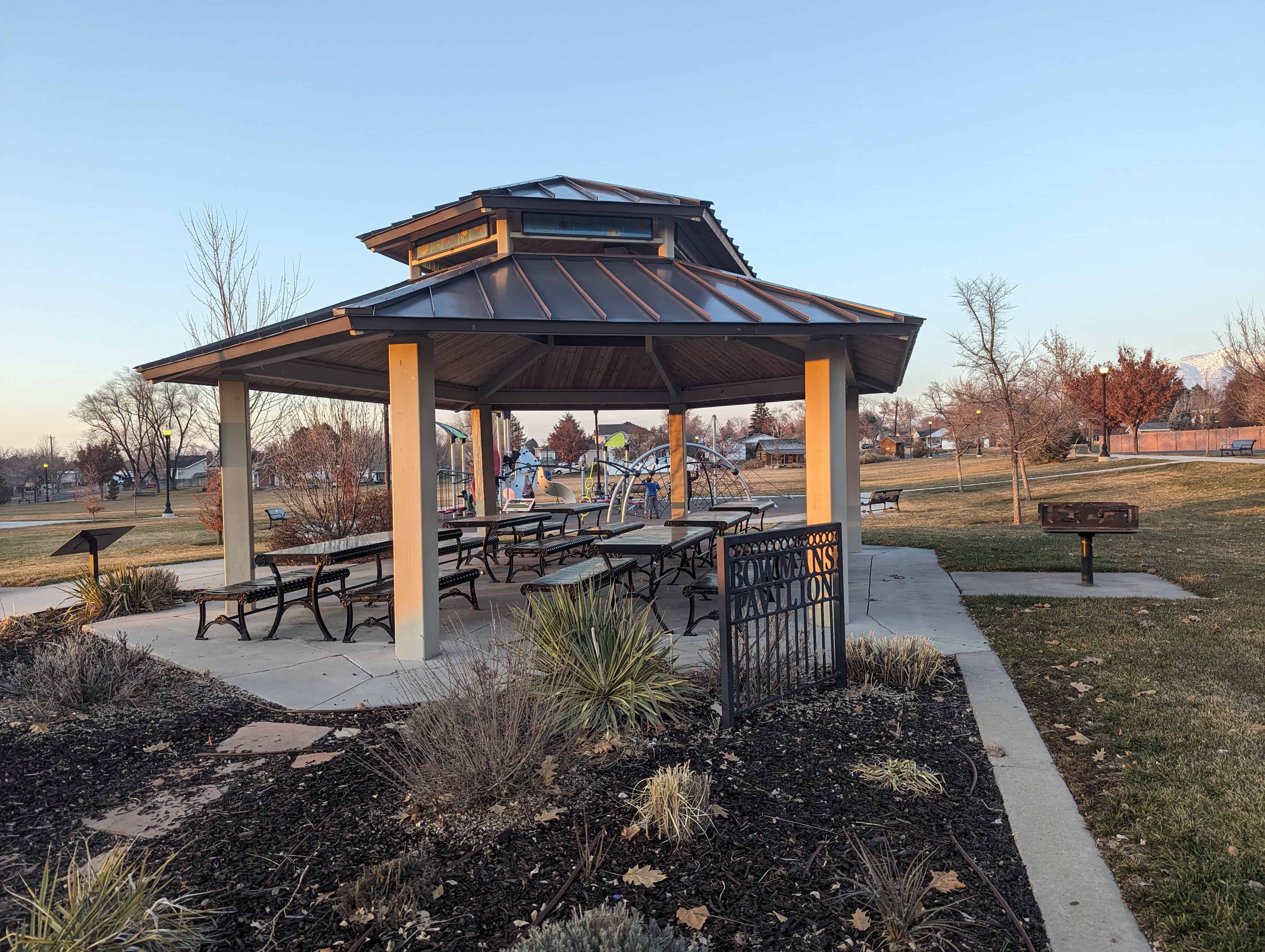

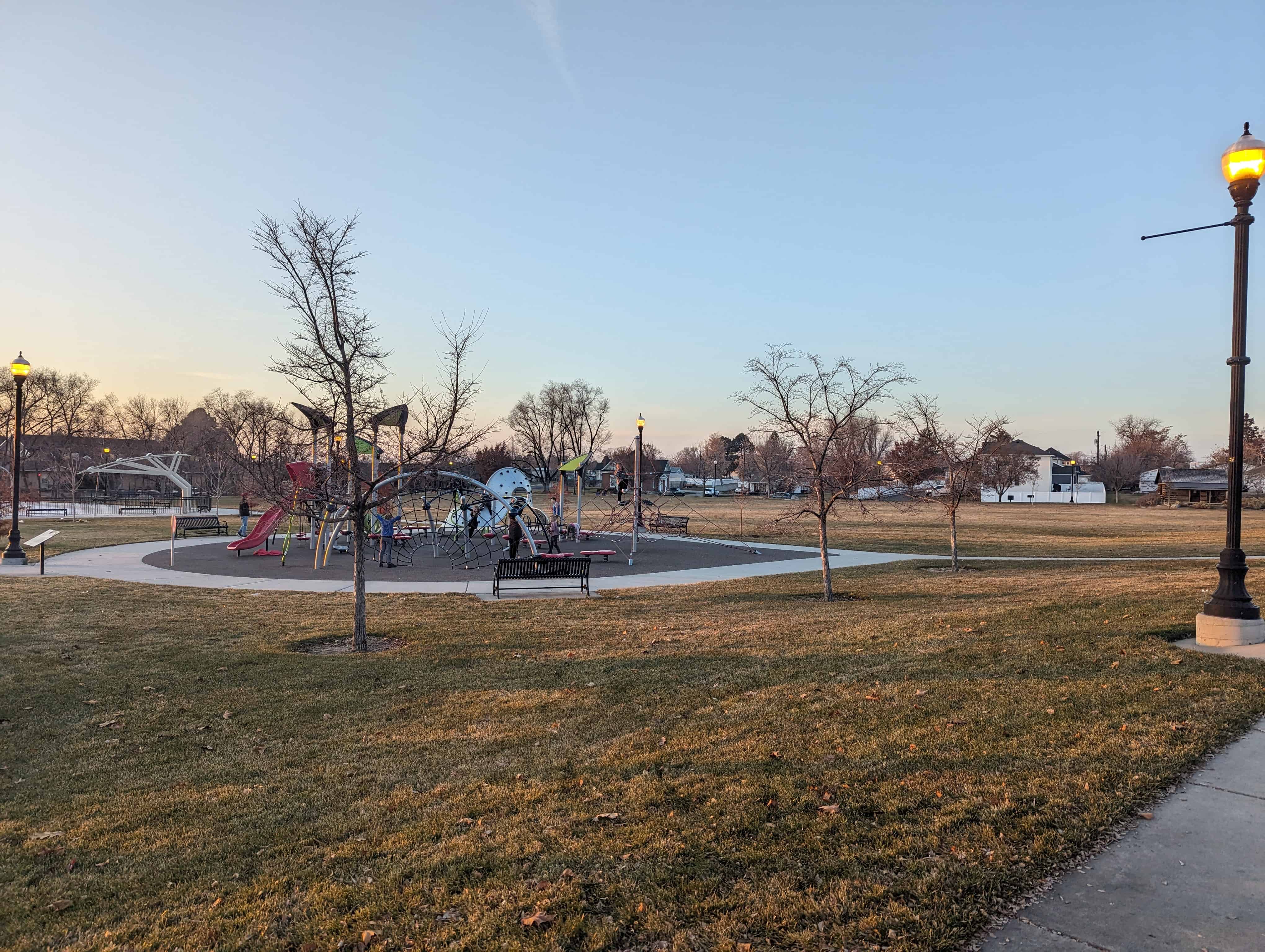
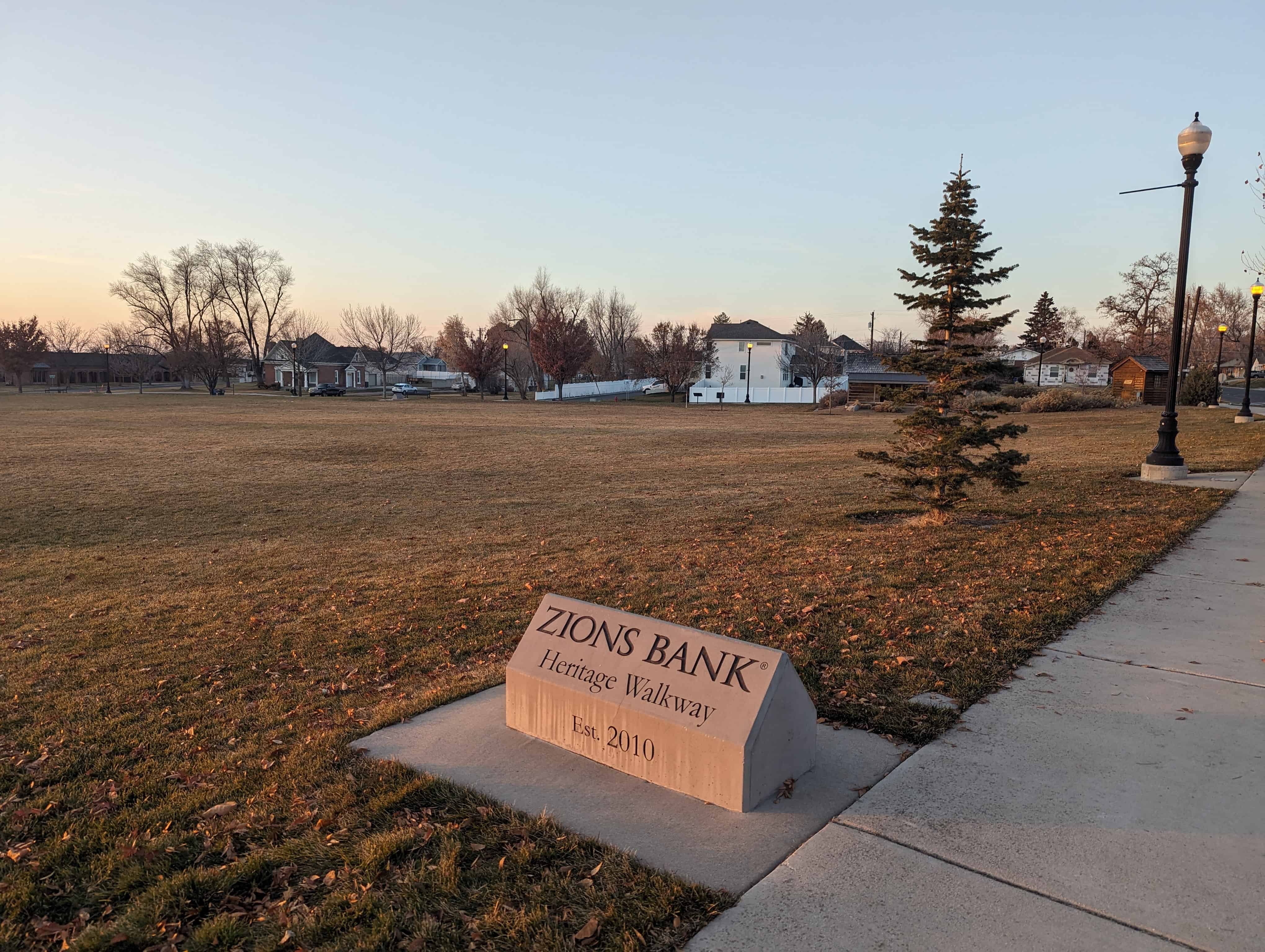
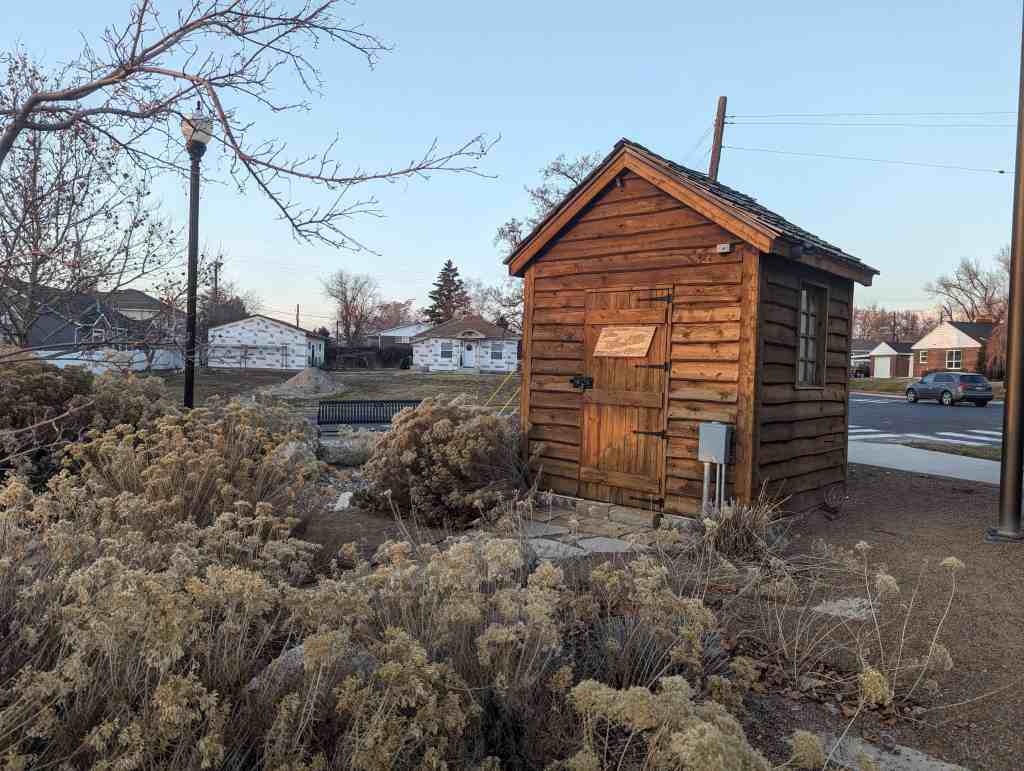

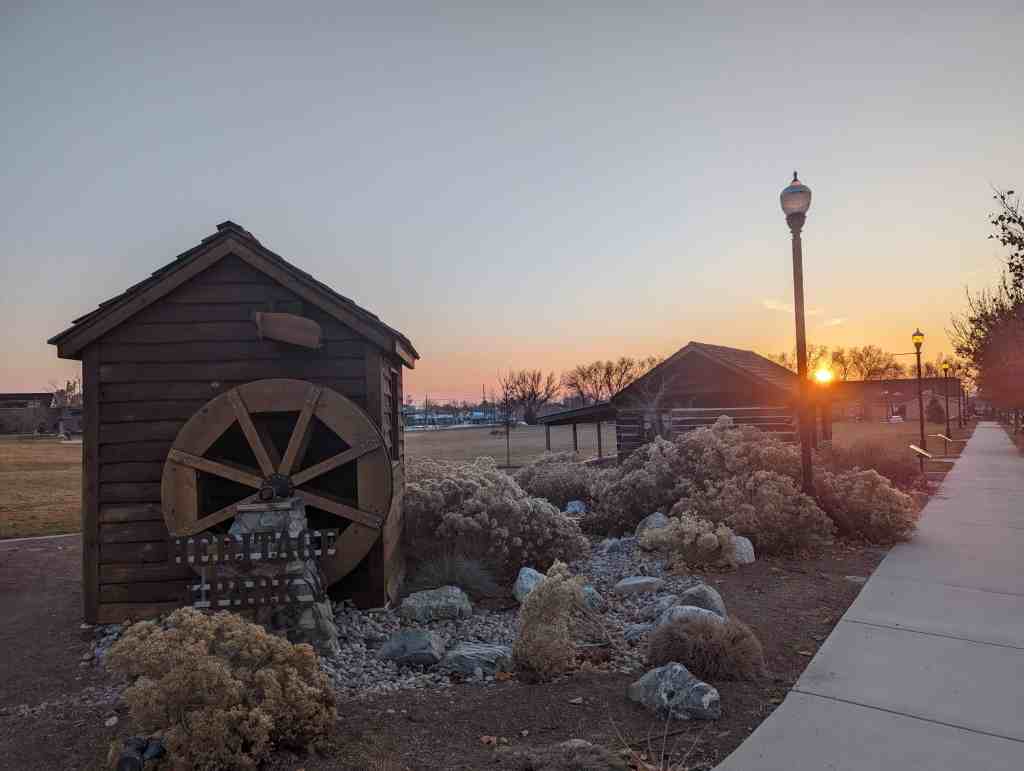
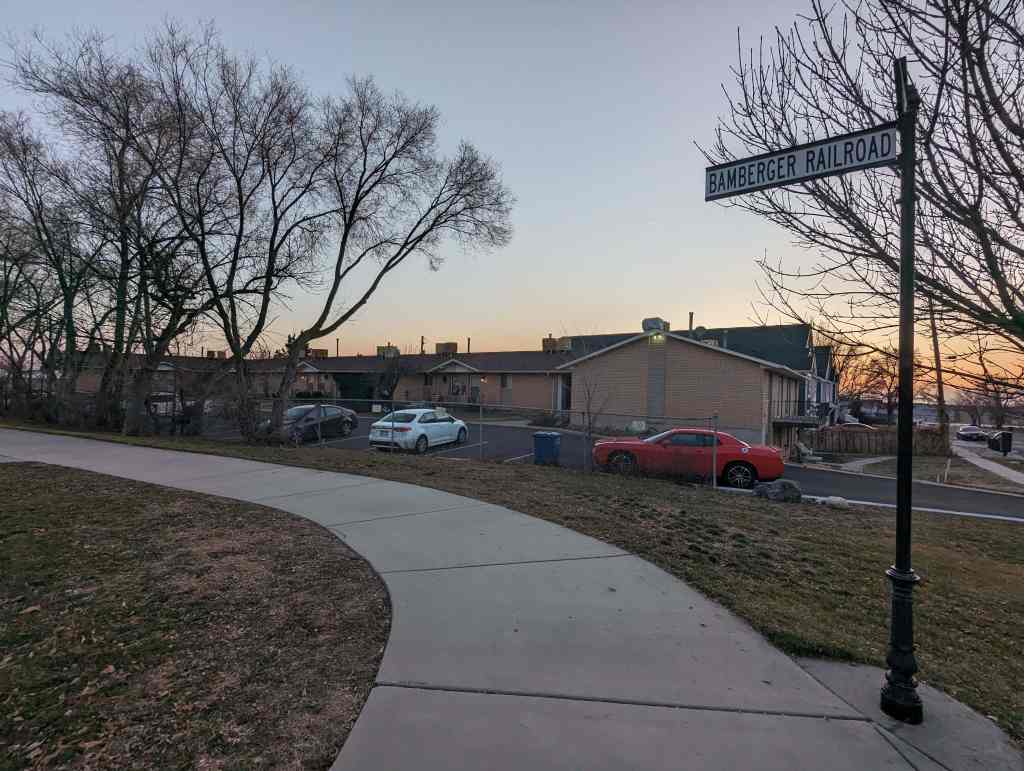
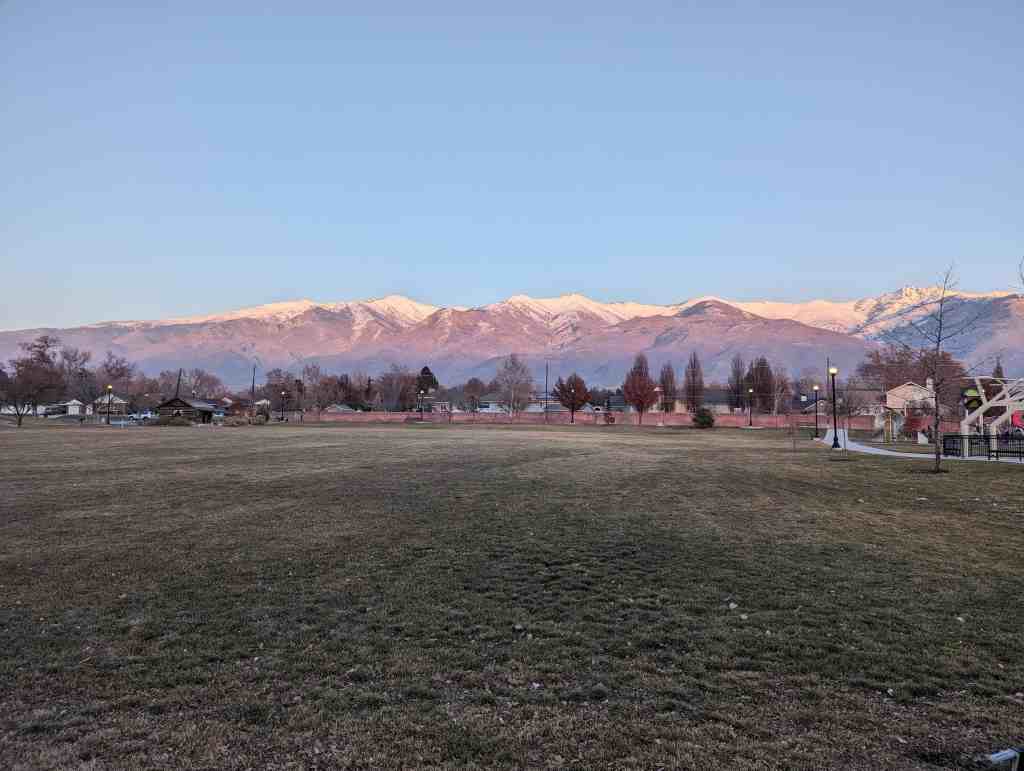
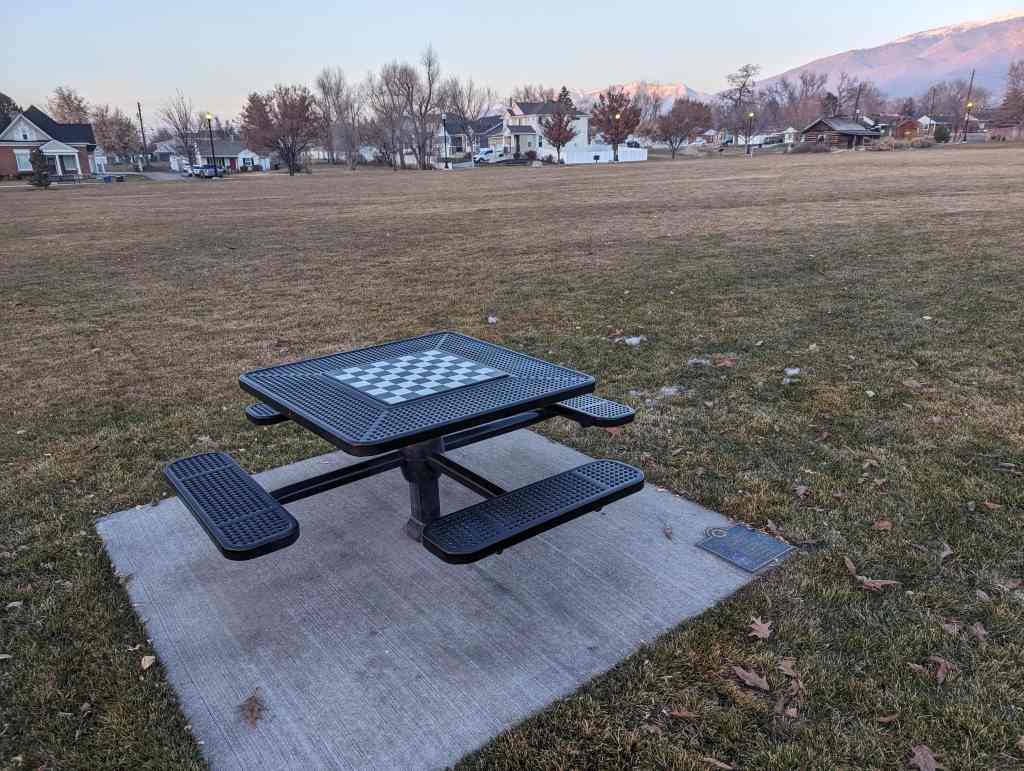
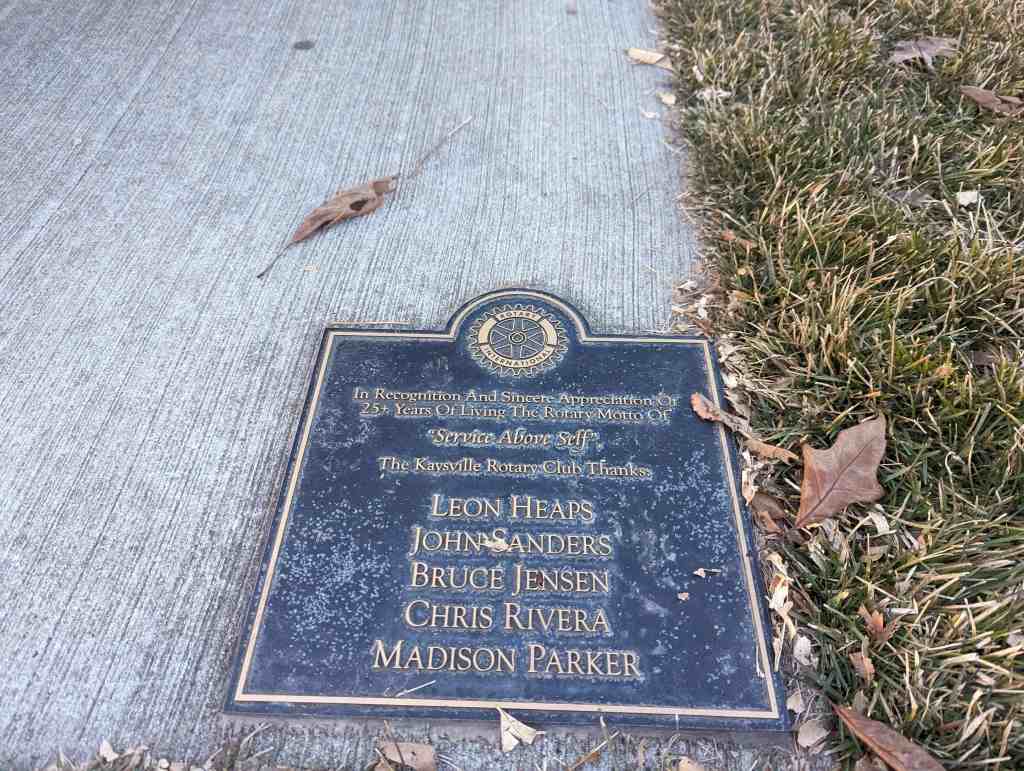
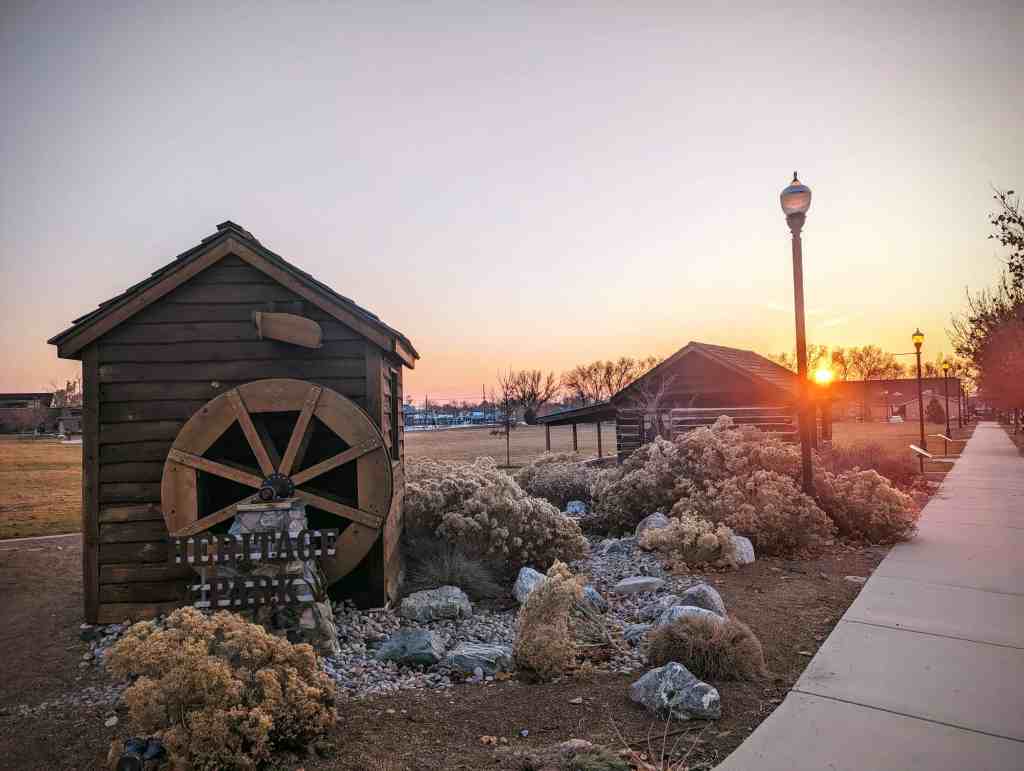
There are historic cabins, a playground, plaques and monuments about local history and more in this park.
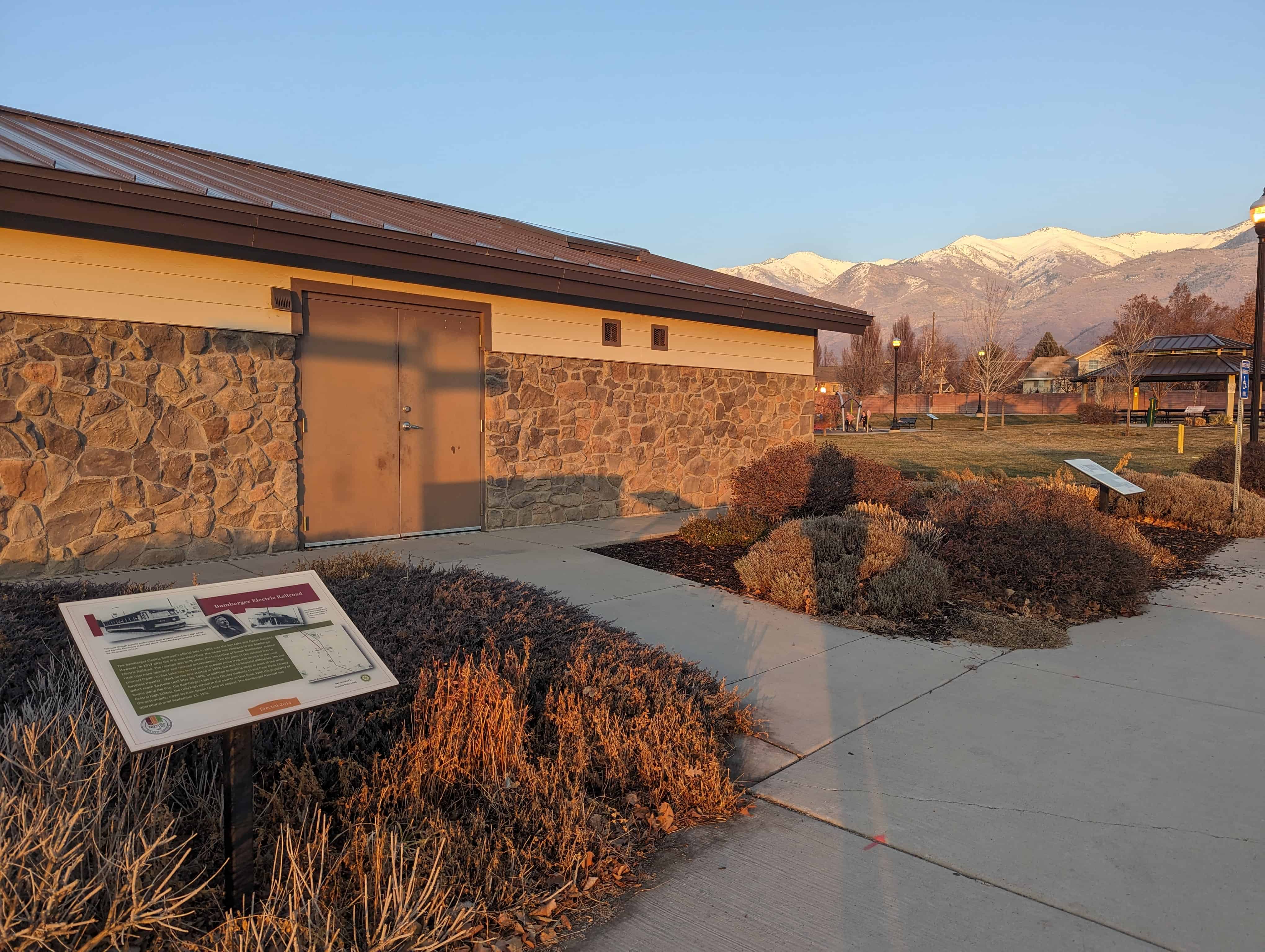
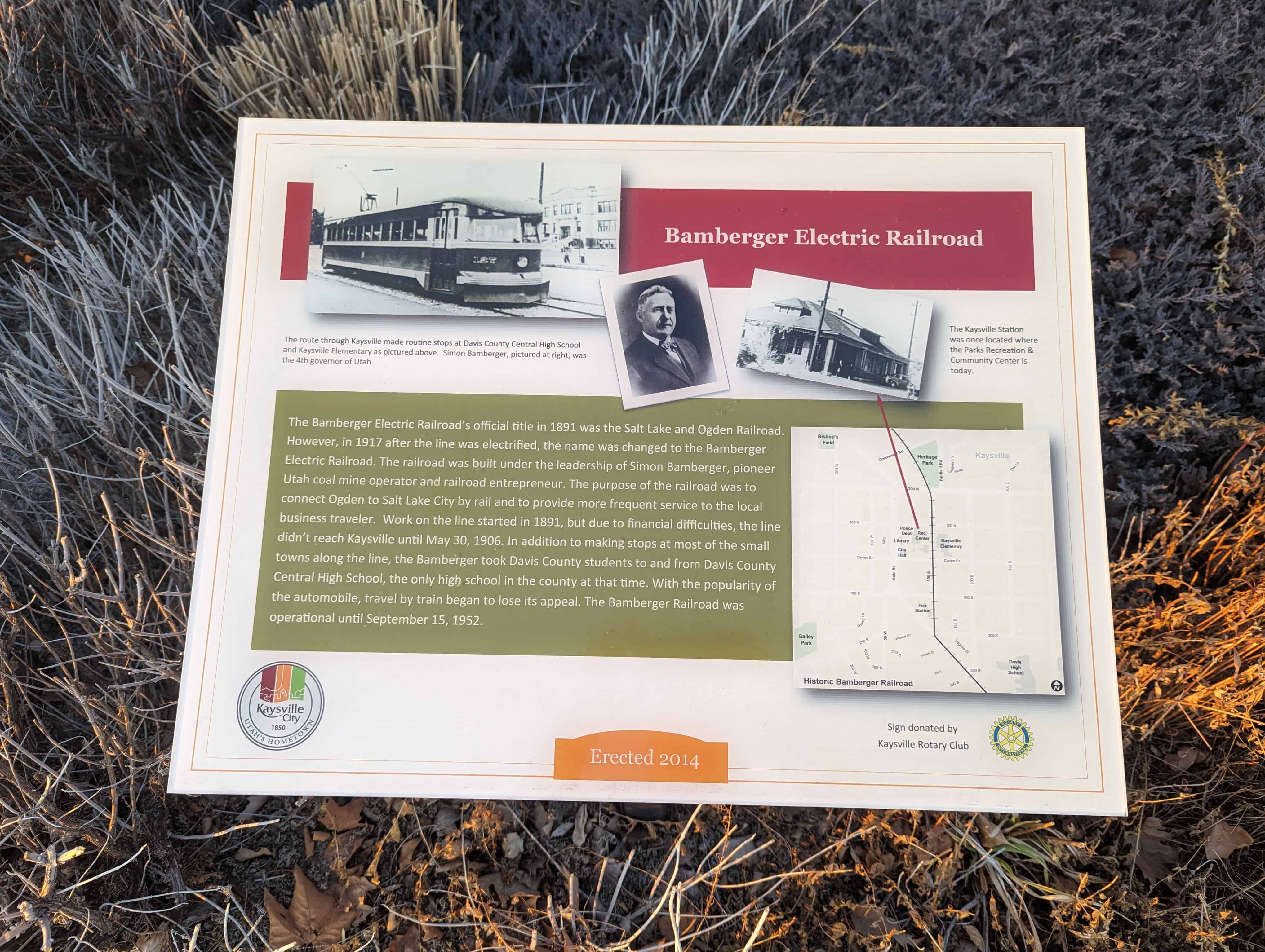
Bamberger Electric Railroad
The Bamberger Electric Railroad’s official title in 1891 was the Salt Lake and Ogden Railroad. However, in 1917 after the line was electrified, the name was changed to the Bamberger Electric Railroad. The railroad was built under the leadership of Simon Bamberger, pioneer Utah coal mine operator and railroad entrepreneur. The purpose of the railroad was to connect Ogden to Salt Lake City by rail and to provide more frequent service to the local business traveler. Work on the line started in 1891, but due to financial difficulties, the line didn’t reach Kaysville until May 30, 1906. In addition to making stops at most of the small towns along the line, the Bamberger took Davis County students to and from Davis County Central High School, the only high school in the county at that time. With the popularity of the automobile, travel by train began to lose its appeal. The Bamberger Railroad was operational until September 15, 1952.
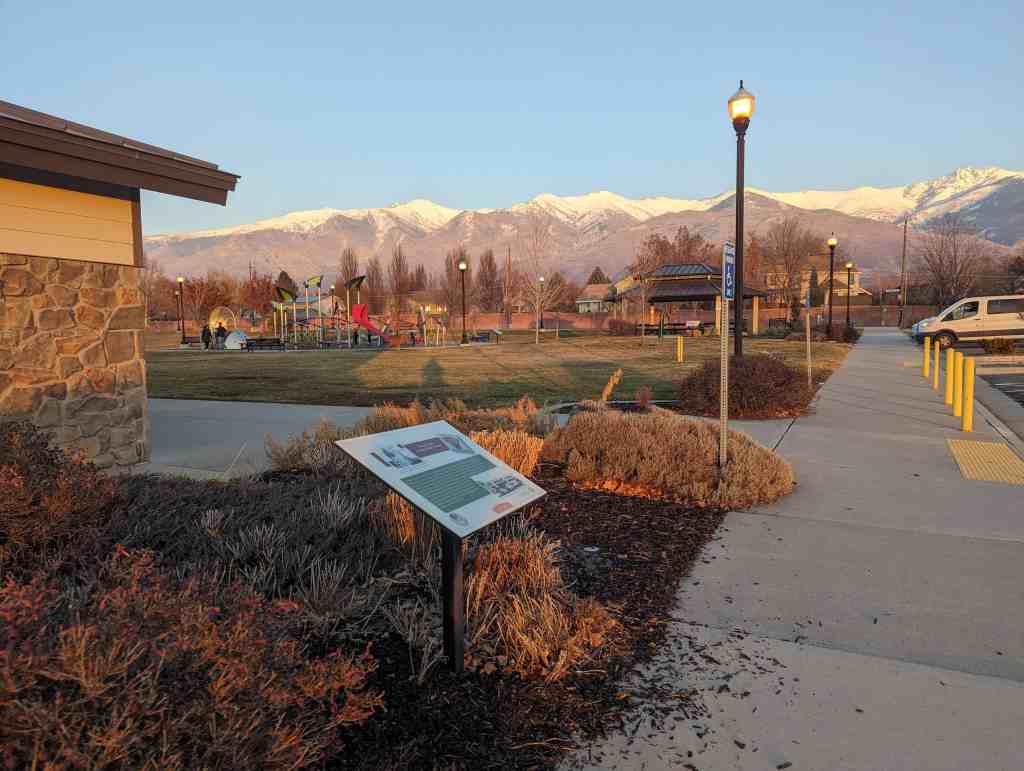
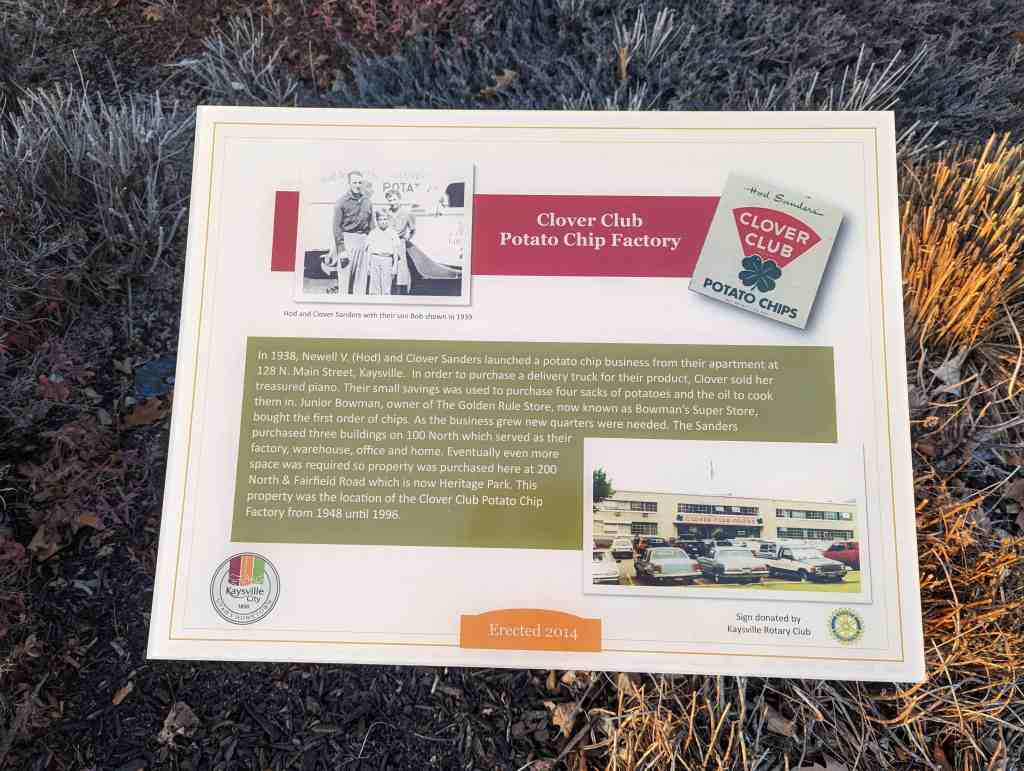
Clover Club Potato Chip Factory
In 1938, Newell V. (Hod) and Clover Sanders launched a potato chip business from their apartment at 128 N. Main Street, Kaysville. In order to purchase a delivery truck for their product, Clover sold her treasured piano. Their small savings was used to purchase four sacks of potatoes and the oil to cook them in. Junior Bowman, owner of The Golden Rule Store, now known as Bowman’s Super Store, bought the first order of chips. As the business grew new quarters were needed. The Sanders purchased three buildings on 100 North which served as their factory, warehouse, office and home. Eventually even more space was required so property was purchased here at 200 North & Fairfield Road which is now Heritage Park. This property was the location of the Clover Club Potato Chip Factory from 1948 until 1996.
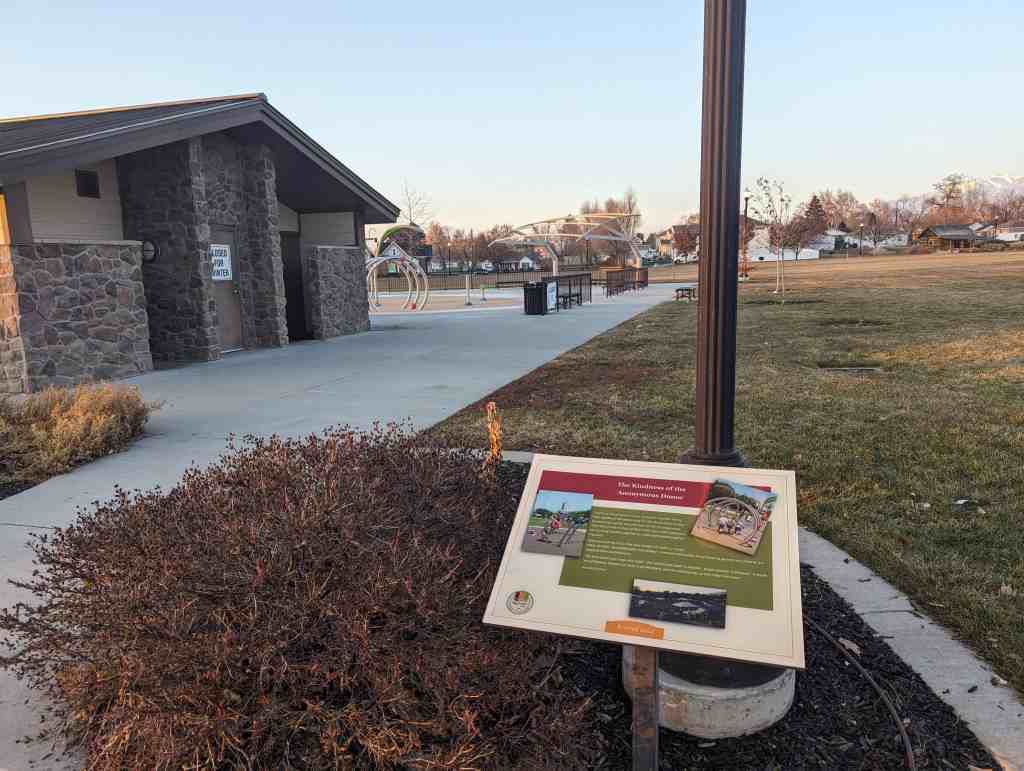
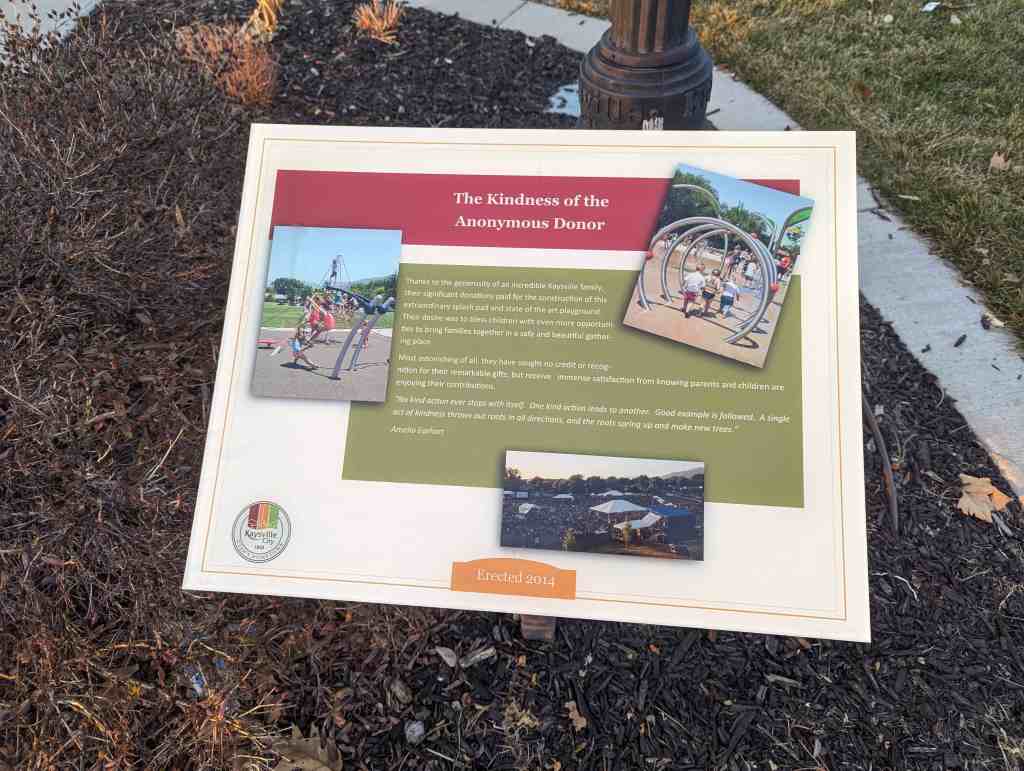
The Kindness of the Anonymous Donor
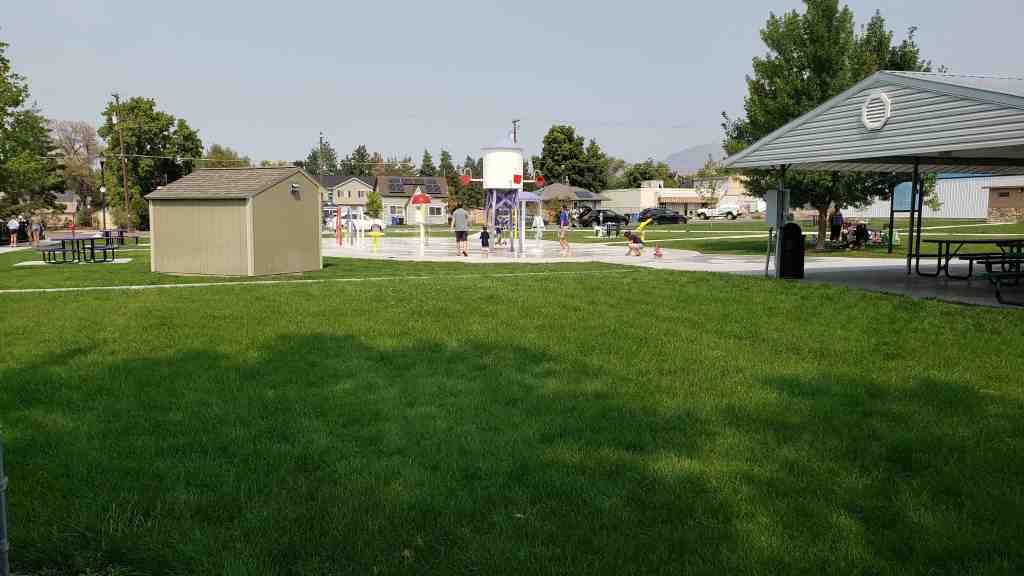
Thanks to the generosity of an incredible Kaysville family, their significant donations paid for the construction of this extraordinary splash pad and state of the art playground. Their desire was to bless children with even more opportunities to bring families together in a safe and beautiful gathering place.
Most astonishing of all, they have sought no credit or recognition for their remarkable gifts, but receive immense satisfaction from knowing parents and children are enjoying their contributions.
“No kind action ever stops with itself. One kind action leads to another. Good example is followed. A single act of kindness throws out roots in all directions, and the roots spring up and make new trees.” – Amelia Earhart
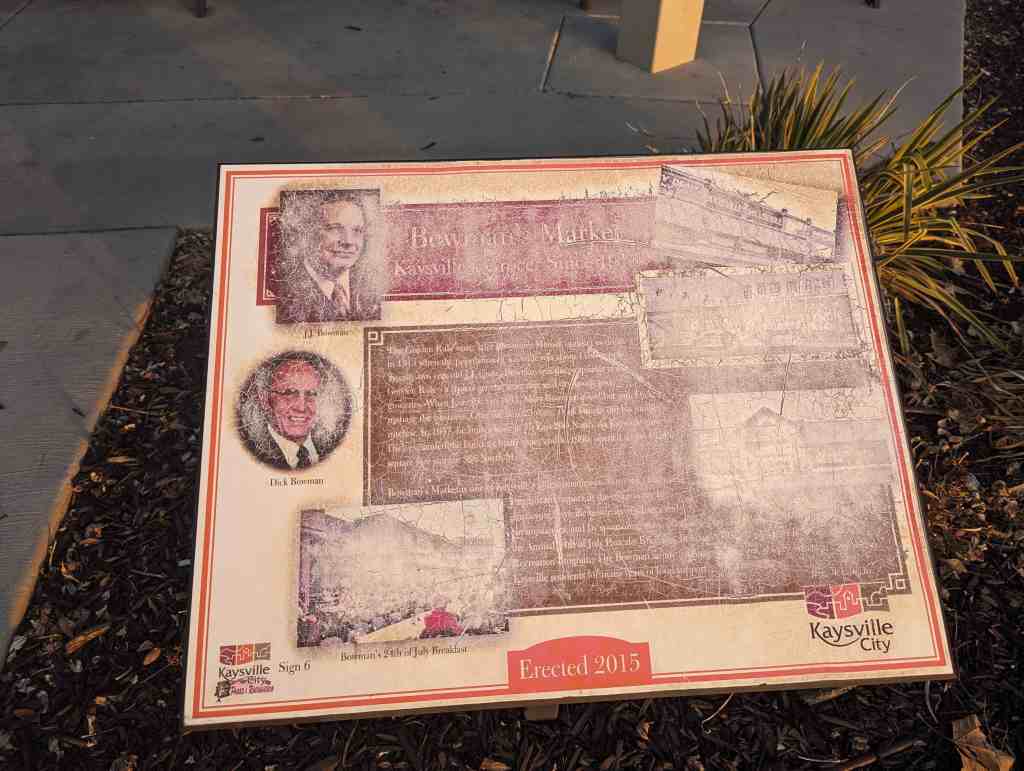
Bowman’s Market
Kaysville’s Grocer Since 1913
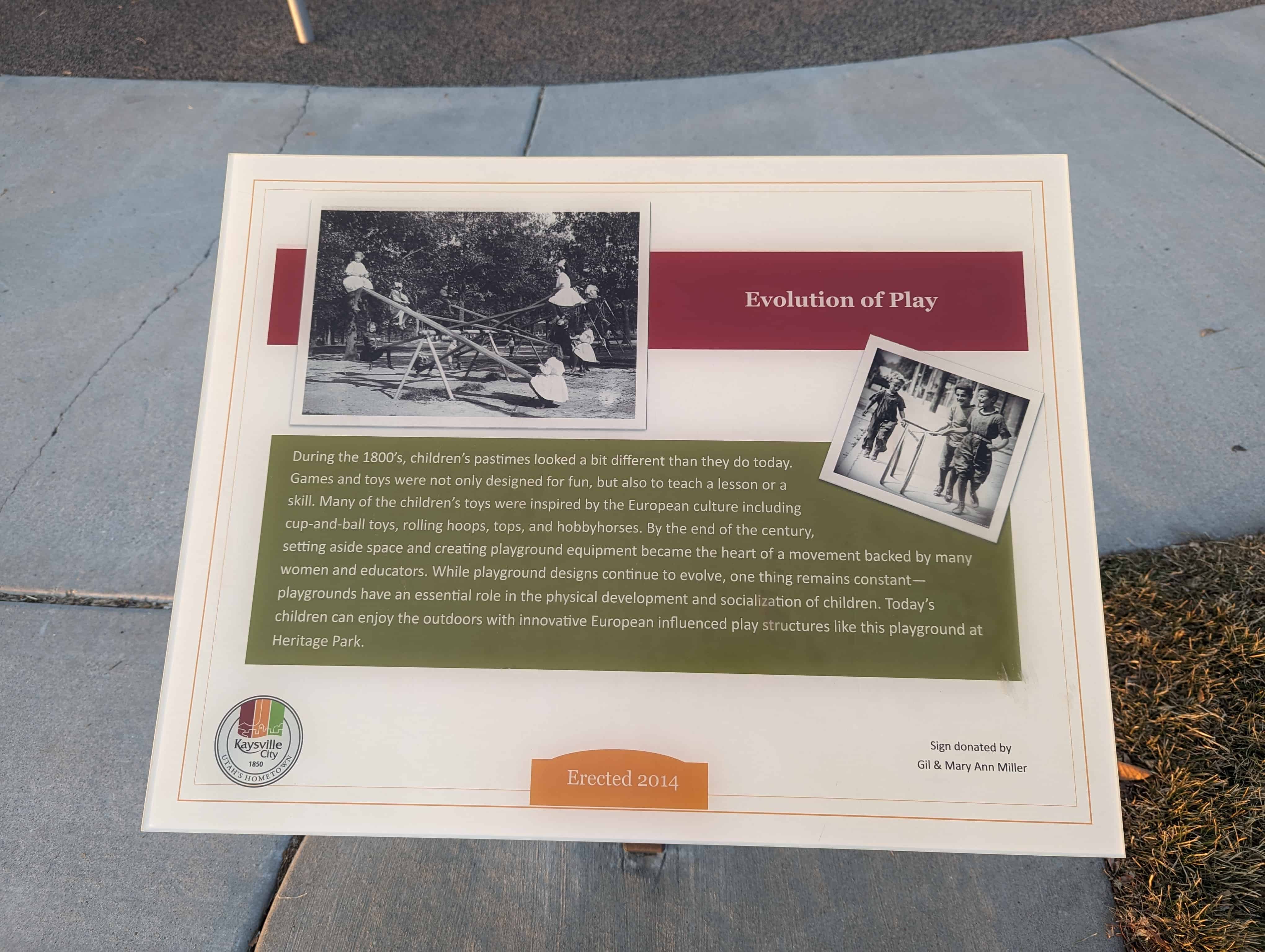
Evolution of Play
During the 1800’s, children’s pastimes looked a bit different than they do today. Games and toys were not only designed for fun, but also to teach a lesson or a skill. Many of the children’s toys were inspired by the European culture including cup-and-ball toys, rolling hoops, tops, and hobbyhorses. By the end of the century, setting aside space and creating playground equipment became the heart of a movement backed by many women and educators. While playground designs continue to evolve, one thing remains constant— playgrounds have an essential role in the physical development and socialization of children. Today’s children can enjoy the outdoors with innovative European influenced play structures like this playground at Heritage Park.
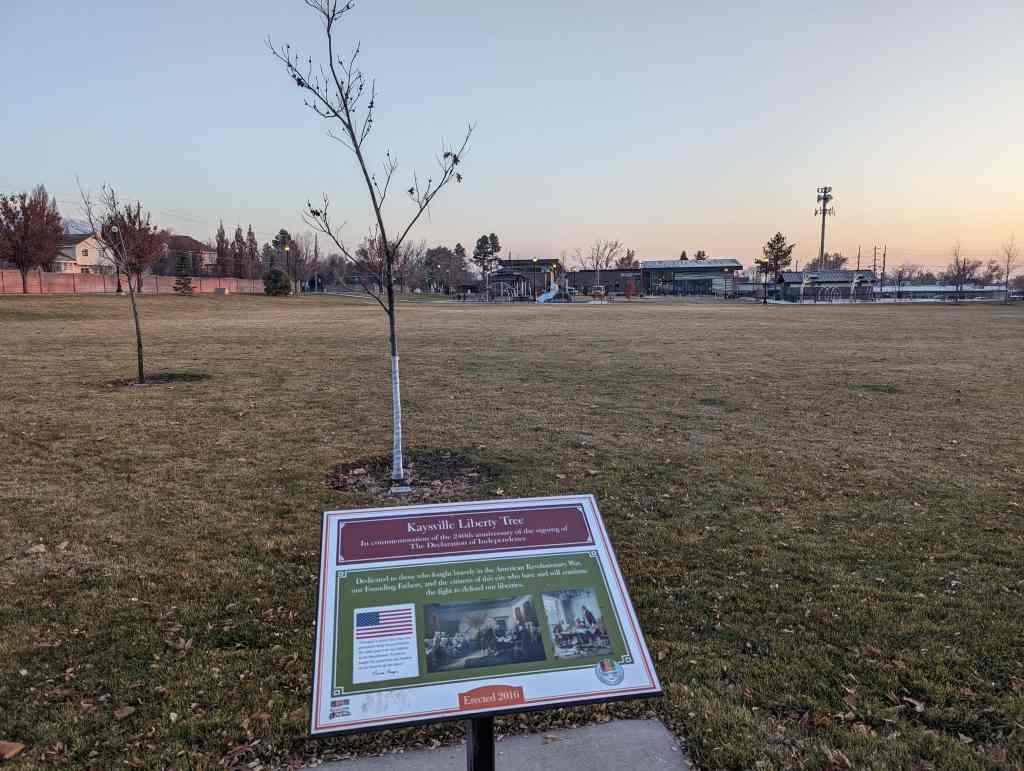
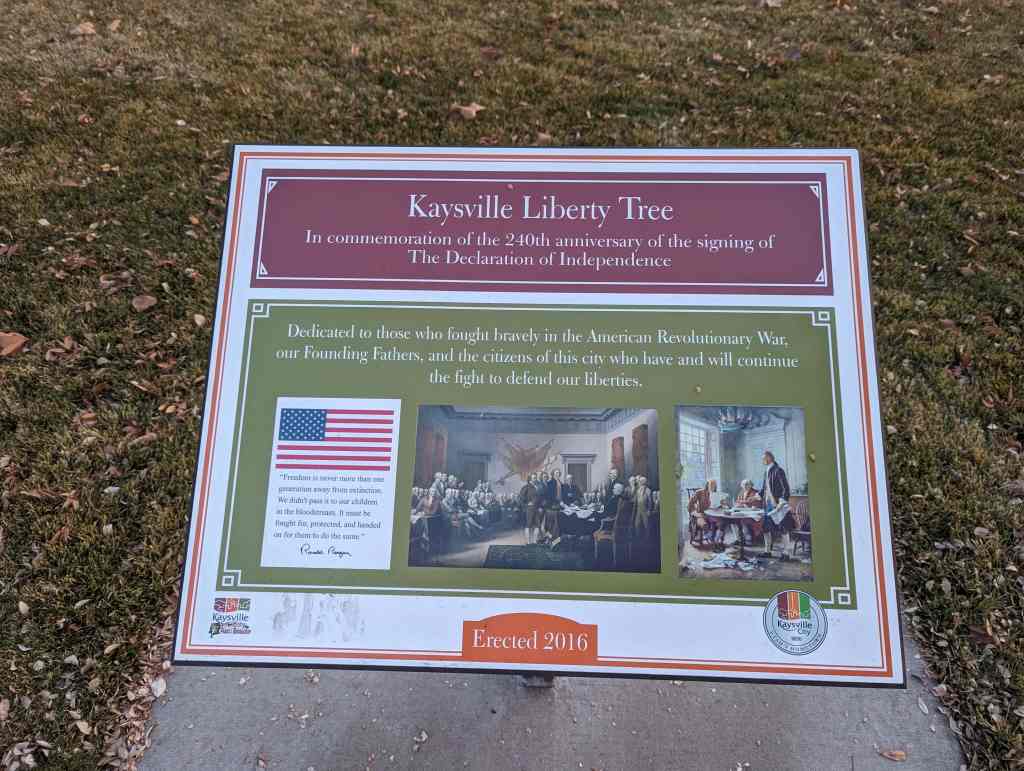
Kaysville Liberty Tree
In commemoration of the 240th anniversary of the signing of The Declaration of Independence.
Dedicated to those who fought bravely in the American Revolutionary War, our Founding Fathers, and the citizens of this city who have and will continue the fight to defend our liberties.
“Freedom is never more than one generation away from extinction. We didn’t pass it to our children in the bloodstream. It must be fought for, protected, and handed on for them to do the same.” – Ronald Reagan
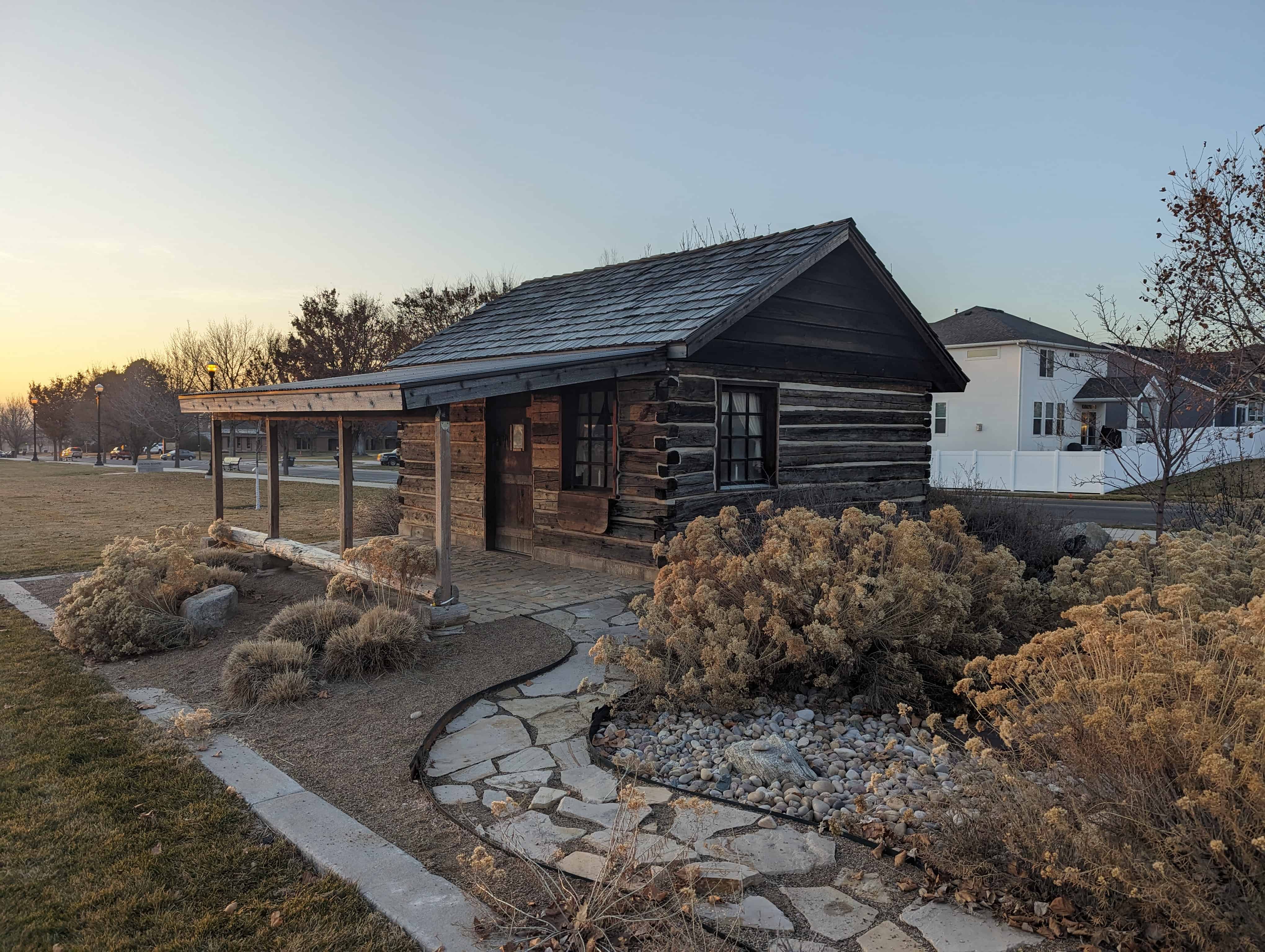
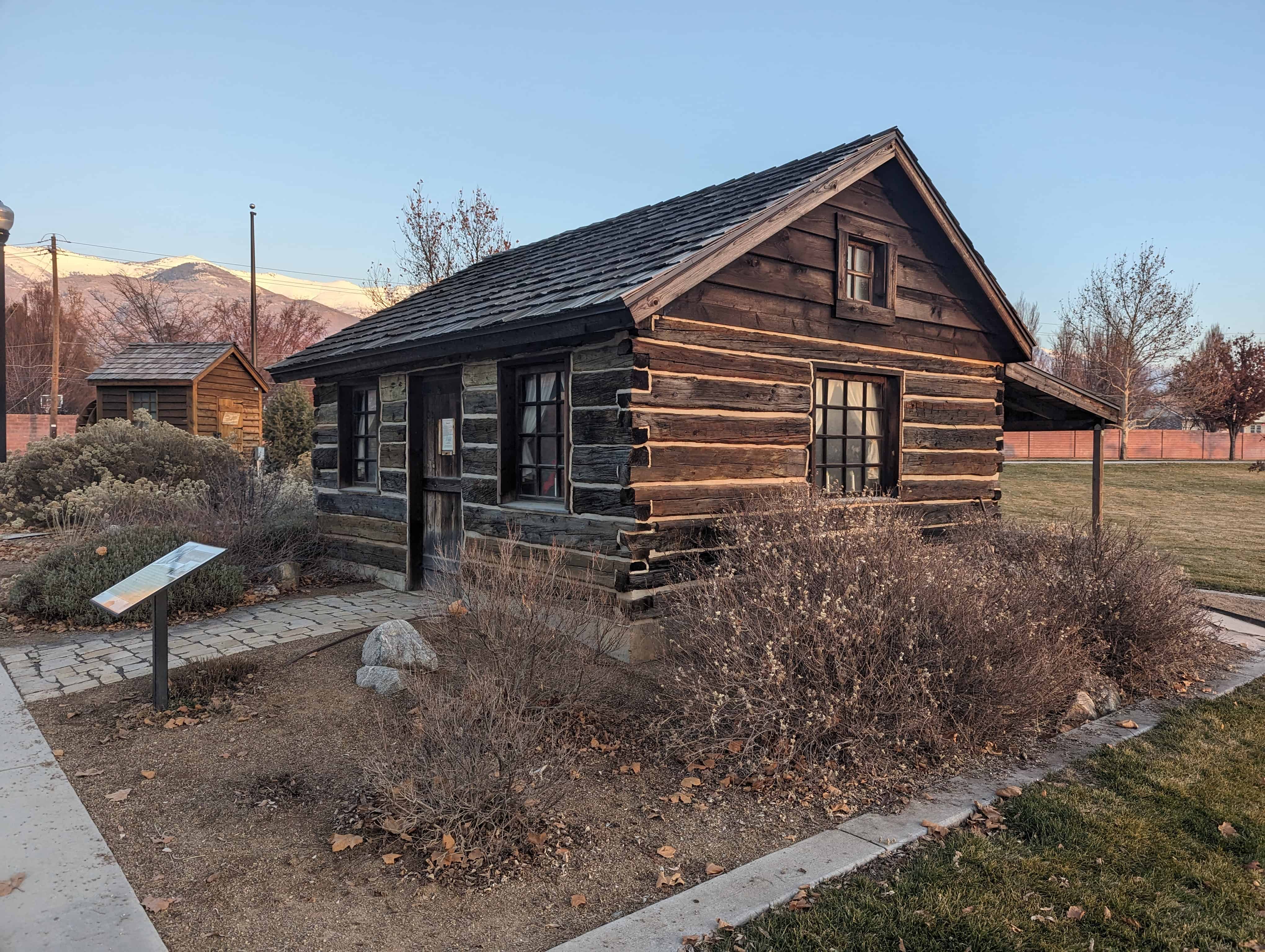
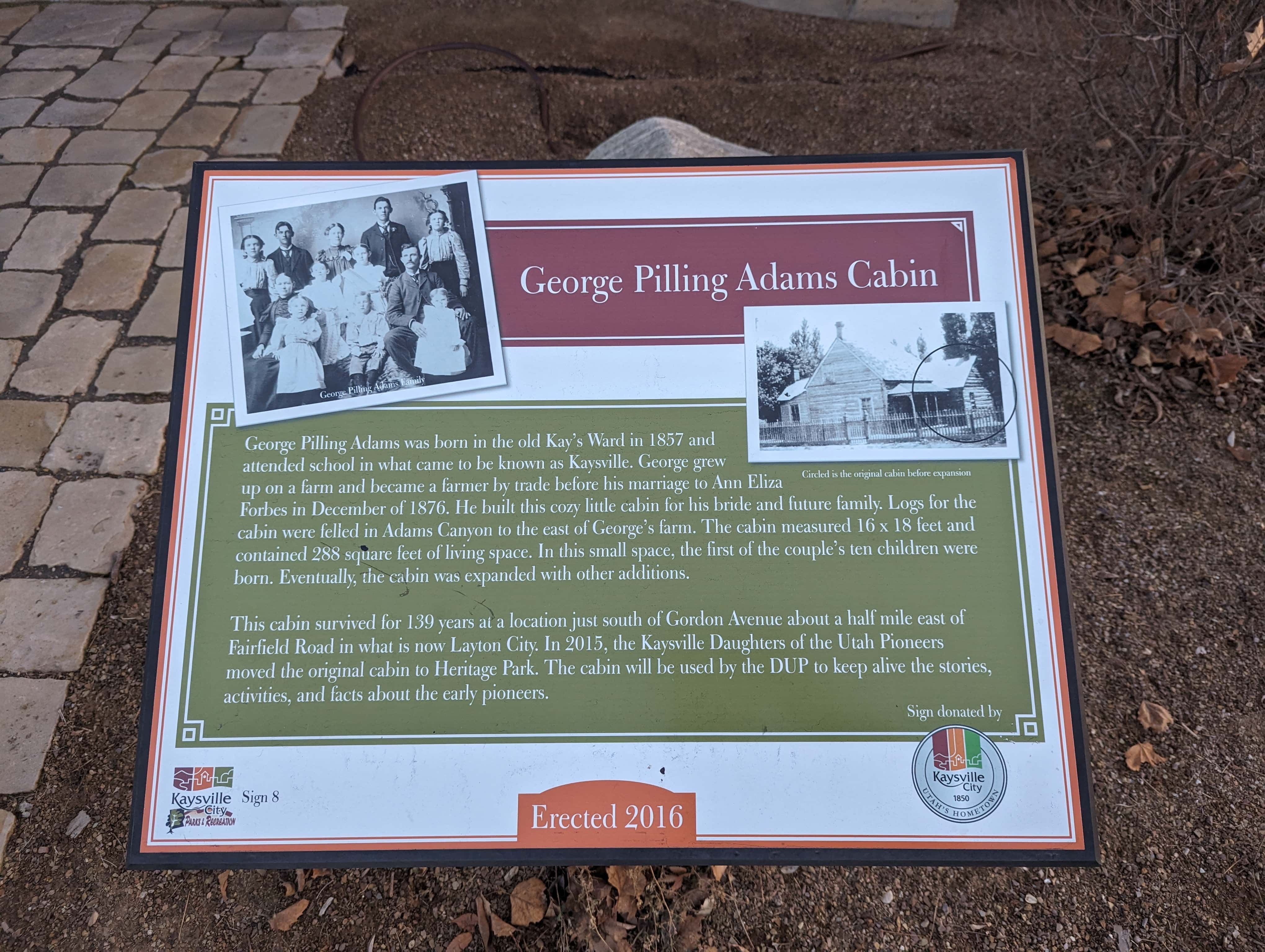
George Pilling Adams Cabin
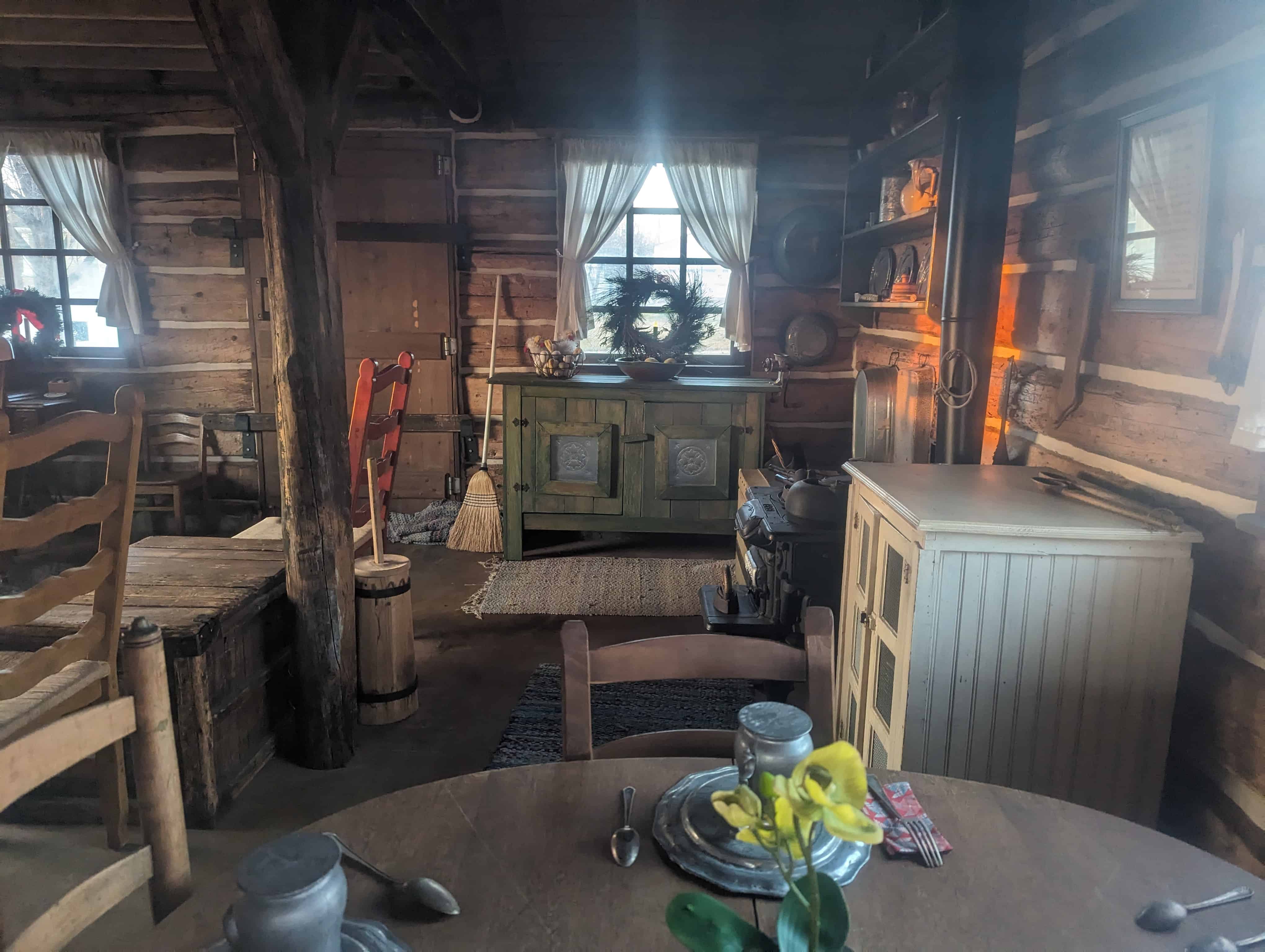
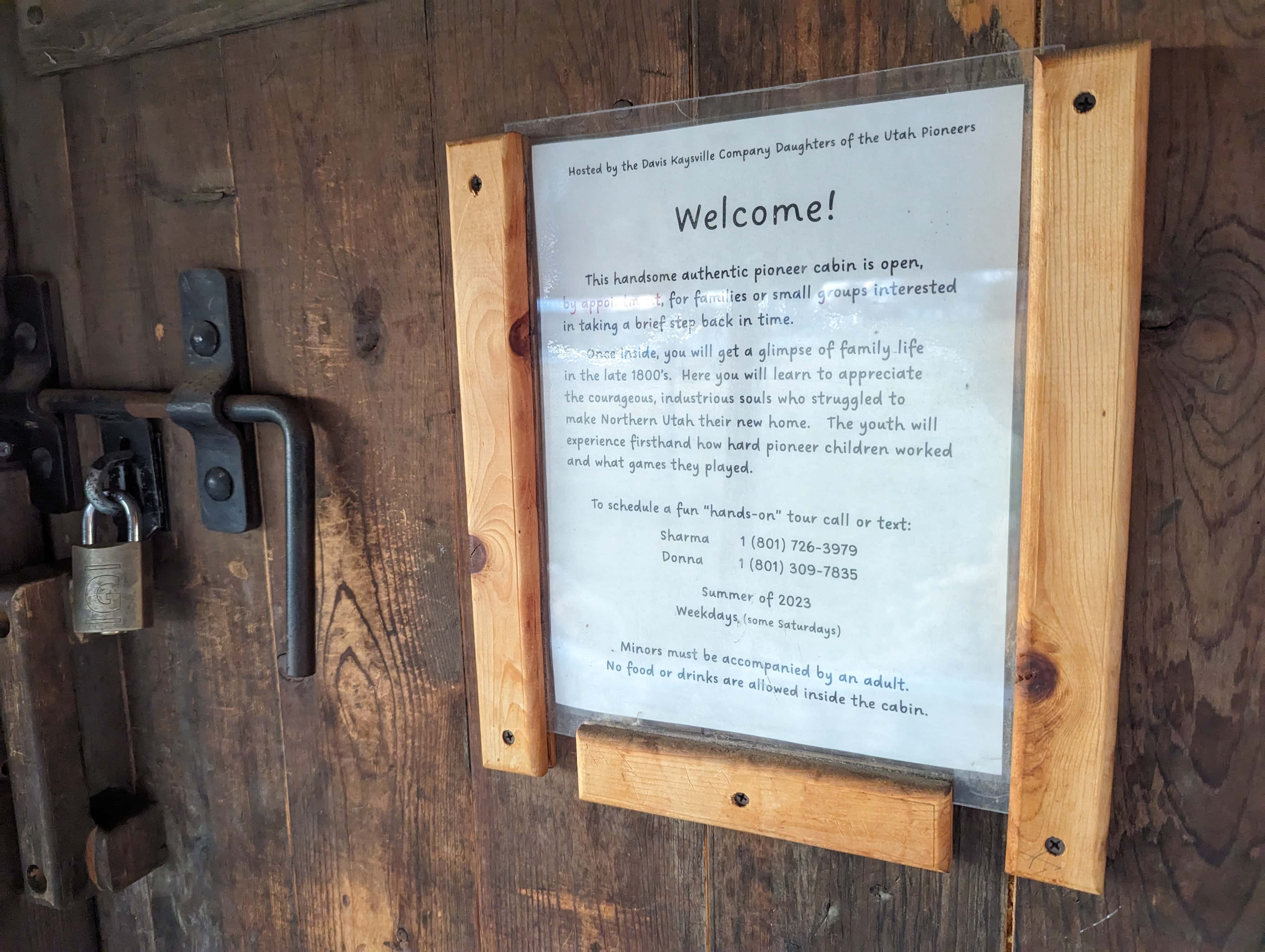
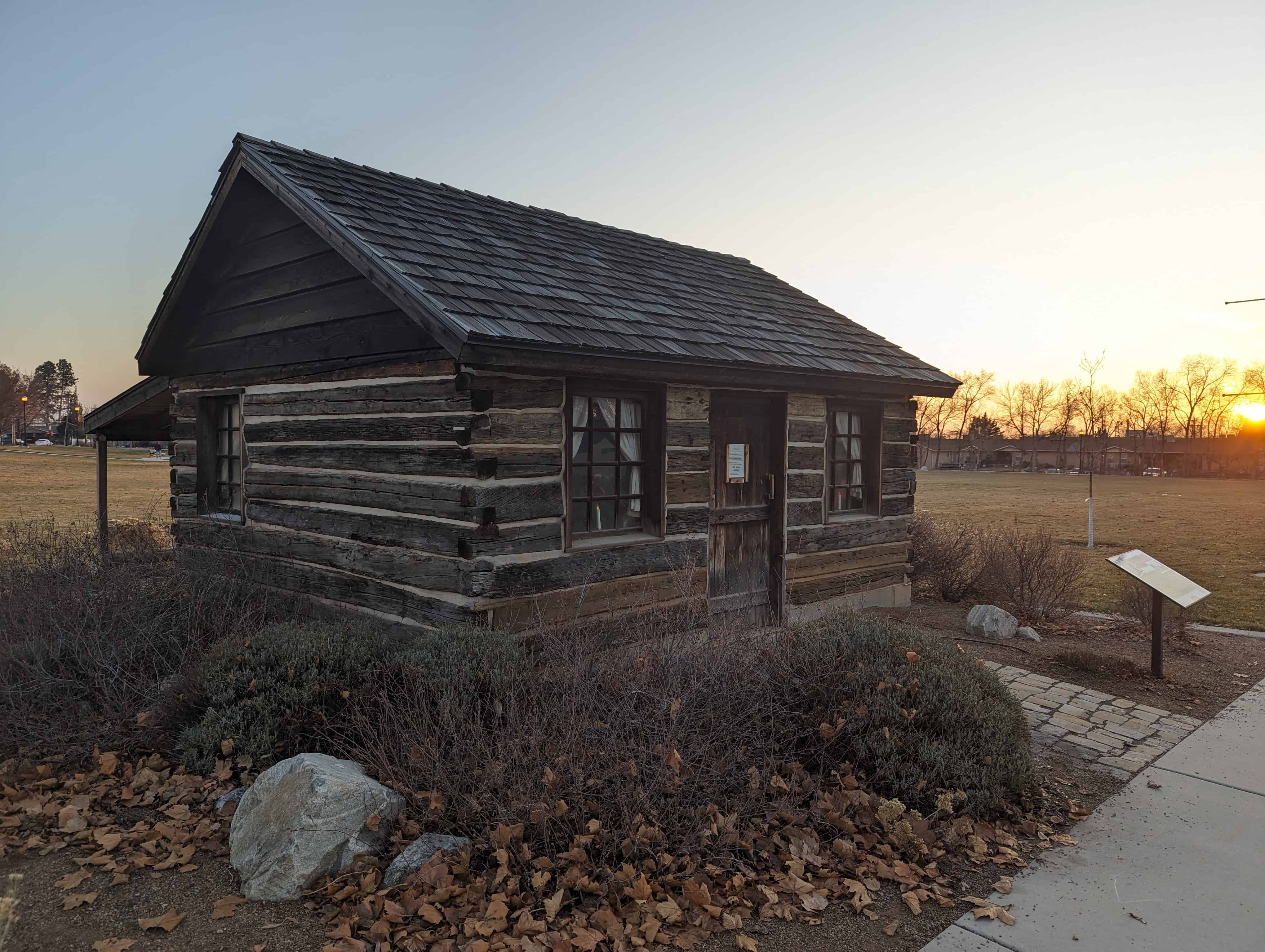
George Pilling Adams was born in the old Kay’s Ward in 1857 and attended school in what came to be known as Kaysville. George grew up on a farm and became a farmer by trade before his marriage to Ann Eliza Forbes in December of 1876. He built this cozy little cabin for his bride and future family. Logs for the cabin were felled in Adams Canyon to the east of George’s farm. The cabin measured 16 x 18 feet and contained 288 square feet of living space. In this small space, the first of the couple’s ten children were born. Eventually, the cabin was expanded with other additions.
This cabin survived for 139 years at a location just south of Gordon Avenue about a half mile east of Fairfield Road in what is now Layton City. In 2015, the Kaysville Daughters of the Utah Pioneers moved the original cabin to Heritage Park. The cabin will be used by the DUP to keep alive the stories, activities, and facts about the early pioneers.
31 Wednesday Jan 2024
Posted in Uncategorized
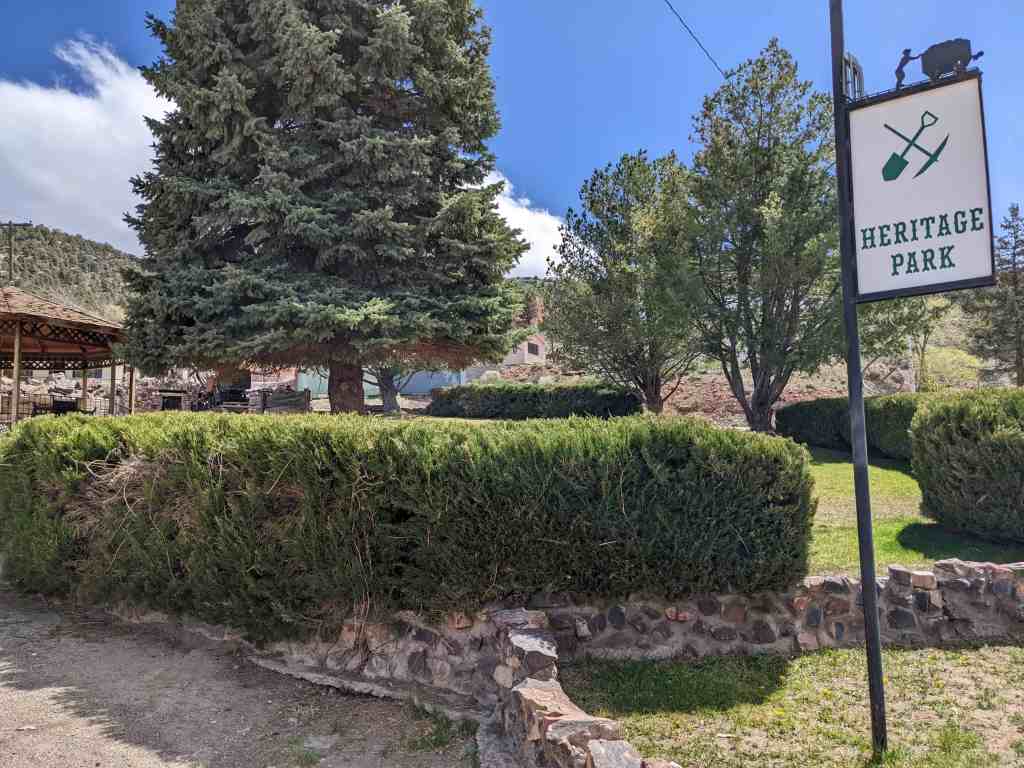
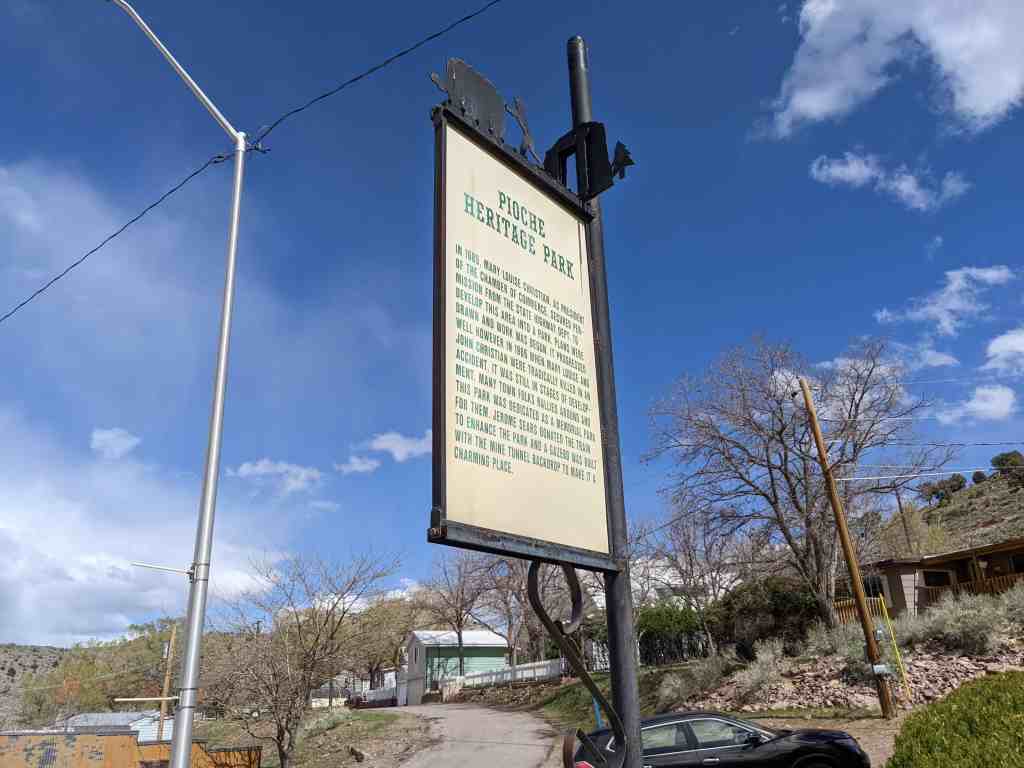
Pioche Heritage Park
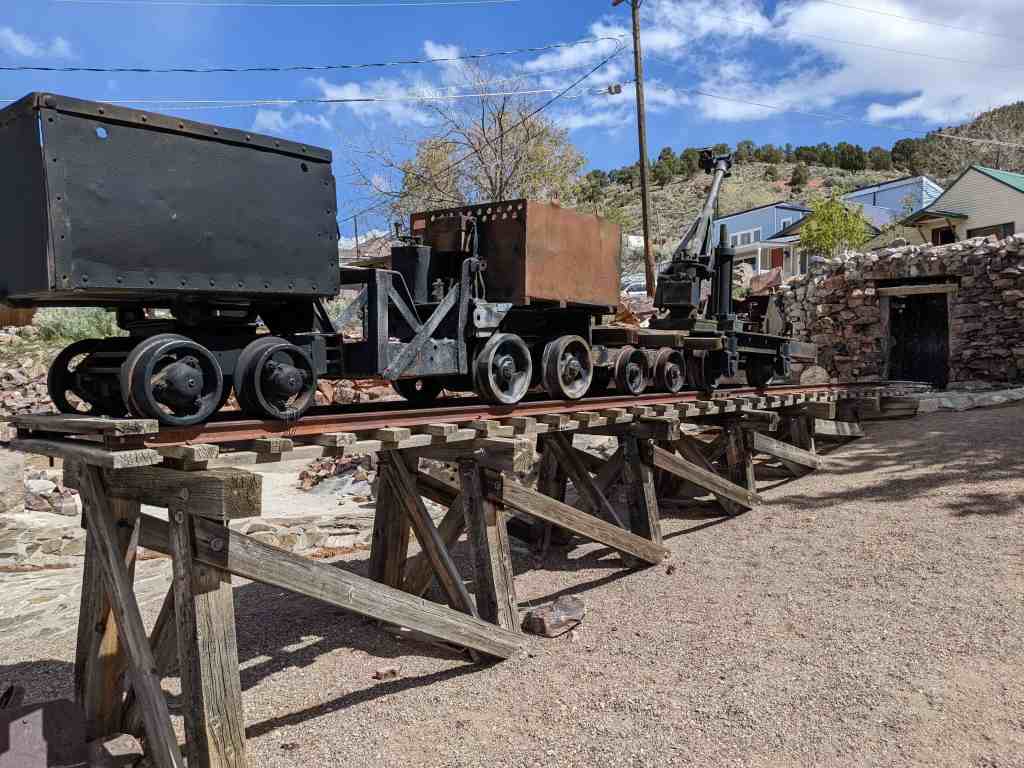
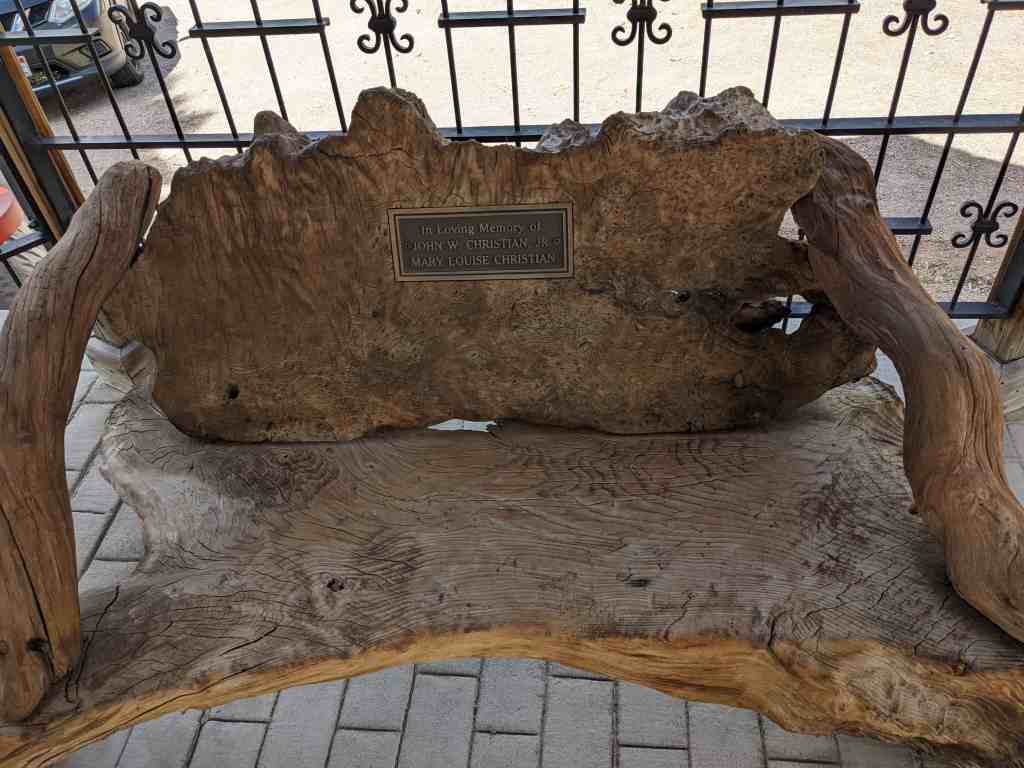
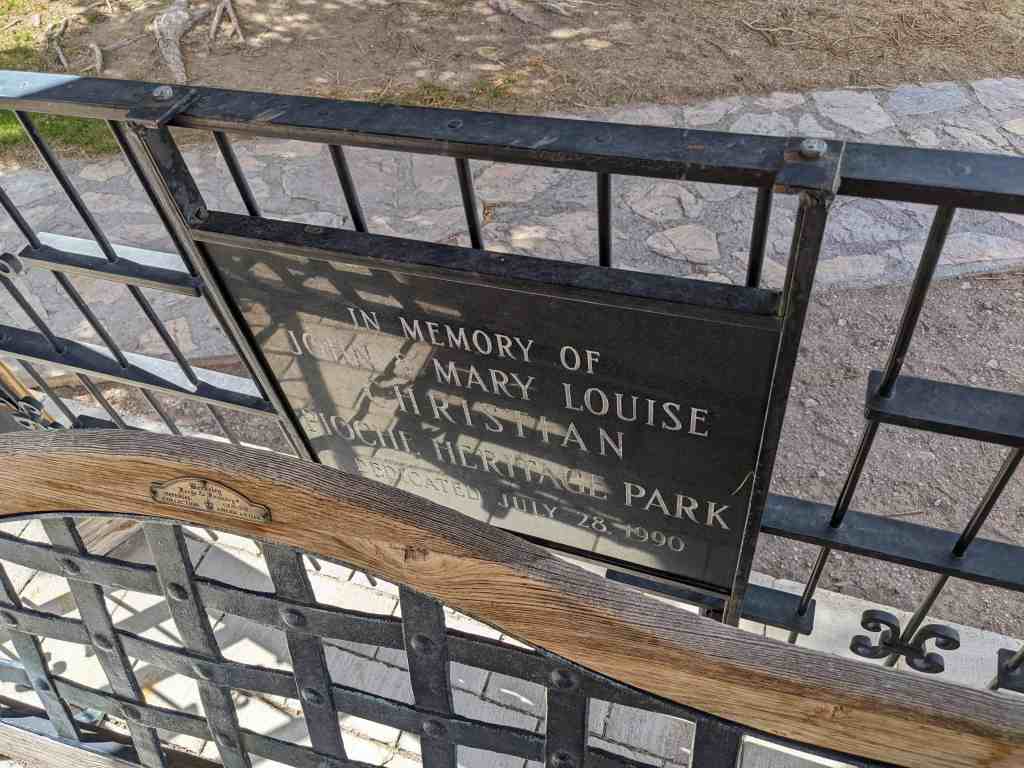
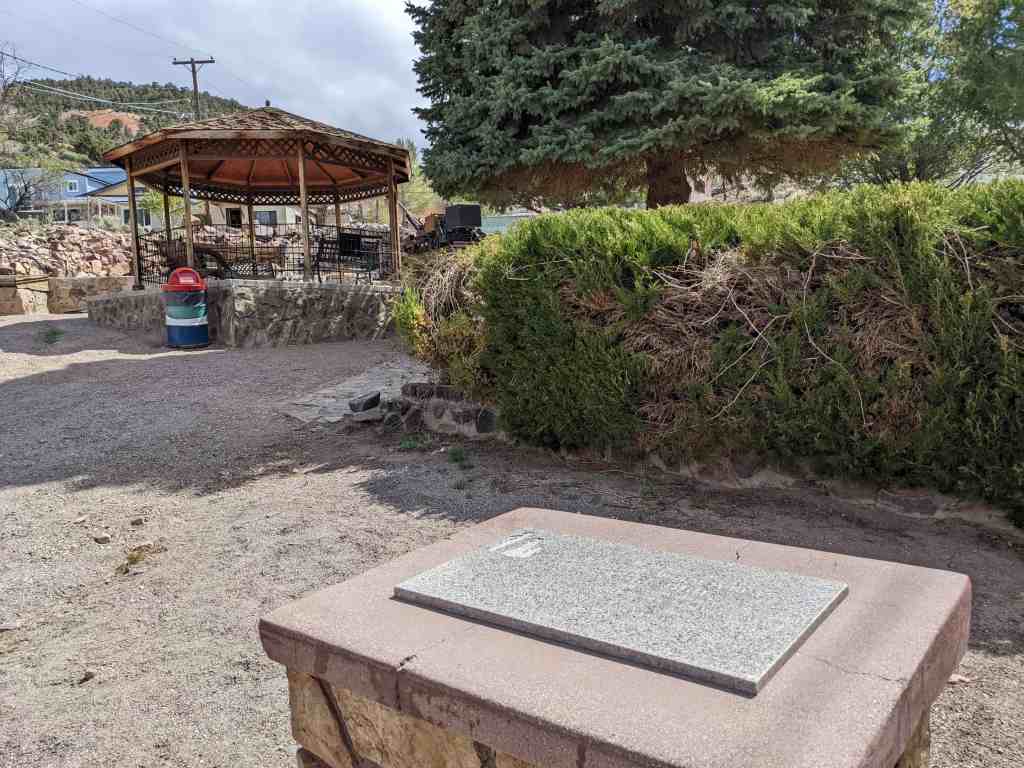
IN 1985, Mary Louise Christian, as President of the Chamber of Commerce, secured permission from the State Highway Department to develop this area into a park. Plans were drawn and work was begun. It progressed well however in 1986 when Mary Louise and John Christian were tragically killed in an accident, it was still in stages of development. Many town folks rallied around and this park was dedicated as a memorial park for them. Jerome Sears donated the train to enhance the park and a gazebo was built with the mine tunnel backdrop to make it a charming place.






21 Thursday Dec 2023
Posted in Uncategorized
Tags
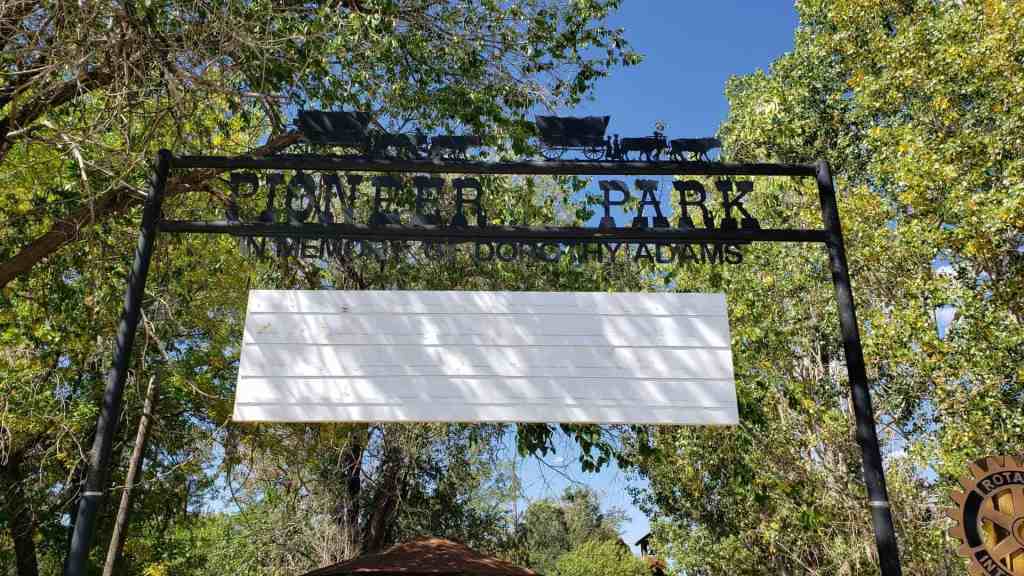
Pioneer Park
In Memory of Dorothy Adams

This park, located at 170 South Main Street in Monticello, Utah has many pioneer relics and plaques describing them and the local history.


A Tribute to Dorothy Rasmussen Adams
Born 1910 – Died 1998
Dorothy Rasmussen loved the people, culture, and history of Monticello, Utah. She arrived in her adopted hometown of Monticello in 1915 with her family. Following her graduation from high school, she entered the University of Utah and graduated in 1935 with a degree in education. Her first teaching position was in Sego, Utah. Later she taught second grade in Moab, Utah.
While working in Moab, Dorothy became reacquainted with Donald Adams, a childhood friend. They married in 1937 and moved to Monticello where she continued teaching elementary school. She and Donald had two children, so her teaching time was reduced. She continued to support the war effort through the American Red Cross and raised funds to aid people in Europe.
In 1944 Dorothy became Elementary Supervisor for the San Juan School District. She visited every grade school in the district. She often became stuck driving over dirt roads to reach some of the schools, but quickly learned to dig herself out of the sand. Over the years she taught at Monticello Elementary School and became chairperson of the Library Board for San Juan County and opened the elementary school library to summer readers. Dorothy and Donald were good friends with Harry and Mike Goulding and helped with legal matters for the establishment of Goulding’s Trading Post in Monument Valley.
As Monticello changed with the advent of uranium mining, Dorothy saw opportunities to help improve the quality of the town’s amenities by creating a golf course, swimming pool, offering a Community Concert Series, and getting the Utah Symphony to perform in Monticello. When community libraries became popular, Dorothy was appointed to both the county and state library Boards. Dorothy helped design the Blanding and Monticello libraries and insisted that local materials be used; so the red rock exteriors were from quarries in San Juan County.
Dorothy later spent hours researching the history of the original settlement of Monticello. With the capable modeling skills of Clio Nebeker, they created the Little Town diorama, now located in the Frontier Museum-Welcome Center, accompanied by The Little Green Book, a building-by-building history keyed to the diorama.
Dorothy’s efforts at community enhancement were supported by her family, especially Donald. Eventually she created Pioneer Park on a parcel of her land and worked with Rusty Musselman and other community members to build a replica of the first church in Monticello. Other buildings were added—including a Hispanic cabin and oven built by Pee Wee Barela; a Ute tepee and blacksmith shop donated by Dick Meyer; and an early family cabin donated by the Dean Robinson family. Pioneer Park was then donated to a private foundation and subsequently deeded to Monticello City. Dorothy Rasmussen Adams was committed to the betterment of Monticello. She enjoyed hearing about successes of former students and was heartened by the broadening of town services and attractions. She was a caring and skilled advocate for her town. She died in 1998, and this park is now cared for by Monticello City and the Monticello Rotary Club.


Welcome to Pioneer Park
A Place of History
This park was created as a tribute to the rich and unique heritage of those who settled the Monticello area. As you explore the Park, you will discover some of the early history and ancestry of the community. Early settlers had to contend with Indians, gun-toting cowboys, and severe weather conditions. Pioneer Park is a reminder of the past and of those who have sacrificed and contributed in an effort to increase the bounty of today.
Please be respectful of the surroundings so that all who visit may enjoy the experience. A special thanks to Dorothy Adams for making Pioneer Park a reality.


Old Log Church
Center of the Community
This log church is a replica of the first church in Monticello. The original church, built in 188 for religious worship, also became the core of community activities. It was a school, a refuge for the homeless, a place to dance, a site for public meetings, and a place to mourn the dead.
In addition, this one-room church served as the heart of history-making events. Its first church meeting found the Waltons, Jones, Adams, Butts, Hydes, Rogers and other pioneer families in attendance. Although they met on a dirt floor the first year, they were proud of their church and the community’s progress.
Historical Gathering
As part of the Pioneer Day celebration on July 24, 1891, the church served as a dance hall. Charles Walton played the fiddle and his son, Charles, played the little organ. John Rogers called out the square dance. The merriment suddenly ended as someone rushed in and announced that Tom Roach had stabbed Frank Hyde. A shot was then heard from outside the church building and Bill McCord, a Carlisle cowboy, was found dead. At that point it is reported that Tom Roach held everyone at gun point until Jane Walton stepped forward to reason with him. Another shot was heard and Jane was killed. Tom escaped and was not heard from again.


Log Cabin
An Early Pioneer Home
This original log cabin is representative of the housing of the early pioneers in the area. It was first occupied by three brothers, Warren, John, and Scotty Williamson during the 1880s in Dry Valley., Utah. It is believed that the Williamson brothers built the home and homesteaded the land on which it was located. Their mother, a widow of a Civil War veteran, lived there on a very small pension.
Home Sweet Home
Carl and Kathryn T Williamson were married in 1933 and made this log cabin their first home. Carl worked for the Williamson brothers for the first few years of his marriage, earning $15 per month in cash and $15 per month from calf sales. These earnings were carefully saved to pay baby expenses. Income from their farm products paid daily expenses.


Cowboy Tack Shed
Workstation of the West
The first white settlers of the region were cattlemen. Cattle were first introduced into the San Juan County-Blue Mountain area during the 1870s. Large numbers of the animals were placed on the thousands of acres of lush grasses which grew in the area. Spud Hudson, who came in 1878, dominated the cattle industry until about 1883.
Home on the Range
Monticello endured several typical “old west” conflicts between cowboys and Indians. The cowboy activities of imbibing and shoot ’em ups, were, as expected, a considerable contrast to the Mormon culture of its more settled residents. Many of these cowboys came into San Juan from Texas. They came to this remote canyon country to avoid the law. Some stayed in the county, developing their own cattle companies and other businesses. And became prominent citizens.
The chuck wagon, an invention of Texas cattleman John Goodnight, was declared an ideal device and was widely copied throughout the West. Besides grub, water, pots and pans, medicines, and other supplies, the cowboys’ bedrolls and few personal possessions were carried on the wagon.


Tepee
A Ute Indian Home
Until about the year 1875, nomadic Ute and Piute Indians were the only human inhabitants of this area. The Ute Nation included most of Utah and western Colorado. The Navajo people seldom ventured north of the San Juan River to this area until 1900.
On the Move
Displacement of the Indian began with the advent of cattlemen, many of whom were Texans, followed by the arrival of Mormon settlers. A reservation was established in southern Colorado, and most of the Utes were relocated on the reservation. A few of the Piutes refused and became renegades, stealing cattle and threatening cattlemen and settlers. A number of skirmishes occurred in which both Indians and whites were killed. Most notorious of the renegades were Poke, Posey, and Tse-ne-gat. These people were part of the last Indian uprising in the United States.
On November 13, 1888, the Ute Chiefs signed a treaty selling the Colorado reservation to the Government and accepting the San Juan County reservation. The treaty, although signed by the Indians, was not approved by Congress. The Indians then returned to the reservation.


Sod Roof Cabin
A Spanish-American Home
Hispanics have a very long history in the Southwest, dating back to the early 1600s. The Old Spanish Trail trade from Santa Fe, New Mexico, to California, passed through San Juan County near Monticello. There were no supply stations nor permanent settlements know in the area until the Mormon settlers arrived at Bluff in 1880 and Monticello in 1888.
Establishing a New Abode
Spanish-American sheepherders were recruited by local stockmen, some of whom were Land Grant families from New Mexico. Many of these people established their own homesteads in the area.
The earliest known permanent Spanish settlers were the family of Ramon Gonzalez in 1900. Other Spanish families migrated from New Mexico to the Monticello area in the early 1900s. Among them were the Manzanares, Gallegos, and Jaramillo families. This small, sod-roof cabin is typical of their dwellings.