• About JacobBarlow.com
  • Cemeteries in Utah
  • D.U.P. Markers
  • Doors
  • Exploring Utah Email List
  • Geocaching
  • Historic Marker Map
  • Links
  • Movie/TV Show Filming Locations
  • Oldest in Utah
  • Other Travels
  • Photos Then and Now
  • S.U.P. Markers
  • U.P.T.L.A. Markers
  • Utah Cities and Places.
  • Utah Homes for Sale
  • Utah Treasure Hunt

JacobBarlow.com

~ Exploring with Jacob Barlow

JacobBarlow.com

Tag Archives: Pleasant Grove

Joseph Olpin House

17 Friday Oct 2014

Posted by Jacob Barlow in Uncategorized

≈ Leave a comment

Tags

historic, Historic Homes, NRHP, Pleasant Grove, Soft-rock constructed, utah, utah county

2014-08-22 18.27.40

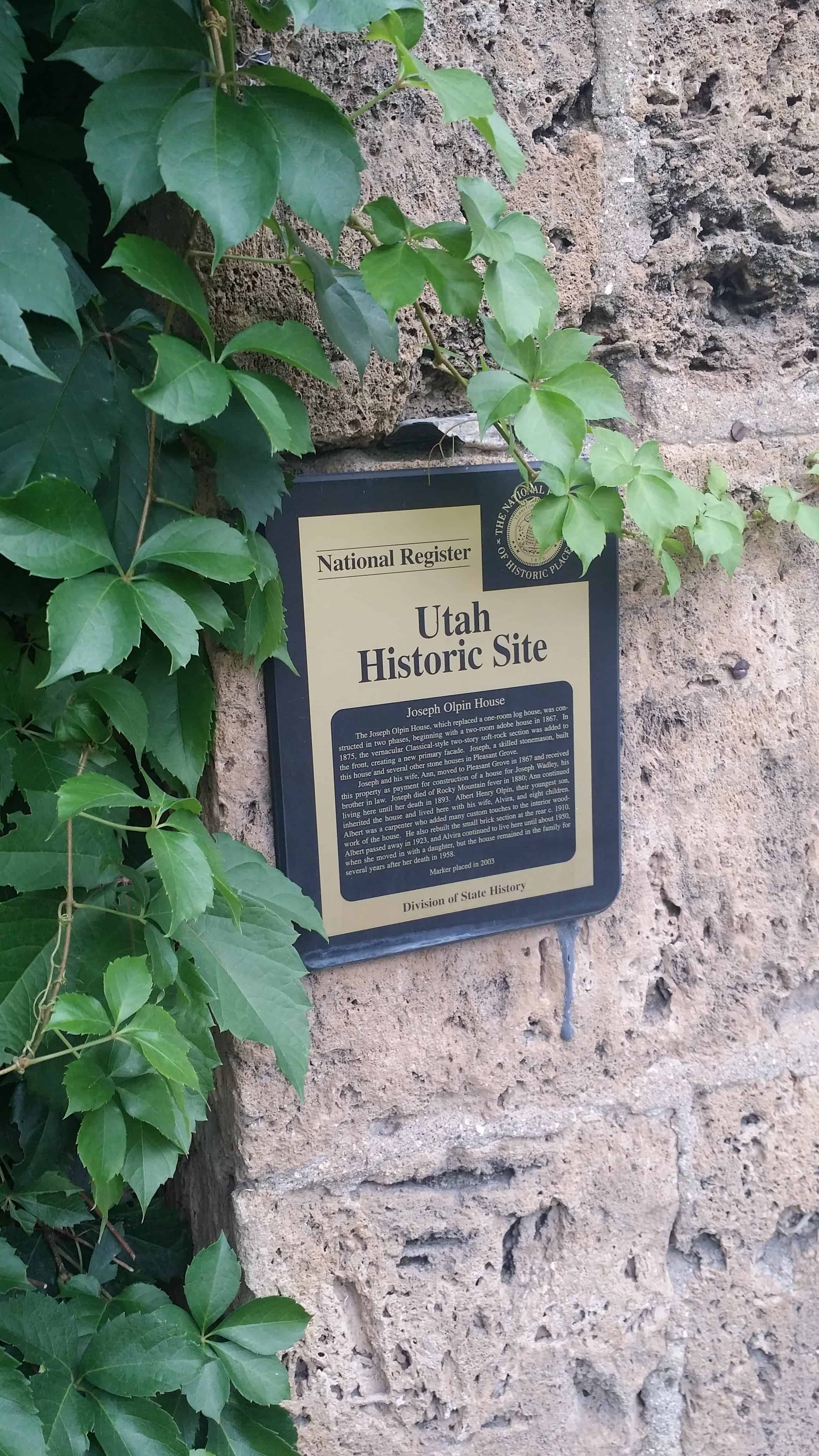
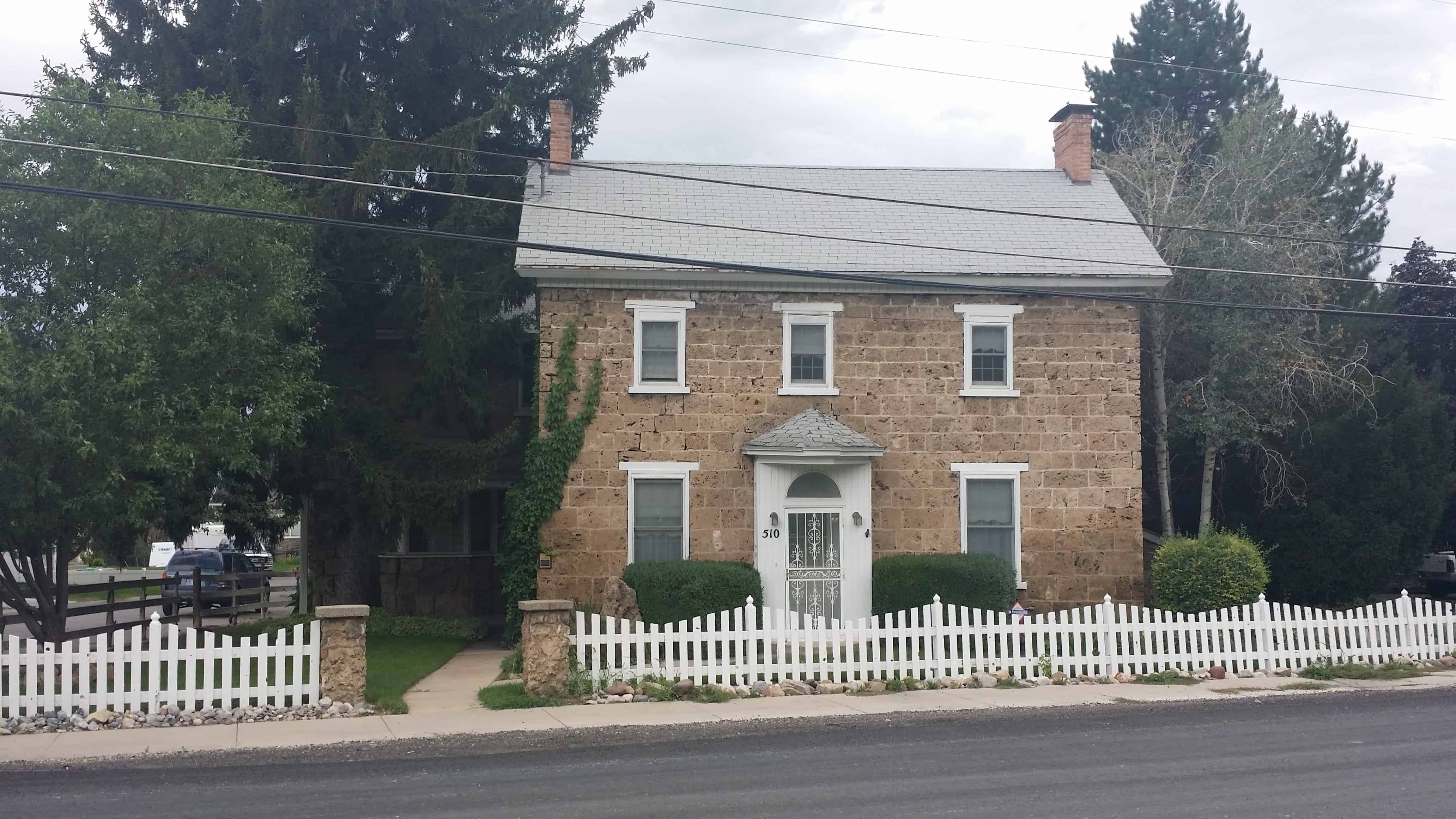
The Joseph Olpin House, which replaced a one-room log house, was constructed in two phases, beginning with a two-room adobe house in 1867. In 1875, the vernacular Classical-style two-story soft-rock section was added to the front, creating a new primary façade.  Joseph, a skilled stonemason, built this house and several other stone houses in Pleasant Grove.

Joseph and his wife, Ann, moved to Pleasant Grove in 1867 and received this property as payment for construction of a house for Joseph Wadley, his brother in law.   Joseph died of Rocky Mountain fever in 1880; Ann continued living here until her death in 1893.  Albert Henry Olpin, their youngest son, inherited the house and lived here with his wife, Alvira, and eight children.  Albert was a carpenter who added many custom touches to the interior wood-work of the house.  He also rebuilt the small brick section at the rear c. 1910.  Albert passed away in 1923, and Alvira continued to live here until 1950, when she moved in with a daughter, but the house remained in the family for several years after her death in 1958.

Located at 510 Locust Avenue in Pleasant Grove, Utah and added to the National Register of Historic Places (#77001320) on November 7, 1977.

Related:

  • Utah’s oldest homes
2014-08-22 18.28.09

The Joseph Olpin House, built ca. 1875 by the owner, a stone mason, is one of the early pioneer homes of Pleasant Grove. It is a fine example of Utah vernacular architecture and has historic associations with the Mormon religion and the development of education in the State.

Joseph Olpin was born in Gloucester, England, in 1839. His father joined the Mormon Church in that country, and Joseph was baptized by him in 1845. Joseph Olpin came to Utah in 1856 at the age of 17.

Olpin lived in Salt Lake City, until 1863, when he moved to Rockport. He remained there until moving to Pleasant Grove in 1867 at the suggestion of Joseph Wadley, his brother-in-law. Olpin received the land on which the house stands from Wadley as payment for construction of a house for him. Olpin originally built a one-room log house on the site, later replaced by a two-room adobe. Olpin’s skill as a stone mason was widely sought by residents of Pleasant Grove, and he built many of the stone houses still standing in the area.

Olpin built the two-story soft stone house in 1874 or 1875. He died January 17, 1880, in Pleasant Grove. The house passed to Albert Henry Olpin, the youngest of his four sons. Albert Olpin was a carpenter by trade and was responsible for much of the woodwork in the house, including the curving wooden staircase in the central hall. He also built the brick addition at the rear ca. 1908-1910.

While on a church mission to South Carolina in 1901-1903, Albert Olpin was severely beaten by a mob. This incident is symbolic of the anti-Mormon tensions which continued into the 20th Century.

Dr. A. Ray Olpin, past president of the University of Utah, is the oldest son of Albert and Alvira Olpin. He was born in the house in 1898. Dr. Olpin headed the University from 1946 to 1964. During these years the institution experienced tremendous growth, enrollment increasing from c. 7,000 to c. 18,000 over the period.

The house remained in the Olpin family until 1943, when the President’s mother sold it. The home is currently the private residence of Mr. and Mrs. Edward Platt who wish to complete its restoration.

The Joseph Olpin Home is a two-story rectangular building of stone with a one-and-a-half story rear addition of brick. The front and sides are coursed ashlar, while the foundation and back are of nibble construction. The front is symmetrical, three bays wide, with wooden lintels above six-over-six windows. Two single stack, banded brick chimneys, recessed slightly from each gable end, straddle the ridge.

At the rear of the original stone building is a one-and-a-half story brick broken salt-box addition, with a hipped roof porch. The addition is of stretcher bond. The rear door and window bays of the ground floor of the addition have segmented arches. The rear bays have corbeled voussoirs. The two smaller windows of the upper story of the addition have plain wooden lintels which break into the frieze. Both the addition and original building have a plain boxed cornice with simple mouldings and a plain frieze. The addition has two single stack brick chimneys, one at the peak of the ridge, recessed from the gable end, and the other on the shallow slope of the roof.

Both the original structure and the addition are of vernacular styling. The condition of the building is good and the integrity is excellent. The plan consists of two rooms flanking a central hall on the first floor of the main building. The addition houses a kitchen and pantry area. The original curving wooden staircase still stands in the hall. The upper floor served as bedroom space.

Site of the First Settlement of Pleasant Grove

10 Tuesday Jun 2014

Posted by Jacob Barlow in Uncategorized

≈ 1 Comment

Tags

DUP, historic, Pleasant Grove, utah, utah county

picture7sep07-036

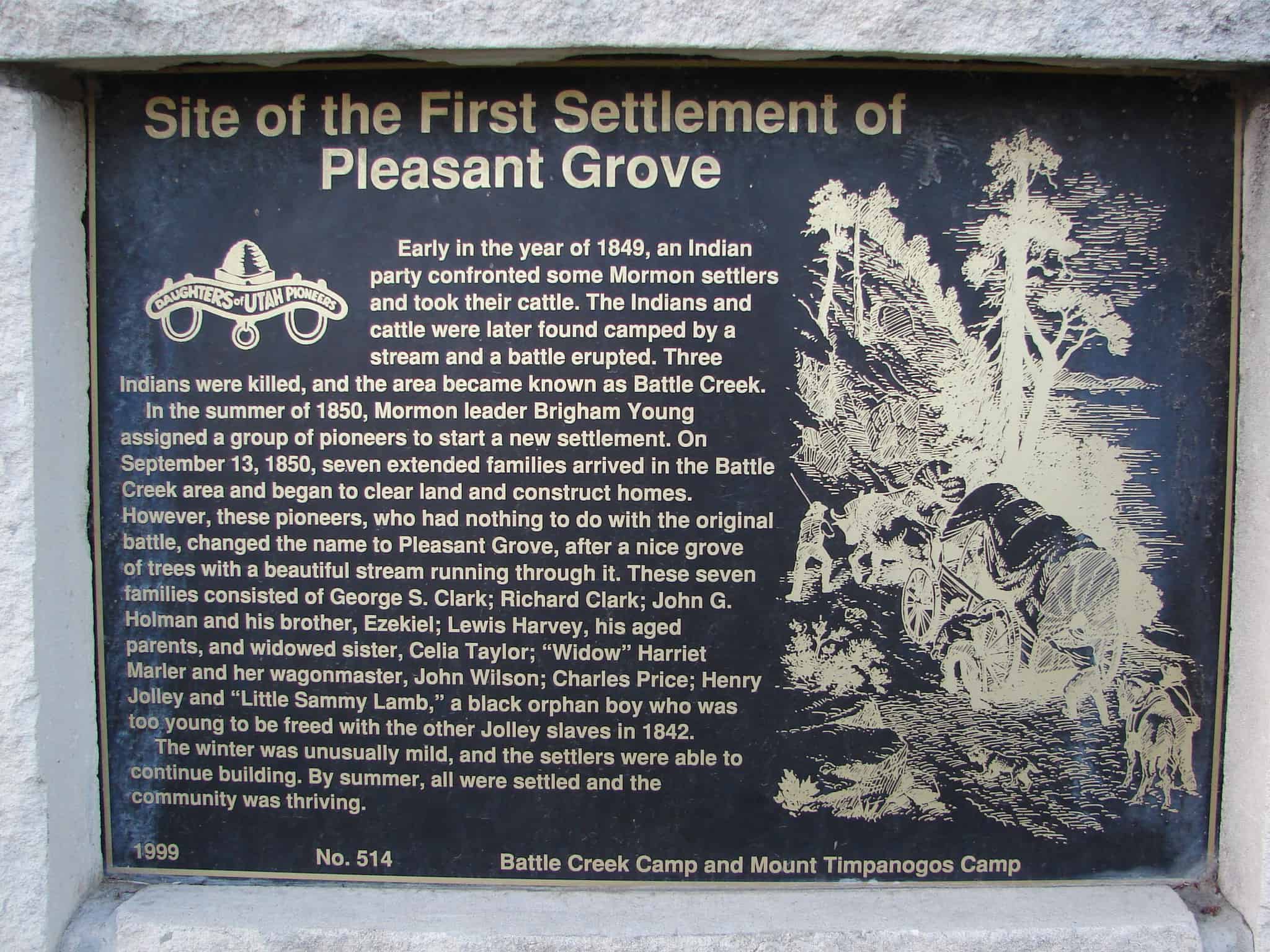
Early in the year of 1849, an Indian party confronted some Mormon settlers and took their cattle. The Indians and cattle were later found camped by a stream and a battle erupted. Three Indians were killed, and the area became known as Battle Creek.

In the summer of 1850, Mormon leader Brigham Young assigned a group of pioneers to start a new settlement. On September 13, 1850, seven extended families arrived in the Battle Creek area and began to clear land and construct homes. However, these pioneers, who had nothing to do with the original battle, changed the name to Pleasant Grove, after a nice grove of trees with a beautiful stream running through it. These seven families consisted of George S. Clark; Richard Clark; John G. Holman and his brother, Ezekiel; Lewis Harvey, his aged parents, and widowed sister, Celia Taylor; “Widow” Harriet Marler and her wagonmaster, John Wilson; Charles Price; Henry Jolley and “Little Sammy Lamb,” a black orphan boy who was too young to be freed with the other Jolley slaves in 1842.

The winter was unusually mild, and the settlers were able to continue building. By summer, all were settled and the community was thriving.

picture7sep07-035

Check out all of the historic markers placed by the Daughters of Utah Pioneers at JacobBarlow.com/dup

Pioneer Flour Mill

05 Thursday Jun 2014

Posted by Jacob Barlow in Uncategorized

≈ 1 Comment

Tags

DUP, historic, Pleasant Grove, utah, utah county

picture6aug07-002

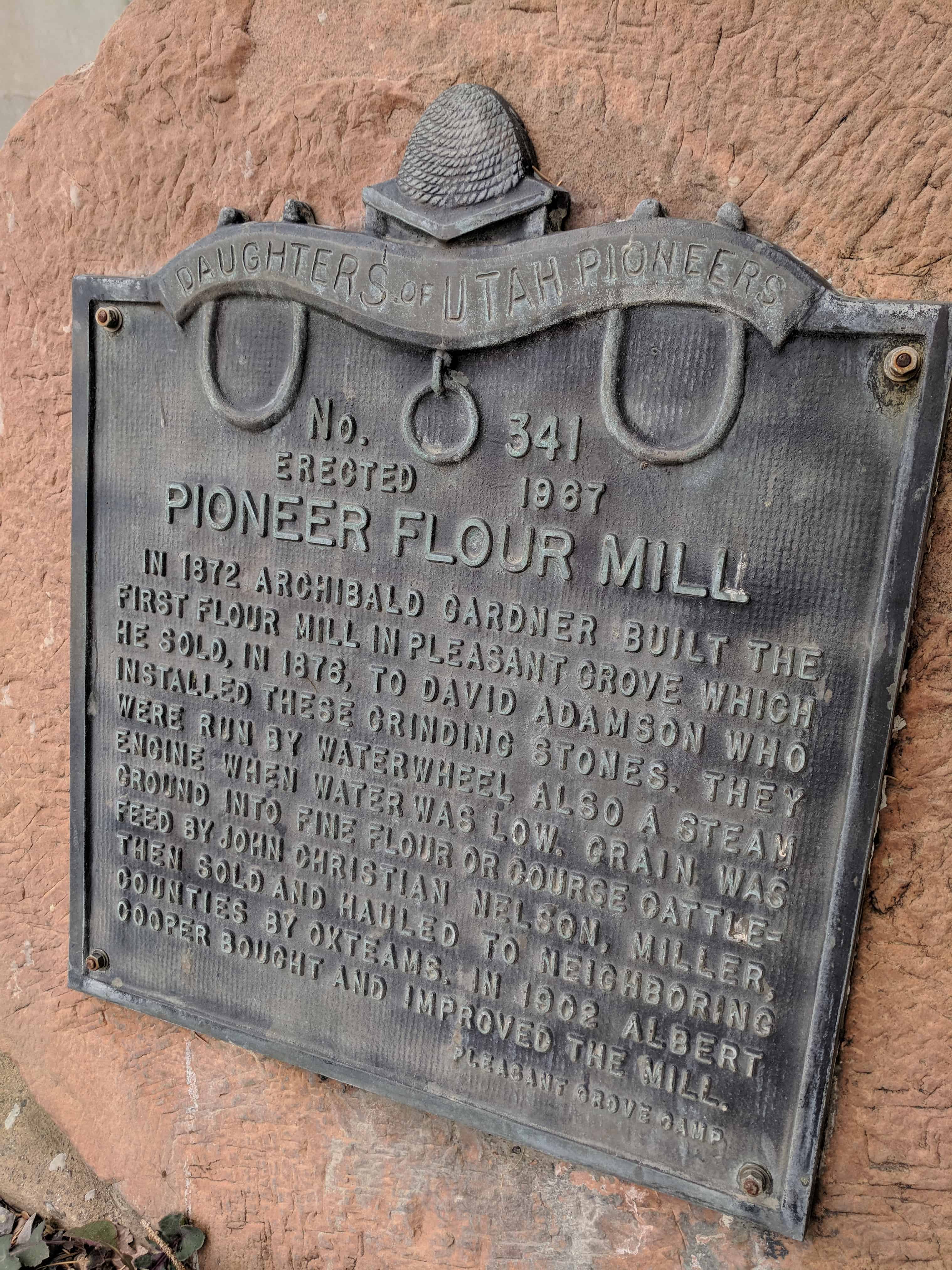
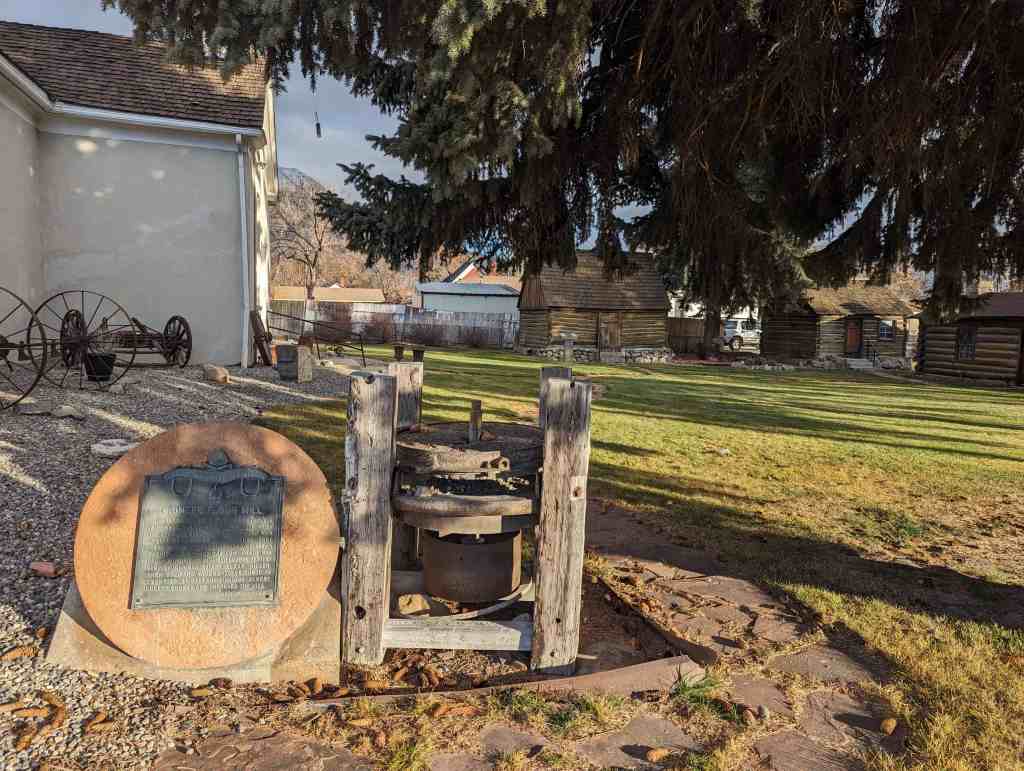
In 1872 Archibald Gardner built the first flour mill in Pleasant Grove which he sold, in 1876, to David Adamson who installed these grinding stones. They were run by waterwheel also a steam engine when water was low. Grain was ground into fine flour or course cattle feed by John Christian Nelson, miller, then sold and hauled to neighboring counties by ox teams. In 1902 Albert Cooper bought and improved the mill.

This historic marker (DUP Marker #341) is located in Pioneer Park in Pleasant Grove, Utah.  The mill is talks about is located at 485 East 200 North in Pleasant Grove and has this historic marker there: Old Pleasant Grove Flour Mill.

  • Daughters of Utah Pioneers markers
2017-11-25 15.21.13
2017-11-25 15.21.19

Pioneer Relic Hall

23 Friday May 2014

Posted by Jacob Barlow in Uncategorized

≈ 1 Comment

Tags

DUP, historic, Pleasant Grove, utah, utah county

picture6aug07-005

D.U.P. Marker #90:

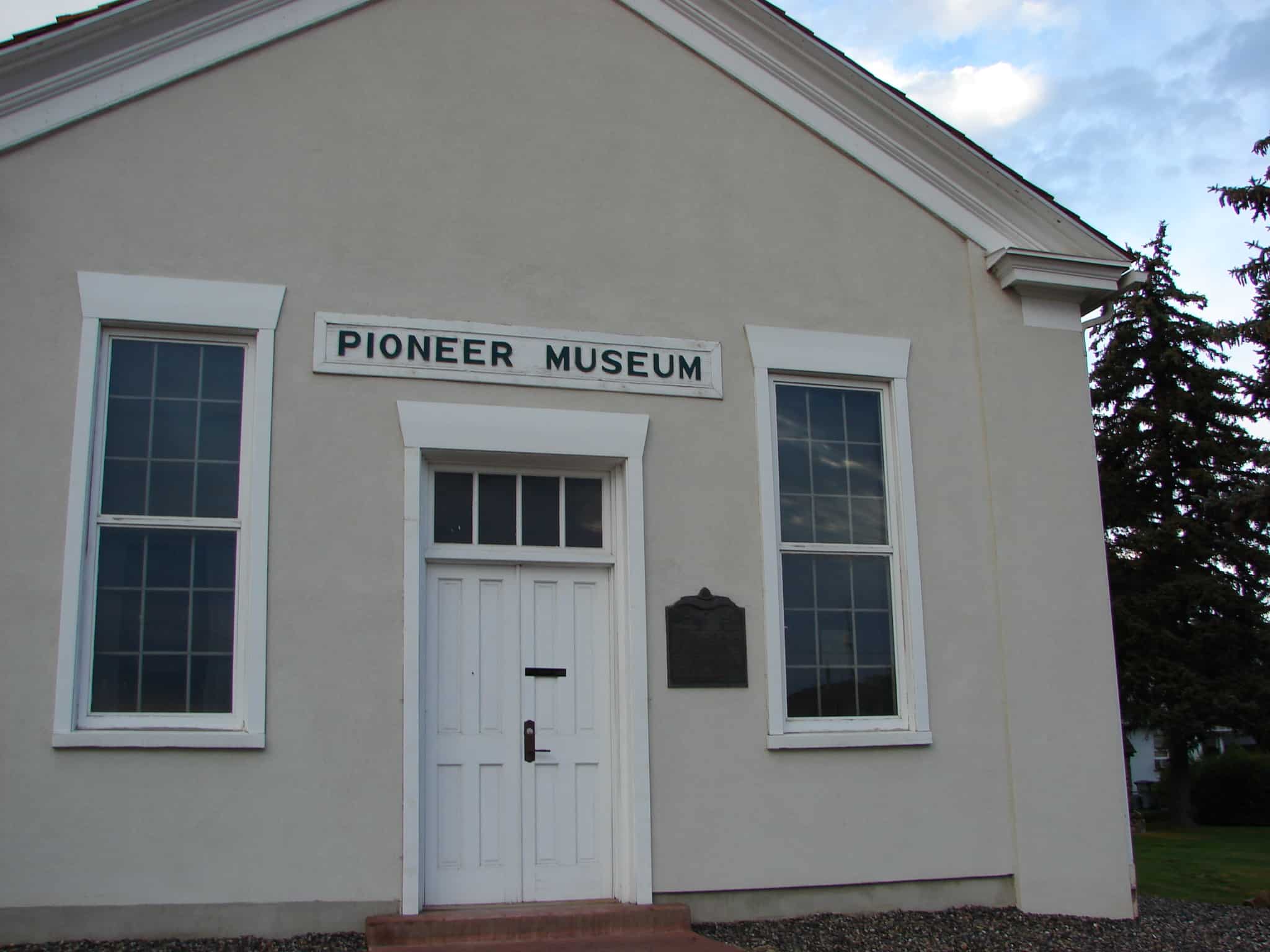
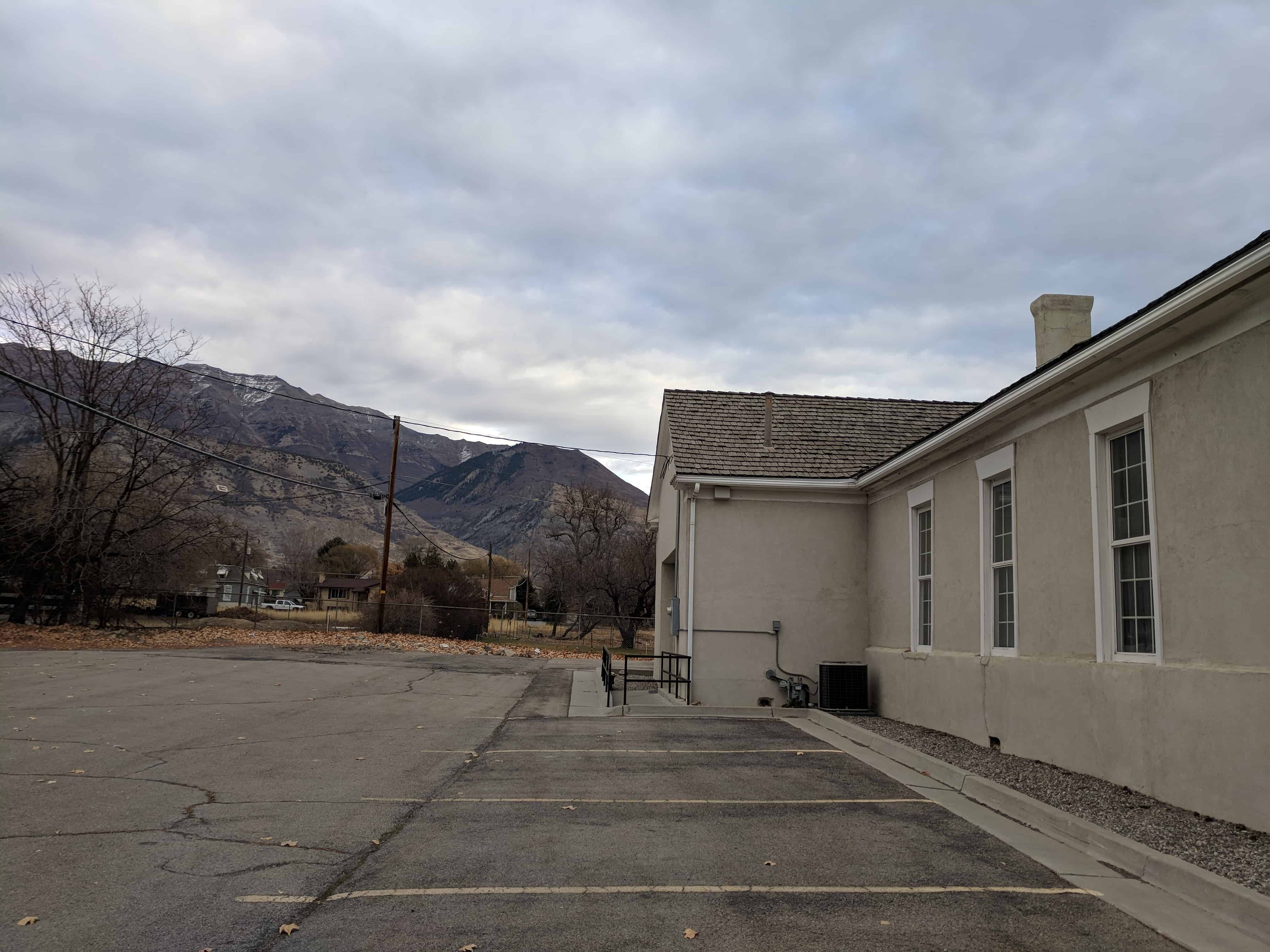
This building is one of the oldest schools and community centers now standing. The west wing built about 1864, from adobes salvaged from first and second school houses of 1852-53. Planned by Henry Greenhalgh. Center and east rooms added about 1880-87. Structure later housed the high school and then for public library. Leased to the Daughters of Utah Pioneers in 1940 for a relic hall and was set aside by the city as center of park honoring pioneers. Pleasant Grove Camp, Utah Co.

Pleasant Grove School

Built: 1861

Also called the “Old Bell School” was a pioneer-era school constructed of adobe. When originally constructed, it was a one-room schoolhouse, but a second room was added in 1880 and a third in 1886. It was used as a school until 1893. It was again used as a high school from 1910 to 1912 and then was used as a library until 1940.Since 1945, the school has been the subject of community preservation efforts. The building has been a relic hall, and is now known as the Pioneer Museum. It was added to the National Register of Historic Places in 1980.

Location: 55 S. 100 East, Pleasant Grove

2017-11-25 15.20.43

2017-11-25 15.21.32

2017-11-25 15.21.42

2017-11-25 15.21.58

2017-11-25 15.22.01

picture6aug07-004

This is located in Pioneer Park in Pleasant Grove, Utah.

Check out all of the historic markers placed by the Daughters of Utah Pioneers at JacobBarlow. com/dup

Battle Creek Canyon

14 Thursday Nov 2013

Posted by Jacob Barlow in Uncategorized

≈ 1 Comment

Tags

Battle Creek Canyon, Pleasant Grove, utah, utah county

picture13sep07-001

A nice hike, a fun waterfall.  Often you’ll see people rappelling down the falls.   A great family hike.

Newer posts →

Follow Jacob

Follow Jacob

Come wander with me on Youtube.

Blog Stats

  • 2,100,994 hits

Social and Other Links

BarlowLinks.com

Recent Posts

  • Scout Monument
  • Provo High School Seminary Building
  • 821 E 100 S
  • 820 E 100 S
  • 817-819 E 100 S

Archives

Loading Comments...