The above building was built in 1888 as a printing press and was one of at least six printing press buildings that made up “Arrow Press Square.” Three of those currently remain.
Located at 165 S West Temple in Salt Lake City, Utah.

03 Monday Aug 2020
Posted in Uncategorized

The above building was built in 1888 as a printing press and was one of at least six printing press buildings that made up “Arrow Press Square.” Three of those currently remain.
Located at 165 S West Temple in Salt Lake City, Utah.


25 Saturday Jul 2020
Posted in Uncategorized

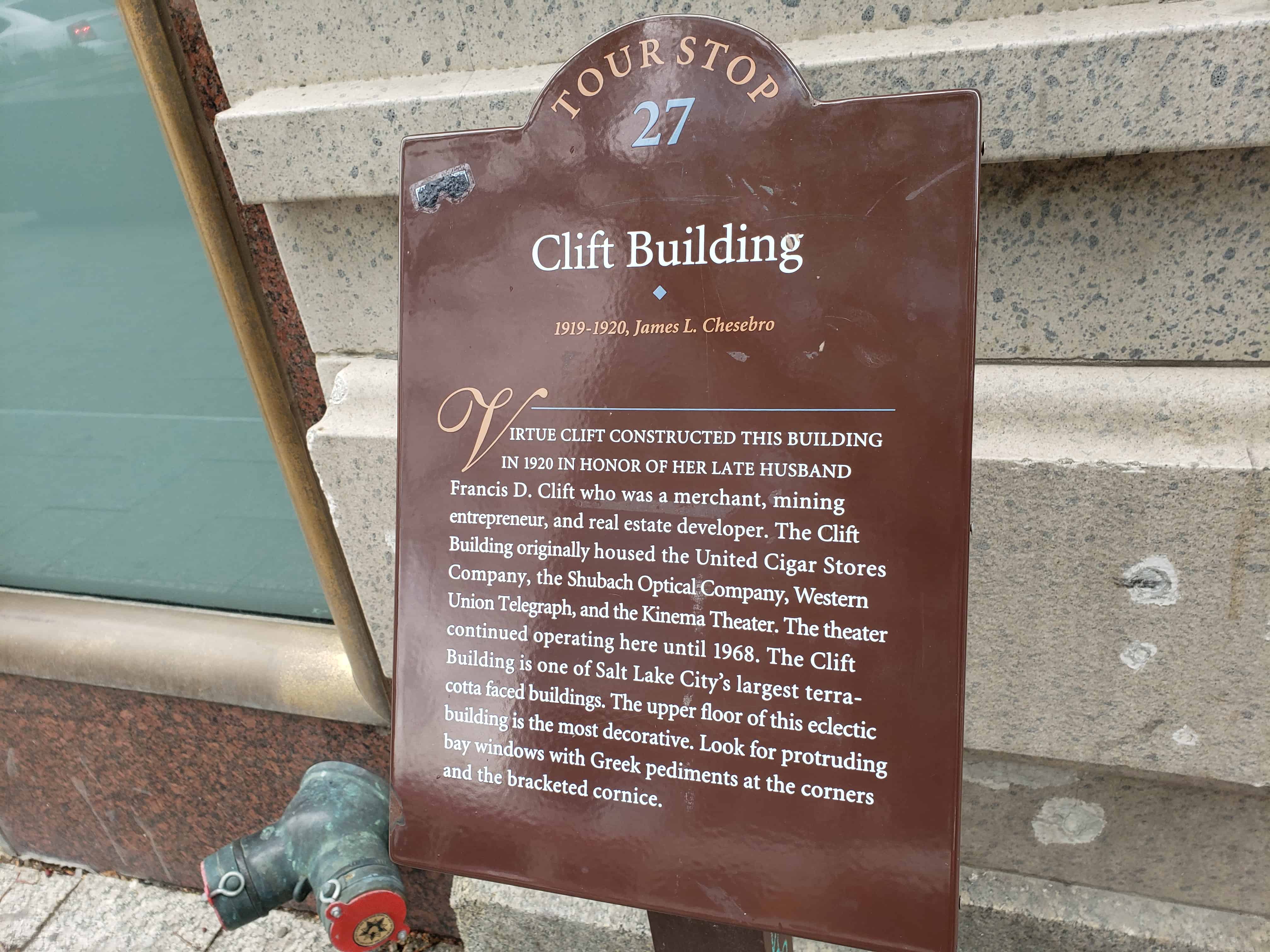
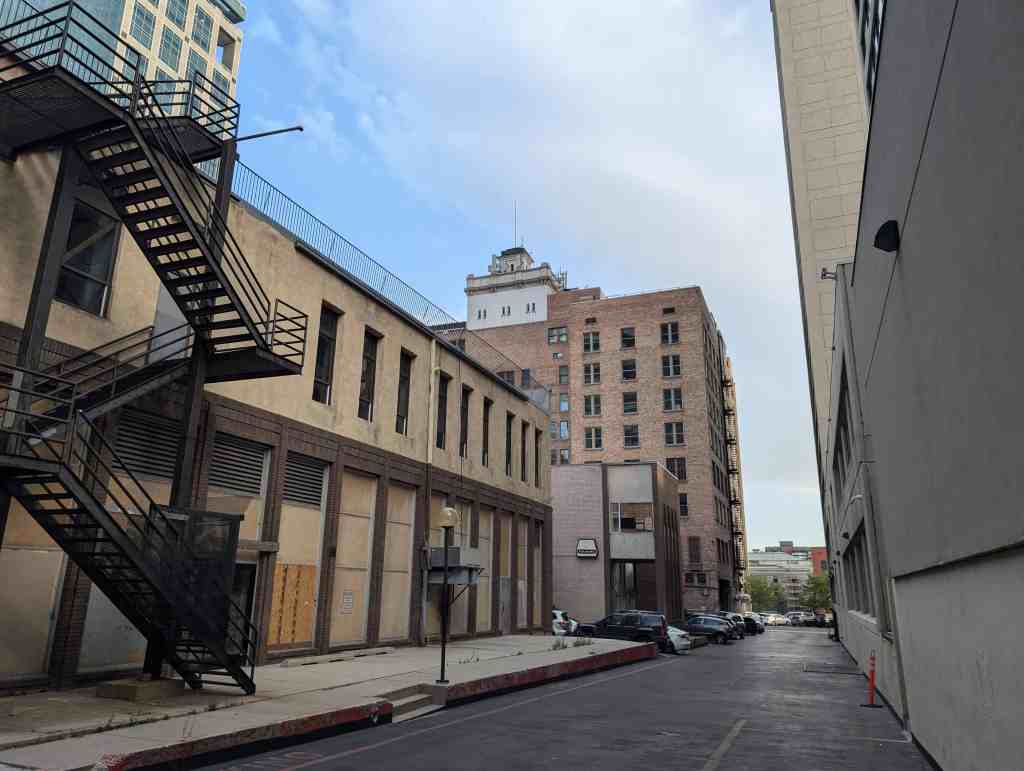
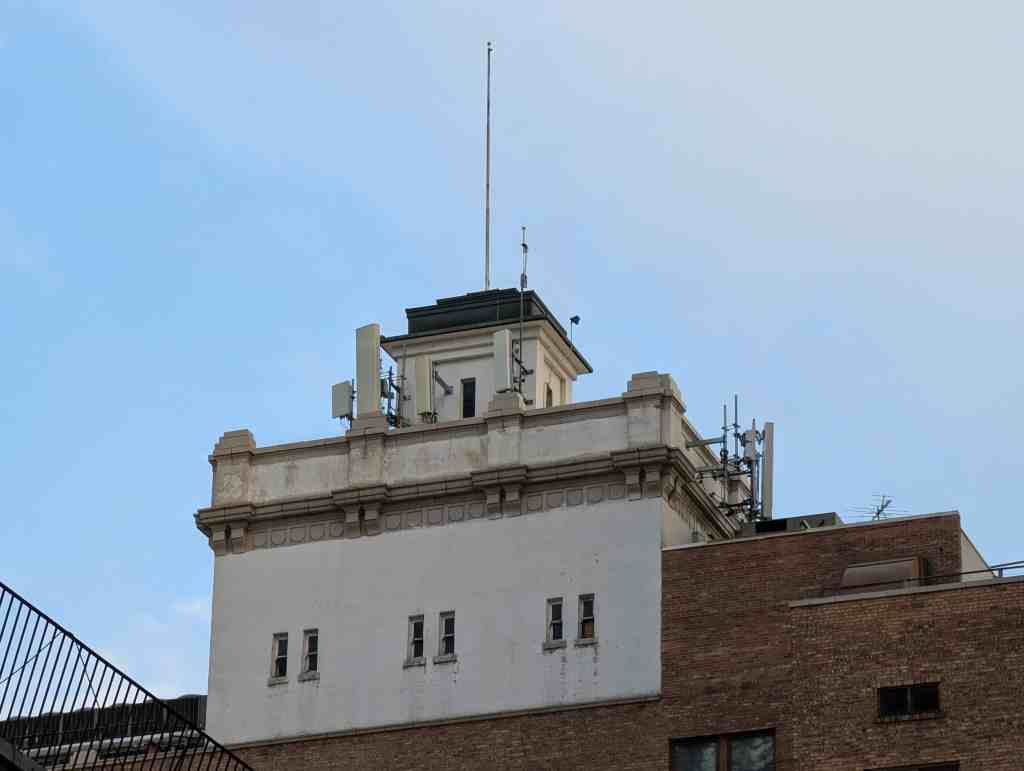
Clift Building
Built 1919-1920, James L/ Chesebro.
Virtue Clift constructed this building in 1920 in honor of her late husband Francis D. Clift who was a merchant, mining entrepreneur, and real estate developer. The Clift Building originally housed the United Cigar Stores Company, the Shubach Optical Company, Western Union Telegraph, and the Kinema Theater. The theater continued operating here until 1968. The Clift Building is one of Salt Lake City’s largest terra-cotta faced buildings. The upper floor of this eclectic building is the most decorative. Look for protruding bay windows with Greek pediments at the corners and the bracketed cornice.
Related Posts:
Located at 10 West 300 South in the downtown neighborhood of Salt Lake City, Utah

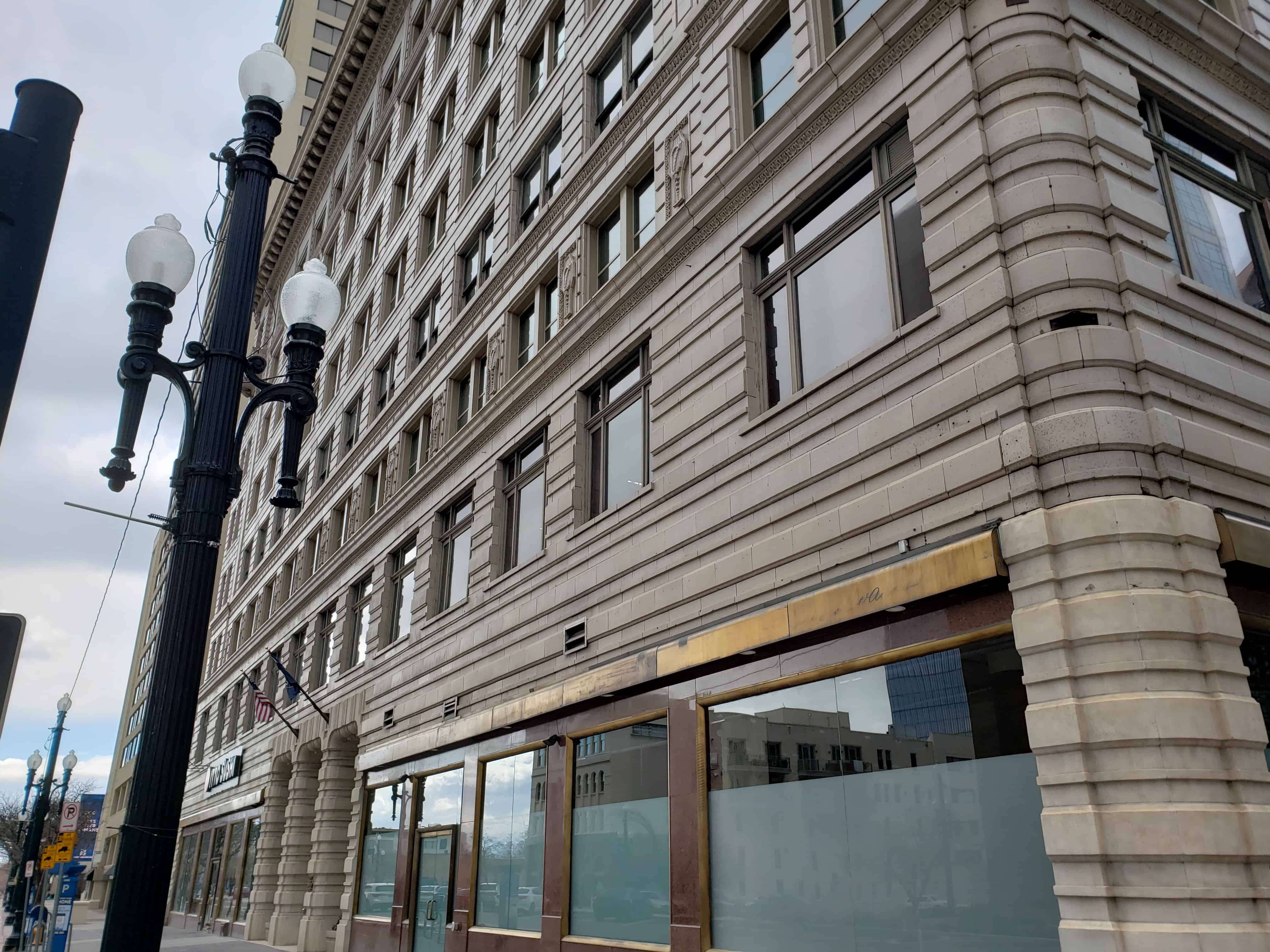
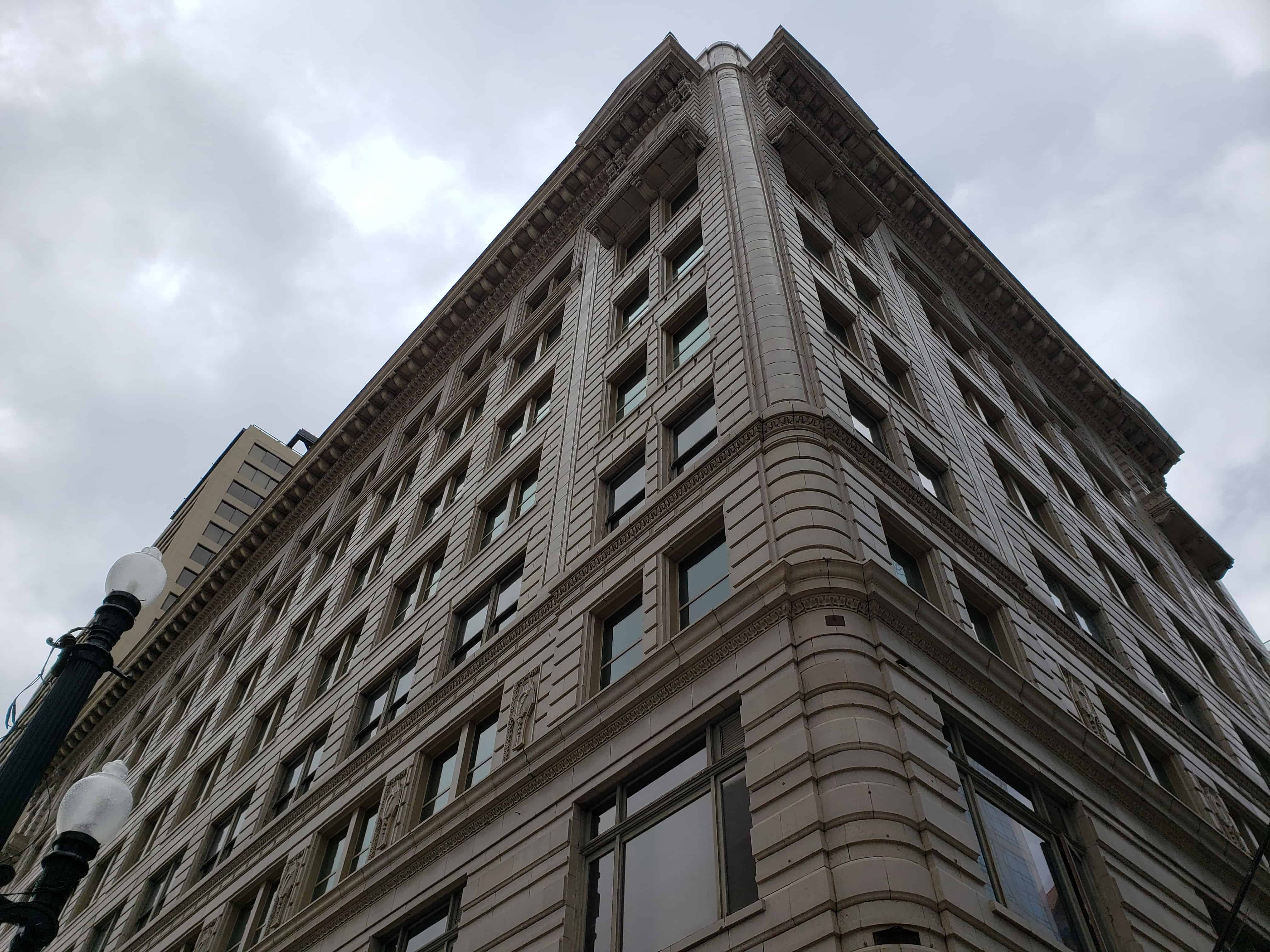


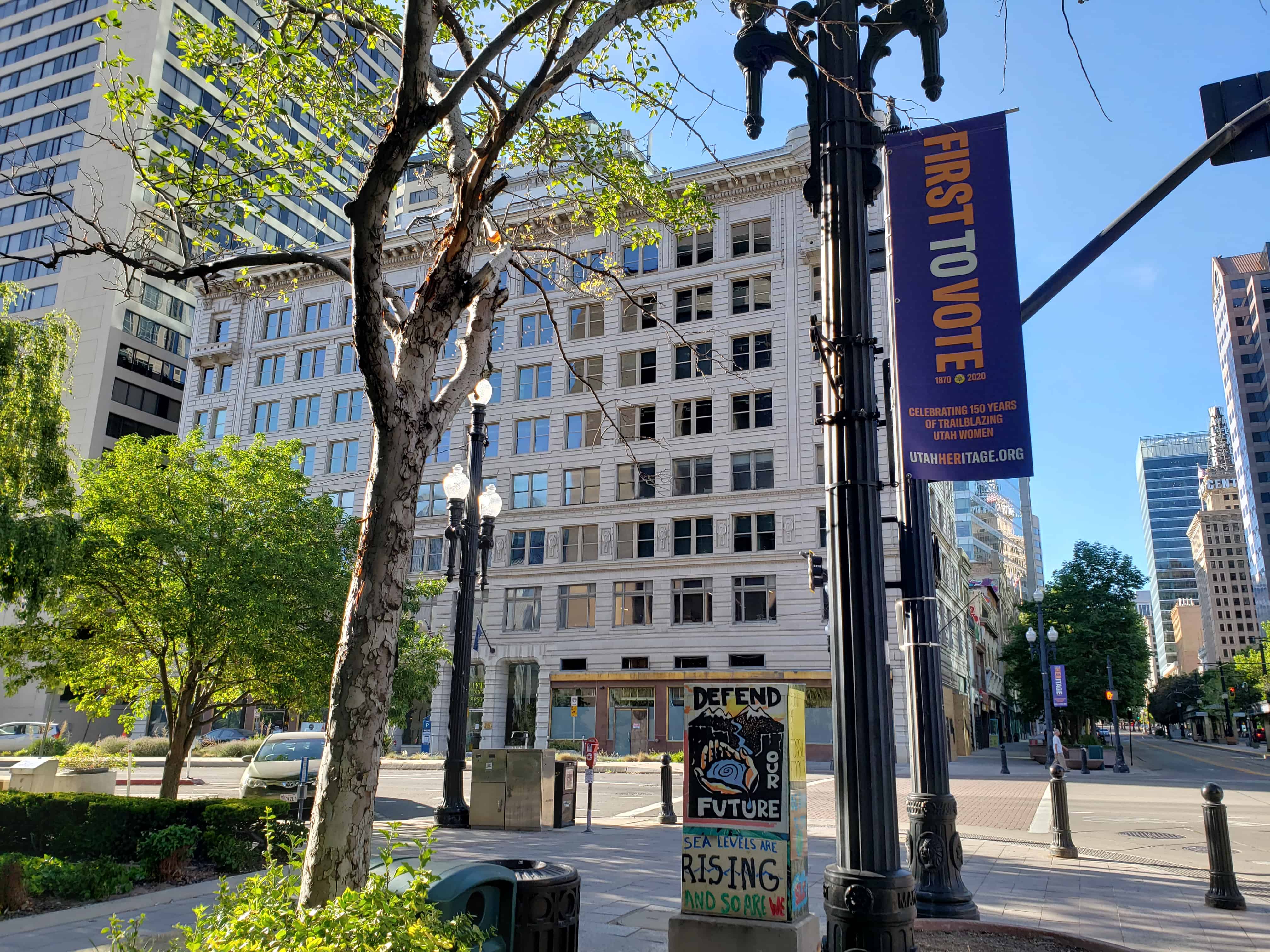
Pleasing in scale, proportion, and style treatment, the Clift Building has been an integral part of Salt Lake City’s central business district since it’s construction in 1919. It displays the use of glazed terra cotta on a grand scale, to entirely face the primary facade of an eight story building. The Clift Building retains it’s original character and integrity except for some street level modifications.

The Clift Building was constructed in 1919 by Virtue Clift in honor of her late husband, Francis D. Clift. This was originally the site of the old Clift Hotel, a popular Salt Lake boarding house in the late 19th century.

The Clift family has a long history in the state of Utah. Francis Clift was a pioneer mining man and financier who came to Utah by ox team with the Walker Brothers, Henry Lawrence and John Clark, a former mayor of Salt Lake City. They arrived in the valley in 1851. Soon after arriving, Francis Clift opened the “Town Clock Store” a general merchandising store, at 154 South Main. He made eight trips across the plains by ox team hauling goods from St. Louis and other points in Missouri where he bought goods to supply this store. He was one of the first men in Utah to invest in mining. He early bought an interest in the Emma Mine in Big Cottonwood Canyon the first discovered and worked mine in Utah. With the profits from this venture, he invested in Salt Lake real estate. In addition to this property, he owned the building at 262 South Main, occupied for many years by the Boston Store, and the Gladstone Building at 117 South Main. Francis Clift was born in England December 7, 1832 and died in Halt Lake City December 21, 1913. Only his wife, Virtue Clift, survived him.

Virtue Butcher Clift was also born in England, March 10, 1838. Her family joined the LDS Church there and she came to the United States with her mother and two misters in 1849. She married Francis D. Clift in 1854 at the age of sixteen. At the time of his death, she inherited her husband’s large estate and proved herself a wise businesswoman in dealing with his affairs. She had the Clift House torn down and replaced with a new commercial office building bearing the same name.
Following her death in 1925, title to the building fell to the Clift Building Corporation, then to the Utah Oil Refining Co. in 1958 and the American Oil Co. in 1960. American Oil changed the name of the building to the American Oil Building. In 1971 American Oil sold the building to Elizabeth Simmons. Ilene J. Wagner of the Wagner Investment Co. is the current owner.
The first occupants of the Clift Building in 1920 were the United Cigar Stores Co., the Schuback Optical Co., Western Union Telegraph Co. and the Kinema Theater, By 1928, the Kinema, managed by William Cutts, had become the Rialto Theater, but otherwise, the four companies occupied the building for twenty years. The Rialto still operated as a theater in 1968, a near 50 year term of occupancy. Fernwood’s Candy Co. had their offices in this building from 1952-60, Western Union and United Cigar Stores from 1920 to 1956. The building is currently used, as it has been historically, as commercial office space.

21 Tuesday Jul 2020
Posted in Uncategorized

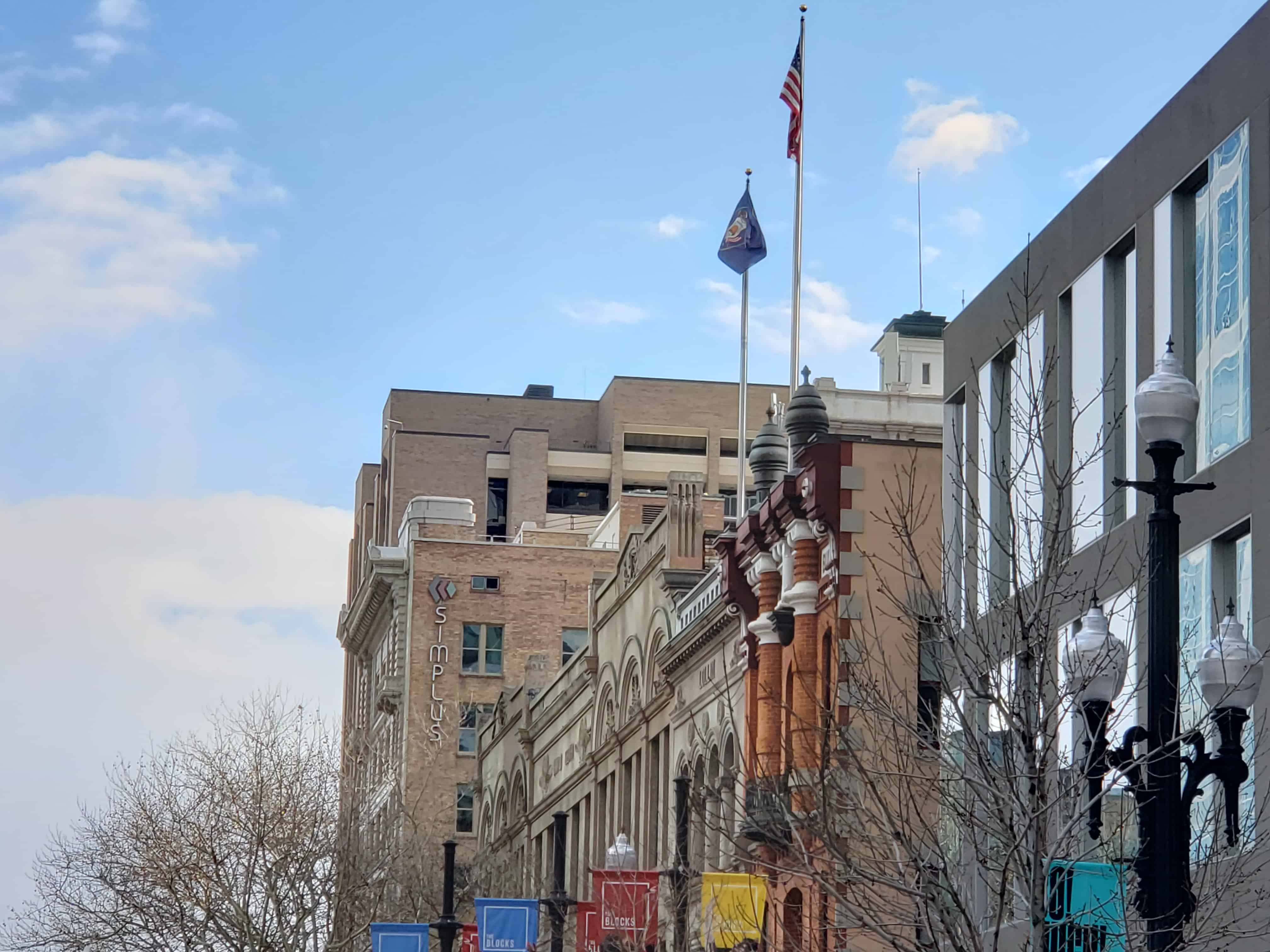
The Lollin Block, built in 1894, is the work of prominent Utah architect Richard Kletting. The building reflects Kletting’s preference for classical motifs. The building’s classical elements include Roman arches, dentil moldings, and egg-and-dart window trim. To make the building appear more expensive and substantial, gray plaster was applied over its brick superstructure and scored to look like cut stone. John Lollin owned the Lollin Saloon at 129 Main Street. He constructed this building as an investment property with an apartment on the third floor for his family. Members of the Lollin family lived there until 1960.




18 Saturday Jul 2020
Posted in Uncategorized
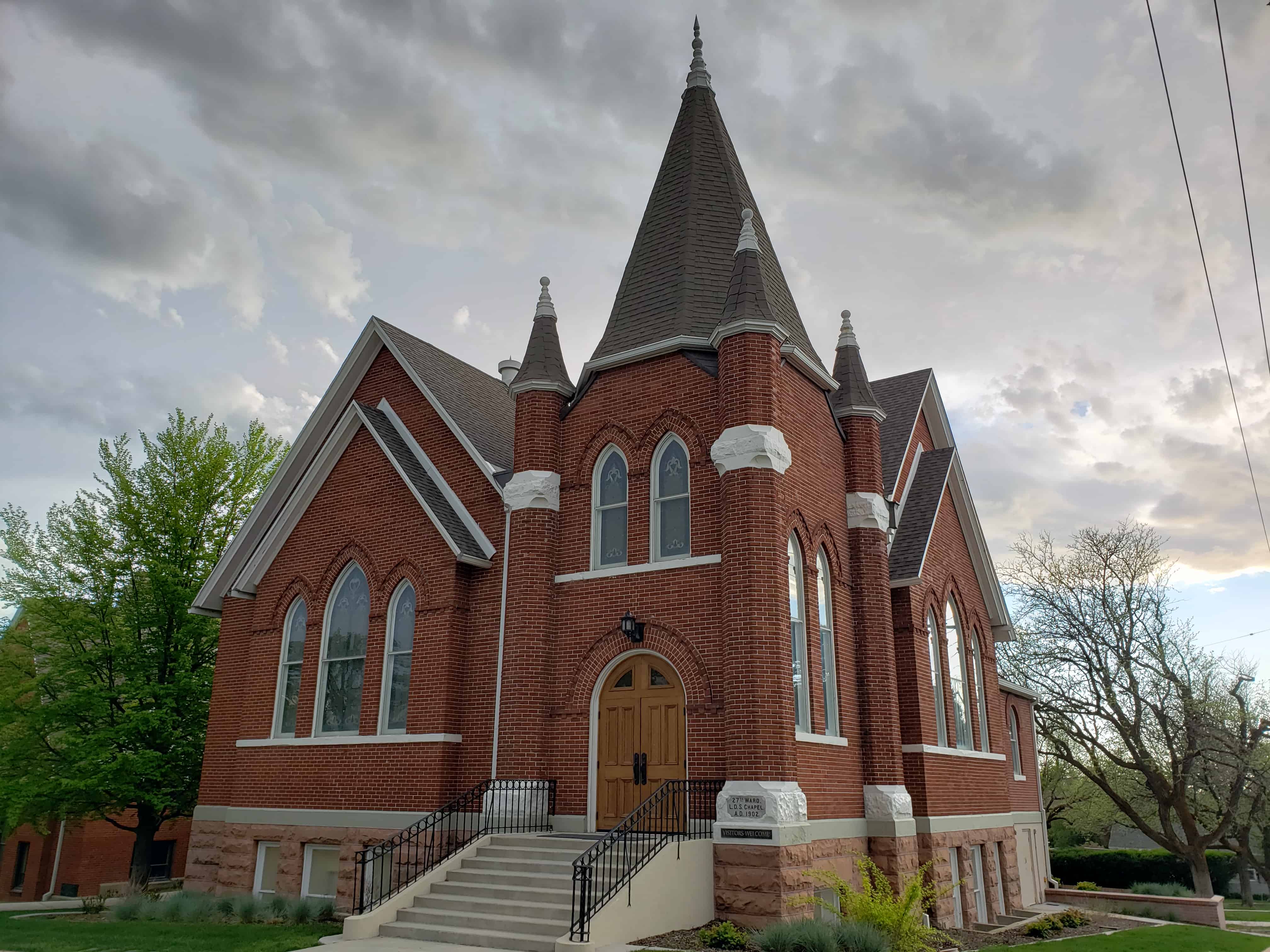
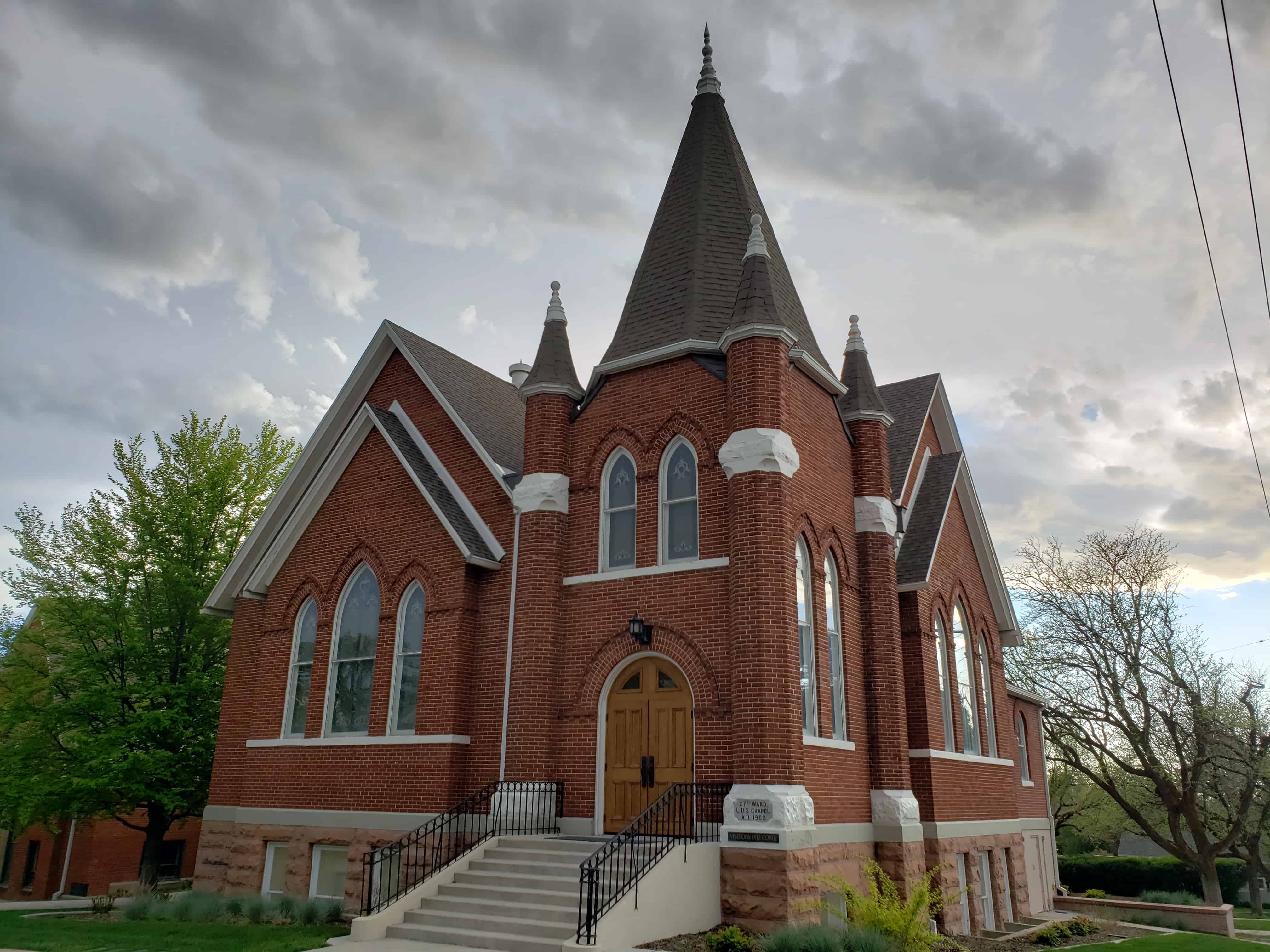
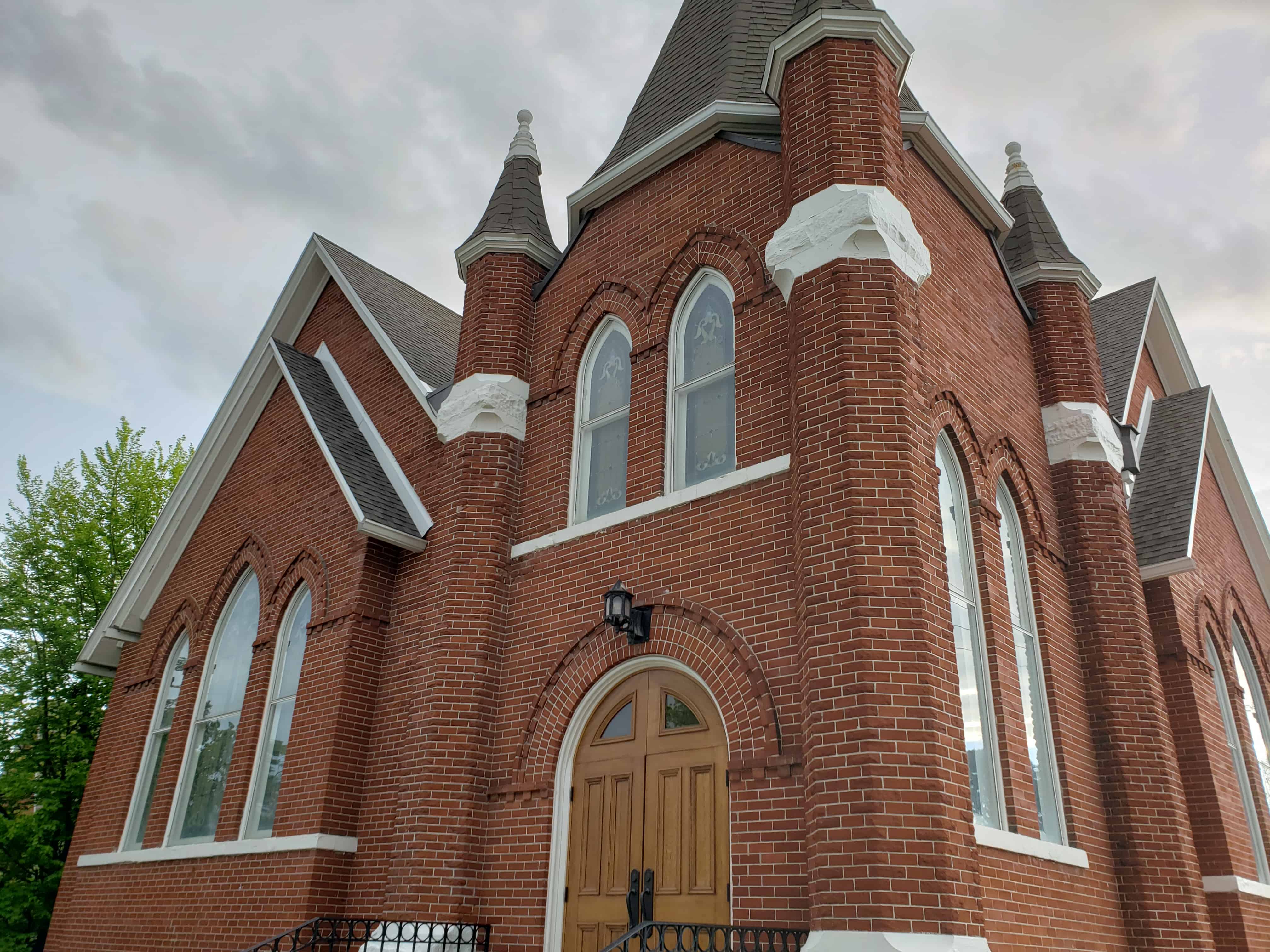
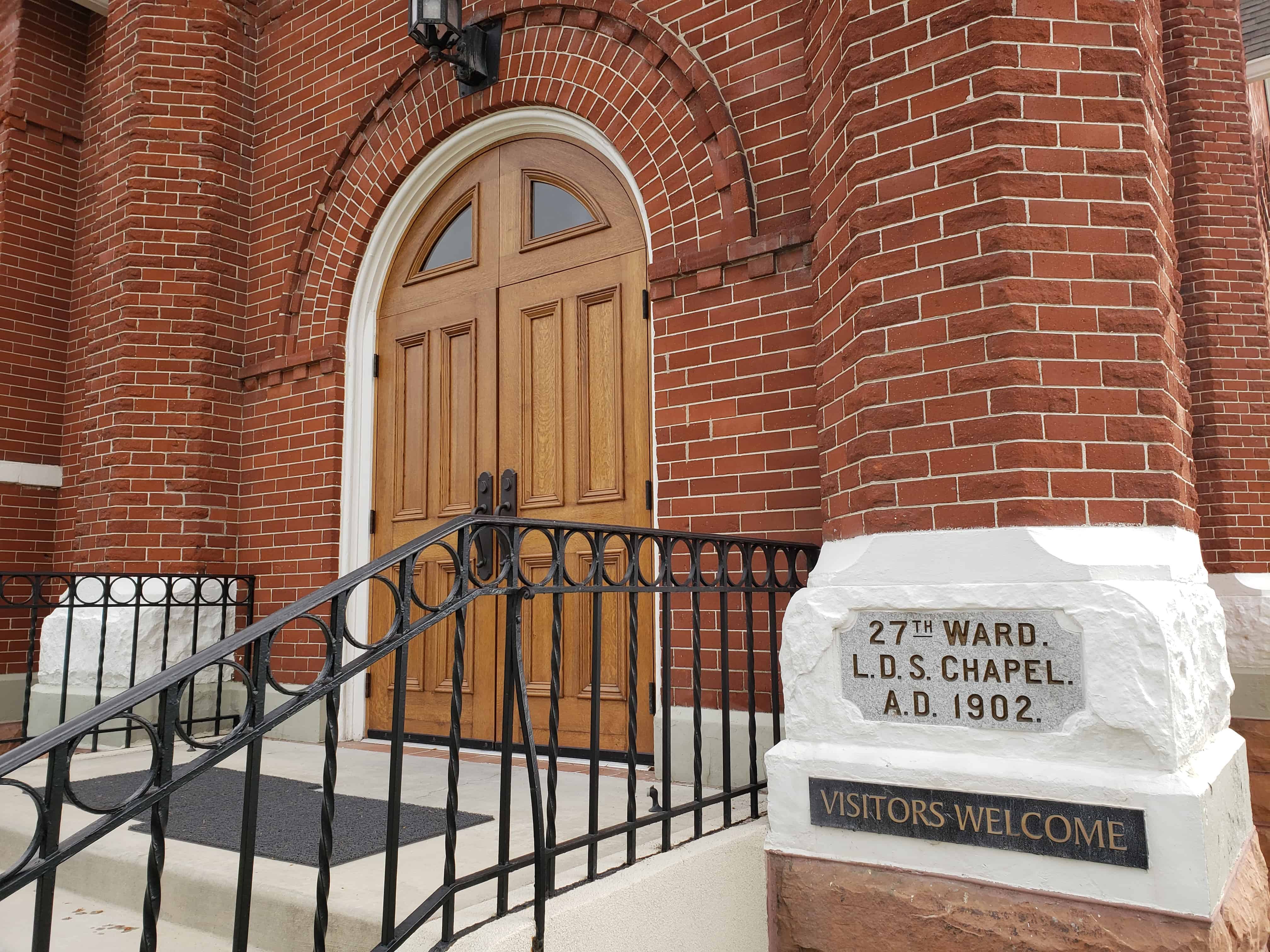
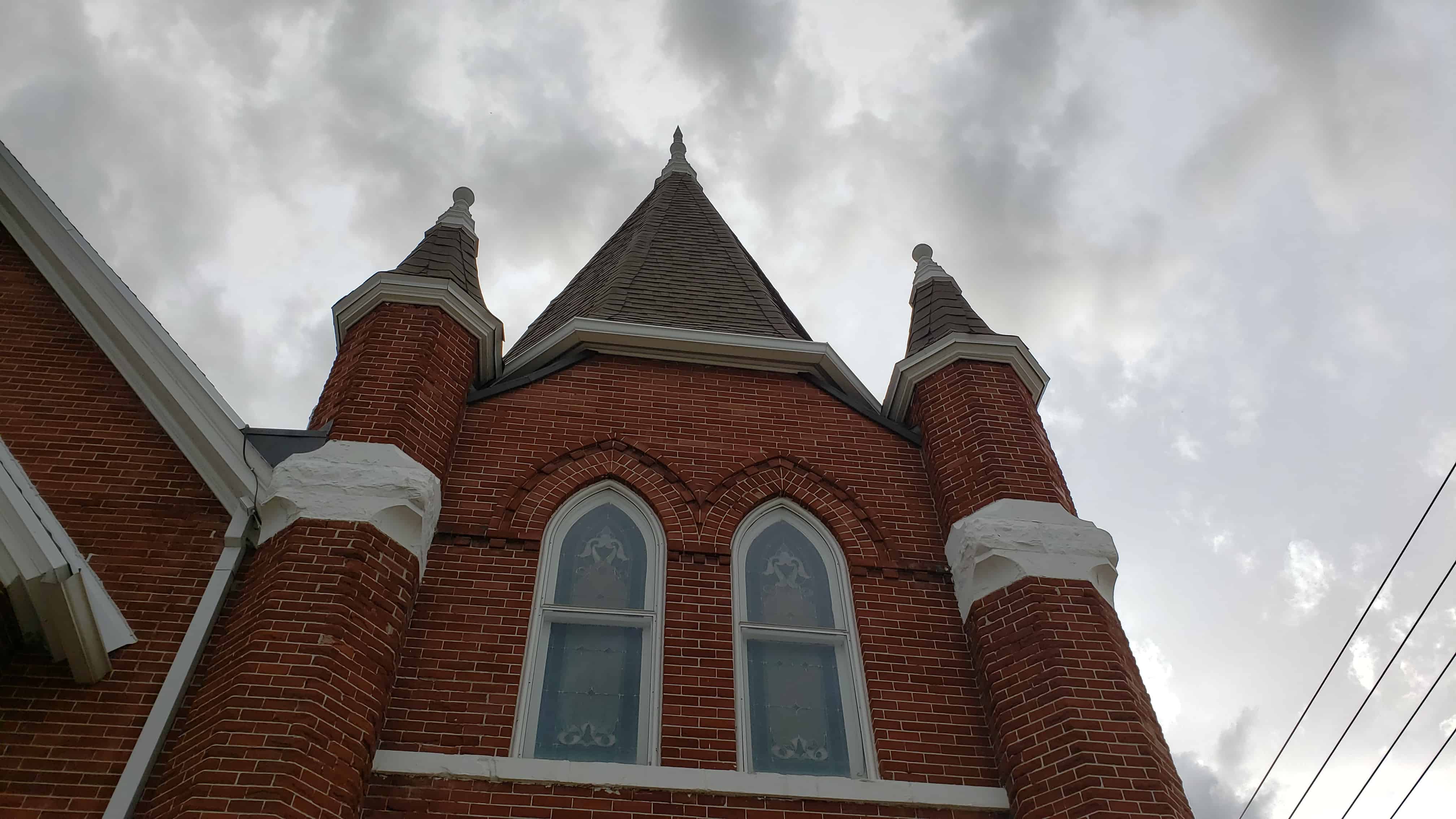
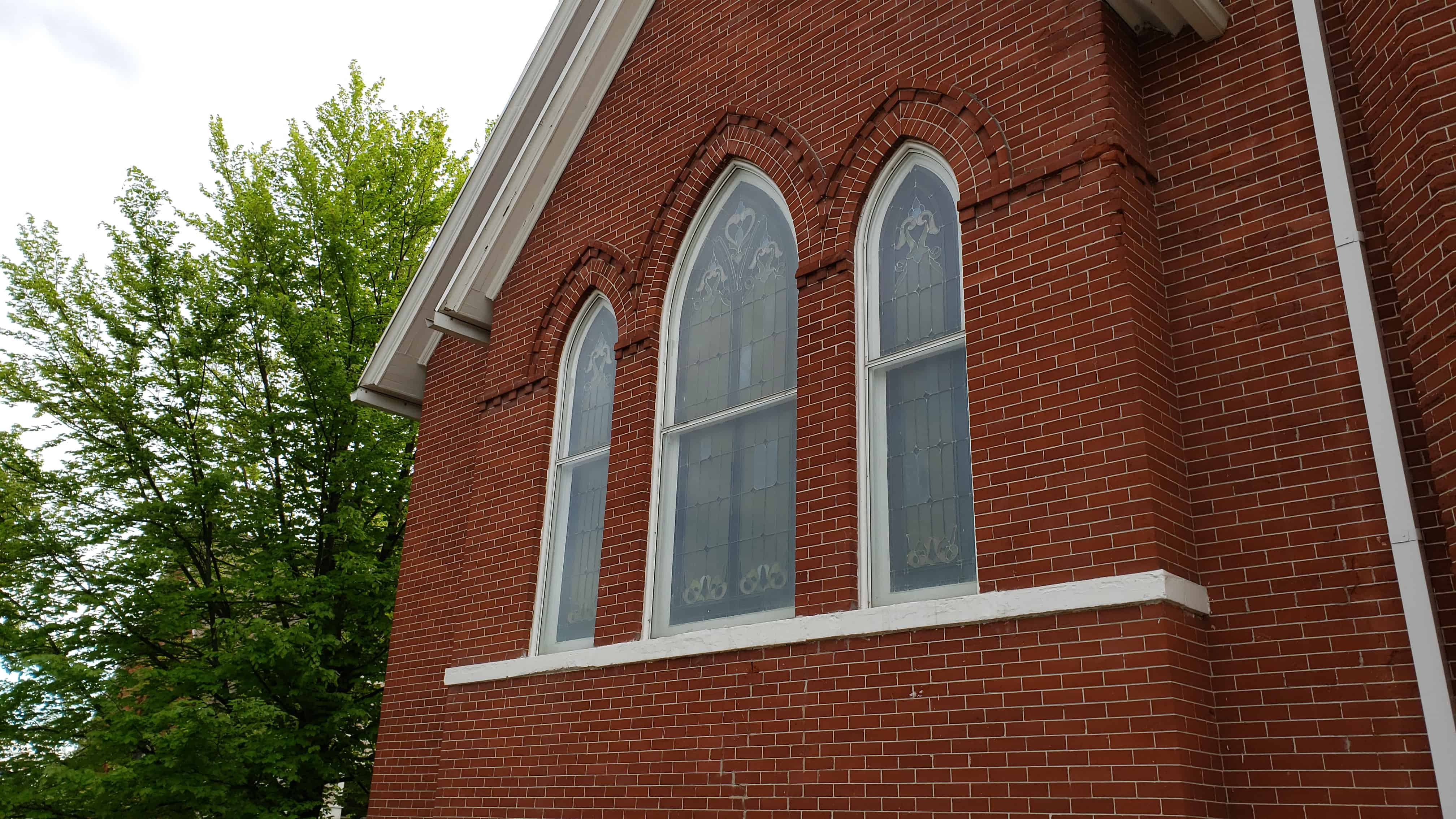
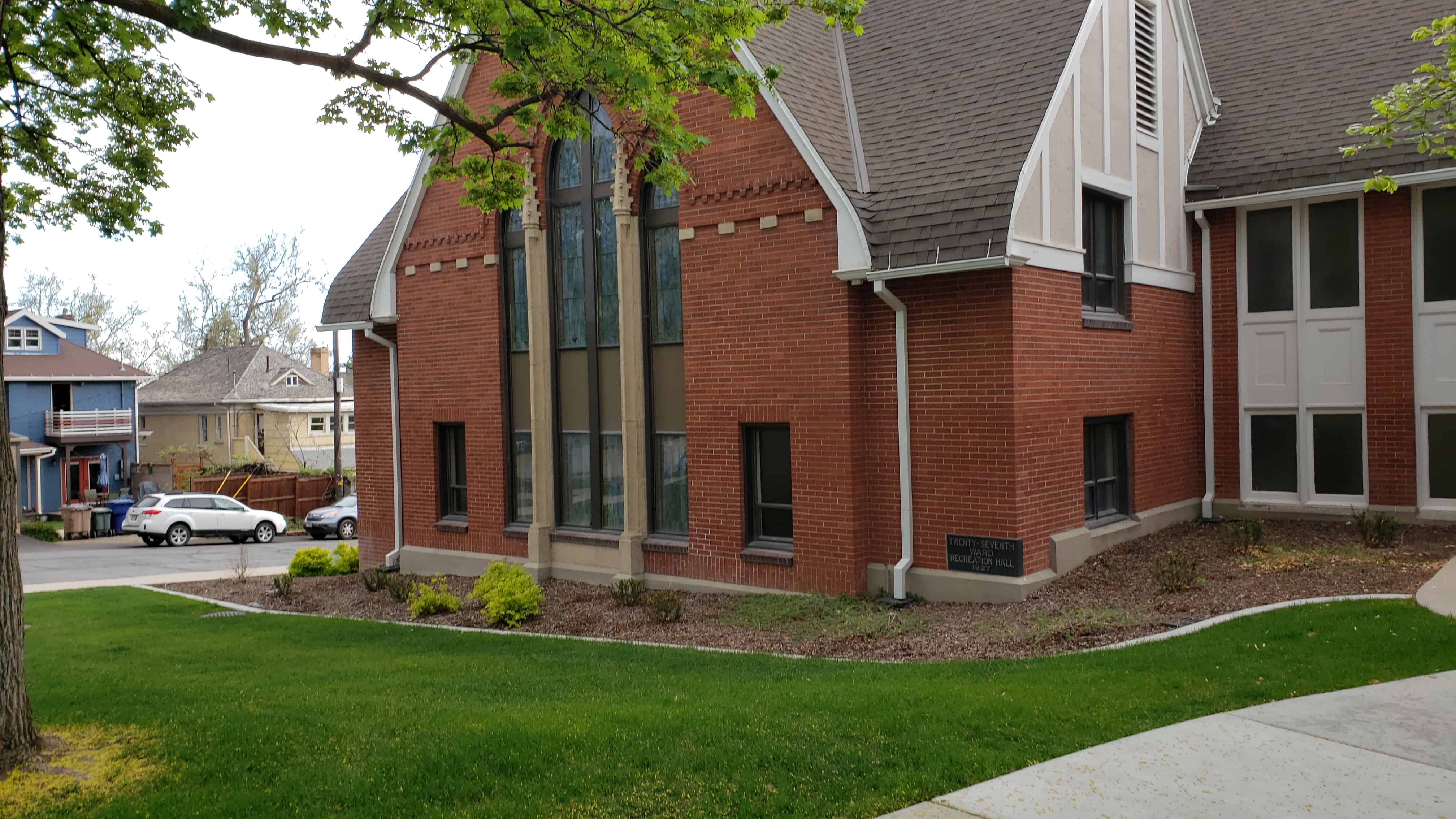
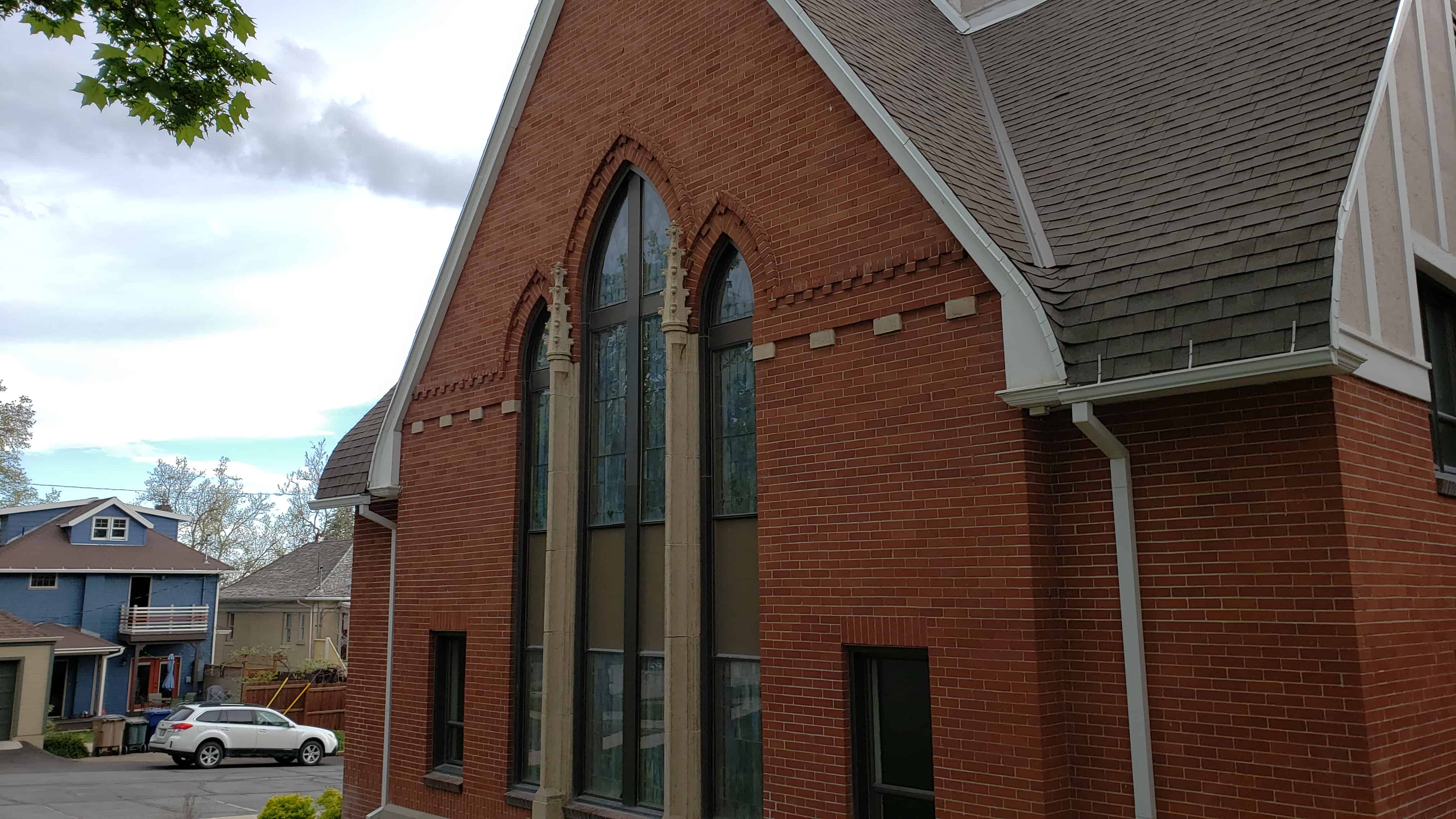
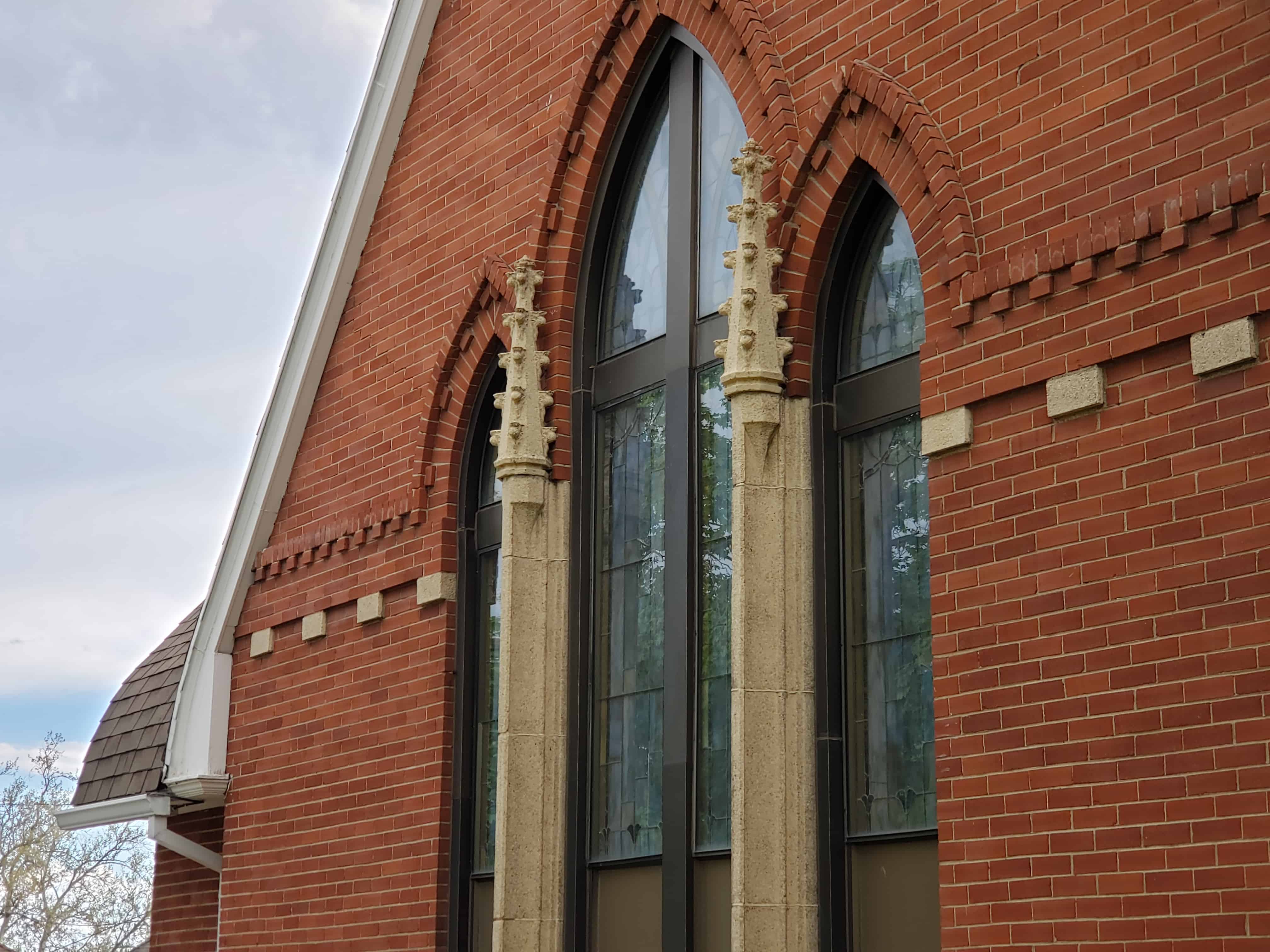
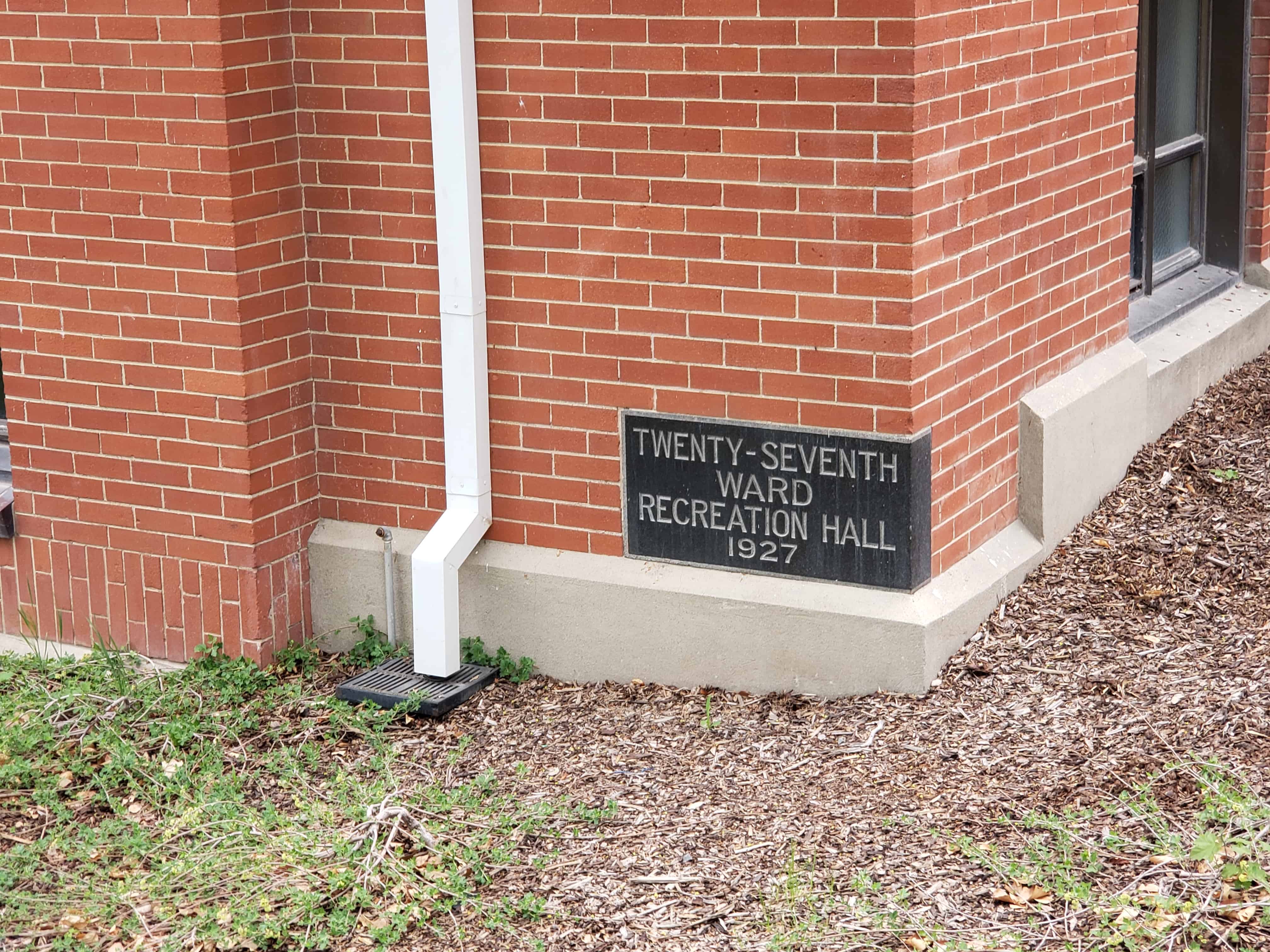
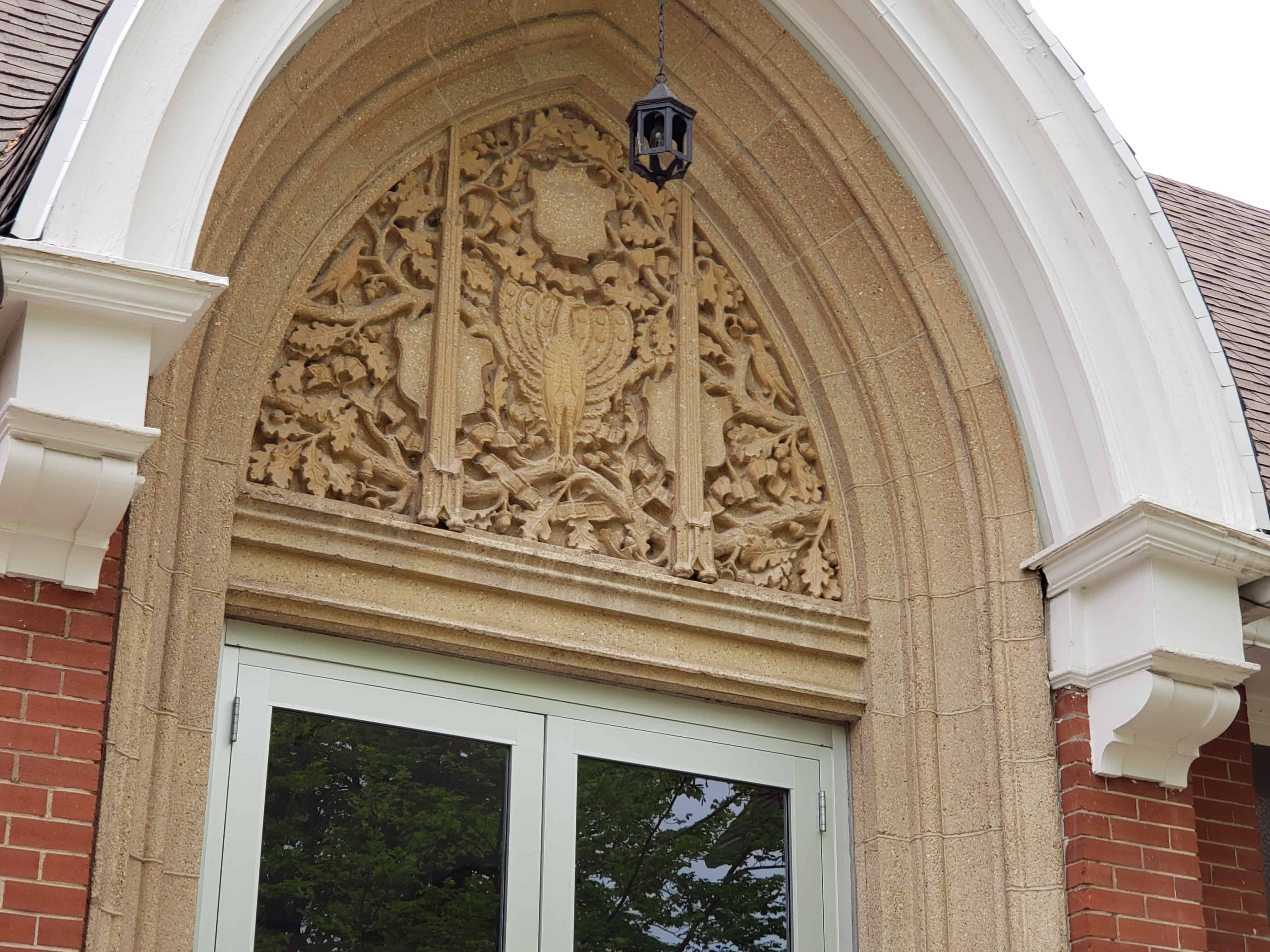
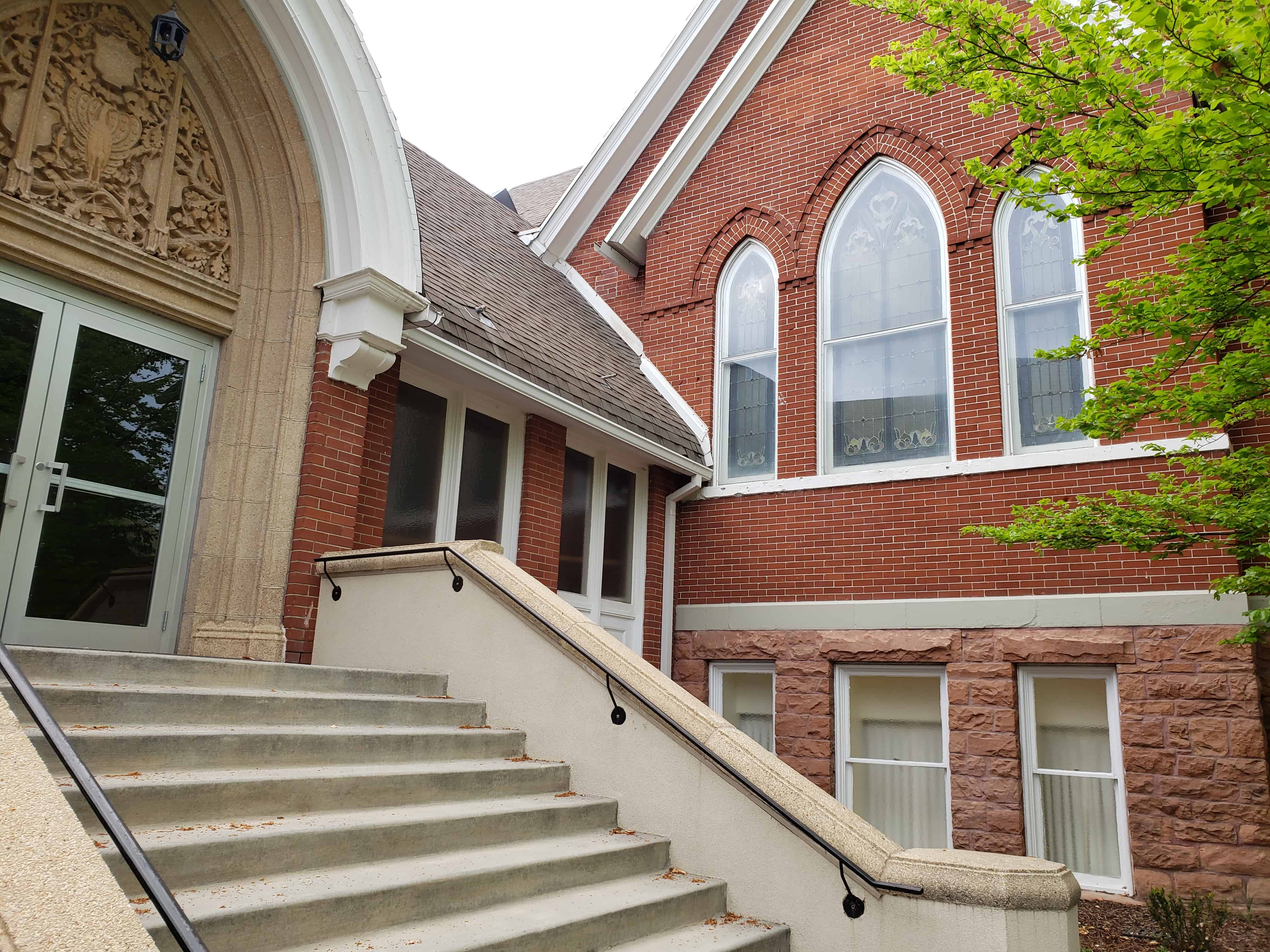
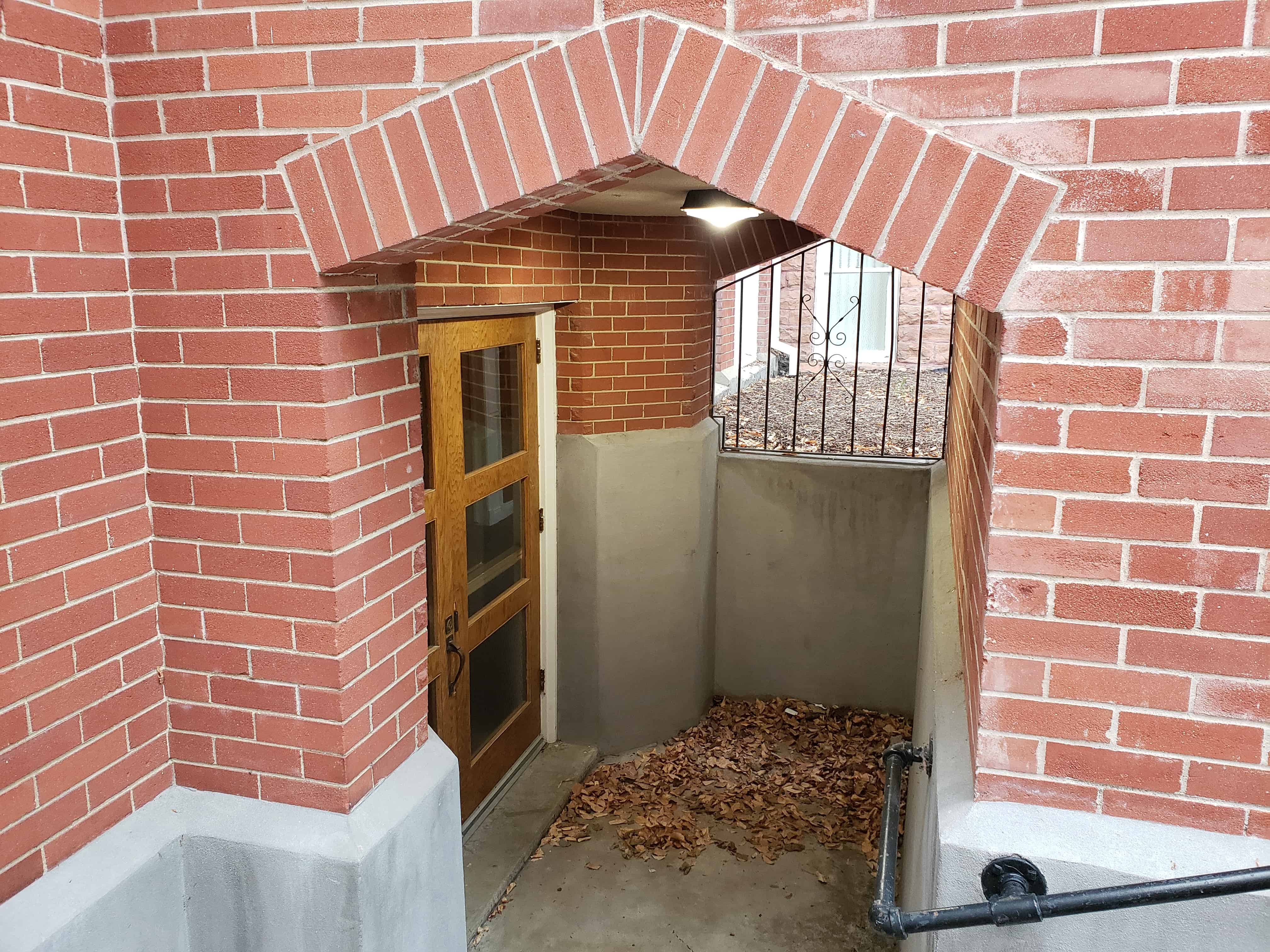
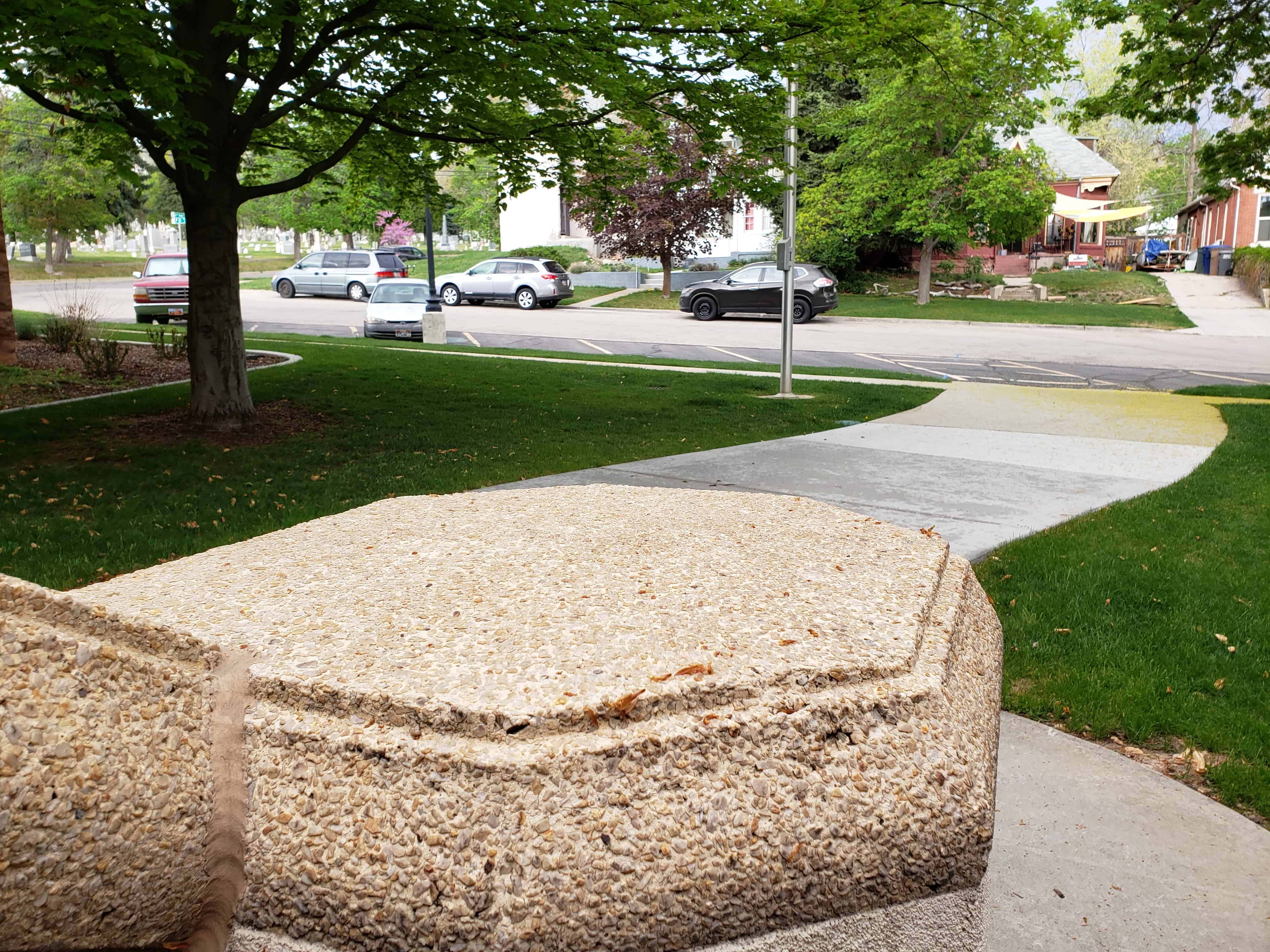
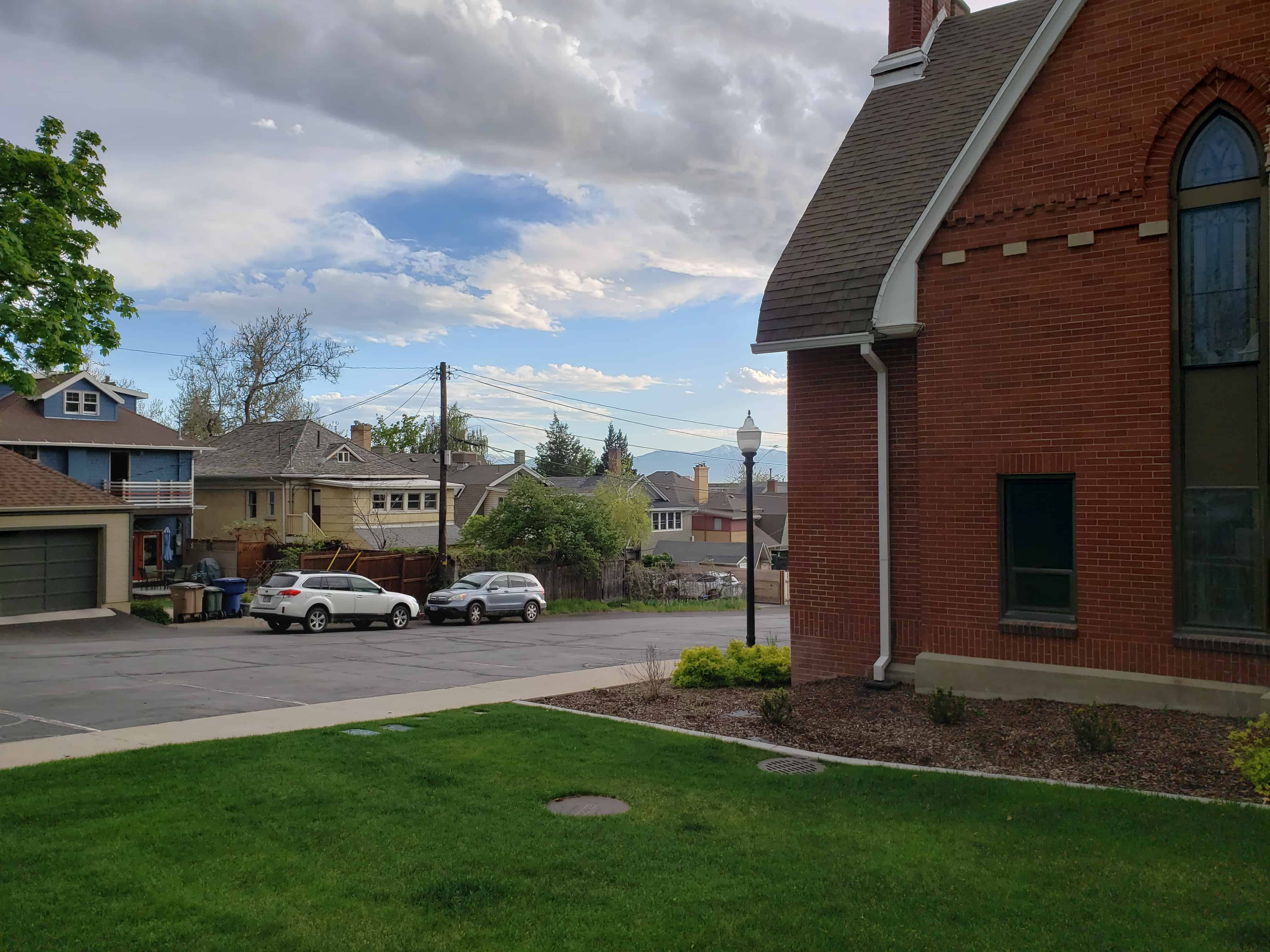
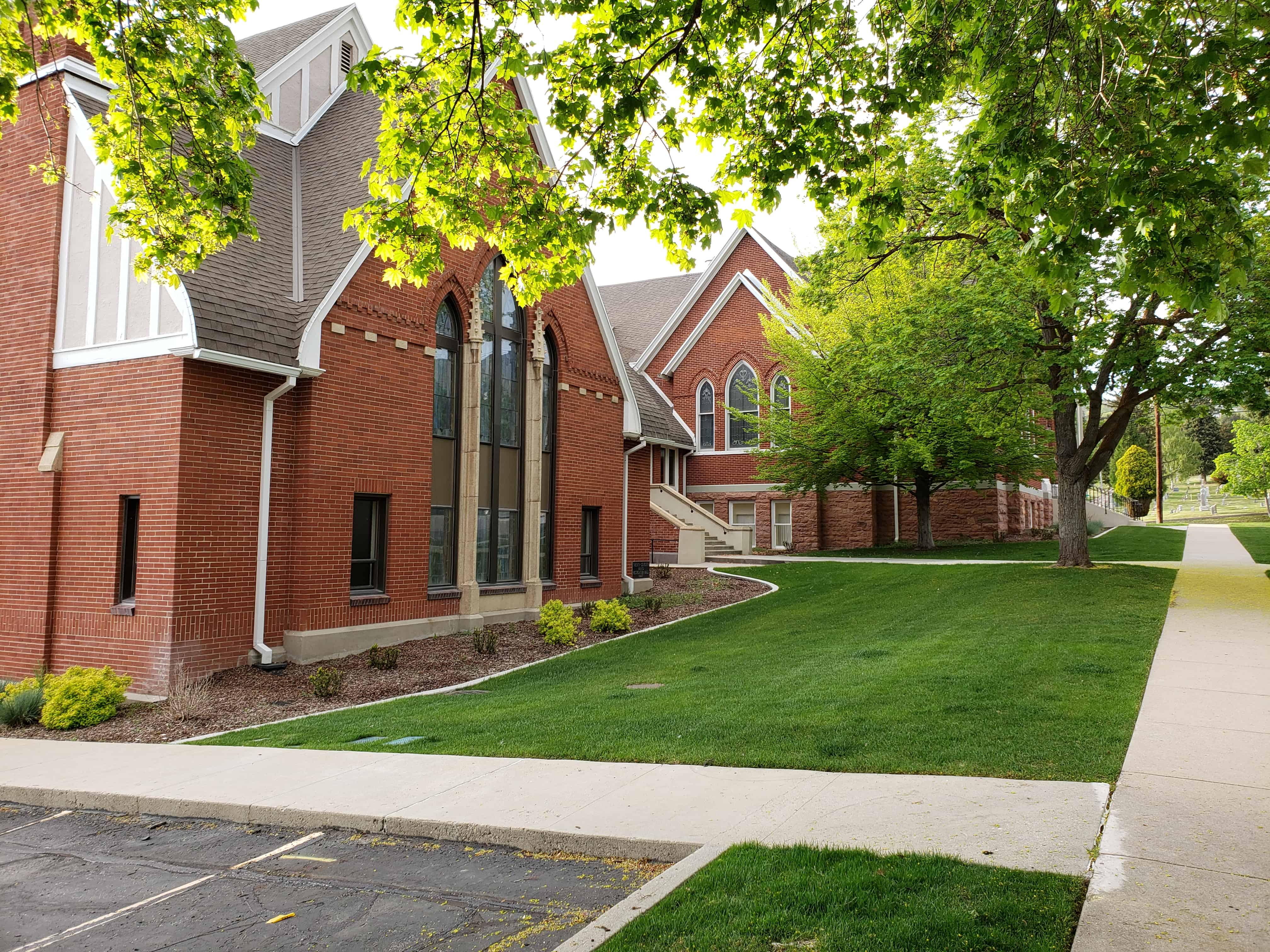
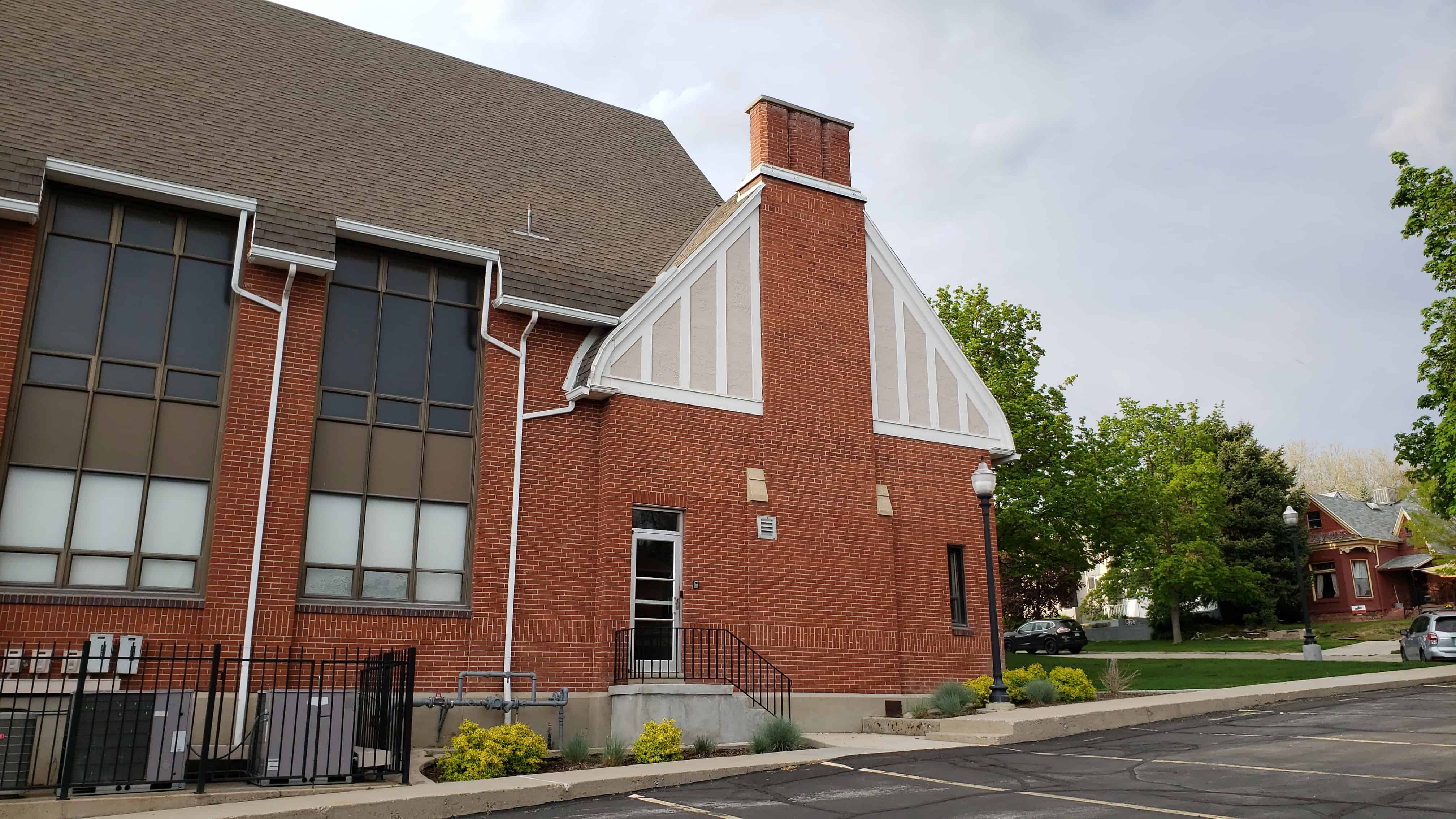
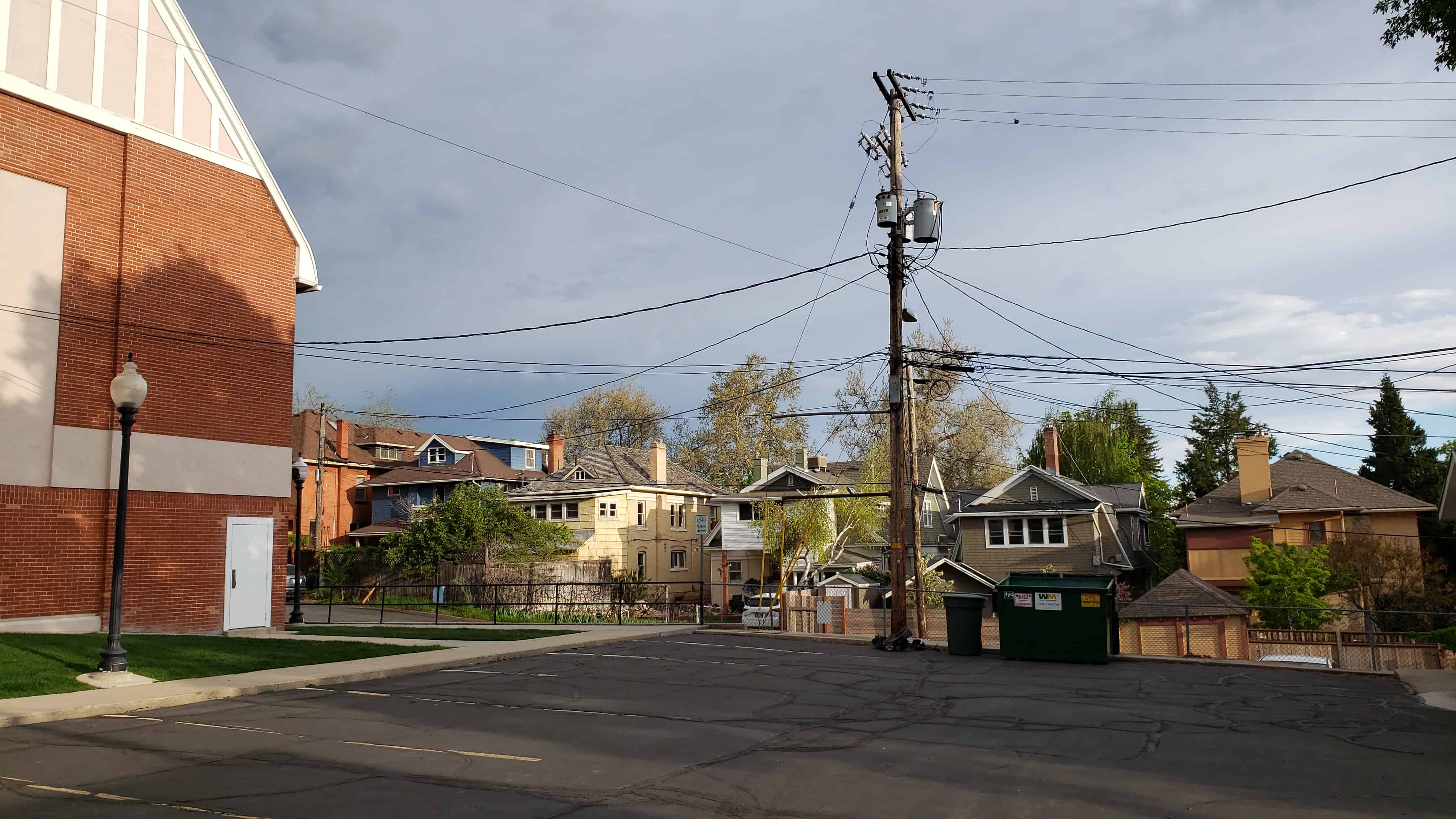
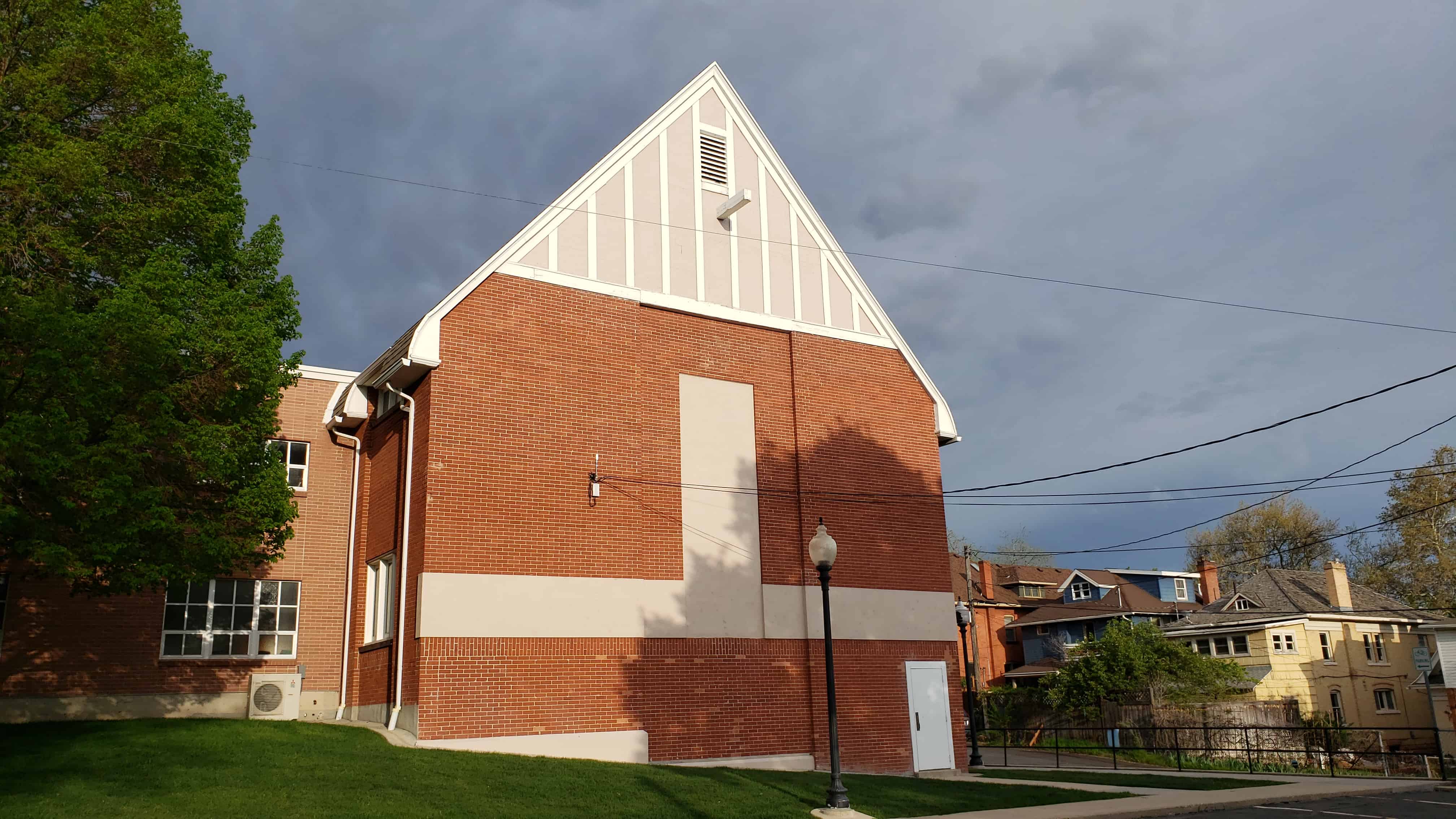
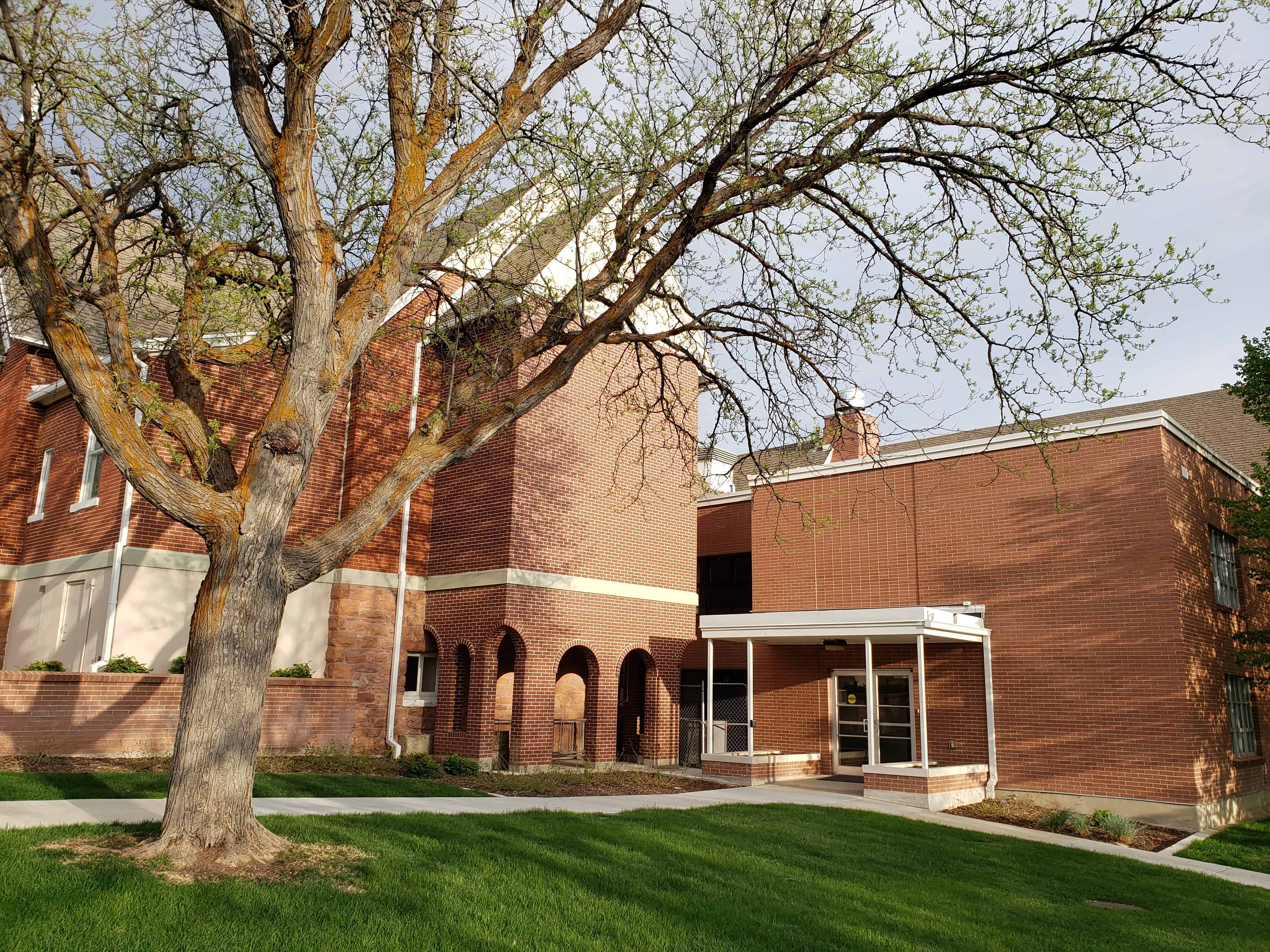
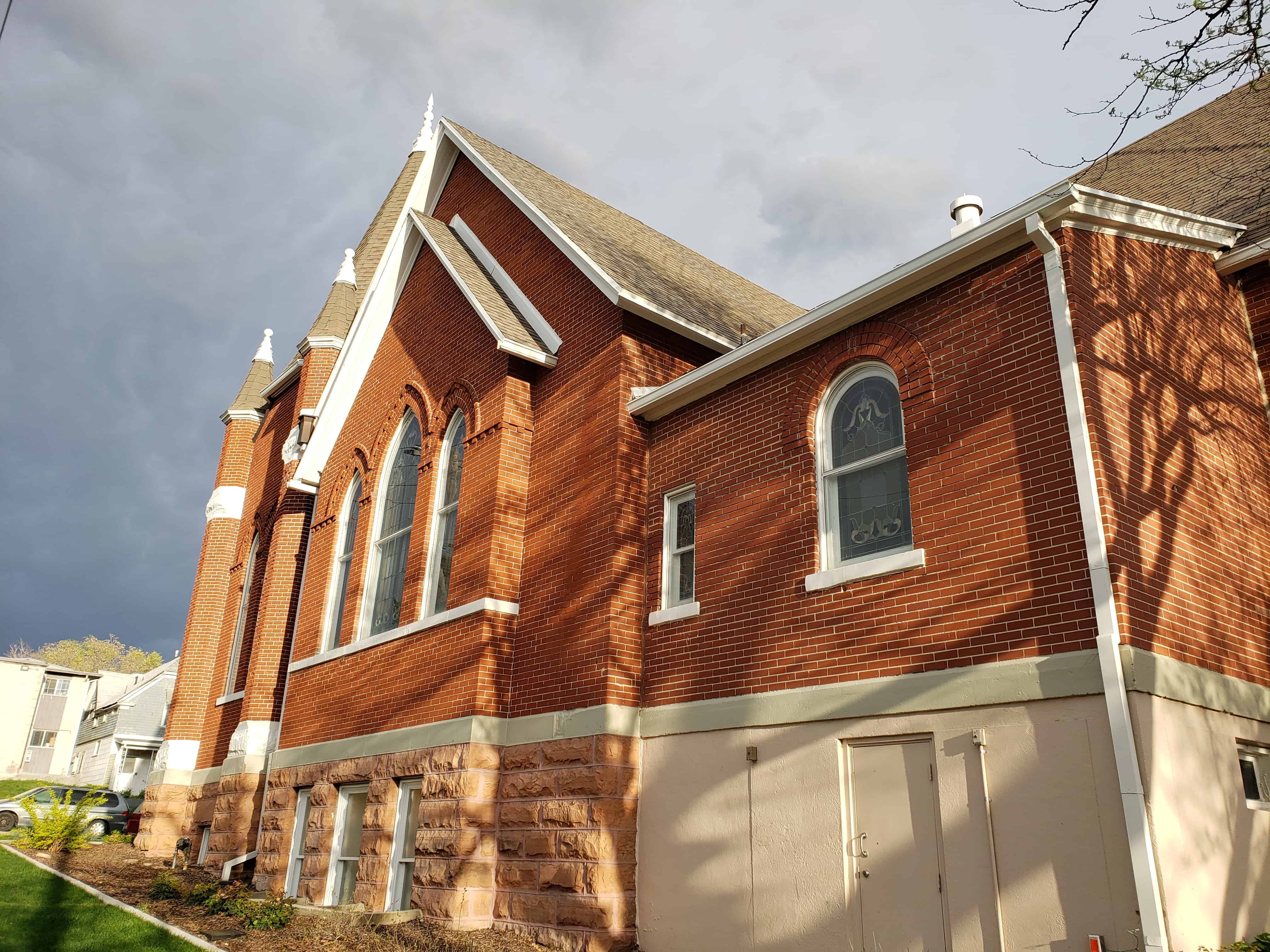
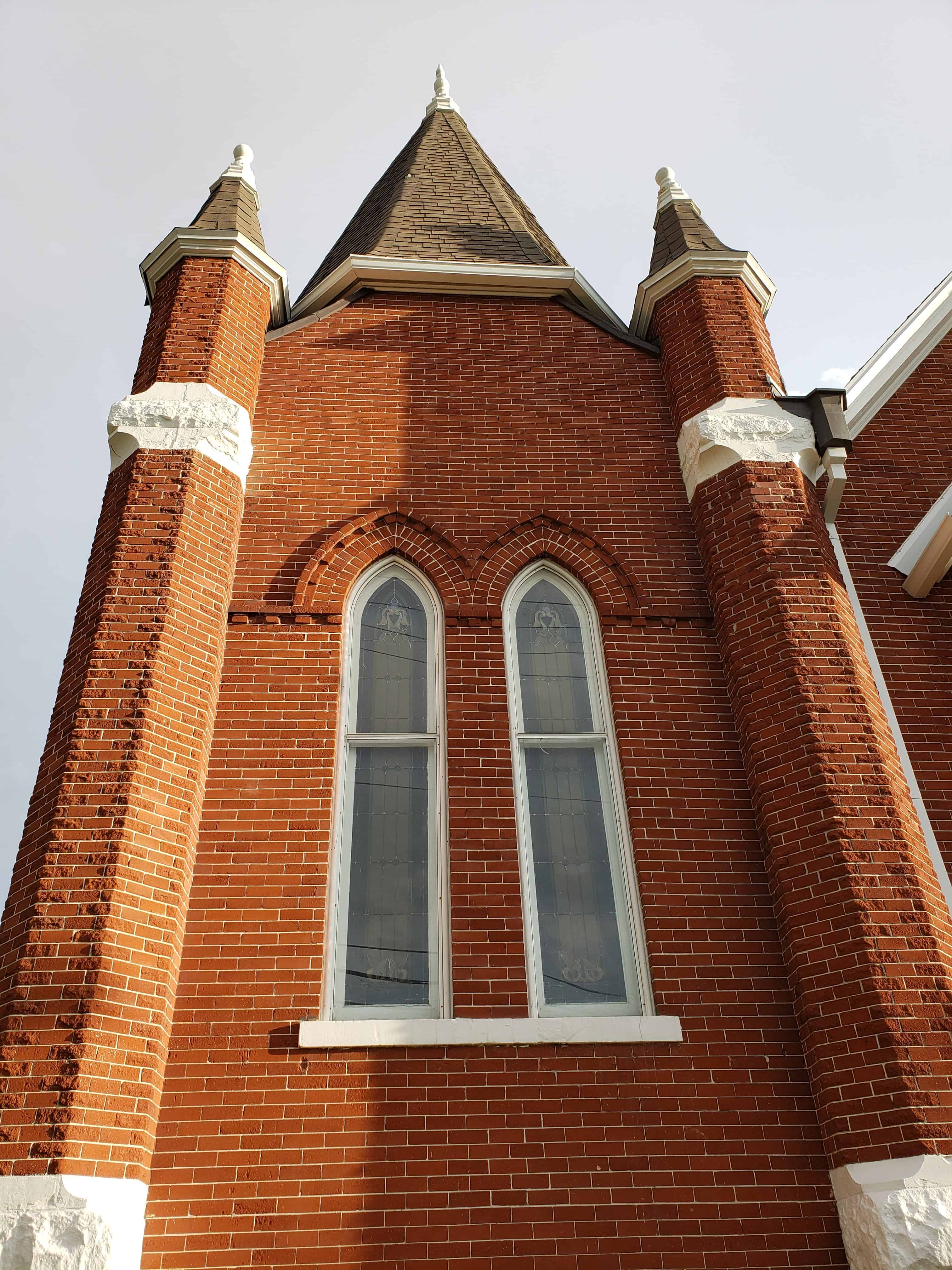
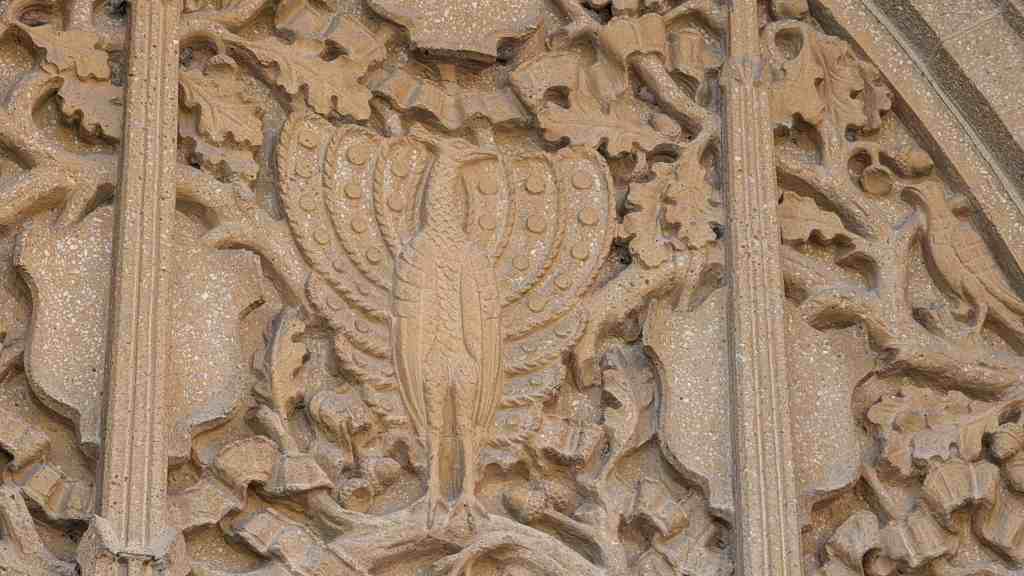
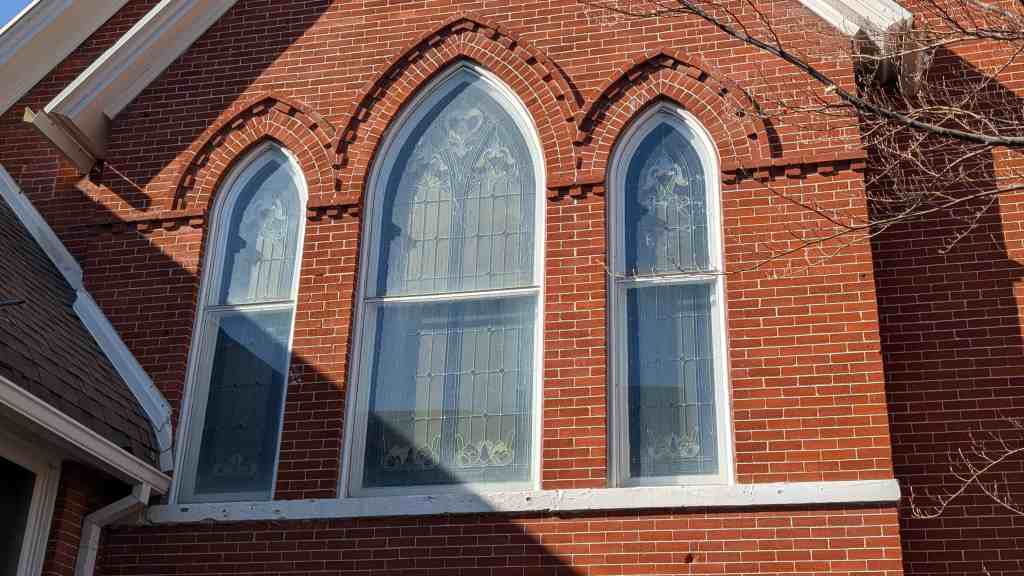
Built in 1902, this is the Chapel for the Salt Lake 27th Ward.
Related Posts:
185 North P Street in The Avenues in Salt Lake City, Utah





17 Friday Jul 2020
Posted in Uncategorized

The Villa Theatre on Highland Drive in Salt Lake is a really cool looking building was an awesome vintage neon sign, it was a theater from 1949 to 2003 and is now a rug store.
Related Posts:
3092 S Highland in Salt Lake.


17 Friday Jul 2020
Posted in Uncategorized

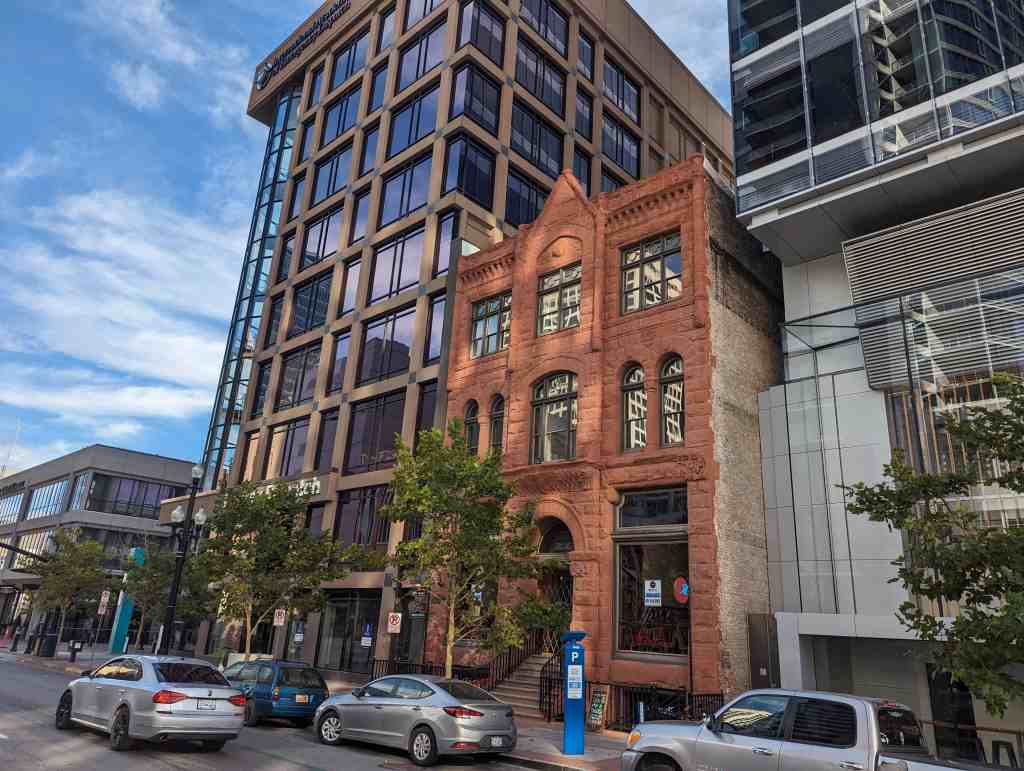
Utah Commercial and Savings Bank Building
The importance of the Utah Commercial and Savings Bank building is related to both the architect, Richard K. A. Kletting. and the founder of the bank, Francis Armstrong, as well as to the architecture.
Born in Wurttensberg, Germany, in 1858, Richard K. A. Kletting became a dominant figure in Utah architecture after his arrival in the State in 1883. His important design commissions include the Utah State Capitol building, original Saltair Pavilion, Utah State Hospital at Provo, McIntyre Building, Felt Building, old University of Utah (now West High School), Deseret News Building, Bell Telephone Building, Jefferson and Wittier schools, old Salt Palace, Enos Wall mansion and several other commercial and residential buildings.
He was considered by his peers and the critics who followed an architect of unusual ability. This opinion is attested to by the fact that most of his projects are still in existence.
Francis Armstrong was an energetic entrepreneur who was born in England in 1839, came to the U.S. in 1858 and settled in Utah in 1861. After working for a short time in a flour mill, he formed a lumber and general contracting business known as Taylor, Bomney and Armstrong Co. Armstrong served in county government from 1881 until 1886 when he was elected Mayor of Salt Lake City.
As one of the originators and president of the Utah Power Co., Armstrong purchased a street railway system from the L.D.S. Church and had it converted to electrical power. Thus Salt Lake City became the first city west of Chicago to have electrically operated street cars.
Francis Armstrong was one of the organizers and the first president of the Utah Commercial and Savings Bank. He was responsible for commissioning Richard K. A. Kletting to design the bank building constructed between 1888 and 1890.
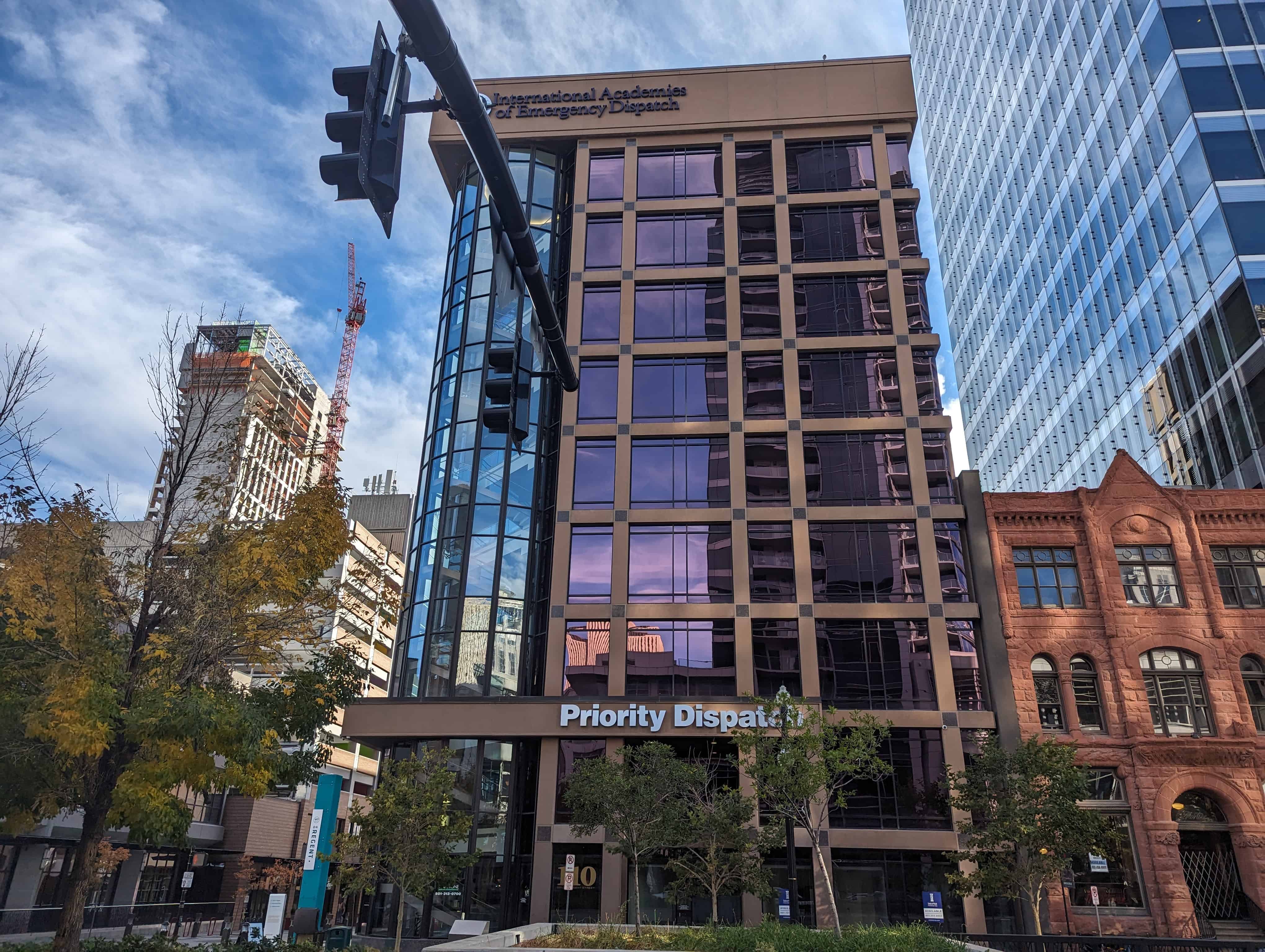
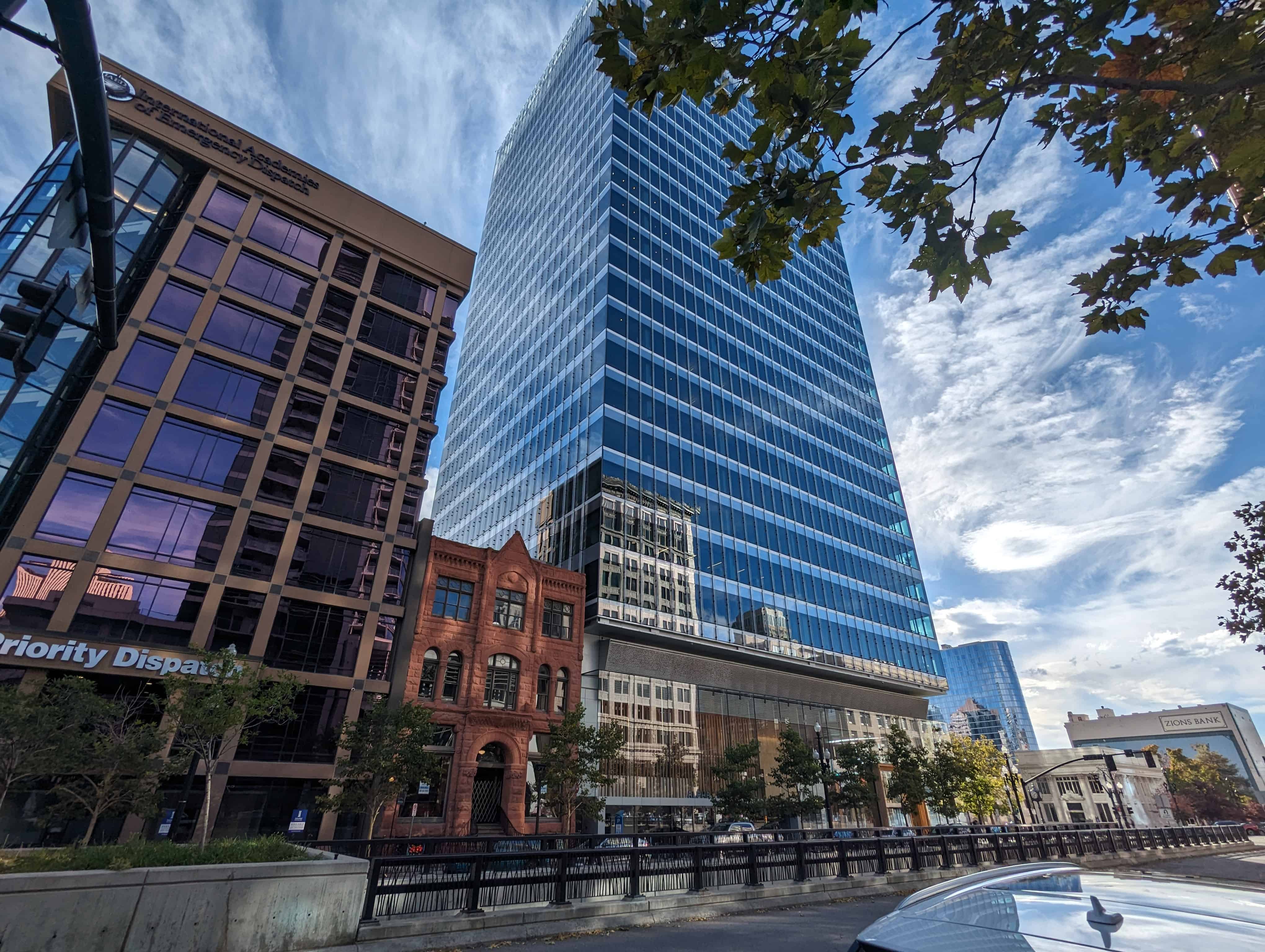
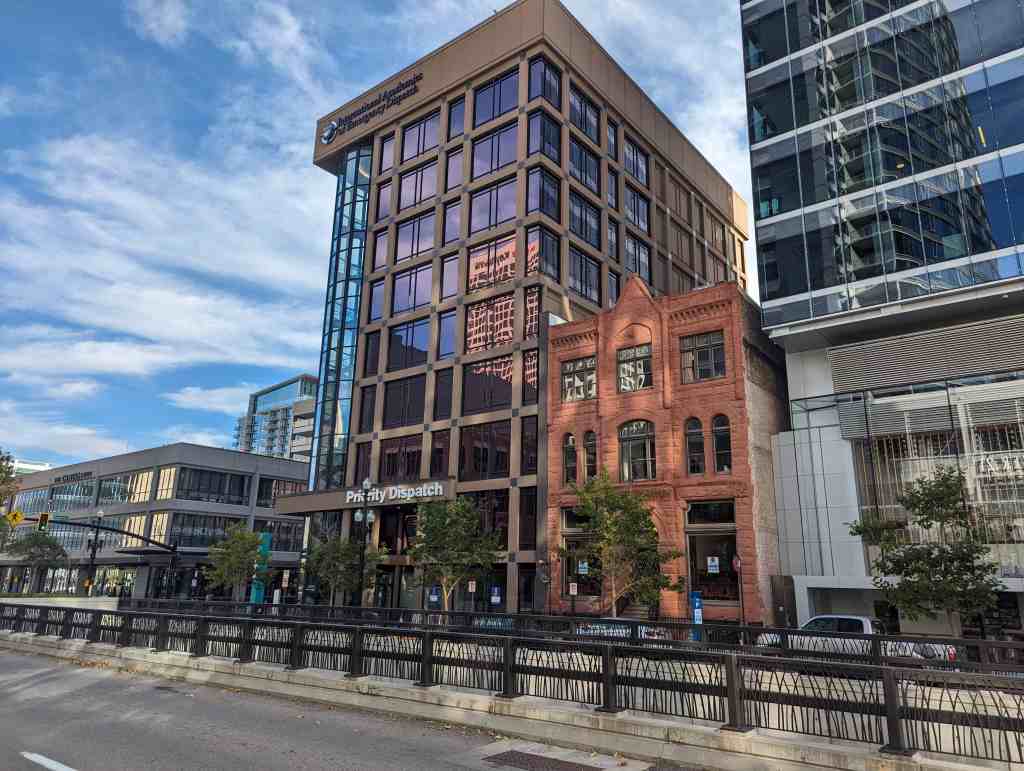
Located at 22 East 100 South in Salt Lake City, this building was added to the National Historic Register (#75001819) on June 18, 1975.
Style and significance:
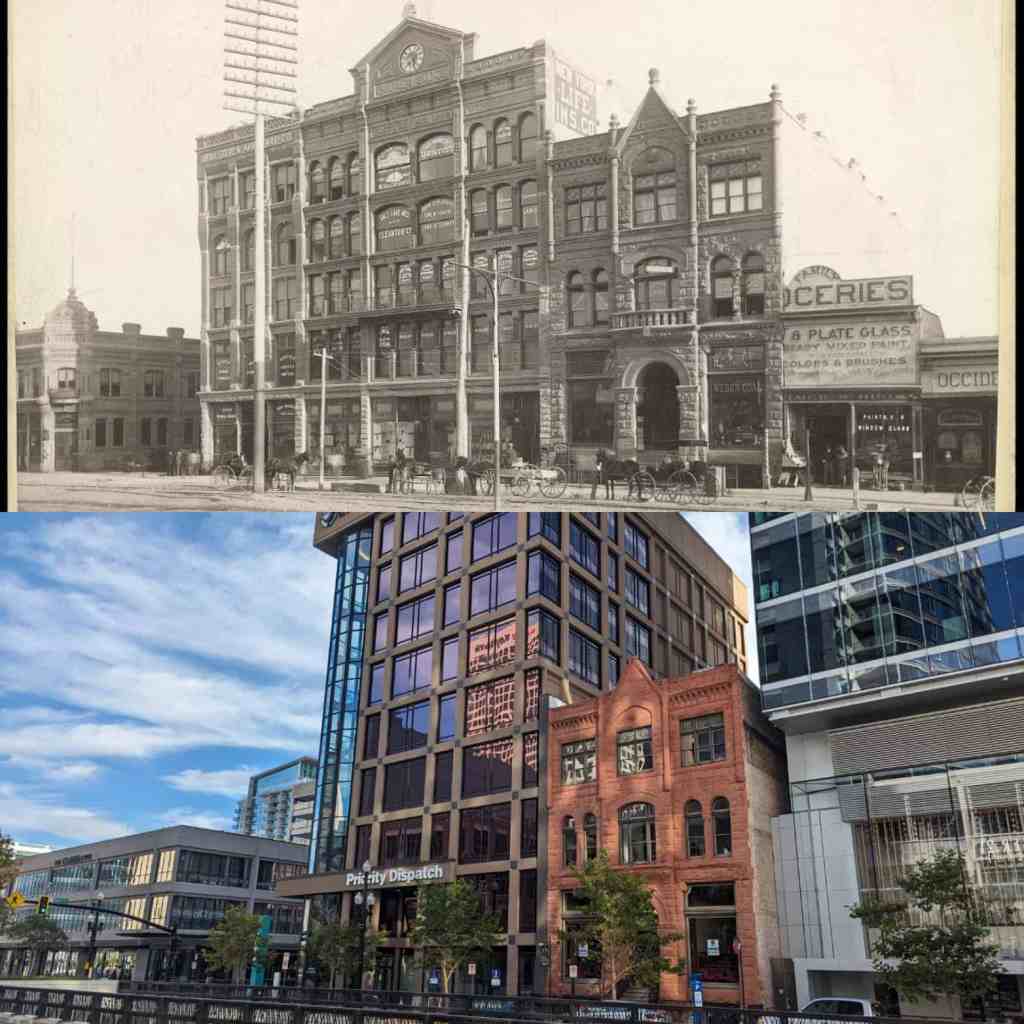
A journalist of 1889 predicted “The Utah Commercial and Saving Bank building will have the finest front of any building in Utah: Of all the business facades of downtown Salt Lake, this one has survived with the least change. The Utah Commercial and Savings Bank is one of the best and of the few remaining examples of Richardsonian Romanesque architecture as applied to the commercial Brownstone architectural style. Constructed in 1890, the building is one of the earliest banking buildings preserved in the State. In addition, it represents a successful design accomplishment and shrewd economy in putting three levels of business frontage on a site less than 33 feet wide.

Condition:
Exterior description:
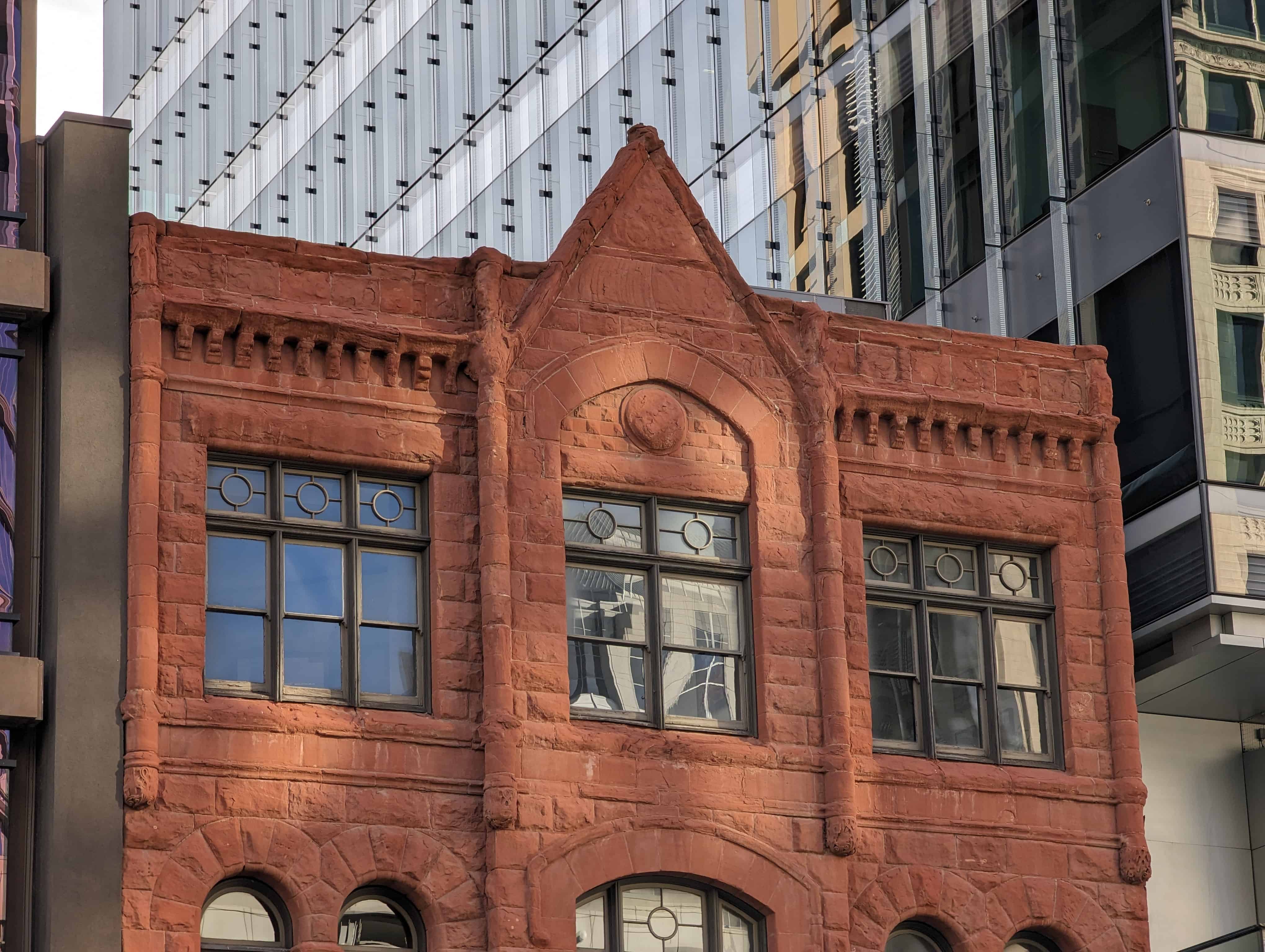
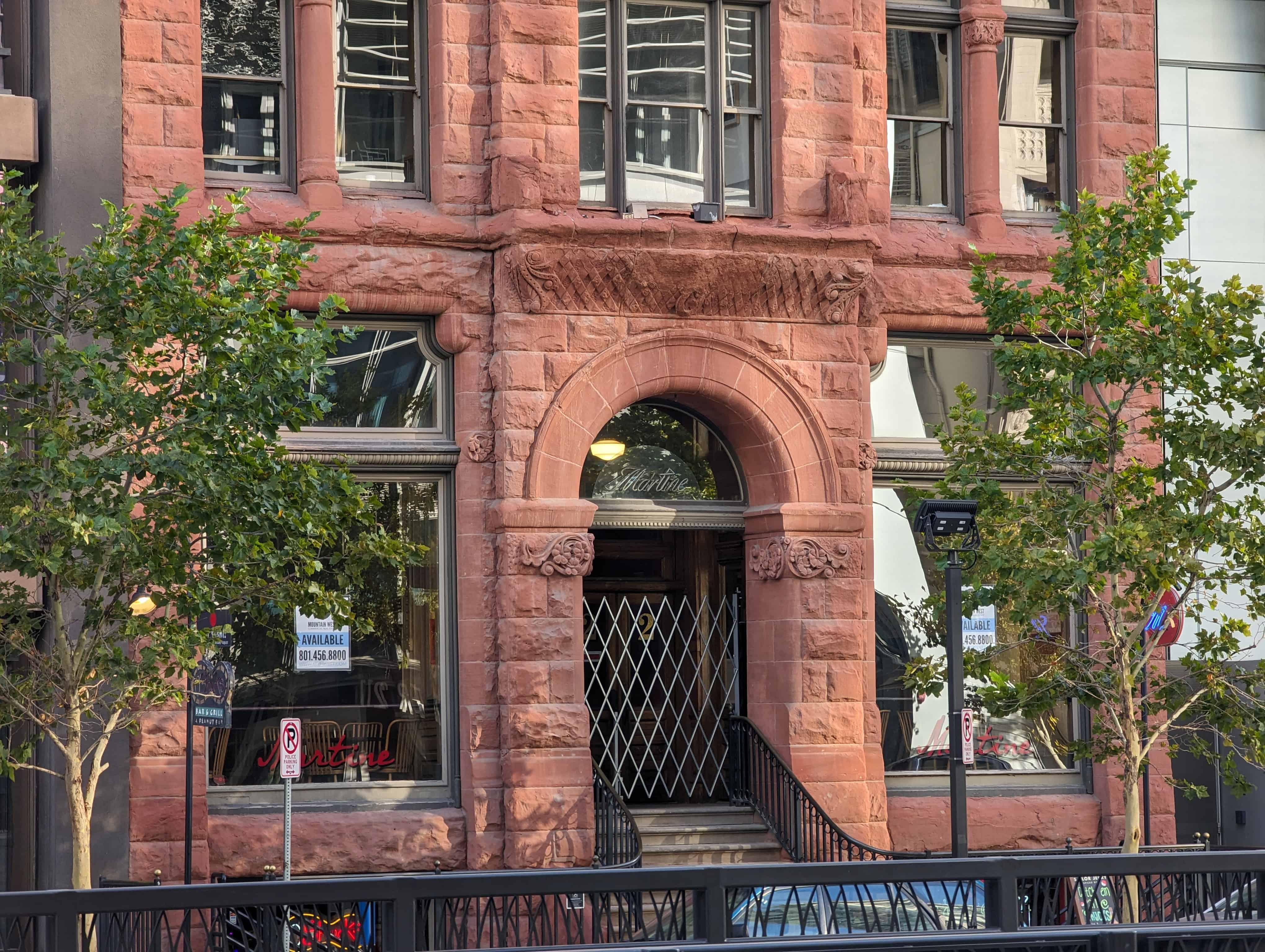
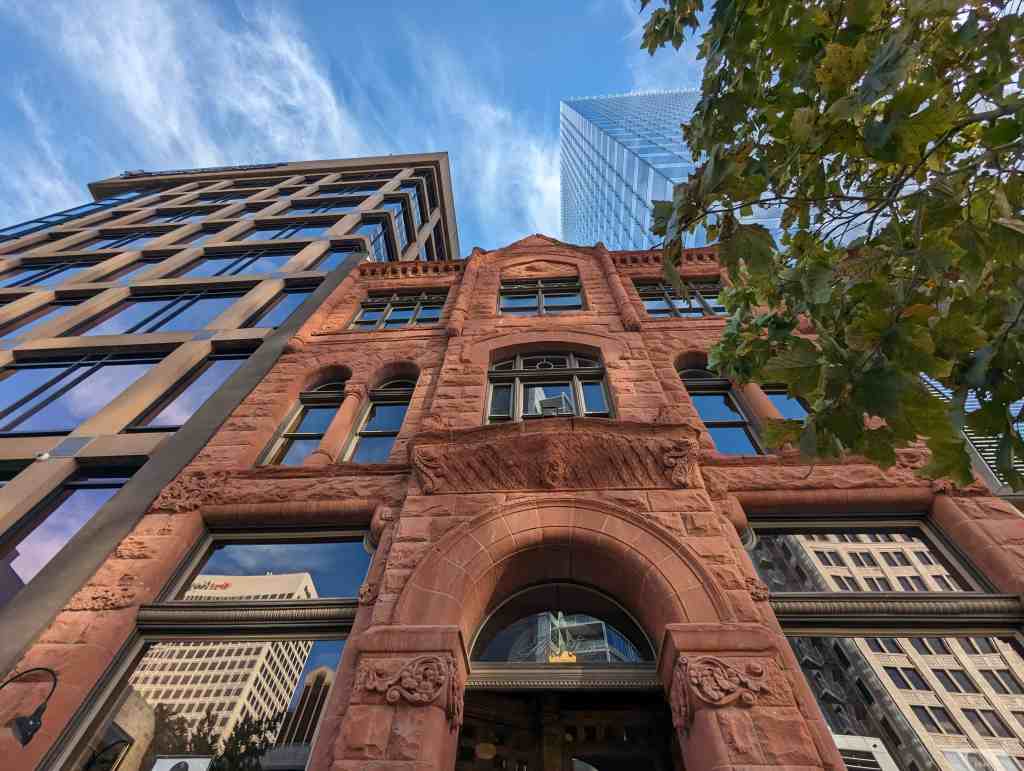
Walls: The front wall and foundation are built of red sandstone. The stone has been dressed in a varied of ways for contrast. The dominant rusticated stone is complimented by smooth, scored and carved stone.
Window bays: The front elevation is symmetrical and the window types differ with each floor level:
Form and appearance:
Both the plan .and the shape of the front elevation are rectangular. A flight of nine risers bridges an areaway and goes up to the front entranceway. The entry doors are deeply recessed within an open vestibule. Recesses at the basement level shelter the entrances to the shops below. The roof is flat but slopes slightly to the rear of the building.
The center portion of the front wall extends slightly outward from the main face of the structure. This extension together with the recession of windows and cast shadows from the carved dentils and rock-faced masonry provide a sense of texture and weighty massiveness. Accentuating details include the steep triangular center façade, the columned mullions between windows on the second level, the engaged colonnettes which terminate at a horizontal parapet and decorative stone foliated wall scrolls. The overall effect of the design of the building is is one of order and strength.


Related:


16 Thursday Jul 2020
Posted in Uncategorized

One of the Gold Medal Miles is located here in the Gallivan Center in Salt Lake City. For others on the list visit this page.


11 Saturday Jul 2020
Posted in Uncategorized

Lucky 13, located at 135 W 1300 S, Salt Lake City, Utah


11 Saturday Jul 2020
Posted in Uncategorized

Meadowlark Elementary
497 Morton Dr, Salt Lake City, Utah

10 Friday Jul 2020
Posted in Uncategorized
Tags


