• About JacobBarlow.com
  • Cemeteries in Utah
  • D.U.P. Markers
  • Doors
  • Exploring Utah Email List
  • Geocaching
  • Historic Marker Map
  • Links
  • Movie/TV Show Filming Locations
  • Oldest in Utah
  • Other Travels
  • Photos Then and Now
  • S.U.P. Markers
  • U.P.T.L.A. Markers
  • Utah Cities and Places.
  • Utah Homes for Sale
  • Utah Treasure Hunt

JacobBarlow.com

~ Exploring with Jacob Barlow

JacobBarlow.com

Tag Archives: utah

Parowan Dodge Building

21 Sunday Dec 2025

Posted by Jacob Barlow in Uncategorized

≈ Leave a comment

Tags

Iron County, Parowan, utah

(from preservationutah)
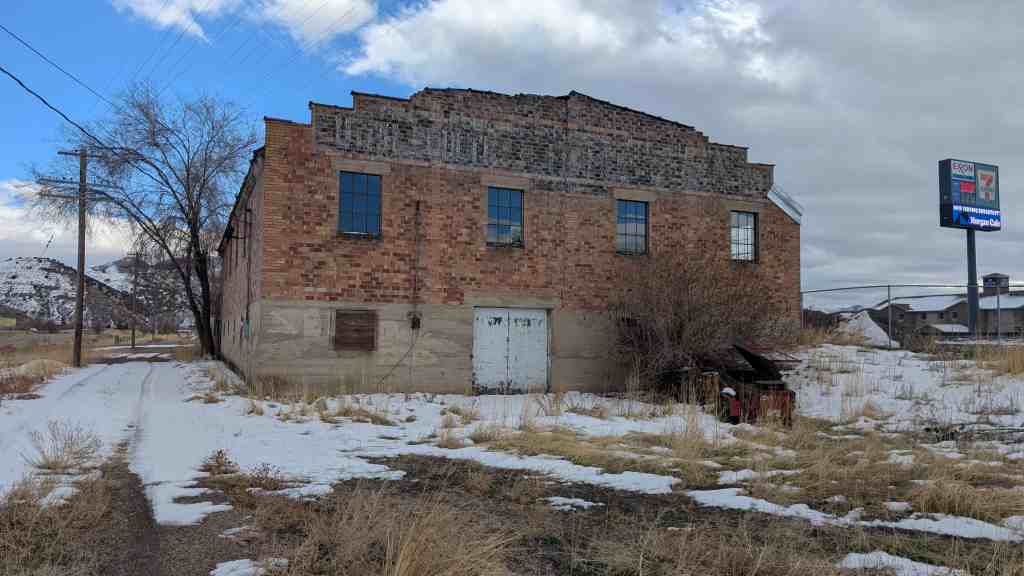
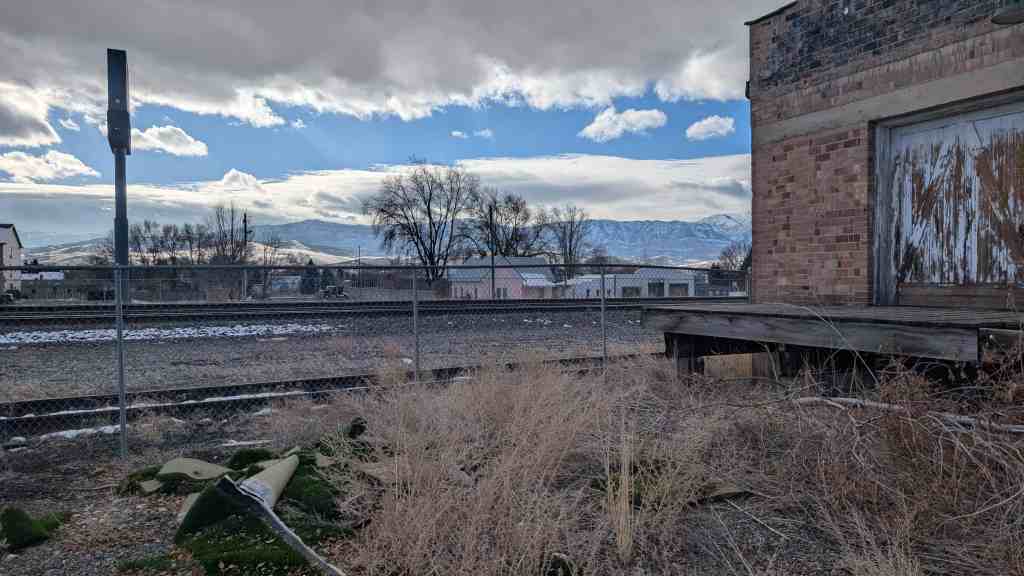
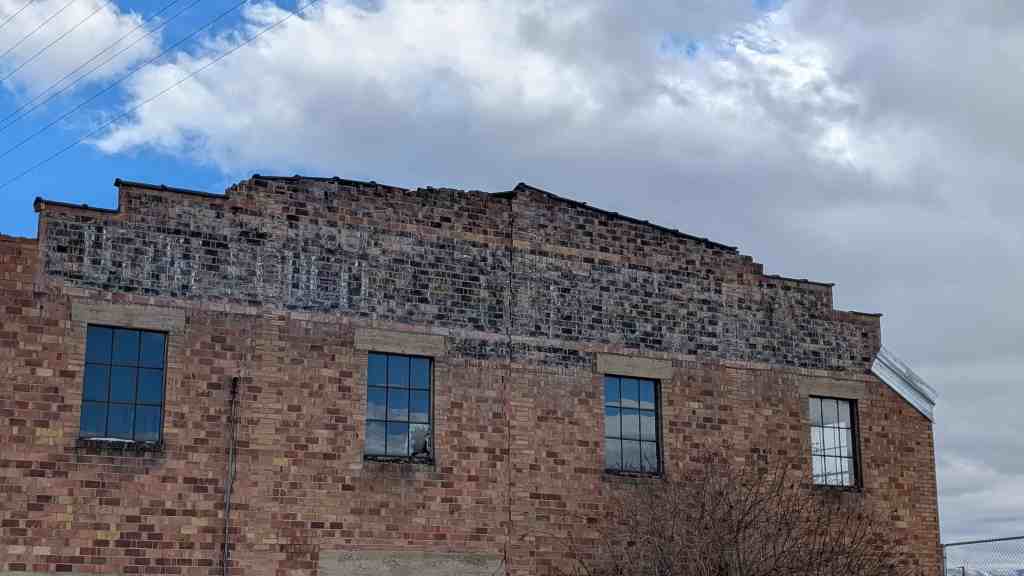
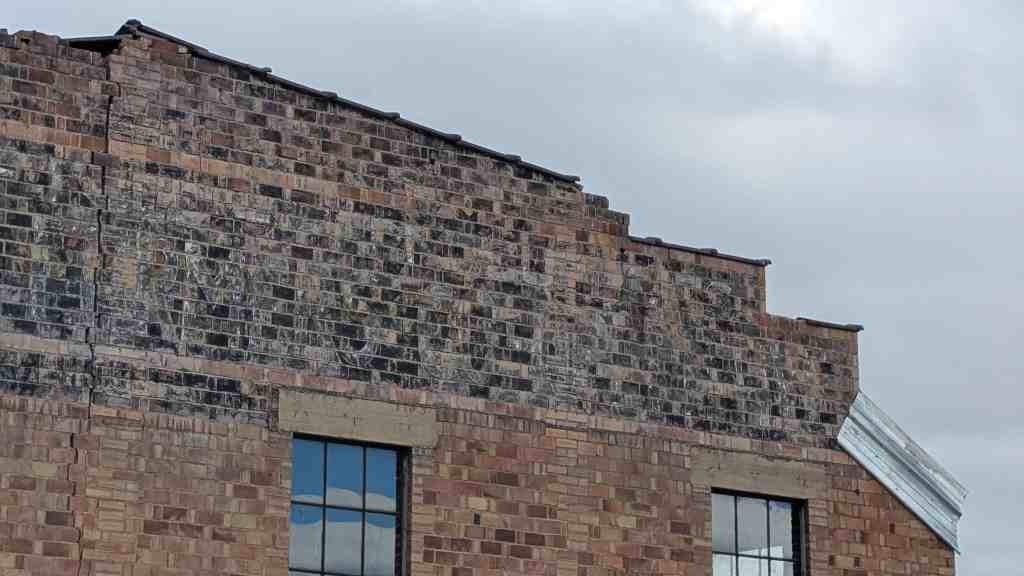
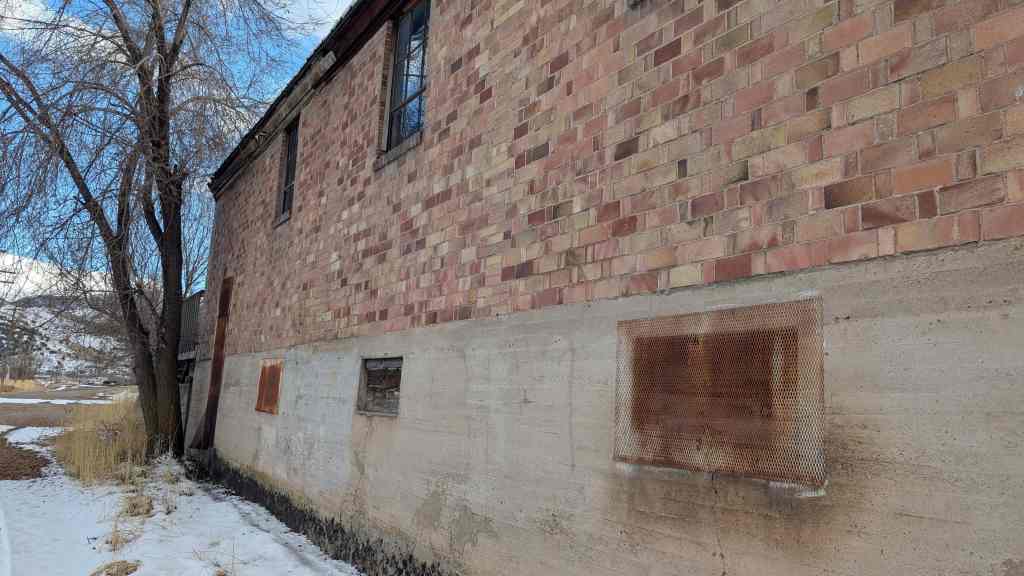
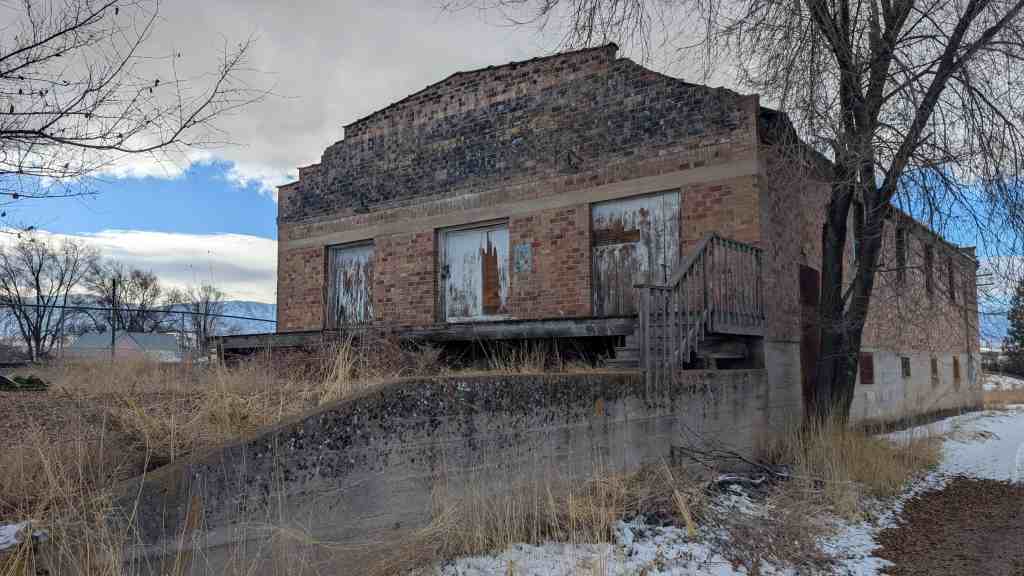
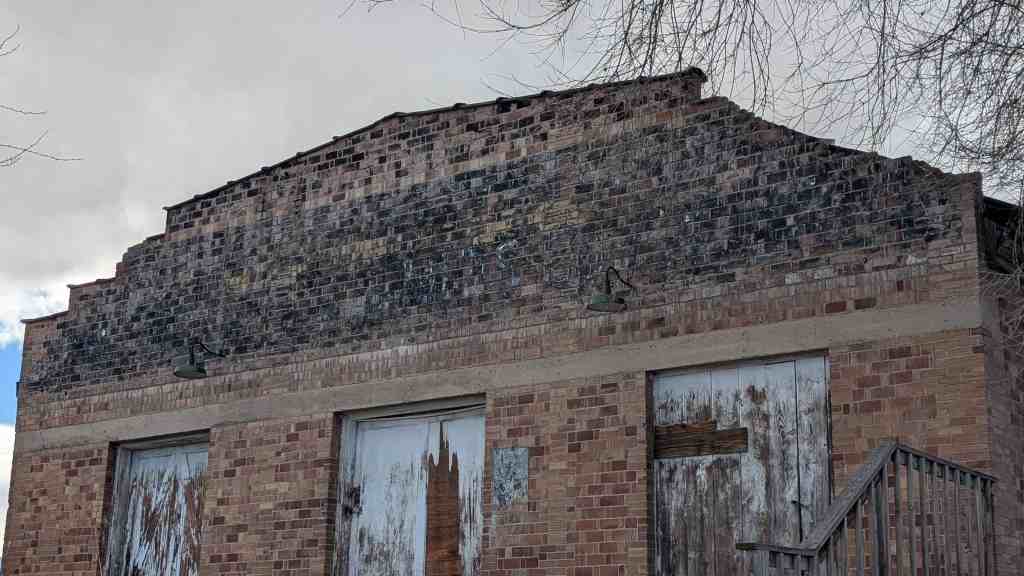
This 1915 commercial block located on Parowan’s Main Street originally housed the first Dodge dealership in southern Utah. The building also housed a telephone company and the printing rooms of the “Parowan Times” newspaper. The property later served as Parowan’s visitor’s center and a city workshop. When Parowan’s mayor, Mollie Halterman, purchased the property in 2020, however, this former Dodge dealership fell into extreme disrepair and became a dead spot in Parowan’s revitalizing downtown. Ms. Halterman’s efforts to remodel the Parowan Dodge building addressed not only the building’s aesthetic but also its structural deficiencies. The building received needed bracing, which allows all of its floors to provide badly needed commercial and residential space. The building’s ground-level storefront houses a high-end, locally-grown meat/butcher shop. A second dwelling upstairs provides a quant apartment that can accommodate a family of four. The entire building is multi-purpose and multi-functional and offers walkable access to schools, gyms, the city post office, drug and grocery stores, and other of Parowan’s amenities. Once a diamond in the rough, this building is now a polished gem that greatly contributes to Parowan’s placemaking while offering affordable commercial and residential space.

73 North Main Street in Parowan, Utah

Lefler-Woodman Building

21 Sunday Dec 2025

Posted by Jacob Barlow in Uncategorized

≈ Leave a comment

Tags

NRHP, Salt Lake City, Salt Lake County, utah

Lefler-Woodman Building

The Woodman Building is architecturally significant as a well-preserved example of moderate-sized, late-Victorian commercial architecture as employed in stores built throughout Salt Lake City before the age of large shopping facilities. This building type was rarely built outside of the urban center and represents early efforts to develop outlying commercial nodes as the city’s residential areas expanded after the turn of the center. The c. 1878 Lefler Mill, although altered, is a rare surviving example of mid-to-late-19th century mills and industrial architecture in the Salt Lake Valley — only a very few mills exist from this period in the city. Although added to in 1911 and converted to adaptive uses thereafter, the basic form and interior spaces of this vernacular structure remain apparent. The mill was the first of several small structures which eventually composed an early 20th century commercial node at the intersection of 900 South and 900 East. The scale and commercial activity of the early suburban corner continue to the present, with little modification having occurred after 1920. Of the dozen buildings erected along this intersection, the Lefler Mill is the oldest and the Woodman Building is the best preserved and most architecturally significant. Together, they present a structure of both historic and architectural significance.

Located at 859 East 900 South in the 9th and 9th neighborhood of Salt Lake City, Utah and added to the National Register of Historic Places (#92001687)

The Lefler-Woodman Building consists of two joined buildings: the c. 1878 Lefler Flour Mill and the 1911 Woodman Building, which was built on the front of the mill. The mill is an example of vernacular industrial architecture in late-19th century Utah, while the Woodman Building is representative of medium-sized, late Victorian commercial architecture built during the early 20th century.

The Lefler Mill is two stories tall and may have had a partial basement, plus the present open attic, when in operation as a flour mill. Each full story is twelve feet high. In section or profile, the building is a saltbox with the taller, gabled section in the front and the long shed-roofed section to the rear. The exterior walls are made of brick which has been stuccoed. Stucco also covers the original sandstone foundation. The stuccoing was done due to the deterioration and cracking of the foundation and walls. The mill has two windows on its west side and three windows and a door on its east side. Some window openings were covered when the stucco was installed. The tall, flat-arched openings, historically with three-over-one double hung windows, retain wood lintels and sills.

The mill has been converted to a retail store on its second floor and a single office on the first floor. Alterations include removal of the milling equipment, plastering of the walls and ceilings, adding a new stairway from the second floor store to the attic loft, new doors and repaired or modified windows. The original full-width front (south) porch was replaced c. 1898 by a large warehouse and loading dock. This addition was removed in about 1911 when the Woodman Building was built along the front masonry wall of the mill.

The Woodman Building is a two-part block with a rectangular floor plan. Its exterior walls are exposed red and tan brick and the roof is flat with brick parapets. The front facade faces south and features two bay windows with slanted sides and a stamped metal cornice in the upper level. Main level features include a central, recessed entry, large storefront windows, bulwark panels above the sidewalk and a transom window band below a projecting balcony located where a first story cornice might normally appear. The balcony has the appearance of being supported by large, ornamental brackets. The original balcony railing has metal newel posts and curved metal balusters. The main level façade has been restored to remove previously intrusive alterations, with the intent of returning this part of the façade to its original appearance. The upper part of the facades has never been altered. In the center of the front brick parapet is an inscription panel with the words “WOODMAN BLDG.” To remove white paint, the lower level brick piers have been lightly sandblasted, although the remainder of the masonry has been left unpainted and is in very good condition.

The interior of the Woodman Building has been slightly altered to accommodate new commercial uses. The main first story space, now occupied by a restaurant, remains tall and open with its wood floors, a walk-in cooler, and stairways to the upper floor and basement probably remaining as original features. The second story interior, originally built as a residence, retains its basic spatial layout. Original rooms, hallway, doors and trim are still mostly intact, though the spaces now house offices. The second floor hallway has been extended to the rear of the building to connect with a new stairway in the mill building. Overall, the three visible sides of the Woodman Building, including the front façade, are architecturally intact, as is much of the interior.

The beginning of the development of the “9th and 9th” intersection as a suburban commercial node began when John Marshall Lefler (also spelled Leffler) built his flour mill there in 1878 or 1879. Lefler (1837-1915) had come to Salt Lake City from his birthplace in western Canada in 1872. He was an experienced miller, having worked in a sawmill in Mill Creek Canyon, the Gordon Mill on State Street, the Crisman (later Husler’s) Mill, and the Pyper Mill in Sugar House. He was the last miller to operate the Chase Mill (listed in the National Register) located a few blocks to the west in what is now Liberty Park. Following the closing of that mill in c.1878-79, Lefler built this mill. Lefler was known as an efficient miller and his flour was popular with local bakery and restaurant owners.

Like most mills of the time, Lefler’s new mill was located away from the population and business centers of the valley. Unlike other mills which mostly relied on water power, Lefler’s mill was apparently powered only by a steam engine. The Chase Mill had been closed due to lack of water and Lefler knew that he could not rely on water in his new location only a few blocks from the abandoned mill. The new mill likely employed the older method of using burr grind stones, perhaps salvaged from the Chase Mill, until about 1888 when the mill was enlarged and a newer roller system was installed. For a year or two after that, it was known as the Liberty Park Roller Mills.

Among the few remaining mills in the Salt Lake Valley, the Lefler Mill clearly represents the development of industry on the then-current edge of more developed Salt Lake City. (Immediately south across 9th South was outside of the original plat, and was known as the “Big Field.”) Another example of an early flour mill is the Gardner Mill, built by Archibald Gardner in 1877 in West Jordan, about thirteen miles south and west of the Lefler Mill. The Gardner Mill (listed on the National Register) was a water-powered flour and grist mill which served the then-remote settlements in the south end of the Salt Lake Valley.

The location of the Lefler Mill proved to be well suited because in 1888, the Salt Lake and Fort Douglas Railroad, a small local railway, completed its line which passed in front of the mill with a spur branching off to the mill itself. In 1890, the first major, north/south streetcar line in the area was installed on 9th East, further encouraging the developing neighborhood commercial activity at the 9th South intersection. Additional commercial neighborhood nodes were developing during this broad period of growth and expansion in Salt Lake City near the turn of the century. Among these are the 13th East/2nd South area near the University of Utah, several nodes along South State Street, the smaller node at 9th East and 13th South, the later small commercial area at 15th East and 15th South, and the major commercial area in Sugarhouse (21st South and 11th East). Of these, the “9th and 9th” area best represents the commercial neighborhood nodes that developed to support new or expanding neighborhoods further from the city center.

In 1888, Lefler sold the mill to Creighton and Riega Haawkins, but stayed on as miller. Lefler and his family lived near the mill at 873 (and later 839) East 900 South from about 1878 to 1909. His son, William, helped operate the mill during most of that time. In 1893, when the mill was sold to Sylvester Vowles, the mill’s name was changed once again to the Utah Milling Company or Utah Roller Mills, which it remained until it closed down in about 1904.

In 1904, Alma F. Thornberg bought the building to house his business, the Thornberg Steam Carpet Cleaning Works, which operated there until 1923. However, in 1911 he sold the building to John A. and Frank H. Woodman, both miners and nephews of his wife, Lettie Higginbotham. In the same year, the Woodmans had the commercial building which bears their name constructed across the front of the old mill, removing the dock and warehouse addition to the mill in the process.

George S. Walker, a relatively unknown architect who practiced in the city only between 1911 and 1912, designed the building. Walker, who had come to Salt Lake City in 1902, had previously worked as a stone cutter at Walker Bros. Stone Company (his family’s business) and as a draftsman for the Oregon Short Line Railroad. He apparently left the area for California in about 1913. The building contractor was E. (Enoch?) Smith.

At the time the Woodman Building was constructed the residential neighborhoods of Salt Lake City had expanded outward in every direction from the early city plats. The area around 900 East and 900 South began to fill in, first with late Victorian houses and later with bungalows and period revival residences. As the neighborhood matured, the corner filled in with commercial buildings, a gas station, and a theater, most of which were constructed before 1920. These buildings remain, but only one of twelve of these per-1920 buildings is still architecturally intact.

Alma Thornberg continued as a tenant of the building after it was sold to the Woodmans. In addition to his carpet cleaning business in the mill, Thornberg used part of the Woodman Building for a new grocery store, the Sand Crest Meat and Grocery. Thornberg used the second floor as a residence for a few years before moving to 661 East 2100 South. Clarence E. Herrick took over operation of the grocery store in about 1915 and also lived in the second story apartment. In 1927, Herrick purchased the building and continued his grocery business there until 1938. This arrangement of the proprietor’s residence over the commercial area was relatively uncommon and further differentiates the Lefler-Woodman Building from both downtown commercial structures and the small scale, “mom and pop” commercial establishments that were occasionally built adjacent, or attached, to single family residences.

From 1938 to 1958, United Bakery occupied the building, but the Herrick family maintained ownership until 1979. Other occupants of the building around this time were Dunford Bakers (1959-71) and Stone Age Crafts (1975-82). The second floor of the Woodman Building was apparently rented out as apartments after the Herricks moved out in the 1930s. In 1980, Ardath M. Schwab, the current owner, purchased and renovated the building for restaurant, retail, and offices use.

111 E 200 N

20 Saturday Dec 2025

Posted by Jacob Barlow in Uncategorized

≈ Leave a comment

Tags

B.P.O.E., Cedar City, Elks Lodges, Iron County, utah

111 East 200 North in Cedar City, Utah

William and Ada Hawkes Home

20 Saturday Dec 2025

Posted by Jacob Barlow in Uncategorized

≈ Leave a comment

Tags

East Side Historic District, Hawkes Court, NRHP, Salt Lake City, Salt Lake County, utah

William and Ada Hawkes Home

This Victorian-era cottage is a type known as a central block with projecting bays. Originally constructed in 1901, the house received modifications in the mid-20th century, like many other early houses in the area. The original owners were William and Ada Hawkes. William was a local butcher and real estate developer. As the house was being constructed, Hawkes also developed Hawkes Court. The Hawkes family only occupied the house for a short time, which appears to be the case for most of the property’s owners throughout the 20th century. The history of the house is a combination of either a rental property or owner-occupied rental, with tenants staying only a short time. Perhaps the most noteworthy owner occupants were Gen and Ushino Suzuki, a Japanese-American family who owned a laundry and lived here from 1928-1938. They sold the house to Amasa and Carrie Linford who owned the house until 1973. The Linfords used the property as a boarding house and likely made most of the modifications.

629 East 200 South in Salt Lake City, Utah

Soren Hansen Castle

20 Saturday Dec 2025

Posted by Jacob Barlow in Uncategorized

≈ Leave a comment

Tags

Cache County, Hyrum, NRHP, utah

Soren Hansen Castle

Constructed between 1905 and 1907 for Soren Hansen, this house is an important example of the Queen Ann Architectural Style in Utah. The house is significant for its association with Soren Hansen who was a pioneer in the poultry industry of Utah and one of the largest dealers in poultry eggs in the inter-mountain west.

166 West Main Street in Hyrum, Utah

In pioneer days, eggs were used almost as much as money as a medium of exchange. Profits were good. Soren Hansen built a cold storage plant where as many as 4,000 cases of eggs could be stored. One year he stored several carloads of eggs and within three weeks’ time he had resold them for a profit of about $22,000. One autumn evening in late 1880, Soren told his wife he was going to build her a new home using the profit from his eggs. Their log cabin was replaced by this $30,000 Queen Anne home. In 1907, when this home was built, he told his wife, “This is the house that eggs built.” It was placed on the National Register of Historic Places in 1971. Notice the detailed woodwork and the extensive use of it in this home.

“The House that Eggs built”
written by Soren Hanson Jr.’s son- Russell S. Hanson

Sometime between 1885 and 1890 father started in the egg business. He found it necessary to have some sort of storage facilities to store the eggs until he accumulated a wagon load to haul to Ogden. He built his first storage plant, which was nothing more than a cellar dug about five or six feet in the ground, with walls two to three feet thick filled with sawdust for insulation, and with a dirt roof. The cool air in the cellar permitted keeping the eggs for not more than sixty days. Undoubtedly the quality of the eggs when sold left much to be desired, but they were the best storage eggs available at that time.

The cellar storage was located about one hundred feet from the southwest corner of the large storage plant built some years later.

Despite the crudeness of this cellar storage plant, father continued to make good money selling his various products. In 1895 the egg business had become so good, and father prospered to such an the extent. that he decided too build a new and modern storage plant of a large enough capacity to carry the eggs from April, May, June, and July until the winter months, when the were sold to best advantage.

He took a trip back East and visited several plants. While there, he employed an architect to draw plans for his new building. He returned from the trip eager to start construction. Hyrum Hokenson, who had been buying chickens for father, was also a carpenter, and father put him in charge of construction. The new building was a large two-story structure about fifty feet wide by 120 feet in depth. It contained six rooms on the main floor. The first two rooms were uncooled. It was here that incoming eggs were unpacked and outgoing eggs were crated for shipment. The next two rooms were partially cooled and it was here that the candling of the eggs was done. Candling then was done in much the same manner as it is today except the light for the purpose was then supplied by kerosene lamps, while today and electric light is used. Through the candling process, it is easily determined whether the egg should be discarded because of defect, or held for storing.

The next two rooms were then called storage rooms. As I recall, they had a capacity of 4,000 cases of eggs. In the west end of these rooms were built huge ice tanks, which did the cooling. There were four of these–two in each room. They were five feet in diameter and thirty-two feet high. These tanks were kept filled with ice. If a lower temperature was desired in the storage rooms, hundred pound bags of coarse salt were poured over the ice. This made the ice melt faster and caused a lower temperature in the rooms.

We had large ice pond situated about one mile north of the cold storage on 2nd West Street. Here in the winter time the ice froze to a thickness of between eight and ten inches. This was cut with huge saws into cakes about twenty-four inches by thirty-six inches in size. It was then hauled to a large ice house adjoining the cold storage. It was stacked p in this building to a height of about twelve feet, until the building was filled. The ice was then covered with about ten inches of sawdust. This kept the ice from melting in the hot summer weather. The supply of ice was sufficient to maintain proper temperature in the cold storage until the next cutting season.

These huge cakes of ice were hoisted to the top of the building on a horse-drawn elevator. A child could lead the horse for this purpose as well as a man. We boys always had to lead the horse past the old “Rotten Egg Hole,” which stank to high heaven! Of course, the odor we had to endure was our own fault, as we were supposed to keep the rotten eggs in the deep hole covered with dirt.

To the south side of the cold storage plant, a salt house had been built. There was a second elevator on that side of the building for hoisting hundred pound bags of salt to the top of the building. We bought this coarse salt in train carload lots.

Just after the new cold storage plant had been finished, the first summer in fact, it was found that it was poorly insulated. The architect had asked that the hollow walls be filled with, of all things, sand. Sand is a conductor of heat, and an insulator. So, that fall if became necessary to “bleed” all the walls of sand, and fill them with sawdust, which is the perfect insulator.

On the north side of the storage there was a large “lean-to,” through which the wagons could be driven. This was built so that wagons coming in at night loaded with eggs, would be under cover until the next day.

In pioneer days. eggs were used almost as much as money, as a medium of exchange. Farmers, as a rule, would have anywhere from a dozen to two or three hundred chickens. They could take their eggs to any store and exchange them for merchandise, just as readily as money. Father purchased these eggs from merchants all over the valley. The profit was very good. Father made what was then considered a sizeable fortune in them. Eggs were often purchased for as low as eight cents per dozen, and then resold for many times this figure. I remember that we shipped eggs all over the Intermountain country, particularly to the mining towns of Butte, Anaconda, Rock Springs, Superior, and Winnimucca. Names of merchants were taken from the Dunn & and Bradstreet book of credit ratings. Father would mail penny post cards containing egg quotations to a long list of prospective customers every week or ten days. The eggs which cost Father $2.88 per case, or thirty-six dozen, usually sold for $6.00 or a little better, f.o.b. the railroad at Logan.

When father first started in the egg business, Cache Valley wasn’t served by the railroad, so he hauled them to the mining camps of Montana in a wagon with an eight-mule team.

I remember when I was a young boy, father often sent my brother, Fay, and me with our large wagon to Paradise, Millville, and Wellsville, to get the eggs which had been accumulated by the merchants in those towns. We would help load the wagons with eggs and haul them to the depot in Hyrum, and place them on the freight cars. At that time we were shipping eggs in carload lots. We would be paid for our work, but Father made a deal with us boys. For every dollar we put in our savings account he would match it with a dollar.

Father not only stored eggs in Hyrum in those early days, but he would also buy them in the Middle West and store them at the Beatrice creamery Company plant in Beatrice Nebraska. One year he stored several carloads of eggs this way, and in three week’s time he resold then for a profit of about $33,000.00 He told mother that he was going to use this profit to build her a new home.

It was an autumn evening in the late 1880’s. Soren Hanson sat in his log cabin watching his wife as she cleared the supper table.

“Some day I’m going to build a fine home for you.” he told her. “Oh,” she said, looking around the single room that was their home. “We can make do with what we have for awhile yet.” There was another room in the cabin, but it was used as a general store, which provided a living for the family.

Soren made good his promise. He built the house for $30,000. When it was finished in 1907. he took his wife in his arms and said, “This is the house that eggs built.”

“The House That Eggs Built” stands today in Hyrum, Cache County, on the same lot where the log house stood. It is a monument to the resourceful Soren Hanson–and a reminder of the happy times he furnished to all his town folk.

“The Meeting House and the Mermaid”

Source: This story was told to me, David Barkdull, by Gloria Hansen Wright, grand-daughter of Soren
Hansen, in 2014.

At the end of the 19th century, Soren Hanson built a beautiful home on First North and a half a block west in Hyrum, Utah. This was the famous “House that Eggs Built” and is a “National Register” home. His brother-in-law, Peter Christiansen completed all the exterior metal work like the railing on the upper floors in his black smith shop. He was also a skilled carpenter and manufactured all the elaborate wood scroll work.

Soren also commissioned a stone engraving of a well endowed Danish mermaid, a topless one in fact. Even though such a depiction may have been acceptable back in his native Denmark, the land of the famous children’s author, Hans Christian Anderson who penned the “Little Mermaid”, it was not so in the proper little Mormon community of Hyrum, Utah. Soren’s scandalous “Little Mermaid” sculpture was placed high up on the chimney on the east side of his home for all to see. It simply was not acceptable for a partially nude woman to be displayed in such a public manner in those days. However, Soren was a fairly influential man of means in Cache valley so there was little anyone was willing to do or say, particularly since they were beholden to his considerable community generosity of which they had all benefited.

While Soren had been baptized at age eight into the Mormon faith, he was not a regular church attending member in the traditional sense. However, he had always been supportive of his wife and family’s church participation, he had always been a full tithe payer, supported other worth-while church and community endeavors, and had a warm regard for the faith of his parents and family.

In 1901, the old Hyrum pioneer church had out grown its usefulness and needed replacing. It had been some 40 odd years since the founding of the town and it had outlived its usefulness. During these years, the people had prospered fairly well and so it was decided that a proper brick edifice would be built. Construction soon commenced.

As the church neared it’s completion, Soren and his wife Eva decided to have a dinner party in their home and invited a number of townspeople. Lars Peterson, who was Chairman of the finance committee for the construction of the new chapel also attended. Following the dinner, the group was visiting and Soren asked Lars how the construction of the church was coming. Lars replied, “Didn’t you know, we ran out of money and had to stop the job?” Surprised, Soren asked him how much it would take to complete the building and Lars told him it would be about $17,000. “Well, I suppose I can stand that much” Soren replied and he wrote a check for the full amount right there that night. And so the Hyrum First Ward’s brick church was completed a short time later.

This story is related by Victoria Olsen Hanson, wife of Russell Hanson. It is a true Christmas story about a real Santa Claus with a heart of gold.

In the early days when Hyrum was in its infancy, about 1900, a prosperous young business man of Hyrum was always doing kind deeds for others. He conceived the idea of giving a real Christmas party for all of the people of the town, men, women, and children.

In preparation for the party he sent to a wholesale merchandise house (he had been a merchant,) for hundreds of gifts, barrels of candy, peanuts and walnuts. Among the gifts were harmonicas, umbrellas, balls, books, gold watch chains, and even violins and gold watches. Each child in the community received a lunch basket which was filled with candy, nuts, and other gifts. The basket also contained an orange. This was one of the most exciting gifts because oranges in Utah in 1900 were rare indeed. The party was held in the Opera house which this young man had built some years previous. The party consisted of a program and dancing besides a visit by Santa Claus who passed out the gifts.

Christmas parties similar to this were given for a number of succeeding years and they were fondly remembered by all of the people in Hyrum–men, women and children alike. This man of whom I speak was Soren Hanson.

A story of these Christmas parties appeared in the Salt Lake Tribune and it concluded by saying, “If the vote of every man, woman, and child in Hyrum could elect a president that man would be Soren Hanson.”
To show their appreciation to Mr. Hanson’s kindness to them the children of Hyrum took up a collection of nickels, dimes, and pennies and purchased a sterling silver tea and coffee service which they presented to Mr. and Mrs. Hanson. On it were inscribed these words.
“To Mrs. and Mrs. Soren Hanson for their Kindness To Us The Children of Hyrum.”

(Note: Some years ago I saw this tea set at the home of Mona Zundell, daughter of Soren and Eva. Having pictured it in my mind for years as rather grand, I was disappointed to see that it was a simple, rather inexpensive set. Not sterling, But none-the-less, given in gratitude. -Gloria Gene Hanson Wright)

David Christian Eccles House

19 Friday Dec 2025

Posted by Jacob Barlow in Uncategorized

≈ 1 Comment

Tags

NRHP, Ogden, utah, Weber County

David Christian Eccles House

The David Christian Eccles House, built in 1904, is an Extended Four-Square building, with a Neoclassical porch, designed by Hodgson and Smith. Alterations include a two-story rear extension with casement windows, and a one-story Prairie Style wing added on the east side.

The home is significant as the family home of David Christian Eccles, oldest son of prominent Ogden businessman and banking official David Eccles. Born in November 29, 1877 to David and Bertha Marie Jensen Eccles, David C. Eccles grew up in Ogden, received his education in the Ogden public schools and at Weber State Academy. Before moving into his home at 607 25th Street in 1904, David C. lived with his parents and eleven brothers and sisters in the family home at 2580 Jefferson Avenue.

In 1912 David C. succeeded his father as president of Oregon Lumber Co. and later was president of Eccles Lumber Co. and president of Utah National Bank of Ogden, later to become First Security Bank. As administrator of the David Eccles estate, David C. saw the completion of the Eccles Building at 385 24th Street.

In 1923, David C. and Julia Eccles sold the home to the Ogden Knights of Columbus Building Association, which used the building as a meeting hall. In 1939 a portion of the building was occupied by the Healey Dancing Studios, managed by Glen 1. Healey, In 1942, the building housed the Knights of Columbus meeting hall, Cushnahan Memorial Hall and the residence of music teacher Umberto Bovero. In the 1950s the American Legion Anmac Post 91 occupied the building. The building was sold in 1953 to Anastasia Nass, who with her husband, made 607 25th Street their residence. The restoration of the home in 2001 by the Thompson Family for their residence was important in preserving this important home.

607 25th Street in Ogden, Utah

Cedar City Railroad Depot

19 Friday Dec 2025

Posted by Jacob Barlow in Uncategorized

≈ Leave a comment

Tags

Cedar City, Iron County, NRHP, Railroad Depots, utah

Cedar City Railroad Depot

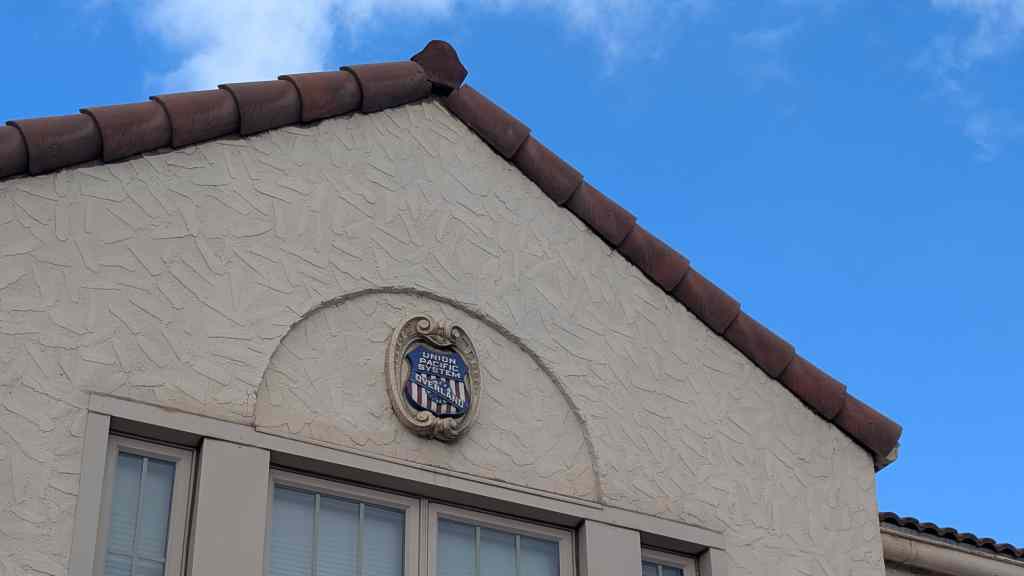
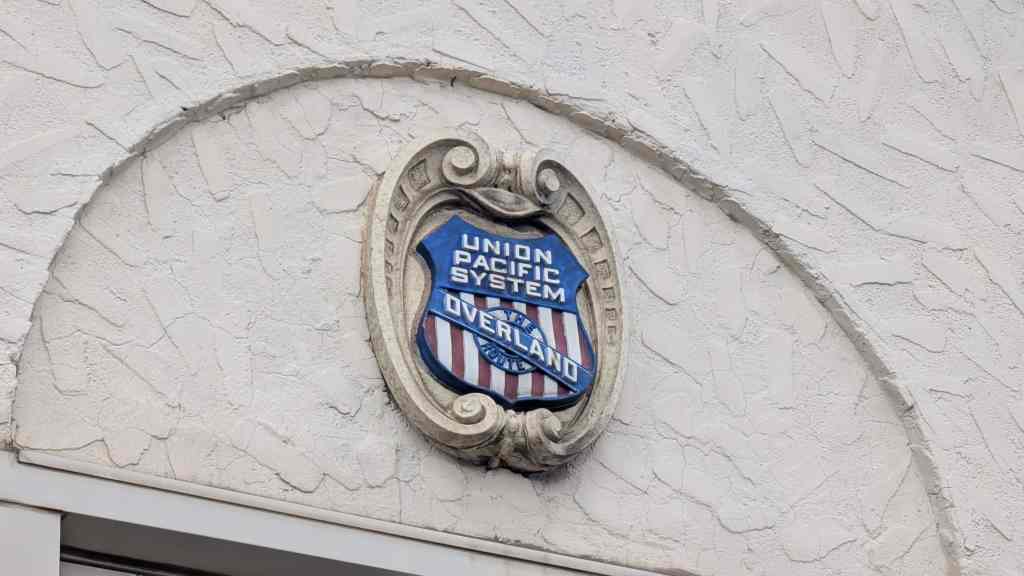
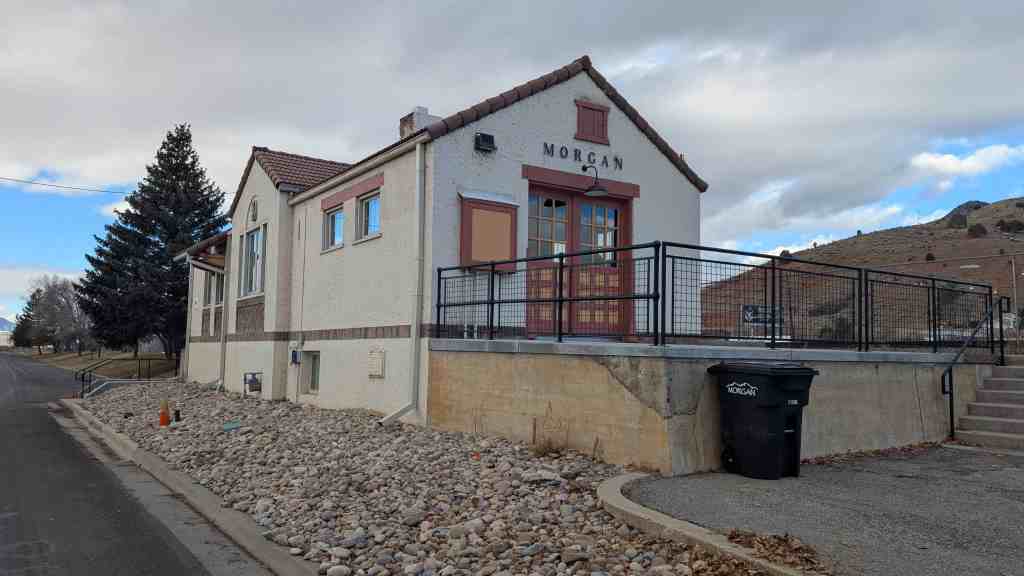
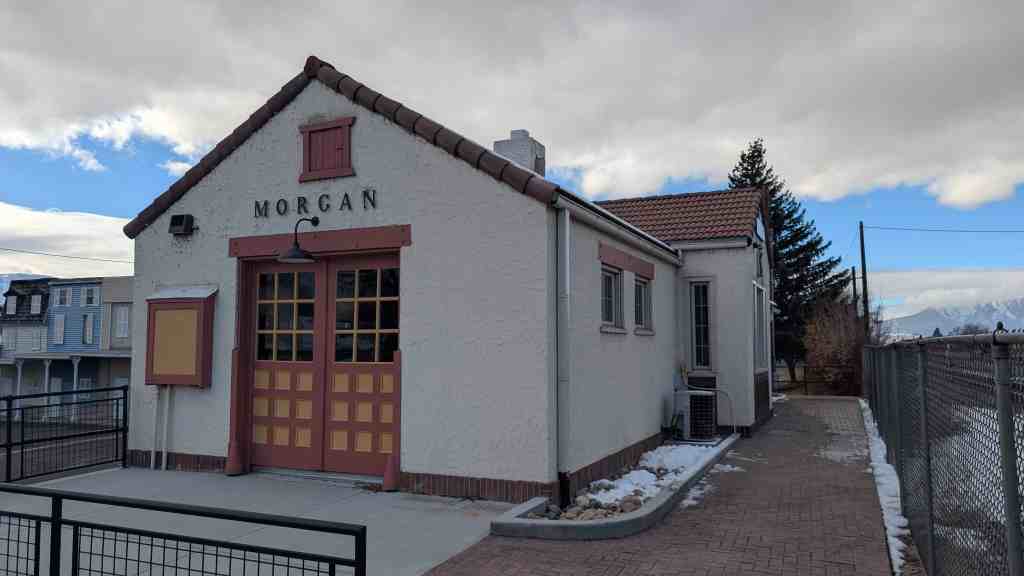
The Cedar City Railroad Depot, built in 1923, is historically significant as the only extant building associated with Cedar City’s railroad connection which, in addition to stimulating the iron ore and livestock industries in the area, contributed greatly to the expansion of the tourism industry in southern Utah and the establishment of Cedar City as the focal point for that industry. As roads to scenic areas in southern Utah were promoted and developed, Cedar City became a strategic center for travel to the national. parks and monuments. After many years of hoping for a railroad connection to boost the iron ore industry in the area the promise of tourist traffic finally drew the railroad to Cedar City in 1923. In addition to constructing the depot, the Union Pacific Railroad became fully involved in the tourist business by purchasing hotels, busses, and building lodges. Automobile traffic gradually superseded railroad traffic and bus tours to the point that the railroad eventually closed its line to Cedar City in 1959. The Cedar City Railroad Depot is the only building that remains in Cedar City to document the important influence that tourism and the railroad had on Cedar City’s development.

Located at 241 North Main Street in Cedar City, Utah and added to the National Register of Historic Places (#84002184) on August 9, 1984.

Cedar City was founded in the fall of 1851 by members of The Church of Jesus Christ of Latter-day Saints (Mormons or L.D.S.) who were sent to establish an iron manufacturing center in the area. The group experienced many, setbacks: floods, collapse of the iron works, technical problems, and the Utah War. To add to these problems, in 1857 members of the community were involved in the Mountain Meadows Massacre. The year following this tragedy, Cedar City’s population went from 928 to 376. Those who remained turned to agriculture as a means of support. Agriculture instead of iron production became the economic base for the area. Various efforts during the 1870s and 1880s were successful in producing iron, however, as the Deseret News commented in 1874, “The successful manufacture of iron in Utah is now demonstrated beyond the shadow of a doubt and it but needs railroad connections between the works (at Iron Town [about 15 miles southwest of Cedar City]) and this city [Salt Lake City]….”‘ Despite such encouragement, it was not until 1905 that the railway reached Iron County, and even then its nearest connection to Cedar City was 30 miles northwest of the city at Lund. For nearly 20 years after the arrival of the railroad to the area wagons were used to haul freight and passengers between Lund and Cedar City.

With the growing popularity of the automobile in the early decades of the twentieth century, the demand for more and better roads developed. Concurrently, the scenic beauty of southern Utah Mukuntuweap National Monument (Zion National Park after 1919), the North Rim of the Grand Canyon, Bryce Canyon, the Kaibab Plateau, and Wayne Wonderland (the Capitol Reef area) was receiving more and more attention, and much of it was national. The assistant director of the National Park Service, Horace Albright, visited the Zion area and realized that it was of national park caliber. When Albright reported his visit to Director Mather, Mather did not reply immediately and “later wrote that he thought Albright must have fallen into the hands of some chamber of commerce directors or had been given some very potent drink, for he had never heard of such country and found it difficult to believe it existed.” Three years later when Zion was made into a national park, Mather visited the area and became an enthusiastic promoter himself. As the reports, pictures, and travel shows spread the word about southern Utah’s scenic beauty, public demand for roads to these areas increased. As roads were developed to the parks and monuments it became obvious that Cedar City, because of its central location, was the strategic center for tourists wishing to see southern Utah’s scenic beauty.

As early as August of 1916 representatives of the Union Pacific and the Oregon Short Line railroads, along with representatives from other travel agencies, made an expedition through the area by bus to scout “the possibilities for railroad traffic in the region.” On March 5, 1920, it was announced that a spur line from Lund to Cedar City would be built. In 1921 the President of the Union Pacific Railroad Company, Carl R. Gray, visited the area to investigate the potential of southern Utah to support a railway line. Gray was impressed with the stability of the communities he visited and the quality of the people he met, “and the next year a spur of the railroad was run from Lund to Cedar City, justified on the anticipated traffic from livestock, agriculture, iron ore, and tourist travel.”

The promise of tourist traffic was obviously Cedar City’s biggest drawing card for the railroad because the Union Pacific soon formed the Utah Parks Company and became heavily involved in the tourist trade. The Union Pacific bought the El Escalante Hotel (which was built 1918-23 by a group of Cedar City citizens who saw the need for larger and more commodious hotel accommodations than Cedar City then offered), set up a large bus station at Cedar City, and in 1927 purchased the Wylie Tourist Camp interests in Zion Canyon and the Parry Transportation Route from Cedar City to Zion. The Parry Brothers had previously provided transportation for park visitors and had set up a 10-day trip from Cedar City to Zion, Kaibab, North Rim, Bryce, Panguitch, and back to Cedar City.

Cedar City’s enthusiasm for the anticipated spur line was great. Citizens set up a committee responsible for raising and purchasing the property and homes over which the railroad would pass. “The City Council voted $5,000 to assist in purchasing this property; but so successful was the committee that, after all the bills were paid (a total of $115,000 was expended), the $5,000 was still intact with $2,500 to add to it. The $7,500 nest egg was put in trust and subsequently used to purchase land for a federal building.” Thirty-eight families donated property and/or money to purchase the railroad right of way and the depot site.

In less than three months and at a cost of $1,049,000 the railroad tracks were brought to Cedar City. The depot building was built by the Union Pacific during 1923. Plans for the building were prepared by the Union Pacific System’s Office of Chief Engineer, Los Angeles and Salt Lake Railroad Company. W.T. Wellman, architect was in charge of the project. George A. Wood of Cedar City was the general contractor. The portico area extending to the south was constructed in 1929 to serve as a passenger waiting area and bus shelter.

The first train over the track was a trial run made on Sunday, June 10, 1923. The event was a cause for celebration, although the laying of the tracks was not yet completed and the train could only reach within 4 miles of the town. In a symbolic act, David Bulloch, who was the first boy to ride a wagon into Cedar City in 1851, rode the cow catcher of the test run engine and photographs were taken. The first official train that crossed the tracks and stopped at the depot was on June 27, 1923. The passengers on this first train included President and Mrs. Warren G. Harding and the presidential party. After a warm greeting at the depot by southern Utah citizens, the entourage loaded into 24 automobiles and traveled south to Zion Park. Upon their return to Cedar City to board the train for their departure, President Harding was honored at a special program.

The depot was officially opened on September 12, 1923, with the ceremonial laying of a golden rail, named the Warren G, Harding Memorial Rail. President Harding had died in Alaska shortly after his visit to southern Utah, and a memorial service was held at the railway opening ceremonies for the president on the spot where his train had stood just weeks before. Among the dignitaries in attendance at the combined ceremonies were Senator Reed Smoot, Utah Governor Mabey, L.D.S. church President Heber J. Grant, Union Pacific Vice-President H.M. Adams, the mayor of Salt Lake City, and the president of the Los Angeles Chamber of Commerce. Speakers at the services talked of the great center Cedar City would become and one speaker even suggested that because of the area’s vast ore deposits and other natural resources Cedar City would soon rival Pittsburgh.

Tourist travel dramatically increased after the railroad was built; visitors to Zion National Park increased from 3,692 in 1920 to 55,297 in 1930. The number of visitors to the national parks and monuments in the area has continued to increase, but as roads were developed private automobiles handled most of the traffic. Rail passenger service into Cedar City was discontinued in 1959 and in the mid 1970s the Utah Parks Company sold out to TWA (Trans World Airways).

In addition to the increased tourism, Cedar City benefitted in other ways from the railroad connection. Iron ore production increased dramatically from annual production of 15,000-45,000 tons to 164,154 tons mined the year after the railroad came. During World War II, Iron County ore production rose to 1 million tons and increased to nearly 2 million tons during the last year of the war. Ore was shipped by rail from Iron County mines to the Ironton plant in Springville, Utah, the Geneva plant in Provo, Utah, the Minnequa plant in Pueblo, Colorado, and the Kaiser plant in Montana.

Growth of Iron County’s livestock industry was also encouraged by the railroad. The railroad was important in transporting wool and lambs from Iron County’s important sheep industry. Iron County purebred Rambouilett sheep became famous in the late 1920s, and buyers from the Russian government came to the area to purchase sheep to improve their native breeds.

However, the most immediate effect of the railroad on Iron County’s economy was seen in the increase of visitors in the area. The Cedar City Railroad Depot is the only building that remains in Cedar City to document early tourism in the area before the nation’s highway system was fully developed. The El Escalante Hotel, Bus Driver’s Dorm, and railroad warehouses have all been torn down.

6th East Park

18 Thursday Dec 2025

Posted by Jacob Barlow in Uncategorized

≈ Leave a comment

Tags

Parks, Salt Lake City, utah

220 South 600 East in Salt Lake City, Utah

  • Salt Lake City Parks

Soldier Creek Kilns

17 Wednesday Dec 2025

Posted by Jacob Barlow in Uncategorized

≈ Leave a comment

Tags

Kilns, NRHP, Tooele County, utah

The Soldier Creek Kilns / Waterman Coking Ovens

The Soldier Creek Kilns, comprising the remnants of four charcoal kilns and one lime kiln, are significant because of their economic importance to the Utah mining industry in the Qphir and Rush Valley Mining Districts, which were among the oldest mining areas in the state. The charcoal kilns dating from about the 1870’s, represent only a few remaining kilns of the early mining efforts in Utah, especially as they occurred in the leading smelter area in Stockton, near Rush Lake. Of equal sigificance is the historical-archealogical potential of the area immediately surrounding the kilns in providing a more complete documentation of the charcoal industry and the activities of its workers in Utah and the west. Charcoal was necessary as a fuel for the early smelting of ores, and it was smelting that made mining of lower grade areas economically feasible, thus fostering the growth of commercial mining in Utah. Mining has remained a vital component of the states economy.

The Kilns were added to the National Register of Historic Places (#80003973) on August 19, 1980. The text on this page is mostly from the nomination form for the national register.

Related:

  • Kilns in Utah

Commercial mining for the precious metals began in Utah with the arrival of Colonel Patrick E. Connor and the Third California Volunteers in 1862. By 1863 Connor’s troops, many of whom were experienced miners from the California and Nevada boom towns, were prospecting the mountains to the east and west of Salt Lake City. Initial discoveries were made in 1863 and in the immediate years prospecting and mining blossomed. The mountains to the west of Salt Lake were especially fertile for early mining.

The Rush Valley district, in Tooele County, was formed in June, 1864. First occupied as a military post, the Stockton area became a smelting point for areas mined in the surrounding hills, both from the Qphir and Rush Valley districts. Many claims in Rush Valley had been filed by soldiers stationed at Camp Douglas in Salt Lake. After the Civil War these men left the territory, having made their claim in the district perpetually valid by adhering to the by-laws of the district. This action prevented subsequent locations of the same grounds and retarded the development of Rush Valley for many years, with title lapsing by 1870. It also explains the paucity of solid documentation for this area.

Sporadic work in the district occurred through the 1870’s, including the building of small smelting works to accommodate various grades of ore. Several sources list various smelters as follows: Jacobs Smelting Company Works, Carson and Buzzo Smelting Works, Chicago Smelter, and the Waterman Smelting Works. All were located near the town of Stockton and on the shores of Rush Lake.

The Soldier Creek Kilns were built during the mid-1860’s to 1870’s period at a point…. Since charcoal was a necessity as fuel to fire the furnaces of these “smelters, the kilns represented a vital stage in the entire process. Early transportation of ores was difficult, therefore, ores from Ophir as well as Rush Valley were shipped to the Stockton smelters. Information relating directly to these kilns is most incomplete. However, in 1874 a mining newspaper, in describing the Chicago operation stated:

“In the rear of the furnaces are the fuel sheds, in which a supply is maintained of 20,000 bushels charcoal, and forty tons of coke. The charcoal is obtained under contract, from the adjacent mountains, and produced chiefly from nut pine, delivered at the works at twenty-one to twenty-two and half cents per bushel. The coke used is obtained from Pennsylvania at a cost of $36 to $42 per ton, …”

Sources also indicate that the Soldier Creek Kilns supported a small camp of fifteen to twenty families. The kilns were beehive kilns built of stone, and the presence in the area of a lime kiln illustrates the construction and maintenance stages of the process. Timber was harvested off the slopes of Bald Mountain, some two miles east of the kilns. In this regard the site was most appropriate, located on a flat between Silver Creek and the north flank of the canyon, near the mid-point between the lumber supply and smelters. A detailed historical archaeological survey may prove of great significance in better understanding this camp and its social and economic dynamics.

Information is available on the Beehive Kiln in general, thus, shedding light on the Silver Creek Kilns. The Beehive Kiln was introduced from the east and built in a form of a parabolic dome, with a base of fifteen, twenty, to twenty-four feet in diameter and a height of nineteen to twenty-two feet. In some sections it was a rule to make the height of the kiln equal to the diameter. Thicknesses of the walls varied from the base, (greater), to the summit, (smaller). Two openings existed and were generally closed by iron doors. One opening was at the base and the other approximately two-thirds of the way to the apex, used to load the kiln with wood. A 16-foot kiln held about 15 cords of wood, while a 26-foot kiln held 45 cords. Kilns ranged in cost from $500 to $1000 and since, if maintained, they lasted a long time, represented a relatively small investment.

Kilns were usually fired at the bottom center of the structure. The fire was drawn to the top by a space left in the upper door. The door was then closed entirely and the fire regulated by vent holes at the base of the kiln. Cracks in the kilns had to be patched, and the Silver Creek kilns exhibit this patching with stucco-like material present on both the interior and exterior surfaces. Duration of the burning was from three to seven days and another three to six days for a cooling period.

Little is actually known about the charcoal industry in Utah. This is especially true concerning the social aspects of the industry. The Silver Creek site, as noted in the description, offers the possibility of recovering information archeologically to shed much needed documentation on this vital phase of early mining in Utah. Mining has been recognized as having been critical to Utah’s economy and since the charcoal industry was of significance to mining, the dynamics of that industry may prove of added importance to an understanding of the total Utah mining experience.

John Moses Browning Home

17 Wednesday Dec 2025

Posted by Jacob Barlow in Uncategorized

≈ Leave a comment

Tags

Historic Homes, NRHP, utah

John Moses Browning Home

Home constructed of sandstone blocks and red bricks. Completed in 1900. Built for John Moses Browning — world famous gun maker. Architect Sam Whitaker. Purchased by Y.W.C.A. of Ogden in 1949.

505 27th Street in Ogden, Utah

  • https://www.johnmbrowningmansion.com/
← Older posts
Newer posts →

Follow Jacob

Follow Jacob

Blog Stats

  • 2,038,989 hits

Social and Other Links

BarlowLinks.com

Recent Posts

  • Spencer and Helen Isom “Home”
  • Shetlar Wagon
  • Pioneer Hay Barn, Manger, and Corral
  • Grain Reaper
  • Early Pioneer Granary and Home

Archives


Loading Comments...