
Stopping by where the Kmart was in Orem, Payless is going away and I wanted to document what the area looks like before any more major changes.
Kmart was replaced with NPS.
Related Posts:

07 Tuesday May 2019
Posted in Uncategorized
Stopping by where the Kmart was in Orem, Payless is going away and I wanted to document what the area looks like before any more major changes.
Kmart was replaced with NPS.
Related Posts:


06 Monday May 2019
Posted in Uncategorized

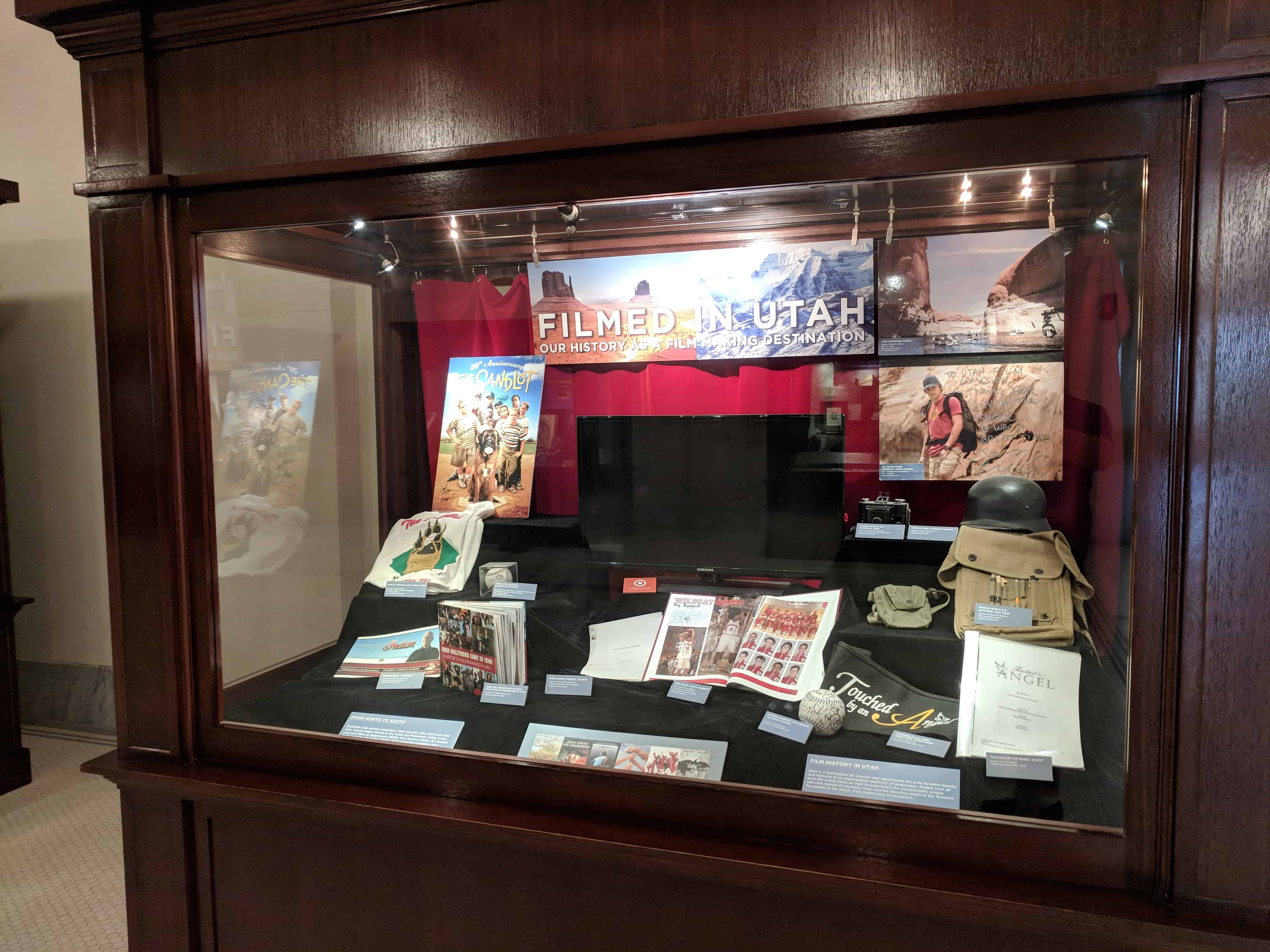
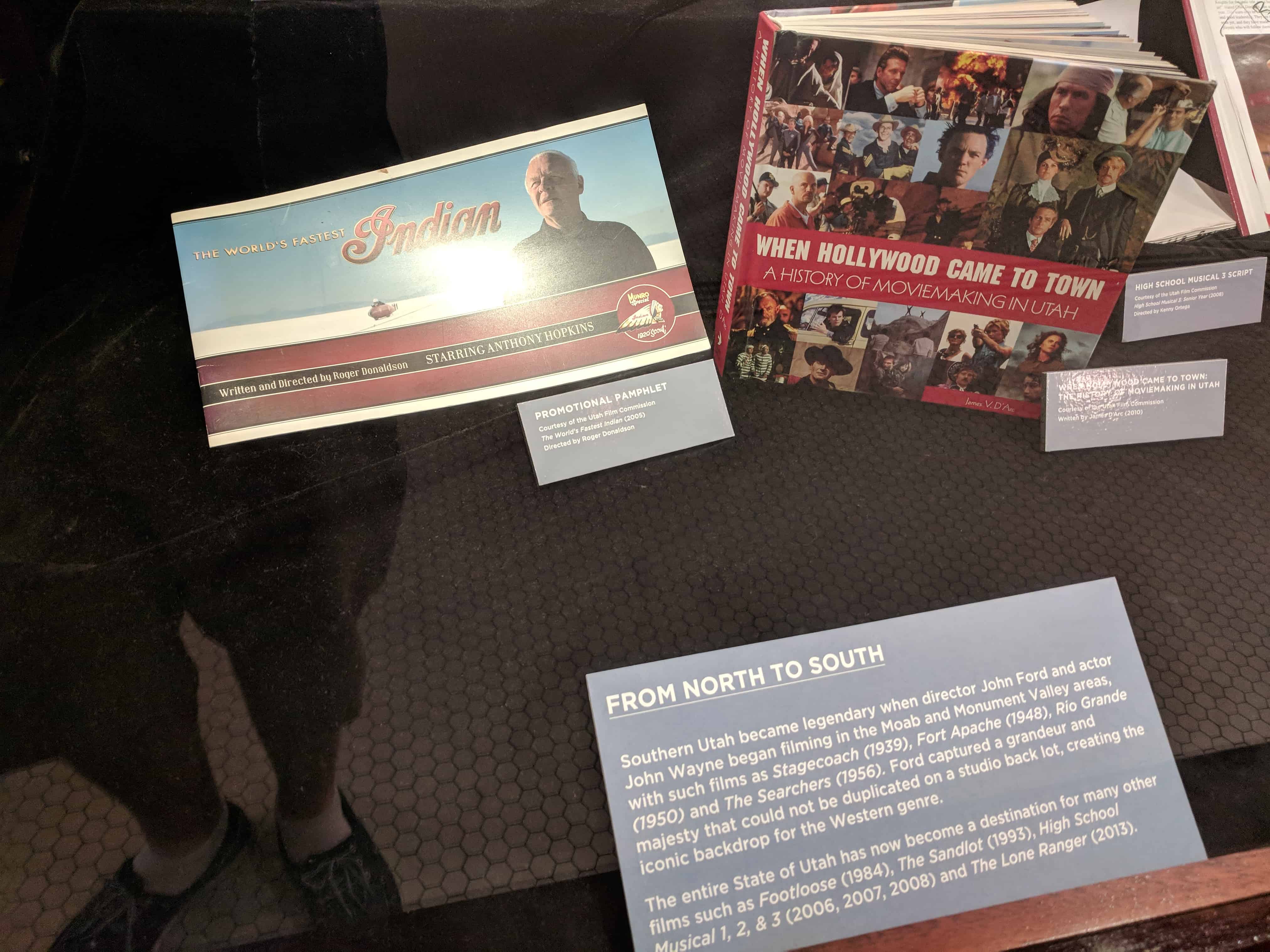
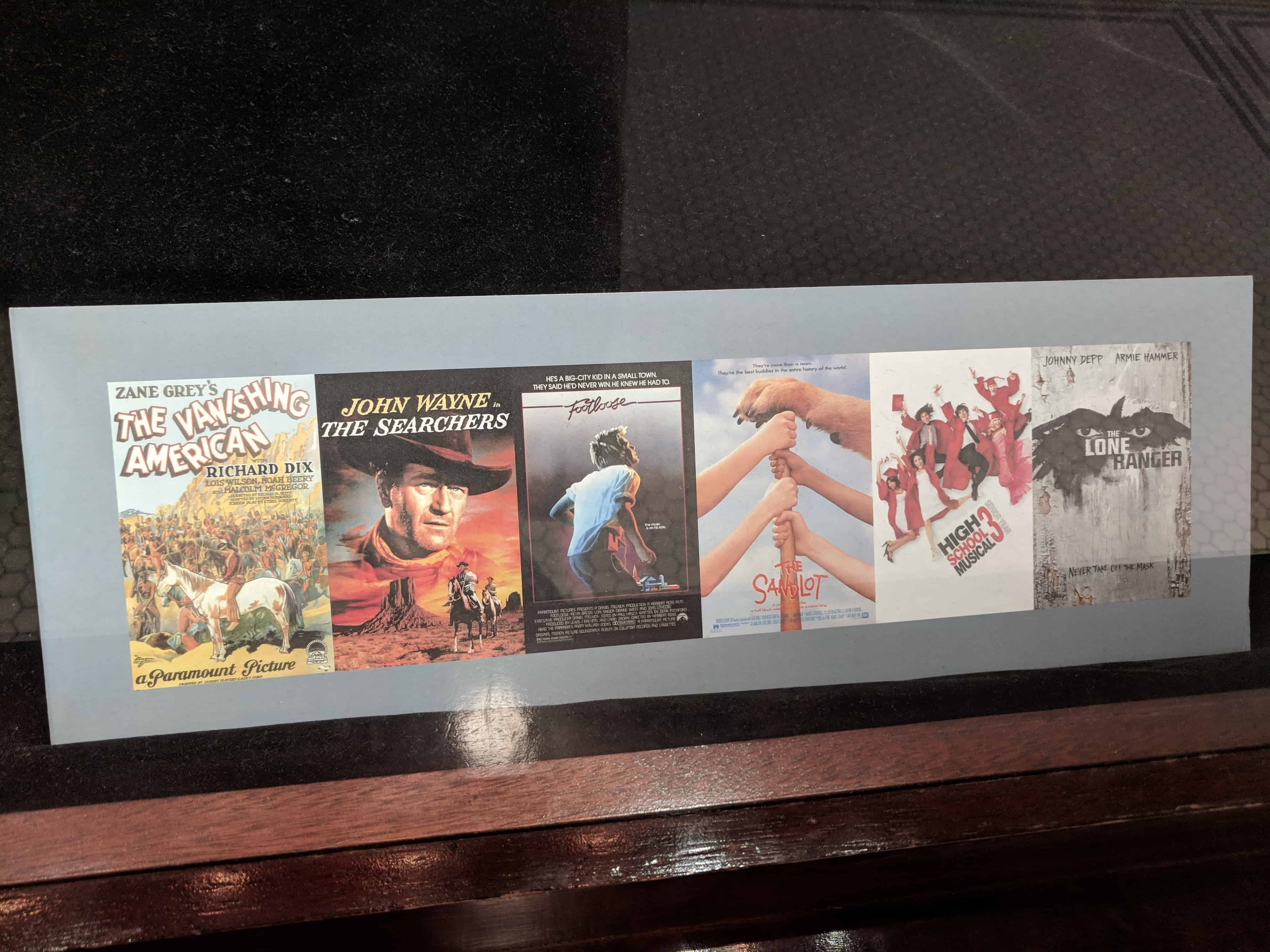
Footloose (1984)
Another in my collection of filming locations for movies and TV shows. Visit this page for more.
Filming locations I’ve come across for Footloose.
Related Posts:


06 Monday May 2019
Posted in Uncategorized
Tags
City Creek Canyon Historic District, Memorials, NRHP, Salt Lake City, Salt Lake County, utah, War Memorials, World War I

The World War Memorial in Memory Grove.
The circular classic styled memorial is composed of eight peripteral doric columns rendered in granite. The colonade supports a circular entablature composed of an architrave, wide frieze and cornice, above which is found a carved crown molding rendered in a floral motif. The entablature supports no dome allowing light to penetrate to the central interior of the monument via the round opening which the entablature forms. The colonade rests on a round three-stepped base of granite.
The central focal point of the monument is a centrally located octagonal shaft which supports an urn. Around the flat sides of the shaft are bronze plaques bearing the names of war dead. Radiating out from the base of the shaft Is a star form composed of random shapes of marble set into the floor.


1914-1918
In Grateful Remembrance of the Heroic Sons of Utah Who Gave Their Lives in the World War
This Monument Erected A.D. 1932
06 Monday May 2019
Posted in Uncategorized

(*)The beautiful Meditation Chapel is a space set apart for quiet reflection. Mr. and Mrs. Ross Beason built the chapel in 1948 as a memorial to their son, Ross Beason, Jr., and all other Utahns who died in World War II. The plaza surrounding the chapel contains more than 300 granite markers each representing a Utah serviceman whose remains were not recovered after the war. The pink marble chapel features intricate bronze doors, stunning “acid etched” windows, and a patterned marble floor. Take some time to enjoy the chapel’s contemplative atmosphere and lovely setting in Memory Grove Park.
Following World War II, Mr. and Mrs. Ross Beason offered to build a memorial to their son and other Utah sons who died in the war. Their son, Ross Beason, Jr.’s plane had been shot down off the coast of Italy. Mr. Beason had owned a financial house in Salt Lake from 1922-1932. Although he no longer lived in the state, he felt Utah was the appropriate place for the memorial.
The Meditation Chapel was designed by Paul Owan Davis, a Los Angeles architect. Taylor Wooley of Salt Lake City was the resident architect. The building was constructed of concrete and Italian marble. Mark B. Garff and Company contracted to do the labor and E. W. Hardy installed the marble. J. W. Askee was the superintendent of construction. Markers were placed around the memorial in honor of those Utah born citizens who died during World War II and when bodies were not recovered. The chapel was dedicated on July 24, 1948.
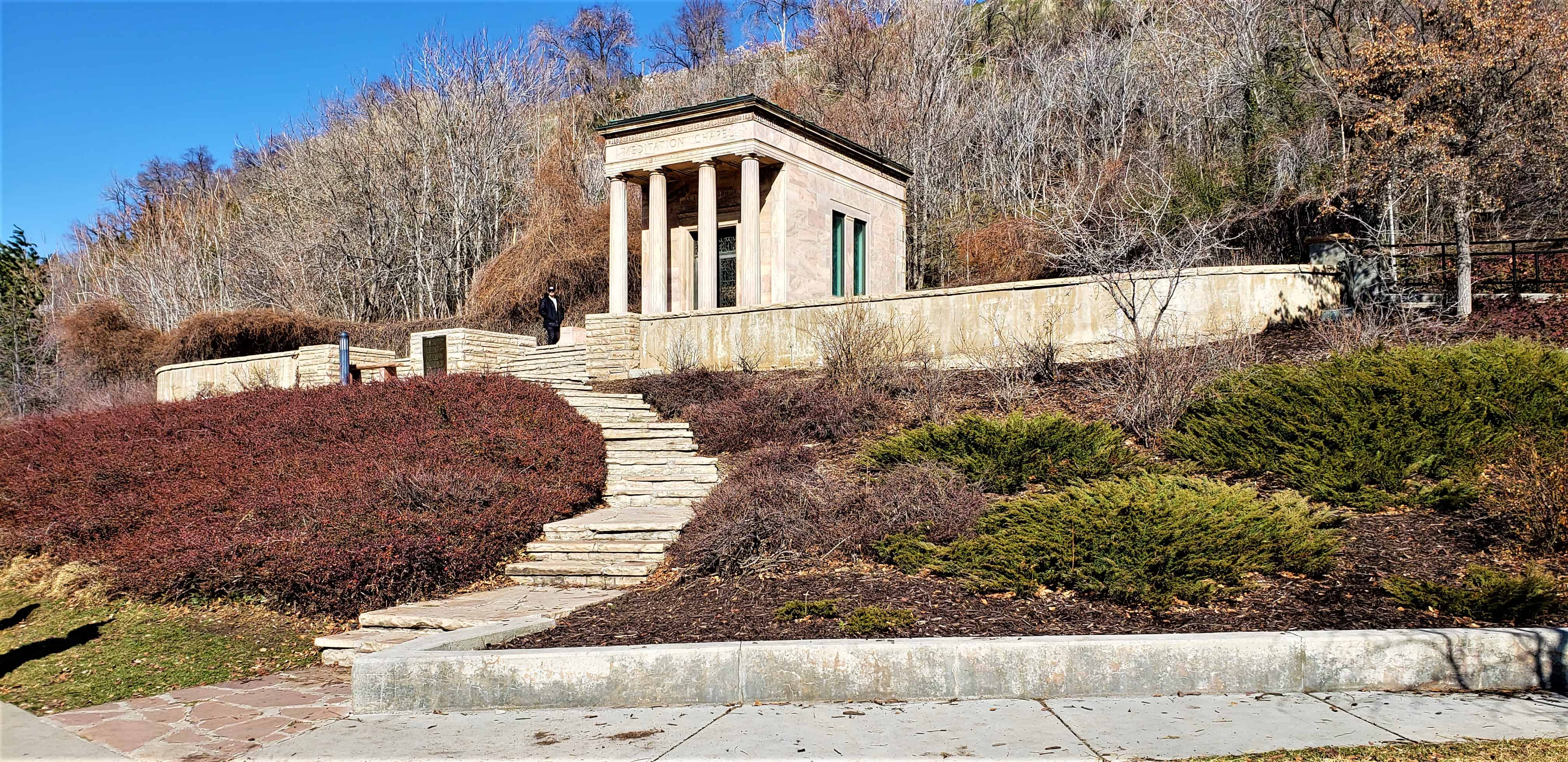

The Meditation Chapel somewhat resembles a Greek temple such as the temple of Nike Apteros in Athens. Having a tetraprostyle front with an inner portico or pronaos, from which entry is gained into the Chapel or Naos via a set of bronze rectangular sculptural doors.
The structure is rectangular measuring 16 feet by 28 feet. The construction medium is reinforced concrete covered with striated Georgian Marble ranging in color from pink to orange. The fluted ionic columns are monolithic marble having exceptional color and graining. The columns support an architrave frieze and cornice having no pediment but supporting a standing seam hipped copper roof.
The interior of the monument is surfaced in marble, the walls are finished in Italian Botticino and the floor is laid in mosaic form composed of French and Italian marbles. The view into the interior is blocked by a delicately carved and inscribed marble bench seat having a tall straight back. The bench faces to the back or east end of the chapel where a marble chancel rail extends across the front of a white marble wall on which the poem “Immortality” is inscribed in gold lettering.
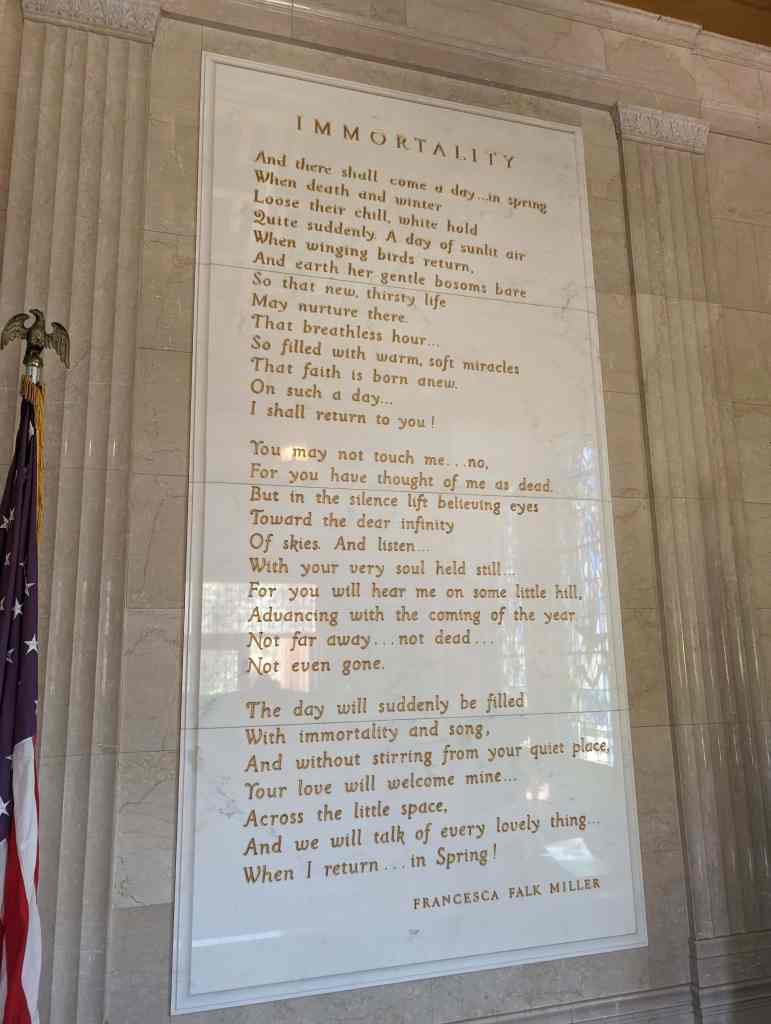
IMMORTALITY
And there shall come a day…in spring
When death and winter
Loose their chill, white hold
Quite suddenly. A day of sunlit air
When winging birds return,
And earth her gentle bosoms bare
So that new, thirsty life
May nurture there.
That breathless hour…
So filled with warm, soft miracles
That faith is born anew.
On such a day…
I shall return to you!
You may not touch me…no,
For you have thought of me as dead.
But in the silence lift believing eyes
Toward the dear infinity
Of skies. And listen…
With your very soul held still…
For you will hear me on some little hill,
Advancing with the coming of the year.
Not far away… not dead…
Not even gone.
The day will suddenly be filled
With immortality and song,
And without stirring from your quiet place,
Your love will welcome mine…
Across the little space,
And we will talk of every lovely thing…
When I return… in Spring!
– FRANCESCA FALK MILLER
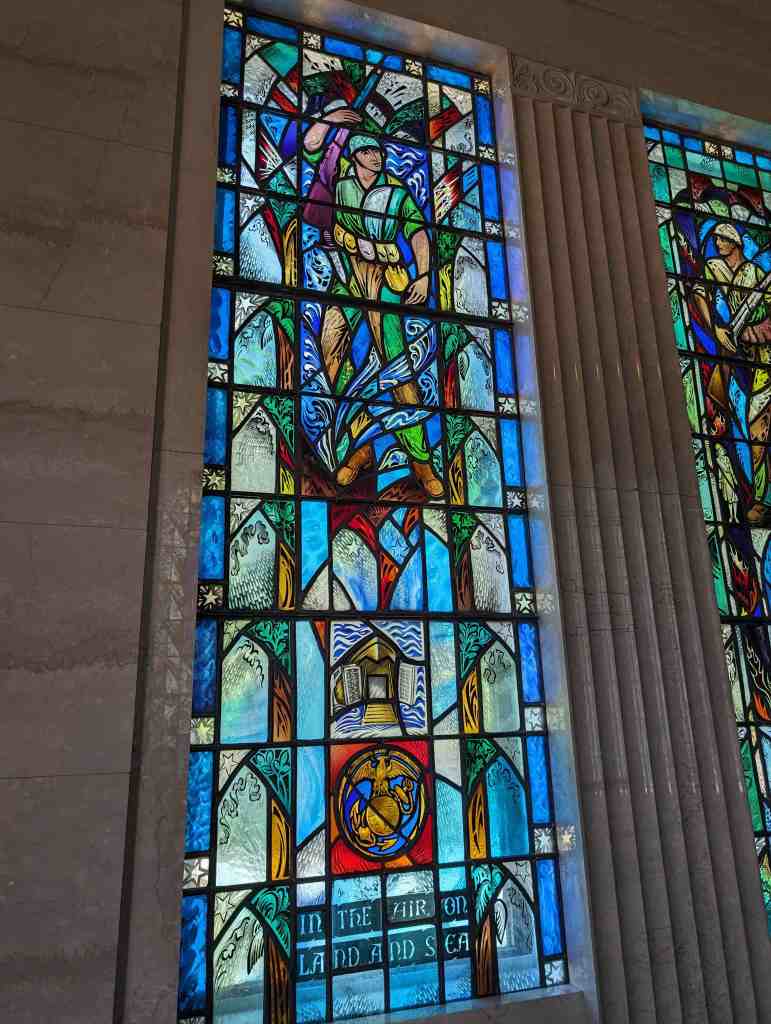
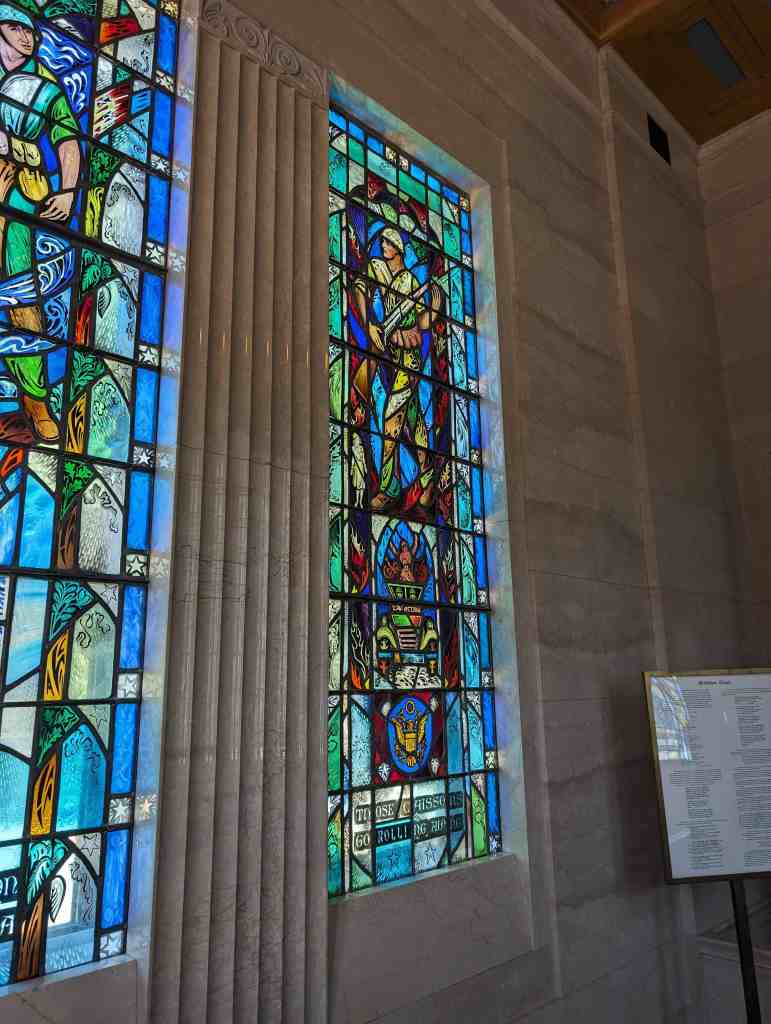
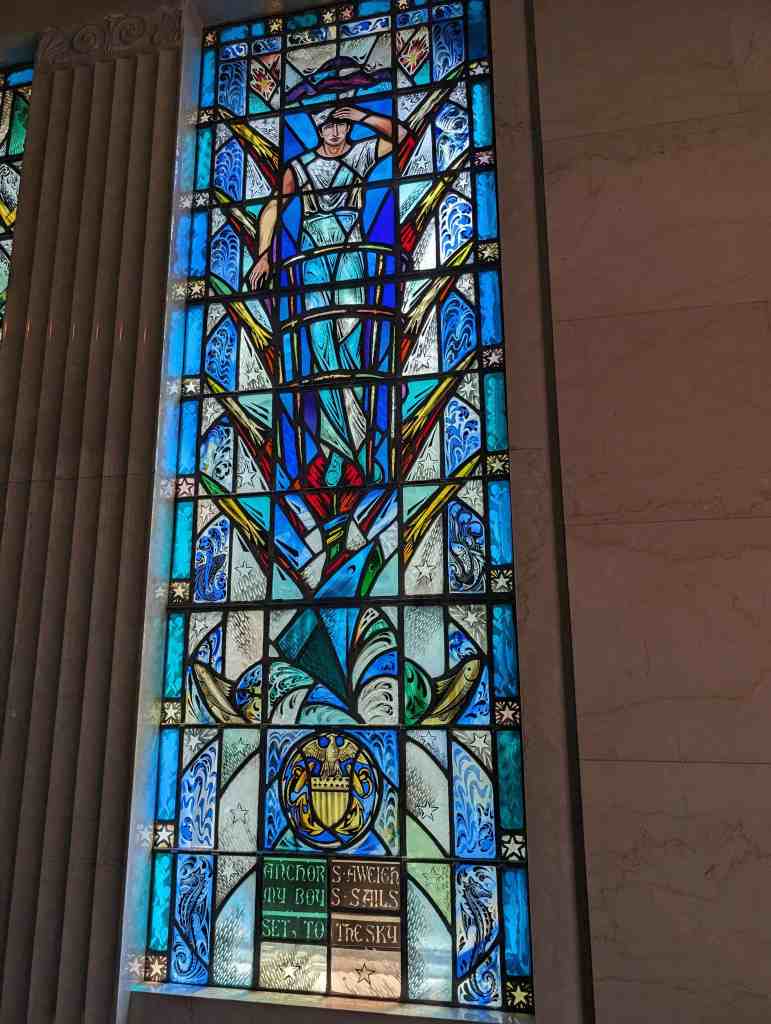
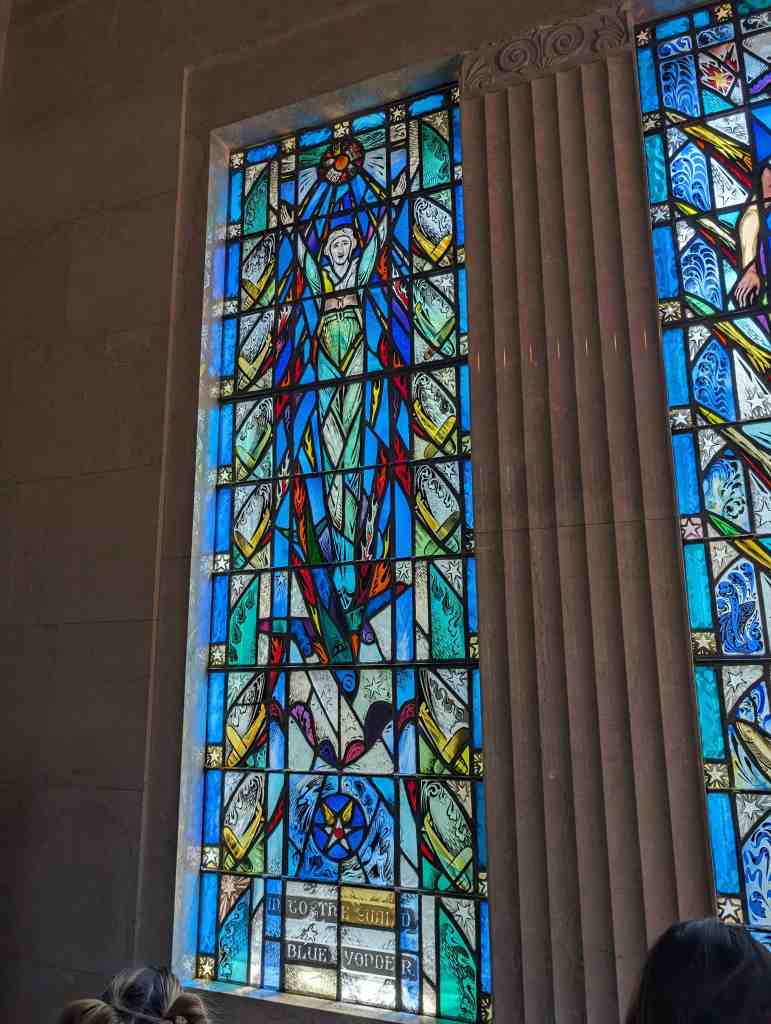
On either side of the chapel are two stained glass windows set side by side divided by a flat column. These windows being of exceptional quality and design depict a soldier, sailor, marine and army soldier.
Following World War II, Mr. and Mrs. Ross Beason offered to build a memorial to their son and other Utah sons who died in the war. Their son, Ross Beason, Jr.’s plane had been shot down off the coast of Italy. Mr. Beason had owned a financial house in Salt Lake from 1922-1932. Although he no longer lived in the state, he felt Utah was the appropriate place for the memorial.
The Meditation Chapel was designed by Paul Owan Davis, a Los Angeles architect. Taylor Wooley of Salt Lake City was the resident architect. The building was constructed of concrete and Italian marble. Mark B. Garff and Company contracted to do the labor and E. W. Hardy installed the marble. J. W. Askee was the superintendent of construction. Markers were placed aroung the memorial in honor of those Utah born citizens who died during World War II and when bodies were not recovered. The chapel was dedicated on July 24th, 1948.
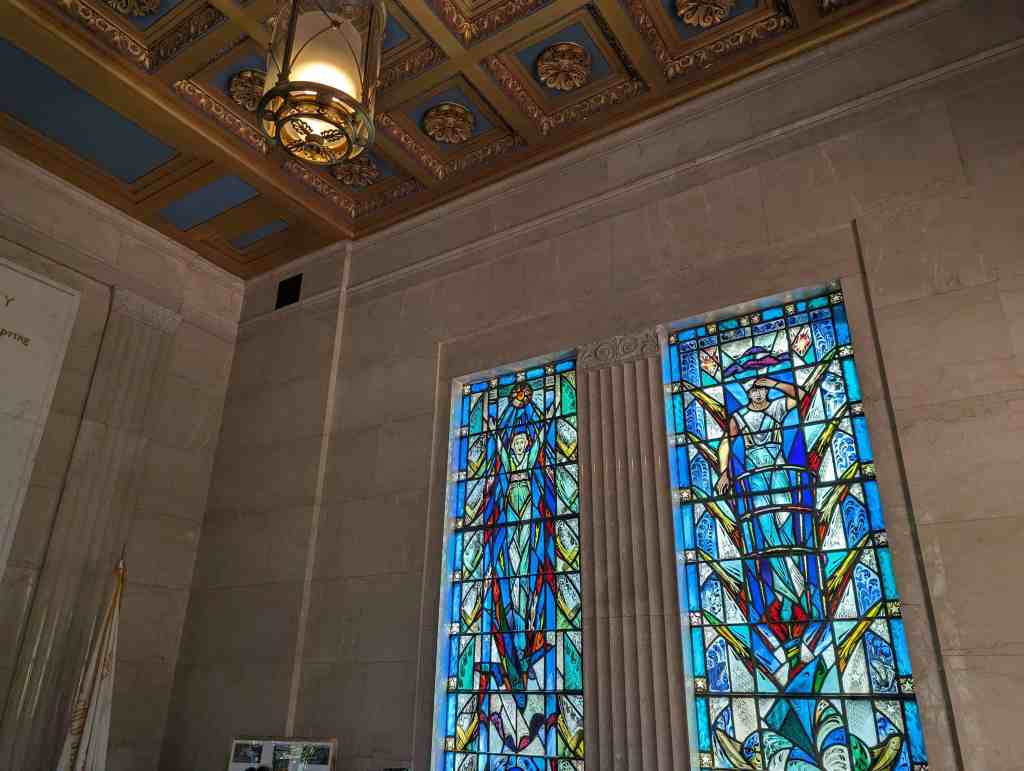
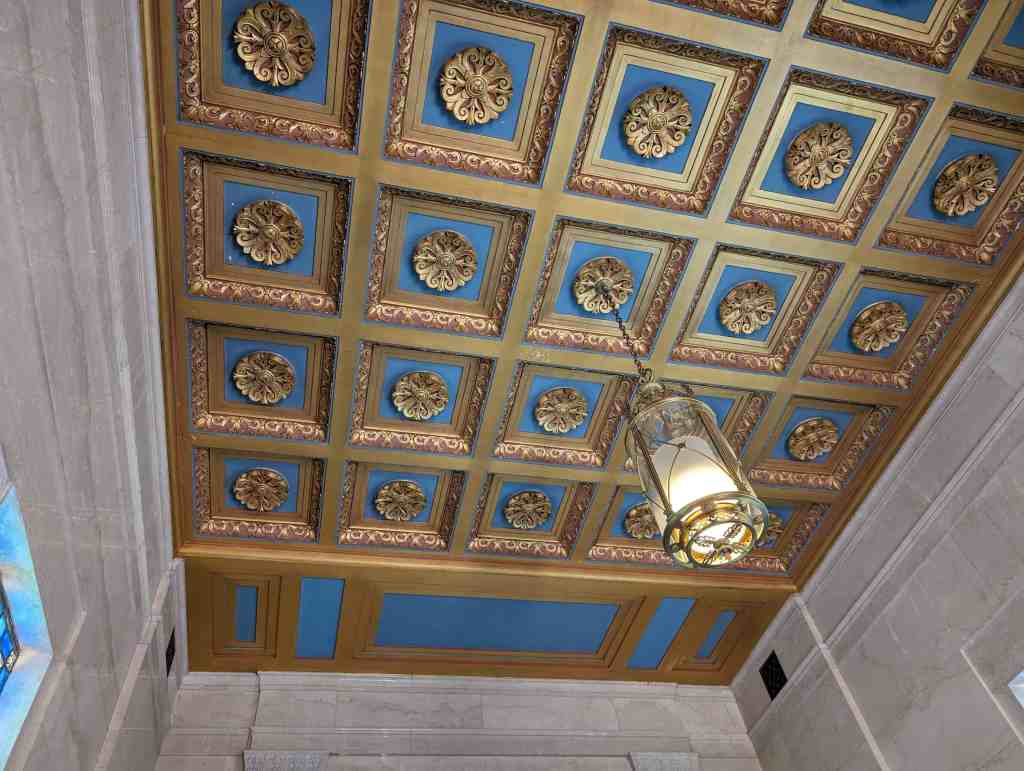
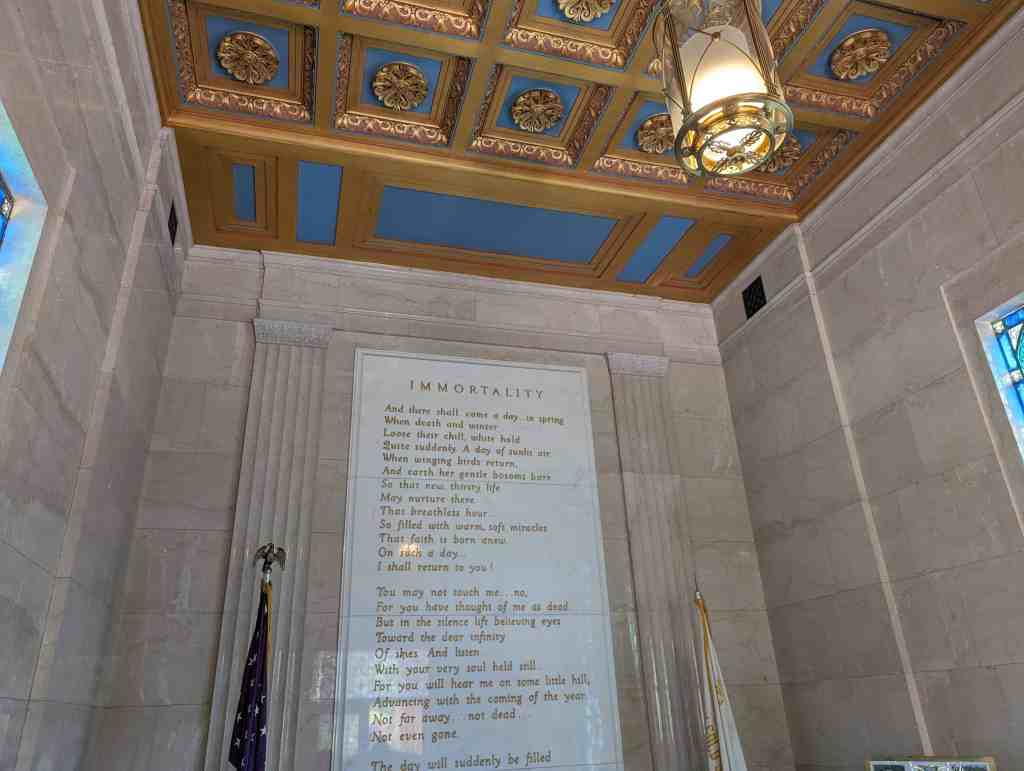
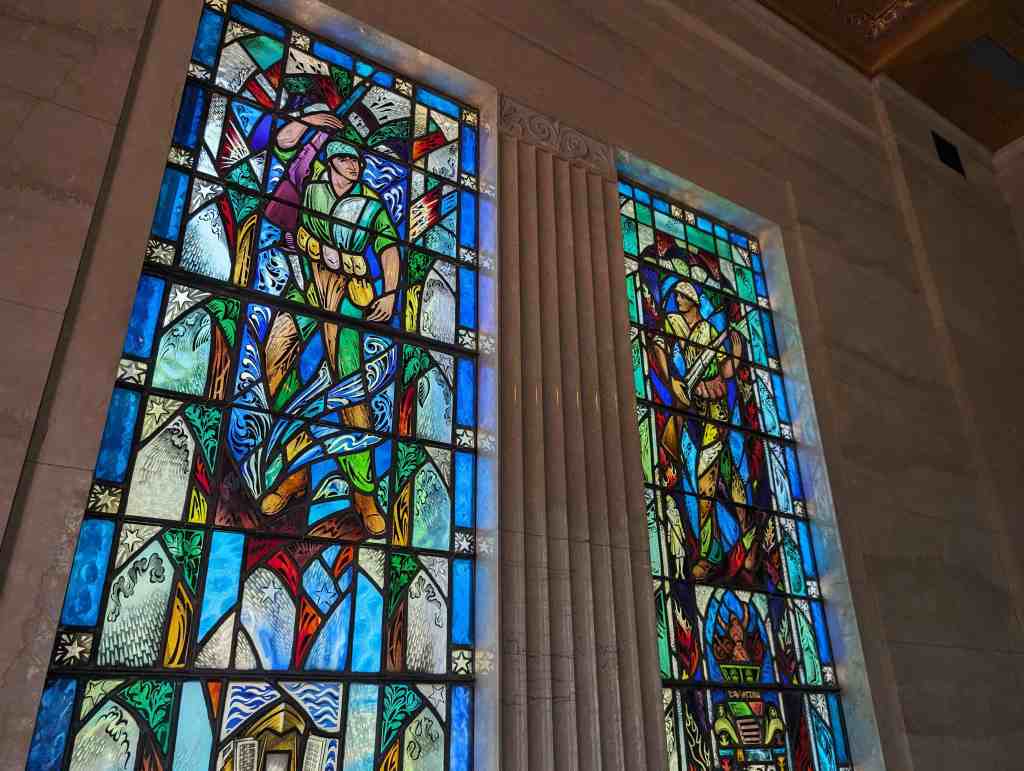

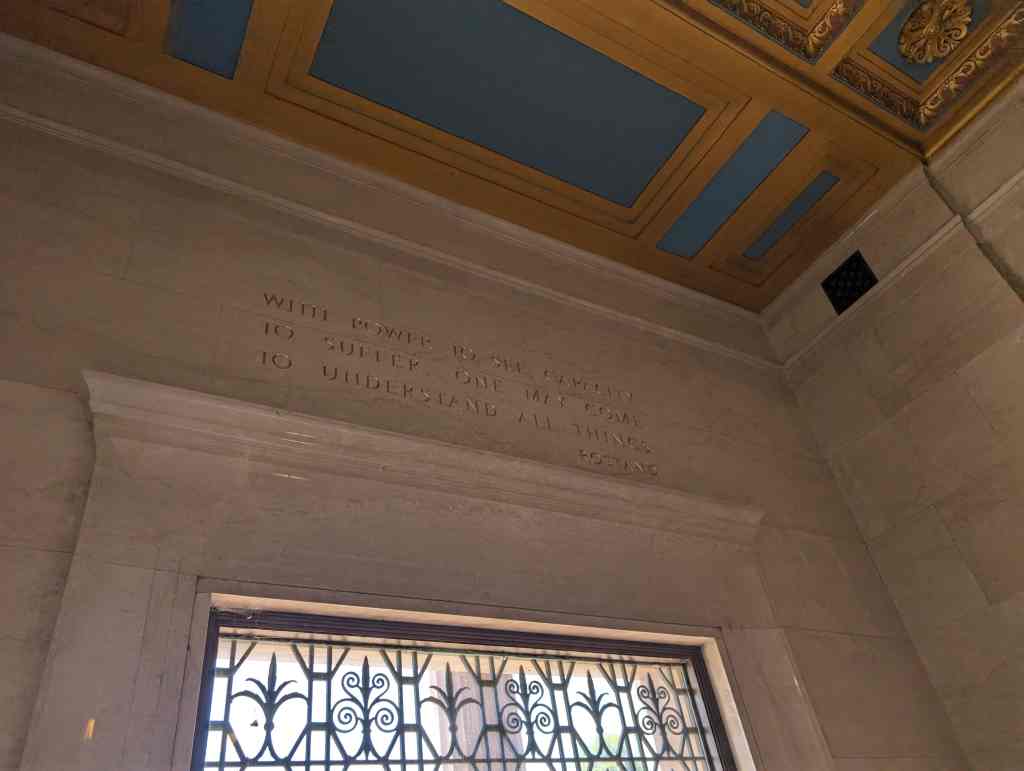

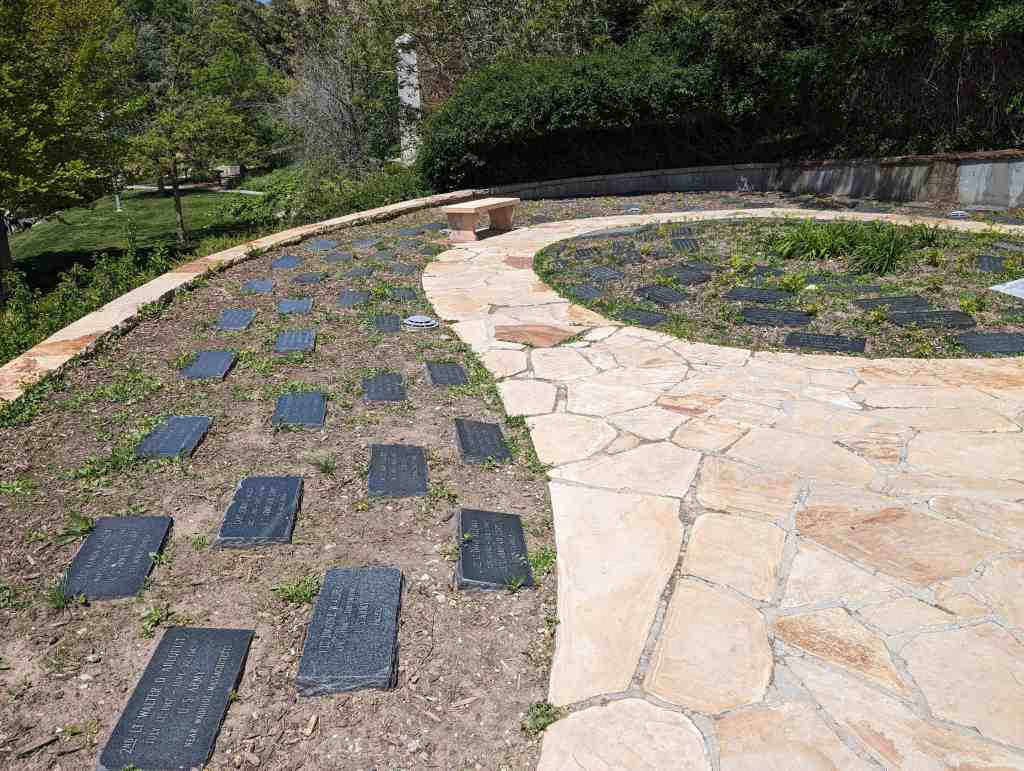

Preservation Utah‘s pamphlet from the 53rd Annual Historic Homes Tour of the City Creek Canyon Historic District on May 18, 2024 said this about the site:
Meditation Chapel was commissioned after World War II by Mr. and Mrs. Ross Beason, former Salt Lake residents, to honor their only son, Lt. Ross Beason Jr., age 23, whose plane was shot down and plunged into the ocean on April 15, 1944. A place for quiet prayer and reflection, it was to serve as a reminder of the sacrifices made by Utahns who gave their lives in defense of freedom in World War II and whose remains were not recovered. The chapel was designed by Los Angeles architect Paul O. Davis, with Salt Lake architect Taylor Woolley overseeing construction, and was dedicated in the spring of 1948. By 1998, the chapel and markers had suffered from neglect. When California banker Murray Hiatt visited Memory Grove in the mid-1990s, he discovered that his brother’s marker was overgrown and the chapel was padlocked. His disappointment prompted a series of news articles that led to the restoration of the memorial. On Veteran’s Day in 1998, members of the Disabled American Veterans, Veterans of Foreign Wars, current members of the military, and prominent civic officials rededicated the chapel.
05 Sunday May 2019
Posted in Uncategorized

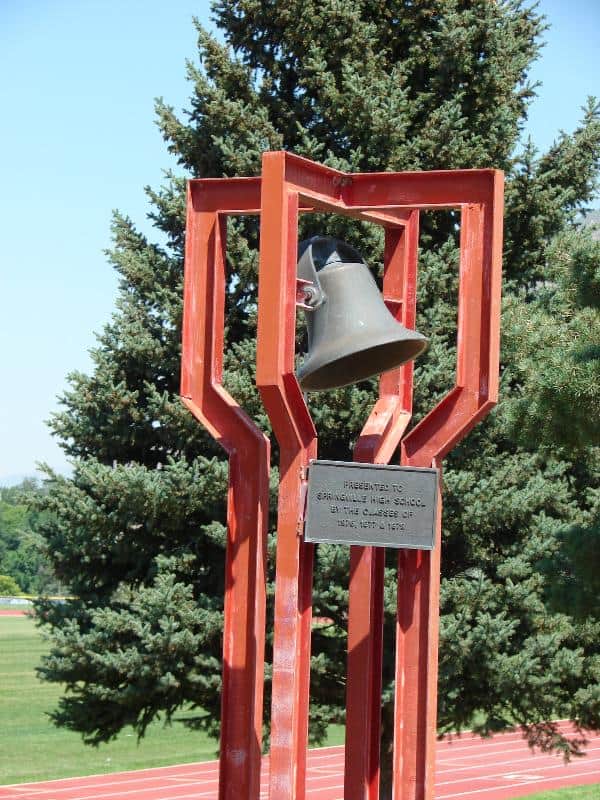
I have a lot of good memories at Springville High School and I love documenting places for myself and others to look back on later.
Related Posts:


04 Saturday May 2019
Posted in Uncategorized
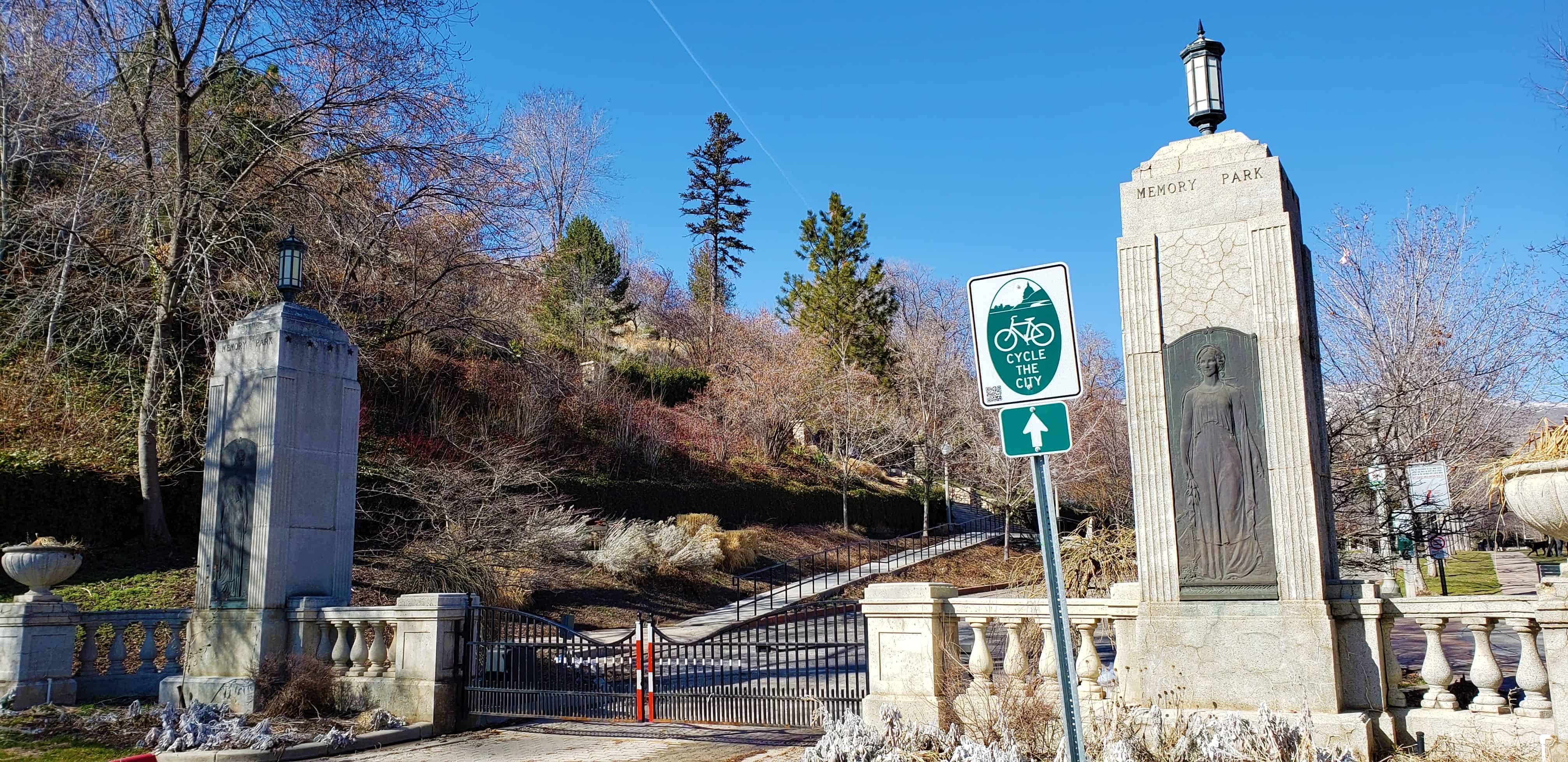
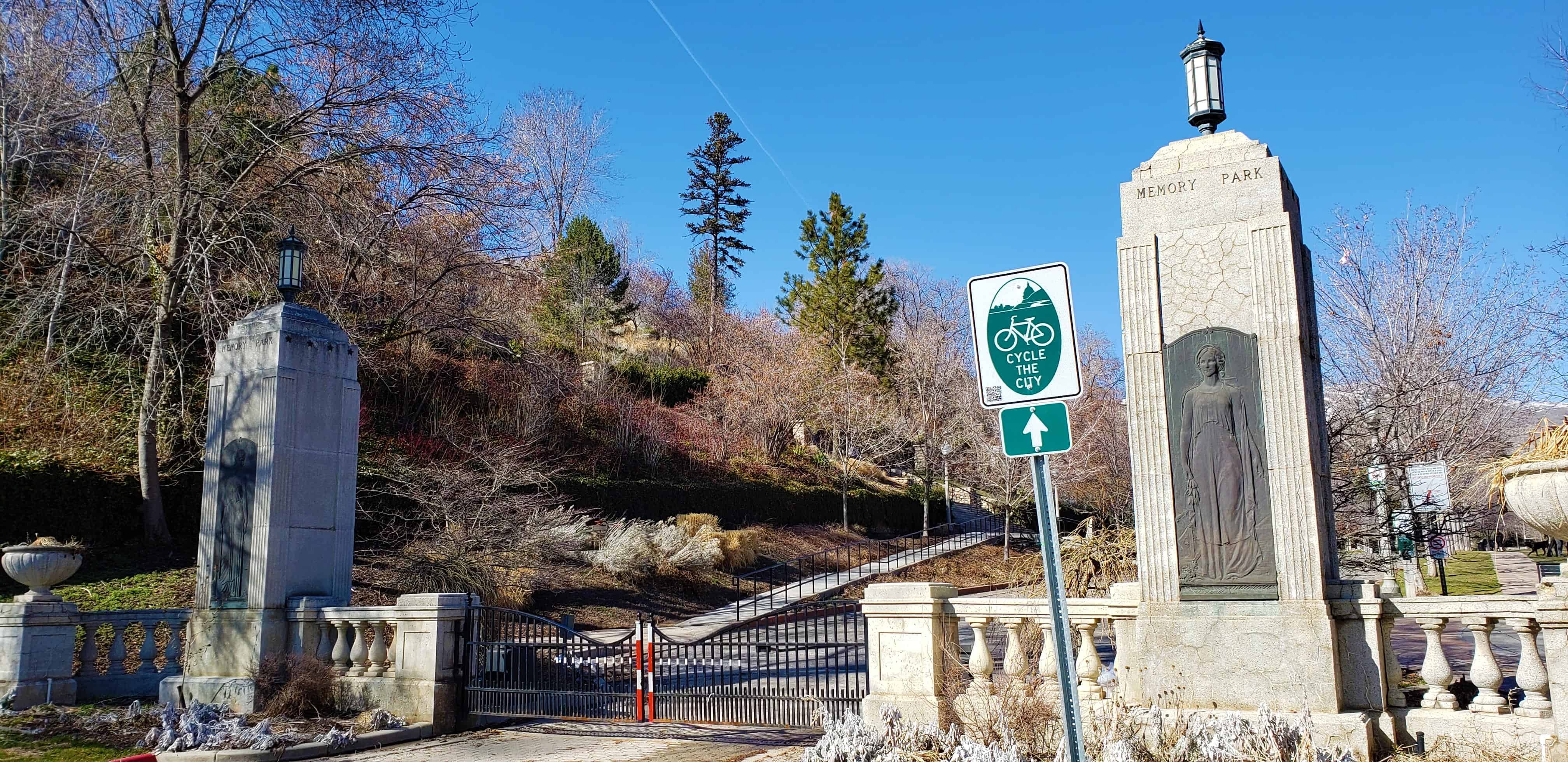
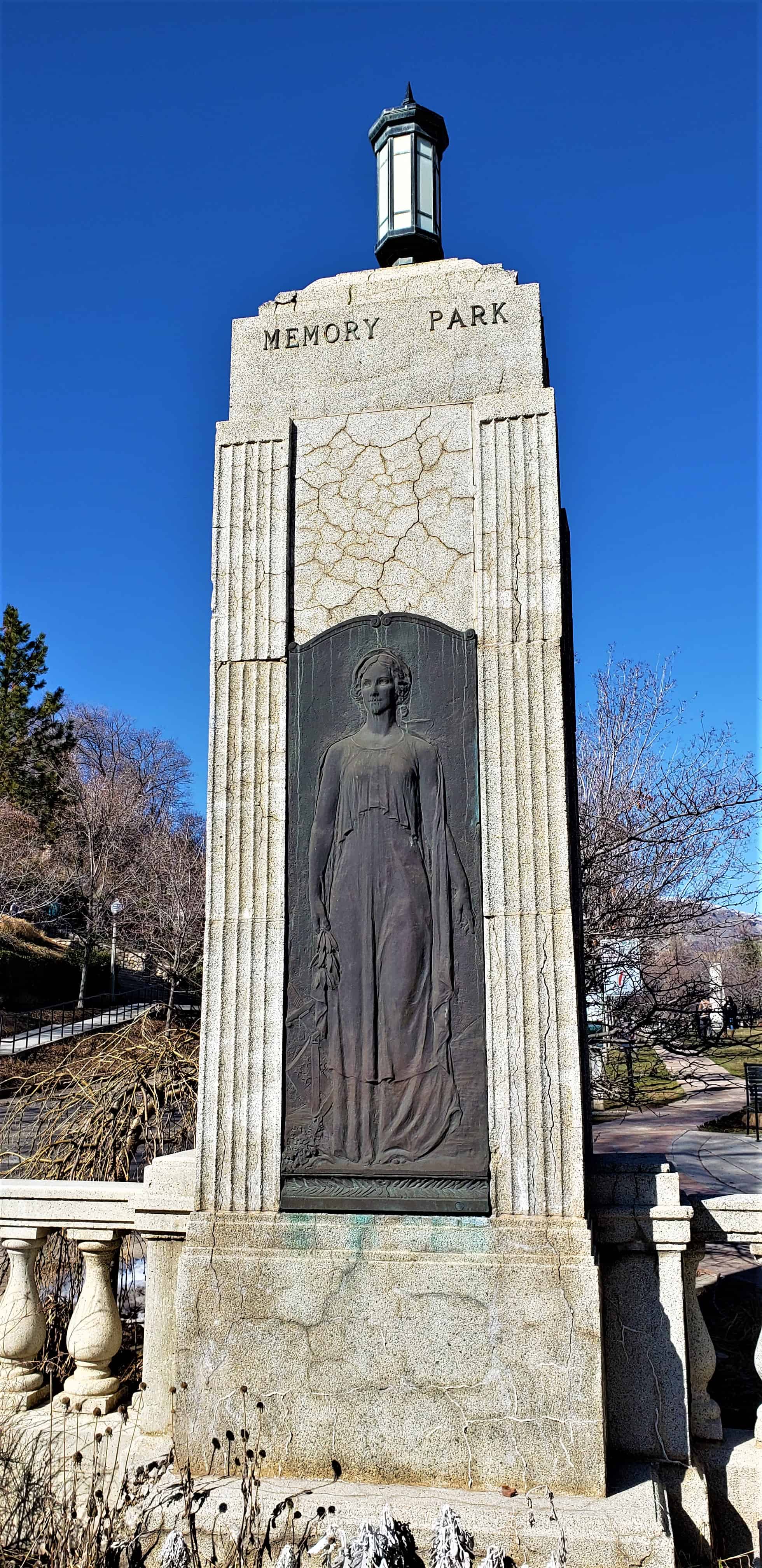
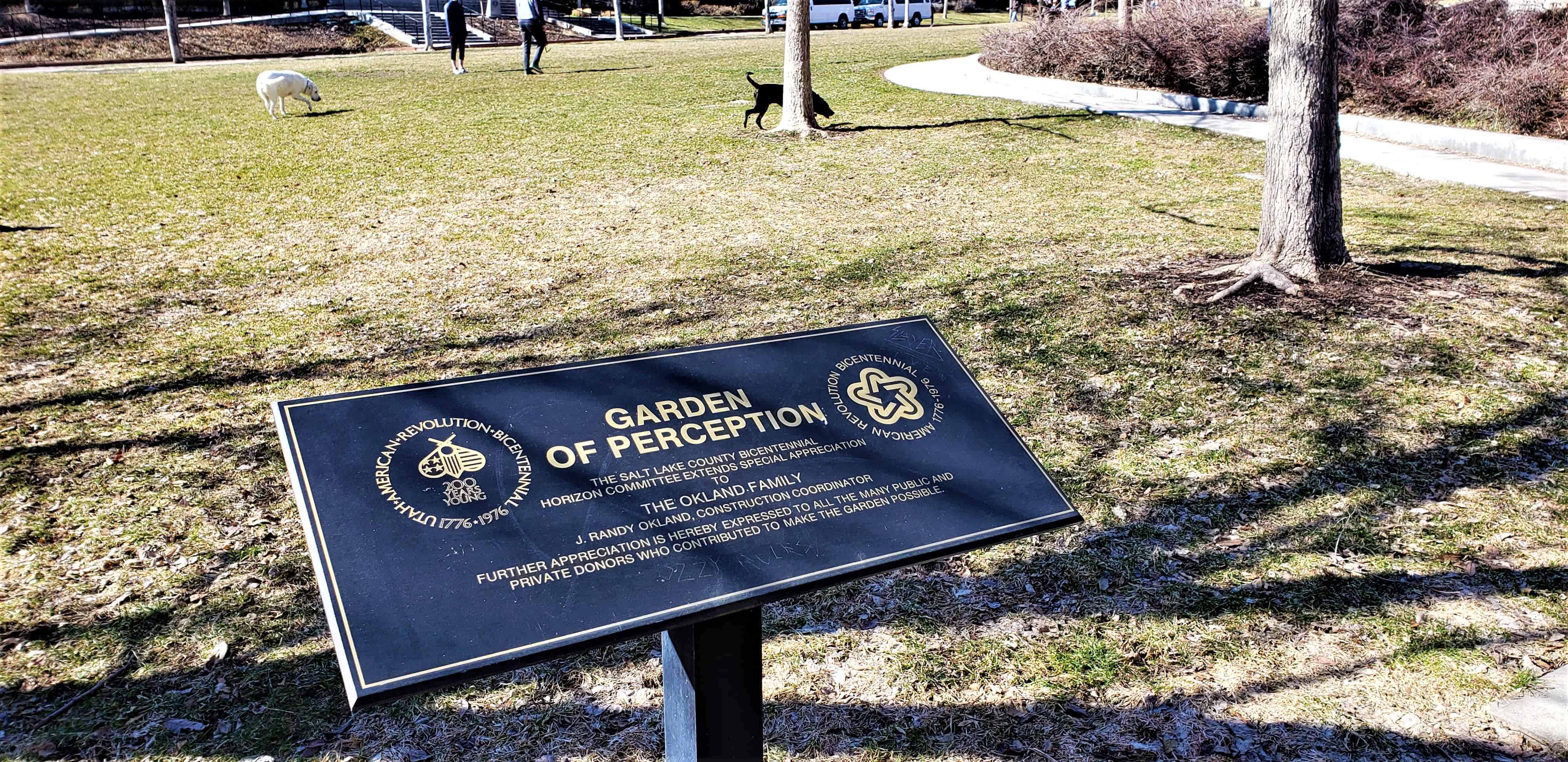
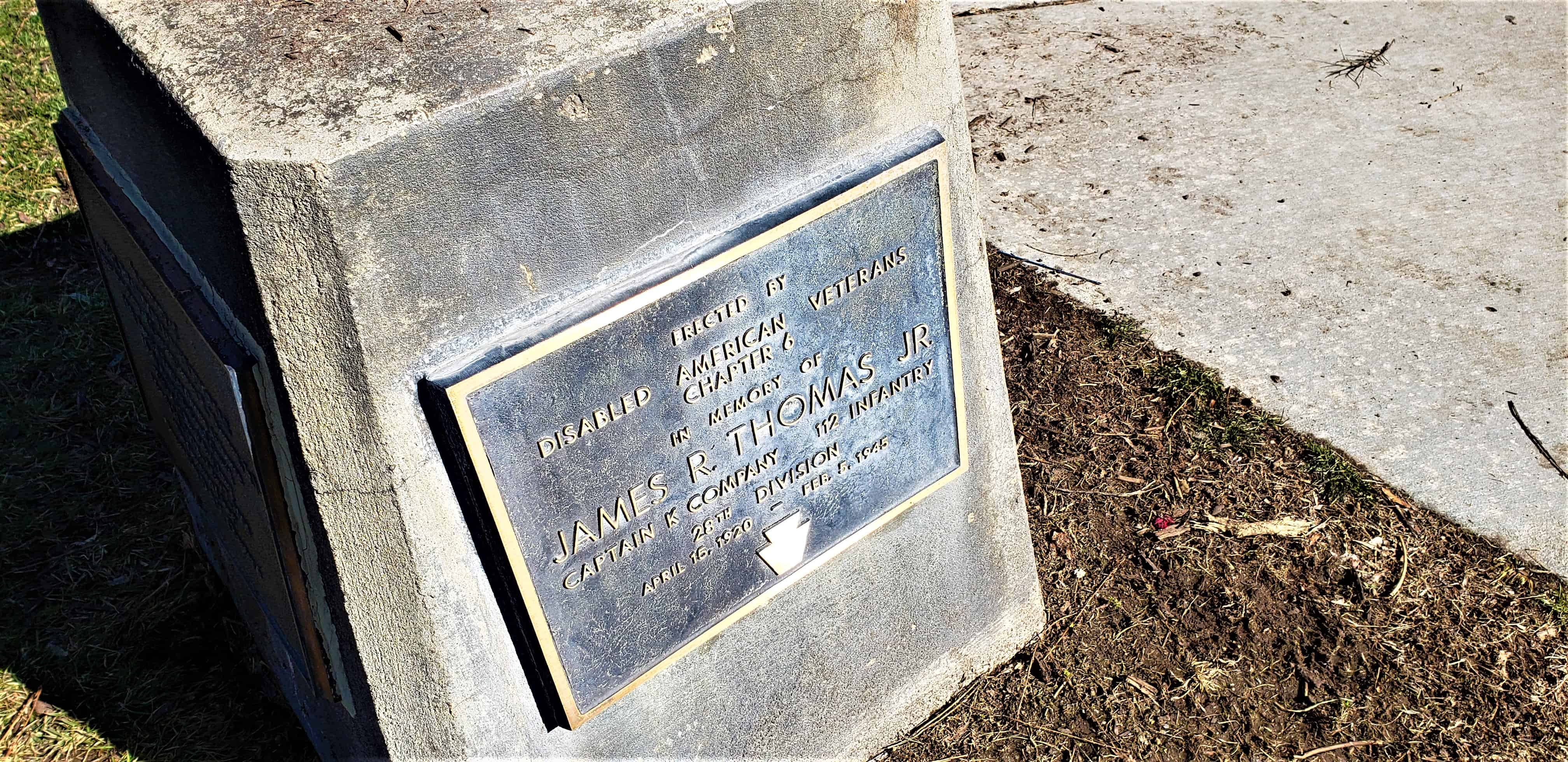
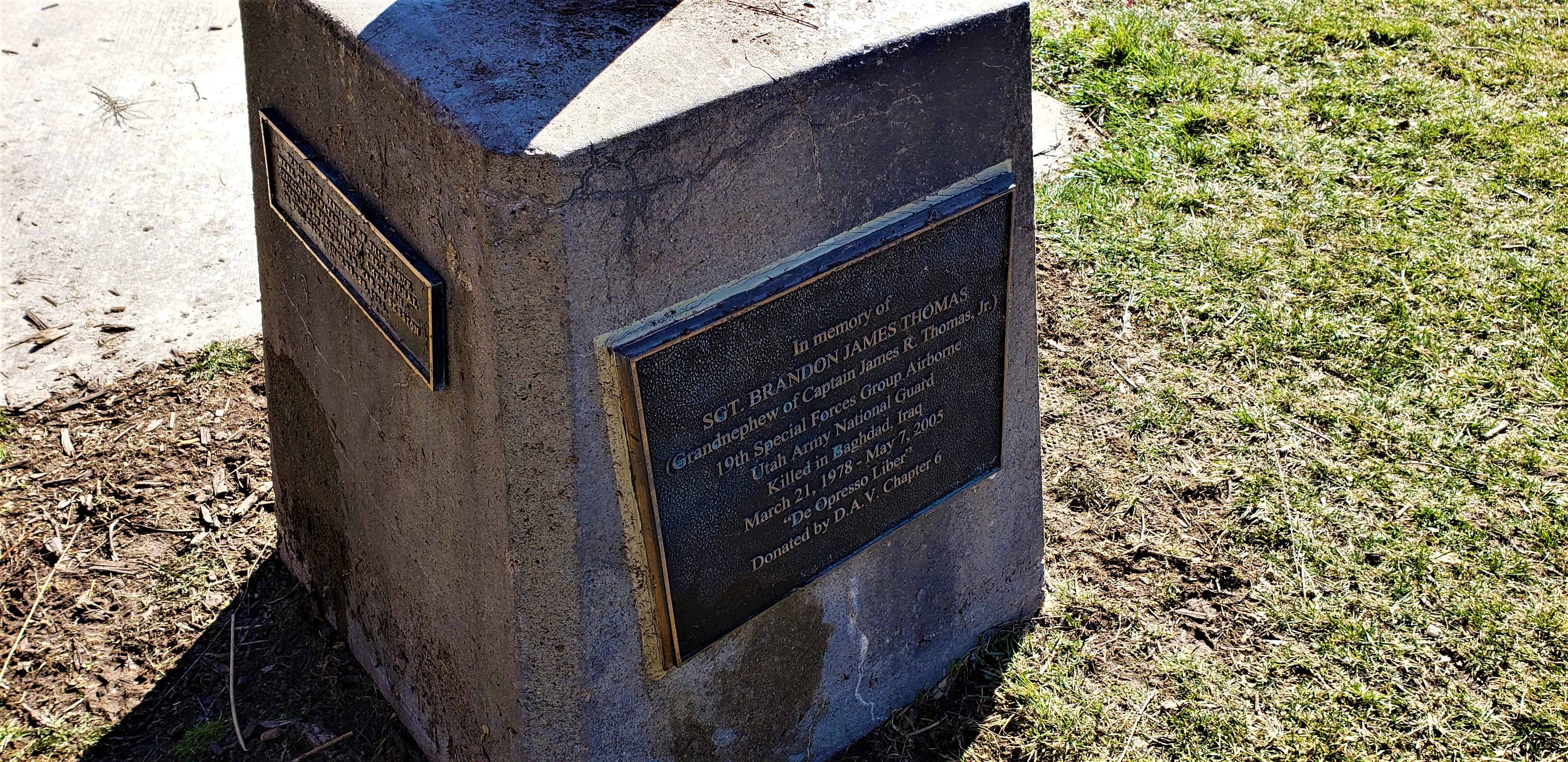
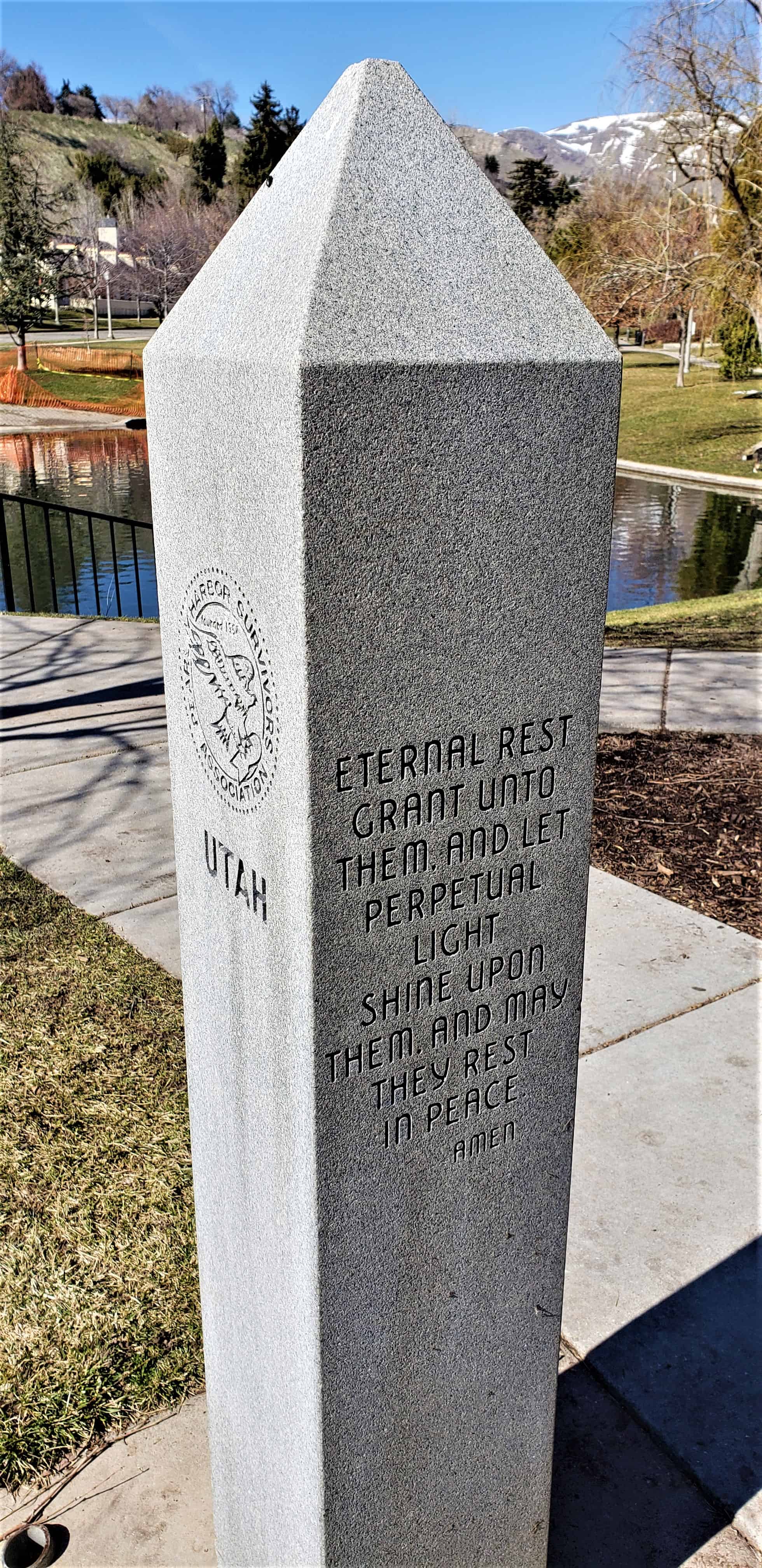
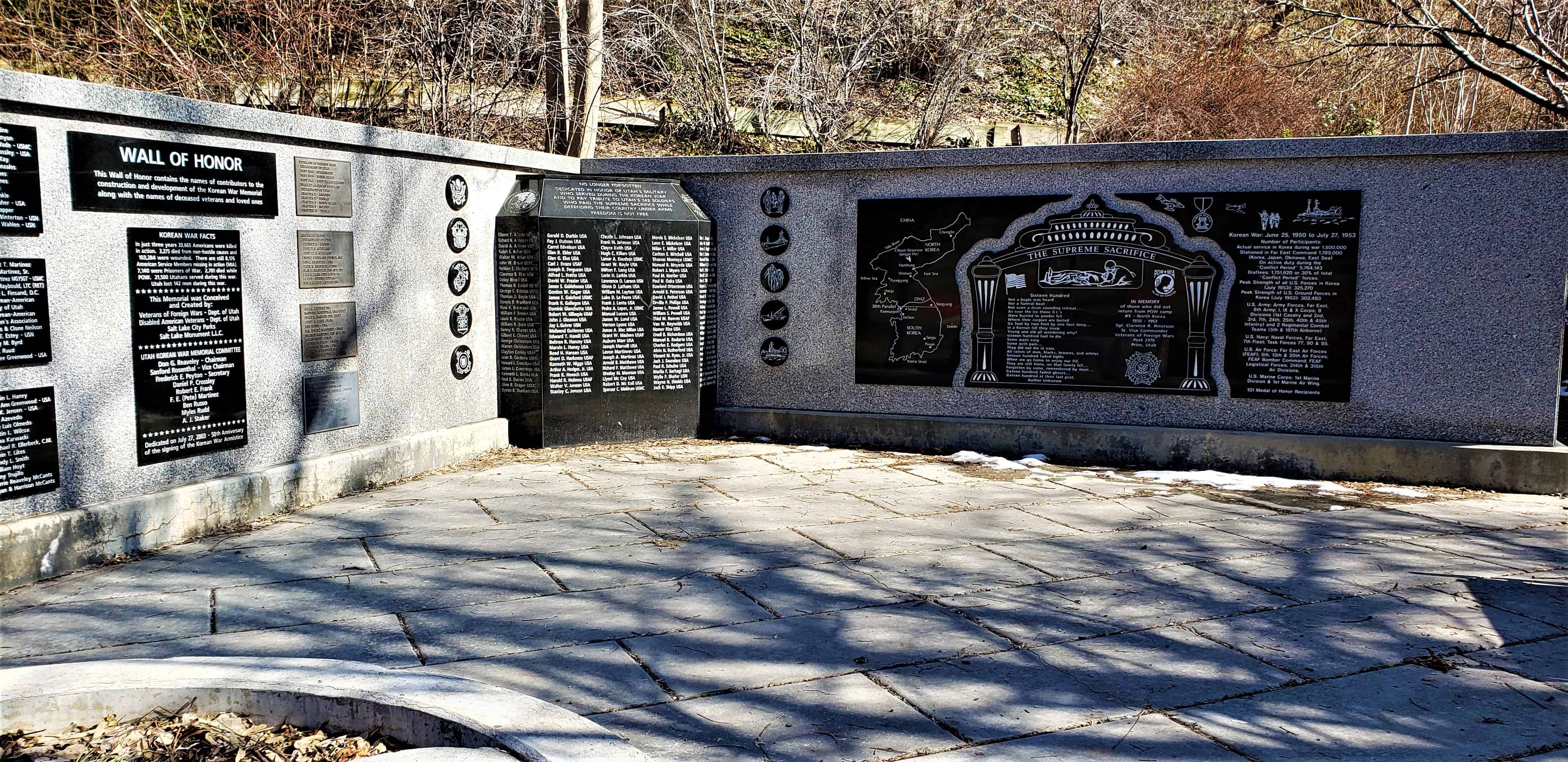
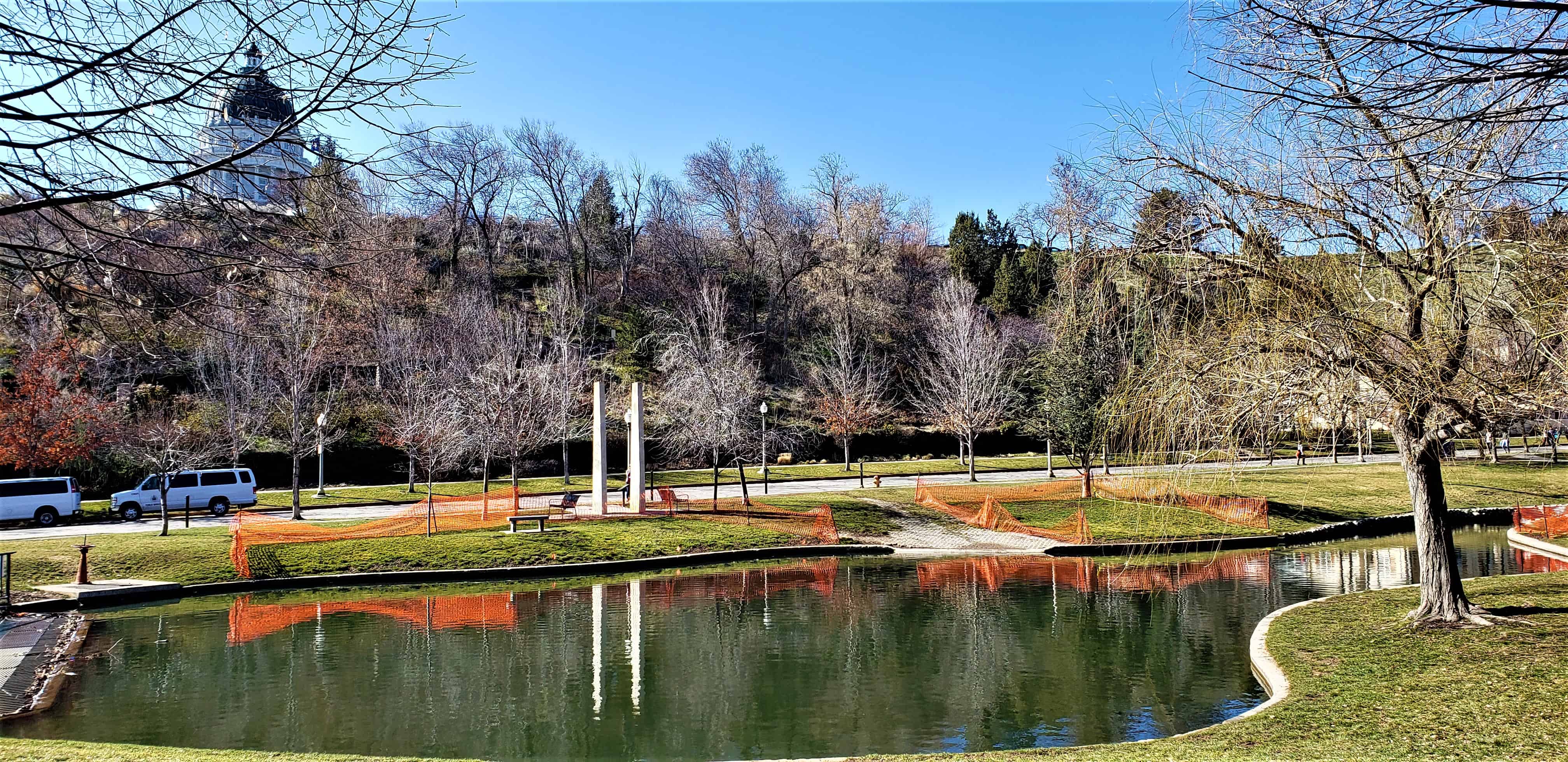
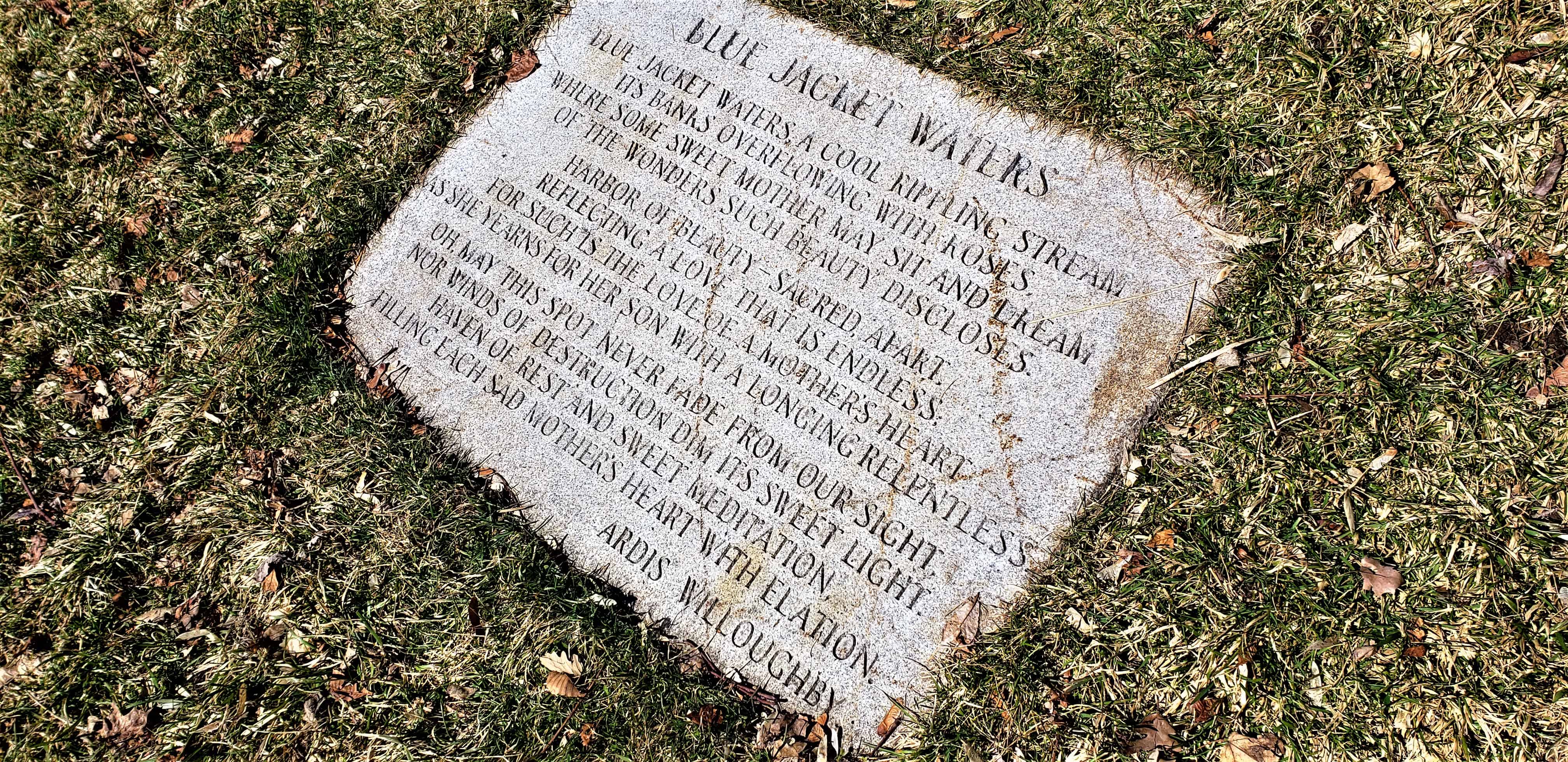
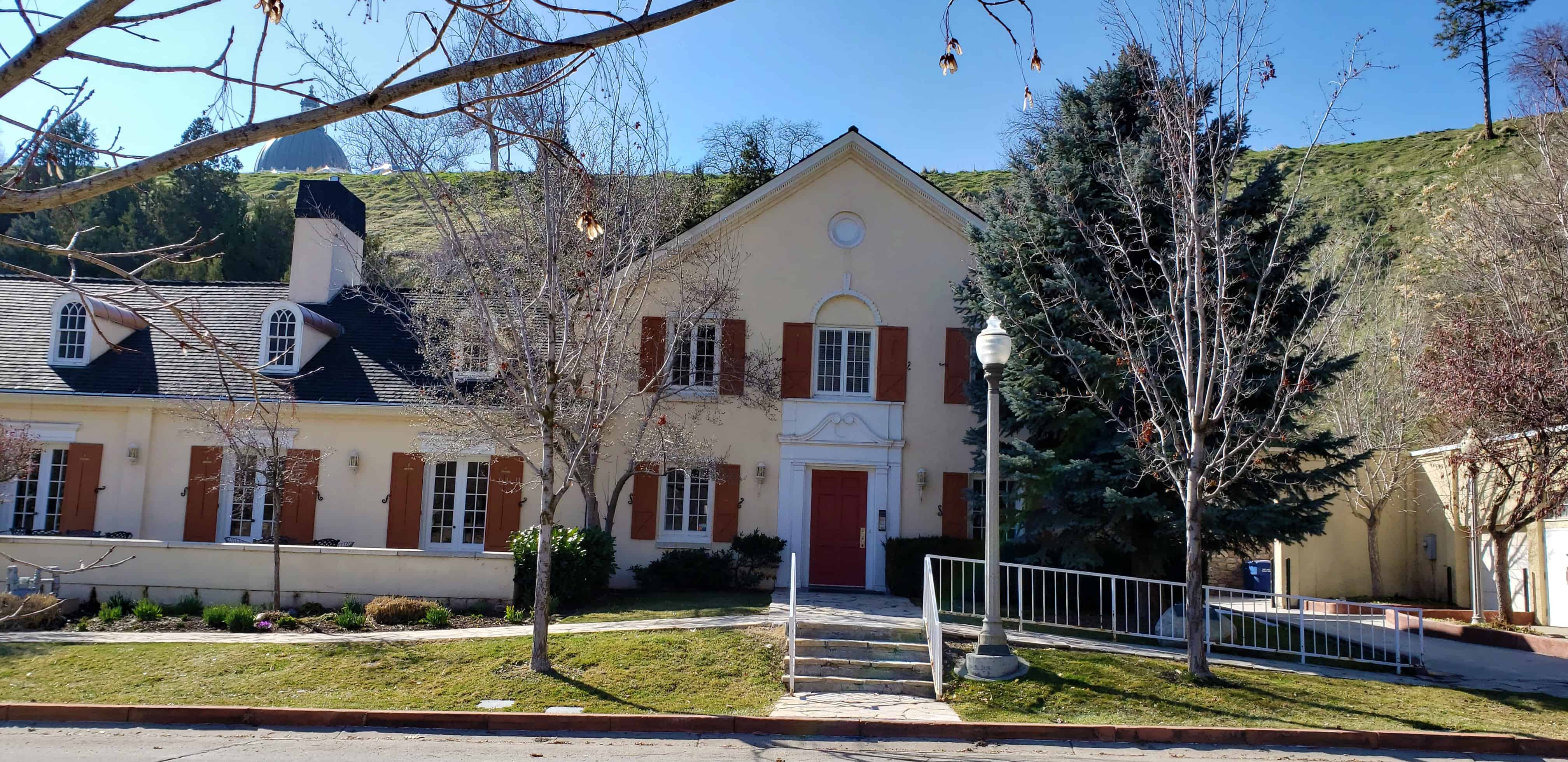
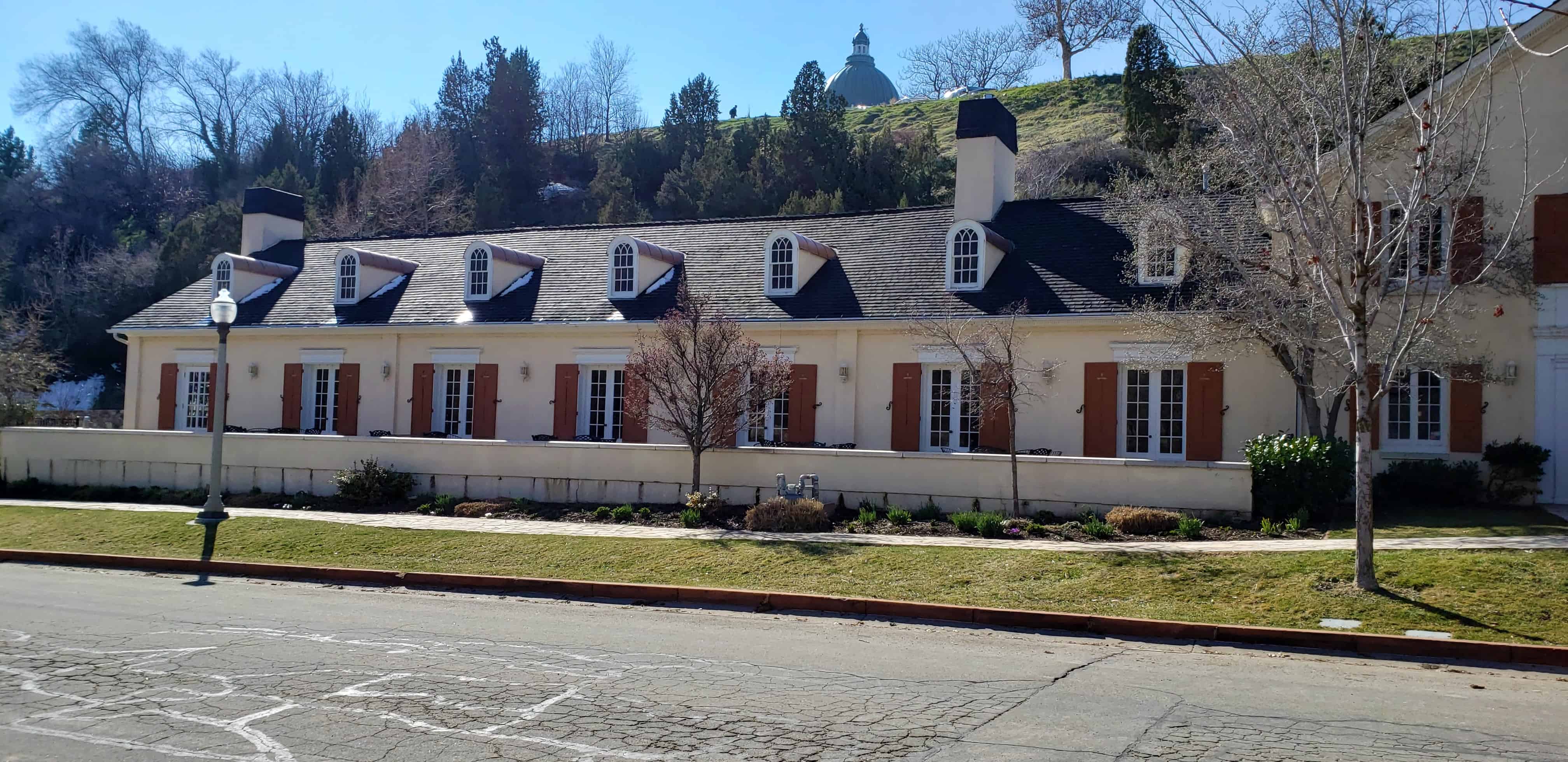
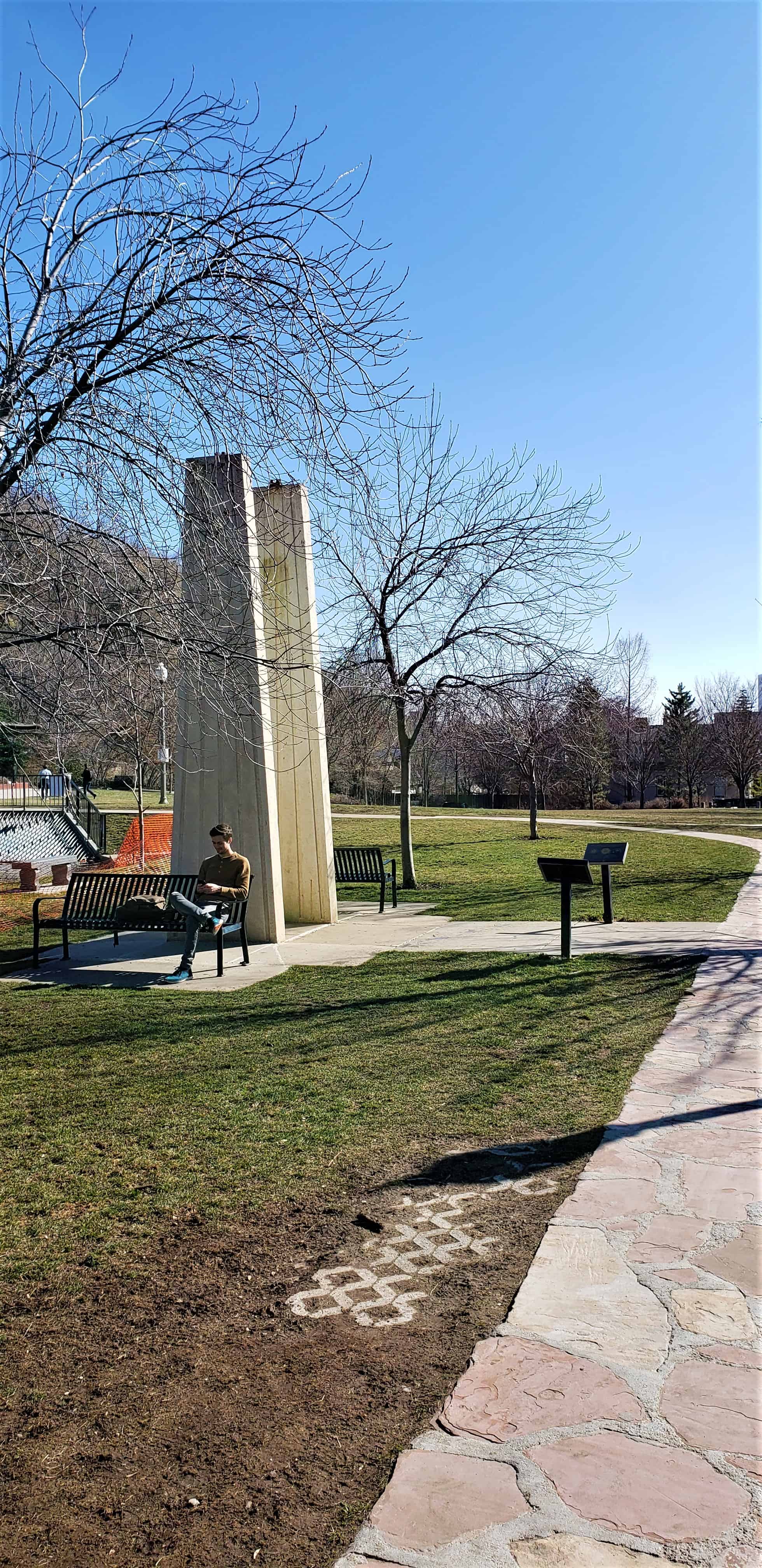
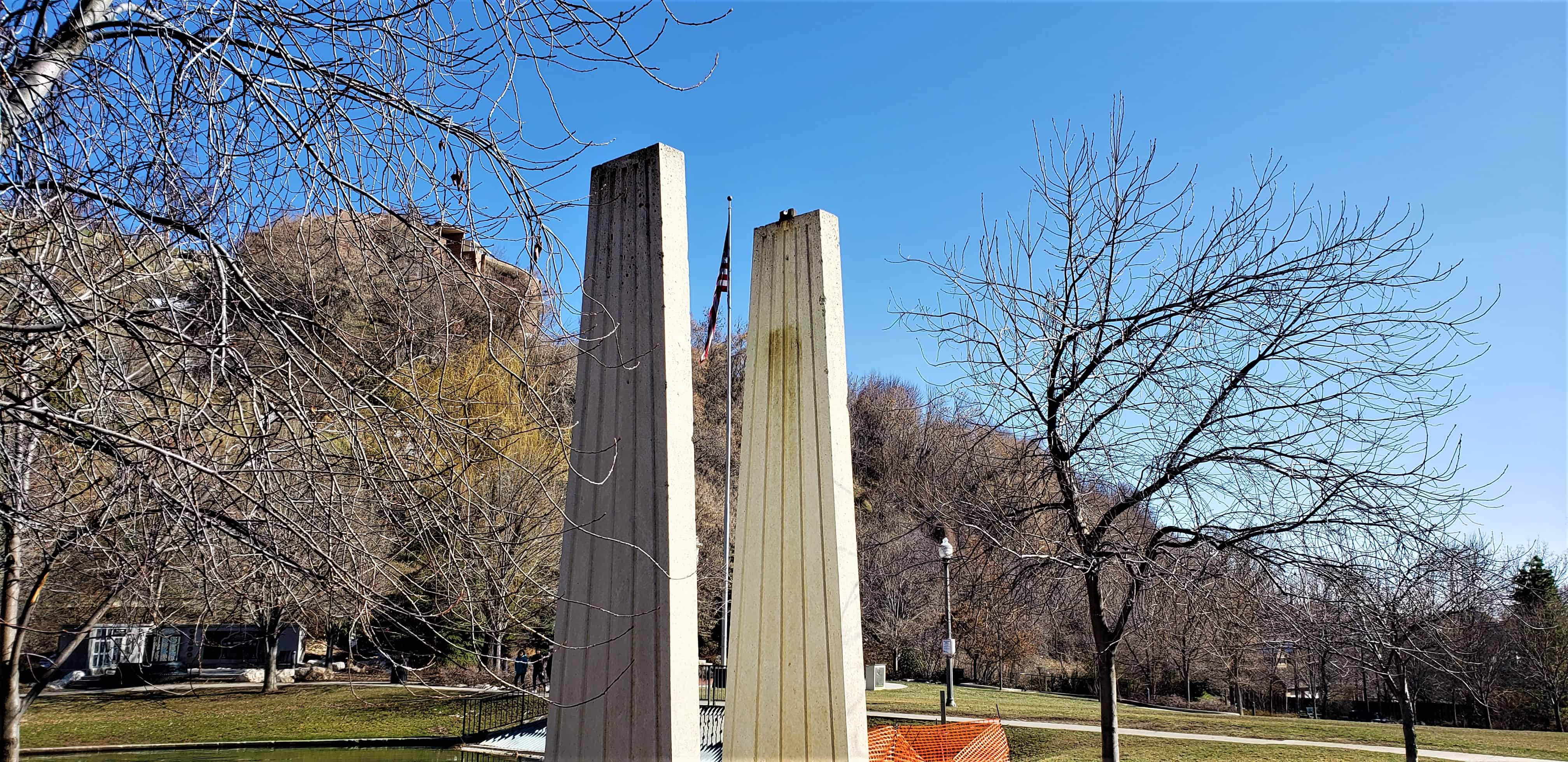
Memory Grove is a large park in Salt Lake City just below the State Capitol Building. It is popular for bringing dog to play, for walking/running, meditation and more.
It has many memorials for war veterans and more.
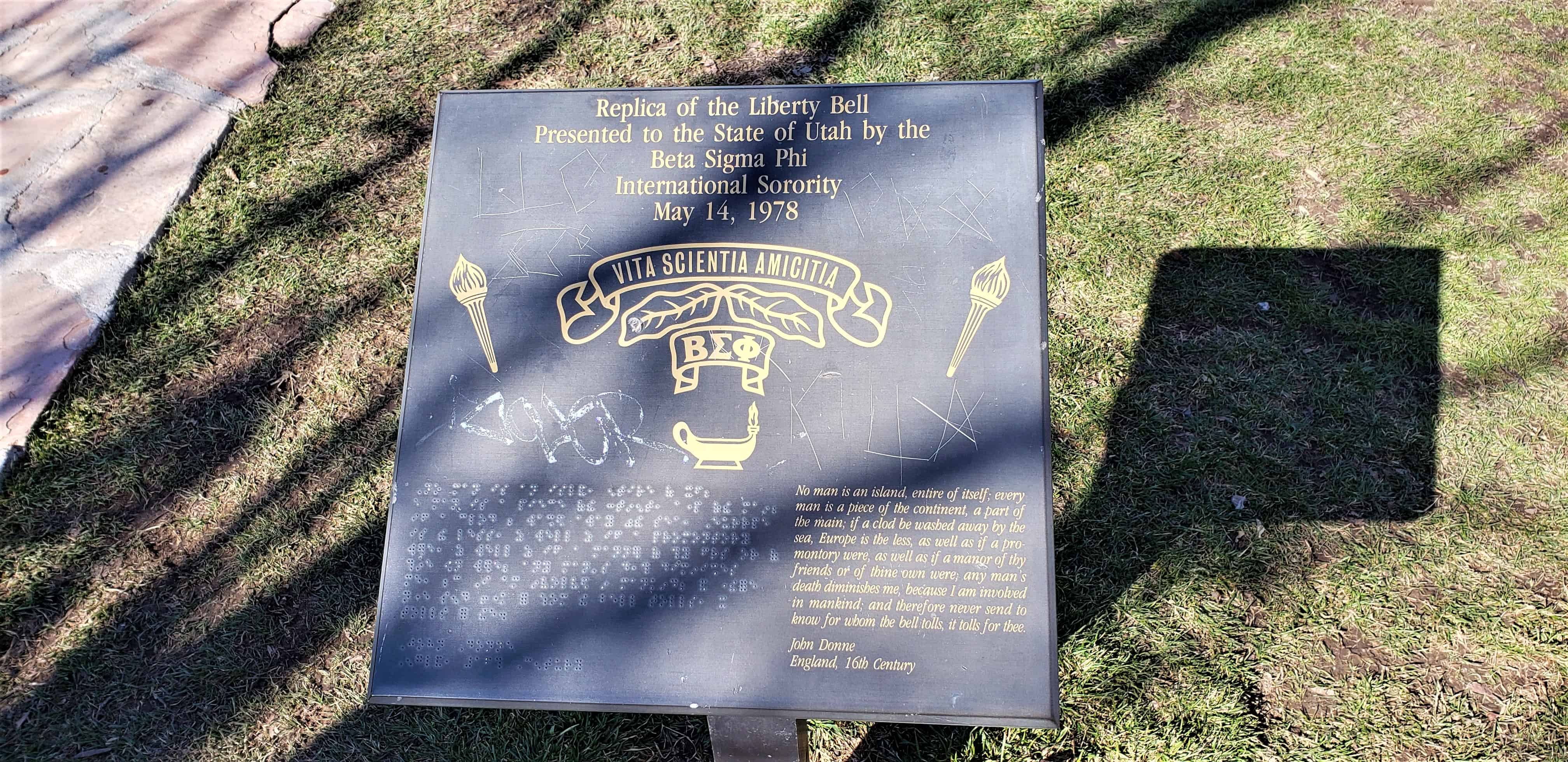
It has a replica of the liberty bell, a hiking trail, a pond, a creek and gorgeous views.
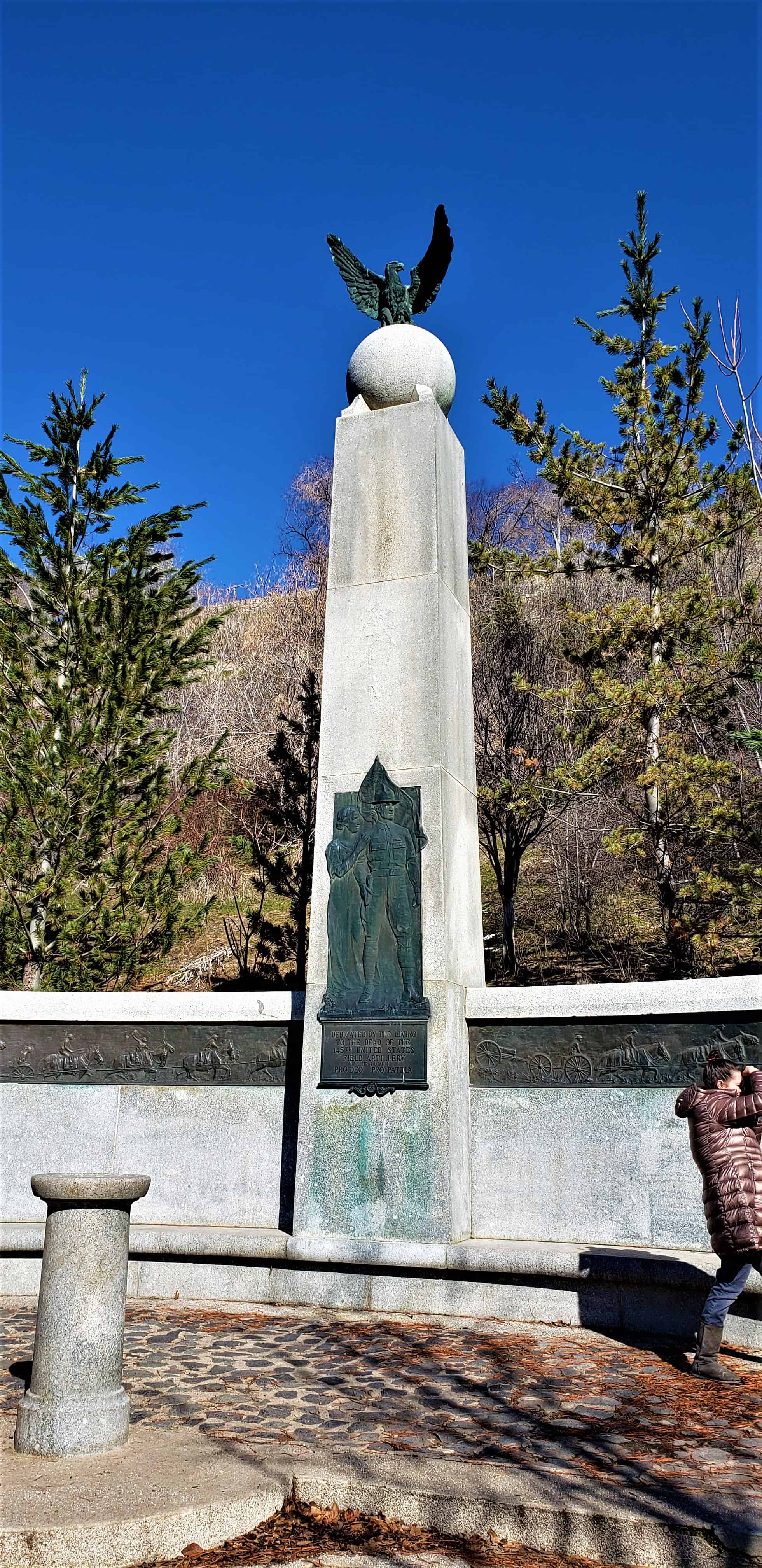
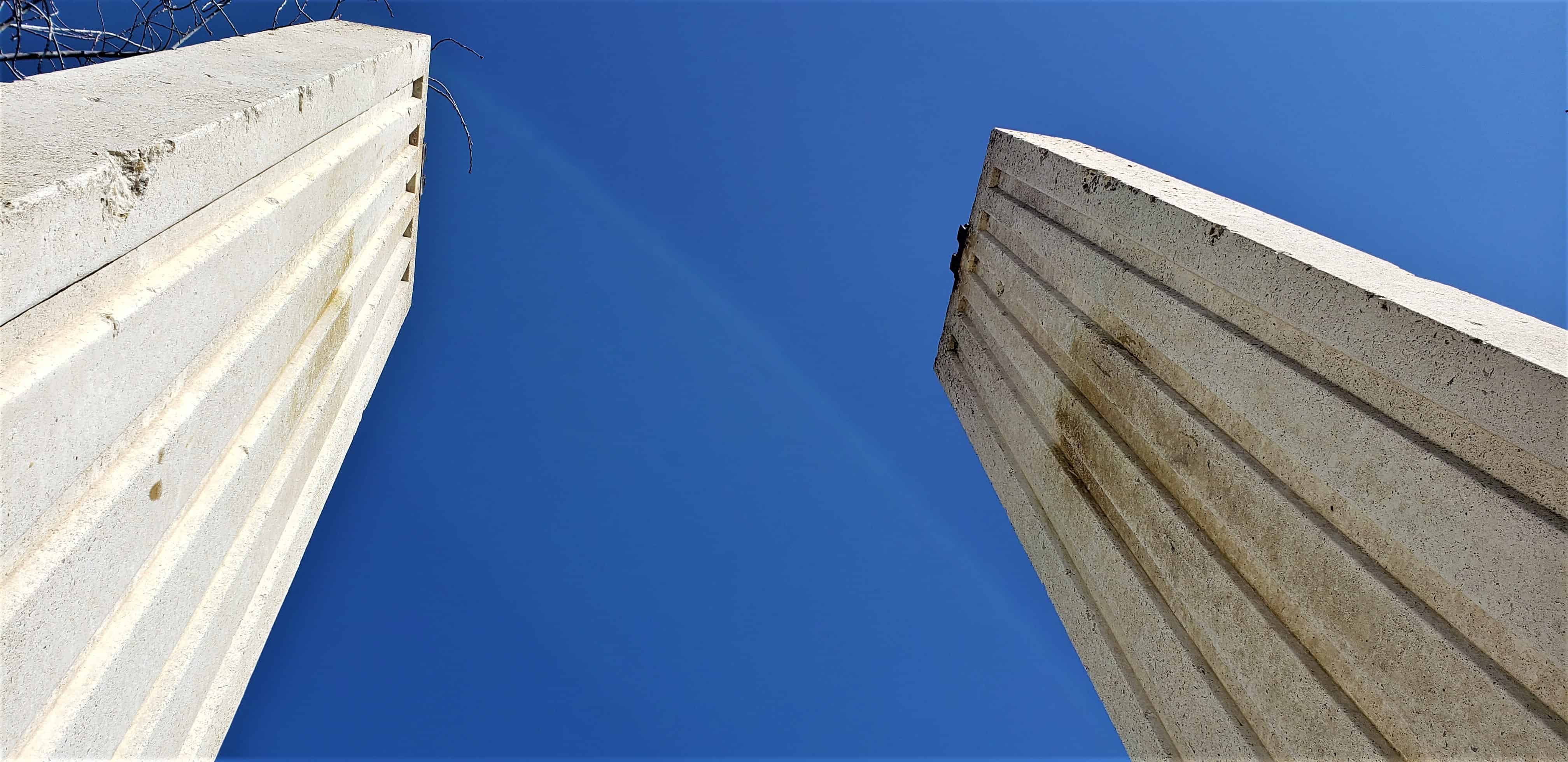
The first memorial/monument added was the pagoda, then the shaft and then the German Cannon.
Related Posts:
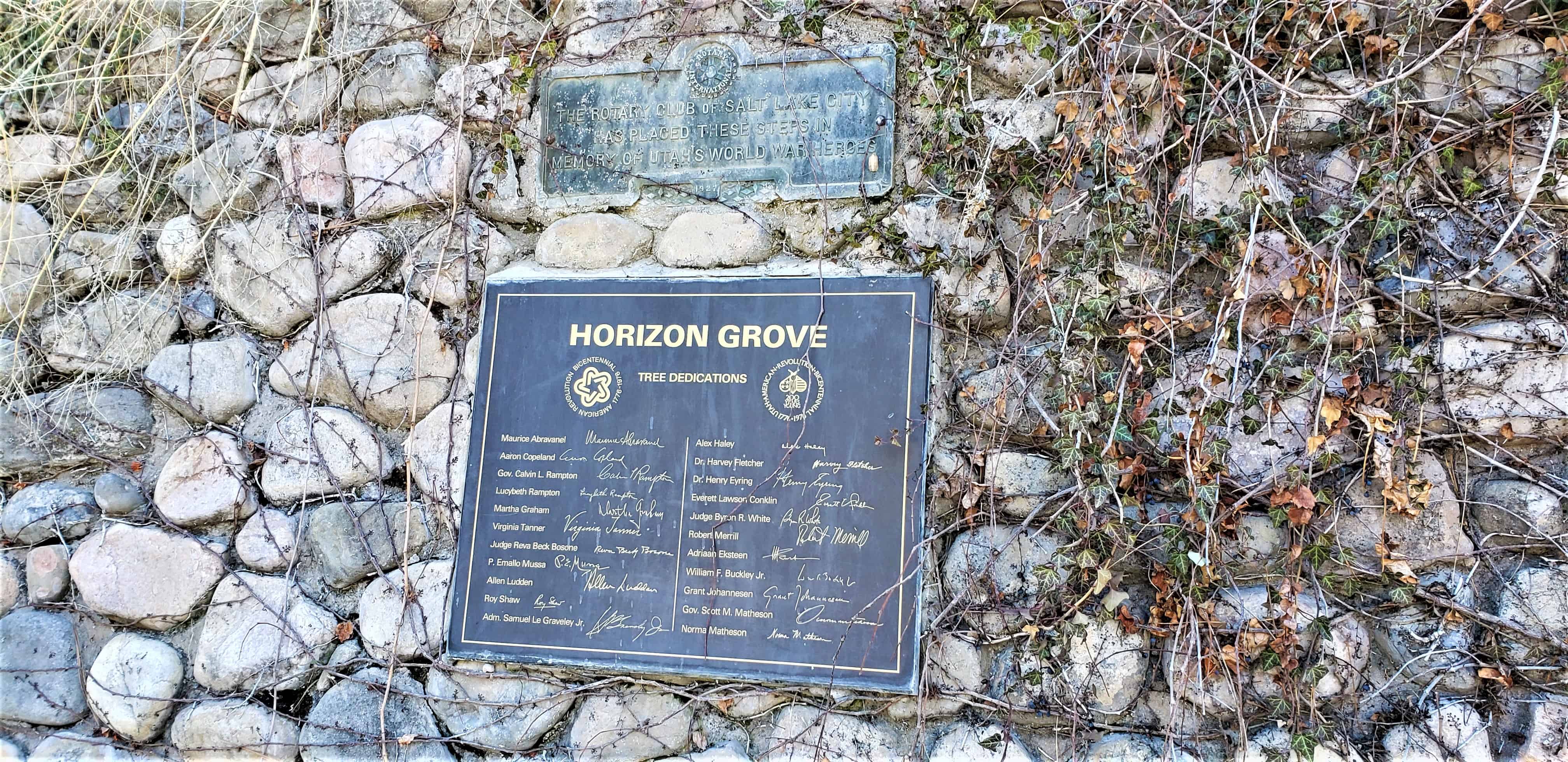
When the Mormon pioneers came to Utah, one of the first organized settlements was at the mouth of City Creek Canyon because there was a good water supply there. Later on one of the first grist mills built by Brigham Young, the Sudbury Flour Mill, was constructed there. The P.J. Morgan Construction Company and the city waterworks department also operated from this area. The first plans for a park were made in 1902 and in 1914 monies were allotted for the City Creek Canyon Park.
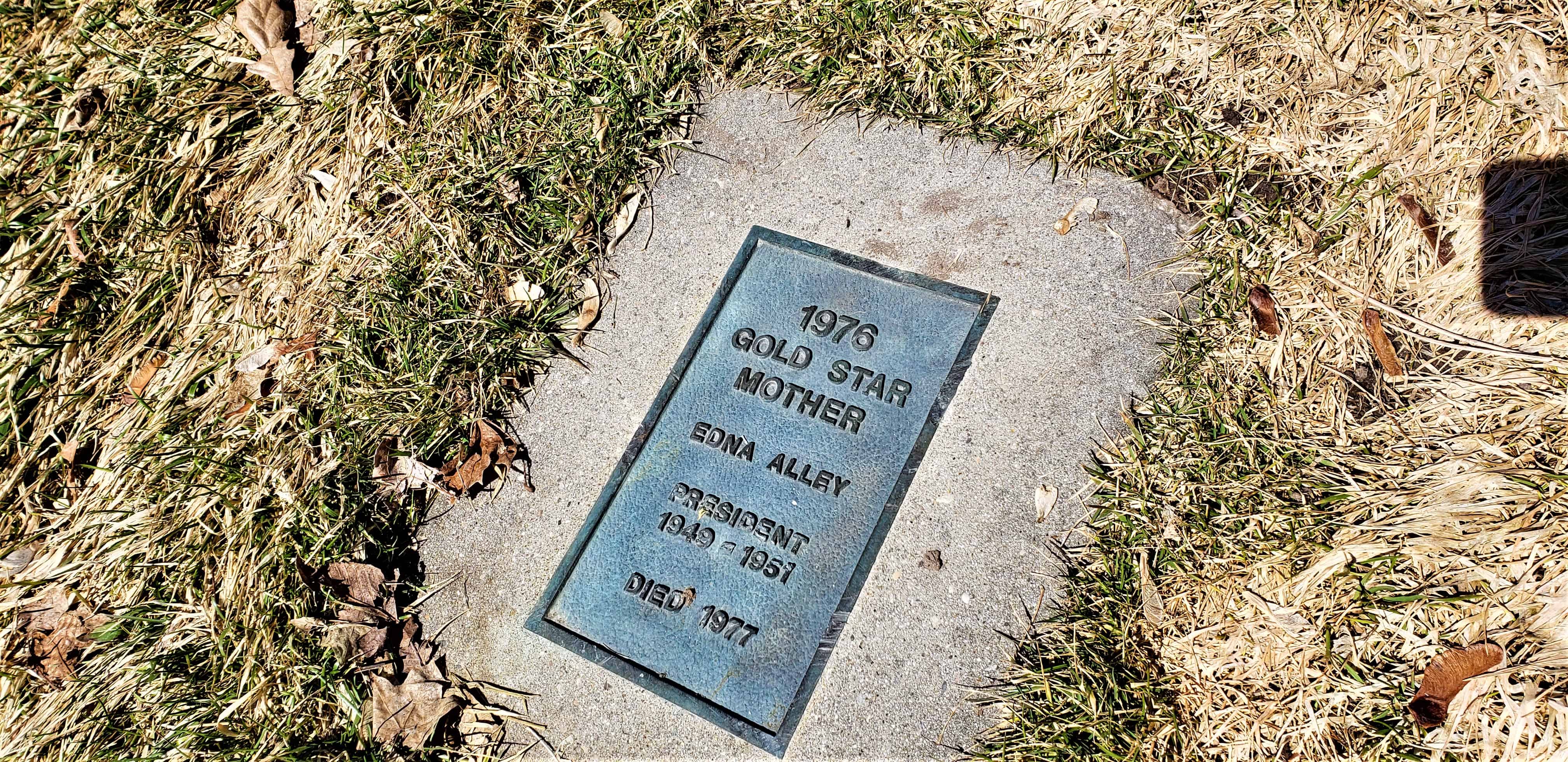
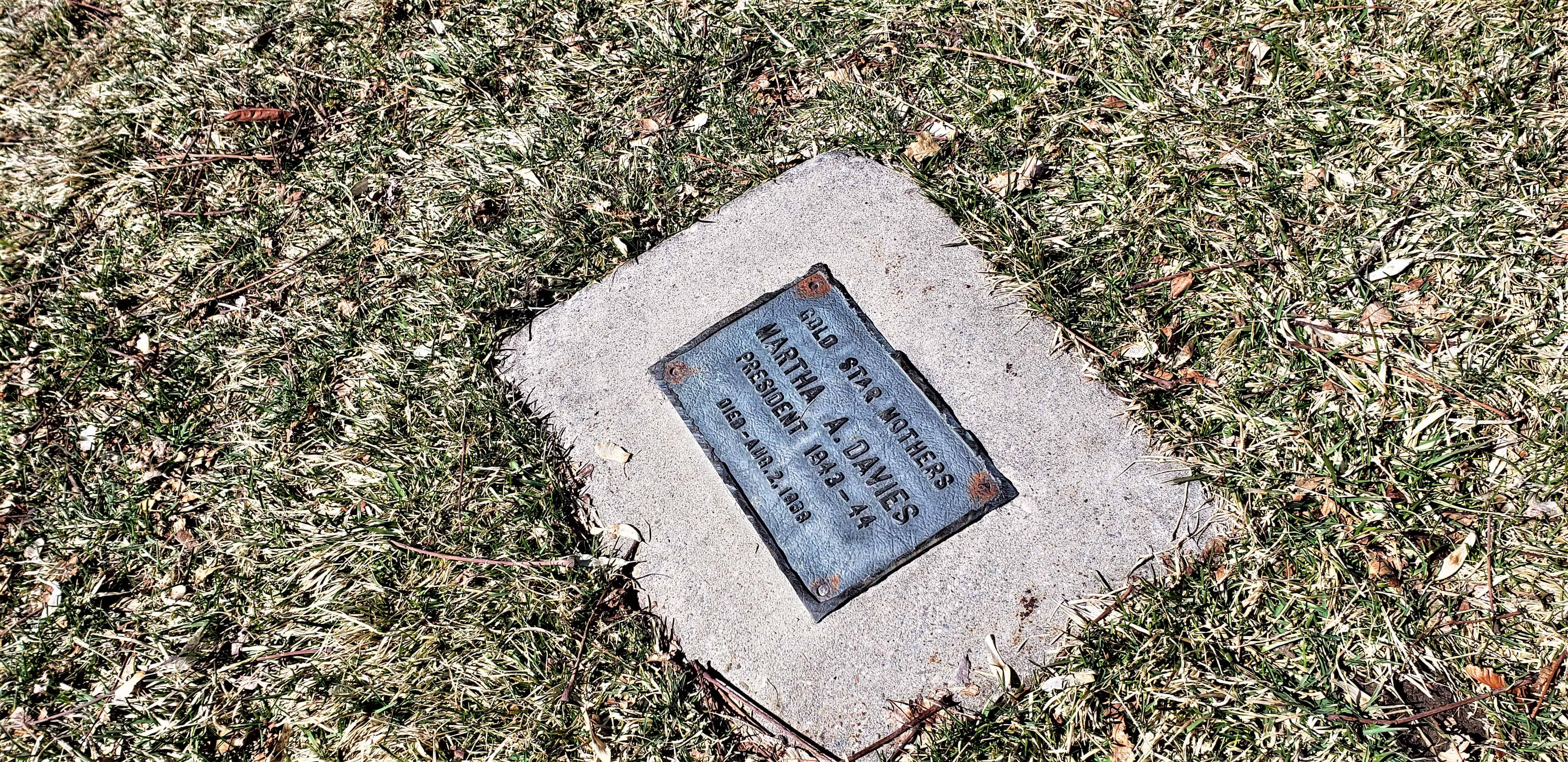
The Service Star Legion was organized after World War I as a patriotic organization for women who had blood relatives who served in the war. The first chapter was incorporated in 1920 in Maryland. At a convention in Baltimore in 1919, the first memory trees in honor of those who died during the war were planted in Draid Park. Following these events, chapters of Service Star Legion spread throughout the nation and similar “living memorial”‘ groves became a national project of the organization.
The Salt Lake Chapter was organized January 2, 1920, and at an April meeting, the Legion voted to ask the City Commission of the mouth of City Creek Canyon could be set apart for a memorial park. Mrs. Clesson S. Kinney, who had made the motion, was asked to be the chairman for the project. Mrs. E.G. Howard was also on the committee and played an important role in the development of the park. Her son, Captain James B. Austin, had died in World War 1. The City agreed to set aside twenty acres from the entrance to the canyon to the brick tank. The park was named City Creek and plans were made to plant trees on Arbor Day 1920.
In 1924 the Gold Star Legion asked that the park be dedicated to the dead soldiers of World War I. It was dedicated as a memorial on June 27, 1924 at a national convention of the Service Star Legion. Mrs. E. O. Howard, chairman of the committee In charge of the park, unveiled a tablet engraved with the names of those approximately 700 men who died In the war. This monument set behind where the pagoda now stands. It was designed by Walter I. Cooper and constructed by H. W. Baum.
Utah played an important role in the service of the United States during World War I, The 21,000 men and 100 women served in the army, navy, marine corps and Red Cross. Utahns served in the 91st Division of the Wild West Division. The 362nd infantry in that division was called the Utah regiment. The 145 artillery was made up of men from the Utah National Guard or veterans of the Spanish .American War. Memory Grove was dedicated to the 665 men who died during the war.











03 Friday May 2019
Posted in Uncategorized


Halloween 4 Filming Location: Trick or Treating.
A scene in Halloween 4: The Return of Michael Myers (1988) shows Rachel taking Jamie trick or treating in a quiet neighborhood. It was filmed on Canyon Road in Salt Lake City, Utah.
Related Posts:


03 Friday May 2019
Posted in Uncategorized


Halloween 4 Filming Location: Kids Toilet-papering in the park
A scene in Halloween 4: The Return of Michael Myers (1988) shows kids tossing toilet paper in the trees in a park in a quiet neighborhood. It was filmed at City Creek Park in Salt Lake City, Utah.
Related Posts:
02 Thursday May 2019
Posted in Uncategorized


Halloween 4 Filming Location: Rachel Looking for Jamie.
Rachel is looking for Jamie in a dark alley in a scene in Halloween 4: The Return of Michael Myers (1988). It was filmed on Canyon Side Road in a quiet neighborhood in Salt Lake City, Utah.
Related Posts:


02 Thursday May 2019
Posted in Uncategorized
Tags
NRHP, Provo, utah, utah county

This page is to condense and link to other posts on this website that relate to the Provo Tabernacle which later became the Provo City Center Temple.
The tabernacle is located at 50 South University Avenue in Provo, Utah and was added to the National Register of Historic Places (#75001830) on September 9, 1975. The text below is from the nomination form from when it was submited:
The Provo Tabernacle is significant for both religious and architectural reasons. It is still the place where great nesses of Mormons come to hold their conferences. It is also the major symbol of pioneer accomplishment in Utah Valley. The Tabernacle is used by the Utah Valley Symphony and other groups promoting cultural, political and religious betterment,, causes which were greatly espoused by the pioneers in Utah Valley.
Since the destruction of the old tabernacle in 1919 and the later razing of the old court house and others of Provo’s historic buildings, the Tabernacle stands out as the roost important architectural landmark in the valley, Both its monumentality and its architectural refinement continue to told the observer somewhat awestruck. The building is useful, beautiful and it should continue to serve the community for countless years.
Description –
The present Provo Tabernacle was built clue south of the older tabernacle constructed 1856 to 1867, which continued to stand until 1919* The old tabernacle could seat 1100 to 1300 people, but in 1882 was deemed too small and a decision was made to build a tabernacle that would house three times the number of people as did the older edifice. At a quarterly conference held, in September, 1882, a building committee was chosen and soon after,, work on the tabernacle began. The following description of the building was made in 1914, four years before its renovation: “Located in Provo, Utah and erected between 1883 and 1896, it is made of brick and stone, the superstructure being of brick, The building measures 128 by 75 feet and 40 feet to the square. The seating capacity is three thousand. It cost between eighty and ninety thousand dollars, There is one auditorium and a vestry. William H. Folsum was the architect. Building supervisors were Elder H. H. Cluff, and later. Elder Reed Snoot. The building was so far completed that the general conference of the Church of Jesus Christ of Latter-day Saints was held in it in April, 1887.
Another description, made in 1947, also tells of the building’s interior: “The Provo Tabernacle, located on University Avenue between Center Street and First South Street, was erected at a cost of $100,000, It is built of red brick and set in wide lawns covering most of the city block. The building has octagon towers at each of its four corners. A central tower that arose above the lintel to the height of 140 feet was later removed, being too heavy for the roof. Cathedral windows are used throughout the building, and beautiful ivy vines cover the walls. The interior is finished with painted- stained and varnished sugar pine wood. The stand was designed by Thomas Alltman, When first finished the benches were made with straight backs and the seats were covered with red velvet later these were replaced by curved back, spring-filled. leather upholstered benches. A green plush curtain separated the choir from top pulpit and speakers. When the green curtain was removed, the space was filled with a strip of fir lumber, beautifully designed, carved and engraved by Thomas M. Allman, which has been admired by many church leaders, diplomats, and thousands of Saints and friends. The balcony extends around the entire assembly hall and the building is well lighted, heated and ventilated. The pipe organ was imported by D. O. Calder and was one of the finest to be bought at that tine. The Tabernacle has been in service for sixty years, being used for church gatherings and other special occasions. It has a seating capacity of 3000 people.
At the time it was completed, Utah Stake boundary lines included all of Utah County. All joint meetings and special church assemblies, including the semi-annual conference in October, 1886, were held in the Tabernacle, At the present time Provo and Utah Stakes use the Tabernacle jointly, arranging quarterly conferences at different tines.
Another report states that the indebtedness upon the building was liquidated by the “50¢ Fund” which called upon men in the stake to contribute 50¢ a month toward the building, and women 25¢.
The building was partly condemned in 1918 because the roof was under great stress from the large tower which sat at the crossing of the ridges, The building was renovated at this time, but the tower was permitted to stay until 1949 when the building was again condemned. At that time the building was about to be destroyed when Provo architect Fred Markham stepped in just in time to save the structure. He designed a method for removing the central tower and rebuilding the roof and in this manner the tabernacle was saved. This work was done in 1950. Stake meetings continue to be held frequently in the edifice.
The Provo tabernacle is a stately structure. It is slightly cruciform in plan and is a split-level with two full stories altogether. At each of the four major corners is a large, octagonal tower. At the east end they also serve as vestries. The towers have a combination of Gothic and segmented bays, each having corbeled arches and keystones. The towers have molded cornices and segmented, conical steeples. The four major gabled ends are extensively detailed. Features include a corbeled dentil run with, tiny Gothic arches, a curious terminal piece at the top of the gable, a swooping., steep roof pitch, indented Gothic arches, large Gothic windows with central mullions and several other decorative elements which harmoniously combine to give an overall effect of dignity and grandeur. In the English tradition ivy grows on the walls. The city fathers themselves once admitted that s the design was adapted with the view of preserving among us a reminiscence of a Presbyterian meetinghouse, that the children of the saints might see in what kind of edifice their fathers worshipped before they heard the gospel.” With this in mind we can better appreciate some of the unusual decorative elements of the building. The central tower which was taken away was wider and had a taller steeple than the existing towers. It sat on a square pedestal. From the ground level to the top of the tower the height was 140 feet.
The interior assembly hall is a spectacular space. The original pews, horseshoe gallery, decorative woodworking and beautiful organ loft with exposed pipes remain as a tribute to the craftsmanship of our pioneer ancestors. Below the chapel are four rooms for the accommodation of the Stake Presidency, High Council and auxiliary Stake boards. On the top floor is a circular prayer room with dressing rooms attached. There is also a baptismal font with dressing rooms in the basement. The treatment of the interior is tastefully lavish and. inspiring. There is an especially impressive mood in the morning when the sunlight floods into the huge chapel through the many stained glass windows.