In Honor of James Bridger 1804 – 1881 Early western fur trapper, frontiersman, scout and guide.
To settle a wager among the trappers who were making their first winter rendezvous in Cache Valley Bridger floated alone in a bull boat down Bear River to its outlet to determine the river’s course in the late autumn or early winter of 1824, thus making the original discovery of Great Salt Lake. But believing he had discovered a salty arm of the Pacific Ocean, he halted at such view points as this en route to reconnoitre.
This historic marker is #10 in a series by the Utah Pioneer Trails and Landmarks Association (see those here), which was adopted by the Sons of Utah Pioneers (see those here).
Bear River City limits encompasses the area between Corrine on the South, Honeyville and the freeway on the East, Elwood on the North, and the Mountains and bird refuge on the West. Jim Bridger started his famous trip to the “ocean” (or the Great Salt Lake) within the boundaries of Bear River city. Early residents dug caves along the river bottom as makeshift homes until more permanent structures were built. As Mormon settlers continued to move into the area, they began to refer to the community as Bear River, in reference to the river that flows through it. Originally, Bear River City started out as a farming community, but today offers a variety of businesses and occupations that add a more diverse flavor, while still retaining small town charm. (from bearrivercityutah.com )
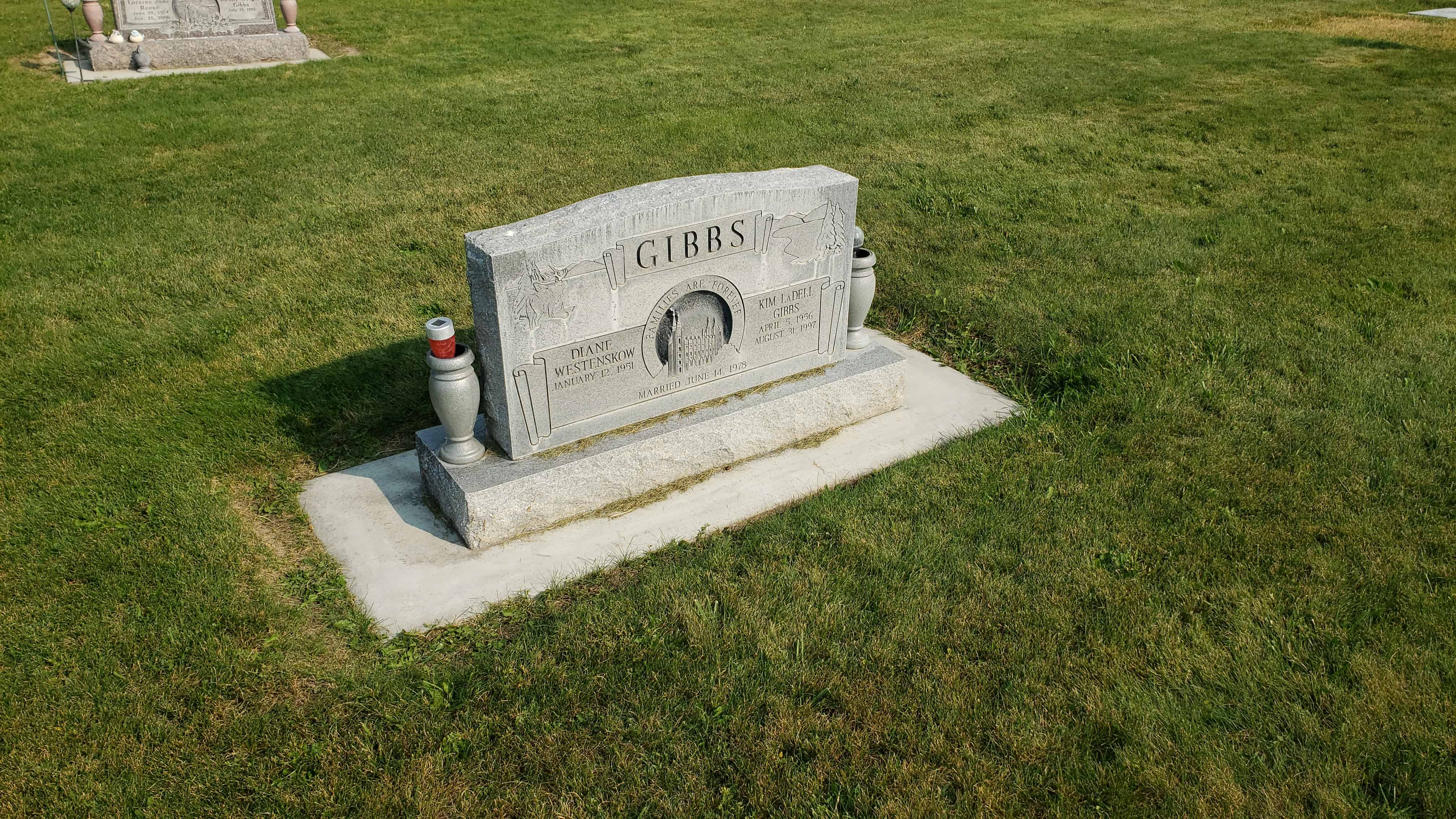
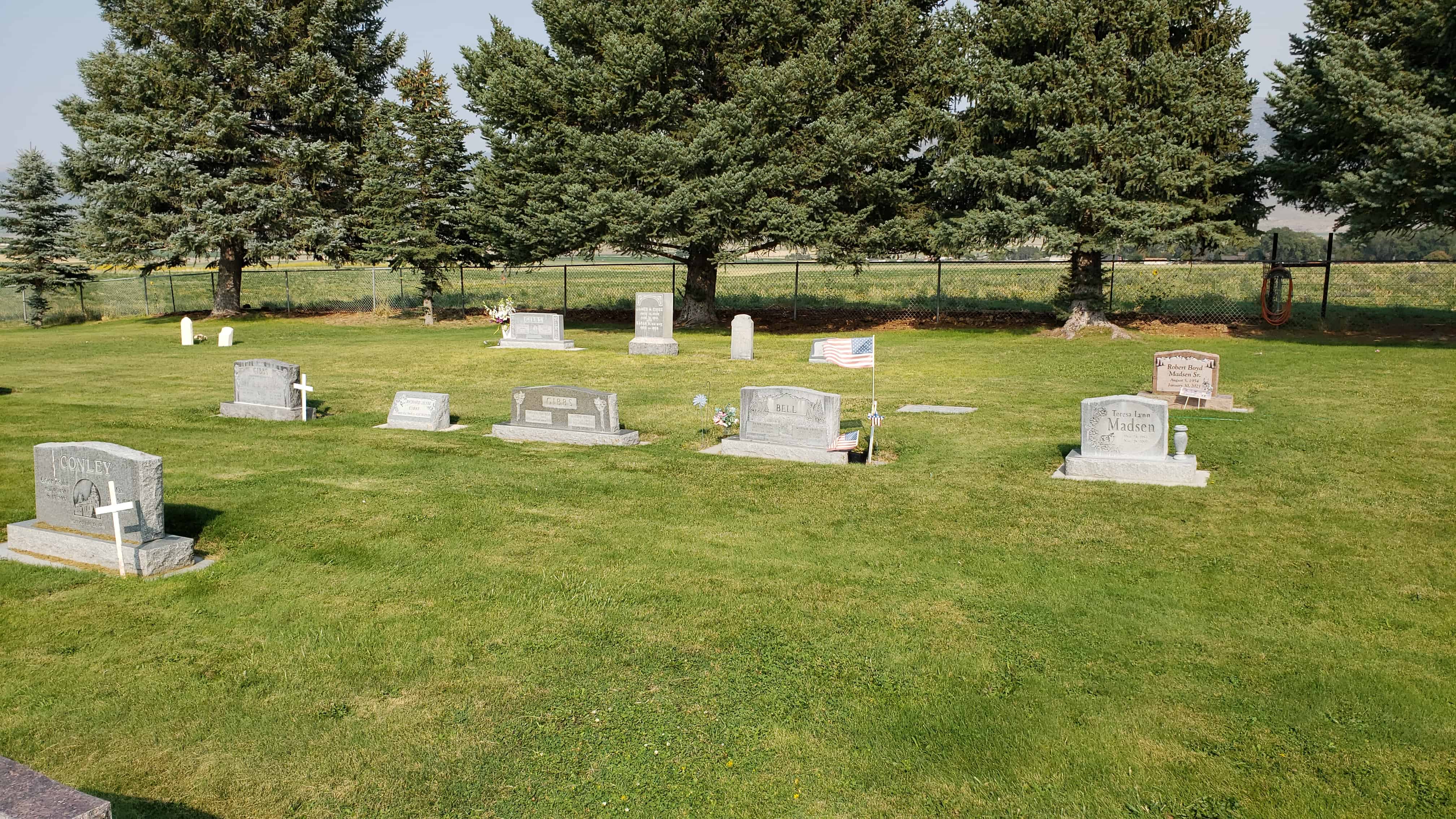
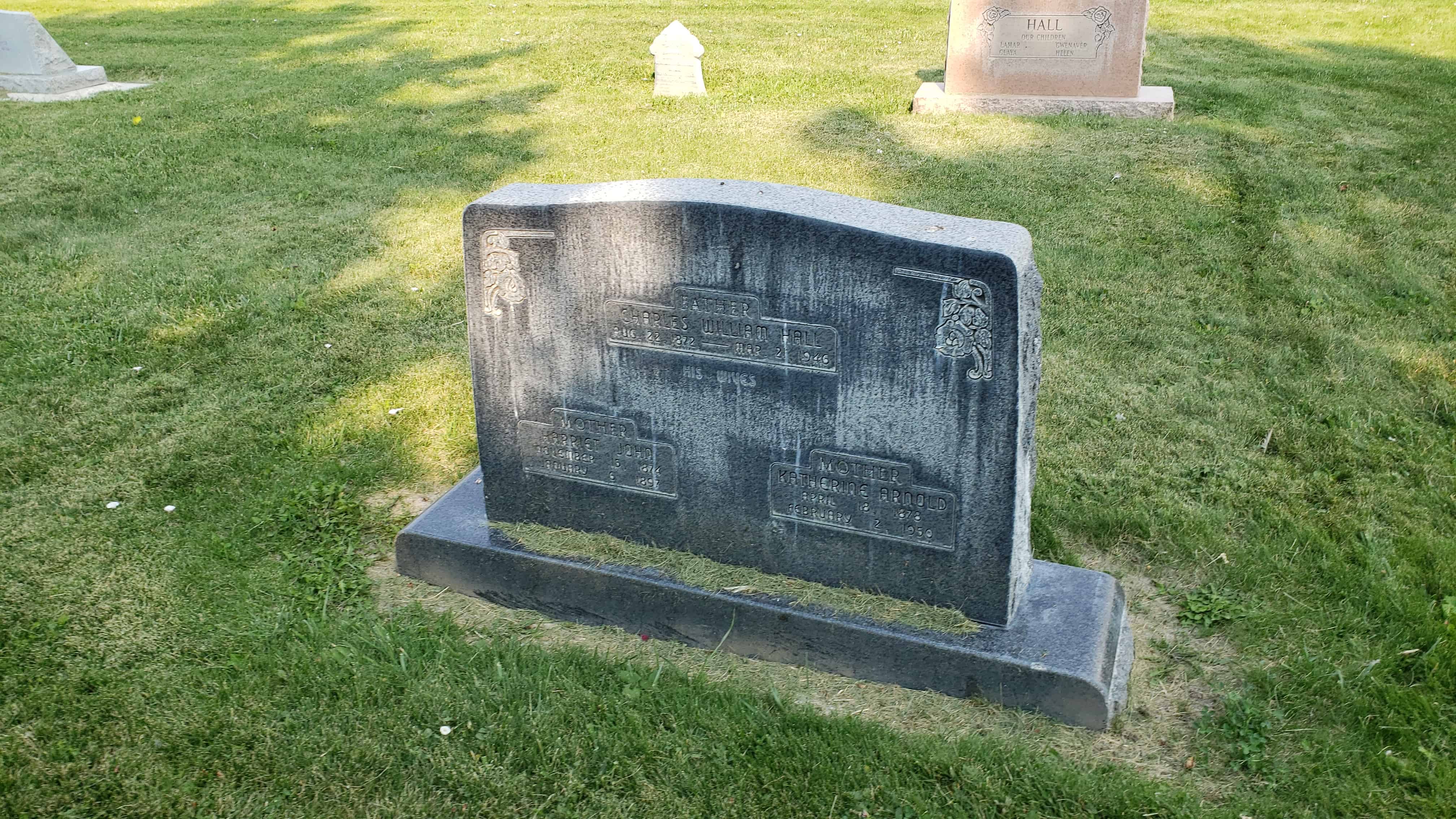
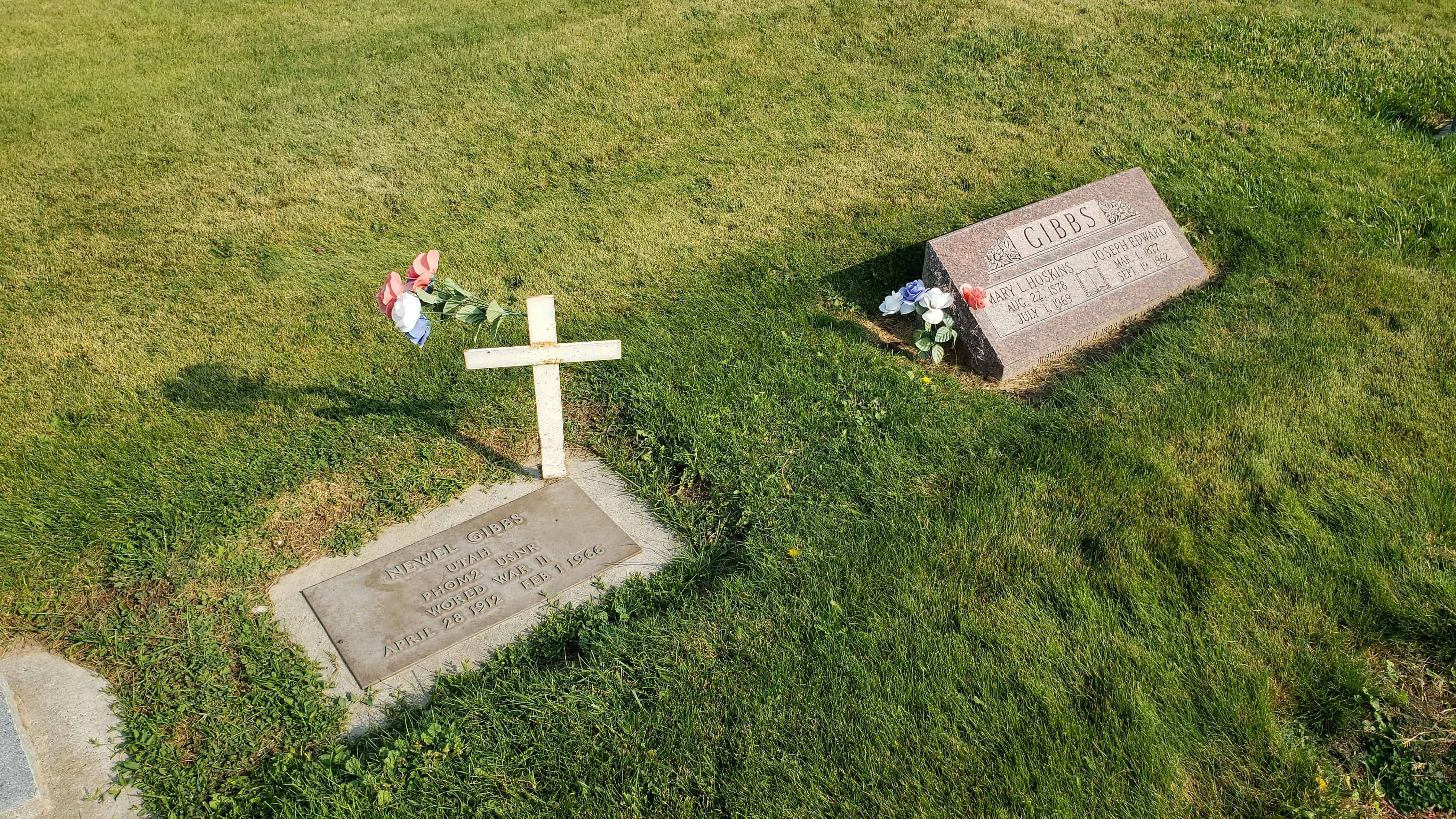
From boxeldercounty.org: The geographical development of Box Elder County involves several communities having their beginnings at about the same period of time. While colonization pushed north out of Salt Lake City, there were other movements taking place from Cache Valley at the same time. In 1867 the first settlers came to Portage from Wellsville. They came to harvest the wild hay and settled on the east side of the valley. In the following year, others came from Perry and Davis County areas. The Parkinsons, Johns, Davis’, Allens, Gibbs, Halls, Harrises, Conleys and others came in the 1867-1868 period. During the summer of 1868, a day-schoolhouse was erected that was about 20 x 30 feet. As in other early communities, the schoolhouse served all community purposes.
President Lorenzo Snow, President of the Box Elder Stake, visited the community of Hayton and changed the name to Portage after Portage County, Ohio, where he was born. In 1872 the settlement moved from the east side of the valley to the west side. This was done to tap irrigation water stored in the Samary Lake. A canal 12 miles long was constructed, mostly with hand tools. The Portage Ward was organized November 23, 1877, with Oliver Hoskins as bishop.
In 1880 Portage had 62 taxpayers on the county tax rolls. The 1990 census lists 218 residents now living in the quiet, rural town.
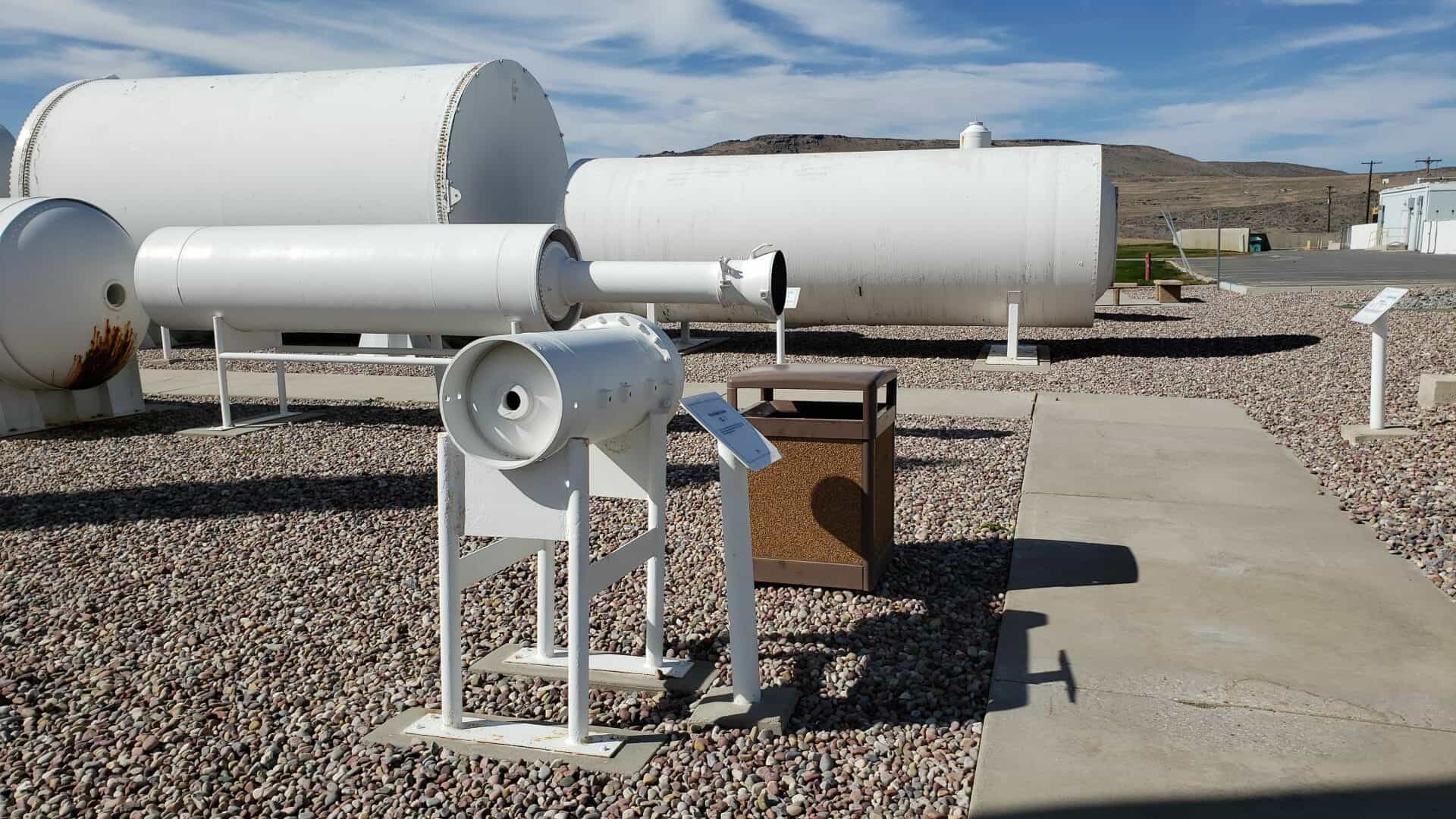
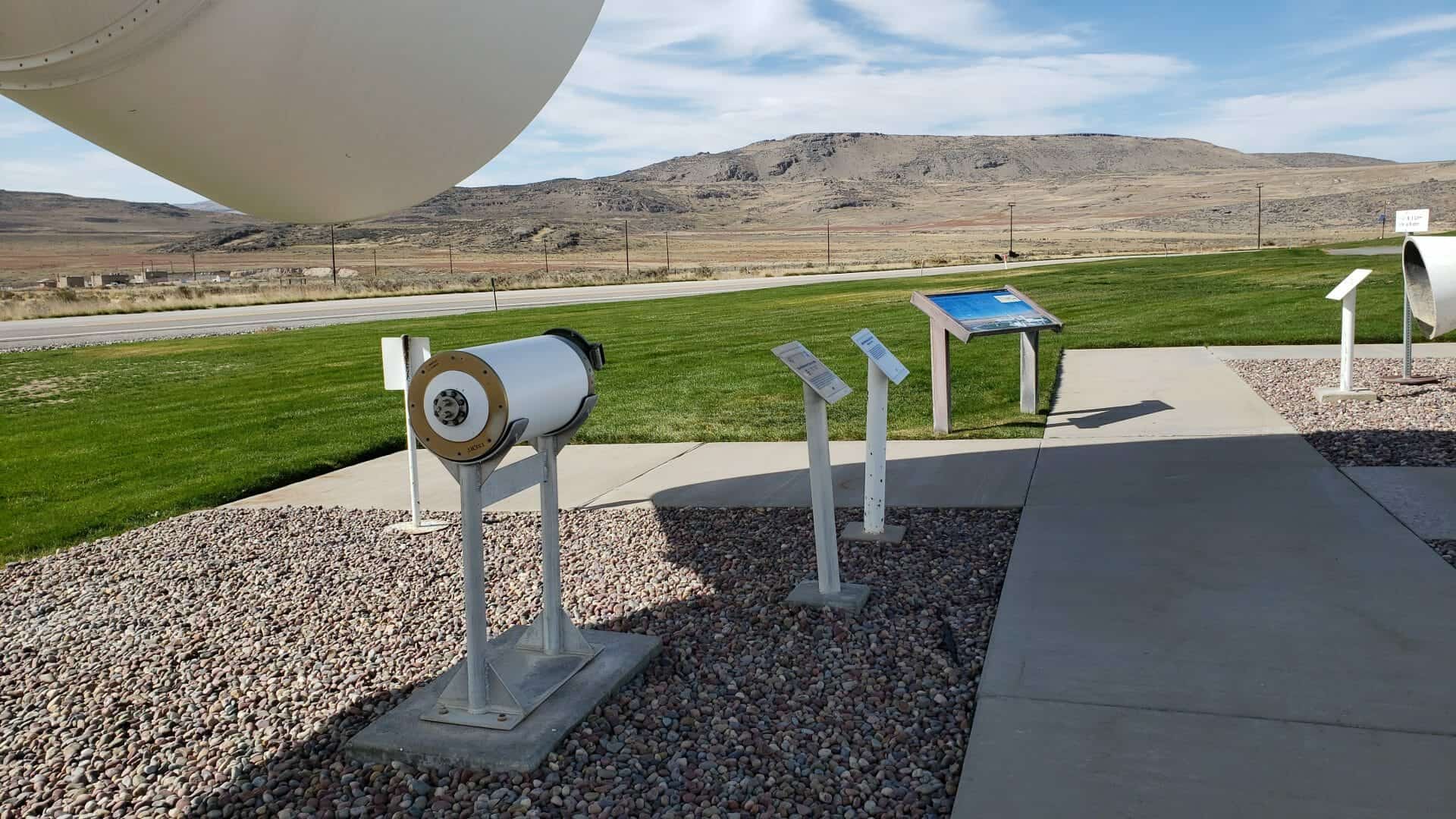
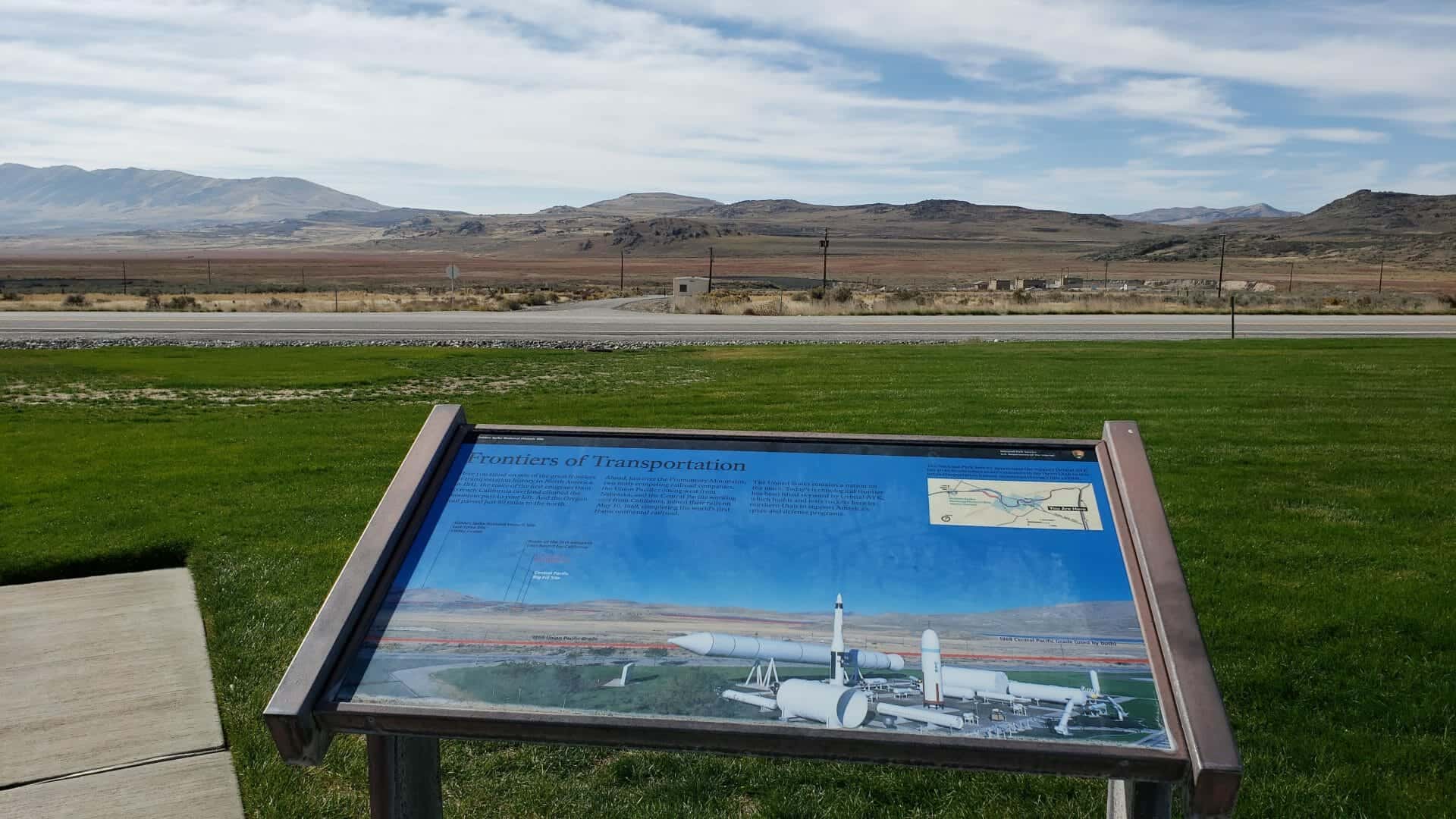
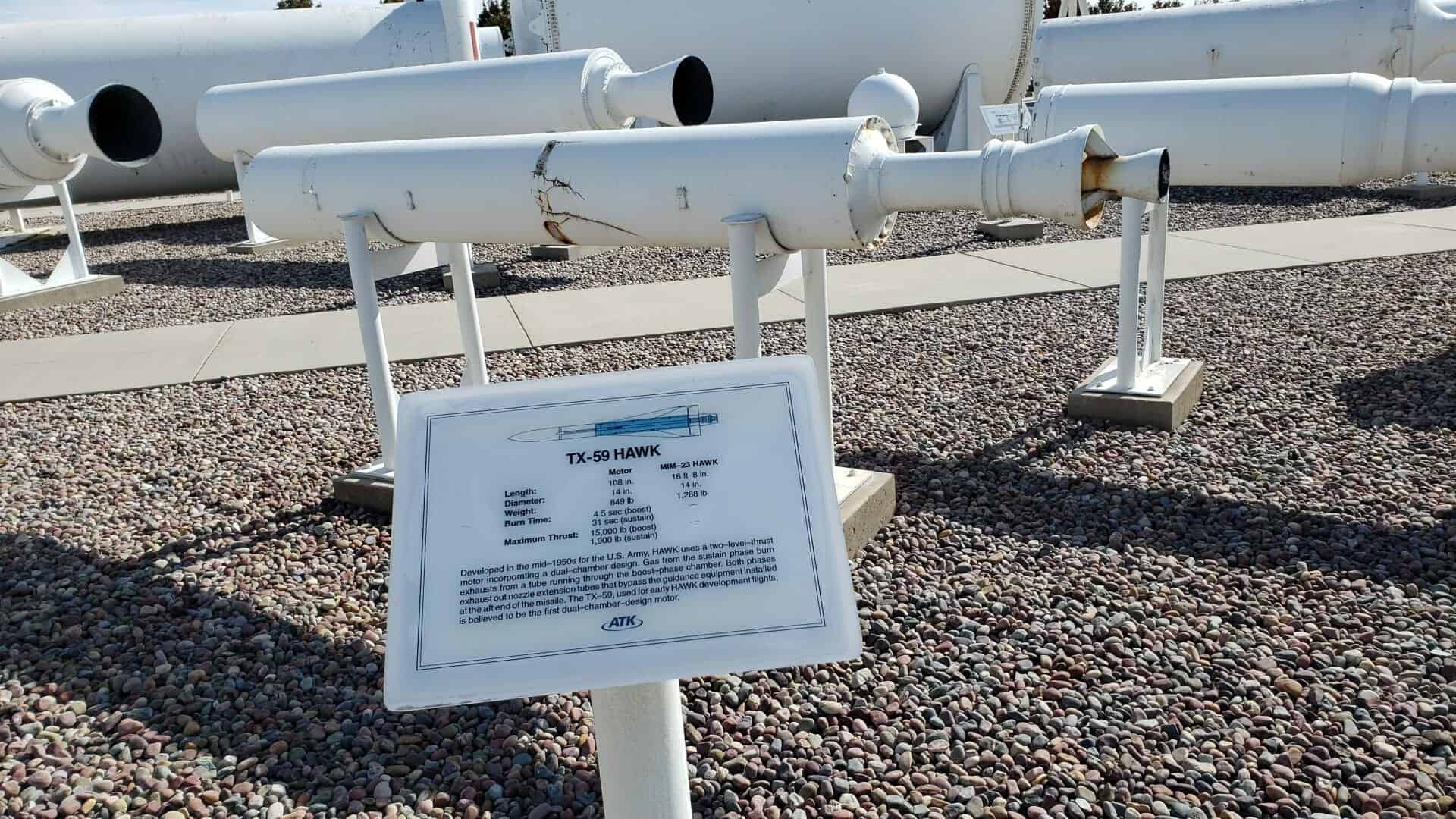
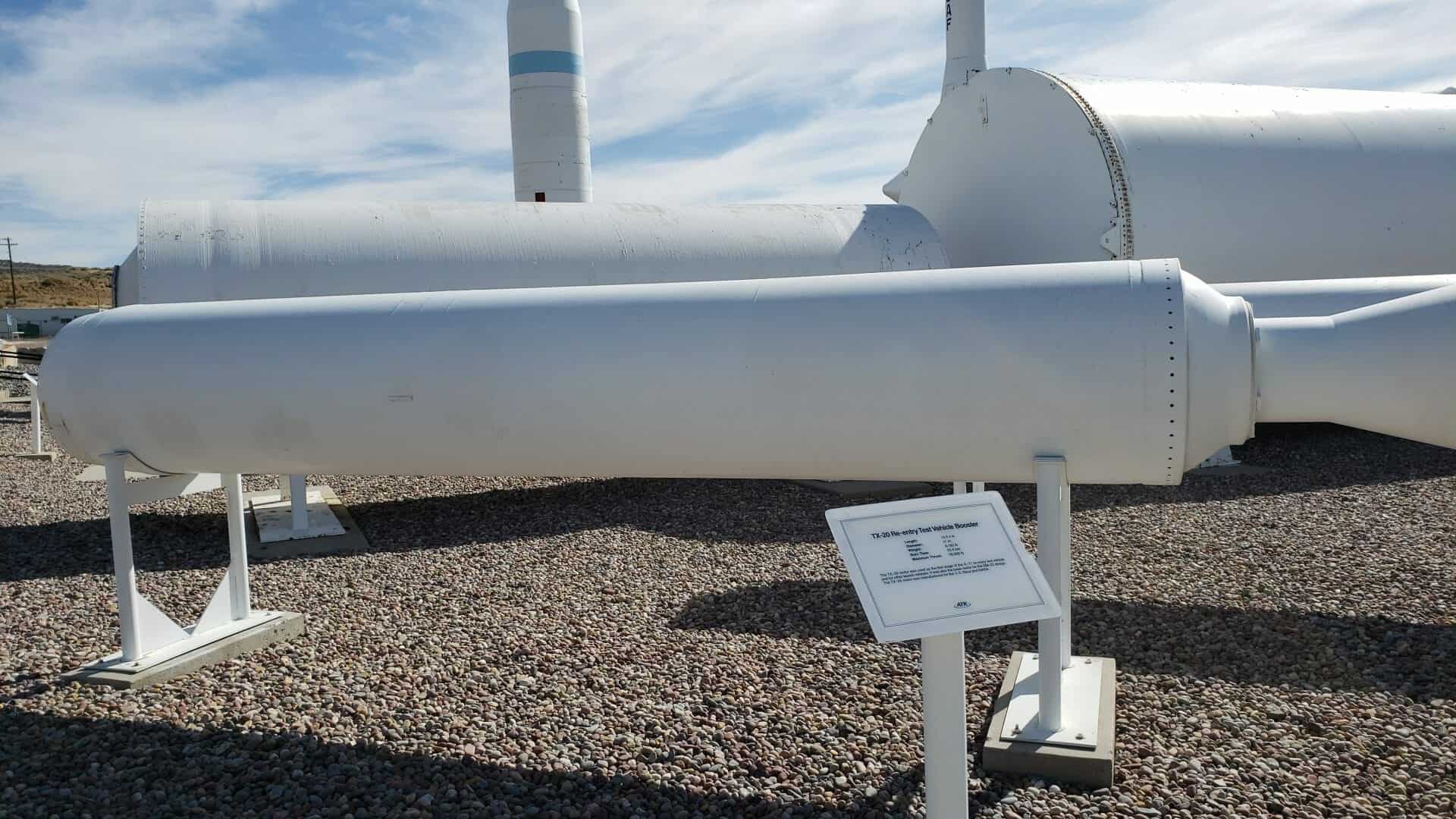
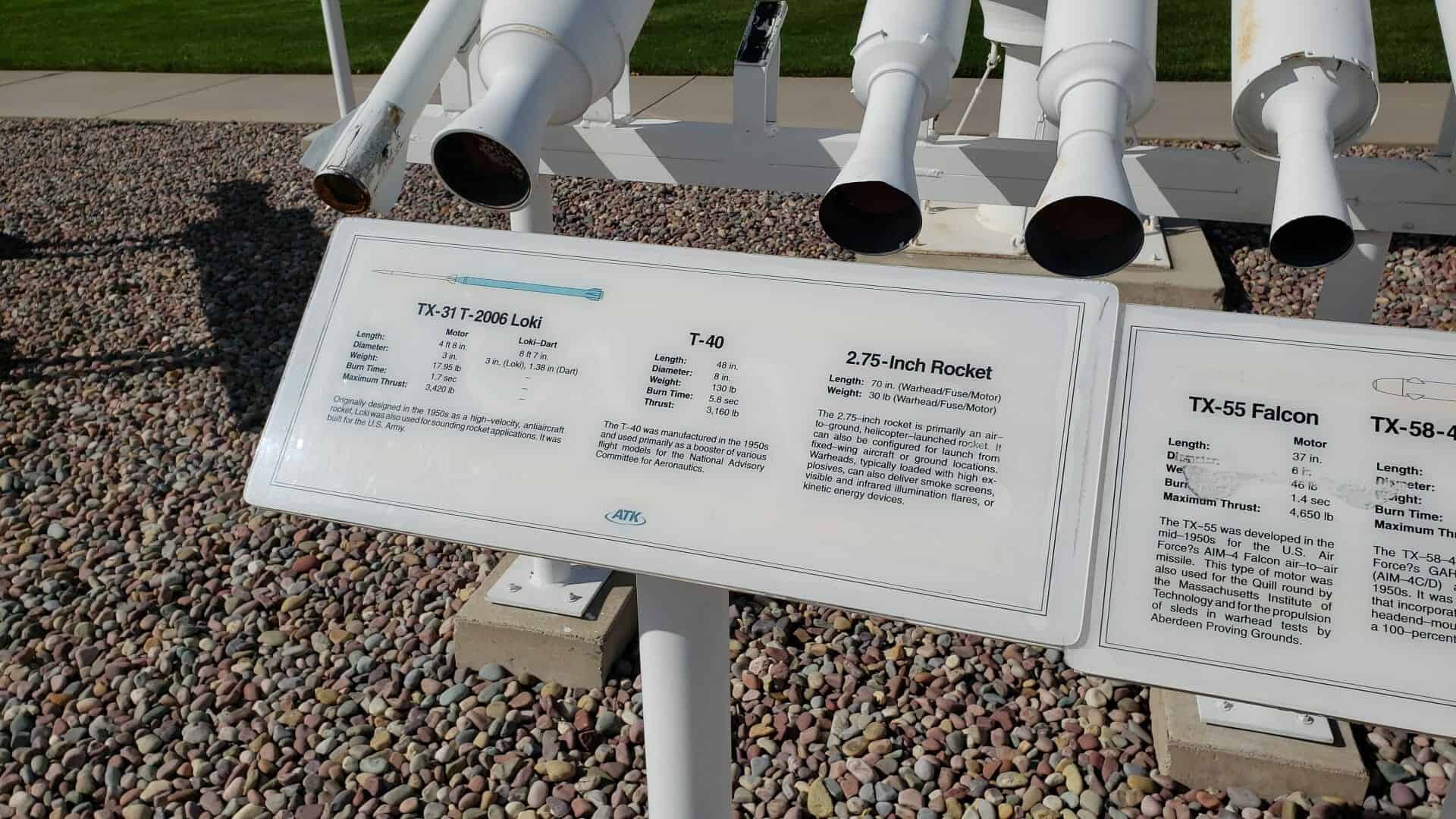
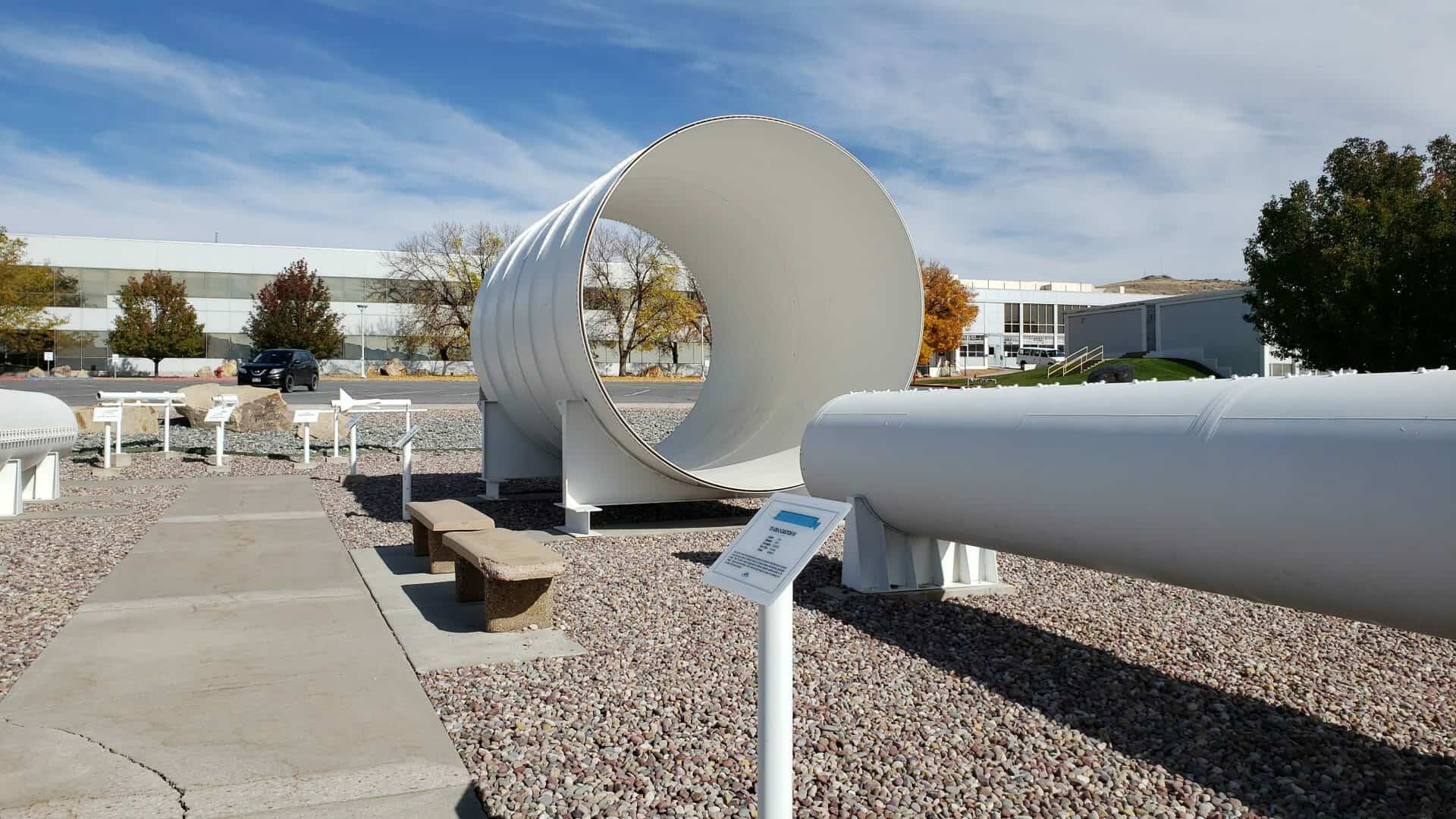
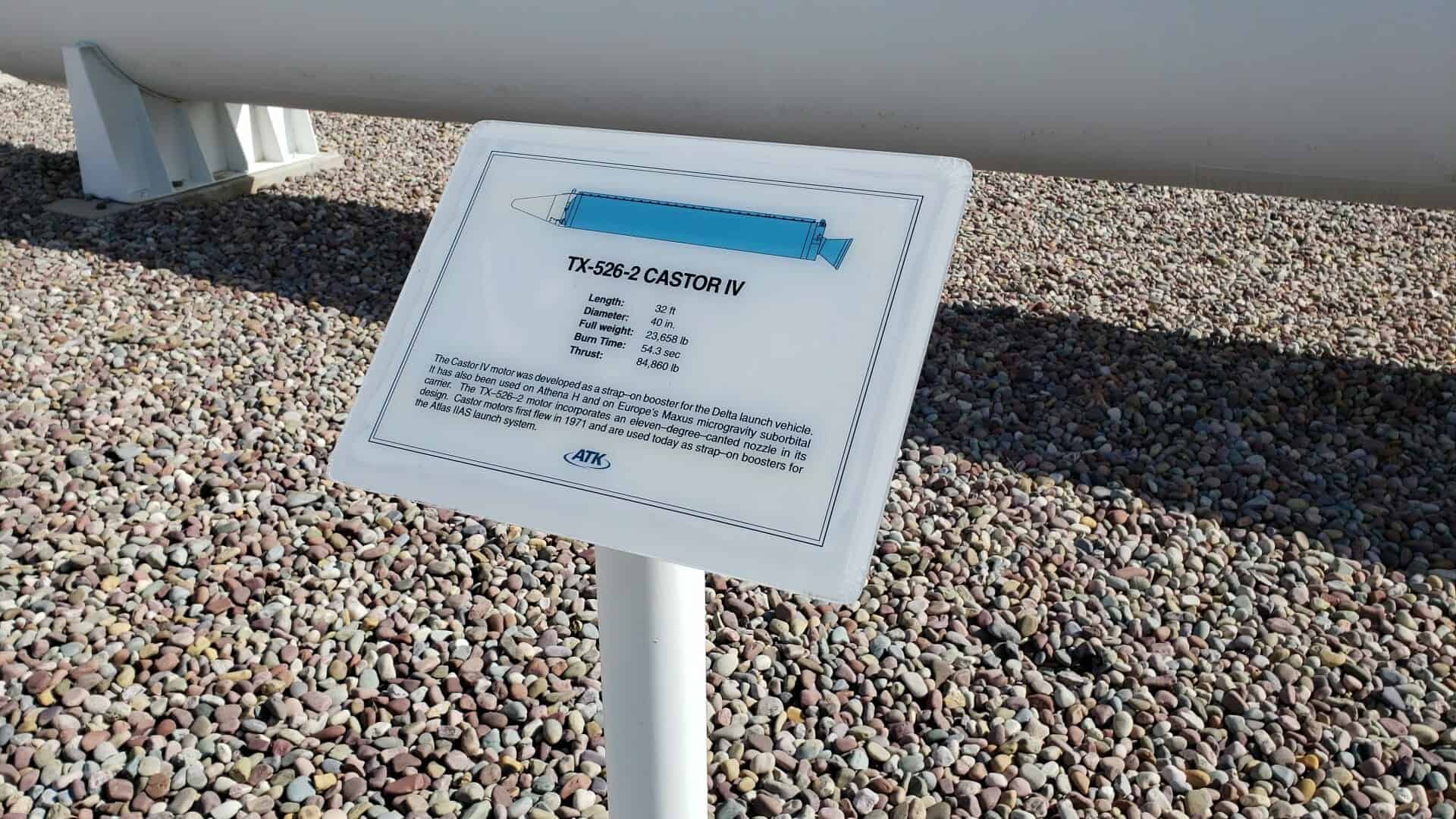
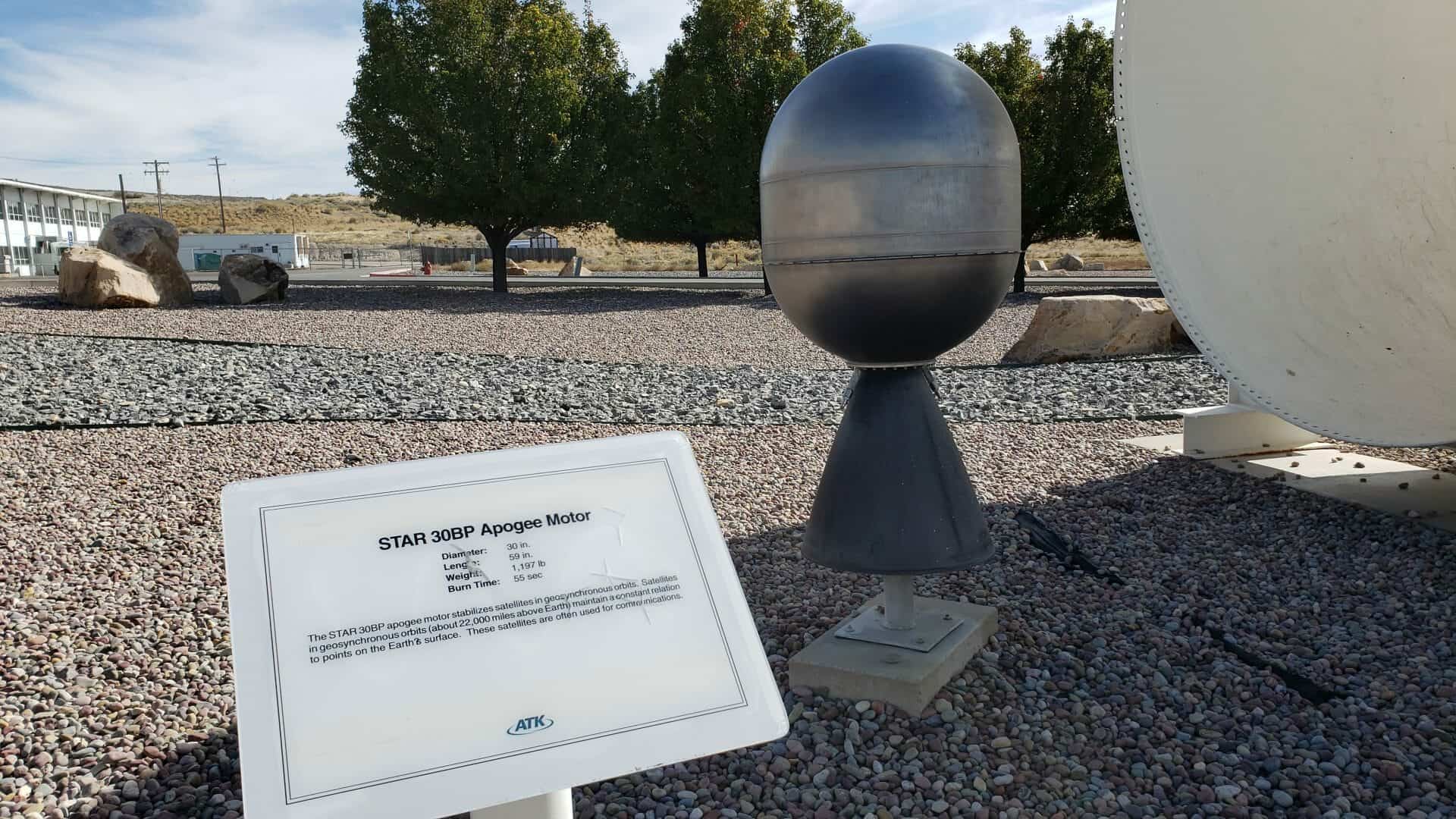
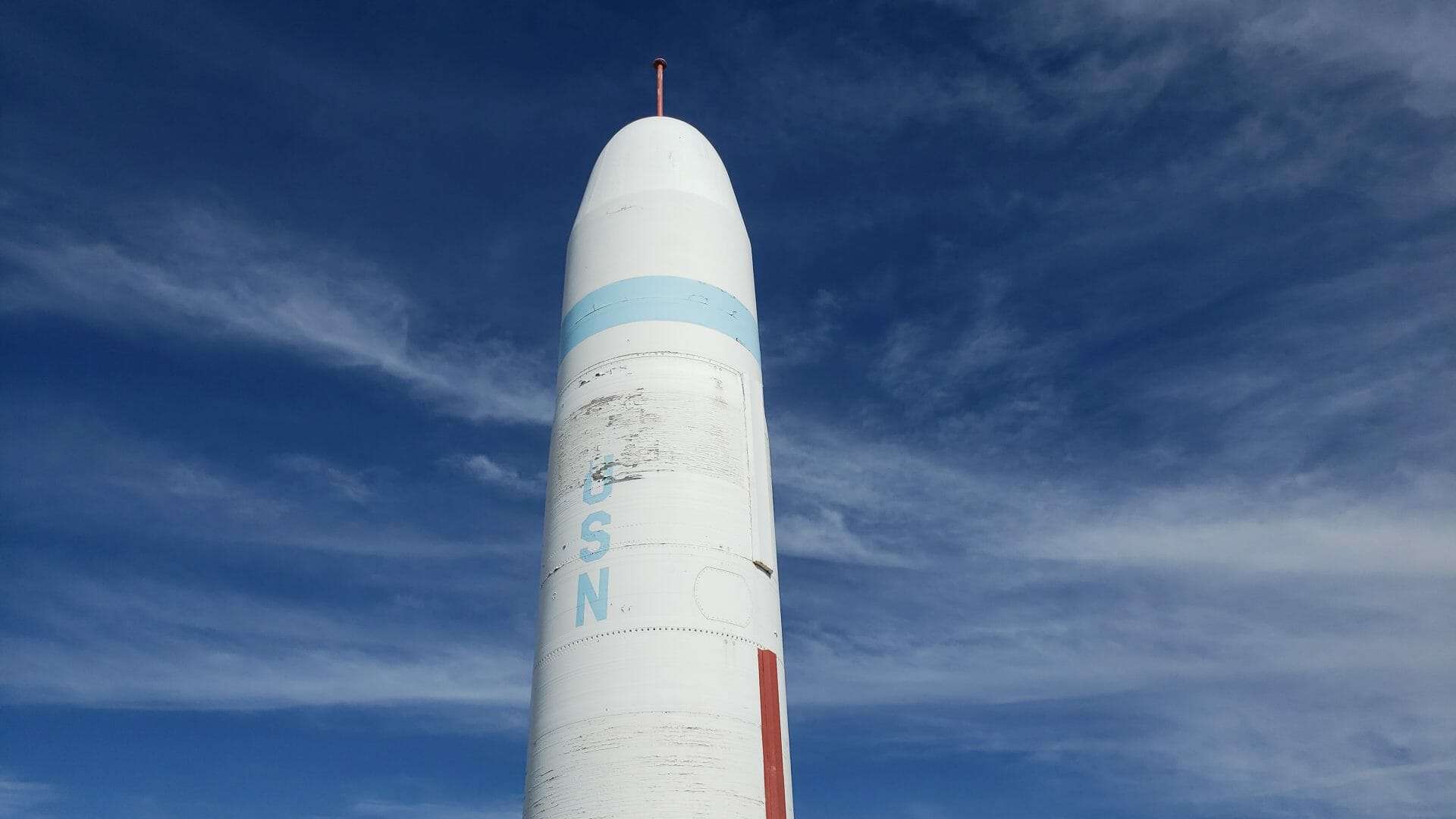
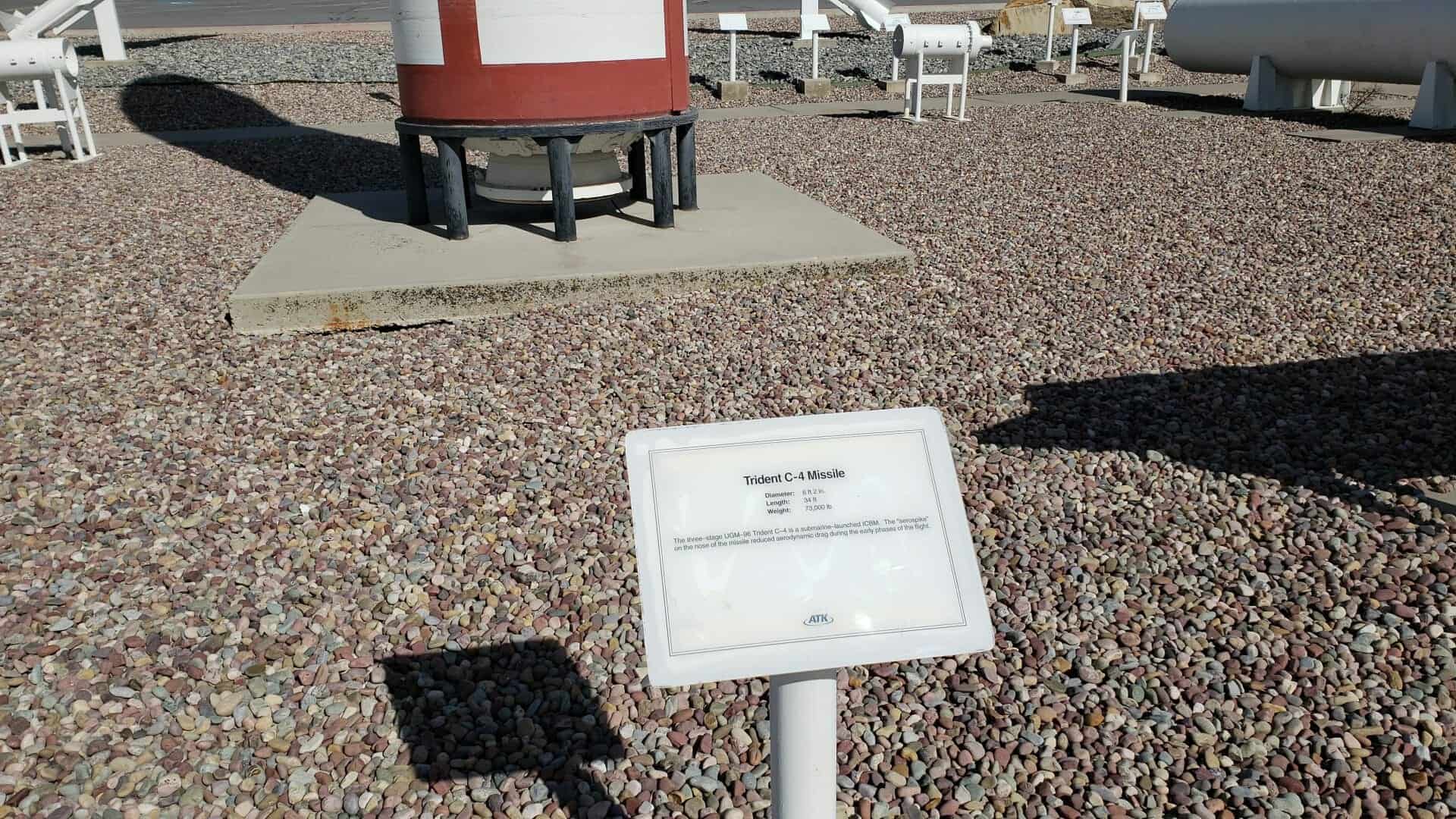
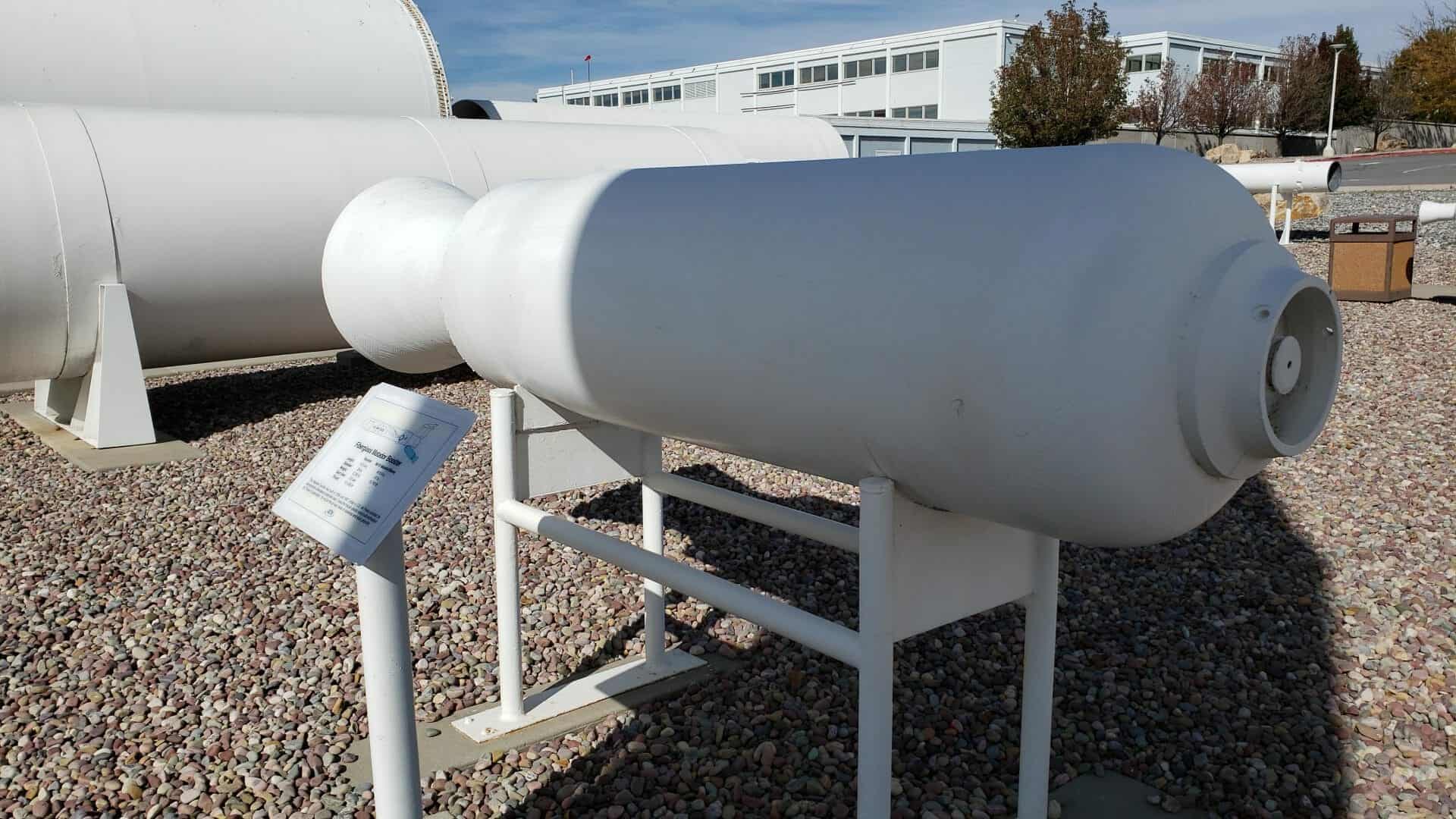
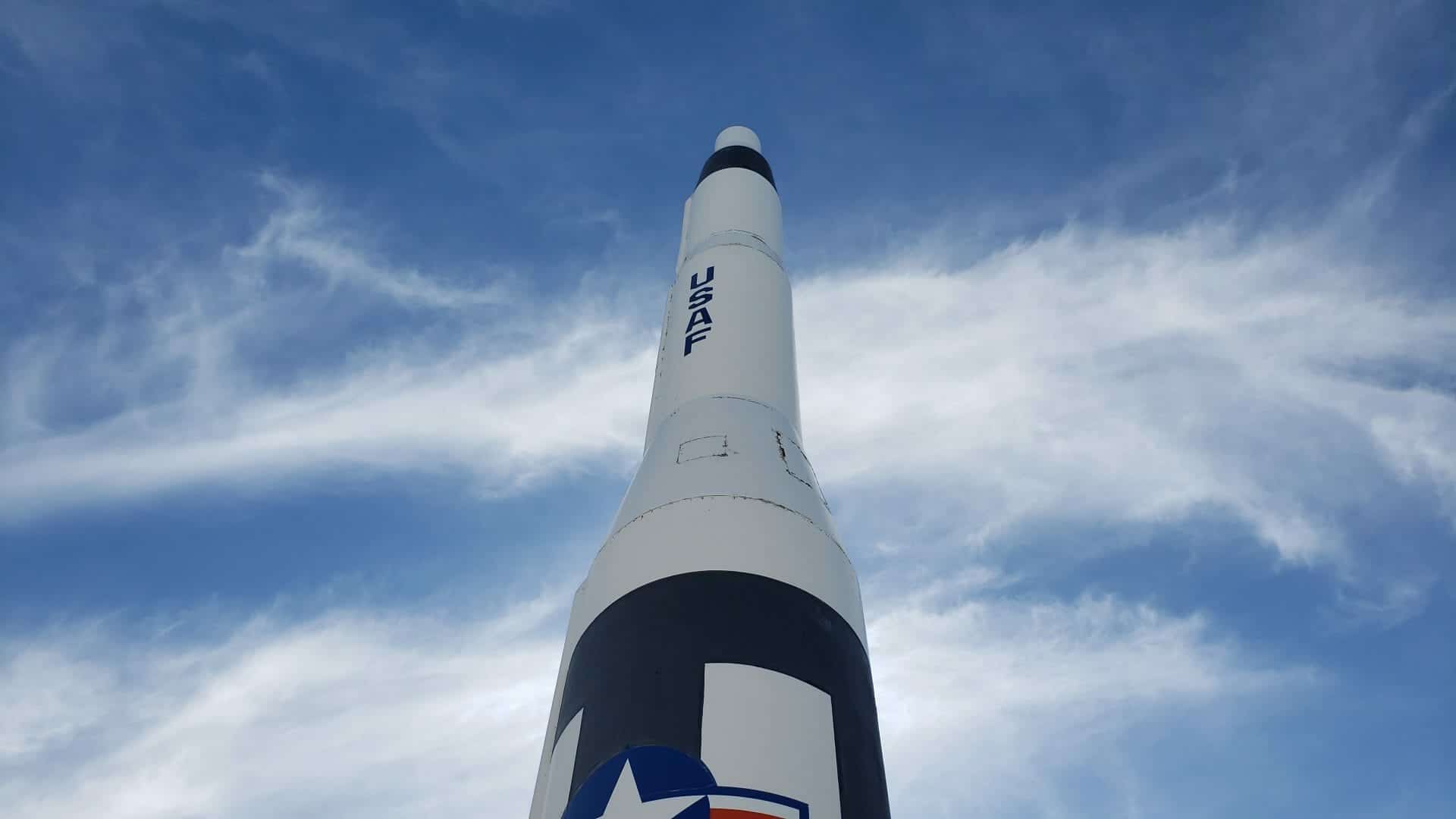
The ATK Rocket Display, sometimes called the Rocket Garden is located at Northrop Grumman Innovation Systems at 9160 Highway 83 outside Corinne, Utah.
It is an interesting display of missiles, rockets, boosters, motors and more that is outdoor and open to the public to walk around and experience for free.
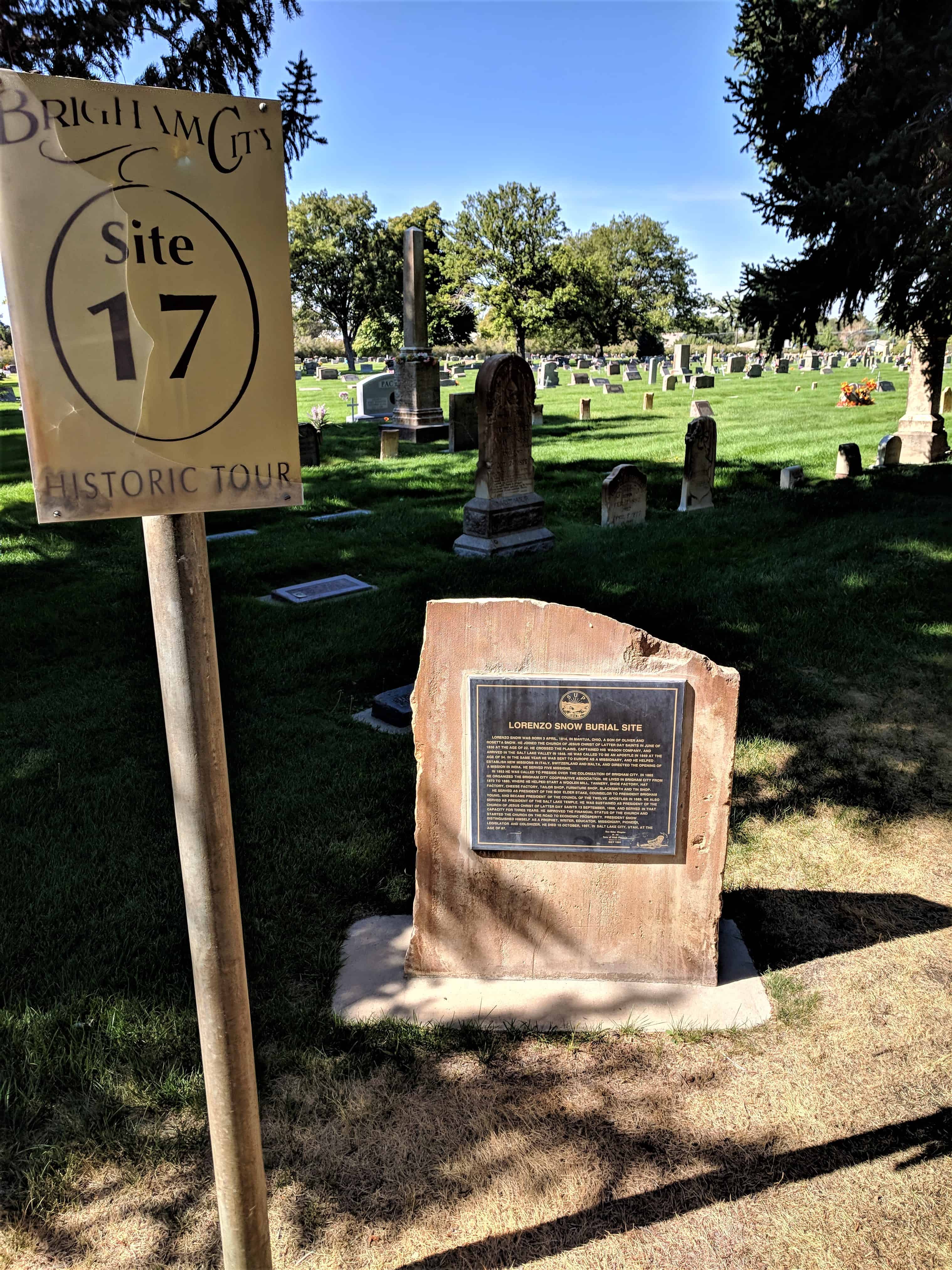
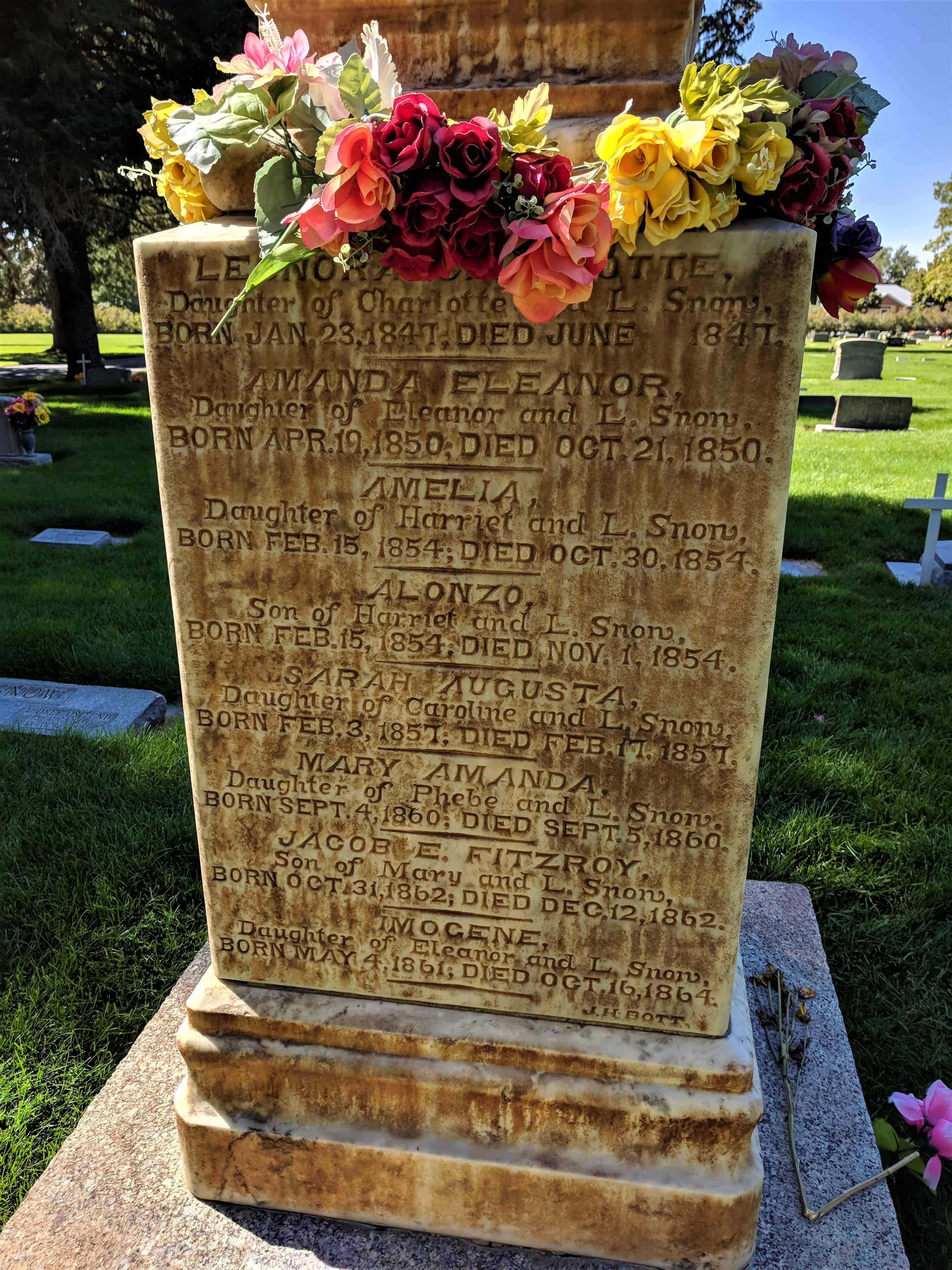
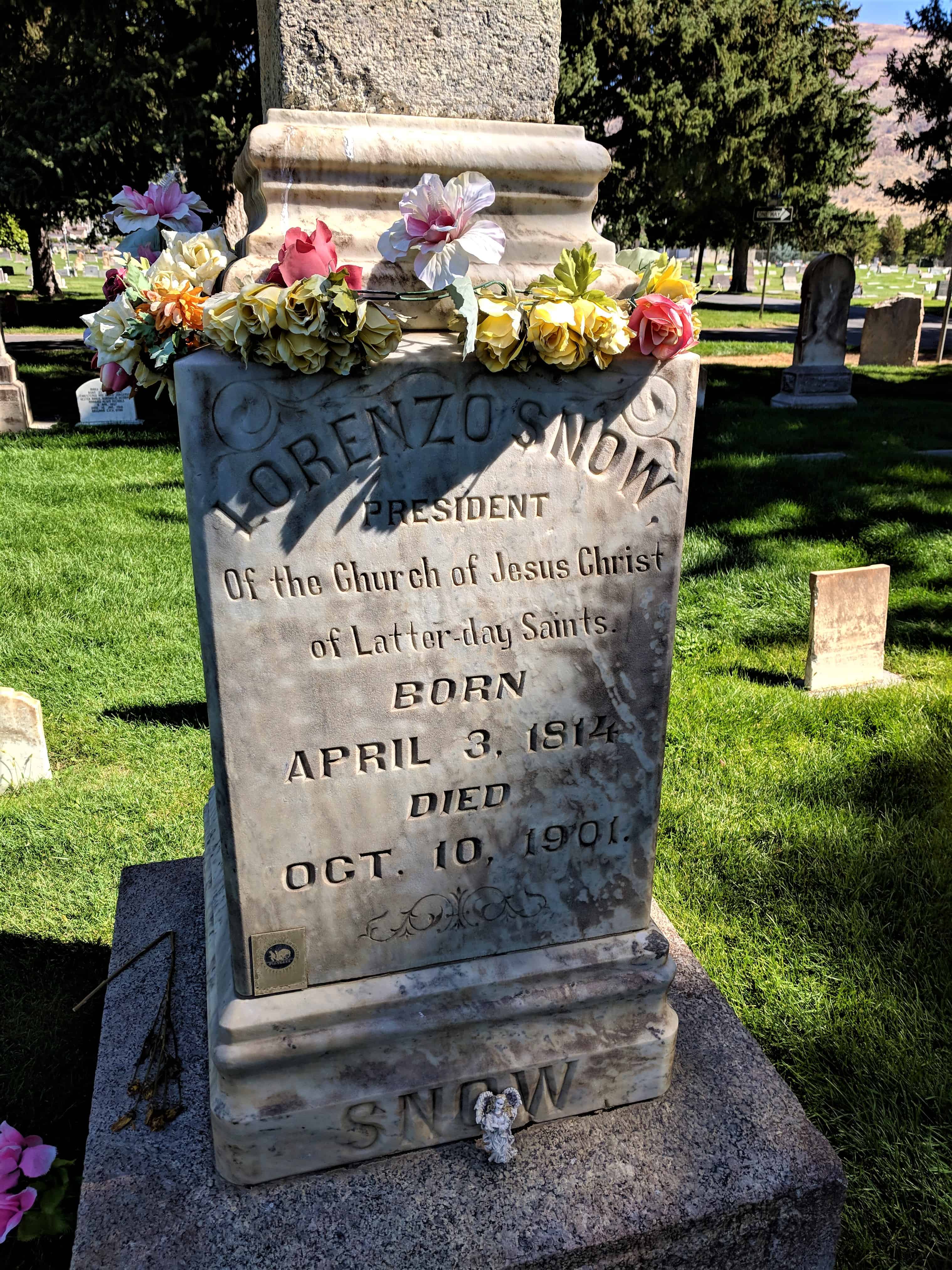
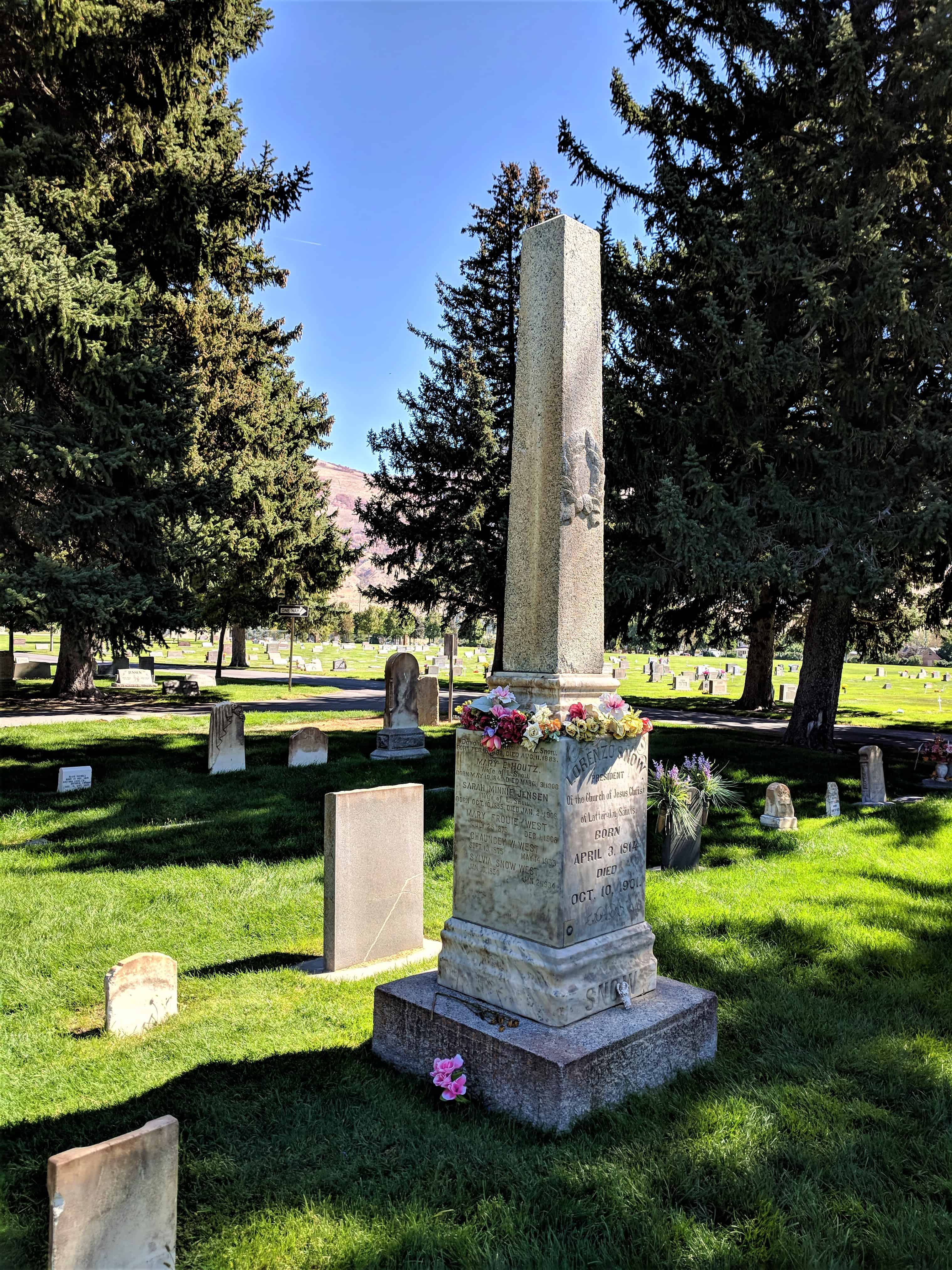
Lorenzo Snow was born 3 April, 1814, in Mantua, Ohio, a son of Oliver and Rosetta Snow. He joined the Church of Jesus Christ of Latter-Day Saints in June of 1836 at the age of 22. He crossed the plains, captained his wagon company, and arrived in the Salt Lake Valley in 1848. He was called to be an apostle in 1849 at the age of 34. In the same year he was sent to Europe as a missionary, and he helped establish new missions in Italy, Switzerland and Malta, and directed the opening of a mission in India. He served five missions.
In 1853 he was called to preside over the colonization of Brigham City. In 1865 he organized the Brigham City Cooperative Association. He lived in Brigham City from 1873 to 1880, where he helped start a woolen mill, tannery, shoe factory, hat factory, cheese factory, tailor shop, furniture shop, blacksmith and tin shop.
He served as president of the Box Elder Stake, counselor to President Brigham Young, and became President of the Council of the Twelve Apostles in 1889. He also served as President of the Salt Lake Temple. He was sustained as President of the Church of Jesus Christ of Latter-Day Saints 13 September, 1898, and served in that capacity for three years. He improved the financial status of the Church and started the Church on the road to economic prosperity. President Snow distinguished himself as a prophet, writer, educator, missionary, pioneer, legislator and colonizer. He died 10 October, 1901, in Salt Lake City, Utah, at the age of 87.
This monument marks the S.E. corner of fort built by Anson Call and associates in 1855 under direction of President Brigham Young as protection against Indians. The fort was the most northerly outpost in Utah. It was one hundred twenty feet square, with walls eight feet high and three feet thick, built of rock, part of which is in this monument. The circular stones were taken from one of the first burr flour mills built in northern Utah, in 1852, owned by Omer and Homer Call. The three Call brothers were early pioneers and builders of northern Utah.
The marker has been removed, hopefully temporarily and I didn’t get photos of it but the text was:
This commemorative monument, erected at the Last Spike site by the Southern Pacific Railroad Company in 1919, was relocated for more conspicuous display by the Daughters of Utah Pioneers, 1980. The twenty-two years preceeding the coming of the railroad (1847-1869) is remembered for the most spectacular migrations in American history, with 86,000 emigrants leaving their homes in foreign countries and the United States. The majority walked beside their loaded wagons; about 6,000 lost their lives and are buried along the trails. It is these pioneers we are pledged to commemorate.
The Transcontinental Railroad opened a progressive era, with speed and ease of transportation from East to West, and signaled the end of the slow, torturous travel.