• About JacobBarlow.com
  • Cemeteries in Utah
  • D.U.P. Markers
  • Doors
  • Exploring Utah Email List
  • Geocaching
  • Historic Marker Map
  • Links
  • Movie/TV Show Filming Locations
  • Oldest in Utah
  • Other Travels
  • Photos Then and Now
  • S.U.P. Markers
  • U.P.T.L.A. Markers
  • Utah Cities and Places.
  • Utah Homes for Sale
  • Utah Treasure Hunt

JacobBarlow.com

~ Exploring with Jacob Barlow

JacobBarlow.com

Tag Archives: Box Elder County

Promontory Ghost Town Tour

18 Saturday Dec 2021

Posted by Jacob Barlow in Uncategorized

≈ Leave a comment

Tags

Box Elder County, Ghost Towns, Promontory, utah

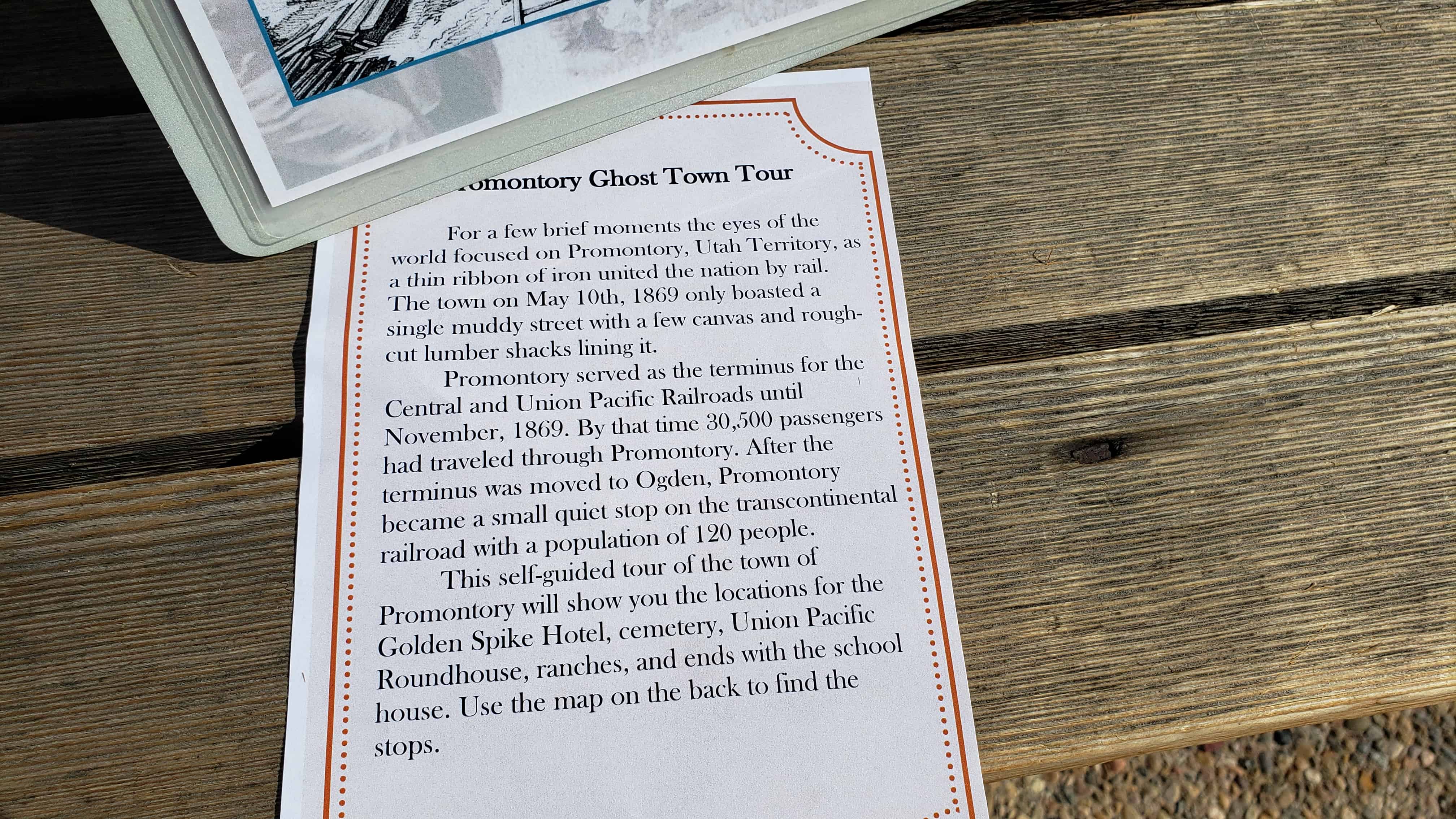
At Golden Spike National Historic Site at Promontory, Utah there has been set up a tour of the old remains of the ghost town of Promontory.
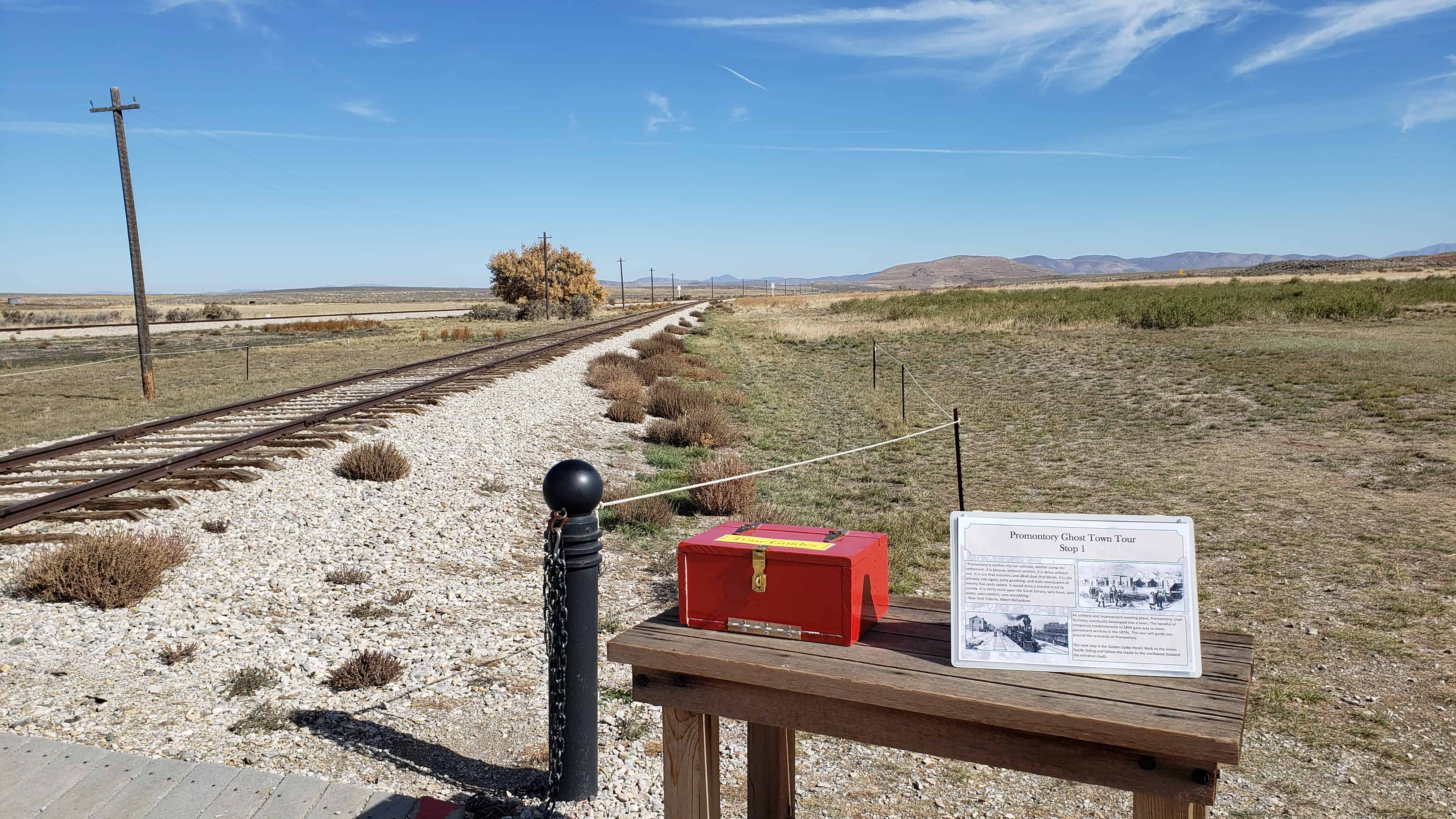
Stop 1

“Promontory is nether city nor solitude, neither camp nor settlement. It is bivouac without comfort, it is delay without rest. It is sun that scorches, and alkali dust that blinds. It is vile whiskey, vile cigars, petty gambling, and stale newspapers at twenty-give cents apiece. It would drive a morbid mind to suicide. It is thirty tents upon the Great Sahara, sans trees, sans water, sans comfort, sans everything.” – New York Tribune, Albert Richardson

An unlikely and inconvenient meeting place, Promontory, Utah Territory, eventually developed into a town. The handful of temporary establishments in 1869 gave way to more permanent services in the 1870s. This tour will guide you around the remnants of Promontory.

The next stop is the Golden Spike Hotel! Walk to the Union Pacific Siding and follow the tracks to the northwest (toward the entrance road).

Golden Spike Hotel – Stop 2

The Brown family owned and operated the Golden Spike Hotel in the 1870s and 1880s. They offered travelers a chance to dine at the last spike.

In the early 1900s the hotel became the Houghton General Store. The store sold a variety of goods including tobacco, socks, cured meat, and even wine. The building also served as a depos, post office, and boarding house.

After a roof collapse in the 1950s, the building was finally demolished in 1965. Investigate the brush in front of you to see the remaining foundation of the building. The photograph in the center was taken from the south and includes the hotel and box elder tree that still grows at the site.

Cinders and Ashes – Stop 3

To your immediate right on the north side of the tracks is a dumping area for cinders. Locomotives burned coal or wood to heat their and the fireboxes needed to be emptied of cinders regularly.

If you look a little farther north you’ll see the site of a cemetery. Look for a depression area in the soil. At least 5 graves were reported to be in this location but have vanished since Promontory was abandoned in 1942. The graves were maintained by the Whitaker family for many years.

Last Spike Site – Stop 4

This is the spot! East meets West! The photograph to the left shows the first few temporary structures of Promontory in 1869. Tents served as restaurants, saloons, and even hotels. The next stop is the Round House for the Union Pacific. Follow the road to the next sign.

Union Pacific Round House – Stop 5

Like any vehicle, locomotives need maintenance to function reliability. A round house was constructed here to perform work on locomotives. While nothing exists above ground, archaeologist discovered the brick foundations and drain pipes are just a few inches under your feet.

The 1880s photograph below was taken from the south looking north. Using the round house in the center, where would you expect to find more building foundations?

Floyd/Larson Ranch – Stop 6

Della Owens, daughter of Hans Ethelbert Larson, was born in Brigham City in 1909 and lived in Promontory. Her family raised horses, cattle, and dry-farmed in the valley.

Looking straight ahead you’ll see what is left of the ranch she grew up on, a few metal posts fencing off a cistern for the ranch house. Della was 7 years old in 1916 when the obelisk was installed at the last spike site. She would have seen it every day on her way to school.

As you walk to the last stop you’ll be retracing the steps that Della took every morning on her way to school.

School House – Stop 7

Promontory had enough children to necessitate a school being built shortly after the town was founded. The site in front of you was home to that school. After the area was designated a national monument in 1965 all existing structures were moved or demolished. The school house is currently on private property and visible from the entrance road.

Mantua, Utah

03 Friday Dec 2021

Posted by Jacob Barlow in Uncategorized

≈ Leave a comment

Tags

Box Elder County, Mantua, utah

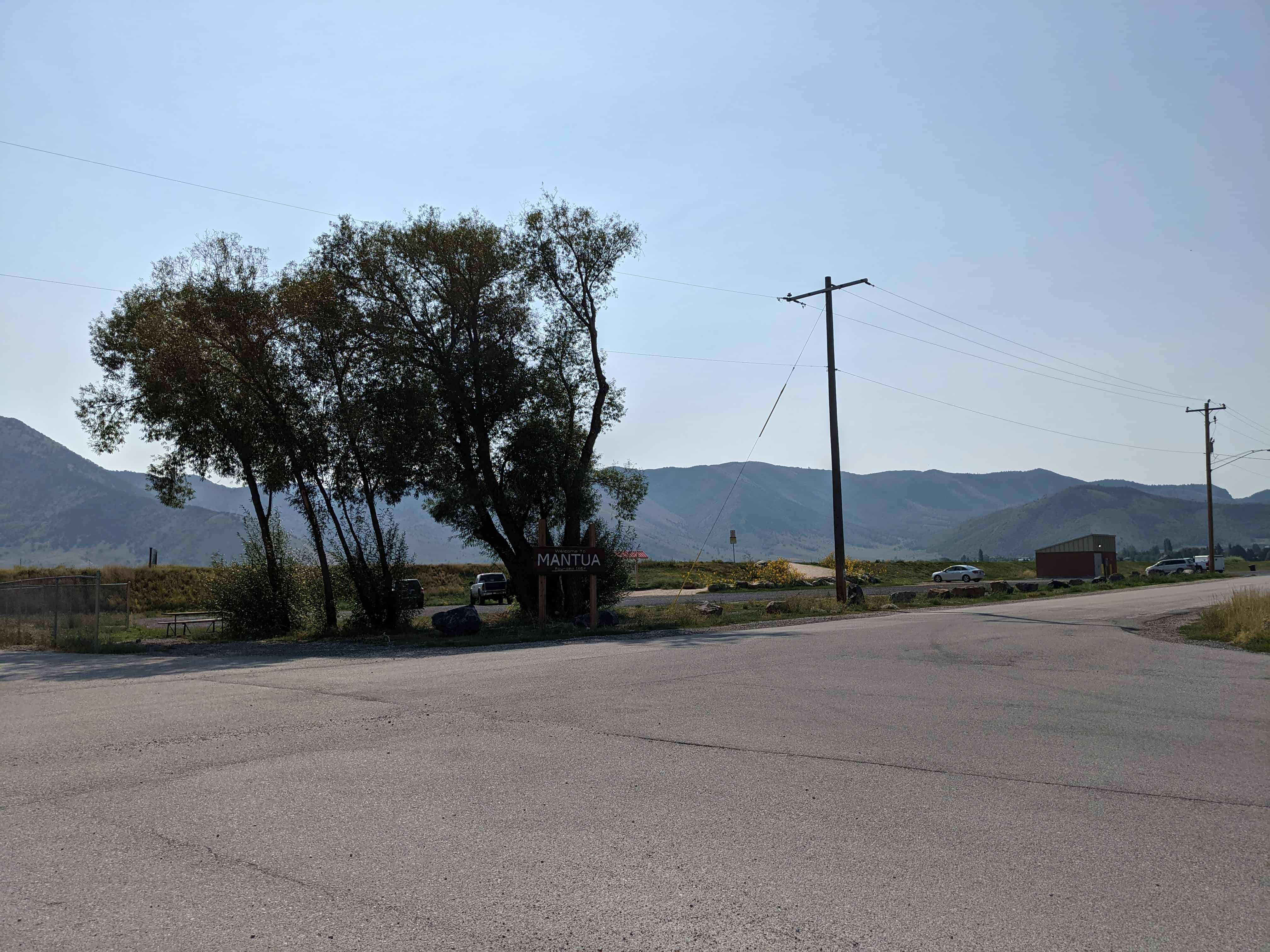
Mantua, Utah was founded in 1864.

Related:

  • Wyatt Park

Union Pacific Depot

24 Wednesday Nov 2021

Posted by Jacob Barlow in Uncategorized

≈ Leave a comment

Tags

Box Elder County, Brigham City, Historic Markers, Railroad, Railroad Depots, SUP, utah

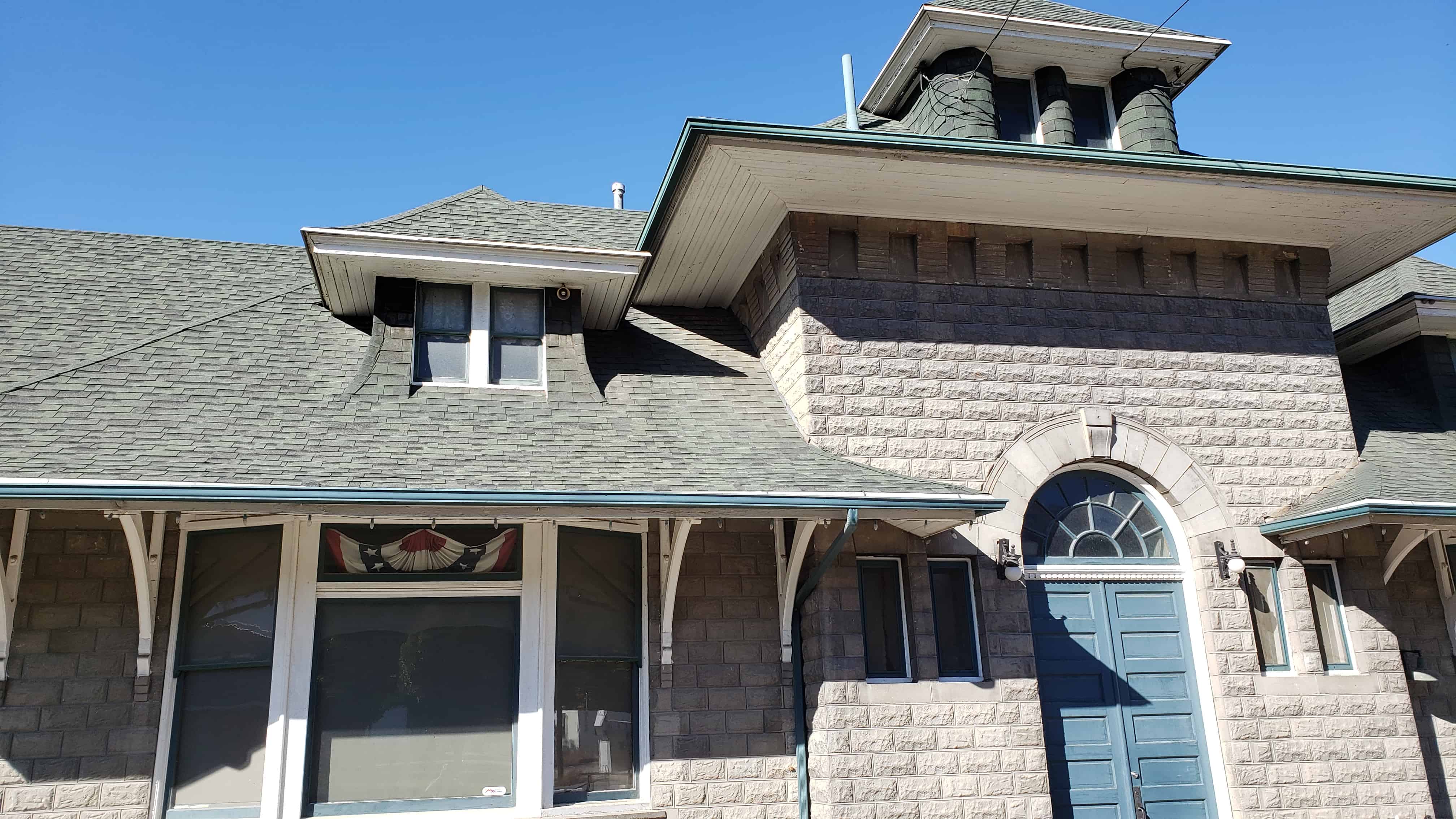
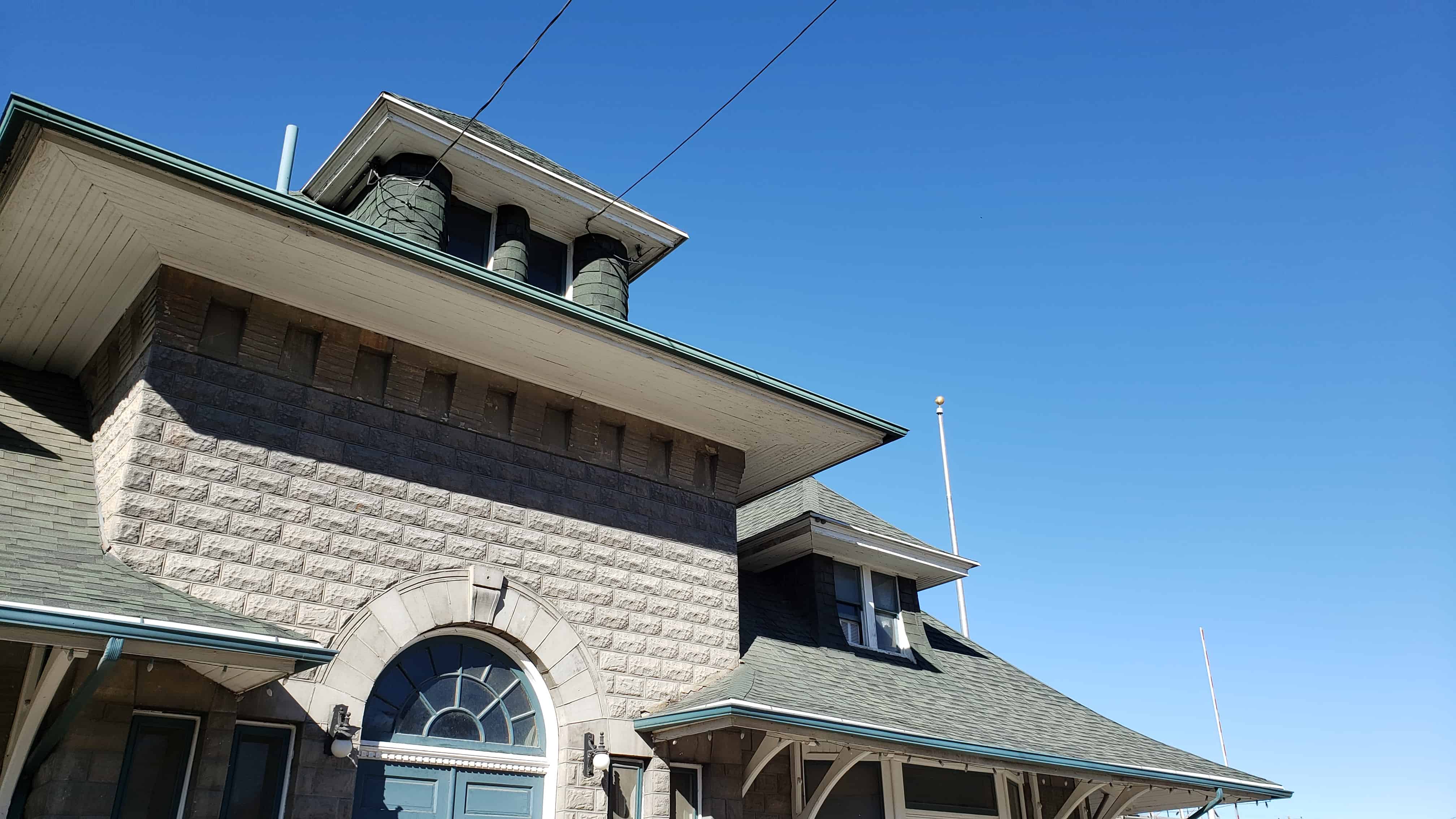
Union Pacific Depot – Built 1907

The depot served thousands of train passengers over the years. The trains also handled shipments of coal, locally grown produce, and mail.

During World War II a track was installed between the depot and Brigham City’s Bushnell Military Hospital for transporting wounded servicemen and medical supplies.

This historic marker is located at 403 W 700 N inĀ Brigham City, Utah and is #4 in the Brigham City Historic Tour and #206 of theĀ S.U.P. historic markers.

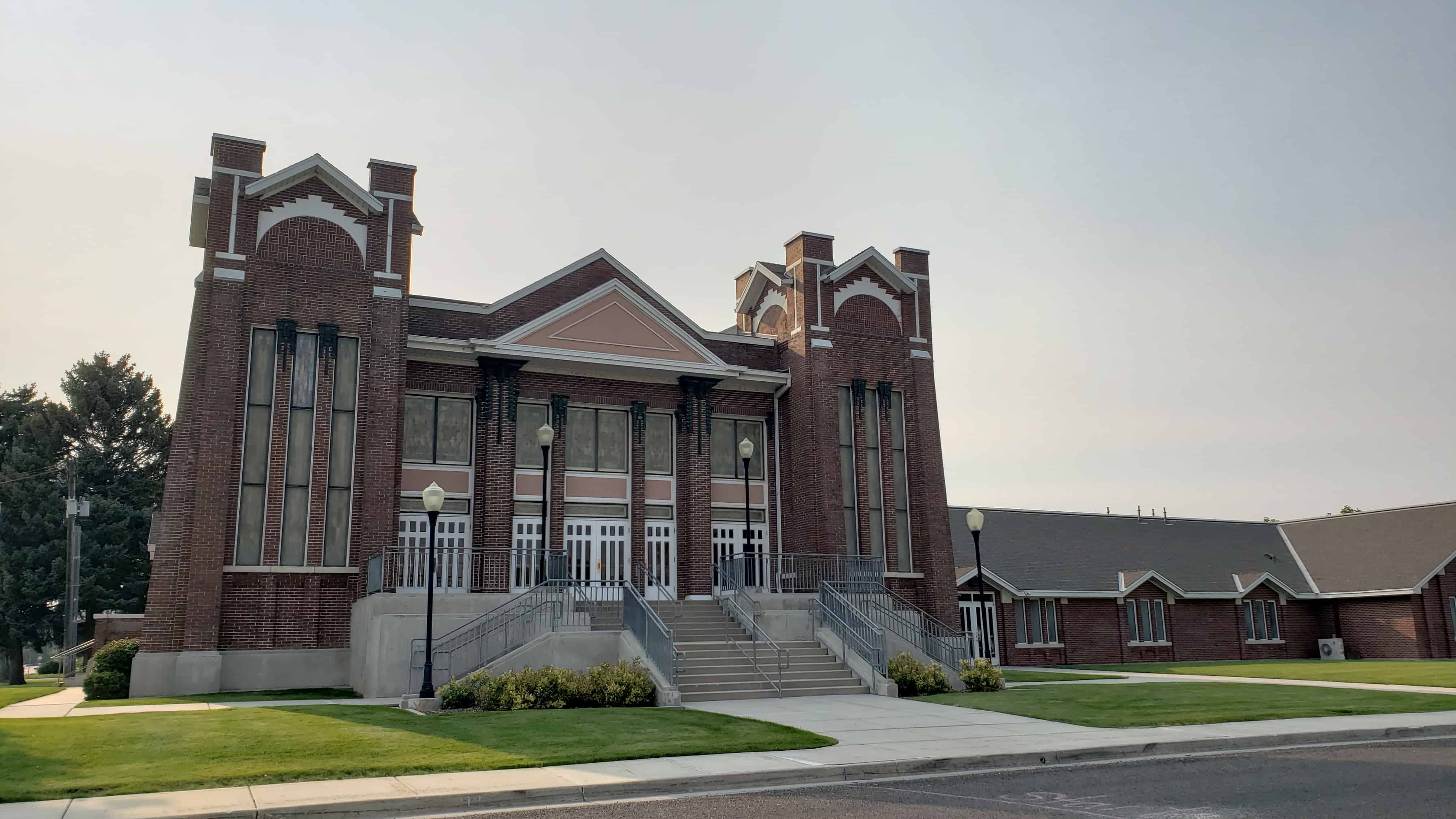
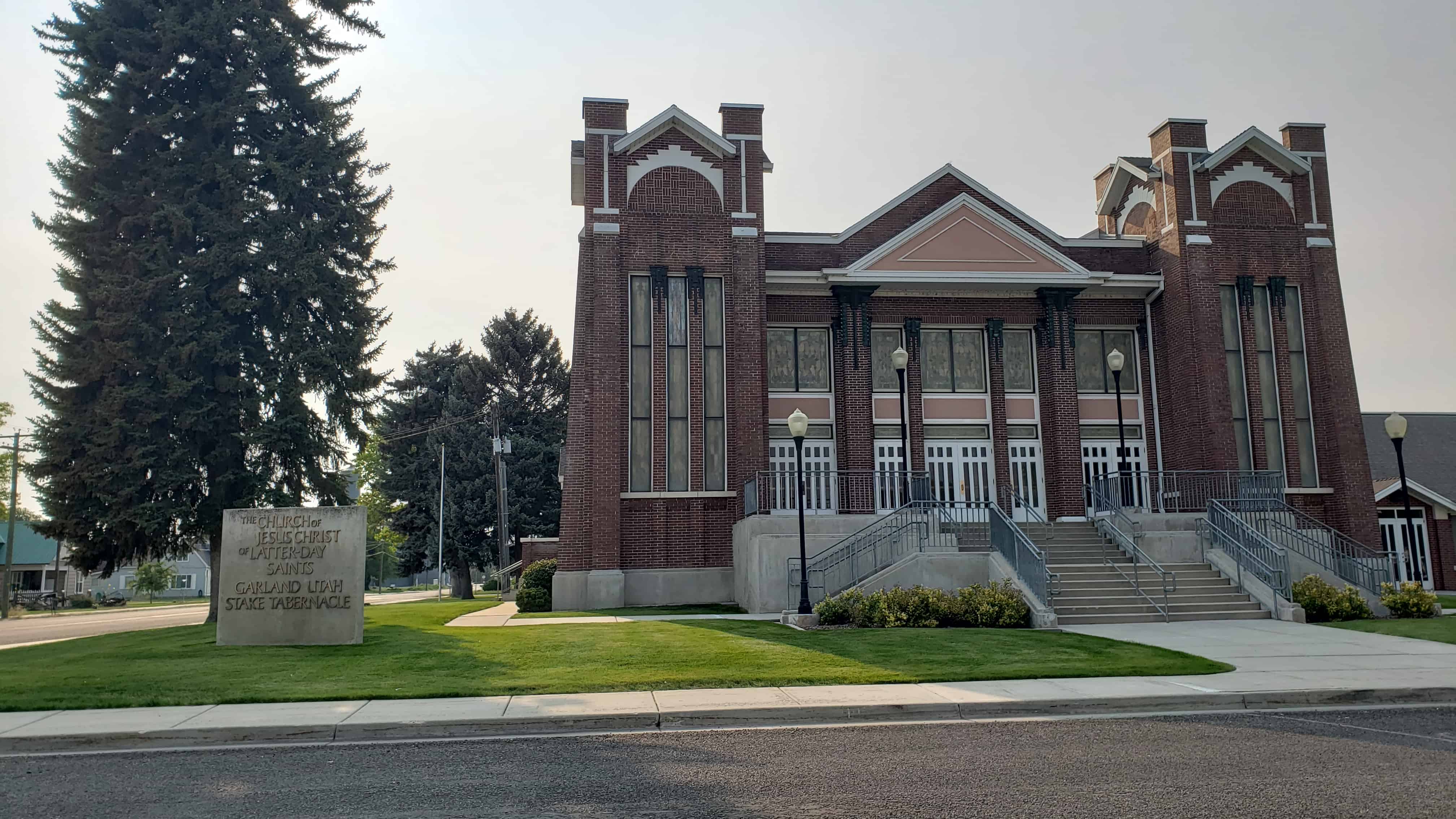
Garland Utah Stake Tabernacle

21 Sunday Nov 2021

Posted by Jacob Barlow in Uncategorized

≈ 1 Comment

Tags

Box Elder County, Garland, Tabernacles, utah

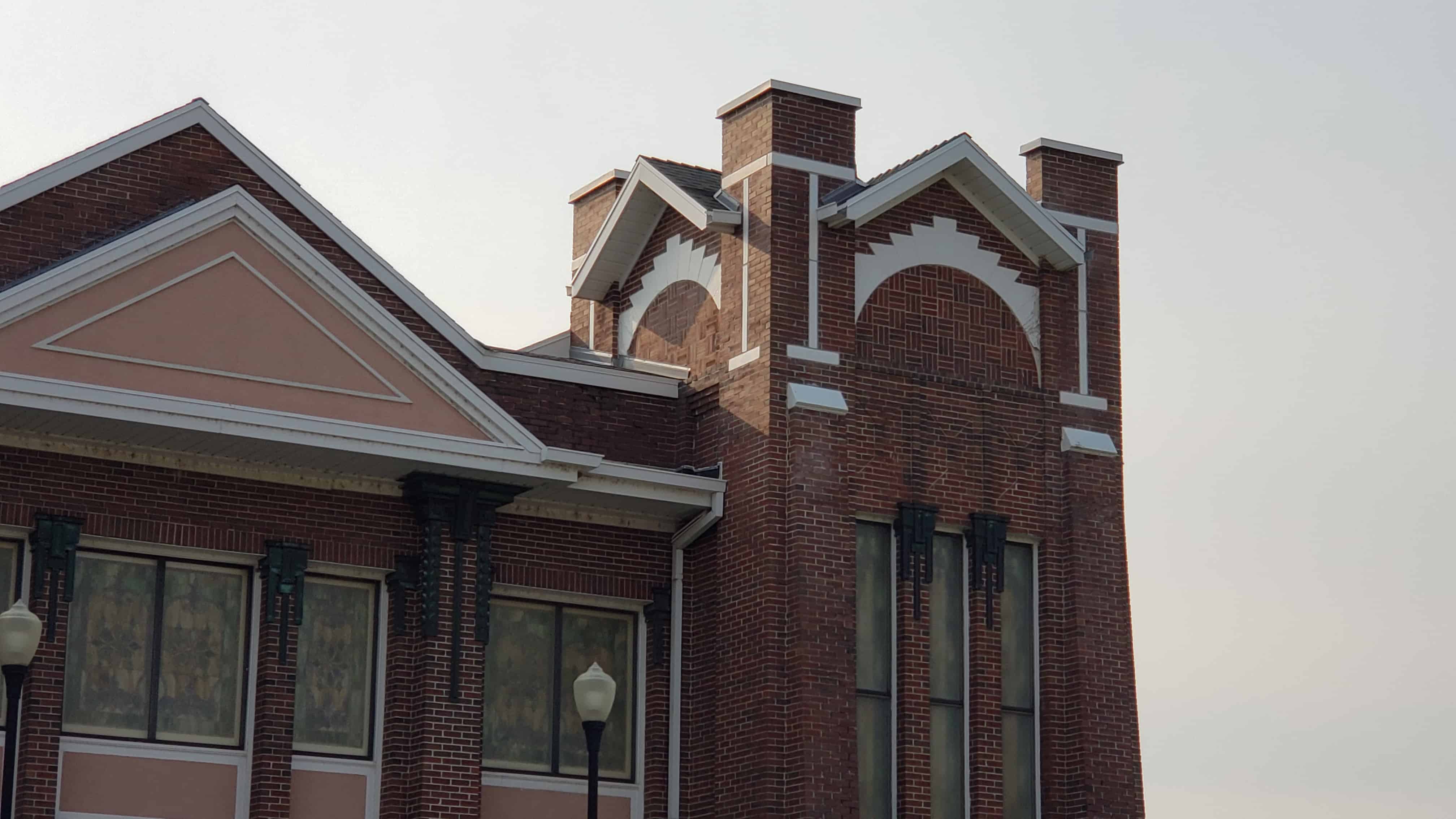
Garland Utah Stake Tabernacle

Built in 1914.

Located at 86 West Factory Street inĀ Garland, Utah

Related:

  • LDS Tabernacles

Main Theater

19 Friday Nov 2021

Posted by Jacob Barlow in Uncategorized

≈ Leave a comment

Tags

Box Elder County, Garland, Theaters, utah

Main Theater
57 West Factory Street inĀ Garland, Utah

Corinne – Pioneer – Railroad Town

18 Thursday Nov 2021

Posted by Jacob Barlow in Uncategorized

≈ Leave a comment

Tags

Box Elder County, Corinne, Historic Markers, Railroad, utah

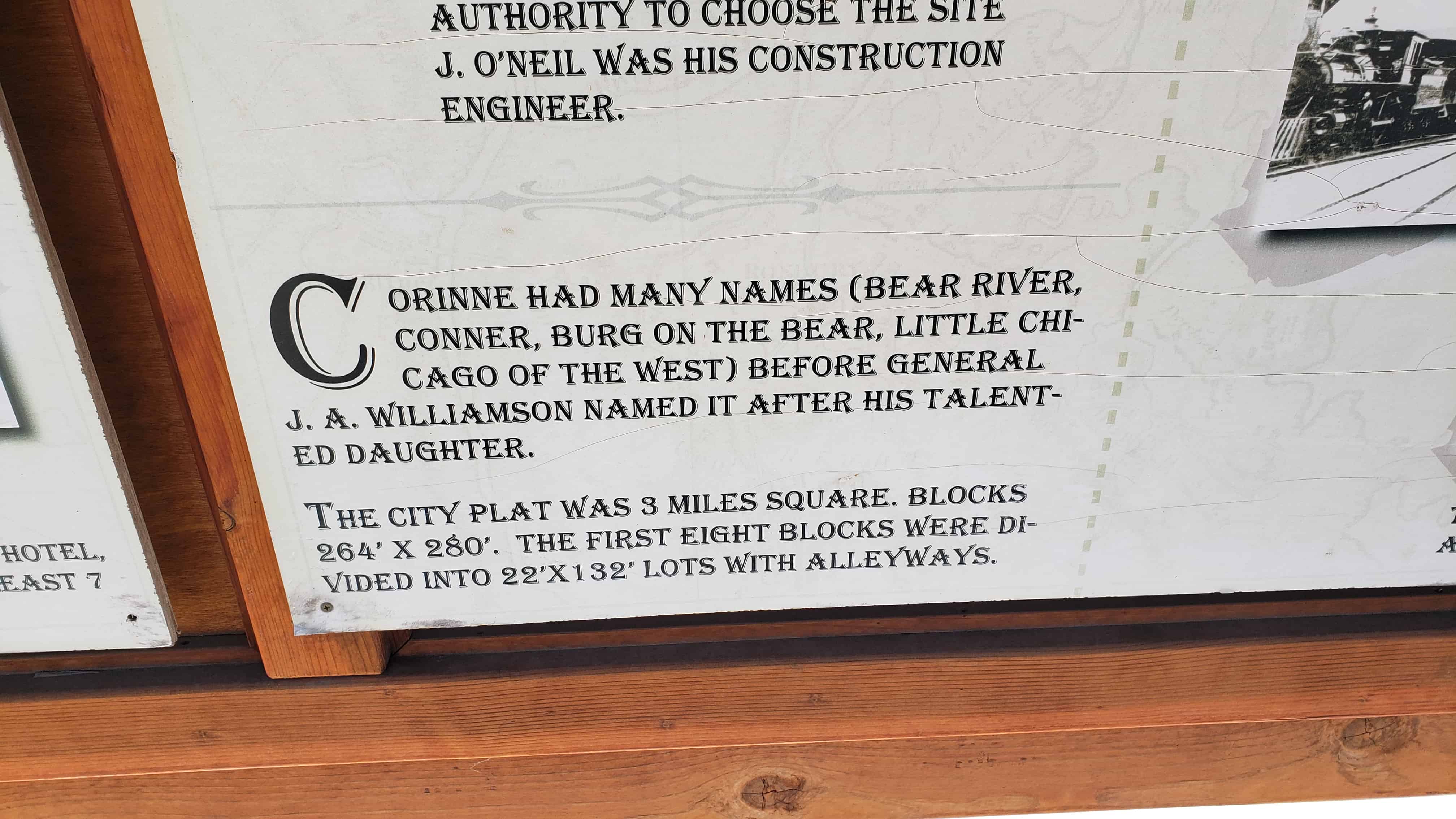
Corinne – Pioneer – Railroad Town

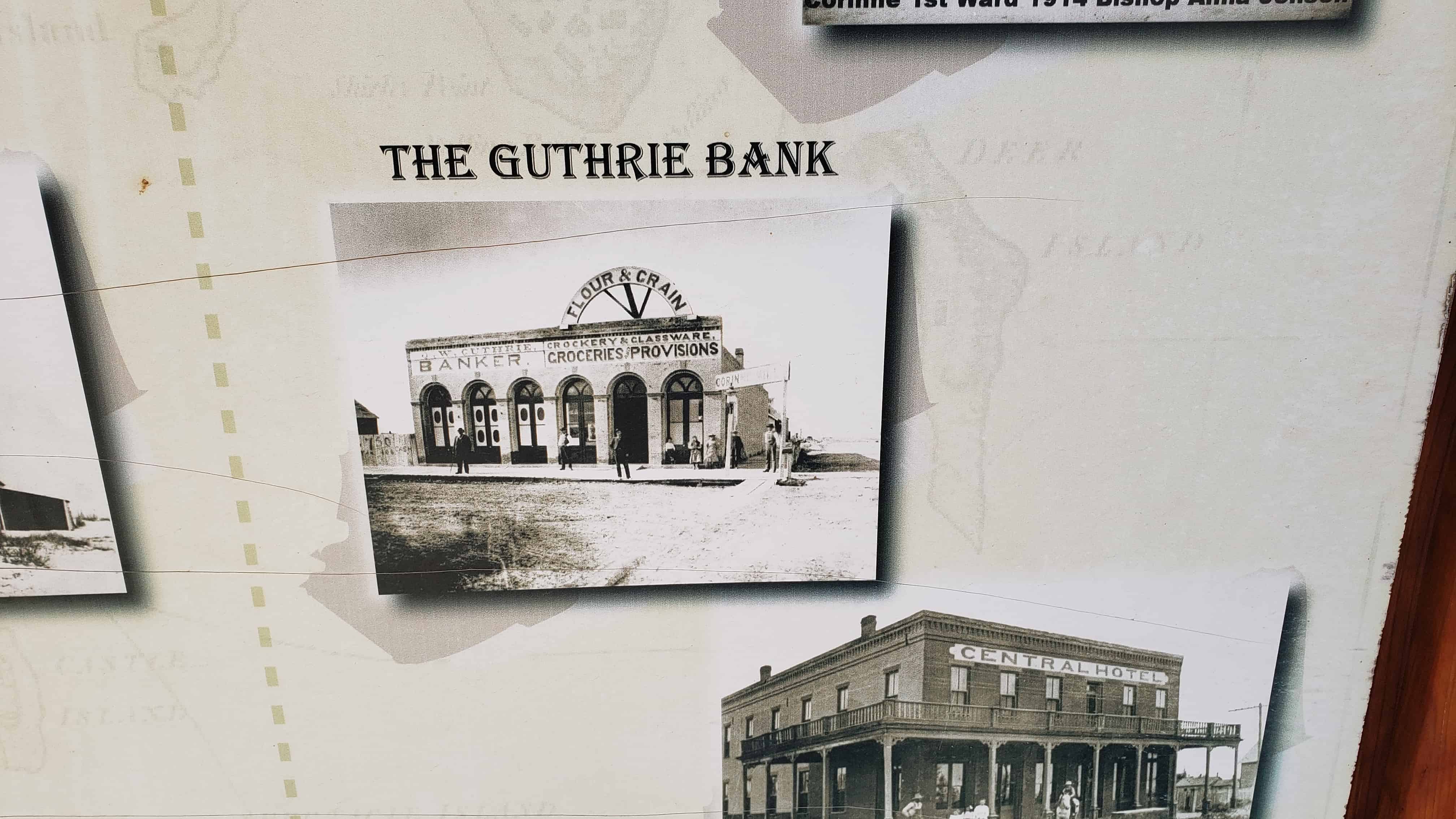
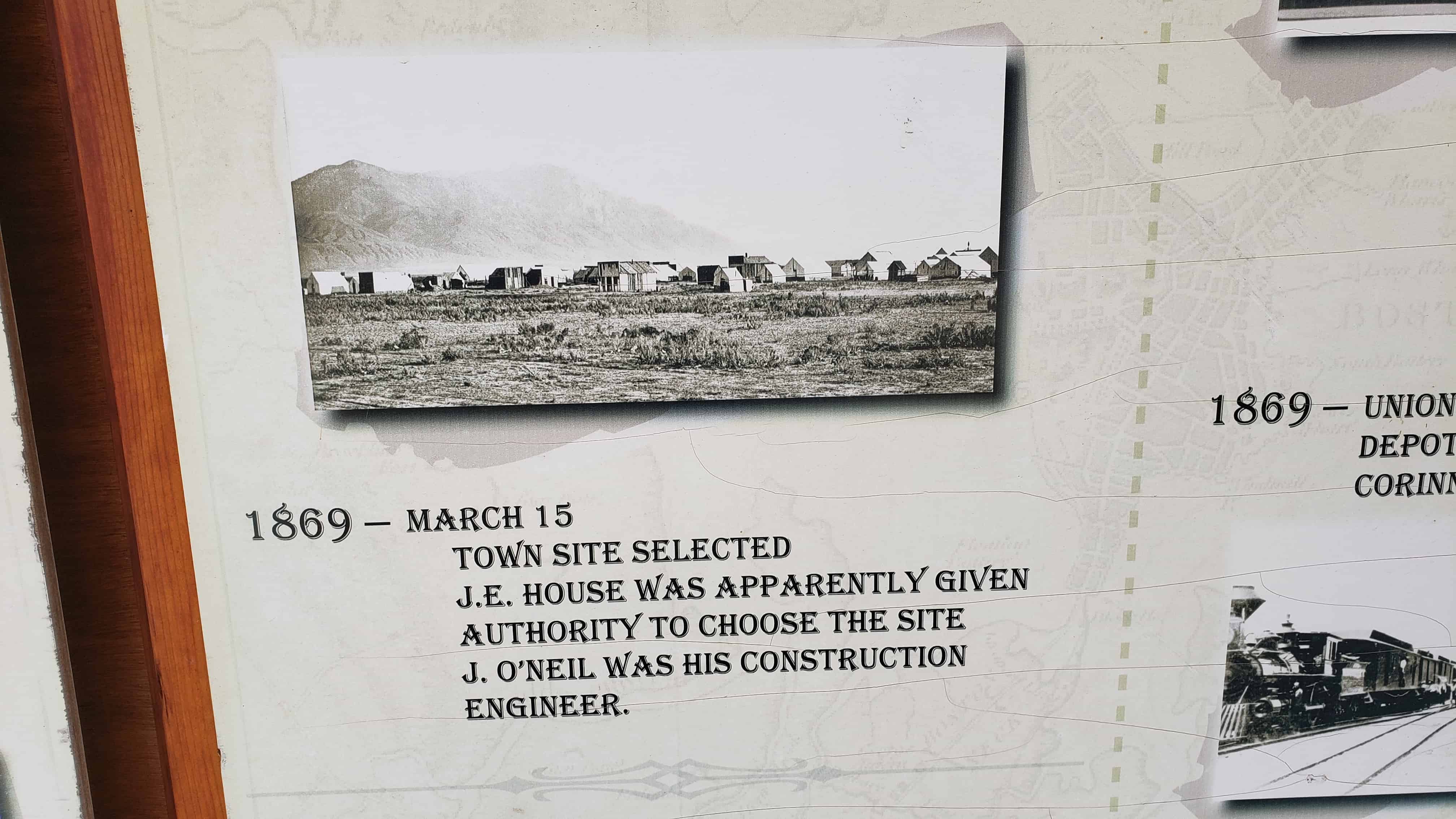
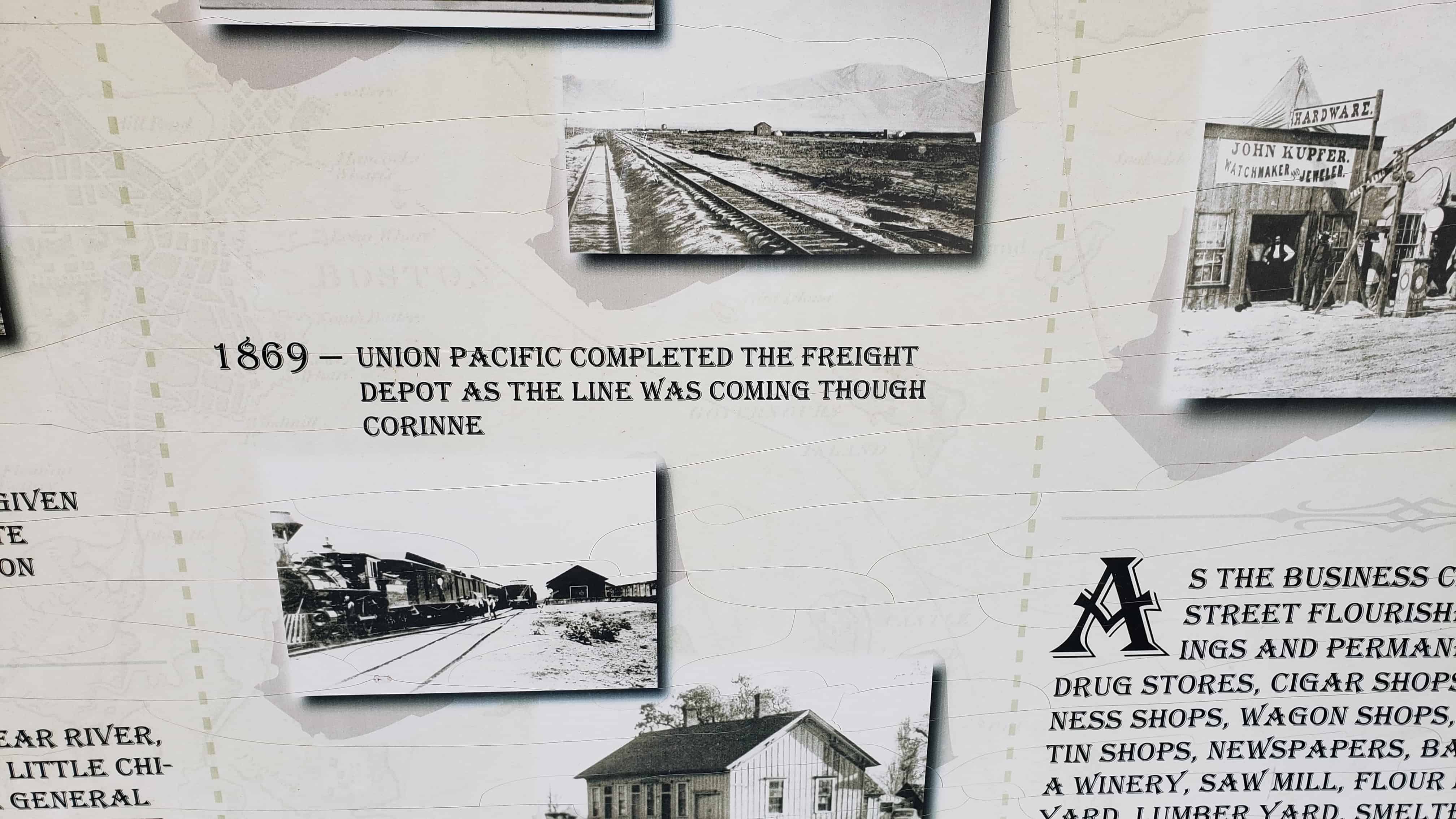
Looking toward the immediate completion of the first Transcontinental Railroad, Corinne Townsite was laid out in the Spring of 1869. Railroad Financiers, Real Estate Promoters, Businessmen & Gambling Sharks, launched a boom to make Corinne the shipping, trading & amusement center of the Rocky Mts.

Although Congress had planned the junction of the Union Pacific & Central Pacific Railroads at or near Ogden, the Union Pacific designated Corinne as the Freight Junction for the rich mines of Montana & the communities of Idaho & northern Utah. This decision was made after the Engineers declared that the town lay in the center of the Rocky Mountain Area & that the Bear River was navigable by Steamboat, making it possible for freight to be transported from Corinne via Bear River, the Great Salt Lake, & the Jordan River to Salt Lake City.

For a time the town flourished to the fullest expectation of its promoters, supporting a newspaper, many businesses & more than 100 saloons & Gambling Houses. In its prime, Corinne was one of Utah’s busiest cities, many times, over 500 freight wagons were congregated here.

Bear River City Fort

15 Monday Nov 2021

Posted by Jacob Barlow in Uncategorized

≈ Leave a comment

Tags

Bear River City, Box Elder County, DUP, Forts, Historic Markers, utah

In 1866 a group of Scandinavian Latter-day Saints entered the area that would become Bear River City. Their first homes were dugouts on the west bank of the Bear River. These dugouts were roofed with poles, willows, straw, and dirt. The fall of 1867 saw these early pioneers moving from the river dugouts to establish the Bear River Fort as a protection from the Indians. The fort was built on this ten acre block with log and adobe cabins surrounding the entire area.

The doors and windows of all 44 cabins in the fort face the center, making the cabin walls the walls of the fort. In the center area, they erected a flagpole on which Old Glory was unfurled, not only on state occasions, but to call the people to church, the children to school, or as a signal that the cow herd was ready to start for the pasture.

On three corners of the fort, wells were dug for the water supply, and the animals were corralled outside the fort. A house for public gatherings was erected on the west wall where church, school, dances, and meetings were held. Irrigation from the Malad River was introduced when the area northwest of the fort was farmed.

This is DUP Marker #496 located at Bear River City Park at 4470 West 5900 North in Bear River City, Utah

Related:

  • DUP Markers

Garland Carnegie Library

08 Monday Nov 2021

Posted by Jacob Barlow in Uncategorized

≈ 1 Comment

Tags

Box Elder County, Carnegie Libraries, Garland, Libraries, utah

Built in 1914, the Garland Carnegie Library is one of 23 Carnegie libraries in Utah and one of over 1,650 library buildings in the United States that were built by millionaire/philanthropist Andrew Carnegie. Carnegie donated the entire cost of the building on the condition that the town provide the land, books, librarian, and an annual maintenance budget. Although many small towns found it financially difficult to maintain their new libraries, much less improve their library services, Carnegie libraries were generally beneficial in the communities in which they were built. In addition to providing improved and expanded library services, Carnegie libraries established standards of library operation operation and building design which were used for many years in the construction of non-Carnegie libraries in other communities. The general contract for the building was awarded to the Newton Company of Ogden, Utah. Architects may have been Watkins and Birch, who designed the similarly-styled Carnegie library in Richmond. Watkins and Birch actively pursued Carnegie library design contracts throughout Utah and designed at least five that were built in Utah.

Located at 86 West Factory Street in Garland, Utah and added to the National Historic Register (#84000146) on October 25, 1984.

Related:

  • Carnegie Libraries in Utah

Built in 1914, the Garland Carnegie Library is significant as one of sixteen remaining Carnegie libraries of the twenty-three built in Utah. Thirteen of the sixteen library buildings maintain their original integrity and are included in the Carnegie Library Thematic Resource Nomination. In addition to making significant contributions to public education in their respective communities, these libraries are Utah’s representatives of the important nation-wide Carnegie library program, and they document its unparalleled effect in the establishment of community-supported, free public libraries in Utah.

The Garland Carnegie Library was built in 1914 with an $8,000 grant from millionaire/philanthropist Andrew Carnegie. Carnegie funded the construction of over 1650 library buildings in the U.S., 23 of which were built in Utah communities. The conditions upon which all Carnegie grants were given were that the recipient community donate the building site and provide an annual maintenance budget of at least 10% of the grant amount.

The groundwork for the establishment of a library in Garland began around 1908, when a number of citizens began to promote the idea of a library in the town and prompted the organization of the Garland Library Board. In January 1912, secretary of the board, R.L. Bush, acting on behalf of the city, applied to and received from Andrew Carnegie a grant for $8,000 for the erection of a library building. It was noted in the Salt Lake Tribune that Garland was the first city in Box Elder County to be honored by the gift of a Carnegie library.

Actual construction of the library building did not begin until the spring of 1914. The general contract was awarded to the Newton Company of Ogden, Utah, and the plumbing and heating contracts were given to the Blumenthal Company of Provo, Utah. The architect of the Garland Carnegie Library is unknown, but the building closely resembles the Carnegie library in Richmond, so it is possible that the architects of that building, Watkins & Birch, also designed
this building, especially since they are known to have actively pursued Carnegie library design contracts and designed at least five that were built in Utah.

The Garland Carnegie Library was completed in November 1914 and dedicated on December 12, 1914. The dedication ceremony was postponed two weeks in order that it be held in connection with the dedication of the Bear River Stake Tabernacle (of the LDS church), which was built across the street to the west of the library. The library was dedicated on Saturday and the tabernacle on Sunday; both services were conducted in the new tabernacle. Speakers at the library dedication included Professor Howard R. Driggs of the University of Utah, and Epraim G. Gowans, state superintendent of public instruction. Mattie Strong was appointed librarian.

General maintenance expenditures of the new library building proved, at least for a time, to be a burden on the community. City officials felt that their old quarters (location unknown) had served them better than the large,
expensive Carnegie library. However, the building has continued in use to the present as the city library.

The basic form of the Garland Carnegie Library is similar to that of many of Utah’s Carnegie libraries. It is a one story brick rectangular building with a raised basement and a flat roof. A simple Classical Revival decorative scheme distinguishes the exterior, consisting of: the symmetrical arrangement of the faƧade with a central pavilion; the raised basement; the balanced arrangement of pilasters around the building, each distinguished by a capital that is a variant of the Ionic capital; and the pronounced cornice with dentils on the frieze topped by a parapet.

The faƧade is divided into five bays by pilasters, and has a projecting entrance pavilion centered between pairs of window bays. The main door may be original, but it is set into a panel of glass window cubes which probably reflects a 1930s alteration (exact date unknown). Each of the windows is two panes wide topped by a transom that is divided into four small glass panes. The ends of the building are two bays wide, also defined by pilasters, and there are two oblong three part windows per end. The rear of the building, like the faƧade, is divided into five bays. The pilasters along that wall, however, have no capitals and there are no distinctive decorative features on that side of the building. There are small square windows in four of the five bays, and a long, narrow window set into the central bay. There is a second
entrance into the library on the west side at the basement level.

The building is essentially unaltered, except for the change made to the main entrance. That change, however, is not significant, and does not affect the original integrity of the building.

Brigham City Relief Society Granary

03 Wednesday Nov 2021

Posted by Jacob Barlow in Uncategorized

≈ Leave a comment

Tags

Box Elder County, Brigham City, Granaries, Historic Markers, NRHP, SUP, utah

(text of the Historic Tour Marker)
Relief Society Granary – Built 1877
The granary was built by the Brigham City Co-op to store wheat collected for the needy by the Relief Society, the LDS Church women’s organization. The wheat was obtained by women and children gleaning in the fields after men had harvested the grain.

  • This is # 14 on the Brigham City Historic Tour.
  • This is #148 in the historic markers by the Sons of Utah Pioneers.
  • This is #89000455 on the National Register of Historic Places.

Located at 100 North 400 East in Brigham City, Utah

(text of the SUP Marker)
In 1876, Harriet Snow, Box Elder Stake Relief Society President was asked by the LDS General Relief Society President, Emmeline B. Wells, to join with women’s groups throughout the LDS Church to gather and store wheat against a time of need from drought, crop failure, or insect plaque. Women and children went into the fields after the men completed the harvest and gleaned and stored first in the basement of the courthouse, and then in an upper bedroom of Harriet Snow’s home.

Harriet requested a granary be built and in 1877 Lorenzo Snow, her husband, authorized the construction of this rock building on what was known as Co-op Square. The granary was well-constructed of rock and brick. Primary children gathered glass to be crushed and worked into the mortar to help keep mice out. The women of the Relief Society kept the granary clean and used lime to keep bugs away. The stored wheat was used mostly for local needs, but at times wheat was sent outside Box Elder County. One such day of need arrived in 1898, when wheat was sent to Parowan and other southern Utah settlements that were suffering from drought. In 1906 a train car of flour from the Relief Society granaries was sent to earthquake-devastated San Francisco. At intervals unused wheat was sold and replenished to keep it fresh.

The need for small, local granaries eventually passed, and this building was sold in 1913 to the Box Elder School District to store food for school lunch programs. Because of its thick walls, the building was used for cold storage. When use of the building ceased in 1967, it slowly fell into disrepair. In 2008 the Box Elder Chapter of the Sons of Utah Pioneers emptied the building of the old freezers, re-built the collapsing roof and refurbished the inside.

This durable old building, the Brigham City Relief Society Granary, today stands as a reminder of the hard work, frugality and vision of the Pioneer settlers of Brigham City and Box Elder County.

(this kiosk was built as an Eagle Project by Scott Shakespear and the Varsity Team 801 with the support of the Box Elder Chapter of the Sons of Utah Pioneers. S.U.P. Monument #148)

(text from the NRHP Nomination form)
Constructed c. 1877, the Brigham City Relief Society Granary is significant primarily for its association with the Mormon Church-sponsored Brigham City Mercantile and Manufacturing Association (the “Co-op”). The Co-op was a highly
successful socio-economic cooperative that dominated the local economy during most of its years of operation, 1864-1895. It was also a model for Mormon cooperatives established throughout the Utah Territory in the 1870s. Most of the other co-ops failed quickly, and none approached the level of success attained in Brigham City. The Relief Society Granary is one of only five remaining buildings associated with the Brigham City Co-op; only four of the five are eligible for National Register designation. The granary is also significant for its association with the Relief Society, the women’s organization of the Mormon Church, which used the building for its grain storage program from the late 1870s until 1913. Relief Society granaries were built in most of the 200-plus Mormon communities during the late 1800s, but only eight have been located, identified and evaluated as eligible for National Register nomination.

This small stone granary was constructed by the Brigham City Co-op for the Brigham City Relief Society. The Relief Society is the women’s organization of the Church of Jesus Christ of Latter-day Saints (Mormon Church), and the Co-op was the church-based cooperative that was involved in virtually every aspect of Brigham City life during the 1860s-90s. The building was constructed by Co-op workers on the northwest corner of the block known as Co-op Square, where a number of Co-op manufactories were built.

The Brigham City Co-op was an outgrowth of communitarian ideals that had been part of the Church of Jesus Christ of Latter-day Saints (Mormon) philosophy from its beginning. In Kirtland, Ohio, on February 9, 1831, while the church was still in its first year, Church President Joseph Smith instituted the law of consecration requiring the people to turn over to the church any surplus property or possessions for the support of the poor. The United Order, an economic cooperative system, operated for a time in Kirtland and then was discontinued.

After the Mormons migrated to Utah from Nauvoo, Illinois, in the 1840s and 50s, church leaders encouraged the settlers in Utah communities to again implement the cooperative system. Part of the reason was to encourage patronage of Mormon enterprises rather than non-Mormon ventures, which were seen as a threat and intrusion in the Mormon settled region. Over 200 cooperatives were established and in operation in Mormon communities between 1868 and 1884 as part of the churchwide effort referred to by historians as the Cooperative Movement. Cooperatives were formed within the local Mormon wards (congregations) for community welfare purposes rather than mere profit. Their methods of operation ranged from businesslike joint-stock corporations to more communal arrangements where members shared everything. The Brigham City Co-op was an example of the joint-stock approach.

The earliest and most successful Mormon cooperative was in Brigham City. Lorenzo Snow, one of the founders of the town and a member of the church’s governing Council of Twelve Apostles, established the Brigham City Co-op in 1864 with the formation of a co-op mercantile store.5 The Co-op went on to form 19 different departments encompassing commerce, industry, agriculture, horticulture, and construction. These departments employed most of the available workers in Brigham City for three decades. Though the Co-op operated until 1895, its first 15 years were its most successful. The demise of the Co-op was brought on by natural disasters, changing attitudes about the role of the Mormon Church in business, legal and financial attacks against the Co-op, and changing hierarchy within the church. One by one, all of Brigham City’s cooperative departments were either abandoned or taken over by private interests. The Co op ceased operation in 1895.

Only five Co-op buildings remain standing. They include the Flour Mill (1856), Woolen Mill (1869-70), Planing Mill (c.1876), Relief Society Granary (c.1877), and Mercantile Store (1891). The Woolen Mill has been extensively altered by later additions, though it still functions as a woolen mill. The 1856 Flour Mill predated the Co-op by eight years, but it functioned as a Co-op industry during the 1860s and ’70s.

Though the granary was built and owned by the Co-op, it was used by the Relief Society for its grain storage program. Grain storage was just one of the duties assigned to the Relief Society after the organization was revived in 1867. Other responsibilities included the following: (1) systematic retrenchment; (2) establishment and operation of cooperative stores selling home-produced merchandise; (3) promotion of home industry, silk in particular; and (4) nursing, midwifery, and hospital maintenance.

Early Schools

02 Tuesday Nov 2021

Posted by Jacob Barlow in Uncategorized

≈ Leave a comment

Tags

Bear River City, Box Elder County, DUP, Historic Markers, utah

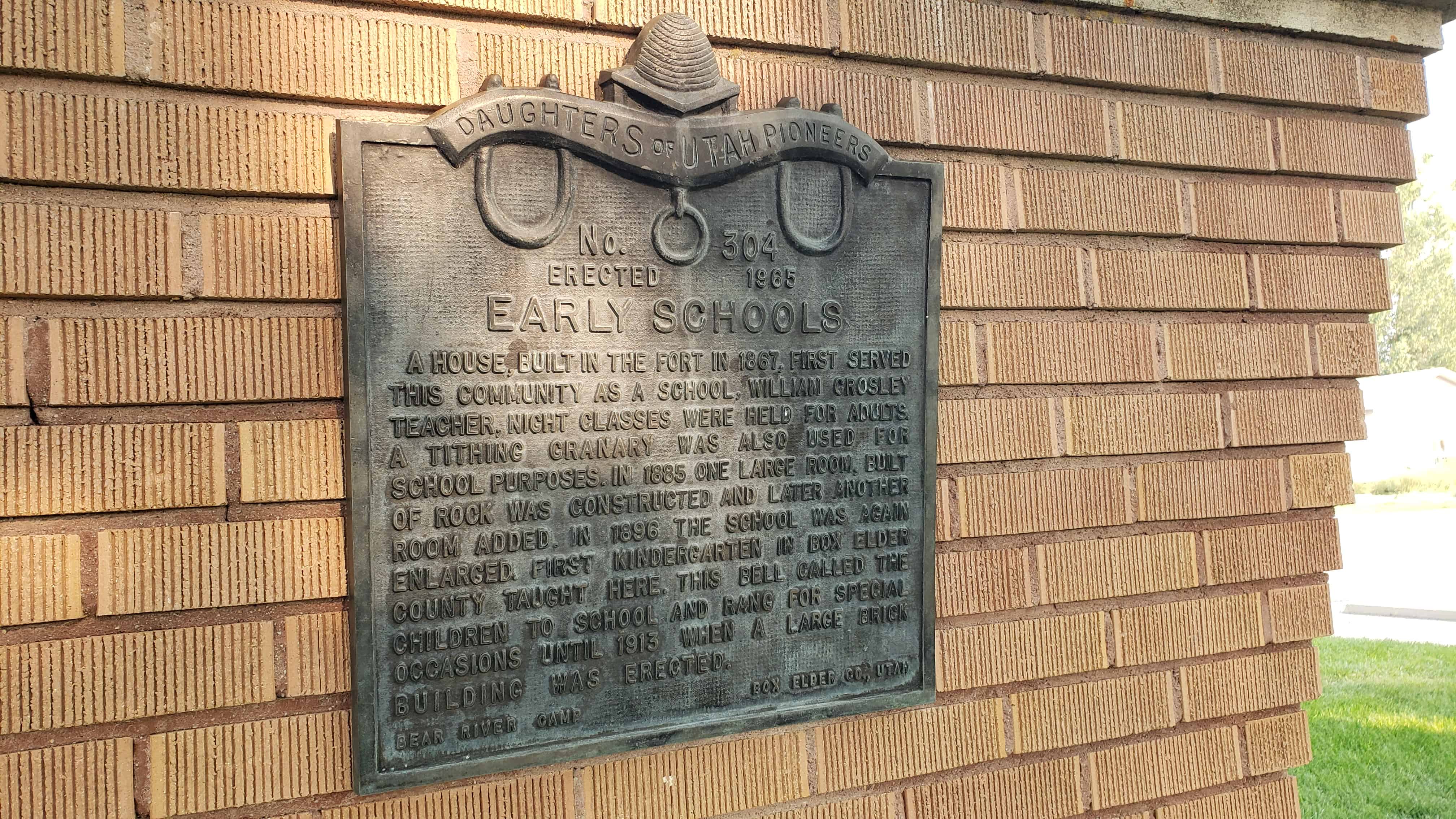
A house, built in the fort in 1867, first served this community as a school, William Crosley teacher. Night classes were held for adults. A tithing granary was also used for school purposes. In 1885 one large room, built of rock was constructed and later another room added. In 1896 the school was again enlarged. First kindergarten in Box Elder County taught here. This bell called the children to school and rang for special occasions until 1913 when a large brick building was erected.

This is DUP Marker #304 located at Bear River City Park at 5810 North 4800 West inĀ Bear River City, Utah

Related:

  • DUP Markers
← Older posts
Newer posts →

Follow Jacob

Follow Jacob

Blog Stats

  • 2,018,924 hits

Social and Other Links

BarlowLinks.com

Recent Posts

  • Blue Base – The Stand Filming Location
  • 926 E South Temple
  • 969 E South Temple
  • 1001 E South Temple
  • 211 W Truman Rd

Archives


Loading Comments...