Tags
John C. Fremont Park
06 Thursday Jan 2022
Posted in Uncategorized

06 Thursday Jan 2022
Posted in Uncategorized
Tags
04 Saturday Dec 2021
Posted in Uncategorized
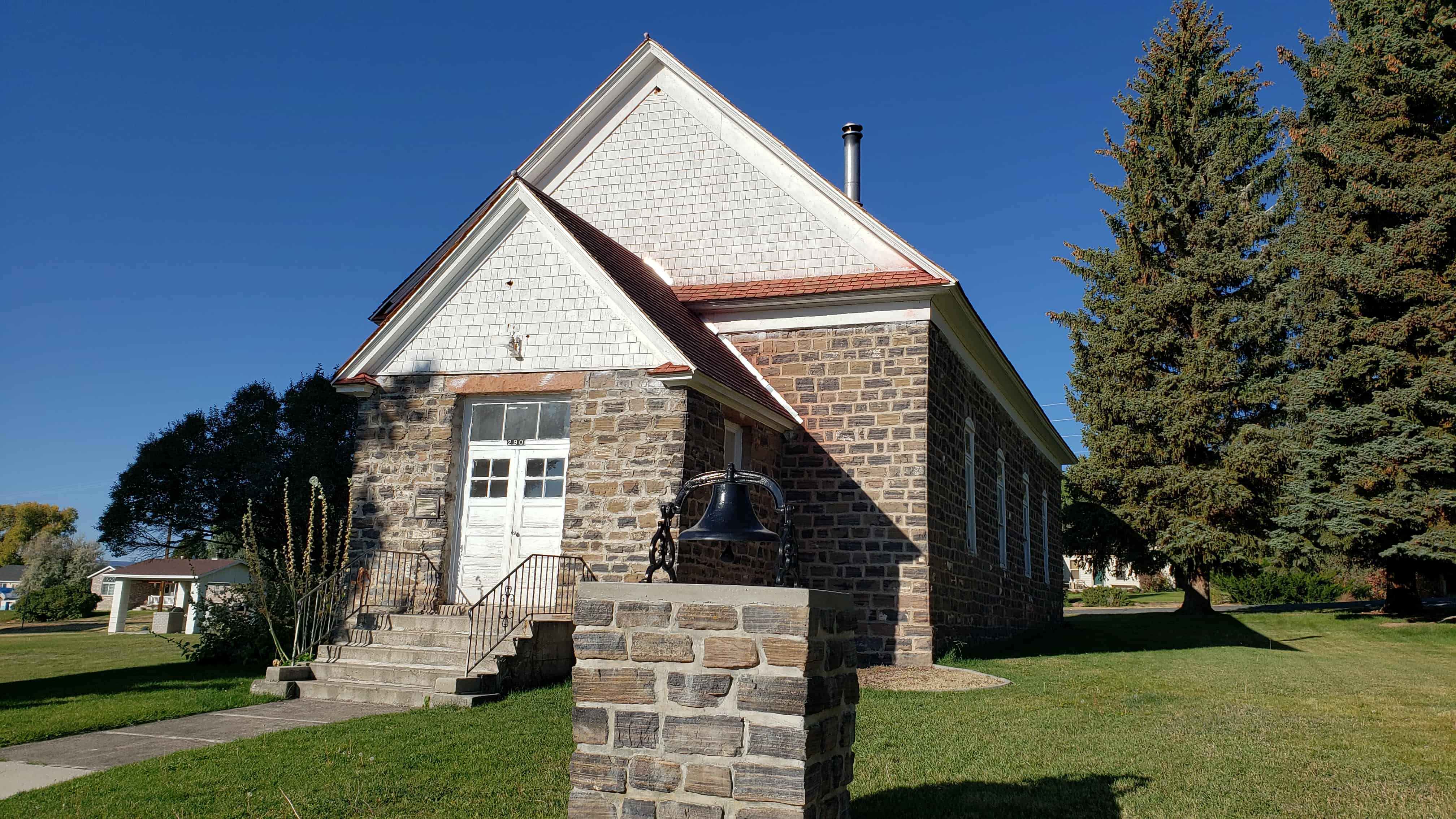
Fremont Rock Church House
Work on this rock building began in 1902. The black rock was quarried in the basin behind the big ledges above Fremont.
The building was constructed to the square in 1904 by rock masons, George F. F. Albrecht and his sons, John, Henry, and Charlie. Frank Morrell mixed all the mortar of burned lime and sand.
The LDS Church wanted the structure built higher, so Bishop Heitt Maxfield, William Charles Jenson, and Albert Shiner added four more feet of rock. John Hector and Frank Brown were the carpenters, and George Morrell and Charles Ellett hauled the hardwood flooring in wagons from Salt Lake. Benches were constructed by Jerry Jackson. The building was dedicated in 1907.
This building served the people of Fremont for church meetings, plays, dances, weddings, funerals, elections, and other civic gatherings for over half of the nineteenth Century.
On April 1, 1974, the LDS Church sold the building to Camp Geyser of the Daughters of Utah Pioneers for $500.
This historic marker is located in John C. Fremont Park in Fremont, Utah
Related:


03 Friday Dec 2021
Posted in Uncategorized
Tags

In the year 1878 William Wilson Morrell and William Taylor erected this structure, the first public building in Wayne County. It was 20×30 feet, built of logs, and used by the people of Fremont community as a church, school house and public meeting place. Years later it was moved to the site of the new school house on the public square and used only for church purposes. In 1894 the building was again moved to its present location. Plastered, painted, and covered with siding. It is the home of the Relief Society.
This historic marker is D.U.P. marker #242, located in John C. Fremont Park in Fremont, Utah
Related:


30 Tuesday Nov 2021
Posted in Uncategorized
Tags

In 1877 William Morrell brought a water-powered sawmill into Rabbit Valley (Fremont) from Kamas, Utah. The mill was located near Mill Meadows, three miles northeast of Fremont and was operated successfully for several years by William, his sons Silas, and Danial G. Brian. Logs were dragged by oxteam from Pole Canyon to the mill, and the milled lumber was used to build some of the first buildings in Rabbit Valley, much needed in the new settlement. When a serious accident disabled Silas, the mill was sold to Hans M. Hanson and Hiet E. Maxfield, who operated it until it burned down. These mill wheels, bearing the manufacture date of 1862, were buried in the ground below Mill Meadow Reservoir. In August of 1972 they were rescued, restored, and brought to this site by Eldon Morrell, William’s grandson, and several great grandsons.
This historic marker is D.U.P. marker #414, located in John C. Fremont Park in Fremont, Utah
Related:


13 Monday Apr 2020
Posted in Uncategorized
Tags

Some of the places I’ve documented related to Fremont, California are listed here:
11 Thursday May 2017
Posted in Uncategorized

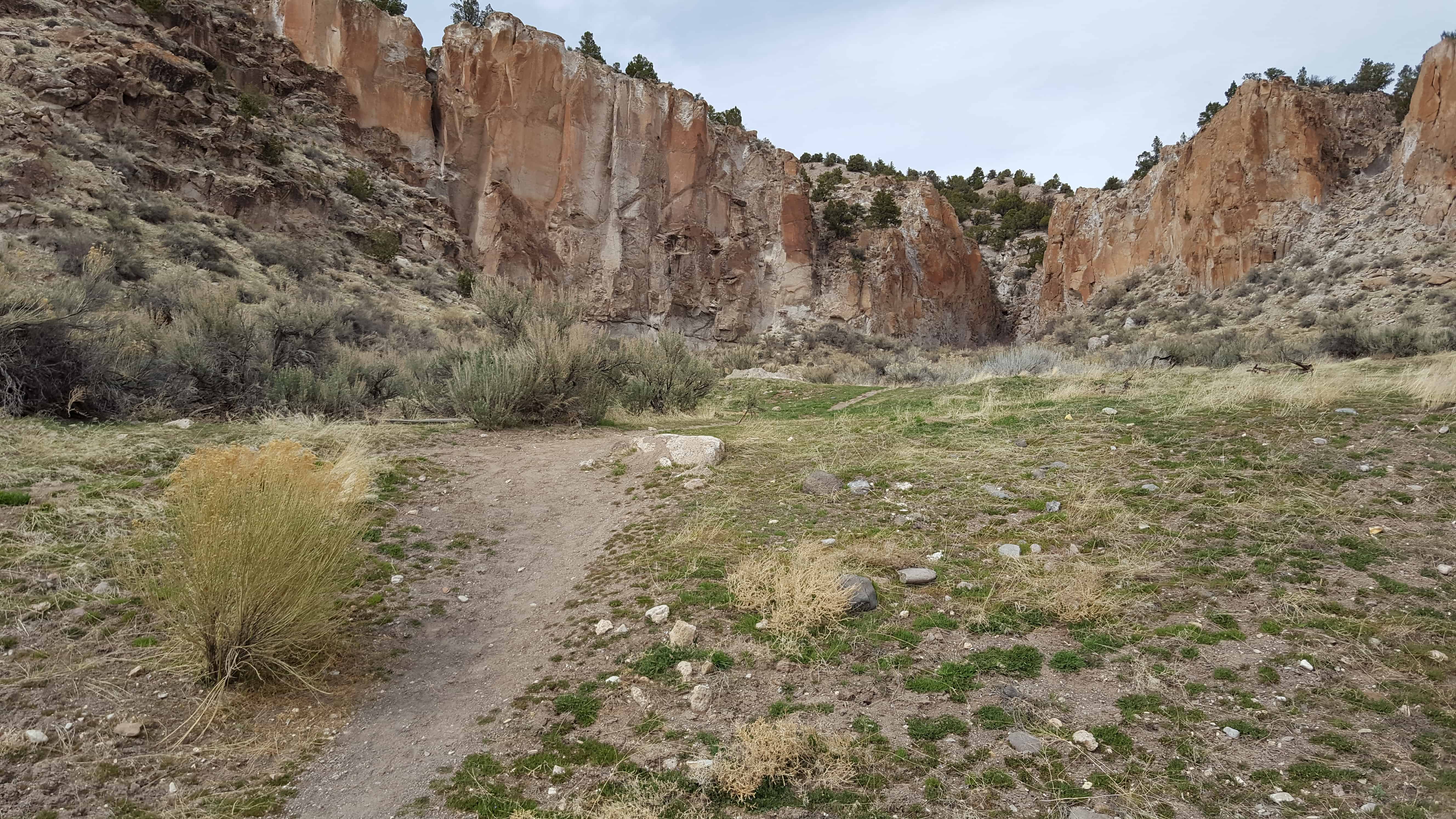
The Arch of Art (see this page) is a cool stop along the road in Fremont Indian State Park.
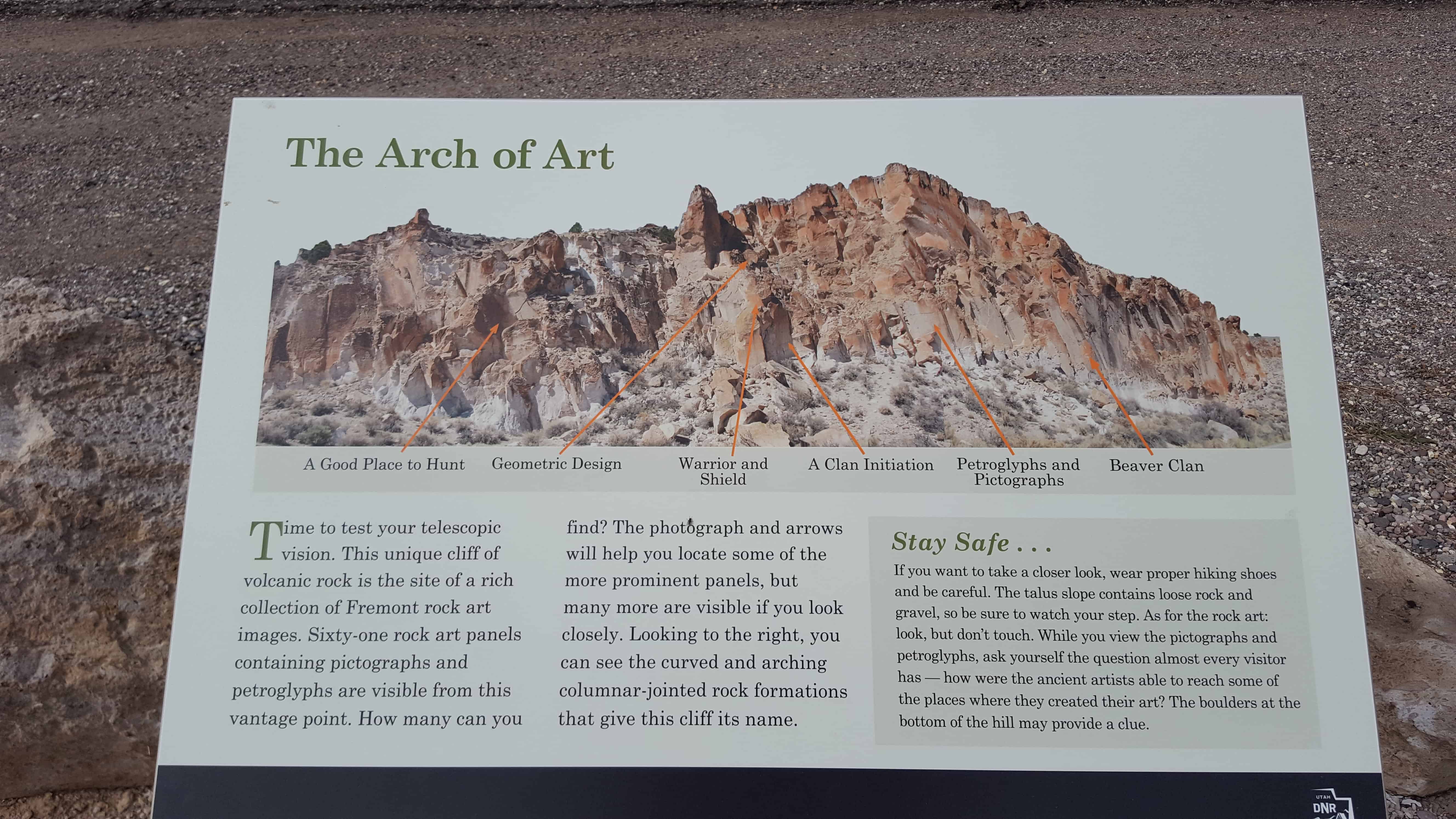
The Arch of Art
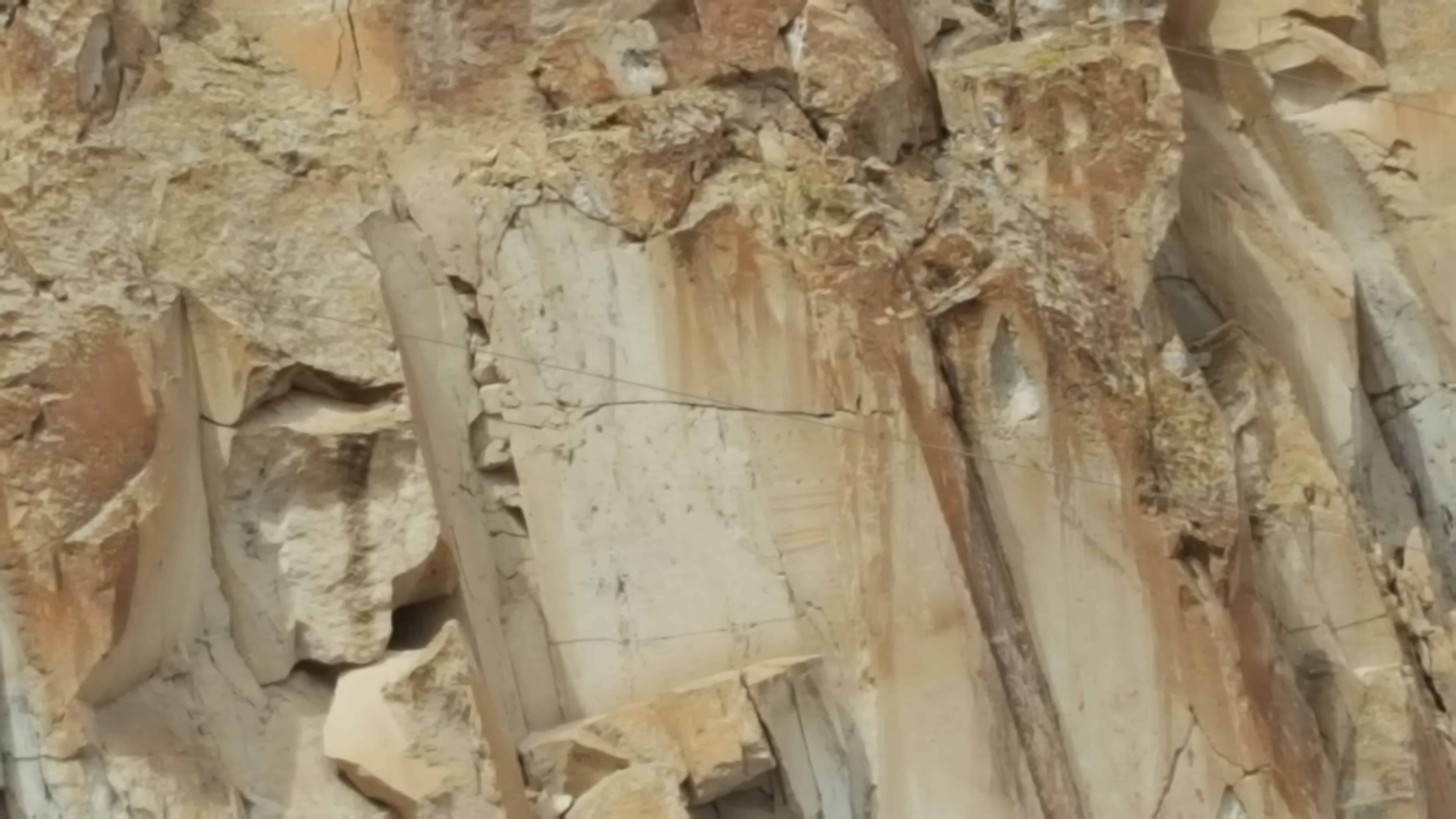
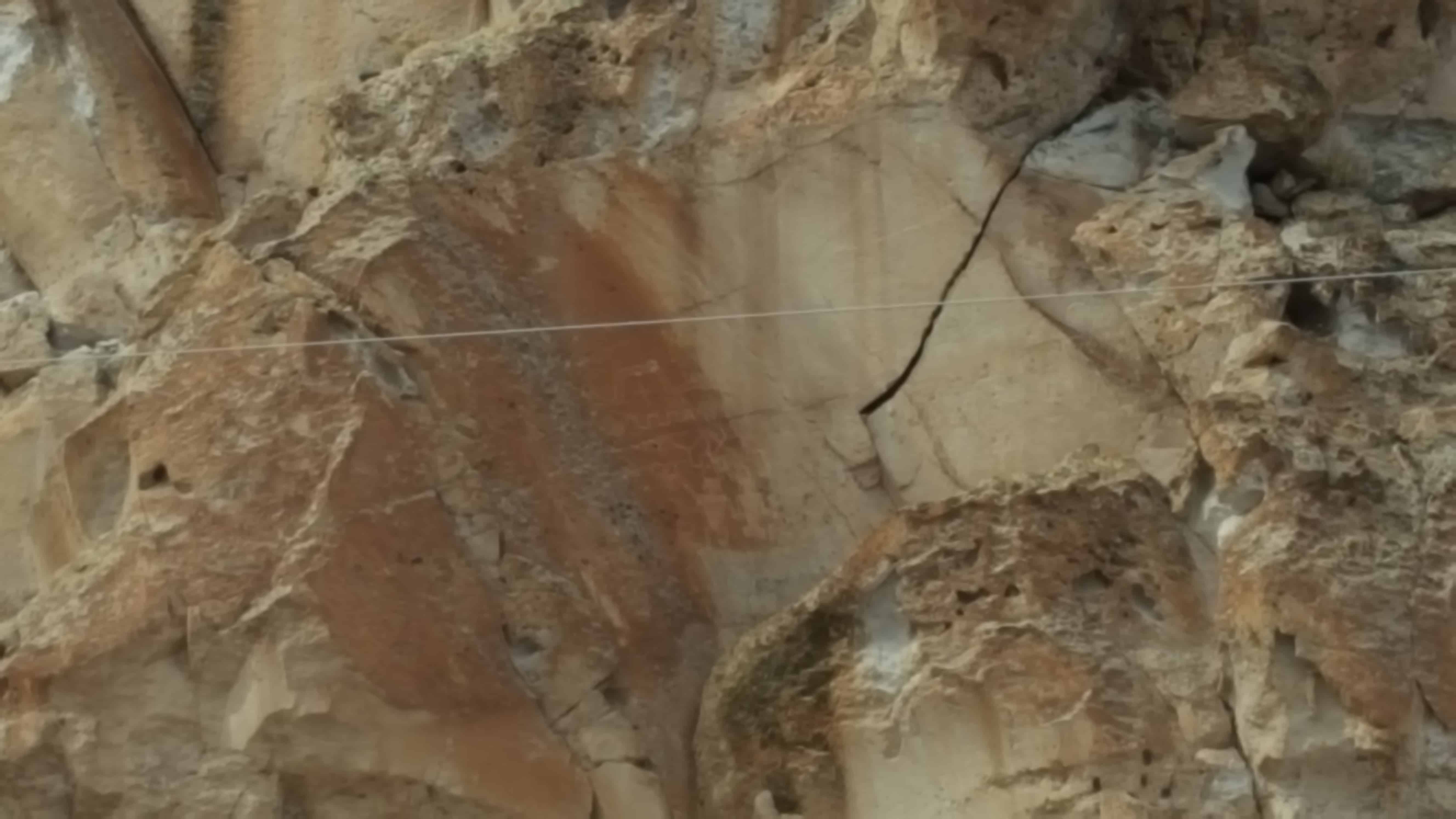
Time to test your telescopic vision. This unique cliff of volcanic rock is the site of a rich collection of Fremont rock art images. Sixty-one rock art panels containing pictographs and petroglyphs are visible from this vantage point. How many can you find? The photograph and arrows will help you locate some of the more prominent panels, but many more are visible if you look closely. Looking to the right, you can see the curved and arching columnar-jointed rock formations that give this cliff its name.
Stay Safe…
If you want to take a closer look, wear proper hiking shoes and be careful. The talus slope contains loose rock and gravel, so be sure to watch your step. As for the rock art: look, but don’t touch. While you view the pictographs and petroglyphs, ask yourself the question almost every visitor has – how were the ancient artists able to reach some of the places where they created their art? The boulders at the bottom of the hill may provide a clue.



10 Wednesday May 2017
Posted in Uncategorized
04 Thursday May 2017
Posted in Uncategorized
Tags
Fremont, Fremont Indian State Park, Fremont Indians, historic, Prehistoric, Sevier, Sevier County, State Parks, utah
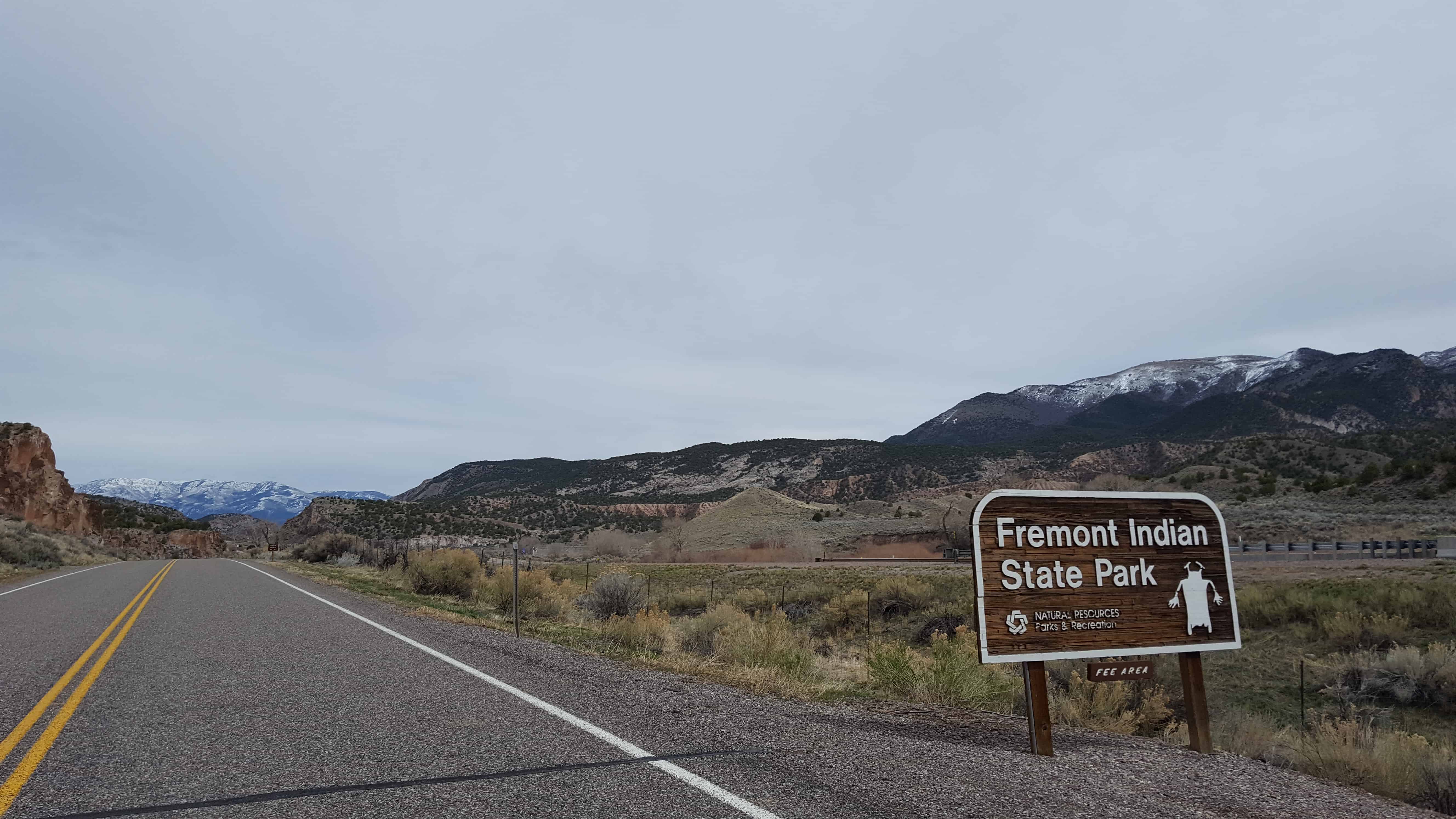
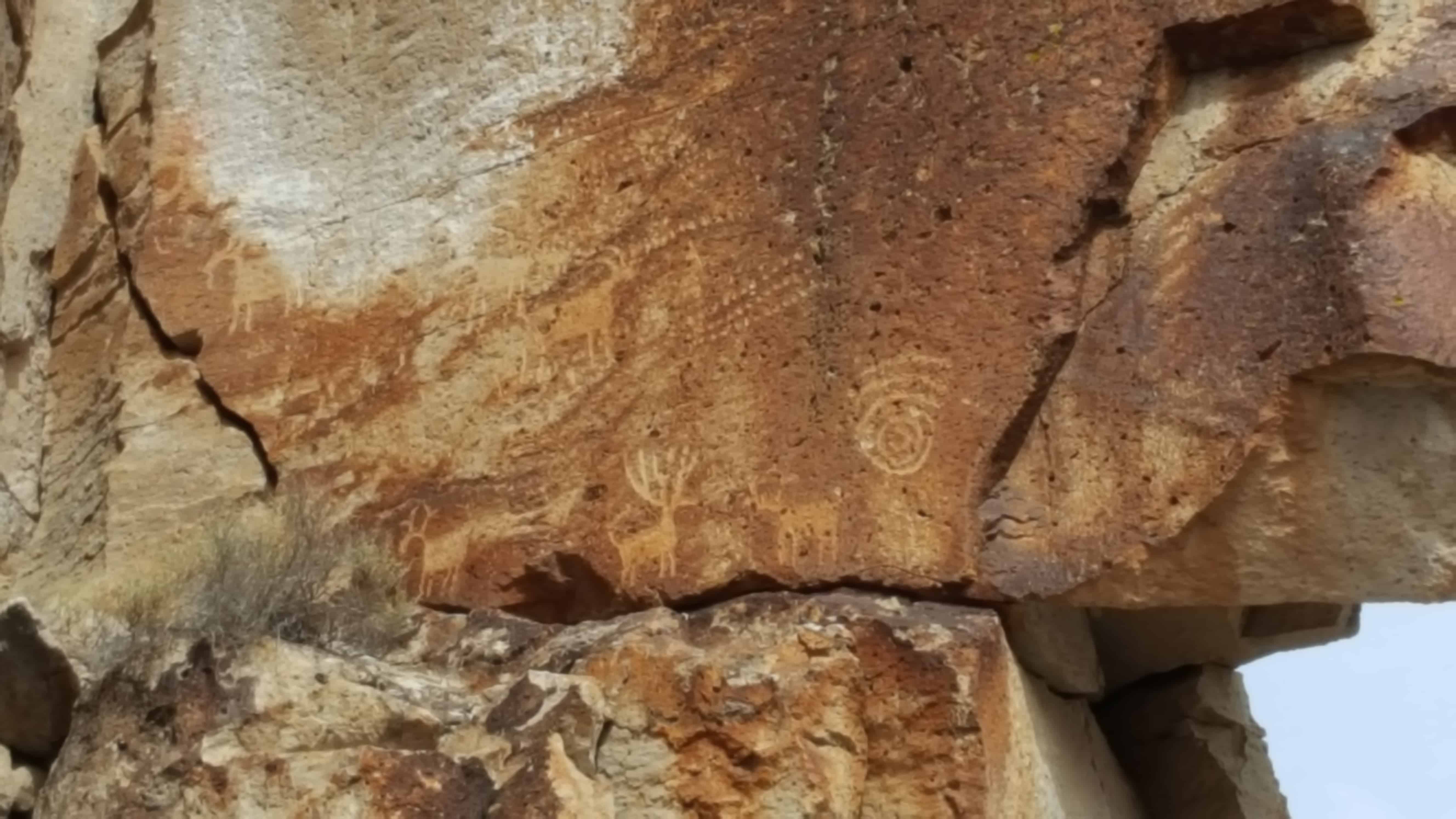
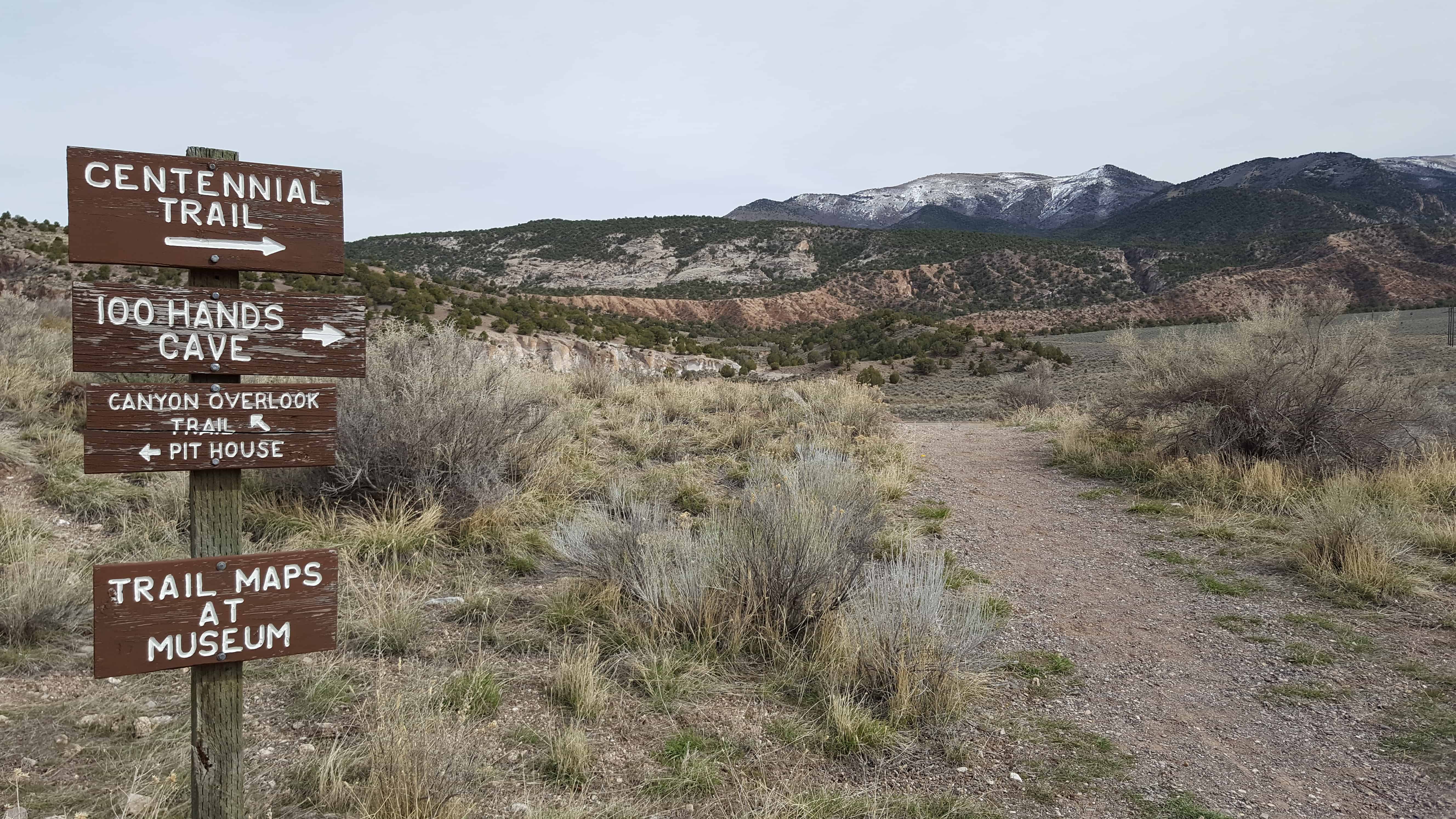
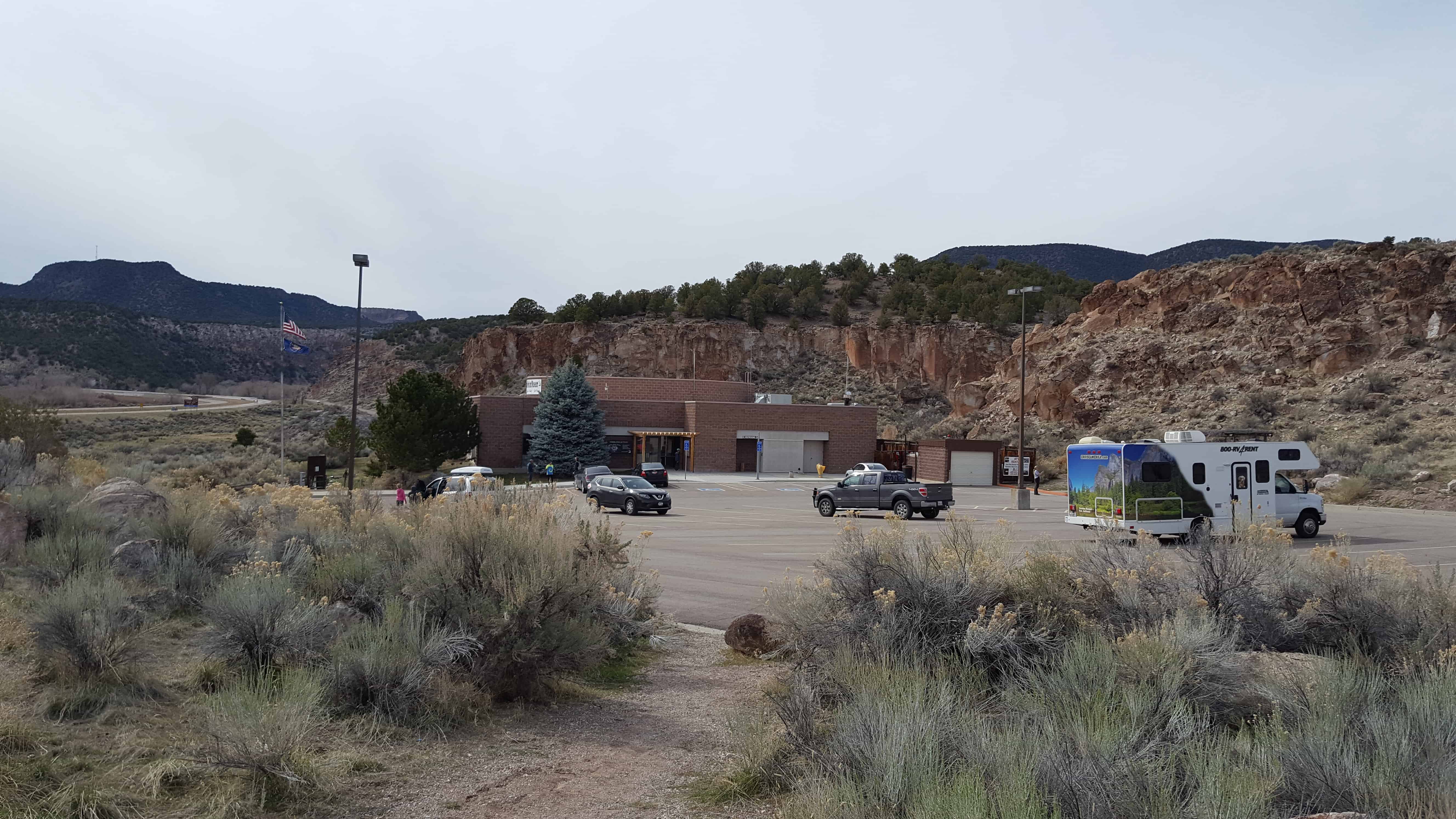
During construction of Interstate 70, ruins from a large ancient Fremont Indian village were uncovered. This museum was built to preserve treasures from the site, including pottery, baskets and arrowheads. The ancient people decorated many nearby cliff walls with unique rock art. Spend a few hours at the museum, tour the rock art sites and then camp at nearby Castle Rock Campground.(*)
Discover artifacts, petroglyphs, and pictographs left behind by the Fremont Indians. During construction of Interstate 70, the largest known Fremont Indian village was uncovered. This museum preserves treasures from the site, including pottery, baskets, and arrowheads. Spend a day at the museum, take a hike on the trails, and then camp at nearby Castle Rock Campground or Sam Stowe Campground.(*)
The park has an a cool list of points of interest to see and learn about, I’ll gather pictures of them all here.
For other State Parks in Utah visit this page.




21 Saturday Jan 2017
Posted in Uncategorized
Tags

Fremont Posts:
Fremont’s first permanent settlers were the family of William Wilson Morrell, in 1876. The community takes its name from the Fremont River.

10 Tuesday Jun 2014
Posted in Uncategorized
Tags

The first local member of The Church of Jesus Christ of Latter Day Saints (the Mormons) arrived on the ship Brooklyn on July 31, 1846 at Yerba Buena (San Francisco). Several families traveled to Washington township, the present area of Fremont, Newark and Union City, and established their homes.
The Mormon Battalion arrived in Southern California, January 29, 1847. Some men from that group traveled north and settled here. One of them, John Conrad Naile (Naegle), arrived in 1848 and built a large adobe home about 1/5 mile east of this marker. School, dances, and other social gatherings were held there.
On April 23, 1850 Apostles Charles C. Rich and Amasa Lyman organized the first branch of the L.D.S church for this area in the adobe home of Earl and Letitia Marshall located approximately 3/5 mile southwest of this marker. Church services were held on the second floor of the Naile adobe until 1850. At this time, John M. Horner built a schoolhouse in Centerville, which served as the first structure built especially for L.D.S services in the area. The local congregation grew during the Gold Rush until 1857-58, when Brigham Young gathered members in Utah.


Check out all of the historic markers placed by the Daughters of Utah Pioneers at JacobBarlow.com/dup