Tags


06 Friday Jan 2017
Posted in Uncategorized
Tags
06 Friday Jan 2017
Posted in Uncategorized
Tags
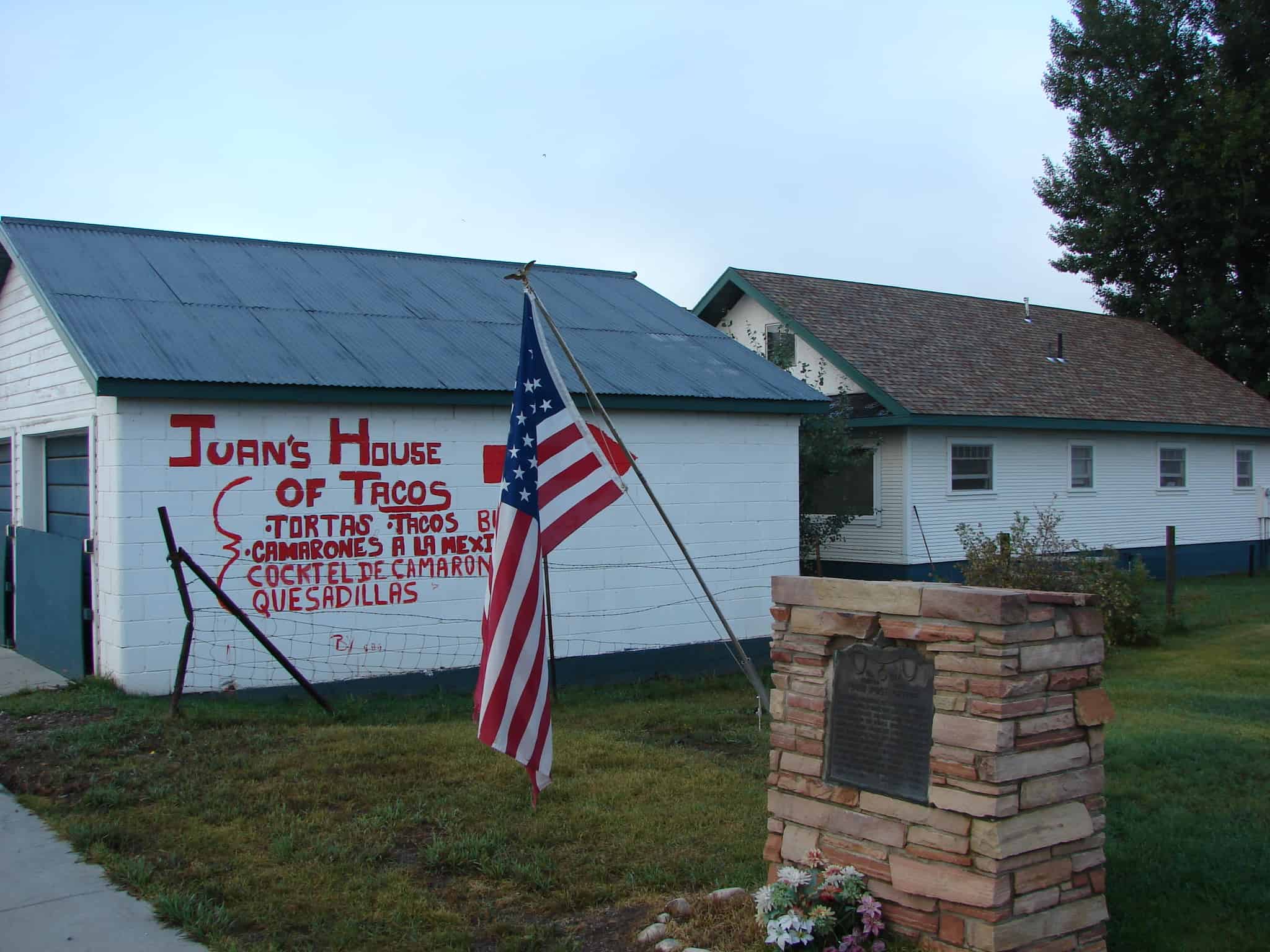
Thayne, formerly called Glencoe, was founded in 1888, at which time mail was brought into Star Valley by Team and Wagon and distributed to the people from a log cabin owned by Joseph Thayne. The building was one room, 12 x 15 feet with a dirt roof. Three years later it was moved to the center of town and Henry Thayne and his wife occupied it. This log cabin, located one and one half rods west of this site, became the first post office May 8, 1891 with Laura Thayne Post Mistress.
(Above is the text from the DUP Marker in town)
06 Friday Jan 2017
Posted in Uncategorized
Tags
06 Friday Jan 2017
Posted in Uncategorized
Tags


06 Friday Jan 2017
Posted in Uncategorized

Beginning in 1843, emigrants traveled across the continent along what became known as the Oregon Trail. Increased traffic during the 1850’s resulted in the first government road construction project in the west. The 345 mile Central Division of the Pacific Wagon Road went from South Pass, Wyoming, to City of Rocks, Idaho, a geologic formation, which marked the Division’s western boundary. Superintendent Frederick W. Lander of Salem, Massachussetts, supervised construction for the U. S. Department of the Interior. The 256 mile section of the road leading from South Pass to Fort Hall, Idaho, is known as the Lander Cut-off. The cut-off traversed this Salt River Valley for 21 miles and parallels Highway 89 through this area. The new route afforded water, wood, and forage for emigrants and their stock. Between 1858 and 1912, it provided travelers with a new, shorter route to Oregon and California, saving wagon trains seven days. Lander, with a crew of 15 engineers, surveyed the route in the summer of 1857. The following summer, 115 men, many recruited from Salt Lake City’s Mormon emigrants, constructed the road in less that 90 days at a cost of $67,873. The invention of the automobile led to its abandonment.
Lander Cut-Off of the Oregon Trail. Dedicated to all the pioneers who passed to win and hold the West.


04 Sunday Dec 2016
Posted in Uncategorized
Tags

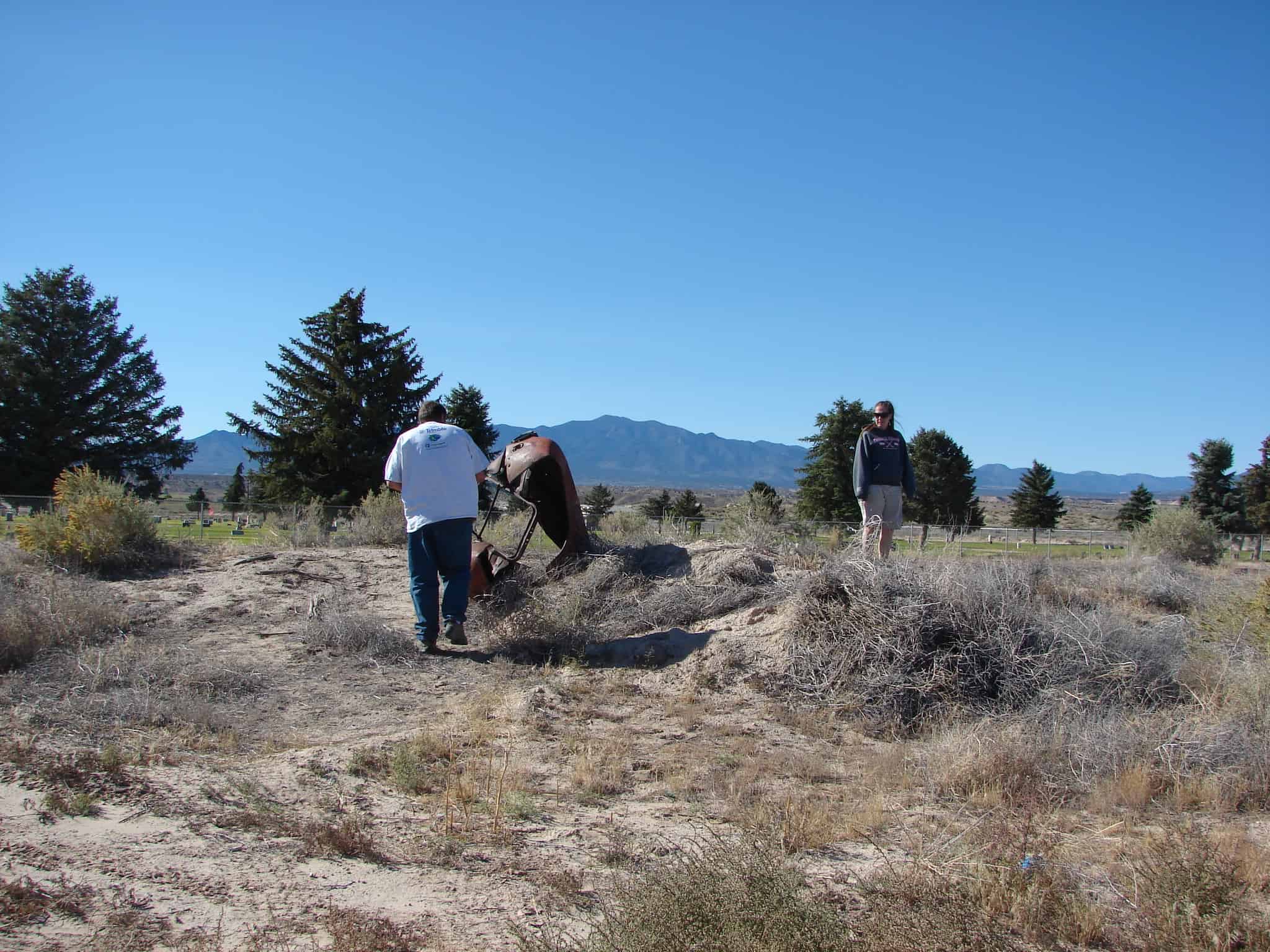
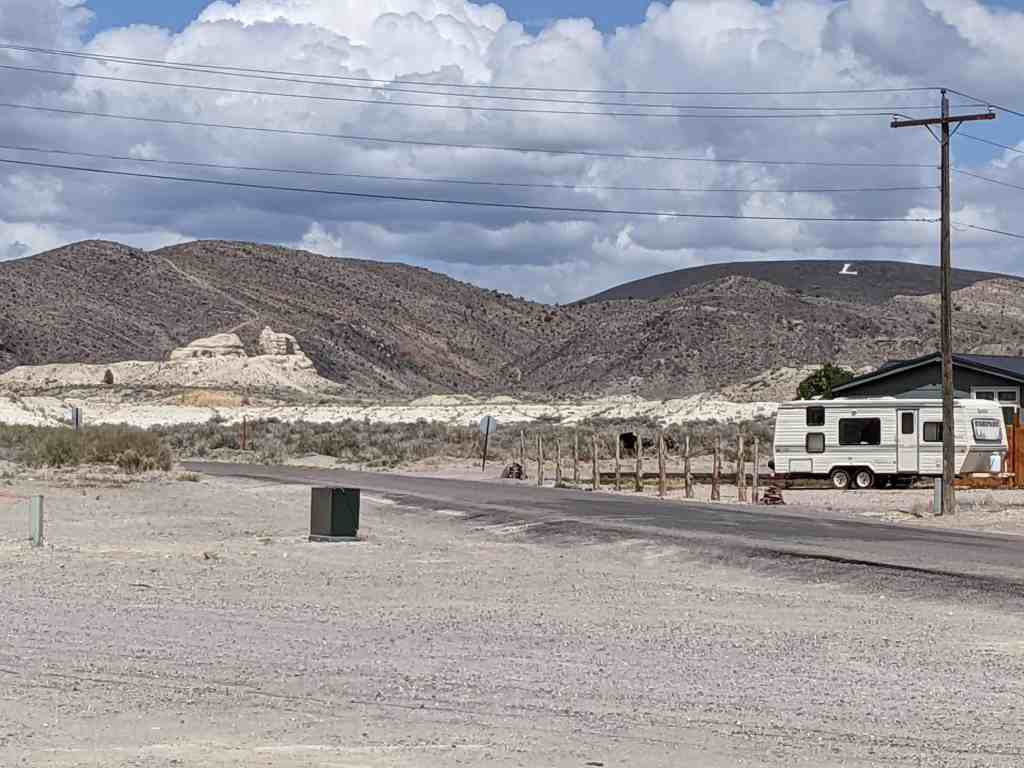
Panaca was southern Nevada’s first permanent settlement, founded as a Mormon colony in 1864. It was originally part of Washington County, Utah, but the congressional redrawing of boundaries in 1866 shifted Panaca into Nevada. It is the only community in Nevada to be “dry” (forbidding the sale of alcoholic beverages), and the only community in Nevada besides Boulder City that prohibits gambling.
Coke ovens here once produced charcoal for the smelters in nearby Bullionville (now a ghost town), but the town’s economy is predominantly agricultural.
The name “Panaca” comes from the Southern Paiute word Pan-nuk-ker, which means “metal, money, wealth”. William Hamblin, a Mormon missionary to the Paiutes, established the Panacker Ledge (Panaca Claim) silver mine there in 1864.
Panaca Posts:


19 Saturday Nov 2016
Posted in Uncategorized
Tags
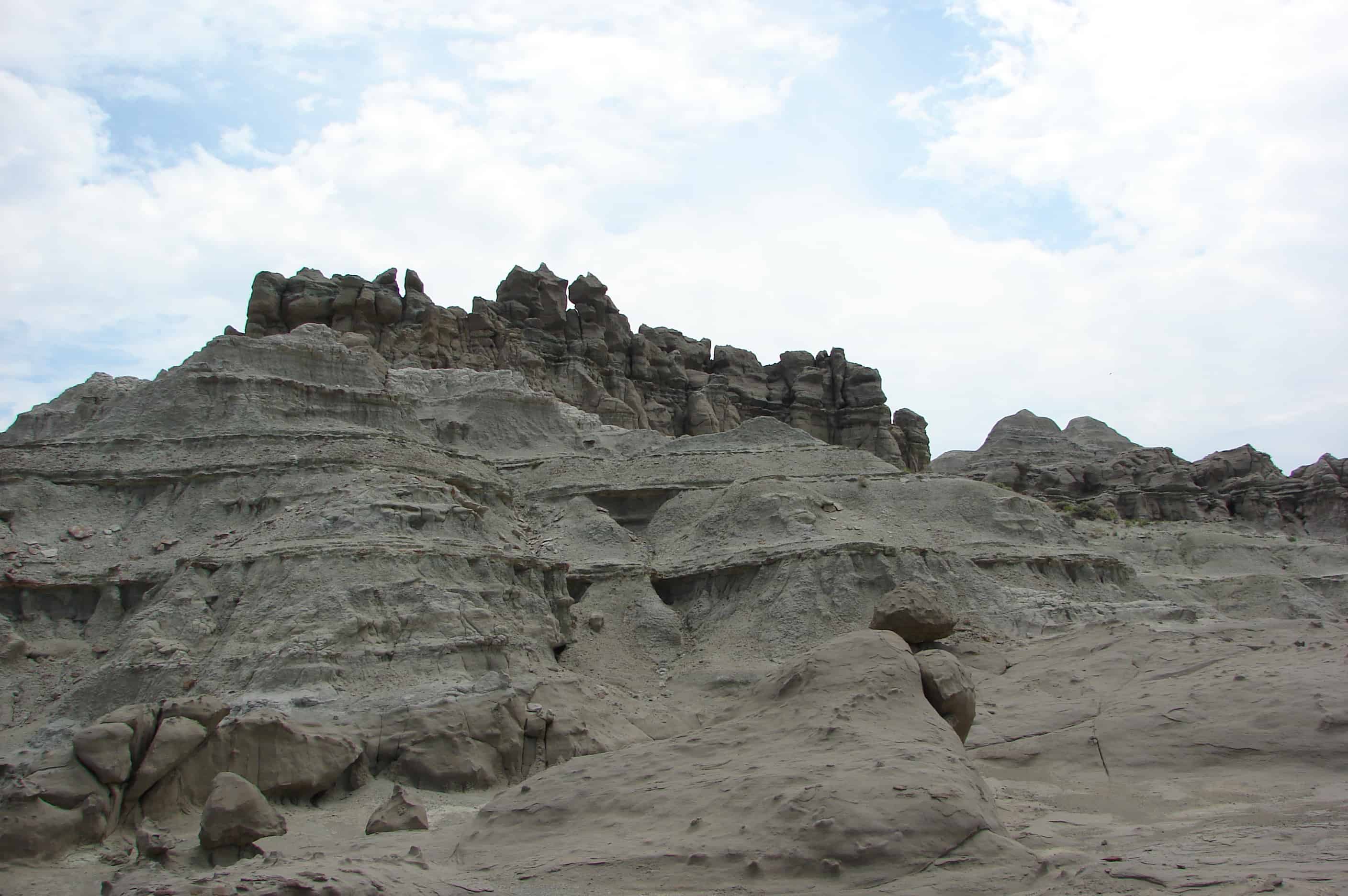
A cool spot in Lincoln County I stopped by while geocaching.


14 Monday Nov 2016
Posted in Uncategorized
14 Monday Nov 2016
Posted in Uncategorized
Tags
16 Sunday Oct 2016
Posted in Uncategorized
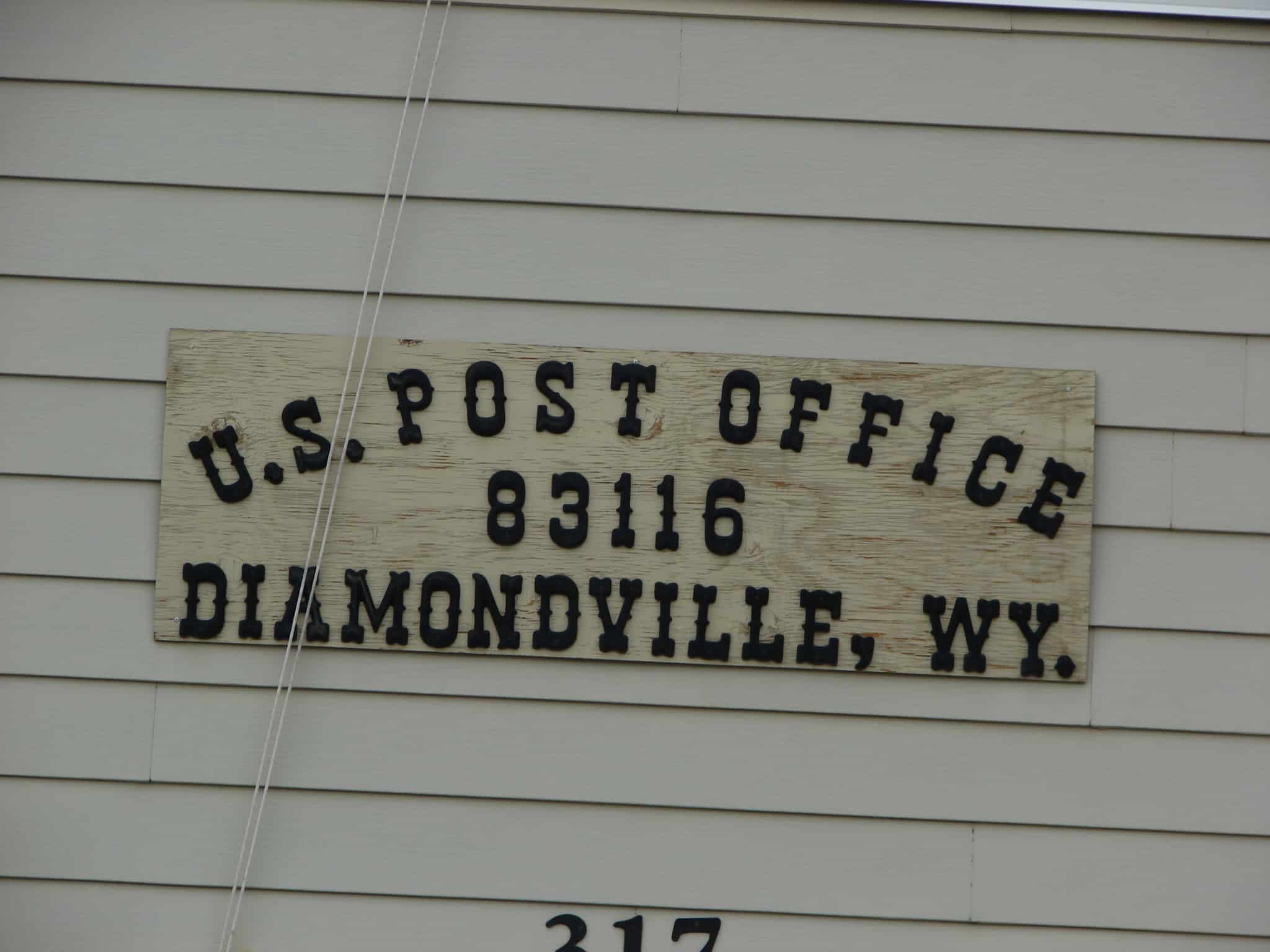
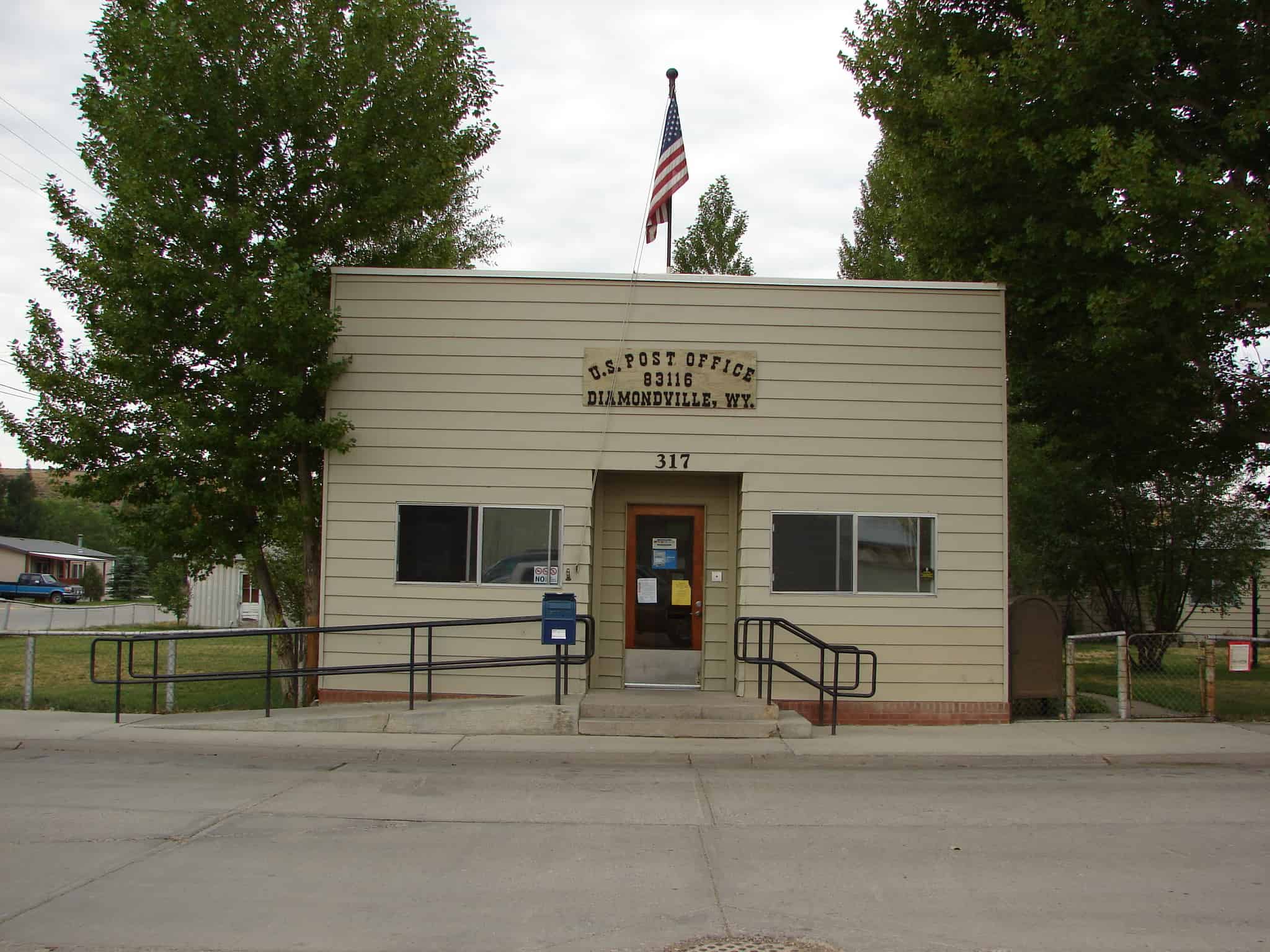
Harrison Church discovered coal near the Hams Fork River in 1868. He gathered financial backing from a group in Minneapolis, and they formed the Hams Fork River Coal Company. Diamondville was built to house the miners, and the town was incorporated in 1896.
The town was named for the superior-grade coal that came from the local mines. The coal resembled black diamonds.
See also Miners Memorial Park and Diamondville Mining History.