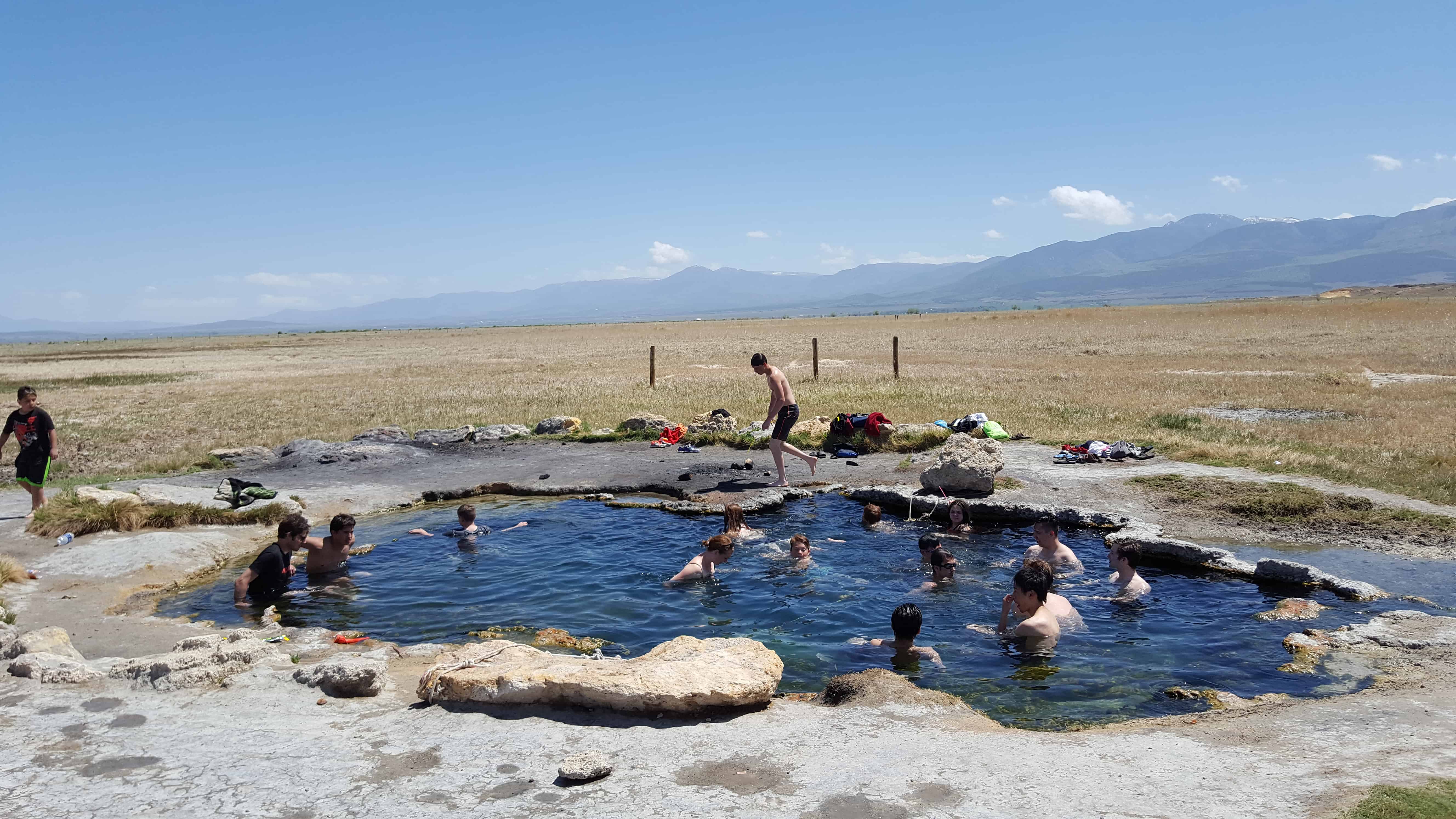
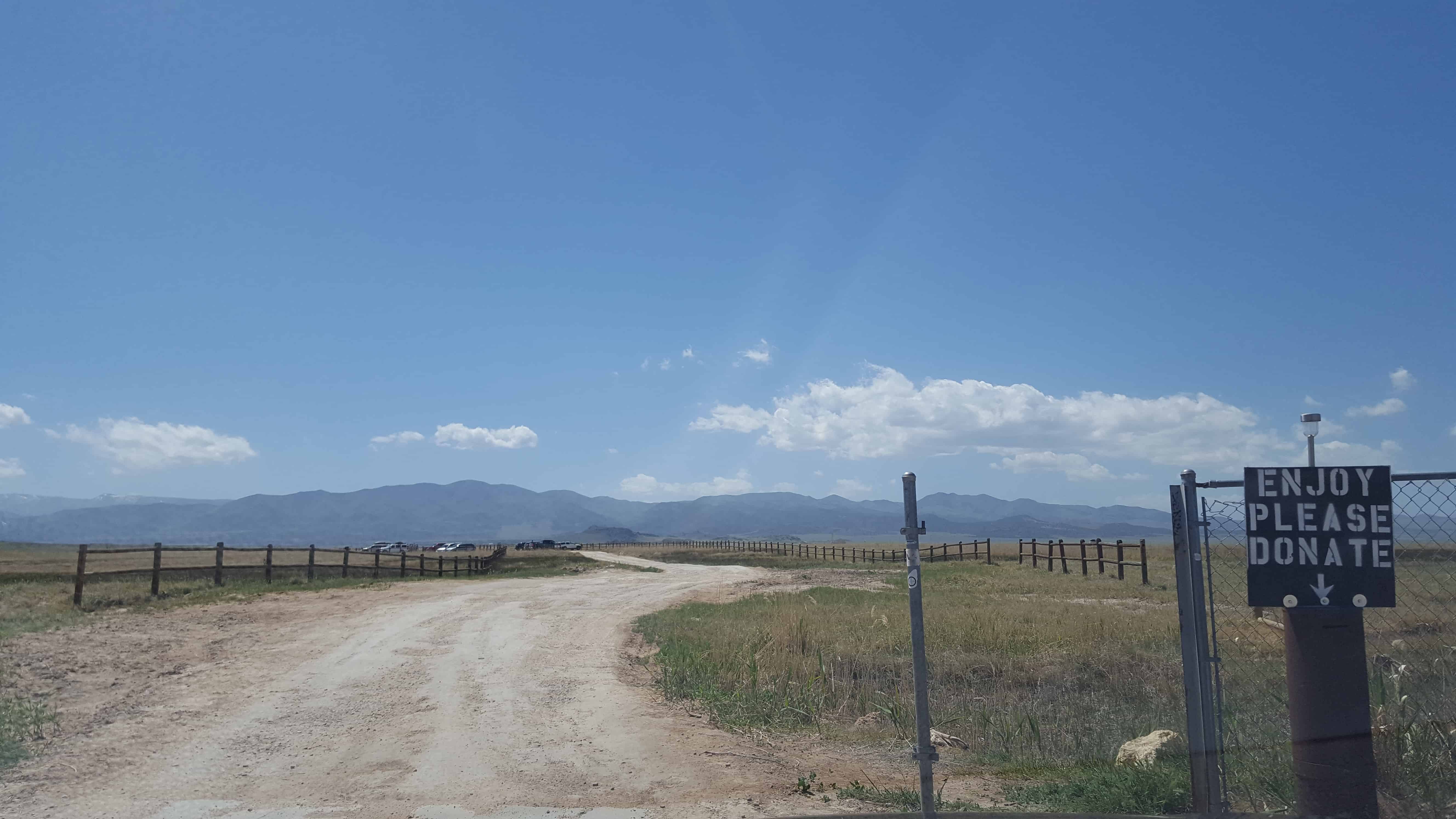
West of Meadow, southwest of Fillmore, the Meadow Hot Springs are a popular stop that will almost always have people relaxing in the hot water. It is technically private property but as long as we all have some respect we should be able to enjoy it since the owners have been great about sharing this gem.
The settlement at Meadow Creek began in 1857 when James Duncan and four other families from Fillmore settled on the lush meadowlands near the “Ridge” west of the present town. The town was relocated to its present location a few years later when culinary water problems developed. At that time, the town was located on the Corn Creek Indian Reserve.
The Meadow Cemetery was established in 1872 when Thomas Western, an invalid, died. He was the first to be buried at this location. Although earlier deaths were recorded at Meadow, most of the deceased were buried in Fillmore or elsewhere. At about the same time, two small infants, a daughter of Elias Beckstrand, and a son of William Stewart were exhumed from a previous location and re-buried here. Then William Parker was killed in a tragic accident in the mouth of Meadow Canyon while hauling willows to town in December of 1872.
Meadow Town was incorporated in January of 1909, but the cemetery was privately owned and operated until 1940 when Edwin Stott Jr. donated the land comprising the cemetery to the Meadow Town Corporation, at which time lot certificates were issued for all new and existing lots. Later, Clinton Bond donated land for a cemetery annex. Water and other improvements followed, requiring assessments and eventually, the establishment of a Perpetual Care Fund in 1973.
Some of the prominent names I saw around the cemetery were Bond, Stott, Gull, Galloway, Adams, Taysom, Beckstrand, Bushnell, Barkdull and more.
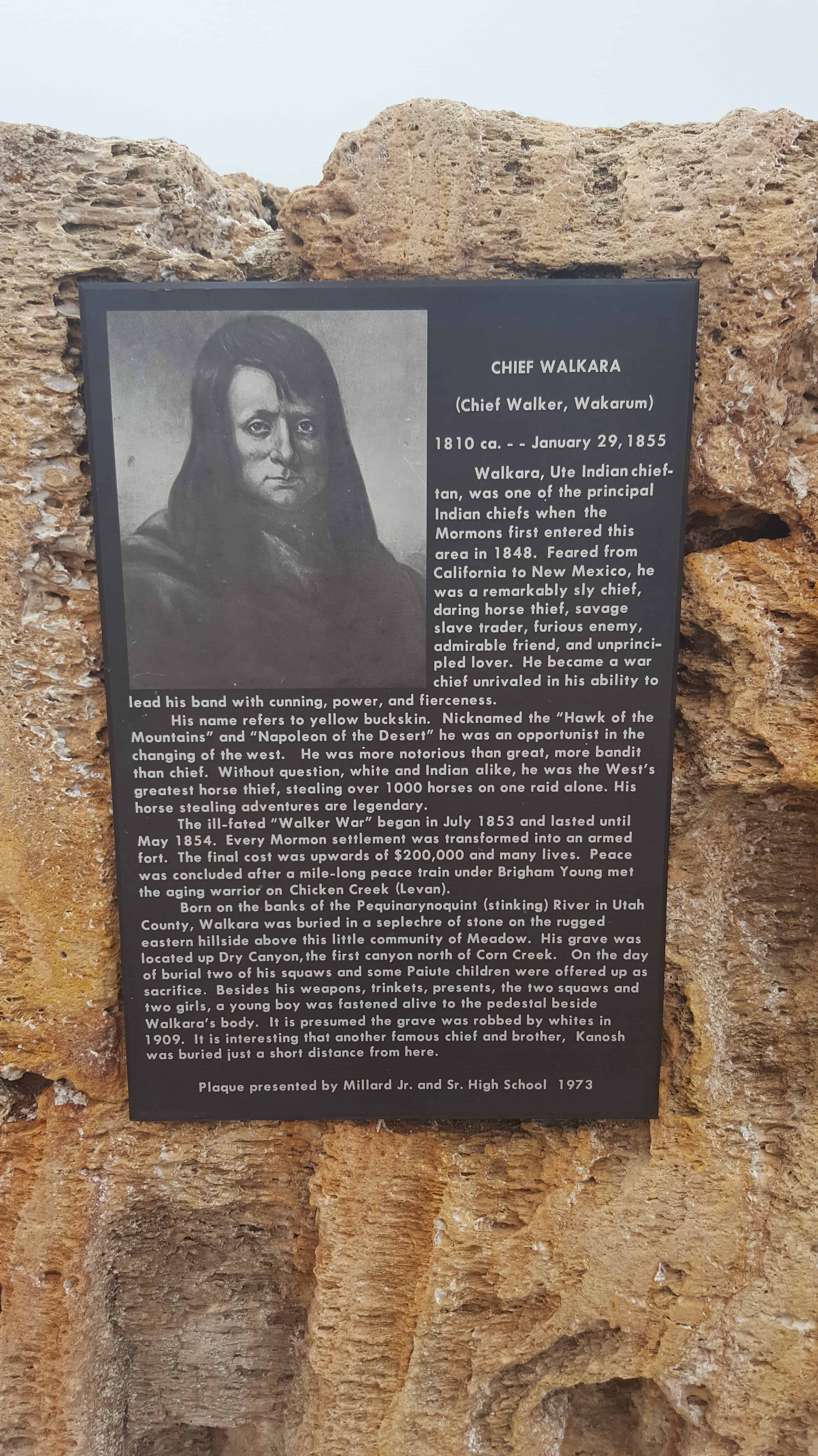
Chief Walkara(Chief Walker, Wakarum) 1810 ca. – – – – January 29, 1855
Walkara, Ute Indian chieftan, was one of the principal Indian chiefs when the Mormons first entered this area in 1848. Feared from California to New Mexico, he was a remarkably sly chief, daring horse thief, savage slave trader, furious enemy, admirable friend, and unprincipaled lover. He became a war chief unrivaled in his ability to lead his band with cunning, power and fierceness.
His name refers to yellow buckskin. Nicknamed the “Hawk of the Mountains” and “Napoleon of the Desert” he was an opportunist in the changing of the west. He was more notorious than great, more bandit than chief. Without question, white and Indian alike, he was the West’s greatest horse thief, stealing over 1000 horses on one raid alone. His horse stealing adventures are legendary.
The ill-fated “Walker War” began in July 1853 and lasted until May 1854. Every Mormon settlement was transformed into an armed fort. The final cost was upward of $200,000 and many lives. Peace was concluded after a mile-long peace train under Brigham Young met the aging warrior on Chicken Creek (Levan).
Born on the banks of the Pequinarynoquint (Stinking) River in Utah County, Walkara was buried in a seplechre of stone on the rugged eastern hillside above this little community of Meadow. His grave was located up Dry Canyon, the first canyon north of Corn Creek. On the day of burial two of his squaws and some Paiute children were offered up as sacrifice. Besides his weapons, trinkets, presents, the two squaws and two girls, a young boy was fastened alive to the pedestal beside Walkara’s body. It is presumed the grave was robbed by whites in 1909. It is interesting that another famous chief and brother, Kanosh was buried just a short distance from here.
Plaque presented by Millard Jr. and Sr. High School 1973
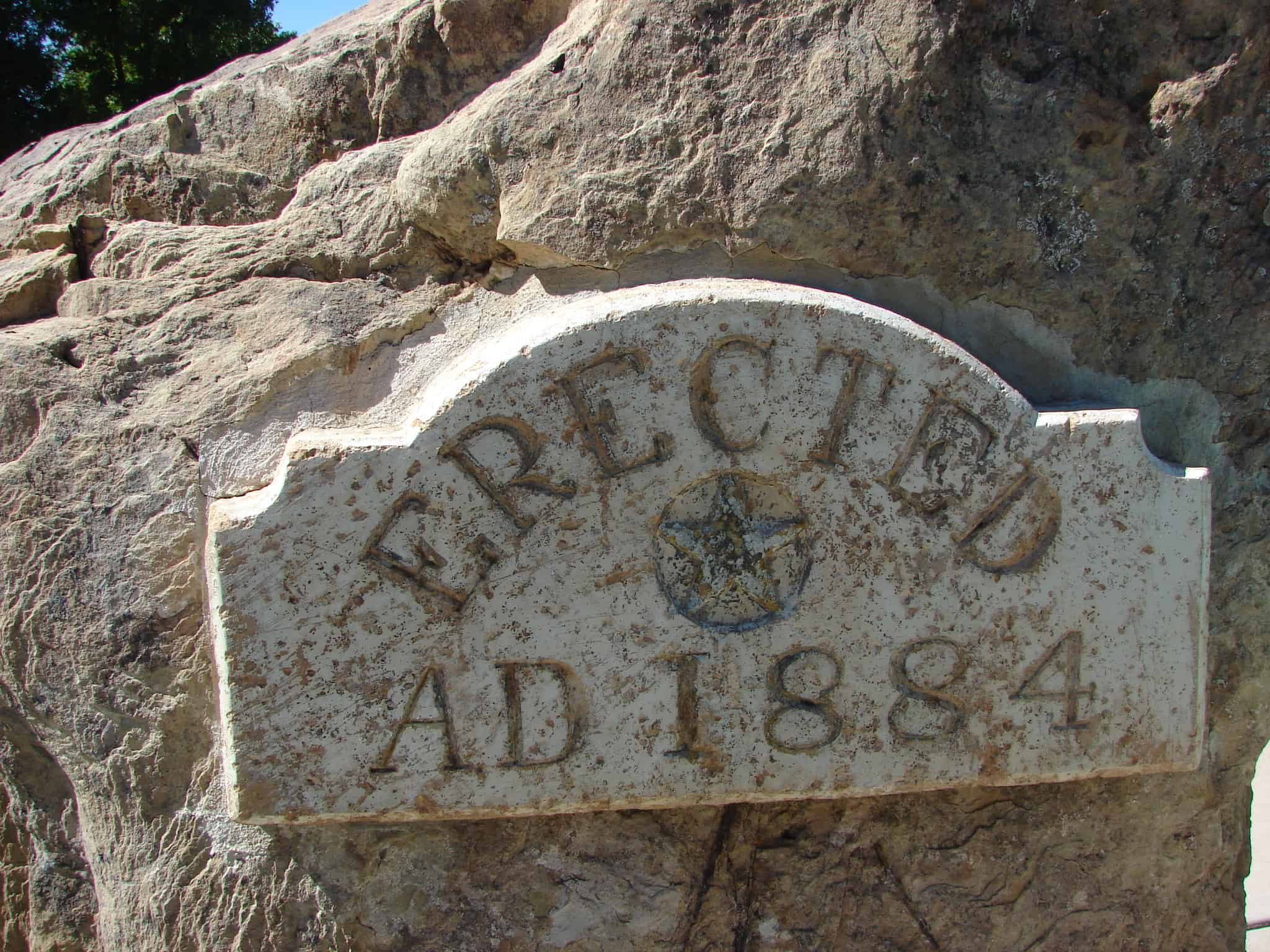
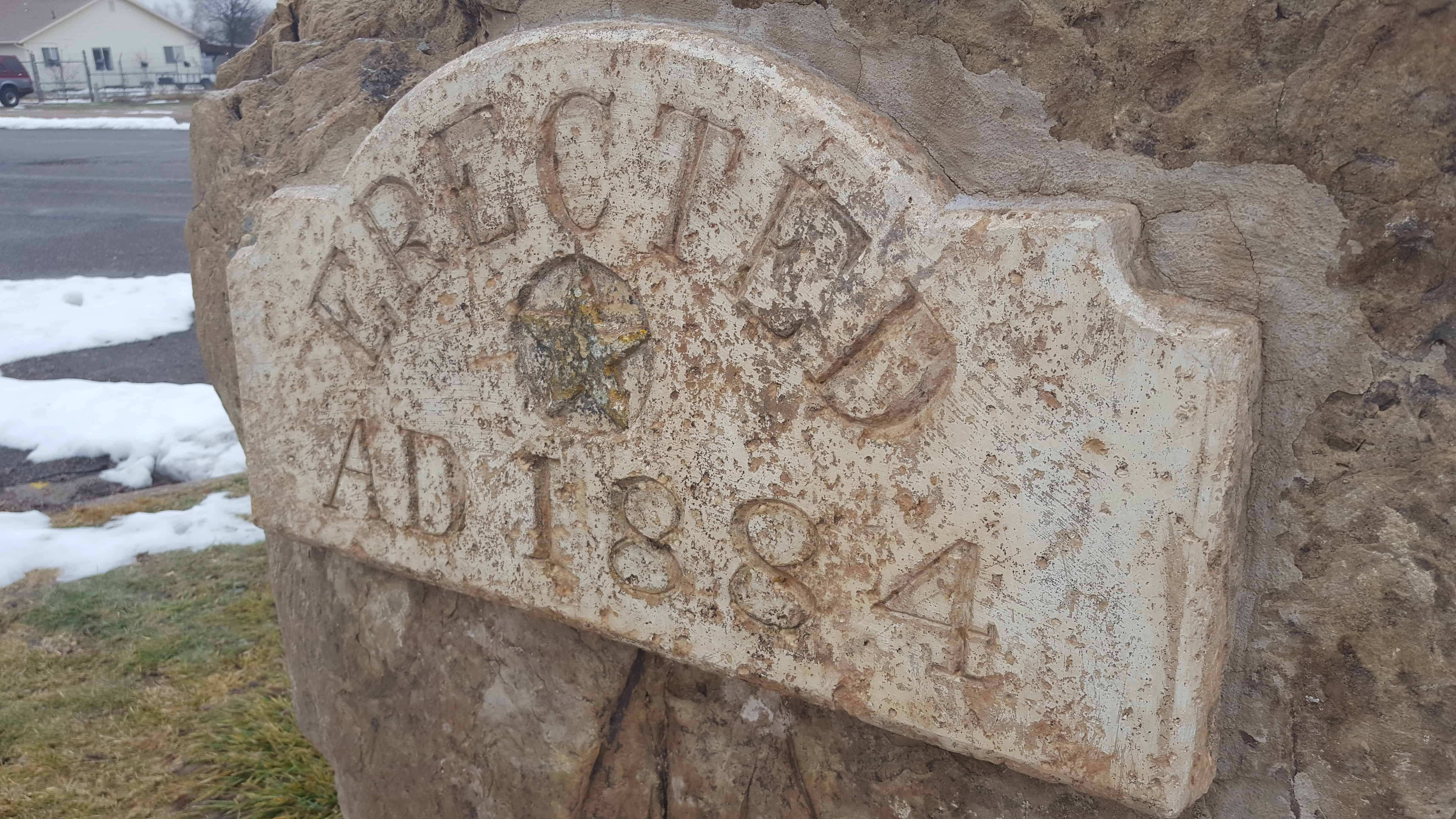
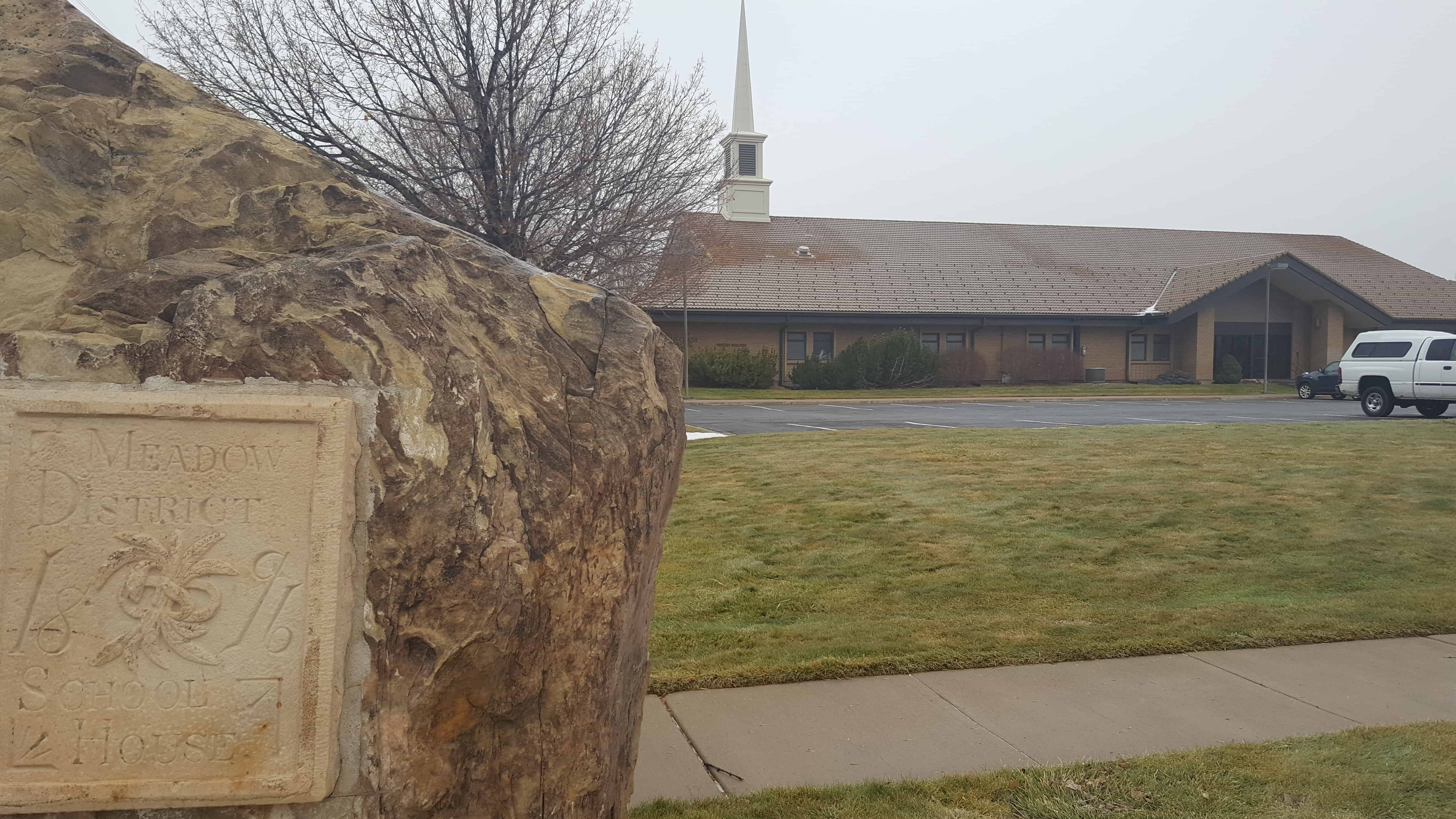
The first settlers, James and Janet Duncan with four other families came in 1857, lived in dugouts on the ridge one mile west. In 1859 a culinary water problem caused them to move east where ten families began the settlement of Meadow, so named for its productive meadowland. In 1863 Wm. Henry Scott was appointed presiding elder of the branch. The ward was organized 1877 with Hyrum B. Bennett, Bishop. This Church, built in 1884, also served for school and public gatherings, as did the first log schoolhouse of Meadow.
The settlement was originally called Meadow Creek after the adjacent creek. Chief Walker and his people often used the area for a campground.
Flowell is a small farming village in the Pavant Valley, about 6 miles west of Fillmore. The town of Meadow is about 8 miles south, across I-15. Utah State Route 100 connects Flowell with Fillmore to the east, and with U.S. Route 50 to the north. Just west of Flowell is the Ice Springs Volcanic Field, a volcanic field that was active less than 1,000 years ago.
In July 1915, Brigham Tomkinson drilled the first successful artesian well west of Fillmore, turning worthless desert into rich farmland and setting off a wave of well drilling in eastern Millard County. The center of this activity was first named Crystal, then Flowell after the freely-flowing wells. A school was built in 1919, and a post office in 1922. In the 1930s, Flowell built a community recreation hall with federal assistance from the Works Progress Administration.
The first settlers, James and Janet Duncan with four other families came in 1857, lived in dugouts on the ridge one mile west. In 1859 a culinary water problem caused them to move east where ten families began the settlement of Meadow, so named for its productive meadowland. In 1863 Wm. Henry Stott was appointed presiding elder of the branch. The ward was organized 1877 with Hyrum B. Bennett, Bishop. This Church, built in 1884, also served for school and public gatherings, as did the first log schoolhouse of Meadow.
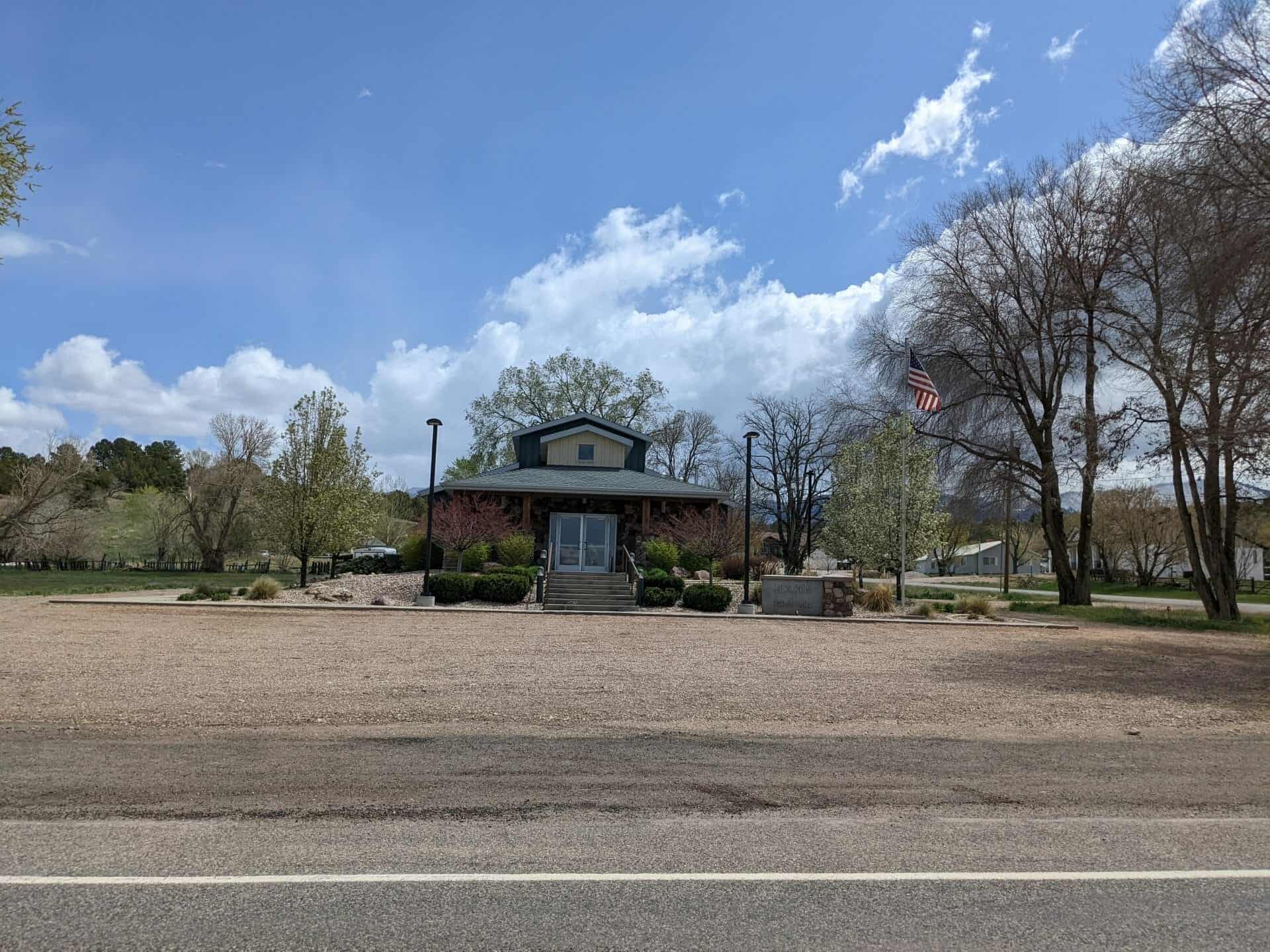
Established by Mormon Pioneers in 1855, as Fort Cedar Springs. Church President Brigham Young gave permit for the families of William Stevens Sr. and Richard Johnson to start a settlement near these grassy, spring-fed cedar hills.
Joined that fall by eight more families. The small colony began construction of an adobe walled fort to serve as a home for the people and protection from Piute Indians. In use until 1867, it was a place of refuge for the weary frontier traveler. It came to be known as “Buttermilk Fort” because of its dairying industry and its refreshing drink.
In 1858 a Post Office was established and the name changed to honor the memory of Elijah Holden. He had perished in 1857 on the Scipio Pass (nine miles to the north) in a snowstorm, while attempting to save a small boy’s life.
Residents of Holden still radiate the enduring qualities bequeathed them by their hardy pioneering ancestors…thrift, perseverance, and a strong abiding love of God.