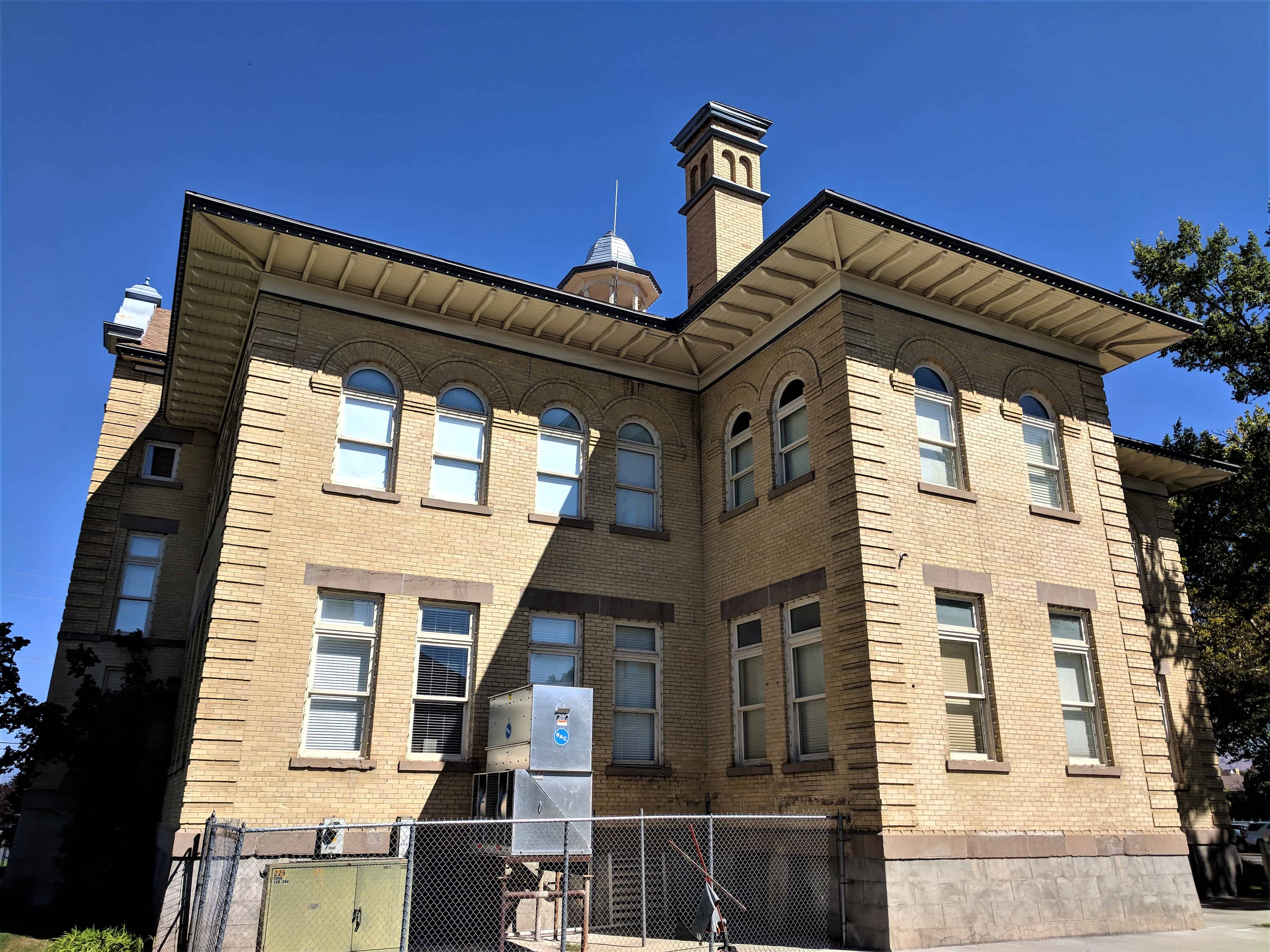
Thurber School
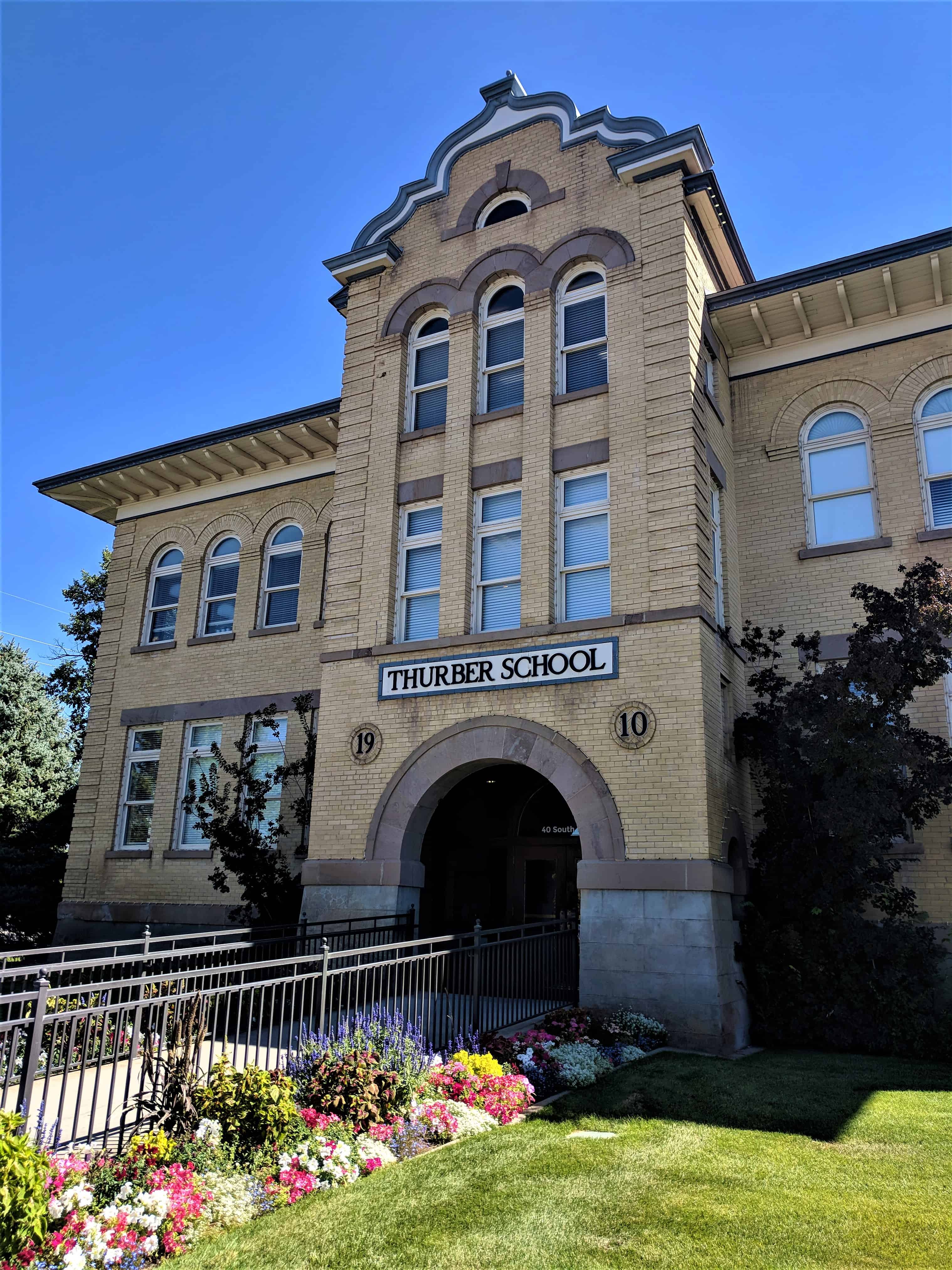
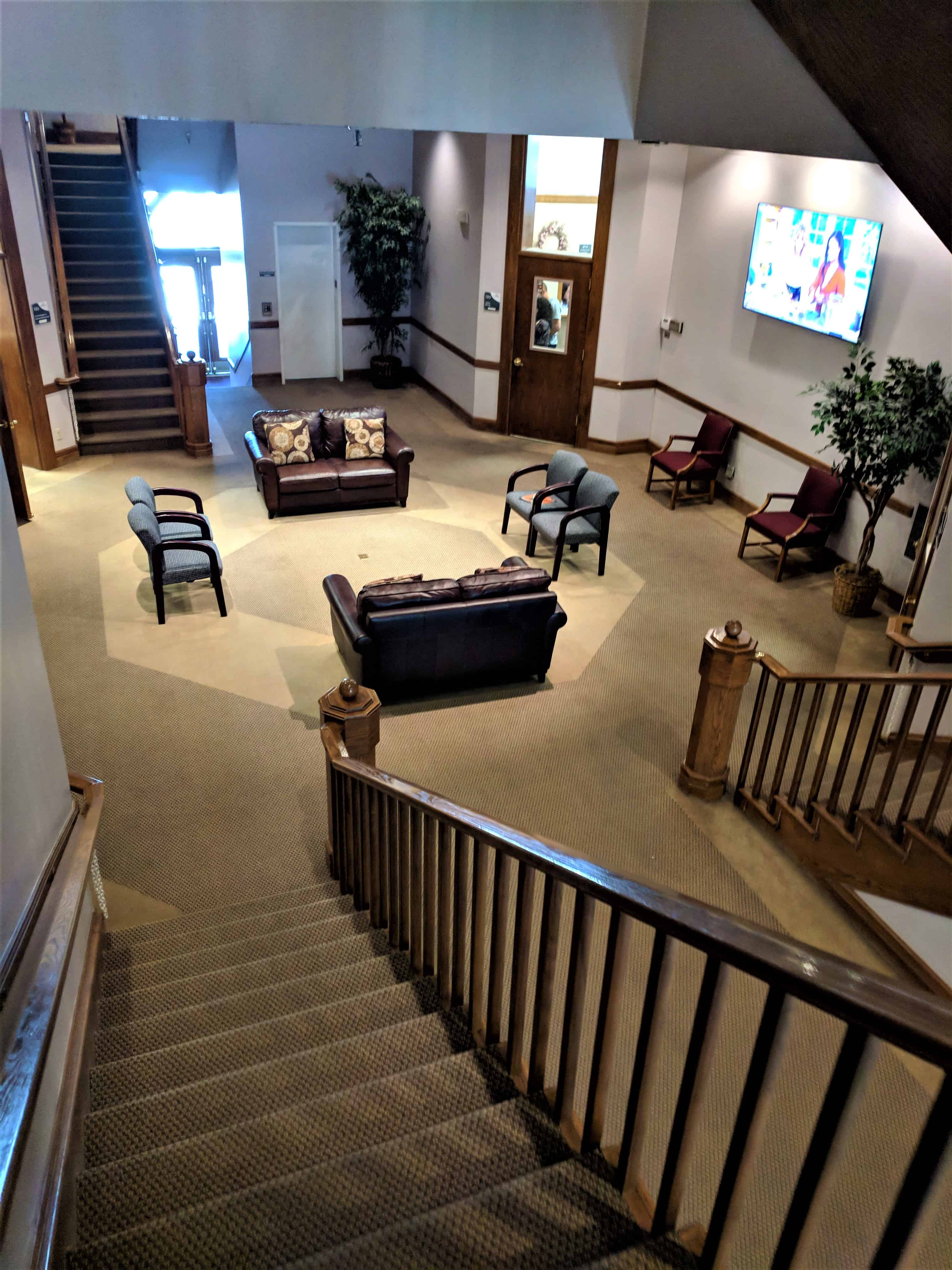
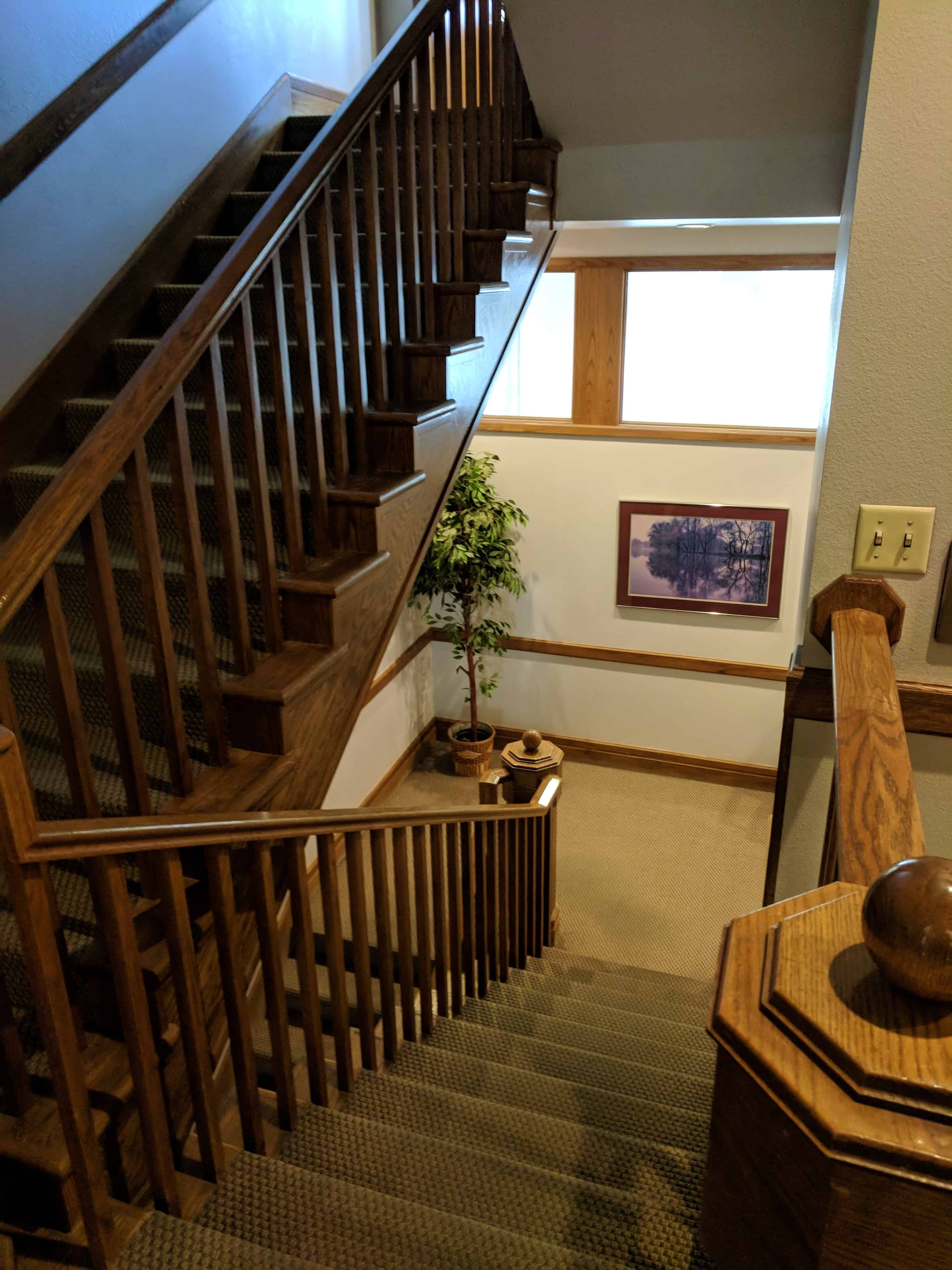
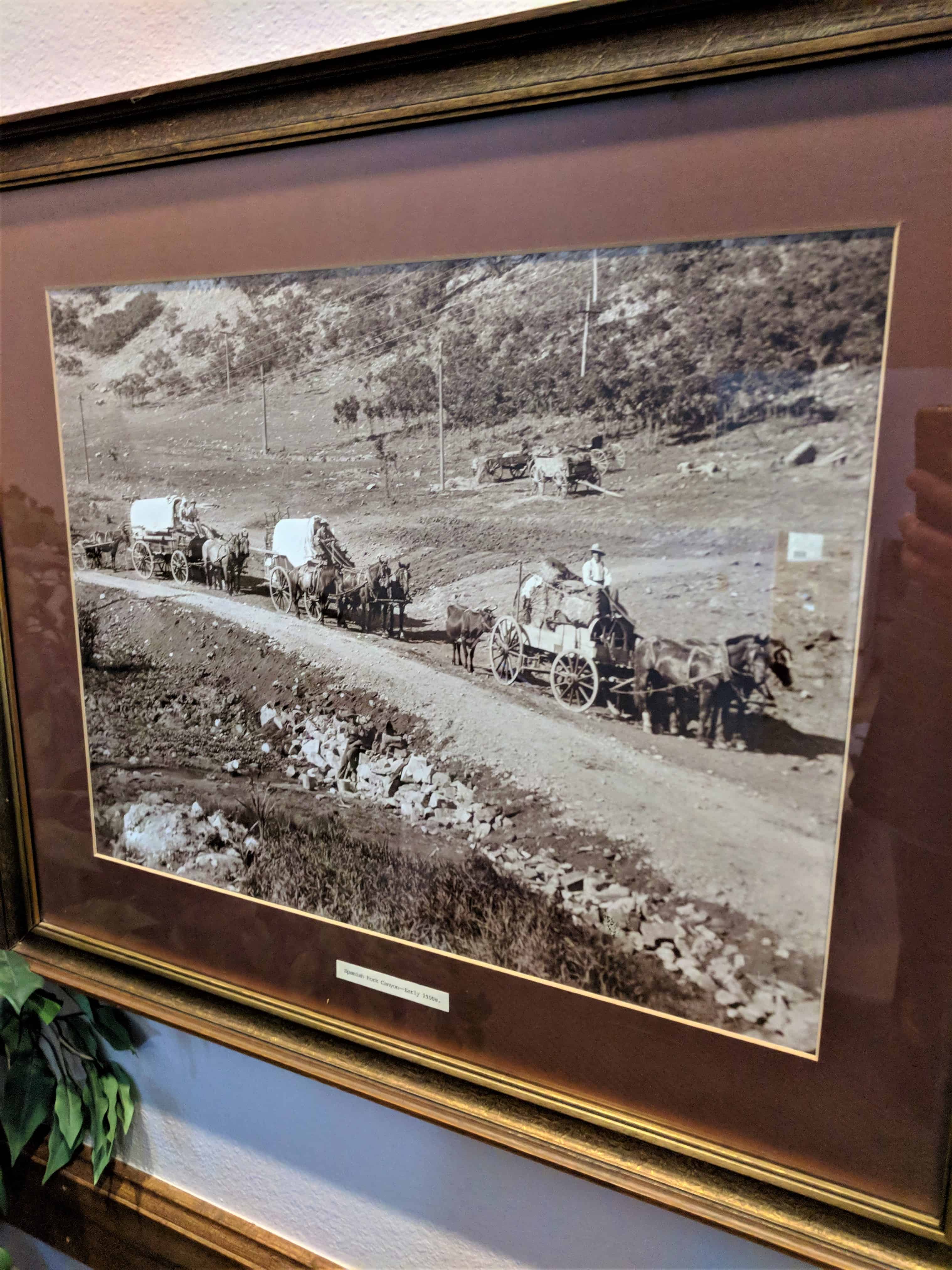
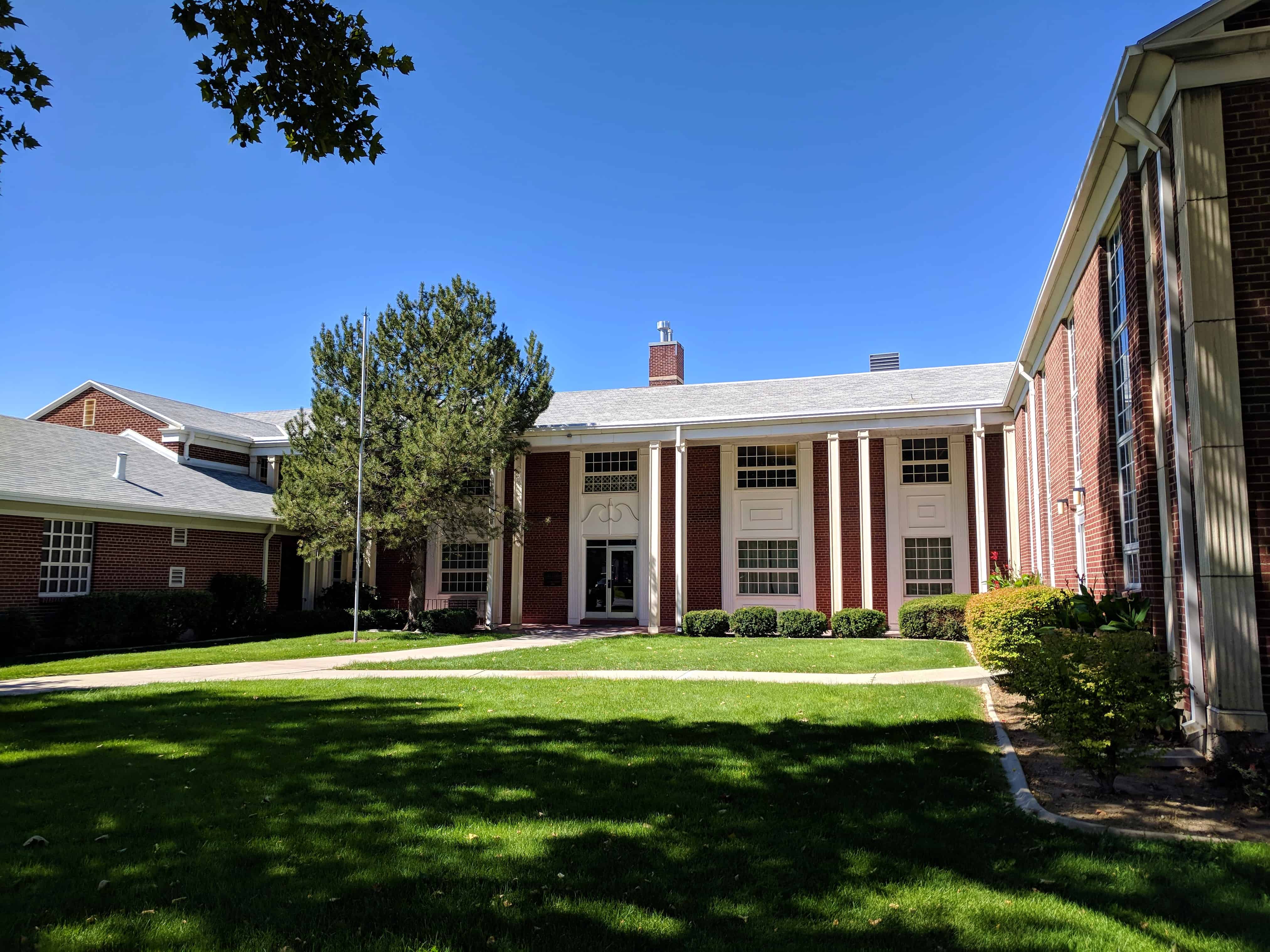
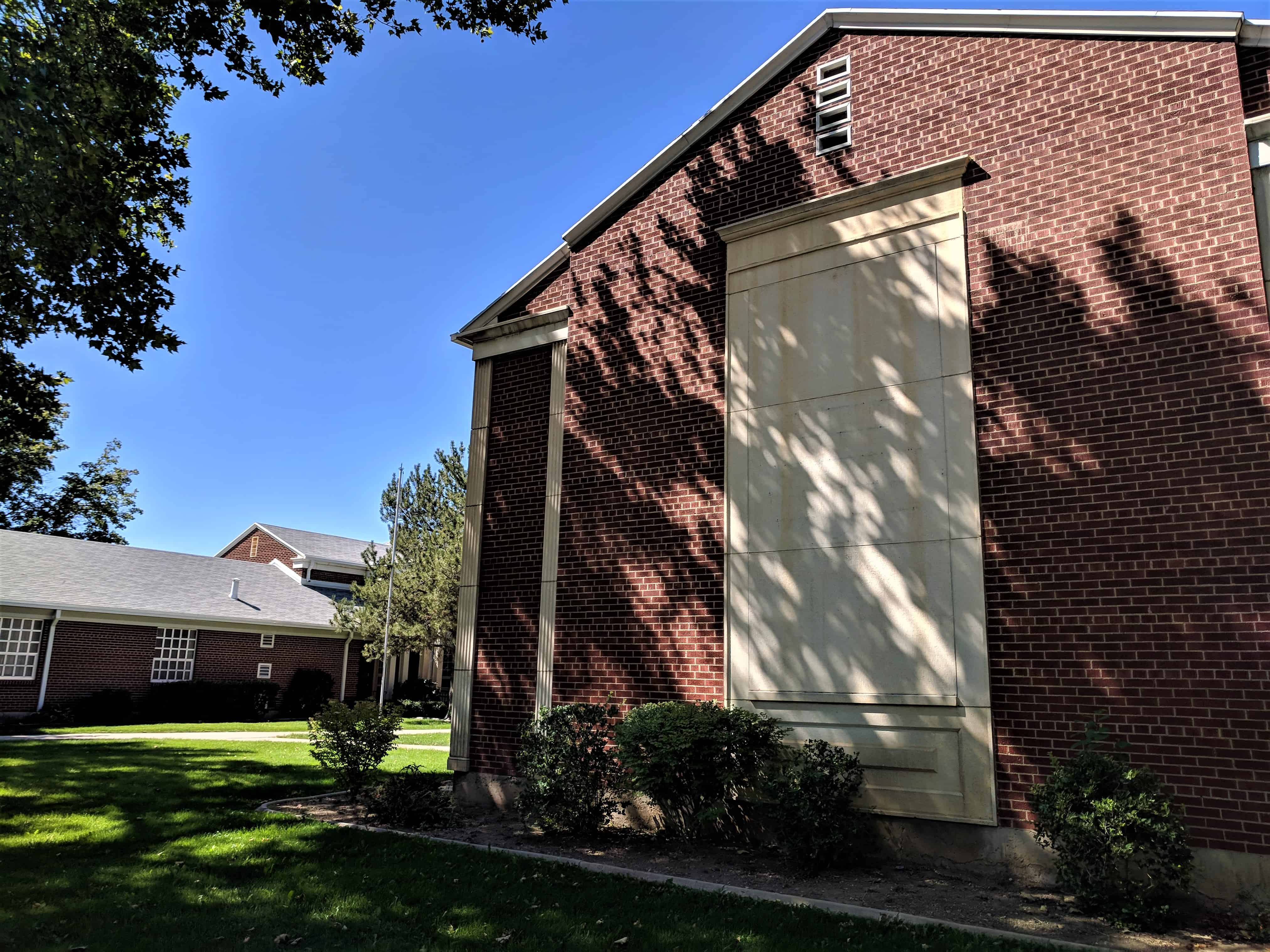
The Thurber School was built in 1910. In 1985 it became the Spanish Fork City Office Building. It’s a beautiful addition to the area and the architecture really stands out.
Next door is the Main Street Chapel.

23 Tuesday Oct 2018
Posted in Uncategorized

Thurber School
The Thurber School was built in 1910. In 1985 it became the Spanish Fork City Office Building. It’s a beautiful addition to the area and the architecture really stands out.
Next door is the Main Street Chapel.








23 Tuesday Oct 2018
Posted in Uncategorized
Tags

Pictured above is the gorgeous old chapel that was located on Main Street in Spanish Fork along with the old Thurber School.
The church has been replaced with a newer, less extravagant LDS chapel.
Update, 30 Nov 2020 the chapel is being demolished for a new library.
98 South Main Street in Spanish Fork, Utah


18 Thursday Oct 2018
Posted in Uncategorized
Tags
Historic Buildings, NRHP, Schools, spanish fork, utah, utah county
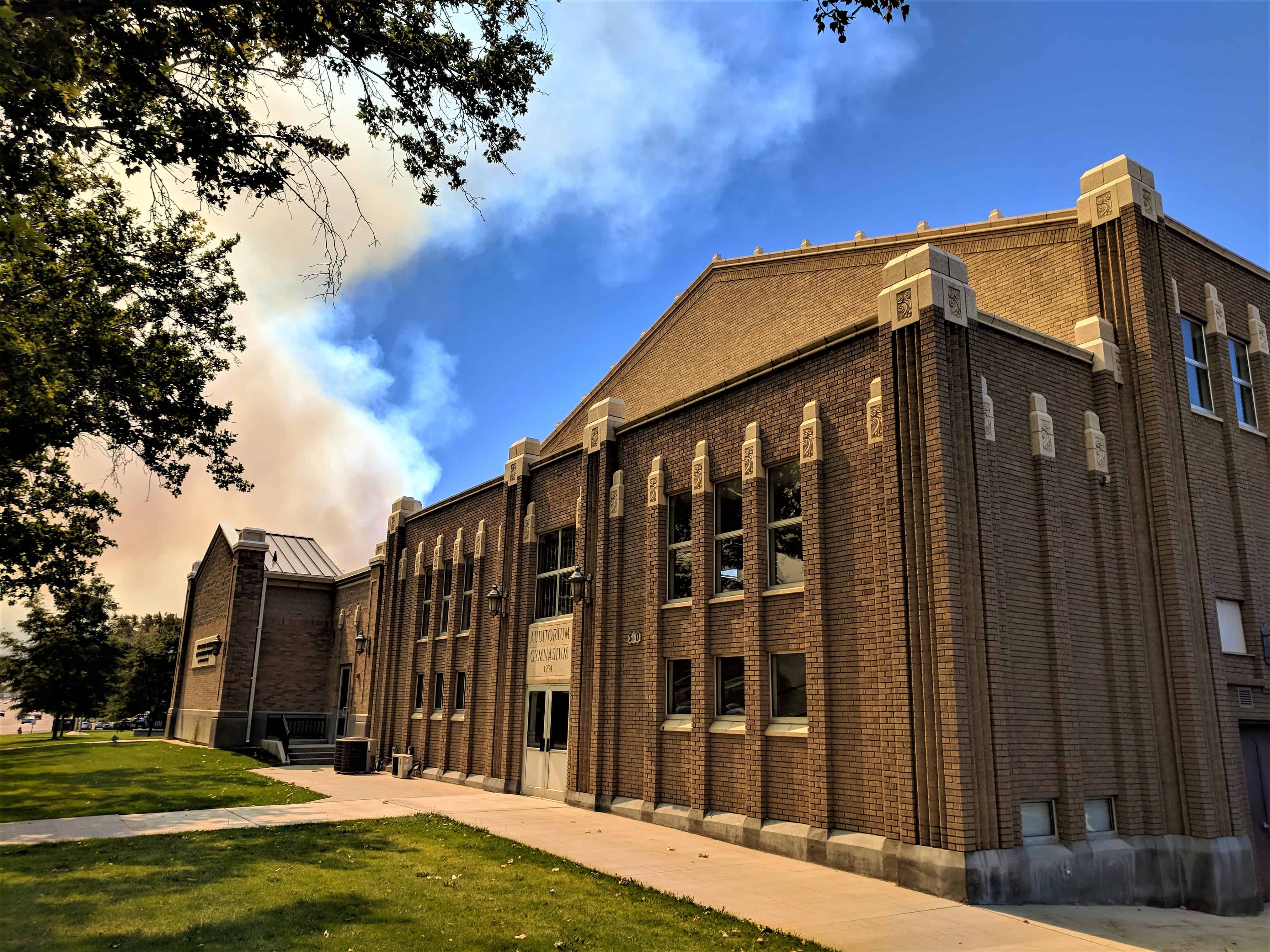
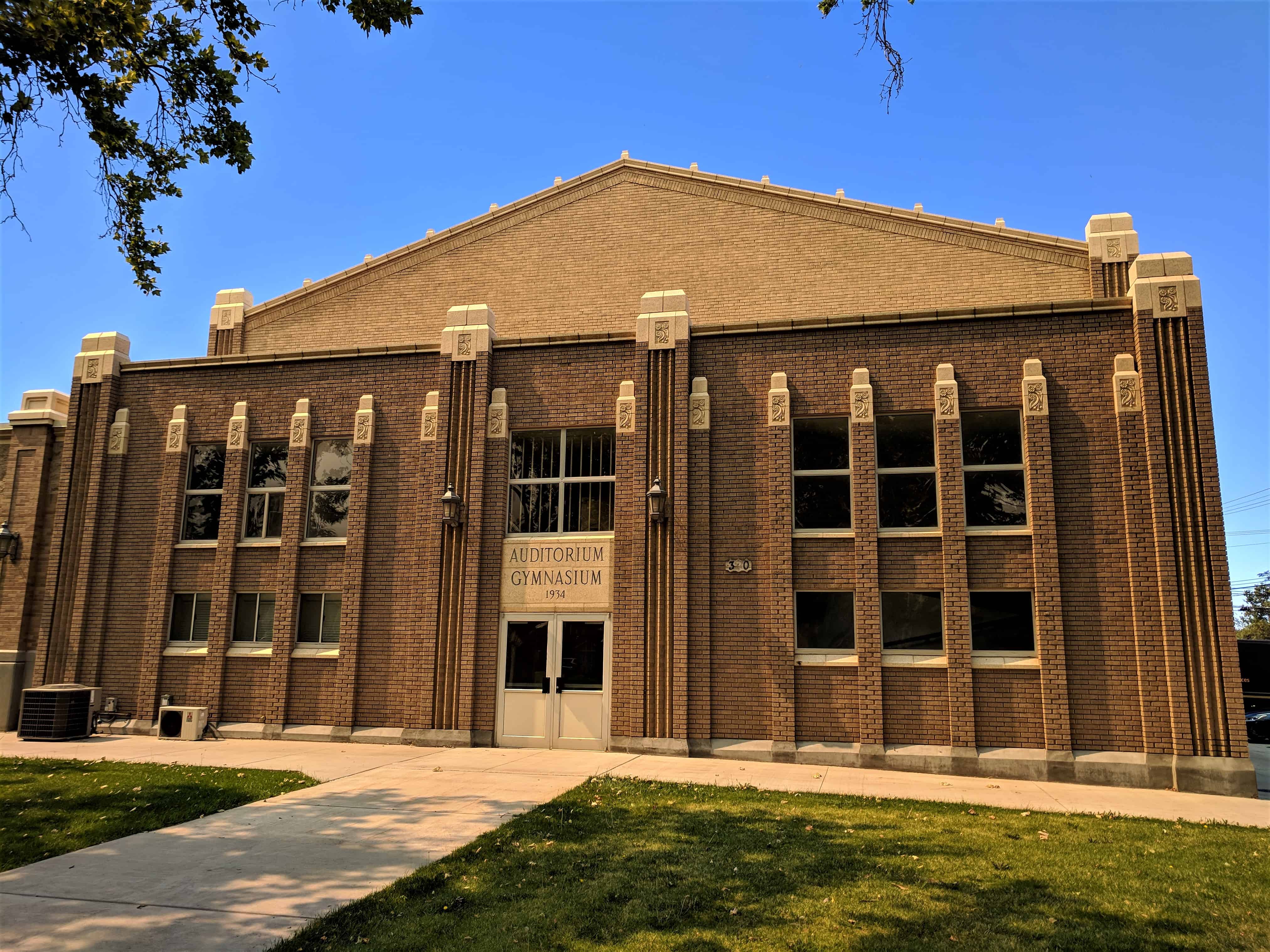
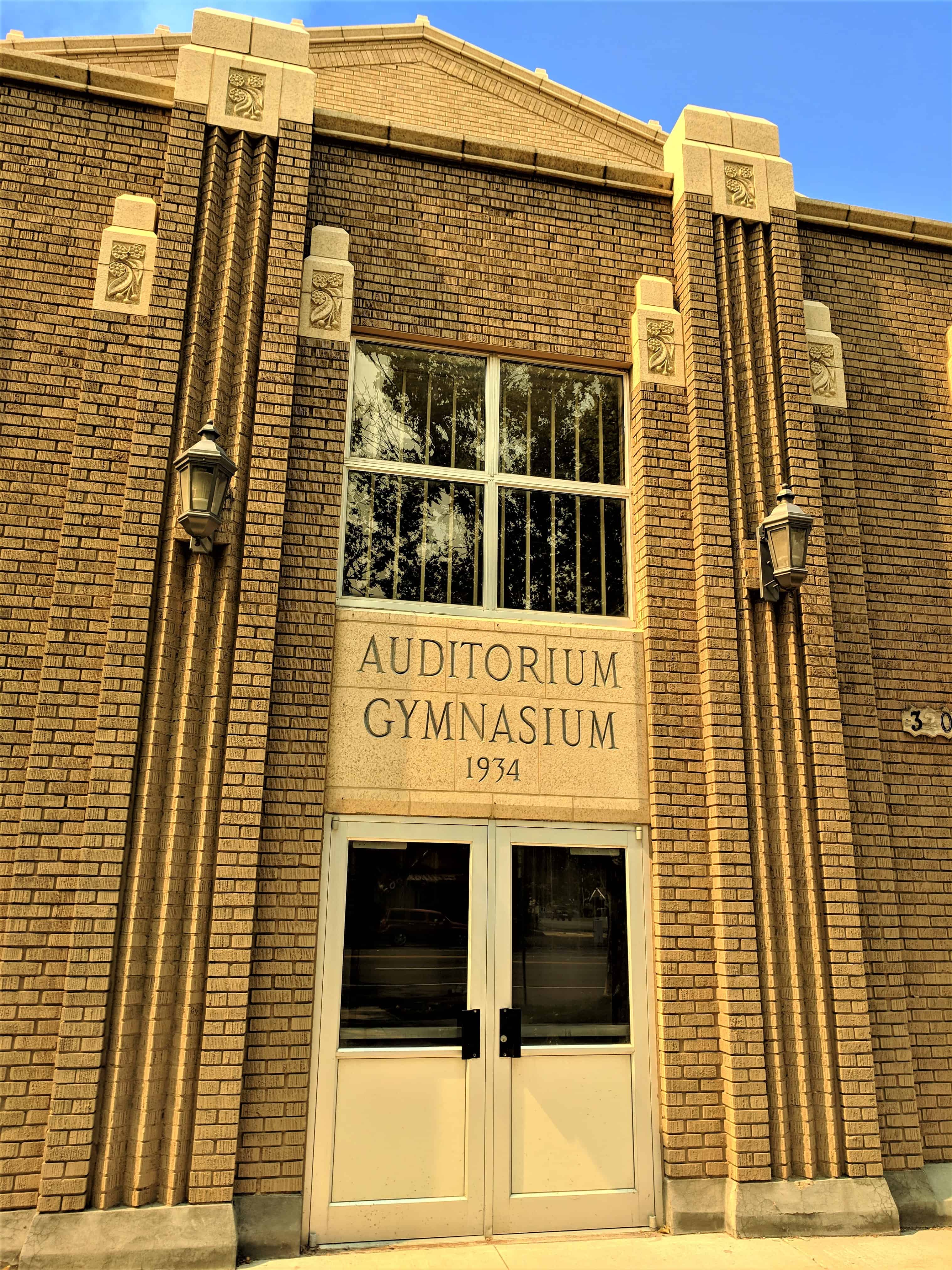
Spanish Fork High School Gymnasium
Built: 1935
The Spanish Fork High School Gymnasium was originally built as a Public Works Administration project. It is not part of the current Spanish Fork High School campus, but is used by the Nebo School District as part of its main offices.It was listed on the National Register of Historic Places in 1985.
Location: 300 S. Main St., Spanish Fork


05 Friday Oct 2018
Posted in Uncategorized
Tags

David H. Jones House
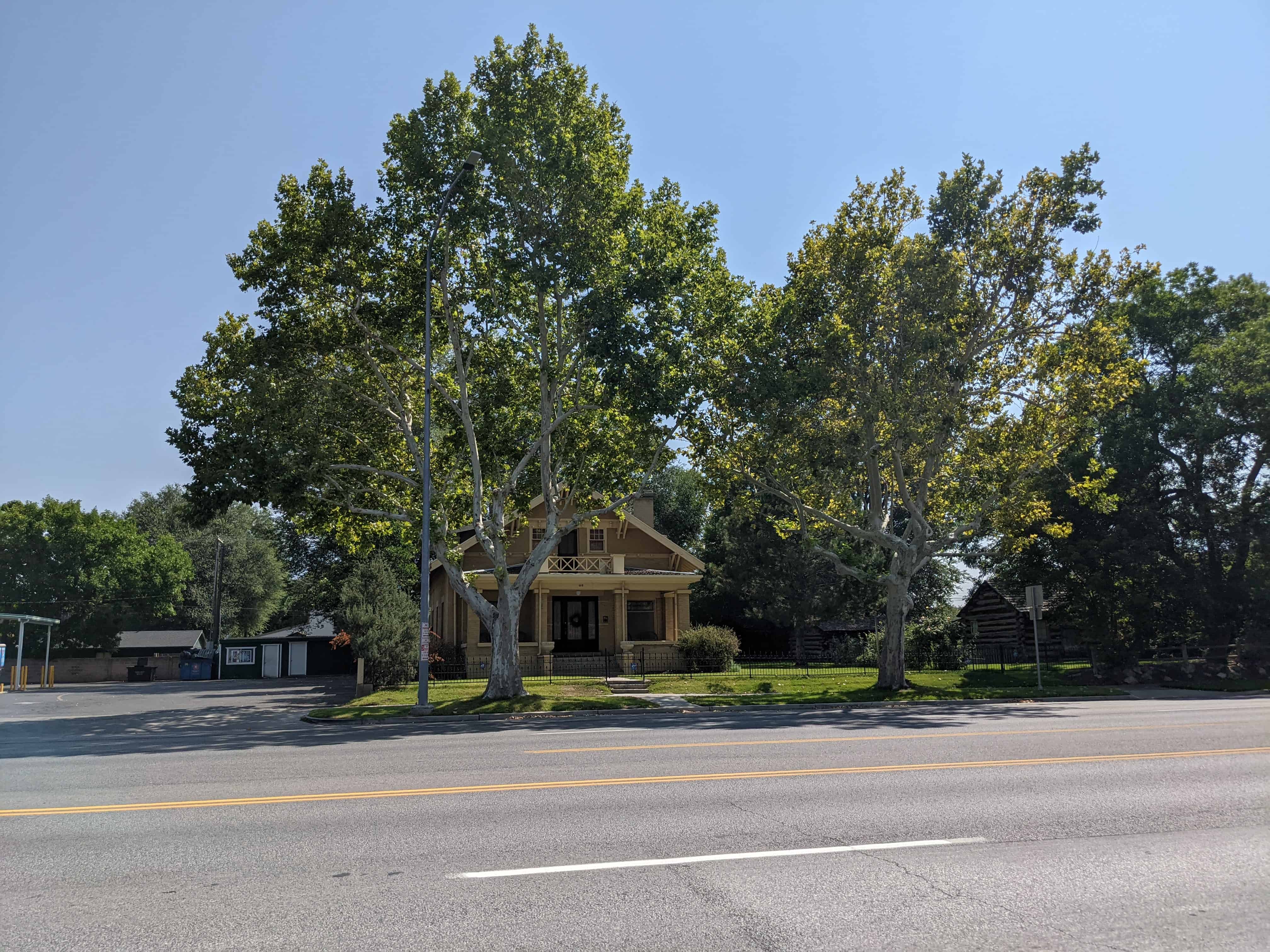
This Craftsman bungalow was built c. 1912 for David H. and Mary E. Nielsen Jones, who lived here until their deaths in 1959 and 1976, respectively. In addition to running his own farm and livestock operations, David Jones served as Commissioner of Agriculture for Utah, as president of the Utah State Farm Bureau, and as president of the Utah County Cooperative Dairy for 20 years. His political career included six years of service as a Spanish Fork city councilman and two terms as a state senator.
Located at 143 South Main Street in Spanish Fork, it was added to the National Register of Historic Places in 1985.


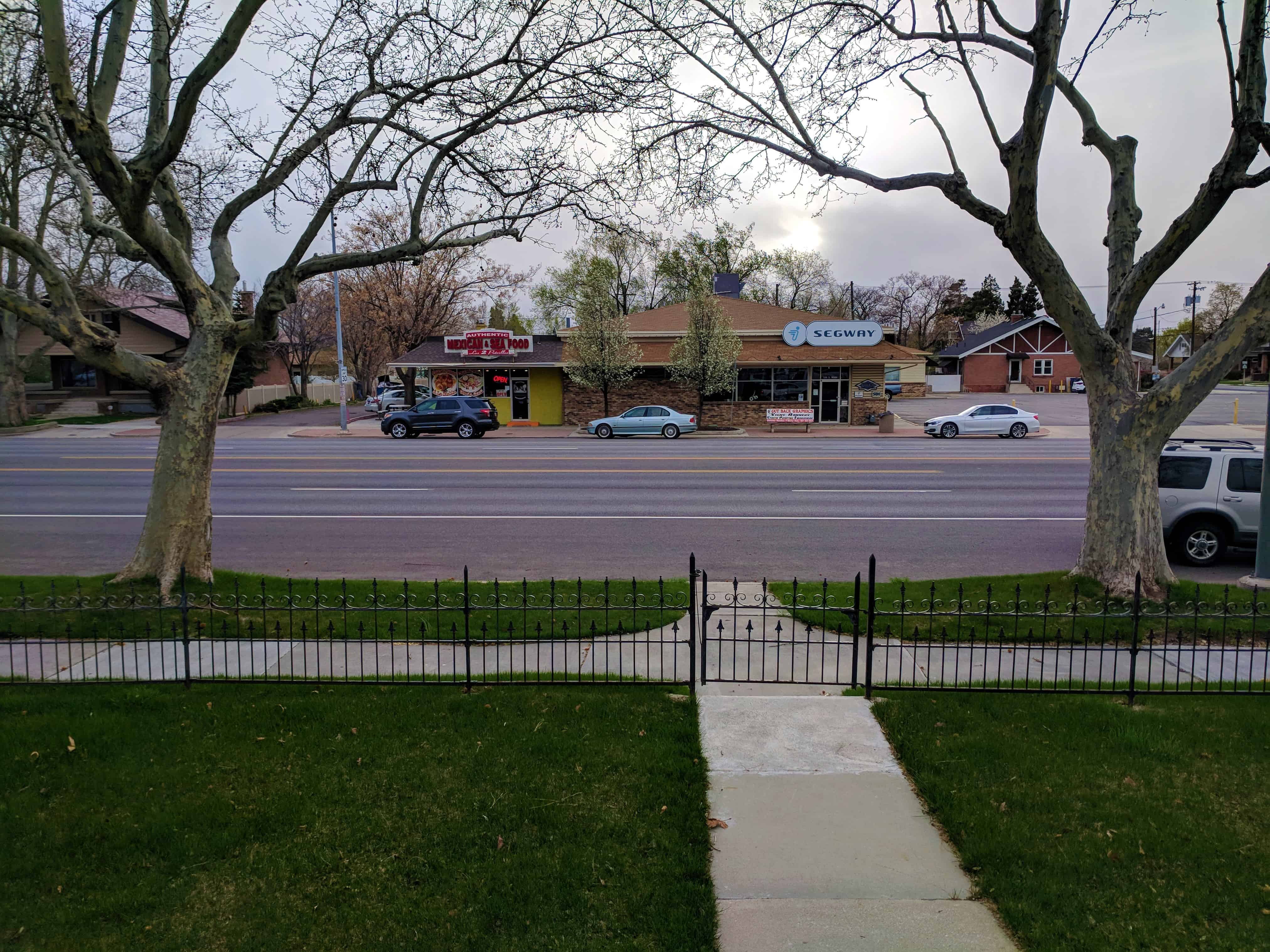
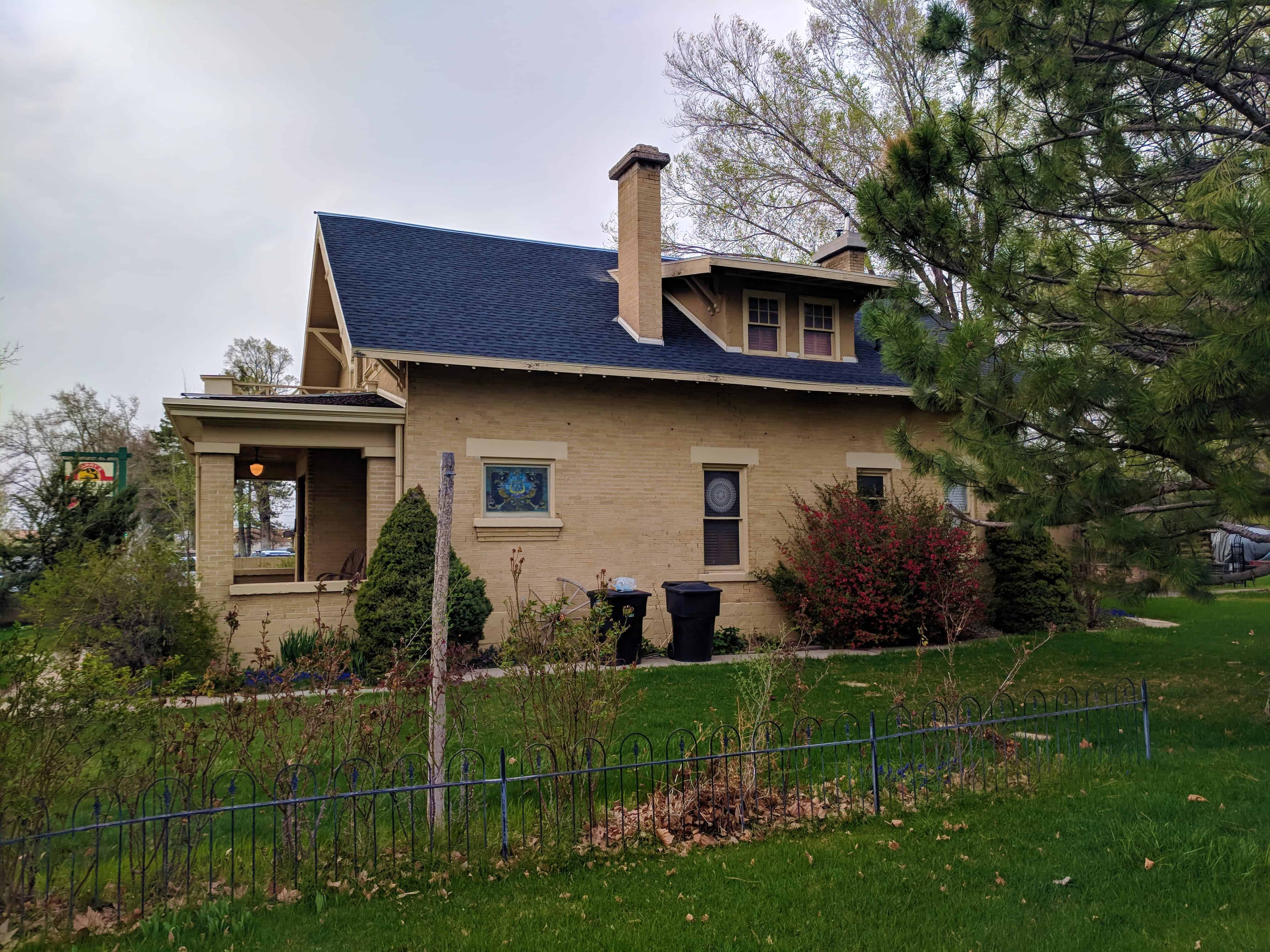
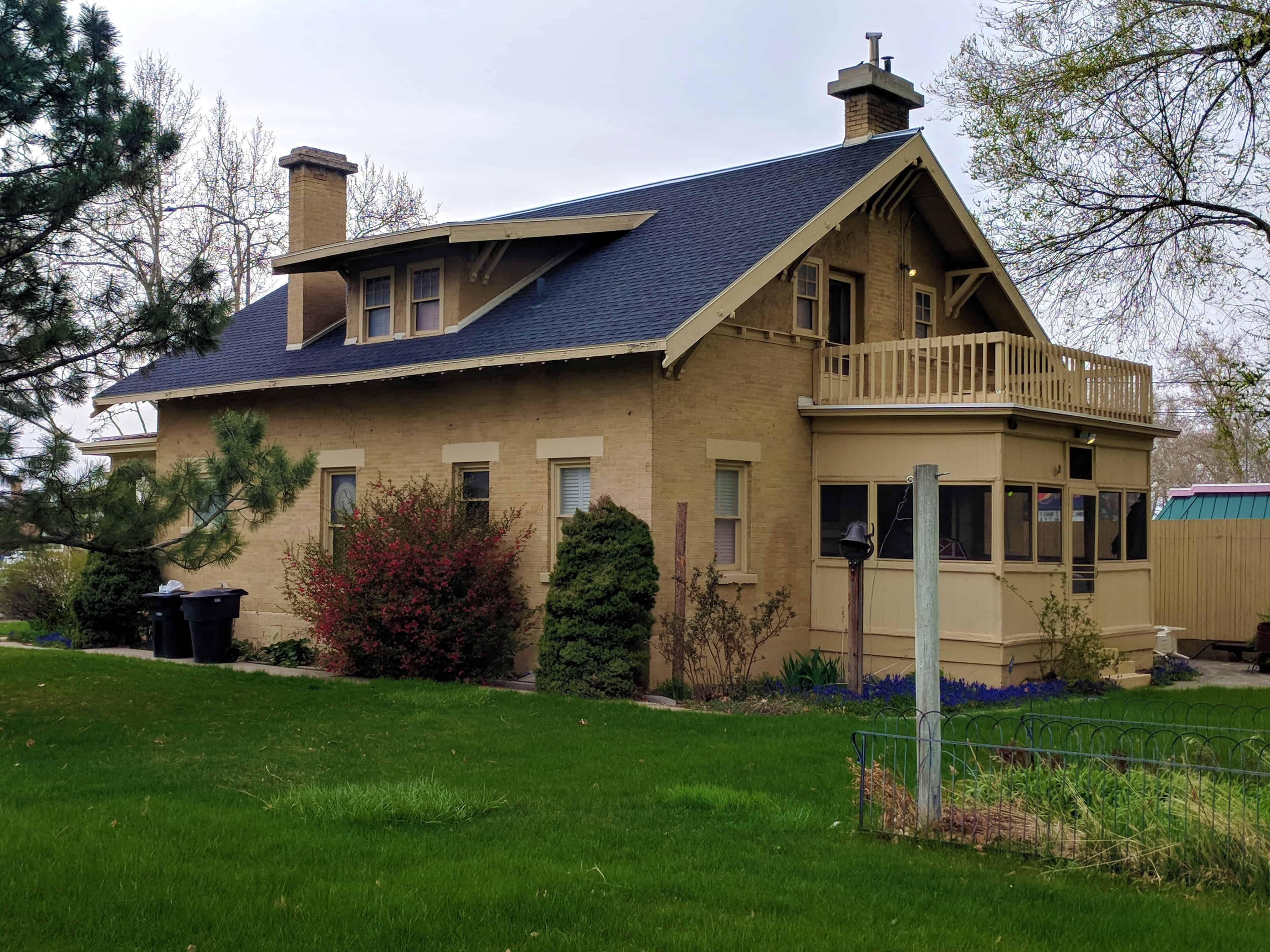


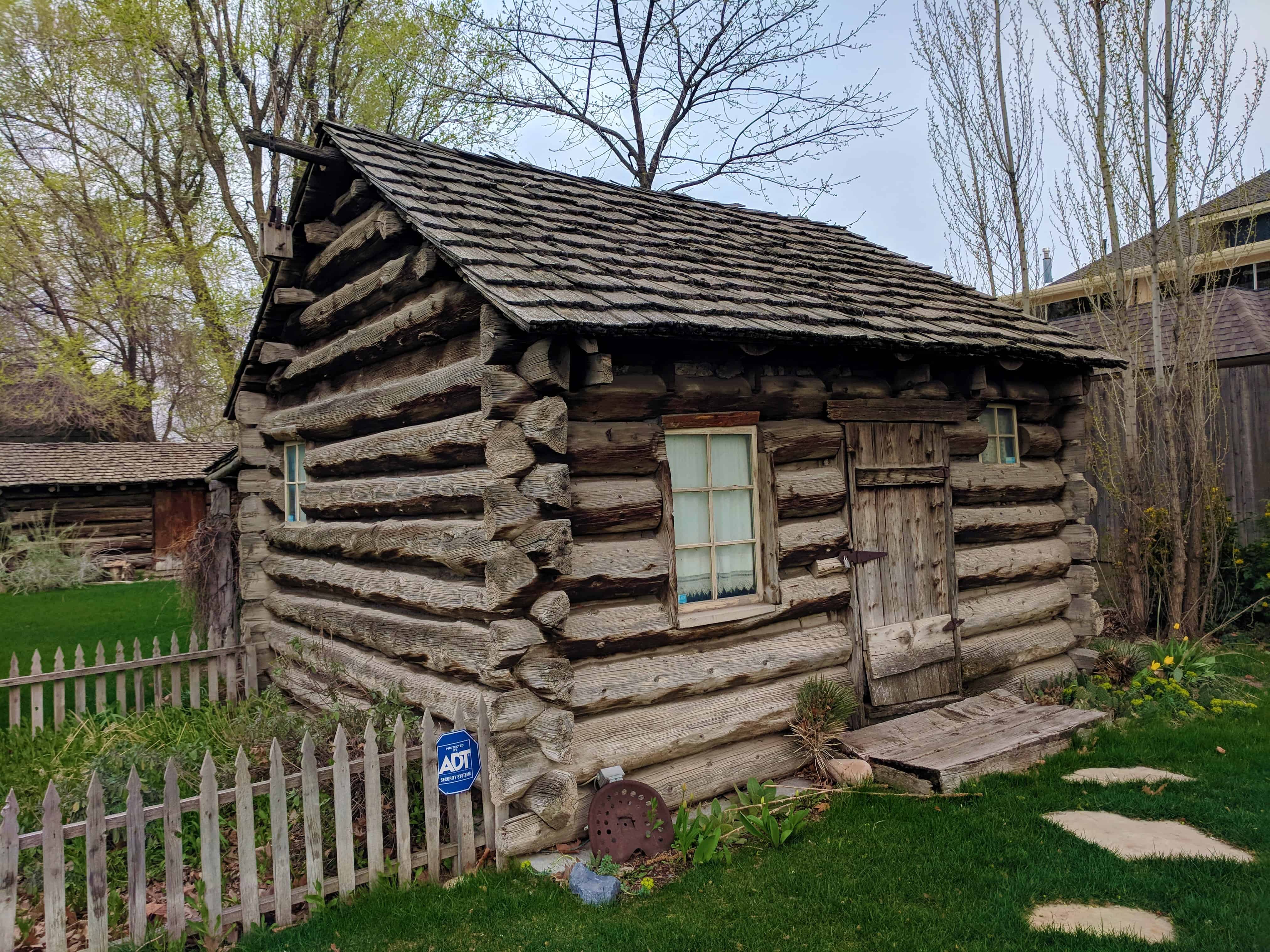
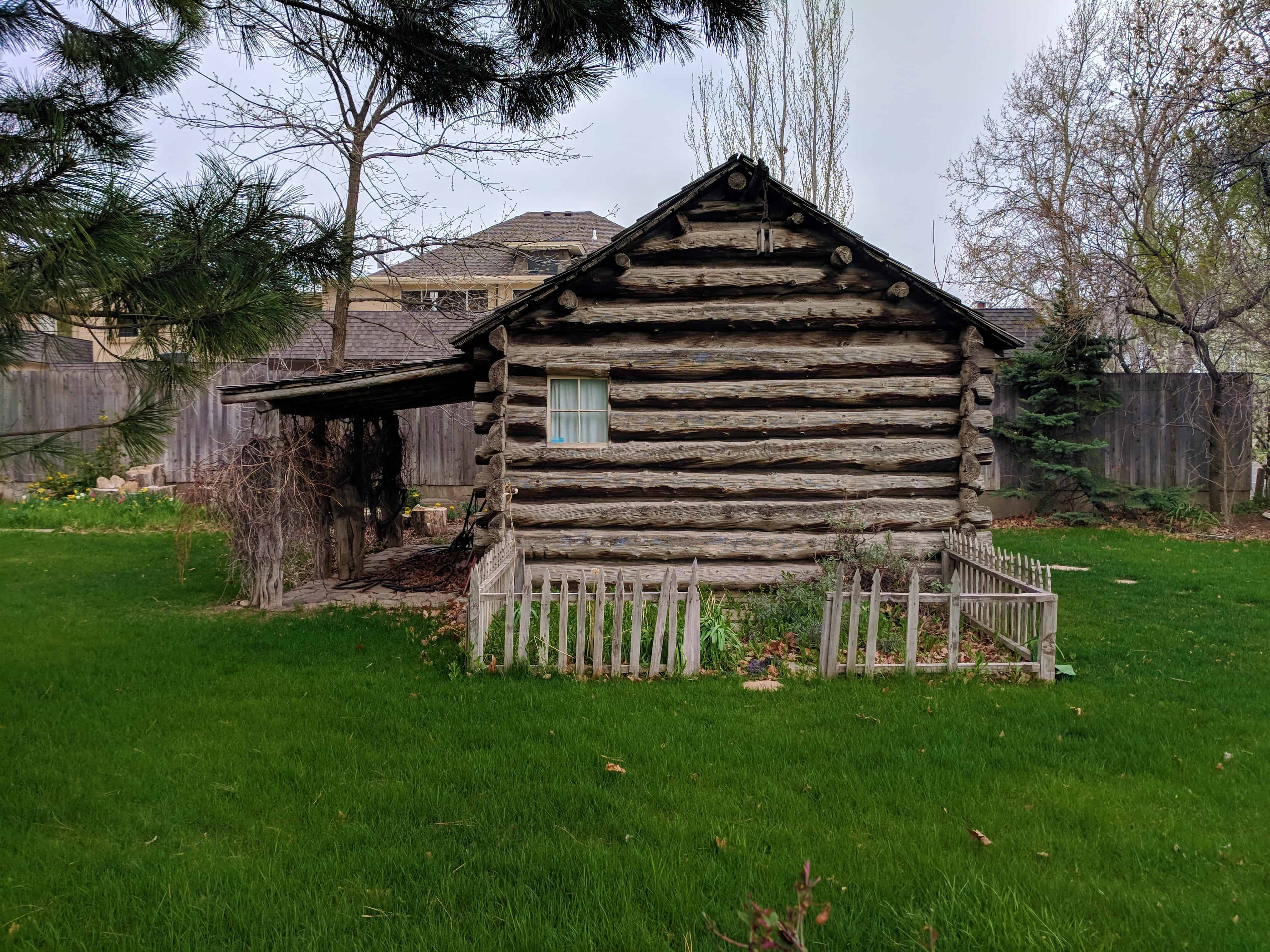
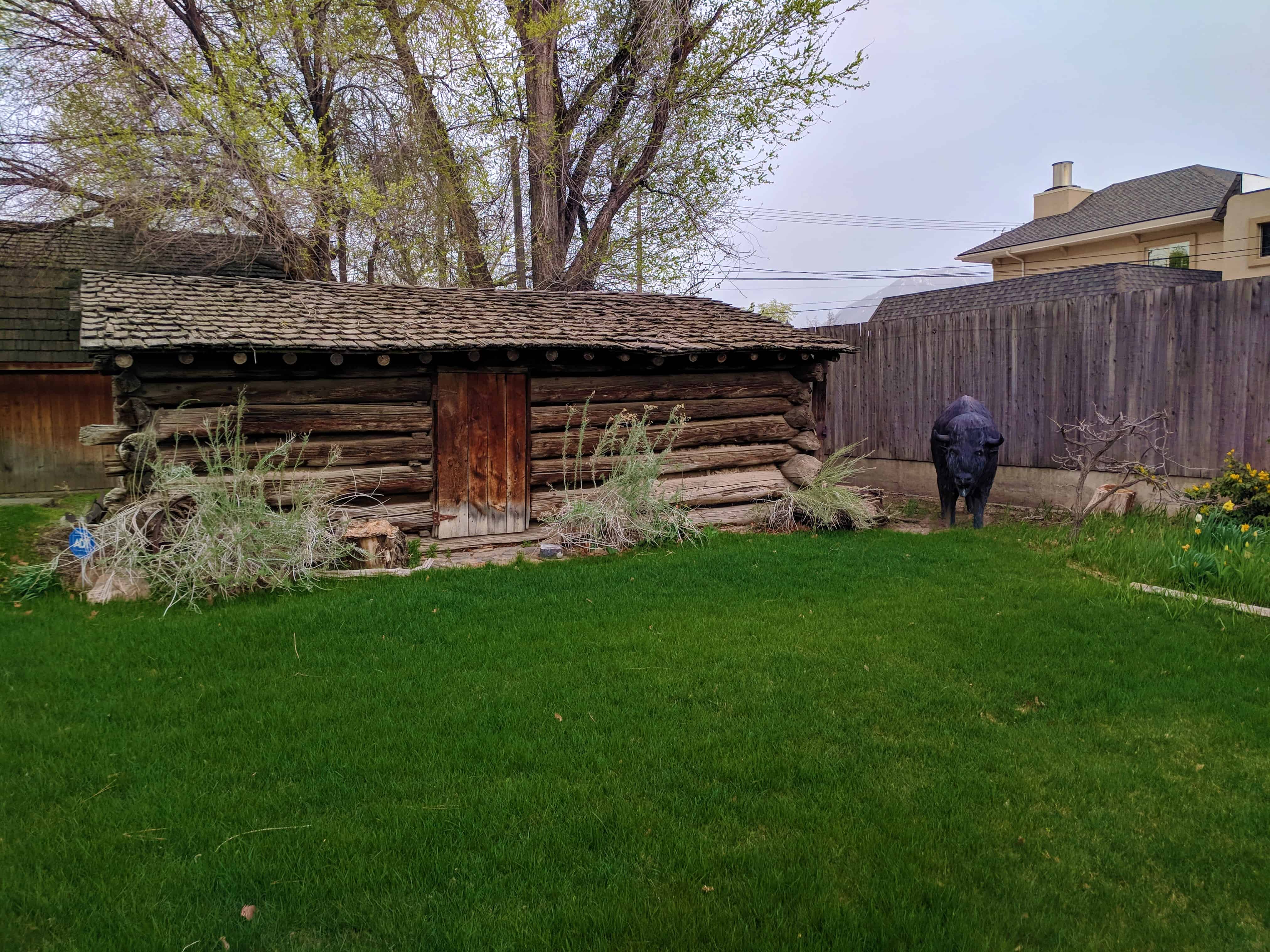
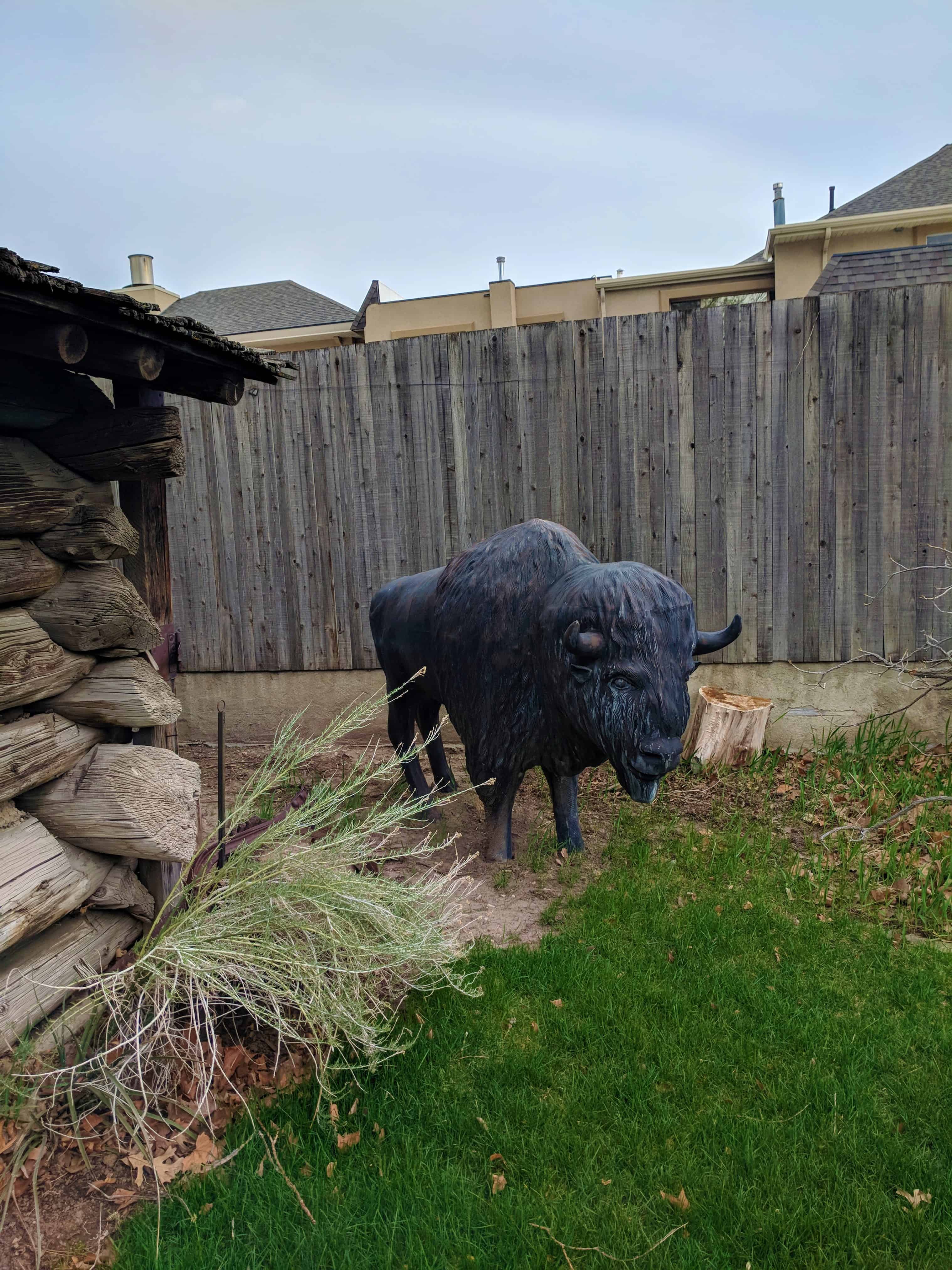
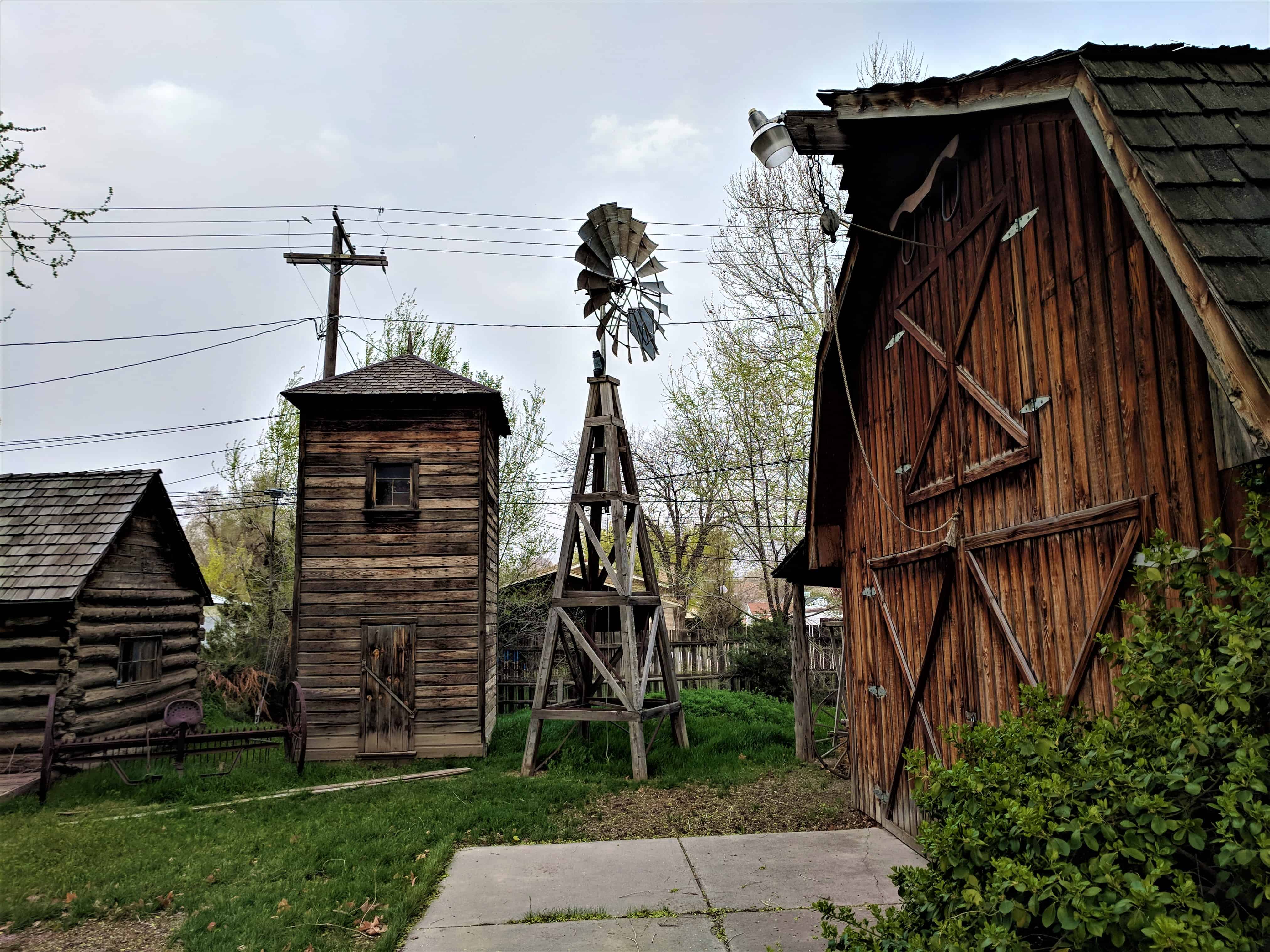
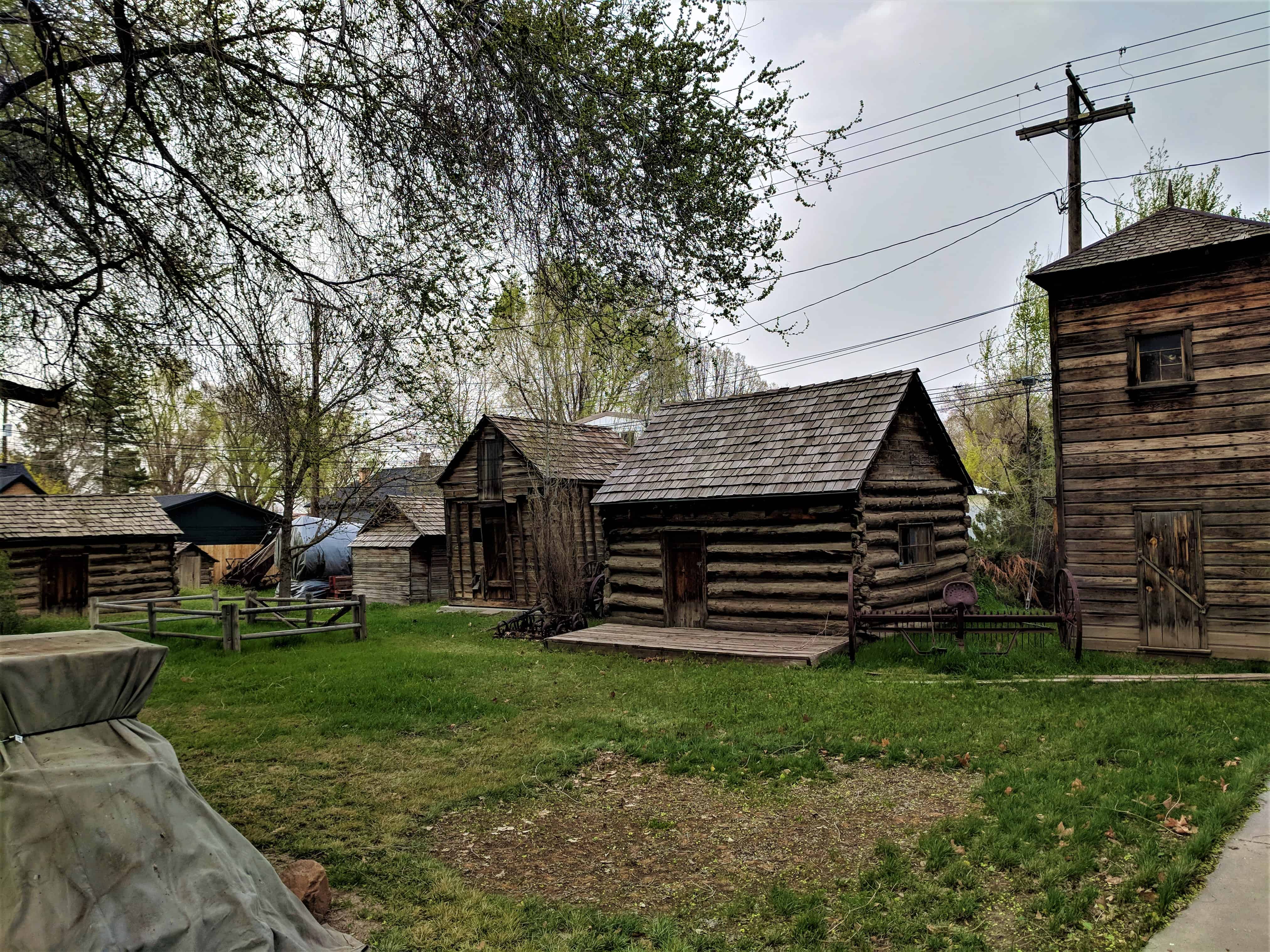
Also located on the property is the Spanish Fork Pioneer Park, which is currently owned and operated by Jones’s granddaughter Elaine Jones Hughes, and her husband who have dedicated the property to Spanish Fork’s pioneer heritage. Located at the park are several historic pioneer log cabins with connections to Spanish Fork pioneers, a mill that came from Leland, and a pump house that had its origins in Salt Lake City. Pioneer Park is open on Pioneer Day and is also the location of the Fiesta Days quilt show.




05 Friday Oct 2018
Posted in Uncategorized

Icelandic Memorial
See also: First Icelandic Settlement in USA


Rock From Iceland
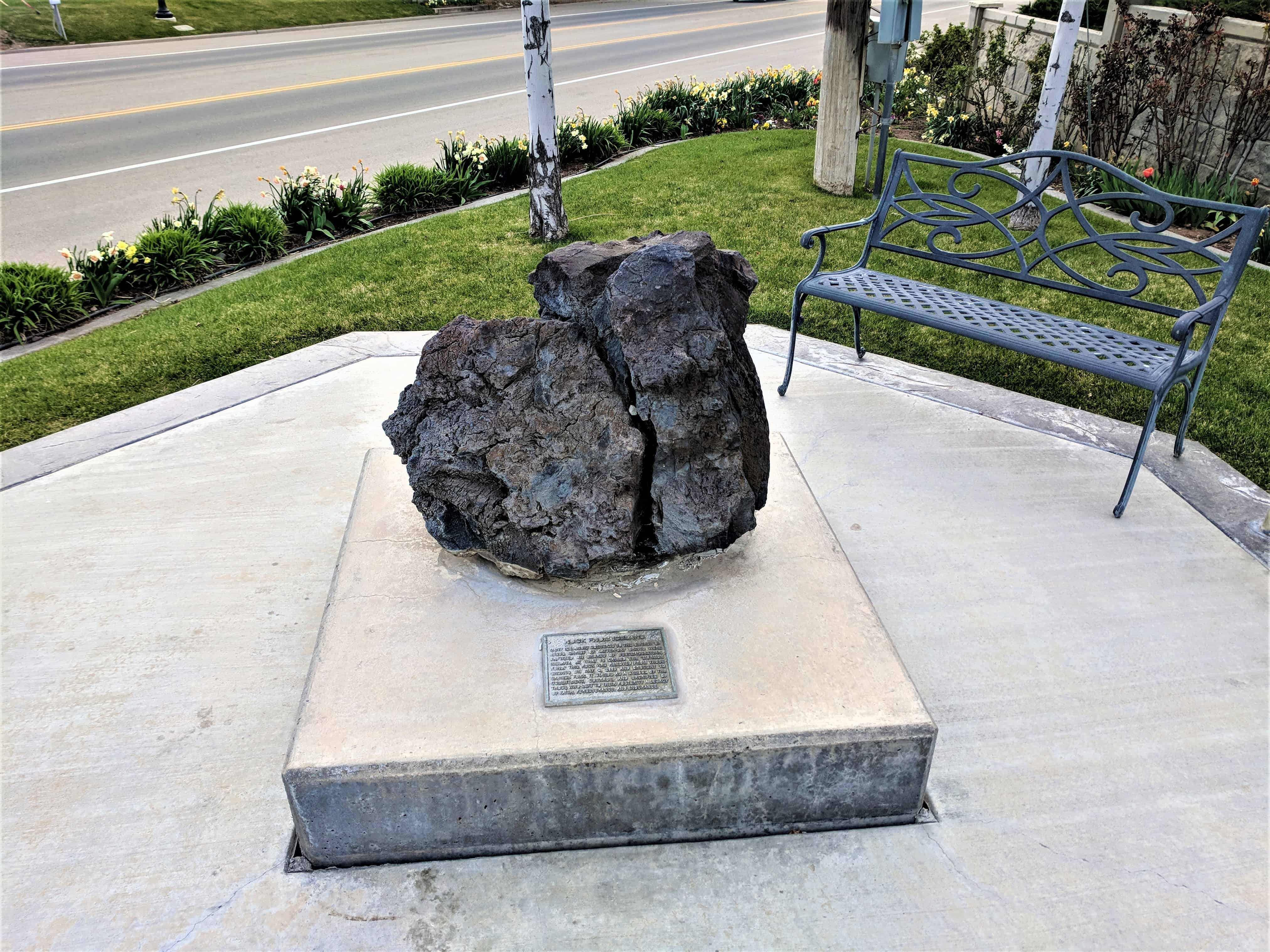

Many Icelandic converts to The Church of Jesus Christ of Latter-day Saints were baptized on the shores of Vestmannaeyjar, Iceland, at what is called the “Mormon Pond.” This rock was removed from those shores on May 6, 2005 and brought to Spanish Fork. It stands as a symbol of the commitment, courage, and sacrifice of those who left to their posterity a legacy of faith, perseverance, and endurance.

Two natives of Iceland, Porarinn Halfidason and Gudmunder Gudmundsson, met two Mormon missionaries from Utah while studying in Copenhagen, Denmark, in 1851. After careful investigation, they converted to The Church of Jesus Christ of Latter-day Saints. They returned to their homeland to share their newfound faith. In 1852 Porarinn drown at sea. Gudmunder carried on the proselyting activities. Many converts were baptized on the shore of Vestmannaeyjar, Iceland.

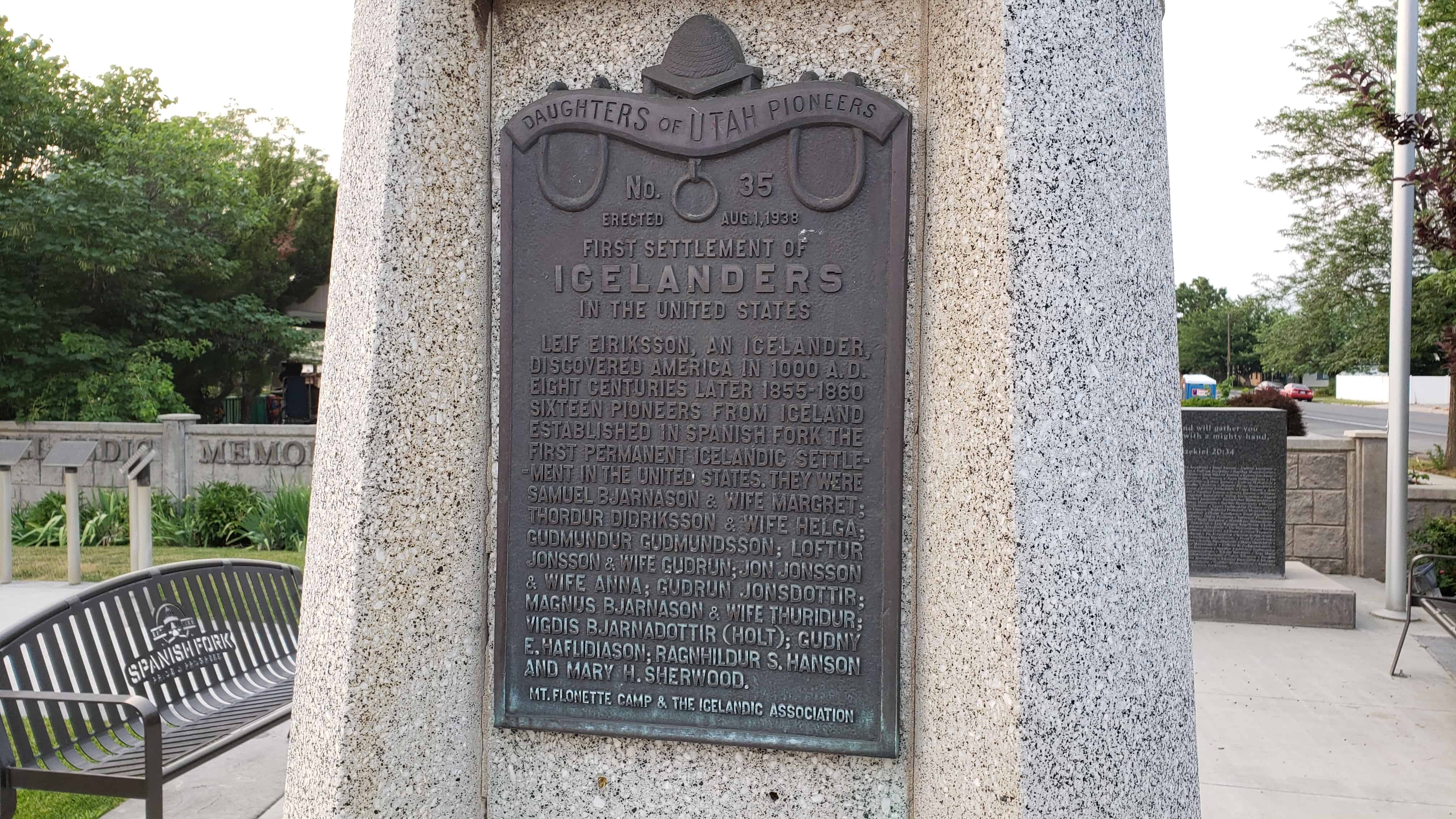
In 1854 Samuel Bjarnson and his wife, Margret Gisladottir, and a traveling companion, Helga Johndottir, were the first converts to leave Iceland for Zion. They sailed from Iceland in November of 1854 to Liverpool, England, on the ship James Nesmith. From England, they continued on to New Orleans where they boarded a riverboat headed to St. Louis, Missouri. After passing through Mormon Grove, the group arrived in the Great Salt Lake Valley on September 7, 1855, 300 days after their departure from Iceland. Brigham Young, President of The Church of Jesus Christ of Latter-day Saints, directed Samuel, Margret, and Helga to settle in Spanish Fork, Utah. With a nucleus of 16 pioneers the first permanent Icelandic settlement in the United States was established in Spanish Fork.

Prior to 1869, Icelanders made the trip to Utah by sailing on ships, traveling in wagon trains, and pulling handcarts. After that time, they traveled to Utah by steamship and train. Over 400 Icelanders immigrated to Utah from 1855 to 1914. Because the pioneers had very little money to help themselves or others, they found it necessary to work together as they settled in their new homes. In 1887 the Icelanders in Spanish Fork held their first Iceland Days Celebration, Kate B. Carter wrote, “The Iceland people in Utah are said to have preserved the folk-lore and customs of their mother country more than any other nationality that pioneered in Utah.”
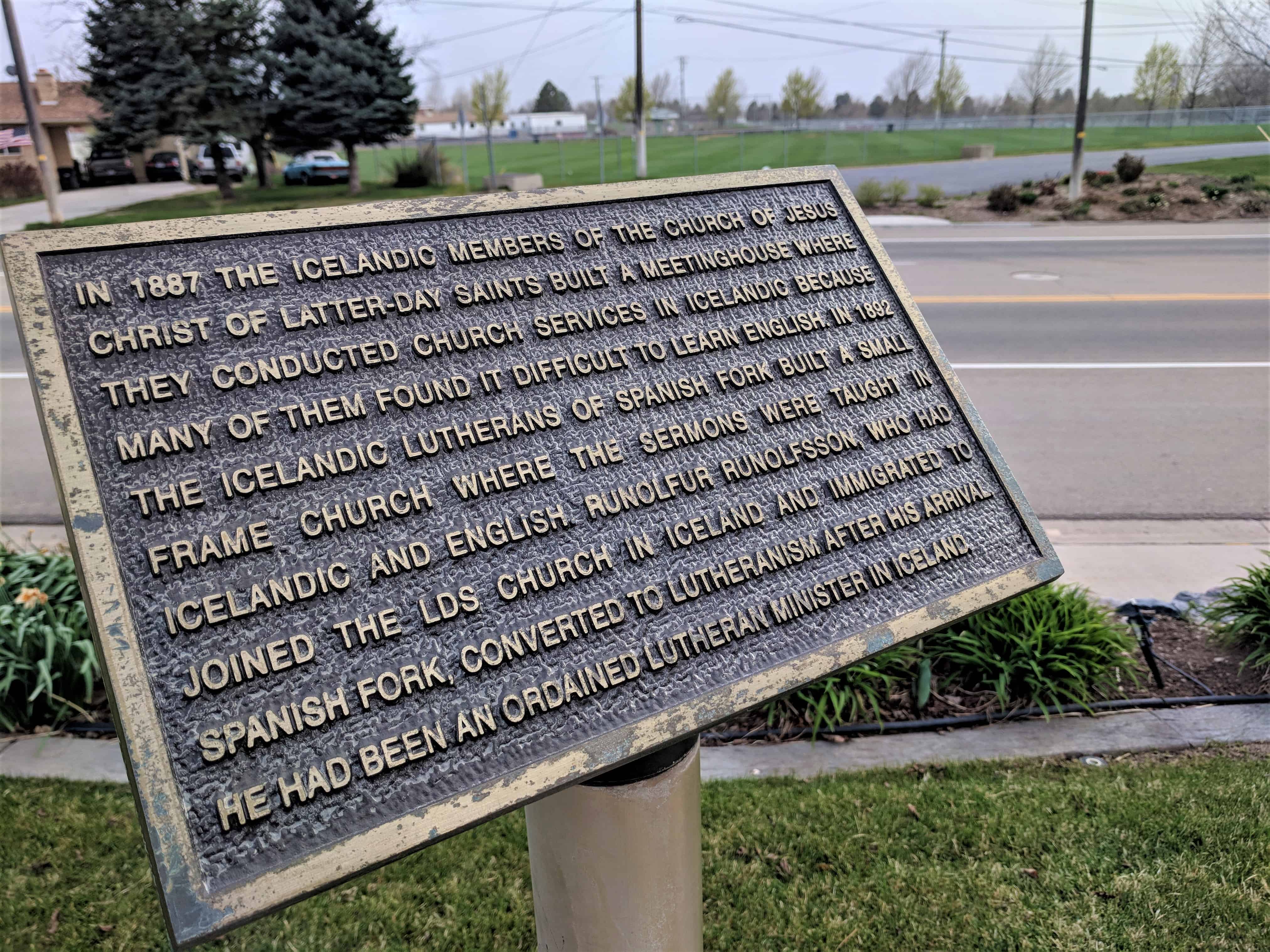
In 1887 the Icelandic members of The Church of Jesus Christ of Latter-day Saints built a meetinghouse where they conducted church services in Icelandic because many of them found it difficult to learn English. In 1892 the Icelandic Lutherans of Spanish Fork built a small frame church where the sermons were taught in Icelandic and English. Runolfur Runolfsson, who had joined the LDS Church in Iceland and immigrated to Spanish Fork, converted to Lutheranism after his arrival, he had been an ordained Lutheran minister in Iceland.
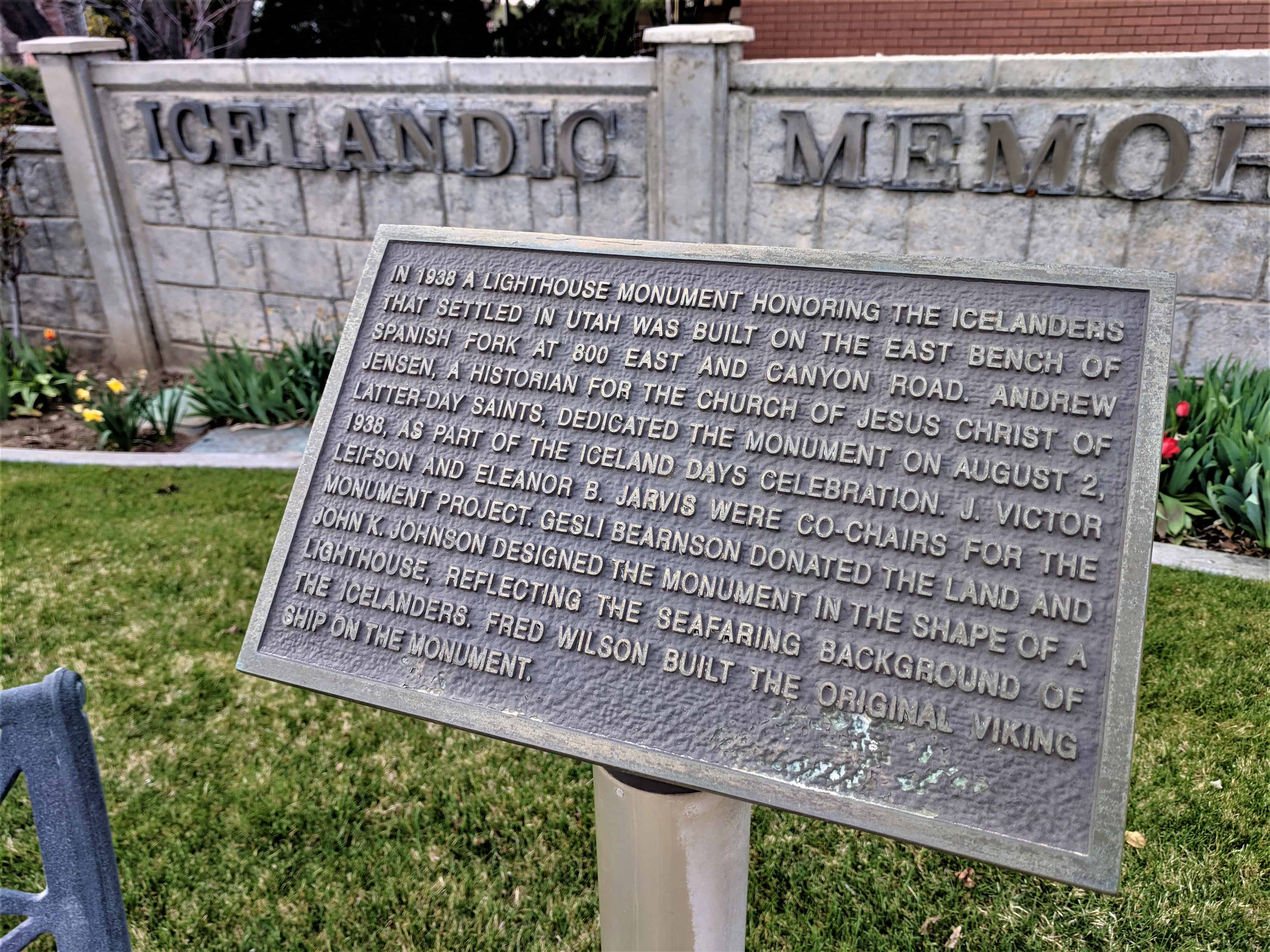
In 1938 a Lighthouse Monument honoring the Incelanders that settled in Utah was built on the east bench of Spanish Fork at 800 East and Canyon Road. Andrew Jensen, a historian for The Church of Jesus Christ of Latter-day Saints, dedicated the monument on August 2, 1938, as part of the Iceland Days celebration. J. Victor Leifson and Eleanor B. Jarvis were co-chairs for the monument project. Gesli Bearnson donated the land and John K. Johnson designed the monument in the shape of a lighthouse, reflecting the seafaring background of the Icelanders. Fred Wilson built the original Viking ship on the monument.

The centennial celebration of the first Icelanders coming to Utah was held on June 15-17, 1955. Elder Henry D. Moyle of The Church of Jesus Christ of Latter-day Saints opened the celebration as a keynote speaker during a religious service on Wednesday, June 15. The celebration included a parade and concluded on Friday, June 17, a national holiday in Iceland. The Iceland Association, in 2000, raised funds to build a monument in Vestmannaeyjar to honor their ancestors, along with an exhibit in Hofsos, Iceland.

Byron T. Geslison, his wife, Melva and their two sons, David and Daniel, were called to Iceland in 1975 to renew the missionary effort of The Church of Jesus Christ of Latter-day Saints. When the Geslisons arrived in Iceland there were no missionary discussions or tracts in Icelandic. Byron had the voice of warning and truth, written by Thordur Didriksson in 1879, re-printed to use as a missionary tract. The Icelandic government officially recognized The Church of Jesus Christ of Latter-day Saints on November 1, 1983.
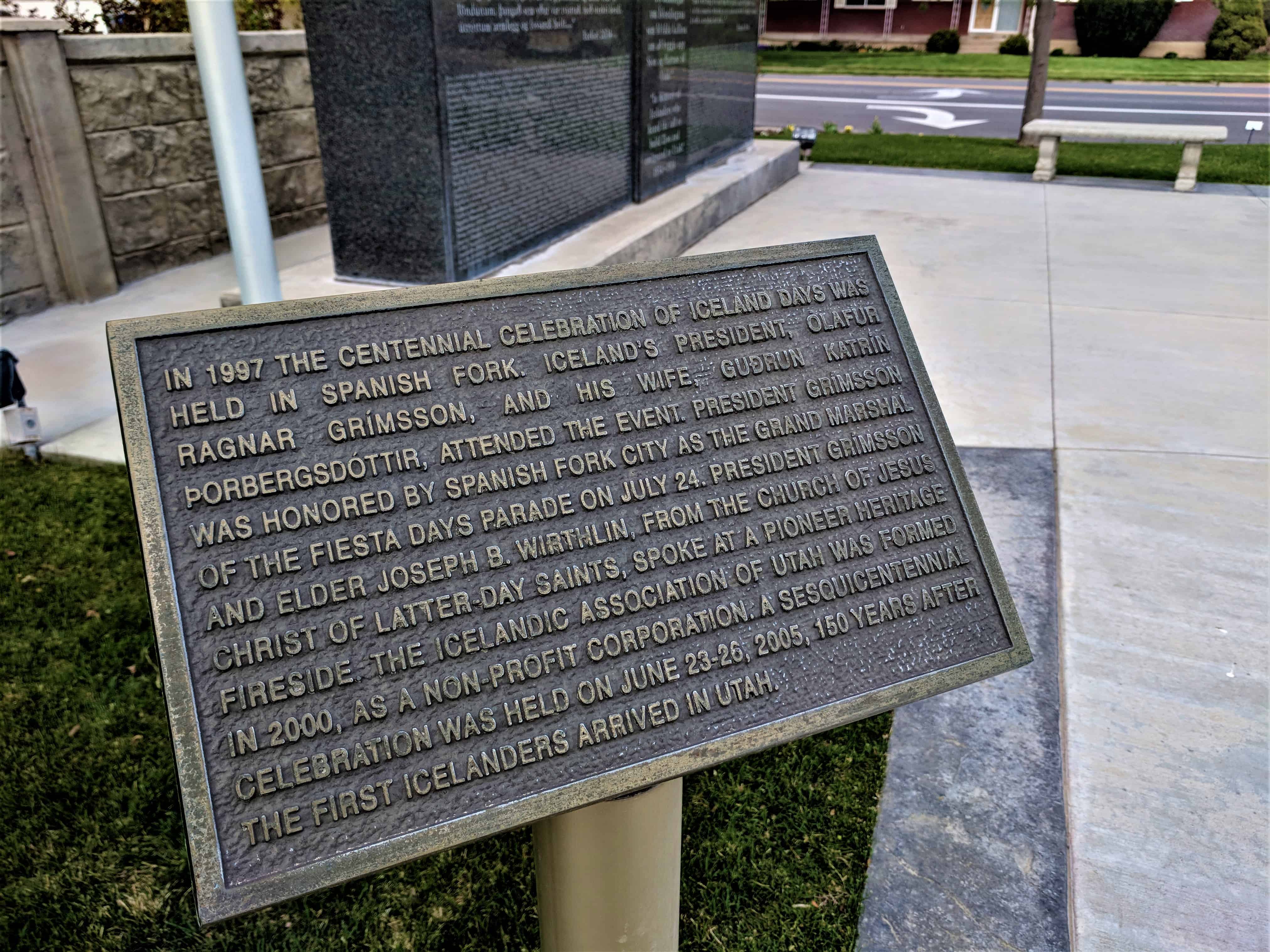
In 1997 the centennial celebration of Iceland days was held in Spanish Fork. Iceland’s President, Olafur Ragnar Grimsson, and his wife, Gudrun Katrin Porbergsdottir, attended the event. President Grimsson was honored by Spanish Fork City as the Grand Marshal of the Fiesta Days Parade on July 24. President Grimsson and Elder Joseph B. Wirthlin, from The Church of Jesus Christ of Latter-day Saints, spoke at a pioneer heritage fireside. The Icelandic Association of Utah was formed in 2000, as a non-profit corporation. A sesquicentennial celebration was held on June 23-26, 2005, 150 years after the first Icelanders arrived in Utah.



09 Monday Jul 2018
Posted in Uncategorized
Tags

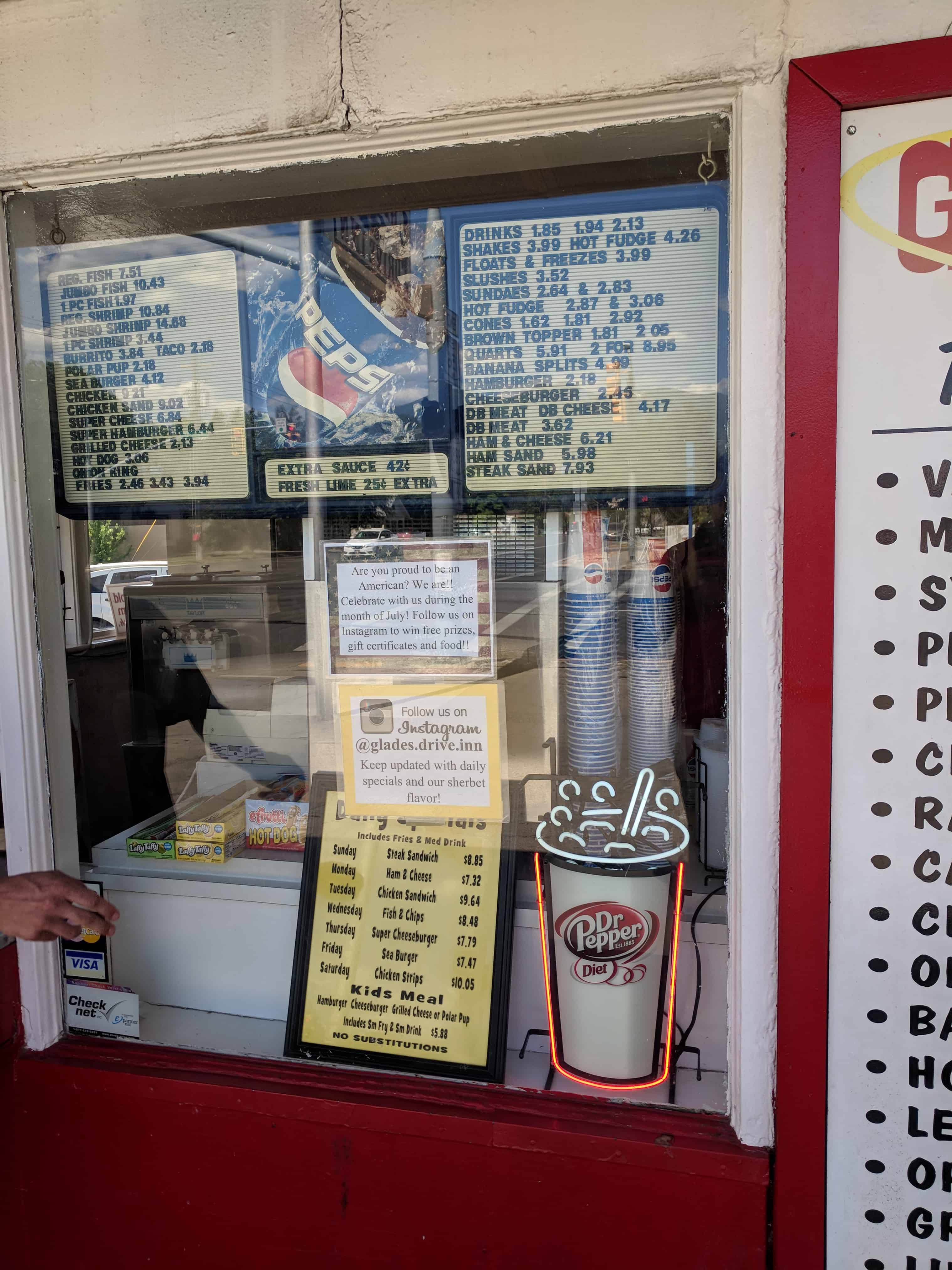
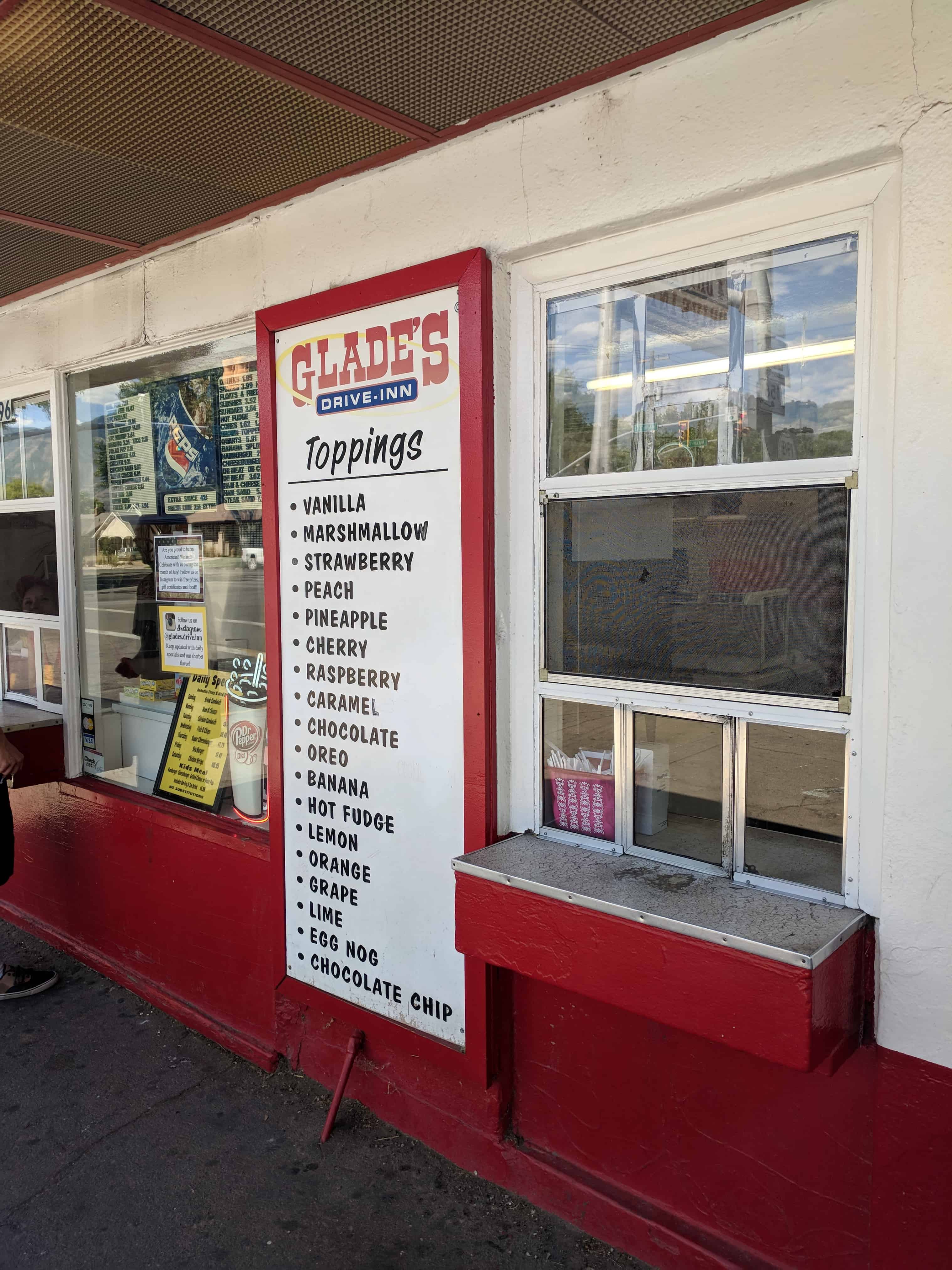
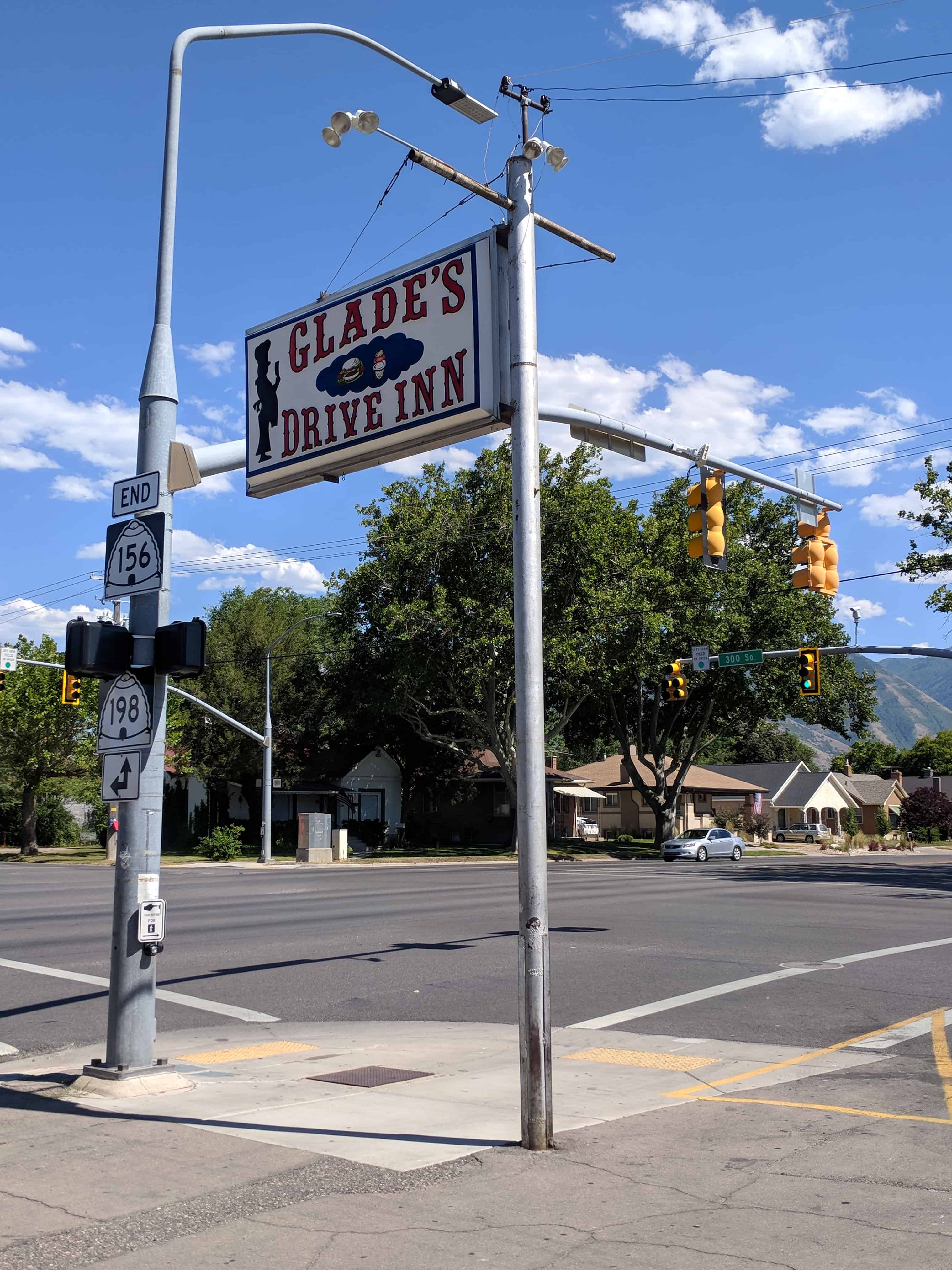
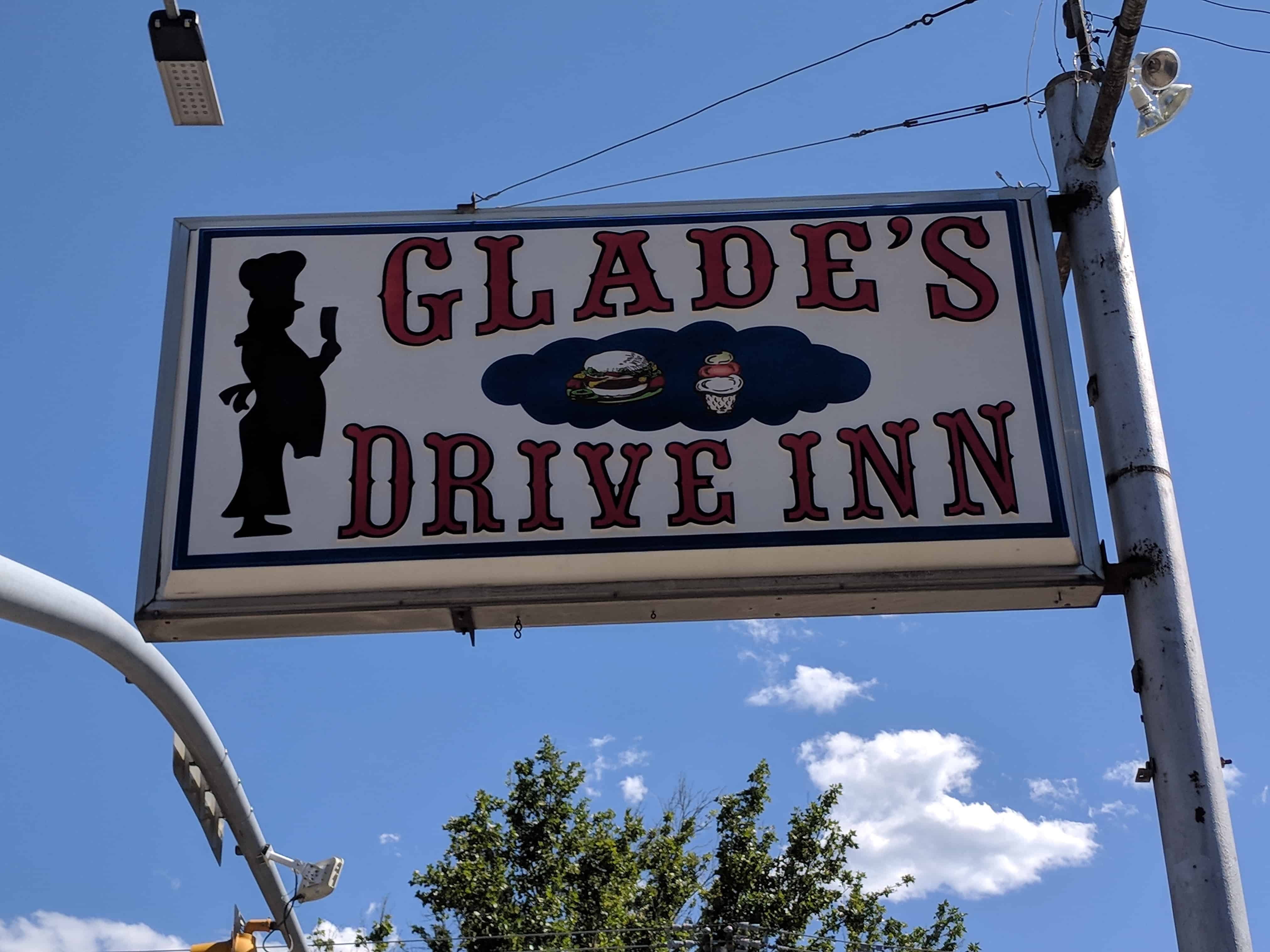
Glade’s Drive Inn is a classic spot to eat in Spanish Fork, Utah.
Originally it was the Hubbard Tuttle, Sr. Home. Built as a home and hotel in 1878, Hubbard was the city marshal in 1890 and he built a dance hall was on the west side of main between 300 N and 400 N. He was also part owner in a cannery at 4th south and main.
Jim Measom bought it in 1929 and put a gas station and store there, “Measom Service and Groceries.”
Bud Bates rented it and built 20th Arctic Circle.
Glade Schwartz bought it in 1952, it became Glade’s. He was the police chief.
296 South Main Street in Spanish Fork, Utah
Related:



A couple old photos I found online:

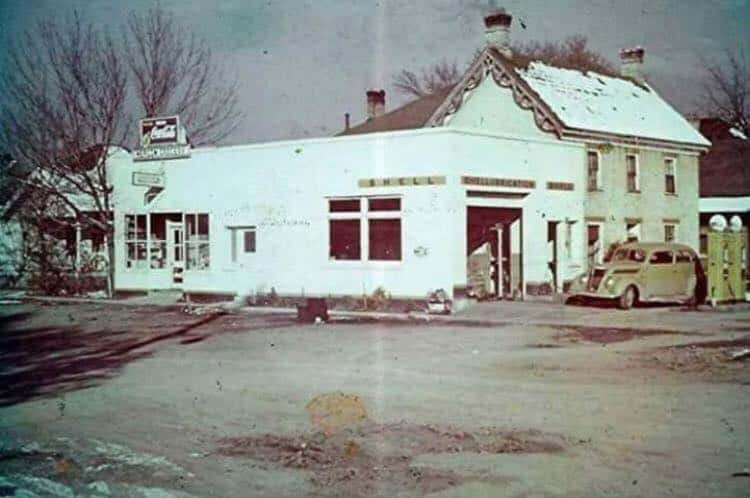


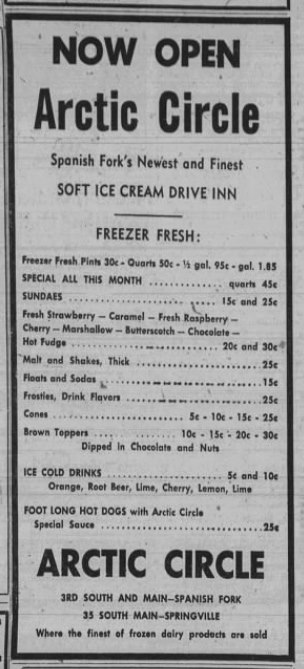

They shared this cool collection on their facebook page:

08 Sunday Jul 2018
Posted in Uncategorized
Tags
13 Wednesday Dec 2017
Posted in Uncategorized

On July 29, 1776, Fathers Francisco Atanazio Dominguez and Silvestre Valez de Escalante led an exploration party of 10 horsemen from Sante Fe, New Mexico to establish an overland route to Monterey, California, while spreading the Catholic faith to the native peoples they hoped to meet along the way.
On September 23, the party emerged from Spanish Fork Canyon into Utah Valley. Escalante recorded in his diary, “We went for half a league northwest, crossed over to the other side of the river, went up a brief slope, and caught sight of the lake and spreading valley of Nuestro Senora de la Merced of the Timpanogotzis. We also saw that they were sending up smoke signals on every side, thus spreading the news of our coming.” When camp had been established near Spanish Fork, the Padres proceeded to the Indian village on the Provo River. The natives readily accepted the teachings of the Franciscan Fathers and urged them to return with other friars to live among them.
Escalante’s diary gives us a graphic description of Utah Valley and is our best account of life in the 18th century in Utah. “In mid sierra lies L’Valle de Neustra Senora de la Merced of the Timpanogotzis surrounded by the sierra’s heights from which four medium-sized rivers that water it emerge. All over it there are good and very abundant pasturages and the climate here is a good one. It has plenty of firewood and timber in the adjacent sierra – many sheltered spots, waters and pasturages, for raising cattle and sheep and horses.
This one (lake) of the Timpanogotzis abounds in several species of good fish – of geese, beavers, and other amphibious creatures. Round about it reside the Indians mentioned who live on the lake’s abundant fish. Besides this, they gather the seeds of wild plants in the bottoms and make gruel from them, which they supplement with the game of jackrabbits, coneys and fowl, of which there is a great abundance here. They also have bison handy not too far away, but fear of the Commanches prevents them from hunting them.
“Their dwellings are some sheds or little wattle-huts of osier, out of which they have interestingly-crafted baskets and other utensils for ordinary use. They are very poor as regards to dress. The most becoming one they wear is a deer skin jacket and long leggings of the same. For cold seasons they wear blankets made of jackrabbit and coney rabbit furs. They possess good features and most of them are fully bearded. All the sections of the sierra are inhabited by a great number of peoples of the same nation, language and easy-going character.”
It is interesting to speculate on what might have happened, had the Spaniards been able to return to Utah Valley. Provo may have had an architectural flavor similar to that of Santa Fe and would probably have been the cultural center of Utah. The Mormons may not have settled in Salt Lake Valley at all, since they were seeking a land promised by God for themselves alone.
This monument is located in Spanish Fork City Park next to the Spanish Fork Library.


06 Wednesday Dec 2017
Posted in Uncategorized
Tags

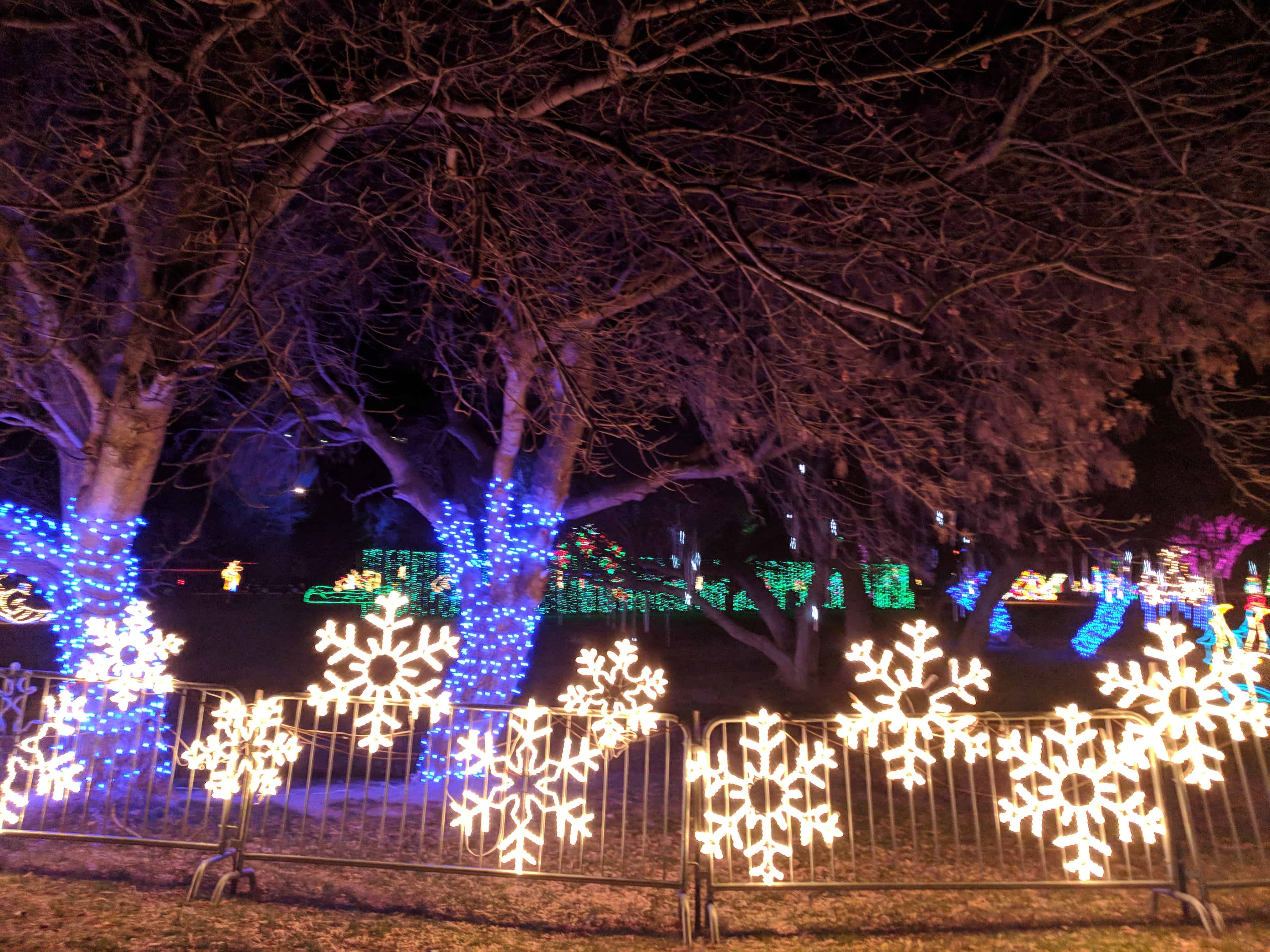
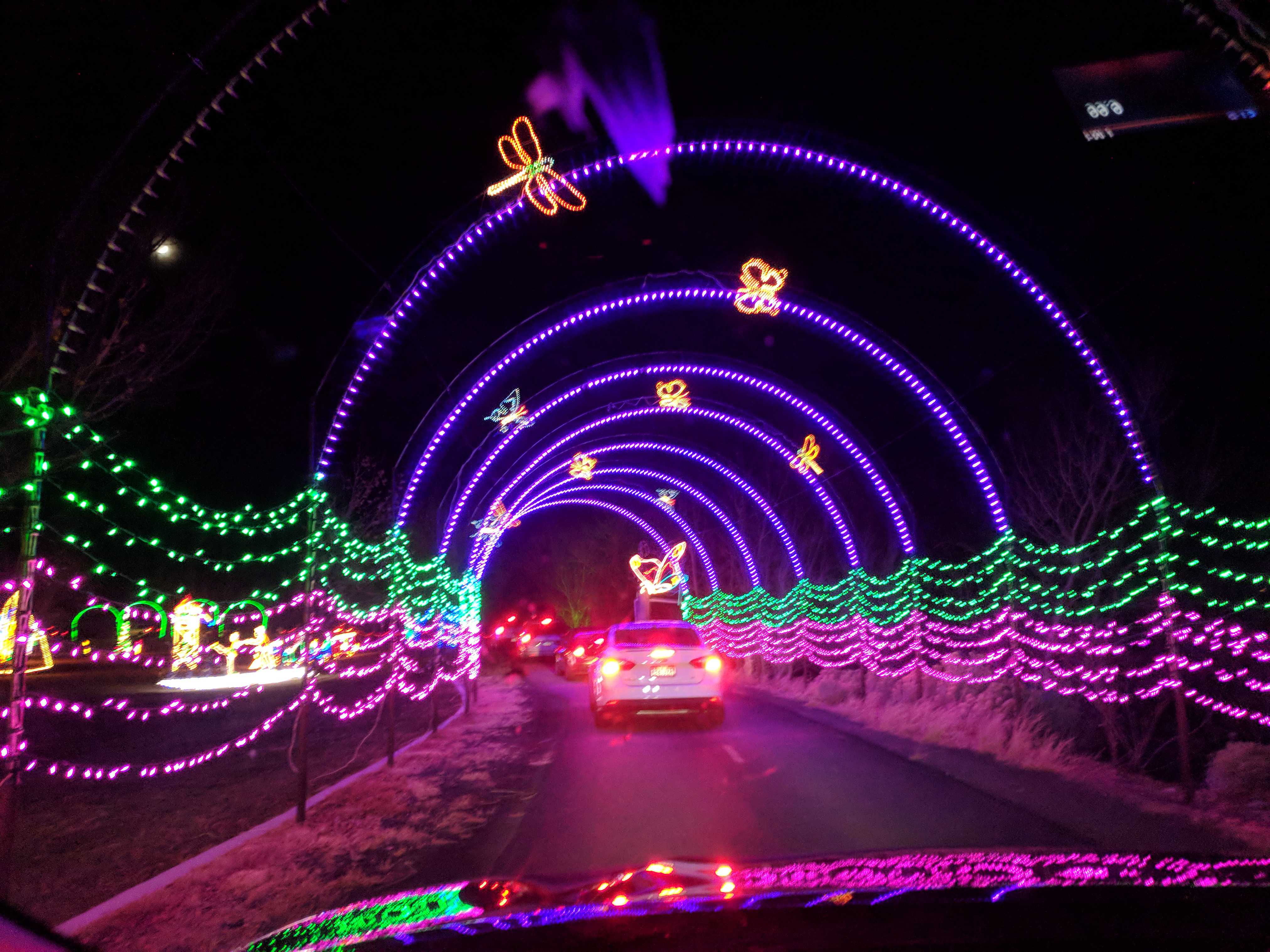
The Spanish Fork Festival of Lights
Beginning Thanksgiving Night – Nov 23, 2017 running through New Year’s – Jan 1, 2018
Running nightly from 6:00 p.m. – 10:00 p.m.
Canyon View Park, 3300 E. Powerhouse Rd. (Map)
Cost: $8 per car; $22 per large passenger van or any vehicle towing a trailer ($22 per trailer); $30 per bus. We accept cash and credit.
Gift certificates available at the Spanish Fork City Office (40 South Main) or at the Parks & Recreation Office (775 North Main) for $8. A 5 admissions punch pass is also available for $35 at the same location.
**Listen to the holiday music on 99.9 FM while you drive through the displays.






17 Friday Nov 2017
Posted in Uncategorized
Tags