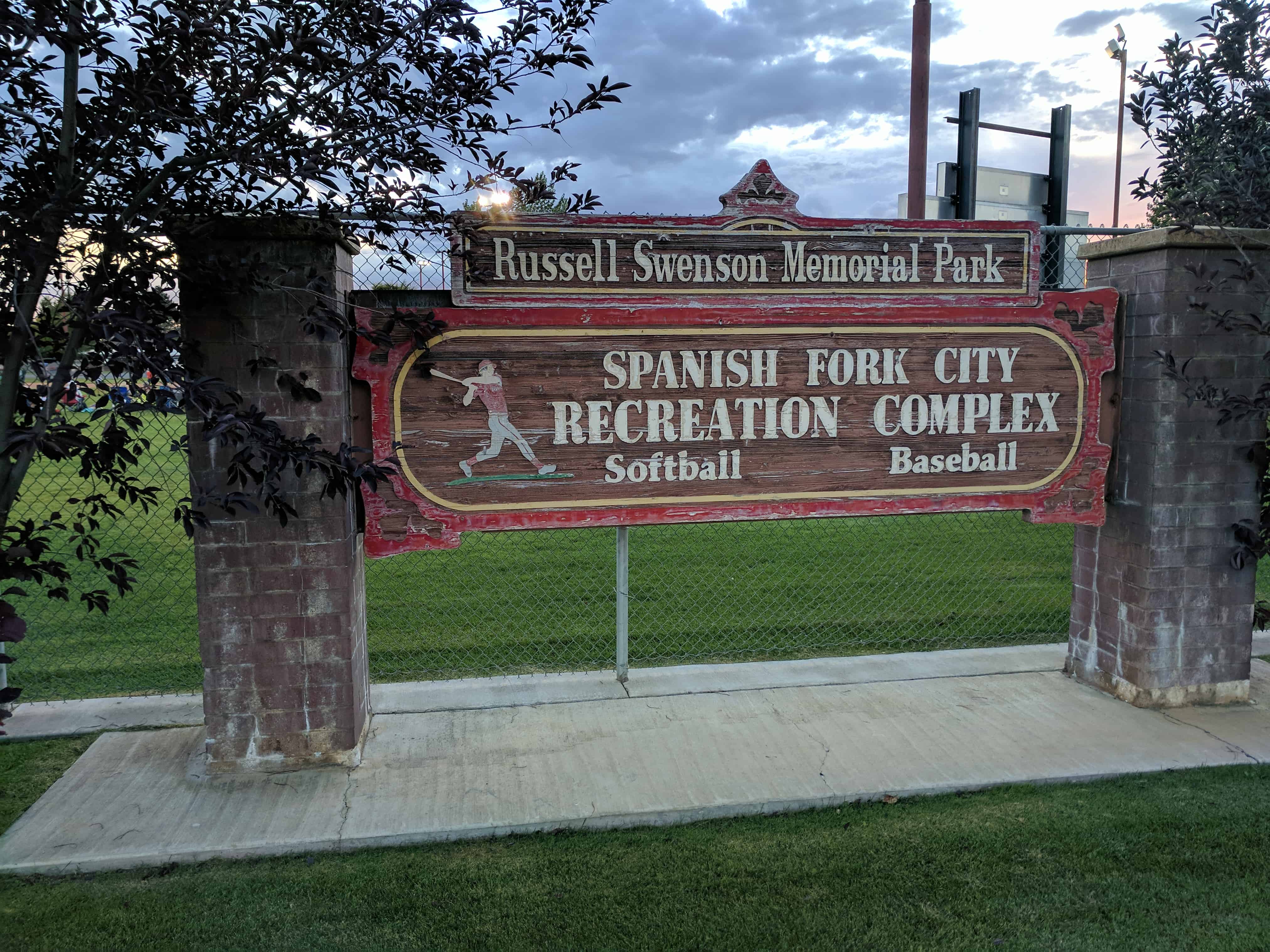
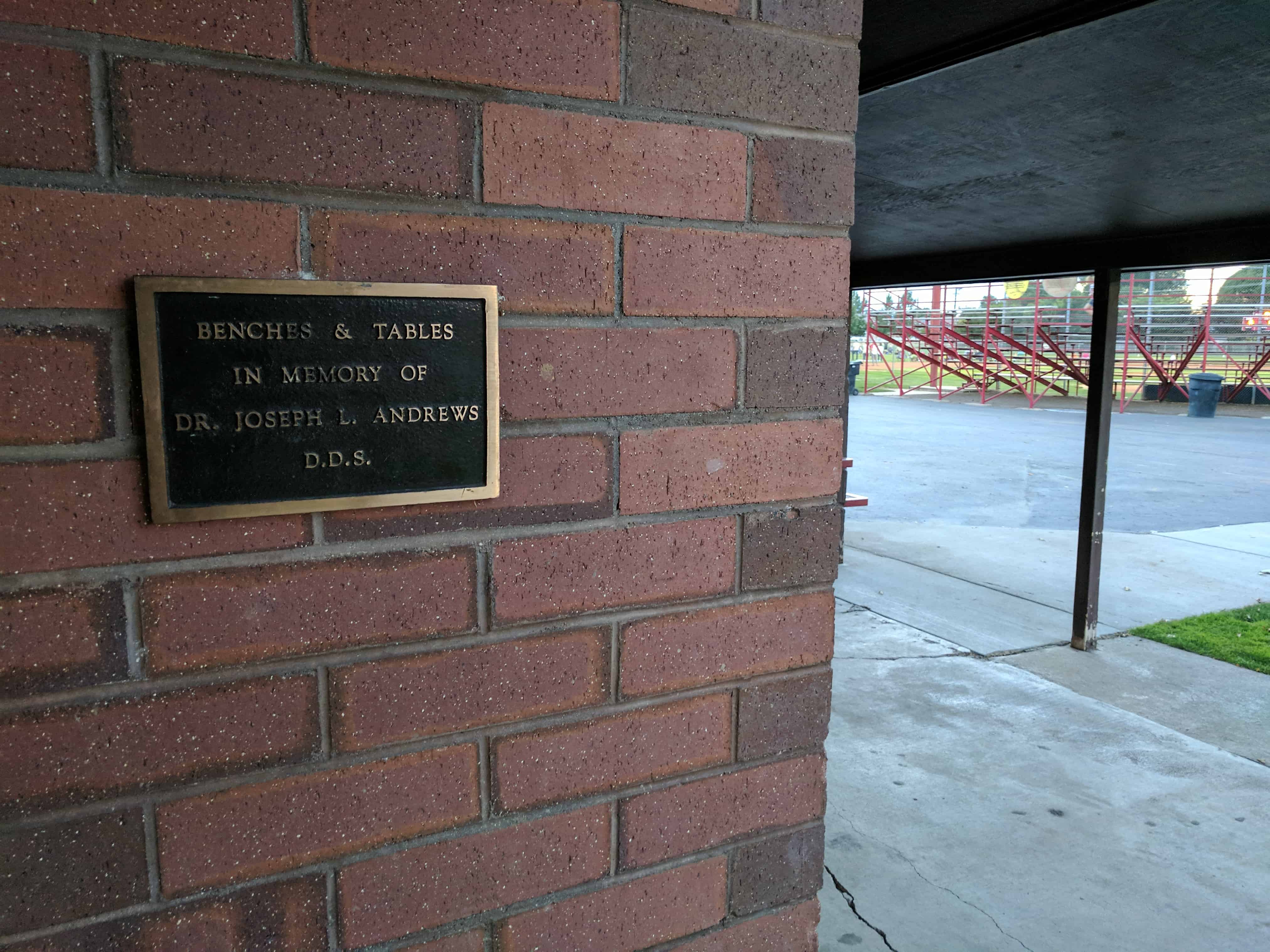
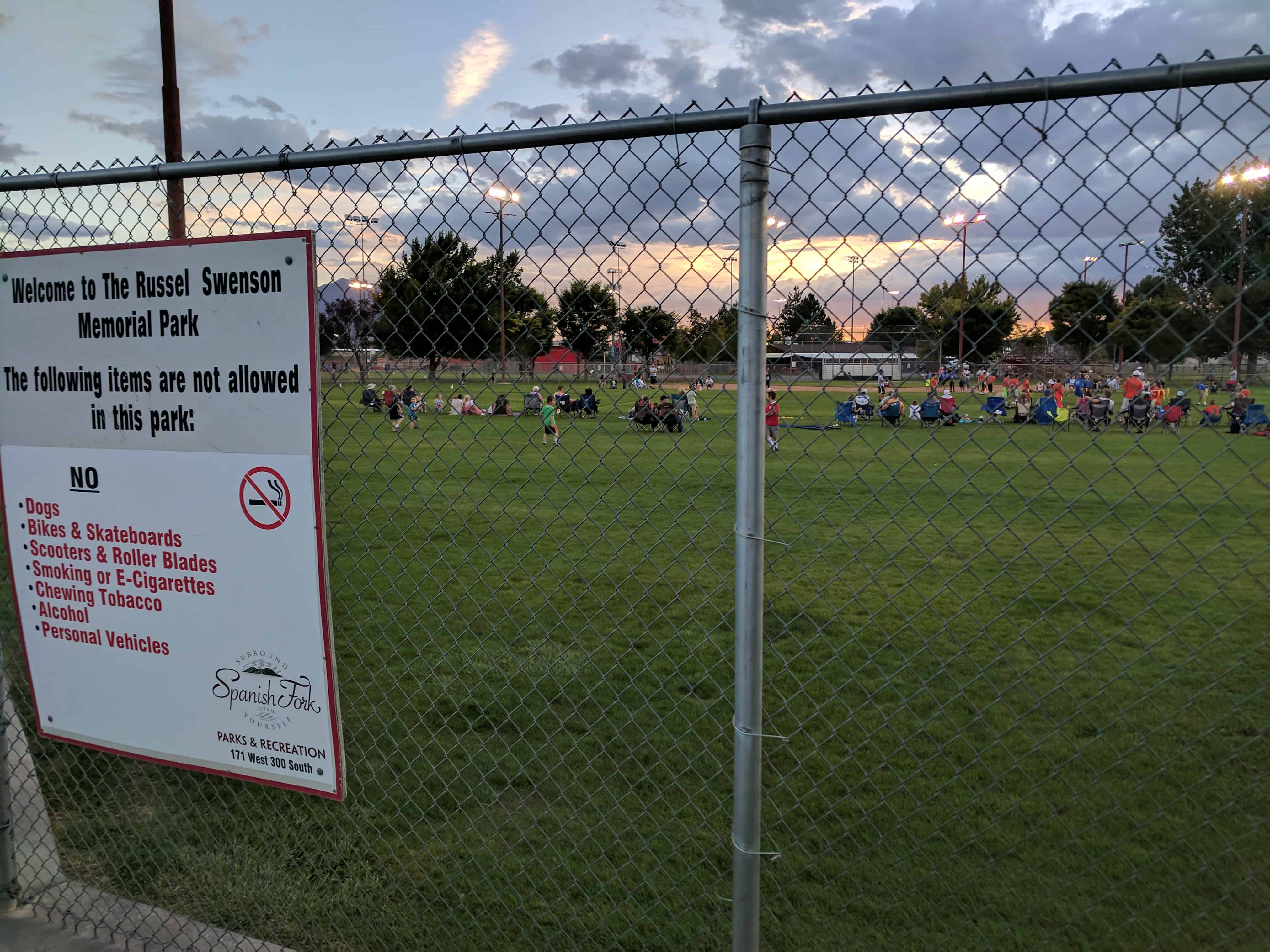
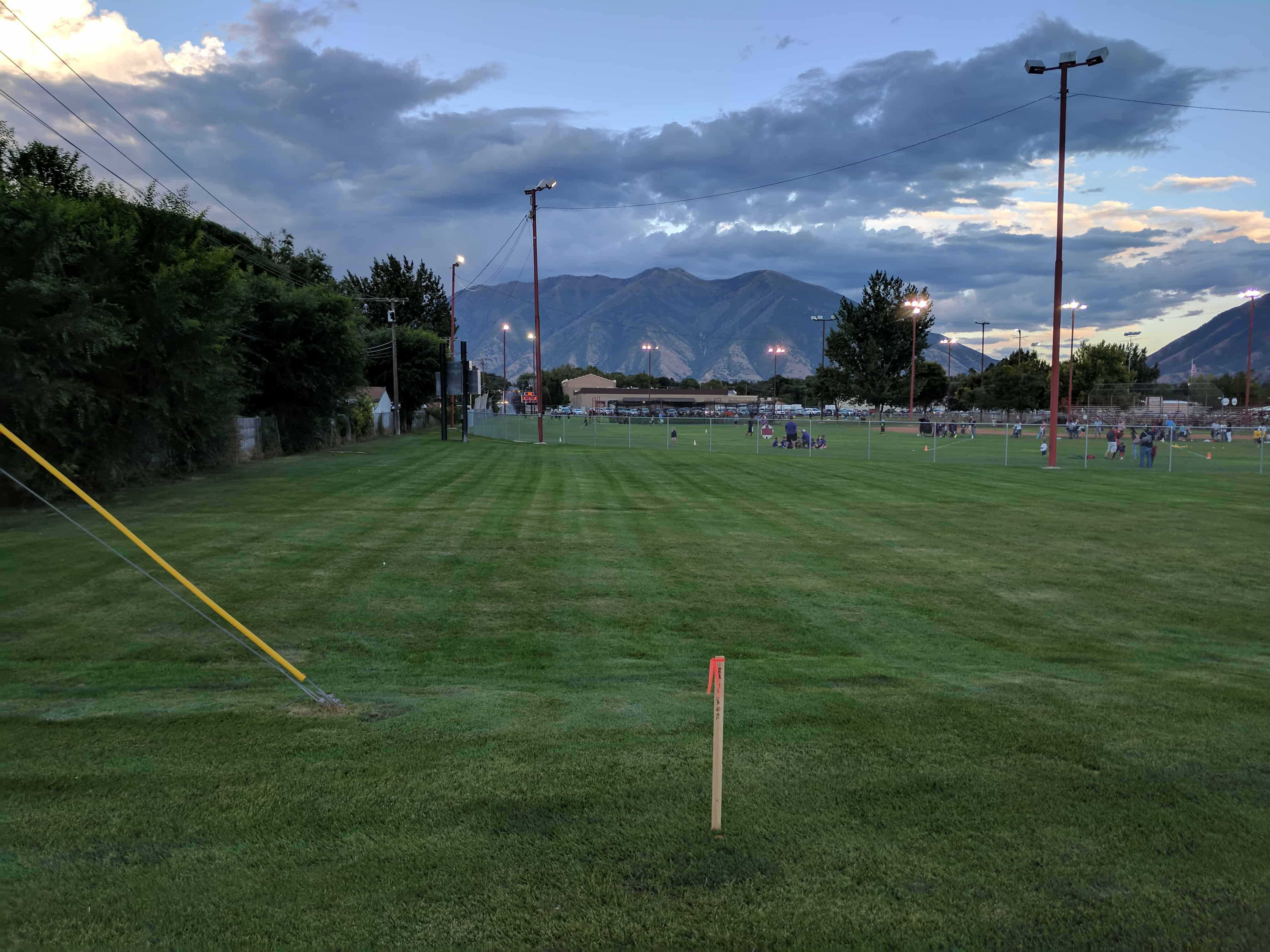
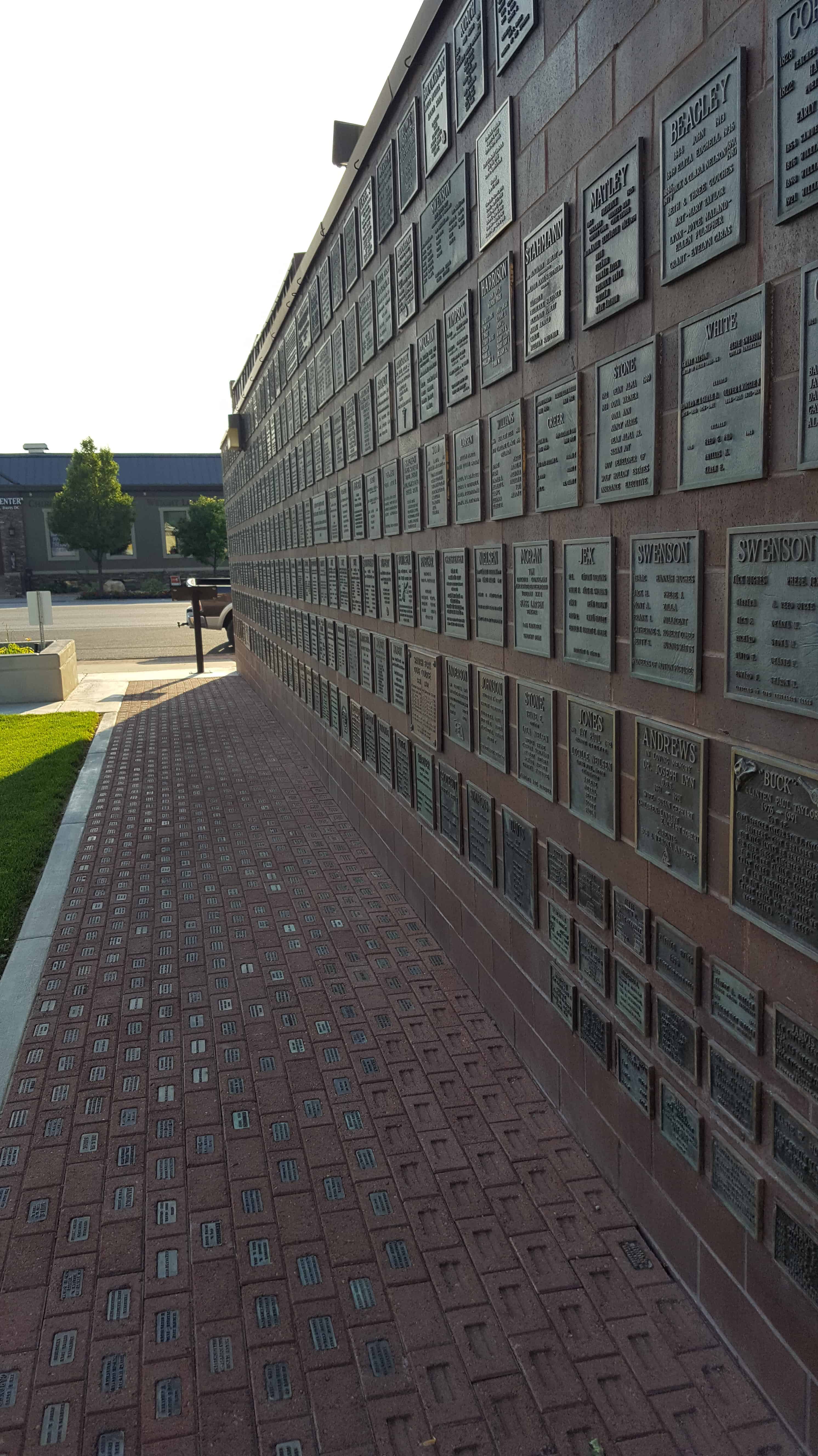
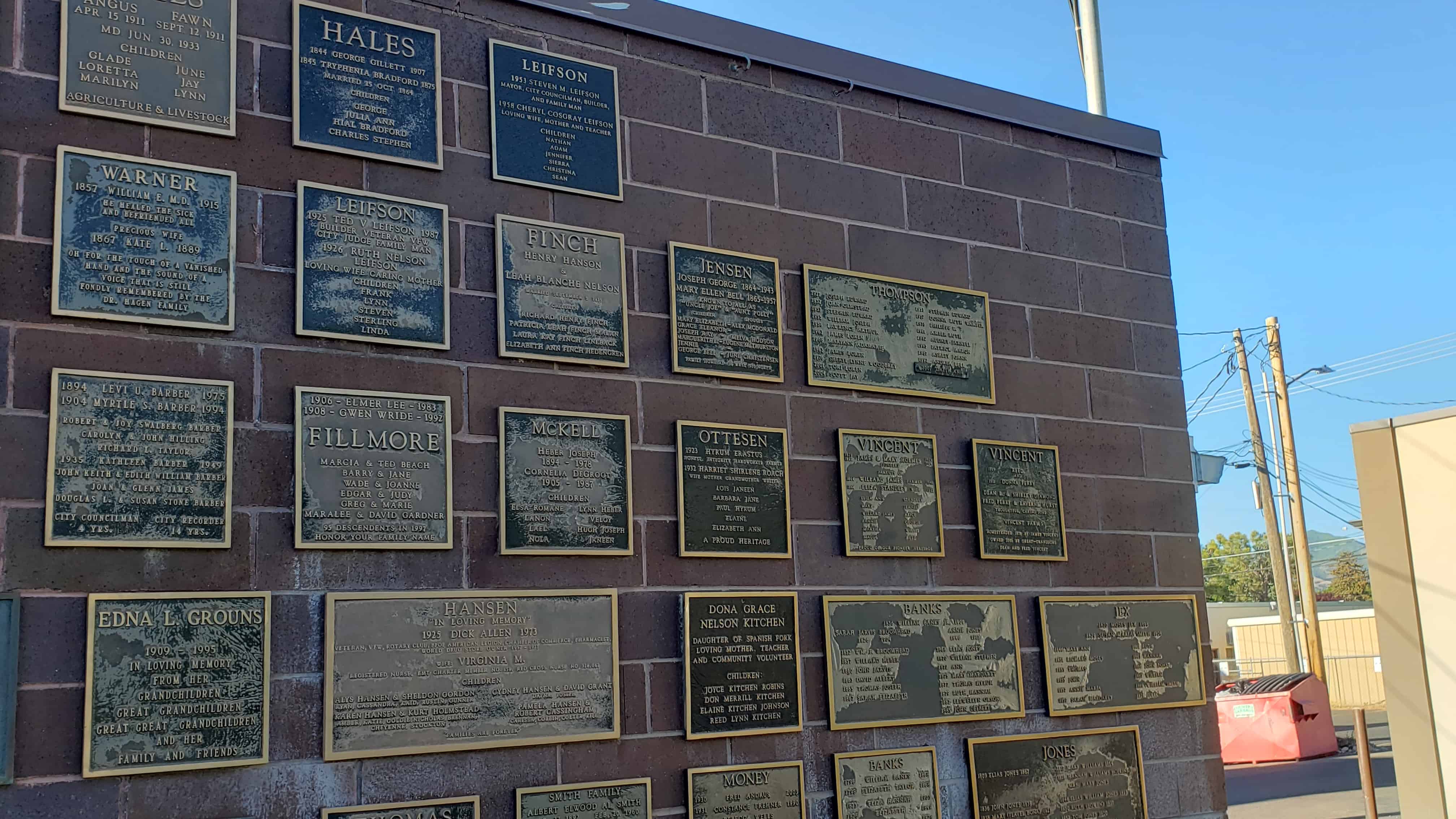
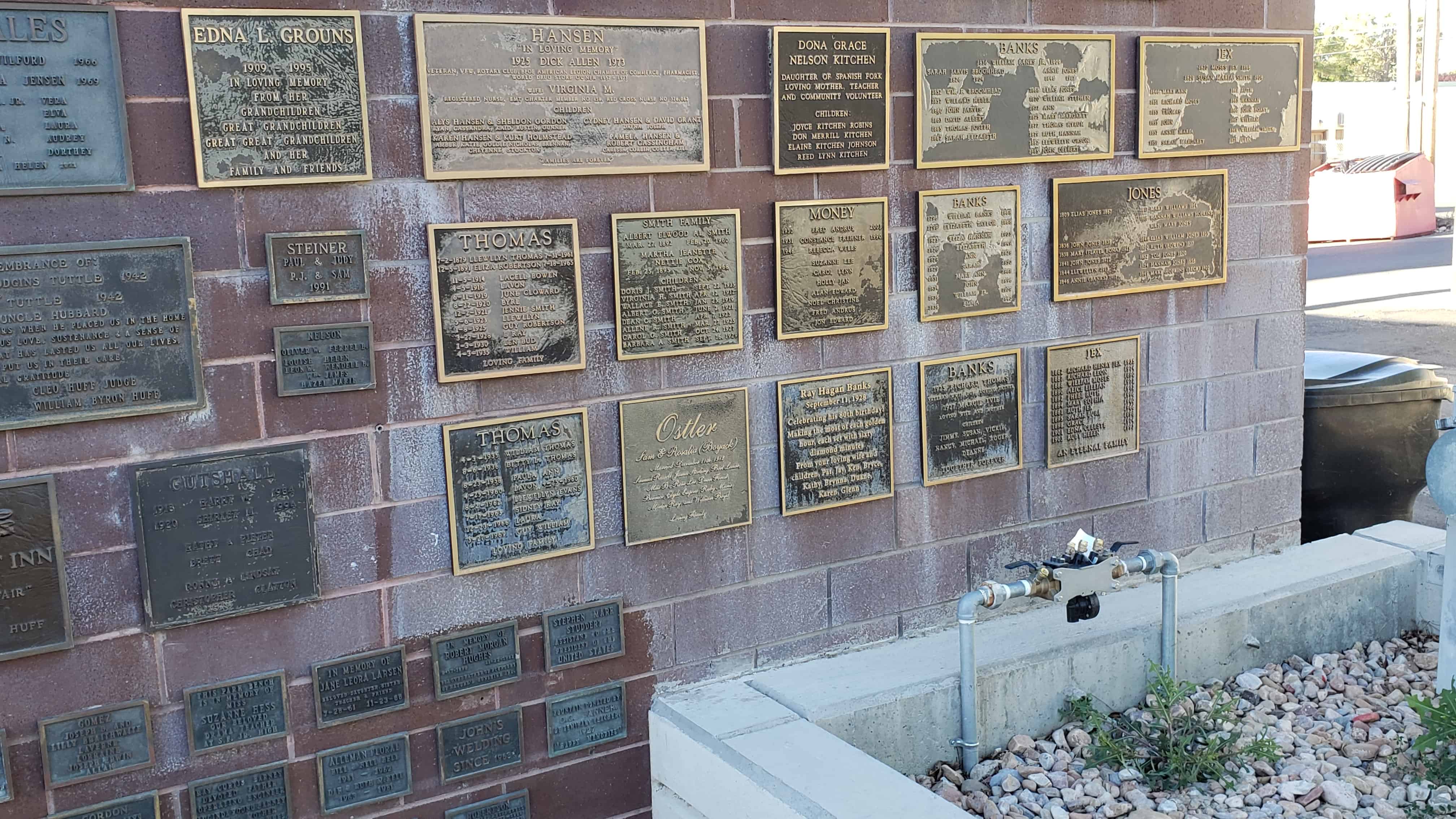
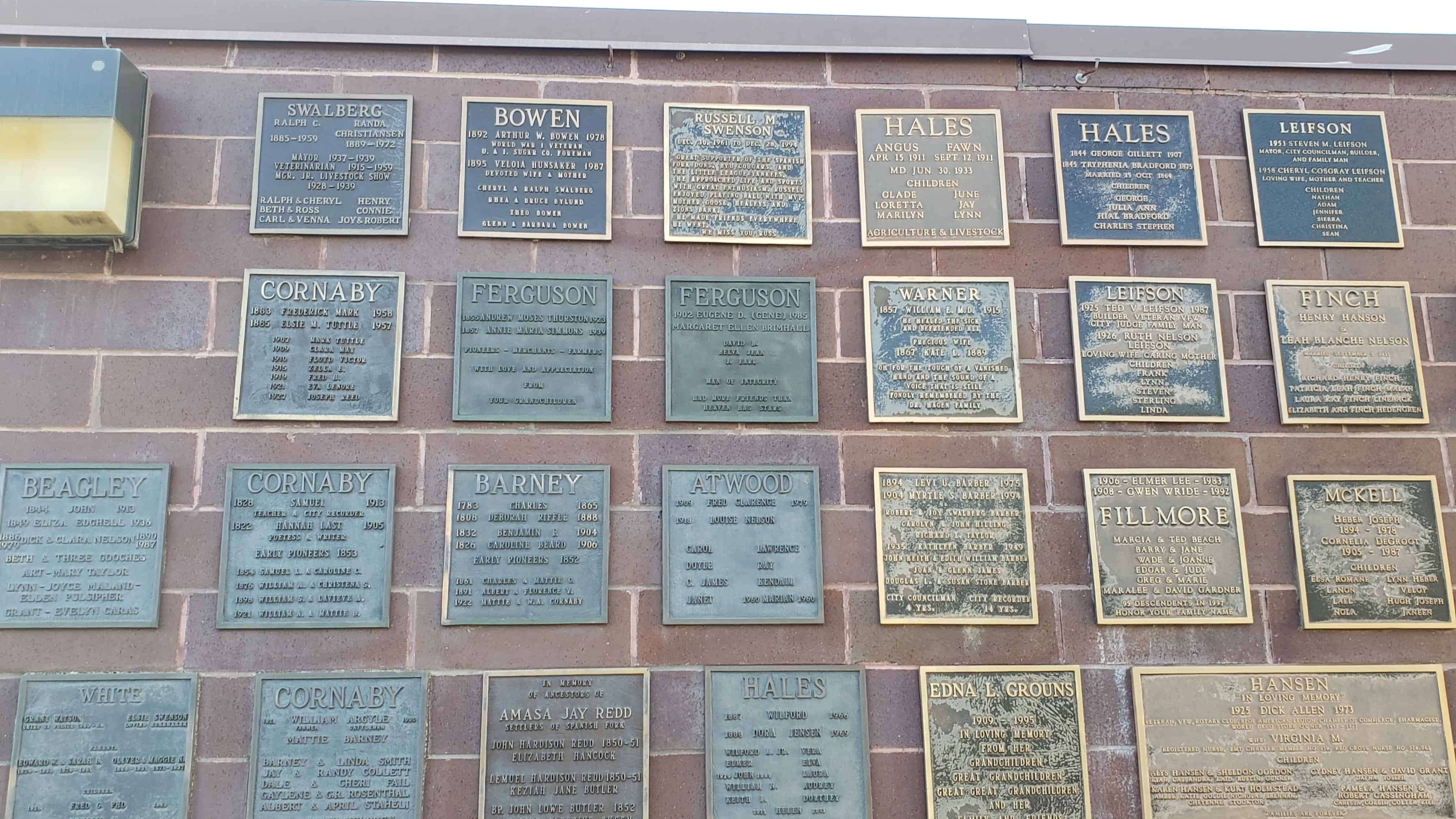
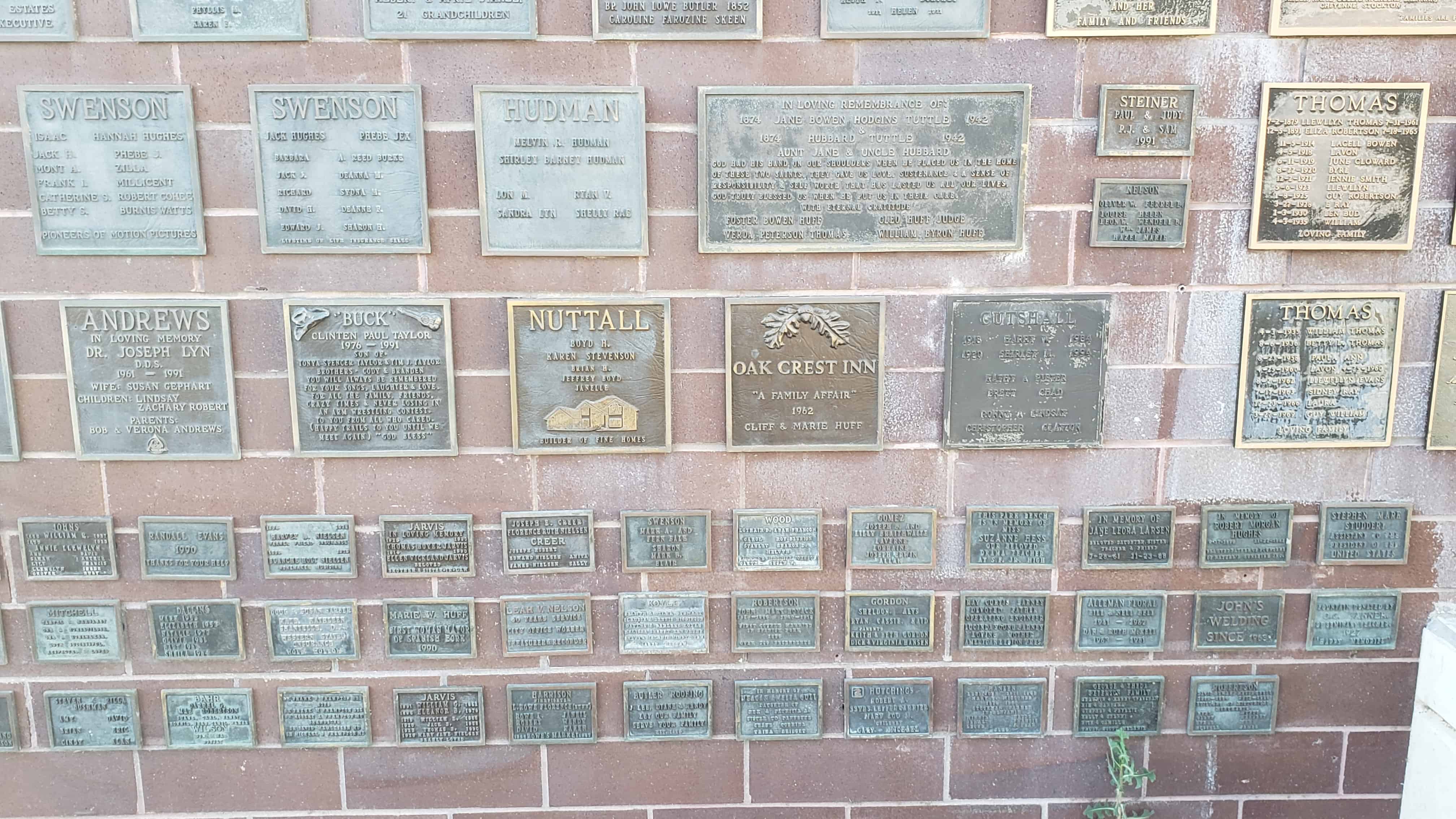
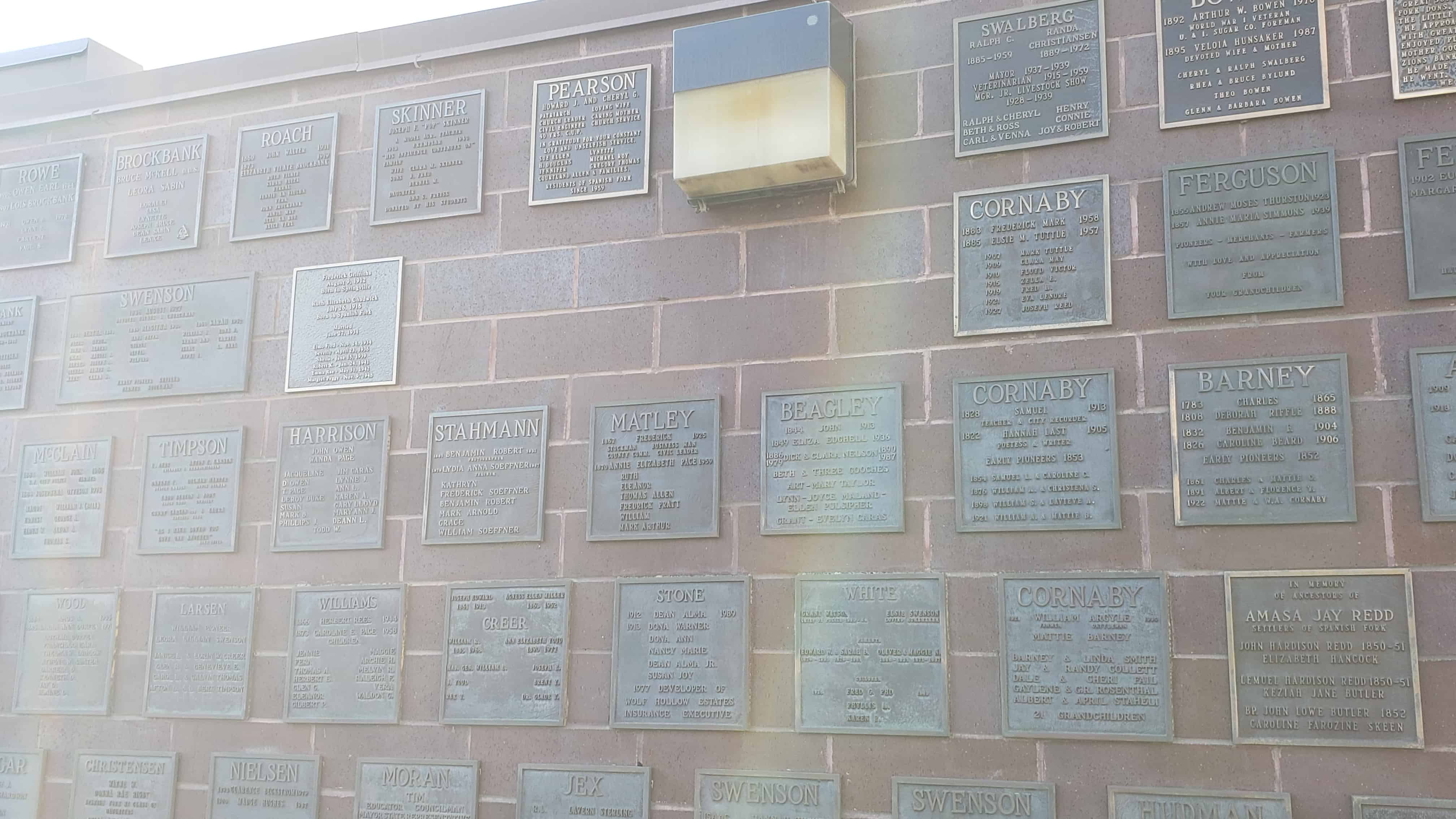
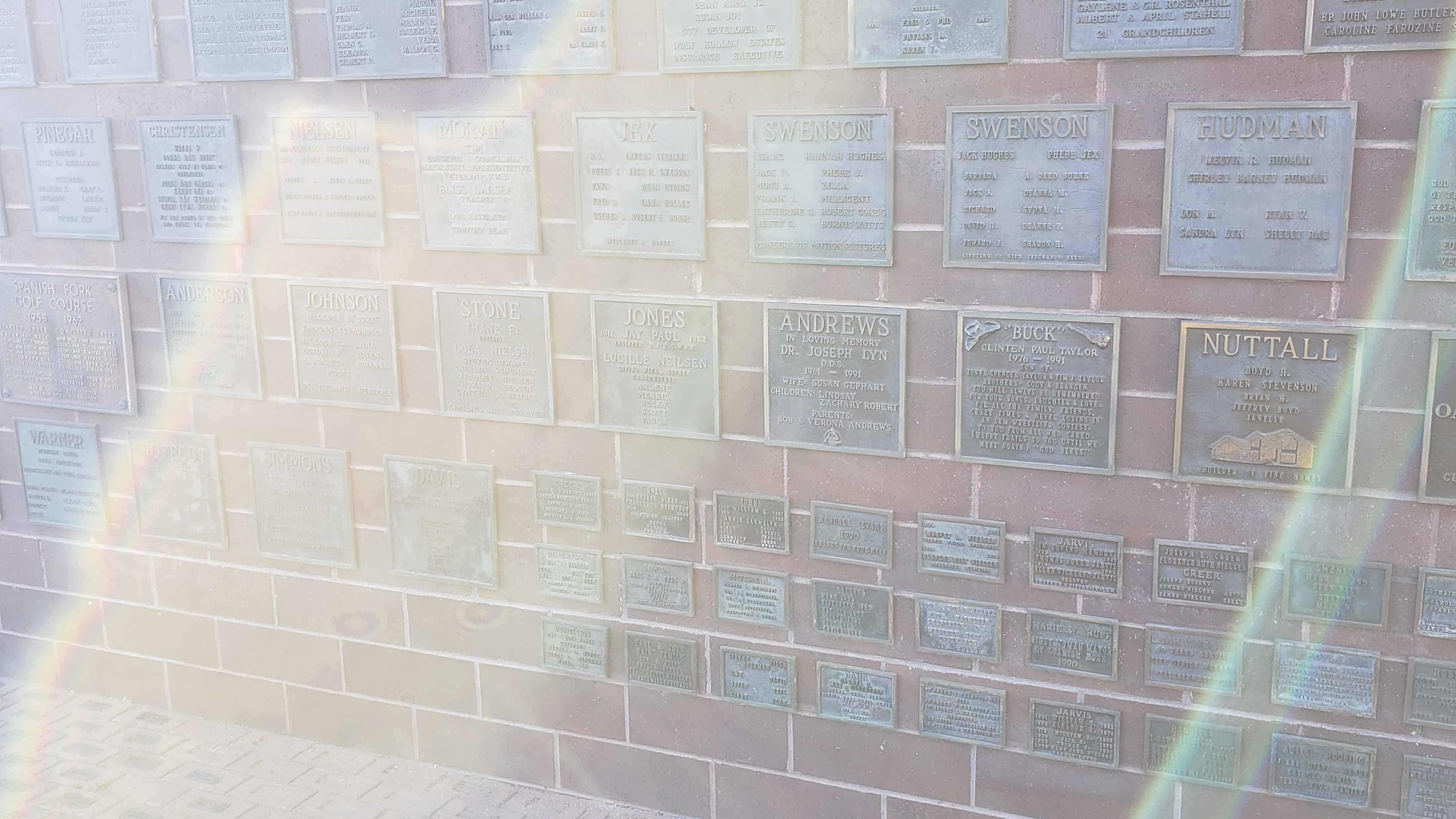
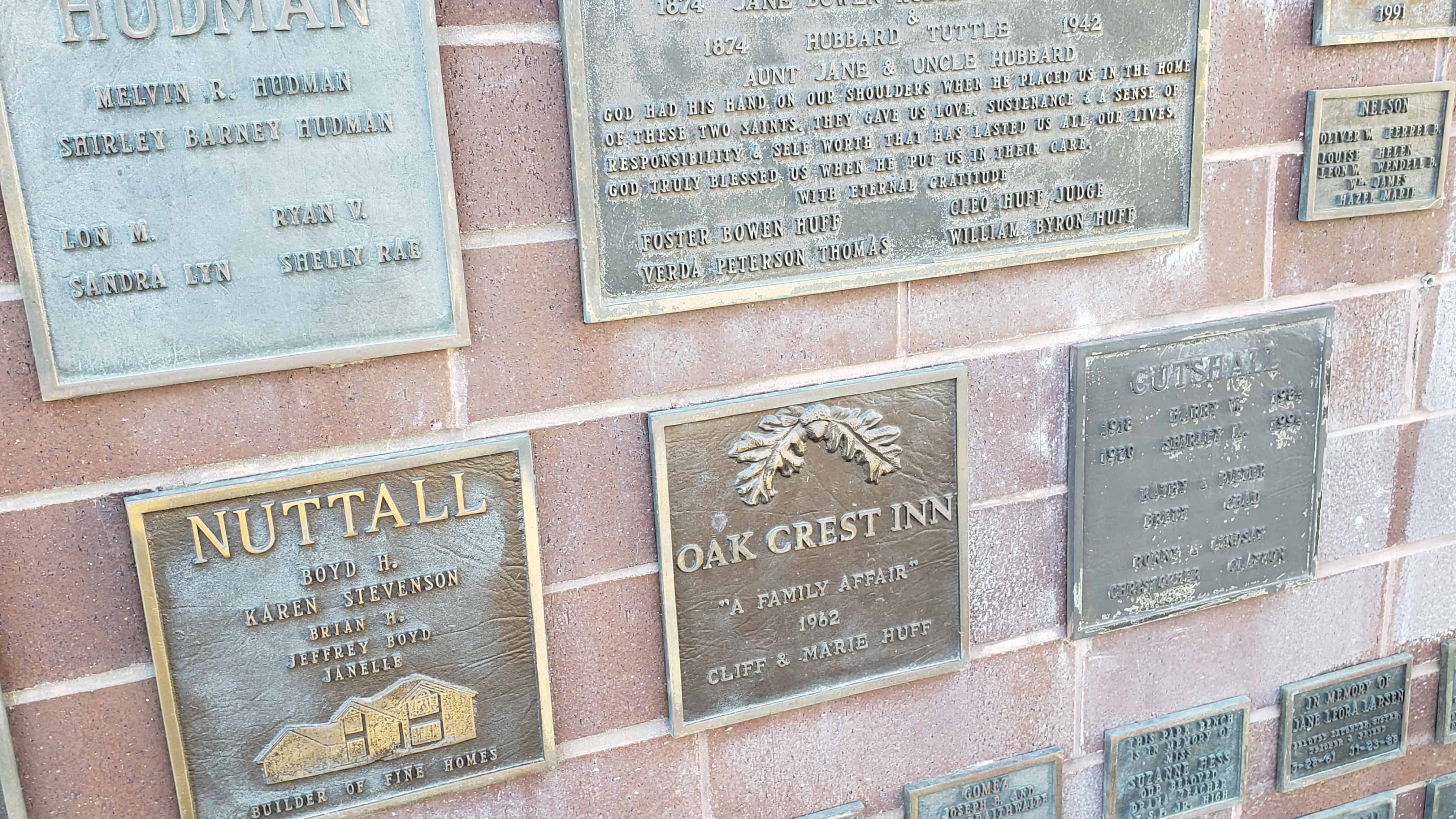
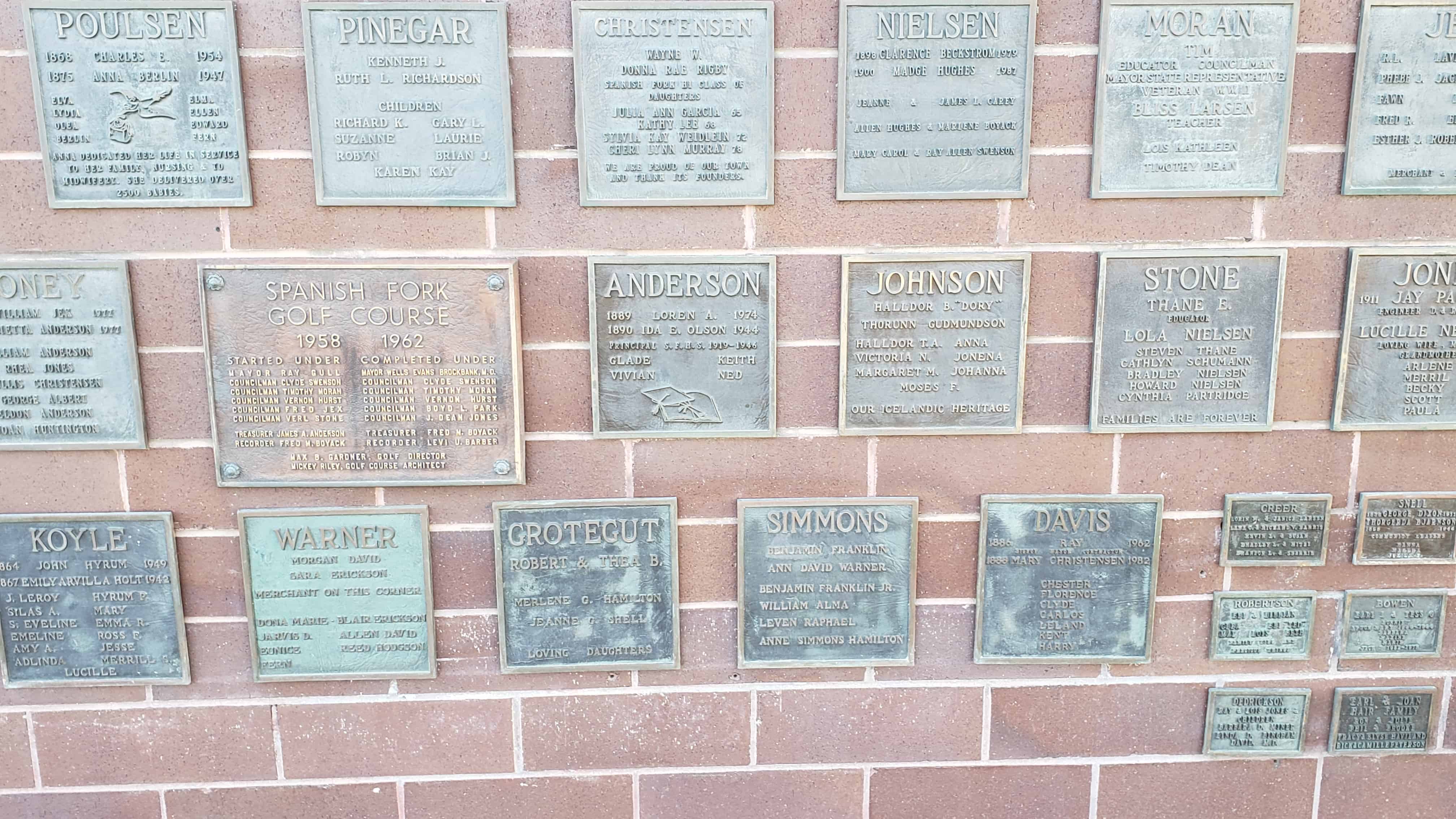
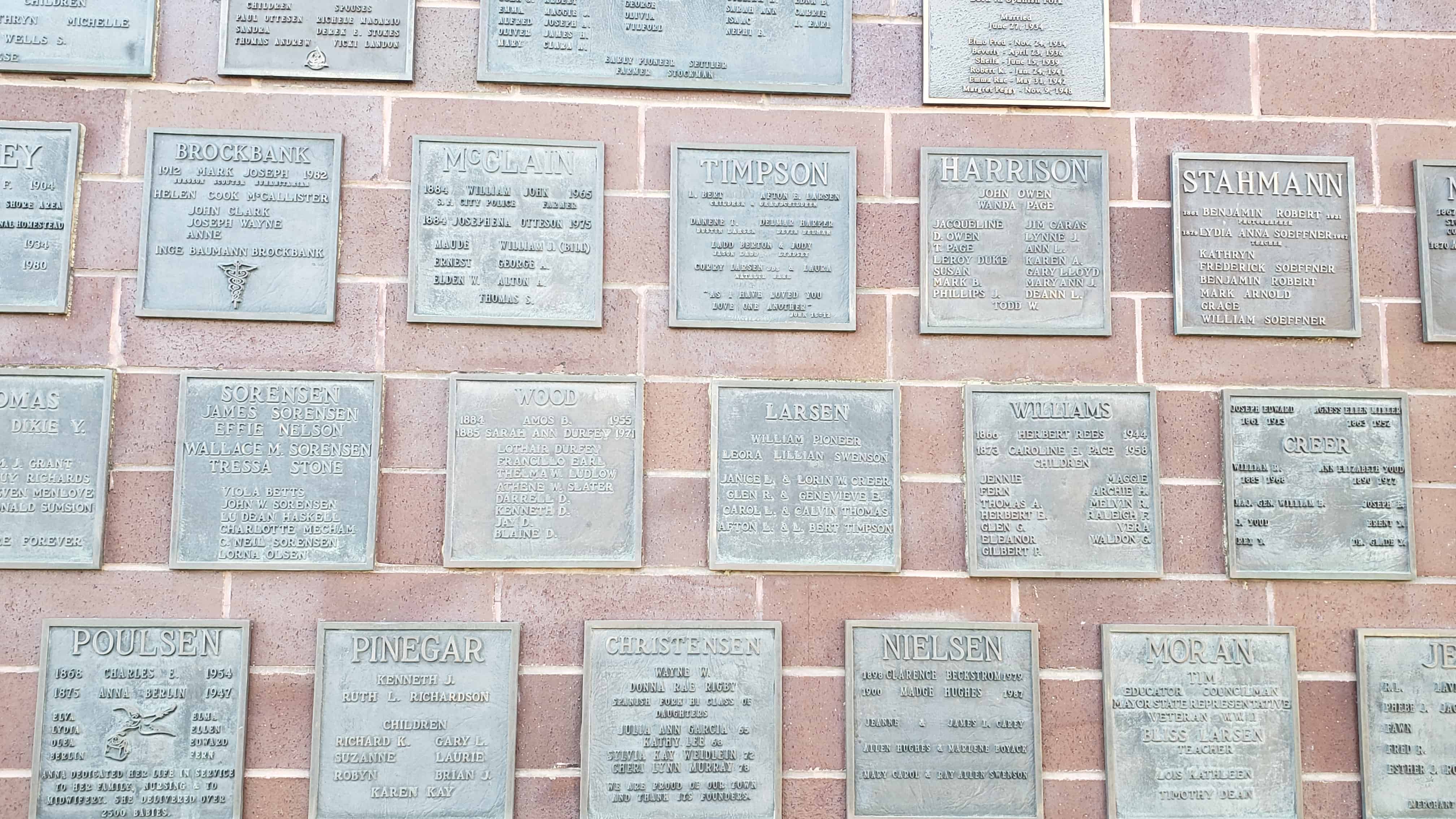
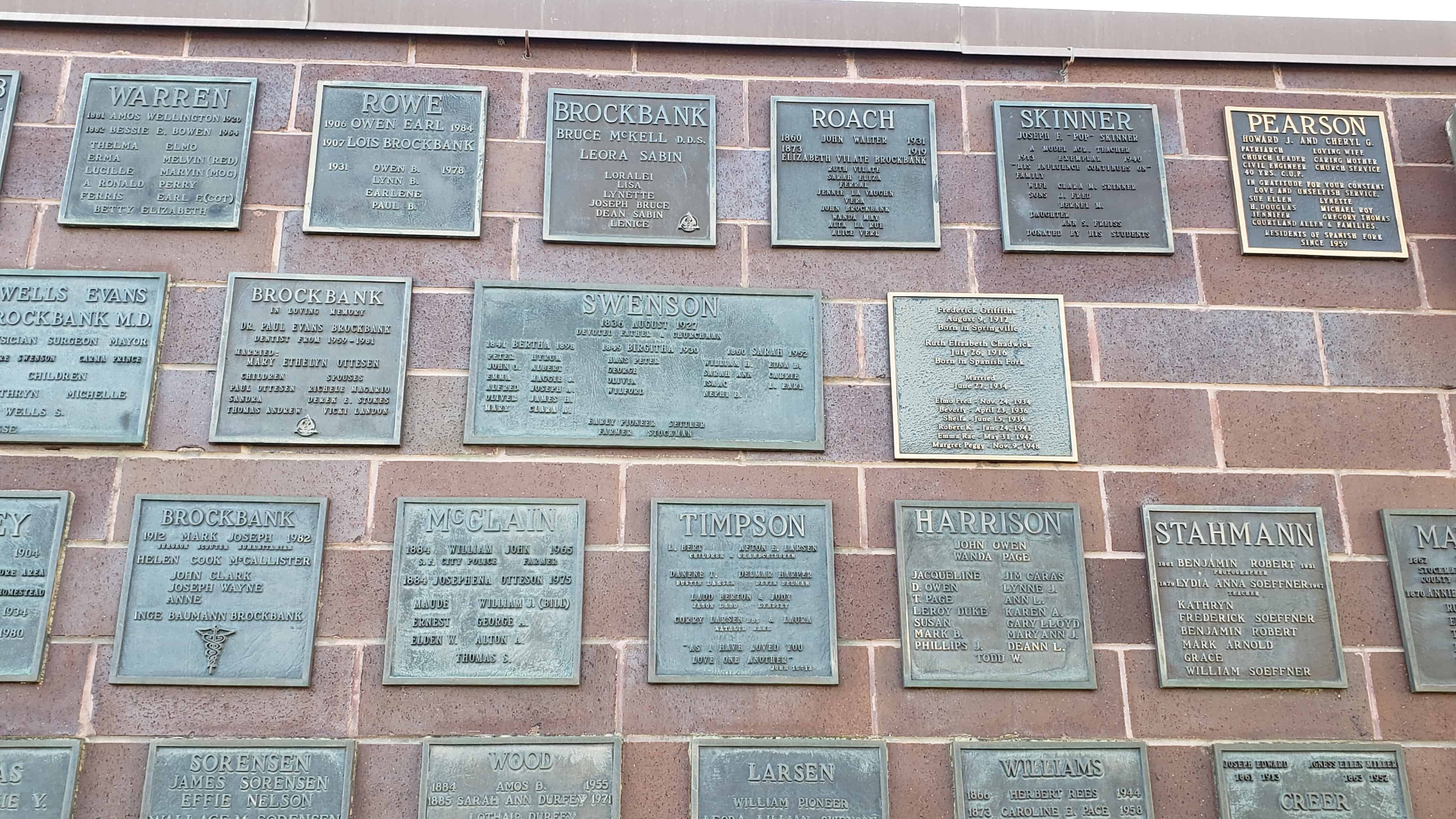
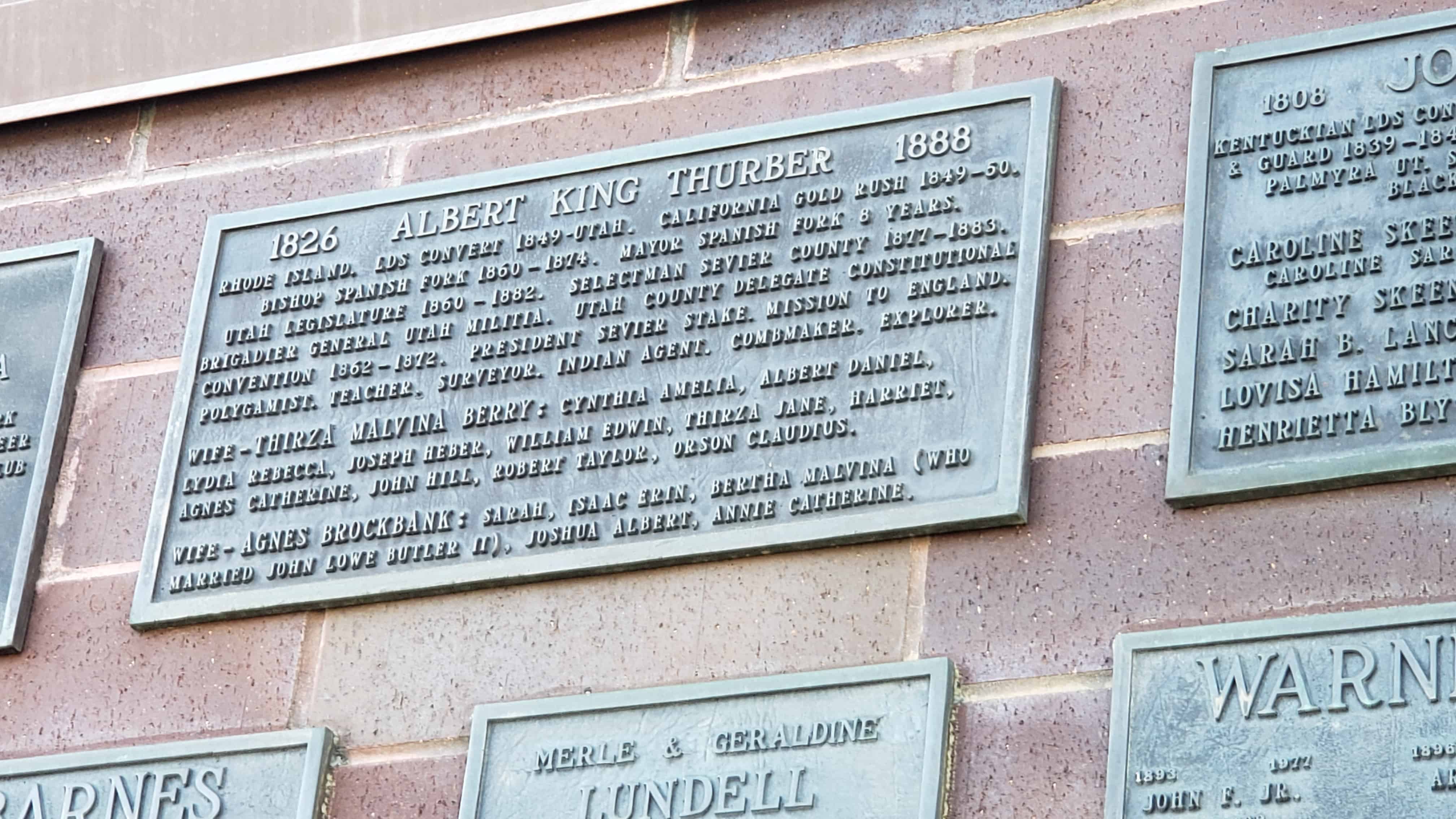
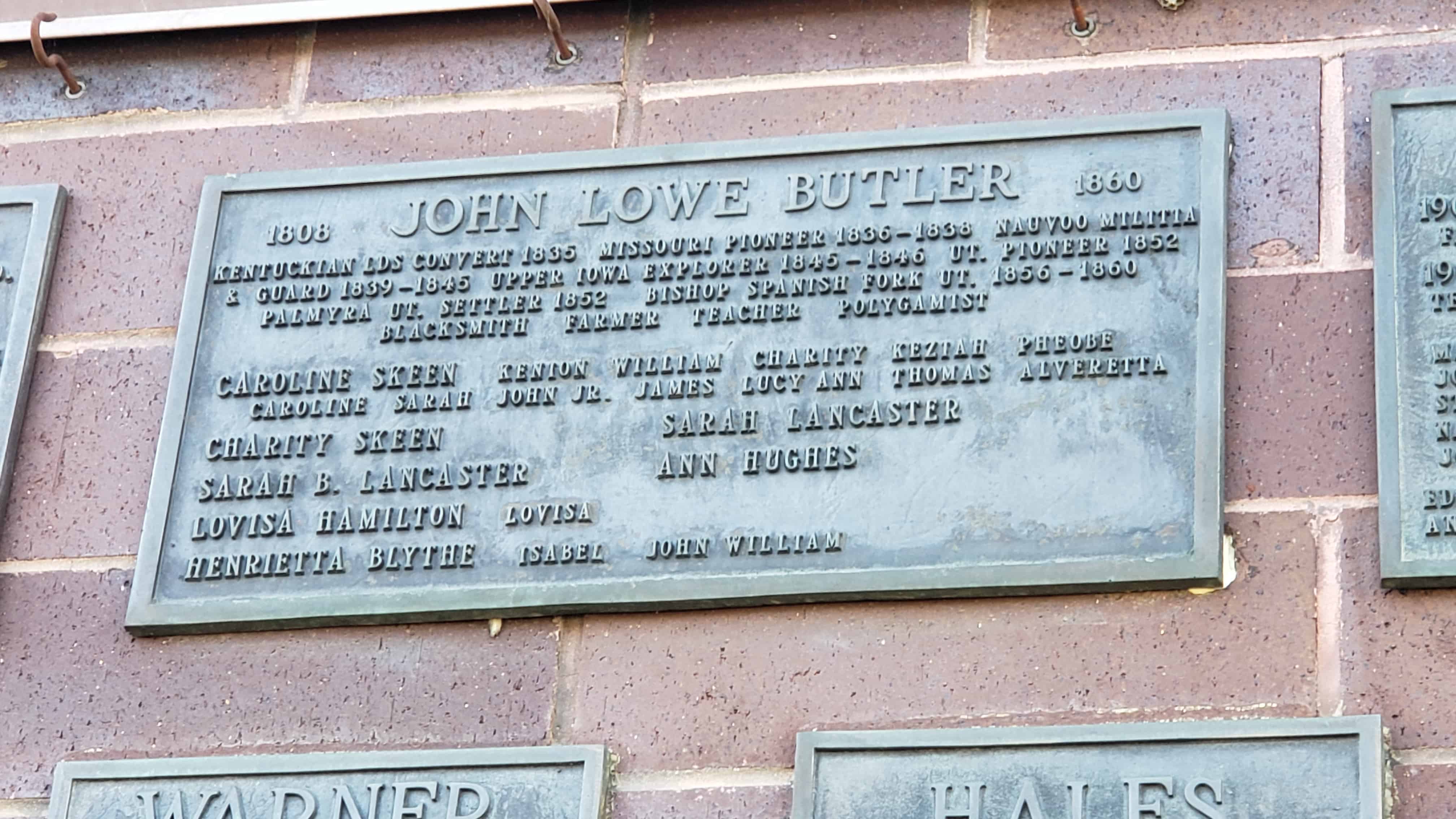
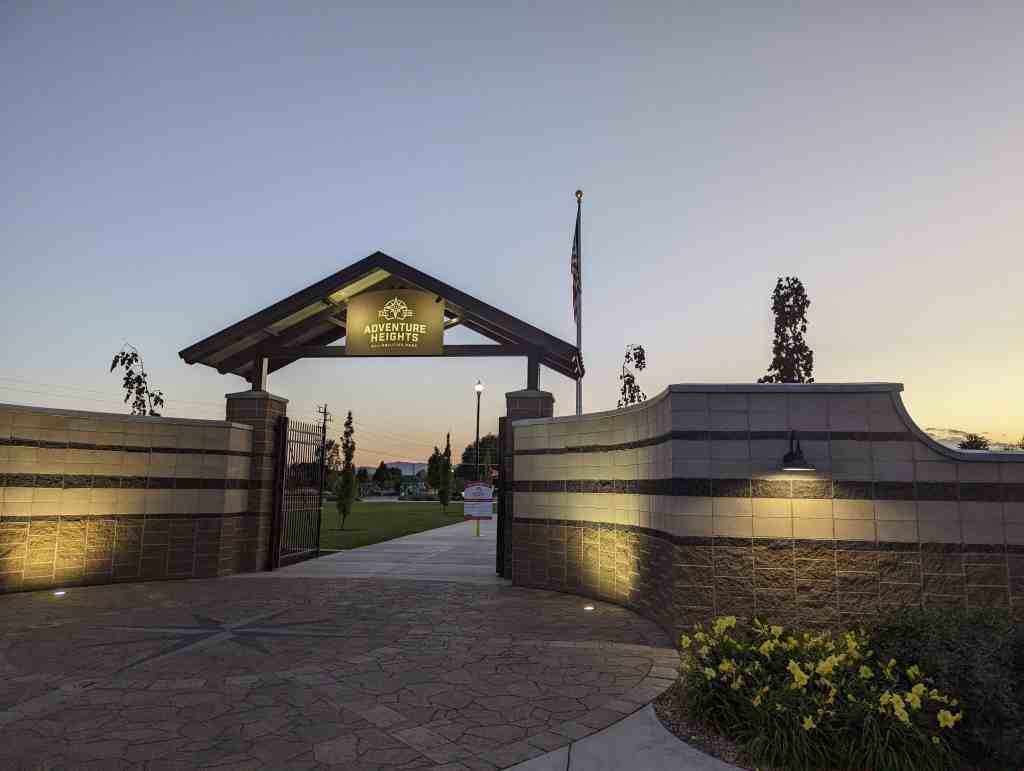
Dedicated to the memory of Russell M. Swenson, the number one booster for the Spanish Fork Dons, BYU Cougars, and the Little League Yankees. He approached life and sports with great enthusiasm. His voice could be heard all over the ballpark as he led team cheers between every inning and at the end of each game. Russell found new adventure in each day and extended this excitement to everyone with whom he came in contact. He worked at this ballpark for over twenty years, taking great pride in his work. Spanish Fork City is a better place to live because of Russell. He never missed a game while in this life and his influence will always be felt in this park.
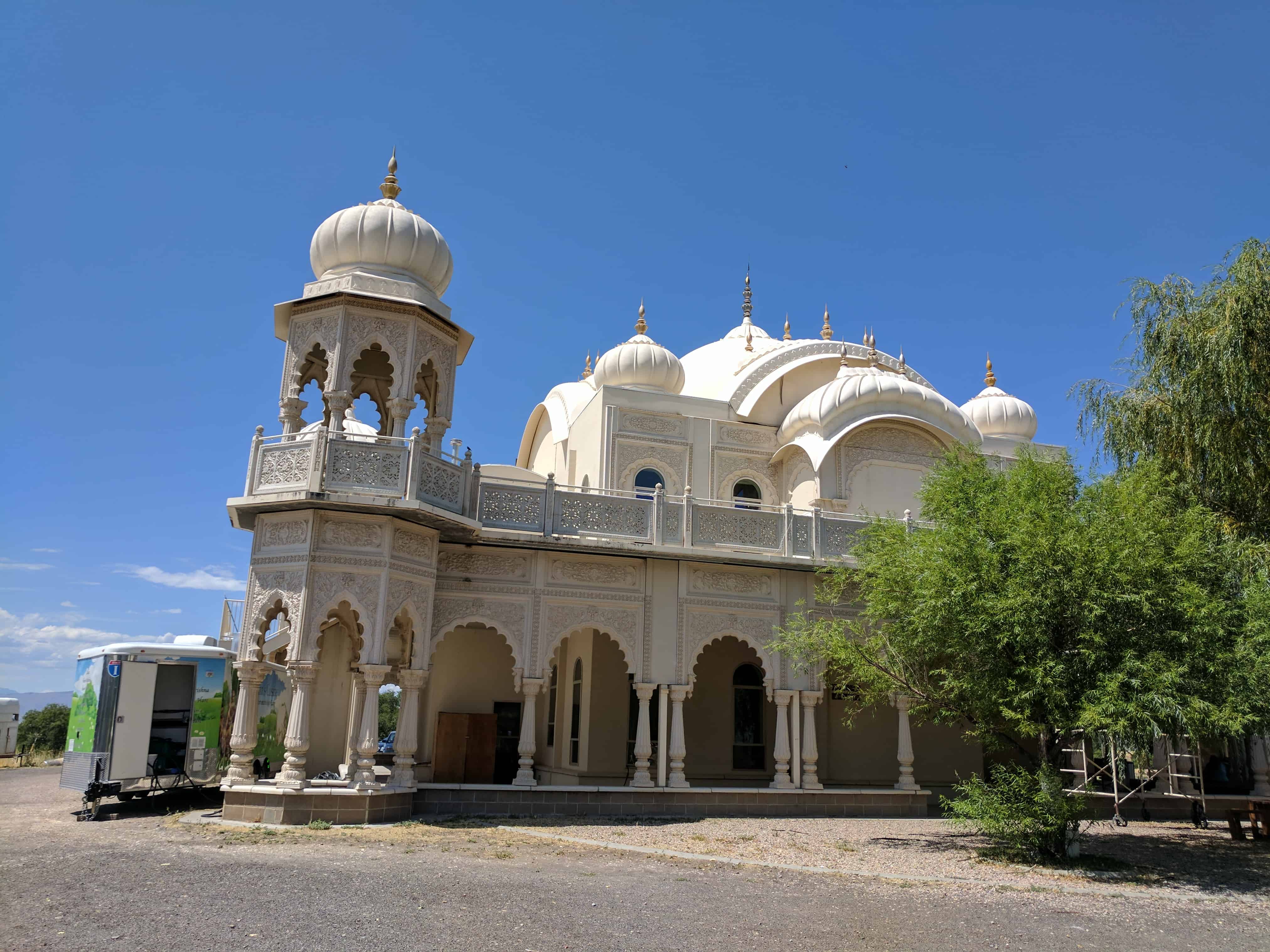
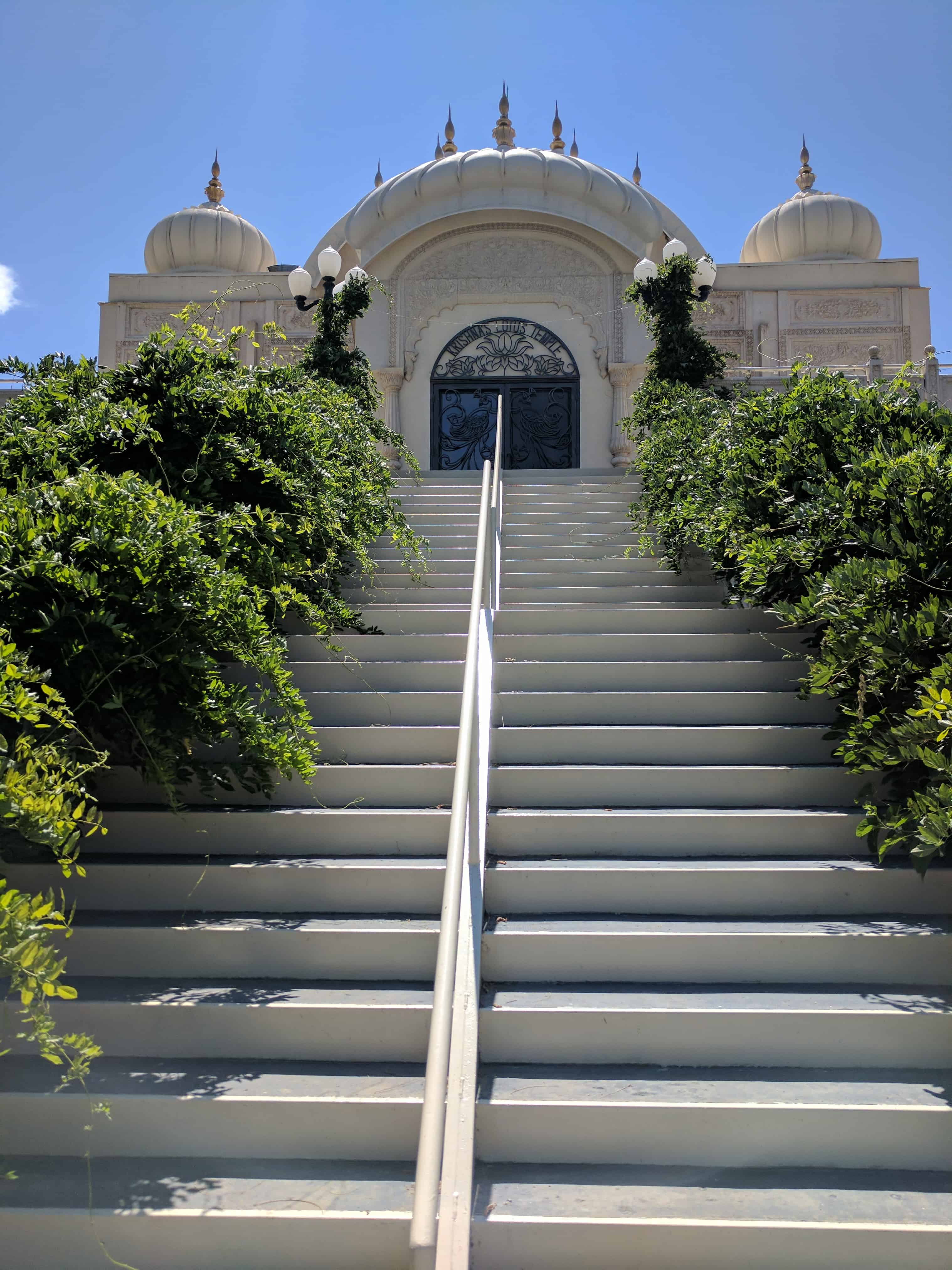
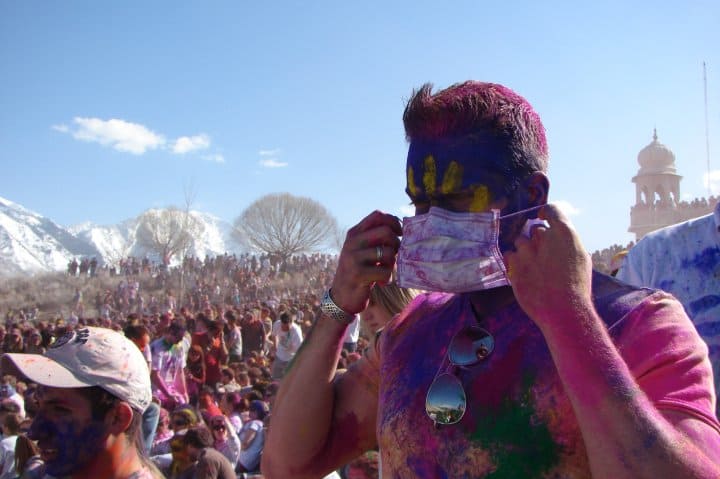
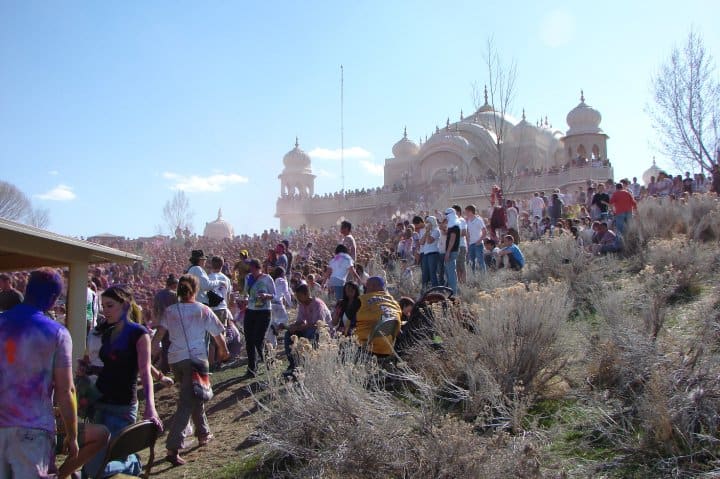
The Sri Sri Radha Krishna Temple in Spanish Fork, Utah, was built to meet the needs of the Hindu community in Utah County. The temple hosts seasonal festivals, weddings, receptions, and other weekly services for prayer and meditation.
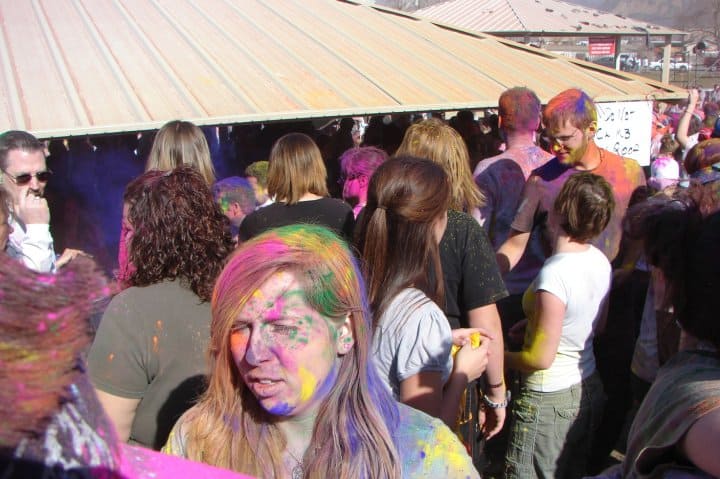
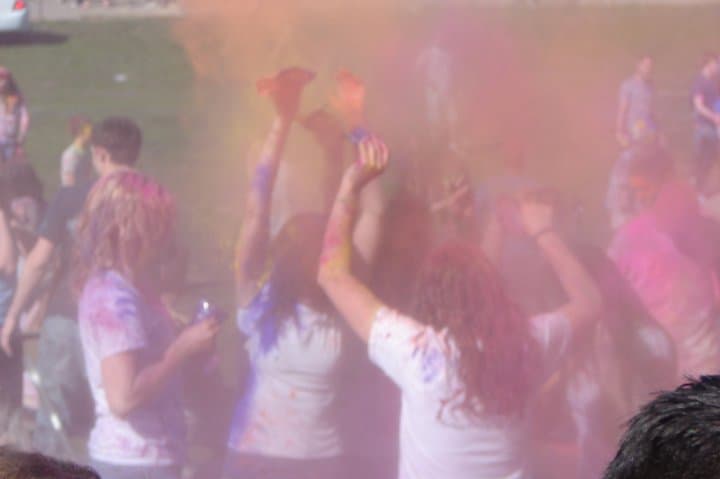
The Holi Festival of Colors brings many thousands of people every year and has begun to be copied around the state and nation.
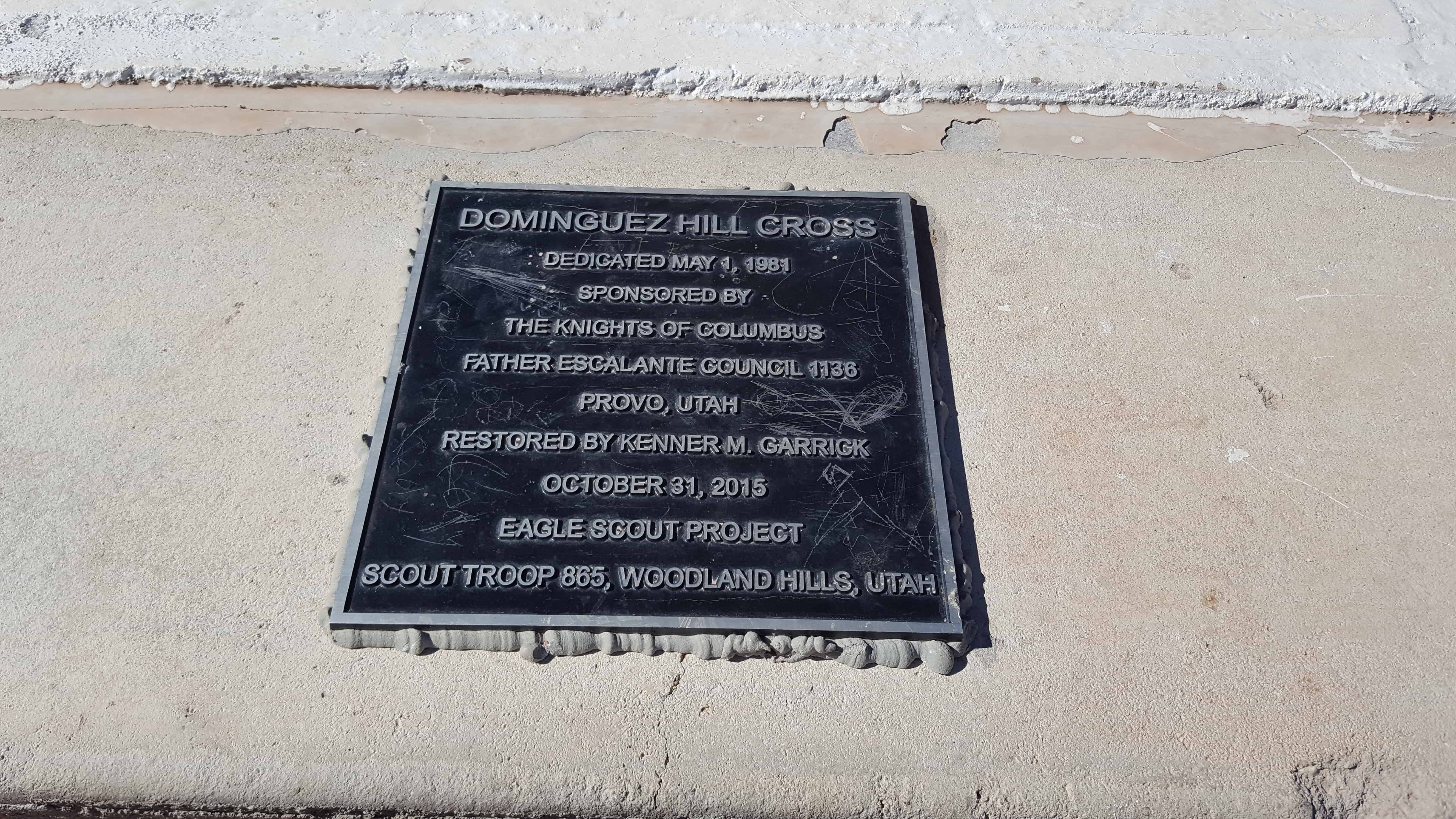
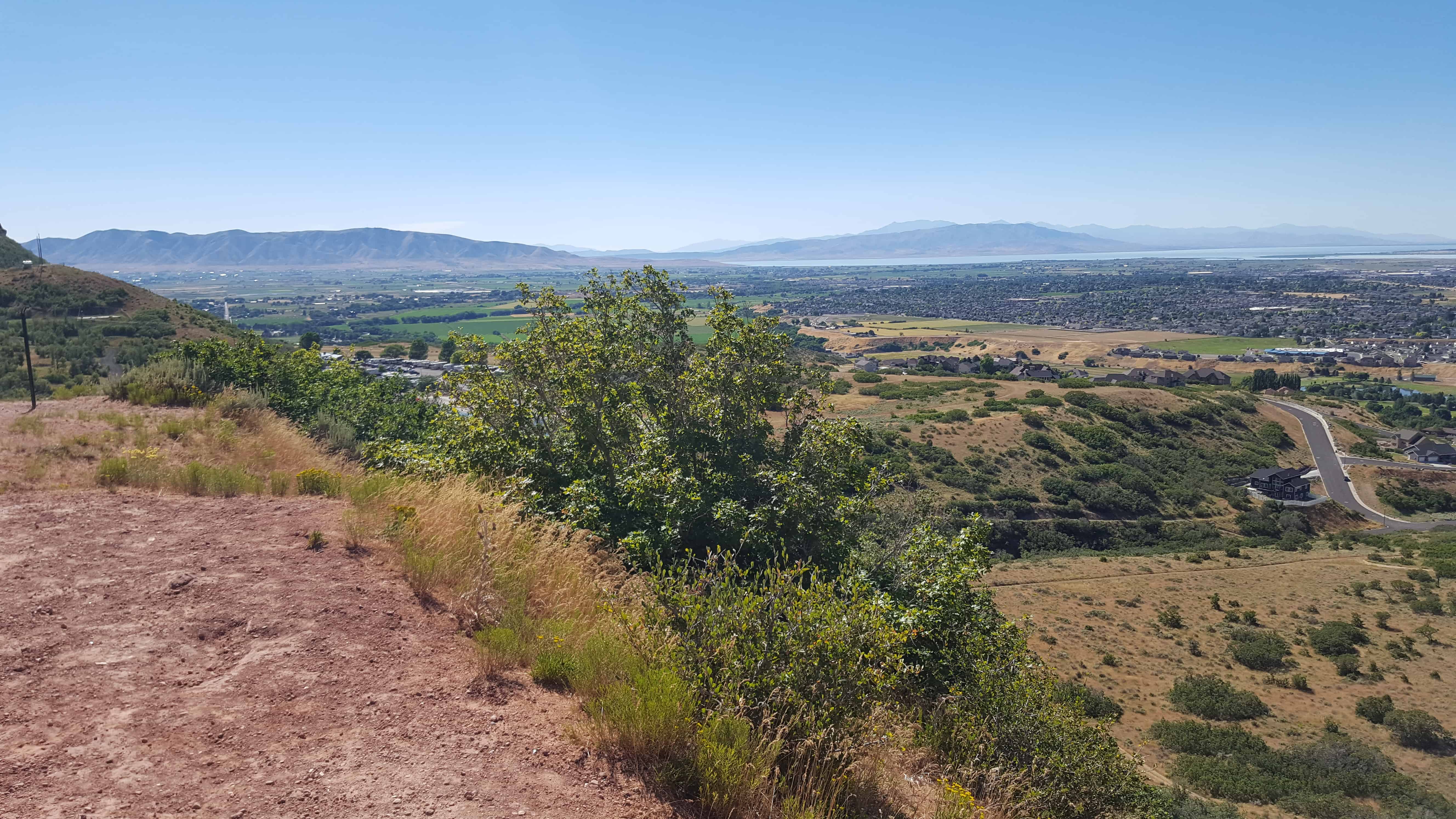
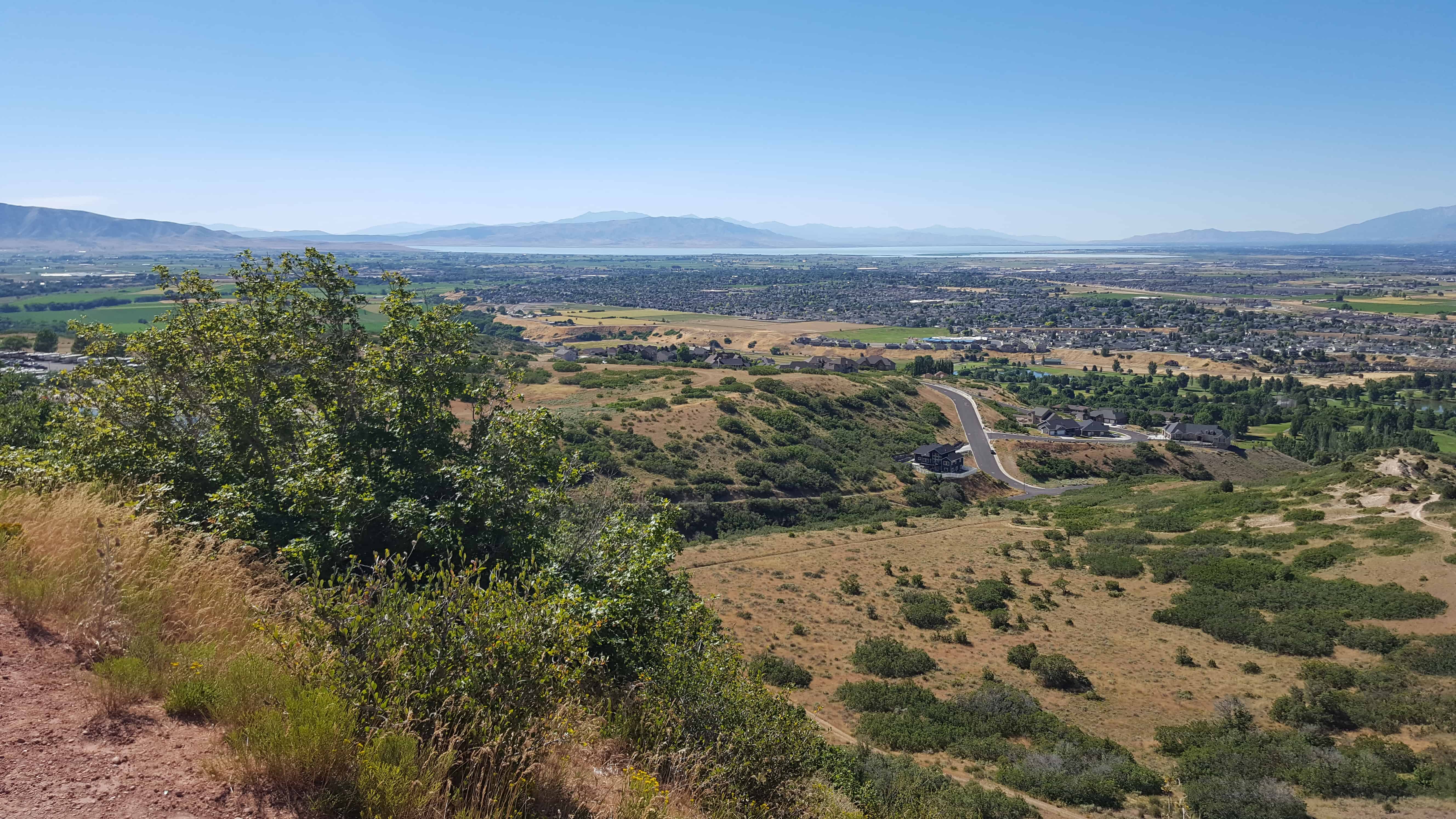
I grew up hiking up to this cross often, it overlooks Spanish Fork and Utah County better than most hikes this short could. We always called it Escalante Cross. Recently (Oct. 2015) an Eagle Scout Project added a plaque calling it Dominguez Hill Cross – I didn’t find anything to back that up but I guess if you add the plaque you can pick the name.
A couple other posts on this site about the cross are:
This time capsule was buried on January 19, 2005 by the city of Spanish Fork, UT in celebration of its sesquicentennial. The marker specifies that it should be opened at the city’s bicentennial in 2055.
Two Franciscan Friars named Silvestre Valez de Escalante and Francisco Atanasio de Dominguez were some of the first explorers to pass through the Spanish Fork area. The priests were in quest of a direct route from Santa Fe, NM to Monterey, CA. After traveling down Spanish Fork Canyon they camped somewhere near the present city limits on September 23, 1776. This is a monument errected in their honor.
This marker and statue were placed by the City of Spanish Fork and Utah County to commemorate the bicentennial of Dominguez and Escalante Expedition from Santa Fe, New Mexico to Monterey, California. On September 23, 1776, Spanish Padres Francisco Antanasio Dominguez and Sylvestre Valez Escalante became the first white men to come to this valley.
This expedition, and these explorers, is how the City of Spanish Fork got its name.
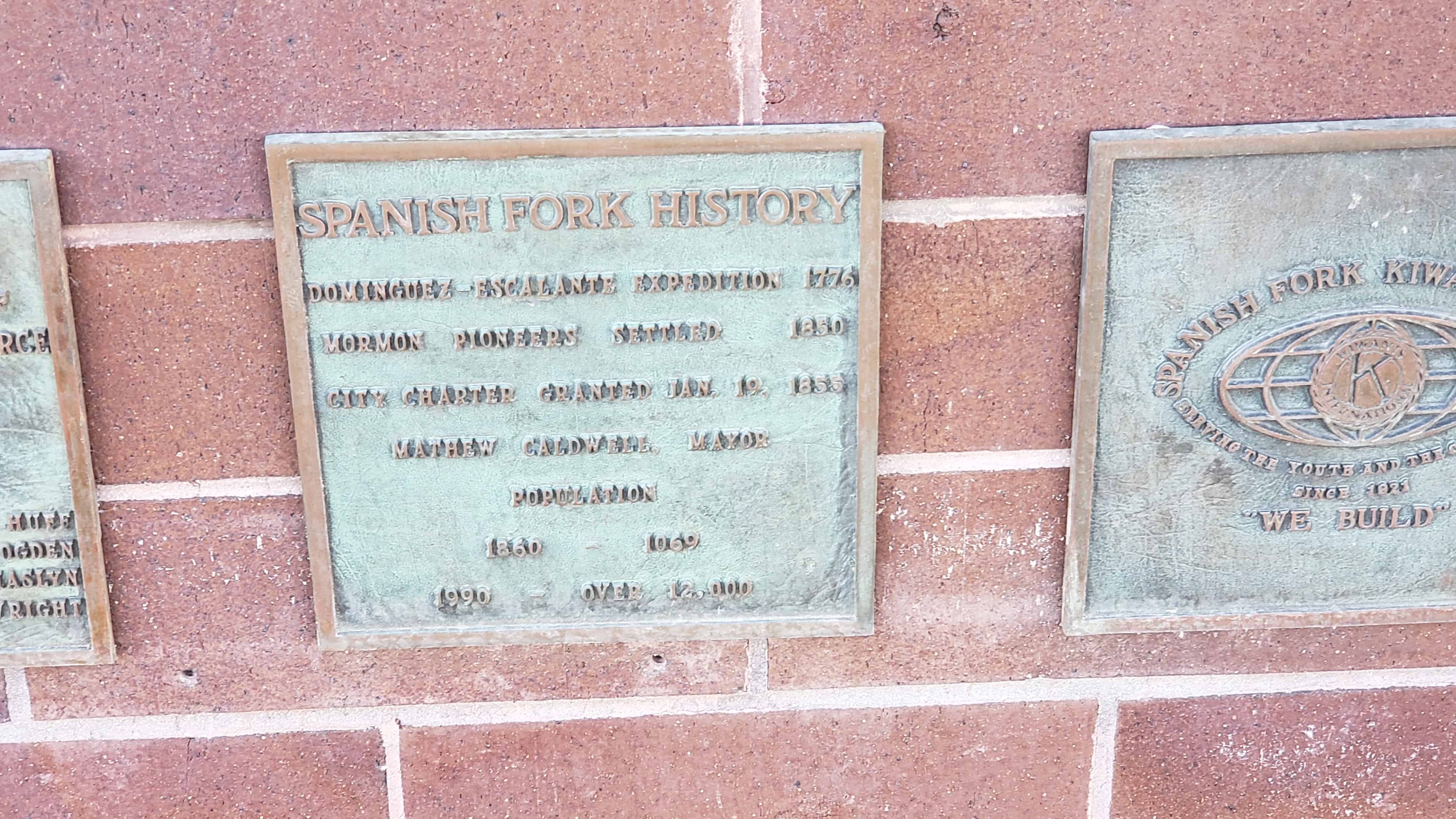
Spanish Fork had its beginning in two sites, the upper settlement in 1850-1851, located in the southeast river bottoms, the other at Palmyra, 1851. Fearful of Indian trouble settlers built an adobe fort between the two places in 1854, located two blocks south of this site, with walls two feet thick and twenty feet high. Homes were built inside the fort with portholes in each compartment. A well in the center provided water. The only entrance was a gate four feet thick and sixteen feet high.
Escalante,
A Spanish priest, the first white man
to look upon this valley, camped with
his comrades beside the Spanish Fork,
September 23, 1776.
—————
Placed to perpetuate the memory of that event
by the
Spirit of Liberty Chapter
Daughters of the American Revolution
and
The City of Spanish Fork
1922
————-
“Though the Pathfinders die, the paths remain open.”
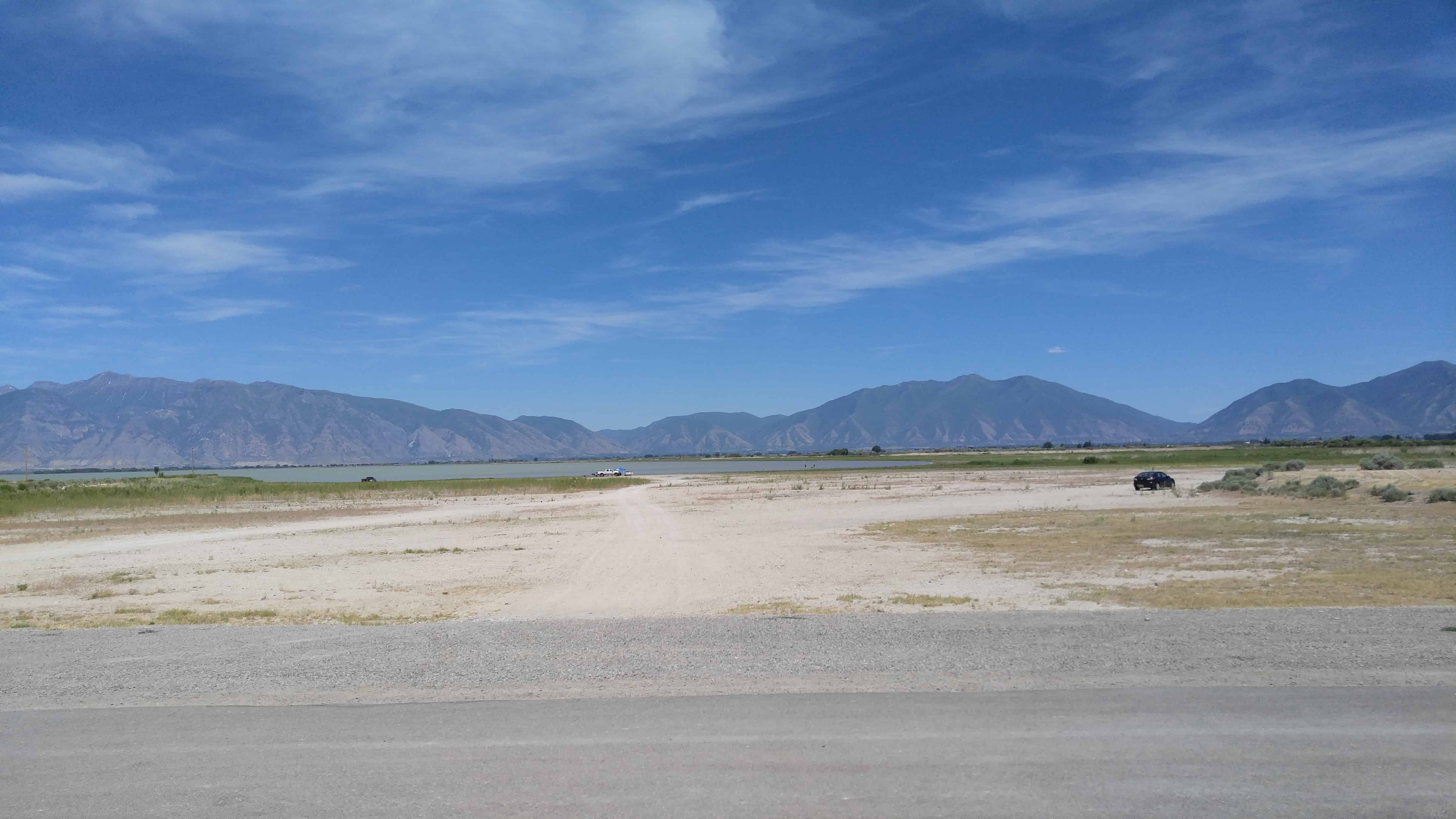
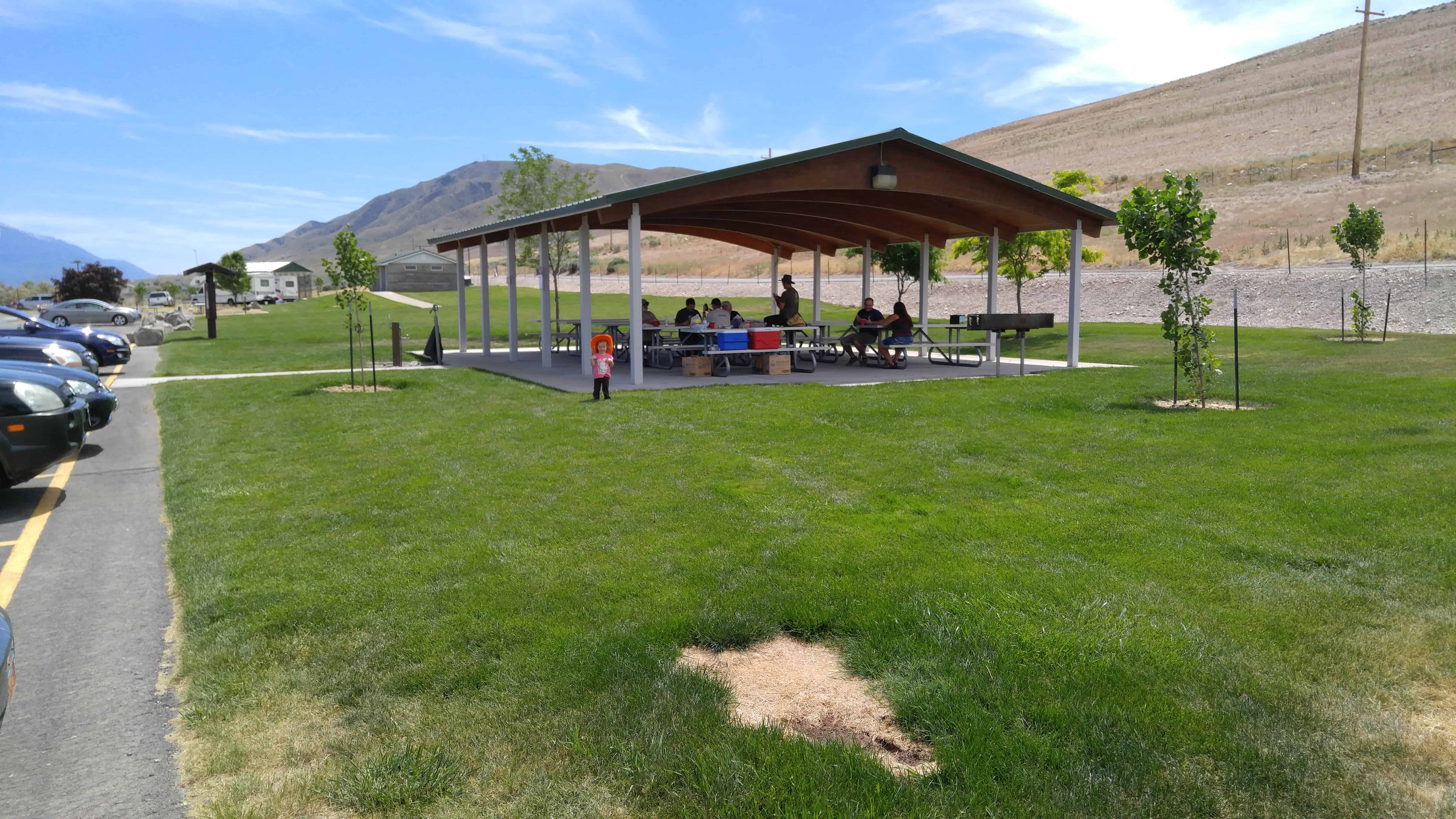
Lincoln Beach is a Utah County Park. It’s along the Southern side of Utah Lake near Palmyra and West Mountain. Lake Road takes you around to Genola.
The history of the area known as Lincoln Beach following the settlement of Utah Valley is somewhat enigmatic. Prior to the arrival of the pioneer settlers, Lincoln Beach was a frequent haunt of Native American Indians who harvested fish from these shores. Some of their petroglyphs can still be found in the hills above us. What other puzzle pieces we do have lead us to believe that it was named after former President Abraham Lincoln. Furthermore, there have been a series of business ventures over the years attempting to transform this rocky shoreline into a lakeside resort offering hot water health spas, swimming pools, dance halls, and refreshment areas. While these were popular attractions, it was probably Lincoln Beach’s distance from the population centers of the Valley that led to their demise. With little more than horse and buggy, Lincoln Beach was a long, dusty ride for most.
Lincoln Beach’s modern history is said to begin around 1889 when John Hallet took settlement money from a mining accident and invested in the construction of a home and dance hall on a site a few hundred yards north of here. The remains of that original block house can still be seen. A few years later owing to his physical handicaps, Hallet leased the dance hall to Eric Nielson, a local orchestra leader. That arrangement, which lasted about two years, ended when Hallet sold his resort to Hyrum Argyle. Argyle’s vision and finances built a six or seven room motel for overnight guests, plus a swimming pool and a bath house. Using the naturally occurring hot springs, Argyle’s resort boasted a number of fun attractions, but again, its location apparently did not bring the people in. Argyle eventually relocated many of the resort’s buildings, such as the dance hall, to his home in Lake Shore where paying customers had less of a distance to travel.
In 1915, a Spanish Fork resident by the name of Henry Fernstein (or Fernsten) began developing anew the Lincoln Beach area. He poured his money into a cement swimming pool and piped in the lake’s hot springs water. Dressing rooms were added, the other amenities reopened, trees were planted and Lincoln Beach would again blossom, however, Fernstein disappeared without a trace with work left undone.
Through the years, Lincoln Beach has remained a part of Utah County’s history, and not always in the most favorable light. Due to this areas unique geology, let’s just say a number of people have drowned. During the winter months when Utah Lake often freezes, the ice surrounding the hot springs and Rock Island (Bird Island) is deceptively thin, plus some of the lake’s deepest points are not far from this shore.
Now, another era is beginning. Utah County Parks with the assistance and cooperation of the Utah Division of Wildlife Resources has invested a good portion of its resources into making this Utah Lake shore attractive once again. Although a large scale resort similar to the dreams of days gone by is unlikely, Utah County hopes to insure that the memories here live on and that new ones can be made for those who choose to visit.
Photos Top to Bottom: Jack Mitchell and friends count their day’s catch of fish. The Fernstein sons near Dad’s resort and posing at the cement pool. Hot springs can be seen pouring into the cement pool. At left: The Argyles. Far left: The remains of Hallets original 1889 stone walled home. Photos courtesy of Mattie Barney Cornaby.
Photos Top to Bottom: Jack Mitchell and friends count their day’s catch of fish. The Fernstein sons near Dad’s resort and posing at the cement pool. Hot springs can be seen pouring into the cement pool. At left: The Argyles. Far left: The remains of Hallets original 1889 stone walled home. Photos courtesy of Mattie Barney Cornaby.
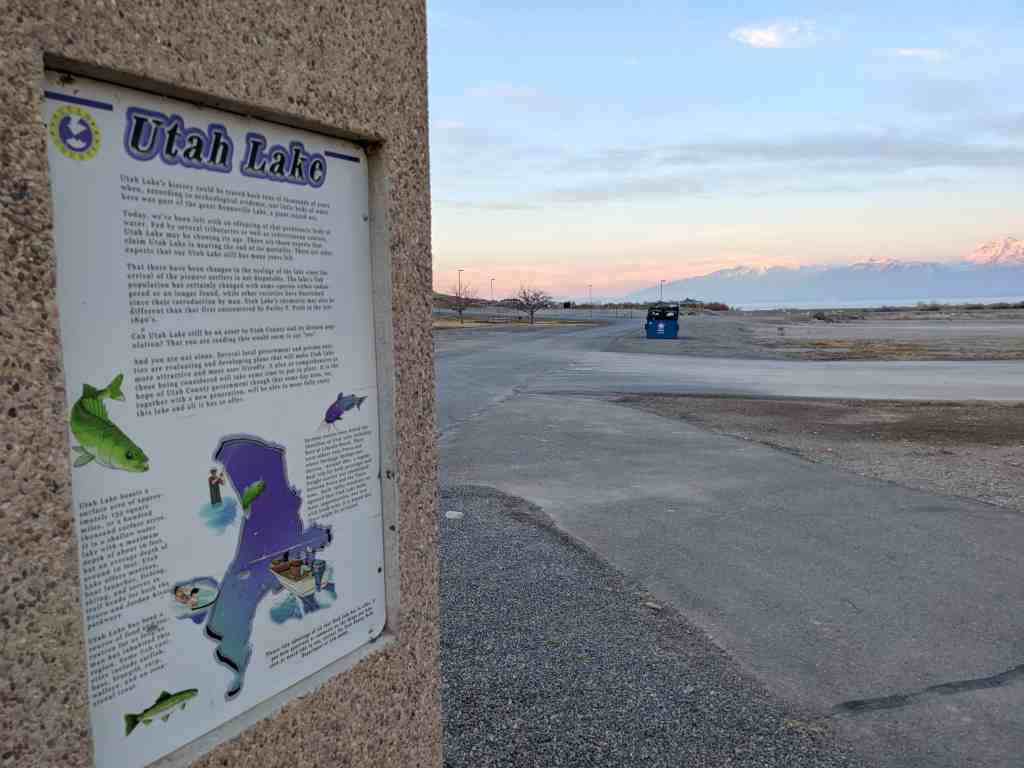
Utah Lake’s history could be traced back tens of thousands of years when, according to archeological evidence, our little body of water here was part of the great Bonneville Lake, a giant inland sea.
Today, we’ve been left with an offspring of that prehistoric body of water. Fed by several tributaries as well as subterranean sources, Utah Lake may be showing its age. There are those experts that claim Utah Lake is nearing the end of its mortality. There are other experts that say Utah Lake still has many years left.
That there have been changes in the ecology of the lake since the arrival of the pioneer settlers is not disputable. The lake’s fish population has certainly changed with some species either endangered or no longer found, while other varieties have flourished since their introduction by man. Utah Lake’s chemistry may also be different than that first encountered by Parley P. Pratt in the late 1840’s.
Can Utah Lake still be an asset to Utah County and its diverse population? That you are reading this would seem to say “yes”.
And you are not alone. Several local government and private entities are evaluating and developing plans that will make Utah Lake more attractive and more user friendly. A plan as comprehensive as those being considered will take some time to put in place. It is the hope of Utah County government though that some day soon, we, together with a new generation, will be able to more fully enjoy this lake and all it has to offer.
Utah Lake boasts a surface area of approximately 133 square miles, or a hundred thousand surface acres. It is a shallow water lake with a maximum depth of about 16 feet, but an average depth of around 10 feet. Utah Lake offers marinas, boat launches, fishing, skiing, and serves as trail heads for both the Provo and Jordan River parkways.
Utah Lake has been a source of food and recreation for as long as man has inhabited this region. Some fish varieties include catfish, bass, bluegill, carp, walleye, and an occasional trout.
Several resorts once dotted the shoreline of Utah Lake including here at Lincoln Beach. There were others near Provo and where Saratoga Springs now thrives. Around 1891, a regular boat trip for both passenger and freight service was established between Provo and the Tintic area. Early valley residents recognized that Utah Lake holds many opportunities. And now with fresh eyes, it is hoped that these might be revisited.
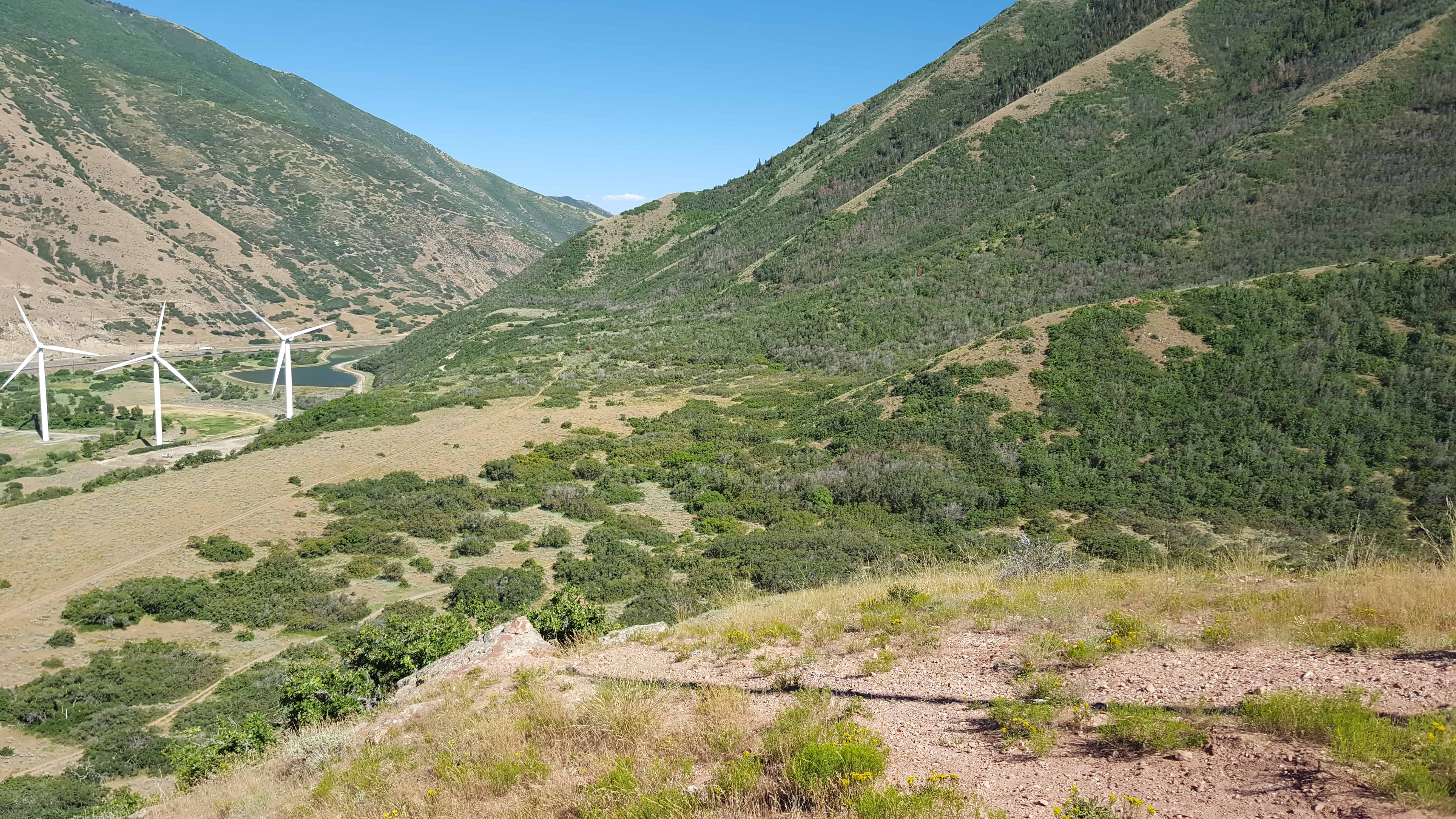
This trail, which is also an ATV route, begins in a grassy meadow and then makes a steep climb through scattered maple and scrub oak, eventually leveling out into a gently climbing trail. This trail provides a panoramic view of Diamond Fork and the surrounding mountain ranges. At the end of the six mile trek, the Monks Hollow Trail ends and the Longs Hollow Trail begins.