• About JacobBarlow.com
  • Cemeteries in Utah
  • D.U.P. Markers
  • Doors
  • Exploring Utah Email List
  • Geocaching
  • Historic Marker Map
  • Links
  • Movie/TV Show Filming Locations
  • Oldest in Utah
  • Other Travels
  • Photos Then and Now
  • S.U.P. Markers
  • U.P.T.L.A. Markers
  • Utah Cities and Places.
  • Utah Homes for Sale
  • Utah Treasure Hunt

JacobBarlow.com

~ Exploring with Jacob Barlow

JacobBarlow.com

Tag Archives: utah

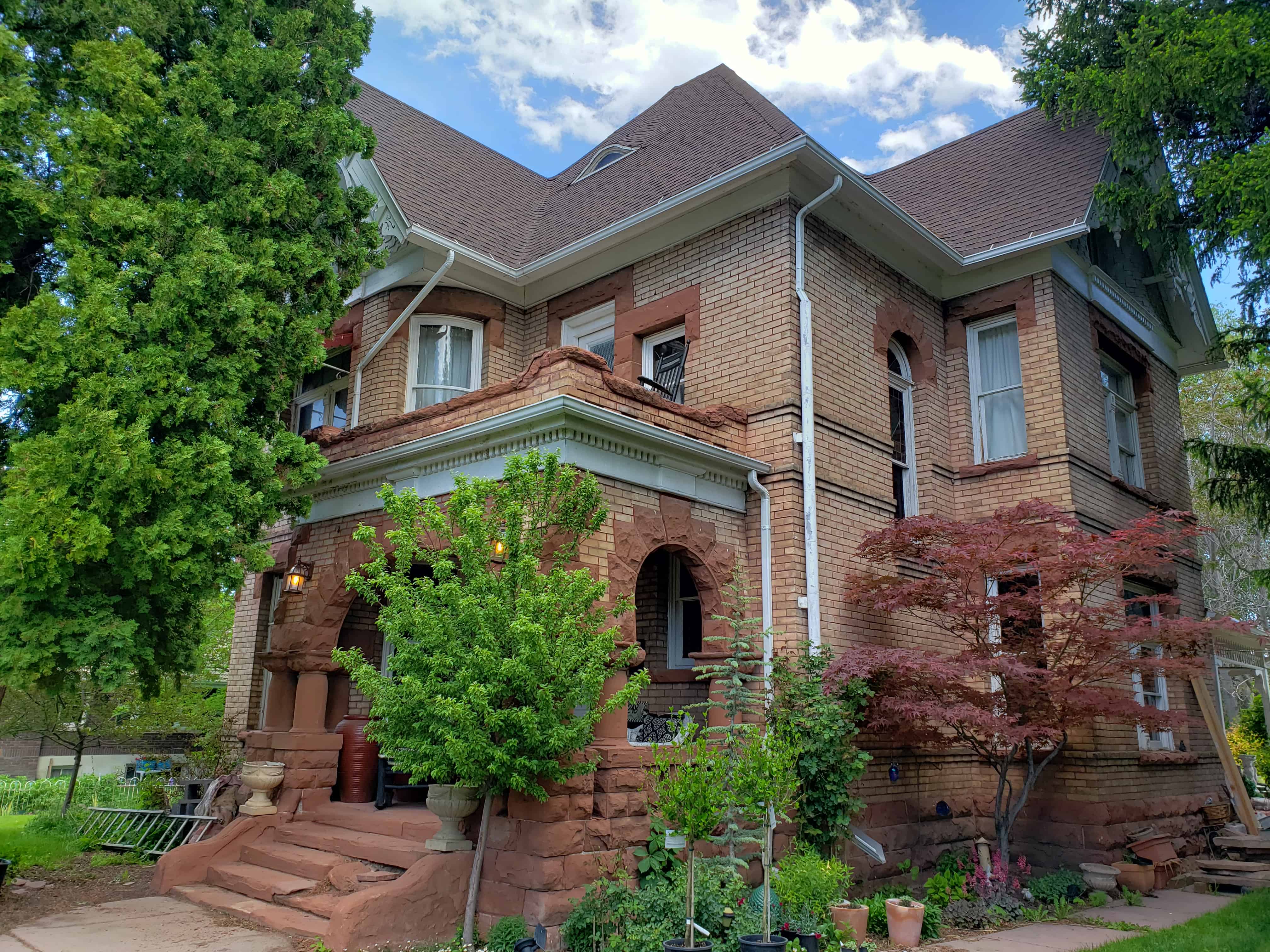
Christopher F. Dixon, Jr., House

04 Thursday Sep 2014

Posted by Jacob Barlow in Uncategorized

≈ 2 Comments

Tags

historic, Historic Homes, NRHP, Payson, utah, utah county

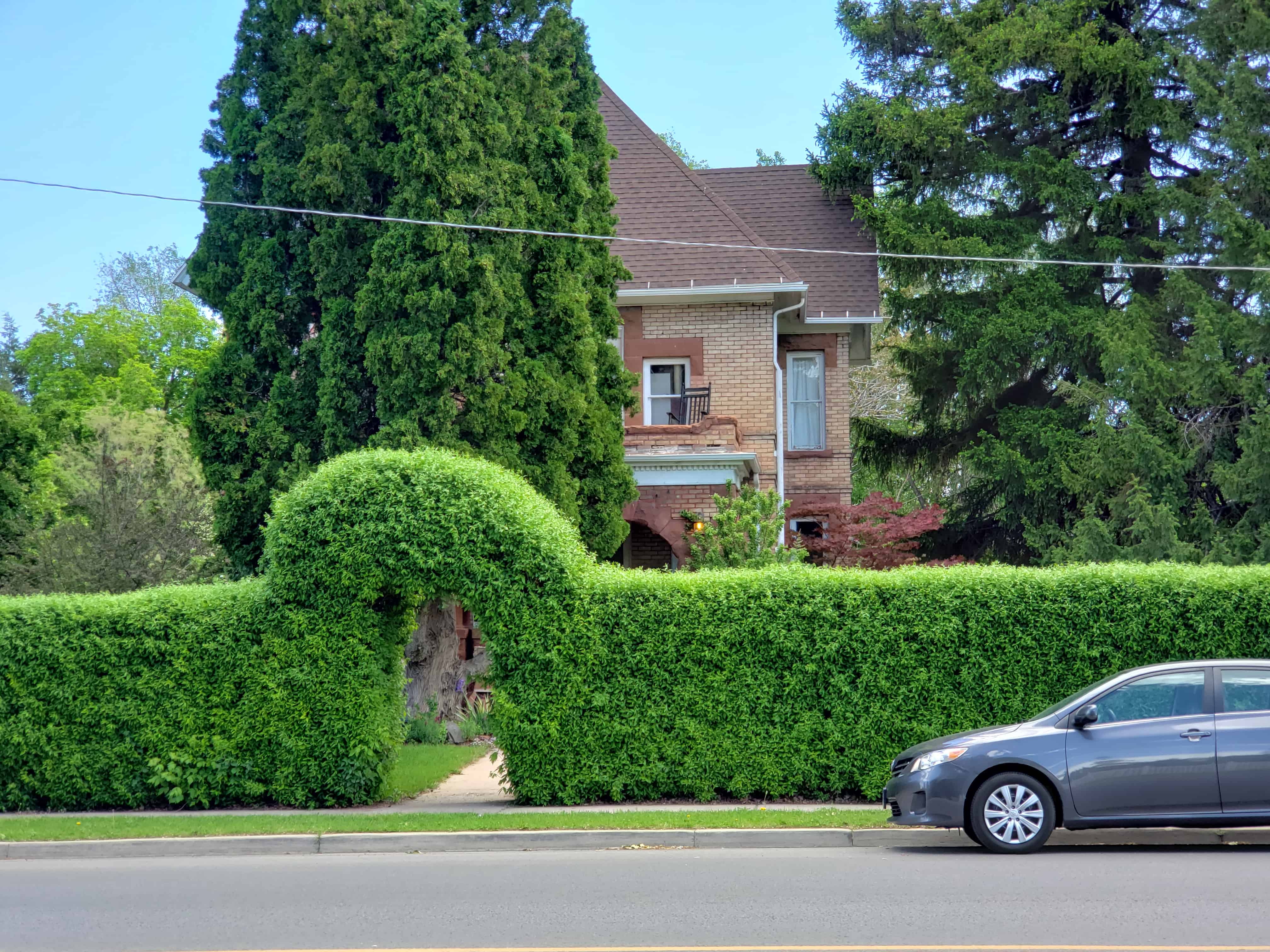
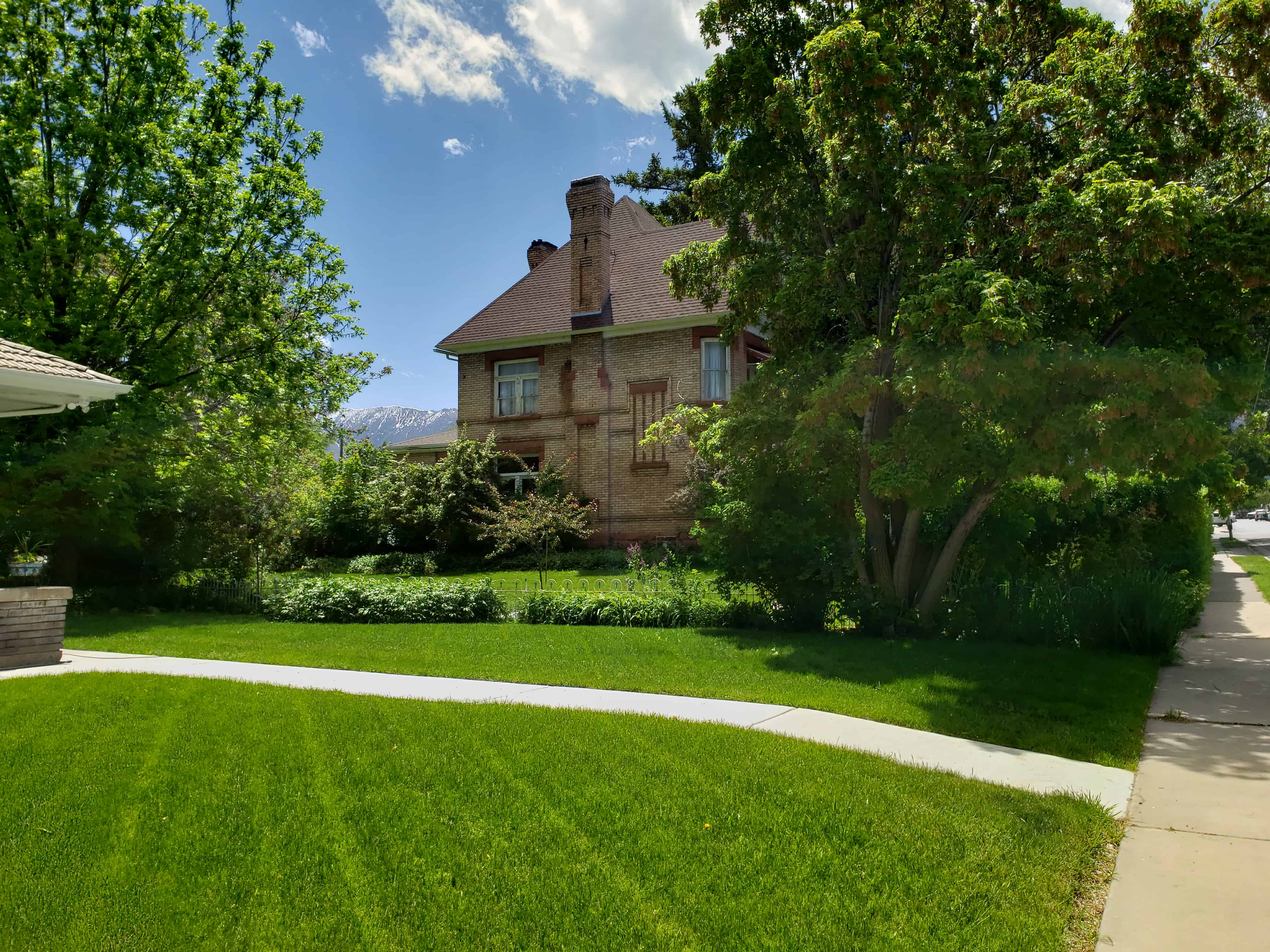
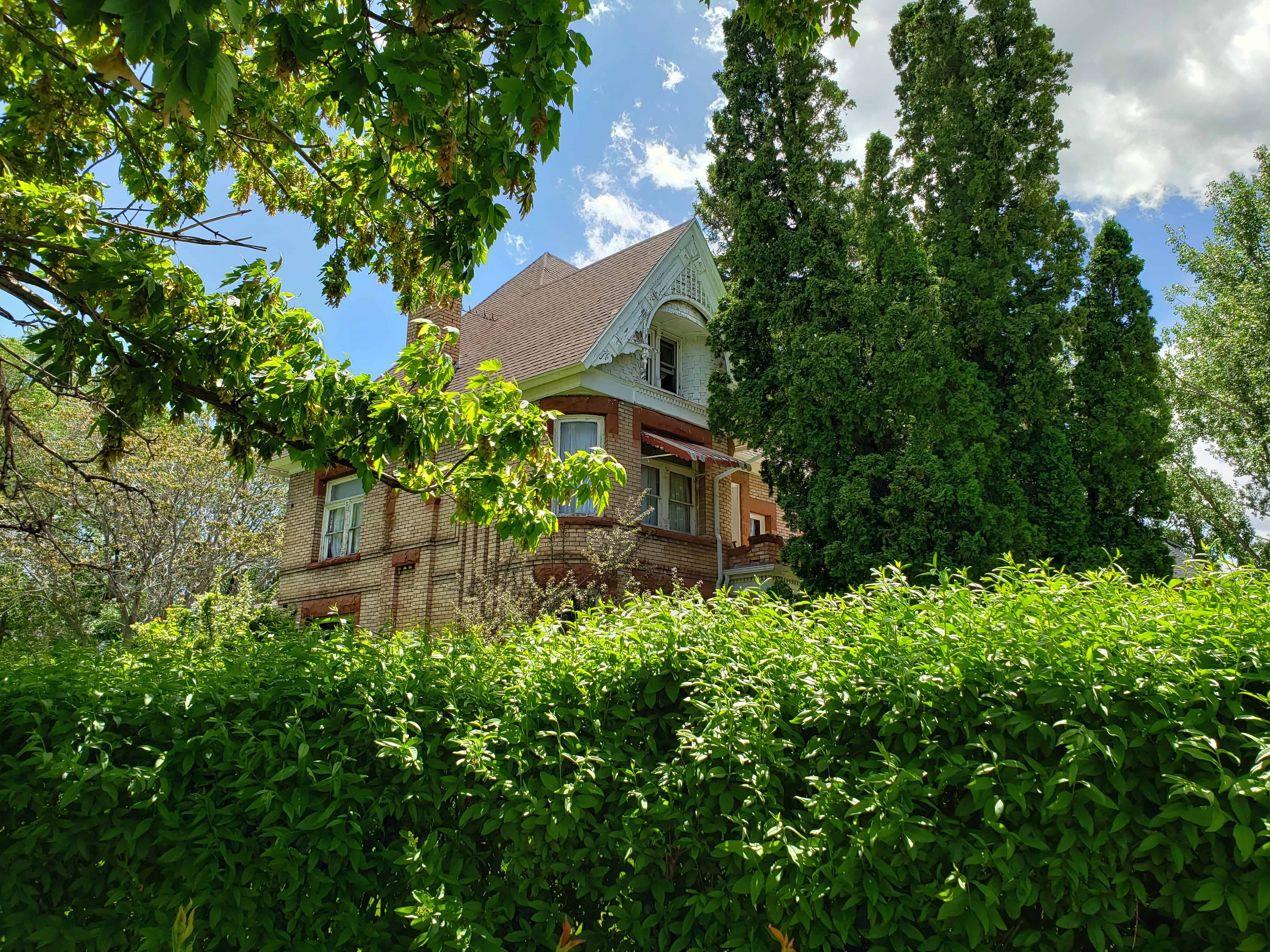
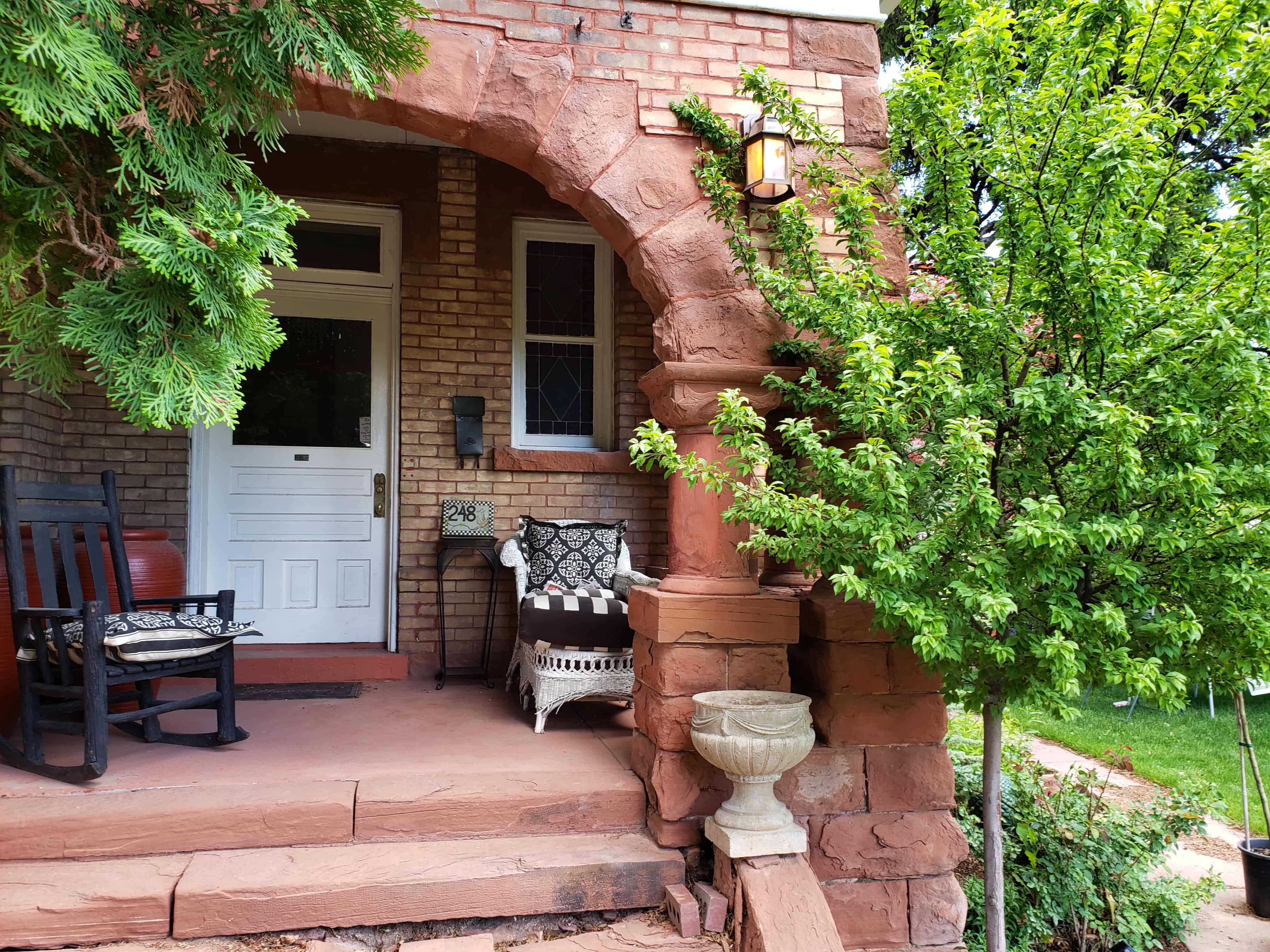
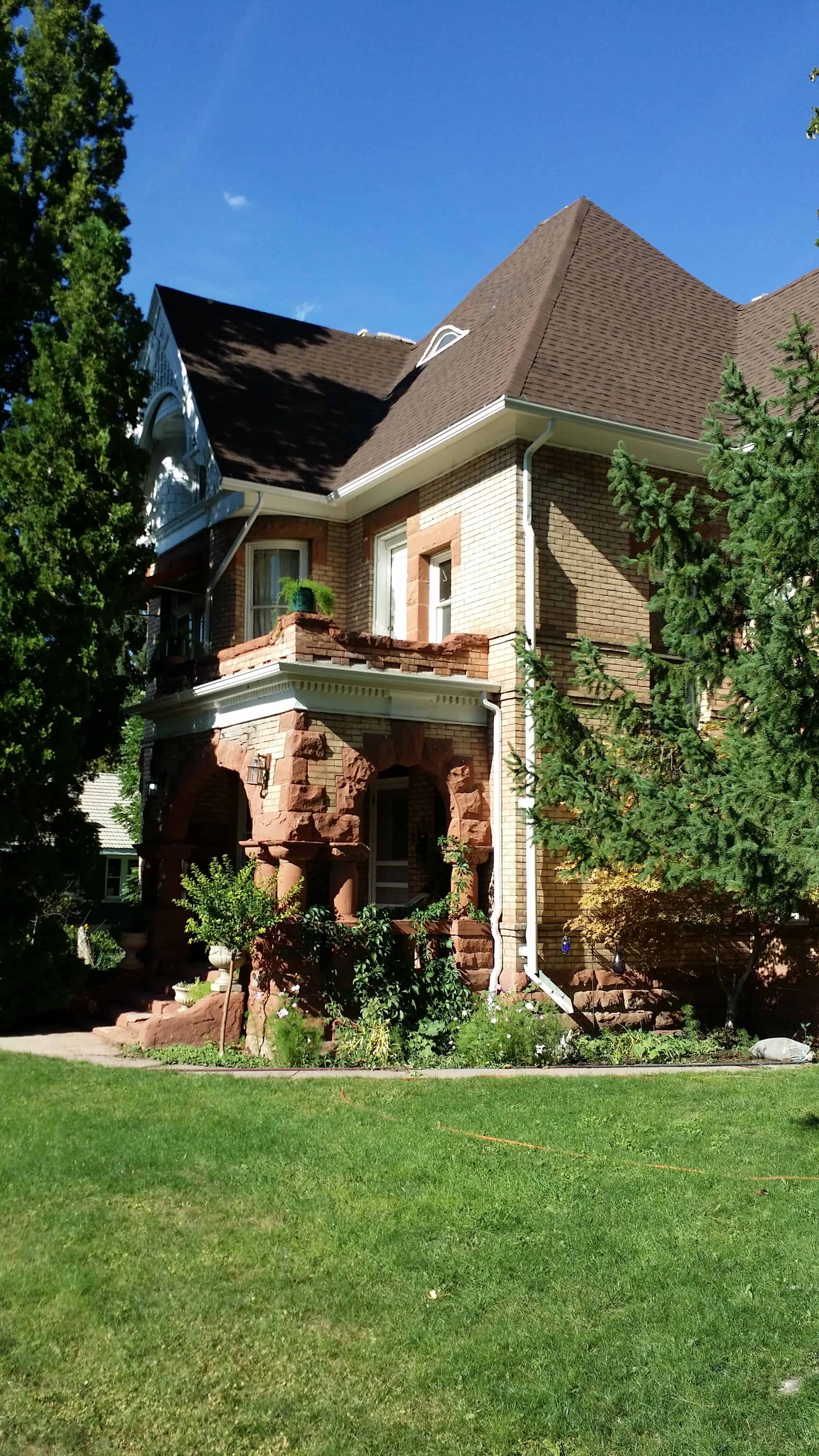
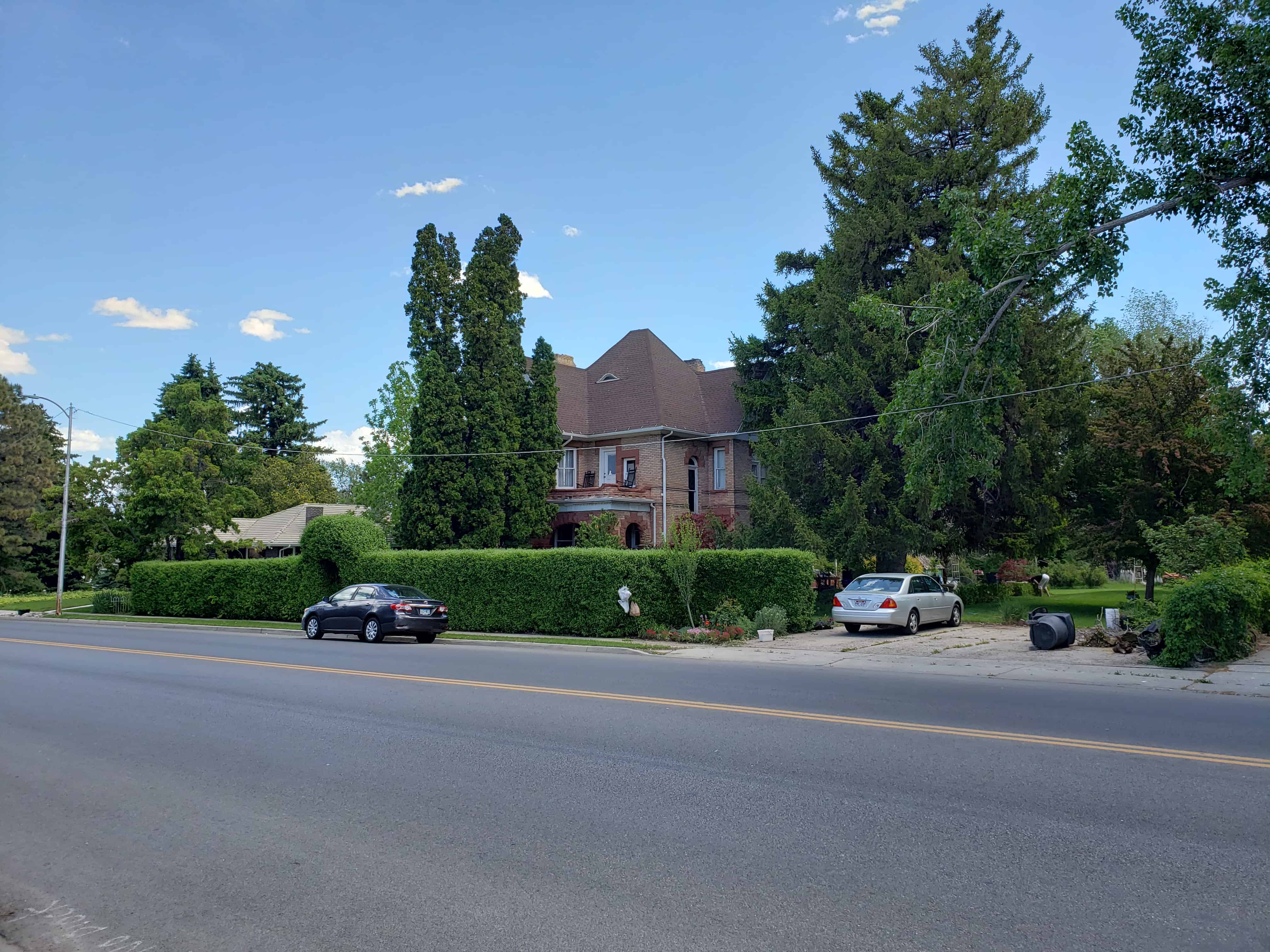
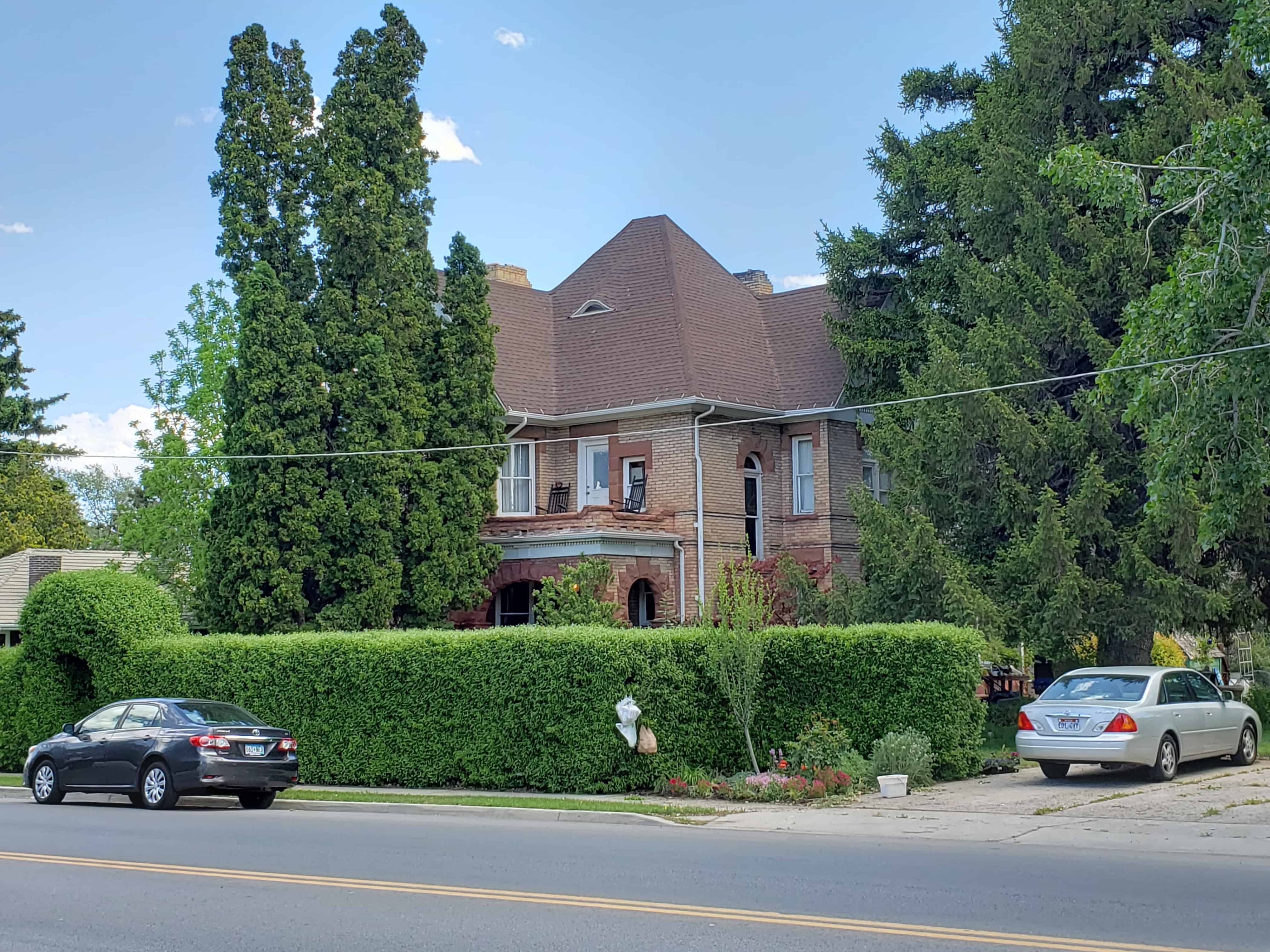
The Christopher F. Dixon, Jr., House, built in 1899 is located at at 248 North Main Street in Payson, Utah and was added to the National Register of Historic Places(#77001319) on November 7, 1977.

It was constructed as a home for Christopher Flintoff Dlxon, Jr. (b. 1861 in Ohio) whose family arrived in Payson in 1862 as pioneer Mormon settlers. He did well in cattle and wheat and eventually arranged to have this eclectic Victorian home built. It is a local landmark.

Click here for other historic homes in Payson.
 

Christopher Flintoff Dlxon, Jr., was the youngest son of C. F. Dixon, Sr., and Jane Elizabeth Wightman Dixon. He was born October 20, 1861, in Kirtland, Ohio, and was one year old the day the family arrived in Payson, Utah, after crossing the plains as part of the Mormon pioneer immigration. Upon arriving in Utah, the Dixon family acquired a sixty-acre farm adjoining the city of Payson on the north. Here they built an adobe home, planted a ten-acre apple orchard, and irrigated the land with water from Peteetneet Creek. C. F. Dixon, Sr., also operated a freighting business, hauling farm products from Utah to Iowa and Missouri. He would return with fruit trees, shade trees and building materials which he traded or used to build up his own farm. C. F. Sr. also homesteaded and farmed the Salem Field and helped build the Salem Canal which brought water from the Spanish Fork River for irrigation purposes.

Like most boys of pioneer times, Jack assisted his father with his various projects. In his youth, Jack helped to clear land and prepare it for planting, herded cows and worked in the family’s cheese-making dairy. Jack Dixon married Jane Orton Richmond, a Payson native, in 1883 and by their union ten children were born, eight of which survived childhood. 
After leaving the dairy business, Jack Dixon began a livestock business in Payson Canyon with his uncles, Ammon Nebeker and John Dixon. In 1890 the group purchased 1000 head of Merino sheep at Dixon, California (settled by C. F. Dixon, Sr.’s two brothers) and shipped them to Utah. The Dixons and Mr. Nebeker purchased the Jesse Knight ranch in Thistle Valley and also leased the Knight ranch on West Mountain. The partners also purchased 600 acres of winter pasturage west of Goshen Bay on Utah Lake. During these growth years in the partnership, each partner had his own brand on his livestock but all ran the animals together with Jack Dixon supervising the farms and cattle operation.

During the Panic of 1897, Jack Dixon made large profits on cattle sales in Chicago, Illinois. Dixon also was successful in raising wheat. He was instrumental in starting out many family members and neighbors in the cattle business, his influence extending as far north as Calgary, Canada, where he developed a ranch for two of his nephews. A generous man, Jack Dixon paid tithing (10 percent of his income) to the Mormon Church although he was never a member.
Dixon was educated in Payson schools and encouraged his children to seek all educational opportunities available. As a result, several of his children obtained college degrees. With his wealth, Dixon purchased one of Payson’s first automobiles, a Studebaker sedan, and also visited the Chicago World’s Fair with members of his family, By 1899 Dixon had the affluence to have built the impressive residence which is the object of this nomination.

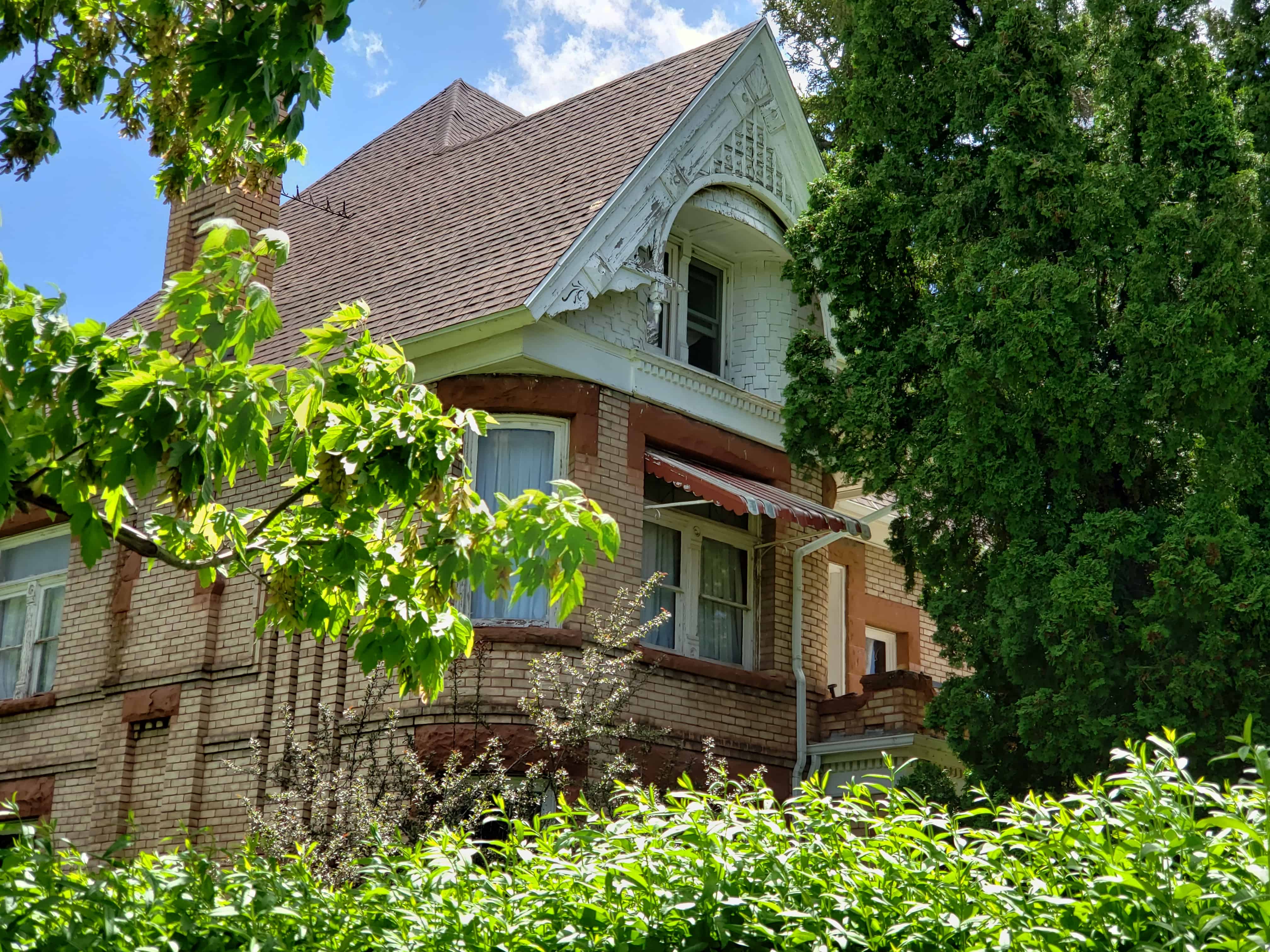
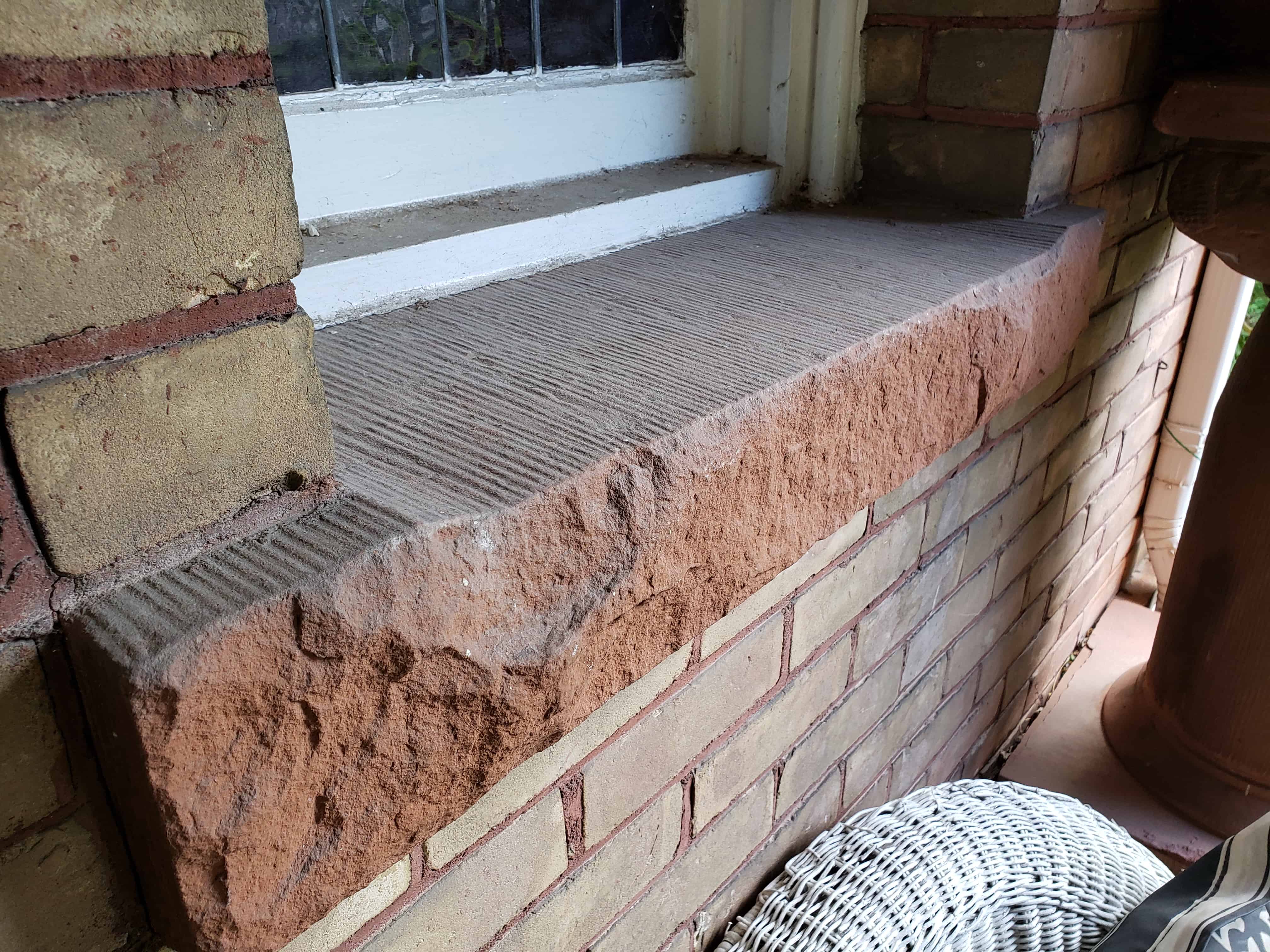
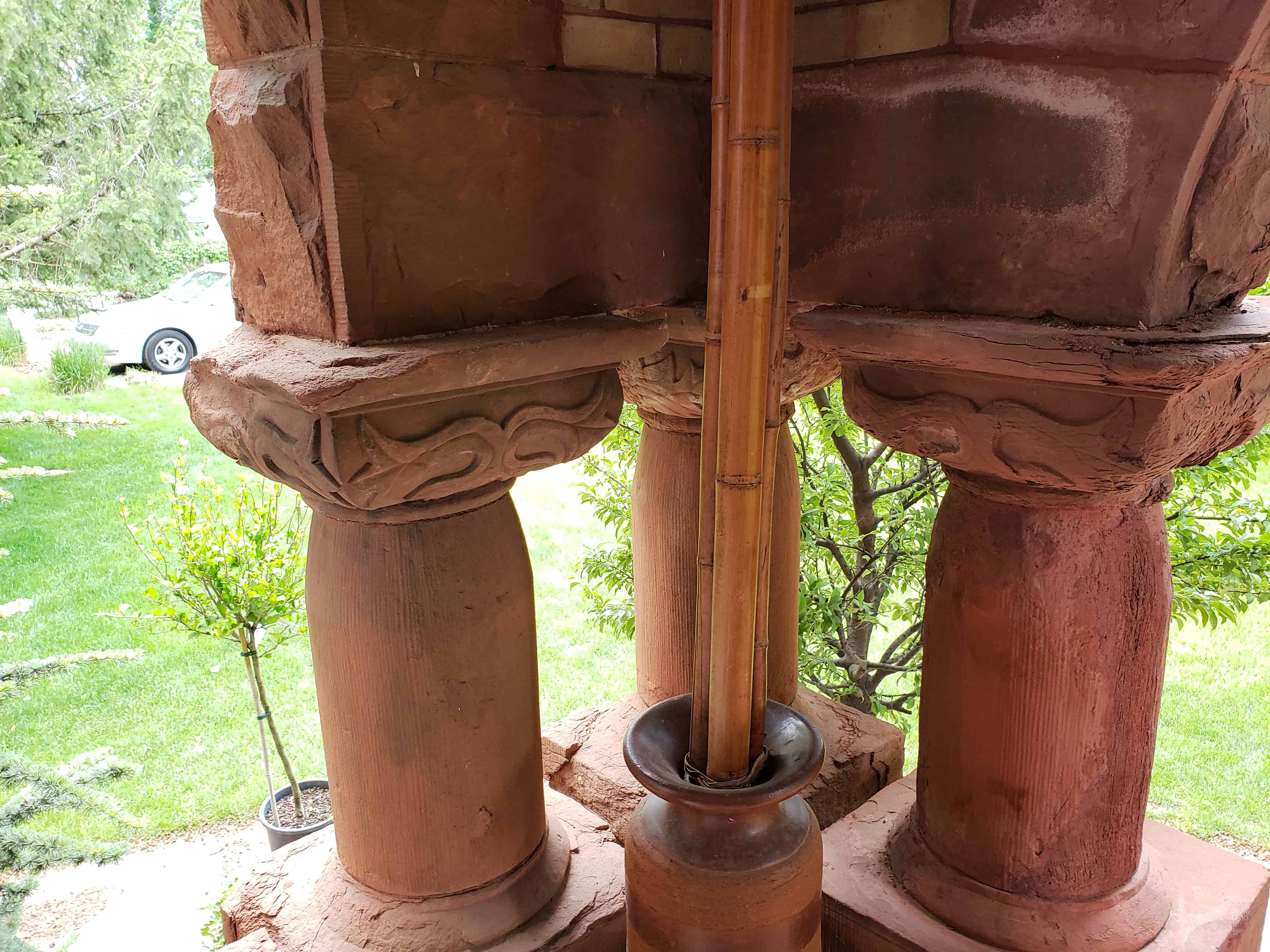
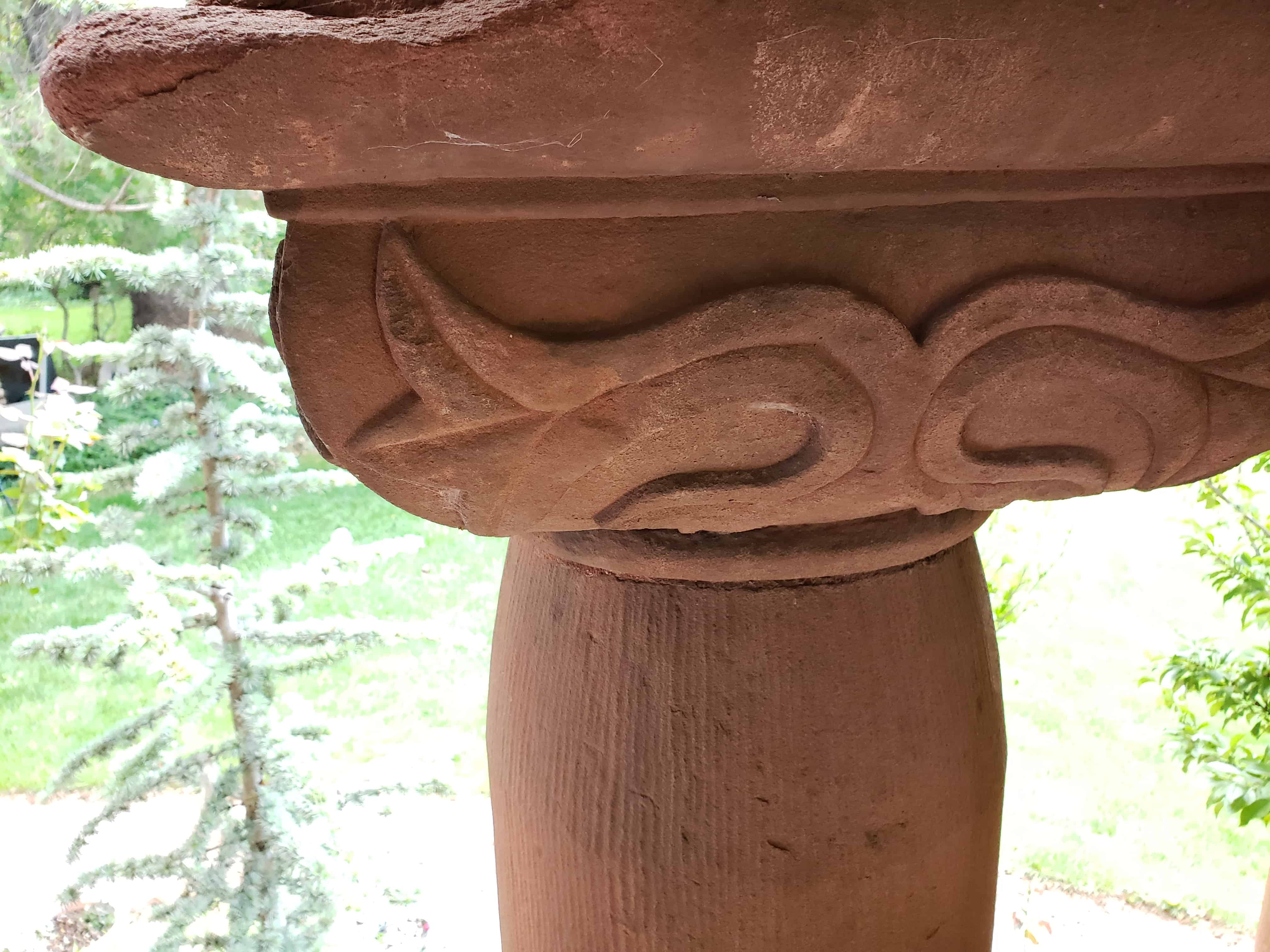
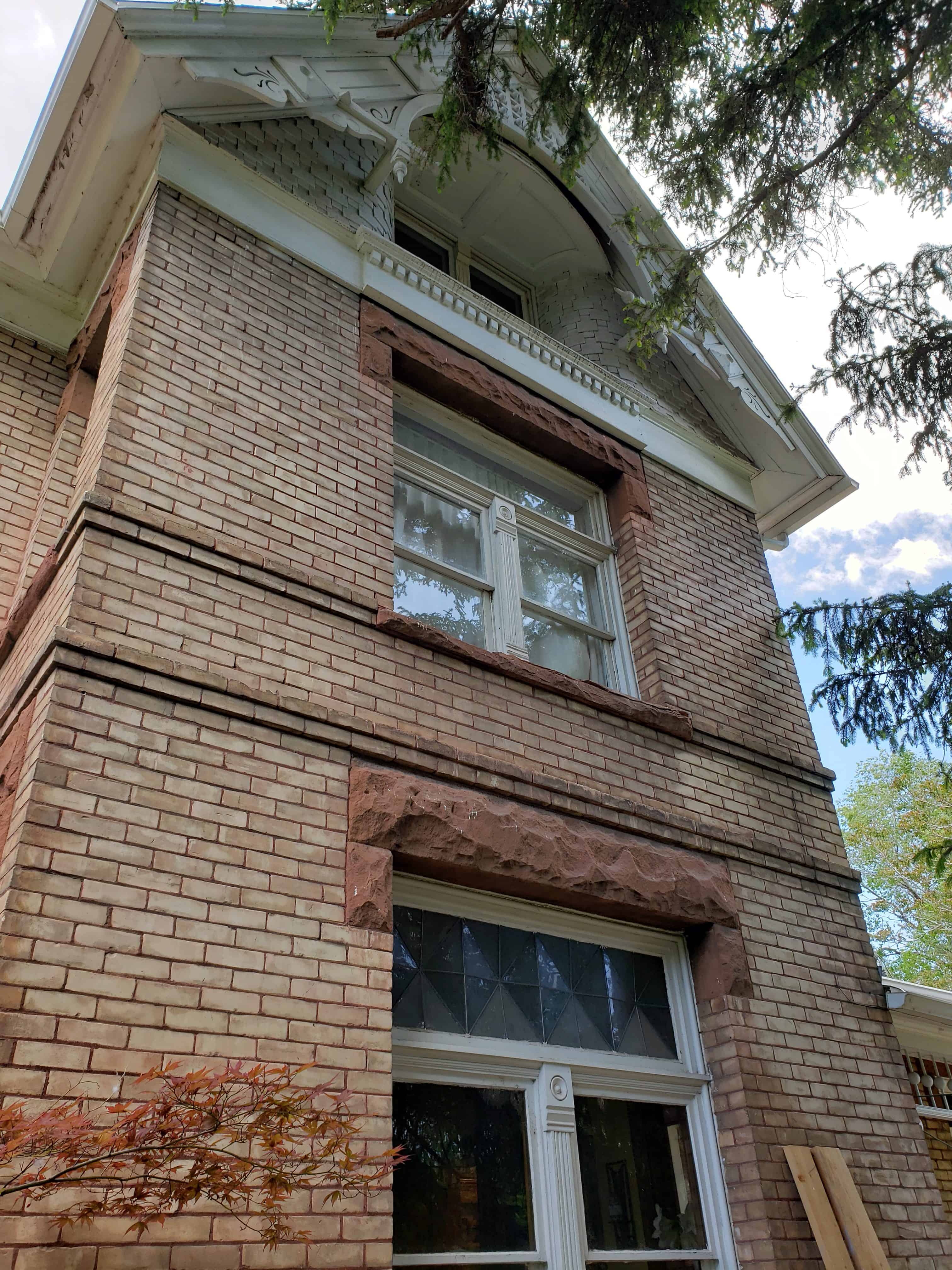
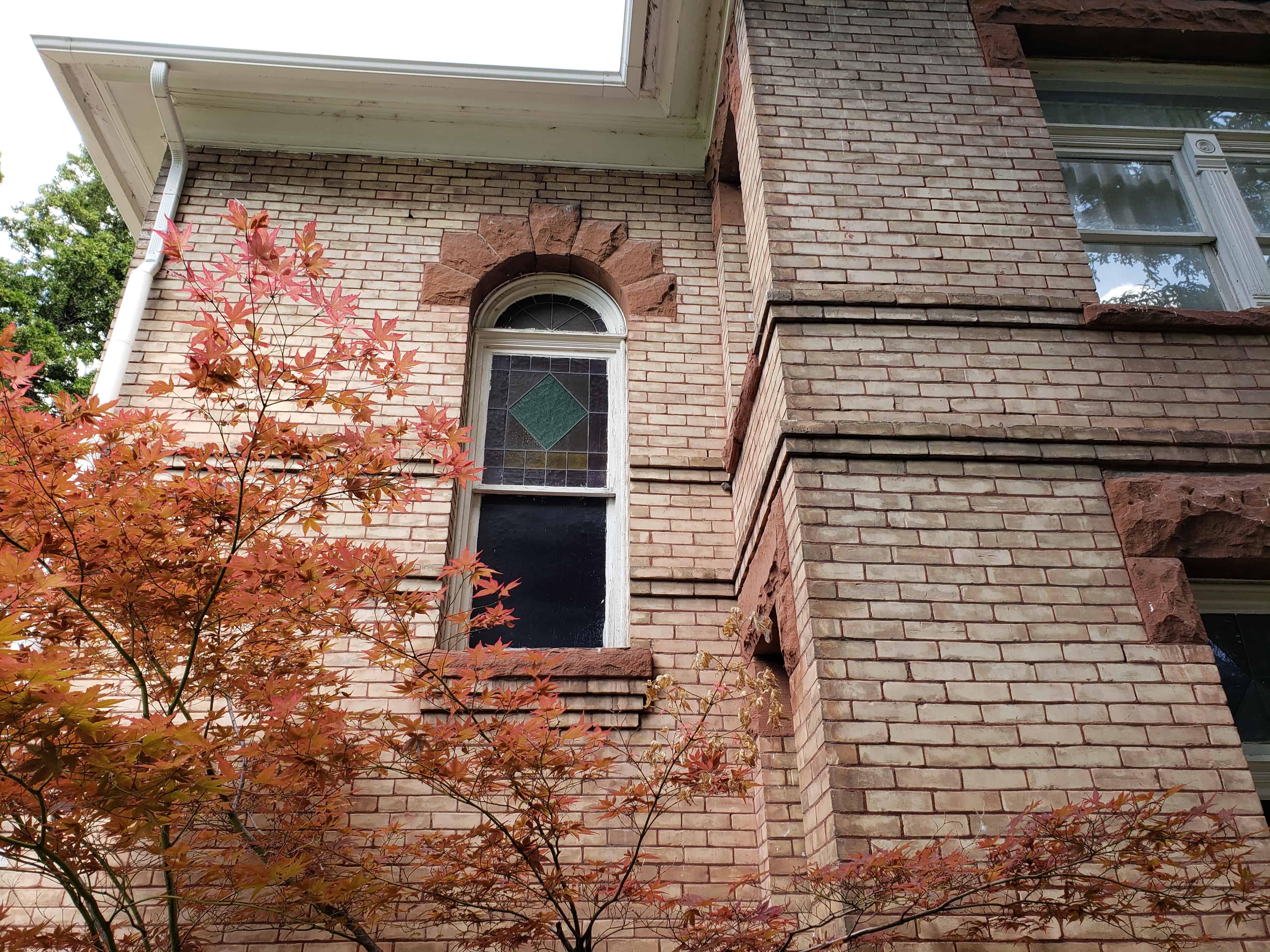
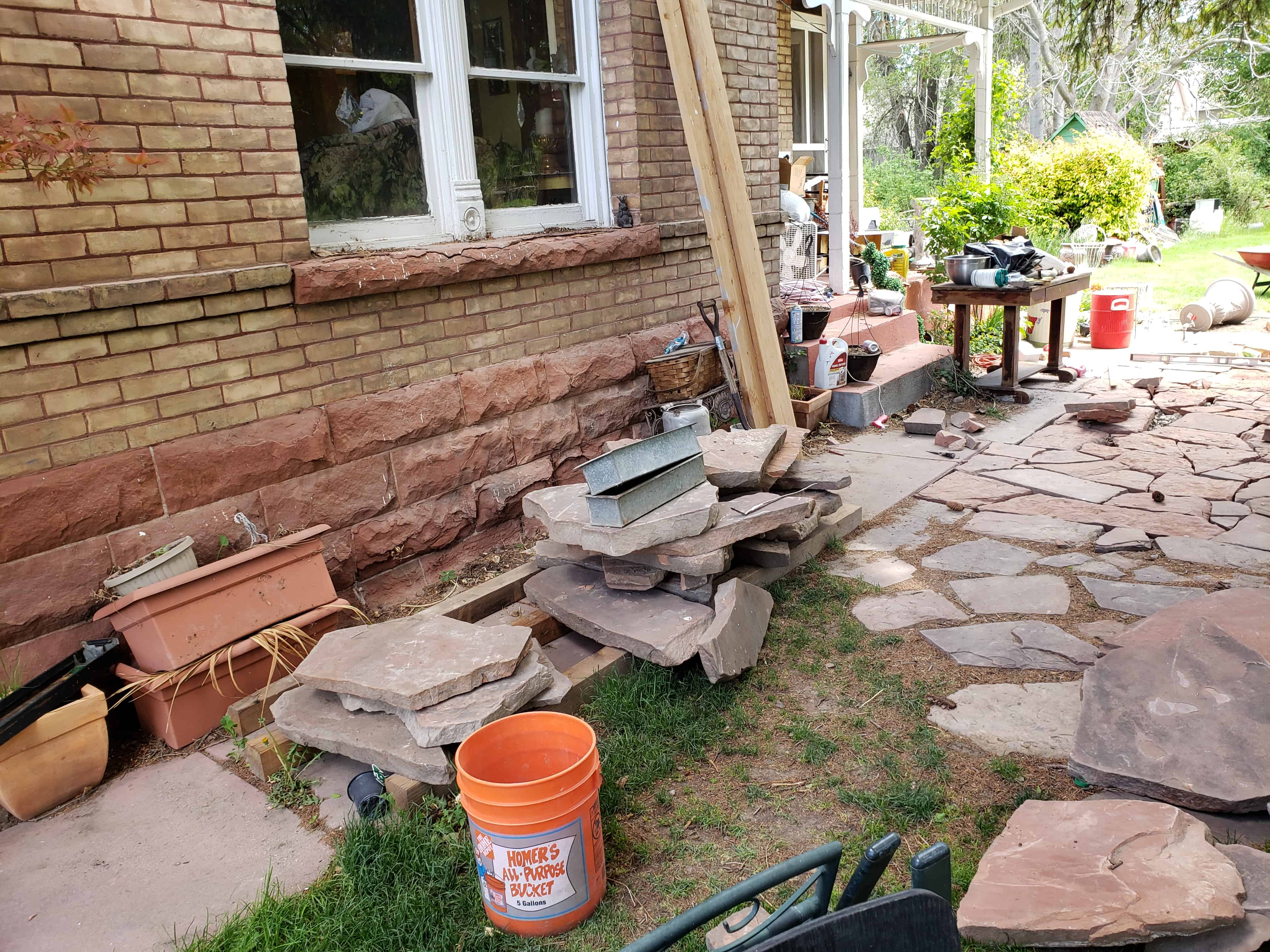
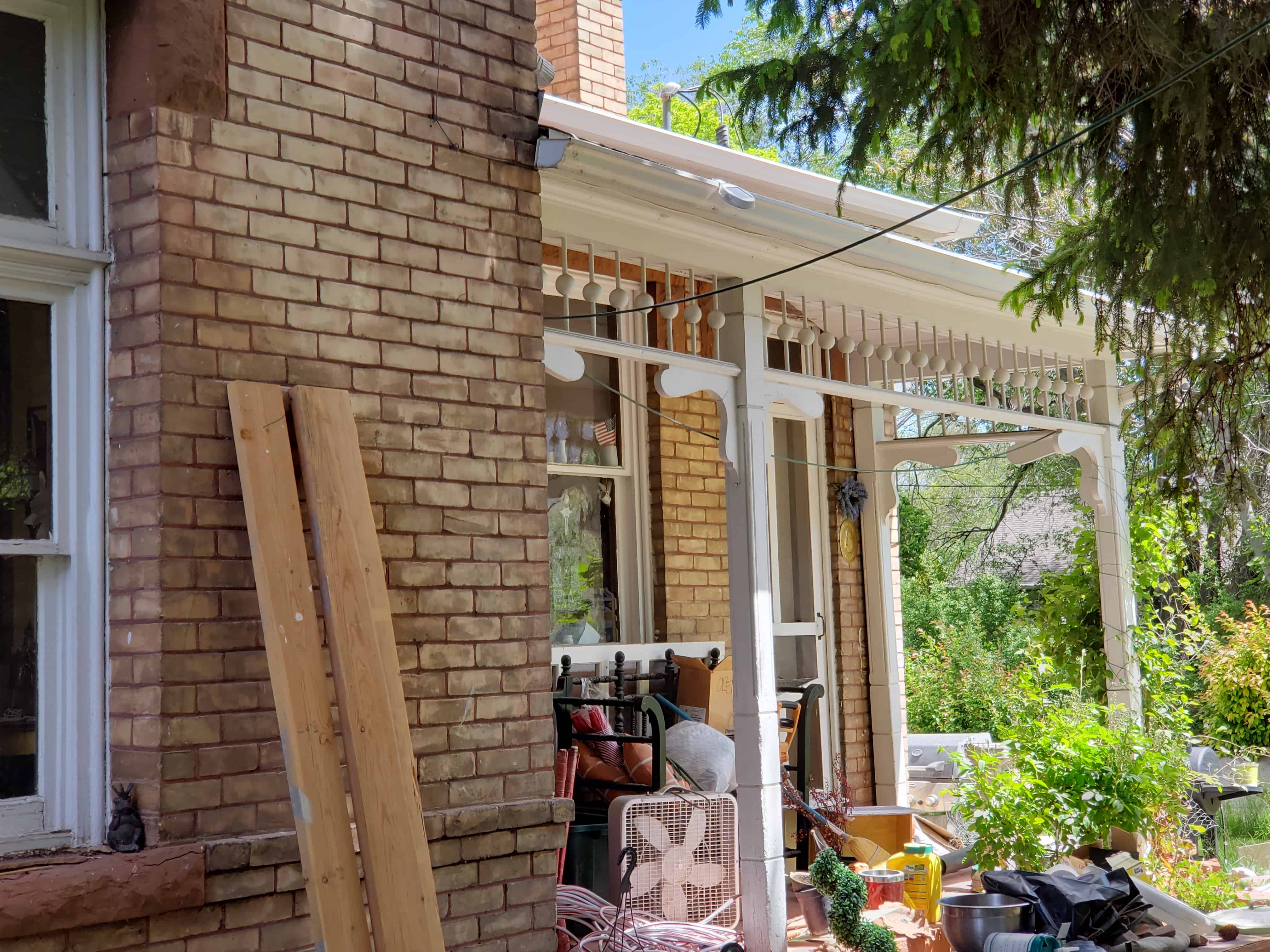
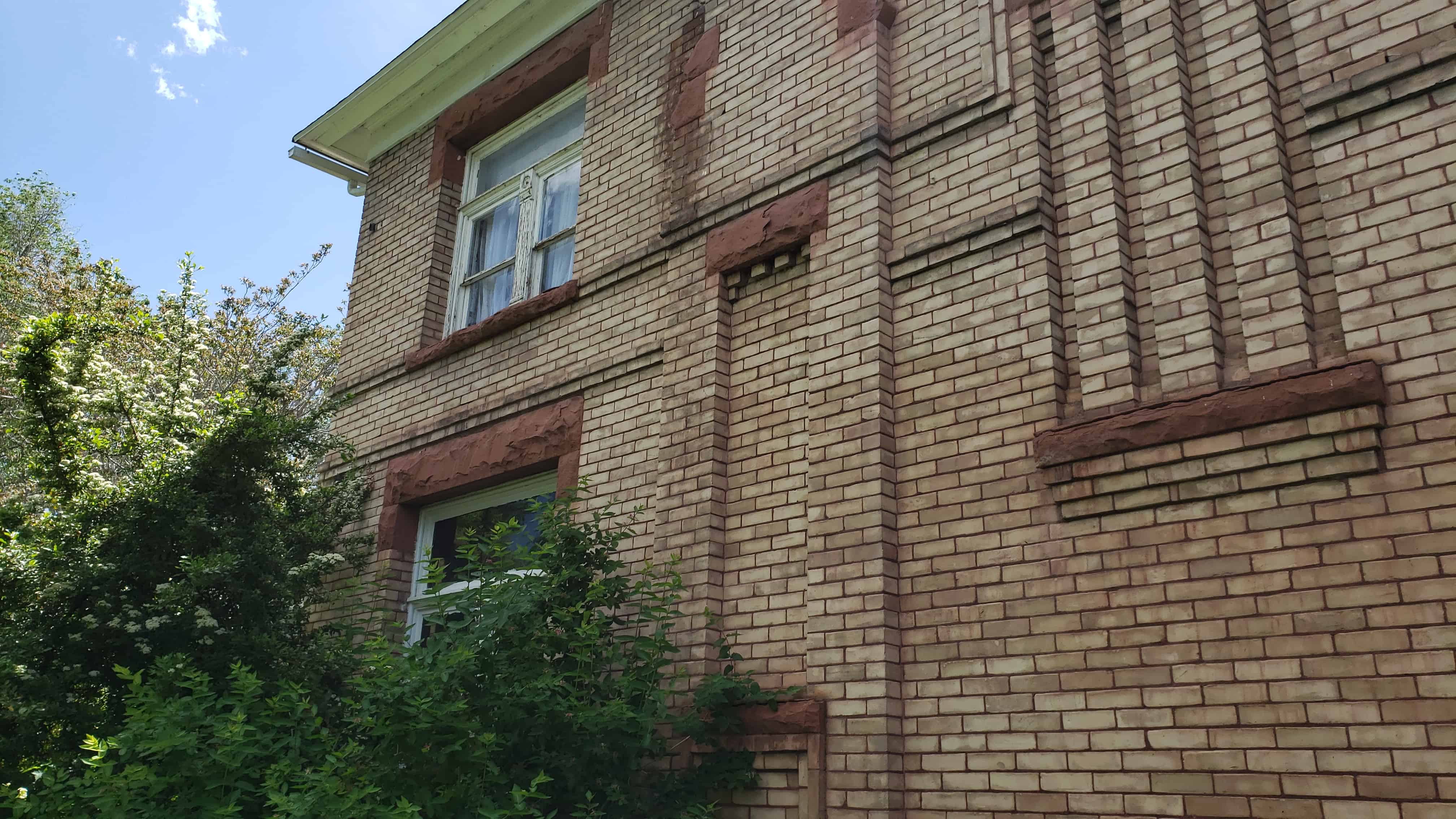
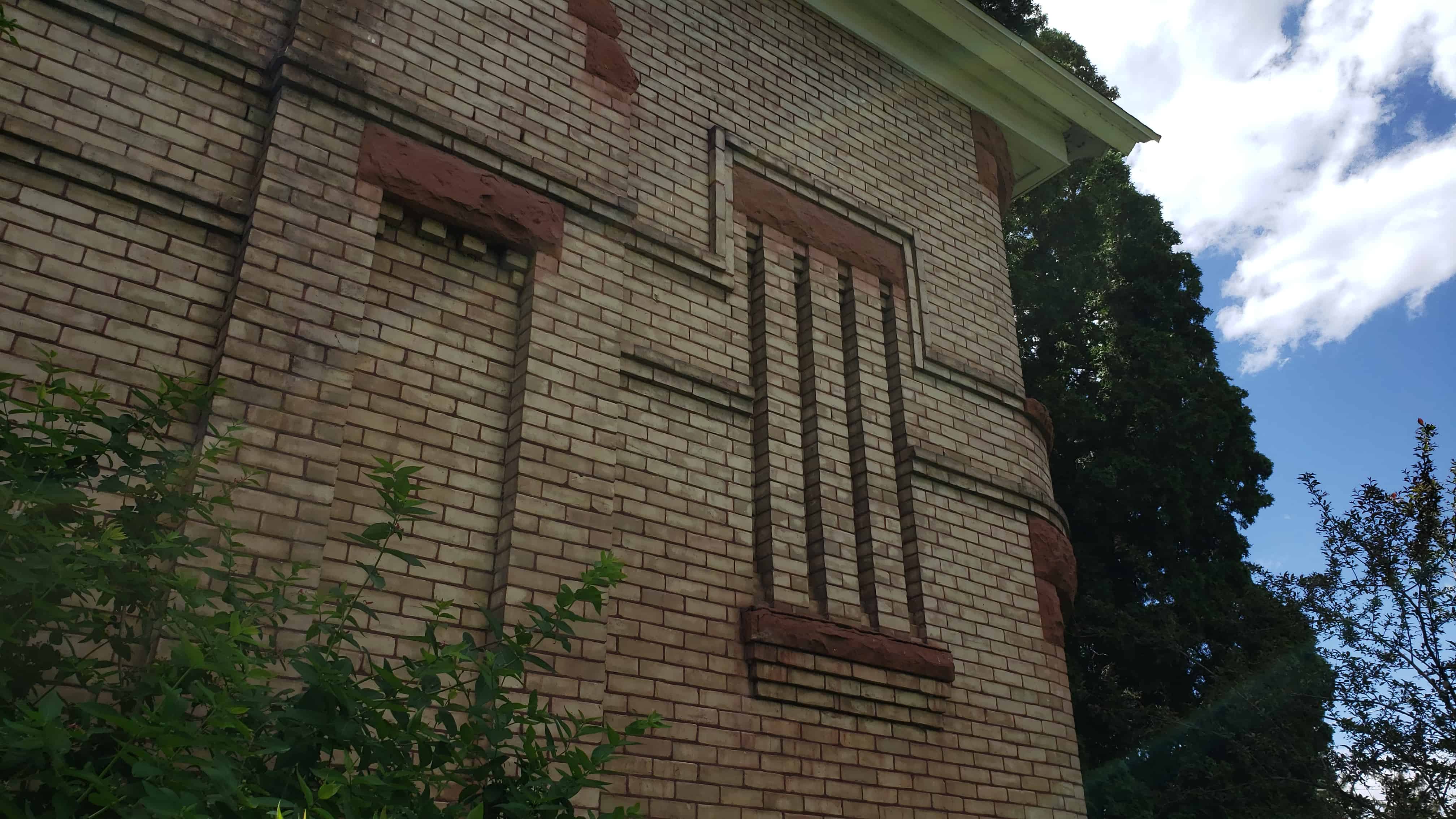
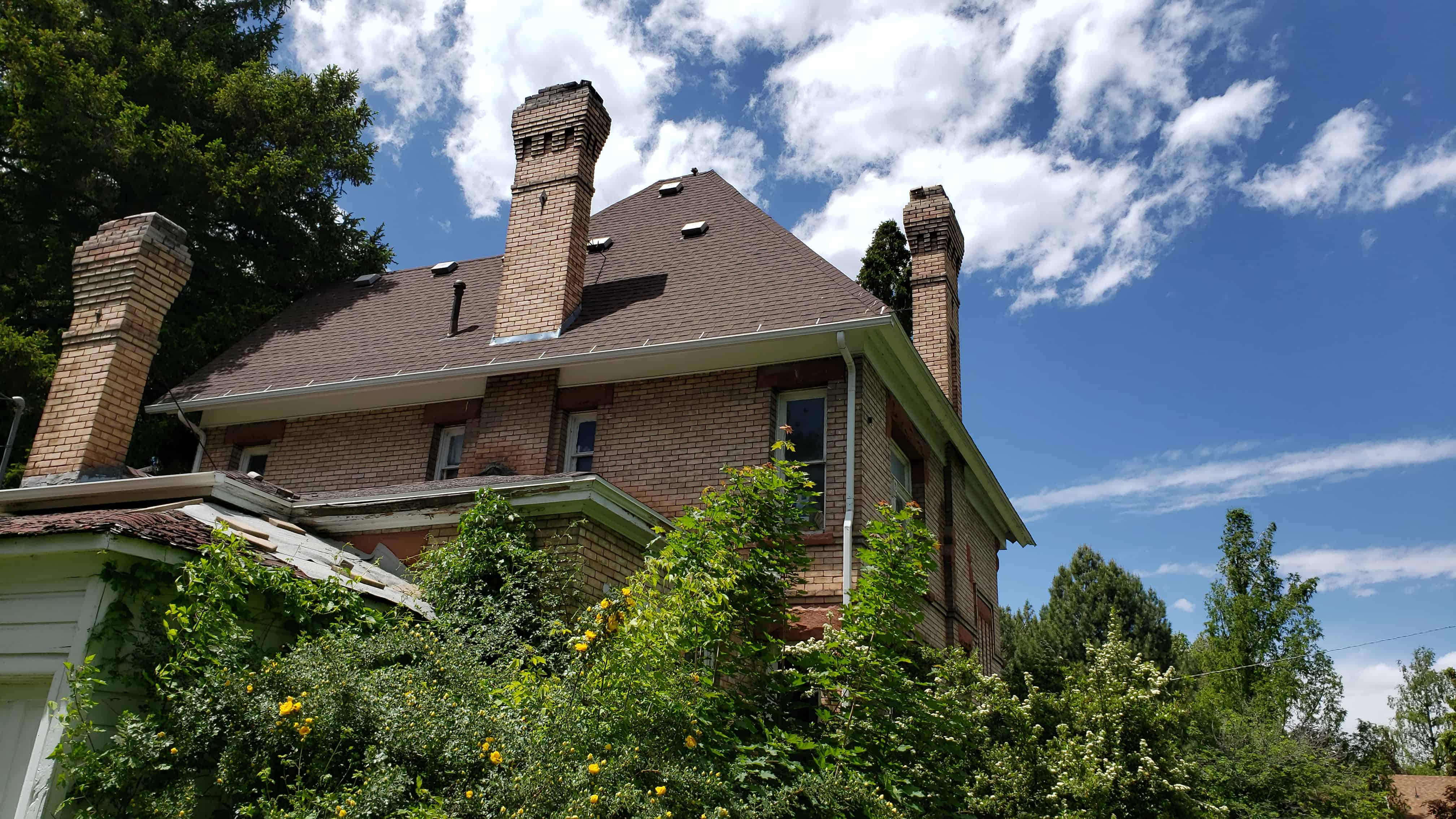
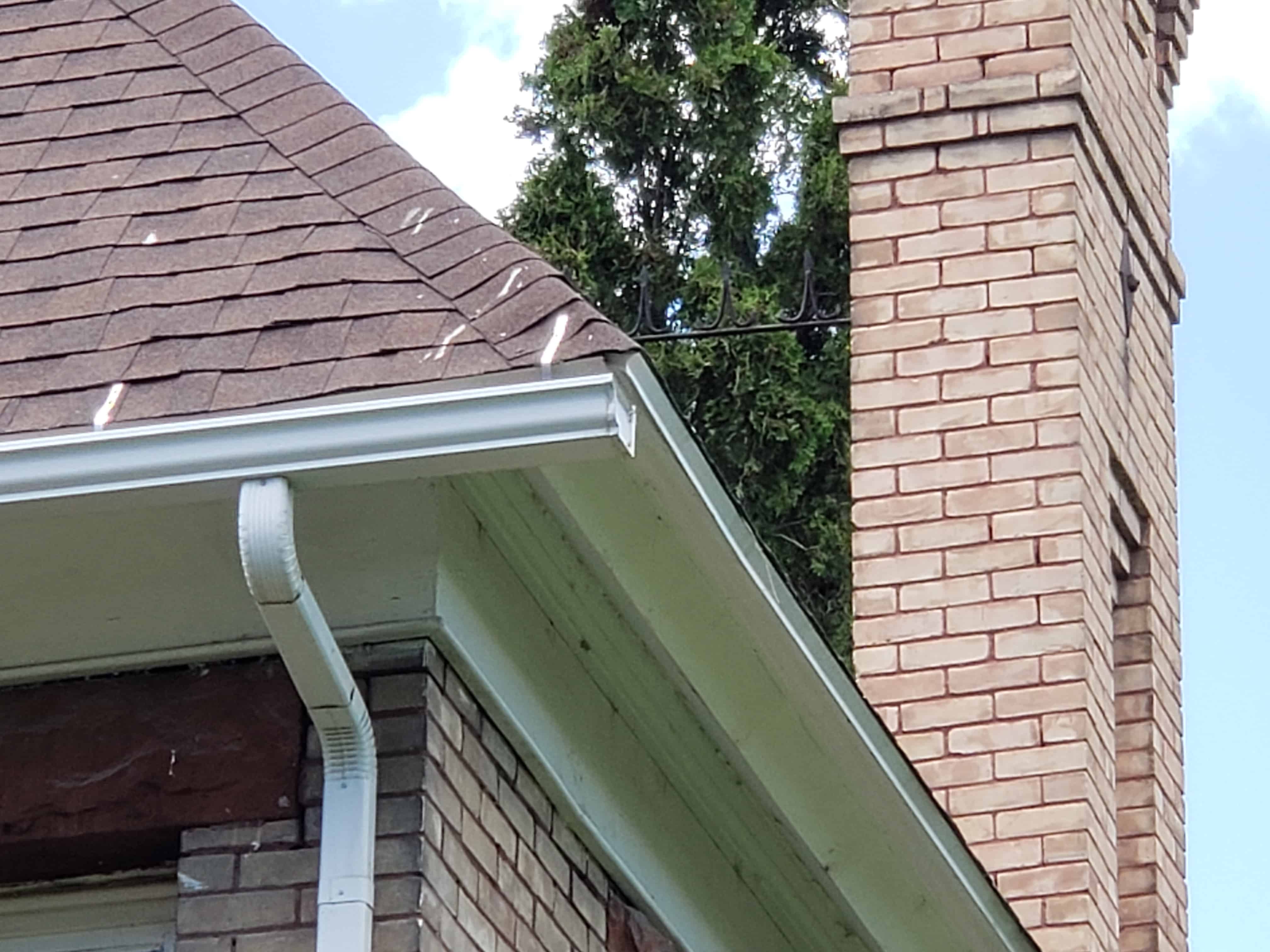
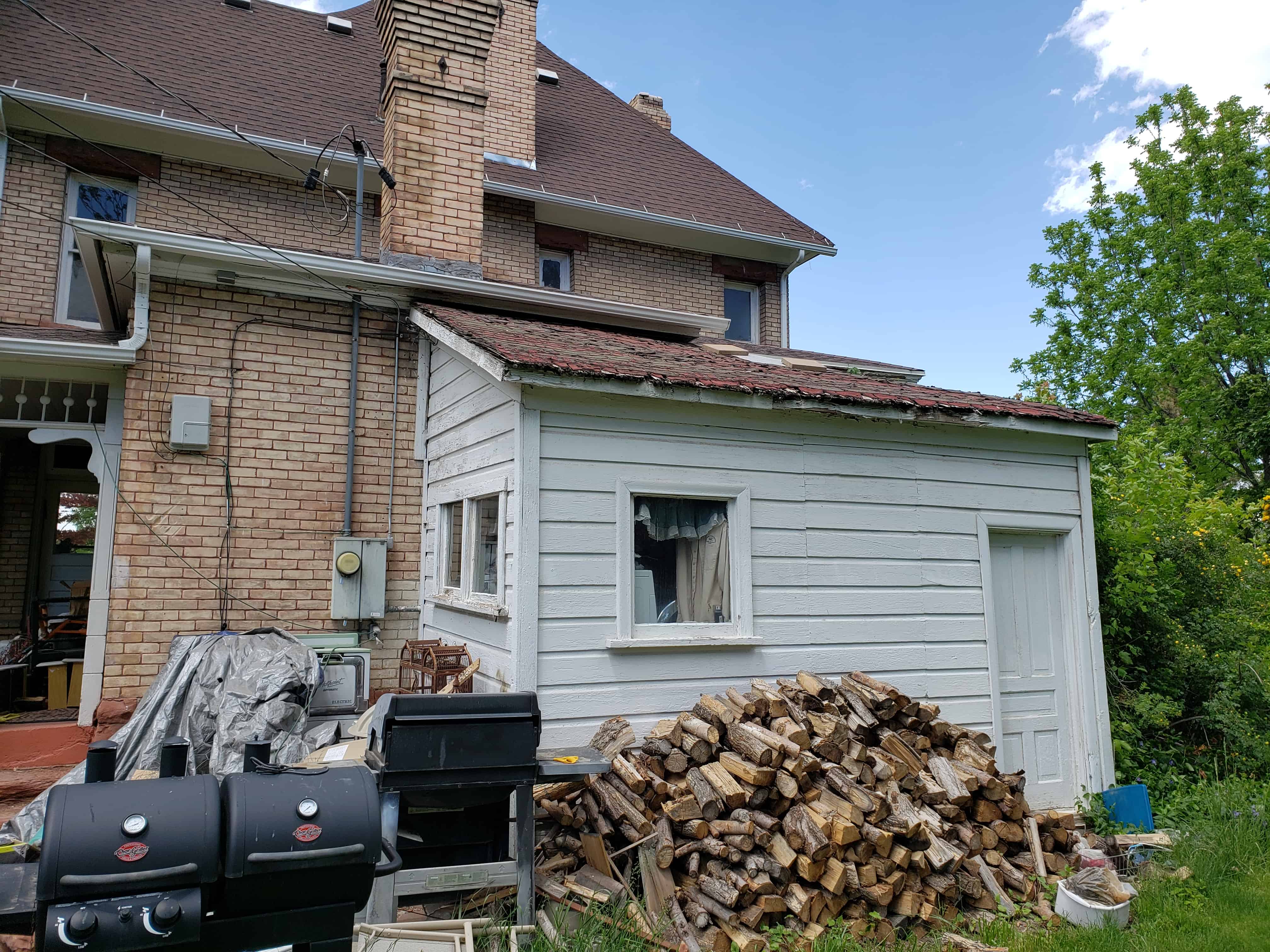
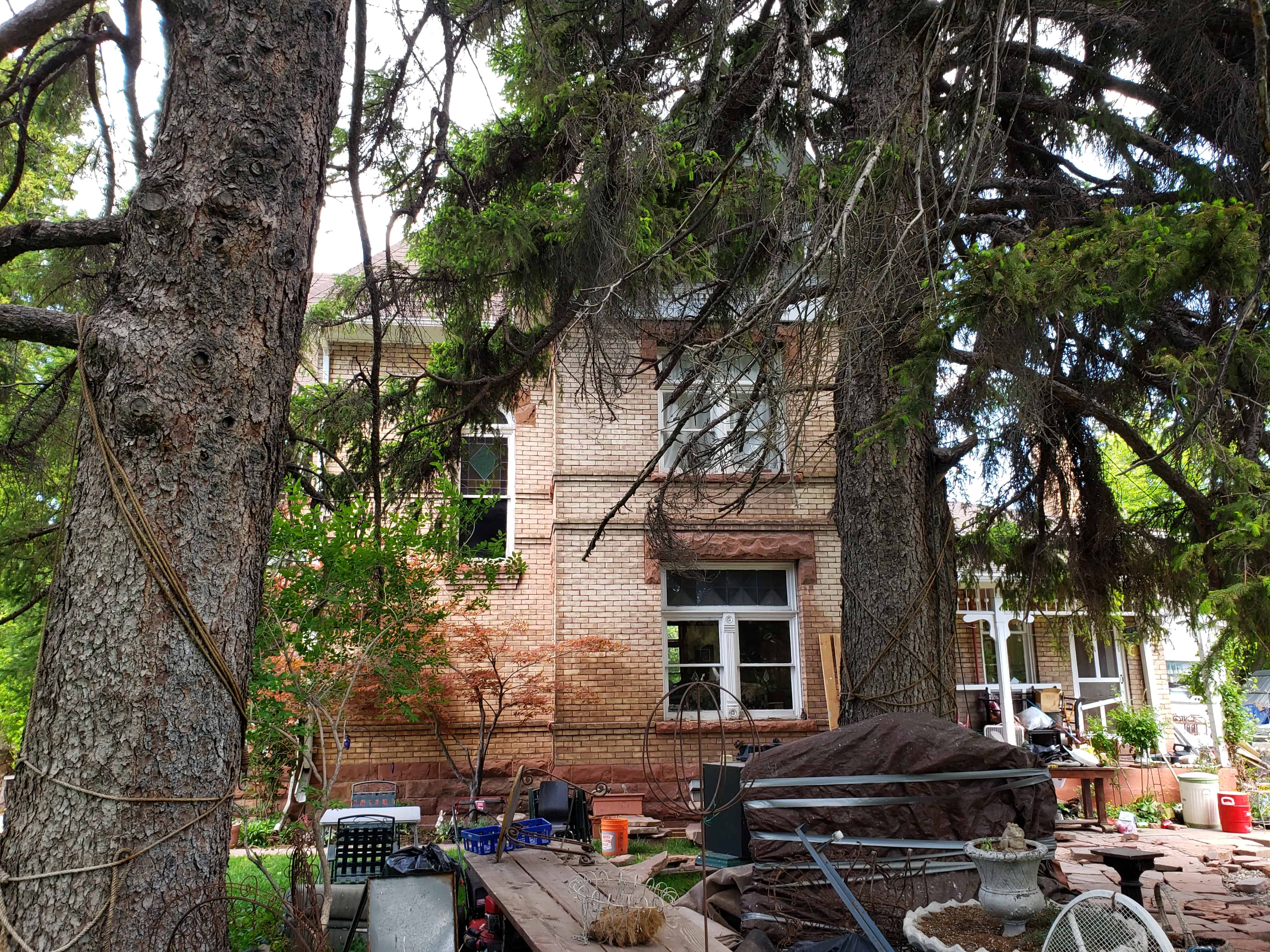
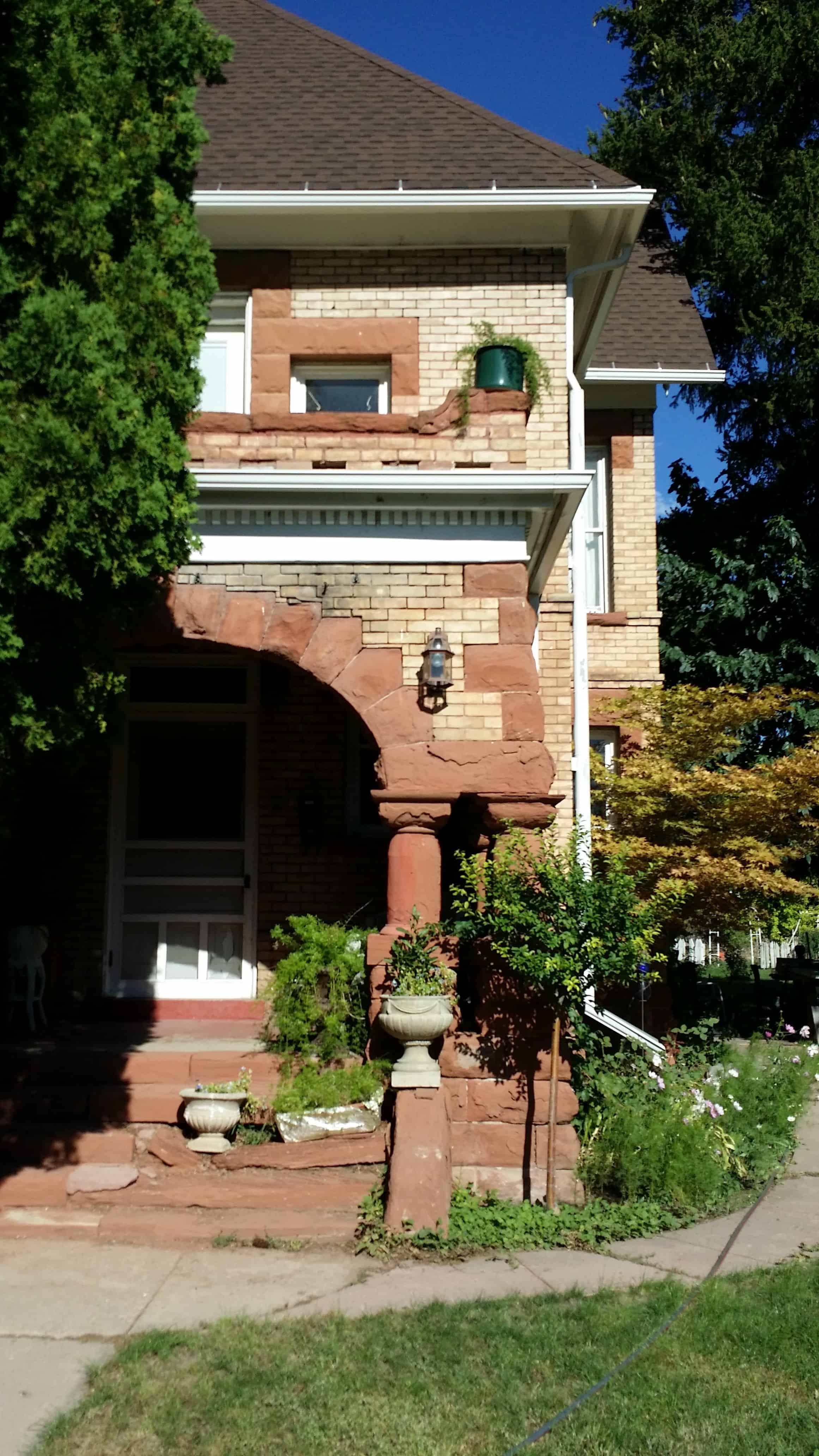
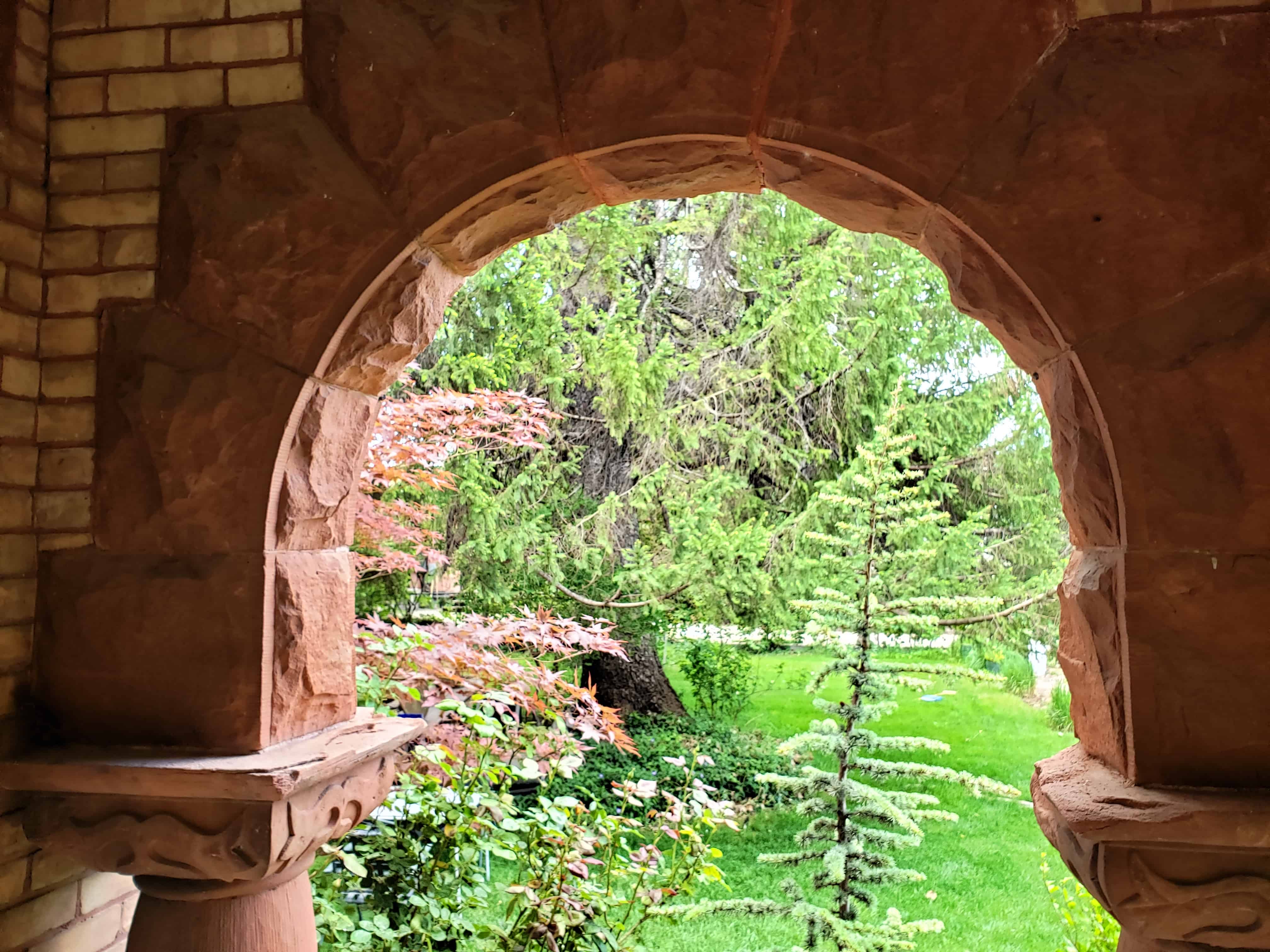
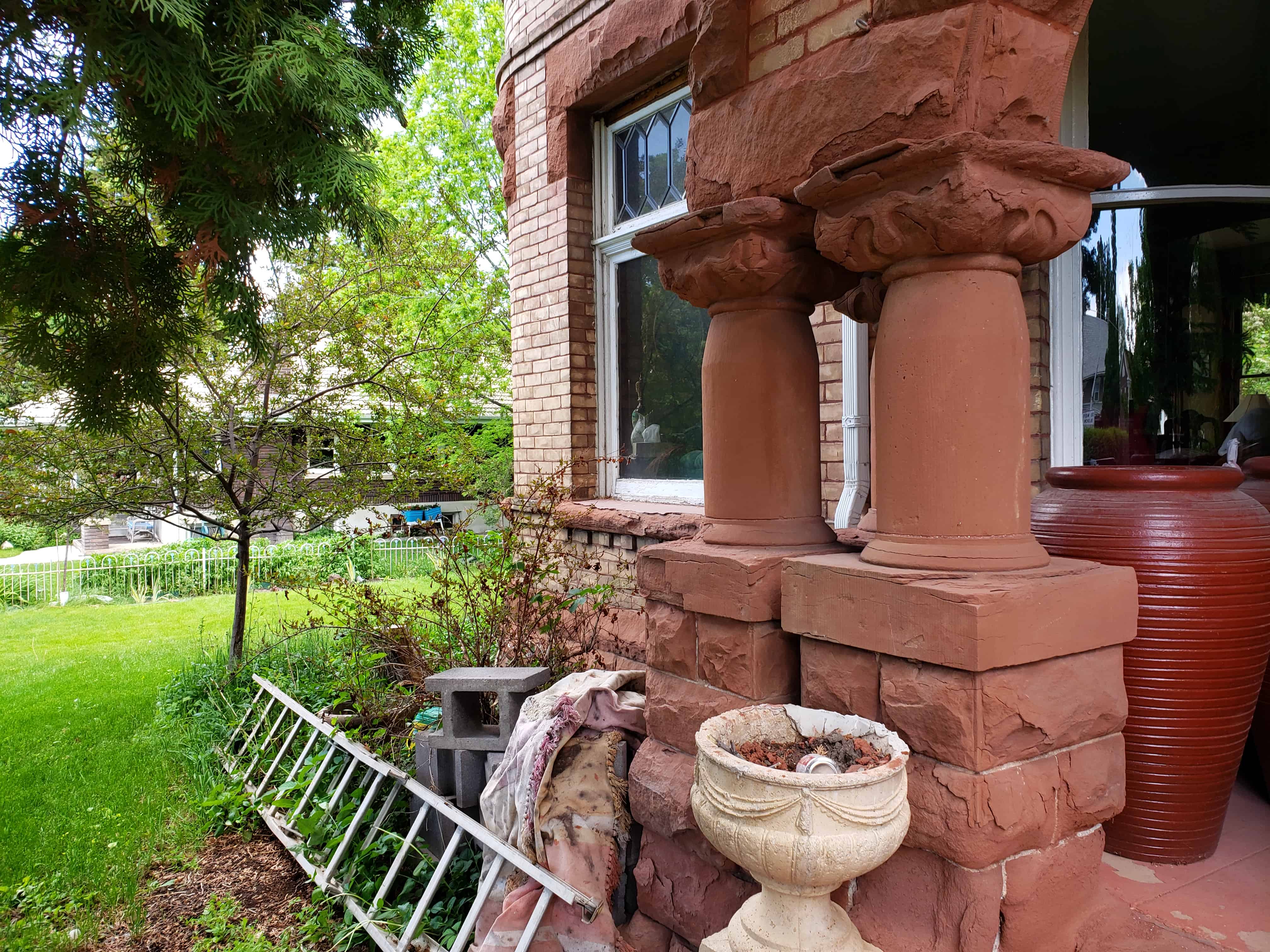
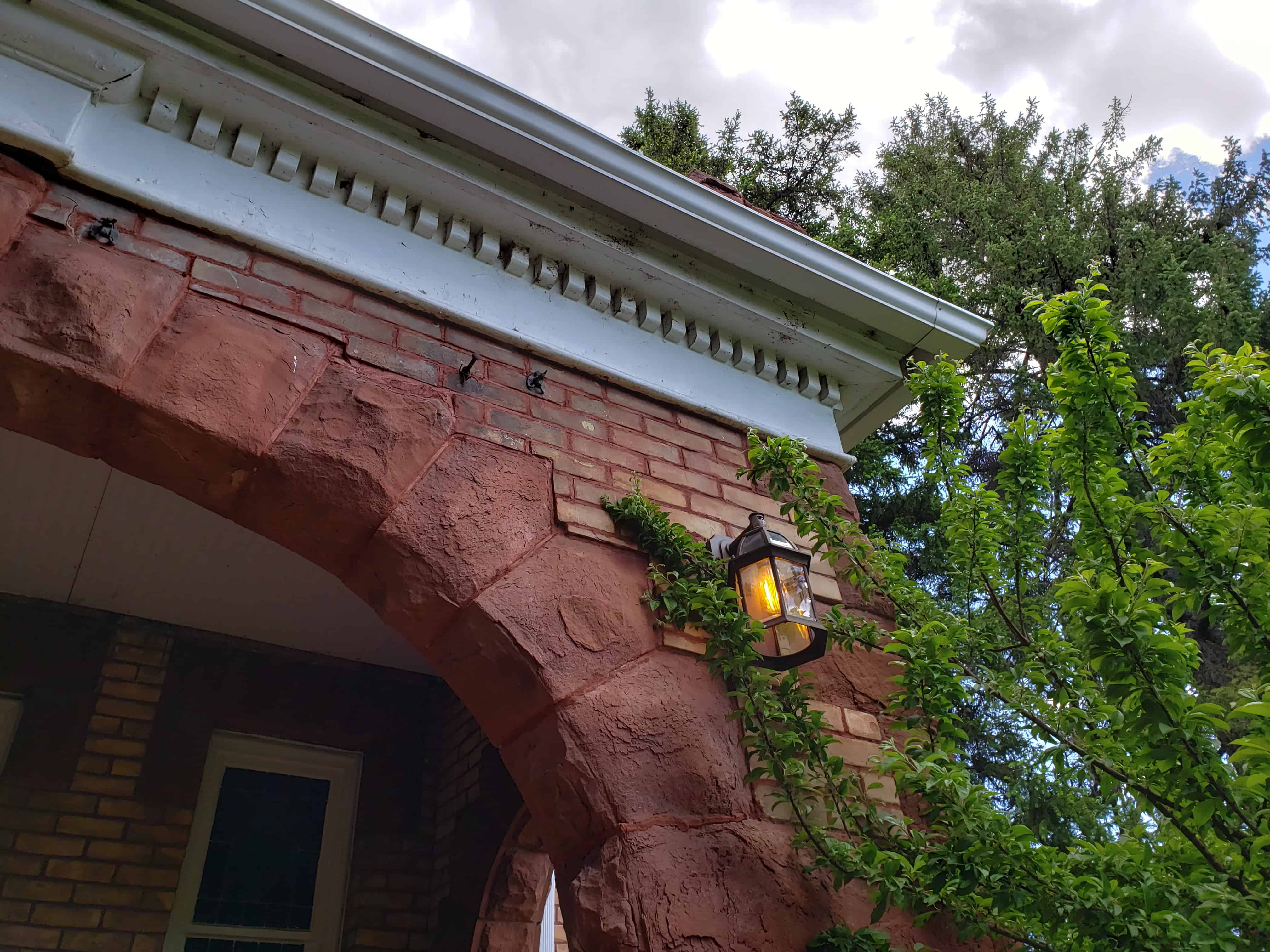
The C. F. Dixon Home is a two-story residence constructed of brick, stone and native wood. The main structure is roughly square with major gabled wings extending west and south and a massive balconied portico located along the south side of the western or front facade. At the east or back of the home is a one-story brick kitchen wing with wood-framed porches along the east and south side. A full basement exists under the entire building. The brick superstructure of the Dixon home rests upon a dark red rusticated sandstone foundation. The same rusticated stone is used for the lintels, sills, chimney trim and for the pedestals, columns, archways and quoins of the portico. Providing a lighter colored and less textured contrast to the rustic stone are the tan-cream brick. walls. Brick detailing is restrained, consisting only of three belt courses, corbeled chimneys, recessed panels on the north wall, and dentils under the stone sills of the front picture windows. The front gabled extension has rounded corners and the windows in these cornices have curved glass. All window and door bays are square, excepting the round-arched stairway window bay in the south facade.
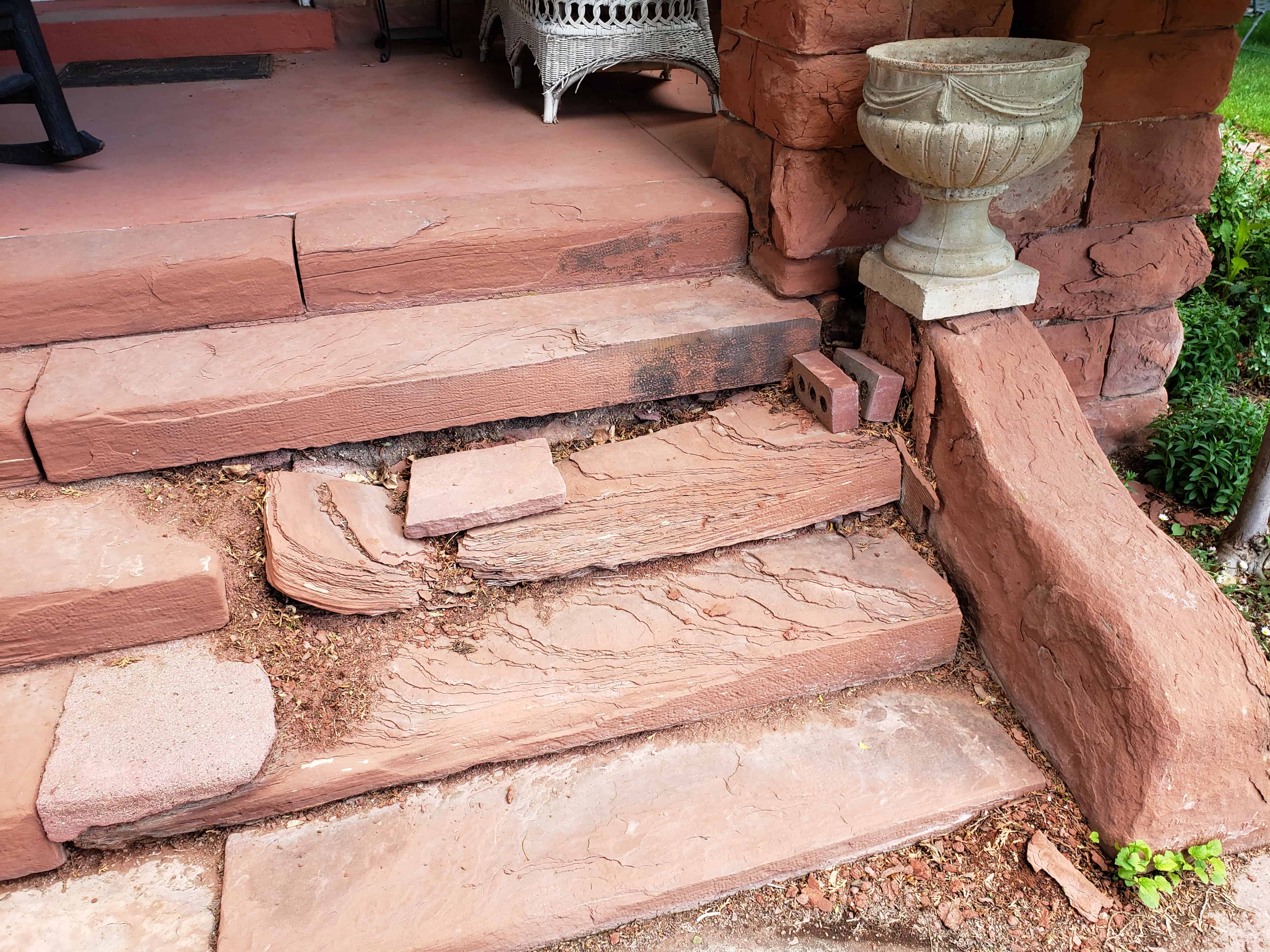
Woodworking on the C. F. Dixon Home is often decorative, as evidenced by the Eastlake window mullions, bargeboards and interior trim. The gables are particularly ornamental, featuring shingled walls which curve inward toward the recessed windows and lathe-turned finials mimicking a collar brace and hammer brace motif. Although the boxed cornice has a simple frieze, the portico cornice has a dentil band, as the special cornice pieces over the second story lintels of the windows in the gabled wings. The roof of the Dixon Home is both hipped and gabled and has a steep pitch.

The interior of the home has experienced little alteration and is owned by the daughter of the original owner. The bottom floor contains an entry, stairwell, parlor, living and dining room and a kitchen with porches, upstairs are several bedrooms. Fireplaces, mouldings, doors and other original architectural elements are intact throughout the home. The landscaping has been carefully maintained as well.

Built in 1899 on a prominent site along Payson’s Main Street, the C. F. (Jack) Dixon, Jr. Home is an eclectic Victorian creation having the appearance of an oversized house–pattern book design embellished by a Richardsonian Romanesque treatment of the front portico, sills and lintels, and a Queen Anne or perhaps Eastlake treatment of the gables. The picturesque home has experienced no significant alterations since its initial construction and is considered a city landmark locally.
35 CORA'S HOUSE NEW
2014-08-15 17.13.23
2014-08-15 17.13.31
2014-08-15 17.14.46

John Dixon House

04 Thursday Sep 2014

Posted by Jacob Barlow in Uncategorized

≈ 4 Comments

Tags

Cartouches, historic, Historic Homes, NRHP, Payson, utah, utah county

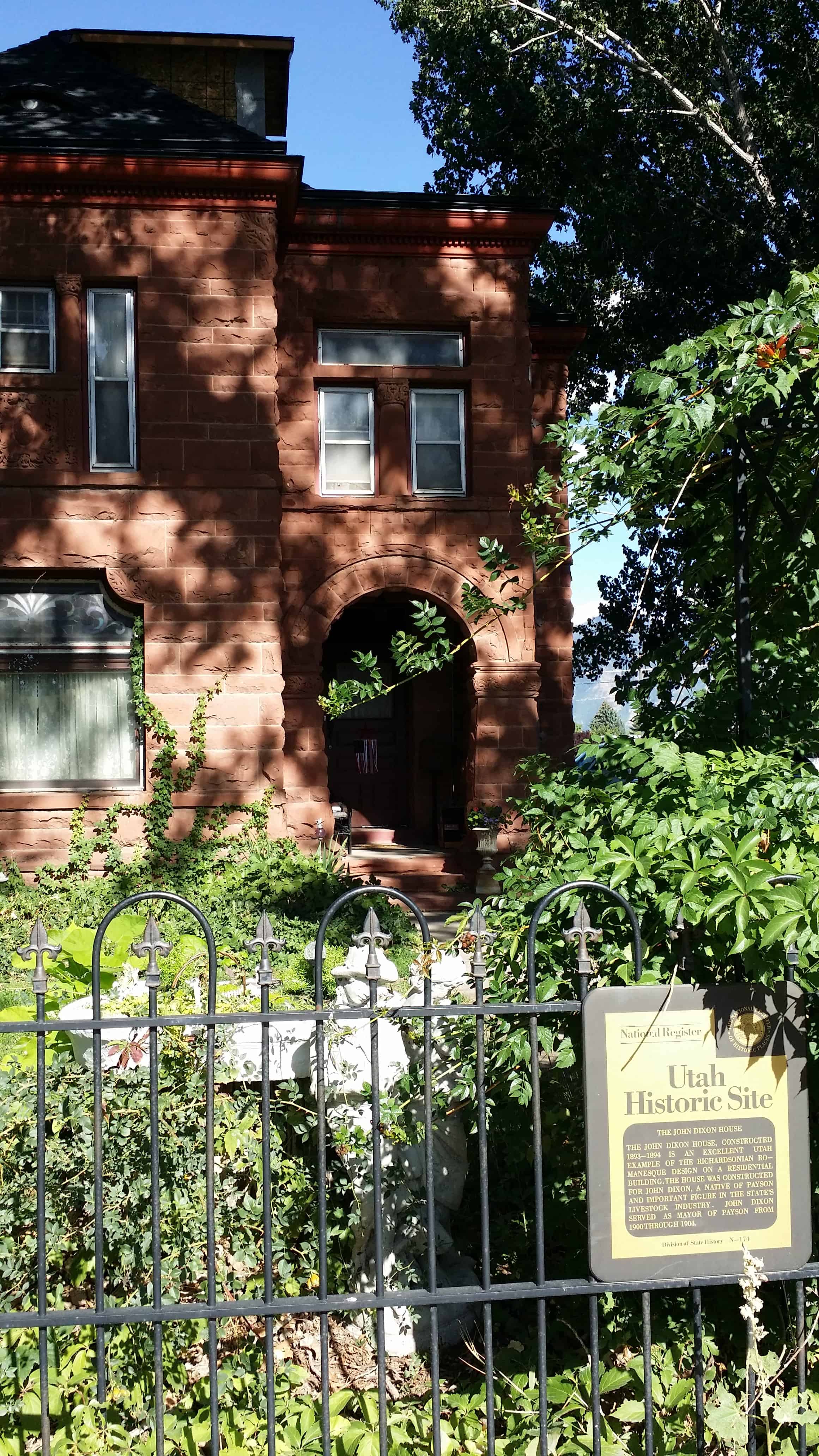
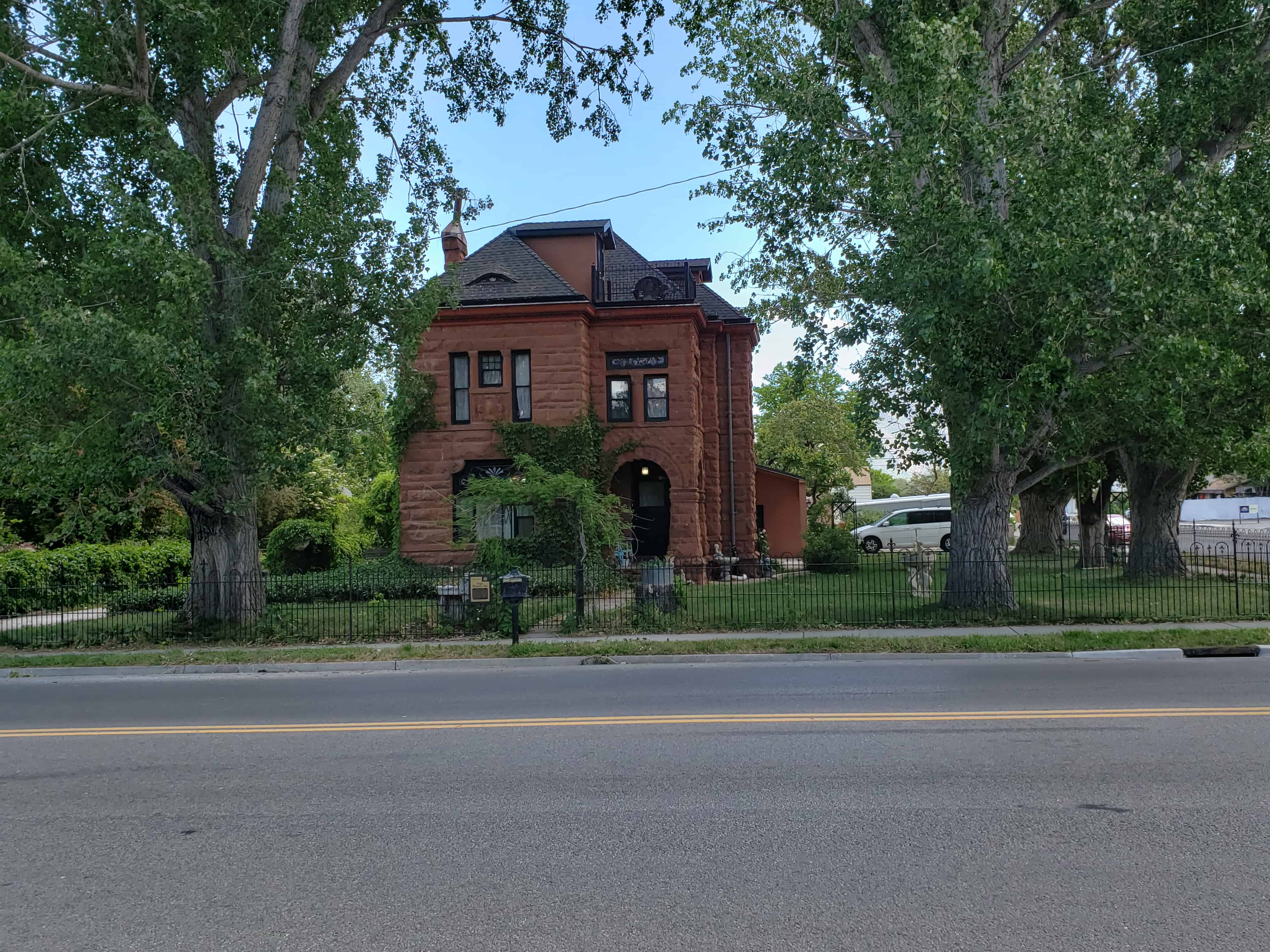
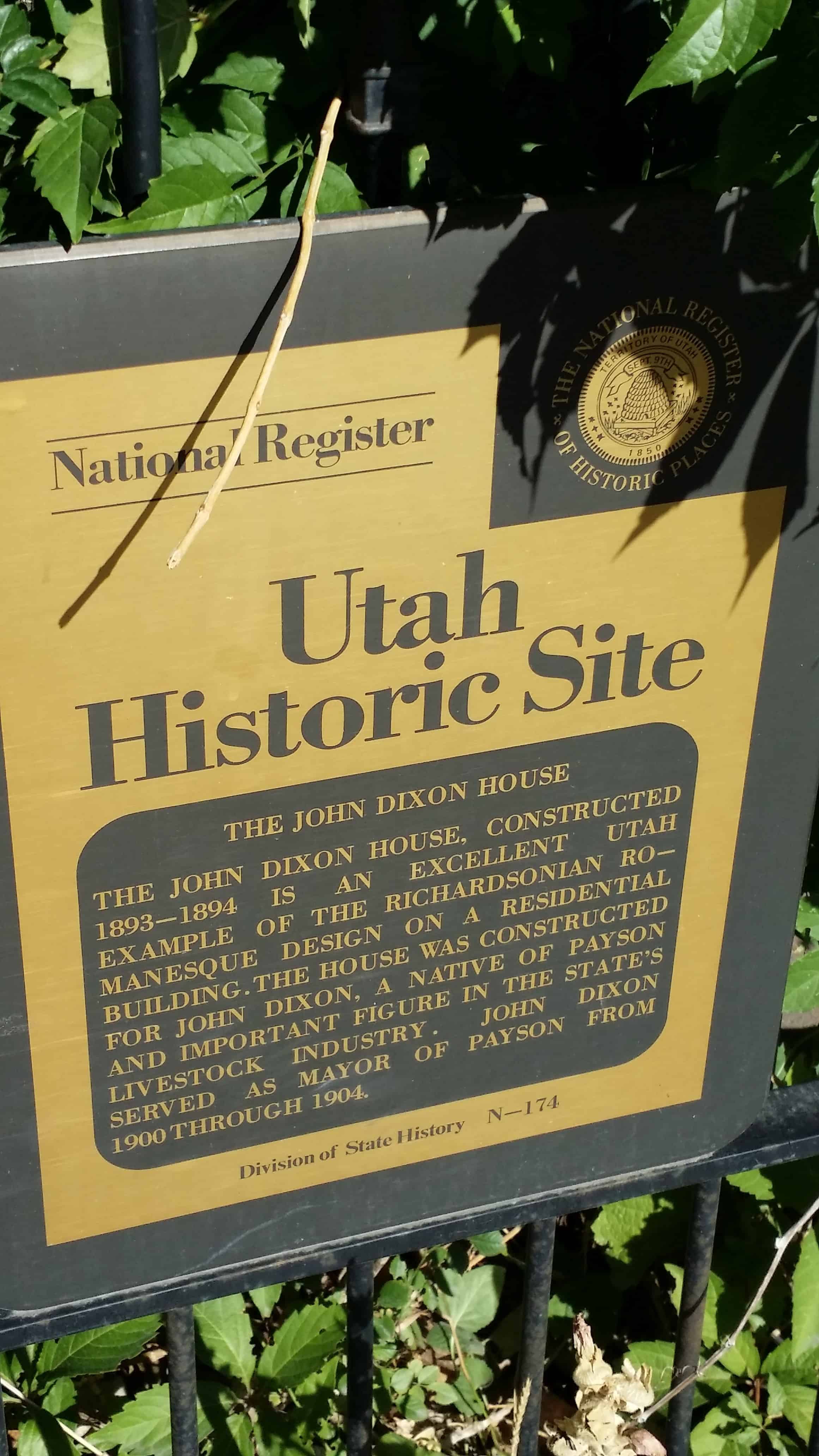
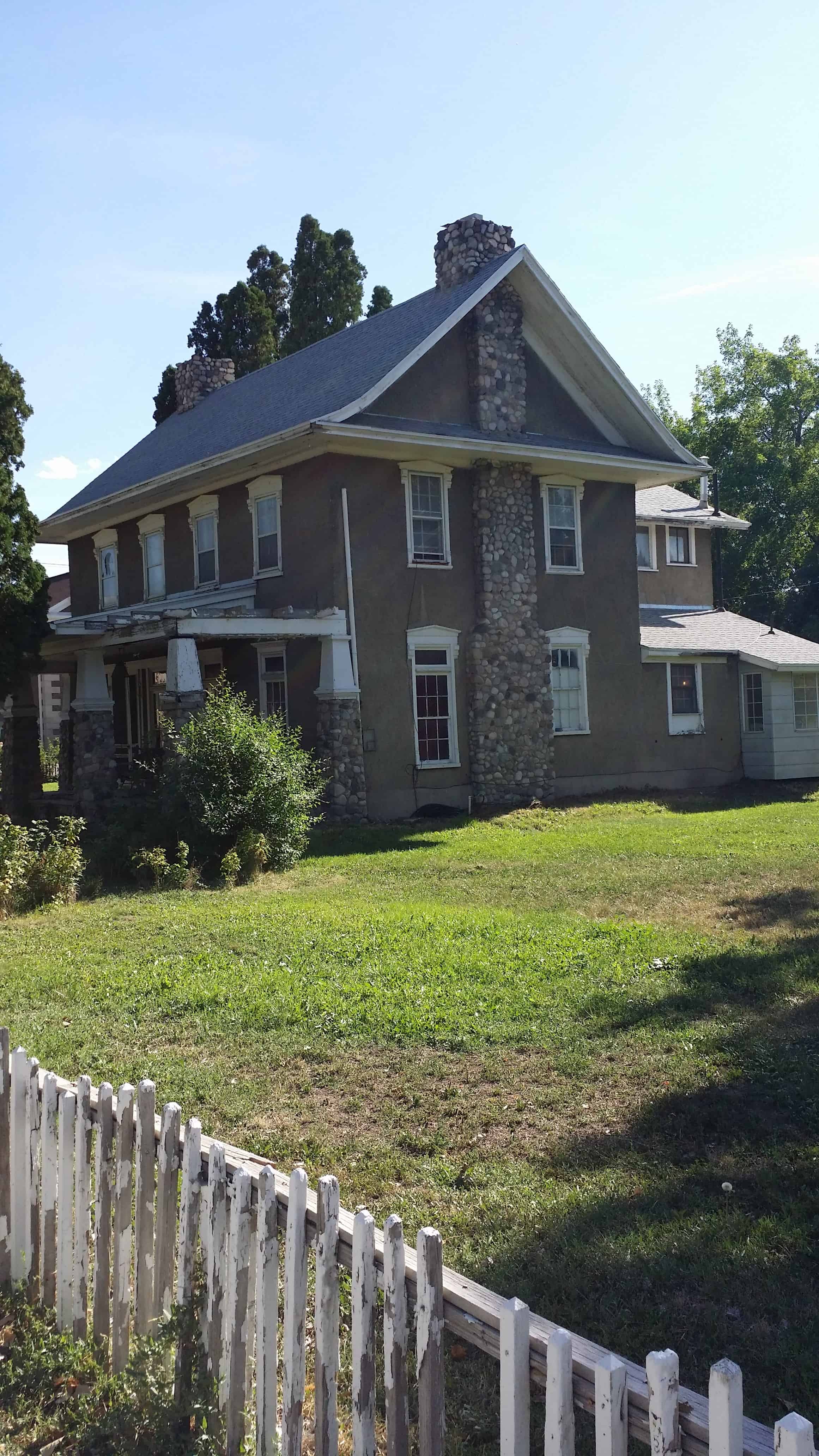
The John Dixon House, constructed in 1893-1894 is an excellent Utah example of the Richardsonian Romanesque design on a residential building. The house was constructed for John Dixon, a native of Payson and important figure in the state’s livestock industry. John Dixon served as mayor of Payson from 1900 through 1904.
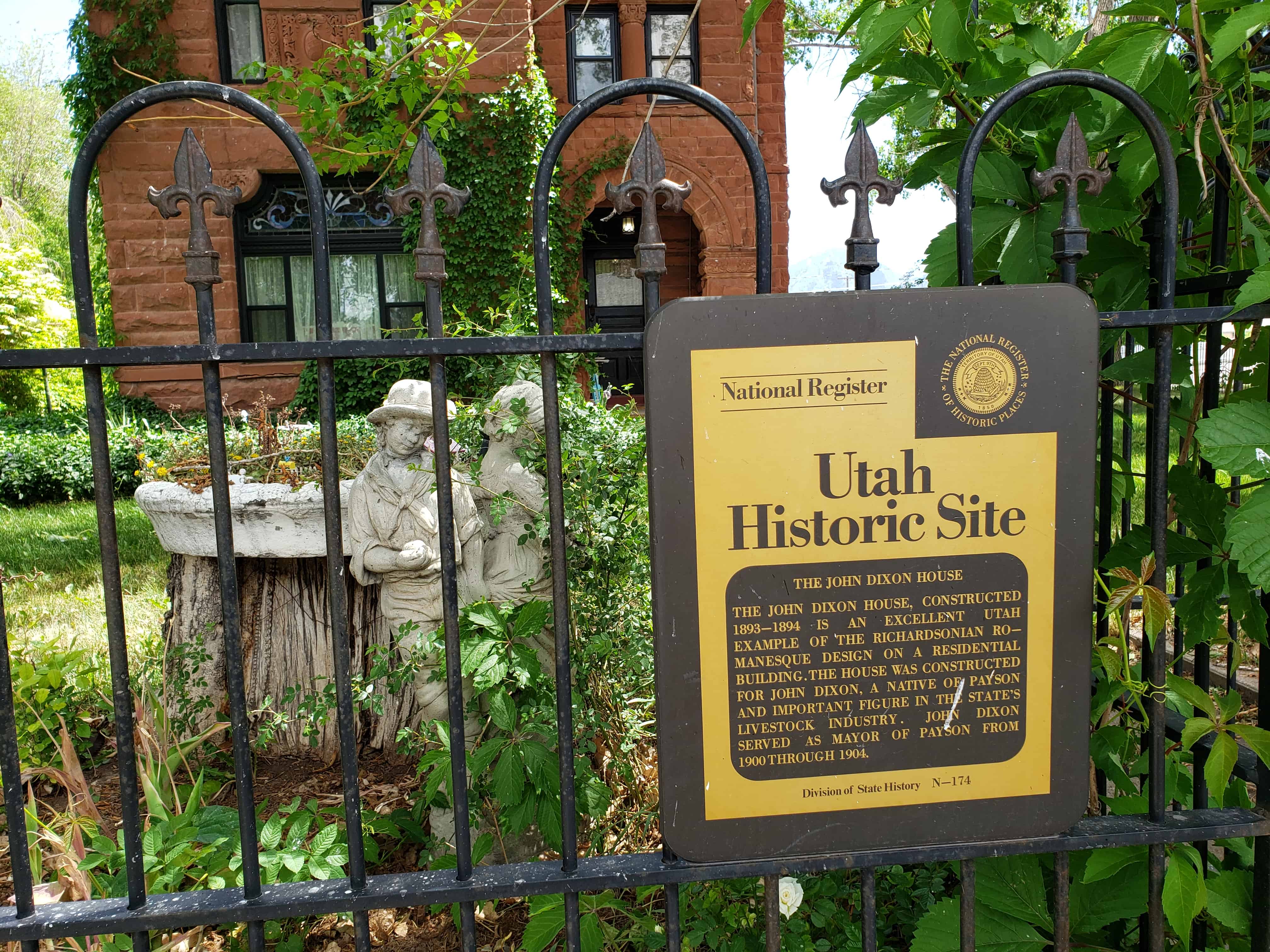
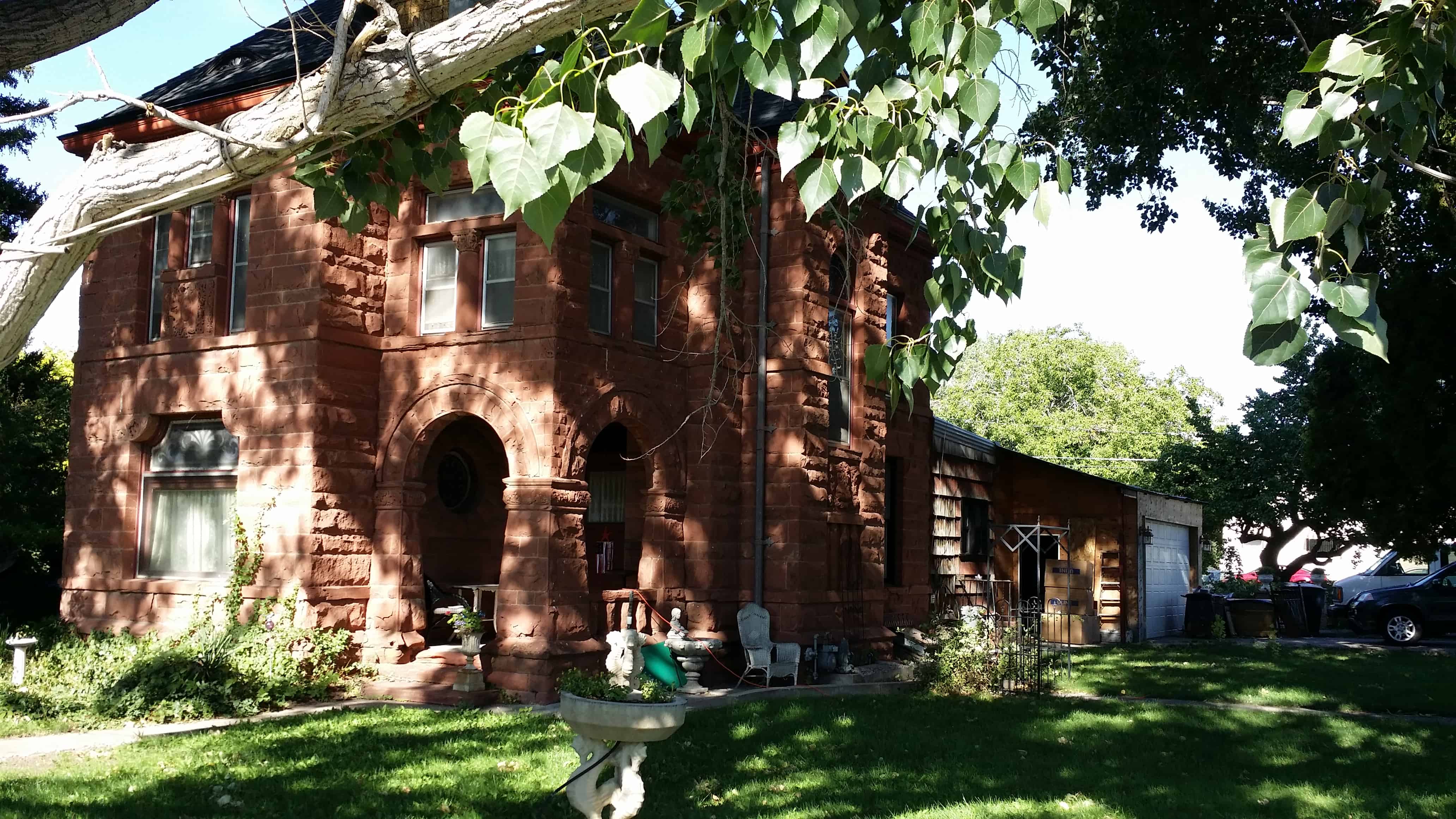
According to its 1977 NRHP nomination, the house “is architecturally significant as a rare example of the influence of the Richardsonian Romanesque mode of design on residential architecture of the state. The high quality of craftsmanship represented in the building is also significant.”

The John Dixon House at 218 North Main Street in Payson, Utah was built in 1893. It was listed on the National Register of Historic Places (#78002701) on February 17, 1978.

The John Dixon Home, a substantial two-story stone building, helps document the life and accomplishments of one of the more prominent citizens of Payson, Utah. Dixon served as the town’s mayor, was a leader in developing the livestock industry in Payson and served in other capacities in local commercial and religious circles.

John Dixon came to Utah as a child following his family’s conversion to the Mormon Church in Ohio. The Dixon family came to Payson in 1862 to help permanently establish the young community. John’s father, Christopher Flintoff Dixon, engaged in the freighting business using the two teams of mules he had crossed the plainswith to haul local farm products to Iowa and Missouri. Upon his return he brought fruit and shade trees and building materials for his own use or for trading purposes. When the Dixons arrived in Payson, they acquired a farm of sixty acres adjoining the city on the north. There they built a house of adobe, planted a ten-acre apple orchard and irrigated the land with water out of Peteetneet Creek.

John Dixon grew to manhood experiencing the agricultural environment common to his family and the vast body of Mormon pioneers in general. With his father and brothers, he shared in dairy operations and in raising beef cattle. In 1890 he traveled to Dixon, California, where his father’s two brothers were living, and while there purchased one thousand head of Merino sheep which he shipped to Utah. He ran the sheep on Loafer Mountain southeast of Salem, Utah and thereby began his career in livestock raising.

Dixon and his family partners capitalized on the inability of Jesse Knight and his sons to buy from the government all of Payson Canyon. Knight, a developer of mines and other Utah industries, elected to raise his livestock in Canada and therefore sold his Thistle Valley ranch, and leased his 2,900 acres West Mountain Ranch to the Dixons. With this range and additional acreage purchased west of Goshen Bay on Utah Lake, John Dixon and partners assembled sufficient land to develop a large sheep and cattle raising business. In this enterprise they continued to associate with the Knight family through Raymond Knight, Jesse’s son. Together the two families weathered the panics of 1893 and 1897 and eventually assumed a role as regional cattle barons.

As his career grew, John Dixon entered commercial and public circles in his community. He was owner, with Hyrum Lemons, of the First Bank of Payson. Dixon also served as Payson’s mayor from 1900 through 1904. He was also an active member of the Mormon faith and was a High Priest and High Counselor, positions of leadership in the Nebo Stake, the major ecclesiastical unit of the Mormon Church in that area. Dixon erected his impressive hone on Payson’s Main Street. Later the Nebo Stake Tabernacle was built directly South of his home while the C.F. (Jack) Dixon residence was built to the north. The home is therefore not only individually distinctive, but is a key structure in the street-scope of Payson’s historic Main Street

The John Dixon Home is architecturally significant as a rare example of the influence of the Richardsonian Romanesque mode of design on residential architecture of the state. The high quality of craftsmanship represented in the building is also significant.

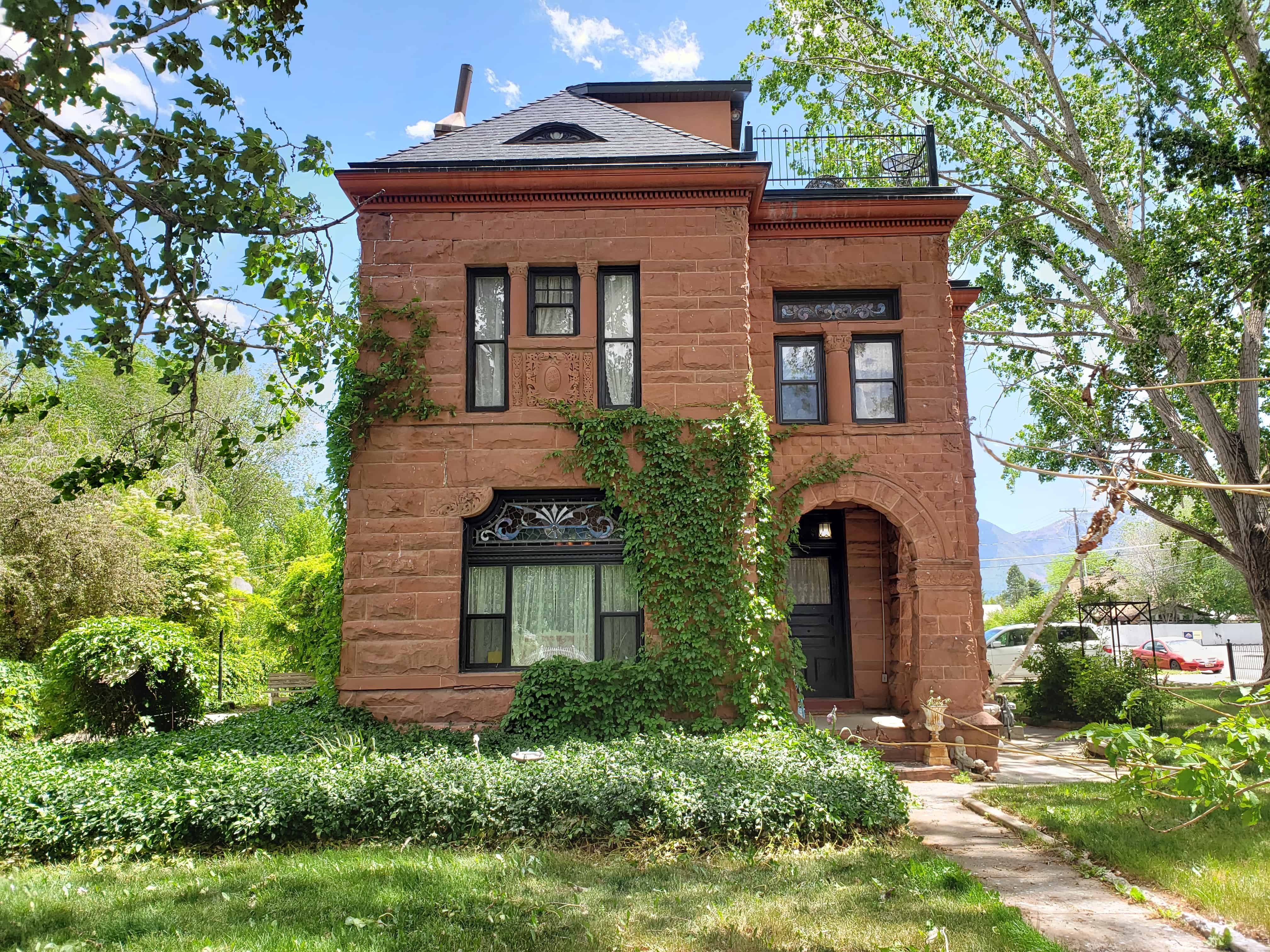
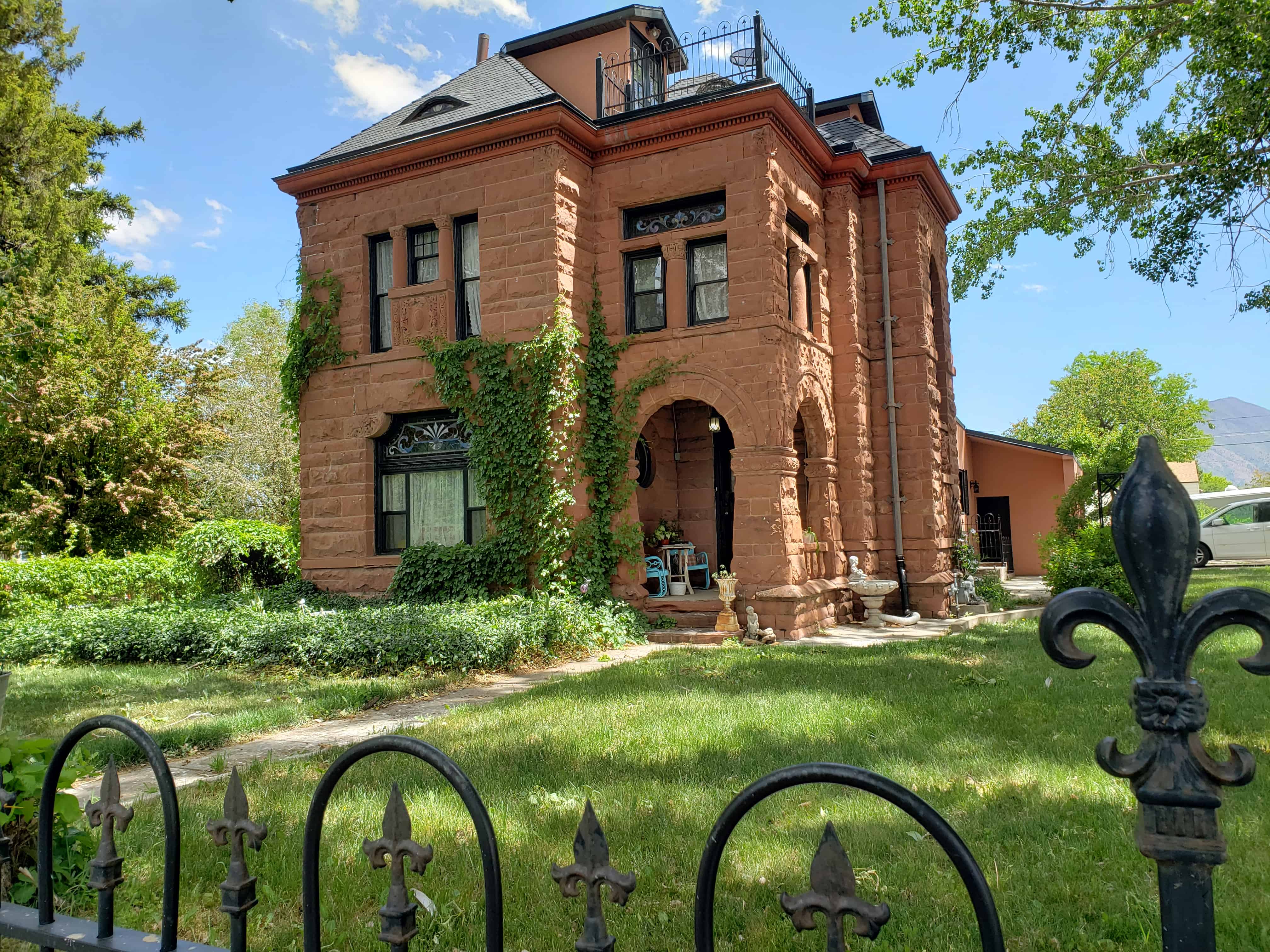
Built during the Victorian era, the Dixon Home is one of the few residences in the state to employ aspects of Richardsonian Romanesque styling, a design trend which was confined almost entirely to commercial and public structures in Utah. The Dixon Home, however, with its simple but heavy massing, rock-faced masonry, hip roof and decorative carved stone, makes definite reference to Richardsonian Romanesque. The two-story home is constructed of dark red sandstone and features fine workmanship in its masonry, both structural and ornamental, and in its art glass windows and woodworking. The well preserved residence has experienced no important changes with respect to original appearance and is considered one of Payson’s most distinctive cultural assets.

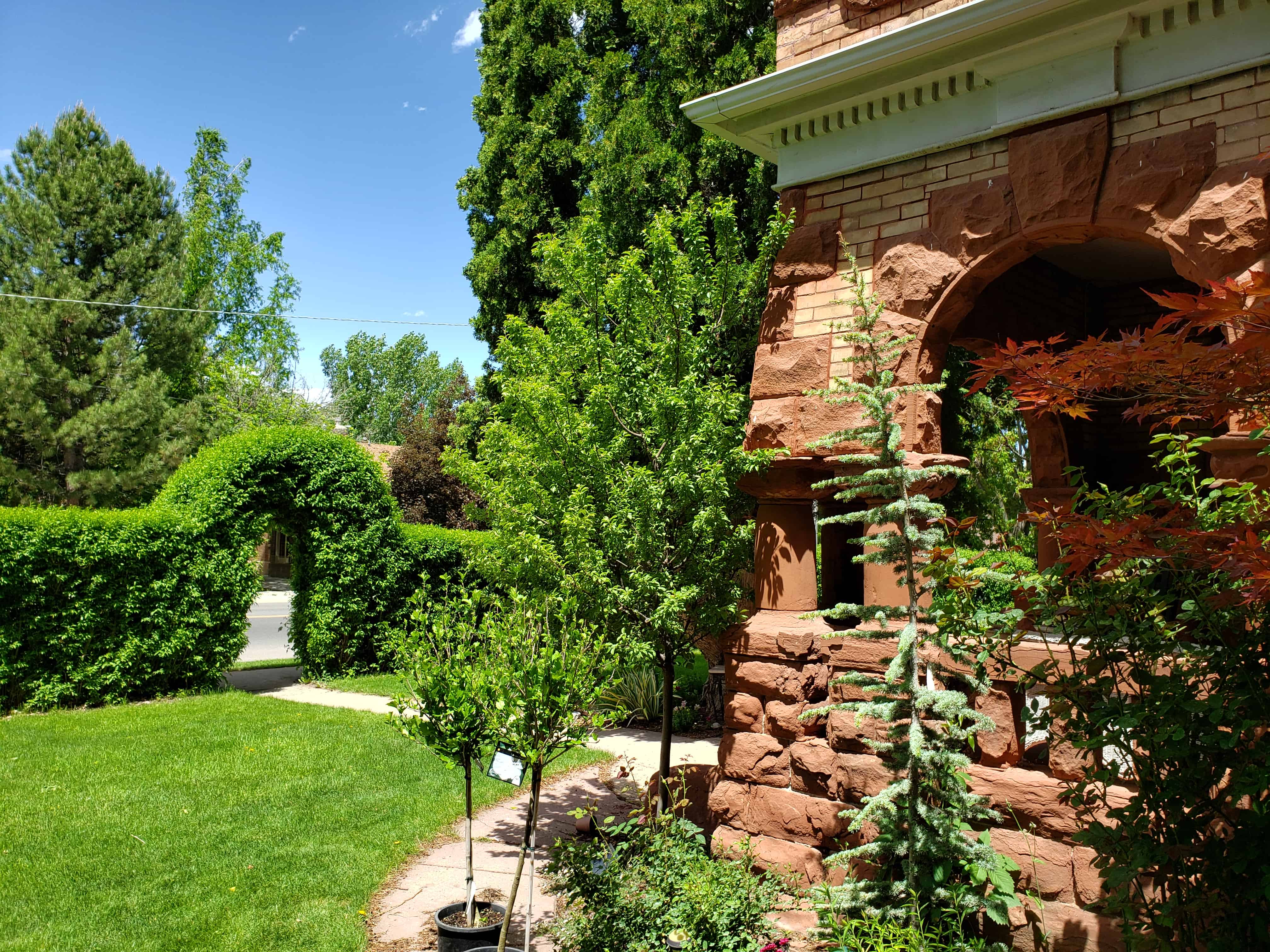
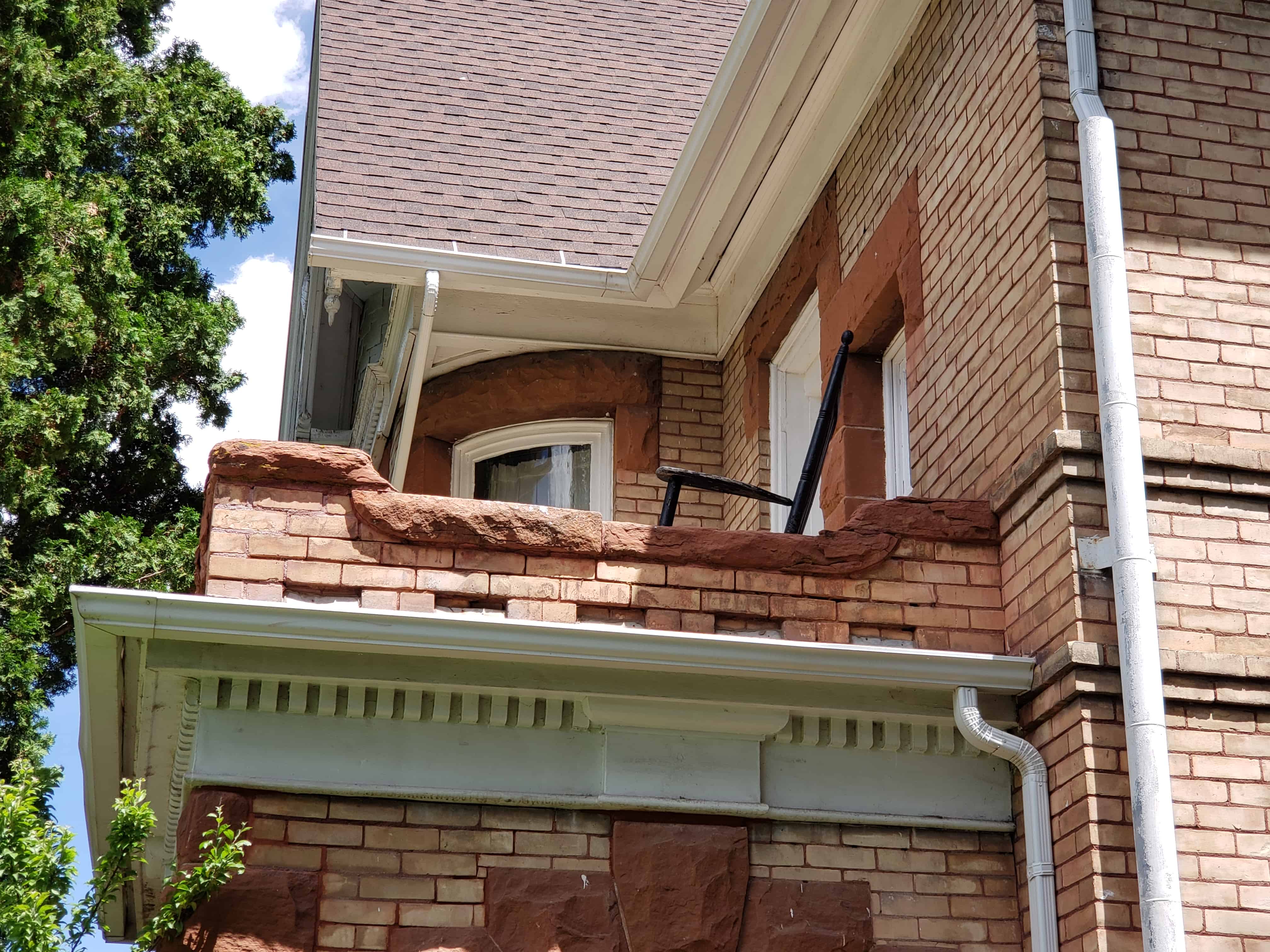
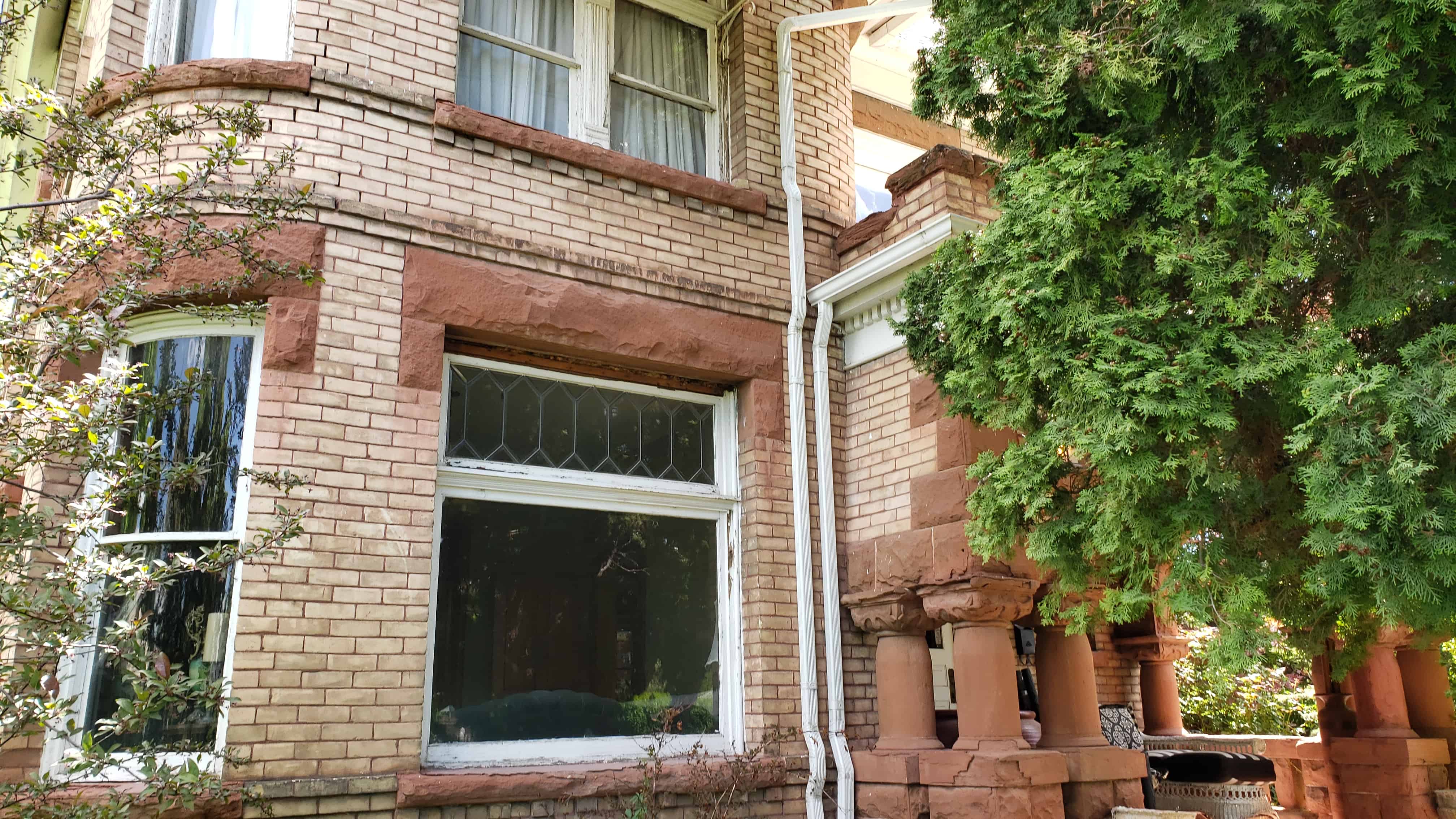
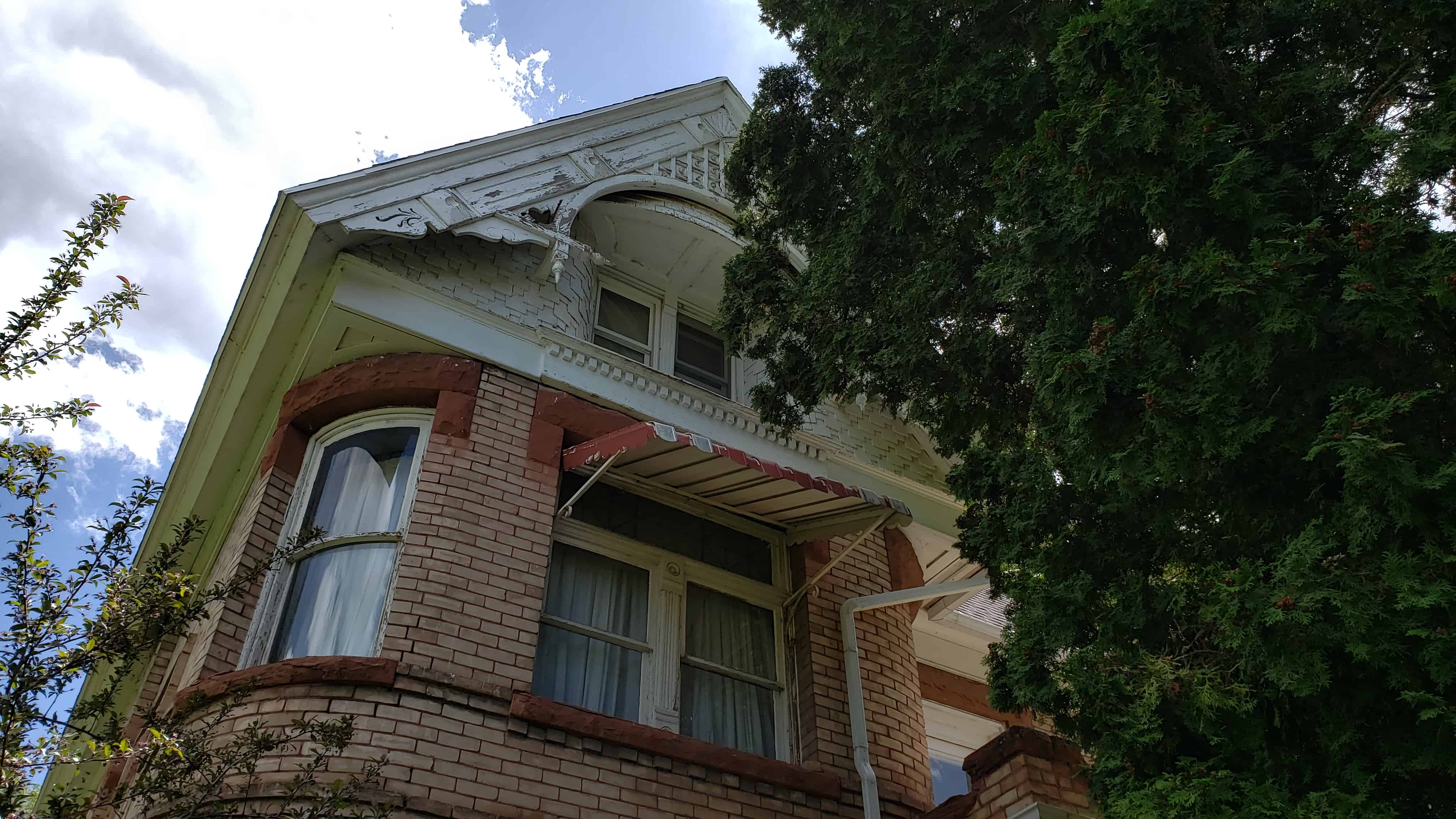
The John Dixon Home is a 2 story structure built in 1893-4 of dark red sandstone. The building has an irregular plan but is straightforward in its form and massing. Due to its dark color and rock-faced masonry exterior, the building possesses qualities of heaviness and strength. The home has most in common with the Richardsonian Romanesque mode in style.

The facades of the Dixon Home are asymmetrical and feature large square bays on both floors. The windows, several of which feature art glass, are recessed, giving the walls an effect of depth. Entry to the home is made through vestibule which has two Roman-arched openings. All exterior walls surfaces feature rock-faced stone, excepting the two belt courses at the sill lines which are of smooth stone. The home has a hip roof and features small eyebrow windows. The cornice is shallow, molded and has a dentiled frieze. Of particular interest to the exterior design is a variety of ornamental carved stone. The inscription plaque in the front façade reads, “John Dixon, 1894” and has small faces and arabesque foliation of carved stoned. The capitals of the second story mullion-columns, pedestals of the Roman arches and lentil brackets in the first floor window bays also display carved foliation. The interior of the Dixon Home is also rich in design and materials and retains most of its original character. The only important alteration of original appearance consists of a small frame addition which was made to the rear of the building.

Samuel Douglass House

29 Friday Aug 2014

Posted by Jacob Barlow in Uncategorized

≈ 3 Comments

Tags

historic, Historic Homes, NRHP, Payson, utah, utah county

  • 2014-08-15 17.06.20

The Samuel Douglass House at 215 N. Main St. in Payson, Utah was built in 1874 (making it one of the oldest in Utah) and later substantially altered. It was updated to include Bungalow/craftsman architecture in 1912, and won a high school civics class award.

It was listed on the National Register of Historic Places in 1992. It is also a contributing building in the Payson Historic District, which was listed on the National Register in 2007.

Built in 1874 and expanded c. 1894 and 1912, the Samuel Douglass House is architecturally significant in Payson. It is an excellent local example of the vernacular interpretation of nineteenth-century Greek and Gothic Revival styles subsequently adapted to twentieth-century Bungalow and Arts and Crafts styles. The house is also significant for its unique, original floor plan, which remains easily discernible.

Samuel Douglass was born in 1850 in Salt Lake City, moving to the Peteetneet community in 1863. He followed his father in the general merchandise business and served in several civic positions. He married Emma Jane Dixon in 1874 and was recognized as a successful businessman and supporter of important civic projects such as the Strawberry Valley Project. His house was wired for electricity in 1897 and was also among the first in the community to have running water installed in 1902. The architectural changes made to the house in 1912 reflected growing optimism in the area and incorporated the latest Bungalow and Arts and Crafts styles.

Click here for other historic homes in Payson.

  • 2014-08-15 17.06.24
  • 2014-08-15 17.07.24
  • 2014-08-15 17.07.28
  • 2014-08-15 17.07.34
  • 2014-08-15 17.07.40

Patrick L. and Rose O. Ward House

29 Friday Aug 2014

Posted by Jacob Barlow in Uncategorized

≈ 2 Comments

Tags

historic, Historic Homes, Springville, utah, utah county

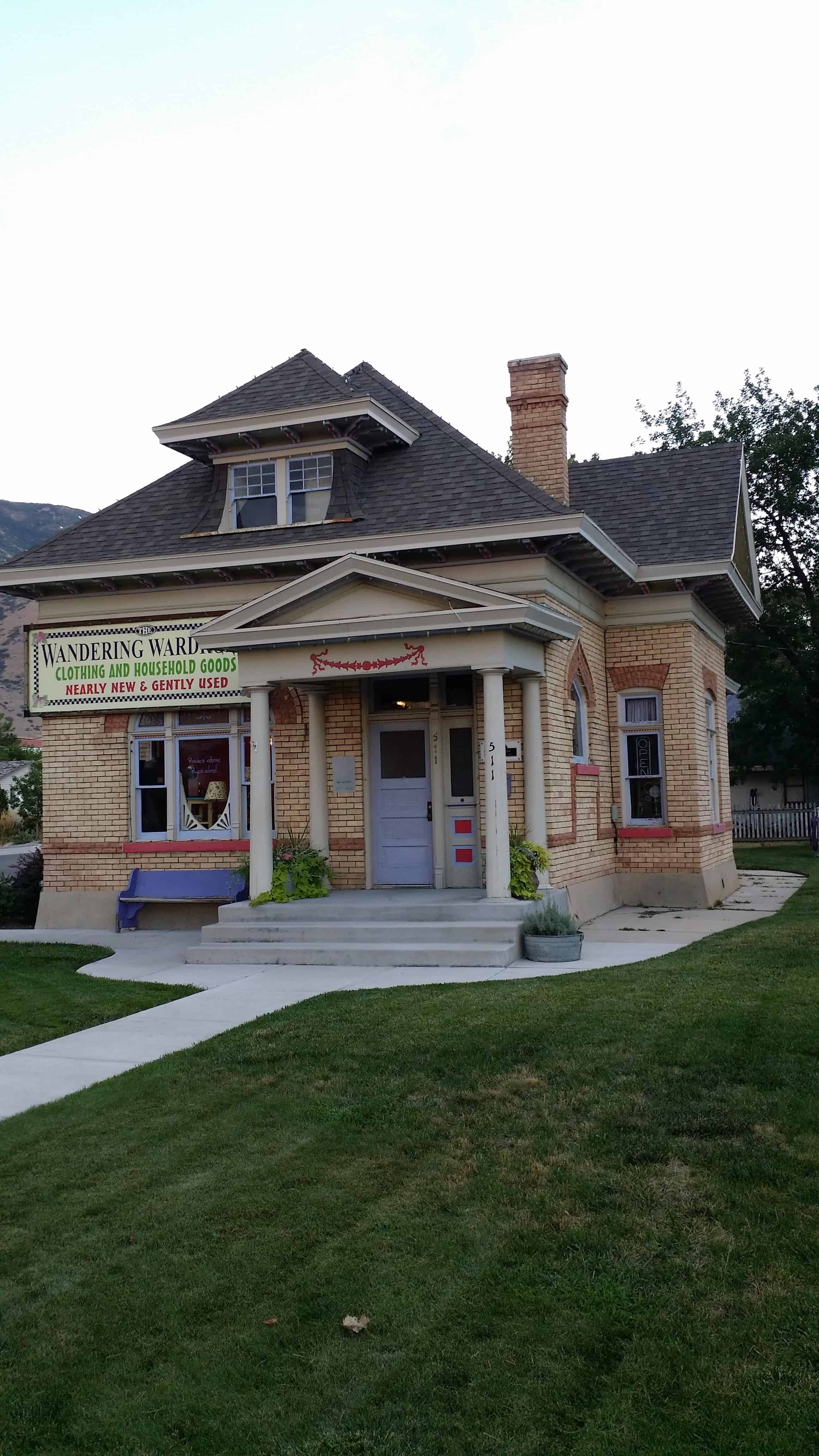
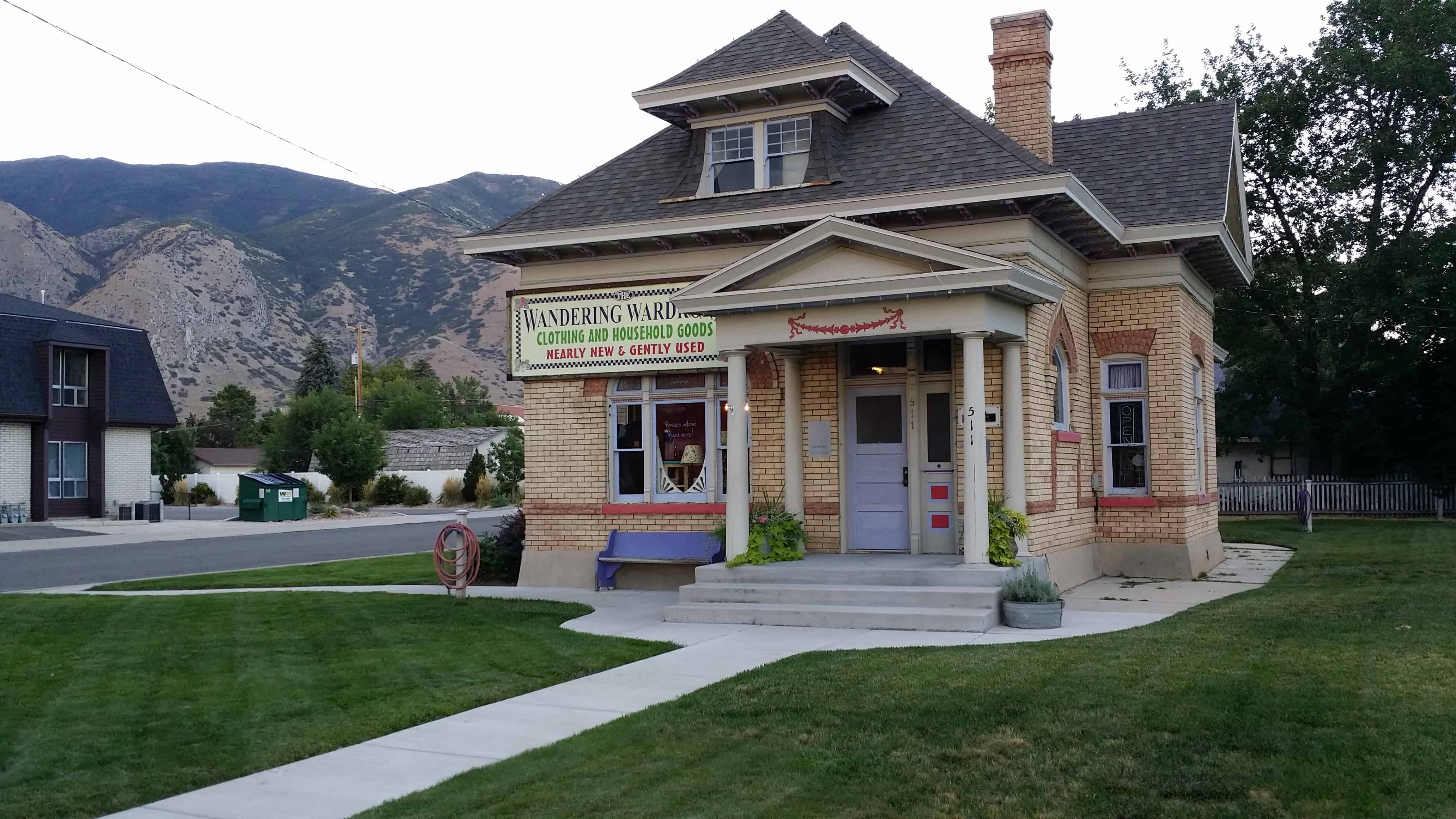
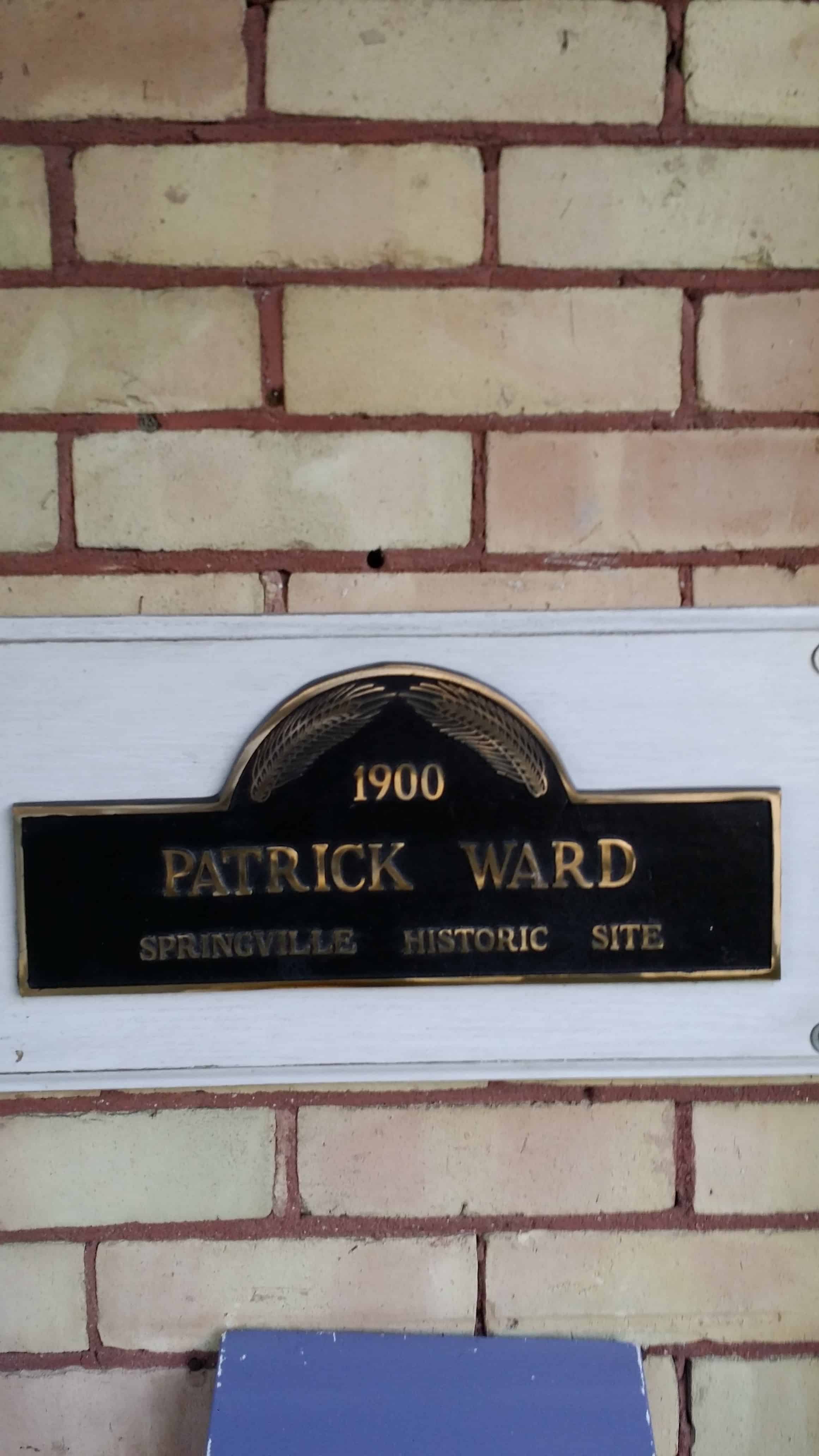
The Patrick Ward House is a gorgeous example of the quality of historic homes in Springville.

The Patrick L. and Rose O. Ward House at 511 S Main St. in Springville, Utah, United States, was built in 1900. It was listed on the National Register of Historic Places in 1998

It was home of Patrick L. Ward, station master and superintendent of the Denver and Rio Grande Railroad in Springville.

2014-08-14 19.51.29 2014-08-14 19.51.33 2014-08-14 19.51.49

Wood-Harrison House

29 Friday Aug 2014

Posted by Jacob Barlow in Uncategorized

≈ 3 Comments

Tags

historic, Historic Homes, NRHP, Springville, utah, utah county

2014-08-12 20.25.14

One of the oldest homes in Utah, the Wood-Harrison House at 310 S. 300 West in Springville, Utah was built in 1853 and expanded in 1877. It was listed on the National Register of Historic Places in 1983.

The original 1853 home was adobe, a one-story rectangular cabin-type house. By 1877 it had been sold and two-story house was added to the end of the original building, making it a hall-and-parlor I-house. This reflects general economic prosperity of the times. The house was identified in a 1981 architectural survey of Springville as being “the best known and more carefully documented residence reflecting this historical transition.”

John T. and Henry T. Reynolds, Jr., House

29 Friday Aug 2014

Posted by Jacob Barlow in Uncategorized

≈ 1 Comment

Tags

historic, Historic Homes, NRHP, Springville, utah, utah county

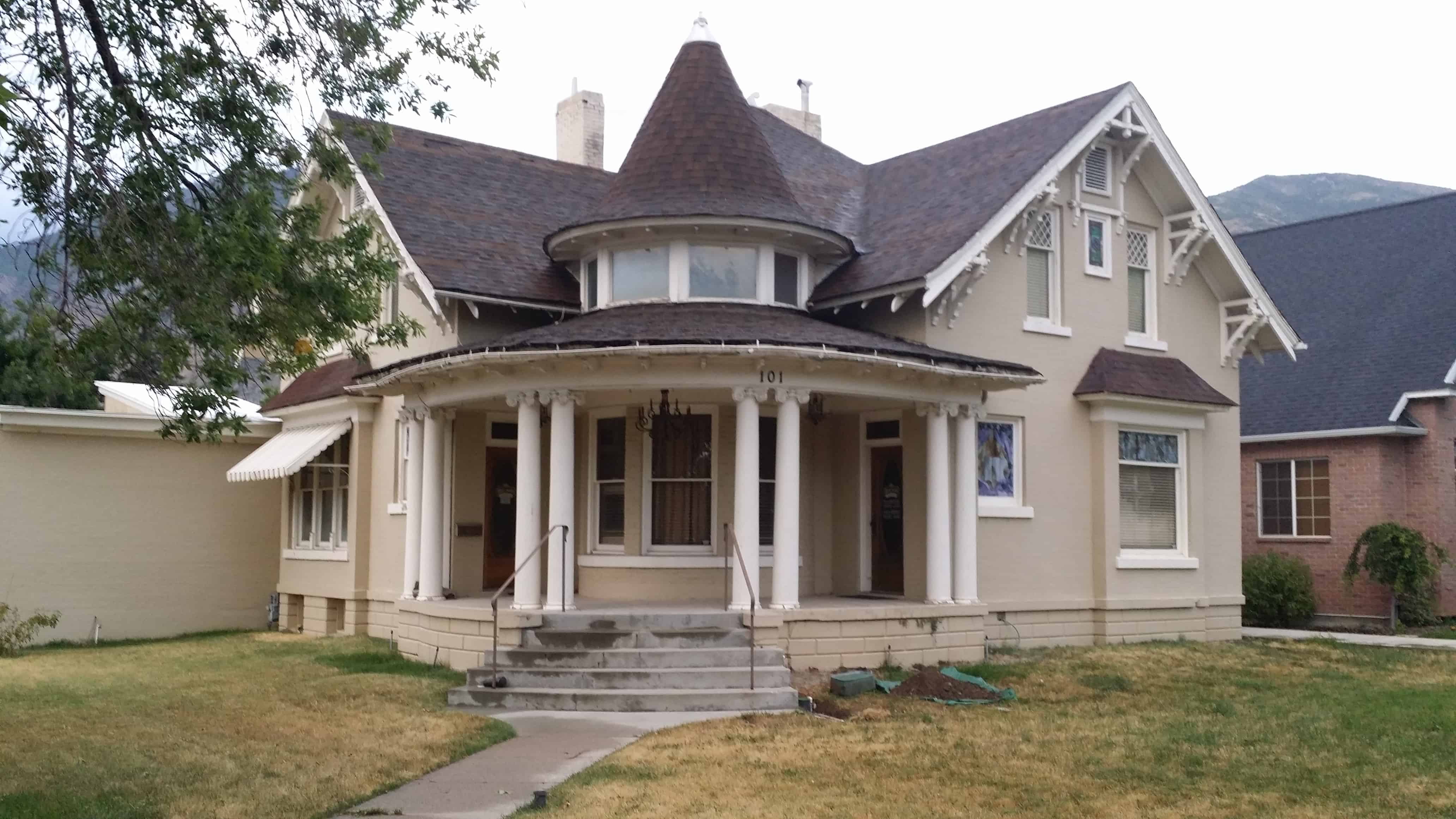
  • 101 E. 200 South, Springville, Utah
    101 E. 200 South, Springville, Utah

The John T. Reynolds/Henry T. Reynolds, Jr., House, constructed in 1910, is
significant as one of approximately six well-preserved houses in
Springville which document the period of growth and prosperity of the town as it changed from a tranquil agrarian community to a thriving commercial center at the turn of the century. The wealth and prosperity that came to the town was the result of the success that several local construction companies experienced and is documented in the large homes built within the first decade after the turn of the century. The Reynolds House is one of the best preserved and more impressive examples of these homes. The Reynolds House is also architecturally significant as a local example of a transitional building which combines the irregular massing and some decorative features of the Victorian design with the proportions, roof pitch and decorative features of the Craftsman period. At the turn of the century it was quite common to combine Victorian Eclectic and classical features within a single design, but Victorian Eclectic and Craftsman combinations are rare in Utah. The Reynolds House is one of three houses of this type in Springville. The Reynolds House is also historically significant for its association with Henry T. Reynolds, Jr., a prominent local business and civic leader, who lived in the house for over 35 years.

2014-08-12 20.18.09

The house was built in 1910 for John T. Reynolds. Lew Whitney was the architect and Ed Child did the brick work.2 John sold the house in 1919 to his nephew, Henry T. “Harry” Reynolds, Jr. The house was occupied by Harry and his family from 1919 until the death of his widow in 1983. The house was purchased in early 1985 by Allen and Marty Young, who have plans to convert the house into an art gallery.

John T. Reynolds was a contractor in Springville for a time, but in 1913-14 he was listed as the manager of H.T. Reynolds & Co., a local mercantile store owned by his brother, Henry T. Reynolds, Sr. John Taylor Reynolds was born in Springville on November 3, 1877, the last of eight children. His parents emigrated from Yorkshire, England, and his father was a tailor. John and his wife, Edith Berry Reynolds, moved to San Francisco soon after selling this house to his nephew in 1919. John died there in 1958.

Henry “Harry” Taylor Reynolds, Jr., was born July 23, 1888, in Springville to Rebecca Porter Reynolds and Henry Taylor Reynolds, Sr. Following in his father’s footsteps, he established himself as a prominent civic and business leader in Springville and Utah County. He served as vice-president and director of Utah Wholesale Grocery, president of Kolob Lumber Company, president of Associated General Contractors of Utah, and as partner, with his brother Ernest, in Reynolds Construction Company. Harry Reynolds also served a term as city councilman in Springville and as a national committeeman of the American Legion. He died in Springville September 4, 1955.

Reynolds Construction Company (also known for a time as Reynolds/Ely Construction Company) was one of several major construction companies based in Springville. Though only a small town of a few thousand people, Springville surpassed both Salt Lake City and Ogden, the largest cities in the state, as a center for the contract construction industry. The industry gained its start in Springville in the late 1870s when a number of local men became extensively involved in freighting. That activity, in turn, led to railroad construction. Many of those early construction firms have continued in operation up to the present, and the town is still regarded as a center of construction activity.

The success of the construction industry in Springville brought unprecedented economic growth to the community. This new-found wealth was reflected in the emergence of fine, large homes, such as the Reynolds House, that were built around the turn of the century. The Reynolds House is one of the most impressive houses of the period, and is one of the best preserved examples of the type built at that time.

The architect, Lewis Jothan Whitney, was born June 18, 1874, in Springville. He was the son of Leonard J. and Tryphena Perry Whitney. During his life in Springville he was active as an architect, and as a road, bridge and home contractor. Lew Whitney died in September 1954 of a heart ailment. Lew designed an built a number of homes in the Springville area and in southern Utah, though none besides this one have yet been specifically credited to him. The Roylance House, located one block east of the Reynolds House, was probably designed by Whitney, judging from its very similar appearance. It, however, has been extensively altered by a large addition when it was converted into a mortuary.

Related Posts:

  • NRHP #85001393
  • Springville, Utah
2014-08-12 20.18.16
2014-08-12 20.19.56

Richard Palfreyman Home

29 Friday Aug 2014

Posted by Jacob Barlow in Uncategorized

≈ 3 Comments

Tags

historic, Historic Homes, Springville, utah, utah county

Another Springville historic site, the Richard Palfreyman home.  Just two houses north of the Thomas E. Child Historic Home.

2014-08-12 20.06.47 2014-08-12 20.07.37 2014-08-12 20.07.42

Thomas E. Child Historic Home

27 Wednesday Aug 2014

Posted by Jacob Barlow in Uncategorized

≈ 3 Comments

Tags

historic, Historic Homes, NRHP, Springville, utah, utah county

At 101 South 400 East in Springville is the Thomas E. Child Home, a beautiful classic.   This home is located two houses south of the Richard Palfreyman Home.

2014-08-12 20.04.31 2014-08-12 20.04.38 2014-08-12 20.04.49

2014-08-12 20.06.06

James P. and Lydia Strang House

25 Monday Aug 2014

Posted by Jacob Barlow in Uncategorized

≈ 1 Comment

Tags

historic, Historic Homes, NRHP, Springville, utah, utah county

The James P. and Lydia Strang House, at 293 E 400 N in Springville, Utah, was built in 1895. It was listed on the National Register of Historic Places in 1998.

293 E. 400 North

2014-08-12 19.54.11 2014-08-12 19.54.17

Milan Crandall Home

24 Sunday Aug 2014

Posted by Jacob Barlow in Uncategorized

≈ 1 Comment

Tags

historic, Historic Homes, NRHP, Springville, utah, utah county

The Milan Crandall Home is one of my very favorites in Springville.  Located on the Southeast corner of 400 North and 100 East, I have had many people bring up this home when I tell them I’m from Springville.

86 East 400 North in Springville, Utah

2014-08-12 19.17.20
2014-08-12 19.17.31
2014-08-12 19.17.53
(from county records)
← Older posts
Newer posts →

Follow Jacob

Follow Jacob

Come wander with me on Youtube.

Blog Stats

  • 2,094,433 hits

Social and Other Links

BarlowLinks.com

Recent Posts

  • Scout Monument
  • Provo High School Seminary Building
  • 821 E 100 S
  • 820 E 100 S
  • 817-819 E 100 S

Archives

Loading Comments...