• About JacobBarlow.com
  • Cemeteries in Utah
  • D.U.P. Markers
  • Doors
  • Exploring Utah Email List
  • Geocaching
  • Historic Marker Map
  • Links
  • Movie/TV Show Filming Locations
  • Oldest in Utah
  • Other Travels
  • Photos Then and Now
  • S.U.P. Markers
  • U.P.T.L.A. Markers
  • Utah Cities and Places.
  • Utah Homes for Sale
  • Utah Treasure Hunt

JacobBarlow.com

~ Exploring with Jacob Barlow

JacobBarlow.com

Tag Archives: Fairview

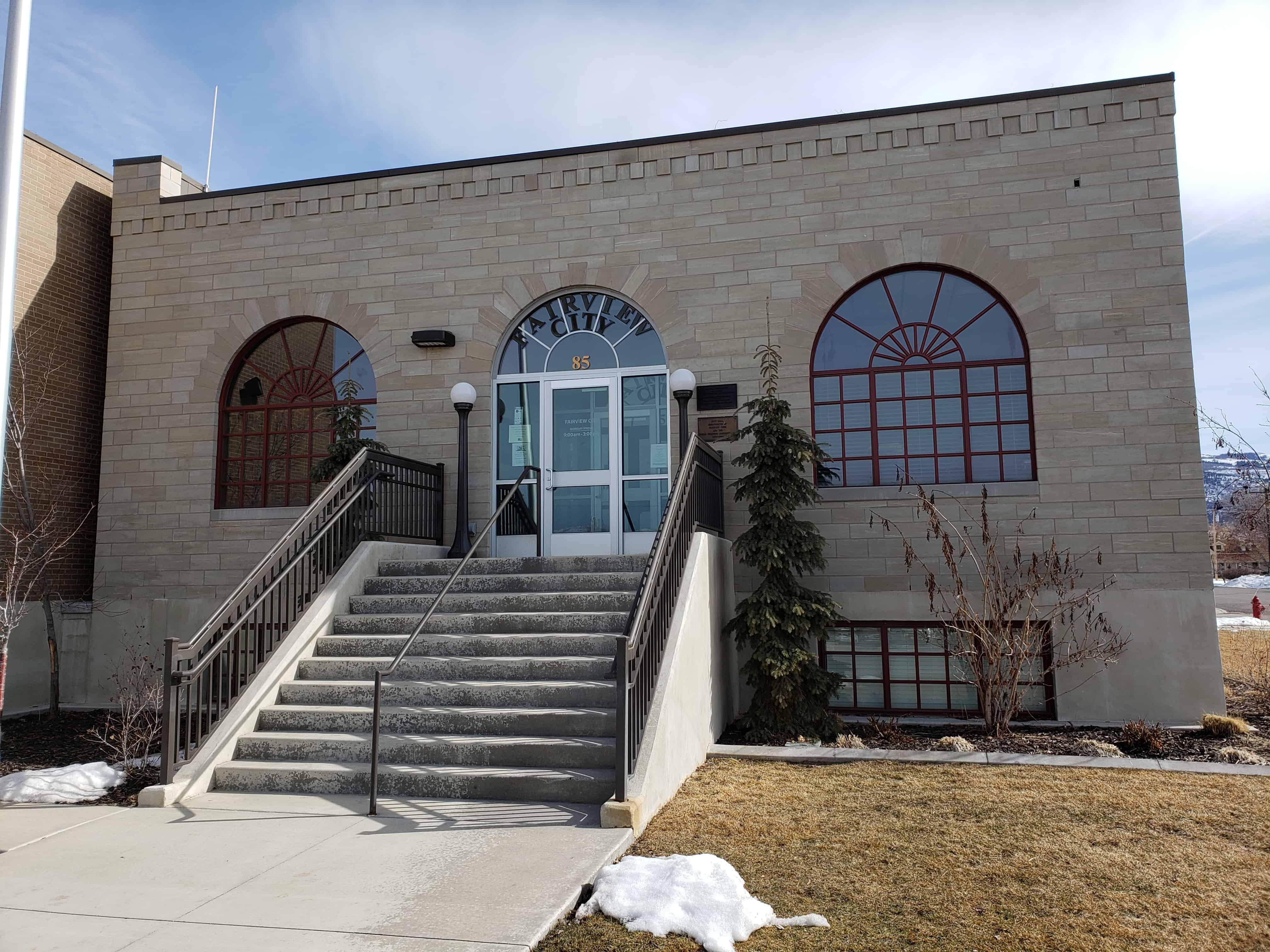
Fairview City Hall

12 Tuesday May 2020

Posted by Jacob Barlow in Uncategorized

≈ Leave a comment

Tags

City Hall Buildings, Fairview, New Deal Funded, NRHP, PWA Projects, Sanpete County, utah

Built in 1936, the Fairview City Hall is part of the Public Works Buildings Thematic Resource nomination and is significant because it helps document the impact of New Deal programs in Utah, which was one of the states that the Great Depression of the 1930s most severely affected. In 1933 Utah had an unemployment rate of 36 percent, the fourth highest in the country, and for the period 1932-1940 Utah’s unemployment rate averaged 25 percent. Because the depression hit Utah so hard, federal programs were extensive in the state. Overall, per capita federal spending in Utah during the 1930s was 9th among the 48 states, and the percentage of workers on federal work projects was far above the national average. Building programs were of great importance. During the 1930s virtually every public building constructed in Utah, including county courthouses, city halls, fire stations, national guard armories, public school buildings, and a variety of others, were built under federal programs by one of several agencies, including the Civil Works Administration (CWA), the Federal Emergency Relief Administration (FERA), the National Youth Administration (NYA), the Works Progress Administration (WPA), or the Public Works Administration (PWA), and almost without exception none of the buildings would have been built when they were without the assistance of the federal government.

I was reading here that apparently it was demolished and then the some stone was used to rebuild it exactly the same from the exterior, with updated interiors.

The Fairview City Hall is one of 232 buildings constructed in Utah during the 1930s and early 1940s under the Works Progress Administration (WPA) and other New Deal programs. Of those 232 buildings, 133 are still standing and are eligible for nomination to the National Register of Historic Places. This is one of 22 city halls built, 19 of which are still standing. In Sanpete County 17 buildings were constructed, 13 of which remain.

Related Posts:

  • New Deal Funded Projects in Utah

The local newspaper recorded the construction of the building as follows. “Work has just begun on the new Fairview City Hall and library to be built at Fairview as a government aid project.

“It will be a two-story building and will be constructed of sawed native rock, known as blue sandstone. The building will be erected on Main Street on the corner lot south of the amusement hall and will have accommodations for city hall, library, jail, Legion hall, kitchen and serving room and two rest rooms. “Thirteen men will be employed during January and 20 from then until June when it is expected the project will be completed, said Oscar Amundsen, foremen. “The plans for the building were drawn by Hugh Anderson of Fairview. $10,000 was appropriated for the building but this amount is not enough to complete the project, stated Mr. Amundsen “‘ Little is known about the construction careers of Oscar Amundsen and Hugh Anderson. This building has continued to the present to serve as the city hall and library for the town of Fairview. ” – Mt Pleasant Pyramid, Jan 31, 1936, p.1.

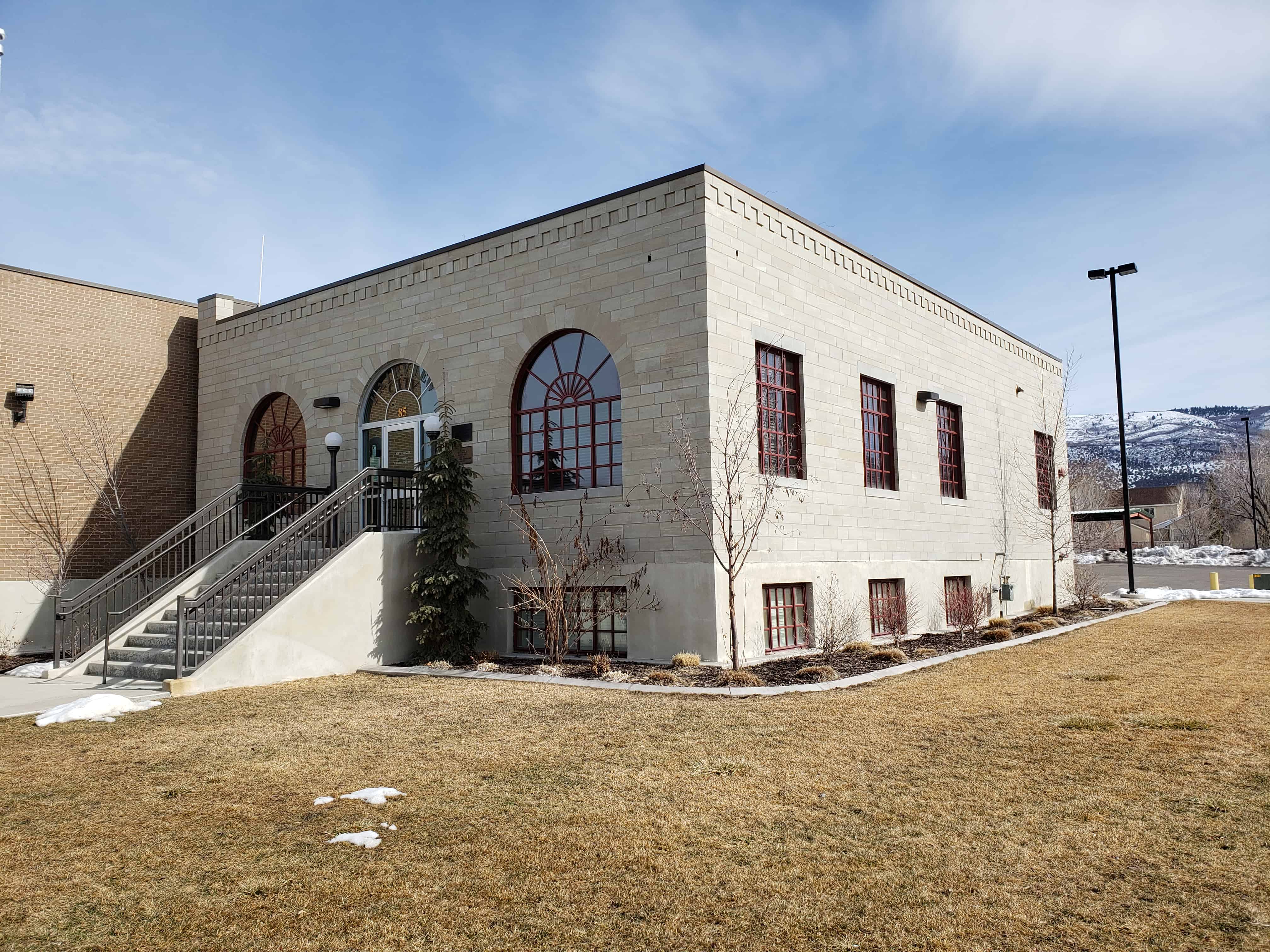
The Fairview City Hall, built in 1936, is a one-story stone building with a basically square plan, a raised basement, and a flat roof. There have been no major alterations made to the building.

This building represents an excellent example of the stark, abstract classicism associated with the PWA Moderne architectural style in Utah. The principal facade is symmetrically divided into three bays. The central bay is narrower and contains the front door, while the flanking bays have slightly wider windows on both the main and basement levels. The windows are Palladian-inspired and tripartite, and are topped by elliptical fanlights. A similar arch is found over the front entrance. Openings on the sides and rear are simple rectangles. The building is constructed of the local oolite limestone, finely dressed to a smooth ashlar surface. A band of low-relief dentils run beneath the cement coping at the edge of the roof. A very small concrete block addition was built on the rear of the building at an unknown date. Because of its small scale and its location at the rear, that addition does not affect the historical integrity of the building.

Fairview South Ward Building

10 Sunday May 2020

Posted by Jacob Barlow in Uncategorized

≈ Leave a comment

Tags

Chapels, Churches, Fairview, Sanpete County, utah

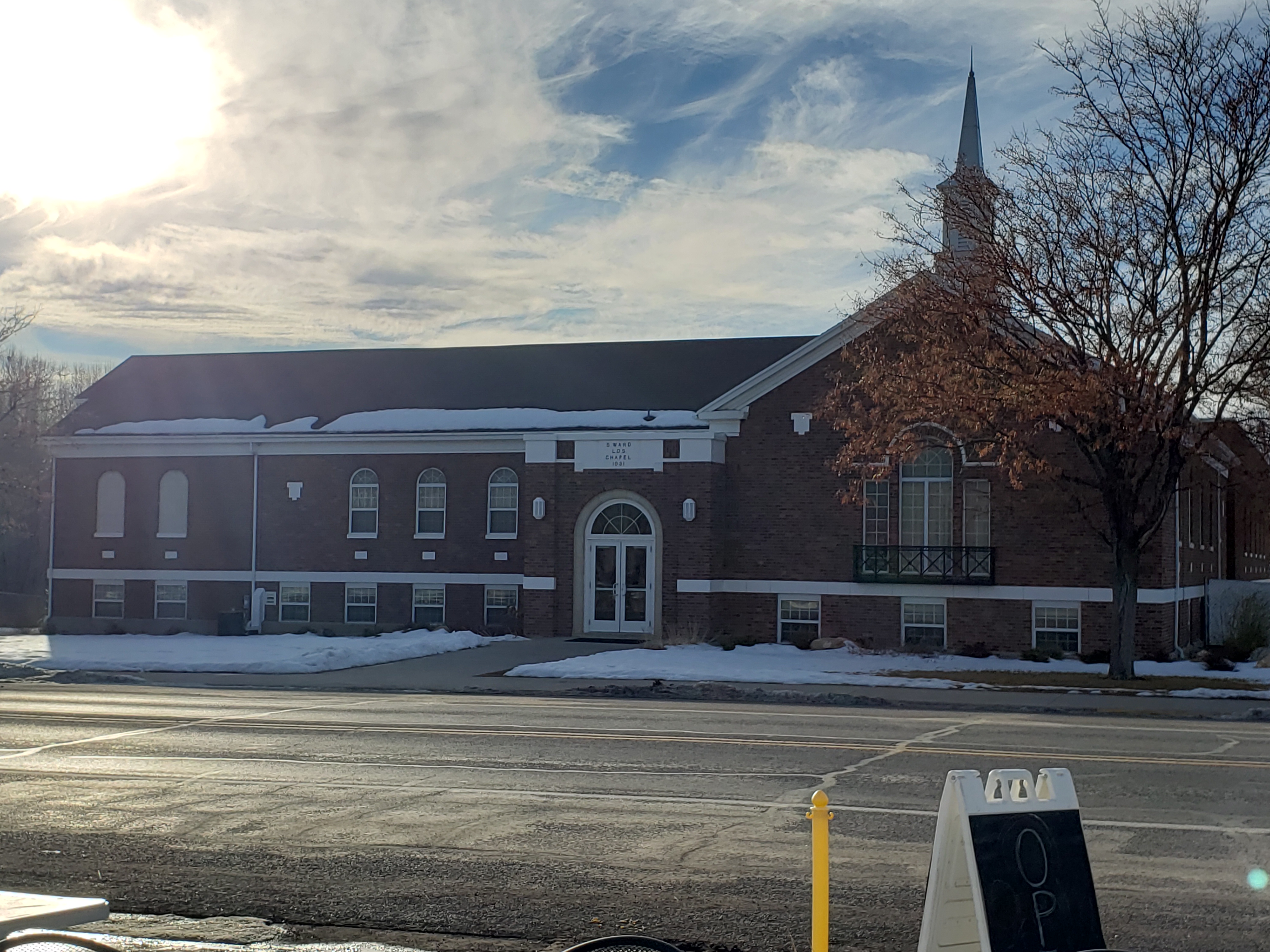
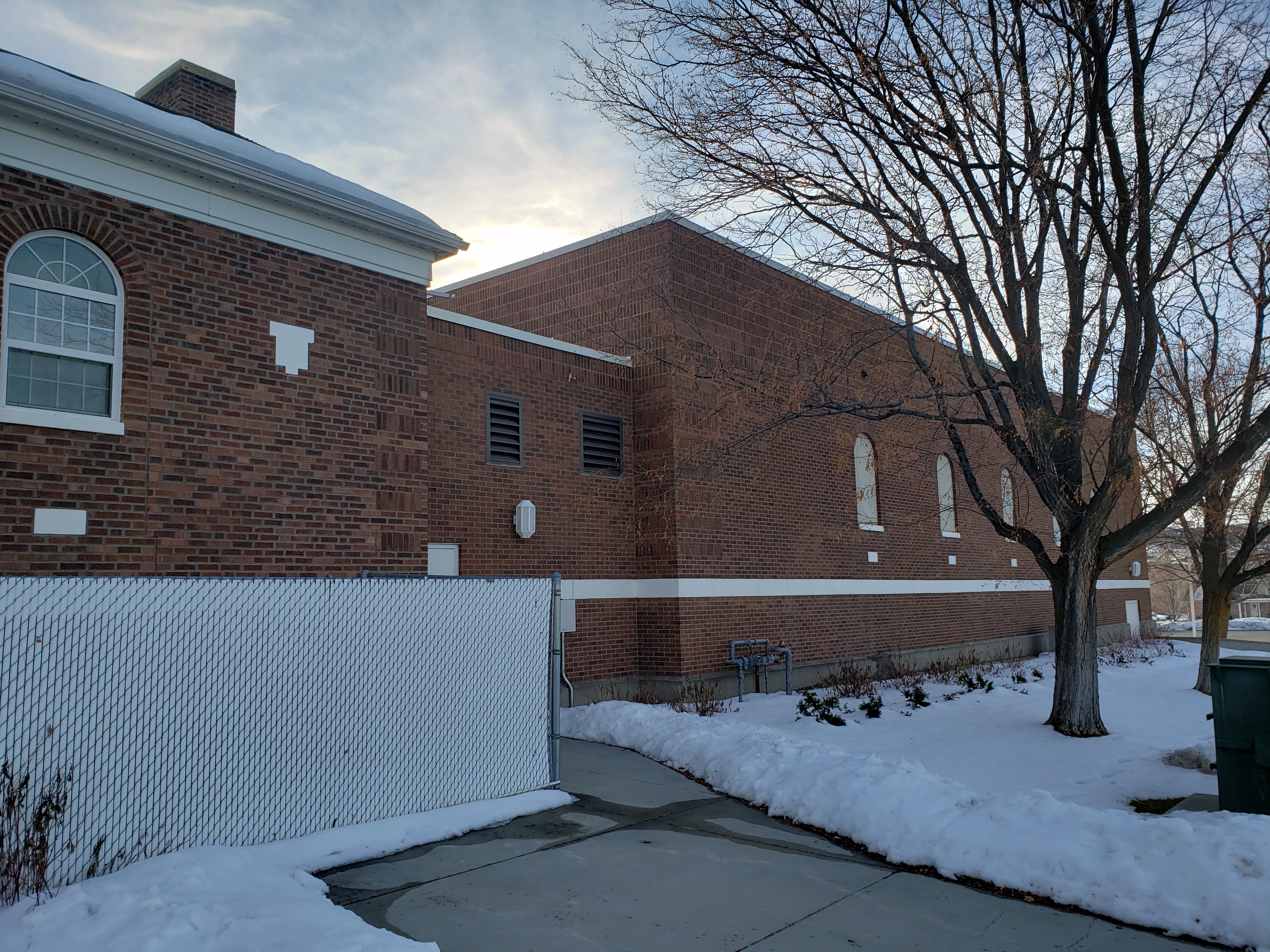
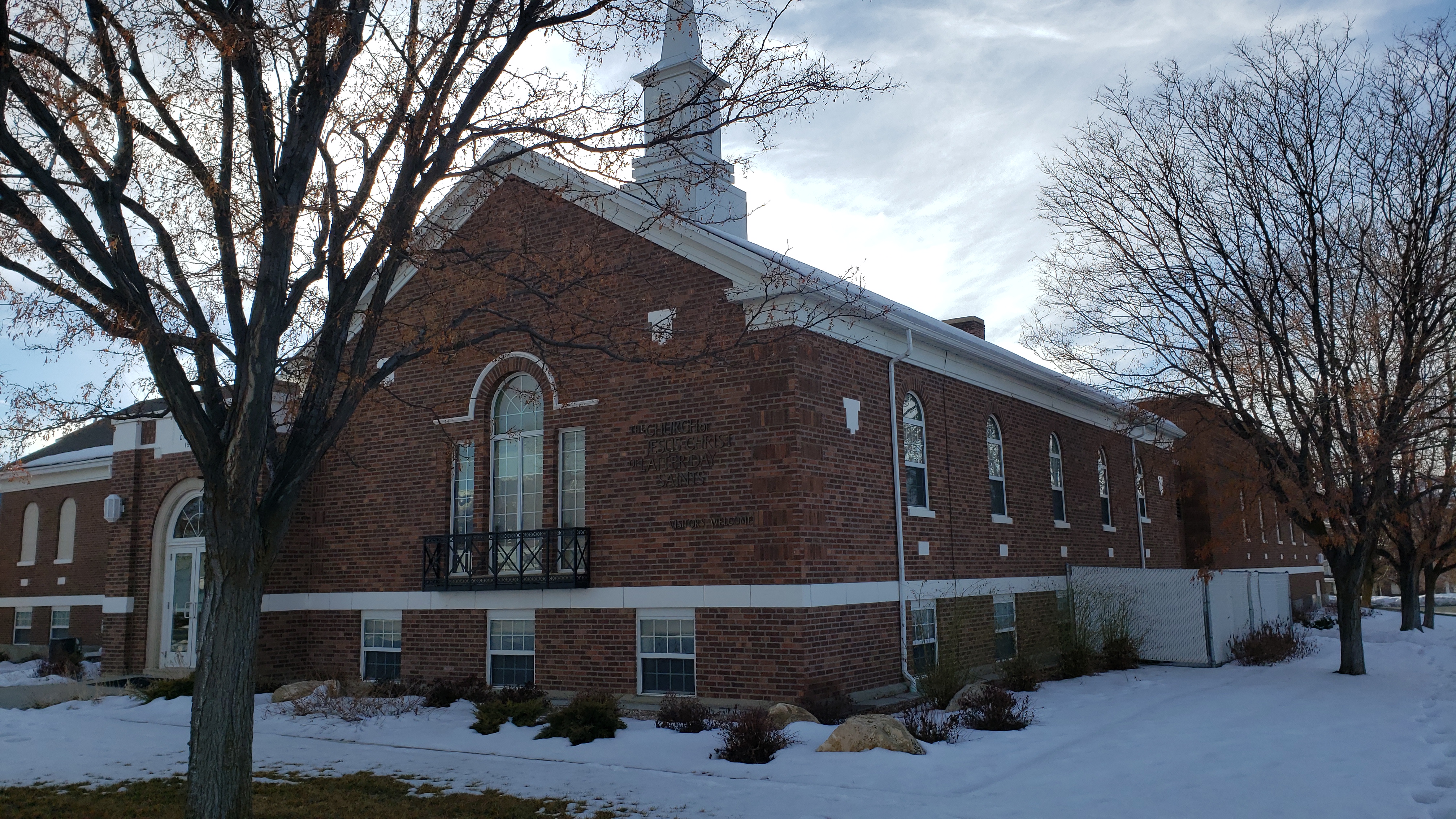
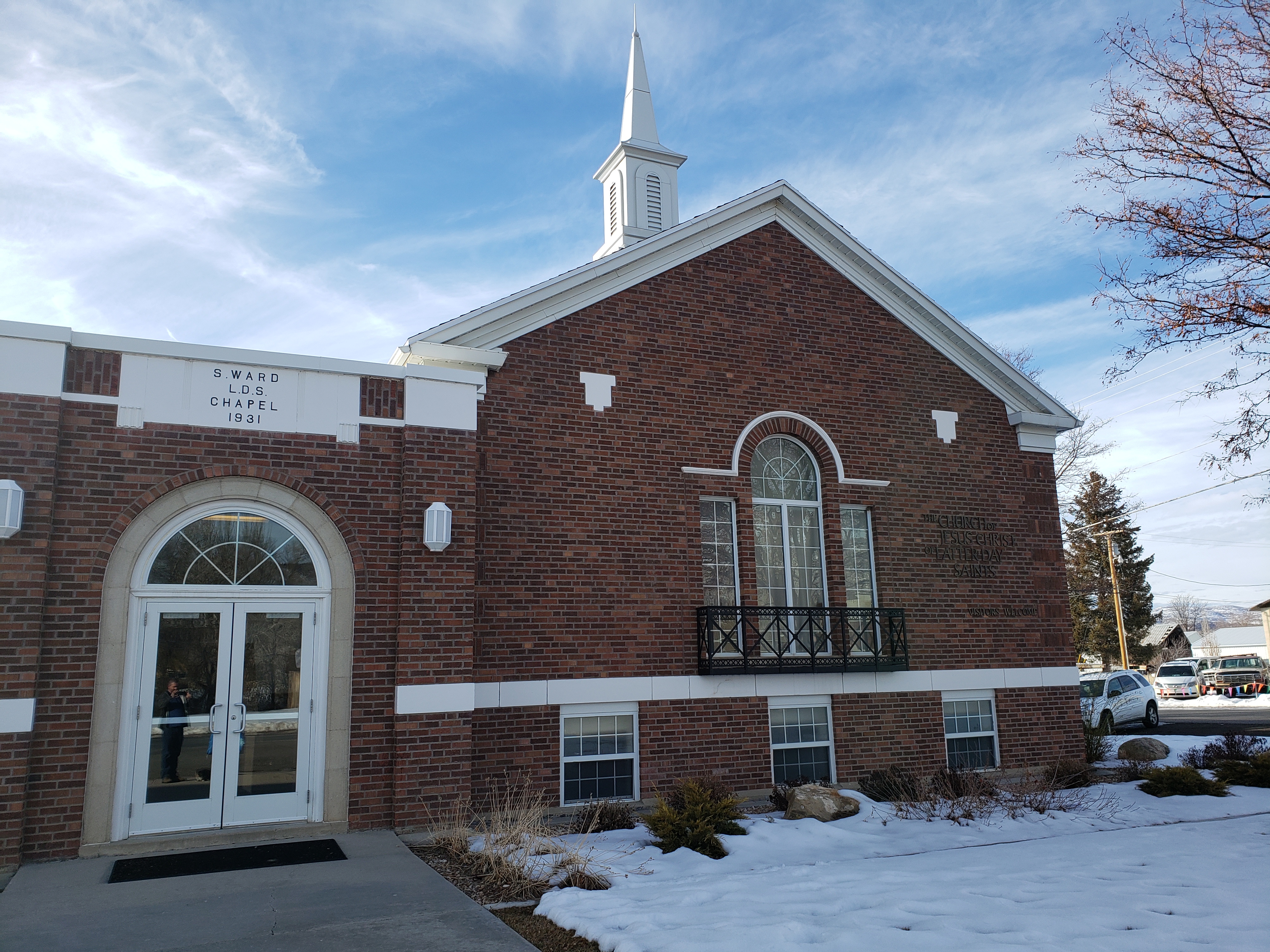
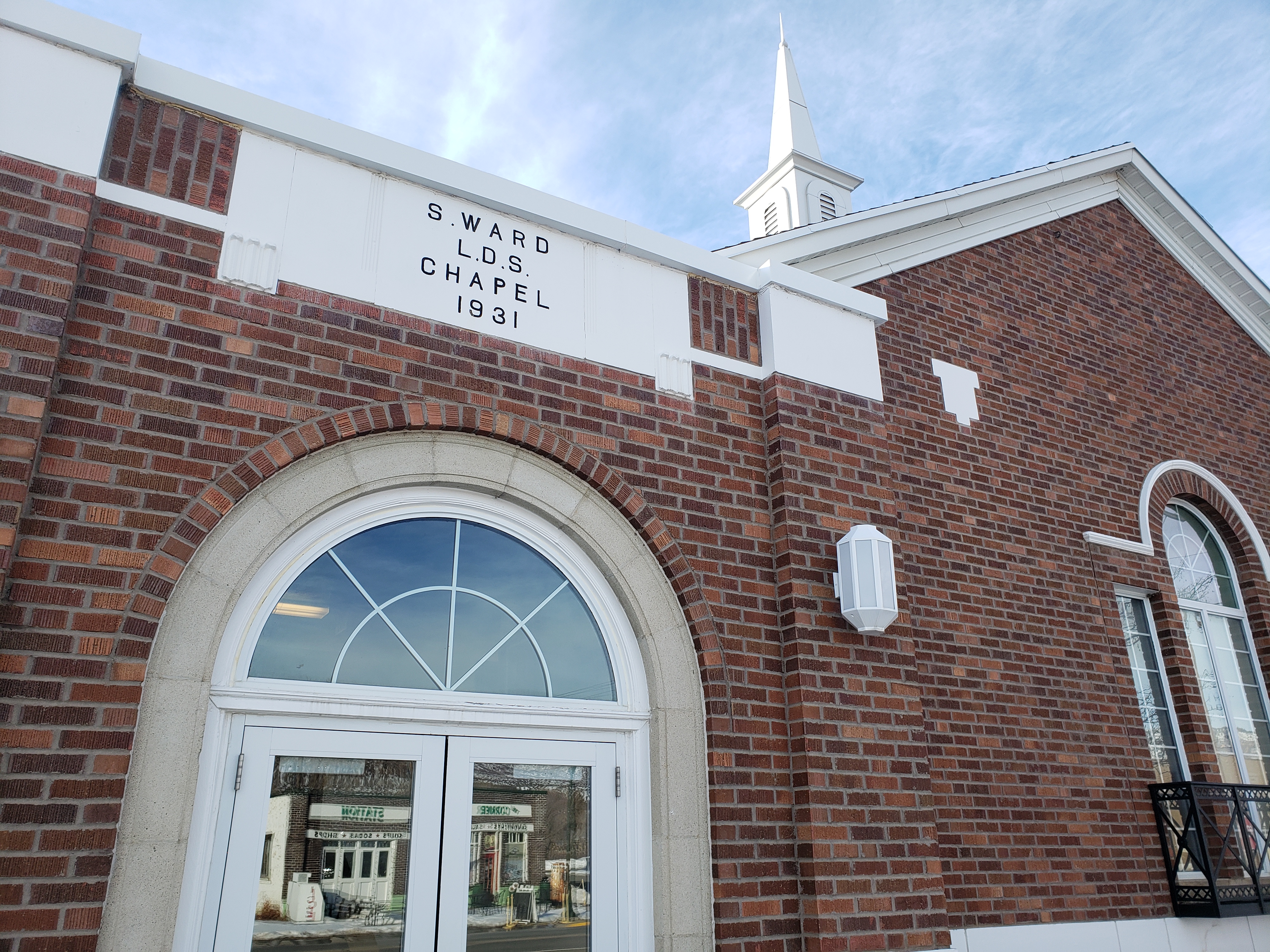
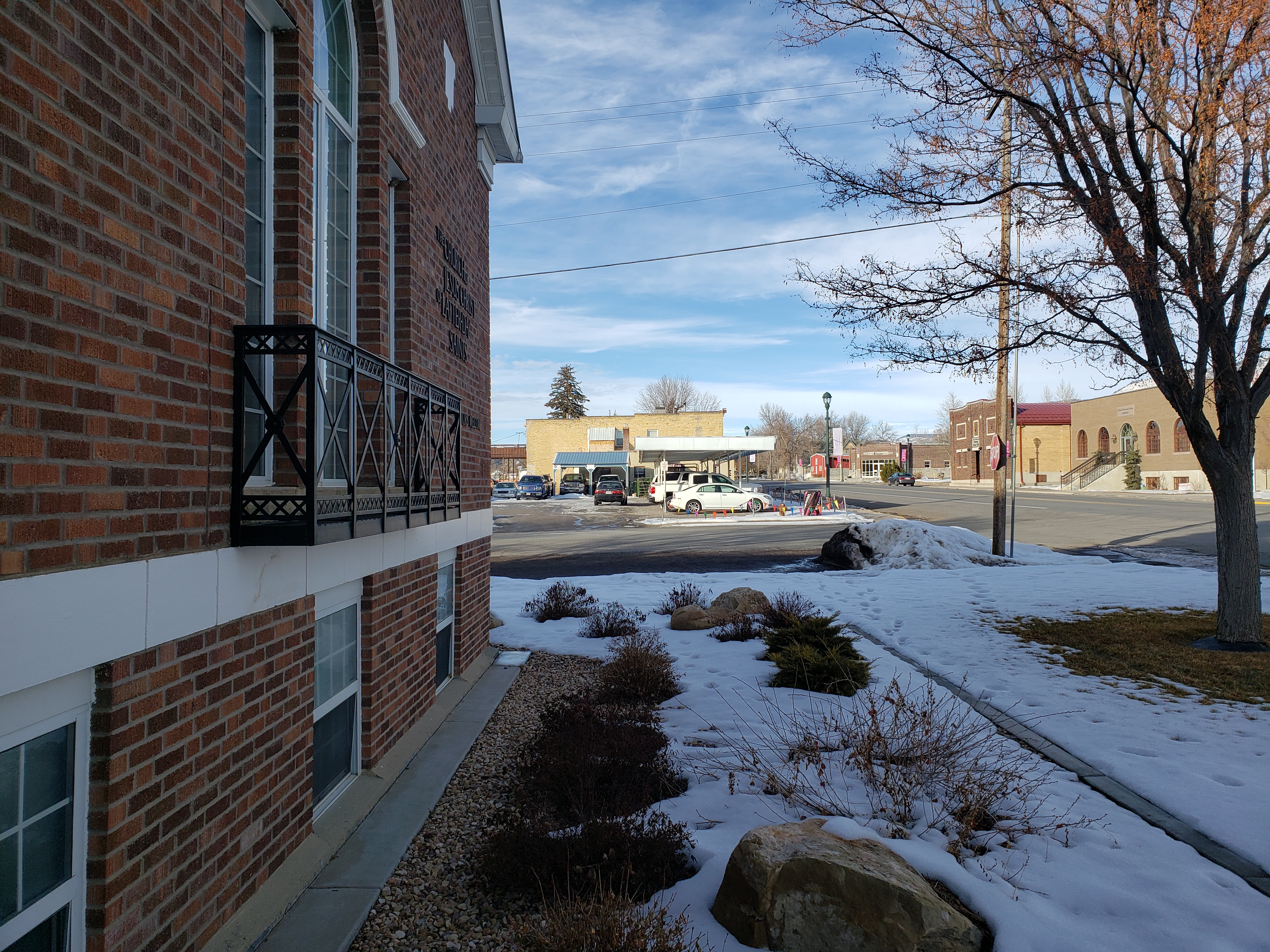
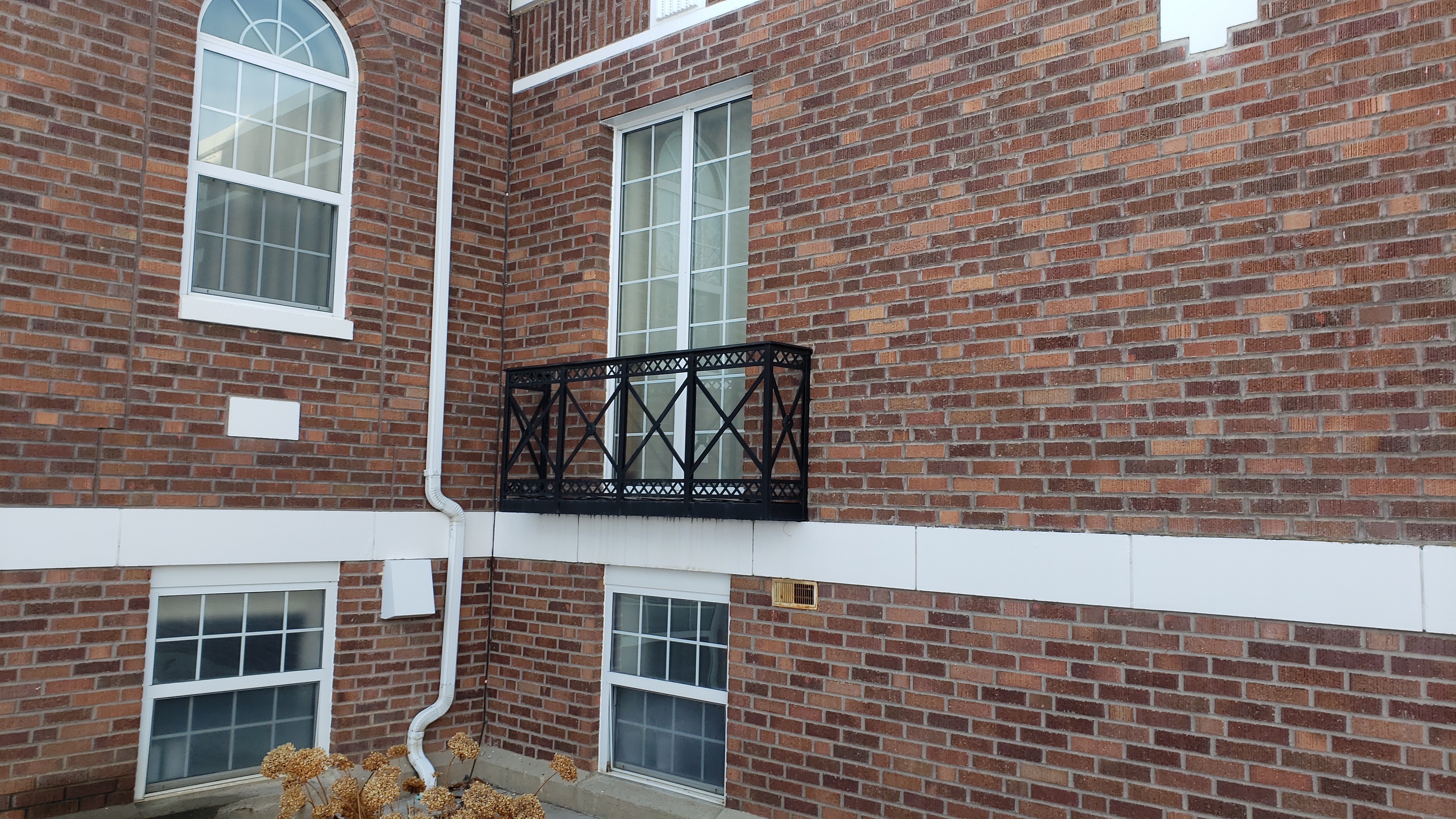
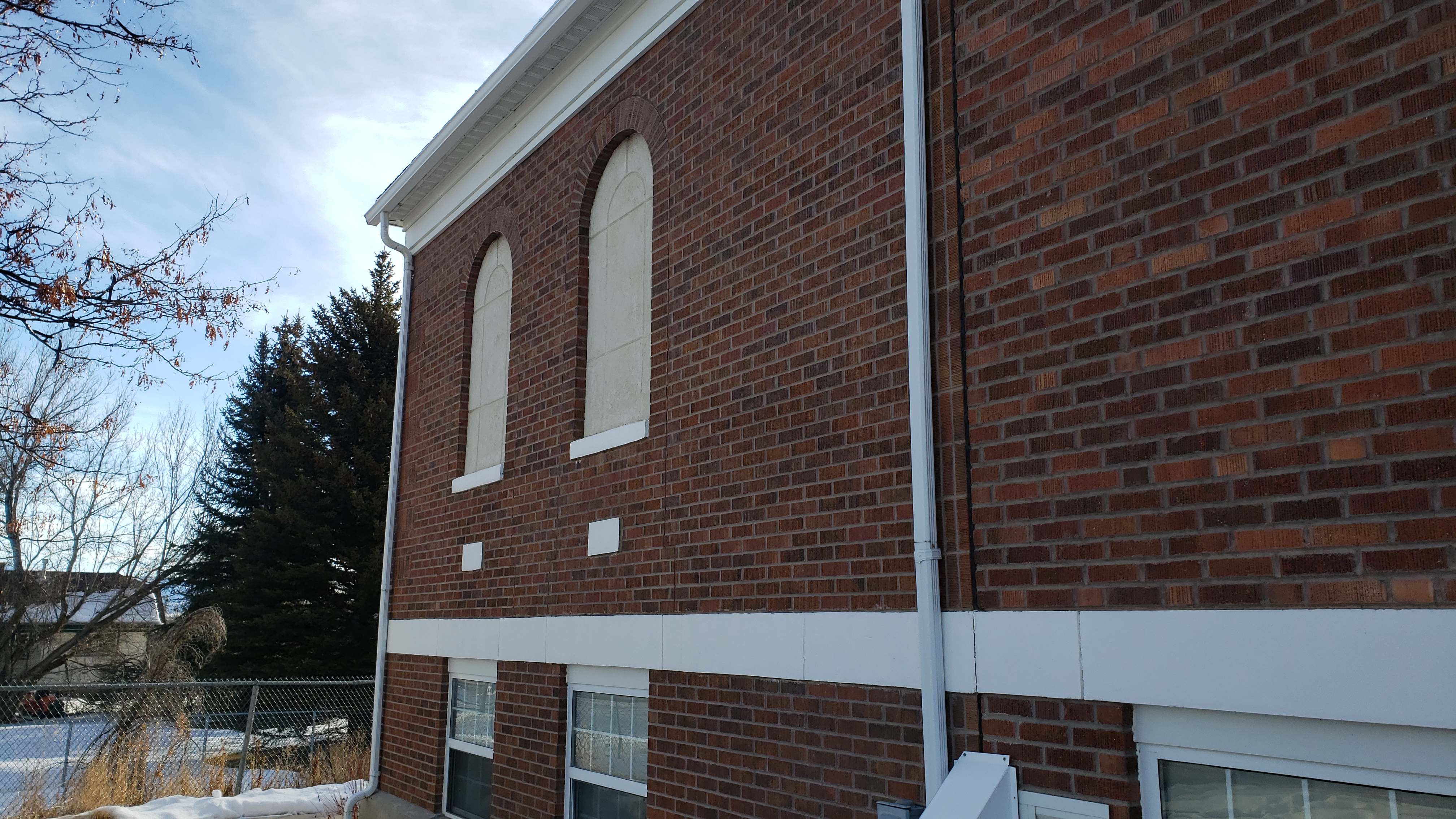
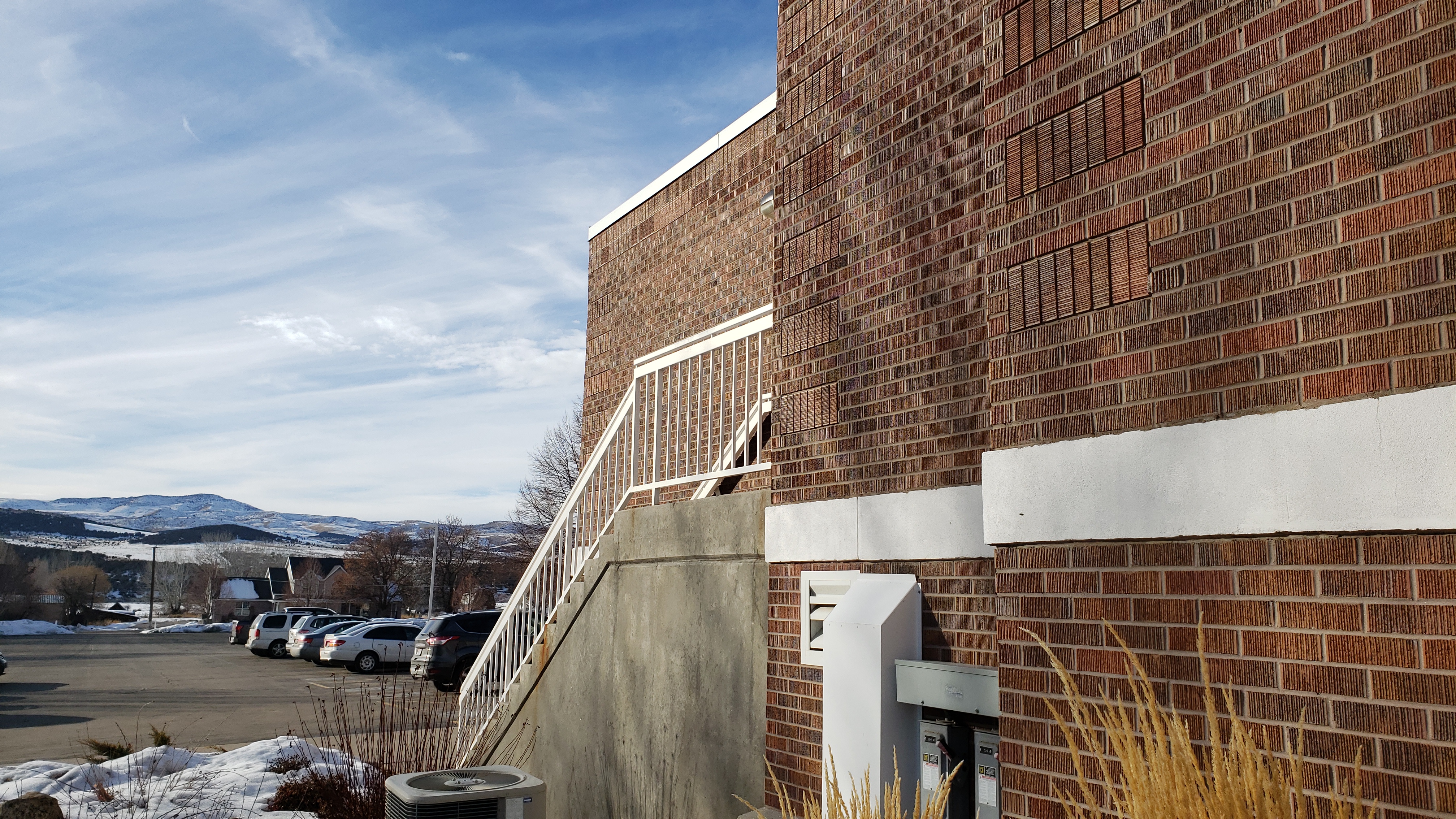
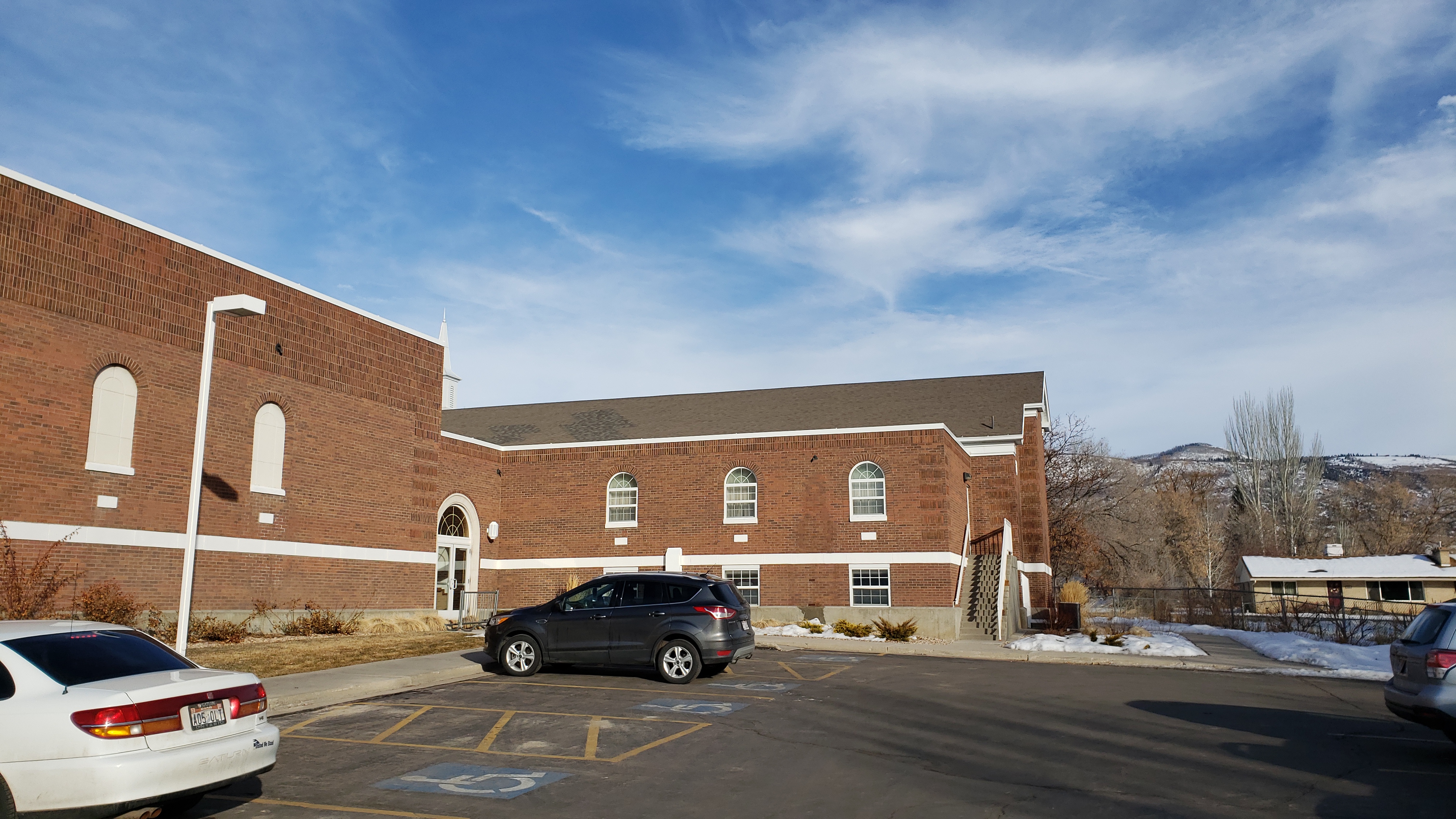
The South Ward Chapel, built in 1931 and located at 122 South State Street in Fairview, Utah.

James Anderson House

08 Friday May 2020

Posted by Jacob Barlow in Uncategorized

≈ Leave a comment

Tags

Fairview, Historic Homes, NRHP, Sanpete County, utah

Located at 15 S 200 E in Fairview, Utah, the James Anderson house is architecturally significant as an extremely ornamented example of folk/vernacular house design. The 1 1/2 story hall and parlor home with wall dormers became a favorite building type for Utah builders in the 1860s, 1870s and 1880s. The basic house has been recorded in the state devoid of stylistic trim, with Greek revival features, Gothic finials, and with decorative features associated with later pattern-book Victorian thinking. The James Anderson house is a classic example of the latter”- the fusion of an older vernacular concept of house plan with an innovative (and quite speculator really) approach to external visual appearance. Given the potential for elaboration, the builder-architect of the Anderson House approached the extravagant. The controlling order of the old symmetrical folk model prevented excesses and the end result is a house of considerable elegance and beauty. (*)

James Anderson was a successful Fairview farmer and merchant and his achievements are mirrored in the fine house he built in the 1880s. Born in 1842, the son of Mormon converts, Archibald and Agnes Anderson, James came to Utah from Scotland with his family in the March of 1860. James married Hannah M. Cheney in 1866 and prospered as local farmer, ultimately acquiring some 70 acres of land and 3000 sheep. He was elected a member of the City Council, was president of the Fairview Co-op, was on the board at Fairview State Bank, was named a director of the Union Roller Mills, and held stock in the local creamery.

The James Anderson house in Fairview is an extremely colorful variant of the folk/vernacular “hall and parlor” house plan. Decorative effects are achieved here by using red brick trim against the dominate yellow brick background to define and dramatize the prominent features of the house.

The Anderson house faces west and is 1 1/2 stories high with a one story rear “T” extension to the east rear. The house’s main western section has four rooms in the normal hall and parlor “two-over-two” arrangement. The house is steedly gabled with a corbelled stove chimney placed slightly off center on the ridge. Porches occur on the sides of the frame one story rear “T” and a brick segmented bay protrudes from the north end. There is a hipped porch on the facade topped by a fine spindled balcony which is reached by the second level front door. The balcony woodwork is repeated on the side bay window. There is a symmetrical three-opening facade with upper wall dormers.

Stylistically the Anderson house is rather eclectic with the colorful red brick bordering its most distinctive feature. The house corners are solid red brick bordered by alternating yellow and red brick courses. This red-yellow marquetry is found around all the doors and windows and on the side bay. The window and door heads are segmented relieving arches with three rows of alternating red and yellow header courses. There are simple cornice returns on the gables. Both the end gables and dormer gables contain intricate fan-bracketing. The house remains unaltered and in excellent condition.

Fairview’s Corner Station

29 Wednesday Apr 2020

Posted by Jacob Barlow in Uncategorized

≈ Leave a comment

Tags

Fairview, Historic Buildings, Sanpete County, utah

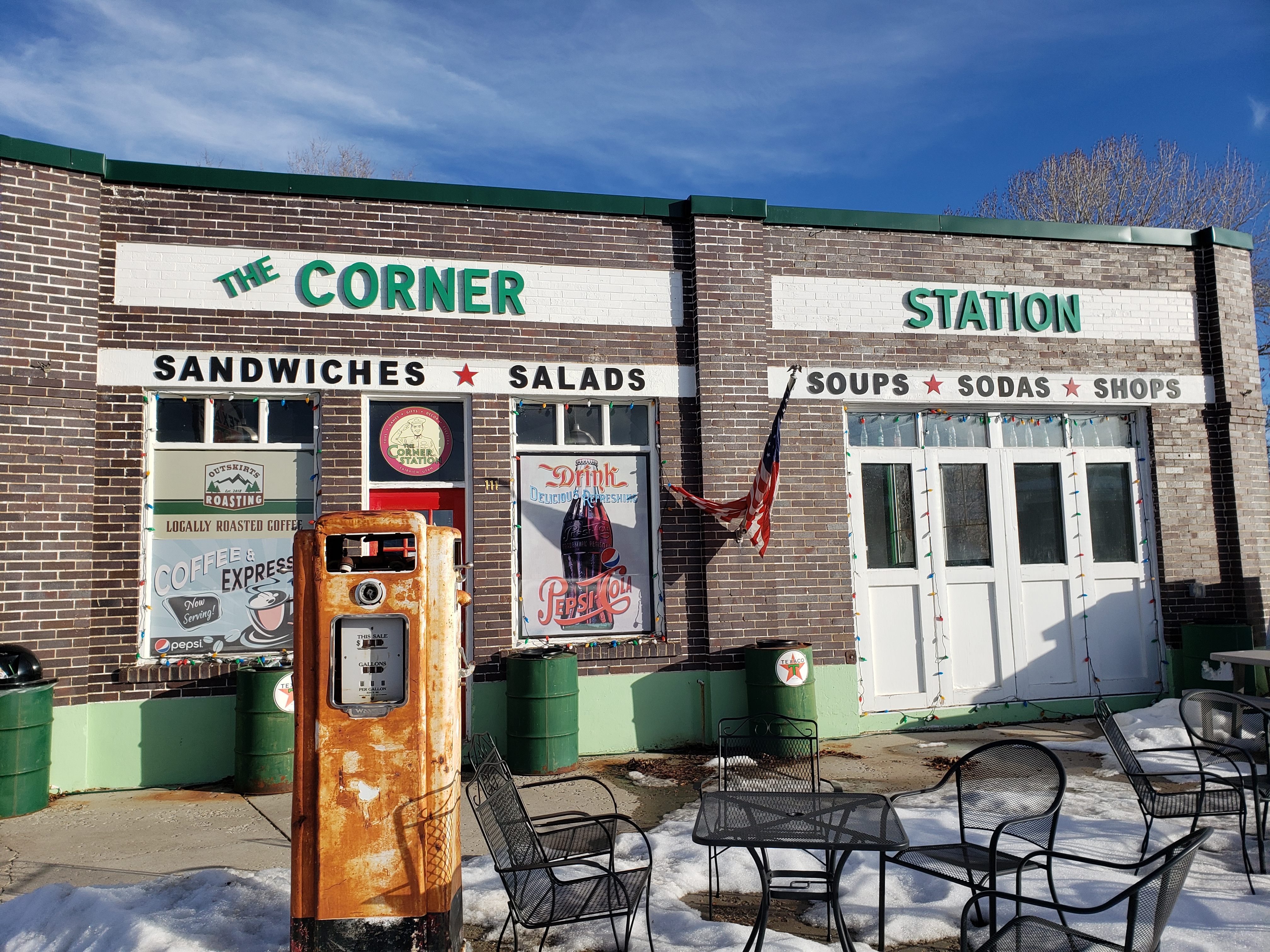
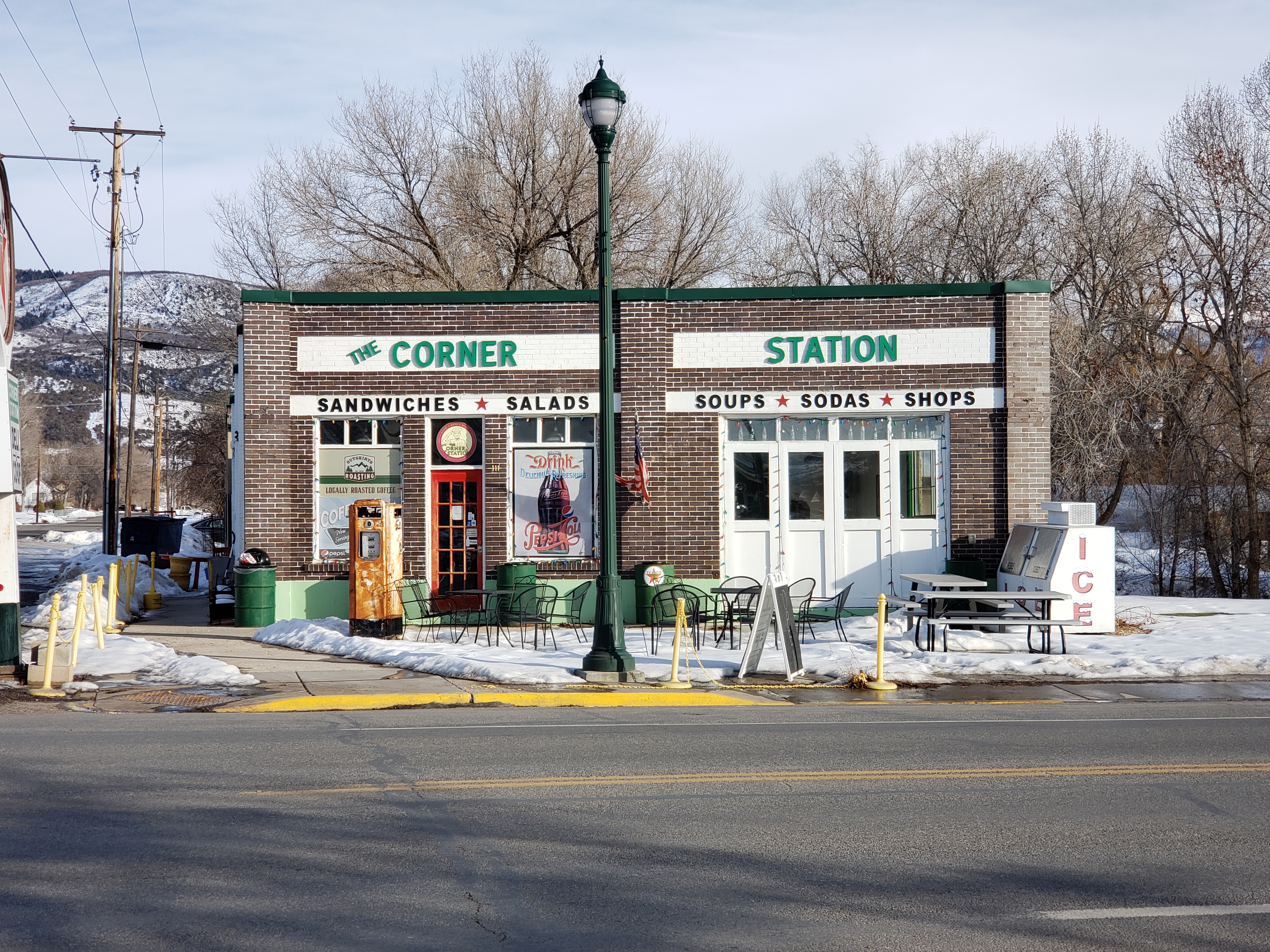
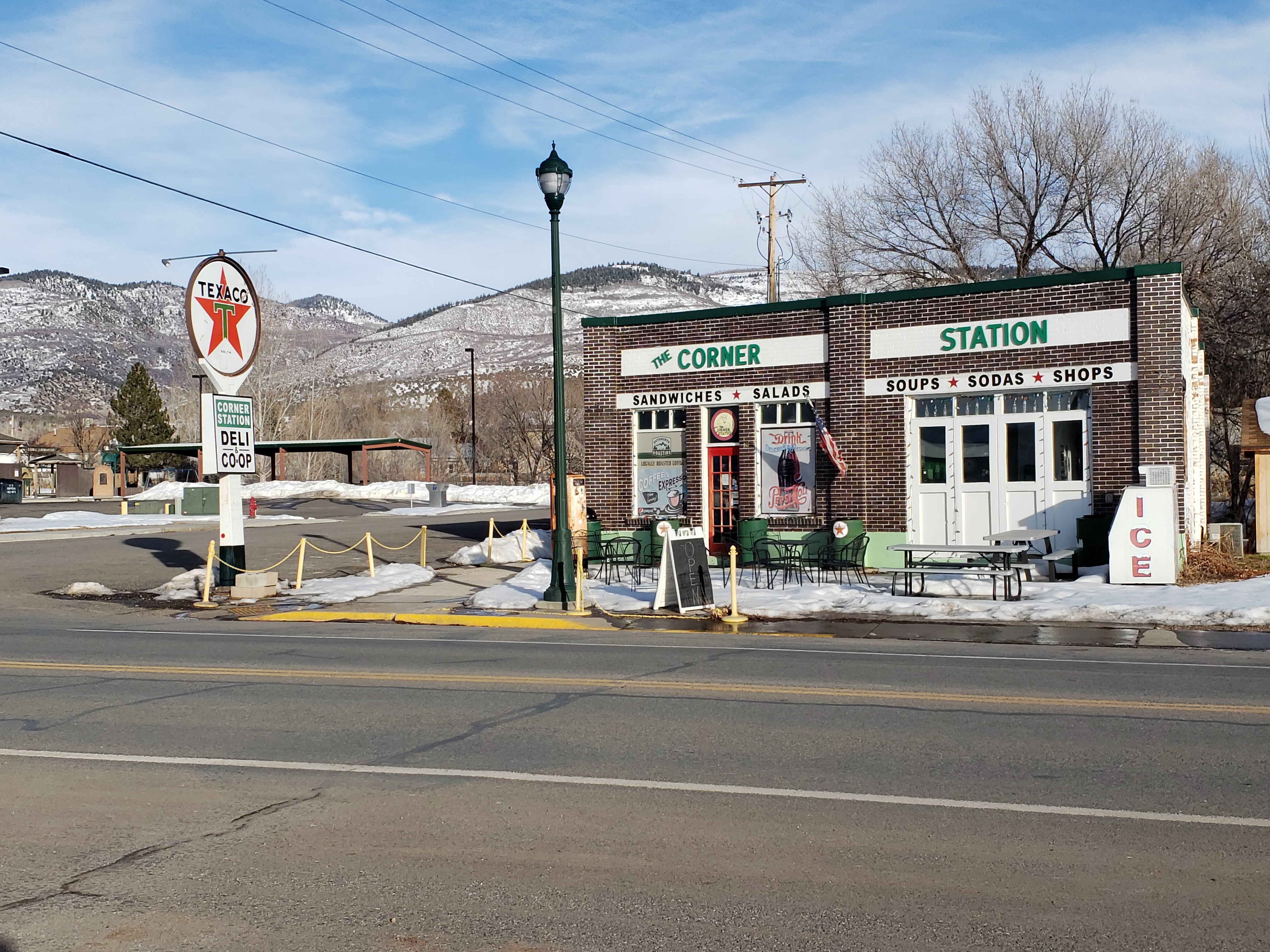
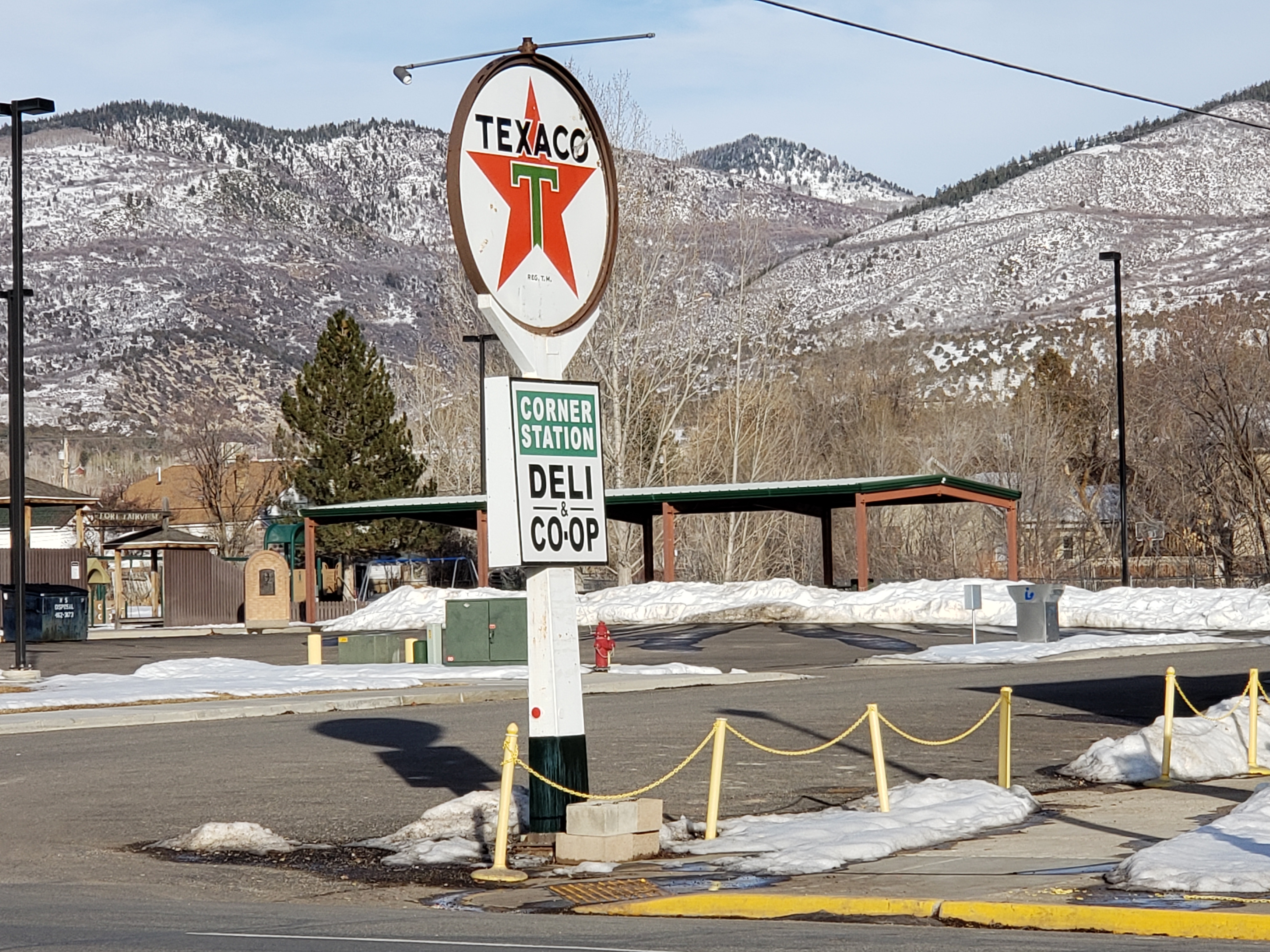
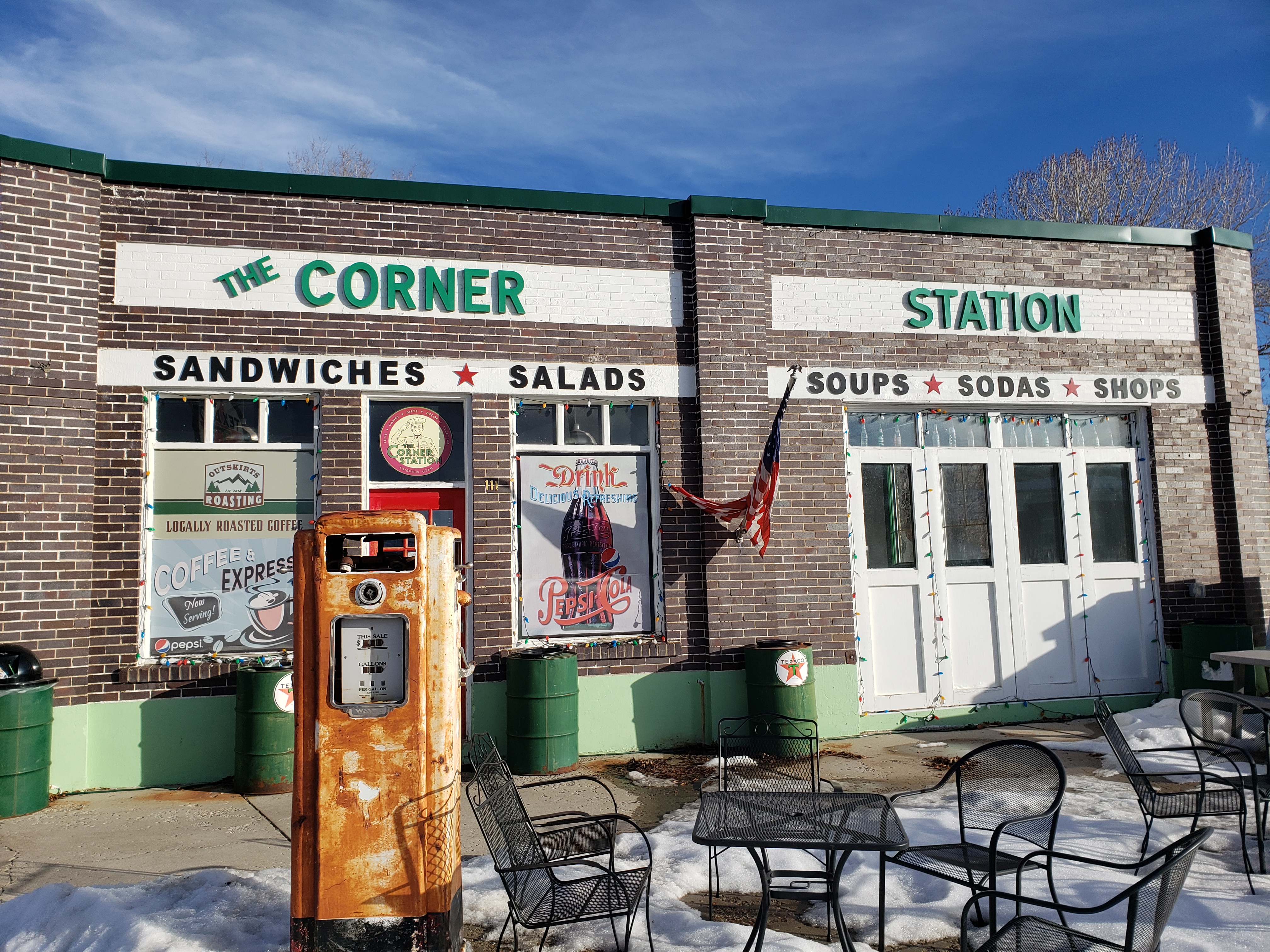
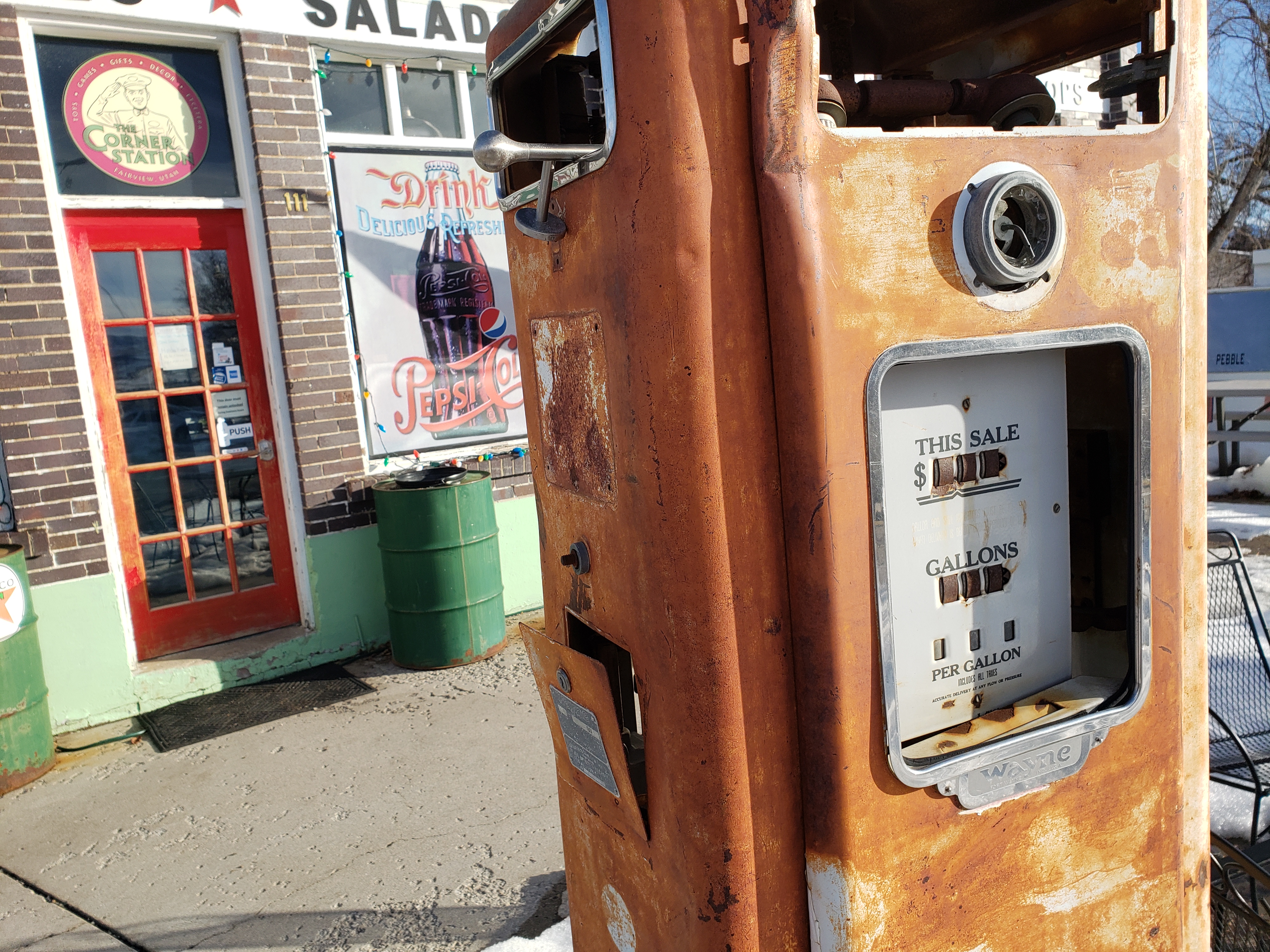
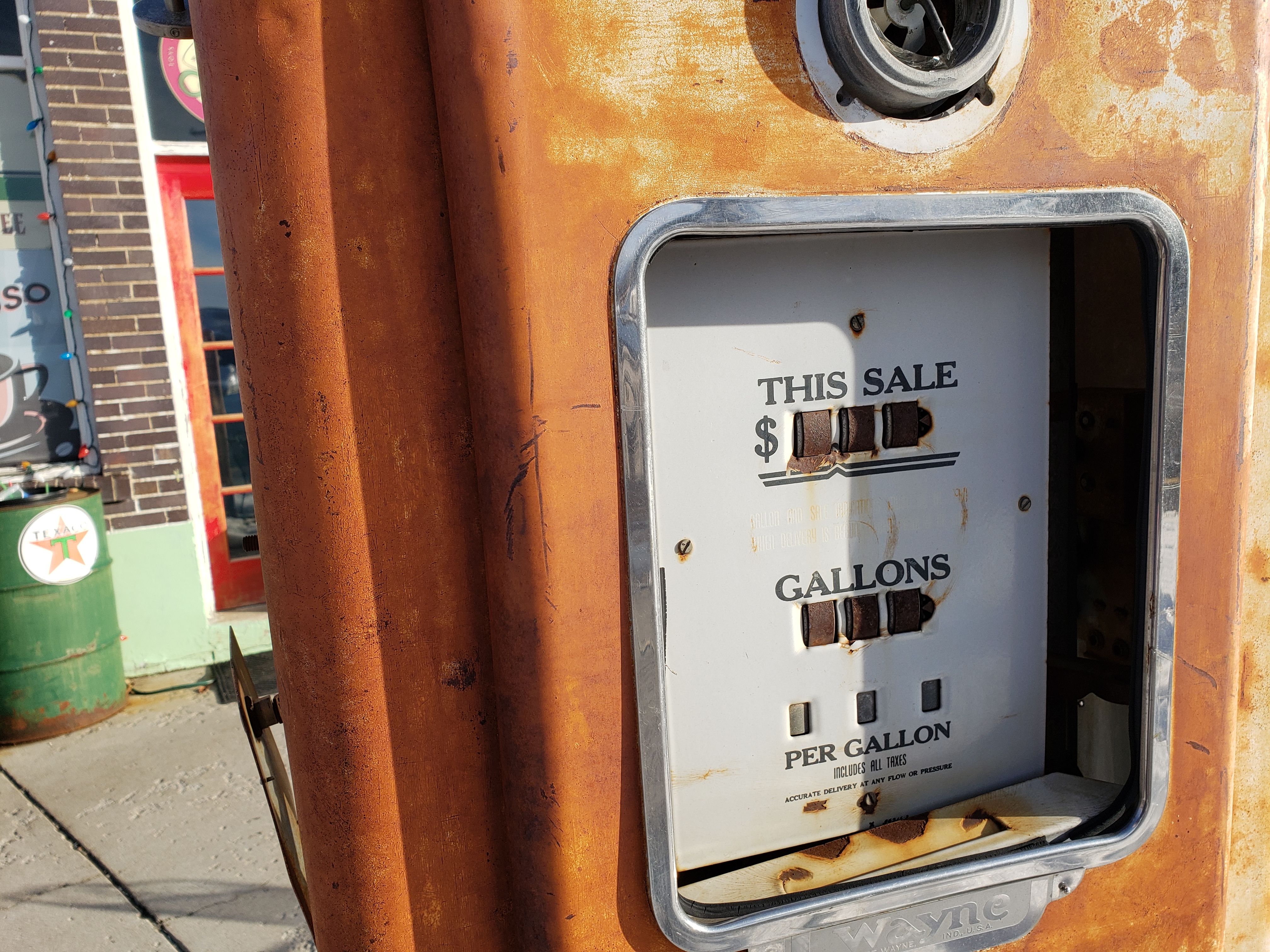
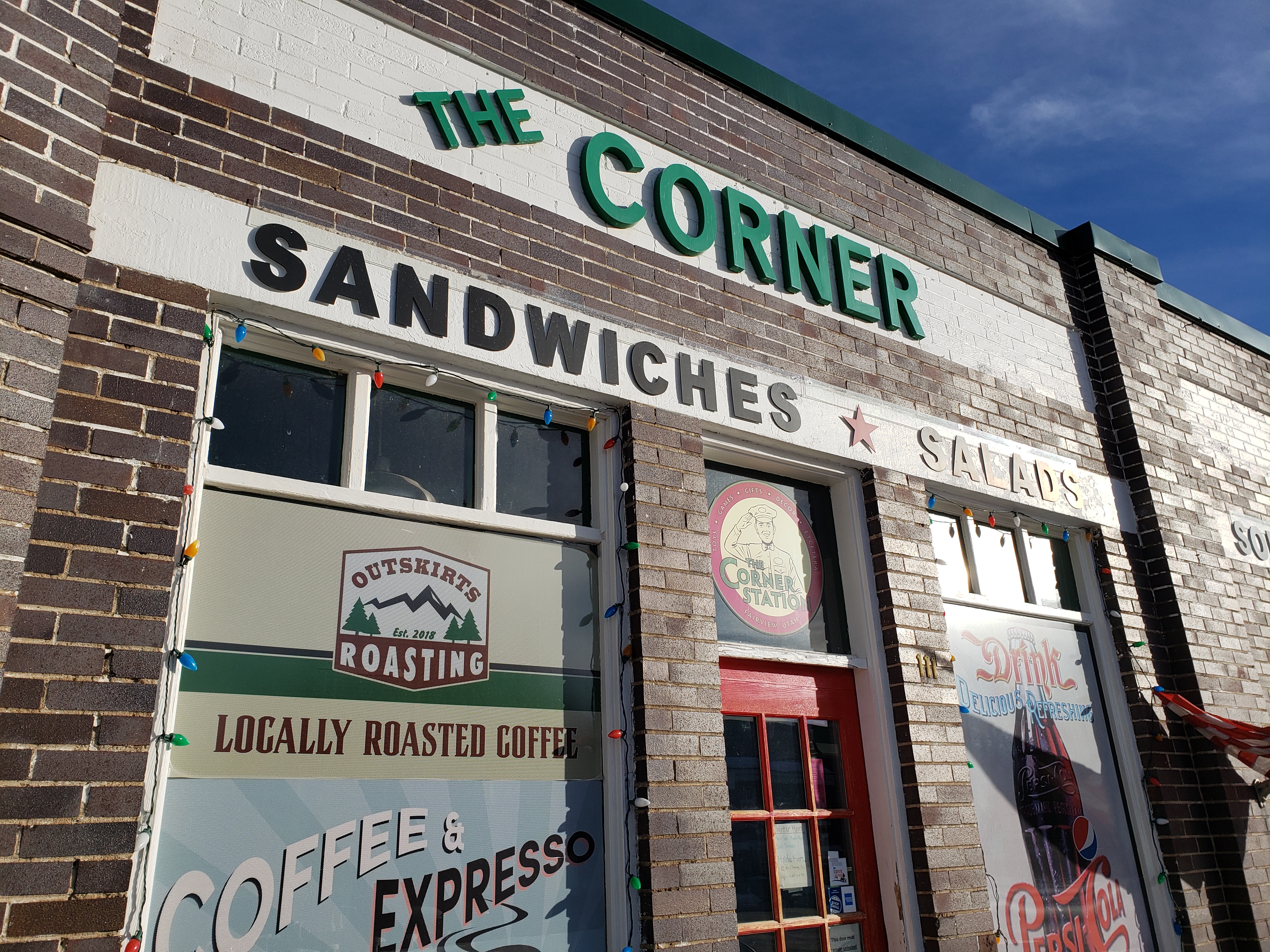
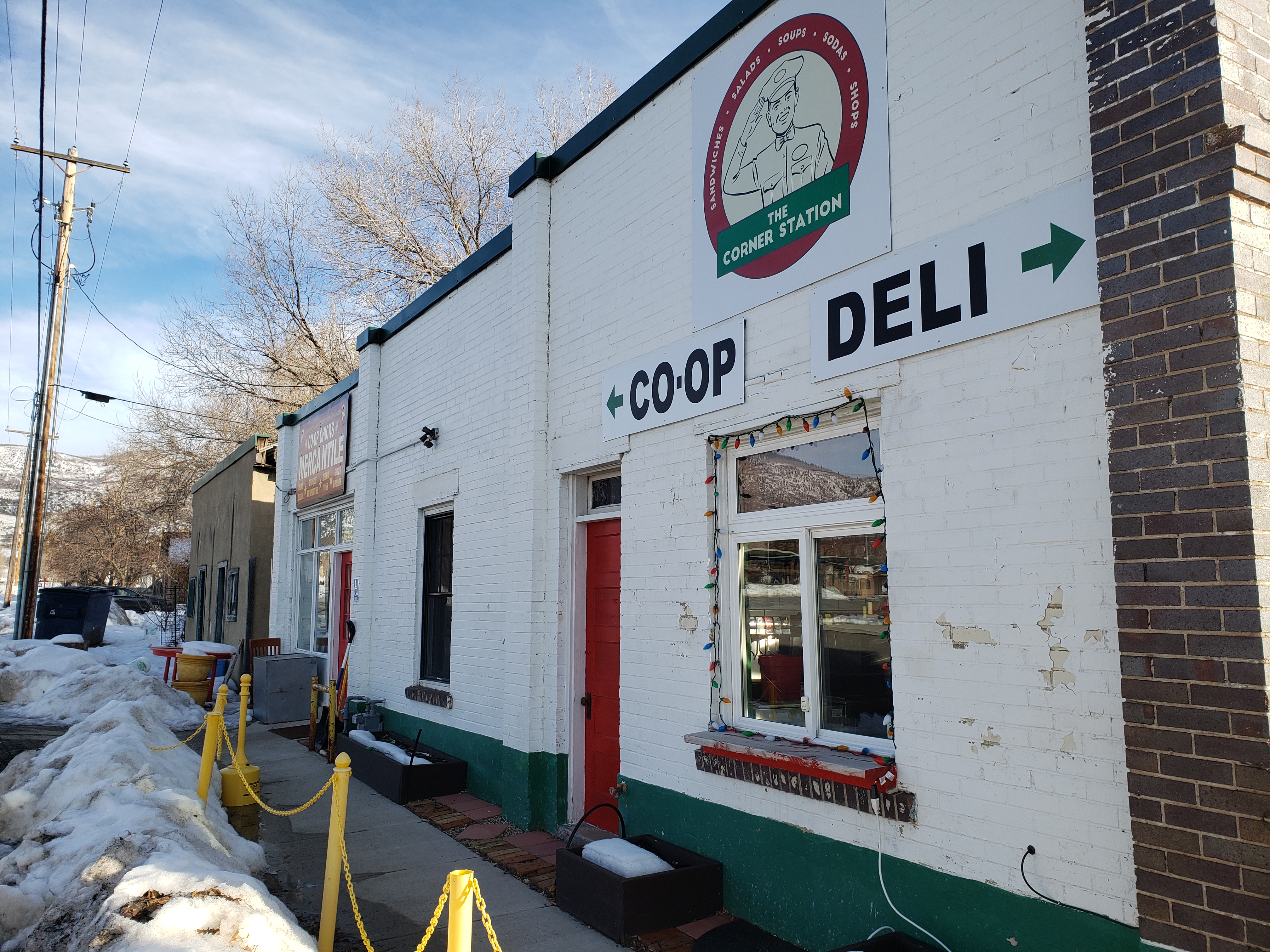
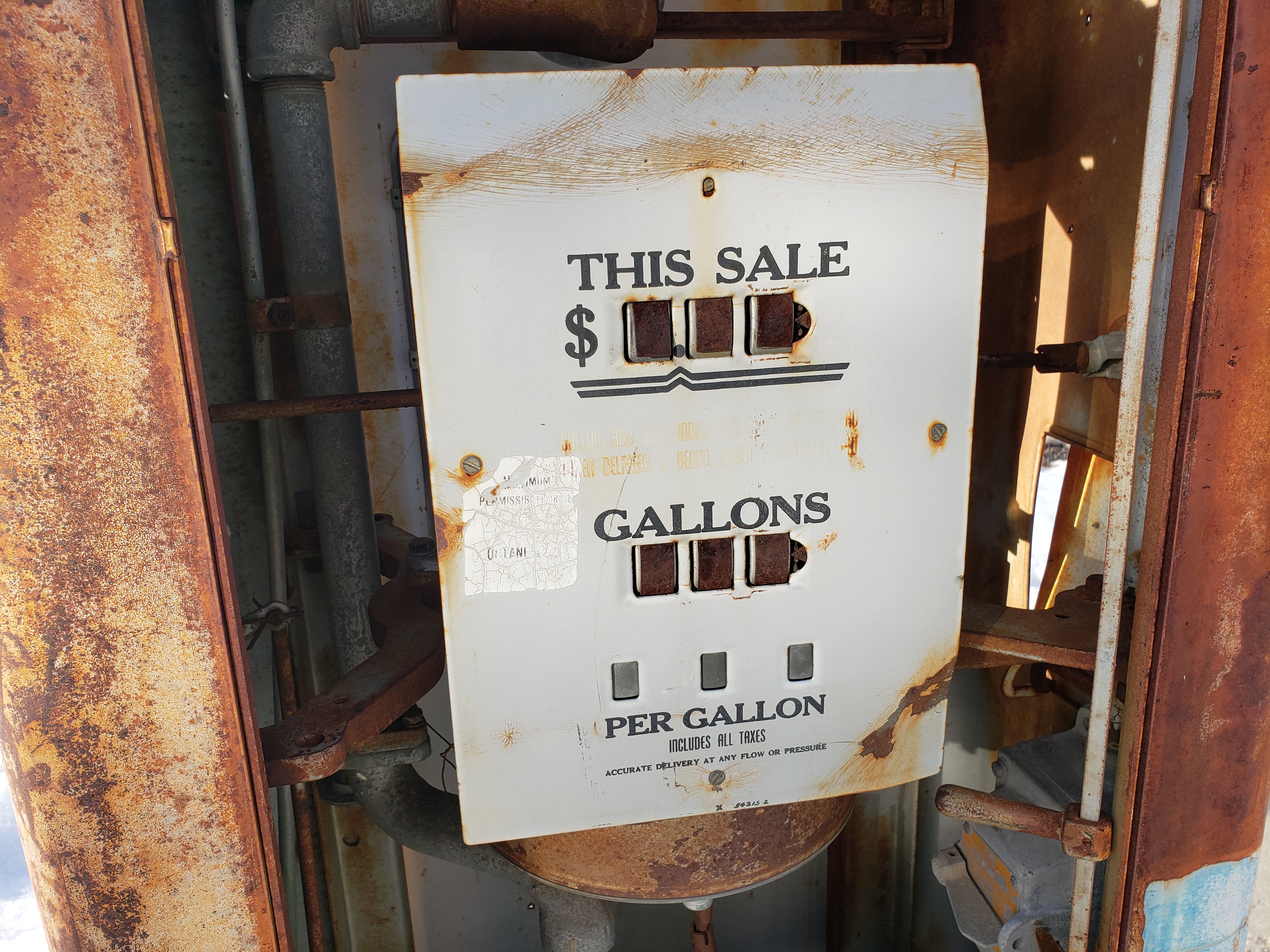
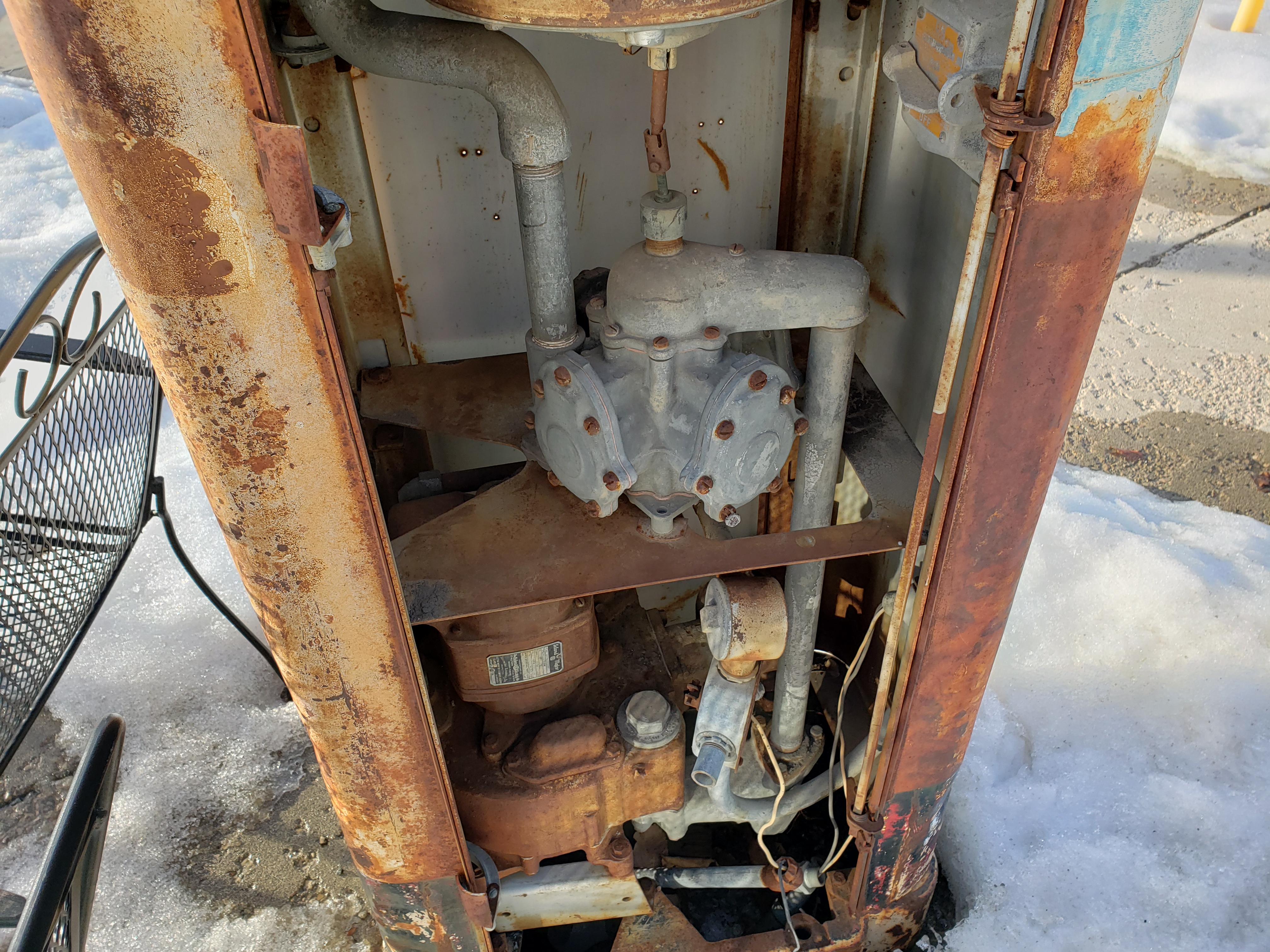
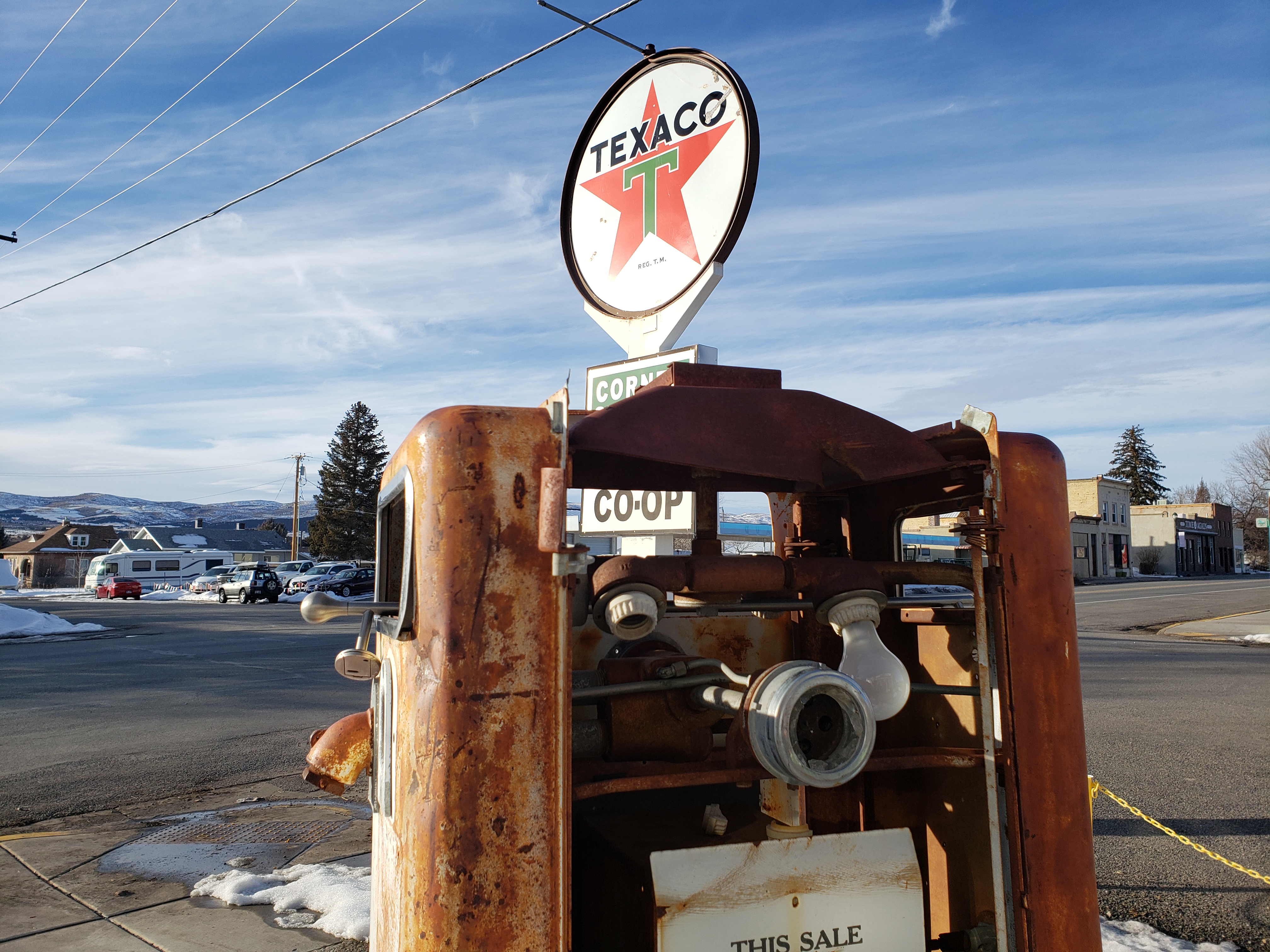
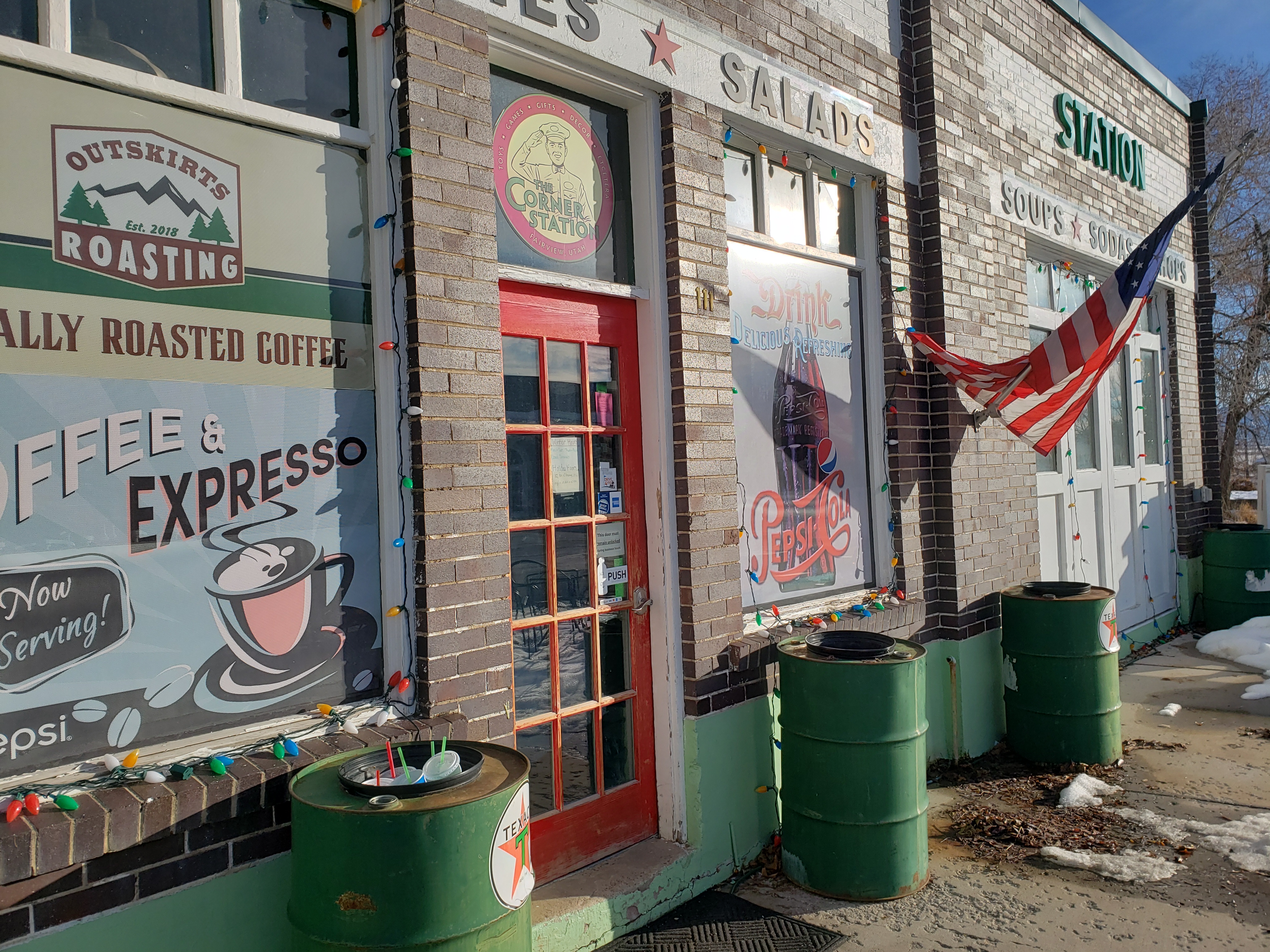
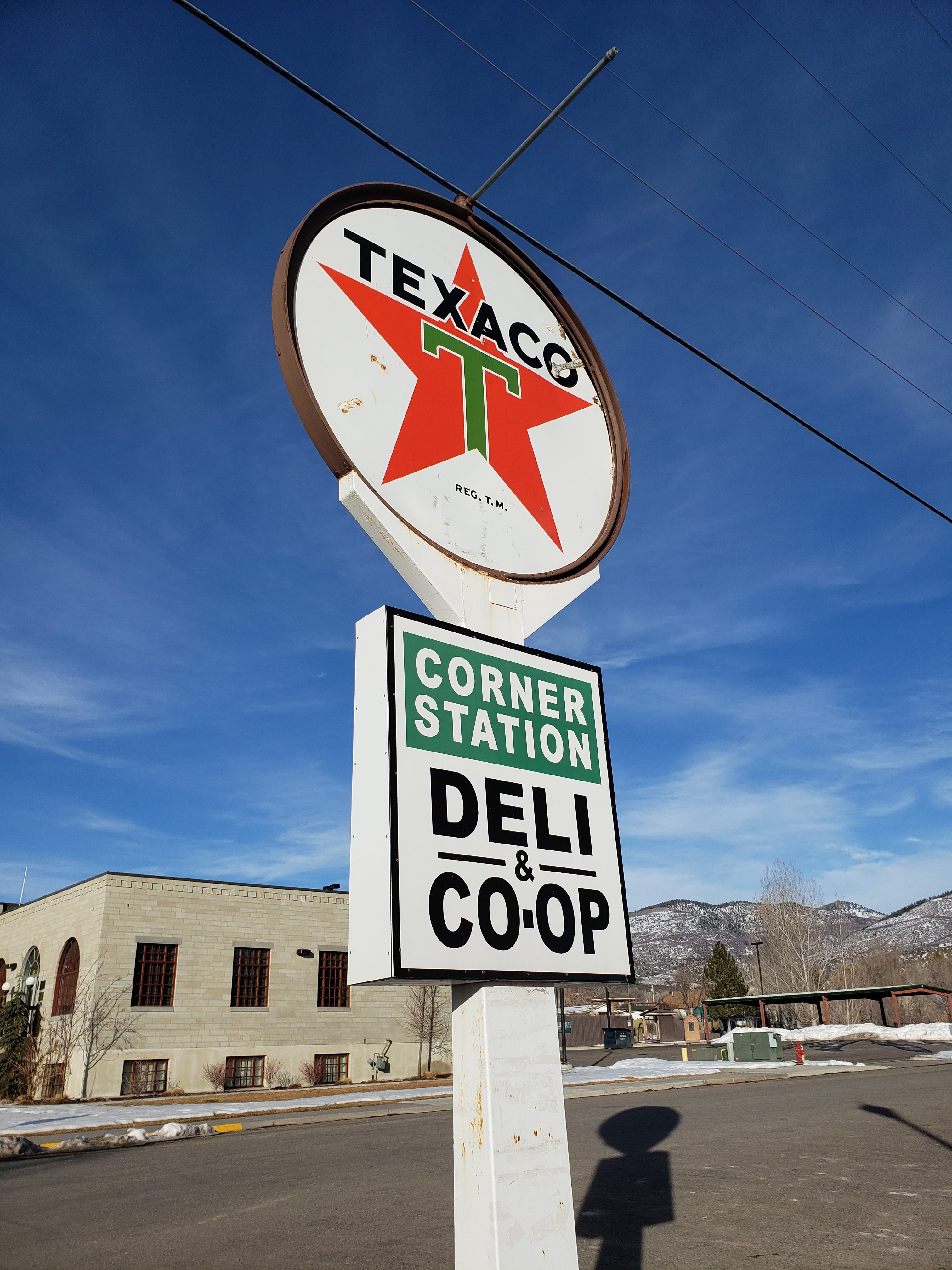
When I drive through Fairview I look at The Corner Station and just love it. The whole look of it is so vintage, classic and cool.

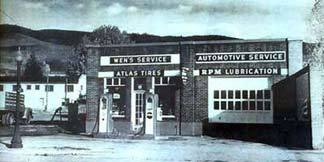
From their website, the Corner Station building began as Reece’s Service Station in 1921. It was built on an angle to the street and the quality brick façade and sturdy construction seems to say the building was meant to last and be part of this Fairview Utah community for a long time. Later, Reece’s brother-in-law Wendell Christensen took over and most folks remember the place as Wen’s Service. The building was also owned or run by Bert Vance, Dave Boylan, Dave Smith, John Unferdorfer and others after Wendell retired.

111 South State Street in Fairview, Utah.

Reece Erickson Automotive Service, now the Corner Station Deli, is located on Main Street in Fairview, Utah. Originally a service station, it was built c. 1921 and showcases the Modern style with a separate island for the gas pumps. After 1920, oil companies introduced neighborhood service stations on corner lots accessible from two primary arterial streets. Larger specialized service bays, attached to the basic building form, began to appear by the end of the decade. Sometimes referred to as “lubritoriums” these eventually became full service repair and maintenance centers for automobile owners. Reece’s brother-in-law Wendell Christensen later took over the operation and most remember the place as Wen’s Service.

Related Posts:

  • Fairview, Utah

Fairview Library

19 Sunday Apr 2020

Posted by Jacob Barlow in Uncategorized

≈ Leave a comment

Tags

Fairview, Libraries, Sanpete County, utah

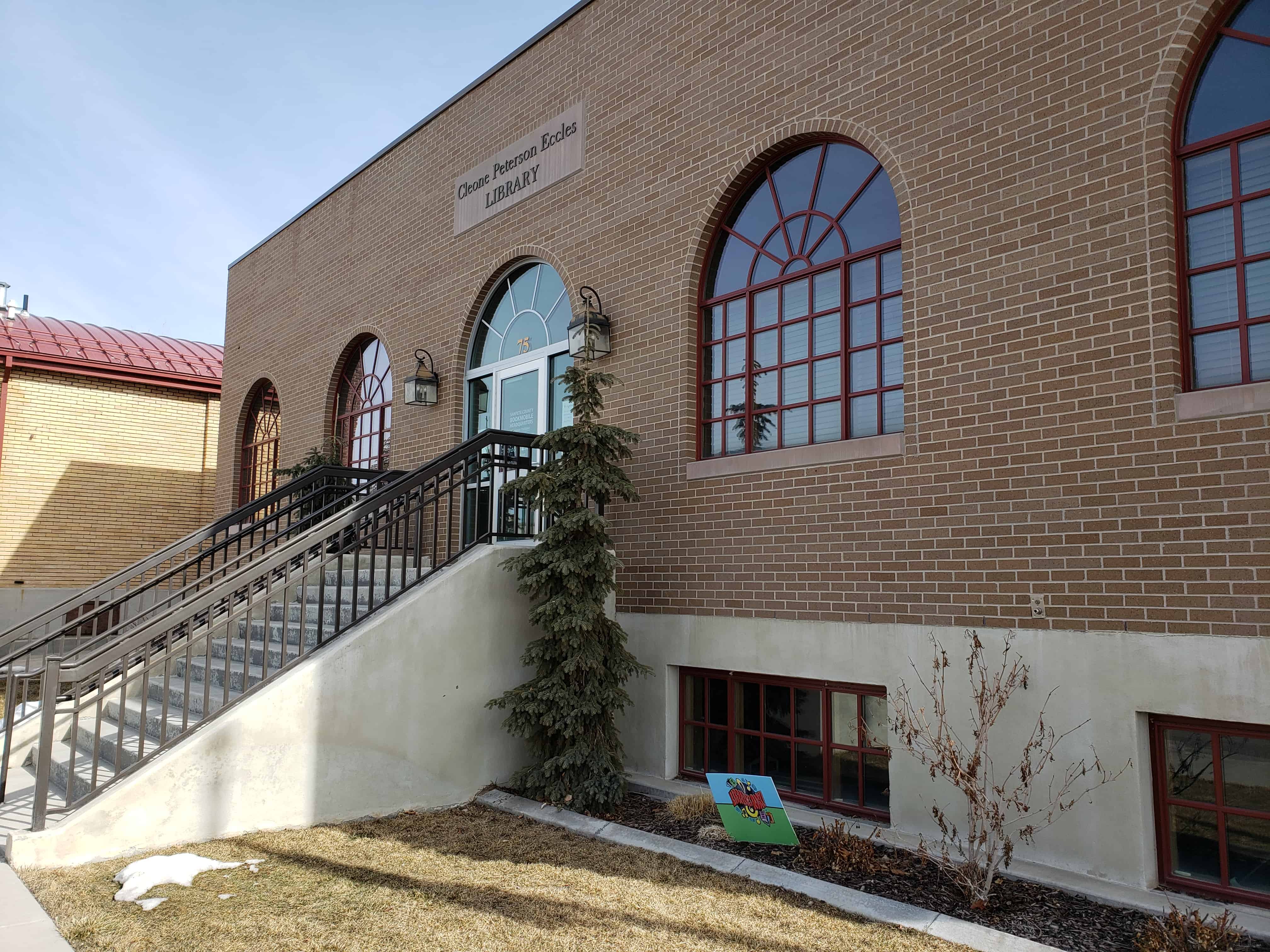
The Public Library in Fairview, Utah.

Named for a native of Fairview, Cleone Peterson Eccles who remained devoted to her home town and citizens throughout her life. She was the daughter of Lionel L. and Clista Lasson Peterson.(*)

Fairview Tithing Office

08 Wednesday Apr 2020

Posted by Jacob Barlow in Uncategorized

≈ Leave a comment

Tags

Fairview, Historic Buildings, NRHP, Sanpete County, Tithing Offices, utah

Built in 1908, the Fairview Tithing Office is historically significant as one of 28 well preserved tithing buildings in Utah that were part of the successful tithing system of The Church of Jesus Christ of Latter-day Saints (LDS or Mormon church) between the 1850s and about 1910. Tithing lots, which usually included an office and several auxiliary structures, were facilities for collecting, storing, and distributing the farm products that were donated as tithing by church members in the cash-poor agricultural communities throughout the state. Tithing offices were a vital part of almost every Mormon community, serving as local centers of trade, welfare assistance, and economic activity. They were also important as the basic units of the church-wide tithing network that was centered in Salt Lake City.

The Fairview Tithing Office was built in 1908 to serve as the new tithing office for the Fairview Ward. Also located on the tithing lot were a barn, granaries, and corrals to keep the farm products and livestock that were donated as tithing to the church. None of those buildings or structures are still standing. This building has three rooms on the main floor and a basement, in which was stored fresh produce, eggs, hams, etc. A safe for storing the cash tithing was located in the rear room on the right side, and the two front rooms were used as the bishop’s office and for bishop’s meetings.

Approval to construct the Fairview Tithing Office was received in March 1908 from the Presiding Bishopric’s Office of the LDS church by Bishop James C. Peterson of the Fairview Ward. His request of the previous year, “for a tithing office for the Fairview Ward similar to that built at Fountain Green,” was denied because the tithing office construction fund for that year had already been exhausted. 1 The Fairview Tithing Office, which was completed in either late 1908 or early 1909, was constructed at a cost of just over $2000.

The design of the Ephraim Tithing Office was one of at least two standard
tithing office plans that were developed at church headquarters around 1905 and sent out to a number of wards in the state that requested to have a new tithing office built. Those plans were perhaps the first examples of what eventually became a policy with the church – developing standard building plans at church headquarters rather than having each ward generate its own. Other tithing offices in the state that have virtually the same design as the Fairview Tithing Office, referred to as “tithing office no. 2,” are those in Garland, Ephraim, Fountain Green, and Spring City.

In 1932, the tithing office was apparently no longer needed by the Fairview Ward, so it was sold to Henry A. Rasmussen, who has lived there ever since.

The Fairview Tithing Office is a one story square red brick building with a
coursed sandstone foundation and a pyramid roof. It was designed from one of at least three standard plans which were created for tithing offices about 1905, two of which have been identified. The plan type of the Fairview Tithing Office has been identified as Type No. 2, and is almost identical to the design of the Ephraim, Spring City, Fountain Green, and Garland Tithing Offices. Typical of this particular design is the asymmetrical facade divided into equal halves by a simple buttress. One half consists of an arched porch set into the southeast corner. The other half is composed of three double hung sash windows. There is a large sandstone block centered over the buttress. Inside the porch a door is centered between two double hung sash windows. There is a second smaller arched opening at the east end of the porch. In addition there is a door flanked by two windows on the east wall, and a single window is set into the west wall. All of the windows and doors have sandstone sills and lintels. Triangular vents are centered on the front and back roof sections, and there are dormers on the east and west roof sections. Dormers were not a standard element on tithing offices of this type, and they may represent a later addition. They complement the building in scale and massing, and therefore are an unobtrusive addition. Except for the possible addition of the dormers, the Fairview Tithing Office is unaltered on the exterior and maintains its original integrity.

Related Posts:

  • Fairview, Utah
  • National Register Form
  • Tithing Offices

Mount Pleasant, Utah

19 Friday Aug 2016

Posted by Jacob Barlow in Uncategorized

≈ 59 Comments

Tags

Fairview, Mt. Pleasant, Sanpete County, utah

Mt. Pleasant is one of the places claiming to be the geographical center of the state, I’ve seen 3 so far.

After taking lumber out of Pleasant Creek Canyon in late 1851, a band of Mormon colonists from Manti led by Madison D. Hambleton returned in the spring of 1852 to establish the Hambleton Settlement near the present site of Mt. Pleasant. During the Walkara (Walker) Indian War, the small group of settlers relocated to Spring Town (Spring City) and later to Manti for protection. The old settlement was burned down by local Native Americans, so when a large colonizing party from Ephraim and Manti returned to the area in 1859, a new, permanent townsite was laid out in its present location—one hundred miles south of Salt Lake City and twenty-two miles northeast of Manti.

Among the founding settlers were Mormon converts from Scandinavia, the United Kingdom, and the eastern United States. By 1880, at which time Mt. Pleasant was the county’s largest city, with a population of 2,000, more than 72 percent of its married adults were foreign born. This ethnic diversity had an important impact on village life during the nineteenth and early twentieth centuries. For decades, five languages were commonly spoken in town, creating confusing and sometimes amusing communication problems.

Related Posts:

  • Brunger Motel & Cafe
  • Carnegie Library
  • Cemetery
  • The Chief Sanpitch Story
  • Creamery
  • First Presbyterian Church of Mt. Pleasant
  • Geographical Center of Utah
  • Hansen-Barton Building
  • Kinema Theatre
  • Laundry Building
  • LDS Chapels – Red Church – South Ward Building
  • Lowry Cafe
  • The Merz Fountain
  • Mount Pleasant Christmas Lights
  • Mt. Pleasant City Aquatic Center
  • Mt Pleasant Commercial Historic District
  • Mt. Pleasant Fort
  • Mount Pleasant High School Mechanical Arts Building
  • Mt. Pleasant Monument
  • Mt. Pleasant National Guard Armory
  • Mt. Pleasant Railroad Depot
  • Mt Pleasant Relic Home
  • Mt Pleasant Telegraph History
  • Mt Pleasant VFW
  • National Guard Calvary Stable
  • Parks – Power Plant Park – Ted Lasson Memorial Park – City Park
  • Peter Johansen House
  • Schools – Mt. Pleasant Elementary (old) – Hamilton, Old High School, Wasatch Academy
  • Seely Barn
  • Ursenbach Funeral Home
  • Mt Pleasant posts sorted by address

Posts about building located in the Downtown / Main Street area Mount Pleasant are on this page.

ingress_20131203_221943_6

Indianola, Utah

23 Monday Feb 2015

Posted by Jacob Barlow in Uncategorized

≈ Leave a comment

Tags

birdseye, Fairview, Indianola, Sanpete County, Thistle, utah

  • indianola

Indianola is in Sanpete County, Utah. It is located just off Highway 89 between Birdseye and Fairview, near Hideaway Valley. It is the former site of an Indian village.

Related Posts:

  • Given Family Massacre
  • Spencer Cemetery

  • Bishop Peterson, 1902 (George Edward Anderson photo)

Fairview Museum of History and Art

08 Tuesday Jul 2014

Posted by Jacob Barlow in Uncategorized

≈ 2 Comments

Tags

Art, Fairview, museums, Sanpete County, utah

  • 2014-07-04 15.50.23

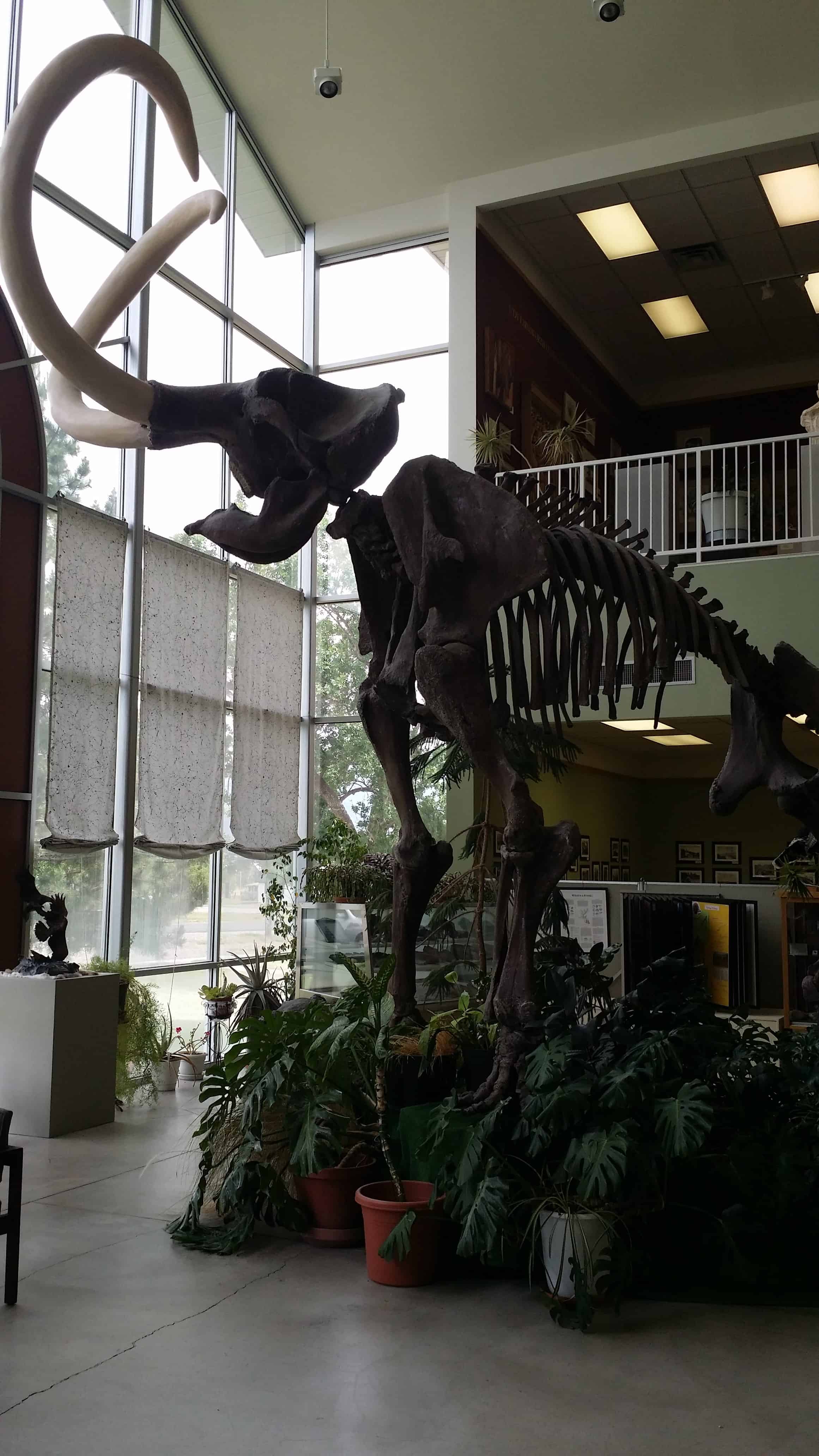
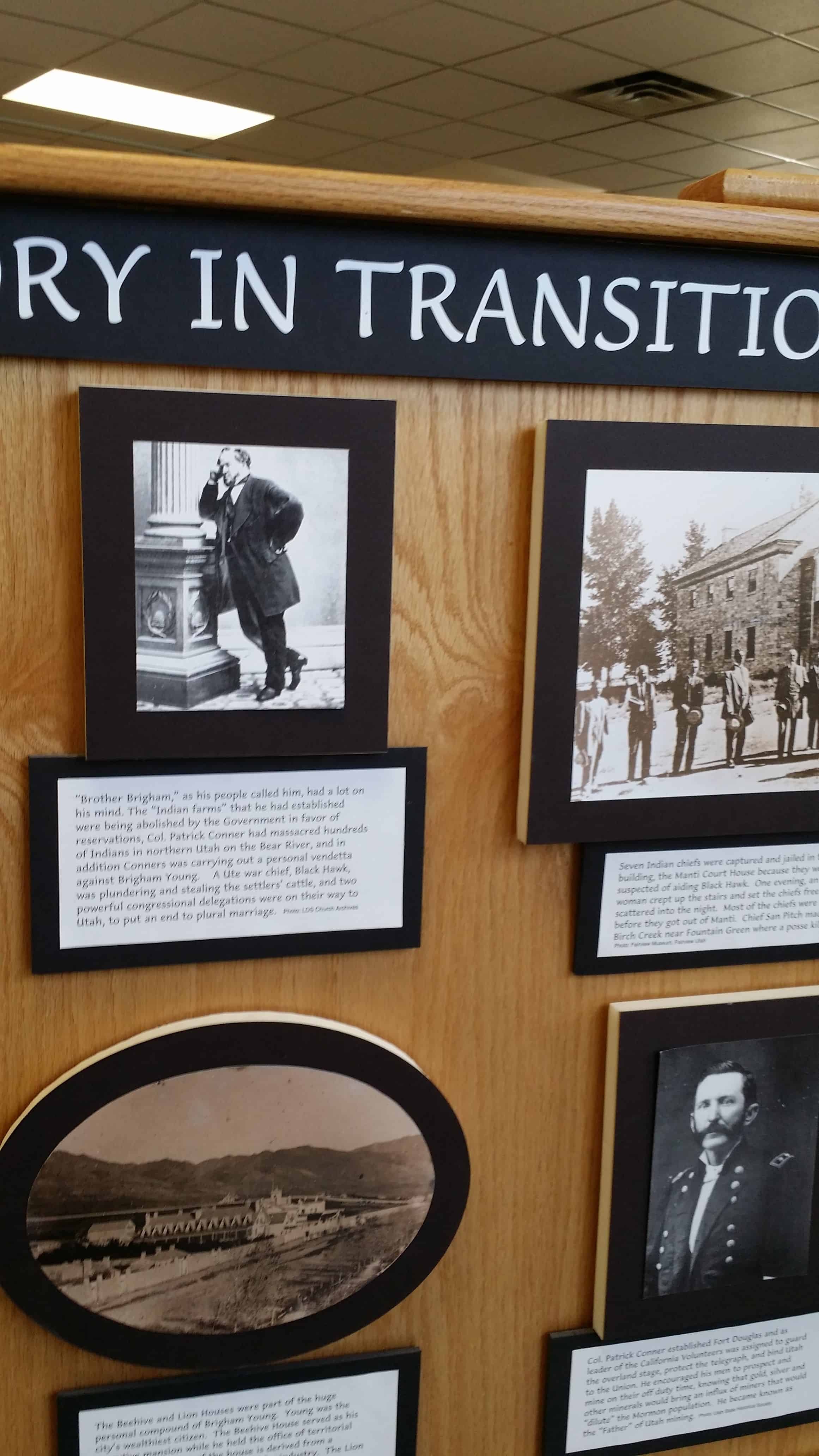
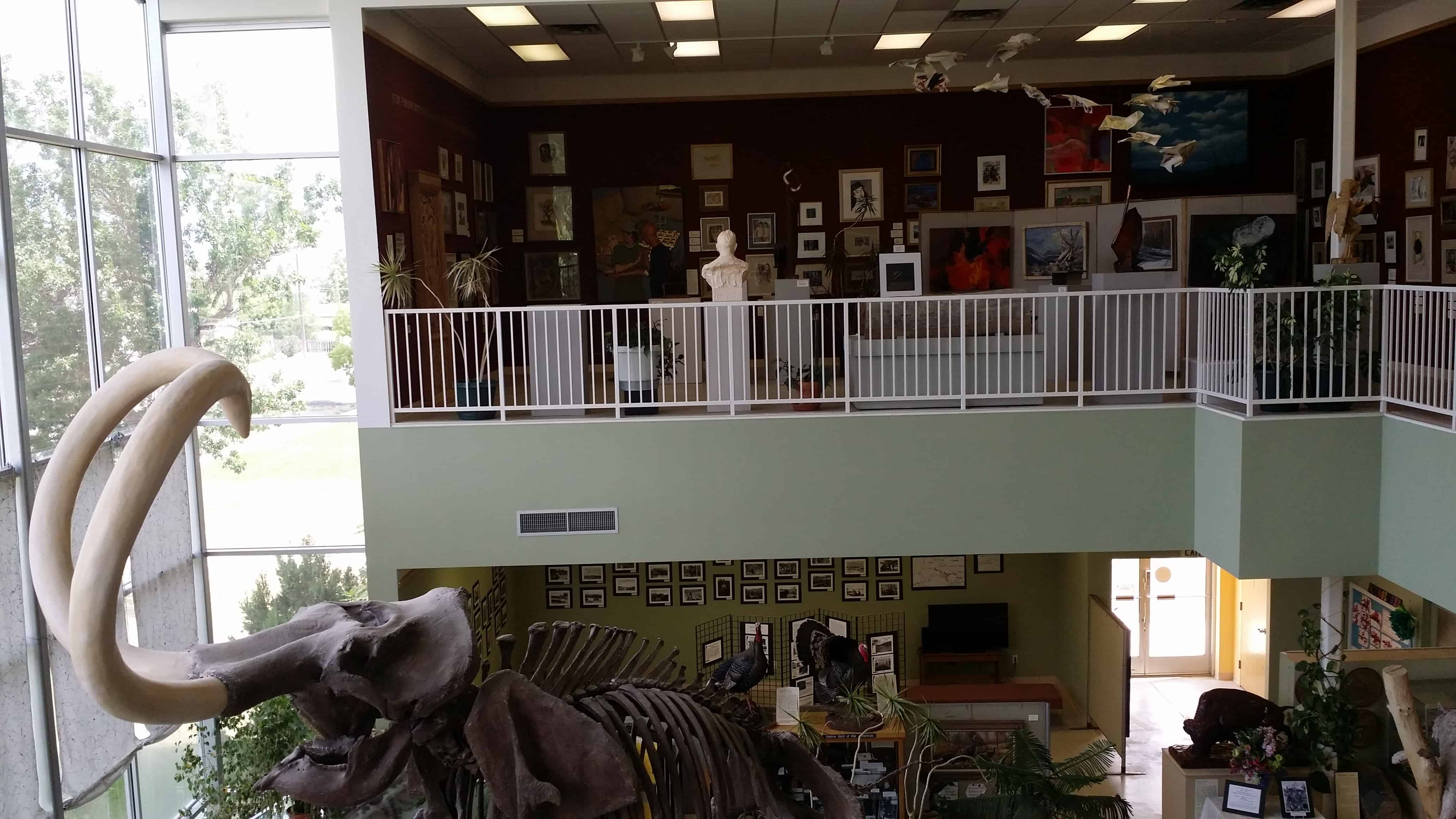
We stopped by the Fairview Museum of History and Art to look around, it was two buildings, it was a holiday (July 4th) and I was surprised they were even open, they offered to open up the North building for us but we decided to save it for another time and just check out the South building.

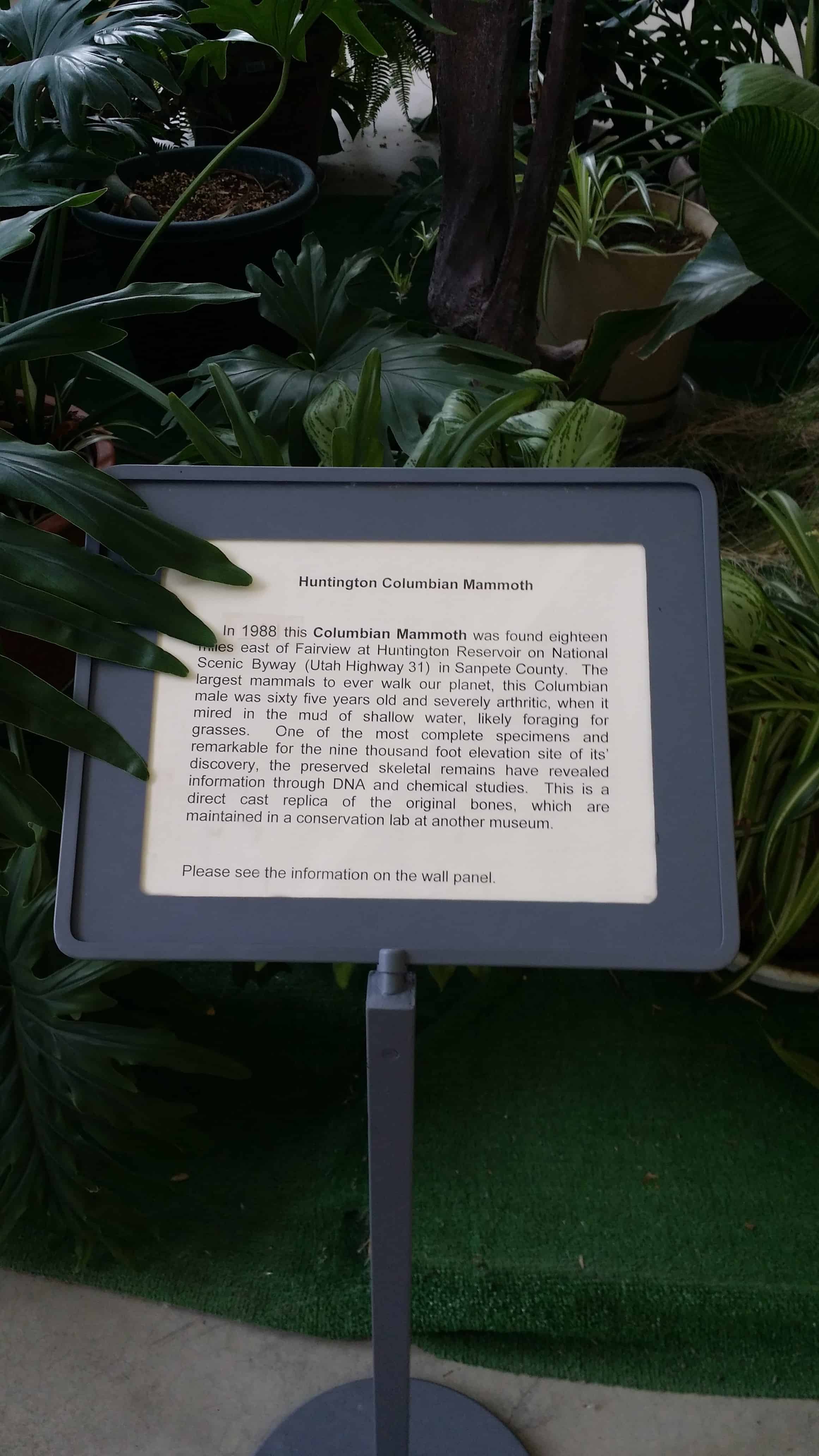
I had wanted to come see the Mammoth for years since I had many times stopped at the site where it was found up the canyon (see this post.)

  • 2014-07-04 15.50.45
  • 2014-07-04 16.01.48
  • 2014-07-04 16.01.57
  • 2014-07-04 16.02.02
  • 2014-07-04 16.02.04
  • 2014-07-04 16.02.12
  • 2014-07-04 16.02.19
  • 2014-07-04 16.02.27
  • 2014-07-04 16.02.42
  • 2014-07-04 16.04.28
  • 2014-07-04 16.06.31
  • 2014-07-04 16.06.36
  • 2014-07-04 16.06.39
  • 2014-07-04 16.07.40
  • 2014-07-04 16.08.11
  • 2014-07-04 16.08.20

Fairview Roller Mill

08 Tuesday Jul 2014

Posted by Jacob Barlow in Uncategorized

≈ 2 Comments

Tags

Fairview, Mills, Sanpete County, utah

  • ingress_20140704_153709_15

I was driving through Fairview and saw this gorgeous old mill and snapped a photo.
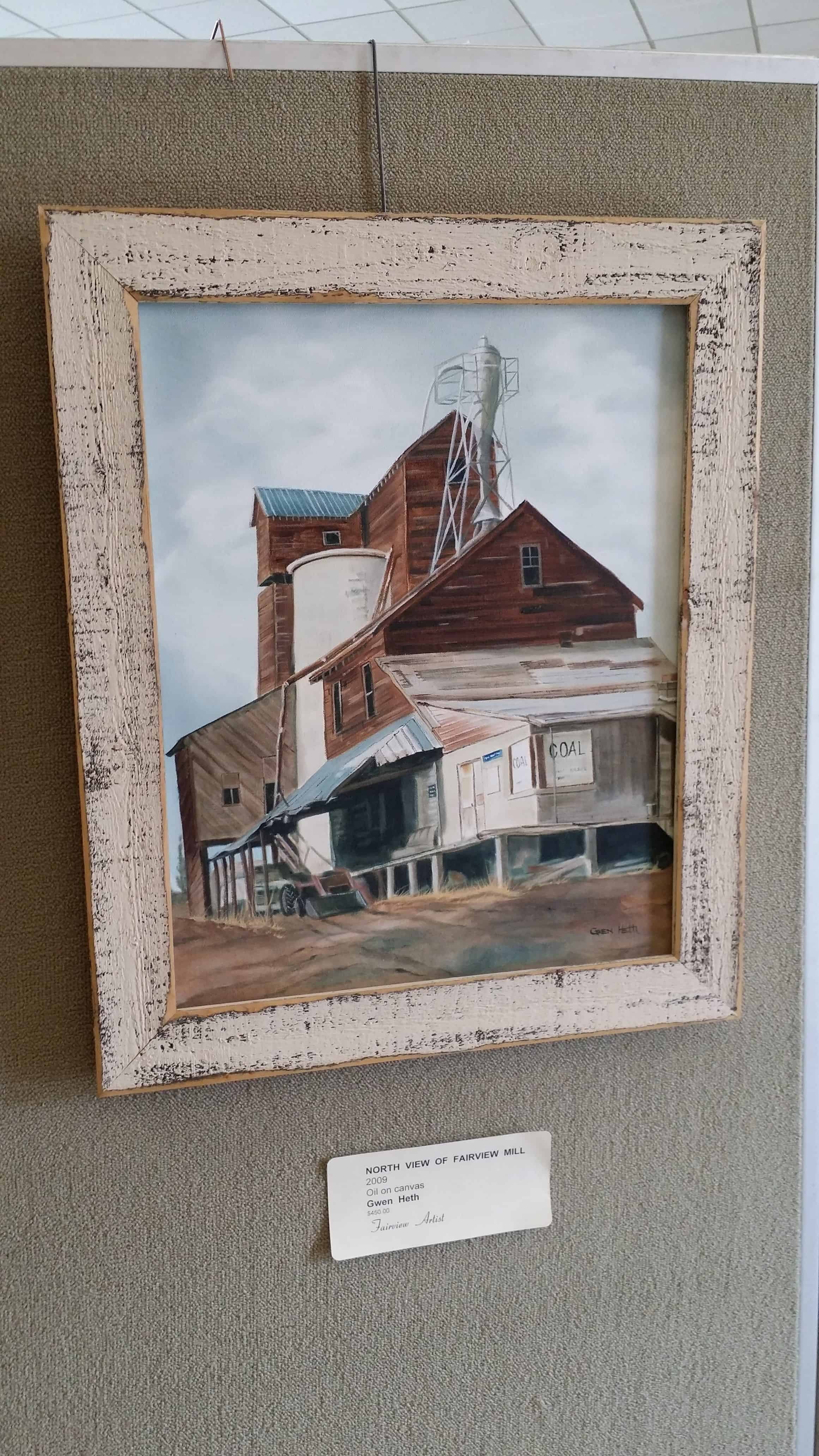
I later stopped in at the Museum in town and saw several paintings of the same Mill, I thought I’d post those here.

  • 2014-07-04 16.07.40
  • 2014-07-04 16.08.11
  • 2014-07-04 16.08.20

The historic Fairview Roller Mill has always been my favorite thing to see in Fairview. It was not in great shape but in 2016 the Utley family puchased it and fixed it up while converting it into a home.

It was the first mill in Fairview, built in 1922.

Related Posts:

  • http://fairviewmill.blogspot.com/

← Older posts
Newer posts →

Follow Jacob

Follow Jacob

Blog Stats

  • 2,007,096 hits

Social and Other Links

BarlowLinks.com

Recent Posts

  • Herbert B. Maw Home
  • Marriner S. Eccles Home
  • William and Grace Ebaugh Home
  • Emma Thatcher Jeppeson Home
  • William Bowen Home

Archives


Loading Comments...