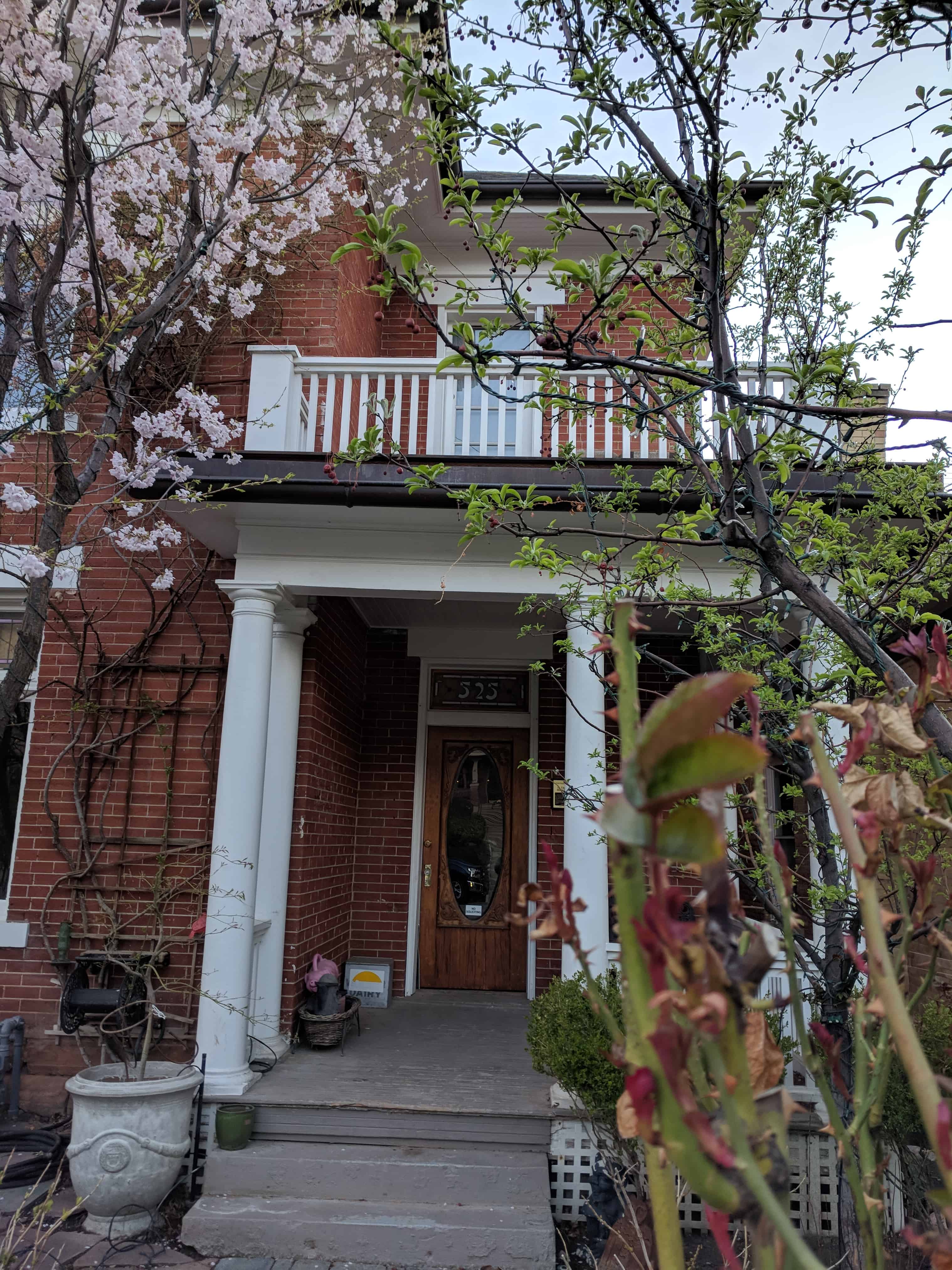
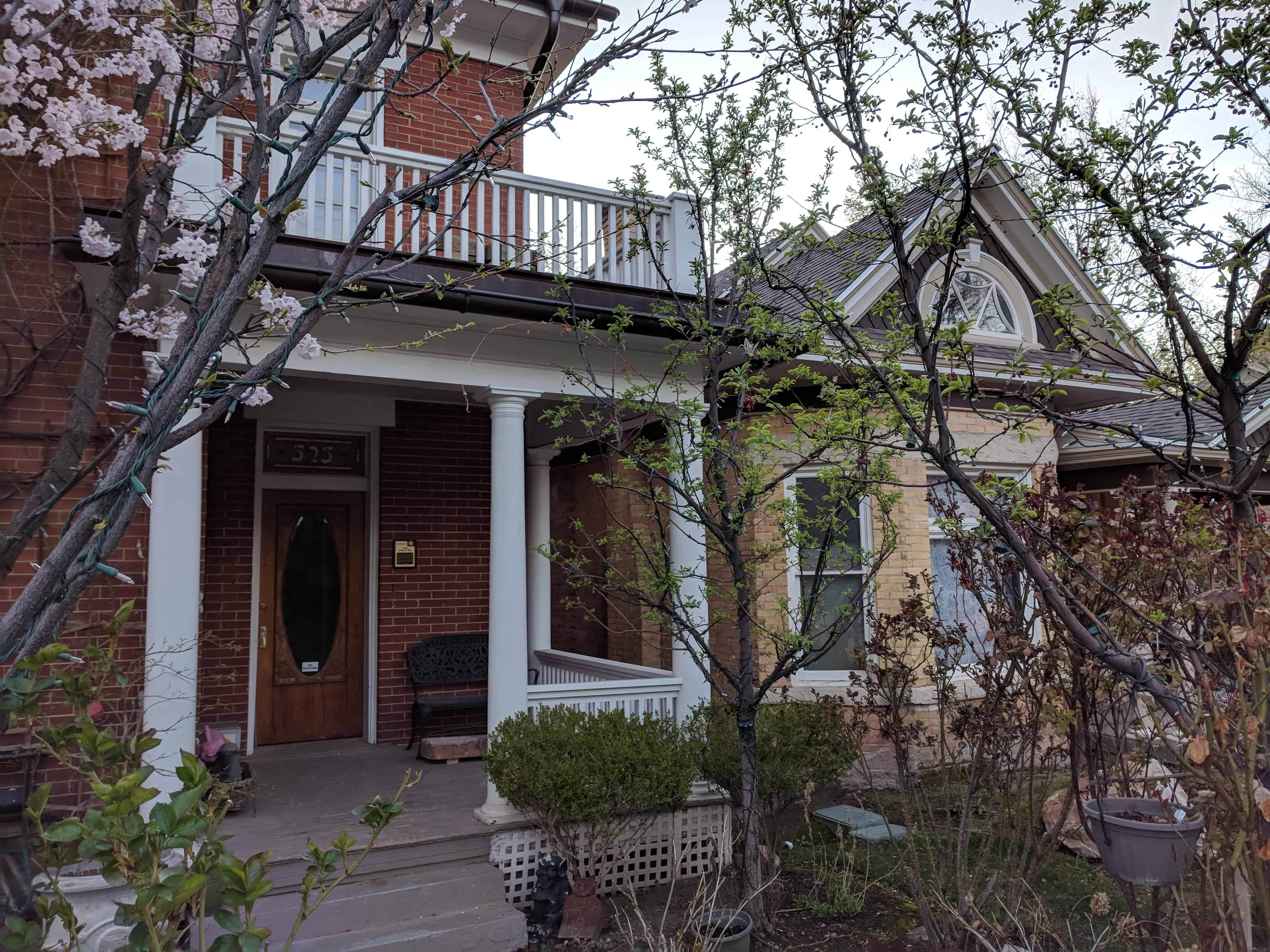
Located at 1590 South 500 East in the Liberty Wells Historic District of Salt Lake City, I haven’t been able to find much info on this home other than it was part of Wilford Woodruff’s farm and a group of homes he owned (see Wilford Woodruff’s Farm 1850) and the cornerstone says “DAYNES 1897.”
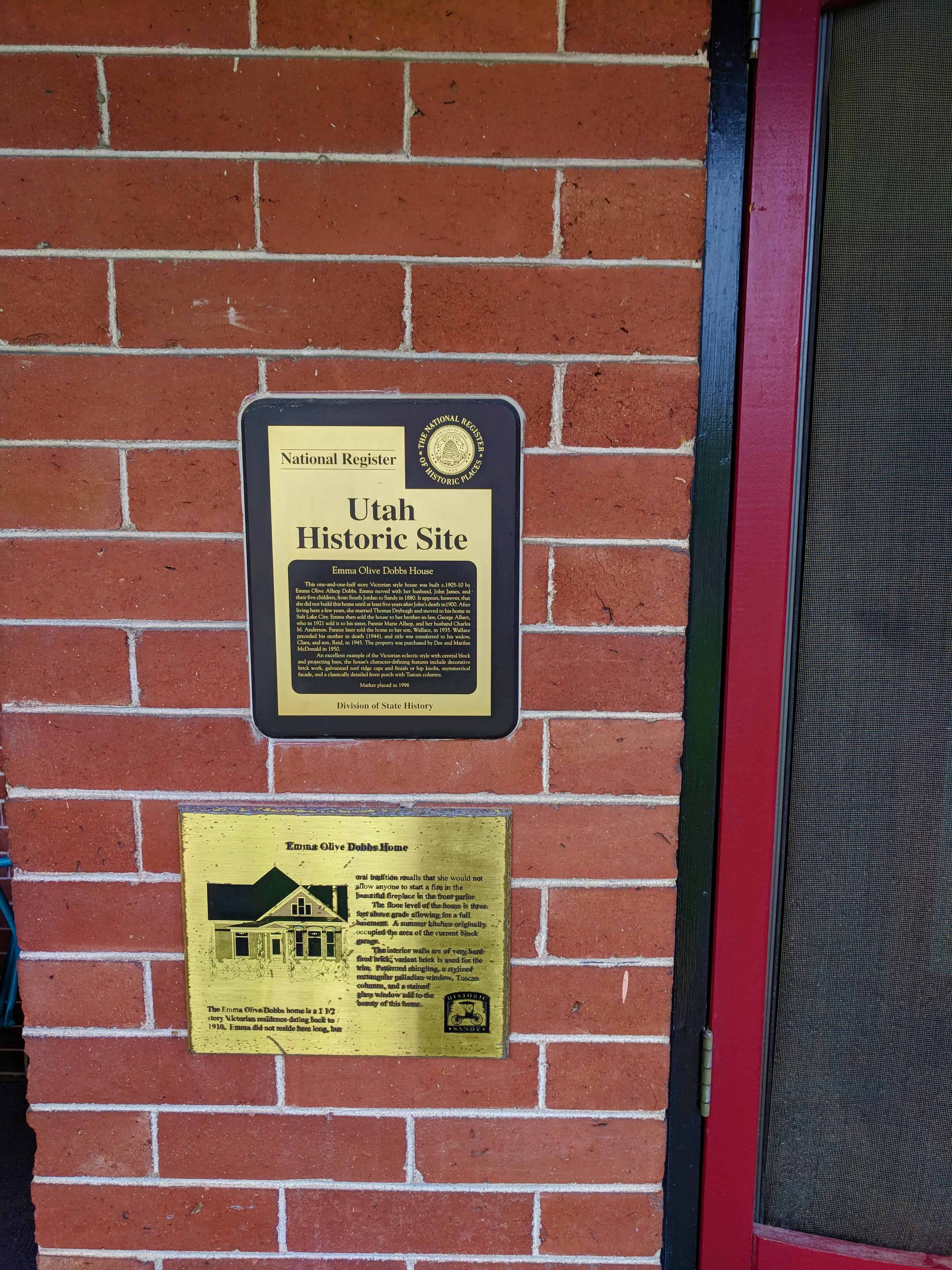
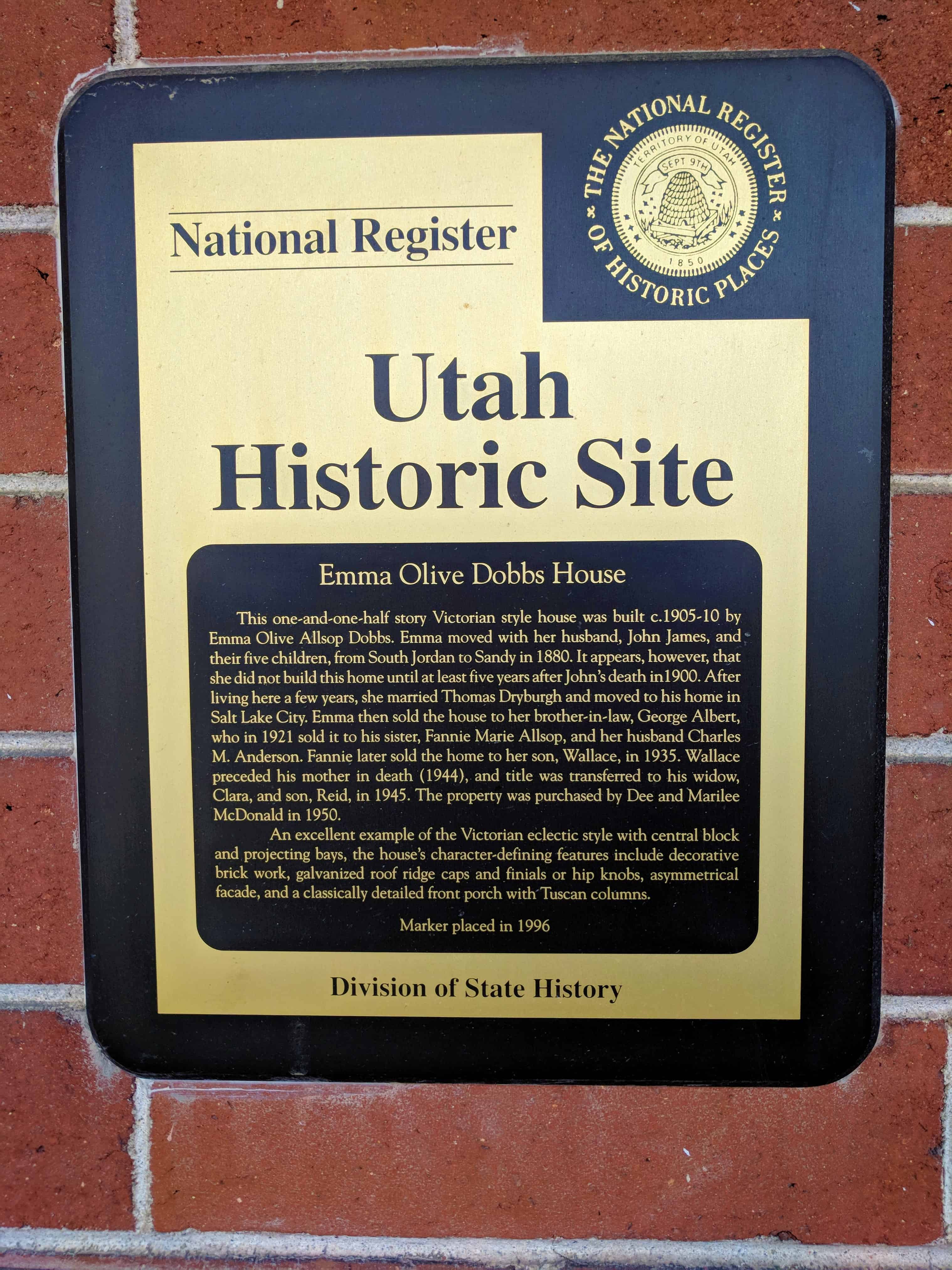
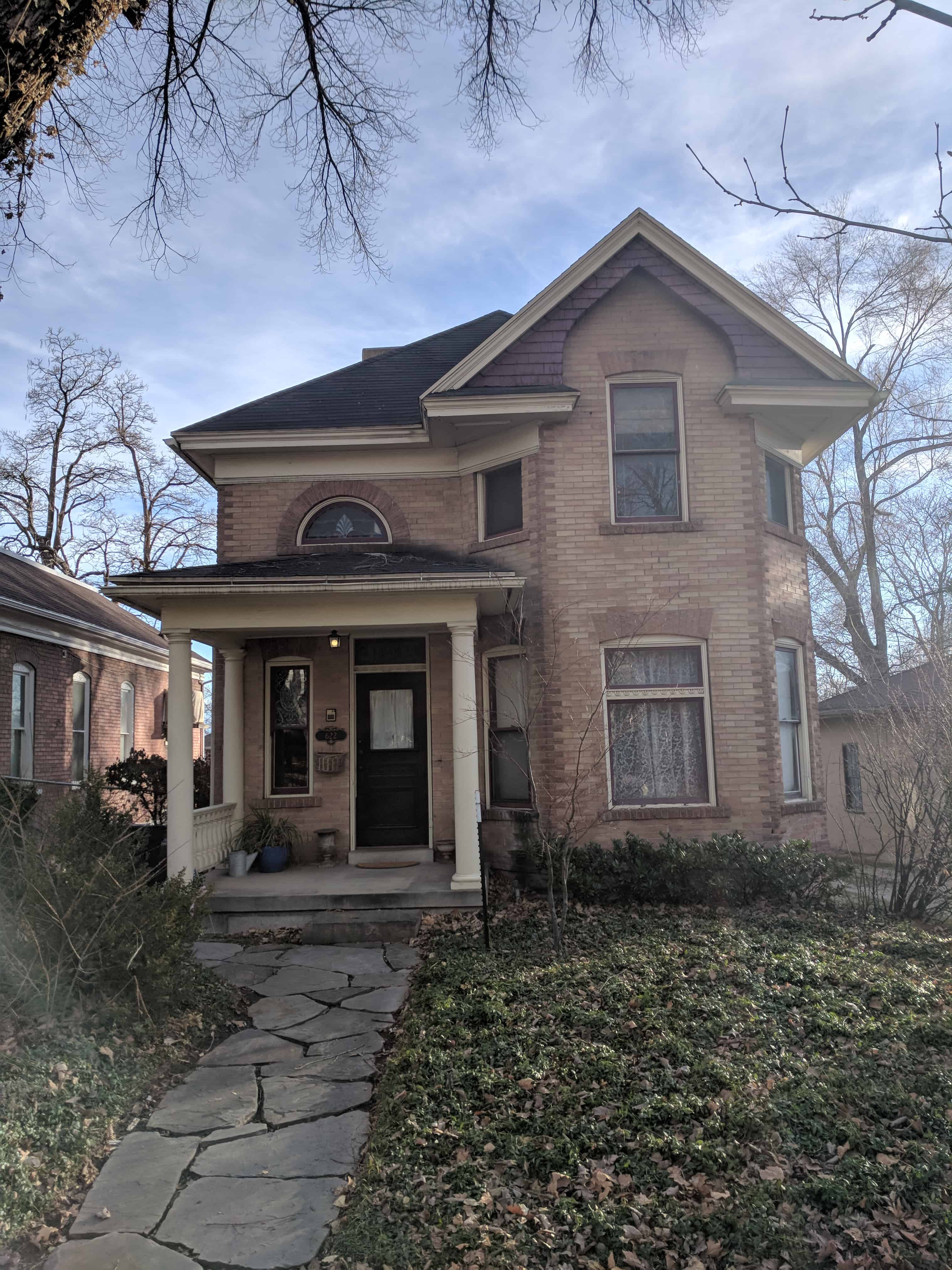
This one-and-one-half story Victorian style house was built c.1905-1910 by Emma Olive Allsop Dobbs. Emma moved with her husband, John James, and their five children, from South Jordan to Sandy in 1880. It appears, however, that she did not build this home until at least five years after John’s death in 1990. After living here a few years, she married Thomas Dryburgh and moved to his home in Salt Lake City. Emma then sold the house to her brother-in-law, George Albert, who in 1921 sold it to his sister, Fannie Marie Allsop, and her husband Charles M. Anderson. Fannie later sold the home to her son, Wallace, in 1935. Wallace preceded his mother in death (1944), and title was transferred to his widow, Clara, and son, Reid, in 1945. The property was purchased by Dee and Marilee McDonald in 1950.
An excellent example of the Victorian eclectic style with central block and projecting bays, the house’s character-defining features include decorative brick work, galvanized roof ridge caps and finials or or hip knobs, asymmetrical façade, and a classically detailed front porch with Tuscan columns.
The above text is from the plaque on the home, placed in 1996. The home is located at 578 East Locust Street in the historic sandy area of Sandy, Utah
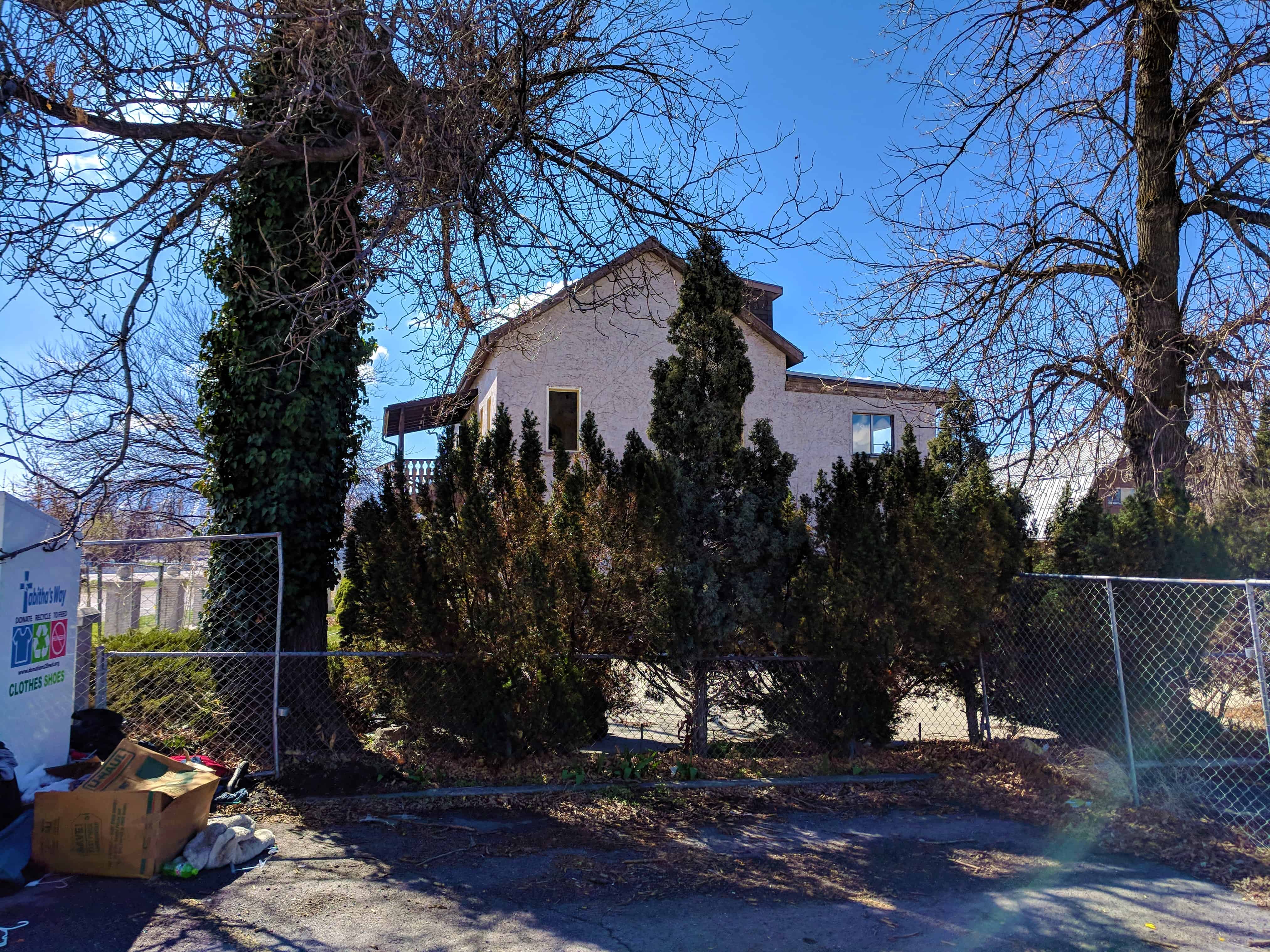
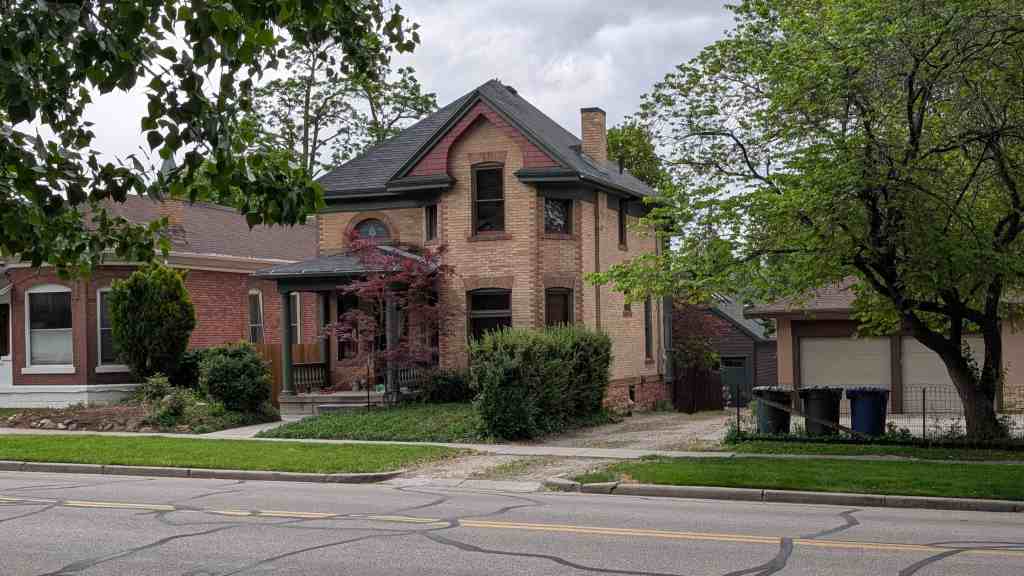
There is a school and an old house here but they are about to knock it all down and I heard put a Walmart here so I wanted to grab some photos while it is still possible. I don’t know the history of the home yet but I’ll add that here when I find it.
I’ve heard a few rumors about the house now.
01. It was once a hotel/ brothel on the railroad line that ran down main street.
02. A lady named Tamma Durfee Miner Curtis lived there in the early years of Springville. She is the Grandmother of …literally thousands.
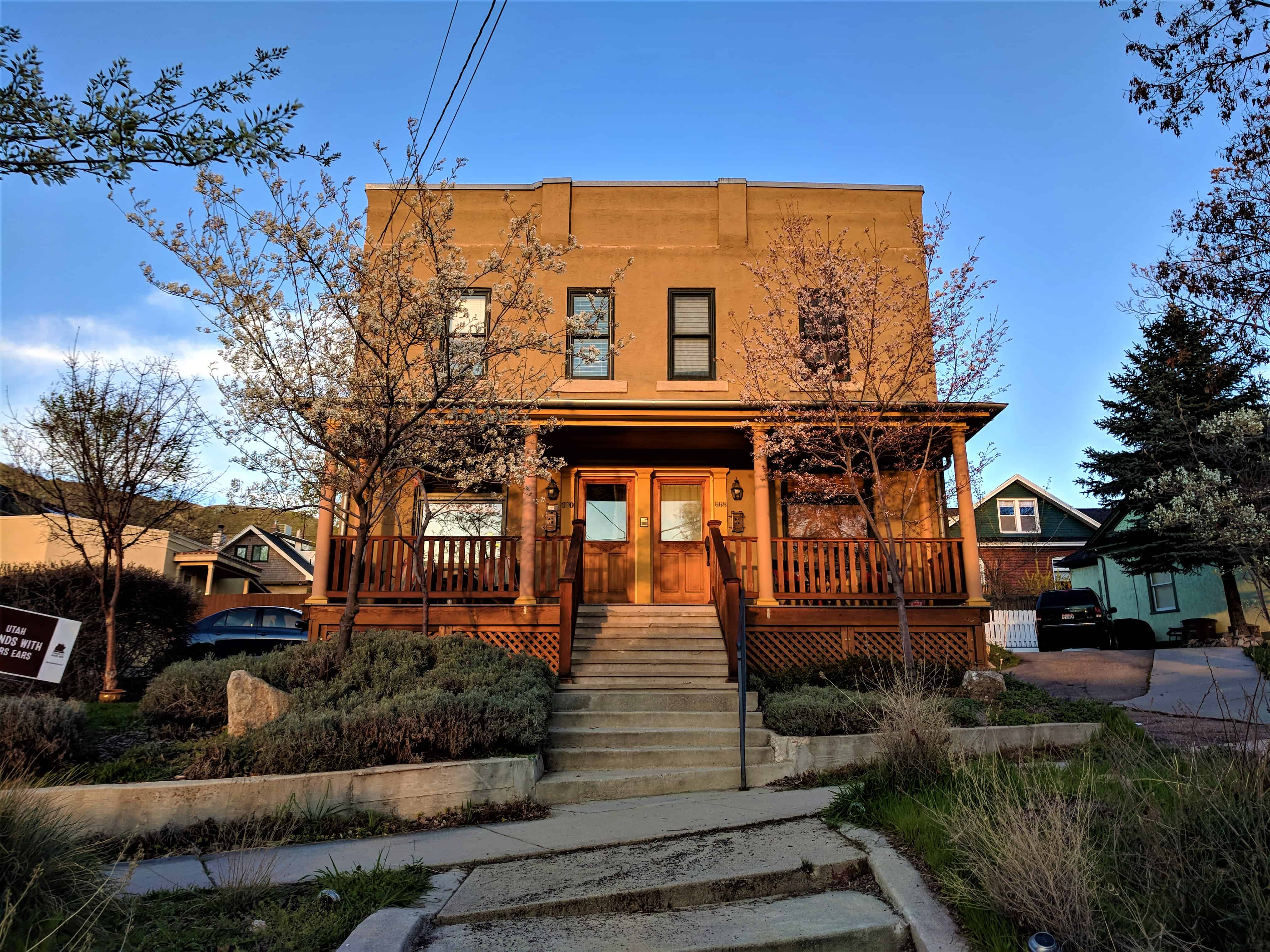
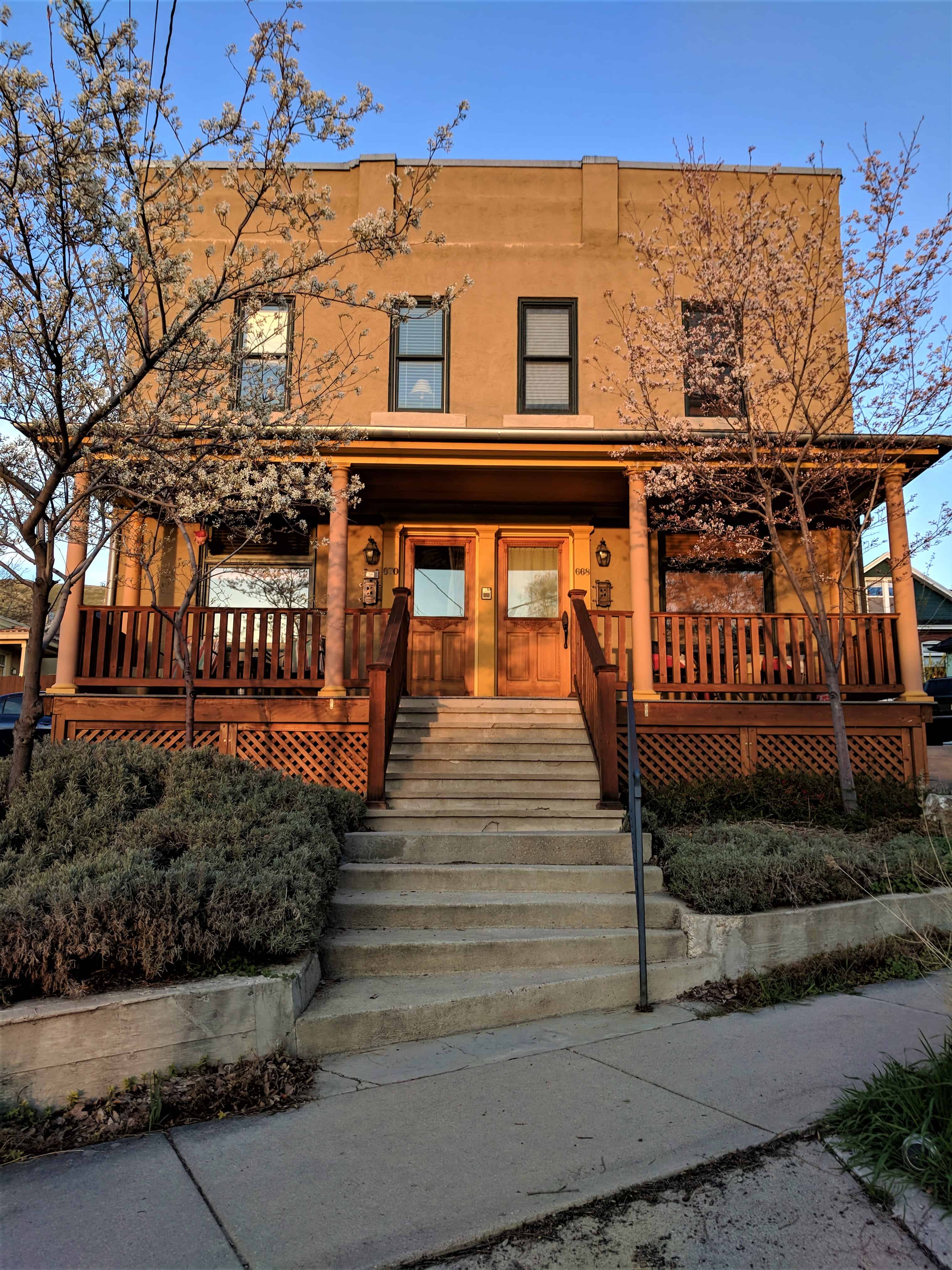
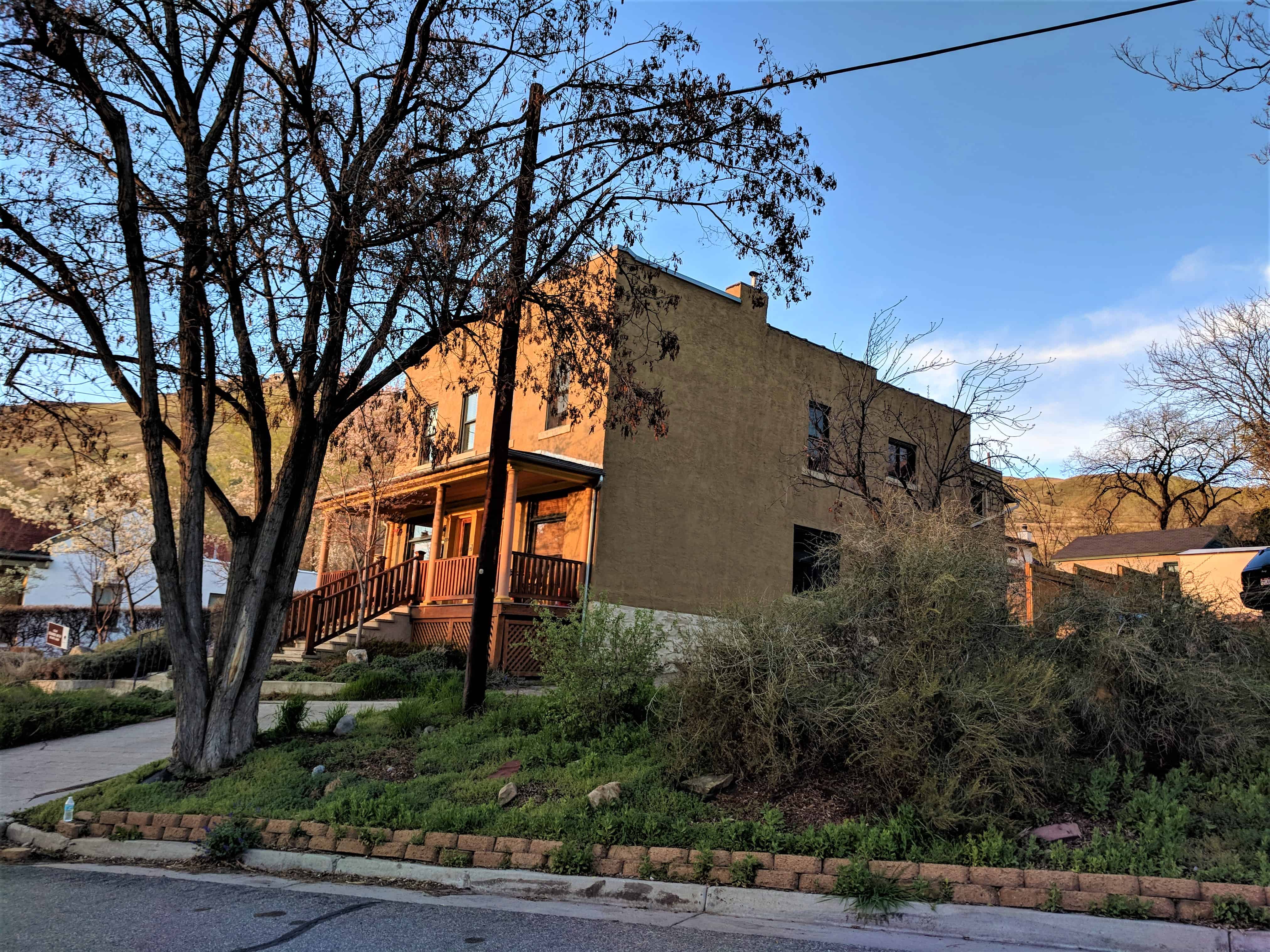
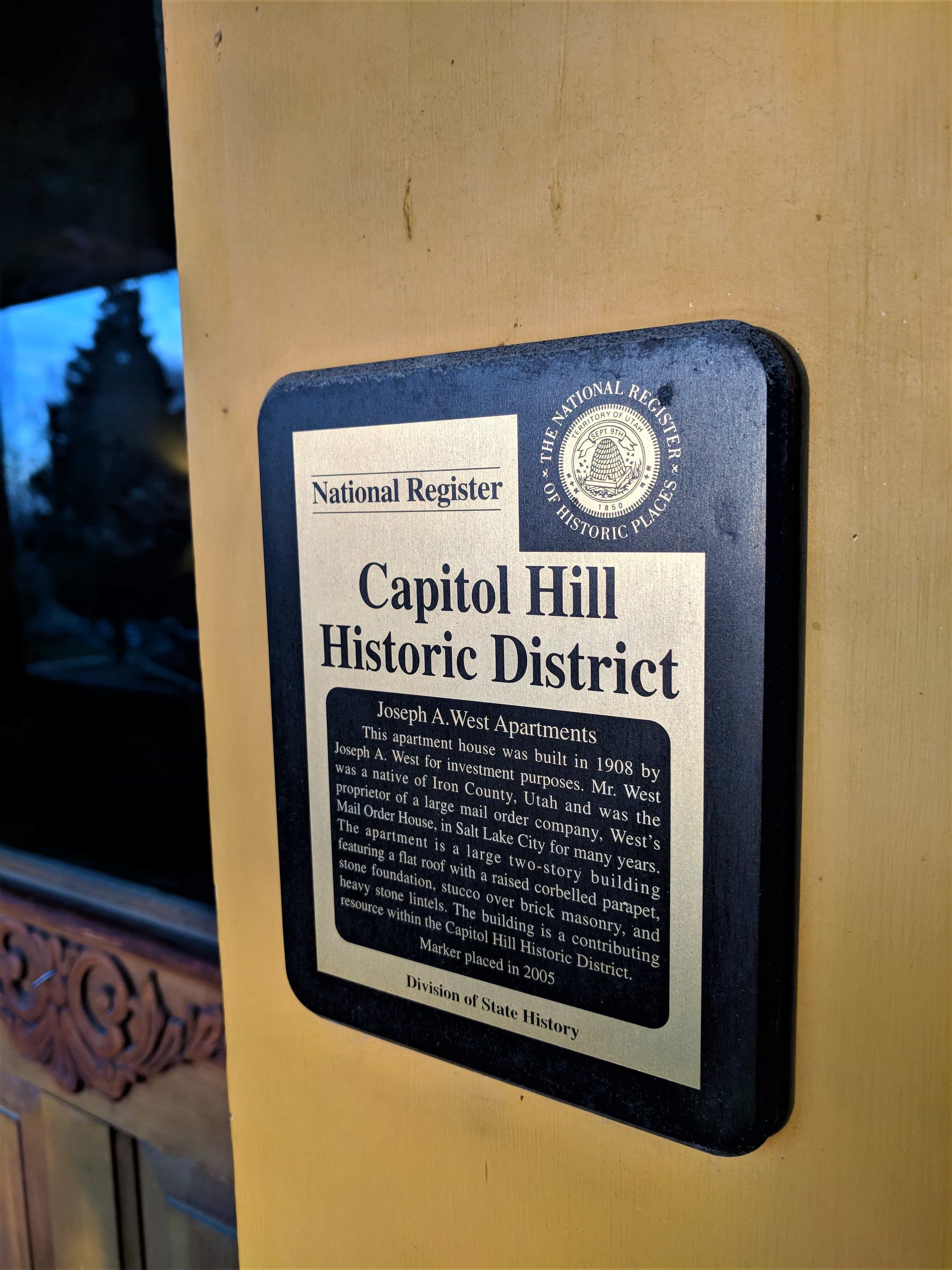
This apartment house was built in 1908 by Joseph A. West for investment purposes. Mr. West was a native of Iron County, Utah and was the proprietor of a large mail order company, West’s Mail Order House, in Salt Lake City for many years.
The apartment is a large two-story building featuring a flat room with a raised corbelled parapet, stone foundation, stucco over brick masonry, and heavy stone lintels. The building is a contributing resource within the Capitol Hill Historic District.
See other historic apartment building in Salt Lake City here.
This old home really stands out to me in Salt Lake. I’ve been looking for some more specific history but it is now being used as an “affordable living center for men” by the “John Taylor House II” organization. It was built by James W. Taylor in 1891.
From preservationutah, For well over a century, the John W. Taylor house has served as a gateway into Salt Lake for commuters approaching the city from the south on 700 East. Presently surrounded by gas stations, retail stores, and housing developments, this house sat in the middle of farm fields when it was first built by Church of Jesus Christ of Latter-day Saints apostle John Taylor and his family. After only two years in the house, Taylor family decamped to Davis County and Patrick and Elizabeth Ryan (silver mine managers) moved in. Elizabeth Ryan left after her husband’s death in 1917 and the house was eventually sold to John Bowman, Salt Lake’s 20th mayor. After the Bowmans left the house in the 1930s, it was broken up into apartments and then served for stretches of time as a boarding hostel, a home for the elderly, and a home for “wayward females.” The house is currently occupied by “an affordable independent living center for men” which provides many valuable social services.
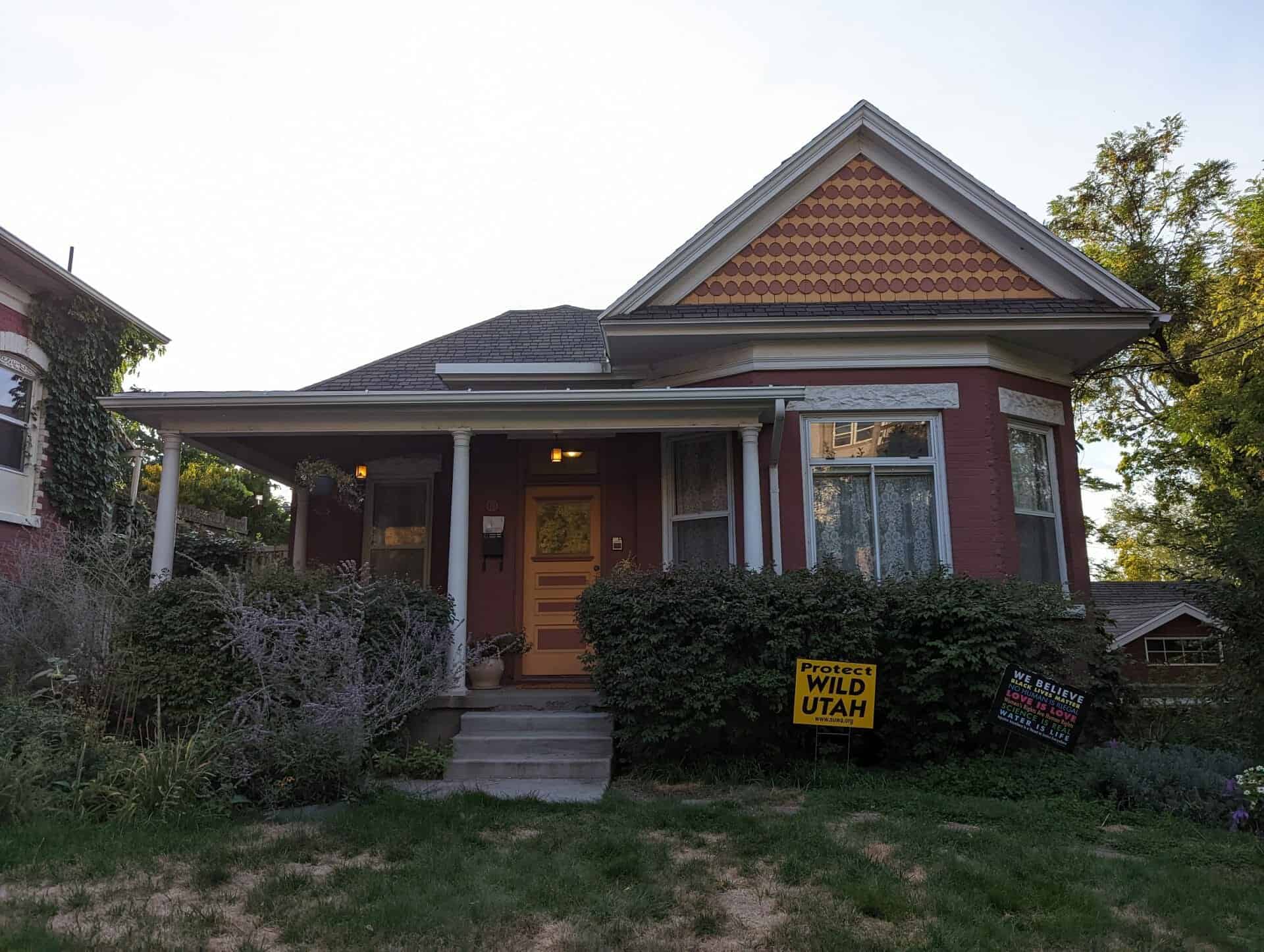
This one-story, central-block-with-projecting-bays type house, built in 1900, was designed in the Victorian-eclectic style commonly found in pattern books of the era.
The house was built for Alexander E. Carr who was an abstractor of title for 57 years. He was the head of the Carr Abstracting Company and vice-president of Intermountain Title Guaranty Company, the first business of its kind in Utah. He was also secretary of several state boards and the Salt Lake City Board of Education.
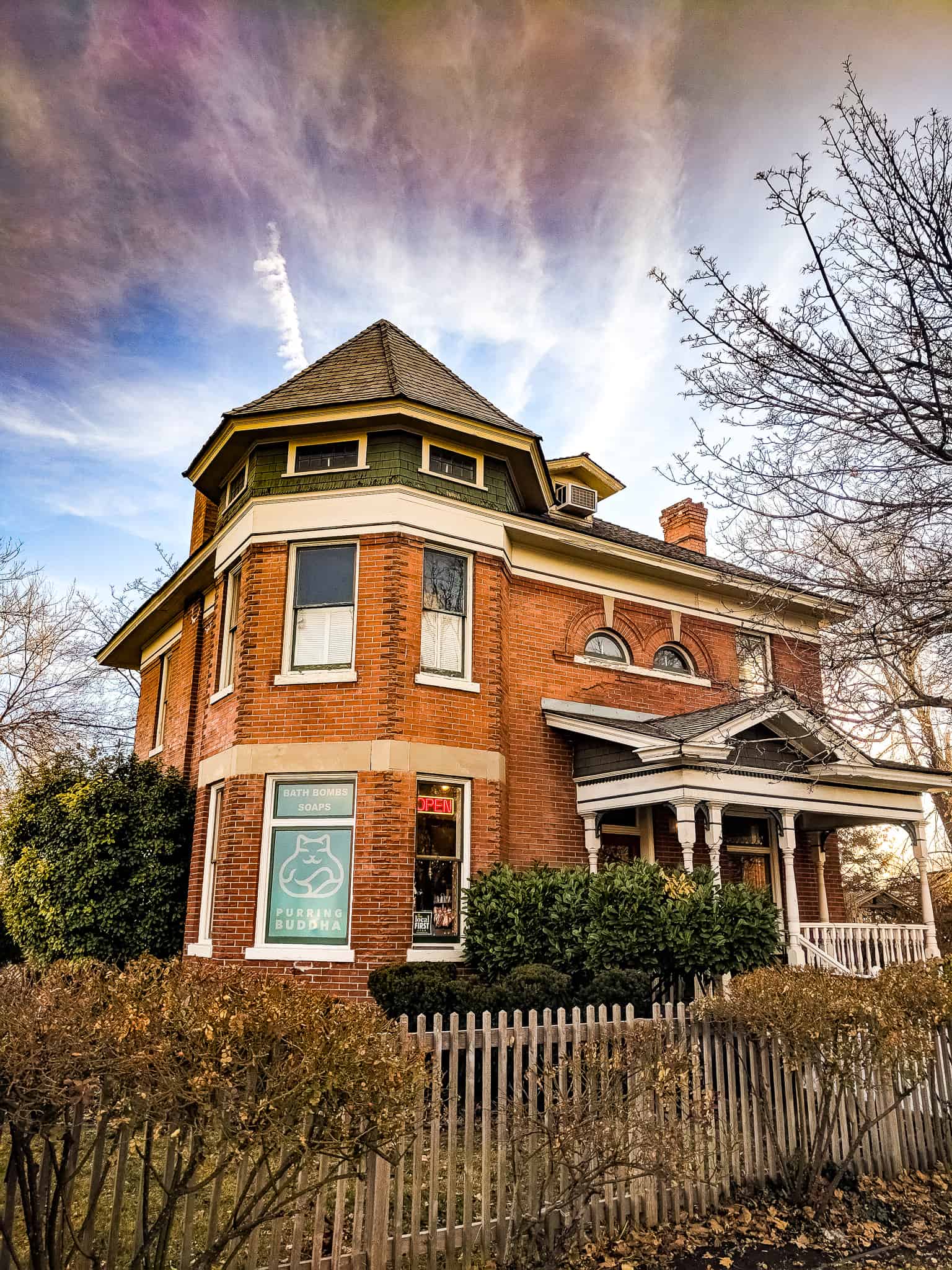
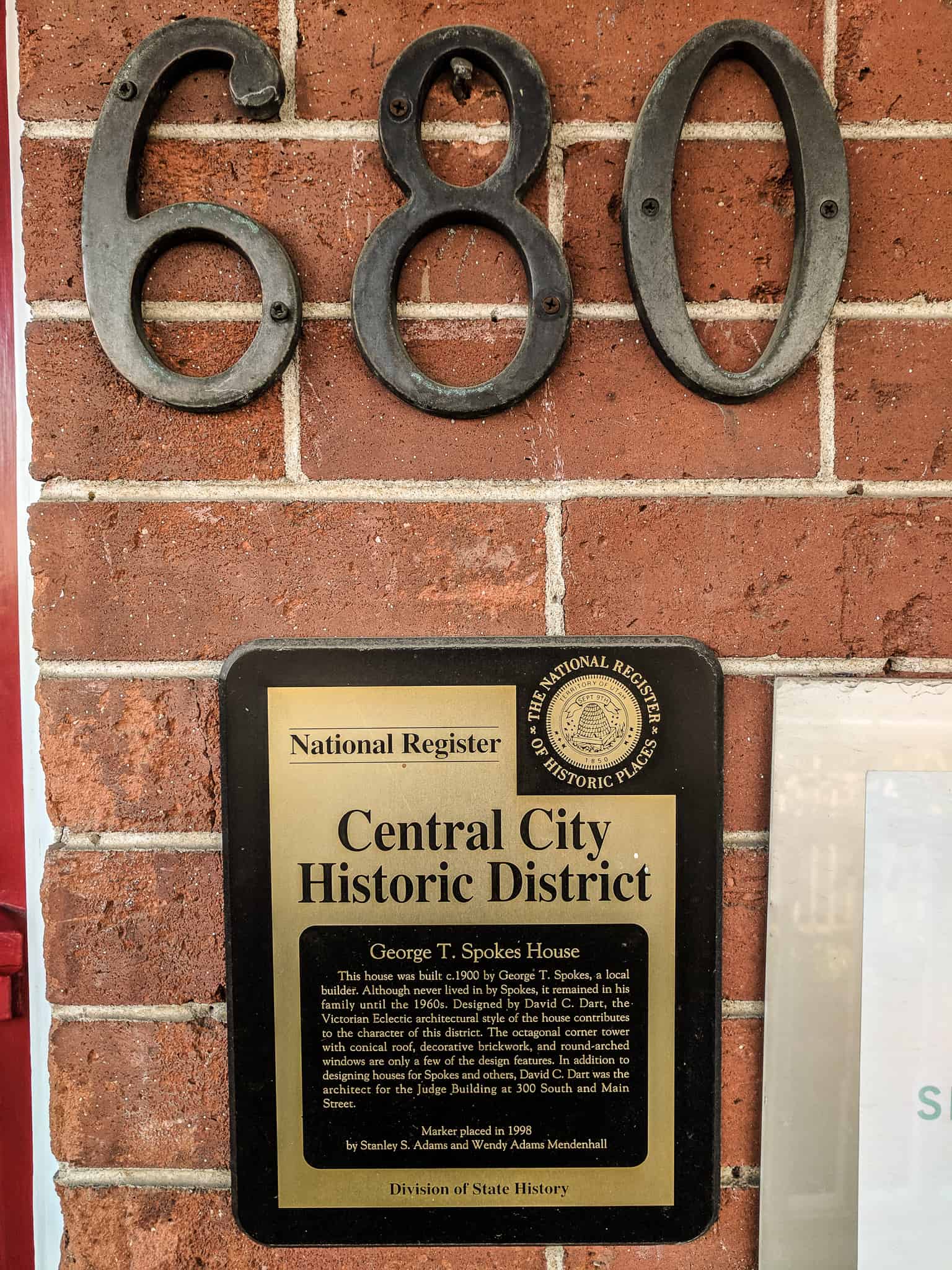
This house was built c.1900 by George T. Spokes, a local builder. Although never lived in by Spokes, it remained in his family until the 1960s. Designed by David C. Dart, the Victorian Eclectic architecture style of the house contributes to the character of this district. The octagonal corner tower with conical roof, decorative brickwork, and round-arched windows are only a few of the design features. In addition to designing houses for Spokes and others, David C. Dart was the architect for the Judge Building at 300 South and Main Street.
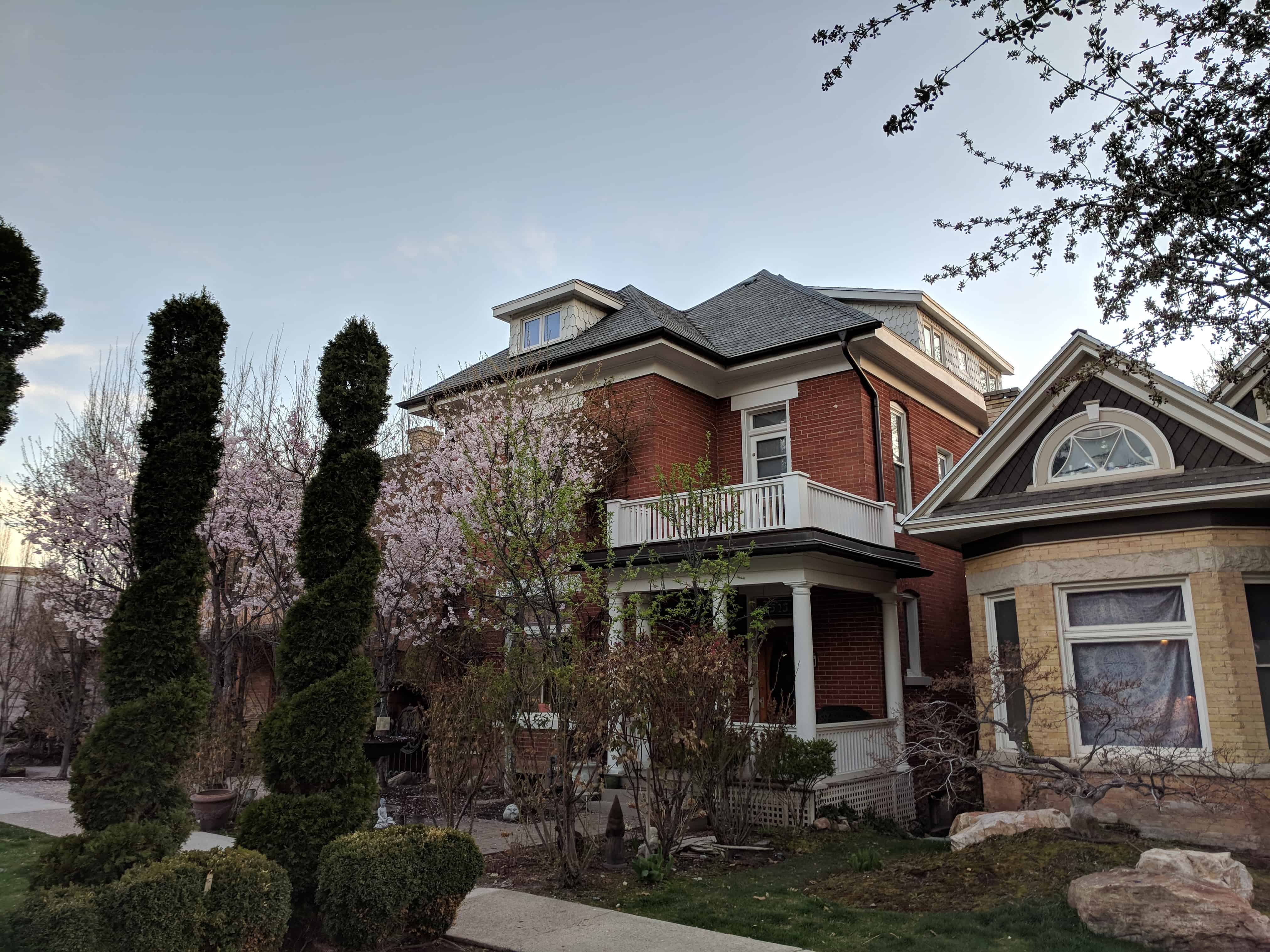
Constructed c.1905, for Benjamin F. Cummings, this two-story, side-passage house represents a transition in architectural styles that was occurring shortly after the turn of the century.
Elements of the waning Victorian eclecticism of the era can be found in the paid Tuscan columns, window arches, and bay window, while details of the emerging Prairie School style are apparent in the low-pitched, hipped-roof dormer, and large, rectangular windows with flat lintels.
Benjamin, a journalist and genealogist, and his wife, Emily, lived here from 1905 to 1911. After the Cummings sold the house it was used as an apartment building, as was common for larger houses during this era in Salt Lake City. The house is currently (1999) a single family residence and is undergoing an extensive rehabilitation.
Built c.1895 by Abram C. Butler, this house was a rental property until 1909 when it was purchased by Joseph B. and Anna B Riter who had lived here since 1899. Mr Riter worked for ZCMI for 45 years, ultimately becoming a buyer for the notions department. After Joseph died in 1942, Anna continued to live in the home. This Victorian style house incorporates ornamental features such as a large lunette window above the porch and a curved shingled fascia.
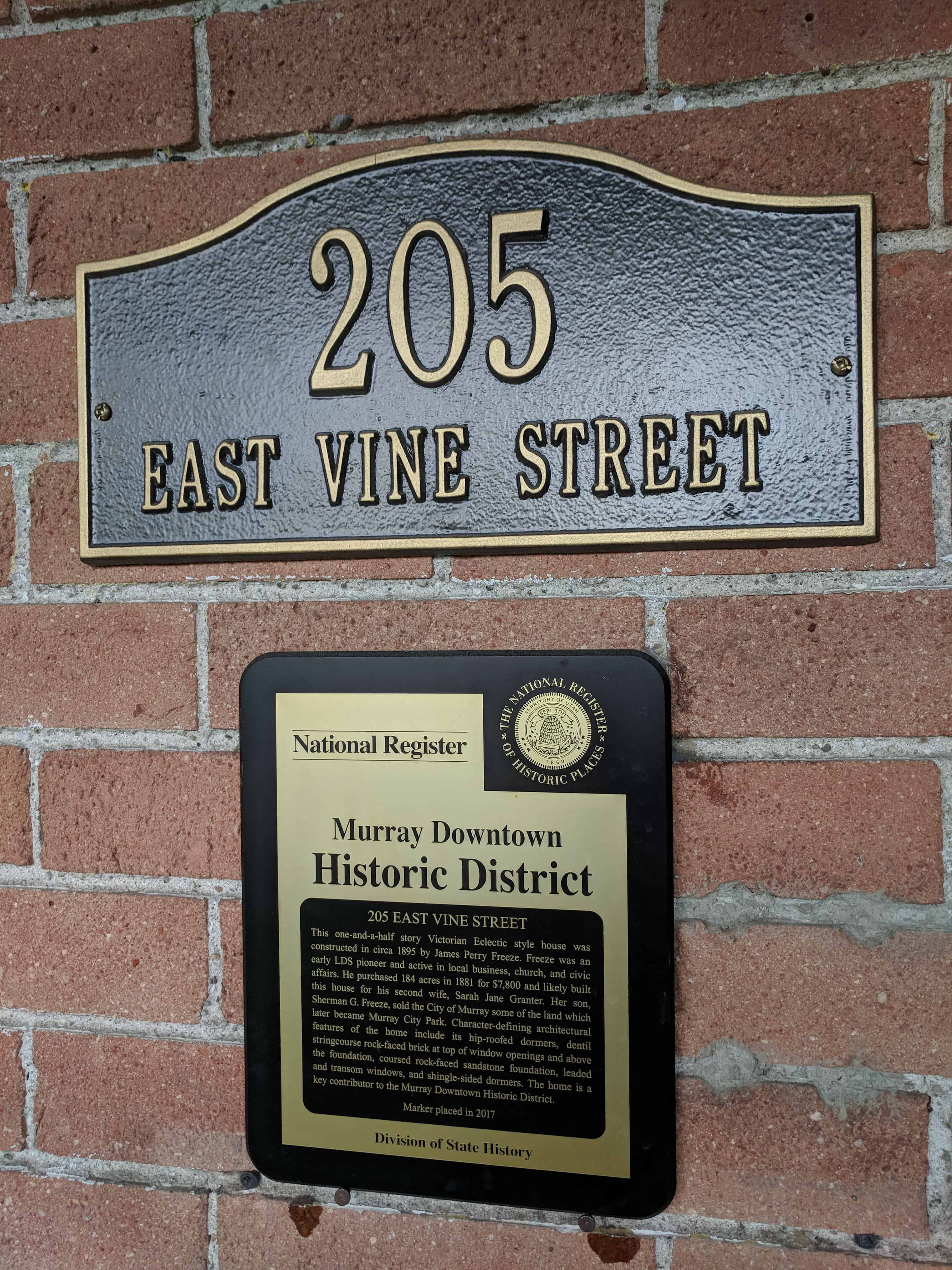
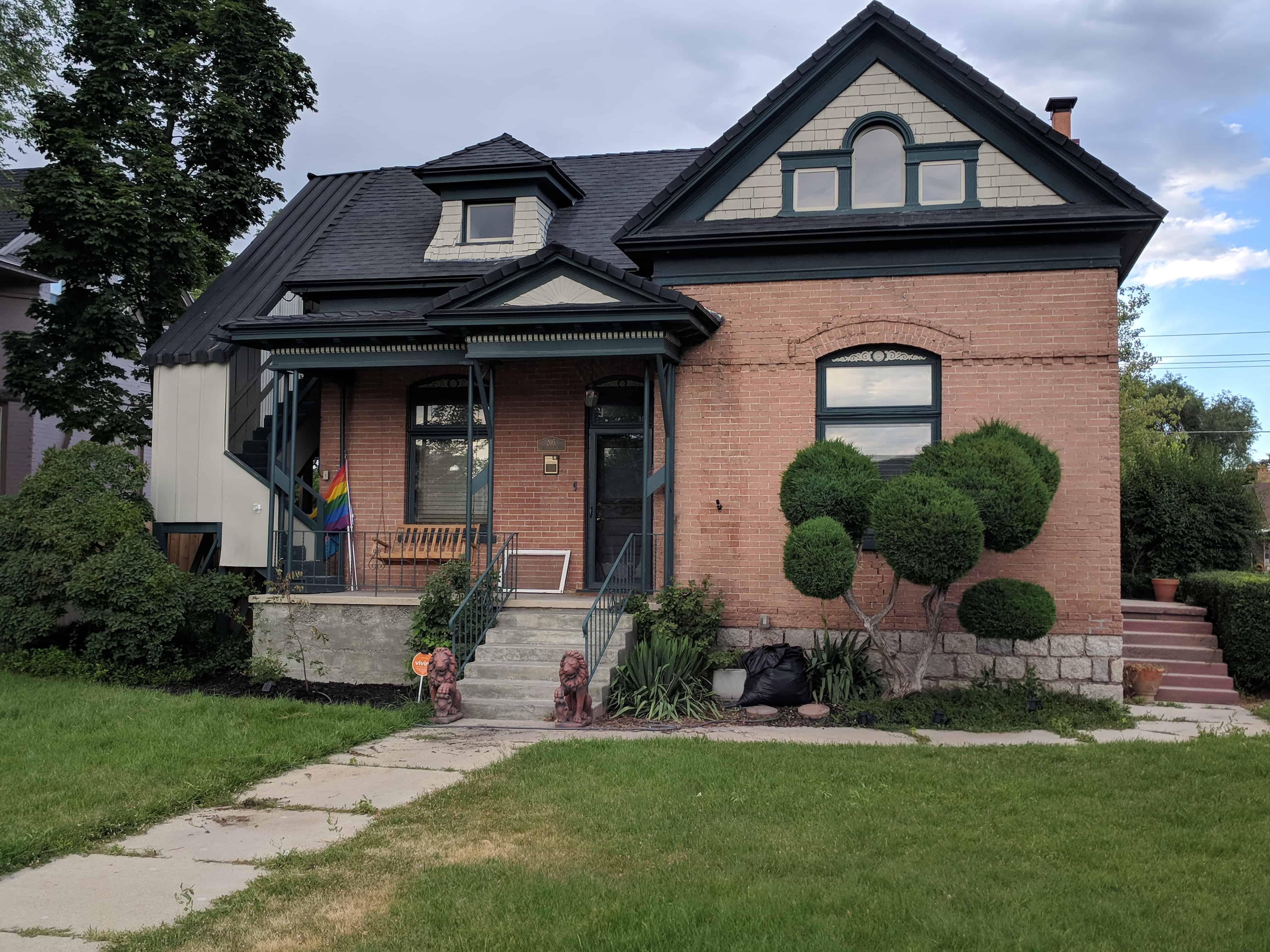
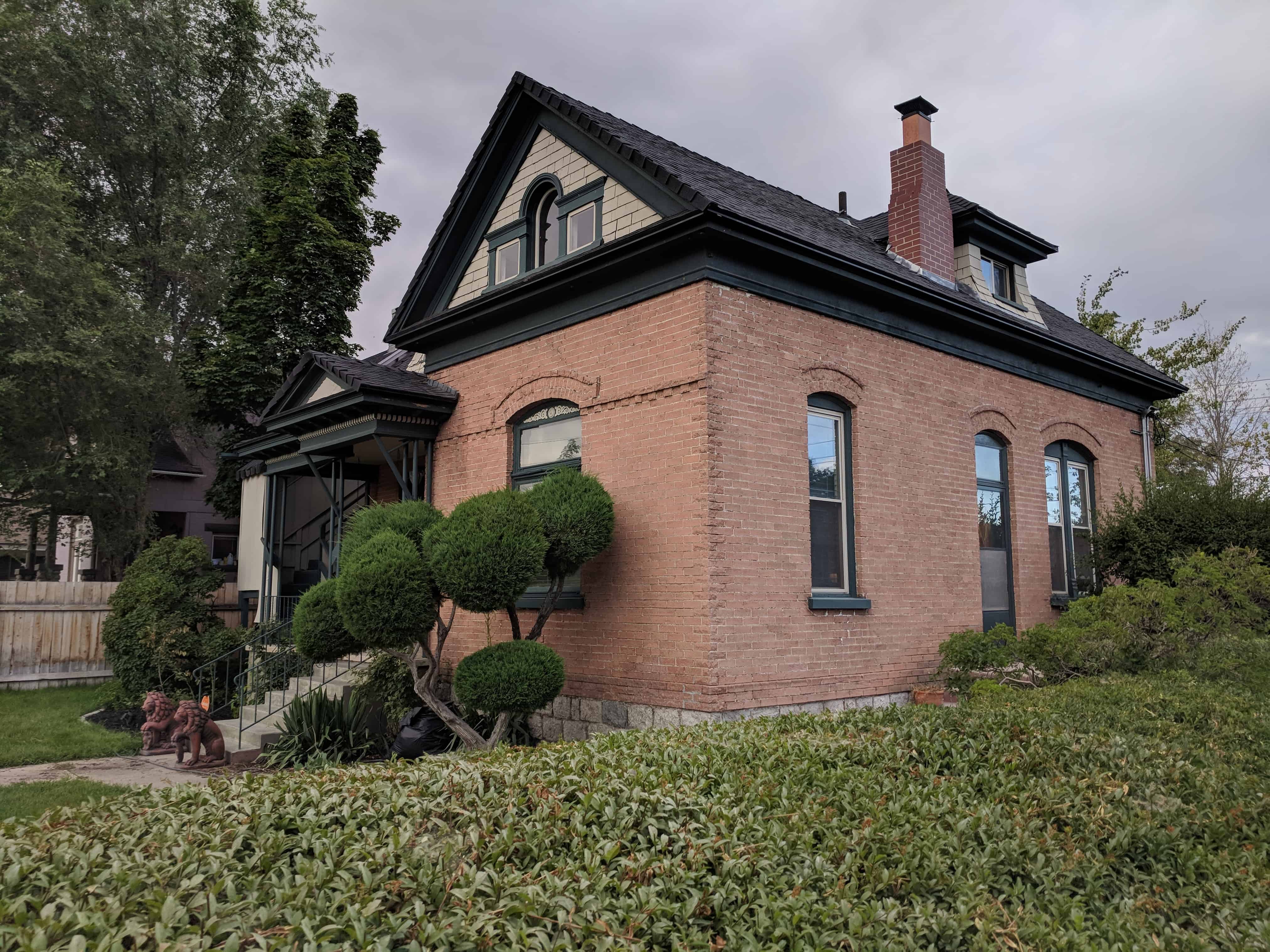
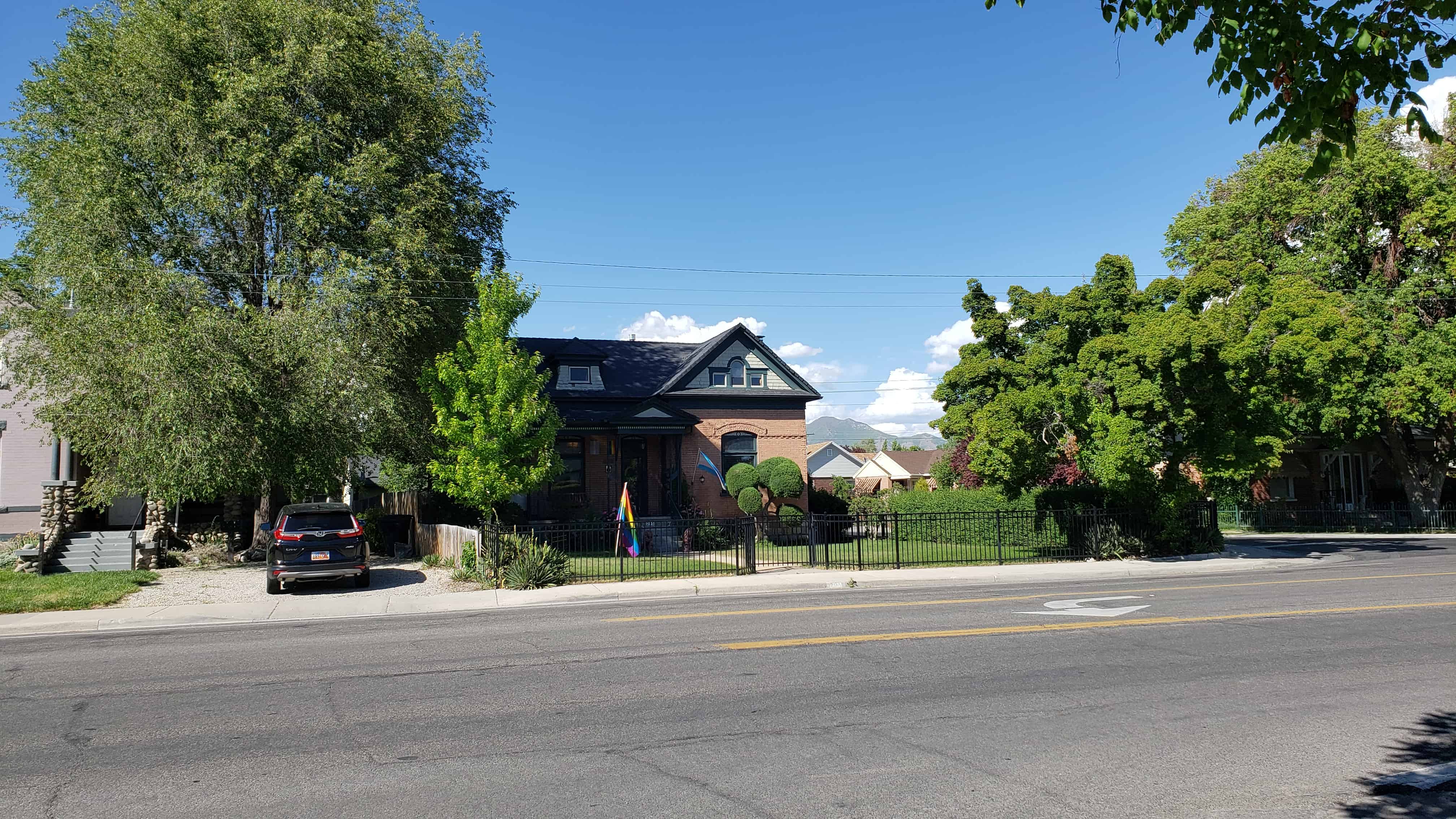
This one-and-a-half story Victorian Eclectic style house was constructed in circa 1895 by James Perry Freeze. Freeze was an early LDS pioneer and active in local business, church, and civic affairs. He purchased 184 acres in 1881 for $7,800 and likely built this house for his second wife, Sarah Jane Granter. Her son, Sherman G. Freeze, sold the City of Murray some of the land which later became Murray City Park. Character-defining architectural features of the home include its hip-roofed dormers, dentil stringcourse rock-faced brick at top of window openings and above the foundation, coursed rock-faced sandstone foundation, leaded and transom windows, and shingle-sided dormers. The home is a key contributor to the Murray Downtown Historic District.