Tags
Masonic Temple
03 Monday Nov 2025
Posted in Uncategorized

03 Monday Nov 2025
Posted in Uncategorized
18 Monday Aug 2025
Posted in Uncategorized
Tags
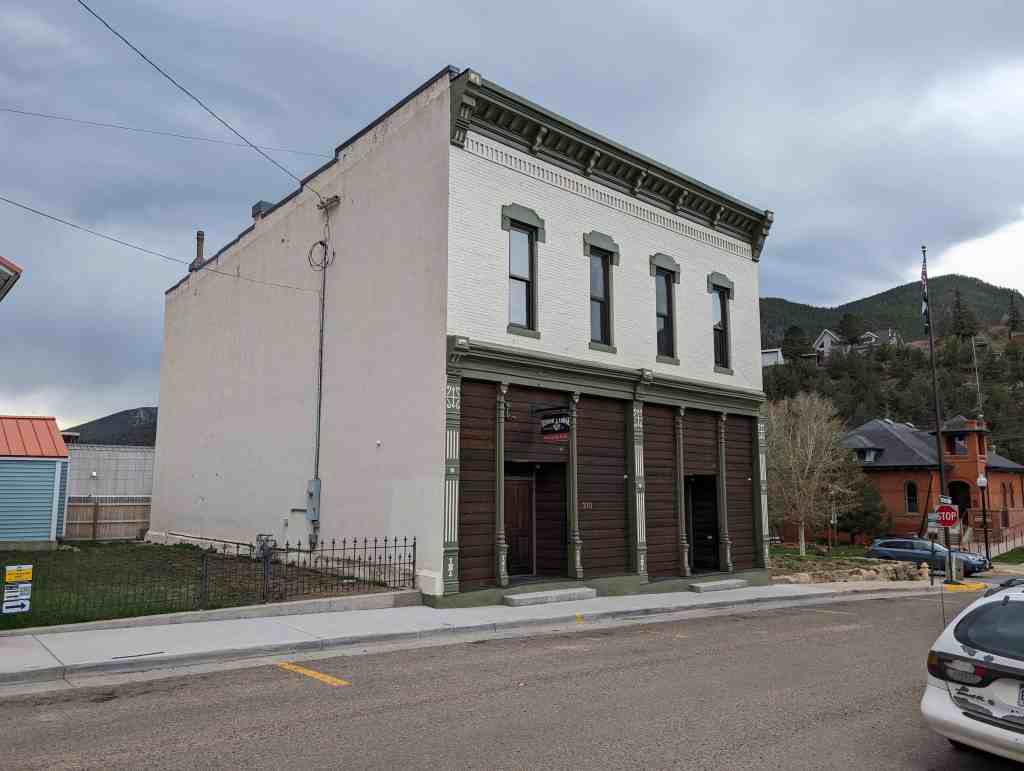
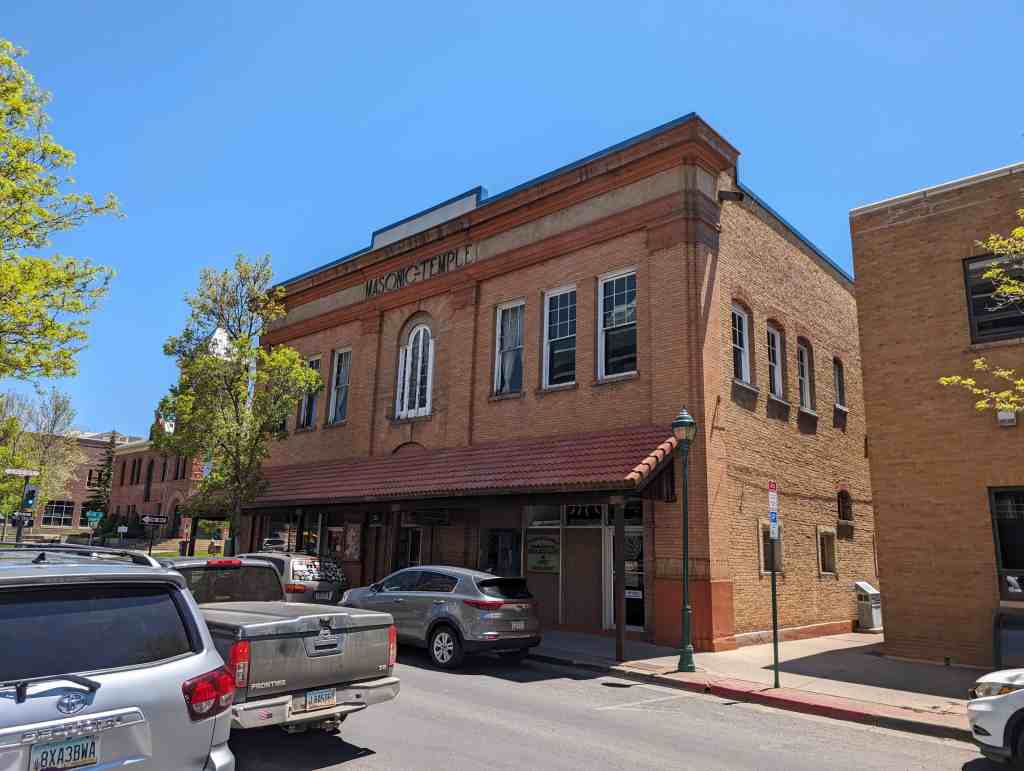
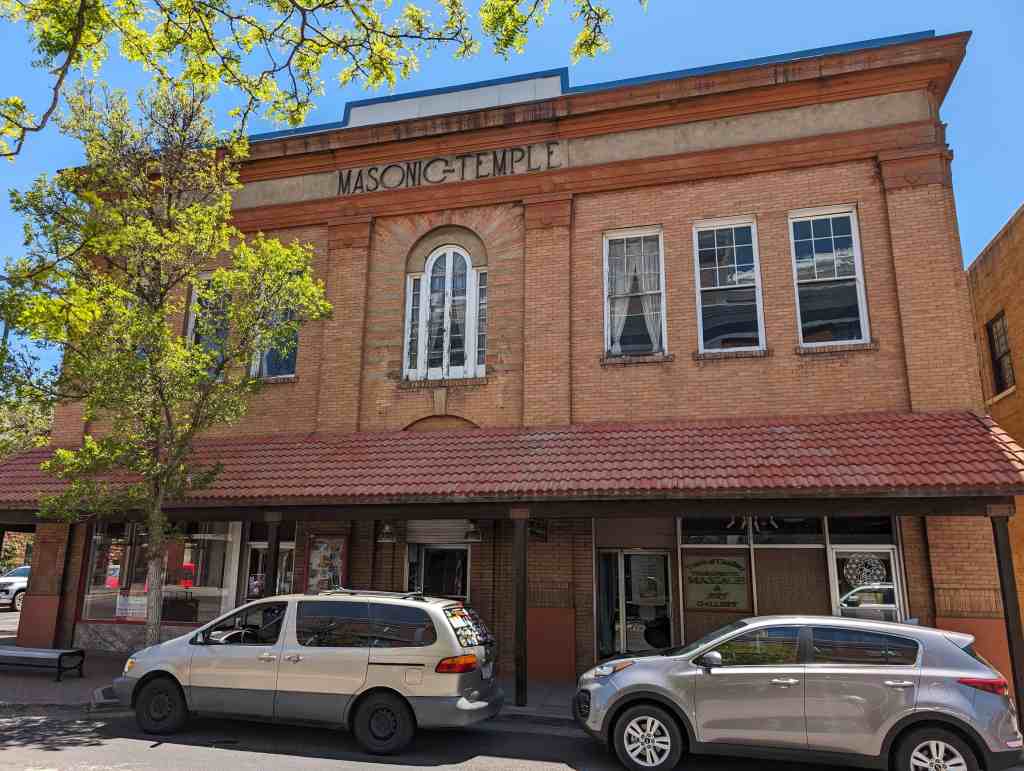
Wilson Building / Masonic Lodge
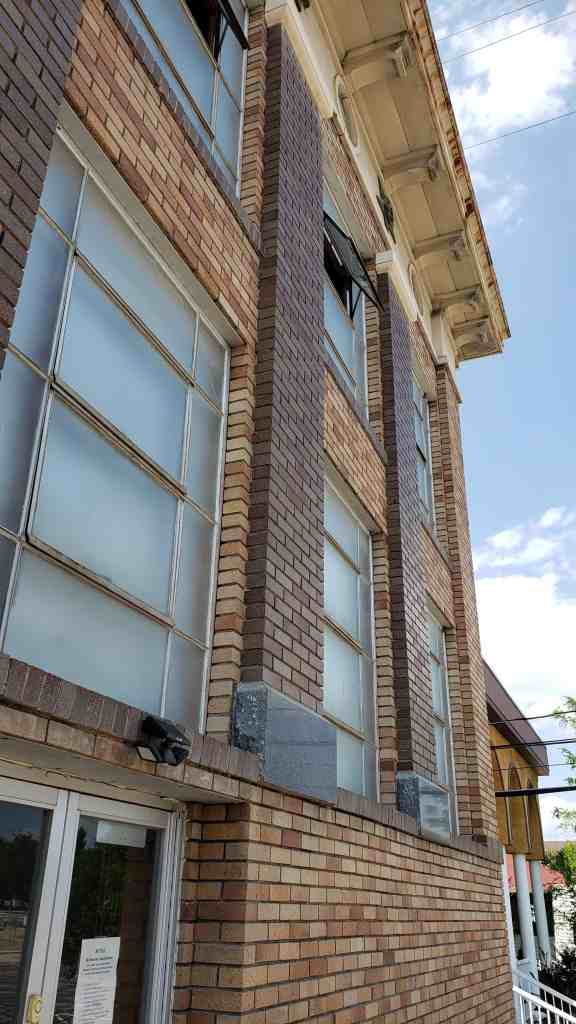
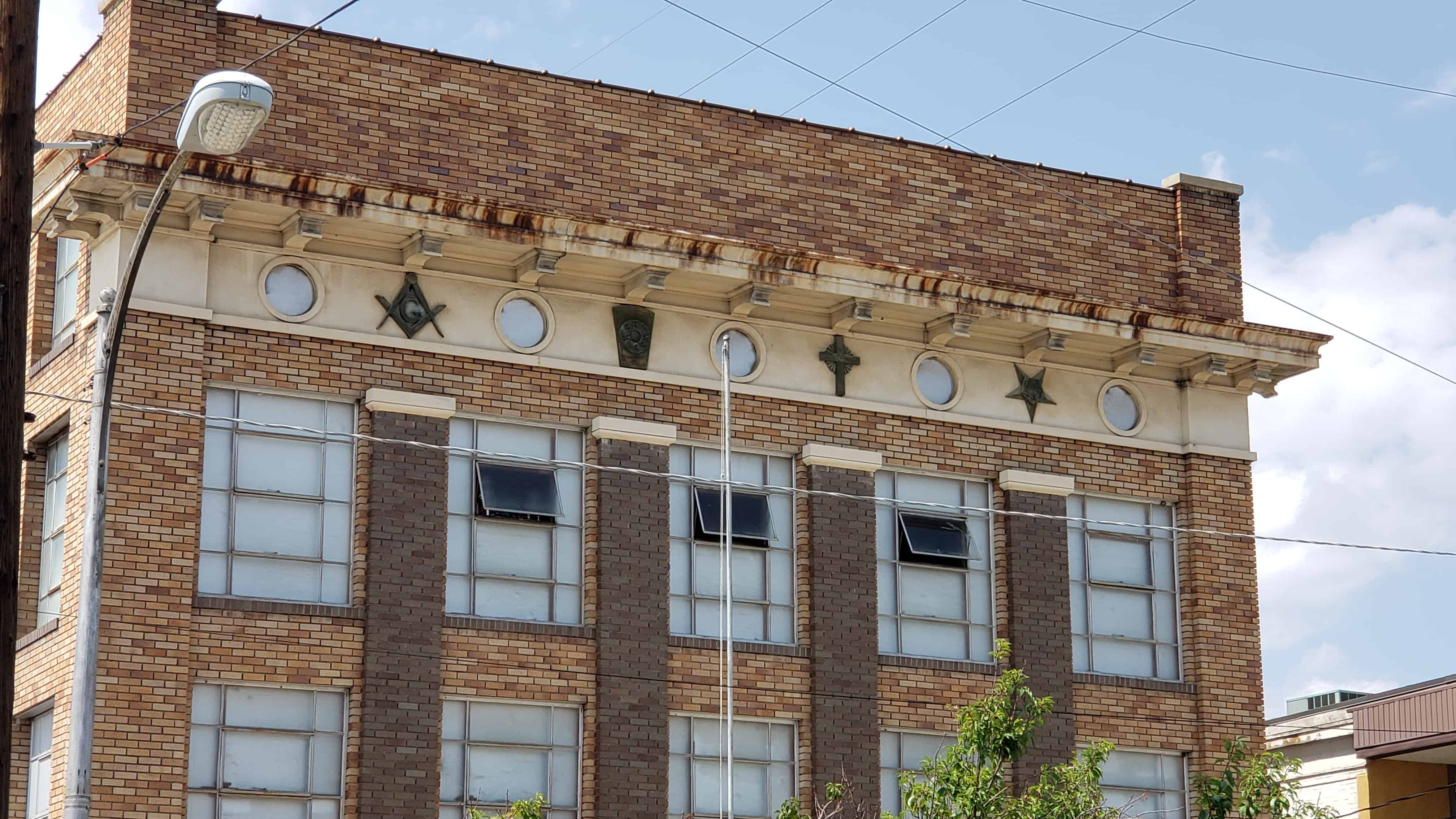
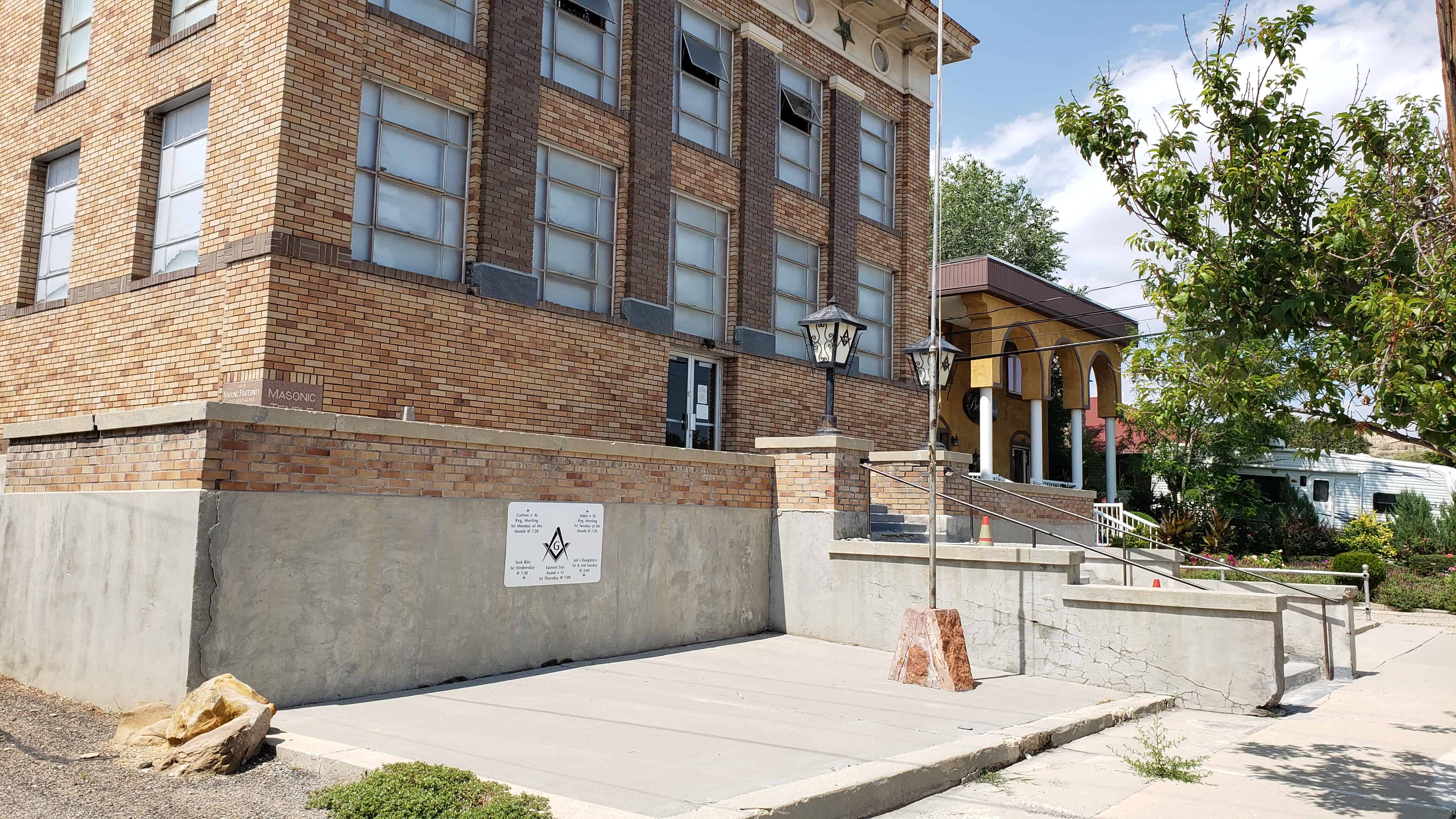
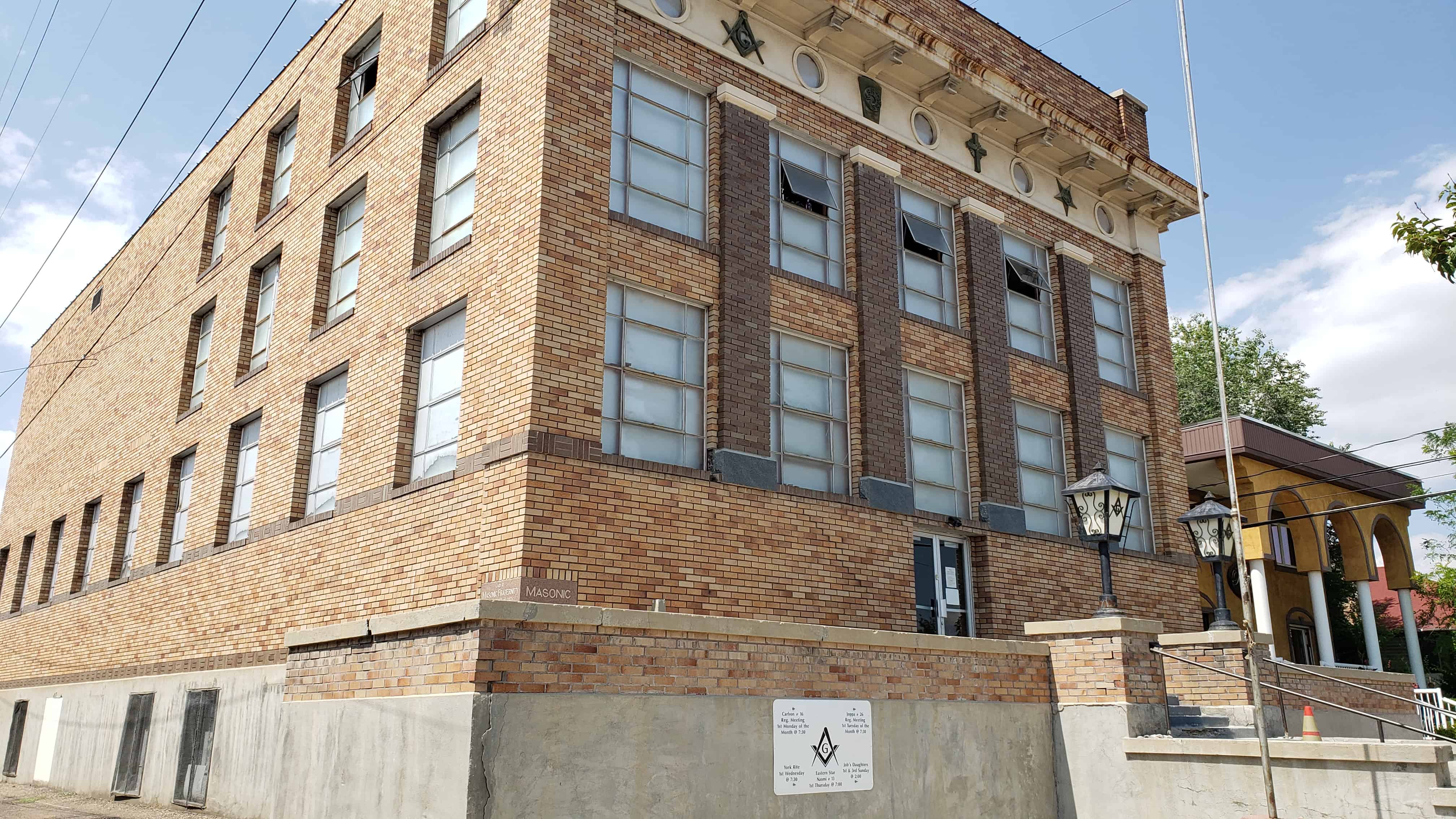
This two-story brick structure was built in 1883 by Henry Wilson as a hotel. In 1885 the Colorado Mining Gazette occupied the lower floors along with the armory and the upper floors were being used by a number of lodges.
The Idaho Springs Masonic Lodge No. 26, A.F. and A.M. began leasing the building in 1884 for $25 per month, then purchased the property from Henry Wilson in 1890.
Decorated cast-iron pilasters on the ends and one in the center highlight engaged columns which frame recessed doors. The metal boxed, decorated cornice with brackets is typical of construction from this period.
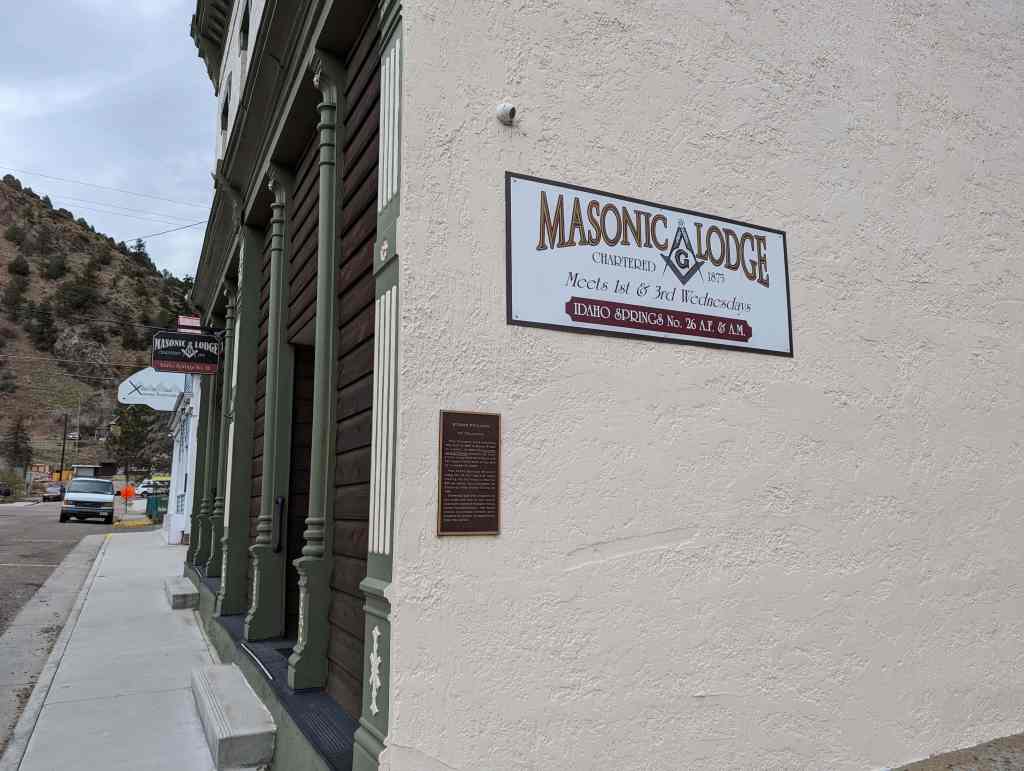
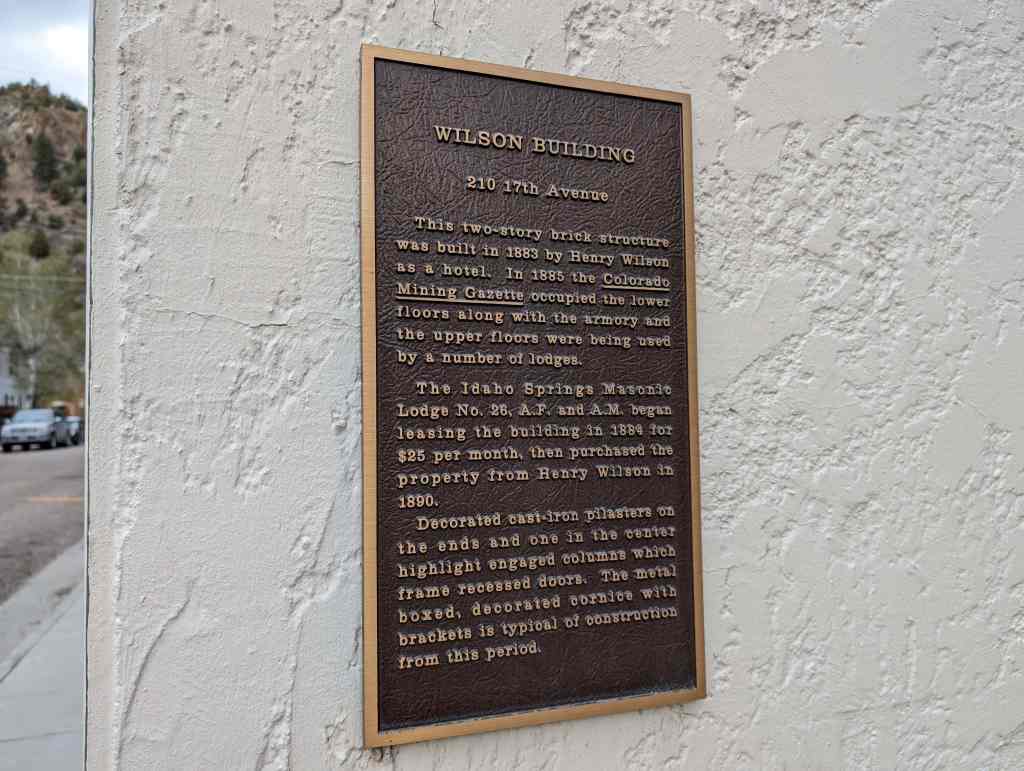
210 17th Avenue in Idaho Springs, Colorado
26 Tuesday Nov 2024
Posted in Uncategorized
05 Tuesday Mar 2024
Posted in Uncategorized
Tags
27 Saturday Jan 2024
Posted in Uncategorized
Tags
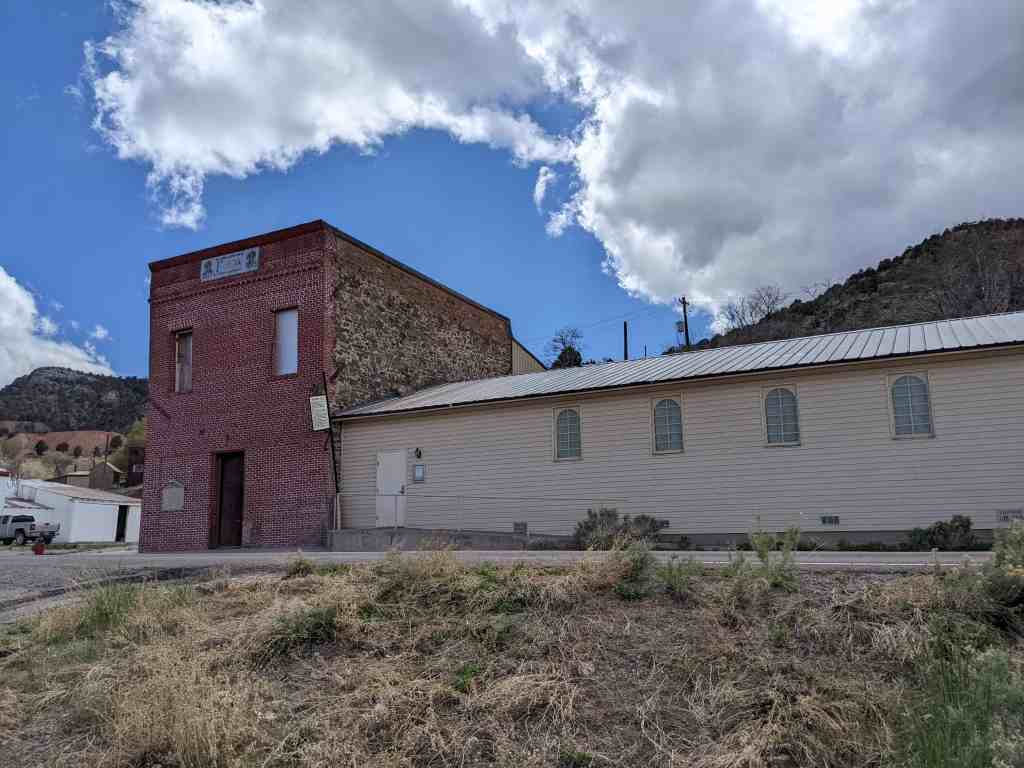
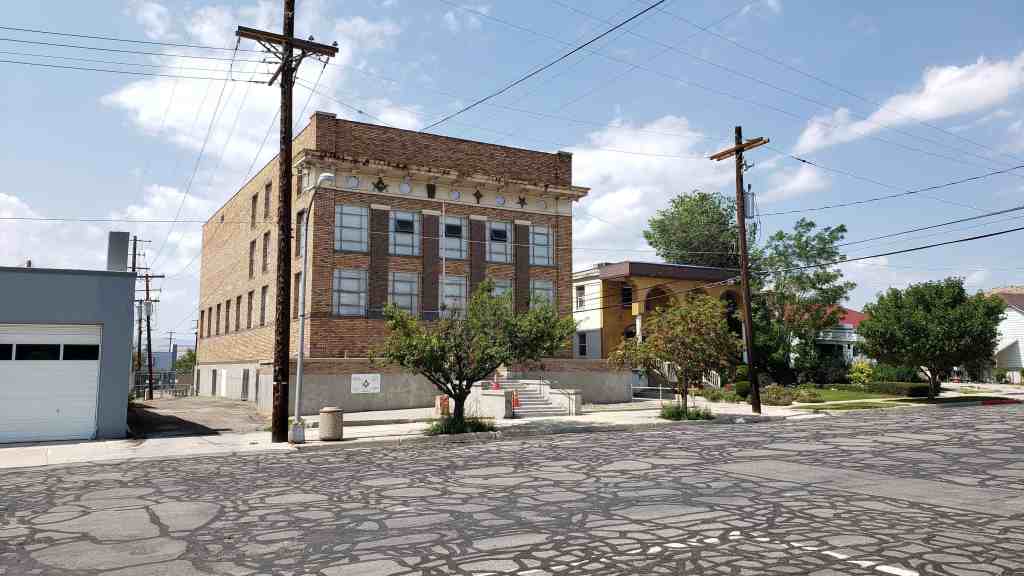
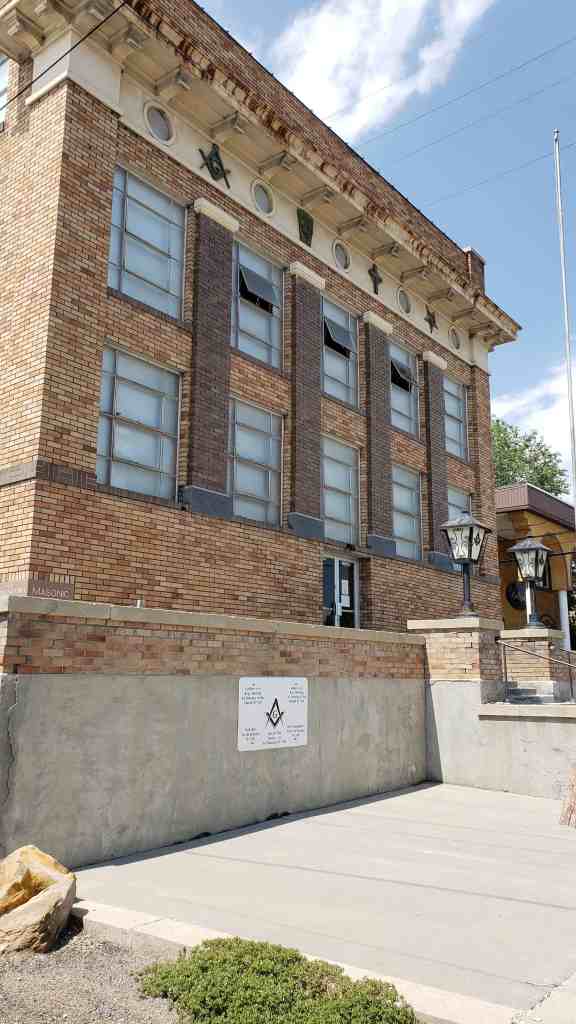
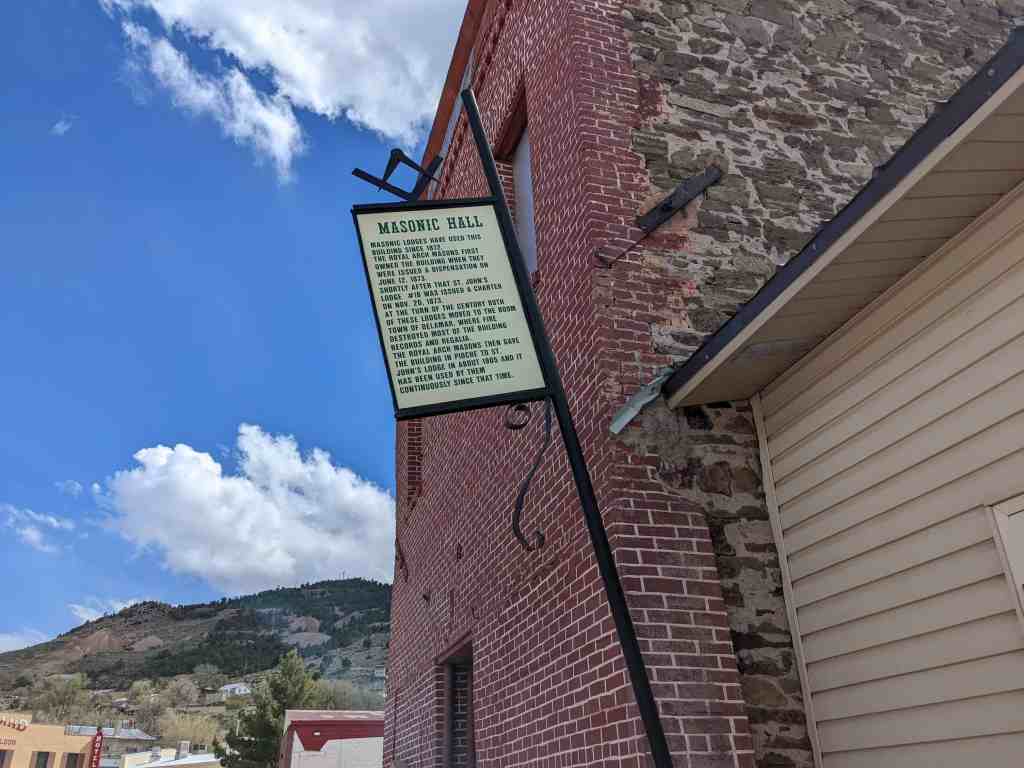
Masonic Hall
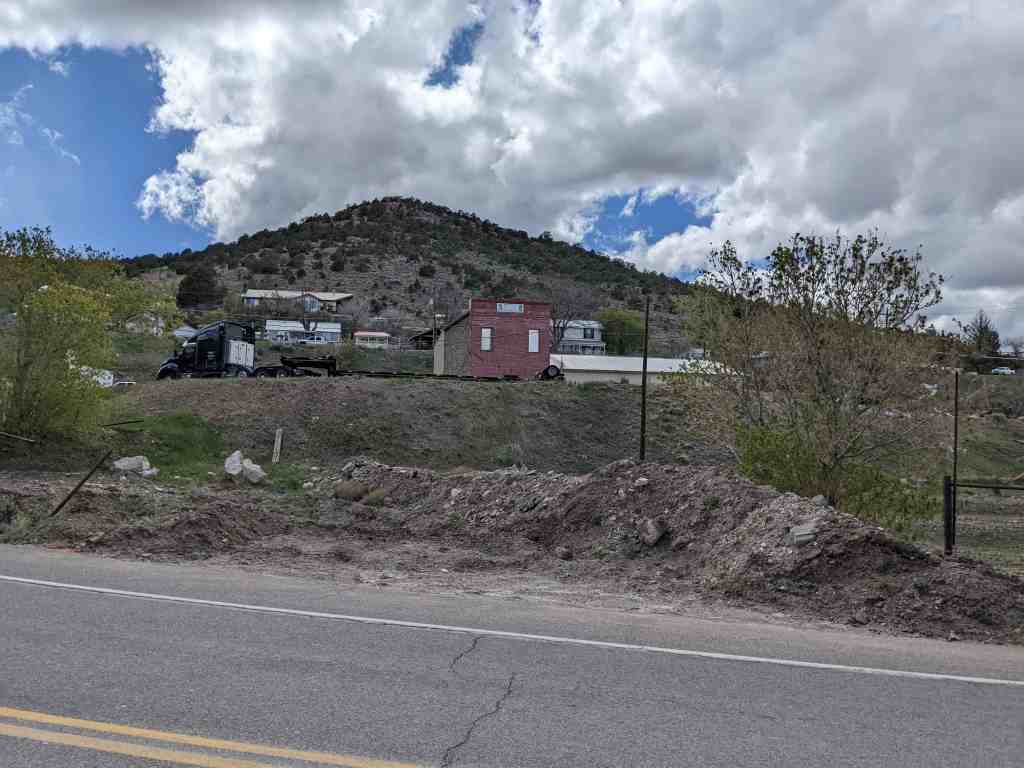
Masonic Lodges have used this building since 1872.
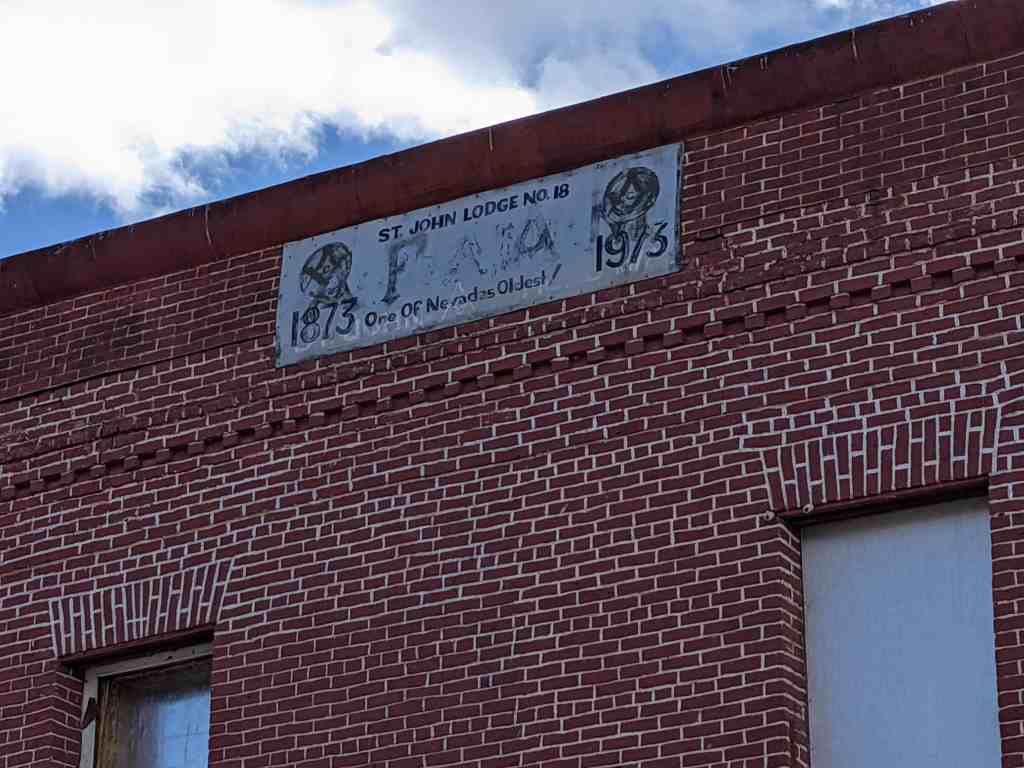
The Royal Arch Masons first owned the building when they were issued a Dispensation on June 12, 1873.
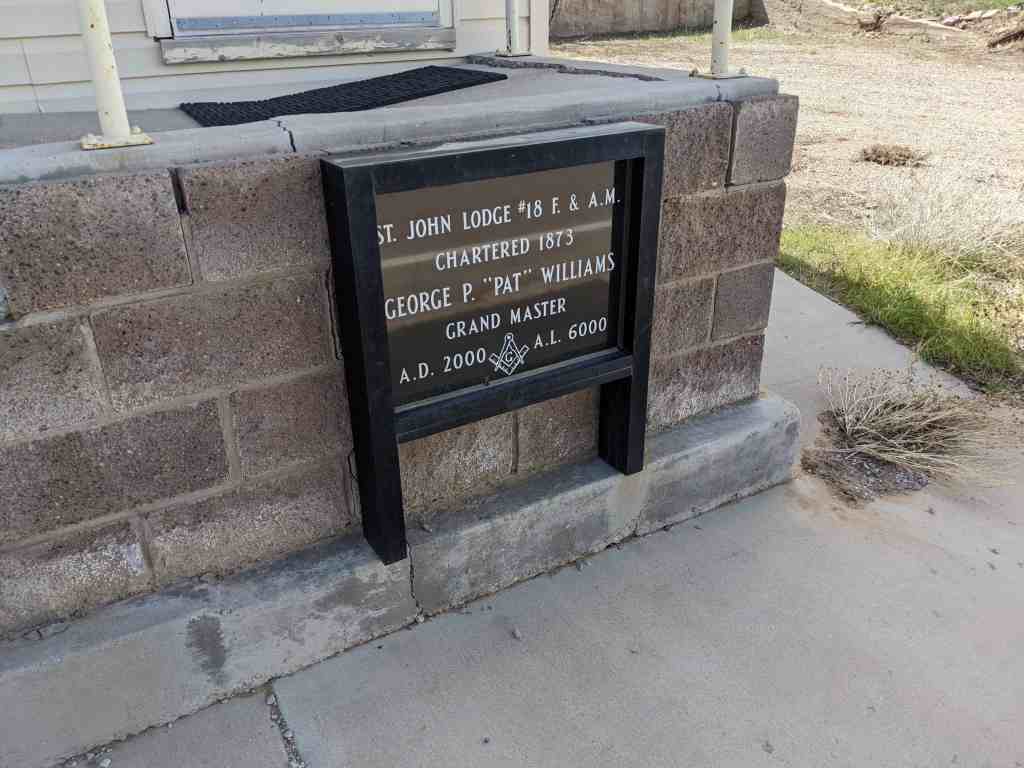
Shortly after that St. John’s Lodge #18 was issued a Charter on Nov. 20, 1873.
At the turn of the century both of these lodges moved to the boom town of Delamar, where fire destroyed most of the building records and regalia.
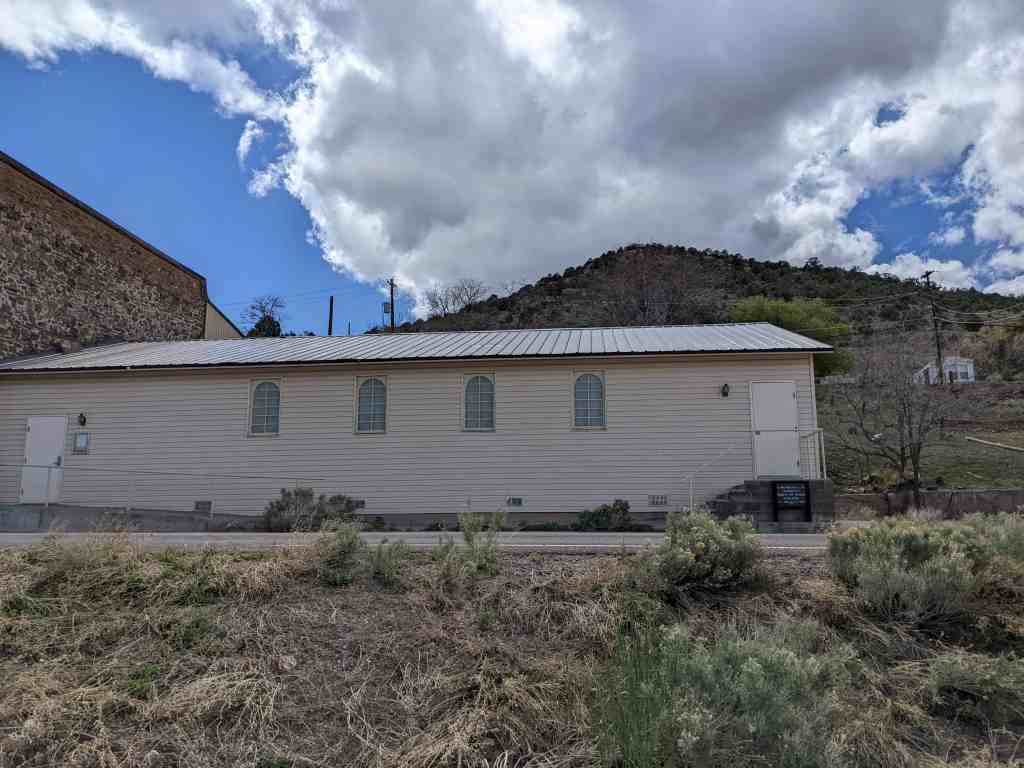
The Royal Arch Masons then gave the building in Pioche to St. John’s Lodge in about 1905 and it has been used by them continuously since that time.
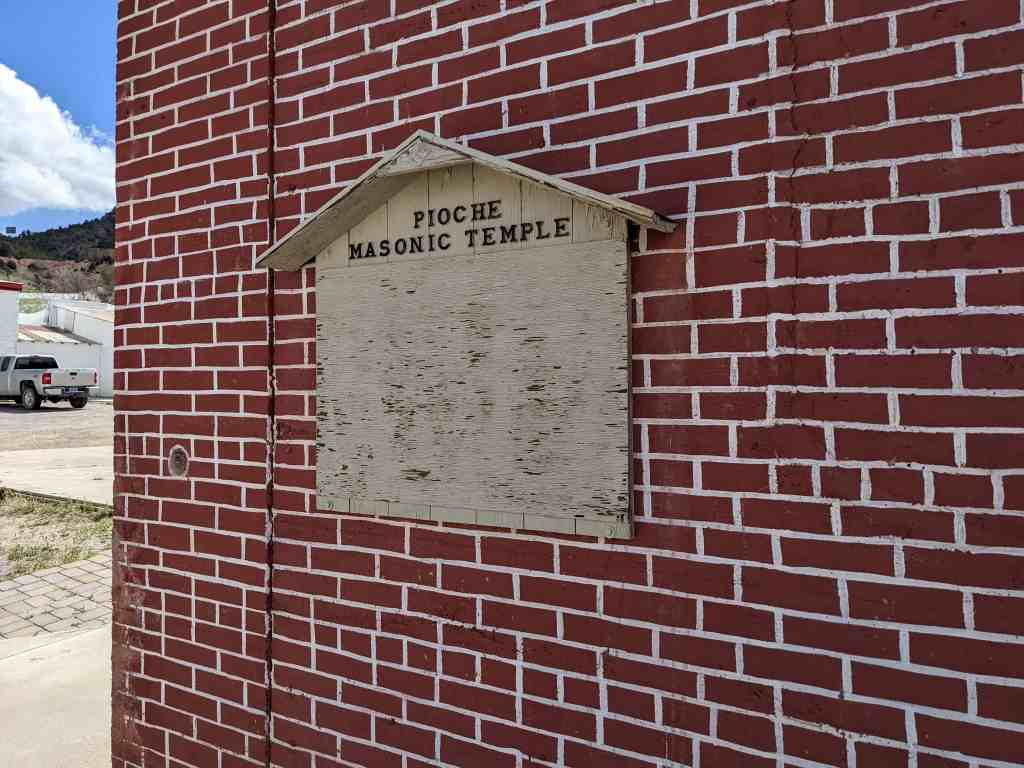
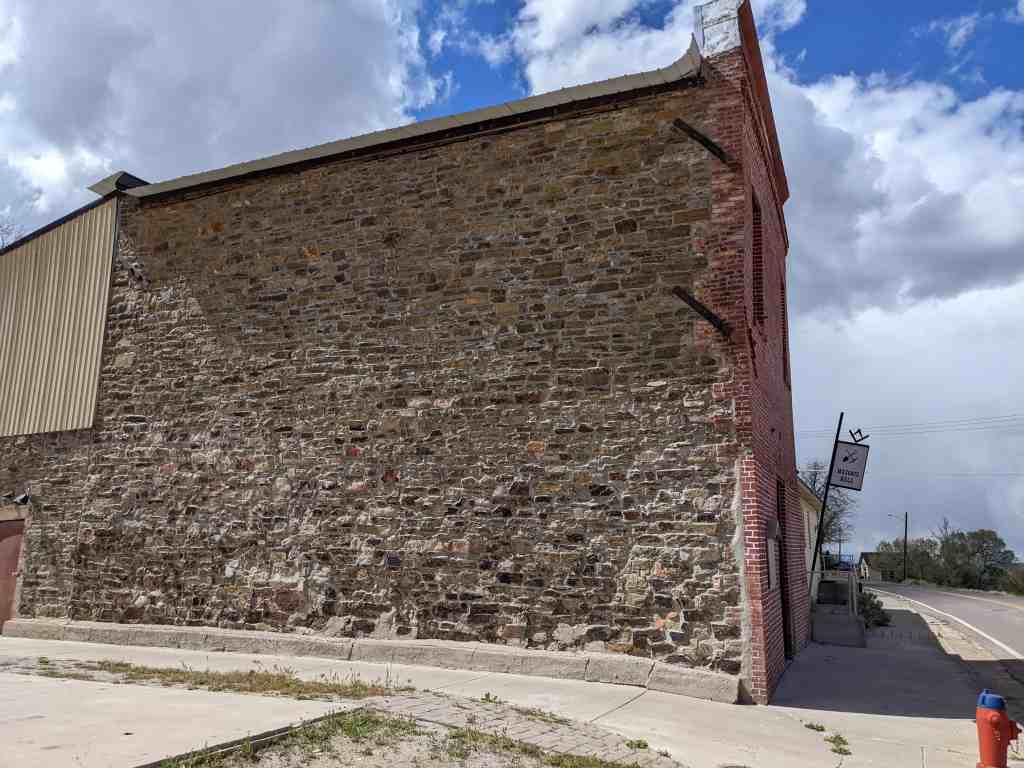
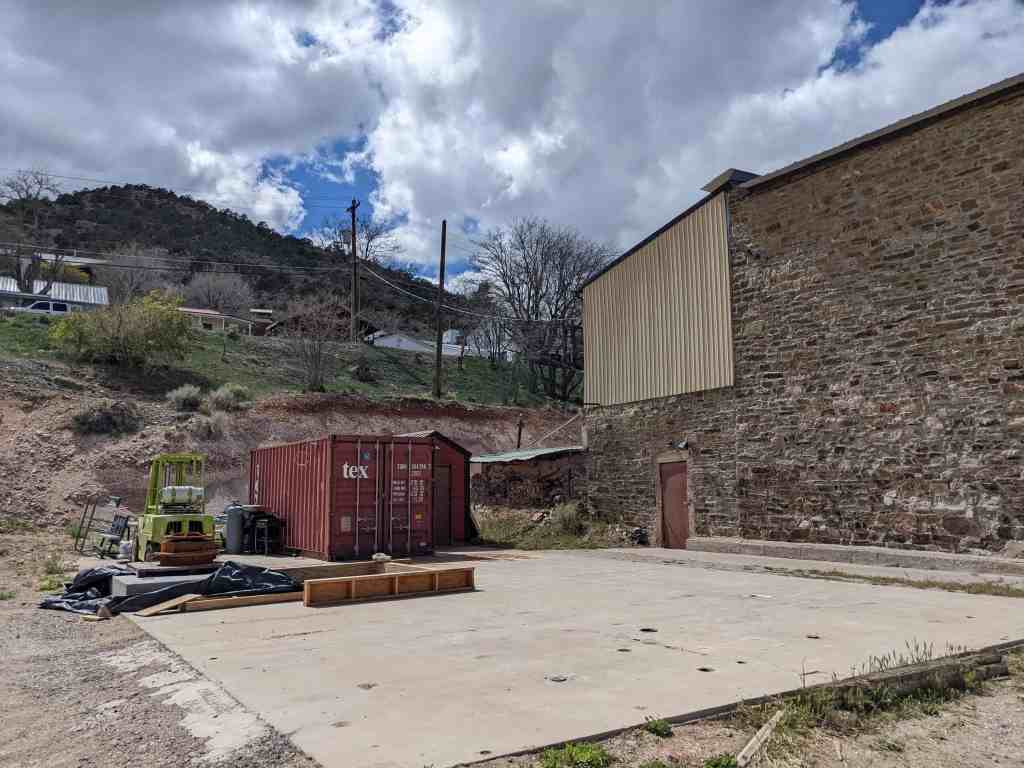
282 Lacour Street in Pioche, Nevada
20 Wednesday Dec 2023
Posted in Uncategorized
11 Tuesday Oct 2022
Posted in Uncategorized

Masonic Hall
Clay Lodge No. 101 was instituted May 8, 1856
Placer County Chamber of Commerce.


Located in Dutch Flat, California.
17 Sunday Jul 2022
Posted in Uncategorized
13 Tuesday Nov 2018
Posted in Uncategorized
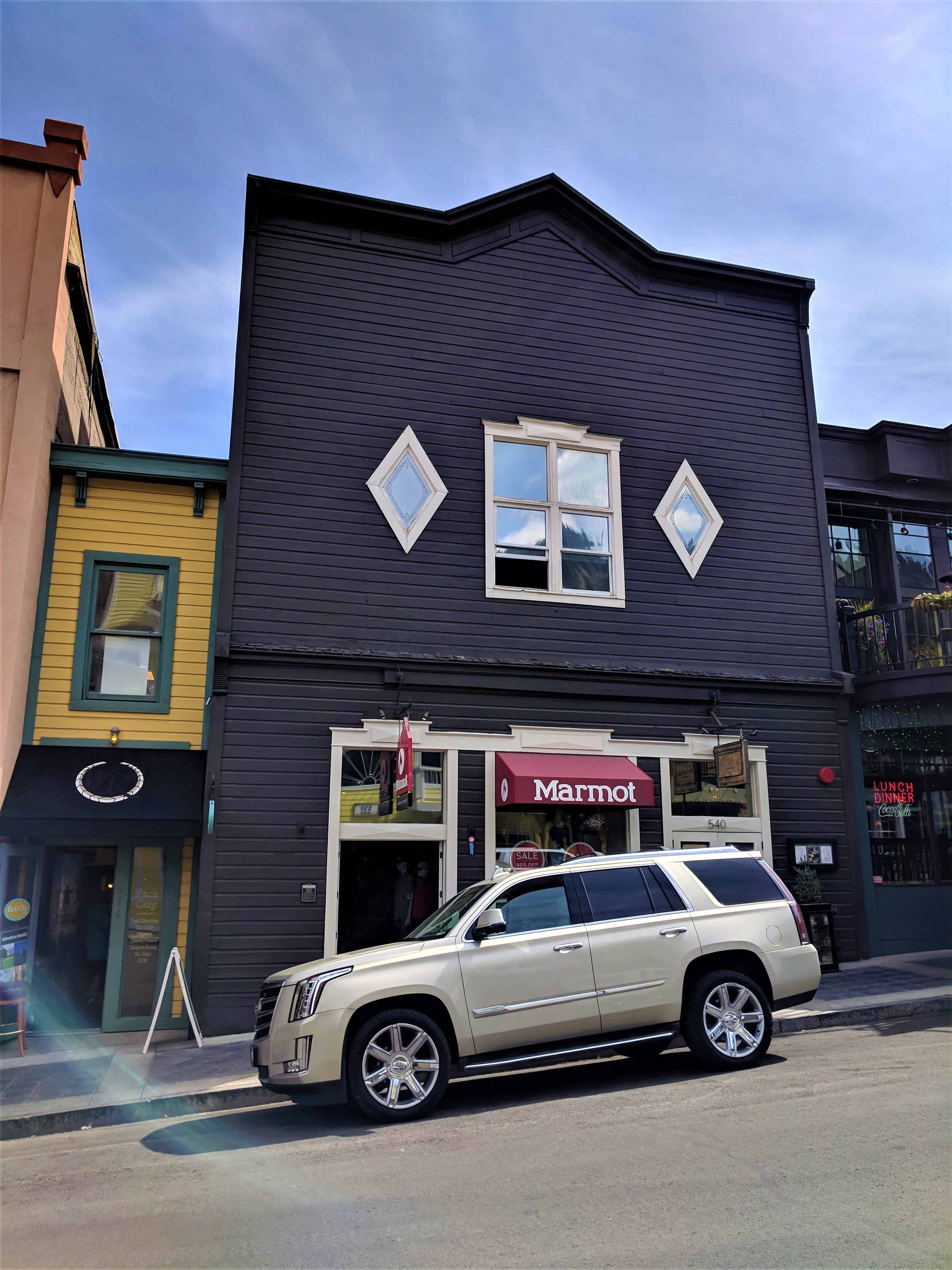
Masonic Hall
This building once served as the Masonic Hall for Uintah Lodge No. 7. Fraternal and secret societies flourished in Park City in the late 1900’s. Their meeting halls played a significant role in the town’s social fabric.
The Park City Masonic Association was organized in 1878, chartered in 1880, and met at various locations until this building was constructed in 1908 at a cost of $6,000. When the Masons became inactive the building went through a long period of abandonment or diverse uses.
The unusual arrangement and shape of windows were covered over with siding for many years, hiding these distinctive features. Old photographs were used as a guide to restoring the building to its original condition in 1983. This major restoration once again brought the three story, vernacular institutional style structure to its former place as a vital element of Park City’s commercial district.
Located at 540 Main Street on historic Park City Main Street in Park City, Utah.


04 Sunday Nov 2018
Posted in Uncategorized
Tags
Historic Buildings, Masonic, NRHP, Salt Lake City, Salt Lake County, South Temple Historic District, Temples, utah
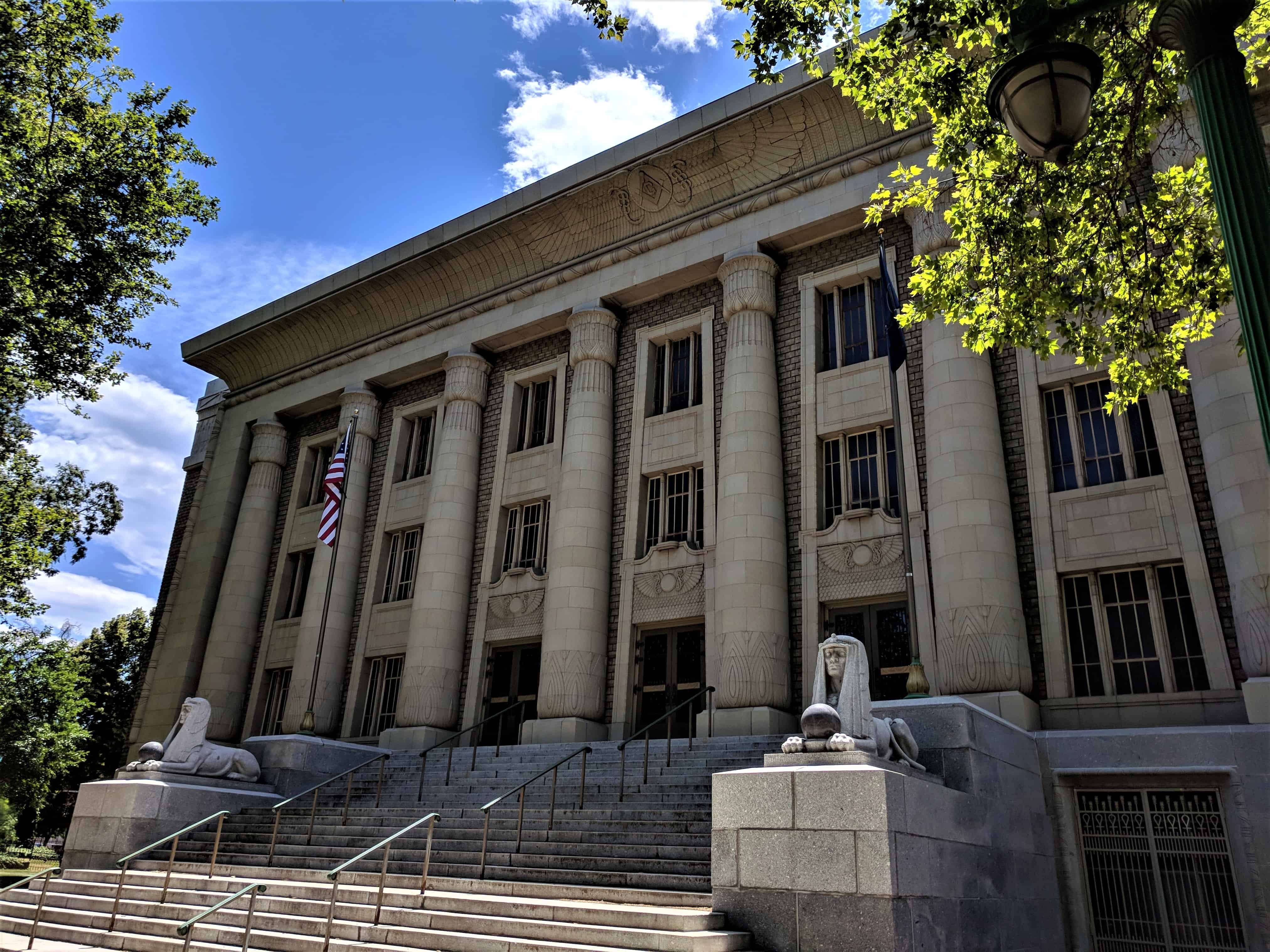
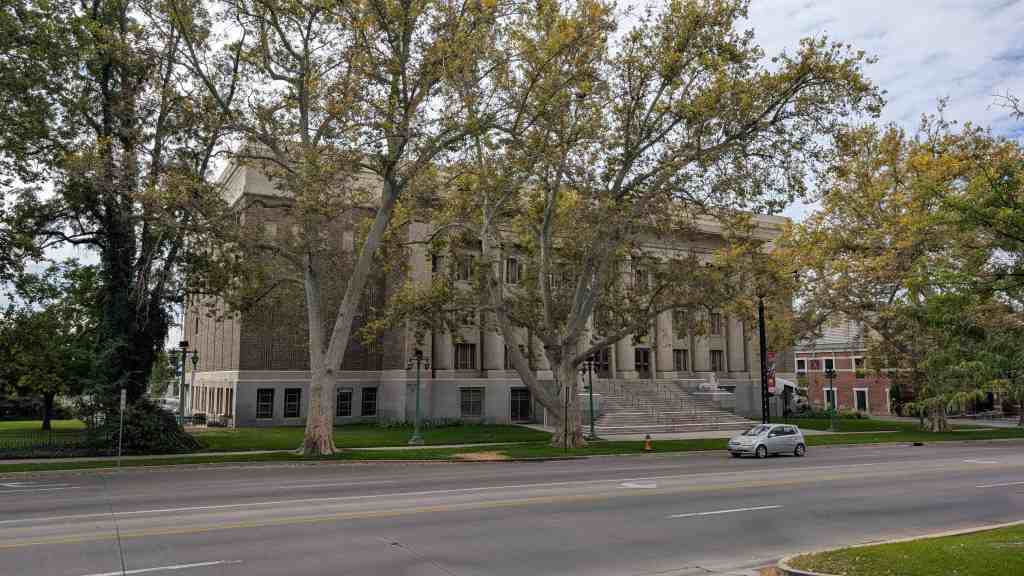
Salt Lake Masonic Temple
The Masonic Temple is the meeting place of a fraternal organization called the Masons. The word mason refers to a person who builds with brick or stone. The Masons began as a club for builders in the Middle Ages (500 – 1,500 AD). Today, the Masons sponsor many charitable activities such as Shriners Hospital, which provides free medical care for children with special needs.
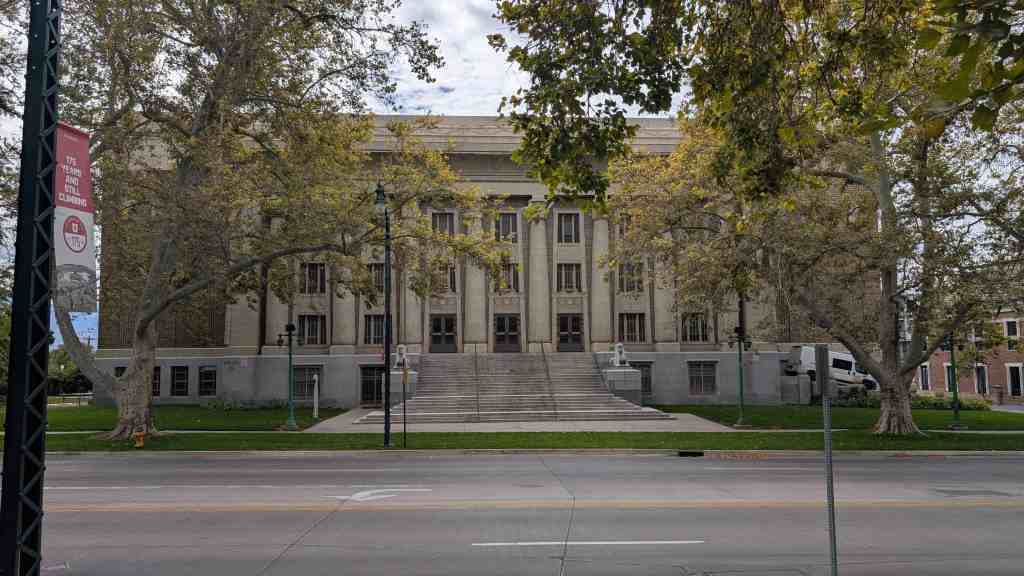
Located at 650 East South Temple in the South Temple Historic District in Salt Lake City, Utah.

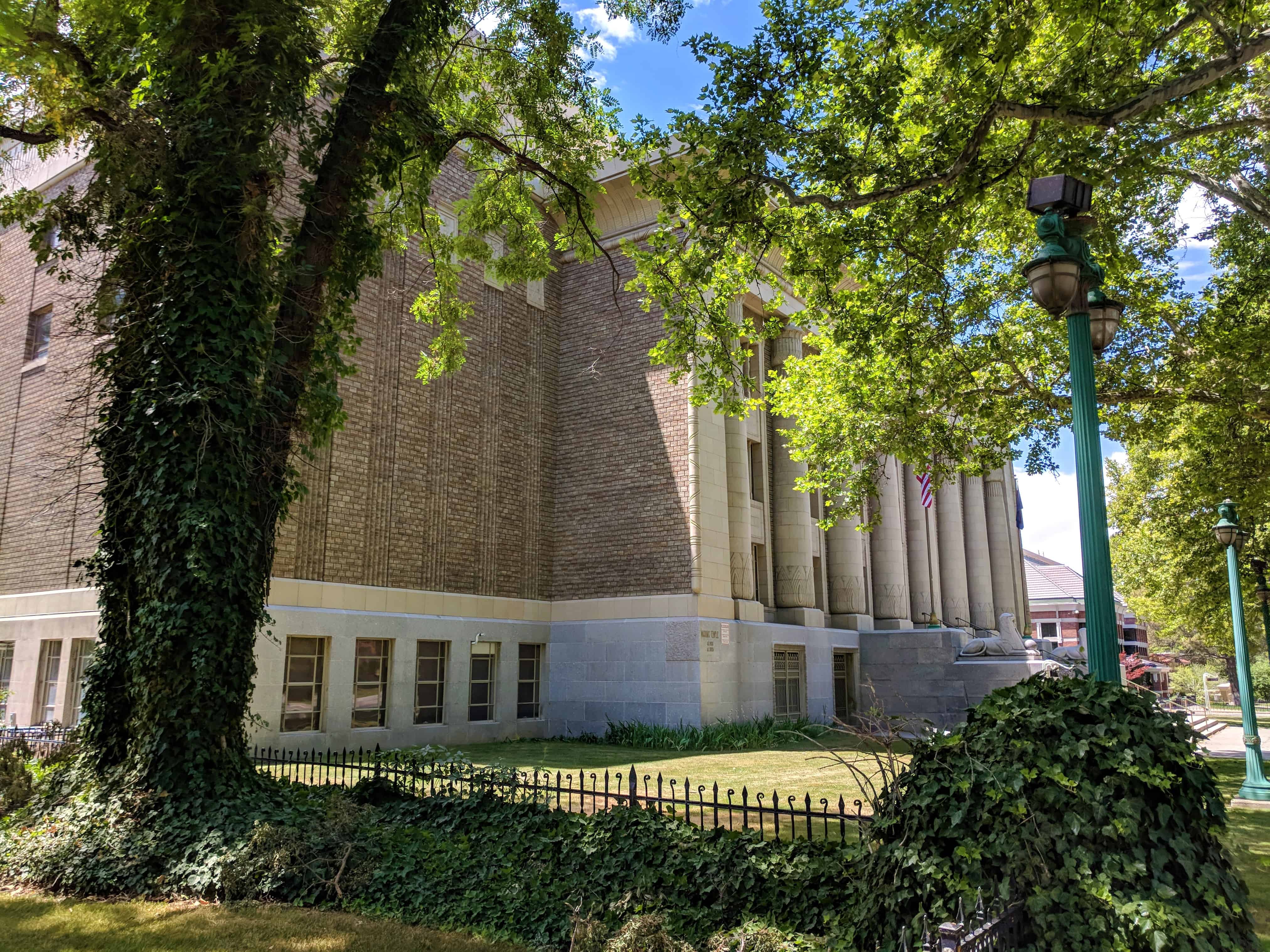
The Masonic Temple is built in an architectural style called Egyptian Revival. This style became popular for a short time after further exploration of the Egyptian pyramids and the discovery of King Tutankhamen’s tomb in 1922.

The Masonic Temple, is a large Egyptian Revival Style structure built according to Masonic Law and tradition, The measurements of the building and the dimensions of the interior follow the exact number system laid out in Masonic ritual. Because of the importance of the numbers three, five and seven in Masonry, these numbers were used as a base for the design, Since the number seven was considered the perfect, number, seven and numbers divisible by seven were used in all spacing and measurement.
The columns on the building are fourteen feet apart (or multiples of seven) . The Temple is three stories high, to signify the three degrees of Masonry.

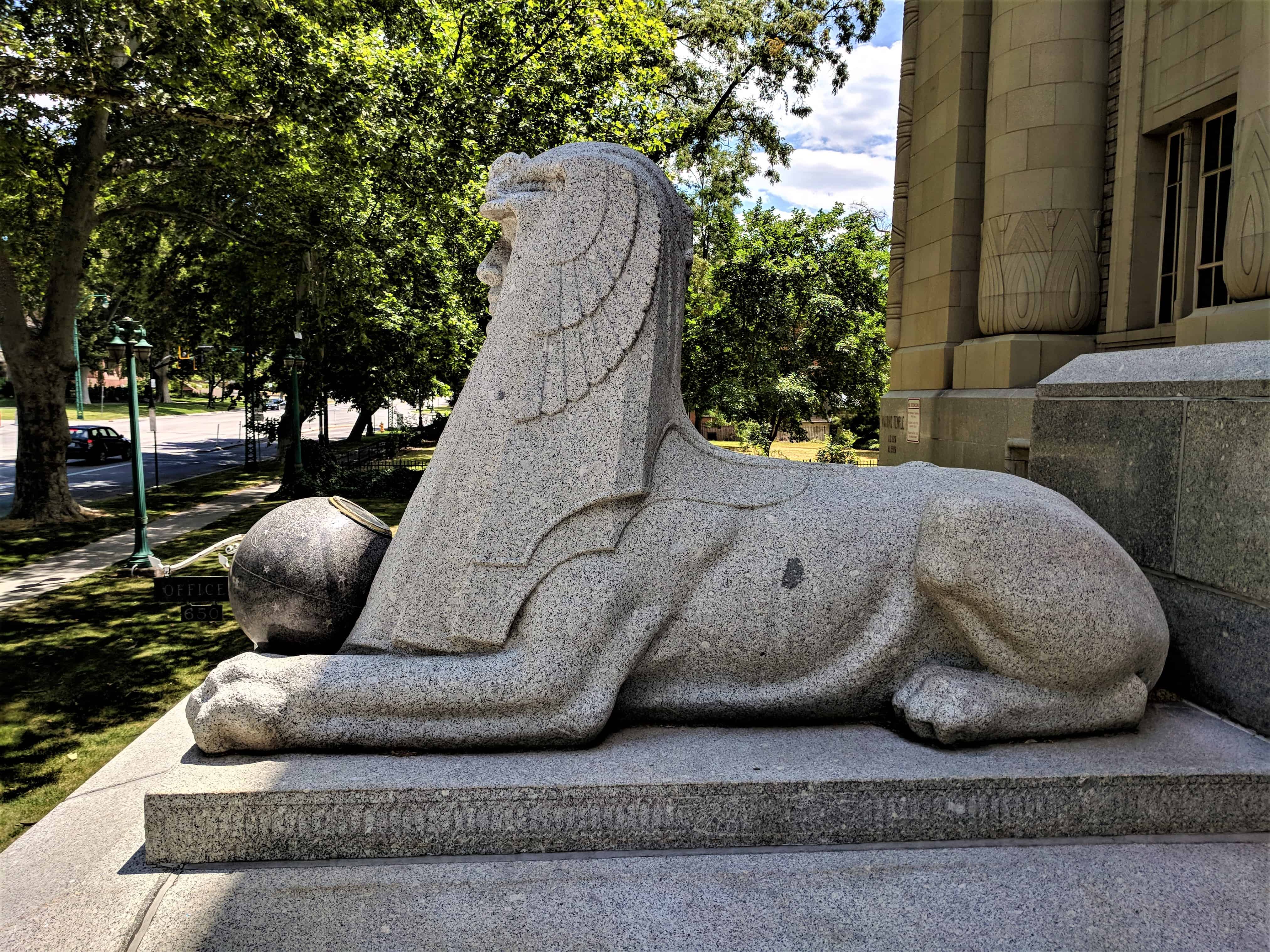
The Temple’s base is made of seven finished courses of ashlar of Utah granite. On the ground floor are non-ritualistic rooms for banquets, offices, etc, The exterior is of Egyptian Style architecture to allow for figures and inscriptions to appear and not give away their significance, There are three entrances, flanking the entrances is a pair of sphinx carved of Utah granite t The walls are of large brick laid in block fashion.

This building has always been the home of the Salt Lake Masons. The design of this Masonic Temple was derived from Masonic numerology and ritual.
This building was dedicated on November 20, 1927. The architect, Carl W, Scott, and the building committee went to other cities to view other Masonic Temples before the design for this one was chosen, The Salt Lake Masons decided to design their Temple according to Masonic ritual, which deals mainly with the work of the builders of King Solomon’s Temple, One of the major problems encountered by the architect was to build it according to Masonic law without giving away any Masonic secrets, Many plans for the building were abandoned entirely because there was no way to use them and conceal their meaning. The cornerstone was laid in an elaborate ceremony on the afternoon of November 5, 1926, with the Masons wearing formal top hats and tails. The public is only allowed in certain lodge rooms, where people who are not masons will not understand what they see. Each of the three degrees of Masonry has its own meeting room.





(from Preservation Utah’s walking tour)
Salt Lake Masonic Temple
650 E. South Temple 1927, Scott & Welch, SLC
Tours available on Tuesday and Thursday afternoons by calling in advance, (801) 363-2936.
The Masonic Temple is Salt Lake City’s best example of Egyptian Revival style architecture. This style was popularized by the discovery of King Tutankhamen’s tomb in 1922. The temple’s design also includes a variety of symbols and elements significant to the Masons.
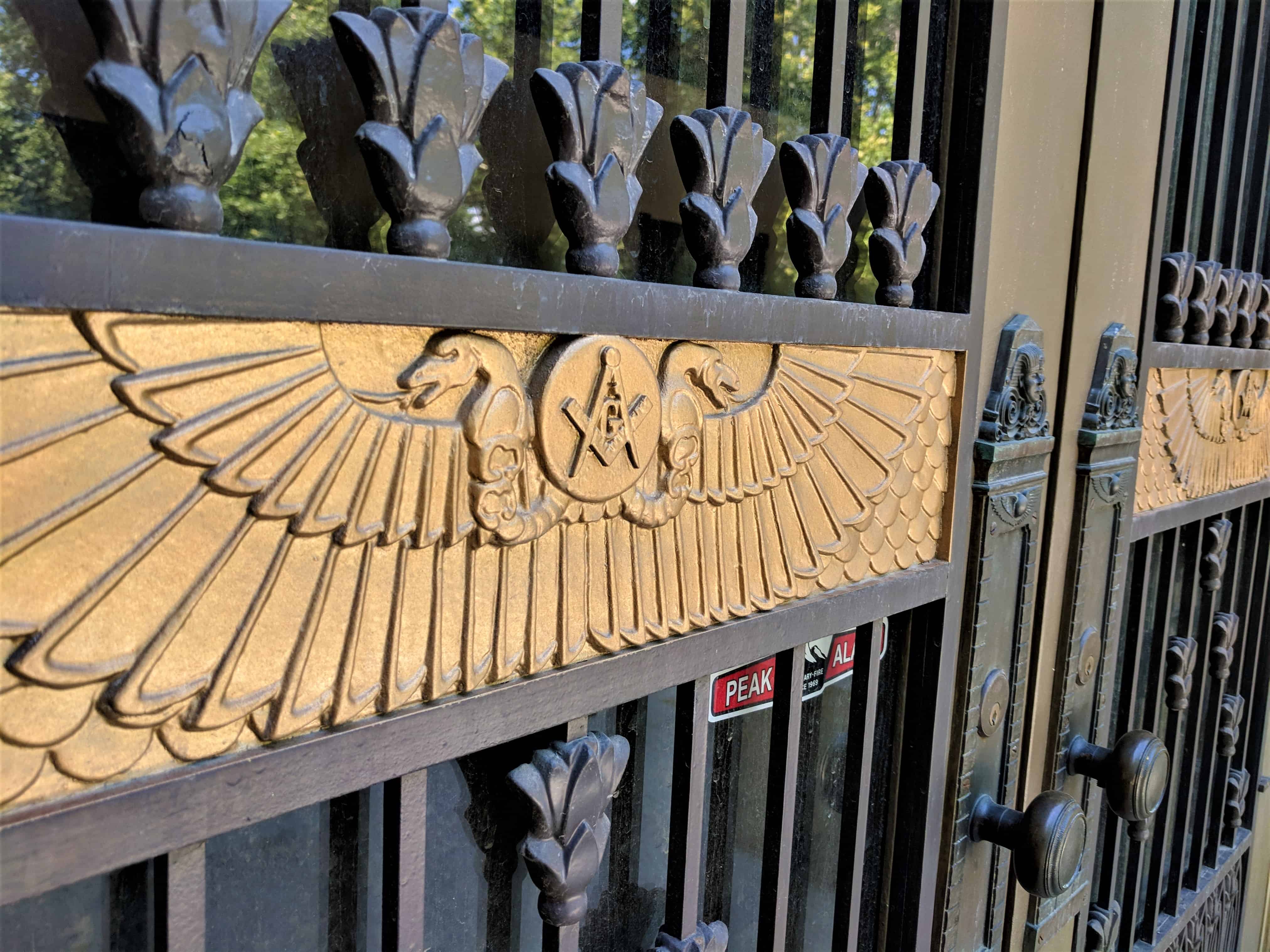
The temple’s massive portico features eight lotus capitol columns supporting a curved, or cavetto, cornice. Engraved on the cornice is a double-headed, feathered serpent symbolizing Horus, Egyptian god of light or life. An Egyptian sun disk with the Masonic square, compass, and letter “G” appears in the center of this carving. Together these symbols represent the “light of Masonry.”
The steps leading to the temple’s entrance are laid out in levels of three, five, seven, and nine, numbers with Masonic significance. The steps are flanked by two Egyptian-style sphinxes contemplating spheres. On the west side of the portico is a ramp and door designed for funeral services. Above this door is an Egyptian scarab signifying immortality.
The three upper levels of the temple, representing the three degrees of Masonry, contain meeting rooms and a 1,400 seat auditorium. The ground level houses administrative offices, banquet facilities, and a library open to the public. The Masonic Temple continues to serve Masonic Lodges in Salt Lake City.