Tags

No longer with us, but I have found a couple of old renderings of the Tithing Office that was in Midway, Utah.

16 Thursday Jan 2020
Posted in Uncategorized
Tags
No longer with us, but I have found a couple of old renderings of the Tithing Office that was in Midway, Utah.

21 Thursday Nov 2019
Posted in Uncategorized
Tags


Memorial to Grandfather
William Walter Wilson
Born 1825, Armagh, Ireland
Died 1880, Midway, Utah
Arrived in Utah, 1854
Mormon pioneer, polygamist, poet, farmer, miner, and militia member.
His families were raised near this site, now designated as Wasatch State Park.
He had an esthetic nature, and spent many hours writing poetry in this picturesque setting overlooking the beautiful Heber Valley and surrounded by the mountains he loved.
He was buried under these oaks, where he enjoyed much of his leisure time. Legend has it that he requested burial here in a sitting position in order “to see the sun rise over the majestic mountains, lighting the beautiful valley below.”
Related:
A reference to this on the billiongraves page for Moroni Blood:
A granddaughter of Moroni and Louisa Blood, Thelma Blood Carlile, daughter of Roswell Jr and Hazel McNaughton Blood was only eight years old when Moroni Blood died but said he was definitely the carpenter who made most of the decorative cornices on the old pioneer homes in Midway. She also remembered that he made coffins — one at the request of a man who wanted to be buried sitting up! The coffin had to be specially shaped. He also wanted to be buried on his own property at the bottom of Snake Creek Canyon.


12 Friday Oct 2018
Posted in Uncategorized
Tags
Midway Town Hall
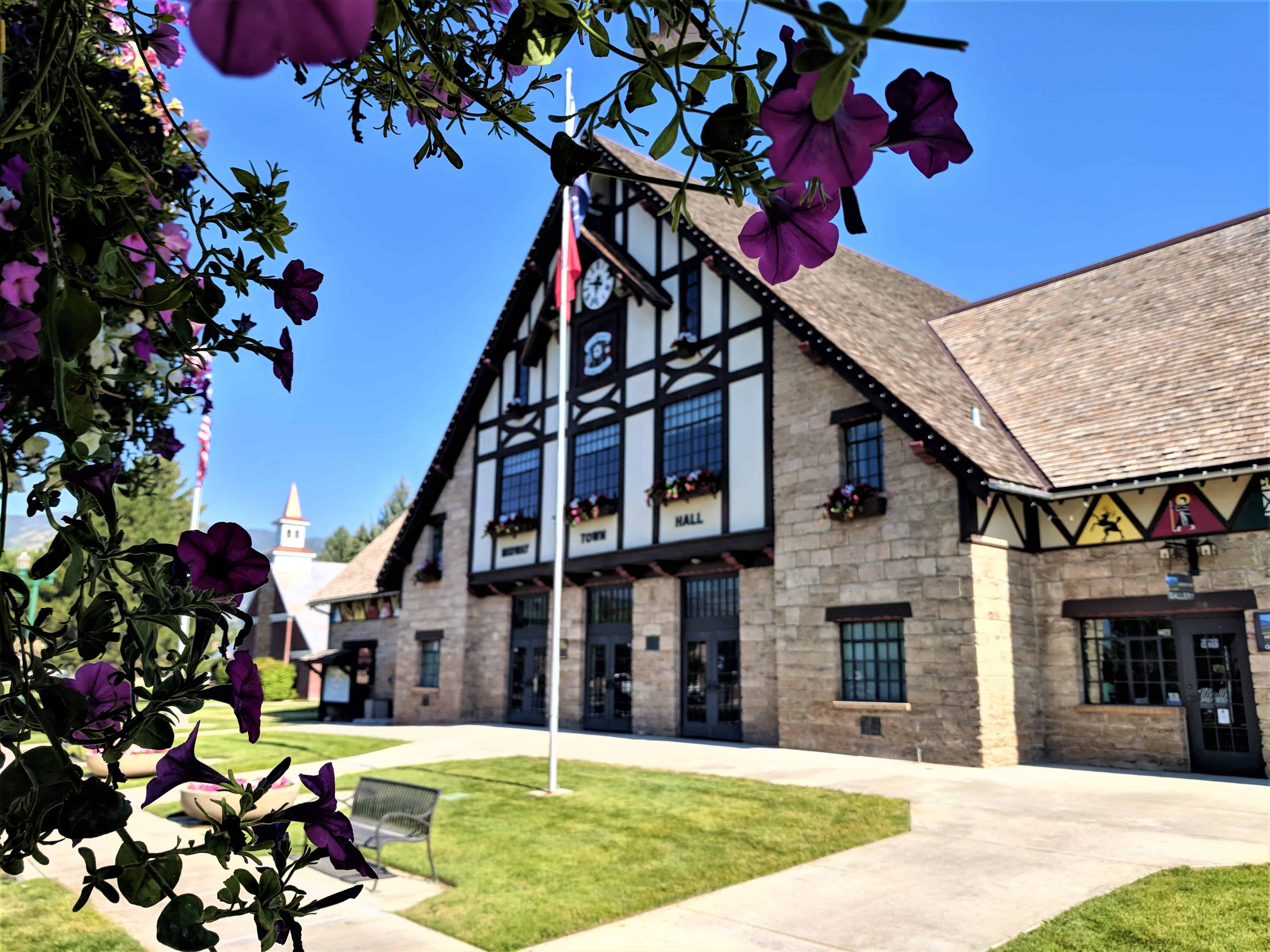
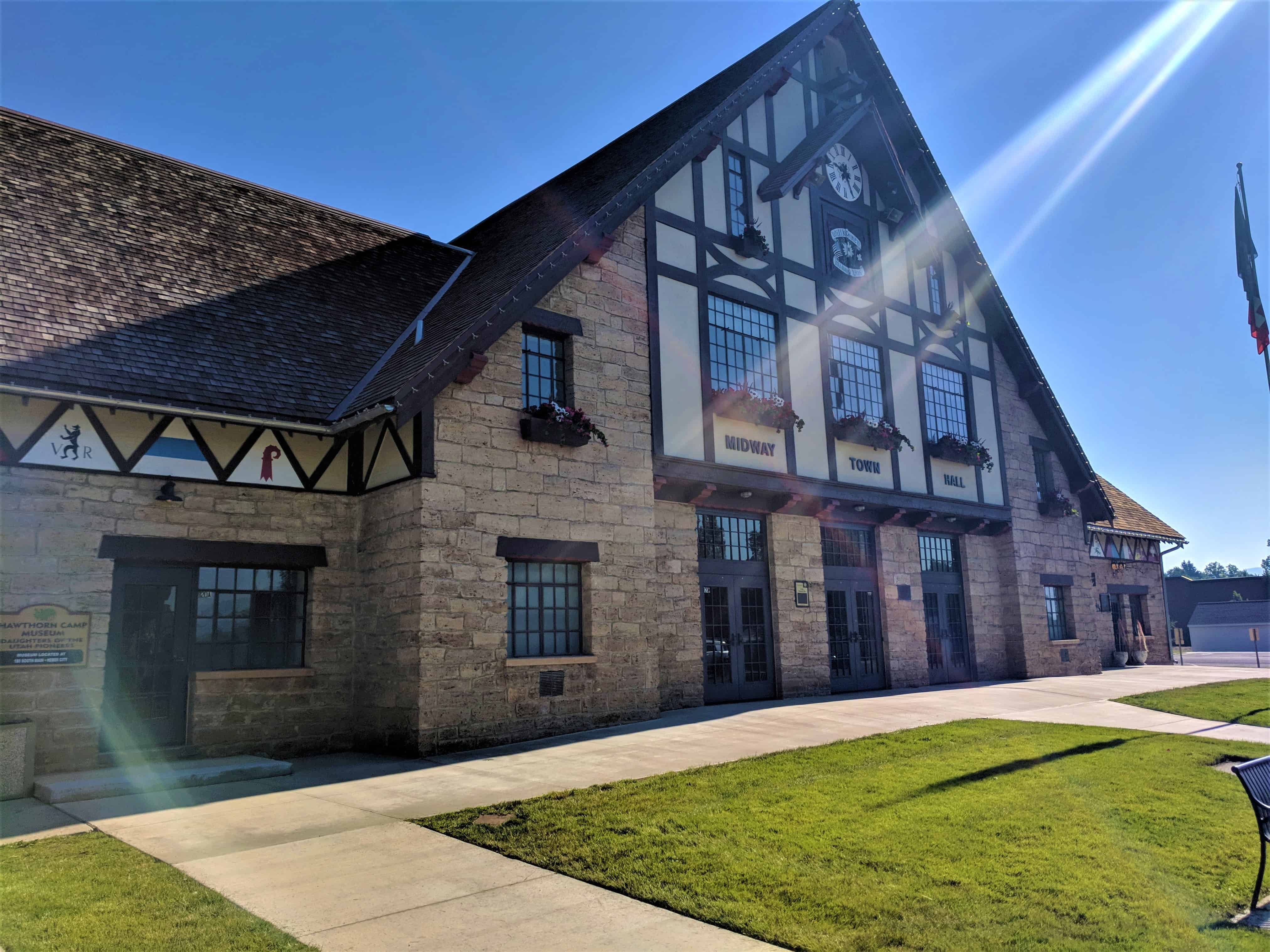
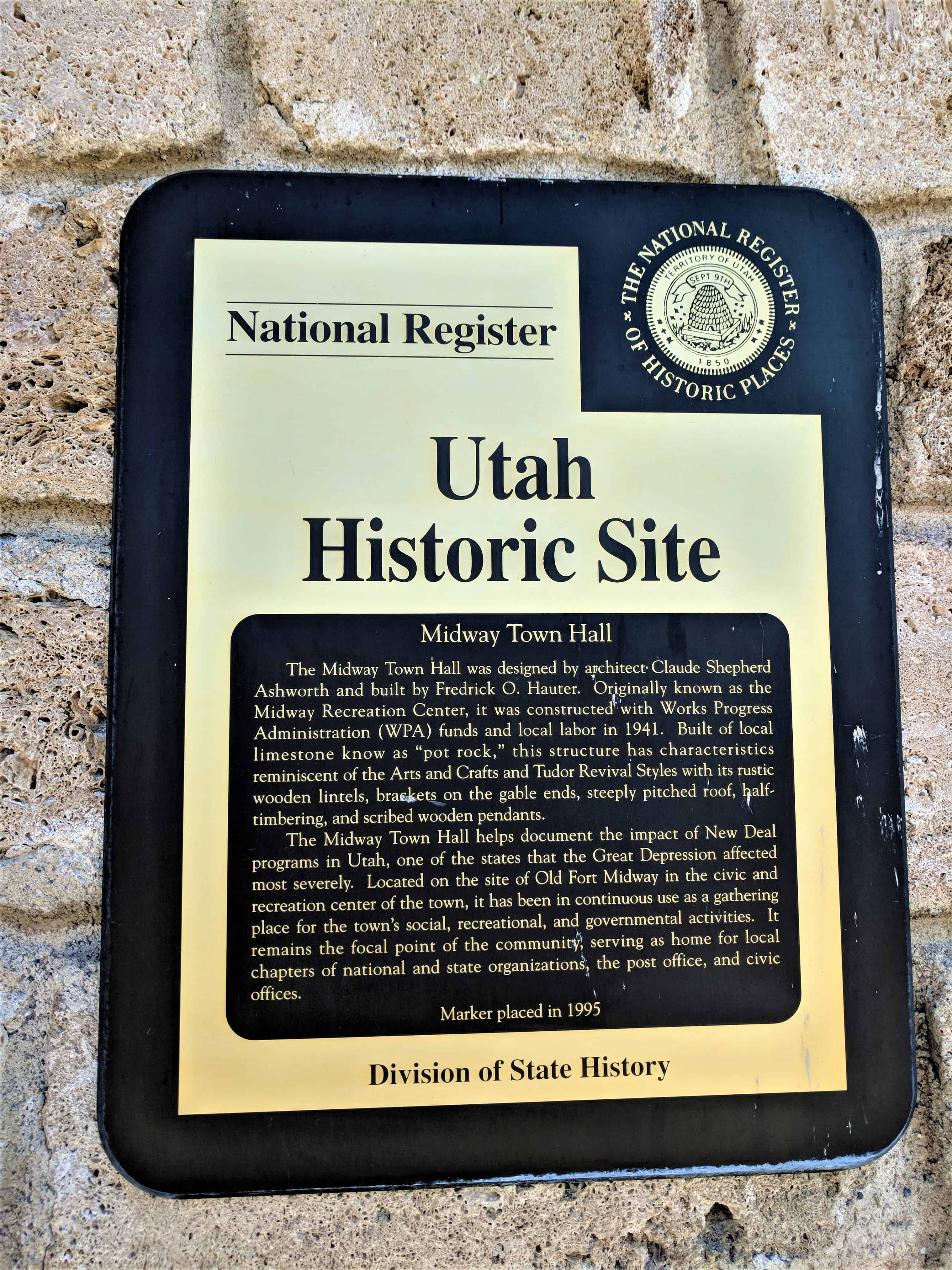
The Midway Town Hall was designed by architect Claude Shepherd Ashworth and built by Frederick O. Hauter. Originally known as the Midway recreation center, it was constructed with Works Progress Administration (WPA) funds and local labor in 1941. Built of local limestone known as “pot rock,” this structure has characteristics remeniscent of the Arts and Crafts and Tudor Revival Atyles with its rustic wooden lintels, brackets on the gable ends, steeply pitched roof, half-timbering, and scribed wooden pendants.
The Midway Town Hall helps document the impact of New Deal programs in Utah, one of the states that the Great Depression affected most severely. Located on the site of Old Fort Midway in the civic and recreation center of town, it has been in continuous use as a gathering place for the town’s social, recreational, and governmental activities. It remains the focal point of the community, serving as home for local chapters of national and state organizations, the post office, and civic offices.


14 Sunday Aug 2016
Posted in Uncategorized

Soldier Hollow is a cross-country ski resort located 53 miles southeast of Salt Lake City in Wasatch Mountain State Park, Utah, United States. The resort was created for the 2002 Winter Olympics, and during the games it hosted the biathlon, cross-country skiing and the cross country skiing portion of the Nordic combined events. Since hosting the Olympics, it has been developed as a cross-country skiing, tubing, and snowshoeing resort, while featuring mountain biking and golfing in the summer. On May 1, 2016, the venue operation contract transferred from the Soldier Hollow Legacy Foundation to the Utah Olympic Legacy Foundation, which owns and operates several Olympic and Paralympic legacy venues elsewhere in the state.(*)
Soldier Hollow is located in the southeastern-most part of Wasatch Mountain State Park, a 21,592 acres nature preserve created in 1961, which became a state park in 1968. Soldier Hollow’s location within the state park did not carry a name until Olympic organizers coined it Soldier Hollow. This name was chosen because of its proximity to Soldier Springs, which were thought to have been used by U.S. Troops originally sent to Utah to quell a supposed Mormon uprising, in an incident known as the Utah War. Prior to becoming a state park certain locations within the park were used for farming and grazing activities, while much of the remainder was used recreationally by locals. In the last quarter of the 20th century the state park service had been approached by private developers hoping to build luxury hotels, golf courses and other attractions within the park, but none of these plans ever came to fruition.
21 Tuesday Apr 2015
Posted in Uncategorized
Tags

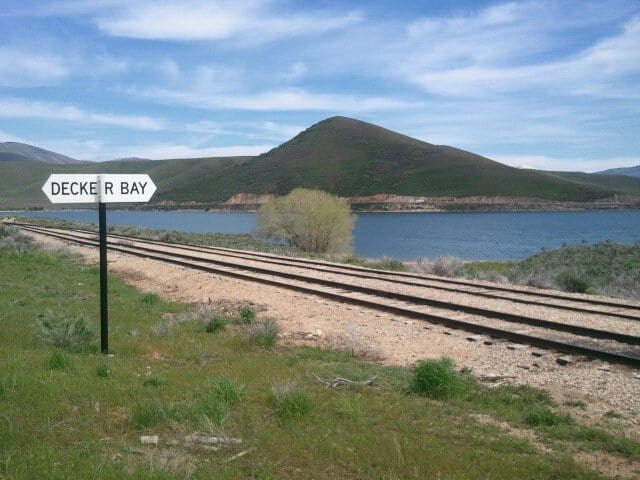
Decker Bay on Deer Creek Reservoir.
16 Thursday Apr 2015
Posted in Uncategorized
Tags

Historic Homes in Midway:
Historic Buildings in Midway:
Other Midway posts:
The first known European-Americans to visit the area, a valley just northeast of Mount Timpanogos, were members of a fur-trapping 1824 brigade led by Étienne Provost, a French-Canadian. The area was referred to as upper Provo, and is also the name of the river running south through the valley.

A wagon road was completed through Provo Canyon in 1858 which brought the first settlers to the area. Two small communities were established: Mound City and a lower settlement sometimes referred to as Smiths Grove. Mound City was named for the many nearby limestone formations. Smiths Grove was first settled by the Robey, Epperson, Bronson, McCarroll, and Smith families.
Indian hostilities grew, and territorial governor, Brigham Young, encouraged settlers to build forts for protection. The two settlements built a fort, “midway” between the two communities. In the 1860s and 70s, a large number of Swiss immigrants arrived, including the Gertsch, Boss, Huber, Kohler, Probst, Zenger, Durtschi, Krebs, Murri, and Abegglen families. Descendants of some these families still live in Midway.
Midway was incorporated June 1, 1891; its industry based on livestock and farming. As the town grew, so did the need for building materials. In the early 1850s, sawmills were built, operated by Henry T. Coleman, John Watkins, and Moroni Blood. John H. Van Wagoner constructed the first commercial gristmill in 1861. Bonner Mercantile Store was the first retail store.
Civic improvements were made in the 1930s and 1940s, including a concrete sidewalk program started in 1938. The Midway Recreation Center, called the “Town Hall,” was dedicated in June 1941, and is the center of many community events, including Swiss Days. In 2011, Town Hall received a seismic upgrade including reinforced walls, a new roof, and re-pointing of its pot-rock (tufa) exterior. At the same time the building received a new heating system, air conditioning, and a much needed exterior-trim paint job.




22 Sunday Feb 2015
Posted in Uncategorized
Tags
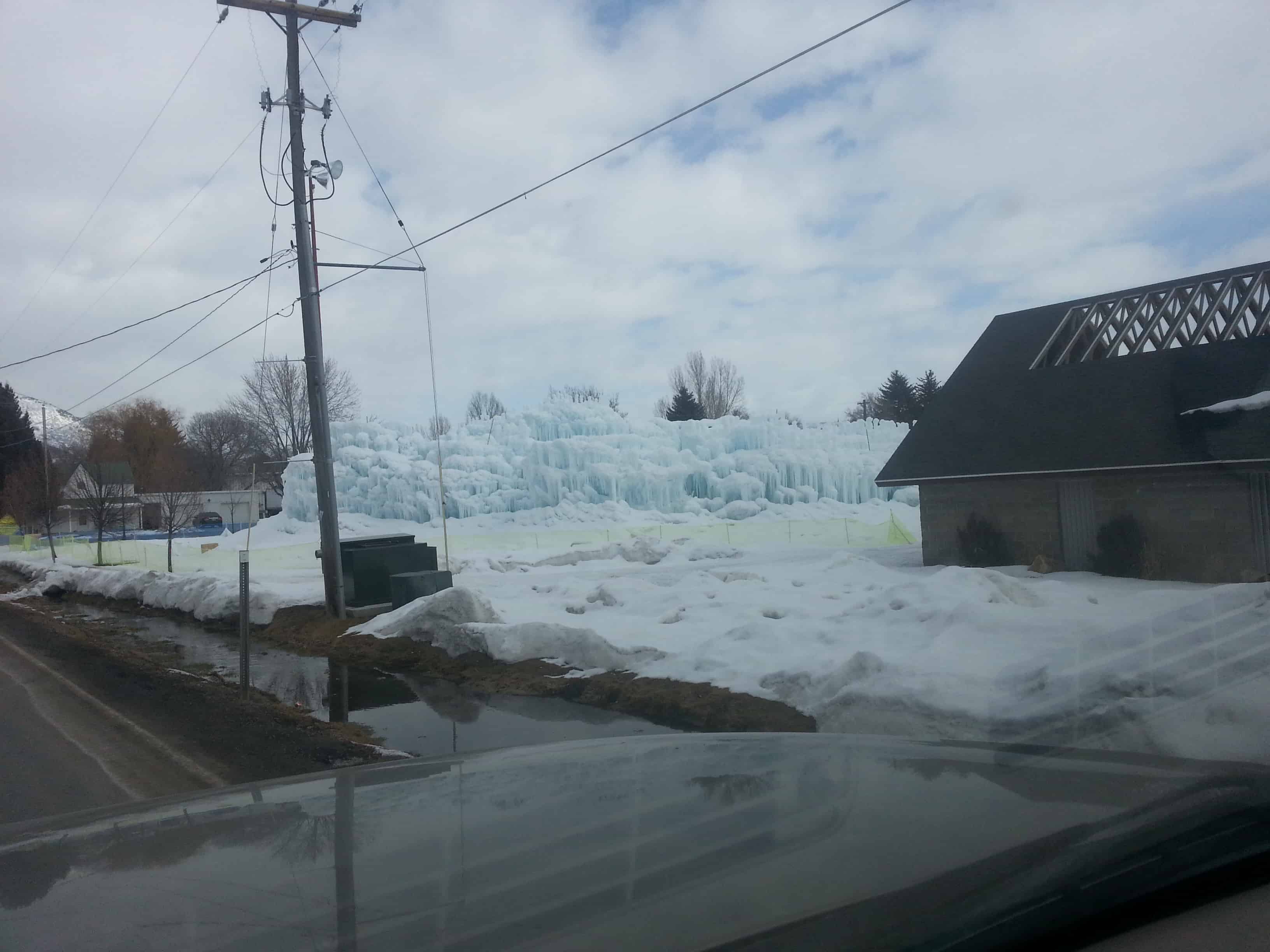


The ice castles in Midway are really cool, over the years I have seen people put hoses and sprinklers in their trees in their yards in Midway so the water will freeze and make awesome towers of ice, now there are “ice castles” that can be toured and explored.
See beautiful photos and videos or learn more at www.icecastles.com.
13 Friday Jun 2014
Posted in Uncategorized
Tags
Hailstone, Heber City, Jordanelle, Keetley, Midway, park city, Provo River, Reservoirs, Wasatch County

Jordanelle Reservoir is seen off to the east of Highway 40 when traveling between Park City and Heber City.
The old towns of Keetley and Hailstone are now gone, being buried with water with the creation of the the dam and reservoir.
Jordanelle Dam is the largest water development project in the history of Utah.
Jordanelle Reservoir is one of the newest reservoirs in Utah. The Jordanelle Dam was constructed on the Provo River by the Bureau of Reclamation in 1992, and the reservoir filled to capacity in 1995.
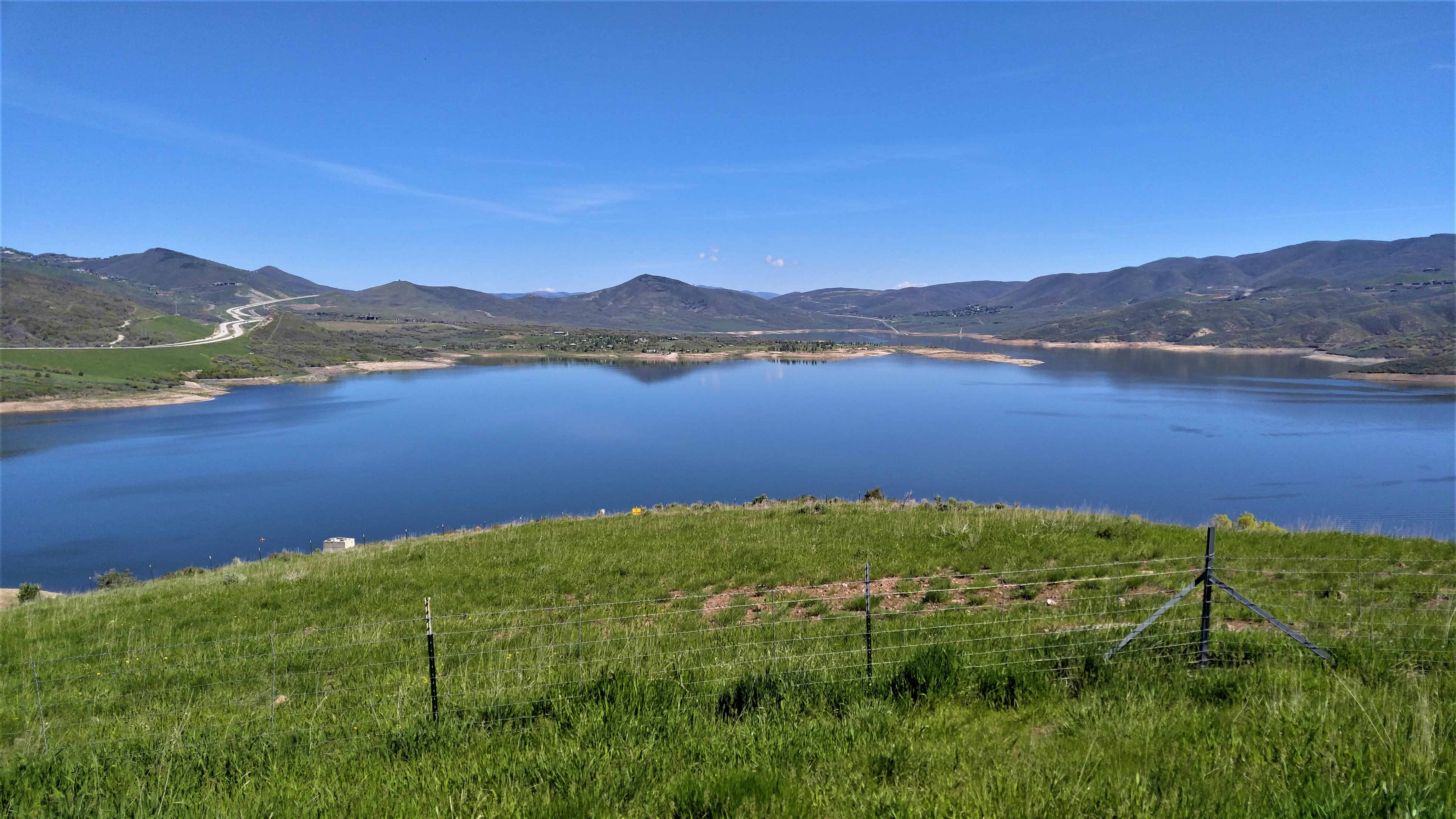

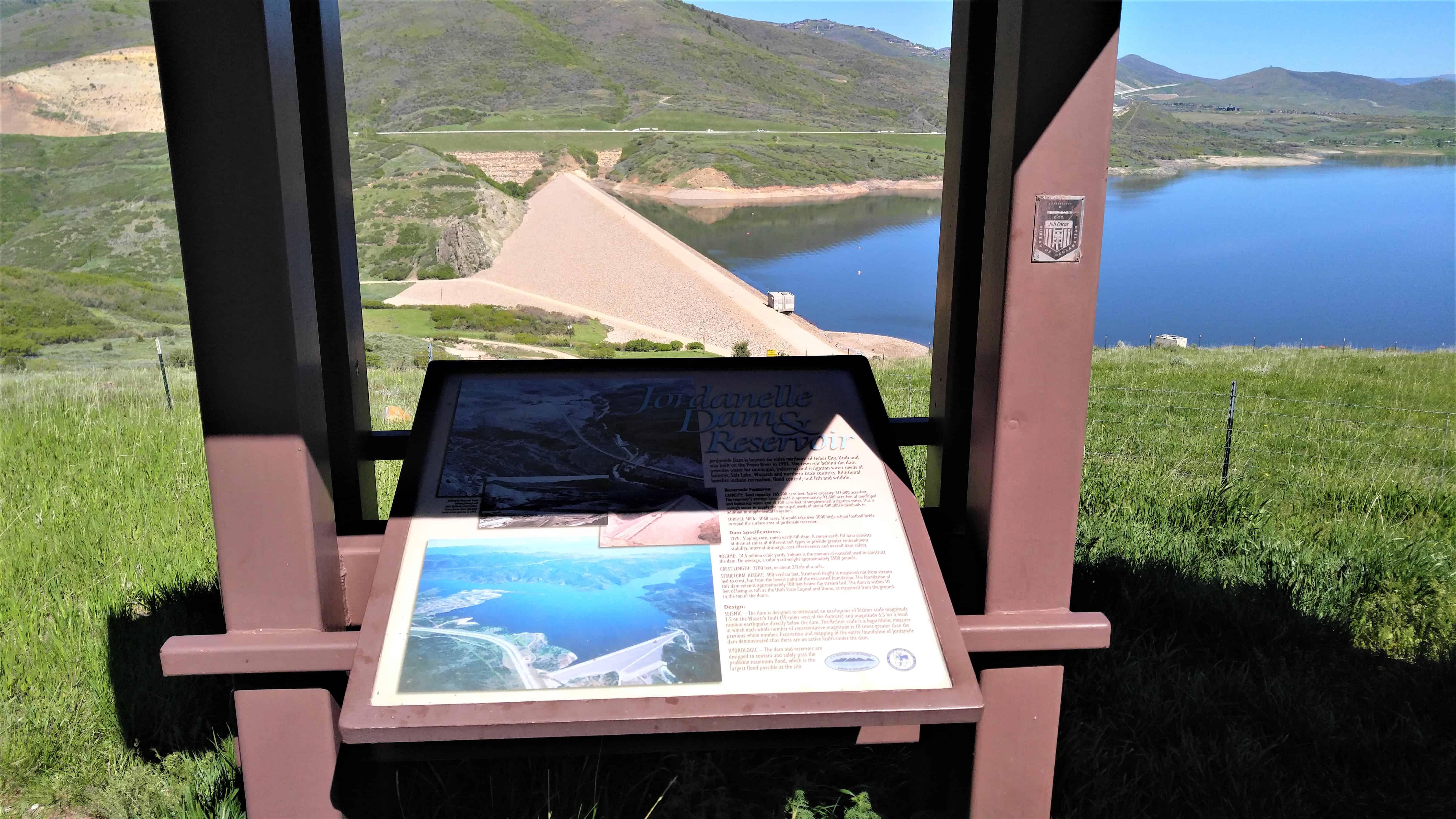


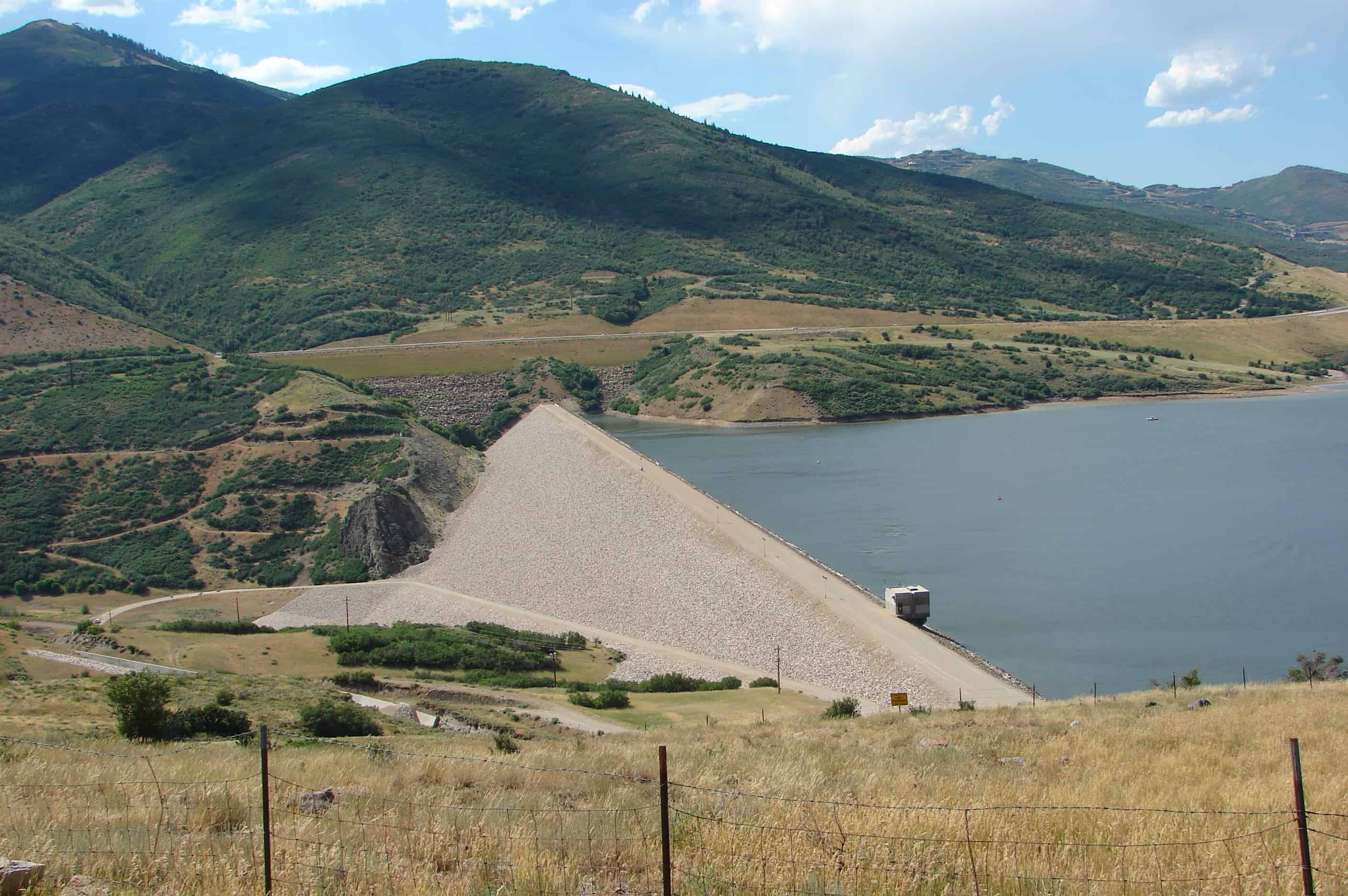

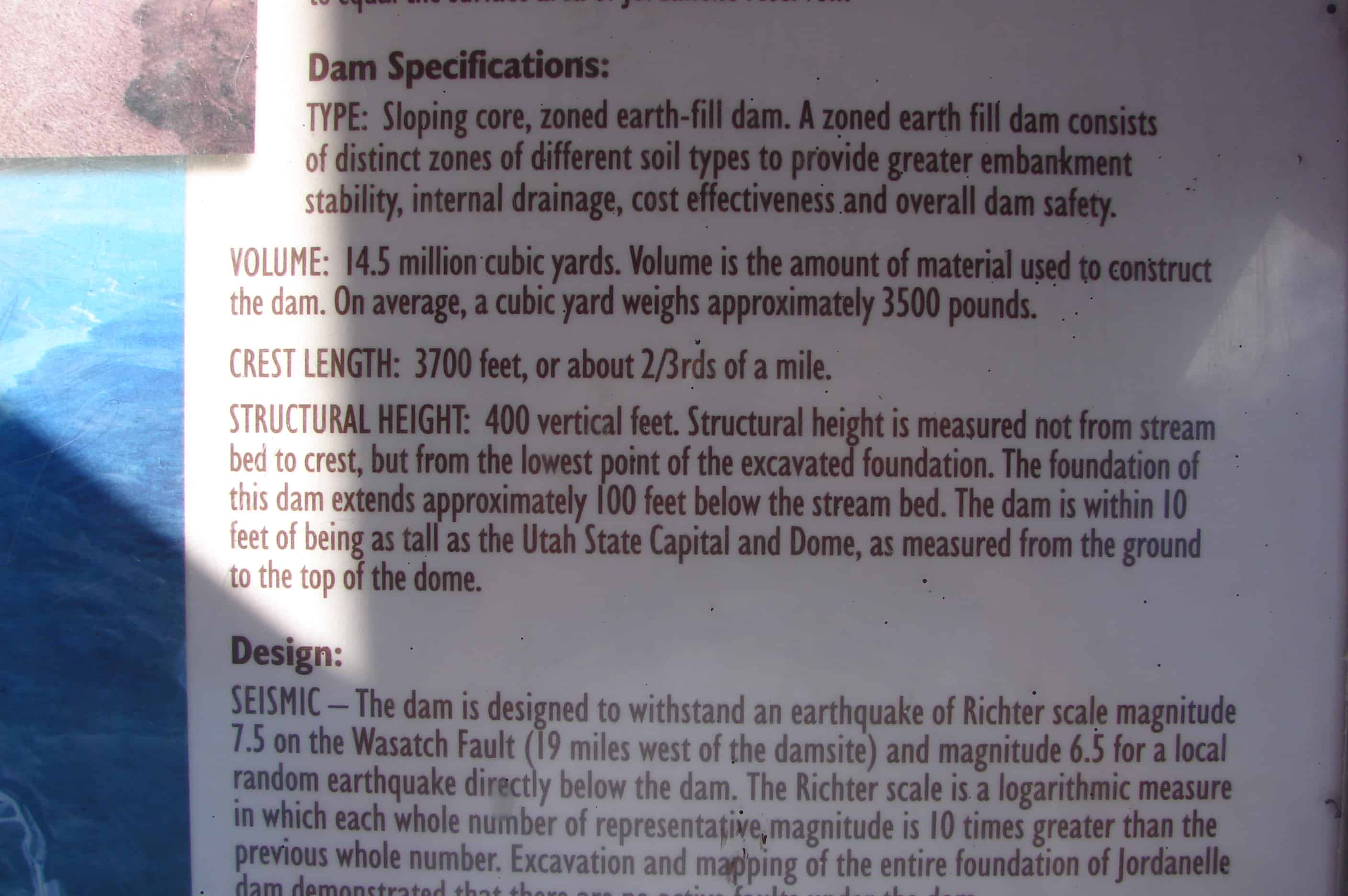


These 4 are from the overlook on the north, near Hideout.


03 Tuesday Jun 2014
Posted in Uncategorized
Tags
One and one-half miles northwest is Mound City Cemetery, the first burial place of this community, used from 1859 until 1869. The following people were buried there: Robert & Margaret Wright; Dr. John Gerber & Sarah Gerber, Julia Gerber Jacobs & baby; John Gerd Mohlman & infant son, John Mohlman, Jr.; Orson, son of John and Clara VanWagoner, Sr.; infant son of Mr. & Mrs. John Huber Sr.; baby of Moroni and Malissa Blood; Roswell Blood, Sr.; Mary Jane Marsh; baby of James & Malissa Wilson; Anna & Elizabeth, twin daughters of Conrad & Elizabeth Abegglen; child of Ellen G. Thornton; children of Mr. & Mrs. Ulrich Abegglen, and Lon Swazy.


Check out all of the historic markers placed by the Daughters of Utah Pioneers at JacobBarlow. com/dup
30 Friday May 2014
Posted in Uncategorized
Tags
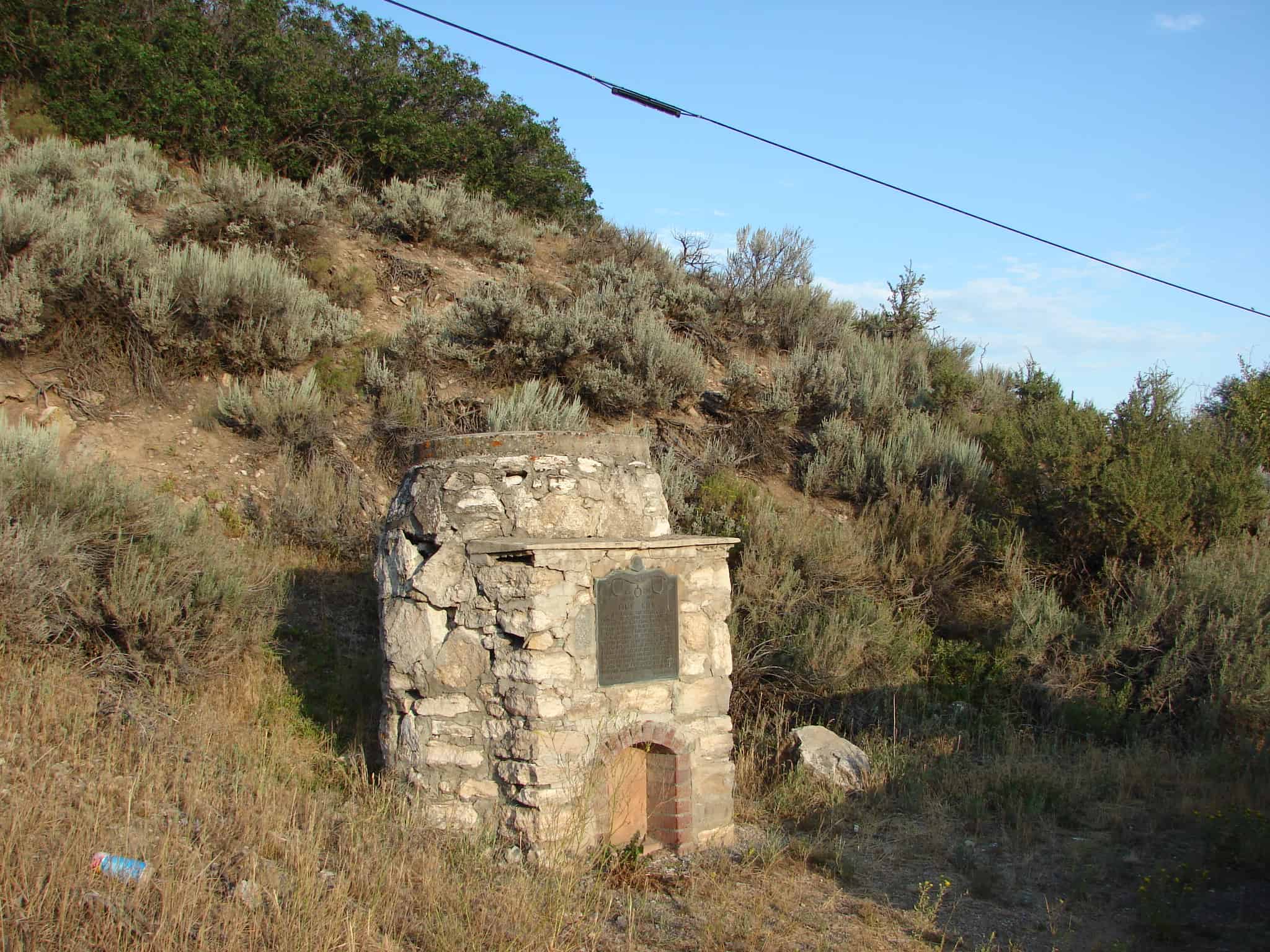
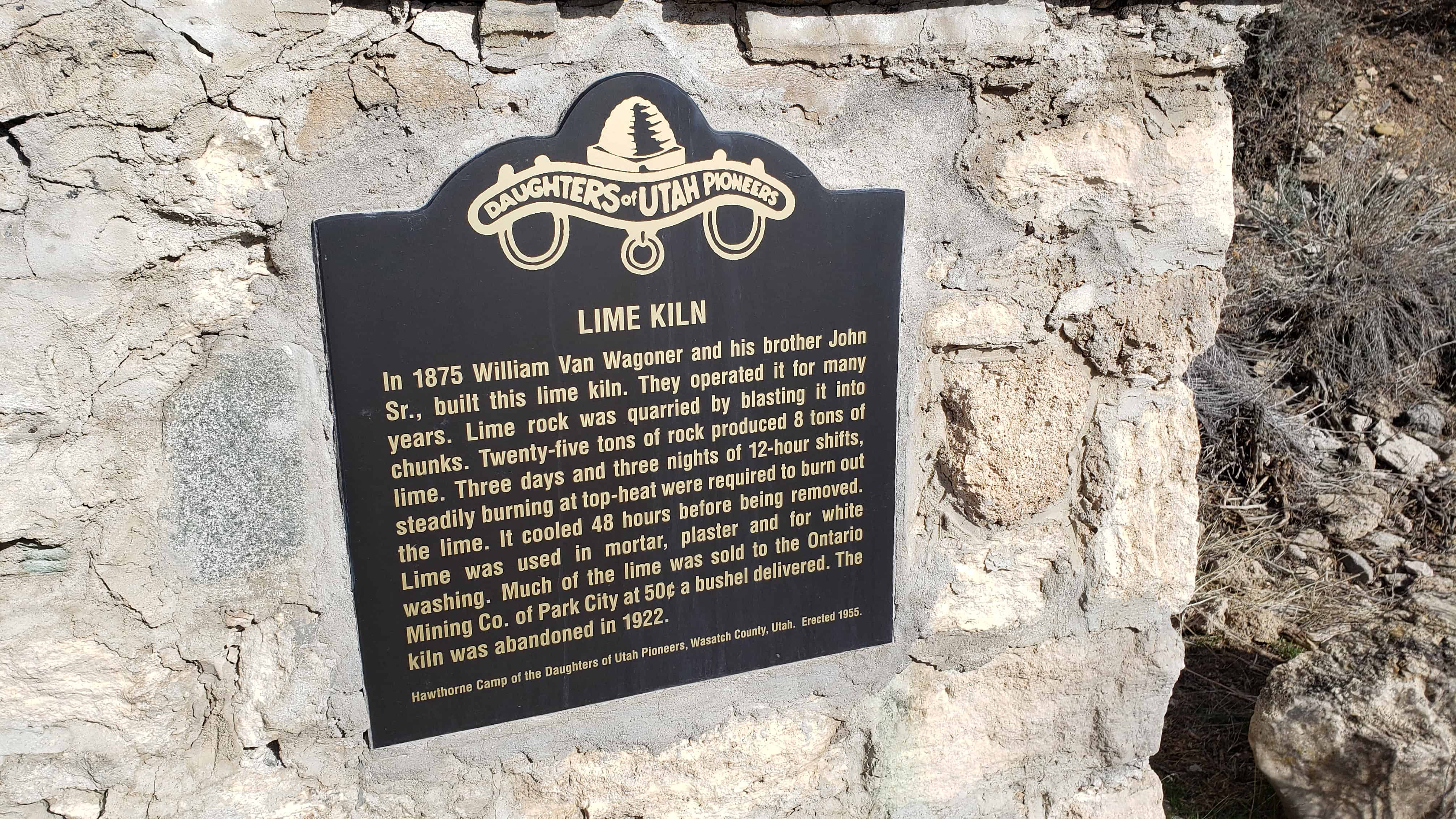
In 1875 William Van Wagoner and his brother John Sr. built this lime kiln. They operated it for many years. Lime rock was quarried by blasting it into chunks. 25 tons of rock produced eight tons of lime. Three days and three nights of twelve hour shifts steadily burning at top heat were required to burn out the lime. It cooled 48 hours before being removed. Lime was used in mortar, plaster, and for white-wash. Much of the lime was sold to Ontario Mining Company of Park City at fifty cents per bushel delivered. The kiln was abandoned in 1922.
Located in Midway, Utah

The above photos are from 2007, below are from 2021 and the 1955 plaque has been replaced.