252 S Edison St
16 Thursday Sep 2021
Posted in Uncategorized

16 Thursday Sep 2021
Posted in Uncategorized
14 Tuesday Sep 2021
Posted in Uncategorized
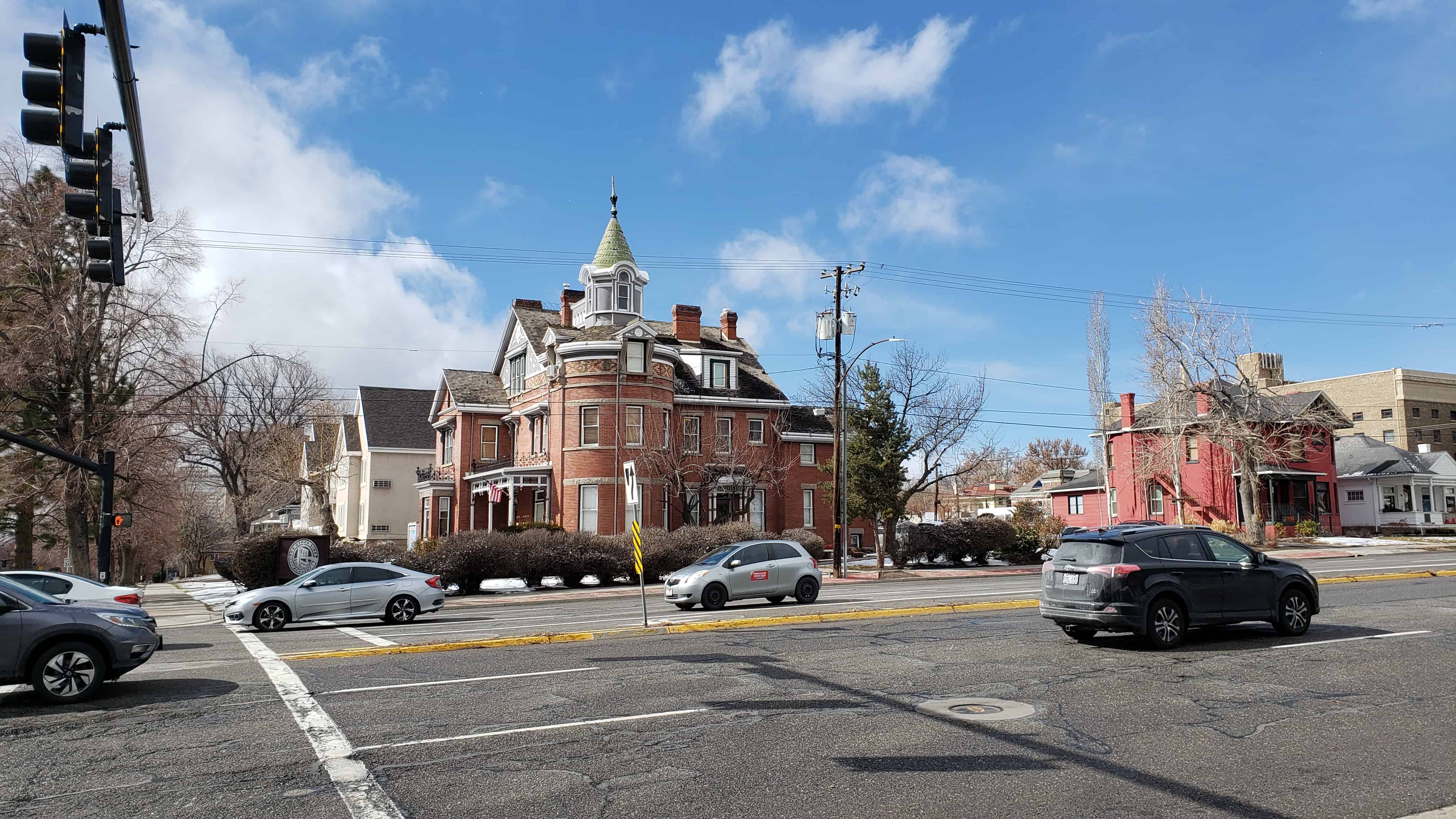
This house is significant as the residence of Francis Armstrong for whom it was built in 1892. He was an entrepreneur, civic leader and Mayor of Salt Lake. It is significant also as one of the finest example of Queen Anne Style architecture in Salt Lake City.
Armstrong was born October 3, 1839 in Plainmiller, Northumberland, England, to William Armstrong, a machinist, and Mary Kirk. The family emigrated to Canada in 1851. At nineteen Francis went to Missouri and then in 1861 drove an ox-team to Salt lake City, His early employment in sawmills led eventually to a partnership in Taylor, Romney, & Armstrong Lumber and Construction, the foundation of a considerable fortune. At the time of his death in 1899 he was President of the Utah Commercial Savings Bank, the Western Valley loan & Trust Company/ the Utah Power and Light Company, Vice-President of Taylor, Romney & Armstrong Company, and a director of many other firms.
He was active in public affairs, elected to a number of city and county offices in the 1870’s and 1880’s and to the office of Mayor of Salt Lake City in 1886 and in 1888. Hs had been elected to his second term as chairman of the Board of County Commissioner shortly before his death in 1899.
On December 10, 1864 he married Isabelle Sidoway, by whom he had eleven children. In May of 1870 he took a second wife, Sarah Carruth. She died in 1883, survived by only one of her seven children. A member and staunch supporter of the LDS Church, he was remembered for his blunt integrity, energy, and determination in public and business life rather than for involvement in church governance.
Armstrong’s widow occupied the house until her death, December 11, 1930. In 1931 the house passed to Mary Hannah Armstrong Madsen. Following her death the house passed to her husband Richard W. Madsen in 1933. Madsen was manager of the Standard Furniture Co, President of the Western Loan & Building Co. and of the Utah State National Bank.
The house stood vacant for several years and in 1934 was converted into apartments, Madsonia Realty received title in 1953 following his death. Jones O. and Amelia Petersen received title the same year and resold it to Ira and Myrtle
H. Oviatt. They sold it to George W and Martha Linnes in 1974 and they resold it to Navalco of Utah the same year. Navalco sold it to Armstrong Manor Associates in 1980 and they deeded a 48 8/10 undivided interest to Suzanne Carson Erickson the same year.
Located at 667 East 100 South in Salt Lake City, Utah
Related:


10 Friday Sep 2021
Posted in Uncategorized
08 Wednesday Sep 2021
Posted in Uncategorized
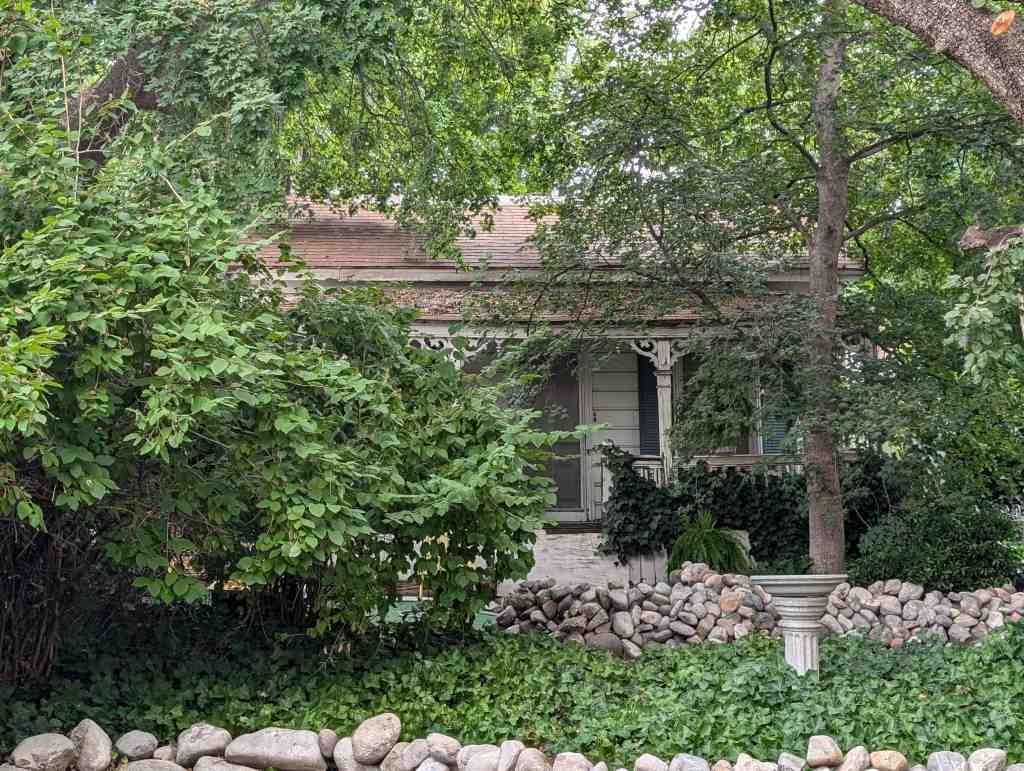
This one story home of rectangular plan has a gable roof. The front porch extends the full length of the main façade, with a roof supported by square posts with decorative mouldings with turned balusters between. Windows are two over two, double hung type. A frame extension of lean-to variety is located at the side.
Evidence of title, directories, and sanborn maps suggest this house was built about 1873, by Edwin Rawlings.
Rawlings was born February 1, 1838 in England. He emigrated to Utah in 1862. He worked as a cabinet maker and carpenter for ZCMI and later for the Co-Op Furniture Co. An accomplished musician, he was a charter member of the martial band organized by Dimick Huntington and associated with the Nauvoo Legion. His wife Annie and three children survived upon his death September 7, 1914.
Located at 322 Almond Street in the Capitol Hill Historic District in Salt Lake City, Utah
He owned the duplex next door to the south.

04 Saturday Sep 2021
Posted in Uncategorized
Tags
Avenues, Avenues Historic District, Historic Homes, NRHP, Salt Lake City, Salt Lake County, utah
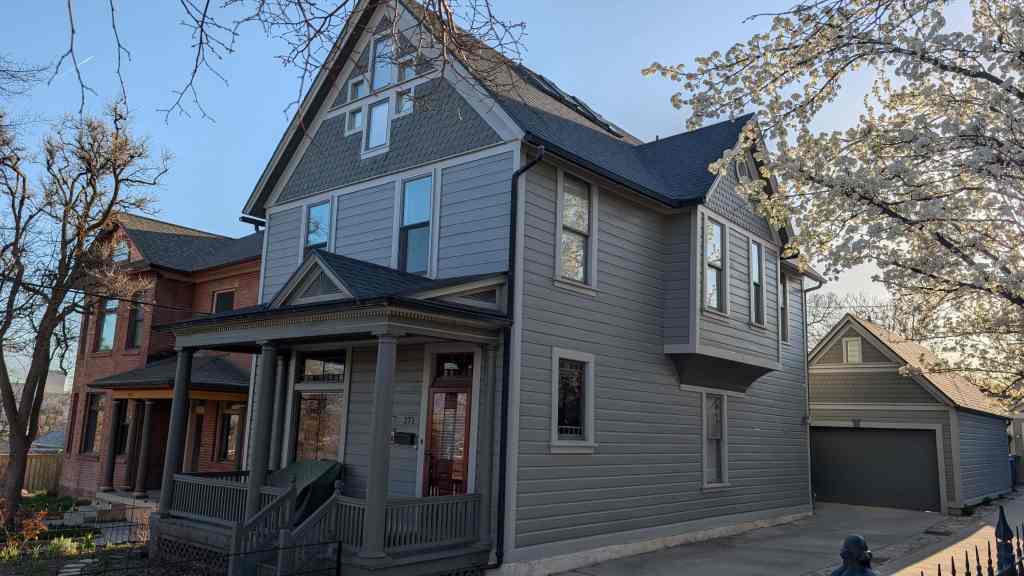
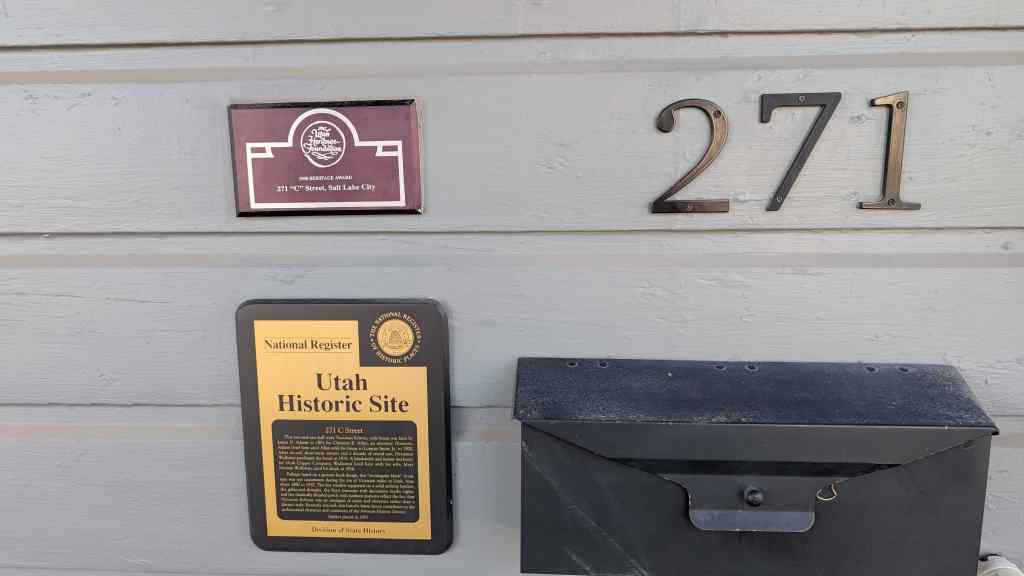
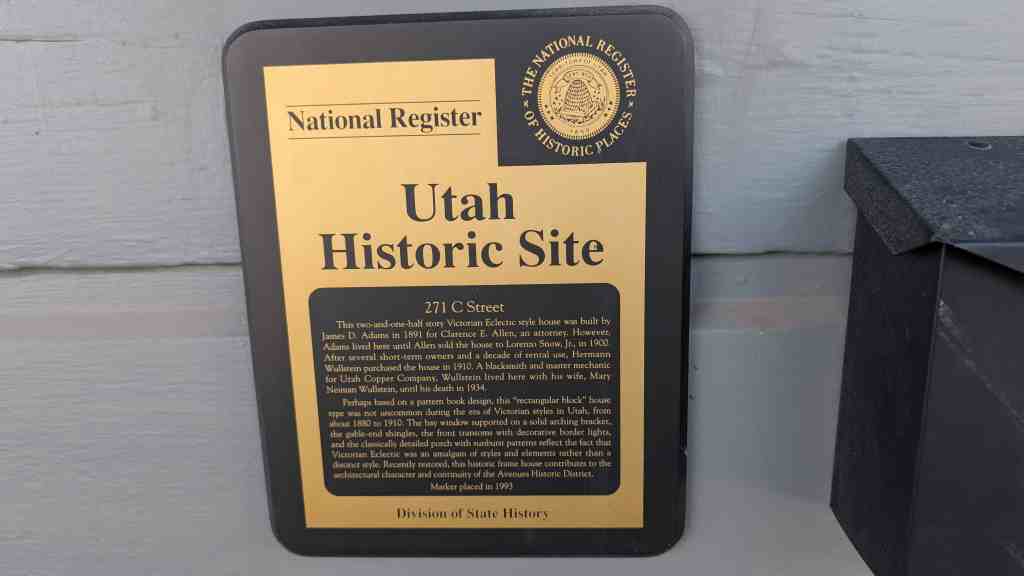
271 C Street
This two-and-one-half story Victorian Eclectic style house was built by James D. Adams in 1891 for Clarence E. Allen, an attorney. However, Adams lived here until Allen sold the house to Lorenzo Snow, Jr., in 1900. After several short-term owners and a decade of rental use, Hermann Wullstein purchased the house in 1910. A blacksmith and master mechanic for Utah Copper Company, Wullstein lived here with his wife, Mary Neiman Wullstein, until his death in 1934.
Perhaps based on a pattern book design, this “rectangular block” house type was not uncommon during the era of Victorian styles in Utah, from about 1880 to 1910. The bay window supported on a solid arching bracket, the gable-end shingles, the front transoms with decorative border lights, and the classically detailed porch with sunburst patterns reflect the fact that Victorian Eclectic was an amalgam of styles and elements rather than a distinct style. Recently restored, this historic frame house contributes to the architectural character and continuity of the Avenues Historic District.
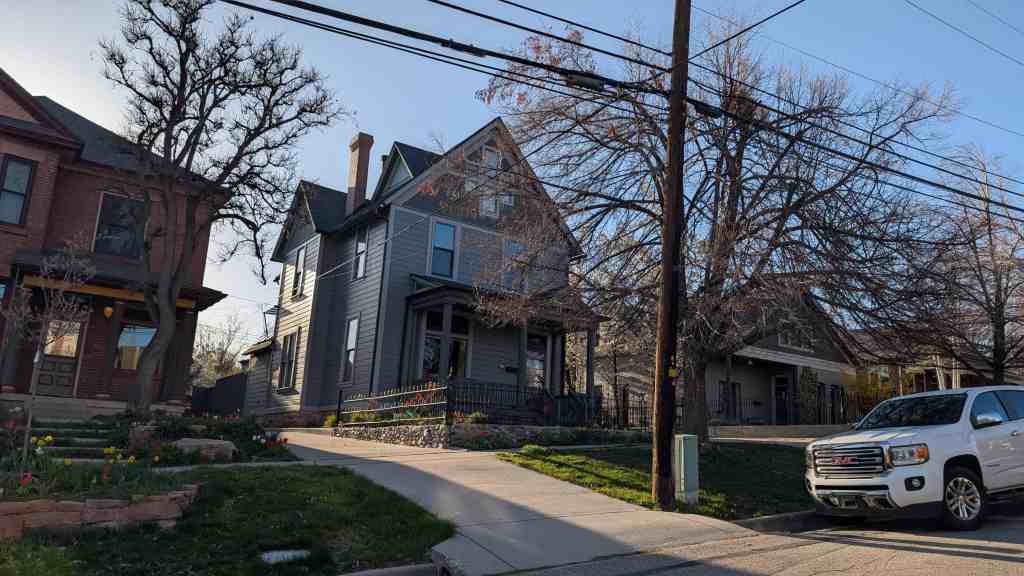
271 C Street is in the Avenues Historic District of Salt Lake City, Utah
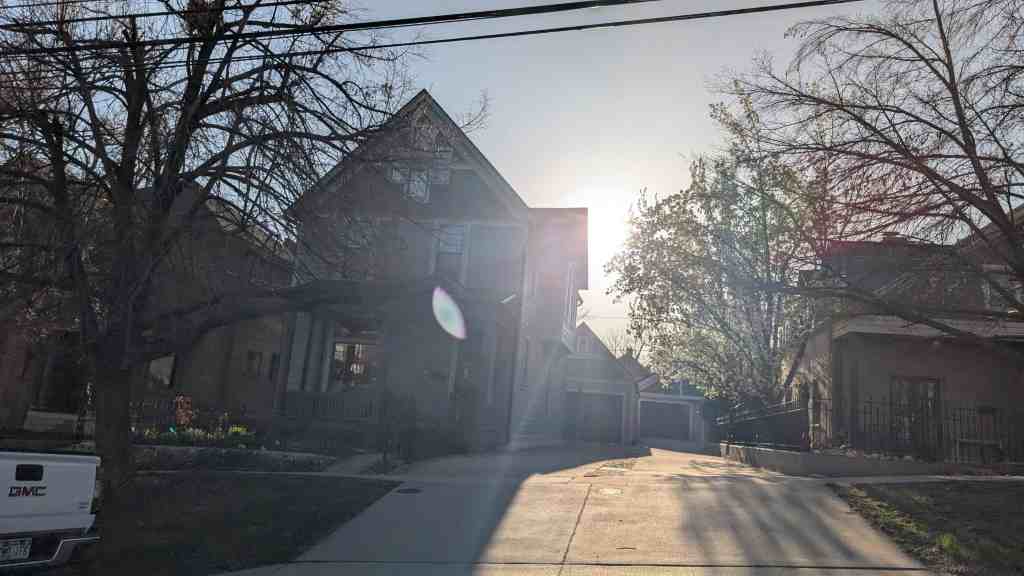
Interesting history compiled by Rachel Quist:
In April 1898 the Rescue Home for “fallen women” rented this house.
Within the next 10 months the Rescue Home had 20 applicants, 5 births, 1 death, 1 marriage, 7 women placed in suitable outside homes, and 2 children were taken to the orphanage.
Neighbors on C Street objected to the Rescue Home and in Sept 1899 they petitioned the SLC Council to have the home removed and stop financial support. Thomas A. Horne, who lived just north at 277 C St, was the primary objector who complained “the women are boisterous, they make noise…and they sing indecent songs. They contaminate the children.”
Not wishing to antagonize the neighbors on C Street, the Rescue Home soon signed a 3-month lease on a larger house at 54 S 1200 East from owner Judge Loofbourow. The neighborhood soon made vigorous objections and Judge Loofbourow cancelled the lease without notifying the Rescue Home first.
In Nov 1899 the Rescue Home found another house in Sugar House area and paid 4 months rent in advance. University of Utah Professor Byron Cummings (Football & Archaeology) led the objection citing the 35 children in the neighborhood. The Rescue Home was given 3 months to vacate.
Frustrated that “respectable communities” disallowed the Rescue Home they looked for a new location in the “slums” of Commercial Street (now Regent St) but they could not find a suitable location, likely due to the high rents that the brothels and other businesses could pay.
After months of looking for a new location, the Rescue Home’s Board of Directors decided that to continue the work would be useless and the entire board resigned in Feb 1900.
A new board was established who vowed to continue the work and even secured additional locations. University of Utah Art Professor Edwin Evans led the protest against the 1458 S 1300 East location in March 1900.
Even after the Rescue Home closed itself to prostitutes and only allowed “reformable” women the neighbors protested so vigorously that the location at 51 S 800 E was also abandoned.
By Jan 1902 the whole organization was turned over to the Salvation Army who operated similar homes throughout the country with much success…. except in SLC.
25 Wednesday Aug 2021
Posted in Uncategorized
Tags

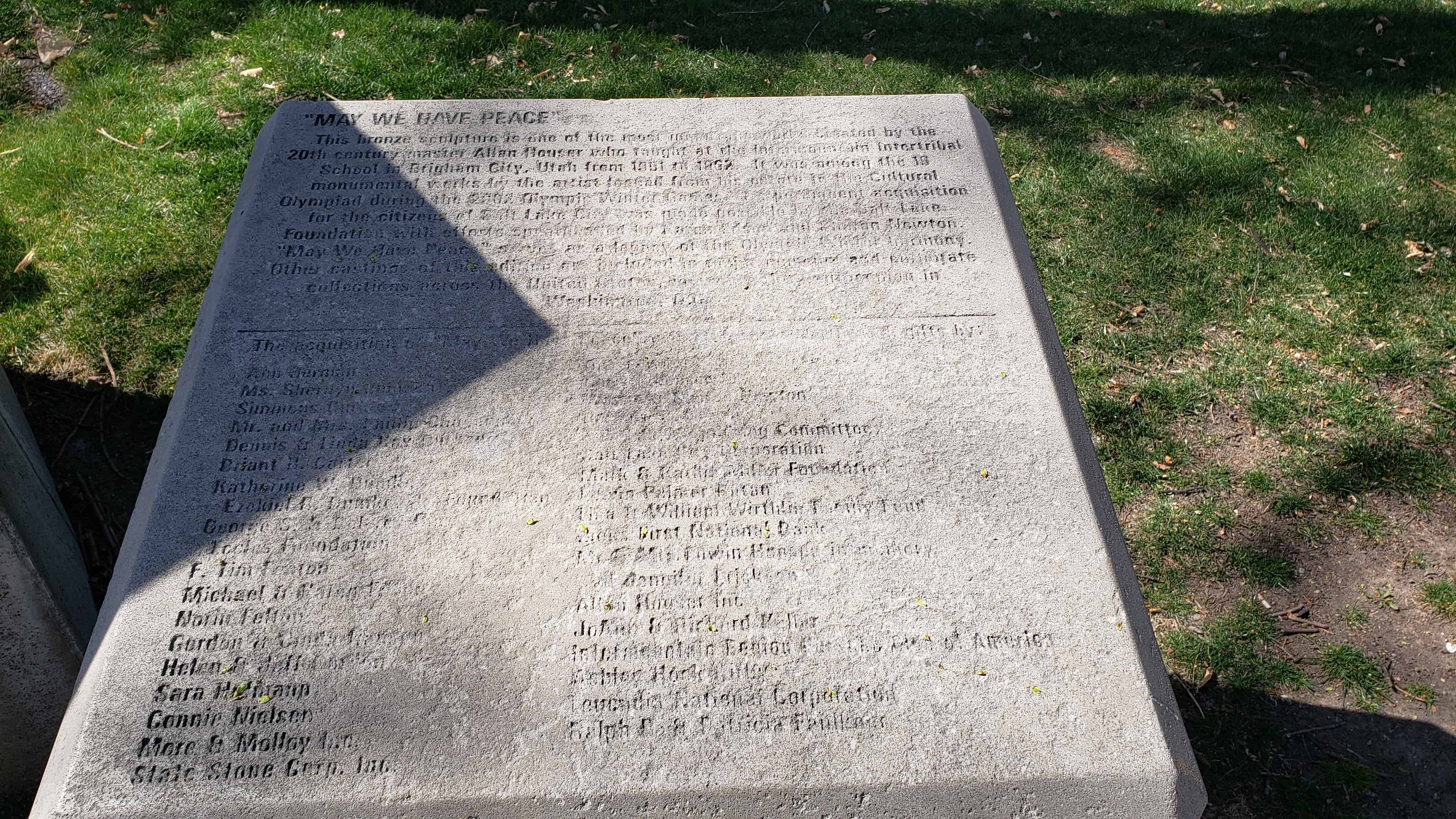
May We Have Peace
This Bronze Sculpture is one of the most important works created by the 20th Century master Allan Houser who taught at the Intermountain Intertribal School in Brigham City, Utah from 1951-1962. It was among the 19 monumental works by the artist loaned from his estate to the Cultural Olympiad during the 2002 Olympic Winter Games. It’s Permanent acquisition for the citizens of Salt Lake City was made possible by the Salt Lake Foundation with efforts spearheaded by Karen Edson and Sharon Newton. “May We Have Peace” serves as a legacy of the Olympic harmony. Other castings of this edition are included in major museum and corporate collections across the United States, including the Smithsonian in Washington, D.C.
This sculpture is located in Washington Square outside the Salt Lake City and County Building.



23 Monday Aug 2021
Posted in Uncategorized
Tags
Historic Buildings, Libraries, Salt Lake City, Salt Lake County, Schools, South Salt Lake City, utah

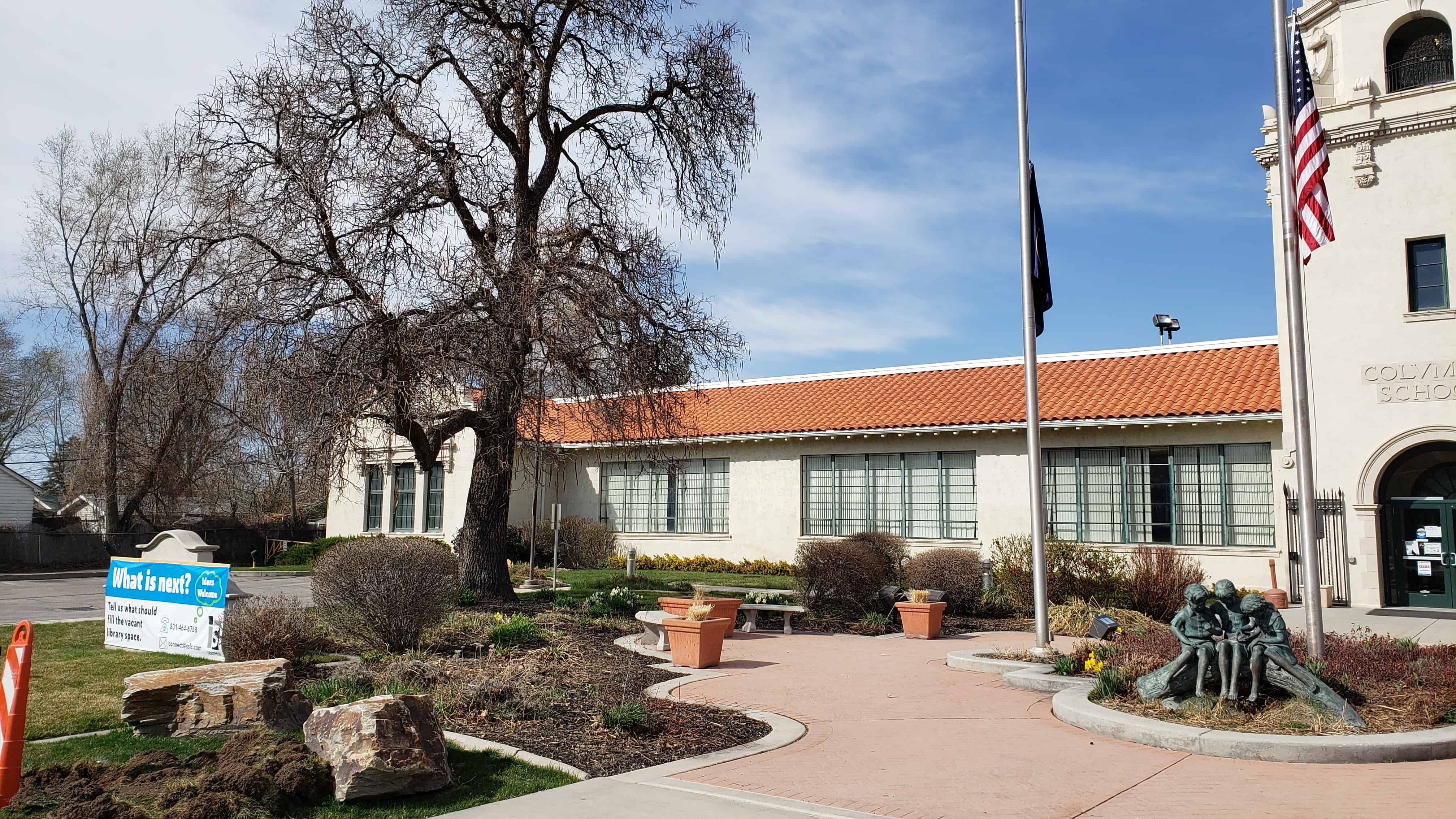
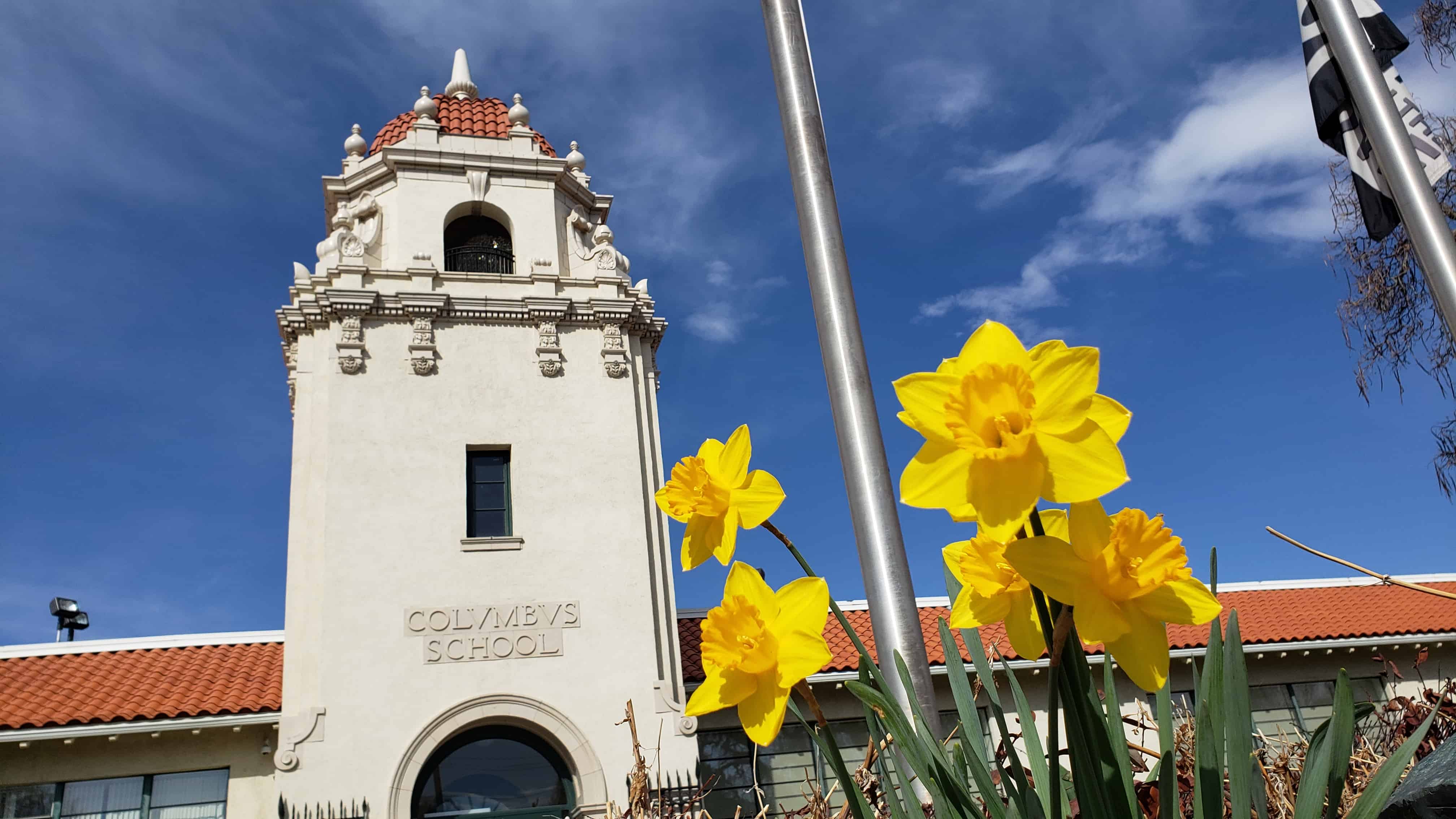
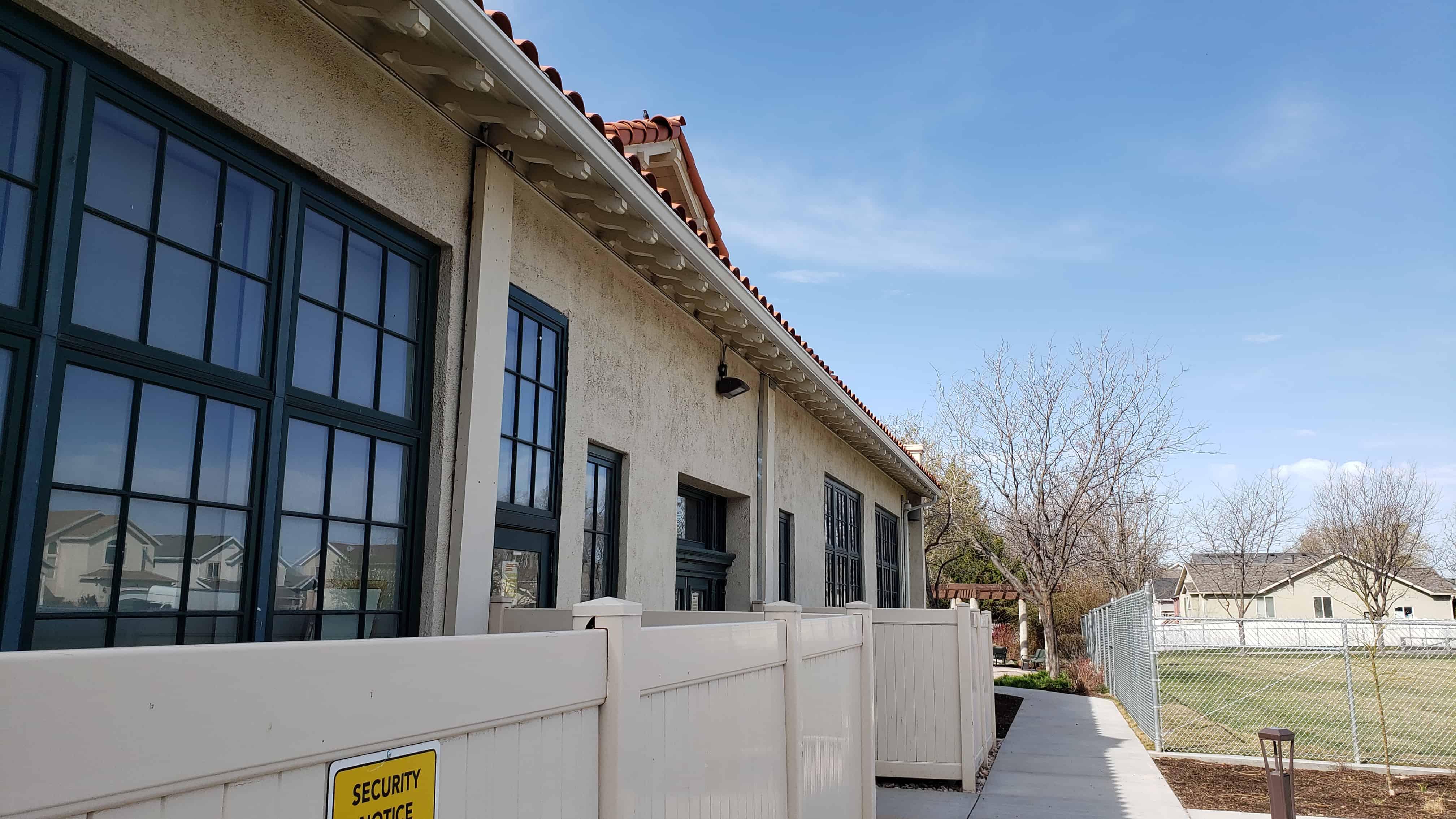
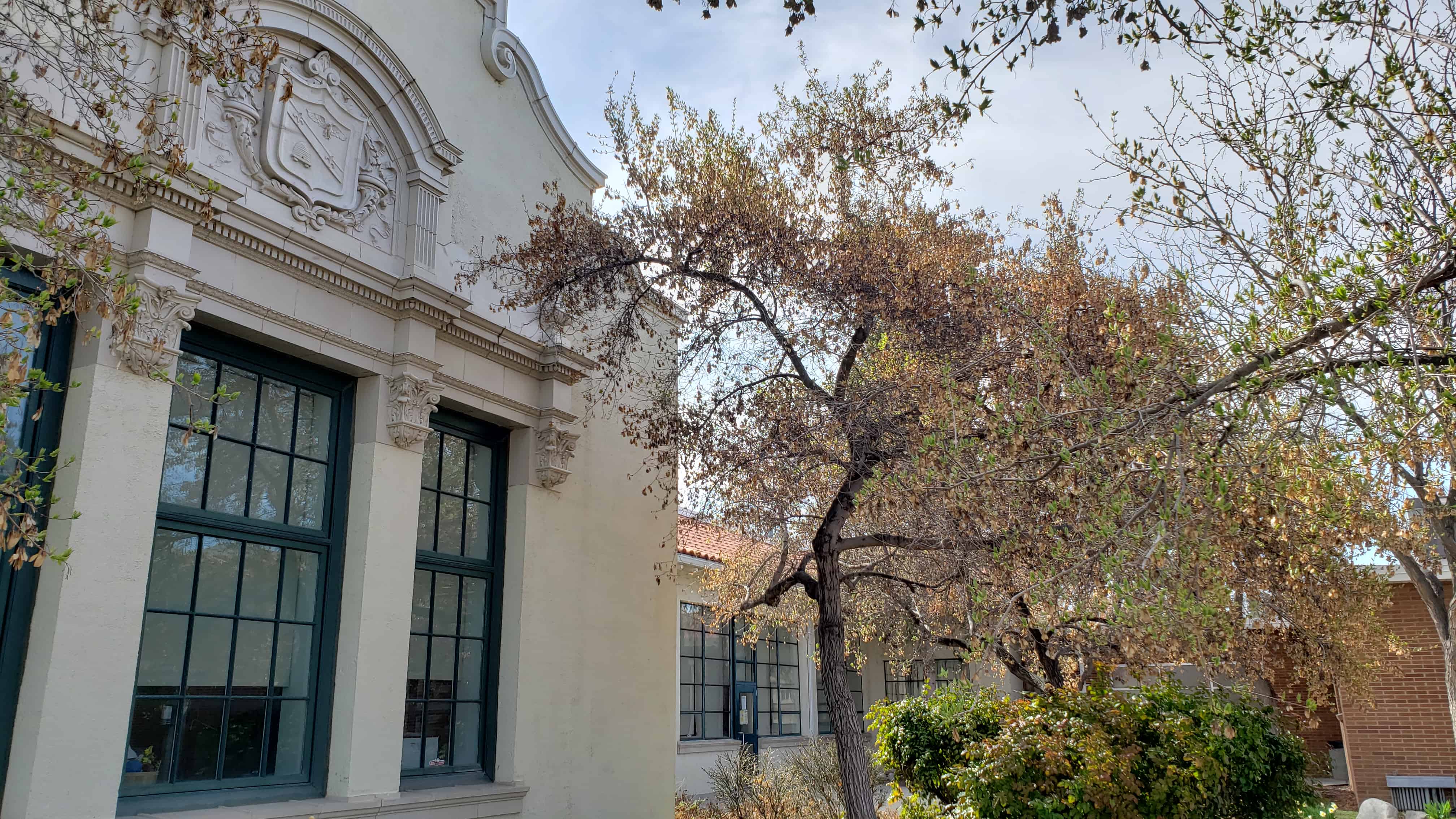
The Columbus School, later the Columbus Center, located at 2531 S 500 East in South Salt Lake City, Utah was a school from 1917 to 1968 and a community center after that, then a warehouse and then a library.








20 Friday Aug 2021
Posted in Uncategorized

Utah Civil War Casualty
Lieutenant Henry Wells Jackson (March 10, 1827- May 27, 1864), was the only Utah battle fatality of the Civil War and the first known Latter-Day Saint to be killed in a U.S. national conflict. Jackson marched in the Mormon Battalion, Company D, musician; panned for gold at Mormon Island (now Folsom Lake), California; and used gold to pay for his wedding. He and Eliza Ann Dibble were married in Salt Lake on February 3, 1850, by Brigham Young. Henry and Eliza started a family and helped establish settlements in Tooele Valley and San Bernardino, California. In 1858, Henry carried mail for George Chorpenning on the Overland Mail Route, a precursor to the Pony Express. Due to bad management, Henry was owed $1,300 in back pay for his mail service. He decided to go back East to try and collect the money. Payment was delayed, so Henry took employment as a wagon master and was ultimately captured by the Confederate Army and held as a prisoner for three months. He was later released in exchange for Confederate prisoners. Because of the way he was treated, he decided to fight for the Union. Henry enlisted with the First Regiment, District of Columbia, Volunteer Cavalry and was commissioned as a lieutenant due to his previous service in the Mormon Battalion. On May 8, 1864, Henry took part in the Battle of White Bridge near Jarrett’s Station, Virginia, and was shot. Due to infection, he died on May 27, 1864, leaving behind his wife and three children. Henry Wells Jackson is buried in Hampton National Cemetery and is remembered for his great sacrifice and love for family and country.

This is DUP Marker #576 (see others here) located on the grounds of the State Capitol Building and on the same monument as DUP Marker #270.
04 Wednesday Aug 2021
Posted in Uncategorized
Tags
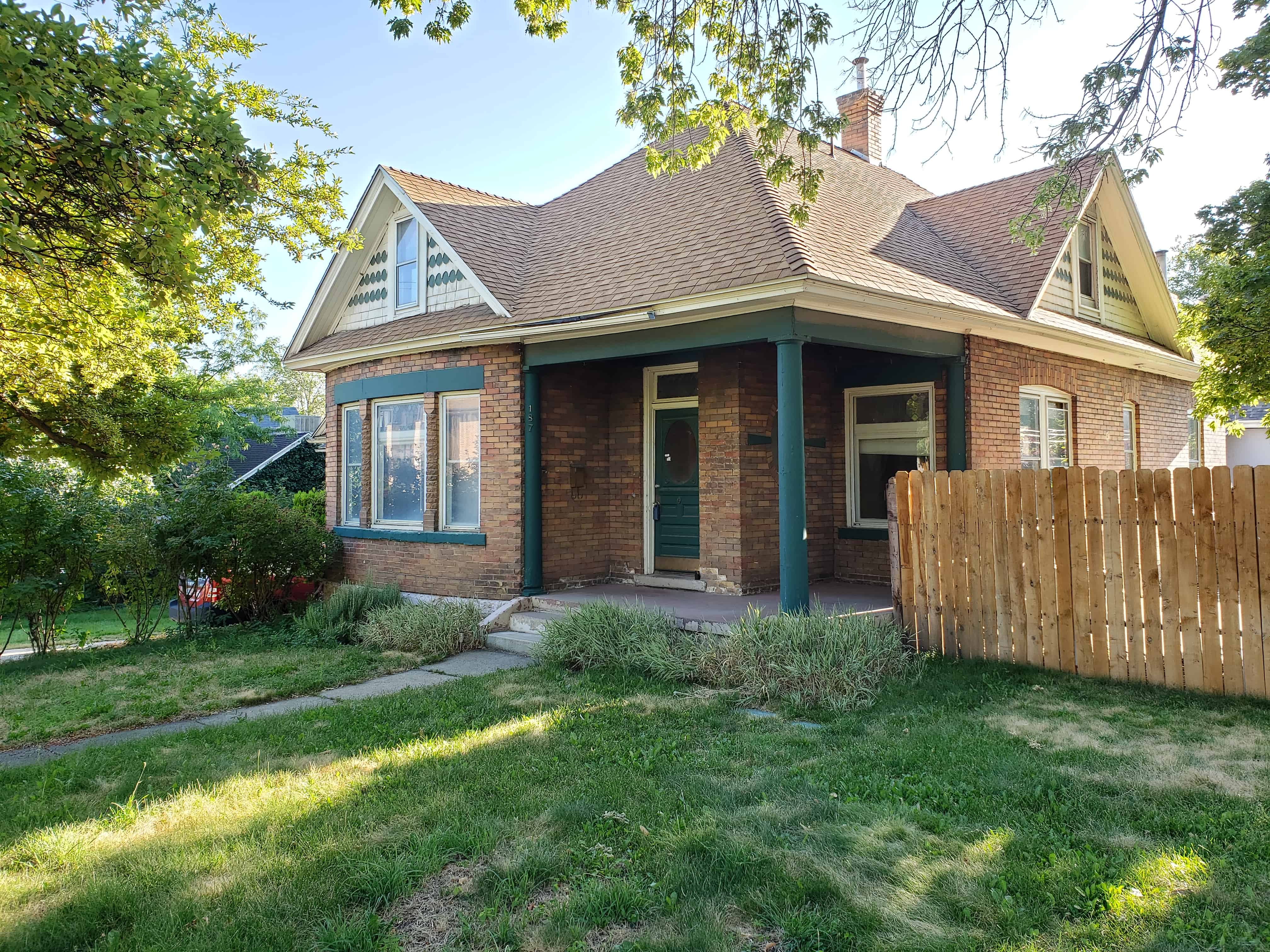
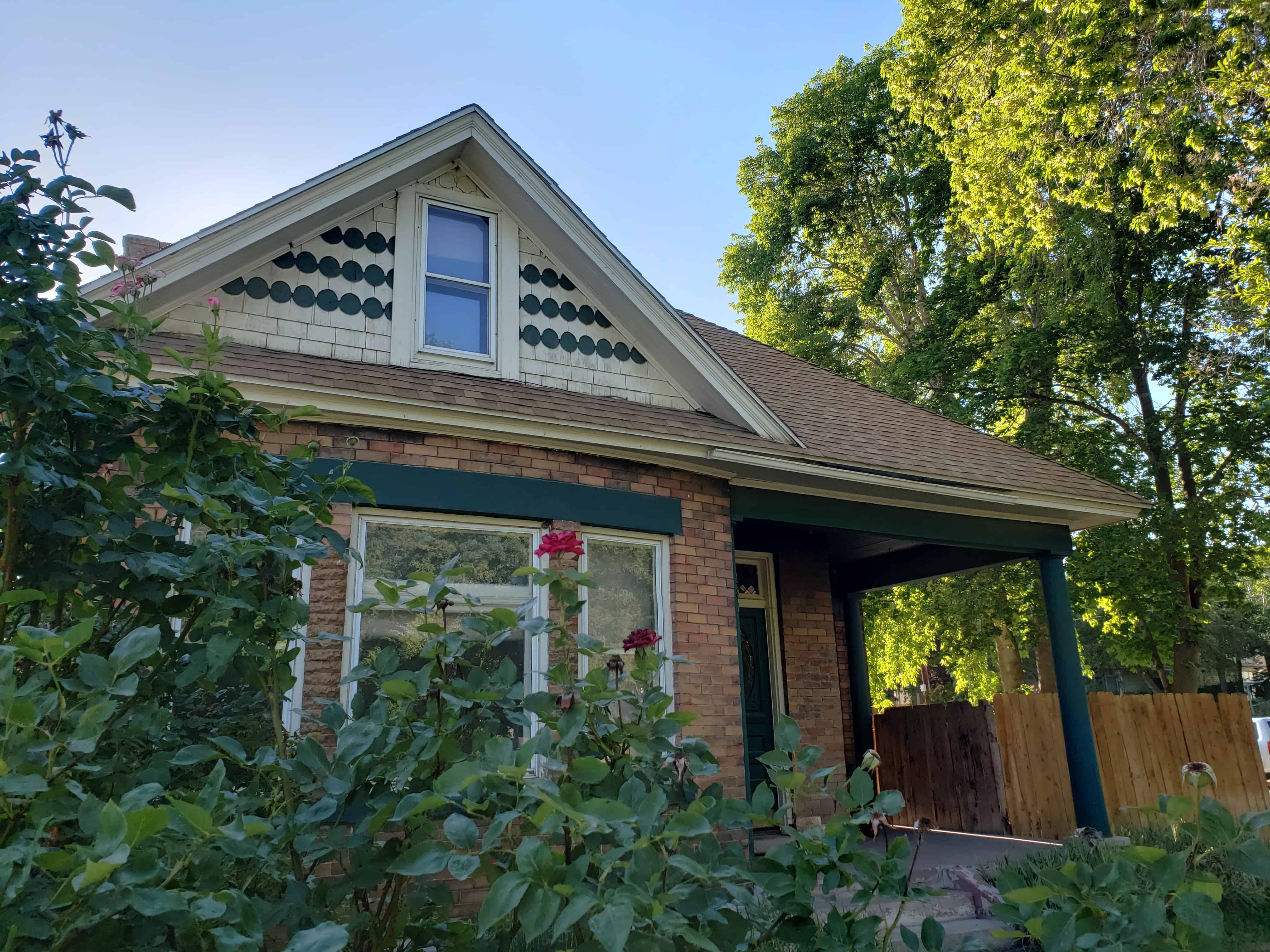
187 North I Street in the Avenues Historic District in Salt Lake City, Utah.



26 Monday Jul 2021
Posted in Uncategorized

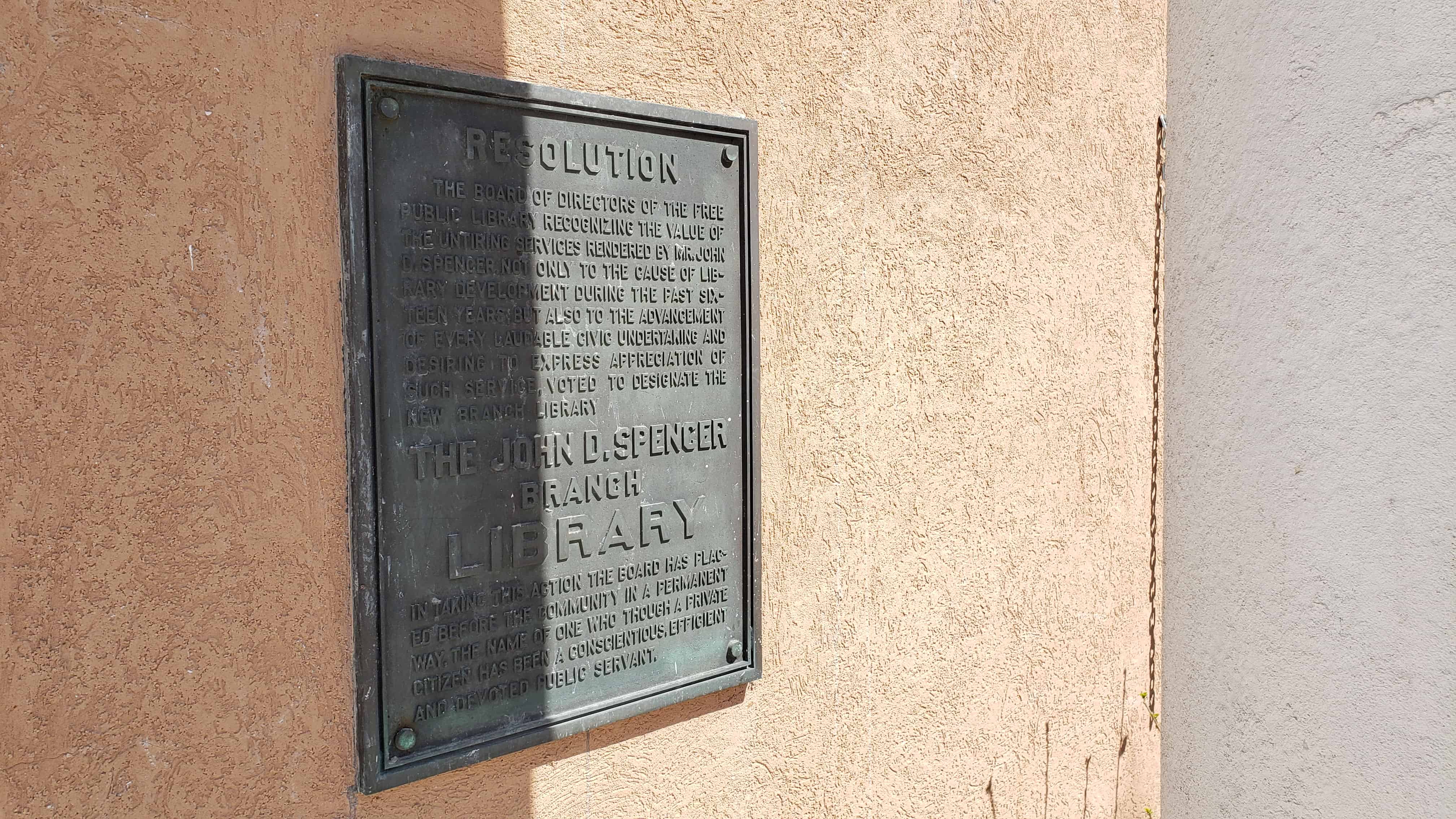
The board of directors of the free public library recognizing the value of the untiring services rendered by Mr. John D. Spencer, not only to the cause of library development during the past sixteen years, but also to the advancement of every laudable civic undertaking and desiring to express appreciation of such service, voted to designate the new branch library.
In taking this action the board has placed before the community in a permanent way, the name of one who though a private citizen has been a conscientious efficient and devoted public servant.
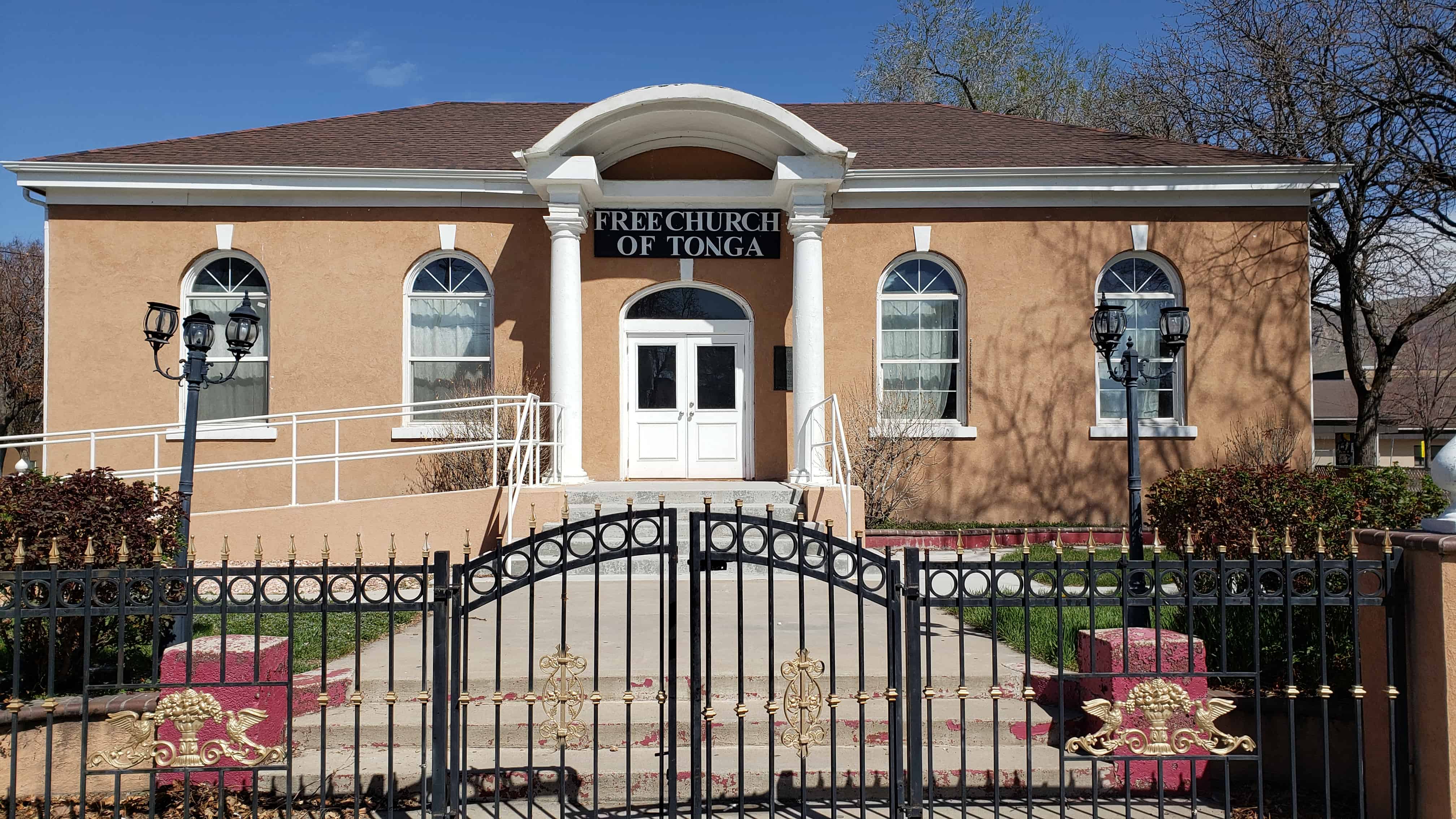
The building is now the Free Church of Tonga.
Located at 776 West 200 North in Salt Lake City, Utah
From Salt Lake Northwest Historic District:
Another significant building is the former Spencer Branch Library, located 776 West 200 North, was built in 1921. The library is T-shaped in plan and is constructed of striated brick. The broadside faces the street with a symmetrical façade. Classical and Colonial Revival details are found in the concrete keystone and end stones of the round relieving arches, and in the Tuscan columns supporting a rounded pediment at the main entrance. The building is currently owned and maintained by the Free Church of Tonga and has seen little exterior alteration.