1865 W North Temple
10 Thursday Jun 2021
Posted in Uncategorized

10 Thursday Jun 2021
Posted in Uncategorized
30 Sunday May 2021
Posted in Uncategorized
Tags
30 Sunday May 2021
Posted in Uncategorized

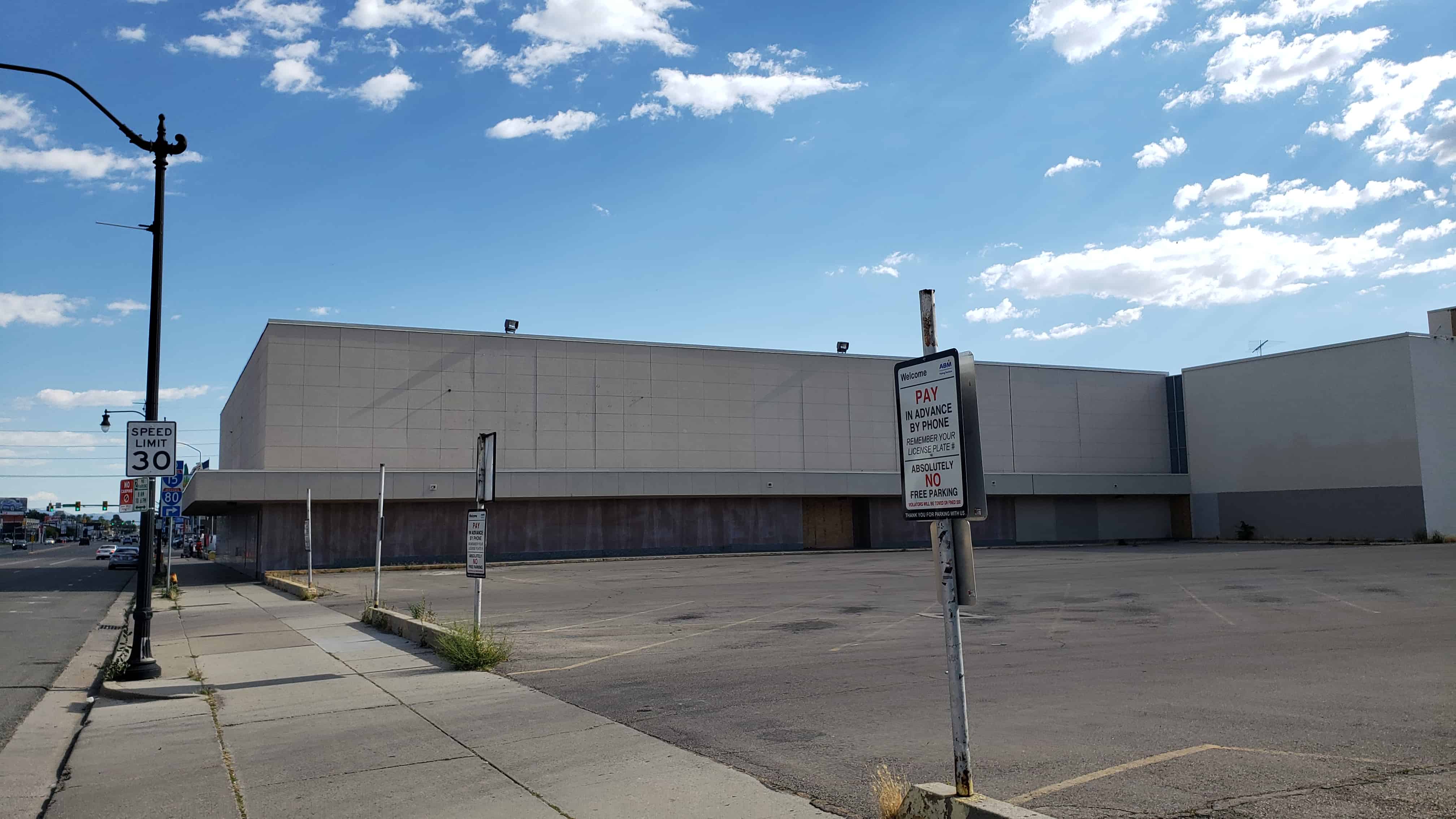
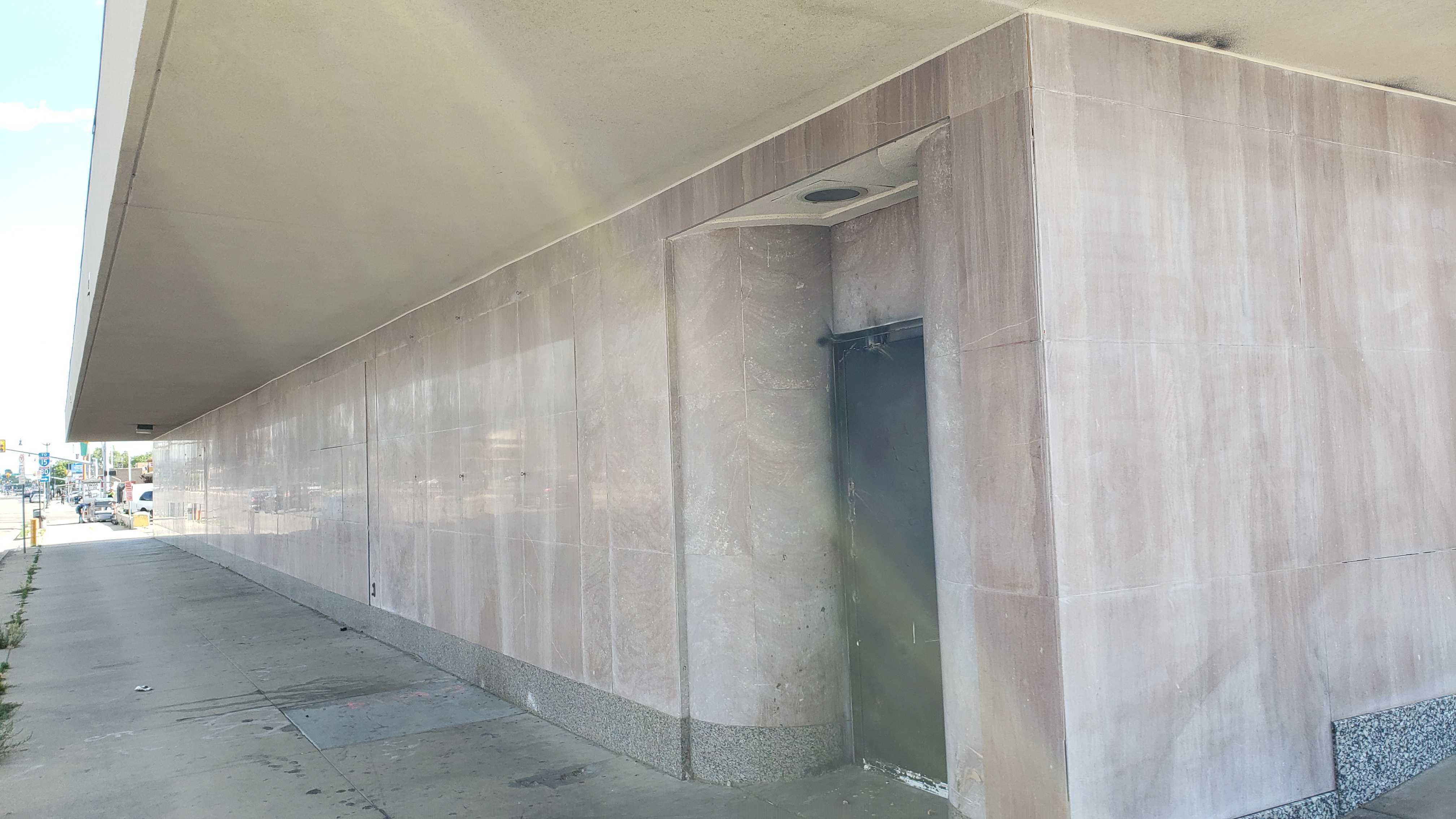
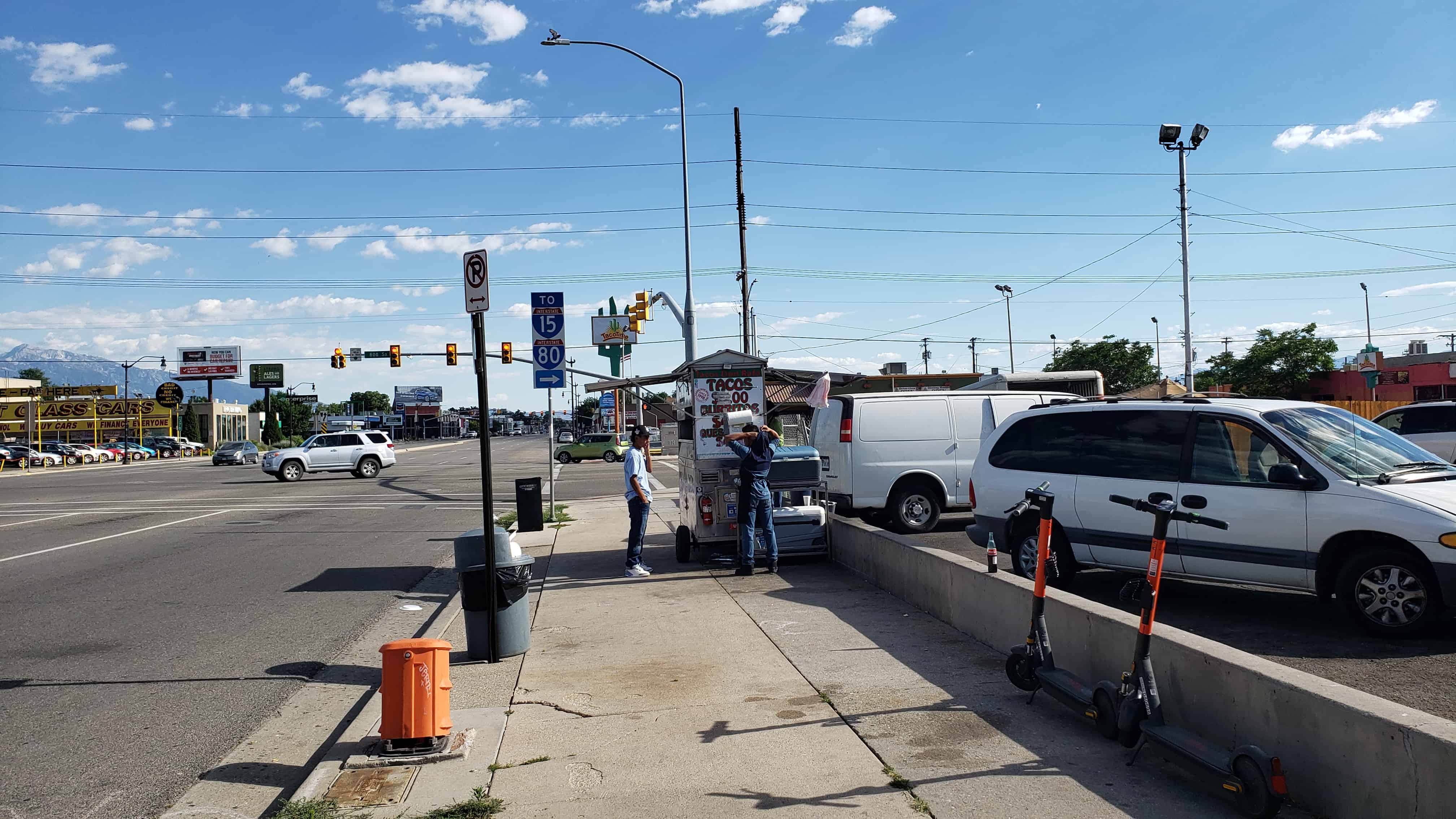
Located at 754 S State Street in Salt Lake City, this Sears opened in 1947 and closed in 2018.


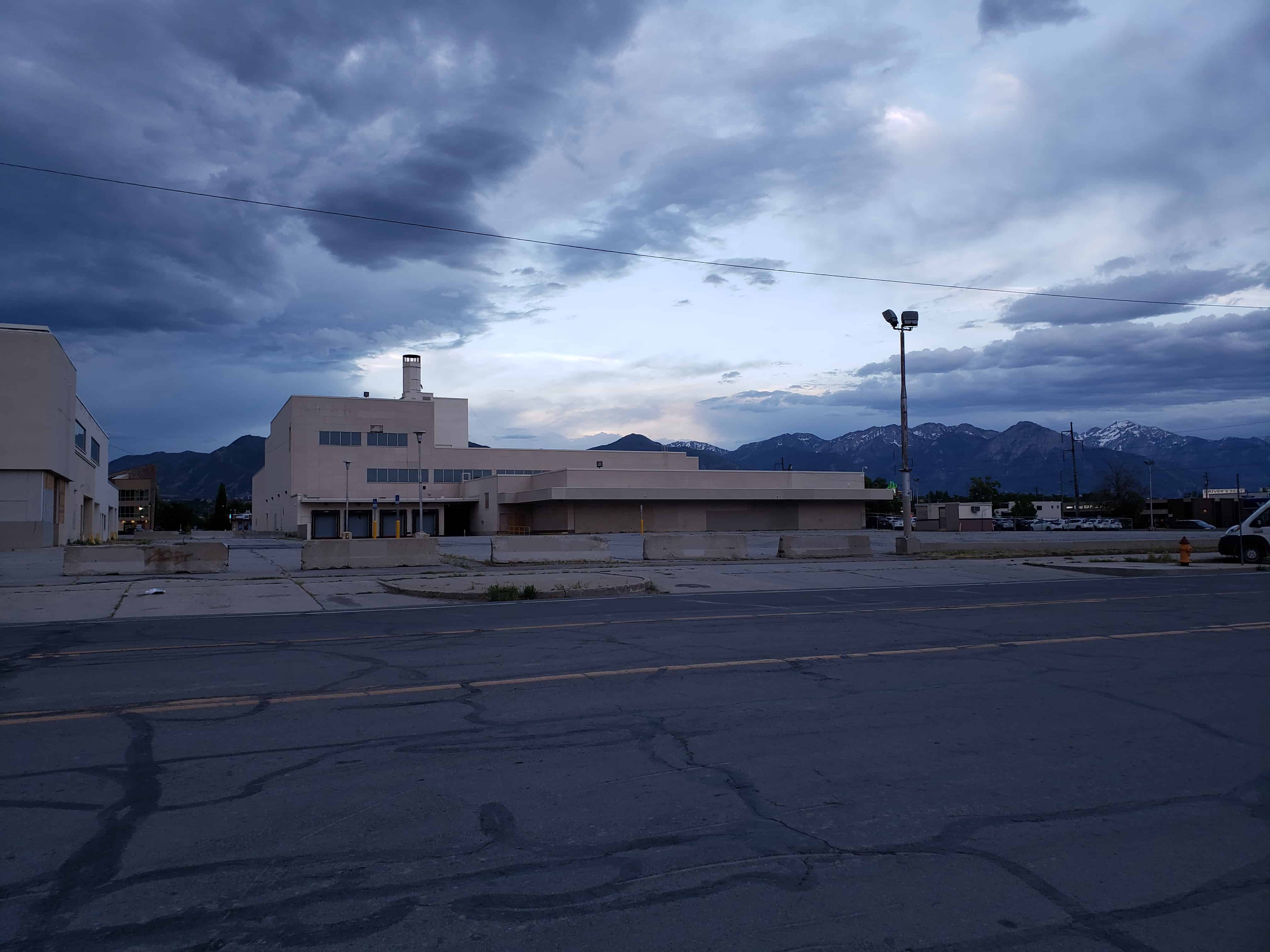


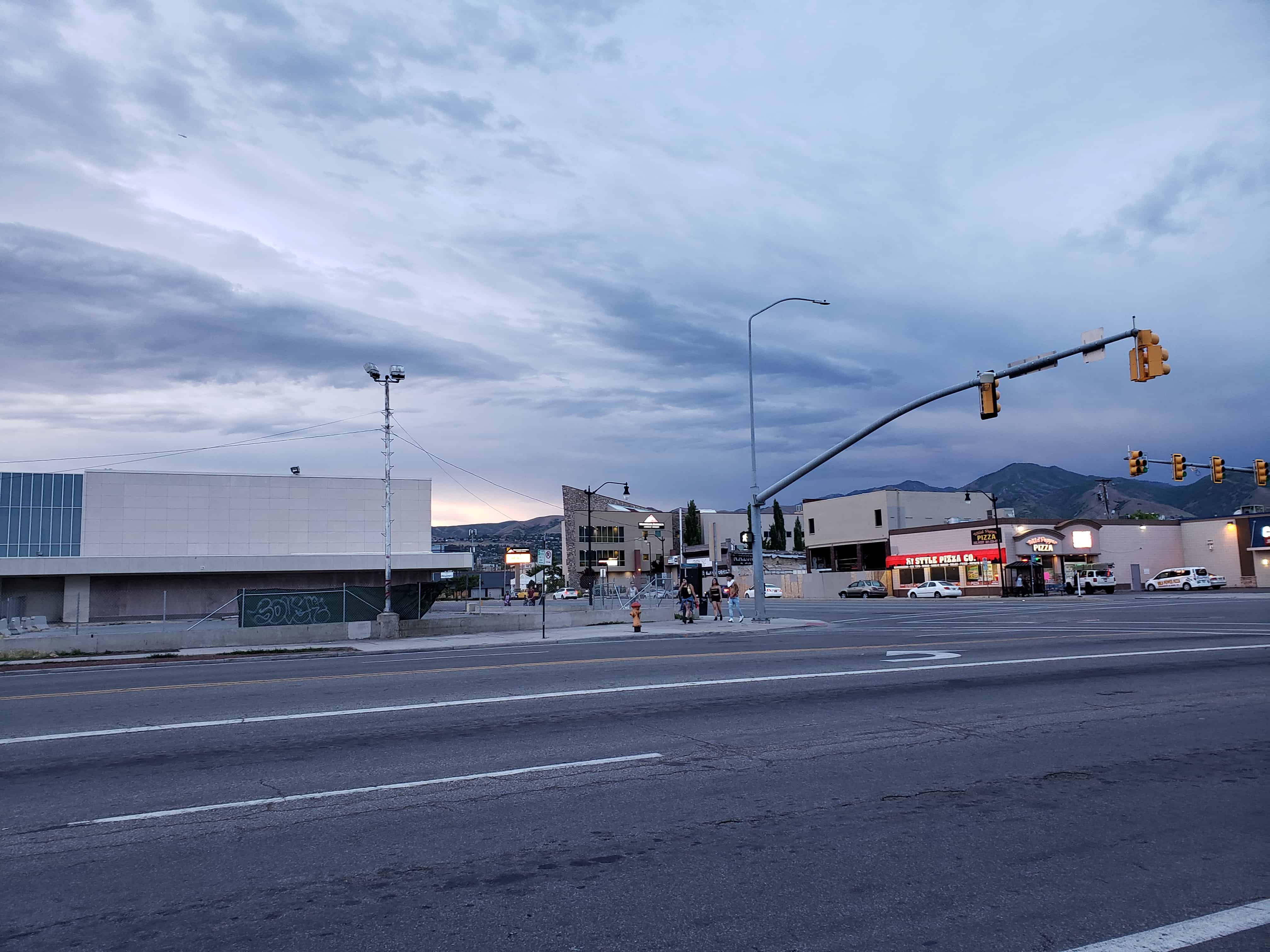


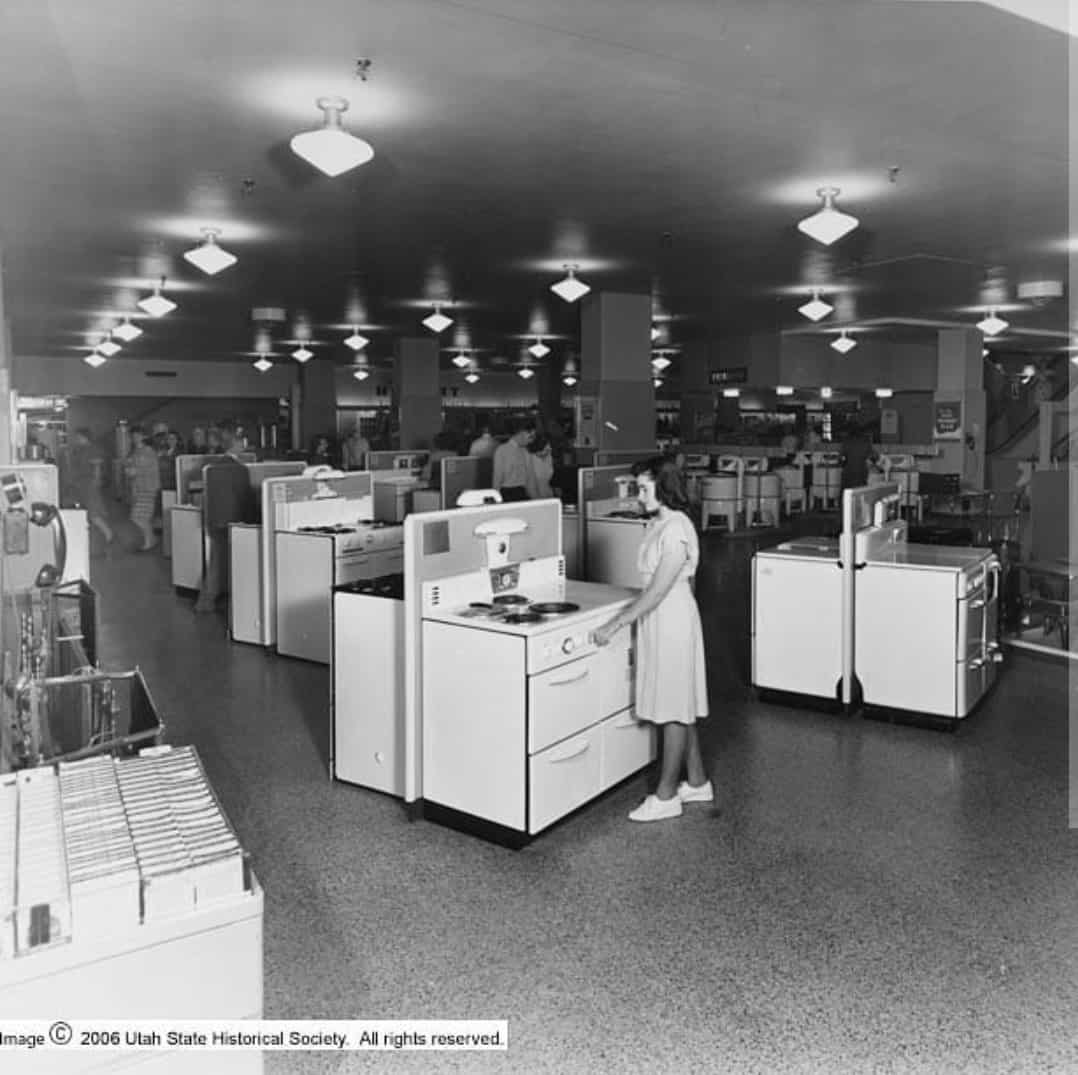

Previous to Sears-Roebuck being here it was a baseball field for the Salt Lake Skyscrapers (Colley Park and Lucas Field).

They had these large Utah history murals in the store:





19 Wednesday May 2021
Posted in Uncategorized

In 1847 pioneer Isaac Chase built a one-room shanty and a sawmill on Emigration Creek. A few years later he joined with Mormon leader Brigham Young, owner of the adjacent allotments, and together they built a flour mill and this house, the centerpiece of a 110-acre pioneer-era farm now known as Liberty Park.
Construction on the house began in the winter of 1853 and the Chase family lived here until 1860, when Young gave Chase land in Centerville in exchange for his interest in this property. The Brigham Young Jr. family, followed by other millers and their families, subsequently lived here. In 1881 the farm was sold to Salt Lake City for use as a city park, and for eight decades park employees lived in the house. In 1964 the Daughters of Utah Pioneers opened the house to the public as a museum, and in 1983 it became a gallery and later a museum for the Utah Arts Council.
The Chase home is one of a few remaining houses in Salt Lake City that date from the 1850s. Its symmetrical façade, smooth stucco, and boxed cornices with gable-end returns are all hallmarks of the Greek Revival style that was popular with early Mormon builders. The distinctive two-story front porch was a later addition, having been built sometime after 1916. In 2000 the home was renovated with donations from Salt Lake City, the State of Utah, and the LDS Church.
Related:


10 Monday May 2021
Posted in Uncategorized

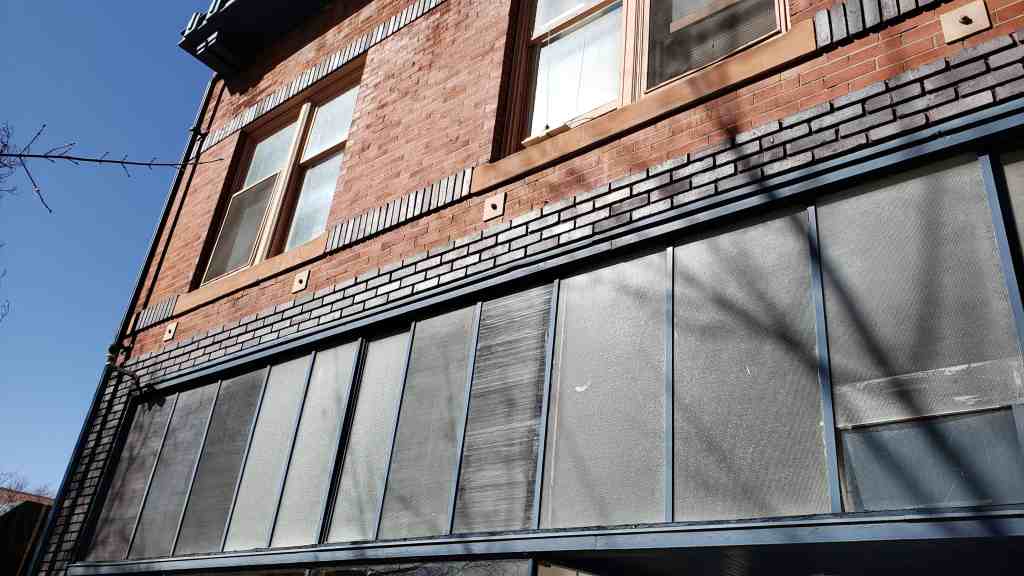
The Park Hotel is significant for its association with the early 20th century development of Salt Lake City’s transportation and industrial district. Built immediately after completion of the nearby Rio Grande and Union Pacific railroad stations (both built in 1909-10), the Park Hotel provided housing and services for blue collar workers, many of them ethnic immigrants, employed in local transportation, manufacturing, commercial, and construction enterprises. Designed by Ware and Treganza, one of Utah’s most prominent architectural firms, and constructed in 1911, the Park Hotel was the first hotel erected near the Rio Grande Depot.
With shops and café on the first level and residential rooms on the second level, the Park Hotel was modest in size and design, yet it was one of the first one a soon-popular building type. Over the next few years, several other hotels were constructed to the east along 300 South, producing something of a “hotel row.” Following World War II the name was changed to the Rio Grande Hotel. It continues it s historic function as a single room occupancy hotel.
Located at 428 West 300 South in Salt Lake.




03 Monday May 2021
Posted in Uncategorized
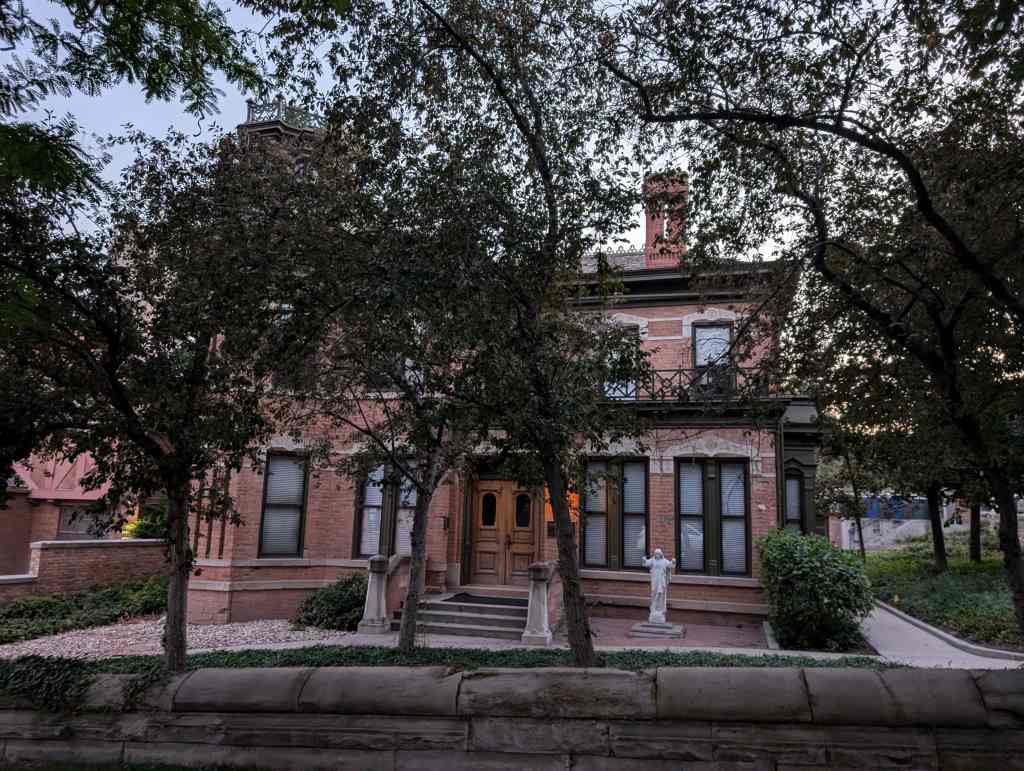
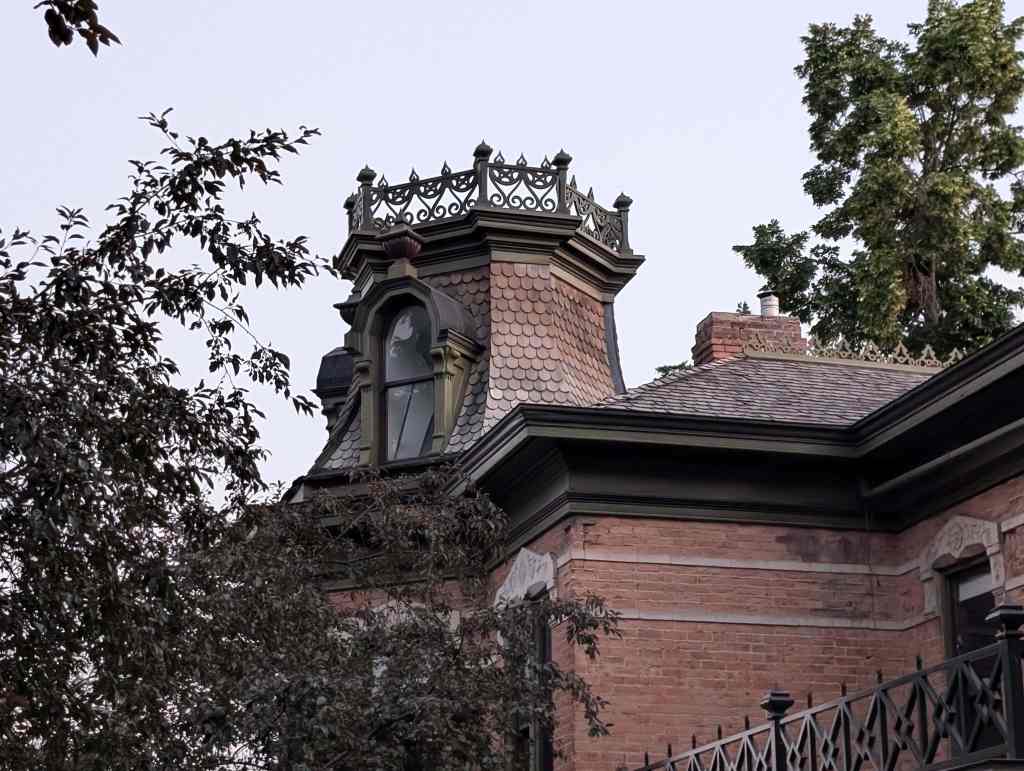
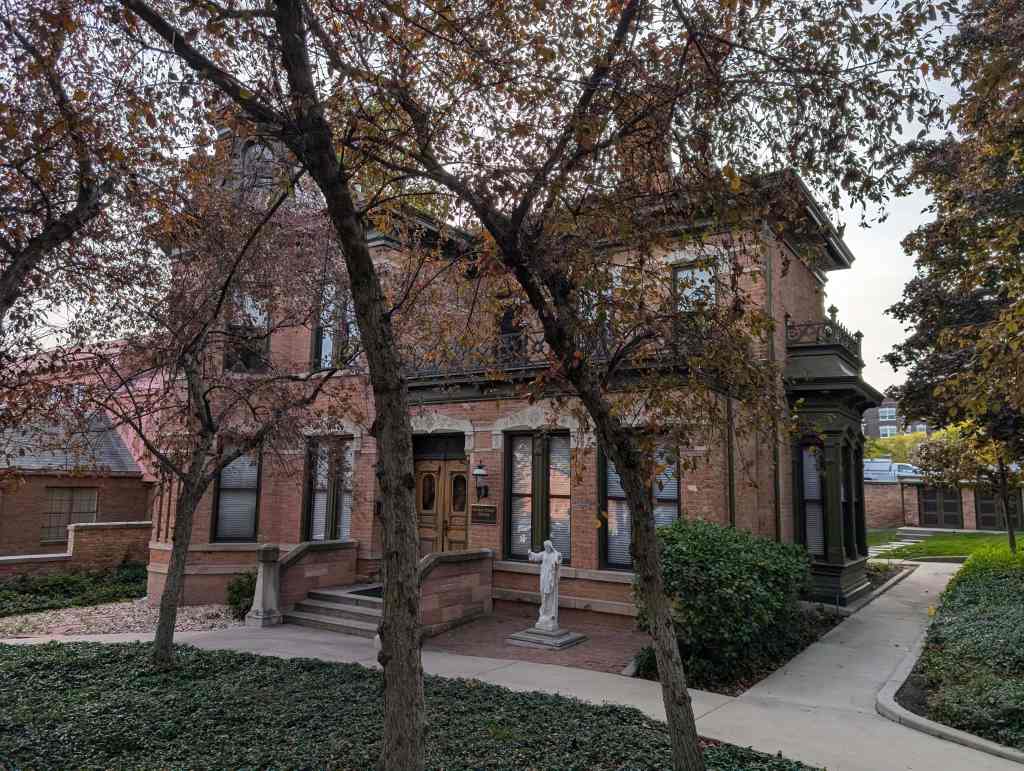
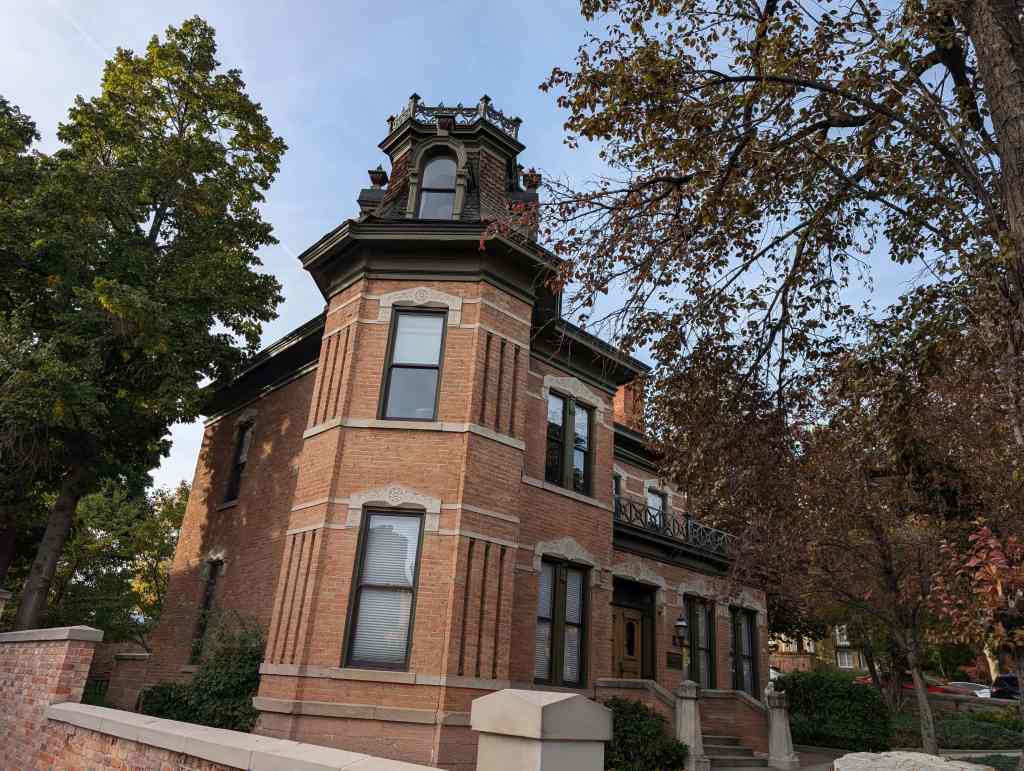
The William H. Culmer home was built in 1881. William and his brothers, George and Henry, immigrated with their parents from England to America in 1867. A year later they arrived in Utah. While still a boy in England, William became good friends with Charles Dickens. In the last years of his life, William Culmer wrote an account of his life as “one of the Dickens Boys.” This account was published in 1970 under the title Billy the Cartwheeler.
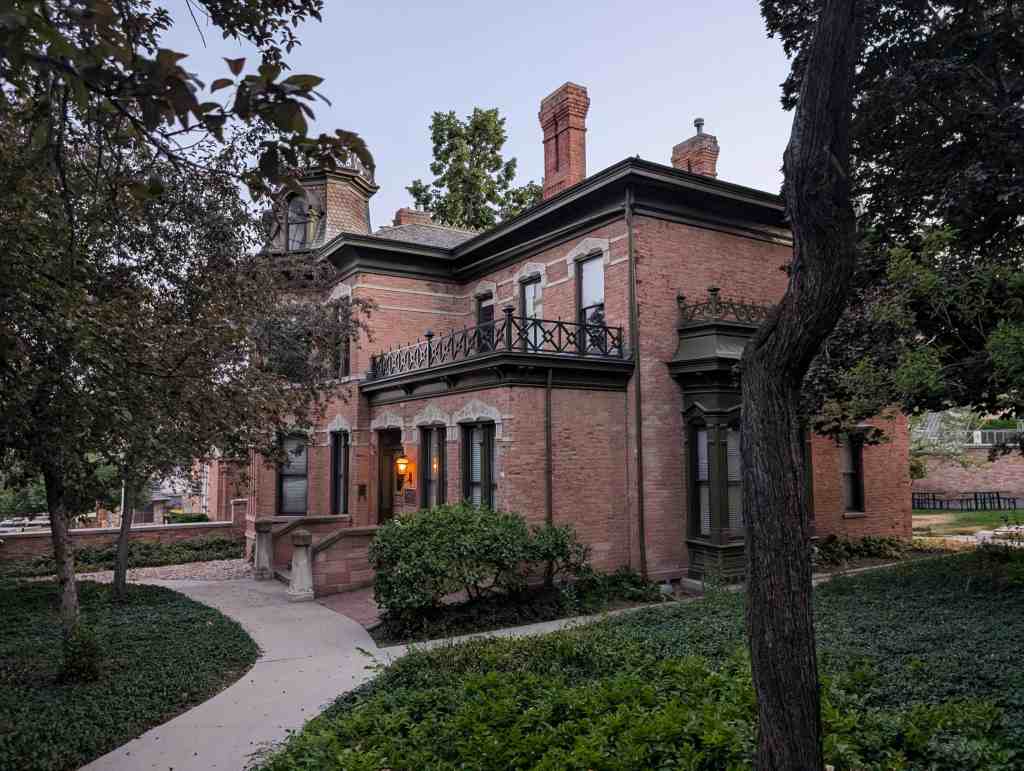
Located at 33 North C Street in the Avenues of Salt Lake City, Utah and added to the National Historic Register (#74001935) on April 18, 1974.

In Utah, the Culmer brothers organized their own firm, G.F, Culmer and Brothers, and were successful in several areas: Wholesale and retail distribution of paints, oils, varnishes, window and art glass, manufacturers of mirrors and show cases; workers in art and stained glass, and manufacturers of galvanized iron work. In addition, they were officers and managers of the Wasatch Asphaltum Company which paved many of Salt Lake City’s streets; The Wasatch Marble Quarries, The Mountain Stone Quarries, and The Kyune Sandstone Quarry which produced the stone for several of Utah’s important historic sites including the Salt Lake City and County Building, the Cathedral of the Madeleine, and the First Church of Christ Scientist building in Salt Lake City.
William Culmer died in 1939 at the age of 87. During the period of much of Utah’s industrial development, he and his brothers played an important part.
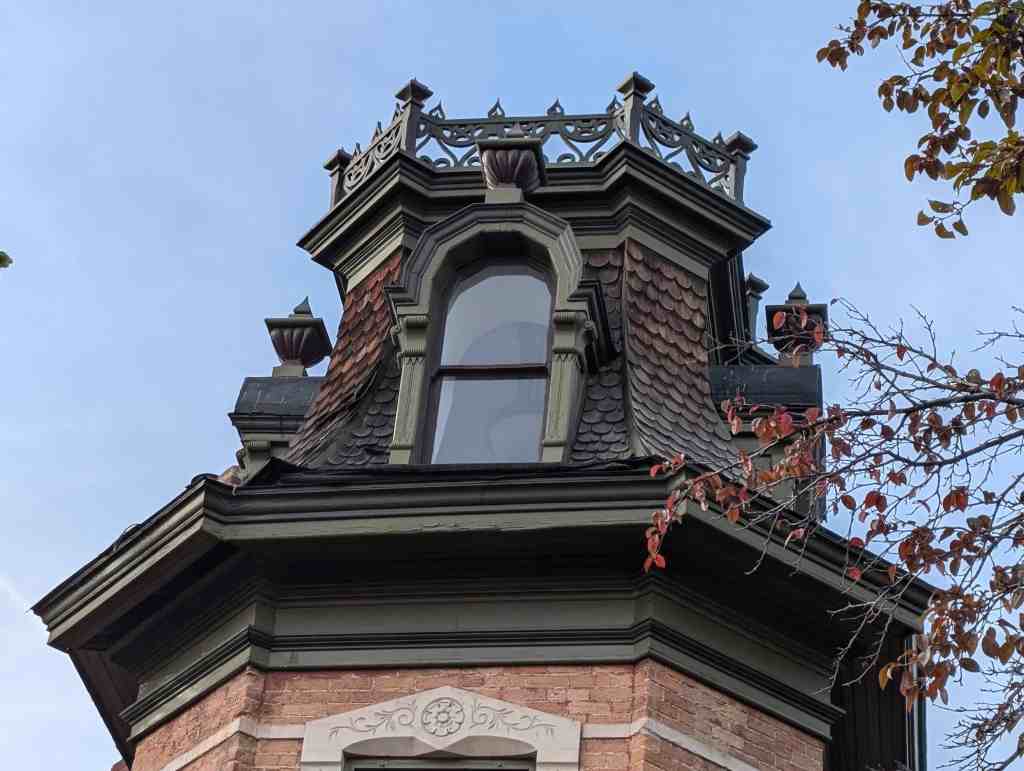
Despite the importance of William Culmer the significance of his home is that it is a prime example of Victorian architecture and, most important, the art work inside the home was executed by his nationally known brother Henry Culmer.
Henry Culmer found the painting of Seccos and stencil work to be a relaxing weekend pastime.
The Culmer Home also represents a distinct period in Utah history. Built in 1881, it represents an intermediate period of luxury home construction. It was built between the earlier Bee-Hive House and Devereaux House, built by the ecclesiastical and economic leaders of the Mormon community, and the later period of mining magnate mansions at the turn of the century built primarily by non Mormons.
Though somewhat more modest than either the early Mormon mansions or later mining mansions, the Culmer home was built for one of Utah’s most prosperous businessmen at a time when the polygamy issue hampered this kind of construction for most of Utah’s devout Mormons and at a time when the mining industry was still in its infant stage.
24 Saturday Apr 2021
Posted in Uncategorized
27 Saturday Mar 2021
Posted in Uncategorized


Frederick Meyer House
Located at 929 East 200 South in Salt Lake City, Utah.
The Frederick Meyer House, built in 1873, is significant as one of the best examples of the Italianate architectural style in Utah architecture, and as the best example of one of three major house types used to express this important nineteenth century style. Utah’s Italianate, following a national trend for such houses, is found in three distinct forms: the large cross-wing house; the two story side passageway box; and the one story cottage. The Meyer House is the best example of the two story box type, and is one of only two frame examples of the type in Salt Lake City. The other is the Jonathan C. and Eliza K. Royle House located at 635 East 100 South.
Frederick Meyer, a Mormon convert from Germany, was a salesman and eventually manager in the ZCMI clothing department. The Italianate style was made popular in the United States primarily by house pattern books, and became a common stylistic choice in Utah by the 1870s. There was great variation in the local expression of the style. Some houses, like the Albert Kelly House, 418 South 200 West, were simplified versions built for popular consumption in which only the basic form and the brackets on the cornice betray an Italianate aesthetic. At the other end of the spectrum is the Meyer House which displays all of the Italianate elements associated with Utah’s expression of the Italianate style. It includes the box form and side hall plan; the low hip roof with overhanging eaves; the wide cornice decorated with both paired and single wooden brackets; the projecting bays; the long, narrow double hung sash windows; and the classical detailing of the porch over the main entrance, of the window headers, of the projecting bay, and of the corners of the building. Of eight documented extant examples of the Italianate, two story box type house in Utah, the Meyer House is one of the oldest, and is the most architecturally distinctive, a fact borne out by its recording in 1968 by the Historic American Building Survey. It is one of three such Italianate houses which is eligible for nomination to the National Register. The William Morrow House, 390 Quince Street, the oldest example of the type, was listed in the National Register in 1982 as part of the Capitol Hill Historic District, Salt Lake City. Other Utah examples of the Italianate style listed in the National Register include: the Charles R. Savage House, 80 D Street (cross-wing type), and the Howe C. Wallace House, 474 Second Avenue (cottage type), in the Avenues Historic District, Salt Lake City; the Lewis S. Hills House, 126 South 200 West (cross-wing type), Salt Lake City; and the David McDonald House, 4659 Highland Drive (cross-wing type), Salt Lake City.
Related:
Following is a list of the 11 documented extant examples of the Italianate Box house in Utah and the status of each house with regard to listing in the National Register.


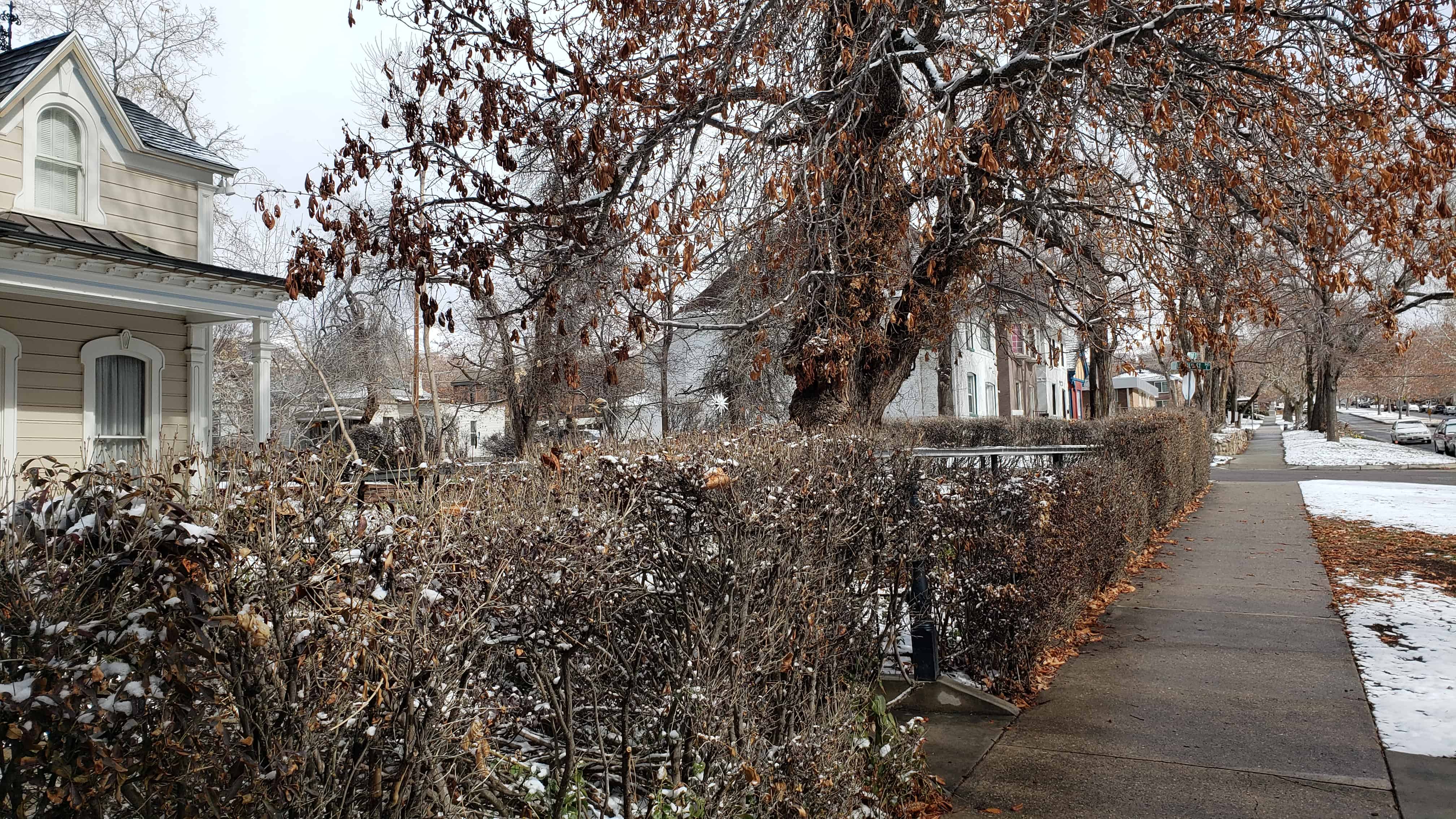


Frederick A. Eugelbert Meyer and his wife, Emelia C. Hannibal Meyer, had this two story, Italianate house built about 1873 and moved here from 51 East Temple (Main) Street. Frederick was a salesman in the Z.C.M.I, clothing department, where he had started working the previous year and where he continued to work until his retirement in 1909, serving as manager of that department from 1891 on.
Born in Schleswig, Germany on June 23, 1849, he came to Utah in 1862 with his mother and sister, all converts to Mormonism. As a young man he fought in Indian battles in Sanpete County, for which he received a medal of recognition for his service from the territorial government. Frederick served a foreign mission for the LDS Church from 1878 to 1880.
Mrs. Meyer, born in 1846, came to Utah with her family, also converts to the LDS Church, in 1853. She and her husband raised their six children in this house. Frederick lived in this house until his death in 1915, and Emelia lived here until just months before her death in 1918.
Emma Ramsy Morris and her husband, George Q. Morris, bought the house in 1918 and lived here until about 1929, when they moved into the Belvedere Apartments on State Street. Mrs. Morris, prior to her marriage, was an internationally known soprano who had made her debut at the Berlin Opera House with the Berlin Philharmonic Orchestra. She also had performed for Kaiser Wilhelm in the Imperial Palace and for President Theodore Roosevelt in the Mormon Tabernacle Choir. She taught music lessons for a time in this house while living here.
George Q. Morris was the son of Elias Morris, founder of Elias Morris & Sons, stone and construction materials suppliers. That company, founded in 1860, is still in operation today. George became president of Elias Morris & Sons, and many years later, served as an a member of the Council of the Twelve of the LDS Church for seven years until his death in 1962.
In 1936 Clyde R. and Emma Stark bought the house. Clyde, a salesman, lived here until his death in 1981. Walter Wendelboth of Wasudak Investment Corporation is currently in the process of buying and restoring the house.
26 Friday Mar 2021
Posted in Uncategorized

Located at 117 West 400 South in Salt Lake, The Summit Group has preserved the old vintage neon sign that was for United Electric Supply back in the 1950s. The lettering would light up alternating messages of “United Electric Supply” and “House of Service”.


Below are a couple of old photos I found online here and here.


20 Saturday Feb 2021
Posted in Uncategorized

(info from Wikipedia) Jackson Square is an early subdivision of Salt Lake City developed by Kimball and Richards Land Merchants in 1909.
The neighborhood’s boundaries are 200 East, 300 East, include Hampton Avenue, Kelsey Avenue, and Edith Avenue (today’s 1130 South, 1165 South and 1205 South, respectively).

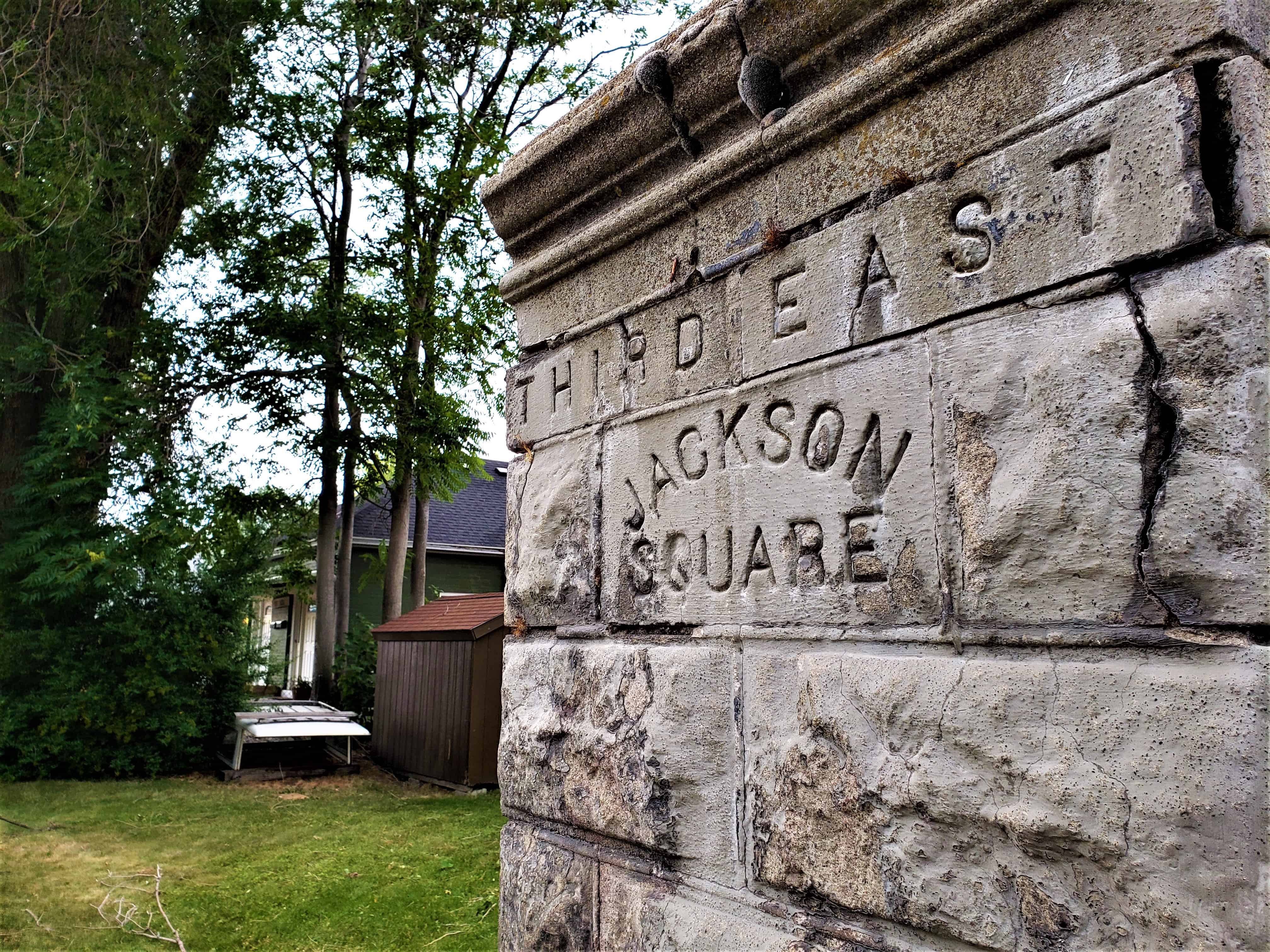

Based on sketches and photographic evidence, the Jackson Square development once included 12-18 stone monuments which stood on each corner of the neighborhood. In 1909, Shipler Commercial Photographs captured images of Kimball and Richards workers clearing earth and building the stone monuments, including in the Jackson Square subdivision. These photos were also used in newspapers advertisements for Jackson Square.


The stone monuments included embedded Jackson Square name plaques, along with appropriate street name plaques on two sides. They were also capped with orbs. Today, only one monument remains standing; it is on the southwest corner of Edith and 300 East, though the original orb is missing. The base of another pillar can be found on the southeast corner of Hampton and 200 East.


