Tags
Mueller Park
26 Saturday Nov 2016
Posted in Uncategorized

26 Saturday Nov 2016
Posted in Uncategorized
Tags
26 Saturday Nov 2016
Posted in Uncategorized
Tags
26 Saturday Nov 2016
Posted in Uncategorized
Tags

Brick making began early in Bountiful in several areas. The brickyard between 500 and 1500 South and west of 200 West, was operated in turn by the Kirk Brick, Improved Brick, and Bountiful Brick companies, who made more bricks than any other Utah firm. Bountiful Brick Co., owned and operated by John S. and Bertha W. Ledingham, sold the land in 1930, dismantled the kilns, and sold even those bricks. All of the brickyards closed during the Depression.
Related Posts:


26 Saturday Nov 2016
Posted in Uncategorized
Tags

The first homesteader on this land was John Kynaston, who acquired it from the U.S. Government for $1.50 an acre in 1870. In 1964, Bountiful City purchased the land from Lola Wilson and Aurelia Olsen. They were grandchildren of the Brown family who had owned and farmed the property from the early 1900’s. The City created Five Points Park as part of its plan to provide green spaces for its citizens.
Related Posts:


19 Saturday Nov 2016
Posted in Uncategorized
Tags

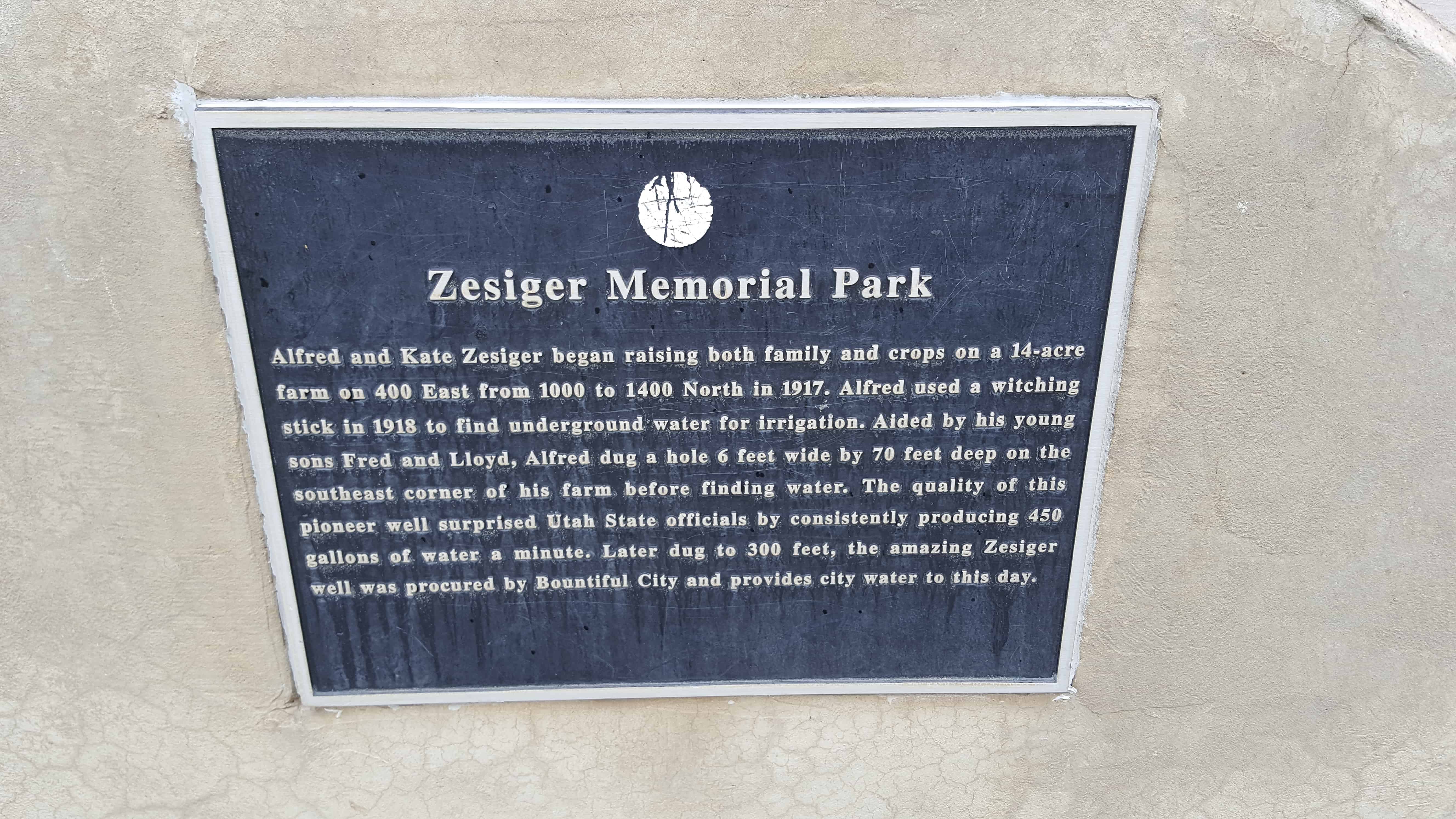
Zesiger Memorial Park
Alfred and Kate Zesiger began raising both family and crops on a 14-acre farm on 400 East from 1000 to 1400 North in 1917. Alfred used a witching stick in 1918 to find underground water for irrigation. Aided by his young sons Fred and Lloyd, Alfred dug a hole 6 feet wide by 70 feet deep on the southeast corner of his farm before finding water. The quality of this pioneer well surprised Utah State officials by consistently producing 450 gallons of water a minute. Later dug to 300 feet, the amazing Zesiger well was procured by Bountiful City and provides city water to this day.
Related Posts:


19 Saturday Nov 2016
Posted in Uncategorized

Henry Rampton (1829-1903)
The Rampton family has occupied First North, between Main Street and First West for at least 3 generations, ever since Henry Rampton came to Sessions Settlement (Bountiful) in 1856. Henry Rampton was born in England on September 8, 1829. As a young man he worked with his father at his trade as a blacksmith. On March 9, 1850 he married Catherine Harfield, and three years later, on February 6, 1853, they were both baptized into the Mormon faith. A year later, on Sunday, March 12, 1854, Henry and Catherine set said for America, arriving in New Orleans in May 2,1854. Henry immediately found work as a blacksmith to earn money to buy a team and a wagon for the journey to Utah. In August Catherine took ill and passed away. Her death was a great loss to Henry in this new and strange country. Later he found some solace in the companionship of other Saints who had sailed from England with him, in particular Frances Dinwoodey; Frances and Henry were married on Christmas Day, 1854. Their first son, Henry James, was born on November 4, 1855. Together they crossed the plains, arriving in the Salt Lake Valley on October 15, 1856. The little family made their home in Sessions Settlement, where Henry began his blacksmith business and soon became one of the best known blacksmiths in the Valley. Henry and Frances’ son Henry James married Luna Smith of Centerville. Their son Lewellyn is the father of Calvin L. Rampton.

Calvin L. Rampton
Calvin L. Rampton was born on November 6, 1913 in the duplex home located on the west side of Main Street about where the front door to the Wight House is now located. Later, in about 1920 the family built a new home that once occupied the area just west of where this plaque is located.
Calvin grew up in this house, and he attended Stoker School and rgaduated from Davis High School in 1932. Calvin pursued a career in law and later entered politics becoming Utah’s 11th Governor, completing a total of 12 years as Utah’s top executive. Two houses west of this location was the home of Charles R. Mabey (1877-1959), who became Utah’s 5th Governer. Charles was married to After Amanda rampton, a granddaughter of Henry Rampton.
And so this street, 100 North between Maon and 100 West is hearby historically named “Governors Lane,” on this day, June 24, 2006, being the only street in Utah from which have come two of Utah’s Governors.


19 Saturday Nov 2016
Posted in Uncategorized
19 Saturday Nov 2016
Posted in Uncategorized
Tags

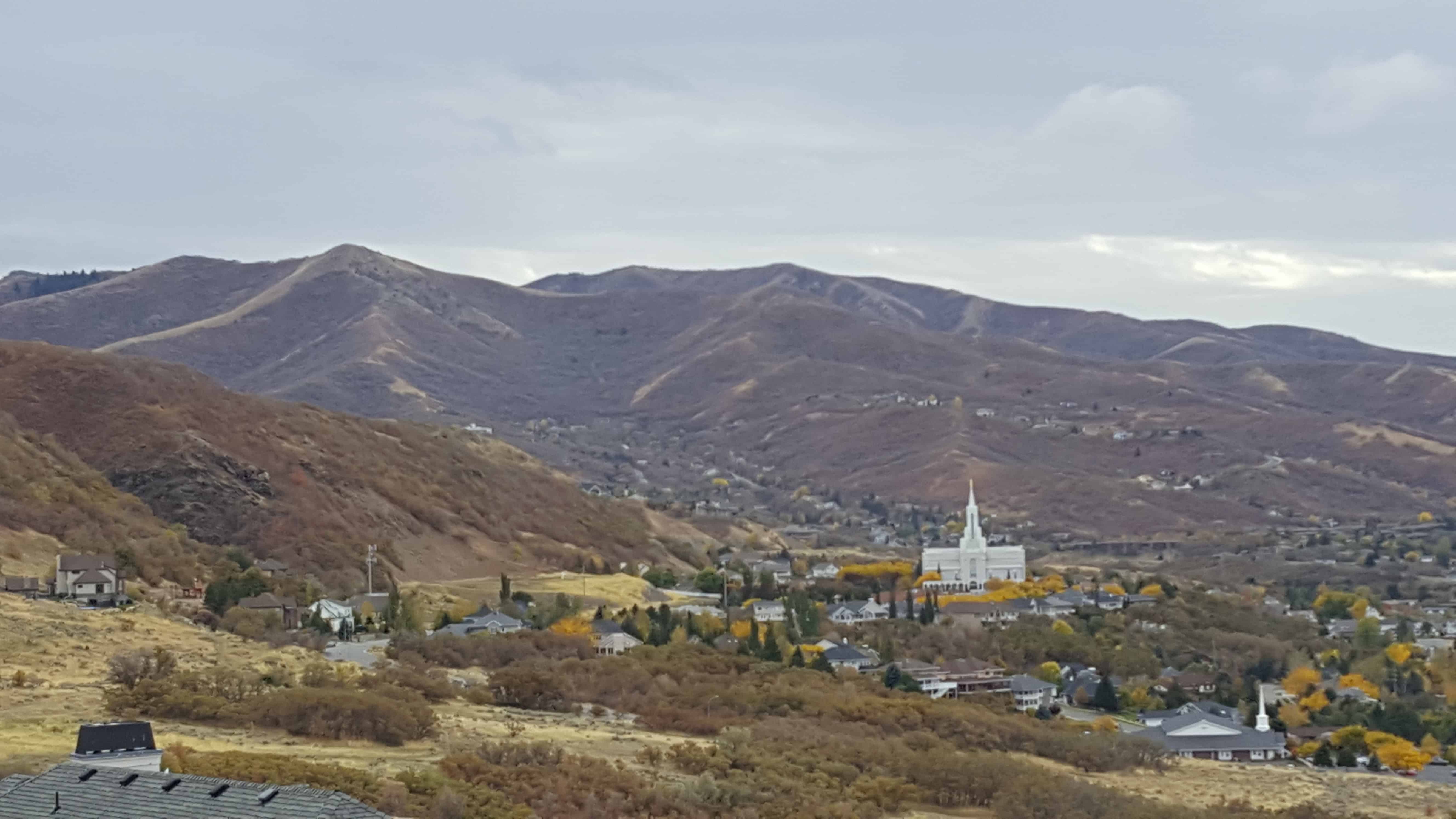
The Bountiful Temple is the eighth temple constructed in the state of Utah. The history of the temple site began back in 1897, when John Haven Barlow Sr. purchased 40 acres of land from the United States government. Because of lack of water and the steep terrain, little could be done with the land. In 1947 some of the land was cleared and four hundred apricot trees were planted. In the spring of 1983, flash flooding caused a great deal of damage in Bountiful, resulting in the decision to build a dam across the canyon to limit the flow of water during heavy rainstorms. The city requested the use of the soil from the future temple site, so construction crews removed over two hundred thousand cubic yards of soil, leaving the area an ideal spot on which the LDS temple would later be built.


19 Saturday Nov 2016
Posted in Uncategorized
Tags
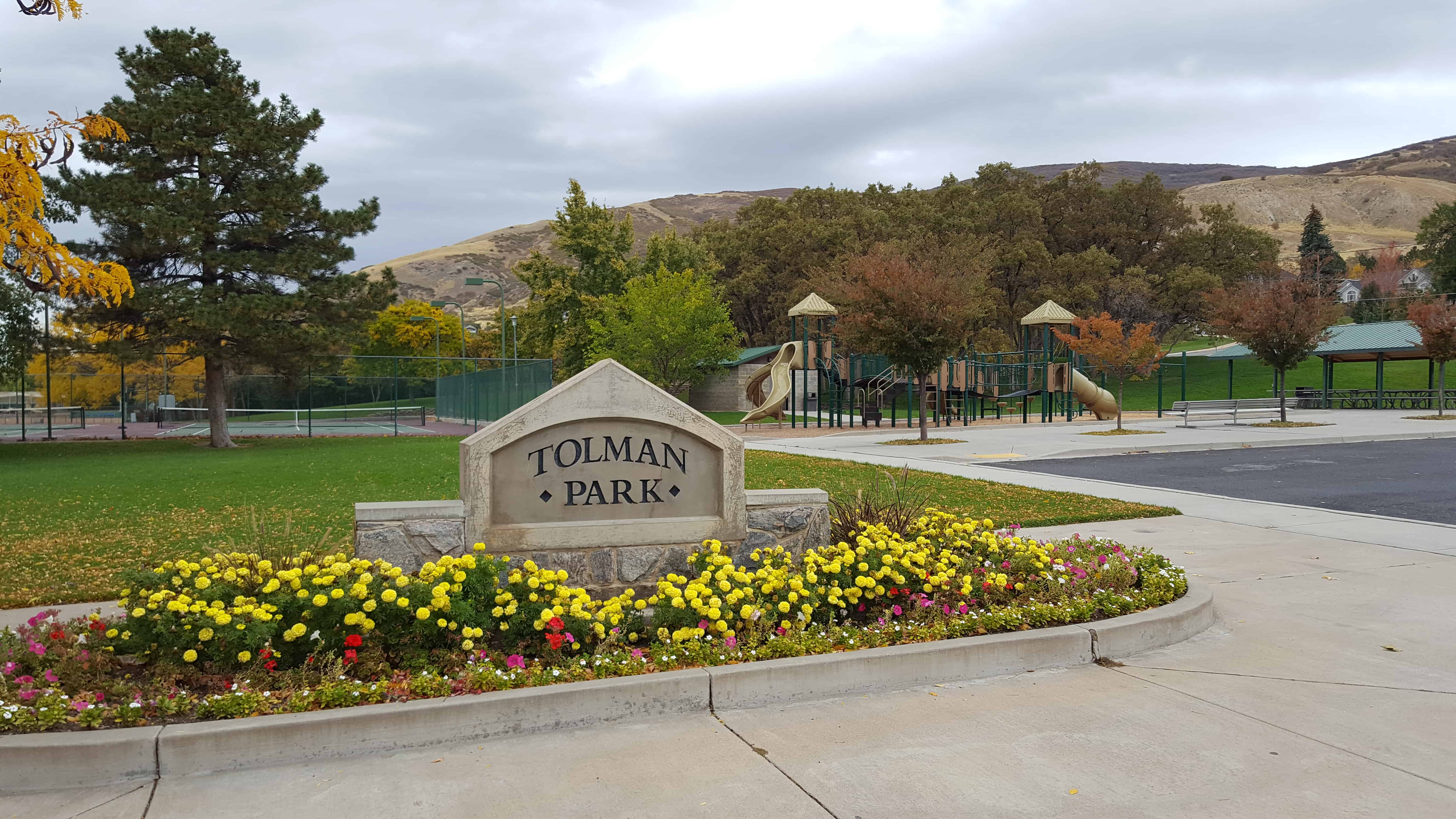
Tolman Park
A major portion of the land that makes up this park, originally known as ‘Rocket Park’, was first tilled by Judson Tolman about 1854. Judson came to Utah with Brigham Young’s second party, arriving in the Salt Lake Valley September 20, 1848. He and his family spent the first winter and spring in Salt Lake and moved to ‘Sessions Settlement’ in July of 1849, having asked permission to take up a farm here. He helped fight the cricket invasion of 1849, after which Brigham Young asked him to help settle the Tooele area of the valley. In 1854 he moved back to Bountiful and resumed his farming on the east bench near this area.
Judson’s son Jaren helped work the farm, and in the 1880s he used the lower portion of this area (where the ball field is located), as an ice pond by diverting water from Stone Creek. He became one of the first in Davis County to put up ice as a business. The land was later acquired by Mark Cook and his wife, and eventually granted to Judson’s son Jaren in March 1890. Jaren built a home on this south end of this land at 50 South 1300 East, using rocks from Stone Creek. Jaren later sold this home and five acres of the farm to his son Ephraim in July 1907 for $700. Ephraim tore the home down and rebuilt it using the same rocks for the base of his home, which can still be seen today in the same location. In 1916, Ephraim bought another 3 acres and rented land from the City, giving him about ten acres for growing produce to take to market. Ephraim continued farming the land until new homes began replacing farms in the 1950s. The home and farm were finally sold in August 1958. The land served more than three generations of Tolmans for over 104 years.
Related Posts:


19 Saturday Nov 2016
Posted in Uncategorized
Tags

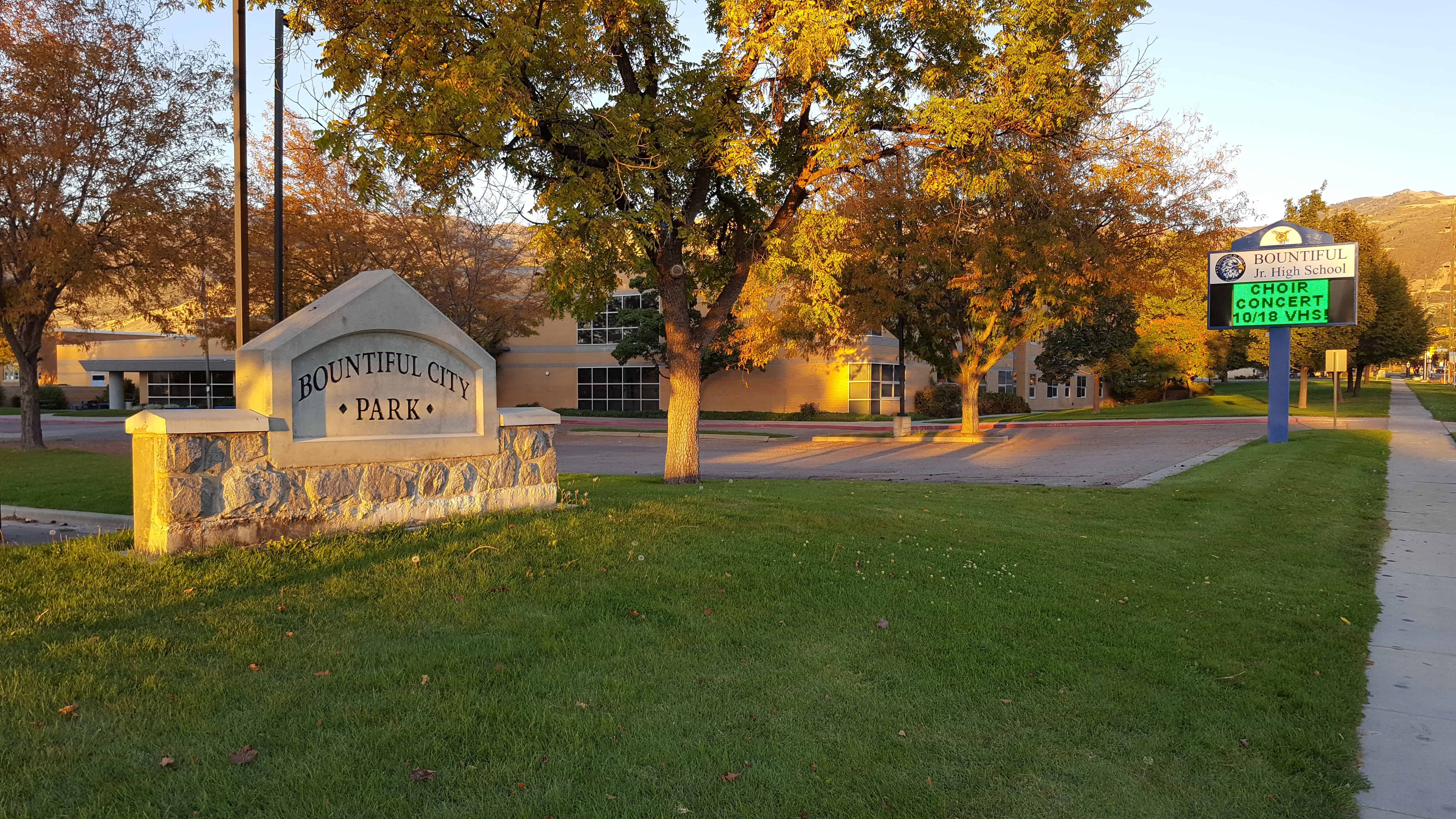
Bountiful City Park, one of the many parks in Bountiful.
On this, the original site of Sessions Settlement, many community festivals and parties have been held over the years including Handcart Days, Summerfest anf Cantaloupe Days. Cantaloupe Days were held yearly from 1945 to the early 1960s during cantaloupe harvest. Local farmers donated unneeded cantaloupes for people to freely enjoy as much as they wanted.
This site of Sessions Settlement, was where a 12′ high dirt wall was built in 1856 as a protection from Indians. The wall was never finished. In 1892 the Bamberger Railroad expanded from Salt Lake City to Bountiful en route to Ogden. It ran along 200 West with a stop at this Park. The 32-minute train ride to SLC cost 10 cents. The railroad brought commodities to Bountiful and carried farm goods back to SLC.


During the summers of 1849 and 1850, more than 25,000 emigrants passed this way en route to the California gold fields. The vanguard of the 1849 emigration reached Great Salt Lake City about June 16th. They lingered in the city to rest their animals and buy supplies. The first forty-niner wagons to pass here on the way to City of Rocks were led by James C. Sly, a Mormon Battalion veteran.
In his Gold Rush diary for July 1, 1849, George Shepard recorded what he saw while traveling through present Bountiful. “…[I] came across mountainous streams or ditches of water which were taken from the mountain streams and carried in all directions over these farms to water their crops as there is scarcely any rain through the summer saw more than 100 rods of stone wall today the most I’ve seen since [I] left Massachusetts.” This was the rock and clay wall protecting Sessions Settlement, now known as Bountiful.


James Samuel Smedley and Alice Chase Smedley
(1864-1940) (1863-1939)
This site was once the farmland of of James and Alice Smedley. They were one of the major fruit and vegetable growers in the Bountiful area and contributed much to the city’s growth and development. James’ interest in truck farming and fruit growing led to his being one of the organizers of the Growers’ Market Company in Salt Lake City which game farmers a central place to market their fresh produce.
The School District and Bountiful City acquired the property from James and his wife Alice in 1937. Their once impressive peach orchards and vegetable gardens have become the park and playgrounds we now enjoy.


Related Posts: