St. Joseph, Missouri to Sacramento, California 1860-1861
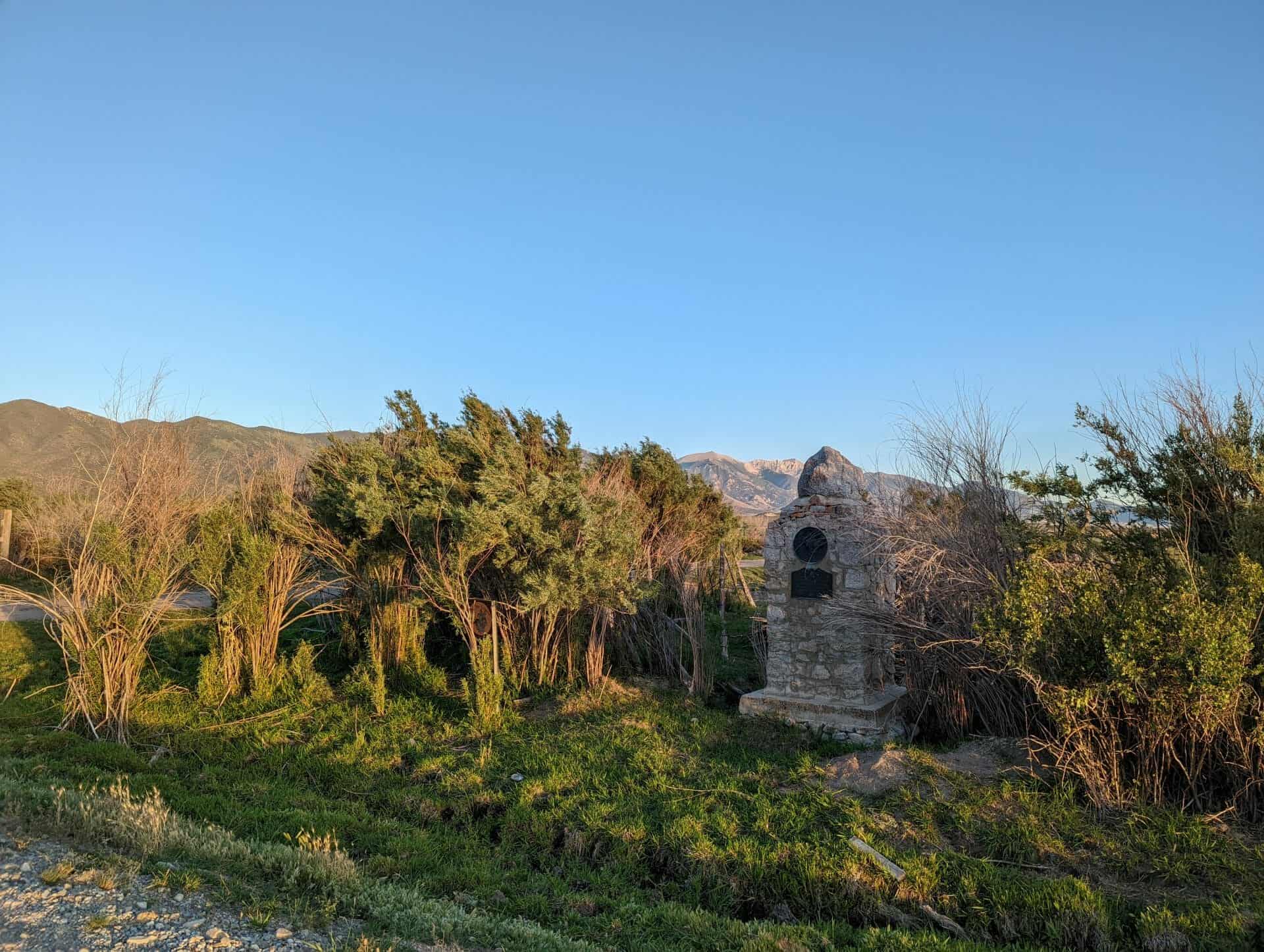
This monument was constructed September 3, 1934 by citizens of Ibapah and by the Utah Pioneer Trails and Landmarks Association (it is #47 of their monuments) it was later adopted by the Sons of Utah Pioneers and is located in Ibapah, Utah.
“Started out again across the desert, drove 6 miles, found water for our horses then drove on up the mountains for 9 miles of an upward grade. Reached the summit, the drove down into the Deep Creek Canyon.”
Abbey Fulkerth, June 26, 1863
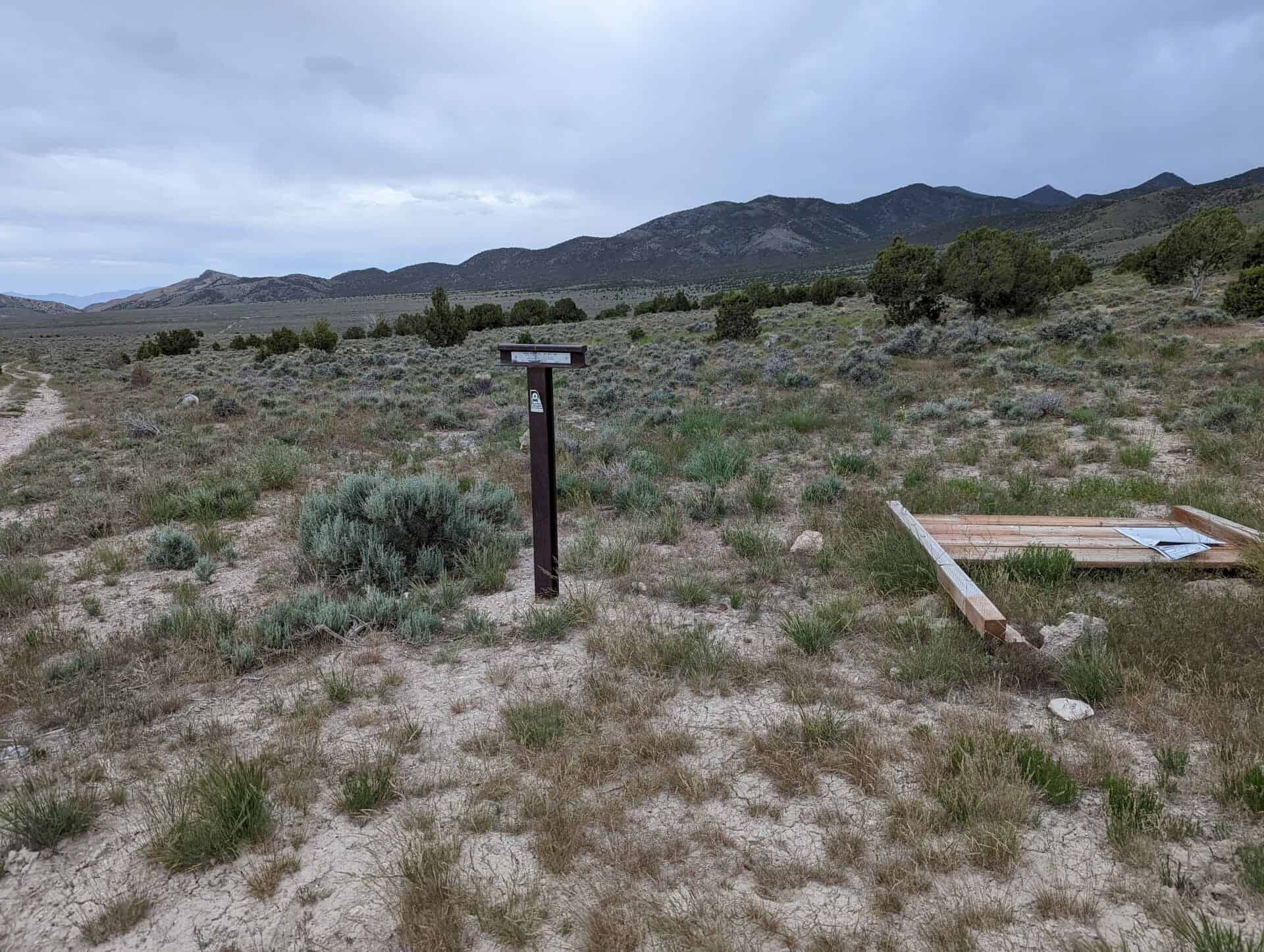
This location is the site of Utah Crossroads Chapter – OCTA’s historic marker #COTNU-14. (see other markers here)
“At sunup came to Willow Springs and camped. This is quite an extensive valley. These springs are deep holes like wells and some so deep there can be no bottom found. Some run over, others stand level full. Every year some stock is lost here by drowning in these wells.”
George Harter, August 1864
This location is the site of Utah Crossroads Chapter – OCTA’s historic marker #COTNU-13. (see other markers here)
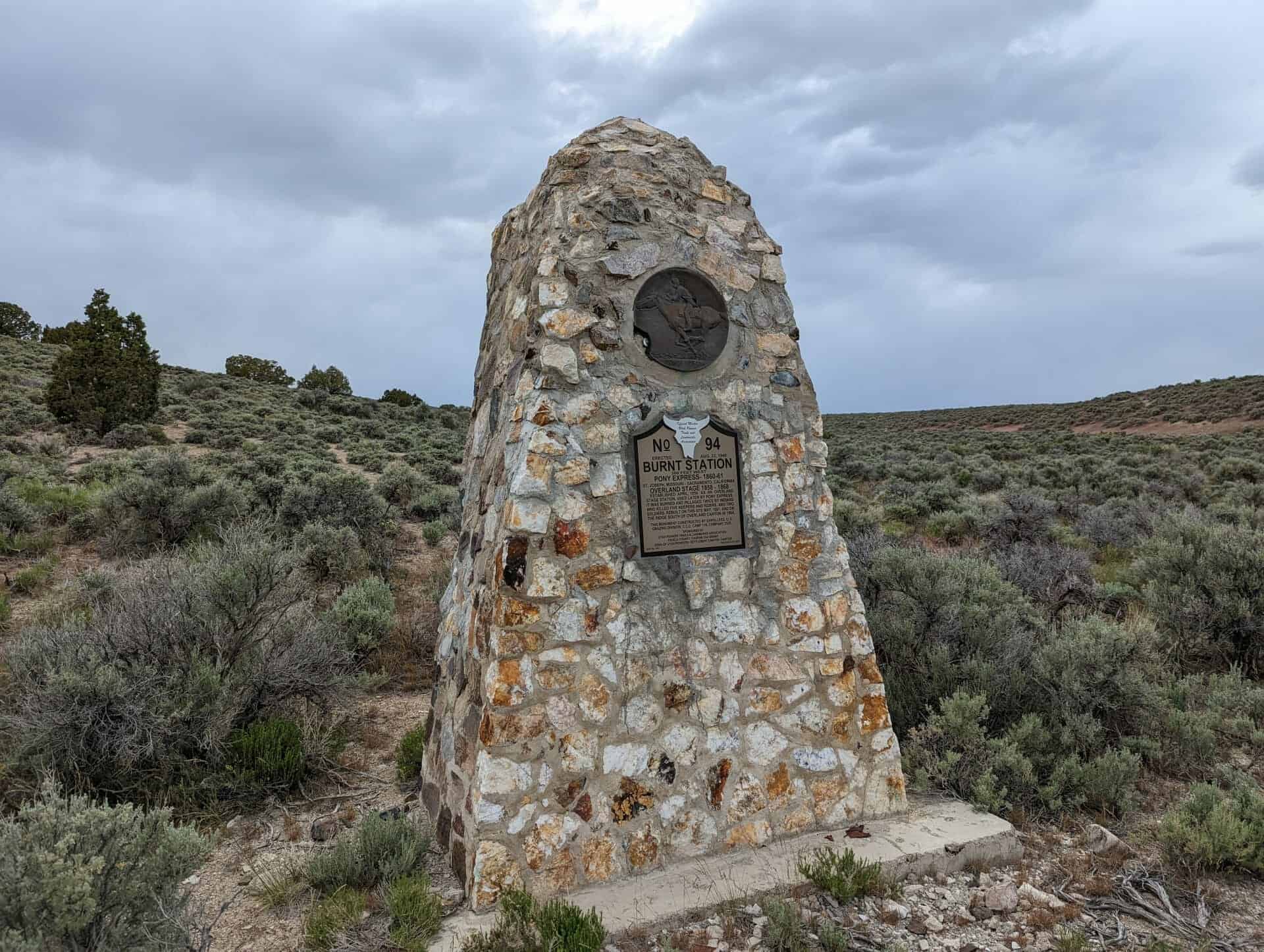
Burnt Station 300 Feet West Pony Express – 1860-61 St. Joseph, Missouri – Sacramento, California Overland Stage 1858-1868 Established April, 1859 as an Overland Stage Station. Used later by Pony Express. It was burned and pillaged twice by Indians who killed five keepers and riders, and two soldiers. Rebuilt on this site May, 1861, and on the ridge south of Overland Canyon in 1864.
This monument was constructed by enrollees, U. S. Grazing Division, C. C. C. Camp 116, Company 2529 on August 23, 1940 and sponsored by the Utah Pioneer Trails and Landmarks Association (#94 of their monuments) it was later adopted by the Sons of Utah Pioneers (#238 of their monuments) and rededicated in 2017.
Built in 1858 by John Carson as a family home and Inn.
Used as a Pony Express and Overland Stage stop during the 1860’s.
Built on the site oh John Carson’s original fort.
Stagecoach Inn
Because of its proximity to Camp Floyd r the old “Stage Coach Inn” served as a stopping place for visitors to/the camp and travelers enroute to California. The station served as one of the Overland Stage Stops until the coming of the transcontinental railroad in 1869. It was also used as a pony express stop between 1860-1861.
John Carson had settled in Cedar Valley with four brothers as early as 1855. Their first protection from the Indians was a stone fort four rods square, within which they built their log and adobe living quarters. The north wall of the old fort was about where the south wall of the inn now stands.
With the “Mormon War” an influx of military personnel arrived in Utah. Colonel Albert Sidney Johns ton located his command of 3,500 men, 586 horses, 3,000 mules and 500 wagons, near Fairfield in Cedar Valley and where he established Camp Floyd. As a result, the population of Cedar Valley burgeoned in 1858, to more than 7,000 souls.
The old stone fort was torn down and John Carson built a two- story adobe and f rams hotel and inn. Mr. Carson, an “Elder” in the Mormon Church, would permit no liquor to be served in his inn, nor would he permit “round dancing,” then frowned upon by the more pious in his church. Thus the inn became an oasis of decency for prominent visitors and dignitaries, including Louis Greeley, a nephew of Horace Greeley, who occupied it for some time.
Both passengers and freight moved along this central route to California in the late 1850’s. Captain J. H. Simpson surveyed and mapped a route through the region in 1859. During the era of the pony express, the inn became a mail stop between Salt Lake City and Faust, further west. In addition, the “Carson House” served as the first Overland Stage Station west from Salt Lake City.
With the coming of the Civil War troops from Camp Floyd were recalled. Colonel Philip St. George Cooke replaced General Johns ton and renamed the post Fort Crittendon. However, on May 17, 1861 he was ordered east with his command. Camp Floyd was gone. By September of 1861 only 18 families remained Jn the little community of Fairfield.
John Carson remained and raised his family in the inn. After his death Carson’s widow and children continued to operate it as a hostelry, it finally closed in 194?. In 1959 John Carson, a son, turned the property over to the Utah State Parks and Recreation Department who have restored it and opened it in 1964 as a museum.
It sets today in an historic setting little changed from 1858.
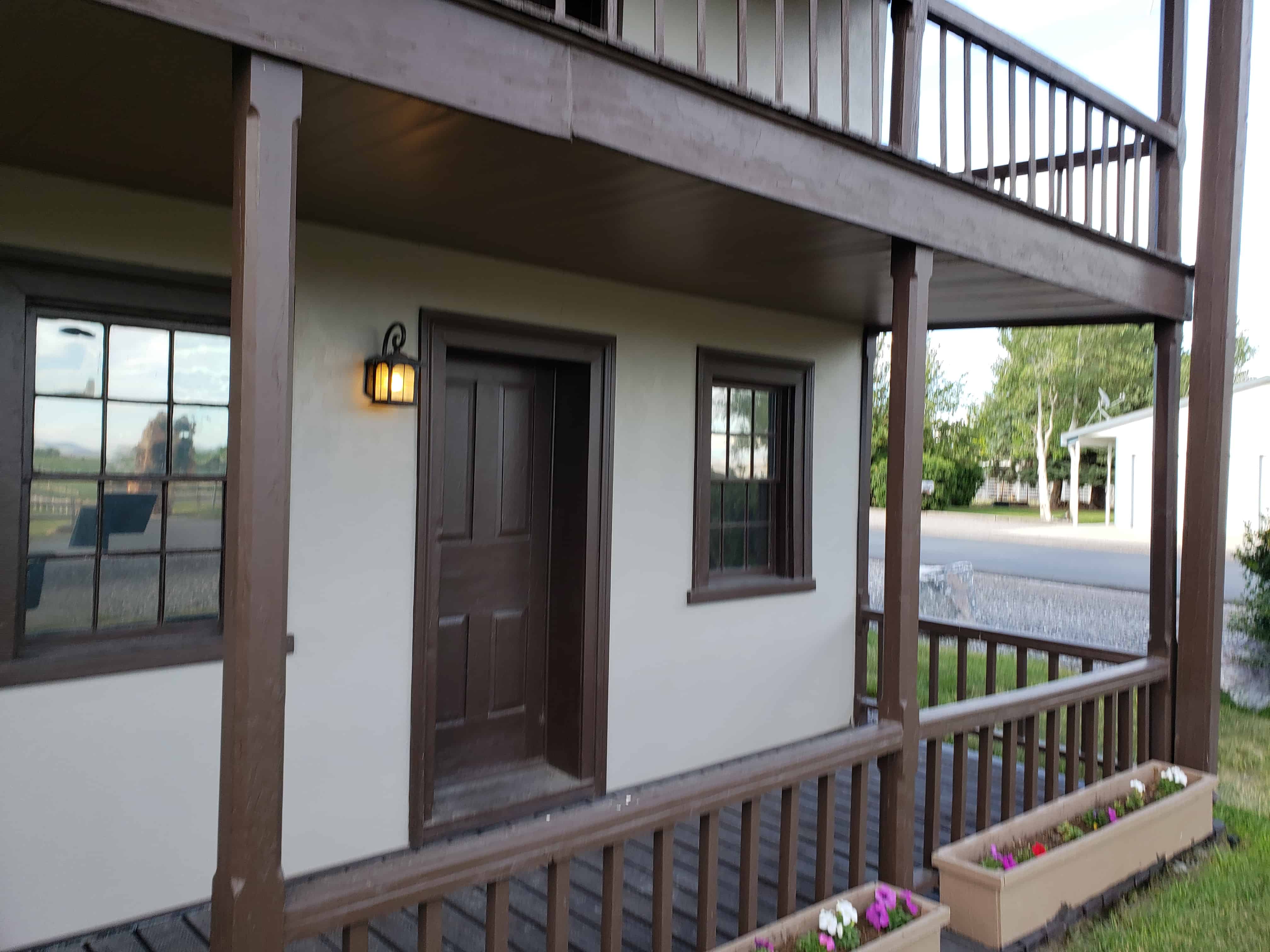
The Stage Coach Inn was originally a large family residence built for the Carson family before conversion to an Inn. It had 14 rooms, seven of them bedrooms. The building is “L” shaped with two stories 52’*’ 8″ x 59′ 6″. It is made of brick and plaster except for the two-story addition at the west which is frame with ship lap cove siding. Some of original pine flooring and glass windows remain. The fireplaces have been restored, although they are no longer used for heat.
The first floor, behind the front gallery, has two square rooms, each with outside doors. The single story wing extends to the rear with two square rooms, each with a door to the east porch. Four small square rooms in a line adjoin the rear room and occupy the lean-to. The frame addition has a single large room on the west front but does not open to the rest of the inn. The second floor has two square rooms in the masonry portion and one front and two rear bedrooms in the rear addition.
Heating was done originally with four fire places. Two stairways in the northeast and west portions allow ascent from the first to second floors.
The restoration has attempted to return the structure to as near its original condition as possible. The furnishings are consistent with the period.
Across to the south the old commissary building of Camp Floyd has also been restored; however, it will be treated later as a part of the historic site of Camp Floyd.
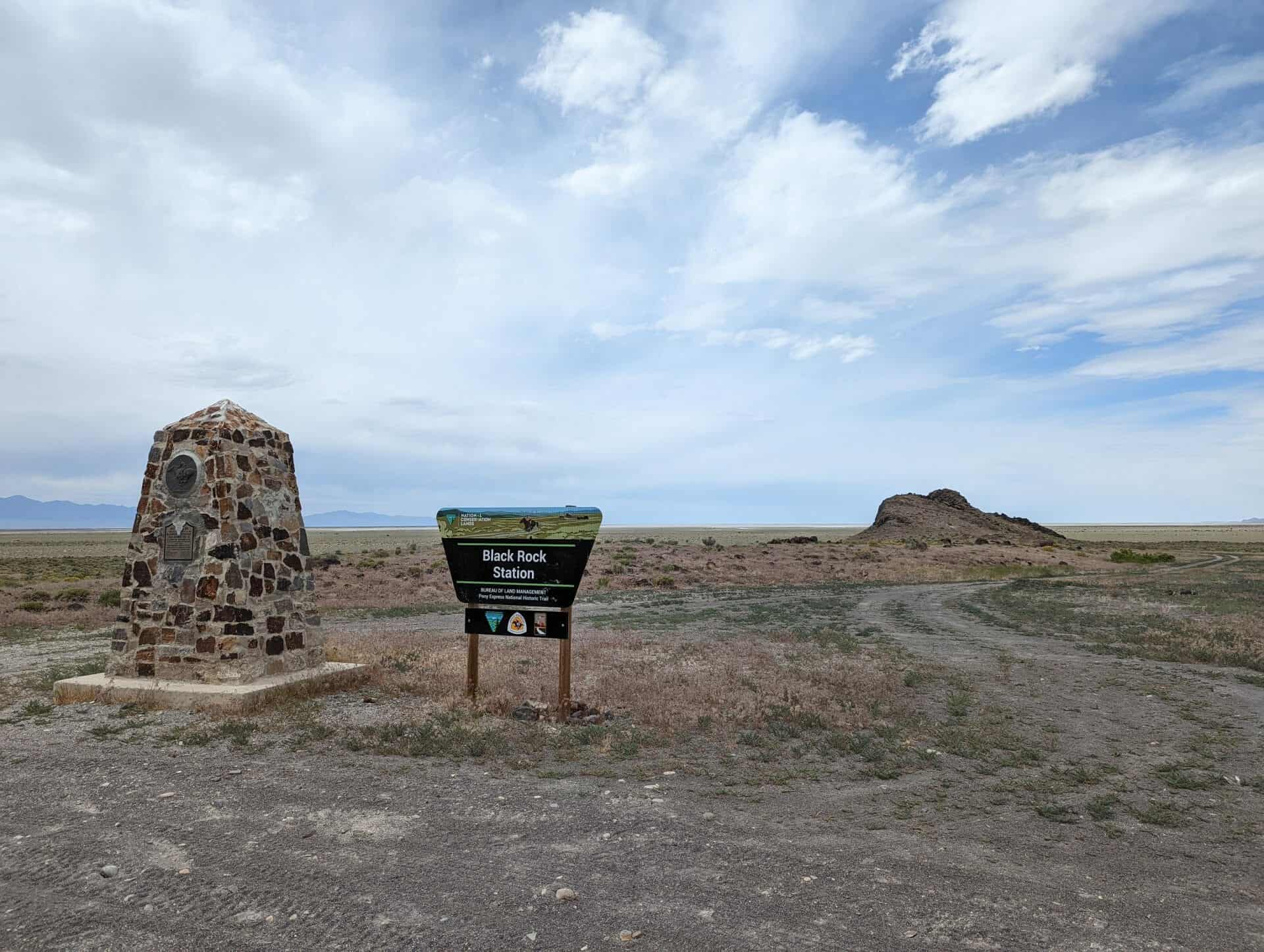
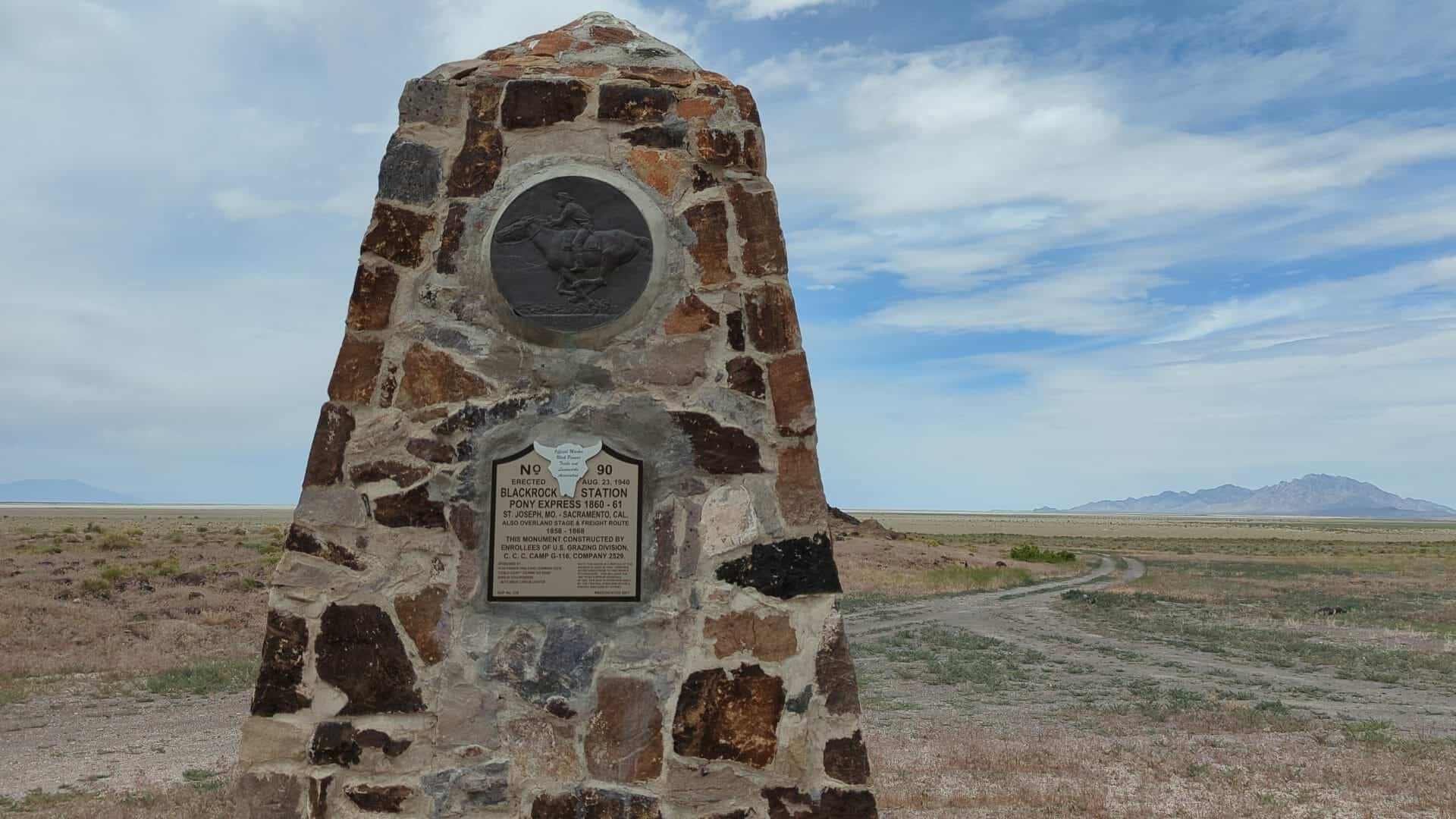
Blackrock Station Pony Express 1860-61 St. Joseph, Mo. – Sacramento, Cal. Also Overland Stage & Freight Route 1858-1868
This monument constructed by enrollees of U. S. Grazing Division, C. C. C. Camp G-116, Company 2529.
Note: The above is a replica of the marker placed in 1940 (replica placed in 2017). However, no records prior to 1862 show a station here. This includes the 1861 Pony Express Schedule. In 1862, this new station was built by the Central Overland Stage & Freight and used by others.
This is Utah Pioneer Trails and Landmarks Association historic marker #90 and Sons of Utah Pioneers historic marker #236, located along the pony express trail in Utah’s west desert and erected August 23, 1940.
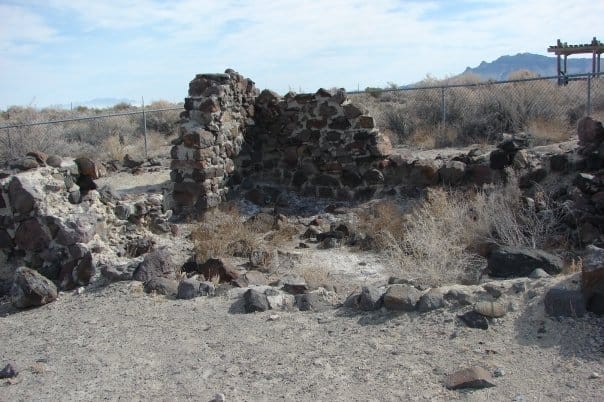
Boyd Station Also known as, Desert Station, Boyd’s Station and Boyd’s Half-Way House
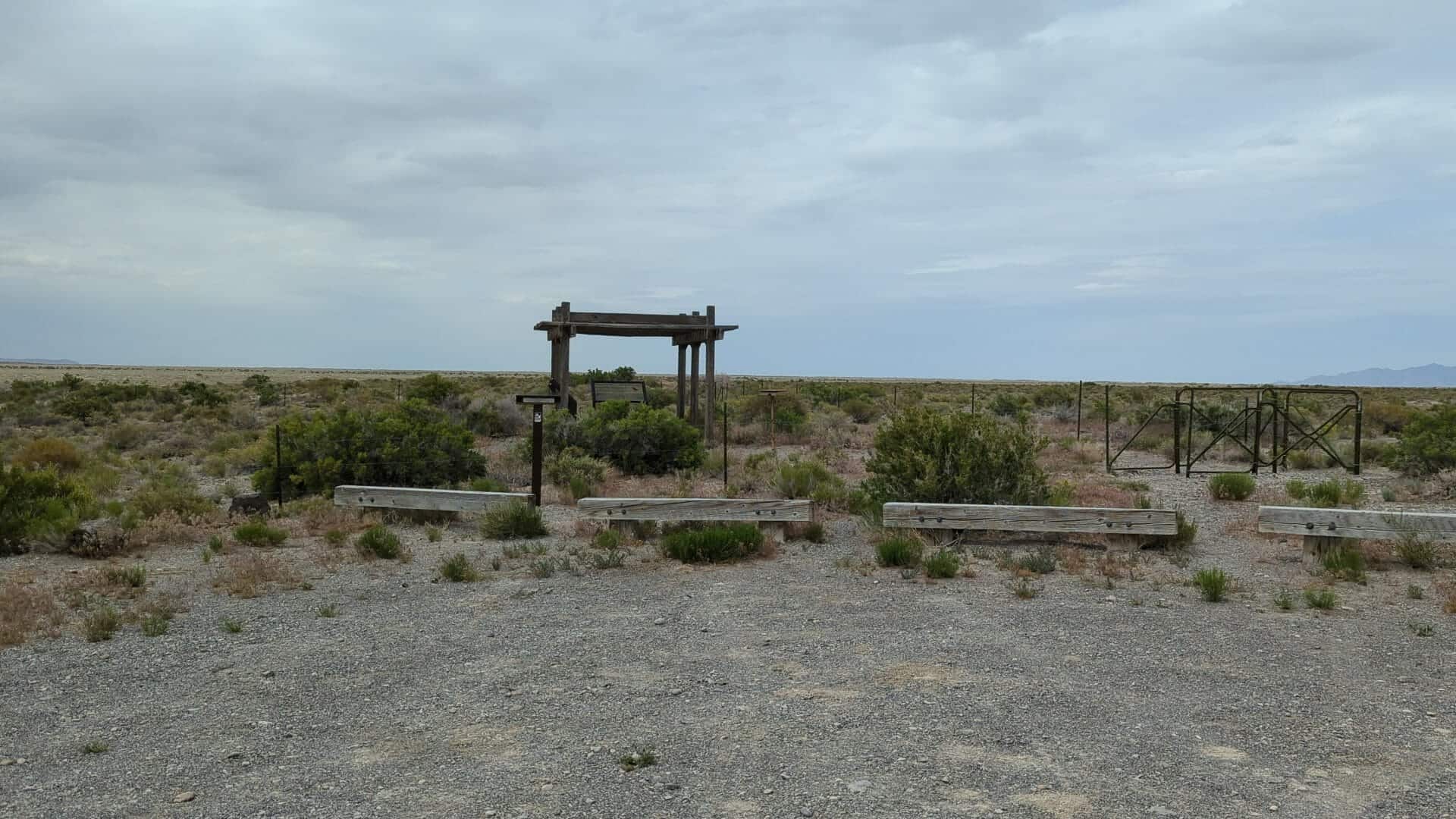
There is a very well preserved ruin of the station located here, fenced off and maintained by the BLM. The station was named for George Washington Boyd who built it in 1855 and lived there until after 1900, reportedly enjoying the solitude. He died in Salt Lake City in 1903.
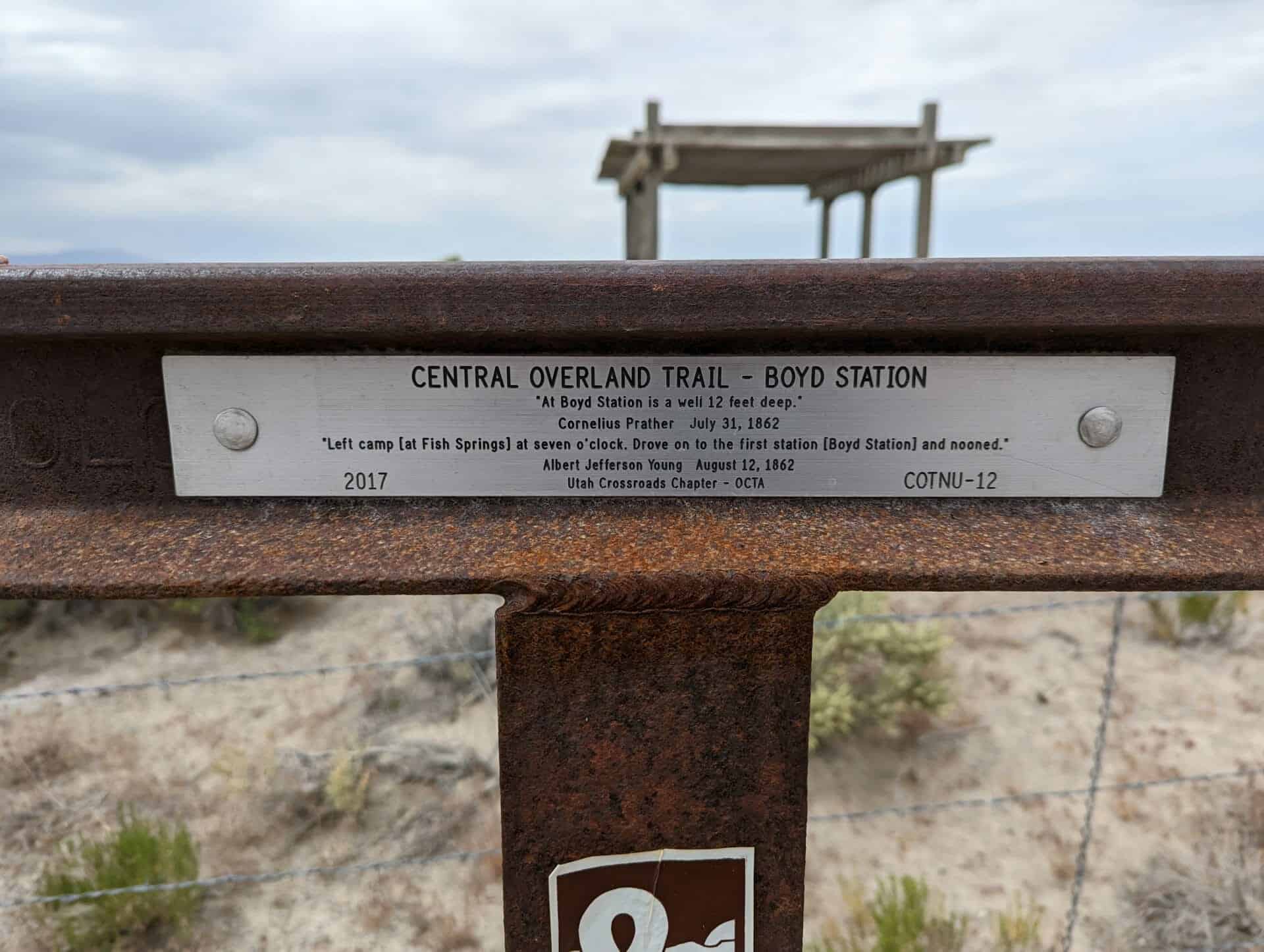
This location is the site of Utah Pioneer Trails and Landmarks Association historic marker #92 which is no longer here (I did see a picture of the plaque in a museum and would like to find out where it is) and also Utah Crossroads Chapter – OCTA’s historic marker #COTNU-12.
“Left camp [at Fish Springs] at seven o’clock. Drove on to the first station [Boyd Station] and nooned.”
Albert Jefferson Young, August 12, 1862
Unsung Heroes
Strategically placed relay stations across the western frontier proved to be a major contributing factor to the early success of the Pony Express mail service. “Station Keepers” assigned to these outposts readied swift horses, fresh and rested, for each rider. Often working in pairs, day and night they kept a vigil for incoming riders.
Life for the brave men at these station covered a broad spectrum of living conditions depending upon location and situation. Home station were generally better established and more accommodating, even luxurious by some standards. Remote relay stations, especially in the West, were often exceedingly primitive.
In St. Joseph, Missouri, Patee House was one of the most luxurious hostelries on the frontier. This four story brick building, which is still standing, was well known for its social life and gala balls and parties. Smith Hotel in Seneca, KS, and the Salt Lake House in Utah, were other prominent hotels which served as comfortable home stations for riders and company personnel.
West of Salt Lake City and across the Great Basin to California, accommodations and quality of life tended to go downhill. Hot, dry summers and bitter, cold winters often were the only companions for station keepers. On other days, loneliness and idle time were interlaced by fending off horse thieves and Indian attacks. Frequently exposed to danger, many lost their lives in this daring American enterprise.
Though the Pony Express has become a romanticized legend in American history, the station keepers – those who kept the horse waiting and bid “Godspeed” to the rider as he galloped away – are the true unsung heroes of the Pony Express.
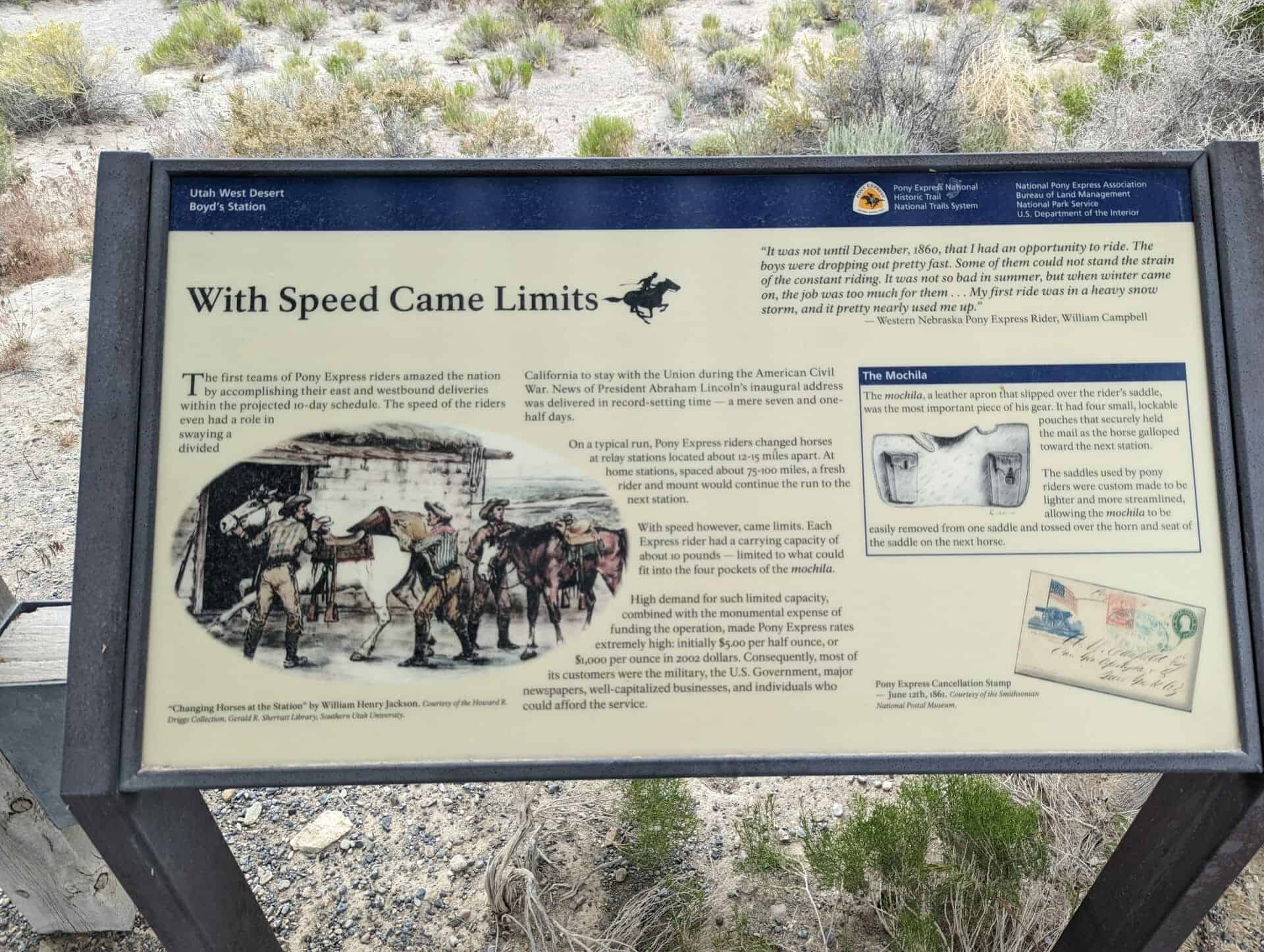
With Speed Came Limits
The first teams of Pony Express riders amazed the nation by accomplishing their east and westbound deliveries within the projected 10-day schedule. The speed of the riders even had a role in swaying a divided California to stay with the Union during the American Civil War. News of President Abraham Lincoln’s inaugural address was delivered in record-setting time – a new seven and one-half days.
On a typical run, Pony Express riders changed horses at relay stations located about 12-15 miles apart. At home stations, spaced about 75-100 miles, a fresh rider and mount would continue the run to the next station.
With speed however, came limits. Each Express rider had a carrying capacity of about 10 pounds – limited to what could fit into the four pockets of the mochila.
High demand for such limited capacity, combined with the monumental expense of finding the operation, made Pony Express rates extremely high: initially $5.00 per half ounce, or $1,000 per ounce in 2002 dollars. Consequently, most of its customers were the military, the U. S. Government, major newspapers, well-capitalized businesses, and individuals who could afford the service.
“It was not until December, 1860, that I had an opportunity to ride. The boys were dropping out pretty fast. Some of them could not stand the strain of the constant riding. It was not so bad in summer, but when winter came on, the job was too much for them. . . My first ride was in a heavy snow storm, and it pretty nearly used me up.” – Western Nebraska Pony Express Rider, William Campbell
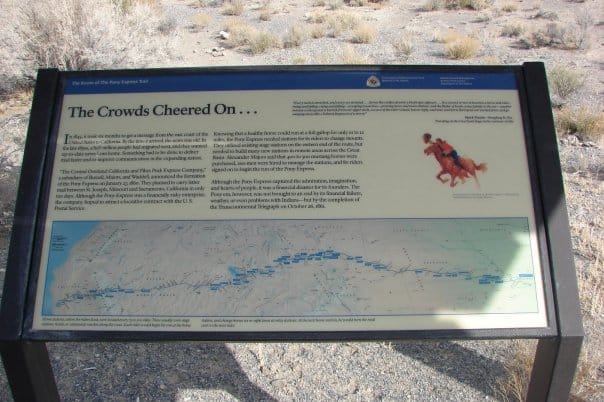
The Crowds Cheered On…
In 1845, it took six months to get a message from the east coast of the United States to California. By the time it arrived, the news was old. In the late 1850s, a half million people had migrated west, and they wanted up-to-date news from home. Something had to be done to deliver mail faster and to improve communication in the expanding nation.
“The Central Overland California and Pikes Peak Express Company,” a subsidiary of Russell, Majors, and Waddell, announced the formation of the Pony Express on January 27, 1860. They planned to carry letter mail between St. Joseph, Missouri and Sacramento, California in only ten days. Although the Pony Express was a financially risky enterprise, the company hoped to attract a lucrative contract with the U.S. Postal Service.
Knowing that a healthy horse could run at a full gallop for only 10 to 12 miles, the Pony Express needed stations for its riders to change mounts. They utilized existing stage stations on the eastern end of the route, but needed to build many new station in remote areas across the Great Basin. Alexander Majors said that 400 to 500 mustang horses were purchased, 200 men were hired to manage the station, and 80 riders signed on to begin the run of the Pony Express.
Although the Pony Express captured the admiration, imagination, and hearts of people, it was a financial disaster for its founders. The Pony era, however, was not brought to an end by its financial failure, weather, or even problems with Indians – but by the completion of the Transcontinental Telegraph on October 26, 1861.
“Every neck is stretched, and every eye stained… Across the endless prairie a black spec appears… In a second or two it becomes a horse and rider, rising and falling, rising and falling – sweeping toward us – growing more and more distinct, and the flutter of hoofs comes faintly to the ear – another instant a whoop and a hurrah from our upper deck, a wave of the rider’s hand, but no reply, and man and horse burst past our excited faces, and go winging away like belated fragment of a storm.” – Mark Twain – Roughing It, 1872.