Tags

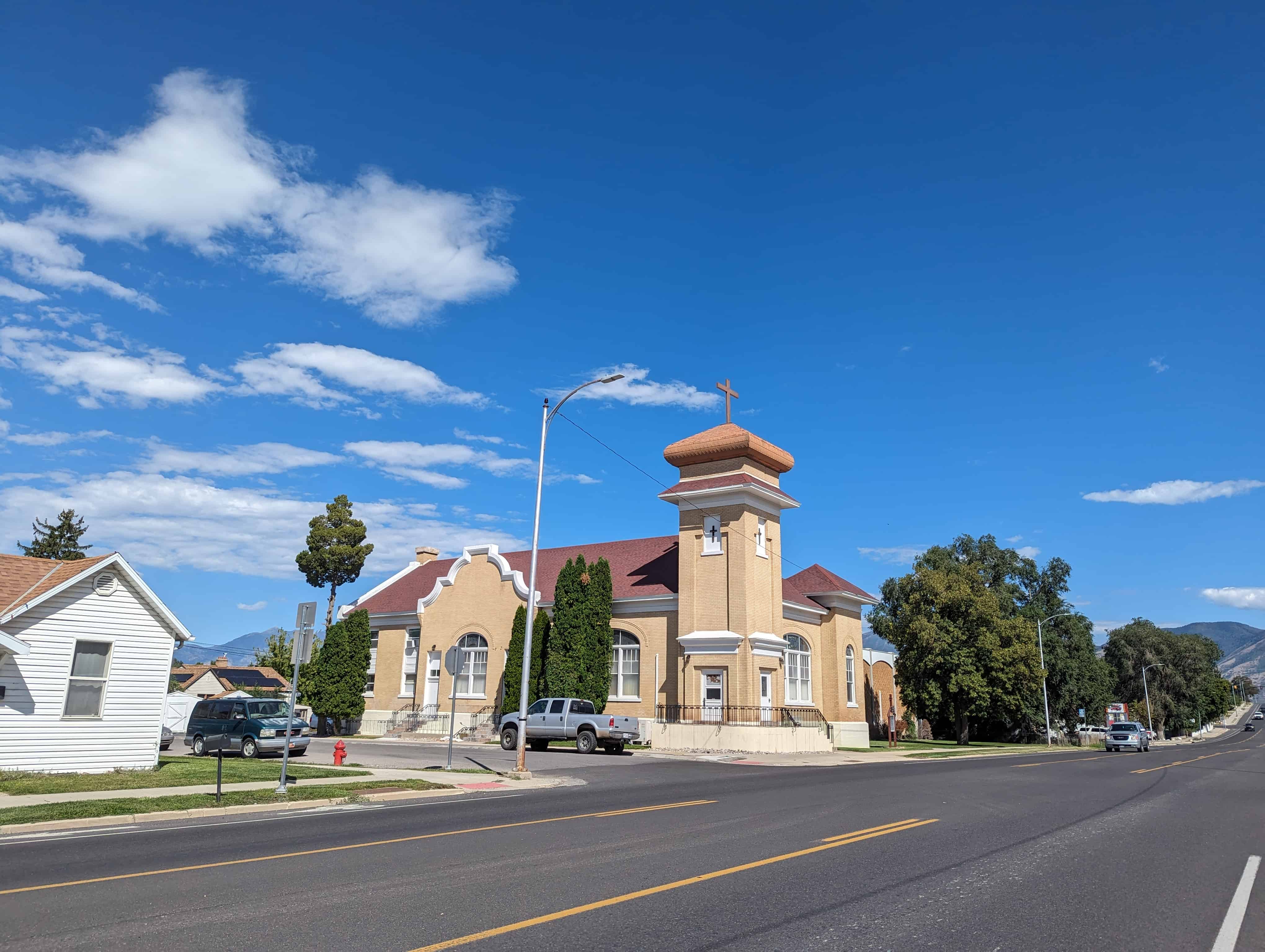
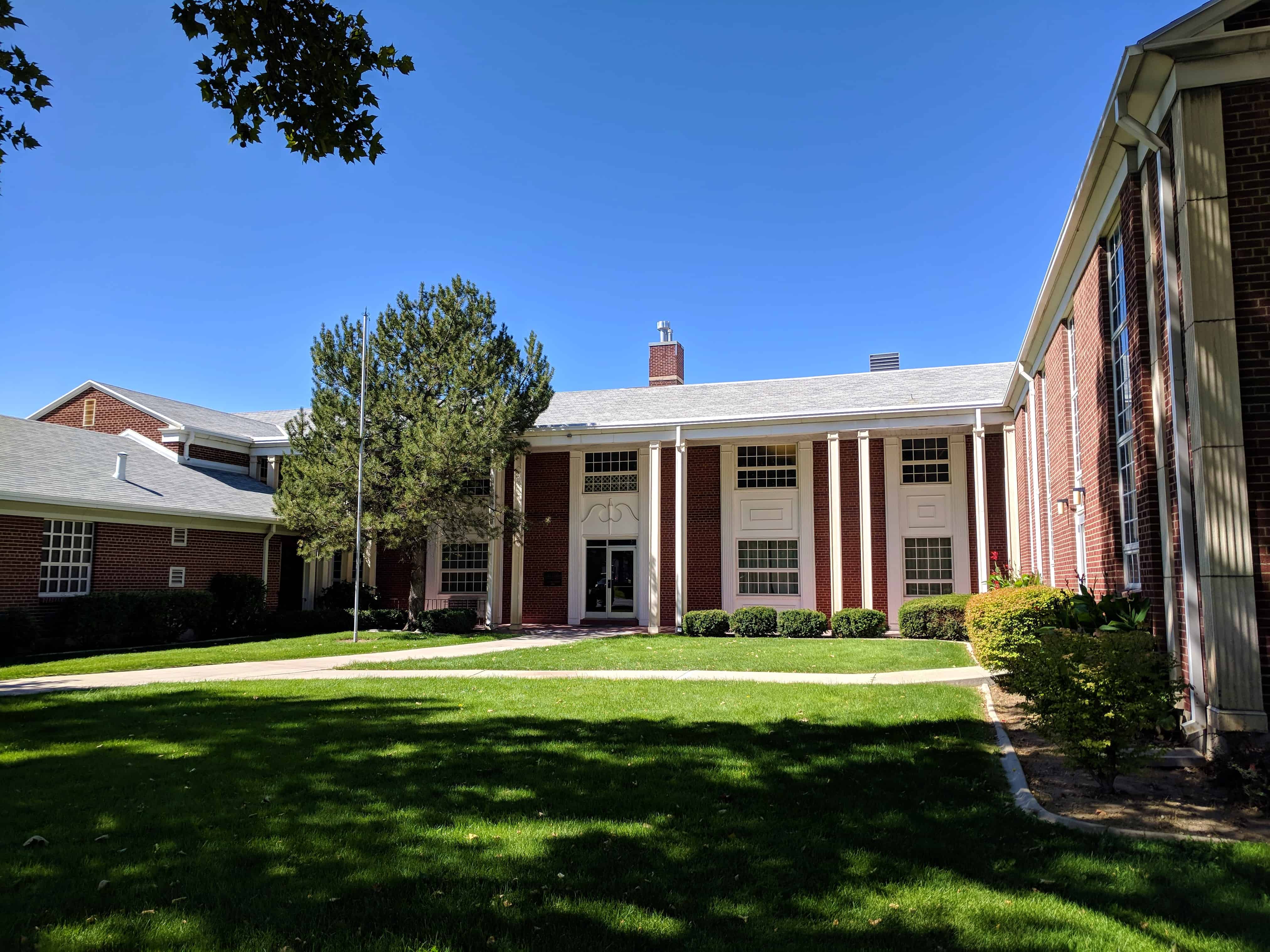
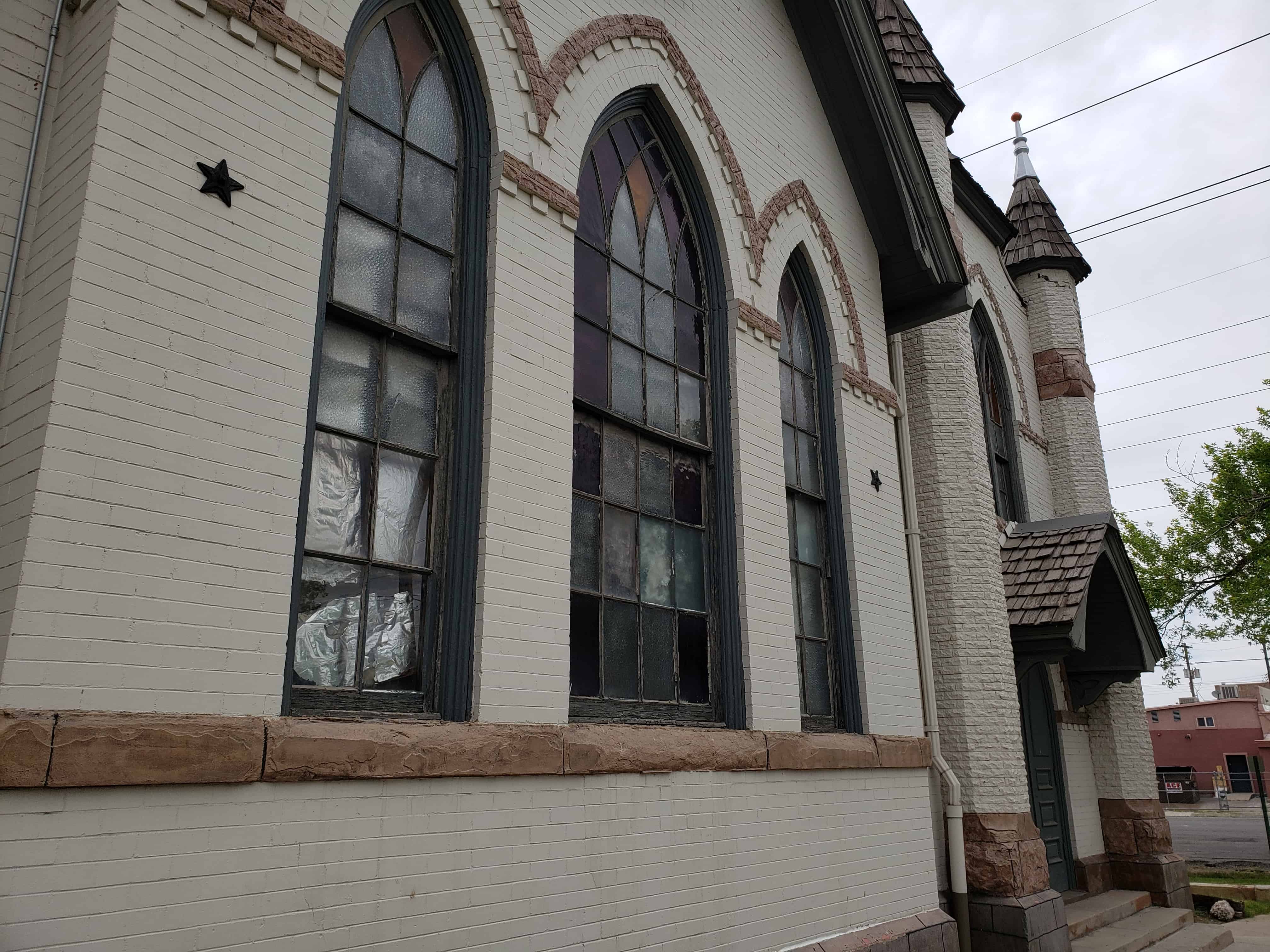
The San Andres Catholic Church at 315 E 100 N in Payson, Utah.
Originally the Fourth Ward Meeting House when it was built in the 1800’s, this was the second chapel in Payson.


05 Sunday Apr 2020
Posted in Uncategorized
Tags
The San Andres Catholic Church at 315 E 100 N in Payson, Utah.
Originally the Fourth Ward Meeting House when it was built in the 1800’s, this was the second chapel in Payson.
09 Friday Aug 2019
Posted in Uncategorized
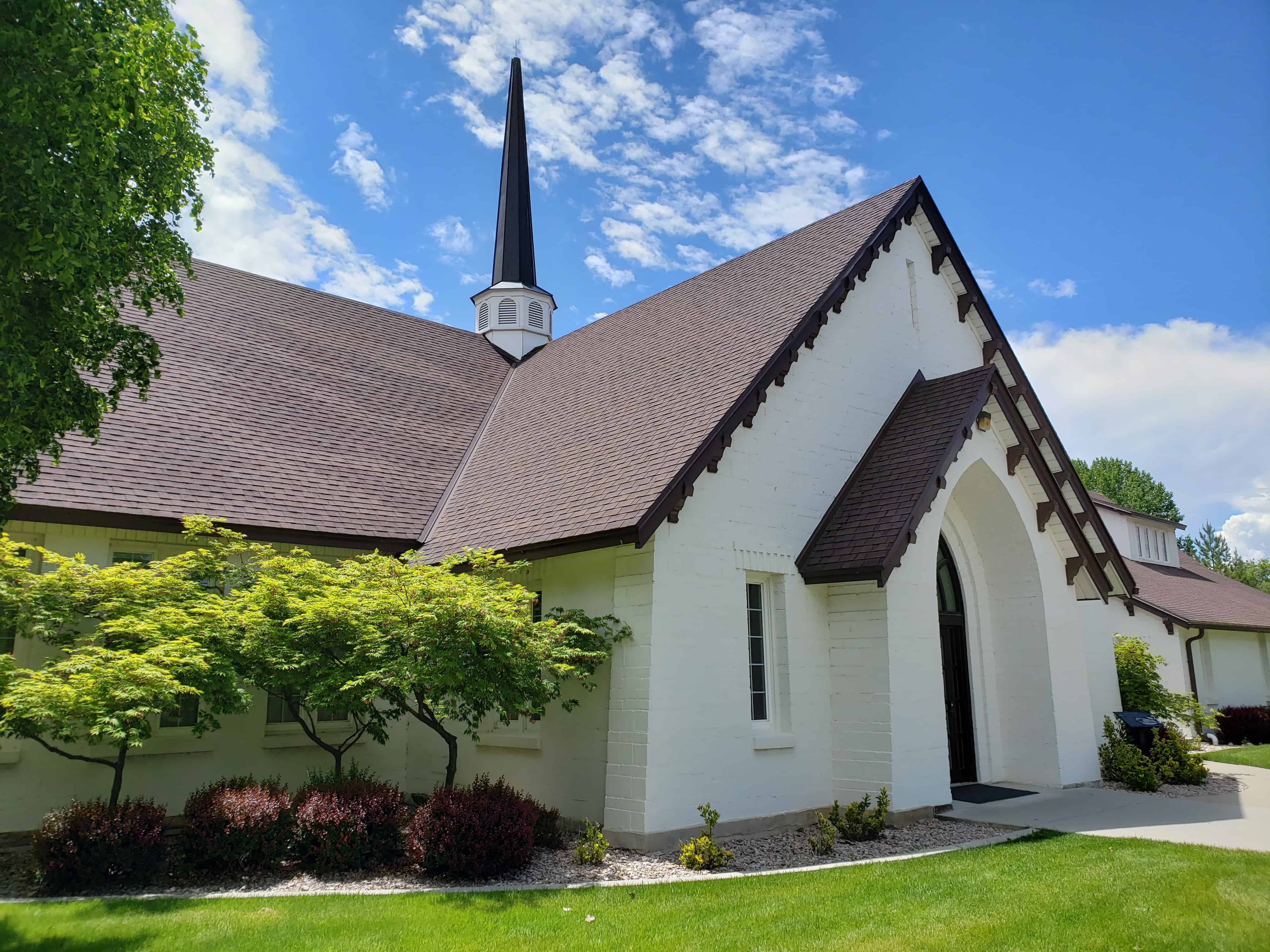
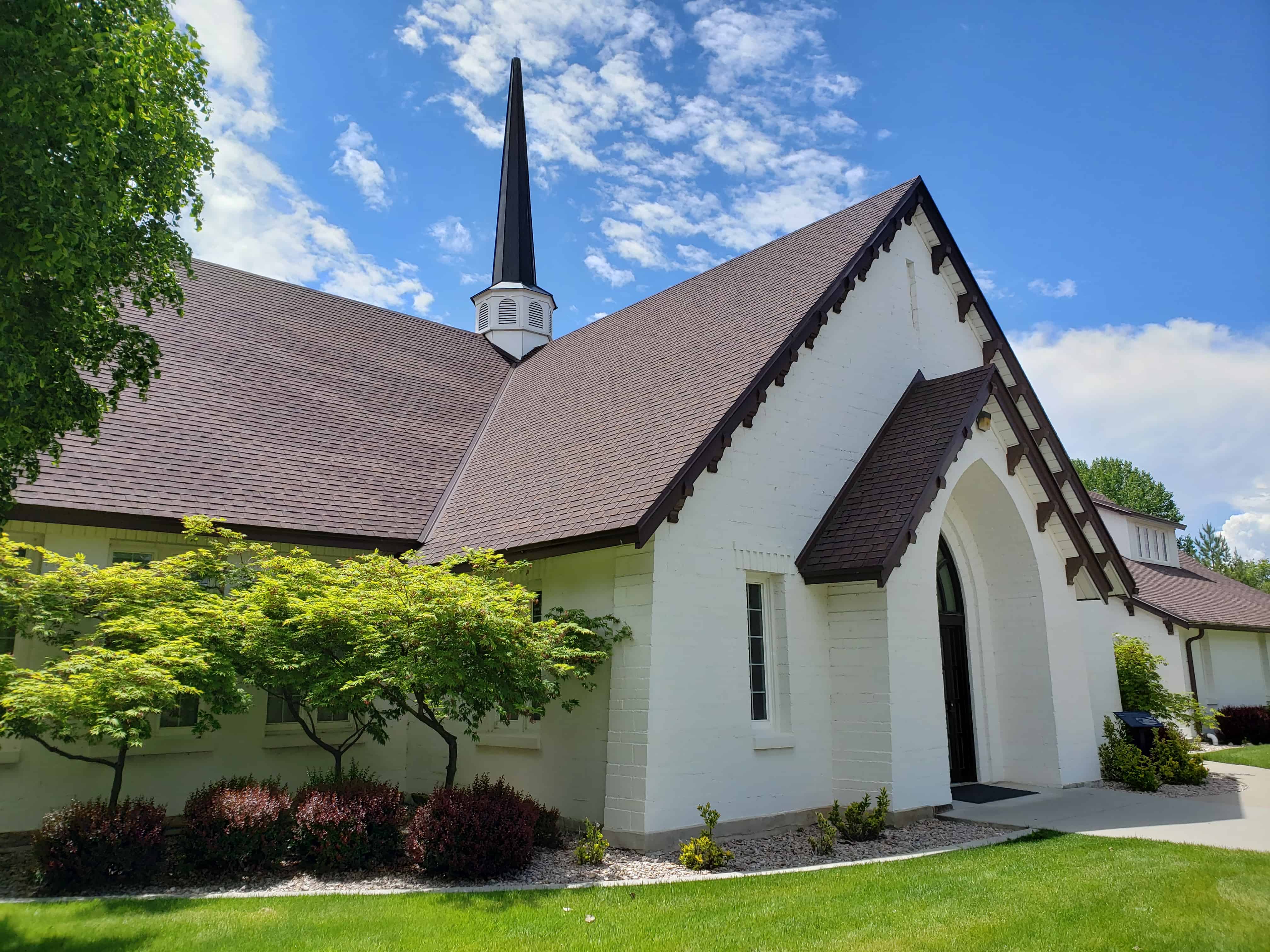
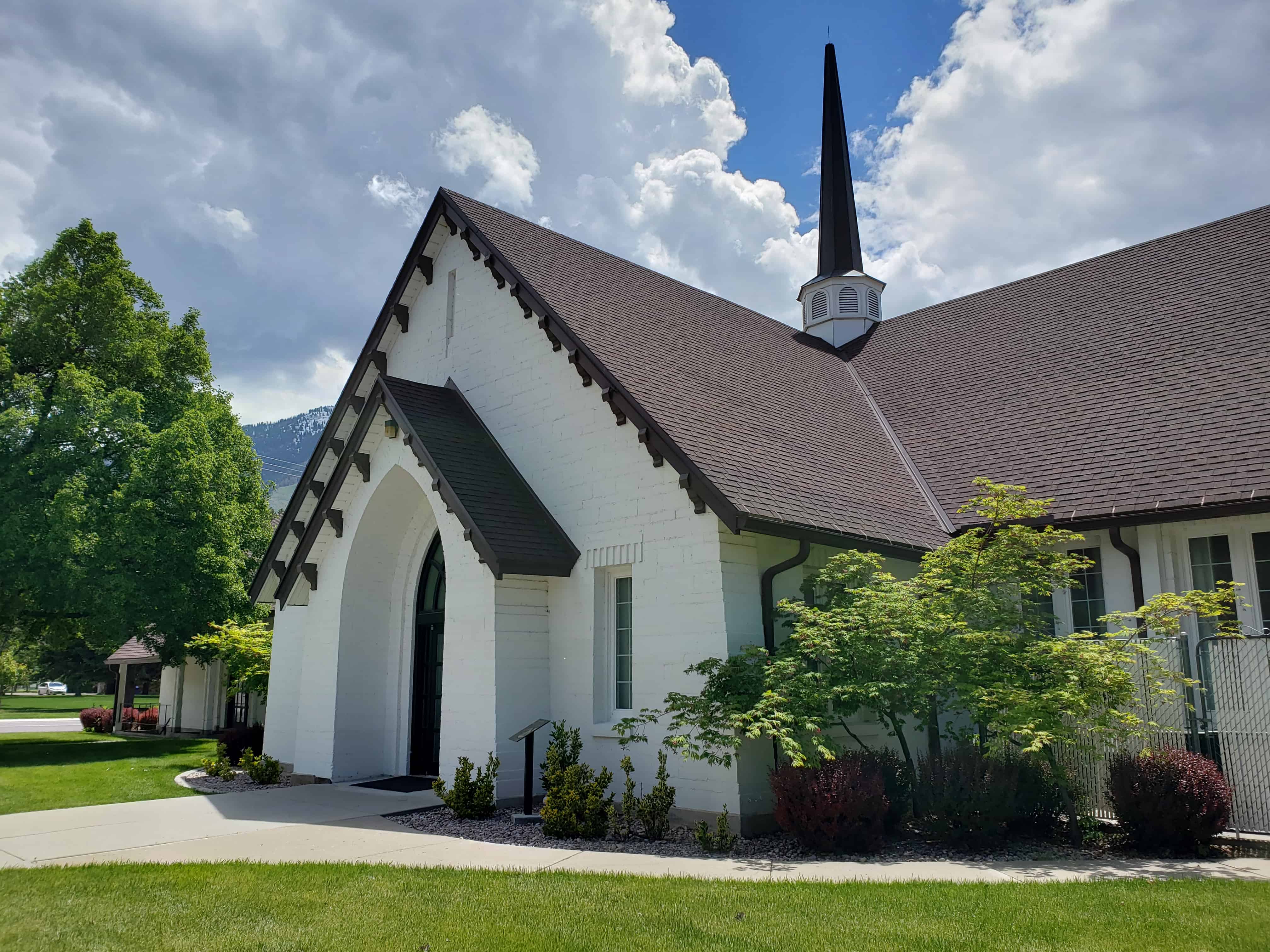
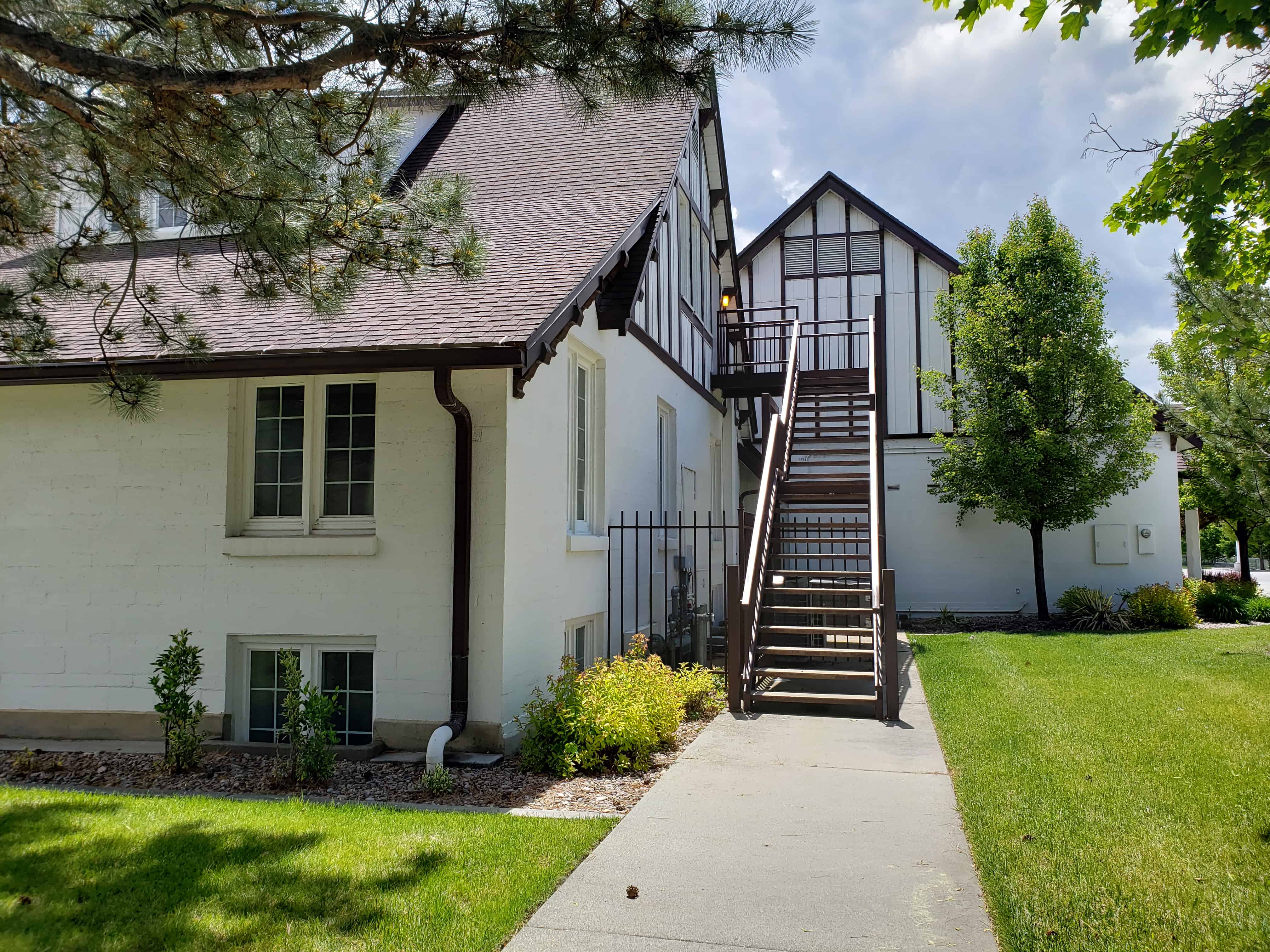
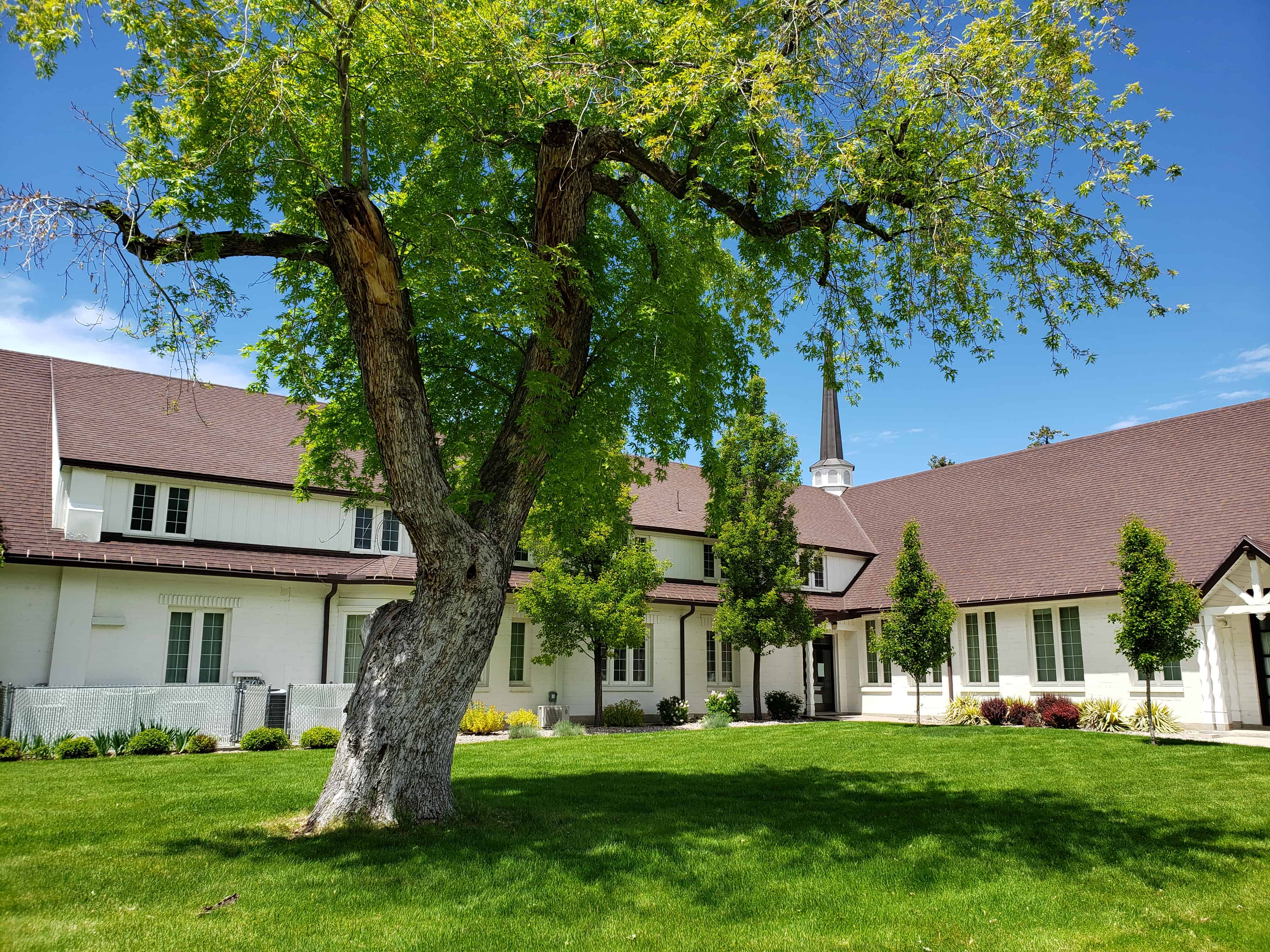
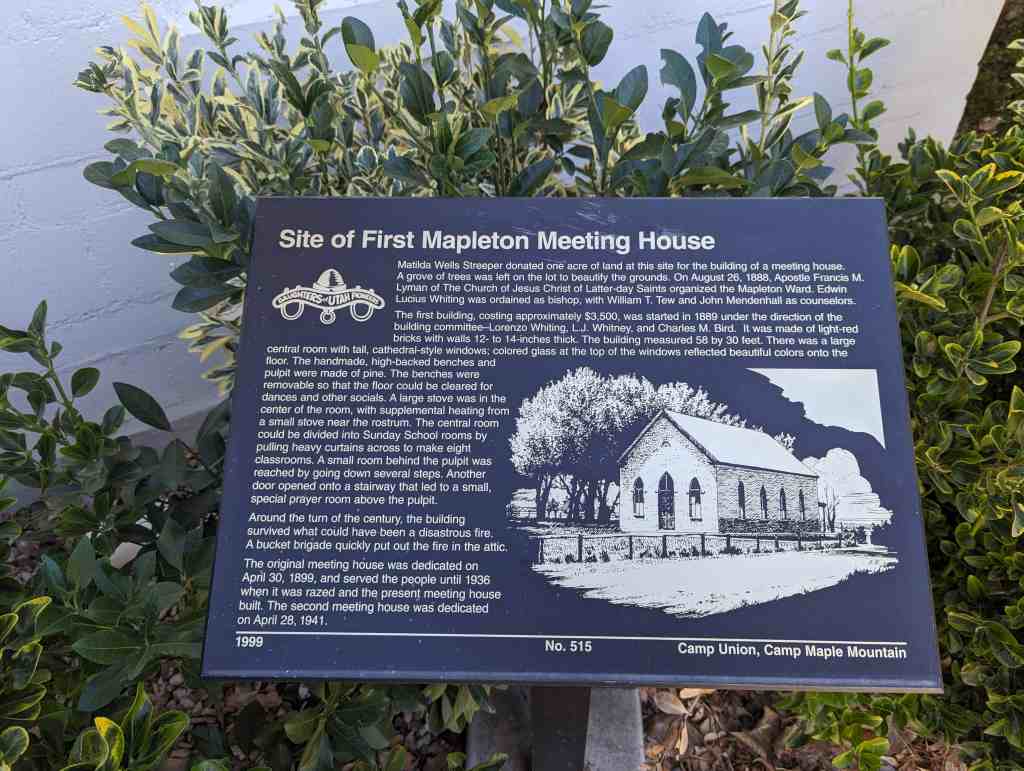
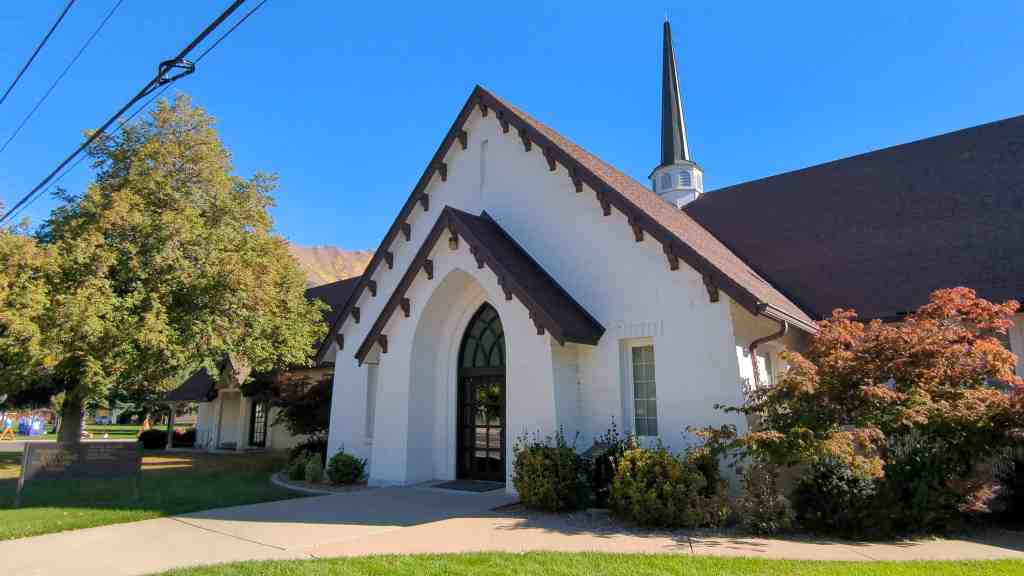
Built in 1936 and dedicated in 1941 on the site of Mapleton’s first Meetinghouse, the white church is possibly the most iconic thing in Mapleton, Utah.
In January of 1933 Frank M. Jenson was installed as Bishop of Mapleton LDS 1st Ward. Soon after the ward got busy and began to tear down the old meeting house. By 1936 a new building was given a work receipt that could be exchanged for food. Progress was slow and steady, but by September 30, 1937 the walls were up and the roof nearly completed. By late 1938 most of the inside work was completed.
The new building had an amusement hall, chapel, relief society quarters, heating plant, baptismal font, and classrooms. The benches and pulpit were made from black walnut trees that movable panel that separated the amusement hall from the chapel. It could be opened to increase the seating capacity of the chapel for large meetings. Finally, A. Leo Harmer reported that all the debts were paid off and the work was completed on the new meeting house. Elder Charles A. Callis of the Quorum of Twelve Apostles of the LDS Church came to Mapleton on Sunday, April 27, 1941, and formally dedicated the new edifice. The building cost was $34,000 plus many hours of donated labor.
Information taken from the “History of Mapleton”
By Ralf Kay Harmer & Wendell B. Johnson
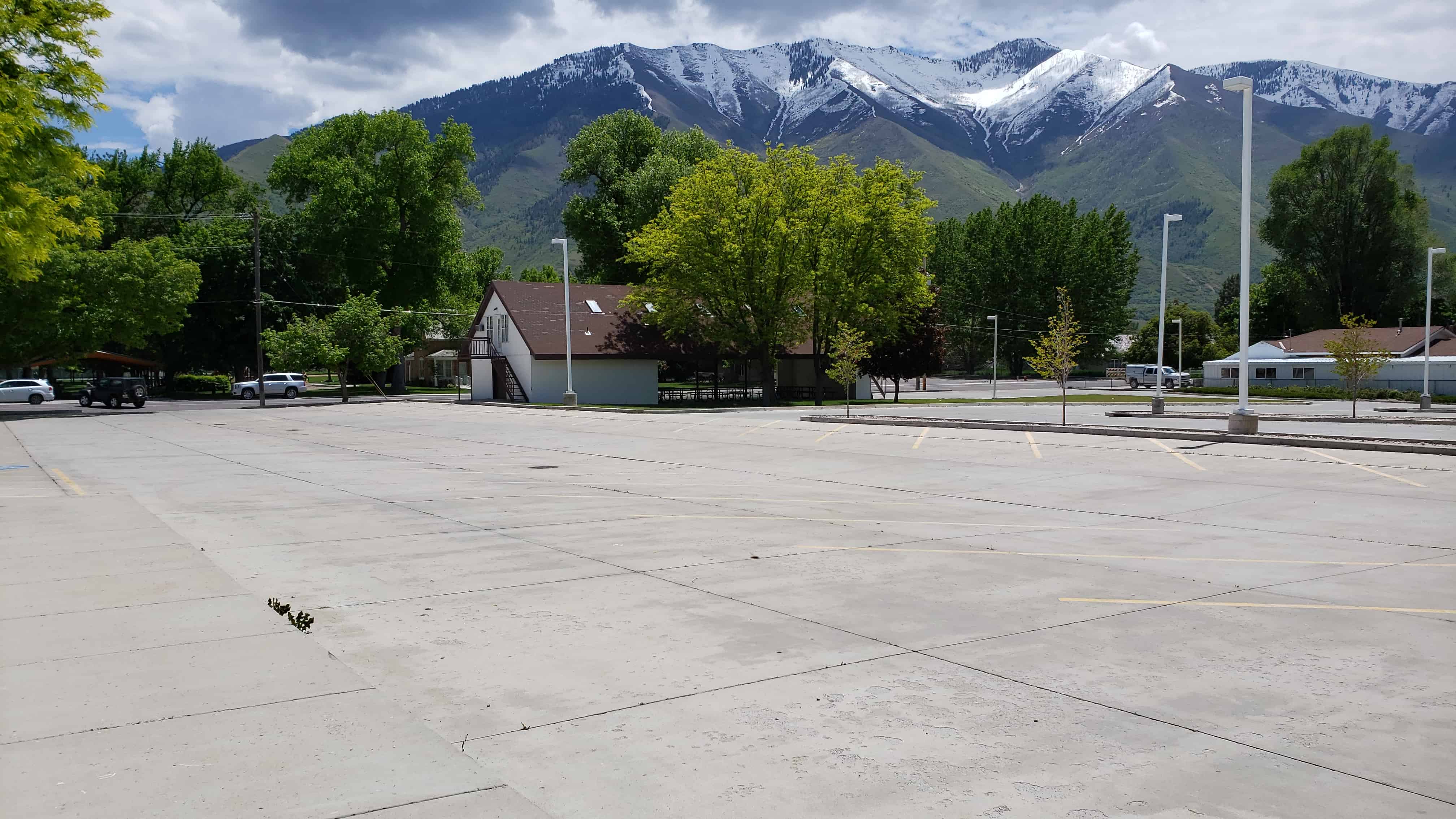
The chapel is located at 31 West Maple Street in Mapleton, Utah
Related Posts:
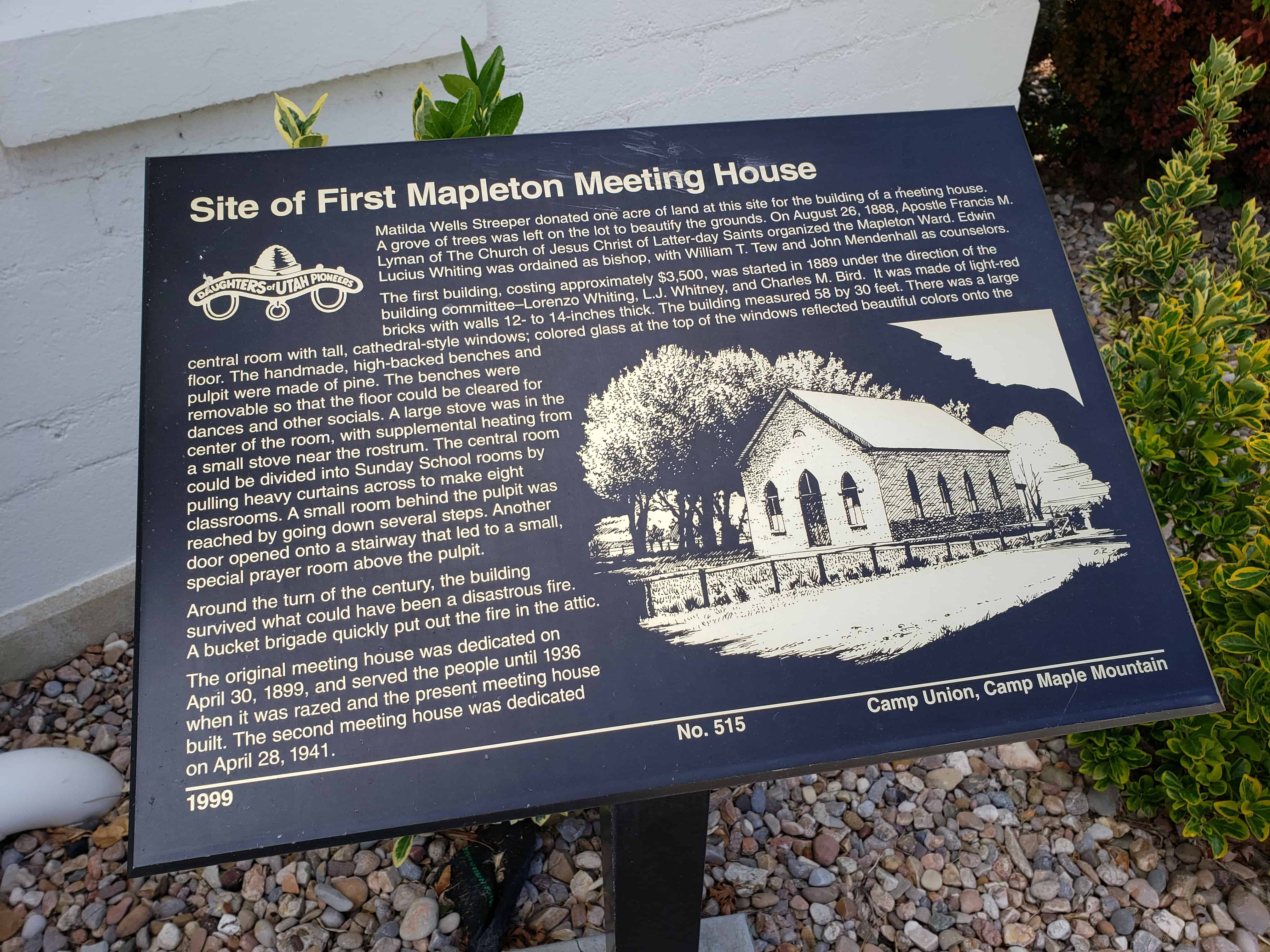
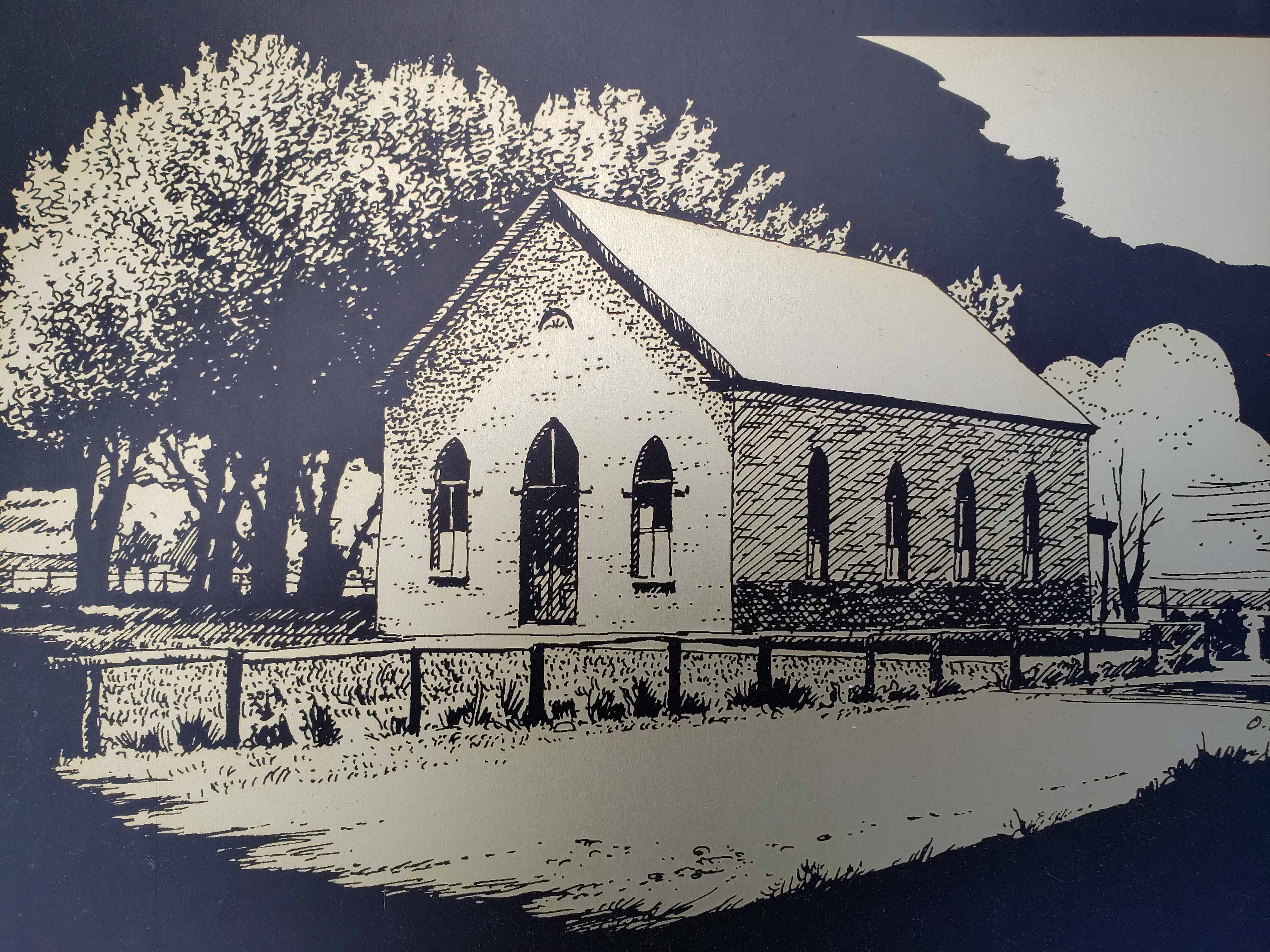
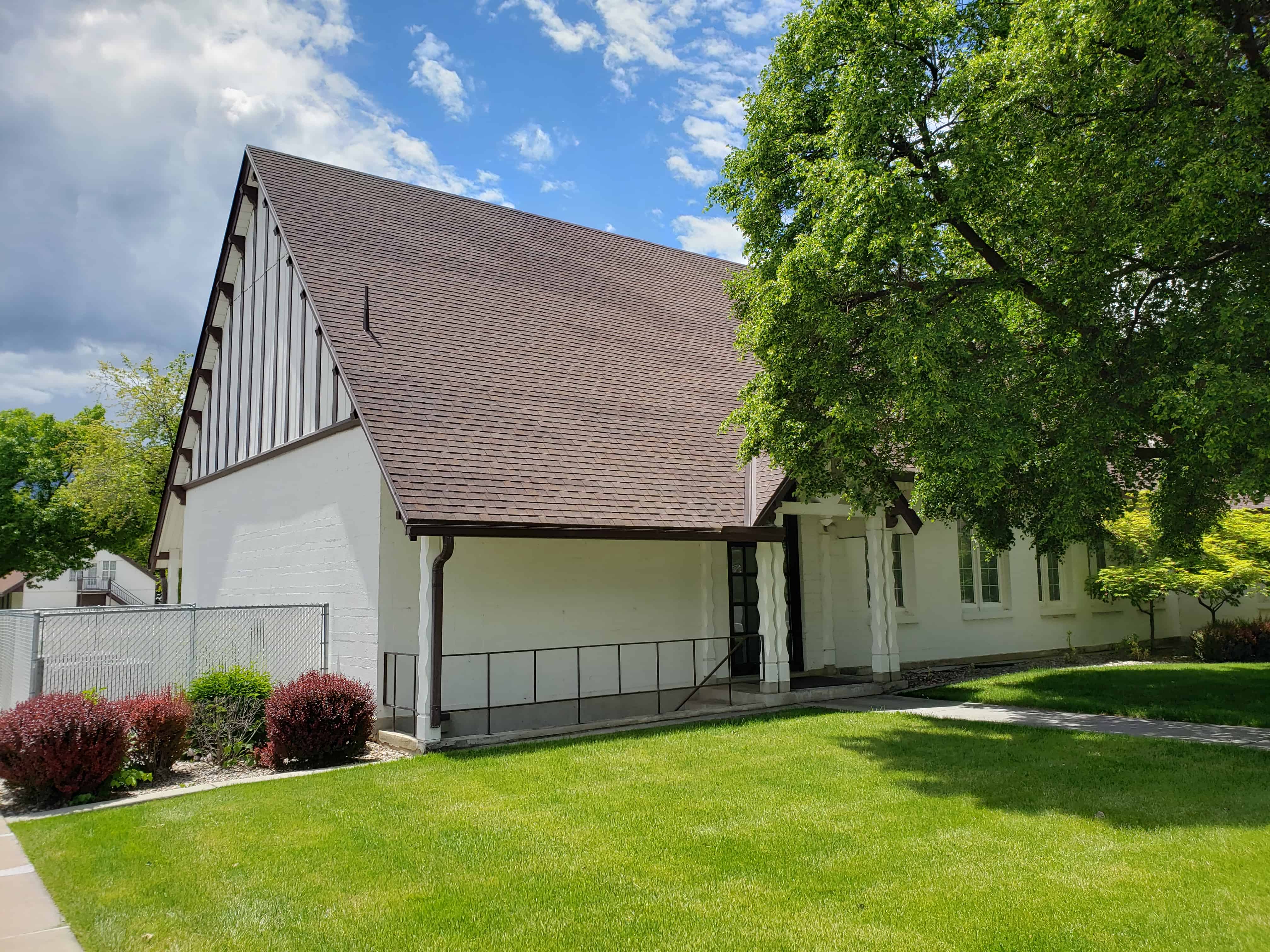
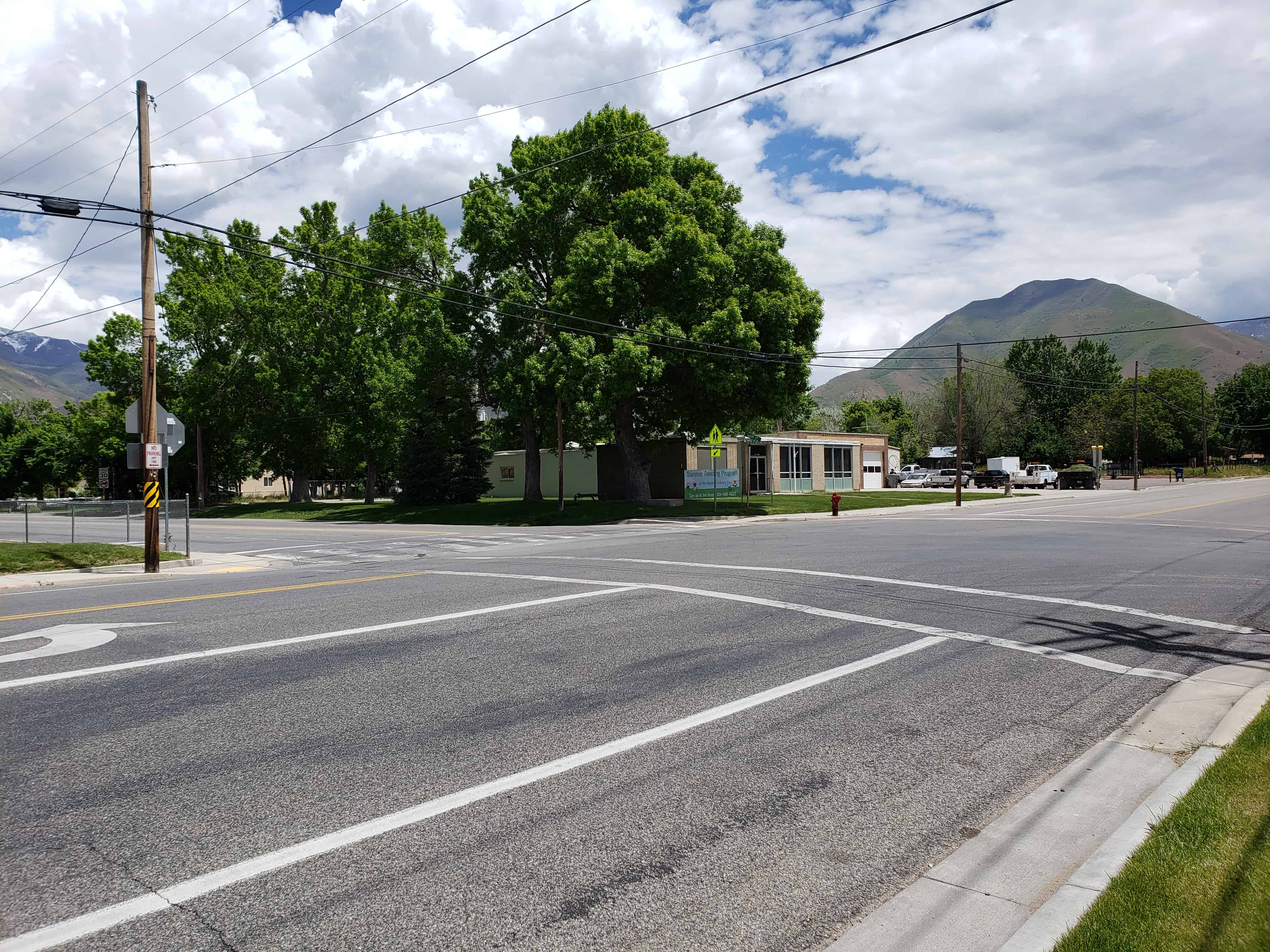
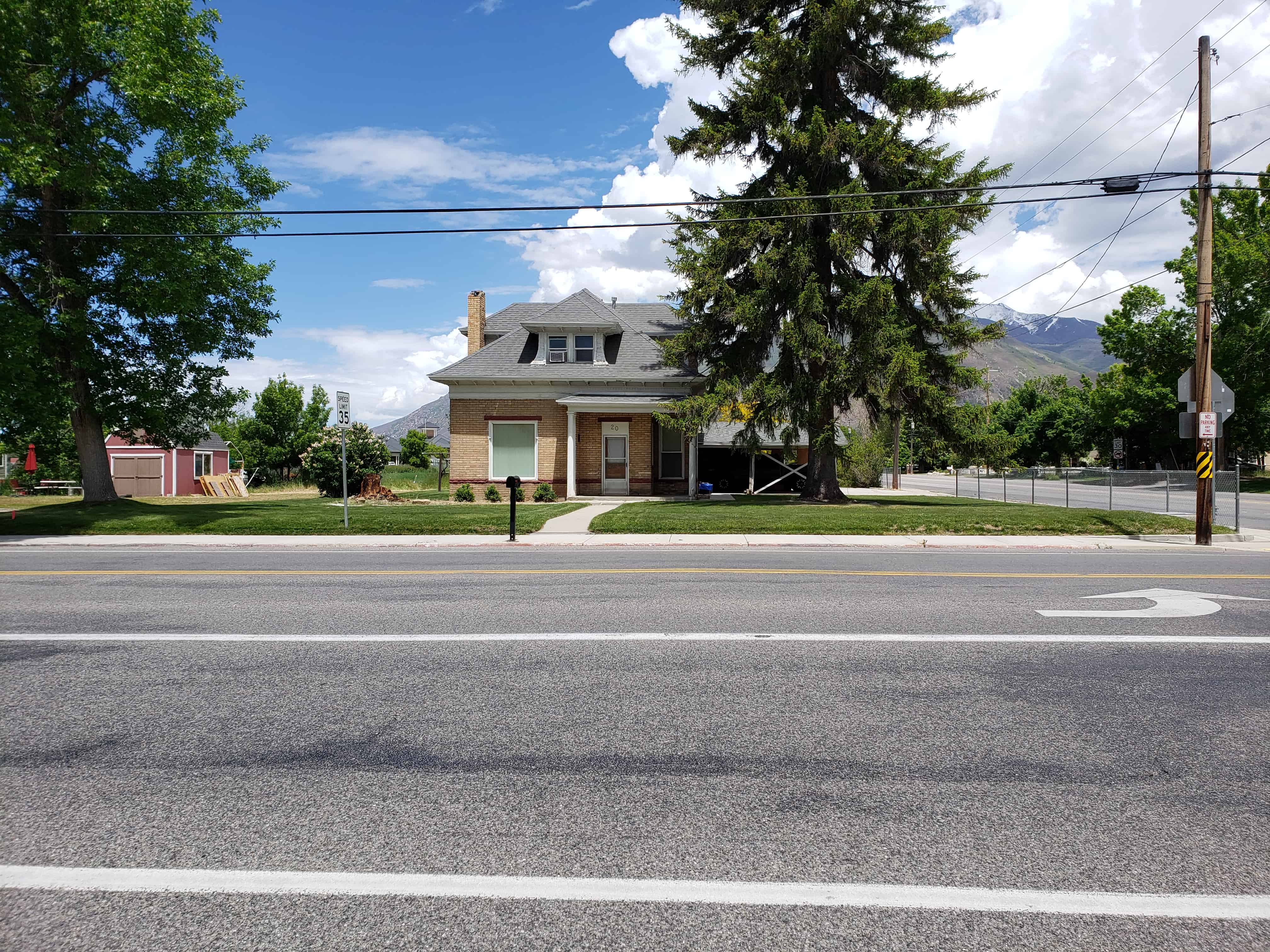






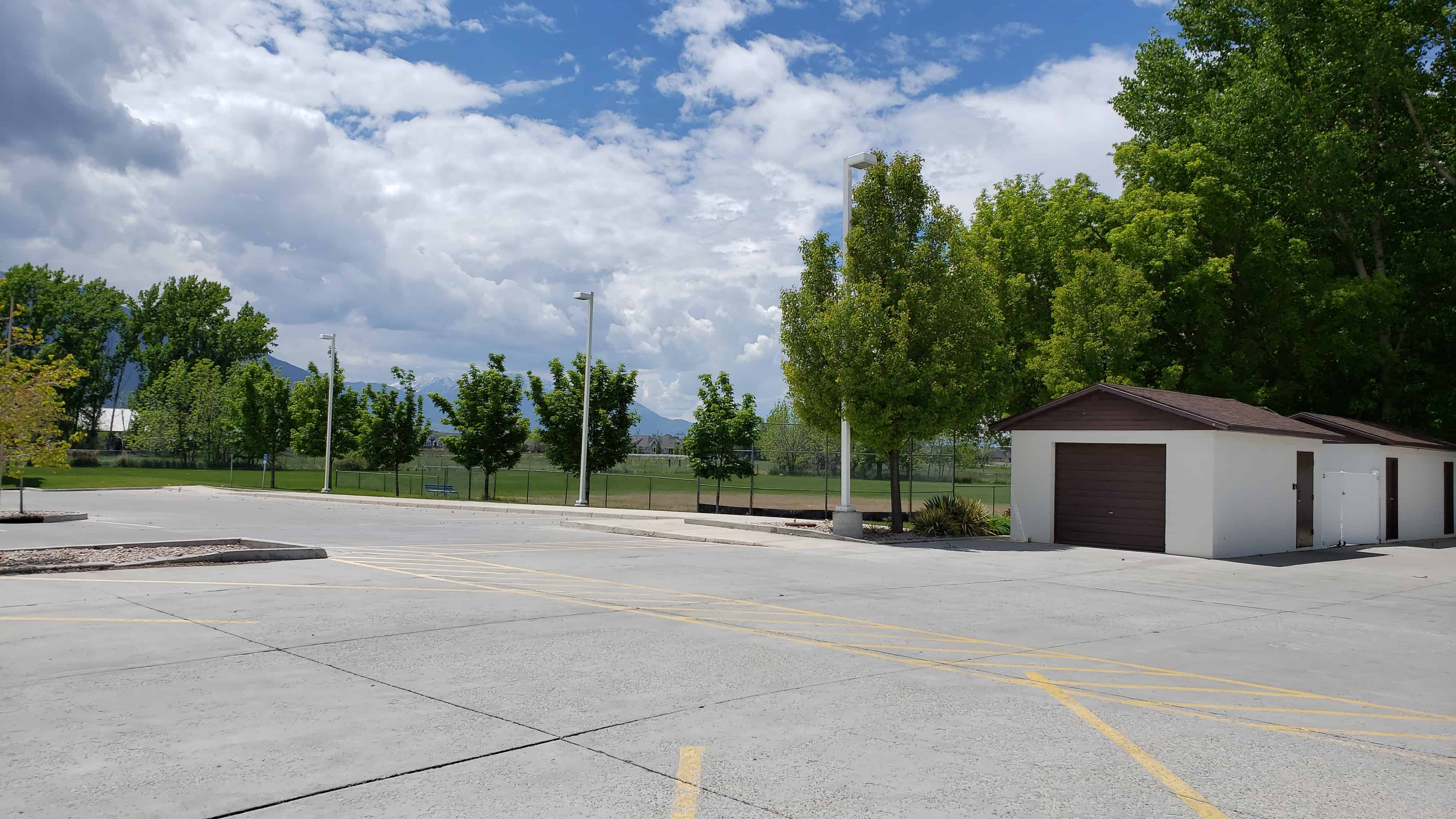
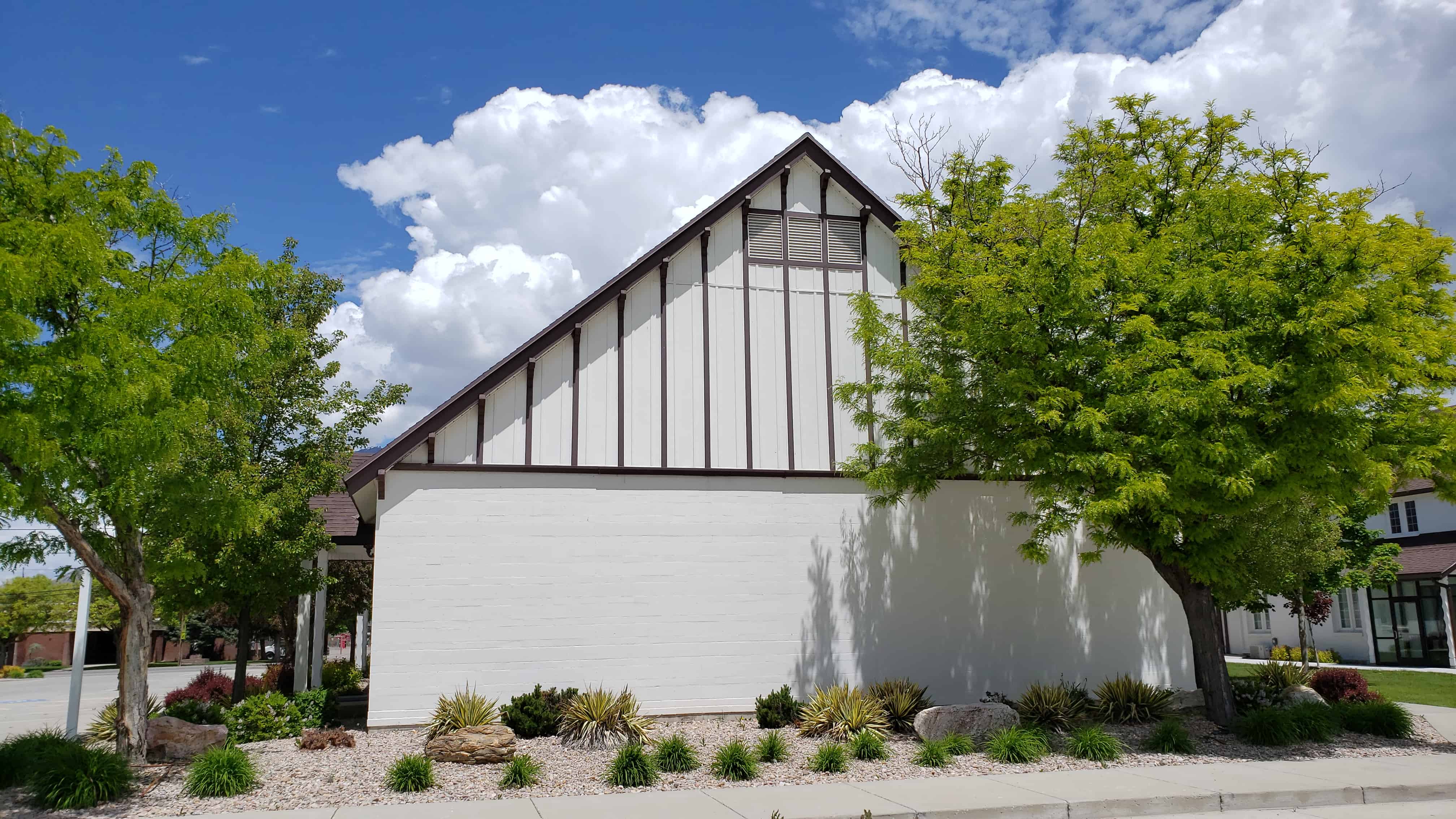
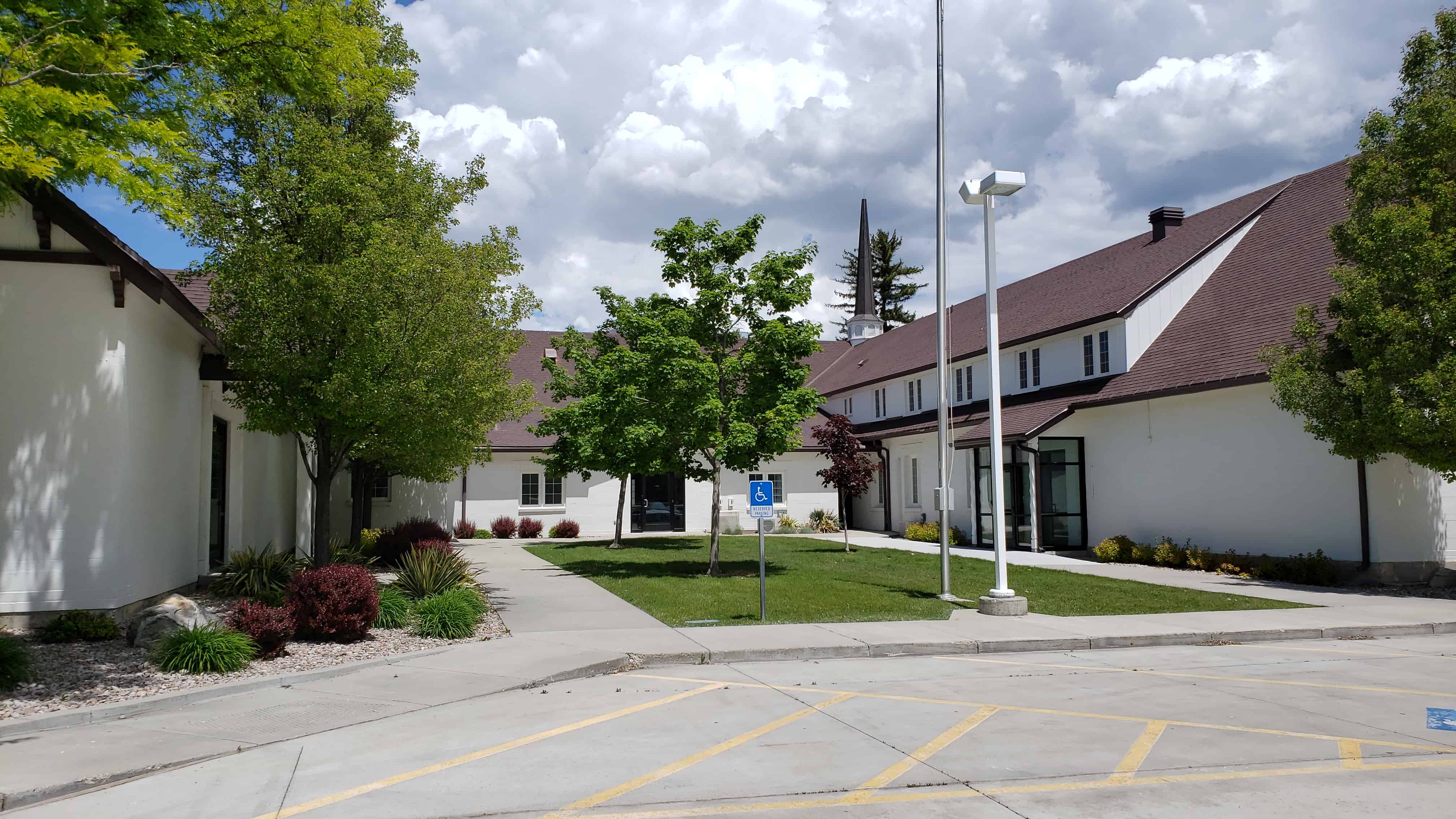



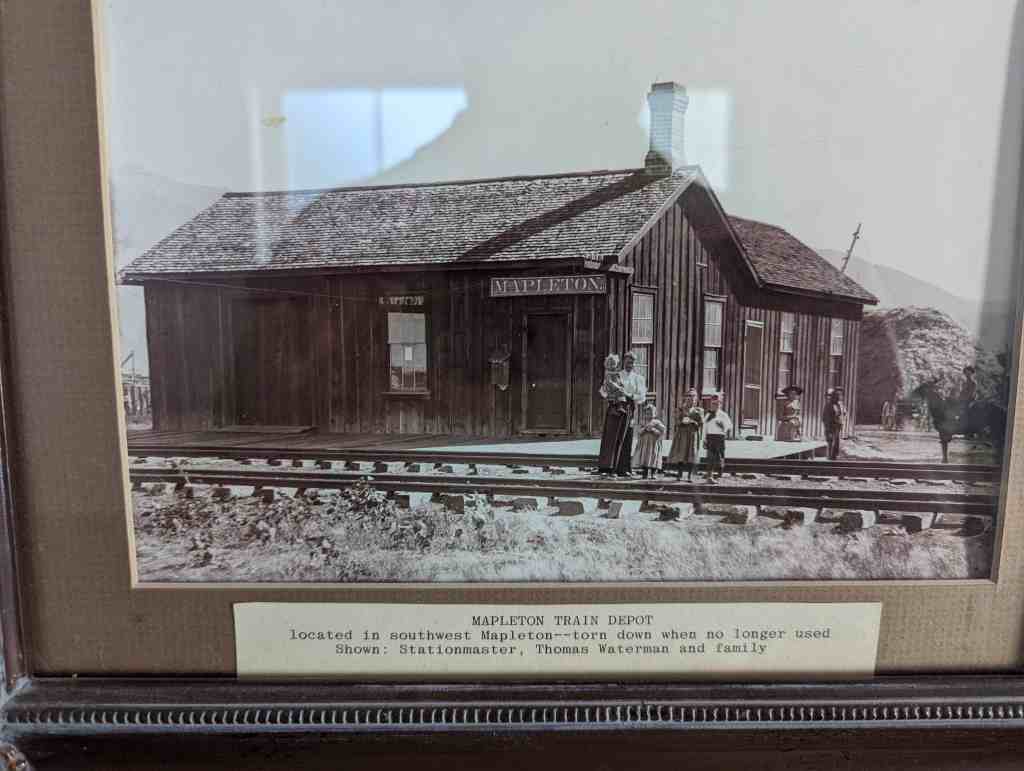
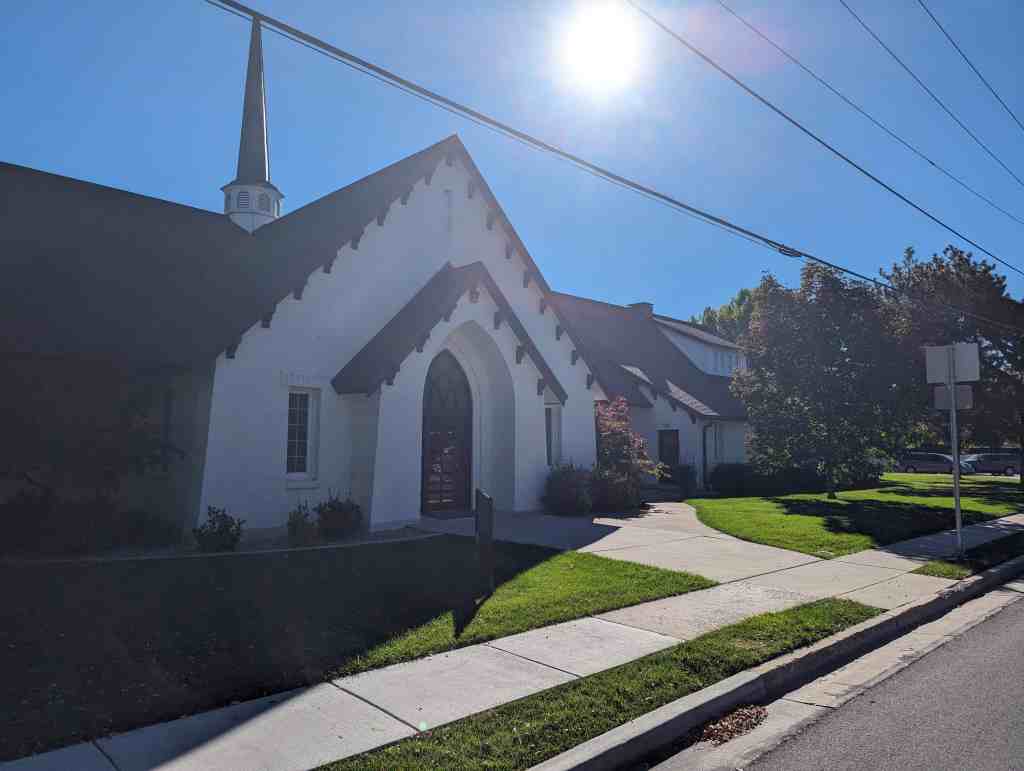
These photos are in the hallway inside the building:



10 Thursday Jan 2019
Posted in Uncategorized
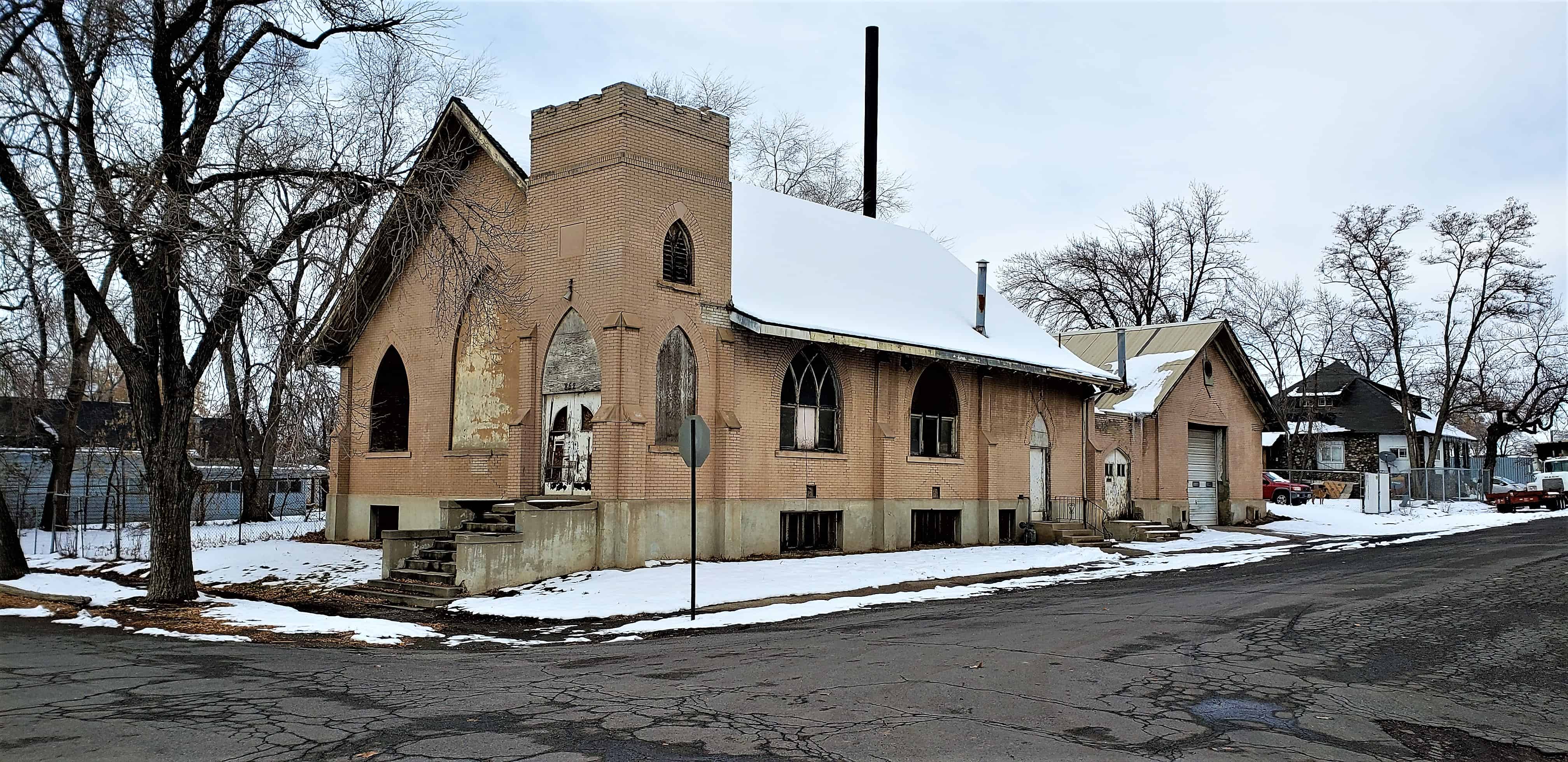
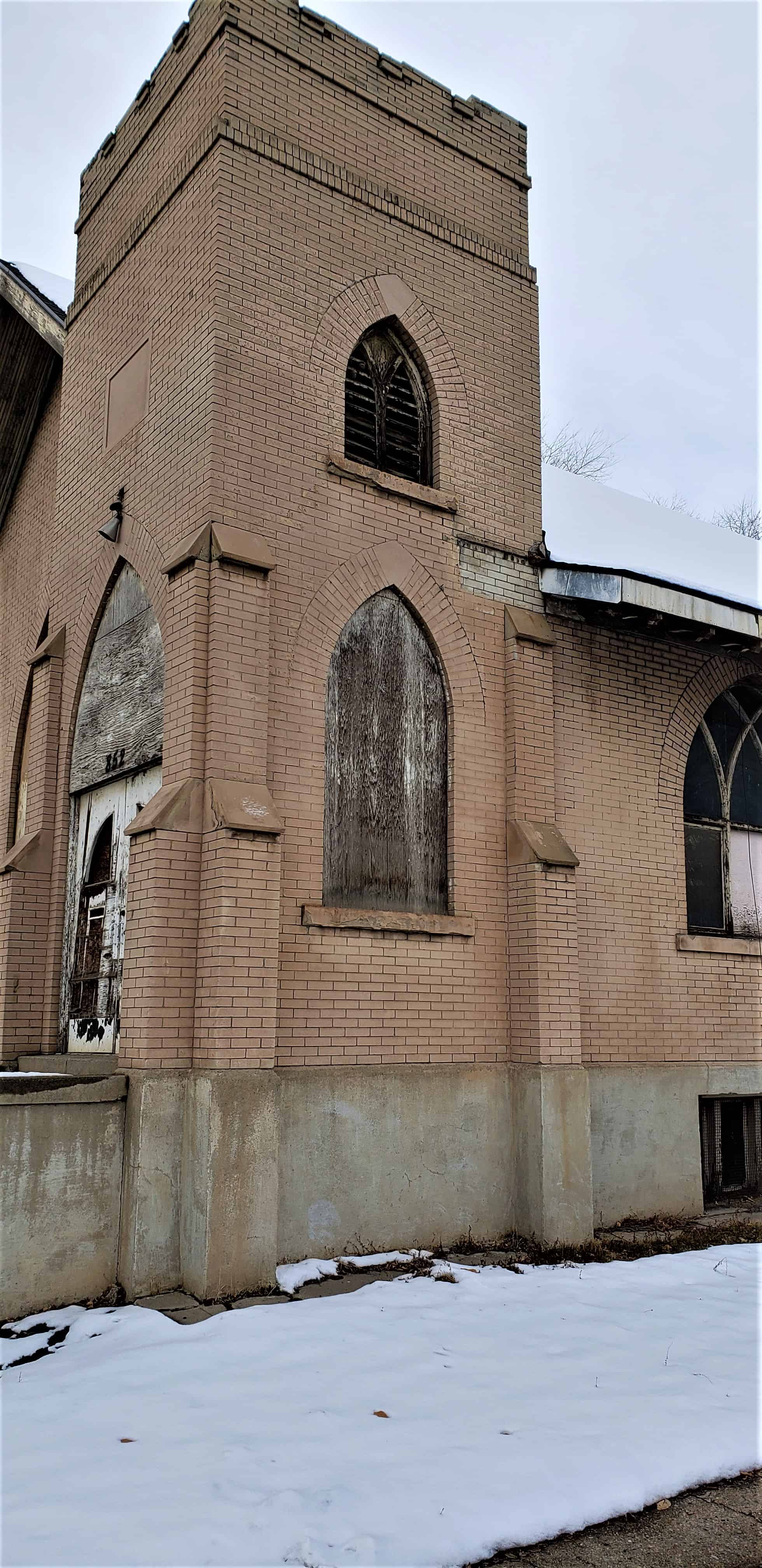
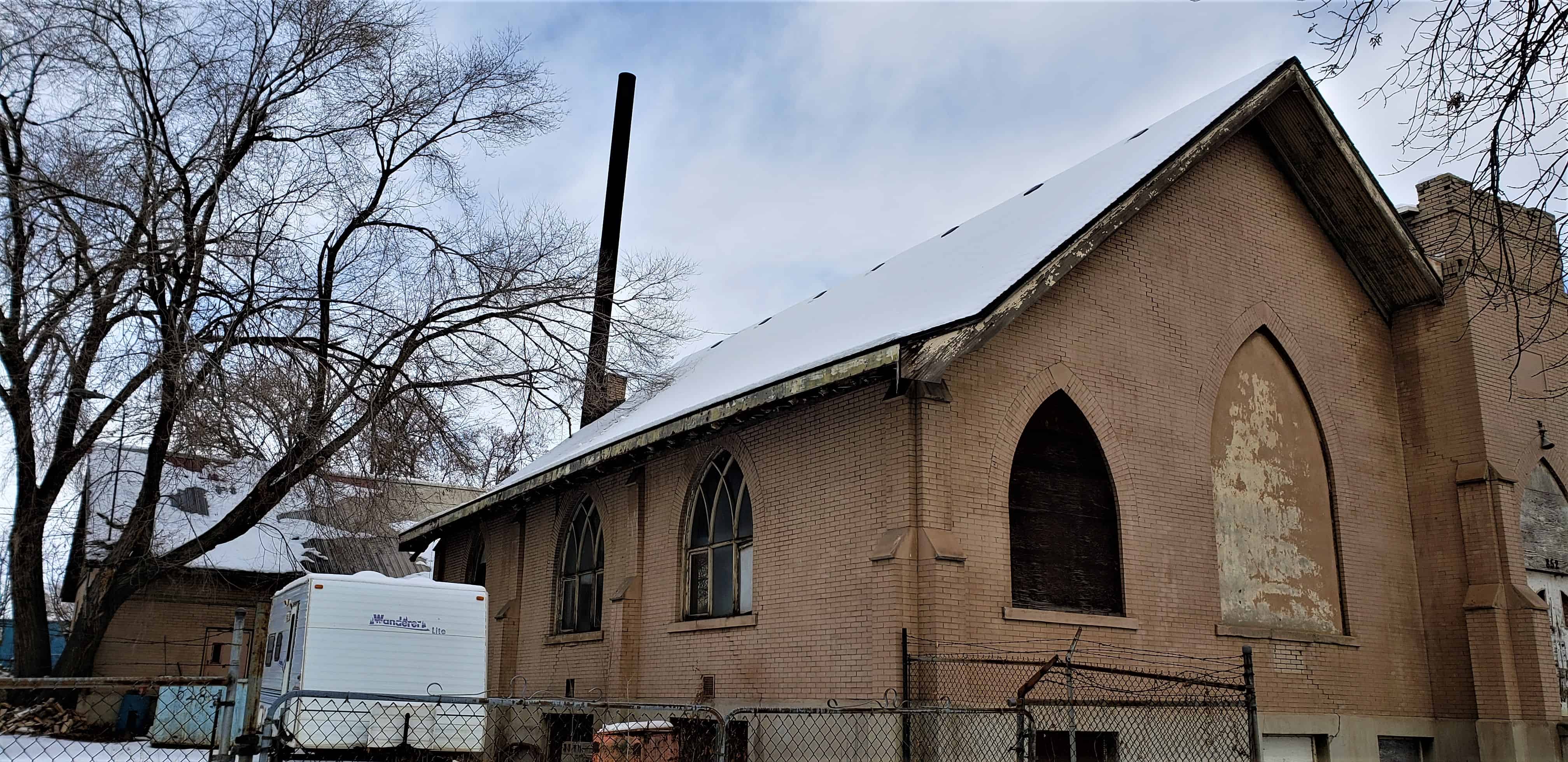
Across the street from Swede Town Park in historic Swede Town, Salt Lake City is this gorgeous shell of a chapel, the Salt Lake 23rd Ward Chapel.
I heard it was built in 1913 and that the church sold it in 1969.
852 West 1500 North, Salt Lake City.




24 Monday Dec 2018
Posted in Uncategorized
23 Tuesday Oct 2018
Posted in Uncategorized
Tags

Pictured above is the gorgeous old chapel that was located on Main Street in Spanish Fork along with the old Thurber School.
The church has been replaced with a newer, less extravagant LDS chapel.
Update, 30 Nov 2020 the chapel is being demolished for a new library.
98 South Main Street in Spanish Fork, Utah


10 Wednesday Oct 2018
Posted in Uncategorized
Tags
Baptist Churches, Churches, Downtown SLC, Historic Churches, NRHP, Salt Lake City, Salt Lake County, utah

Immanuel Baptist Church
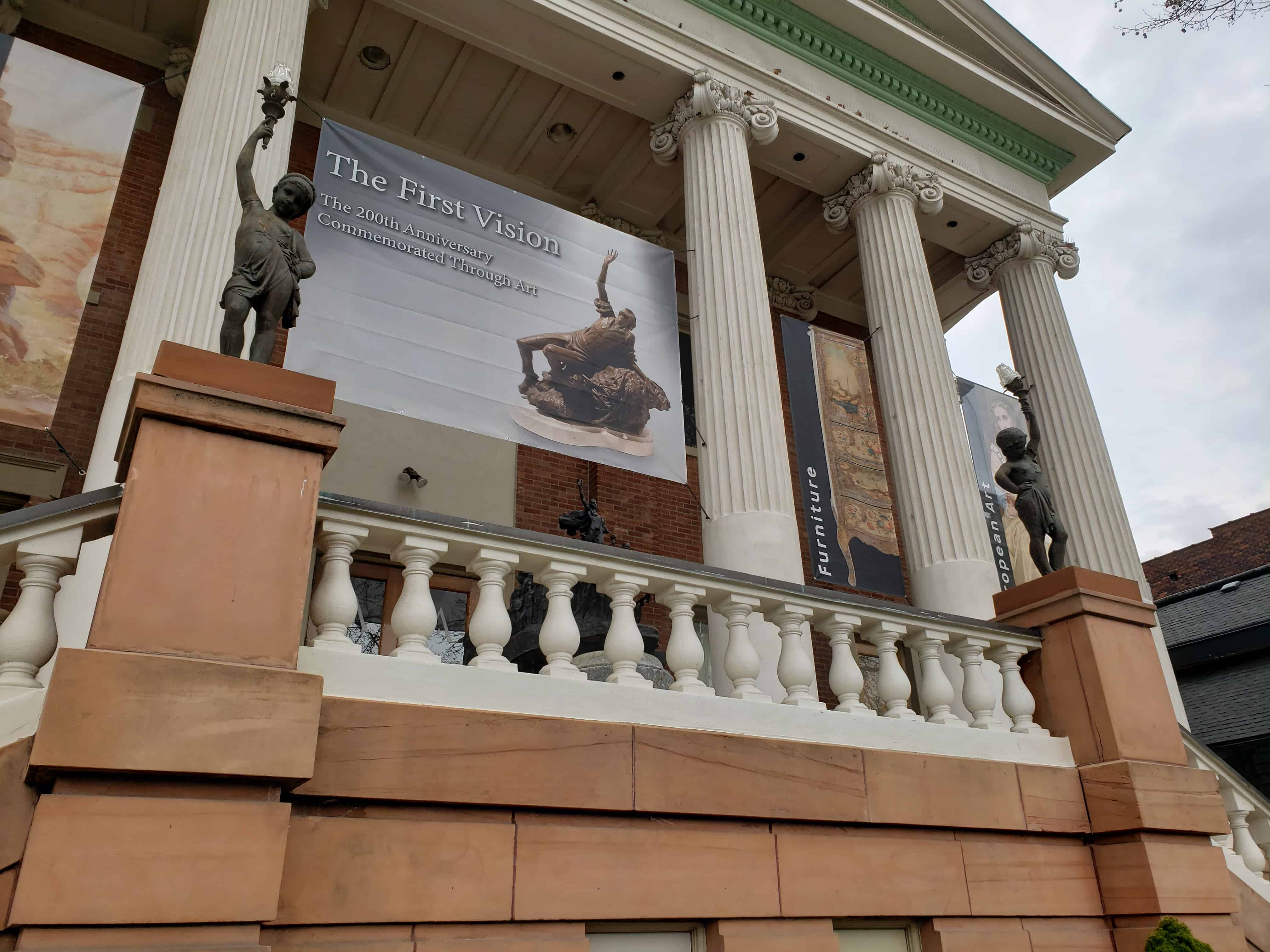
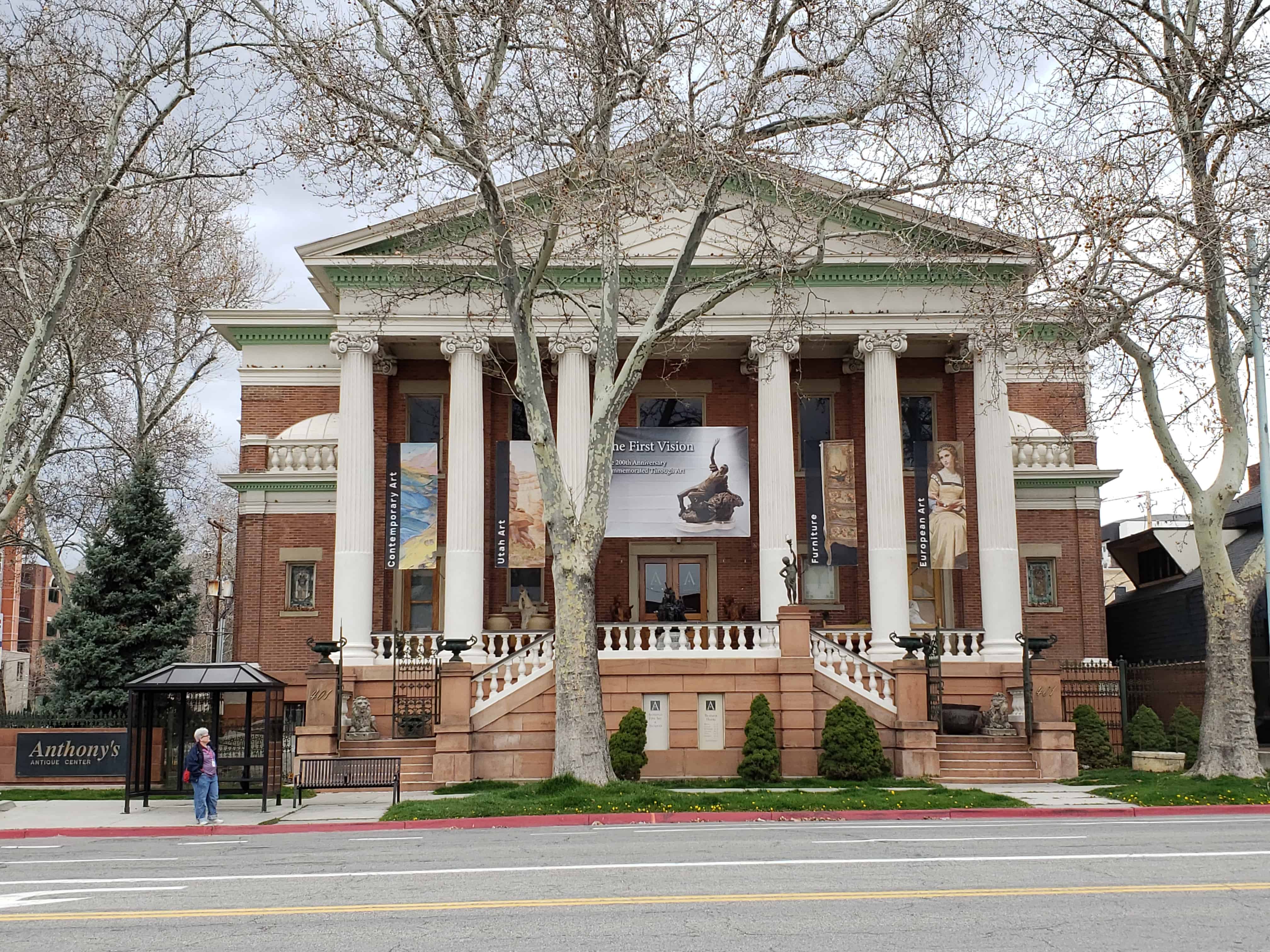
Immanuel Baptist Church is a historic church at 401 E. 200 South in Salt Lake City, Utah. it is now Anthony’s Fine Art, an Art and Antique store.
The Classical Revival church was built in 1910–1911, but not dedicated until 1915. It was added to the National Register of Historic Places in 1978.
Related Posts:
In 1865 the Military Governor of the Territory of Utah requested the Baptist Mission Society to begin work in Utah, feeling that the already established Presbyterian, Methodist, Episcopalian and Congregationalist churches were insufficiently vigorous in evangelizing among the Mormons.
No missionaries could be spared by the Baptists, and until the Reverend George W. Dodge took up his appointment in 1871 as Superintendent of Indian Affairs for the Territory of Utah, no clergyman was available to care for the handful of resident Baptists.

The Reverend Dodge immediately began a campaign to induce the Baptist Missionary Society to support a missionary in Utah. Although willing in principal, the Society had a personnel and financial problem created by the enormous burden it had shouldered in opening schools and missions for blacks in the South during this reconstruction period. However, in October 1871, they assigned the Reverend Seweel Brown to officially open a mission in the area, but specifying that he was to divide his time between Evanston, Wyoming, and Salt Lake City. This responsibility was difficult to discharge and the Reverend Brown stayed at his post for no more than a year.
It was not until 1881 that another Baptist missionary, the Reverend Dwight Spencer, was dispatched to Utah, and with greater financial support from the Missionary Society finally established a Baptist presence in Utah on a permanent basis. On August 1,1883, the First Baptist Church of Salt Lake City was organized with 16 charter members. The denomination flourished, and by 1900 several other churches and mission stations had been created in the Salt Lake City area, including, in 1896, the Rocky Mountain Region’s
first black church, Calvary Baptists.

The growth of Salt Lake City and the changing pattern of residential development caused two congregations to come together in 1908. The well-established First Baptist Church and the Eastside church merged to form Immanuel Baptist Church. The reason for the coming together was simple; both had outgrown their pioneer structures and with the new stature of the Baptist Church as an established member of the community, it was decided that a large and impressive building would further enhance that prestige.
Accordingly, a lot was purchased at the corner of Fourth East and Second South streets in what was then one of the finest areas of the city. An architect, J. A. Headlund, was hired at a cost of $1,371.50 and given instructions to design a distinguished building. The Greek Revival structure that came from his pen was indeed impressive, and totally satisfied the parishmen of Immanuel Baptist.

Finished in 1911, but not dedicated until 1915, Immanuel Baptist took its place as one of the showplace churches of Salt Lake City. However, even at this late date, and despite the growth in the number of Baptists, the major financial contribution toward the construction of the building came from the Baptist Missionary Society. Financing for the $80,000 project as a whole, and the mortgage holder, was the Zim’s Savings and Trust Company, owned by the Mormon Church.
Despite the magnificence of their new building, the Immanuel Baptist Church did not experience any rapid new growth. The hoped-for growth in prestige is difficult to evaluate and it must be assumed that the social class categorization of Protestant denominations would limit Baptist influence as much in Utah’s power elite as elsewhere in the nation.

Immanuel Baptist enjoyed an increase in members and an important role in providing for Baptist servicemen during World War II. The huge Army and Air Force installation in Salt Lake County created a need for special support efforts in areas of recreation and opportunities for religious worship. Eventually, the changing demographics of Salt Lake City after World War II caused Immanuel Baptist’s role to be reassessed and the decision made to remove the congregation to a more suburban setting.
The contribution of this building to Salt Lake City lies principally in the dignity and refinement that it adds to its neighborhood. The history of the Baptist Church in Utah is similarly given a suitable monument to the earnest endeavors of the clergy and lay people who struggled to operate a Baptist community under circumstances that were difficult and often inhospitable.
John A. Headlund, the architect, was born in Engelholm, Sweden, in 1863, and trained at the Architects’ Institute in Chicago. He worked in Colorado Springs for Van Brunt and Howe before coming to Utah in 1891, where he designed a large number of school buildings in Salt Lake County, Park City, and Heber.




10 Wednesday Oct 2018
Posted in Uncategorized
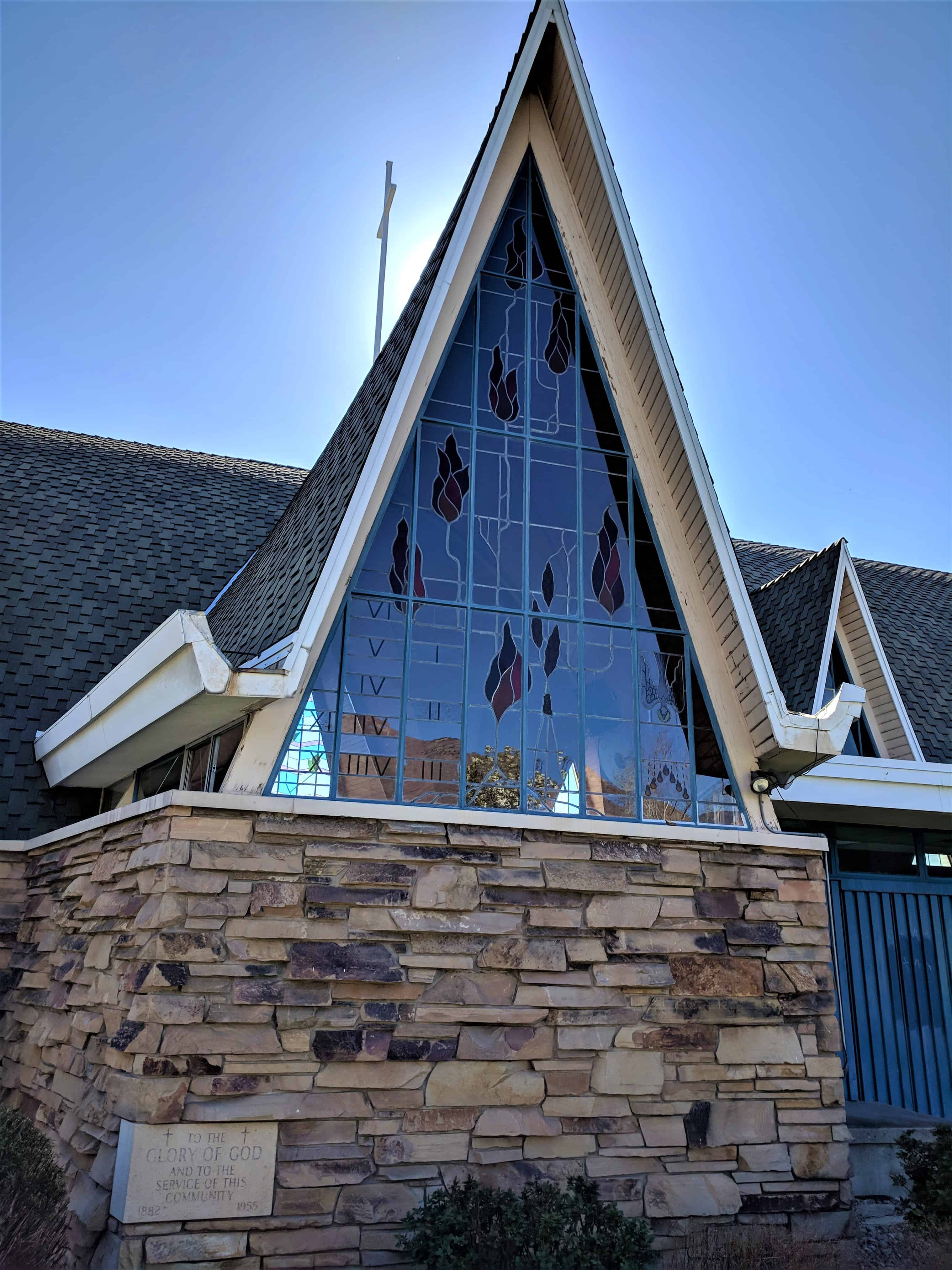
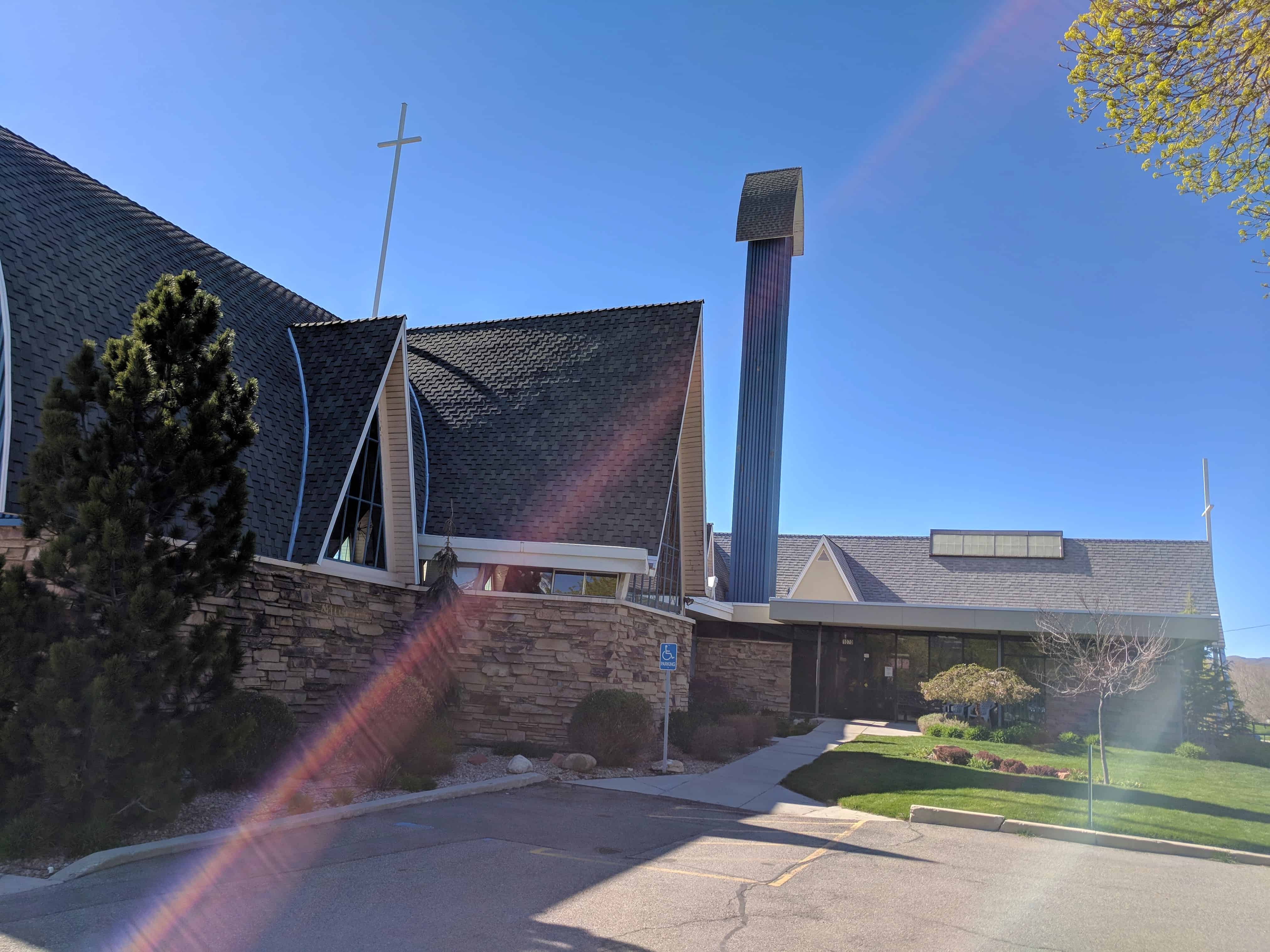
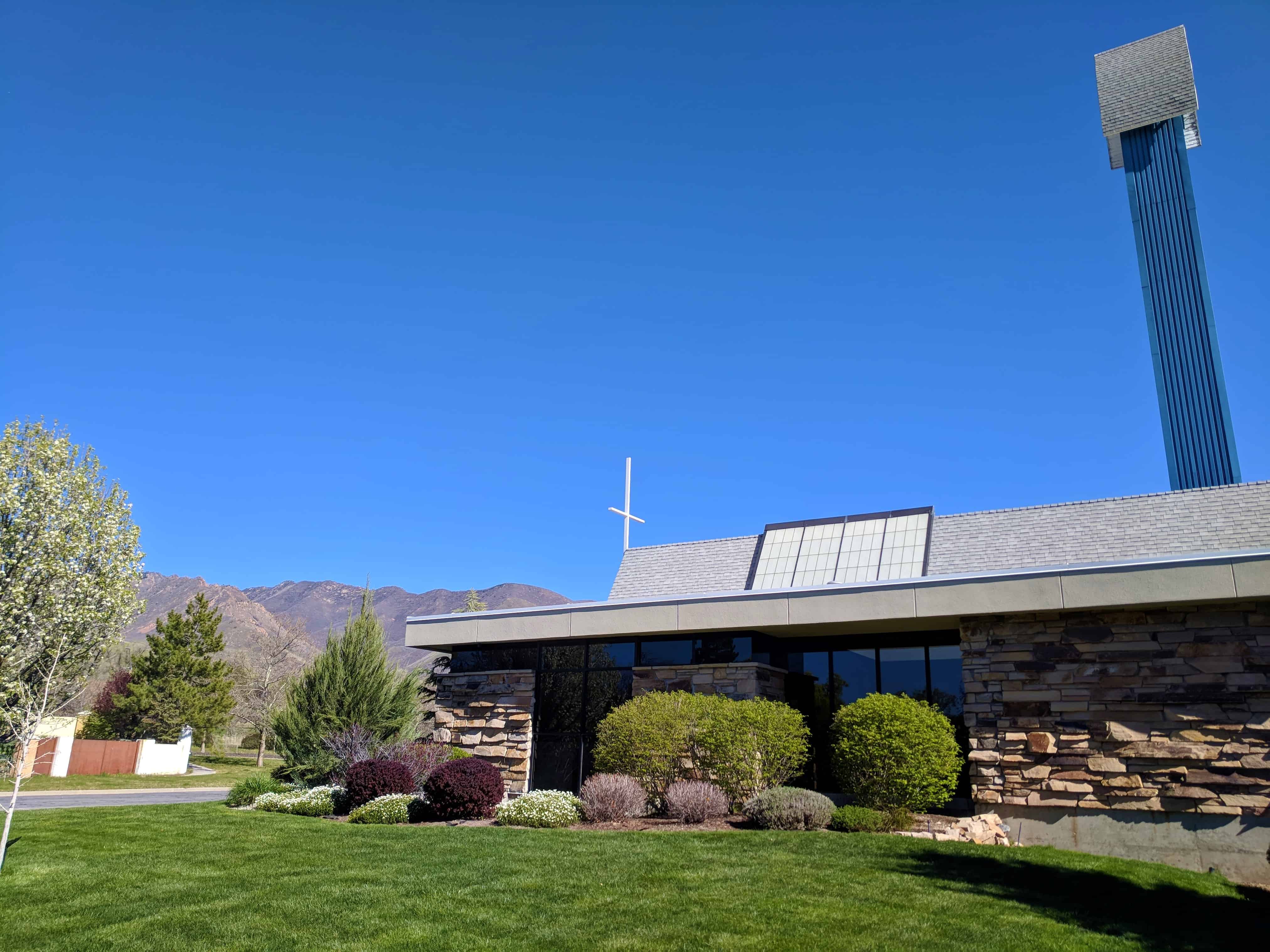
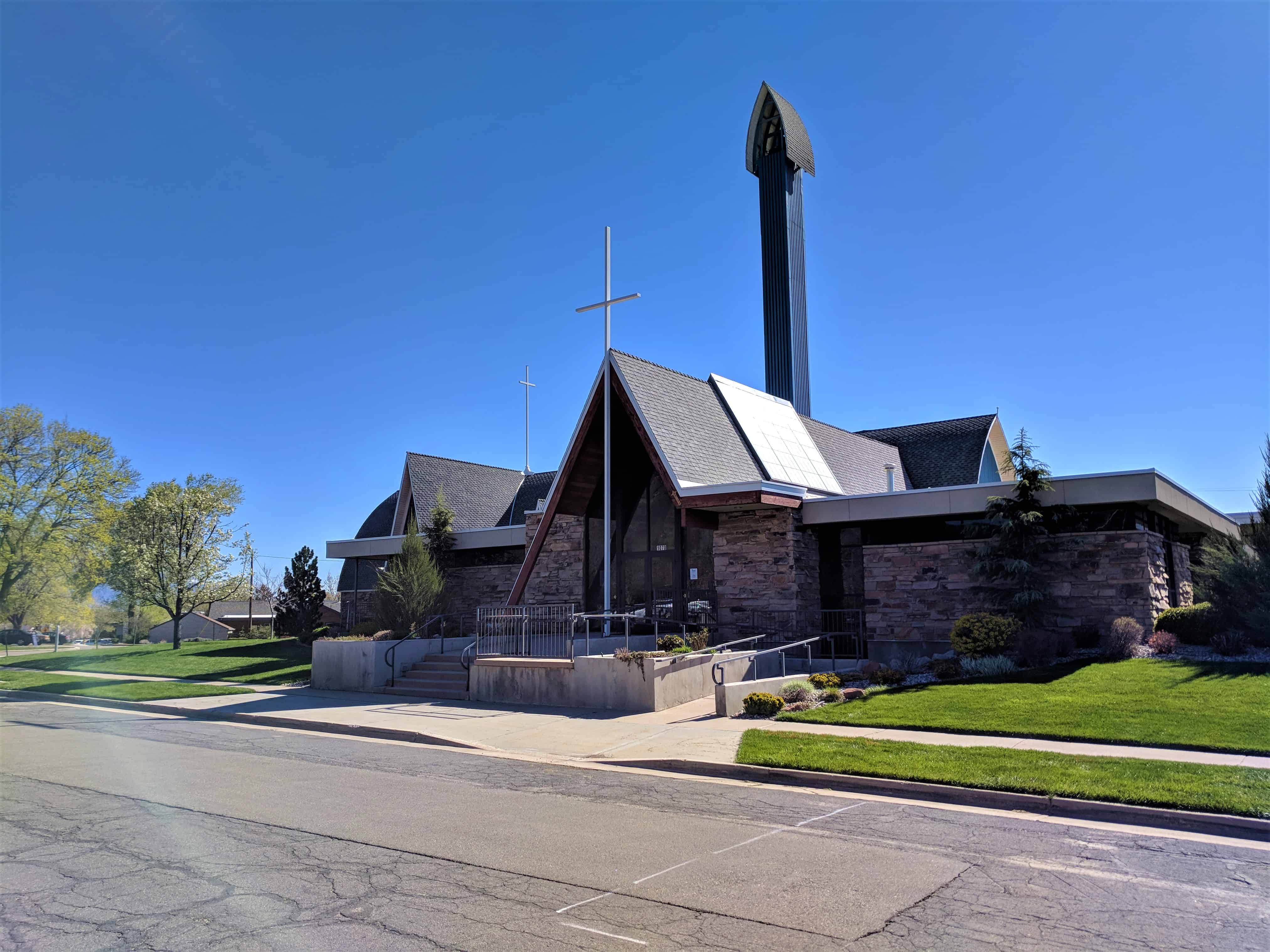
Zion Evangelical Lutheran Church
The first Lutheran church in Utah was originally located at 150 S 400 E in Salt Lake City . Organized July 18, 1852 it was later relocated to 1070 Foothill Drive.


03 Wednesday Oct 2018
Posted in Uncategorized

Chua Tam Bao


03 Wednesday Oct 2018
Posted in Uncategorized

Islamic Society of Bosniaks in Utah


03 Wednesday Oct 2018
Posted in Uncategorized
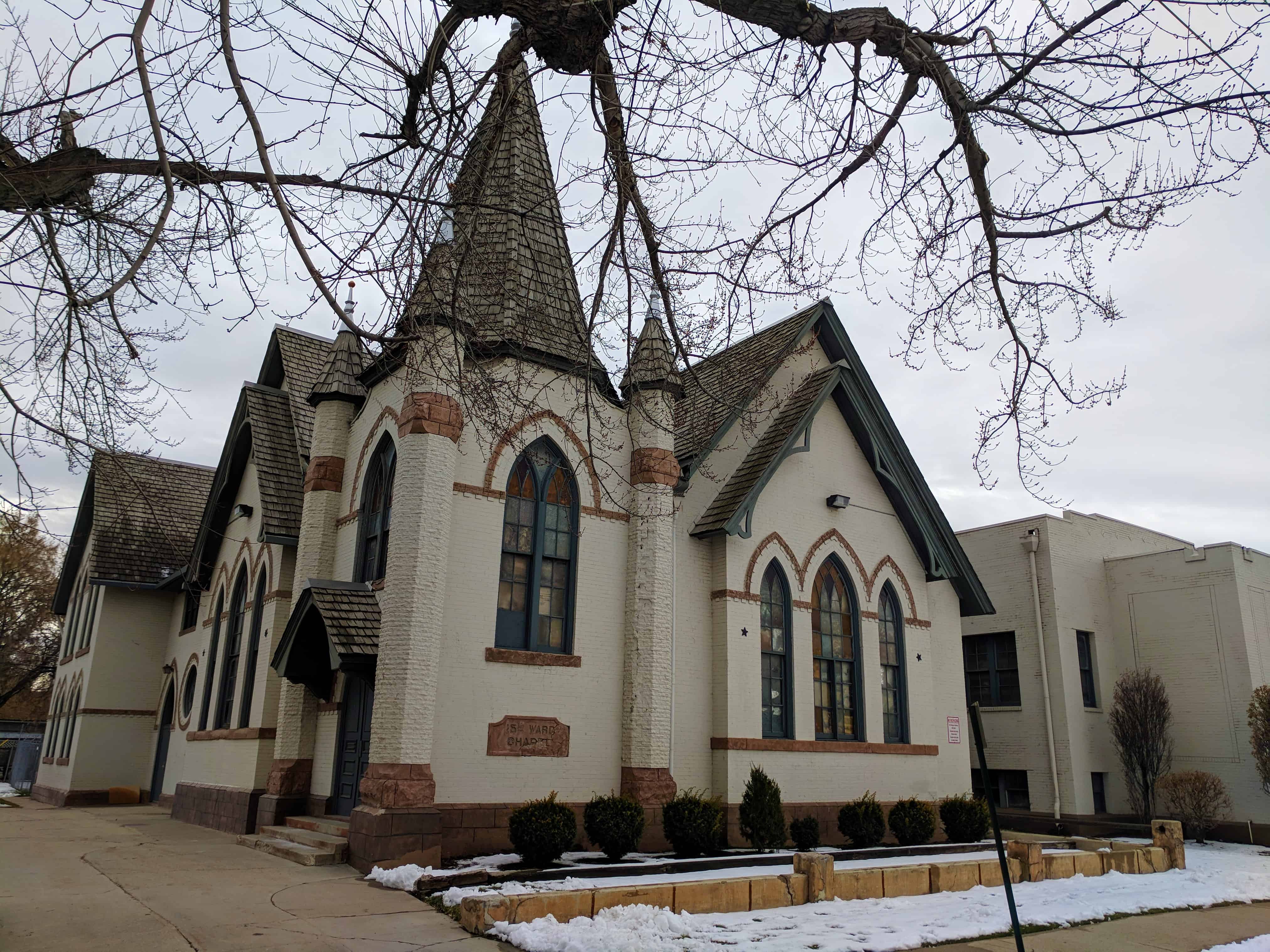
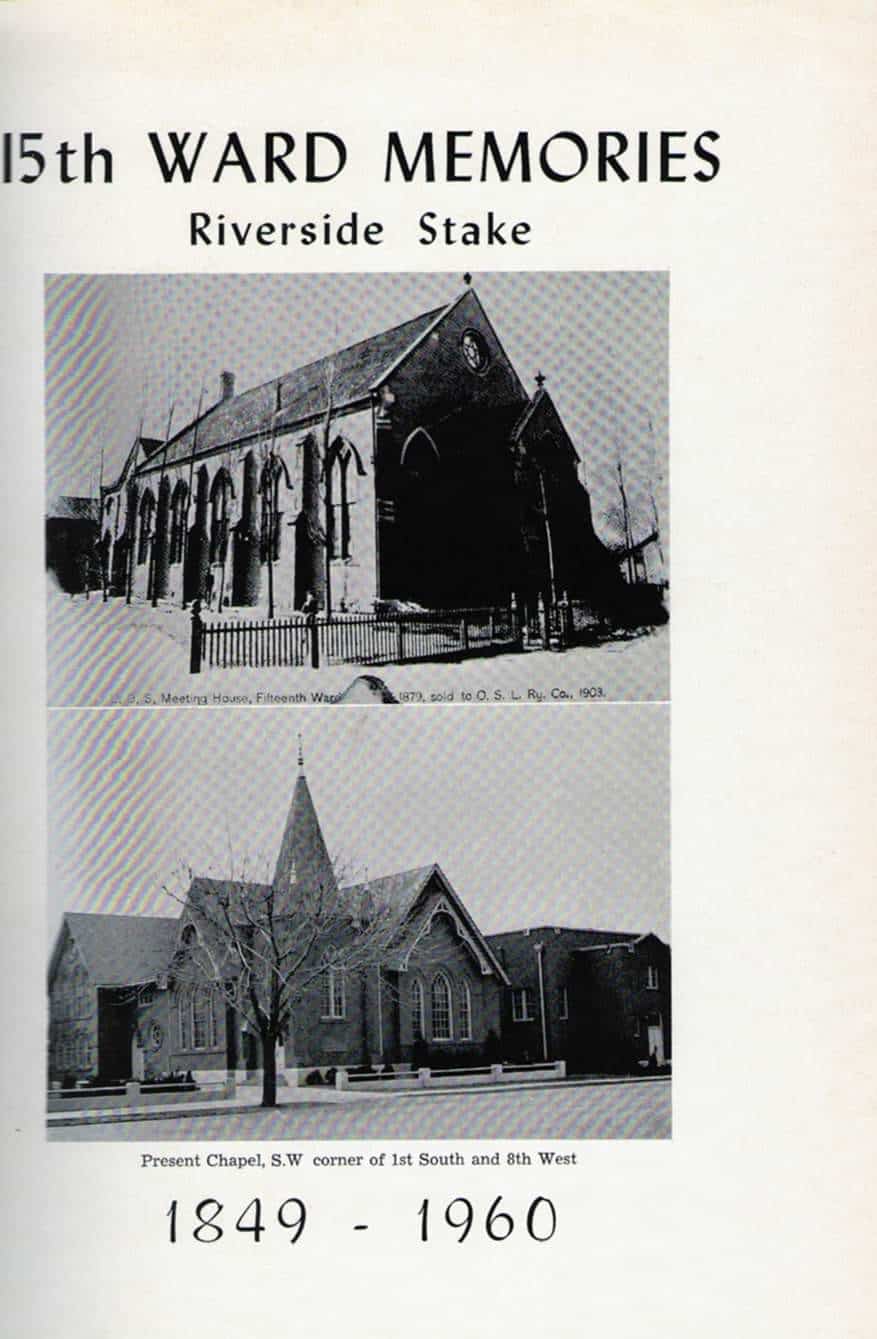
The 15th Ward Chapel
The old chapel that was built in 1904 and was previously used for the 15th Ward of the Church of Jesus Christ of Latter-day Saints in Salt Lake City.
Built in 1900 and dedicated in 1906, The addition to the west of the chapel is a cultural hall and was built in 1931. The church sold the chapel in the late sixties when the ward was discontinued and it was merged into the 34th ward. (thank you Samuel Roberts)
For other historic churches in Salt Lake City visit this page.
15th Ward Boundaries: (*)
… bounded on the north by South Temple St. (or the 16th and 34th wards), east by 4th West St. (or the 14th Ward), south by 3rd South St. (or the 6th-7th and 25th wards), and west by the Jordan River (or the 32nd Ward).
When first organized, the 15th Ward extended from South Temple to 3rd South streets and from 2nd to 5th West streets
History timeline:
1849, February 22 – one of the nineteen original wards organized
1898 – 24th Ward took that part lying west of 6th West St.
1904 – Boundaries of the 15th Ward were extended to 4th West St.
At the same time the 24th Ward was discontinued and the limits of the 15th Ward extended to the river, as at present.
The 15th ward is one of the original 19 wards in Salt Lake City in 1849, you can see the others on this page.
Located at 915 West 100 South in the Poplar Grove neighborhood in Salt Lake City, Utah


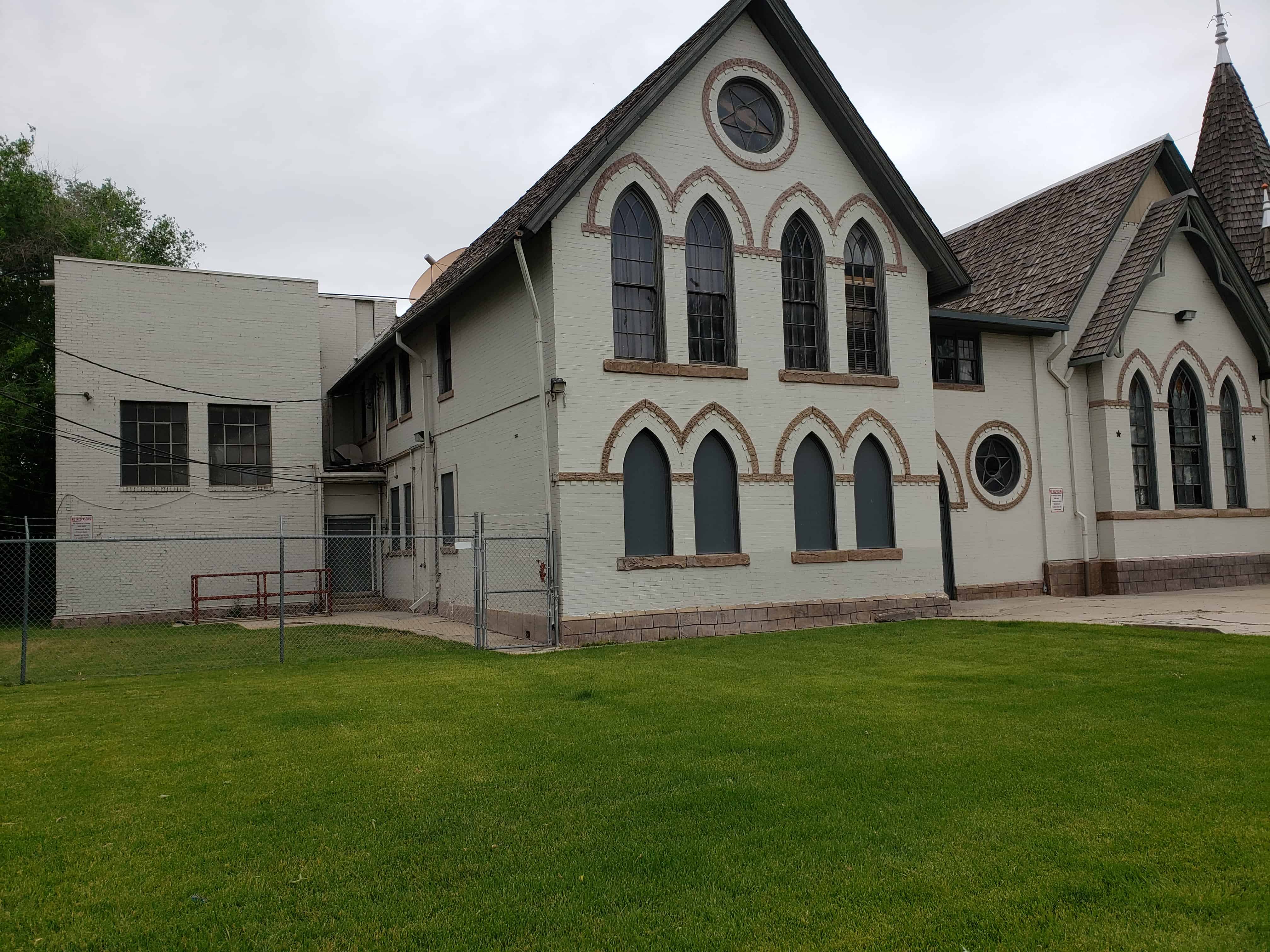

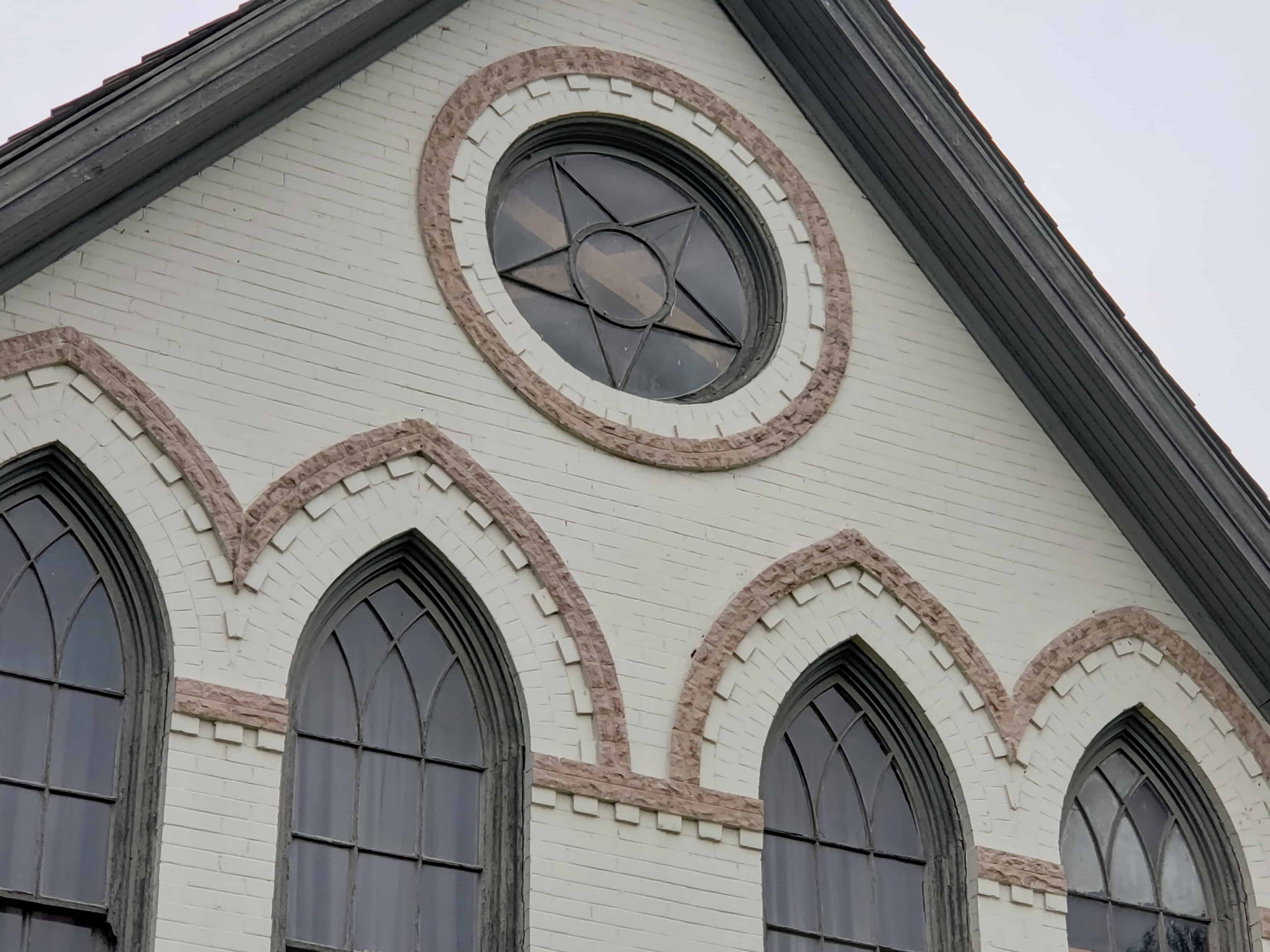




Also from the old 15th Ward: