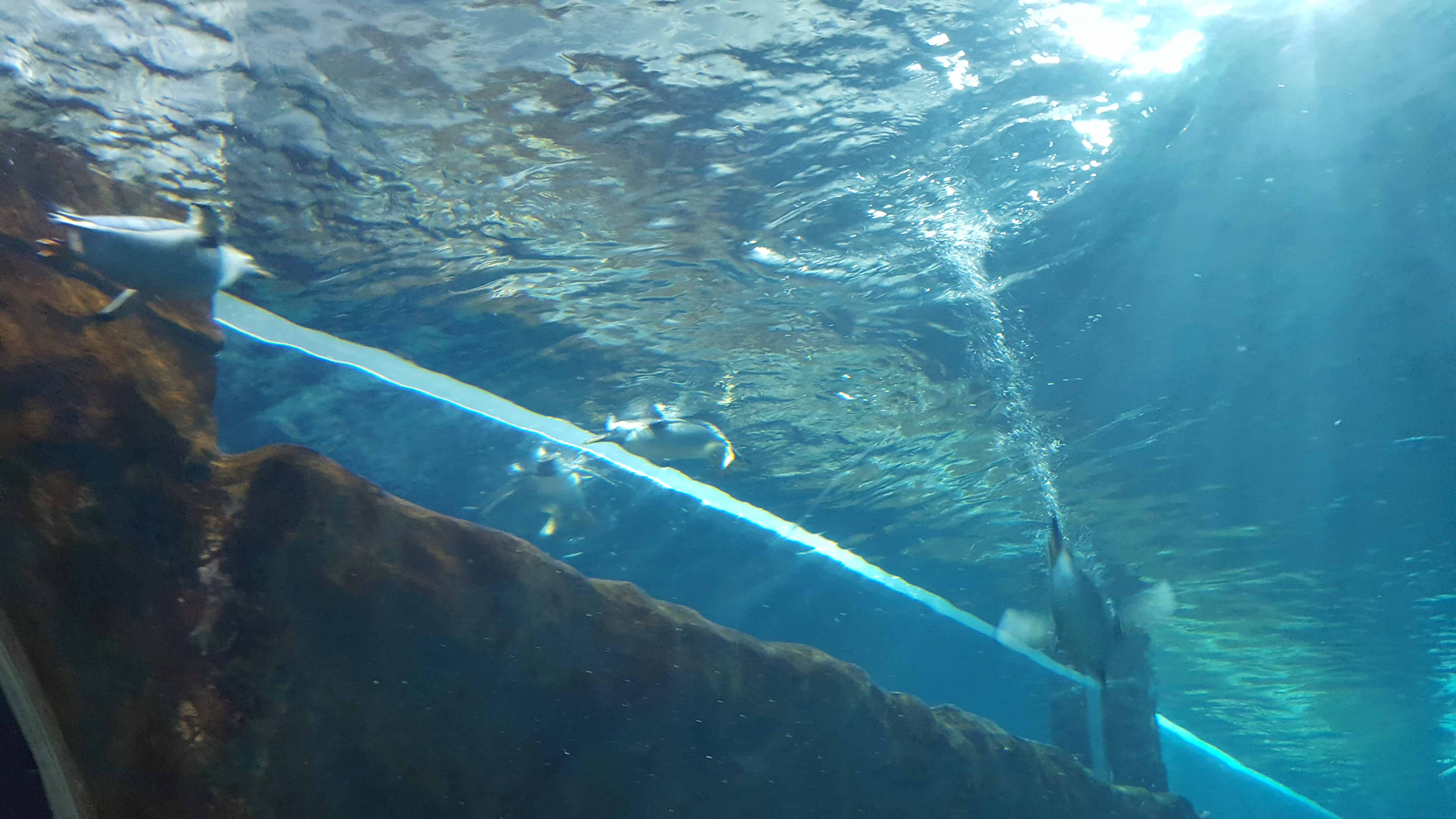
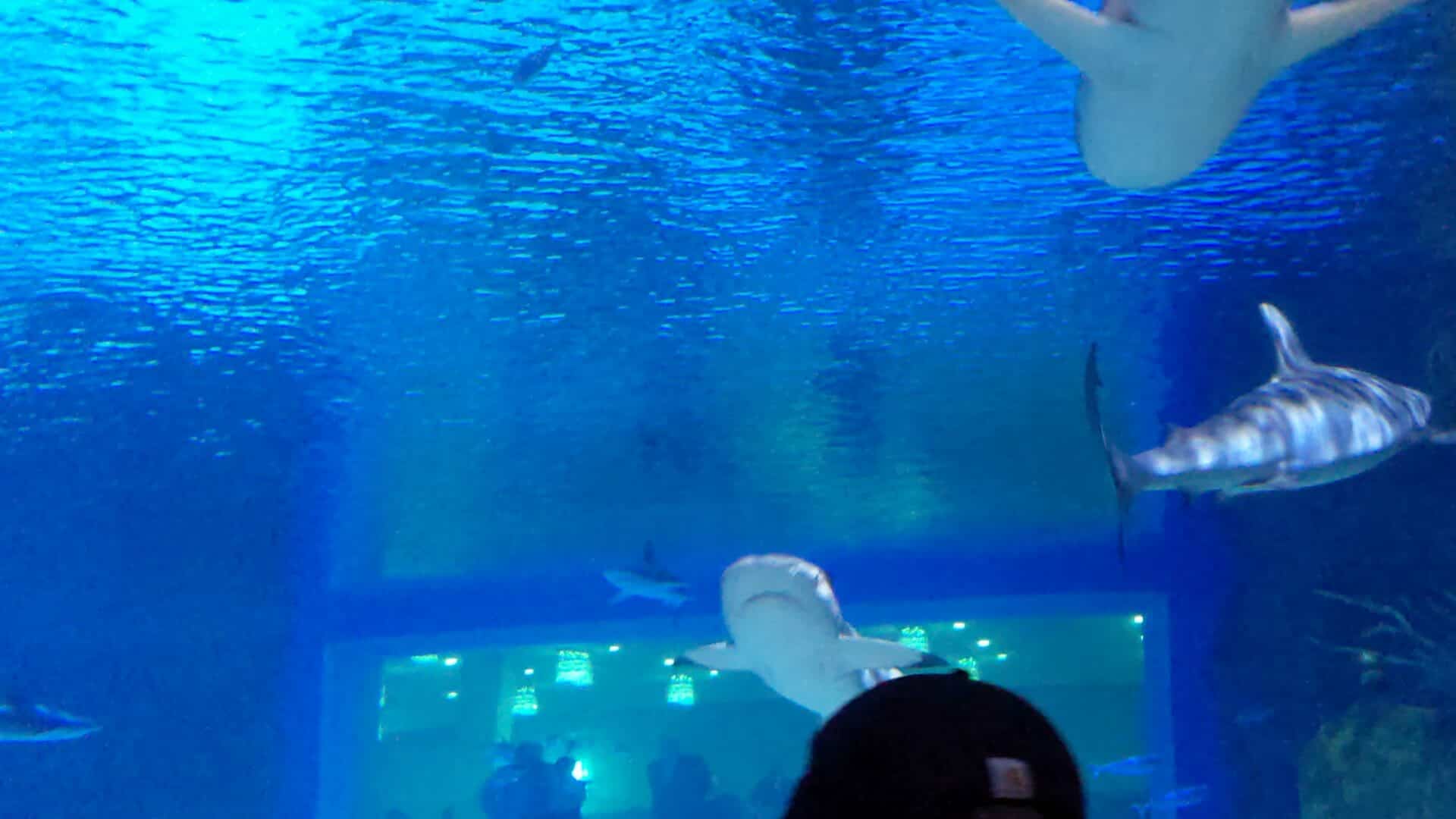
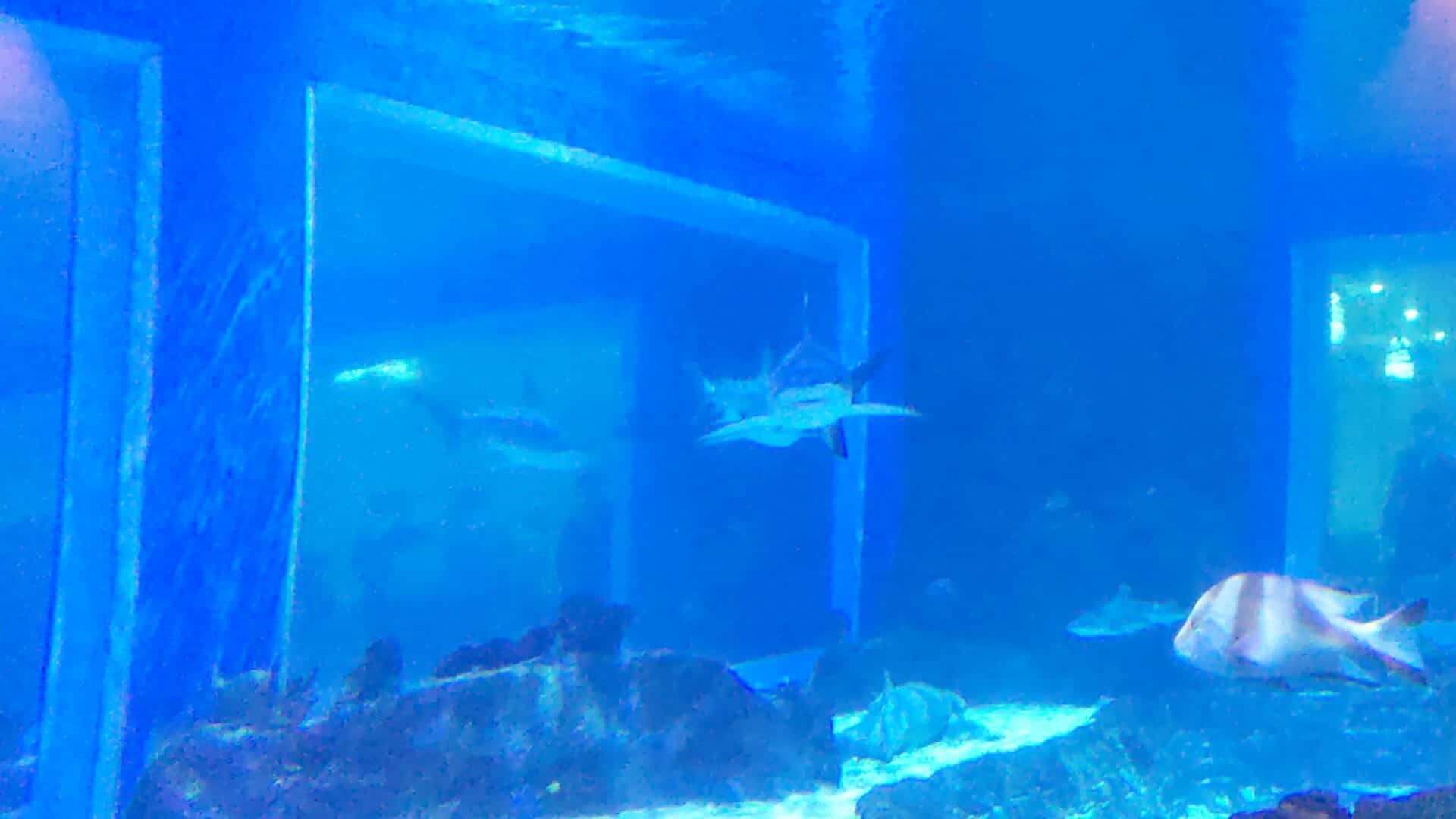
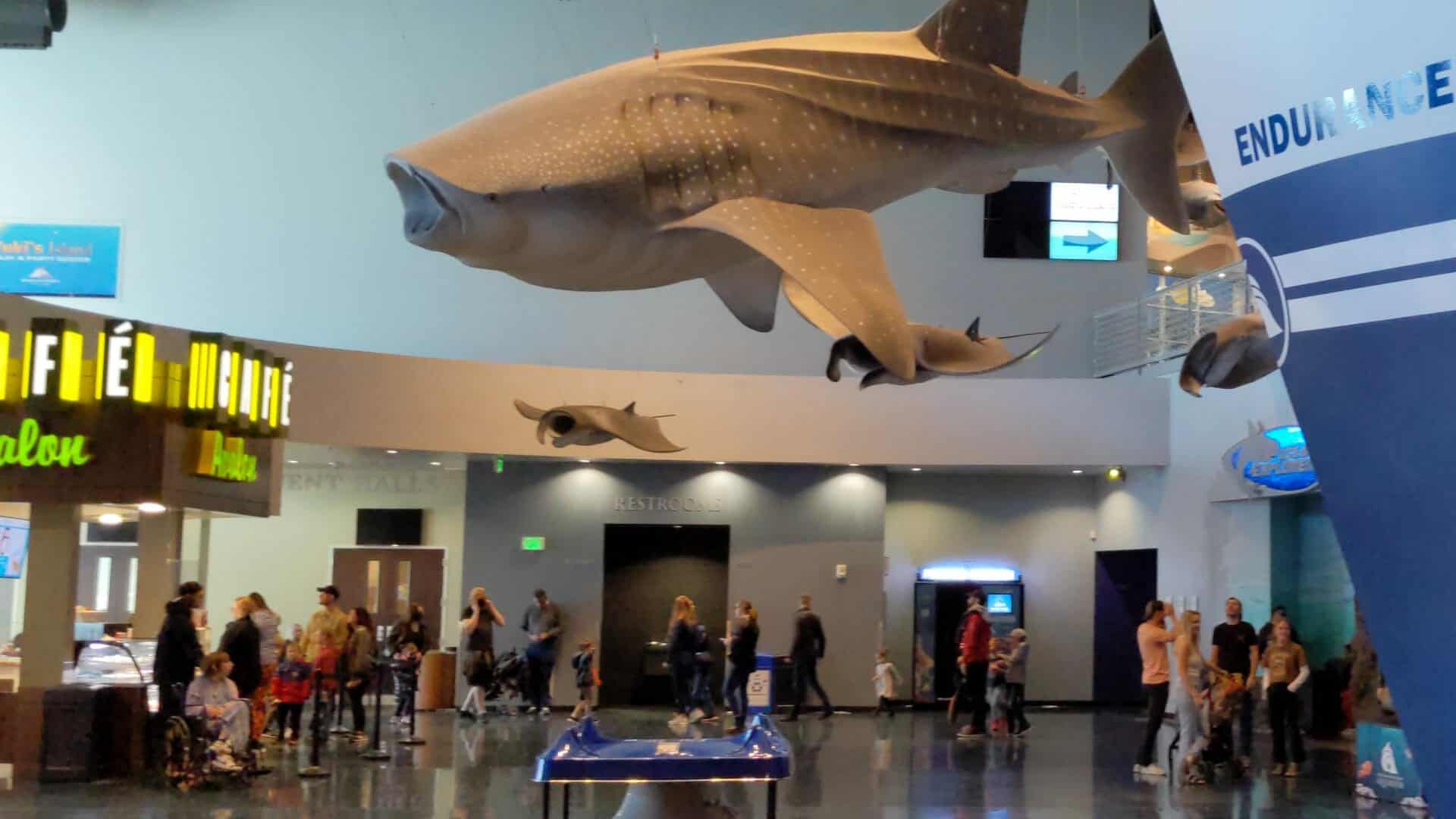
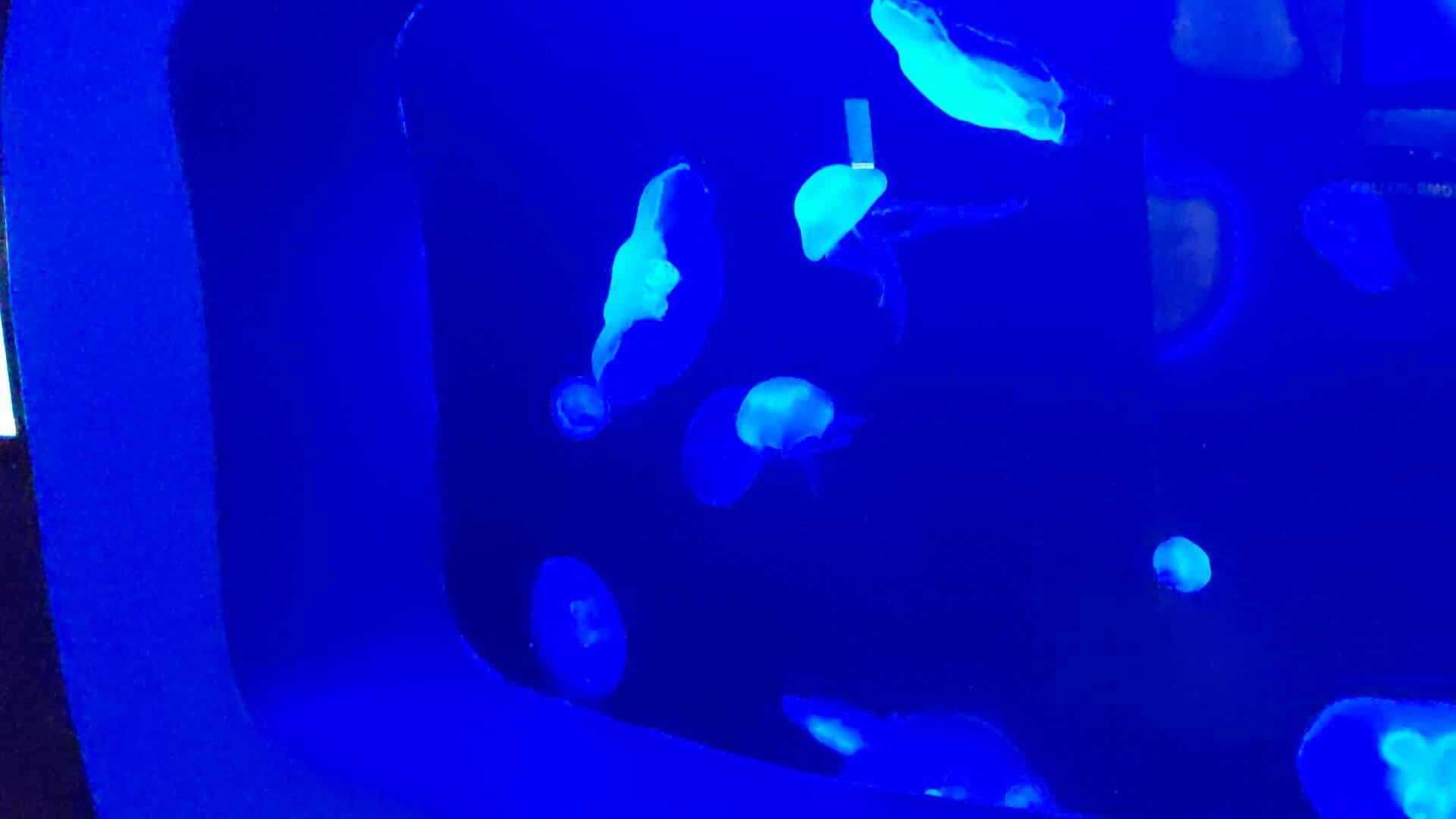
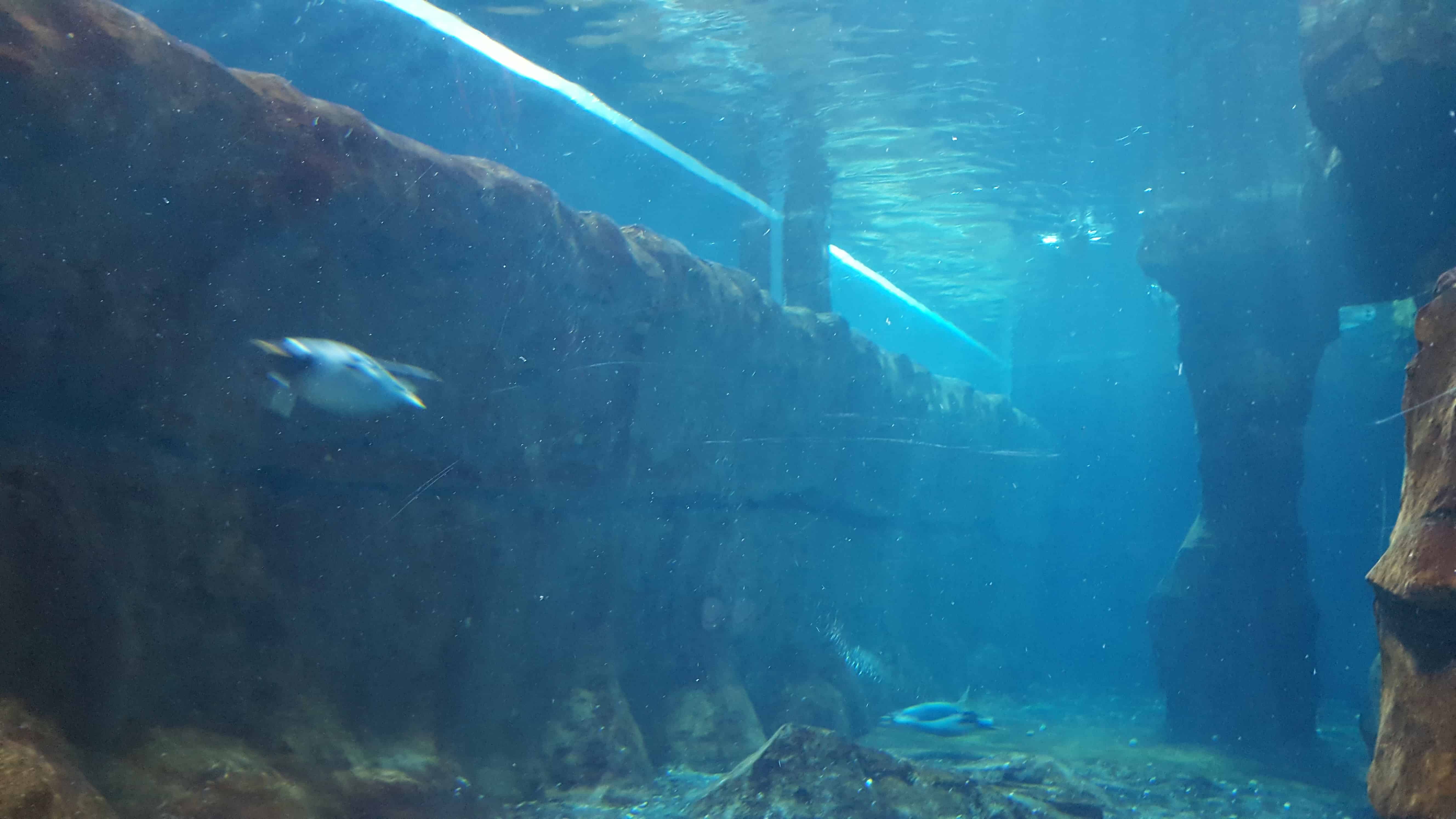
The Loveland Living Planet Aquarium’ is a non-profit organization located in Draper. It is home to 2500 animals representing 450 species. The public aquarium consists of five main exhibits: Discover Utah, Ocean Explorer, Journey to South America, Expedition Asia and Antarctic Adventure.(*)
On July 22, 1847, an advanced party of the first Mormon pioneers entered the valley and immediately began to irrigate land and explore the area with a view to establishing new settlements. Alexander Beckstead, a blacksmith from Ontario, Canada, moved his family to the West Jordan area in 1849, and became the first of his trade in the south Salt Lake Valley. He helped dig the first ditch to divert water from the Jordan River, powering Archibald Gardner‘s flour mill. In 1859, Beckstead became the first settler of South Jordan by moving his family along the Jordan River where they lived in a dugout cut into the west bluffs above the river. The flood plain of the Jordan was level, and could be cleared for farming if a ditch was constructed to divert river water along the base of the west bluff. Beckstead and others created the 2.5-mile “Beckstead Ditch”, parts of which are still in use as of 2010.
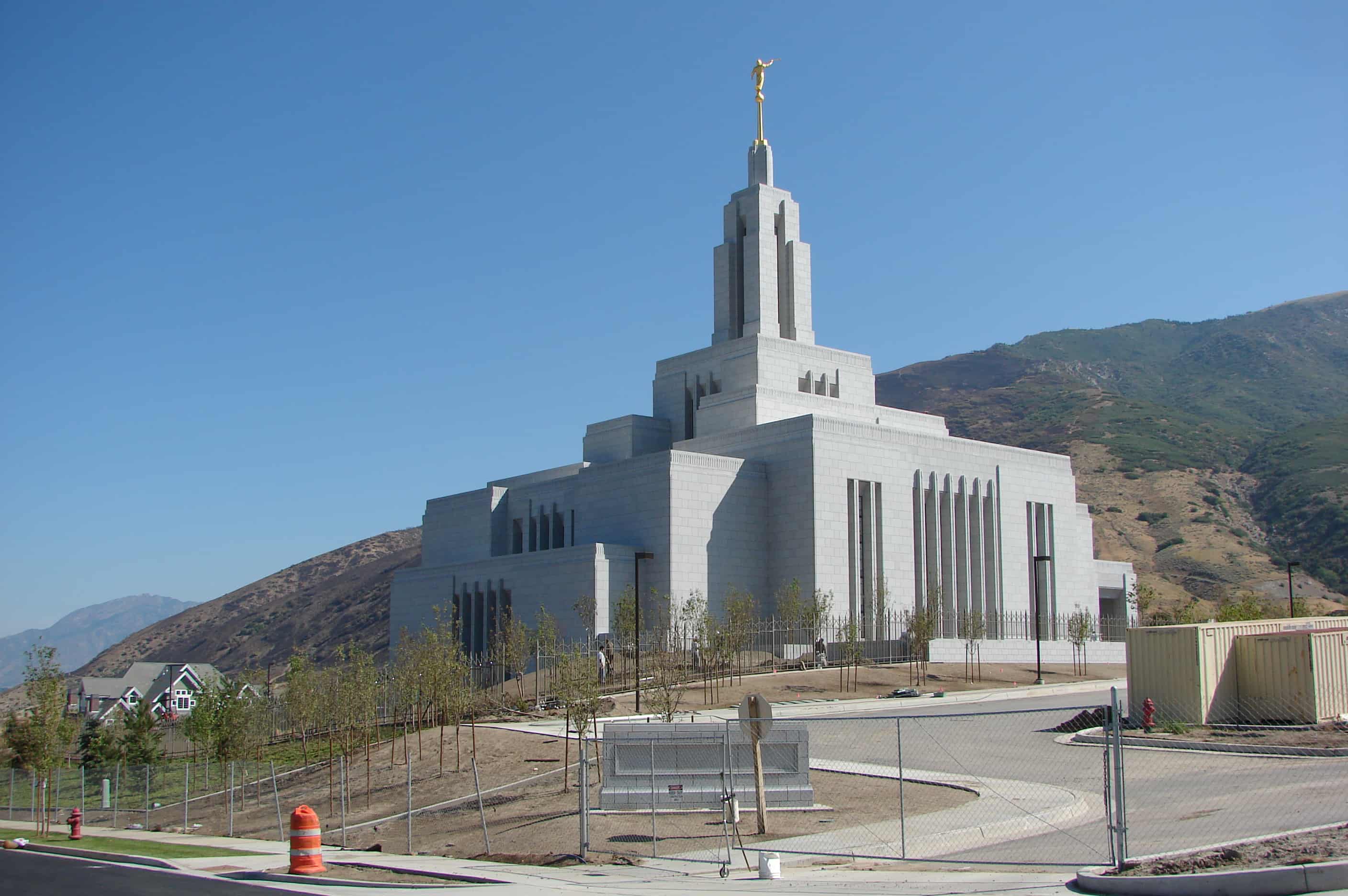
The Draper Utah Temple is the 129th temple of The Church of Jesus Christ of Latter-day Saints (LDS Church). It was dedicated in sessions from March 20–22, 2009. Prior to the dedication, the temple was open to the public from 15 January 2009 through 14 March 2009.
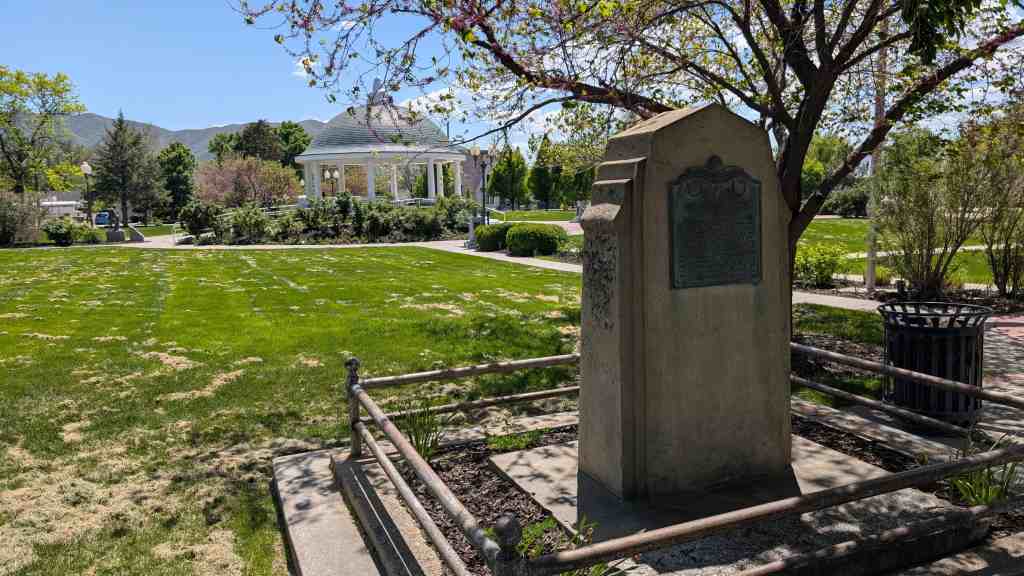
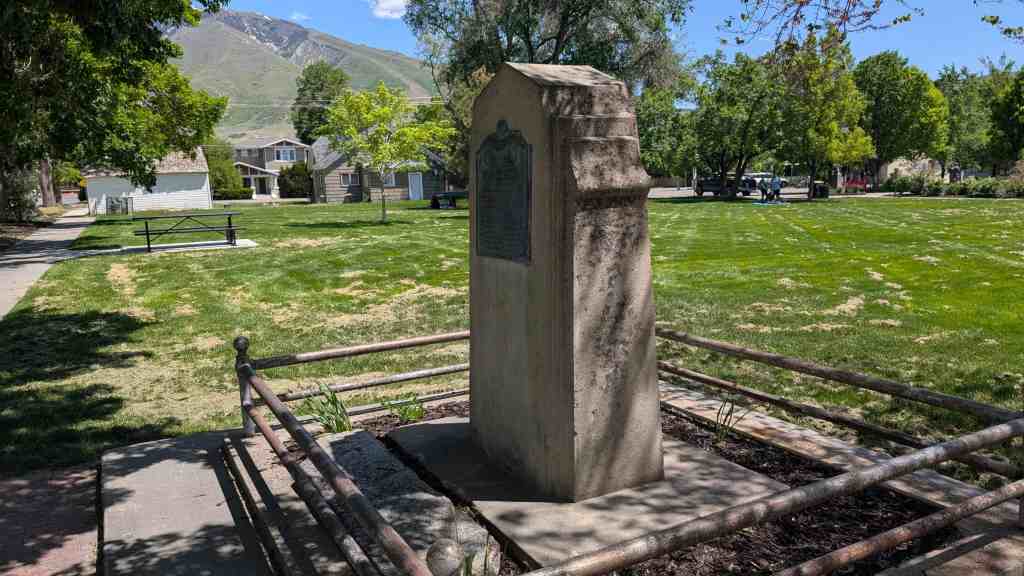
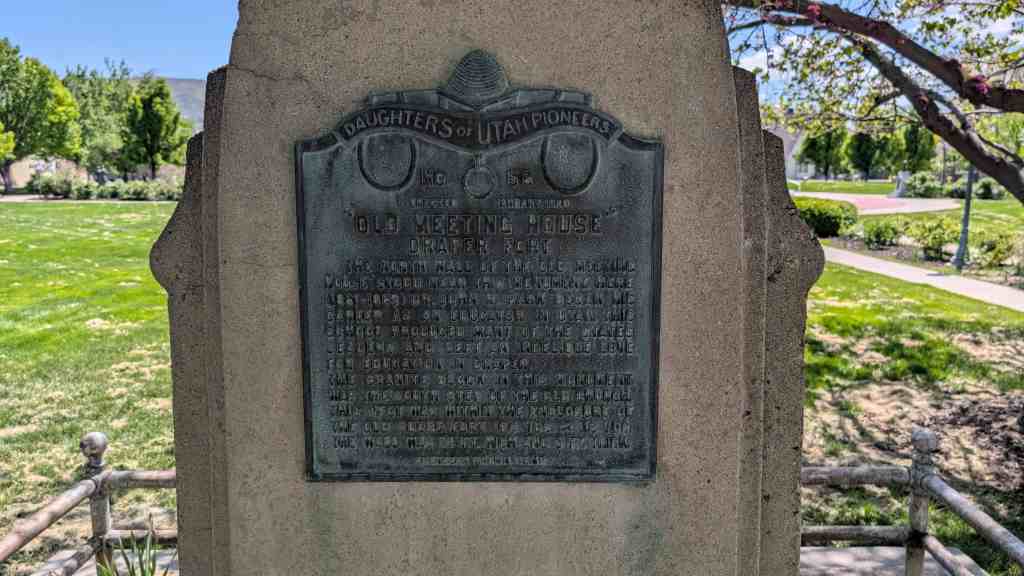
The north wall of the Old Meeting House stood near this monument. Here (1861-1869) Dr. John R. Park began his career as an educator in Utah. This school produced many of the state’s leaders and left an indelible love for education in Draper. The granite block in this monument was the south step of the old church. This spot was within the enclosure of the old adobe fort 184 yds. x 113 yds. The wall was 14 Ft. high and 3 Ft. thick.
This is Daughters of Utah Pioneers historic marker #56 (see other D.U.P. Markers here) located in Draper Historic Park at 12625 South 900 East in Draper, Utah
Draper is in the south-east corner of Salt Lake Valley, near Bluffdale, Sandy, South Jordan and others. Draper is located just north of “Point of the Mountain,” officially “Traverse Mountain,” a popular hang-gliding spot.
Draper was originally called Sivogah, meaning Willows. The town was then known as Willow Creek for the creek the settlers used. They also used the region as a grazing area for their cattle. The town name was then changed to Brownsville for Ebenezer Brown and family who arrived in 1849. Later, the name was again changed to honor William Draper, the town’s first Mormon bishop. The Draper family settled in the area in 1850.
Bluffdale, named for its twenty-five square miles of bluffs and dales, extends from Herriman on the west to Riverton on the north, Draper on the east and the Utah County line on the south. Originally it was part of West Jordan, first settled in 1848-1849. On July 29, 1858, Orrin Porter Rockwell paid five-hundred dollars to Evan M. Green for sixteen acres of land near the Crystal Hot Lakes (adjacent to the present Utah State Prison). This land included a hotel with dining facilities, stable, brewery, and pony express station. As the community expanded, the Bluffdale area became part of South Jordan, then Riverton. In 1883 the Bluffdale School Precinct was formed from parts of Herriman, South Jordan and Draper. On August 1, 1886, the Bluffdale Ward of The Church of Jesus Christ of Latter-day Saints was organized with Lewis H. Mousley as Bishop. For a short time the town was called Mousley. There are seven irrigation canals that originate at the Jordan Narrows in the Bluffdale area and serve the Salt Lake Valley. One of the earliest was the Utah and Salt Lake Canal started in 1862. Some of the early buildings included an adobe church, built in 1887-1888, a tithing house, and a three-room schoolhouse constructed in 1893.