• About JacobBarlow.com
  • Cemeteries in Utah
  • D.U.P. Markers
  • Doors
  • Exploring Utah Email List
  • Geocaching
  • Historic Marker Map
  • Links
  • Movie/TV Show Filming Locations
  • Oldest in Utah
  • Other Travels
  • Photos Then and Now
  • S.U.P. Markers
  • U.P.T.L.A. Markers
  • Utah Cities and Places.
  • Utah Homes for Sale
  • Utah Treasure Hunt

JacobBarlow.com

~ Exploring with Jacob Barlow

JacobBarlow.com

Tag Archives: Historic Homes

Edward Pugh Home

30 Monday Jun 2014

Posted by Jacob Barlow in Uncategorized

≈ 3 Comments

Tags

historic, Historic Buildings, Historic Homes, NRHP, Salt Lake City, Salt Lake County, utah

9220949333325510465-account_id1
“Mount Olympus Christmas” by Al Rounds
(Thanks to Lyndsay Jones Pitbladdo for sending me this.)

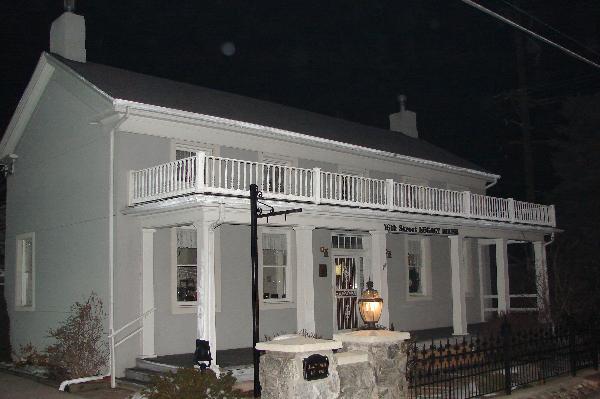
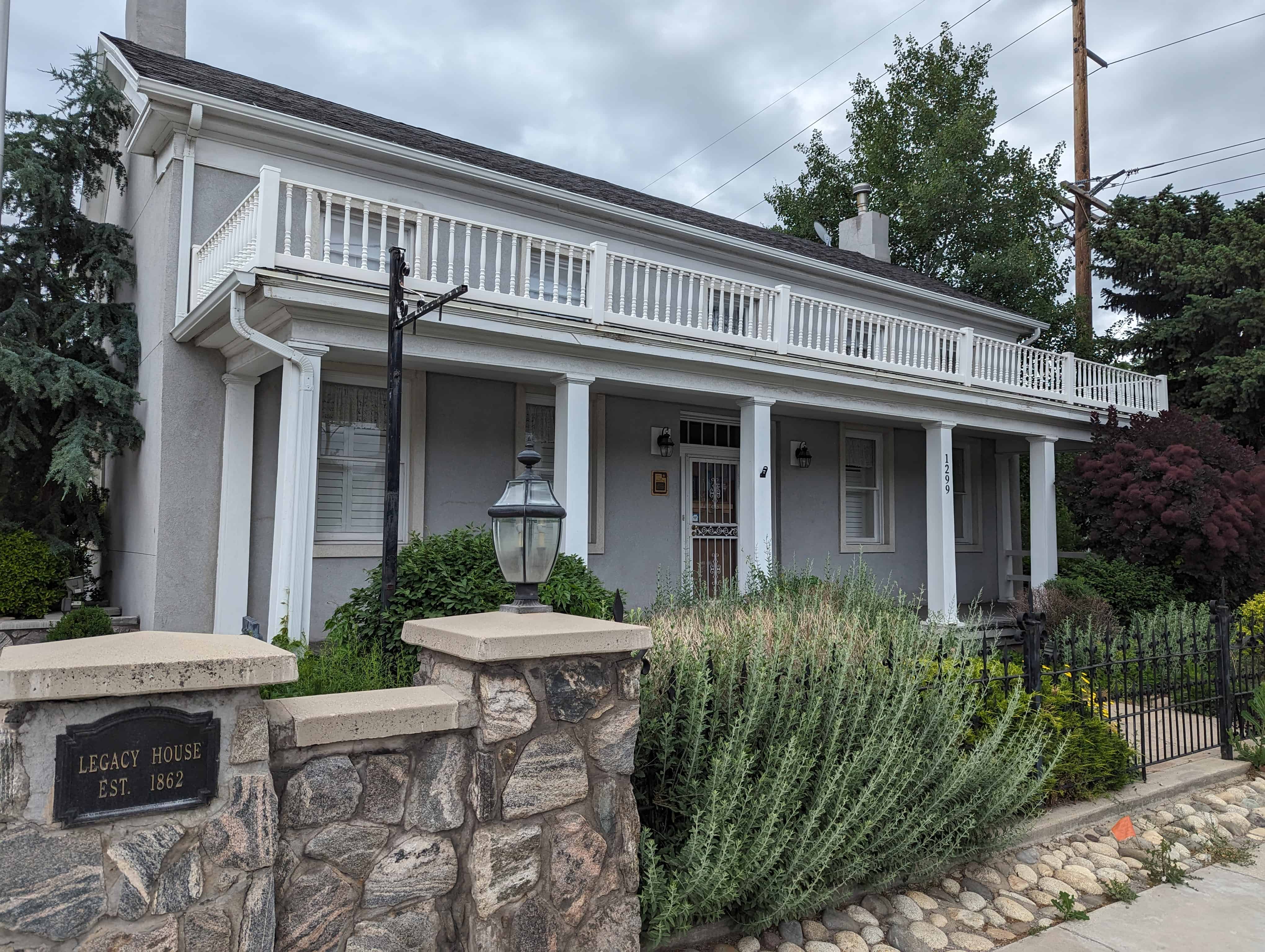
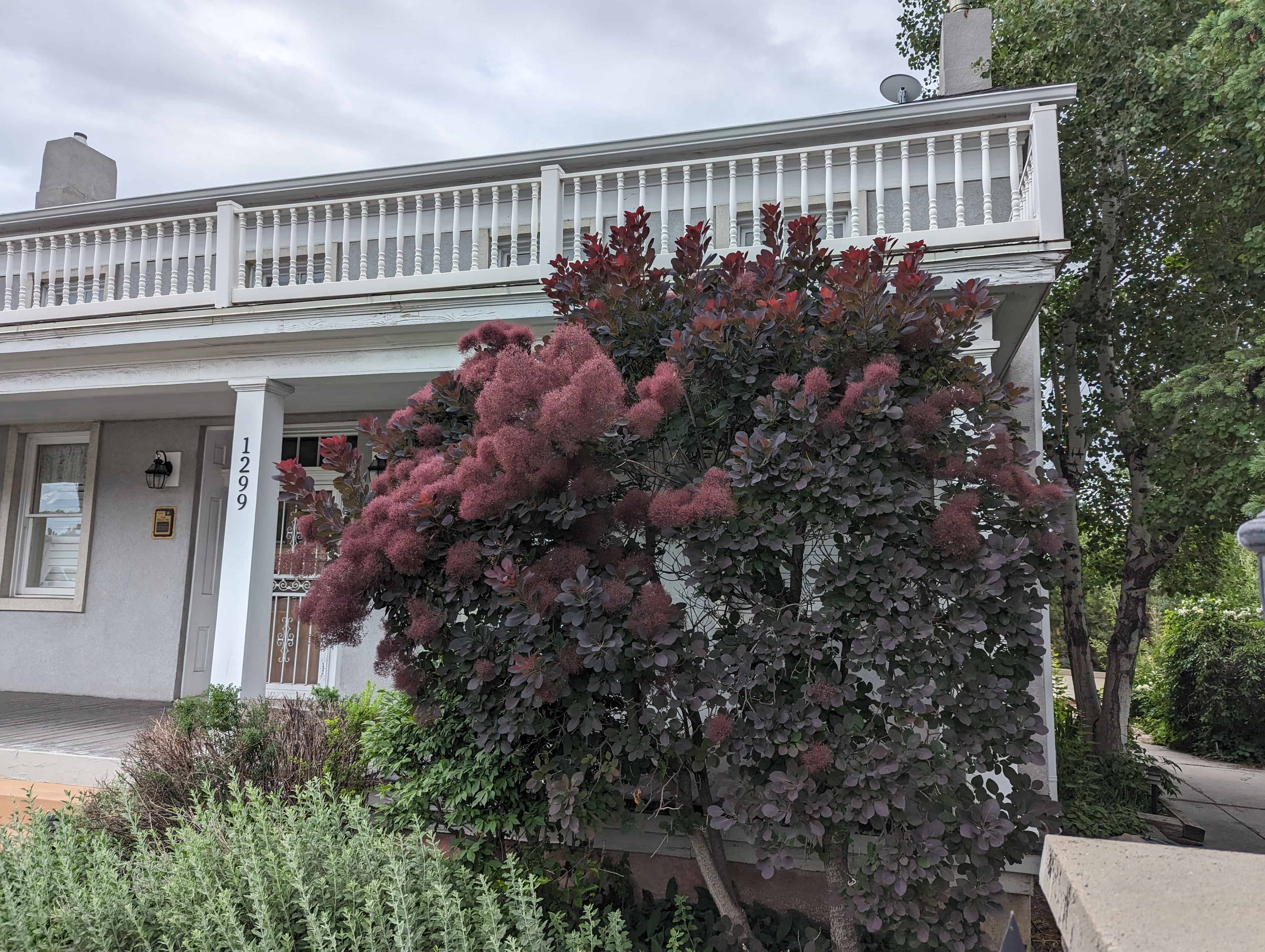
Edward Pugh Home
16th Street Legacy House

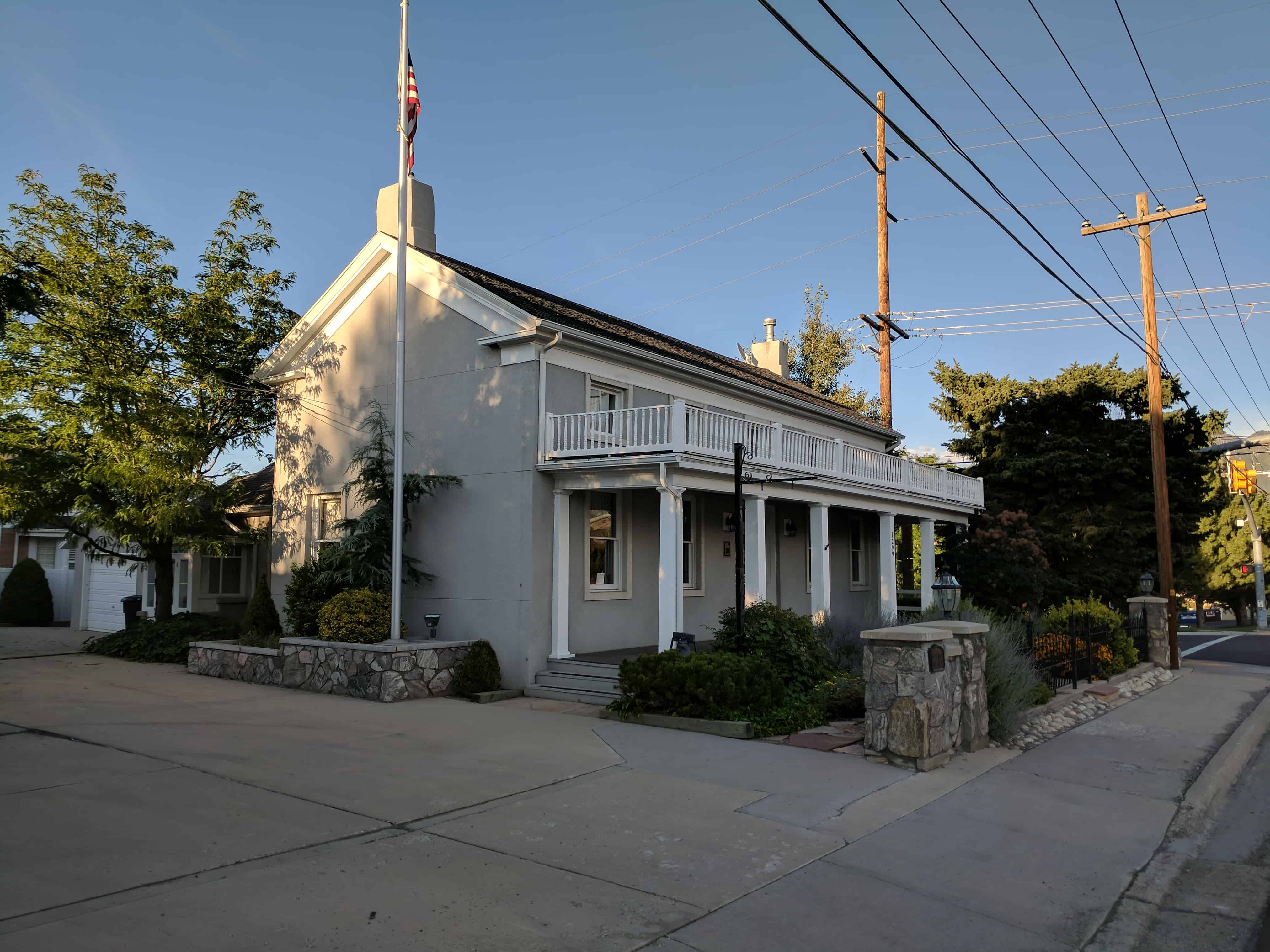
Construction began December 1862.  Built of stucco adobe by Edward Pugh, an 1853 Pioneer to Utah.  Patterned after Brigham Young’s Beehive House.

Located at 1299 East 4500 South in Millcreek, Utah – this home was added to the National Register of Historic Places (#78002680) on August 31, 1978.
2017-08-20 19.23.31
2017-08-20 19.23.40
2017-08-20 19.23.51
2017-08-20 19.24.02
2017-08-20 19.24.33
2017-08-20 19.25.00
2017-08-20 19.25.04
Image
Image

The Edward Pugh House is significant as one of the earliest remaining pioneer houses constructed in the Salt Lake Valley. Architecturally, the house is patterned after Brigham Young’s Beehive House, completed in 1854. Like the Beehive House, the Edward Pugh House is also constructed of stuccoed adobe. The lives of Edward Pugh and his two wives, Mary and Elizabeth, which are inseparably associated with the house, offers an interesting and informative glance into some of the social problems as Mormonism developed on the American frontier.

Edward Pugh was born in Stratford, Herefordshire, England, August 28, 1824. He learned from his father, Edward Pugh, Sr., farming and masonry, two trades that served him well after he arrived in Utah in 1853.

In June 1842, Edward and his older sister, Mary, joined the Mormon church much to the disappointment of their parents who instructed them not to return home until they gave up this new religion. However, the conversion of Edward and Mary was unshakable and they both worked for one year to raise money to sail to the United States in 1843. Edward followed a year later and joined the main body of the Mormons in Illinois.

Following the exodus from Illinois, Edward Pugh was sent to Kanesville, Iowa where on July 24, 1847, he married Mary Ann Rock Williams Pugh. According to family sources the marriage was one of convenience and had been consumated at the suggestion of Brigham Young. Mary Ann was a widow with three children and one on the way. She was twelve years older than Edward but was also from near Edward’s home in Herefordshire, England.

Edward remained in Iowa until 1853 when they journeyed to Utah in the Henry Ettleman Company, arriving on October 1, 1853. Edward was directed to south Salt Lake Valley where his sister Mary and her husband had already settled. He acquired a rectangular plot of ground for a farm which stretched west from present day 13th East Street to 17th East Street and south from 4000 South Street to 4700 South Street. A log cabin was constructed adjacent to the present house near the southwest corner of the property at 13th East St. and 4500 South St.

On April 19, 1861, Edward left for England where he served as a missionary until April 23, 1862 when he began the return journey to Utah. While returning to Utah, he visited Chicago and purchased a threshing machine and a span of black mares which were used to pull the machine to Utah. The machine was reported to be the first threshing machine brought to Utah and Edward was kept busy threshing wheat for fanners in Salt Lake, Utah and Tooele valleys. In December 1852, construction on the present house was begun and completed in 1863. The new house was evidence not only of Edward Pugh’s skill as a mason, but also the degree of prosperity he had achieved through his dairy farm and threshing activities.

Another sign of Edward Pugh’s success in Utah was his decision to take a second wife. On May 5, 1866, he married seventeen year old Elizabeth Kelley, who he had first met four years earlier as he journeyed with the Kelley family from England back to Utah.

An apartment was prepared for Elizabeth in the log cabin located to the rear of the stuccoed adobe house occupied by Mary. The triangle relationship soon led to conflict as Mary resented the beautiful, young Elizabeth, thirty-seven years her junior. The strong-willed Elizabeth resented the apparent attempts at domination by the older first wife; and Edward, disappointed that his relationship with Mary had produced no children of his own and which if it had, according to Mormon Theology, would be the eternal offspring of Mary and her first husband, was concerned with the fulfillment of a promise by John Smith, brother of the prophet Joseph Smith, that Edward’s descendants would number into the thousands.”

Edward and Elizabeth’s first child, a boy, which they named Edward Kelley Pugh, was born April 18, 1868. In the fall of 1868, Edward Pugh was called to help establish settlements in the southern part of the state. Preparations were made and in November 1870, Edward and Elizabeth with their two children, began the journey to the newly founded settlement of Kanab, 300 miles south of Salt Lake City. Mary, who was near fifty-eight, chose to remain at the Salt Lake home where she died in 1895.

Edward Pugh played an important role in the history of Kanab. As a mason, he helped construct many of the buildings in the community and as an experienced farmer, he was important in the economic development of the region including Kanab’s United Order. Edward died in Kanab on September 14, 1900. The ten children born to Edward and Elizabeth and his descendants are now numbering close to the thousands promised by John Smith in 1844.

In May, 1872, a year and a half after Edward Pugh moved to Kanab, Enoch Pugh, the son born shortly after the marriage of Edward and Mary in Kanesville, Iowa, married Harriet Hughes and moved into the 1862 house where he continued to operate the farm and take care of his mother.

Enoch had worked closely with his father since childhood and following the death of Mary in 1895, acquired full title to the dairy. He died May 20, 1920 at which time his two sons, Bryon and Willard took over the operation of the farm. Willard lived in the house and cared for his mother, Harriet, until her death in 1935. Five years later, in 1940, Willard married Merle Irene Jackson Pugh, the present owner of the house. Willard Pugh died in 1965.

https://www.facebook.com/groups/6706172193/permalink/10159803468922194

Pioneer Cabin

23 Friday May 2014

Posted by Jacob Barlow in Uncategorized

≈ Leave a comment

Tags

Cabins, DUP, historic, Historic Homes, Historic Markers, Plain City, utah, Weber County

2018-11-17 10.42.13

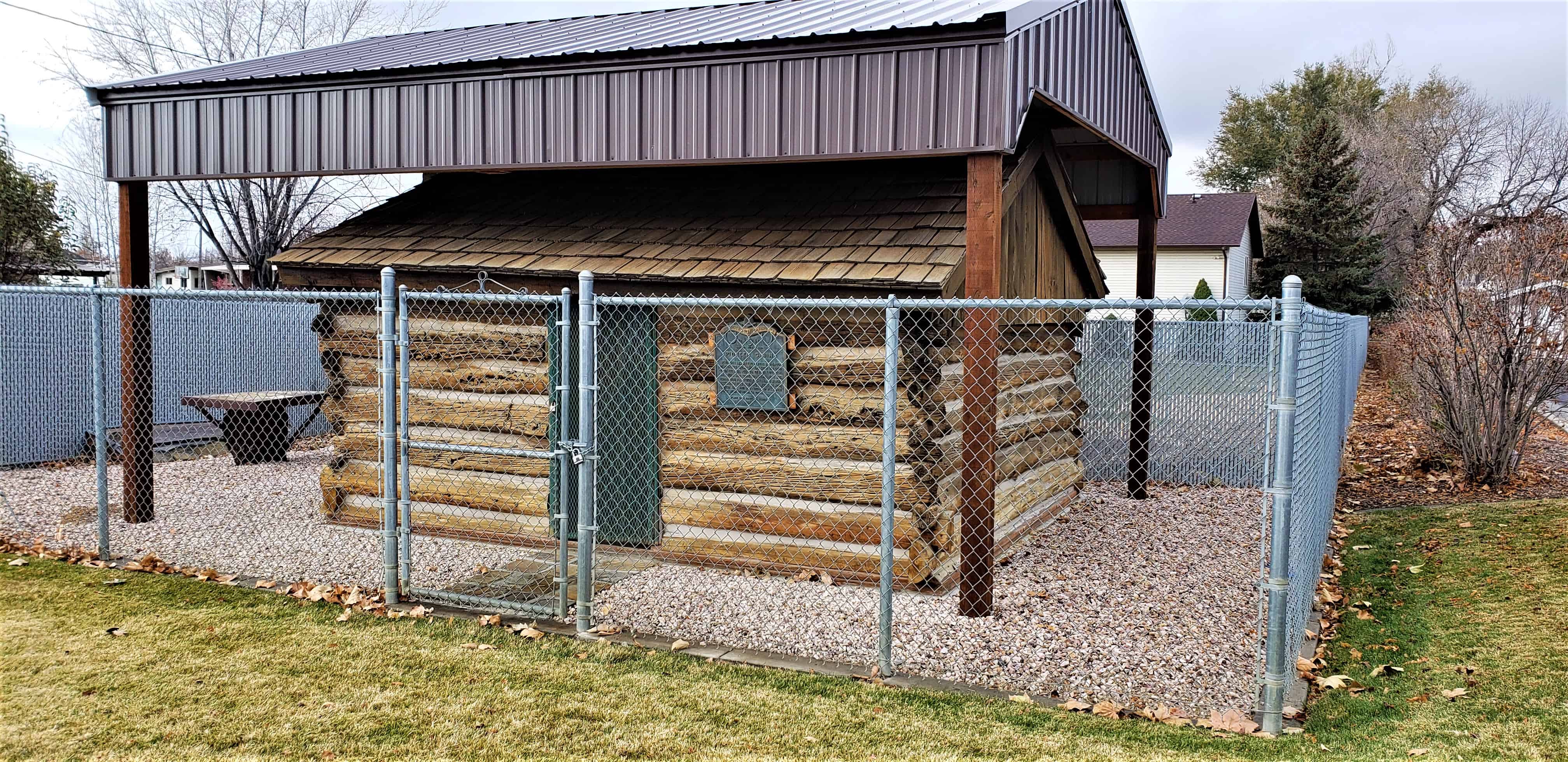
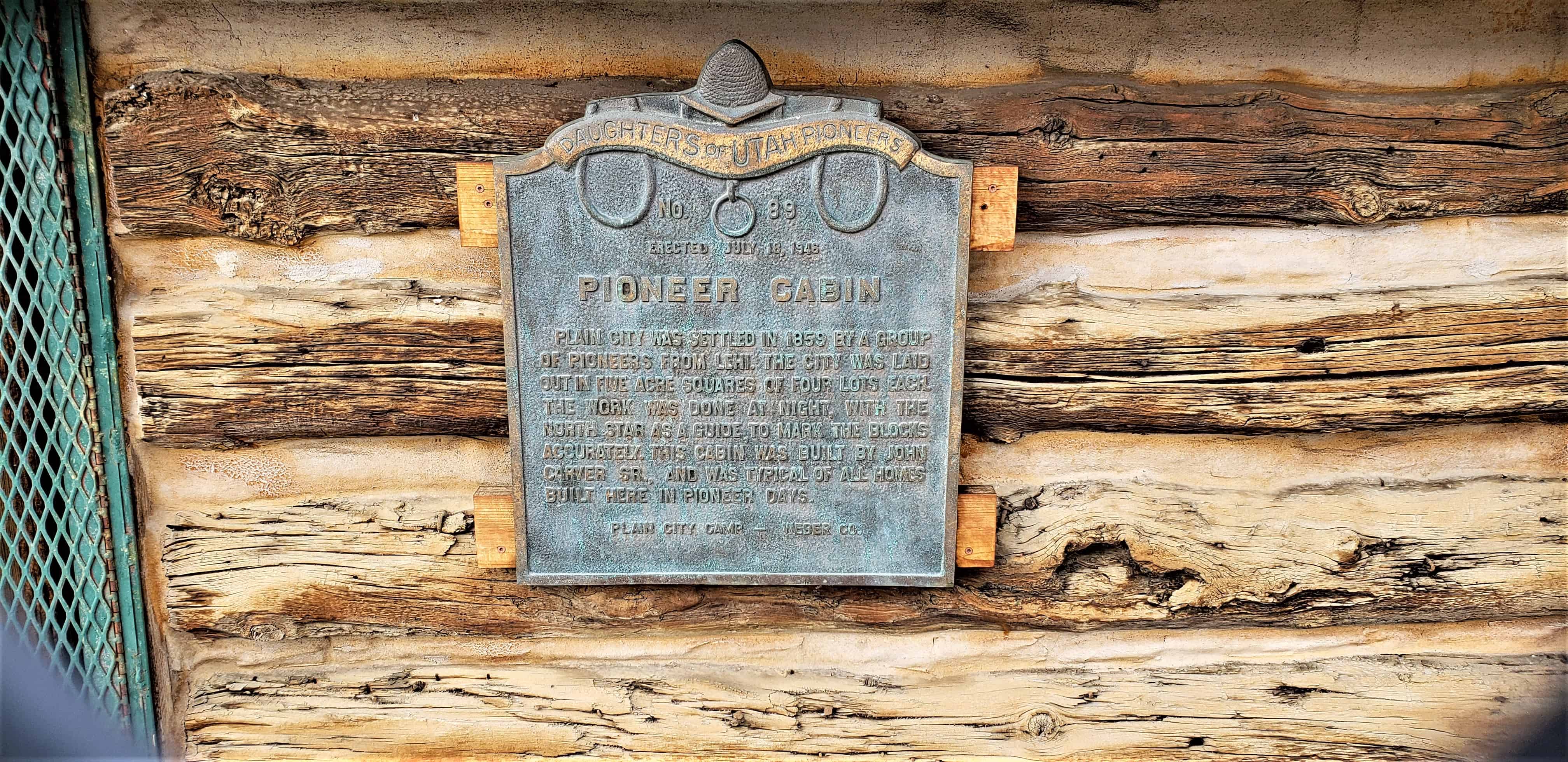
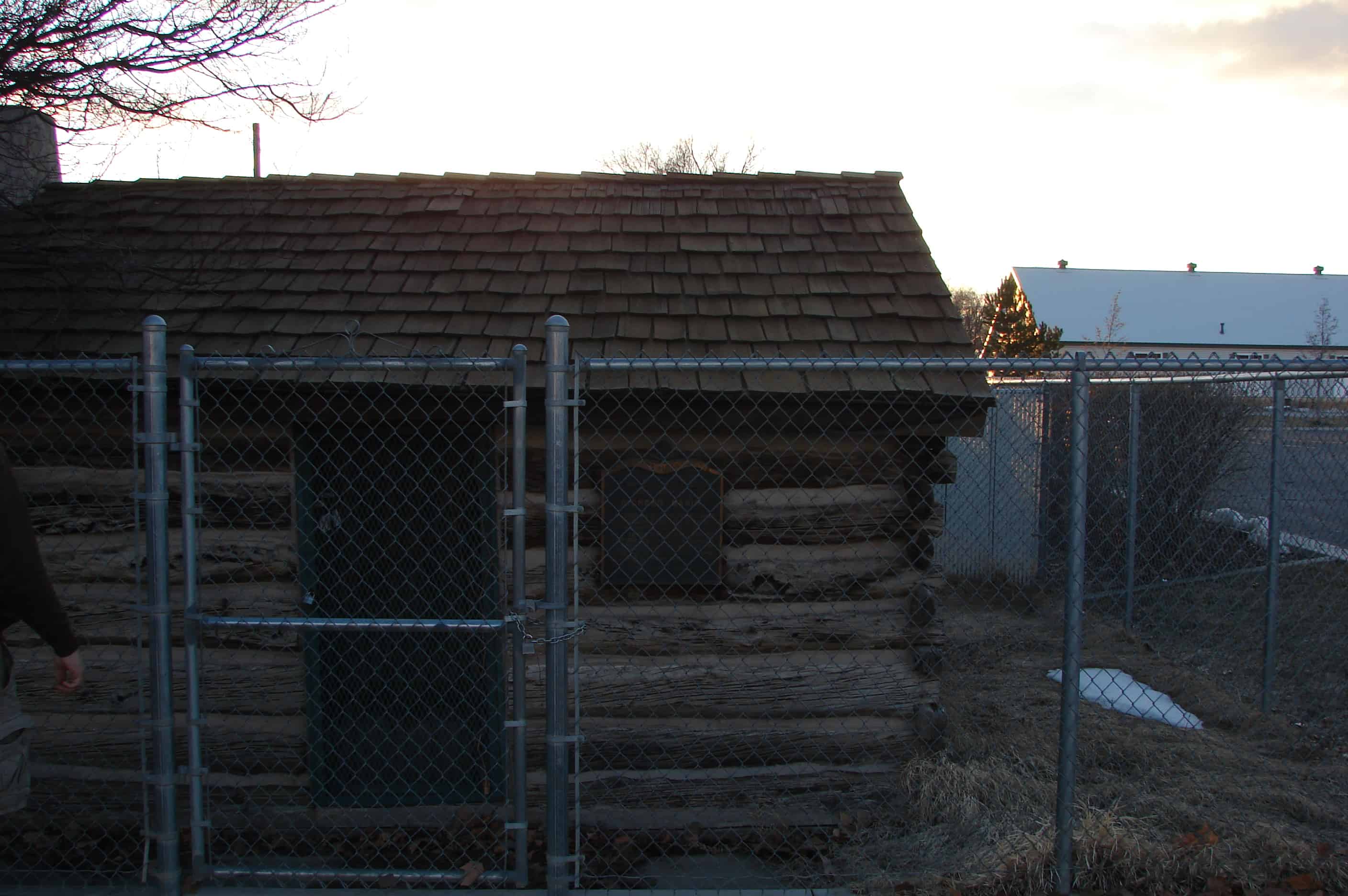
Plain City was settled in 1859 by a group of pioneers from Lehi. The city was laid out in five-acre squares of four lots each, the work being done at night with the North Star as a guide to mark the blocks accurately. This was the second cabin built here and the builder was John Carver, Sr. It was typical of other pioneer homes used here at that time.

2018-11-17 10.42.052018-11-17 10.42.25

picture16march08-019

picture16march08-018

Check out all of the historic markers placed by the Daughters of Utah Pioneers at JacobBarlow. com/dup

Evan Pier Brinton Home

22 Thursday May 2014

Posted by Jacob Barlow in Uncategorized

≈ 4 Comments

Tags

historic, Historic Homes, Springville, utah, utah county

I stopped by a Springville historic home at 380 N 200 W today.

I met the home owner (Marilyn Davis) when I stopped to take a few pictures, she informed me that she had been looking into the original owners and it wasn’t what the plaque near the front door said, (Evan Pier Brinton)  his name was actually Evans Piersol Brinton.

Thanks to Marilyn for letting me in!ImageImageImageImageImageImageImageImageImageImageImage

 Image

ImageImage


Lars and Agnes Jensen House

12 Tuesday Nov 2013

Posted by Jacob Barlow in Uncategorized

≈ 3 Comments

Tags

Historic Homes, Orem, utah, utah county

Image

Lars and Agnes Jensen House

The Lars Rove and Agnes Work Smith Jensen house, built ca. 1885, is a one and one-half story hall-parlor with a cross-wing extending to the rear, and constructed of hewn log. There is no ornamentation on the house: its symmetrical façade is the only feature that defines it as a classical-style house. The house is significant for its association with the early settlement and the rise of agricultural production in the Orem area. The historic owners of the house, Lars and Agnes Jensen, owned a small farm and participated in Orem’s early agricultural activity. The house is also significant as possibly the only surviving log residence in Orem. During the early settlement of the Provo Bench (now Orem), log buildings were fairly common, but no known examples, except for this house, have survived as residences and only a few as outbuildings.

This home is located at 87 North 800 West in Orem.

Pioneer Log Home

11 Monday Nov 2013

Posted by Jacob Barlow in Uncategorized

≈ 6 Comments

Tags

Historic Homes, Salt Lake City, Salt Lake County, utah

Image

Deuel Log Home

Pioneer Log Home –

Residence of Osmyn and Mary Deuel and Osmyn’s brother, Amos, from fall 1847 to spring 1848.
This historic structure is one of the two surviving log homes built by Mormon pioneers upon arrival in the Salt Lake Valley in 1847. Originally it was part of the north extension of the pioneer fort by members of The Church of Jesus Christ of Latter-day Saints one mile southwest of here.

The home, 15 feet by 20 feet, was constructed of Douglas fir and lodgepole pine brought from the mountains east of the city. As restored by the Museum of Church History and Art, its furnishings reflect the lifestyle of the Deuels. Osmyn and Mary were among the most prosperous of the 1847 pioneers.
Osmyn was a blacksmith but he also farmed.

Another log structure owned by the Deuels in the fort’s north enclosure probably served as the blacksmith shop. The Osmyn and his brother William H., whose family lived next to Osmyn and Mary, carried on their trade. It is supposed that Amos worked in the shop also. The Deuels tilled and planted fourteen acres their first season in the valley and also had a garden plot near their homes.

The Deuels were natives of New York. A number of this extended family were Latter-day Saint converts in the early 1830s. They lived in Kirtland, Ohio, and Nauvoo, Illinois, before emigrating west.

After the Deuels left the log home to settle in Centerville, Utah, it is reported the cabin was used briefly as a militia armory. In 1849 Albert Carrington, later an apostle in the Church, purchased the home and moved it to his property one and one-half blocks north of here. In was acquired by the Deseret Museum in 1912. From 1919 to 1976 it was exhibited on Temple Square, then stored until it was moved to its present site where, amidst a landscape of pioneer and native Utah plants, it was opened 19 November 1985.

Related Posts:

  • A Pioneer Home historic marker
Image
Image
Image
Image

Cordner, William James and Edna, House

11 Monday Nov 2013

Posted by Jacob Barlow in Uncategorized

≈ 2 Comments

Tags

Historic Homes, Orem, utah, utah county

William James and Edna Cordner House
440 S State Street – Orem

Image

William James and Edna Cordner House

The William and Edna Cordner residence is a fairly common example of a one-and-one-half story, brick, central-block-with-projecting-bays type house with Victorian Eclectic detailing. The house was constructed ca.1898 by William Cordner whose family was one of the first to settle on the Provo Bench. William was heavily involved in the fruit growing industry, the mainstay of the Provo Bench, while he lived here. At that time, State Street was lined with the farms and orchards of a prospering agrarian community. The house has many of the characteristics found in Victorian Eclectic architecture, including an asymmetrical facade, open floor plan, and the use of various architectural styles and details. The Cordner house symbolizes the prosperity of fruit growers, farmers, and associated businesses during the agricultural expansion era of the Provo Bench and its growth into a city.

Image

William James and Edna Cordner House

Adfter Edna’s death in 1942, the house was sold. It remained a home for other residents of the area for about six more years but has been used for various commercial uses since then. The interior now houses a home decor and gift shop “Planted Earth.”

Image

William James and Edna Cordner House

There have been numerous reports over the tears of the “sighting” of a gentle, kindly ghost on the upper level of the home. When the Cordner family descendants were told of this phenomenon, they responded that it must be Edna returning to her home. She had never wanted to leave because she loved her home so much.

ImageImageImage


Visit my list of places in Utah.


Farley, Theodore, Jr., Farmstead

11 Monday Nov 2013

Posted by Jacob Barlow in Uncategorized

≈ 1 Comment

Tags

Historic Homes, Orem, utah, utah county

Theodore Farley Jr’s Farmstead
(352 West 400 South)

Image

Theodore Farley Jr’s Farmstead

This 1931 bungalow is constructed of very dark “purple” brick. The original portion of the house has a large pyramidal roof which extends over the front porch with large brick piers supporting the porch roof. Directly above the center of the porch is a gabled dormer. In 1905 Theodore Farley Jr. married Vilate Loveless who was a native of the Provo Bench. They worked together to build a little two room house on their new farm. In addition to farming Mr. Farley enjoyed participating in the Dramatic Club with his wife. The Farleys were gifted singers and enjoyed performing in the community and at church functions.

Image

Clinger/Booth House

11 Monday Nov 2013

Posted by Jacob Barlow in Uncategorized

≈ Leave a comment

Tags

Historic Homes, Orem, utah, utah county

Image

Clinger/Booth House

The Clinger/Booth house, built ca.1894, with major additions/alterations in 1935, began as a one and one-half story Victorian Eclectic-style brick and adobe crosswing on a stone foundation.

The house was constructed ca.1894 by George and Annie Clinger, and subsequently owned by Joseph and Charlotte Booth, both of whom were involved in the farming and fruit growing industries, the mainstay of the Provo Bench. The house which the Clingers built and the Booths later altered has many of the characteristics found in Victorian Eclectic architecture, including an asymmetrical façade, open floor plan, and the use of various architectural styles and details. The house symbolizes the prosperity of fruit growers, farmers, and associated businesses during the agricultural expansion era of the Provo Bench and the establishment of Orem City.

468 South Main Street in Orem, Utah

Image

Gappmayer, Roy H. and Florence B., House

11 Monday Nov 2013

Posted by Jacob Barlow in Uncategorized

≈ Leave a comment

Tags

Historic Homes, Orem, utah, utah county

Roy H. and Florence B. Gappmayer House
(95 East 1200 South)

Image

Roy H. and Florence B. Gappmayer House

The Roy H. and Florence Gappmayer house is a brick English Tudor-style house on a raised concrete foundation. Built ca.1935 by Gappmayer, the house sits next to a garage/cellar, built ca.1927, which was used as the primary residence before the later building was constructed. At one time surrounded by farmland and orchards, most of the area has now been commercially or residentially developed. Roy Gappmayer’s family moved to the Provo Bench at the turn of the century and became prominent fruit growers. Gappmayer was known throughout his life not only for his fine horticultural skills and fruit growing, but for his community involvement and service.

ImageImageImage

Davis, Joshua House

11 Monday Nov 2013

Posted by Jacob Barlow in Uncategorized

≈ Leave a comment

Tags

Historic Homes, Orem, utah, utah county

Image

Joshua Davis House

The Davis house, built in 1892-96, is a one-and-one-half story, brick, Victorian Eclectic cross-wing house and has a stone foundation. The house has many of the hallmarks of the Victorian Eclectic pioneer houses, including decorative brickwork, elaborately carved and turned woodwork, and arched window openings.

The house represents the transition that was occurring on the bench with more ornamental Victorian styles replacing the austere, unembellished Classical forms. Although it was, regionally, a moderately-sized example, the Davis house was quite large, comparatively, for those who had settled on the Provo Bench.

The size and architectural detailing of the house, plus the fact that Joshua Davis lived here with his children from three marriages, would suggest that as farmers and fruit growers, they prospered in the expanding agriculture industry during the early development of the Provo Bench.

1888 South Main Street in Orem, Utah

← Older posts
Newer posts →

Follow Jacob

Follow Jacob

Come wander with me on Youtube.

Blog Stats

  • 2,098,857 hits

Social and Other Links

BarlowLinks.com

Recent Posts

  • Scout Monument
  • Provo High School Seminary Building
  • 821 E 100 S
  • 820 E 100 S
  • 817-819 E 100 S

Archives

Loading Comments...