Tags
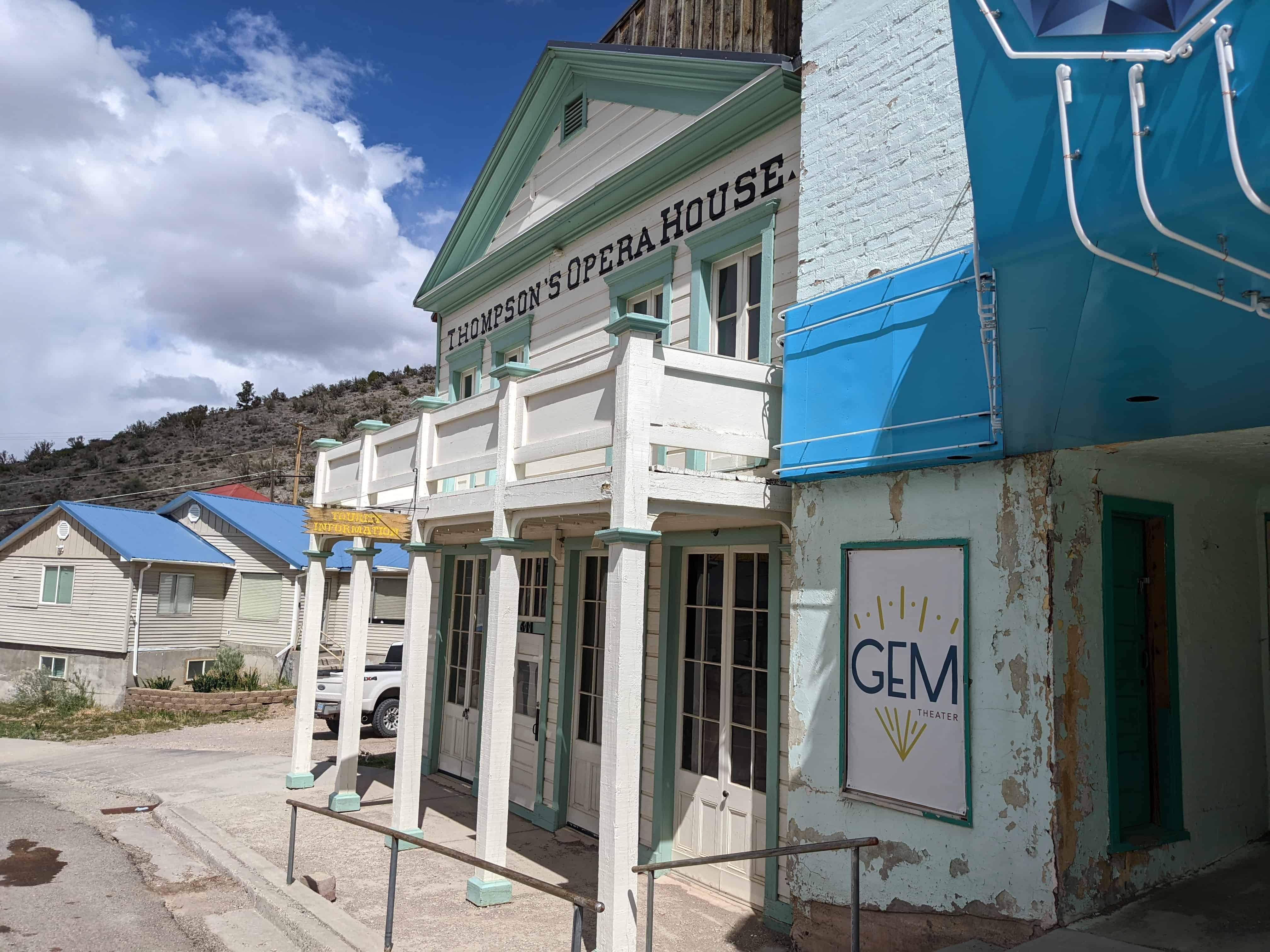
662 Main St
08 Friday Mar 2024
Posted in Uncategorized

08 Friday Mar 2024
Posted in Uncategorized
Tags
06 Wednesday Mar 2024
Posted in Uncategorized
06 Wednesday Mar 2024
Posted in Uncategorized
Tags

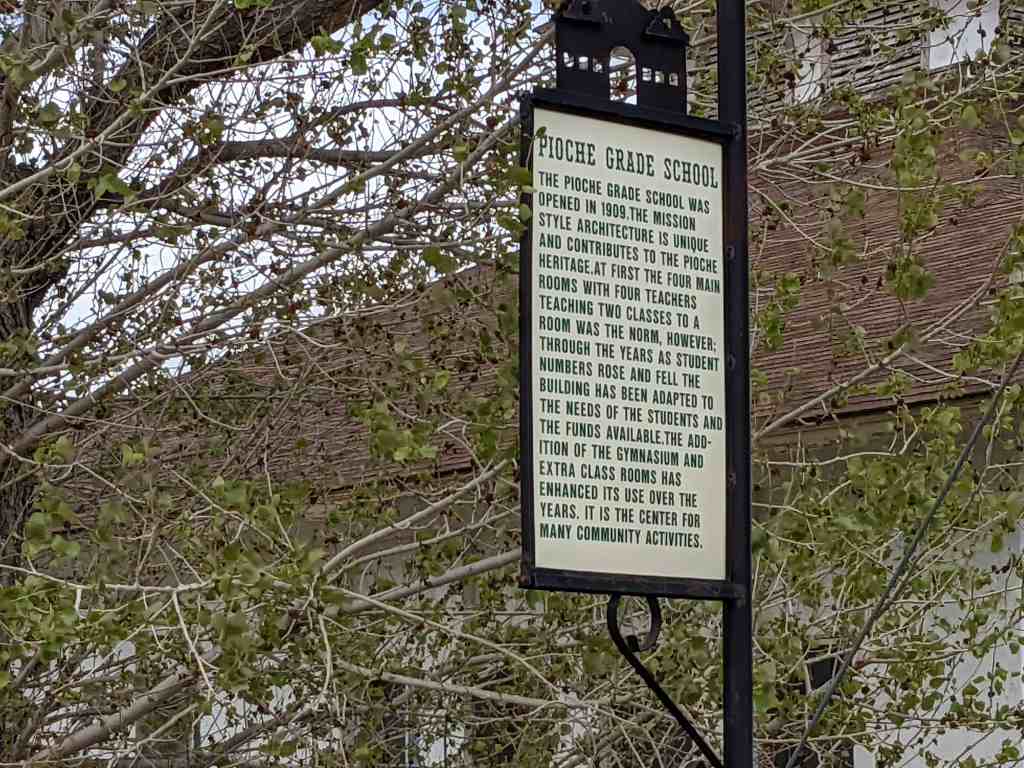
Pioche Grade School
The Pioche Grade School was opened in 1909. The Mission Style architecture is unique and contributes to the Pioche heritage. At first the four main rooms with four teachers teaching two classes to a room was the norm, however; through the years as student numbers rose and fell the building had been adapted to the needs of the students and the funds available. The addition of the gymnasium and extra class rooms has enhanced its use over the years. It is the center for many community activities.
390 Main Street in Pioche, Nevada

31 Wednesday Jan 2024
Posted in Uncategorized
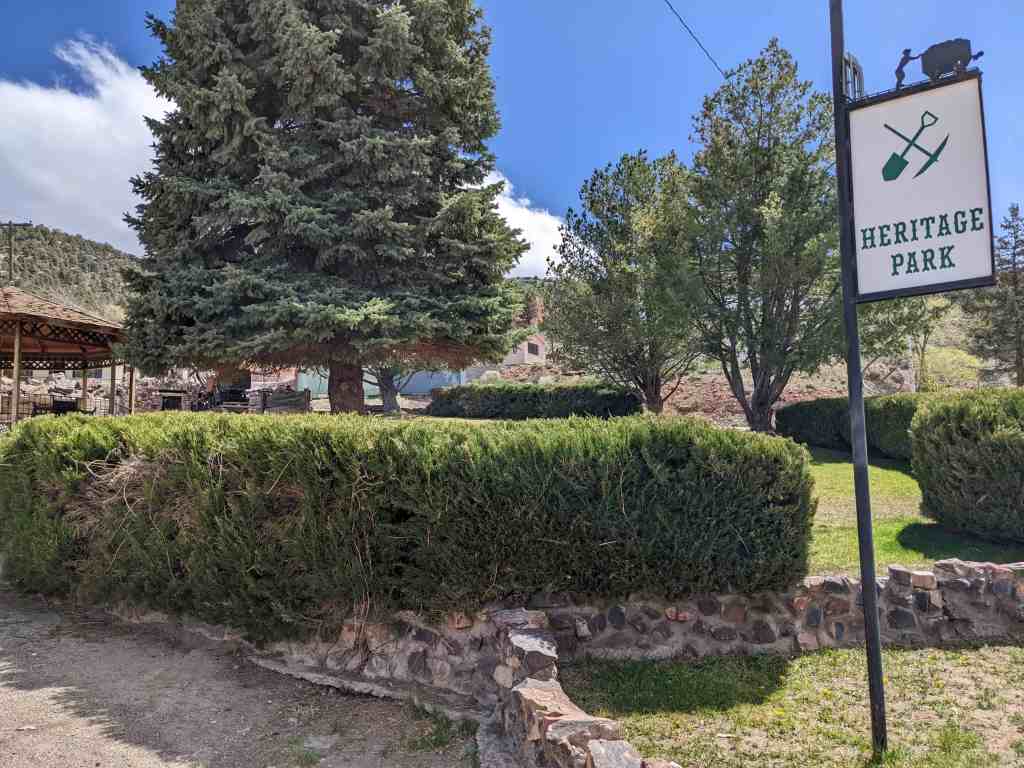
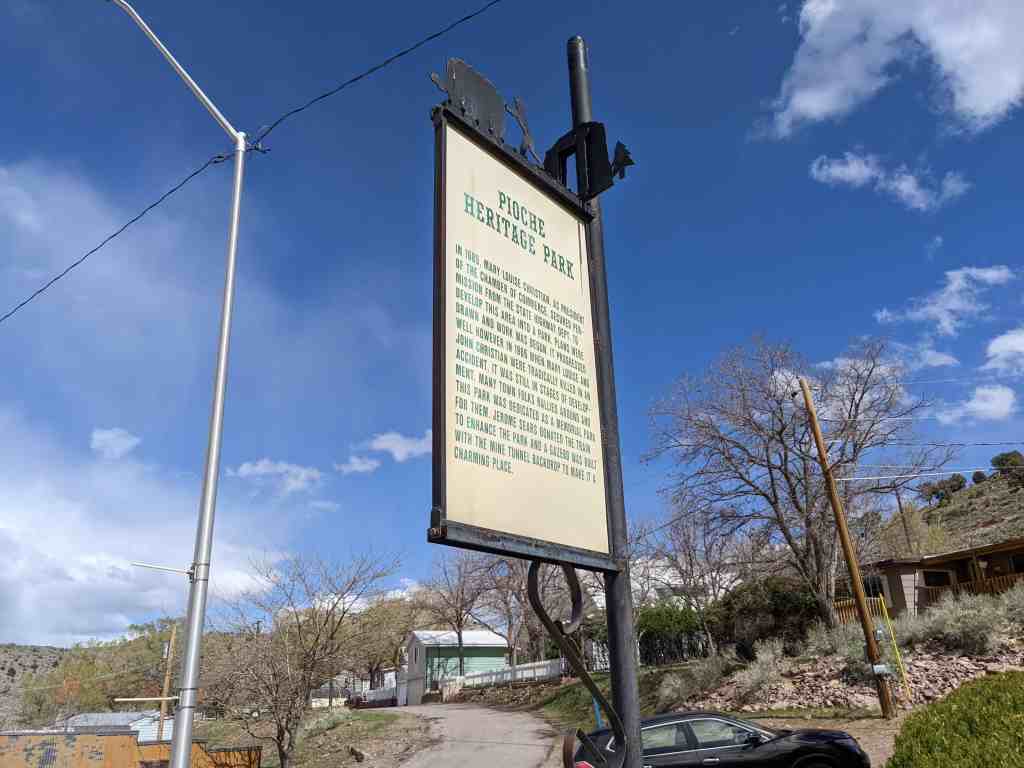
Pioche Heritage Park
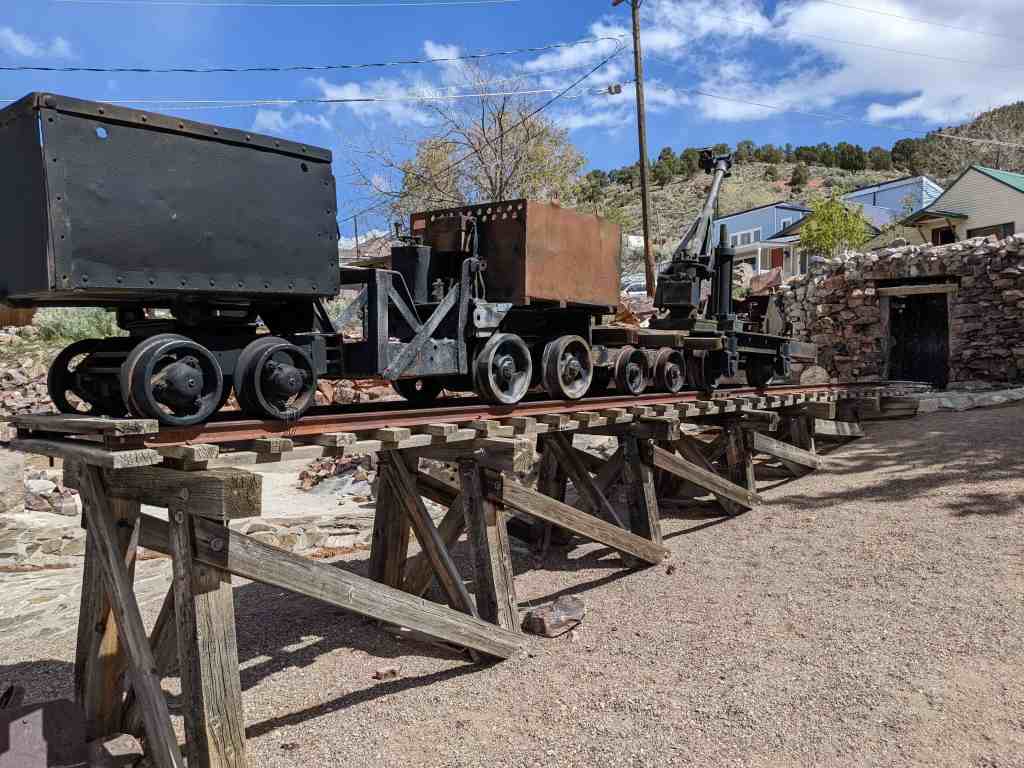
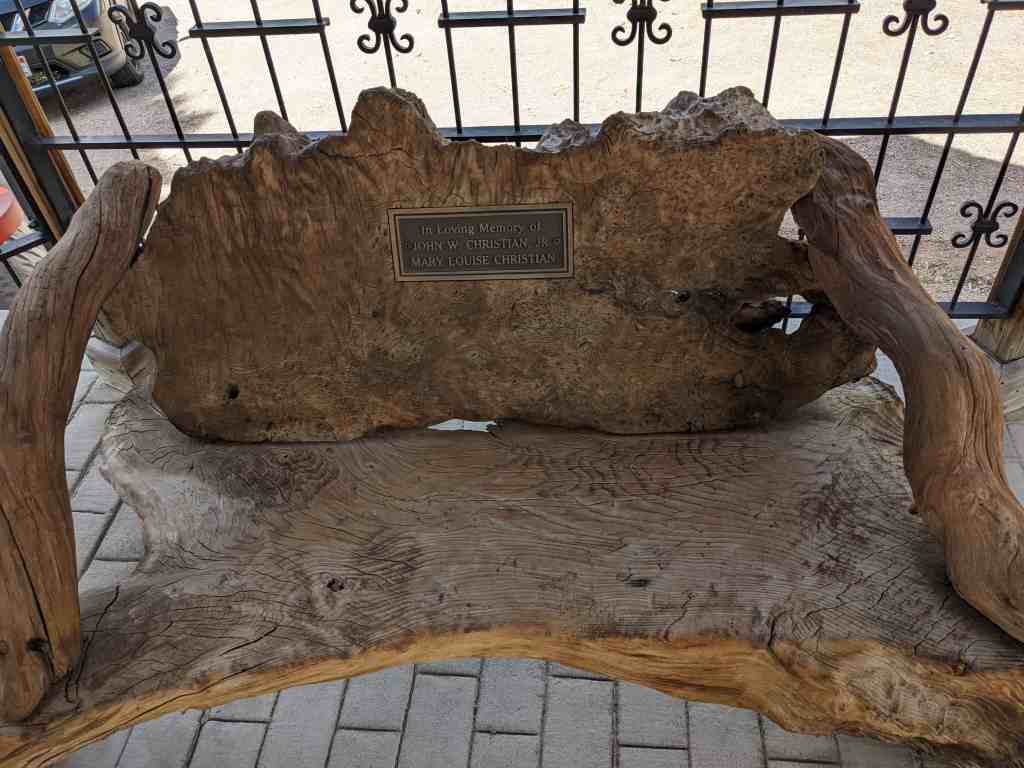
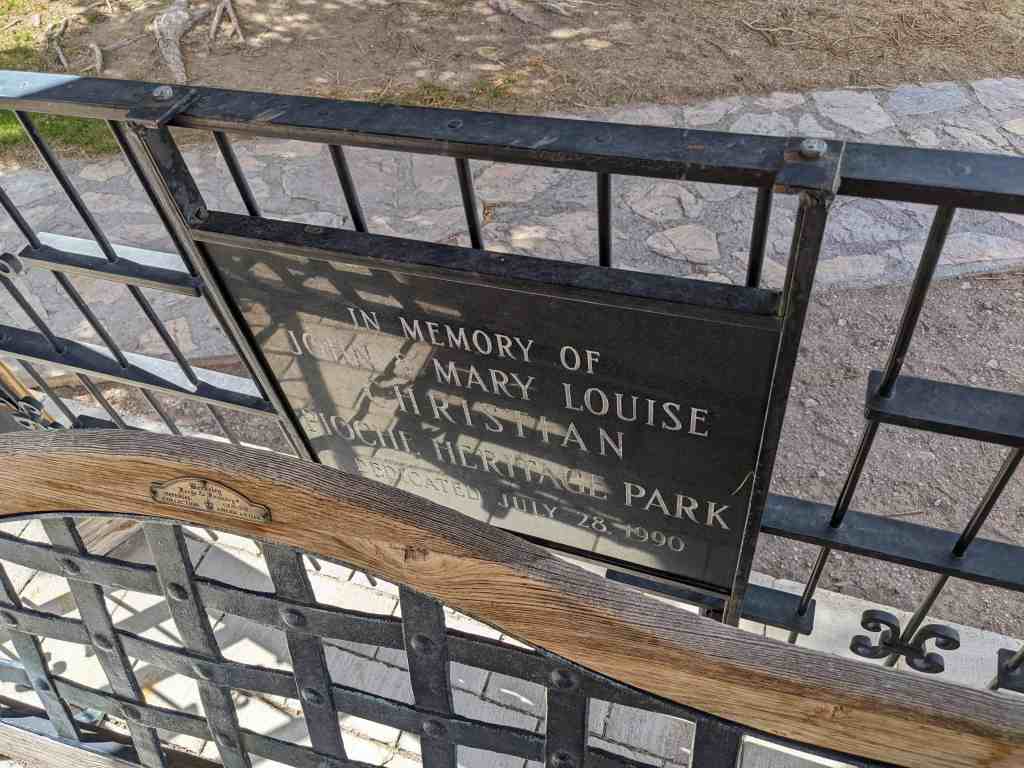
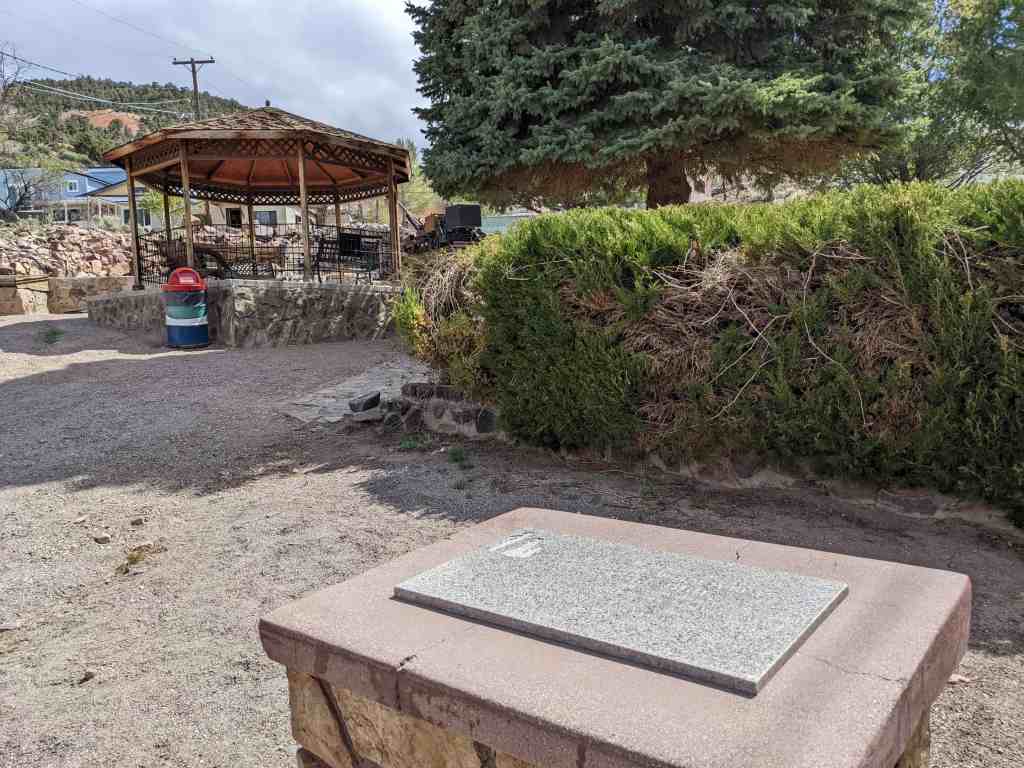
IN 1985, Mary Louise Christian, as President of the Chamber of Commerce, secured permission from the State Highway Department to develop this area into a park. Plans were drawn and work was begun. It progressed well however in 1986 when Mary Louise and John Christian were tragically killed in an accident, it was still in stages of development. Many town folks rallied around and this park was dedicated as a memorial park for them. Jerome Sears donated the train to enhance the park and a gazebo was built with the mine tunnel backdrop to make it a charming place.






26 Friday Jan 2024
Posted in Uncategorized
Tags

Old Pioche Hospital
696 Meadow Valley Street in Pioche, Nevada
26 Friday Jan 2024
Posted in Uncategorized
Tags

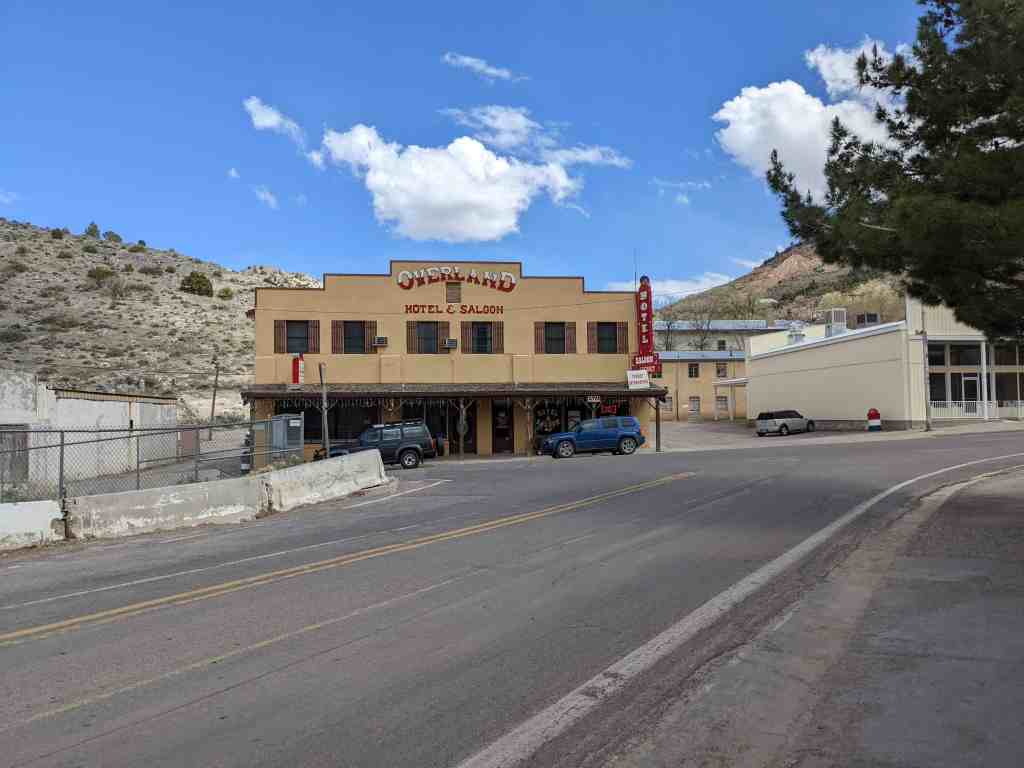
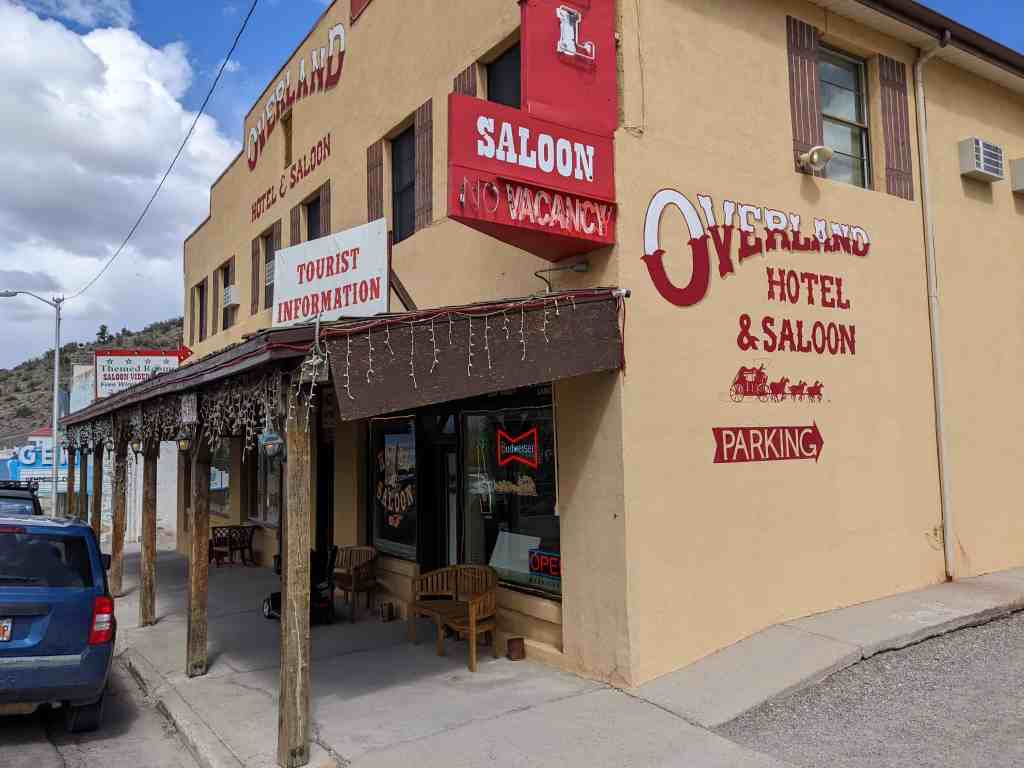
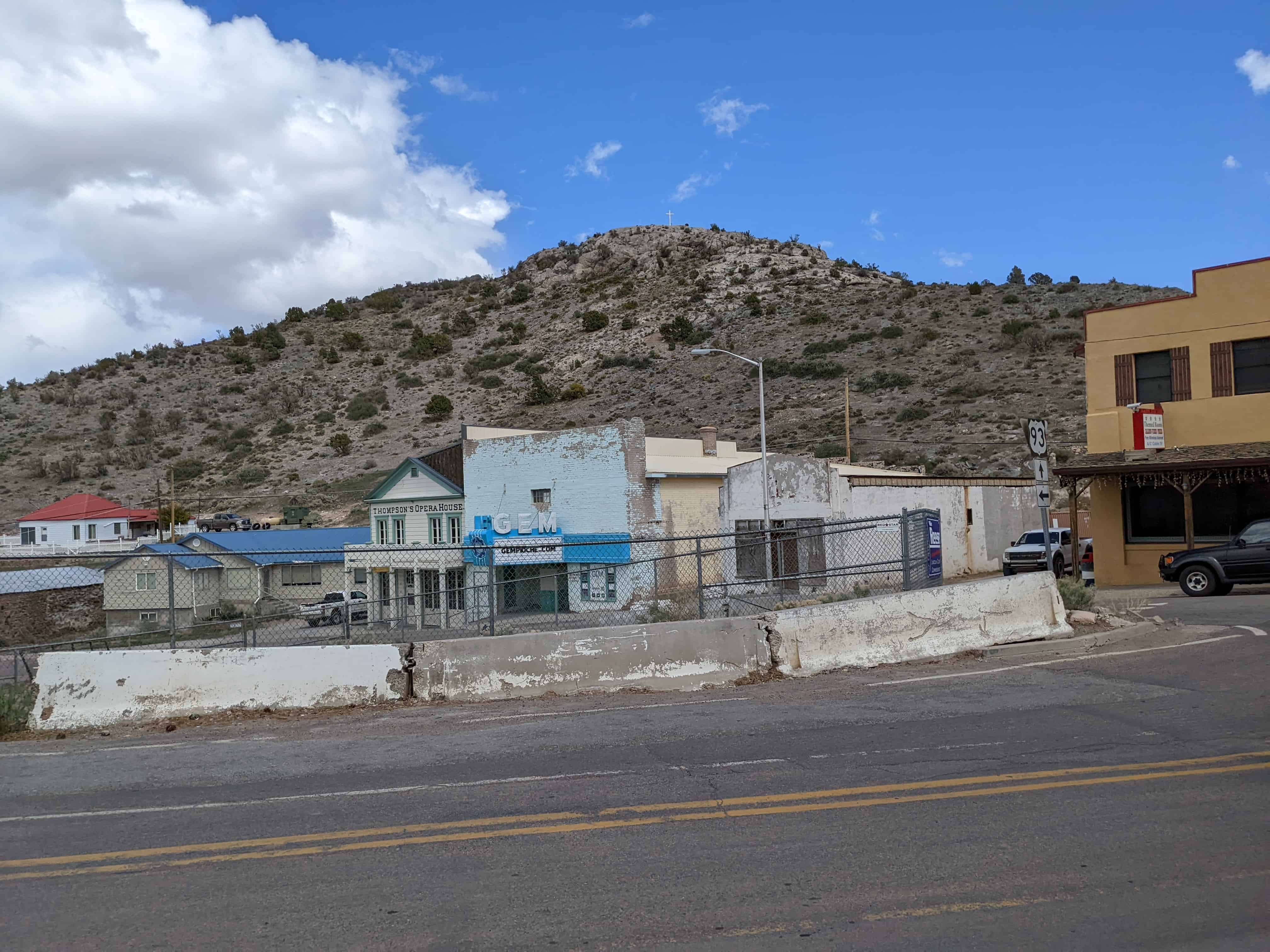
Pioche, Nevada
In 1864, prospectors led by a native Paiute made the first silver ore discoveries in the surrounding hills. The wild rush of prospectors and fortune seekers drove the population to nearly 10,000 by the early 1870’s.
Pioche was known as one of the toughest and most lawless towns of the west. Hired gunmen were often recruited to ad- dress disputes over mining claim locations and encroachments. It has been reported that 75 men were buried in Boothill Cemetery before anyone had time to die a natural death.
Pioche is named after Francois L. A. Pioche, a French financier and mining owner-operator, who constructed one of the first smelters in the area and formed the Meadow Valley Mining Company in 1868.
Silver, gold, lead and zinc comprise the primary minerals that were extracted throughout the area. As with many mining camps, boom and bust periods were commonplace through the late 1800’s and early 1900’s. In the early 1870’s, Pioche was the second leading producer of silver west of the Rocky Mountains. The last boom period for Pioche came with the onset of World War II as precious minerals were mined for the war effort. At that time, Pioche was second in the nation for lead and zinc production.
Pioche was designated the seat of Lincoln County in 1871. As one of Nevada’s most historical ghost towns, it provides a subtle reminder of the colorful, volatile and sometimes deadly, days of the mining boom.


06 Saturday Jan 2024
Posted in Uncategorized
Tags
06 Saturday Jan 2024
Posted in Uncategorized
Tags
23 Saturday Dec 2023
Posted in Uncategorized
Tags
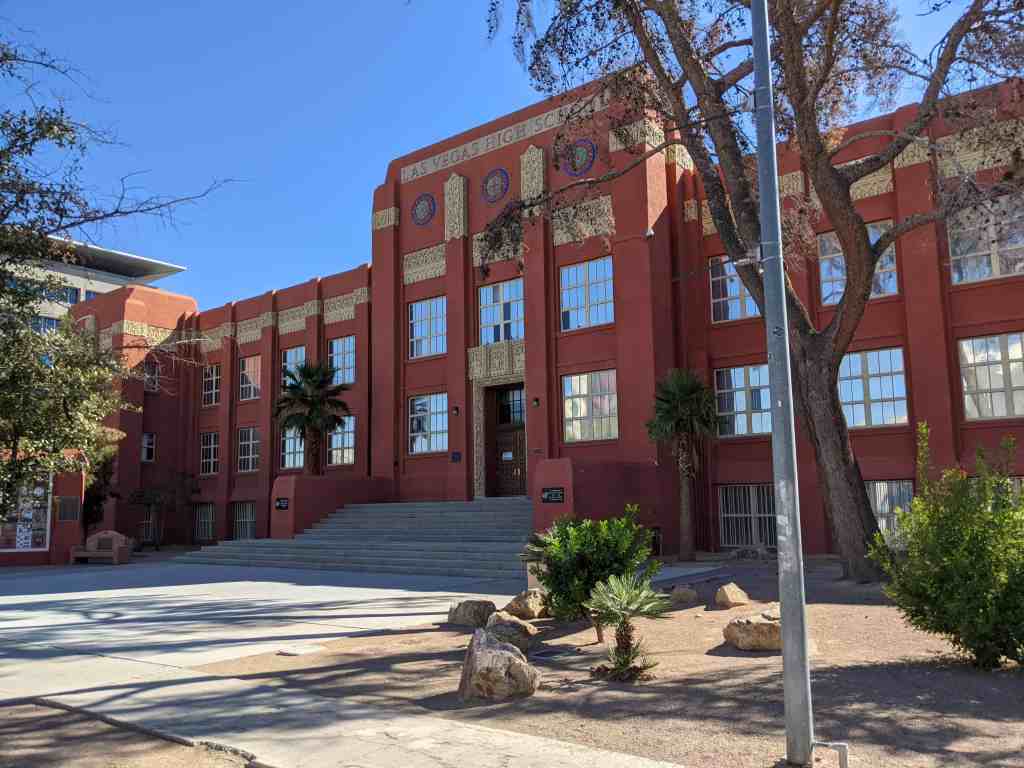
Las Vegas High School
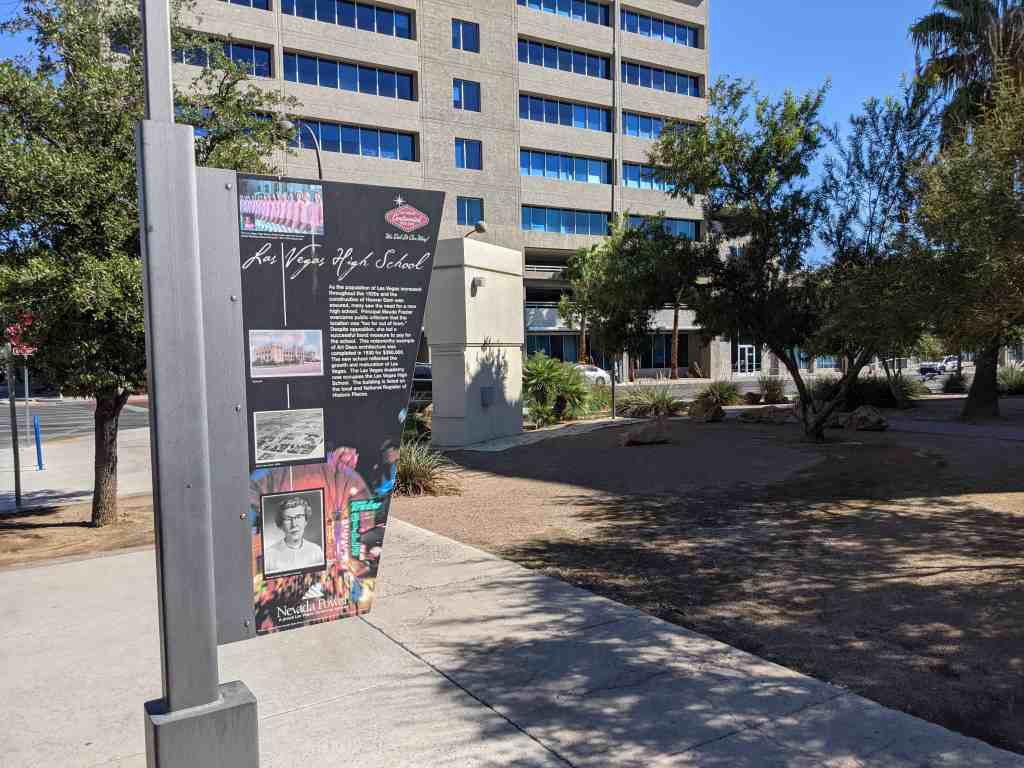
The Las Vegas High School Administration Building and Gymnasium are two, architecturally significant buildings associated with development of public, secondary education in the City of Las Vegas. The buildings are the most sophisticated examples of the Art Deco style in the City and were designed by the Reno architectural firm of George A. Ferris and Son. The Academic and Gymnasium Buildings were erected in 1930-31 as part of a three building educational complex and reflects the growth and development of Las Vegas during the period of the Hoover Dam construction.
Located at 315 South 7th Street in Las Vegas, Nevada. Added to the National Historic Register (#86002293) on September 24, 1986 and the boundary was extended July 22, 2021 (#100006408) to include Frazier Hall. It is also inside the Las Vegas High School Neighborhood Historic District (#90002204) and the Las Vegas High School Historic District (#100007431). The text on this page is from the nomination form from when it was added to the register.
Related:


The development of Las Vegas can be traced to the 1905 construction of the San Pedro, Los Angeles and Salt Lake Railroad. By 1911 the SPLA and SL had established a characteristic western railroad town on the site to serve as a division point between Utah and California. Town development was confined to railroad related services until the late 1920 T s. The Congressional approval of the Boulder Canyon Act in 1928 spurred a period of intensive development for the community. This legislation provided funds for preliminary work on a dam for the Colorado River. The project, which resulted in the construction of nearby Hoover Dam, was responsible for a 125% population increase in Las Vegas between 1920 and 1930. From an isolated railroad service center, Las Vegas expanded to a modest city providing services to the dam project as well as the tourists attracted by its construction.
In recognition of Las Vegas’ increased population and the role of education facilities in attracting a stable, permanent population, the local school district lead by superintendent Maude Frazier proposed the construction of a high school complex. The proposed project met with limited community resistance based on project costs, the size of the proposed complex and its site, then two blocks from the center of town.


Despite this opposition, a $350,000 City bond issue was passed in 1930 for the construction of a three building high school complex encompassing a Shop Building (d.c.1950) and the existing Academic and Gymnasium Buildings. The complex was designed by architects George A. Ferris and Son and constructed by the Ryberg and Sorenson Construction Company of Salt Lake City. Work on the high school complex was begun in 1930 and completed by September of the following year.
The high School complex served as the focus for Las Vegas residential development for the next decade.
Since its construction in 1930-31, the high school complex has been expanded to incorporate seven educational buildings, tennis courts, basketball courts, a football stadium and track. The original Academic Building continues to serve as the campus’ primary structure.
The Las Vegas High School Academic Building and Gymnasium are architecturally significant as the only intact examples of monumental Art Deco design in Las Vegas. The structures are two of four major public buildings surviving from the period. The other intact public buildings from the period are the Federal Building/Post Office, a Neoclassical style structure and the Las Vegas Hospital, an adobe, Spanish-Colonial Revival style building.
The complex was designed by architect, George A. Ferris and Son, a prominent Reno architectural firm practicing in Nevada during the first half of the twentieth century. G. A. Ferris is listed in the Reno City Directory for 1912. By 1930-31 Ferris had entered into a partnership with his son, Lehman. The Las Vegas High School complex was a major commission for the Ferris firm whose work focused on commercial buildings in the Reno area. The buildings 1 ornamentation represent a unique integration of Art Deco and southwestern motifs. This integration was categorized as Aztec Moderne by the Las Vegas Evening Review-Journal at the time of the buildings’ construction.
In addition to being stylistically unique for the Las Vegas area, the Academic Building and the Gymnasium were the first monumental, reinforced concrete buildings to be constructed in the community.


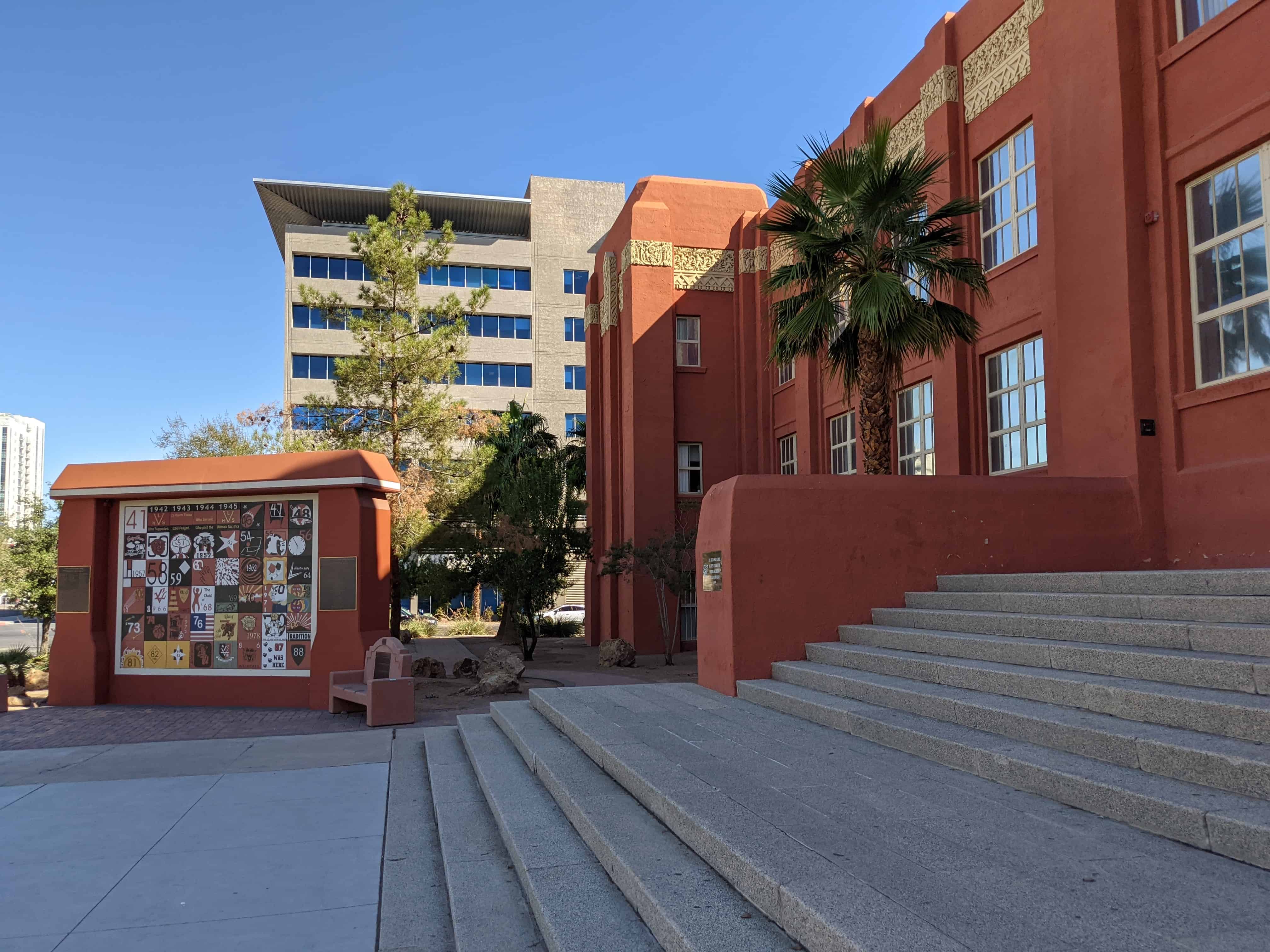



Senior Squares


Las Vegas High School Neighborhood


22 Friday Dec 2023
Posted in Uncategorized
Tags
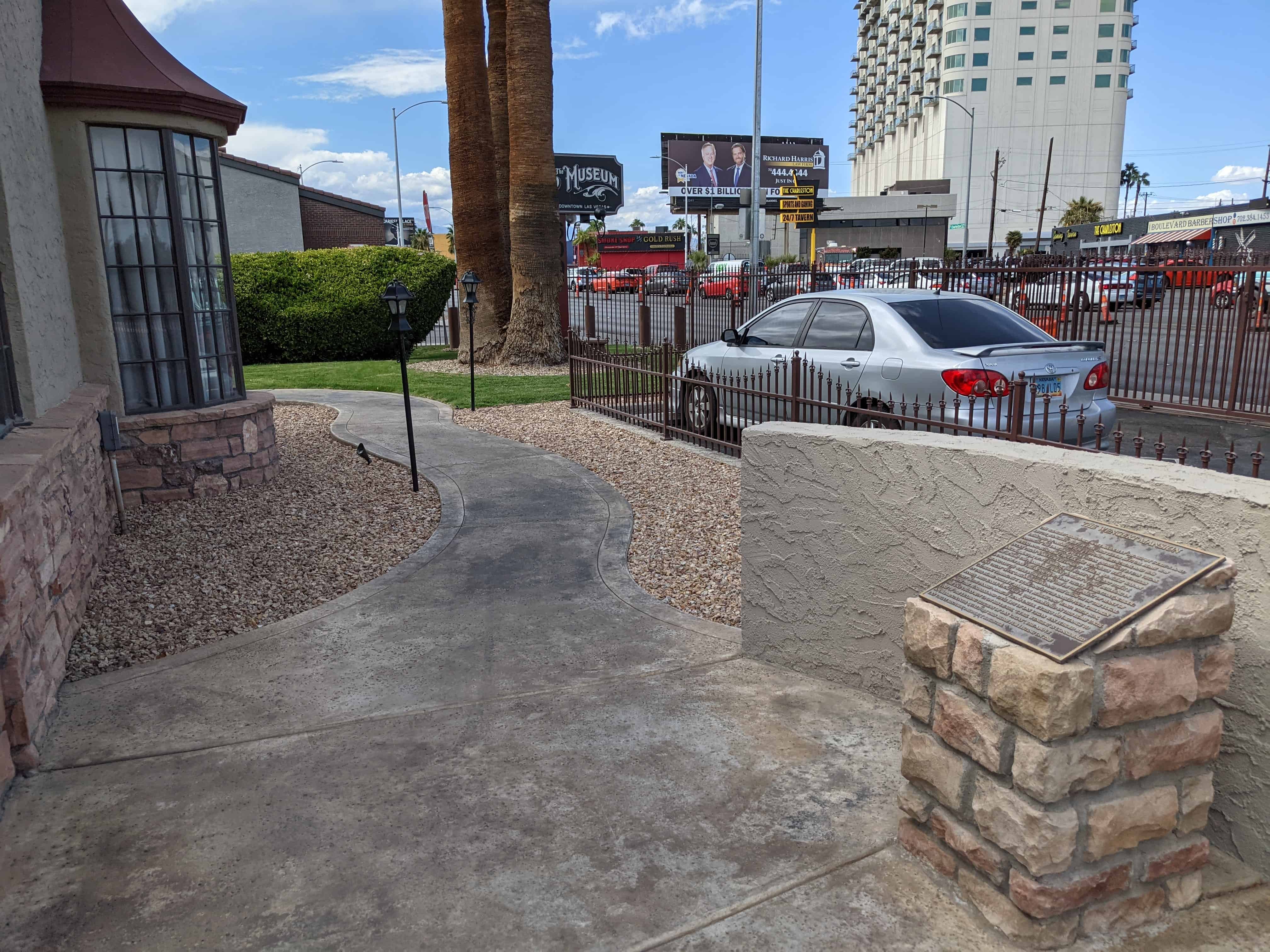
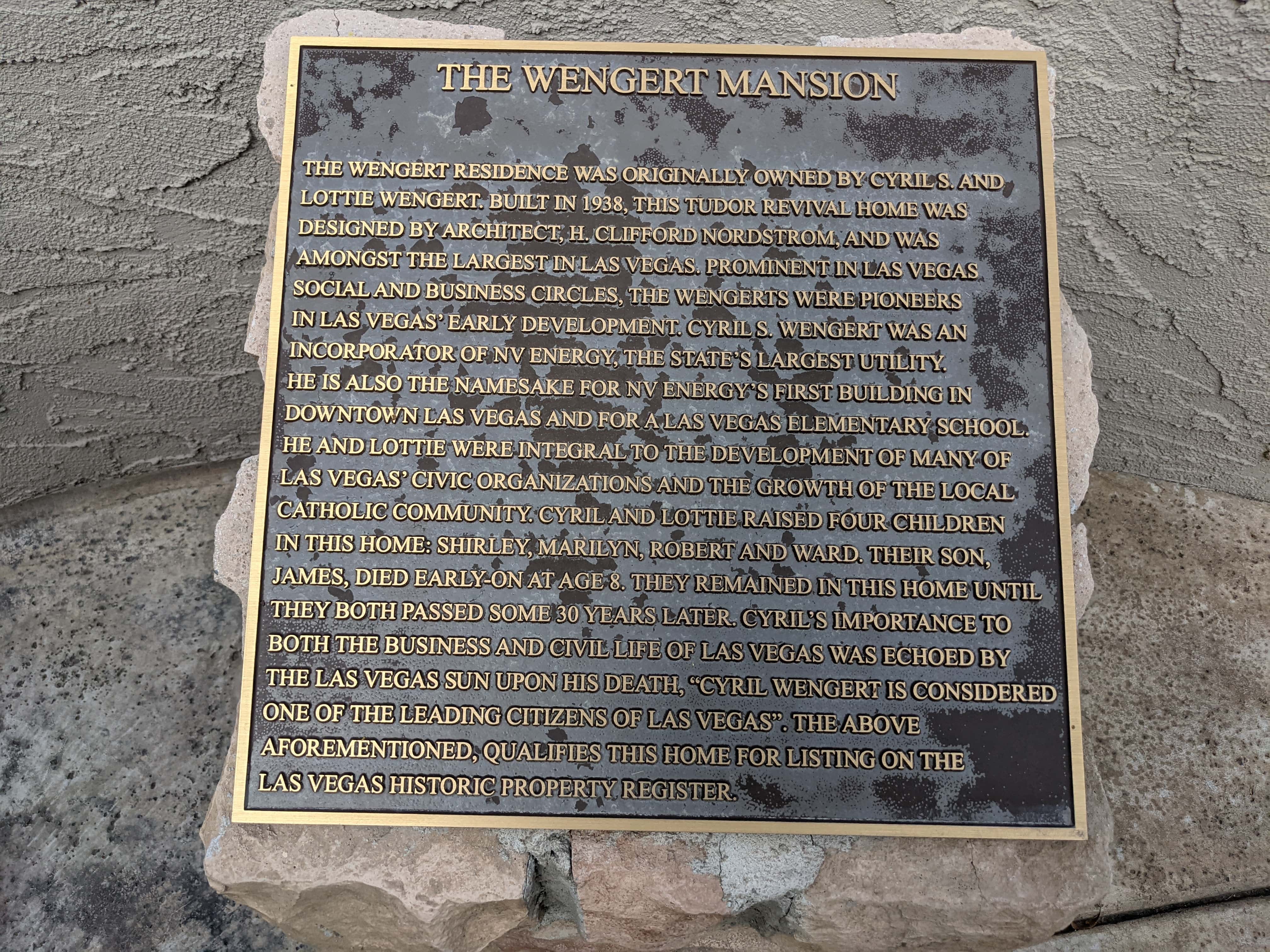
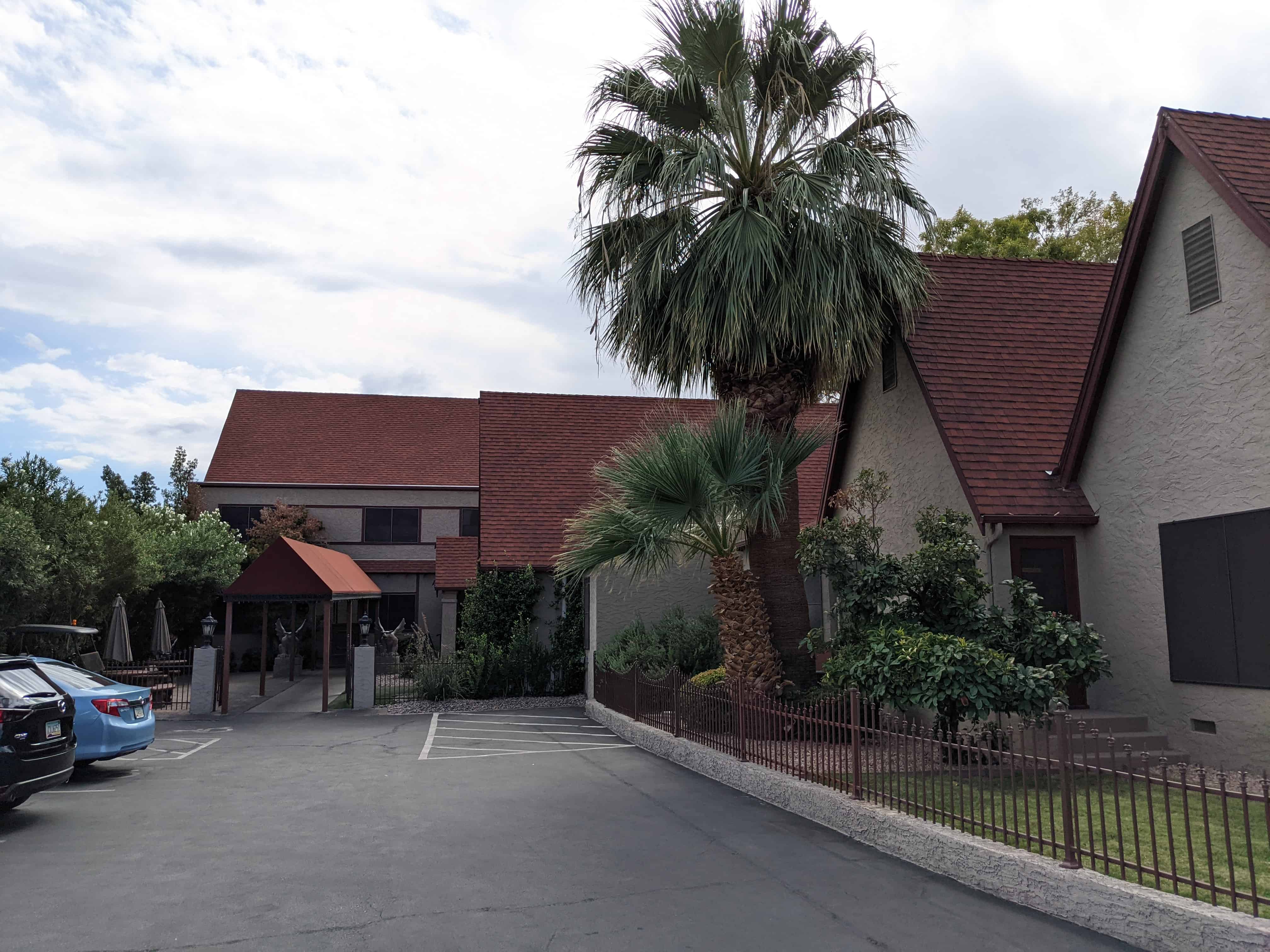
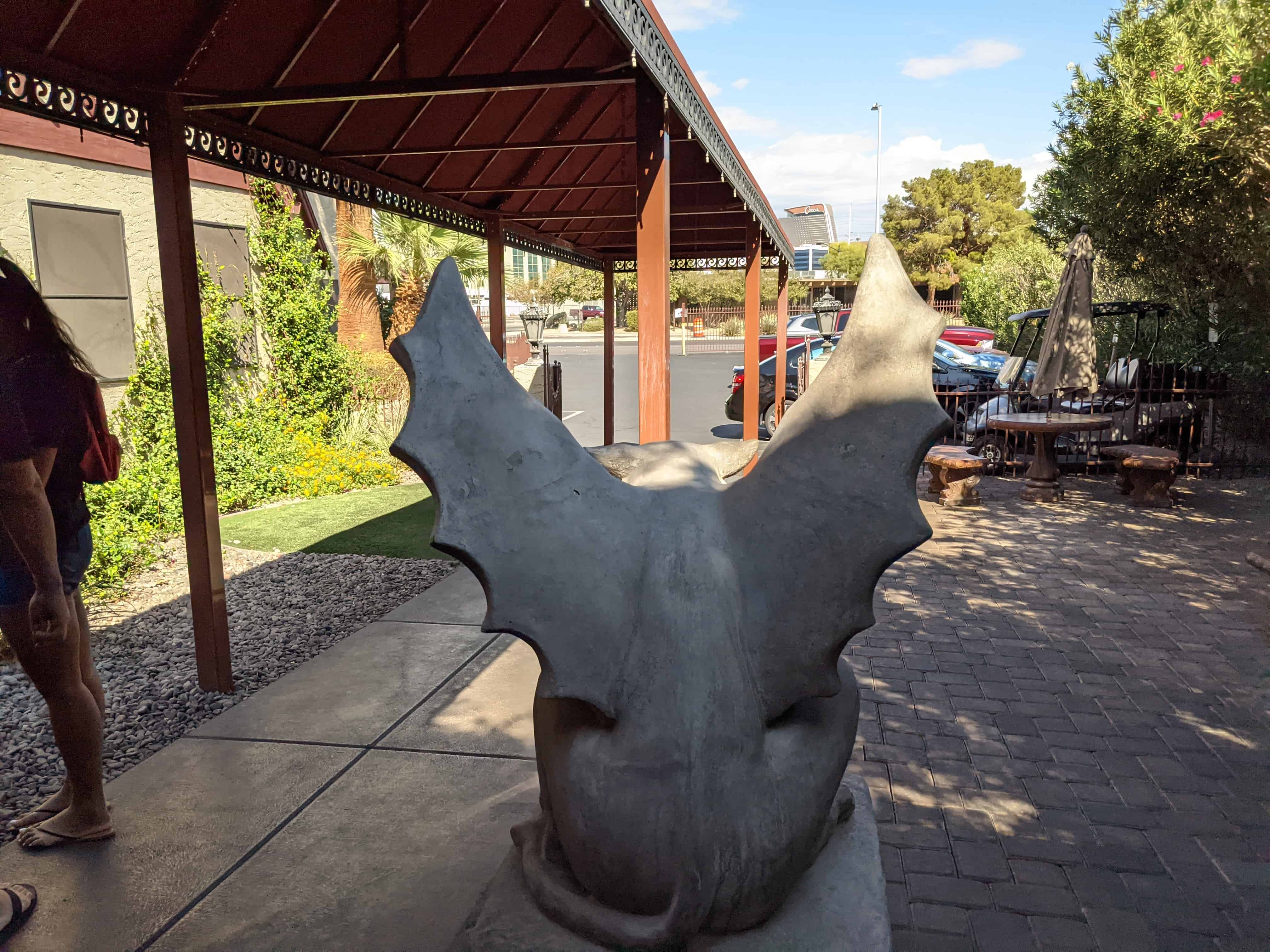
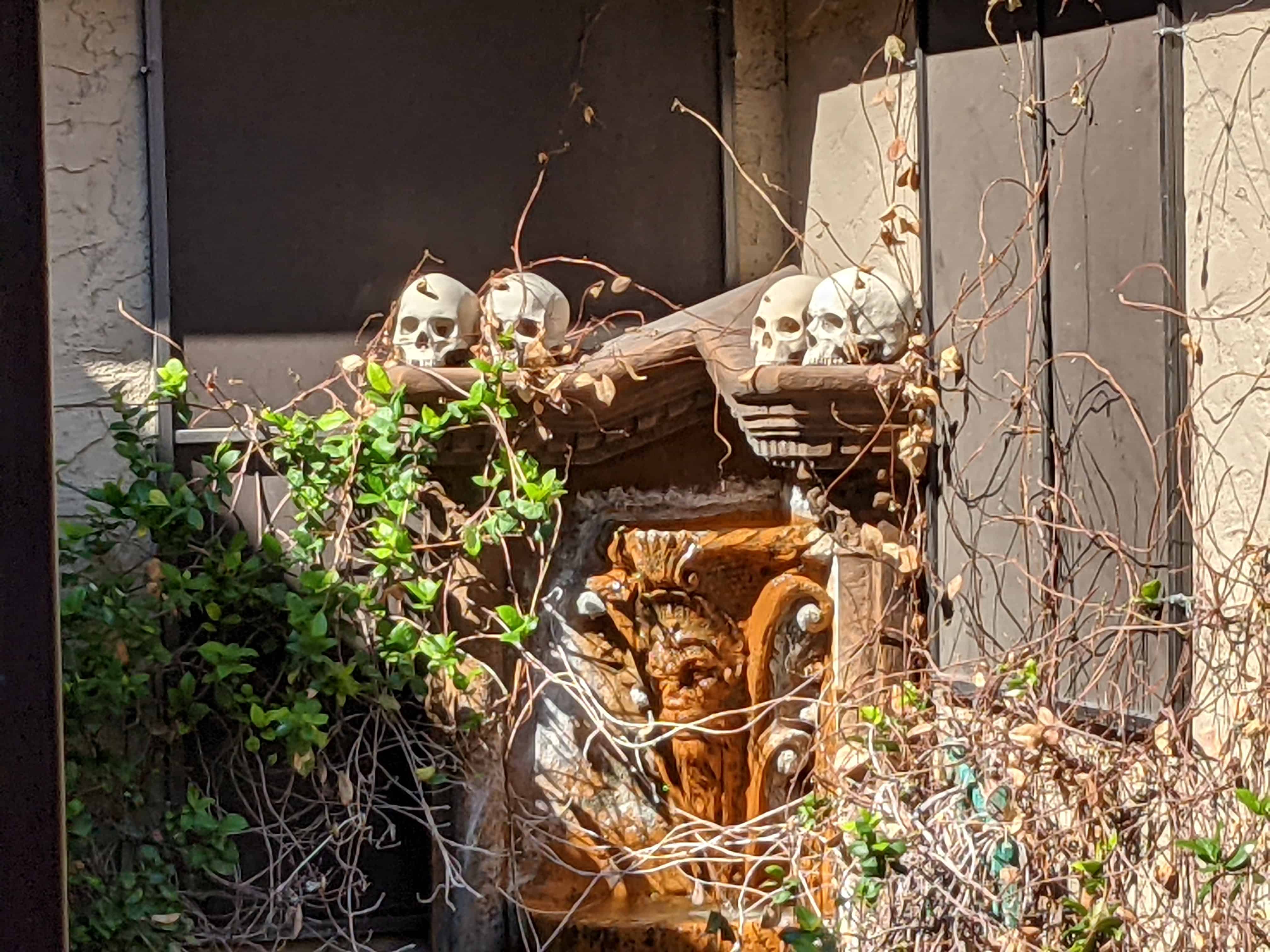
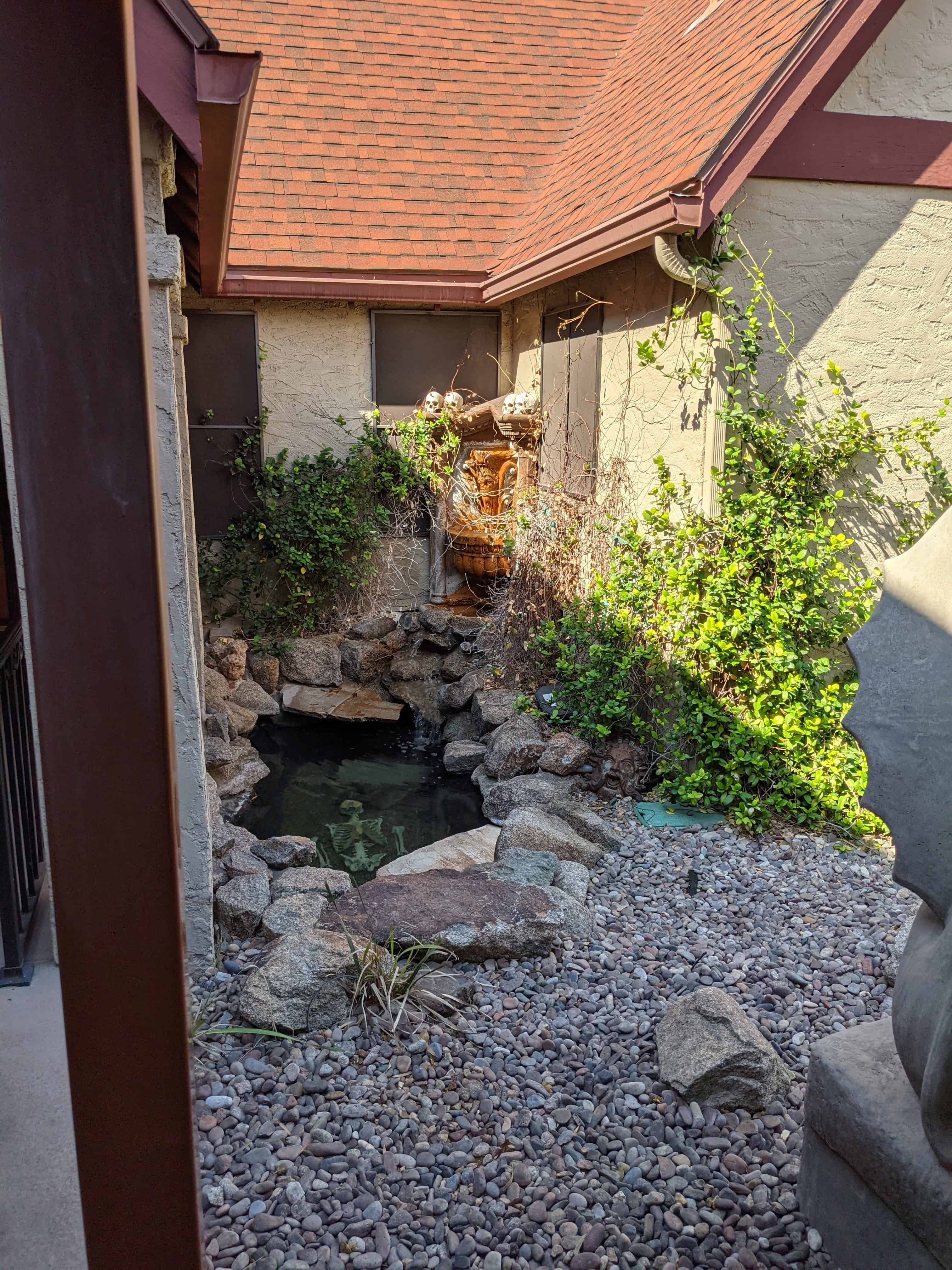
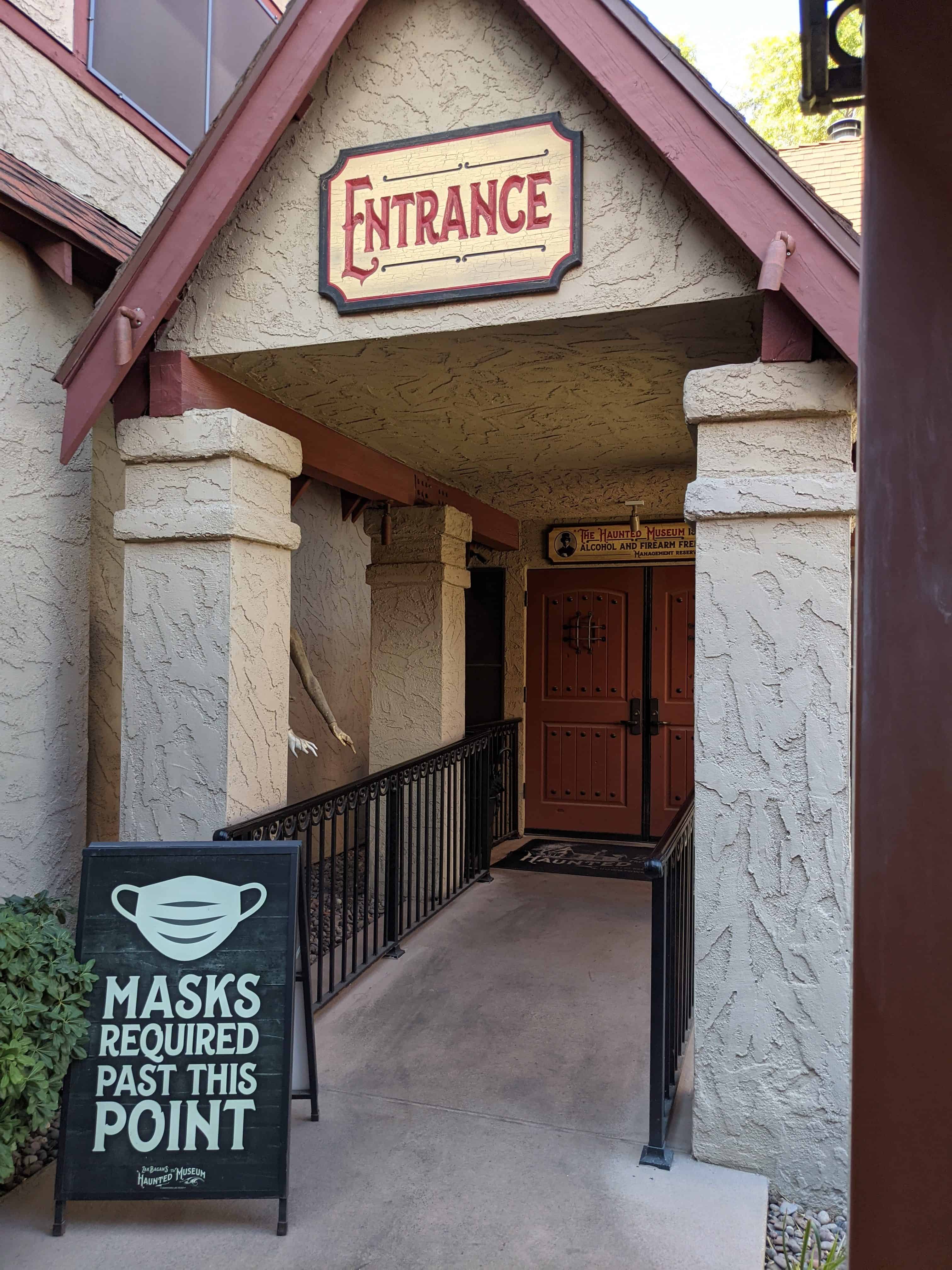
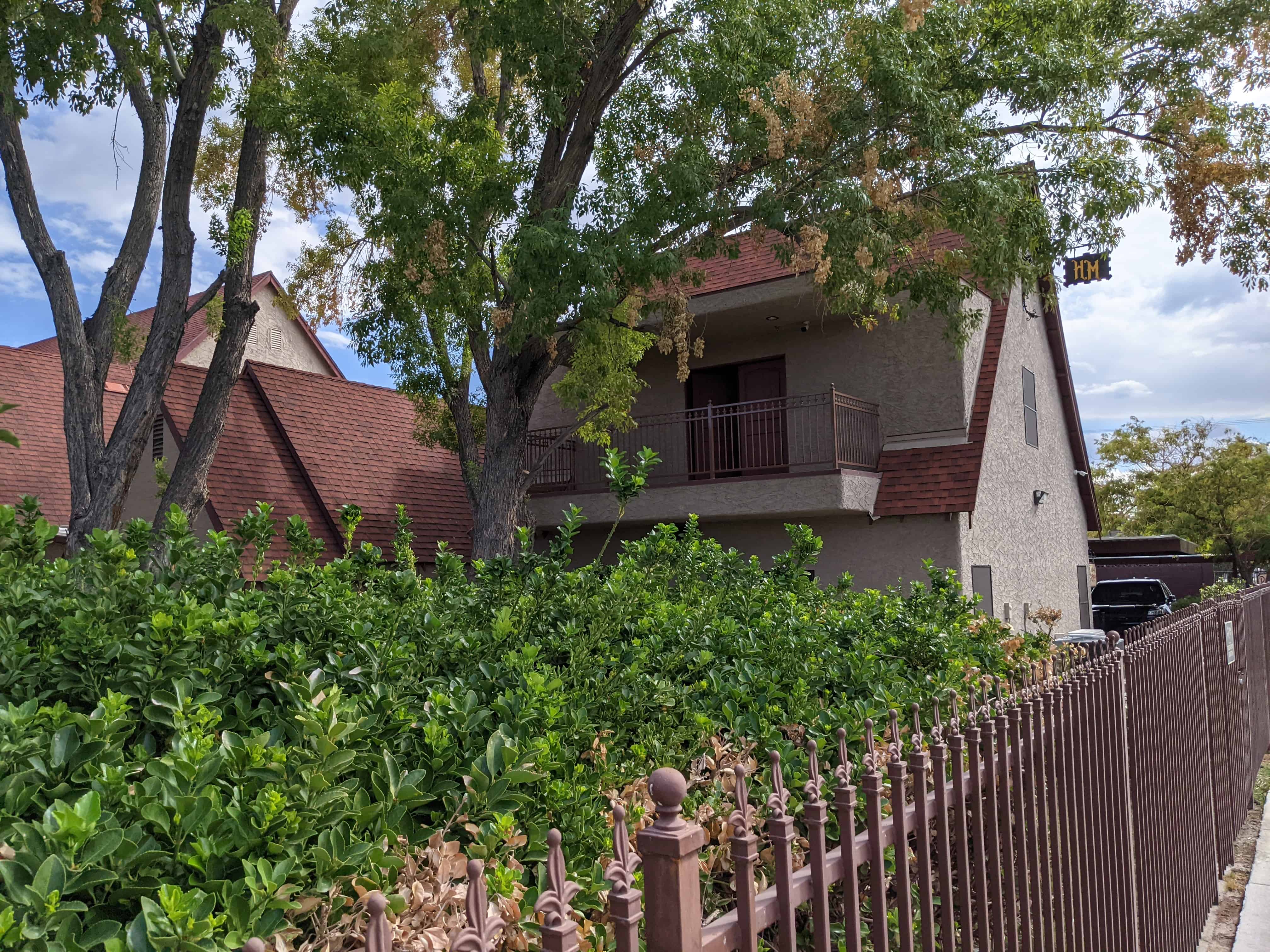
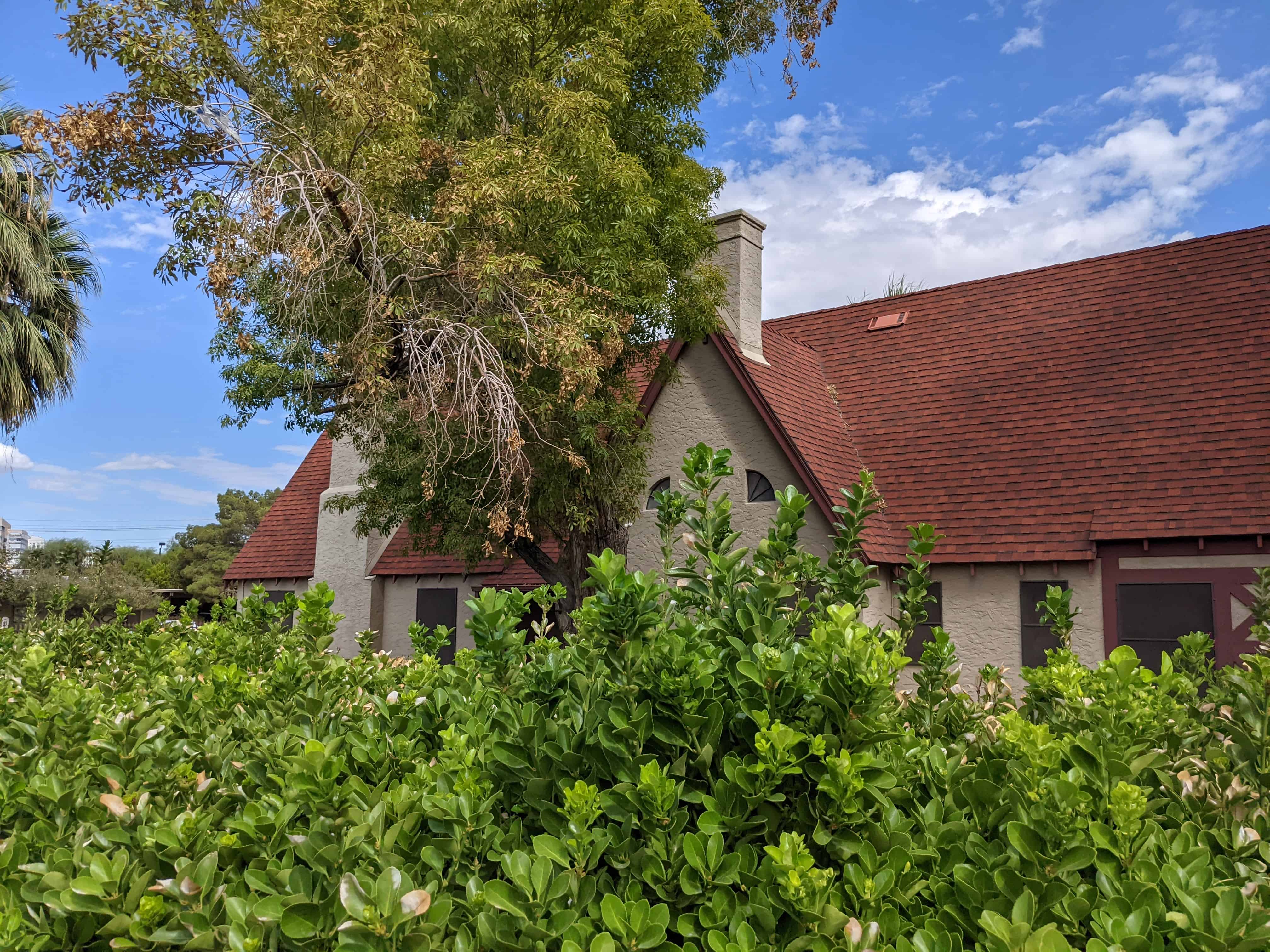
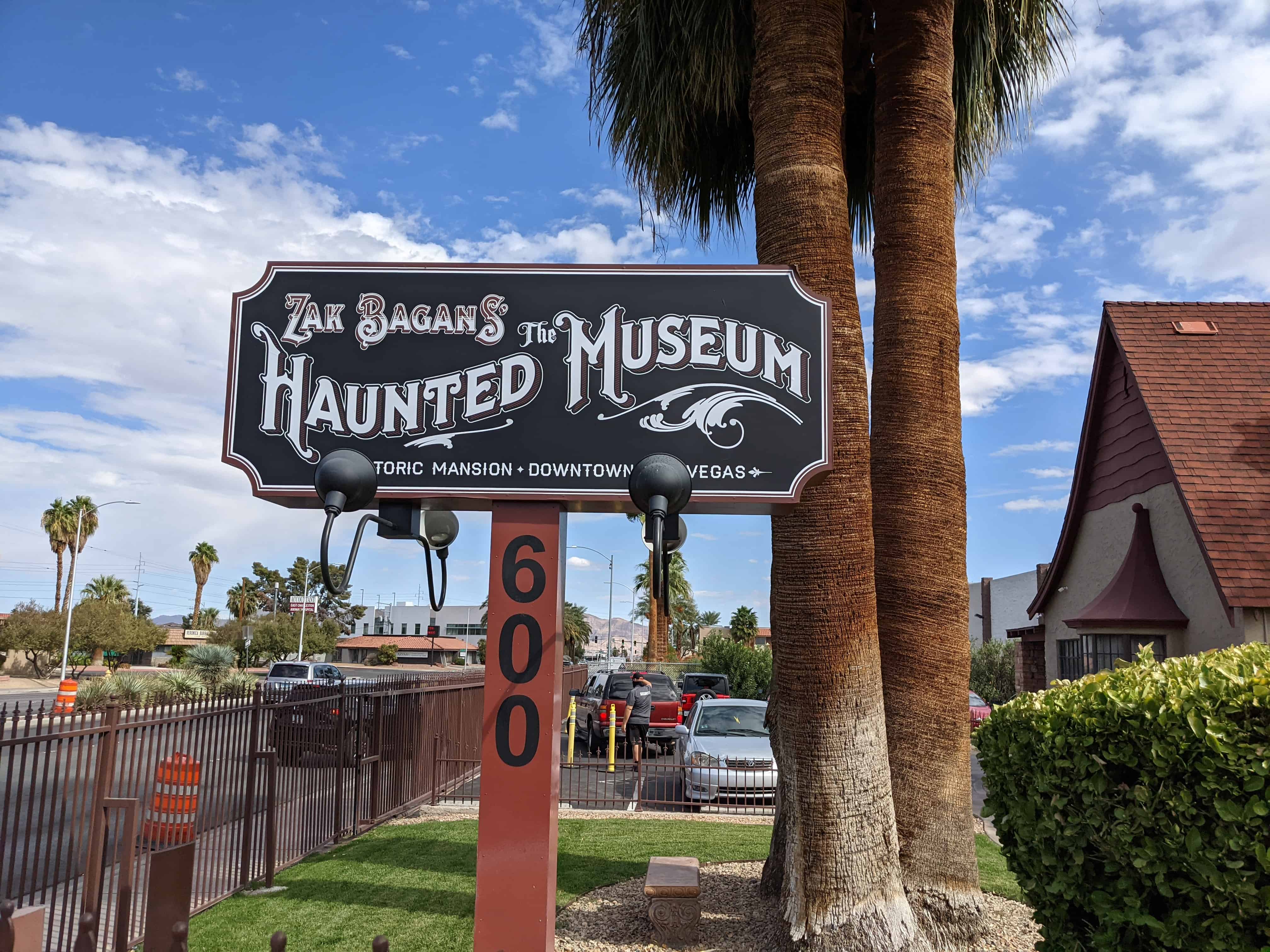
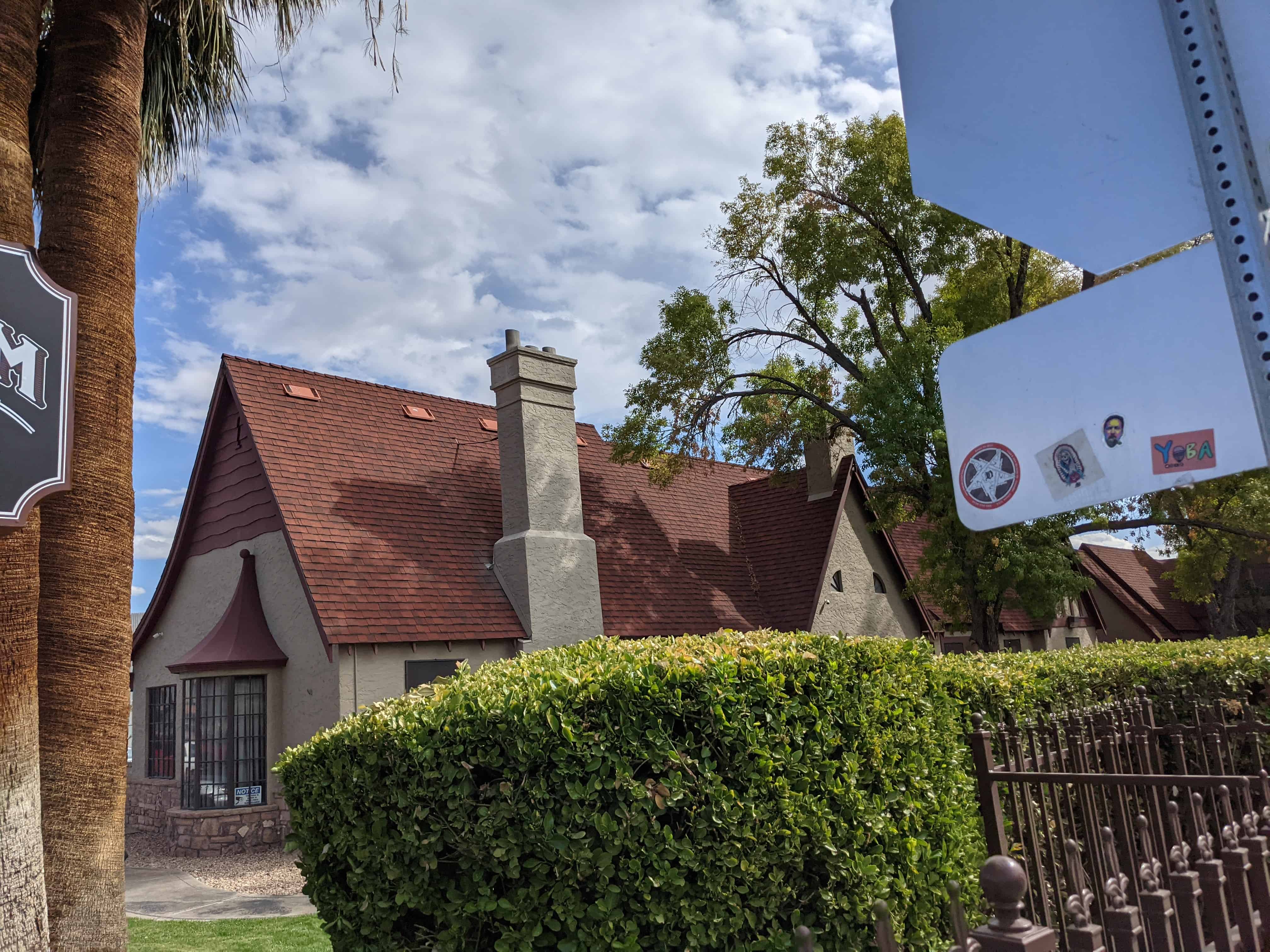
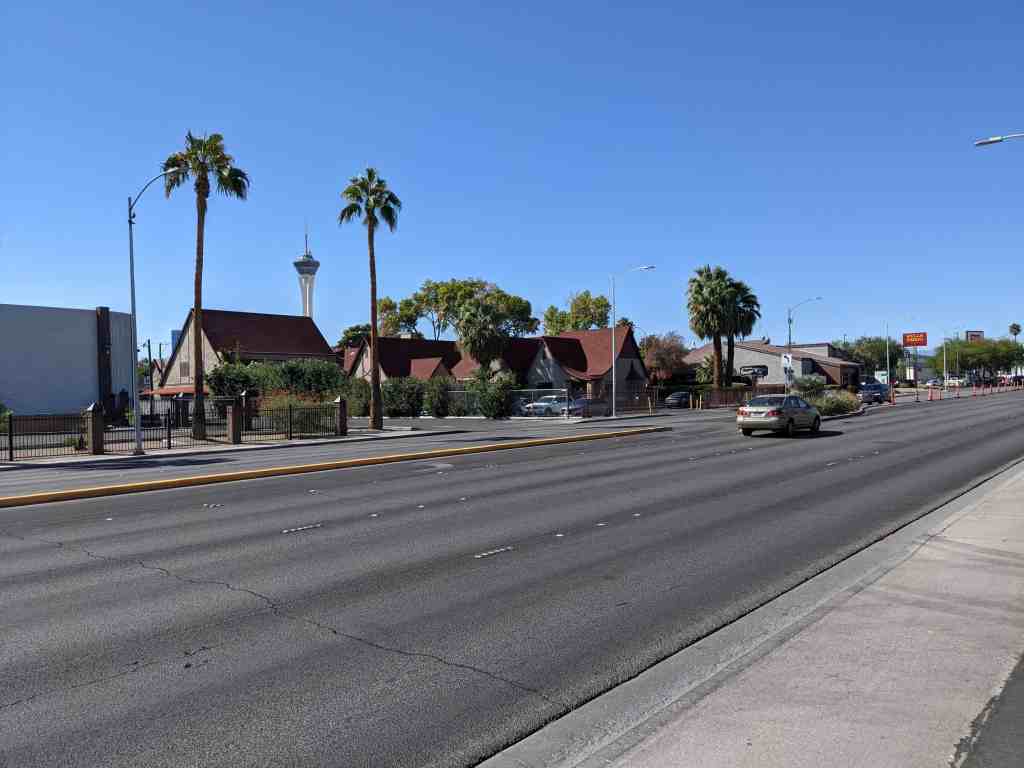
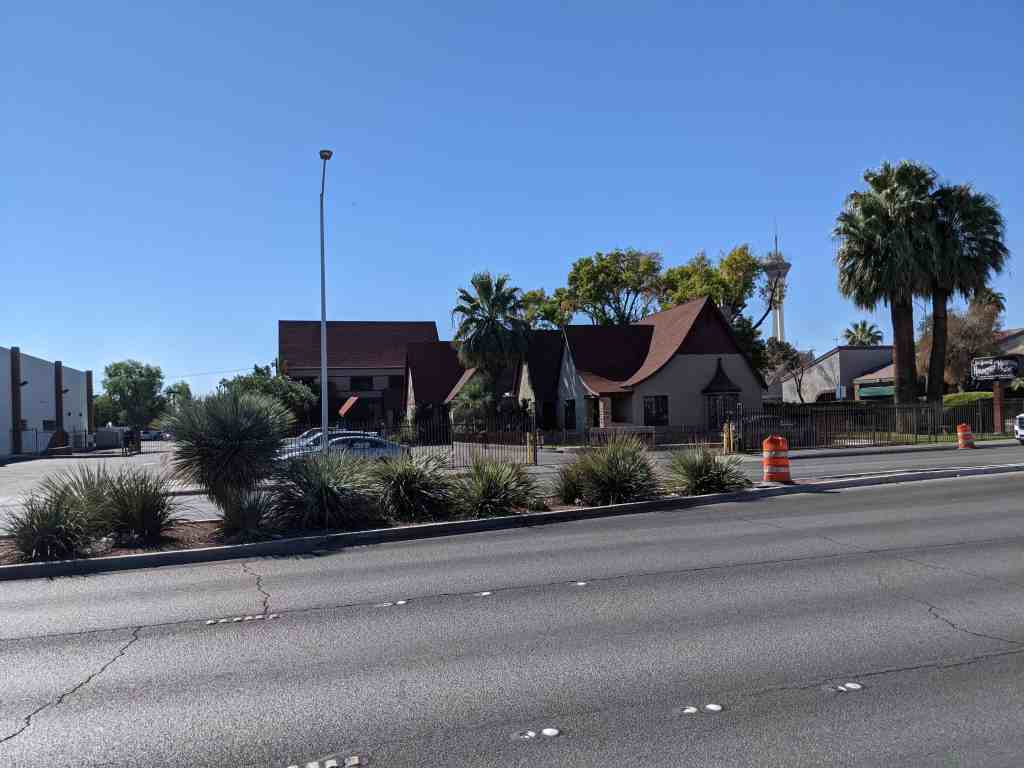
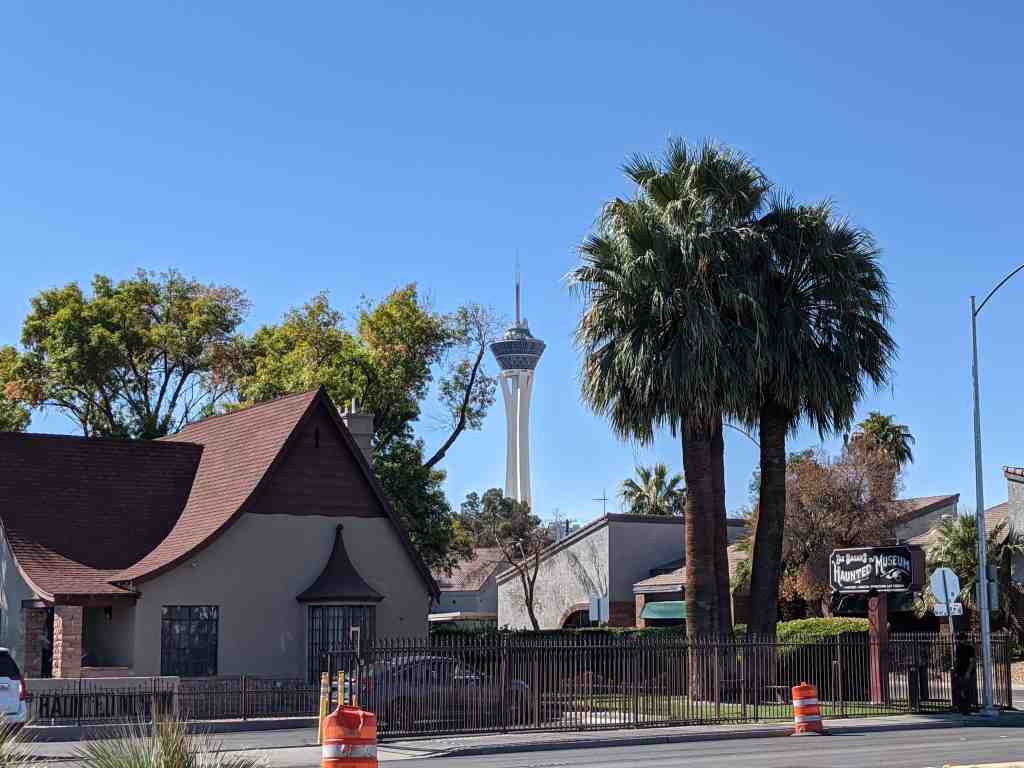
The Wengert Mansion
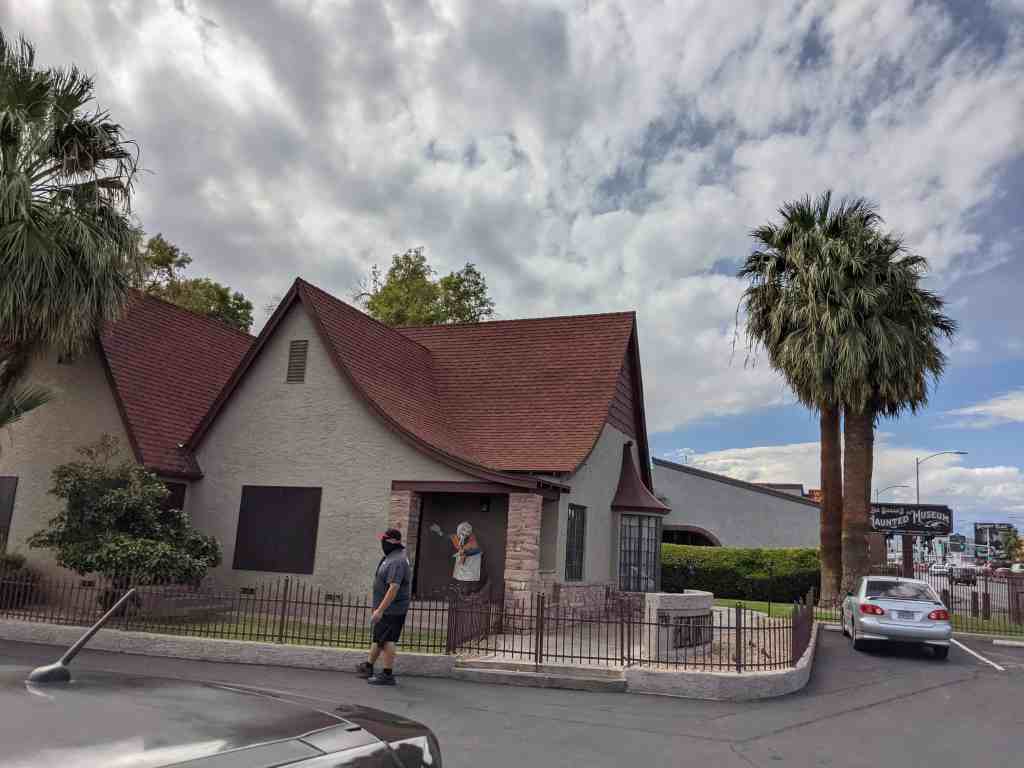
The Wengert Residence was originally owned by Cyril S. and Lottie Wengert. Built in 1938, this Tudor Revival home was designed by Architect, H. Clifford Nordstrom, and was amongst the largest in Las Vegas. Prominent in Las Vegas social and business circles, the Wengerts were pioneers in Las Vegas’ early development. Cyril S. Wengert was an incorporator of NV Energy, the state’s largest utility. He is also the namesake for NV Energy’s first building in downtown Las Vegas and for a Las Vegas elemental school. He and Lottie were integral to the development of many of Las Vegas’ civic organizations and the growth of the local Catholic community. Cyril and Lottie raised four children in this home: Shirley, Marilyn, Robert and Ward. Their son, James, died early-on at age 8. They remained in this home until they both passed some 30 years later. Cyril’s importance to both the business and civil life of Las Vegas was echoed by the Las Vegas Sun upon his death, “Cyril Wengert is considered one of the leading citizens of Las Vegas”.
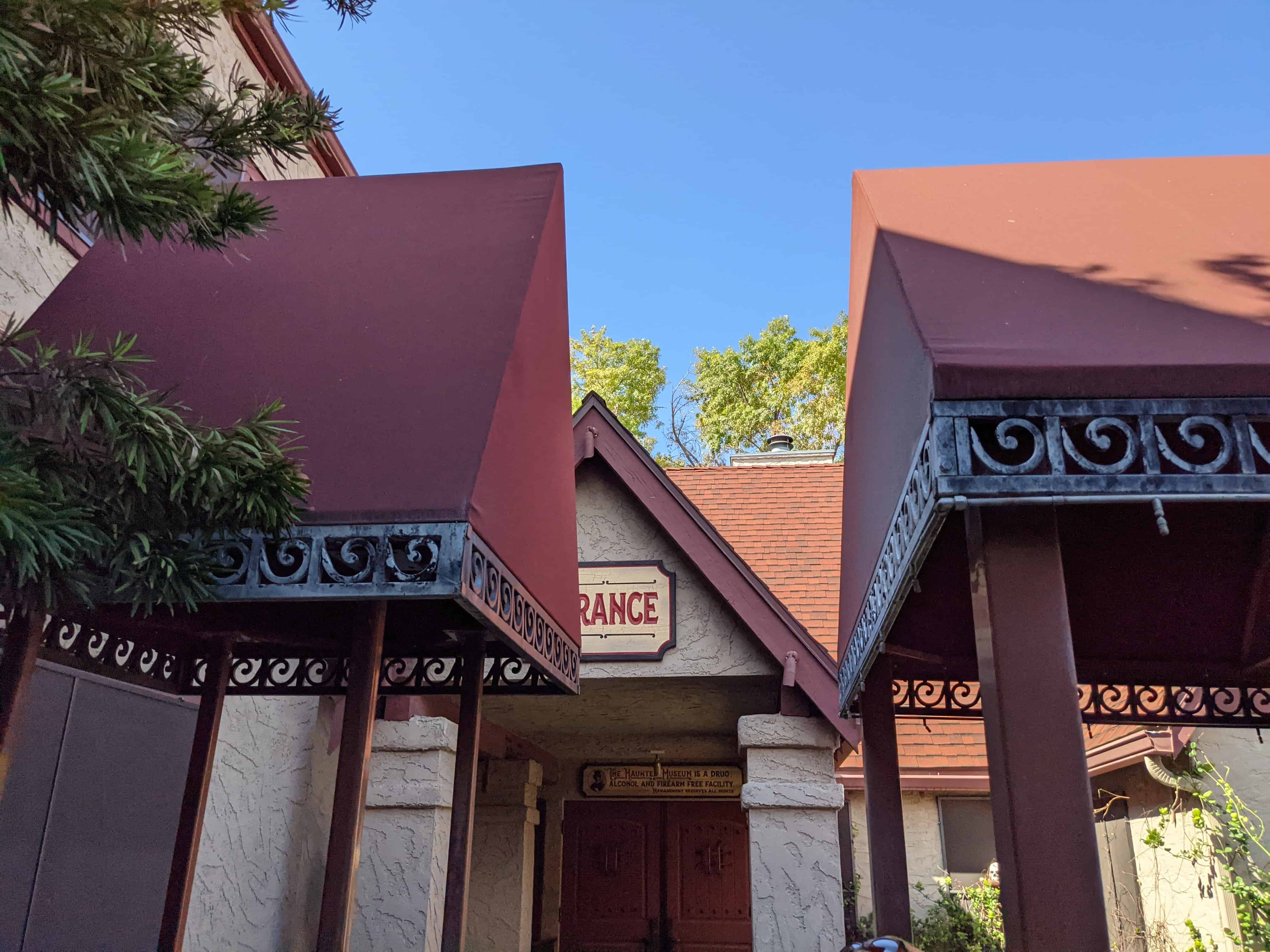
Currently the building is used for: Zak Bagans’ The Haunted Museum
600 East Charleston Boulevard in Las Vegas, Nevada