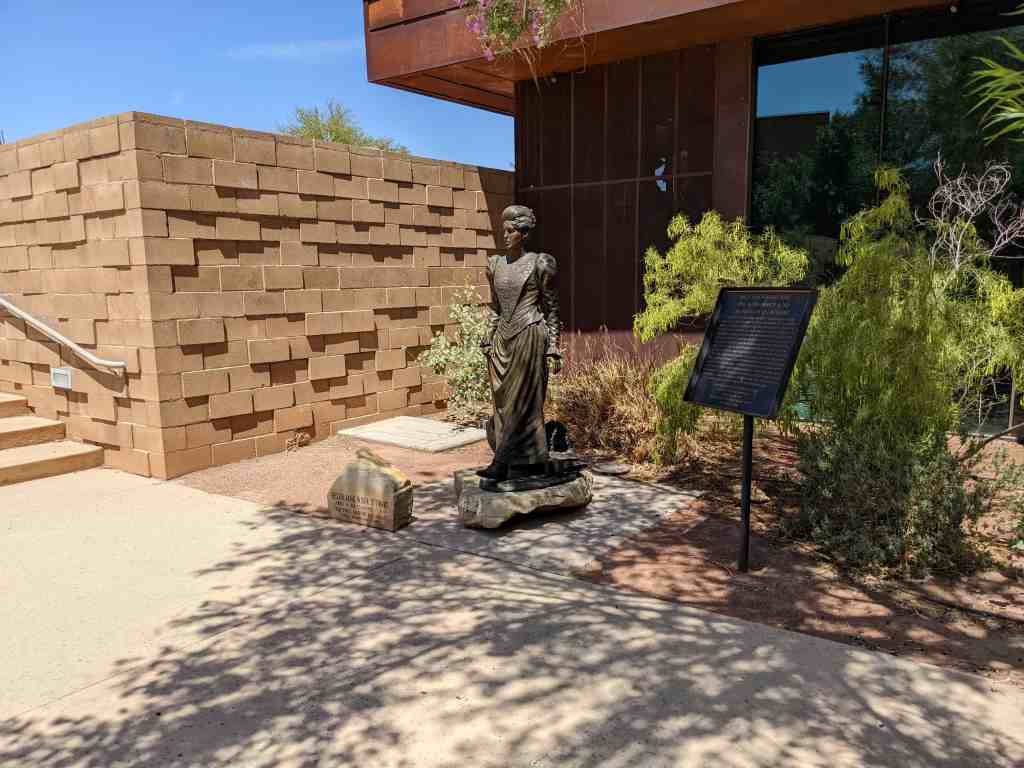
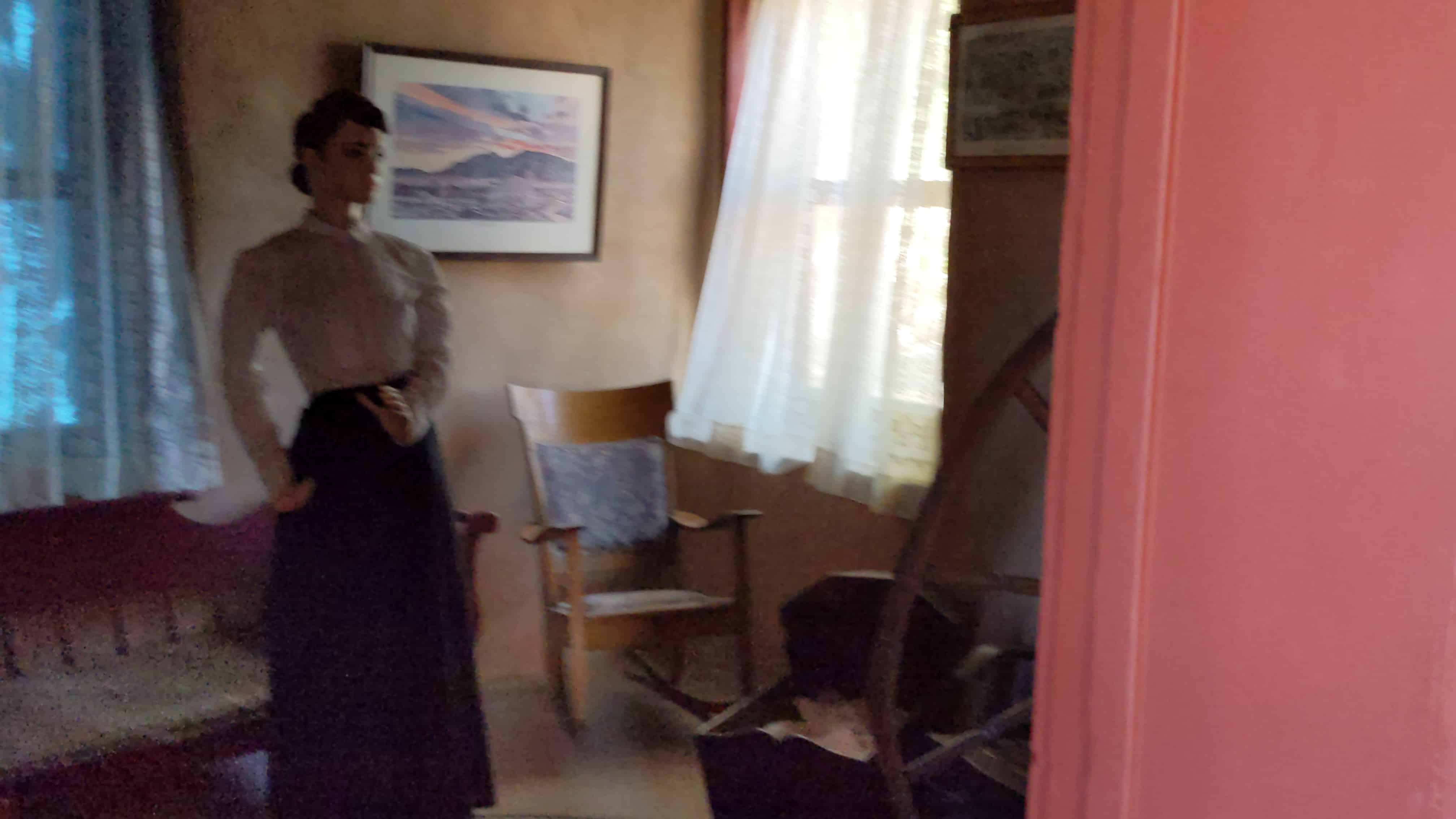
Helen Jane Wiser Stewart April 16, 1854 – March 16, 1926 “The First Lady of Las Vegas”
“It will only be for two years,” Archibald promised his wife Helen in 1882, coaxing her away from civilized Pioche, Nevada to a ranch in the middle of the desert. Two years later, Helen buried Archibald after he lost his life in a gun fight at the nearby Kiel Ranch. Helen stepped out of her traditional role as wife, mother, and homemaker, to take over the “Los Vegas Rancho.” Helen never looked back. She expanded the ranch to nearly 2000 acres, and became one of the largest property owners in the Las Vegas valley. Helen sold 1835 acres of her property to the San Pedro, Los Angeles, and Salt Lake Railroad in 1902 for $55,000. She kept some land for herself and donated 10 acres to the local Paiute Tribe. Helen was indeed a woman of “Firsts” – first postmaster in the valley – first woman in Las Vegas to serve on a jury – first woman to serve on the Clark County school board. As a founding member of the local Christ Episcopal Church and the Mesquite Club, and a Red Cross activist, Helen shaped early Las Vegas into a vibrant community. Local leaders shut down the city of Las Vegas during Helen’s funeral in honor of her pioneering spirit.
Generous support for the statue in thanks to Las Vegas Centennial Commission Friends of the fort Southern Nevada Women’s History Project Nevada State Parks
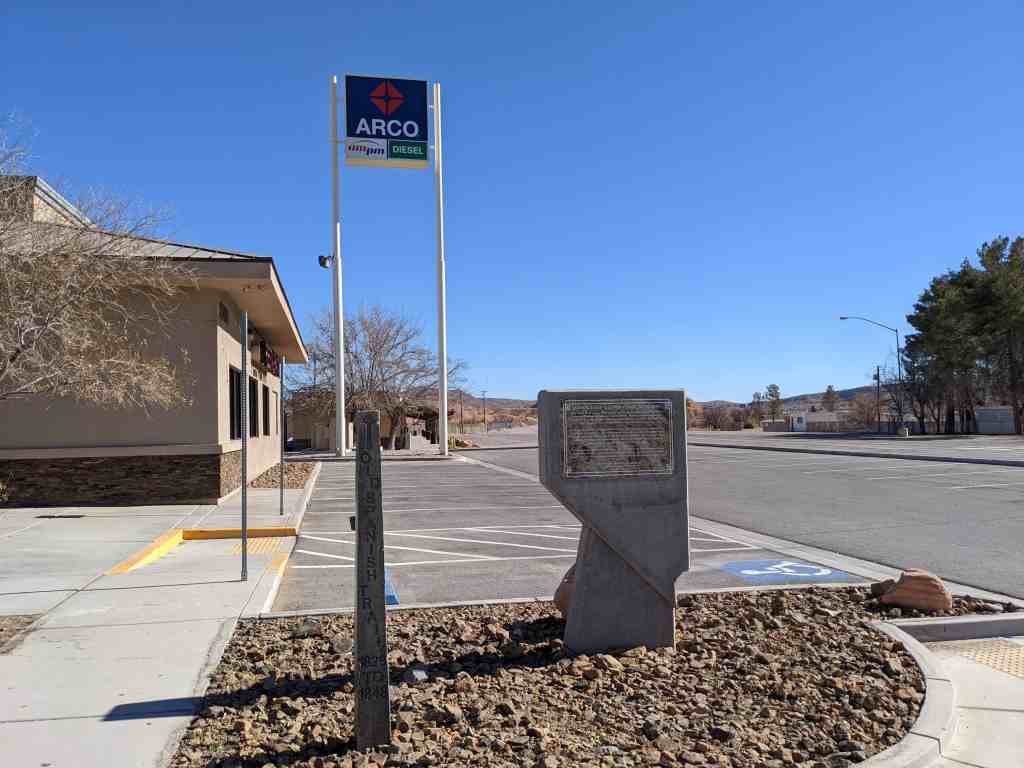
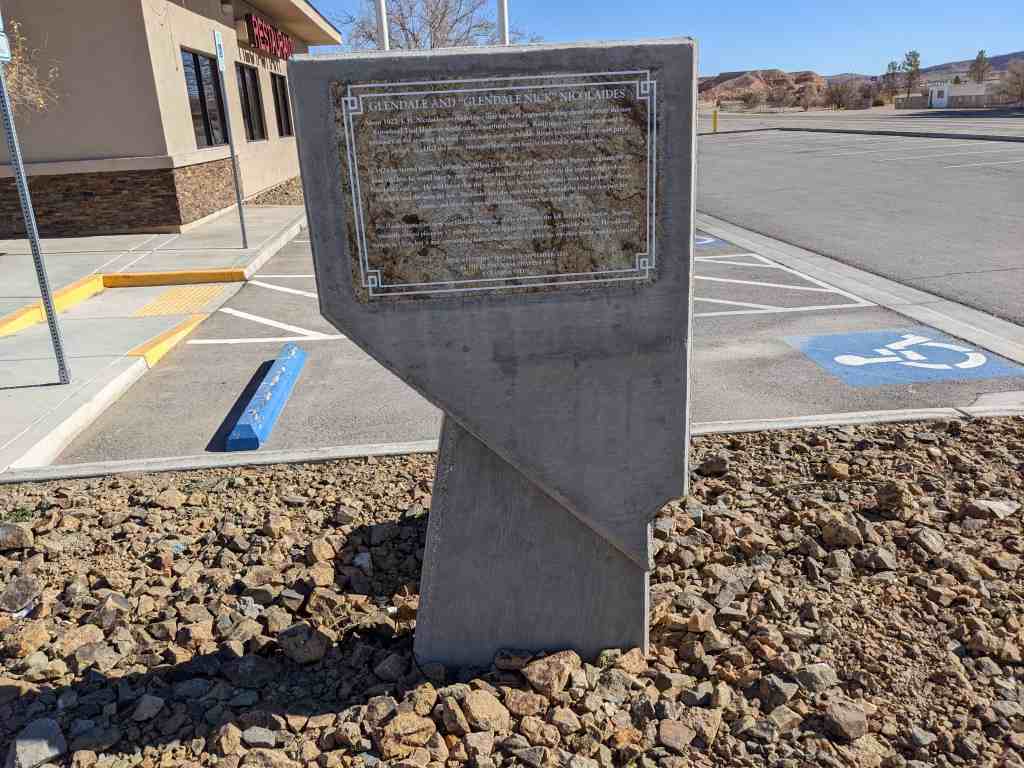
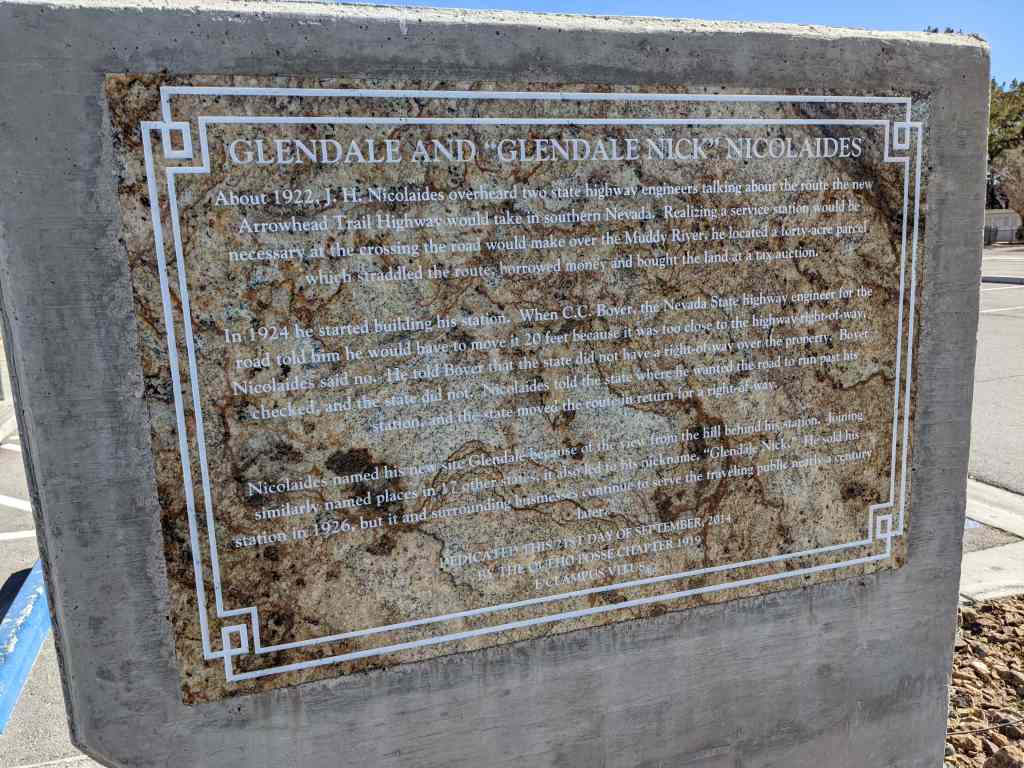
About 1922, J. H. Nicolaides overheard two state highway engineers talking about the new route Arrowhead Trail Highway would take in southern Nevada. Realizing a service station would be necessary at the crossing the road would make over the Muddy River, he located a forty-acre parcel which straddled the route, borrowed money and bought the land at a tax auction.
In 1924 he started building his station. When C. C. Boyer, the Nevada State highway engineer for the road told him he would have to move it 20 feet because it was too close to the highway right-of-way, Nicolaides said no. He told Boyer that the state did not have a right-of-way over the property. Boyer checked, and the state did not. Nicolaides told the state where he wanted the road to run past his station, and the state moved the route in return for a right-of-way.
Nicolaides named his new site Glendale because of the view from the hill behind his station. Joining similarly named places in 17 other states, it also led to his nickname, “Glendale Nick.” He sold his station in 1926, but it and the surrounding business continue to serve the traveling public nearly a century later.
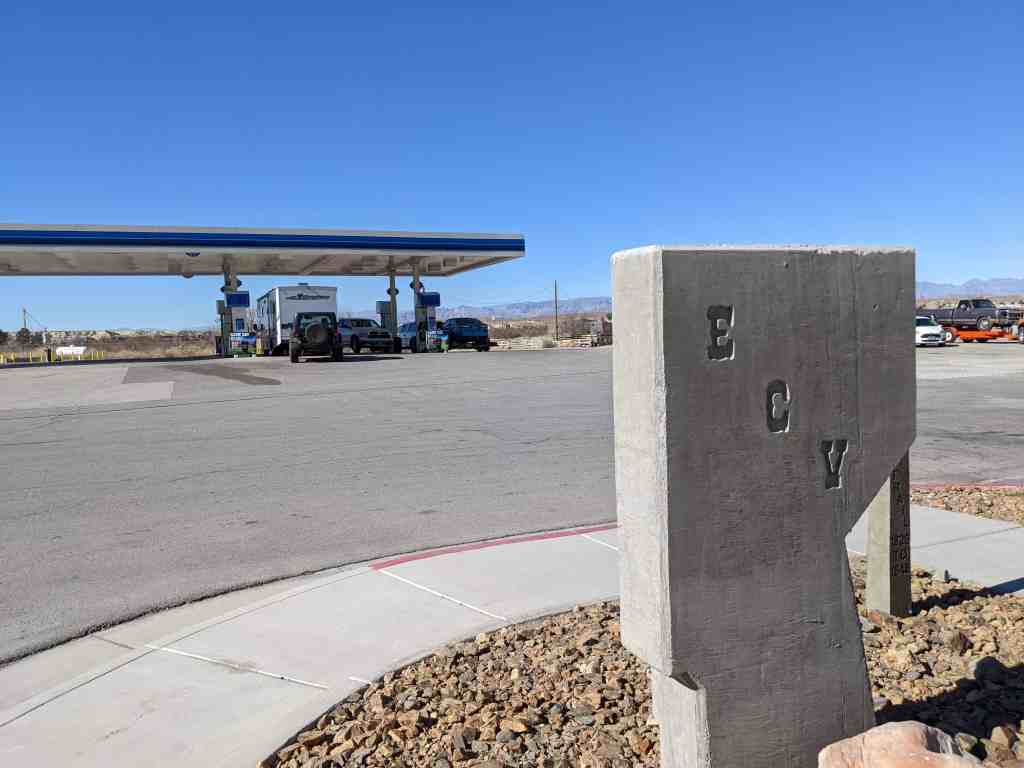
Dedicated this 21st Day of September, 2014 by the Queho Posse Chapter 1919 E Clampus Vitus
Located at 2300 Glendale Boulevard in Glendale, Nevada
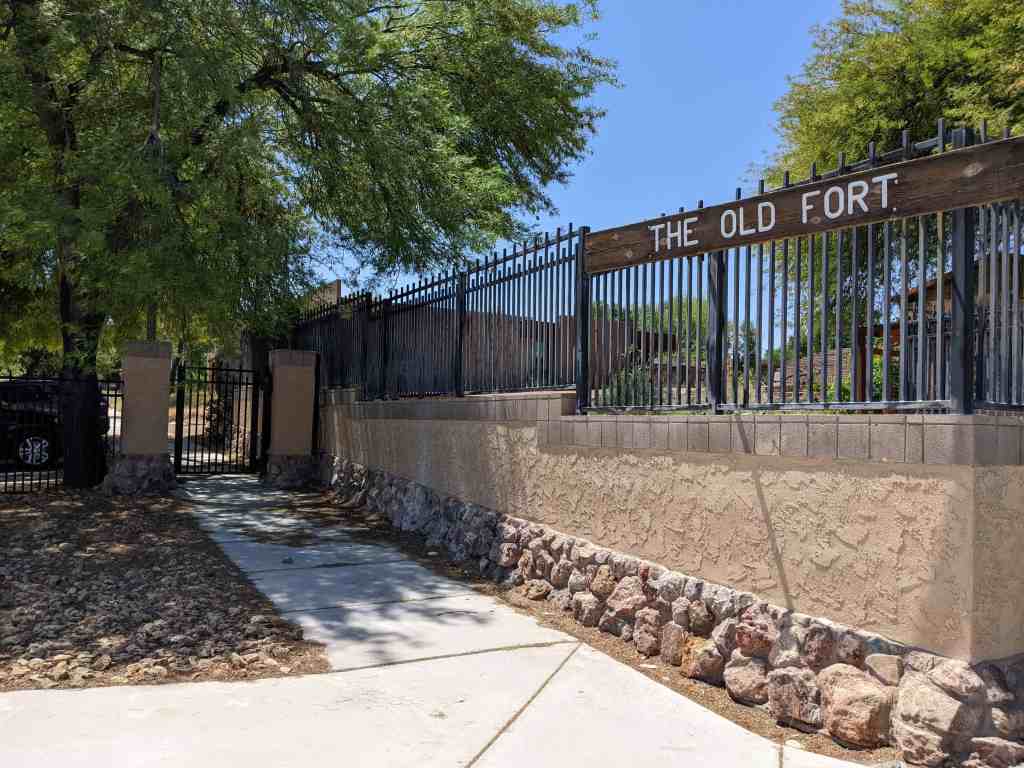
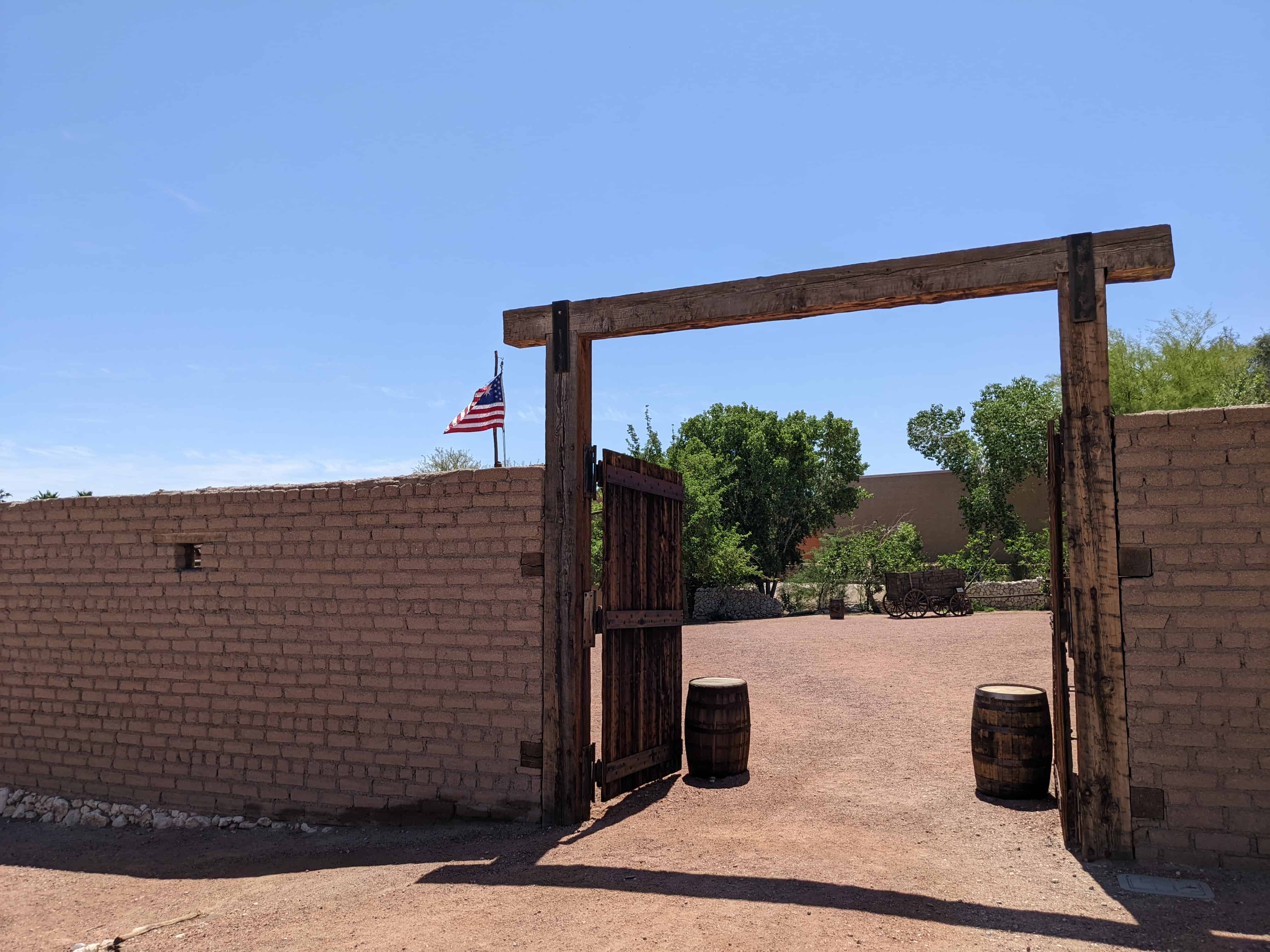
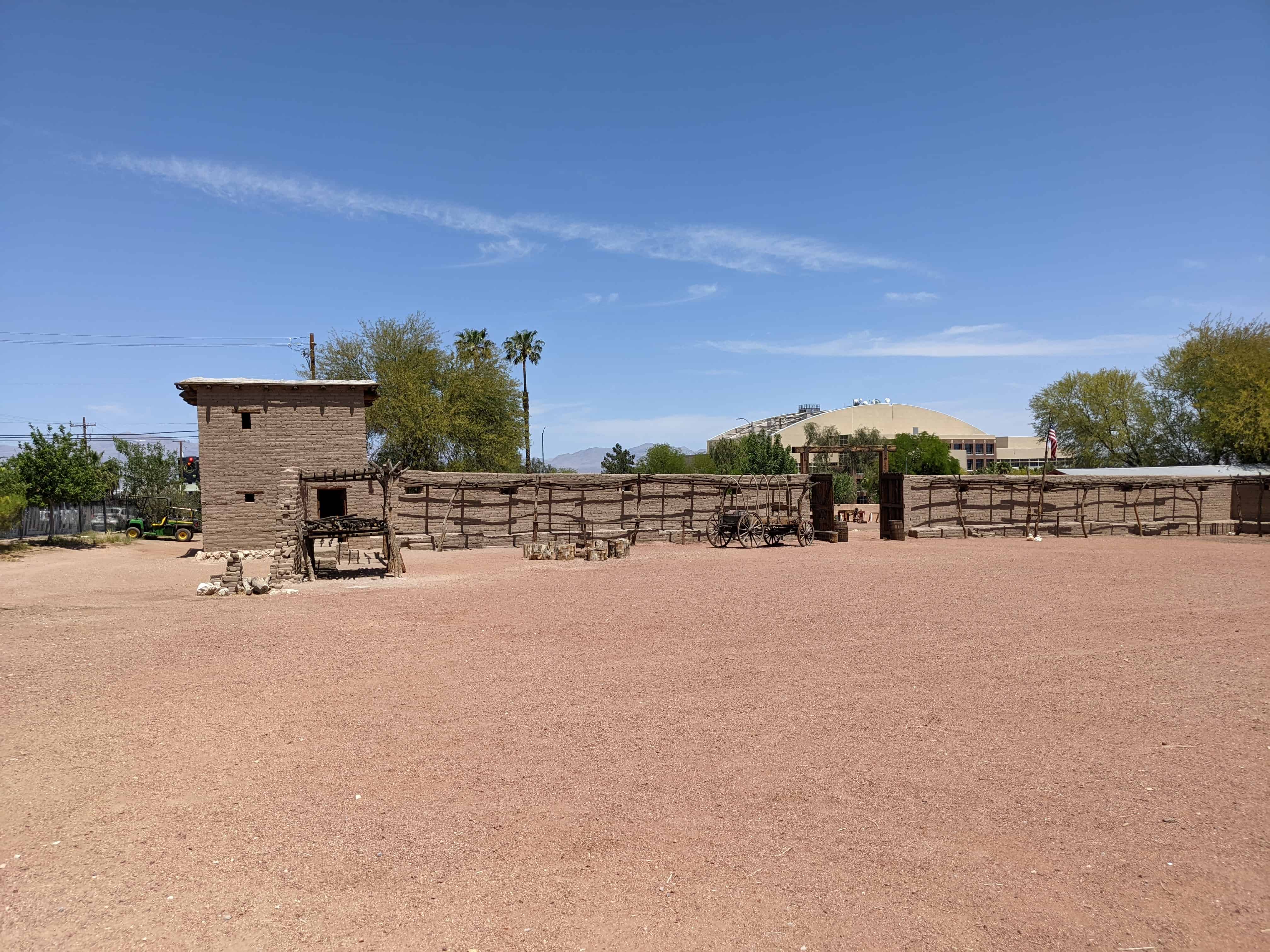
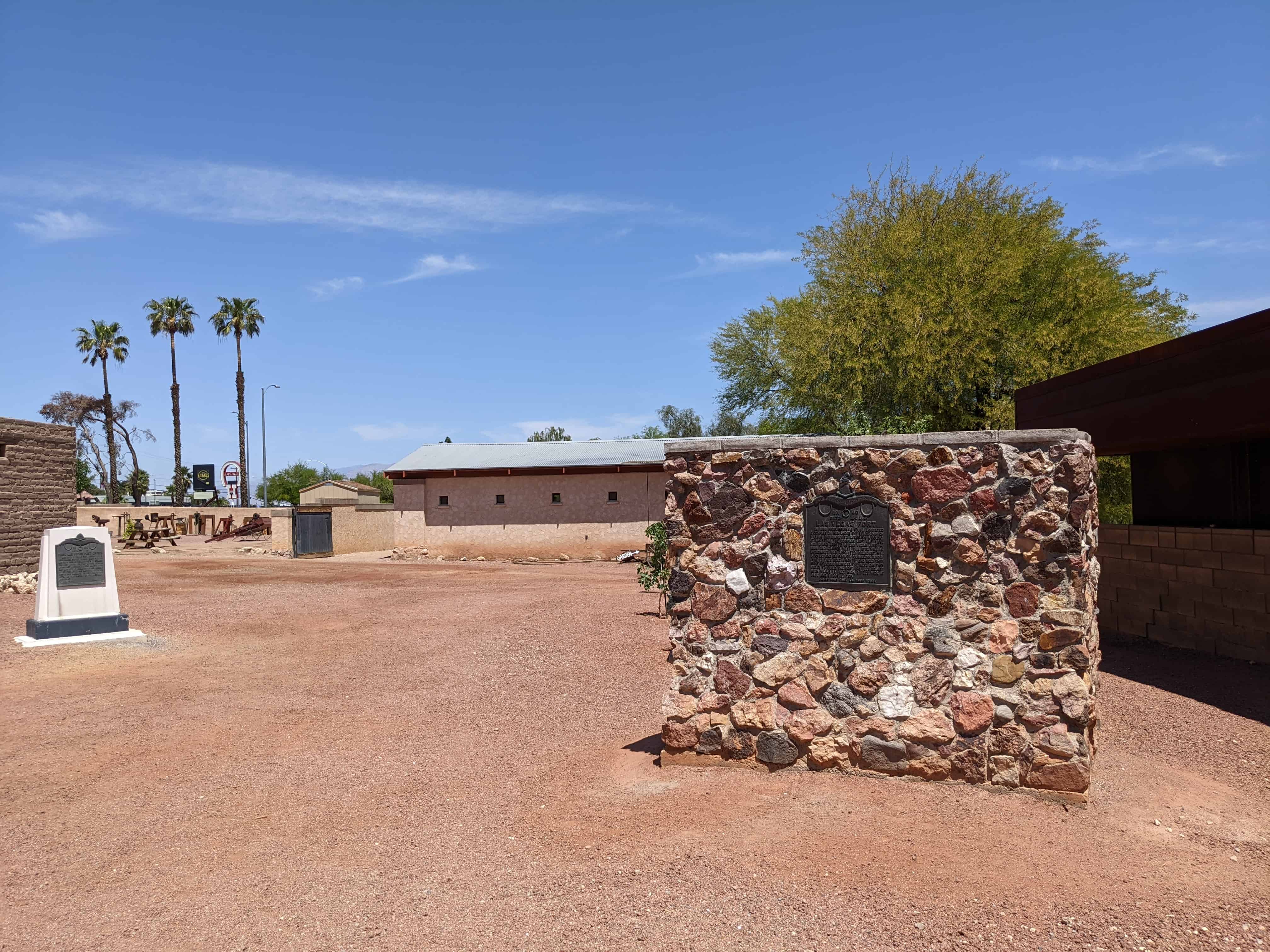
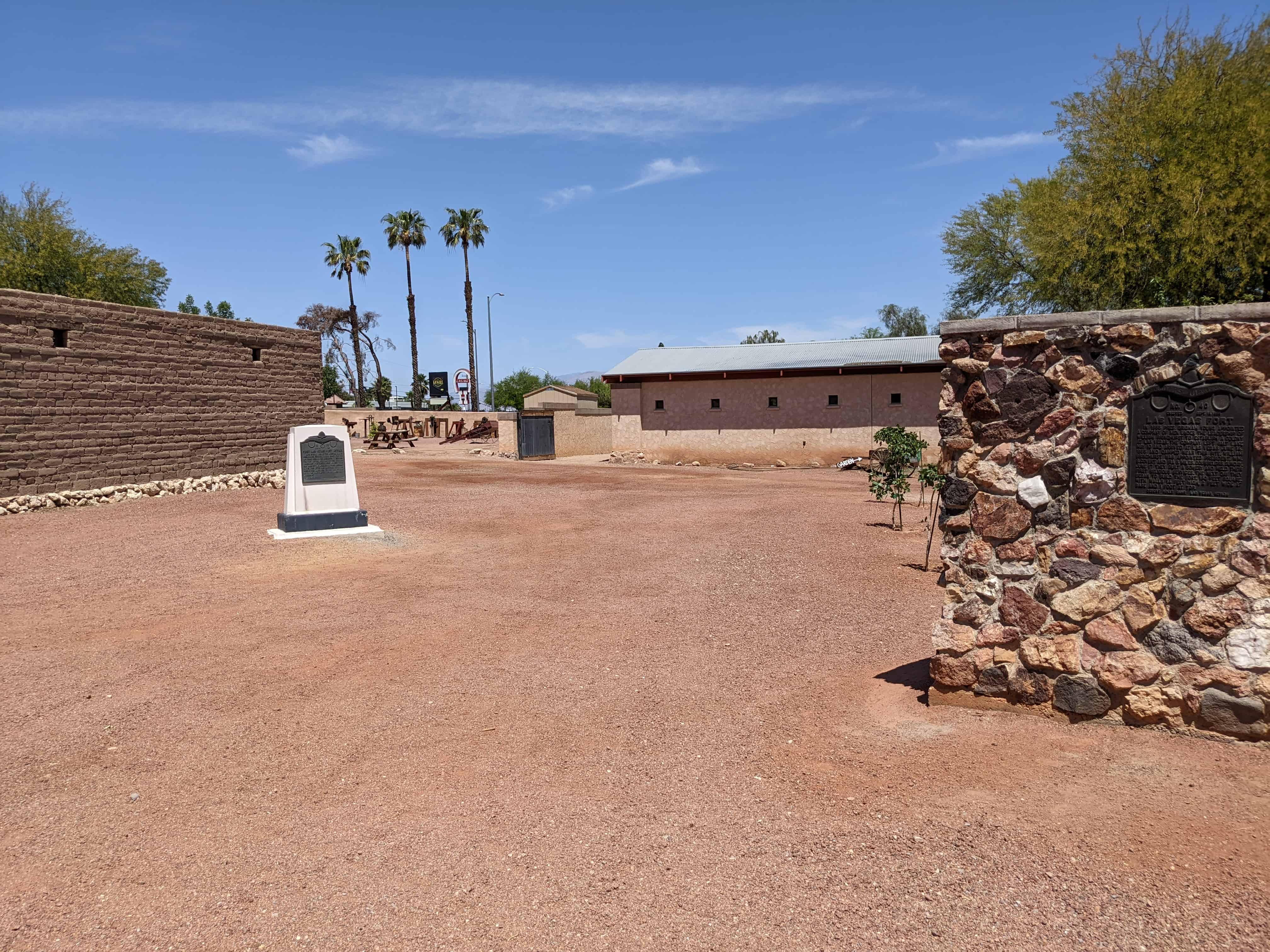
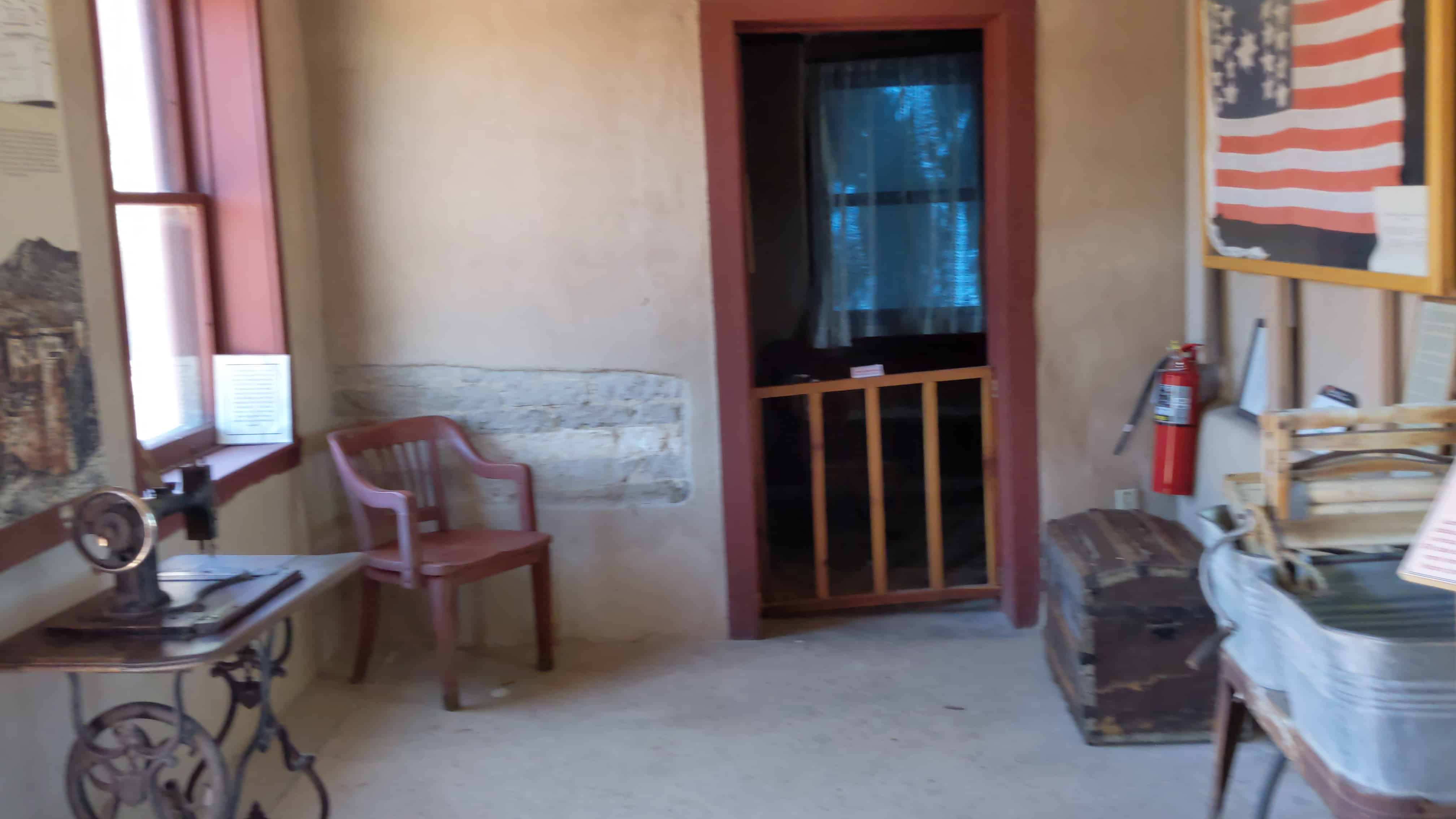
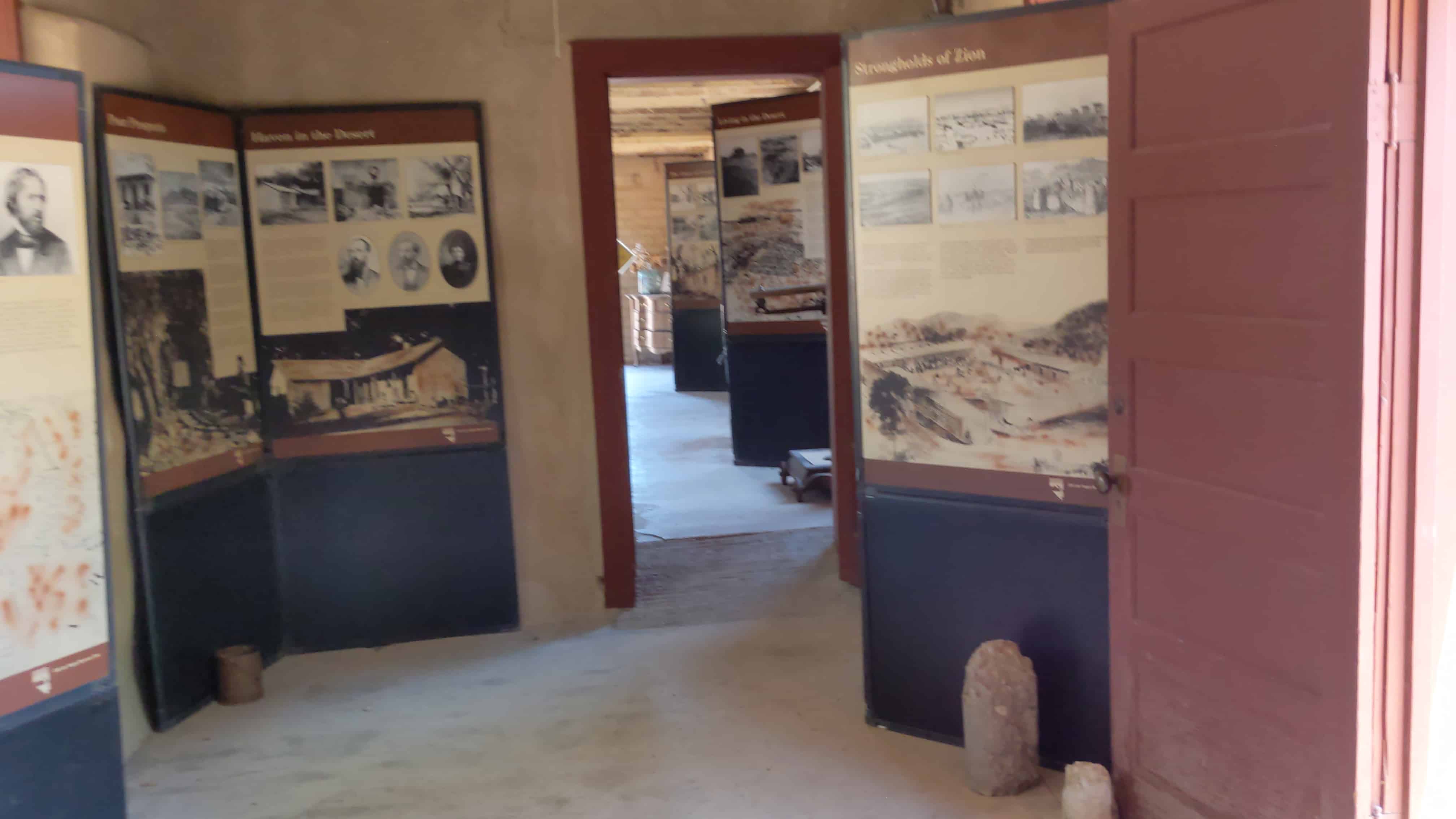
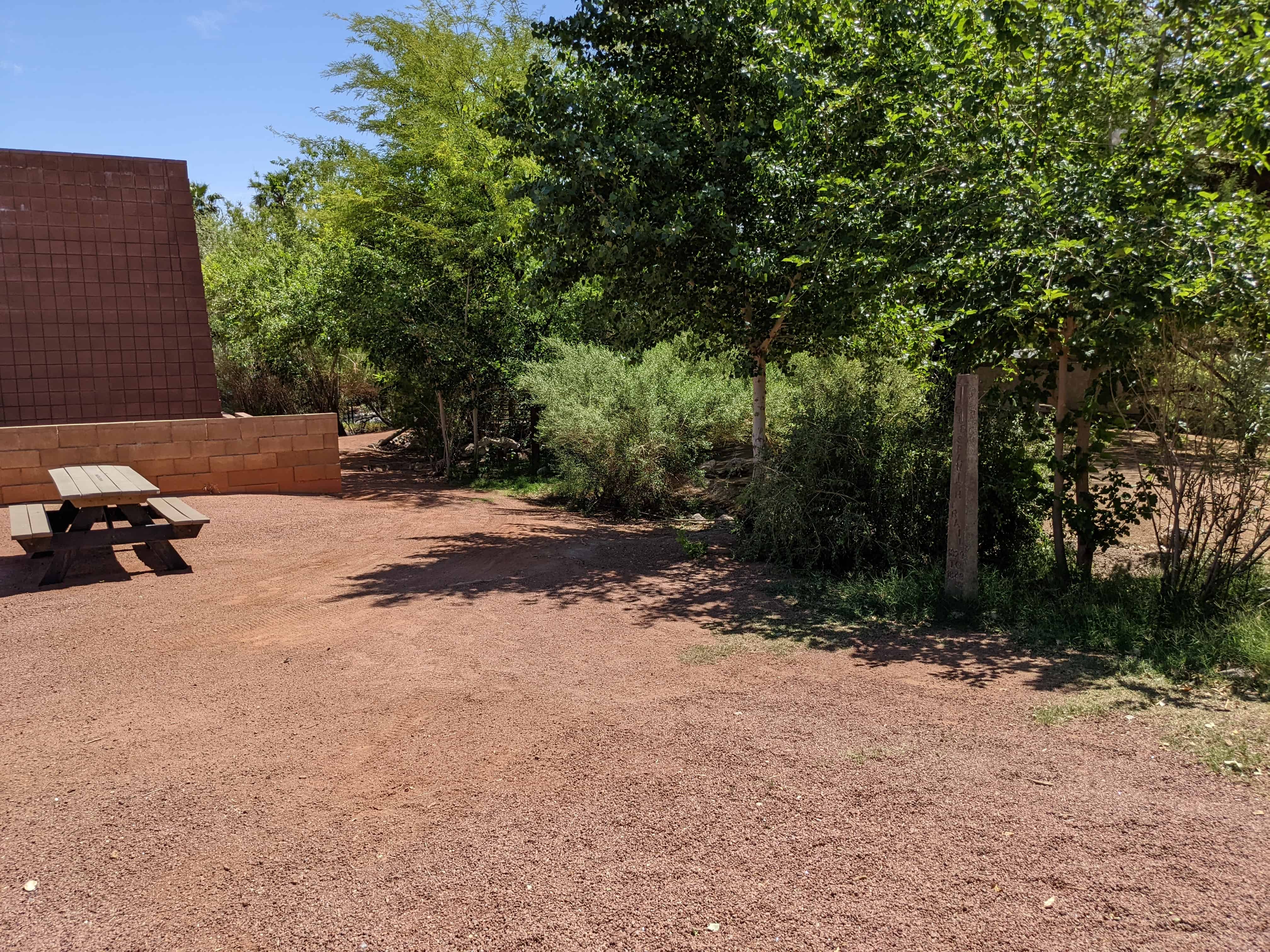
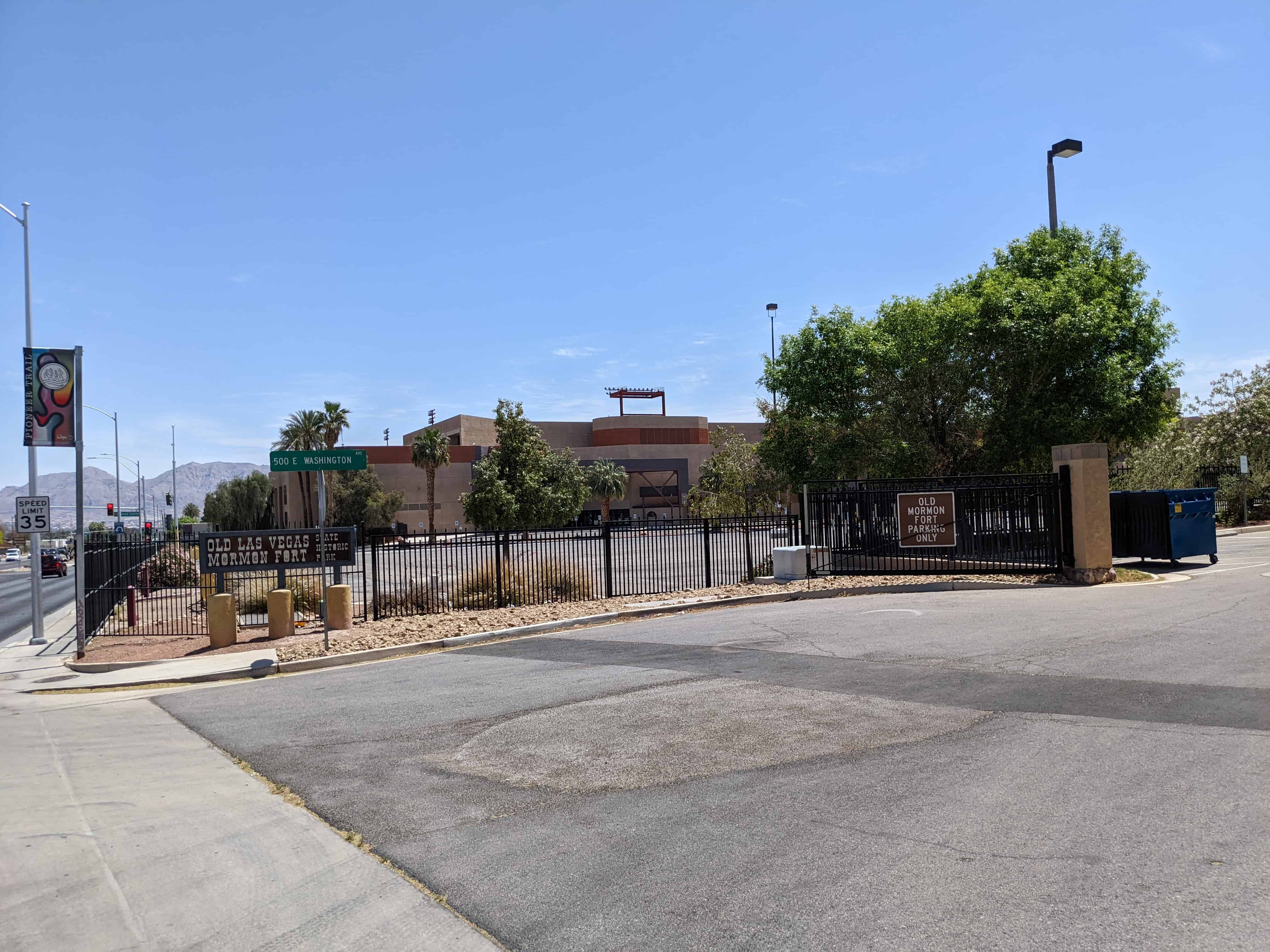
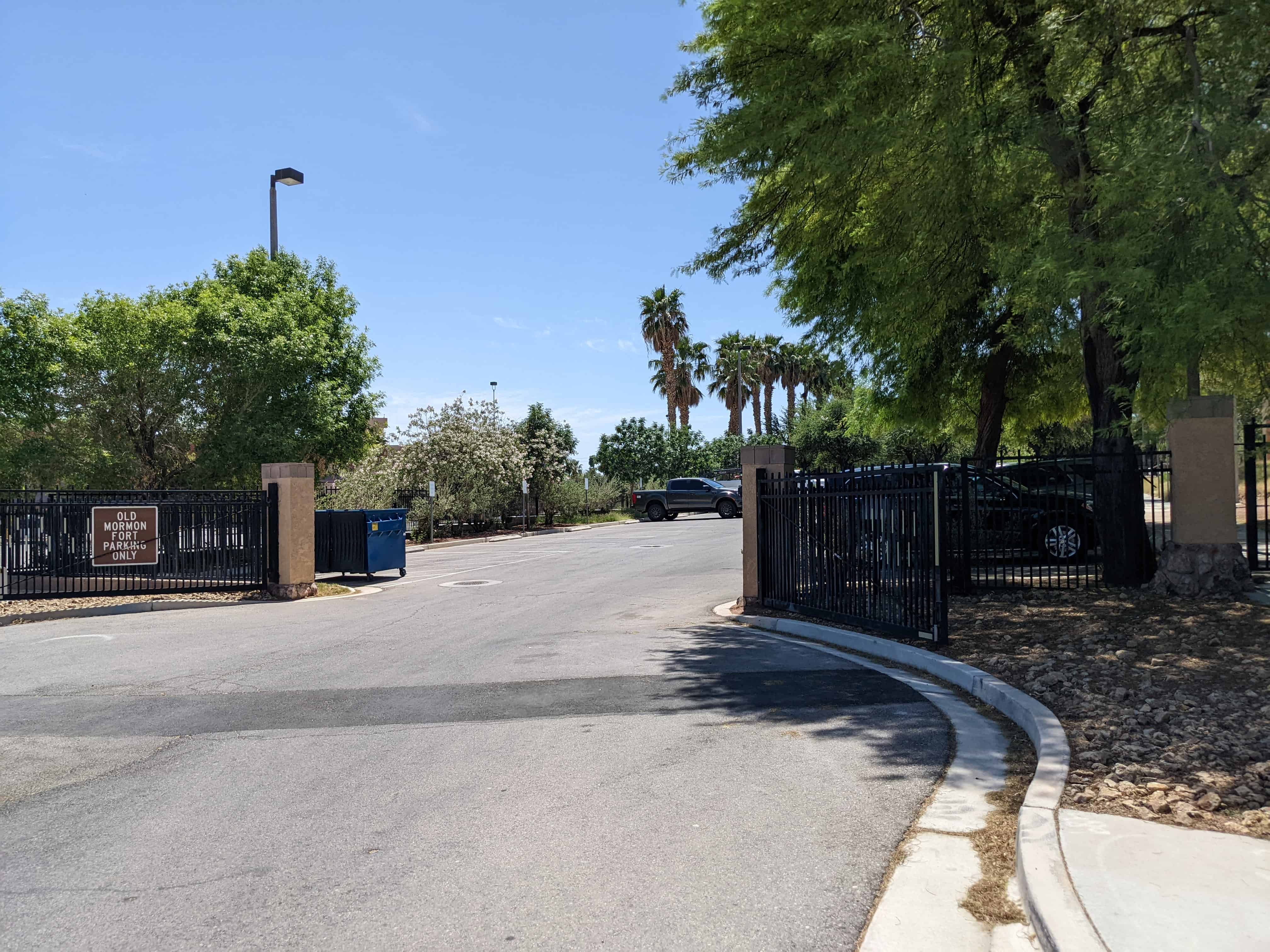
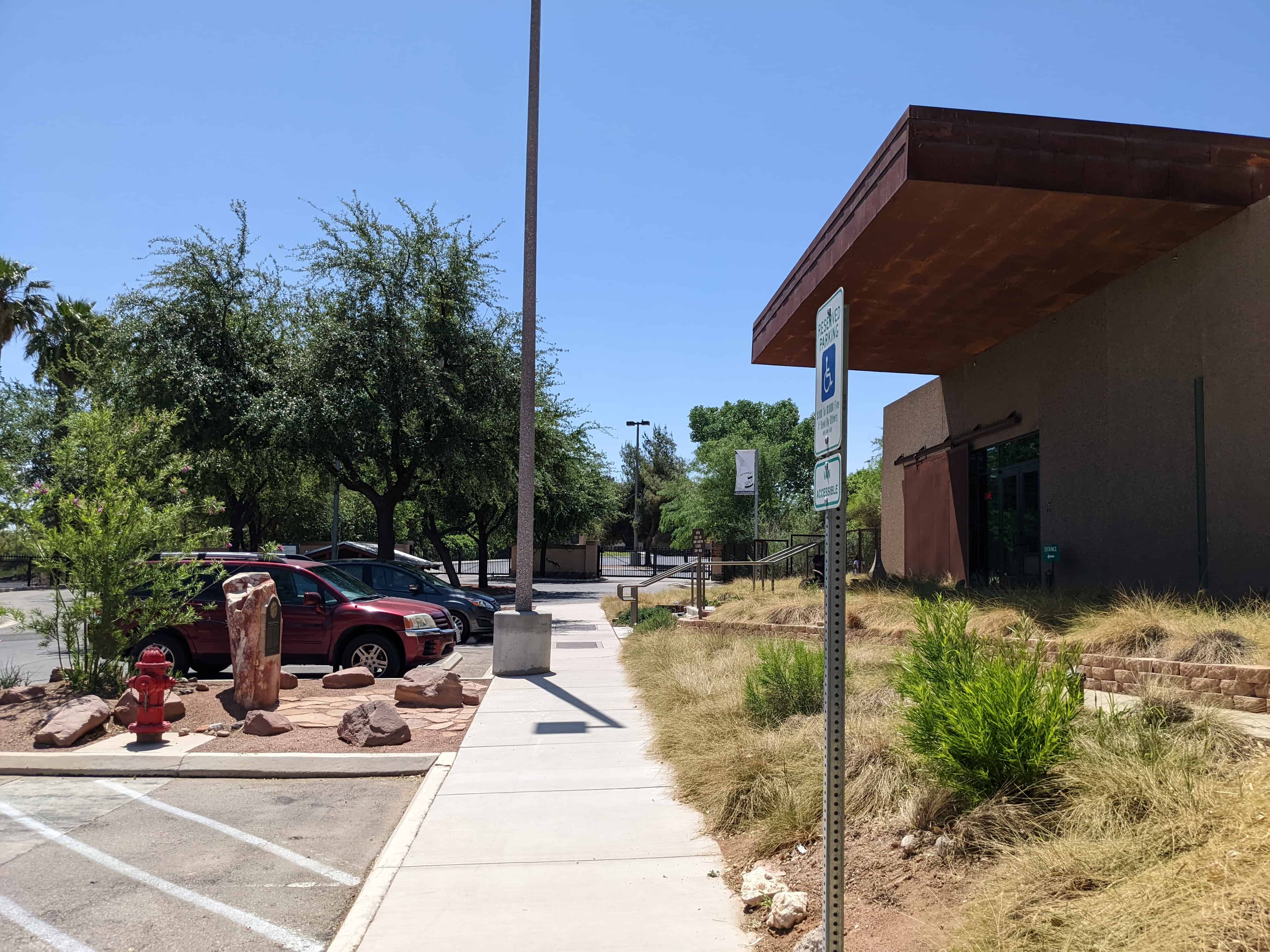
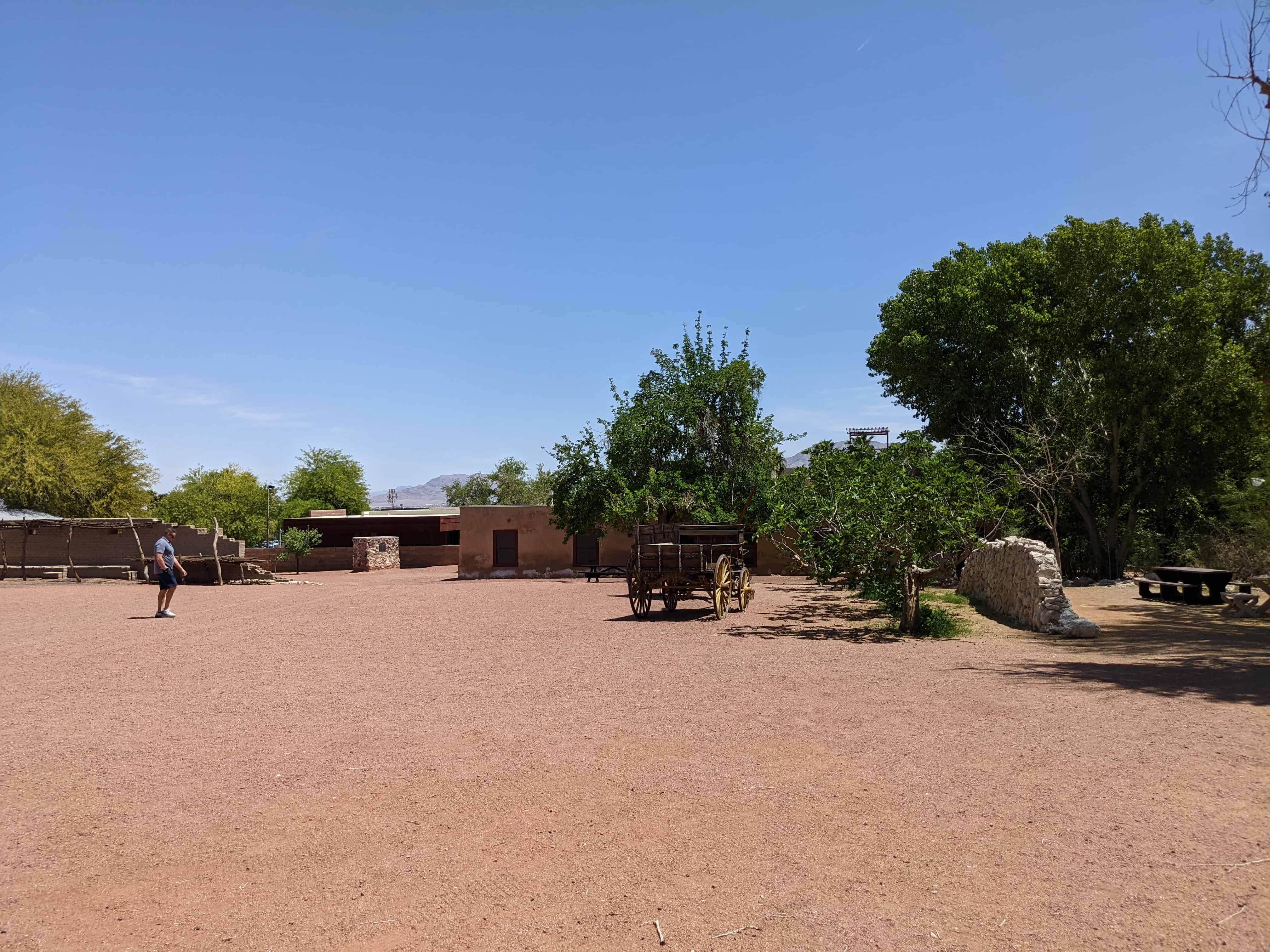
Las Vegas Old Mormon Fort (Nevada’s Oldest Building)
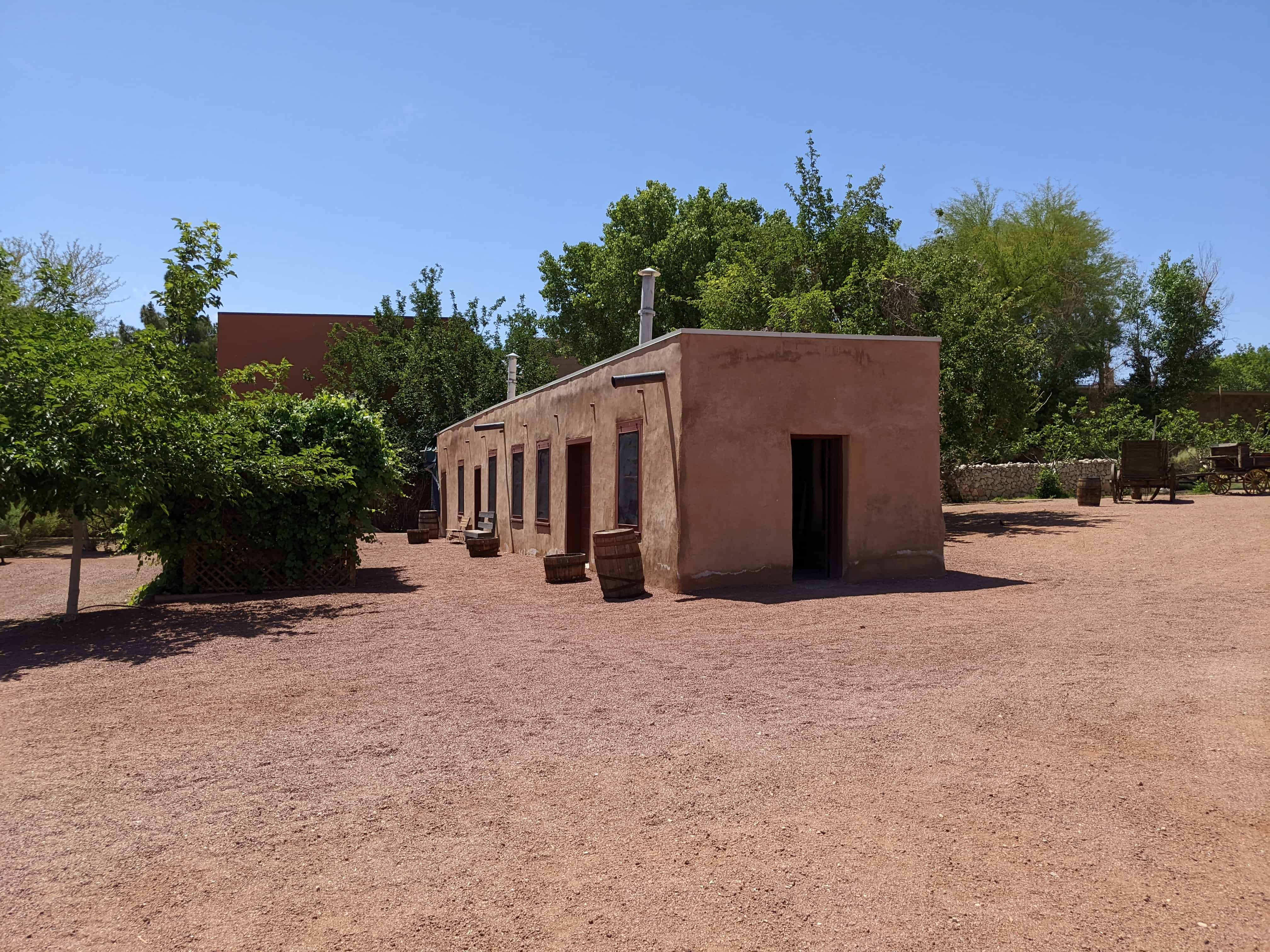
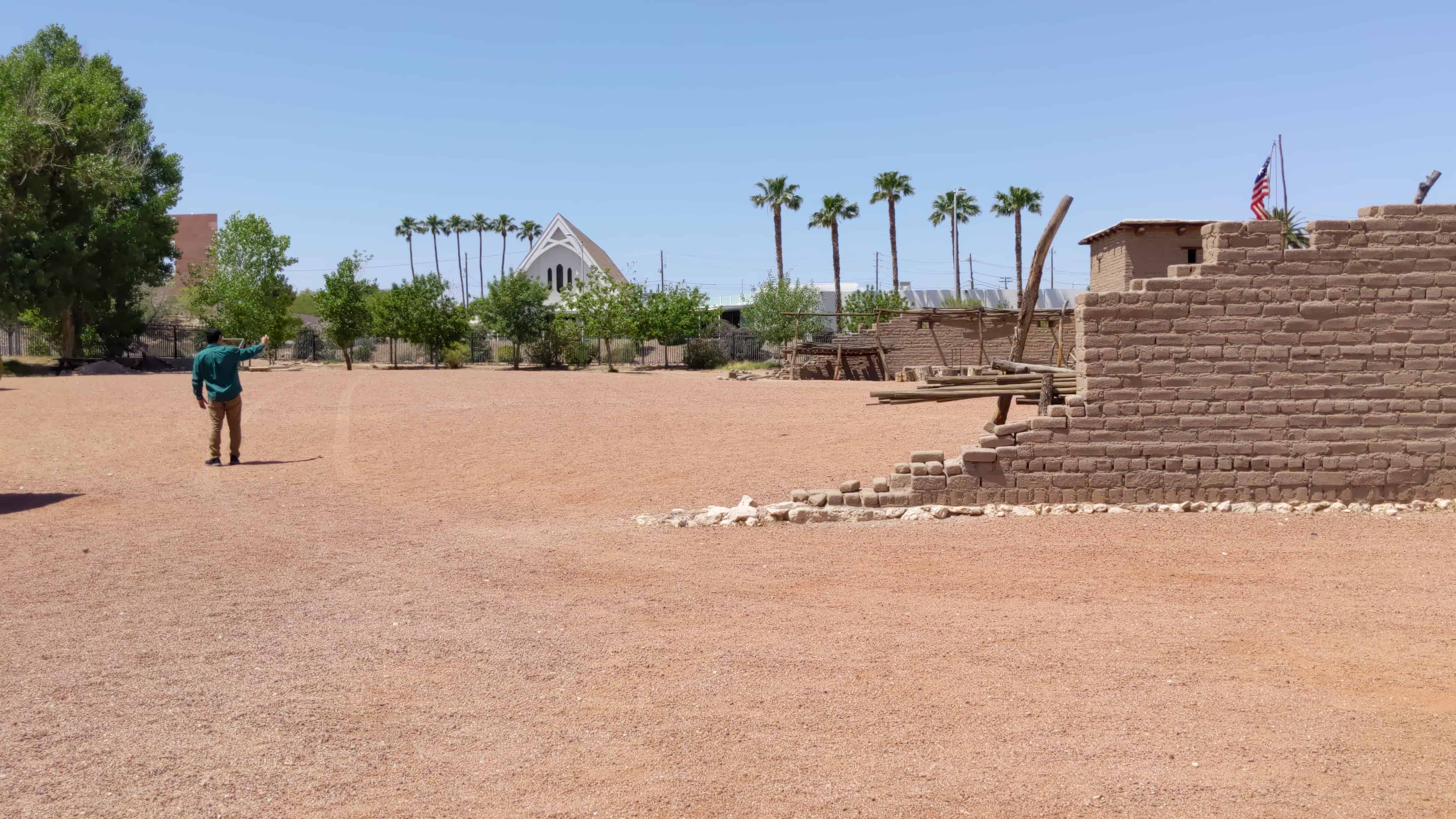
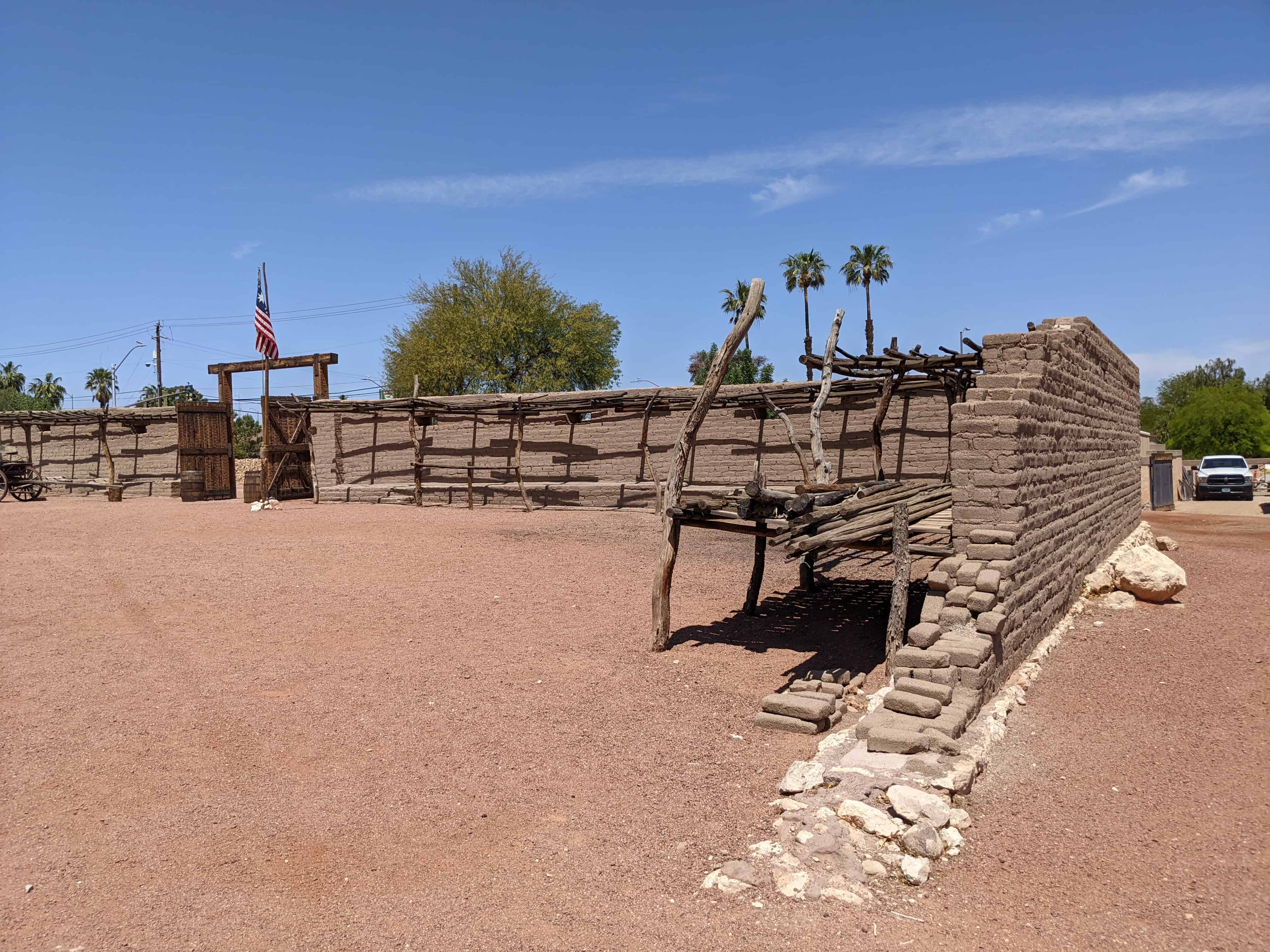
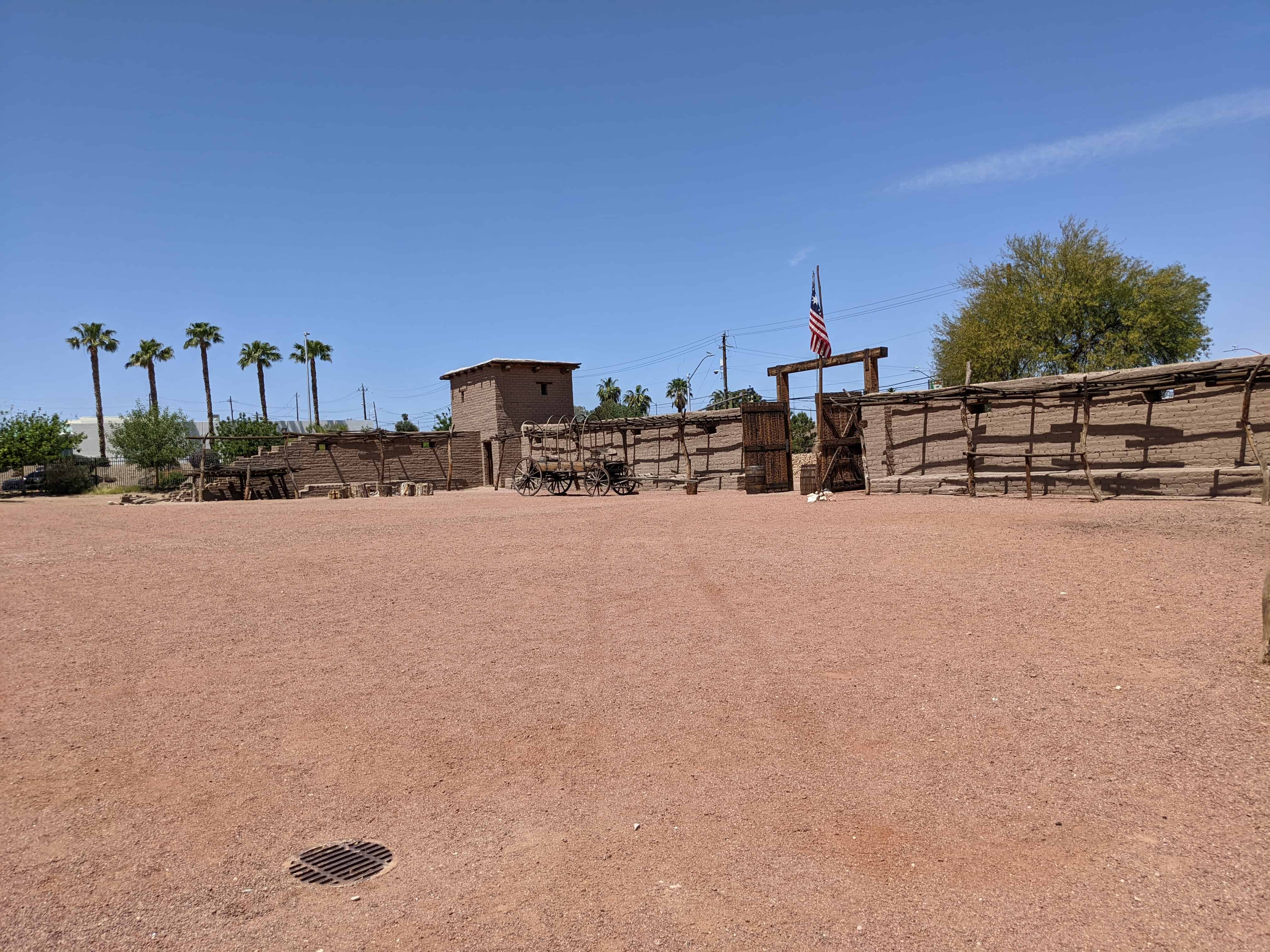
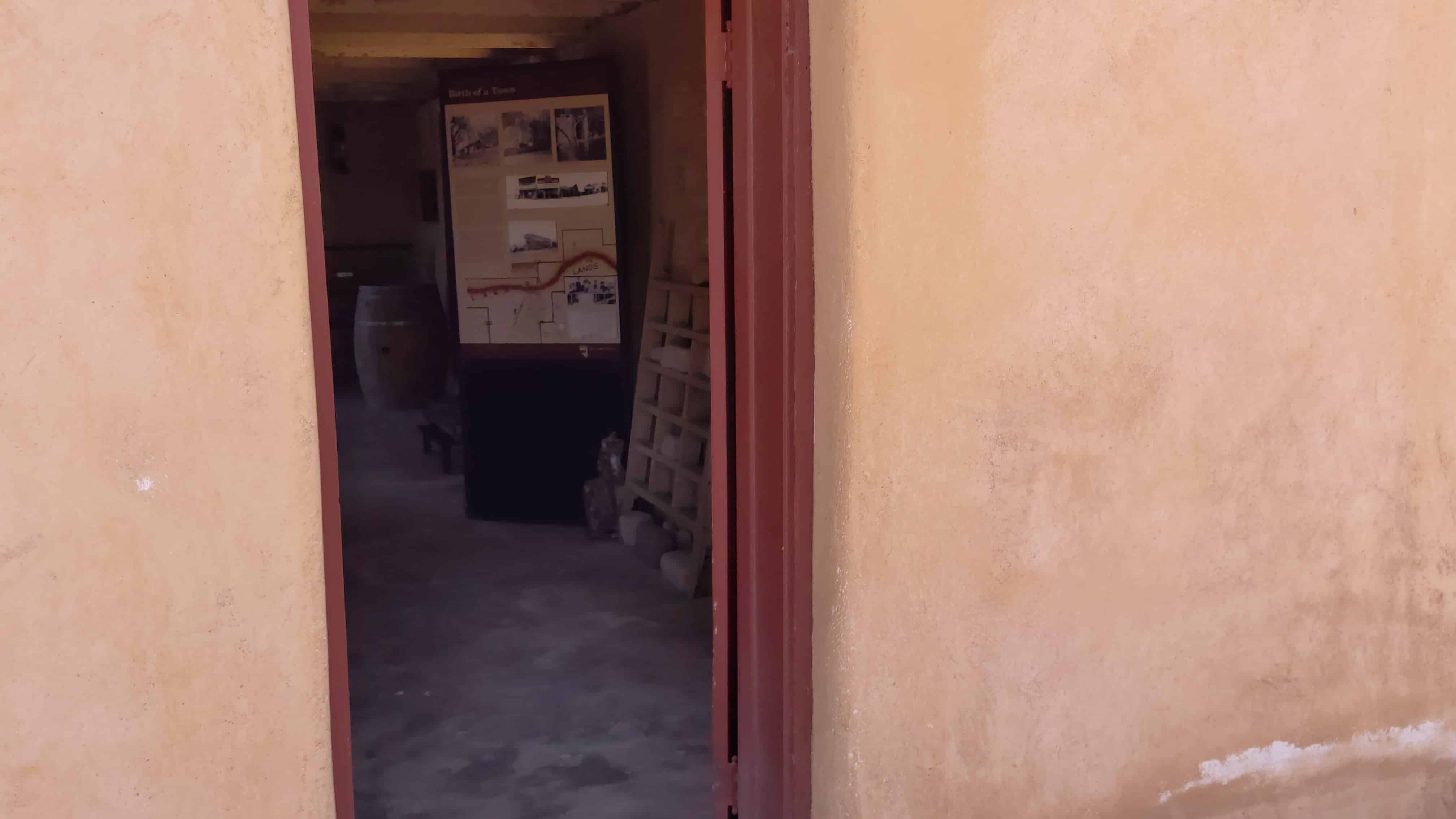
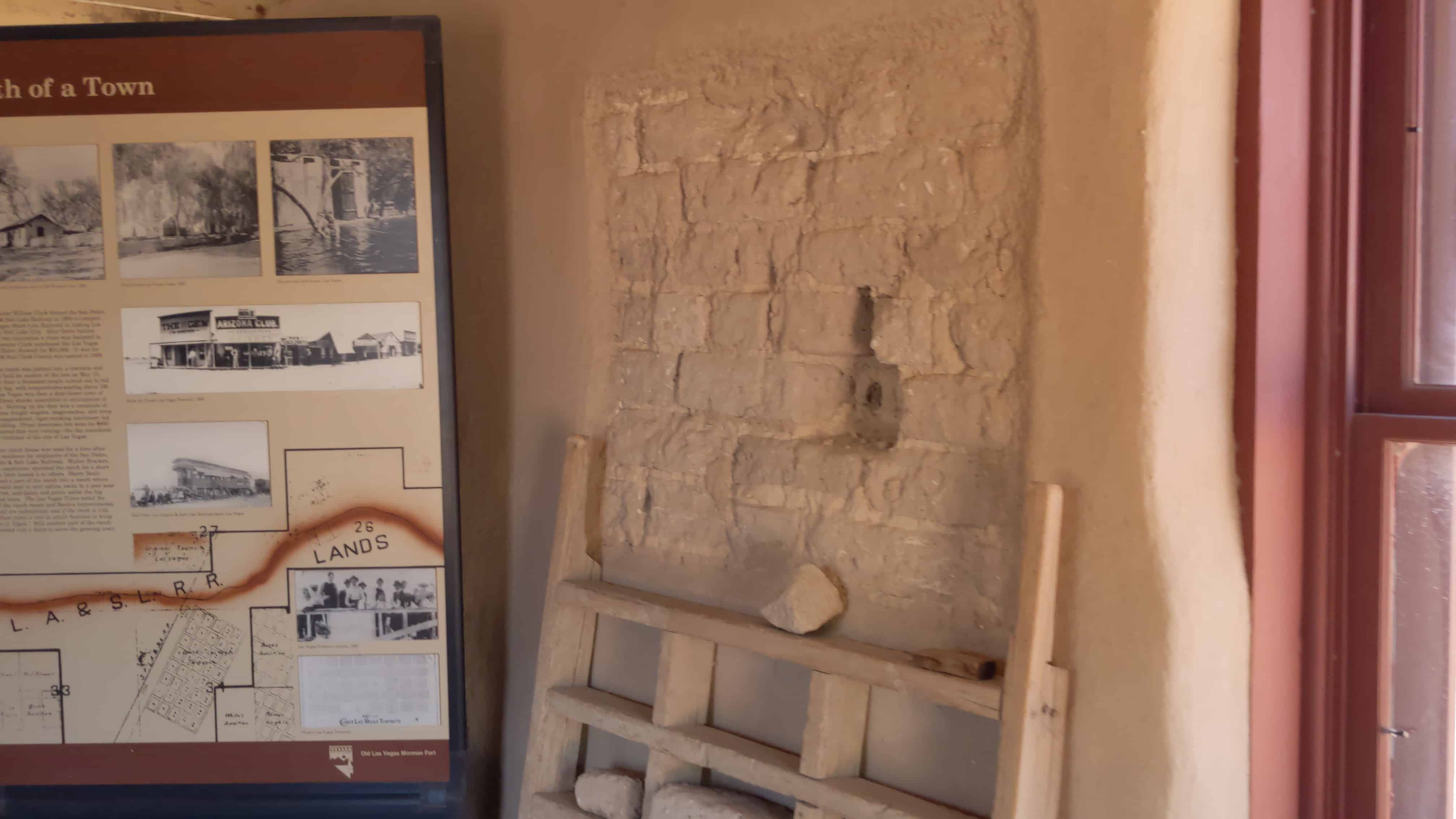
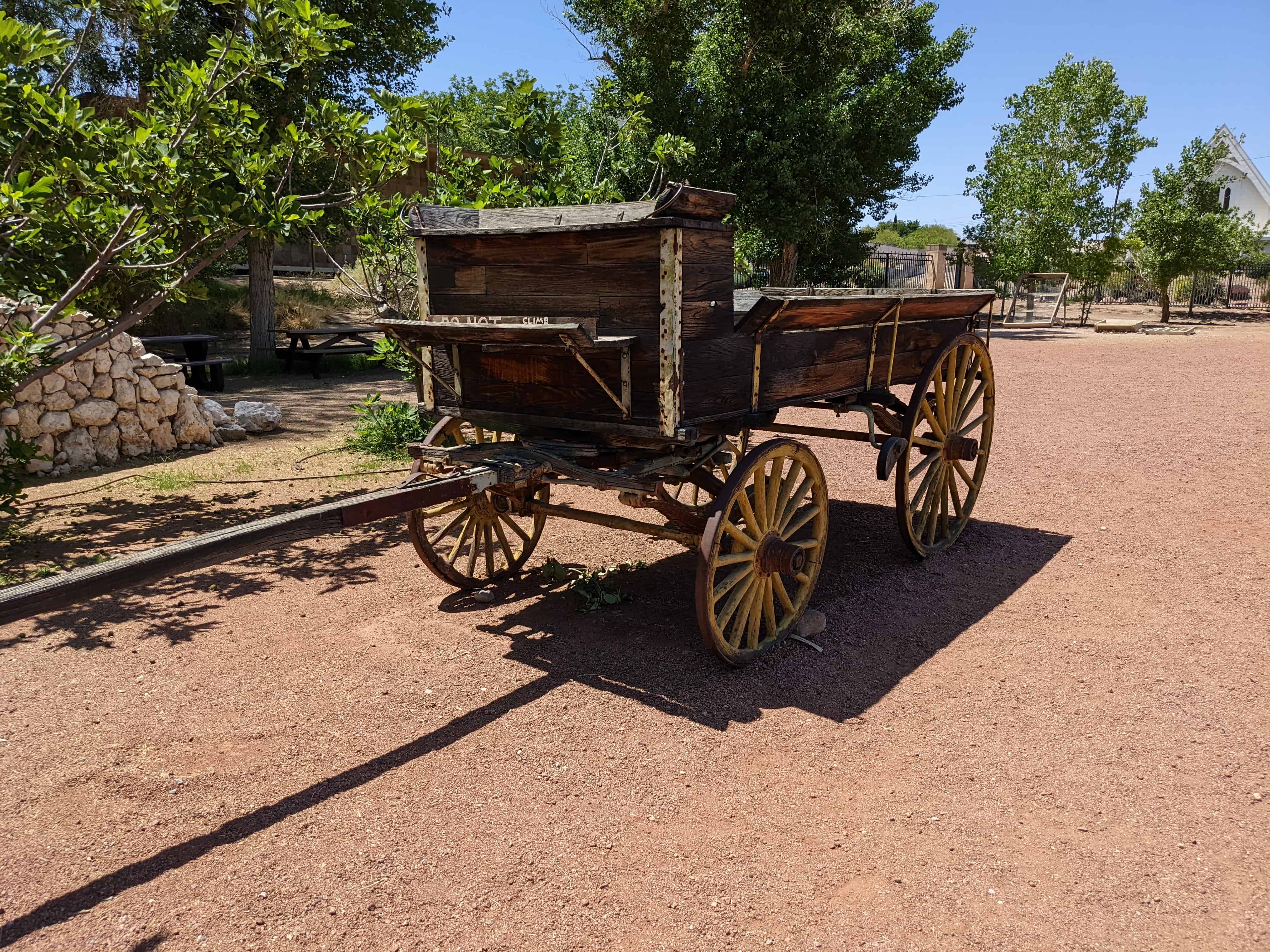
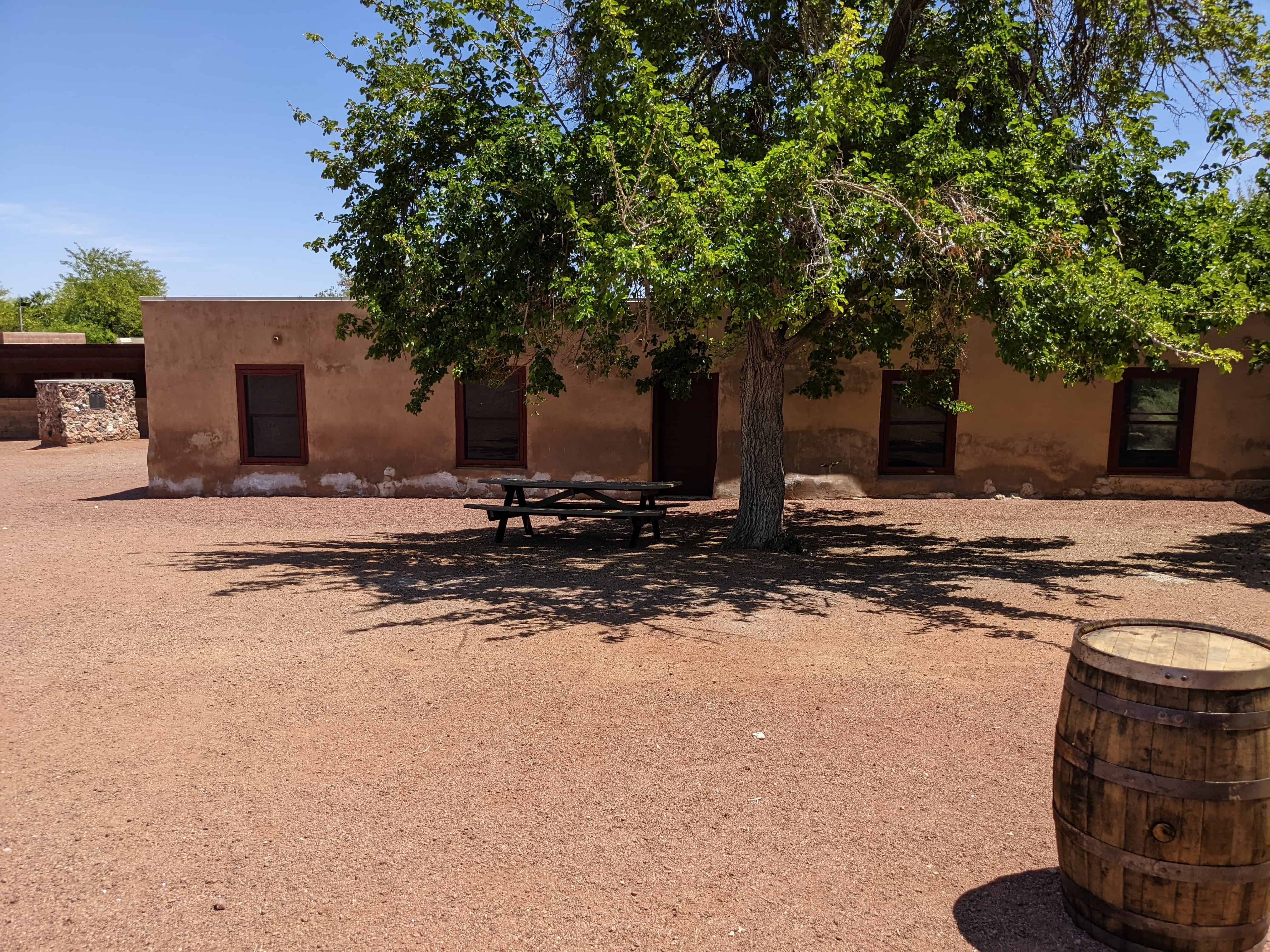
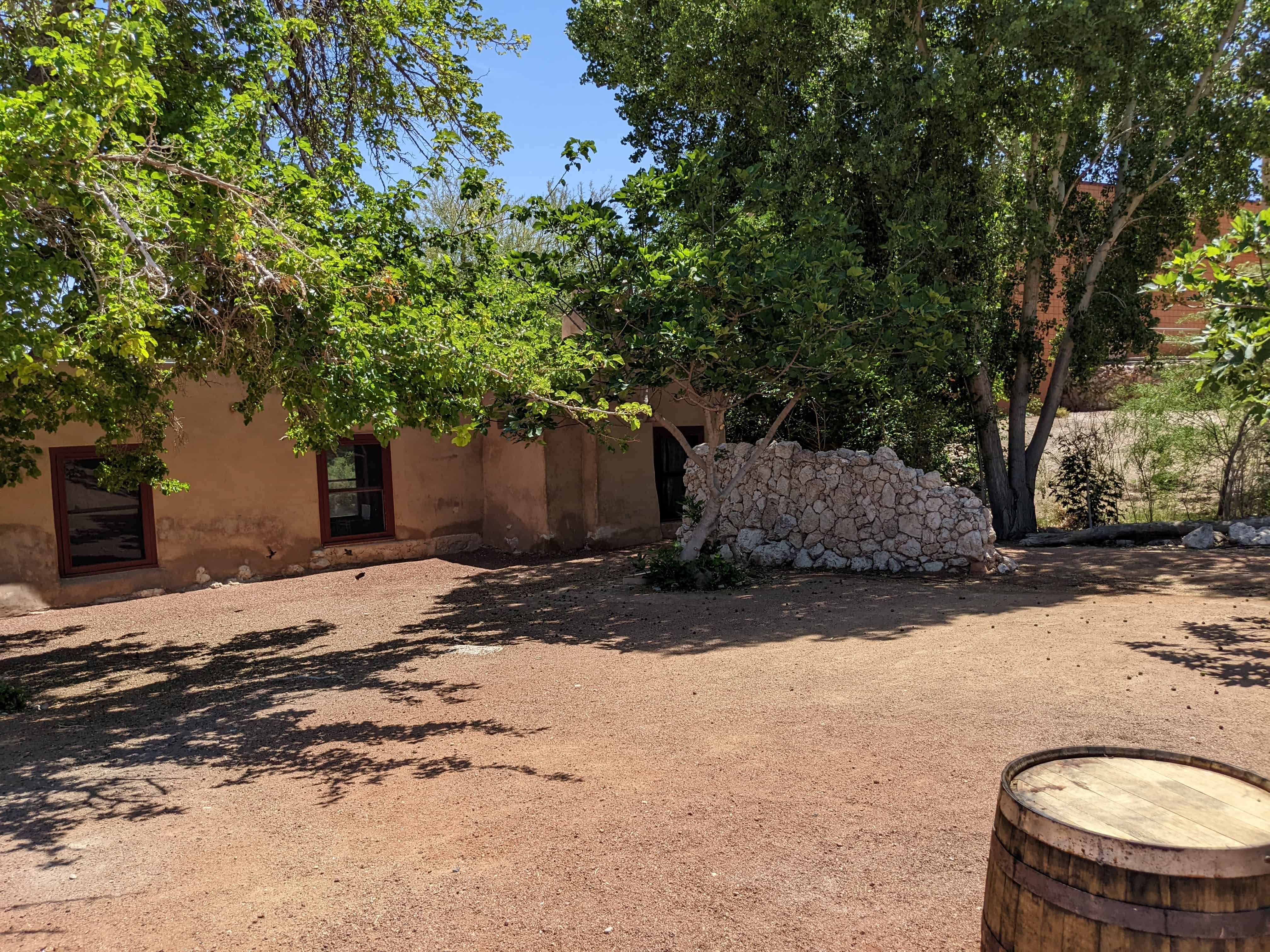
Las Vegas had its beginning at this location on June 14, 1855, when thirty-two Mormon missionaries arrived from Utah under the leadership of William Bringhurst. They set to work establishing farm fields that summer, and began to build a 150-foot square adobe fort that September, enclosing eight two-story houses. They cultivated small gardens and fields, planted fruit and shade trees, and tried to convert the local Southern Paiutes.
Most of the Mormons departed in 1857, and by 1865, Octavius Decatur Gass began developing the Las Vegas Rancho, using the adobe structures as headquarters. He farmed and raised beef cattle, supplying travellers and miners in the Potosi region.
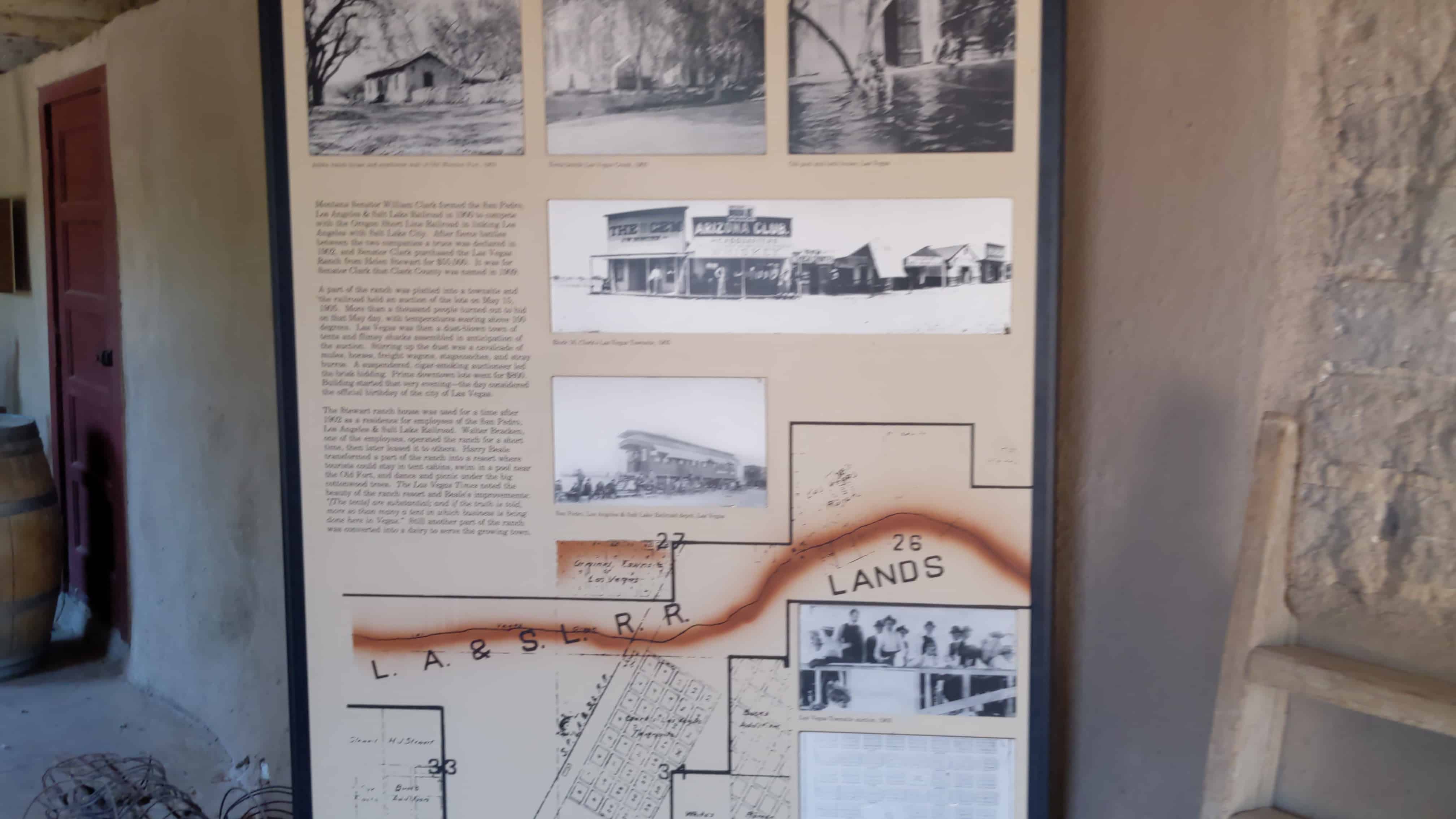
Helen J. Stewart, owner of the property from 1882 to 1902, expanded the ranch to 1,800 acres, which she sold to the San Pedro, Los Angeles & Salt Lake Railroad for the Las Vegas townsite. The Company auctioned the land on May 15, 1905, starting the process of building the Las Vegas around you today.
This is Nevada State Historical Marker #35, see others on this page: – Nevada Historic Markers
The Las Vegas Mormon Fort was added to the National Historic Register (#72000764) on February 1, 1972 with a boundary increase (#78003379) on December 12, 1978. The text below is from the nomination form from when it was added to the register:
The Church of the Latter Day Saints was instrumental in the early settlement and development of southern Nevada with the establishment of Mormon colonies. The Las Vegas Mission was the first of these settlements to be established, and was selected by the church to: (1) Raise crops which could not be raised in the colder northern Utah climate; (2) Find new homes for the numerous Mormons coming to Salt Lake Valley area; and (3) To establish a halfway station on the Mormon trail between San Bernardino and Salt Lake. A thirty man mission group left Salt Lake City on May 10, 1855, and arrived in Las Vegas on June 14, 1855. After touring the Las Vegas Valley on horseback, the decision was made to establish the permanent location on the site of the original stopping place, and work was commenced immediately on the Las Vegas Mormon Fort. The fort was located adjacent to one of the two clear streams of water flowing from the nearby Las Vegas springs which nurtured native grasses, and created lush meadows in the valley near the Sunrise Mountain.
The natural oasis of meadow and mesquite forest was the winter homeland of the Paiute Indians, who spent their summers in the Charleston Mountains. The valley and the meadows were first known to the Spanish, who named Las Vegas “The Meadows” and marked it as such on maps of the southwestern desert.
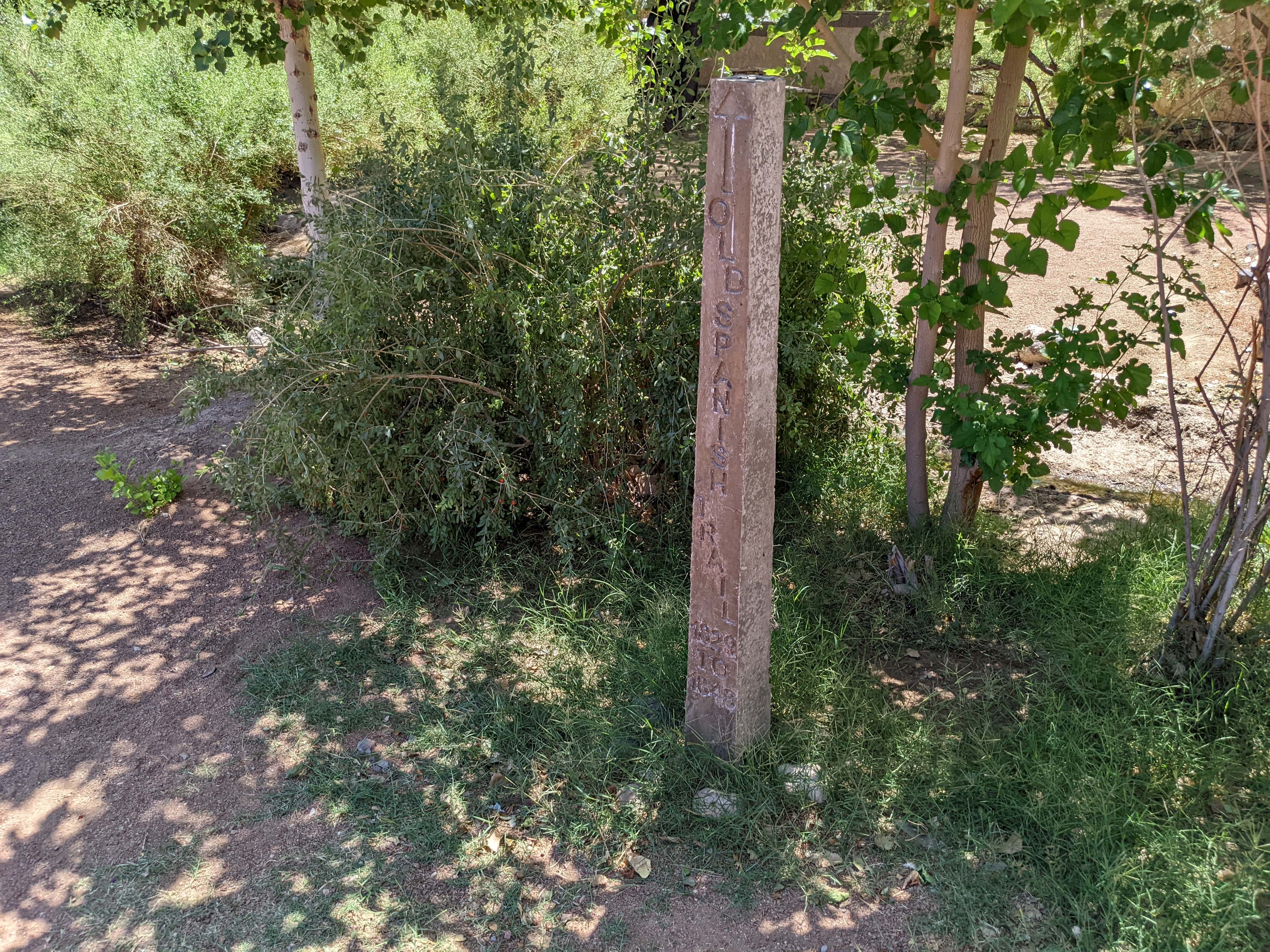
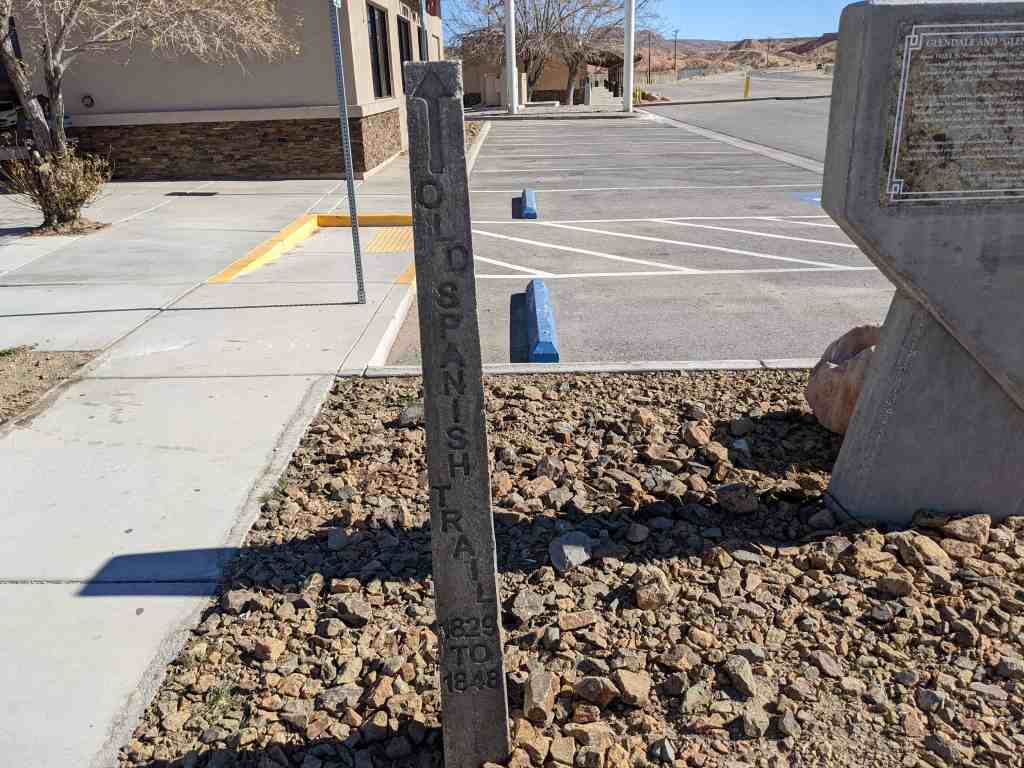
Antonio Armijo stopped at the springs in 1829-30, traveling the route which became known as the Old Spanish Trail. After 1830 the route was traveled by Spanish traders, emigrants and frontiersmen who rested beside the springs. On one of his western exploration trips, John C. Fremont camped here on May 3, 1844.
On about August 3, 1855 the missionaries started to build the walls 14 feet high, two feet thick at the bottom, and one foot at the top. The adobe fort, enclosed eight two-story houses. Outside the fort the missionaries cultivated small gardens and fields, two and one half acres being assigned to each of the party; they planted fruit and shade trees, and established friendly relations with the Paiutes. Near the fort was also built the first smelter west of the Missouri River. This was used by the Mormons in their Potosi lead-silver mine venture.
After the Mormons departed in 1858, called back £o Utah by their leader Brigham Young, Octavius Decatur Gass established the Las Vegas Rancho, using the adobe structures as headquarters. He farmed 800 acres in field crops, orchards, and grazed many cattle, supplying produce to miners and travelers.
In 1882 the Archibald Stewart family bought the ranch. Soon thereafter Mr. Stewart was killed in a feud with one of his neighbors. Mrs. Stewart, with children, continued to operate the ranch as an oasis in the desert, expanding it, from 800 acres to 1,800 acres. For 20 years Helen J. Stewart was known as a gracious, intelligent hostess to those who traveled the southwest. She exemplified the best of pioneer characteristics Initiative, determination, steadfastness, plus compassion for “those less fortunate. Her story ranks equally well with that of the earlier Mormon missionaries.
Mrs. Stewart sold her ranch in 190^ to the San Pedro, Los Angeles and Salt Lake Railroad Company for the Las Vegas townsite, which was auctioned in lots to buyers on May 18, 1905, starting contemporary Las Vegas.
A further note of interest, on January 10, 1856, the Las Vegas Mission was notified by the U.S. Post Office Department that the town would henceforth be known as Bringhurst, New Mexico Territory, and thus the7 Las Vegas Mormon Fort became the first Las Vegas post-office building. Las Vegas became a portion of the territory of Arizona, and finally became a part of Nevada on January 18, 1867, the state then firming up what are today’s boundaries of Nevada.
A note about Fort Baker. Fort Baker was apparently a fort in name only. It was a name assigned to the Las Vegas area, as a diversionary tactic during the Civil War in an effort to divert the attention of Confederate spies and sympathizers in California from the real objectives of getting Col. James H. Charleston’s command of the 1st California Volunteers across Arizona to New Mexico (Los Pinos). Information was released to the effect that a portion of the command would be assigned to Fort Yuma, Arizona. Three companies of infantry would go to Fort Mojave, Arizona, and one company of infantry and three of cavalry would go to Fort Baker at Las Vegas, at that time also in Arizona Territory. In reality, none of Carleton’s command ever reached, or served at Mojave or Baker nor was it designed that they should.
The fort as Las Vegas retains the name “Mormon Fort” as it was built by the Mormons assigned to the Las Vegas Mission, and was used by them as a fort during their sojourn at Las Vegas, 1855-1858.
Another note of significance, Las Vegas Mormon Fort is the oldest inhabited building in Nevada today.
The Pioche Garden Club started to develop this area of the Pioche Town Park into a memorial garden, to honor loved ones in 1964, it has grown into a beautiful area and is a fitting tribute to all who have lived in and loved Pioche throughout the years. It is also a wonderful tribute to all who worked so hard to develop and maintain it for so many years.
Soon after the Chinese laborers graded this section during the summer of 1871, track gangs commenced laying rail south, reaching Steamboat Springs by late October. To celebrate the occasion numerous residents rode an excursion train to Steamboat on November 7. Nine months later Superintendent Henry M. Yerington drove the last spike a mile west of Carson City on August 24, 1872, connecting Virginia City with Reno by rail. Although regularly scheduled passenger service didn’t begin until October 1, the first through train traversed the 52 mile route on September 1, 1872 – the last steamed by here on May 31, 1950.
This is Nevada State Historical Marker #248, located at the in Reno, Nevada. See others on this page:
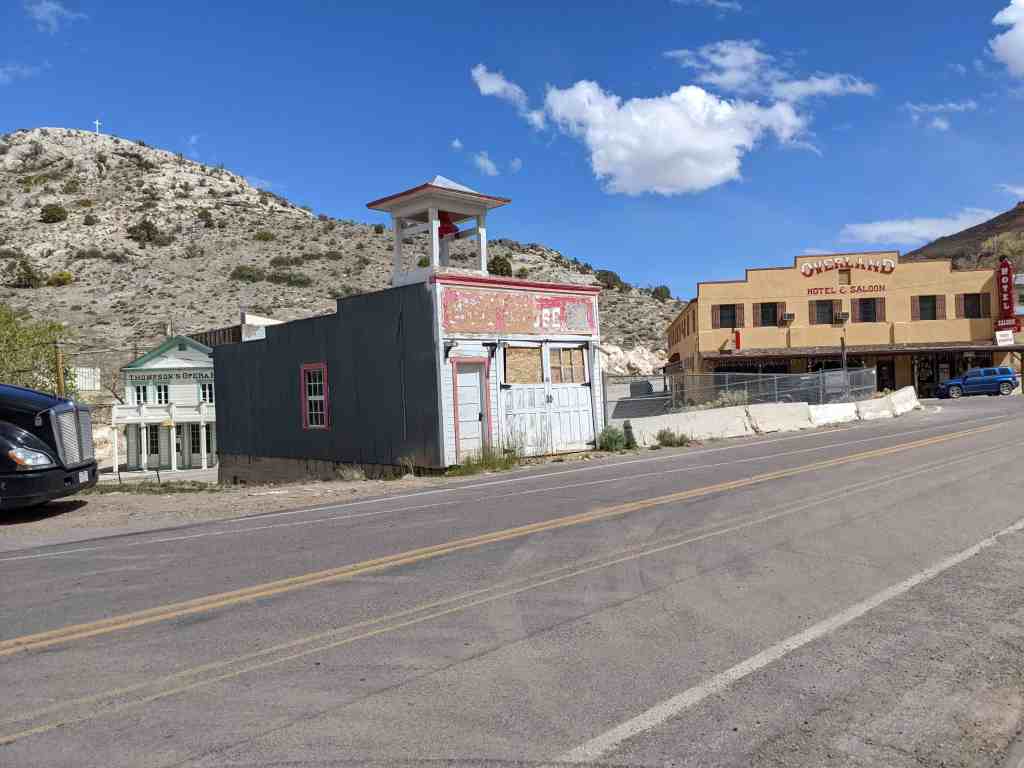
Constructed in 1929 to serve the community as a fire hall.
This building housed Pioche’s first fire truck purchased in 1928.
Fire chief Herbert Cleine and wife “Ben” resided in the basement apartment for 25 years until the new fire hall was built. The present department was born in 1937 and have been some of the best fire fighters in the state.
A mining town from the late 1860s, Pioche is one of the most intact historic communities in Southern Nevada. Named for Francois L.A. Pioche, a San Francisco financier who, with partners, acquired some of the earliest claims in the area, the town grew quickly. Its isolation led to a lawlessness which was as famous as its mines.
The many murders in the area led to the creation of Boot Hill, the earliest cemetery in Pioche. There were six deaths from lead poisoning in the town before the first person died of natural causes, and this cemetery was in active use during the boom years. Though religious and fraternal cemeteries were later created, Boot Hill continued to be used for many years. Though in use today, Boot Hill remains a part of the history of Pioche. Let us not forget those who are buried here, for they too are a part of our heritage.
Dedicated this 9th day of May, 2009 by the Queho Posse Chapter 1919 E Clampus Vitus in cooperation with the Pioche Chamber of Commerce