Tags
Koosharem, Utah
Related:

05 Monday Apr 2021
Posted in Uncategorized
Tags

Koosharem, Utah
Related:




25 Friday Dec 2020
Posted in Uncategorized
Tags

A large letter NS for North Sevier High School on the hill above Salina, Utah.
See this page for other hillside letters.

24 Thursday Dec 2020
Posted in Uncategorized
Tags
14 Monday Dec 2020
Posted in Uncategorized
Tags
26 Thursday Nov 2020
Posted in Uncategorized

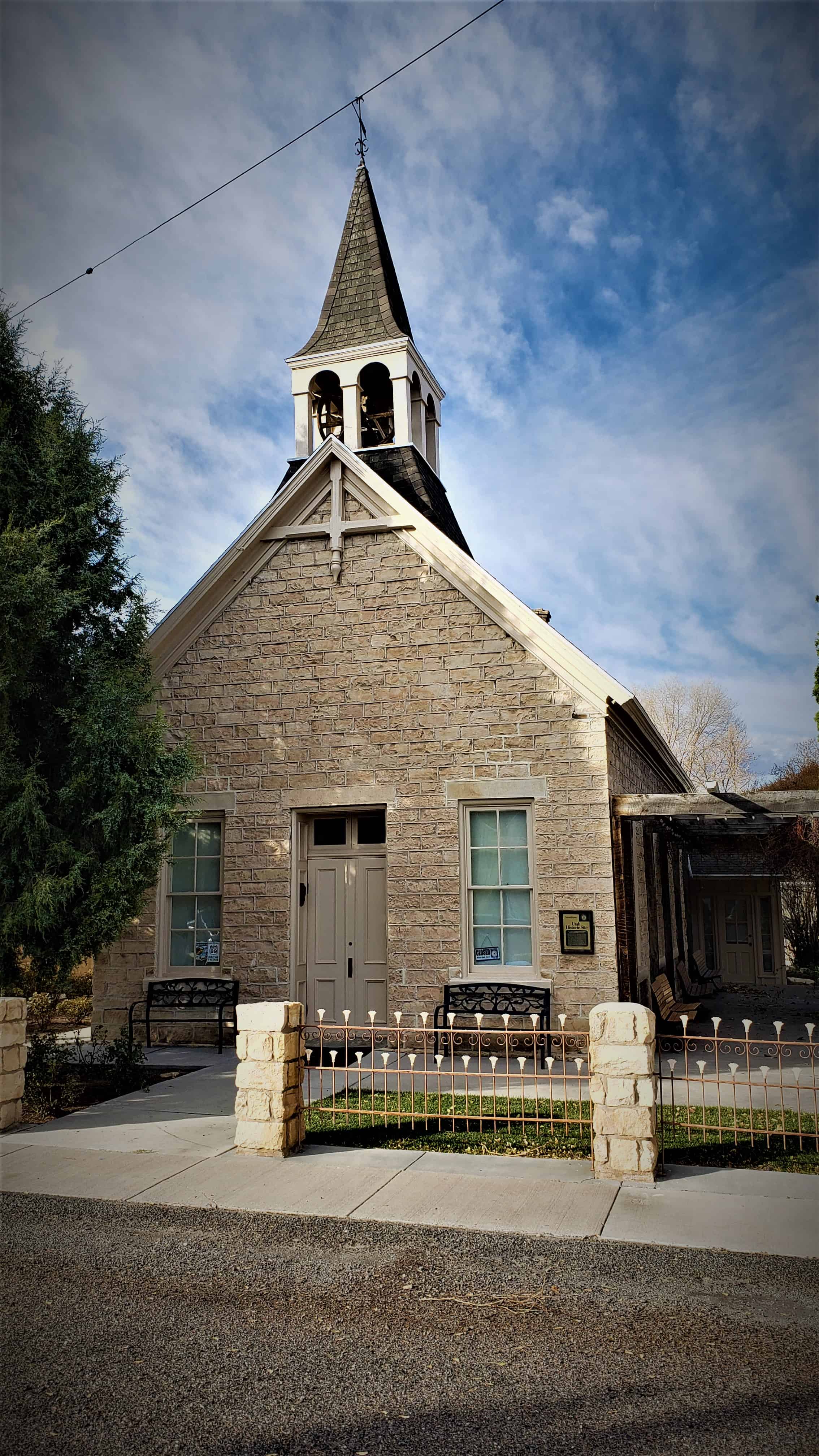
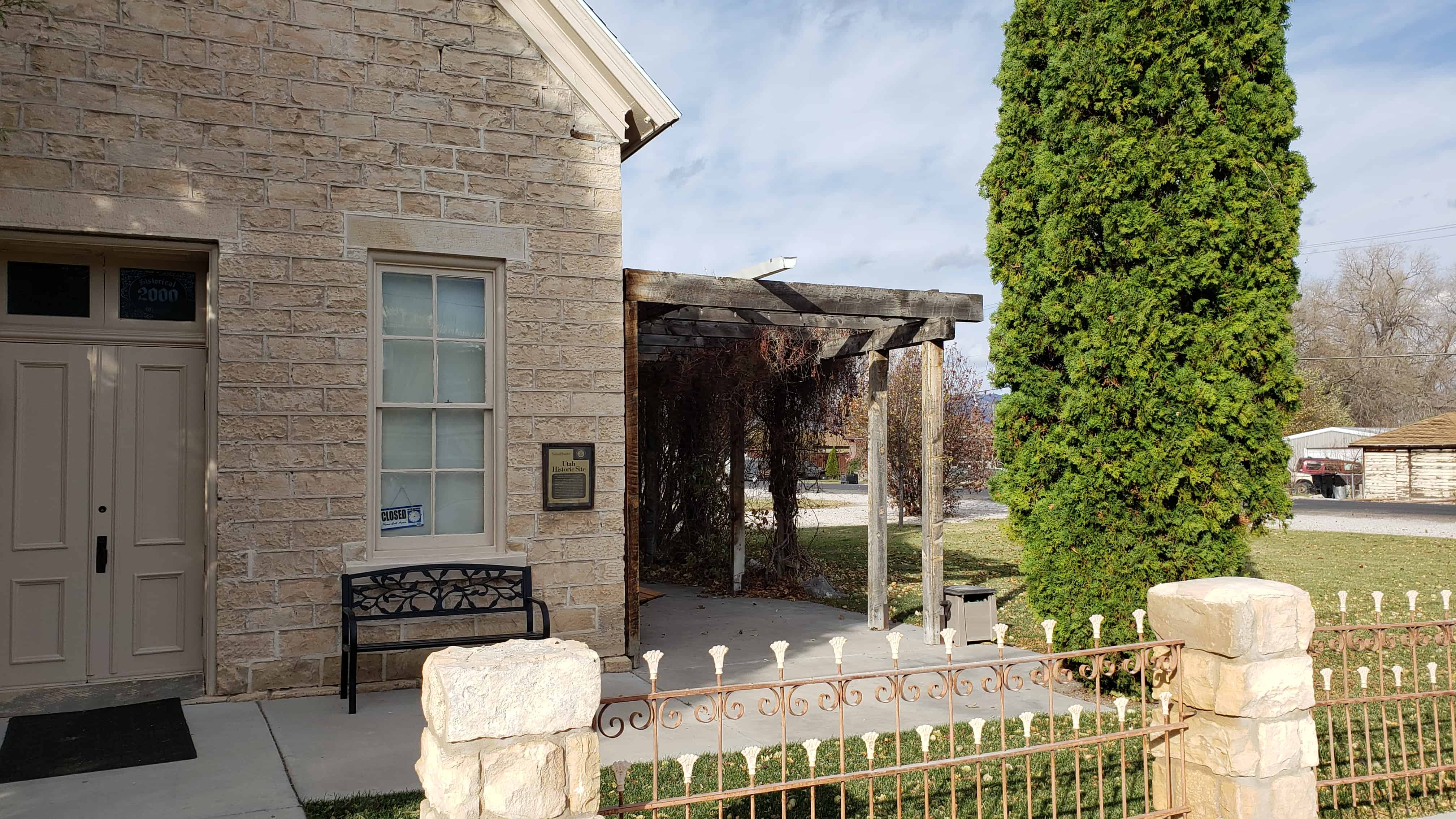
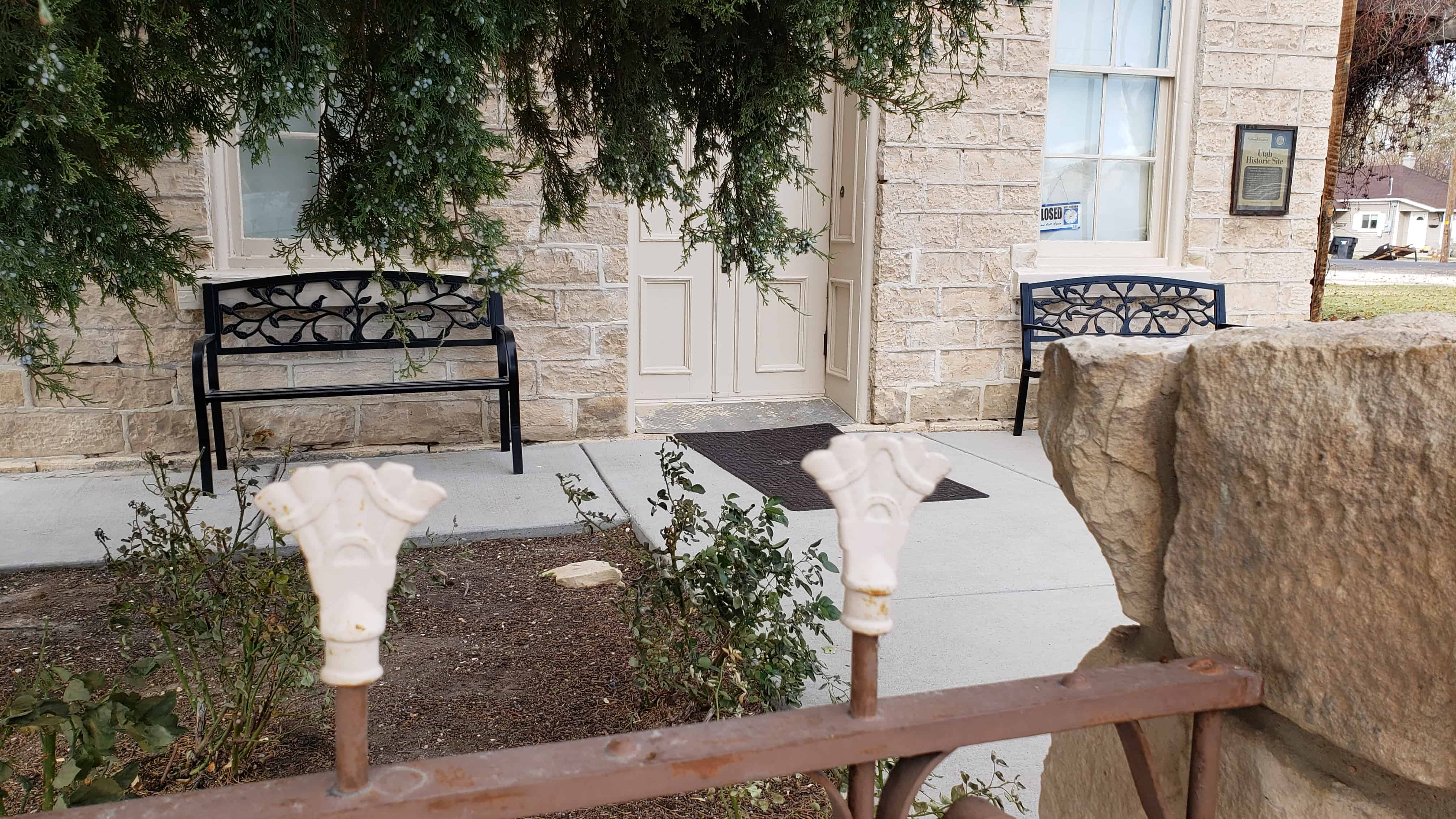
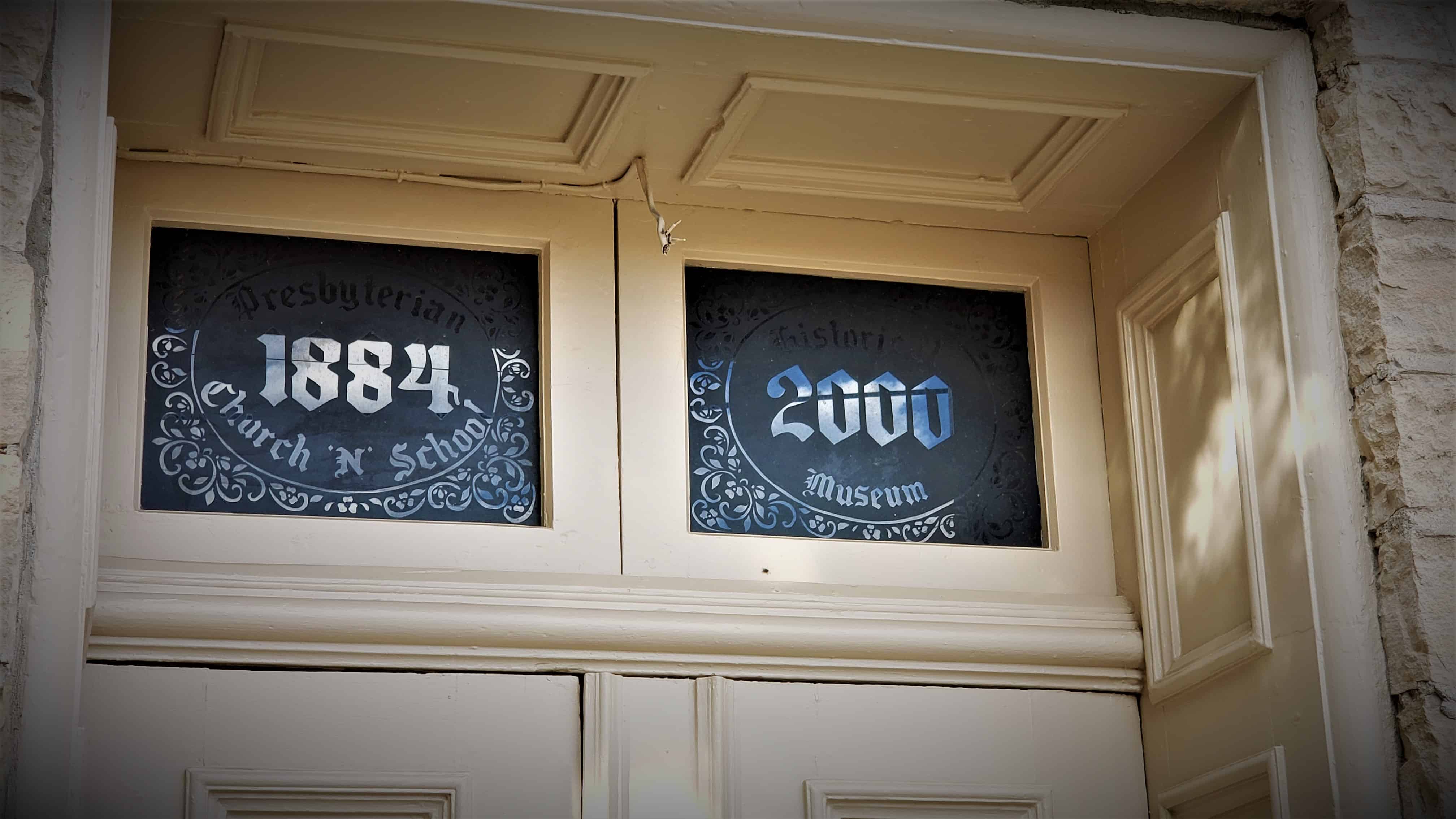
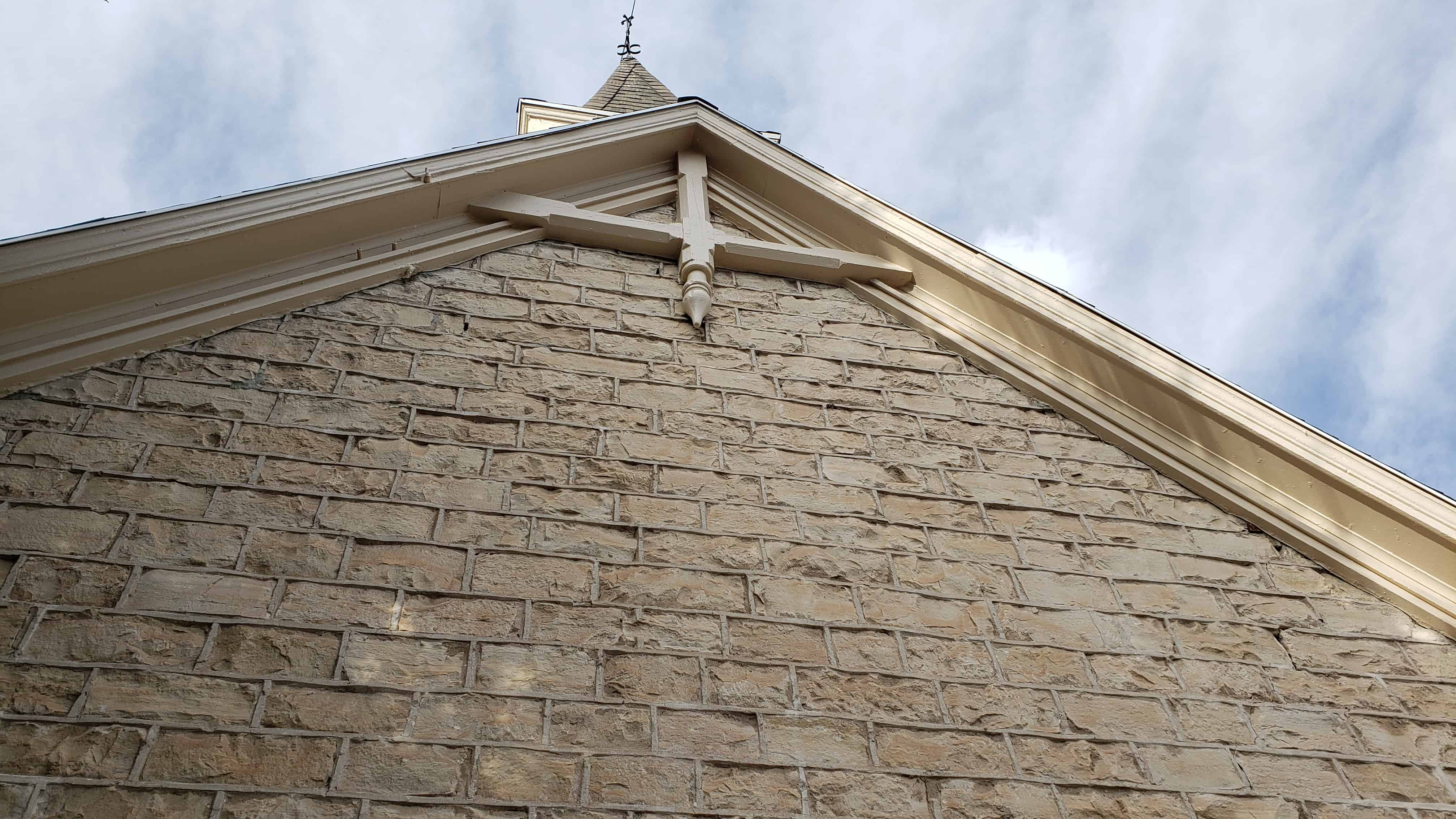
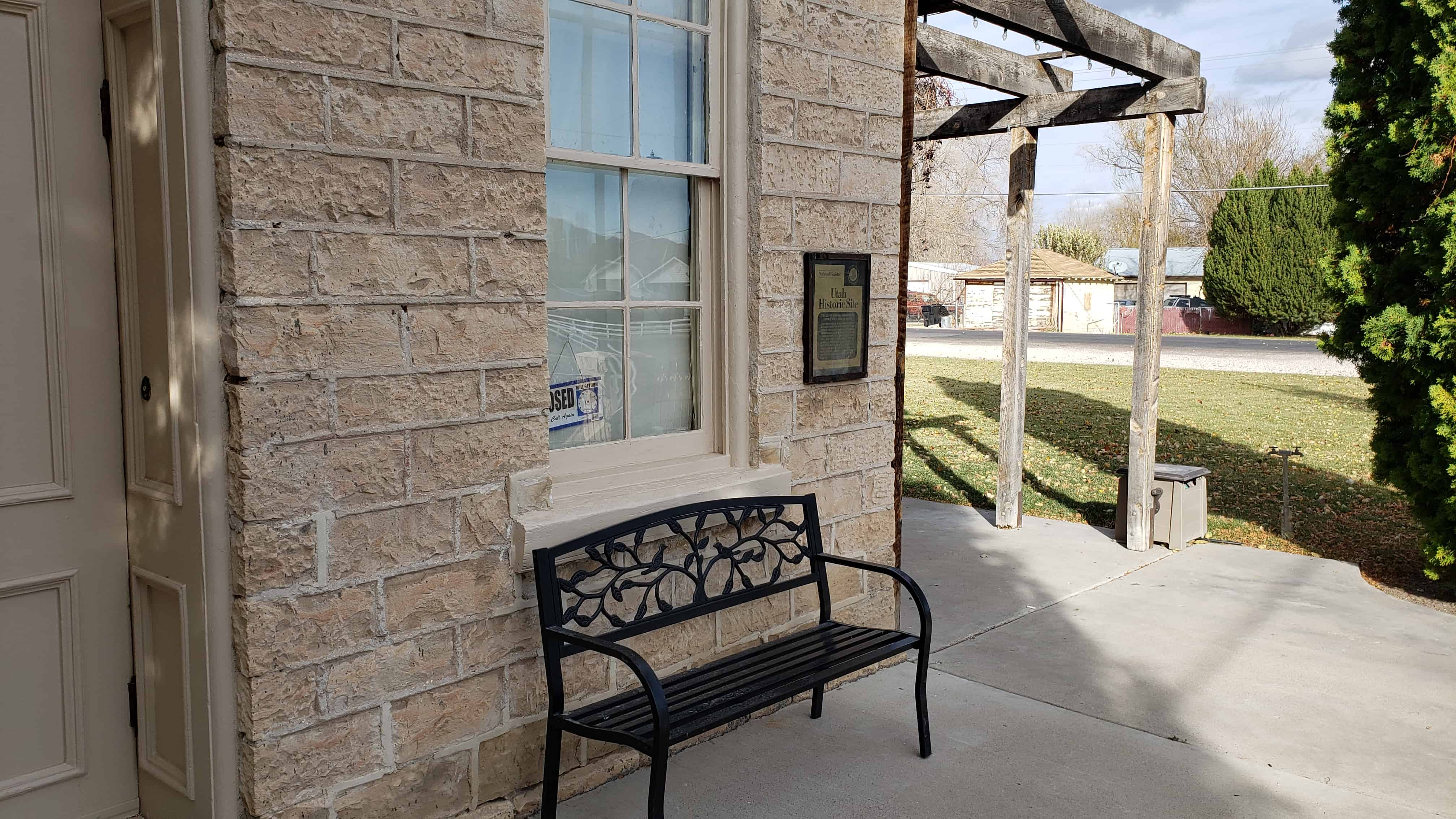
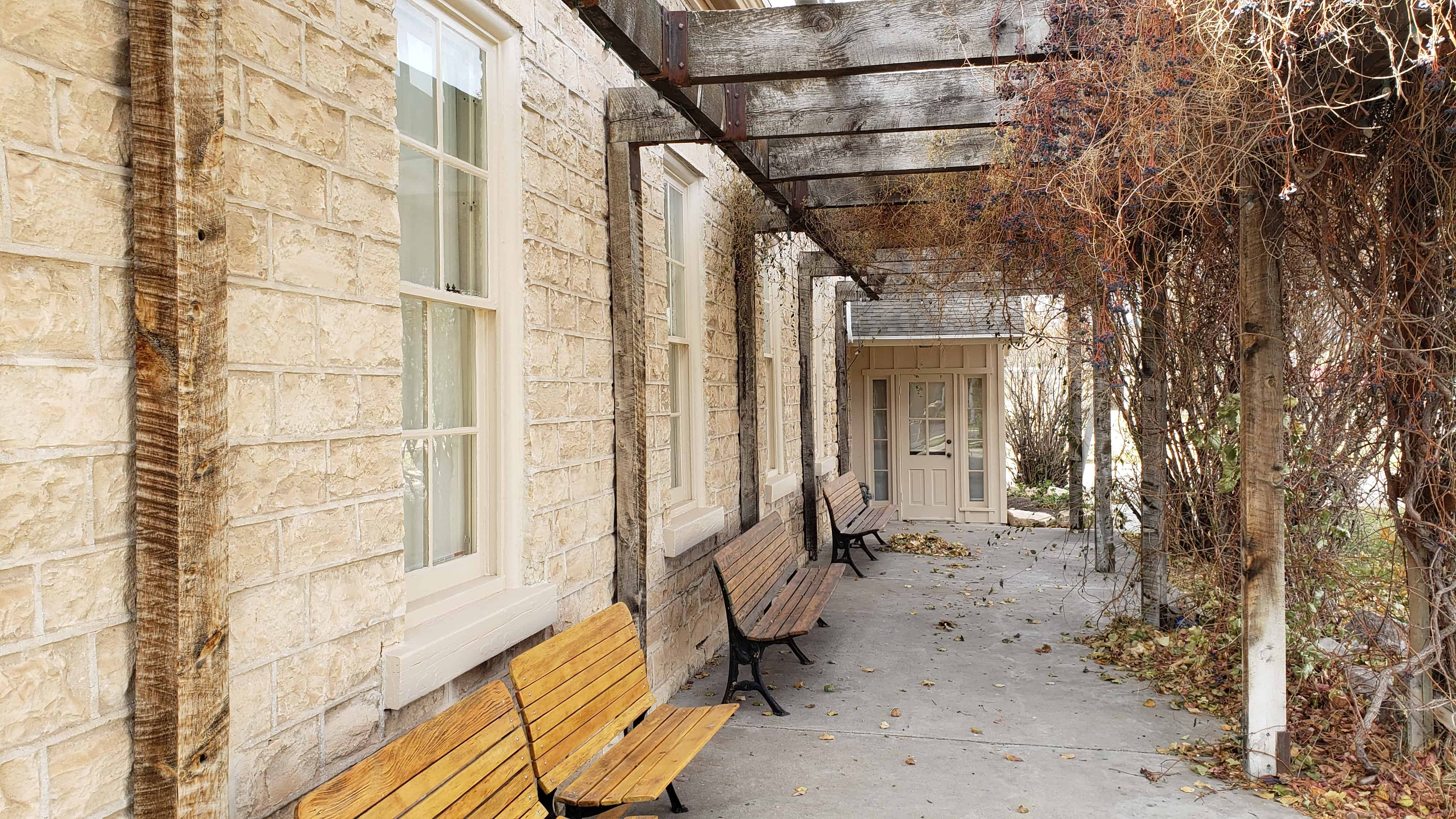
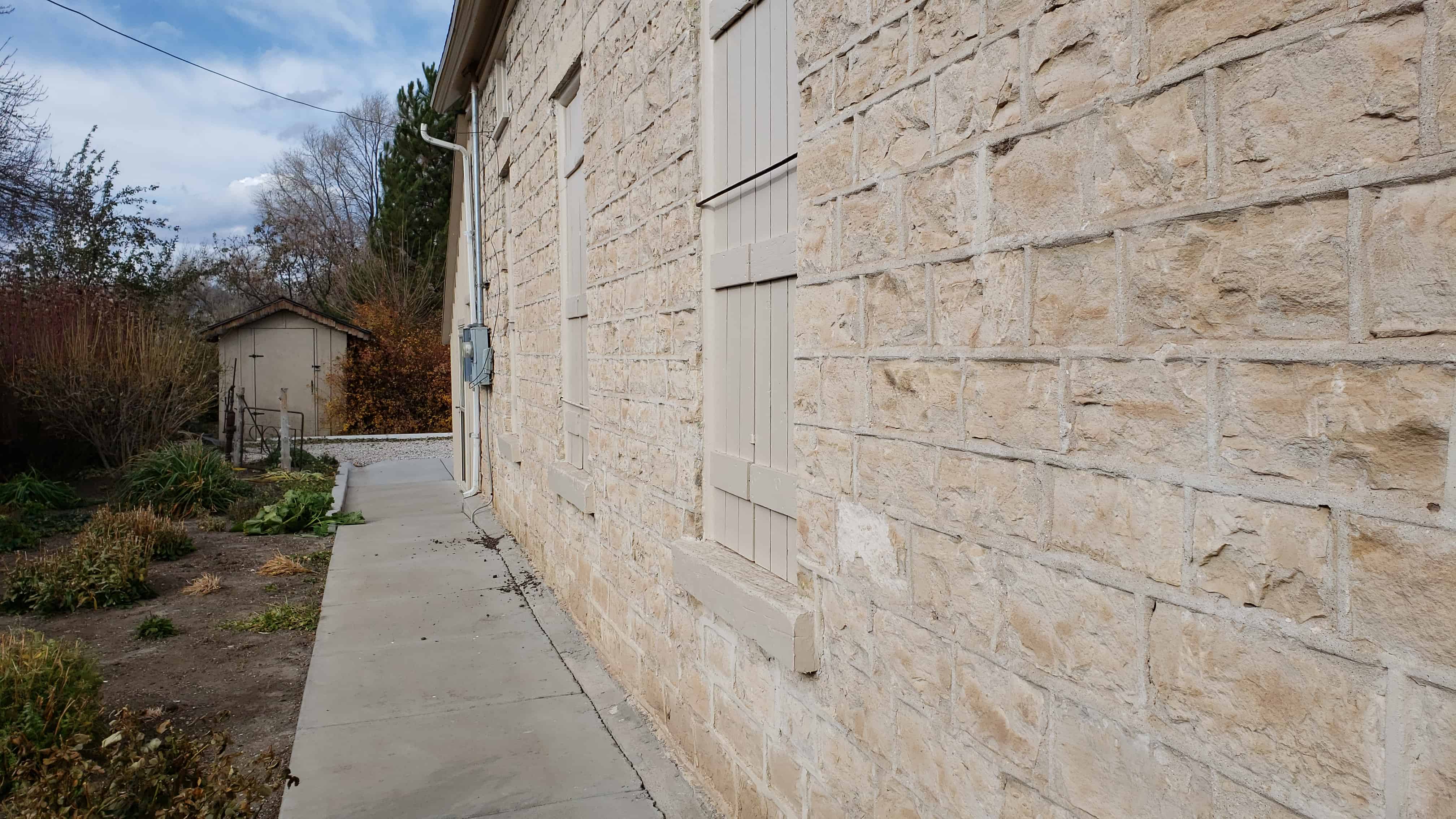
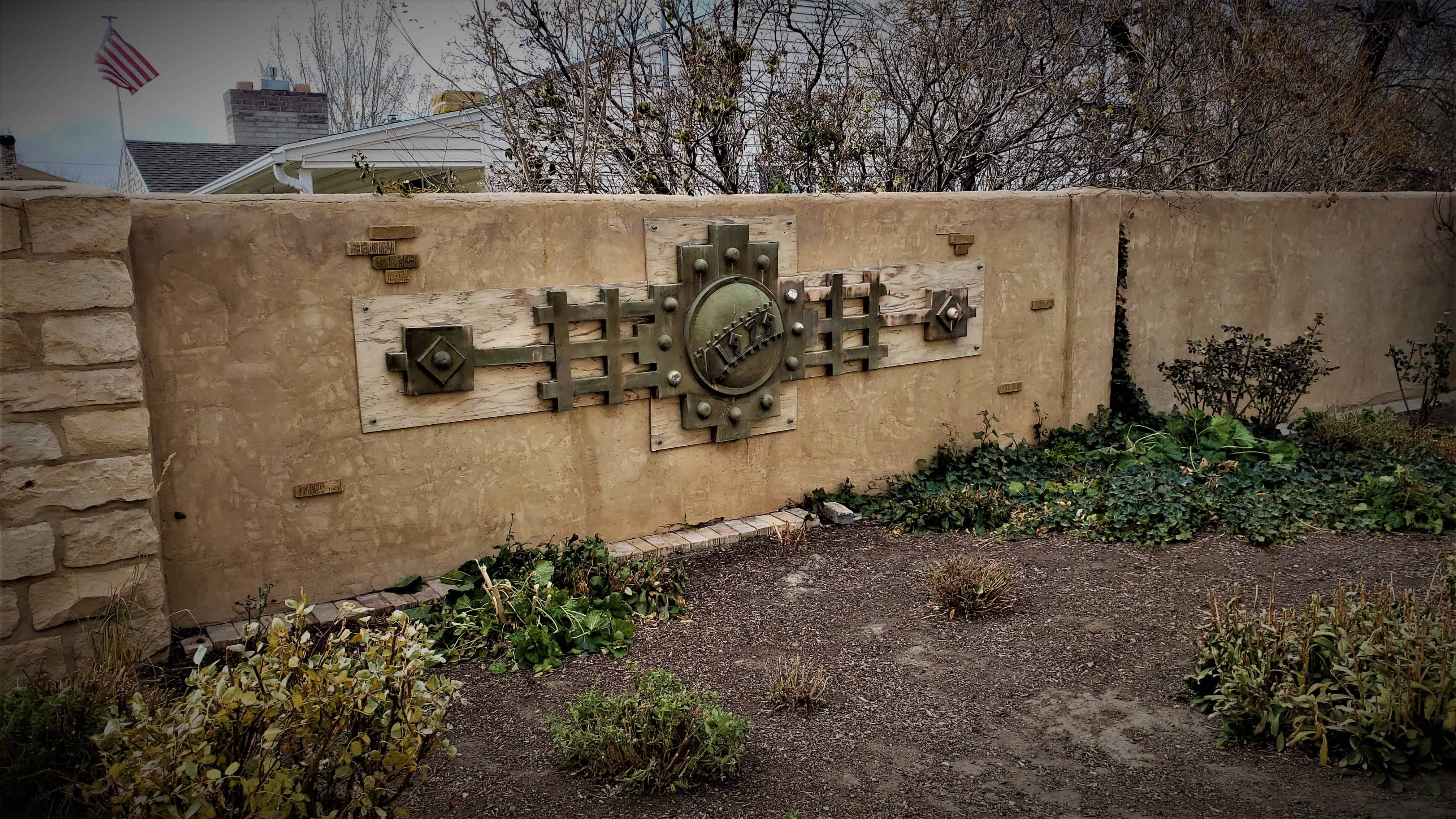
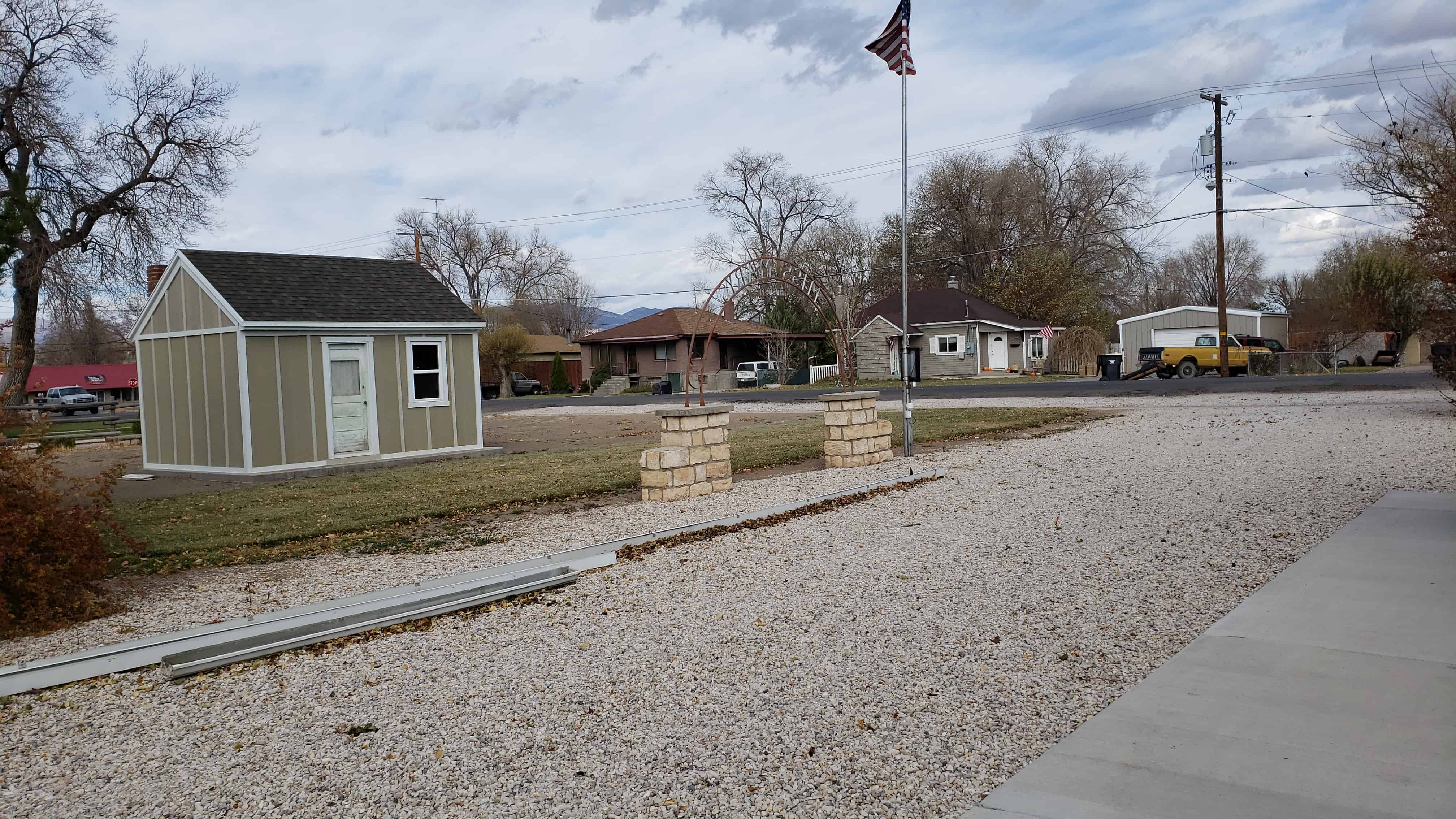
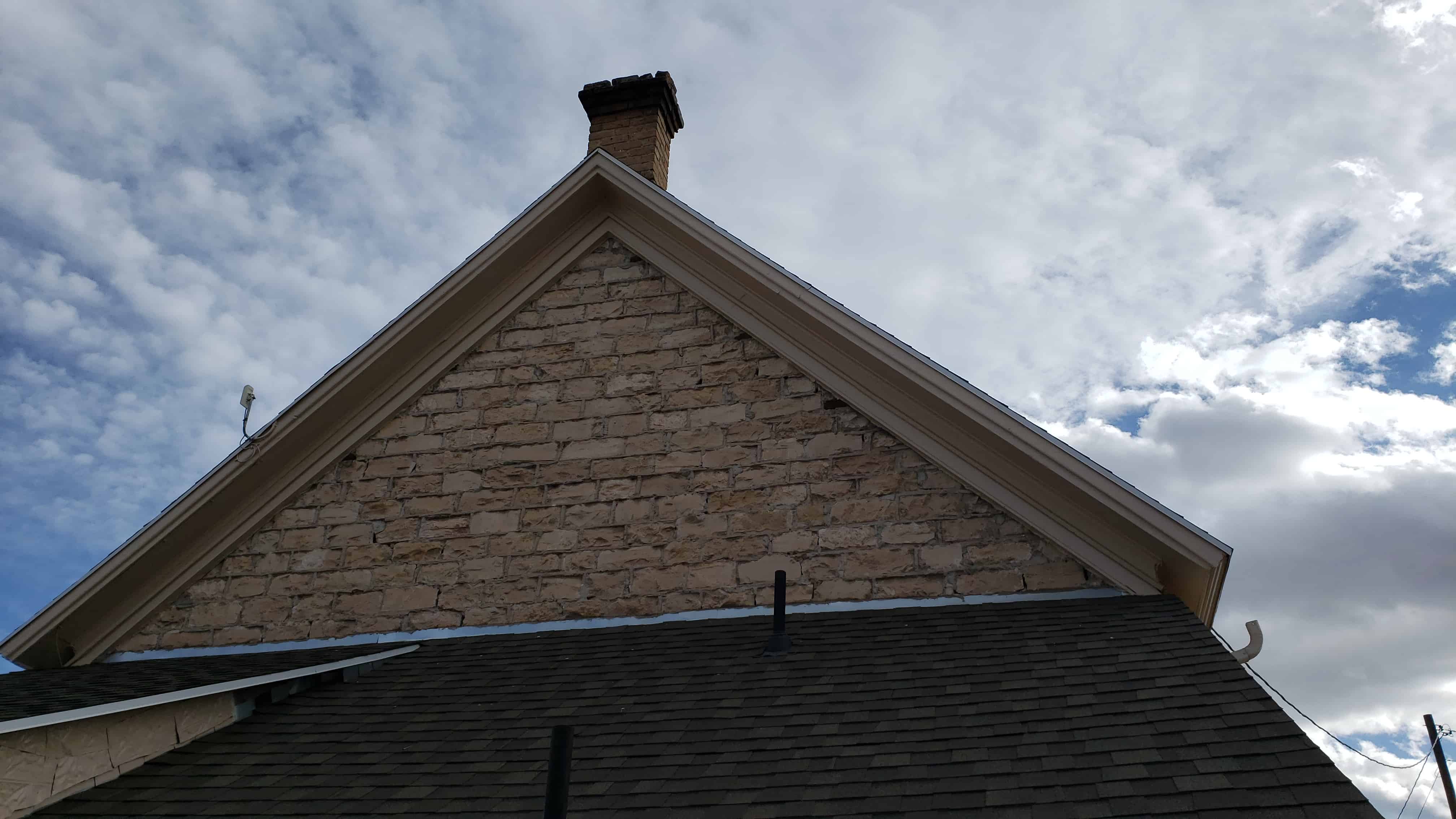
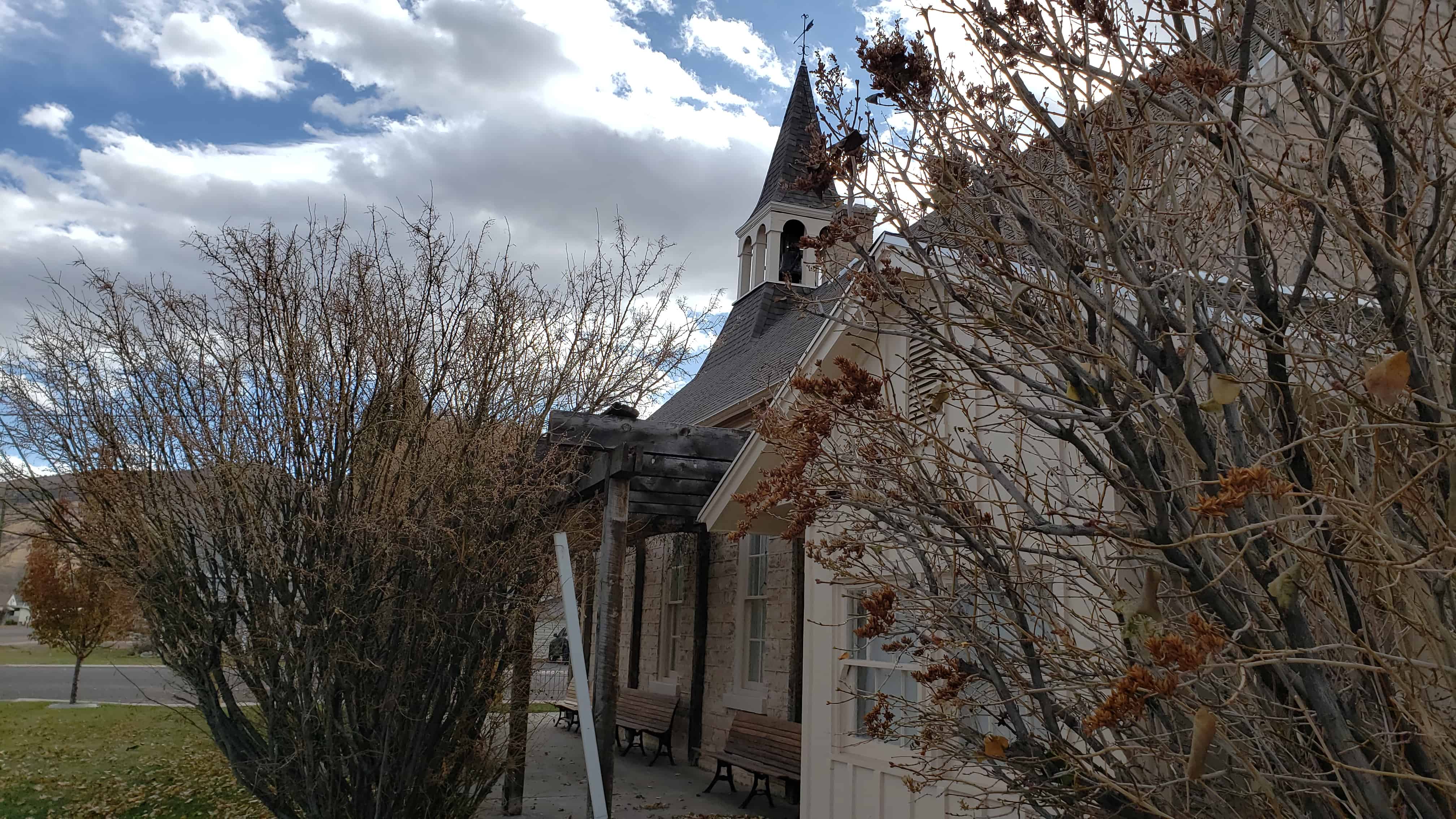
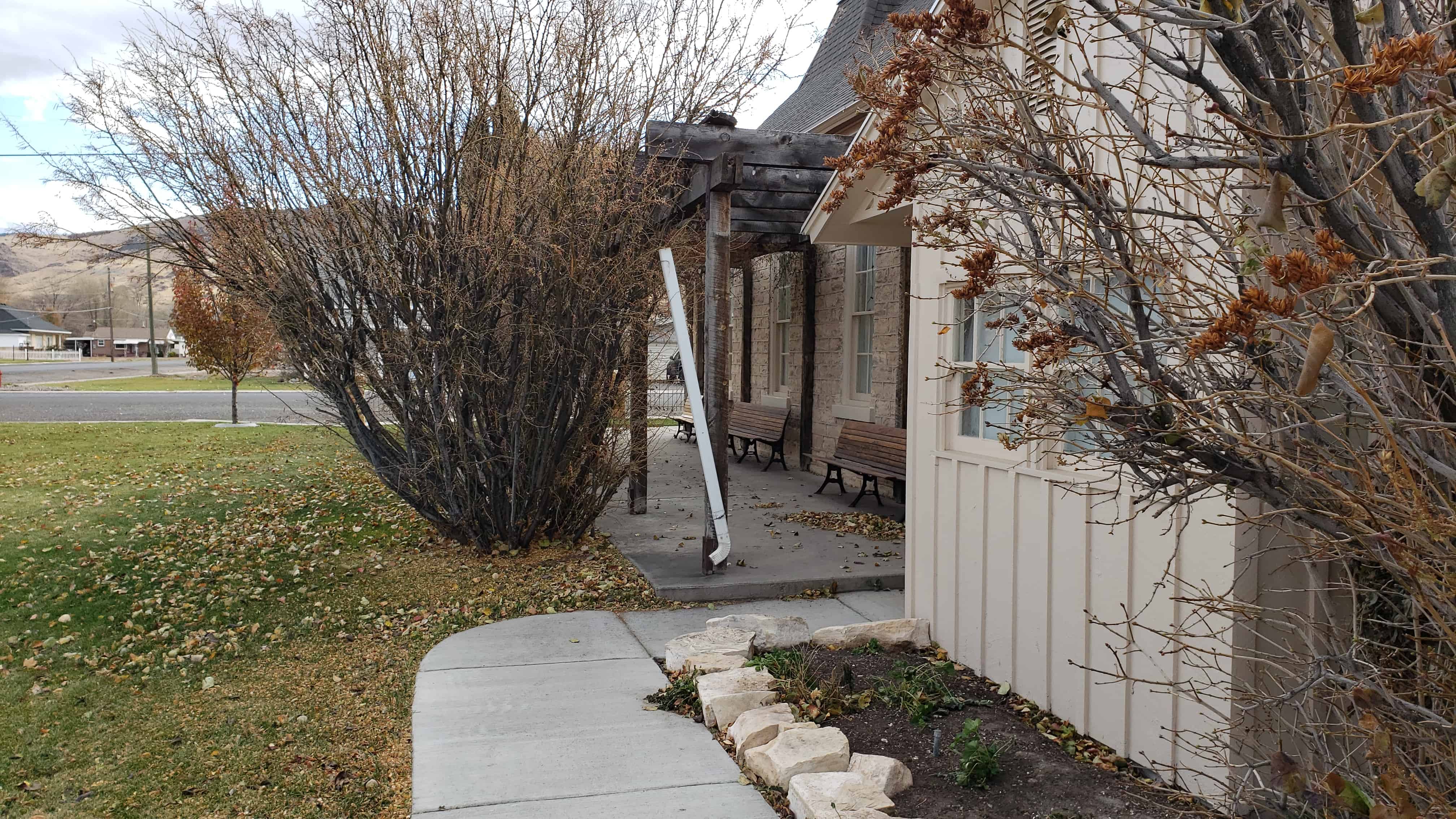
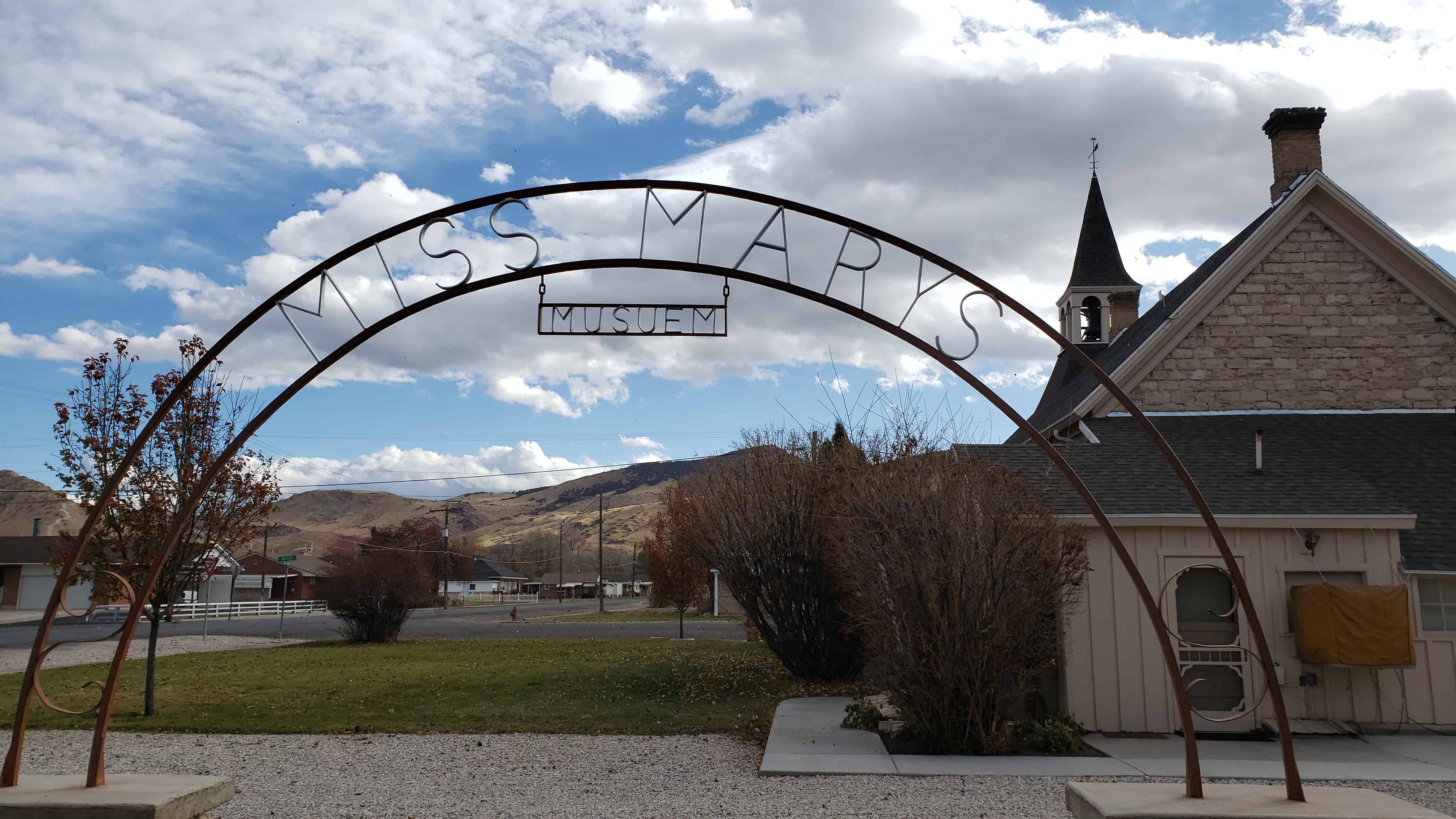
The Crosby Memorial Presbyterian Church and School of Salina
Erected in 1884 as a memorial to Helen Rutgers Crosby of New York City, this church and school was one of several Presbyterian Churches built in central Utah’s Sanpete and Sevier valleys under the direction of Reverend Duncan McMillan, Presbyterian Mission Superintendent in Utah from 1875 to 1917. The chapel has been renovated by Mr. and Mrs. Thomas W. Carter, in memory of Mrs. Carter’s mother, Mrs. Florence Mathew Gordon.
Located at 204 South 100 East in Salina, Utah and added to the National Register of Historic Places (#80003967) on March 27, 1980 – the text below is from the nomination form for the national register:
The Crosby Memorial Chapel in Salina derives its significance from its important role in the religious and educational history of central Utah, and also as an interesting example of late 19th century “charitable good works” as it was a privately endowed Presbyterian chapel.
Presbyterianism was established in Utah on June 11, 1869, with the arrival of the Reverend Melancthon Hughes to begin a pastorate in Corinne, Utah. Although begun with work in a Gentile boom town, Presbyterianism in Utah quickly became a determined missionary and youth education program aimed principally at converting Mormons.
As a religion whose own beliefs demanded an educated understanding of Christian doctrine, and whose style of religious organization was democratic, Presbyterians perceived Mormonism as a perversion, “a sort of cross between Roman Catholicism and Protestantism with vestigal marks of paganism, too eclectic to be evangelical and yet too evangelical to be wholly non-Christian.” Similarly, the authoritarian nature of the Mormon Church and its internal discipline was seen as “despotic suppression of liberty among its votaries and victims.” Convinced that Mormonism was both false and un-American, and, strengthened by the resolve that “Christianity and patriotism are natural allies . . . the Presbyterian Church discovered that it had mission work in Utah requiring intellectual strength, fervent piety, and executive ability.”
The missionary who epitomized these qualities, the Reverend Duncan McMillan, was also the man who brought into being the Presbyterian missionary strategy in Utah of offering superior educational facilities that would in time create an educated populace who would turn away from Mormonism. McMillan’s first venture demonstrated his ability to capitalize on available opportunities. Hearing of a group of disaffected Mormons in Sanpete County, he received permission from the Presbytery of Utah to proceed to Mt. Pleasant.
When he arrived on March 3, 1875, the Reverend McMillan found a group of potential converts in the Mt. Pleasant Liberal Club. These people were former members of the Mormon Church, either apostate or excommunicated, who had been growing in number since 1862 when a rift in the local Mormon Church organization had produced the defection of a sizeable number of Swedes. They had been joined over the years by others, Anglo-American and from the other Scandinavian groups, whose common bond was that they were now no longer Mormon. Politically they supported the Liberal Party against the People’s (Mormon) Party in territorial politics, but religiously they were adrift. Since they had progressed far enough in organization to have completed a Liberal Hall just the year before, the situation for the Reverend McMillan was well-nigh perfect … to have both a congregation and a meeting place.
The other situation from which the Reverend McMillan was able to profit was the poor quality of public schools in Utah. While Mormon communities had generally established schools as among their settlement priorities, the nature and product of this schooling left much to be desired. Lack of trained teachers and an irregular and often-interrupted school year meant that most children received an indifferent education at best, but often, none at all. Fashioning benches with his own hands, McMillan opened his first school in Mt. Pleasant on April 20, 1875, with 35 students in attendance.
After overcoming some initial financial problems and with the help of other ministers and a corp of dedicated female Presbyterian missionary teachers, McMillan would establish congregations or schools throughout Sanpete and Sevier counties and in other parts of Utah territory. His school at Mt. Pleasant would become the Wasatch Academy, still operating and listed on the National Register.
The Crosby Memorial Chapel in Salina was used principally as a school, with the small lean-to at the rear serving as the teacher’s quarters. There seems to have never been a permanent minister installed in this Church, which was served principally by the circuit-riding Reverend G. W. Martin of Manti. As was true for many of the smaller congregations, the Presbyterian presence in Salina was personified by the resident Presbyterian teacher. Acting as both teacher, missionary, civic worker, nurse, and being equally evangelical in matters of religion, education, and culture, these extraordinary women were undoubted assets to their frontier communities . . . although treated by local Mormons with considerable ambivalence.
Part of the Mormon distrust of these Presbyterian efforts was undoubtedly a resentment of being evangelized by what they felt to be a false religion. But the Crosby Memorial Chapel represents yet another cause for resentment; with the construction of this fine school facility with a full time teacher, paid for from sources outside the community, local Mormons could hardly escape having the same kinds of feelings that, say, the Chinese had about “rice Christians.” Although modest by many standards, these expenditures were clearly seen as a form of bribery and the Mormon response was to take the education and reject the religion. In 1889-1890 the Presbyterians had 36 mission schools, 4 academies, 65 qualified teachers. By 1897, as the system was being wrapped up, the Board of Presbyterian Missions announced that approximately 50,000 children had received some education in these schools.^ Considering the handful of Presbyterian converts gained from this effort, one can well understand the exasperation of one delegate to a Presbyterian General Assembly who is said to have lamented that “vast sums were spent on the education of future Mormon bishops and Sunday School teachers.”
The Crosby Memorial Chapel in Salina, now a private summer residence that is being gradually restored, is the kind of cultural asset that, in addition to its inherent charm and architectural interest, has the power to illuminate many interesting aspects of the late 19th century Mormon/Gentile conflict.



21 Saturday Nov 2020
Posted in Uncategorized

Richfield Presbyterian Church and School
This mission chapel was erected in 1880 as part of the efforts of the Reverend Duncan McMillan to evangelize central Utah. Originally located on Main Street, the building was torn down and rebuilt at this location in 1937/38. This church also symbolizes a historic decision by the Protestant churches of Utah not to compete with each other in areas where their numbers were few, but to unite as a community church to serve all denominations.
Located at 46 E 200 S in Richfield, Utah


20 Friday Nov 2020
Posted in Uncategorized
Tags

Documented graves:
Located at 780 North Main Street in Richfield, Utah

..


07 Friday Aug 2020
Posted in Uncategorized
Tags
Glenwood, Mercantile Buildings, NRHP, Sevier County, utah, ZCMI

The Glenwood Mercantile was erected by the United Order Building Board in 1878 as the retail operation of the Glenwood United Order. The oldest commercial outlet in Sevier County, it is one of the few remaining cooperative stores in all of Utah built during the United Order movement of the 1870s. Established in 1874 by The Church of Jesus Christ of Latter-day Saints, the Glenwood United Order required all participating members to give over their property, receiving in turn, shares of the corporation. Prices in the store were set by the committee that also set local wages. The cooperative store was run by Bishop Archibald Oldroyd, president of the Glenwood United Order. By 1882 the Order was discontinued and the store transferred to private ownership. The name, Glenwood Cooperative, continued to be used.
In 1898 Neils Heilesen purchased the store and ran it until 1910 when he sold it to his son, Henry Edwards Heilesen. In 1912 the building was remodeled, and the pressed tin pilasters flanking the entrance alcove and the carved wood cornice were made part of the new facade. The name was changed to Glenwood Mercantile. It was operated as a store until 1952.
Related:
Located at 15 West Center Street in Glenwood, Utah and added to the National Register of Historic Places (#80003960) on April 29, 1980.
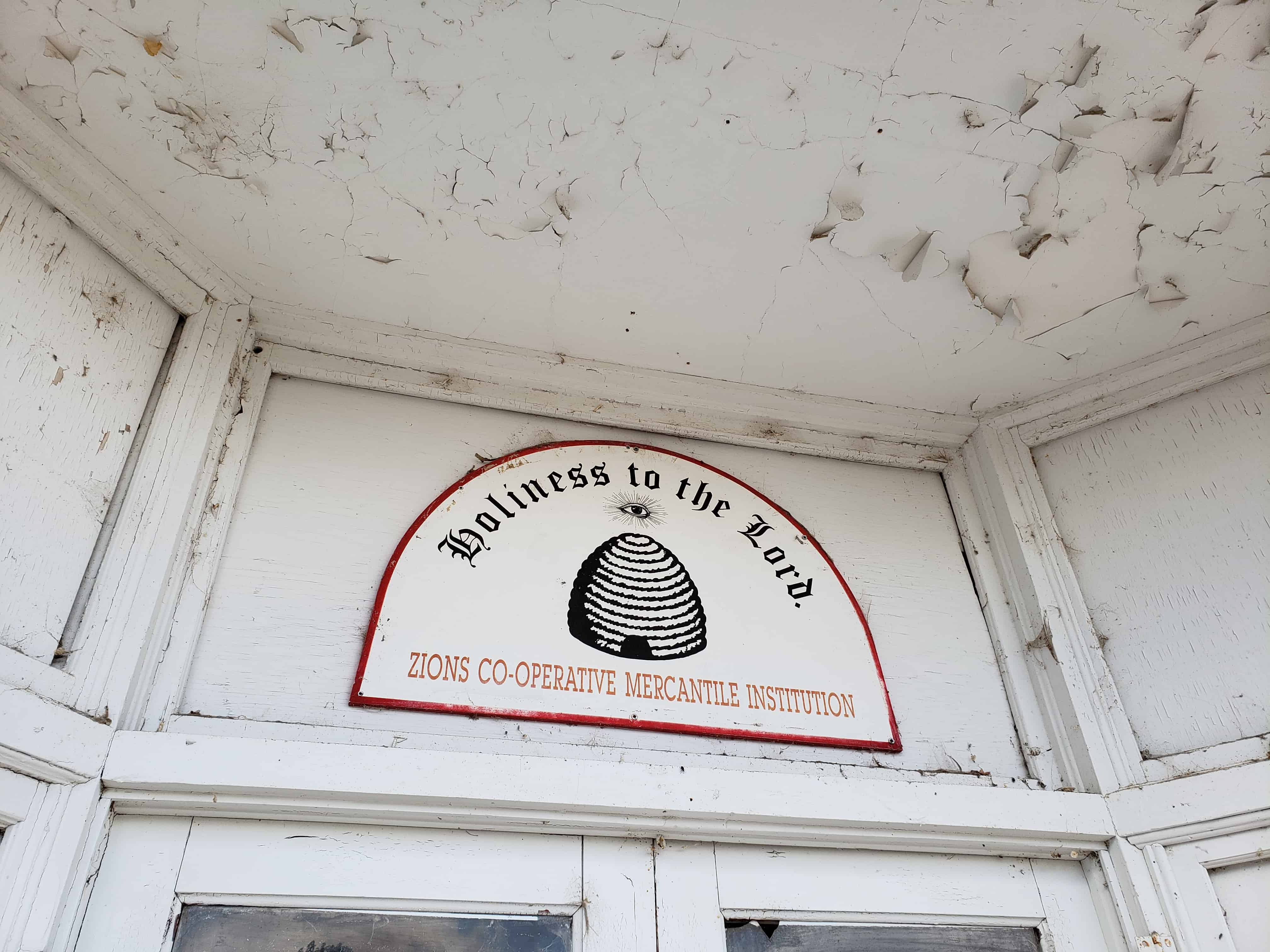


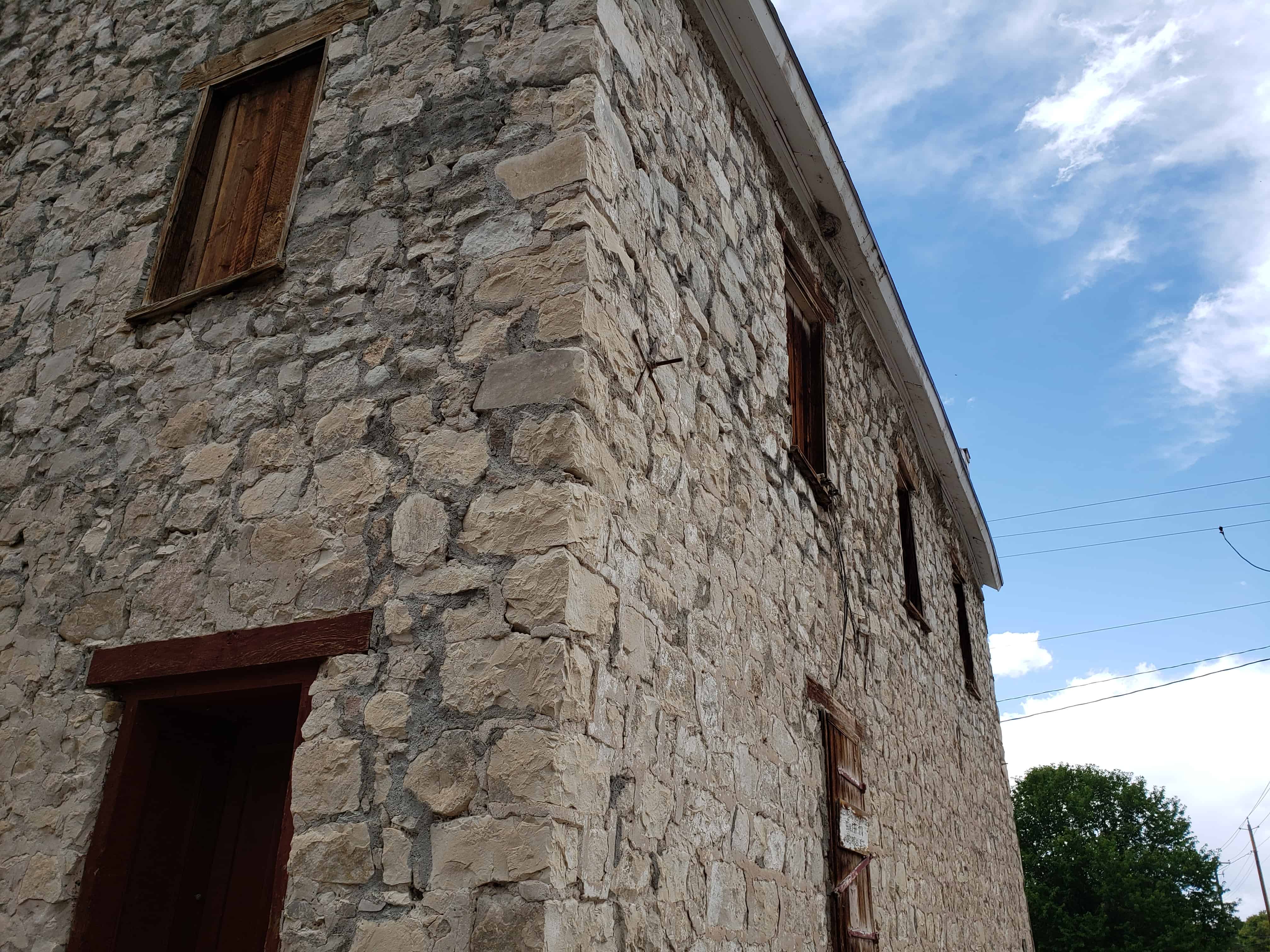



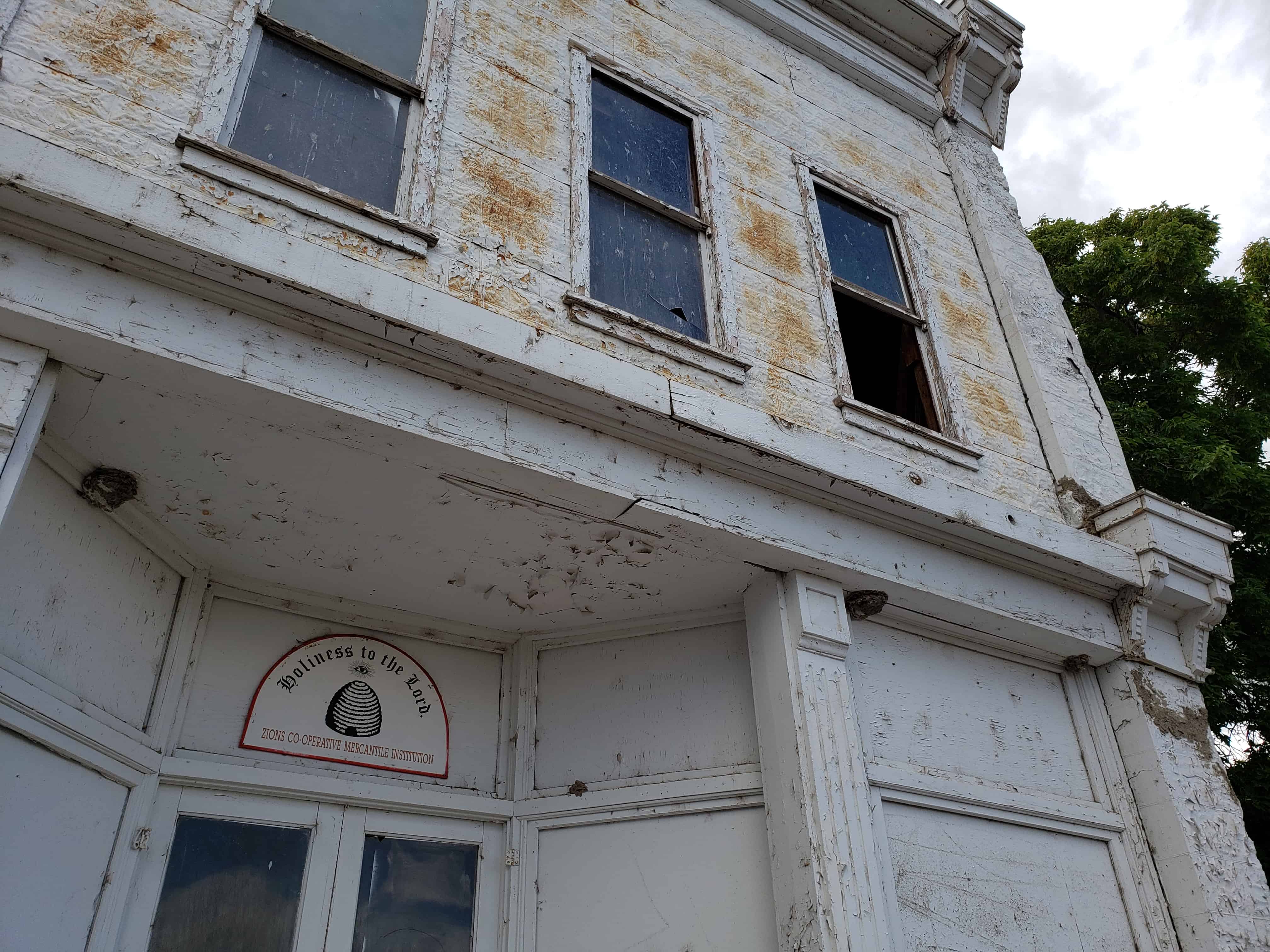


The Glenwood Mercantile is significant as one of the few remaining cooperative stores in Utah built during the United Order Movement of the 1870s. The store is also significant because it is the oldest commercial outlet in Sevier County. locally the building represents a successful communal past where religion, economics and recreation intermixed. Its significance was documented as part of a comprehensive survey of Sevier County.
Glenwood, settled first as Glencove in 1864, was resettled in 1870 after the termination of the Blackhawk War (1866-69). This agricultural community included a number of kin-related Danish severs that gave the town strong social cohesion. Because of the lateness of Sevier Valley colonization, the cooperative and: mi ted Order movements came almost at the same time: Co-ops in 1873, Orders in 1874.
Mormon cooperatives were much more than mere business associations. Its members were local businessmen but its purpose was building up the kingdom of God and not individual profits. Cooperatives were instituted to free Mormons from the need for non-Mormon economic help. In 1873 Brigham Young took a more drastic step toward Mormon self-sufficiency by pushing for the creation of local United Orders. These communal enterprises followed one of four patterns: all private goods were “given over” to be returned as wages and dividends (St. George Plan) ; expansion of existing cooperatives (Brigham City Plan) ; use of the Brigham City Plan for the Mormon wards of larger cities; and, the total giving over and communistic design of the Gospel or Orderville Plan.
When the United Order was established in Glenwood, it absorbed the local cooperatives. Following the St. George Plan where all participating members gave over their property, receiving in return shares in the corporation. Dividends were small because the purpose of the Order was not individual profit but community development and, therefore, were restricted so that the order could accumulate capital to expand its industries.
The Glenwood Cooperative Store was the retail operation of the Glenwood Order. It was erected by the Order’s Building Board in 1878. This committee was composed of carpenters, masons, adobe makers, and plasterers. Their responsibility was to assess and implement the building of all structures in Glenwood. The running of the cooperative fell to Archibald Oldroyd, Bishop and President of the Glenwood United Order. Prices in the store were set by a committee that also set local wages. In theory both wages and prices were supposed to be in balance but many times they were not. The result was either liberal credit which hurt the store or quarreling among the members which hurt the movement.
The residents of Glenwood gave their almost unanimous support to the experiment and this helped keep the Order alive and successful until 1881. In 1882 John Taylor, President of the Mormon Church, withdrew exclusive church support for cooperative stores. He did so because many had lost their community-wide base and had gradually slipped into private ownership. In Glenwood after 1882, the cooperative store was run by previous Order members like Issac W. Pierce and Abraham Shaw.
The store was sold in 1898 to a private investor and resident of Glenwood, Neils Heilesen, who continued to use the name “Glenwood Cooperative”. This advertising practice changed when his son Henry Edwards purchased the store in 1910. After remodeling the building in 1912 he attached the title “Glenwood Mercantile” to the front of his “modernized” store.
The continued growth of Sevier County during the early 1900s gave rise to a competitive store, the Glenwood Cash Store. This period was also marked by a decline in agricultural prices so that by 1927 Heilesen had outlasted his competitor but was experiencing hard financial times. Yearly mortgages became a common occurrence. In 1930 Heilesen leased the store to the Texas Company. Their success was no greater than his own and in 1933 he resumed operation of the store. In 1952 the store ceased operation and has remained vacant up to the present.
The Glenwood Mercantile exists today as updated in 1912. It is a two-story commercial style structure, built of coursed, rough-faced ashlar. A gable roofed brick extension of one story is located at the west. A boomtown façade shields the rear gable roof. The symmetrically arranged street façade exhibits an upper wood cornice with a central frame parapet. Pour double hung sash windows mark the second story.
At the ground floor level is the indented double door entrance approached by steps. Flanking the entrance alcove are pressed tin pilasters. The cornice above the first floor is also pressed tin, as is the siding of the second story wall here. Large rectangular windows and transoms of the ground floor have been boarded up. Lintels of secondary elevation windows are wood. As the Glenwood Co-op, the structure exhibited a gable end street façade and was lacking ornament except for the sign located above the first floor which was replaced by a cornice. Façade piercing was a symmetrical three over three arrangement and included a second story door. The entrance area was not indented. Ground floor windows had multipaned, rectangular lights and shutters.
08 Wednesday Jul 2020
Posted in Uncategorized
Tags

The old Sevier County Courthouse in Richfield before it was demolished.
03 Friday Apr 2020
Posted in Uncategorized
Tags

Built in 1894 and later burned down the Annabella Amusement Hall was an impressive looking building.
Related Posts: